OpenAI Reduces NVIDIA GPU Reliance with Faster Cerebras Chips

OpenAI Reduces NVIDIA GPU Reliance with Faster Cerebras Chips

What if ChatGPT could be 100 times faster, responding to your queries almost instantaneously? That’s not just a distant dream, it’s the bold vision behind OpenAI’s new $10 billion partnership with Cerebras Systems. In this breakdown, Matthew Berman walks through how this collaboration is set to transform AI performance by using Cerebras’ specialized chip technology. […]

The post OpenAI Reduces NVIDIA GPU Reliance with Faster Cerebras Chips appeared first on Geeky Gadgets.

Posted in Uncategorized

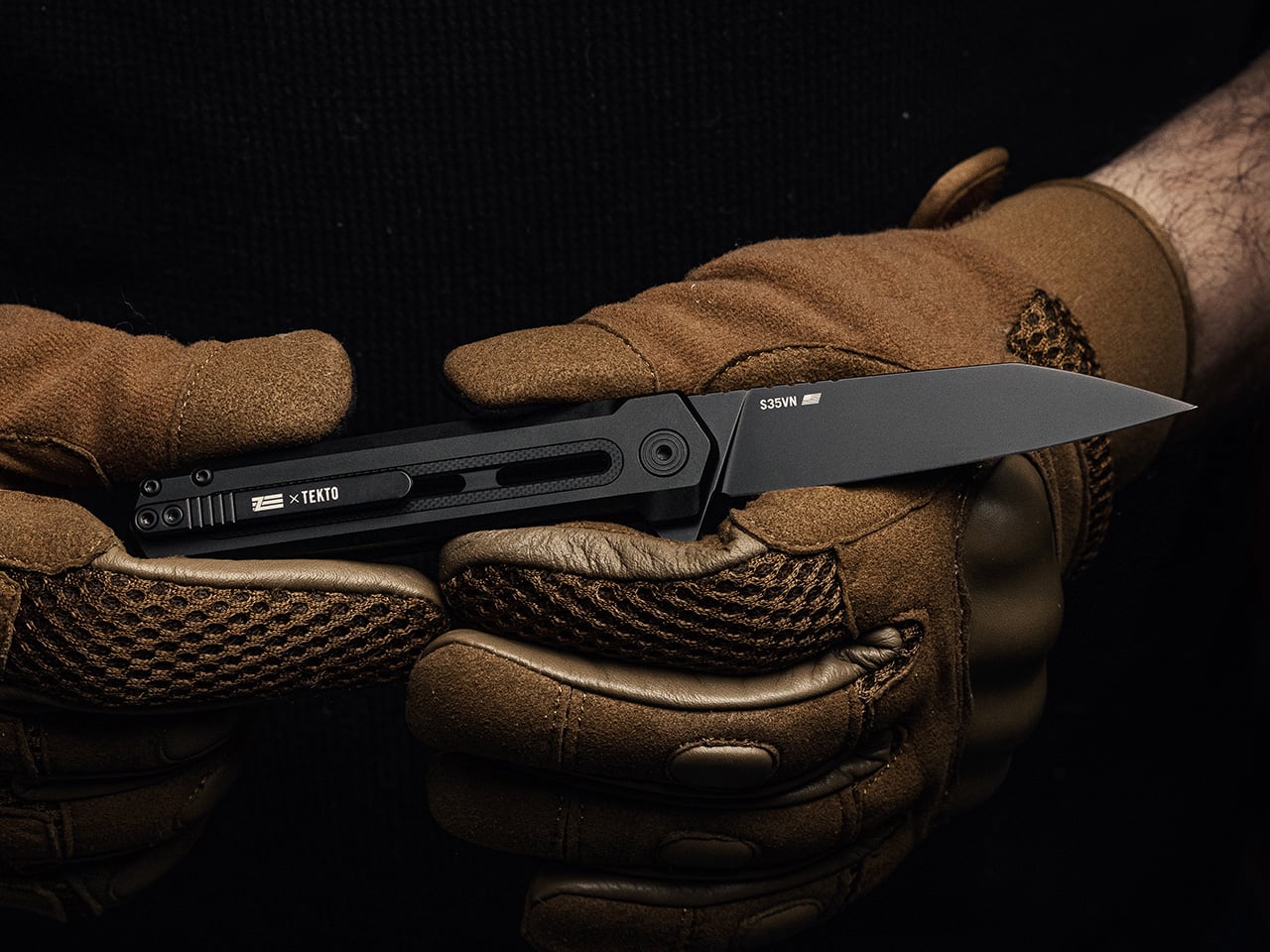
Tekto F4 Echo Review: S35VN Steel, Button Lock, and a Zastava-inspired Tactical Design

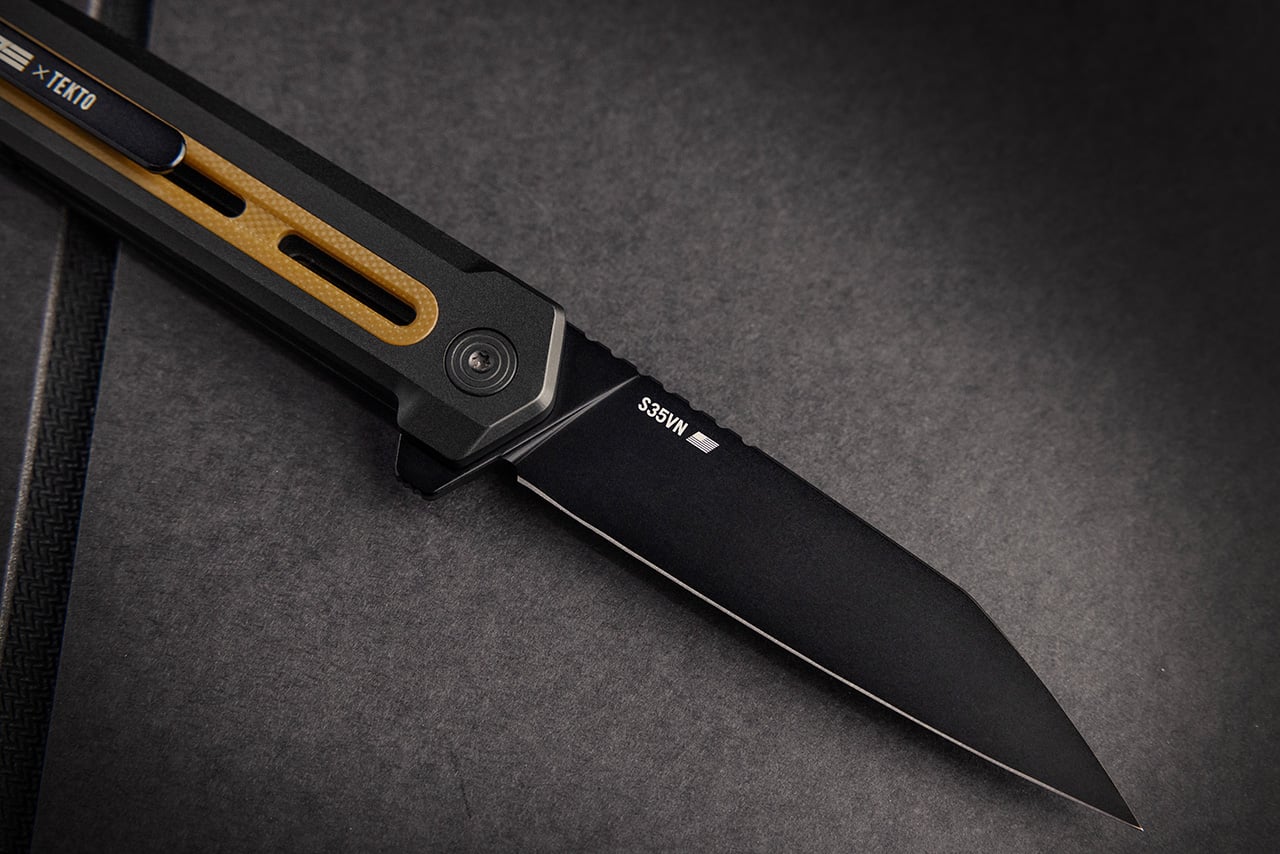
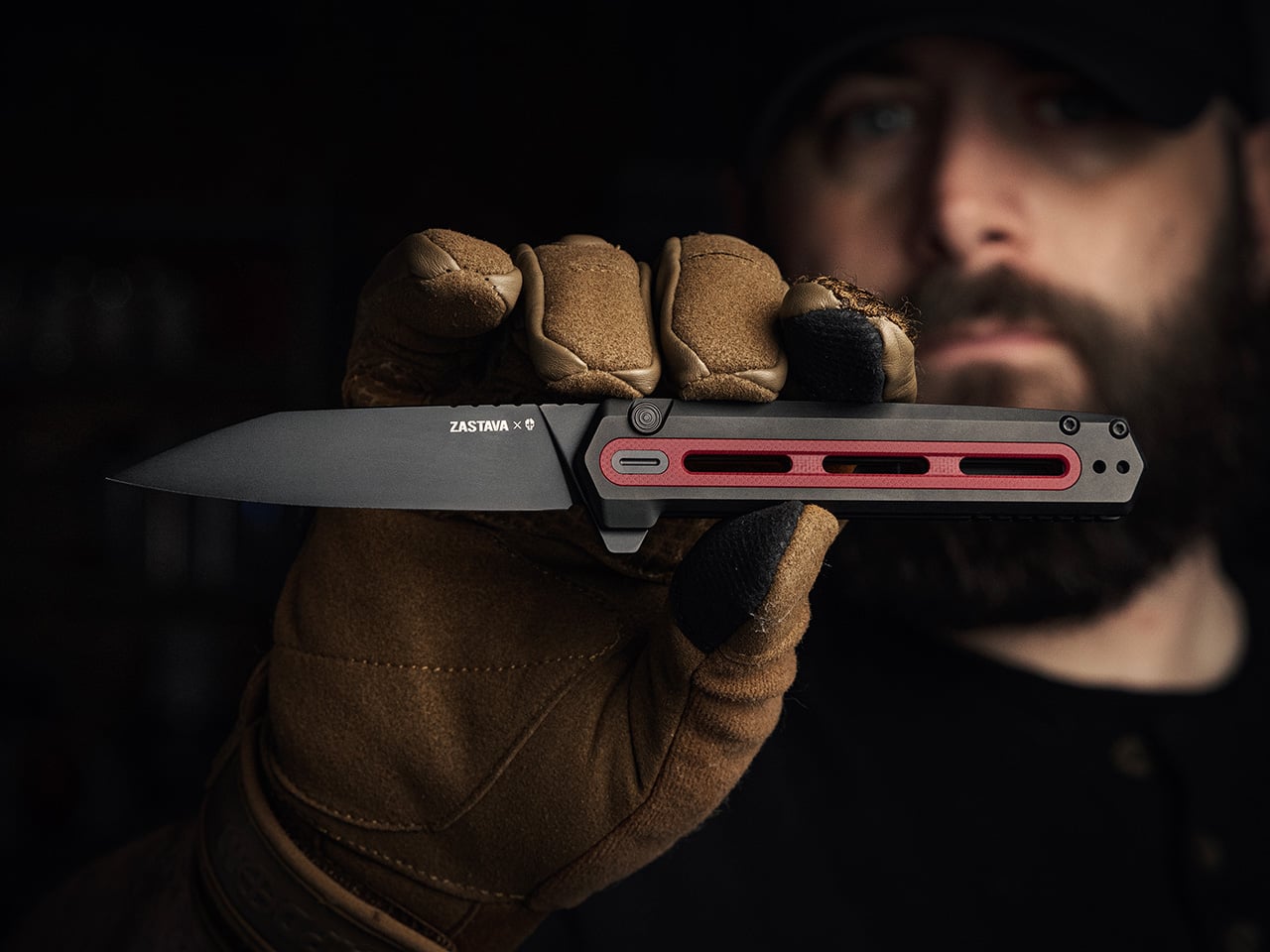
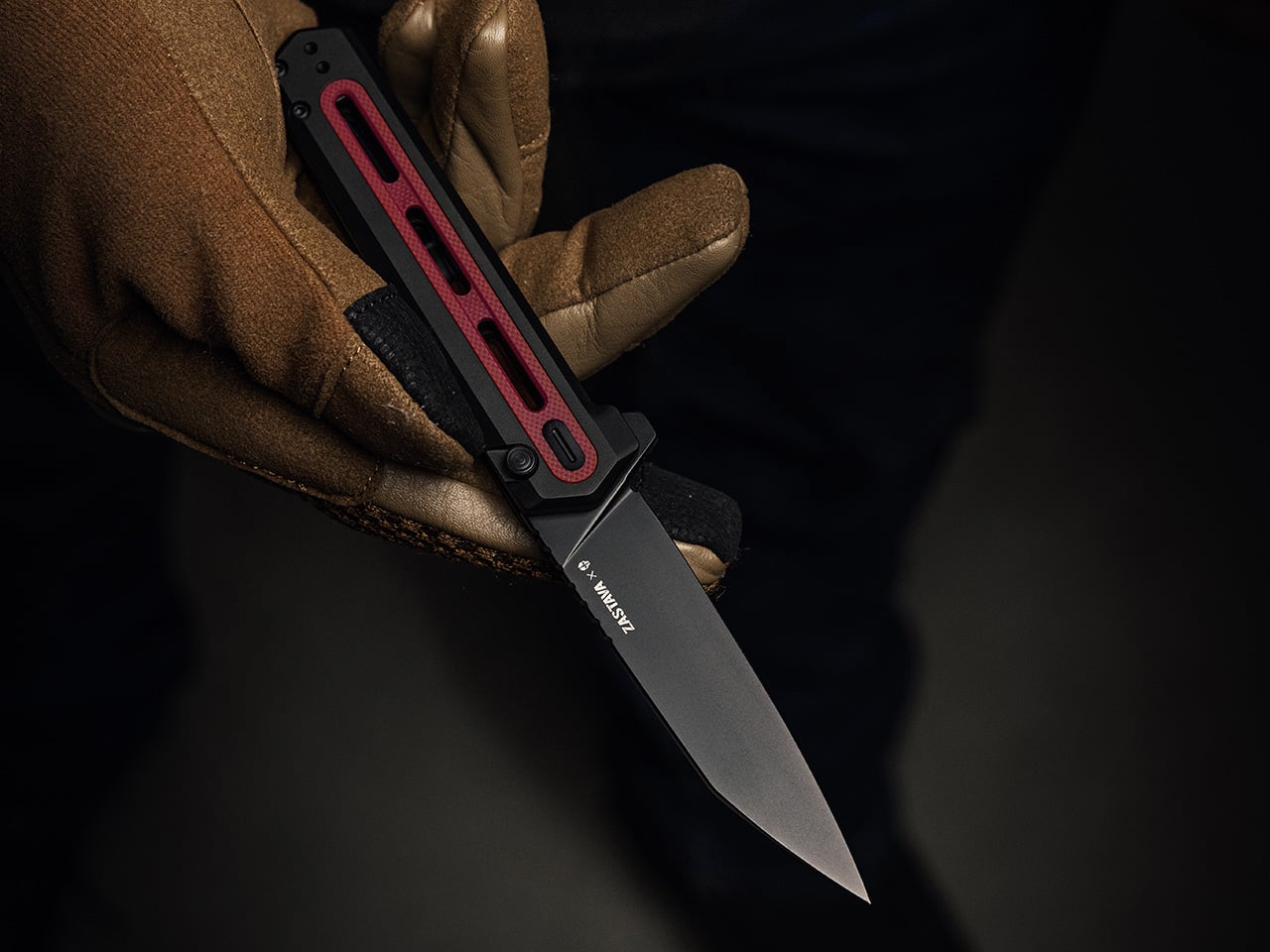
Zastava Arms USA doesn’t put their name on just anything. The firearms manufacturer built its reputation on rifles that perform under pressure, and their latest collaboration with Tekto Knives seems designed to carry that legacy into everyday carry territory. The F4 Echo folding knife arrives with S35VN steel, button lock mechanics, and design details that reference Zastava’s rifle heritage. At $199.99, it positions itself as a collector’s piece that still claims serious utility credentials.

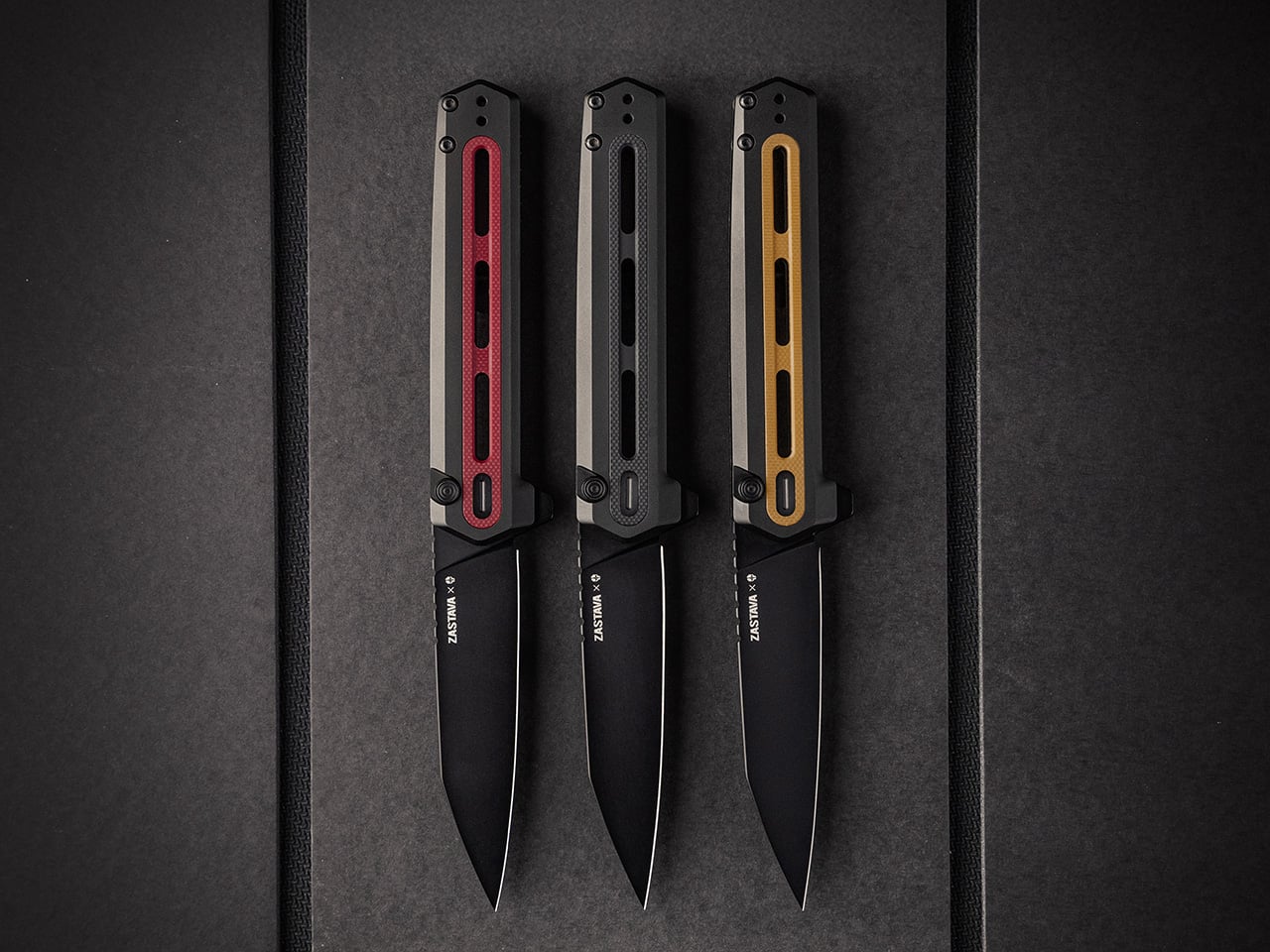
Tekto has been steadily building credibility in the tactical knife space, with Yanko Design covering their OTF automatics and folding models over the past two years. Their collaborations tend to bring recognizable names from adjacent industries, and Zastava’s involvement signals an attempt to bridge firearm aesthetics with blade functionality. Three colorways launch simultaneously: Serbian Red G10, American Walnut G10, and Tactical Black G10, giving all EDC fans something to look forward to.

Designer: TEKTO

Click here to Buy Now: $170 $199.99 ($29.99 off, use coupon code “F4YANKO”). Hurry, deal ends in 48-hours!

That choice of S35VN steel is the first real indicator they’re serious about building a flipper as strong and reliable as the Zastava brand itself. They could have stuck with D2 and priced this at $150, but the upgrade to a Crucible powdered steel shows they’re aiming for the enthusiast crowd. S35VN isn’t just about holding an edge longer; its real-world benefit is corrosion resistance. You can carry it all day without worrying about humidity turning your blade into a rust-spotted mess. This choice elevates the F4 Echo from a simple co-branded product to a genuinely competitive tool. It’s a smart move that demonstrates Tekto is listening to the market’s demand for better materials without jumping straight to exotic steels that would double the price.

The move to a button lock is a significant step up from the liner locks found on some of their earlier folders. Button locks provide a strong, reliable lockup and make for incredibly smooth one-handed closing, which is a huge quality-of-life improvement for anyone who actually uses their knife throughout the day. Tekto also describes the flipper action as “deliberate,” which suggests they’ve tuned the detent for controlled deployment rather than a snappy, aggressive action. For a tool with tactical roots, that makes a lot of sense; you want the blade to appear exactly when you intend it to, without any ambiguity.

The G10 handle scales provide plenty of traction, and the machined patterns create a visual link to Zastava’s firearm furniture that’s undeniably clever. The colorways are a smart bit of market segmentation too. Serbian Red is clearly for the Zastava die-hards, American Walnut appeals to a more traditional outdoorsman aesthetic, and the tactical black is for everyone else. It’s a thoughtful approach that shows they understand their audience isn’t a monolith. The design feels cohesive, like a genuine partnership rather than a simple logo slap.

Tekto’s shipping the F4 Echo with their standard deep-carry pocket clip and a pouch, which is table stakes at this price point. They’re advertising 24-hour shipping, which feels fairly radical, but if you’re really keen to get a pair in your hands fast, it’s better than placing an order for Thanksgiving and receiving your EDC by Christmas. The F4 Echo has all the right ingredients to be a standout piece: a proven blade steel, a popular and functional lock, and a design story that connects with a passionate firearms community. And even though the knife carries the Zastava brand, it isn’t just for true-blue Zastava fans. Tekto is betting that the combination of premium S35VN steel, a robust button lock, and the unique Zastava branding will appeal to users who want something different. It’s a collector’s piece with the heart of a workhorse.

Click here to Buy Now: $170 $199.99 ($29.99 off, use coupon code “F4YANKO”). Hurry, deal ends in 48-hours!

The post Tekto F4 Echo Review: S35VN Steel, Button Lock, and a Zastava-inspired Tactical Design first appeared on Yanko Design.

The Pen That Went to the Moon Just Got a Tactical Upgrade

Remember when you were a kid and someone told you about the space pen? You know, the one that writes upside down, underwater, and in basically any condition imaginable because NASA needed something reliable for astronauts? Well, Fisher Space Pen just dropped a new version that makes their legendary writing instrument even more ridiculously practical, and honestly, I’m kind of obsessed.

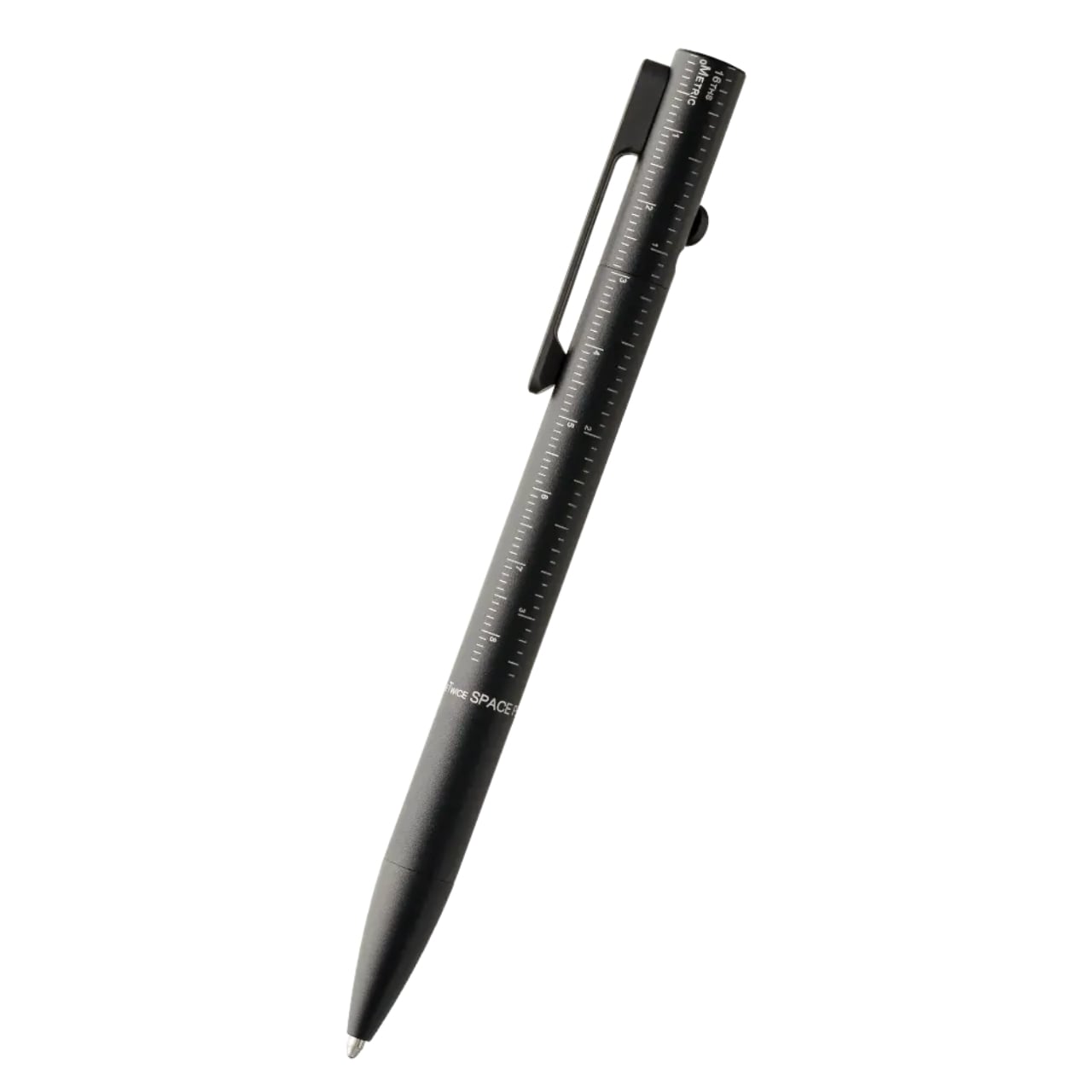
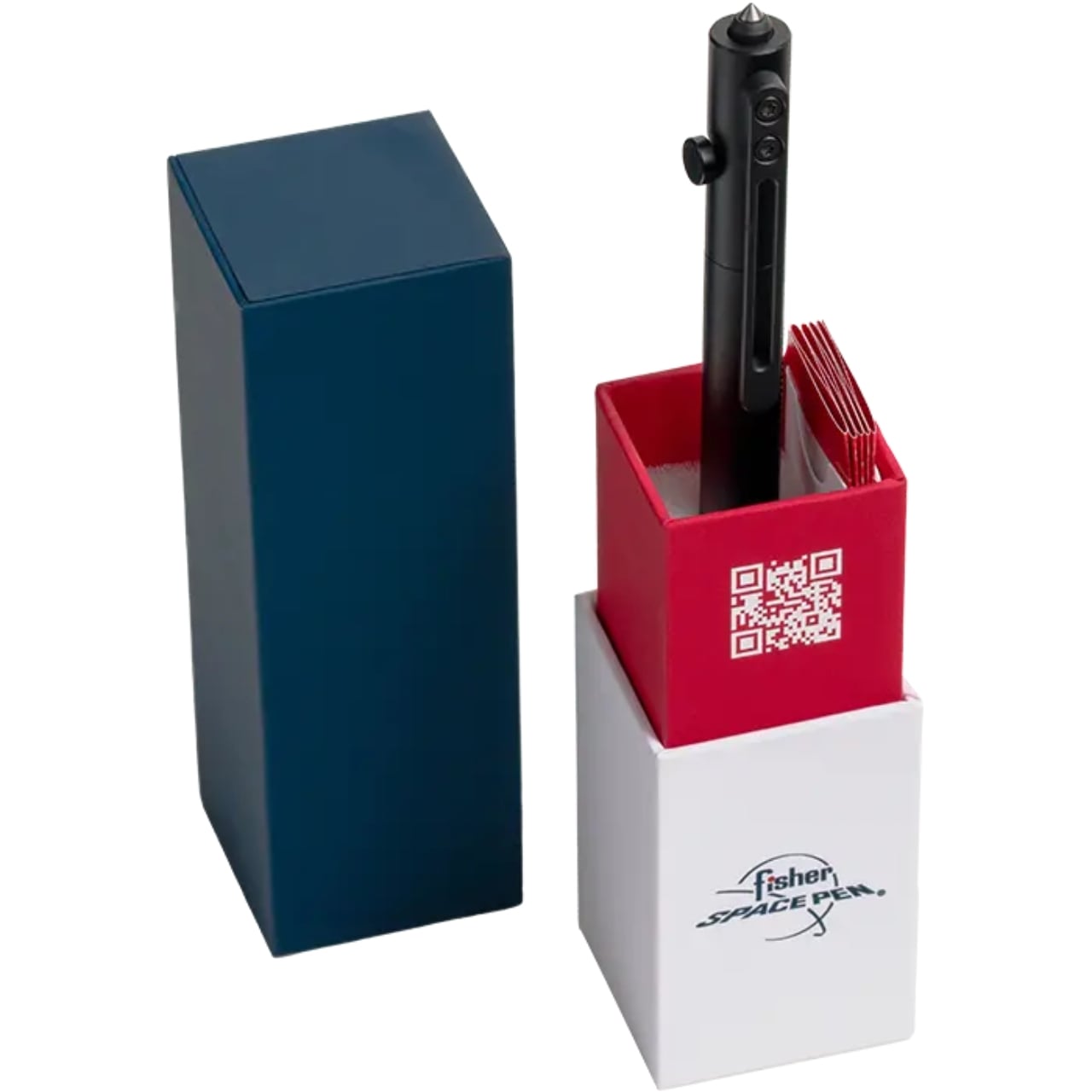
Meet the Measure Twice, a bolt-action tactical pen that’s basically the Swiss Army knife of writing instruments. At $69, it’s not your average drugstore pen, but hear me out because this thing is genuinely clever.

Designer: Fisher Space Pen

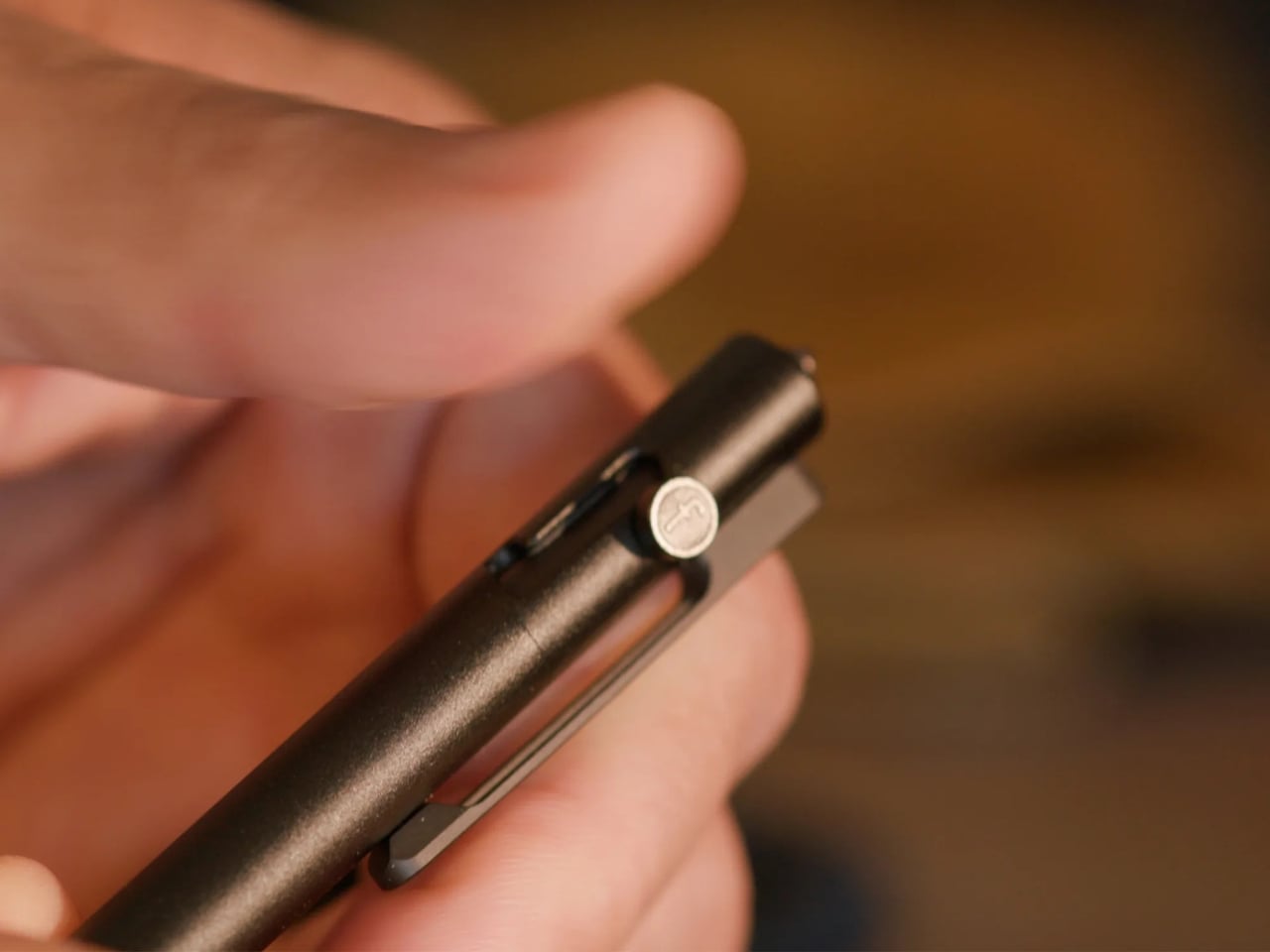
First, let’s talk about that bolt-action mechanism. If you’ve ever fidgeted with a pen during a long meeting or phone call, you know the appeal of a good click. But this takes it to another level. The bolt-action deployment is smooth, satisfying, and way more robust than a standard clicker. It’s the kind of tactile experience that makes you actually want to use a physical pen in our increasingly digital world. Plus, it just looks cool. There’s something inherently appealing about that tactical aesthetic without it being over the top or trying too hard.

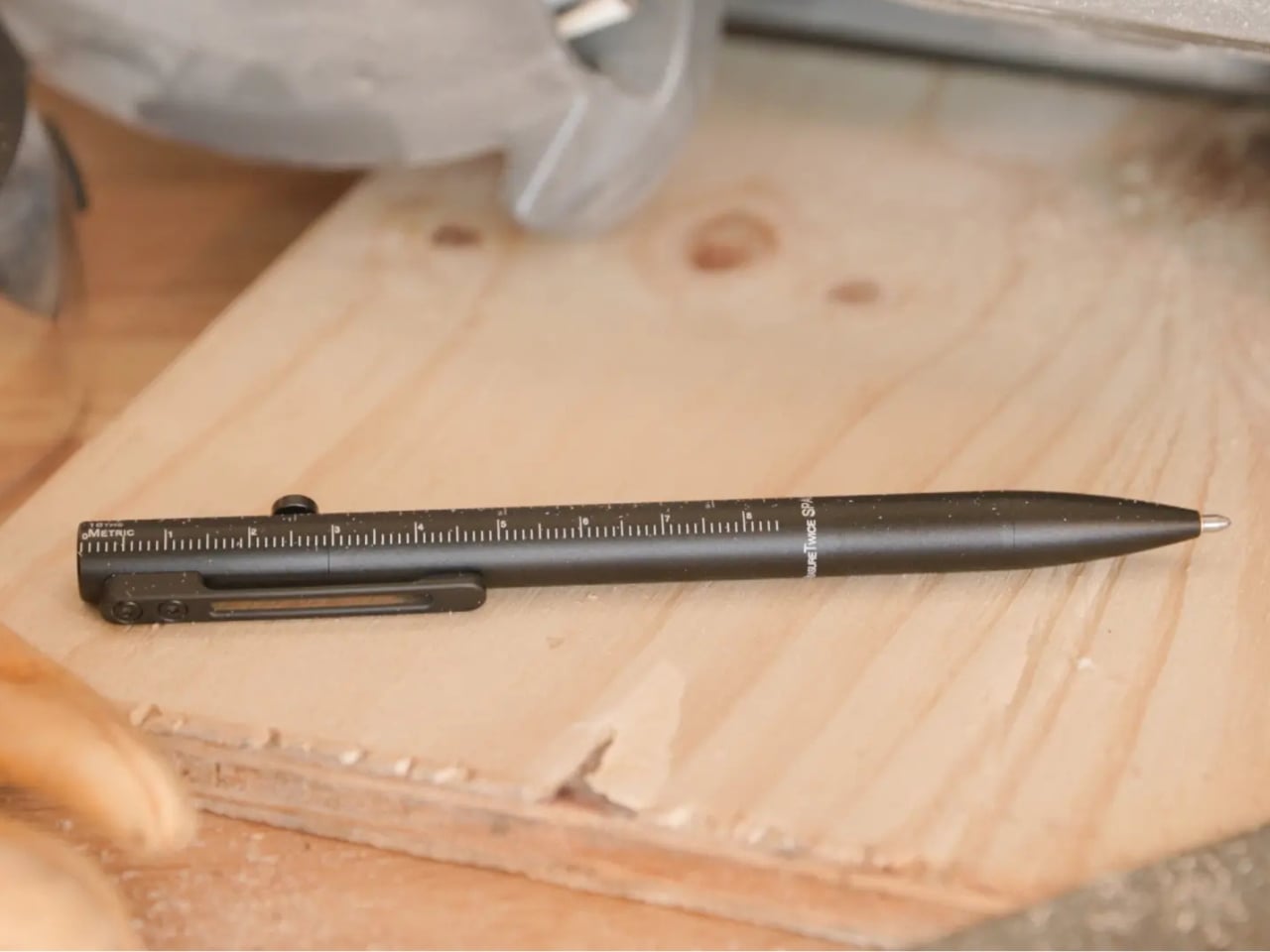
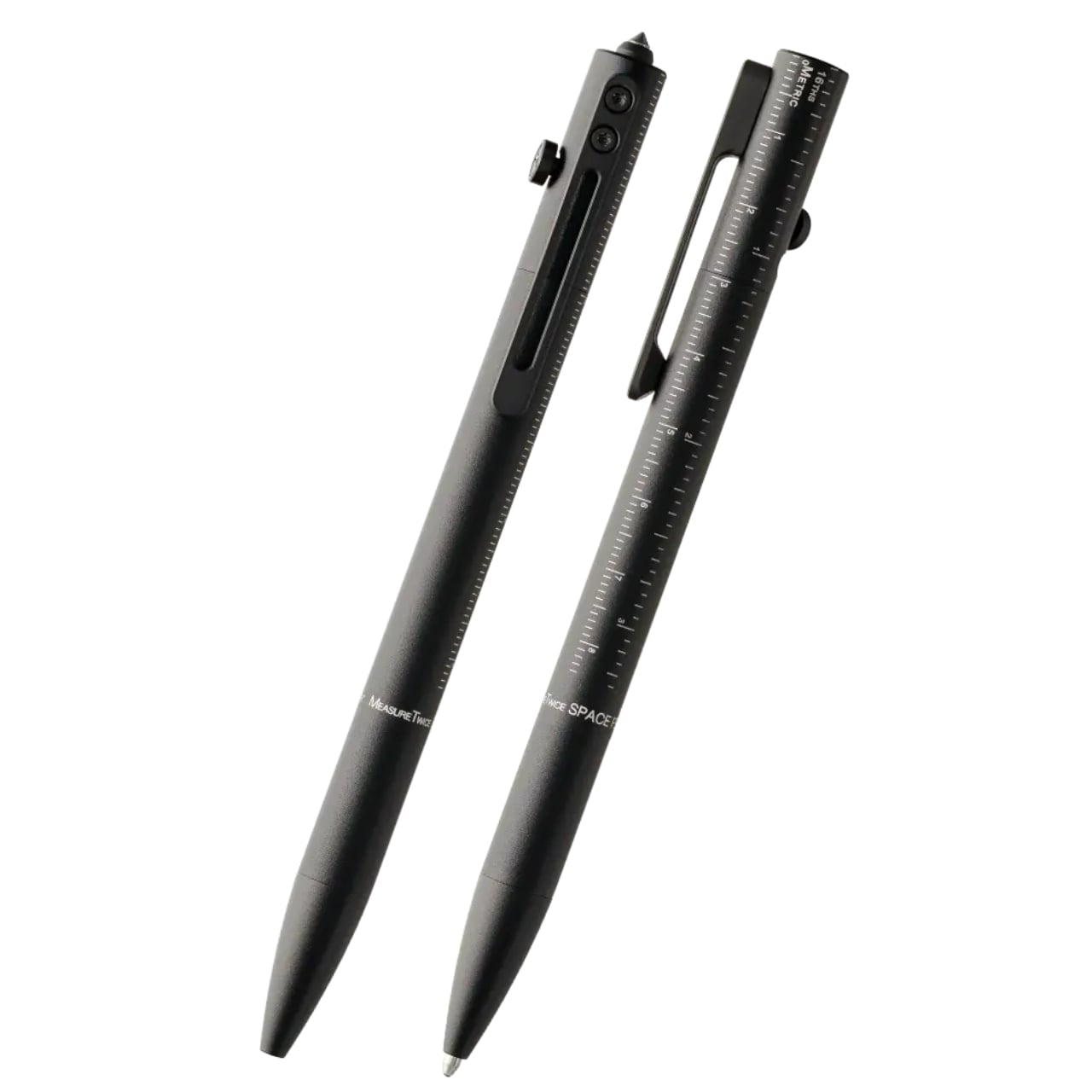
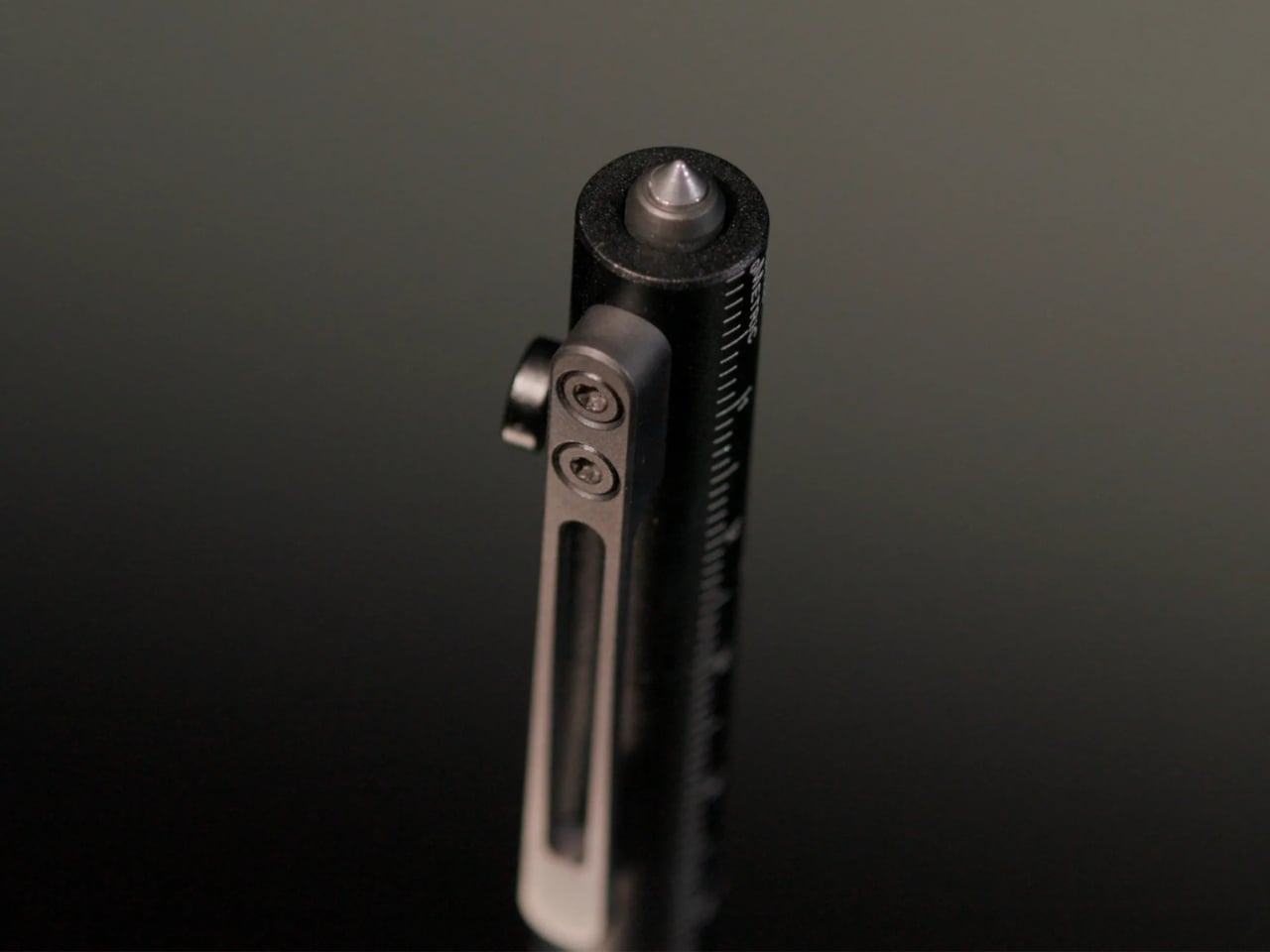
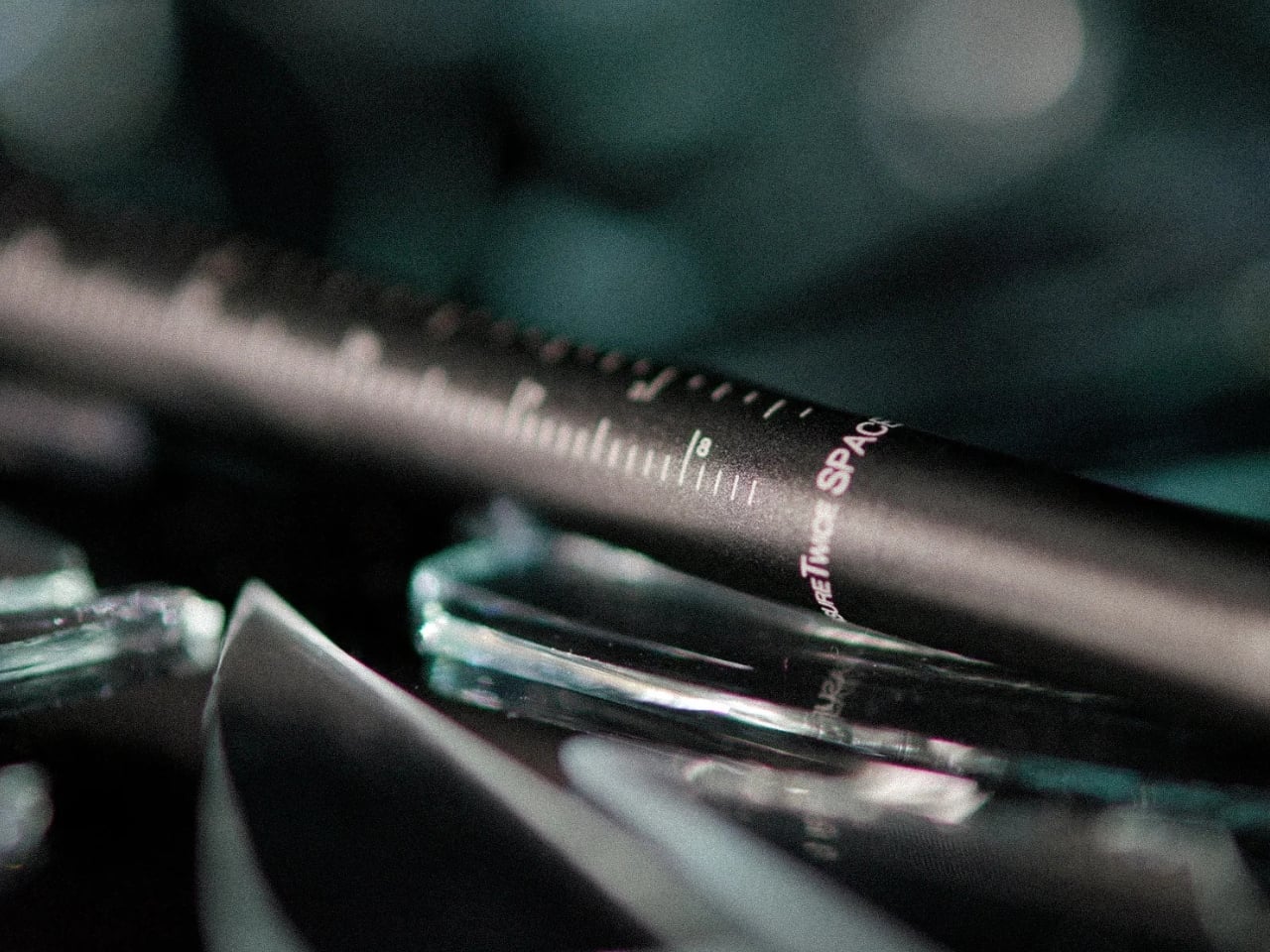
But here’s where it gets interesting. Fisher etched precision ruler markings right into the barrel of the pen. We’re talking both imperial measurements up to 3.5 inches and metric up to 9 centimeters. Think about how many times you’ve needed to measure something small and had to hunt around for a ruler or tape measure. Shopping for furniture online and need to visualize how big something is? Got it. Working on a craft project? Covered. Trying to figure out if that vintage frame will fit your photo? Done. It’s one of those features that seems almost too simple, but once you have it, you realize how often you actually need it.

The construction is pretty impressive too. Fisher switched from their traditional chrome-plated brass to anodized aluminum for this model. That means it’s lighter and more comfortable to carry all day, but still incredibly durable. The anodizing makes it resistant to scratches, corrosion, and impacts, so you can toss it in your bag or pocket without babying it. It’s designed to be used, not displayed on a shelf.

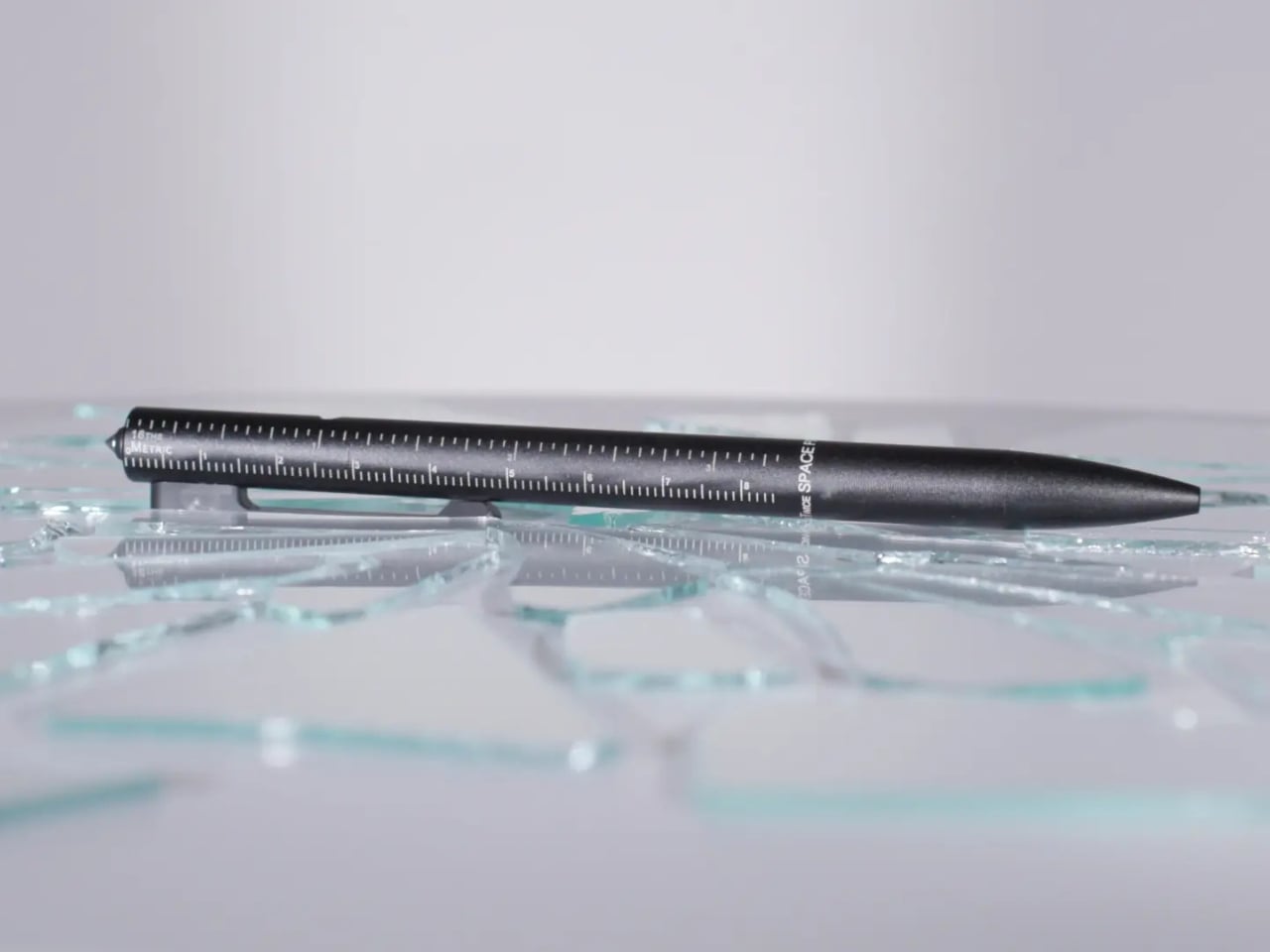
Now for the feature that really sets this apart: there’s a tungsten carbide glass breaker tip on the opposite end from the writing point. Yes, you read that right. This pen doubles as an emergency escape tool. In a car accident or emergency situation where you need to break a window, this could genuinely save your life. It’s the kind of thing you hope you never need, but knowing it’s there provides a weird sense of security. Plus, it speaks to the thoughtful design philosophy behind this pen. It’s not just about looking tactical or cool, it’s about actual functionality.

Of course, it still has all the legendary Space Pen technology that made the original famous. The pressurized ink cartridge writes upside down, works in extreme temperatures, functions underwater, and has a shelf life of over 100 years. That’s not marketing hype, that’s actual tested performance. These pens literally went to space and performed flawlessly in zero gravity.

What I really appreciate about the Measure Twice is how it represents a shift in how we think about everyday carry items. We’re constantly looking for ways to simplify what we carry, to have fewer, better things that do more. This pen nails that philosophy. It’s a precision writing instrument, a measuring tool, and an emergency device all in one sleek package that’s just over 5.5 inches long.

Fisher Space Pen took an icon and made it more relevant for 2026. The Measure Twice isn’t trying to replace your smartphone or be something it’s not. It’s just a really, really well-designed pen that happens to do a few extra things exceptionally well. And in a world of increasingly disposable products, there’s something genuinely appealing about a tool that’s built to last decades and actually earns its place in your pocket.

The post The Pen That Went to the Moon Just Got a Tactical Upgrade first appeared on Yanko Design.

Branch Paper Holder Clips onto Your Screen to Make Notes Easier to Read

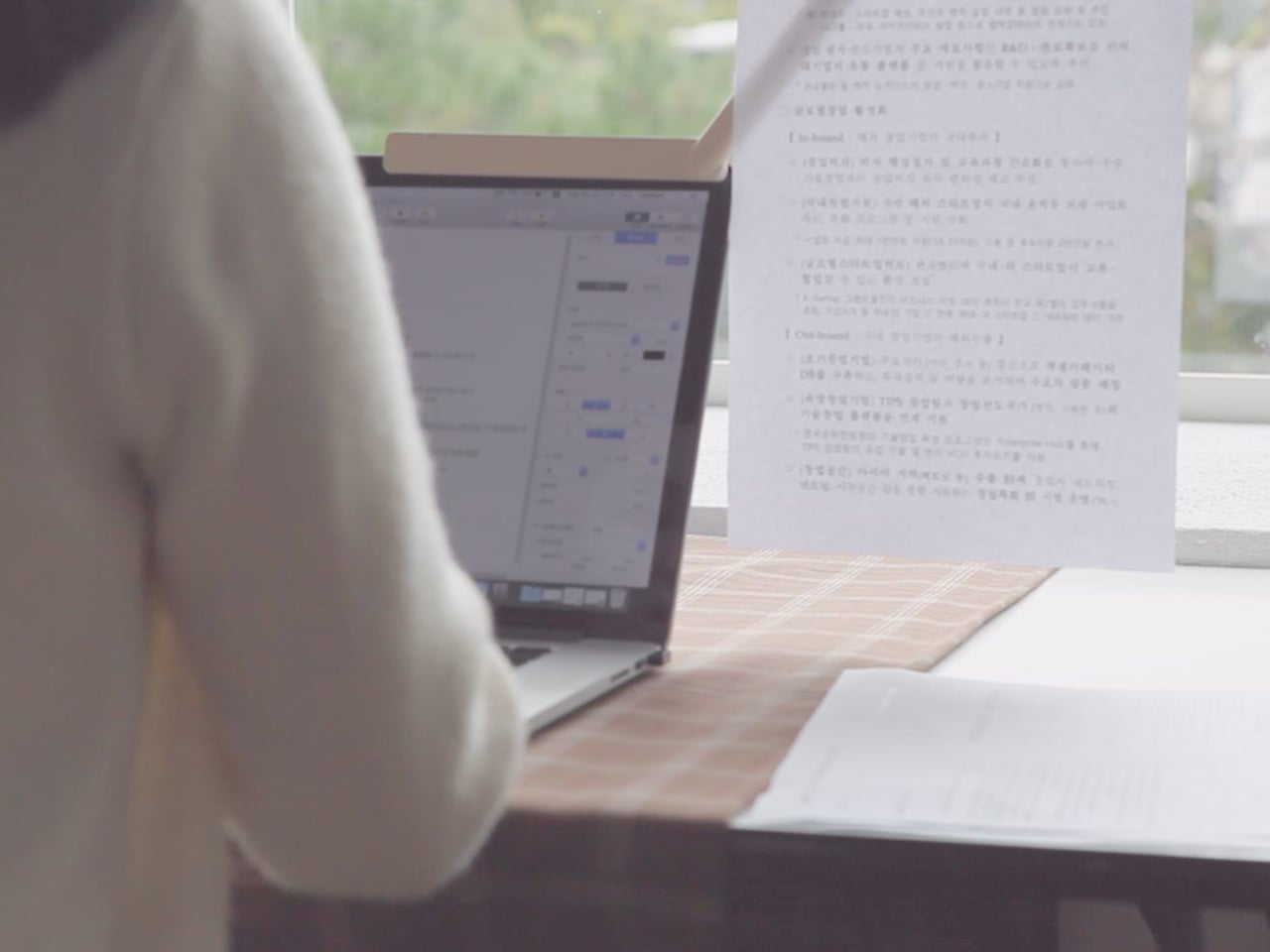
Most laptop workflows still involve paper, even in 2026. Printed briefs, handwritten notes, and reference sheets end up flat on the desk, which means you spend half your day bobbing your head between the screen and the table. That constant neck crane breaks focus and feels ridiculous when you are just trying to check a few lines of code or compare a contract clause, but there is nowhere else for the paper to go.

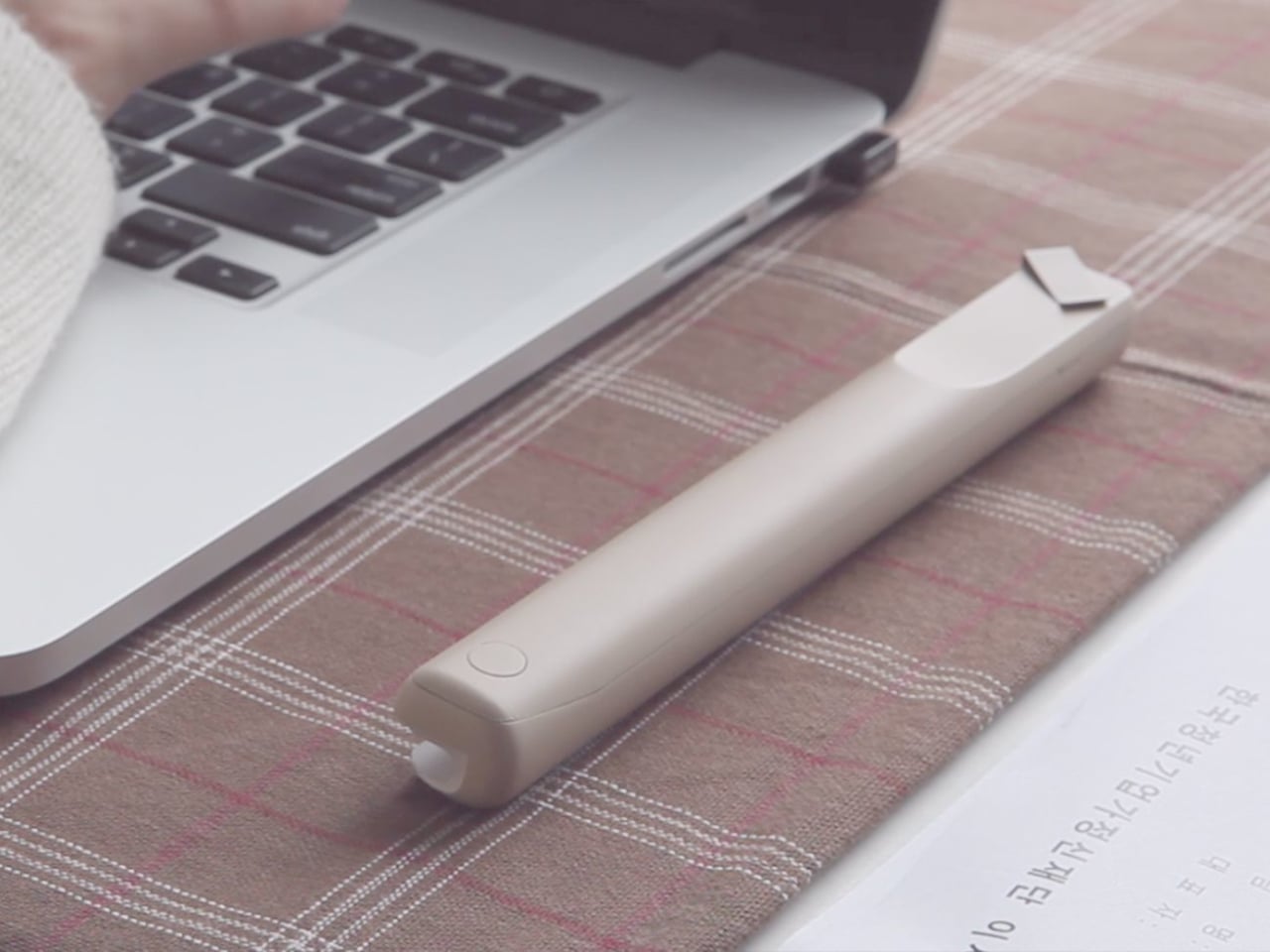
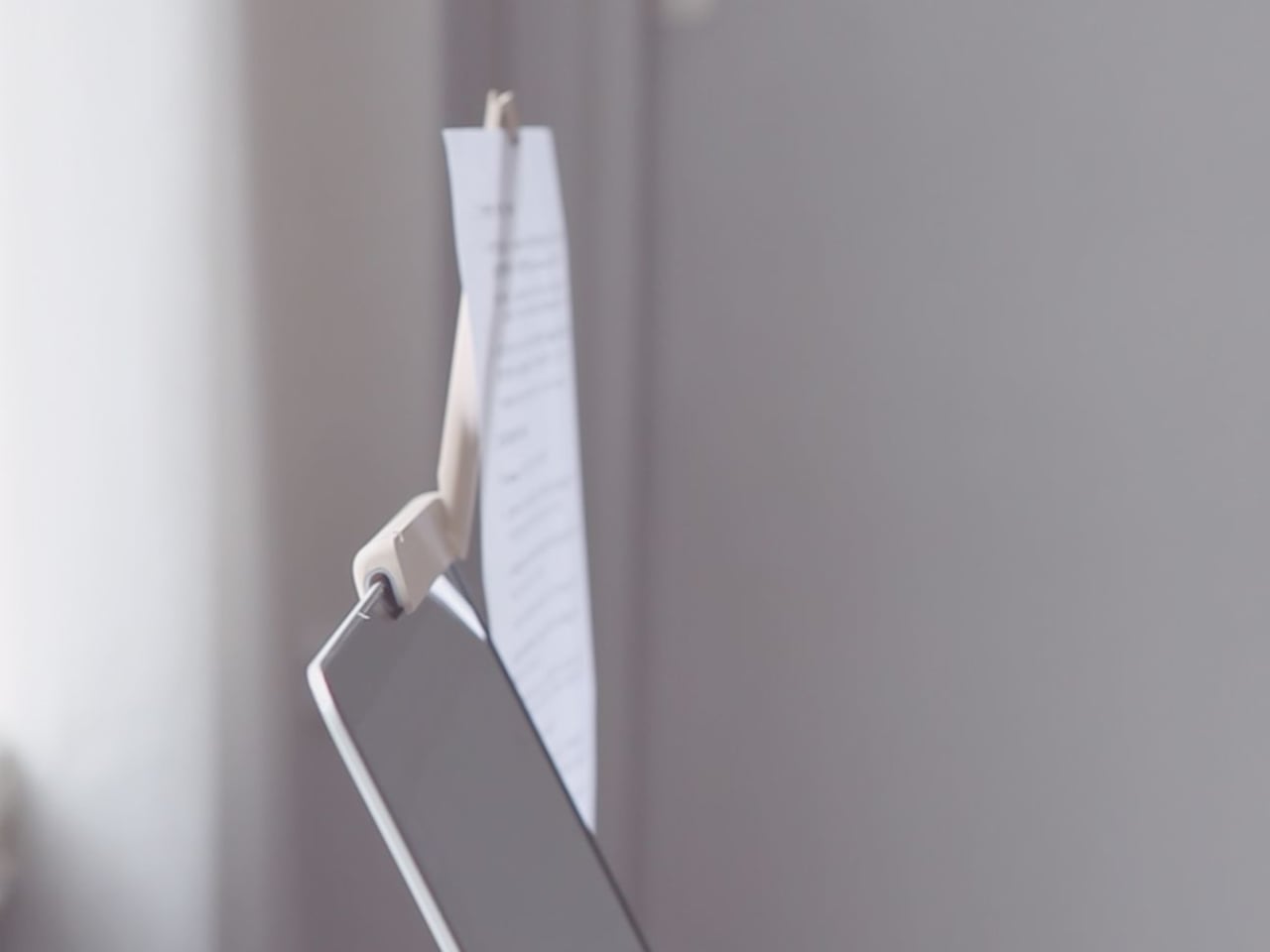
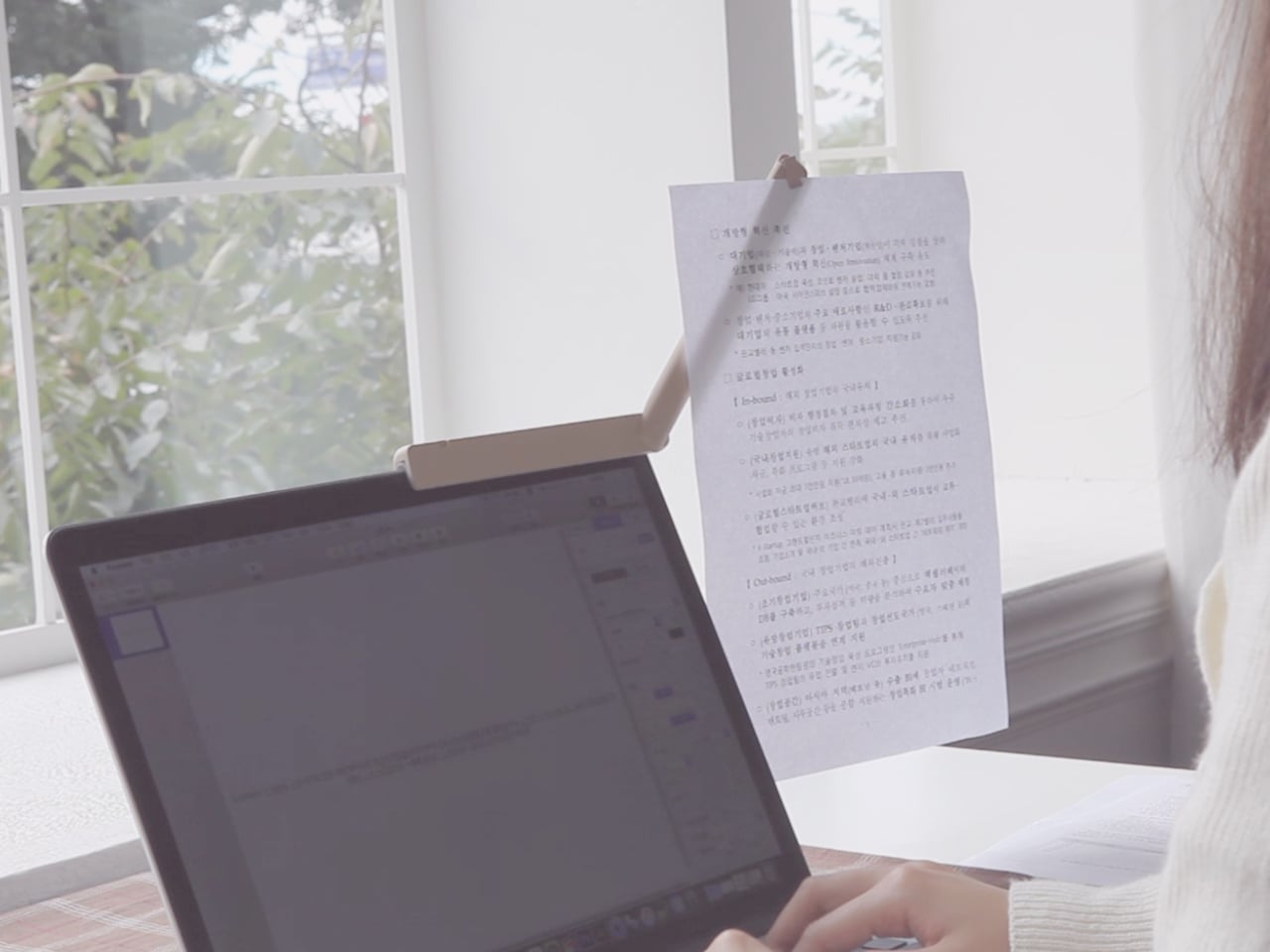
Branch is a slim paper holder designed specifically for laptops. It clips onto the edge of your screen and swings out like a branch growing from a trunk, lifting notes, photos, or documents into the same visual plane as your display. The designers wanted something that not only holds documents for easy viewing but also feels more considered and minimal than the generic office-supply stands that usually sit on desks, taking up space.

Designer: IAN BOK

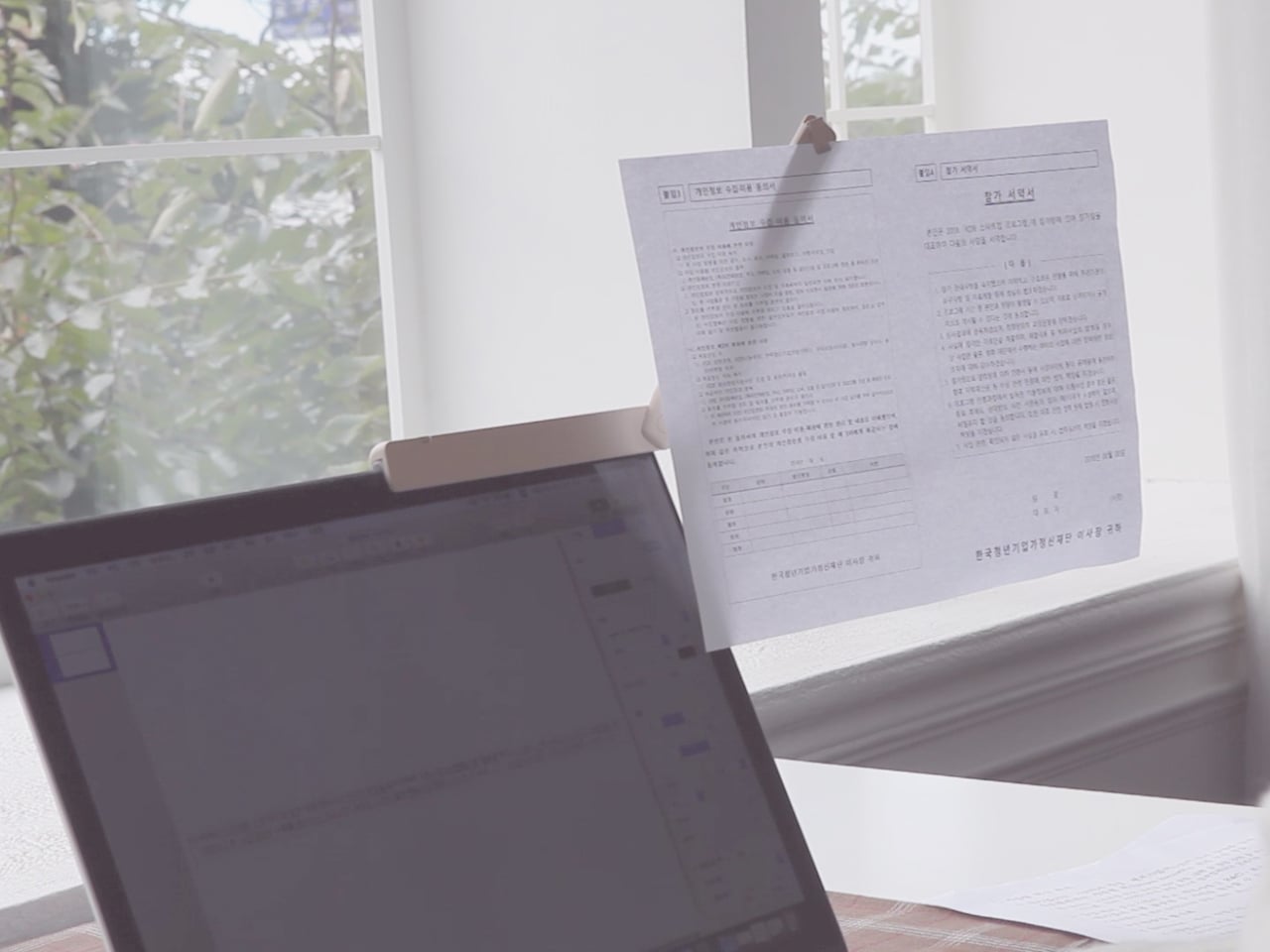
Sitting down with a laptop and a printed document, you mount Branch to the screen, rotate it until it sits roughly horizontal with the display, and slide your sheets into the clip at the end. It can hold up to ten A4 pages, so multi-page contracts, code printouts, or study notes stay visible and aligned with your main workspace. The arm rotates both horizontally and vertically, bringing paper into your line of sight instead of leaving it flat below.

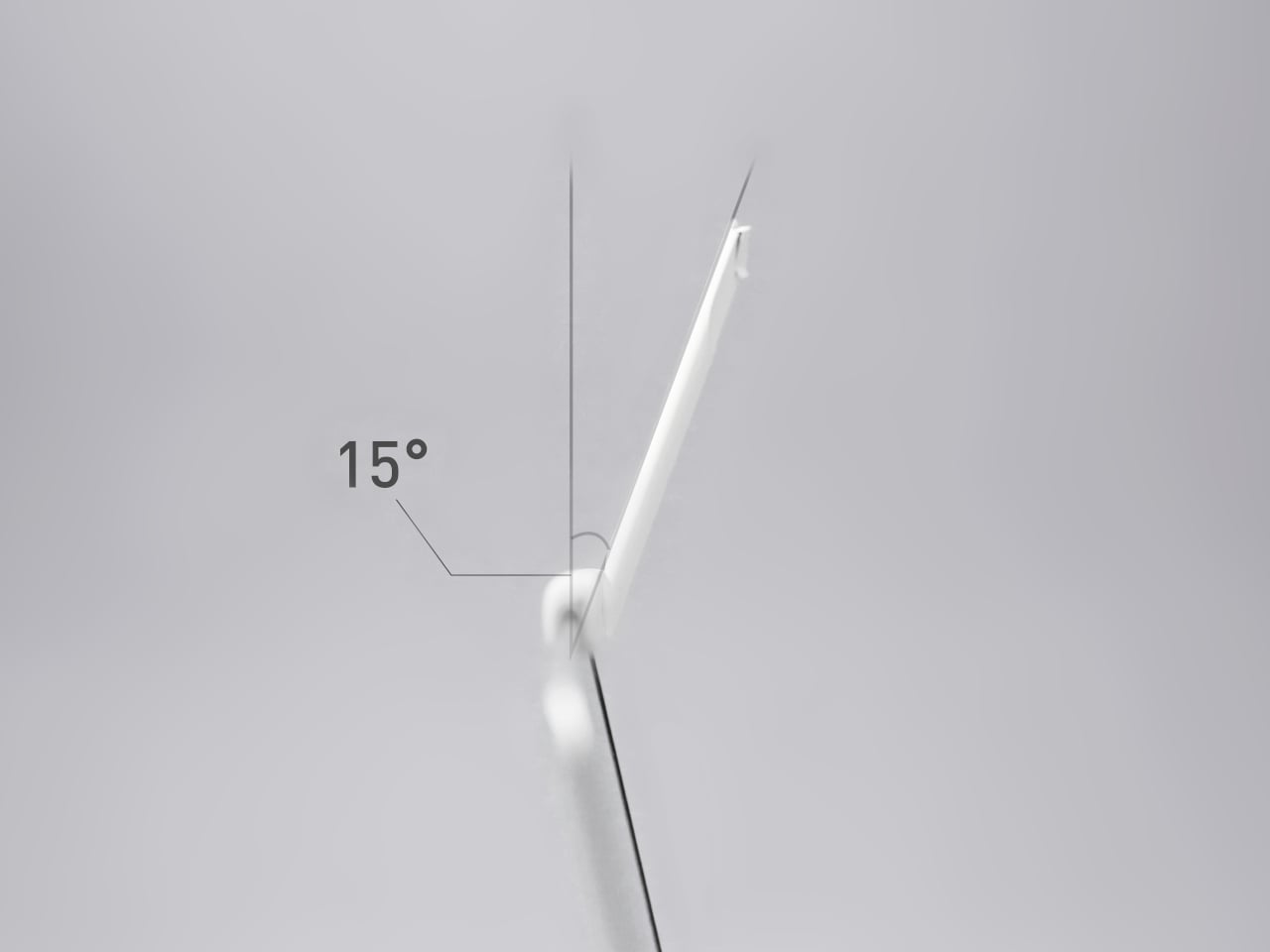
By raising paper this way, Branch reduces the amount of head and eye travel needed to reference it. The arm is angled at about 15 degrees so that notes do not slide off, and the clip lets you display pages in portrait or landscape, useful for everything from long text columns to wide spreadsheets. It is a small adjustment, but one that can make long laptop sessions feel less like a neck workout.

Branch is only 17cm long and weighs 130g, light enough to live in the same bag or sleeve as your laptop without feeling like extra gear. It fits screens between 3mm and 6mm thick and is recommended for 13-inch to 15.6-inch laptops, which quietly covers most modern notebooks. The ABS structure is shaped to protect the mounting surface, so it grips without chewing through bezels or leaving marks.

The name is not just a visual metaphor. Tree branches do more than connect trunks and leaves. They gather light and store nutrients so the tree can grow. The designers chose “Branch” because they see this little arm as playing a similar role, quietly supporting work by making analog and digital tools feel more connected. It is not a productivity app trying to replace paper but a physical bridge between notes and pixels.

Branch does not try to scan your printouts or digitize your sketches. It simply gives your notes a better seat next to your laptop, reducing strain and clutter in the process. Many people still think better with a pen in hand and a reference sheet by their side, so a minimal paper holder that clips on, swings out, and disappears into the workflow feels like the right kind of quiet upgrade.

The post Branch Paper Holder Clips onto Your Screen to Make Notes Easier to Read first appeared on Yanko Design.

Bird.zzz Turns Sleep Tracking into a Calm Earbud and Bedside Lamp Ritual

Most sleep gadgets feel like they belong in a gym or a lab: chunky watches, bright screens, and apps that want you to stare at charts before bed. There is a disconnect between wanting a soft, quiet bedroom and plugging in devices that blink, buzz, and look like mini computers parked on your nightstand. Sleep tech rarely starts from the mood of the room it lives in, focusing instead on metrics and dashboards that feel clinical.

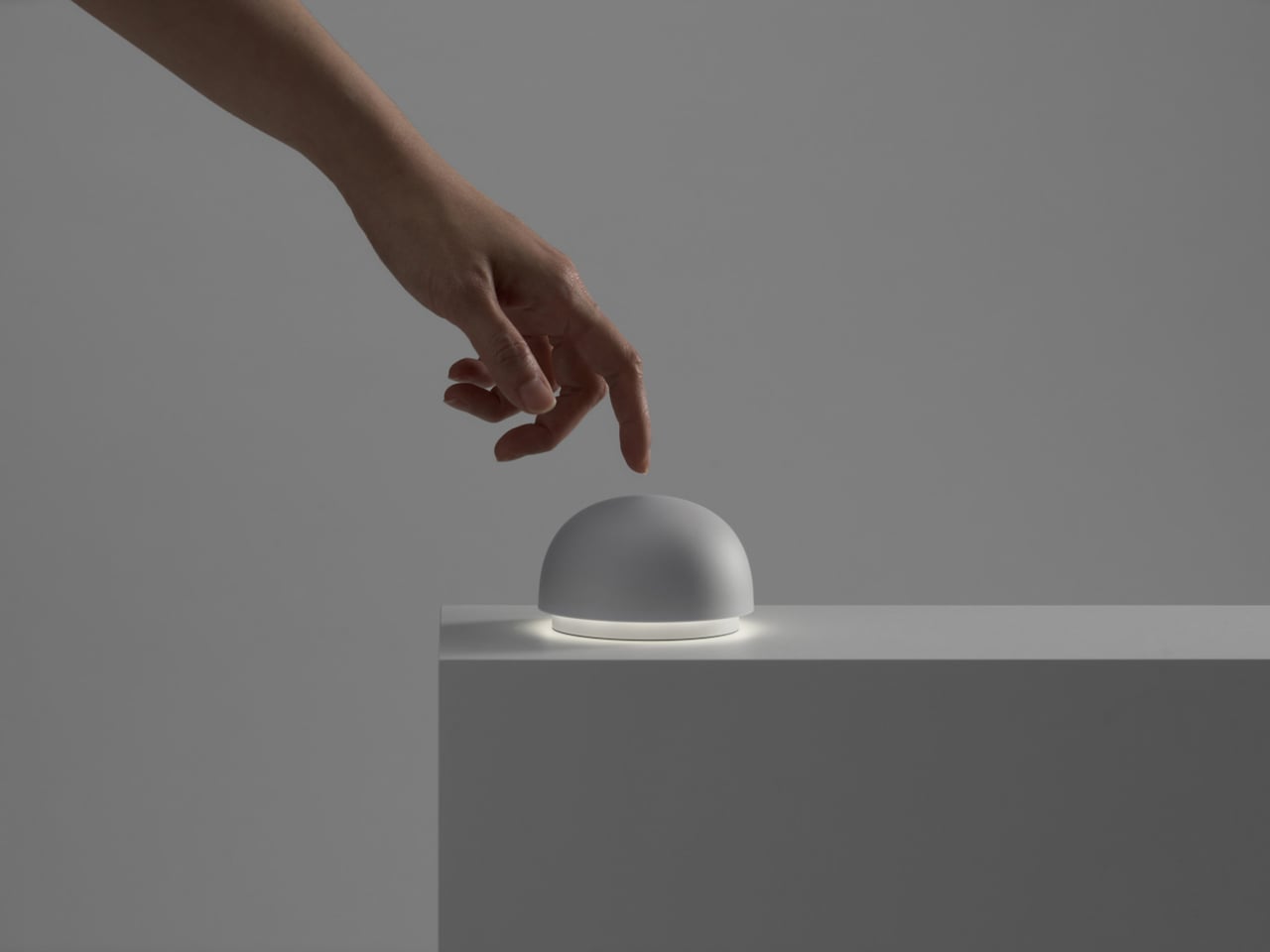
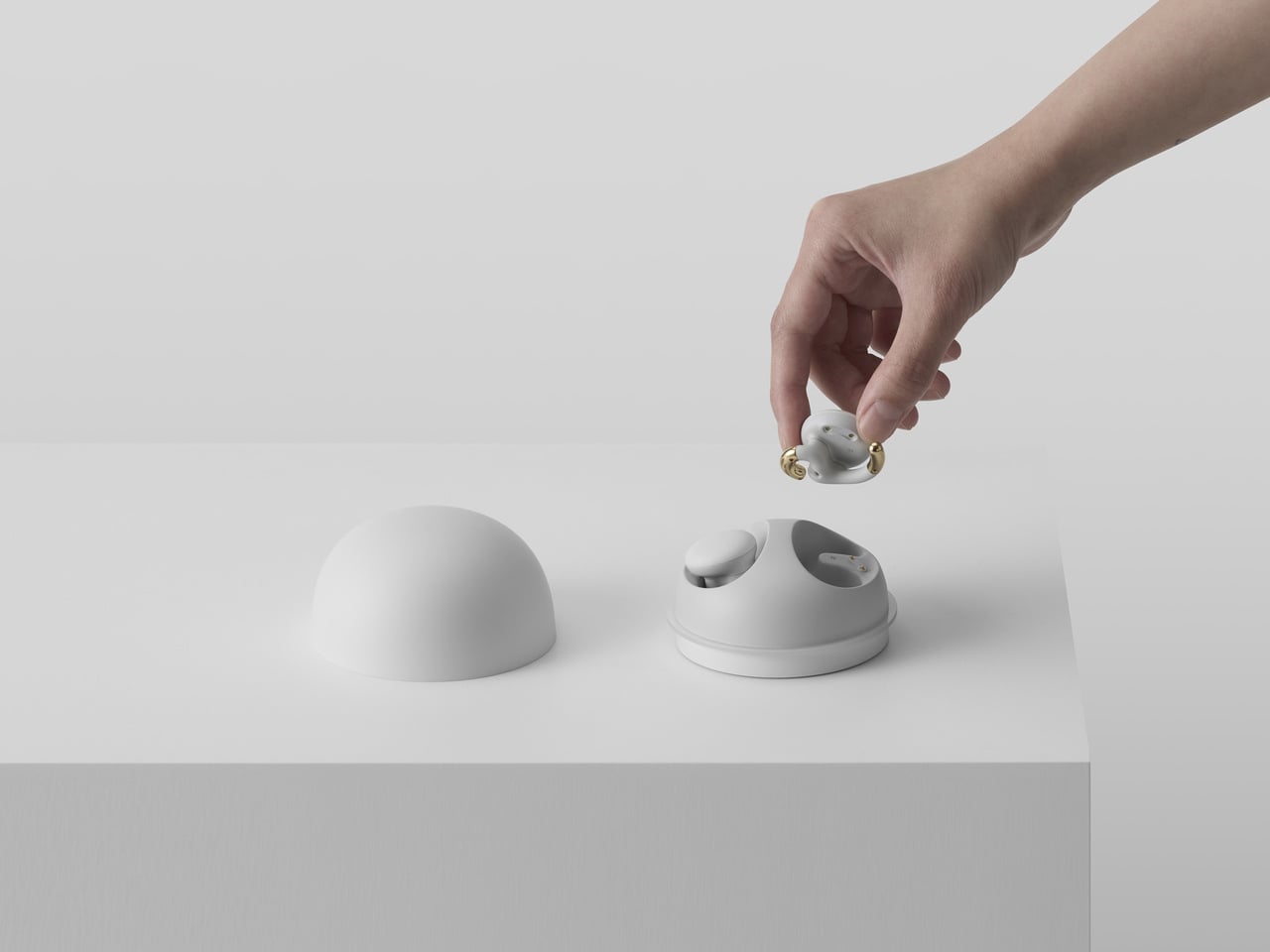
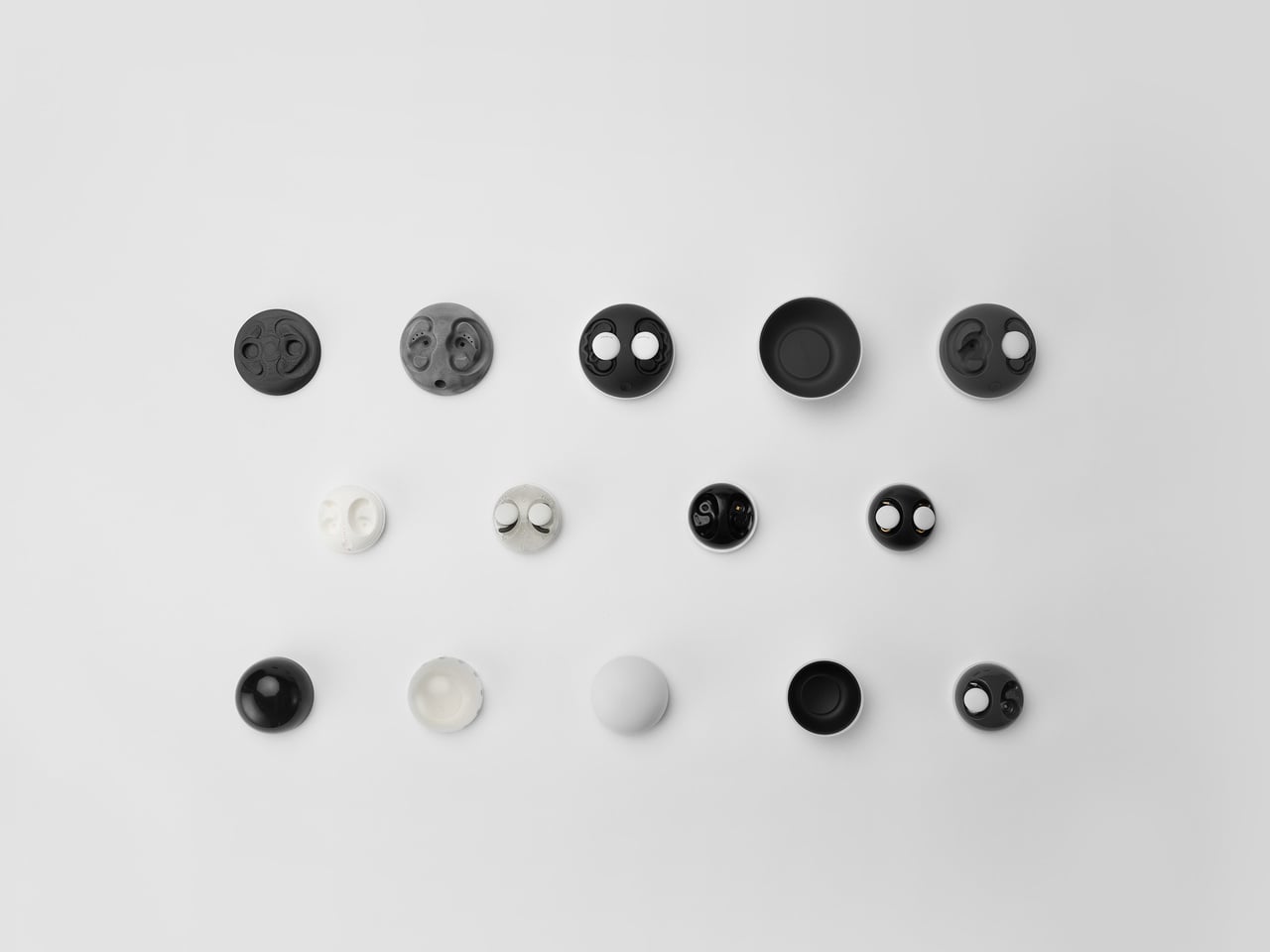
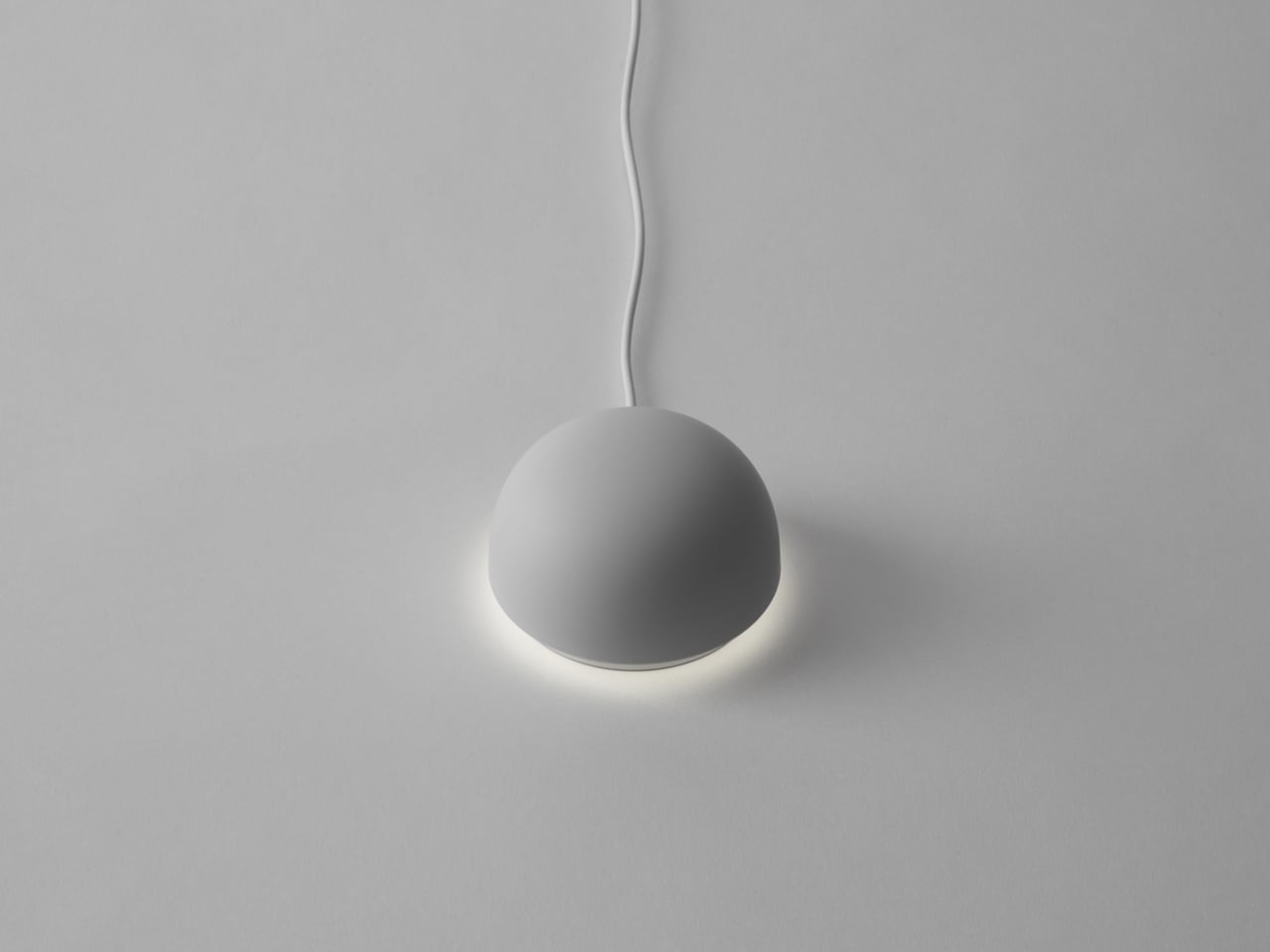
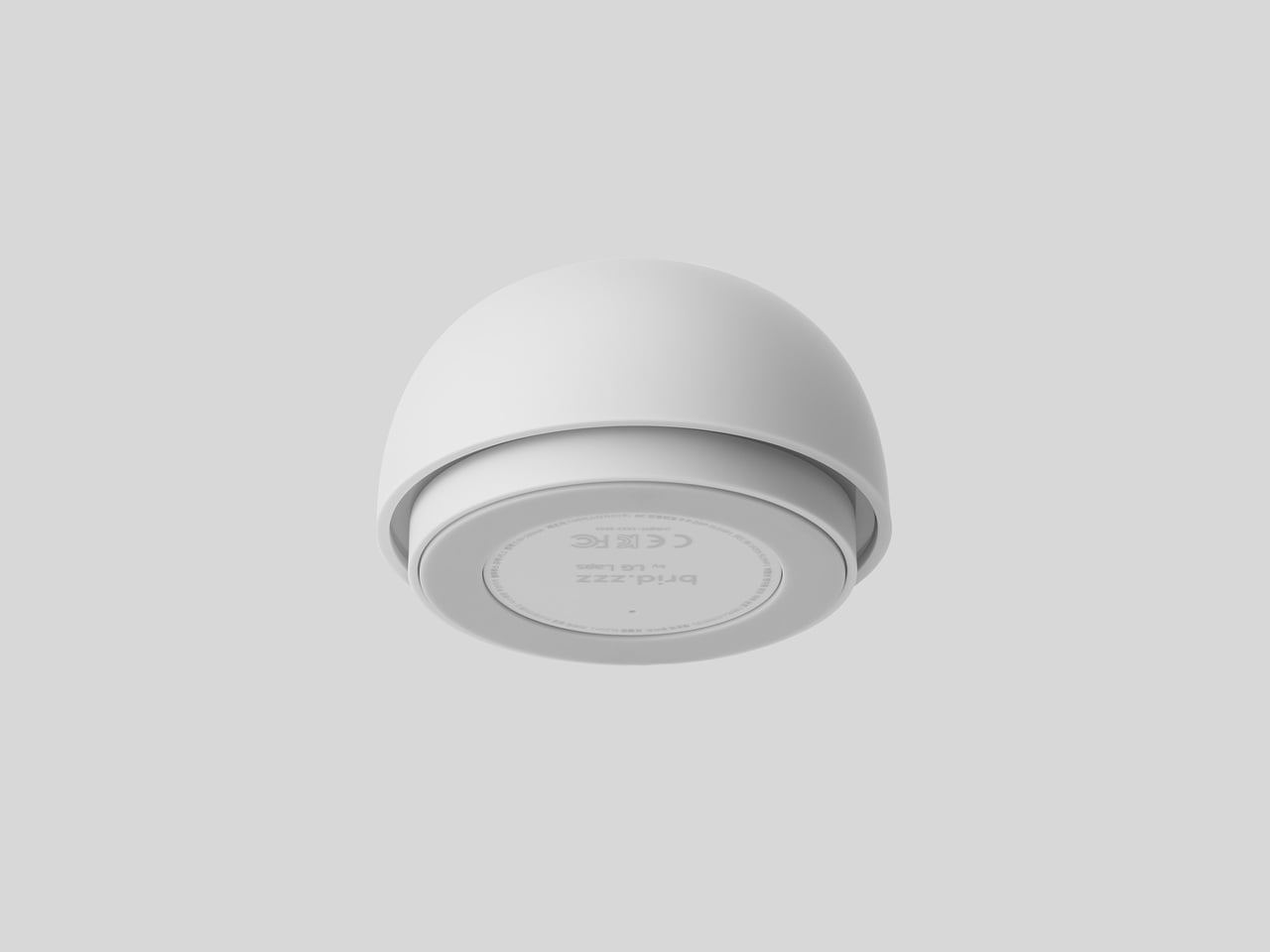
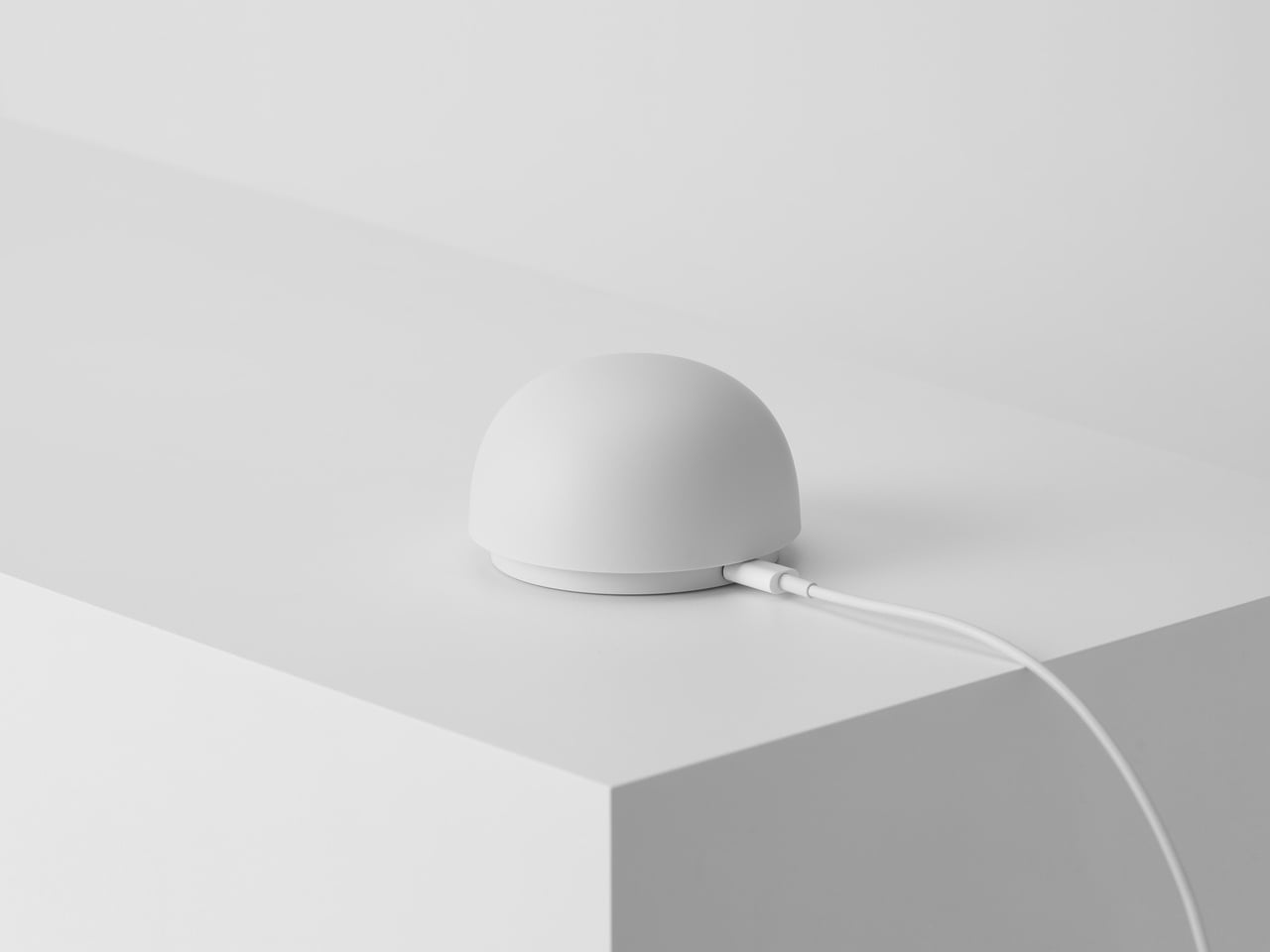
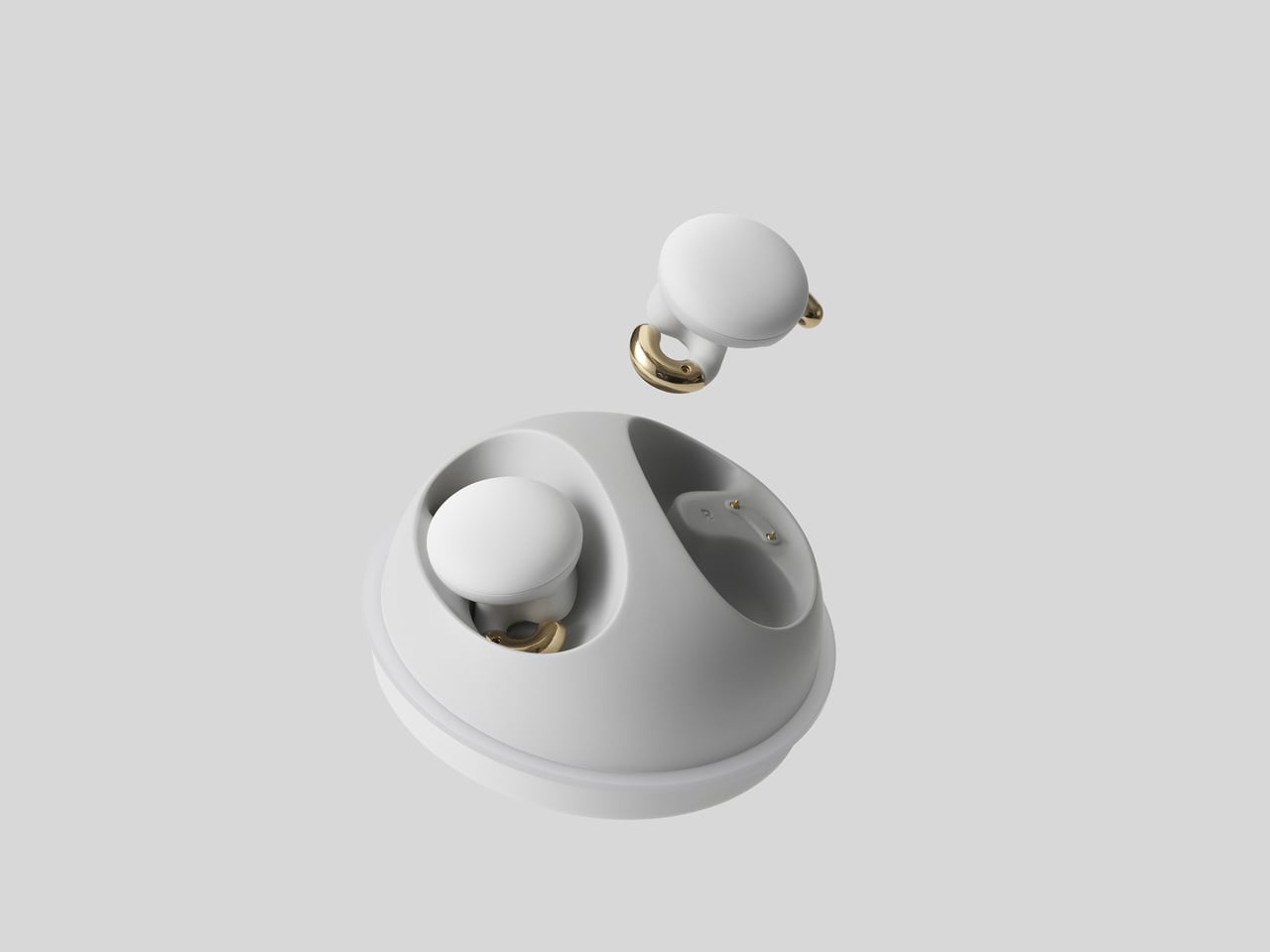
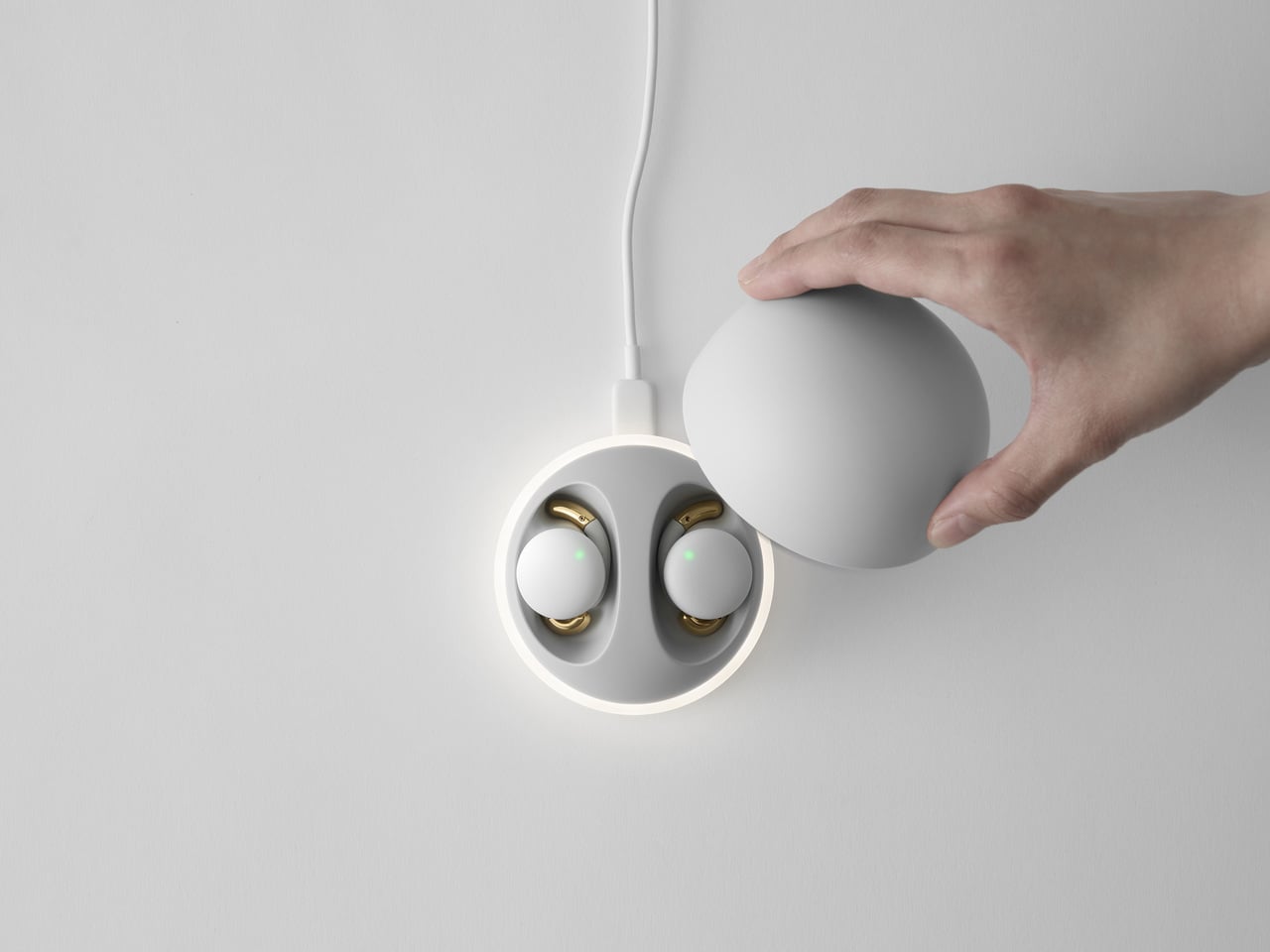
Bird.zzz is a project from Jiyoun Kim Studio and LG Labs that begins with a softly lit, cozy bedroom. It is a sleep wellness earbud paired with a dome-shaped bedside cradle that doubles as a knock-on lamp. The earbuds measure sleep via EEG and physical data, then use that analysis to deliver sound designed to improve sleep quality, all while sitting on your nightstand like a small sculpture rather than a charging puck.

Designer: Jiyoun Kim

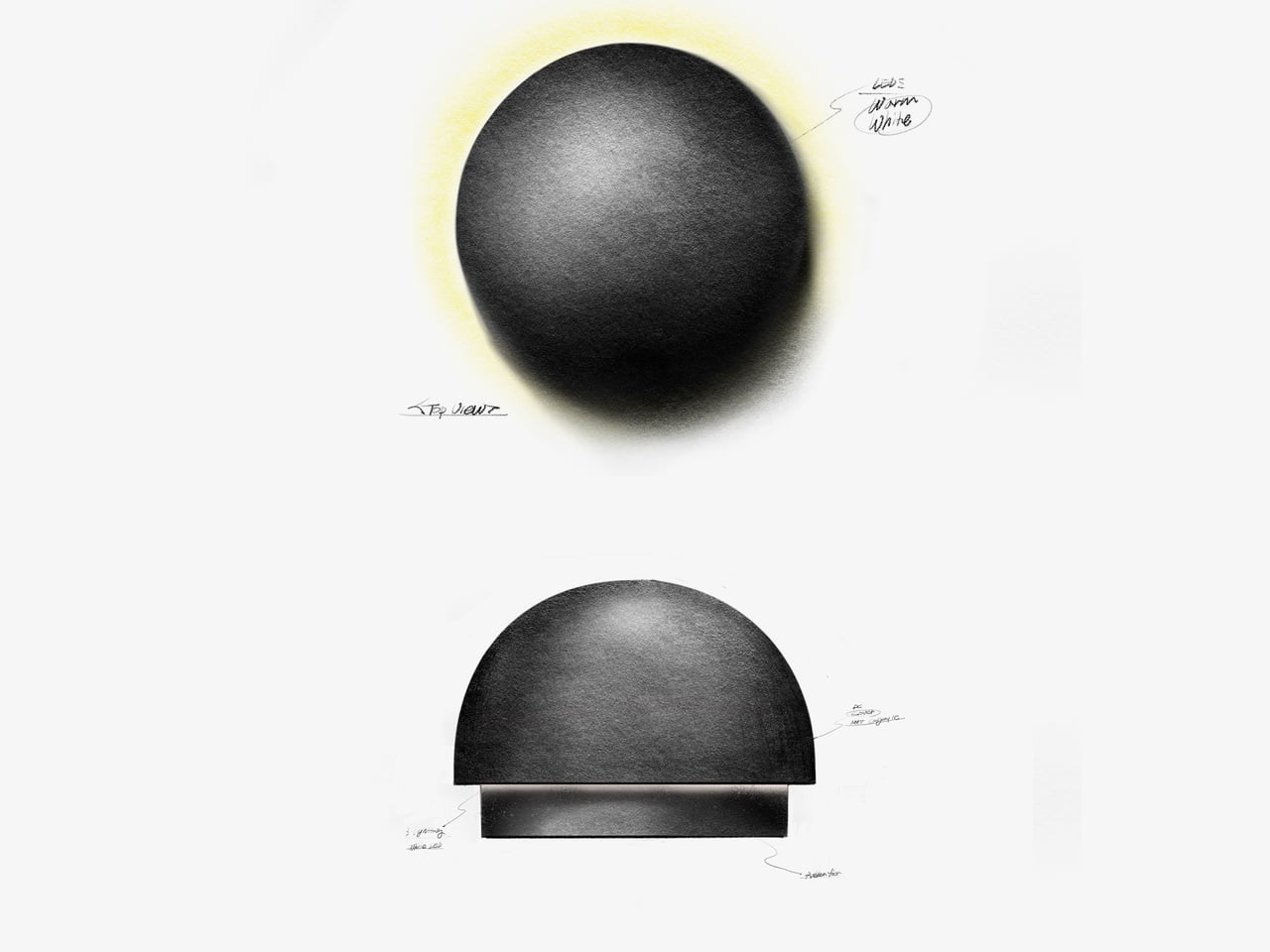
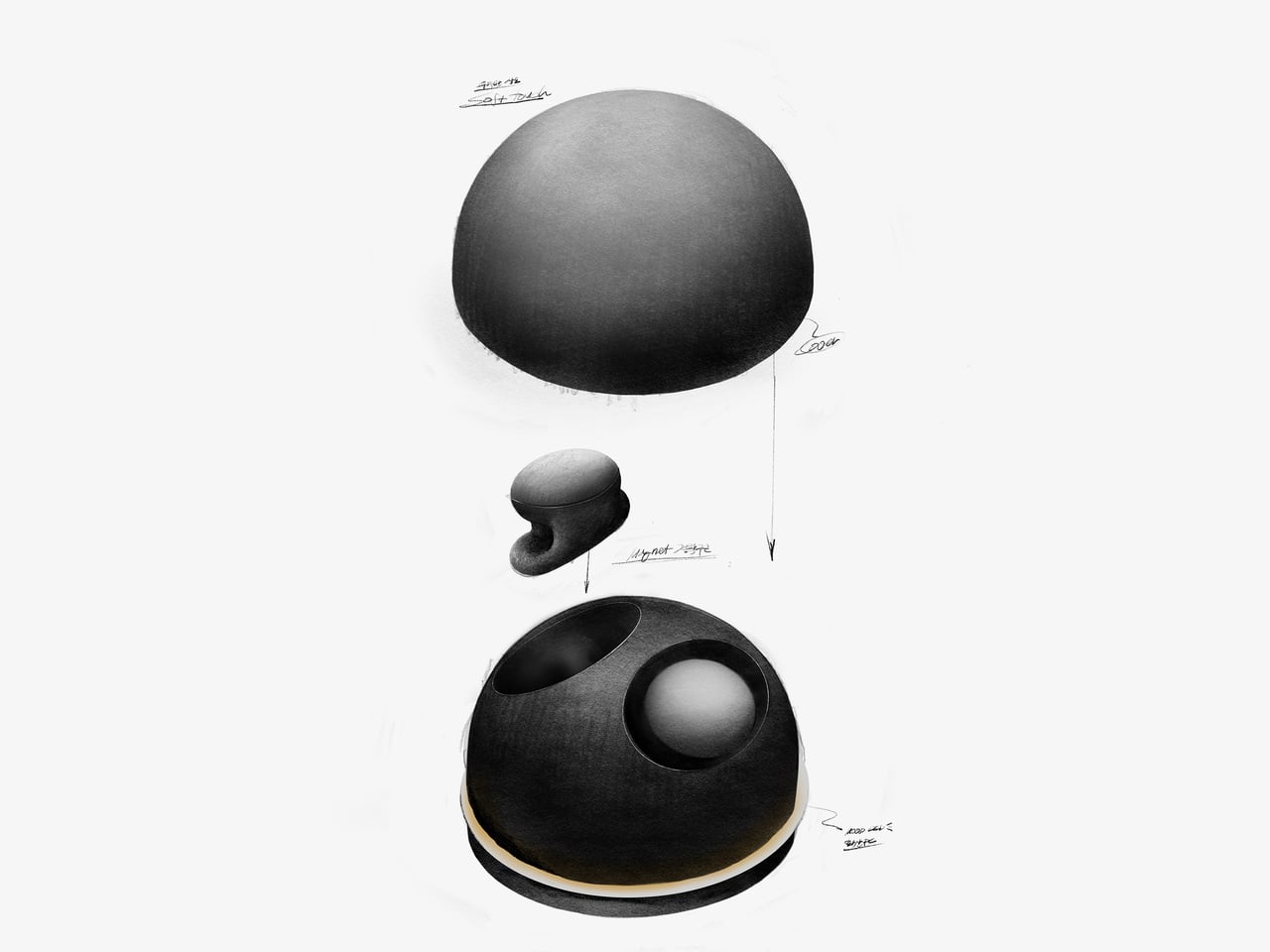
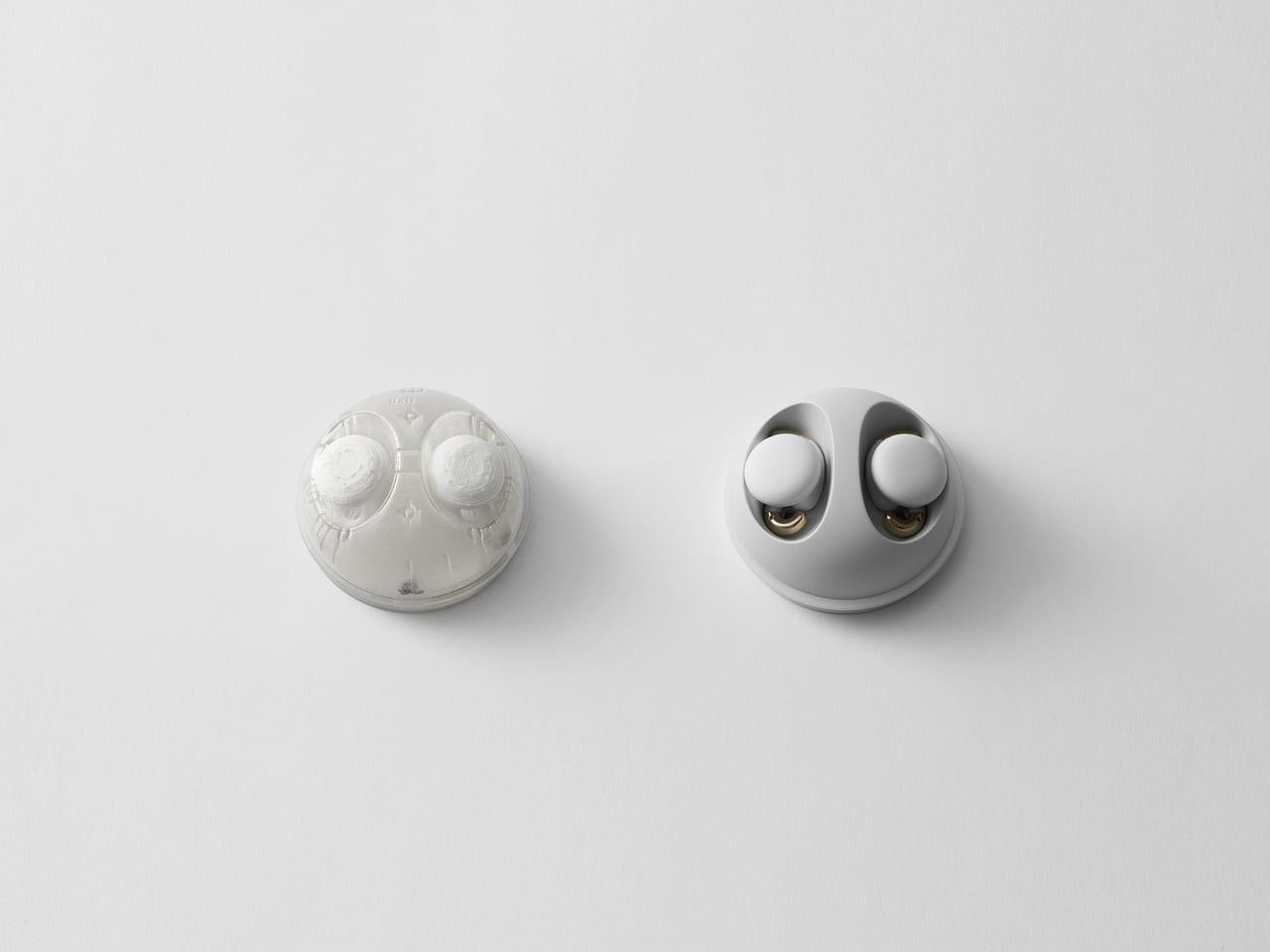
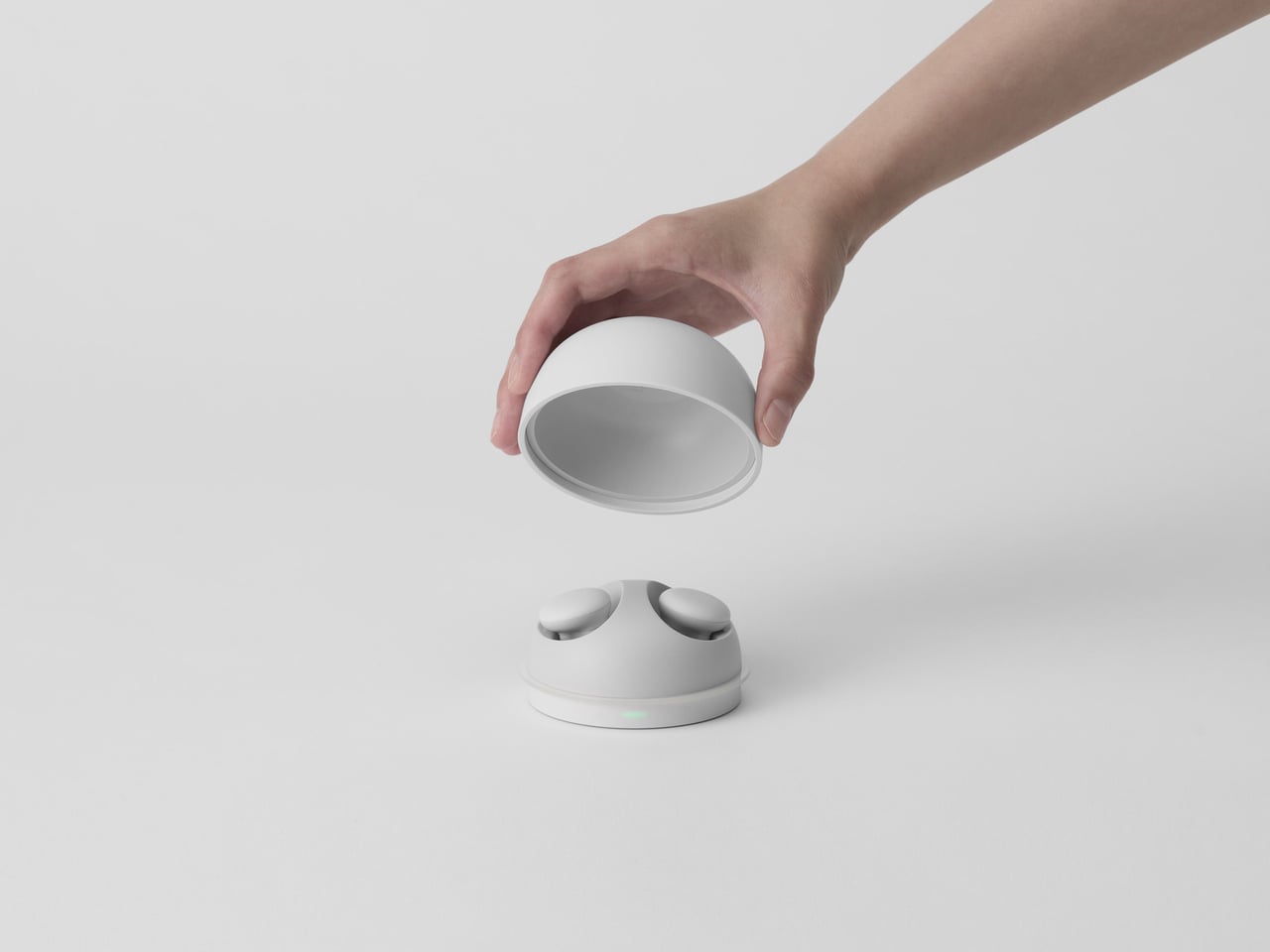
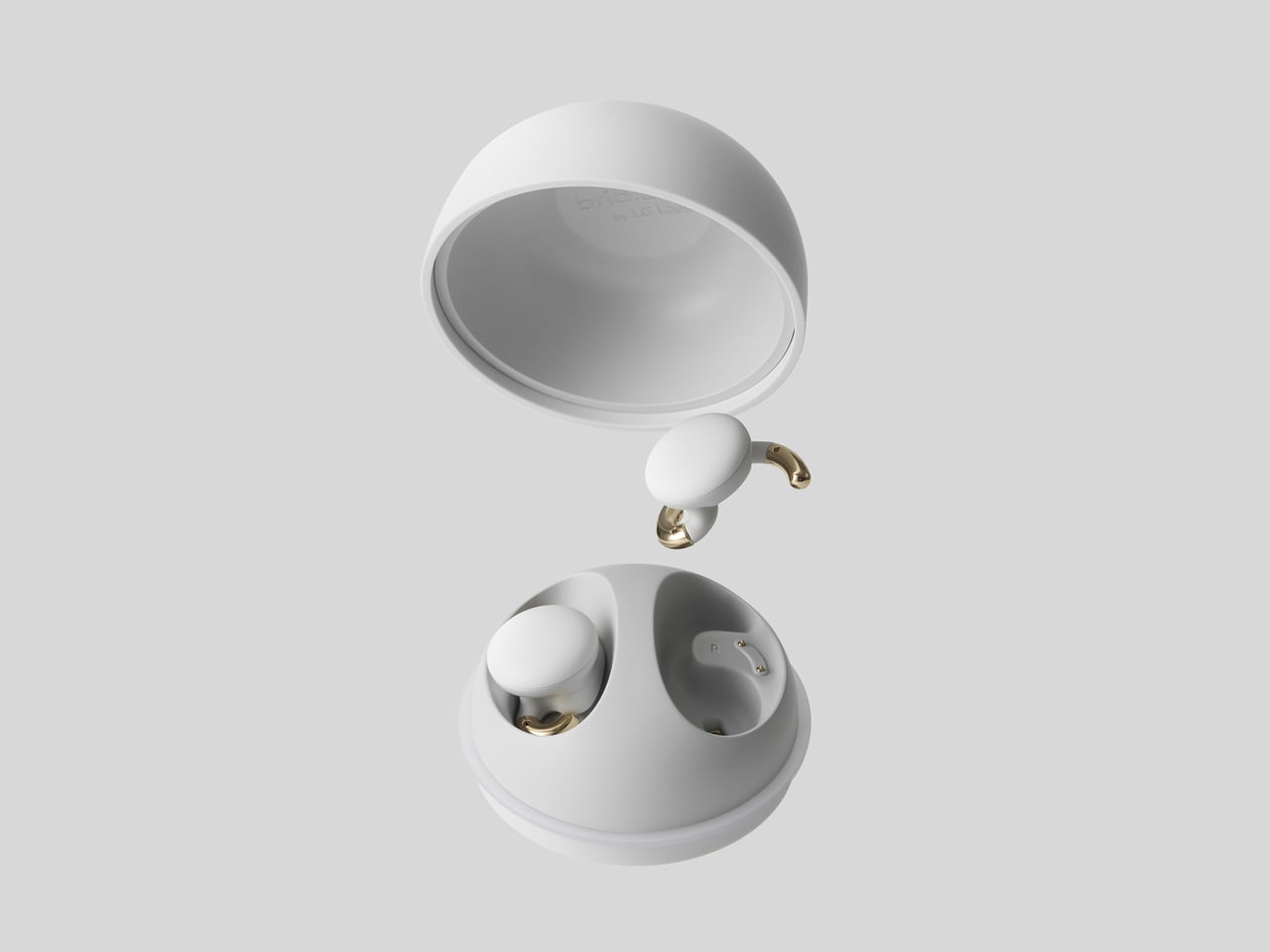
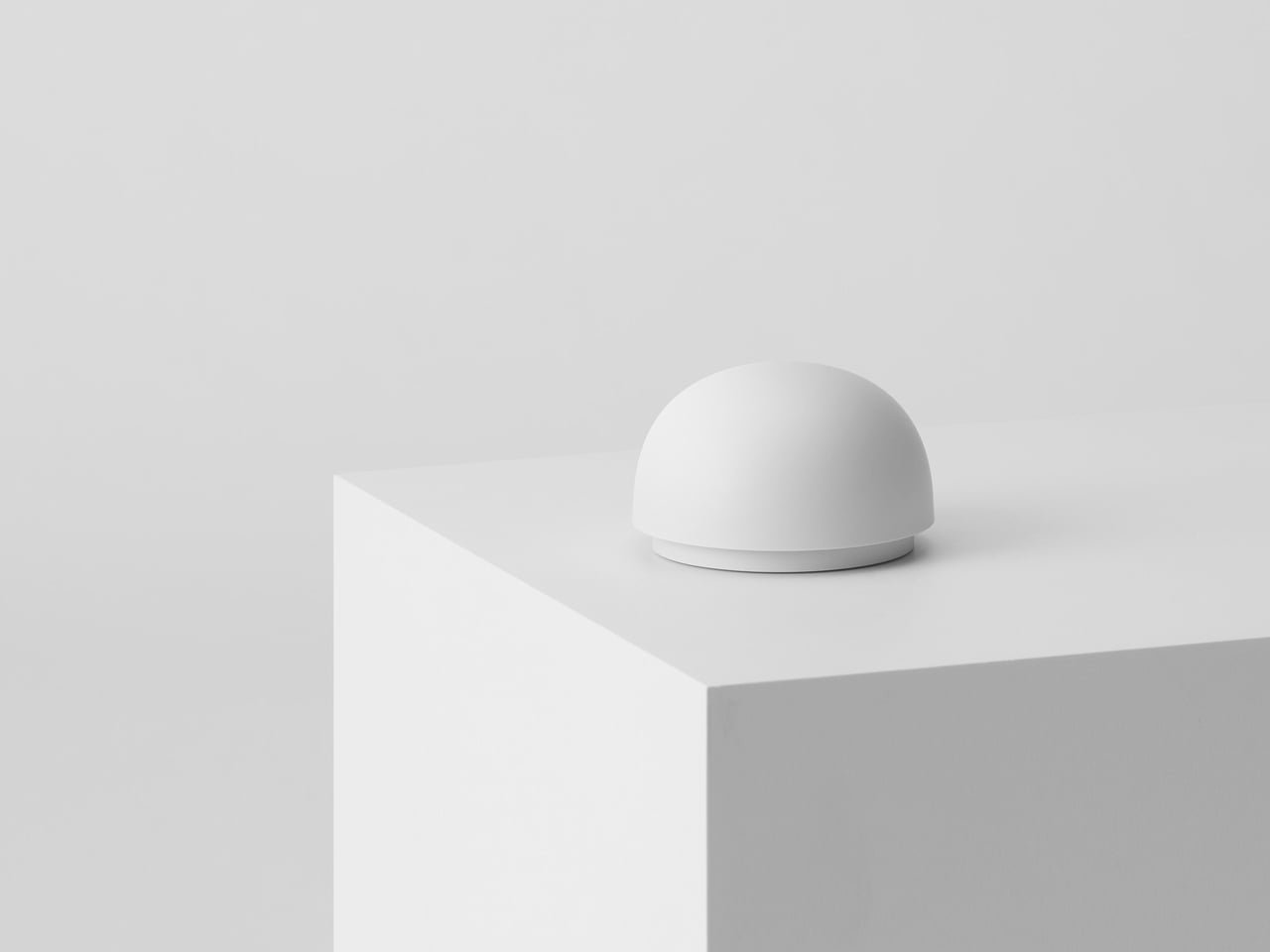
The design started from the cradle, imagined as a small object on a nightstand rather than a tech dock. It works as a bedside lamp using LG’s knock-on technology; a tap on the cover turns a warm, indirect LED halo on or off. The magnet-fixed top lifts to reveal the earbuds, and the weight is tuned so it feels stable and reassuring when you reach for it half-awake in the dark.

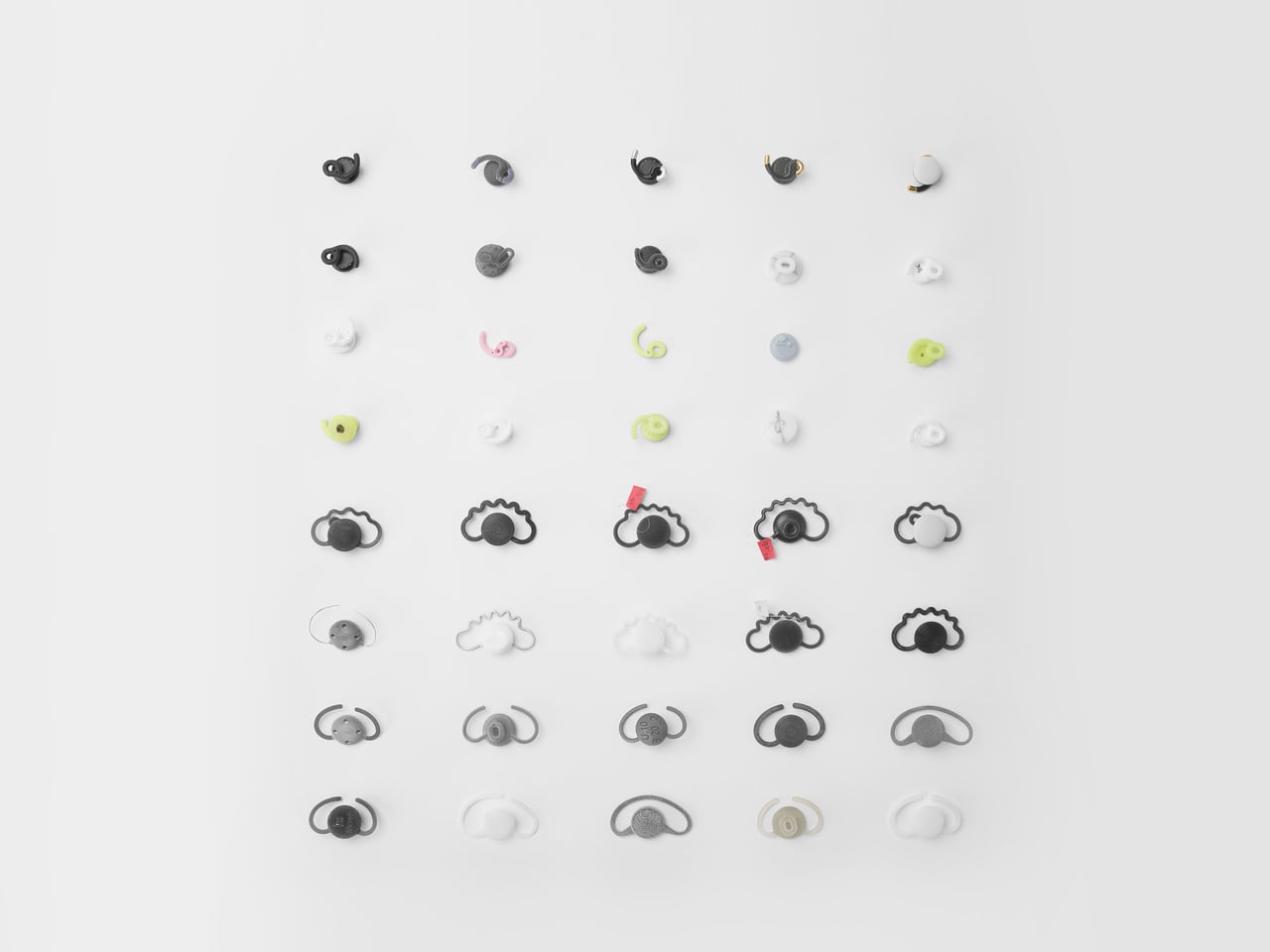
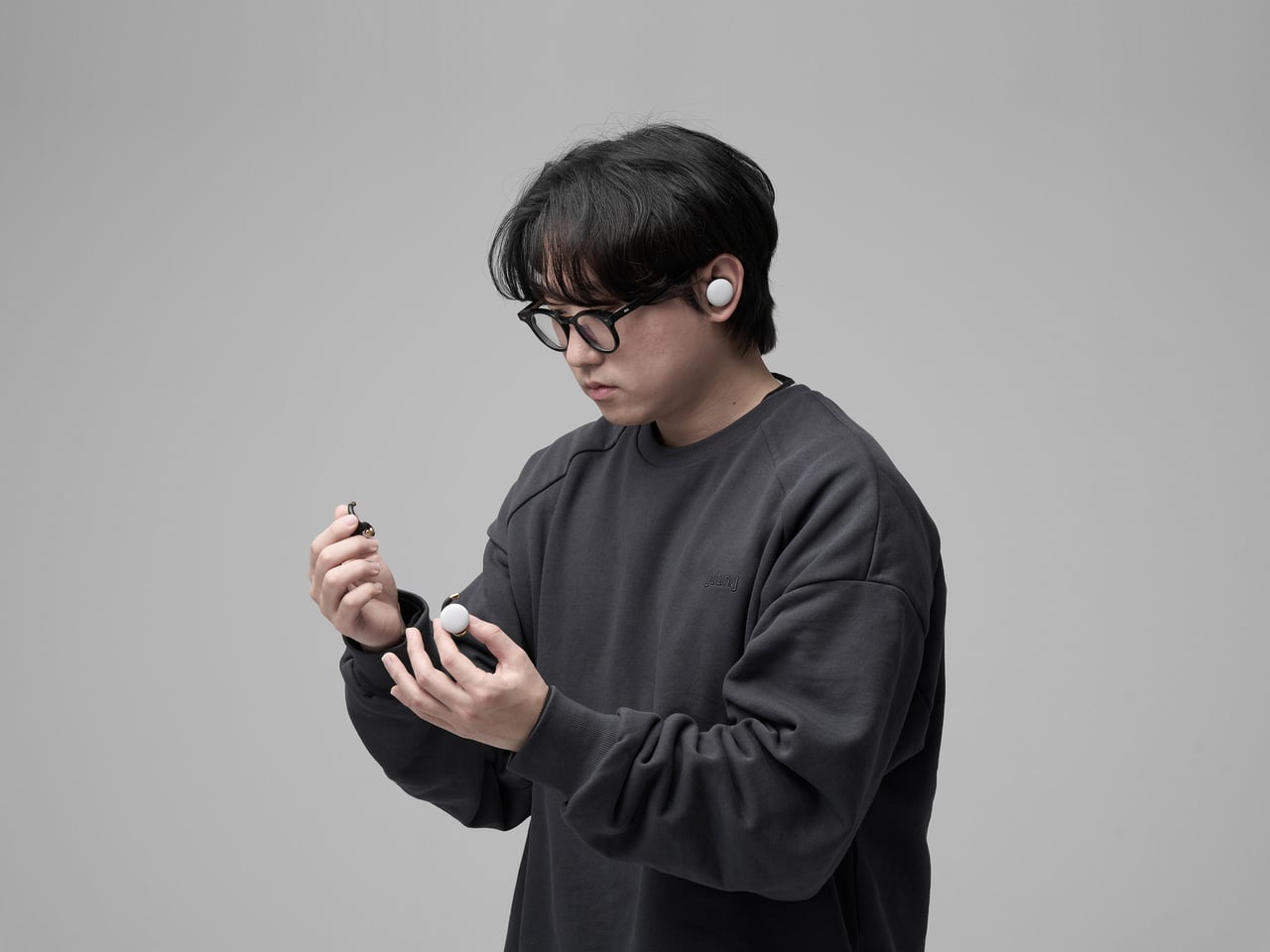
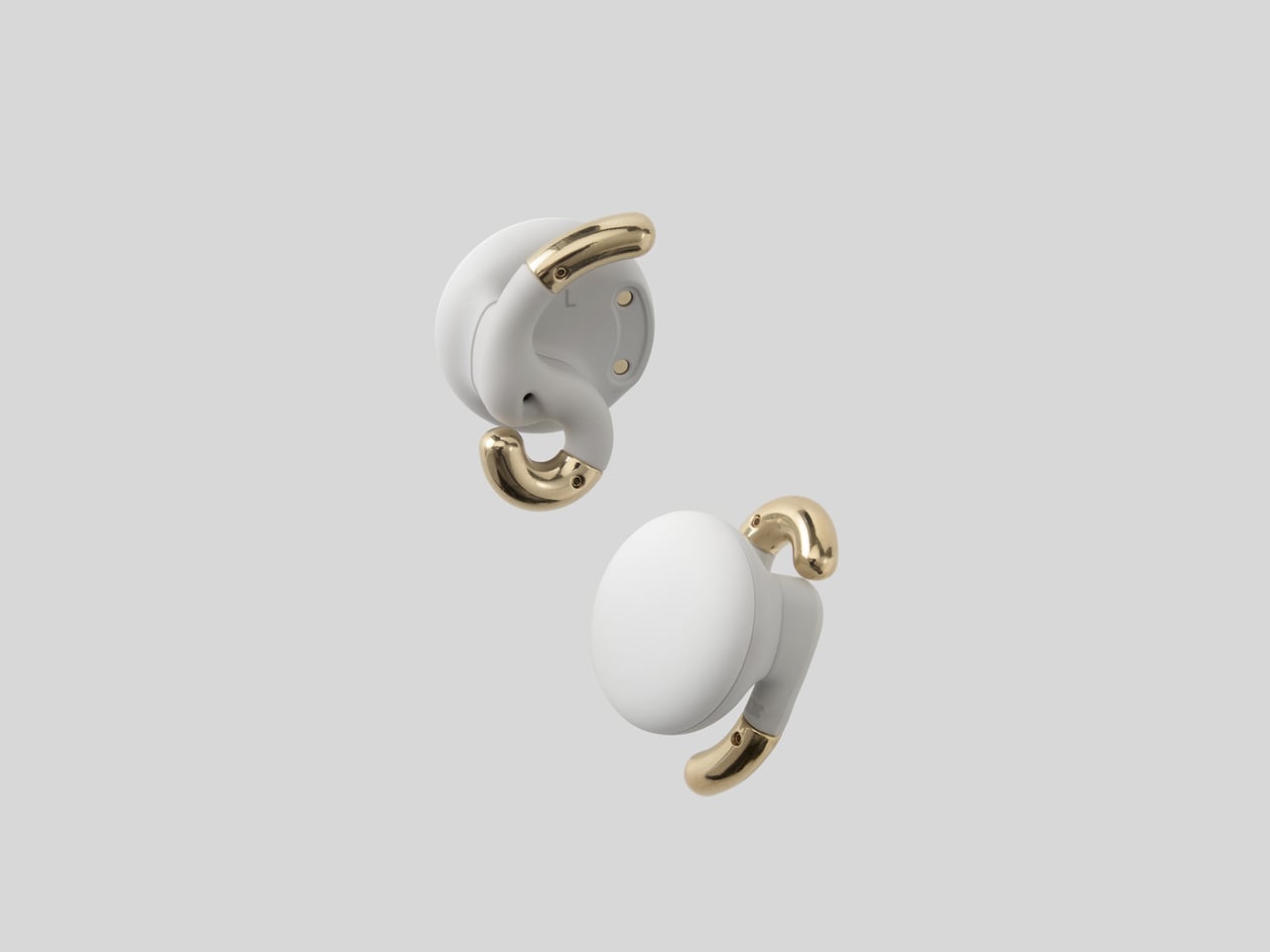
The earbuds had a specific challenge, needing skin contact for EEG sensing while staying loose enough for comfortable sleep. The team explored numerous forms and landed on a novel S-shaped ear tip, a hybrid of open and closed designs that keeps sensors in place without pressing hard into the ear canal. It borrows benefits from both types while avoiding the pressure points that make most in-ear devices unbearable after 20 minutes.

A typical evening means placing the earbuds in the cradle, tapping the dome to turn on a soft light, then lifting the lid to put the earbuds in as you settle into bed. As you fall asleep, the system reads brain activity and physical signals, adjusting soundscapes or audio cues based on your patterns. In the morning, the earbuds go back into their dome, and the object returns to being a quiet lamp.

The project covered product, packaging, and manual design, so the experience runs from unboxing to nightly use with consistent, minimal language. The warm white LED, indirect lighting, and knock-on interaction follow calm technology principles, asking for as little attention as possible. Bird.zzz launched after CES 2023, but it looks more like a small piece of bedroom architecture than a trade show gadget you plug in reluctantly.

Bird.zzz treats sleep as an environment to design for, not just a graph to optimize. The dome cradle, the S-shaped ear tip, and the soft interactions all point toward tech that respects the bedroom as a place to wind down. For anyone wary of strapping more screens to their body at night, an earbud and lamp combo that tries to disappear into the ritual of going to bed feels like a more thoughtful direction.

The post Bird.zzz Turns Sleep Tracking into a Calm Earbud and Bedside Lamp Ritual first appeared on Yanko Design.

The plan for a gaming-themed Atari hotel in Las Vegas has reportedly been scrapped

Six years after the announcement of plans to build Atari Hotels in eight cities across the US, including Las Vegas, only one now seems to be moving forward, in Phoenix, Arizona. The Las Vegas deal ultimately "didn't come to fruition," spokesperson Sara Collins told Las Vegas Sun this week, and Atari Hotels is putting its focus into the Phoenix site "for the time being."

Phoenix was always meant to be the first site, followed by other hotels in Austin, Chicago, Denver, Las Vegas, San Francisco, San Jose and Seattle. But Las Vegas is now apparently off the table, and there haven't been any signs of life around the other planned locations. The FAQ on the Atari Hotels website notes, "Additional sites, including Denver, are being explored under separate development and licensing agreements." The Atari Hotel project was announced in 2020 just before the onset of the COVID-19 pandemic and consequently experienced development delays. Construction on the Phoenix hotel, which was supposed to break ground in 2020, is expected to begin late this year, with its opening now planned for 2028. 

But maybe don't hold your breath. According to a December press release, the company is still trying to raise $35 million to $40 million to fund the "playable destination" for gamers in Phoenix.

This article originally appeared on Engadget at https://www.engadget.com/gaming/the-plan-for-a-gaming-themed-atari-hotel-in-las-vegas-has-reportedly-been-scrapped-214212269.html?src=rss

Amazon’s live-action God of War adaptation adds Teresa Palmer

Amazon is reportedly adding Teresa Palmer (The Fall Guy, Warm Bodies, Hacksaw Ridge) to its pantheon of Norse gods for its God of War TV show adaptation. As first reported by Deadline, Palmer will play Sif, Thor's wife and eventual leader of the Aesir, in the live-action adaptation. It may not carry as much weight as the casting of the video game's protagonist that was revealed earlier this week to be Ryan Hurst, but it could hint at the direction the TV show may take.

While Sif plays a minor role in the God of War Ragnarok game, the early casting confirmation could indicate that the showrunner, Ronald D. Moore, may give the character a more involved role. In God of War Ragnarok, Sif is known as Odin's diplomat before the events of Ragnarok, where she becomes the new leader of the Aesir, one of two tribes of Norse gods. Notably, Amazon's adaptation is still missing the casting confirmations for Atreus, Thor, Odin and many other Norse gods seen in the video game. Even so, the God of War TV show has already secured at least two seasons.

This article originally appeared on Engadget at https://www.engadget.com/entertainment/tv-movies/amazons-live-action-god-of-war-adaptation-adds-teresa-palmer-201604602.html?src=rss

5 Interior Design Trends That Just Made Minimalism Obsolete in 2026

Architects today see the home as more than just a place to live. It is now understood as a space that affects how people think, feel, and live each day. By 2026, the field has clearly moved away from cold, uniform minimalism. Instead, design choices such as color, shape, and proportion are made with clear intent, helping to create spaces that support everyday life.

Many leading firms now describe the human-centered home as a biophilic cocoon. This means using honest materials along with natural light, balanced proportions, and thoughtful forms. Let’s decode how the goal is to create homes that do not just look well-designed but feel comfortable and meaningful, supporting emotional well-being rather than focusing only on appearance.

1. Bold Color Authority

In 2026, color is no longer decorative; it is treated as a structural design tool. Designers are increasingly using deep, confident shades such as rich pinks and earthy ochres to give spaces character and visual weight. These strong palettes help anchor interiors, making homes feel intentional, expressive, and memorable rather than neutral or generic.

Such colors also offer clear psychological value. They create a sense of stability, warmth, and emotional comfort, adding long-term value to a space. When applied to key architectural elements—like columns, niches, or feature walls—bold colors guide movement and define zones within the home, bringing clarity and purpose to the overall spatial experience.
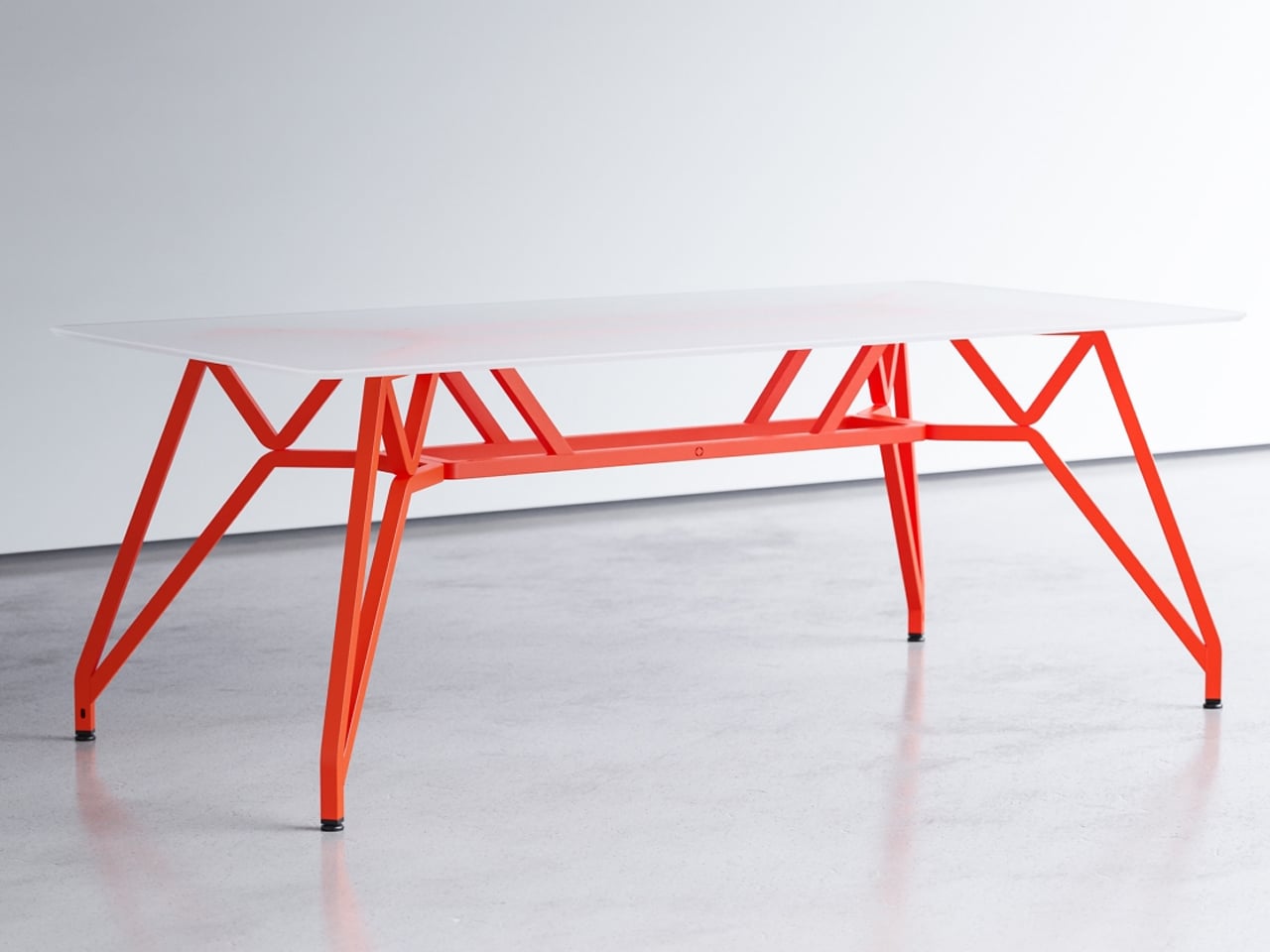
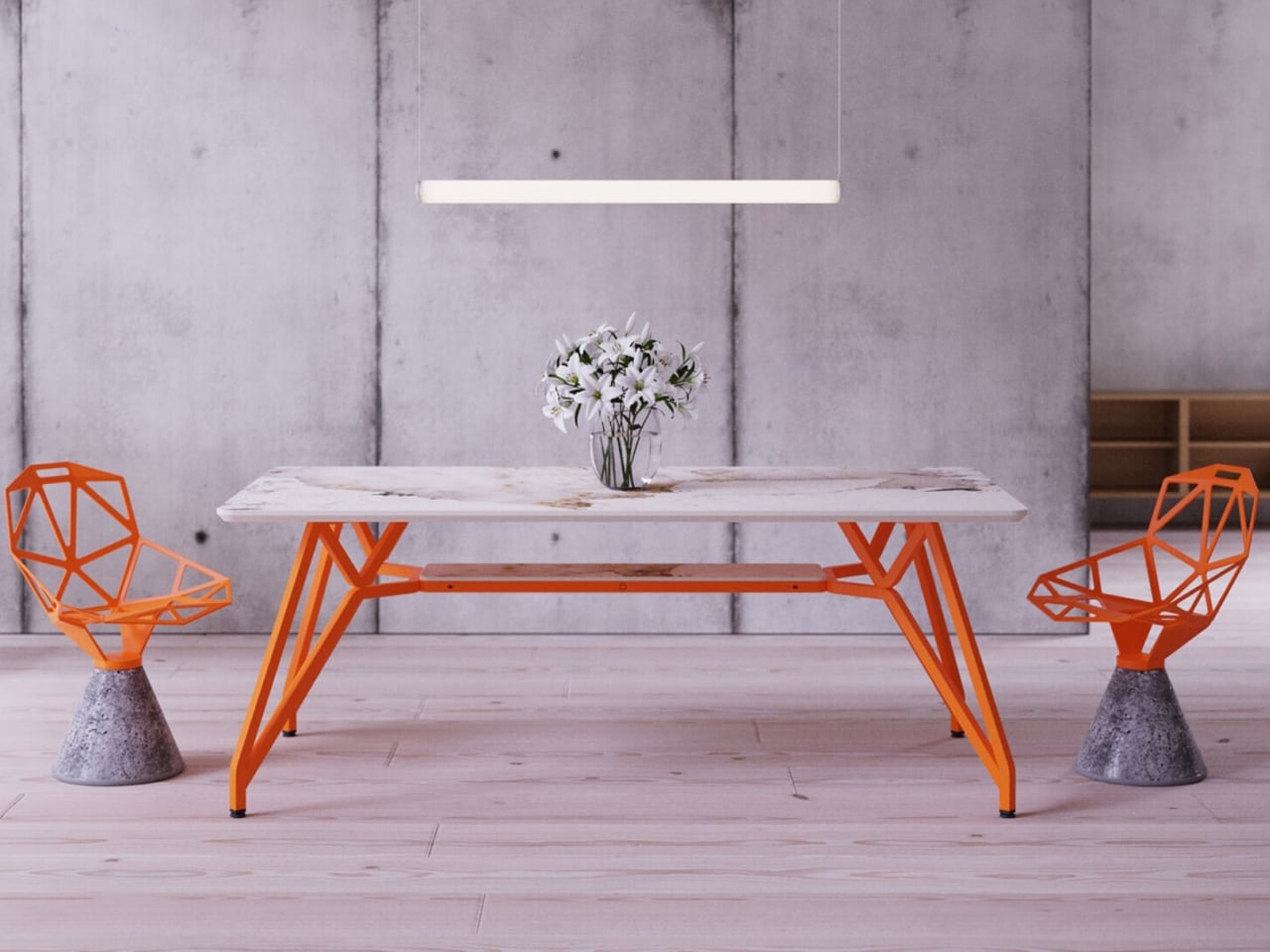
The Landr dining and conference table is engineered with a singular focus on strength, stability, and visual clarity. Designed to eliminate wobble, it offers a firm, unmoving surface suited for everyday use as well as more demanding tasks. Its modular construction is precise and robust, ensuring easy assembly without compromising structural integrity. The steel frame and intelligently engineered leg geometry distribute weight evenly, allowing the table to remain steady under pressure while maintaining a clean, confident presence in any setting.
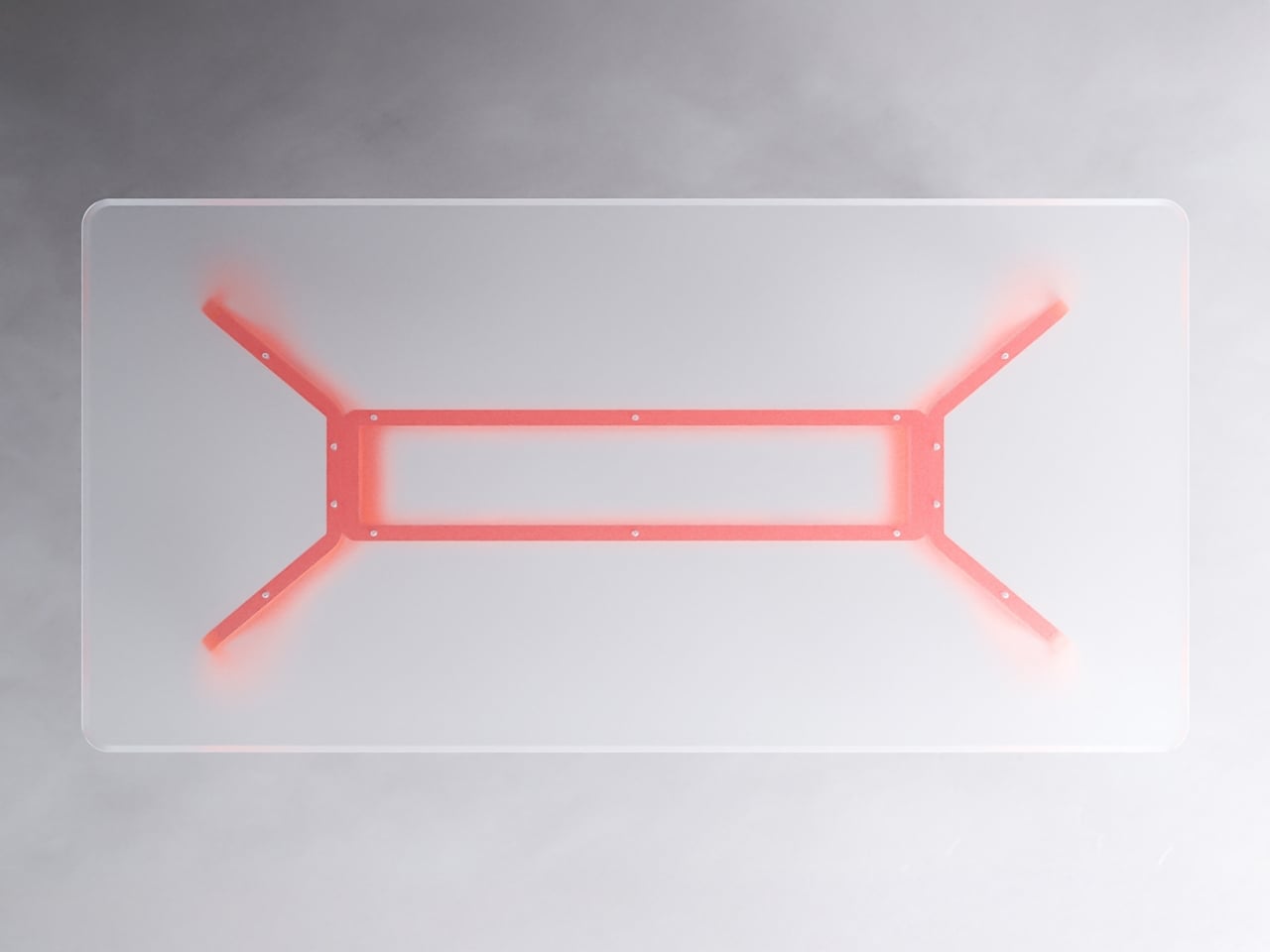
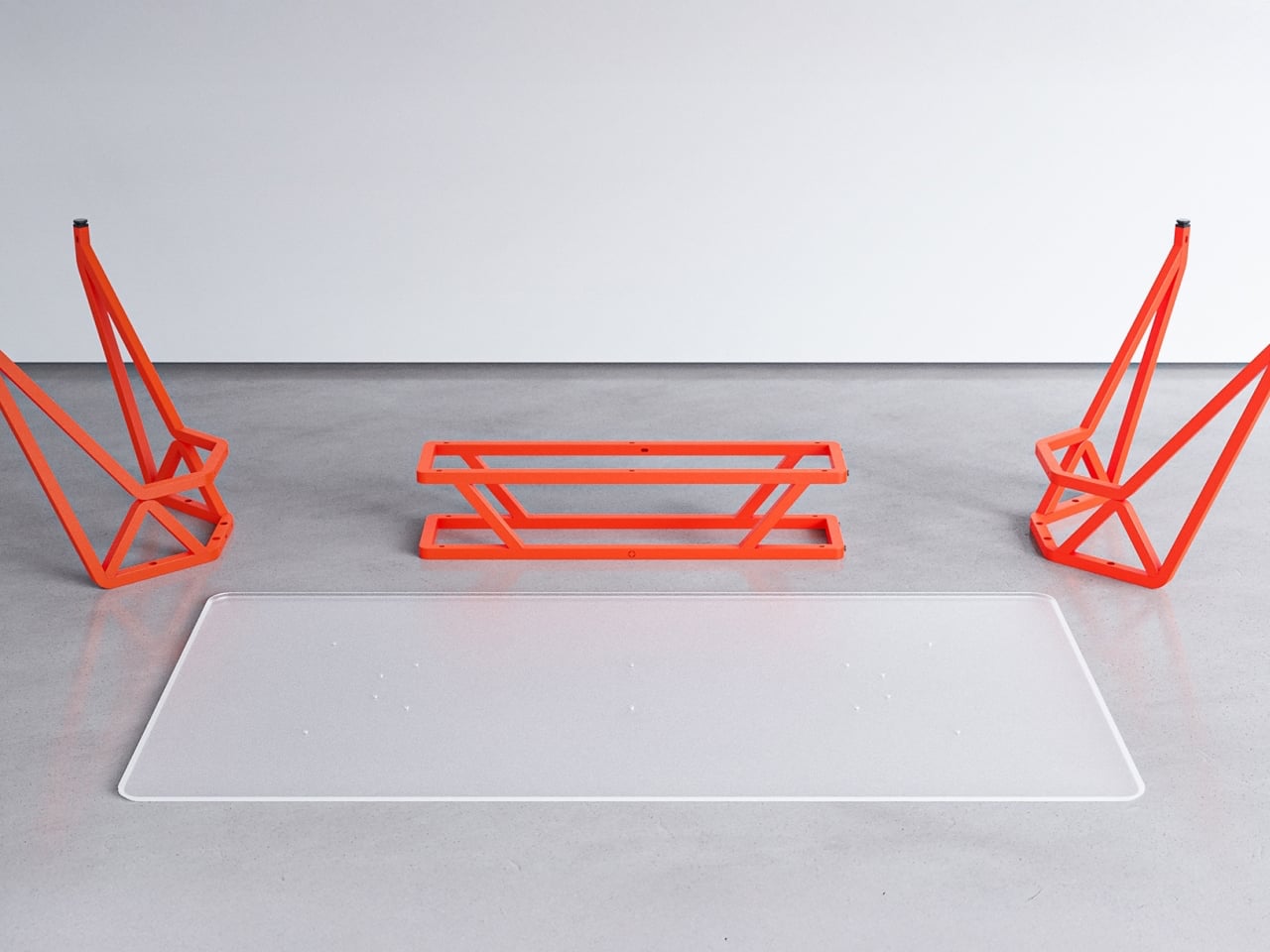
What sets Landr apart visually is its bold use of bright, contemporary color finishes applied through durable powder coating. These vivid tones enhance the table’s architectural form while adding energy and character to interiors that favor modern expression. Paired with tabletop options in ceramic, wood, or glass, the bright steel frame becomes a statement feature rather than a background element. Functional, expressive, and long-lasting, the Landr table balances performance with color-forward design.

2. Softened Minimal Geometry

Design has clearly shifted away from dramatic, exaggerated curves toward calm and disciplined forms. Instead of flamboyant sculptural shapes, architects now employ gentle arcs and controlled radii to soften the rigid edges of contemporary construction. Curved thresholds, joinery, and soffits introduce refinement while maintaining visual restraint.

At the center of this 2026 approach is improved spatial flow and comfort. Features such as double-height glazing framed by softly curved soffits guide the eye smoothly through the interior. This reduces the visual tension of strict rectilinear layouts, enhances the movement of diffused light, and creates spaces that feel balanced, composed, and naturally welcoming.
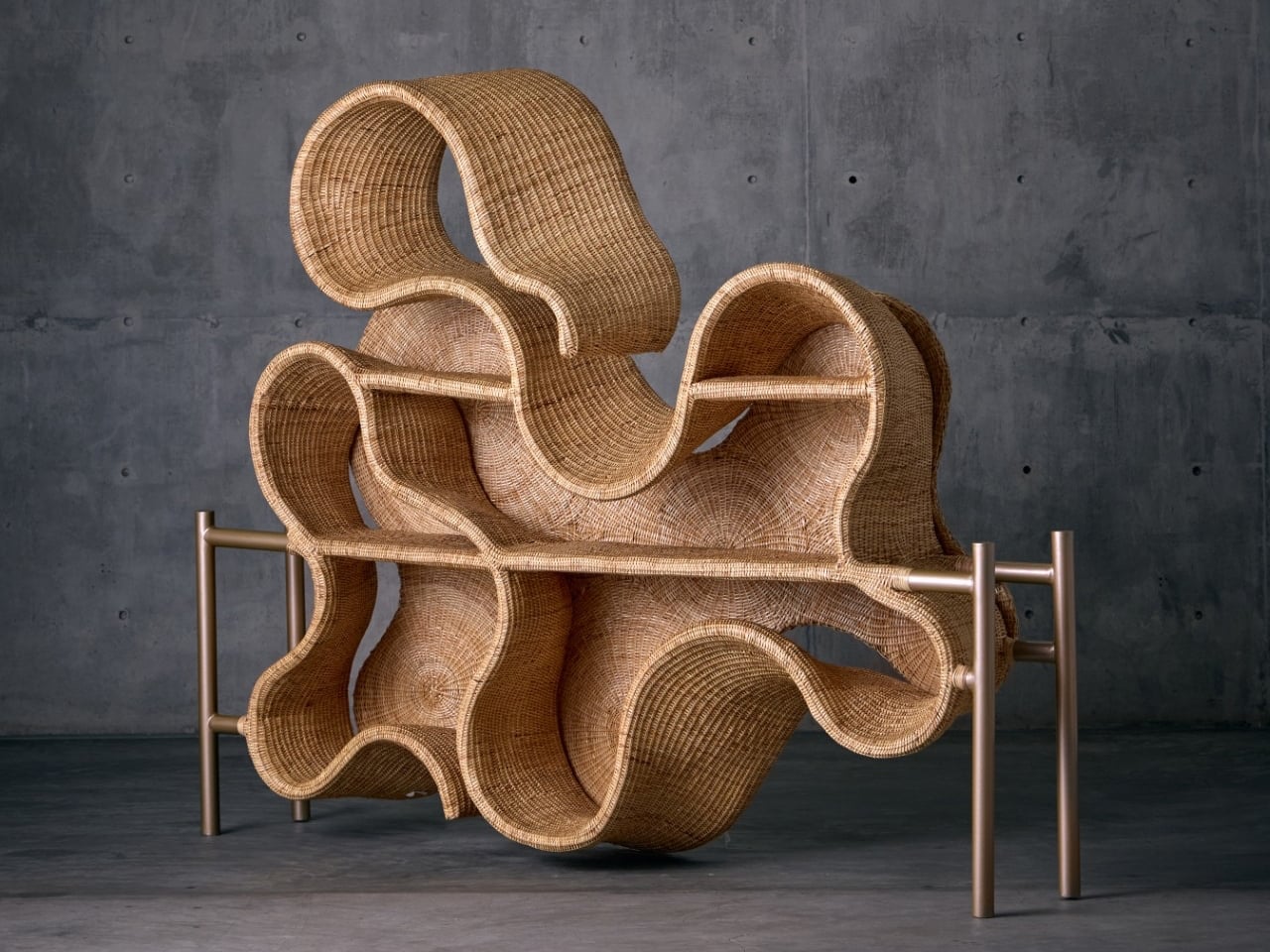
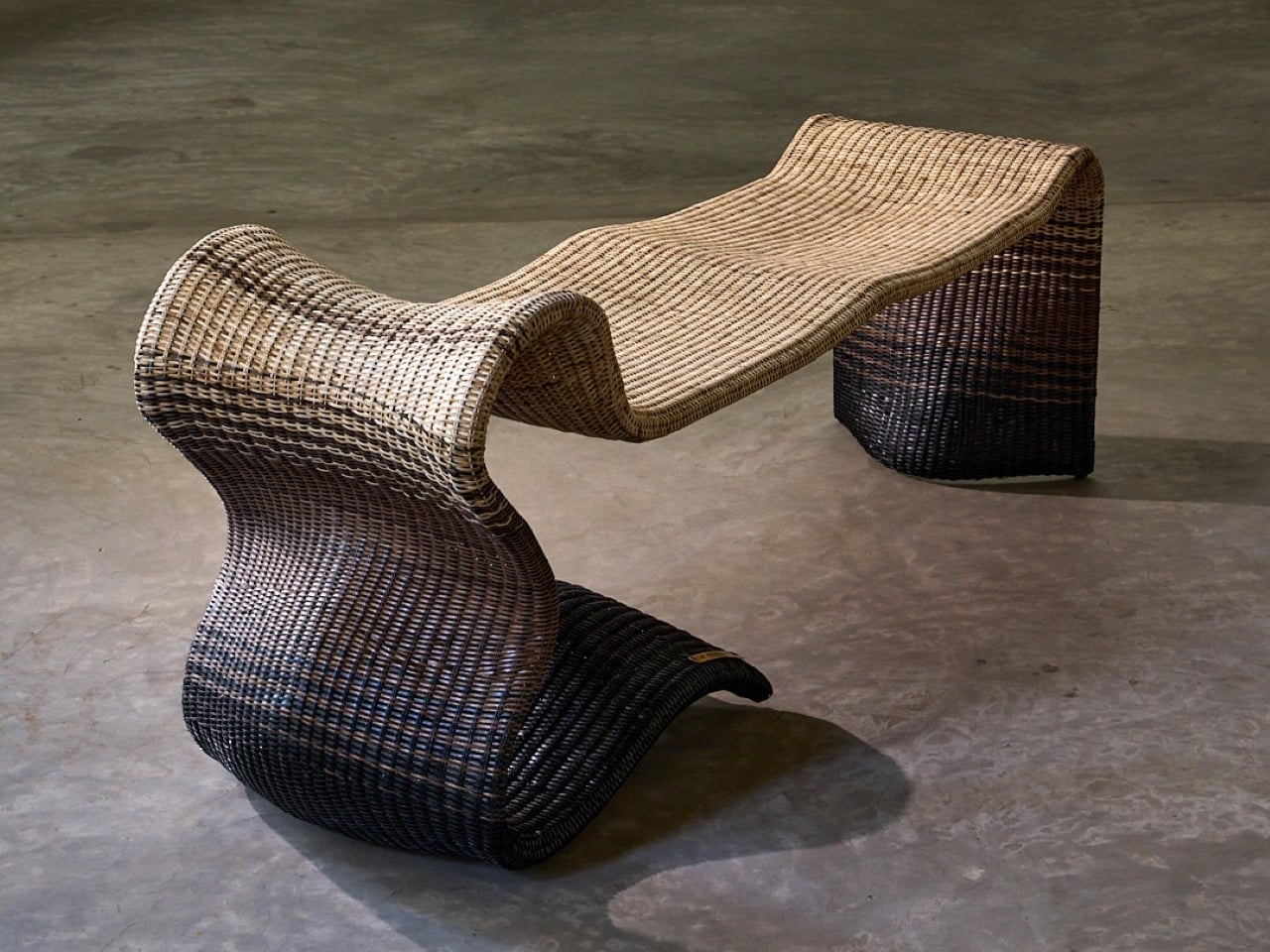
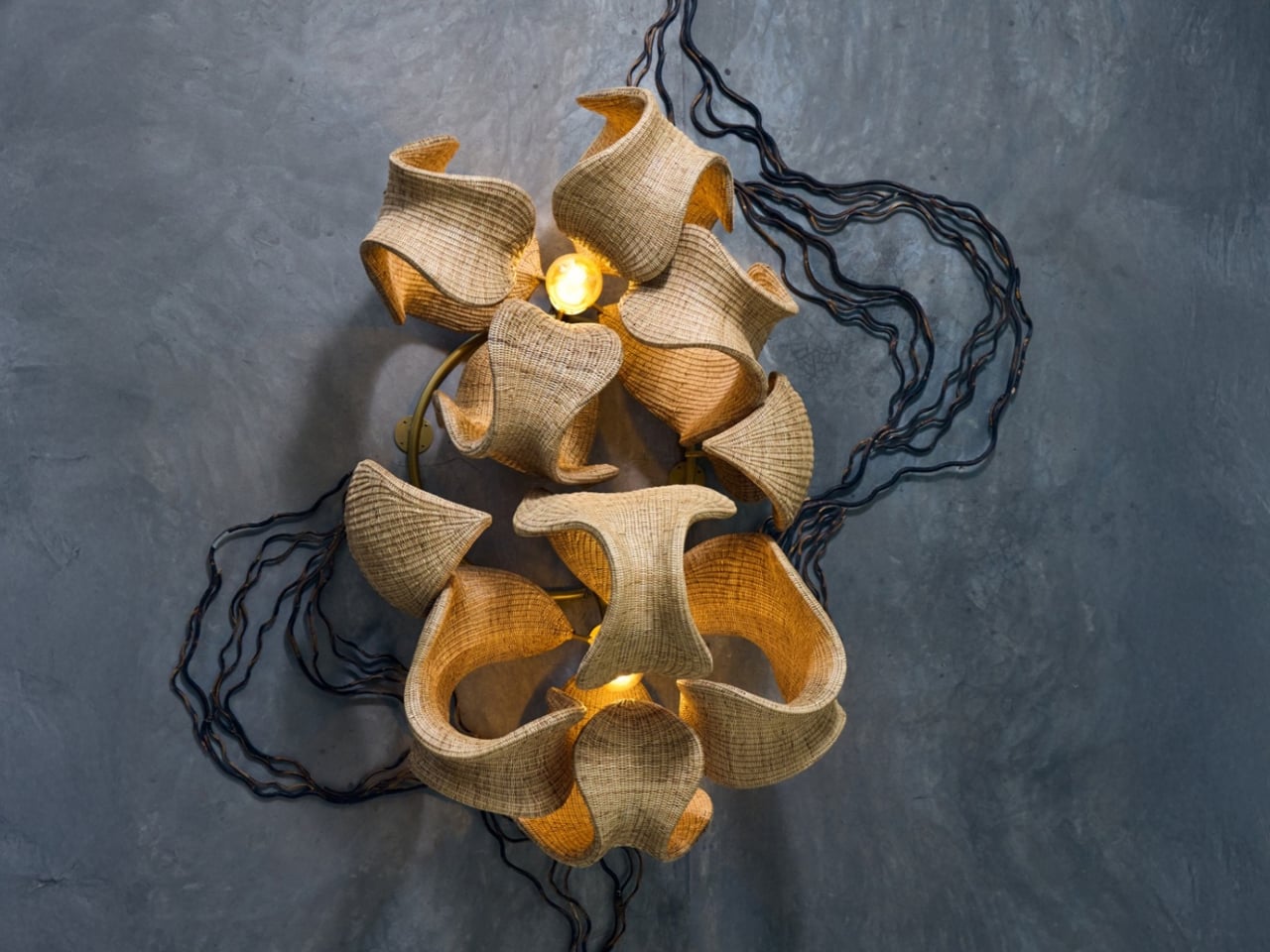
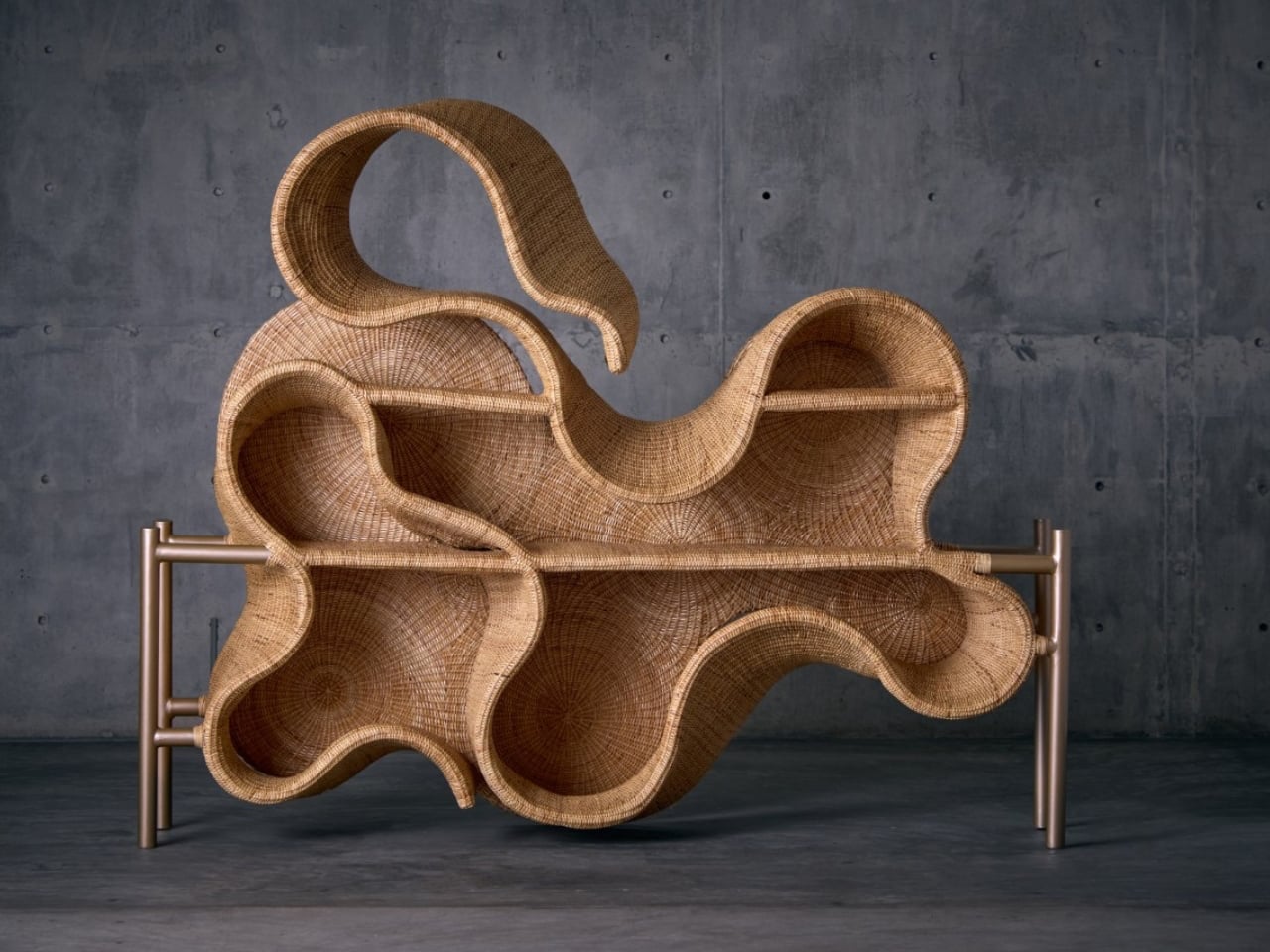
Whispers of the Wildwood is a contemporary wicker collection by Hyderabad-based design studio The Wicker Story, led by designer Priyanka Narula. Rooted in traditional Indian weaving techniques, the collection reinterprets wicker through a modern, sculptural lens. Drawing inspiration from natural landscapes such as forest canopies, flowing paths, and organic growth patterns, the pieces move beyond conventional furniture typologies to become refined design objects that balance function with artistic expression.
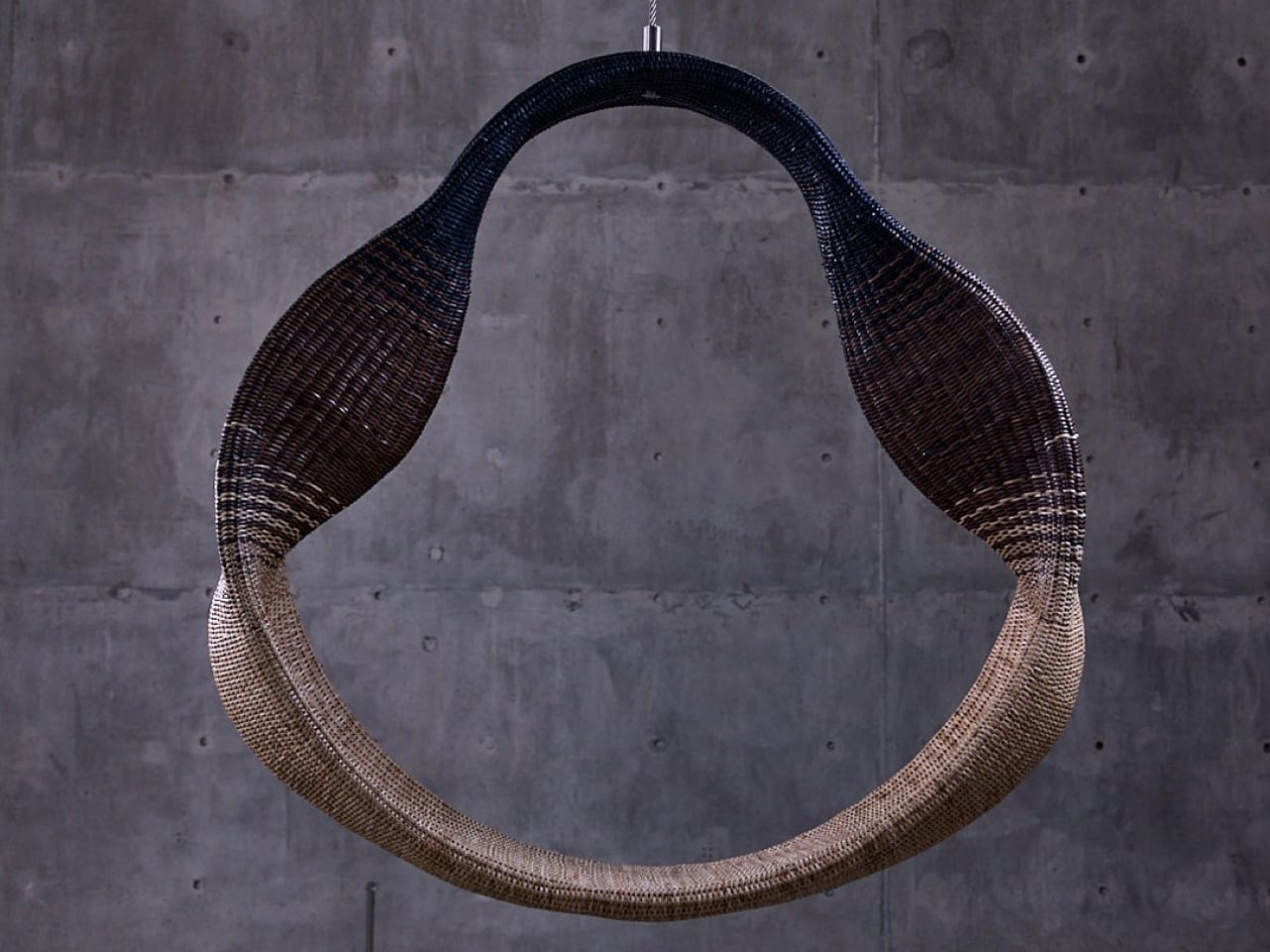
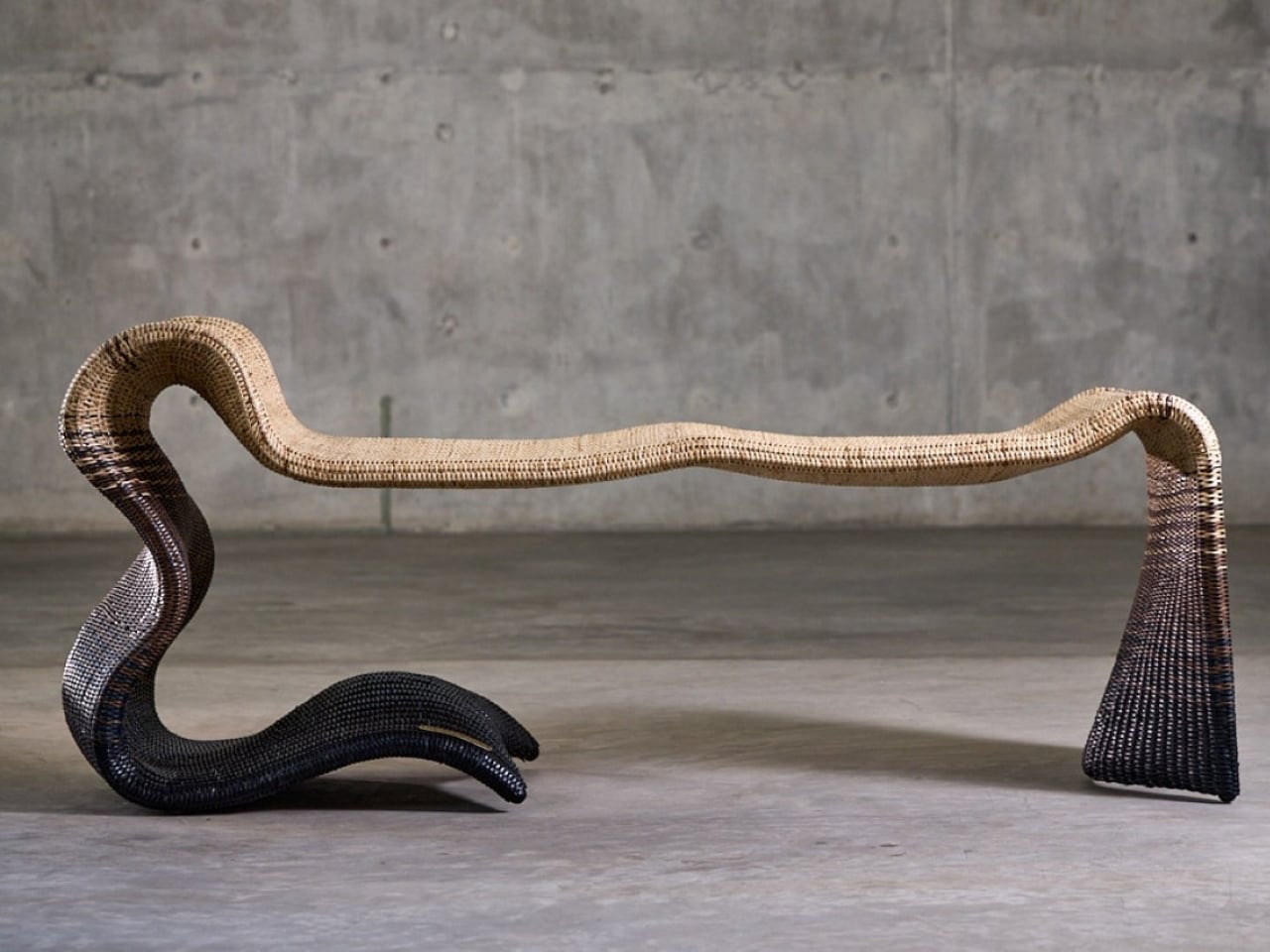
The collection is defined by fluid forms, intricate textures, and a restrained material palette that allows the natural warmth of wicker to take center stage. Designs such as the Pagdandi wall unit exemplify this approach, translating the irregular rhythm of nature into woven structures with visual lightness and depth. Research-driven and craft-focused, Whispers of the Wildwood demonstrates how traditional materials can evolve into sophisticated, contemporary forms while retaining their tactile and cultural authenticity.

3. Human-Centered Spatial Core

Spatial planning is being redefined to place human experience above rigid, formal layouts. At the center of this approach is performance-driven comfort. Successful floor plans now prioritize acoustic privacy and thermal efficiency, recognizing that true luxury lies in how well a space responds to the human body.

Homes are designed to adapt to daily rhythms, offering quiet, comfort, and environmental balance rather than relying solely on visual order.
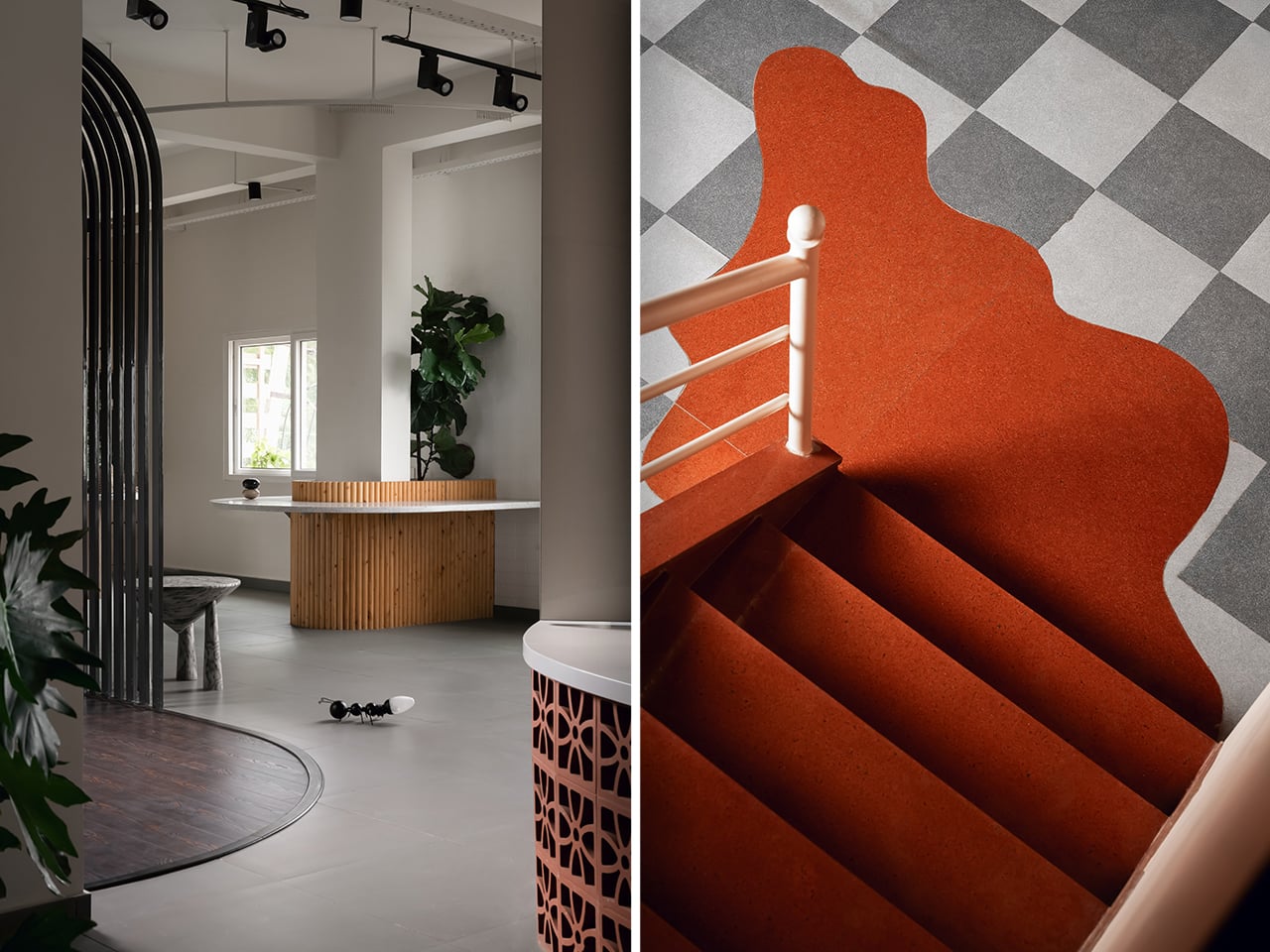
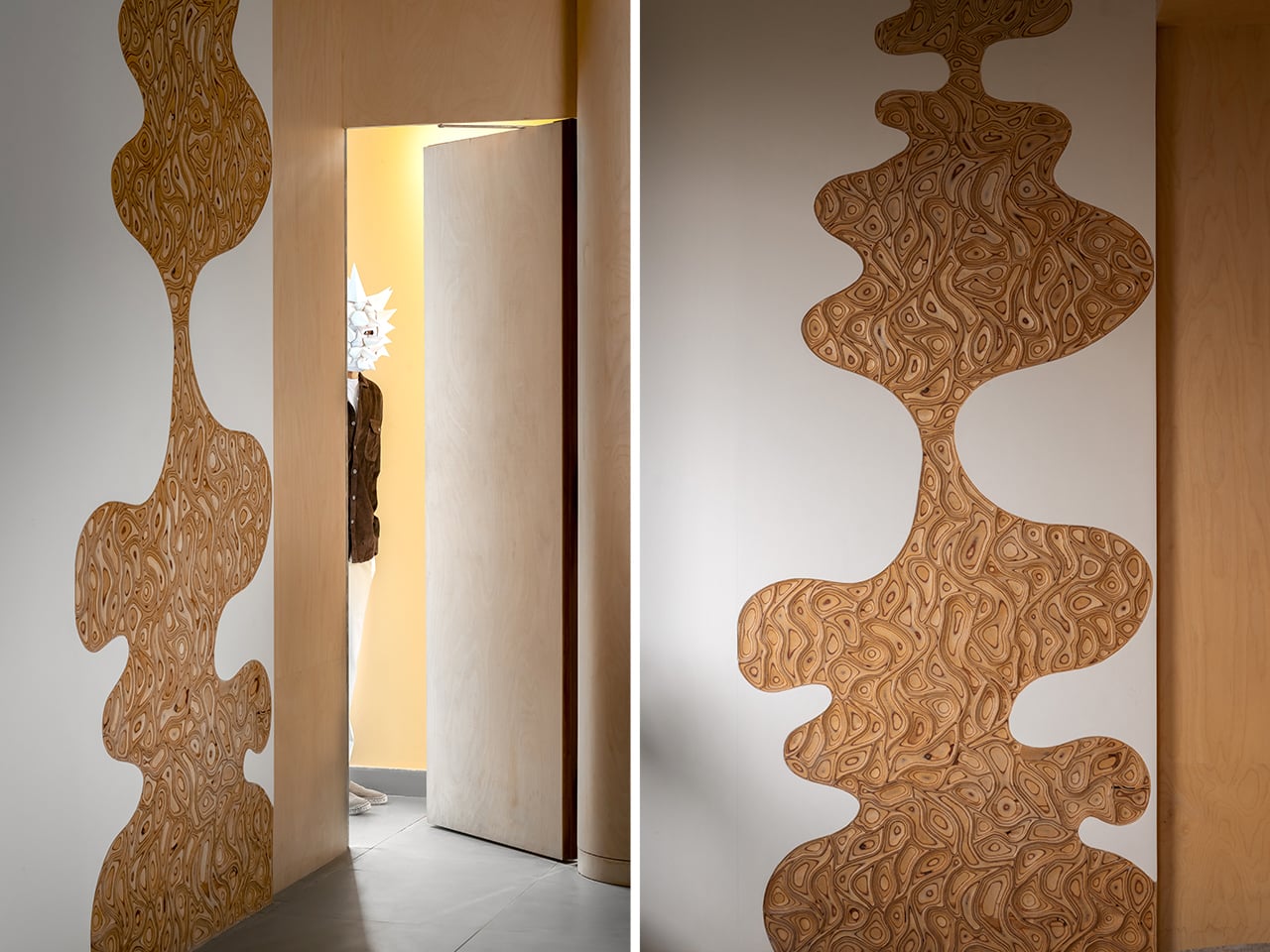
The planning strategy showed in this Warehouse Space transforms a conventional 2,500-square-foot warehouse into a carefully choreographed spatial sequence. Rather than relying on fixed walls, the layout is organized through visual cues, circulation paths, and deliberate zoning. Each area unfolds gradually, encouraging movement and discovery while maintaining spatial continuity. Color transitions, curved architectural elements, and material changes are used as planning tools to define functions without fragmenting the open volume.
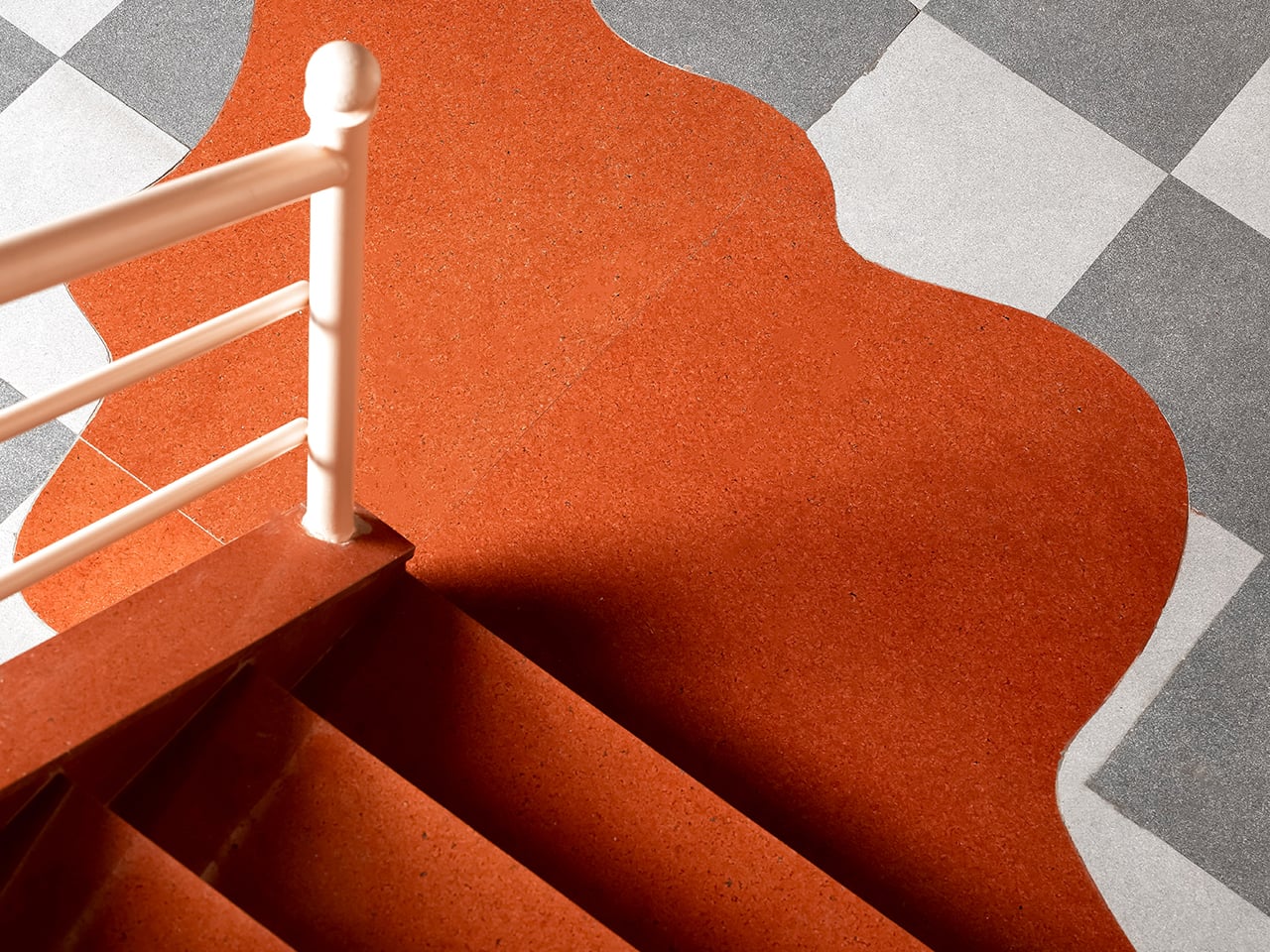
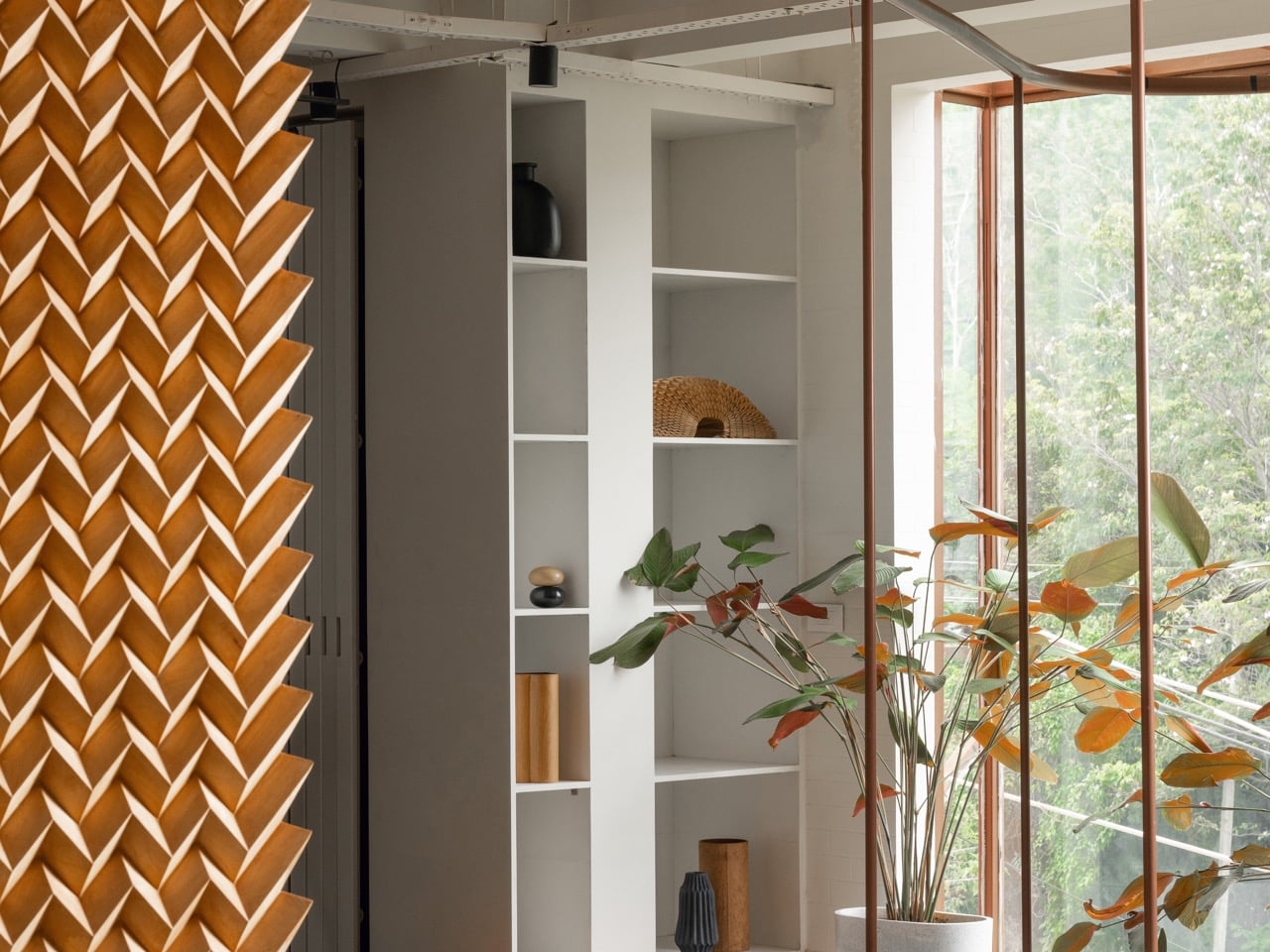
This approach allows the space to function as a cohesive whole while accommodating varied uses. Active zones are positioned to feel dynamic and engaging, while quieter areas are subtly set apart through restrained finishes and controlled visual breaks. Repeating motifs and aligned sightlines guide users intuitively, reinforcing orientation and flow. The planning balances structure with flexibility, ensuring clarity without rigidity. Through thoughtful sequencing and layered spatial relationships, the design demonstrates how strategic planning can redefine an industrial shell into an immersive, purpose-driven environment.

4. Raw Material Honesty

Design is witnessing a clear return to materials that express their true nature, moving away from artificial and imitation finishes. Elements such as hand-worked metal, lime-wash plaster, and natural stone are valued for the stories they carry and the sensory richness they offer. These materials bring depth, texture, and authenticity to interior spaces.

This approach also supports sustainability and longevity. Using materials in their natural or minimally processed state reduces manufacturing impact and improves durability over time. The tactile experience such as the feel of a raw timber handrail, adds a layer of quiet luxury, reflecting a growing preference for honest, lasting materials over polished superficiality.
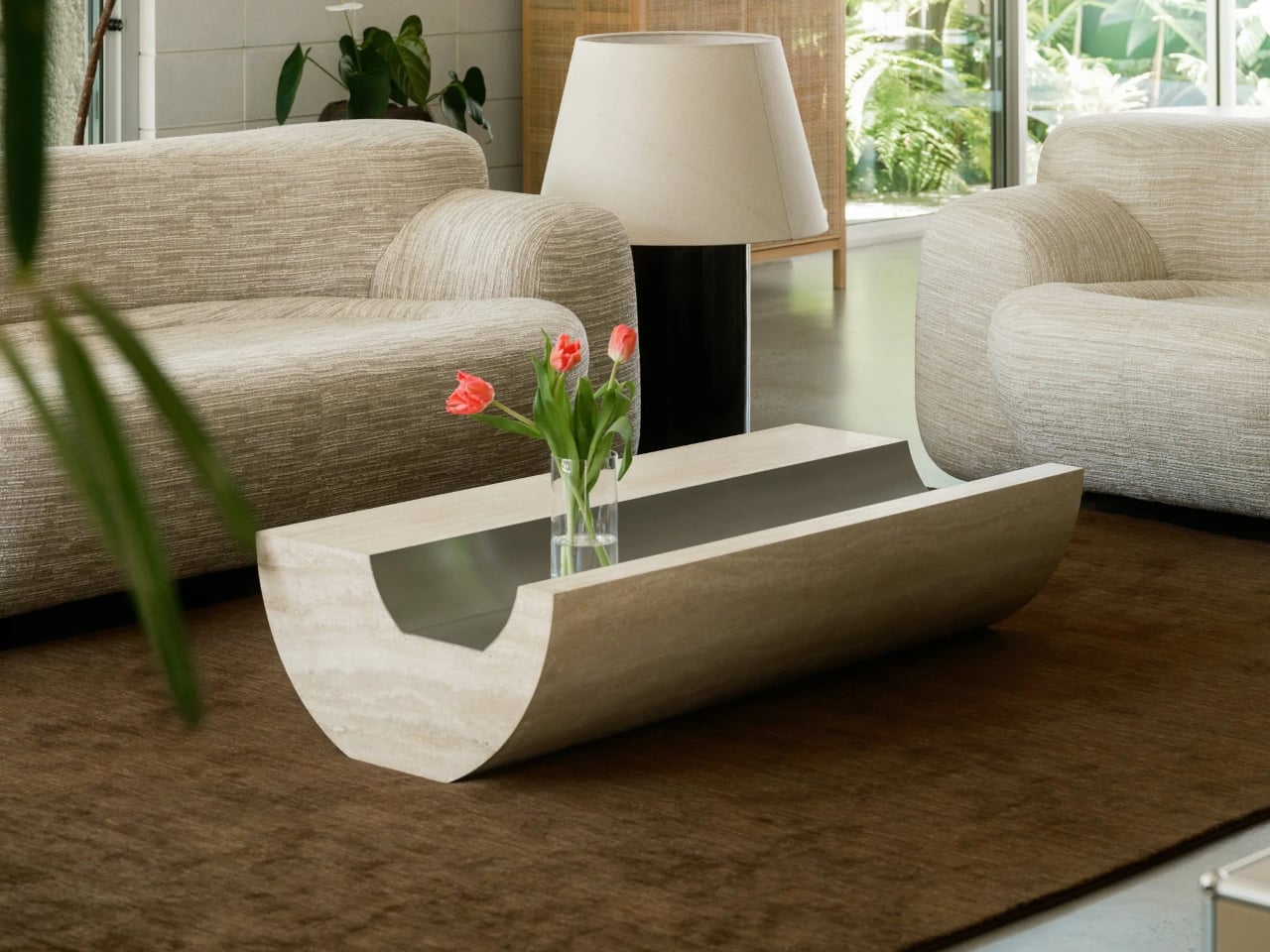
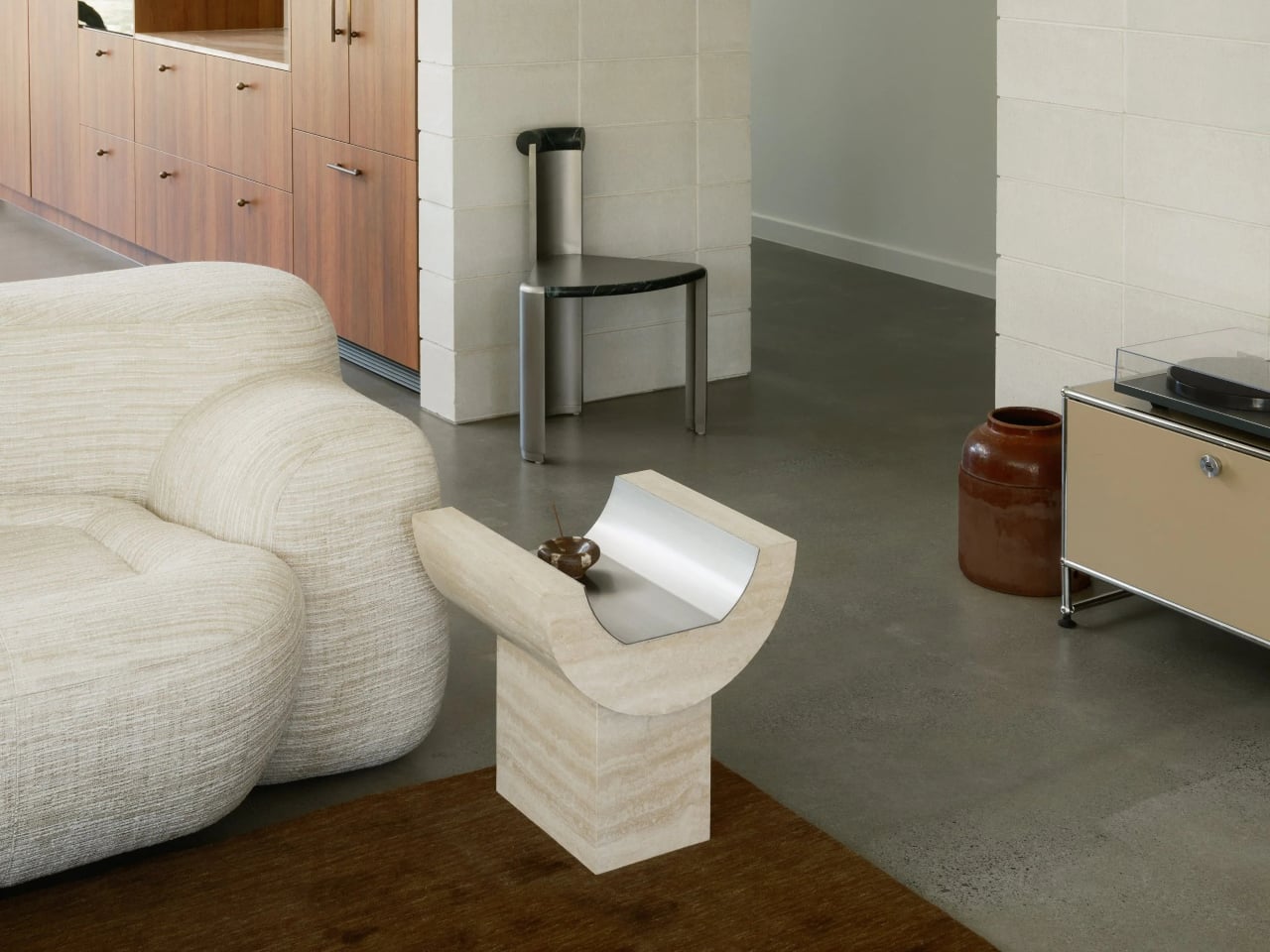
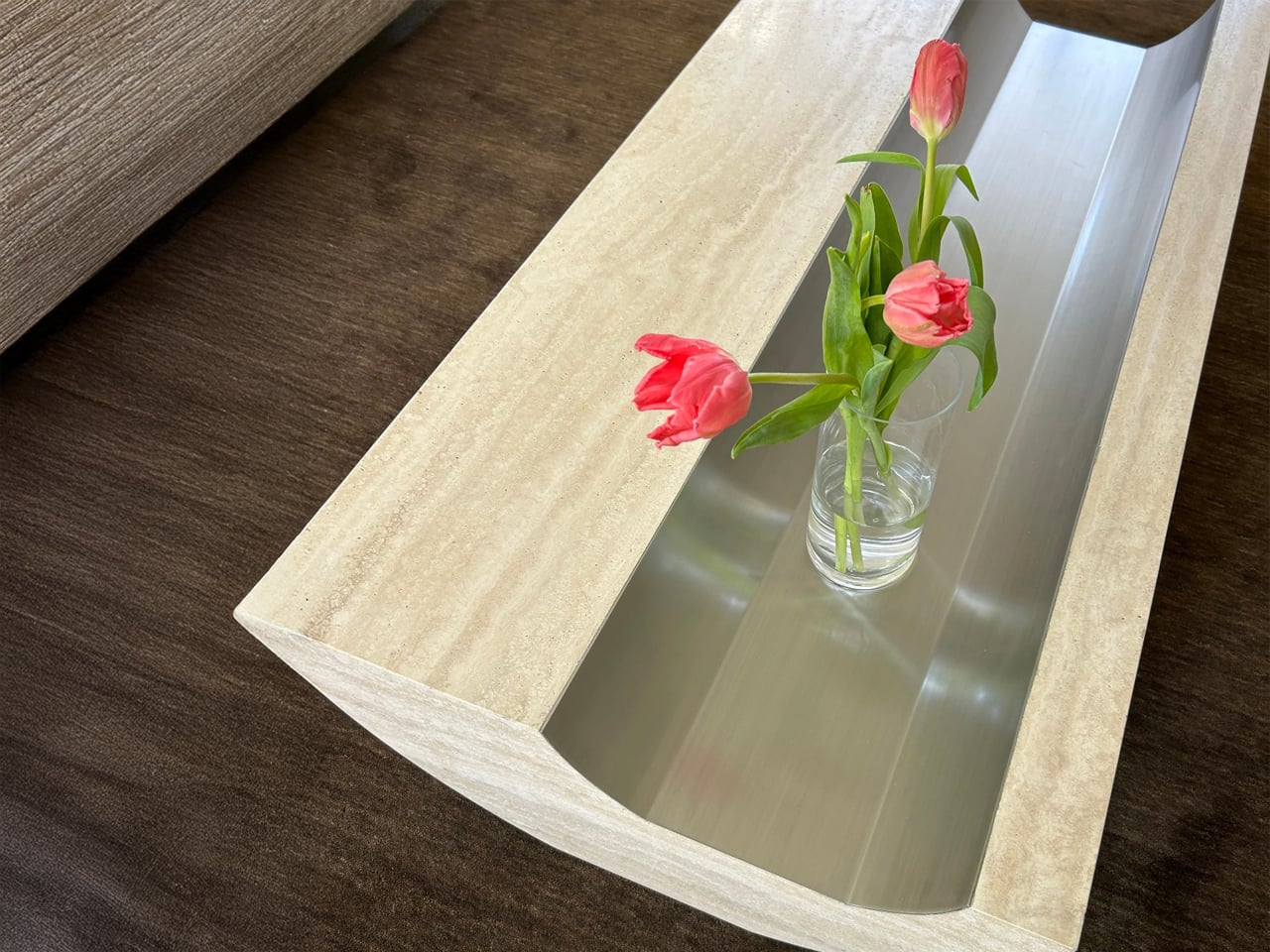
Stone coffee tables are often conceived as heavy, monolithic objects defined by mass rather than refinement. The Coffee Table and Side Table by Tom Black adopt a more considered approach, treating Italian travertine as a material to be carved, balanced, and visually lightened. A single curved gesture defines both pieces, creating an impression of elevation, while a contrasting brushed metal inlay introduces intentional voids within the stone. This dialogue between solid and negative space reframes stone as something sculptural rather than purely structural.
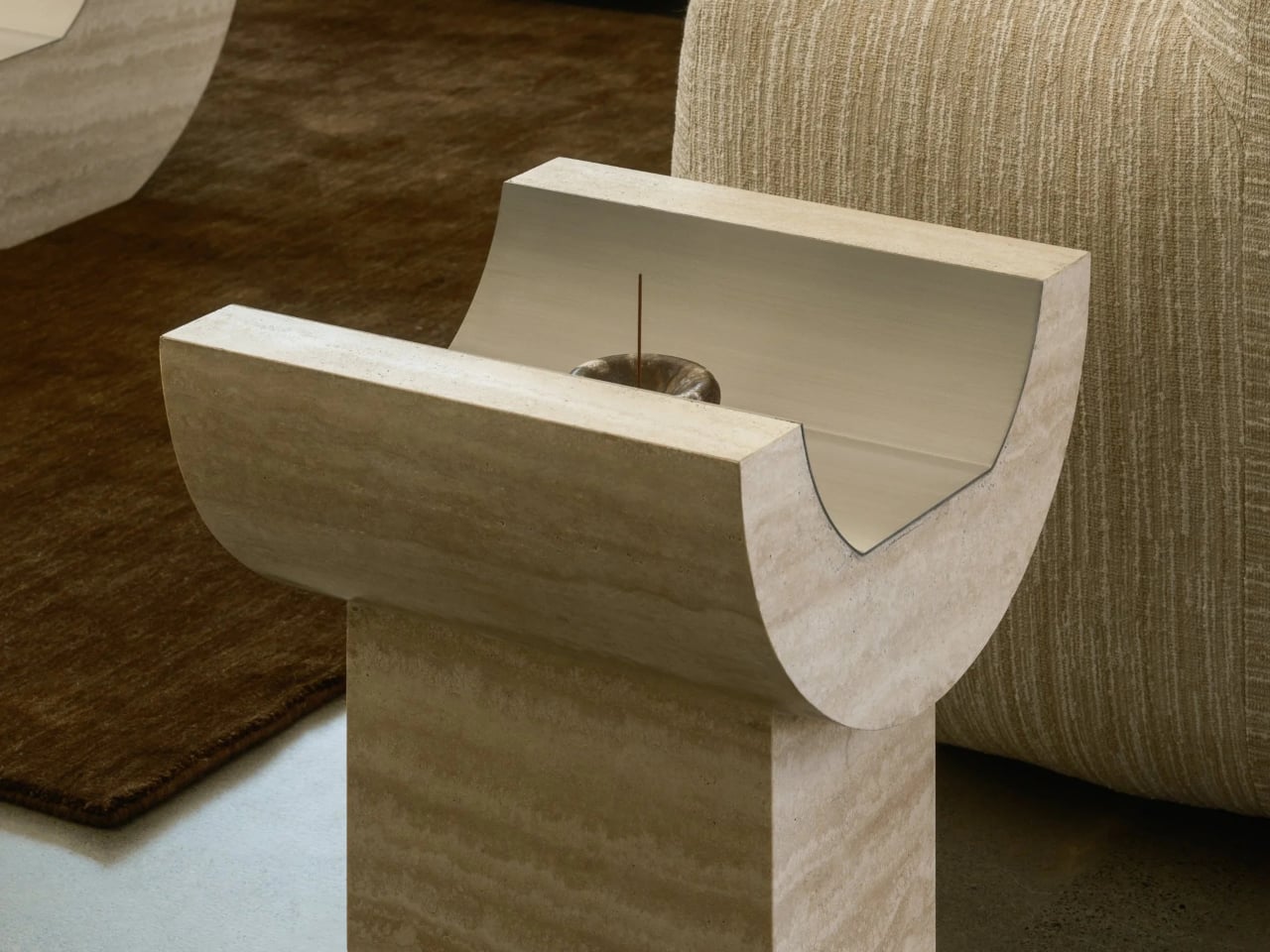
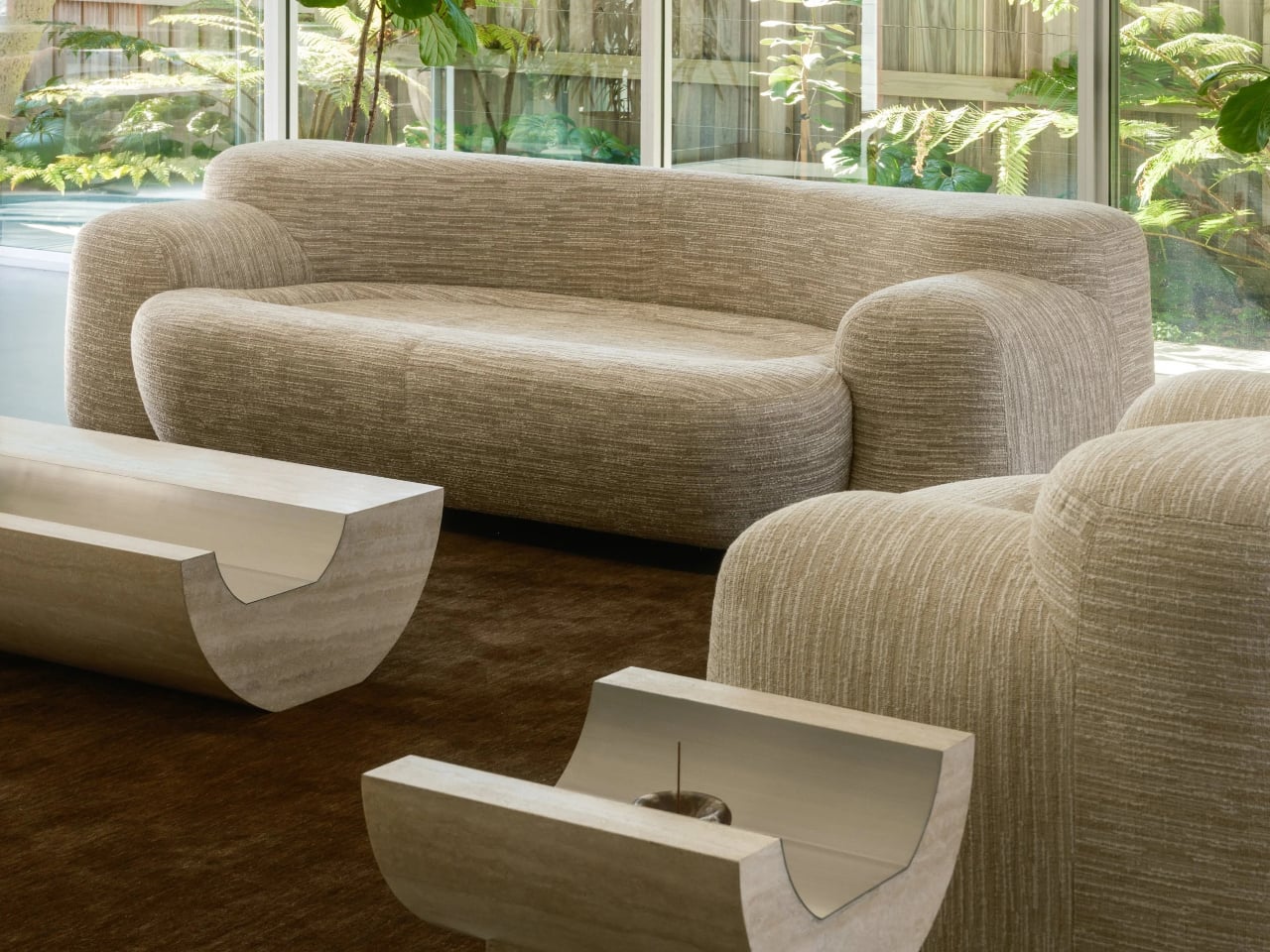
The Coffee Table features a softly curved underside that lifts the form from the floor, paired with a recessed metal-lined trough on the surface that mirrors this curvature. The Side Table translates the same language into a more vertical composition, combining a curved travertine element with a rectilinear base. Together, the two pieces function as architectural furniture, unified by material, proportion, and a restrained yet expressive formal clarity.

5. Built – Landscape Dialogue

Design is increasingly dissolving the boundary between inside and outside. Architects are creating transitional spaces such as semi-covered verandas, internal courtyards, glass walls and shaded thresholds that allow the landscape to flow into the heart of the home. These zones soften the built form and create a natural connection with light, air, and greenery.

Beyond aesthetics, design now focuses on lived experience—how materials, light, and climate affect comfort and emotion. The emphasis has shifted from glossy surfaces to meaningful, biophilic spaces that reduce environmental impact while supporting mental, emotional, and spiritual well-being.
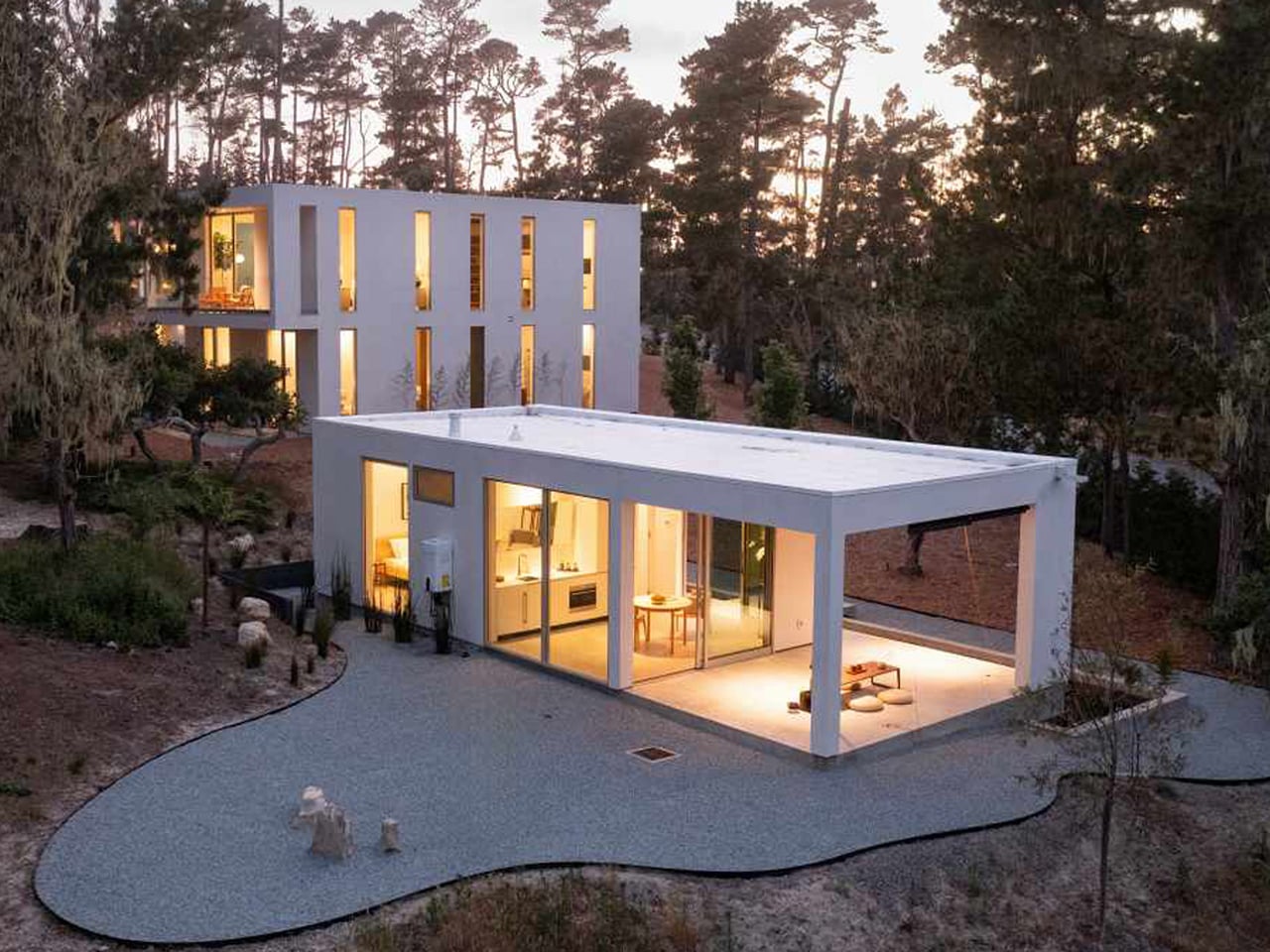
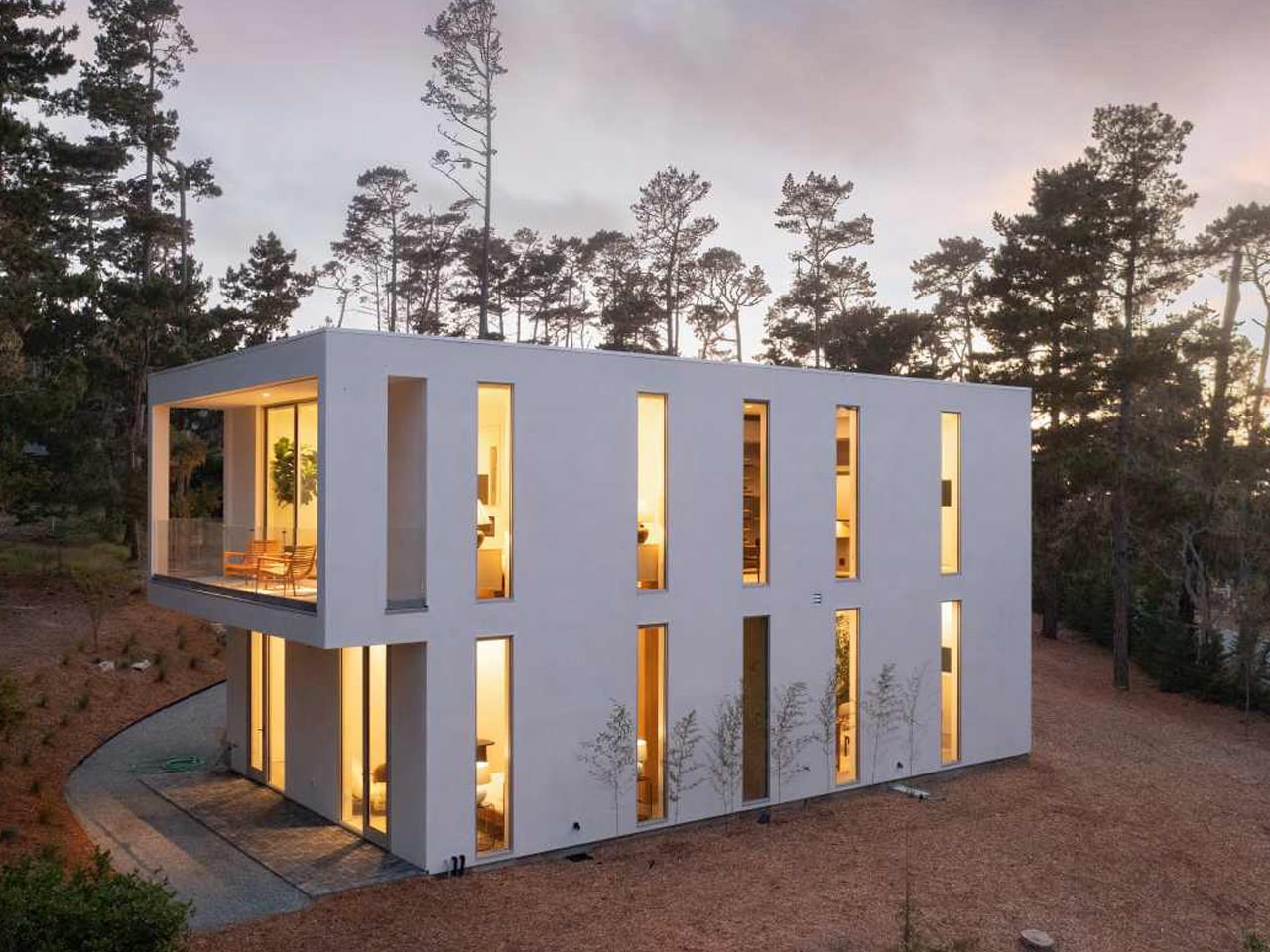
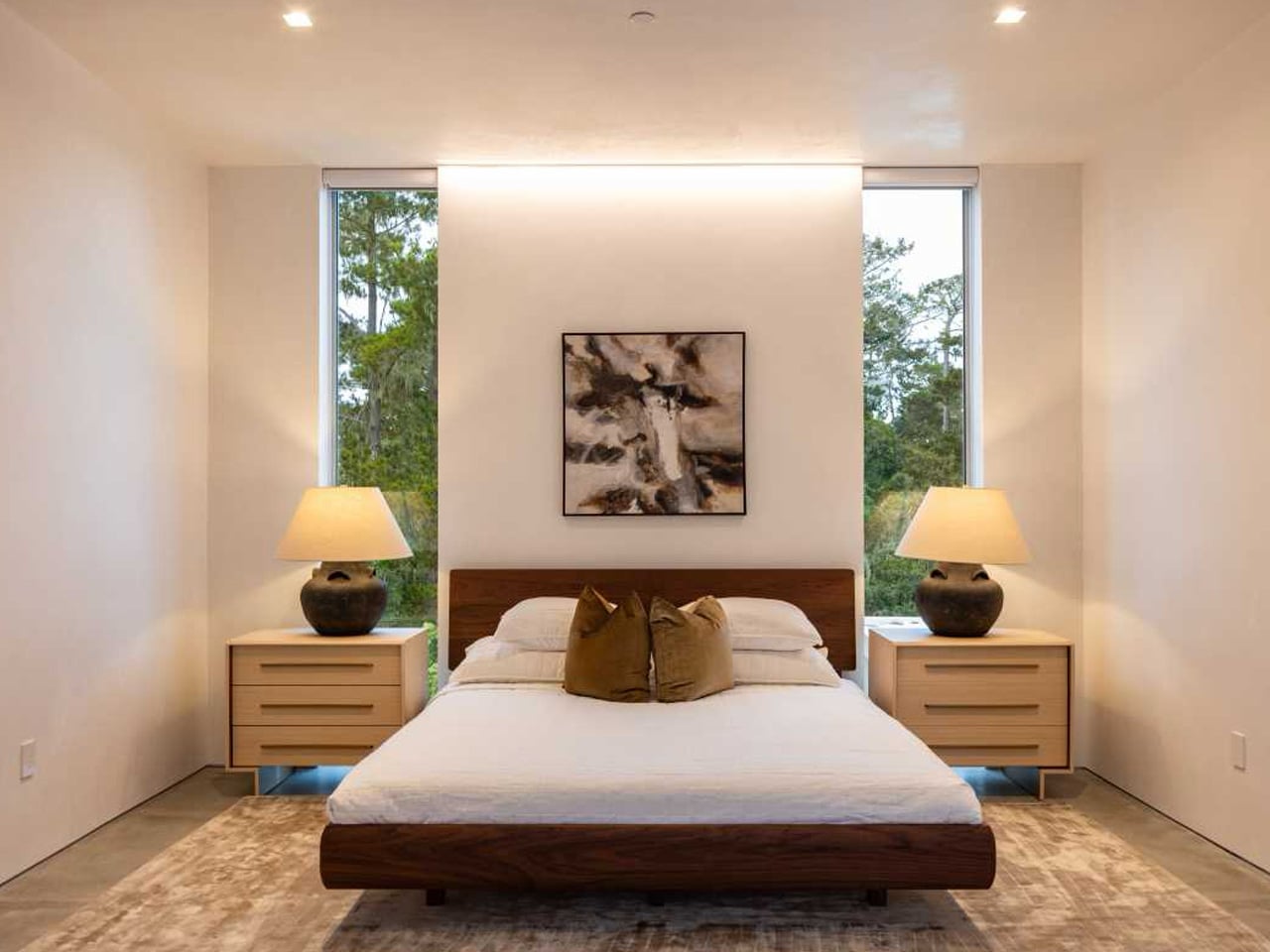
Waterbridge House is conceived as a seamless extension of its natural setting, balancing architectural clarity with a strong indoor–outdoor connection. Set among the pine trees of Pebble Beach, the glass-dominated structure appears to hover above the landscape, defined by clean lines and a restrained material palette. Influenced by Japandi principles, the design blends Japanese serenity with Scandinavian simplicity, resulting in spaces that feel calm, light-filled, and closely attuned to their surroundings.
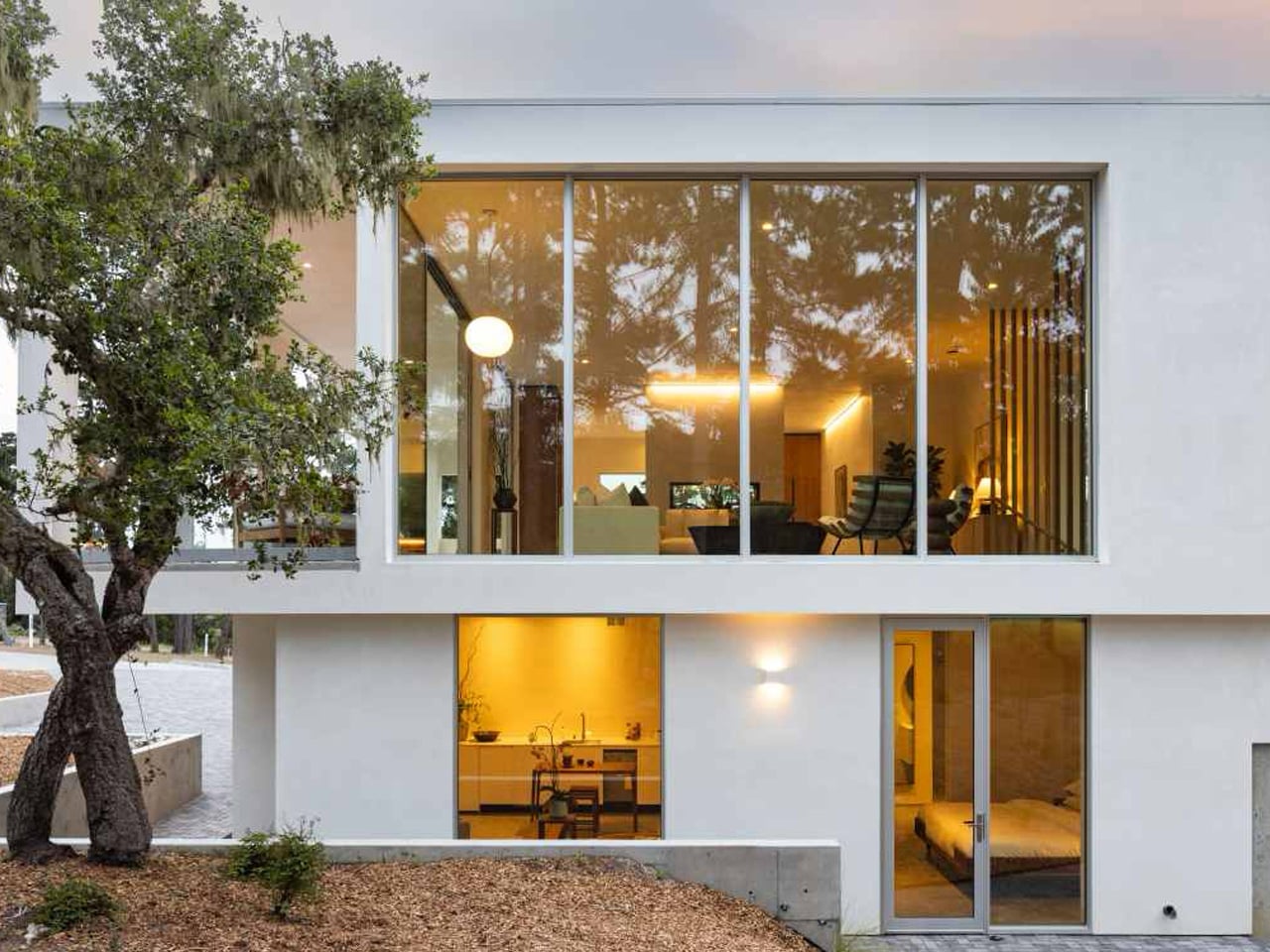
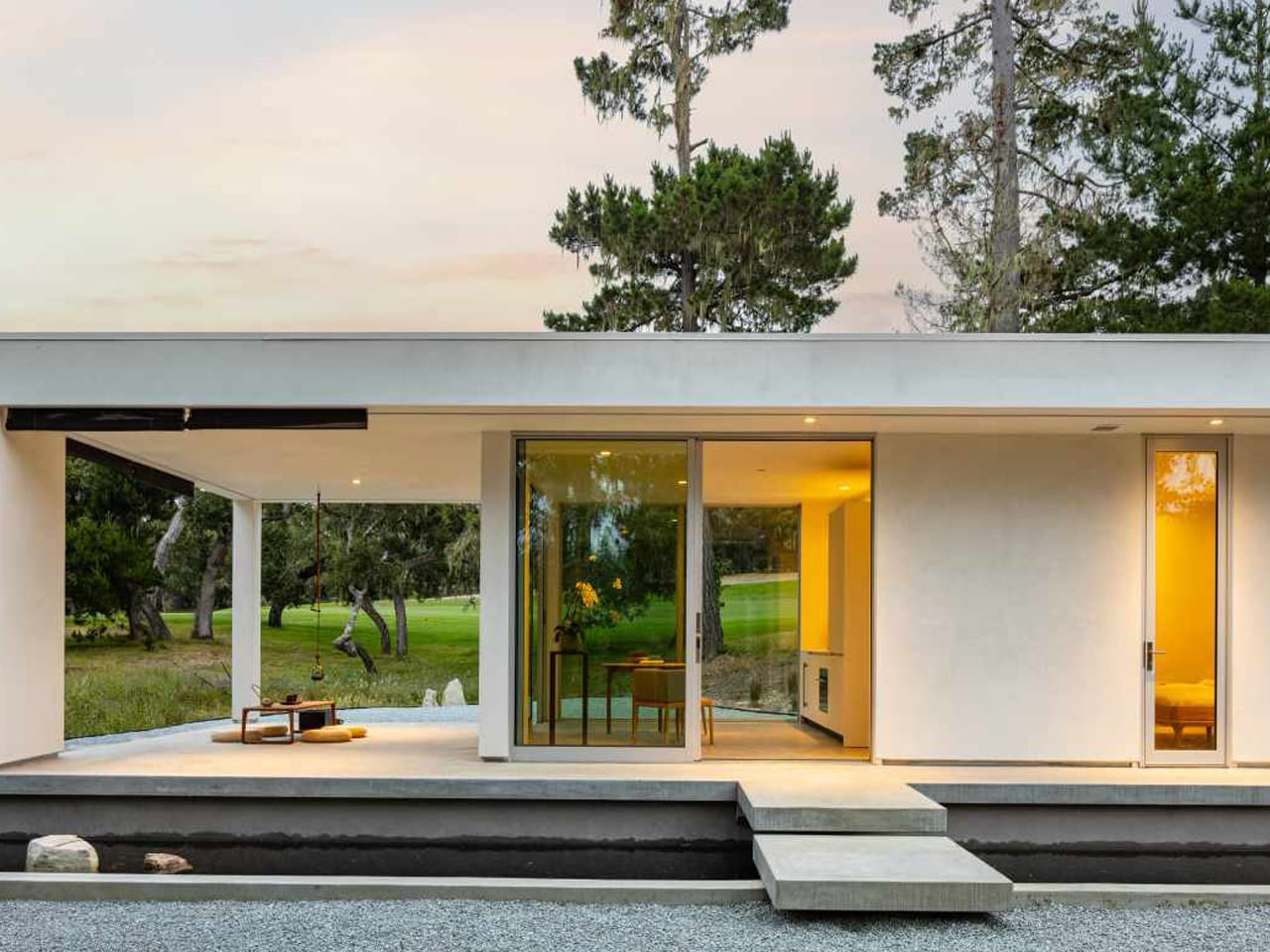
A defining planning element is the glass corridor that bridges a reflective pool, acting as both an entry sequence and a spatial pause. This transparent link connects two distinct wings: one dedicated to open-plan living and social interaction, the other organized around privacy with bedrooms and quiet retreats. Expansive glazing, sliding walls, and layered decks dissolve boundaries between interior and exterior, allowing light, water, and forest views to shape everyday experience.

Interior design now reflects a deeper focus on authenticity and human connection. Through confident color, softened geometry, and people-first planning, spaces move beyond decoration toward meaning. The true measure of architecture lies in its ability to create calm, light-filled sanctuaries that support emotional well-being while remaining visually refined and environmentally responsible.

The post 5 Interior Design Trends That Just Made Minimalism Obsolete in 2026 first appeared on Yanko Design.
TikTok’s latest spinoff app feels a lot like Quibi, but with shorter and cornier content

In another attempt to reduce our attention spans to mush, TikTok has released the PineDrama app, which offers serialized drama series that are roughly a minute per episode. As first spotted by Business Insider, the app is designed exactly like TikTok, but instead of trendy dance videos, you can scroll through and watch "micro dramas."
For those new to the category, micro dramas are bite-sized TV shows shot in vertical video and available in minute-long episodes. Don't expect any nominations for Best Original Screenplay with series like The Officer Fell For Me or Married to my past life's nemesis, since they typically offer soap opera vibes with cliffhangers that keep users scrolling to the next episode. The app is designed to keep people on it with a Discover tab, a place to save favorites and the ability to react in real time alongside other viewers.

Right now, the micro dramas on PineDrama are all free to watch and don't have any ads. It's unclear if TikTok will introduce any costs or ads to the app, since other micro drama options like DramaBox or ReelShort have a paid structure. Late last year, TikTok also introduced a way to watch micro dramas within its own app, with a section called Minis. It's not the first time we're seeing shorter TV show formats, since Quibi made waves with a format of episodes that were less than 10 minutes long. However, maybe even 10 minutes was too long since the startup eventually called it quits after eight months.

This article originally appeared on Engadget at https://www.engadget.com/entertainment/tv-movies/tiktoks-latest-spinoff-app-feels-a-lot-like-quibi-but-with-shorter-and-cornier-content-185702010.html?src=rss

TikTok’s latest spinoff app feels a lot like Quibi, but with shorter and cornier content

In another attempt to reduce our attention spans to mush, TikTok has released the PineDrama app, which offers serialized drama series that are roughly a minute per episode. As first spotted by Business Insider, the app is designed exactly like TikTok, but instead of trendy dance videos, you can scroll through and watch "micro dramas."

For those new to the category, micro dramas are bite-sized TV shows shot in vertical video and available in minute-long episodes. Don't expect any nominations for Best Original Screenplay with series like The Officer Fell For Me or Married to my past life's nemesis, since they typically offer soap opera vibes with cliffhangers that keep users scrolling to the next episode. The app is designed to keep people on it with a Discover tab, a place to save favorites and the ability to react in real time alongside other viewers.

Right now, the micro dramas on PineDrama are all free to watch and don't have any ads. It's unclear if TikTok will introduce any costs or ads to the app, since other micro drama options like DramaBox or ReelShort have a paid structure. Late last year, TikTok also introduced a way to watch micro dramas within its own app, with a section called Minis. It's not the first time we're seeing shorter TV show formats, since Quibi made waves with a format of episodes that were less than 10 minutes long. However, maybe even 10 minutes was too long since the startup eventually called it quits after eight months.

This article originally appeared on Engadget at https://www.engadget.com/entertainment/tv-movies/tiktoks-latest-spinoff-app-feels-a-lot-like-quibi-but-with-shorter-and-cornier-content-185702010.html?src=rss