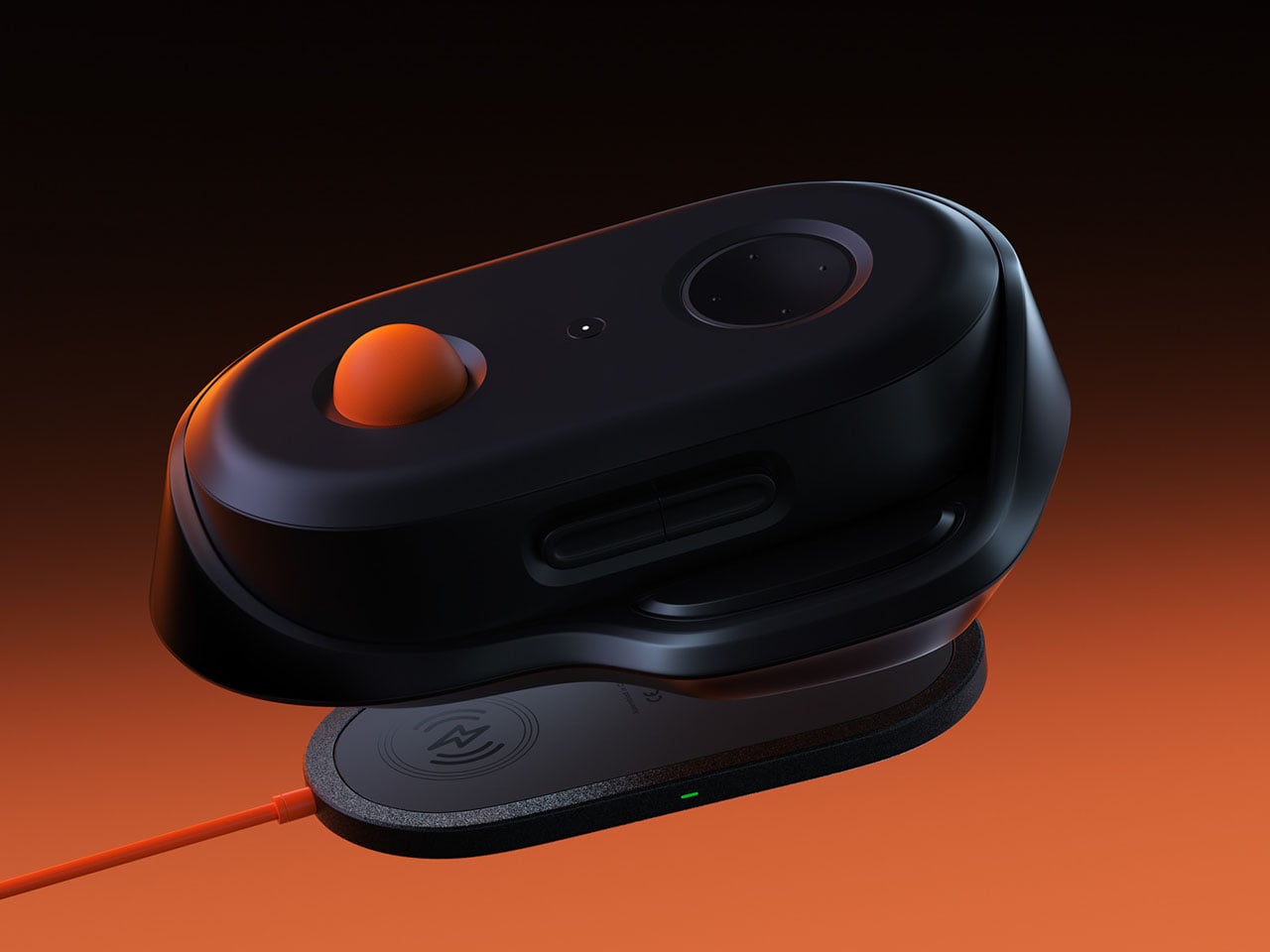
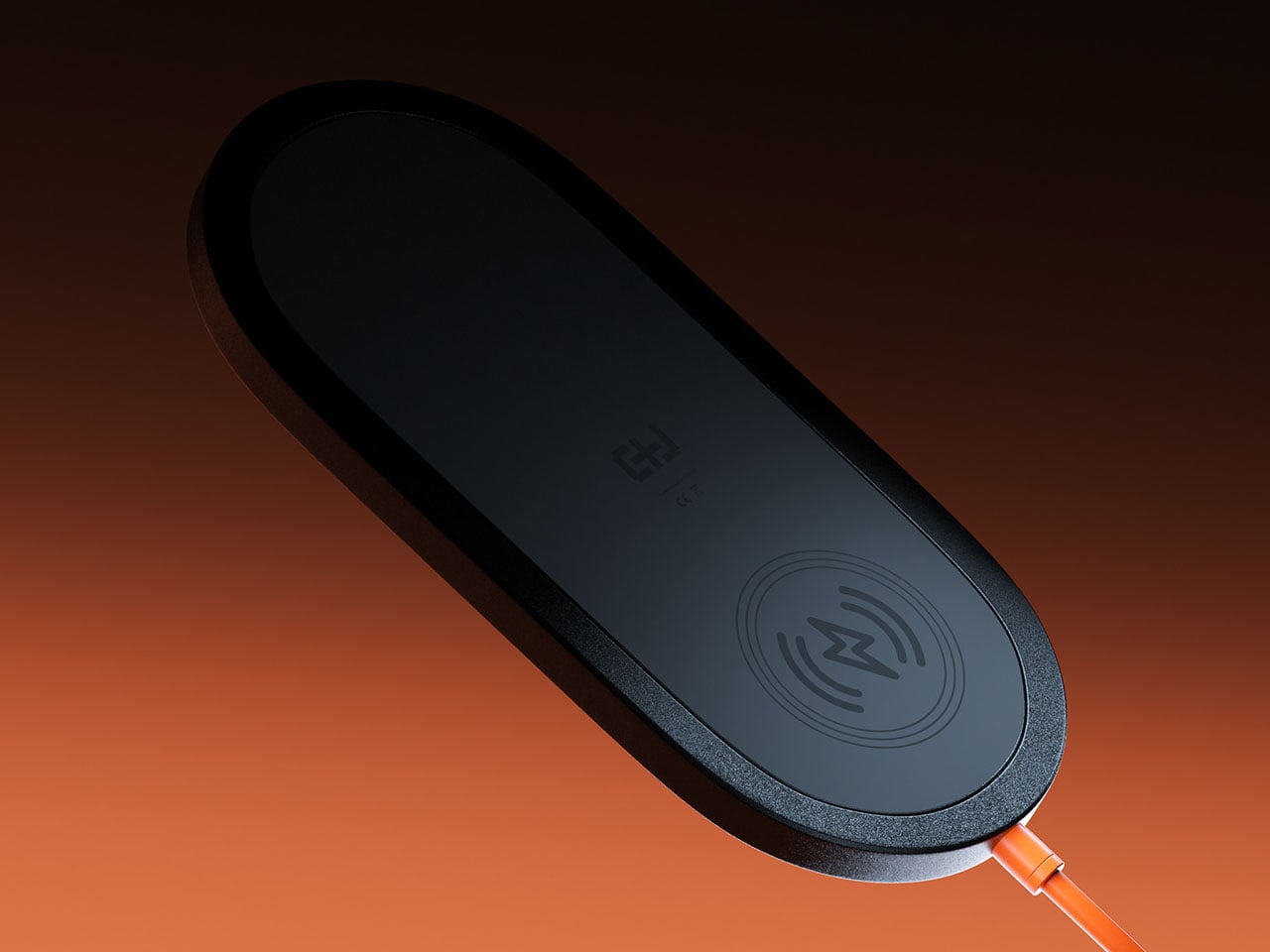
In an era where gaming peripherals are constantly evolving, designers are increasingly experimenting with new ways to rethink the relationship between the hand and the controller. Control PlusArc concept controller challenges the familiar joystick-and-button layout with a more tactile and deliberate approach to movement. Interestingly, this exploration arrives around the same time as other unconventional input devices, such as a mouse that doubles as a hidden game controller.
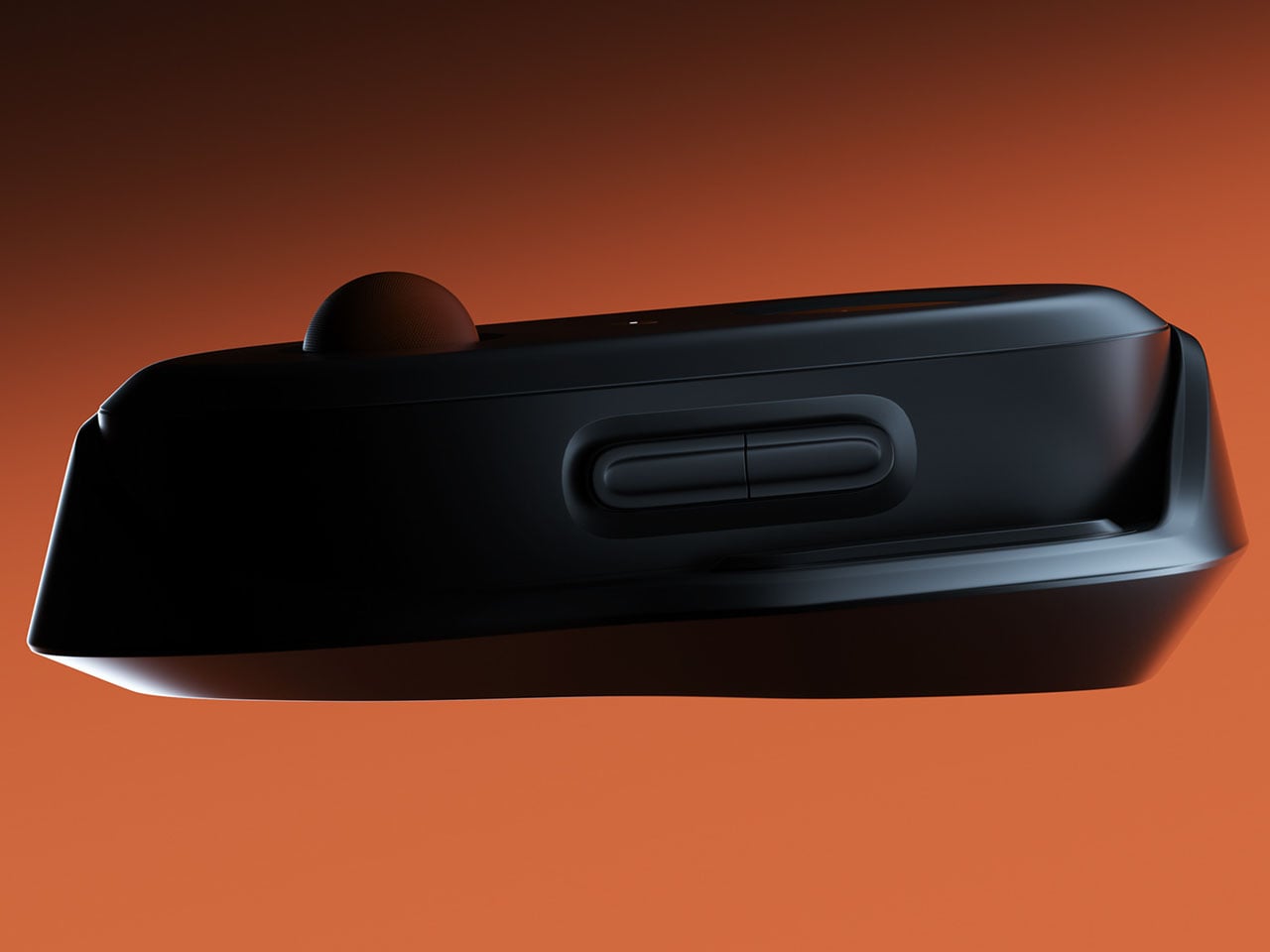
Control PlusArc is built around the idea that interaction should feel natural rather than mechanical. Instead of relying on standard analog sticks, the design introduces a semi-spherical control mechanism that encourages controlled, intentional movement. The controller’s overall oval form factor reflects this philosophy as well. Rather than forcing the user into rigid hand placements, the shape allows the device to sit comfortably within the palms, encouraging a continuous grip that feels fluid and stable during gameplay.
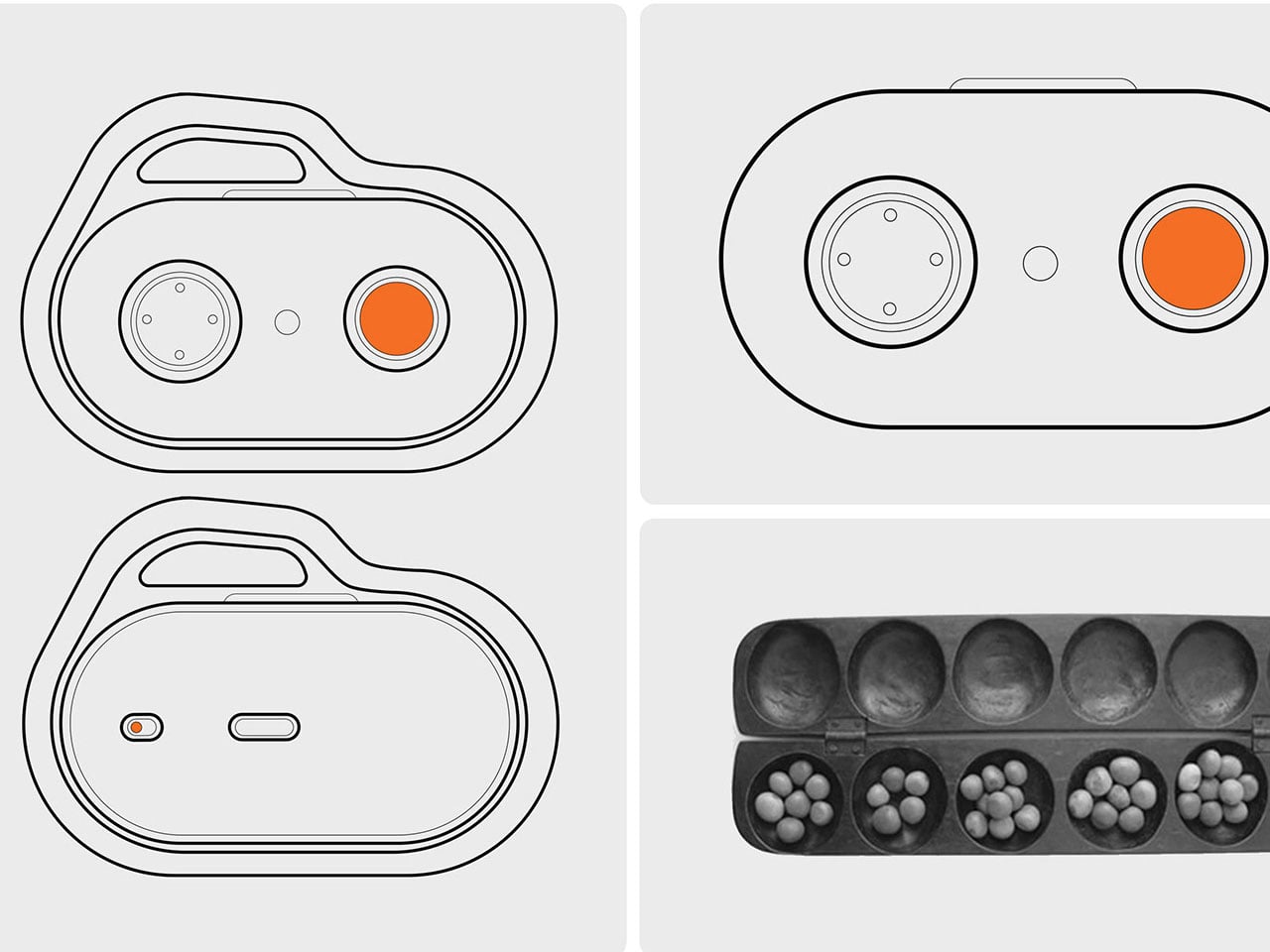
The concept controller is inspired by Oware, known for its rhythmic and thoughtful movement of pieces across carved pits on a wooden board. Instead of mimicking the visual style of the game, the Control PlusArc borrows its philosophy of deliberate interaction. The controller’s oval shape emphasizes the organic contours of an Oware board, creating a tactile connection between hand movement and the act of play.
This influence becomes even more evident in the controller’s semi-ball control mechanism. Unlike a full trackball or freely spinning joystick, the half-ball structure introduces clear boundaries to movement. Players can roll the control surface in different directions, but the restricted geometry ensures that movement remains precise and predictable. This design choice prevents the kind of uncontrolled spinning that often accompanies traditional trackballs, instead reinforcing a sense of intentional navigation.
The half-ball interface effectively becomes the centerpiece of the interaction. Because the surface sits partially embedded in the controller body, it balances freedom and constraint. The user can perform quick directional adjustments while still maintaining tactile awareness of the controller’s limits. The result is a control system that feels less like manipulating a mechanical stick and more like guiding motion across a defined space.
Most modern gamepads still follow a layout popularized by early console designs: two sticks, directional inputs, and face buttons. By rethinking the primary control surface itself, this gaming controller questions whether future controllers might shift toward more tactile, sculptural interfaces that respond more intuitively to the way hands naturally move.
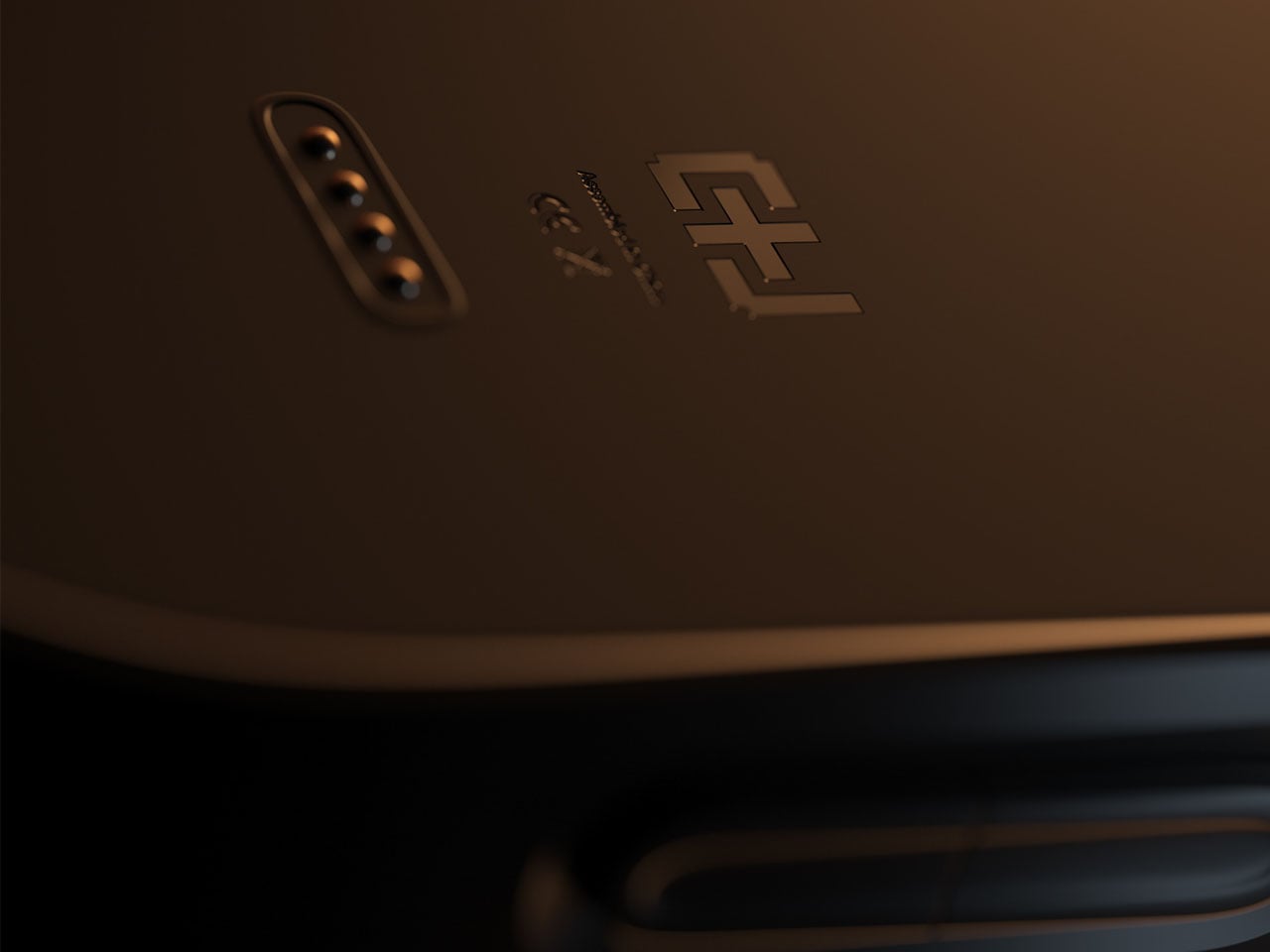
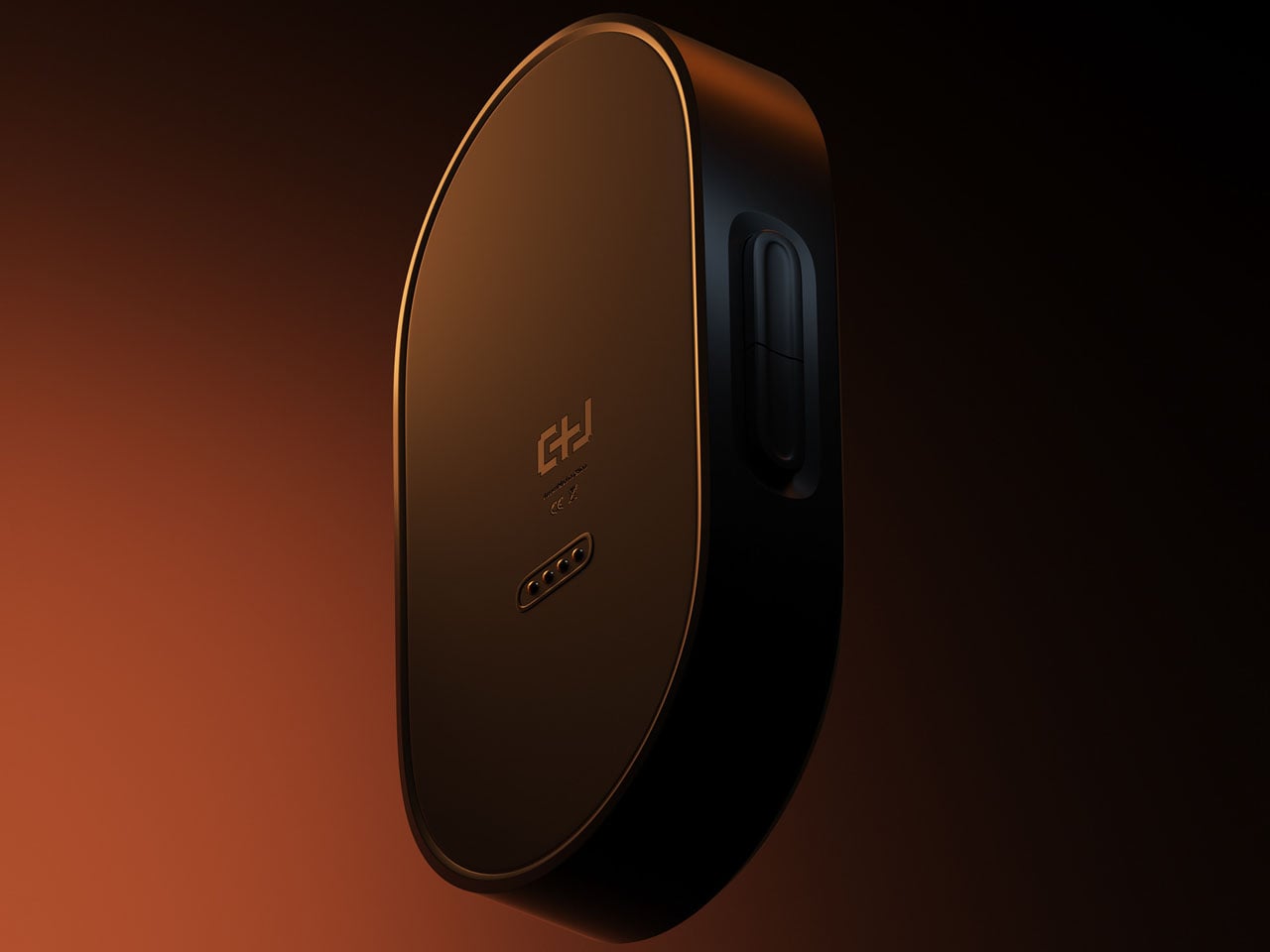
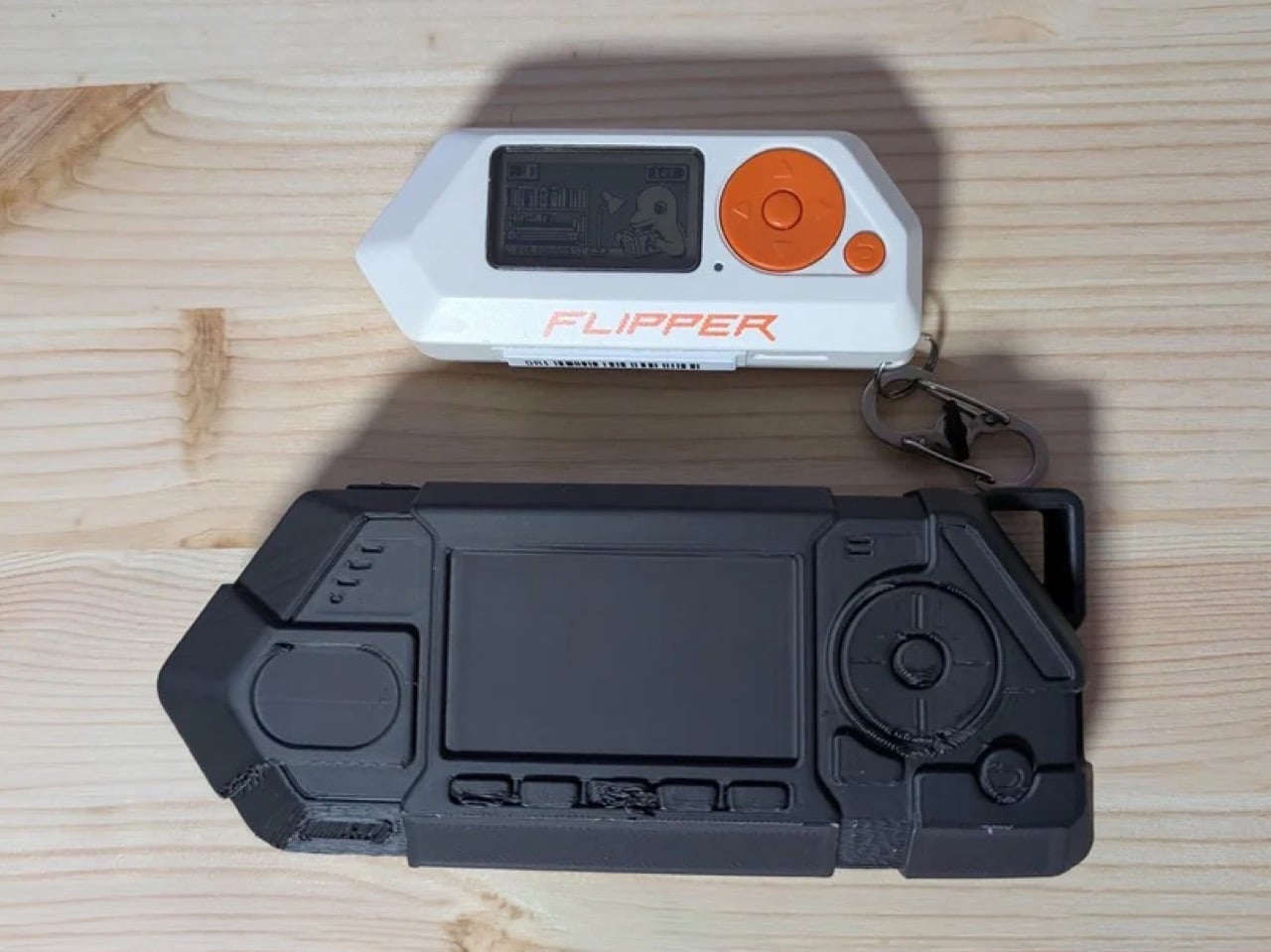
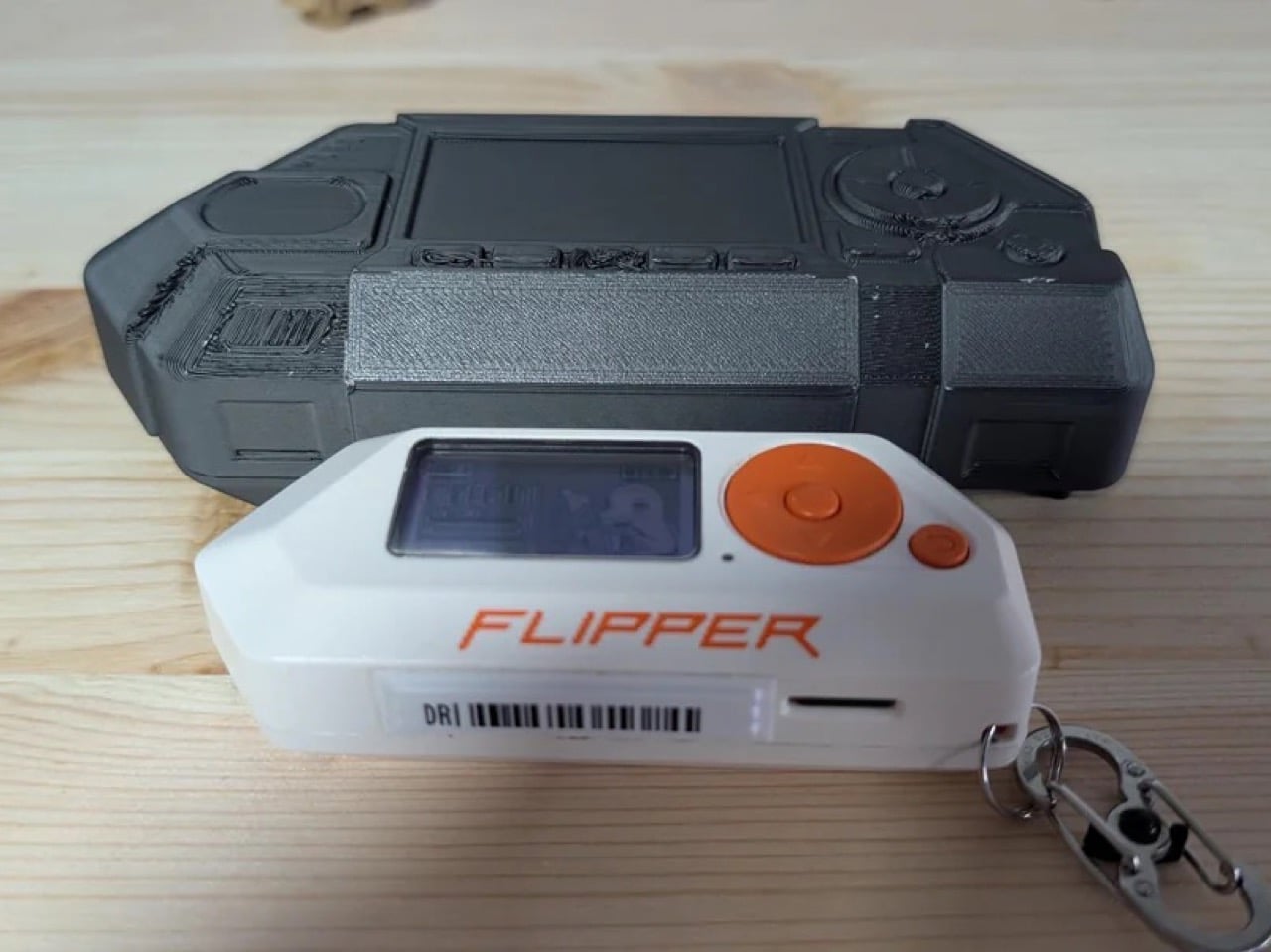
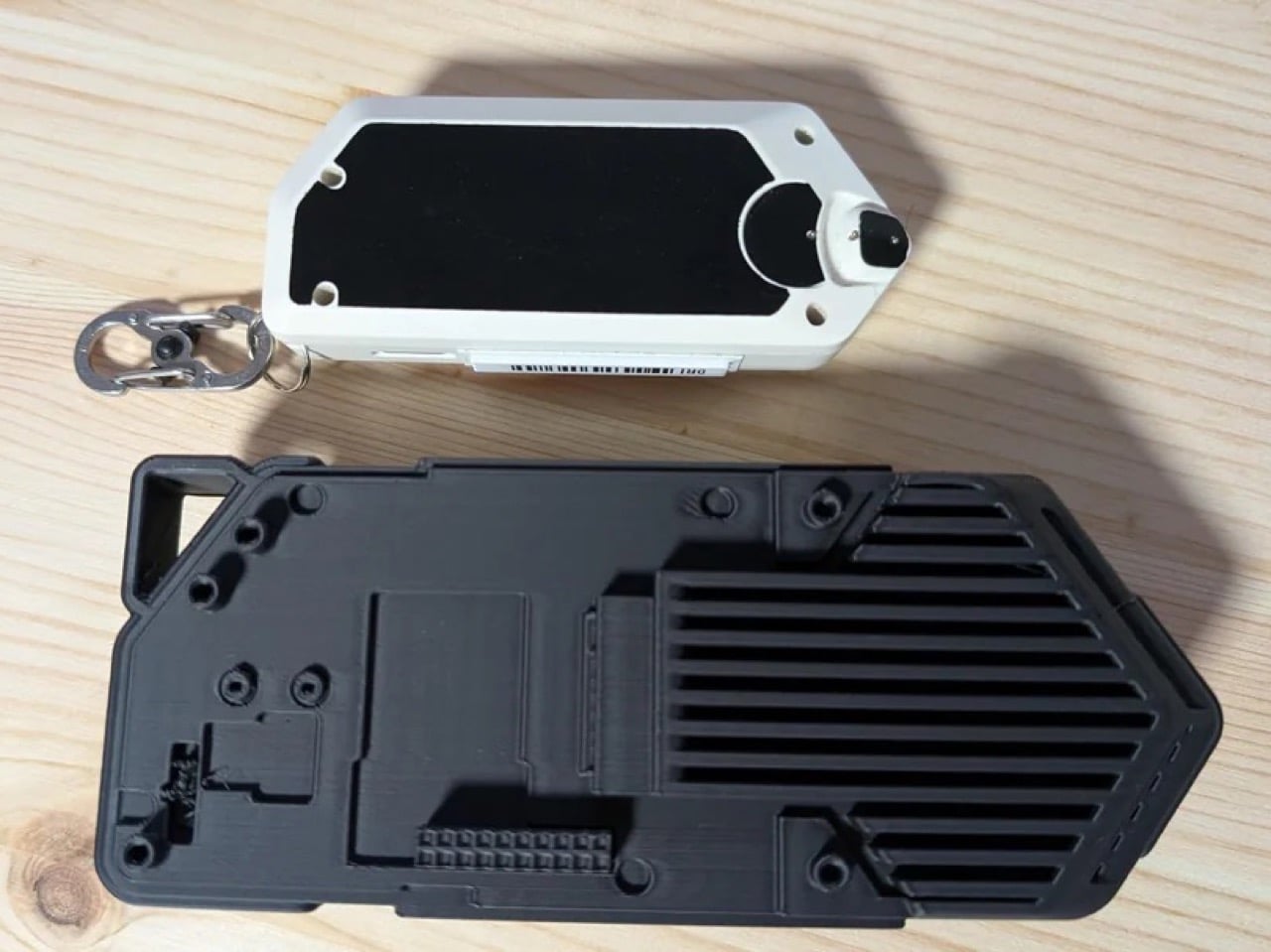
Someone has already printed the Flipper One. Not a real one, but rather a prototype model to show its size compared to the Flipper Zero. First reaction, it’s massive. Second reaction, where did they get the 3D file from? Well, Flipper Devices actually published full mechanical enclosure files for their upcoming Linux-powered handheld on Github. Here’s the link just in case you want to print yours too.
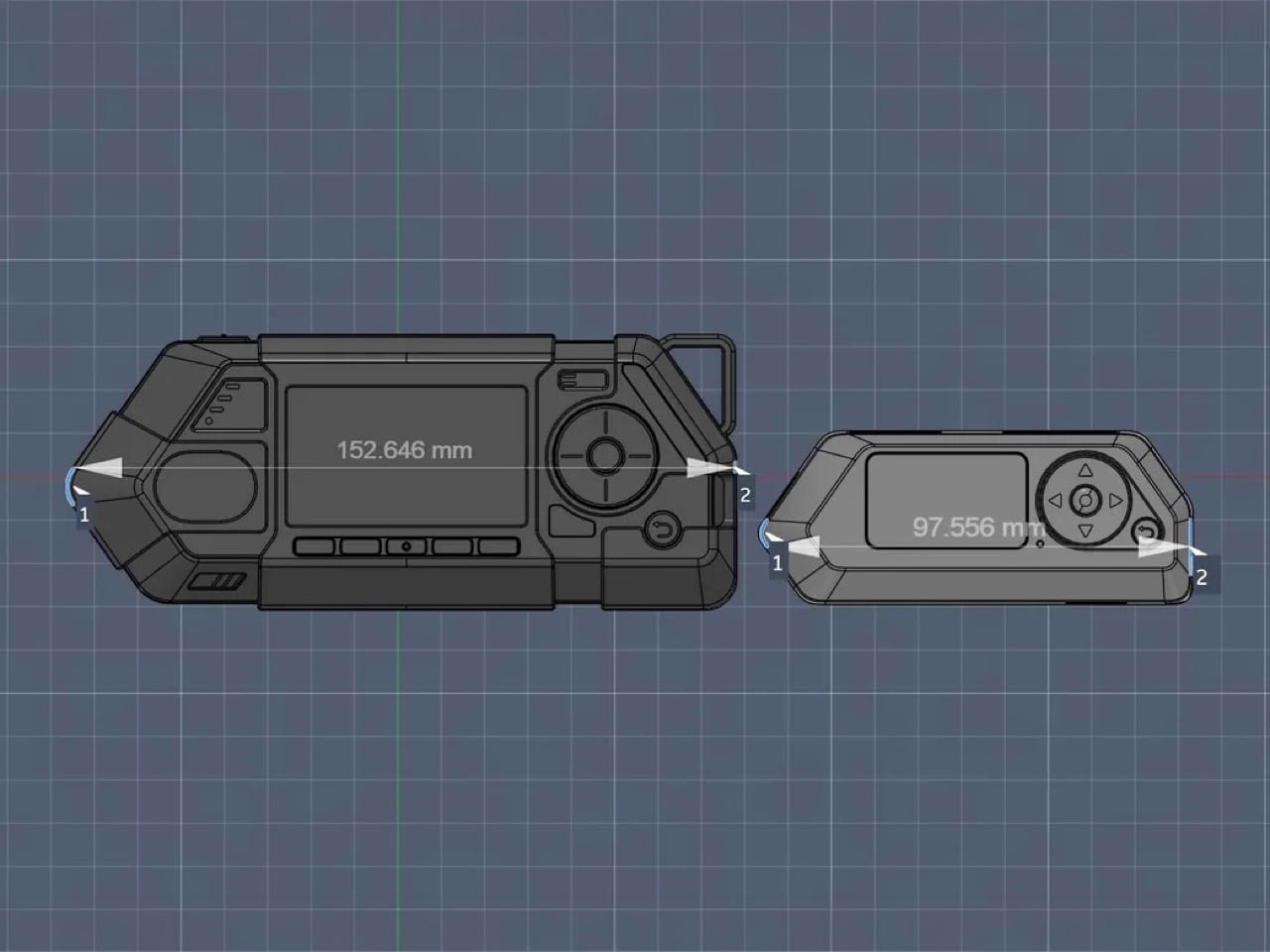
The CAD files put it at 152.6mm wide, against the Zero’s 97.5mm, a difference that becomes viscerally obvious in photos. The front face alone tells you what this device is for: a wide display recess for the 256×144 screen, four function buttons, a D-pad with integrated OK button, a dedicated joystick, and a lanyard/carabiner loop suggesting field carry over pocket carry. A Rockchip RK3576 SoC running Linux, an M.2 slot for modular radios, and dual-processor architecture all need somewhere to live, and Flipper gave them a proper home.
Designer: Flipper Devices
The repository breaks the enclosure into three published parts. The body is the main shell containing everything: display, controls, electronics. It ships as a solid exterior with an intentionally hollow interior in the public files, meaning Flipper is sharing enough geometry for accessory makers to work with while keeping the internal mechanical layout proprietary. The back plate, which covers the M.2 expansion port and swaps out depending on what module you have installed, is published in full including internal surfaces. Same goes for the antenna rail, a separate bracket for routing SMA antenna cables before the back plate closes, a decision born from actual testing where routing cables through an integrated back plate kept damaging connectors during assembly. These are not arbitrary design choices; every split in the enclosure reflects a specific problem someone ran into during prototyping and solved deliberately.
The modular back plate represents a fairly new (and exciting) direction for the Flipper One’s community. Because the back plate geometry is fully open, third-party manufacturers can design their own versions tailored to specific module configurations without waiting on Flipper. Someone building a custom SDR module with a non-standard antenna setup can design a matching back plate that fits the same screw pattern. The Zero had a thriving accessory ecosystem built on top of its GPIO header, and Flipper seems to be seeding the same dynamic for the One, except this time the third-party entry point is baked into the enclosure architecture from day one rather than discovered after launch.
The sheer size of the Flipper One printed next to the Zero tells you something important about where Flipper Devices thinks the market has moved. The Zero was designed for a world where the coolest thing a pocket device could do was clone your hotel key card. The One is designed for a world where security researchers want a full Kali Linux environment, SSH access, and swappable radio hardware on their person during a pentest, without pulling out a laptop. The cyberdeck community has been hand-building devices like this for years at significant cost and effort. Flipper is essentially productizing that whole category, and publishing the enclosure files before the device even ships is a very deliberate signal about who they’re building it for.
It's only been two years since Dune: Part Twotook over multiplexes, but we already have a trailer for the third installment. The appropriately-named Dune: Part Three is an adaptation of Frank Herbert's Dune Messiah book from 1969.
Just like the book, the latest film takes place a number of years after Dune: Part Two. "If the first movie was contemplation, a boy exploring a new world, and the second one is a war movie, this one is a thriller," according to The Hollywood Reporter. "It is action-packed and tense. More muscular.”
Despite the time jump, most primary actors are returning. This includes Timothée Chalamet, Zendaya and Javier Bardem. Anya Taylor-Joy, who briefly appeared in the second film, is also coming back. The same goes for Jason Momoa, despite his Duncan Idaho character dying in the first film. Book readers will likely understand what that means.
The trailer also highlights the antagonist Scytale, as portrayed by Robert Pattinson. He should be a more nuanced villain than Baron Harkonnen, though that's not exactly a high bar.
The release date is coming up fast. Dune: Part Three hits theaters on December 18. That's this year. Villeneuve had intended to take a break after making the second one to focus on a smaller and more personal film, but said that he kept "waking in the middle of the night" with potential images from the third installment.
This article originally appeared on Engadget at https://www.engadget.com/entertainment/tv-movies/the-dune-part-three-trailer-introduces-robert-pattinsons-villainous-new-character-173758393.html?src=rss
Kalshi has been sued by Arizona's attorney general for operating an illegal gambling business in the state and unlawfully allowing people to place bets on elections. "Kalshi may brand itself as a 'prediction market,' but what it's actually doing is running an illegal gambling operation and taking bets on Arizona elections, both of which violate Arizona law," the state's Attorney General Kris Mayes said.
The company defines itself as a prediction markets platform, where users make bets on the outcomes of events ranging from sporting matches to political actions. Kalshi has claimed that it operates under the auspices of the Commodity Futures Trading Commission and shouldn't be faced with the state-level charges of running unlicensed gambling.
The case follows a similar action against Kalshi filed in Nevada last month. Kalshi also made headlines this year when an employee of popular YouTuber MrBeast was accused of insider trading on the platform.
This article originally appeared on Engadget at https://www.engadget.com/big-tech/arizona-attorney-general-sues-kalshi-on-illegal-gambling-charges-172006290.html?src=rss
Spring in Japan is not a season of accumulation. It is a season of editing, of noticing what was already there, of letting a single branch in a ceramic vessel do the work of an entire floral arrangement. The Japanese approach to domestic space has always understood something Western interiors still struggle with: that less does not mean empty, it means deliberate. And in a tiny room, deliberation is everything.
We have rounded up eight products that carry this philosophy without turning it into a marketing exercise. These are not trendy minimalism props or aspirational mood-board fillers. They are functional objects rooted in Japanese craft traditions, seasonal awareness, and the kind of spatial intelligence that makes a 300-square-foot apartment breathe like a room twice its size. Spring is the perfect excuse to start.
1. Fire Capsule Oil Lamp
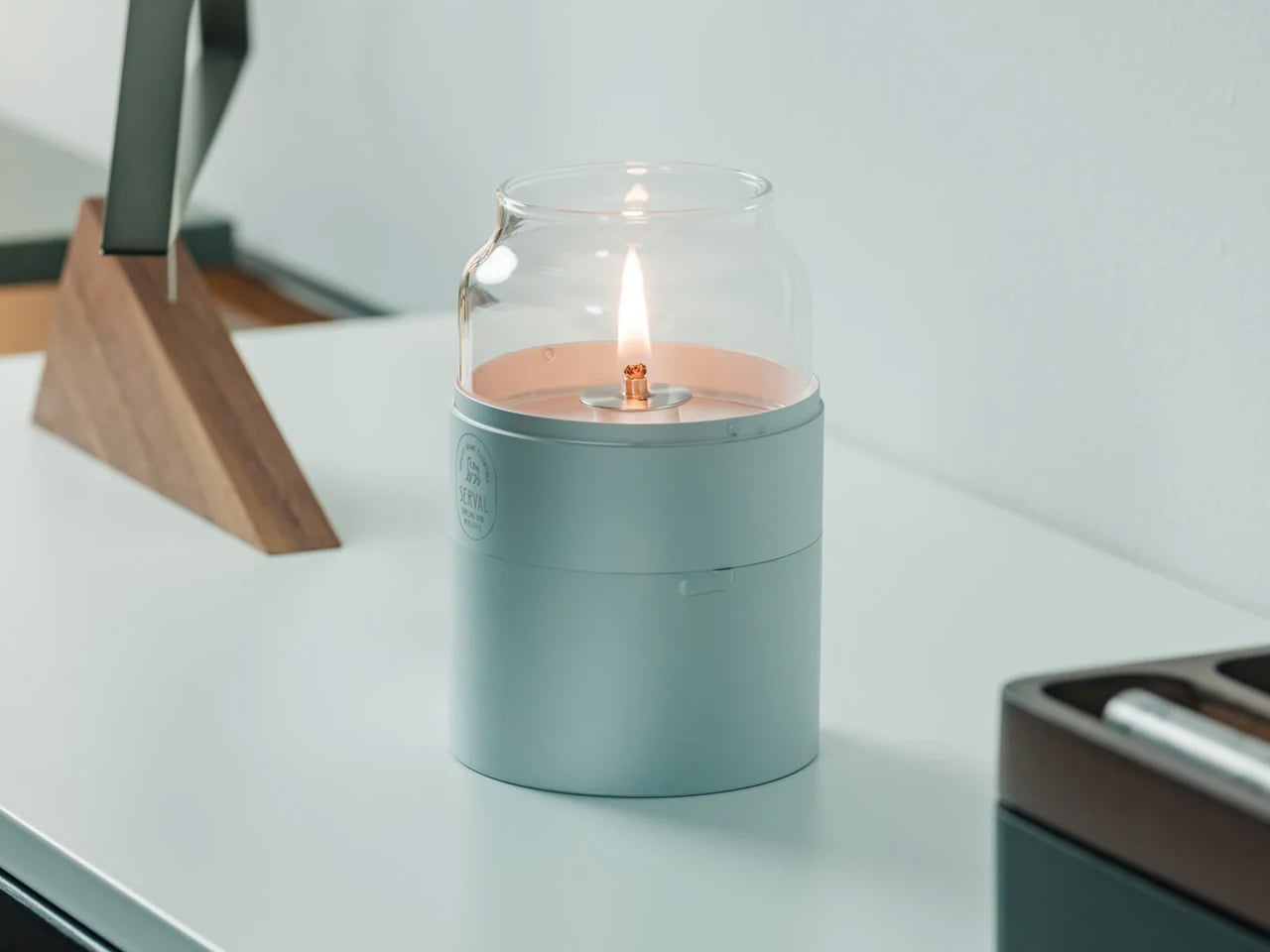
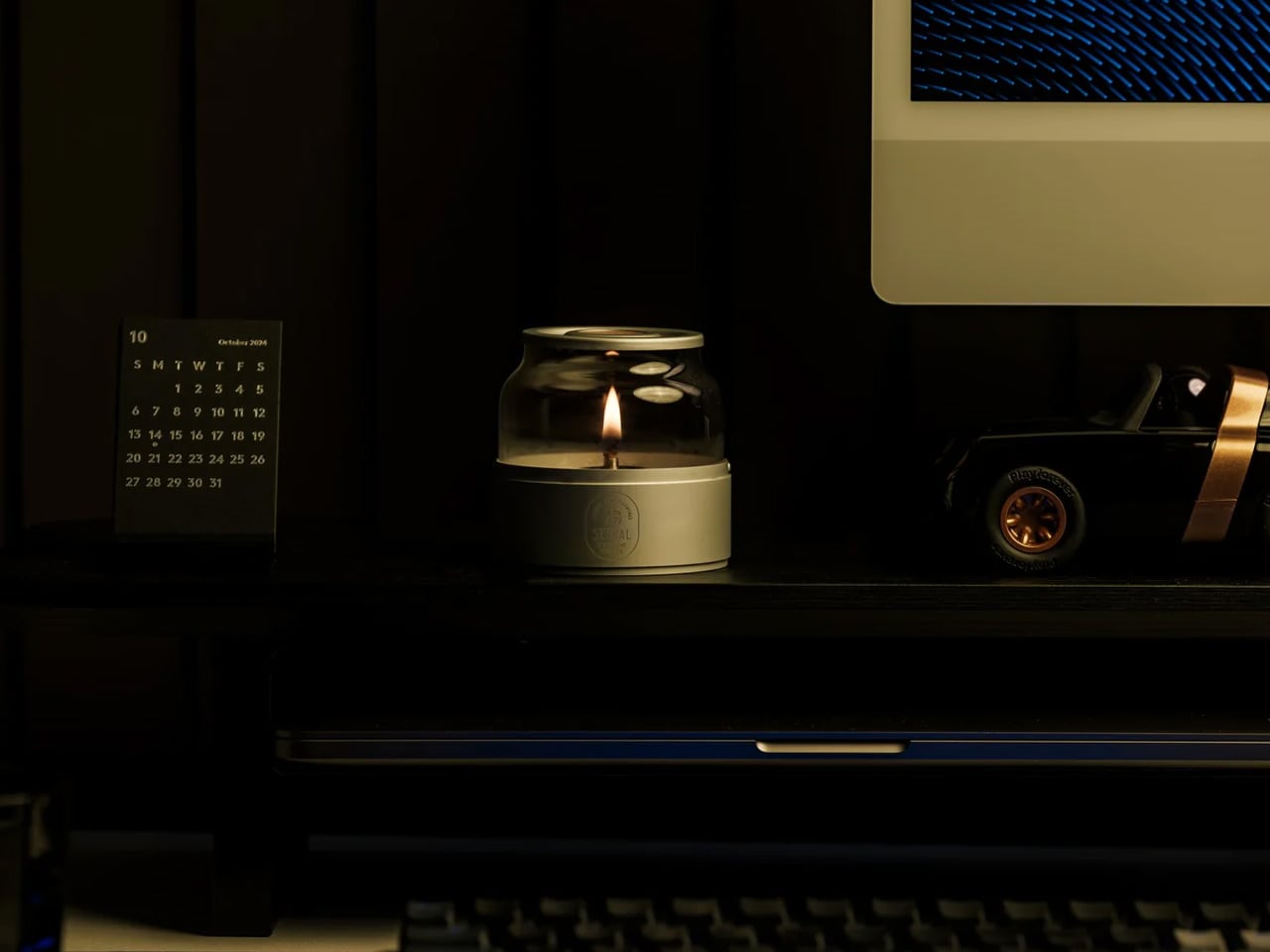
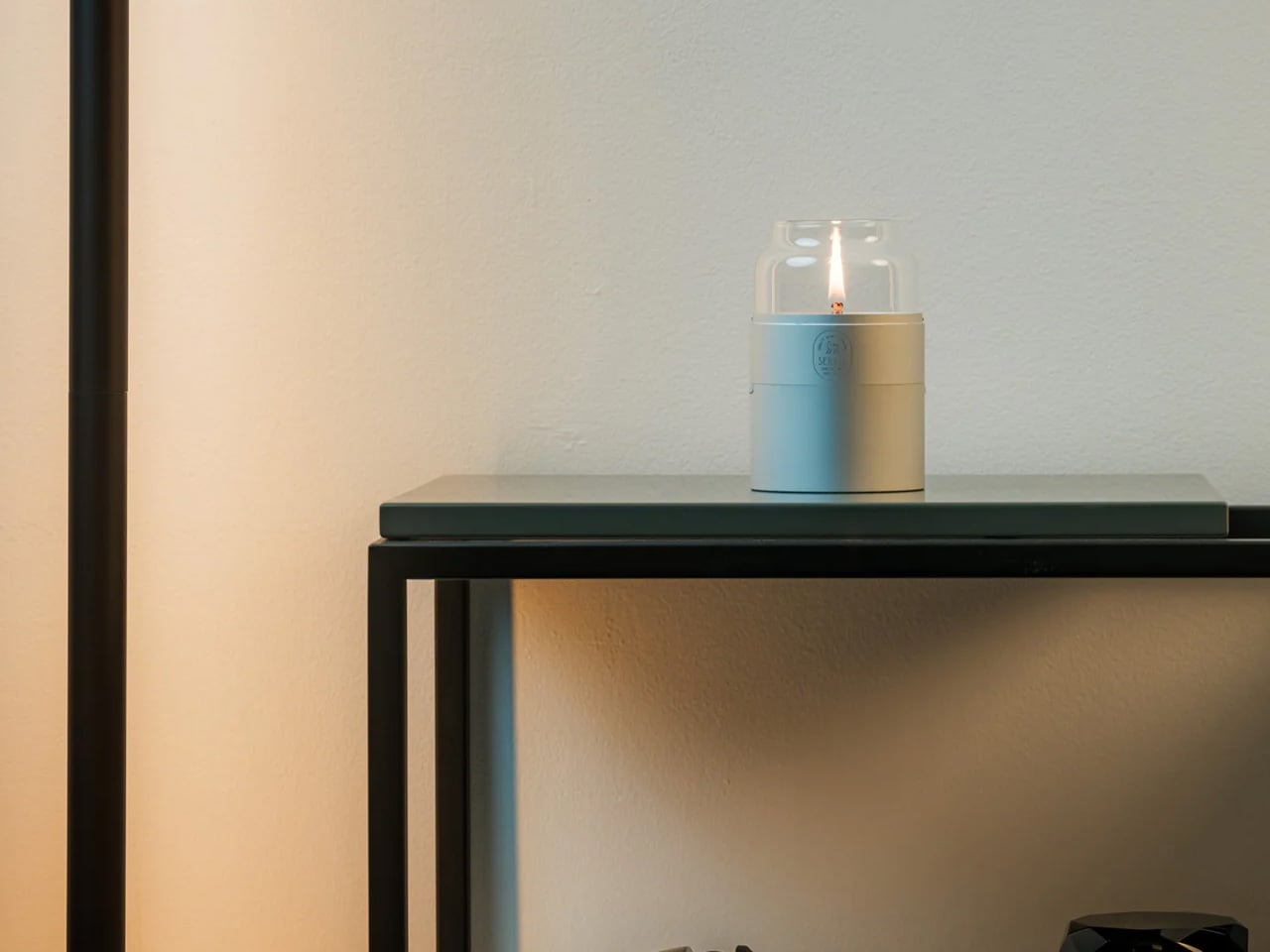
Most ambient lighting products try too hard. They pile on features, app connectivity, color-changing LEDs, and lose the one thing that makes warm light feel warm: simplicity. The Fire Capsule oil lamp goes the other direction entirely. It is a cylindrical glass-and-metal lamp with an 80ml fuel capacity, good for up to 16 hours of continuous flame.
The precision-engineered lid keeps the glass chimney clean between uses, which is a small detail that solves a persistent annoyance with oil lamps (dust settling on the glass and clouding the glow over time). An included aroma plate lets the flame double as a scent diffuser, and the flat-topped design means multiple units stack for storage. The cylindrical form ships with a drawstring pouch for portability, so it works just as well on a campsite as it does on a bedside shelf. In a small room, a single real flame on a low table changes the entire atmosphere without any electrical infrastructure.
16-hour burn time from a single 80ml fill is generous enough for an entire evening gathering or a long weekend of ambient use.
Stackable design and included carrying pouch make storage painless in apartments where every drawer counts.
What we dislike
Open flame in a tiny apartment with limited ventilation requires careful placement and awareness, especially around curtains and textiles.
Paraffin oil refills are not always easy to source locally, and the lamp does not work with standard candle wax or tea lights.
2. Kyoto Yusai Linen Noren
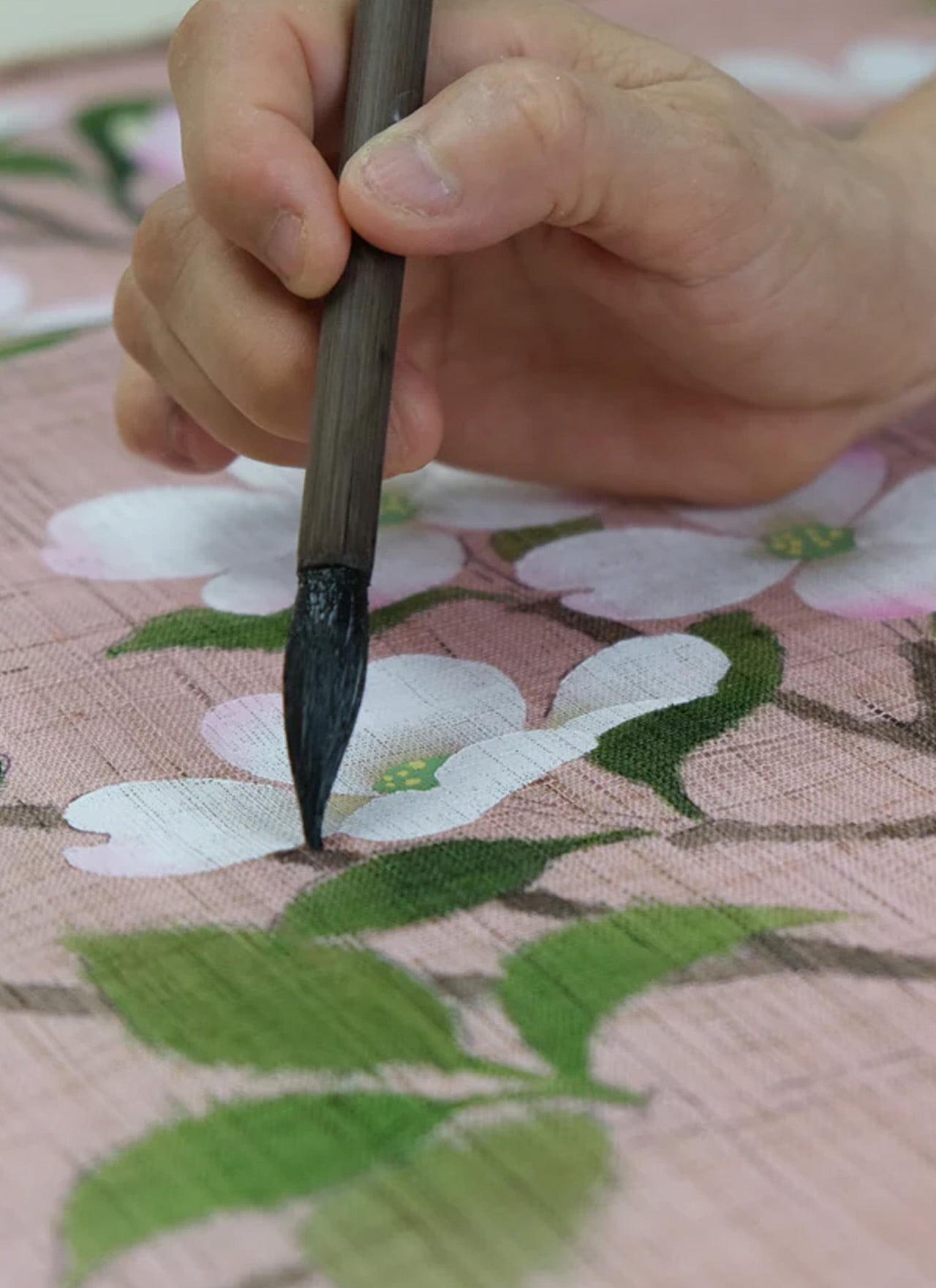
A doorway without a door is just a gap. A doorway with a noren is a conversation between two rooms that never quite ends, a soft boundary that lets light, air, and movement pass through while still giving each space its own identity. This linen noren from Kyoto Yusai, printed with a dogwood motif, does precisely that.
What makes the noren so effective in small apartments is its relationship with ma, the Japanese concept of meaningful negative space. The fabric hangs in split panels with intentional gaps, and those gaps become part of the composition. Light filters through. Silhouettes soften at the edges. In a narrow studio where the sleeping area bleeds into the kitchen, a well-placed noren restructures how the whole room reads without touching the floor plan. Swap it seasonally, and it becomes a rotating design object with zero storage cost.
What we like
Splits the room without blocking airflow or natural light, which is rare for any room divider at this price point.
Seasonal swapping means the interior changes character four times a year with no permanent commitment.
What we dislike
Linen wrinkles easily after washing, so it needs careful steaming to maintain that clean drape.
The standard sizing may not fit non-Japanese doorframes without minor alterations or a tension rod swap.
3. Brass Ikebana Kenzan
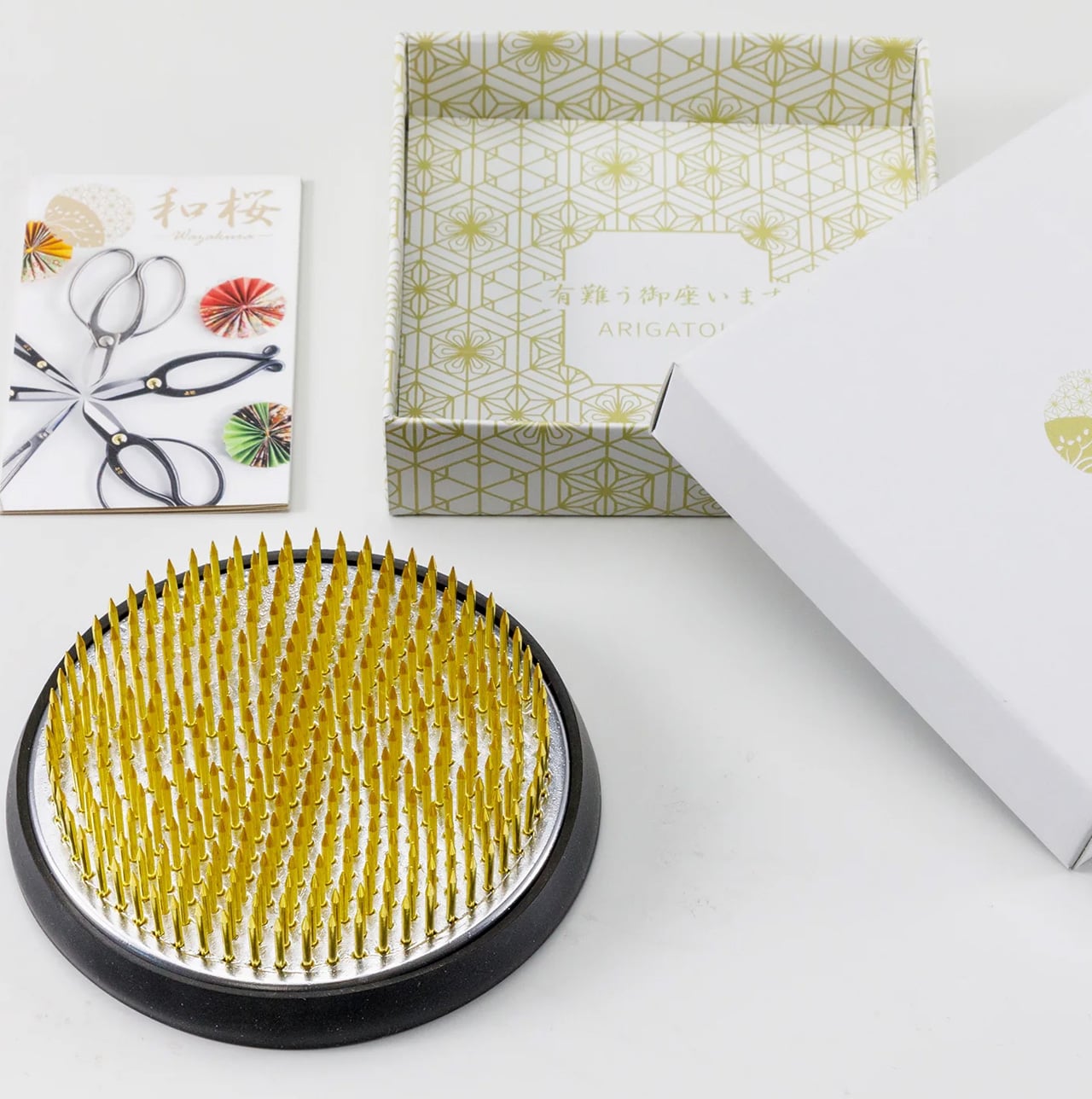
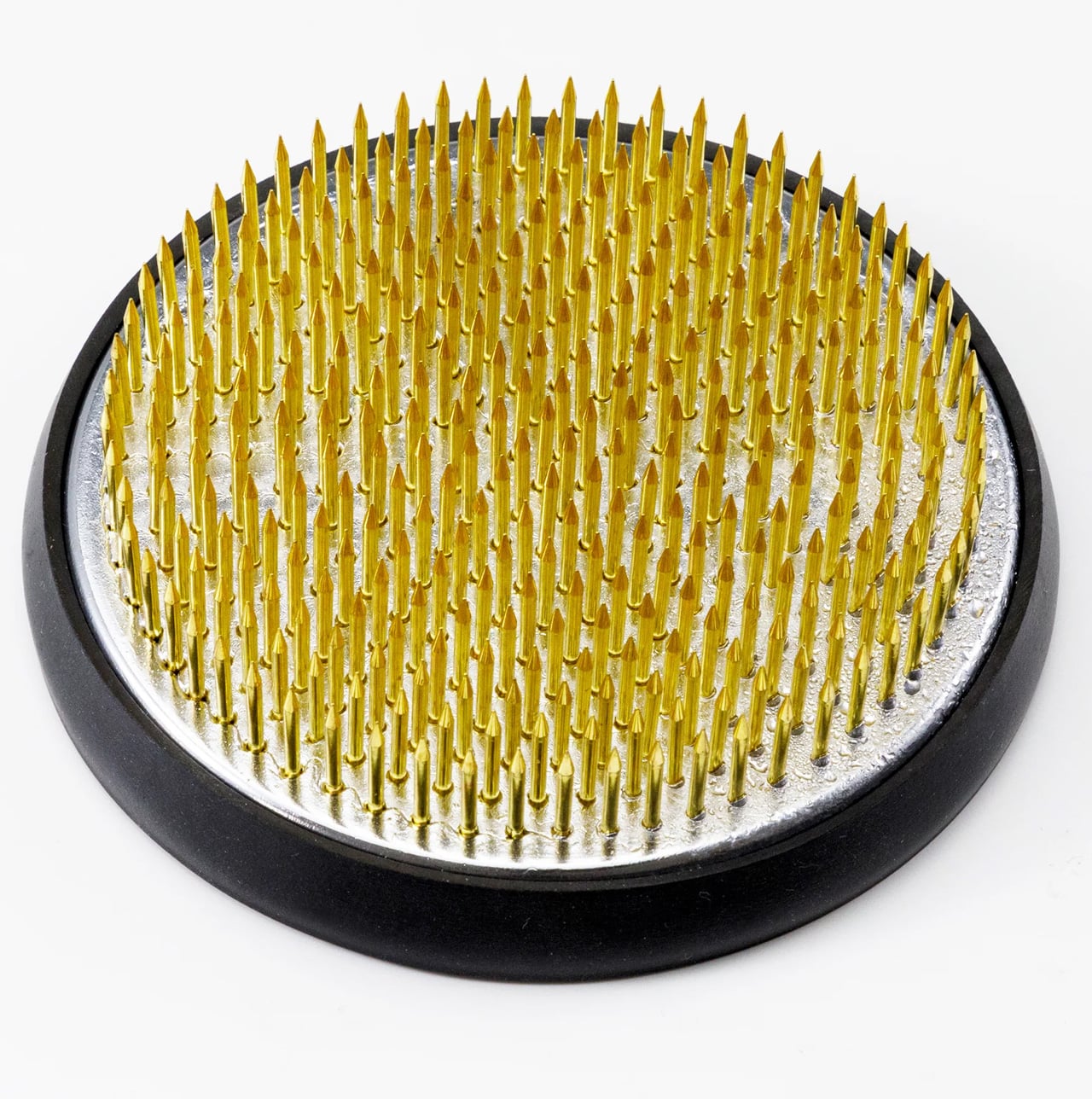
Ikebana looks effortless. A single stem angled just so, a branch suspended at an improbable tilt, a few leaves arranged with the kind of negative space that makes the whole composition feel like a held breath. The kenzan is the hidden mechanism that makes all of it possible, a heavy brass pin frog that sits at the bottom of a shallow vessel and grips stems in place with rows of sharp, fixed needles.
This particular kenzan comes from Sanjo, Niigata Prefecture, a city with metalworking lineage stretching back to the 17th century. The artisans behind it have over 50 years of experience, and the difference shows in the needle sharpness and base weight. Cheap kenzans tip under a heavy branch. This one stays put. The removable rubber gasket protects the vase from scratches and keeps the unit from sliding, and the brass construction means it will outlast the disposable floral foam it replaces entirely. No chemical waste, no single-use plastic, just a solid chunk of metal that holds flowers upright and keeps the water clean longer.
What we like
Brass construction from veteran Sanjo artisans means this will last decades without bending, rusting, or losing needle sharpness.
Eliminates floral foam, which is a meaningful environmental upgrade for anyone who arranges flowers regularly.
What we dislike
A 3.5-inch round kenzan is suited to small-to-medium arrangements only; larger branches or tall statement pieces need a bigger base.
Sharp needles require careful handling and storage, especially in households with children or pets.
4. ClearFrame CD Player
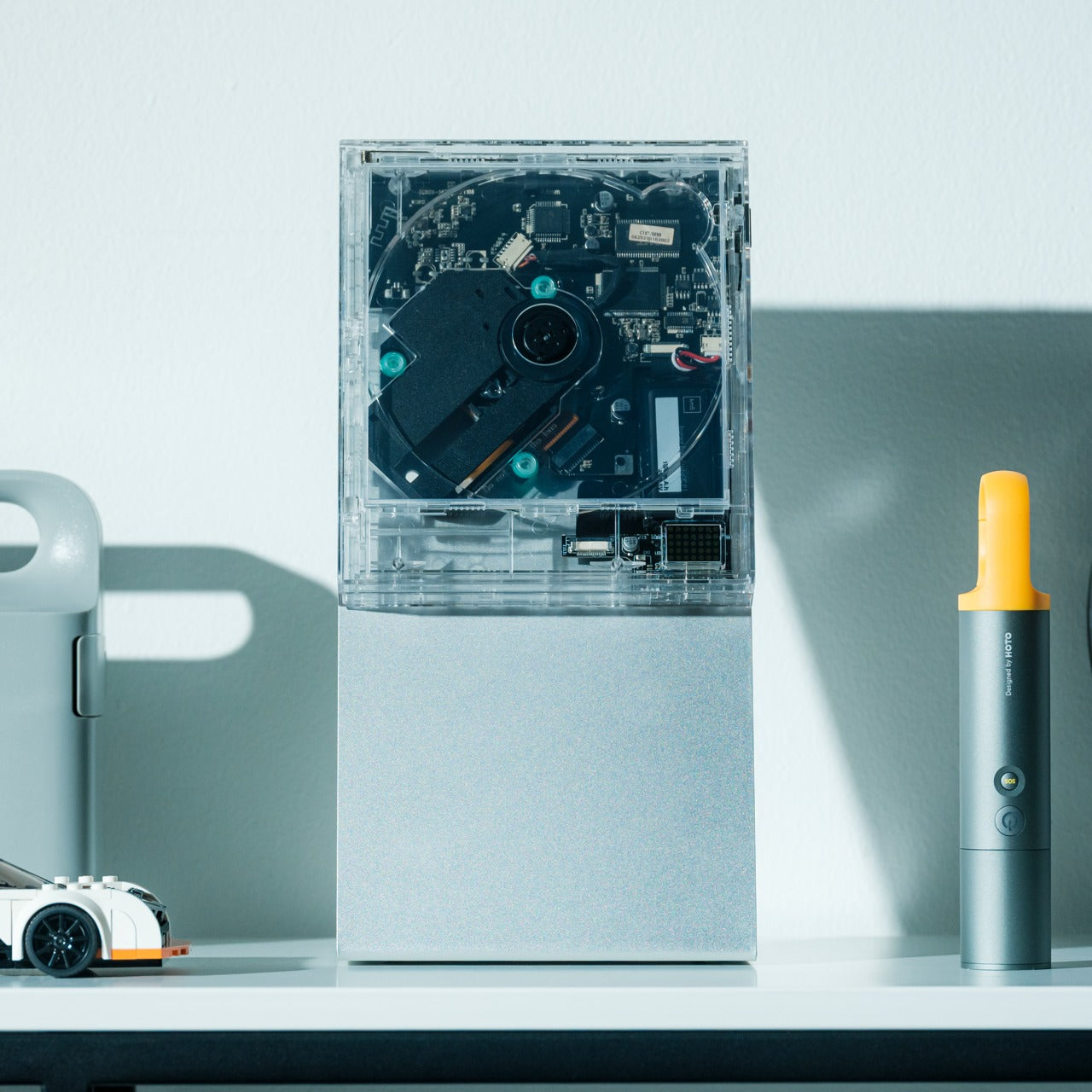
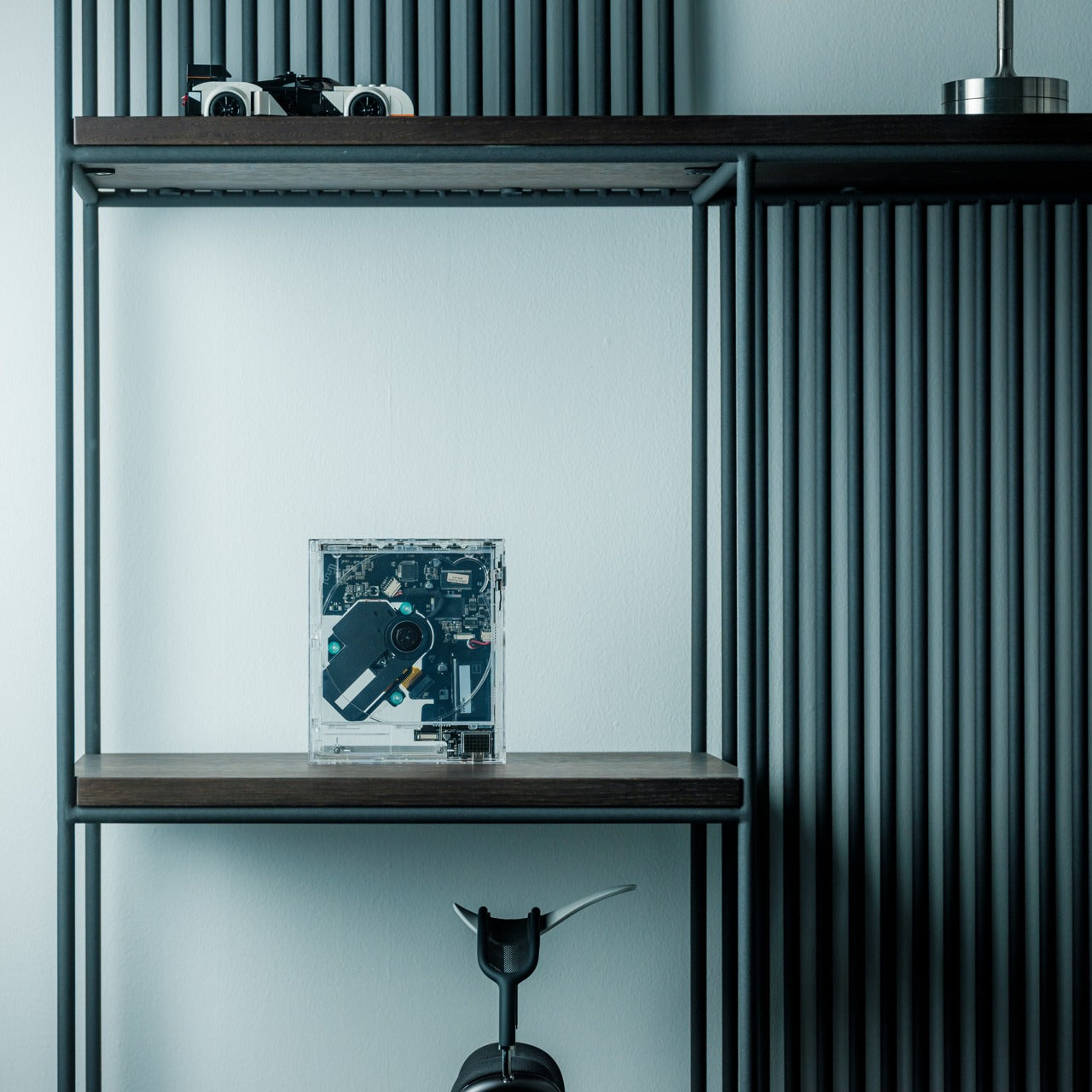
Physical media has a specific gravity that streaming cannot replicate. The act of choosing a disc, sliding it into a tray, and watching it spin is a ritual, not a convenience. The ClearFrame CD player leans into that completely, housing the mechanism inside a crystal-clear polycarbonate shell that frames each album cover like a miniature art exhibit, while the black circuit board sits fully exposed behind it.
Bluetooth 5.1 support and a 7-hour rechargeable battery mean it works wirelessly on a shelf, a desk, or mounted on a wall. Multiple playback modes handle full albums and single-track loops. The square silhouette reads more like a design object than consumer electronics, which is the entire point: in a small room, every object occupies visual real estate, and the ClearFrame earns its shelf space by being something worth looking at even when it is not playing. The exposed circuitry is a deliberate aesthetic choice that shares DNA with the wabi-sabi appreciation of process, of letting the inner workings be part of the beauty rather than hiding them behind a seamless shell.
Wall-mountable and wireless, so it does not consume any surface area in a room where counter space is precious.
Transparent body turns the CD cover into wall art and the circuitry into a visual feature, doubling the object’s function.
What we dislike
CD collections are increasingly niche, and anyone without a back catalog will need to start buying physical media to get real value from this.
Polycarbonate scratches over time, and a transparent shell means every scuff and fingerprint is visible.
5. Oboro Silver Moon Calendar
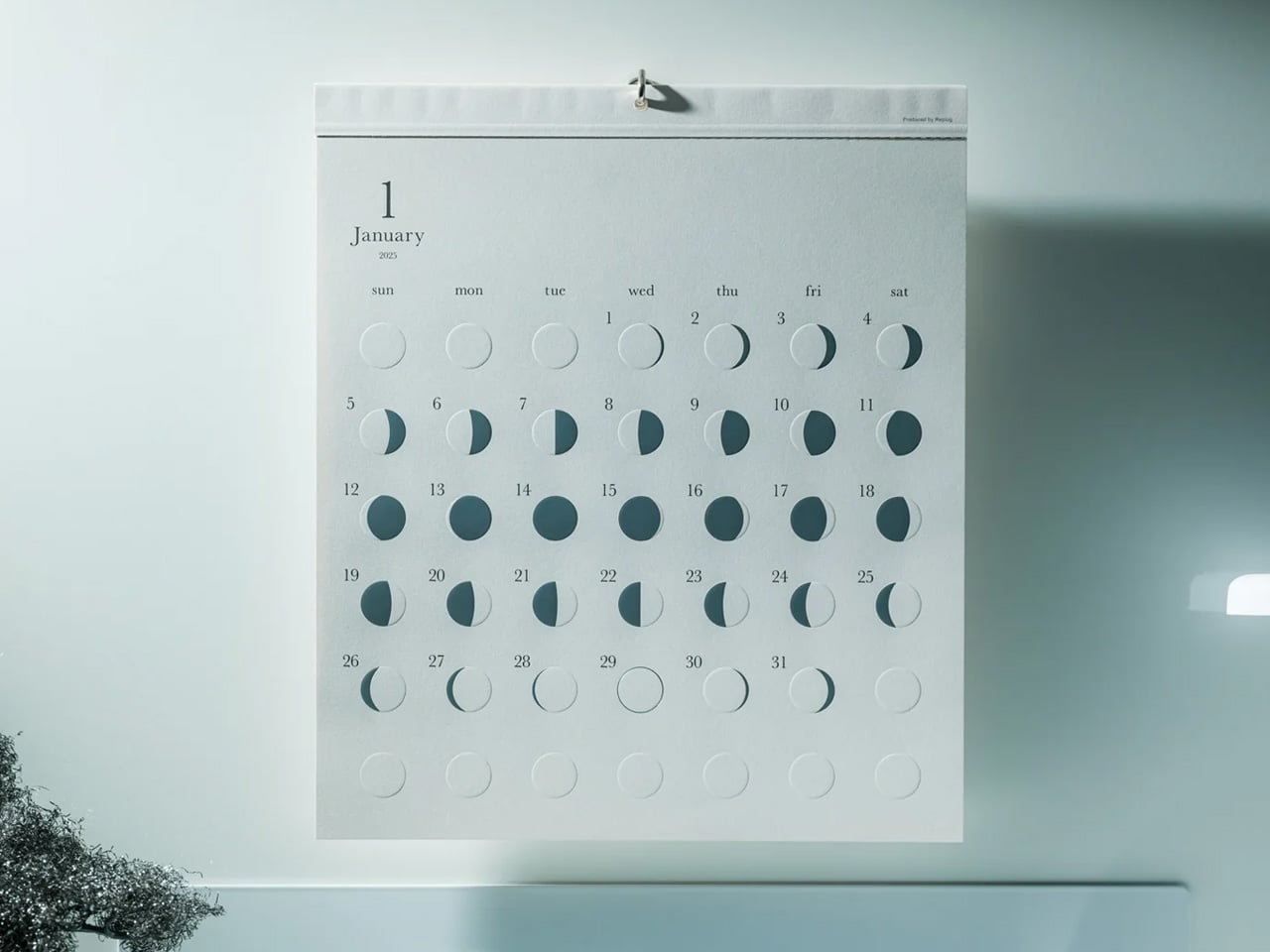
Wall calendars are usually the first thing to look dated in a room. They pile up with scribbled appointments, faded ink, and a design sensibility that peaked in the office supply aisle. The Oboro moon calendar, a limited-edition 10th-anniversary piece by Japanese brand Replug, operates on an entirely different register. It tracks the lunar cycle on greige paper with reflective silver foil phases and embossed moon textures that shift with the light.
The name comes from “oboro” (朧), a Japanese word evoking the soft, hazy glow of a partially obscured moon. It is a wall piece that functions more like a meditative object than an organizational tool. The silver foil catches and transforms ambient light throughout the day, so the calendar looks different at dawn than it does at midnight. The embossed texture invites touch, which turns checking the date into something tactile and grounding. In a small room, a single well-chosen wall object can set the tone for the entire space, and the Oboro does that with restraint rather than volume.
Reflective silver foil creates dynamic light play that changes throughout the day, making it feel alive rather than static.
Embossed lunar texture adds a tactile dimension that most wall decor completely ignores.
What we dislike
A lunar calendar is not a practical replacement for a standard date calendar, so this supplements rather than replaces existing scheduling tools.
Limited-edition status means availability is unpredictable, and replacement for the following year is not guaranteed.
6. Pop-up Book Vase
A vase that is also a book. Open the cover and a three-dimensional paper cutout rises from the page, forming a vessel shaped to hold fresh stems. Three different designs sit on successive pages, so flipping through the book changes the vase silhouette and the entire presentation of the arrangement. Turn the whole thing upside down, and the perspective shifts again.
Made from 100% natural pulp with a water-resistant coating, the construction is more durable than it first appears. The paper engineering behind each pop-up is precise enough to support a real bouquet without collapsing, and the book form factor means it folds flat for storage or travel. In a tiny room, where a traditional ceramic vase competes for shelf space with everything else, a vase that disappears into a closed book when not in use is a spatial gift. The playfulness of the form also cuts against the sometimes austere reputation of Japanese-inspired interiors, a reminder that wabi-sabi is not allergic to delight.
Three vase designs in a single book mean variety without needing three separate vessels taking up shelf space.
Folds completely flat when not in use, which is a storage advantage no ceramic or glass vase can match.
What we dislike
Water-resistant coating has limits, and prolonged contact with water will eventually degrade the paper over repeated uses.
The whimsical form factor may clash with more austere or serious interior styles that lean heavily into earth tones and raw materials.
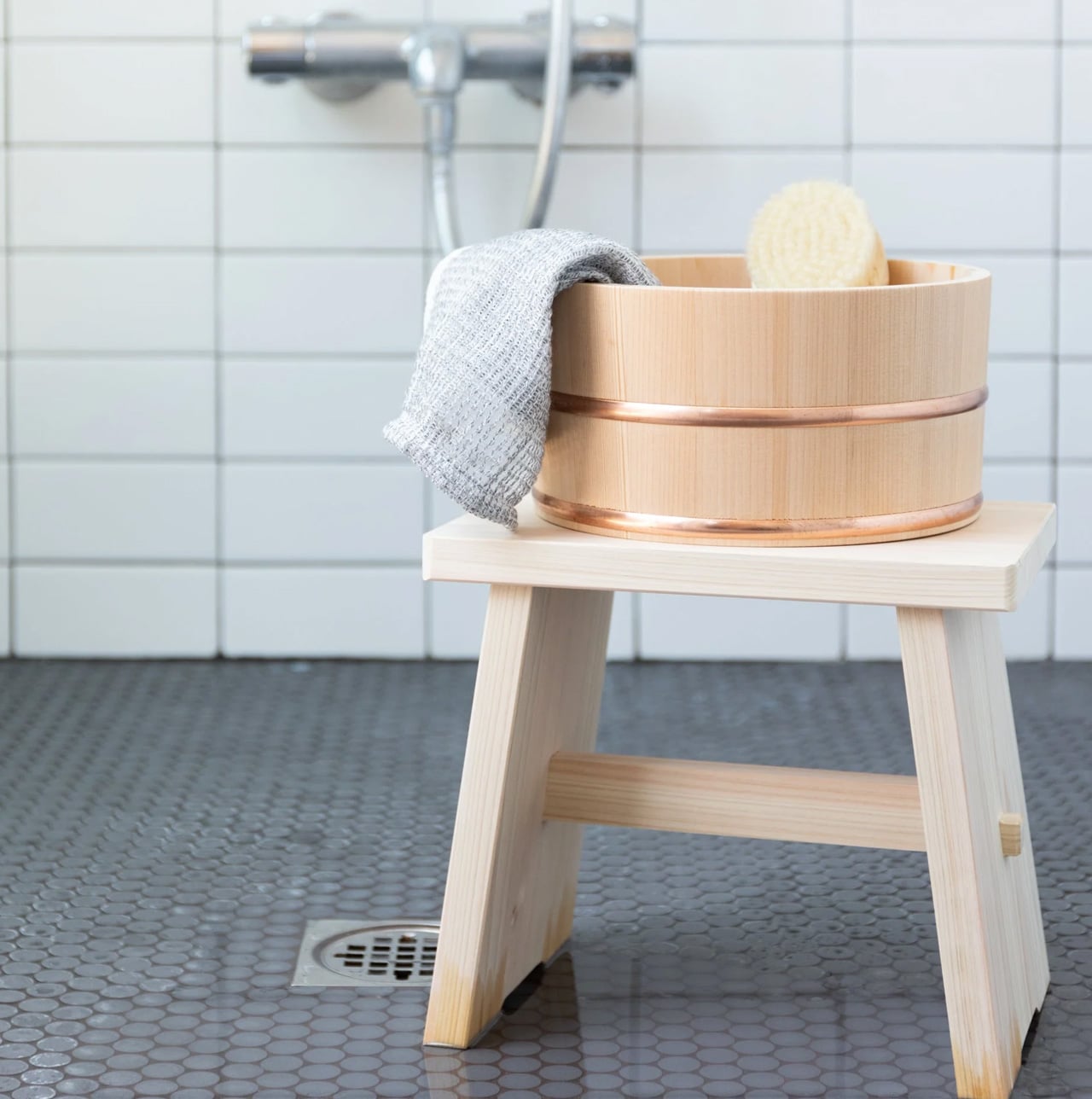
7. Tosaryu Hinoki Bath Stool
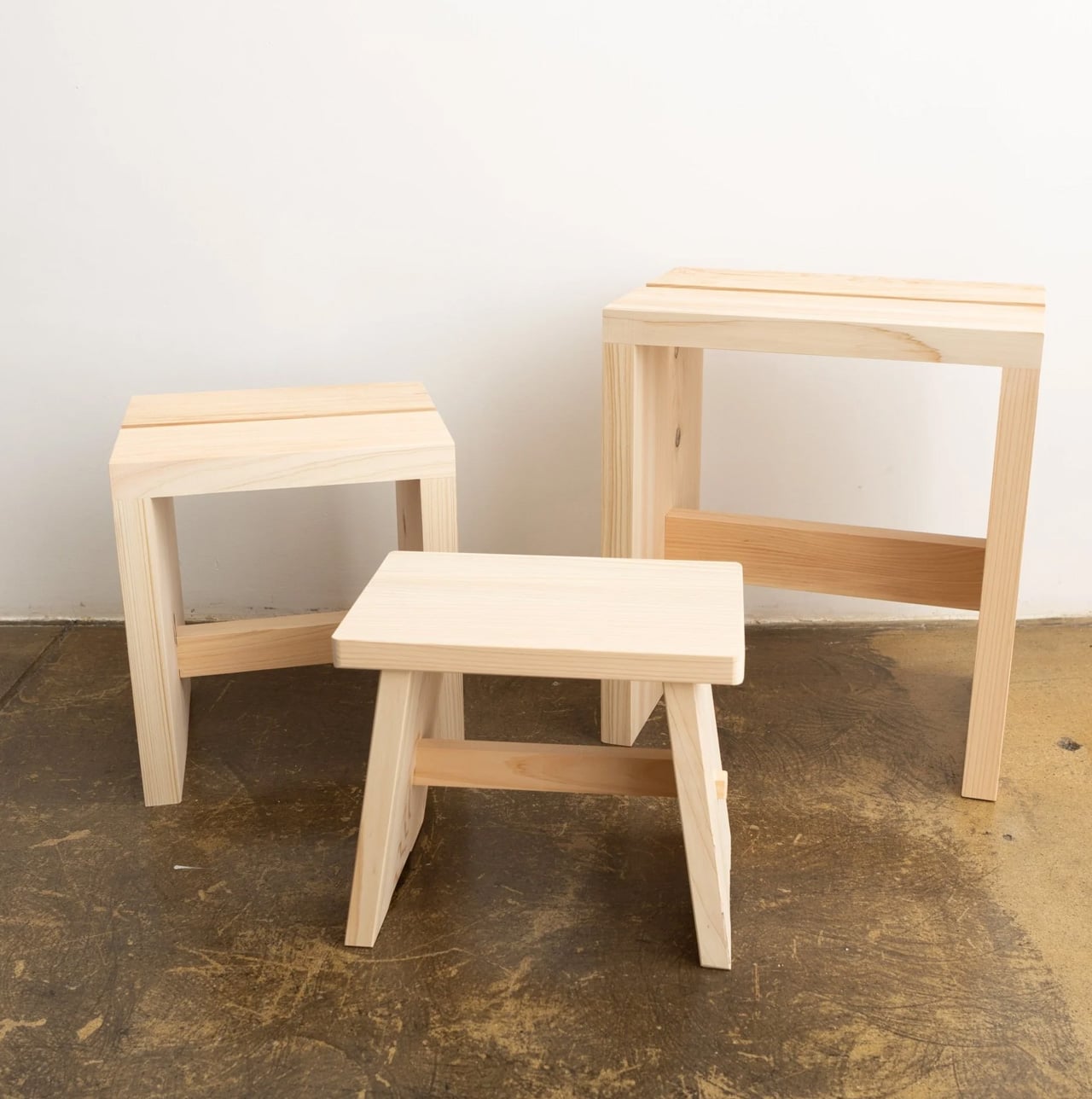
Japanese bathing is not a quick rinse. It is a seated, deliberate process where the stool is as important as the water. Tosaryu’s hinoki cypress bath stools are made by woodworkers in the mountains of Kochi who have been refining their craft since the 1970s. The wood is dried naturally for three to six months without chemical agents, which preserves the aromatic oils that give hinoki its distinctive calming scent.
Place one of these stools in a bathroom, shower room, or home sauna, and the scent fills the space every time steam or warm water contacts the wood. The antibacterial properties of hinoki resin mean the stool resists mold and bacteria without coatings or treatments. Three sizes are available: the Umezawa (10.5 x 7 x 9 inches), the short sauna stool (10.5 x 9 x 11.75 inches), and the tall stool (13.75 x 9.75 x 15.75 inches). Tosaryu operates as stewards of local forests and lakes, using sustainable harvesting methods. In a small bathroom, the stool replaces the generic plastic shower seat with something that smells like a forest and ages like furniture.
What we like
Natural hinoki oils provide antibacterial protection and aromatherapy without any chemical treatments or synthetic fragrances.
Sustainable production by Tosaryu’s Kochi-based woodworkers means the stool comes with genuine craft lineage, not just marketing copy about nature.
What we dislike
Hinoki requires proper drying between uses to prevent cracking; bathrooms without good ventilation will shorten its lifespan.
The high stool incurs a $25 shipping surcharge due to its size and weight, which adds to an already premium price.
8. Kintsugi Repair Kit
Kintsugi is the Japanese practice of mending broken ceramics with lacquer and powdered gold, turning the fracture into a visible seam that becomes part of the object’s history rather than a flaw to hide. Poj Studio’s kit packages this tradition into a hands-on experience, providing the materials and master-class guidance needed to repair a chipped or broken plate at home.
The philosophy behind kintsugi aligns with wabi-sabi at its most literal: the acceptance of imperfection, the beauty of age, and the idea that damage does not diminish value. In practice, the kit turns a broken mug or cracked bowl into something more interesting than it was before the accident. For anyone living in a small space where every dish and vessel matters (both functionally and visually), the ability to restore rather than replace is both economical and aesthetically resonant. The gold seams catch light in a way that flat, unblemished surfaces cannot, adding character to a kitchen shelf that could otherwise feel monotonous.
What we like
Transforms breakage into a design feature, which fundamentally changes the relationship with fragile objects in a small household.
Master-class guidance makes the repair process accessible to beginners, not just experienced ceramicists.
What we dislike
Urushi lacquer requires careful handling and curing time, so this is not a quick afternoon fix; patience is part of the process.
The standard kit is designed for chips and clean breaks; items with missing fragments need the separate advanced kit.
Where spring takes us from here
The thread running through all eight of these products is not minimalism as deprivation, but minimalism as attention. A noren does not block a doorway. It choreographs how light and bodies move through it. A kenzan does not just hold flowers. It holds the space around them. A kintsugi kit does not fix a broken cup. It reframes what broken even means.
Spring in a tiny room does not need a renovation, a new furniture set, or a Pinterest board full of aspirational layouts. It needs a few well-chosen objects that understand the difference between filling a space and inhabiting it. These eight do that, each in a way that respects the room, the season, and the craft tradition it comes from. The smallest upgrades, when they come from the right place, tend to change the most.
FIFA is turning to streaming platforms to maximize its return on the 2026 World Cup. Two months after announcing a "Preferred Platform" partnership with TikTok, the organization has now struck a similar deal with YouTube.
Broadcasting rights are FIFA’s largest revenue stream for the tournament — and media companies pay top dollar for that access. So, deals like this with streaming platforms help sweeten the package for broadcasters looking to boost their reach.
What does that look like for those watching from home? FIFA says its media partners will have the option of streaming "a select number of matches in full" on their YouTube channels. They can also live-stream the first 10 minutes of every match, presumably serving as a hook to coax viewers to finish the match on television. In addition, FIFA's media partners will get access to "every angle" of match footage to craft custom content.
"As the world's attention turns to the action in Canada, Mexico and the United States, this collaboration with YouTube reinforces our ambition to maximise the tournament's impact across the ever-evolving media landscape," FIFA Secretary General Mattias Grafström said. He says the partnership will offer "fans everywhere easy access to an immersive view of the biggest single-sport event in history."
The World Cup runs from June 11 to July 19. Matches will take place in 16 cities across Canada, Mexico, and the US.
This article originally appeared on Engadget at https://www.engadget.com/entertainment/streaming/youtube-and-fifa-partner-up-for-the-2026-world-cup-170200470.html?src=rss
Now that Epic Games and Google have made up — or at least found a way to resolve their long-running disputes — everyone with a compatible Android device can get back to the business of playing Fortnite. The game will return to the Play Store globally on March 19, the same day that the next Fortnite season goes live. It previously dropped back onto the Play Store in the US in December.
The dispute with Apple ultimately led to the company having to open up the App Store in certain markets, including the US and EU. Fortnite returned to the App Store in the EU in 2024 and in the US last year.
Google and Epic reached a settlement in November. Earlier this month, Google announced that it was lowering the cut it takes of in-app payments from 30 percent to between 10 and 20 percent. At that time, Epic CEO Tim Sweeney (who reportedly agreed not to publicly talk smack about the Play Store until 2032 as part of the settlement) confirmed that Fortnite would return to Google's mobile storefront.
Epic recently announced a price increase for the in-game V-Bucks currency. It also confirmed that Fortnite Save the World — the game's original mode — is going free-to-play in April.
This article originally appeared on Engadget at https://www.engadget.com/gaming/fortnite-will-return-to-googles-play-store-globally-on-march-19-170200794.html?src=rss
When OpenAI released GPT-5.4 at the start of March, the company said the new model was designed primarily for professional work like programming and data analysis. Now OpenAI is launching GPT-5.4 mini and nano, and while it is once again highlighting the usefulness of these new systems for tasks like coding, one of the new models is available to Free and Go users. What's more, that model, GPT-5.4 mini, even offers performance that approaches GPT-5.4 in a handful of areas.
As a Free or Go user, you can access 5.4 mini by selecting "Thinking" from ChatGPT's plus menu. For paid users, the model is the new fallback for when you've hit your rate limit with 5.4 proper. OpenAI says 5.4 mini offers better performance than GPT-5.0 mini in a few different key areas, including reasoning, multimodal understanding and tool use. That means 5.4 mini is better at parsing non-text inputs such as images and audio, and has a more nuanced understanding of how to do things like search the web. It does all of this while running more than twice as fast as its predecessor.
As for GPT-5.4 nano, OpenAI says it's ideal for tasks such as data classification and extraction where speed and cost-efficiency are top of mind. If you're a ChatGPT user, you won't find the new model in the chatbot. Instead, OpenAI is making it only available through its API service. The company envisions developers using more advanced models to delegate tasks to AI agents running GPT-5.4 nano, and that's reflected in the cost of the new model, which OpenAI has priced starting at $0.20 per million input tokens.
This article originally appeared on Engadget at https://www.engadget.com/ai/gpt-54-mini-brings-some-of-the-smarts-of-openais-latest-model-to-chatgpt-free-and-go-users-170000585.html?src=rss
We might not have had a proper Nintendo Direct in 2026 yet, but there have been plenty of Switch and Switch 2-related announcements in the last few weeks, including a release date for the Yoshi and the Mysterious Book, a surprise port of Kena: Bridge of Spiritsand the final trailer for the imminent The Super Mario Galaxy Movie. But if you’re a Switch 2 owner who prefers to play your library of games in handheld mode, Nintendo’s latest announcement might be the one that interests you most.
The company has released the 22.0.0 system update for its latest console, which brings with it a host of tweaks and improvements, the most notable of which being the introduction of "Handheld Mode Boost." If you’ve played any original Switch games that haven’t received next-gen patches in handheld mode on Switch 2, you might have noticed that they look a bit blurry and unappealing. That’s because they’re still rendering at 720p on the Switch 2’s larger 1080p display, so the image is being stretched to fit a screen it wasn’t designed for.
Handheld Mode Boost doesn’t mean that all unpatched Switch games are now natively running at 1080p on Switch 2, but rather that the console is telling them to run in the original Switch’s docked TV mode — which was able to output at 1080p — on the handheld. Since launch this has seemed like the obvious workaround for Switch games, but it has taken nearly a year for Nintendo to implement it. You should see higher resolution visuals and, in some cases, better performance, as a result.
When running original Switch games in Handheld Boost Mode (enabled via a toggle in the system menu) your Switch 2 will treat the attached Joy-Con 2 controllers as if they were a Pro Controller. This disables features like motion controls and touchscreen functionality, meaning some games won't work on the newer hardware with Handheld Boost Mode turned on. Eurogamernames Super Mario Maker 2 and The Legend of Zelda: Skyward Sword HD as two examples of games that aren't compatible at the moment.
There are a number of other updates in version 22.0.0, including a new animation for loading a virtual game card, new GameChat features and more customization options in flight mode. The full list of patch notes can be found here.
This article originally appeared on Engadget at https://www.engadget.com/gaming/nintendo/switch-2-software-update-adds-handheld-mode-boost-for-your-old-games-165451808.html?src=rss
There's an official WhatsApp app for select Garmin smartwatches. It's available for free right now in the Garmin Connect IQ Store. WhatsApp is primarily a chat platform, so this new app allows users to read and reply to messages, send emojis and peruse the chat history.
The app also lets users accept or decline incoming calls arriving from the platform, all without having to break out the smartphone. This is WhatsApp, so messages are end-to-end encrypted.
As previously mentioned, it's not available for every Garmin watch. It's compatible with select Forerunner, Venu, Vivoactive and Fenix watches. The Connect IQ Store should be able to say if your particular model can handle the app.
This is just the latest smartwatch platform to get WhatsApp. Meta released an Apple Watch version at the tail-end of last year. Before that, Apple Watch users had to mirror iPhone notifications to reply to WhatsApp messages directly from the device.
This article originally appeared on Engadget at https://www.engadget.com/apps/whatsapp-is-now-officially-available-on-garmin-smartwatches-164156538.html?src=rss