Sony’s Original PlayStation returns as a utilitarian cushion case for laptops and tablets

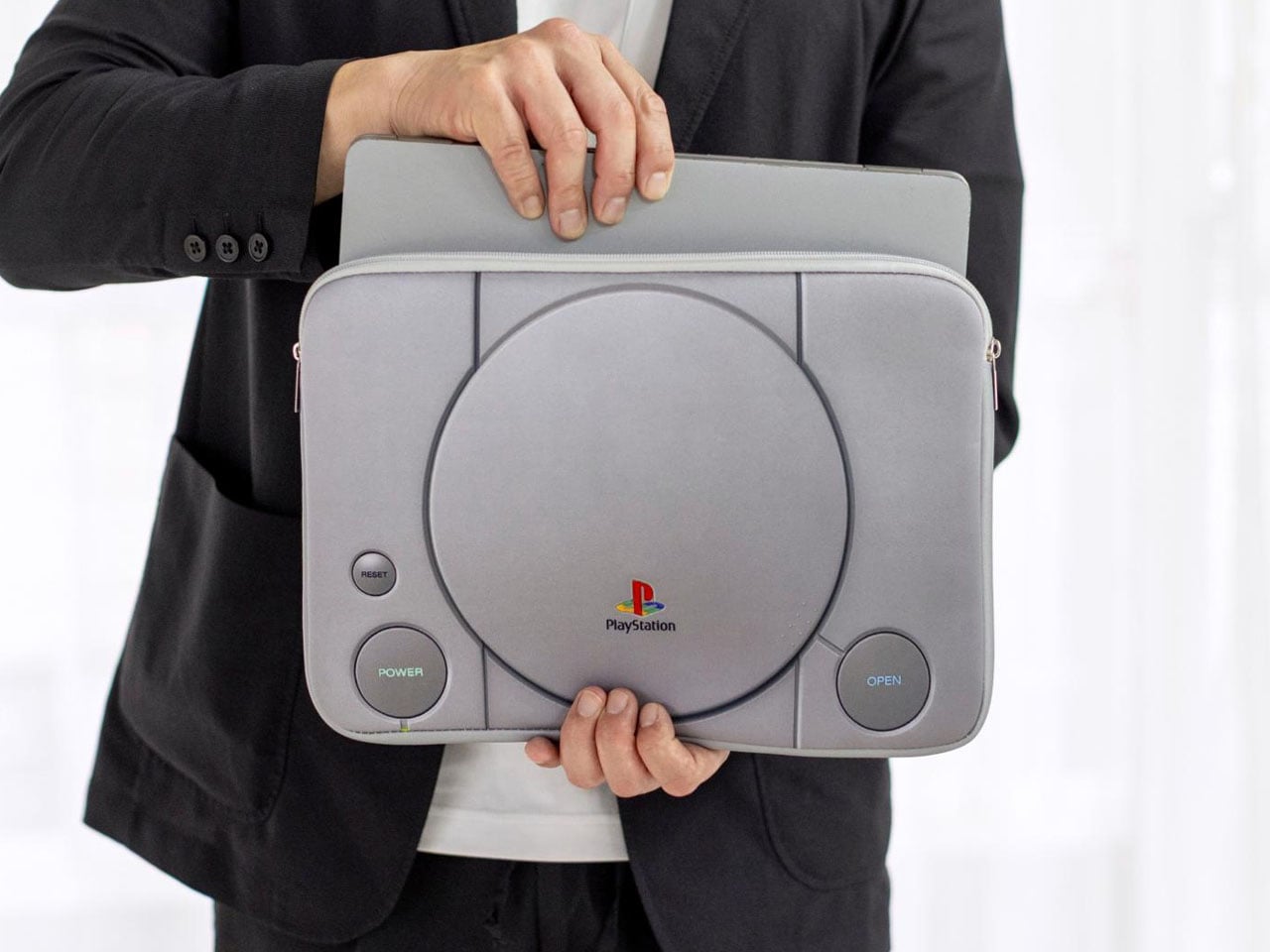
For many gamers, the original PlayStation was more than just a gaming console, as it was an introduction to an entirely new era of entertainment. More than three decades after Sony’s landmark system changed the industry, its unmistakable design continues to inspire products that tap into nostalgia while serving modern needs. The latest example comes from Japanese publisher Takarajimasha, which has unveiled a PlayStation-themed Multi Cushion Case BOOK that transforms the iconic first-generation console into a practical carrying solution for today’s digital essentials.

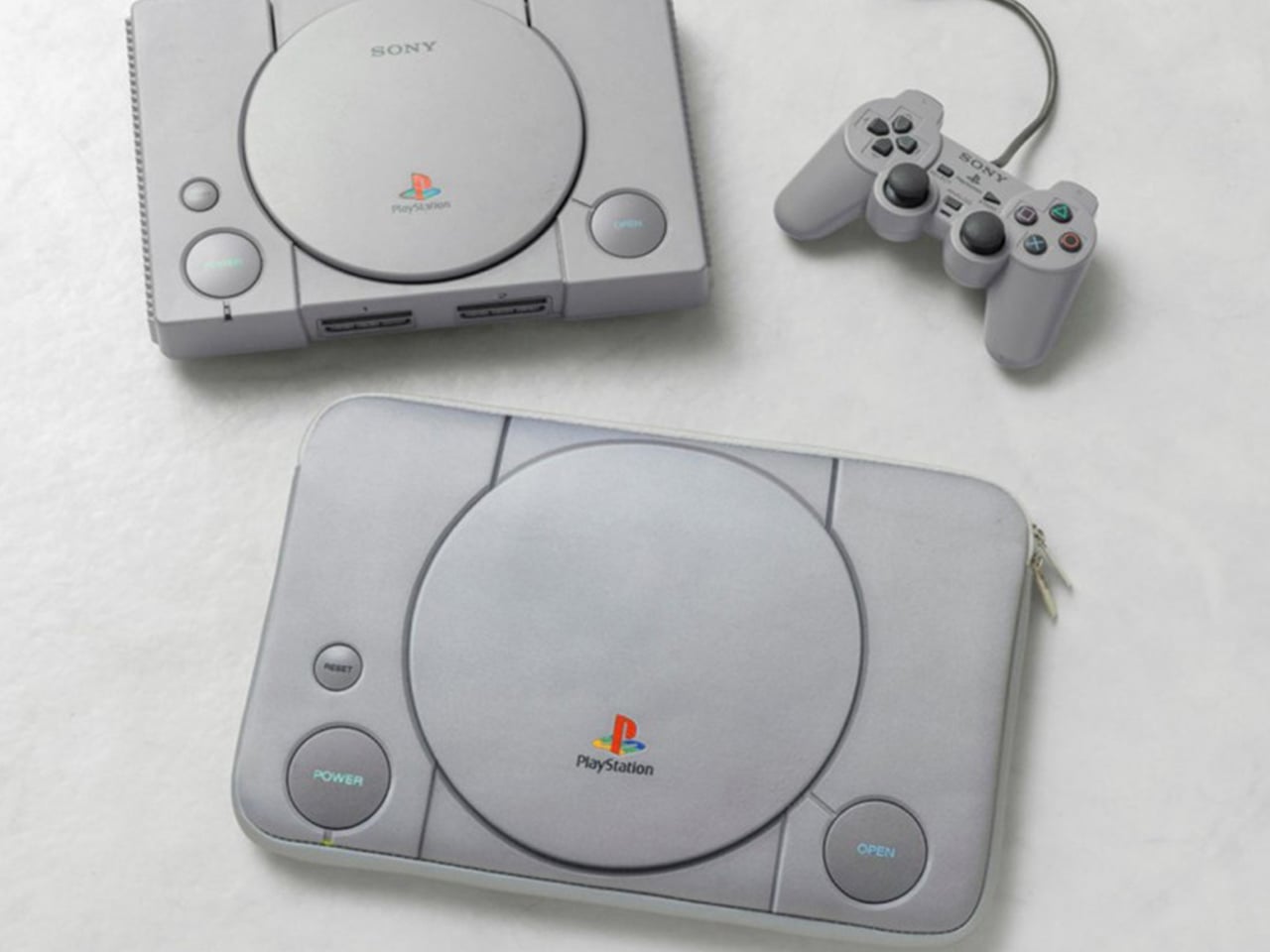
Designed to closely replicate the appearance of the original PlayStation, the cushion case faithfully recreates the console’s signature gray finish and recognizable button layout. From a distance, it looks remarkably similar to the hardware that debuted in the mid-1990s, making it an instant conversation piece for longtime fans. Rather than functioning as a collectible display item alone, however, the accessory has been designed with everyday usability in mind.

Designer: Takarajimasha
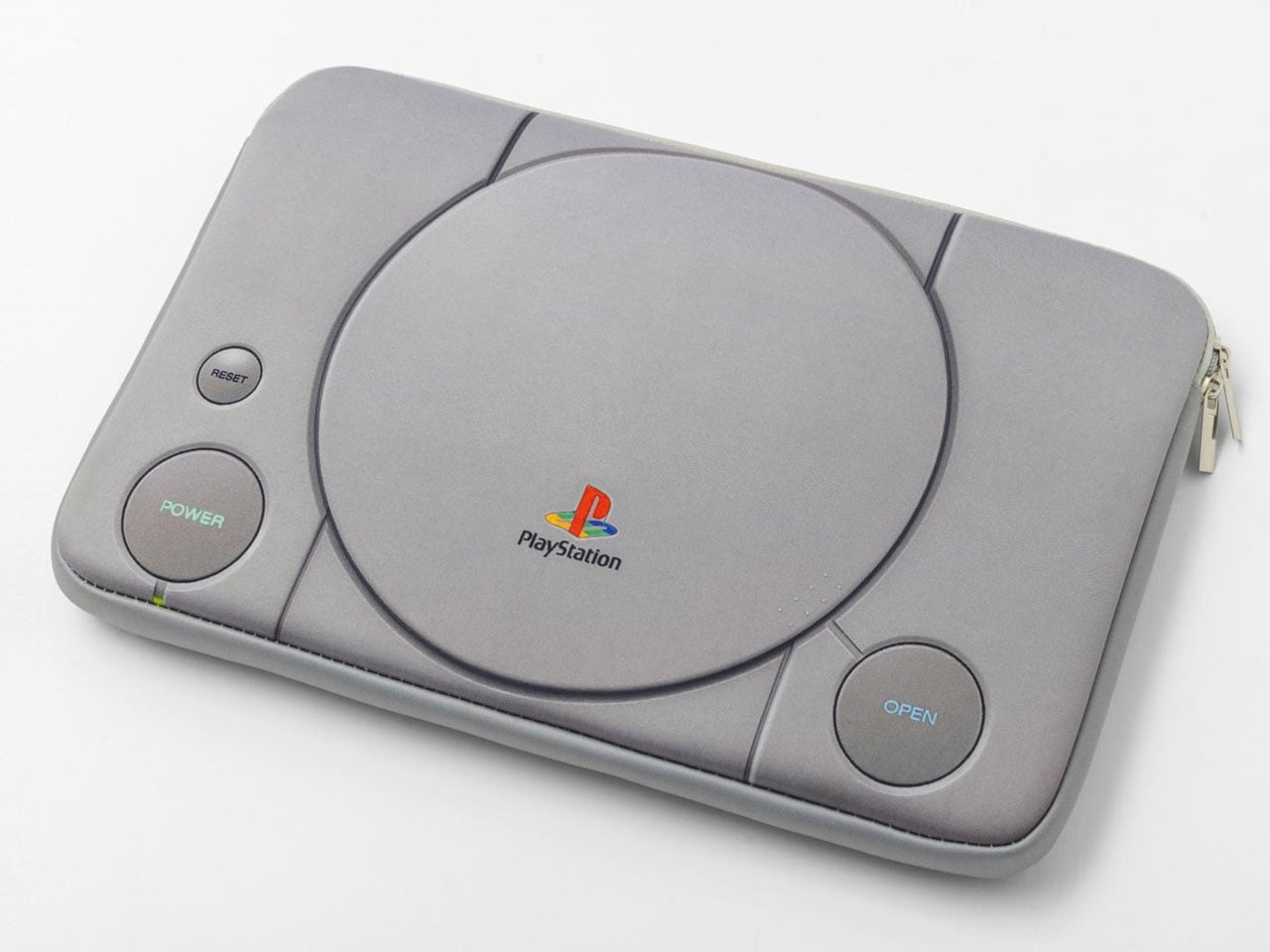
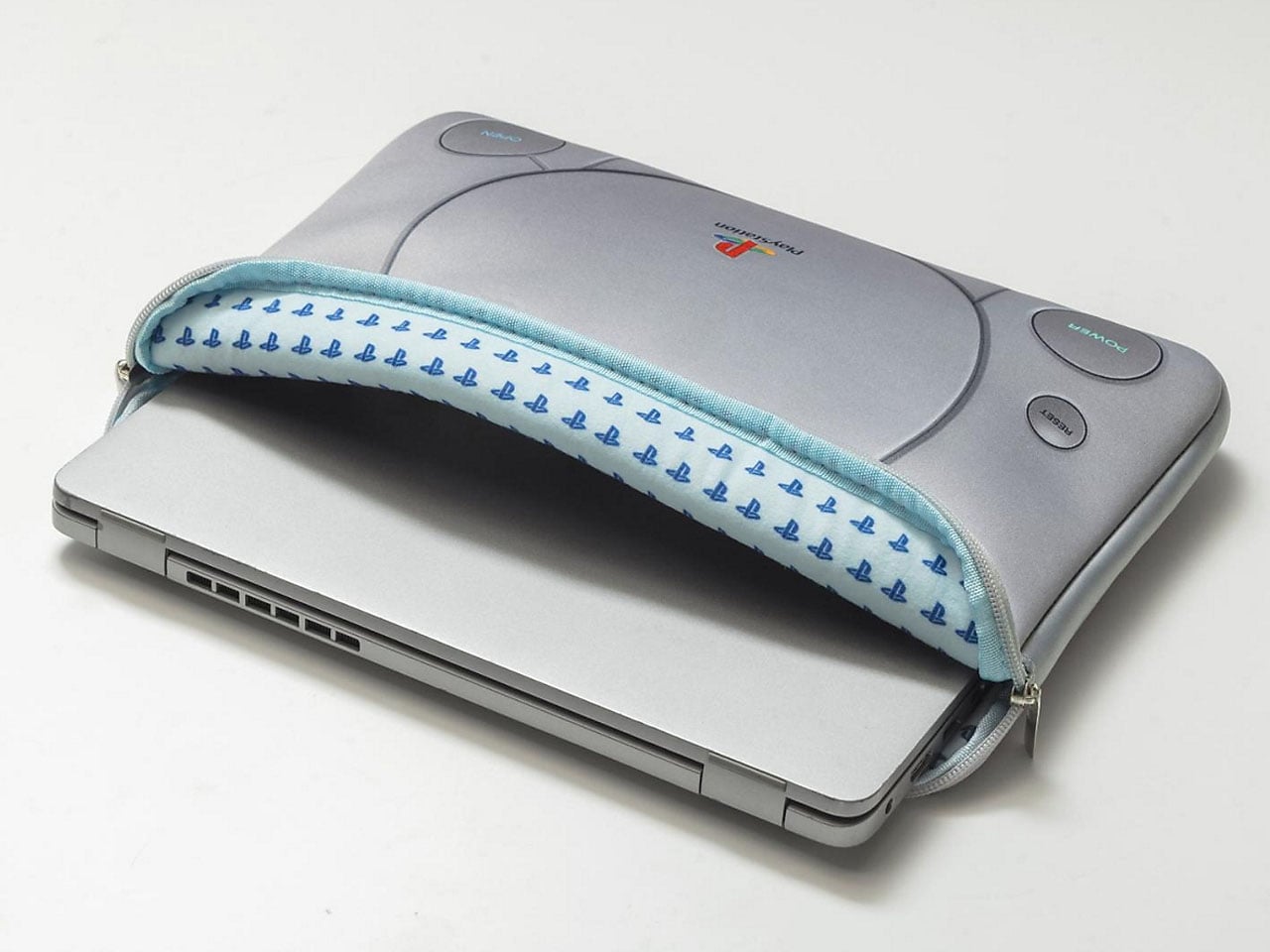
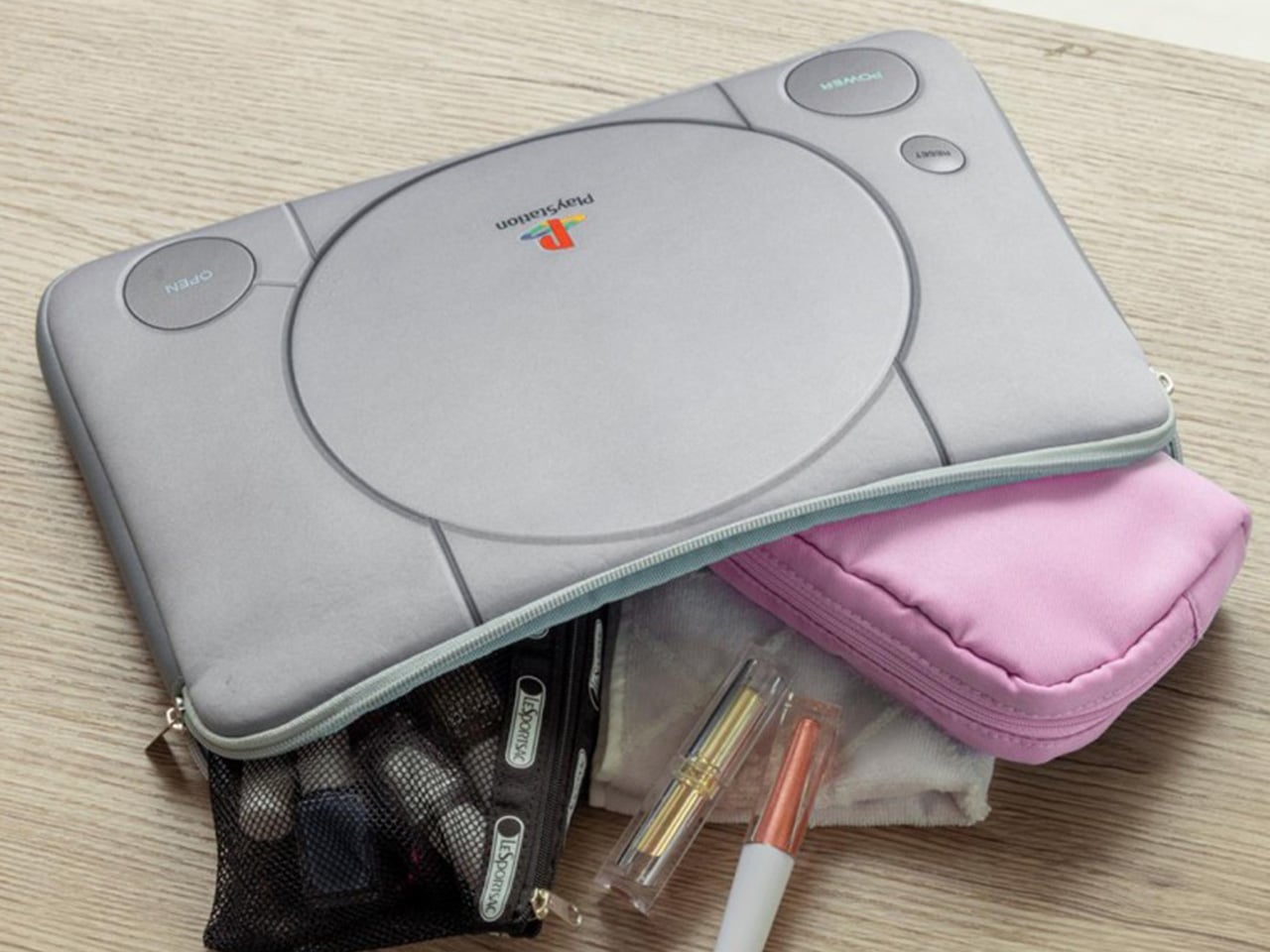
The slim protective case measures approximately 23 x 33 x 2 cm and is sized to accommodate modern devices such as laptops and tablets. Its cushioned construction helps protect electronics during transport, while the compact profile prevents unnecessary bulk inside a backpack or messenger bag. Cables, chargers, documents, and other daily essentials can also be stored alongside devices, turning the nostalgic shell into a practical workspace companion. The combination of retro styling and contemporary utility makes this utilitarian accessory appealing even to those who may not actively collect gaming memorabilia.
Takarajimasha’s release follows a growing trend of lifestyle products inspired by classic gaming hardware. As gaming culture becomes increasingly mainstream, companies are finding new ways to celebrate iconic consoles beyond traditional merchandise. Instead of creating another figurine or decorative collectible, the publisher has chosen an item that integrates seamlessly into daily life, allowing users to carry a piece of gaming history wherever they go.
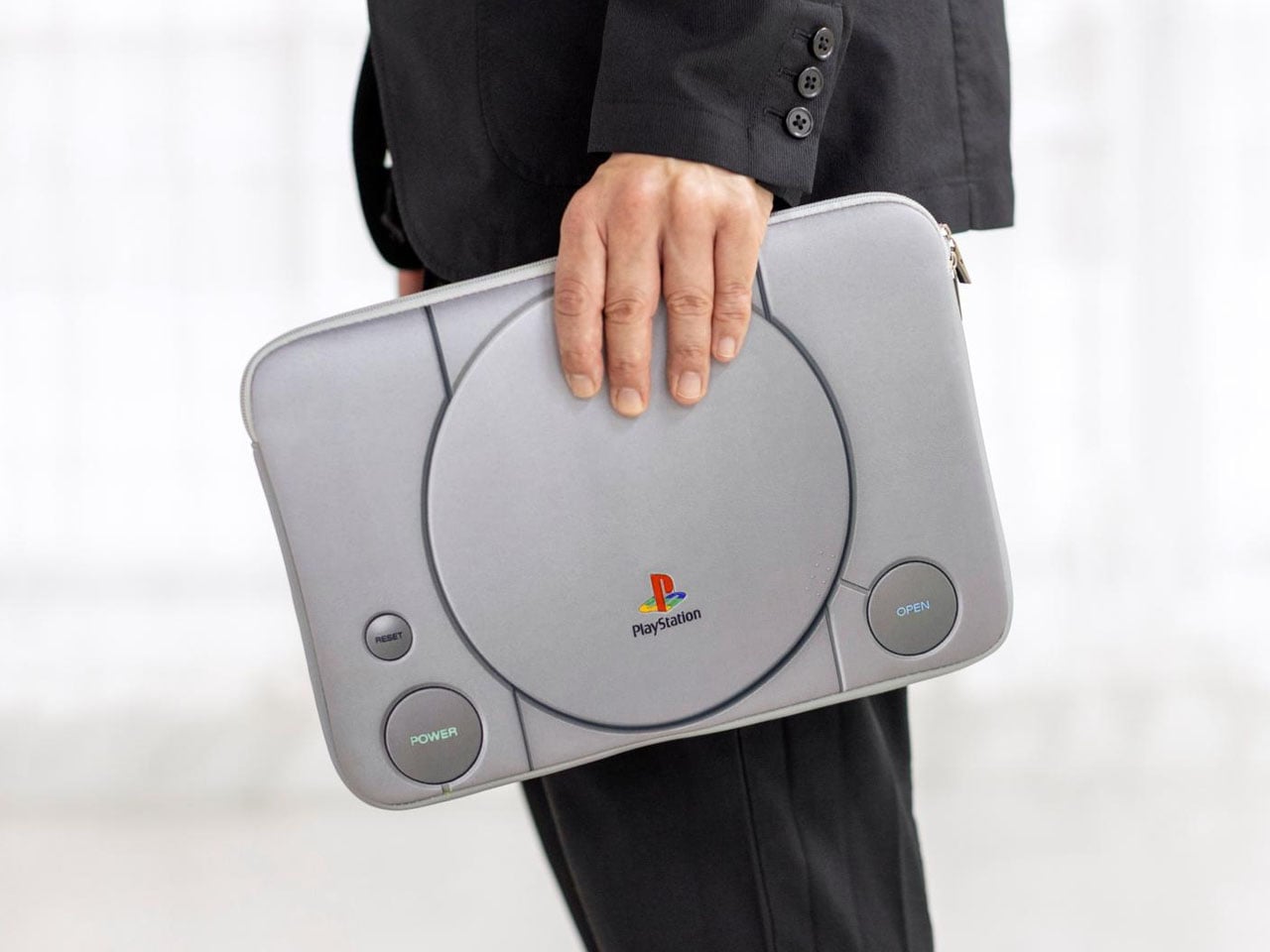
The timing is particularly fitting. Interest in PlayStation nostalgia remains strong as Sony continues to celebrate the legacy of the original system and its influence on modern gaming culture. Products inspired by the first PlayStation often resonate with a generation that grew up with the console while also attracting younger enthusiasts who appreciate its enduring industrial design. The machine’s circular disc lid, geometric button arrangement, and understated gray color palette have become instantly recognizable design cues that continue to age surprisingly well.
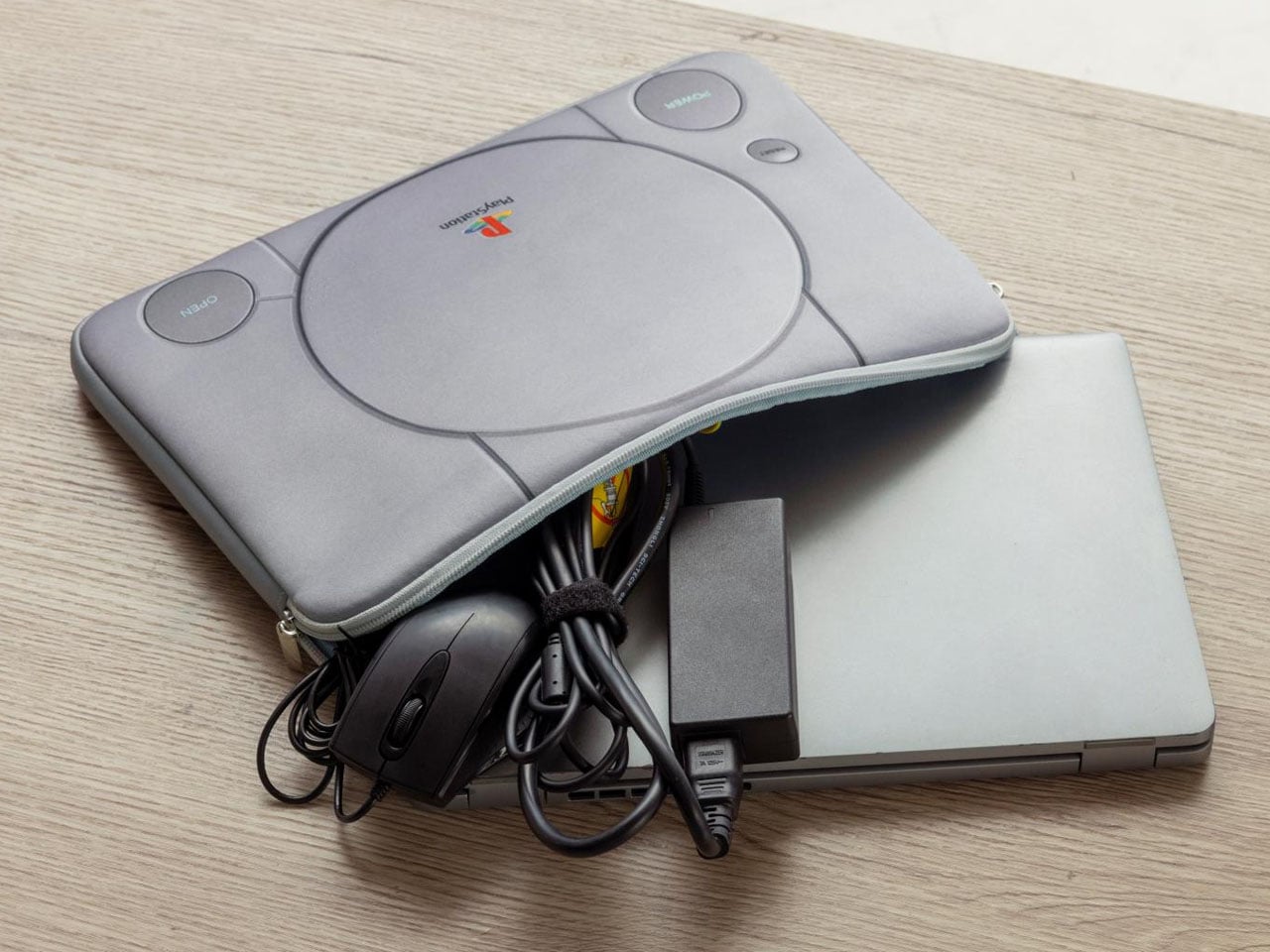
Launched in Japan for 3,630 Yen (approximately $23), the PlayStation Multi Cushion Case BOOK blends collectible appeal with practical functionality. It captures the essence of a beloved console without simply replicating it as a static display piece.
The post Sony’s Original PlayStation returns as a utilitarian cushion case for laptops and tablets first appeared on Yanko Design.
From Foldable Pilates to Shoe Robots: InnoX GCS 2026’s Best Startups

The consumer tech market has a crowding problem, mostly driven by products that try to do too much for too many people. The most interesting hardware lately has been doing the opposite, building around one specific inconvenience that hasn’t been properly addressed yet. Shenzhen has always had a knack for this, and InnoX Academy has been quietly developing the next generation of builders who make those products happen.

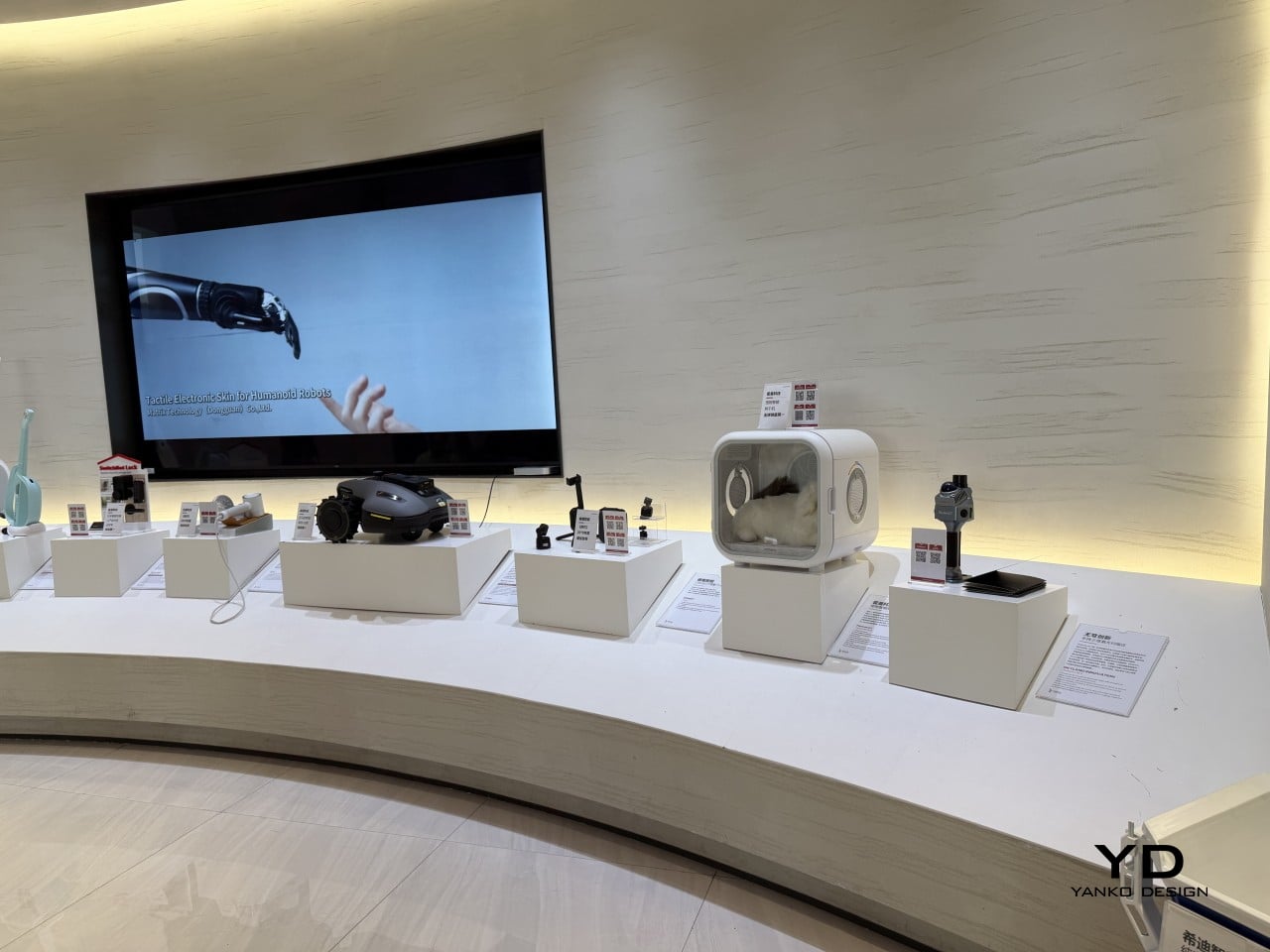
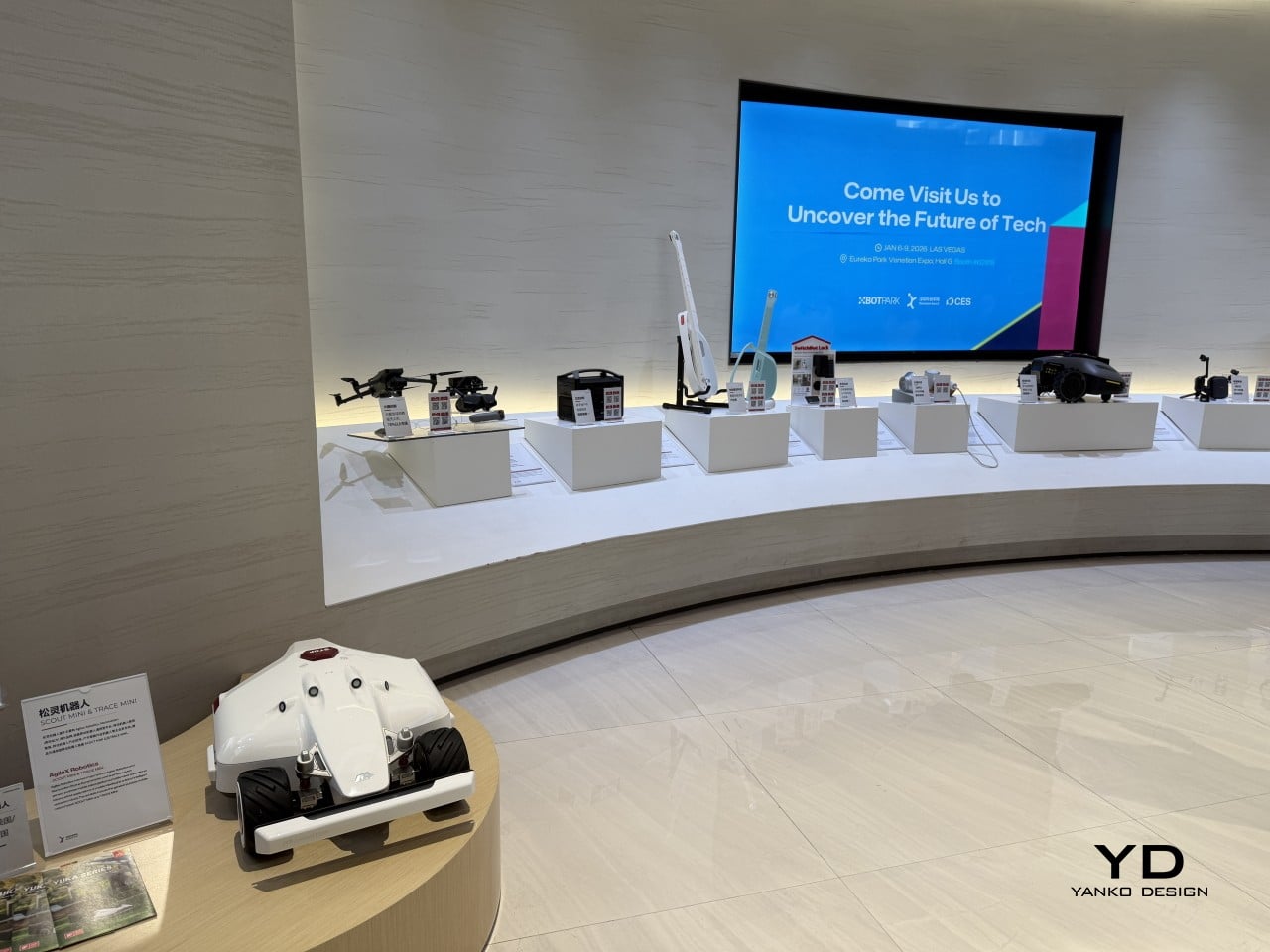
Founded in 2021 by Professor Li Zexiang of Hong Kong University of Science and Technology, Shenzhen InnoX Academy is a structured ecosystem that develops engineers and entrepreneurs into product builders. At the Global Connect Show 2026, it gave the world a look at its latest batch of startups, from home fitness and pet care to ambient design objects, each taking a more considered approach to a specific problem.

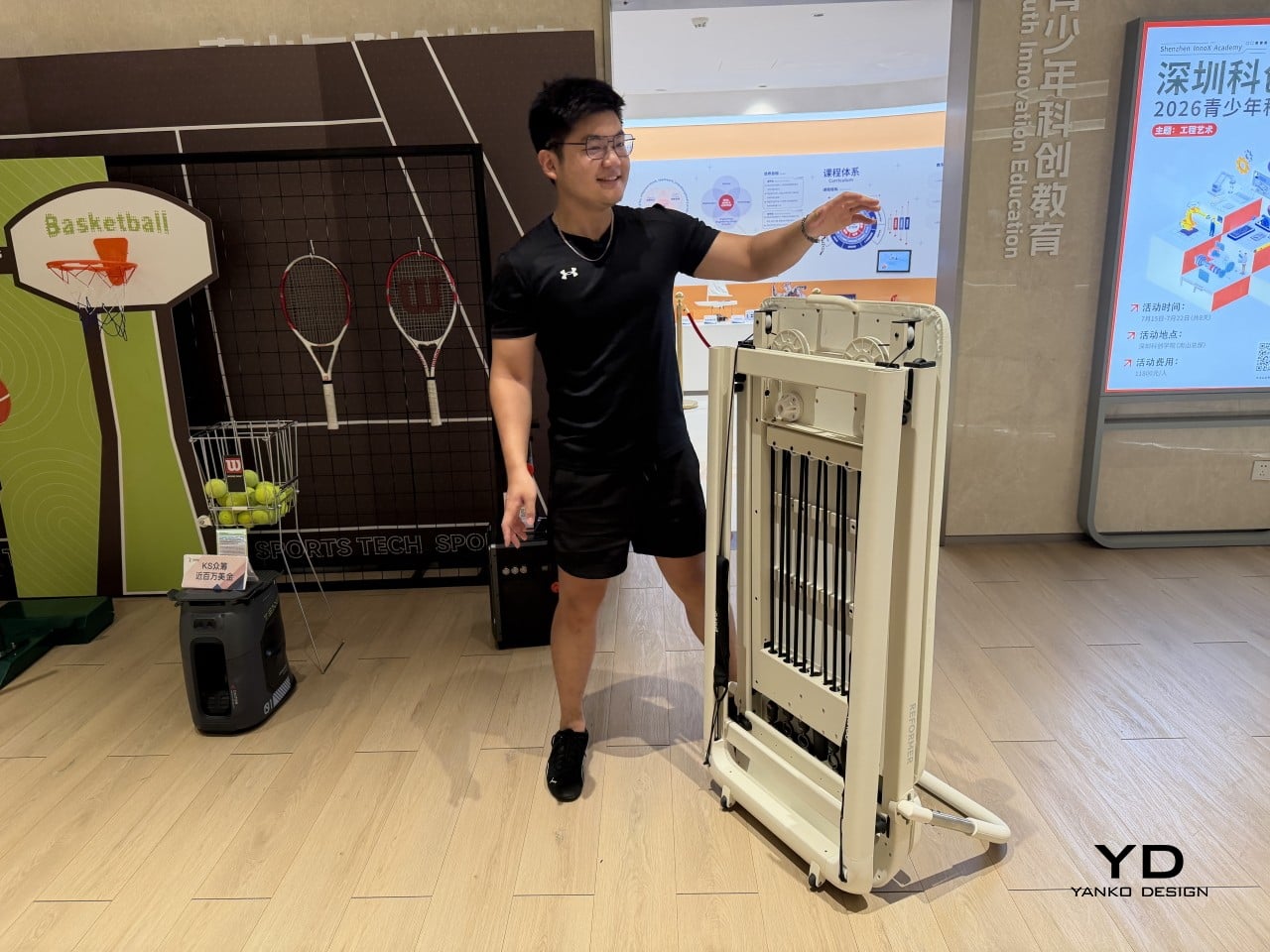
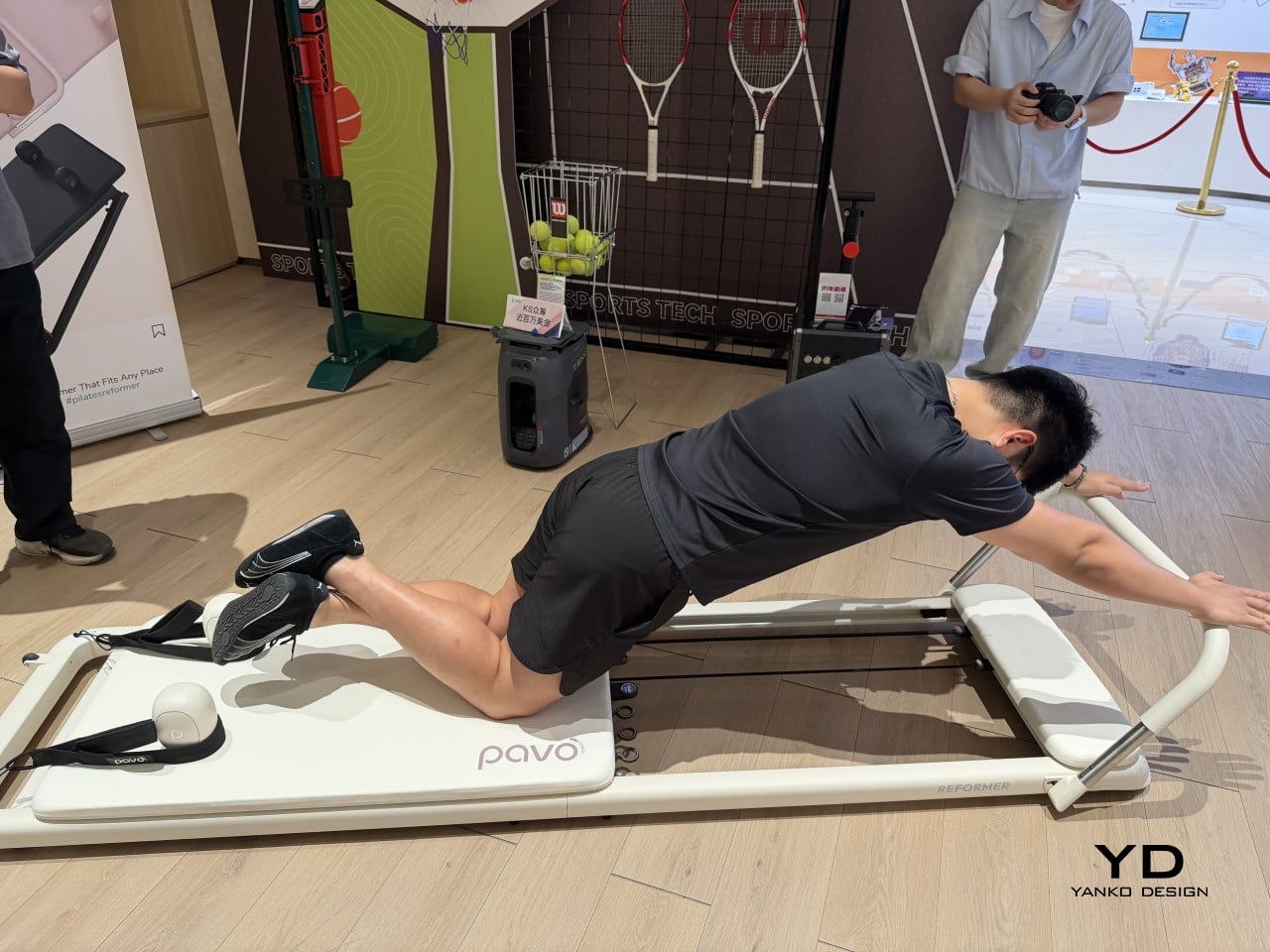
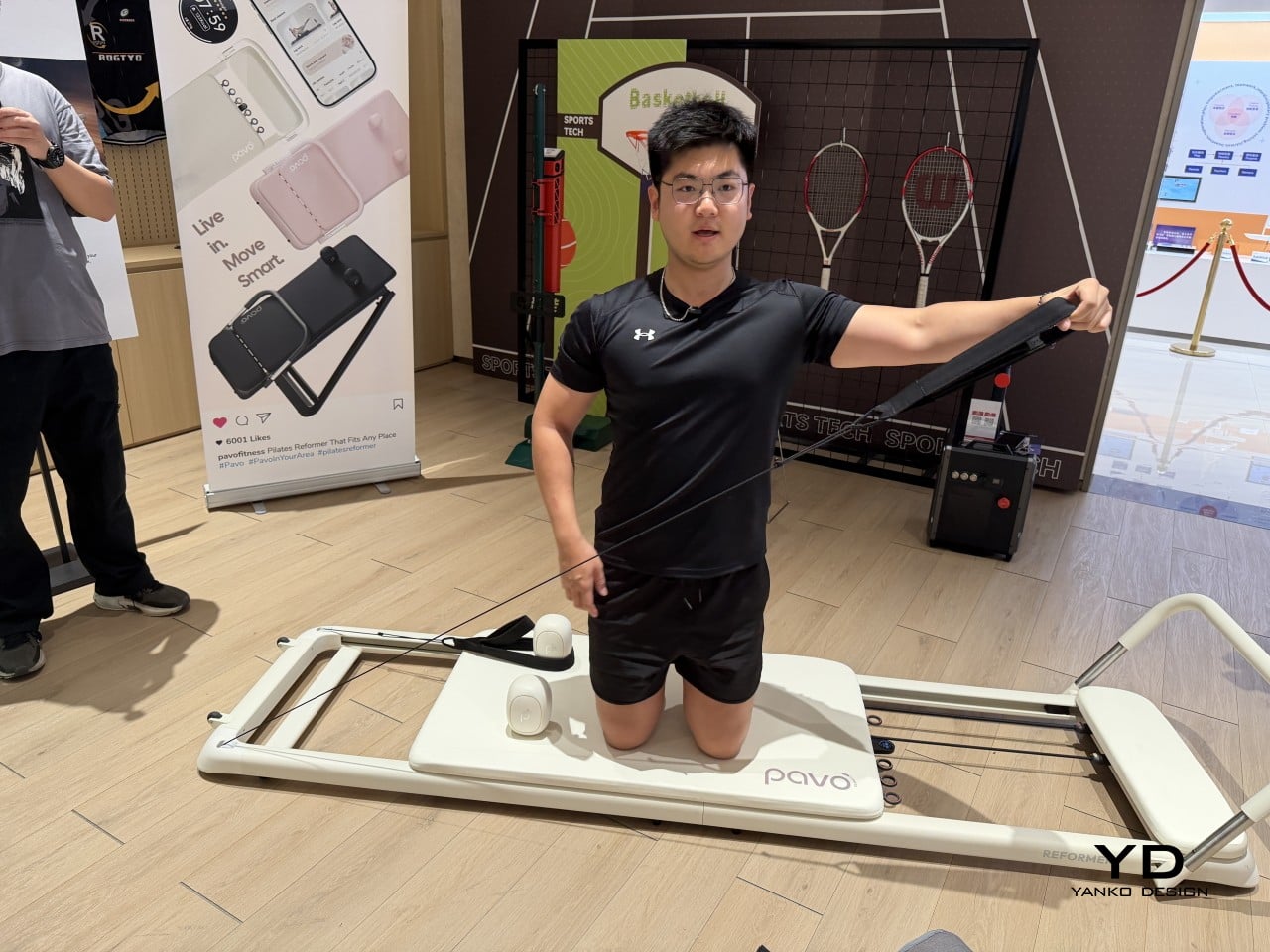
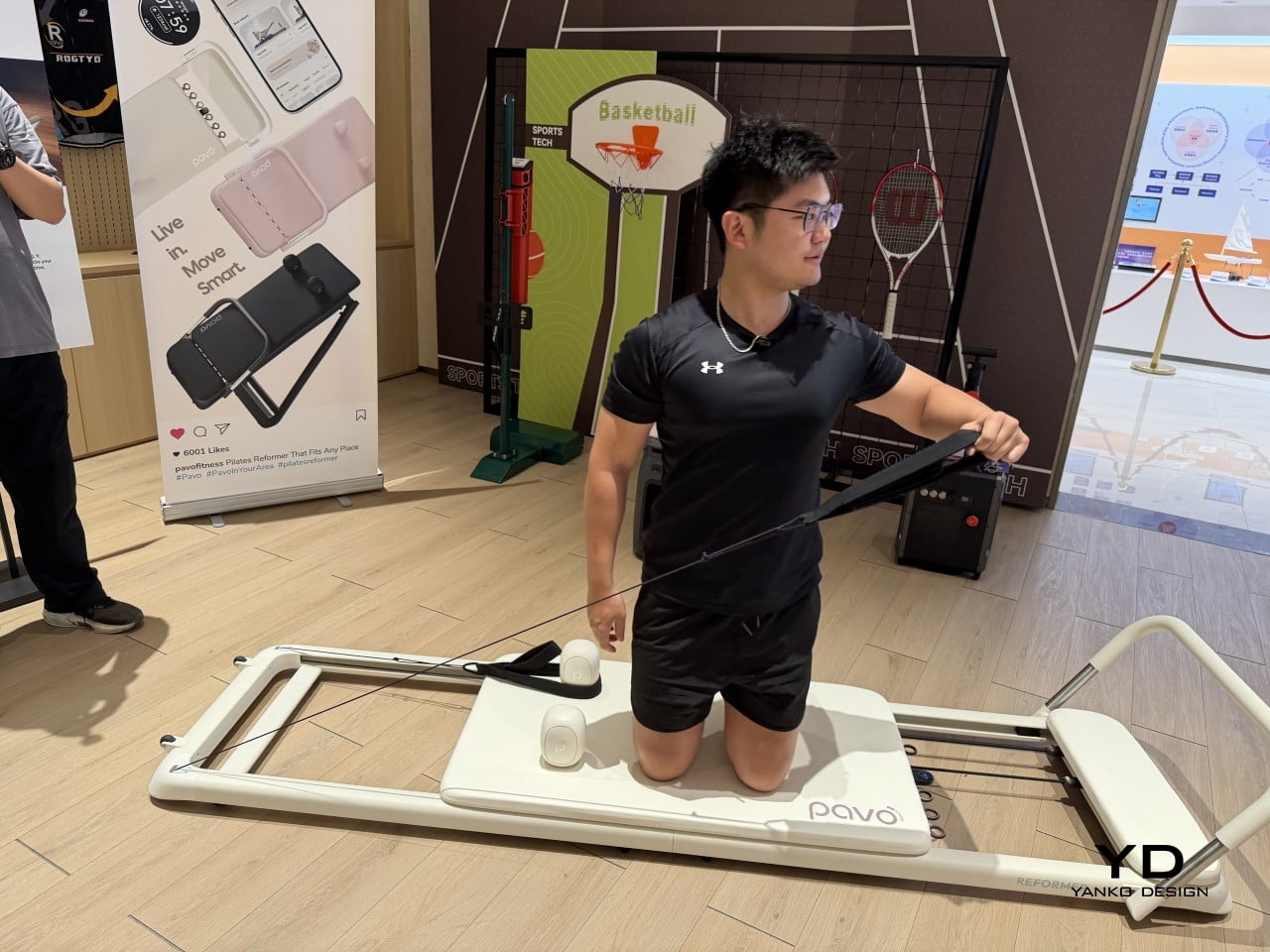
Pilates reformers have always been the kind of equipment you’d only find in a dedicated studio, too large and bulky for most apartments to accommodate. Pavo Fitness, started by a team of architects, industrial designers, and professional Pilates instructors, saw that as a solvable problem. The Pavo Reformer is their answer: a compact, foldable machine designed to bring studio-quality resistance training into a regular home.

Designer: PAVO

Once a session is done, it packs away without being disassembled or moved to a corner, so it doesn’t have to become a permanent fixture in your living space. The onboard smart system keeps tabs on workouts, which matters more in a home setting where there’s no instructor watching your form. It adds a layer of accountability that a conventional reformer simply can’t offer.

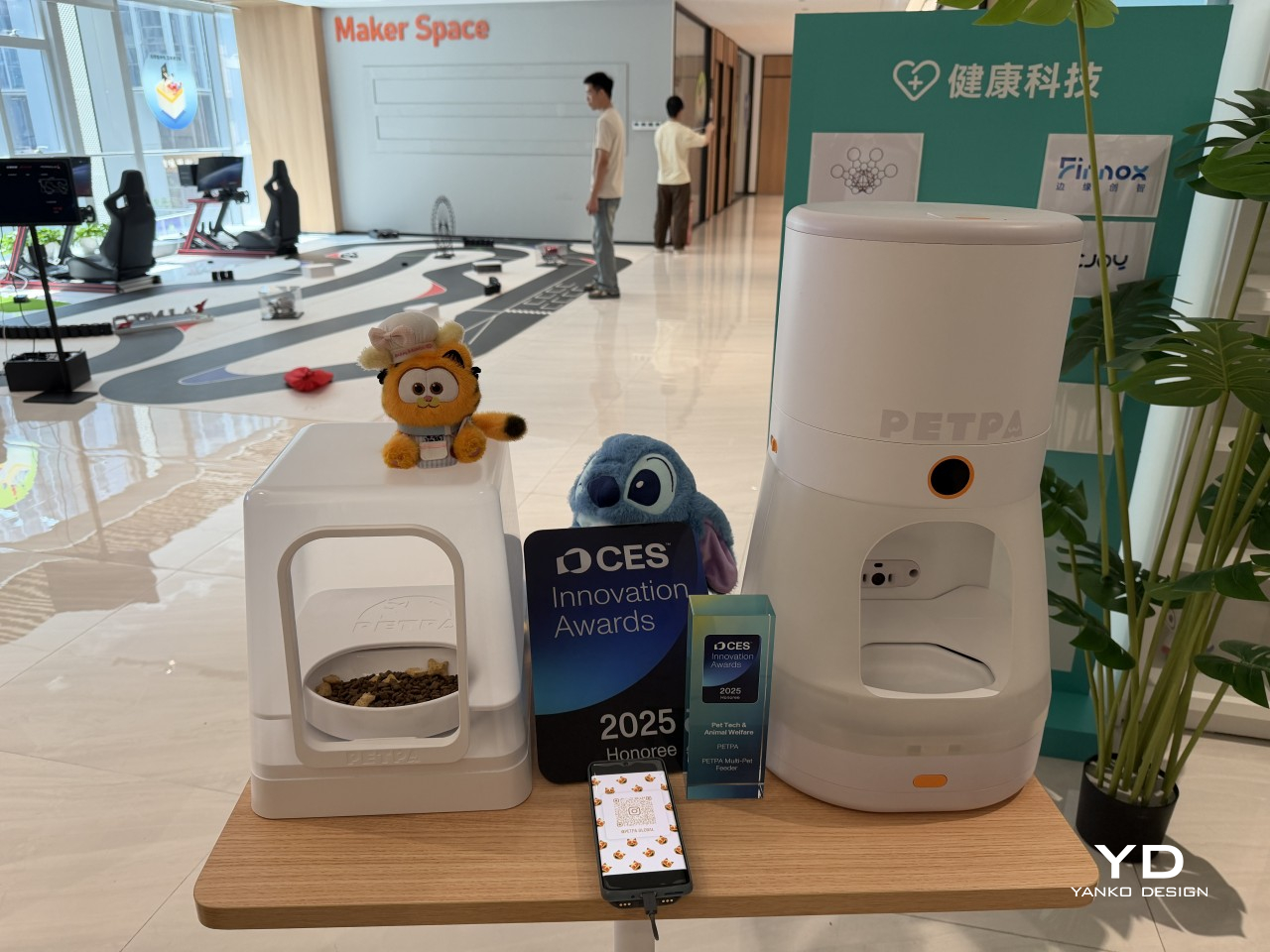
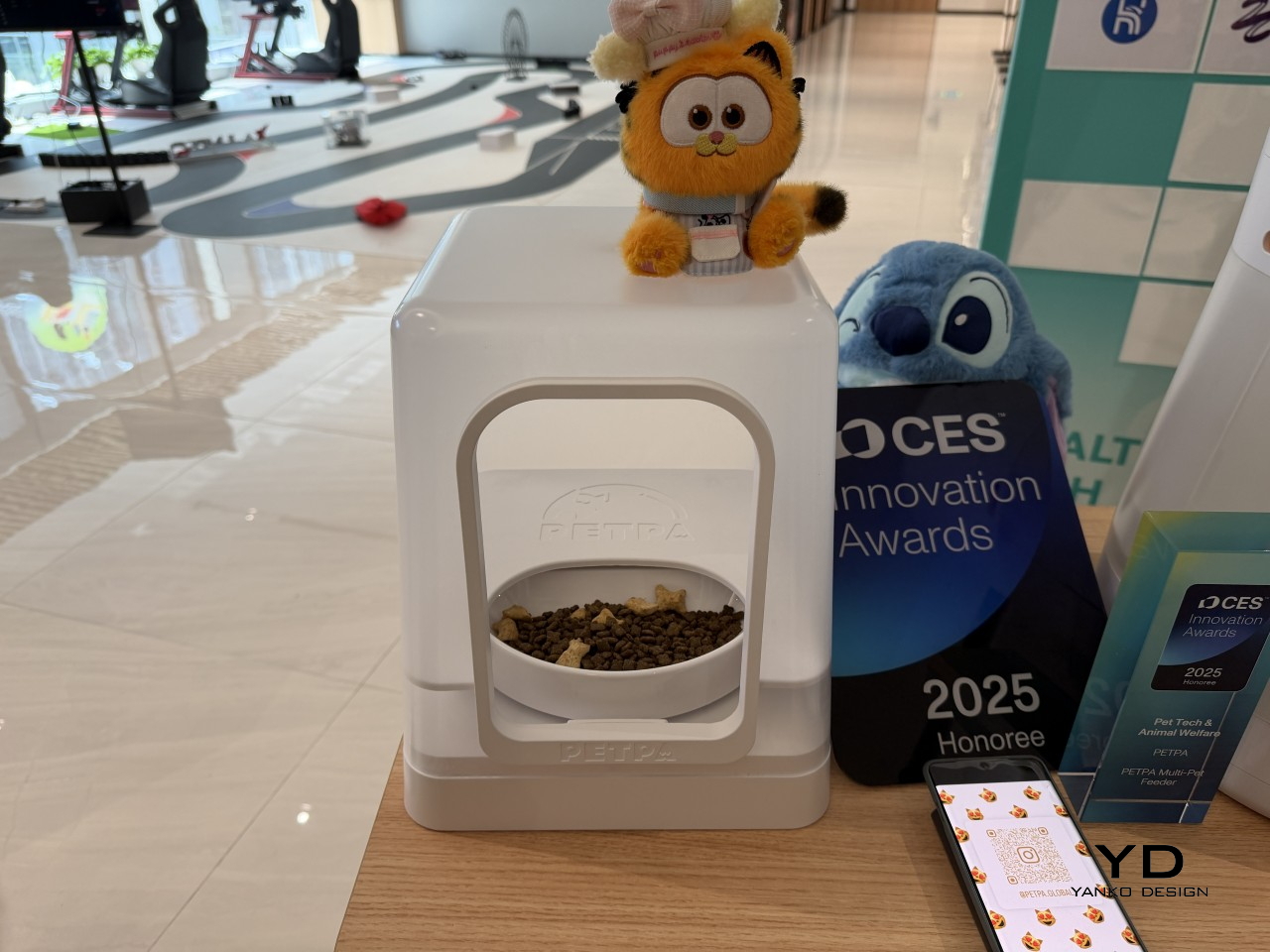
Multi-pet households have a feeding dynamic that most smart feeders don’t actually address. A timed dispenser works for one pet, but when multiple cats have different dietary needs, scheduling meals is only part of the problem; the harder challenge is making sure each cat only gets its own food. That’s what PETPA was built to solve, by a team that previously worked on hardware at DJI, Narwal, and RoboMaster.

Designer: PETPA

The PETPA Multi-pet Feeder uses individual pet recognition to identify each cat and control access to their food, particularly useful in homes where one cat needs to lose weight or follow a prescription diet while the others don’t. It launched at CES 2025 and earned a CES Innovation Award in the Pet Tech and Animal Welfare category, recognizing a product solving a problem most smart feeders still overlook.

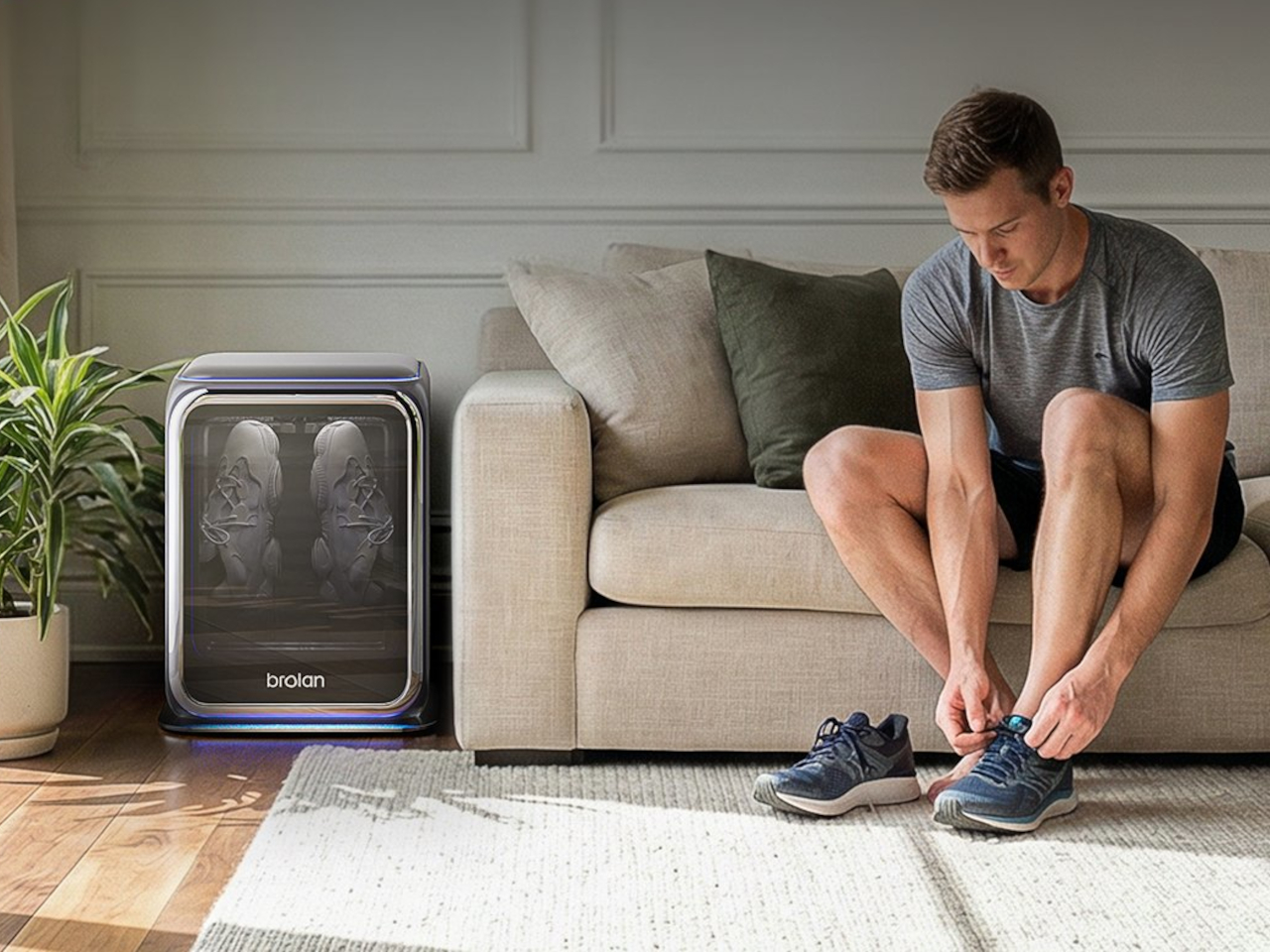
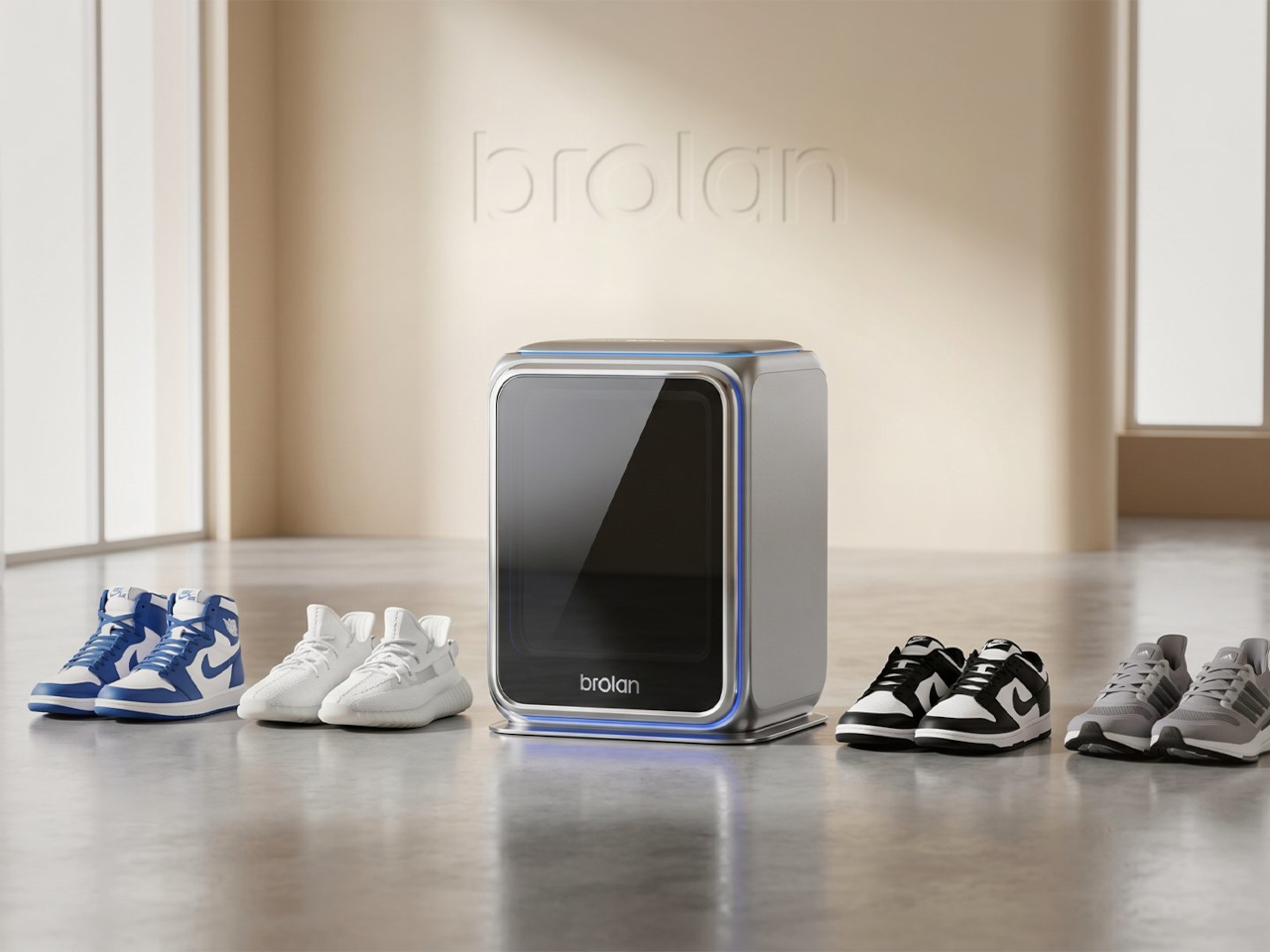
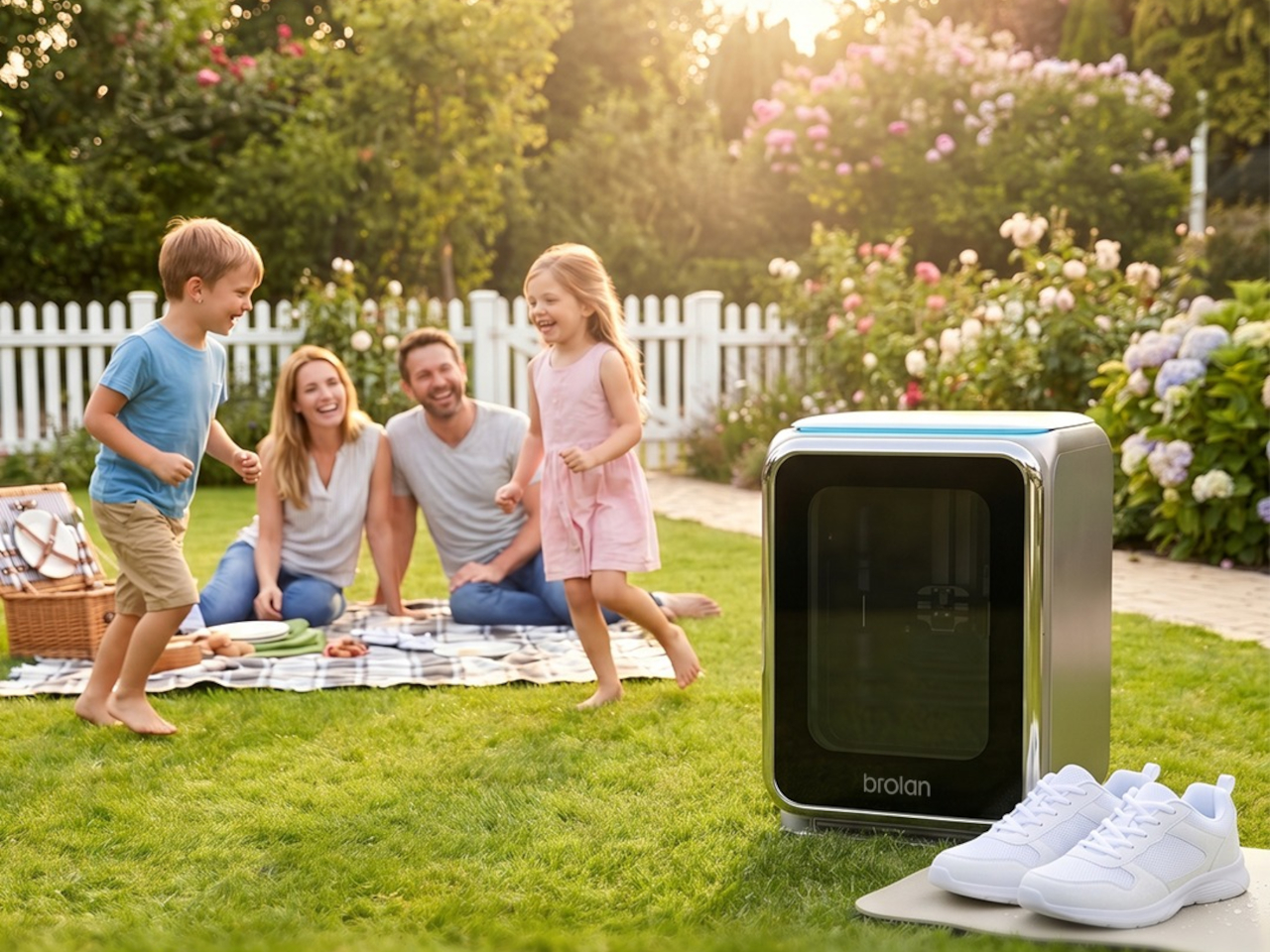
Sneaker care has evolved into its own dedicated ritual for collectors and sports enthusiasts who’d rather not take chances with a stiff brush and soapy water. The typical cleaning routine still carries the risk of fading colors, weakening materials, or warping the structure of more delicate footwear. Brolan’s ClearX is a compact home machine that moves through cleaning, low-temperature drying, and sterilization all in one automated cycle.

Designer: Brolan

Founded in 2025 by a team drawing from Nanyang Technological University, Harbin Institute of Technology, and Tsinghua University, Brolan designed ClearX specifically to clean without the harshness of manual scrubbing. The idea is to get footwear thoroughly clean without putting materials at risk, which matters most for anyone who owns suede, knit, or premium leather shoes that even a careful hand-wash can easily ruin.

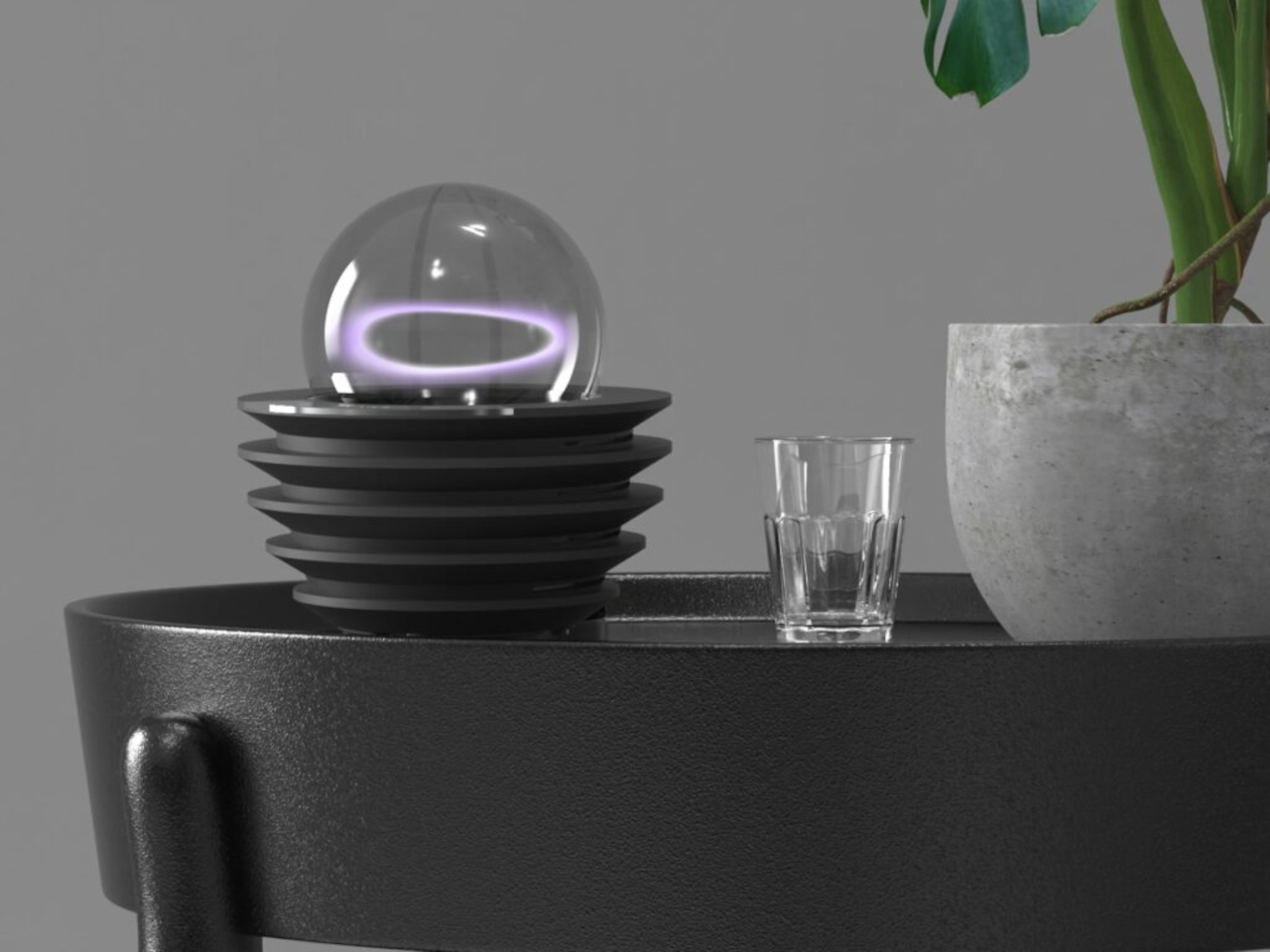
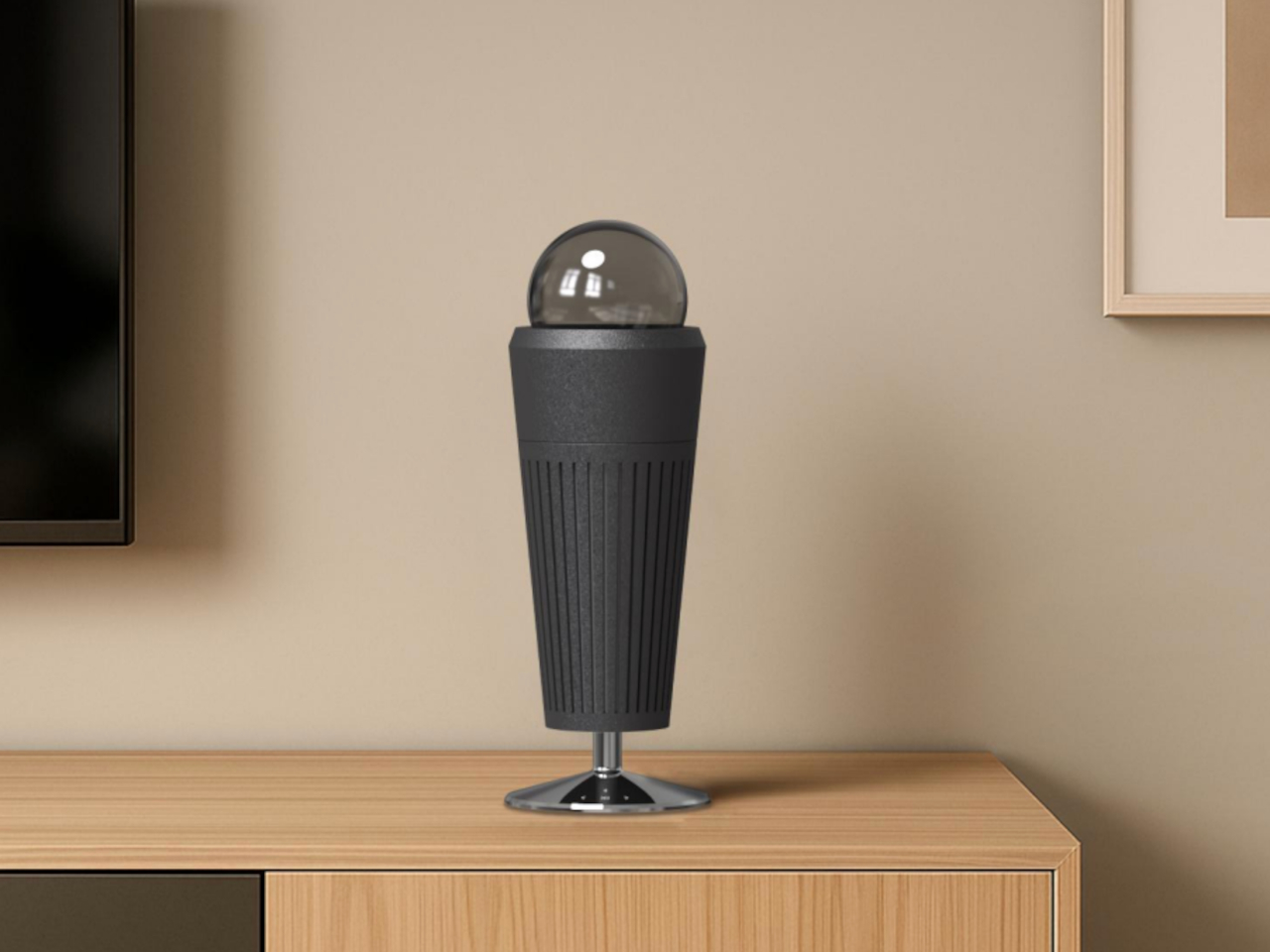
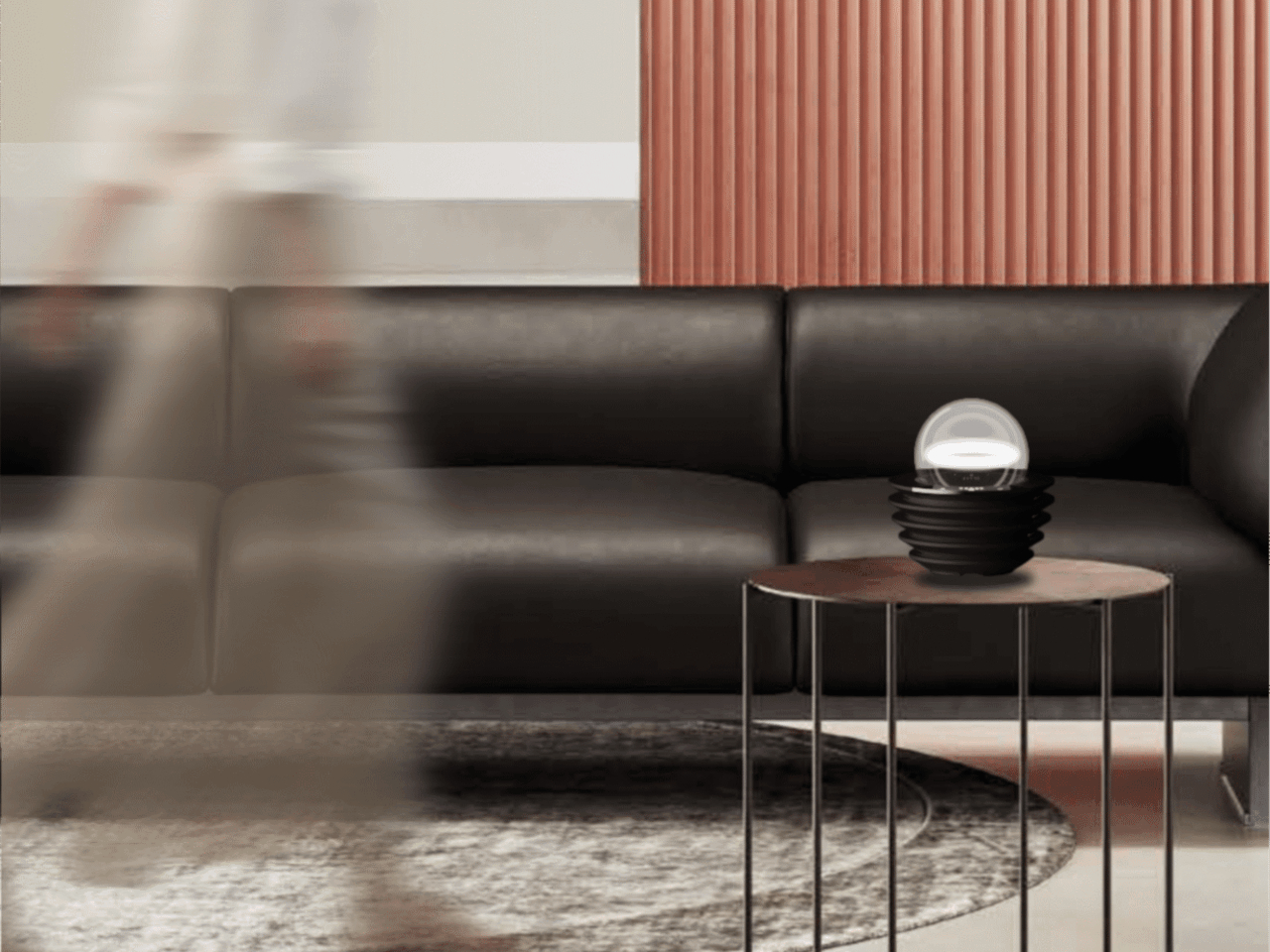
Not everything in the InnoX lineup is about automation or performance tracking. REAZENABLE takes a different direction with the REAZE Sandstone Series, a collection that sits somewhere between smart lighting and decorative object, aimed at people who’d rather their home feel calmer than more connected. The brand’s philosophy, technology empowering nature and light reshaping emotion, gives a clear sense of where its priorities are.

Designer: REANZENABLE

The collection includes the Halo light and three aroma vessels, all made from sand-based materials and shaped with ribbed surfaces that recall an uneven lunar landscape. The technical structure is deliberately concealed within those soft architectural forms, so nothing on the shelf reads as a gadget. Atmospheric light, mineral textures, and scent work together into something that feels more like a ritual object than a piece of hardware.

Several other InnoX startups addressed more personal routines. Rootique brought the DUO, a scalp atomizing applicator using patented DuoTrace and IntelliMist technology for precise serum delivery in about 15 seconds, already validated through an Indiegogo campaign that found backers across 52 countries. OCJOY presented the OCJOY Air, a home micro-air oral cleaning system that brings a water-air-powder cleaning method from dental offices to your own countertop.

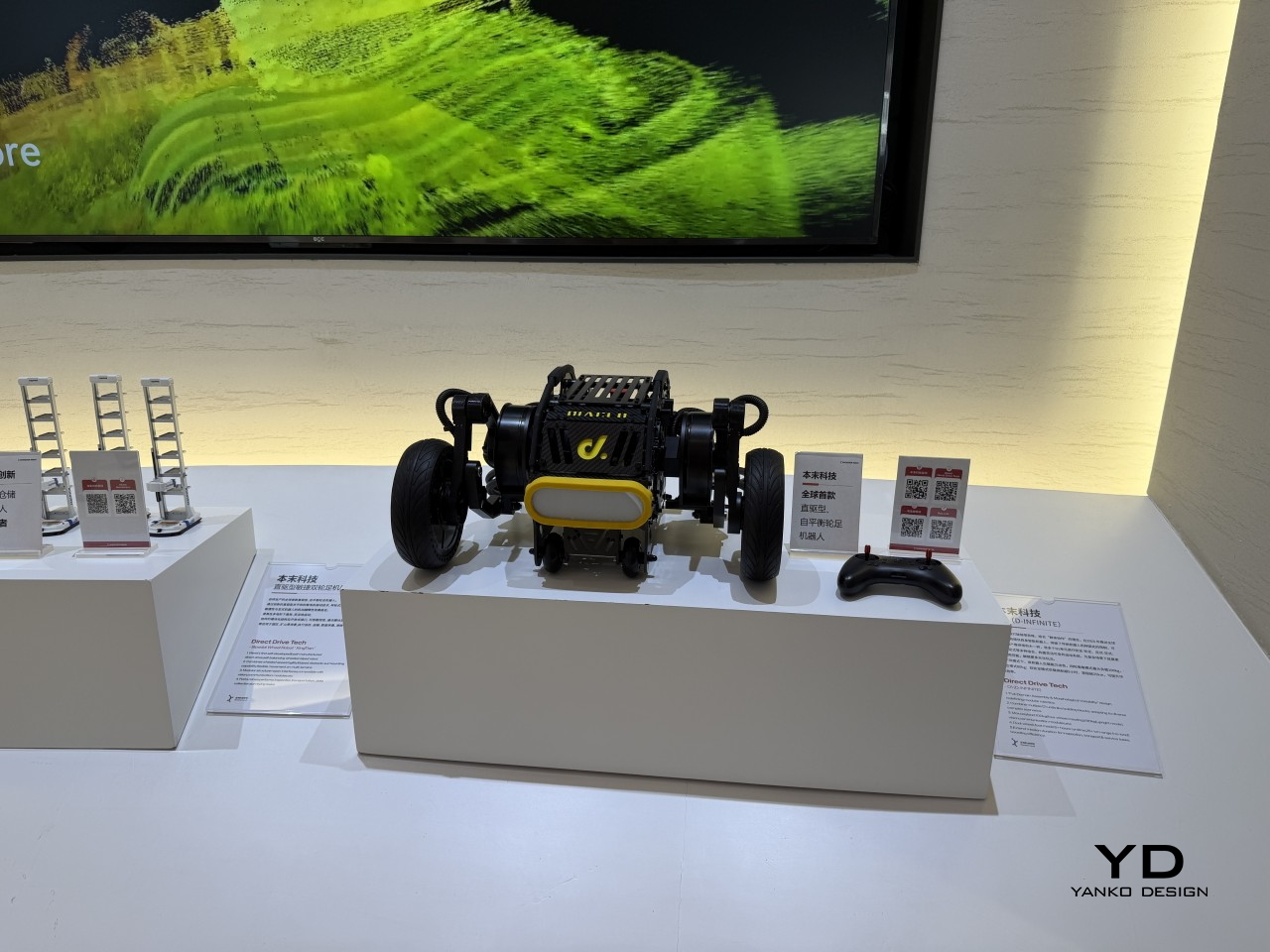
Direct Drive Tech D1

The lineup stretched into less expected territory, too. Blucalm’s StrikeDeck delivers AI-assisted game audio through a desktop controller, while ORULINK’s Watcher-Robot is an open-source desktop AI companion built for everyday interaction. CHEERLUCK brought a sausage vending robot for campuses and public spaces, and both Y-H2O and ANAVI presented electric watercraft, a hydrofoiling vessel, and a smart personal watercraft, each designed to cut the noise and emissions of traditional marine engines.

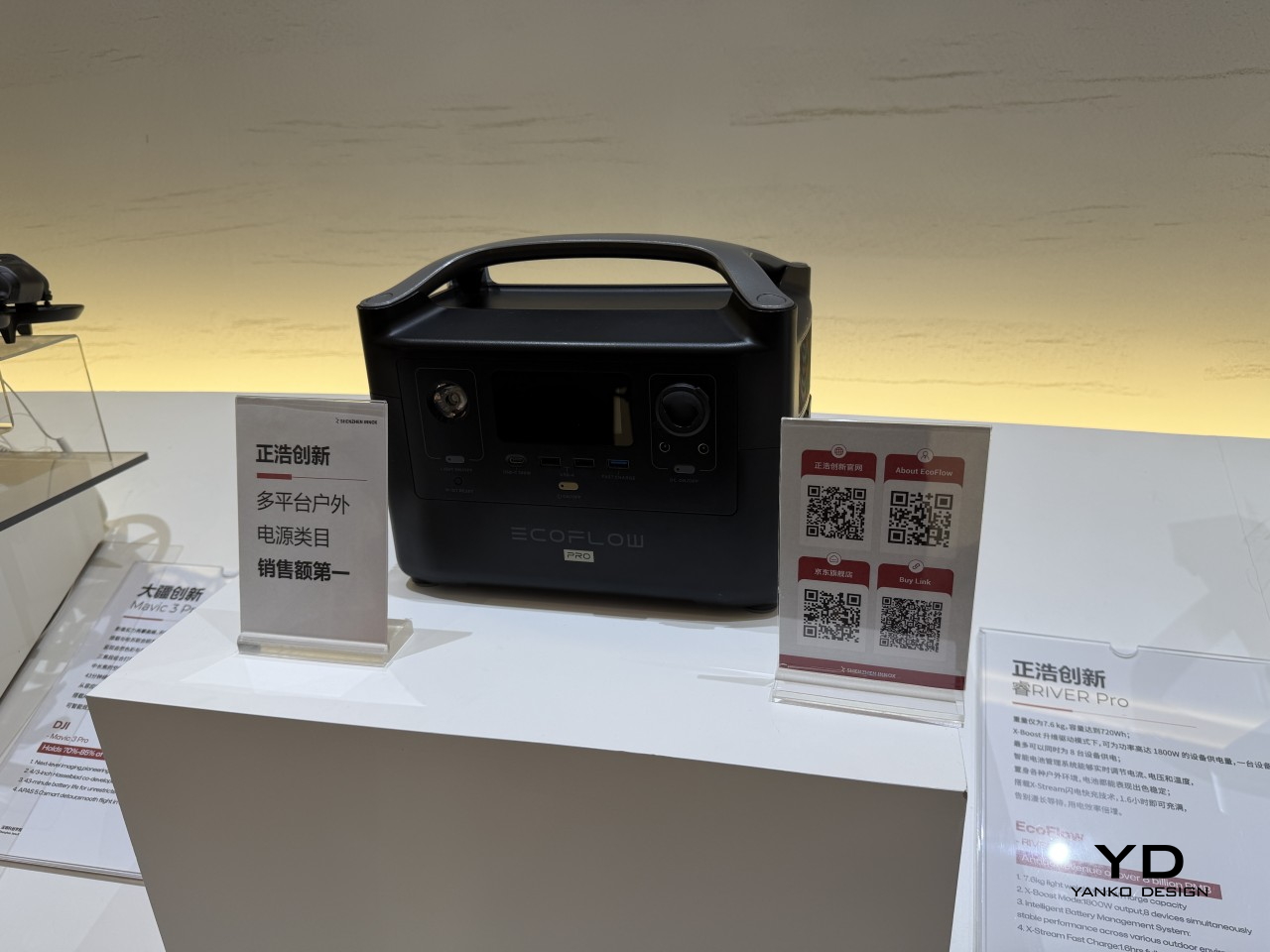
EcoFlow

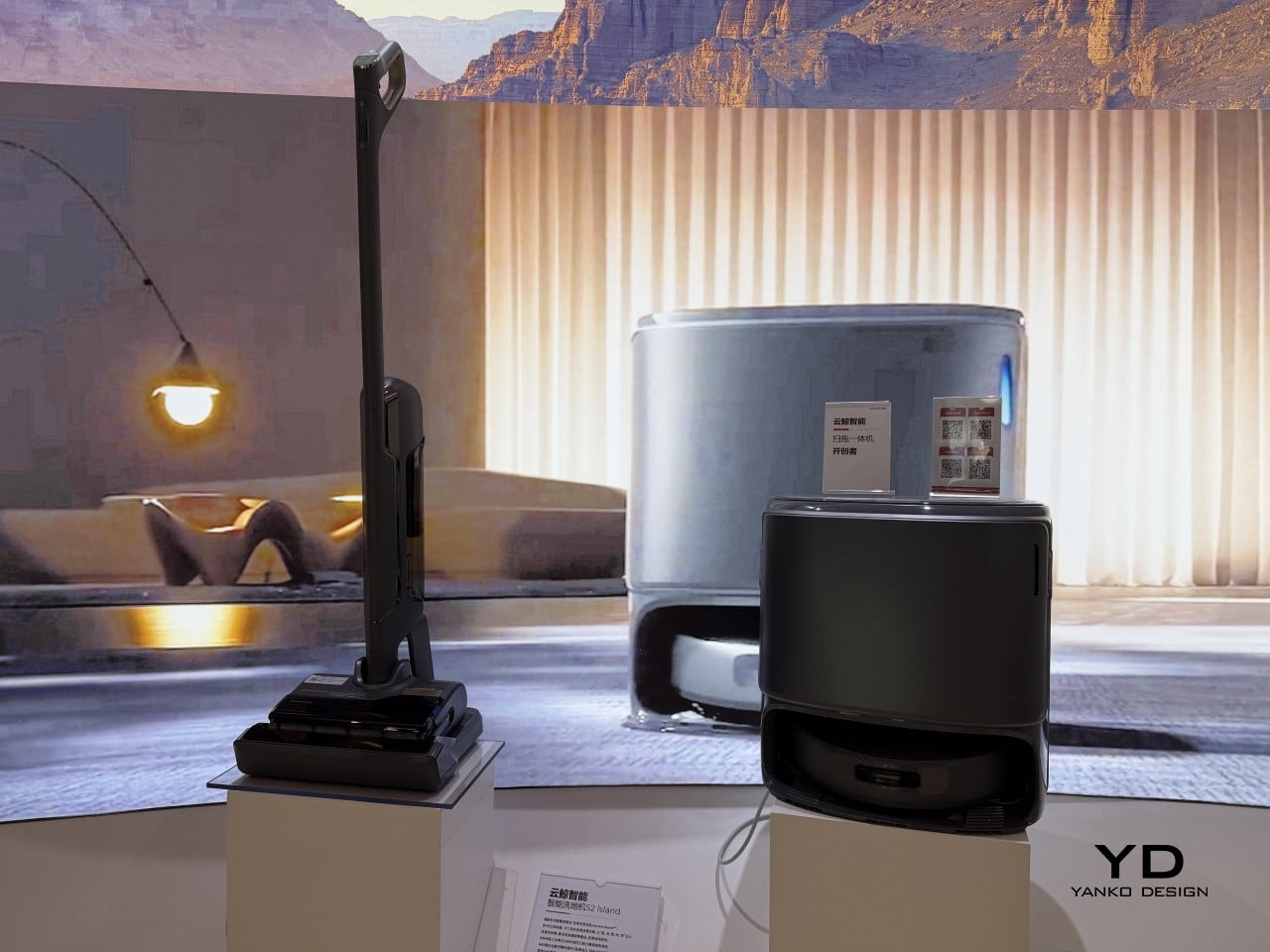
Narwal

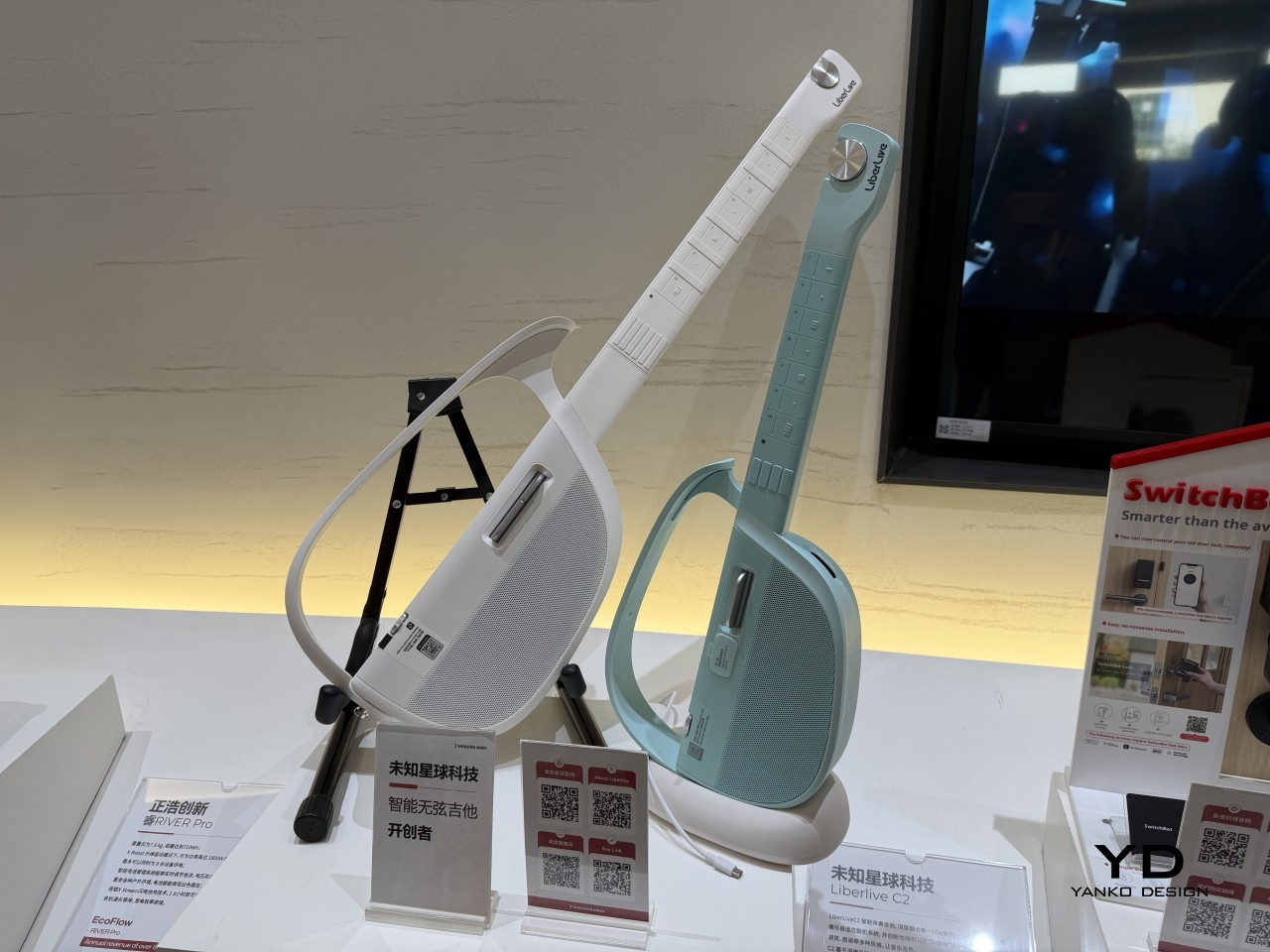
What gives the InnoX lineup credibility beyond the show floor is the academy’s broader history. Brands like Narwal, SwitchBot, DJI, EcoFlow, AgileX, and LiberLive are all part of InnoX’s wider ecosystem, a track record that makes it worth paying attention when the academy’s latest batch of incubated products steps out in front of an international audience for the first time.

LiberLive

DJI

The post From Foldable Pilates to Shoe Robots: InnoX GCS 2026’s Best Startups first appeared on Yanko Design.
What If the Internet Had a Building You Could Actually Walk Inside?

The internet has always been invisible. It moves information at a scale and speed the human mind can’t fully grasp, yet we access it through the most ordinary of interfaces: a flat screen, a pair of earphones, a keyboard. Nothing about how we physically engage with it reflects the enormity of what it represents, or what it means to be connected to the entire world from a single chair.

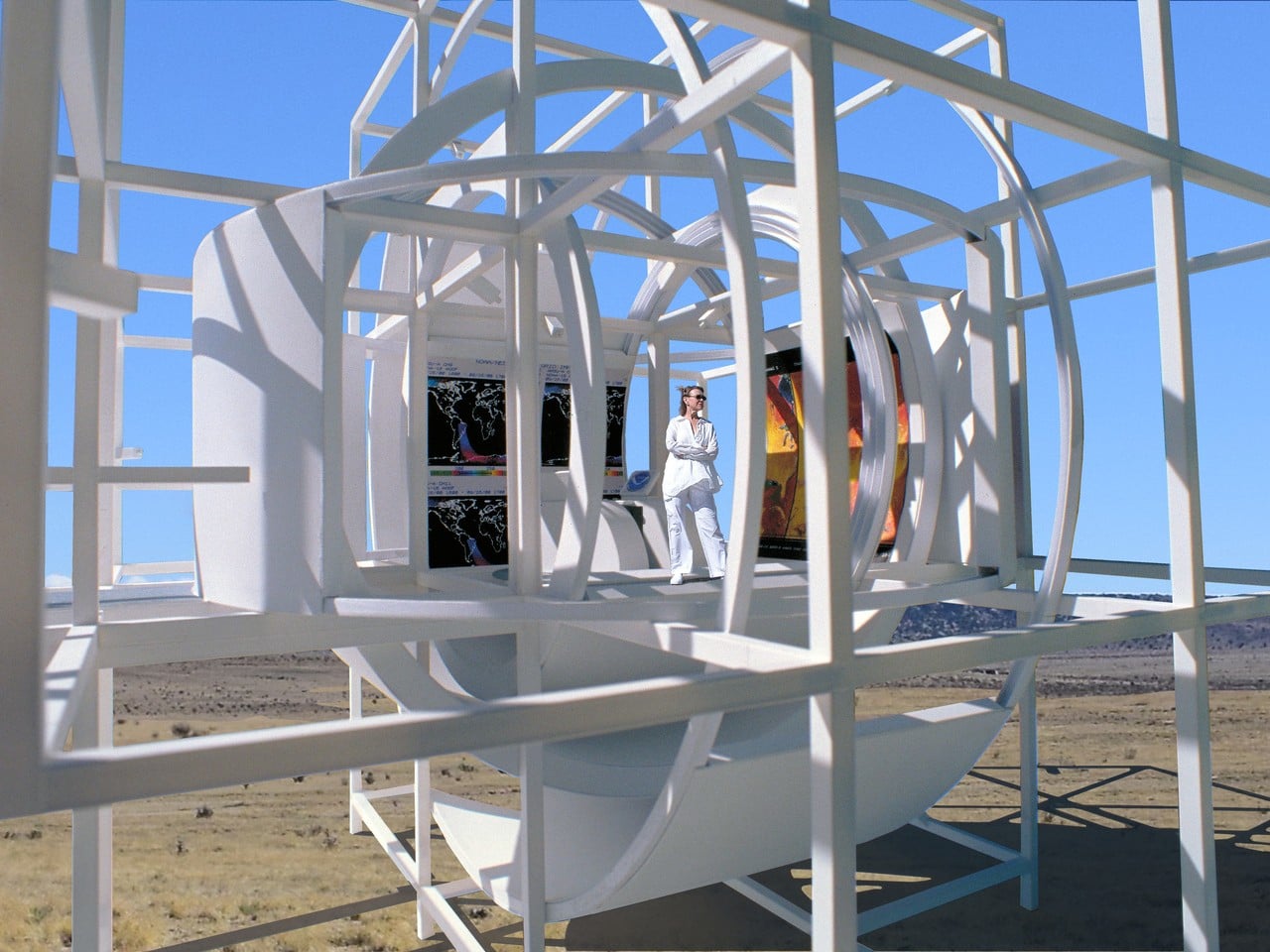
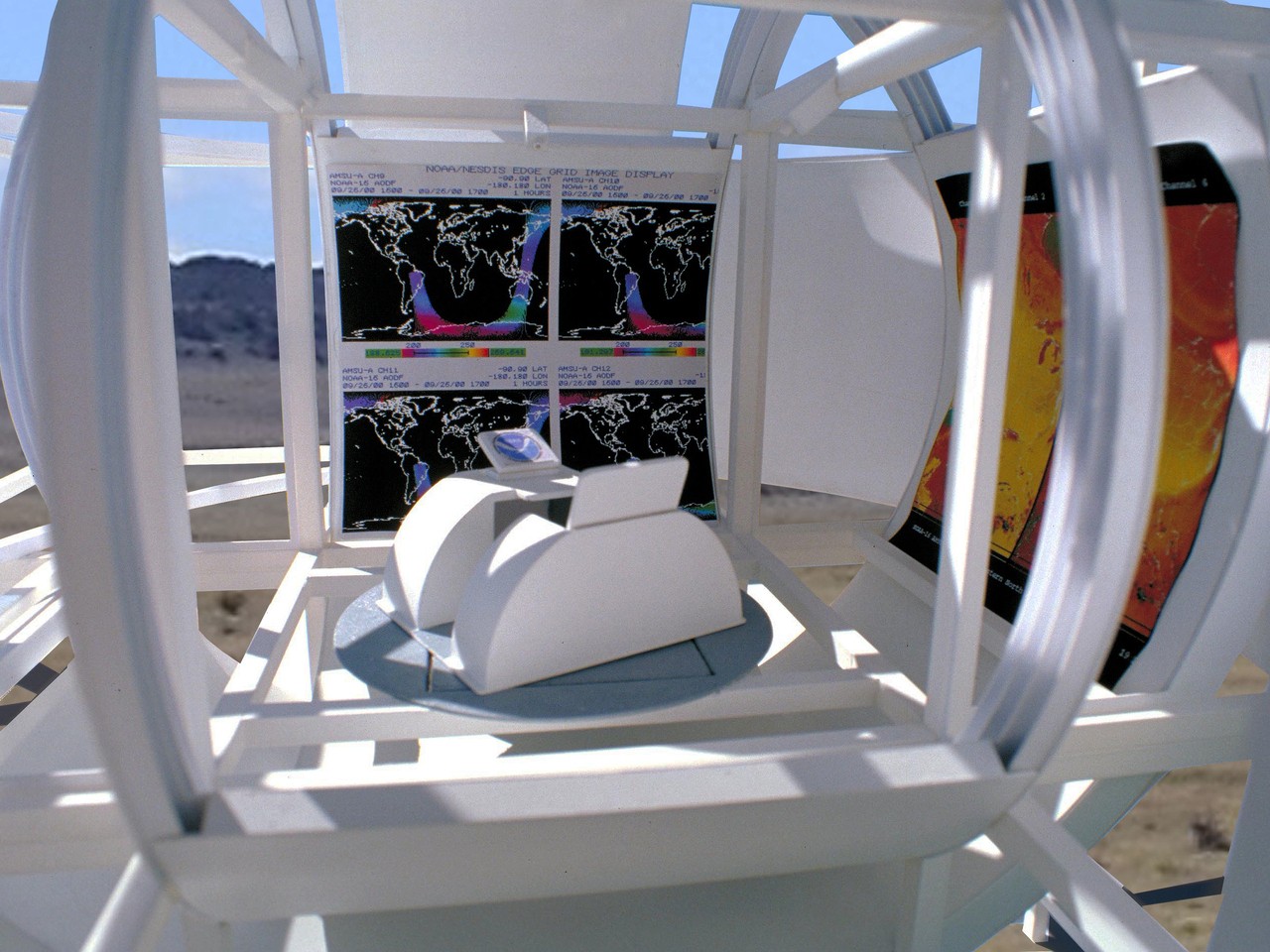
Michael Jantzen’s Internet Observatory concept addresses that disconnect directly by building a physical structure around the idea of internet access. Placed outdoors, the structure uses its architectural form to stand in for the abstract mechanics of the web. The outer support grid frame represents the internet’s matrix, while the curved space it encloses represents where a person enters and engages with the flow of information.

Designer: Michael Jantzen

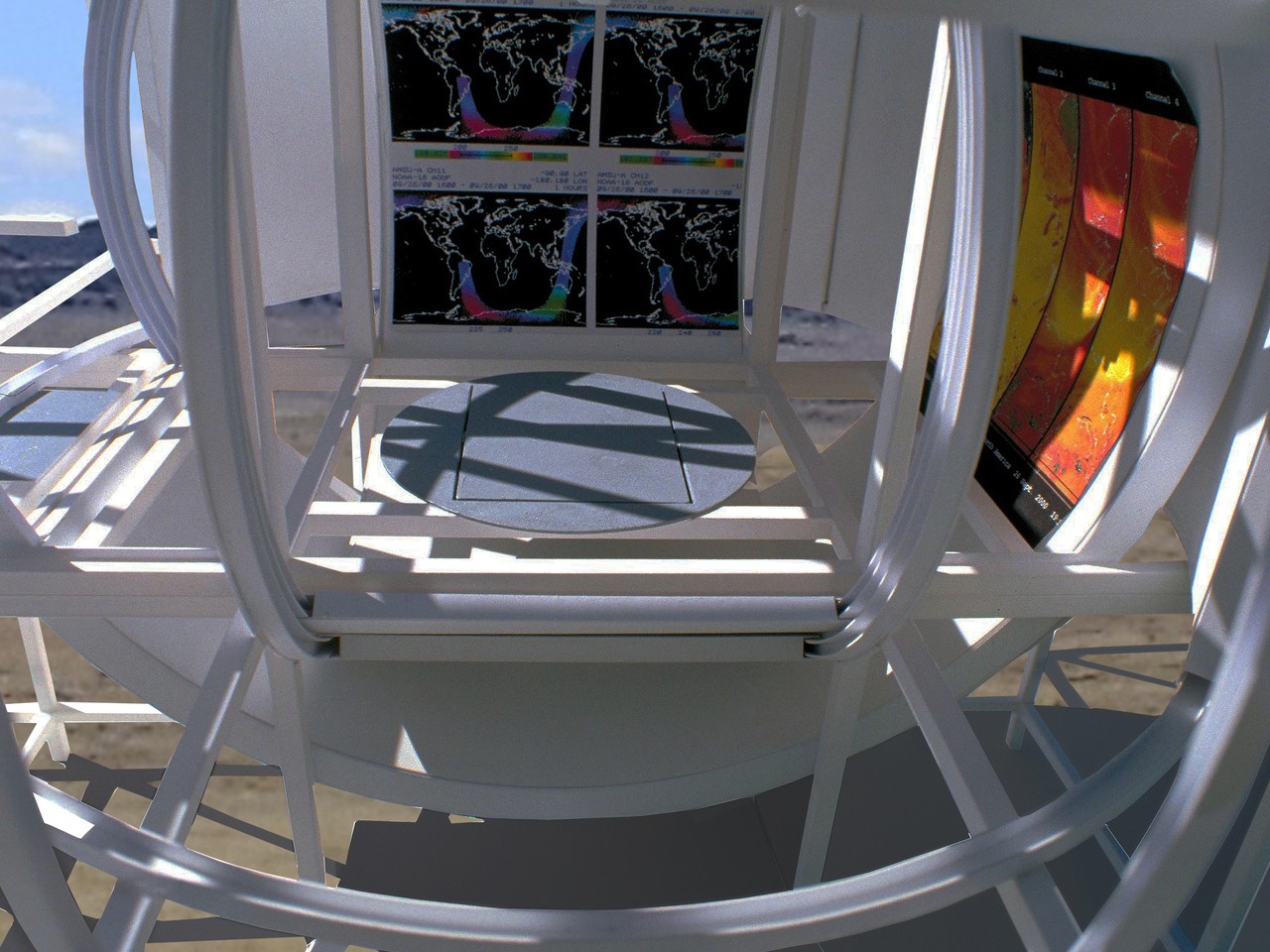
You reach the interior by climbing a staircase up to an elevated platform and stepping inside the curved shell. At its center sits an interactive workstation that rises through a glass floor and can also rotate along the floor’s surface, letting the person inside face in any direction. It’s a deliberately simple setup that places one person at the physical center of a structure designed to represent the entire internet.

All of the large curved panels that form the enclosing space can be automatically repositioned around the occupant. The core can be fully open, fully closed, or any variation in between, depending on the activity. Some configurations allow for projecting images and sounds from the internet or the main computer onto the surrounding panels, turning the interior into a fully immersive display environment.

Some of those projected images also appear on the exterior faces of the panels, making what happens inside the structure visible to anyone nearby. A private internet session becomes something closer to a public exhibition, with the curved panels acting as screens that anyone outside the grid frame can see. The distinction between the individual’s experience and the community’s visibility gets built directly into the architecture.

Each structure would also have its own website, through which people could visit and interact with it remotely in real time, selecting images and sounds to be projected inside or directing the movement of the panels. Someone seated at the workstation might find the content surrounding them being shaped by a stranger thousands of miles away. The structure becomes a live, physical interface for the collaborative possibilities of the internet.

The design also contemplates many of these structures existing simultaneously around the world, each publicly or privately owned, all communicating with each other as they interact with their respective occupants. What begins as one architectural statement scales into a distributed global network, a physical version of the very internet it represents, built from steel frames and curved panels rather than servers and cables.

Jantzen calls this a “symbolic temple for the computer age,” and there’s something deliberate in that description. Climbing a staircase, entering a curved space, and sitting at the center while content from around the world flows around you is a kind of ritual that a laptop screen doesn’t offer. It’s an architectural argument for what it might feel like if the internet had a home you could walk into.

The post What If the Internet Had a Building You Could Actually Walk Inside? first appeared on Yanko Design.