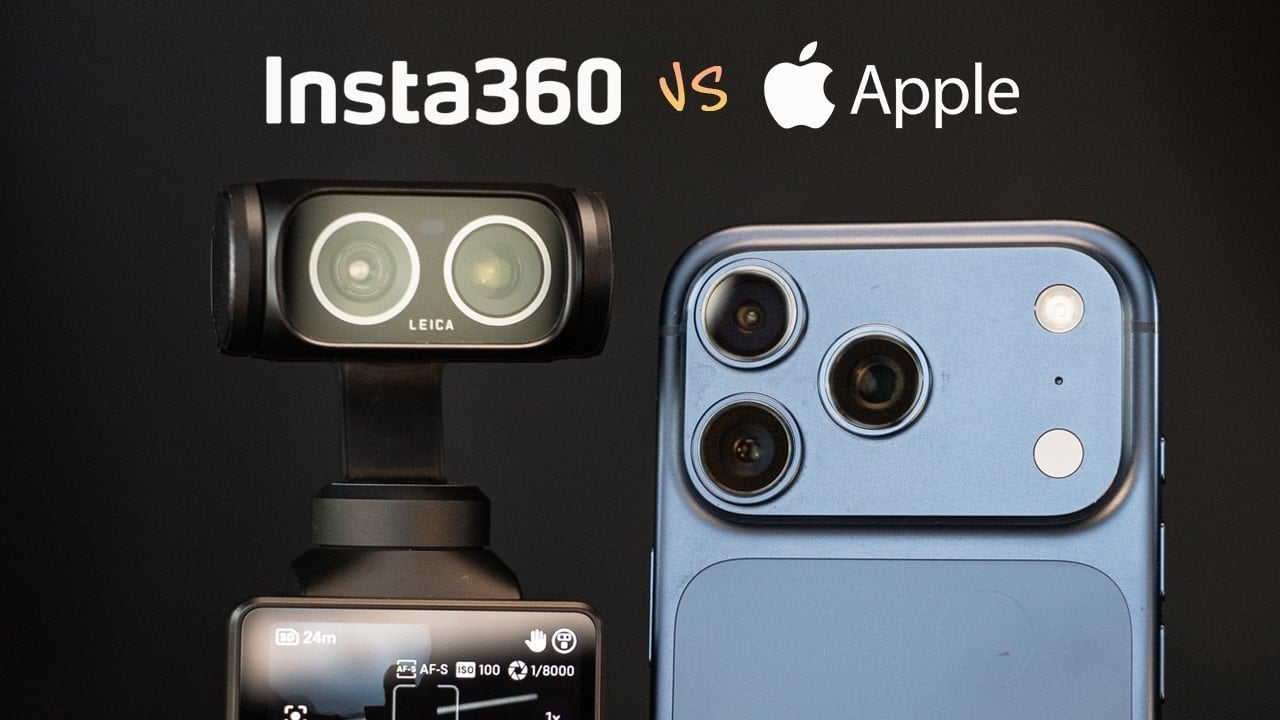
The Insta360 Luna Ultra and iPhone 17 Pro represent two distinct approaches to modern photography and videography. The Luna Ultra, with its 1-inch sensor and mechanical stabilization, is designed for creators seeking cinematic precision and professional-grade visuals. In contrast, the iPhone 17 Pro combines computational photography with a versatile triple-camera system, including a 100mm telephoto […]
Siri AI has become a robust and versatile personal assistant, offering a wide range of features that enhance productivity, entertainment and daily convenience. With its advanced contextual awareness, visual intelligence, and seamless integration across Apple devices, Siri AI enables you to manage your digital and physical life with ease. Below, we explore its key functionalities […]
The SPECS AR smart glasses by Snap represent a bold step into the realm of wearable augmented reality, blending advanced technology with practical design. As highlighted by Nathie, these glasses feature dual waveguide displays with a 51° field of view, providing sharp visuals and smooth motion through a 90Hz refresh rate. The inclusion of hand […]
The AirPods 5 represent a significant evolution in wireless earbud technology, offering a blend of premium features and affordability. At a price of $149, they deliver notable advancements in active noise cancellation (ANC), sound customization, and battery life. These enhancements position them as a strong competitor to the AirPods Pro while providing a clear upgrade […]
Screens have gotten loud, and most of them are fighting for the same six to eight inches of attention in your pocket. E Ink is quietly answering that fatigue by shrinking instead of growing, going deliberately narrow instead of chasing every feature possible. These five gadgets carry that spirit into pockets, fridges, and phone cases, each one claiming a job so specific that trying to be anything more would ruin it.
That range runs wider than you’d expect from a single display technology. On one end, a screen gets stripped down to nothing but page-turn buttons, refusing every upgrade that isn’t necessary. On the other, a screen becomes the front door to a full computer, complete with an app store and a voice assistant baked right in. Everything else in between quietly picks its own lane instead of trying everything.
Xteink X4 Classic
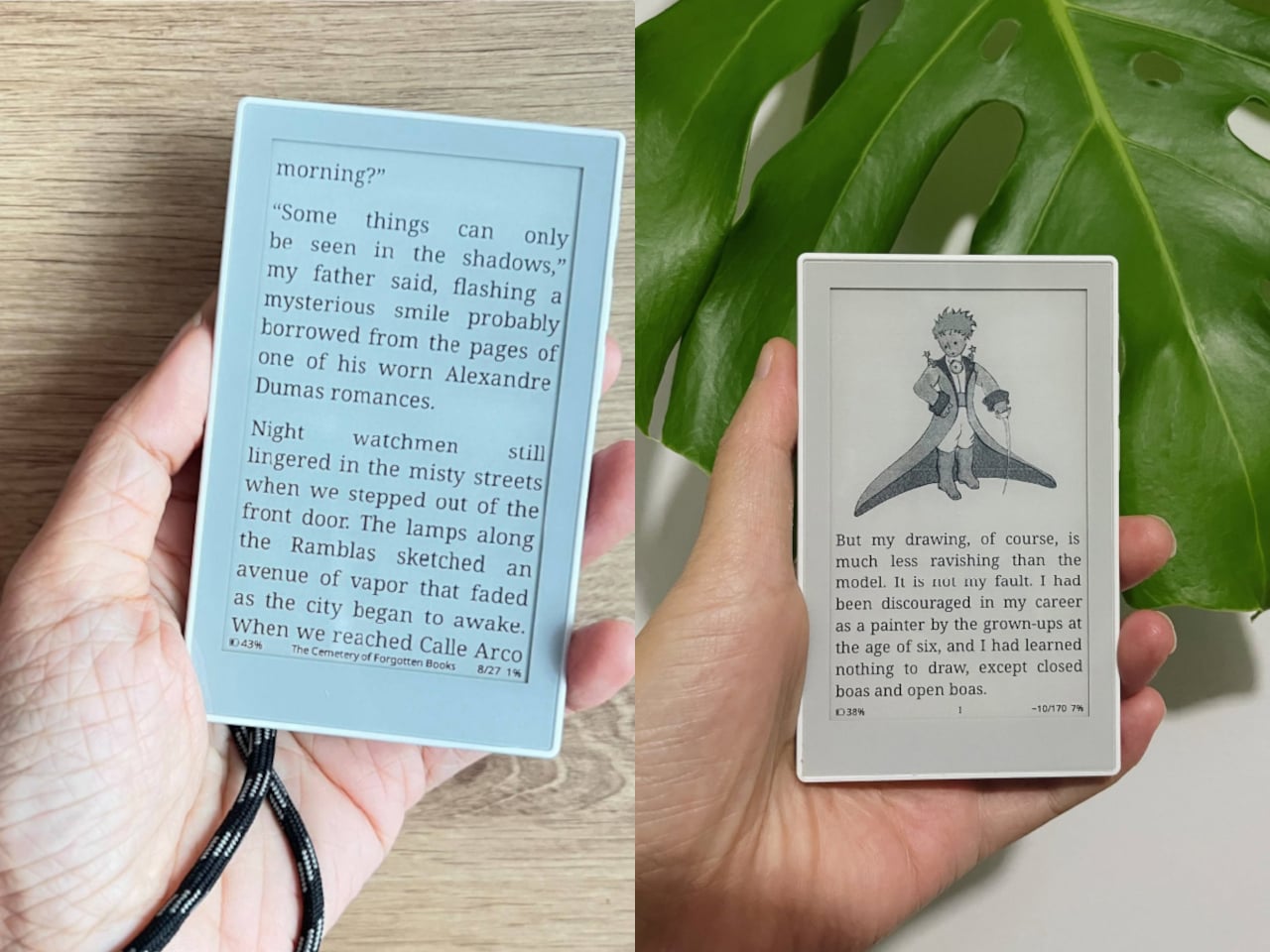
The X4 Classic doesn’t look like an upgrade so much as a refusal to change. It keeps the same 4.3-inch E Ink panel, the same button-only interface, and the same $79 price tag as before, resisting the urge to bolt on a touchscreen or a camera just because it could. What’s new sits underneath the shell: a reinforced magnetic backplate, a faster processor, and a noticeably bigger battery than before.
That combination changes how the device actually gets used day to day. The magnetic backplate snaps onto any phone case, MagSafe included, turning the X4 into a companion screen that rides along instead of competing for pocket space. Pull it off during a commute or a museum visit, and it fills the in-between minutes a phone usually swallows, no unlocking, no notifications, no excuse to open anything else at all.
BOOX Picco
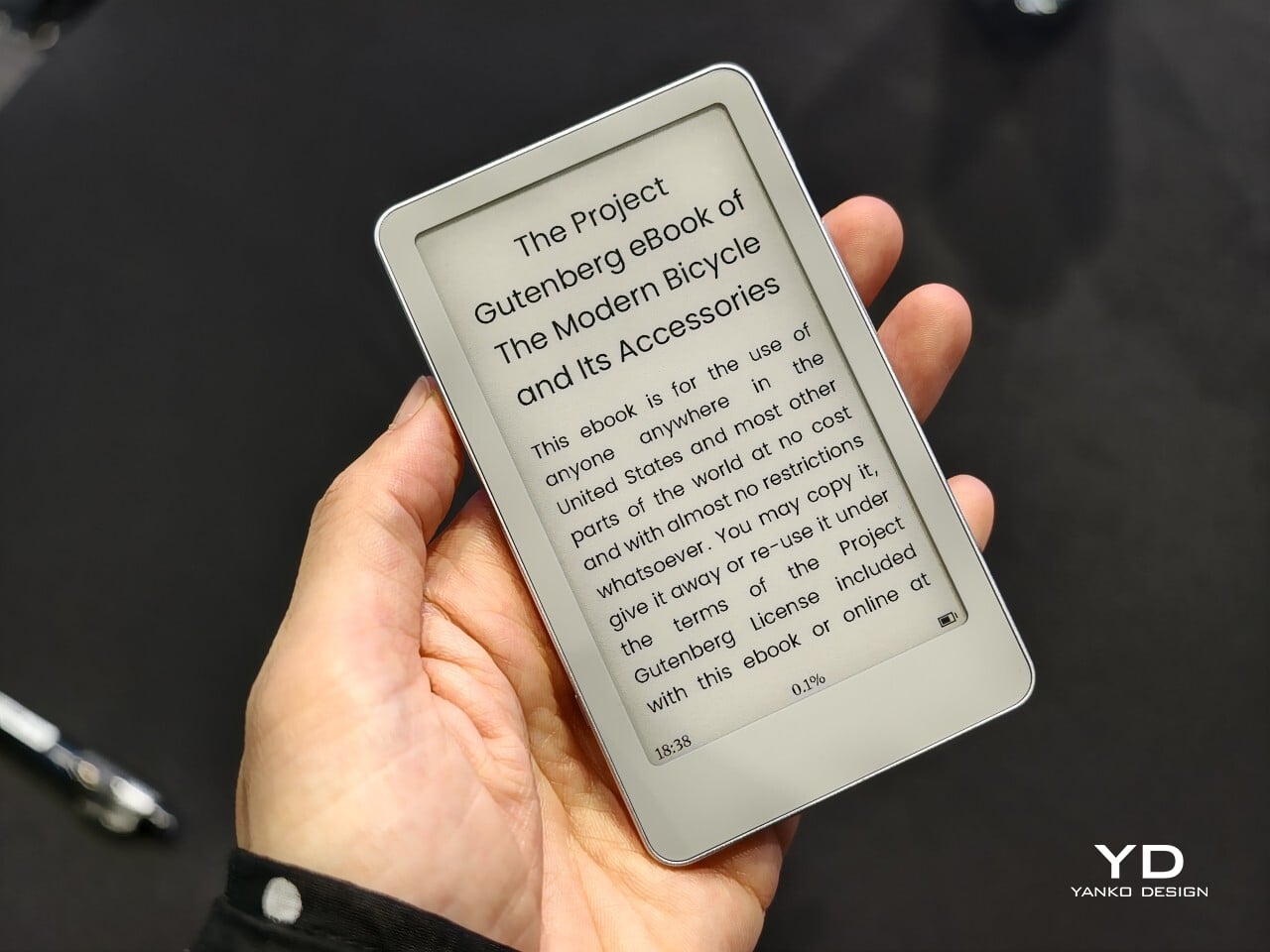
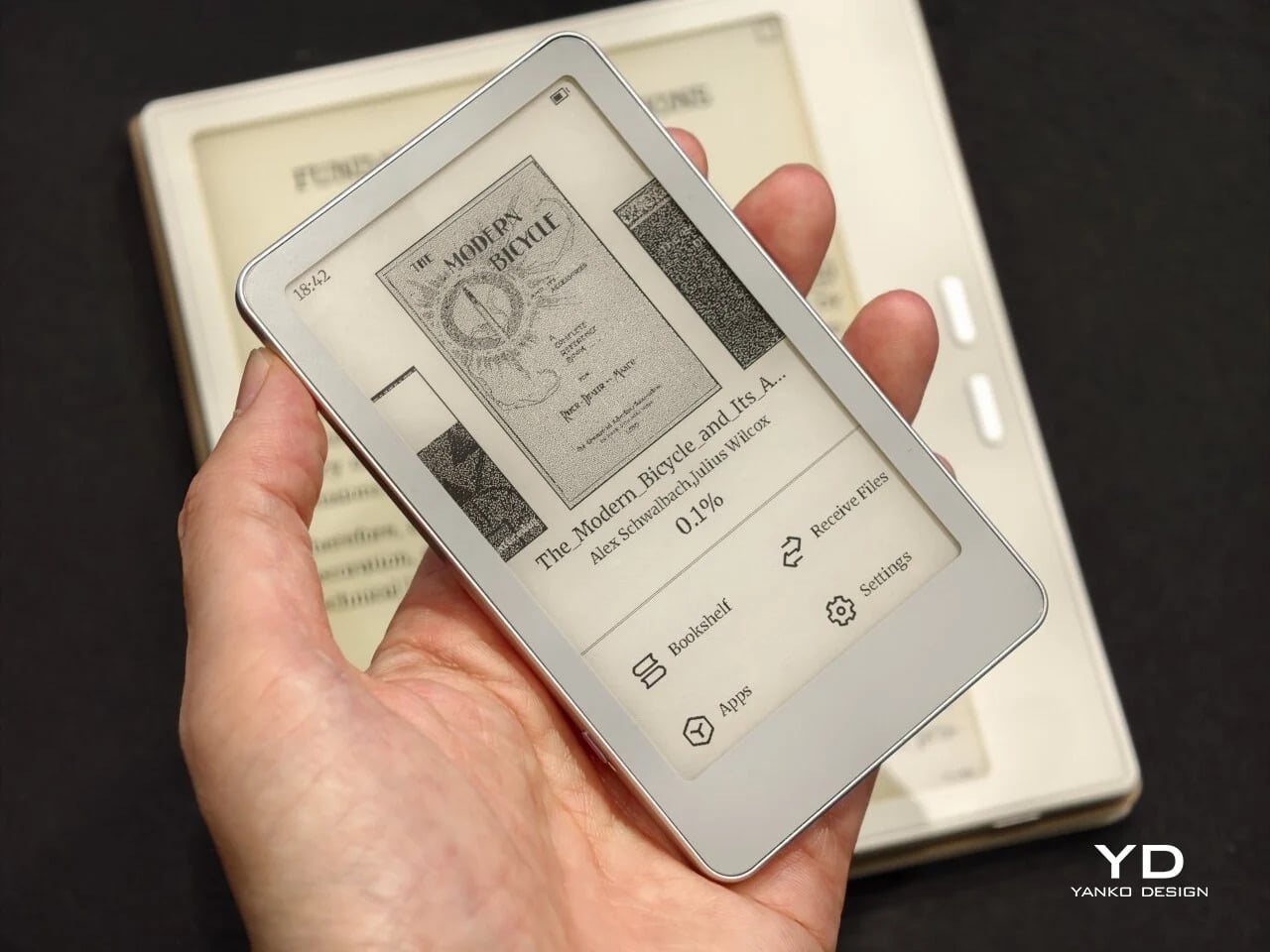
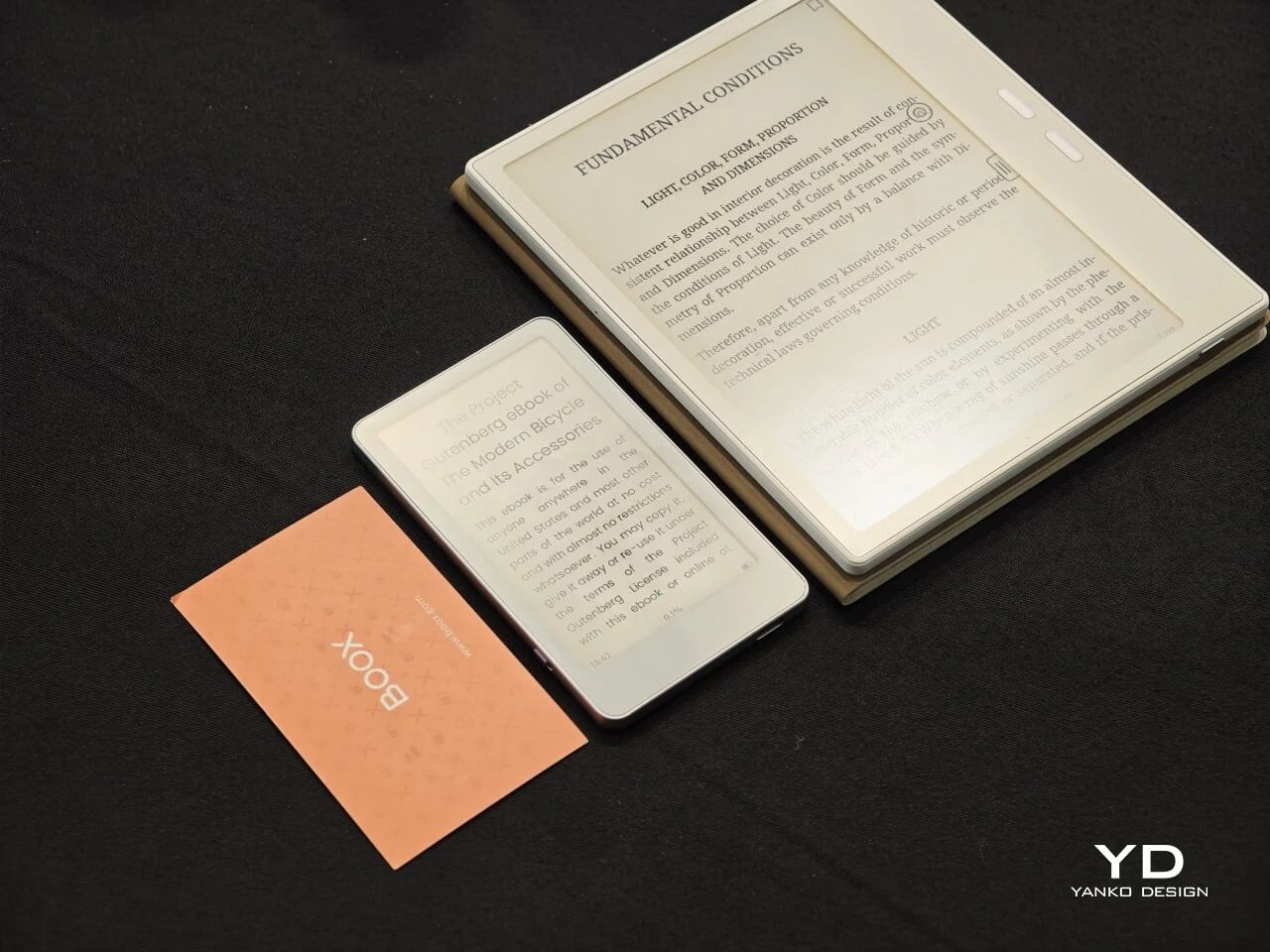
Picco’s whole personality comes from how small it actually manages to be. BOOX shrank a real E Ink touchscreen down to 3.97 inches, closer in size to a stick of gum than an actual book, and paired it with a stripped-back Linux-based interface instead of the full Android build found on its bigger siblings, trimming away anything that would even slow that simple page-turn experience down.
That shrinking act pays off the moment you actually try to carry it somewhere new and unfamiliar. Picco fits flat in a coat pocket or a wallet, slips into a bag without adding bulk, and swaps storage through a microSD card instead of locking you into whatever space came in the box. There’s no algorithmic feed hiding behind the home screen, just books, waiting patiently to be opened.
reTerminal Sticky
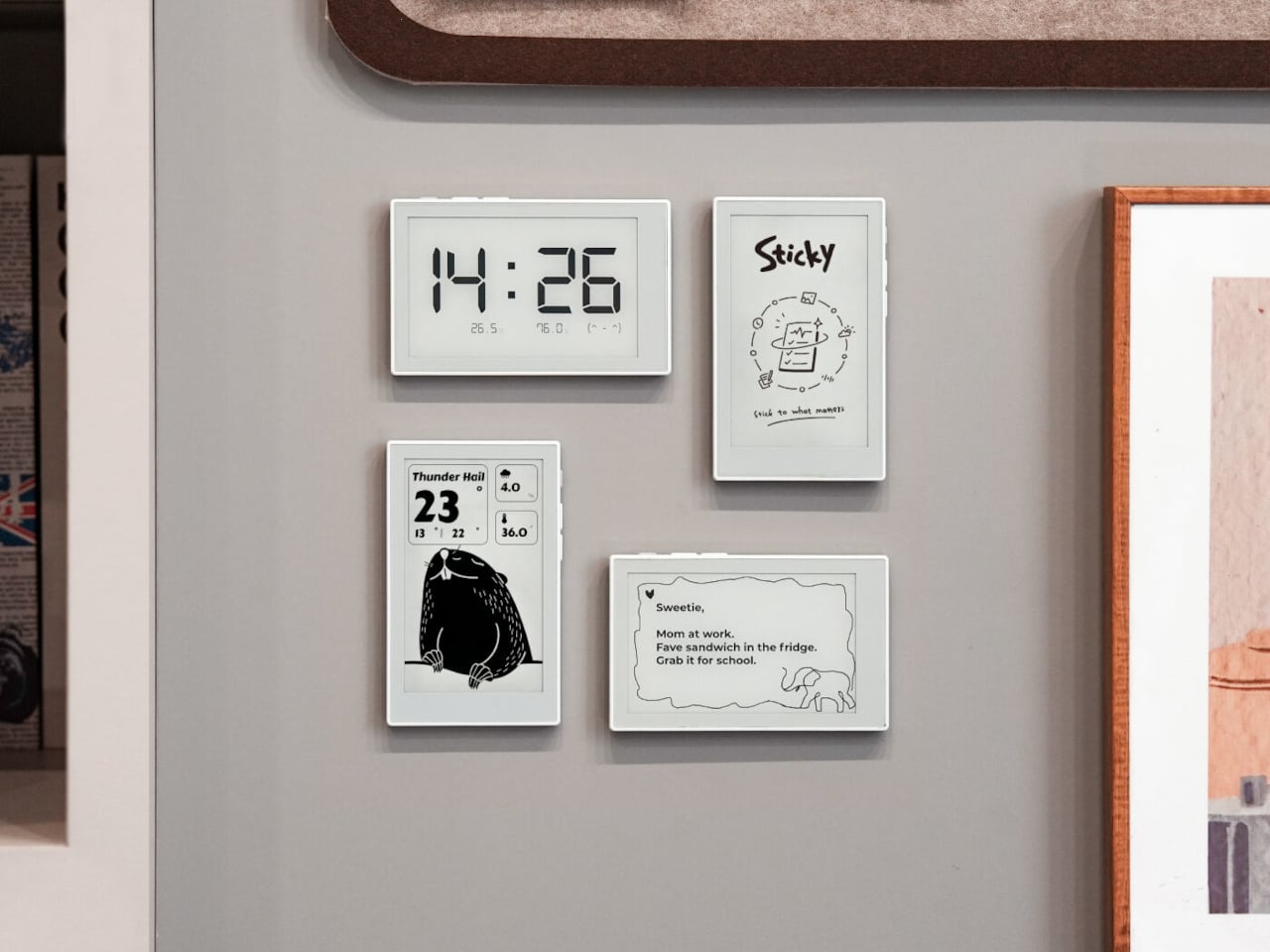
Sticky solves a problem every household already knows all too well: paper notes fall off the fridge, and group chats bury reminders under a dozen other messages before anyone actually reads them. Seeed’s answer is a display that magnets onto any metal surface in the kitchen, runs for up to a week between charges, and turns the fridge door into a genuinely shared notice board again.
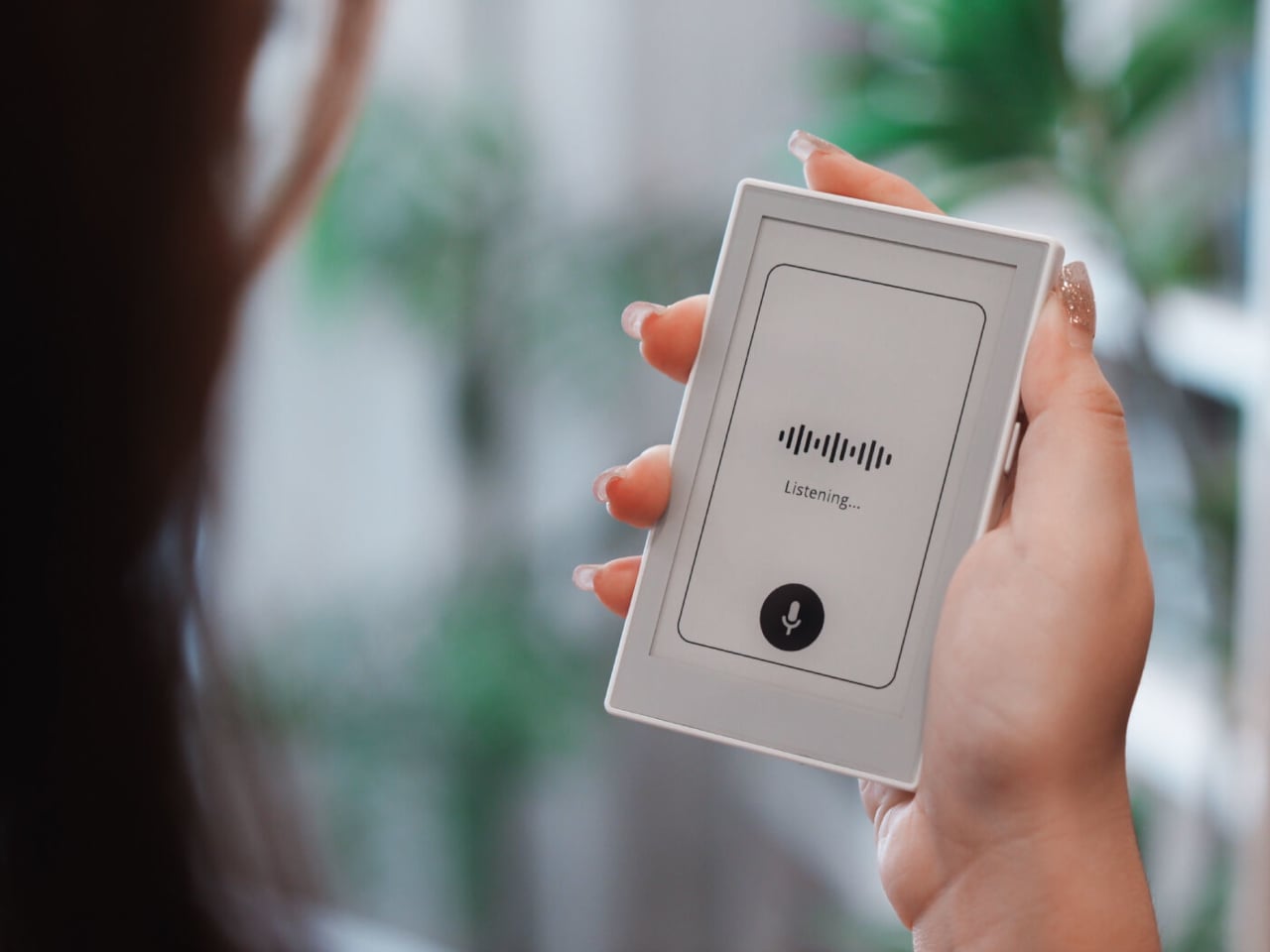
Getting a note onto that screen doesn’t take any real effort at all these days. Press a button and speak, and Sticky transcribes it instantly, no typing on a tiny keyboard required. Anyone away from home can send a reminder remotely through the Seeedash app too, so a parent stuck at work can still get milk on tonight’s list without starting a whole text thread over it. And yes, it can read eBooks, too.
Flowtica Verso
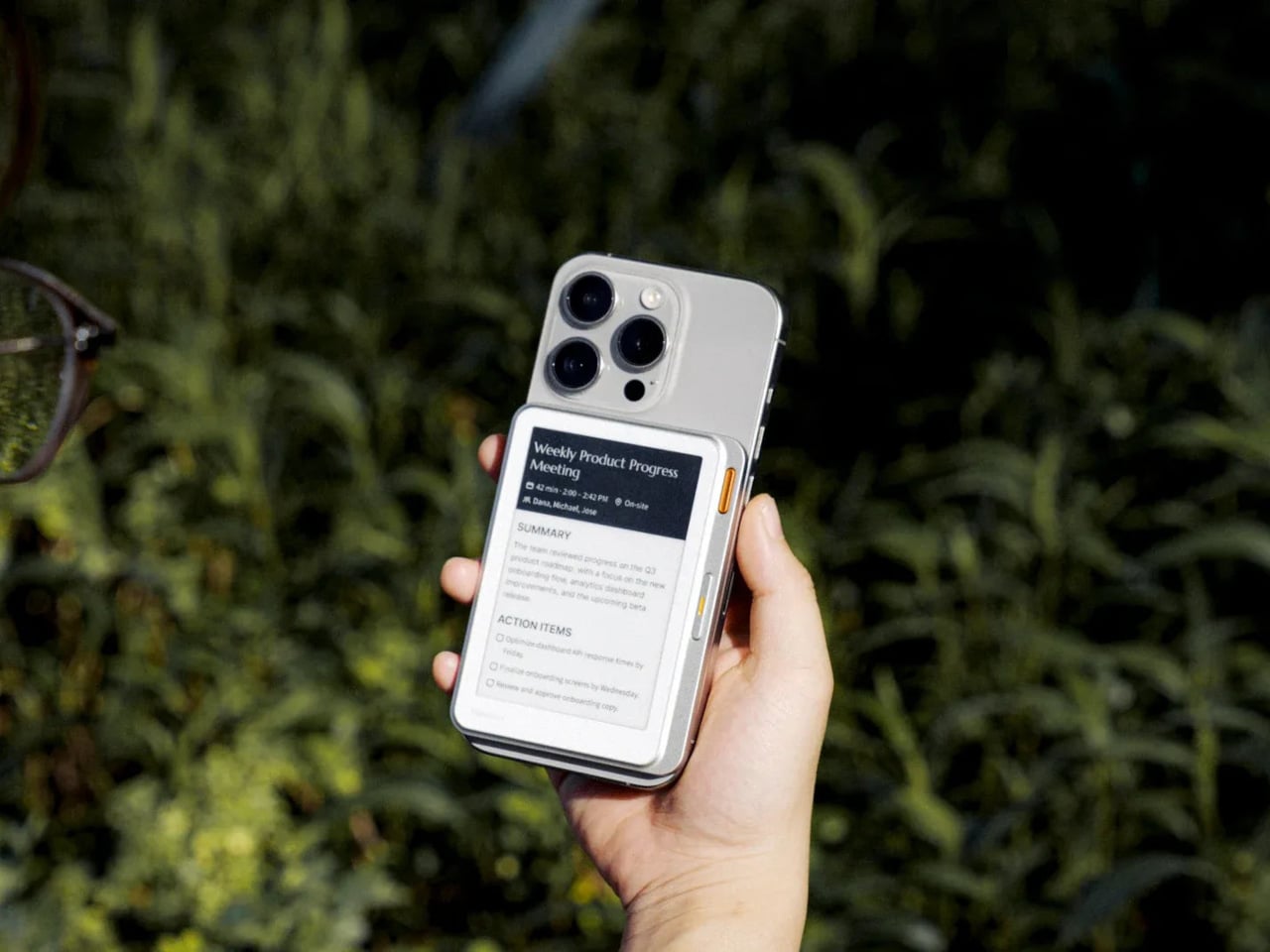
Verso takes a completely different bet on where a small screen actually belongs these days. It’s a panel barely thicker than a couple of credit cards that clips onto the back of a phone, sitting quietly against a five-microphone array that listens through an entire meeting. By the time everyone’s packed up, it’s already turned that conversation into a clean, readable summary, no notebook required at all.
The same panel keeps working long after that particular meeting actually ends. Calendars and pending to-dos stay visible on that always-on e-paper face, readable even in direct sunlight where a phone screen would wash out completely. Battery life stretches to 72 hours, so it becomes less of a gadget and more of a permanent fixture riding quietly along on the back of a phone.
DuRoBo Krono
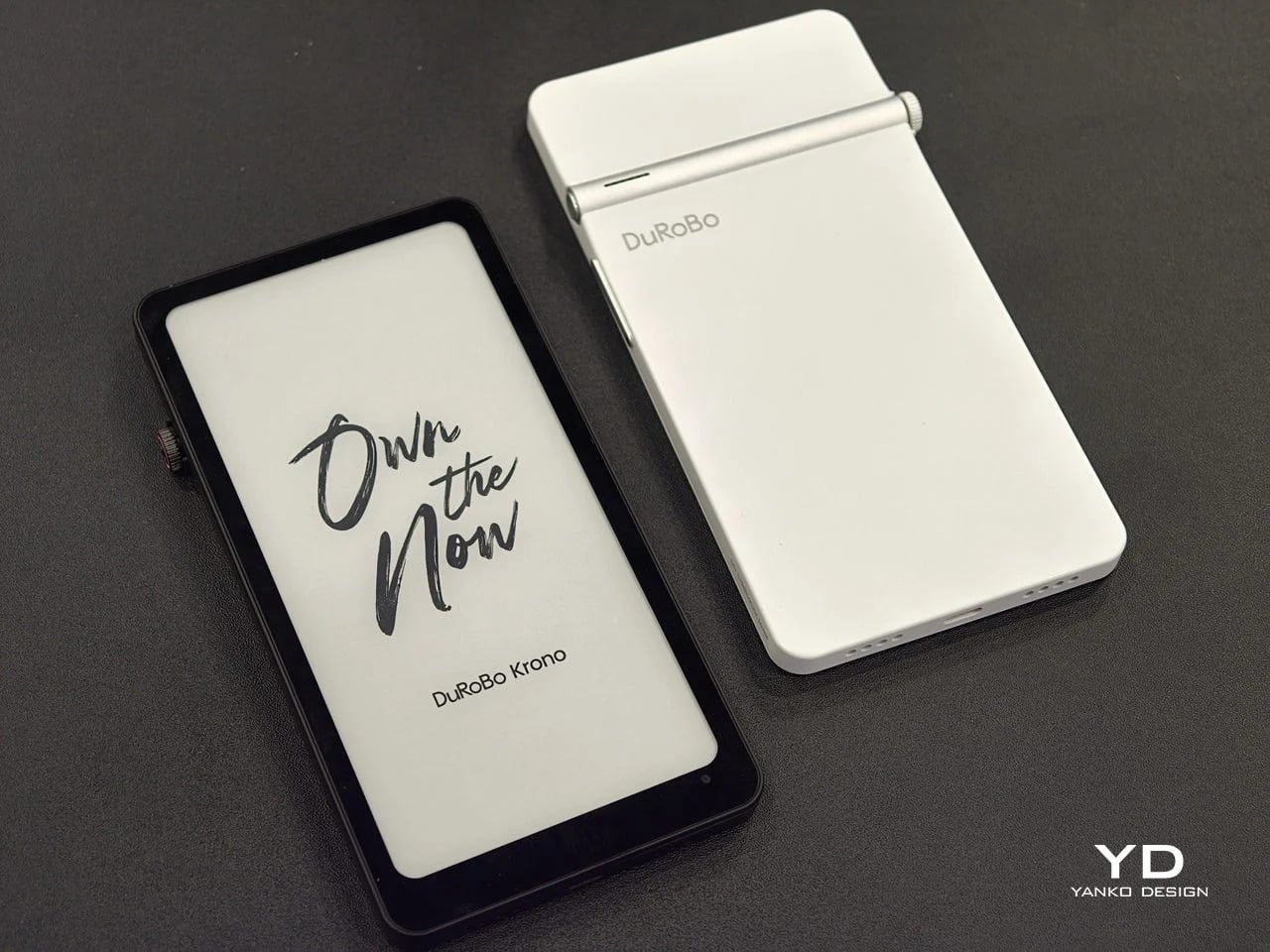
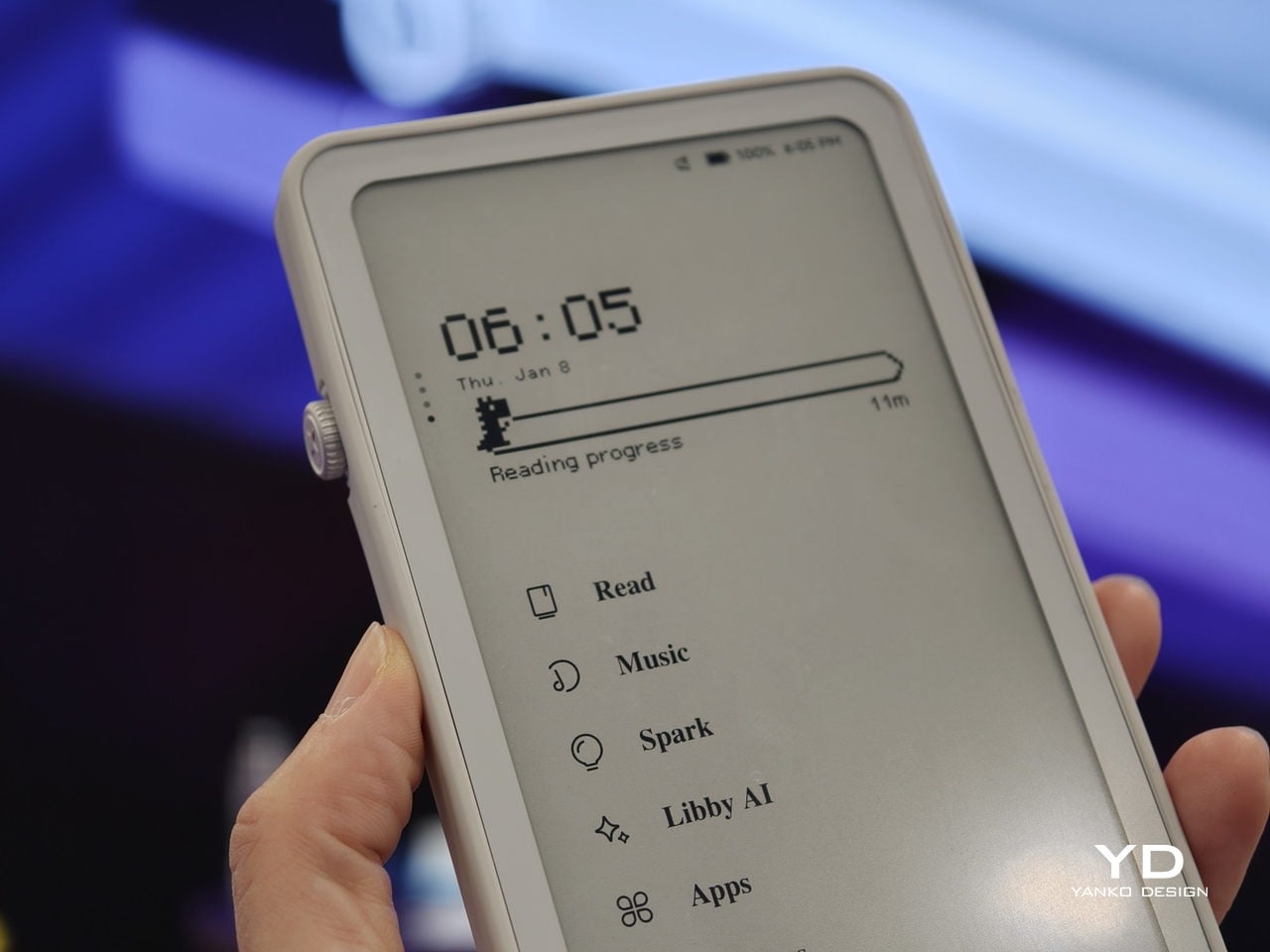
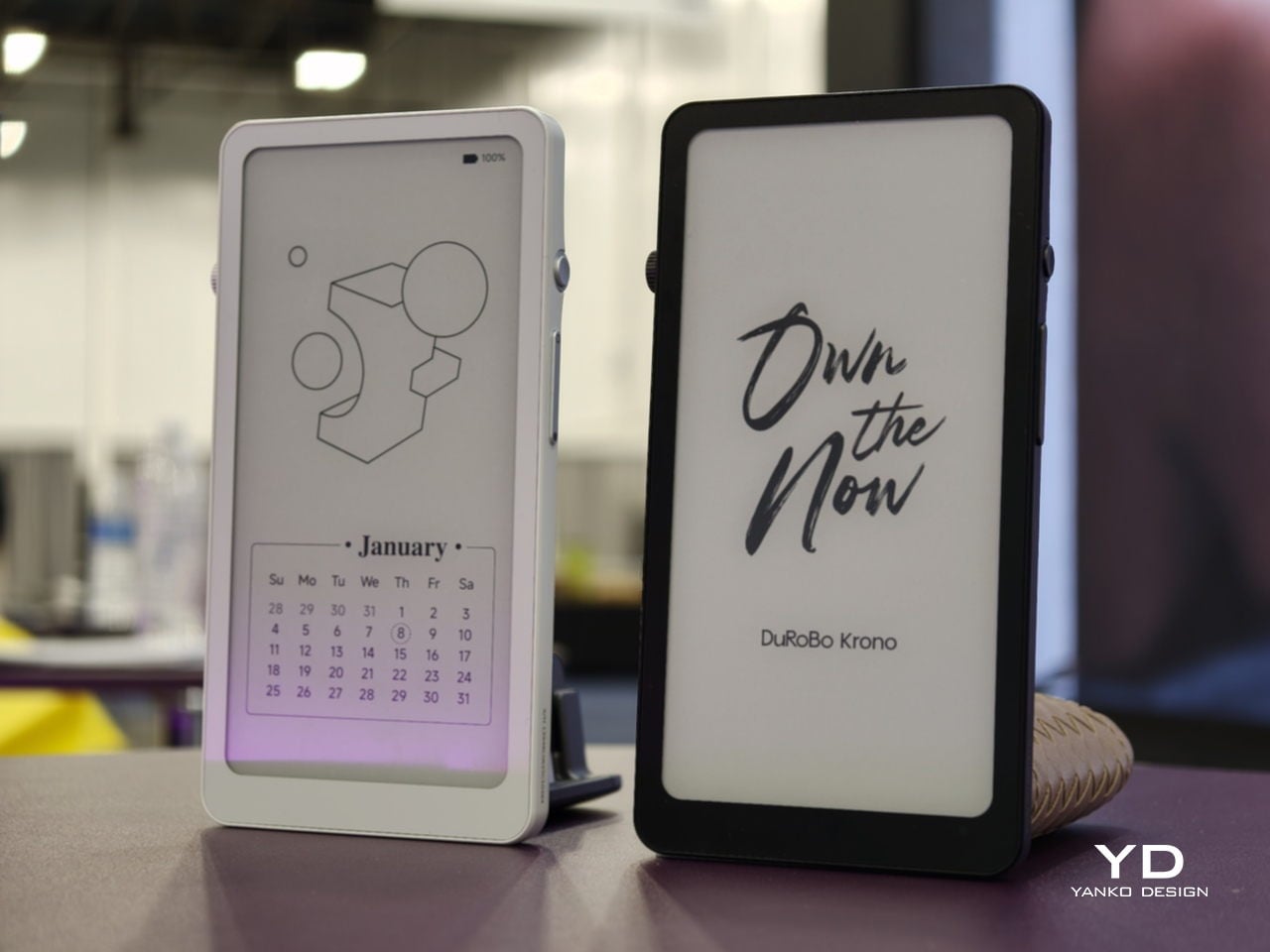
Krono sits at the opposite end of that whole spectrum entirely, and it doesn’t hide it. The 6.13-inch Carta 1200 display lives inside a mechanical-looking body built around a tactile Smart Dial that handles page turns, brightness, and volume with an actual click. Underneath all that hardware runs full Android 15, complete with access to the Google Play Store, a leap the other four devices here don’t attempt.
That openness changes what a reading session can actually turn into. A built-in speaker and Bluetooth pull in music or a podcast between chapters, while an on-device assistant answers quick questions without ever breaking focus on the page. It’s the same E Ink material that Xteink stripped down to page-turn buttons, just handed every tool a full operating system can offer, closing the spectrum this list started with.
The SMONET AH1 is a $109 smart lock that integrates with Apple Home Key, allowing iPhone and Apple Watch users to unlock doors with a tap. According to Smart Home 101, it offers five entry methods, including a fingerprint scanner, proximity key cards and a traditional keyhole for backup. Designed for standard single-cylinder doors, the […]
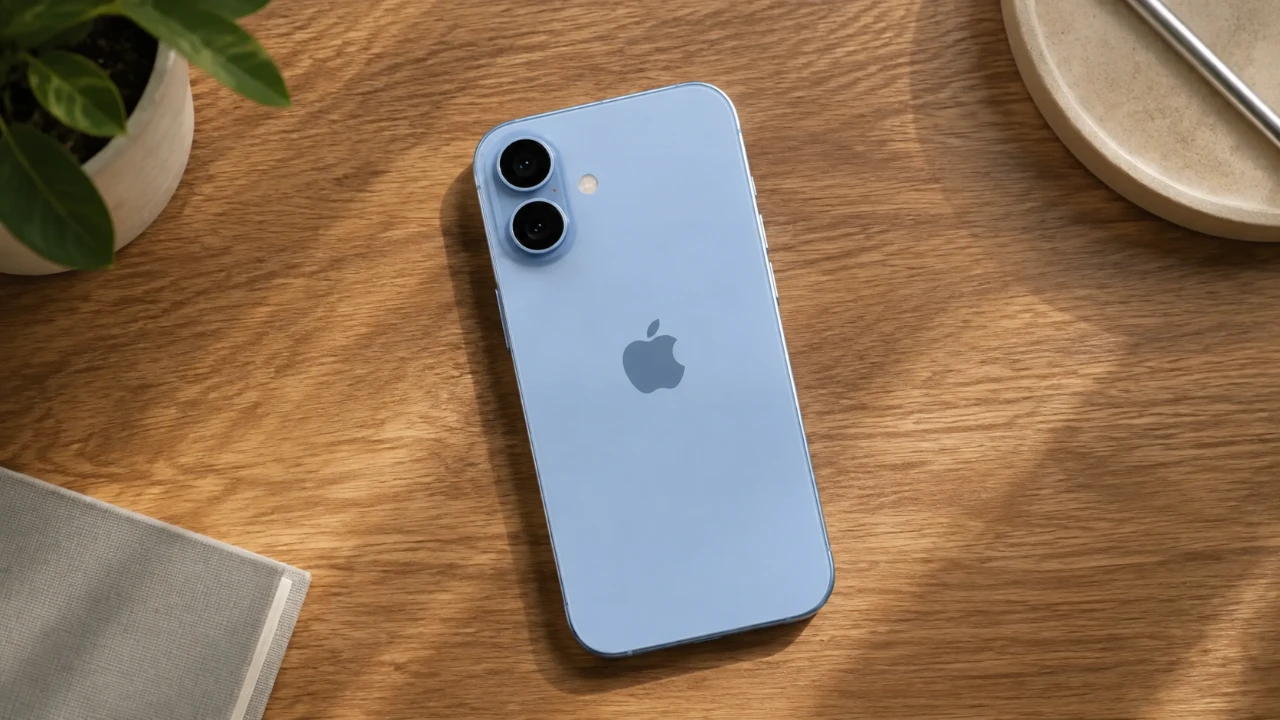
Apple’s iPhone 18 is poised to continue the company’s legacy of delivering refined technology and user-focused enhancements. While it doesn’t introduce an innovative redesign, it brings meaningful upgrades in performance, efficiency, and connectivity. Here’s a detailed look at what you can expect, from its anticipated release date to its standout features. The video below from […]
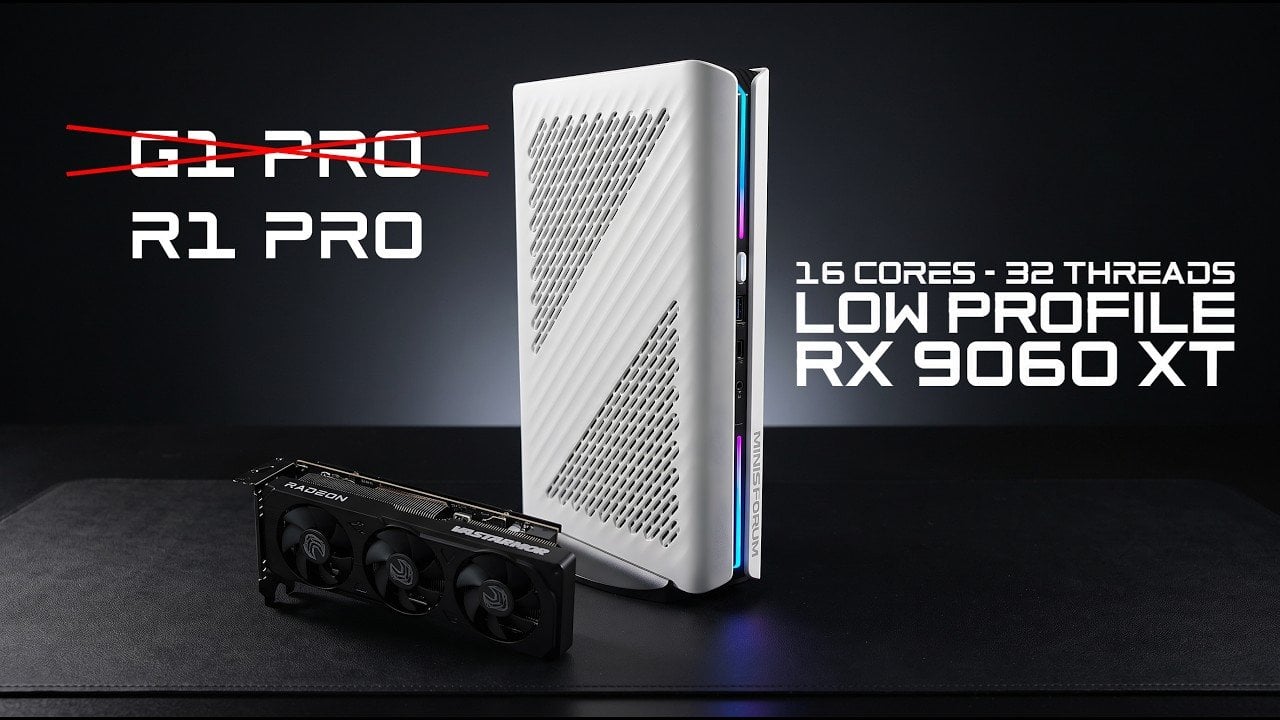
ETA Prime explores the transformation of the Minisforum G1 Pro into a custom “R1 Pro” by swapping its Nvidia RTX 5060 GPU for an AMD Radeon RX 9060 XT. This upgrade not only highlights the G1 Pro’s adaptability but also demonstrates the potential of an all-AMD configuration. With the RX 9060 XT’s triple-fan cooling system, […]
I’m not an artist or an architect, but I do love me some good quality pens, pencils, and markers. Since I’m just a casual user, though, I don’t mind tossing them into an ordinary pencil case or even just slipping them into my bag’s side pocket when I’m heading out and might use them somewhere. I know people who rely on these tools for their livelihood tend to be a lot more careful about how they carry them around, but the truth is, there just aren’t many quality cases built specifically for that job.
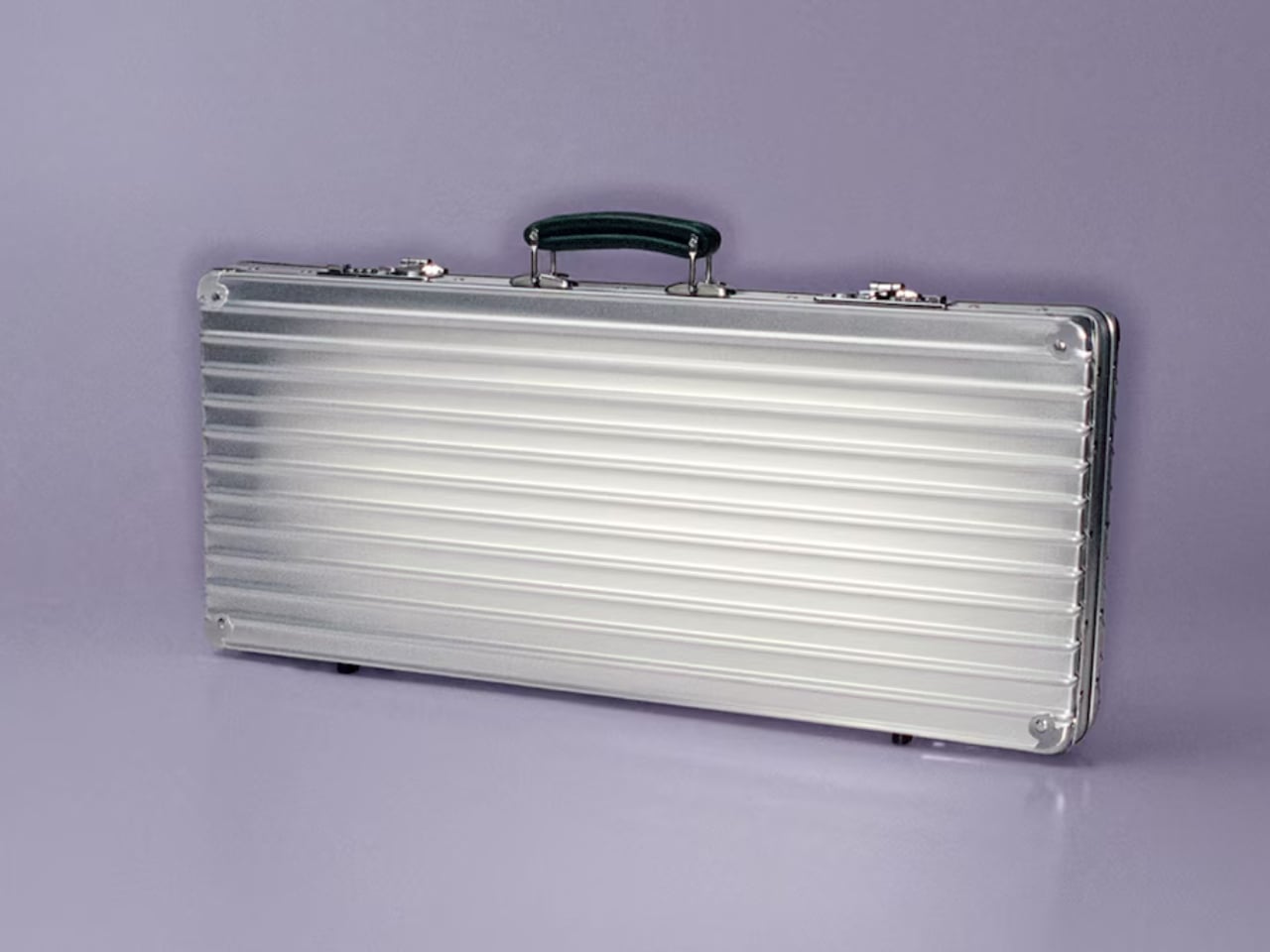
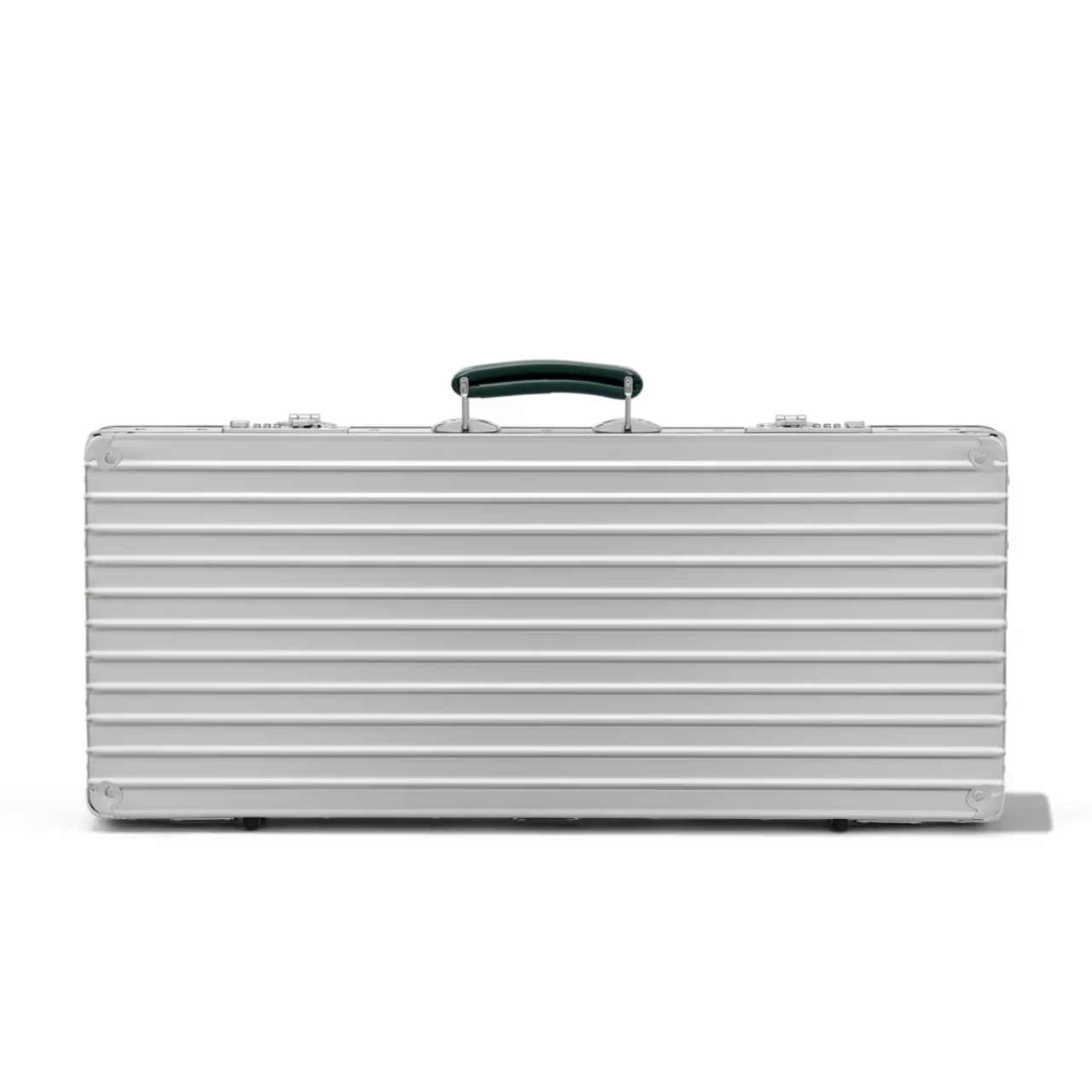
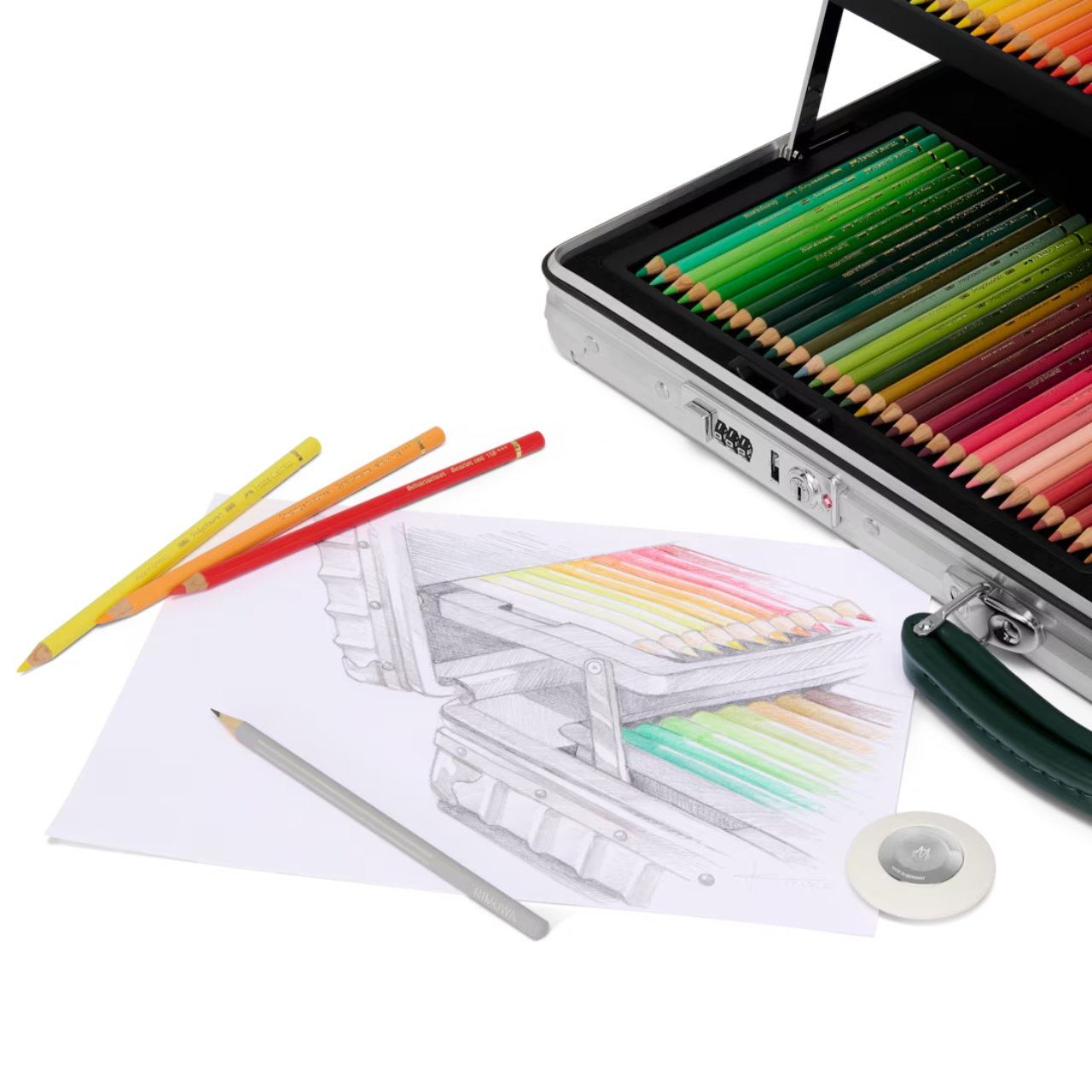
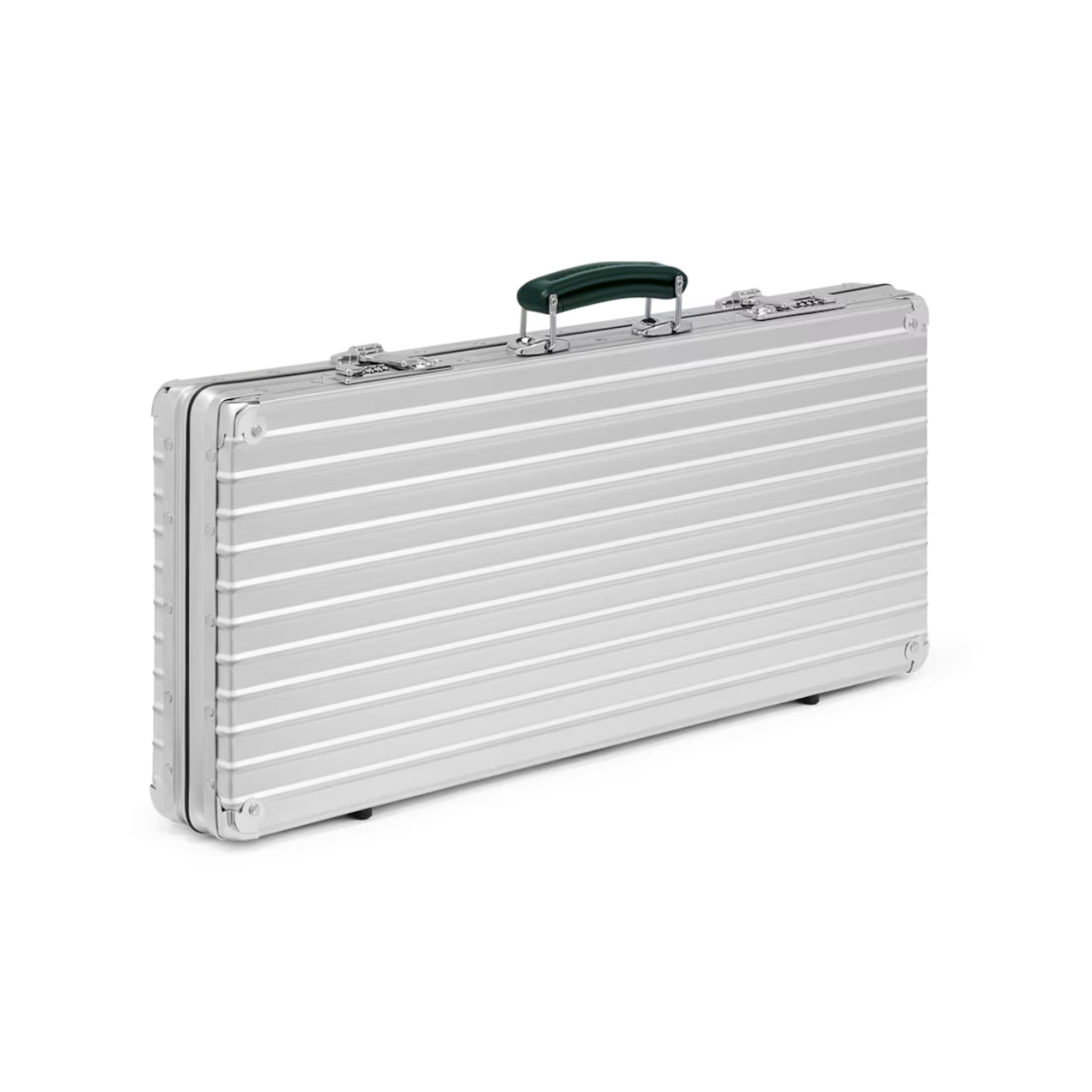
In a surprising collaboration, luxury luggage brand Rimowa and German pencil maker Faber-Castell have teamed up to create a suitcase specifically meant for carrying around your precious pens and pencils. It’s made from the same signature anodized, grooved aluminum shell that Rimowa uses on its actual luggage, with a colorful surprise waiting once you pop it open.
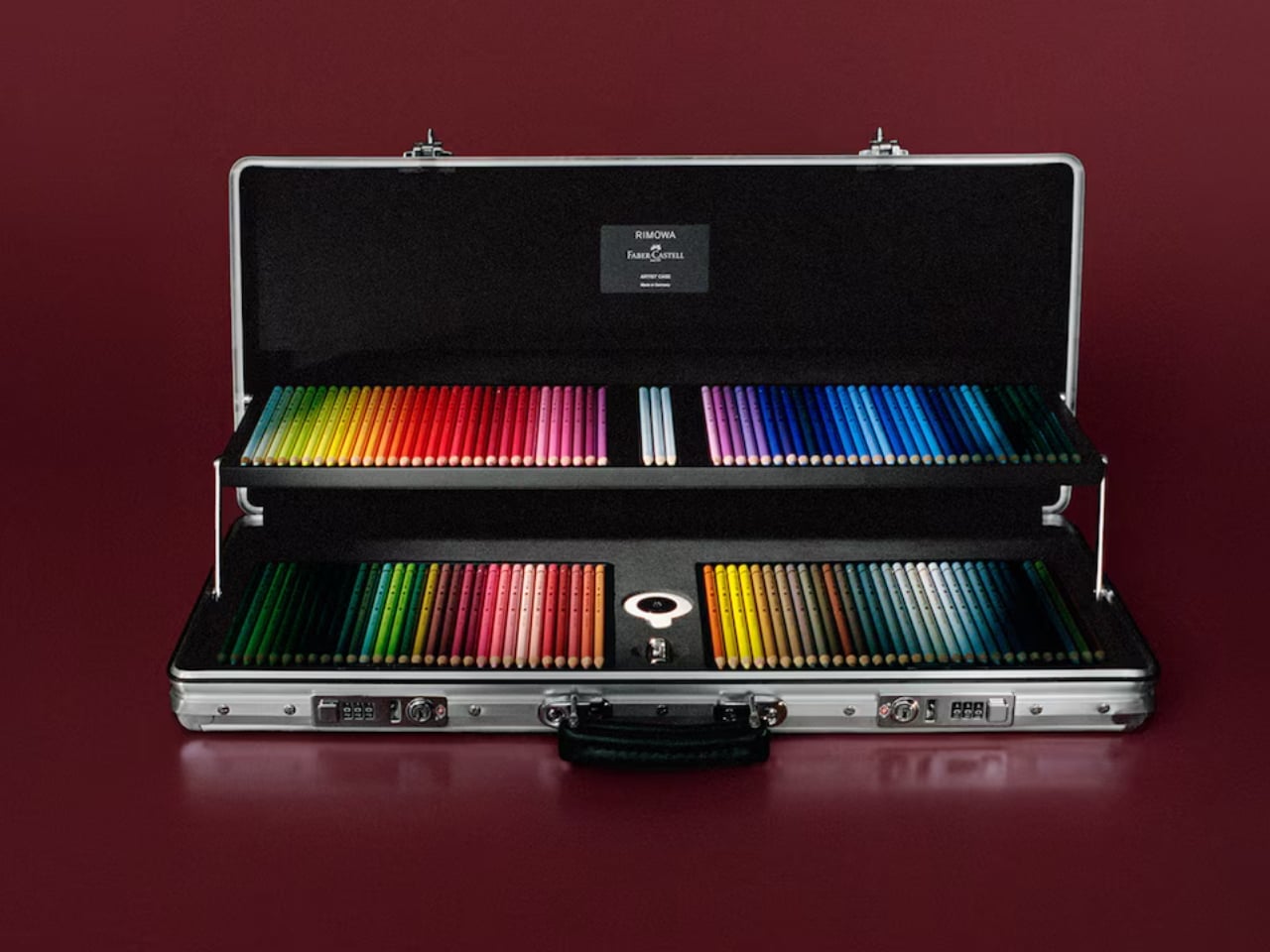
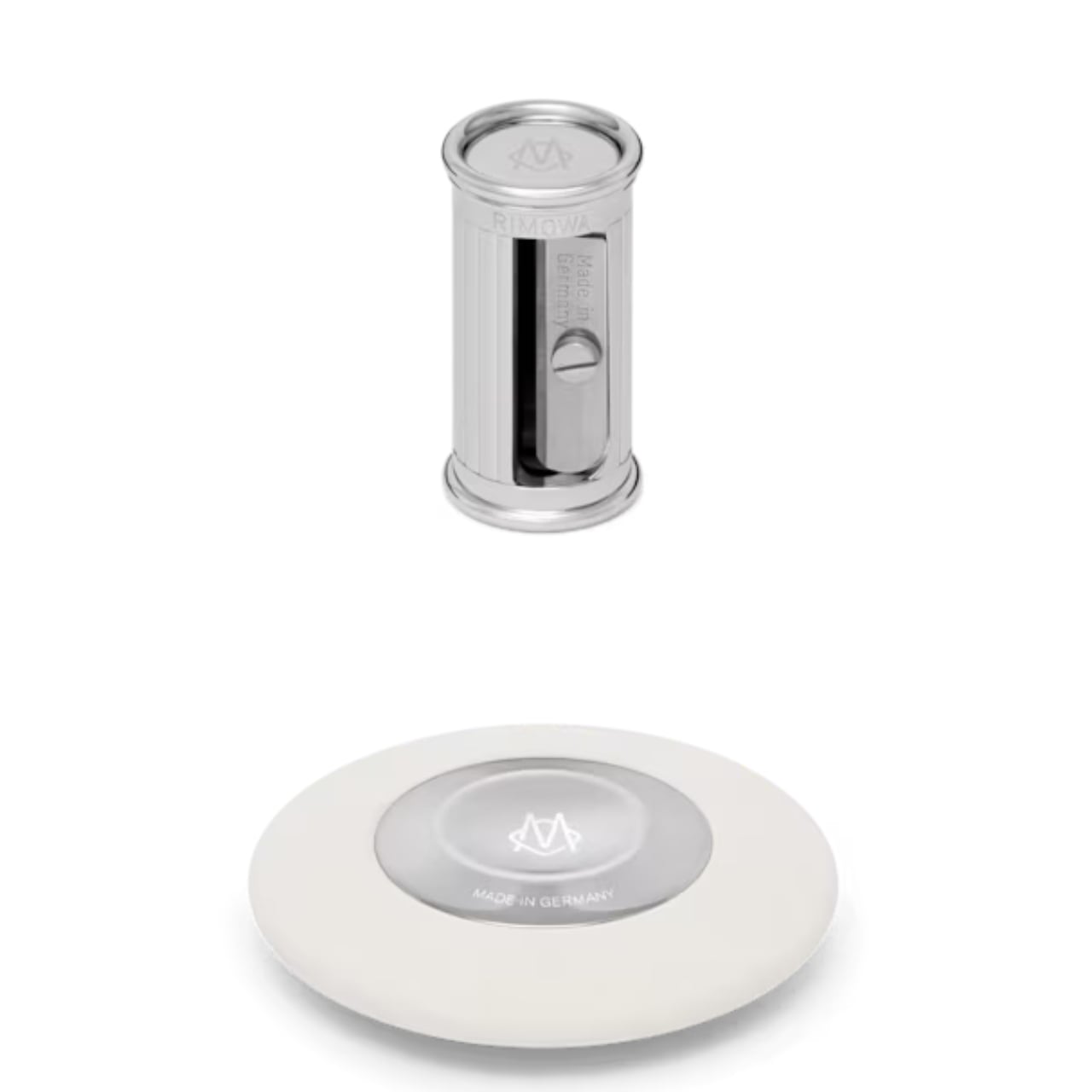
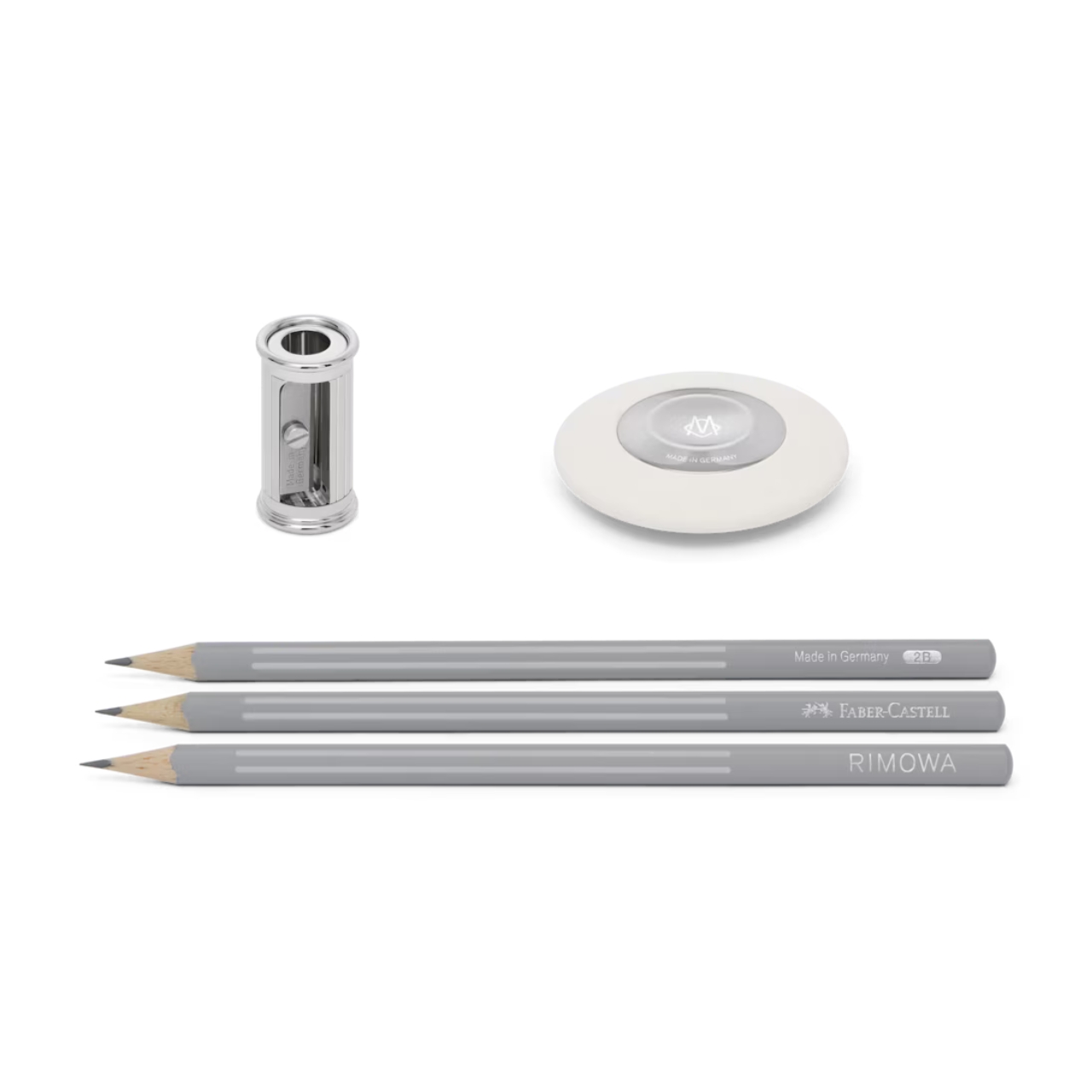
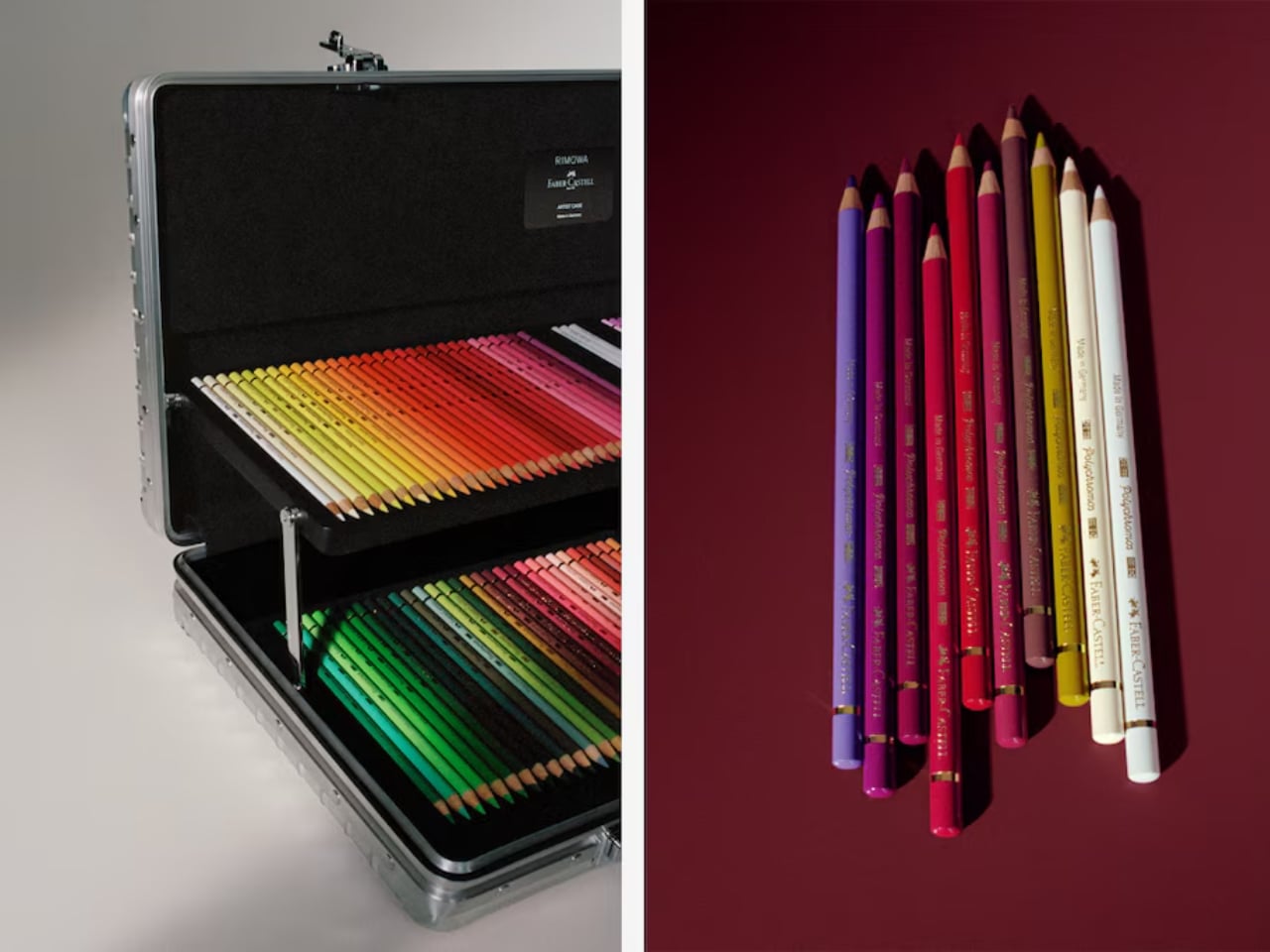
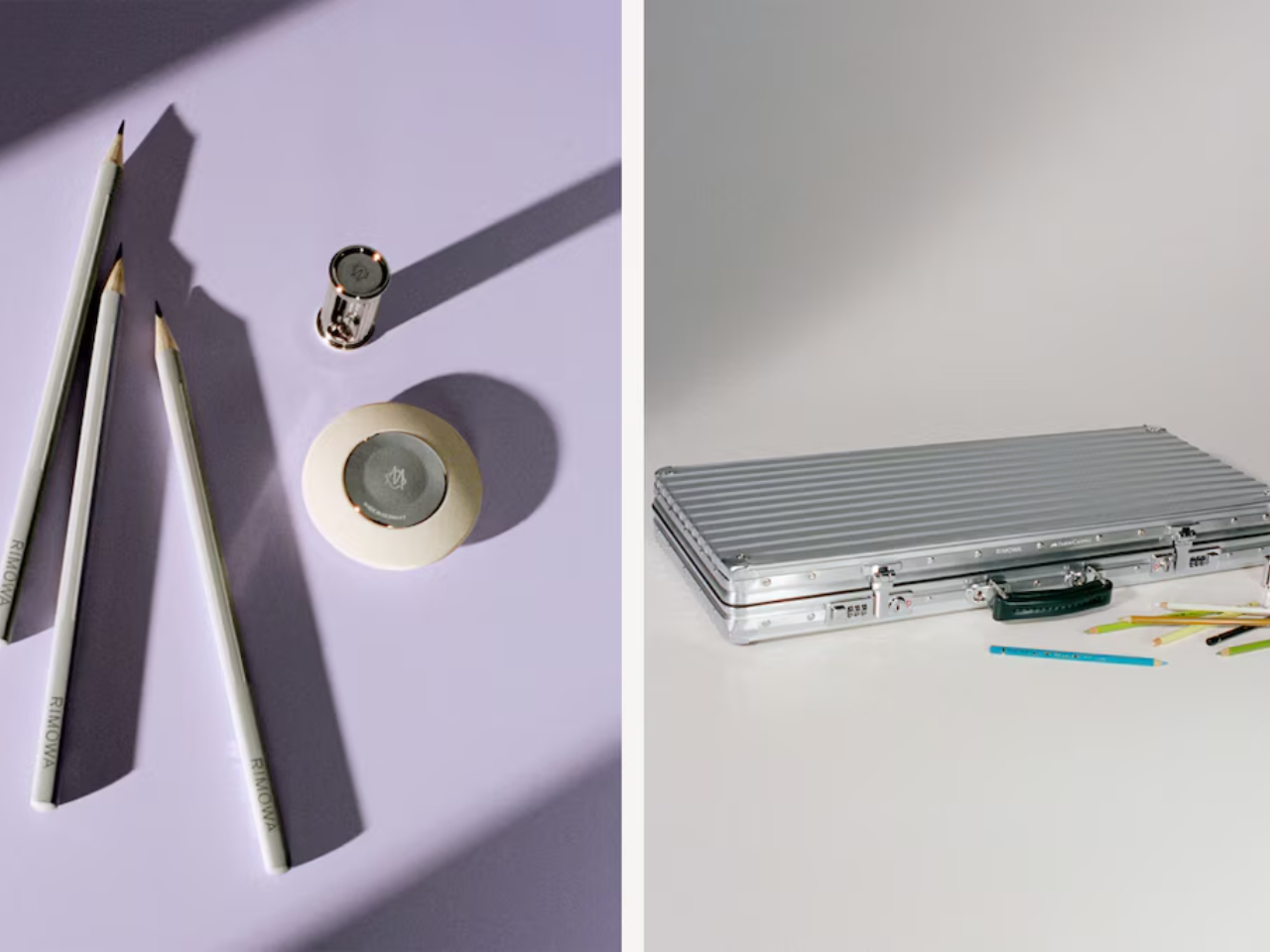
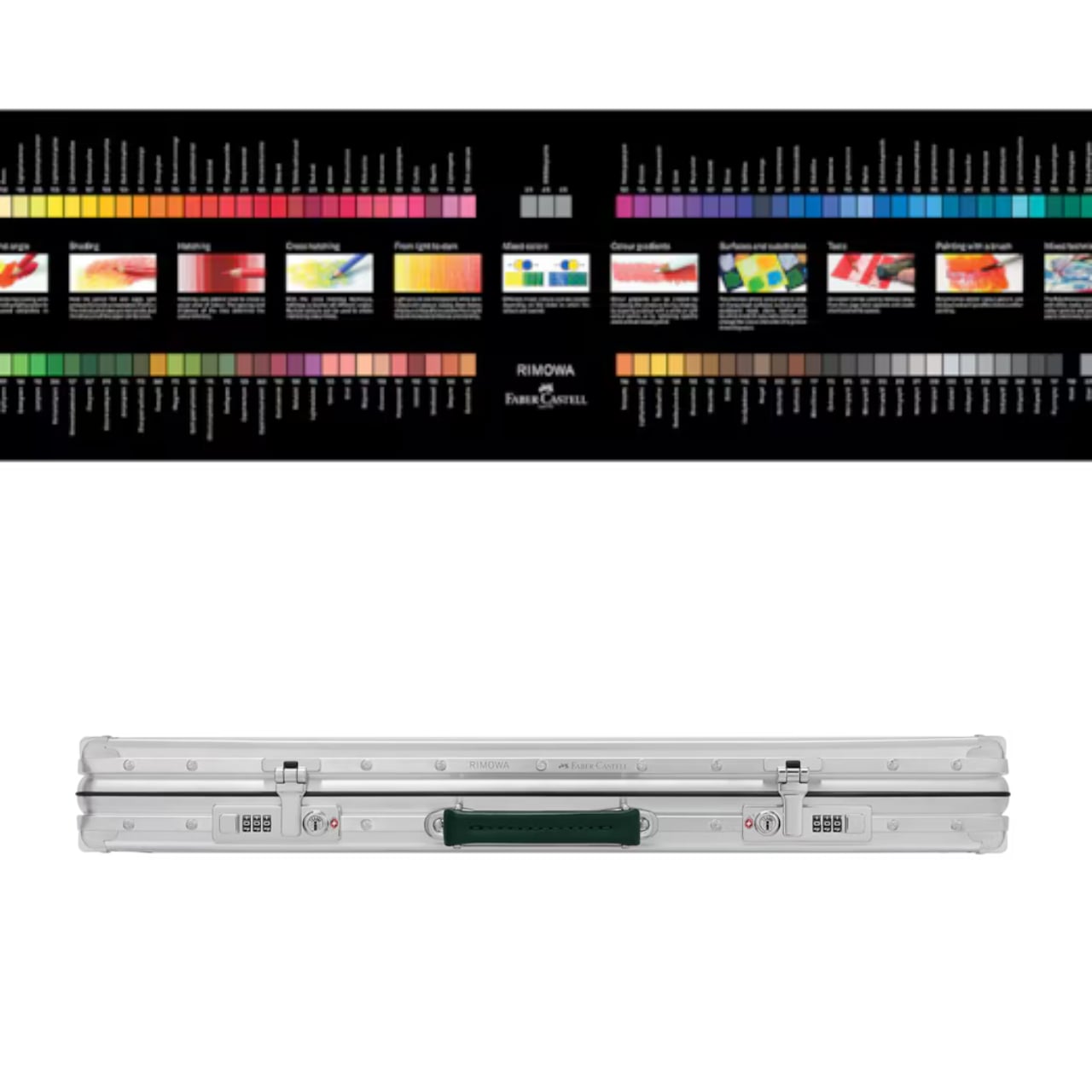
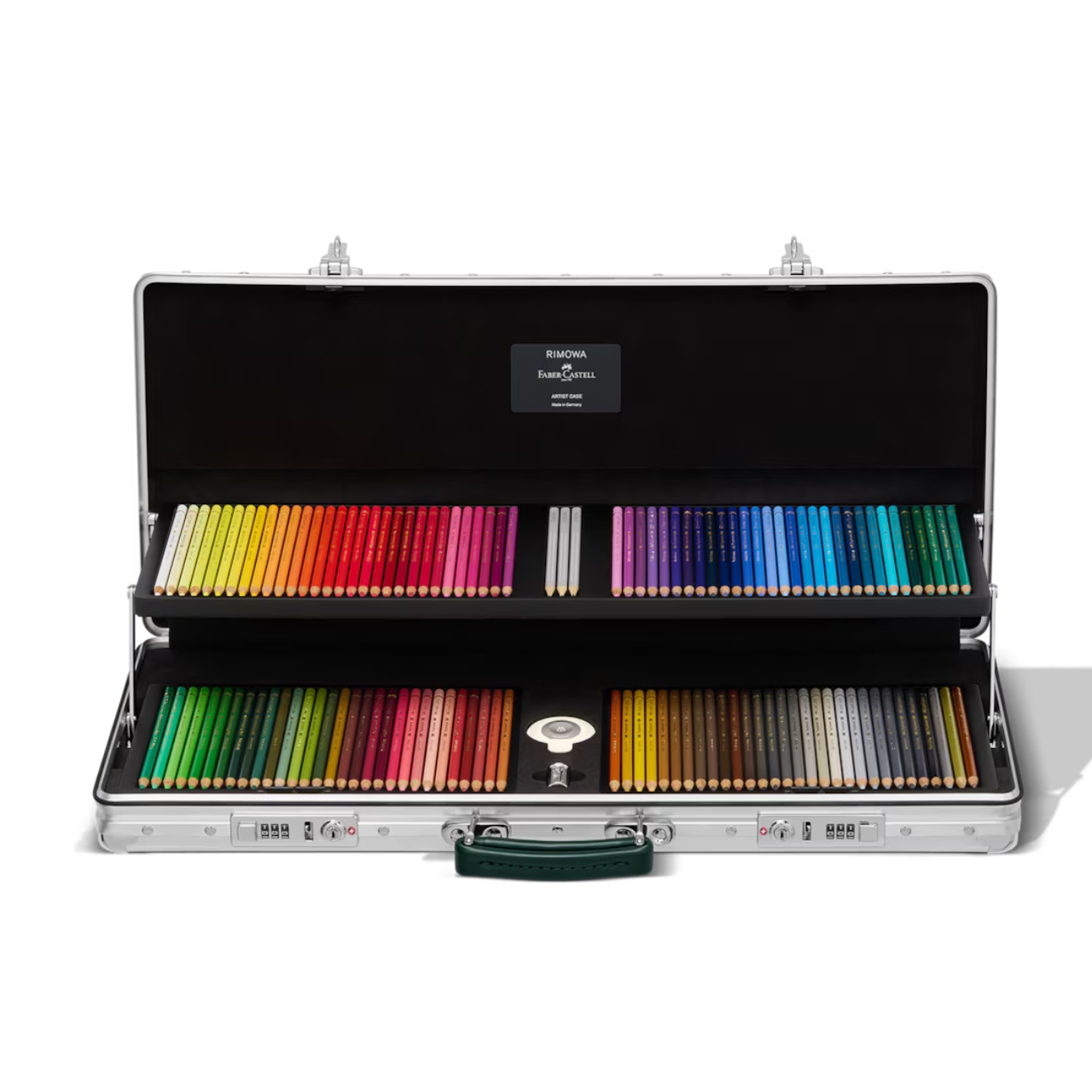
This limited-edition collector’s piece isn’t just a classy-looking suitcase, either. It’s a full kit that includes 120 Polychromos color pencils, custom-made grooved 2B Grip graphite pencils, and a Rimowa-branded platinum-plated sharpener and eraser. Everything is arranged in a two-level tray system that unfolds smoothly, so each piece stays visible and within reach. It’s a stationery lover’s stylish, fever dream and something worth adding to any artist or designer’s wish list.
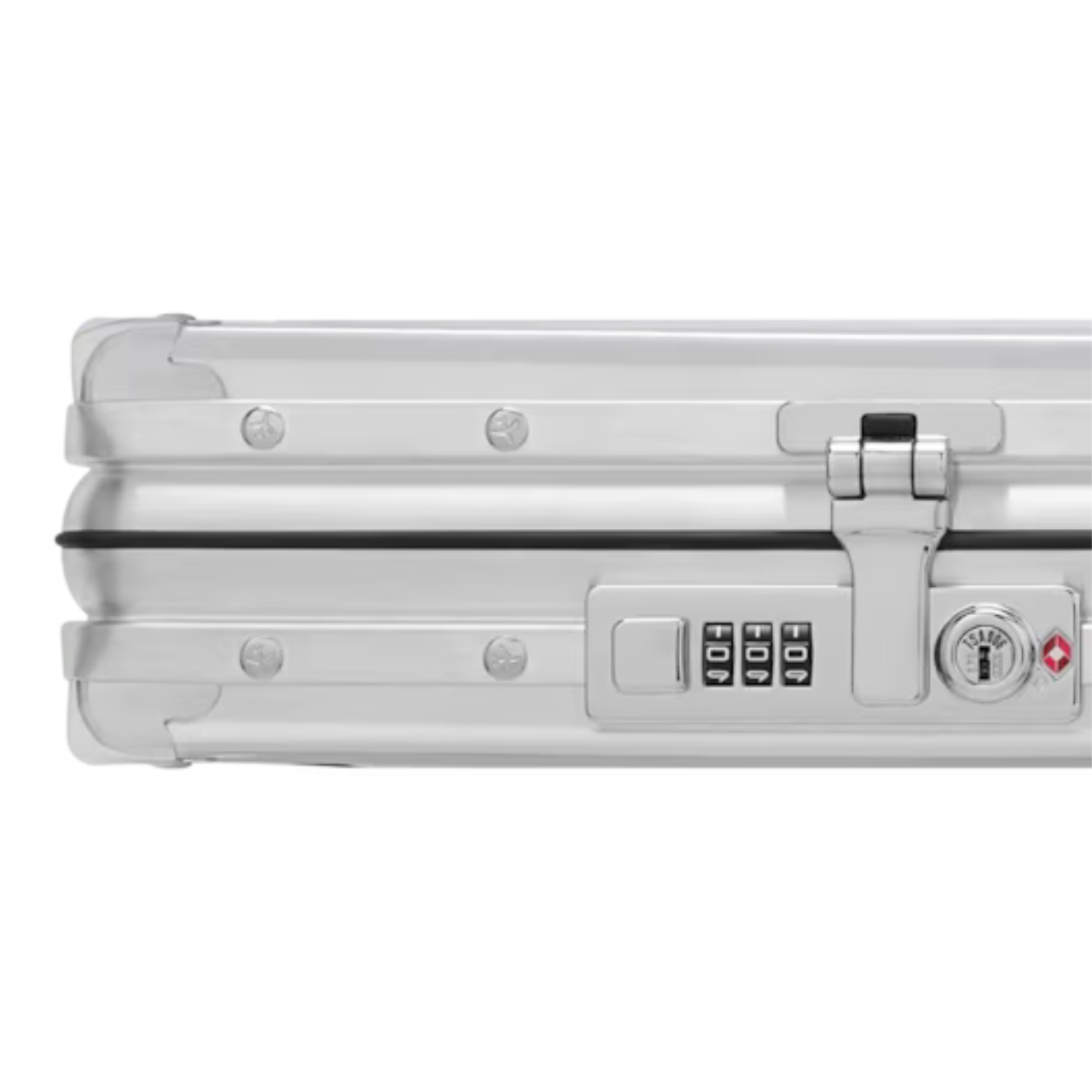
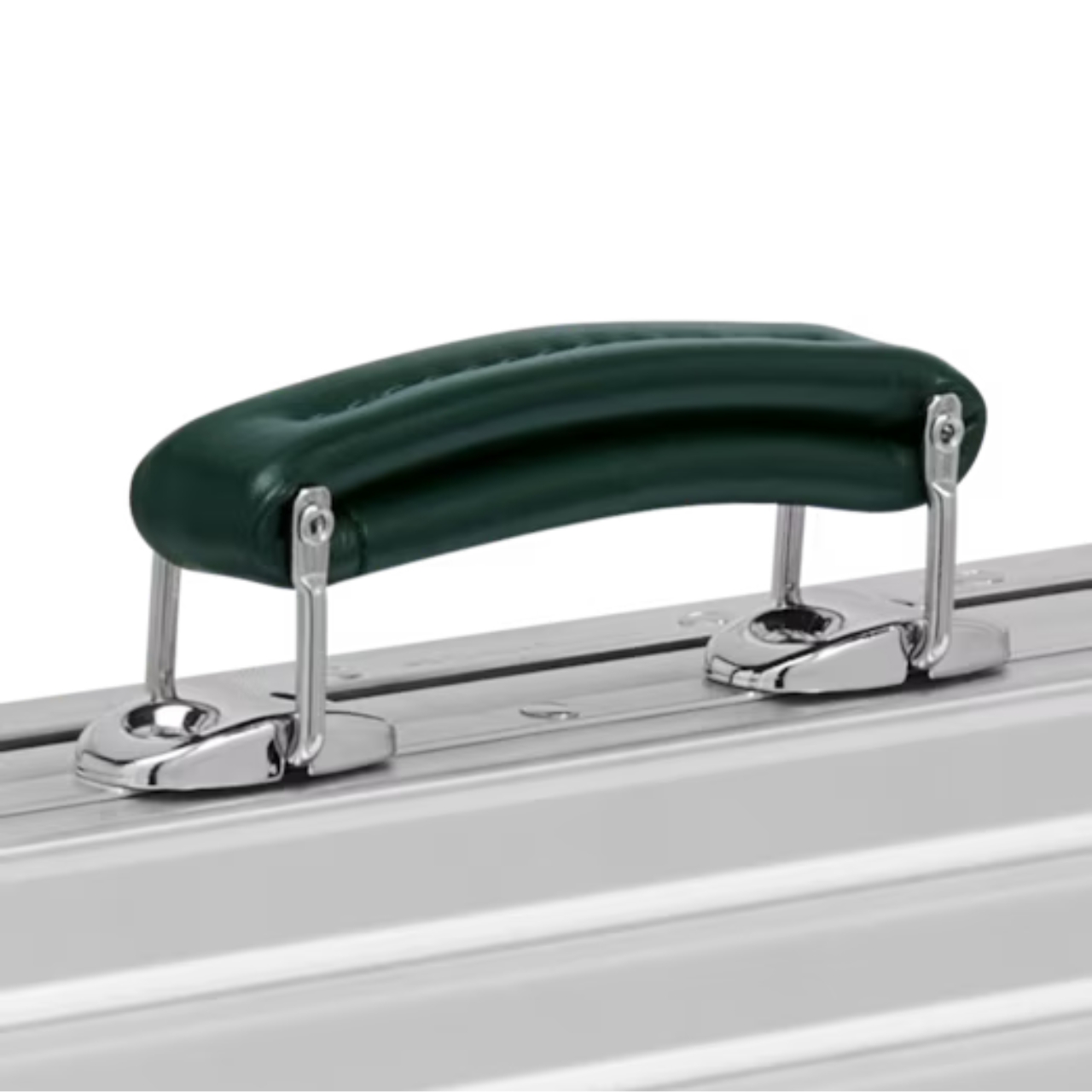
The case itself looks like a smaller sibling to Rimowa’s regular luggage line, using the same material and design language throughout. It also has the brand’s signature high-gloss aluminum corners and TSA-approved locks, which proves it’s actually travel-ready in case you’re flying somewhere with your supplies in tow. The leather carry handle comes in Faber-Castell’s signature green, a nice branding touch that ties the two icons together.
I said this was a surprising collaboration, but if you really think about it, the partnership makes perfect sense. Rimowa is famous for its sturdy aluminum suitcases, while Faber-Castell has a long history of crafting high-quality pens and pencils dating back to 1761. Both brands are essentially obsessed with precision and “honest materials,” so their craftsmanship philosophies line up more naturally than you’d expect.
So how does this stack up against what’s already out there? The closest comparison in the luxury space is probably Louis Vuitton, which sells its own Art & Craft Elizabeth Pencil Pouch for around $515. That’s already a steep price for something that’s essentially just a fancy fabric zip pouch, and it doesn’t come with any pencils, sharpeners, or organizational trays included. Rimowa and Faber-Castell’s Artist Case, by comparison, costs roughly $3,100, but you’re getting an entirely different category of product: a hard-shell, TSA-approved, aluminum case with a built-in two-tier tray system and a complete 120-pencil professional drawing kit already inside.
On the more affordable end, Faber-Castell’s own wooden Polychromos case with all 120 pencils runs about $700 on its own, no case included. So while the Rimowa collaboration is definitely priced for collectors and diehard fans rather than casual doodlers like me, it’s less “overpriced pencil box” and more “a piece of design furniture that happens to hold your pencils.” It occupies its own lane entirely, somewhere between fine luggage and fine art supplies.
If you’re hoping to snag one, the RIMOWA x Faber-Castell Artist Case officially releases on September 17, 2026, and will be available at Rimowa stores worldwide, on Rimowa.com, and at select Faber-Castell retail stores across Germany, Austria, France, and Italy. Given that it’s a limited-edition run, don’t expect it to stick around for long once it hits shelves.
At the end of the day, most of us don’t need a $3,100 aluminum suitcase just to keep our colored pencils from rolling around in a backpack. But that’s kind of the point. This isn’t really about function alone; it’s about two heritage brands proving that even the most humble everyday tools, the pencils we doodled with as kids, deserve the same obsessive craftsmanship as a suitcase built to survive a transatlantic flight. Whether you’re a professional illustrator, a serious hobbyist, or just someone who appreciates when two iconic names come together in a way that actually makes sense, the Artist Case is a reminder that good design doesn’t discriminate by price point or purpose. Sometimes it just shows up in the most unexpected shape: a pencil box dressed up like a suitcase.