This Modular Webcam Lets You Physically Disconnect for Privacy

You know that little piece of tape covering your laptop camera? Or that awkward moment when you frantically check if your microphone is really muted before talking about your coworker? We’ve all been there. The problem is that webcams have become permanent fixtures in our lives, but trusting whether they’re actually off means squinting at tiny icons buried in software menus. Designer Bhavesh Sharma thinks there’s a better way, and honestly, it’s kind of brilliant.

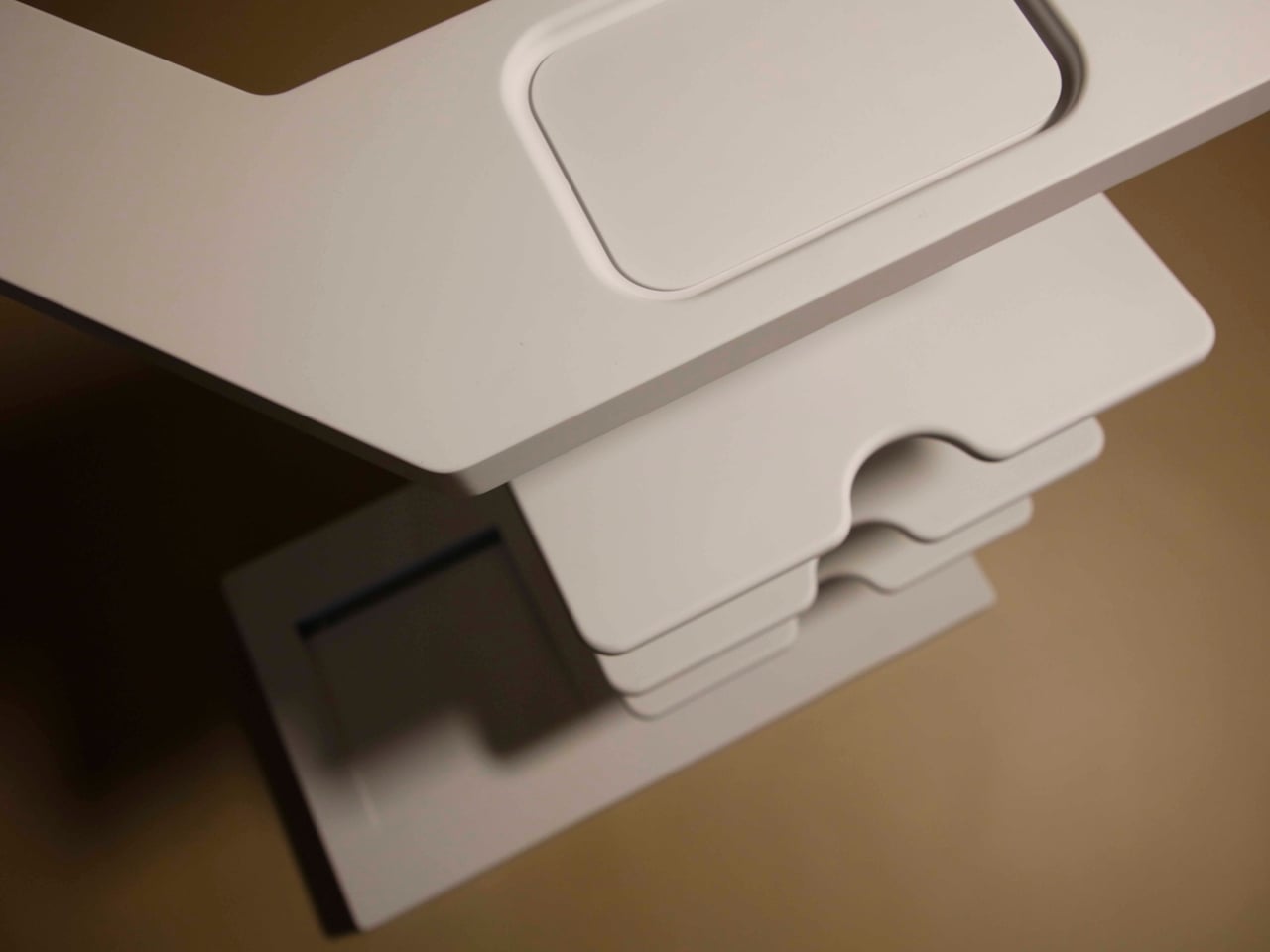
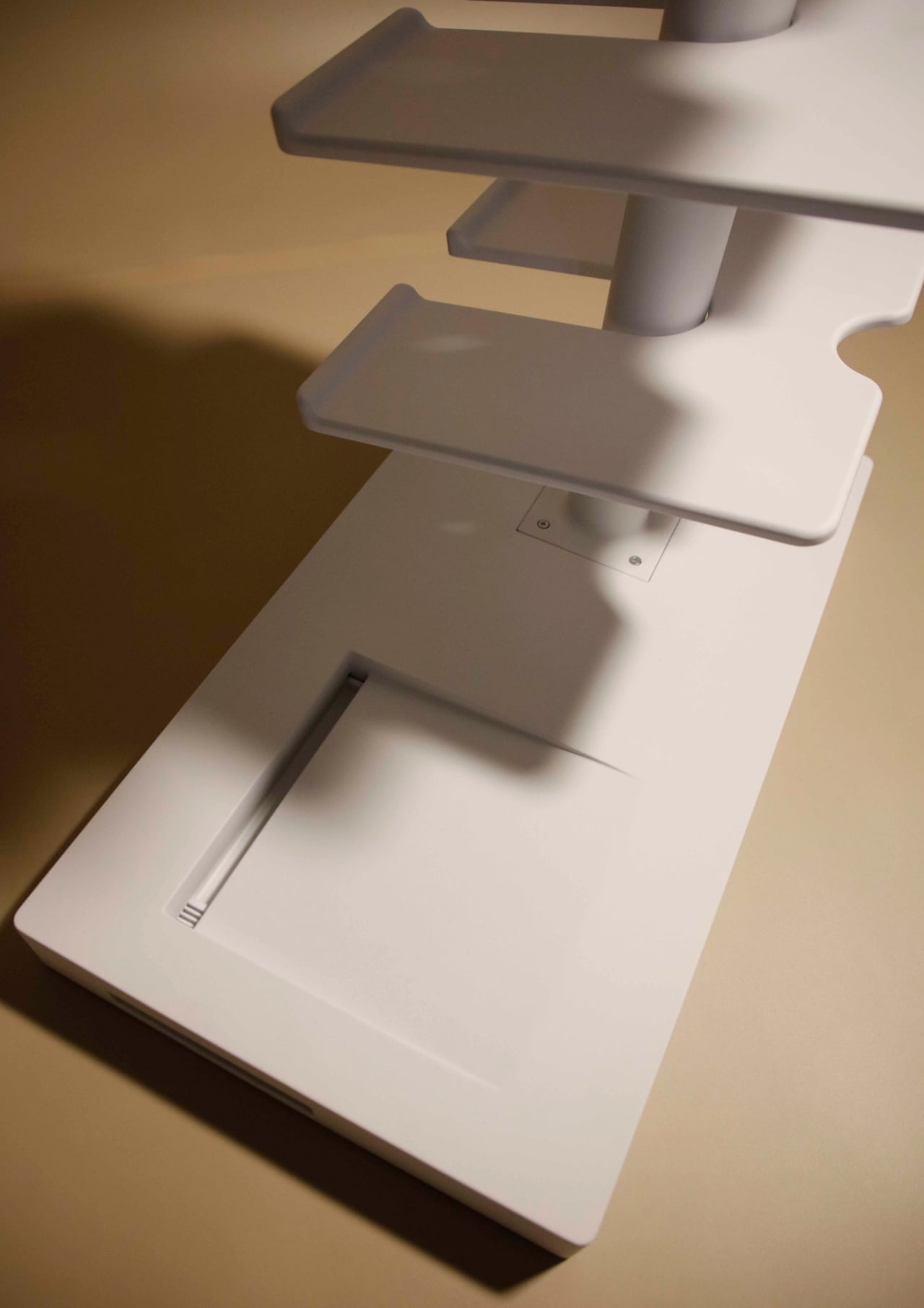
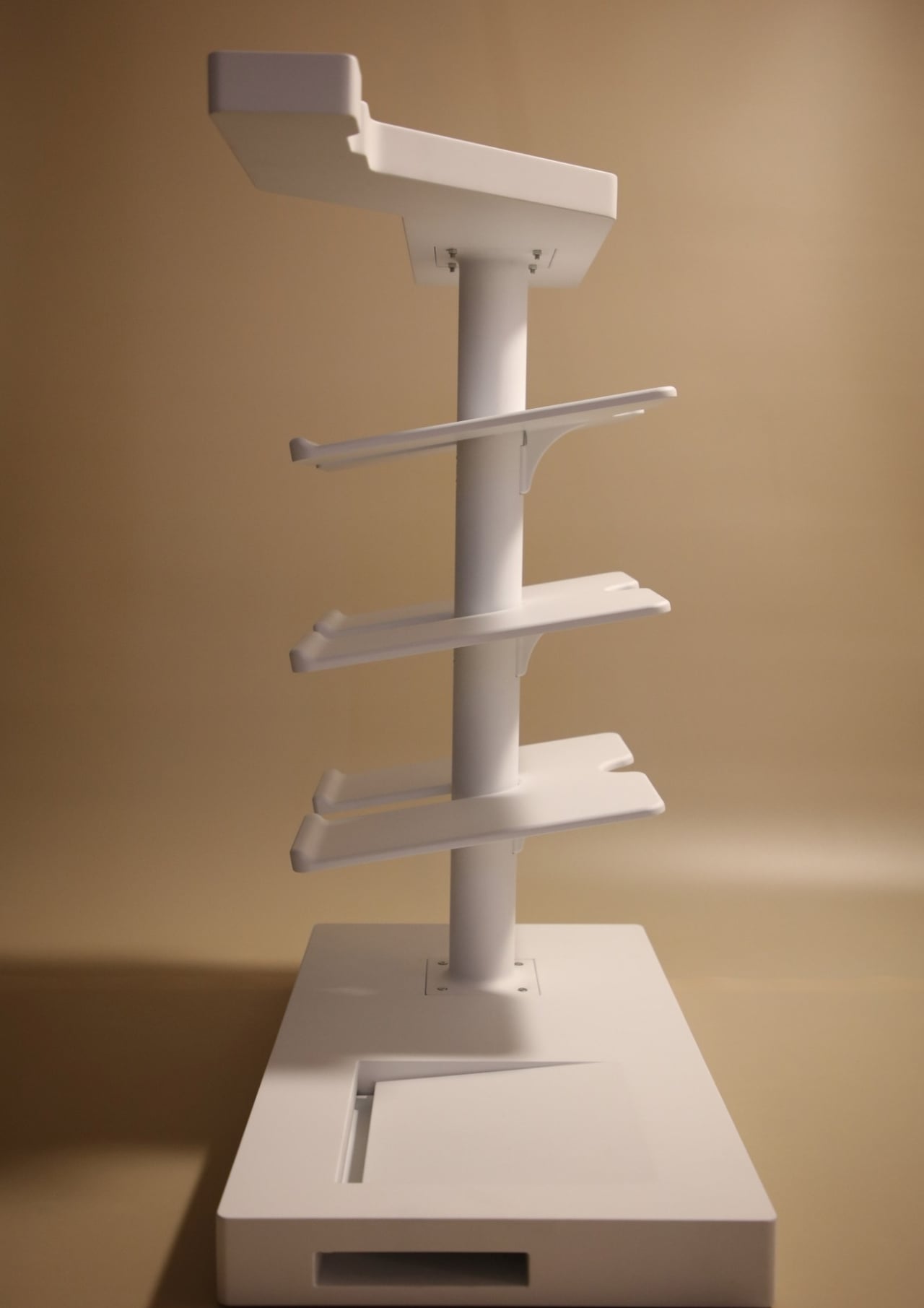
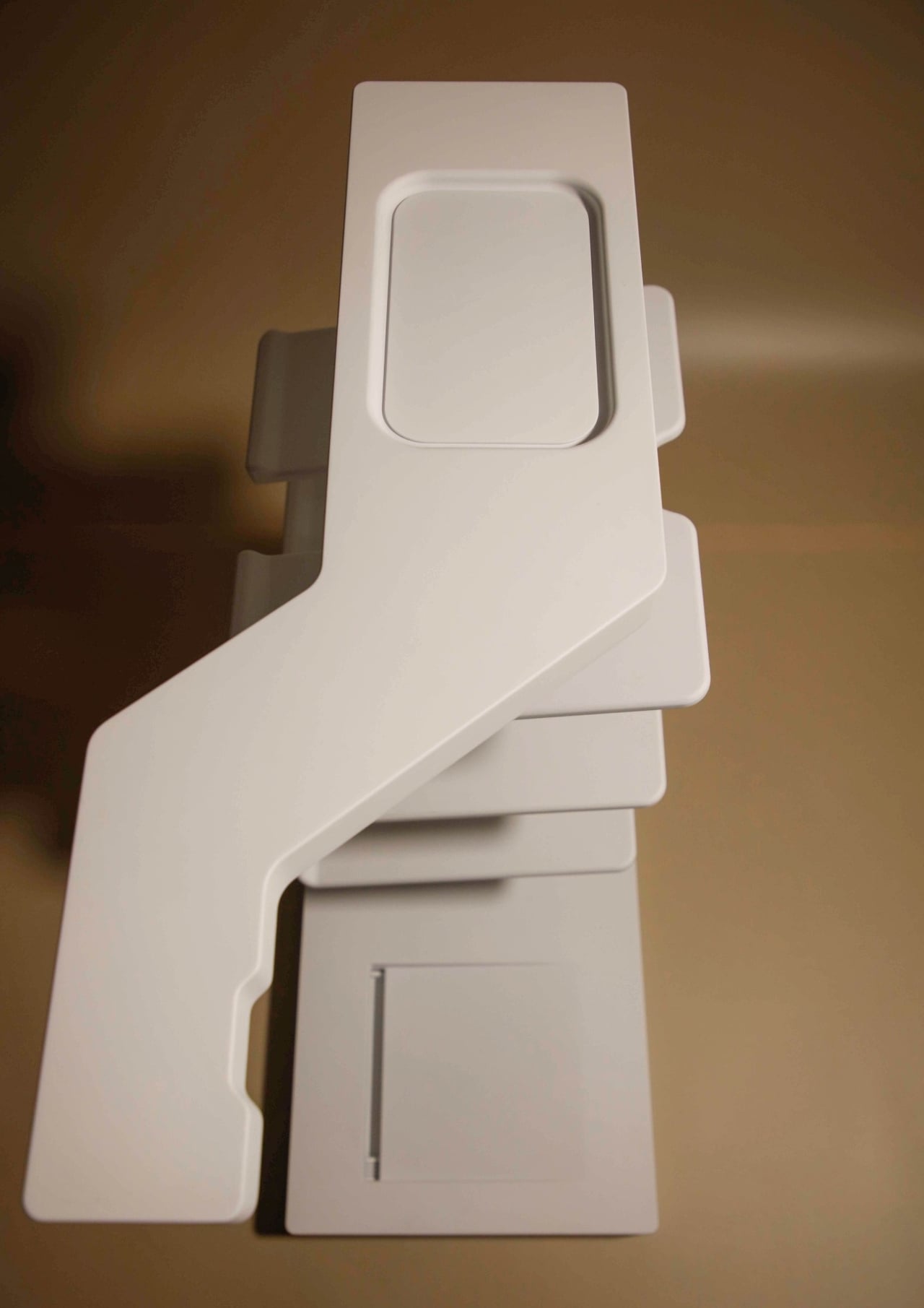
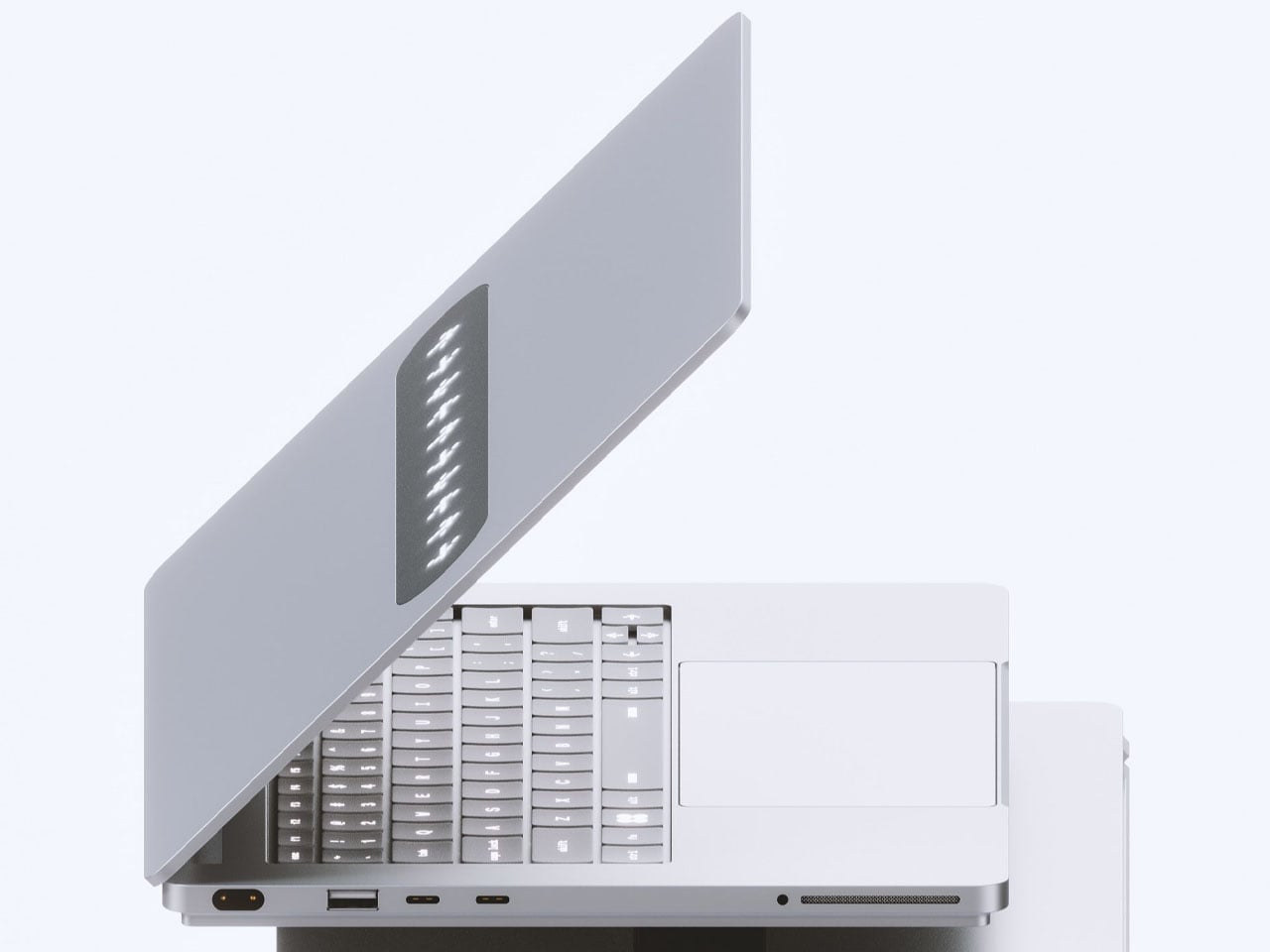
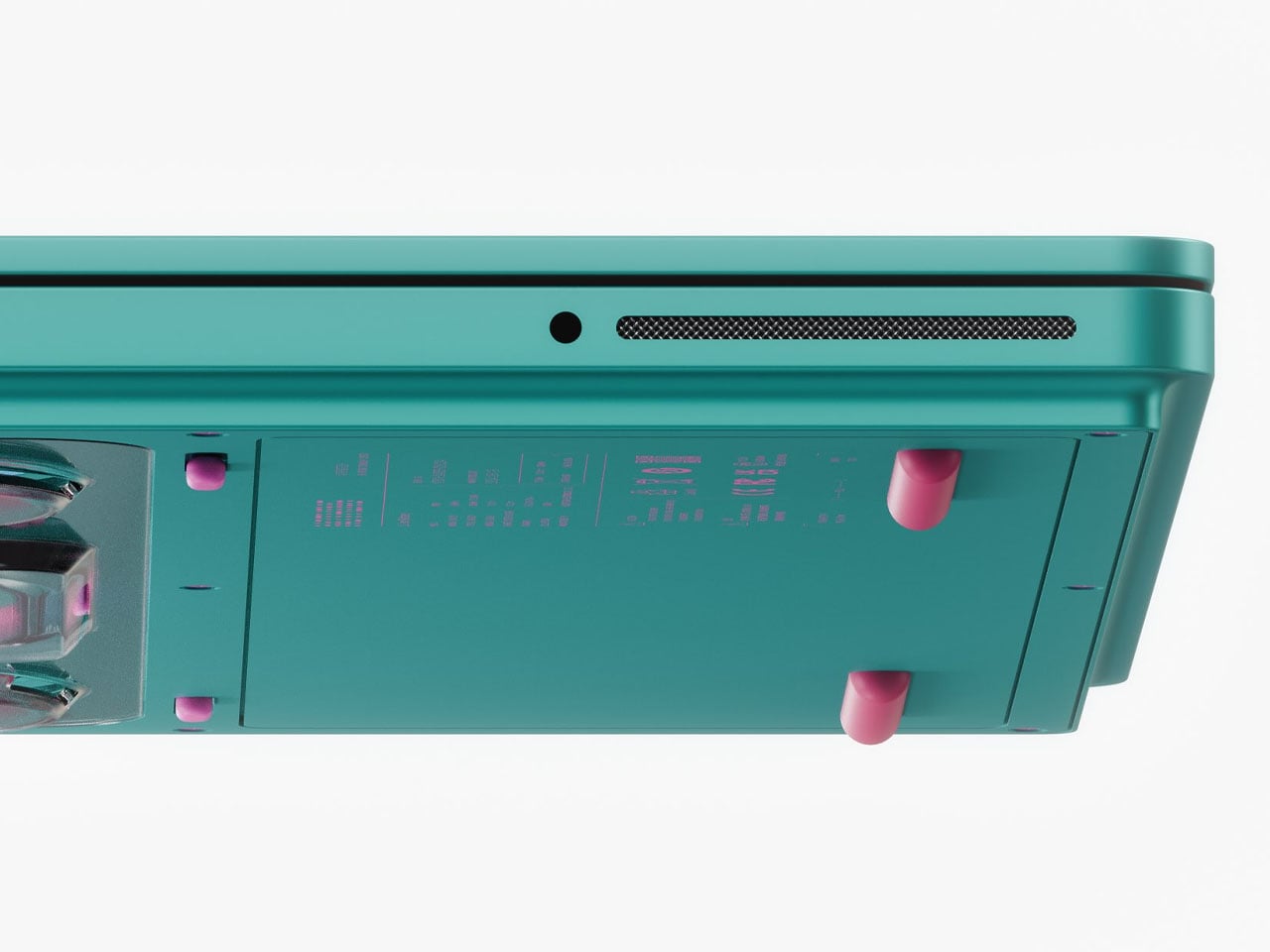
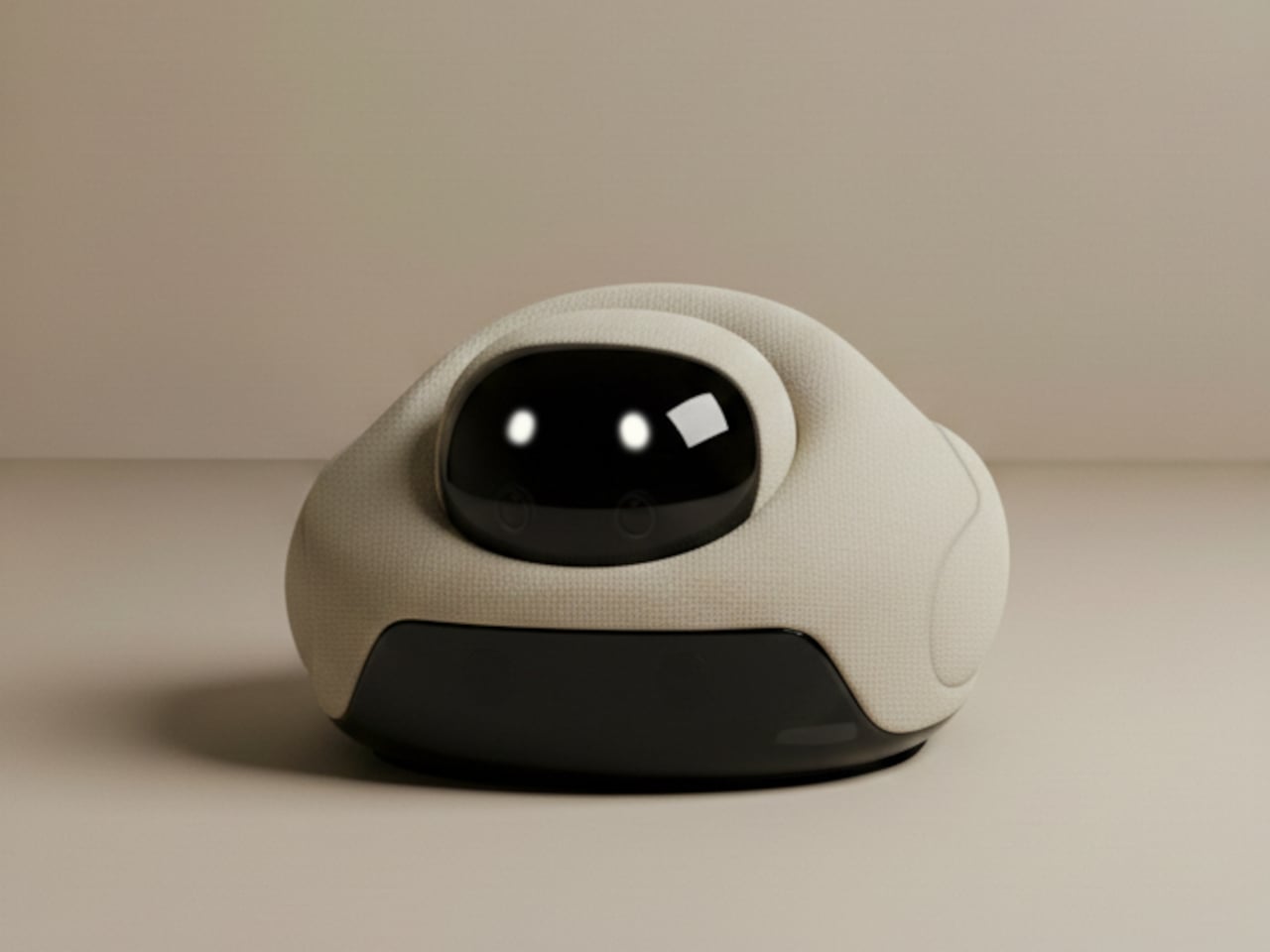
NODE is a conceptual modular webcam system that tackles privacy by making it physical instead of digital. The core idea is refreshingly simple: if you want your camera or microphone truly off, you just remove it. Like, actually detach it from the device. No more wondering if that green light really means what you think it means.

Designer: Bhavesh Sharma

The system centers around a clean, minimal camera module that attaches to a shared backplate along with other components. Think of it like building blocks for your workspace. Need just a camera for quick video calls? Done. Want to add a microphone module for podcasting? Snap it on. Curious about that optional screen module? Add it to the mix. The beauty is that you’re not locked into one bulky all-in-one device that does everything poorly.

Here’s where it gets really interesting. Each module connects magnetically with pogo-pin contacts, so everything feels seamless and looks clean. But when you pop a module off the backplate, it’s completely disconnected from power and data. Not “software off” or “privacy mode enabled.” Actually off. Privacy becomes something you can feel in your hands rather than a setting you hope is working correctly.

That optional screen module deserves its own moment. Instead of cramming in yet another interface demanding your attention, it acts as what Sharma calls a “confidence display.” It surfaces only the essentials: camera status, microphone status, whether you’re recording, upcoming meetings, weather, select notifications. The whole point is to read it at a glance without pulling your focus from your actual work. In a world where every device screams for attention, this kind of restraint feels almost radical.

The design language communicates all of this beautifully. NODE keeps a restrained rectangular geometry that blends into your workspace rather than trying to be the star of your desk setup. The backplate uses smooth matte plastic as a neutral foundation, while the modules themselves feature a subtly textured matte finish. That contrast isn’t just aesthetic; it helps you visually and tactilely understand what’s fixed and what’s removable. The system comes in black as the default, with blue, orange, and white options if you want a bit more personality.

Setup is mercifully simple. Everything runs through a single USB-C connection, so you’re not drowning in cables. The magnetic alignment means modules snap into place without fussing, and the whole thing just works.

Now, let’s be clear about what NODE isn’t trying to do. This isn’t about revolutionizing image quality or replacing all your software controls. Sharma isn’t promising the crispest 4K video or AI-powered background removal. Instead, NODE focuses on something we’ve lost in our rush toward smarter, more connected devices: trust, awareness, and physical agency.

We’ve become so accustomed to abstract digital interfaces that we’ve forgotten how reassuring it is to actually control something with our hands. To see a component sitting on your desk and know, without doubt, that it’s not active. To build a workspace setup that matches how you actually work instead of adapting to what some company decided you need.

NODE is still a concept, which means you can’t buy it yet. But as a design exploration, it asks important questions about how we interact with the technology that’s constantly watching and listening. In a landscape where privacy feels increasingly theoretical, NODE offers something wonderfully tangible. It suggests that maybe the solution to our complicated relationship with always-on devices isn’t more software or better encryption. Maybe it’s just letting us unplug the parts we’re not using.

The post This Modular Webcam Lets You Physically Disconnect for Privacy first appeared on Yanko Design.

This Umbrella Stand Disappears When You Don’t Need It

You know that metal umbrella stand gathering dust in your entryway? The one that’s been repurposed into a catch-all for tennis rackets, dog leashes, and that broken tripod you keep meaning to fix? Yeah, that one. Designer Aishwarya Ajith looked at this universal furniture problem and asked a brilliantly simple question: why do we need a permanent umbrella stand when rain is seasonal?

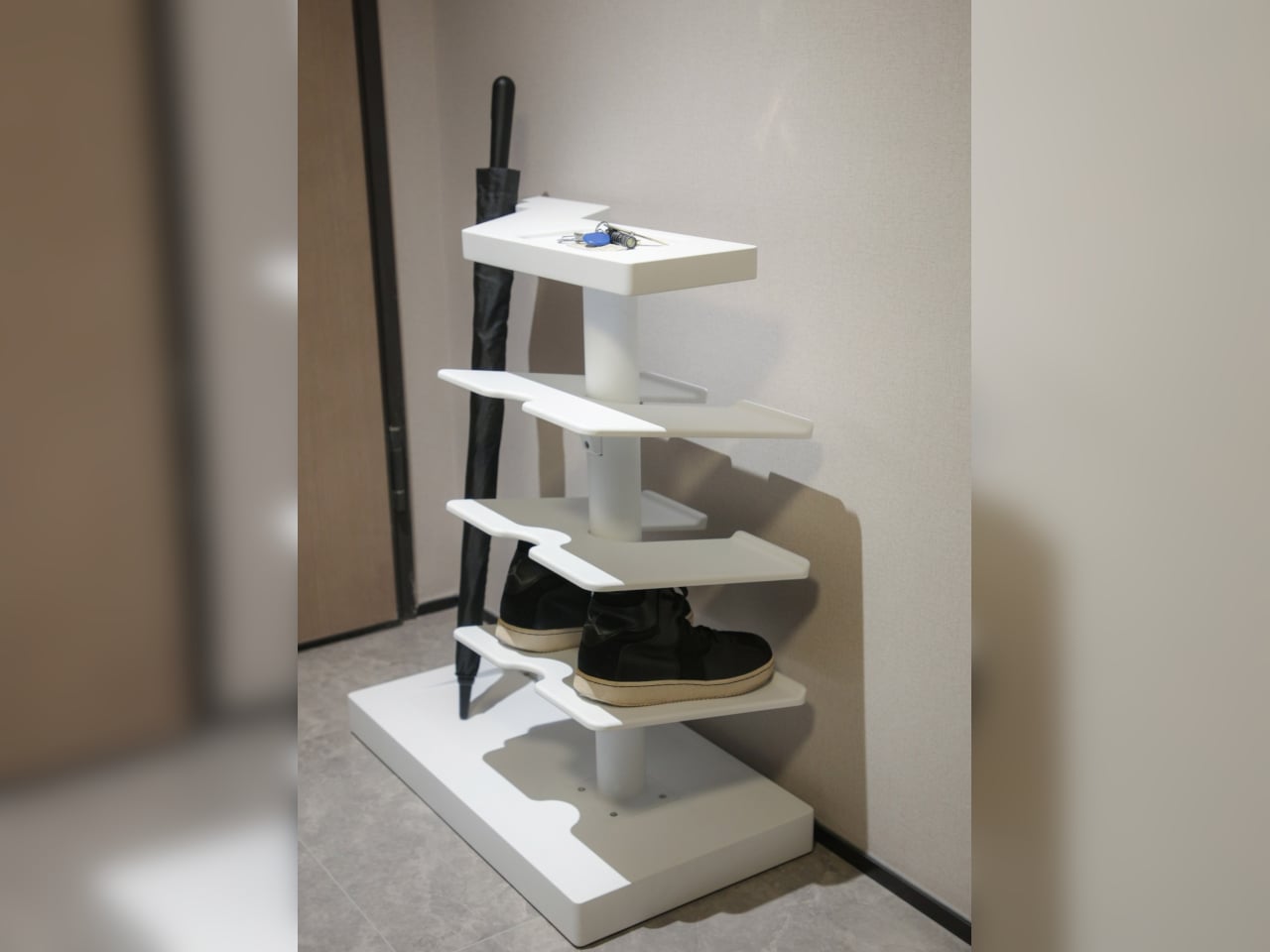
Enter Coilo, an umbrella stand that challenges everything we assume about furniture. It’s not a traditional stand at all. Instead, it’s a rollable mat that transforms into a temporary umbrella holder only when you actually need it. When the skies clear and your umbrellas are tucked away, Coilo returns to its flat form, practically disappearing from your space entirely.

Designer: Aishwarya Ajith

The concept is rooted in what Ajith calls “situational furniture,” objects that exist only when needed and remain visually unobtrusive the rest of the time. It’s a refreshingly honest approach to design that acknowledges how we actually live rather than clinging to outdated notions of what furniture should be.

The inspiration came from observing life in compact spaces, particularly in Indian hostels and shared dormitories where every square foot matters. In these environments, people routinely lay out mats on the floor for group discussions and social gatherings. During monsoon season, wet umbrellas demand immediate attention, dripping all over entryways and creating puddles. But once the rain passes, that urgency evaporates. So why should the solution take up permanent real estate?

Coilo’s design is deceptively simple yet remarkably clever. The mat is crafted from flexible, water-resistant EVA foam that can be rolled into a cylindrical form. Thanks to a simple joint system, the coiled structure achieves surprising stability without requiring complex mechanisms or hardware. Supporting flaps button together in a distinctive pattern that gives the stand character and allows it to accommodate umbrellas of varying heights.

The base plate deserves special mention. It’s made from terracotta clay, a material choice that’s both practical and thoughtful. Terracotta is naturally absorbent, wicking away moisture from wet umbrellas rather than letting it pool on your floor. It’s the kind of detail that reveals genuine problem-solving rather than purely aesthetic decision-making.

What makes Coilo particularly fascinating is how it fits into broader conversations about sustainable design and conscious consumption. We’re living in an era where urban apartments are shrinking, minimalism is trending, and people are questioning whether they really need all the stuff previous generations accumulated. Coilo doesn’t just save space; it challenges the assumption that furniture must be static and permanent.

This philosophy resonates especially with younger generations navigating shared living situations, frequent moves, and smaller living quarters. Students in dormitories, young professionals in co-living spaces, and anyone dealing with limited square footage will immediately grasp Coilo’s appeal. It’s furniture that adapts to your life rather than demanding you adapt to it. The visual design also breaks from traditional umbrella stand aesthetics. Those buttoned flaps create a sculptural quality that makes Coilo a conversation piece when deployed. It looks intentional and interesting rather than purely utilitarian. When rolled flat, it could easily pass as a decorative floor mat or yoga mat, maintaining a presence without announcing itself as single-purpose furniture.

Ajith’s exploration opens up fascinating possibilities for the future of home furnishings. What else could transform and disappear? Could we design coffee tables that fold into wall art? Dining chairs that become storage? Desks that morph into room dividers? Coilo represents more than just a clever umbrella solution. It’s a prototype for how we might rethink everyday objects in an age where flexibility, adaptability, and space efficiency matter more than ever.

The post This Umbrella Stand Disappears When You Don’t Need It first appeared on Yanko Design.

NAK Studio Imagines a Hi-Fi Stack You Would Actually Want on Display

Most Hi-Fi gear still looks like anonymous black rectangles, even in carefully designed living rooms. Serious listeners often hide their amps and speakers in cabinets because the hardware rarely matches the rest of the furniture, even when the sound is great. The default assumption is that audio equipment belongs out of sight, tolerated for its performance but not celebrated for its presence.

Antoine Brieux of NAK Studio designed a complete stack he would personally want at home, treating it as a thought experiment about what happens when an integrated amplifier, speakers, and turntable are drawn as one family from the start. Color, tactility, and proportions are treated as seriously as the signal path, so the system could earn a spot in the open rather than behind doors or under furniture.

Designer: Antoine Brieux (NAK Studio)

The integrated amplifier is a low, solid block with a ribbed cylinder grafted onto one corner, turning the usual volume knob into a full control column. That cylinder suggests precise, satisfying adjustments for volume, inputs, and tone, giving your hand a clear place to land instead of hunting for tiny knobs or touch buttons scattered across a cluttered front panel.

The tall monochrome display beside the cylinder shows track info, a big dB scale, and twin bar-graph meters dancing with the music. The list of inputs covers phono and TV to Bluetooth and USB, and a warm-to-cold tonal slider sits below, so the front of the amp feels like a calm, legible dashboard rather than a technical interface that demands constant attention or an instruction manual.

The compact speakers are each a rounded rectangle with a single driver and tweeter, but finished in mixable Pantone colors, letting you treat them as color accents in a room. You could pair teal with orange, or match a pair to a shelf or wall, so they become part of the space’s palette instead of something you try to hide or apologize for when guests visit.

The matching turntable sits on the same footprint as the amp, with exposed suspension pillars and a straight arm that echoes the cylinder theme. The three components stack visually into a tidy tower, making the whole listening setup feel intentional, almost like a piece of modular furniture for records and streaming alike, cohesive enough to anchor a sideboard or desk.

NAK Studio’s concept is not about chasing specs, but about imagining a Hi-Fi system that earns its place in the open. The controls invite touch, the colors play with the room, and the stack looks as considered as the music it is built to play. It starts to feel less like a fantasy and more like how audio gear should have evolved all along.

The post NAK Studio Imagines a Hi-Fi Stack You Would Actually Want on Display first appeared on Yanko Design.

NAK Studio Imagines a Hi-Fi Stack You Would Actually Want on Display

Most Hi-Fi gear still looks like anonymous black rectangles, even in carefully designed living rooms. Serious listeners often hide their amps and speakers in cabinets because the hardware rarely matches the rest of the furniture, even when the sound is great. The default assumption is that audio equipment belongs out of sight, tolerated for its performance but not celebrated for its presence.

Antoine Brieux of NAK Studio designed a complete stack he would personally want at home, treating it as a thought experiment about what happens when an integrated amplifier, speakers, and turntable are drawn as one family from the start. Color, tactility, and proportions are treated as seriously as the signal path, so the system could earn a spot in the open rather than behind doors or under furniture.

Designer: Antoine Brieux (NAK Studio)

The integrated amplifier is a low, solid block with a ribbed cylinder grafted onto one corner, turning the usual volume knob into a full control column. That cylinder suggests precise, satisfying adjustments for volume, inputs, and tone, giving your hand a clear place to land instead of hunting for tiny knobs or touch buttons scattered across a cluttered front panel.

The tall monochrome display beside the cylinder shows track info, a big dB scale, and twin bar-graph meters dancing with the music. The list of inputs covers phono and TV to Bluetooth and USB, and a warm-to-cold tonal slider sits below, so the front of the amp feels like a calm, legible dashboard rather than a technical interface that demands constant attention or an instruction manual.

The compact speakers are each a rounded rectangle with a single driver and tweeter, but finished in mixable Pantone colors, letting you treat them as color accents in a room. You could pair teal with orange, or match a pair to a shelf or wall, so they become part of the space’s palette instead of something you try to hide or apologize for when guests visit.

The matching turntable sits on the same footprint as the amp, with exposed suspension pillars and a straight arm that echoes the cylinder theme. The three components stack visually into a tidy tower, making the whole listening setup feel intentional, almost like a piece of modular furniture for records and streaming alike, cohesive enough to anchor a sideboard or desk.

NAK Studio’s concept is not about chasing specs, but about imagining a Hi-Fi system that earns its place in the open. The controls invite touch, the colors play with the room, and the stack looks as considered as the music it is built to play. It starts to feel less like a fantasy and more like how audio gear should have evolved all along.

The post NAK Studio Imagines a Hi-Fi Stack You Would Actually Want on Display first appeared on Yanko Design.

ONZA Just Designed a Dock That Replaces 3 Desk Accessories

We’ve all been there. You sit down at your desk, ready to tackle that project, and suddenly you’re drowning in cables, hunting for your phone charger, and watching your battery percentage drop to single digits. Your workspace looks like a tech graveyard, and your creative energy? Well, that died somewhere between untangling the third cable and knocking over your coffee while reaching for your headphones.

Enter the ONZA Desktop Dock, a concept design by Vedanta Maheshwari that’s making me seriously reconsider what a desk accessory can actually do. This isn’t just another “put your phone here” kind of solution. It’s a complete rethinking of how we interact with our workspace, and honestly, it’s about time someone figured this out.

Designer: Vedanta Maheshwari

At first glance, the ONZA system looks like something that beamed in from a more aesthetically pleasing future. The design features a sleek, geometric form that immediately catches your eye without screaming for attention. Think angular, almost sculptural, with a glossy black finish that somehow manages to look sophisticated rather than trying too hard. The body has these organic, flowing mesh panels that aren’t just there to look cool (though they definitely do). They’re functional speaker grills that transform this little powerhouse into an audio solution too.

But here’s where it gets interesting. The ONZA isn’t trying to be everything at once while doing nothing particularly well. Instead, it focuses on solving the actual problems creative professionals face every day. The integrated wireless charging pad means your phone gets juice while staying visible and accessible. No more digging through desk drawer chaos or having your device face-down on some random charging pad where you can’t see notifications. The angled design props your phone up at the perfect viewing angle, so it becomes part of your workflow rather than a distraction you have to pick up every five minutes.

Those subtle icons along the base? They’re not just decorative. They indicate battery status, storage connectivity, wireless capabilities, and audio functions. Everything you need to know at a glance, without any notification overload or annoying lights blinking at you while you’re trying to focus. It’s the kind of thoughtful detail that separates concept art from actual design thinking.

What really sells the ONZA concept, though, is how it plays with the entire desk ecosystem. Maheshwari’s renders show this thing in context, and it’s clear he understands that great design isn’t about creating isolated objects. It’s about creating harmony. The dock sits comfortably alongside mechanical keyboards, designer headphone stands, and dual monitor setups without fighting for visual dominance. It complements rather than competes, which is surprisingly rare in a market full of RGB-everything and aggressive gamer aesthetics.

The speaker integration is particularly clever. Most of us have dealt with the disappointing tinny sound of phone speakers or the hassle of connecting Bluetooth devices every single time we sit down. Having quality audio built into something that’s already anchoring your workspace? That’s the kind of convenience that actually changes how you work. Take a call without fumbling for earbuds. Play music while you design. Listen to a podcast while you’re organizing files. It’s all just there, ready to go.

Now, let’s be real for a second. This is a concept design, which means we can’t exactly run out and buy one tomorrow (trust me, I checked). But that’s also what makes it so exciting. Maheshwari is showing us what’s possible when designers really think about the creative workspace as a holistic environment rather than just a place to dump tech. The ONZA asks better questions: What if your charging solution also managed audio? What if your phone dock could integrate with your entire desktop ecosystem? What if workspace accessories could be genuinely beautiful without sacrificing functionality?

The creative workspace has evolved dramatically over the past few years, but our accessories haven’t always kept pace. We’re still dealing with solutions designed for problems from a decade ago. The ONZA Desktop Dock concept suggests a different path forward, one where form and function aren’t competing priorities but complementary goals. And honestly? That future looks pretty good from here.

The post ONZA Just Designed a Dock That Replaces 3 Desk Accessories first appeared on Yanko Design.

This Chair Looks Like a Material Swatch Book

You know those material swatch books at fabric stores where every color fan out in perfect rainbow order? Designer Fatih Demirci apparently looked at one and thought, “What if that was a chair?” The result is the Kartela Chair, a concept design that turns the humble material sample into something you’d actually want to sit on.

Let’s be real. Most furniture design either plays it safe with neutrals or goes so wild that you’d only see it in a modern art museum. The Kartela Chair manages to walk this delightful line between practical and playful. Looking at it feels like stumbling upon a design secret, where function meets whimsy in the most unexpected way.

Designer: Fatih Demirci

The concept is brilliantly simple yet visually striking. The chair features layers upon layers of cushioned upholstery stacked together, creating this incredible rainbow effect along the edges. Each layer represents a different color or texture, much like flipping through pages in a designer’s sample book. It’s the kind of thing that makes you do a double take. From one angle, you see a sophisticated seating piece with a clean, minimalist frame. From another, you catch those vibrant cascading layers that give it personality and depth.

What really gets me about this design is how it celebrates the materials themselves. Usually, upholstery is hidden away, tucked and stapled underneath where no one sees the construction. Demirci flips that script entirely. Here, the layers become the main event. Every fold, every color transition, every texture is on full display. It’s like the chair is saying, “Hey, look how I’m made, and isn’t it beautiful?”

The Kartela Chair comes in different colorways, which honestly makes it even more fun. There’s a lime green version that practically vibrates with energy, perfect for someone who wants their furniture to make a statement. Then there are softer pastel combinations in lilacs, blues, and creams that feel more serene but still maintain that playful edge. And for those leaning toward earthy vibes, there are warm tones in mustards, tans, and terracottas that bring all that visual interest without overwhelming a space.

The frame itself keeps things grounded. Slim metal legs in either white or black powder coat give the chair an airy, almost floating quality. It’s a smart move. With all that cushioned drama happening above, a heavy base would make the whole thing feel clunky. Instead, the minimal structure lets those colorful layers take center stage while still providing solid support.

From a practical standpoint, this concept is interesting because it challenges how we think about customization. Imagine being able to choose your layer combinations like picking nail polish colors. Want more blues? Go for it. Prefer a monochromatic fade? That works too. The design naturally lends itself to personalization in a way that most furniture doesn’t.

There’s also something nostalgic about the aesthetic. Those tufted buttons on the seat and back cushions give off vintage vibes, like something your cool aunt might have had in her 70s living room, but updated for today. It’s retro without being costume-y, which is a hard balance to strike.

Of course, this is still a concept design, which means we’re looking at rendered images rather than something you can order online tomorrow. But that’s part of what makes furniture concepts so exciting. They push boundaries and make us reconsider what’s possible. Even if the Kartela Chair never makes it to mass production, it’s already done its job by sparking conversation and inspiring other designers to think outside the traditional furniture box. Whether this chair ever graces showroom floors or remains a digital darling, Fatih Demirci has created something that makes people smile. And in the end, isn’t that what good design should do?

The post This Chair Looks Like a Material Swatch Book first appeared on Yanko Design.

MP-1 Reimagines a Modern Walkman Through a Teenage Engineering Lens

Listening to music has mostly collapsed into phones and streaming apps, buried between notifications and multitasking. Some people still crave a single-purpose device that treats listening as the main event, not background noise. The MP-1 is an independent concept study that asks what a modern Walkman could look like if it borrowed Teenage Engineering’s design language, without being affiliated with the company or trying to become an official product at all.

The project set out as a brand-led design study, not a fan mash-up or a wild render. The brief was to study Teenage Engineering’s approach to minimalism, playful restraint, tactile controls, and clear functional expression, then translate those principles into a believable handheld music player. The goal was manufacturable intent and intuitive interaction, not speculative tech or exaggerated shapes, treating it as a disciplined exercise in understanding how strong brand identities shape form.

Designer: Prithvi Manoj Bhaskaran

The study pulled four keywords from Teenage Engineering’s portfolio, playful, tactile, curious, purposeful complexity. Those traits show up in devices like the OP-1 and TP-7, where dense functionality is expressed through simple forms, color accents, and satisfying controls. A focused music player fits naturally into that philosophy, turning listening into an intentional, distraction-free ritual that foregrounds sound as a primary experience rather than something competing with notifications while you commute.

The MP-1’s basic layout is a slim rectangular body with softened corners, a large circular dial as the main control, and a narrow horizontal display that handles track info and waveform visualization. This mirrors Teenage Engineering’s habit of giving one control visual priority, then letting everything else recede, so your hand and eye always know where to go first, with the orange accent adding personality without overwhelming the minimalism.

The tactile controls embody the playful side of the brief. An orange textured rocker invites your thumb, its grid of soft nubs making it feel like a toy in the best sense. A slider reveals “OFF” in orange when pulled back, hiding the label when pushed forward. These details use motion and color to communicate state without cluttering the surface with text, making every interaction feel more deliberate and satisfying.

Practical touches include a USB-C port for charging and data, realistic thickness that suggests room for a battery and mechanical parts, and restrained use of materials. The backplate carries a subtle logo and regulatory text, the kind of thing you would expect on a real product, reinforcing that this is not just a styling exercise but a thought-out object that could plausibly be manufactured and carried in a pocket or bag.

The MP-1 shows the power of a strong design language, recognizing Teenage Engineering’s influence without logos or official ties. Most listening today happens on general-purpose slabs, which makes a small, tactile player appealing, even as a concept. For people who miss dedicated devices and the ritual of choosing to listen rather than letting a playlist run in the background, MP-1 feels like a quiet argument that sometimes less is exactly what you need.

The post MP-1 Reimagines a Modern Walkman Through a Teenage Engineering Lens first appeared on Yanko Design.

LEDA: The Executive Lamp Where Femininity Meets Power

There’s something transformative happening in the world of workspace design, and it’s about time. For decades, executive furniture and lighting have been dominated by heavy wood, leather, and angular shapes that scream “traditional power.” But what happens when you design a table lamp specifically for a female executive? You get LEDA, a piece that challenges everything we thought we knew about authority, elegance, and what belongs on a power desk.

Created by designer Sai Divakar Boddeti during his Master’s program in Industrial Design, LEDA isn’t just another lamp. It’s a sculptural conversation starter that asks an important question: why can’t femininity and power coexist in the same object? The answer, as LEDA demonstrates beautifully, is that they absolutely can.

Designer: Sai Divakar Boddeti

The design language here is fascinating. Instead of defaulting to the typical corporate aesthetic, Boddeti looked to three distinct sources that embody both strength and grace: the gaze of a woman’s eye, the graceful posture of a swan, and the luminous quality of mother of pearl. These aren’t random choices. Each element speaks to a different aspect of feminine power that often gets overlooked in professional spaces.

What really captures attention is how LEDA translates these organic inspirations into physical form. Look at the lamp and you’ll immediately notice the eye-like element integrated into its curved head, a subtle nod to focused elegance. The neck sweeps upward and curves with the exact poise of a swan mid-glide, neither timid nor aggressive, just perfectly assured. The entire form sits atop a circular base, creating a balanced silhouette that commands attention without dominating the space.

The development process visible in the concept iterations shows how Boddeti refined the swan inspiration from literal interpretation to sophisticated abstraction. The final design captures the essence without being obvious about it. It’s smart restraint that elevates the lamp from novelty to serious design object. The material choices amplify the concept. That mother-of-pearl inspired finish gives certain versions of LEDA a soft iridescent quality that shifts subtly depending on the light and viewing angle. It’s “timeless beauty with a luminous touch,” as the design philosophy states. This isn’t just description, it’s what you actually see when the lamp catches the light.

Here’s where LEDA gets even more interesting: it comes in multiple colorways inspired by Pantone Colors of the Year. We’re talking deep burgundy, sophisticated blue-grey, warm peach, and bold red. This isn’t just product variation for the sake of options. It’s recognition that feminine power looks different for different people. Some days you want the quiet confidence of grey-blue. Other days you want the unapologetic boldness of red.

The presentation matches the ambition. LEDA arrives in premium packaging with embossed branding on a suede-like brown outer box, opening to reveal the lamp nestled in a red-lined interior. This is intentional luxury positioning. The packaging communicates that this isn’t an impulse purchase from a big box store. It’s an investment piece that deserves ceremony. In workspace context, LEDA transforms the desk. That tall, slender stem gives it presence without bulk. The curved head directs light exactly where you need it, but the form itself becomes a focal point even when switched off. It’s the kind of object that makes people pause and ask questions.

The name LEDA itself adds cultural weight. In Greek mythology, Leda is associated with the swan, connecting directly to the lamp’s form language. This isn’t surface-level symbolism. It’s deliberate anchoring in storytelling tradition that gives the design depth beyond its immediate visual impact. What’s particularly refreshing about LEDA is how it rejects the false choice between functional and beautiful. The lamp illuminates your work perfectly while serving as sculpture that reflects identity. For female executives who’ve often had to navigate spaces designed with someone else in mind, having objects that reflect multidimensional identity can be quietly revolutionary.

The post LEDA: The Executive Lamp Where Femininity Meets Power first appeared on Yanko Design.

Observation Pavilion Sends a Camera Up While You Stay on the Ground

Climbing an observation tower involves a lot of steel and concrete just to stand a few dozen meters higher and take in a view. The ritual is familiar, the ascent, the vertigo, the panorama, but the infrastructure demands are massive for what amounts to a few minutes of elevated looking. Michael Jantzen’s Telepresence Observation Pavilion asks whether we always need to build big vertical structures to get that feeling, especially when most distant experiences already come through screens and networks.

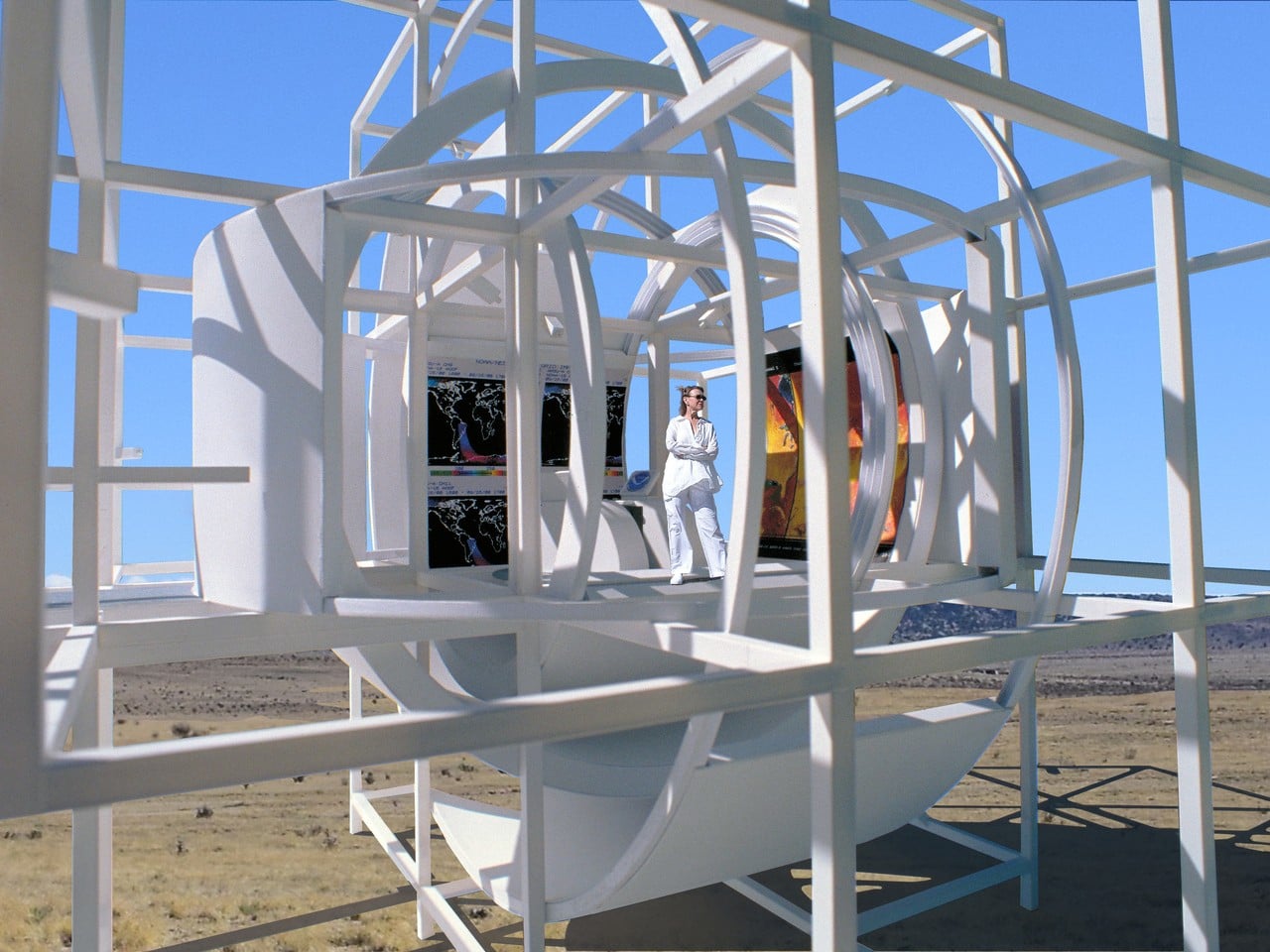
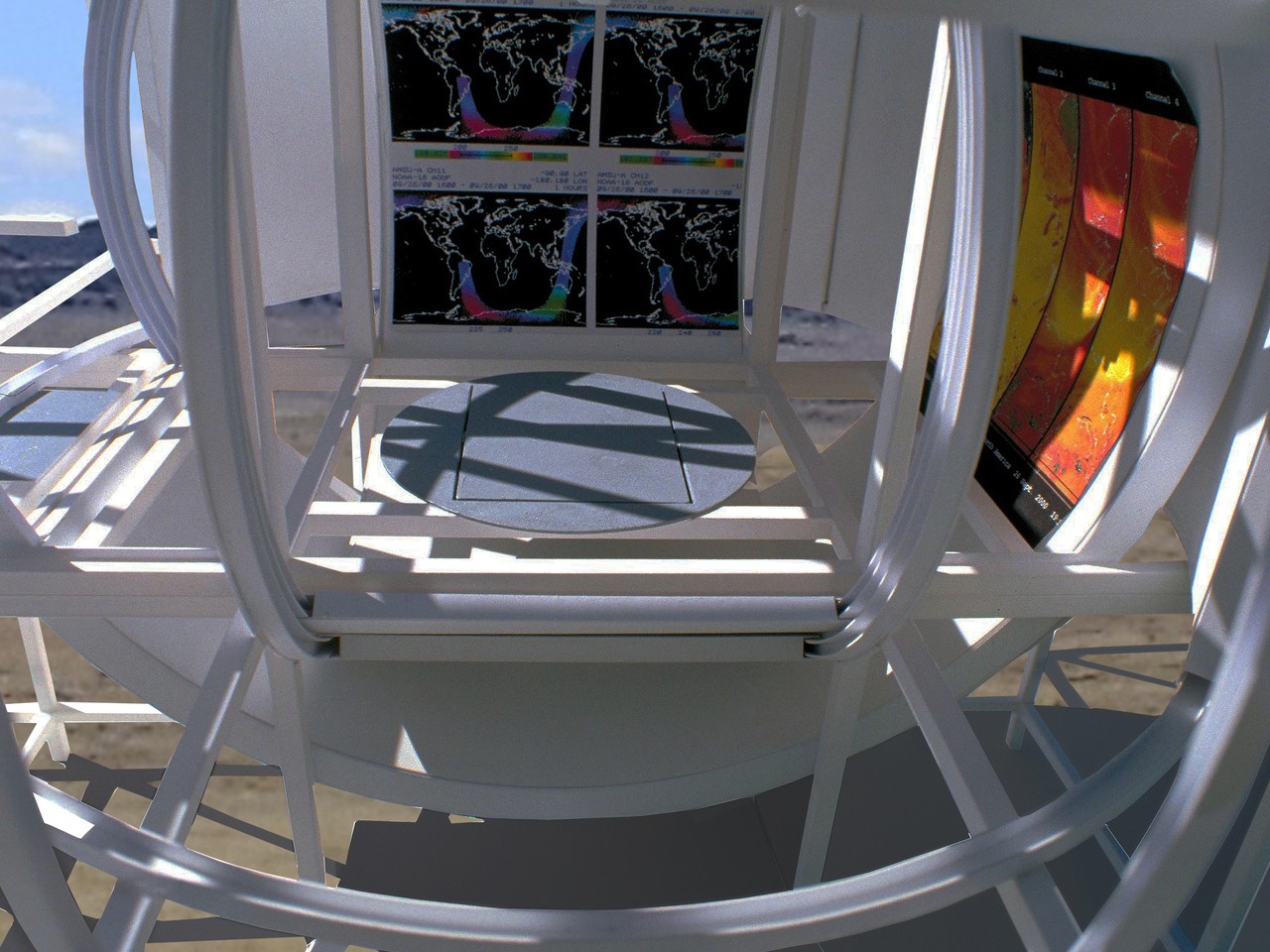
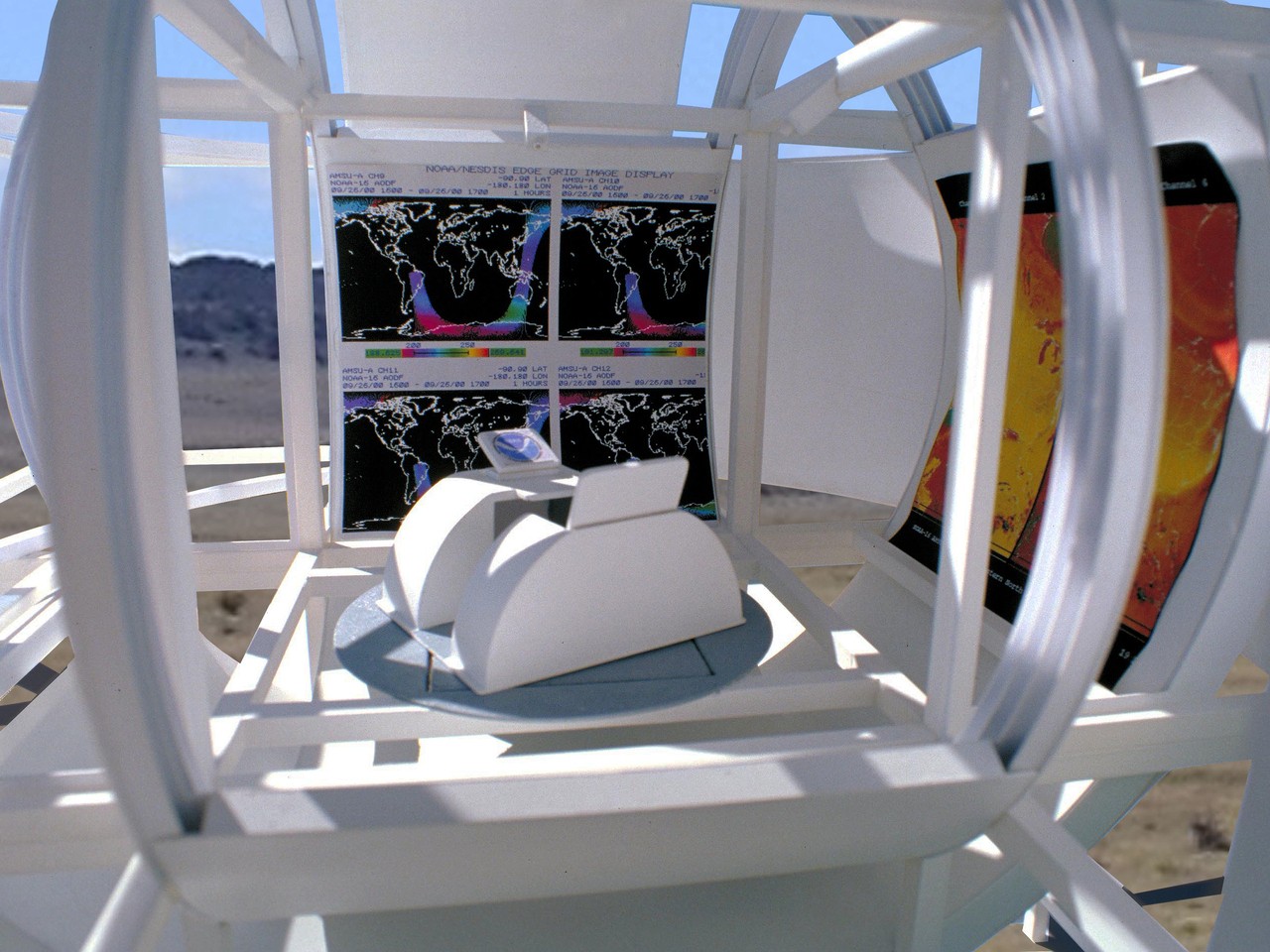
Instead of lifting people into the air, the pavilion lifts a 360-degree camera on a tall telescoping mast, then brings the view down to ground level. Inside a circular room, a ring of high-definition screens shows a live panoramic feed from the camera, synced with sound, so visitors see and hear exactly what they would if they were standing at the top of a traditional tower, without leaving the ground or climbing a long staircase.

Designer: Michael Jantzen

Walking into a round, open space where the walls behave like windows wraps you in a continuous horizon of forest, water, or city. A circular bench sits around the central mast, the floor stays open, and a guardrail keeps you a step back from the screens, so you are aware you are in a room, but your eyes are convinced you are somewhere higher and more exposed.

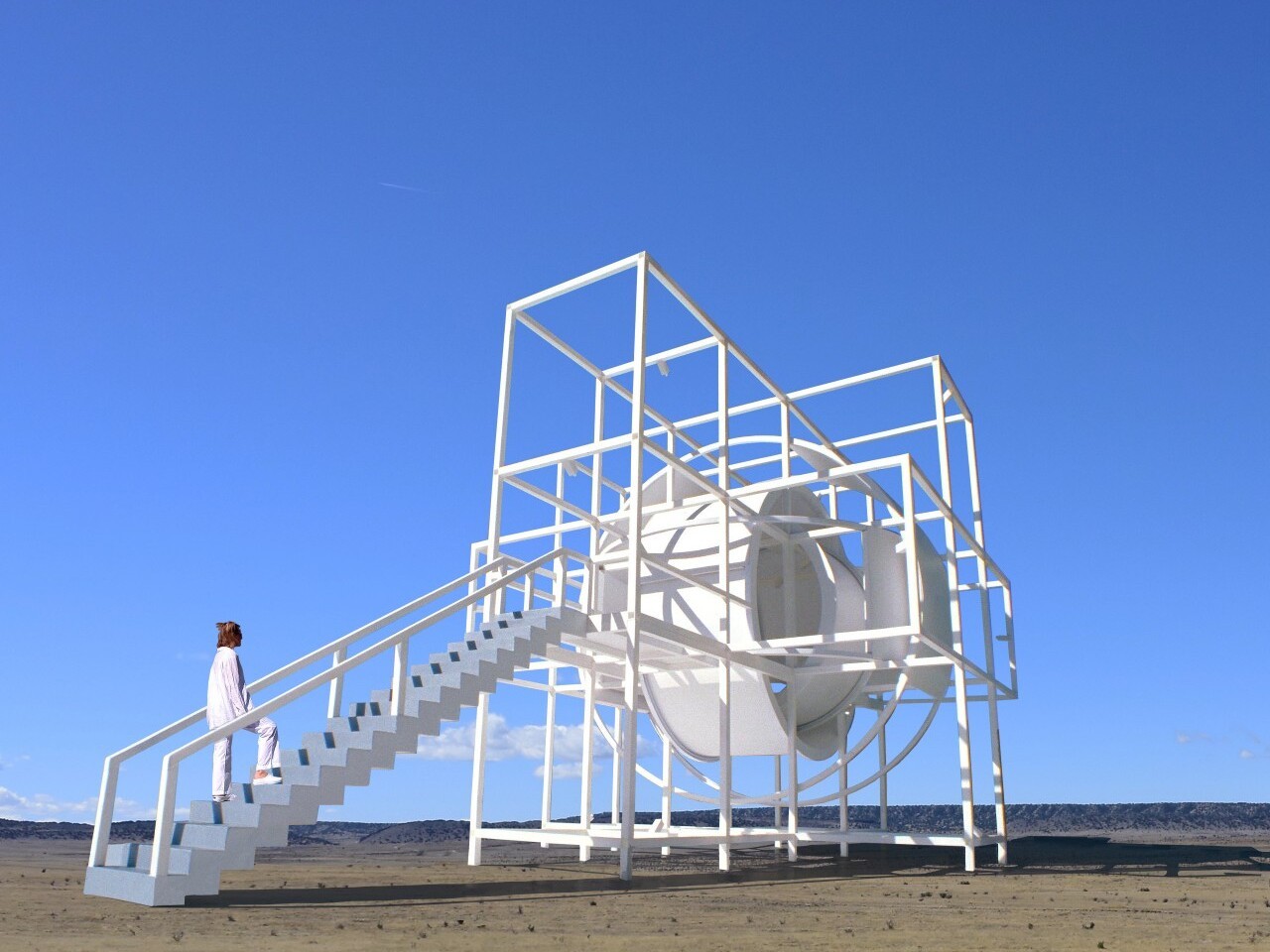
The camera sits on top of a tall series of telescoping pipes anchored to the pavilion floor, rising far above the roof. The module captures real-time sights and sounds in every direction, then sends that data down to the screens. The only tower you need to build is this slender mast, not a full structure sized for people, which drastically cuts material and engineering demands.

Eight solar panels ring the central skylight on the pavilion roof, feeding the camera, screens, and lighting. This connects to Jantzen’s goal of using information technology to replace or reduce physical building materials. The pavilion becomes an environmental argument, suggesting that if we can satisfy the desire for elevated views with data and light, we might not need to pour as much concrete into the sky.

Jantzen imagines many camera modules installed on existing structures, communication towers, mountain lodges, and skyscrapers. Those feeds could be sent over the internet to any pavilion, letting visitors switch channels between live elevated views from around the world. You could stand in a field and look out over Tokyo, then switch to a mountain ridge in Patagonia or a coastal city, turning a local building into a global observatory.

This changes the idea of an observation tower. You still make a trip to a specific place and share a room with other people, but the view is no longer tied to that exact spot. It can be curated, rotated, or scheduled, and multiple pavilions can share the same remote vantage point without crowding fragile sites. The architecture becomes as much about routing information as it is about shaping space.

The Telepresence Observation Pavilion will not replace every lookout or mountain hike, and there is still value in feeling the wind and height directly. But as a thought experiment, it points toward a future where we build less mass to get more experience, using cameras, networks, and solar-powered rooms to give people elevated perspectives without the environmental and structural cost of traditional towers, or the bottlenecks that come when everyone wants to see the same sunset from the same narrow platform at once.

The post Observation Pavilion Sends a Camera Up While You Stay on the Ground first appeared on Yanko Design.

This Smart Tea Cup Wants You to Actually Enjoy Your Tea

Here’s something you probably haven’t thought about today: when was the last time you actually paid attention while drinking tea? If you’re like most of us, you’re probably scrolling through your phone, answering emails, or binge-watching something while your tea gets cold on the side table. Tea has become background noise in our lives, something we consume rather than experience. Which is kind of ironic, considering tea ceremonies have been about mindfulness and presence for centuries.

Enter SoundSip, a design project by Aanya Jain that’s trying to bring back the ritual of tea drinking in a way that feels fresh and modern. And it does this through something unexpected: sound. The concept is beautifully simple. SoundSip is a ceramic tea cup with a hidden trick. When you hold it, it plays a soft, ambient soundscape. Put it down, and the sound pauses. Pick it up again, and it continues exactly where it left off. There are no buttons to press, no screens to swipe, no apps to download. Just you, your tea, and a cup that responds to your touch.

Designer: Aanya Jain

What makes this interesting is how the sound actually works. It’s not just random ambient noise or generic meditation music. The soundscape is designed to mirror the journey of drinking tea itself. It starts chaotic, busy, layered with competing sounds that feel restless and overwhelming. Sound familiar? That’s basically how most of our days feel. But as you continue holding the cup and sipping your tea, the sound gradually shifts. It becomes calmer, more spacious, eventually settling into white noise, what the designer calls “the sound of silence.” It’s a clever bit of emotional design. The sound isn’t just decoration; it’s guiding you through a transition from stress to stillness. You’re not being told to relax, you’re being gently led there through your own experience of holding and sipping.
The physical design backs this up beautifully. The cup itself has that warm, tactile quality that makes you actually want to hold it. There’s subtle texture, a satisfying weight, and even a small ridge near the rim that catches drips. These aren’t flashy features, but they show a thoughtfulness about the actual experience of using the object. The electronics live in a detachable magnetic module underneath the cup, so you can clean the cup properly without worrying about destroying the tech. Smart, practical, and invisible when it needs to be.

What I find most compelling about SoundSip is how it pushes back against the way we usually think about smart objects. Most connected products are about adding features, notifications, data, more information. SoundSip does the opposite. It uses technology to create less distraction, not more. There’s no connectivity, no data tracking how many ounces you drank or reminding you to stay hydrated. It’s tech in service of presence rather than productivity. This feels particularly relevant right now, when we’re all drowning in apps that promise to make us more mindful but end up being just another thing demanding our attention. SoundSip sidesteps that trap entirely. The interaction is purely tactile and auditory. Your hands know what to do. There’s no learning curve, no manual, no setup process.
Of course, SoundSip isn’t going to solve our collective attention crisis. One cup can’t undo the grip that screens and notifications have on our daily lives. But it does something important: it shows that design can create moments of pause without being preachy about it. It doesn’t lecture you about self-care or productivity. It just makes the simple act of drinking tea a little more worth your attention. Everything seems to be optimized for efficiency right now, where even our downtime gets gamified and tracked. So there’s something quietly radical about a cup that just wants you to slow down and listen. Not to a podcast or playlist, but to the sound of yourself shifting from noise to stillness, one sip at a time.

The post This Smart Tea Cup Wants You to Actually Enjoy Your Tea first appeared on Yanko Design.