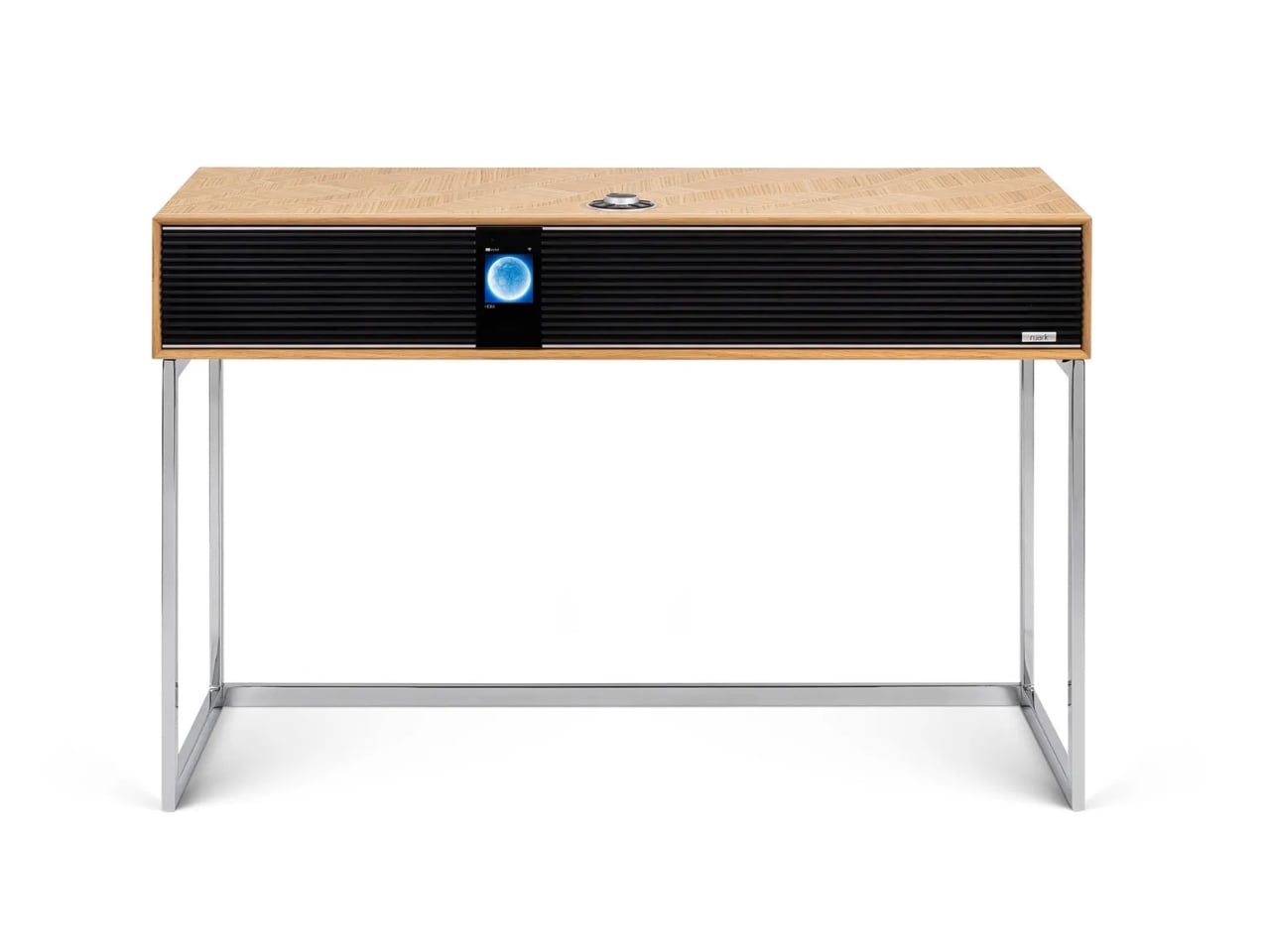
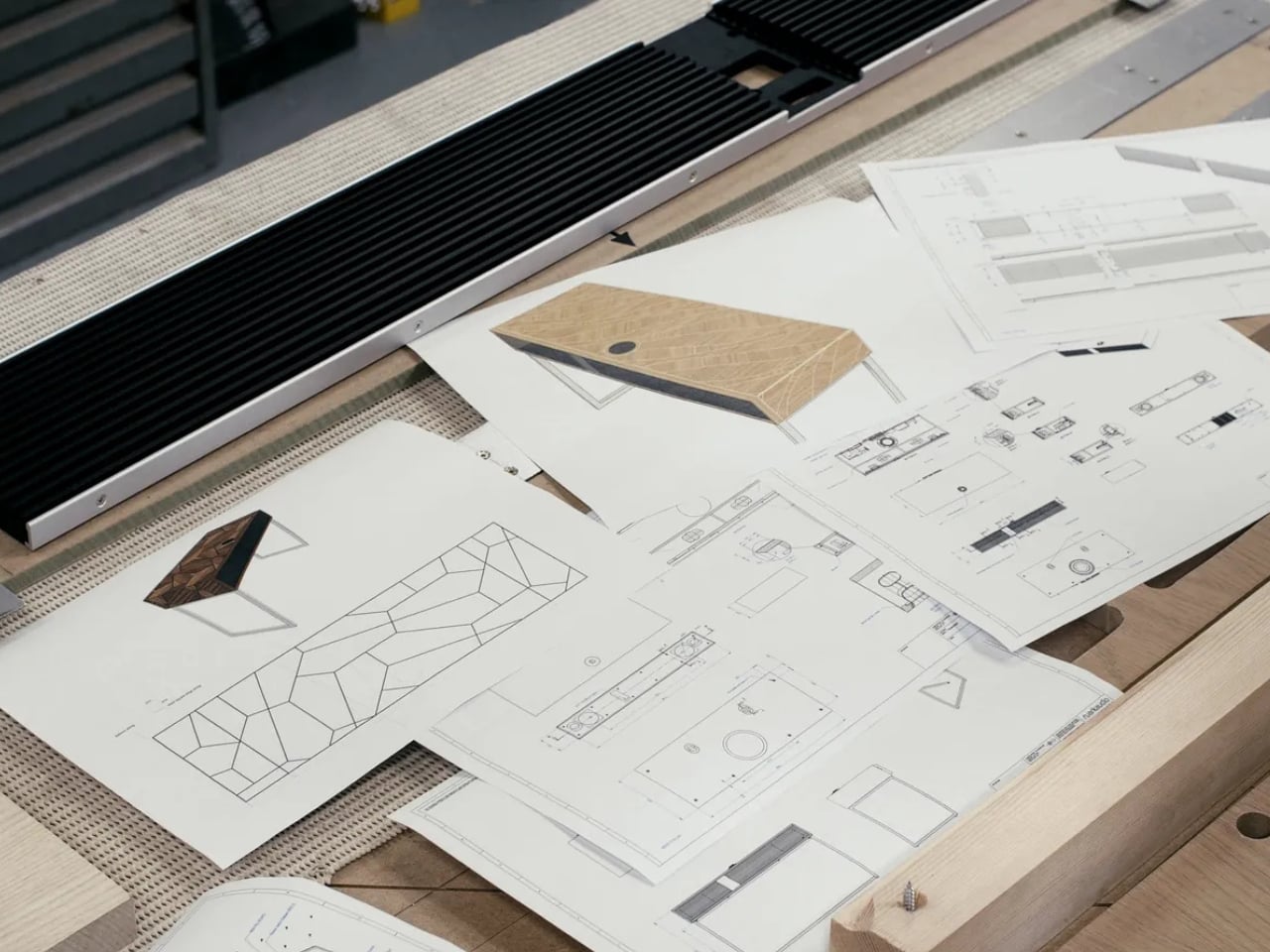
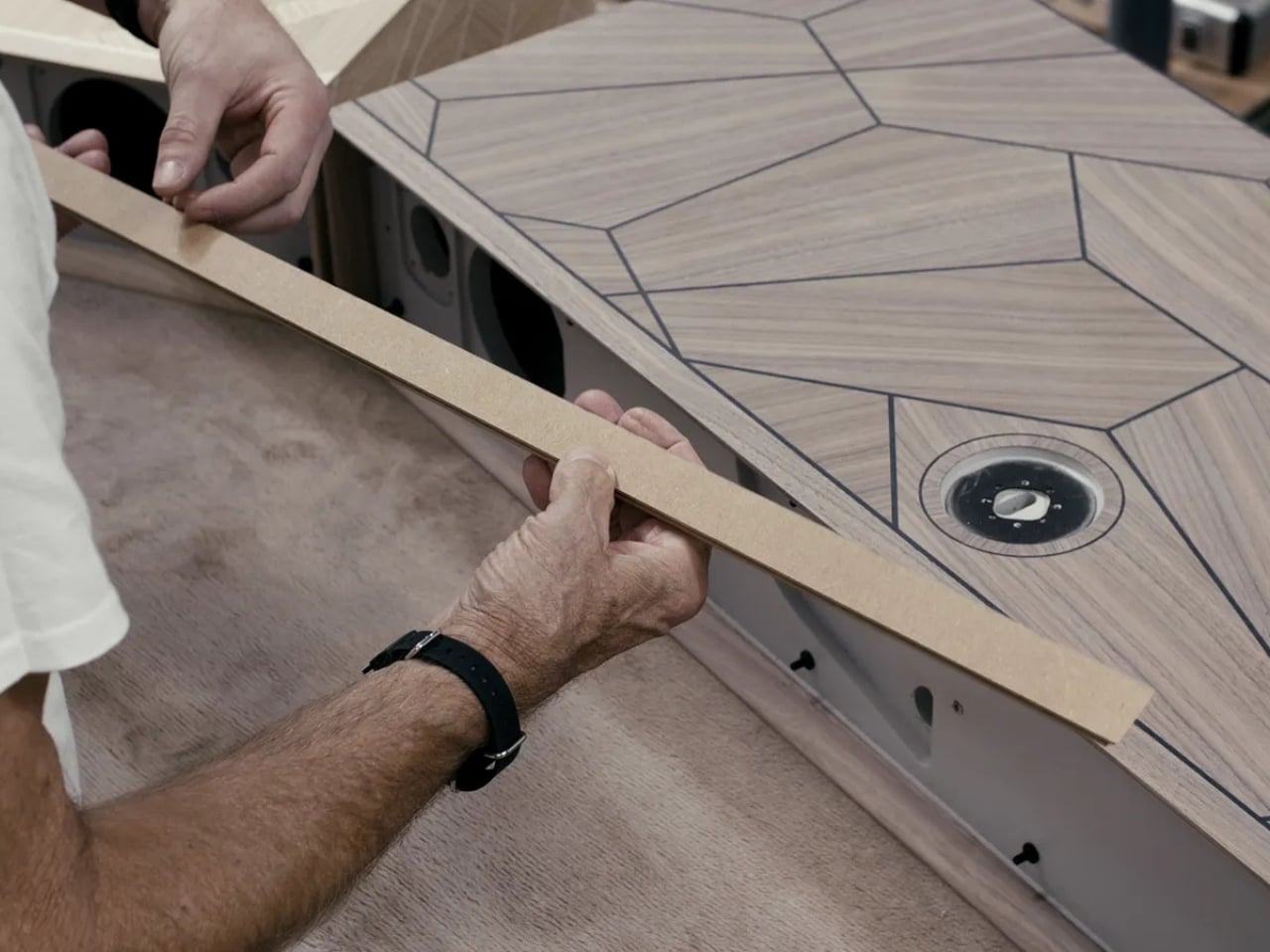
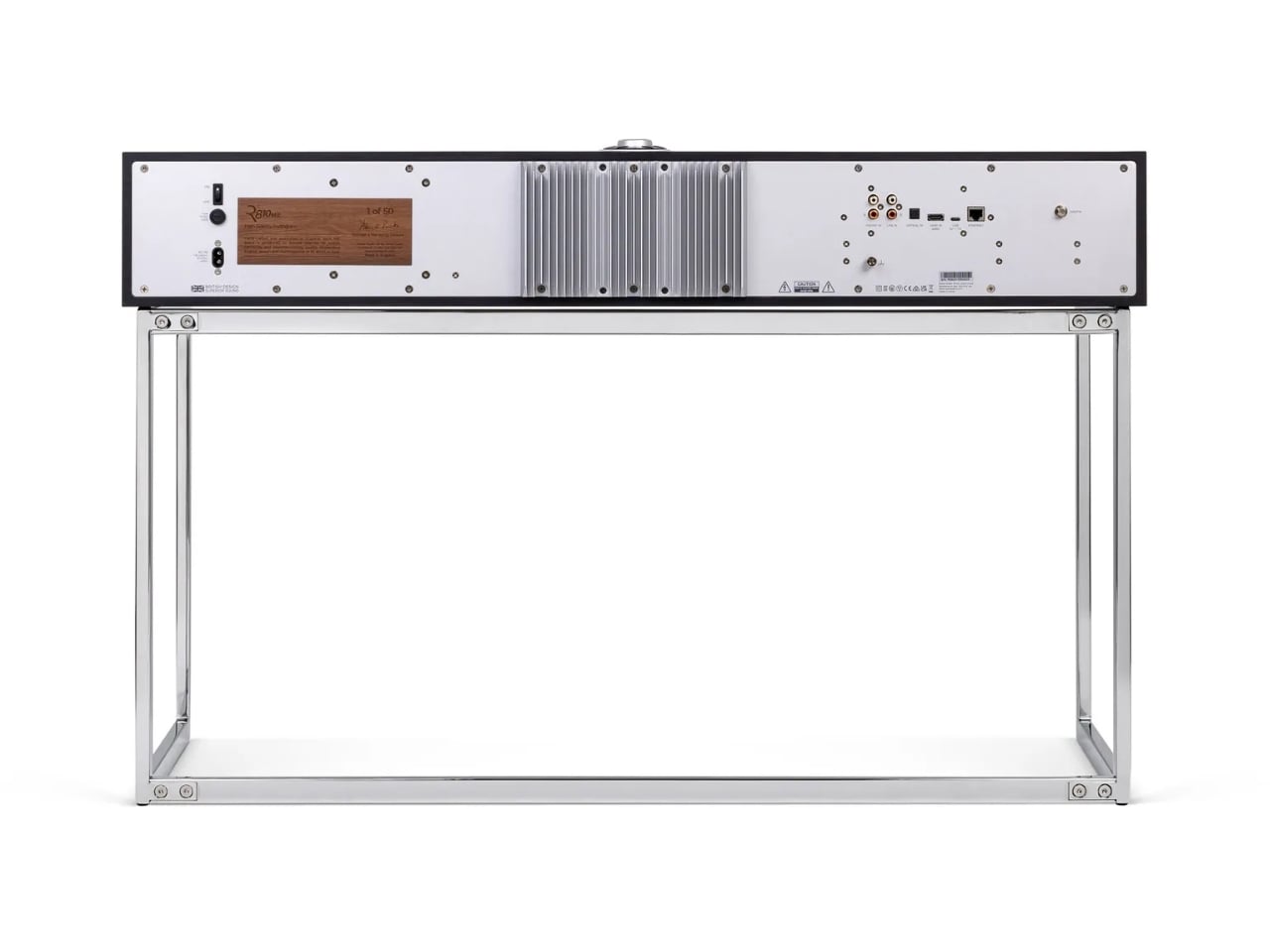
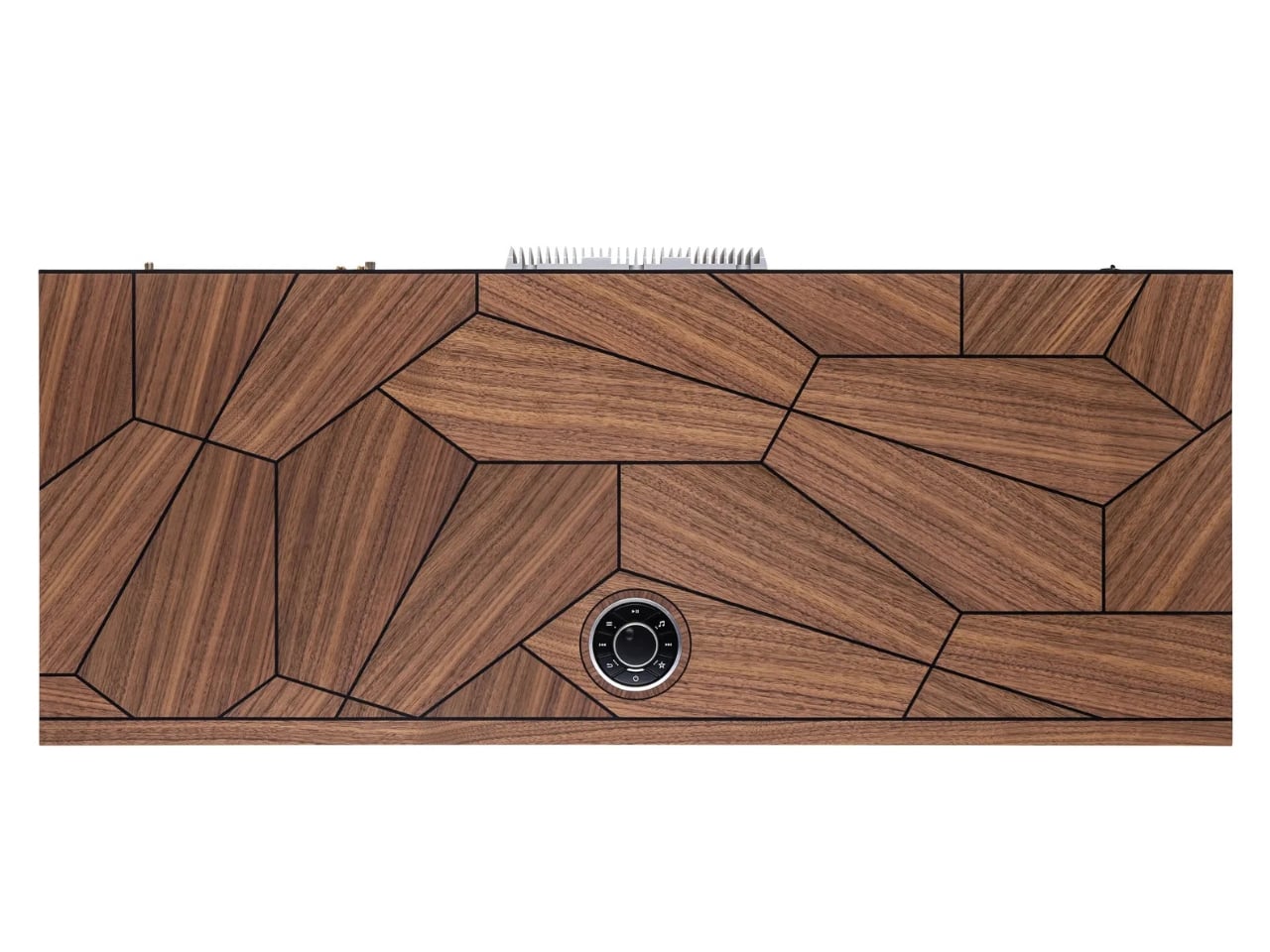
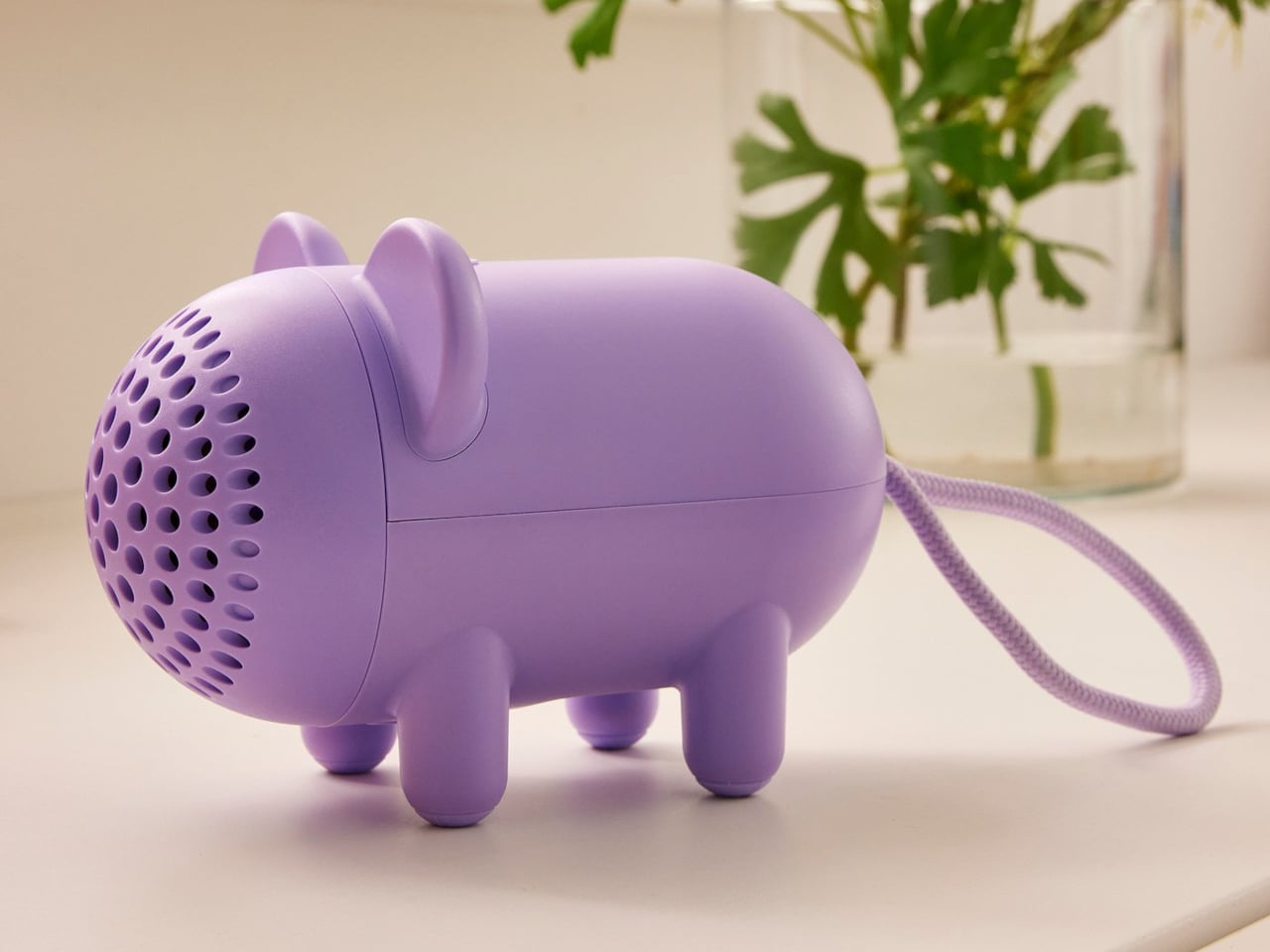
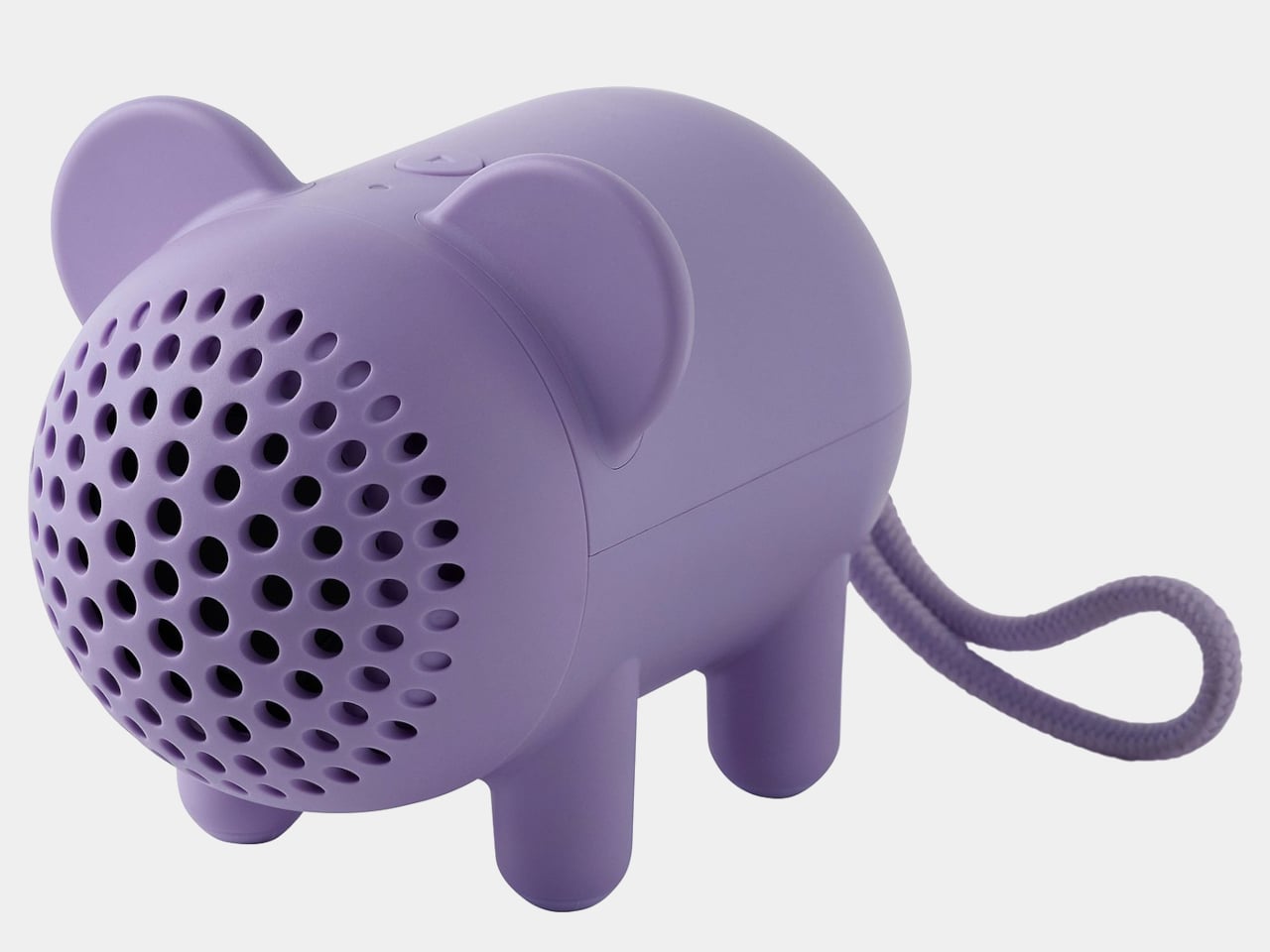
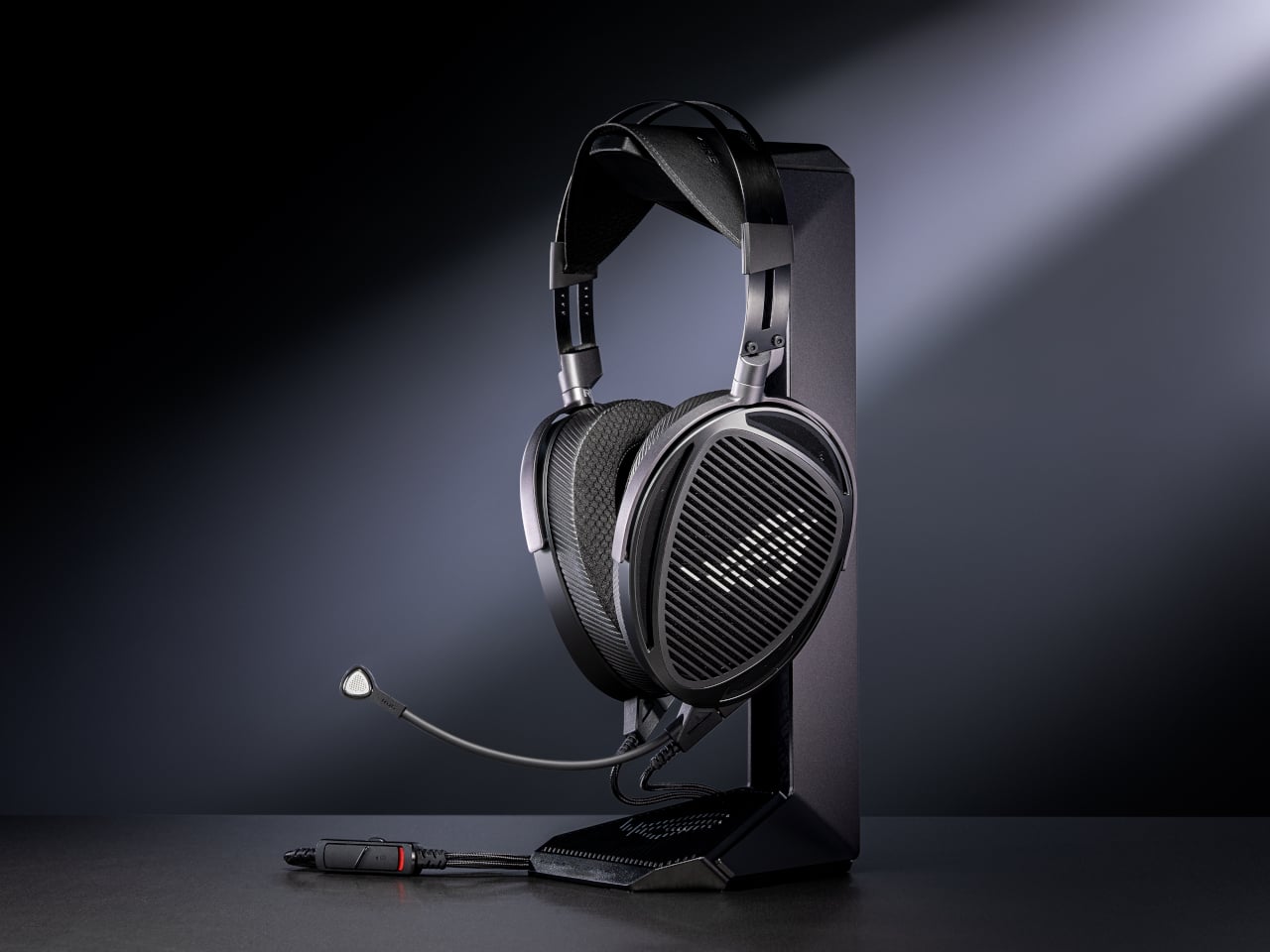
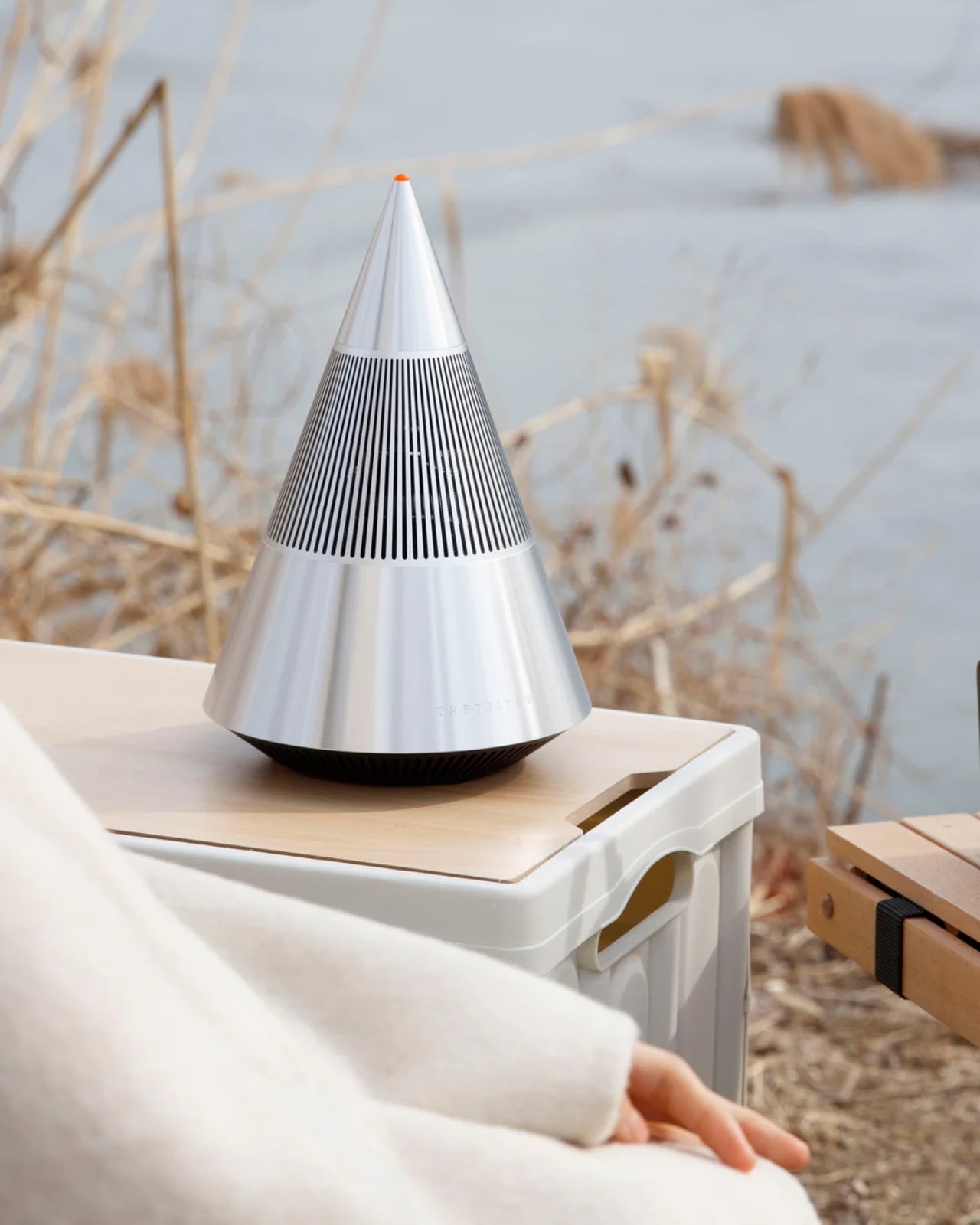
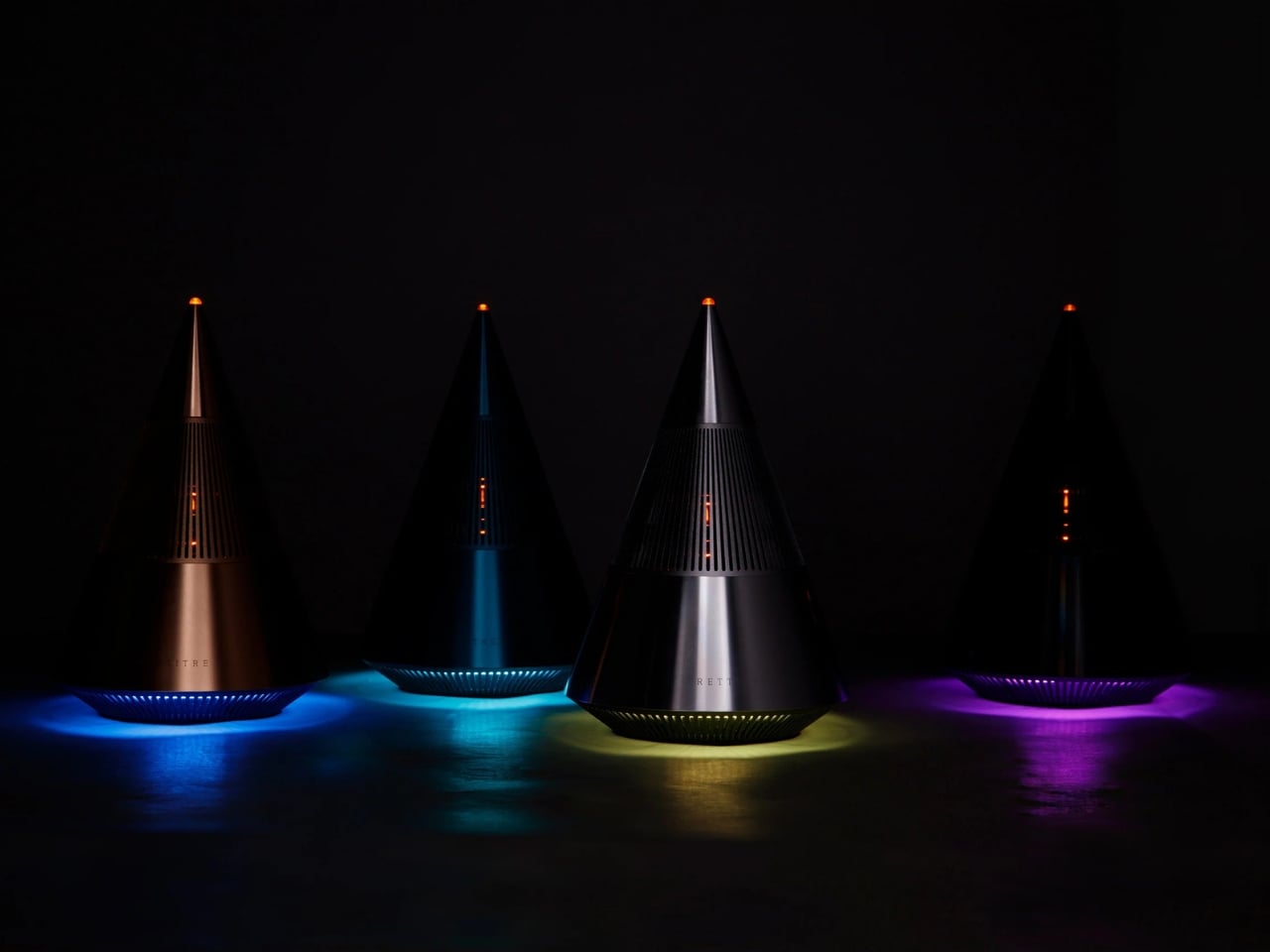
Regardless of religious inclination or lack thereof, the word “church” would often conjure up images of lofty buildings designed to inspire awe or command respect. Of course, church architecture often reflects the trends and styles of their times, and there are indeed churches today that wouldn’t look out of place beside commercial buildings and structures. Of these, the former Church of Saint Agnes in Berlin, now home to the Konig gallery, is perhaps one of the most striking examples of the modern brutalist movement applied to such a structure, and its imposing character happens to be the almost literal inspiration for a desk speaker concept that similarly embraces that spirit of extreme austerity in a beautiful and memorable way.
Designed by architect Werner Duttmann and finished in 1967, the former Church of St. Agnes, now the Gallery of Konig, stands almost in opposition to common church architectures of that period and the ages before it. Its unadorned, boxy shapes don’t stand out among the rows of concrete buildings that line up most cities, making it feel like just another part of the community. At the same time, however, its austere appearance still cuts an imposing figure that gives the impression of something that is meant to exist on a completely different and higher level.
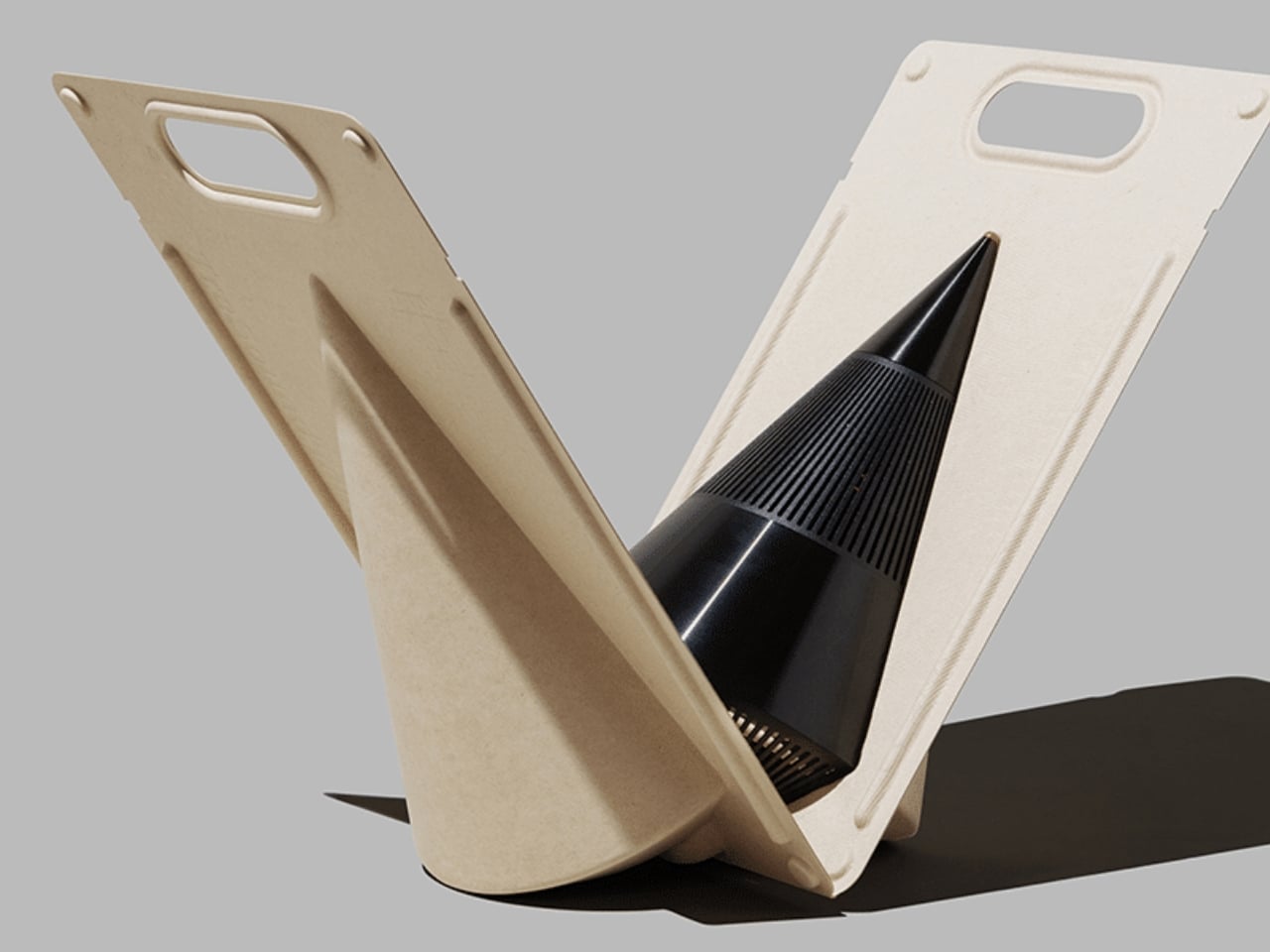
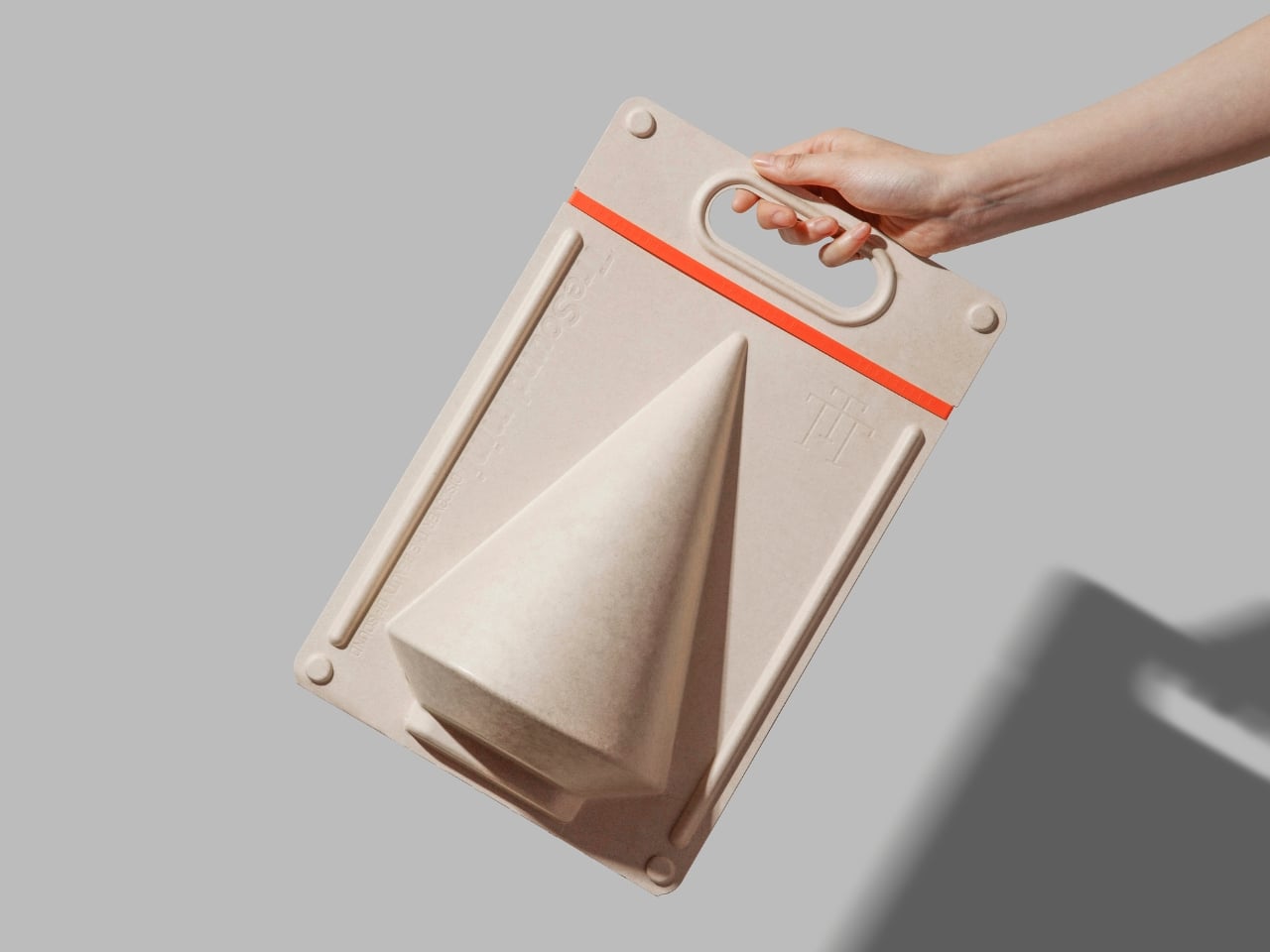
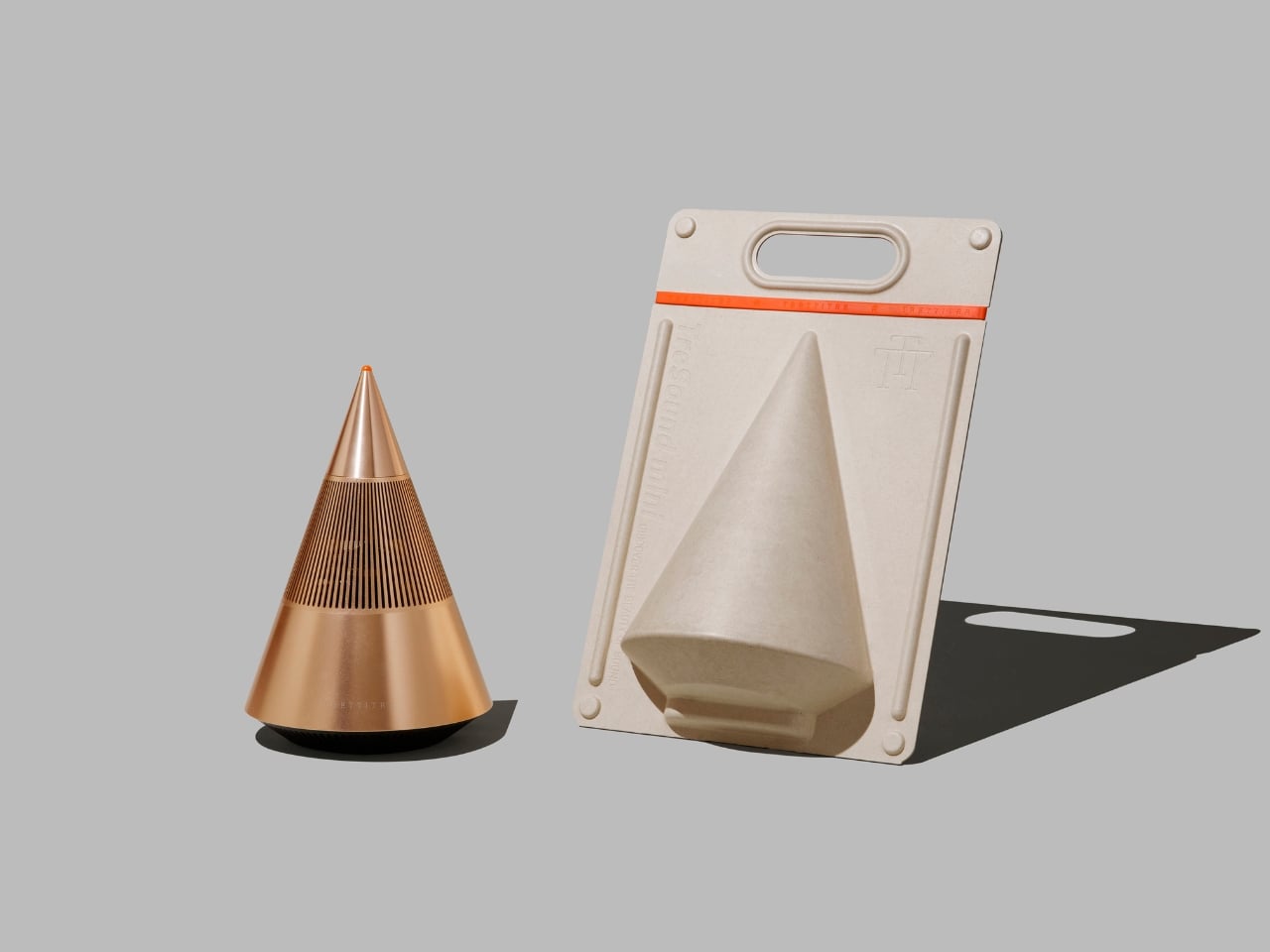
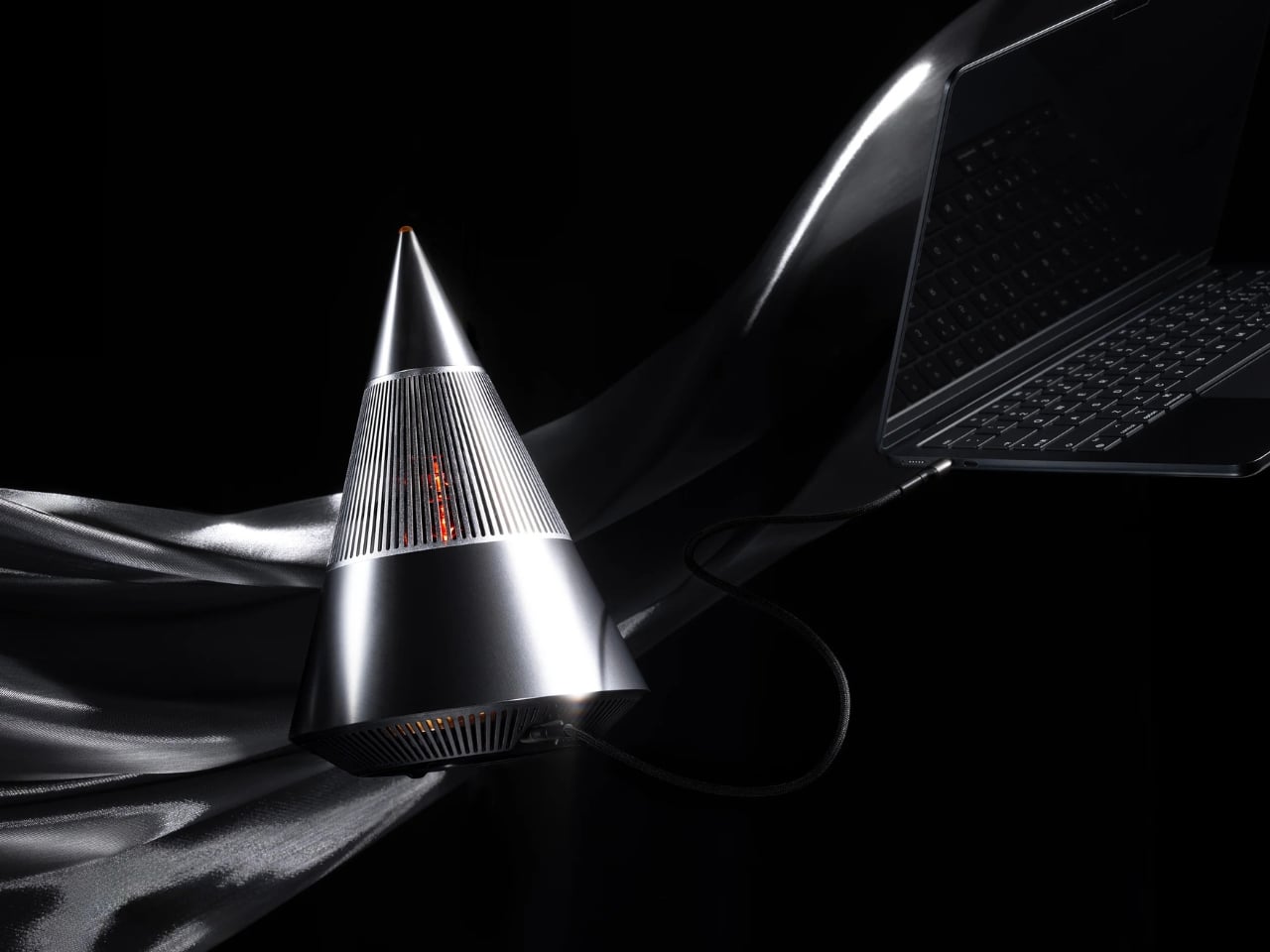
It’s that same stunning characteristic that the Agnes desk speaker concept tries to convey on a smaller scale. Like the church it takes both its shape and name from, the design is made from two plain rectangular pieces, though the roles are switched. The vertical “bell tower” is actually the main speaker, with the top box providing 360-degree output, while the larger detachable box provides bass on demand.
Like any brutalist design, the speakers express rawness, expressed through metal instead of concrete and accentuated by the use of the simplest geometrical shape and sharp edges. In terms of functionality, however, there is nothing unrefined about the Agnes speaker concept, and it even imagines a feature not found in any 360-degree speaker today. While the lower knob controls the speaker volume, the one above it determines where sound is directed, whether it’s only from the front, from the front and the sides, or from all four sides.
Smart speakers today are trying their best to blend into their surroundings, namely your interior decor, and just like its inspiration, the Agnes desk speaker concept presents a duality in that regard. It definitely mixes well with minimalist designs, but its raw appearance and imposing stature also make it stand out easily, turning what would normally be just a functional appliance into a unique work of art that looks almost out of place and out of time.
LG placed battery in a television set and the StanbyMe was born. The portable, touchscreen display, Korean tech giant sells for $1,000, is completely wireless and comes on a height-adjustable stand so it can swivel in landscape and portrait orientation to facilitate viewing angle depending on the content you are watching. Adding to the versatility of this battery-powered TV, LG has launched StanbyMe Speaker. A soundbar that works standalone or can hook up to the StandbyMe stand using its own mounting cradle.
The cylindrical portable Bluetooth speaker wirelessly syncs with the StanbyMe display offering it a powerful sound without compromising the quality of the internal volume. The speaker weighs roughly 2.2 pounds making it extremely lightweight and portable to take anywhere you like. It comes with an IPX5 rating, so you can carry it to the poolside, but don’t take it further from there. An accidental splash is doable but it won’t survive being submerged in water.
Connected to the StanbyMe, and using LG’s Wow Orchestra feature, the audio is delivered in harmony through the StanbyMe Speaker and the display’s internal speaker. When the two are linked, the display’s remote can be used to control the onboard speakers and the immersive audio output of the external speaker.
LG claims, the StanbyMe Speaker can provide 16 hours of playtime under normal usage. The Bluetooth speaker can be recharged using USB-C. The impressive run-time means you can use the speaker for viewing a series on OTT, game for hours without a stop, to join friends at home for a house party playing music all night. For the latter, the speaker has LED lights customizable (via app) to the vibe of the music you’re playing and create the desired atmosphere.
Taking care of the most integral aspects, the stereo sound of the StanbyMe Speaker is two 20mm tweeters paired with a single woofer. The dual passive radiator on the speaker helps deliver a deeper and more compelling bass, LG notes. LG StanbyME Speaker is now available in the U.S. and Korea. Through the website, LG.com the speaker is retailing for $200 in the US. The company has a plan to roll out the speaker in other markets globally, but when, is not clear at the time of writing.
It’s not unusual these days to see plenty of retro-themed designs and products, all trying to capitalize on the strong emotions that nostalgia can bring. Most of these simply slap on a facade that mimics the aesthetic from decades past, but some do try to also recreate the experience by using what would be considered vintage technology or components. Of course, it’s not enough to just use old-school technologies, they also need to be properly integrated into today’s features. That’s the kind of balance that Astell&Kern’s latest portable music player tries to deliver, bringing a modern device that not only looks retro on the outside but partly on the inside as well, blending the present and the past in perfect harmony.
It might come as a surprise in the age of smartphones, but there are still companies producing music-playing devices that do only that. It allows the brand to focus solely on perfecting the listening experience without having to worry about cameras, cellular networks, and apps. As far as those portable music players go, Astell&Kern’s existing SP3000 is already quite distinctive with its hard, faceted, and angular design, giving it an almost industrial aesthetic, especially with its stainless steel body and 99.9% pure silver plating.
The SP3000T, however, gives that design a retro twist by adding dual vacuum tube amplifiers on the back of the device. These aren’t just for show, though, as they actually function the way the tube amps did in the past, using modern techniques and materials, of course. The tubes bring not just an analog appearance but also an analog sound, delivering a unique audio quality that can be best described as warm and soothing, qualities that are difficult to achieve simply using digital sound.
What’s even more interesting is that listeners won’t have to choose between one or the other. Yes, the SP3000T lets you switch between these analog tube amplifiers and the digital op-amp mode, but there is also a third hybrid option that mixes the two together. What you get is a combination of the precision and high-resolution output of the digital amp mixed with the warm tonal qualities of the analog vacuum tubes.
The Astell&Kern SP3000T also carries the brand’s latest audio technologies, including a digital-to-analog converter that promises a complete separation of digital and analog signals for the cleanest sounds. It also has 8GB of memory, boasted to be the highest in digital audio players, for smoother operations. And, yes, it also has a touch display, almost like a smartphone, that lets you enjoy not only album art but also themes, adding a bit of joy to this retro-modern listening experience.
There are a lot of Bluetooth speakers in the market, from simple and minimalist ones to the more luxurious and expensive-looking ones. When it comes to design though, there aren’t that many that go out of the box so to speak so we see either circular, box-shaped, dome-shaped, spherical, and other common shapes. So when we see uniquely-designed ones, even if they’re still just in the concept stage, then it catches our attention.
Designer: Hyunjae Noh
The concept for the Saturn Bluetooth speaker is inspired by, you guessed it, the planet Saturn. It’s one of the more “unique” planets in a sense that it has countless rings surrounding it made from ice and rock particles. It also has a yellow-brown golden hue when viewed from earth because of gases like helium and hydrogen. The designer was able to adapt these qualities into a design for a speaker that would most likely stand out. It would look like a sculpture of the planet but once you start playing music from it, then it would be a conversation starter as well.
But it just doesn’t emulate the look of Saturn. There’s a functional purpose for the parts as well. There is an upper body, a lower body, and a singular ring. The last one is what you will use to adjust the volume of the music or podcast streaming from the speaker. Because there is an upper and lower part, the support between the two is there to minimize the vibration interference from the woofer, midrange, and tweeter as well as minimizing interaction between them. This means there should be better sound quality and accuracy of sound reproduction.
The 360 degree speaker placement means your sound can be distributed around the room. The multi-way system is also able to accurately separate low, mid, and high-frequency ranges. You get 10 hours of playback on a full wireless charge, so it means you can also bring it around with you if you don’t mind carrying around a planet.
Braun has long been celebrated for its minimalist aesthetics and commitment to delivering high-quality consumer goods. From innovative kitchen appliances to iconic grooming devices, Braun products are a testament to functionality, durability, and timeless style. The Audio 1 concept takes inspiration from this legacy, embodying the brand’s principles in a fusion of retro design and contemporary technology.
The ideation process of this device posed a meticulous challenge, as Braun’s outwardly simple designs revealed intricate considerations in every measurement. The SK series, known for its retro design, served as a significant muse for the creators. Each element of the device, from the placement of dials to buttons, was carefully thought out, offering a unique perspective on the deliberate reasoning behind its placement.
Audio 1 stands out with its thoughtful division into two sides—one dedicated to the speaker functionality, and the other to controls and the integrated power bank. This design choice not only enhances user experience but also reflects Braun’s commitment to reducing clutter and maintaining a clean, organized appearance. Having all controls and inlets on one side ensures easier access, preventing the device from looking like a mess with wires coming out from everywhere. This strategic layout aligns with the brand’s minimalist approach, creating a seamless and aesthetically pleasing device.
Audio 1 goes beyond its elegant design by offering practicality in its compatibility with various wire types. With support for C-type and USB connections, the device caters to the diverse needs of users, ensuring a hassle-free experience and eliminating the need for multiple cables. This feature further enhances the versatility of Audio 1, making it a convenient choice for users with different devices.
Audio 1 represents a harmonious blend of retro design inspiration and modern innovation. Braun’s commitment to meticulous design considerations, minimalist aesthetics, and functionality is evident in every aspect of this innovative device. With its thoughtful division of functionality, reduced clutter, and compatibility with different wires, Audio 1 emerges not only as a stylish audio companion but also as a practical and versatile travel essential.
This is a conceptual product. Any reference to Braun is purely for representational purposes
Ken Pillonel takes consumer satisfaction a little too seriously. Famous for hacking previous versions of the AirPods to give them USB-C ports and make them more repairable, Pillonel has now turned his sights to the AirPods Max (which hasn’t received an update in over 3 years, as he points out). The regular AirPods and even the iPhone have both made a concerted shift to USB-C, but Apple surprisingly forgot to upgrade their flagship headphones, leaving it in the lightning era.
No stranger to hacking (ahem, upgrading) Apple’s accessories, Pillonel decided to build a USB-C AirPod Max before Apple did. The video above takes us through the journey, showing how Pillonel disassembled the existing AirPods Max, designed a new PCB with a USB-C port, and mounted it (with relative ease) in the headphones, giving them the upgrade they severely needed. The best part, Pillonel even sells his PCBs on his own website, encouraging other people to hack their AirPods Max too and upgrade them to USB-C.
The AirPods Max debuted in December 2020, which means they’re one of the only mainstream Apple products to not have received a major upgrade in years (they were announced even before the AirTag). Realizing that now was a better time than ever, Pillonel decided to take his AirPods Max for a spin, cracking them open to see the assembly inside and whether it would be easy to upgrade it. Luckily, the lightning port was relatively easy to upgrade without any invasive procedures to the headphone’s body itself. Apple designed the port with a removable metal lip that allowed it to magically become wider (it’s almost as if Apple was preparing for this transition in advance), and knocking the lip out made the hole perfectly sized for a USB-C port.
Pillonel simply unplugged the lightning connector from the existing motherboard and designed a new one that housed the USB-C port. He shared the new PCB design on PCBWay, and had the circuit boards sent to him. An older iteration featured a single-piece PCB that worked, but was susceptible to wear and tear, so Ken redesigned the PCB with a flexible ribbon cable, allowing it to bend without applying pressure on certain parts. The new PCB is available in Pillonel’s shop for 39.9 CHF ($45.3 USD).
The older PCB was prone to wear and tear if used roughly
A flexible ribbon cable on the new PCB made it much more resistant to regular daily usage
The upgraded AirPods Max (Pillonel calls it the AirPods Max 2.0) only has the one design upgrade, although knowing Pillonel, he’ll soon make the entire thing repairable and probably even figure out how to replace batteries on them. You can visit his YouTube channel here, or read our coverage on his other interesting projects here.
Portable speakers come in all types, sizes and themes but never before have I laid my eyes on one that looks like a front-loading washing machine. Only possible in the concept design world realm, this Bose branded portable speaker is a true conversation starter in any geeky den.
The intriguing design of this compact sound blaster tickles my fancy for its ingenuity in the placement of the different elements. Most definitely, you’ll start to see all those front-loading washing machines as a huge speaker once you lay your eyes on this concept. However, in reality all the button placements and speaker components are designed in a way that they seem like the perfect amalgam of portable audio equipment and a miniature washer for your undergarments.
Although there is no detailed information about this concept’s development stage, there’s a picture at the end suggesting a prototype or a display model is indeed crafted by the designer. Dressed in a cool titanium grey finish, the portable speaker is a treat to watch if you are an audiophile who appreciates modern product design. The front of this cool gadget has all the audio telemetry to show the player controls on the touchscreen display along with the volume rocker knob, power button and play/pause buttons. On the left bottom side there’s the Bass actualizer knob.

To the front lies the subwoofer and on each side are the stereo speakers to beam quality sound. Wireless connectivity should be a given on this one, since no one in 2024 would buy a portable speaker without that option. Frankly speaking, this portable speaker would rock your desk setup as well. Folks over at Bose would also be keenly viewing this design language if they want to add something on these lines to their existing line-up.
Many people try to deny experiencing physical disabilities for fear of making them look weak. This is especially true when it comes to hearing problems that people feel they can simply ignore or wave off easily. Those who do admit to having some hearing disabilities, however, are hesitant to get hearing aids that are expensive, fragile, uncomfortable, and too conspicuous, as if announcing their handicap to everyone around them. That doesn’t have to be the case, especially with today’s advancements in technology, and fortunately, some people are indeed stepping up to design a less obnoxious and more reliable hearing aid, such as this concept that tries to check all the boxes that would encourage more people to wear them and enjoy the world as it was meant to be heard.
Despite how electronic components can now be so minuscule, most hearing aids still come in a large, two-piece design that, more often than not, clamps to the back of your ear. Such hearing aids are not only uncomfortable to wear, they also tend to put a very visible stigma on wearers, making them feel self-conscious and even ashamed to wear one. This leads to many owners abandoning these devices altogether, willing to sacrifice their happiness for the sake of their image.
Rezonance is a concept design that tries to think of a better solution that isn’t just more discreet but also more affordable and accessible in the long run. Instead of the typical clamping design, Rezonance employs bone conduction technology to be almost invisible. It’s a technology that is already used today on some wireless headphones, so it’s already a proven solution. By using bone conduction, there doesn’t need to be any visible part going into the person’s ear and Rezonance can stay hidden from view behind the wearer’s ear.
Instead of using clamping force to stay in place, the concept suggests an adhesive pad that’s similar to sports tape, ensuring that the material is not only waterproof but also reusable. Additionally, the components used to make the actual hearing aid are claimed to be quite cheap and easily available, which means that the final product itself doesn’t have to cost people an arm in exchange for their ear.
The design doesn’t specify whether Rezonance works only as a single piece or if you will need two for the full audio experience. Even then, it would still be a lot less cumbersome compared to the traditional hearing aid design. Of course, such a design will need to be verified first, especially by professionals, because a design that’s elegant yet ineffective will just end up disappointing and turning away people all the same.
If you’re a true blue audiophile, or you have a few true blue audiophiles in your life, then you know that all they need are a couple of awesome audio devices to set their mood. All they require is an arsenal of excellent audio devices to blast out some groovy music at their parties or to sing along to their favorite tunes alone in the comfort of their room. Whatever your musical need may be, it is integral to own clear, distortion-free, nifty, and interactive audio devices. And, we’ve curated a collection of unique and innovative audio designs to cater to people’s diverse range of diverse audio requirements. From an invisible turntable to a Nothing-inspired resurrected iPod – there’s an ideal audio device in here for everyone!
1. Nothing x AIAIAI Headphones
The Nothing x AIAIAI’s headphones is a conceptual design that displays how two company’s visions can be merged to create one beautiful and functional product. The headphones feature individual details as seen in the AirPods Max, but they also have the transparent flair and beauty of Nothing.
Why is it noteworthy?
The headphone concept is made up of modular parts that can be easily replaced and swapped out on the fly. They feature stunning transparent housing on the cans, on the ear stem, and on the ear cushions as well. This transparent cushioning on the headrest truly makes the headphones stand out.
What we like
Equipped with slide-out cans, removable ear-cups, and detachable aux cable
What we dislike
There are only two color options – the usual black and white. Since it is a conceptual design, would have been fun if they’d experimented with different colors
2. Black Wheel
Called the Black Wheel, this unique innovation is the latest version of the Wheel design by Miniot. It smartly hides the electronic and mechanical components beneath the record, which seats all the different parts within a thin circular body, which disappears, the second you put a record on.
Why is it noteworthy?
When the Black Wheel is placed upright, the illusion created by it becomes quite obvious. It has a minimalist charm that pulls you in, even if it is placed horizontally. The Black Wheel also has a unique control system, that is felt but not really seen.
What we like
Features an incredibly thin and subtle body without compromising the audio quality
Space-saving design, that doesn’t occupy too much space
What we dislike
The Black Wheel has an old-fashioned charm which may not be preferred by those who like modern aesthetics and contemporary style
3. Wall Hanging CD Cover Player
Meet the Wall Hanging CD Cover Player – a minimalist CD player with an innovative retro design that offers you a distinguished listening experience combined with the beauty of visual art. You don’t need to hide away the CD jacket, you just need to slip it inside the specially-designed pocket, and put it on display!
What makes the Wall Hanging CD Cover Player so unique, is that showcasing this CD player equates to physically displaying digital album art. It also lets you show off the fact that you have your own physical original CD!
What we like
Portable design that you can carry around with you, which also boasts a 40mm full-range speaker and woofer unit
Has a 1800mAh battery that provides 7-8 hours of excellent audio experience
What we dislike
Only offers an analog style of listening to music, it does not facilitate syncing music or playlists with any digital medium
4. Battery-Free Amplifying iSpeaker
Meet the Battery-Free Amplifying iSpeakers – this portable battery-free iPhone speaker is an innovative and unique version of the typical no-power smartphone speaker. It is made using metal, and offers a product with enhanced functionality and value, unlike other typical speakers on the market.
The Battery-free Amplifying iSpeakers are made using Duralumin – a type of aluminum alloy that is used in aviation and aerospace industries, as it has vibration-resistant properties. All you need to do is insert the smartphone into the speaker and let the sound completely envelop you.
What we like
The speaker is electricity-free and doesn’t need any power
Features a minimalist and unique aesthetic that is quite captivating to look at
What we dislike
Will not fit with bulky smartphone cases
5. ERA
This retro-modern portable cassette tape player features Wi-Fi, Bluetooth connectivity, and a 3.5mm jack that can you plug into your headphones of choice. Called ERA, this unique device features a retro aesthetic with modern functionality, and it truly merges the best of both worlds.
Why is it noteworthy?
The ERA is equipped with a small display beside the physical play/pause and track change buttons. This display adds modern functionality to the device. But, on the other hand, the volume knob looks like the knobs from radio sets of the past.
What we like
ERA can by synced to your smartphone via Bluetooth
Merges modern functionality with old-school aesthetics
What we dislike
It isn’t designed for users who have a bias towards the medium they’re currently consuming music on
6. Ultra Open Earbuds
Bose teamed up with Kith – a fashion and lifestyle brand to create the Ultra Open earbuds. The earbuds were launched at CES 2024, and they mark the integration of Ronnie Fieg, the founder of Kith with Bose – where he will be responsible for merging fashion, culture, and sound to create interesting products.
Why is it noteworthy?
The earbuds are open-style, and they feature a distinctive design amped by a clip-on configuration which is not at all intrusive if you put on glasses or sport sunglasses on a hot day. The buds are cuff-shaped and can be easily hooked onto the outer ear for all-day-long comfort wear.
What we like
Has an easy on-and-off fit for active individuals
Designed to be a “breakthrough audio wearable” for enjoying music while “still hearing the world around you.”
What we dislike
Technical specifications are limited at the moment
7. Urbanista Second Gen Headphones & Earbuds
Urbanista has launched the second edition of their Los Angeles headphones, and Phoenix TWS earbuds. Both the audio designs are currently in production and are expected to be launched in mid-2024. And what’s even better is that they are going to cost slightly less than their first-generation variants.
Why is it noteworthy?
The devices absorb natural sunlight, as well as light from artificial sources to charge the battery. The amount they are charged depends on the intensity and duration of exposure to light. But if exposed to a good share of sunlight, they can offer a week of non-stop listening.
What we like
Feature better-designed components for improved efficiency so they can stay charged for longer
What we dislike
They are still in production, so we are unsure how the actual products will turn out to be
8. Nothing Npod (1)
Named the Nothing Npod (1), this resurrected iPod by Shreyansh Onial and Aditya Pandharpure is designed as a tribute to Apple’s iconic iPod Shuffle and Nothing’s signature transparent aesthetic and glyph interaction. The design signifies how Nothing could transform the music industry by employing tech and nostalgia.
Why is it noteworthy?
It features a signature control panel on the front, as well as a matching circular glyph interface on the back, truly functioning as a fan-made reinterpretation of the iPod Shuffle. It also has a wireless charging coil on the back, as well as a USB-C charger on the bottom.
What we like
The concept perfectly merges the design language of Apple and Nothing, to build an innovative audio device
What we dislike
Lacks a pocket clip that you could attach to your clothes for easy use and control
9. CD Jacket Player
Meet the CD Jacket Player – a new minimalist CD player that merges functionality with visual appeal, creating an innovative product that provides users the freedom to listen to and enjoy their CDs anytime anywhere. It is a true blue portable design, that gives you access to your favorite tunes wherever you are.
The CD Jacket Player serves as a minimalist piece of art, which looks like a picture frame or an oversized Polaroid photo owing to its boxy shape. It also features a transparent middle section. The transparent component unveils the CD’s spinning body, which is an excellent spot to place the CD’s cover jacket.
What we like
Besides being a CD player, it also functions as a decorative element
Portable and easy-to-carry design
What we dislike
10. The Earbugs
Called the Earbugs, this innovative audio accessory offers a unique audio experience, where the goodness of in-ear sound isolation of wireless earbuds is combined with the abilities of bone conduction technology to create a comfy and excellent listening experience for users.
Why is it noteworthy?
Bone conduction teams up with the earbuds’ dynamic drivers to form a 3D soundscape that offers a never-before audio delivery. The earbuds are ergonomically shaped are excellent for fitness and outdoor enthusiasts, and have a decent water-resistant rating.
What we like
Equipped with bone conducting technology, offering superior transparency mode
What we dislike
The Earbugs aren’t great for bedtime listening, as they don’t seem comfortable to use while lying on your side or sleeping
It’s undeniable that people commonly consume content on platforms like YouTube and social media or listen to music while going about their business. In such scenarios, social etiquette dictates that we don’t play our content loudly for everyone to hear. This is why headsets, particularly wireless earphones, have become essential accessories. However, not all earphones are created equal. The quality of earphones varies based on performance, comfort, battery life, and recharge speed. The Sonicwave OWS earphones piqued my interest primarily because of their replaceable batteries, a feature not commonly found in the market. Let’s delve deeper into the features that make these earphones unique and worth considering.
The Sonicwave earphones represent a significant advancement in wireless audio technology, offering unique features for busy everyday users. They come with four replaceable 60mAh batteries and a convenient case, which includes a built-in 750mAh battery for charging the earphones when they’re not in use. This setup provides a standby time of up to 168 hours or seven days and allows users to keep using the earphones by switching batteries, a feature not typically seen in other models.
Power through the week with a 750mAh battery with an impressive 168-hour standby time
I, along with many consumers, own more than just a smartphone, which could include a tablet or gaming device; this makes these earphones ideal thanks to another standout feature of the Sonicwave earphones, which is their ability to connect simultaneously to two devices. This dual-device connectivity benefits users who frequently switch between devices, such as smartphones and laptops, allowing for seamless transition without the hassle of repeated pairing processes.
IP6 waterproof coating, guarding against sweat and water exposure
Despite their powerful capabilities, the Sonicwave earphones are designed with comfort and ease of use in mind. Weighing in at just 128 grams for the entire set and a mere 10 grams per earphone, they offer a lightweight wearing experience that users will barely notice, even during extended periods of use. This makes them an ideal companion for not just daily activities but also for more vigorous physical exercises. In my experience, it doesn’t matter how excellent the sound quality of a pair of earphones is; if they’re uncomfortable, I won’t use them. So, let’s explore why these are truly comfortable to wear long-term throughout the day.
Sonicwave OWS earphones are powerful, lightweight, and designed for all-day comfort.
The Sonicwave earphones are designed to fit the contours of the ear perfectly. The design features a three-point linear gravitational force surface and a 35° angle for direct sound transmission into the ear canal. This ensures a secure, comfortable fit that stays in place all day, improving the overall user experience.
The open-ear design of the Sonicwave earphones is a thoughtfully engineered feature that prioritizes user safety and comfort, making these earphones particularly beneficial for a wide range of users. By allowing ambient sounds to filter through seamlessly, this design ensures that users maintain a connection with their environment, an essential aspect of situational awareness. This quality is invaluable in outdoor or public spaces, where being attuned to one’s surroundings can be crucial for navigating safely among potential hazards like traffic, pedestrians, and public announcements.
Open-listening design for safer, more aware audio experiences
Moreover, the open-ear configuration addresses the preferences and needs of users who are uncomfortable with or unable to tolerate earbuds that sit directly in the ear canal. Avoiding in-ear devices is a significant consideration for many, whether due to sensitivity, ear health issues, or personal comfort. Recognizing this, the Sonicwave earphones offer an appealing alternative that rests gently outside the ear, eliminating the discomfort associated with traditional earbuds. Concerns about the potential compromise in sound quality due to the lack of a seal that blocks external noise have been ingeniously addressed by the SonicWave team. Through advanced acoustic design and technology, these earphones deliver clear, rich sound by focusing audio directly towards the ear canal, minimizing leakage and ensuring a high-quality listening experience without complete closure. This innovative approach ensures that users enjoy the best of both worlds: the comfort and safety of open-ear design without sacrificing the immersive sound that music enthusiasts and casual listeners seek in a pair of wireless earphones.
The Sonicwave earphones should offer impressive audio quality using a dual-mode solution that combines a main chip and a power amplifier chip for surround sound output. The critical component is that their active noise-canceling function effectively filters out unwanted noise, providing a clear listening experience. Also, dual anti-phase sound wave cancellation technology prevents sound leakage, thus protecting user privacy.
To enhance the experience, Sonicwave earphones use ‘Sound Vision’ acoustic algorithms to adjust low and high frequencies dynamically. This dynamic equalization maintains a balanced sound texture, delivering a rich audio experience that adapts to the content.
If you’re caught in the rain or sweat heavily during a workout, there’s no need to worry. The Sonicwave’s motherboard is treated with waterproof glue, sealing the unit and giving it an IP6 waterproof rating.
IP6 waterproof coating, guarding against sweat and water exposure
The Sonicwave earphones are an attractive choice for anyone looking to invest in a new pair of wireless earphones due to their innovative features emphasizing convenience, durability, comfort, and sound quality. The advanced 5.4 Bluetooth technology makes connectivity simple with the Sonicwave earphones. They can easily connect with various devices, including smartphones, tablets, personal computers, and smart TVs, allowing users to experience high-quality audio in nearly any environment.