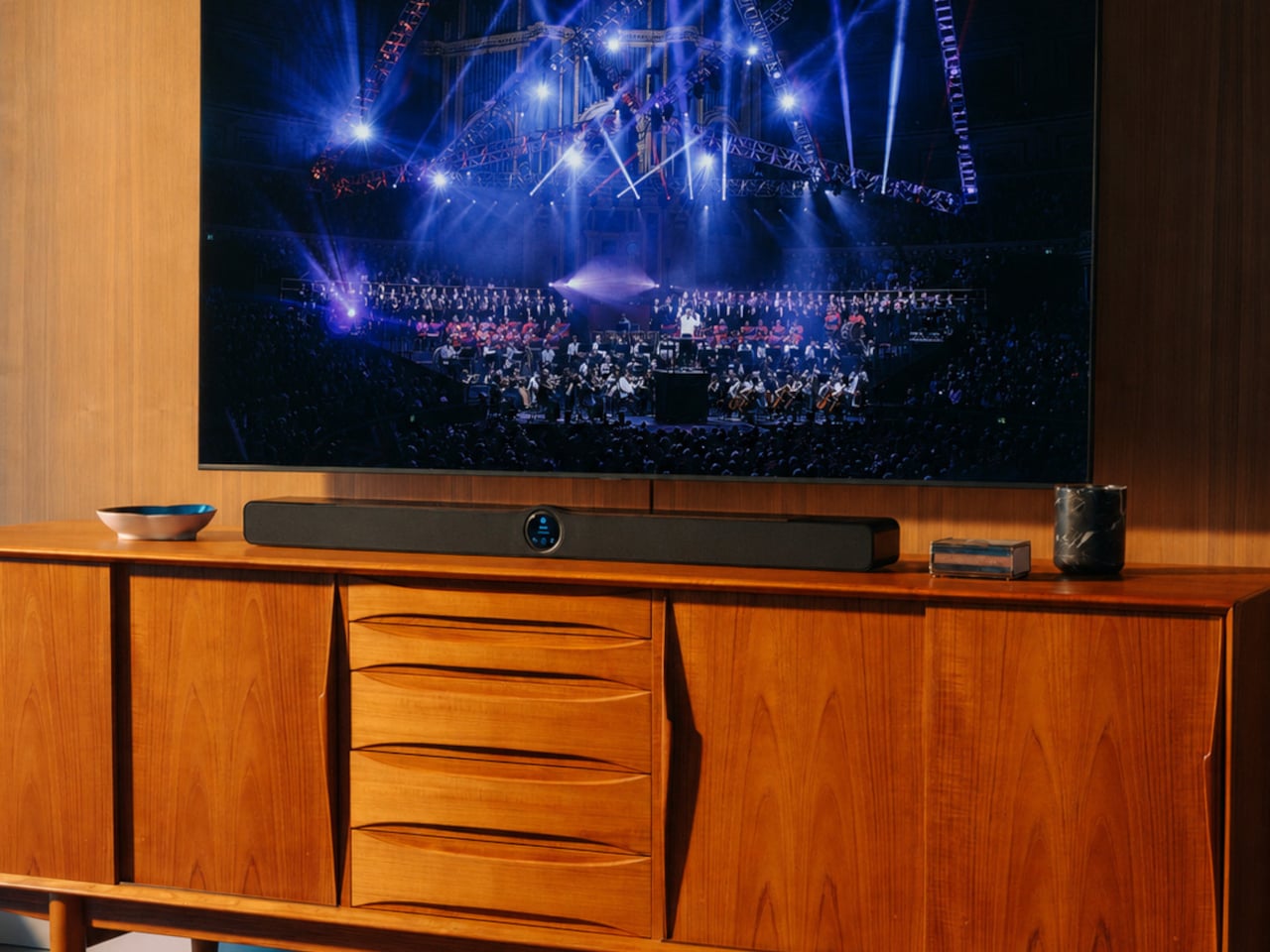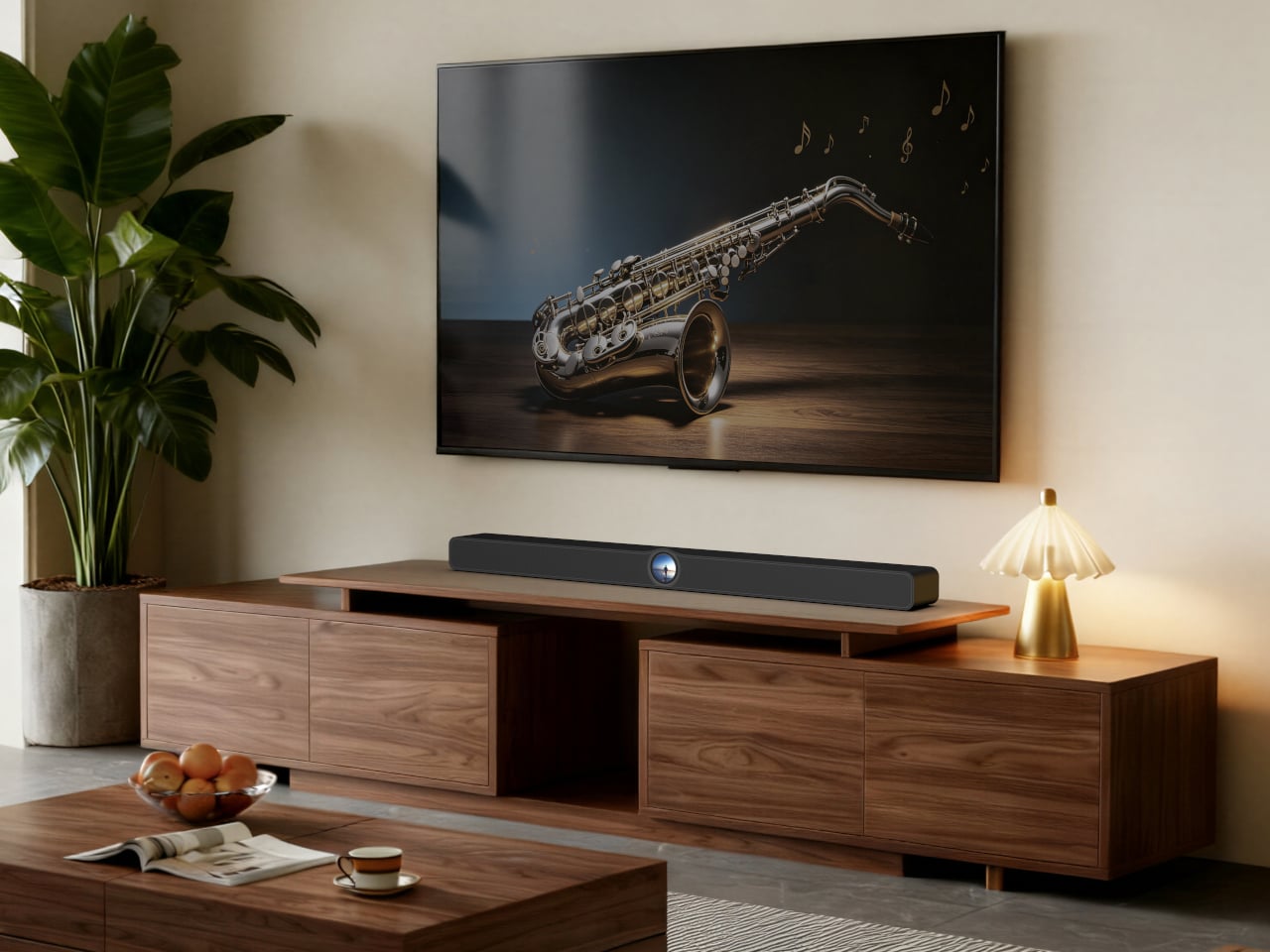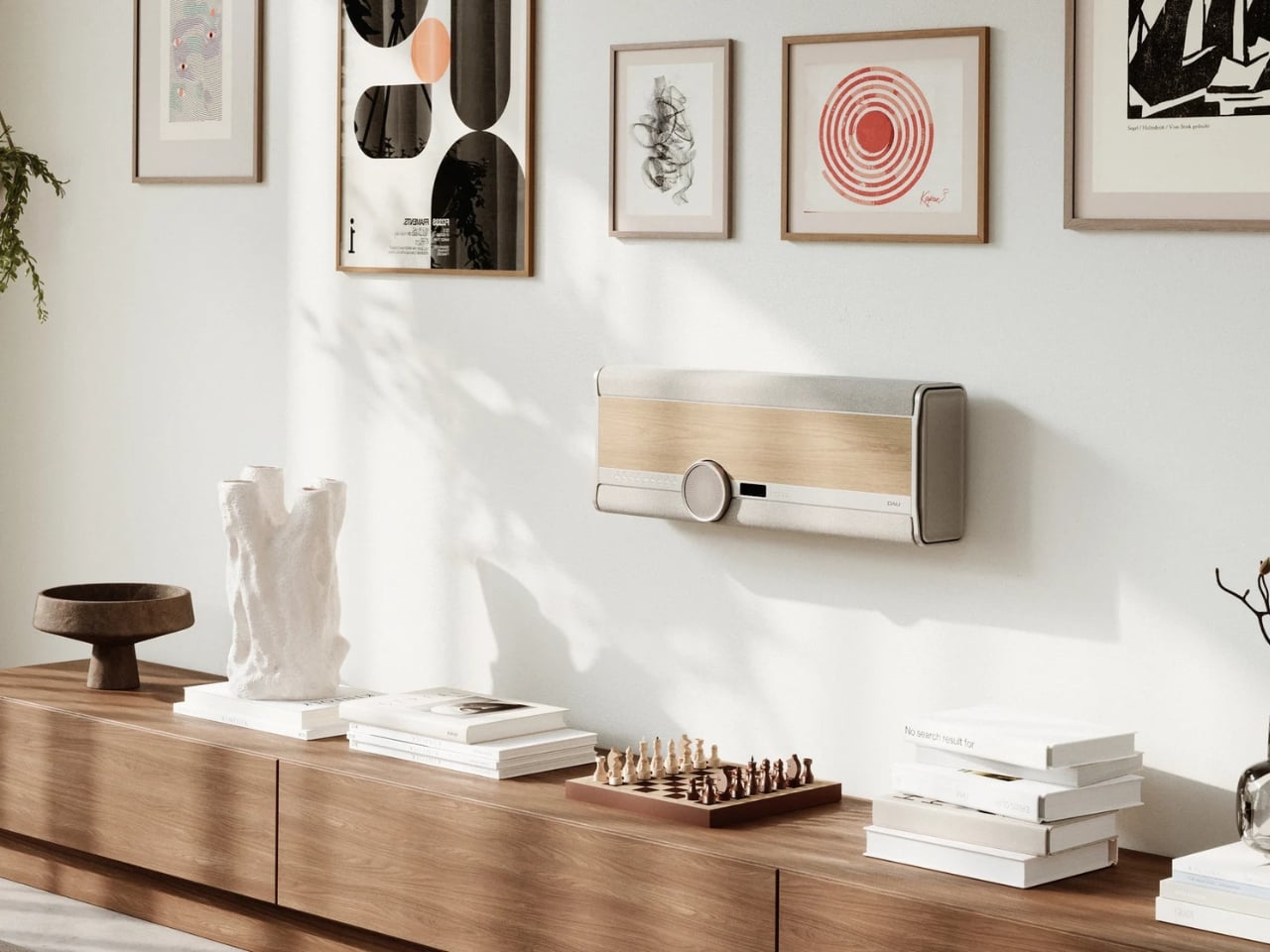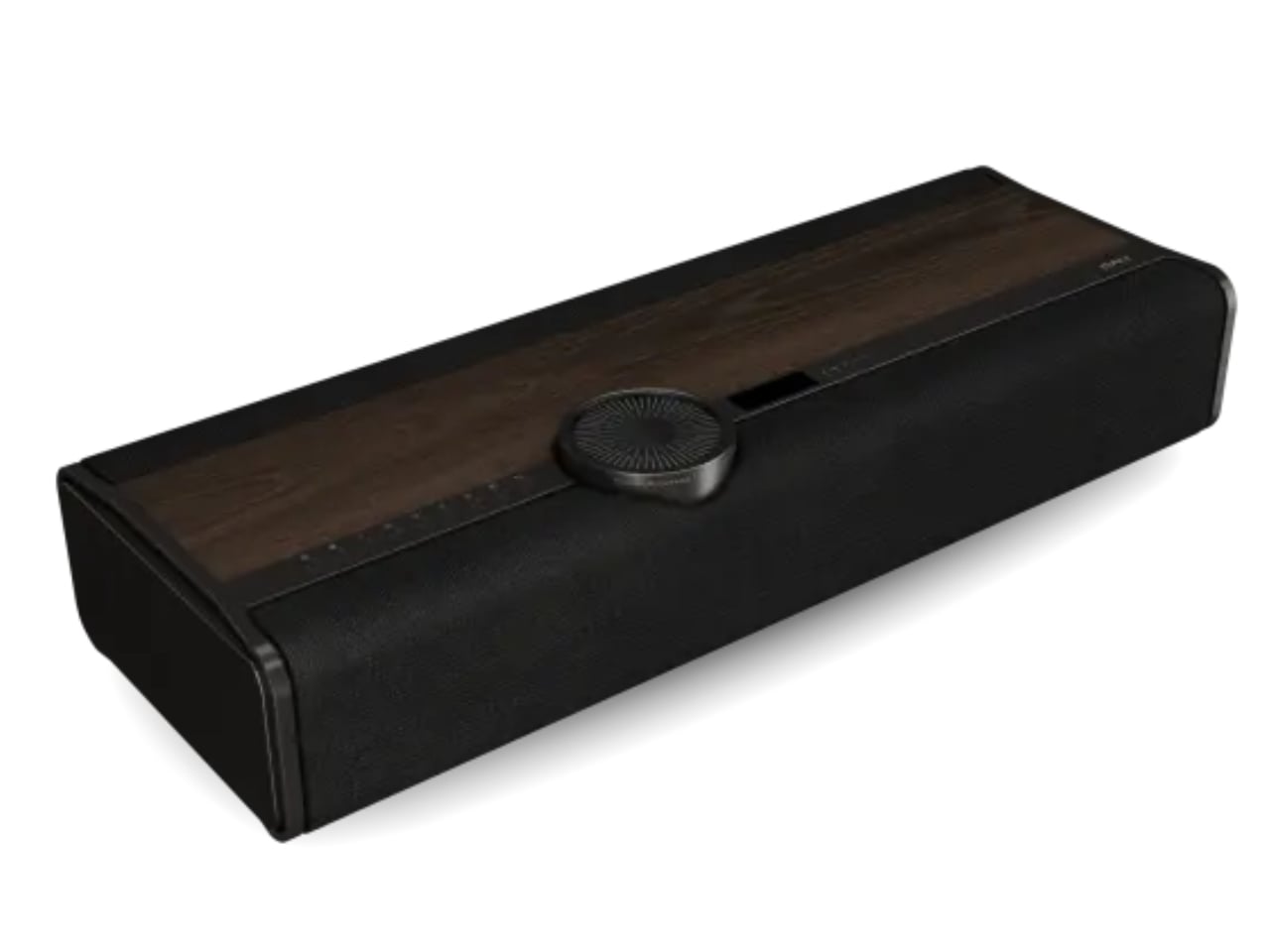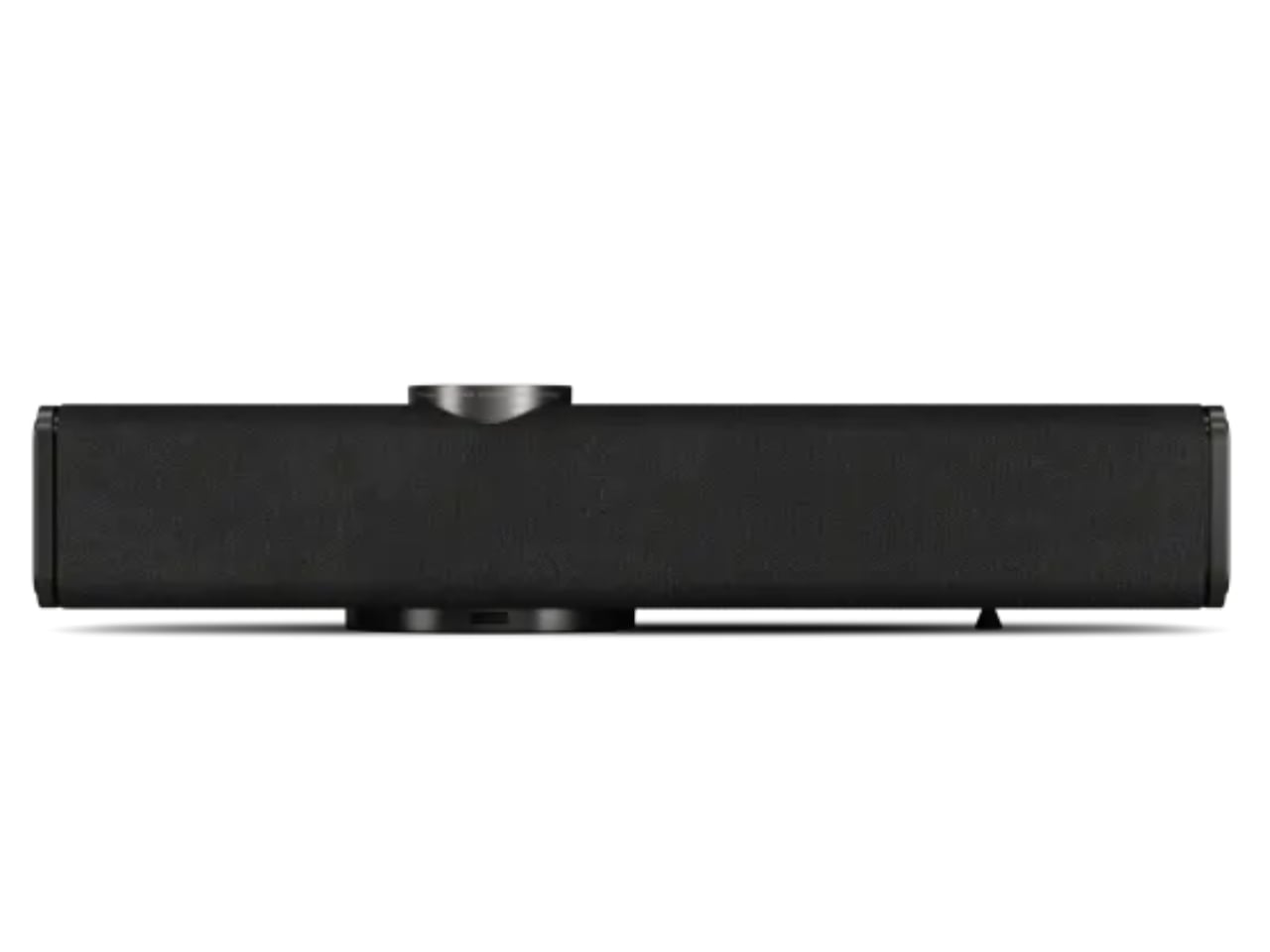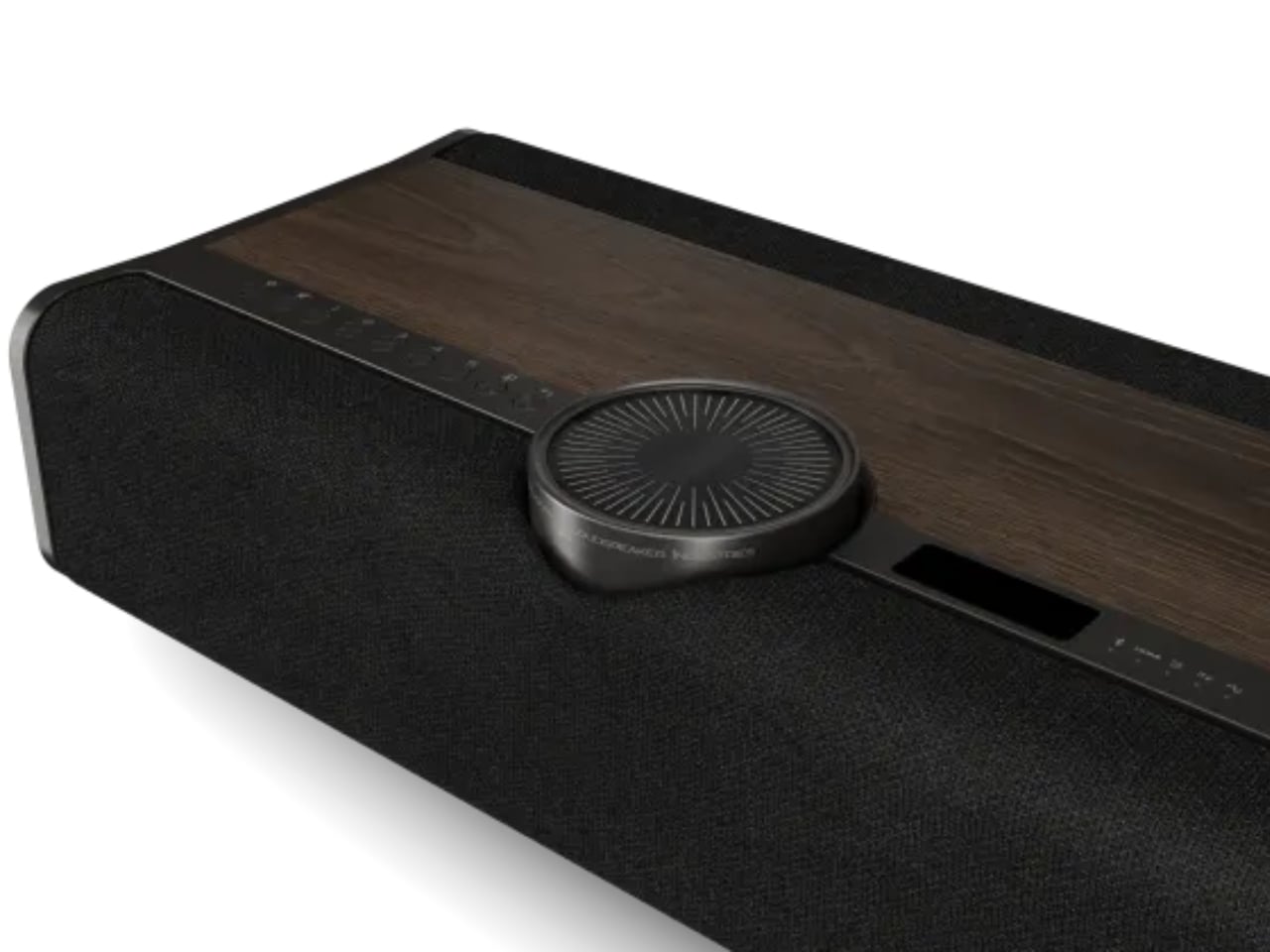
Thunder Duo Max Brings 5.1.2 Atmos to Your Desk With Just 4 Speakers

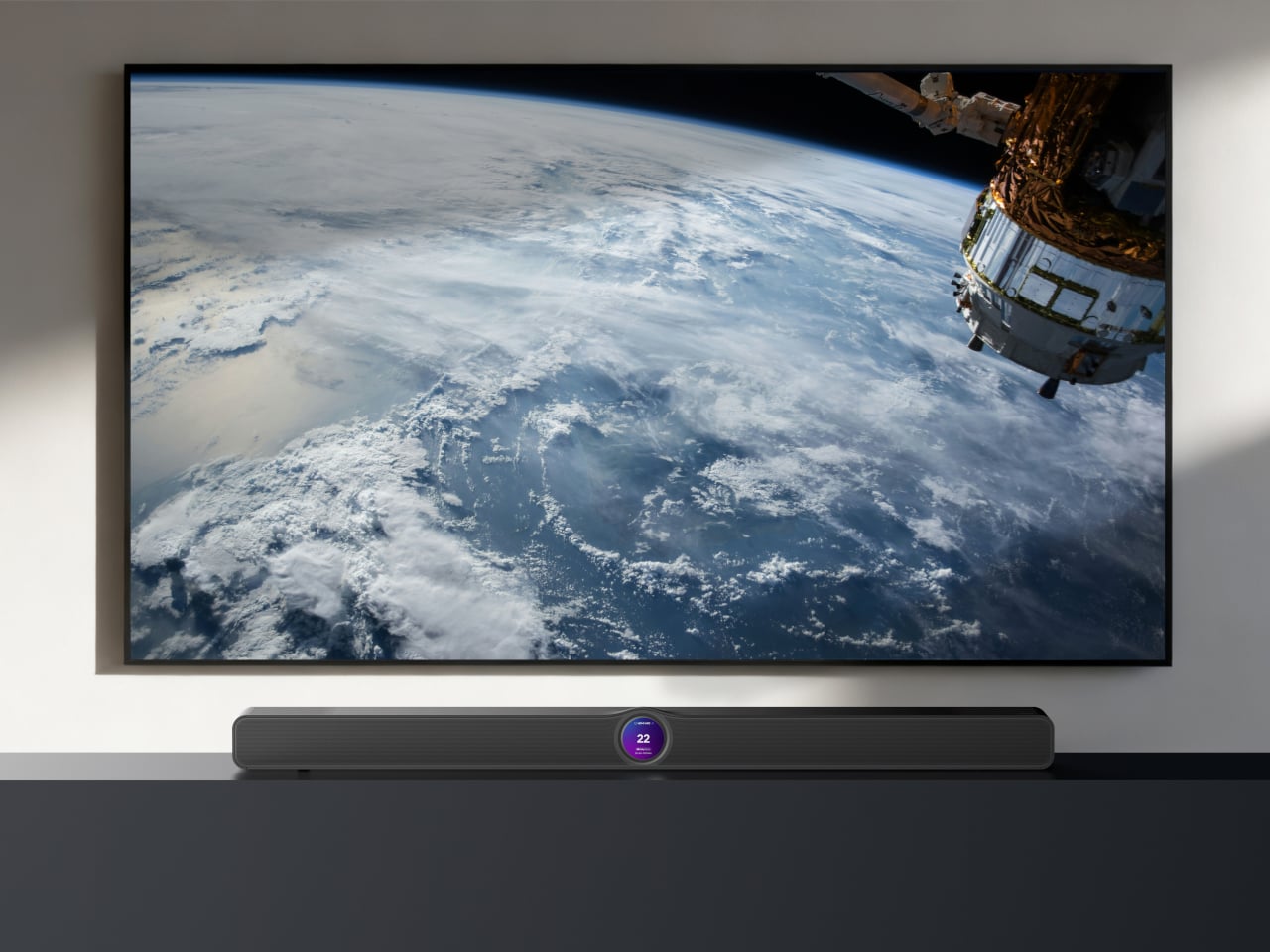
Most gaming setups lean on either a soundbar under the monitor or a headset clamped to your head. Soundbars are convenient but flatten the sense of space, especially when games and films are mixed for surround and height. Headsets can isolate better, but they get warm after a few hours and cut you off from the room entirely. Thunder Duo Max tries to bring full Dolby Atmos to a desk or living room without turning the space into a speaker warehouse.

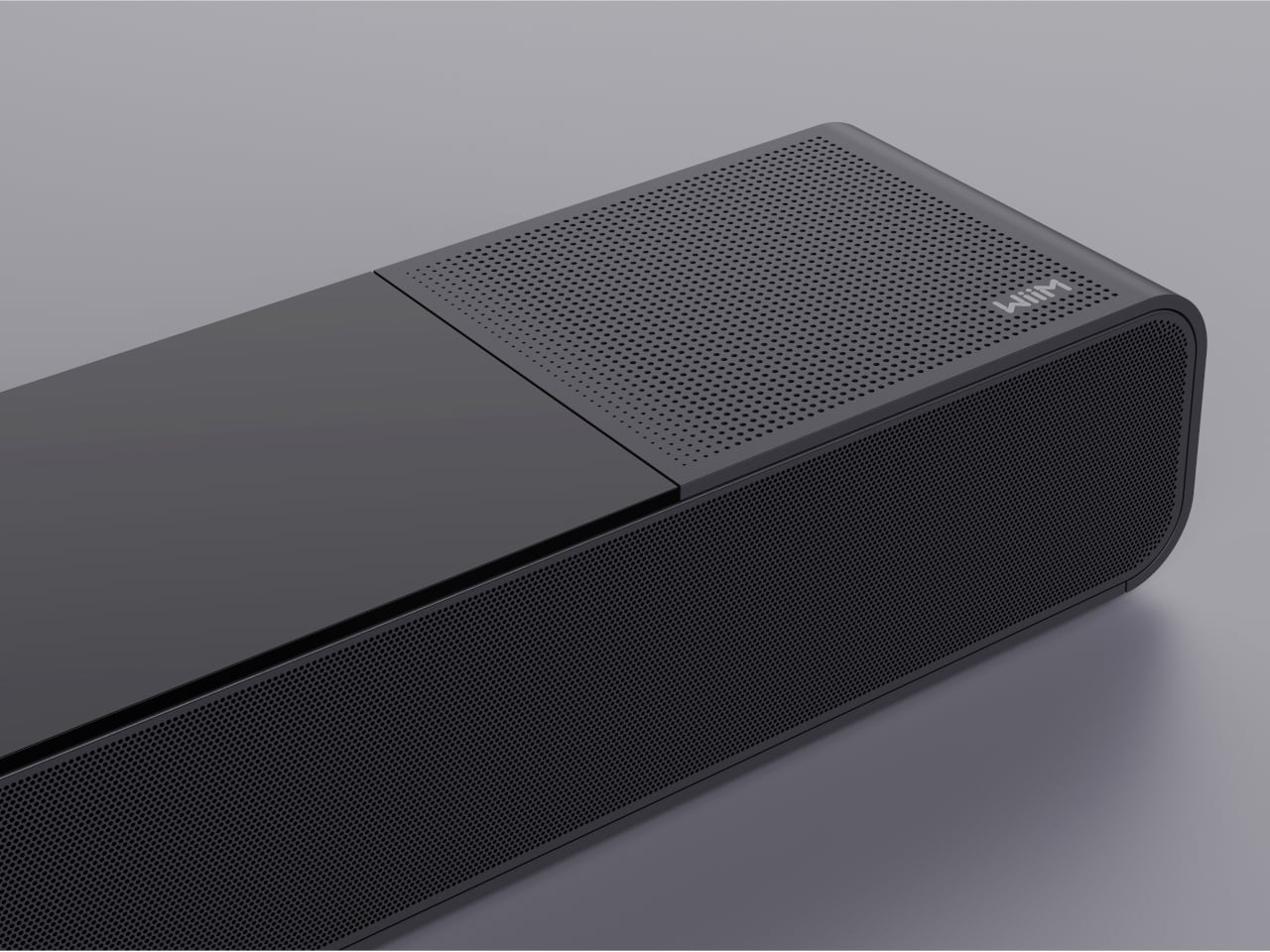
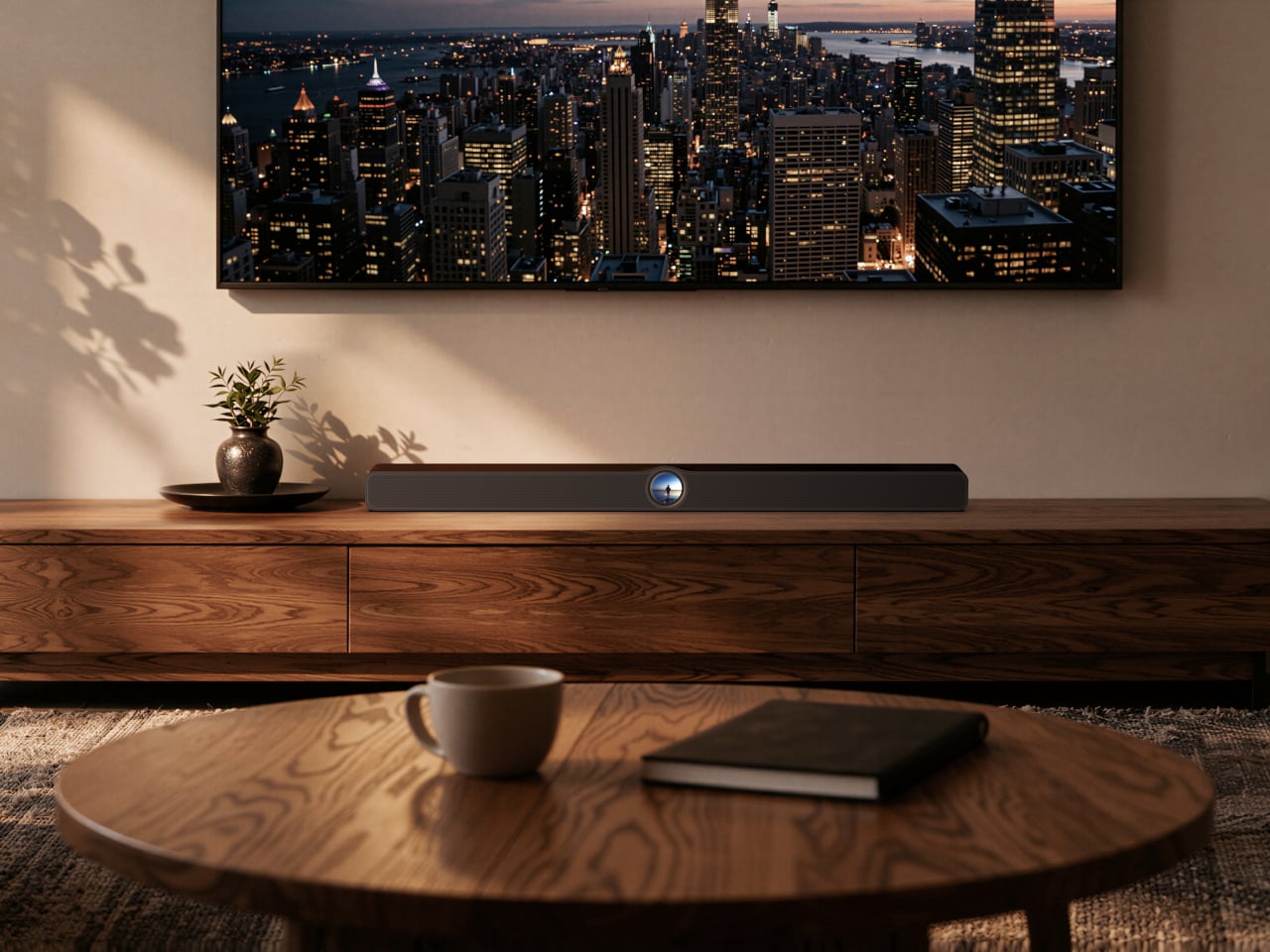
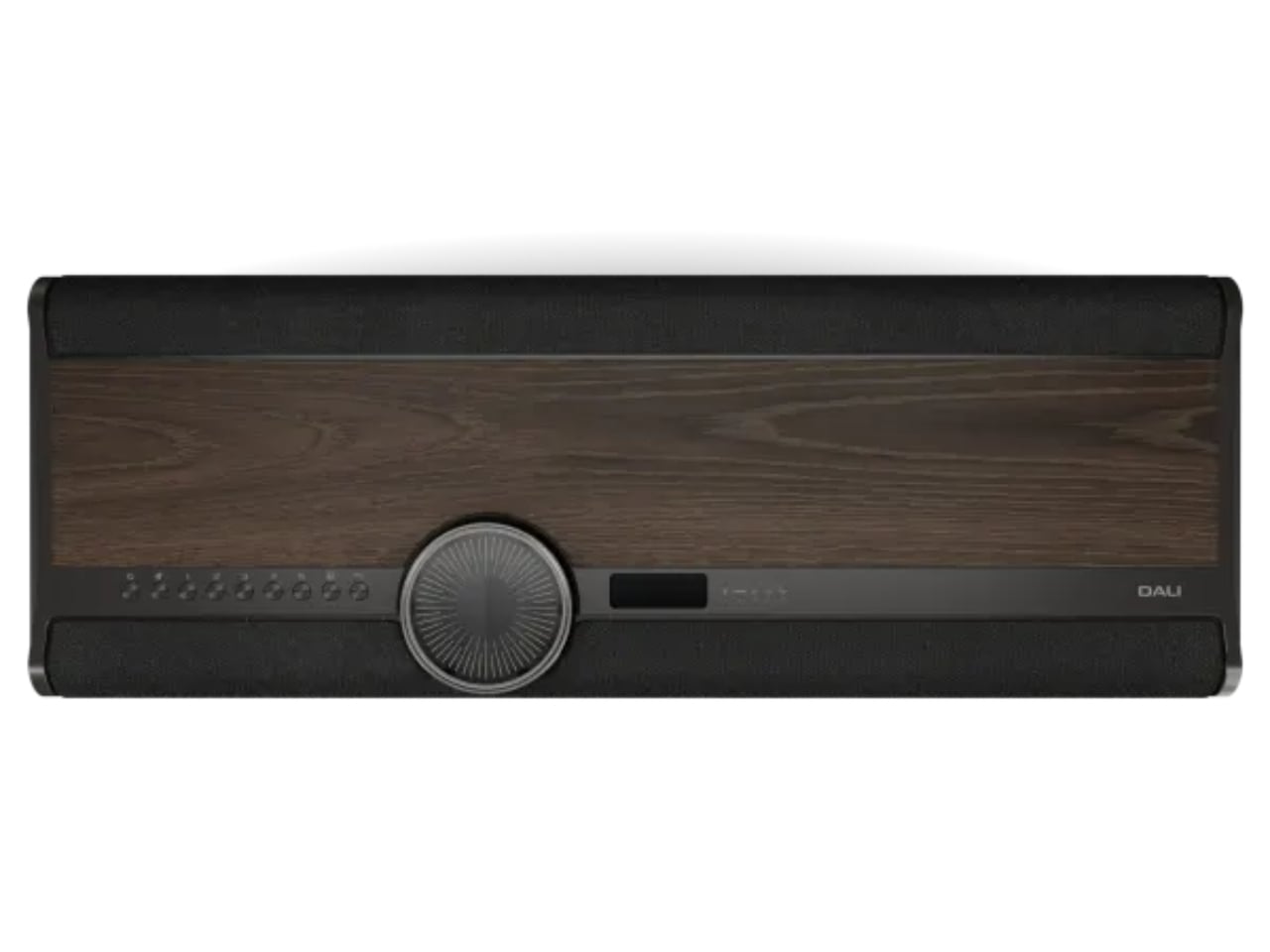
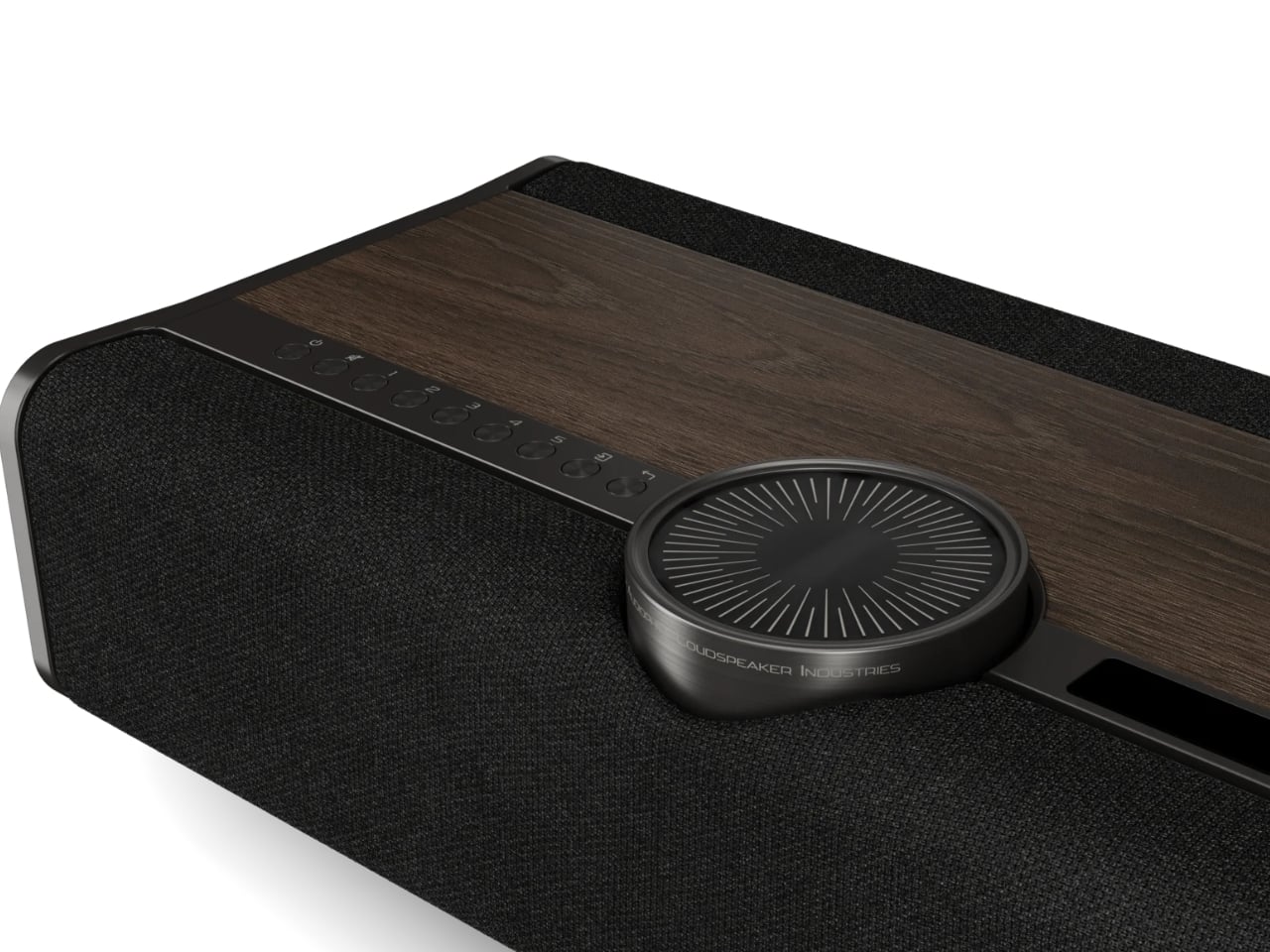
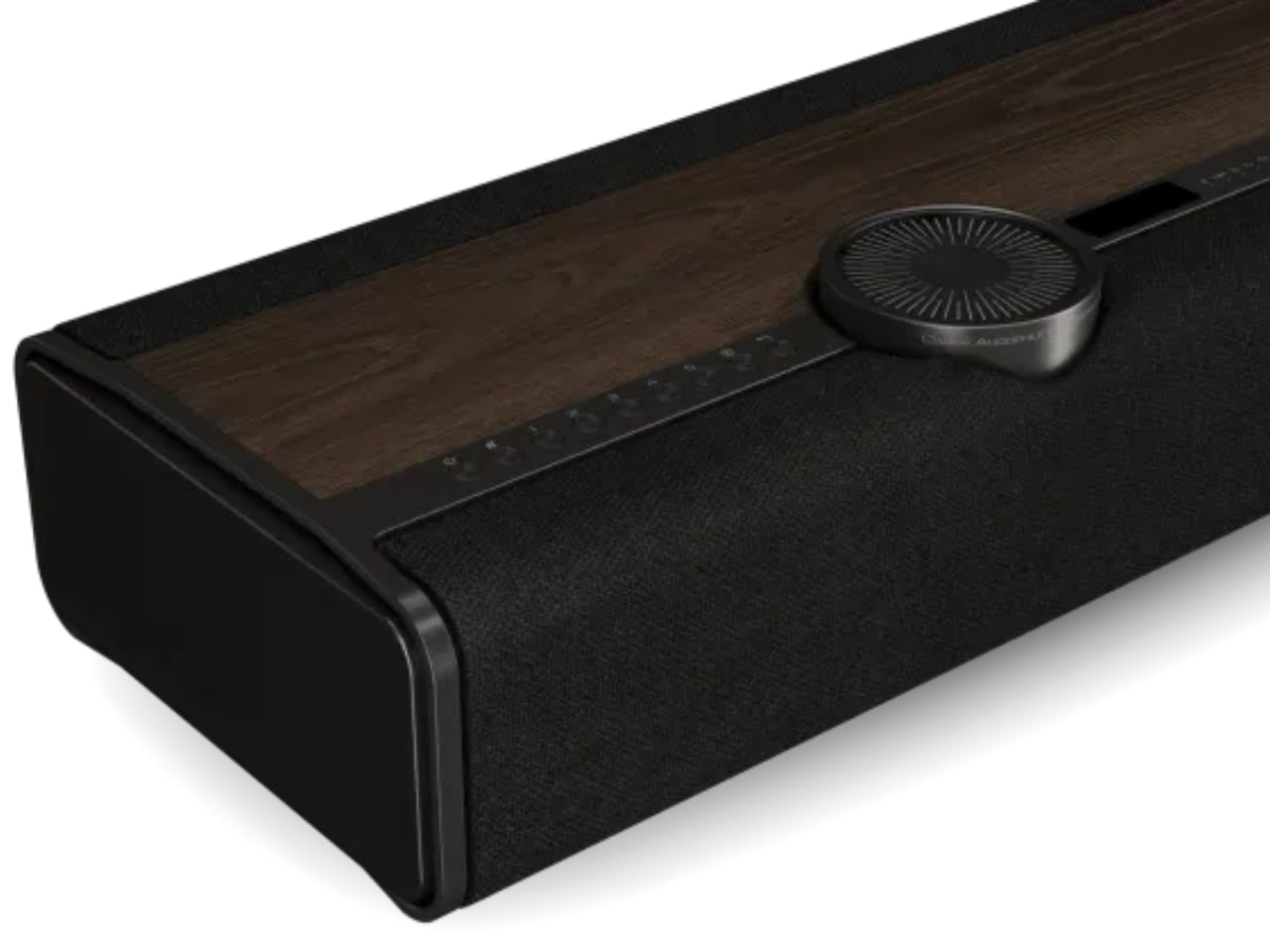
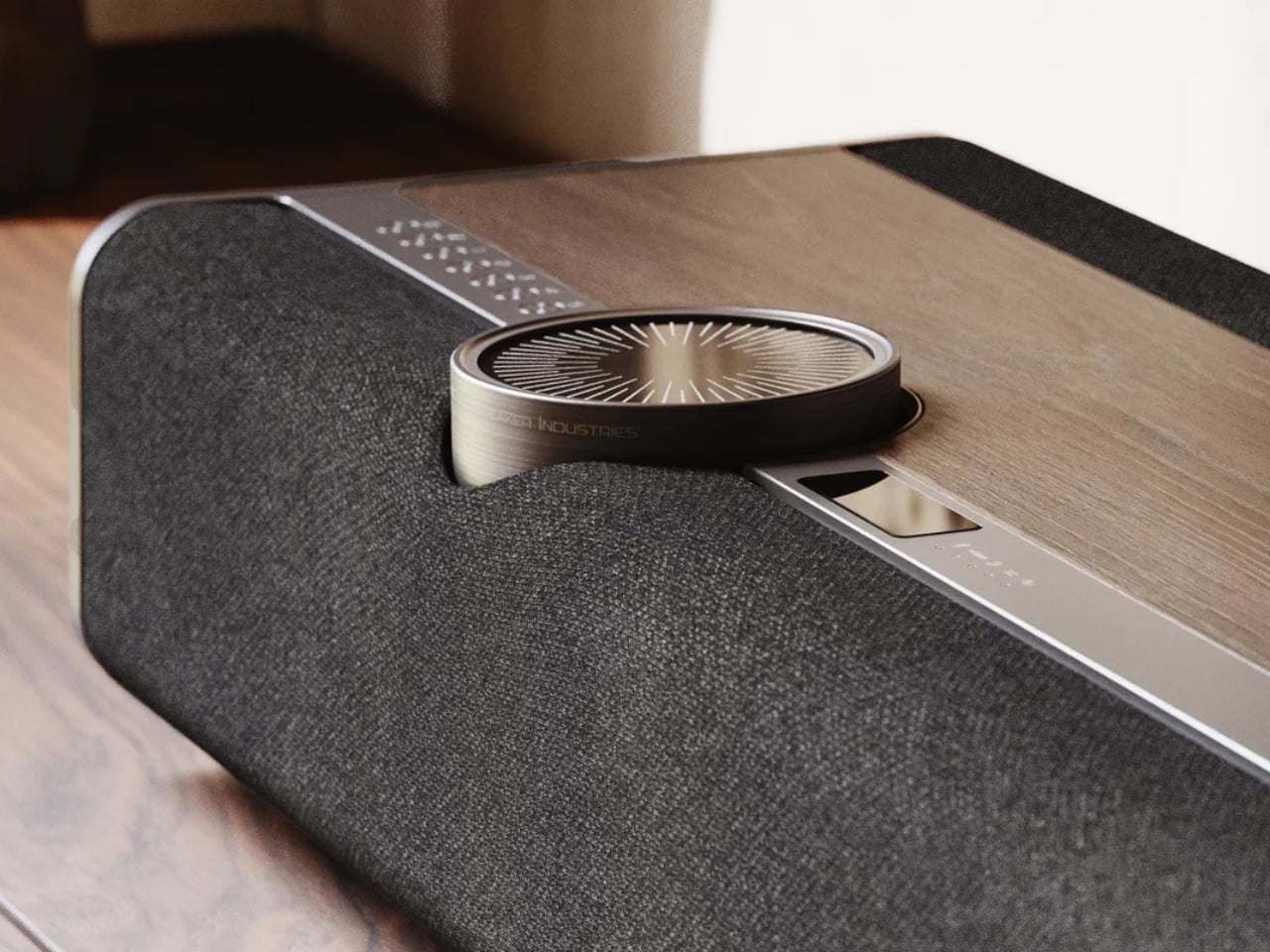
Thunder Duo Max is the top configuration in a modular series, built around a pair of compact bookshelf speakers that handle the front channels and height effects. The system is a true 5.1.2-channel Dolby Atmos rig, not a virtual surround bar, and the bookshelf format unlocks larger drivers, fuller bass, and a flexible layout that can expand or tighten the soundstage depending on how you arrange it, making it comfortable on a desk or beside a TV.

Designer: OXS

Click Here to Buy Now: $569 $849 ($280 off). Hurry, only 105/200 left! Raised over $73,000.

The dual upward-firing Sky Channels built into each speaker send sound toward the ceiling to create a real overhead layer. That matters in games where helicopters, rain, or footsteps above you become easier to place, and it adds a vertical dimension to films and music that most desktop setups ignore. This is certified Dolby Atmos performance, with decoding handled by one of the system’s two dedicated DSPs, so height effects come from actual audio processing rather than software tricks.

1

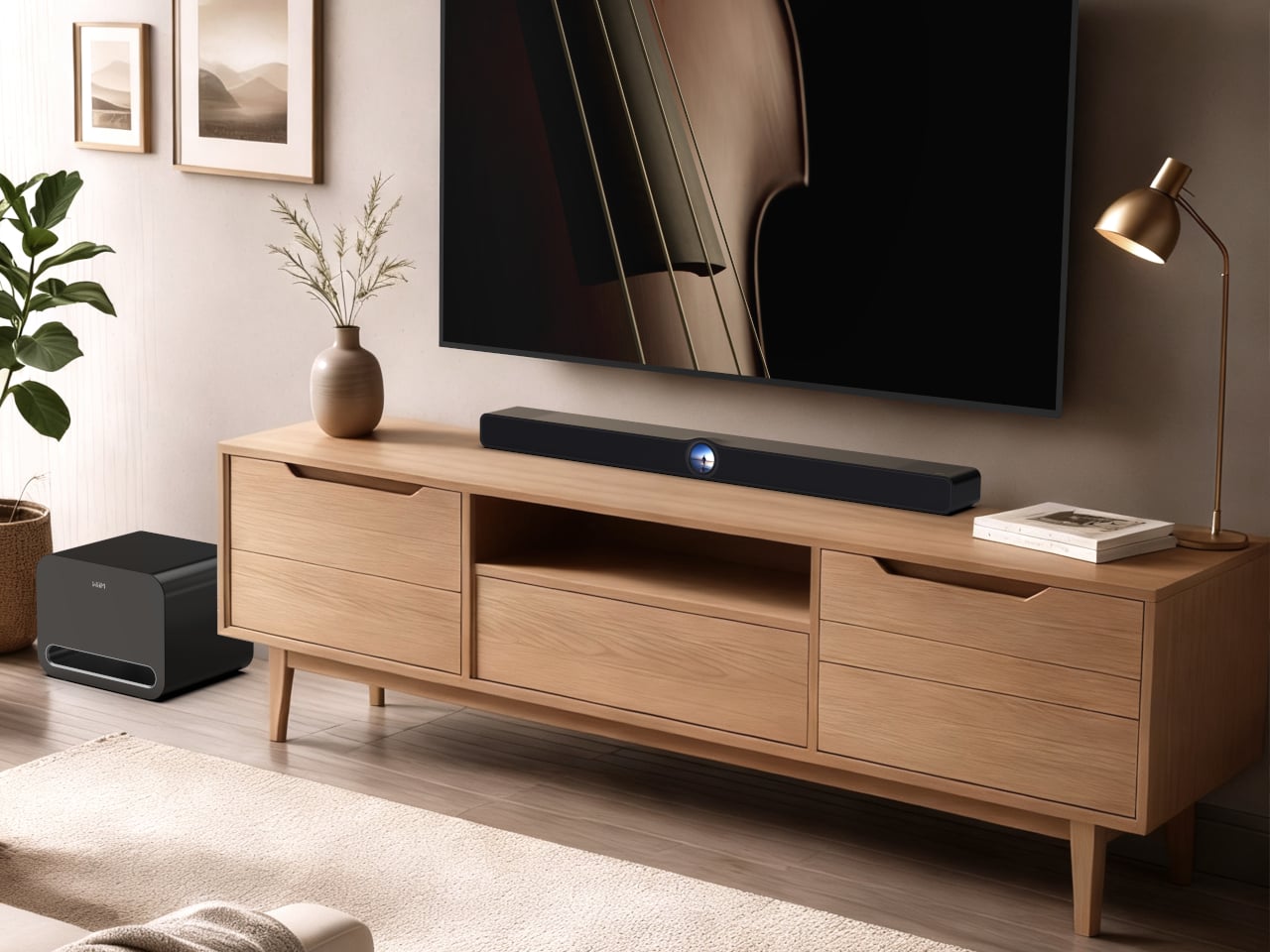
The 5.1.2-channel layout breaks down into front left and right from the speakers, a phantom center between them, a low-frequency channel anchored by the main drivers and sub, and rear channels handled by a wireless satellite neck speaker. The neck speaker solves the usual problem of rear-speaker placement in small rooms, putting true rear channels on your shoulders instead of mounting boxes behind your chair or running cables across the floor.

1

The low end gets handled by the wireless Thunder Sub, using a 5.25-inch driver and 80 W RMS output to extend bass down to 35 Hz. The full Thunder Duo Max system delivers 110 W RMS and 270 W peak, with total harmonic distortion under 0.5 percent, so explosions, engines, and music cues hit hard without turning into muddy rumble. The goal is to feel weight and impact without sacrificing the clarity that makes dialogue and footsteps legible.

1

Thunder Duo Max plugs into different parts of a setup without picking favorites. HDMI 2.1 and HDMI eARC handle PS5, Xbox Series consoles, and high-frame-rate PC output at 4K 120 Hz. USB-C connects Switch, Steam Deck, and mobile devices. Bluetooth 5.3 adds low-latency wireless audio. Input switching happens on the system itself, so you can move between PC, console, and streaming without re-cabling every time you sit down or swap between desk and couch modes.

1

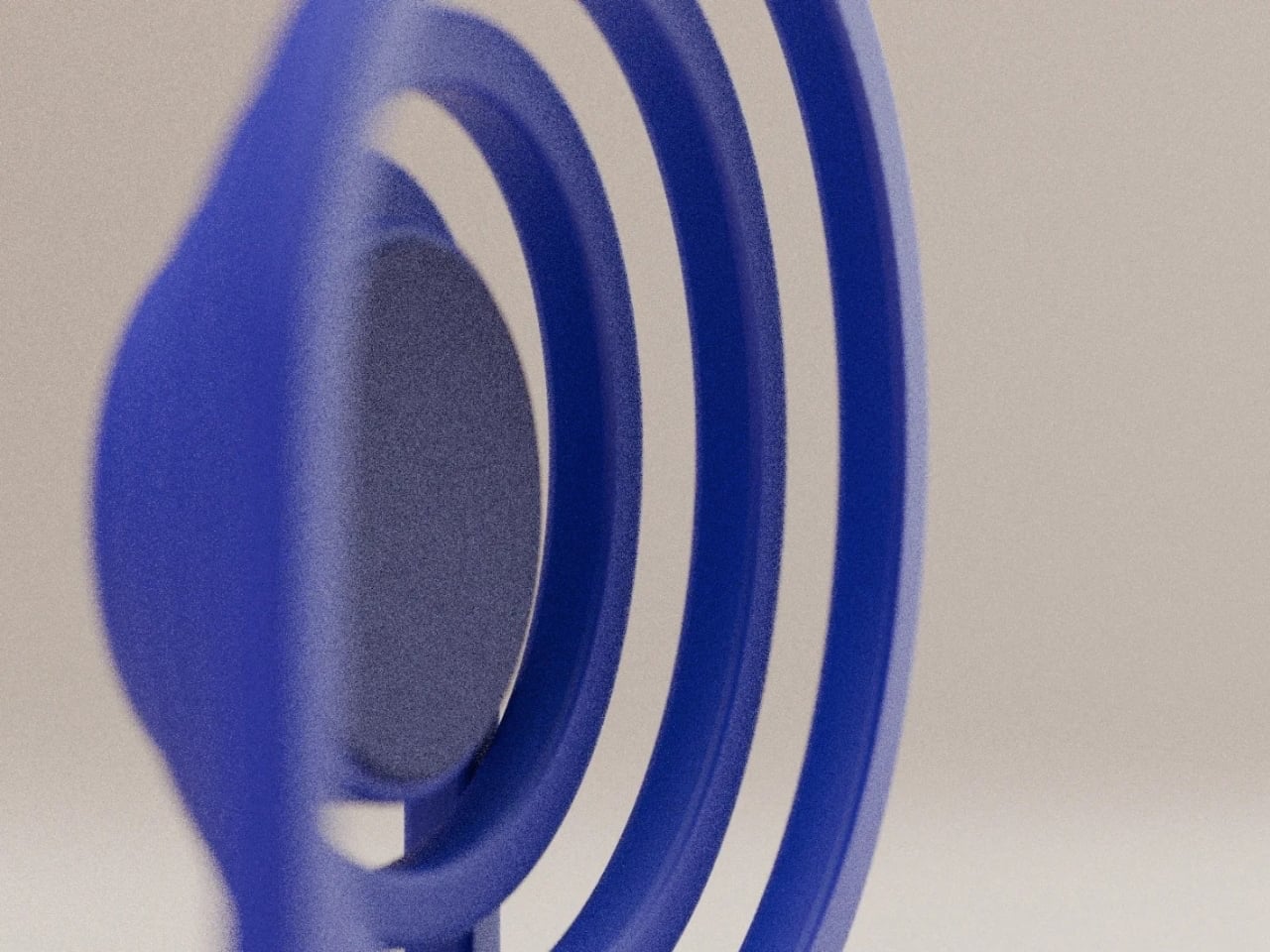
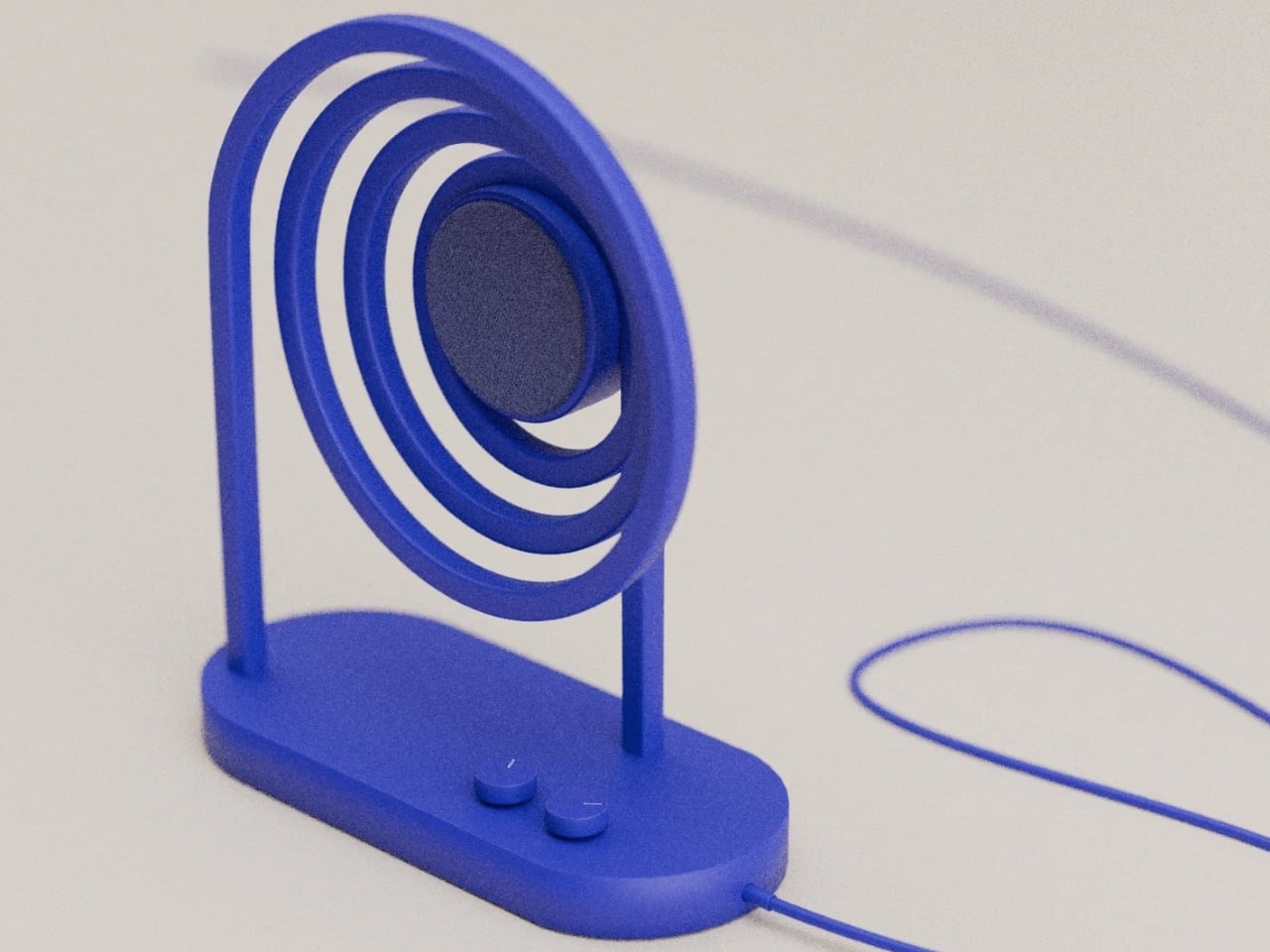
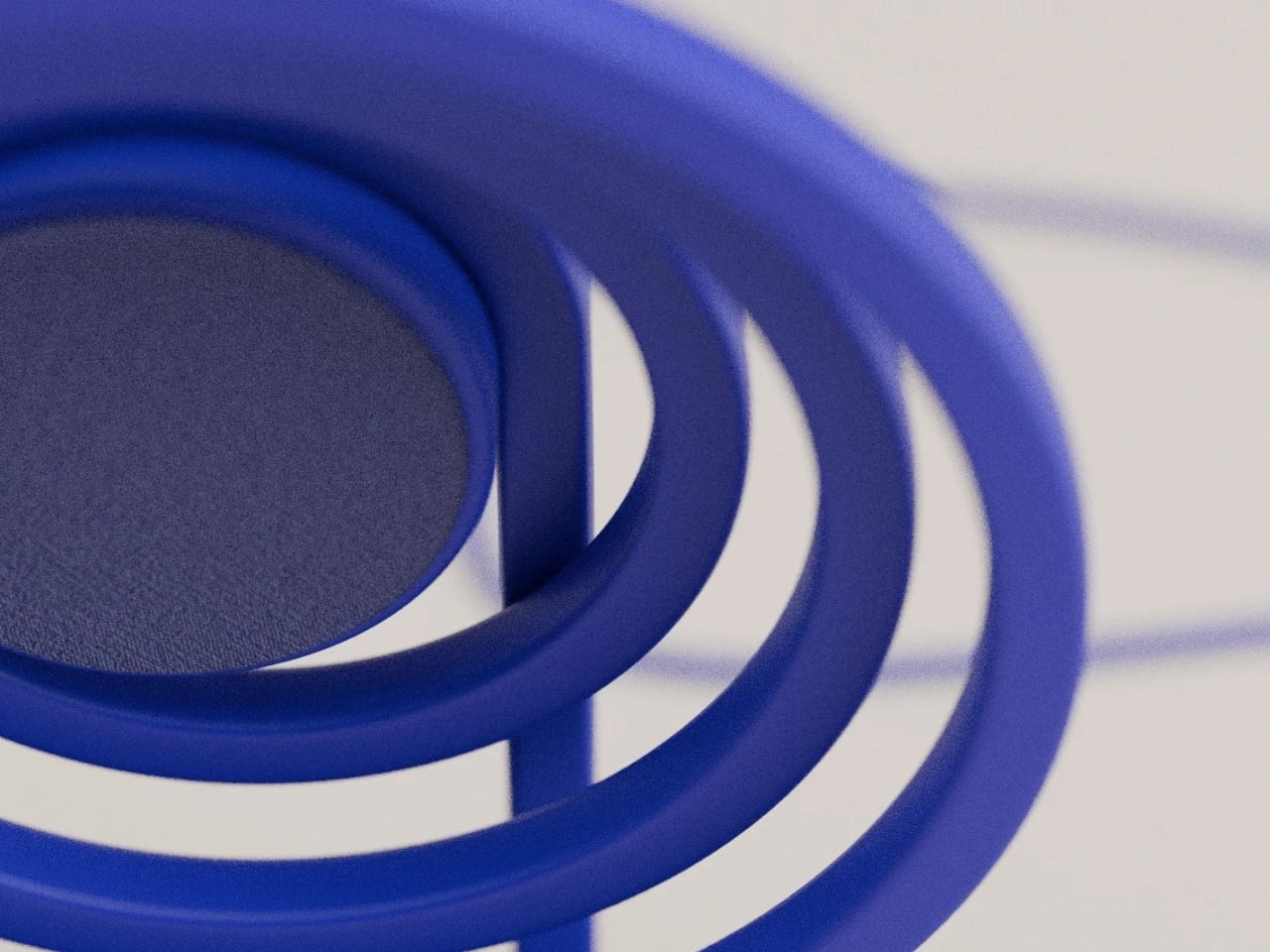
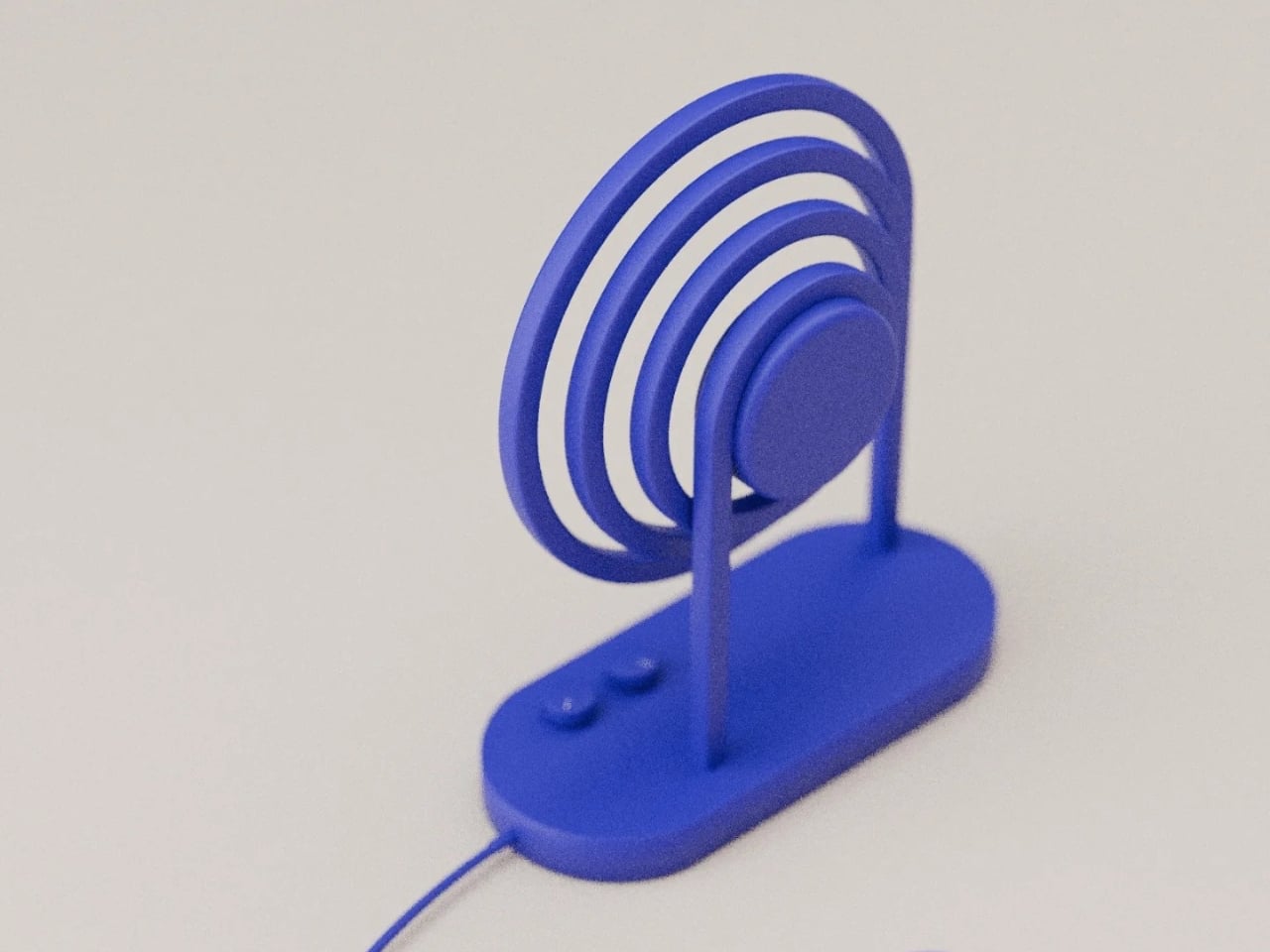
The system uses dual DSP architecture, combining Dolby Atmos decoding with OXS’s own Xspace spatial algorithm, and it has been tuned in a dedicated acoustic lab for a studio-level frequency response. The software side includes per-channel EQ, six-ring RGB lighting with multiple motions and 50 colors, and a desktop app that lets you dial in both sound and lighting, so the system fits the room rather than shouting over it with blinking lights you cannot turn off.

Living with a system like this changes how games, films, and music feel. Instead of sound sitting in a flat line in front of the screen, it wraps around you, with height, rear, and sub channels giving every explosion, ambient loop, and soundtrack a real sense of space. The neck speaker and wireless sub make full surround possible in spaces that could never handle a traditional 5.1.2-channel layout. For people who care about audio as much as frame rates, Thunder Duo Max reads less like a peripheral and more like a small, flexible sound studio that happens to sit next to a monitor.

Click Here to Buy Now: $569 $849 ($280 off). Hurry, only 105/200 left! Raised over $73,000.

The post Thunder Duo Max Brings 5.1.2 Atmos to Your Desk With Just 4 Speakers first appeared on Yanko Design.
Thunder Duo Max Brings 5.1.2 Atmos to Your Desk With Just 4 Speakers

Most gaming setups lean on either a soundbar under the monitor or a headset clamped to your head. Soundbars are convenient but flatten the sense of space, especially when games and films are mixed for surround and height. Headsets can isolate better, but they get warm after a few hours and cut you off from the room entirely. Thunder Duo Max tries to bring full Dolby Atmos to a desk or living room without turning the space into a speaker warehouse.

Thunder Duo Max is the top configuration in a modular series, built around a pair of compact bookshelf speakers that handle the front channels and height effects. The system is a true 5.1.2-channel Dolby Atmos rig, not a virtual surround bar, and the bookshelf format unlocks larger drivers, fuller bass, and a flexible layout that can expand or tighten the soundstage depending on how you arrange it, making it comfortable on a desk or beside a TV.

Designer: OXS

Click Here to Buy Now: $569 $849 ($280 off). Hurry, only 105/200 left! Raised over $73,000.

The dual upward-firing Sky Channels built into each speaker send sound toward the ceiling to create a real overhead layer. That matters in games where helicopters, rain, or footsteps above you become easier to place, and it adds a vertical dimension to films and music that most desktop setups ignore. This is certified Dolby Atmos performance, with decoding handled by one of the system’s two dedicated DSPs, so height effects come from actual audio processing rather than software tricks.

1

The 5.1.2-channel layout breaks down into front left and right from the speakers, a phantom center between them, a low-frequency channel anchored by the main drivers and sub, and rear channels handled by a wireless satellite neck speaker. The neck speaker solves the usual problem of rear-speaker placement in small rooms, putting true rear channels on your shoulders instead of mounting boxes behind your chair or running cables across the floor.

1

The low end gets handled by the wireless Thunder Sub, using a 5.25-inch driver and 80 W RMS output to extend bass down to 35 Hz. The full Thunder Duo Max system delivers 110 W RMS and 270 W peak, with total harmonic distortion under 0.5 percent, so explosions, engines, and music cues hit hard without turning into muddy rumble. The goal is to feel weight and impact without sacrificing the clarity that makes dialogue and footsteps legible.

1

Thunder Duo Max plugs into different parts of a setup without picking favorites. HDMI 2.1 and HDMI eARC handle PS5, Xbox Series consoles, and high-frame-rate PC output at 4K 120 Hz. USB-C connects Switch, Steam Deck, and mobile devices. Bluetooth 5.3 adds low-latency wireless audio. Input switching happens on the system itself, so you can move between PC, console, and streaming without re-cabling every time you sit down or swap between desk and couch modes.

1

The system uses dual DSP architecture, combining Dolby Atmos decoding with OXS’s own Xspace spatial algorithm, and it has been tuned in a dedicated acoustic lab for a studio-level frequency response. The software side includes per-channel EQ, six-ring RGB lighting with multiple motions and 50 colors, and a desktop app that lets you dial in both sound and lighting, so the system fits the room rather than shouting over it with blinking lights you cannot turn off.

Living with a system like this changes how games, films, and music feel. Instead of sound sitting in a flat line in front of the screen, it wraps around you, with height, rear, and sub channels giving every explosion, ambient loop, and soundtrack a real sense of space. The neck speaker and wireless sub make full surround possible in spaces that could never handle a traditional 5.1.2-channel layout. For people who care about audio as much as frame rates, Thunder Duo Max reads less like a peripheral and more like a small, flexible sound studio that happens to sit next to a monitor.

Click Here to Buy Now: $569 $849 ($280 off). Hurry, only 105/200 left! Raised over $73,000.

The post Thunder Duo Max Brings 5.1.2 Atmos to Your Desk With Just 4 Speakers first appeared on Yanko Design.
Thunder Duo Max Brings 5.1.2 Atmos to Your Desk With Just 4 Speakers

Most gaming setups lean on either a soundbar under the monitor or a headset clamped to your head. Soundbars are convenient but flatten the sense of space, especially when games and films are mixed for surround and height. Headsets can isolate better, but they get warm after a few hours and cut you off from the room entirely. Thunder Duo Max tries to bring full Dolby Atmos to a desk or living room without turning the space into a speaker warehouse.

Thunder Duo Max is the top configuration in a modular series, built around a pair of compact bookshelf speakers that handle the front channels and height effects. The system is a true 5.1.2-channel Dolby Atmos rig, not a virtual surround bar, and the bookshelf format unlocks larger drivers, fuller bass, and a flexible layout that can expand or tighten the soundstage depending on how you arrange it, making it comfortable on a desk or beside a TV.

Designer: OXS

Click Here to Buy Now: $569 $849 ($280 off). Hurry, only 105/200 left! Raised over $73,000.

The dual upward-firing Sky Channels built into each speaker send sound toward the ceiling to create a real overhead layer. That matters in games where helicopters, rain, or footsteps above you become easier to place, and it adds a vertical dimension to films and music that most desktop setups ignore. This is certified Dolby Atmos performance, with decoding handled by one of the system’s two dedicated DSPs, so height effects come from actual audio processing rather than software tricks.

1

The 5.1.2-channel layout breaks down into front left and right from the speakers, a phantom center between them, a low-frequency channel anchored by the main drivers and sub, and rear channels handled by a wireless satellite neck speaker. The neck speaker solves the usual problem of rear-speaker placement in small rooms, putting true rear channels on your shoulders instead of mounting boxes behind your chair or running cables across the floor.

1

The low end gets handled by the wireless Thunder Sub, using a 5.25-inch driver and 80 W RMS output to extend bass down to 35 Hz. The full Thunder Duo Max system delivers 110 W RMS and 270 W peak, with total harmonic distortion under 0.5 percent, so explosions, engines, and music cues hit hard without turning into muddy rumble. The goal is to feel weight and impact without sacrificing the clarity that makes dialogue and footsteps legible.

1

Thunder Duo Max plugs into different parts of a setup without picking favorites. HDMI 2.1 and HDMI eARC handle PS5, Xbox Series consoles, and high-frame-rate PC output at 4K 120 Hz. USB-C connects Switch, Steam Deck, and mobile devices. Bluetooth 5.3 adds low-latency wireless audio. Input switching happens on the system itself, so you can move between PC, console, and streaming without re-cabling every time you sit down or swap between desk and couch modes.

1

The system uses dual DSP architecture, combining Dolby Atmos decoding with OXS’s own Xspace spatial algorithm, and it has been tuned in a dedicated acoustic lab for a studio-level frequency response. The software side includes per-channel EQ, six-ring RGB lighting with multiple motions and 50 colors, and a desktop app that lets you dial in both sound and lighting, so the system fits the room rather than shouting over it with blinking lights you cannot turn off.

Living with a system like this changes how games, films, and music feel. Instead of sound sitting in a flat line in front of the screen, it wraps around you, with height, rear, and sub channels giving every explosion, ambient loop, and soundtrack a real sense of space. The neck speaker and wireless sub make full surround possible in spaces that could never handle a traditional 5.1.2-channel layout. For people who care about audio as much as frame rates, Thunder Duo Max reads less like a peripheral and more like a small, flexible sound studio that happens to sit next to a monitor.

Click Here to Buy Now: $569 $849 ($280 off). Hurry, only 105/200 left! Raised over $73,000.

The post Thunder Duo Max Brings 5.1.2 Atmos to Your Desk With Just 4 Speakers first appeared on Yanko Design.
Thunder Duo Max Brings 5.1.2 Atmos to Your Desk With Just 4 Speakers

Most gaming setups lean on either a soundbar under the monitor or a headset clamped to your head. Soundbars are convenient but flatten the sense of space, especially when games and films are mixed for surround and height. Headsets can isolate better, but they get warm after a few hours and cut you off from the room entirely. Thunder Duo Max tries to bring full Dolby Atmos to a desk or living room without turning the space into a speaker warehouse.

Thunder Duo Max is the top configuration in a modular series, built around a pair of compact bookshelf speakers that handle the front channels and height effects. The system is a true 5.1.2-channel Dolby Atmos rig, not a virtual surround bar, and the bookshelf format unlocks larger drivers, fuller bass, and a flexible layout that can expand or tighten the soundstage depending on how you arrange it, making it comfortable on a desk or beside a TV.

Designer: OXS

Click Here to Buy Now: $569 $849 ($280 off). Hurry, only 105/200 left! Raised over $73,000.

The dual upward-firing Sky Channels built into each speaker send sound toward the ceiling to create a real overhead layer. That matters in games where helicopters, rain, or footsteps above you become easier to place, and it adds a vertical dimension to films and music that most desktop setups ignore. This is certified Dolby Atmos performance, with decoding handled by one of the system’s two dedicated DSPs, so height effects come from actual audio processing rather than software tricks.

1

The 5.1.2-channel layout breaks down into front left and right from the speakers, a phantom center between them, a low-frequency channel anchored by the main drivers and sub, and rear channels handled by a wireless satellite neck speaker. The neck speaker solves the usual problem of rear-speaker placement in small rooms, putting true rear channels on your shoulders instead of mounting boxes behind your chair or running cables across the floor.

1

The low end gets handled by the wireless Thunder Sub, using a 5.25-inch driver and 80 W RMS output to extend bass down to 35 Hz. The full Thunder Duo Max system delivers 110 W RMS and 270 W peak, with total harmonic distortion under 0.5 percent, so explosions, engines, and music cues hit hard without turning into muddy rumble. The goal is to feel weight and impact without sacrificing the clarity that makes dialogue and footsteps legible.

1

Thunder Duo Max plugs into different parts of a setup without picking favorites. HDMI 2.1 and HDMI eARC handle PS5, Xbox Series consoles, and high-frame-rate PC output at 4K 120 Hz. USB-C connects Switch, Steam Deck, and mobile devices. Bluetooth 5.3 adds low-latency wireless audio. Input switching happens on the system itself, so you can move between PC, console, and streaming without re-cabling every time you sit down or swap between desk and couch modes.

1

The system uses dual DSP architecture, combining Dolby Atmos decoding with OXS’s own Xspace spatial algorithm, and it has been tuned in a dedicated acoustic lab for a studio-level frequency response. The software side includes per-channel EQ, six-ring RGB lighting with multiple motions and 50 colors, and a desktop app that lets you dial in both sound and lighting, so the system fits the room rather than shouting over it with blinking lights you cannot turn off.

Living with a system like this changes how games, films, and music feel. Instead of sound sitting in a flat line in front of the screen, it wraps around you, with height, rear, and sub channels giving every explosion, ambient loop, and soundtrack a real sense of space. The neck speaker and wireless sub make full surround possible in spaces that could never handle a traditional 5.1.2-channel layout. For people who care about audio as much as frame rates, Thunder Duo Max reads less like a peripheral and more like a small, flexible sound studio that happens to sit next to a monitor.

Click Here to Buy Now: $569 $849 ($280 off). Hurry, only 105/200 left! Raised over $73,000.

The post Thunder Duo Max Brings 5.1.2 Atmos to Your Desk With Just 4 Speakers first appeared on Yanko Design.

Bang & Olufsen’s $150K Speakers Shift Color As You Walk By

There’s something almost surreal about watching Bang & Olufsen celebrate its 100th birthday. While most brands would throw a retrospective exhibition or release a commemorative coffee table book, the Danish audio company has decided to do something far more ambitious. They’re taking their most advanced loudspeaker and reimagining it as high art.

Enter the Beolab 90 Phantom and Mirage Editions, two wildly different expressions of the same technological marvel. These aren’t just new color options thrown onto an existing product. They’re part of a five-edition Atelier series, each limited to just ten pairs worldwide, where Bang & Olufsen’s designers and craftspeople have pushed materials and finishes to places they’ve never been before.

Designer: Bang & Olufsen

Let’s start with the Phantom Edition, which feels like something out of a science fiction film. The classic fabric covers that typically wrap the Beolab 90 have been stripped away and replaced with custom-designed black metal mesh. It’s a bold move. The coated stainless steel creates this hologram-like effect, letting you peek through at the powerful drivers underneath. There’s something mesmerizing about seeing the technology usually hidden behind elegant fabric, now revealed like the inner workings of a watch through a sapphire caseback.

The aluminum skeleton features pearl-blasted surfaces and unified structural beams, with precision-machined trim details that speak to the hundreds of hours invested in each pair. It’s technical, it’s architectural, and honestly, it looks like it could double as a prop in a high-budget space station scene. But that’s precisely the point. The Phantom Edition isn’t trying to blend into your living room. It’s demanding attention.

Then there’s the Mirage Edition, which takes an entirely different approach. Imagine a speaker that appears to shift and transform as you move around it. The surface flows from vivid blue to rich magenta through a bespoke gradient anodization applied entirely by hand at Bang & Olufsen’s Factory 5. It’s the kind of finish that makes you want to circle the speaker just to watch the colors dance and morph.

This isn’t airbrushing or a printed vinyl wrap. The gradient effect is achieved through meticulous anodization of the aluminum components, a process that requires incredible precision and skill. The result positions the Mirage Edition as what Bang & Olufsen calls “a visualisation of sound itself”. It’s poetic, sure, but also surprisingly accurate. Sound is movement, frequency, vibration. Why shouldn’t a speaker designed to reproduce it perfectly also capture that sense of constant transformation?

Both editions maintain the same acoustic platform as the original Beolab 90, which launched back in 2015 and remains the brand’s most advanced loudspeaker. We’re talking about 18 drivers and beam-forming technology that can literally shape sound to suit your room’s acoustics. These Anniversary Editions keep all of that sonic prowess intact. The innovation here is purely about design and craft refinement.

That’s what makes these releases so fascinating. Bang & Olufsen isn’t trying to improve the performance or add new features. They’re exploring what happens when you treat a speaker as a canvas for material experimentation and artistic expression. It’s a luxury approach, certainly, but it also raises interesting questions about how we value design objects in our homes.

These speakers join the previously released Titan Edition, another ultra-limited variant featuring raw cast aluminum. Together, they represent a century of design philosophy distilled into physical form. Whether you lean toward the architectural drama of the Phantom, the fluid artistry of the Mirage, or the industrial purity of the Titan probably says something about your design sensibilities.

At a time when so much consumer tech prioritizes invisibility (think hidden speakers, frameless TVs, voice assistants tucked into fabric cylinders), Bang & Olufsen is moving in the opposite direction. These Atelier Editions celebrate presence, craftsmanship, and the idea that exceptional objects deserve to be seen, not just heard.

The post Bang & Olufsen’s $150K Speakers Shift Color As You Walk By first appeared on Yanko Design.
Robosen’s TRANSFORMERS Soundwave Does What the 1984 Original Only Pretended: It Actually Works as a Speaker

Robosen has spent years perfecting the art of making metal transform on command. Their latest collaboration with Hasbro takes that expertise and applies it to one of the most design-conscious characters in TRANSFORMERS history: Soundwave, the Decepticon whose cassette player form defined an entire era of toy aesthetics.

Designer: Robosen

The G1 Flagship Soundwave represents something more interesting than another collectible robot. It’s a study in how designers can honor iconic industrial design while pushing the technical boundaries of what consumer robotics can achieve. The original 1984 Soundwave toy worked because it made sense. A portable cassette player was something you carried. It had buttons, a display window, speakers. The disguise wasn’t just clever, it was culturally relevant.

Robosen’s interpretation maintains that design logic while adding functional depth that the original could only suggest. The robot actually works as a Bluetooth speaker when in cassette mode. The tape deck buttons on the front panel control playback, pause, and track skipping. There’s even an integrated recording feature accessible through those same retro-styled controls.

The Cassette Player as Design Icon

The Sony Walkman launched in 1979. By 1984, when Soundwave first appeared in toy form, the portable cassette player had become one of the most recognizable consumer electronics forms in existence. Rectangular, pocketable, with a clear window showing the tape spools and a row of tactile buttons along the bottom edge. This wasn’t arbitrary product design. It was the distillation of function into form that industrial designers spend careers trying to achieve.

Soundwave’s original toy designers understood something fundamental: the best disguises reference objects people already trust. A cassette player in 1984 was friendly technology. You saw them everywhere. The genius of Soundwave as a character lies in this design decision. He hides in plain sight by becoming an object so ubiquitous that nobody questions its presence.

Robosen’s 2025 interpretation carries this design philosophy forward while acknowledging that cassette players now occupy nostalgic rather than practical cultural space. The form factor triggers recognition and emotional response rather than functional expectation. This shift from utility to symbolism changes how the design needs to perform. It must read as authentic to fans who remember the original while communicating “premium collectible” to anyone encountering it fresh.

The proportions matter here. Original Soundwave toys were constrained by the need to fit actual toy cassettes inside the chest compartment. Robosen’s version maintains those proportions not because they’re functionally necessary, but because they’re aesthetically correct. Deviation would break the silhouette that defines the character.

Surface Language and Material Decisions

The G1 aesthetic demanded specific material choices that go beyond color matching. Original Soundwave toys used a particular shade of blue with silver and gold accents that fans recognize instantly. But the original also had the specific surface characteristics of 1980s injection-molded plastic: slight texture variations, mold lines, the particular way chrome-plated parts caught light differently than vacuum-metallized ones.

Robosen’s version matches those colors while upgrading the materials to support both the mechanical stress of repeated transformations and the visual expectations of collectors who will display these at eye level. The chest cassette window features actual transparency rather than a printed graphic. This seems like a small detail, but it fundamentally changes how the object reads. A printed graphic is decoration. A transparent window is architecture.

Surface textures vary intentionally across the figure. Some panels feature subtle grain that references the original toy’s plastic molding characteristics. Others present smoother finishes appropriate for their fictional function as viewscreens or armor plating. This attention to tactile variety creates what industrial designers call “material truth,” where surfaces communicate their purpose through texture rather than relying entirely on color or shape.

The shoulder cannon glows with animated lighting effects, adding dynamic visual interest without betraying the vintage inspiration. Gold paint applications use metallic finishes that catch light similarly to the chrome and vacuum-metallized plastics of 1980s toys, but with durability that modern collectors expect. The color temperature of the gold matters. Too warm reads as cheap costume jewelry. Too cool reads as modern and wrong. Robosen found the specific yellow-gold that triggers 80s nostalgia.

Engineering Constraint as Design Driver

The technical challenge of automated transformation created design constraints that ultimately improved the final object. Robosen developed new servo technologies specifically for Soundwave, paired with upgraded algorithms that coordinate dozens of moving parts into a smooth transformation sequence. But the interesting design story isn’t the technology itself. It’s how hiding that technology shaped the aesthetic decisions.

The servo placement had to account for the cassette player’s boxy proportions while still allowing the robot mode to achieve recognizable poses. Soundwave’s character design has always featured a relatively stocky build with prominent shoulder-mounted accessories, and Robosen needed their servo architecture to accommodate that silhouette without visible motor housings destroying the aesthetic. This is classic industrial design problem-solving: the mechanism disappears so the form can speak.

Weight distribution presented another constraint that became design opportunity. A Bluetooth speaker needs certain components in certain places for audio quality. A transforming robot needs weight balanced for stable standing poses. Robosen’s solution integrates the speaker components into the chest cavity in a way that actually improves the robot mode’s center of gravity while positioning drivers optimally for sound projection in cassette mode. Function serving multiple purposes simultaneously is elegant engineering, but it’s also the kind of solution that creates better products.

Accessories and Proportional Relationships

Soundwave’s neutron assault rifle and sonic cannon aren’t afterthoughts. They’re design elements that complete the character’s visual language. The rifle features proportions that reference the original toy’s weapon while scaling appropriately for the larger figure. It attaches and detaches through magnetic connection points that preserve the clean lines of the robot mode when weapons are removed.

The shoulder-mounted sonic cannon deserves particular attention. Its proportions relative to Soundwave’s shoulder width, its angle of mounting, its extension beyond the body envelope: these relationships were established in the original 1984 toy and refined through decades of subsequent figures. Robosen’s designers had to honor those proportions while engineering animated lighting into the accessory, creating a glowing effect that suggests the weapon is charged and ready.

Both accessories store within the cassette mode’s form factor, maintaining the object’s disguise integrity. This kind of design consideration, making sure every component has a home in both modes, separates serious transforming robot design from figures that simply fold into vaguely recognizable shapes. The accessories don’t just belong to Soundwave. They belong to his silhouette.

Functional Disguise as Design Philosophy

The Bluetooth speaker functionality represents a design philosophy that could influence the entire collectible robotics category. Most high-end collectible figures exist purely for display. They’re sculptures with premium price tags. Robosen’s approach suggests these objects can occupy space in our lives more actively.

A Soundwave that plays your music isn’t just a shelf piece you admire occasionally. It’s an object that earns its place through daily utility. The recording function, controlled through those satisfyingly tactile tape deck buttons, adds another layer of interaction. Leave yourself a voice memo through a transforming robot. It’s absurd and delightful, but it’s also philosophically interesting: the disguise becomes real.

This creates a design feedback loop. The original Soundwave disguised himself as a functional object. Robosen’s Soundwave actually is a functional object. The fiction collapses into reality in a way that feels appropriate for a property built around the idea of machines hiding among us. When your Bluetooth speaker transforms into a robot, the TRANSFORMERS concept stops being a story you remember and becomes an experience you have.

The $999 pre-order price (rising to $1,399 after the initial 30-day window) positions Soundwave alongside high-end audio products, not just toys. Robosen is essentially arguing that a collectible robot can be both display piece and functional device, and the design work supports that argument convincingly. The premium isn’t just for nostalgia. It’s for an object that justifies its existence through use.

Design Coherence Across the Lineup

Soundwave joins Optimus Prime, Bumblebee, and Grimlock in Robosen’s expanding TRANSFORMERS lineup. Each figure establishes different design challenges based on their alt-modes and character proportions. But what makes the collection work as a collection is consistent design language across mechanically diverse objects.

The servo placement follows similar principles across figures, creating comparable ranges of motion and transformation speeds. Joint articulation uses consistent detent patterns that give all four figures the same tactile feedback. Surface treatment applies metallic finishes at similar scales and positions. Lighting integration follows established brightness and color temperature standards. These unifying decisions mean the figures read as a coherent family rather than separate projects that happen to share a license.

When displayed together, Optimus, Bumblebee, Grimlock, and now Soundwave present a unified design statement about what premium TRANSFORMERS collectibles can be. They share DNA despite their radically different forms. This is harder to achieve than it sounds. Plenty of collectible lines feature individual great pieces that look awkward together. Robosen’s design discipline prevents that problem.

Pre-orders are live now at Robosen.com, with HasbroPulse.com availability coming soon. For design enthusiasts and TRANSFORMERS collectors who appreciate the intersection of nostalgia and engineering achievement, Soundwave represents the current peak of what consumer robotics can accomplish within the constraints of beloved intellectual property.

The post Robosen’s TRANSFORMERS Soundwave Does What the 1984 Original Only Pretended: It Actually Works as a Speaker first appeared on Yanko Design.
New electrostatic car speakers create a massive soundstage

Car audio has operated under a fundamental constraint for decades: speakers need cones, cones need depth, and depth requires space that automotive interiors simply cannot spare. Warwick Acoustics, a UK-based hi-fi company known for headphones that cost as much as a used car, believes it has solved this problem by abandoning cone speakers entirely. The company’s electrostatic speaker system for automobiles measures just 1mm thick and weighs 90% less than conventional units, yet Warwick claims it produces a soundstage that feels ten times larger than the physical cabin.

Designer: Warwick Acoustics

The technology relies on electrostatic principles rather than the traditional cone-and-voice-coil arrangement found in virtually every car speaker today. An ultra-thin, electrically charged diaphragm sits sandwiched between two perforated metal plates that function as electrodes. When audio signals pass through these plates, they generate a varying electrostatic field that pushes and pulls the diaphragm, producing sound waves. This approach eliminates the heavy magnets and moving coils that make conventional speakers bulky and placement-dependent.

The Physics of Perceived Space

The perceived soundstage expansion stems from how electrostatic speakers generate planar, or near-flat, sound waves. According to Warwick Acoustics CCO Ian Hubbard, these planar waves initially sound flat, lacking the soaring highs and booming bass of traditional speaker output. However, human hearing interprets this flatness as distance. “We then perceive this as a sound that has begun further away, in some cases up to 30 meters from our ears, and thus representative of a venue much bigger than the physical size of the car cabin,” Hubbard explains. The brain essentially interprets the acoustic characteristics as originating from a concert hall rather than a cramped interior.

This perceptual trick addresses a persistent limitation of automotive audio. Sound waves naturally flatten and spread as they travel through air, and human ears detect both directionality and apparent distance. Inside a car, speakers positioned in door panels and dashboards create a compressed listening experience because the sound has nowhere to go. Warwick’s approach tricks the auditory system into perceiving space that physically does not exist.

The speaker’s minimal profile enables placement options that conventional units cannot achieve. Warwick suggests mounting points in A-pillars and roof linings, positioning audio sources at or above ear level rather than below it. This elevated placement further enhances the perception of listening to music in a large space, since concert halls and performance venues typically feature speakers or acoustic sources above the audience rather than at floor level.

Material and Manufacturing Advantages

Beyond the acoustic benefits, Warwick’s electrostatic speakers contain no rare earth elements, a notable departure from conventional speaker construction that relies on powerful permanent magnets. The company manufactures its automotive speakers entirely from upcycled and recycled materials, addressing sustainability concerns that increasingly influence automotive purchasing decisions. While the environmental impact of a car’s audio system ranks low on most buyers’ priority lists, the material choices eliminate supply chain vulnerabilities associated with rare earth sourcing.

The thin profile and light weight also translate to potential reductions in digital signal processing requirements. Warwick claims the speed and accuracy of electrostatic speaker response reduces the need for electronic manipulation of audio signals, potentially allowing automakers to use smaller, less power-hungry DSP components. Whether this translates to meaningful cost or efficiency gains at the vehicle level remains to be seen, but the company presents it as an additional benefit beyond pure audio quality.

Market Timing and Production Reality

Warwick Acoustics has been developing this automotive application for years, and the technology appears close to production readiness. The company confirms that a “global luxury car maker” will debut the electrostatic speaker system in a vehicle sometime in 2026, though it declines to identify the manufacturer. Given Warwick’s existing reputation in high-end audio (the company’s headphone and amplifier combinations sell for approximately $50,000), the partnership with a luxury automotive brand aligns with the company’s market positioning.

The luxury segment makes strategic sense for initial deployment. Premium car buyers expect audio systems that justify six-figure vehicle prices, and the ability to market a ten-times soundstage expansion provides compelling differentiation. Whether the technology eventually scales to mainstream vehicles depends on manufacturing costs and whether the perceived audio benefits translate across different listening preferences and cabin configurations.

The post New electrostatic car speakers create a massive soundstage first appeared on Yanko Design.
Bang & Olufsen celebrates 100 years with the Beolab 90 Titan Edition floorstanding speakers

I haven’t seen a speaker with an awkward shape like this. But then, I haven’t seen a lot of things, and that especially includes what’s under the hood of Beolab 90 floorstanding speakers from Bang & Olufsen. For its 100th anniversary, the Danish giant has taken its flagship speaker, stripped it down to its skeleton, and made it to look as striking as it could be with volcanic rocks and aluminum construction. And now I know what with the looks!

Centenary celebrations bring out the best in the iconic brands that have stood the test of time and the change in generations. Arguably, watchmakers are the best at revisiting their iconic timepieces and launching them with charisma and finesse to celebrate their 100th year; furniture makers follow closely. Now, Bang & Olufsen is treading the route with this stunning speaker – if you like what you see i.e., by reimaging its star from a decade ago.

Designer: Bang & Olufsen

The revisited stunner is called the Beolab 90 Titan Edition, and it highlights a raw, textured finish achieved with 65kg aluminum sandblasted using particles from crushed volcanic rock. It is decorated with commemorative laser-engraved details on each speaker fastener and drivers, and forms part of a series of interesting products the brand has designed to commemorate its 100th anniversary.

Bang & Olufsen, earlier this year, launched another sensation: Atelier Limited Edition Art Deco collection comprising Beolab 28 speakers and the Beovision Theatre soundbar. And recently, we were privy to the three special edition pieces. These, if you are unaware, were the gorgeous pair of Beoplay H100 headphones, Beosound A5 portable wireless speaker that charmed with its vintage radio vibes, and the showstopper, the Beosound A9, which flaunted Kvadrat’s Centennial Cadence fabric alongside a natural aluminum ring and brushed legs.

The new Titan Edition floorstanding speakers are fundamentally the most interesting entrant in the brand’s Centennial Collection. By the sight of it, the speakers are a replica of the original Beolab 90. It looks stunning, but really, it’s almost the same speaker with the outer housings removed to showcase the impressive array of drive units, which were earlier in the hiding beneath it.

The angular design and solid aluminum construction make the speakers seem unearthly, but a calm, closer look reveals the magnanimity of their 360-degree design, where no less than 18 premium drivers are firing in different directions to create the most thrilling surround sound in the room. The speakers also feature seven 30mm tweeters, as many 8.6cm midrange drivers, a trio of 21cm side and rear woofers, and the solitary 26cm front woofer.

The Beolab 90 Titan Edition floorstanding speakers are available, but we are short on the pricing information. The Titan Edition will be built to order, so its anyone’s guess that it will be way more expensive than the OG Beolab 90, that’s $185,000 for a set. B&O says four more editions of the Beolab 90 will be released in the coming months, also as part of the centenary celebrations.


The post Bang & Olufsen celebrates 100 years with the Beolab 90 Titan Edition floorstanding speakers first appeared on Yanko Design.
Harman Kardon Aura Studio 5 revives an iconic design with modern glow and immersive sound

Few brands have successfully merged sound and sculptural elements quite like Harman Kardon. For decades, the New York-based company has treated speakers not merely as audio devices but as design objects. More than just audio accessories, they are pieces that add emotion and visual rhythm to any interior space. From the transparent SoundSticks that became a millennial desktop icon to the elegantly curved Aura series, every release has carried that distinctive harmony of sublime clarity and unique form.

The newly introduced Aura Studio 5 builds on that legacy, reinterpreting Harman Kardon’s classic dome aesthetic for a generation that values both sensory immersion and timeless design. Its combination of audio performance, ambient lighting, and sculptural form positions it not just as a speaker but as an artful centerpiece for modern interiors. In the age of portable sound and smart assistants, the Aura Studio 5 stands apart by focusing on the audio and visual experience. The sculptural speaker is designed to fill a room not only with rich sound but with presence. For longtime admirers of Harman Kardon’s design language, this evolution feels like a thoughtful homage. One that reconnects with the brand’s expressive past while embracing a distinctly modern sensibility.

Designer: Harman Kardon

At first glance, the Aura Studio 5 feels familiar yet freshly refined. The transparent dome remains its signature feature, offering a glimpse of the internal architecture while softly diffusing light. On the Inside, there’s a carefully engineered 360-degree sound system that combines a 25 mm tweeter, six 40 mm mid-range drivers, and a 143 mm subwoofer driven by a powerful 160-watt amplifier. Together, they deliver Harman Kardon’s “Constant Sound Field” experience, balancing acoustics that maintain their character no matter where you sit in the room. With a frequency response from 45 Hz to 20 kHz, the speaker captures both the warmth of low-end depth and the sparkle of treble detail with remarkable precision.

This new model, replacing the Aura 4, introduces a refreshed layer of sensory engagement through its ambient light projection system. Nature-inspired themes like Snowy Fireplace, Sunrise, Blossom, Aurora, and Ocean, cast subtle, dynamic visuals across walls and ceilings, transforming listening sessions into immersive environments. Through the companion Harman Kardon app, users can control lighting effects, adjust brightness, fine-tune the equalizer, install firmware updates, or even link two Aura Studio 5 units for a stereophonic setup.

Modern connectivity keeps the overall experience seamless. Bluetooth 5.4 ensures stable wireless streaming with minimal latency, while the 3.5 mm auxiliary input offers a wired alternative for traditional audio sources. This versatility makes the speaker equally at home in a contemporary living space, creative studio, or office setting. The Aura Studio 5 debuted in Japan at around 46,200 Yen (approximately $300) with sales starting on 13 November. Availability in other markets such as the United States, the United Kingdom, and Europe is expected soon.

The post Harman Kardon Aura Studio 5 revives an iconic design with modern glow and immersive sound first appeared on Yanko Design.
Limited Edition iXOOST Esavox Speaker features a real Lamborghini exhaust to power your sound

If you’ve ever admired the sculpted lines of a Lamborghini supercar and thought, “I wish I could bring that into my living room”, then the new collaboration from iXOOST offers exactly that in audio form. Known for their bold pieces that bridge high-end hi-fi and automotive design, iXOOST ESAVOX Bluetooth speaker system, crafted from real Lamborghini exhaust components and carbon-fibre supercar materials, is designed to blur the line between listening room and showroom.

The ESAVOX isn’t just a styled speaker; it is built around the actual exhaust cover of a Lamborghini Aventador, nestled in a monocoque chassis made from autoclave-cured 3K twill carbon fiber, with hexagonal motifs and sharp edges that echo Lamborghini’s design language.

Designer: iXOOST

Inside this sculptural cabinet lies serious audio hardware: two 1-inch tweeters, two 6.5-inch mid-bass drivers, and a 10-inch down-firing subwoofer, powered by a total output of 640 W amplification. The frequency response extends down to 20 Hz, delivering bass you feel as much as hear. Weighing in at approximately 117 lb and measuring 49 inches x 20 inches x 26 inches, the ESAVOX is clearly not for casual portability but for a dedicated listening space or display garage.
Its styling comes in the iconic Lamborghini palette: Green Gea, Grey Keres Matte, Orange Anthaeus, Red Epona, Blue Uranus and White Siderale. The speaker is produced in a strictly limited run of just 63 units worldwide, which makes it highly desirable.  On the connectivity front, you get Bluetooth 5.0 and traditional RCA inputs, allowing both wireless streaming and classic wired sources. The power supply supports 110–240 V, making it globally deployable.

So what makes this more than just a flashy statement piece? For one, the use of genuine Lamborghini parts and automotive-grade materials lends it a storytelling edge: a carbon fibre monocoque, passive vibration damping (akin to a race-car chassis), and an aesthetic lifted directly from the supercar world. On the other hand, from an audio-engineering perspective, the configuration of large mid/bass drivers plus a substantial subwoofer and dedicated amplification points to real performance ambitions rather than just looks.

That said, its size, weight, price, and niche appeal mean the ESAVOX is designed for a particular buyer: a Lamborghini owner or ultra-luxury audio aficionado who wants a unique ‘hero piece’ for home audio, not someone seeking a practical bookshelf speaker. The iXOOST ESAVOX for Automobili Lamborghini fuses automotive heritage, high-end craftsmanship, and serious audio hardware into a distinctive luxury item. If you have the space, budget and passion for both supercars and high-end sound, this is a conversation piece that delivers both visually and sonically. As ever, buyers should consider installation logistics, room-tuning, and source equipment to make the most of its capabilities.

Automobili Lamborghini ESAVOX is going to be up for grabs in the U.K. via Harrods of London, and also on display at the renowned Knightsbridge store in the pristine Green Gea color. The speaker is priced at £34,999 (approximately $46,000) for which you can buy a Ford Mustang, if you want to go for the real thing.

The post Limited Edition iXOOST Esavox Speaker features a real Lamborghini exhaust to power your sound first appeared on Yanko Design.