LEGO Sonic the Hedgehog sets traverse the console gaming fun into weekend building activity

Sonic games have seen the faithful appearance of the Dr. Eggman Drillster for three decades now. Making its first appearance in the Sonic the Hedgehog 2 this intimidating vehicle has appeared in many titles that fans have loved all these years. However, the vehicle had never happened to make it through in the LEGO world, that is until now.

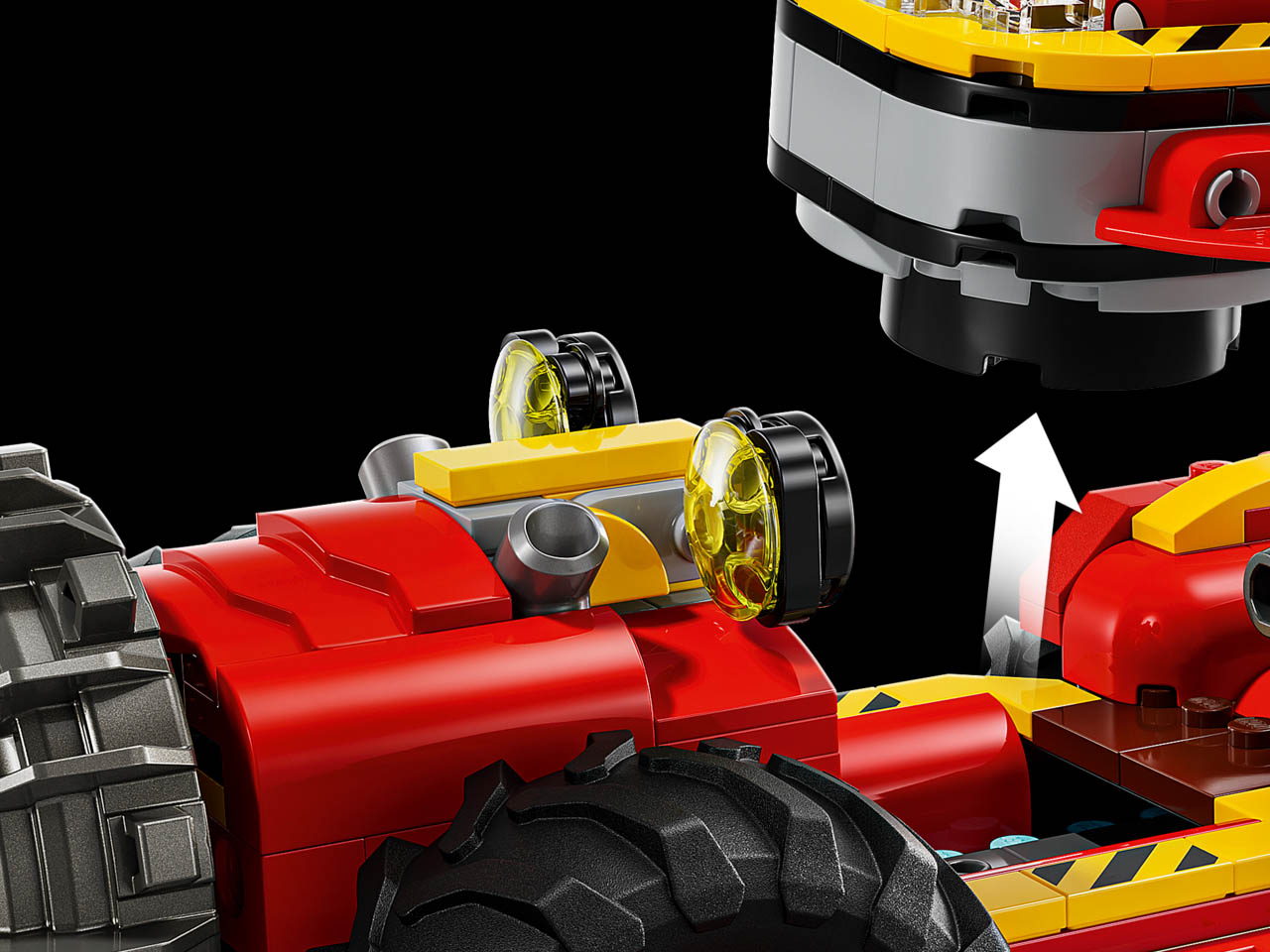
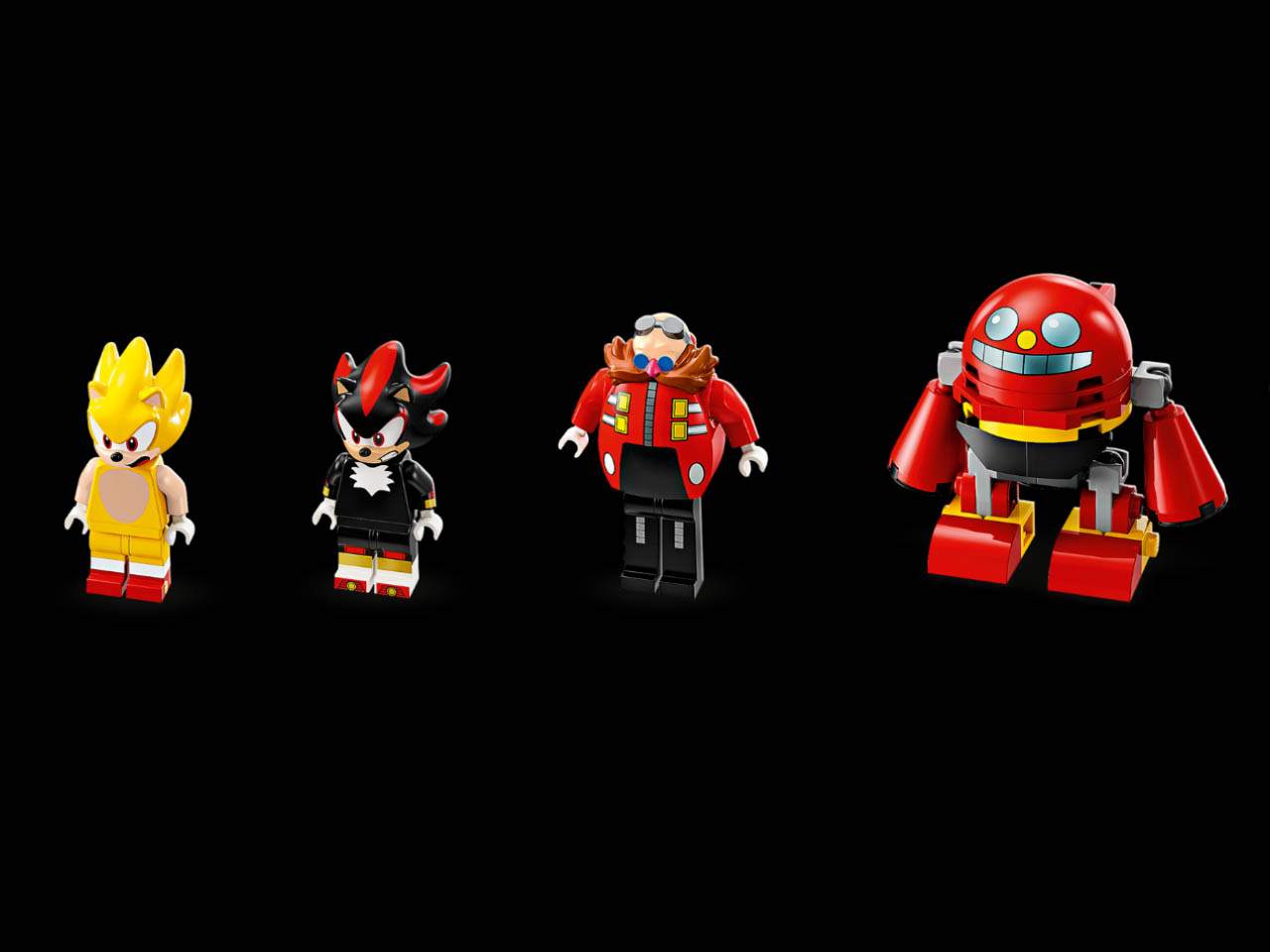
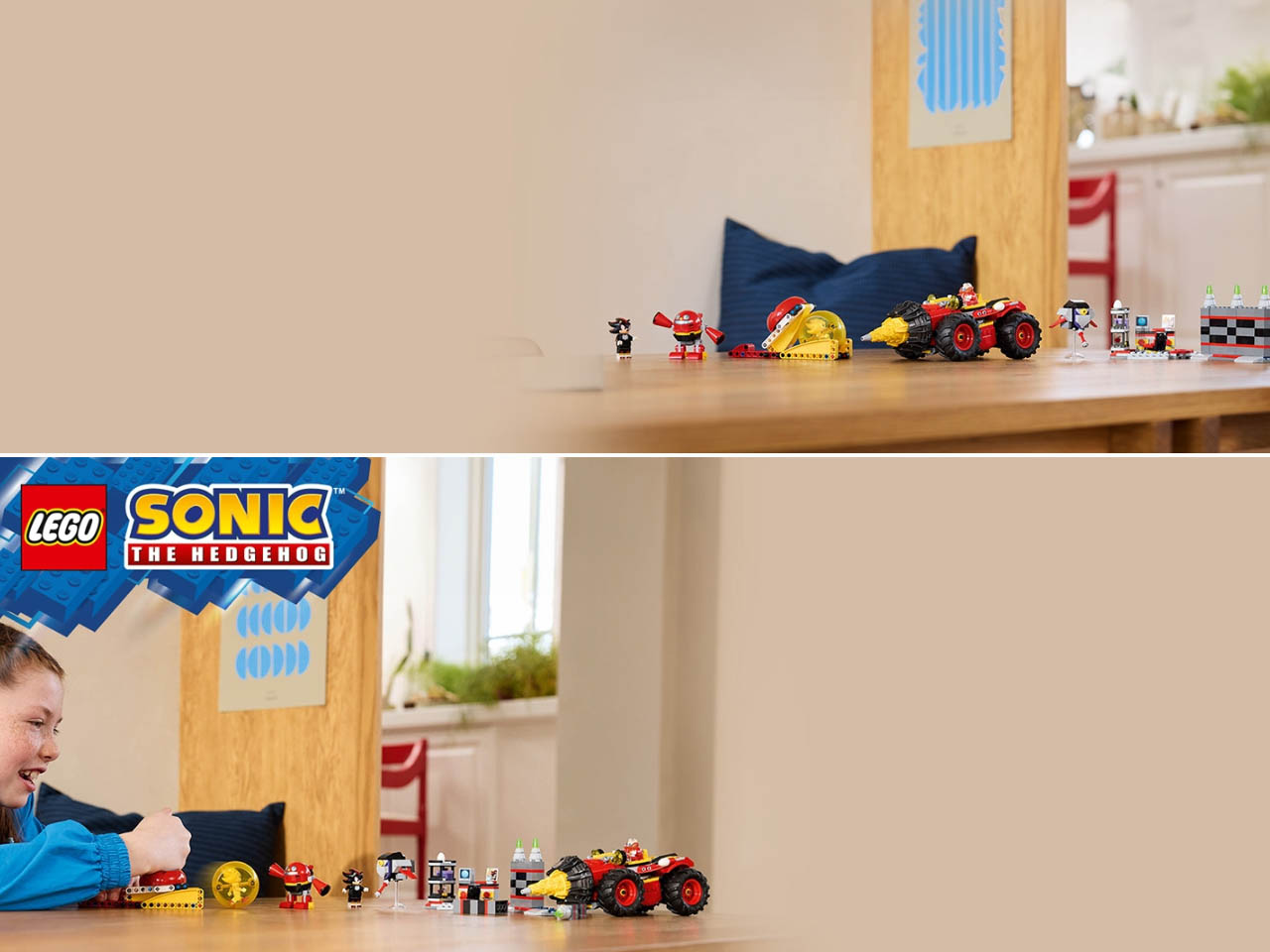
Finally, the LEGO Sonic set dubbed – Super Sonic vs. Egg Drillster is now official on the portal. The 590-piece build is pretty easy to assemble compared to the other intricate LEGO builds we’ve seen. That doesn’t make it any less interesting though. The set comes with Super Sonic, Shadow the Hedgehog, Dr Robotnik and the Egg Drillster vehicle The Egg Drillster comes from the Mega Drive games. Additionally, this LEGO buildable comes with a Gun Wing from Sinc Adventure 2 and Egg Pawn Bandnik.

Designer: LEGO Group

Along with this the Sonic’s Campfire Clash (77001) and Super Shadow vs. Biolizard (77003) sets have been announced as a part of the annual Sonic Central Livestream. The LEGO Super Shadow vs. Biolizard set is based on the main boss fight of the game and this one is slightly smaller consisting of 419 pieces. The scene is set to defend the Space Colony ARK from the daunting Biolizard. Fans can use the Super Sonic, Super Shadow, and Speed Sphere launcher to expose the villain’s weak spot and retrieve the Chaos Emerald. The set comes with the Super Sonic and Super Shadow minifigures to make things lively.

The 177-piece Campfire Clash LEGO set has the Sonic minifigure around the campfire. To make things more fun, kids can engage in rescuing Tocky by launching the minifigure through the speed sphere at the enemy robots G.U.N. Beetle and G.U.N. Hunter. According to Frédéric Roland Andre, Designer at the LEGO Group, “We’re delighted to introduce Sonic and LEGO fans to our latest ranges, bringing to life beloved heroes like Super Sonic and Shadow, as well as iconic villains like Biolizard, allowing them to bring to life their favorite characters and moments from the screen into the physical world of play.”


The post LEGO Sonic the Hedgehog sets traverse the console gaming fun into weekend building activity first appeared on Yanko Design.

Design Meets Culture: The Porsche x Almond Surfboard Collection

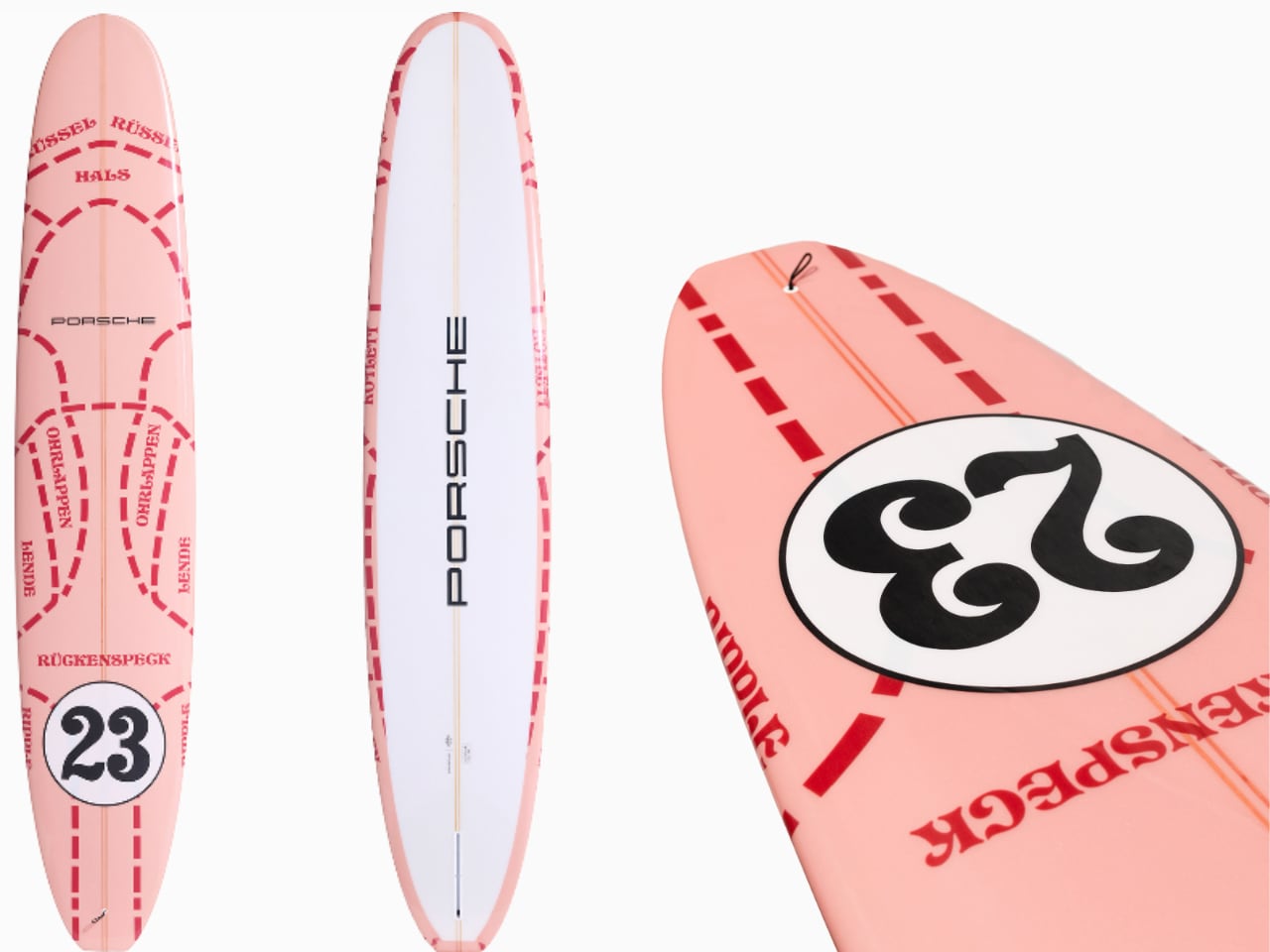
When Porsche partnered with Almond Surfboards to create a limited-edition surfboard collection, it was an inspired fusion of German engineering and California surf culture. This collaboration merges precision design and a laid-back lifestyle in a collection that balances craftsmanship with bold, iconic aesthetics.

Designers: Porsche + Almond collection

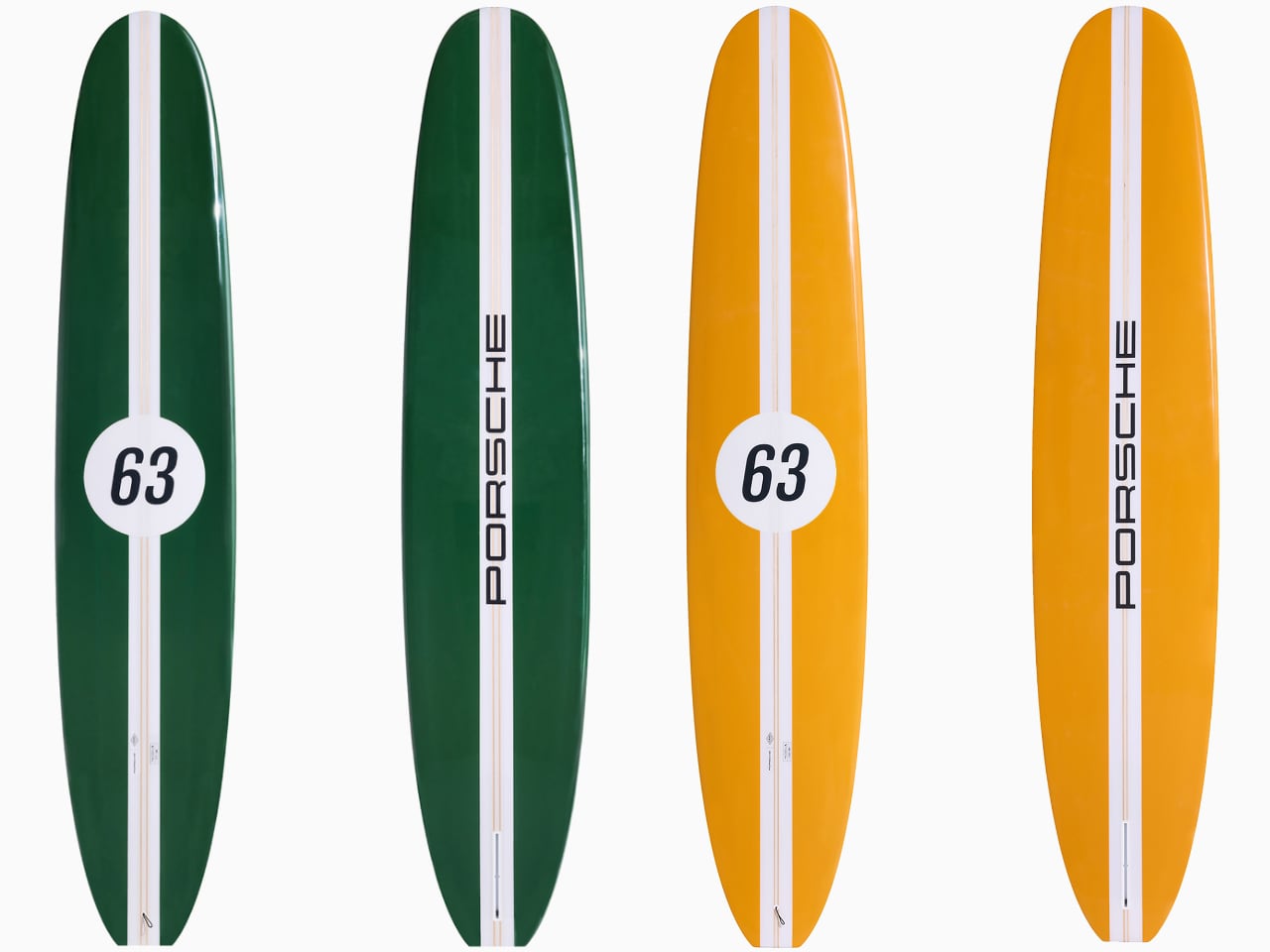
Each board is hand-shaped in Costa Mesa, California, and showcases the iconic Porsche 911 colors from the 1960s: Bahama Yellow, Irish Green, and Polo Red. These bold, classic hues evoke the timeless appeal of Porsche’s storied motorsport past. Additionally, the Pink Pig livery, famously featured on the 917/20 at Le Mans, injects a sense of playful rebellion, bridging a connection between race tracks and ocean waves.

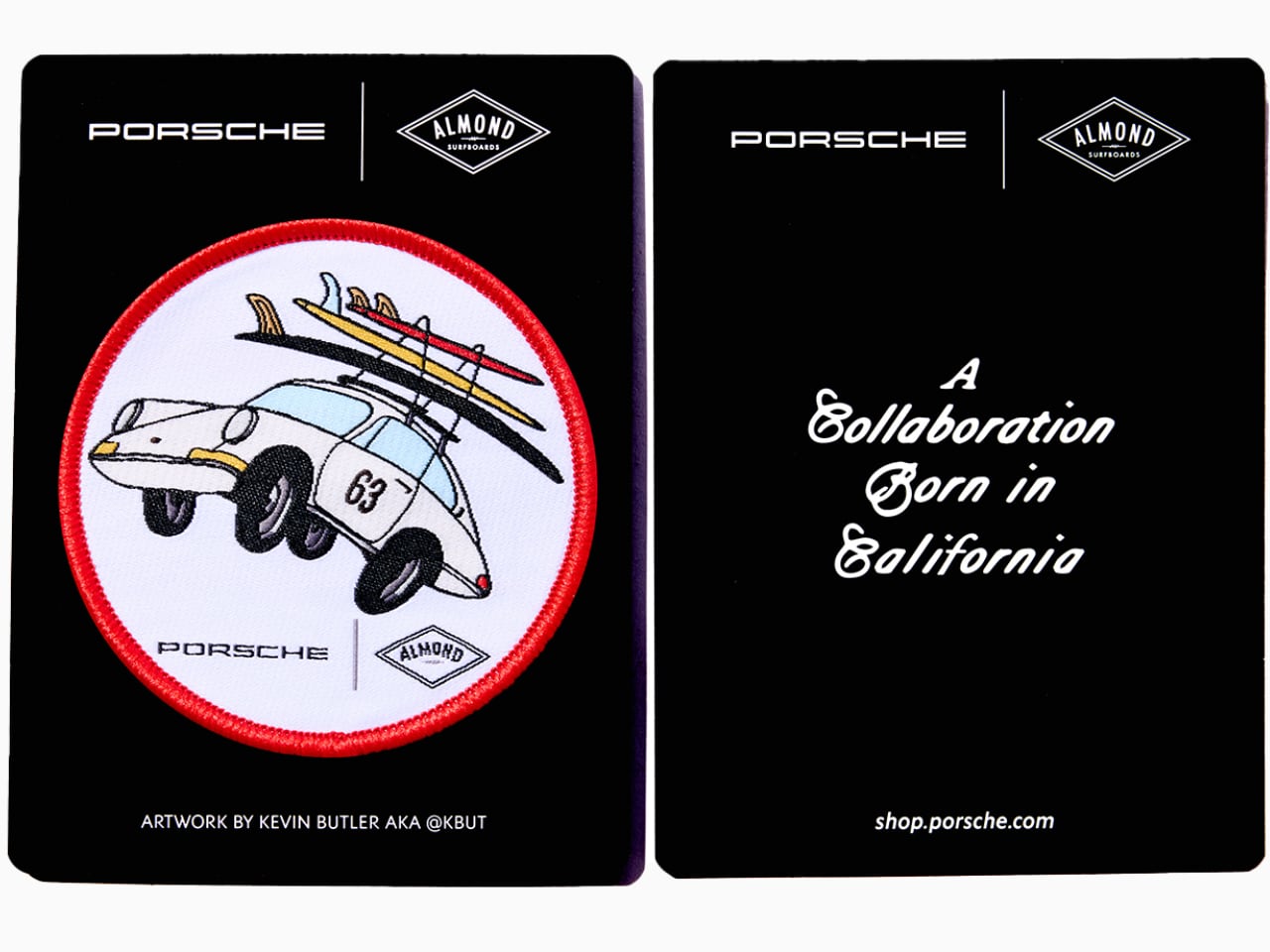
The attention to detail extends beyond color. Each board is meticulously numbered with 63, paying homage to the debut year of the first Porsche 911. These boards are designed for peak performance, crafted to carve through waves with the same finesse that a Porsche car cuts through corners.

Iconic Liveries: A Visual Legacy

Porsche’s racing liveries have left an indelible mark on motorsport culture. The Pink Pig livery, first introduced at Le Mans in 1971, caused a sensation with its butcher-style markings, a nod to fun and boldness in racing design. While it didn’t take first place, the livery remains unforgettable. Porsche’s knack for creating visual identities that speak beyond speed is part of what makes its designs iconic.

Other liveries, such as Gulf Racing and Martini Racing, tell their own stories of endurance and triumph on tracks like Le Mans and the World Endurance Championship. These designs represent Porsche’s relentless pursuit of innovation and excellence, and now, those same livery styles are reflected in the surfboard collection—offering Porsche fans a chance to connect with the brand in an entirely new way.

Numbers That Matter: The Significance of 63

The number 63 carries deep significance for Porsche, symbolizing the birth of the 911 in 1963. This number isn’t merely a historical reference—it reflects Porsche’s enduring philosophy of design and innovation. On the surfboards, the 63 serves as a reminder of Porsche’s legacy and how that spirit has been translated into everything from cars to lifestyle products.

Personally, the number 911 has long been significant in my life. Over a decade ago, I managed to score a mobile phone number that starts with 917 and ends with 911—a perfect numerical tribute to one of Porsche’s most famous models. Every time I give out my number or see it on my business card, it feels like a small but meaningful connection to Porsche’s history.

Crafting the Boards: Surf Meets Precision Engineering

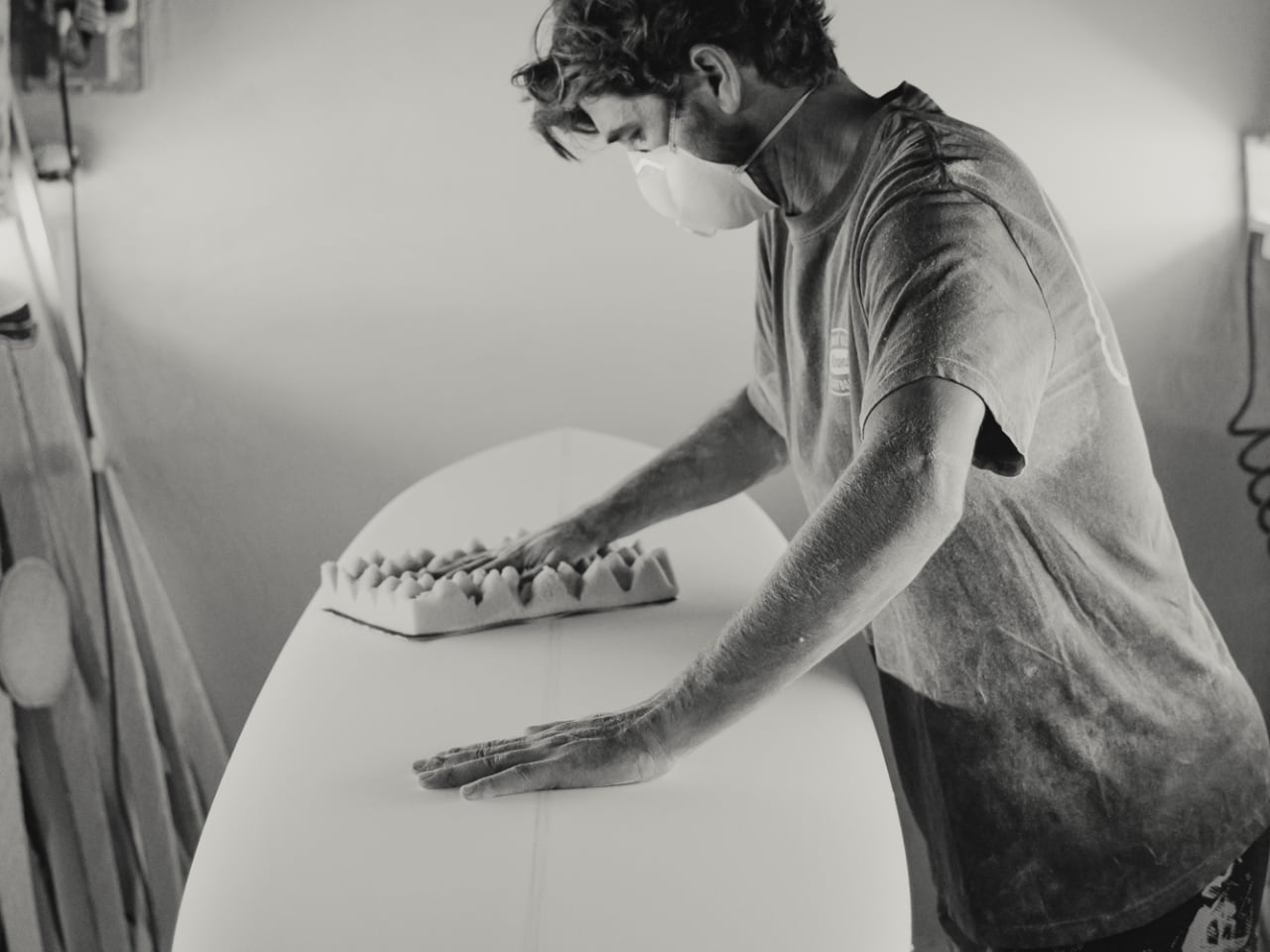
The shaping process of the surfboards in the Porsche x Almond collection mirrors the craftsmanship seen in Porsche’s cars. Each board is shaped from polyurethane foam, reinforced with basswood stringers, and wrapped in fiberglass cloth. The combination of these materials delivers durability, performance, and aesthetic beauty. Just like Porsche’s vehicles, each board is crafted with purpose, delivering on form and function.

Almond’s influence is felt deeply here, as their approach to surfboard crafting draws on the traditions of California surf culture. Known for their hand-shaped boards and commitment to craftsmanship, Almond brings a design ethos rooted in authenticity, simplicity, and a connection to the ocean. This influence transforms the boards into more than sporting equipment—they represent a lifestyle. Almond’s surf culture emphasizes longevity and timeless style, blending seamlessly with Porsche’s commitment to performance and precision.

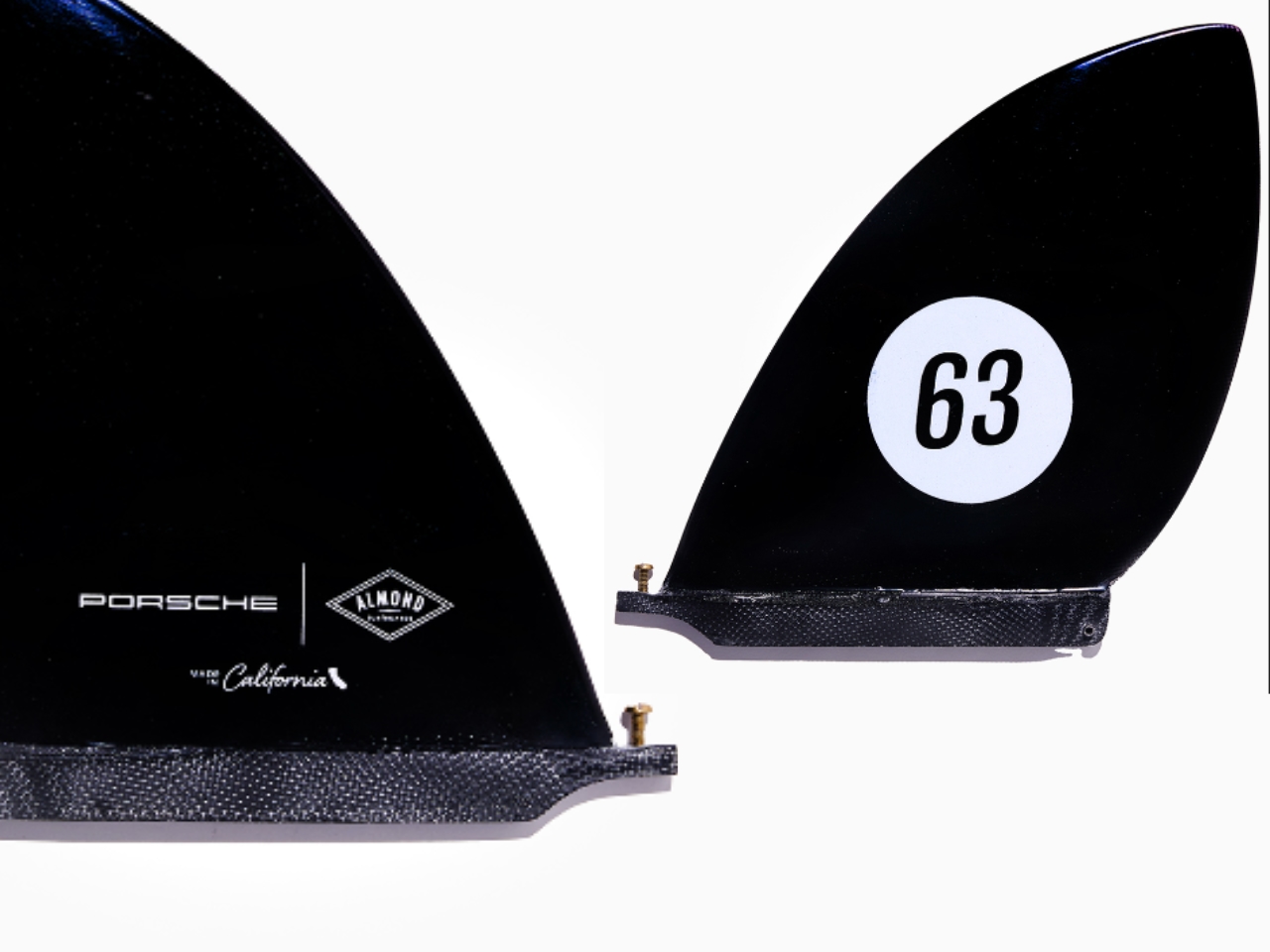
The hand-foiled fiberglass fins are a nod to Porsche’s engineering precision. Crafted from 36 layers of fiberglass, these fins reflect a focus on fine detail, much like the assembly of a high-performance car engine. The inclusion of custom wooden wall brackets for display reminds us that these surfboards, much like Porsche’s vehicles, are as much art as they are machines for performance.

A Personal Connection: Pikes Peak and Porsche’s Racing Spirit

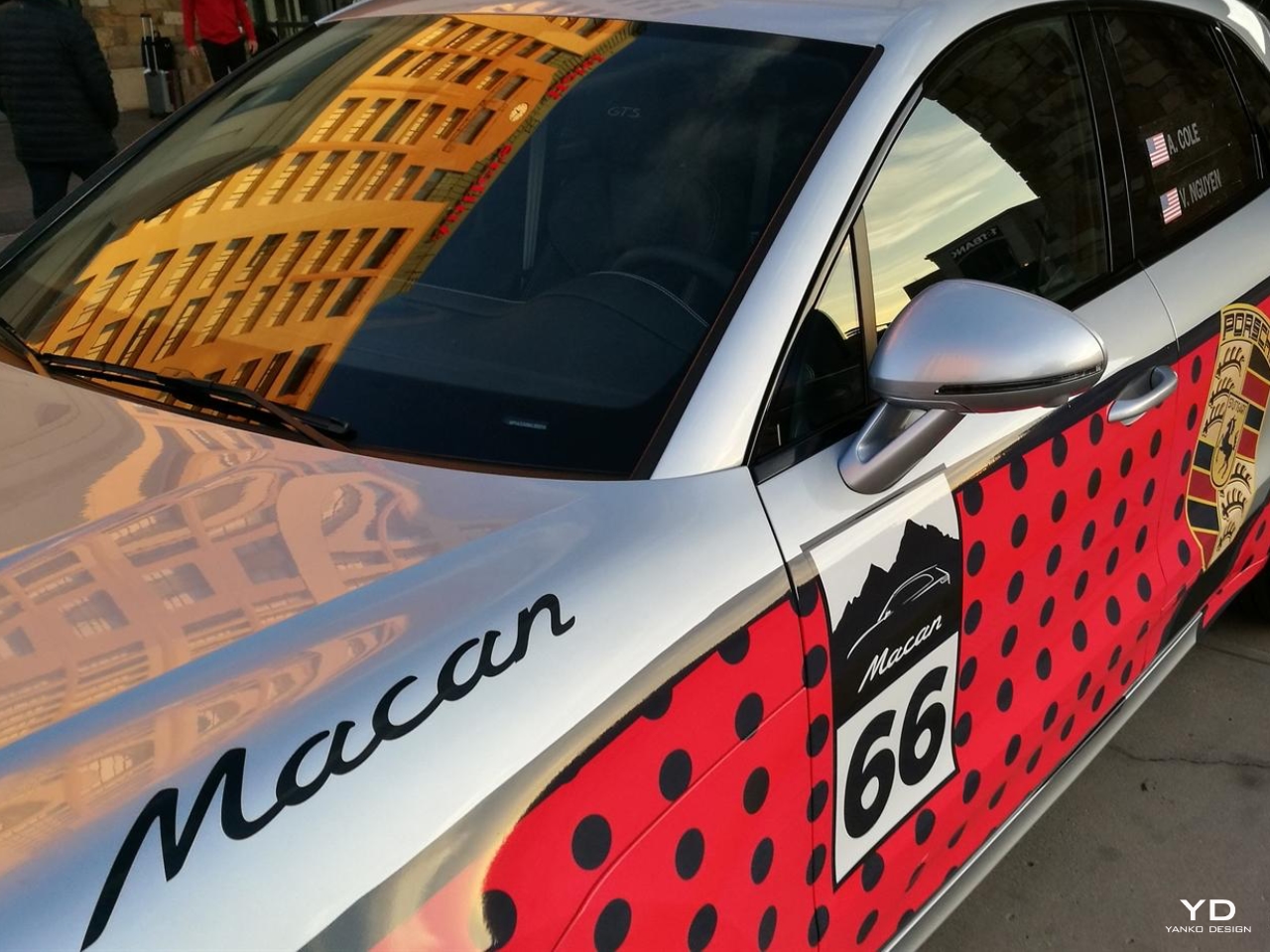
In 2016, I was fortunate to experience firsthand Porsche’s racing heritage on a drive I’ll never forget. While scaling Pikes Peak in a Macan GTS, wrapped in liveries designed to reflect Porsche’s racing history, I had the surreal honor of seeing my own name emblazoned on the car. This wasn’t just a typical drive—it was a full immersion into Porsche’s racing spirit, taking me from Pikes Peak to Mount Evans, a journey that pushed the Macan GTS and my own driving skills to their limits.

The livery on the Macan GTS was designed to reflect Porsche’s legacy at Pikes Peak. It’s a vivid reminder of how Porsche integrates its heritage into every aspect of its modern vehicles, creating a sense of continuity between the brand’s past, present, and future. Porsche’s emphasis on precision, balance, and driver engagement could be felt in every twist and turn of the climb.

Surfboards as Lifestyle: Porsche’s Expanding Design Language

What makes the Porsche x Almond surfboards special is how they expand Porsche’s design language beyond the road. These boards are an extension of Porsche’s identity. The Bahama Yellow, Irish Green, and Polo Red colors signify past 911 models and represent Porsche’s ability to merge motorsport heritage with contemporary design aesthetics.

Almond’s surf culture influences the design of these boards by bringing a sense of authenticity, simplicity, and connection to nature. The boards are shaped by hand, emphasizing craftsmanship, just as Porsche’s vehicles are assembled with precision. This collaboration showcases how Porsche’s design philosophy can transcend its automotive roots and enter new realms, like surfing, while staying true to the brand’s core values.

Porsche’s visual identity has always been about creating a lasting impression, from racing stripes to the Pink Pig motif. The Porsche x Almond collection is the next step in that journey, extending the brand’s influence from the race track to the waves of California.

The post Design Meets Culture: The Porsche x Almond Surfboard Collection first appeared on Yanko Design.

Rectangular robot vacuum concept proposes a more efficient design for smaller spaces

Robot vacuum cleaners and mops are common sights these days, but despite all the advancements they’ve made in terms of technology, their basic shape has remained unchanged since the first-ever Roomba. They’re almost all circular, though the are some that have taken on rounded square forms, a shape that was dictated by the limitations of old technologies that don’t seem to be relevant today. This standard design, however, still carries over other limitations, like squeezing into tight spaces or cleaning corners. Perhaps it’s time to rethink that old and outdated design, which is what this concept tries to do in order to cater to homes with smaller, cramped spaces and messy floors.

Designer: Subin Kim

The initial design of robot vacuums was made primarily for the robot and not the humans. The circular shape made it easier for the machine to turn and correct its direction, something that was all too common given the very basic technologies from decades past. Today, however, most robot cleaners have no problem navigating the most cluttered floors, so there’s now an opportunity to rethink that basic shape.

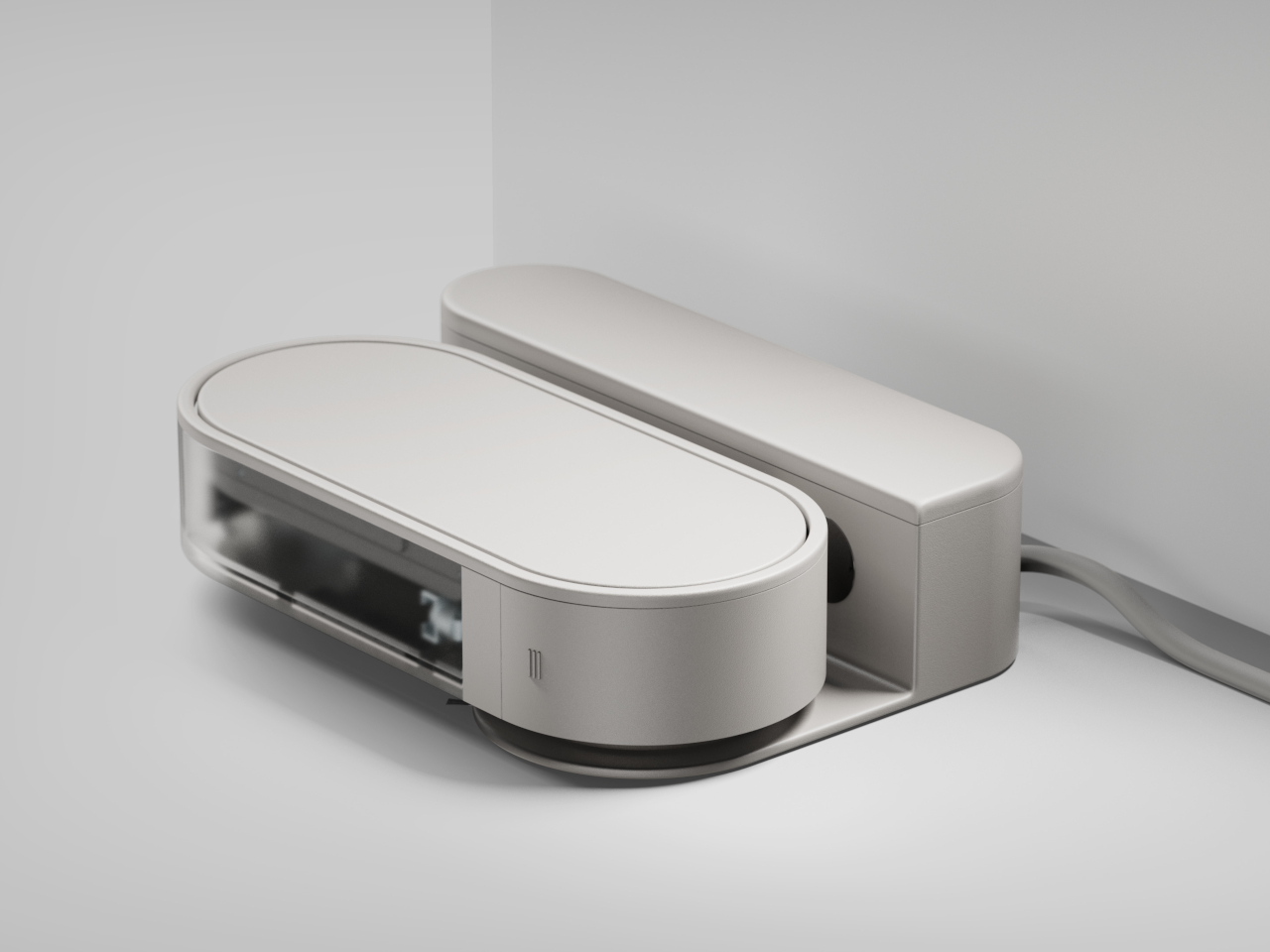
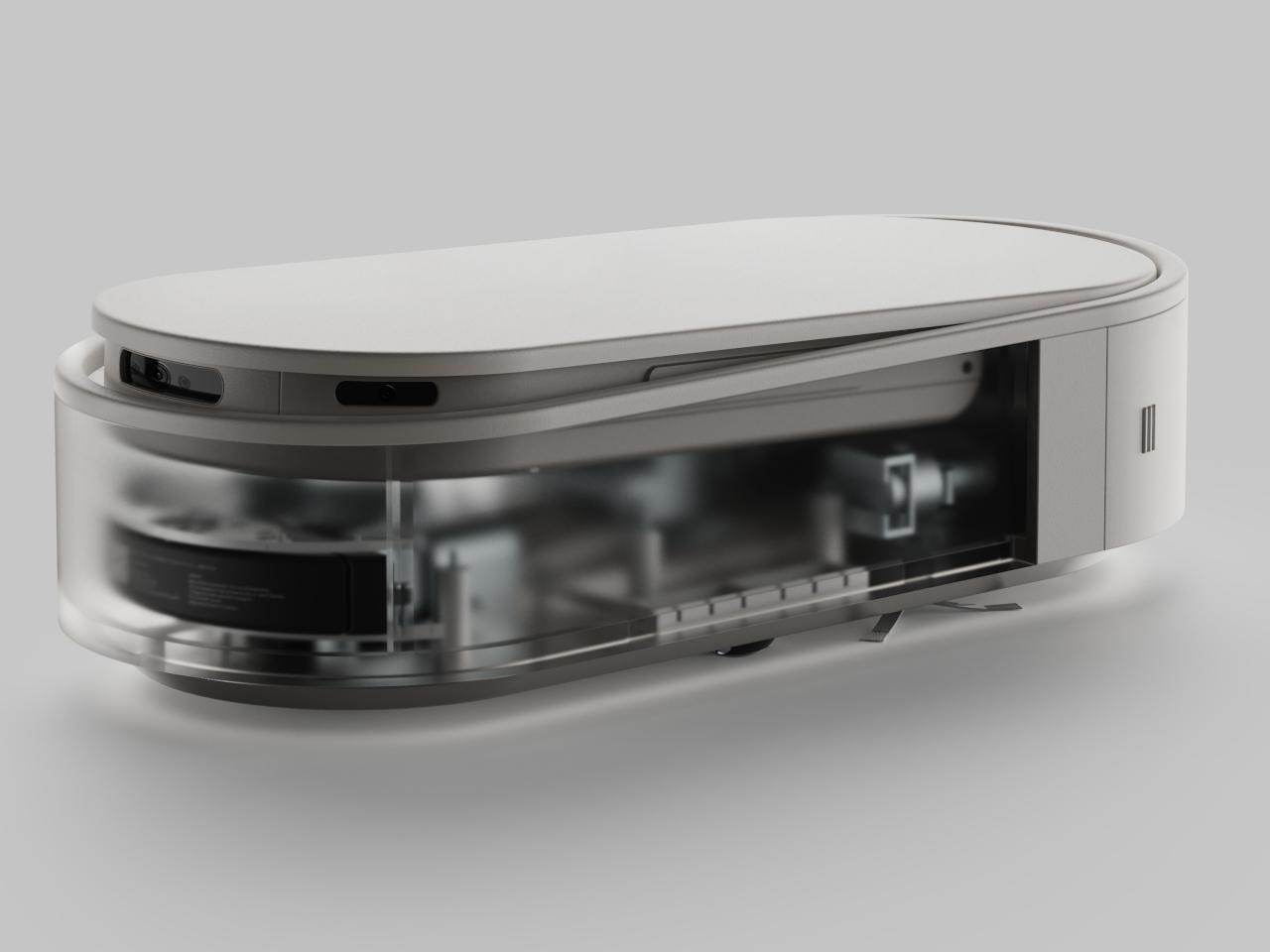
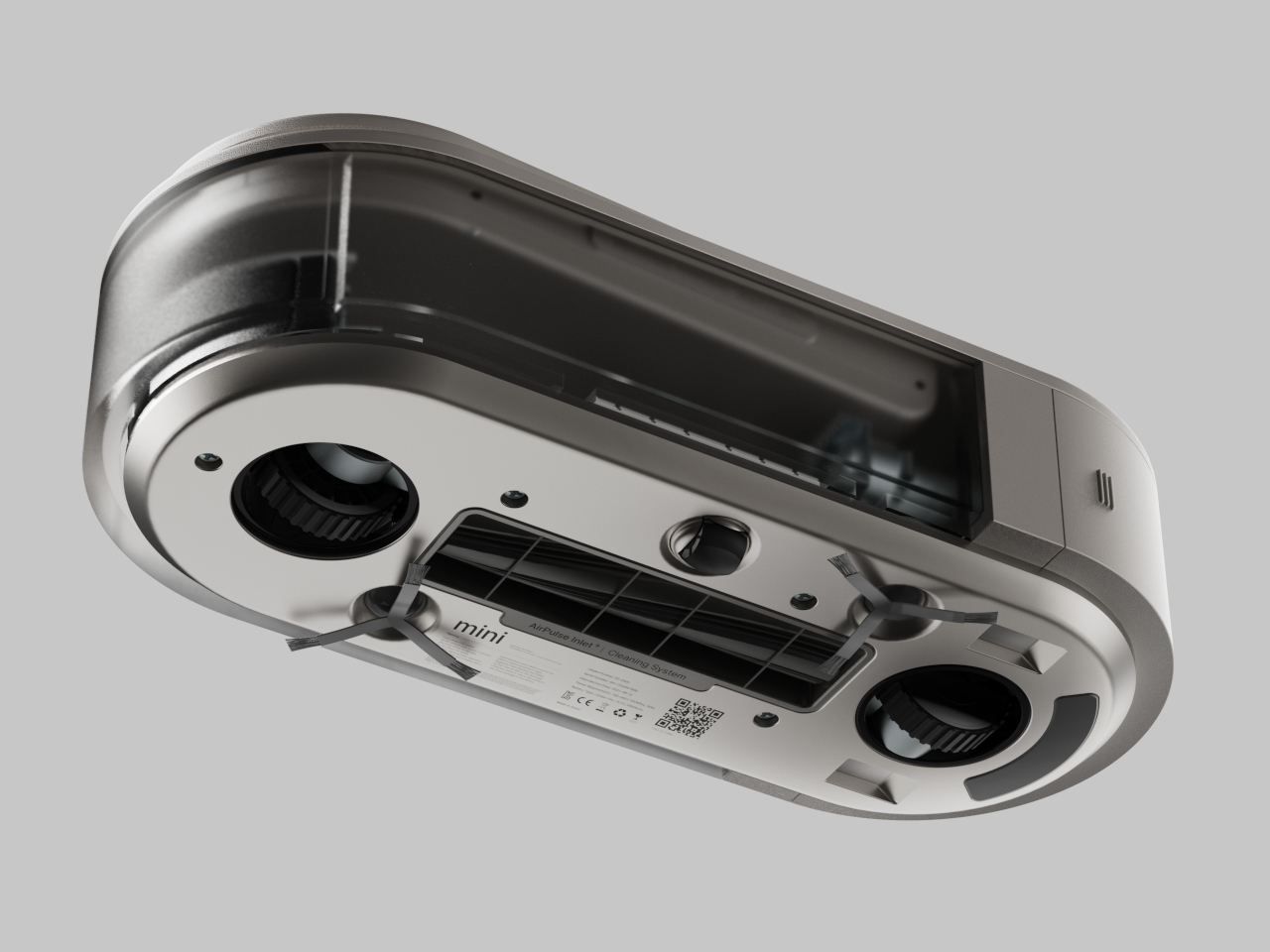
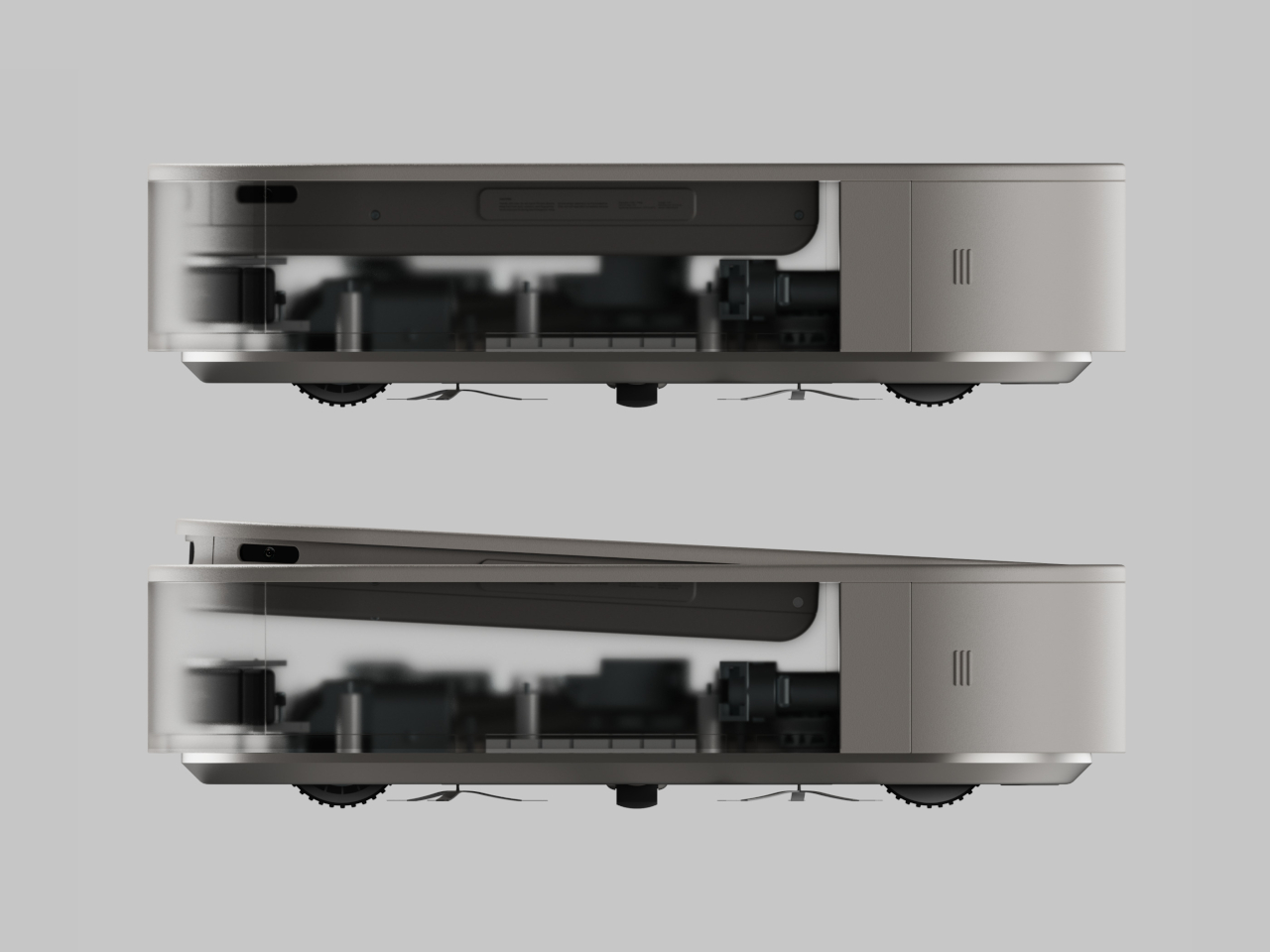
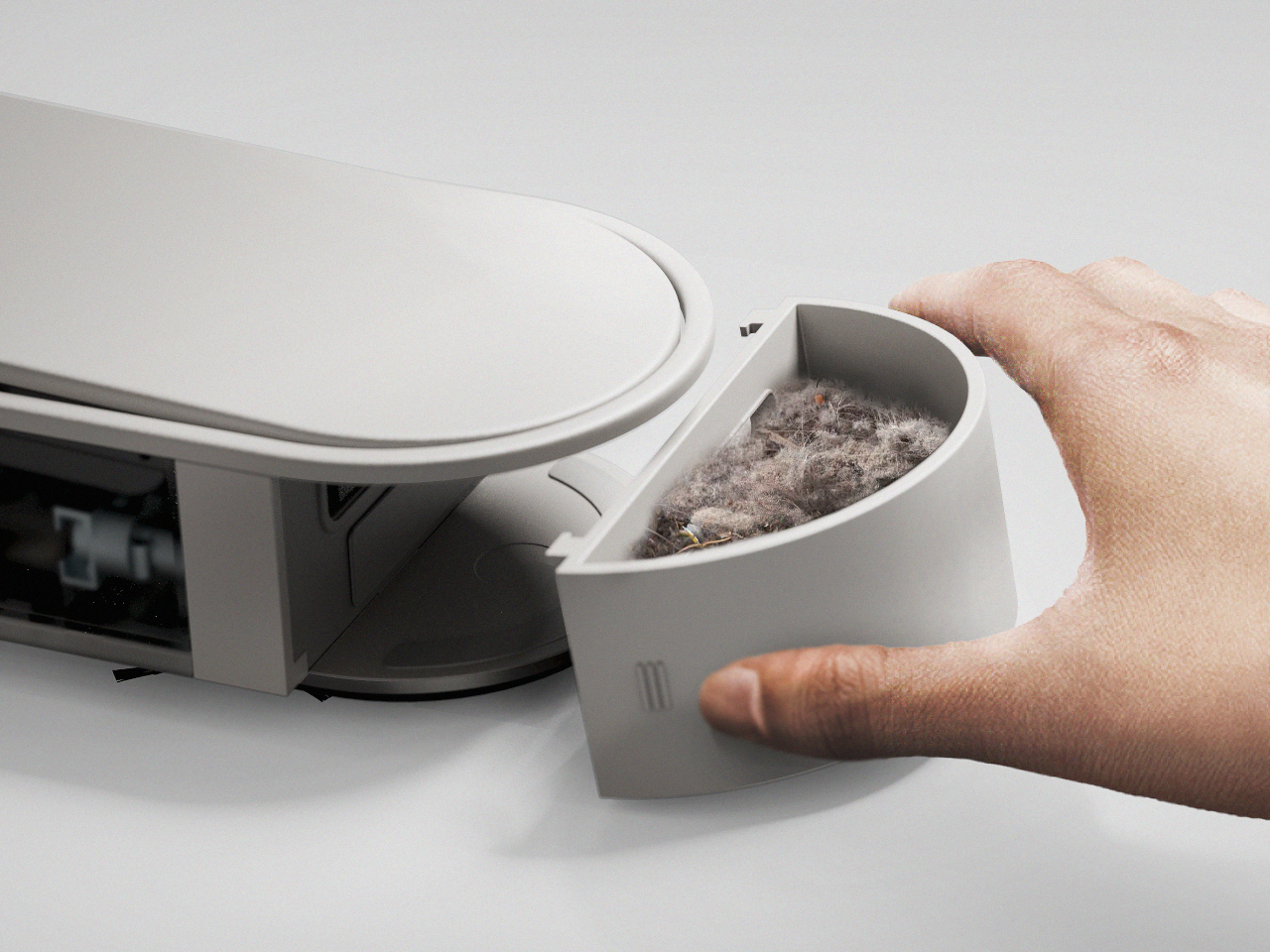
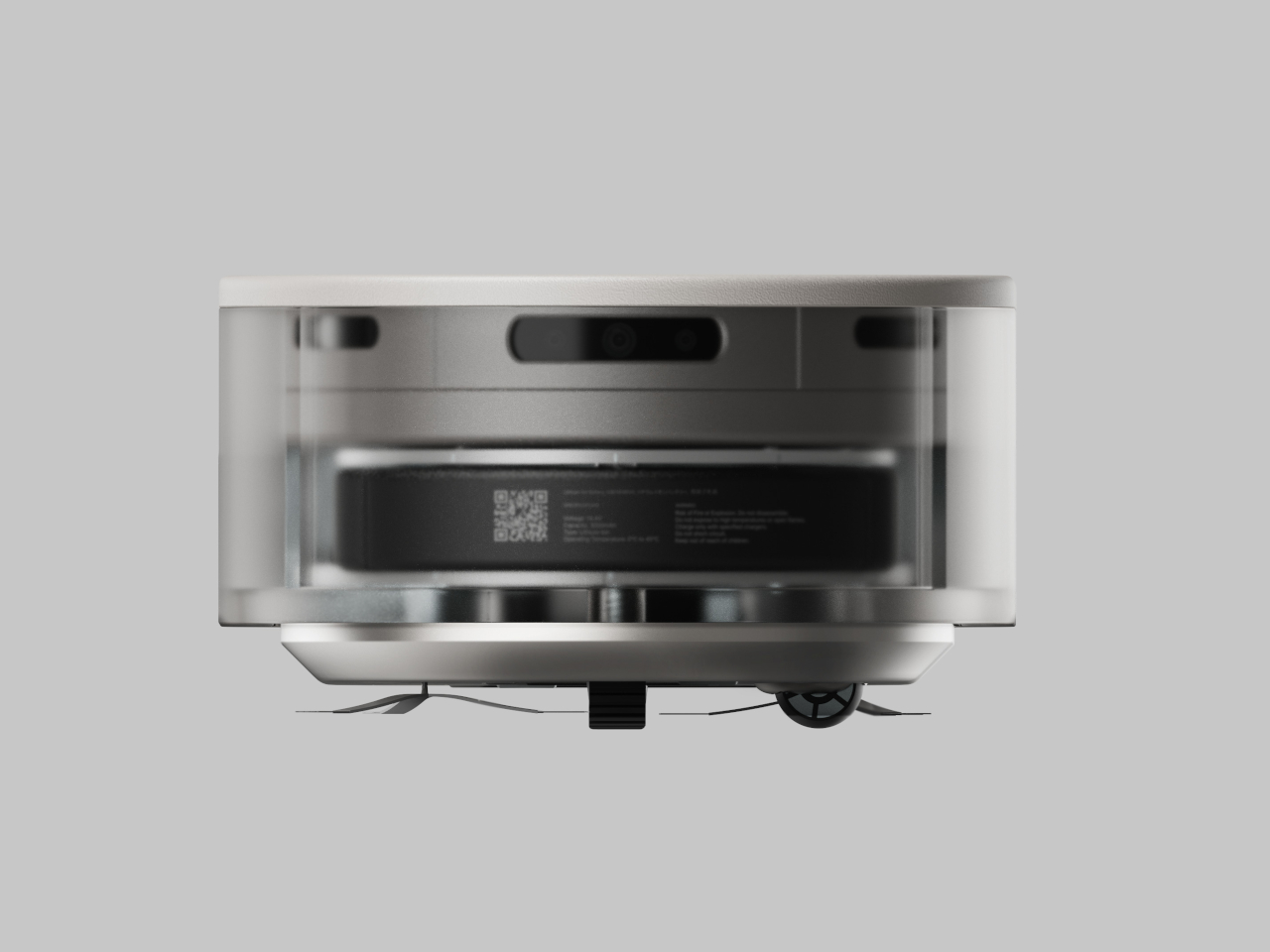
mini is a concept design that stretches the robot vacuum into a more rectangular form, technically more pill-shaped with its rounded sides. The idea is that this robot can better squeeze itself into narrow spaces, like those between walls and furniture, or hug edges to properly brush and vacuum areas that even the most sophisticated circular robot can’t reach. In small apartments or tiny homes, that is more often the case, so such a design is more useful than the majority of round or square robots.

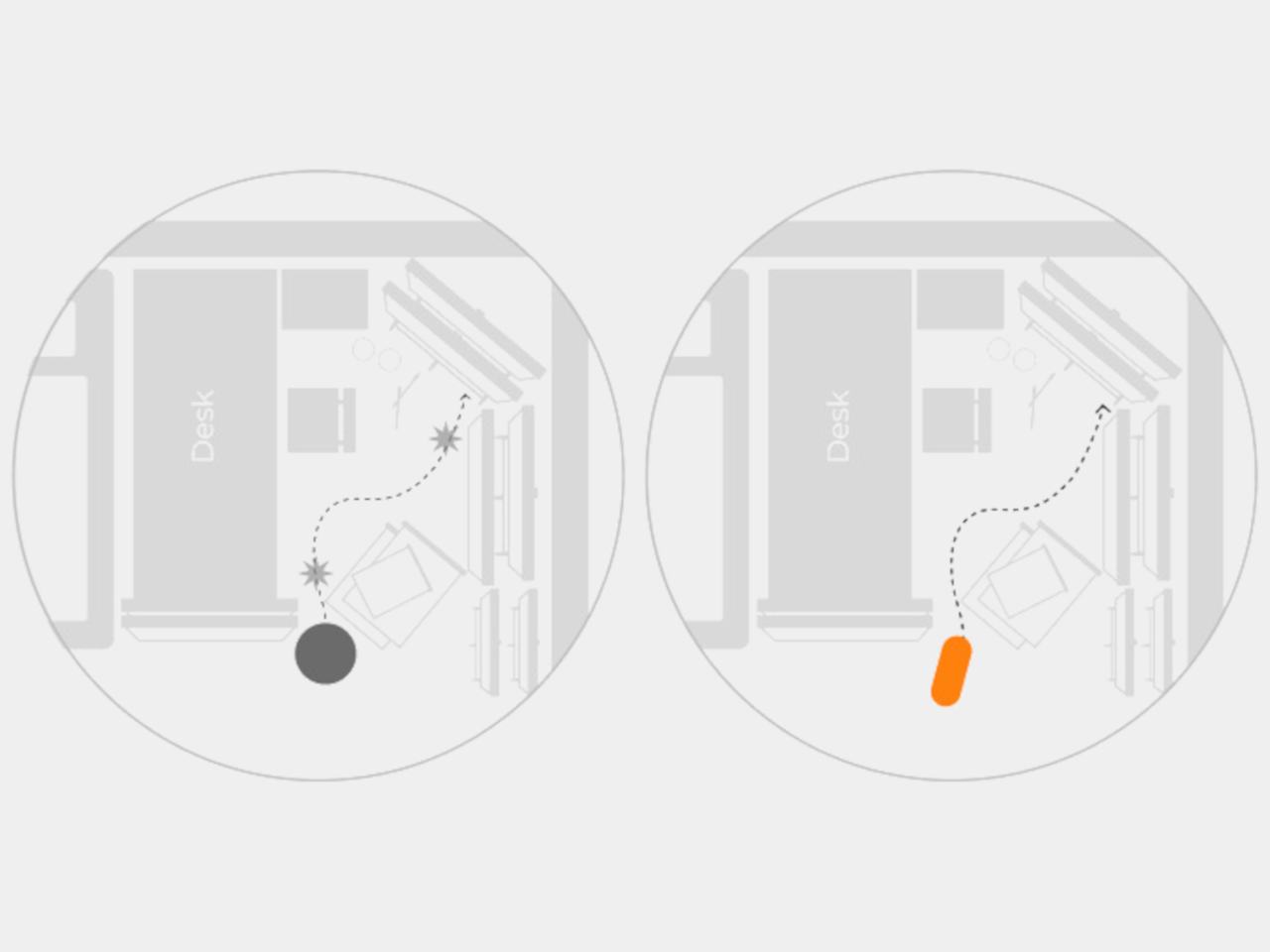
The design can actually be even more efficient than standard robot vacuums because it can change its orientation depending on the area of the floor to be cleaned. In its vertical mode, it can easily clean out narrow gaps, but then it can rotate and switch to horizontal mode if there’s a wider space available for it to move. Such a feat would require AI and advanced sensors, both of which are readily available on most robot cleaners today.

mini’s design does mean it won’t be able to turn quickly, but that can be handled by better obstacle detection and smarter navigation. Although it might not work perfectly in practice, the concept does challenge the status quo and encourages a design that really puts the user at the center, rather than simply turning such robot helpers into technological showcases.

The post Rectangular robot vacuum concept proposes a more efficient design for smaller spaces first appeared on Yanko Design.

Top Ten AI-Generated Concepts Elevate Product Design to New Heights

Artificial intelligence is stirring discussions within the creative realm. Regardless of where one stands on the “debate,” the democratization of graphic design, product concepts, and digital creativity spans diverse domains, and Artificial Intelligence is shaping various sectors. Certain AI tools not only enhance efficiency but also drive innovation. These inventive tools are capturing significant attention due to their remarkable impact. Although AI-generated designs might spark debate, some designers are harnessing their potential to shape unique interpretations of furniture, cars, shoes, mobiles, appliance aesthetics, and more.

Designer: Moss and Fog

1. Popping Car Designs

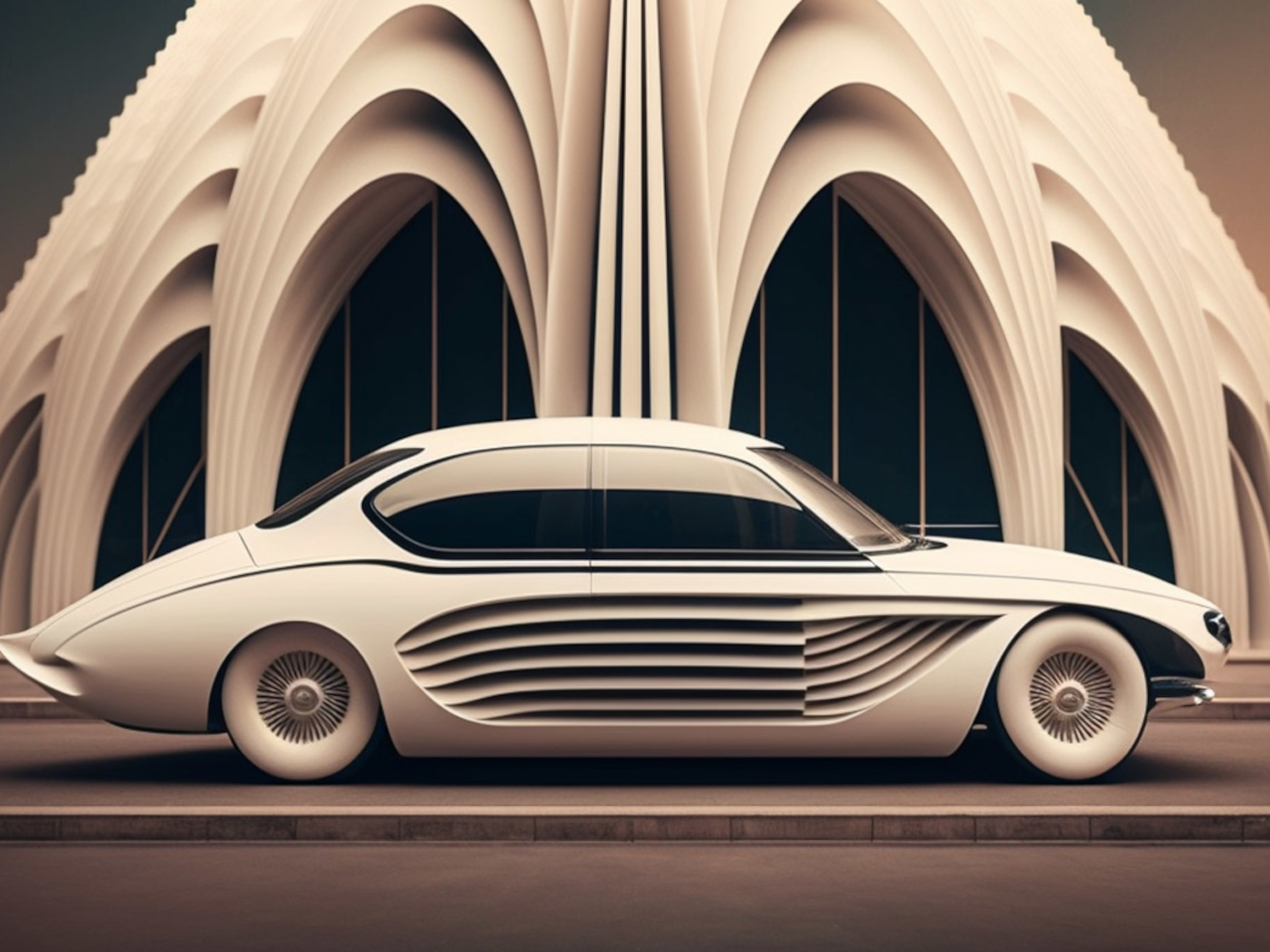
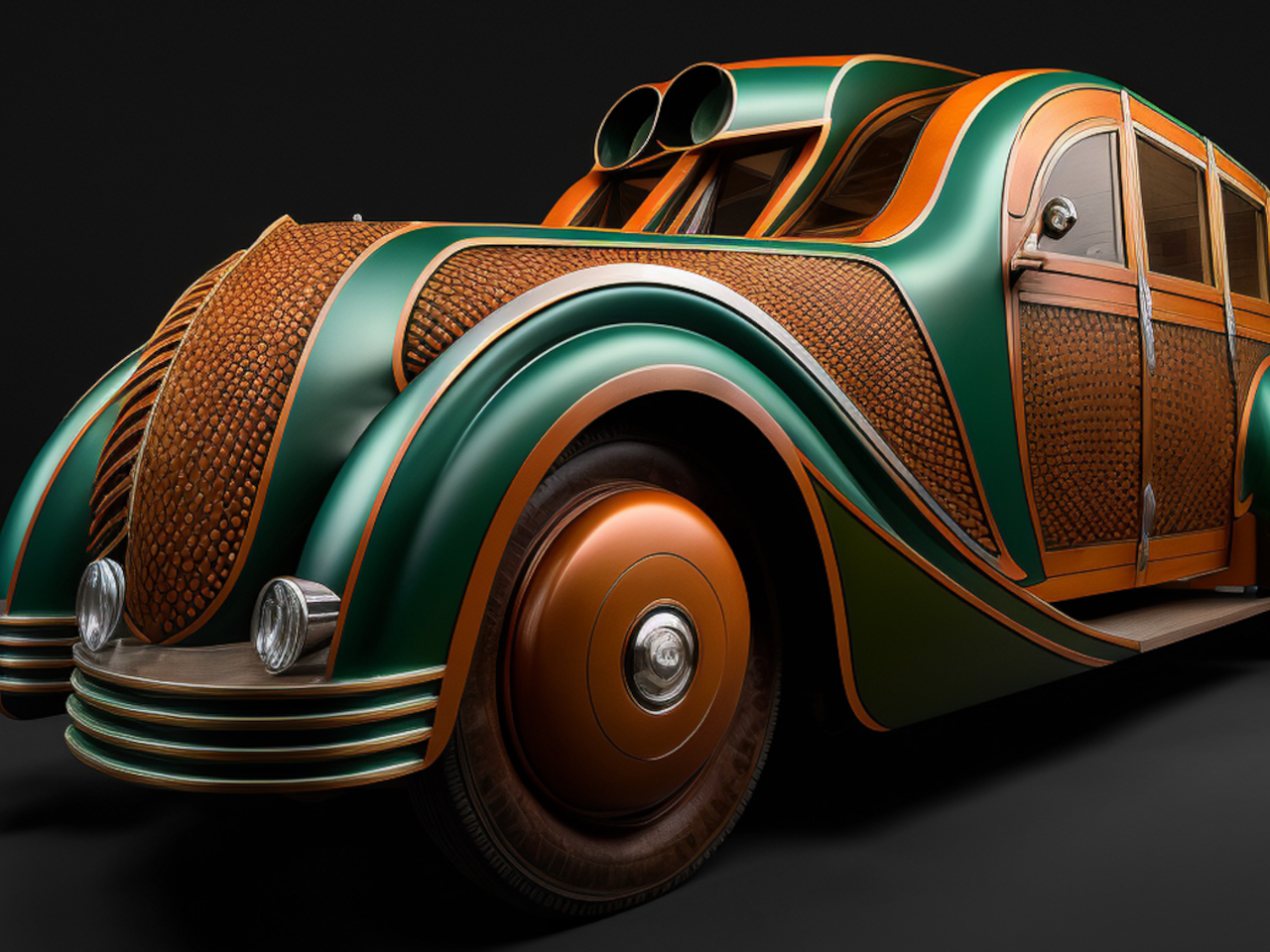
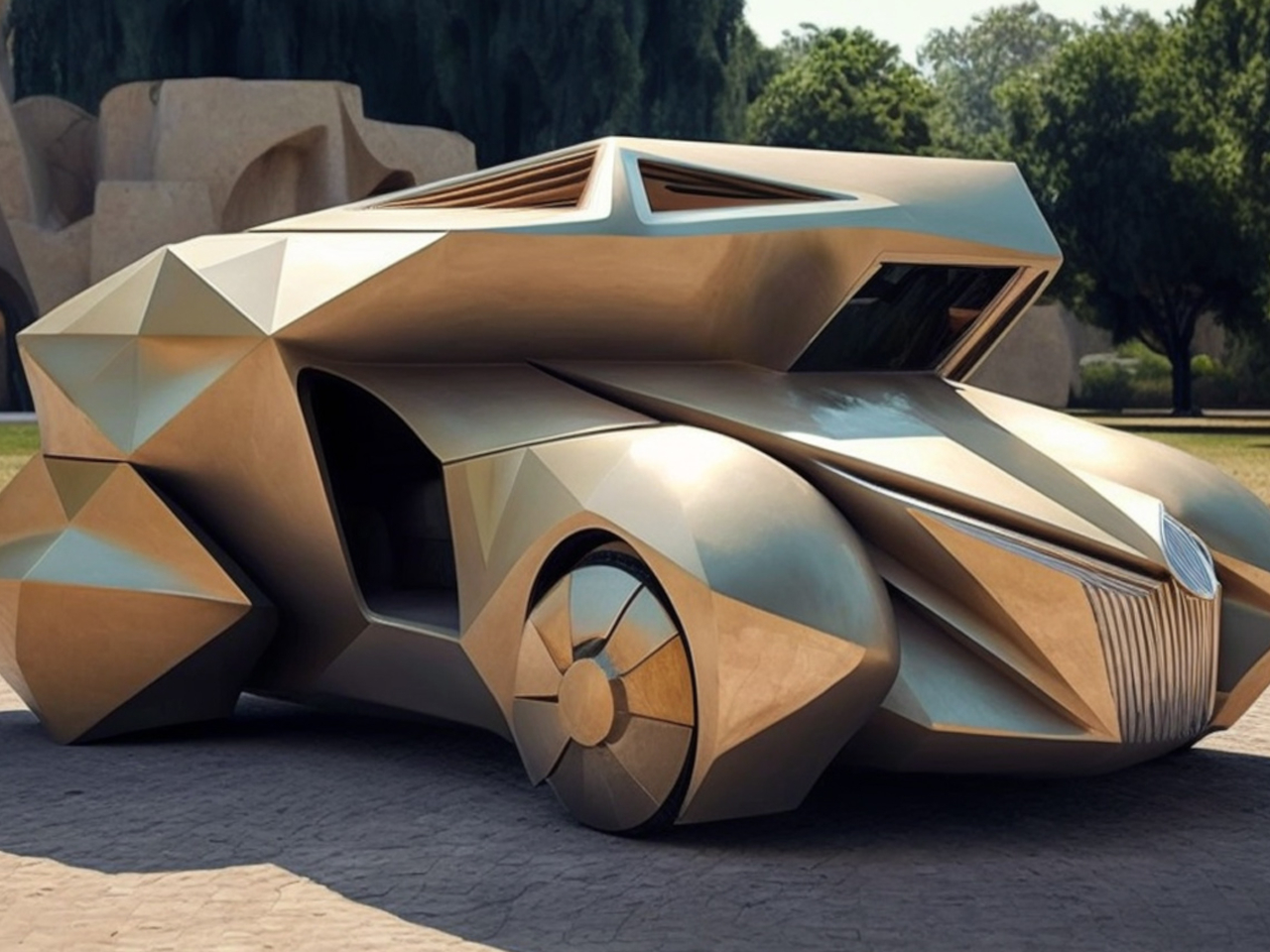
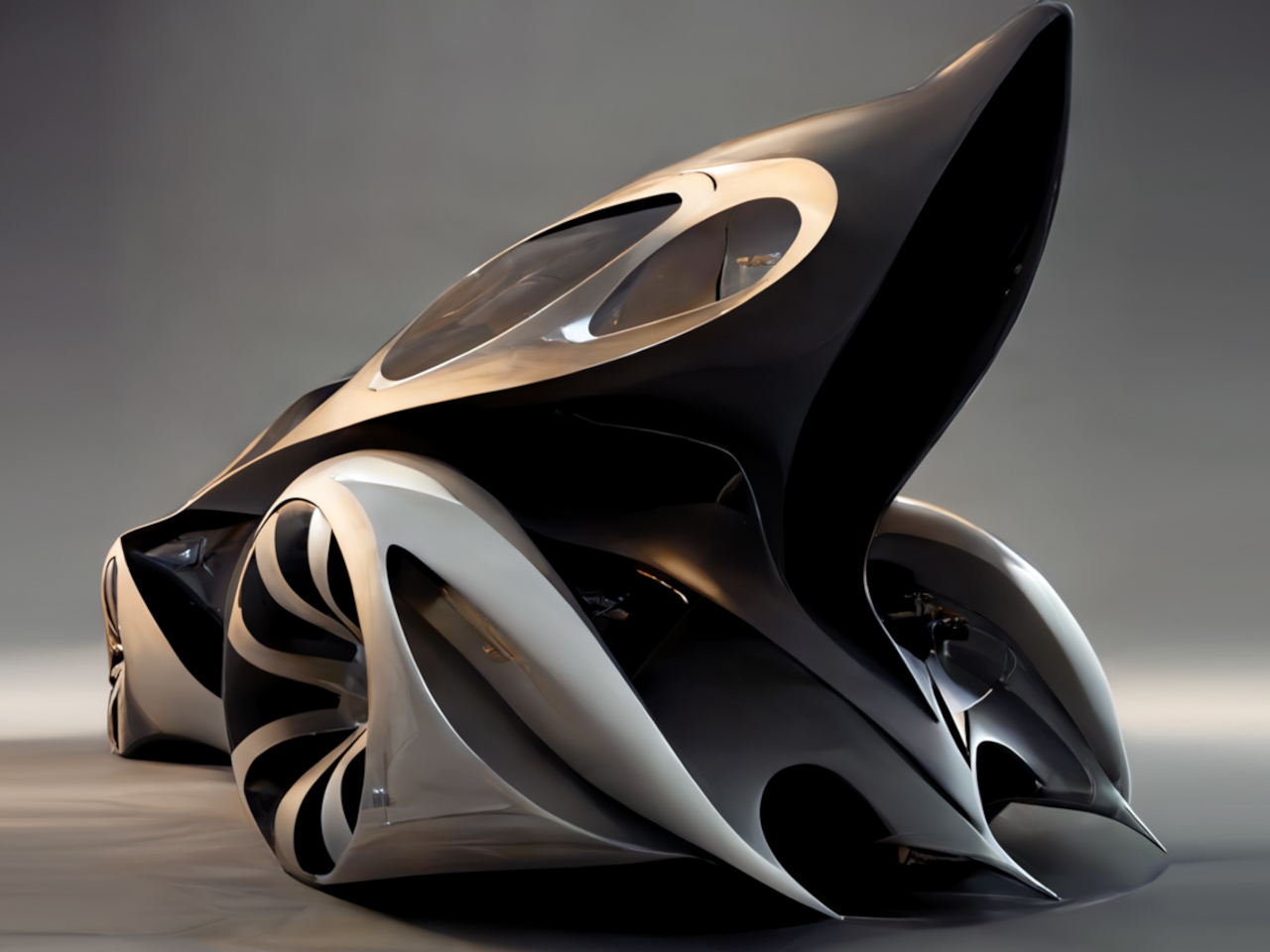
Moss and Fog have used the AI generator tool “Midjourney” to bring together automobile design and architecture to create car designs inspired by famous architectural designers of the 20th century. By employing an AI-image generator, they have infused the essence of architectural marvels from around the world into a four-wheel automobile design. The design studio’s curiosity was centered on delving into the idea of “Imagine if acclaimed architects embarked on car design?”

Hailing from Spain, Antoni Gaudi i Cornet was a champion of Catalan Modernism, showcased through his distinctly personalized works in the sui generis style. His creations predominantly grace Barcelona, with the iconic Sagrada Familia church standing as a prime example.

Recognized as the “foremost American architect in history” by the American Institute of Architects, Frank Lloyd Wright has revolutionized our perception of modern constructions. His portfolio includes a staggering 1,114 architectural marvels, of which he brought to life a remarkable 532.

Frank Owen Gehry, a Canadian-American designer, has gained widespread acclaim for crafting some of the globe’s most iconic landmarks. His avant-garde approach to design is highly regarded within the architecture realm. In 2010, he was rightfully bestowed with the prestigious accolade of being named “the preeminent architect of our era” by the prominent Vanity Fair magazine.

Paying homage to Zaha Hadid’s distinctive design vocabulary, this avant-garde vehicle embodies her iconic design style. The AI tool beautifully integrates the concept of abstracted layers, similar to the series of modular steel panels with remarkable precision.

2. Sports Bikes

Designer: Coldstar Art

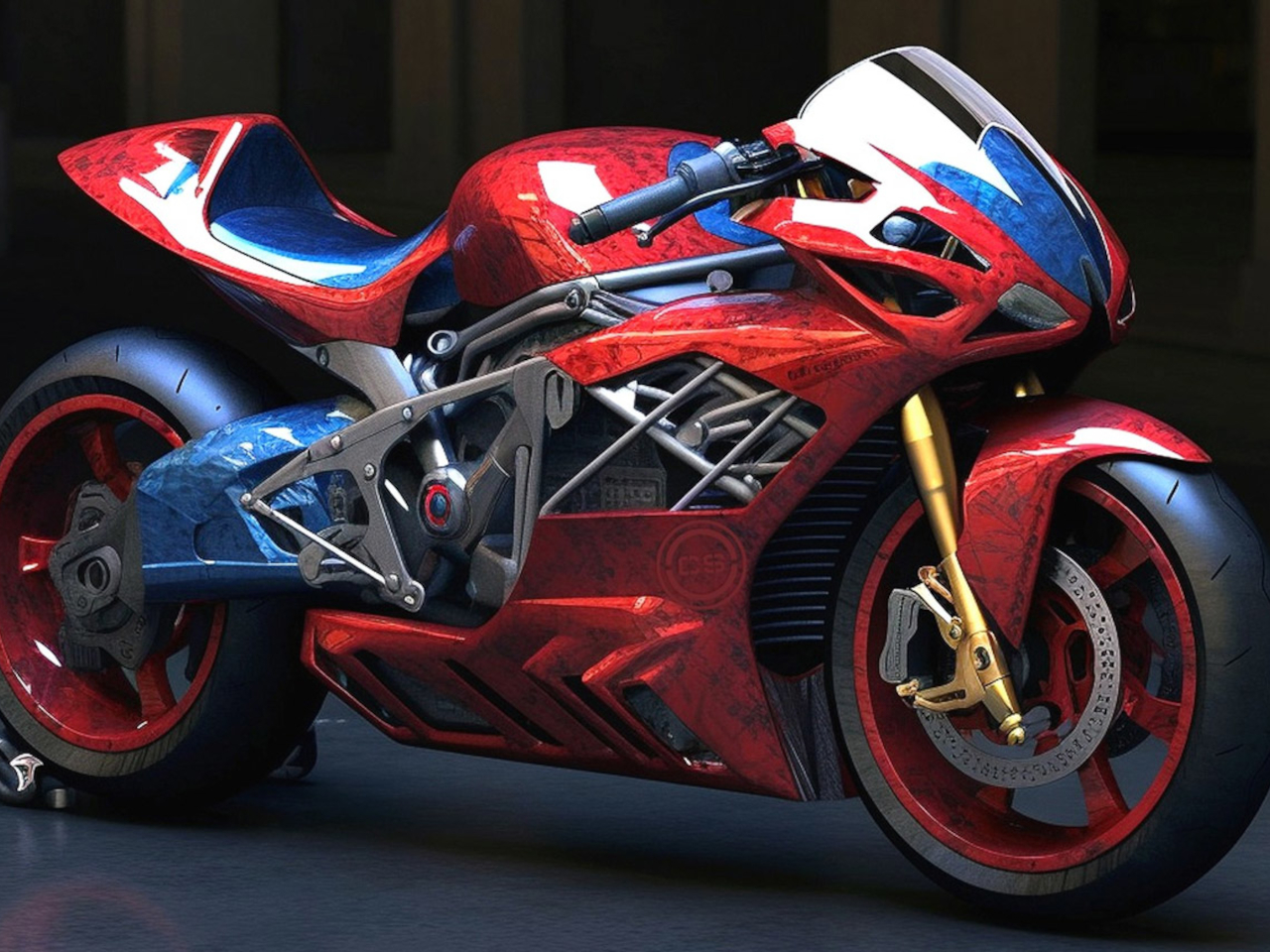
Shared among most superheroes is an iconic trait—an impressive set of wheels that elevates their heroic aura. Amid the enthusiasm for AI-crafted helmets and footwear, a latent aspiration lingered: a motorcycle seamlessly resonating with beloved superheroes. The AI-generated amalgamation of cars, crafted in renowned designers’ styles is a creative visualization of superhero sports bikes that have taken form, and the outcomes are truly astounding. The commendation largely rests on the Midjourney AI tool, collaboratively guided by the creator’s unique cues to generate the envisioned artwork.

3. Magic School Bus

Designer: Shail Patel

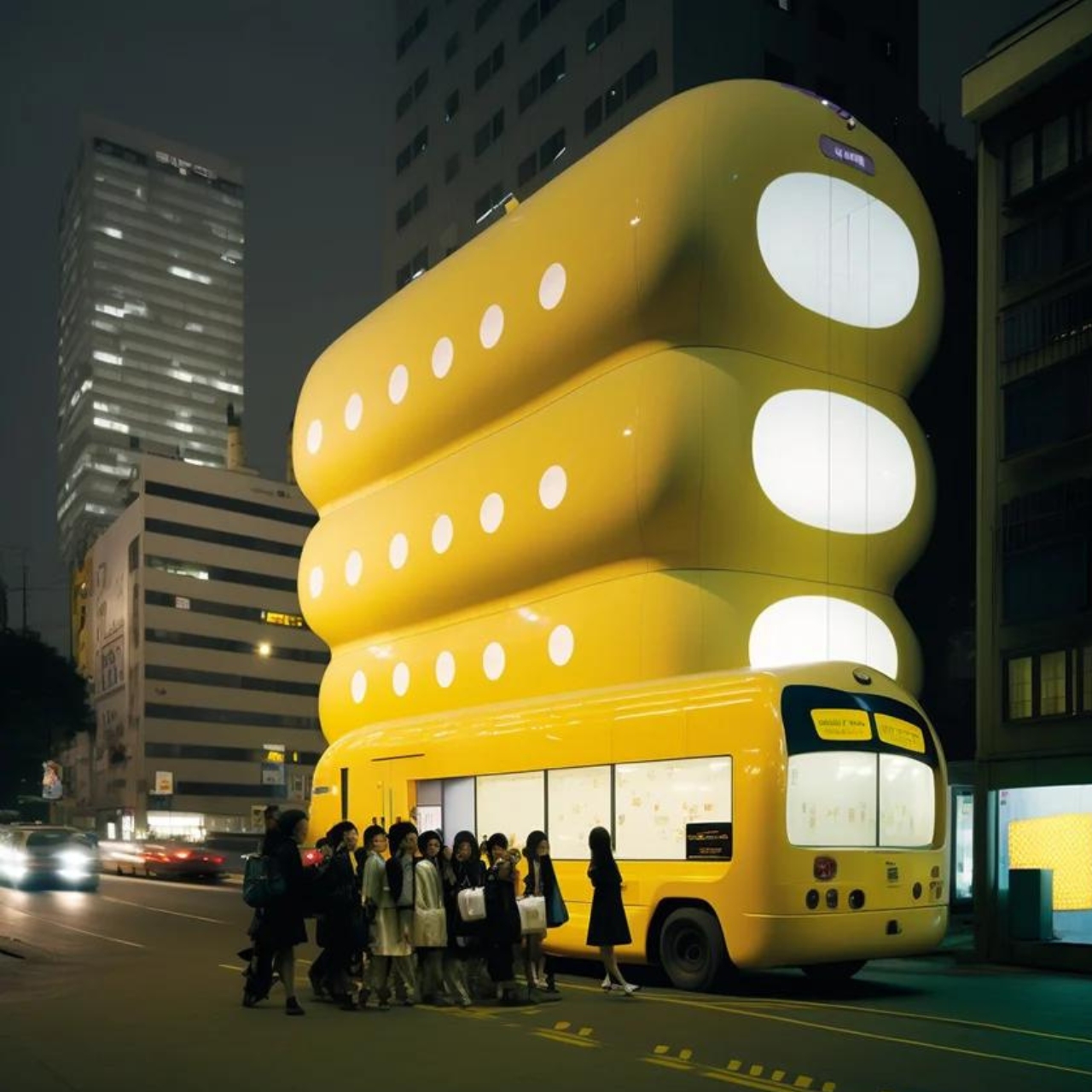
Some interesting concepts have been shaped using Artificial Intelligence and some designers’ wild imagination, which may someday become reality. The Mutated School Bus was created with the help of the AI design tool Midjourney and is both playful and functional and offers a practical mode of transportation. The bus looks like a rolling classroom with its multi-story stacked bus structure with the signature yellow color while its vertical form is a combination of circular, oblong, and square windows and rooms, that is reminiscent of the look of Minions and transforms into a fun mobile school where children can study while going around the city.

4. Gaudi’s Home Appliances

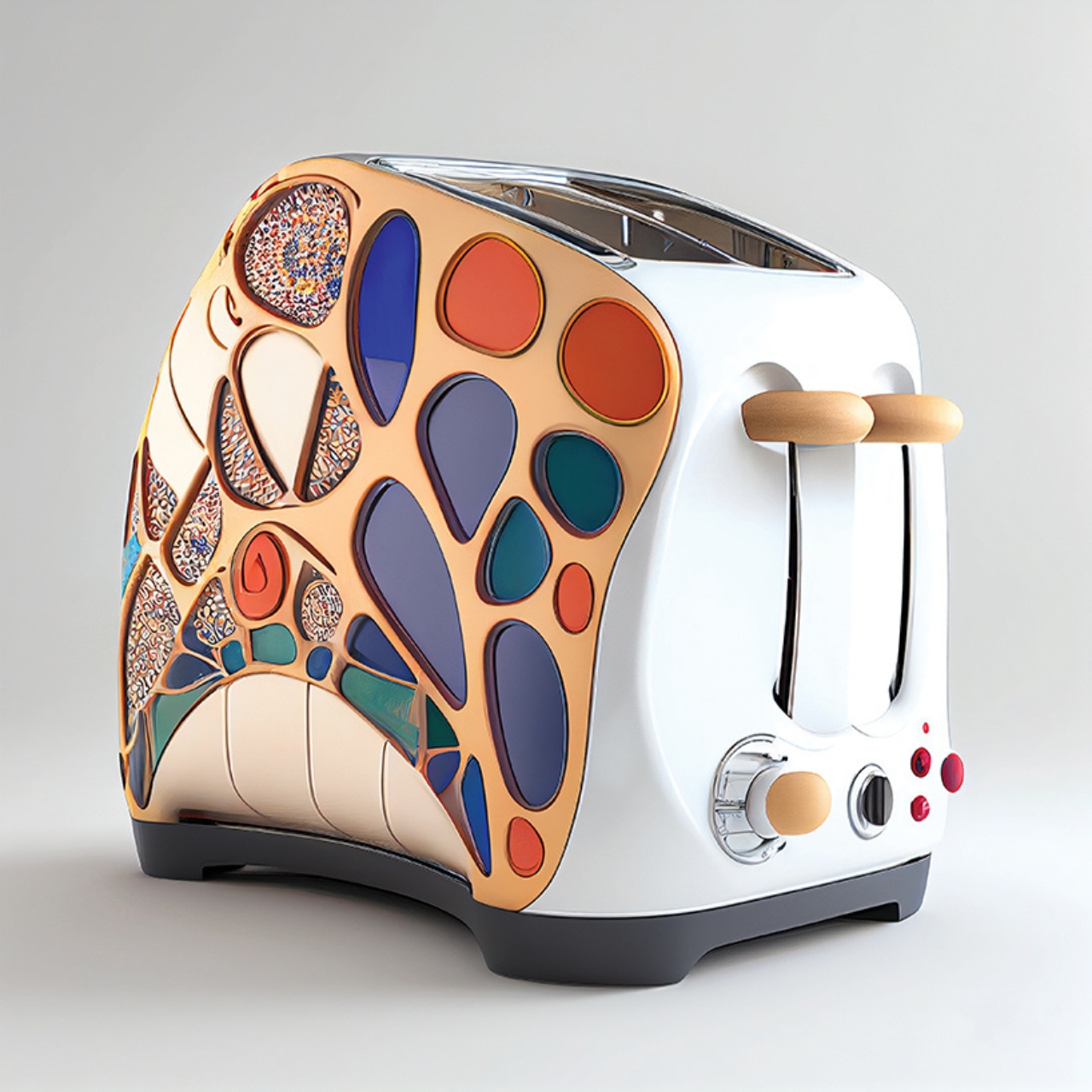
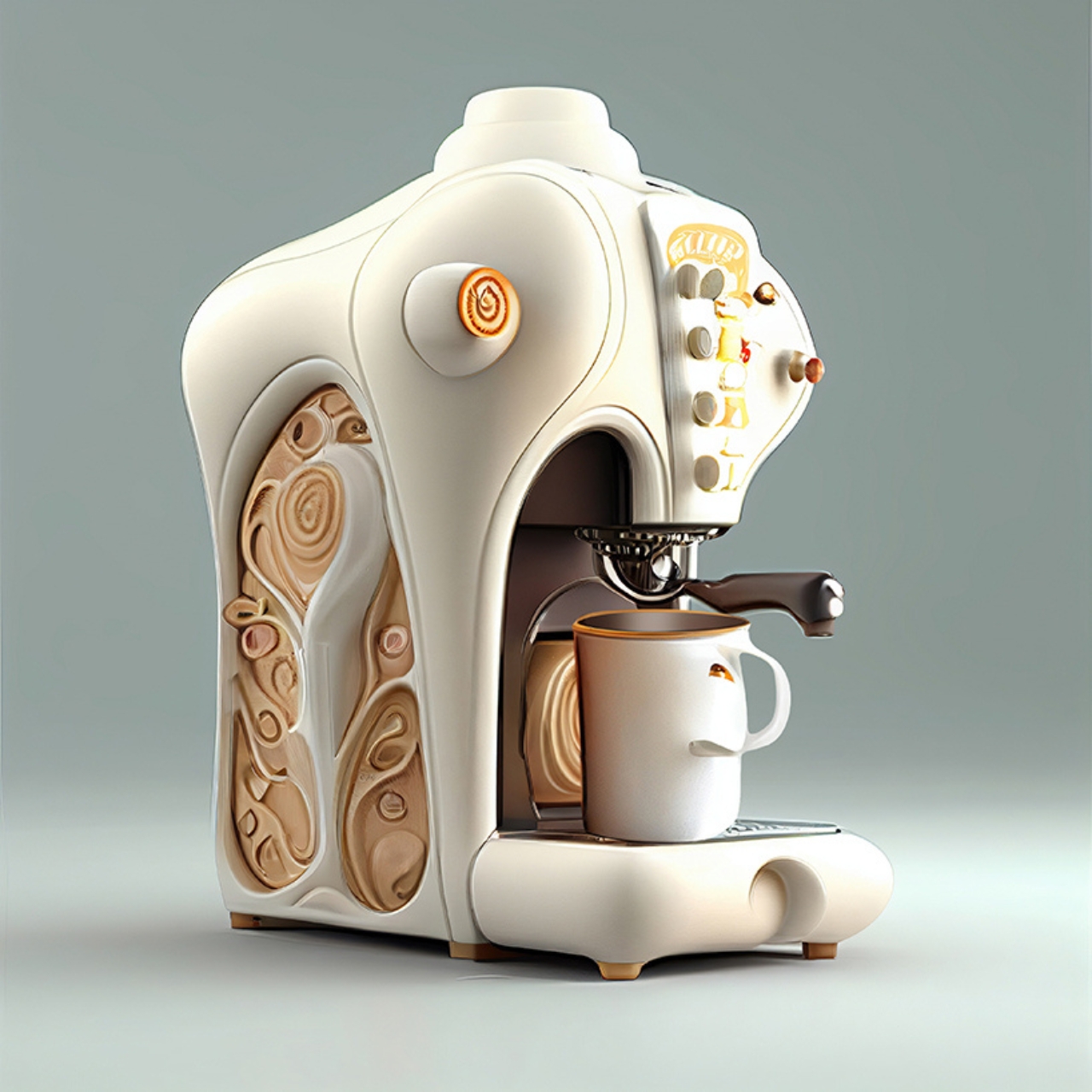
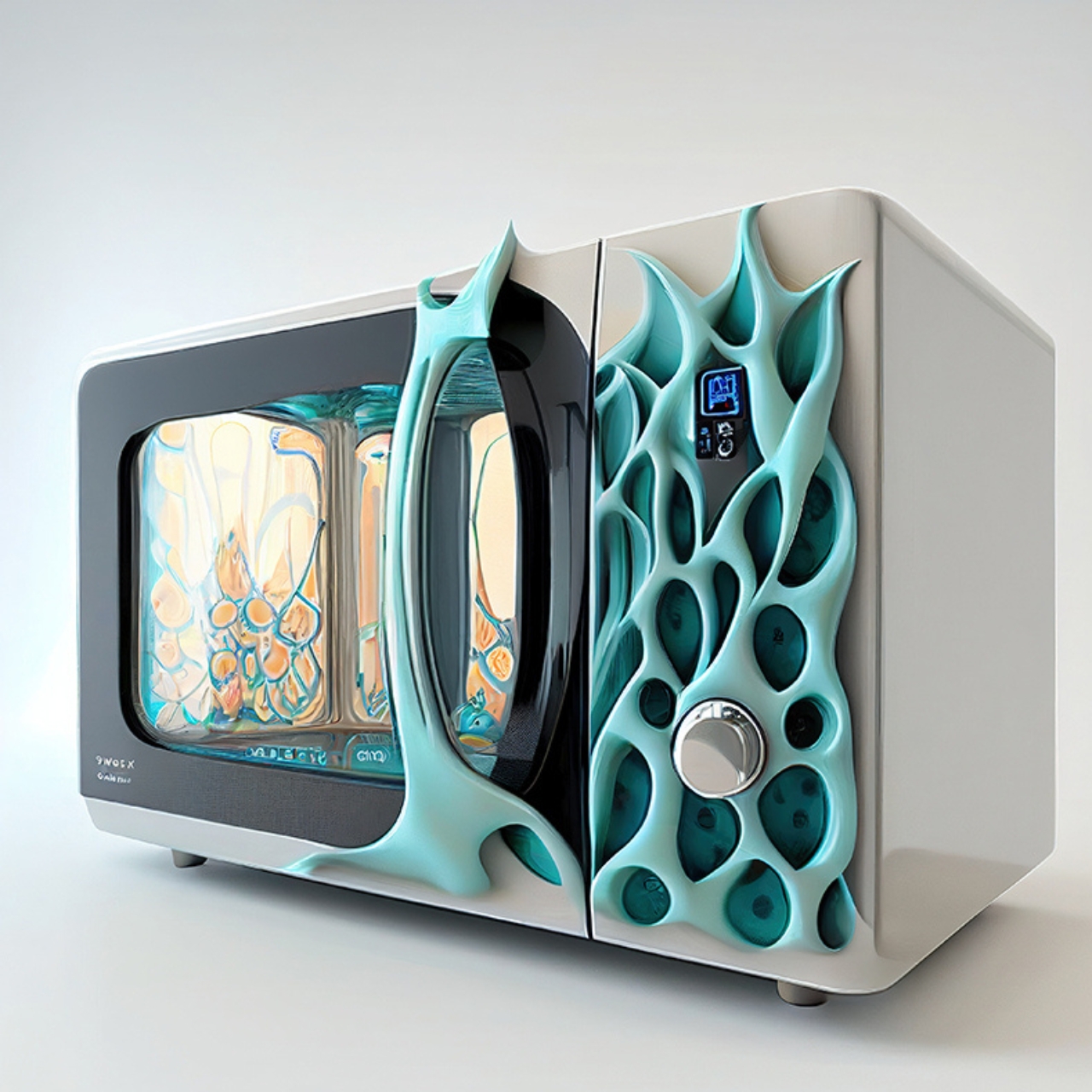
Inspired by Catalan architect Antoni Gaudi, these household appliance designs use an AI image generator to mimic Gaudi’s aesthetics when applied to everyday items. The best part about these designs is that they resemble museum pieces and can infuse charm into the kitchen with their flowing contours and unique textured surfaces. These designs blend neo-gothic, art nouveau, and modernist styles from toasters and mixers to vacuum cleaners and coffee machines.

Designer: Marcus Byrne

5. Imagining Transparent Products

Designer: Vadim Sadovski

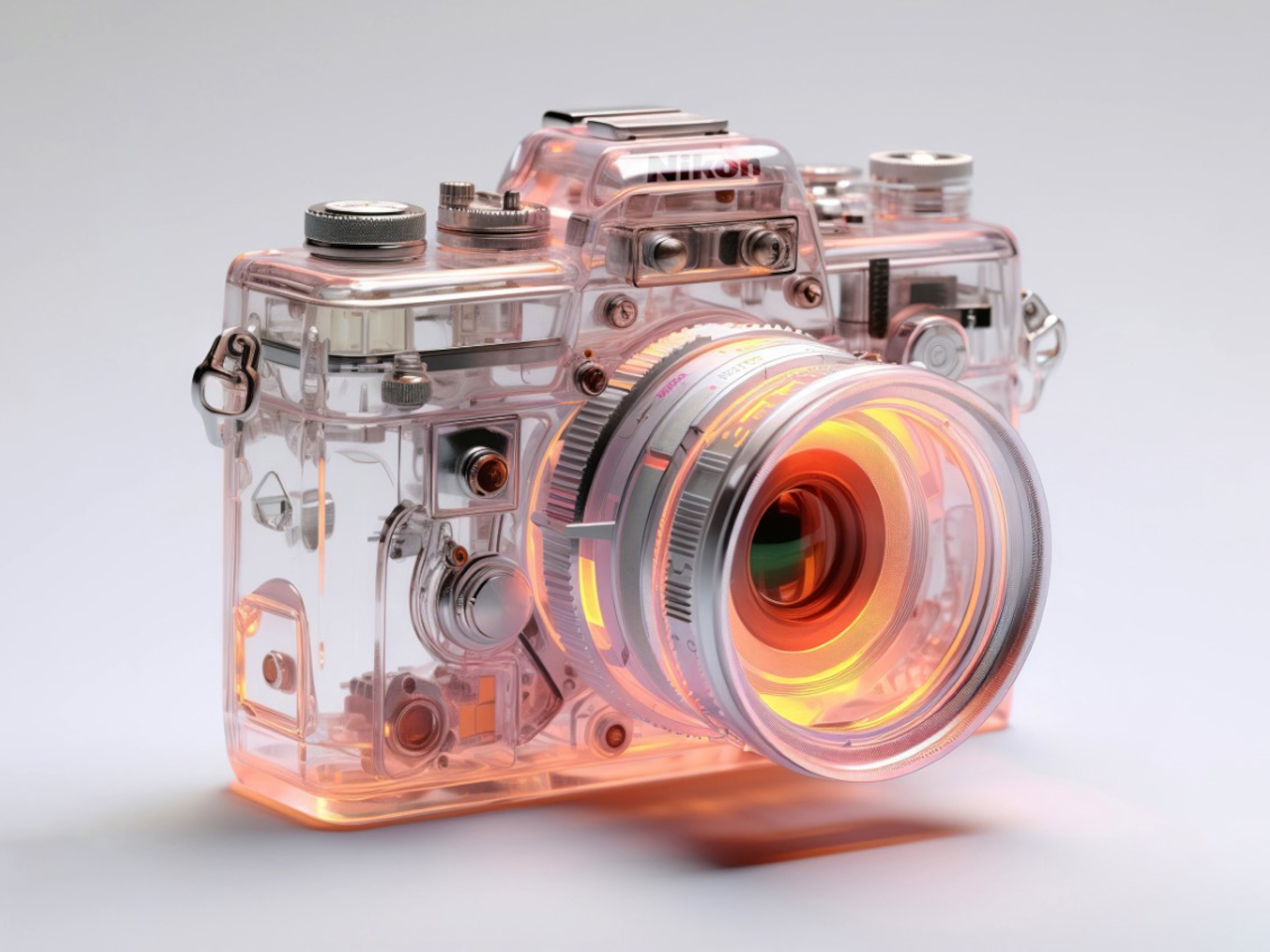
Vadim Sadovski’s ‘Alternate Reality Retrofuturism’ series envisions a realm where steampunk and transparency meld into dominant design themes. AI tools like Midjourney played a pivotal role in bringing these imaginings to life and each product within this collection features a captivatingly intricate and chaotic otherworldly aesthetic. While the series exudes a mesmerizing visual frenzy devoid of a defined pattern, its allure is unanimous. Yet, retrofuturism encompasses more than mere transparency. It’s an amalgamation of retro and futuristic elements, with exquisite creations that seem plucked from a parallel universe. Notable examples, such as the Macintosh computer and Netflix TV, epitomize the successful execution of retrofuturism, at least in the visual sense.

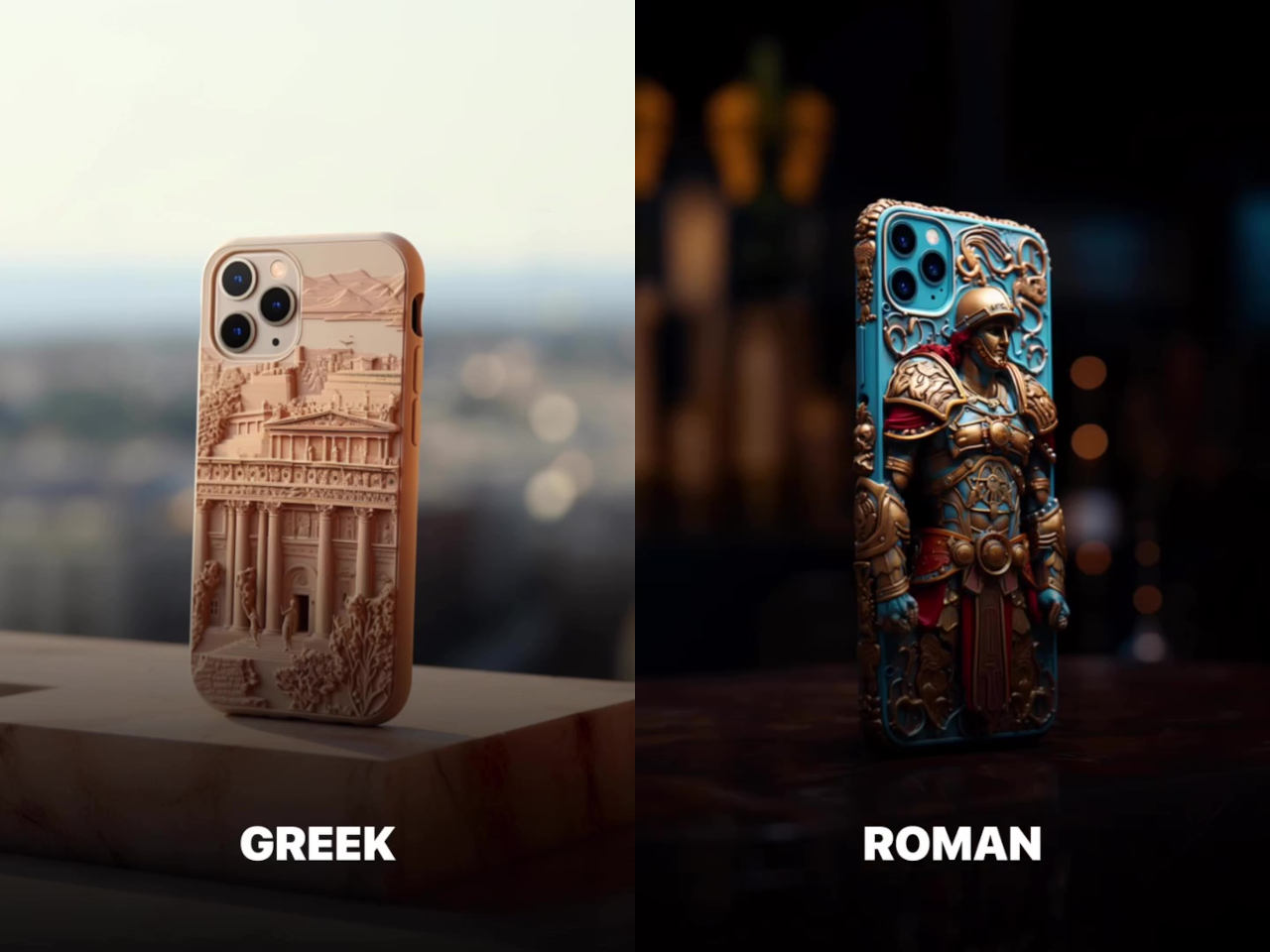
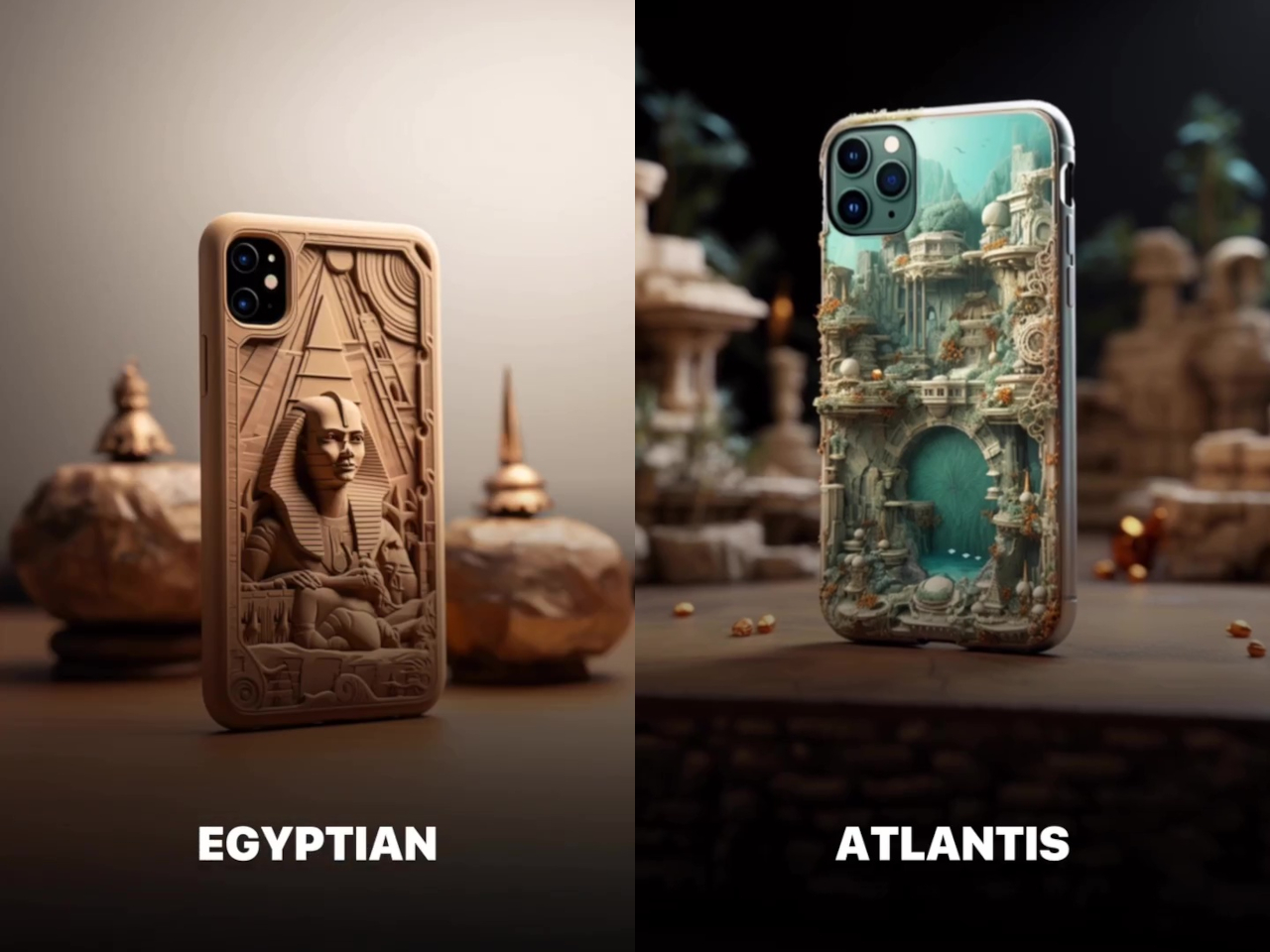
6. iPhones in Ancient Civilizations

Designer: Niels (@appledsign)

The designs of these iPhones are deeply rooted in the echoes of our ancient civilizations. Each product encapsulates the fusion of form and function and pays homage to the timeless elegance and ingenuity of the past, drawing inspiration from cultures like the Roman, Greek, Egyptian, Chinese, and more.

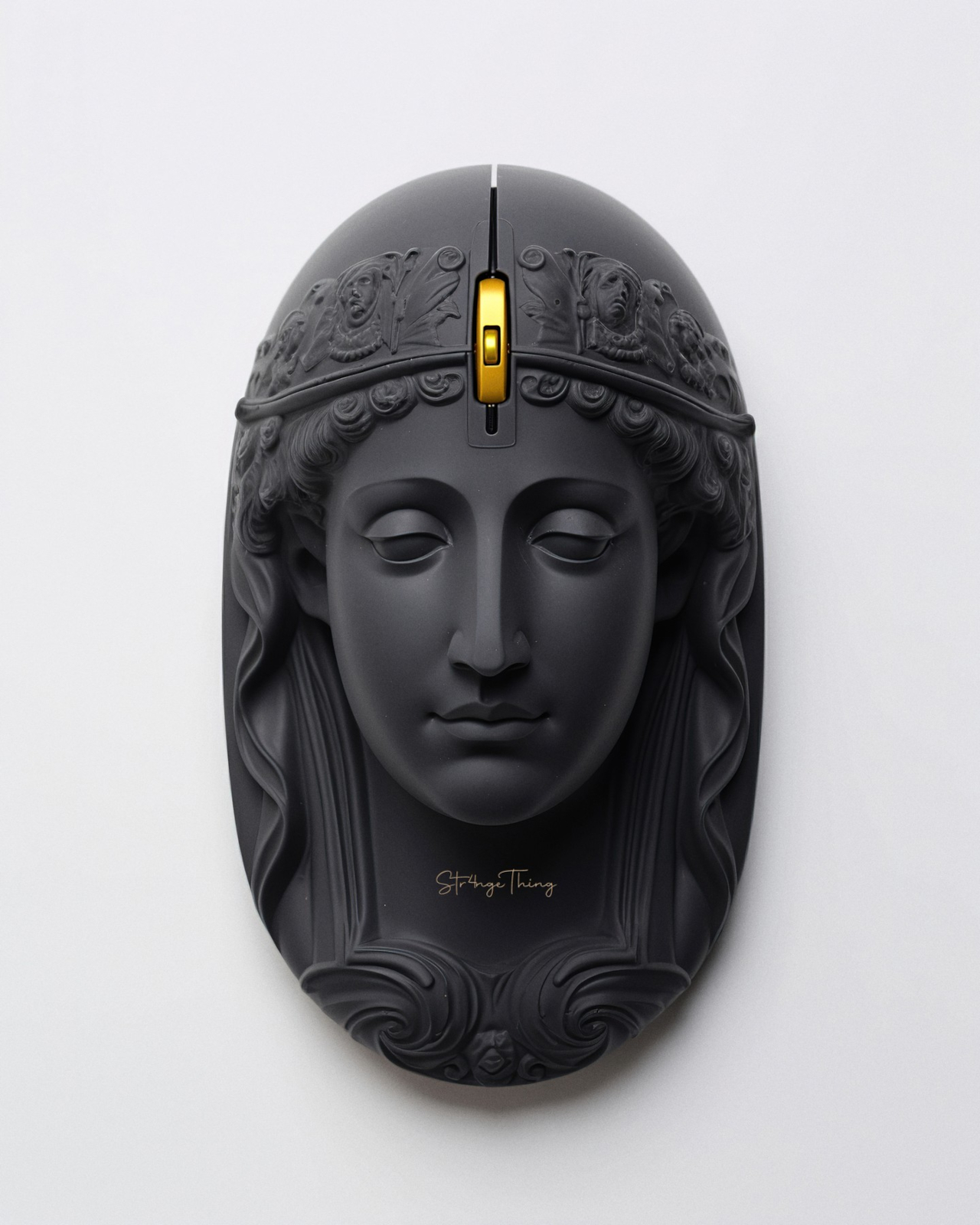
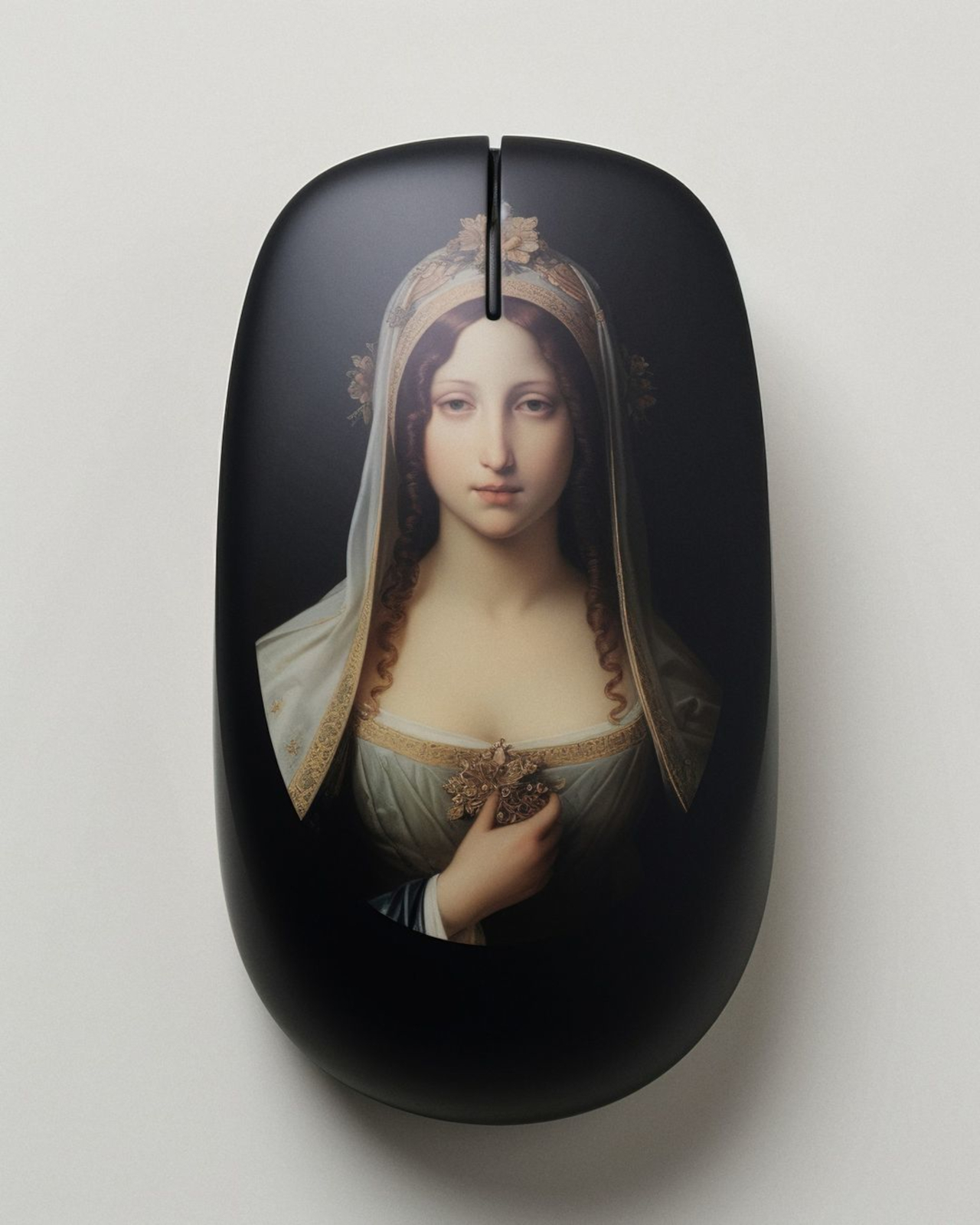
7. Renaissance-inspired Mouse Designs

Designer: Str4ngThing

Influenced by concepts from the past, these computer peripherals draw inspiration from Renaissance-inspired designs. The mouse designs seamlessly integrates ergonomic precision with the aesthetics of a bygone era. As a result, the fusion of an old-world charm with modern functionality infuses a slice of history into the daily tools we use.

8. How About Renaissance-inspired Shoes Design?

Designer: Str4ngeThing

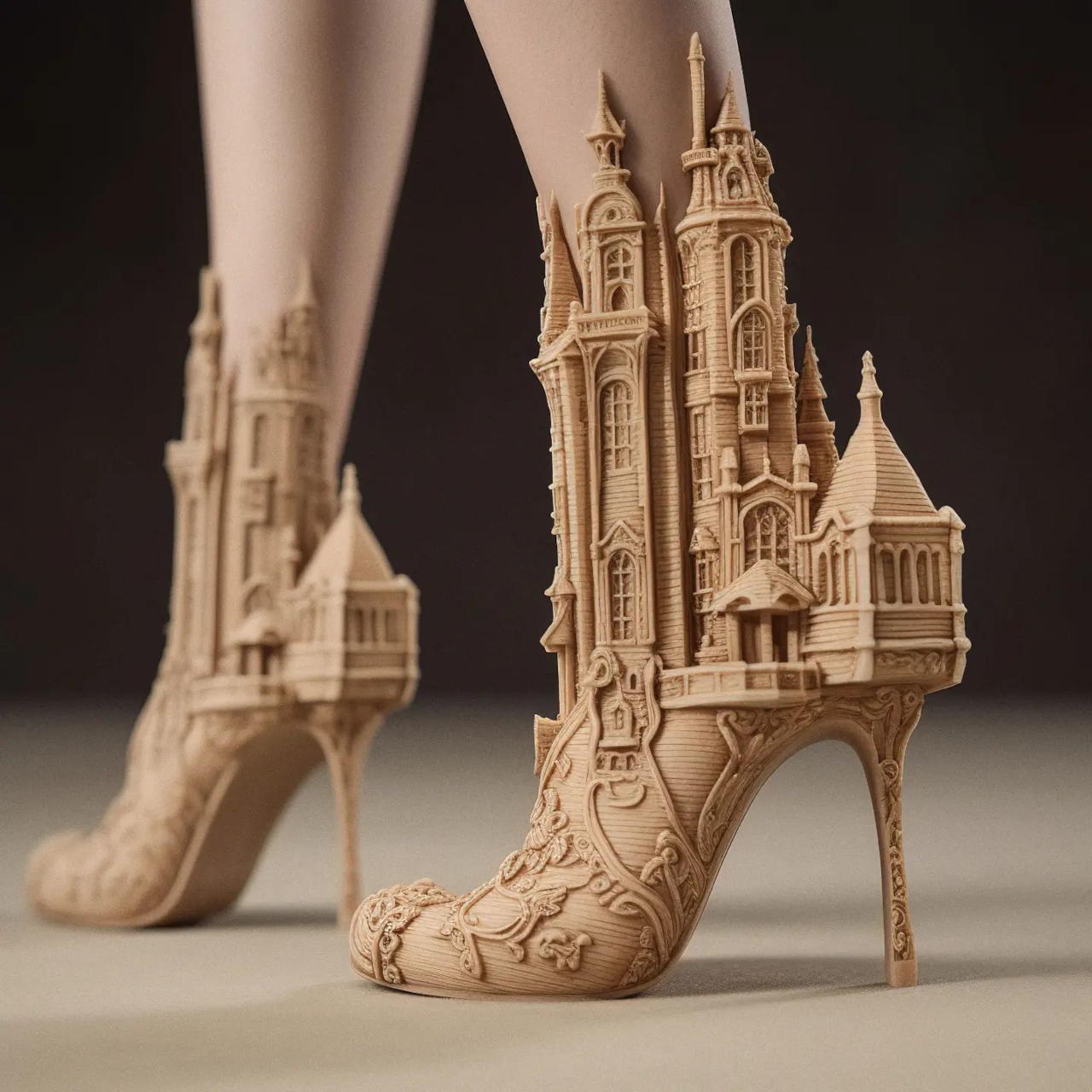
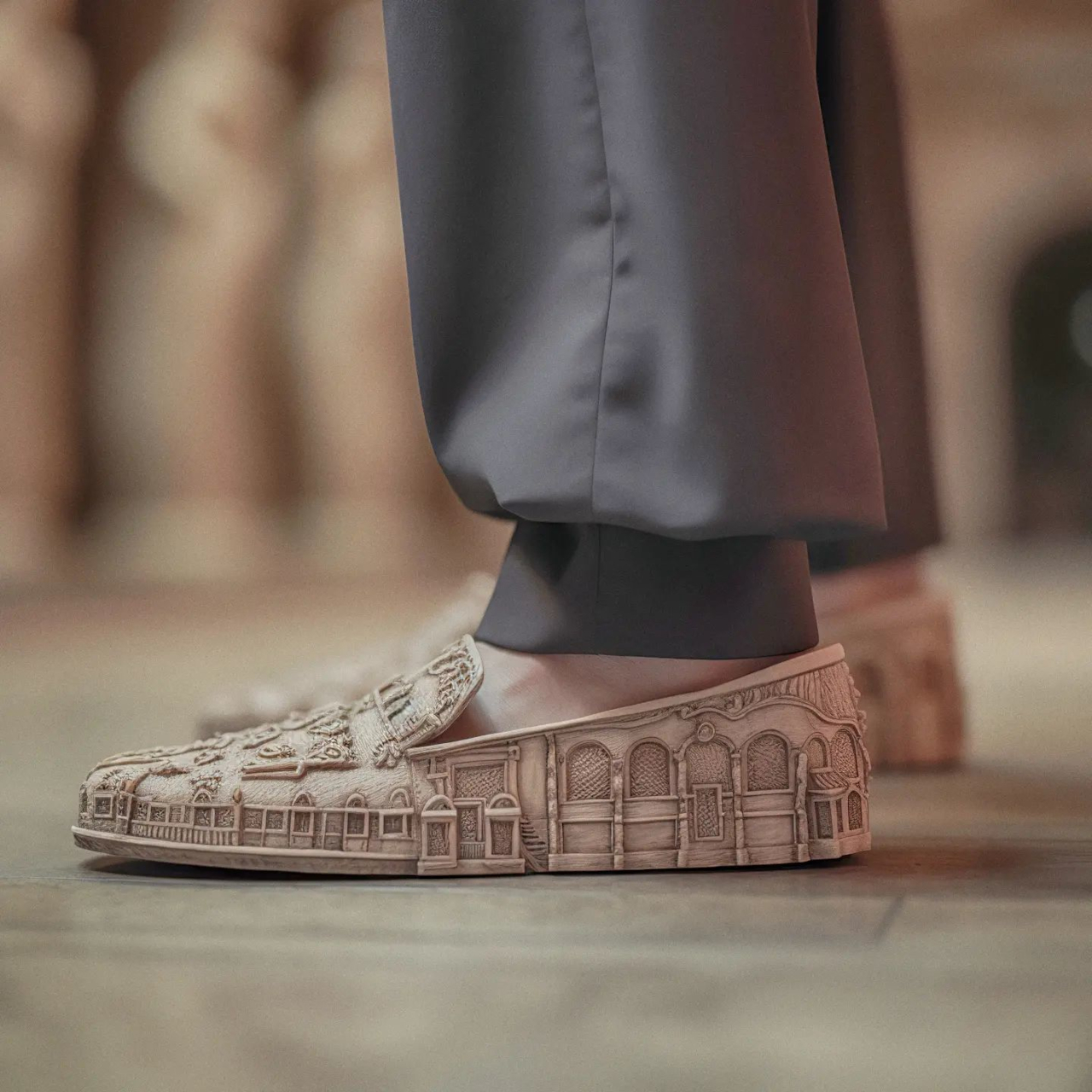
Designed by the AI artist Str4ngeThing, this collection of footwear showcases a variety of styles intricately capturing the intricate architectural and artistic nuances reminiscent of Renaissance Architecture. Crafted to mimic the appearance of finely sliced wood veneer or cork, these shoes showcase an abundance of intricate details. While typical footwear often aligns with the “less is more” principle, these Renaissance-inspired footwear concepts challenge this norm. In contrast to the simplicity seen in Chuck Taylors, Crocs, or Christian Louboutins, these designs embrace intricate complexity. Each shoe manages to encapsulate an entire era of iconic architecture within its compact structure. Although the AI-generated images might occasionally miss certain details and incorporate assumptions, the resulting visuals remain undeniably captivating.

9. Nike x Avengers Assemble

Designer: Paul Parsons

Amid the sea of Marvel merchandise, designer Paul Parsons has conjured a creation so compelling that I’m genuinely wishing it into reality. Collaborating with MidJourney’s innovative resources, these Marvel X Nike football sneakers exude the essence of the MCU’s iconic heroes and anti-heroes. Striking a balance between sporty footwear and a tribute to comic-book protagonists, these football boots boast standalone excellence even when detached from their context. Comprising a collection of 9 distinct footwear models, each dedicated to a particular character from the Avengers filmography… along with Wolverine.

10. Futuristic Fashion Accessories

Designer: Grant Franck

South African designer Grant Franck’s AI-generated product concepts intertwine gaming, introducing a captivating visual narrative. The assortment of AI-created products, spanning sneakers, helmets, backpacks, music players, and game controllers, weaves futuristic shapes reminiscent of computer games. The designer’s intent is to distance these items from the influence of “idols” and narcissism—likely alluding to popular brands shaped around personalities, often priced exorbitantly. The collection features vibrant designs harmonizing chrome, purple, green, and transparent hues, primed for discussion if they transition to reality. However, concerns arise over practicality and durability, particularly for sneakers and backpacks due to their seemingly delicate design. These accessories prioritize aesthetics over functionality, although they undeniably attract attention. Merging gaming items with fashion resonates with gamers, providing an alternative outlet beyond their consoles when they venture outdoors.

The post Top Ten AI-Generated Concepts Elevate Product Design to New Heights first appeared on Yanko Design.

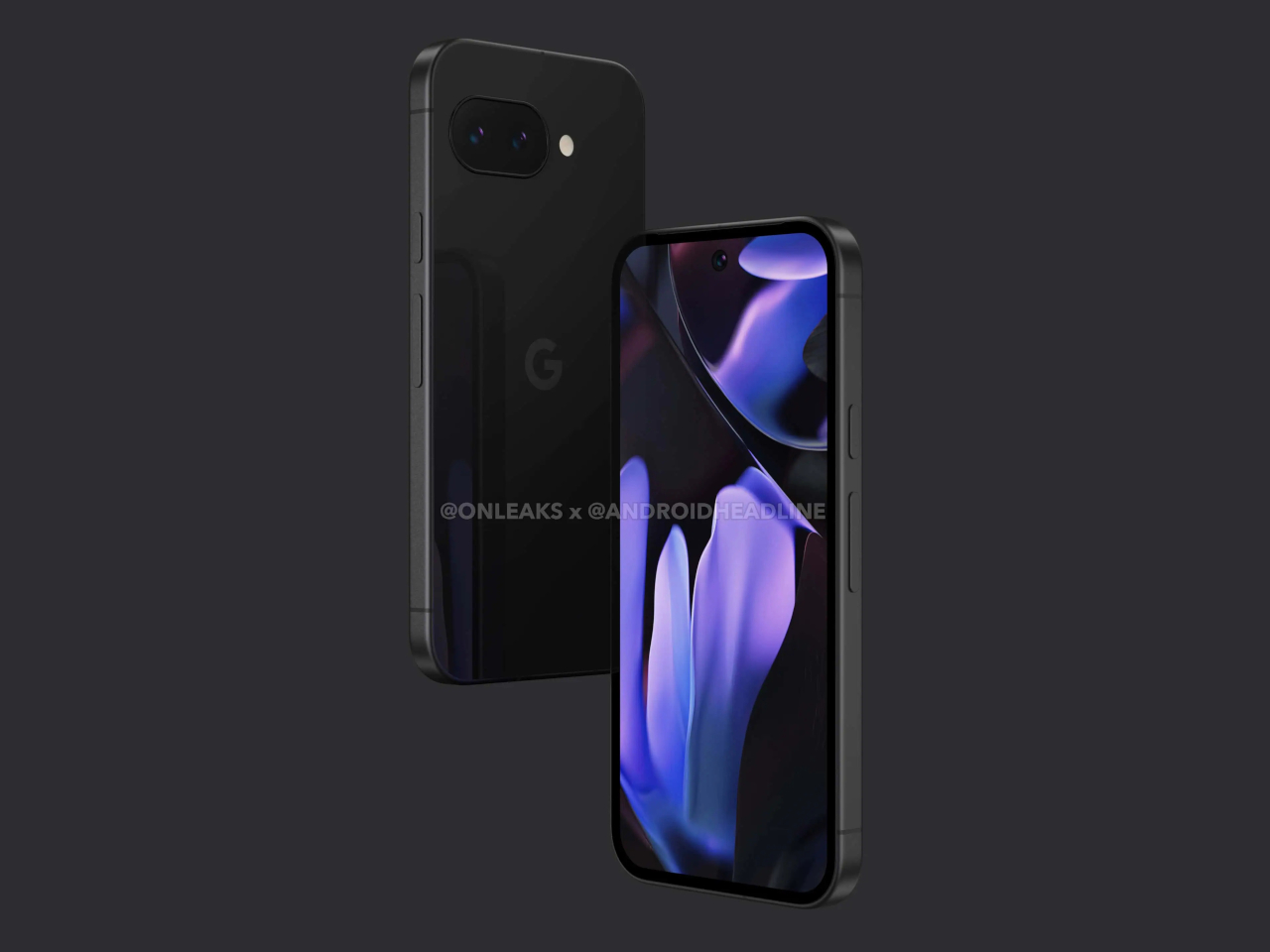
Pixel 9a leaked renders look pretty barren without the distinctive camera bar

With the Pixel 6 in 2021, Google embarked on a new design language and visual identity for its smartphones. Like it or not, and some definitely didn’t, the camera “visor” has become an identifying mark of the Pixel phones since then, something that no other brand dared to even try. It underwent a few refinements until it was finally replaced by the camera “bar” in this year’s Pixel 9. Some loved it, some despised it, and some even wanted to have the old visor back. It seems that Google isn’t done playing around with the design just yet if these early unofficial renders for next year’s “mid-release” Pixel phone. And if the Pixel 9a is any indicator of the direction that Google will take in the future, it’s bound to split camps yet again.

Designer: Google (via AndroidHeadlines and OnLeaks)

It’s not that hard to understand how divisive the Pixel camera design is. On the one hand, it is big, visible, and distracting, but on the other hand, it is executed elegantly, balances the phone on your desk, and gives your index finger something to rest on when holding the phone. What both camps will probably agree is that the camera visor or bar is an identifying mark of the Pixel phone, and it’s something the Pixel 9a might lack.

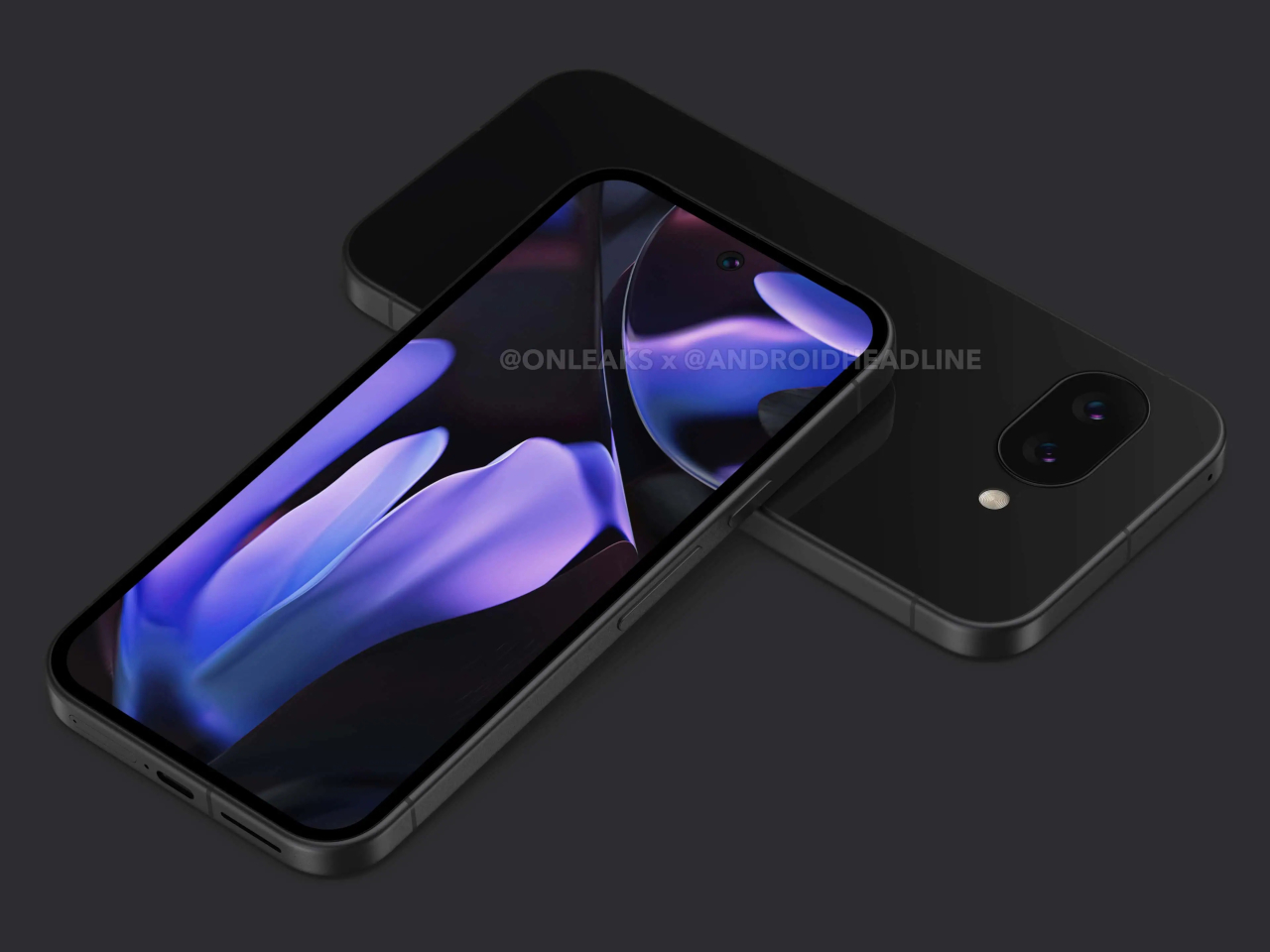
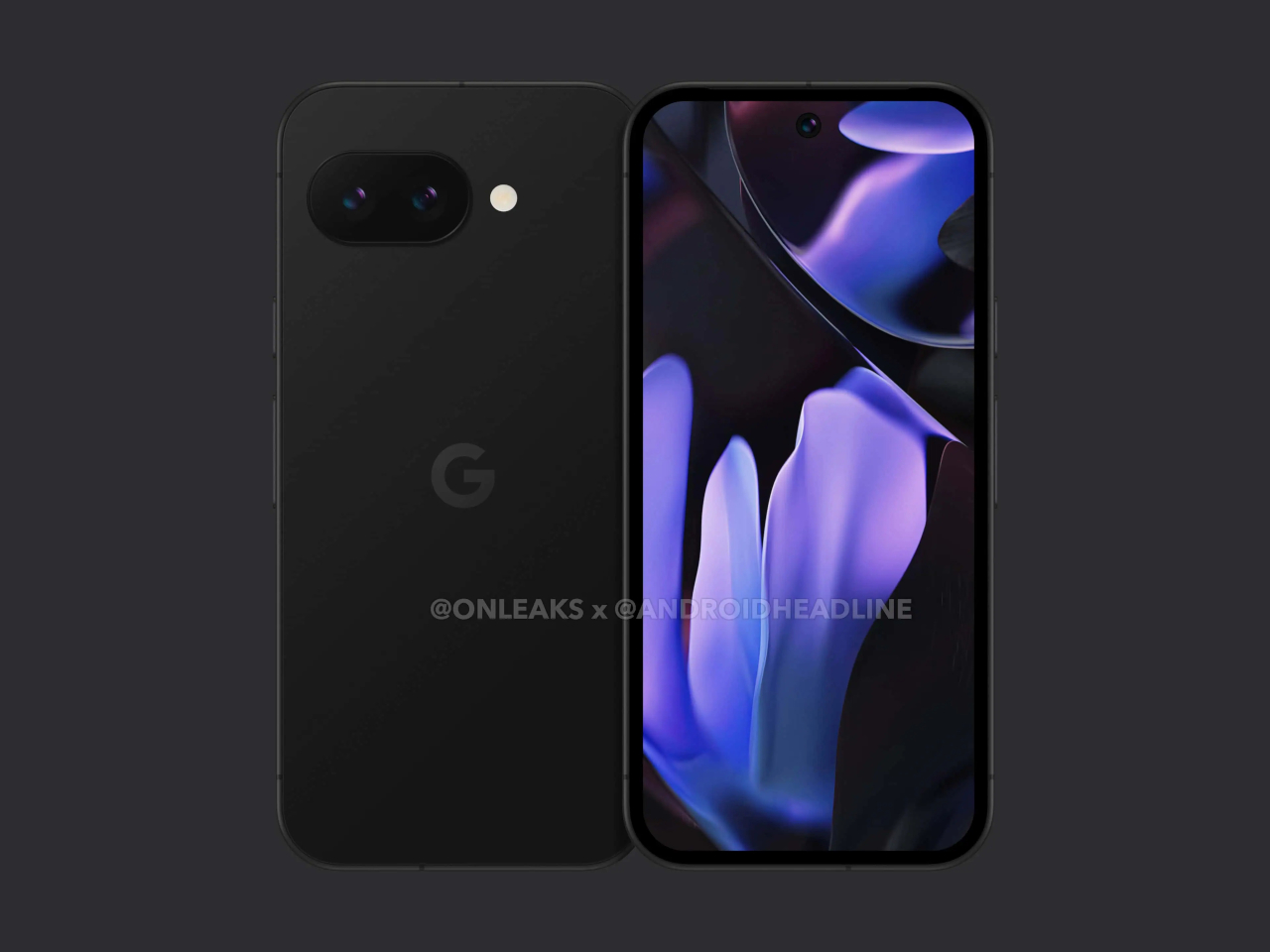
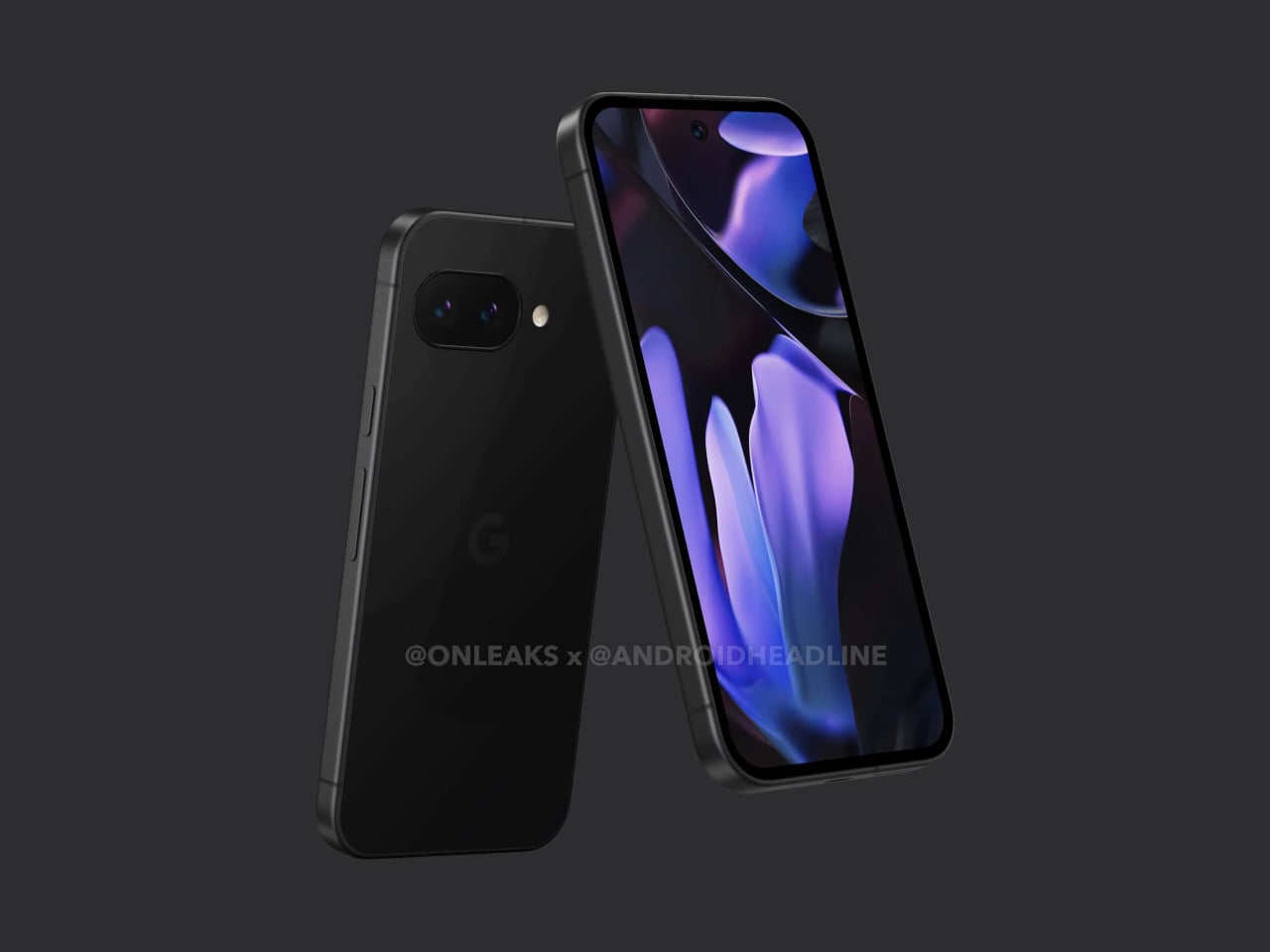
Based on the first CAD renders made from leaked information, the next mid-range Pixel phone will ditch the camera bar for a flatter design. Curiously, the cameras aren’t placed closer to the upper left corner of the phone’s back even without the bump, and it seems to be in the exact same position if it did have that bar. It’s almost as if Google just did a magic trick like pulling out the tablecloth from under the cameras, leaving them in the exact same place. At the same time, however, the camera island isn’t completely flush with the rest of the phone’s back as it has a raised lip around the oval, perhaps for protection. Whether it will make the wobble is something that can only be tested with an actual unit.

Other than that, the rest of the Pixel 9a’s design is pretty similar to the Pixel 9, down to having only two cameras on its back. The exact dimensions of the upcoming phone remain undisclosed, so we don’t know yet how bigger or smaller it is compared to the Pixel 9. The bezels around the display, however, do look a little thicker, giving it a less premium appearance overall.

The Pixel “a” series often carries the design from the same generation, so it would be surprising to see this big a change for the phone. It could also be Google’s strategy to further differentiate the Pixel 9a from the Pixel 9, giving it an aesthetic that definitely looks more “mid-range” than the flagship models. You can still see signs of the Pixel DNA if you look hard enough, but other than the position and orientation of the cameras, it’s almost too easy to pass the Pixel 9a over for some more visually interesting mid-tier phones.

The post Pixel 9a leaked renders look pretty barren without the distinctive camera bar first appeared on Yanko Design.

Forget the iPhone 16 Camera Control, this Gimbal Attachment gives any smartphone a DSLR experience

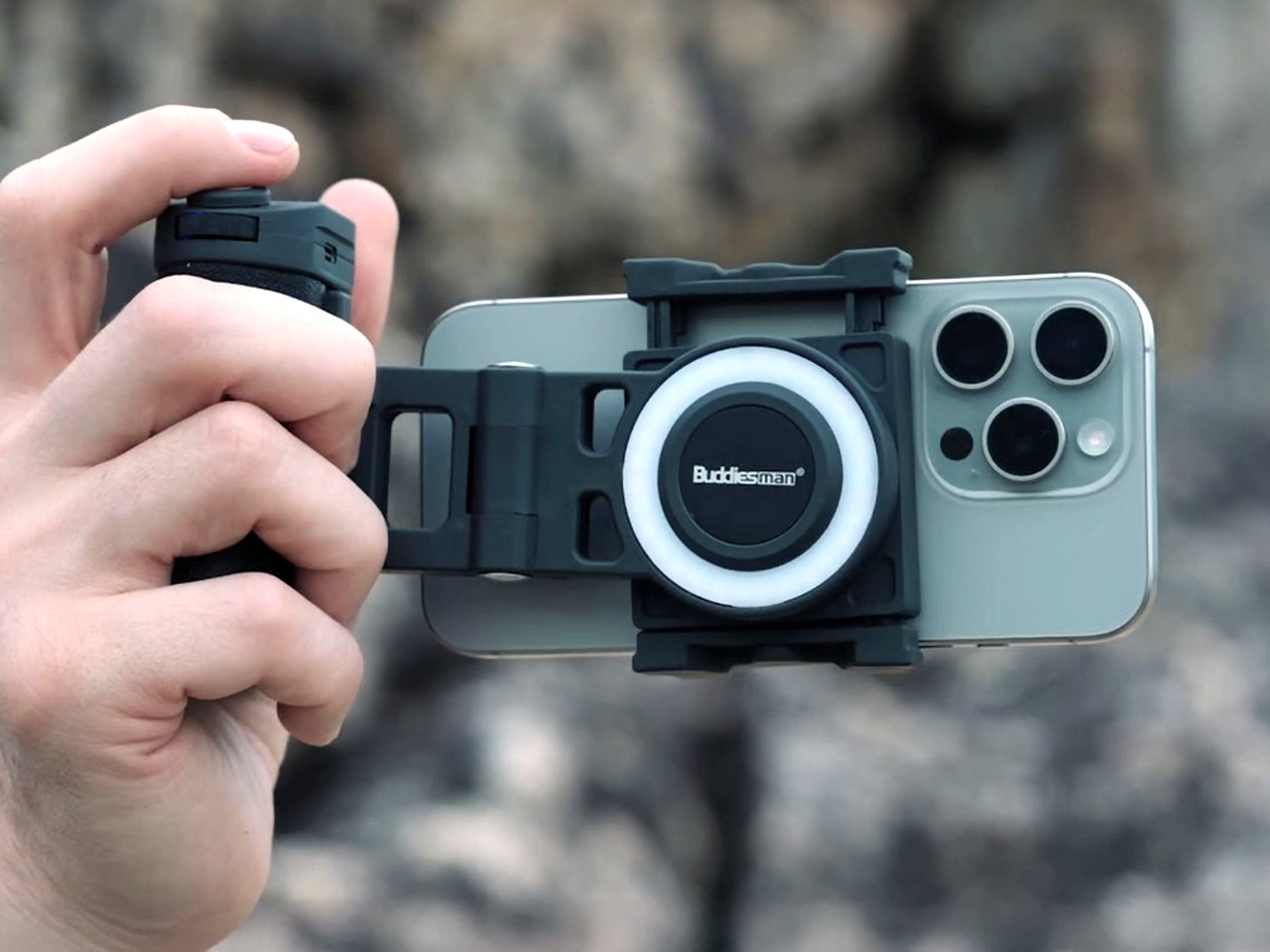
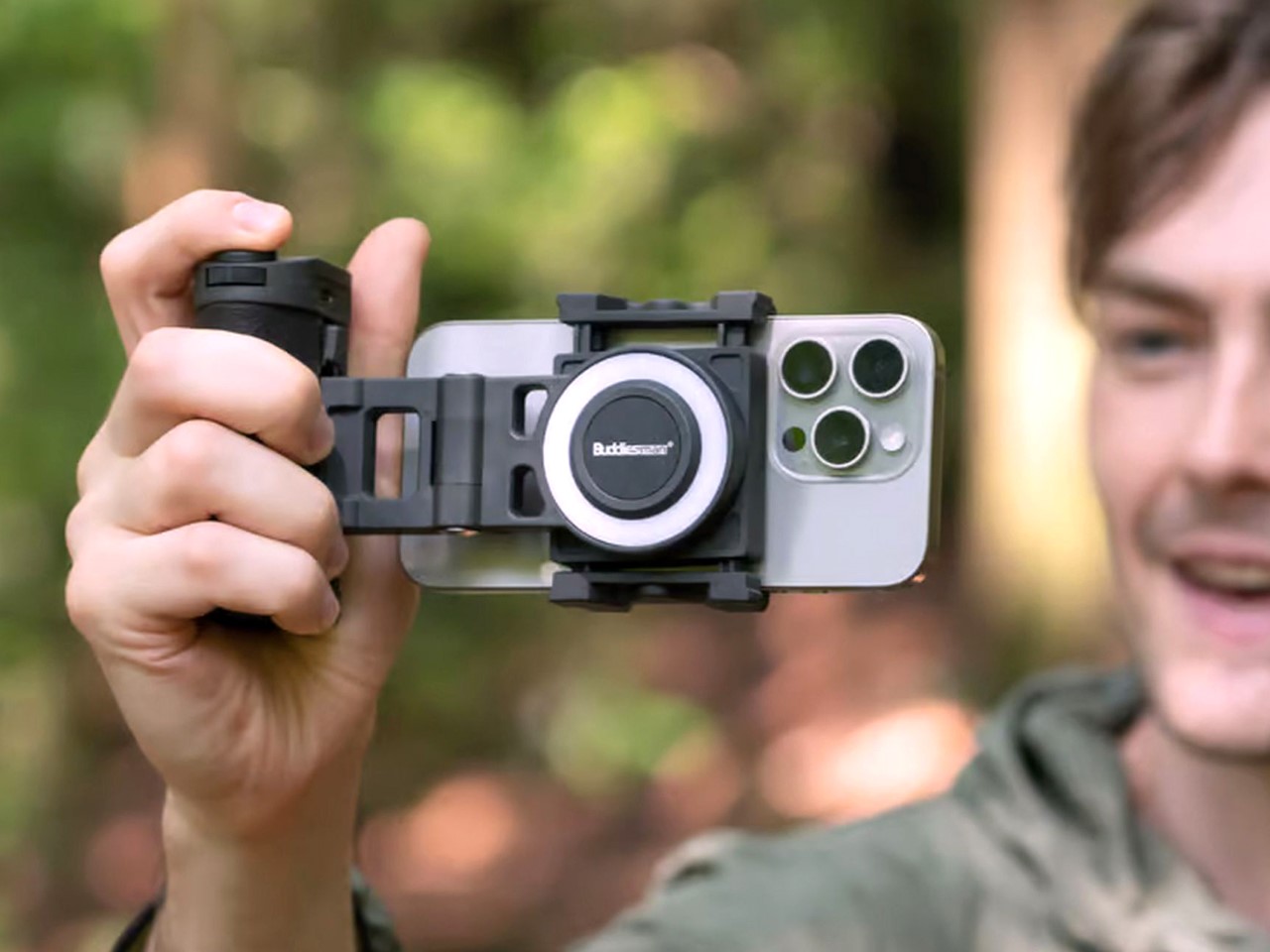
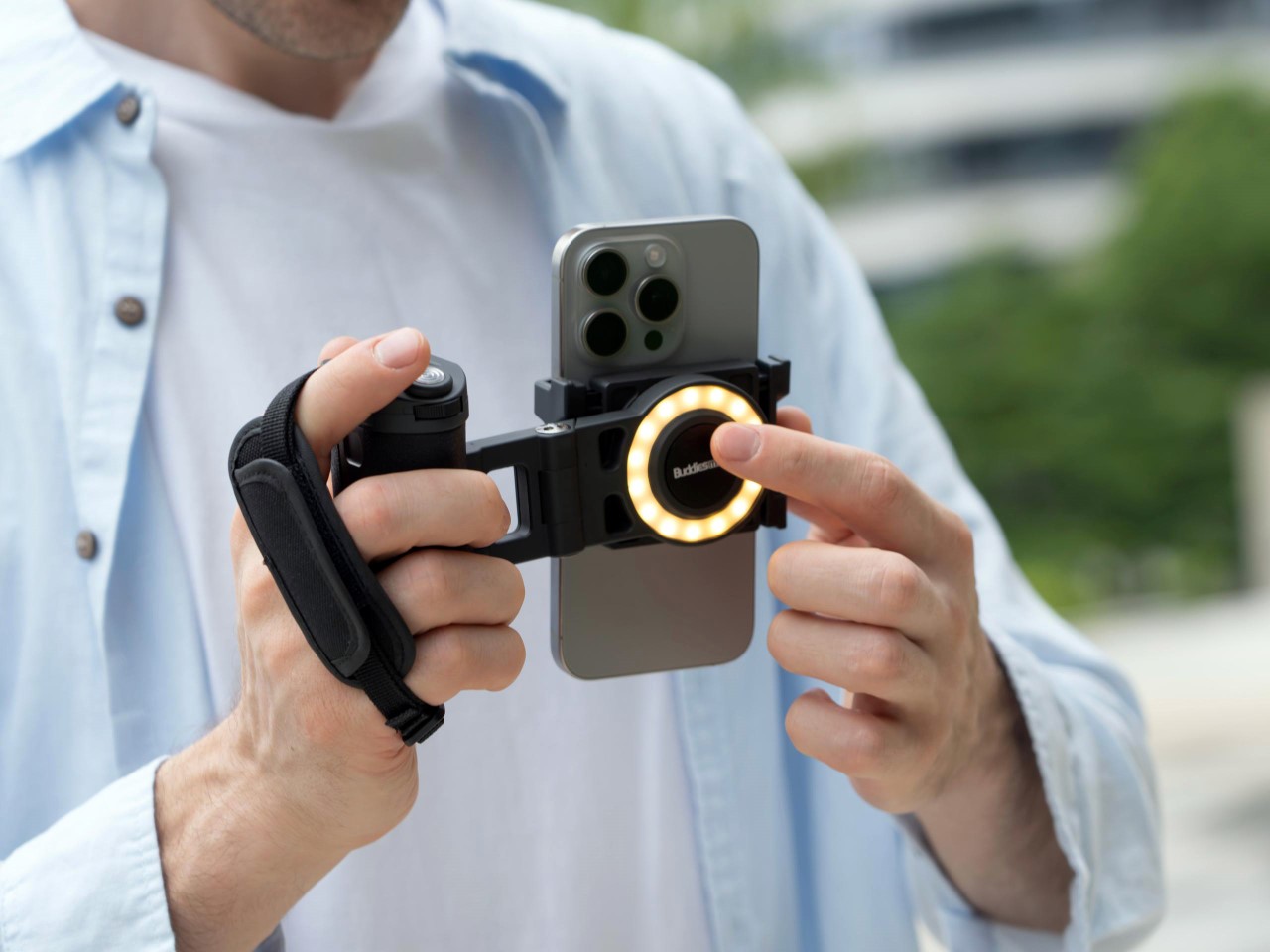
A shutter button, a built-in gimbal for landscape and portrait shooting, a zoom wheel, an integrated LED ring light, a tripod setting, and even an external battery pack to boost your phone’s battery. The Snappy offers way more for photography enthusiasts than the iPhone 16 does. It attaches onto any smartphone, giving you a bona fide DSLR-like experience, complete with an ergonomic grip. When you don’t need to shoot content, the Snappy pops right off, turning your handheld camera back into a daily driver smartphone.

Designer: Buddiesman

Click Here to Buy Now: $89 $149 (40% Off) Hurry! Only 21 of 520 left. Raised over $101,000.

Just three weeks ago, Apple debuted the iPhone 16 line-up, adding one crucial new hardware feature to their phones – a Camera Control ‘button’. Designed to help intuitively capture photos without having to fiddle with on-screen controls, the capacitive button lets you perform a variety of actions from zooming, switching between presets, adjusting focal length, or even accessing other key camera features. With the Camera Control, Apple’s reinforced its idea that the smartphone is a great camera first, and then a good mobile device… the only problem is that great cameras are more than just fancy lenses and sensors. Enter the Snappy mobile grip, a device designed to transform the way we take photos on our phones. With its motorized gimbal providing single-axis stabilization, Snappy quickly becomes a trusted companion for anyone tired of blurry images or shaky videos. Unlike larger gimbals such as DJI’s Osmo, Snappy brings stabilization in a small, portable form—making it a solution that fits right into your pocket.

Designed by Buddiesman, a Hong Kong-based manufacturer of photographic gear, Snappy’s centerpiece is its motorized, spring-loaded clamp that securely grips your smartphone. This clamp adjusts easily to accommodate a range of phone sizes, so you won’t have to worry about removing your phone case to make it fit. The ergonomic grip attached to the clamp gives the device a comfortable feel, while an articulated arm allows the phone to be rotated seamlessly between landscape and portrait modes with the flick of a thumbwheel. Powered by a brushless motor, this feature also gives the Snappy stabilizing gimbal-like abilities, ensuring your phone stays level, even during handheld video shoots.

Plug your phone in and it literally feels like a professional camera-mimicking rig for your phone. Use any phone you want with the Snappy and it gives you the added benefit of being able to intuitively capture content the way you would with a more pro-facing device like a DSLR or mirrorless camera. A shutter button on the top lets you easily take photos and record videos without fumbling to touch the screen or hit a volume button to take the shot (like you would with most smartphones). The grip feels instantaneously comfortable, allowing you to point and shoot with a single hand. Worried you’ll accidentally drop your phone? The Snappy has a built-in strap that lets you secure it to your hand too, so even the largest, heaviest of phones don’t put too much strain on that wrist of yours.

If there’s something a photographer hates more than phone cameras, it’s the flashlight on phone cameras. The flashlight is way too coarse, and no self-respecting photographer uses it unless absolutely necessary. To fix that, the Snappy comes with its own multi-LED built-in ring light. Located just beside the phone’s lenses (where you’d expect the MagSafe ring to line up), users can toggle between cool and warm light settings simply by tapping the touch-sensitive zone inside the ring, adjusting brightness to get the perfect shot regardless of the lighting conditions. This feature is perfect for low-light environments where smartphone cameras traditionally struggle.

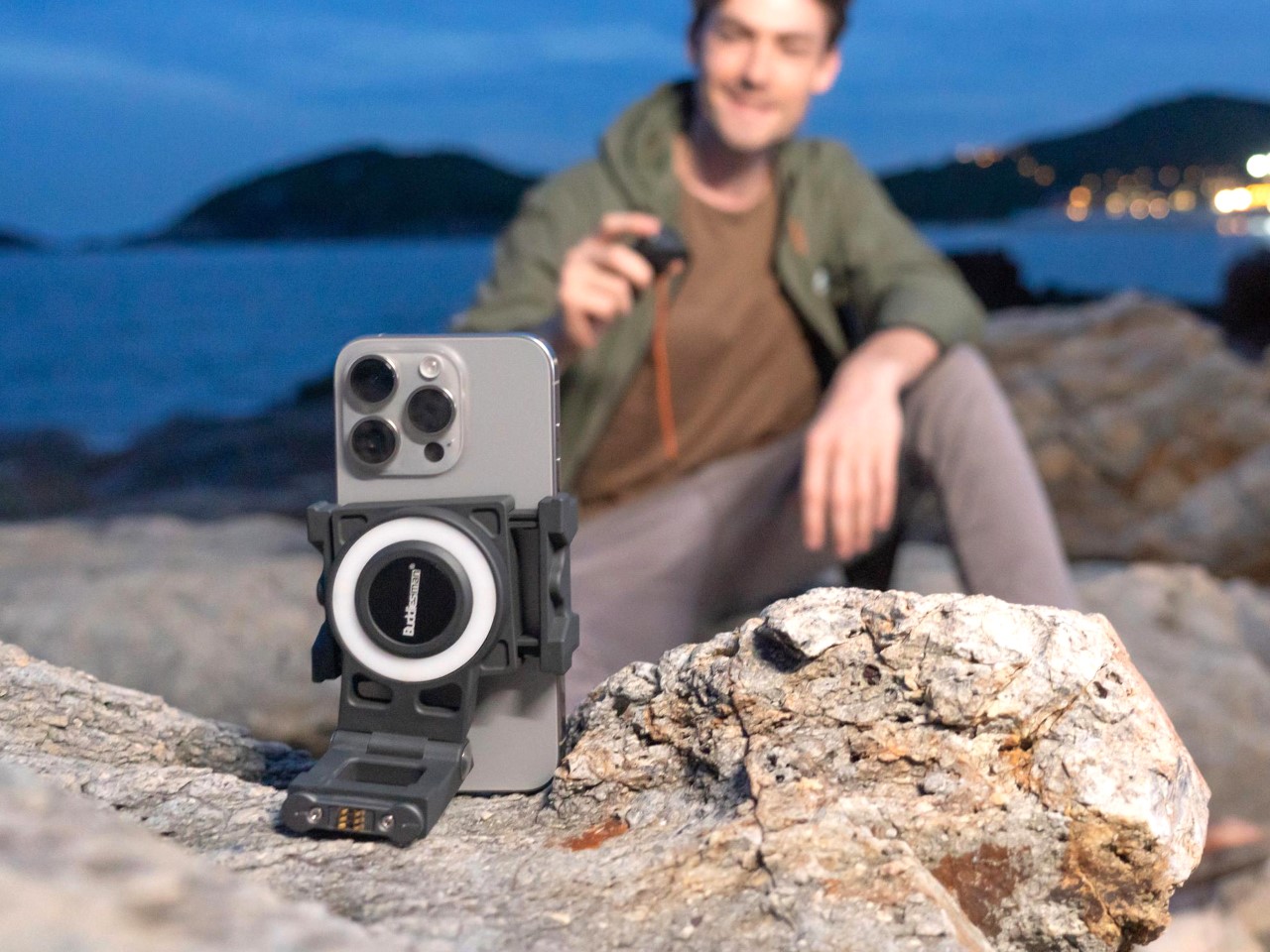
For even greater flexibility, Snappy allows users to detach the grip from the main body, turning it into a wireless remote. With a range of up to 10 meters (33 feet), you can take photos and videos from a distance, offering a new level of creativity and control in framing your shots. With the remote detached (or even with the remote unit still on), the Snappy can be used as a tripod of sorts, propping your phone up so you don’t need to hold it in your hands. Perfect for using as a phone stand while reviewing the footage you’ve shot, or propping your phone up to take a remote video/photo while you stand away from your camera, this feature gives the Snappy one remarkable ability that neither phones nor DSLR cameras have, barring actually buying a tripod of course. And just in case you’re a tripod purist, the Snappy has a tripod mount too. Want to add accessories to your smartphone camera? The Snappy also includes a cold shoe mount for attaching additional peripherals like microphones or even external lights just in case the ring light on the device isn’t enough.

The Snappy relies on a built-in battery that powers this entire experience. Although the battery’s capacity (and use time) is a bit of a mystery, the folks at Buddiesman tout that the Snappy can transform into a power bank for your smartphone when you’re running low on juice. Just connect your phone to the Snappy’s charging port via a USB-C cable and it instantly begins recharging your phone, giving you the benefit of a gimbal that also enhances your phone’s battery life along with its camera capabilities.

Currently available on Kickstarter, early adopters can secure a Snappy with a pledge of $89, while the retail price is set to be $149 once it hits the market. The $89 kit includes the Snappy itself, although you can upgrade to a bundle that also includes an add-on tripod and an external light that mounts into the Snappy’s cold shoe adapter. With its combination of user-friendly design and professional-grade features, Snappy could very well bridge the gap between smartphones and traditional cameras, bringing the best of both worlds to your pocket. They say the best camera is the one that’s in your pocket. No matter whether it’s the Google Pixel, a Samsung Galaxy, or even older variants of the iPhone, the Snappy turns your phone’s camera into a makeshift pro-grade shooter that’s perfect for turning average photos and videos into polished content.

Click Here to Buy Now: $89 $149 (40% Off) Hurry! Only 21 of 520 left. Raised over $101,000.

The post Forget the iPhone 16 Camera Control, this Gimbal Attachment gives any smartphone a DSLR experience first appeared on Yanko Design.

Top 10 Transparent Tech Gear That Truly Showcase The Minimalist Magic Of See-Through Design

Transparent tech designs seem to be taking the world by storm. They make a powerful yet simple statement by combining functionality with a futuristic and aesthetic appeal. These innovative designs offer users an opportunity to observe and appreciate the innards and intricate mechanisms of their favorite devices. Transparent designs unveil their inner workings to users and buyers, creating an atmosphere of openness and honesty. We’ve curated a collection of stunning and super functional transparent tech designs that are a true celebration of minimalism and clarity. From a transparent Gameboy version to a transparent variant of Ray-Ban’s Meta Wayfarer glasses – these products truly showcase the magic of see-through design.

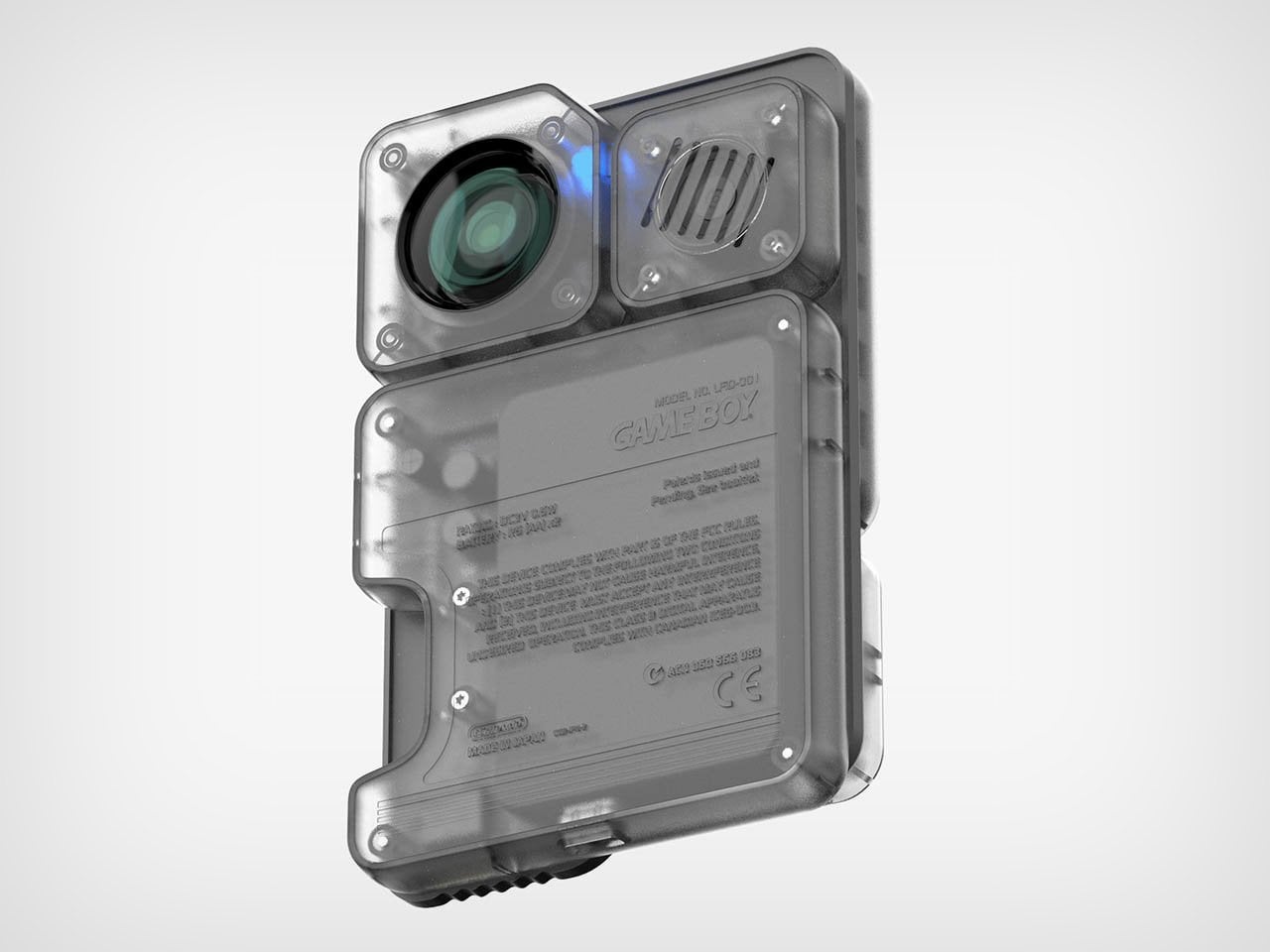
1. Transparent Game Boy

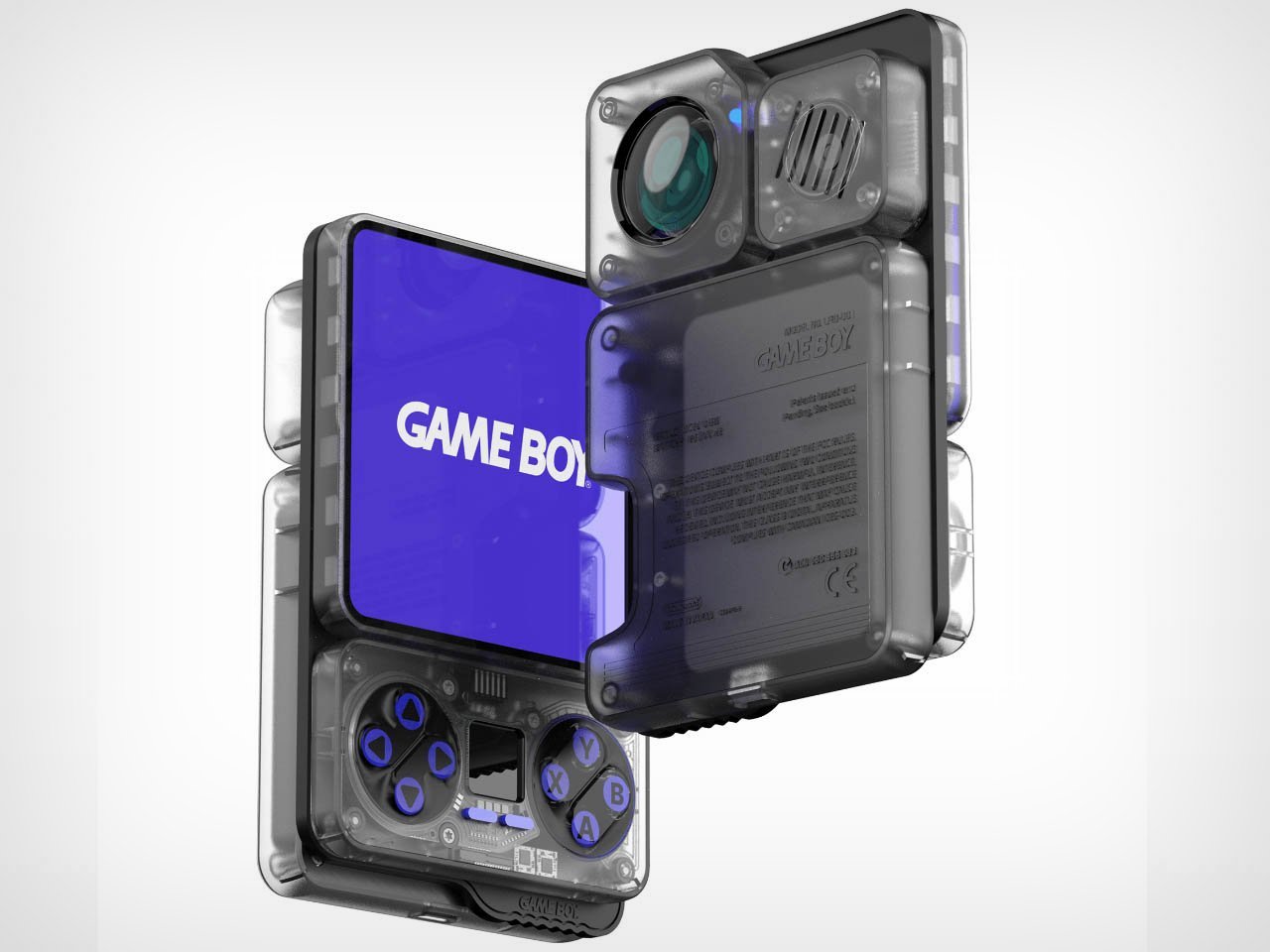
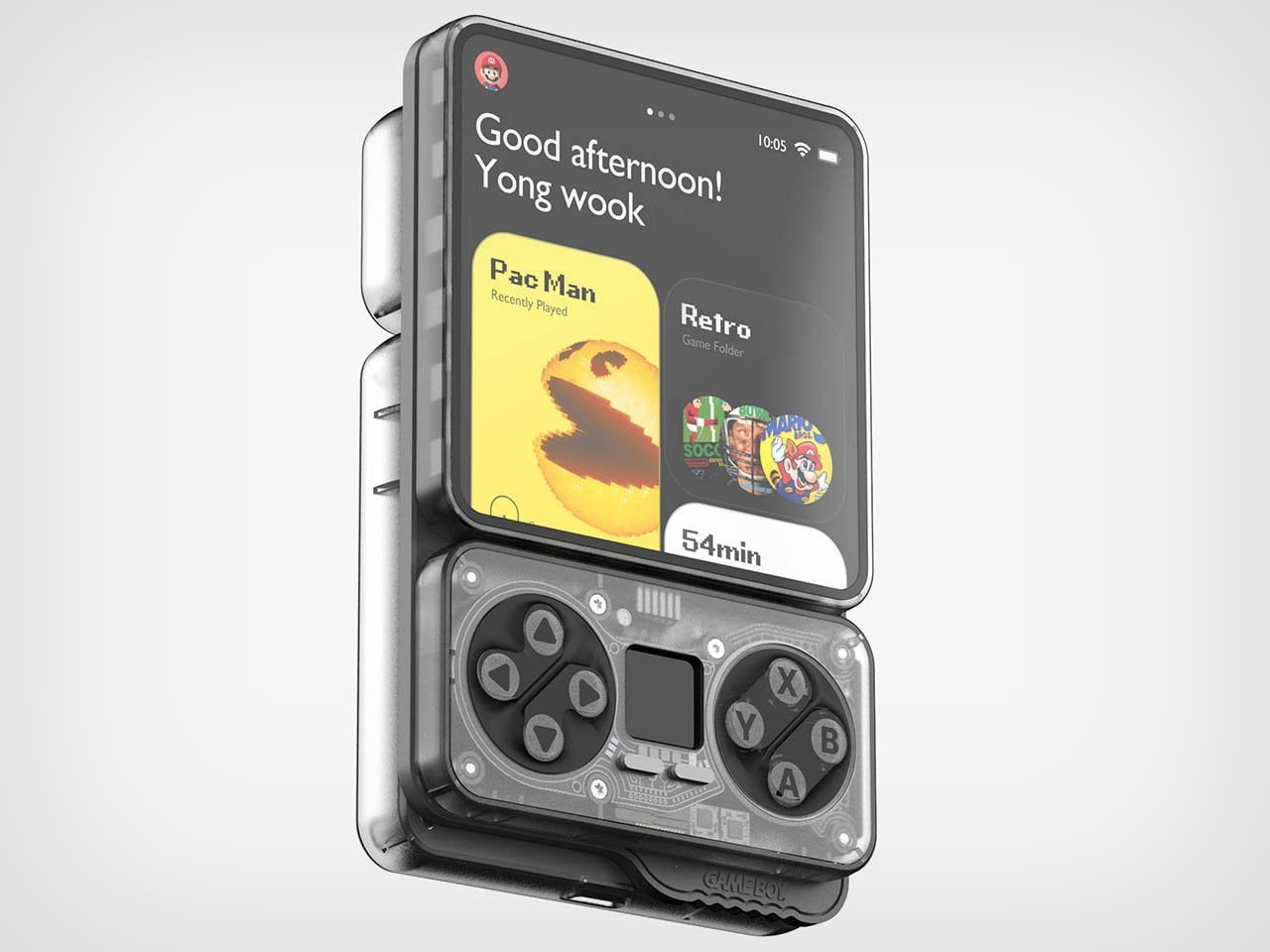
Designed by LFD Official, this conceptual Game Boy design is an ultra-advanced gaming accessory. It is designed to cater to your indoor and outdoor gaming needs, without any restrictions, allowing you to play on the native small screen or a bigger one. And it is transparent It includes an integrated mini projector, which can be removed and placed to project on any room wall, outdoor tent, or more.

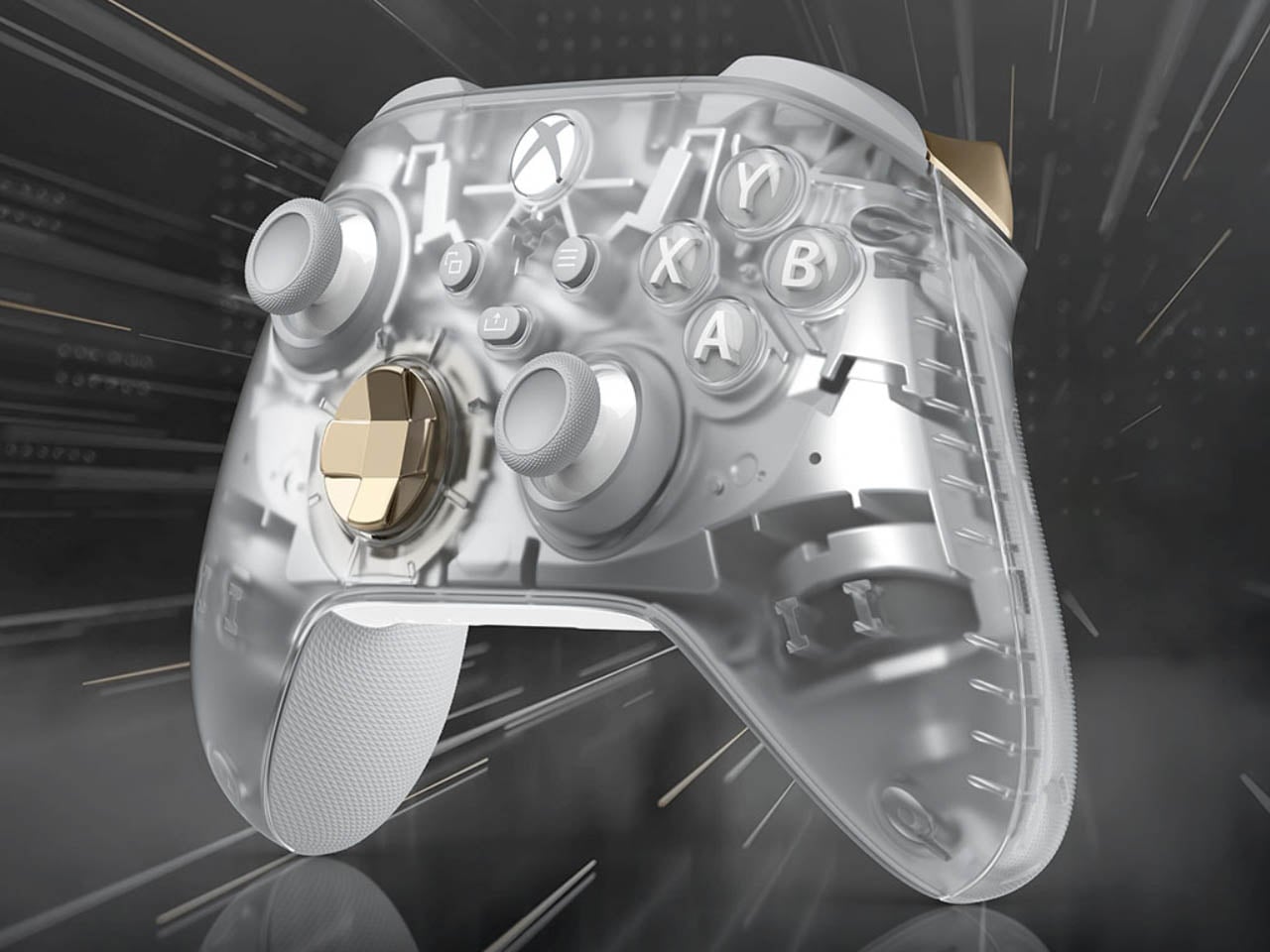
2. Ghost Cipher Special Edition Gamepad

The Ghost Cipher Special Edition gamepad features an intriguing transparent outer shell, which exposes all the innards in their real form while showcasing the working dynamics. The see-through aesthetics are contrasted by a silver interior, grey joysticks, and bronze accents on the triggers and D-pad, creating a futuristic and dynamic appeal. The buttons and Xbox logo are white, adding a sophisticated vibe to the design.

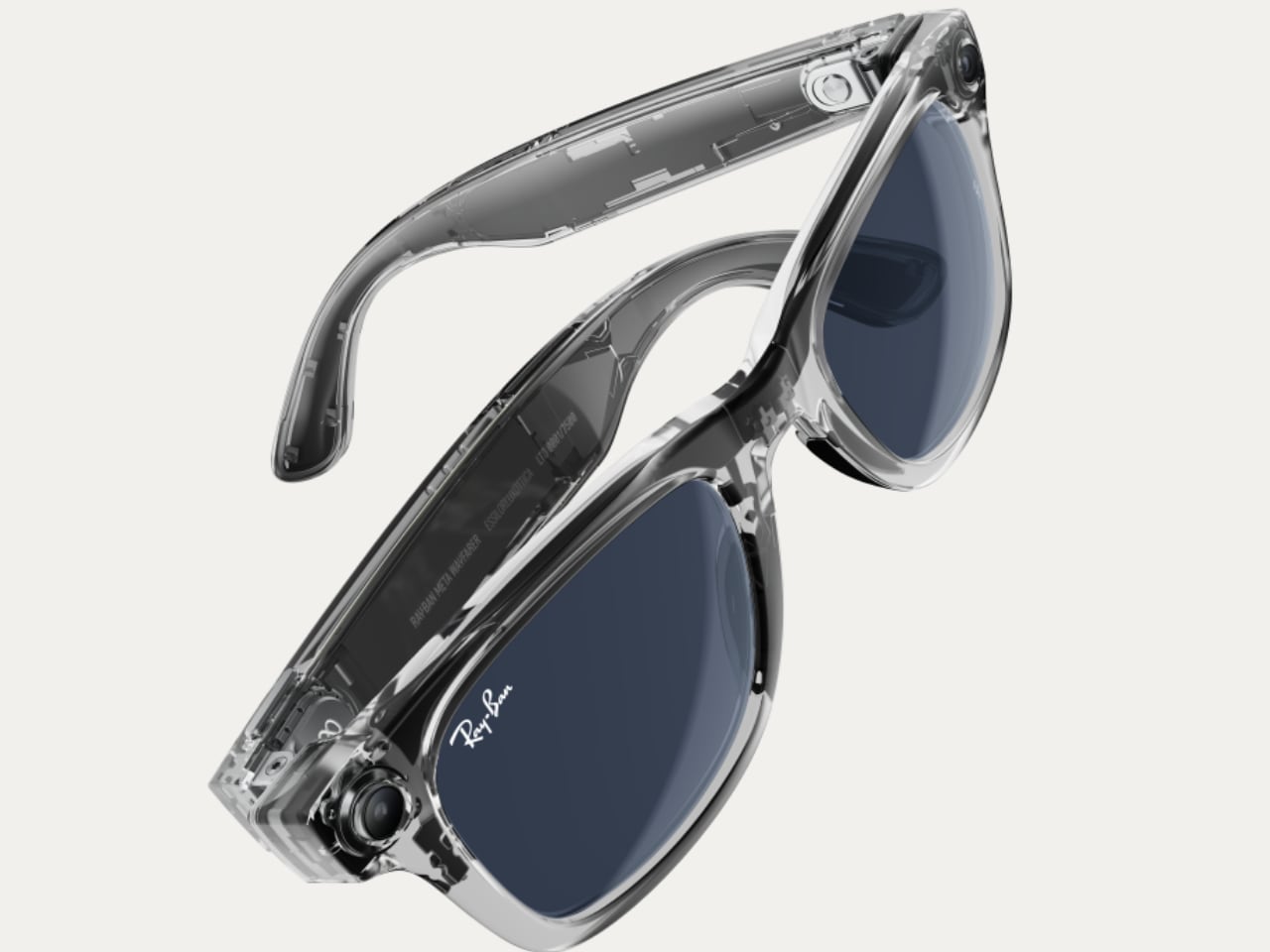
3. Meta Ray-Ban Limited Edition Transparent Wayfarer

Ray-Ban’s Meta Wayfarer glasses are the ultimate combination of fashion and meet – a classic style is elevated with advanced smart features. Recently Ray-Ban and Meta introduced the new Shiny Transparent Wayfarer, which features exposed innards and Clear to Sapphire Transition lenses. This new and improved model truly tests and pushes the boundaries of what smart glasses can look like.

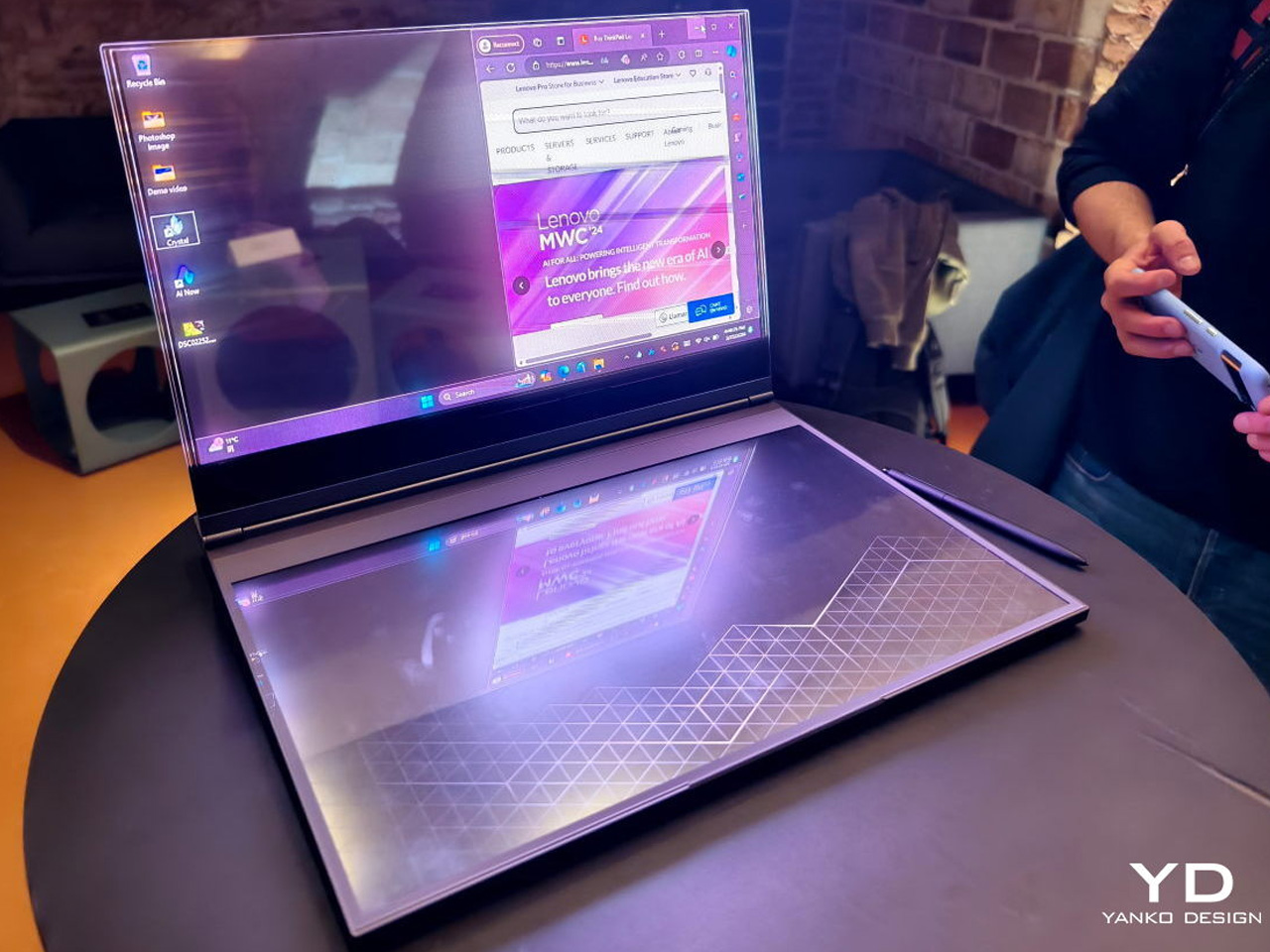
4. Lenovo ThinkPad Transparent Display Laptop

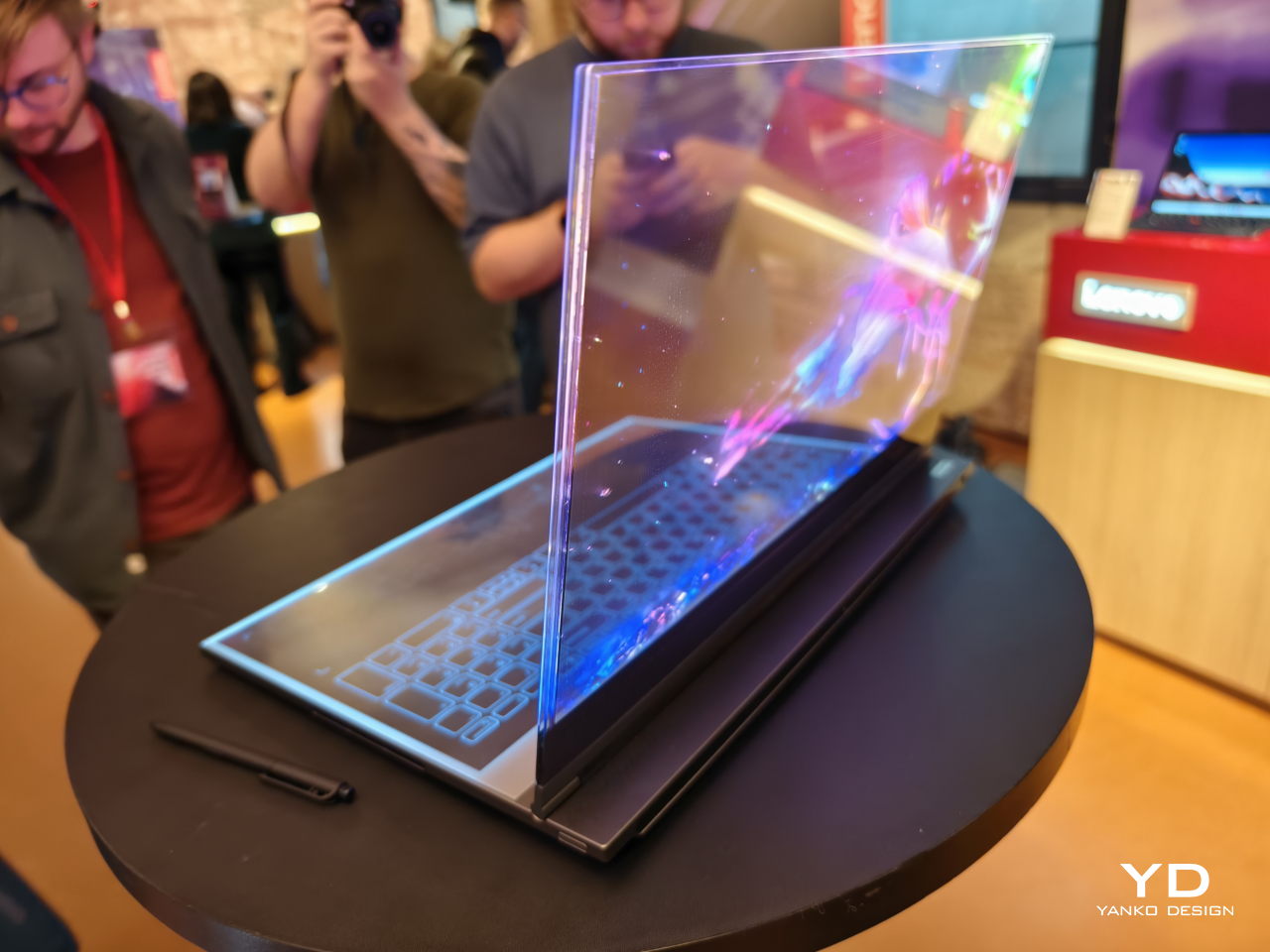
The Lenovo ThinkPad Transparent Display Laptop is the world’s first laptop with a 17.3-inch Micro LED transparent display. It is a concept product that is truly mesmerizing to look at, and you can see the applications windows and their contents very clearly, while still viewing what’s behind the screen. Only some parts of the screen become “opaque” when displaying something, while the rest stays fully transparent!

5. LG SIGNATURE OLED T

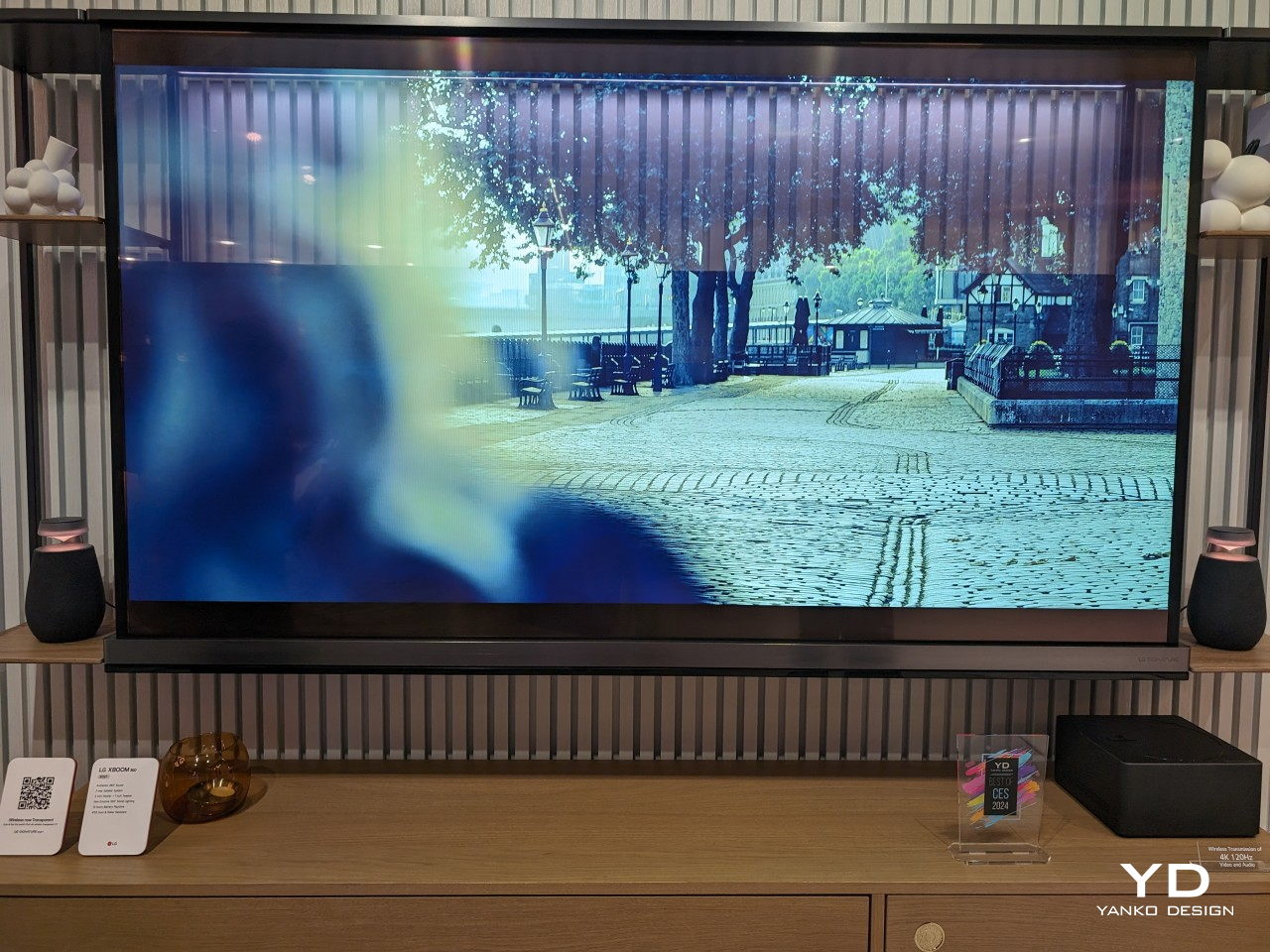
LG’s SIGNATURE OLED T is the world’s first wireless transparent 4K OLED TV. The screen gets entirely covered and lit up with vibrant pictures, fluid animations, and ecstatic images, completely concealing what’s behind those parts, while retaining transparency in the areas without images. The TV blends with the background, once you’re done watching, allowing it to merge with your home.

6. Jetstream Loudspeaker

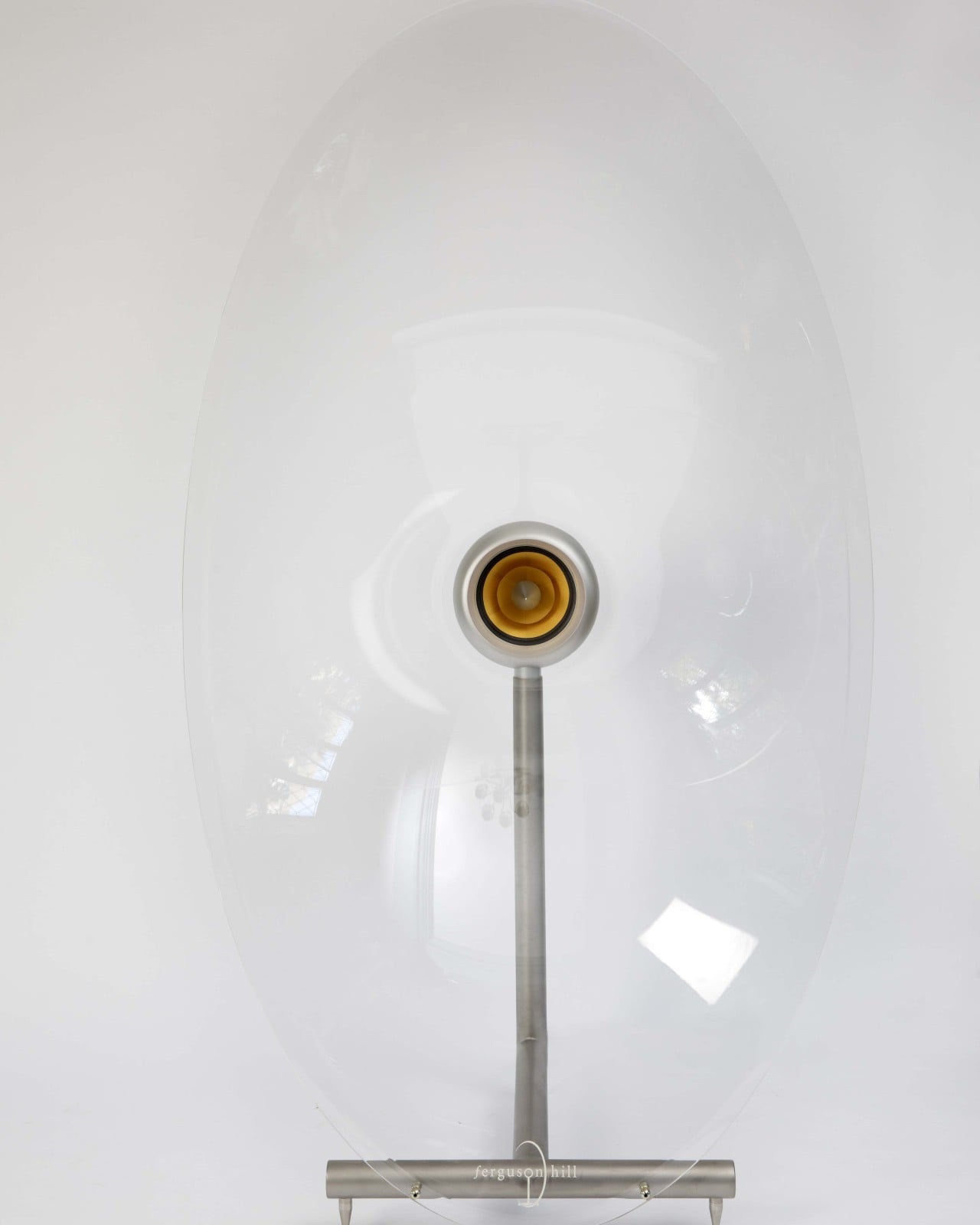
The Jetstream loudspeaker looks more like an art piece than a speaker. It is made using transparent acrylic for the horn, and it is blown up to human-sized proportions. It serves as a distinctive and one-of-a-kind speaker, giving the impression that the drive unit is floating in mid-air. The speaker resembles the sonic boom traces left by a high-speed jet when it is seen from the side, making it a truly unique piece.

7. Harman Kardon Gramophone Mini Speaker Concept

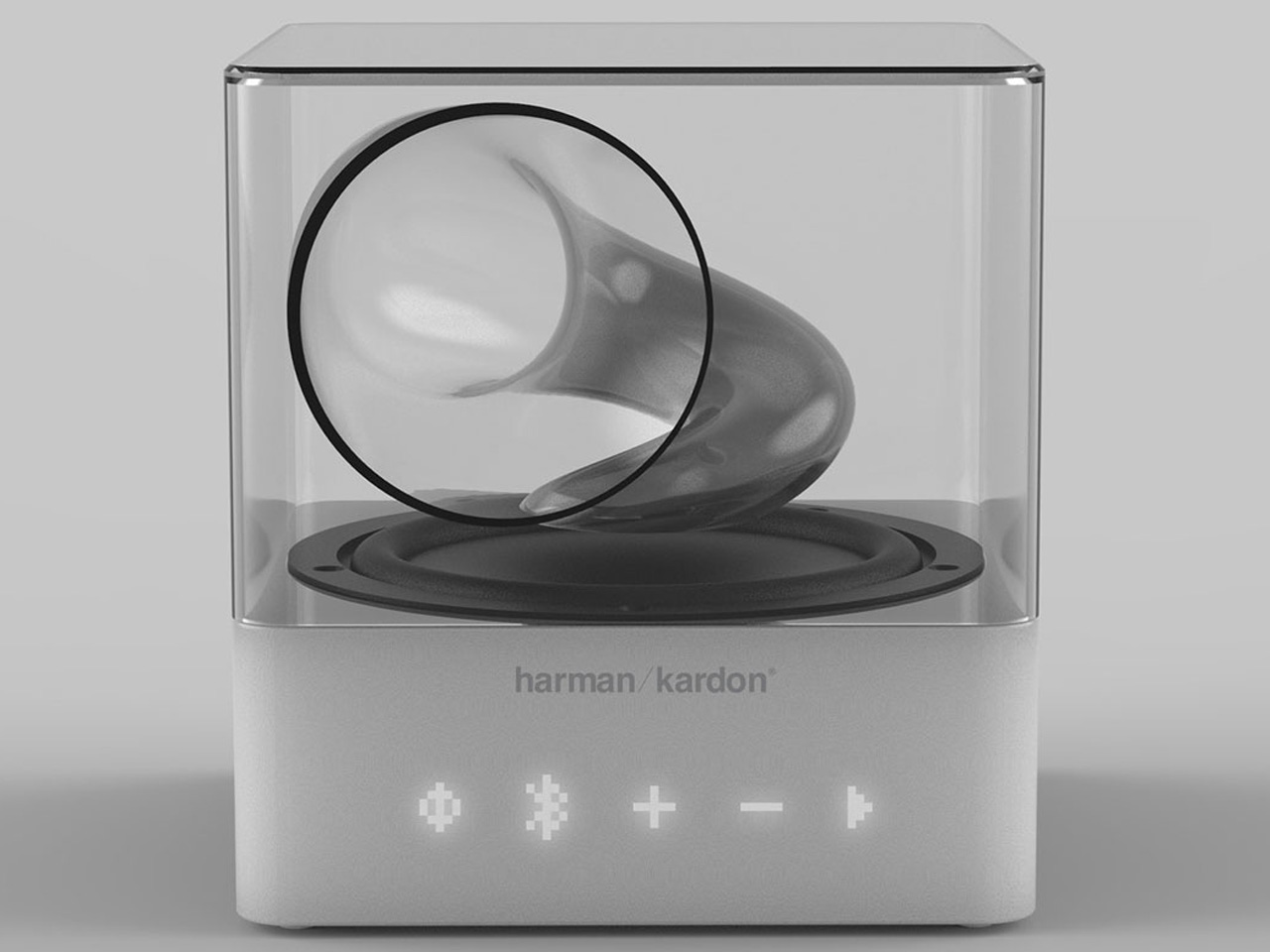
Designed by Wagner Pozebon, this speaker design is the perfect epitome of minimalism, combined with the spirit of the good old gramophone, while also incorporating a modern and contemporary design aesthetic. The versatile wireless speaker features a translucent body that mimics the classic gramophone’s contours. The amplification of the speaker is right on point delivering encapsulating audio from the soundbox.

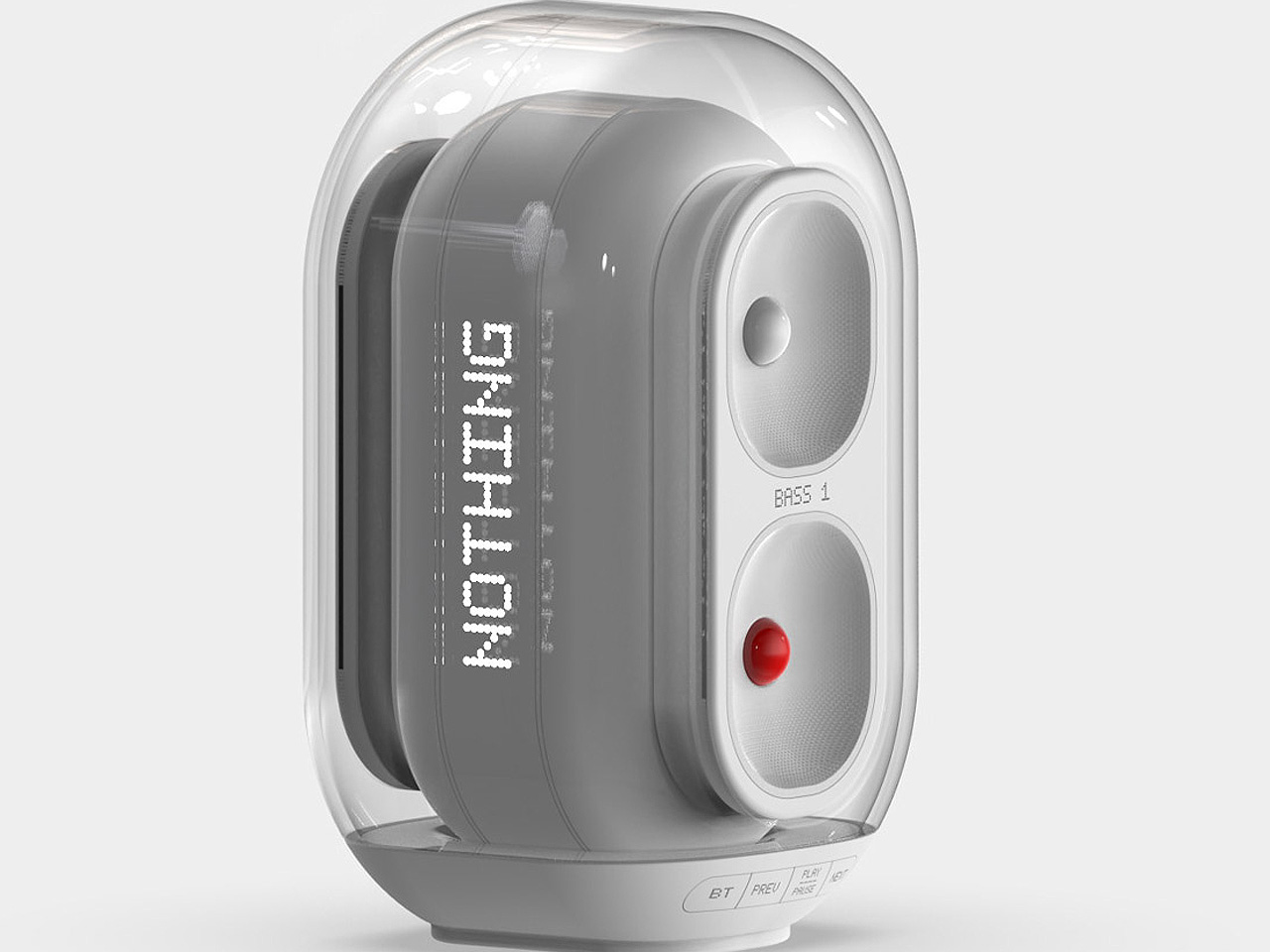
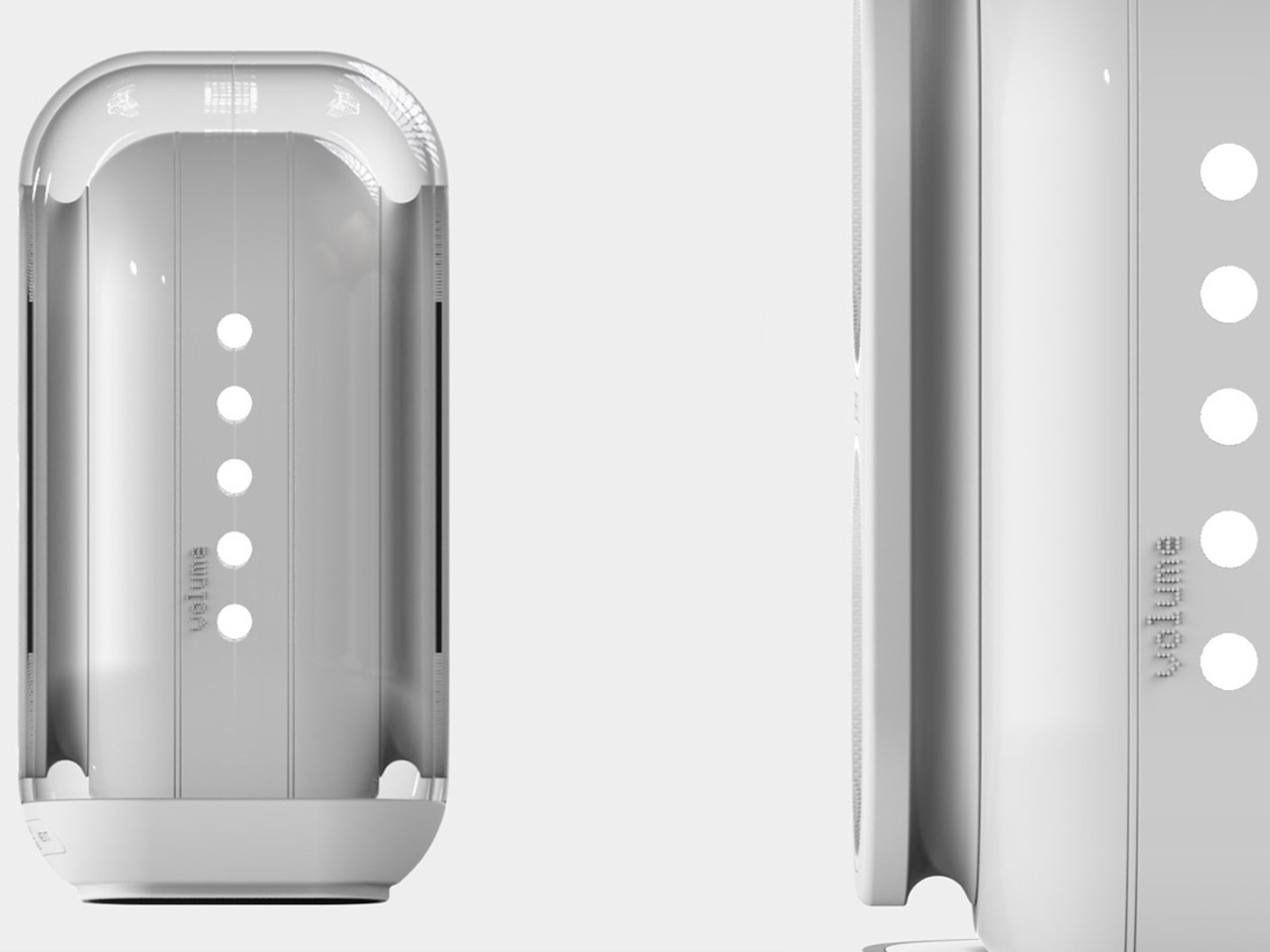
8. Nothing Bass (1) Speaker

Named the Nothing Bass (1), this portable speaker is designed in Black or White color, making it an excellent conversation starter for a house party. The speaker pairs up with the power of LED lighting, which syncs perfectly to the rhythm of beats, ensuring the device captures everyone’s attention. The speaker’s cone is transparent, protecting the innards from the outside elements. The appeal of the speaker is pretty classy, and it will elevate the vibe of any living room.

9. Apple Clear Series

Named the Apple Clear Series, this concept design recreates popular Apple products with transparent aesthetics, giving them a cool see-through vibe. The AirPods Max Clear are super cool transparent cans with the rear portion of the earcups exposed.  While the AirPods Pro Clear seems to be inspired by Beats, and the Apple Watch Ultra Clear features a transparent shell, and a rubber strap in a see-through material.

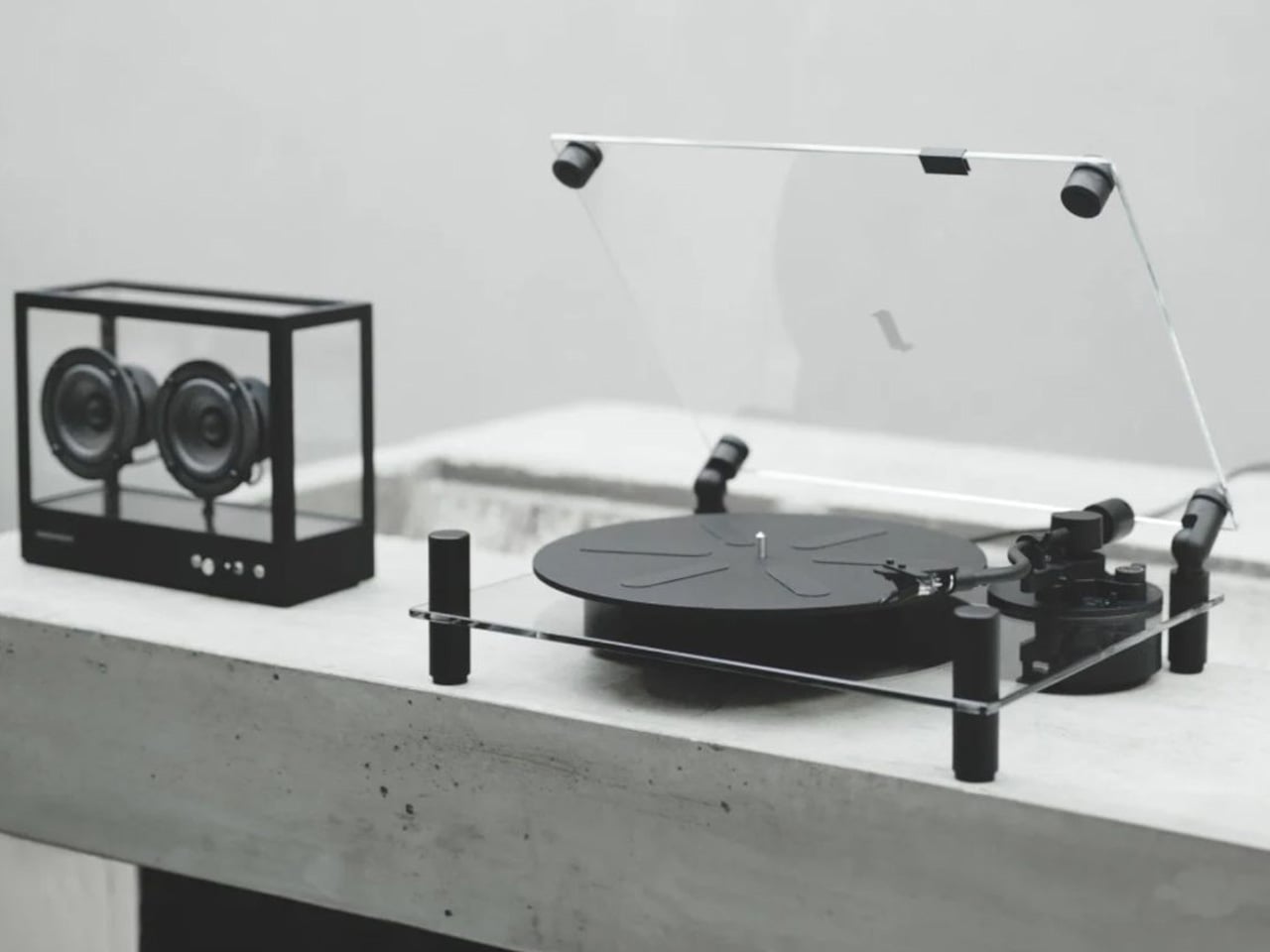
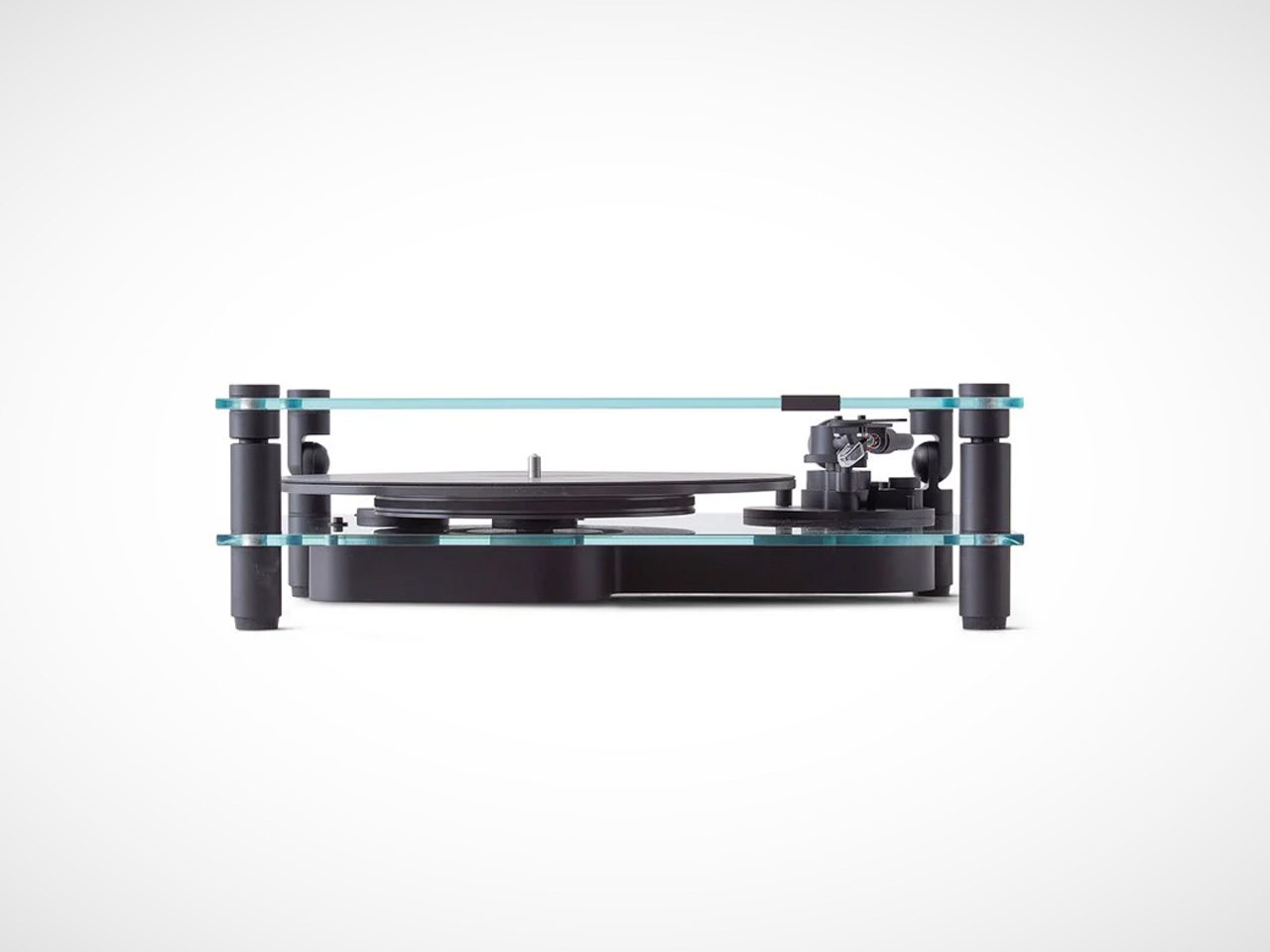
10. Transparent Turntable

Stockholm-based Transparent has released a turntable, which is truly quite stunning. It features a transparent tempered glass cover on top of an aluminum body, which has been meticulously crafted. It is available in black and white and equipped with a preinstalled Elliptical Diamond Ortofon OM Stylus 5E which delivers rich and top-notch sound quality. You can replace it with a fancier stylus model as well if you prefer.

The post Top 10 Transparent Tech Gear That Truly Showcase The Minimalist Magic Of See-Through Design first appeared on Yanko Design.

Top 10 Transparent Tech Gear That Truly Showcase The Minimalist Magic Of See-Through Design

Transparent tech designs seem to be taking the world by storm. They make a powerful yet simple statement by combining functionality with a futuristic and aesthetic appeal. These innovative designs offer users an opportunity to observe and appreciate the innards and intricate mechanisms of their favorite devices. Transparent designs unveil their inner workings to users and buyers, creating an atmosphere of openness and honesty. We’ve curated a collection of stunning and super functional transparent tech designs that are a true celebration of minimalism and clarity. From a transparent Gameboy version to a transparent variant of Ray-Ban’s Meta Wayfarer glasses – these products truly showcase the magic of see-through design.

1. Transparent Game Boy

Designed by LFD Official, this conceptual Game Boy design is an ultra-advanced gaming accessory. It is designed to cater to your indoor and outdoor gaming needs, without any restrictions, allowing you to play on the native small screen or a bigger one. And it is transparent It includes an integrated mini projector, which can be removed and placed to project on any room wall, outdoor tent, or more.

2. Ghost Cipher Special Edition Gamepad

The Ghost Cipher Special Edition gamepad features an intriguing transparent outer shell, which exposes all the innards in their real form while showcasing the working dynamics. The see-through aesthetics are contrasted by a silver interior, grey joysticks, and bronze accents on the triggers and D-pad, creating a futuristic and dynamic appeal. The buttons and Xbox logo are white, adding a sophisticated vibe to the design.

3. Meta Ray-Ban Limited Edition Transparent Wayfarer

Ray-Ban’s Meta Wayfarer glasses are the ultimate combination of fashion and meet – a classic style is elevated with advanced smart features. Recently Ray-Ban and Meta introduced the new Shiny Transparent Wayfarer, which features exposed innards and Clear to Sapphire Transition lenses. This new and improved model truly tests and pushes the boundaries of what smart glasses can look like.

4. Lenovo ThinkPad Transparent Display Laptop

The Lenovo ThinkPad Transparent Display Laptop is the world’s first laptop with a 17.3-inch Micro LED transparent display. It is a concept product that is truly mesmerizing to look at, and you can see the applications windows and their contents very clearly, while still viewing what’s behind the screen. Only some parts of the screen become “opaque” when displaying something, while the rest stays fully transparent!

5. LG SIGNATURE OLED T

LG’s SIGNATURE OLED T is the world’s first wireless transparent 4K OLED TV. The screen gets entirely covered and lit up with vibrant pictures, fluid animations, and ecstatic images, completely concealing what’s behind those parts, while retaining transparency in the areas without images. The TV blends with the background, once you’re done watching, allowing it to merge with your home.

6. Jetstream Loudspeaker

The Jetstream loudspeaker looks more like an art piece than a speaker. It is made using transparent acrylic for the horn, and it is blown up to human-sized proportions. It serves as a distinctive and one-of-a-kind speaker, giving the impression that the drive unit is floating in mid-air. The speaker resembles the sonic boom traces left by a high-speed jet when it is seen from the side, making it a truly unique piece.

7. Harman Kardon Gramophone Mini Speaker Concept

Designed by Wagner Pozebon, this speaker design is the perfect epitome of minimalism, combined with the spirit of the good old gramophone, while also incorporating a modern and contemporary design aesthetic. The versatile wireless speaker features a translucent body that mimics the classic gramophone’s contours. The amplification of the speaker is right on point delivering encapsulating audio from the soundbox.

8. Nothing Bass (1) Speaker

Named the Nothing Bass (1), this portable speaker is designed in Black or White color, making it an excellent conversation starter for a house party. The speaker pairs up with the power of LED lighting, which syncs perfectly to the rhythm of beats, ensuring the device captures everyone’s attention. The speaker’s cone is transparent, protecting the innards from the outside elements. The appeal of the speaker is pretty classy, and it will elevate the vibe of any living room.

9. Apple Clear Series

Named the Apple Clear Series, this concept design recreates popular Apple products with transparent aesthetics, giving them a cool see-through vibe. The AirPods Max Clear are super cool transparent cans with the rear portion of the earcups exposed.  While the AirPods Pro Clear seems to be inspired by Beats, and the Apple Watch Ultra Clear features a transparent shell, and a rubber strap in a see-through material.

10. Transparent Turntable

Stockholm-based Transparent has released a turntable, which is truly quite stunning. It features a transparent tempered glass cover on top of an aluminum body, which has been meticulously crafted. It is available in black and white and equipped with a preinstalled Elliptical Diamond Ortofon OM Stylus 5E which delivers rich and top-notch sound quality. You can replace it with a fancier stylus model as well if you prefer.

The post Top 10 Transparent Tech Gear That Truly Showcase The Minimalist Magic Of See-Through Design first appeared on Yanko Design.

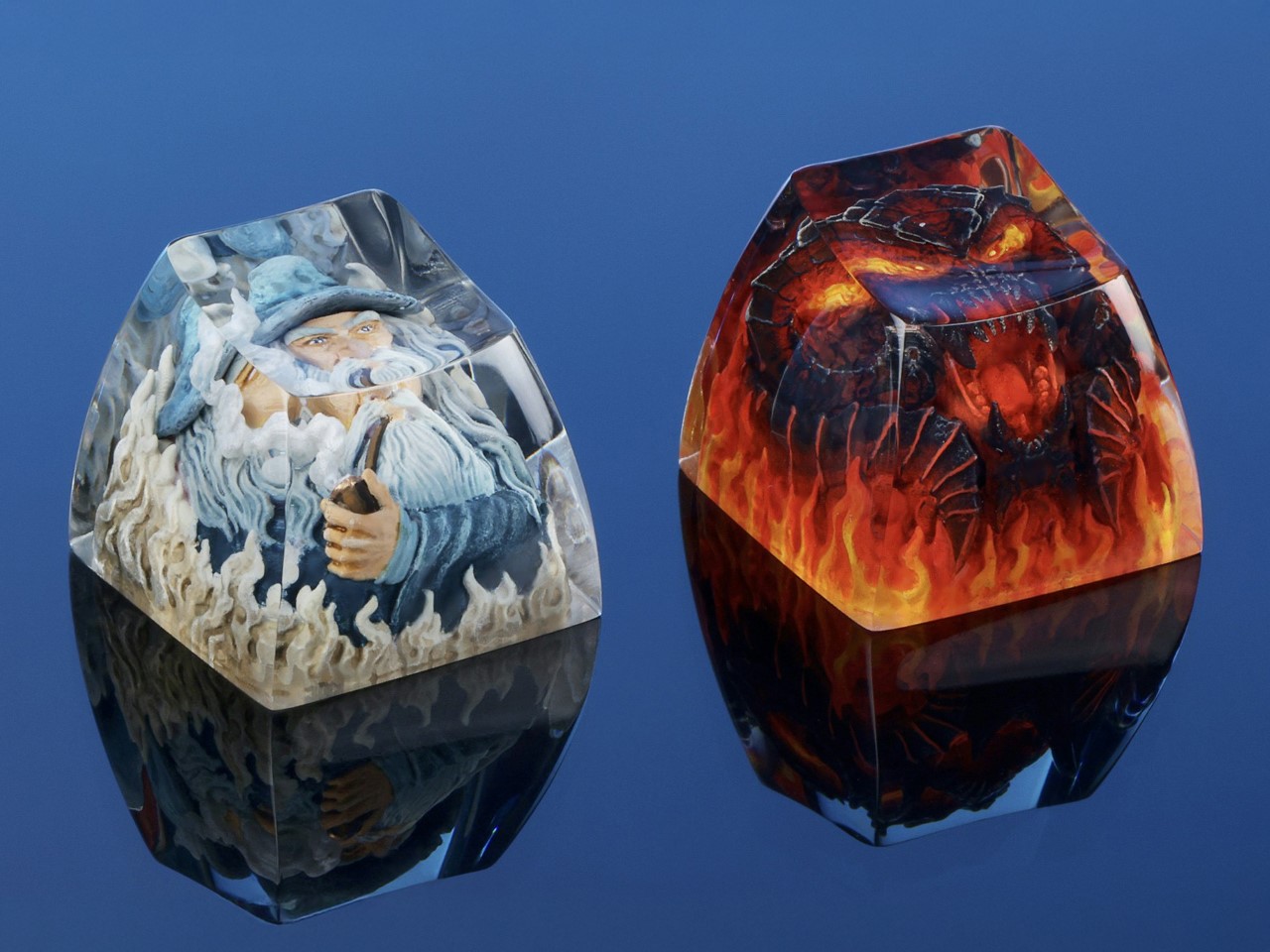
Custom Balrog and Gandalf Keycaps give your Mechanical Keyboard a LOTR Middle-Age facelift

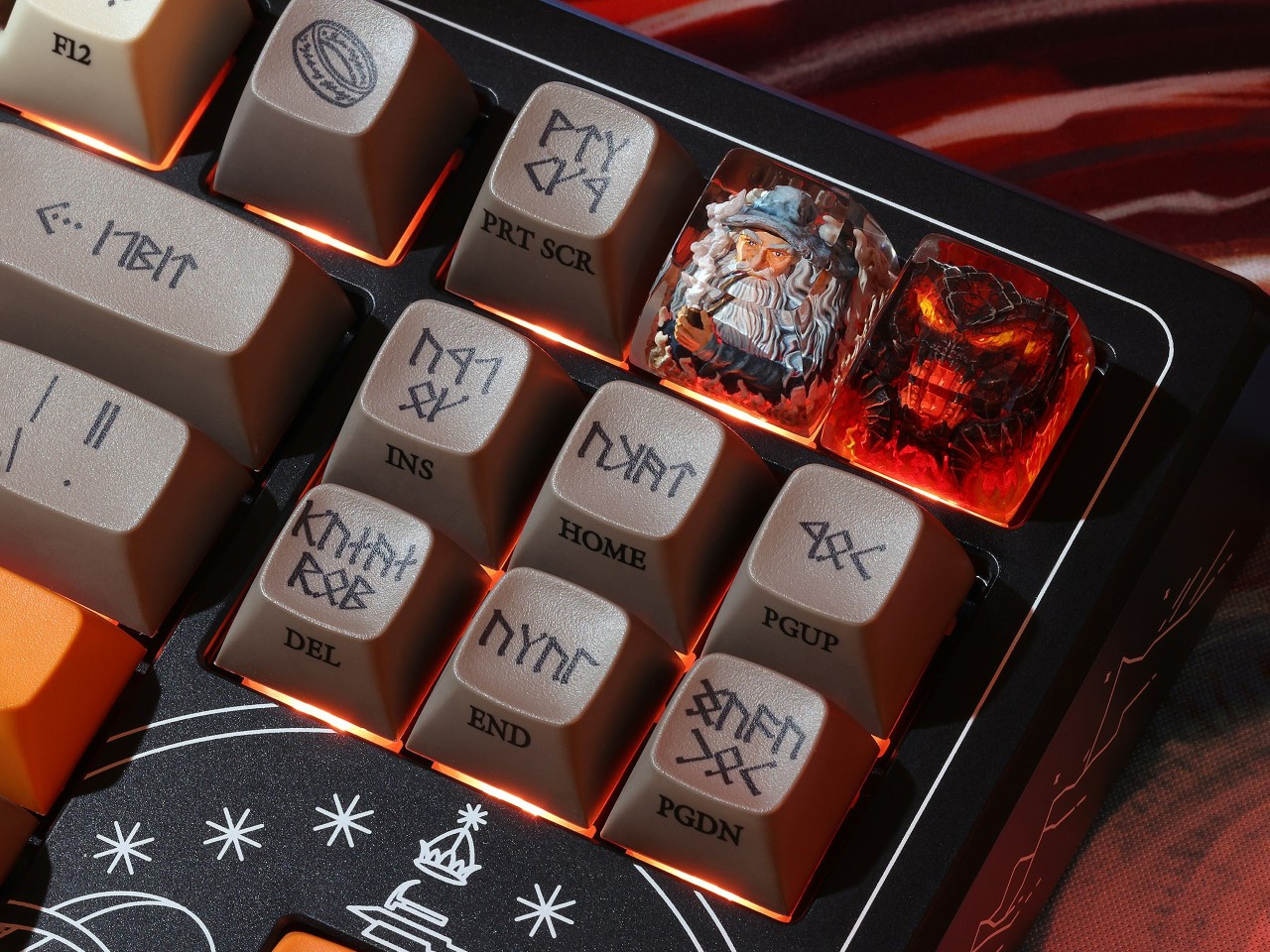
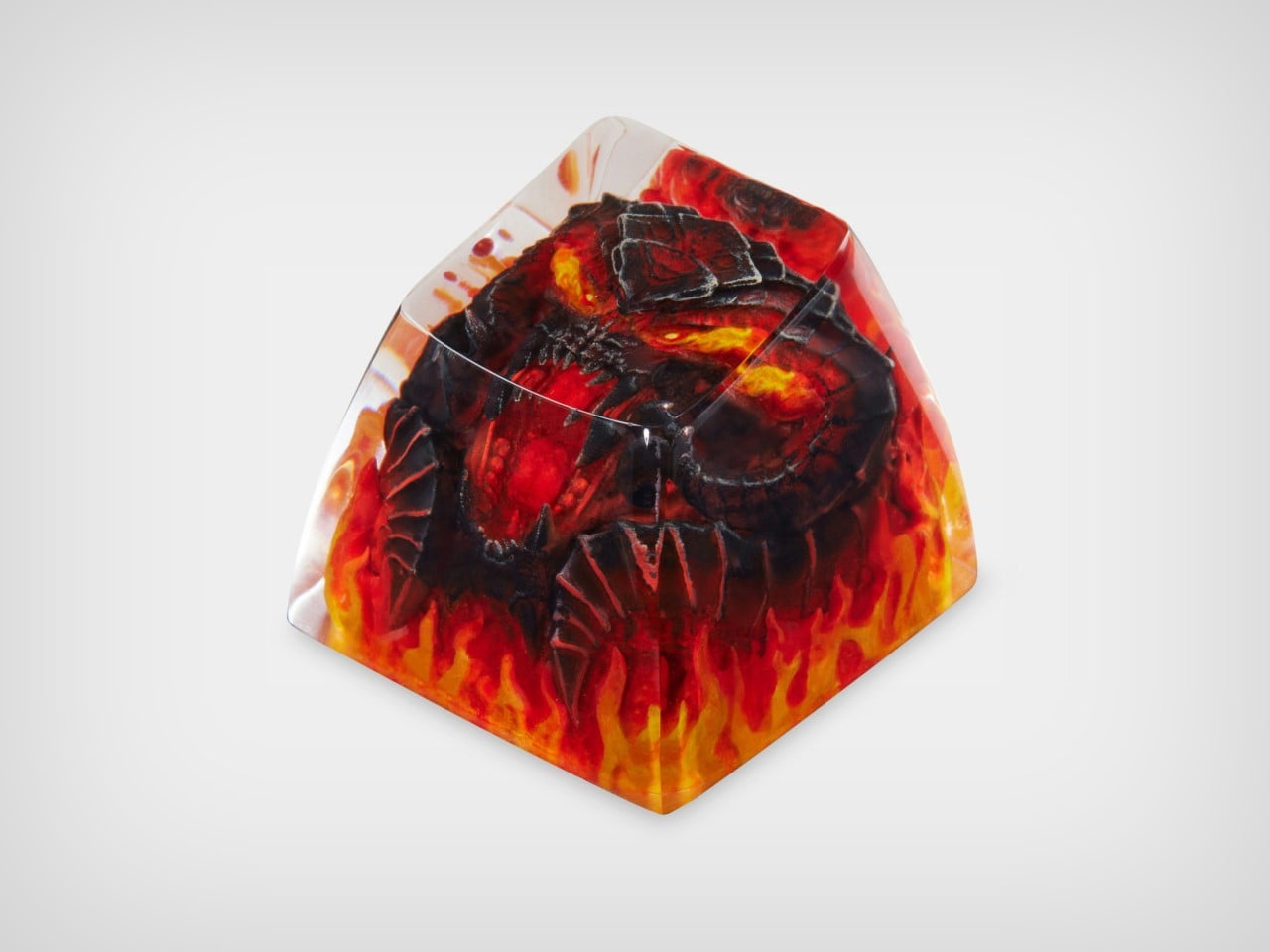
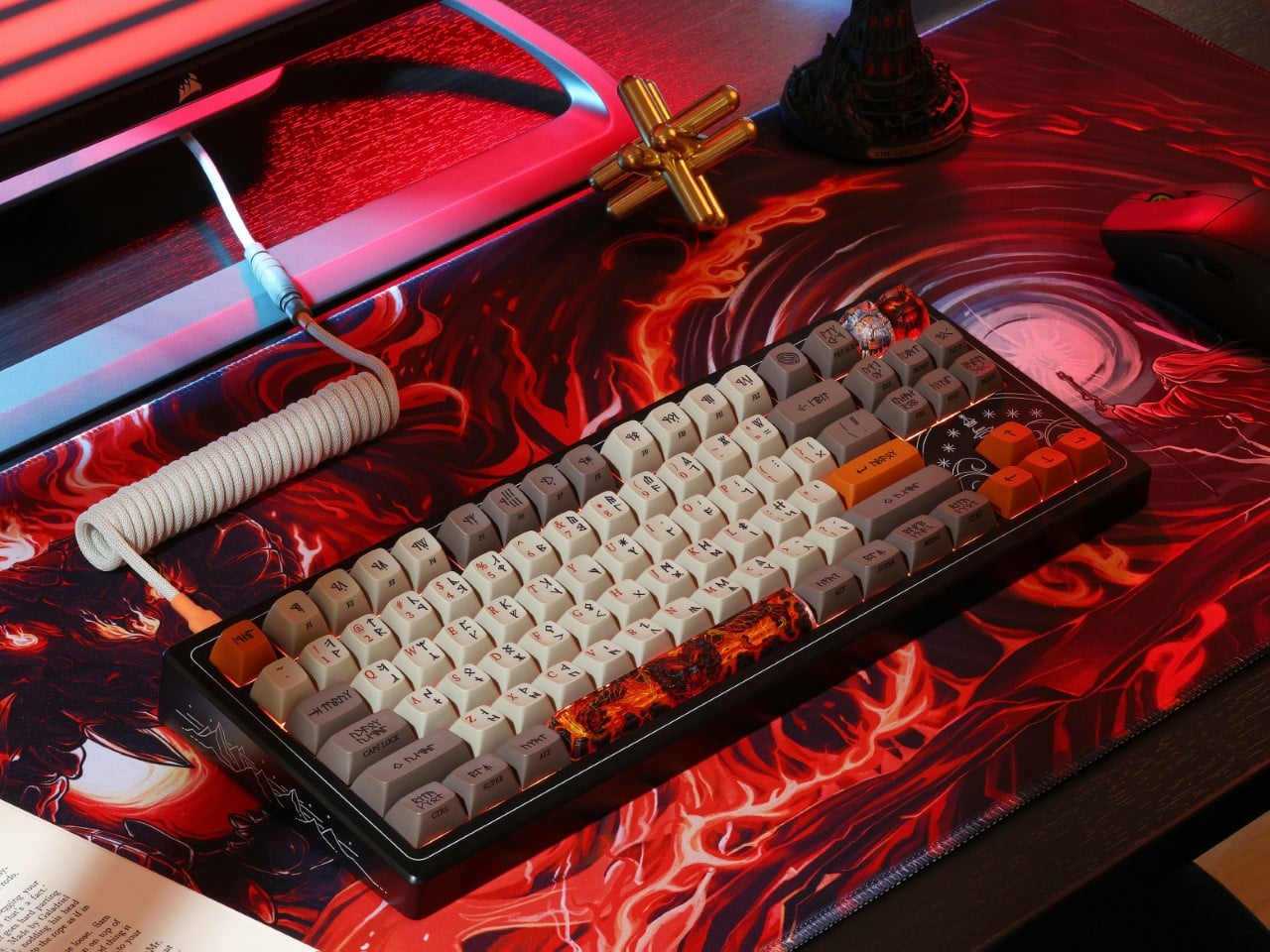
Few moments in fantasy history are as iconic as Gandalf’s showdown with the Balrog on the Bridge of Khazad-dûm. Now, thanks to a collaboration between Drop and The Lord of the Rings, this epic clash has been immortalized in a way that combines fandom with functionality. The Balrog and Mithrandir Artisan Keycap and Spacebar set offers a chance to bring the magic of Middle-earth to your fingertips, and it’s more than just a collector’s item. It’s a fusion of premium craftsmanship, stunning design, and technical precision that adds a touch of the fantastical to your everyday typing experience.

Designer: Dwarf Factory for Drop

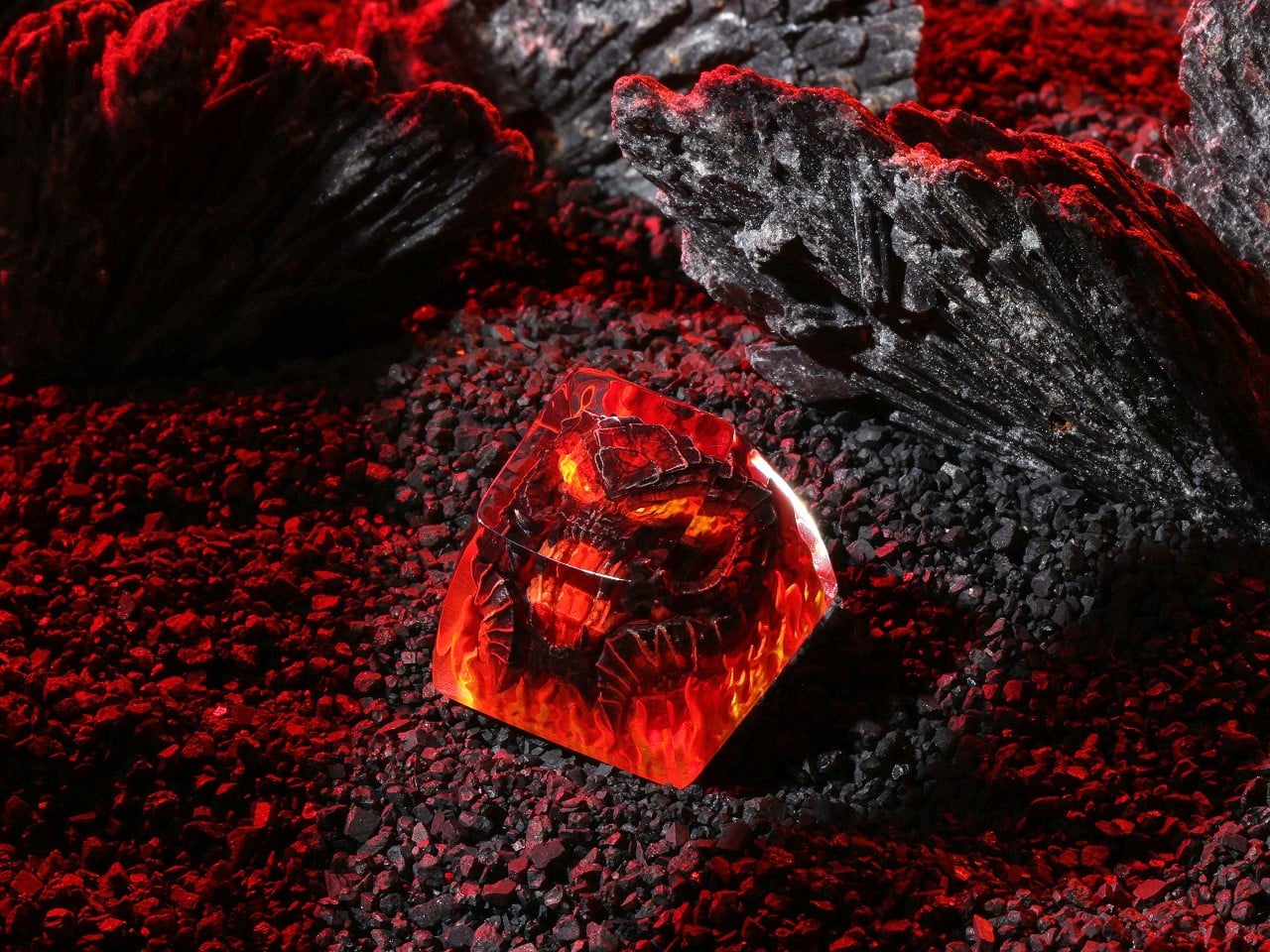
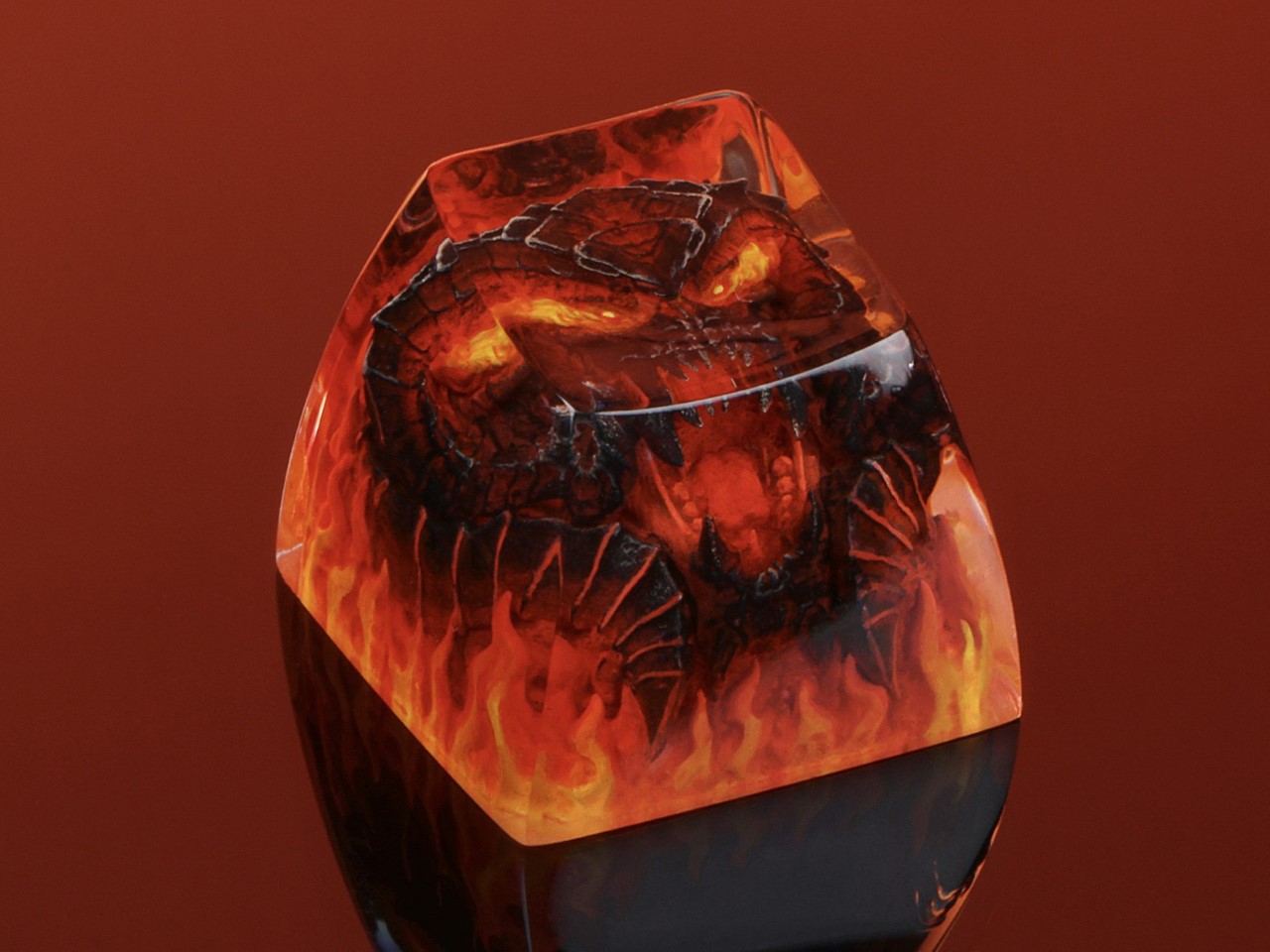
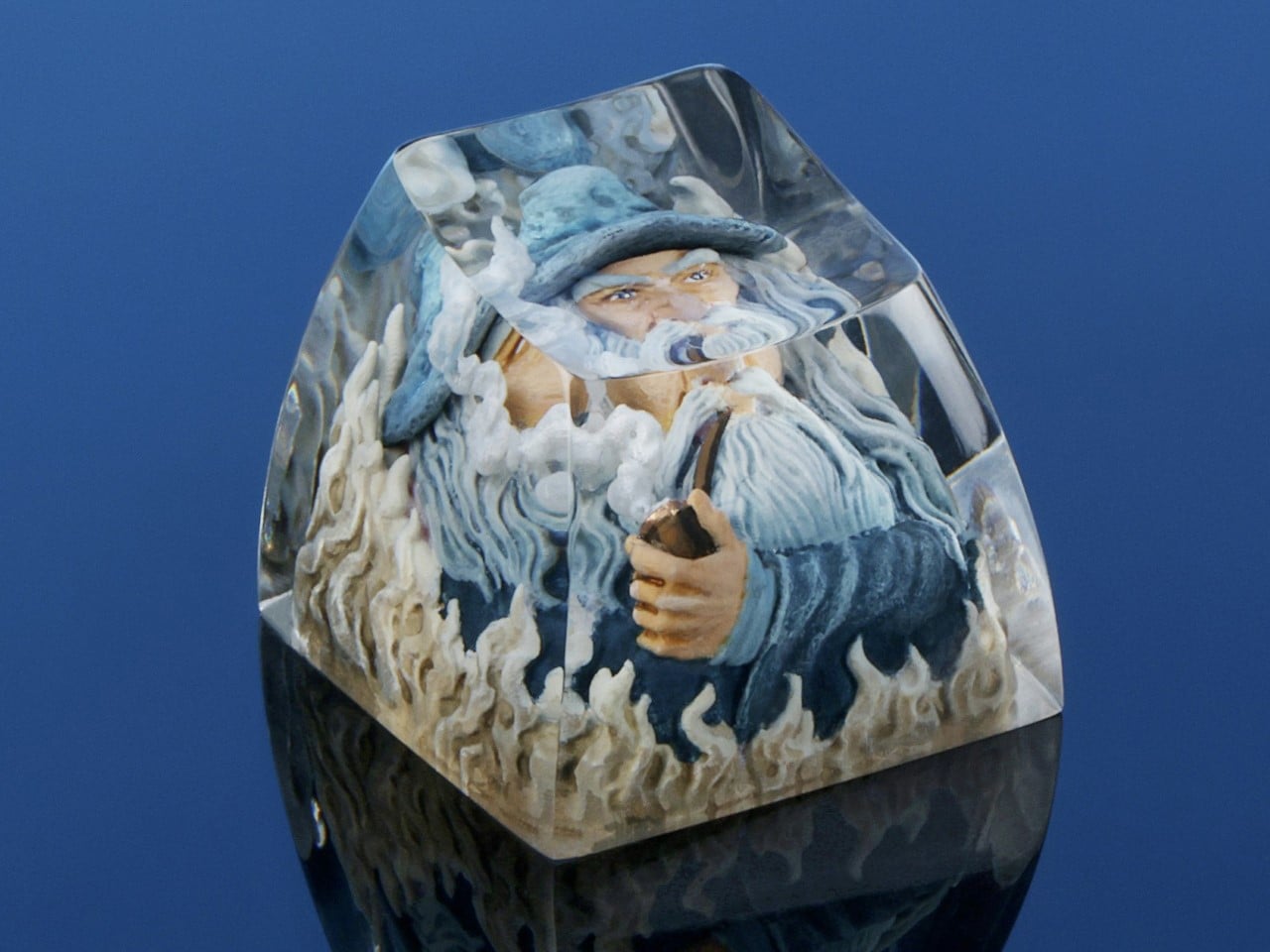
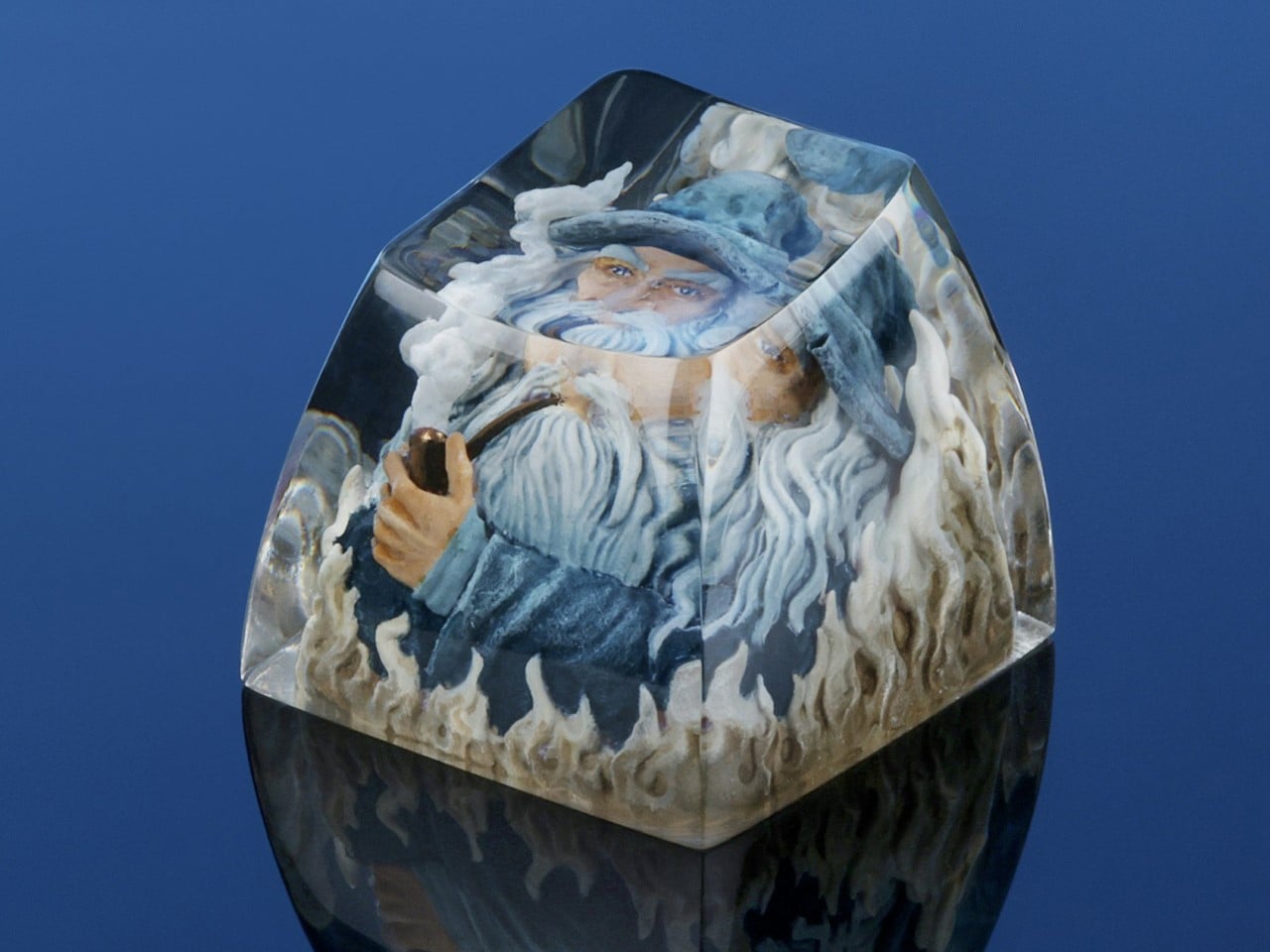
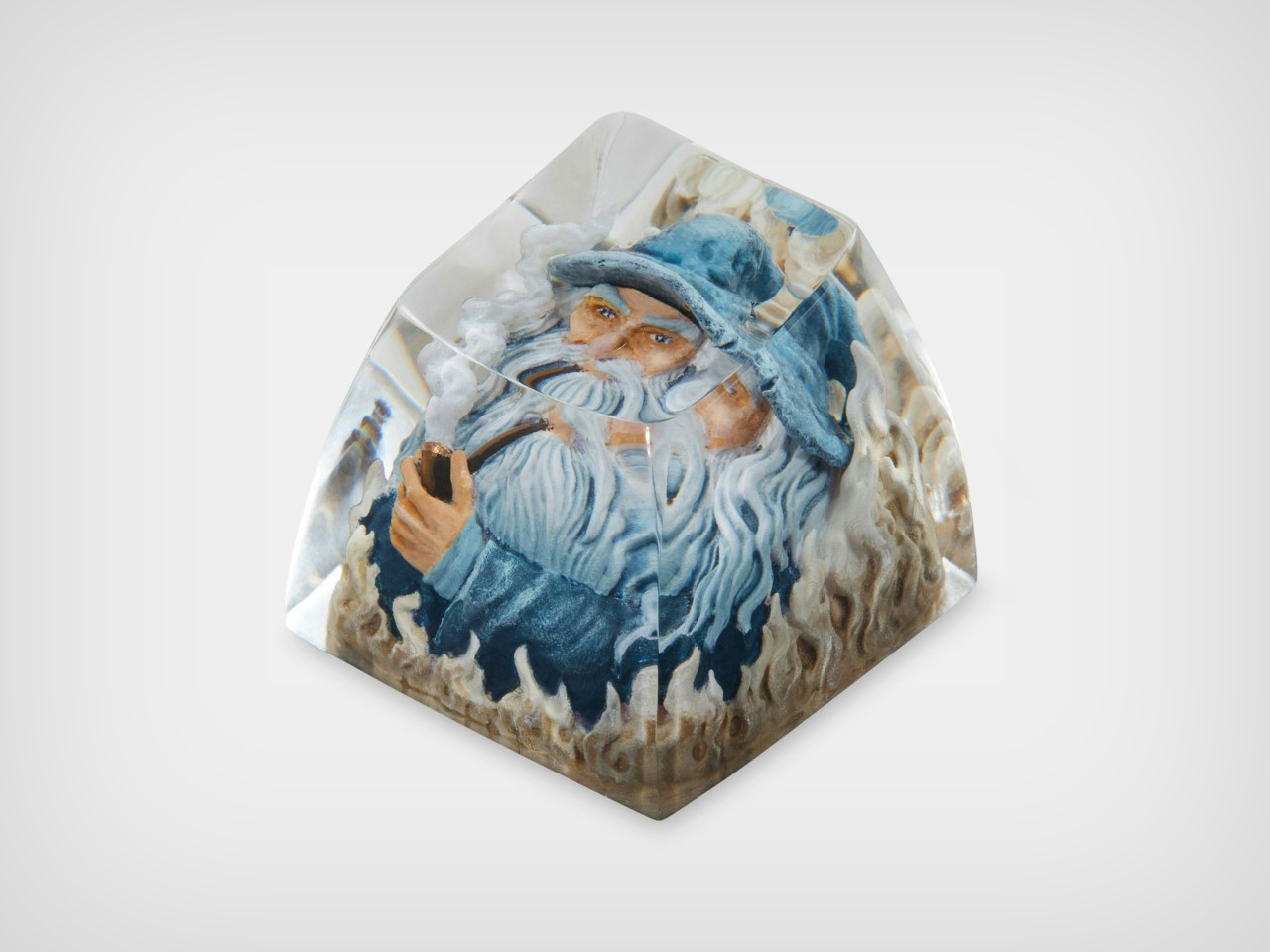
Crafted by Dwarf Factory, each piece is an artisan masterpiece in resin, featuring rich details that evoke the essence of these legendary characters. The Balrog, with its fiery menace and aggressive stance, looks ready to engulf your entire keyboard, while Mithrandir stands resolute, channeling his defiant power just as he did when facing the beast. The level of detail is extraordinary—from the flame-like textures on the Balrog to the serene yet powerful expression of Gandalf, these keycaps are tiny works of art. Available in a 1u size for both characters, and with the Balrog also available as a 6.25u spacebar, these keycaps not only add visual impact but are also fully functional. They integrate smoothly with Cherry MX switches and clones, making them a natural fit for most mechanical keyboards.

The 1u Balrog keycap is nothing short of a fiery masterpiece. Designed to reflect the raw power and menacing presence of Durin’s Bane, it features intricate detailing that brings the dark, fiery creature to life. With its flame-engulfed body and haunting expression, the keycap feels like it’s radiating heat right off your keyboard. The resin material used for the keycap captures the vivid colors of fire, from the burning red to deep molten black, creating a striking visual contrast that mirrors the Balrog’s destructive force. Every angle of this 1u keycap has been meticulously designed to showcase the Balrog’s fearsome nature, making it a perfect choice for those looking to add an element of danger and mystery to their keyboard setup. It fits comfortably on any Cherry MX switch or clone, ensuring that it’s as functional as it is eye-catching.

Mithrandir, or Gandalf, takes center stage in the second 1u keycap, offering a calm but powerful contrast to the Balrog. In this design, Gandalf is depicted in his role as the Grey Pilgrim, holding his staff and ready to face down the ancient evil with the iconic line, “You shall not pass!” The keycap perfectly captures the quiet strength and wisdom that defines the wizard, with intricate detailing in his robes and an expression of calm determination. Crafted in resin, the Mithrandir keycap offers a more subtle aesthetic compared to the fiery Balrog, but its craftsmanship is no less impressive. The muted grey tones and flowing details create a sense of movement, almost as if Gandalf himself is preparing to strike. This keycap serves as a symbol of resilience and courage, and for fans of The Lord of the Rings, it’s a meaningful reminder of Gandalf’s pivotal role in the story.

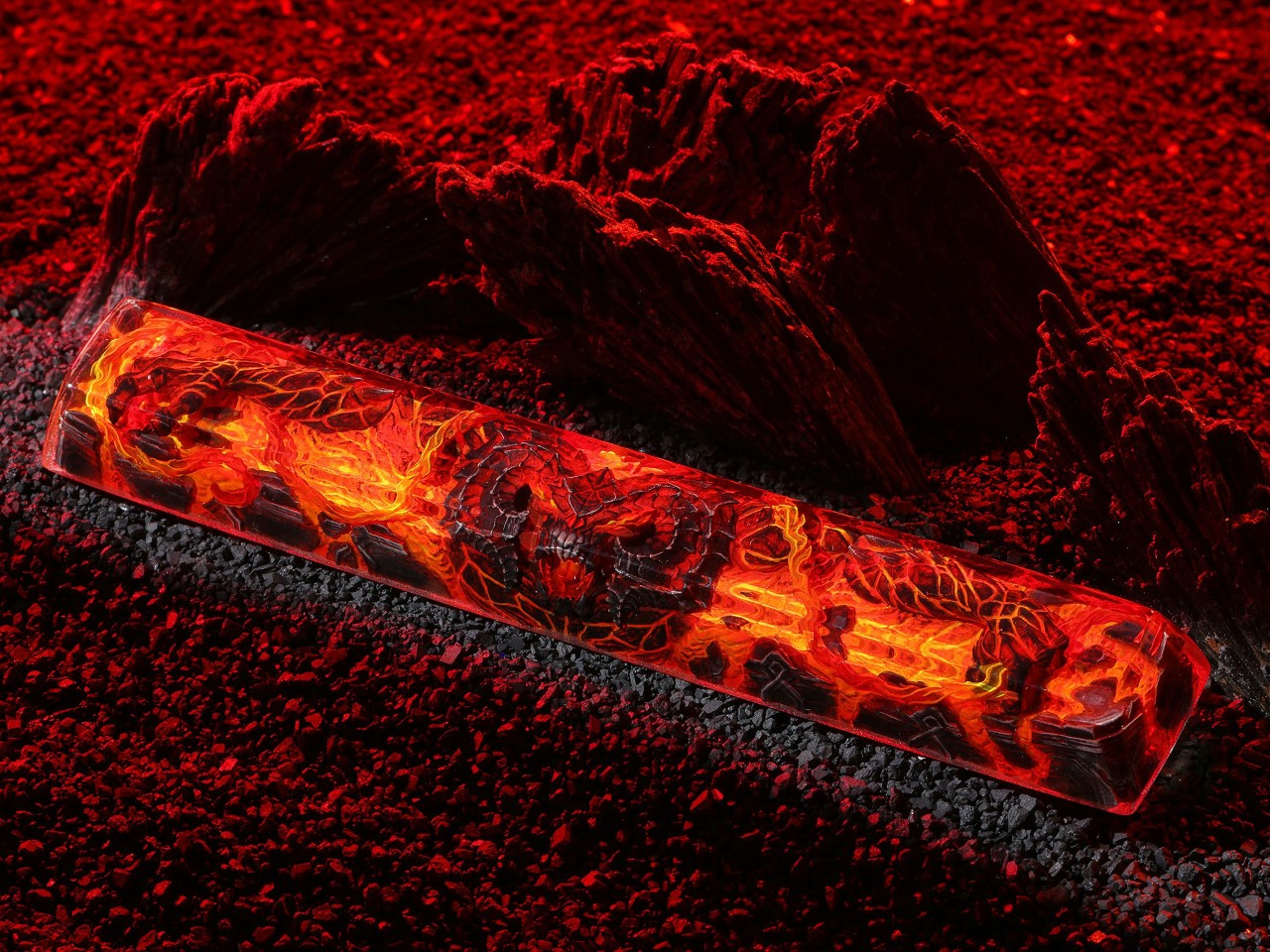
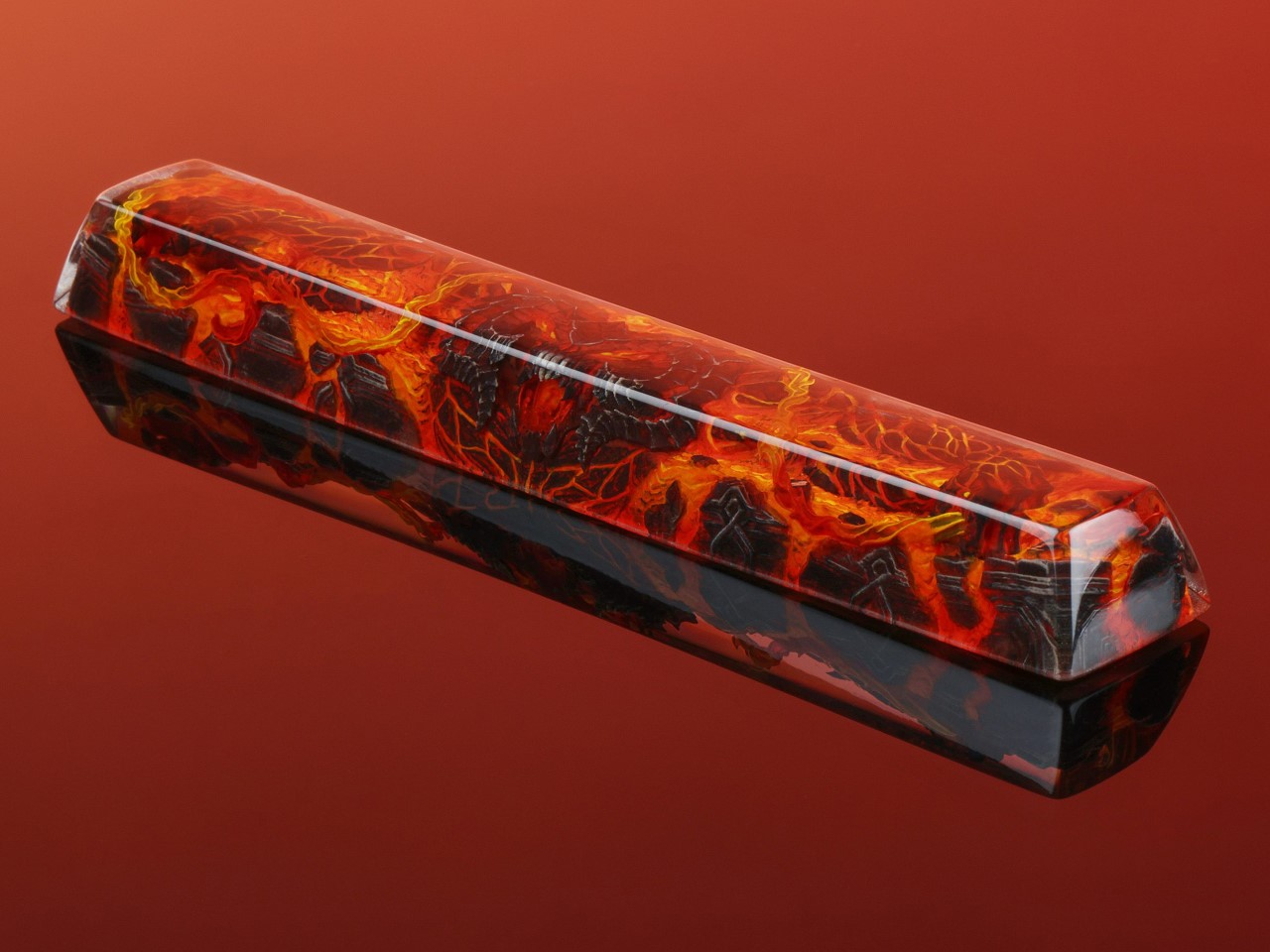
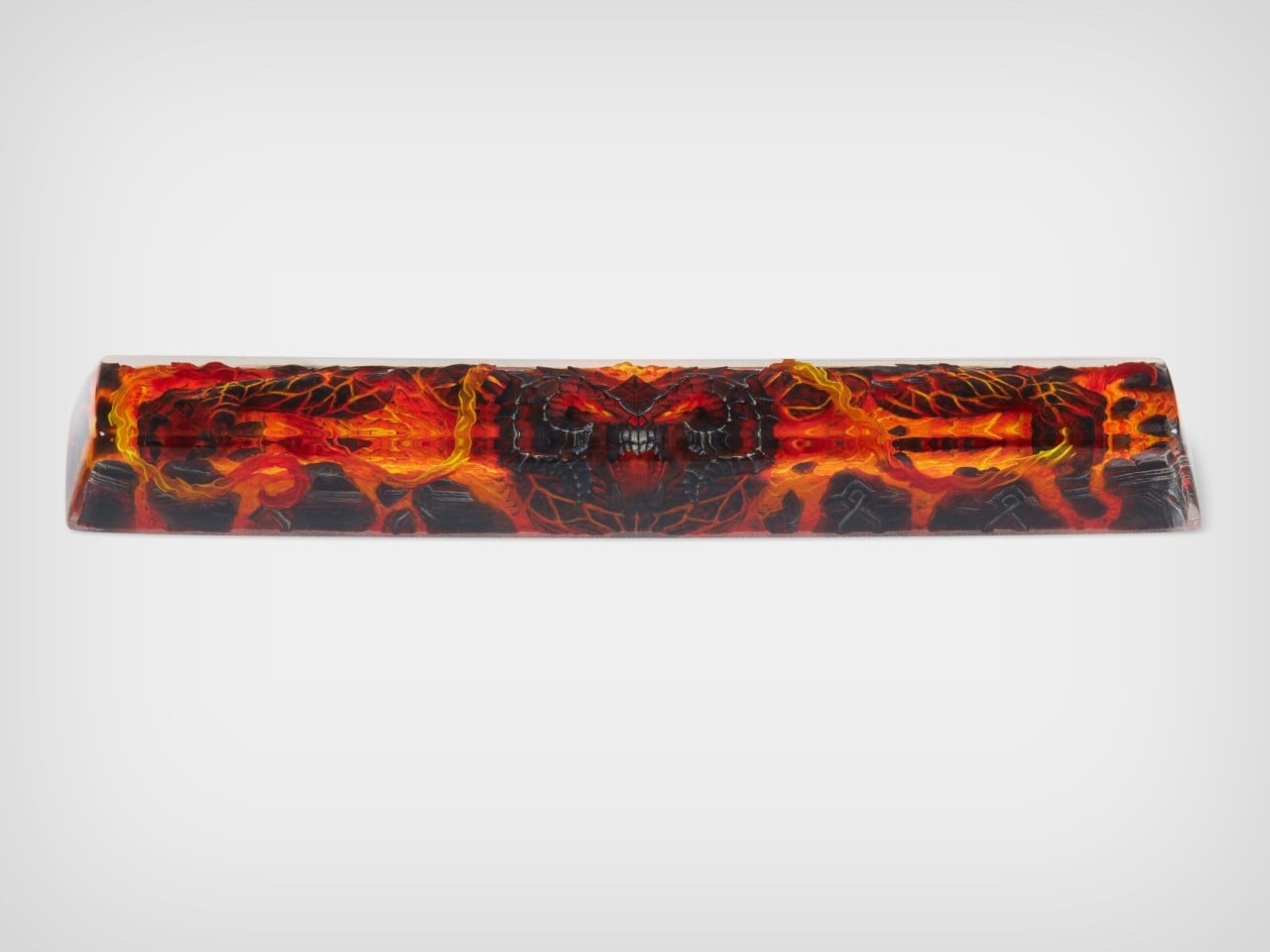
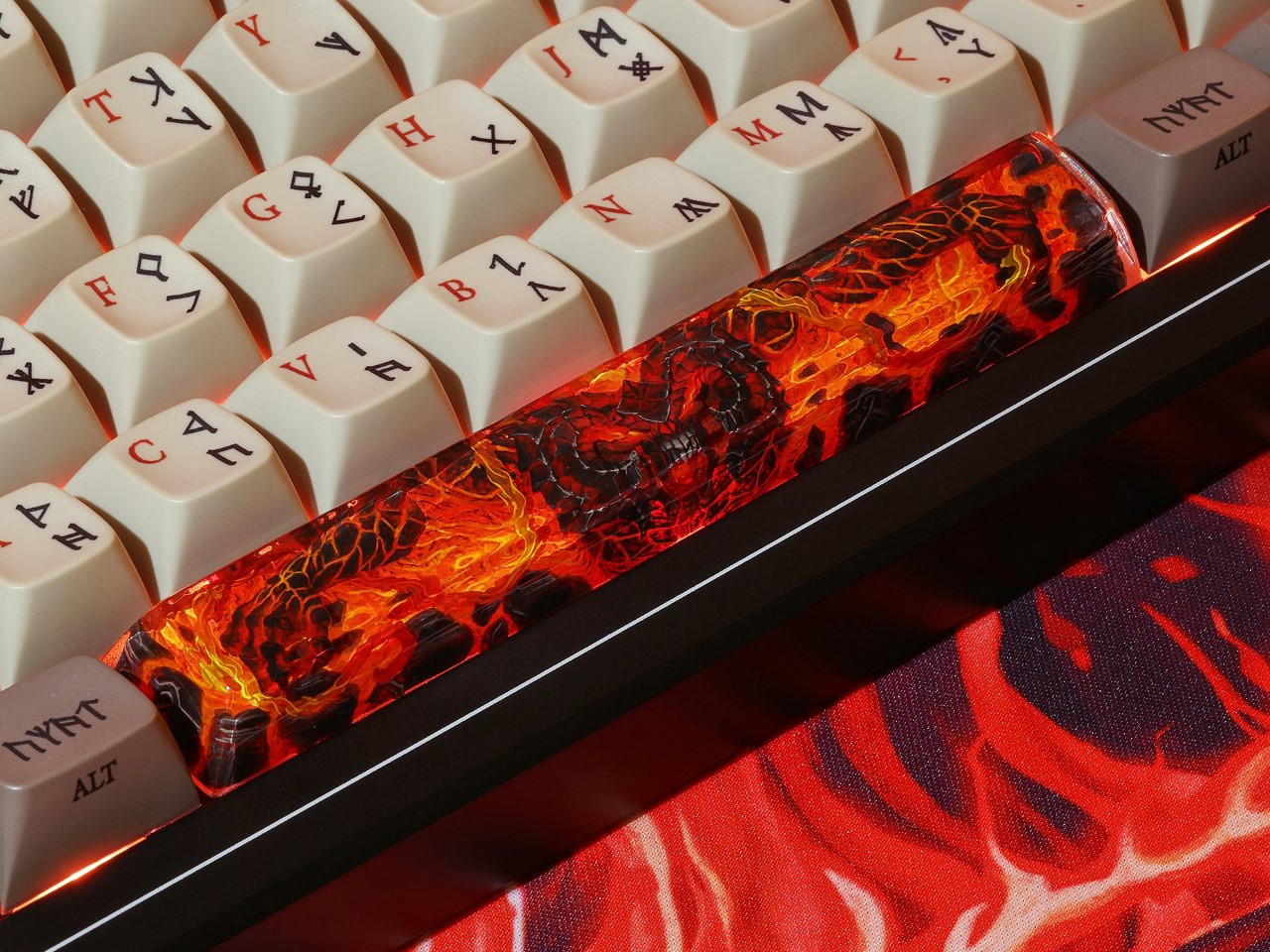
The pièce de résistance, however, is the 6.25u Balrog spacebar. A true showstopper, this spacebar turns your keyboard into a battleground between the Maiar. Unlike the 1u keycap, the spacebar offers a wider canvas, allowing for even more detail in the Balrog’s fiery design. The flames stretch across the length of the spacebar, creating a dramatic scene that feels like it’s pulled straight from the depths of Moria that comes to life with the backlight switched on. The spacebar also features subtle texturing that mimics the rugged look of stone, further emphasizing the destructive force of the Balrog. With its large profile and vivid design, this spacebar commands attention and becomes the focal point of any keyboard. And, like the other keycaps in the set, it’s compatible with Cherry MX switches, ensuring that your epic setup doesn’t sacrifice functionality for style.

The custom-made keycaps are the perfect combination of nostalgia and utility, seamlessly blending a piece of Tolkien’s world into your everyday life. Whether you’re aligning yourself with the fiery might of the Balrog or the steadfast courage of Mithrandir, these keycaps turn your keyboard into a mini piece of Middle-earth. And with their high-quality resin construction, you can trust that they’re built to last, no matter how epic your typing battles become.

Priced at $49, a notable drop from its original $65, the Balrog and Mithrandir Artisan Keycap and Spacebar set is available for pre-order now, with an estimated shipping date of February 10, 2025.

The post Custom Balrog and Gandalf Keycaps give your Mechanical Keyboard a LOTR Middle-Age facelift first appeared on Yanko Design.

How Dave Kindig’s 1953 Corvette ‘TwelveAir’ Sets a New Standard for Custom Car Design

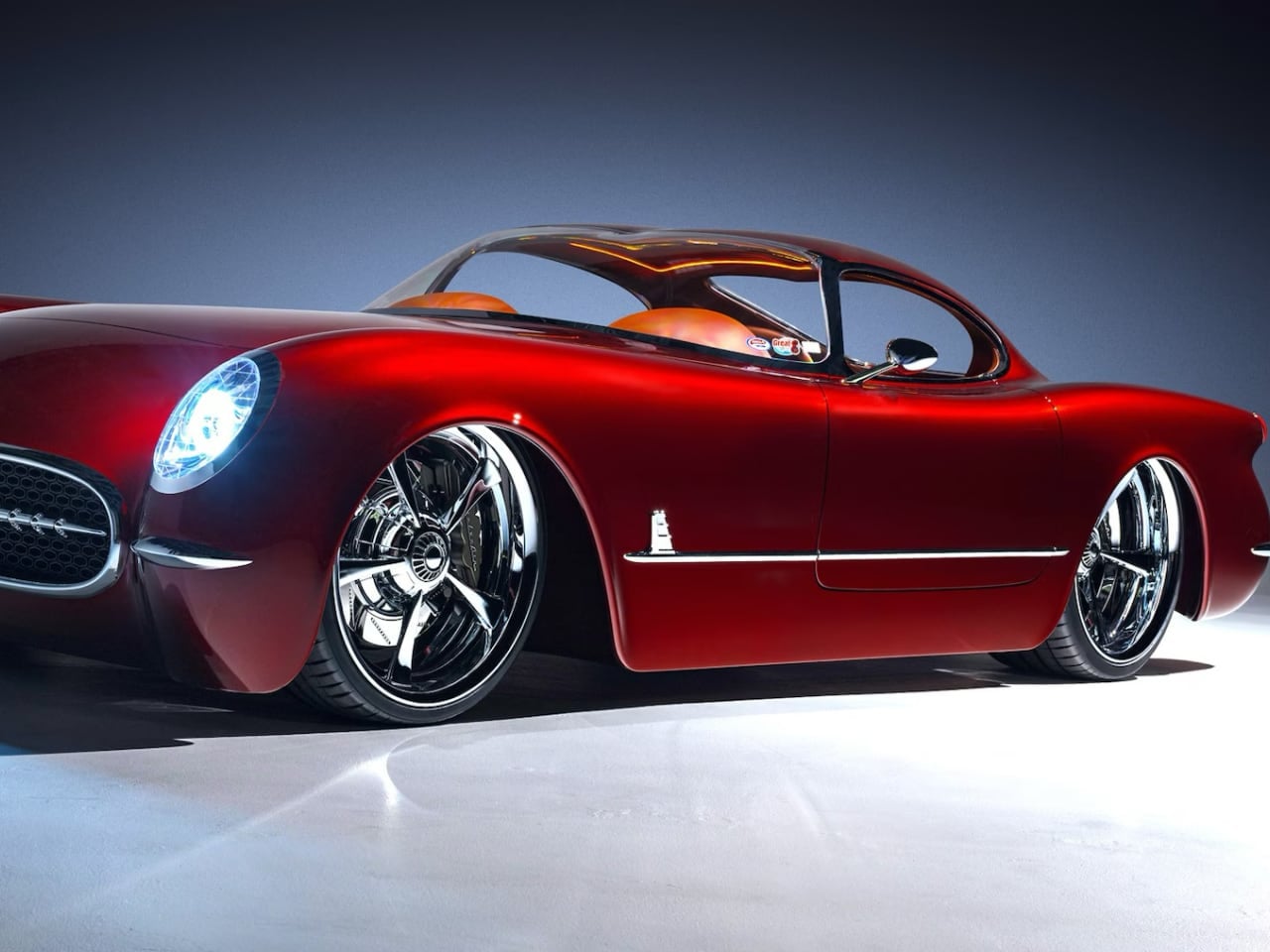
Dave Kindig and his team at Kindig-It Design have once again redefined custom car building with their latest creation, the 1953 Corvette “TwelveAir.” Recently crowned the Ridler Award winner at the 2024 Detroit Autorama, this Corvette is more than a reimagination—it’s a ground-up custom build that transforms a classic icon using modern design and cutting-edge technology. Every detail, from the engine bay to the leather-wrapped interior, reflects a perfect balance of craftsmanship and innovation.
Designer: Dave Kindig + Kindig-It Design
Starting Fresh with Every Part

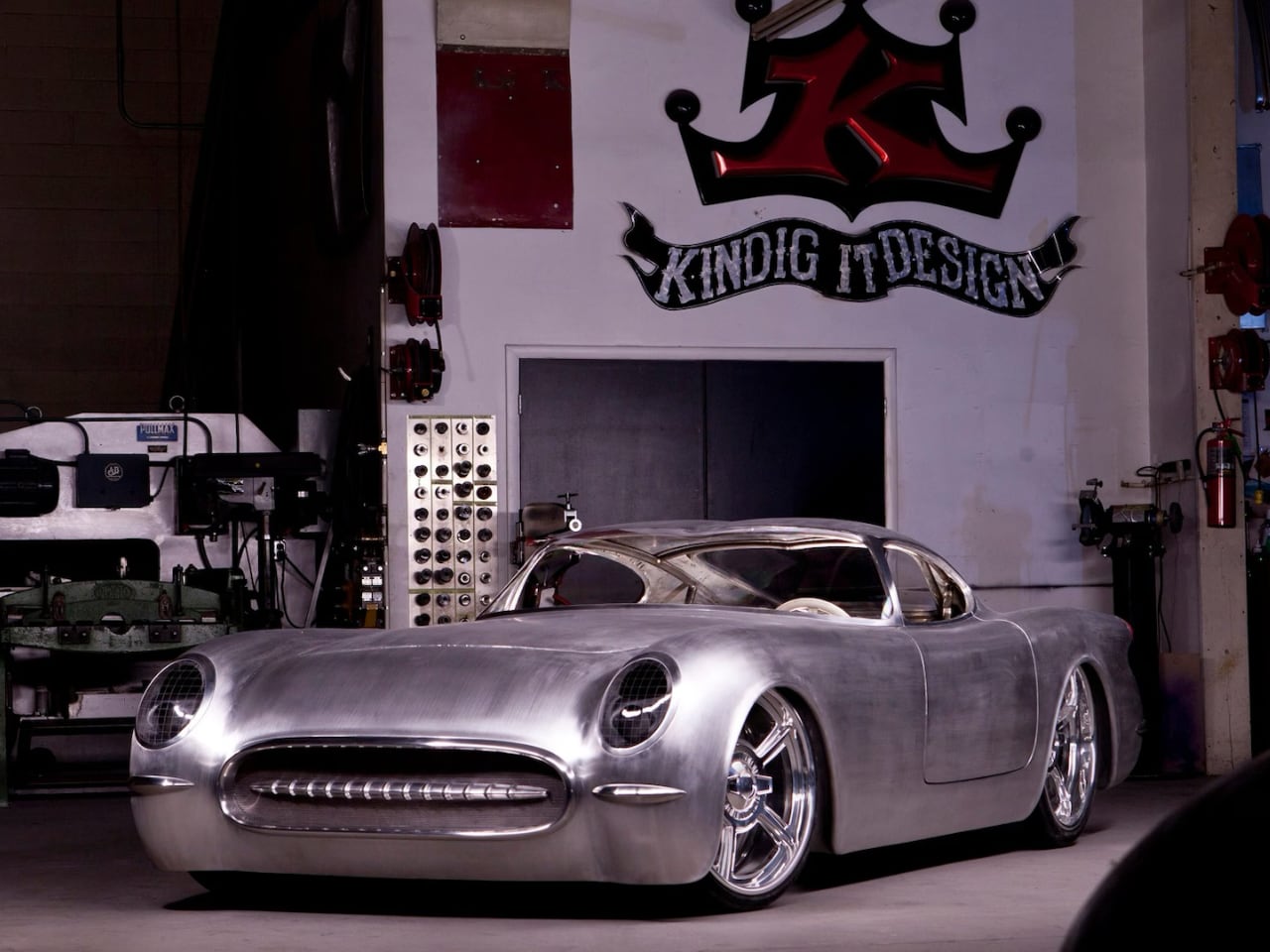
At first glance, the TwelveAir may evoke memories of the iconic 1953 Corvette, but no original parts from that car were used. Kindig’s team built every inch of this vehicle by hand or fabricated it specifically for this project. Beginning with hand-drawn sketches and quickly moving into CAD modeling, the car’s design took shape with precision and a creative vision.
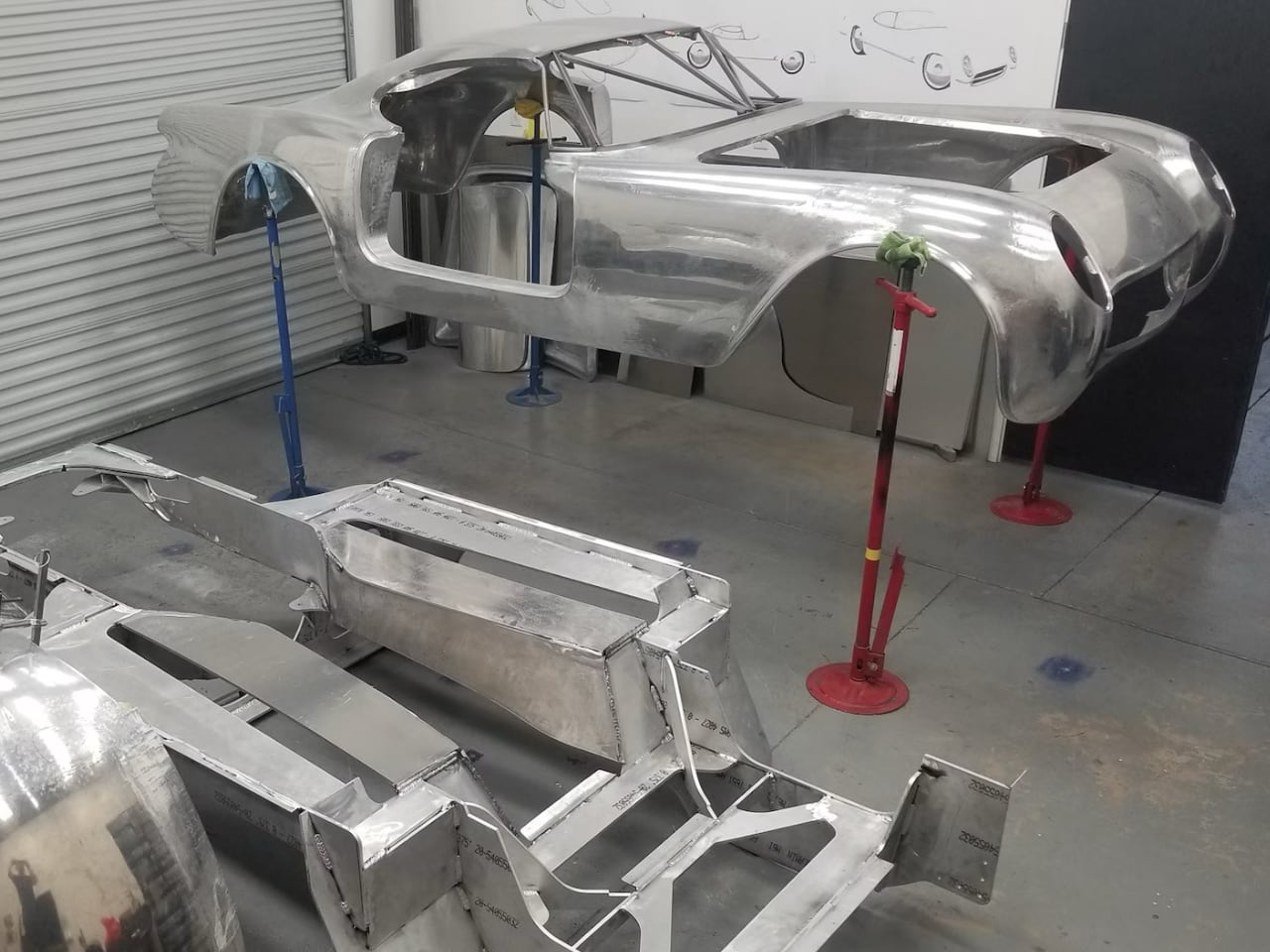
What makes this build even more remarkable is the five-year process during which Kindig’s team kept everything hidden from view. They built a special room around their CNC machines to maintain secrecy, ensuring no one saw the car before its debut at the Autorama.
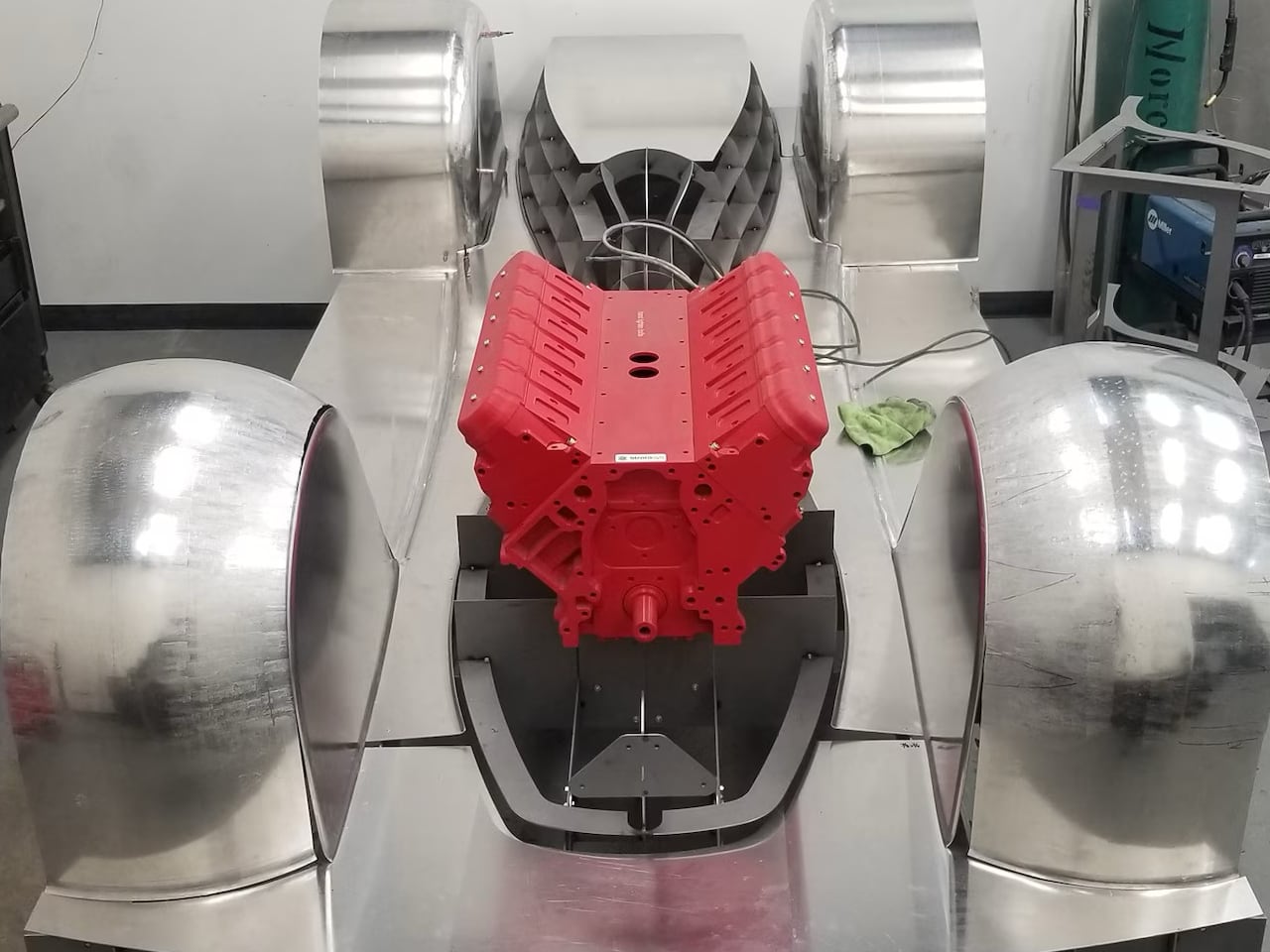
The car was constructed from scratch, including the suspension system and the engine bay—two areas where performance and design came together perfectly. The hand-formed aluminum body nods to the past, while modern tools like CAD and 3D printing allowed the team to experiment and refine every element before finalizing the build. In doing so, the TwelveAir became an utterly bespoke creation designed to push the boundaries of custom automotive engineering.

Craftsmanship Enhanced by Technology

The TwelveAir’s striking design is a product of traditional craftsmanship and technological innovation. CAD software and 3D printing allowed Kindig’s team to prototype critical parts like the engine components and suspension arms before they moved into final fabrication. These tools made testing for fit and function easier, reducing wasted materials and allowing more time to focus on the car’s performance and aesthetics.
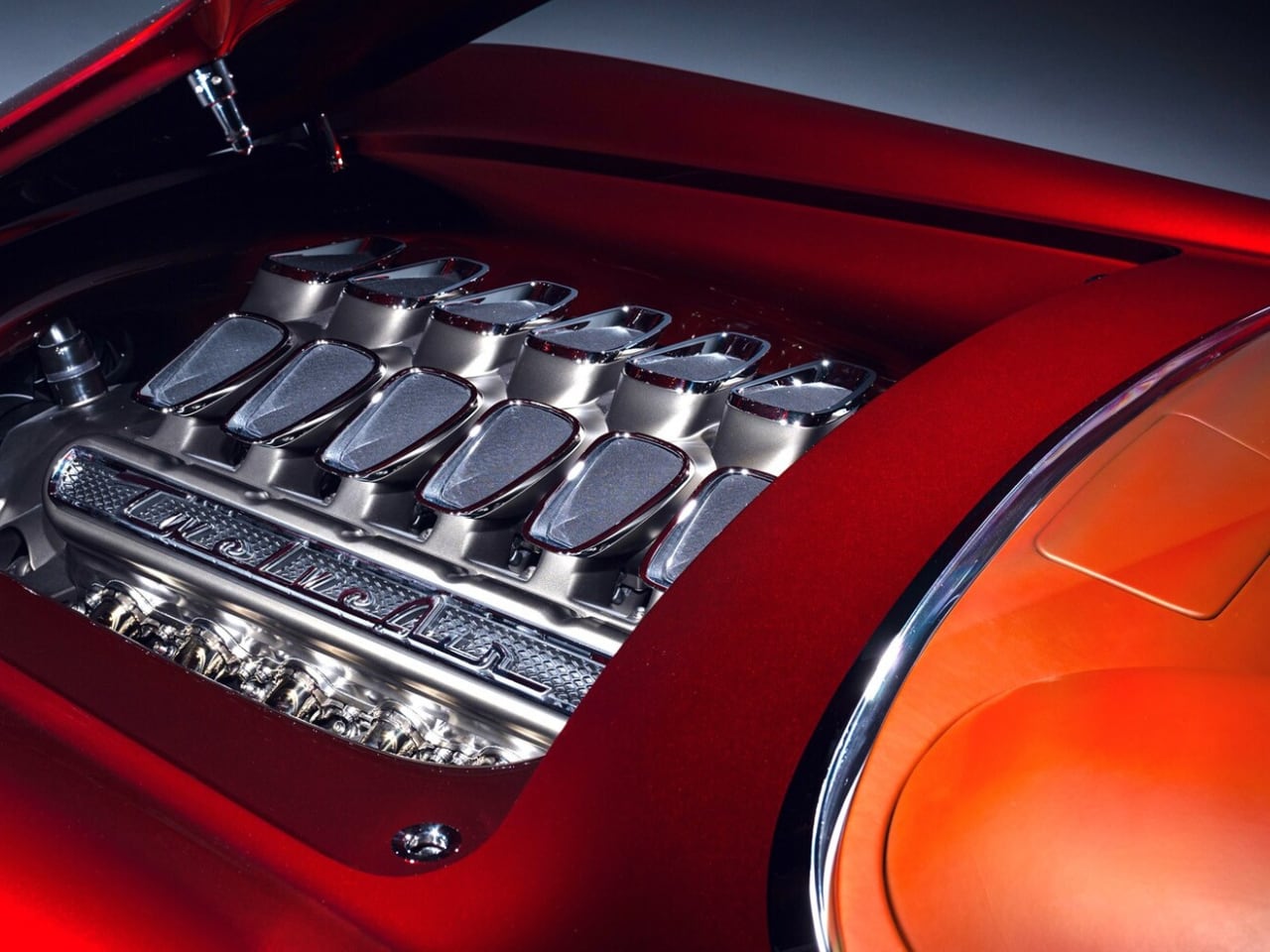
Take the engine bay, for example. The polished chrome engine covers, accented with sleek, scooped air intakes, form a visually stunning centerpiece. The engraved “TwelveAir” script on the engine block, combined with perfectly machined parts, reflects a level of precision only achievable through the blend of advanced tech and craftsmanship. The engine bay doesn’t overwhelm with excess—it strikes a balance between mechanical prowess and refined design, creating a lasting visual impact.
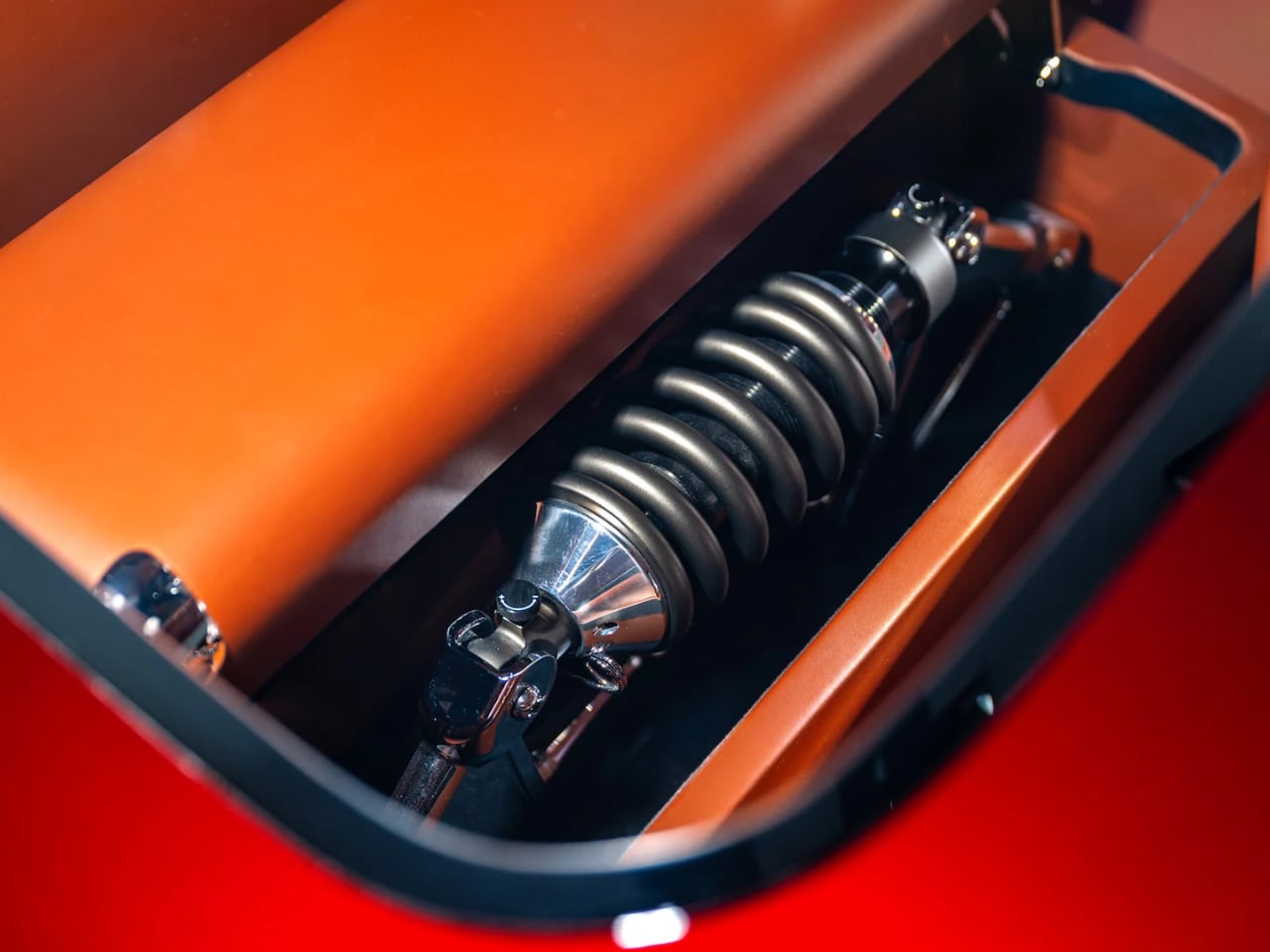
The suspension system is another perfect example of design merging with function. Inspired by the precision seen in Formula 1 and IndyCar designs, the suspension features a single horizontally mounted spring, which keeps the car’s stance low and aggressive while ensuring peak performance. The polished chrome suspension components hide beneath sleek, purpose-built panels, preserving the clean and minimal appearance while enhancing the car’s rigidity. This results in a visually appealing vehicle optimized for real-world performance.


The Art of Form and Function

The TwelveAir’s exterior grabs attention, but the engineering beneath the surface is just as impressive. Hidden within the car’s structure, the suspension system allows the bold body lines to remain uninterrupted. This design choice wasn’t merely about aesthetics—it also improves the car’s overall handling and strength, making it capable of harnessing the 650-horsepower V-12 engine.
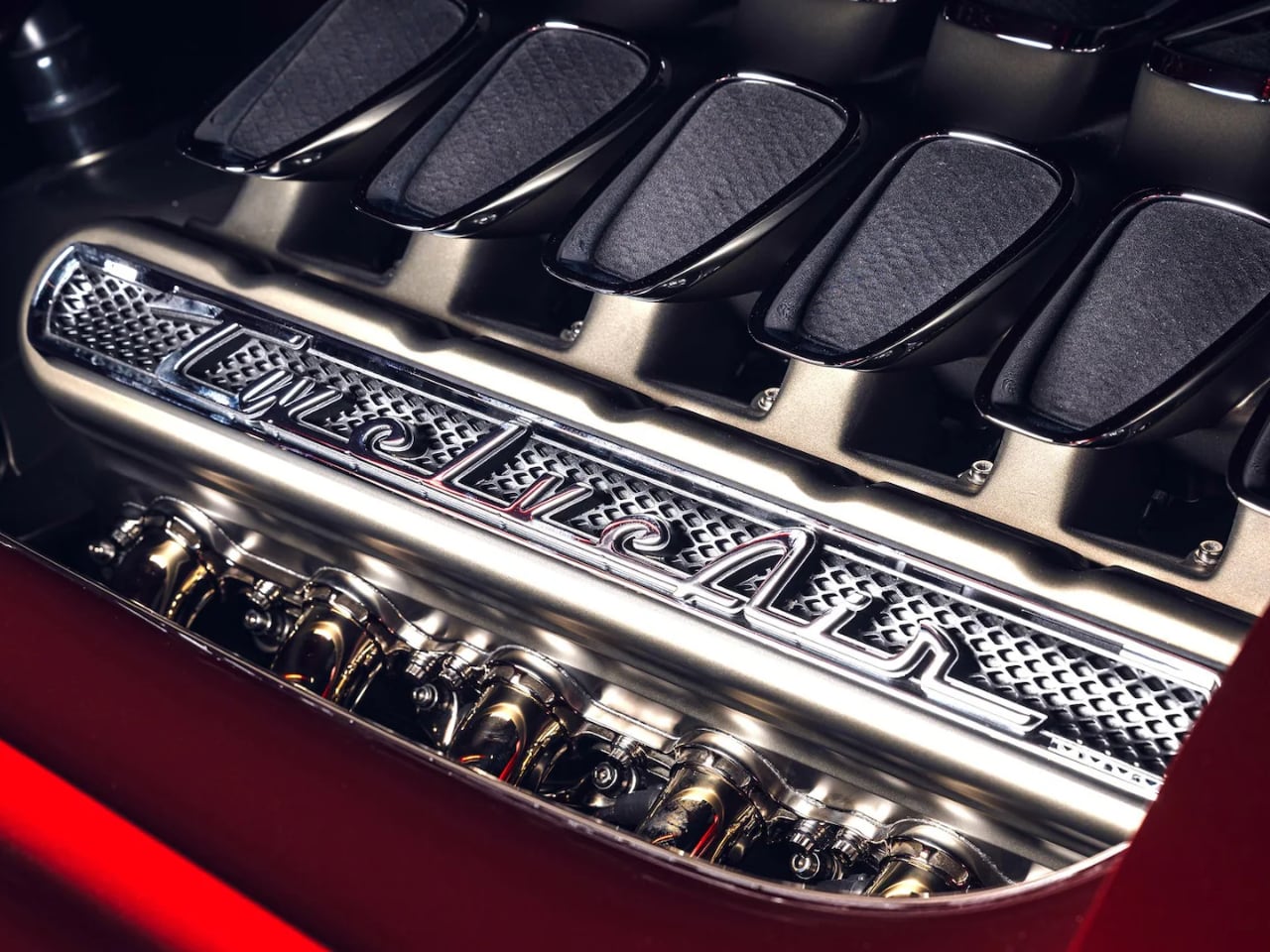
Speaking of the engine, it’s a V-12 LS-based powerhouse sourced from Race Cast Engineering. With 650 horsepower, it’s more than capable of delivering high performance, especially given the car’s lightweight aluminum body. What’s remarkable is how the engine’s visual presence complements the entire design. The sleek covers and exposed components don’t dominate the build but instead, harmonize with the car’s overall aesthetic. The “TwelveAir” logo engraved on the engine block acts as a subtle but effective nod to the car’s bespoke nature.

Each element in the car works in concert. The balance of performance and aesthetics is key. Everything from the engine placement to the suspension components reinforces this philosophy, ensuring the car goes beyond being a showpiece—this is a fully functional, high-performance machine.

A Luxury-Driven Interior

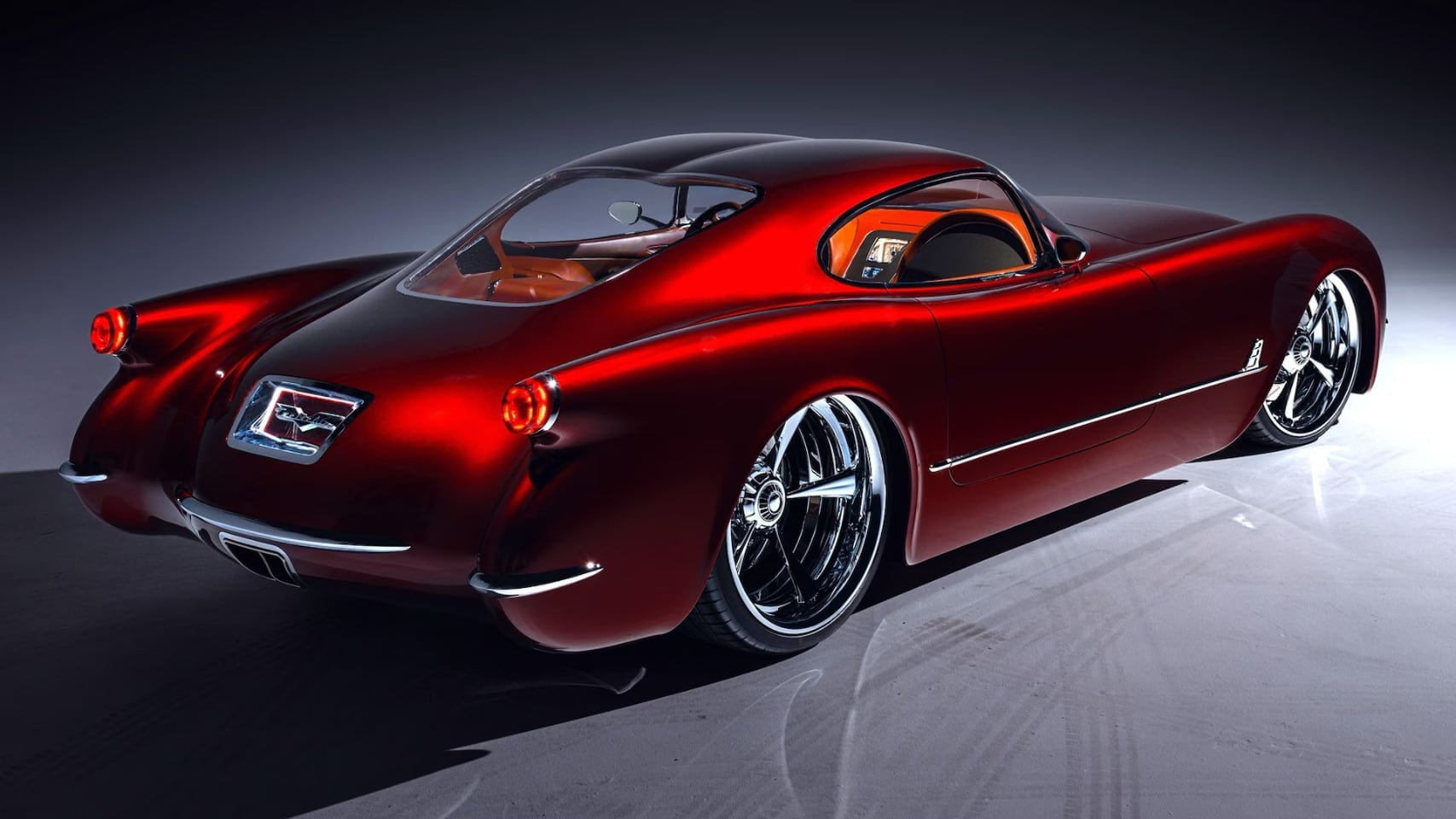
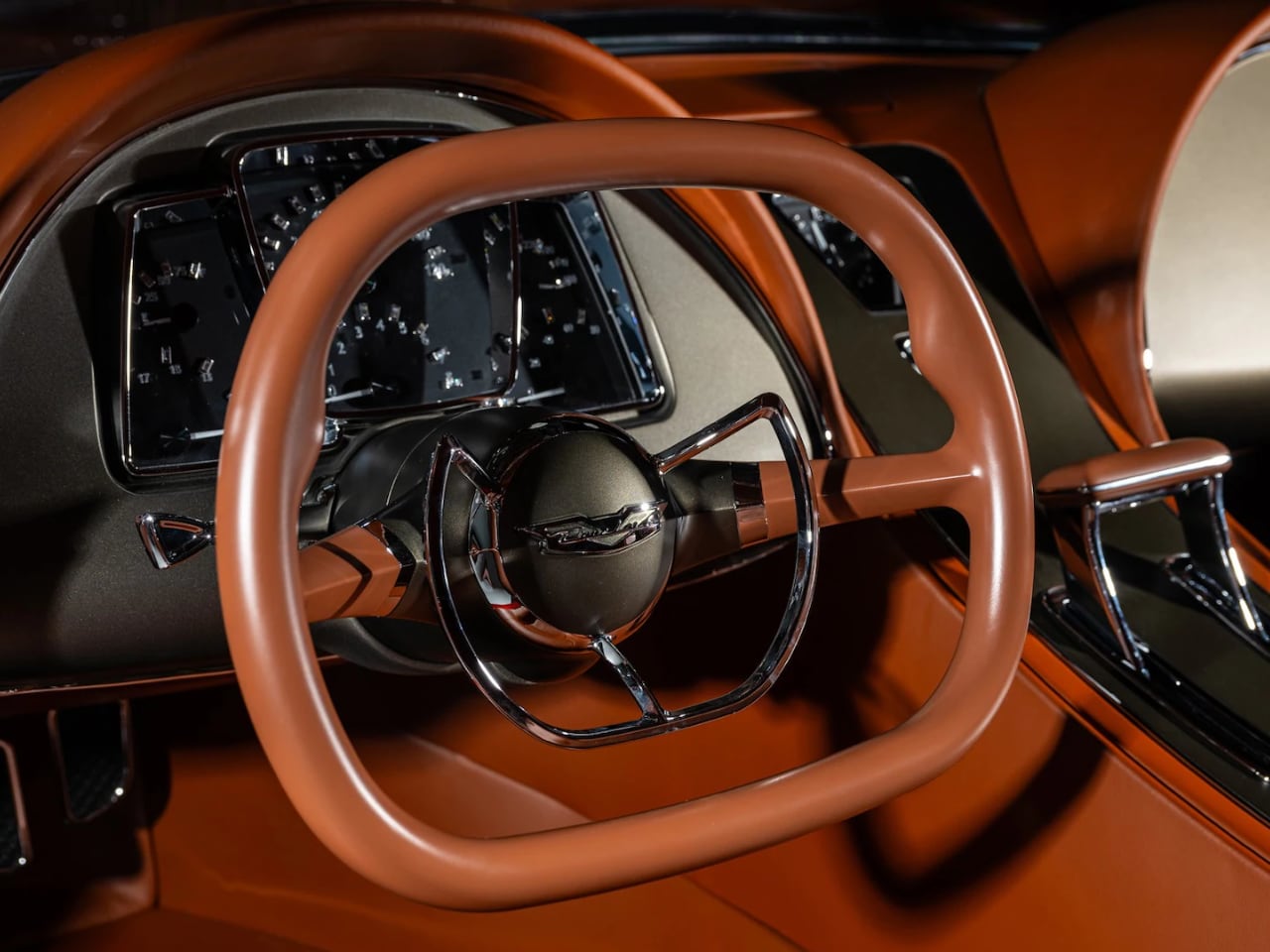
Inside the TwelveAir, the attention to detail is even more apparent. The interior, wrapped in rich sienna-colored leather, exudes sophistication and craftsmanship. The thin-spoked steering wheel, accented by chrome, offers a perfect blend of retro influence and modern design. The dashboard maintains a clean, minimalistic layout with smooth curves, polished metal finishes, and understated dials that don’t distract from the car’s interior flow.
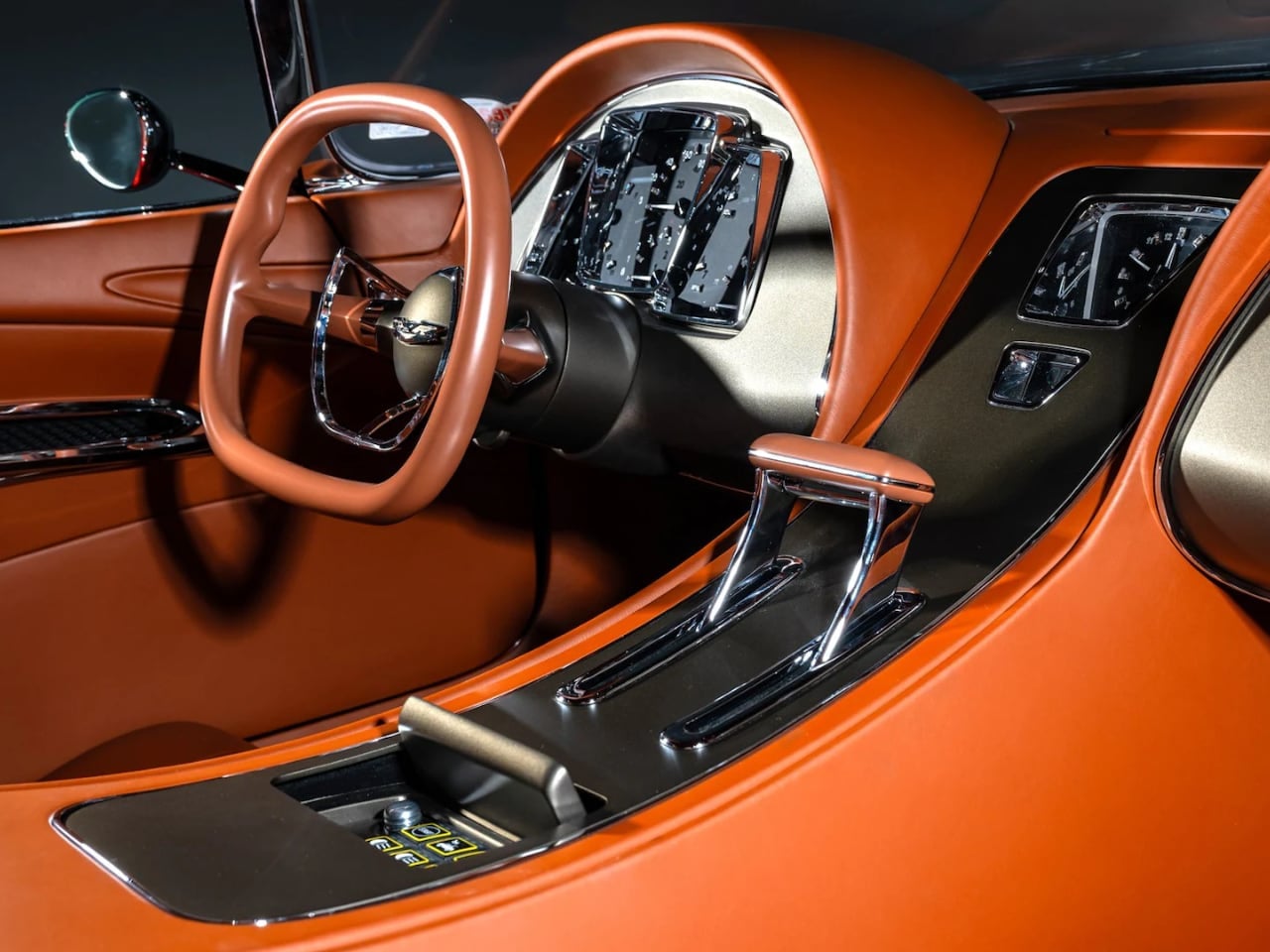
The chrome accents, carefully placed throughout the cabin, contrast beautifully with the soft leather, creating a tactile sense of luxury without overwhelming the senses. The balance between warmth and sharpness in the materials elevates the car’s design, making the interior feel futuristic and timeless.

The console and gear lever are simple, elegant, and integrated seamlessly into the overall design. Chrome touches along the gear shift area provide a subtle yet striking contrast against the leather. Every aspect of the interior has been designed with precision and thought, ensuring that form doesn’t overtake function.
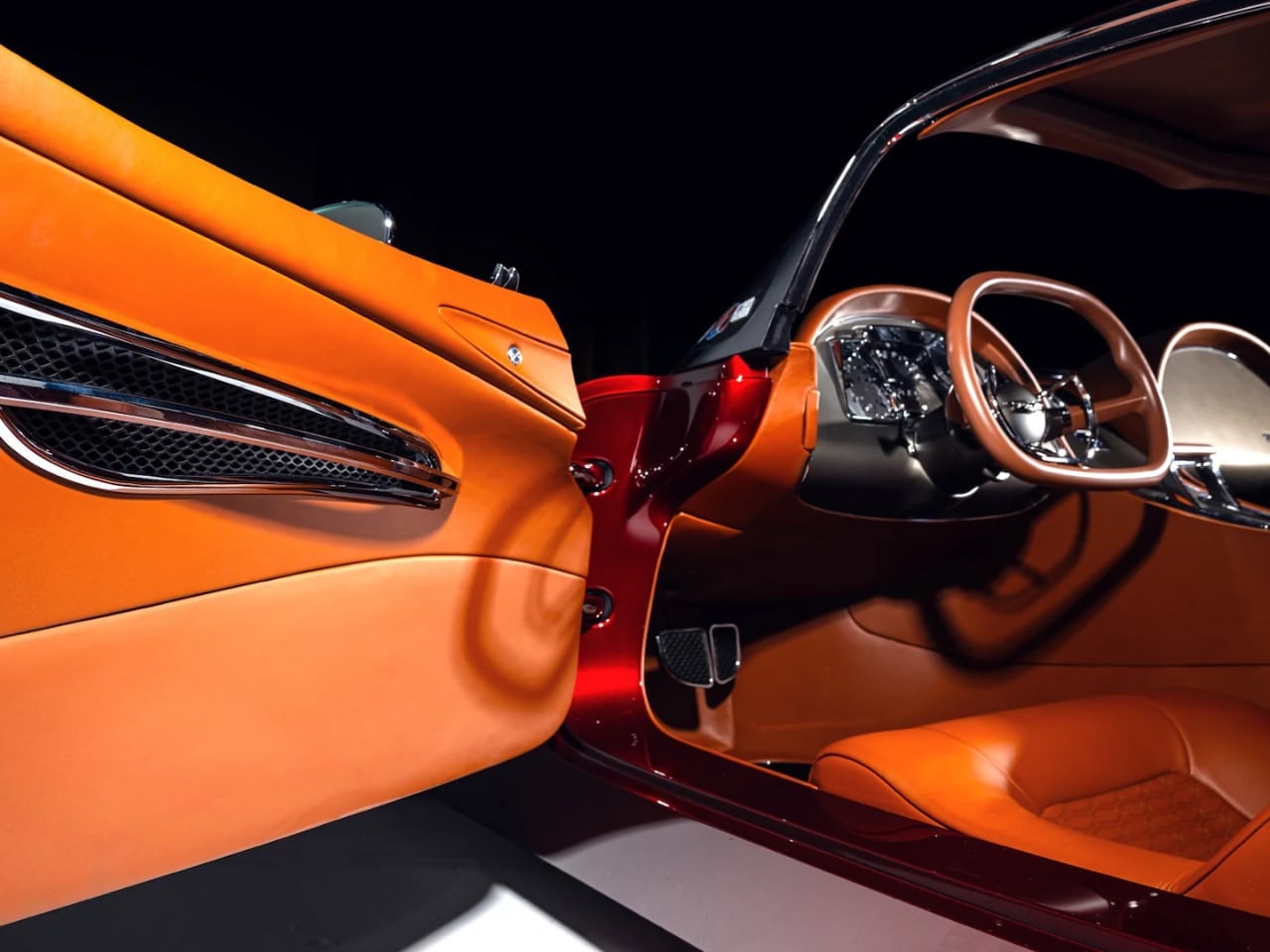
The door panels, with smooth orange leather seamlessly flowing from the exterior, showcase how carefully the designers considered every transition in the car. Even the most minor details, like the chrome trim on the door, are purposeful and consistent with the overall aesthetic. Everything from the color choices to the material feels bespoke and intentionally crafted.
A Bold Color Palette

One of TwelveAir’s most striking features is its bold use of color. The deep metallic red of the exterior grabs attention instantly. The rich and reflective paint enhances the car’s dramatic shape, creating a sense of movement even when the car is stationary. Chrome accents break up the color, providing sharp contrasts that highlight the body’s sleek lines.

The interior’s orange leather feels both bold and luxurious. Its warmth contrasts sharply with the deep red exterior, creating a cohesive visual experience that flows naturally from outside to inside. The orange, rather than being overpowering, complements the modern design language, while the chrome details and high-polished finishes add refinement.

Pushing Custom Car Design Forward

Dave Kindig’s 1953 Corvette “TwelveAir” represents a new level of what’s possible in custom car design. By integrating traditional craftsmanship with modern technology, Kindig has created a car that transforms the classic Corvette into something forward-thinking. Every inch of the TwelveAir reflects thoughtful design, precise engineering, and attention to detail that few custom builds achieve.
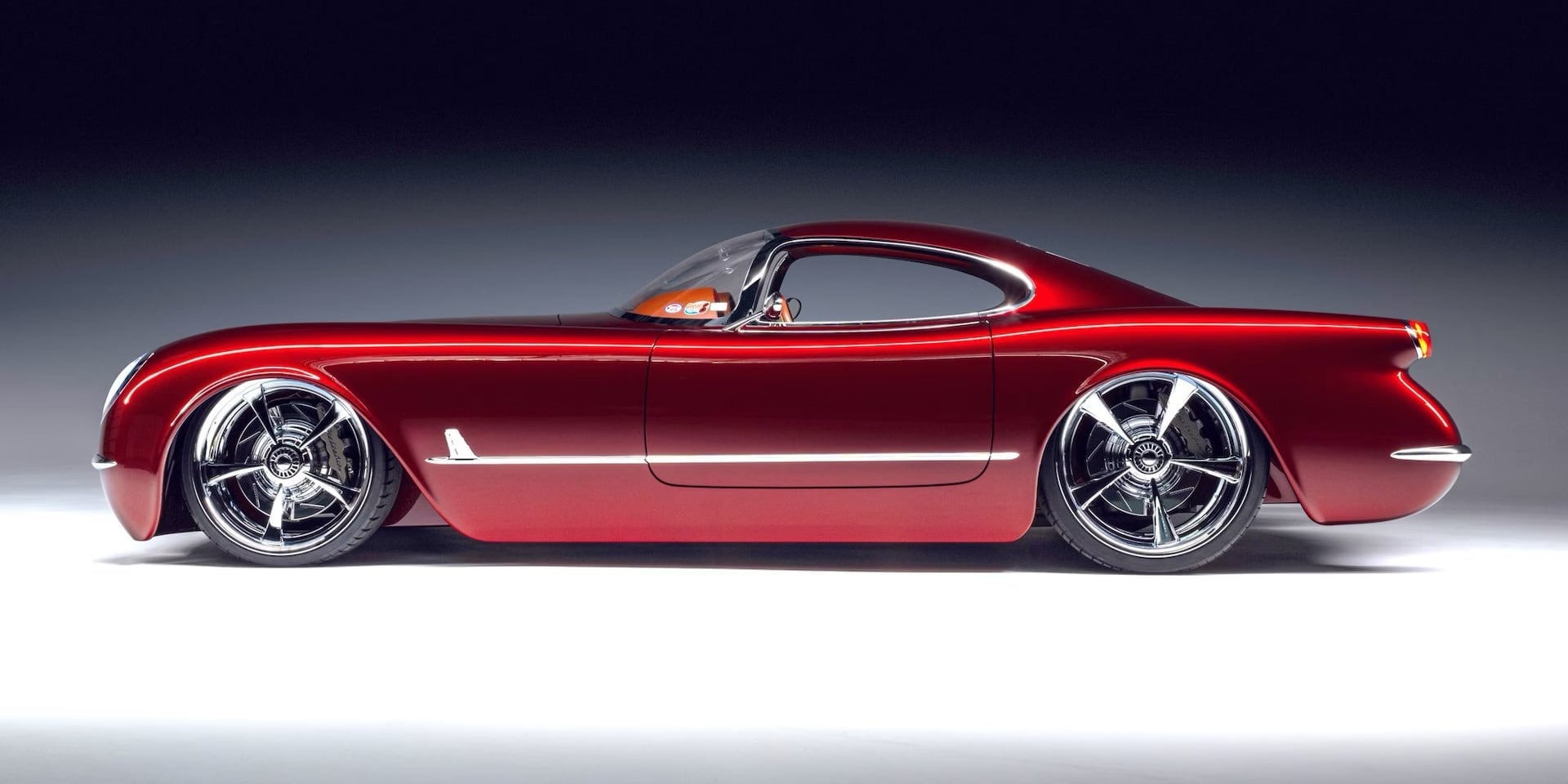
This car is a complete transformation, built from the ground up. Using tools like CAD modeling and 3D printing alongside traditional hand-forming techniques, Kindig shows how the future of custom cars blends artistry and technology. The TwelveAir sets a new standard for Corvettes and the entire custom car industry, perfectly balancing function and design.
With the TwelveAir, Kindig has crafted a vision of the future of automotive design. It’s a bold, beautiful, and groundbreaking example of what’s possible when you refuse to be limited by tradition.

The post How Dave Kindig’s 1953 Corvette ‘TwelveAir’ Sets a New Standard for Custom Car Design first appeared on Yanko Design.