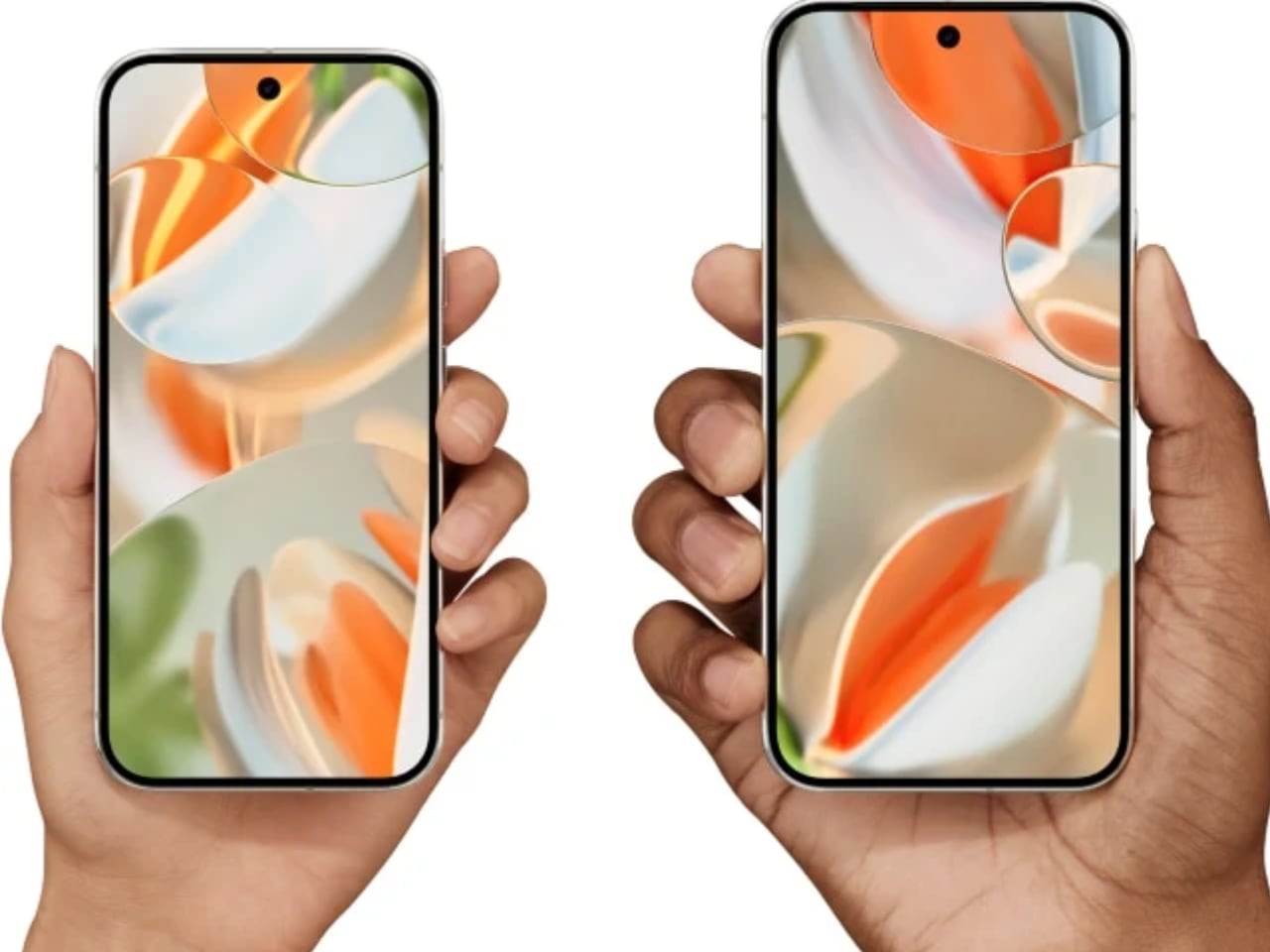
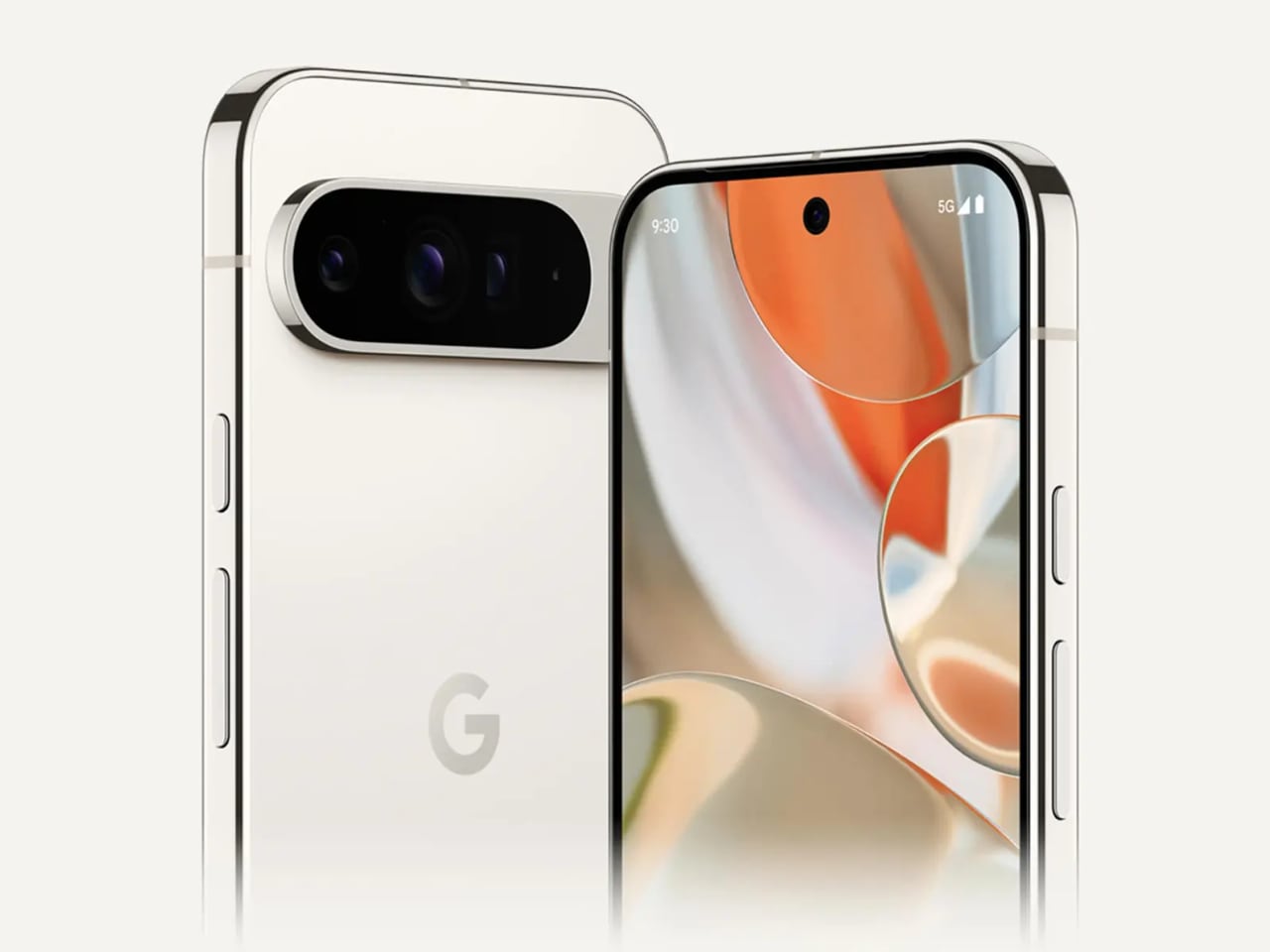
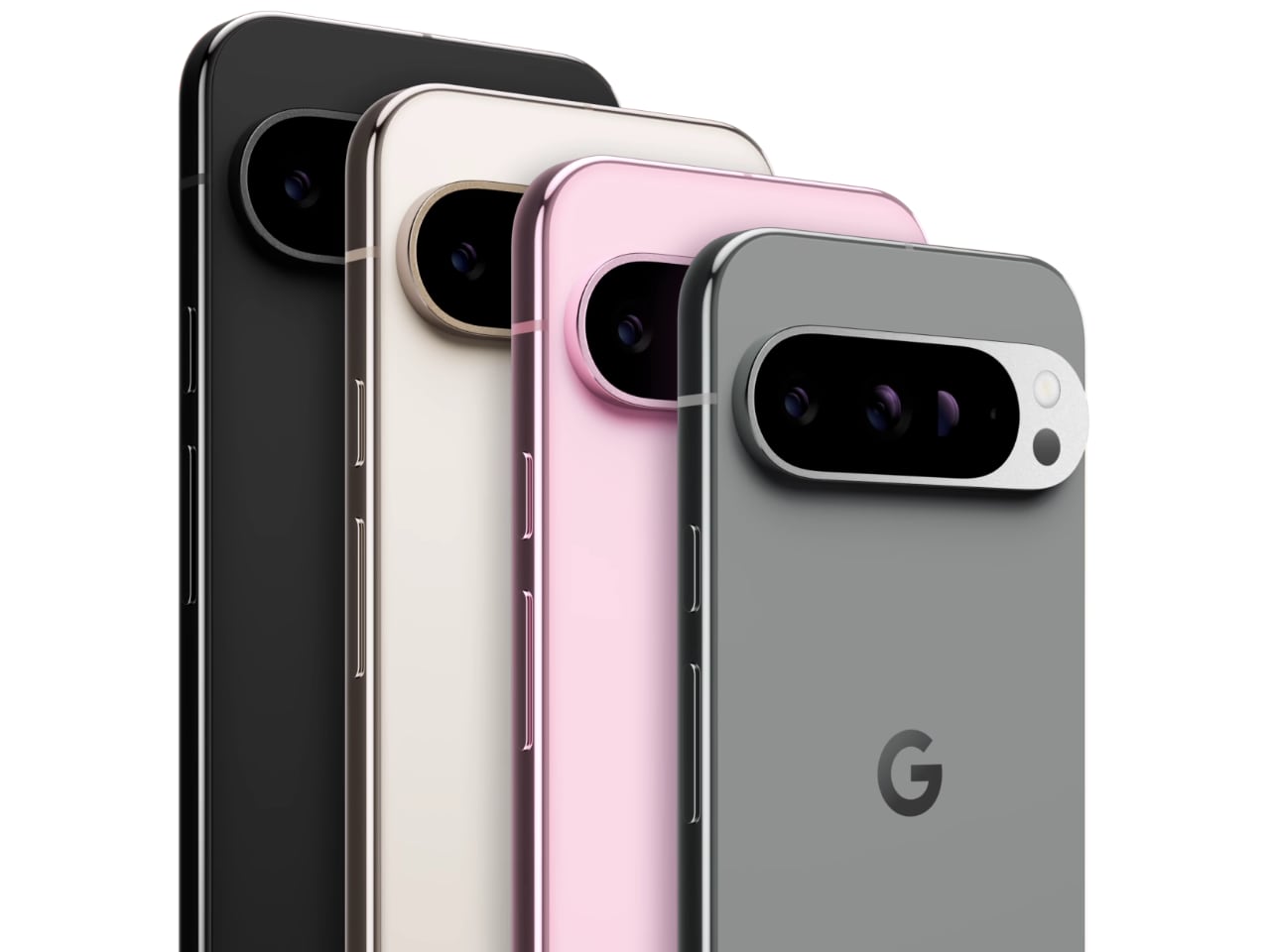
Google has unveiled the Pixel 9 Pro and Pixel 9 Pro XL, highlighting advanced AI capabilities, cutting-edge camera systems, and vibrant displays. Powered by the Tensor G4 chip, these devices offer improved performance and functionality. Built with durability and sustainability in mind, they feature recycled materials and plastic-free packaging.
Designer: Google
The Pixel 9 series is powered by the new Tensor G4 chip, which brings advanced AI capabilities to the forefront. With Gemini Nano’s Multimodality, the phones can effortlessly understand text, images, and audio, providing a more seamless AI experience. One of the standout features is Gemini Live, which lets you have natural, flowing conversations with your phone or Pixel Buds, perfect for planning events or brainstorming ideas. Plus, handy tools like Pixel Screenshots help you keep track of important information, and the improved Pixel Weather app delivers accurate, AI-powered weather updates to help you plan your day.
Design and Display
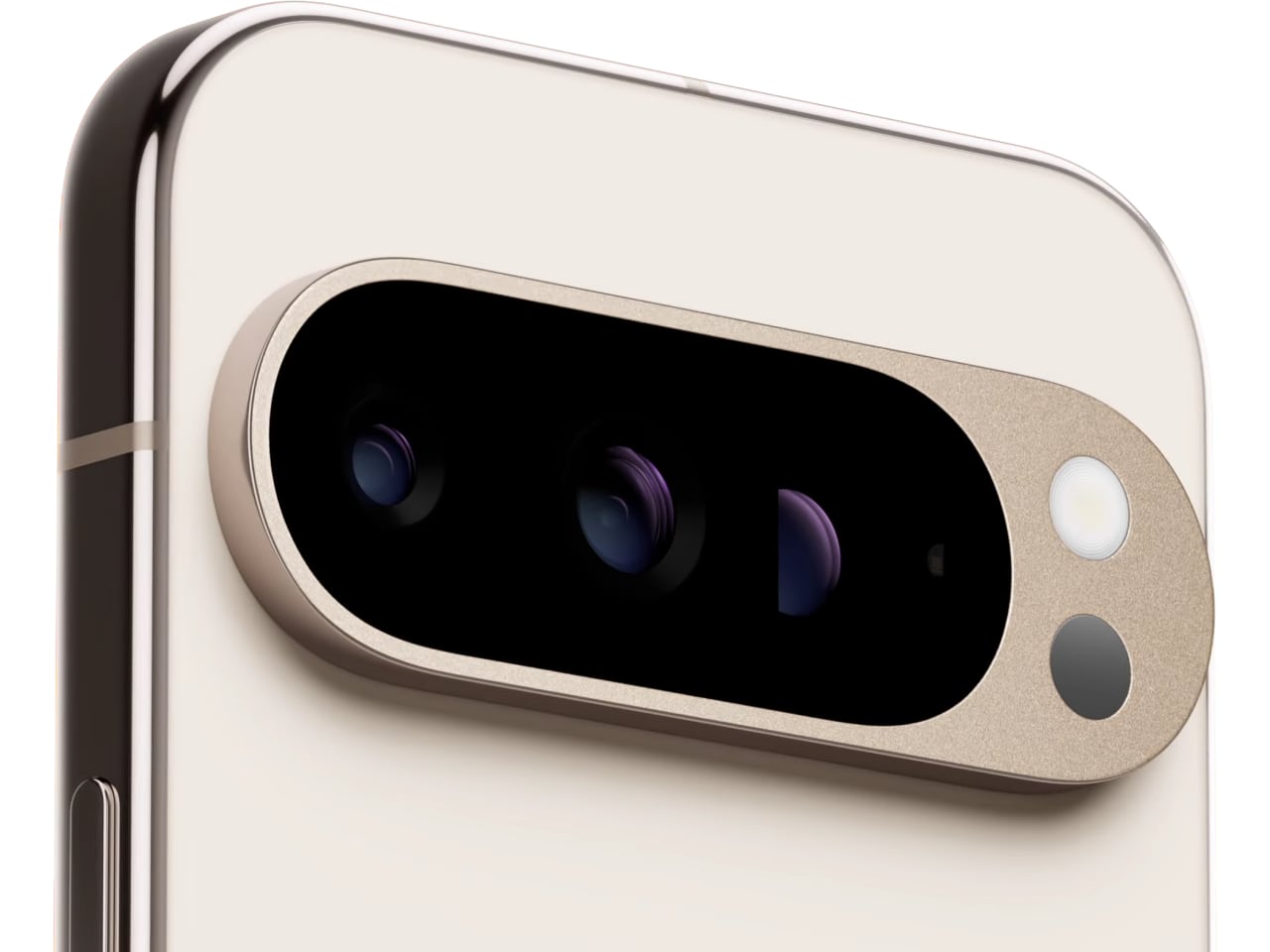
The Pixel 9 Pro and Pixel 9 Pro XL feature a sleek, sculpted design with the iconic camera bar taking center stage. Both phones are crafted with a silky matte glass back and polished metal sides, offering a premium feel. The Pixel 9 Pro, with its 6.3-inch Super Actua display, measures 6 inches in height (152.4 mm), 2.8 inches in width (71.12 mm), and 0.3 inches in thickness (7.62 mm), and weighs 7 ounces (198.4 grams). It’s compact yet powerful. Meanwhile, the Pixel 9 Pro XL offers a larger 6.8-inch Super Actua display, measuring 6.4 inches in height (162.56 mm), 3 inches in width (76.2 mm), and 0.3 inches in thickness (7.62 mm), with a weight of 7.8 ounces (221.1 grams), providing a bigger screen for those who prefer more display real estate.
The displays are some of the brightest and most vivid in their class. The Pixel 9 Pro boasts a 6.3-inch LTPO OLED display with a resolution of 1280 x 2856 pixels and 495 PPI, capable of reaching up to 2000 nits in HDR and 3000 nits peak brightness. The Pixel 9 Pro XL features a 6.8-inch LTPO OLED display with a resolution of 1344 x 2992 pixels and 486 PPI, offering the same brightness capabilities. Both displays support a smooth refresh rate of 1-120Hz and feature Corning Gorilla Glass Victus 2 for enhanced durability.
Performance and Battery
The Google Tensor G4 chip powers both models, which were developed in collaboration with Google DeepMind. This processor is optimized for running advanced AI models, enabling faster app launches, seamless browsing, and enhanced AI-driven features. The Pixel 9 Pro and Pixel 9 Pro XL come with 16 GB of RAM and storage options ranging from 128 GB to 1 TB, ensuring ample space for all your needs.
Battery life is robust. The Pixel 9 Pro houses a typical 4700 mAh battery, providing over 24 hours of usage and up to 100 hours with Extreme Battery Saver mode. The Pixel 9 Pro XL, with its larger 5060 mAh battery, offers similar endurance. Both models support fast charging, achieving up to 55% and 70% charge, respectively, in about 30 minutes using the Google 45W USB-C charger, sold separately. Wireless charging and Battery Share features add further convenience.
Camera Capabilities
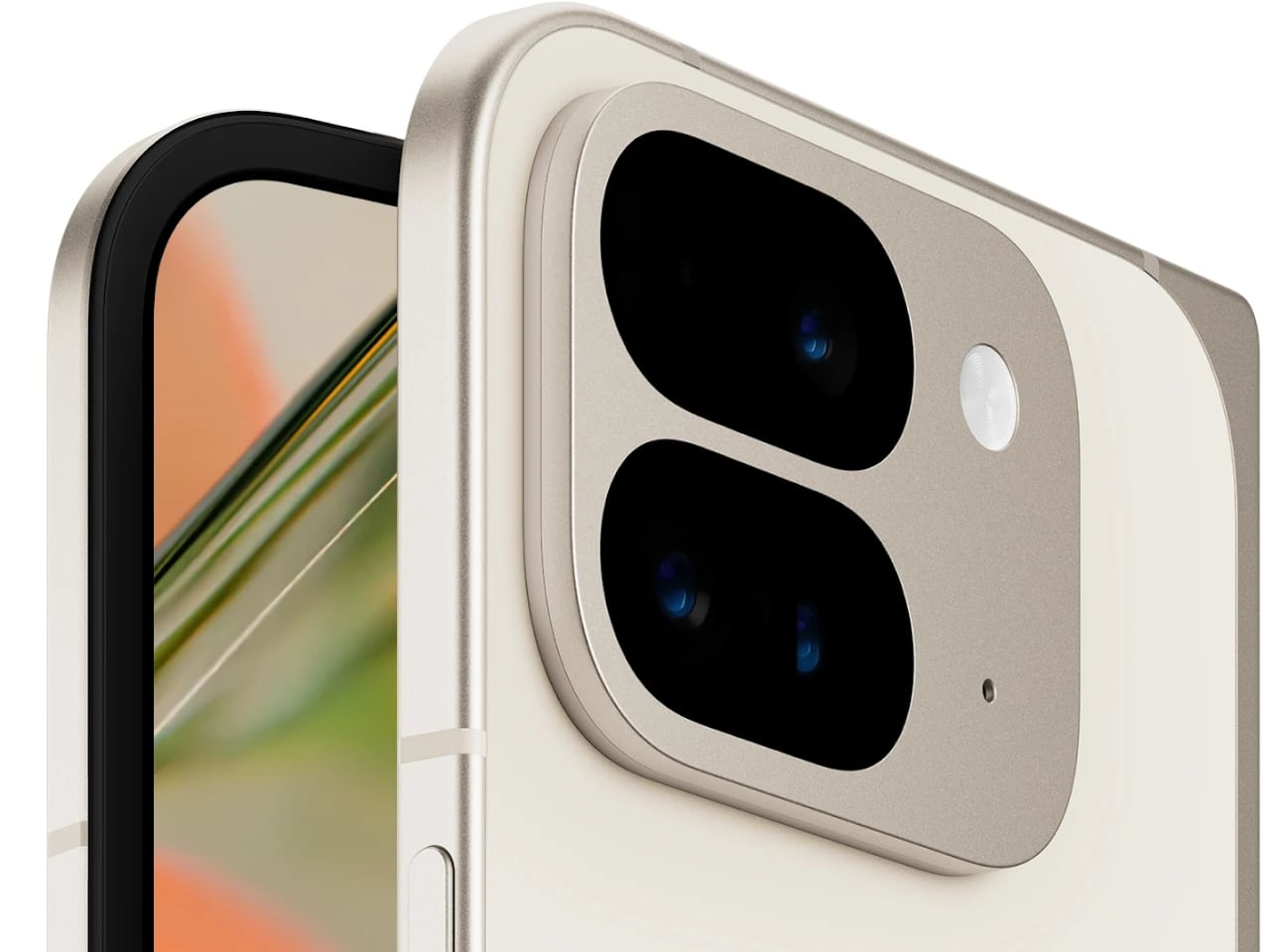
The Pixel 9 Pro and Pixel 9 Pro XL share a pro triple rear camera system that sets a new standard for smartphone photography. The setup includes a 50 MP wide camera with an ƒ/1.68 aperture, a 48 MP ultrawide camera with Macro Focus, and a 48 MP telephoto lens offering 5x optical zoom and up to 30x Super Res Zoom. These cameras are equipped with advanced features like optical and electronic image stabilization, a multi-zone LDAF sensor, and a spectral and flicker sensor to ensure crisp and clear images in any condition.
Cameras: 50 MP wide with ƒ/1.68 aperture, a 48 MP ultrawide with Macro Focus, and a 48 MP telephoto lens with 5x optical zoom and up to 30x Super Res Zoom
The front camera is a 42 MP Dual PD selfie camera with an ƒ/2.2 aperture and a 103-degree ultrawide field of view, designed for sharper and brighter selfies, even in low light.
Video capabilities are equally impressive, with the rear camera capable of 8K video recording at 30 FPS, powered by Video Boost, and 4K video recording at up to 60 FPS. The front camera supports 4K video at 30/60 FPS. Features like Night Sight Video, Super Res Zoom Video, and various stabilization options ensure high-quality video capture.
Pixel Studio is a unique feature that allows users to create images from scratch on their phone, powered by a diffusion model and the Imagen 3 text-to-image model. The camera system includes advanced features like Add Me, which ensures no one is left out of group photos, and Magic Editor’s Reimagine and Auto Frame tools for enhanced editing capabilities.
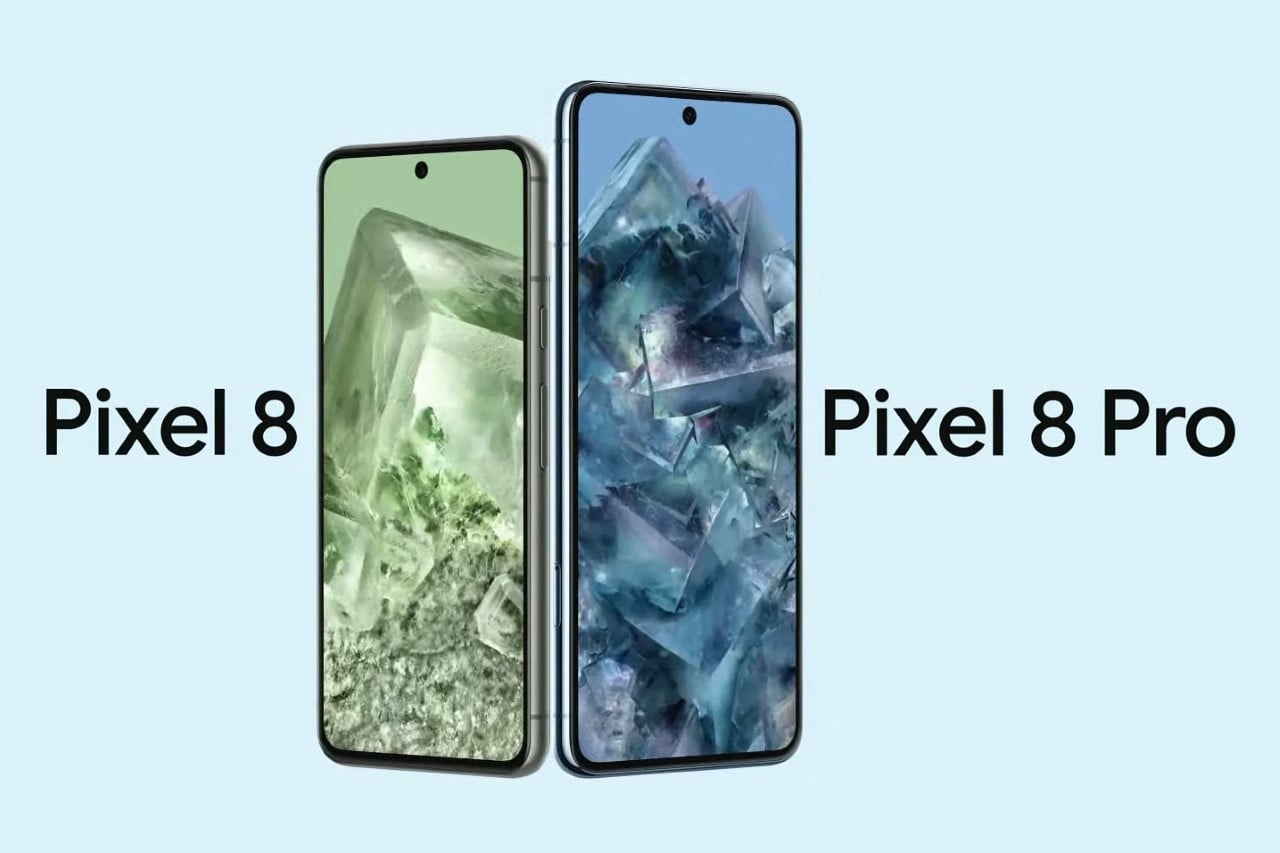
Comparison with Pixel 8 Pro and Pixel 8 Pro XL
The improvements are clear when comparing the Pixel 9 Pro and Pixel 9 Pro XL to the Pixel 8 Pro and Pixel 8 Pro XL. The Pixel 9 series offers a brighter and more vibrant display, enhanced by Super Actua technology, with significant camera resolution and feature upgrades. The new Tensor G4 chip provides faster and more efficient processing compared to the previous generation Tensor G3 chip.
In terms of design, the Pixel 9 series adopts a more refined and durable build, featuring Gorilla Glass Victus 2 and increased use of recycled materials. The battery life has also seen improvements, offering longer usage times with faster charging capabilities.
Overall, the Pixel 9 Pro and Pixel 9 Pro XL present a significant step forward, offering users a powerful, feature-rich smartphone experience. These enhancements make the new Pixel 9 series a compelling choice for those seeking cutting-edge technology with a focus on sustainability and performance. With prices starting at $999 for the Pixel 9 Pro and $1,099 for the Pixel 9 Pro XL, both models provide a range of options to suit different preferences and needs.
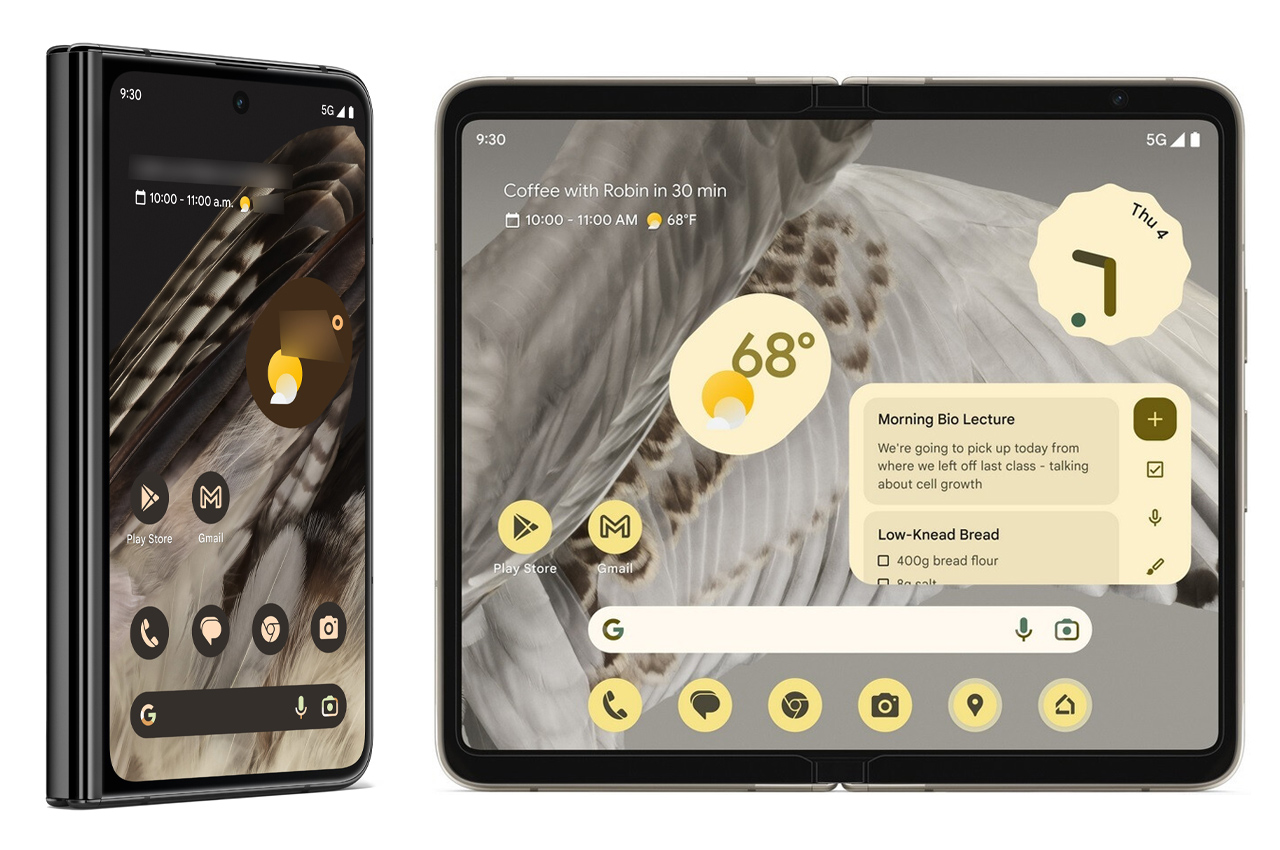
Google has unveiled the Pixel 9 Pro Fold, a device that combines the functionality of a high-performance smartphone with the expansive capabilities of a tablet. This new addition to the Pixel family sets a new standard for versatility in mobile devices.
Designer: Google
Pixel 9 Pro Fold: 8-inch (204 mm) Super Actua Flex display (LTPO) and 2076 x 2152 OLED at 373 PPI
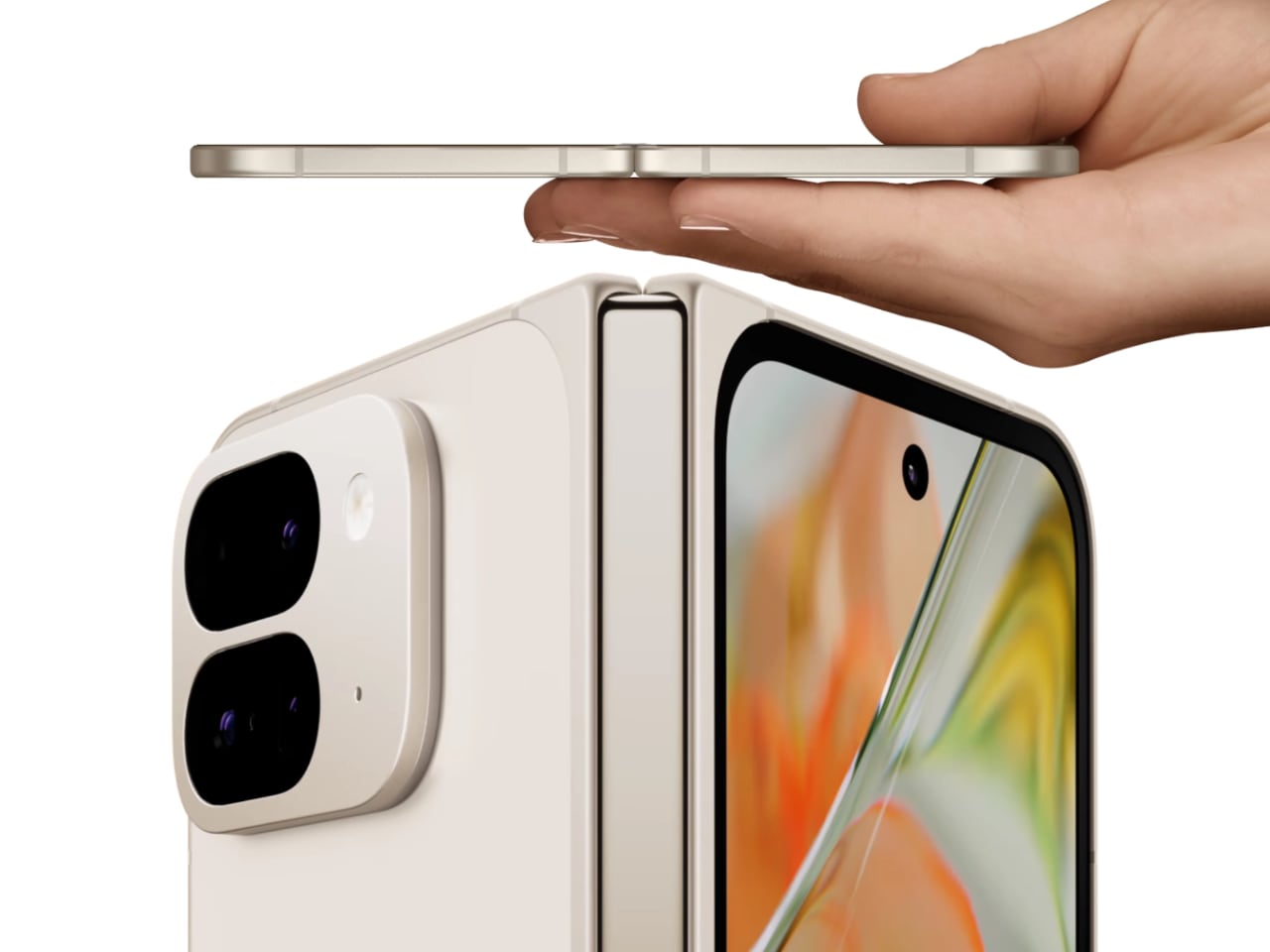
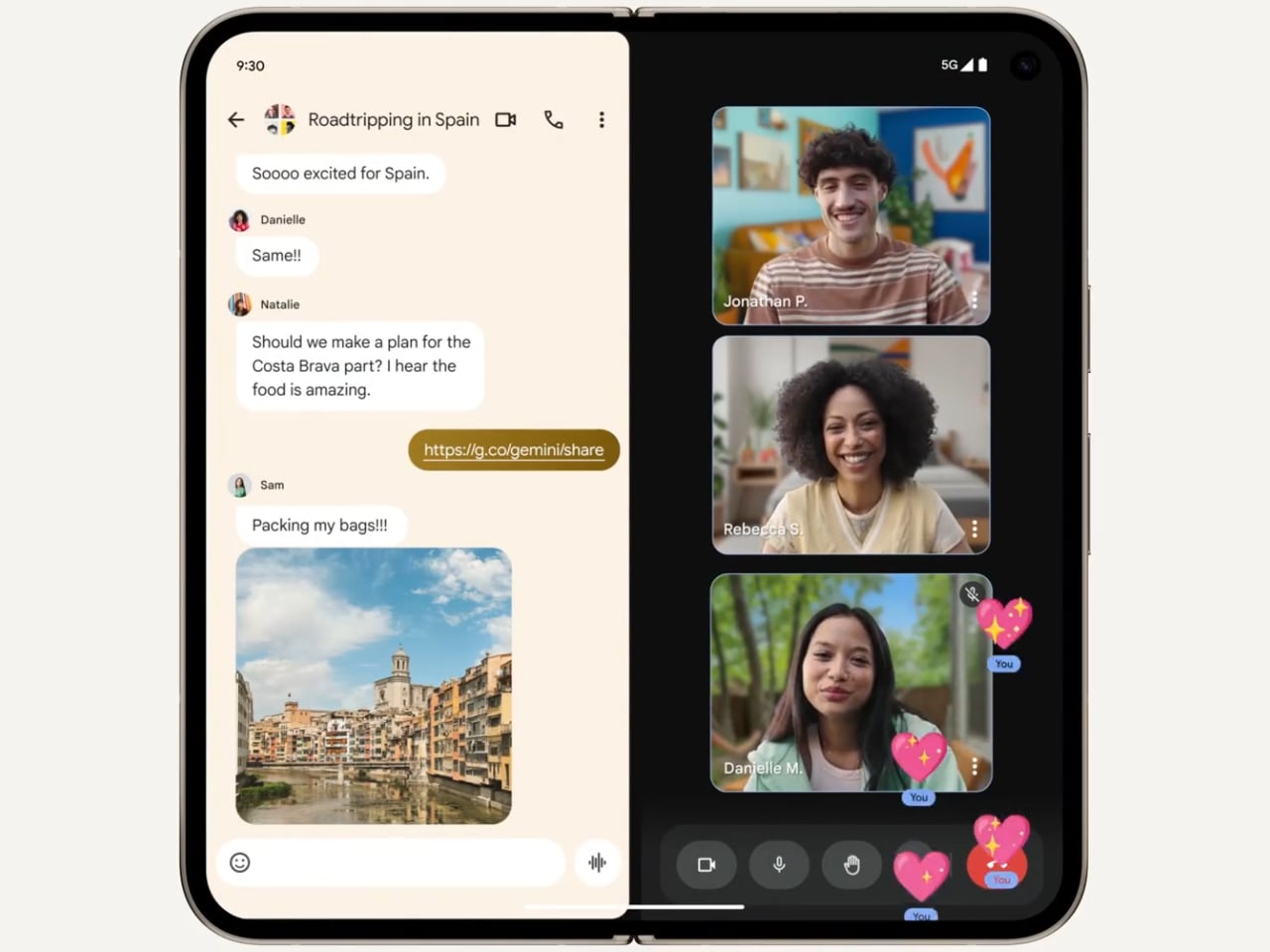
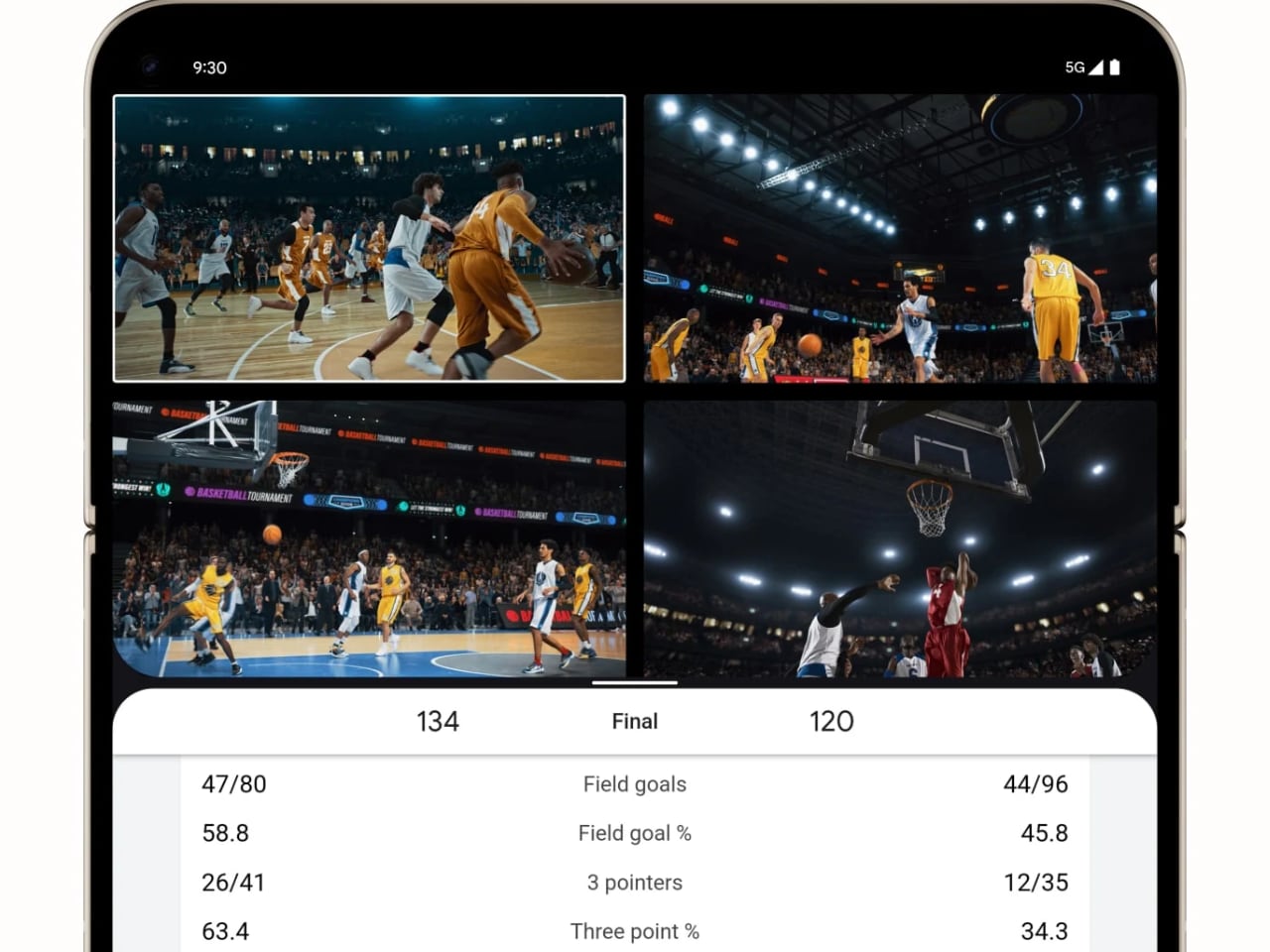
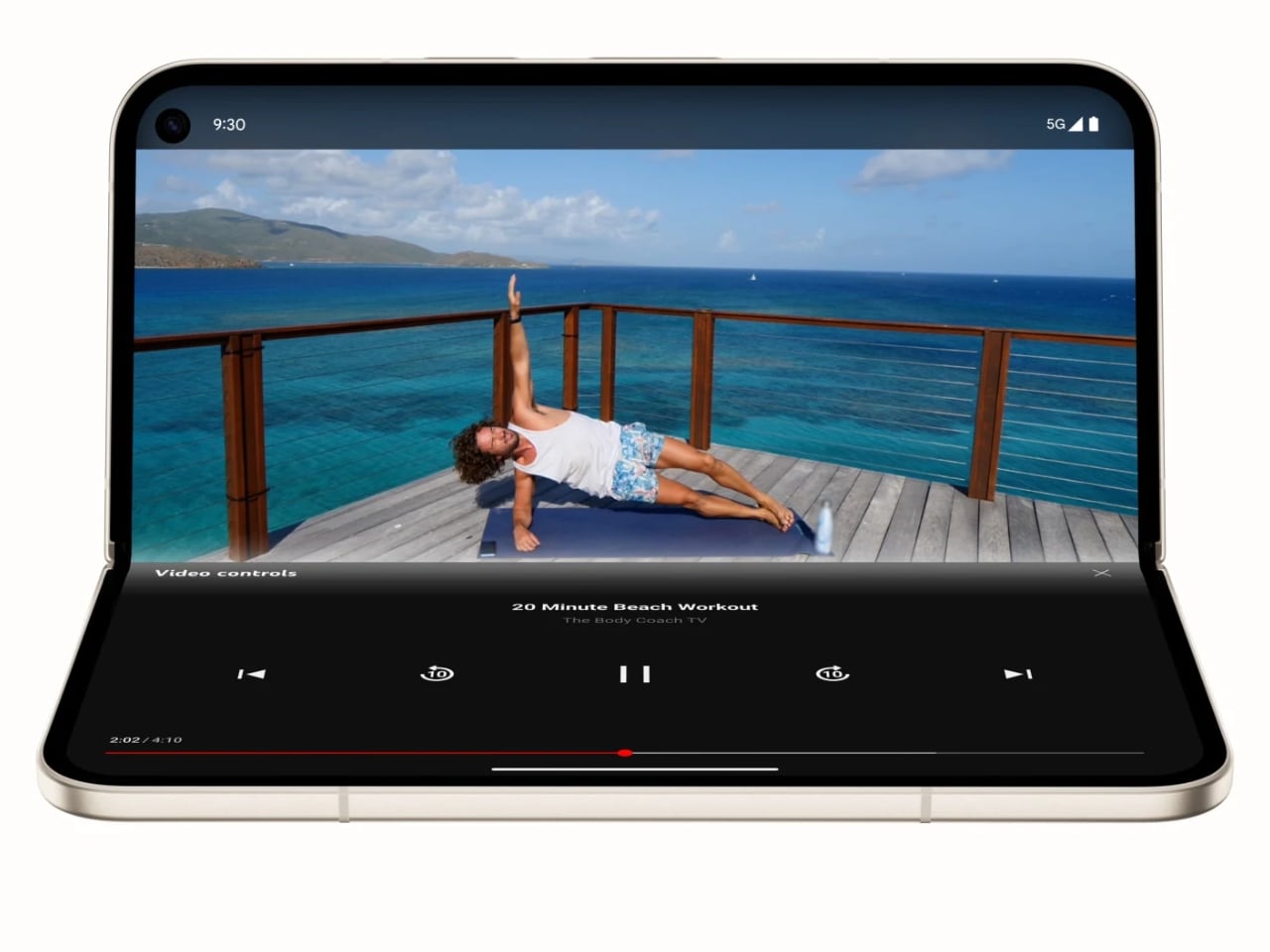
The Pixel 9 Pro Fold features a sleek design and innovative technology. When folded, it mirrors the size and thickness of the Pixel 9 Pro, making it both compact and portable. Its dimensions are impressive: when folded, it measures 6.1 inches in height, 3 inches in width, and 0.4 inches (10.16 mm) in thickness. Unfolding the device reveals an 8-inch Super Actua Flex display, the largest on any foldable phone, with a resolution of 2076 x 2152 pixels at 373 PPI. This stunning display is 80% brighter than the previous generation, reaching up to 1,600 nits in HDR mode and up to 2,700 nits in peak brightness, making it ideal for everything from entertainment to productivity.
The Pixel 9 Pro Fold’s design is built for durability and elegance. It features a luxurious metal frame with seamless rounded corners and is protected by scratch-resistant Gorilla Glass Victus 2. This construction ensures the device can withstand everyday wear and tear while maintaining a sophisticated appearance. The hinge is crafted from multi-alloy steel with an aerospace-grade high-strength aluminum alloy cover, providing structural integrity and a smooth folding experience.
Underneath its polished exterior, the Pixel 9 Pro Fold is powered by Google’s Tensor G4 chip, a fourth-generation processor designed in collaboration with Google DeepMind. This chip optimizes the device for AI-driven tasks, enhancing everyday activities such as web browsing, streaming, photography, and videography with minimal battery impact. The device is equipped with 16 GB of RAM, providing ample memory for smooth multitasking and seamless performance, especially when handling the complex demands of foldable technology.
The Pixel 9 Pro Fold’s camera system is equally impressive. It features a triple rear camera setup with a 48 MP wide lens, a 10.5 MP ultrawide lens with Macro Focus, and a 10.8 MP telephoto lens with 5x optical zoom and up to 20x Super Res Zoom. This setup allows users to capture stunning images and videos with incredible detail and clarity, regardless of the setting.
Triple rear camera with a 48 MP wide lens, 10.5 MP ultrawide lens with Macro Focus, and a 10.8 MP telephoto lens with 5x optical zoom and up to 20x Super Res Zoom
Battery performance is robust. With a typical capacity of 4,650 mAh, the device offers more than 24 hours of usage and up to 72 hours with Extreme Battery Saver mode. The device supports fast charging via a 45W USB-C charger and wireless charging. To ensure optimal performance, Google has introduced a new vapor chamber cooling system in the Pixel 9 Pro Fold, maintaining peak performance even during intensive use.
Moreover, the Pixel 9 Pro Fold is the first in the Android lineup to feature Satellite SOS, enabling users to contact emergency services and share their location even when cellular service is unavailable. Initially available in the U.S., this feature provides peace of mind for those venturing into remote areas.
Pre-orders for the Pixel 9 Pro Fold are now open. Prices start at $1,799 or $49.97 per month, with 36-month financing before trade-in. Customers can choose from Porcelain and Obsidian colors and choose between 256 GB and 512 GB storage options. The unlocked version works with any major carrier, providing flexibility for users who want to switch networks. As a special offer, Google is providing $500 back on the device and $350 in Google Store credit for purchases made by Sept. 7.
Comparing the Pixel 9 Pro Fold to its predecessor reveals several enhancements that make it a worthy upgrade. In terms of design and build, the Pixel 9 Pro Fold is more compact and portable, with a weight of 9.1 ounces (approximately 258 grams), making it lighter than the previous model. Its luxurious metal frame, seamless rounded corners, and scratch-resistant Gorilla Glass Victus 2 provide enhanced durability. The hinge is crafted from multi-alloy steel with an aerospace-grade aluminum cover, offering better structural integrity and smoother folding mechanics than the previous Pixel Fold.
The display of the Pixel 9 Pro Fold is a significant improvement over its predecessor. The Pixel 9 Pro Fold features an 8-inch Super Actua Flex display with a resolution of 2076 x 2152 pixels at 373 PPI, which is 80% brighter than the previous generation, reaching up to 1,600 nits in HDR mode and 2,700 nits peak brightness. The external cover display is a 6.3-inch Actua display with a resolution of 1080 x 2424 pixels and a peak brightness of 2,700 nits. In contrast, the previous Pixel Fold had a smaller 7.6-inch main display with a resolution of 2208 x 1768 pixels at 370 PPI, reaching lower brightness levels and making it less visible in bright conditions. The cover display on the older model was also smaller, at 5.8 inches, with a resolution of 2092 x 1080 pixels.
Pixel Fold
Performance and features have also seen a boost with the Pixel 9 Pro Fold. It is powered by the Google Tensor G4 chip and equipped with 16 GB of RAM, which allows for better multitasking and overall performance. The advanced triple rear camera system has improved sensors and zoom capabilities, setting it apart from the previous Pixel Fold’s camera system, which had fewer features and lower resolution sensors.
Powered by the G4 powerful chip and 16 GB of RAM
The Pixel 9 Pro Fold offers battery and durability improvements. It offers a 4,650 mAh battery capacity with extended battery life, supporting over 24 hours of usage and up to 72 hours with Extreme Battery Saver. The device is twice as durable as its predecessor, featuring Gorilla Glass Victus 2 for better protection against damage. Additionally, the Pixel 9 Pro Fold introduces a new vapor chamber cooling system, which provides more advanced thermal management than the previous model.
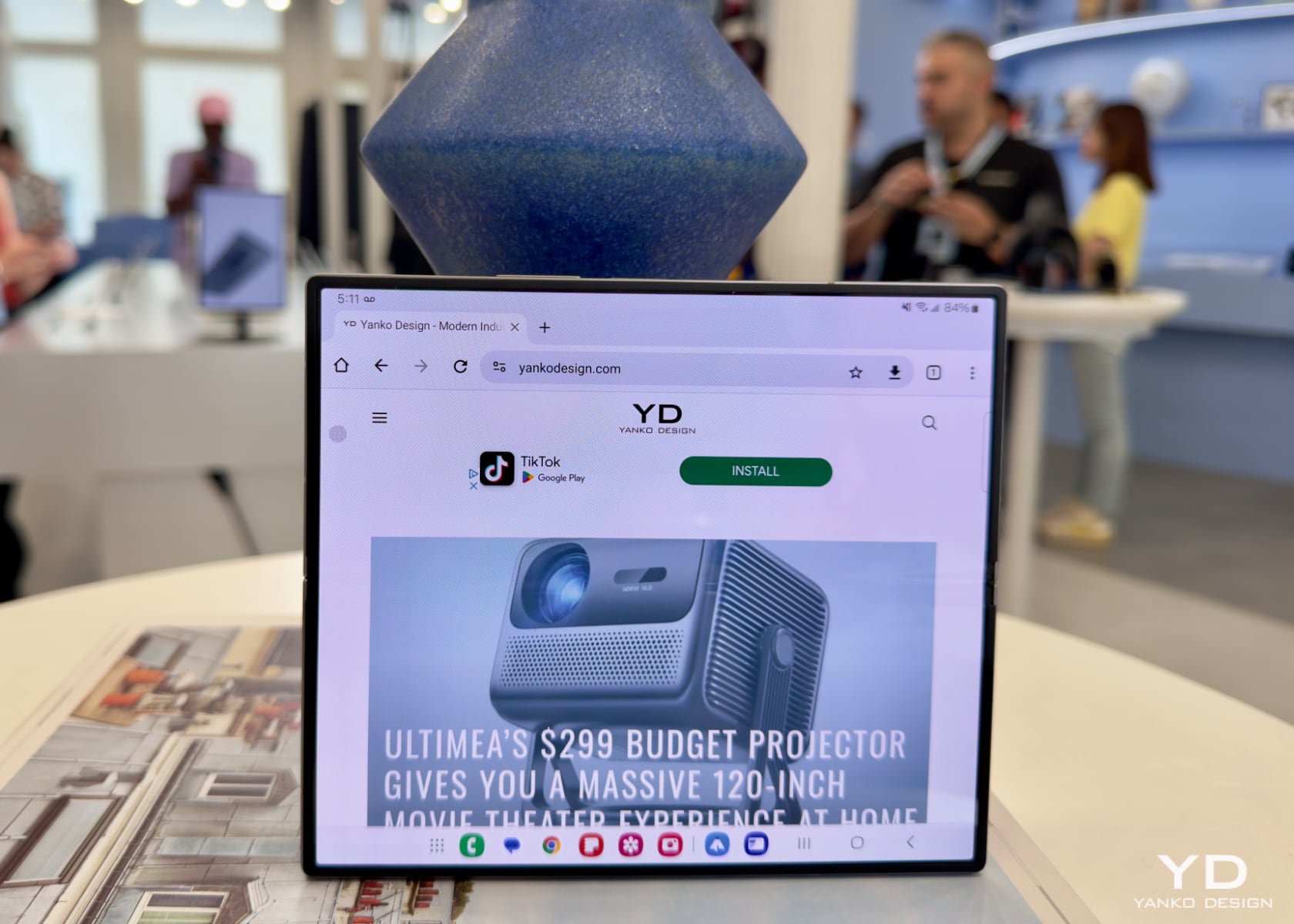
When compared to the Samsung Galaxy Z Fold 6, the Pixel 9 Pro Fold holds its own with a folded thickness of 0.4 inches (10.16 mm) and an unfolded thickness of 0.2 inches (5.08 mm). This is thinner than the Samsung Galaxy Z Fold 6, which is typically about 0.51 inches (13 mm) thick when folded and 0.22 inches (5.6 mm) when unfolded. The previous generation Pixel Fold was 0.5 inches (12.7 mm) thick when folded and 0.24 inches (6.1 mm) thick when unfolded, making the Pixel 9 Pro Fold a notable advancement in slimness and portability. These refinements highlight Google’s focus on achieving a more elegant and user-friendly foldable device.
The Pixel 9 Pro Fold is a significant upgrade over the previous Pixel Fold, offering enhancements in almost every aspect of physical hardware. The improved design, brighter and larger display, enhanced performance with the Tensor G4 chip, superior camera system, and increased durability make it a compelling choice for users seeking a foldable phone that meets modern demands. With these upgrades, the Pixel 9 Pro Fold is a worthy successor, addressing many of the limitations of its predecessor while introducing new features and capabilities. For more details on availability and specifications, visit Google’s official website.
In addition, Nadler pointed to reports that Musk’s social platform suspended the group White Dudes for Harris (@dudes4harris) after it hosted an event that raised over $4 million from over 200,000 people for the Vice President’s campaign. The account was barred due to a “user report” accusing it of “violating rules against evading suspension,” which was never explained further. After X reinstated the White Dudes account the following day, the same profile was labeled as spam after being falsely accused of “manipulating the platform,” limiting its reach.
Nadler also mentioned “prominent journalists with left-leaning accounts” finding their X profiles “accidentally” suspended.
“Given Chairman Jordan’s extensive focus on allegations of censorship on social media this Congress, Ranking Member Nadler urged Chairman Jordan to continue fighting against political discrimination on platforms by investigating this matter,” Nadler’s office wrote in the letter. “Chairman Jordan’s silence on this matter follows X’s actions to stop disinformation against Republican officials on its platform that have not been similarly applied to Democratic officials.”
“In sum, I lack confidence that Mr. Musk (with his self-proclaimed expansive view on free speech) will take the same swift action against false election information about liberals as he does when it targets conservatives.”
Musk has seemingly had no issue policing accusations of the censorship of right-wing figures. Nadler’s letter cites the platform’s swift response to false posts claiming to derive from internal X software which stated Musk, Trump and other far-right personalities were exempt from policies banning racial slurs. The account posting the false images was suspended within hours, and they were soon tagged with warning labels about manipulated media. X confirmed that multiple accounts were suspended for sharing the bogus pictures.
Where is the Federal Election Commission (FEC) in this fight? Likely, sitting it out. “The FEC has consistently dismissed complaints against social media sites where they could show that they were merely enforcing their own moderation rules,” campaign finance lawyer Brett Kappel toldThe Washington Post. “That’s likely to continue to be the case with X even though the company has seriously weakened its own rules.”
“While we may have significant disagreement over the degree and extent of content moderation, I hope that we can at least agree that enforcement on a major platform like X should be fair to both sides,” Nadler said. “At a basic level, a platform’s policies should be applied in an even-handed manner free from political bias.”
This article originally appeared on Engadget at https://www.engadget.com/social-media/now-its-democrats-who-want-the-house-to-investigate-x-for-political-censorship-180048710.html?src=rss
Google users may have been waiting for an announcement about Android 15, but it seems like we'll be waiting longer to have the new operating system on smartphones. The spec sheet for the upcoming line of Google Pixel 9 devices confirms that the phones will launch with Android 14. This applies to all four of the new devices: the Google Pixel 9, Google Pixel 9 Pro, Google Pixel 9 Pro XL and Google Pixel 9 Pro Fold.
Google
This is an unusual approach for Google, but that may be because the new Pixel models are coming out on an earlier timeline than the usual annual OS updates. Android 14 came out in October last year, so we can expect to hear more about Android 15 later in the fall. The operating system is in its second public beta, so we've already seen some of what it can do. And despite the new phones running Android 14, there are a host of new AI-powered features that'll be available when the phones go on sale next week.
This article originally appeared on Engadget at https://www.engadget.com/mobile/smartphones/googles-pixel-9-series-wont-launch-with-android-15-175323603.html?src=rss
Google’s Pixel 9 lineup is powered by cutting-edge hardware like the Tensor G4 processor and tons of RAM that should help keep your phone feeling fast and fresh for years to come. But all that hardware is also designed to power brand new AI experiences.
“Android is reimagining your phone with Gemini,” wrote Sameer Samat, Google’s president of the Android Ecosystem, in a blog post published on Tuesday. “With Gemini deeply integrated into Android, we’re rebuilding the operating system with AI at the core. And redefining what phones can do.”
Here are the big new AI features coming with the new Pixel devices.
Gemini overlays and Gemini Live
Gemini, Google’s AI-powered chatbot, will be the default assistant on the new Pixel 9, Pixel 9 Pro, Pixel 9 Pro XL and Pixel 9 Pro Fold phones. To access it, simply hold down your phone’s power button and start talking or typing in your question.
A big new change is that you can now bring up Gemini on top of any app you’re using to ask questions about what’s on your screen, like finding specific information about a YouTube video you’re watching, for instance. You’ll also be able to generate images directly from this overlay and drag and drop them into the underlying app, as well as upload a photo into the overlay and ask Gemini questions about it.
Google
If you buy the pricier Pixel 9 Pro (starting at $999), Google’s bundling in one free year of the Google One AI Premium Plan that typically runs $19.99 a month for access to 2 TB cloud storage and access to Gemini Advanced, which lets you try Gemini directly in Google products like Gmail and Docs to help you summarize text and conversations.
Crucially, Gemini Advanced also includes access to Gemini Live, which Google describes as a new “conversational experience” to make speaking with Gemini more intuitive (I’m not the only one having a hard time keeping track of all the things Google brands “Gemini,” don’t worry). You can use Gemini Live to have natural conversations with Gemini about anything that’s on your mind, including, Google says, using it for help with complex questions and job interviews, choosing between a variety of voices that sound stunningly lifelike, according to demos that Google showed Engadget earlier this month.
Google
Recently, OpenAI released Advanced Voice Mode, a similar feature, to paying ChatGPT customers with a voice assistant that can talk, sing, laugh and allegedly understand emotion. When asked if getting Gemini Live to sound as human-like as possible was one of Google’s goals, Sissie Hsiao, the company’s vice president and general manager of Gemini Experiences told Engadget that Google was “not here to flex the technology. We’re here to build a super helpful assistant.”
Photos and Camera features
Google is using AI to make both taking and editing pictures dramatically better with the Pixel 9 phones, something they’ve focused on for years now. A new feature called Add Me, which will be released in preview with the new devices, for instance, will let you take a group photo and then take a picture of the photographer separately and add it to the main picture seamlessly — handy if you don’t have anyone around to take a picture of your entire group.
Meanwhile, Magic Editor, the built-in, AI-powered editing tool on Android, can now suggest the best crops and even expand existing images by filling in details with generative AI to get more of the scene. Finally, a new “reimagine” feature will let you add elements like fall leaves or make grass greener — punching up your images, yes, but blurring the line between which of your memories are real and which are not.
Circle to Search now lets you share
You can already search anything that you see on your phone by simply circling it, but now, AI will intelligently clip whatever you’ve circled and let you instantly share it in a text message or an email. Handy.
Google
Pixel Screenshots
Google
If you can't figure out how to sort through the tons of pictures of receipts, tickets and screenshots from social media littering your phone's photo gallery, use AI to help. A brand new app called Pixel Screenshots available on the new Pixel devices at launch will go through your photo library (once you give it permission), pick out screenshots, and then identify what's within each picture. You can also click pictures of real-world signs (such as a music festival you want to attend, for example), and directly ask the app relevant questions like when do the tickets for the festival go on sale.
Call Notes
A new feature called Call Notes will automatically save a private summary of each phone call. so you can refer back to a transcript to quickly look up important information from the call like an appointment time, address, or phone number later. Google notes that the feature runs fully on-device, which means that nothing is sent to Google's servers for processing. And everyone on the call will be notified if you've activated Call Notes.
Pixel Studio
Google
We've been able to use AI to generate images for a long time now, but Google is finally building in the feature right into Android thanks to Pixel Studio, a dedicated new image-generation app for Pixel 9 devices. The app runs on both, an on-device model powered by the new Tensor G4 processor and Google's Imagen 3 model in the cloud. You can share any images you create in the app through messaging or email directly.
A similar feature called Apple Image Playground is coming to newer iPhones with iOS 18 in September.
Custom weather reports
Google will use AI to create custom weather reports for your specific location right at the top of a new Weather app so you "don't have to scroll through a bunch of numbers to get a sense of the day's weather," according to the company's blog post.
This article originally appeared on Engadget at https://www.engadget.com/ai/here-are-all-the-ai-features-coming-to-the-pixel-9-phones-173551511.html?src=rss
Google’s Pixel 9 Pro Fold is here, evolving the company’s foldable phone formula from the lineup’s debut a year ago. The company’s second-generation model has a bigger screen than the 2023 model and (shock!) is full of Gemini AI features. Let’s look at how its specs and features compare to its most direct rival, the Samsung Galaxy Z Fold 6.
Dimensions and display
Google / Samsung / Will Shanklin for Engadget
The Pixel 9 Pro Fold is a slightly bigger phone than Samsung’s. The Pixel 9 Pro Fold is 13 percent wider and a smidge taller when unfolded. Both phones are roughly the same thickness when open, although the Pixel measures a bit thinner when folded.
Both phones have OLED (or OLED-adjacent) displays with the goodies you’d expect from the tech: rich colors, deep blacks and more efficient power in darker scenes. Google’s model has an 8-inch OLED Super Actua Flex main display, while Samsung uses a 7.6-inch AMOLED. The Pixel 9 Pro Fold’s internal screen is 12 percent bigger by area. They’re similarly sharp: 373 ppi on the Pixel vs. 375 ppi on the Z Fold 6.
Google / Samsung / Will Shanklin for Engadget
The phones’ outer displays are the same size diagonally (6.3 inches). However, the Pixel’s is 6.5 percent bigger when measured by area, which factors in aspect ratios.
The Pixel 9 Fold Pro is 7.5 percent heavier: 9.1 oz (257 g) compared to the Z Fold’s 8.4 oz (239 g).
Processor, RAM and storage
Google / Samsung / Will Shanklin for Engadget
The Pixel 9 Fold Pro is powered by the Tensor G4 chip, while the Z Fold 6 runs on the Snapdragon 8 Gen 3. We’ll need more hands-on time with the Pixel to say what that means in benchmarks and everyday experience. However, we found the Z Fold 6 speedy and responsive without noticeable lag.
The Pixel does have more RAM: 16GB to 12GB on the Pixel. Both phones start with 256GB storage. Each offers a 512GB variant, but only the Z Fold 6 has a 1TB option. (For those who don’t mind paying nearly $2,300 for a phone!)
Price
Google / Samsung / Will Shanklin for Engadget
Foldable phones are still luxury items, with the Pixel outpacing Apple’s most expensive iPhone by $600. The Pixel is a bit less expensive than the Z Fold, setting you back “only” $1,799 and up compared to the Z Fold 6’s $1,900. (Although you may find trade-in deals that leave you paying significantly less.) Even the “budget” rival to these two, the OnePlus Open, still costs a hefty $1,700 without trade-ins.
As much as foldable phones have improved since they first arrived five years ago, they’re still pricing out all but the most deep-pocketed consumers. Until they’re competing more with other high-end phones than top-of-the-line laptops, they’ll remain niche products for the privileged.
Full specs comparison
Here’s a table showing the full specs breakdown between the Google Pixel 9 Pro Fold and the Samsung Galaxy Z Fold 6.
Google Pixel 9 Pro Fold
Samsung Galaxy Z Fold 6
Starting price
$1,799
$1,900
Dimensions
Folded: 6.1 x 3 x 0.4 inch (155.2 x 77.1 x 10.5 mm)
Unfolded: 6.1 x 5.9 x 0.2 inch (155.2 x 150.2 x 5.1 mm)
Folded: 6 x 2.7 x 0.5 inch (153.5 x 68.1 x 12.1 mm)
Unfolded: 6 x 5.2 x 0.2 inch (153.5 x 132.6 x 5.6 mm)
This article originally appeared on Engadget at https://www.engadget.com/mobile/smartphones/google-pixel-9-pro-fold-vs-samsung-galaxy-z-fold-6-how-the-best-foldables-stack-up-173027127.html?src=rss
August used to be a relatively sleepy month for tech news — no longer! Now that Google scooted up its annual October Pixel event by two months, the tech world is abubble, going over everything execs announced from Mountain View, California at the Made By Google keynote on Tuesday.
The Pixel 9 launch event came with enthusiastic introductions for all the hardware we expected, including the new Pixel 9 and its sizable camera bump. The Pixel 9 Pro and the larger Pixel 9 Pro XL made their official debut, too, and the new foldable, the Pixel 9 Pro Fold, does indeed measure just 0.4 inches thick. The new Pixel Watch 3 and Pixel Buds Pro 2 have now been revealed, as were plenty of software features, mostly in the form of Gemini integrations. One surprise was the not-loudly-stated fact that Pixel 9 Phones won't launch with the Android 15 operating system — they'll have Android 14 to start. For the play-by-play, you can check out our liveblog or check out Google's stream. If you just want the highlights, here's everything announced at the 2024's Made by Google Pixel event.
Google Pixel 9
Photo by Sam Rutherford / Engadget
What you first notice about Google's latest Pixel 9 is the redesigned look. The camera band has been replaced with oblong oval that stands proud from a slab that's about a tenth of an inch thinner than the Pixel 8. The screen size has bumped back up to 6.3 inches, after dipping to 6.2 inches on the Pixel 8, and is covered in Corning Gorilla Glass Victus 2. It's got a polished glass back with satin metal finishes on the frame and cameras.
Speaking of cameras, there's the same number as last year (two in the back, one in the front) but the previous generation's 12 MP ultrawide lens has been replaced with a 48 MP ultrawide lens. The other two cameras have the same specs, except the front cam now has autofocus for better selfies. To take advantage of those fancy sensors, new AI photography enhancements like Add Me and Reimagine join the existing Magic Editor, Night Sight and Best Take features.
The Pixel 9 houses the same Tensor G4 chip, designed to be better at everyday tasks, while using up less battery. That's the same chip as its more expensive siblings and now the base model Pixel comes with 12GB of memory, eliminating the option of an 8GB model. That extra RAM will help handle the many Gemini integrations coming standard in Android 15. Pressing and holding the power button will overlay the assistant on whatever you're doing on-screen and can answer questions, pull details from other apps, and produce contextualized recommendations based on images you take.
Engadget's Sam Rutherford spent some time hands-on with the Pixel 9 family of phones and so far, likes what he sees, noting that the new designs "look great" and the AI tools and features are shaping up to be useful iterations on what can otherwise seem like a buzzy bandwagon add-on.
The Pixel 9 comes with 7 years of OS and security updates and is available in Obsidian, Porcelain, Wintergreen and Peony. Its starts at $799 for 128GB of storage and is now open for pre-orders and all Pixel 9 phones will hit the shelves August 22.
Google Pixel 9 Pro and Pixel 9 Pro XL
Photo by Sam Rutherford / Engadget
Those not content with a standard-issue phone can opt for the Pixel 9 Pro or the Pixel 9 Pro XL instead. Notably this year, the Pro moniker doesn't necessarily mean bigger; the Pixel 9 Pro is the same size as the regular Pixel 9, both with 6.3-inch screens. Google created a new category in its lineup with the Pixel 9 Pro XL — a phone with the the same general specs as the Pro model but with a larger, 6.8-inch display and a 5,060 mAh battery (versus the 4,700 mAh battery on the smaller version).
All three Pixel 9 models use the same Google Tensor G4 processor, but the two Pro phones have 16GB of RAM on hand to execute AI tricks and any other task you might demand from them. You can get either phone with 128GB of storage or a full terabyte. The Pro models also pack an additional 48 MP telephoto lens in the back and a heftier 42 MP selfie camera up front.
Both come with a year's subscription to the Google One AI Premium Plan which lets you access all of the tricks Gemini can do — after the free trial, you'll need to pay $20 monthly (the plan also comes with 2TB of storage).
The Pixel 9 Pro starts at $999 and the Pixel 9 Pro XL starts at $1,099. Both come in the same four colors: Obsidian, Porcelain, Hazel and Rose Quartz, and include a promised seven years of security and features updates. Like everything announced at the event, the phones are now open to pre-orders and will be on store shelves August 22.
Google Pixel 9 Pro Fold
Photo by Sam Rutherford / Engadget
We now officially know that Google's second foldable phone is not called the Pixel Fold 2, but rather the Pixel 9 Pro Fold. To go along with the enlarged name, there's a bigger, eight-inch inner screen, making it the largest on any phone out there. The outer screen is larger too, measuring 6.3 inches, up from 5.8 inches last year. Google claims the interior screen is 80 percent brighter than its predecessor and now maxes out at 2,700 nits.
A persistent complaint with foldables is how heavy and bulky they can feel. Google hopes a few design tweaks will help with that. The Pixel 9 Pro Fold now measures just 0.4 inches when closed, making it the thinnest foldable on the market (as long as you don't count the sizable camera bump) and at 257g it's about 25 grams lighter than the Pixel Fold.
The new foldable houses Google's Tensor G4 chip, comes standard with 16GB of RAM and offers your choice of 256GB or 512GB of storage. Like every piece of 2024 Pixel hardware, the 9 Pro Fold is tailored around Google's Gemini AI contrivances. Pressing the power button brings up the assistant, which you can use in split screen on the foldable. The phone also comes with a year of the One AI Premium plan, which jumps to $20 per month afterwards.
The three exterior cameras include a wide, ultrawide and telephoto lens with 5x optical zoom and up to 20x Super Res Zoom. There's a 10 MP camera on both the interior and on the front of the exterior screen. And, thanks to the foldable nature of the phone you can take selfies using the more powerful rear cameras by checking out the preview of the shot on the exterior screen.
We've already spent a little time with the new foldable and so far, like what we see. It's thinner than Z Fold 6 but packs a larger interior screen. And the AI tools the foldable enables actually seem useful.
The Google Pixel 9 Pro Fold costs the same $1,799 as the 2023 model and comes in either Obsidian or Porcelain. It too is now available for pre-order and will hit stores September 4.
Google Pixel Watch 3
Photo by Sam Rutherford / Engadget
Last year we said the Pixel Watch 2 was "catching up to its rivals," but still took issue with the disjointed Fitbit integration and the lack of wireless charging. Fitbit is still very much a part of the Pixel Watch 3 experience and charging still requires a cable — our full review will tell us whether those are dealbreakers or not.
The watch now comes in two sizes, with a larger 45mm case size joining the 41mm model. Thanks to thinner bezels, the 41mm display is 10 percent larger than on the Pixel Watch 2 and the 45mm screen is 40 percent larger. Both screens peak at 2,000 nits, which is twice as bright as 2023's watch, and both get as dim as 1 nit.
There's a new readiness score and cardio load tracking, which sounds a bit like the Training Load feature in Apple's watchOS 11 — all of which give you feedback on how hard you're pushing yourself. New integrations include displaying a live feed of your Nest cams from your watch and using the wearable as a Google TV remote. The battery offers the same 24 hours of use on a charge, but Google claims recharging will be 20 percent quicker with a 30-watt wall adapter (sold separately). Call Assist will add the "hold a minute" ability, which can answer your call and ask the caller to wait until you're in a better spot or have set down whatever you're working on.
The heart rate tracking has been updated to work more accurately while running, an activity that's particularly hard to track. Readiness score and Cardio Load combine to give you a Daily Readiness score, which tells you how intense you should work out in a given day.
The "first of its kind" Loss of Pulse Detection feature will automatically call emergency services and direct them to your location if the algorithm detects a dangerous situation judging by your pulse, movement and other metrics. It will start out in select EU countries and parts of the UK, with more regions to come.
The 41mm Pixel Watch 3 retails for $349 for WiFi only and $449 with LTE. The 45mm model goes for $399 or $499 if you get cellular connectivity. Both come in your choice of black or silver, with an added hazel hue for the larger case size. You can pre-order them now and the watches will be on the shelves on September 10.
Google Pixel Buds Pro 2
Photo by Sam Rutherford / Engadget
Despite being smaller and lighter, the Pixel Buds Pro 2 somehow manage to pack an extra hour of battery life compared to the Pixel Buds Pro, now getting up to 12 hours of play with noise cancellation off. The Silent Seal feature is back and now should reduce twice as much noise as before. Plus they'll support Spatial audio with head tracking — but only when paired with a Pixel 6 or newer phone or a Pixel Tablet.
The Tensor chip inside, the first in a pair of Google earbuds, enables the new features and the company claims it can process audio significantly faster in order to adapt to your environment. And thanks to multi-path processing, noise-cancellation computations don't happen on the same channel as the audio, so the music you hear is unaltered.
New "twist-to-adjust" stabilizers should keep the buds in place when you're working out, but can be rotated in the other direction for a more comfortable feel. Conversation Detection is back, meaning you won't have to pull out a bud when you need to talk to someone — instead the music pauses when you start speaking and resumes when you're done. The Buds claim to be the lightest noise cancelling earbuds in their class.
And of course, Gemini is built-in. You can do things like ask for walking directions or access your email. It also supports Gemini Live, which Google's Sandeep Waraich demonstrated on stage by using the prompt "Let's talk live." Gemini suggested things like breathing techniques to stay calm in a crowd and tips on how to approach a person they admire.
The Pixel Buds 2 Pro are available to pre-order now and will be on shelves on September 26. They come in Porcelain, Hazel, Wintergreen and Peony, and are selling for $229, which is $29 more than the Pixel Buds Pro were at launch.
Google Pixel Screenshot app
The new Pixel Screenshot app is only available on Pixel 9 phones at launch (no word yet on wider availability) and uses Gemini Nano (the on-board AI model) to save, extract and organize info you might otherwise forget the origin of. For example, you can take a screenshot of an Instagram post about a music festival and the AI will give you a summary as well as buttons to do things like add dates to your calendar the next time you access that screenshot from the app. A screenshot of a restaurant should produce options to call the business or navigate there via Google Maps.
Google says you should also be able to ask natural questions using the microphone, and Pixel Screenshots will either answer it outright and bring up relevant annotated images. The app launches today, along with everything else and while it's reminiscent of Apple's redesigned Photos app, we'll have to try it for ourselves to really suss out all the differences.
Android 15 and Gemini AI
The one thing we expected that didn't come into play was the launch of Android 15 — we heard a little about the new operating system during May's Google I/O event. But now we know it's not coming right away. New Pixel Phones will launch with Android 14. The Google execs didn't hit that fact very hard, but a look at the Pixel 9 spec sheet confirms it. It's possible the new OS simply wasn't ready for a bumped up release date, as the hardware was, and Android 15 may very well be sticking with its October launch date. We won't be surprised to see the OS drop later this fall.
When it comes, Android 15 will, unsurprisingly, revolve around giving Gemini the reigns and letting Google's AI do your bidding. But all of those AI features will still be available when the phones launch, even if they're running Android 14.
Google has revamped its Assistant around Gemini. Google hardware Chief Rick Osterloh said, "It's the biggest leap forward since we launched Google Assistant." And Google promises that the assistant won't just be for fancy new flagship devices, but existing mid-range ones as well — and not just Google phones, but all Android phones. Some of the event's live demos were performed on Samsung and Motorola handsets (although there were a few hiccups). President of Android, Sameer Samat, called Gemini the "most widely available AI Assistant."
Gemini can be pulled up over whatever app you're using and answer your questions about what's on screen. Circle to Share lets you quickly send whatever you happen to be looking at to your contacts with just a couple taps.
You can now also ask Gemini to access files in your Drive or messages in your Gmail account to generate text-based content like bios, workout plans or itineraries. To keep your personal details private, requests involving the most sensitive info are handled by Gemini Nano, an AI model that lives on your phone.
Other examples included asking Gemini to create a list of the foods a YouTuber ate in a video and then adding those to a list. Or asking it to create a playlist described by vibes. With Gemini Live, you get a few new voices, including Dipper, Ursa and Vega. Gemini Live hits hard on the conversational aspect, and the responses did indeed sound natural — especially when you don't have to keep saying "hey Google."
Pixel Weather, Call Notes, Made You Look
Pixel Weather, a redesigned weather app for the Pixel 9 family, comes with a handy AI summary and is completely customizable. Call Notes can give you an AI-powered summary of a call after you hang up. You can even review the full transcript. For privacy, the transcriptions and summaries are taken care of on-device instead of sending it to the cloud. Of course it's completely optional.
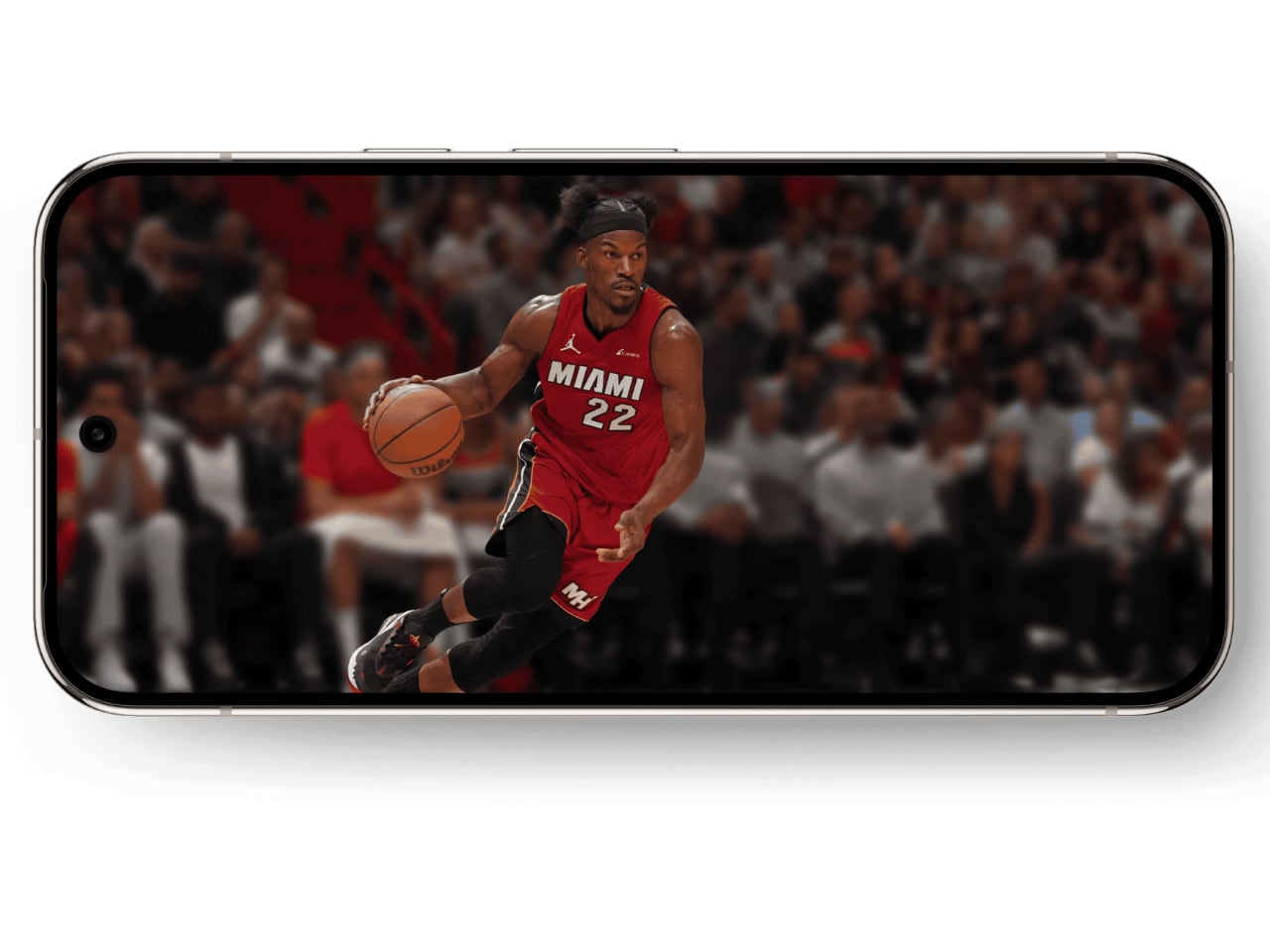
Other features revealed in Mountain View include the Add Me feature in photos — which NBA All Star Jimmy Butler came on stage to demonstrate. The AI trick allows the photographer to be in the shot by taking one photo without them, and then another with them in place, then AI merges the photos, ensuring reality's increasing subjectivity.
Pixel Studio can create images using text prompts and suggestions for different styles fonts. Google's Alexander Schiffhauer noted that thanks to RCS coming to iPhone, these and other images will appear the same for everyone in text message conversations.
On the Google Pixel 9 Pro Fold, the Made You Look feature will get your toddler to look at the camera and smile by displaying fun cartoon characters on the exterior screen while you take the image with the rear camera. Magic Editor combines classic photo editing with AI interpretations and generative AI capabilities so you can, for instance, add wildflowers and a hot air balloon to an image you took where the grass was boring and the sky was clear.
We also got a quick look at where Google's research in AI is leading. Google hardware Chief Rick Osterloh told us that Gemini will continue to evolve, particularly through integration with Project Astra, Google's deep mind research prototype, which was demonstrated back at I/O earlier this year. The goal is an even more natural and context-aware assistant, allowing Gemini Live to understand your questions and pics to help you get things done, such as homework, brainstorming and more complex tasks like how to open a business.
This article originally appeared on Engadget at https://www.engadget.com/mobile/smartphones/the-google-pixel-9-the-pixel-9-pro-fold-and-everything-else-announced-at-the-made-by-google-pixel-launch-event-170033517.html?src=rss
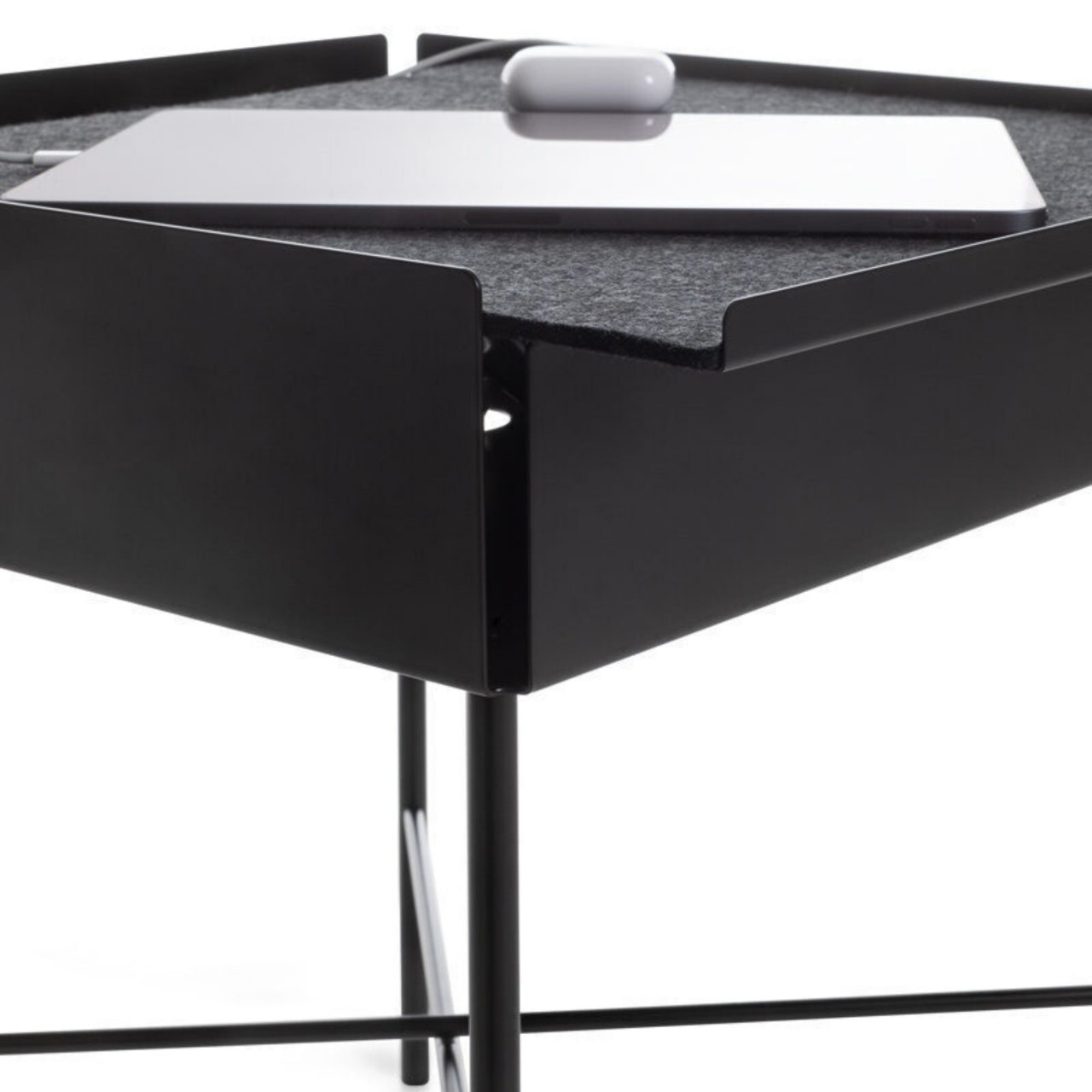
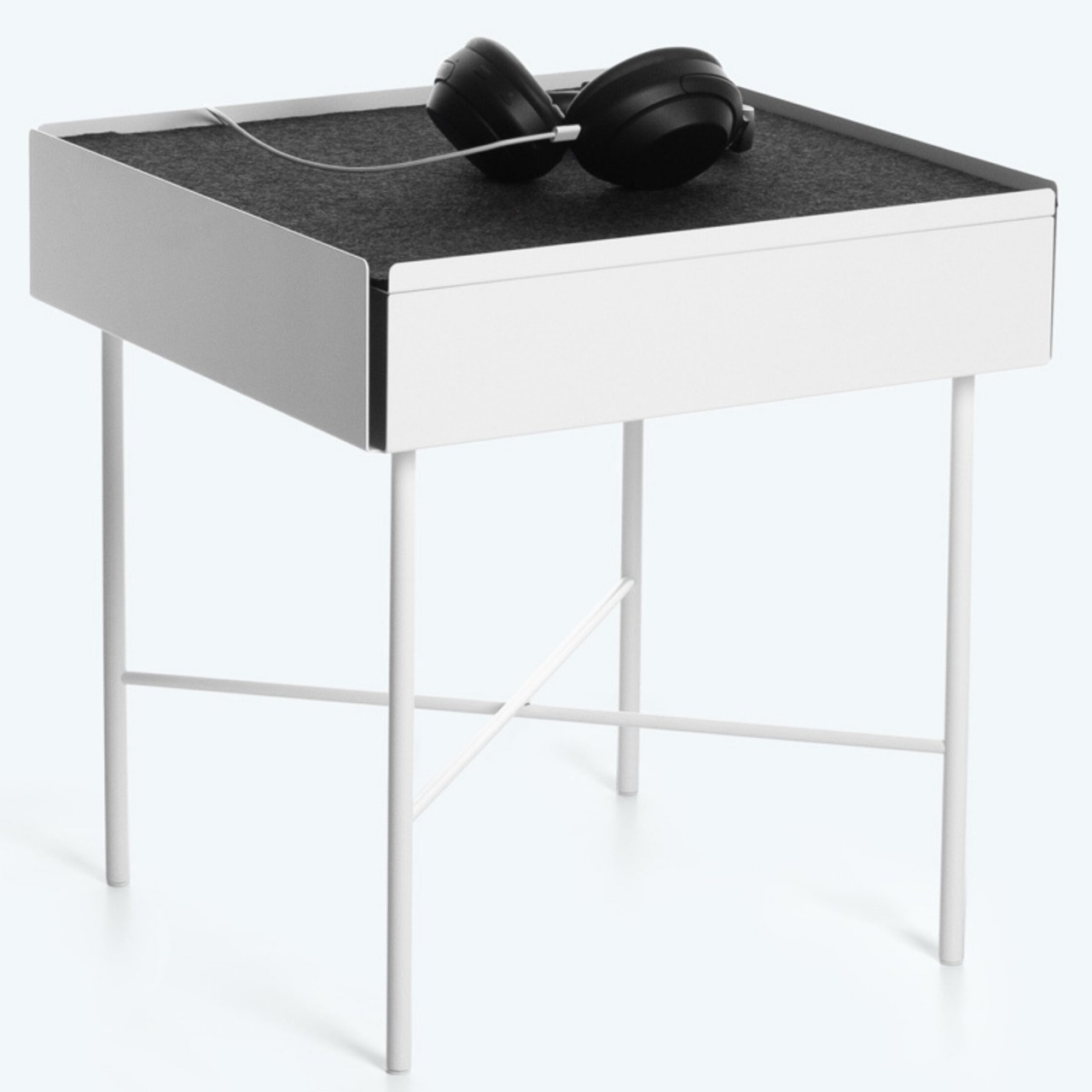
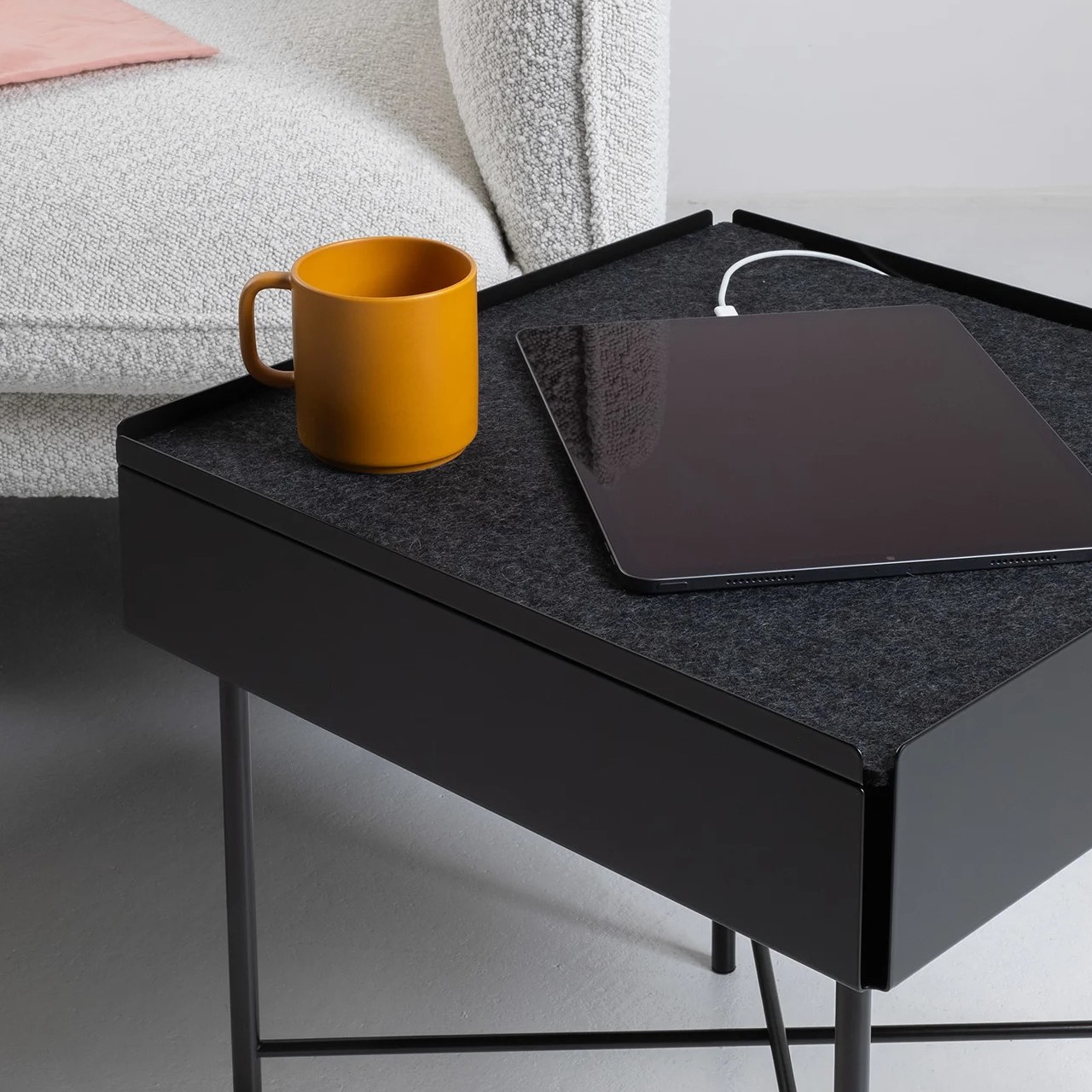
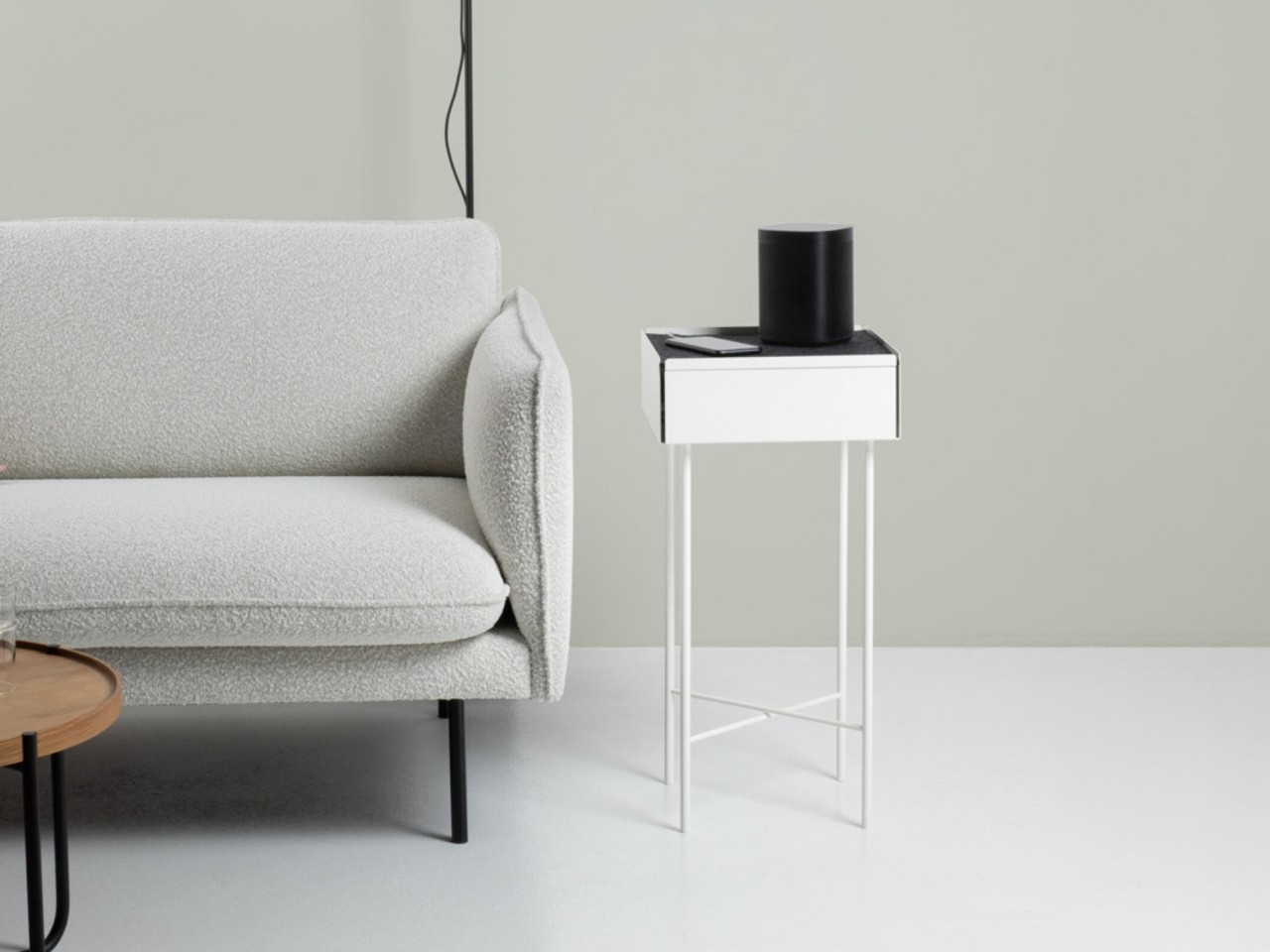
Many of our everyday items find their way to the side tables sides couches, desks, and beds, and some of these items have cables that snake their way down and across the floor. These wires might not always ensnare your feet, but they definitely turn any beautiful interior into a dangling mess of cables. There are some side tables these days with built-in power outlets, but those still show the wires that crisscross each other. Some might even have the uninspiring charging bricks also rearing their ugly heads. This simple side table, on the other hand, has an equally simple solution that makes sure that nothing but your phones or tablets get the spotlight.
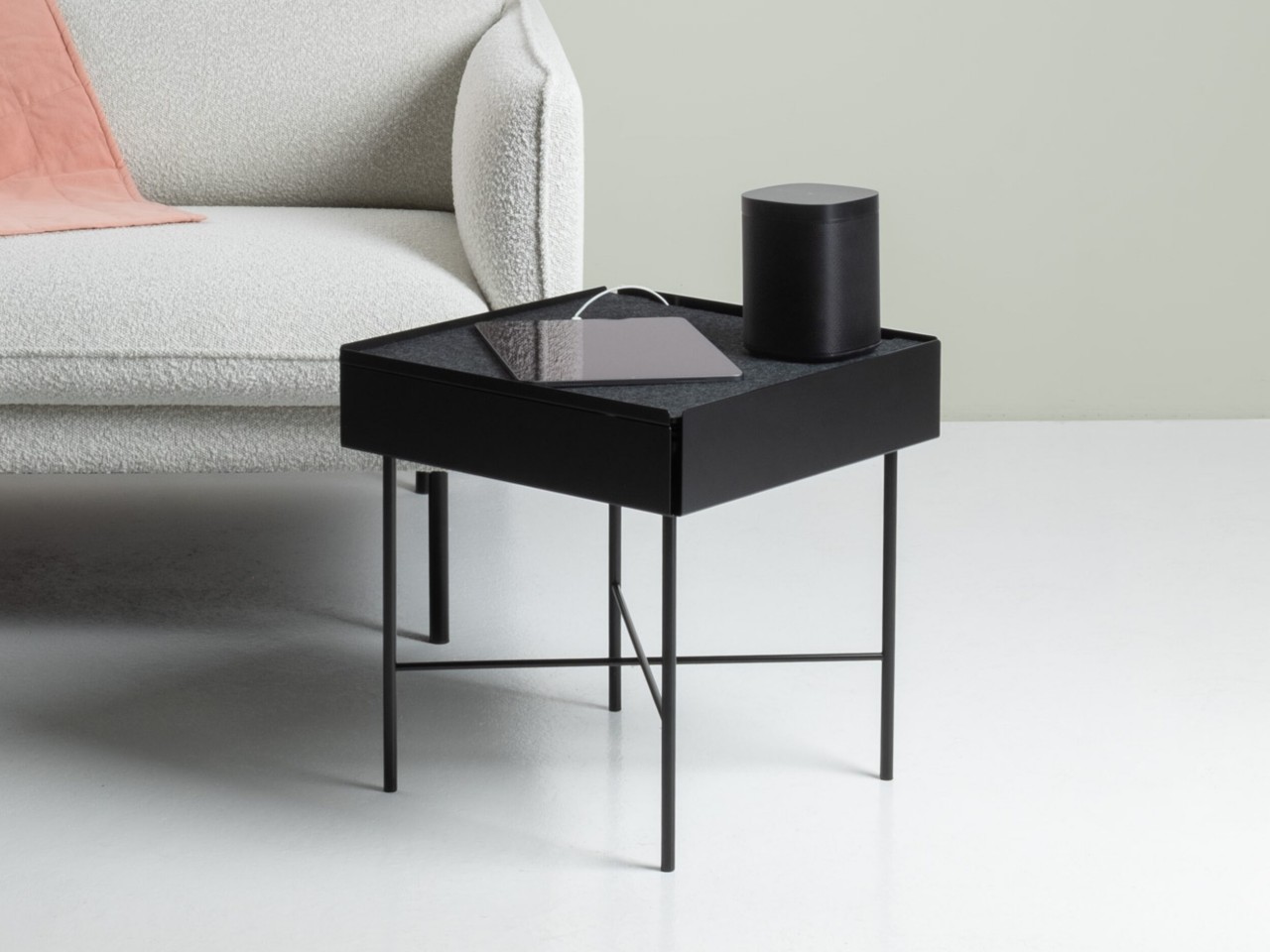
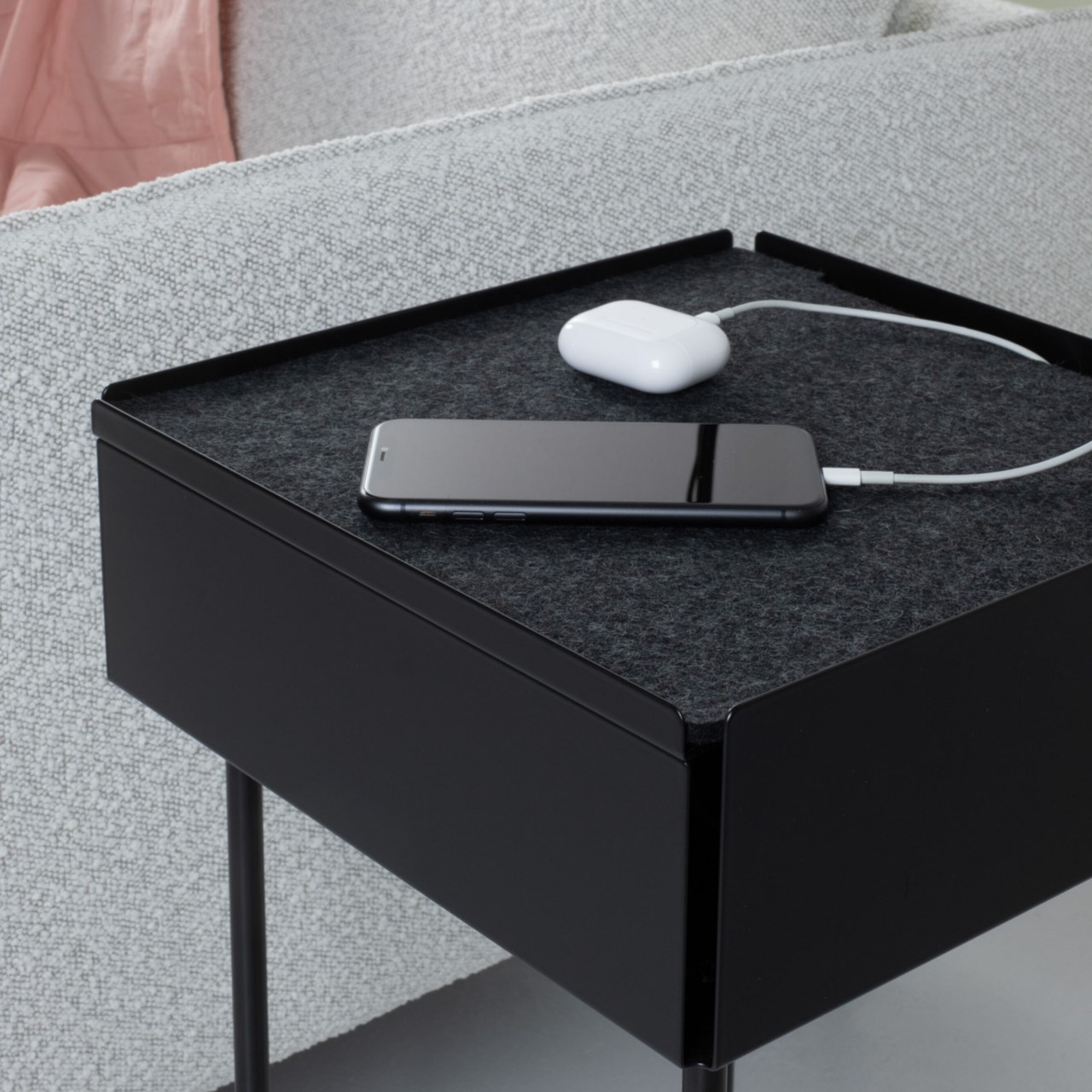
At first glance, the Charge Table looks like a pretty nondescript side table, albeit one with some elegance thanks to its minimalist design. The body itself is made from sturdy powder-coated steel that provides stability and handsome looks. The top of the table is lined with soft felt that protects your devices from scratches and bumps. It also gives a rough surface for mugs and cups to grip, keeping them from sliding.
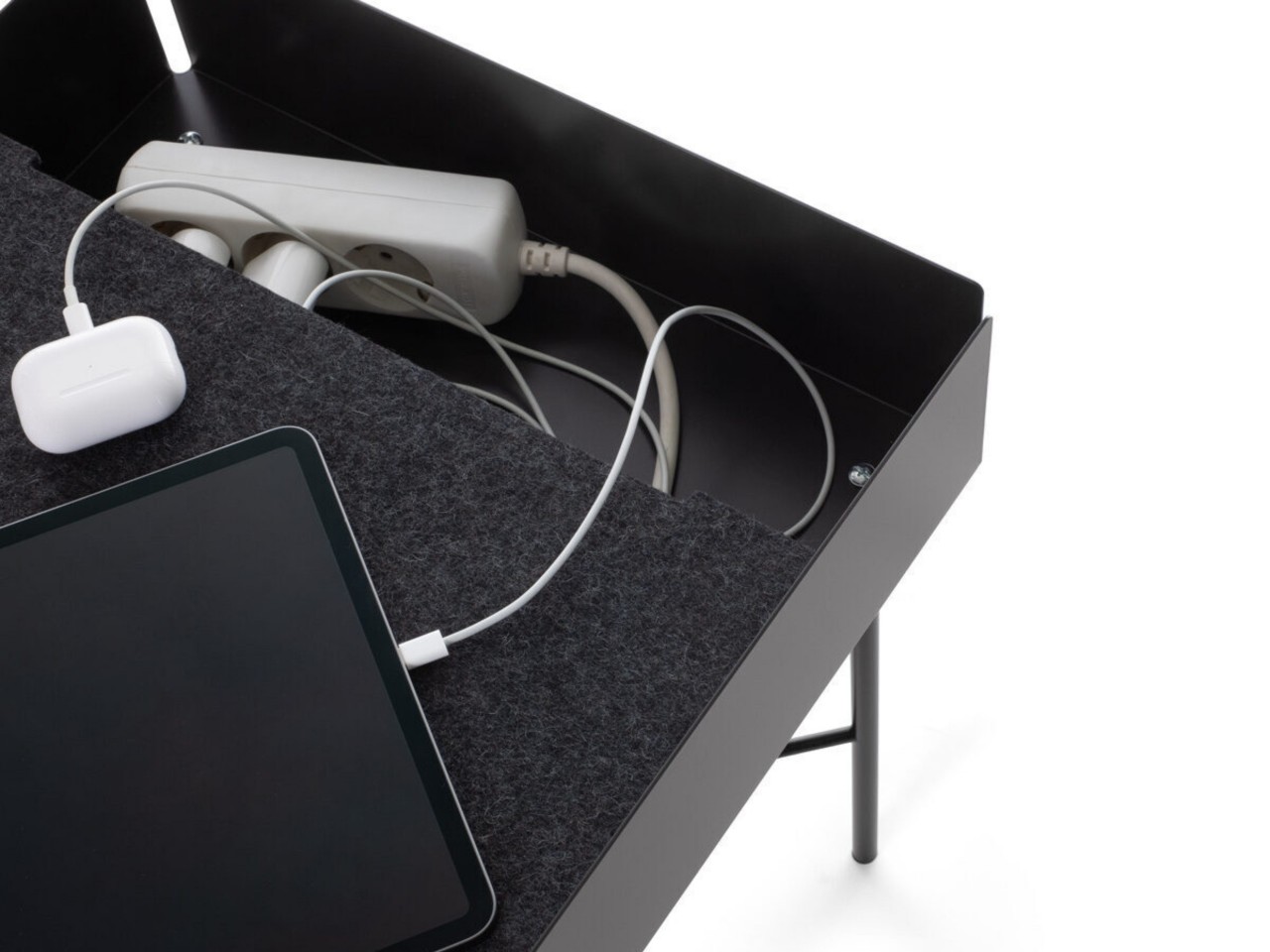
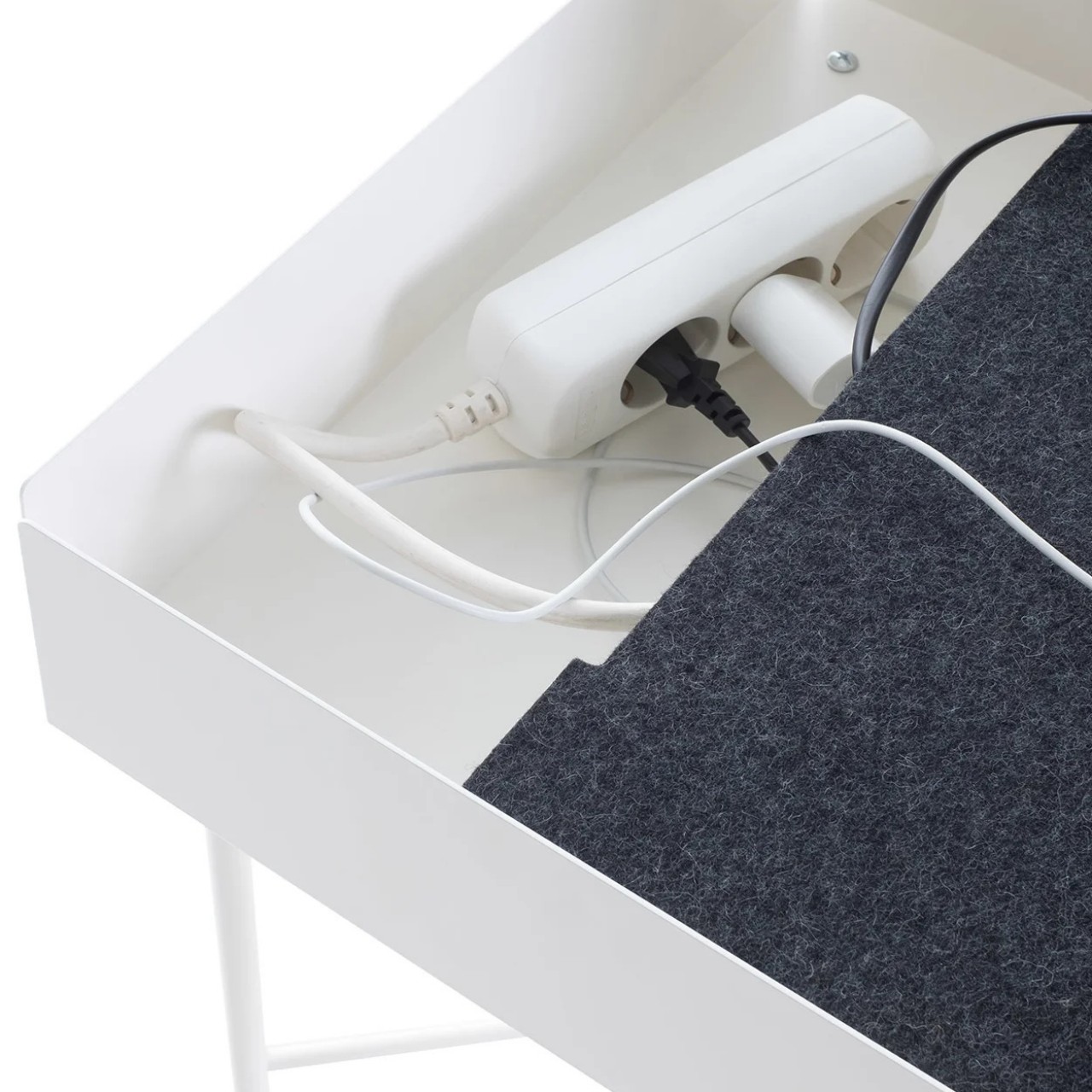
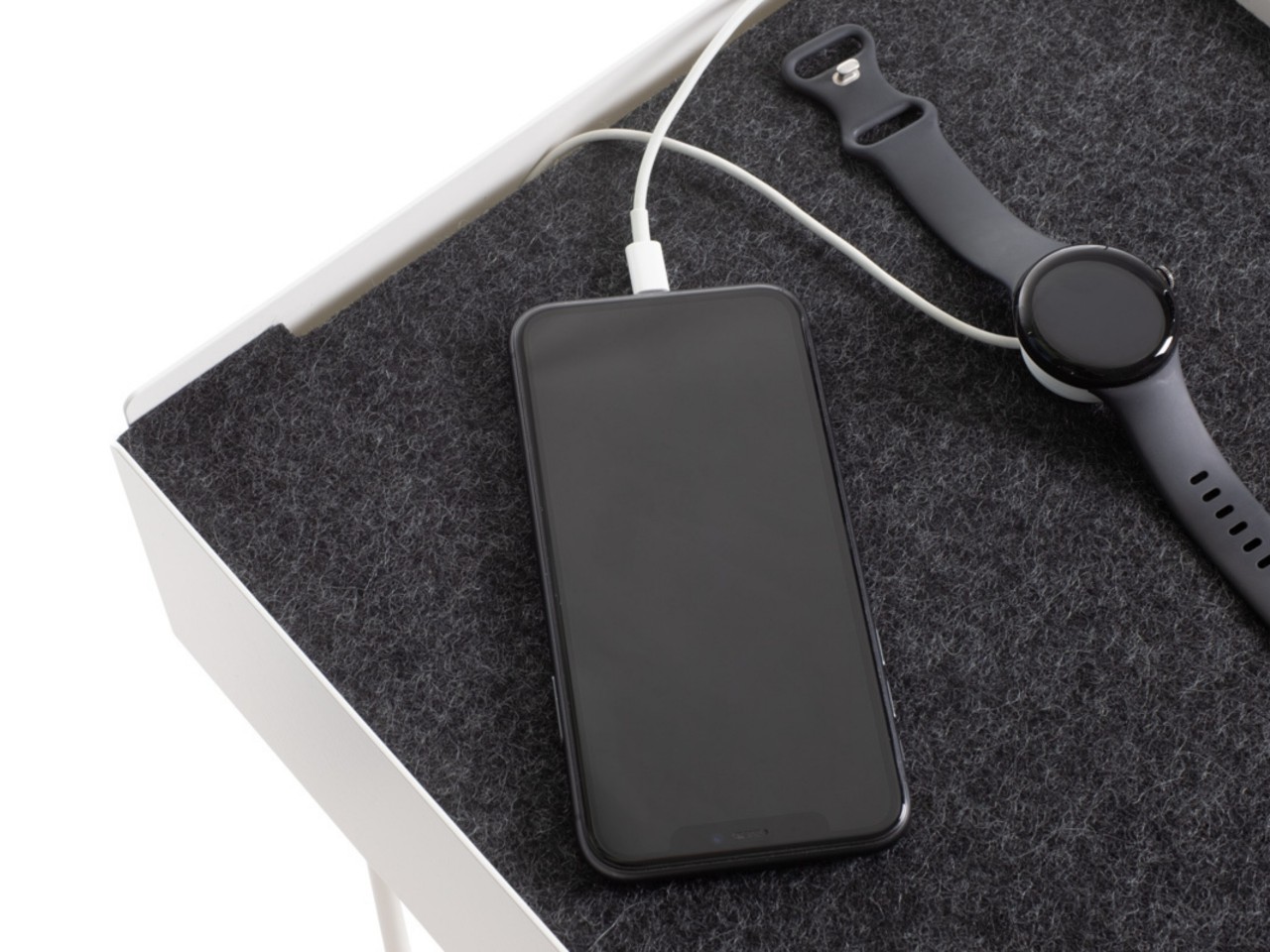
This simplicity, however, is deceptive, because that tabletop slides out a bit to reveal a hidden compartment inside. This storage space has one primary function: to house a power strip that can charge your devices. You simply plug in your chargers, slide the tabletop back in, and have the charging cable discreetly coming out from the small gap at the side. And when you need to leave with that charger, simply slide the tabletop out again, unplug the charger, and go. You can also leave as many chargers in there thanks to the compartment’s spacious area.
As for the power strip’s own thick cable, a hole in the middle of that hidden storage for it to pass from beneath the table. Ideally, you’d have it find its way down one of the table’s legs or across to a nearby couch or chair, completely hiding it from view. Admittedly, it’s going to be trickier than keeping devices’ charging cables hidden, but at least there’s only one snake to wrangle.
The Charge Table offers a simple, elegant, yet very effective solution to ensuring that unsightly wires don’t ruin the aesthetics of your interior, though the compact size of the table does present another problem. Given today’s practice of owning more than one device per person, it might not be big enough to charge a phone and a tablet or a combination of multiple devices at the same time. Then again, the very design of the table itself encourages simplicity and frugality, and it might give people pause for thought on what’s really important, at least as far as the devices they keep close are concerned.
The latest Made by Google showcase is in the books and, as expected, we got the formal unveiling of the Pixel 9 lineup. Google has redesigned its smartphone lineup with an eye-catching (and perhaps pocket-catching) camera bar. The camera array in the Pixel 9 includes a new 48MP ultrawide sensor for Macro Focus closeups.
The company has given the entry-level device a welcome memory increase to 12GB and included the latest Tensor G4 chipset. The 6.3 Actua display, meanwhile, is 35 percent brighter than the one on the Pixel 8. The Pixel 9 has Gorilla Glass Victus 2 on the front and rear along with a 100 percent recycled aluminum enclosure.
In terms of features, there is, of course, a heap of AI-powered tools. One called Add Me seems pretty interesting as it allows you to both take a photo and be in it. After you take a photo of a group, take one of the photographer. The phone will then "magically" merge the two photos, Google says. The Magic Editor has a new generative AI feature called reimagine, which allows you to make changes using natural language prompts.
Google is also infusing its Gemini AI assistant into the Pixel 9. You'll just need to hold the power button to activate it and get help with things like drafting an email or text message. Gemini can pull data from Google apps such as invitation details from Gmail so you can RSVP.
As things stand, the Pixel 9's closest flagship Android rival is the Samsung Galaxy S24 given that they're effectively the same price and share a lot of similarities. The S24 has a triple rear camera array compared with the Pixel's dual-lens setup. However, the Pixel 9 has a marginally larger screen and it will be the first of the pair to get Android 15 — Galaxy S24 users will have to wait a little longer to gain access to the new operating system's features.
To illustrate other similarities and differences, here's a spec comparison of the Pixel 9 and Galaxy S24:
None
Google Pixel 9
Samsung Galaxy S24
Pricing (MSRP)
From $799
From $800
Dimensions
6.0 x 2.8 x 0.3 inches
5.79 x 2.78 x 0.3 inches
Weight
7.0 ounces
5.93 ounces
Screen size
6.3 inches
6.2 inches
Screen resolution
1,080 x 2,424
1,080 x 2,340
Full HD+
Screen type
OLED Actua Display
60-120Hz
Up to 1,800 nits (HDR) and 2,700 nits (peak brightness)
2,000,000:1 contrast ratio
HDR support
Gorilla Glass Victus 2
AMOLED 2x
Up to 120Hz (1-120Hz)
Up to 2,600 nits brightness
Gorilla Glass Victus 2
SoC
Google Tensor G4
Snapdragon 8 Gen 3
RAM
12GB
8GB
Battery
4,700mAh
4,000mAh
Charging
USB Type-C 3.2
Up to 55 charge in around 30 minutes
Fast wireless charging (Qi-certified)
Battery Share
USB Type-C
Up to 50 percent charge in around 30 minutes
Fast Wireless Charging 2.0
Wireless PowerShare
Storage
128GB / 256GB
128GB / 256GB
Rear camera(s)
Main: 50 MP, ƒ/1.68
Ultrawide: 48 MP with Macro Focus, ƒ/1.7
Up to 8x Super Res Zoom
Up to 2x optical zoom
Main: 50 MP, ƒ/1.8
Ultrawide: 12 MP, ƒ/2.2
Telephoto: 10 MP, ƒ/2.4
3x optical zoom
Front camera(s)
10.5 MP, ƒ/2.2
12 MP, ƒ/2.2
Video capture
Rear: 4K at 24/30/60 fps, 1080p at 24/30/60 fps
Front: 4K at 30/60 fps
Rear: 8K at 24/30 fps, 4K at 30/60 fps, 1080p at 30/60/240/960 fps
This article originally appeared on Engadget at https://www.engadget.com/mobile/smartphones/google-pixel-9-vs-samsung-galaxy-s24-how-the-flagship-android-phones-compare-171550491.html?src=rss
Last year, Google released the Pixel Fold — the company's first-ever phone with a flexible screen. But today at its latest Made By event, Google showed off a sequel. But don’t call it the Pixel Fold 2, because in addition to a revamped design featuring what’s being called the largest display of any phone on the market, it’s also getting a reworked name: the Pixel 9 Pro Fold.
Now I must say, that moniker is a real mouthful. But the idea behind it was to ensure that people know the new Fold is part of the larger Pixel 9 family. That means this latest Fold has the same Tensor G4 chip, a similar design and all the AI features as the rest of the line. Plus a few bespoke additions made just for this device.
But before we get into that, let’s start with its design, which has made a pretty big shift from its passport-shaped predecessor. This time, Google opted for more traditional dimensions with the Pro Fold sporting a 6.3-inch outside display that’s almost identical in size to what you get on the standard Pixel 9 and Pixel 9 Pro. And with a peak brightness of up to 2,700 nits for both inside and outside displays, it's basically just as colorful and vibrant.
Photo by Sam Rutherford/Engadget
Then on the inside, you get a flexible screen that measures a whopping 8 inches across, beating out rivals like the Samsung Galaxy Z Fold 6 (7.6 inches), OnePlus Open (7.82 inches) and Honor Magic V3 (7.92 inches). Its technical name is the Super Actua Flex display, and it’s absolutely gorgeous. For the Pro Fold’s chassis, Google has switched to a boxier design with a new steel hinge covered by an aluminum alloy and Gorilla Glass Victus 2 in front and back.
Now I will admit I was a bit bummed out by the change in shape as I’ve really come to appreciate the original Pixel Fold’s wide front screen. However, after playing around with it, the Pro Fold’s dimensions are definitely growing on me. Plus, if you remember from my interview with Google’s design team, the purpose of the first Fold’s shorter and squattier design was to make the outside screen more usable than the long and skinny displays Samsung uses on the Z Fold line. And by using a screen that is the same size as the regular Pixel 9 on the Pro Fold, it’s clear that they’re still sticking to that mantra.
Photo by Sam Rutherford/Engadget
Google has also slimmed down the phone and is claiming that it’s the thinnest foldable you can buy today. That said, measuring 5.1mm thick when open or 10.5mm thick when closed, I believe it's a touch fatter than both the Honor Magic V3 (4.4mm/9.3mm) and the Xiaomi Mix Fold 4 (4.6mm/9.5mm). That said, if we’re only talking about models available in the US, I think Google's claim holds true.
Around back, there’s a big new camera module that holds a 48-MP main camera and a 10.8-MP telephoto cam with a 5x optical zoom, which look to be the same as what we got in last year’s phone instead of using the new sensors available on the main Pixel 9 models. But I haven’t been able to confirm that just yet. And finally, there’s a 10.5-MP ultra-wide camera.
Photo by Sam Rutherford/Engadget
I’ve dinged Samsung in the past for saddling the Z Fold line with cameras that aren’t quite as good as what you get on the main Galaxy S family, and it looks like Google is doing something similar to the Pro Fold, which I don’t love. But seeing as how last year’s phone offers better image quality than what you get on the new Z Fold 6, it’s not quite as big of a deal.
Naturally, there are a ton of new features and photo modes too. There’s stuff like Add Me, which uses AR guides to help you take group shots so you don’t need to ask a passerby for help. There is also a new and improved Video Boost tool that works in the dark and supports high-resolution zooms. But my favorite addition is Made You Look, which puts a fun animation on the outside screen so you can get a nice shot of your kids or anyone else who might otherwise be slightly distracted. It even uses an algorithm to detect when someone is smiling, to make the animation move, which is just a really simple but effective way to get a true candid reaction during a posed photo. Google has also finally implemented the Zoom Enhance feature it teased back during the launch of Pixel 8.
Photo by Sam Rutherford/Engadget
And of course, it wouldn’t be Google without a bunch of new AI features. For photos, there are a few new Magic Editor tricks like Autoframe that can recompose your shots, or Reimagine, which can replace things (typically the foreground and background of a shot) with anything you can put in the prompt box.
For more general use, there’s the Pixel Screenshots app which allows you to save screenshots and then later use AI to find specific images or more detailed stuff like concert dates. Alternatively, if you want to generate your own images from scratch, the new Pixel Studio app looks surprisingly powerful. Not only can you create subjects and backgrounds, you can also generate stickers of your friends, remove distracting objects, or put together things like party invitations using your custom artwork. There’s even a new Pixel Weather app that uses AI to write a quick summary of what’s going on that day.
But the ML-powered tools don’t stop there, because Gemini Live allows you to have more natural conversations with AIs, so you can get answers on a huge range of topics without needing to say “Hey” every time you think of a question. There are also several features I didn’t get to try such as the Pixel 9’s improved Clear Calling, Call Notes, which uses AI to create transcripts of a call, and Google’s new satellite SOS system, which lets you call for help even when you don’t have cell service. Lastly, Google has bumped up the amount of RAM in the Pixel 9 Pro Fold from 12GB to 16GB of RAM with either 256GB or 512GB of storage.
So while I’ve only had a short time with it thus far, I really like what Google is doing with the Pixel 9 Pro Fold — you know, aside from its clunky new name. In a lot of ways, Google is delivering what I wanted Samsung to do for the Z line. The Pro Fold is thinner than Z Fold 6 while also having a bigger main screen. And its cameras should be better too. Plus, thanks to Google’s lead in AI, we’re getting even more fun and useful tools for tweaking photos or remembering that cool pair of shoes you screenshotted weeks ago. Sure, Google still doesn’t have a real alternative to Dex mode or built-in stylus support. But for people who want a convertible phone with great screens, excellent cameras and powerful software, the Pixel 9 Pro Fold is looking like a great follow-up to the original. Oh, and priced at $1,800, it costs $100 less than the Z Fold 6 too.
Photo by Sam Rutherford/Engadget
The Pixel 9 Pro Fold is available for pre-order today with official sales beginning on September 4. It will be available in two colors: porcelain and obsidian.
This article originally appeared on Engadget at https://www.engadget.com/mobile/smartphones/google-pixel-9-pro-fold-hands-on-a-clever-new-shape-and-even-bigger-displays-170058834.html?src=rss