Microsoft has been taking a lot of hits over its Xbox Game Pass price hike and the overall lackluster offering of games. So to make up for it, they are offering a Call of Duty game for the first time on its virtual buffet. Unfortunately, it’s Call of Duty: Modern Warfare III, one of the lowest rated games in the series.
Calling the reviews for Modern Warfare III “mixed” would be generous.IGN’s Simon Cardy said its single-player campaign was “shallow,” “dull” and “the worst Call of Duty single-player campaign I’ve played.” Jump Dash Roll’s Derek Johnson wrote that its main campaign is “genuinely not worth playing” and its signature Zombies mode “isn’t quite as atrociously terrible as its single-player but that doesn’t mean it’s anything resembling something fun.”
Modern Warfare III won’t be the only Call of Dutygame available for Xbox Game Pass subscribers. Xbox Game Pass will provide day one access to Call of Duty: Black Ops 6 in October. Of course, we don’t know how good the game will be but one imagines it'll garner a bit more favor from critics compared to Modern Warfare III.
This article originally appeared on Engadget at https://www.engadget.com/a-call-of-duty-game-is-coming-to-xbox-game-pass-just-not-one-anyone-wants-175255224.html?src=rss
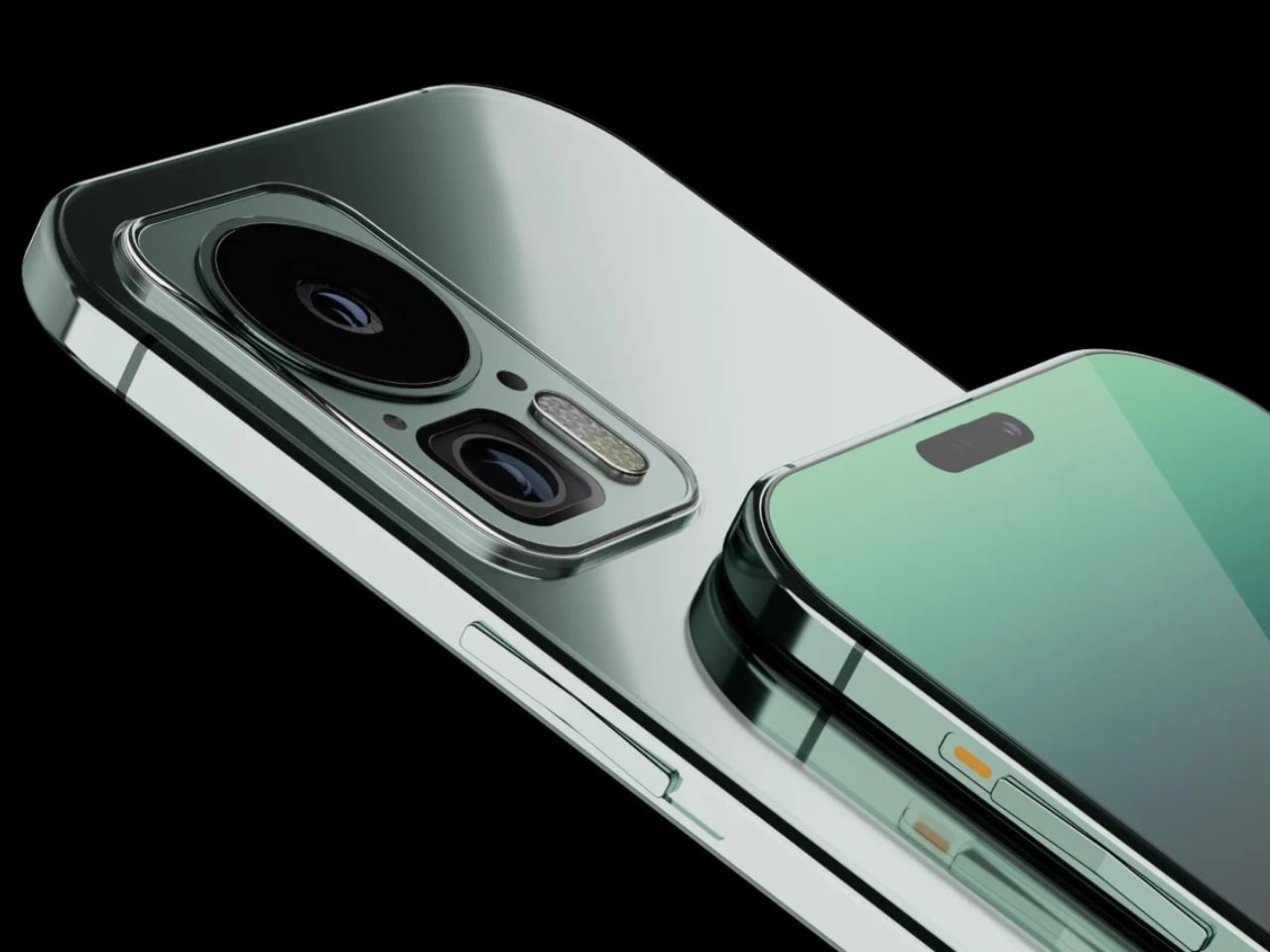
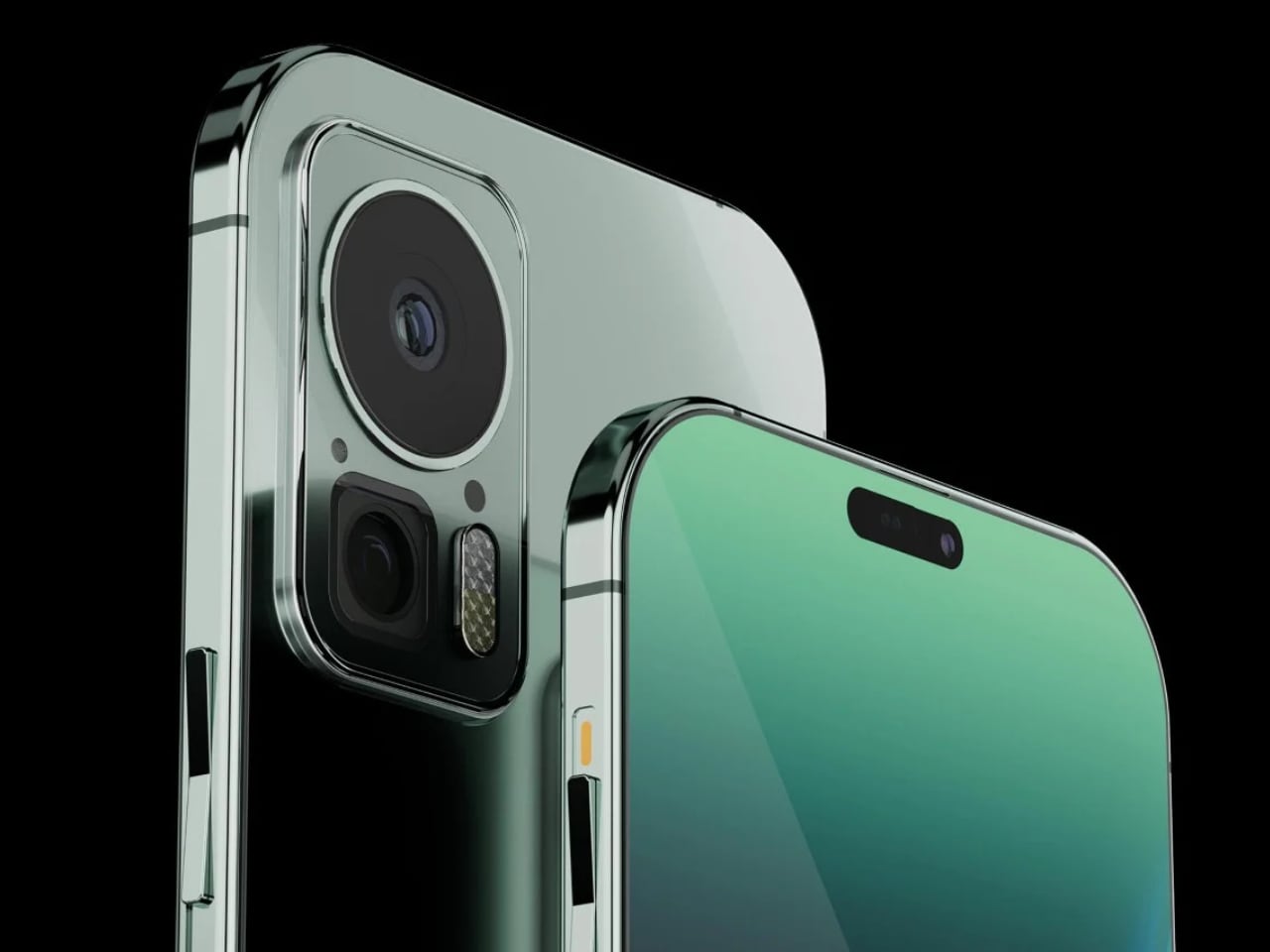
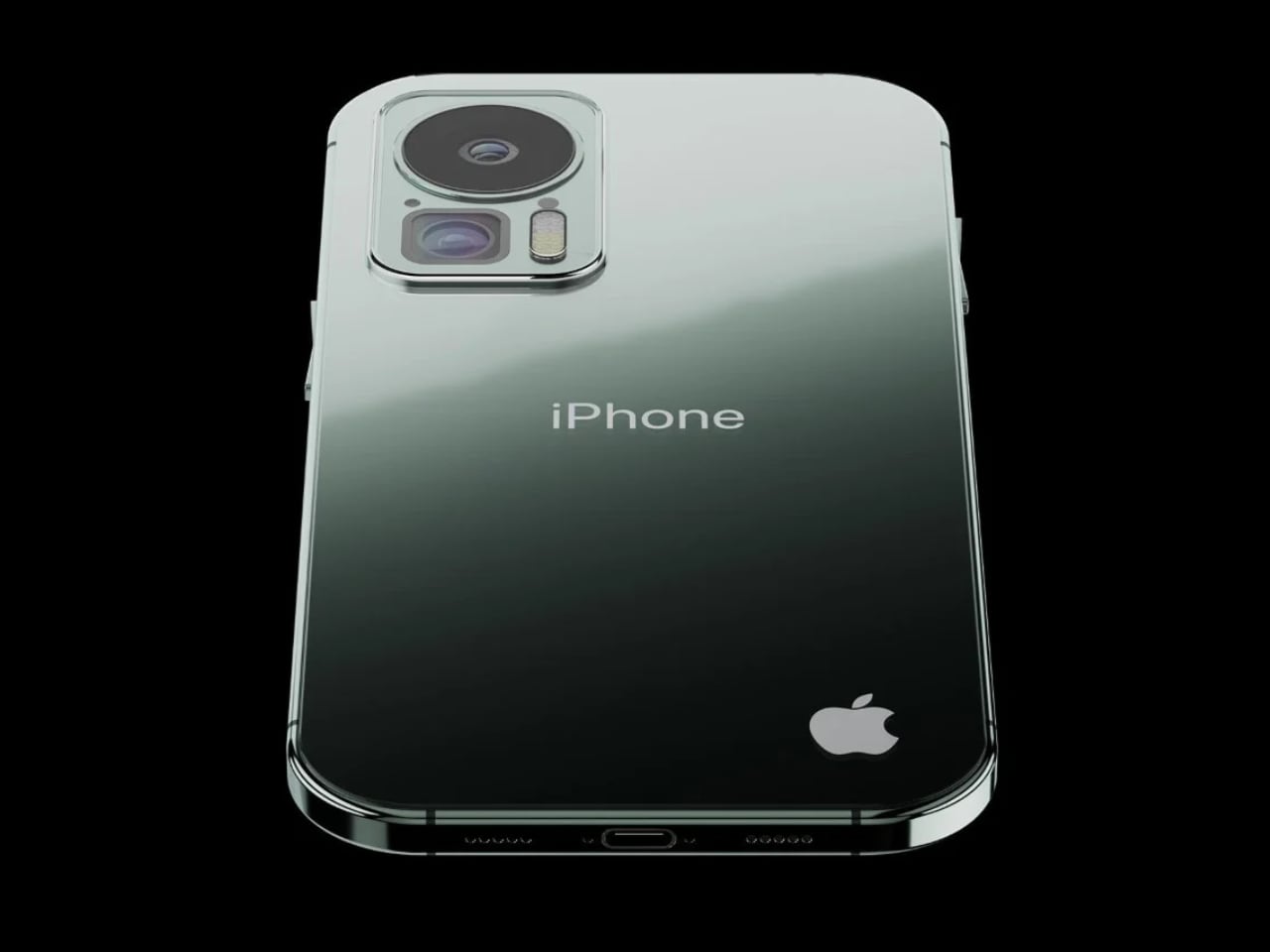
Rumors are swirling that Apple might be dropping its “Plus” iPhone models, starting with the iPhone 17, potentially replacing them with a more premium offering. Over the years, the appeal of the “Plus” models has waned as standard, and Pro models have become more capable. The latest leaks suggest Apple is set to introduce a new “Slim” iPhone to fill this gap, a move that could revolutionize the future of Apple’s products and excite tech enthusiasts.
Designer: Apple
Remember that iconic moment when Steve Jobs wowed the world by pulling the MacBook Air out of a manila envelope? Could Apple be gearing up for another “MacBook Air moment” with the iPhone 17 Slim? If the rumors are true, we might witness a similarly groundbreaking reveal that redefines expectations for smartphone design and performance.
On July 20, details emerged on Weibo indicating that the iPhone 17 line-up will not include a Plus model. Instead, Apple is reportedly planning to launch an “iPhone 17 Slim,” set to become the most premium model in the line-up, much like the Apple Watch Ultra. This new model will take design cues from the ultra-thin iPad Pro M4, launched in May.
iPhone Concept
The iPhone 17 Slim is rumored to be significantly thinner than its predecessors and other models in the line-up. It is also said to feature an LTPO display with a 120Hz refresh rate, a feature currently exclusive to Pro models. This shift means every iPhone 17, from the base model to the Pro Max, will offer ProMotion technology.
Speculation also suggests that the iPhone 17 series will be powered by Apple’s A19 and A19 Pro processors. The iPhone 17 Slim will likely include the A19 Pro, making it the most advanced and expensive model in the range. Rumors suggest a starting price of $1,299, making it pricier than the current iPhone 15 Pro Max. However, the potential of the iPhone 17 Slim to meet and exceed consumer expectations in terms of performance and design is reassuring.
iPhone 17 Pro: $1,099, A19 Pro processor, 6.27-inch LTPO (ProMotion) display, 12GB of RAM
iPhone 17 Pro Max: $1,199, A19 Pro processor, 6.86-inch LTPO (ProMotion) display, 12GB of RAM
iPhone 17 Slim: $1,299, A19 Pro processor, 6.65-inch LTPO (ProMotion) display, 12GB of RAM
Apple’s push towards thinner designs extends beyond the iPhone. The company is rumored to work on slimmer versions of all its main products, including MacBooks and Apple Watches. This ambition presents significant challenges, particularly regarding battery life and durability. A thinner design often means a smaller battery, which could compromise battery life. Ensuring the iPhone 17 Slim has comparable or superior battery performance to existing Pro Max models will be crucial.
Interestingly, with the development of the M4 and potentially M5 chips, these processors are expected to be much more efficient by the time the iPhone 17 is released. This efficiency could allow Apple to use a smaller battery while retaining the same battery life as current models. While battery capacity is a significant factor, I would much rather have a faster wired and wireless charging rate to top off as needed quickly.
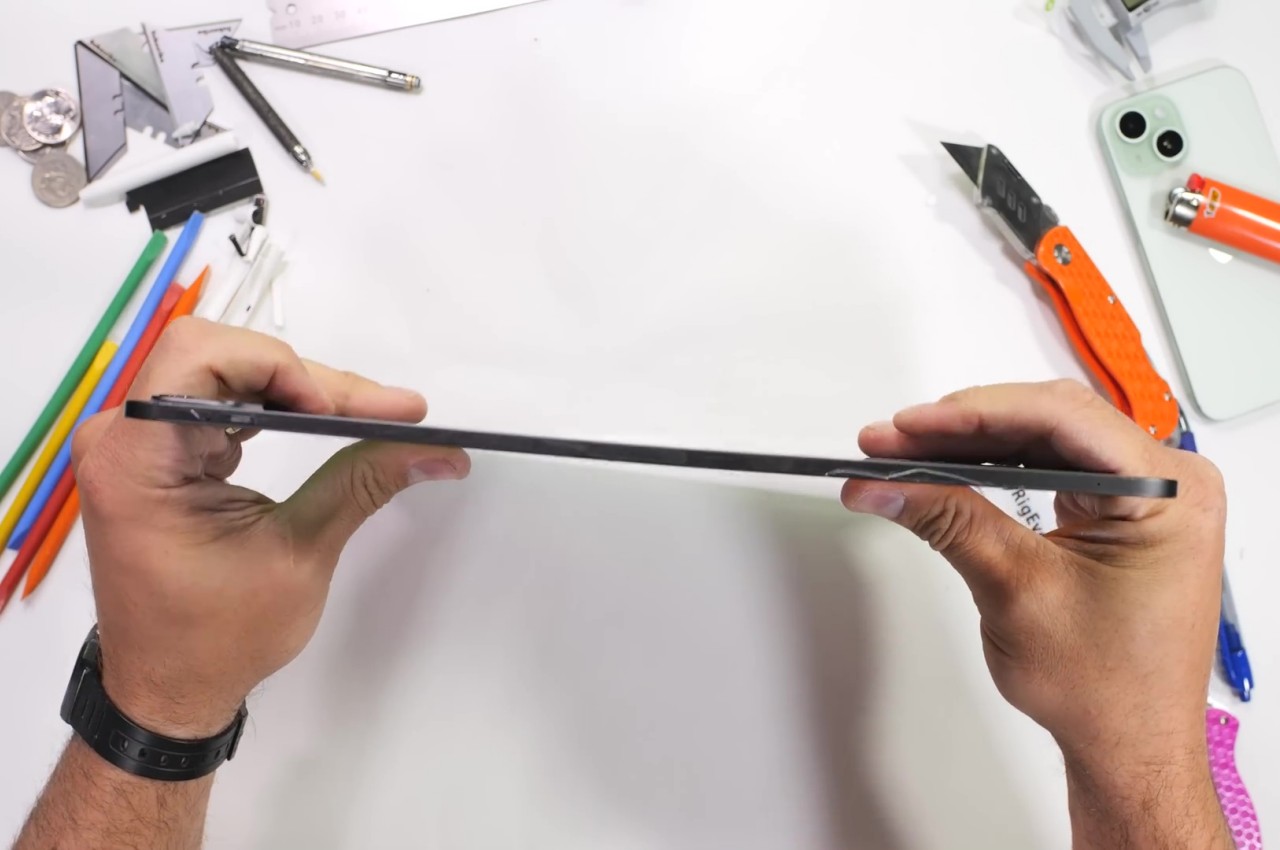
The design elements of the iPad Pro M4 are noteworthy, with its skinny profile and raw processing power setting a new standard for Apple’s devices. Imagine the iPhone 17 Slim adopting this same level of thinness combined with the A19 Pro processor. This would not only deliver a powerhouse device with exceptional performance and a gorgeous display but also set a new benchmark for smartphone design in the tech industry. Additionally, thinner devices can be more susceptible to bending and other durability issues, making robust design and engineering essential. However, Apple seems to have resolved this issue with the iPad Pro M4, giving confidence that the iPhone 17 Slim will be both durable and sleek—hallelujah!
Interestingly, recent leaks about the Pixel 9 Pro and the newly released Galaxy Fold6 and Flip6 show a trend towards flat edges, similar to the iPhone 15 Pro and Max. This design trend across brands highlights the industry’s move towards sleek, flat-edged devices. The Pixel 9 Pro will feature a refined design focusing on high-end performance. At the same time, the Galaxy Fold6 and Flip6 continue to innovate in the foldable phone market, combining cutting-edge technology with stylish designs.
Samsung Galaxy Fold6
Pixel 9 Pro Fold
The iPhone 17 Slim’s anticipated ultra-thin design would fit right into this trend, offering a visually stunning and powerful device that appeals to users looking for the best form and function. The ultra-thin design not only enhances the device’s aesthetics but also makes it more portable and comfortable to use, thereby enhancing the overall user experience.
Apple’s ultra-thin tech game plan doesn’t stop at the iPhone. The upcoming MacBooks and Apple Watches are also expected to feature thinner designs, making them more portable and stylish while maintaining high performance. The challenge will be to balance this thinness with functionality, ensuring that battery life and durability are not compromised.
MacBook Concept
With the iPhone 16 around the corner, are these early iPhone 17 leaks compelling enough to keep you holding on to your current device for another cycle? The promise of the iPhone 17 Slim, with its ultra-thin design, powerful A19 Pro processor, and stunning LTPO display, could be worth the wait. As Apple continues to innovate, we can expect these design principles to set new industry technology and design standards, inspiring the tech industry and consumers alike.
Cybersecurity company Dragos has flagged malware that can attack industrial control systems (ICS), tricking them into malicious behavior like turning off the heat and hot water in the middle of winter. TechCrunchreports that’s precisely what the malware, dubbed FrostyGoop, did this January in Lviv, Ukraine, when residents in over 600 apartment buildings lost heat for two days amid freezing temperatures.
Dragos says FrostyGoop is only the ninth known malware designed to target industrial controllers. It’s also the first to specifically set its sights on Modbus, a widely deployed communications protocol invented in 1979. Modbus is frequently used in industrial environments like the one in Ukraine that FrostyGoop attacked in January.
Ukraine’s Cyber Security Situation Center (CSSC), the nation’s government agency tasked with digital safety, shared information about the attack with Dragos after discovering the malware in April of this year, months after the attack. The malicious code, written in Golang (The Go programming language designed by Google), directly interacts with industrial control systems over an open internet port (502).
The attackers likely gained access to Lviv’s industrial network in April 2023. Dragos says they did so by “exploiting an undetermined vulnerability in an externally facing Mikrotik router.” They then installed a remote access tool that voided the need to install the malware locally, which helped it avoid detection.
The attackers downgraded the controller firmware to a version lacking monitoring capabilities, helping to cover their tracks. Instead of trying to take down the systems altogether, the hackers caused the controllers to report inaccurate measurements — resulting in the loss of heat in the middle of a deep freeze.
Dragos has a longstanding policy of neutrality in cyberattacks, preferring to focus on education without assigning blame. However, it noted that the adversaries opened secure connections (using layer two tunneling protocol) to Moscow-based IP addresses.
“I think it’s very much a psychological effort here, facilitated through cyber means when kinetic perhaps here wasn’t the best choice,” Dragos researcher Mark “Magpie” Graham told TechCrunch. Lviv is in the western part of Ukraine, which would be much more difficult for Russia to hit than eastern cities.
Dragos warns that, given how ubiquitous the Modbus protocol is in industrial environments, FrostyGoop could be used to disrupt similar systems worldwide. The security company recommends continuous monitoring, noting that FrostyGoop evaded virus detection, underscoring the need for network monitoring to flag future threats before they strike. Specifically, Dragos advises ICS operators to use the SANS 5 Critical Controls for World-Class OT Cybersecurity, a security framework for operational environments.
This article originally appeared on Engadget at https://www.engadget.com/russia-linked-hackers-cut-heat-to-600-ukrainian-apartment-buildings-in-the-dead-of-winter-researchers-say-171414527.html?src=rss
Regulators in the US and Europe have laid out the "shared principles" they plan to adhere to in order to "protect competition and consumers" when it comes to artificial intelligence. "Guided by our respective laws, we will work to ensure effective competition and the fair and honest treatment of consumers and businesses," the Department of Justice, Federal Trade Commission, European Commission and the UK's Competition and Markets Authority (CMA) said.
"Technological inflection points can introduce new means of competing, catalyzing opportunity, innovation and growth," the agencies said in a joint statement. "Accordingly, we must work to ensure the public reaps the full benefits of these moments."
The regulators pinpointed fair dealing (i.e. making sure major players in the sector avoid exclusionary tactics), interoperability and choice as the three principles for protecting competition in the AI space. They based these factors on their experience working in related markets.
The agencies also laid out some potential risks to competition, such as deals between major players in the market. They said that while arrangements between companies in the sector (which are already widespread) may not impact competition in some cases, in others "these partnerships and investments could be used by major firms to undermine or co opt competitive threats and steer market outcomes in their favor at the expense of the public."
Other risks to competition flagged in the statement include the entrenching or extension of market power in AI-related markets as well as the "concentrated control of key inputs." The agencies define the latter as a small number of companies potentially having an outsized influence over the AI space due to the control and supply of "specialized chips, substantial compute, data at scale and specialist technical expertise."
In addition, the CMA, DOJ and FTC say they'll be on the lookout for threats that AI might pose to consumers. The statement notes that it's important for consumers to be kept in the loop about how AI factors into the products and services they buy or use. "Firms that deceptively or unfairly use consumer data to train their models can undermine people’s privacy, security, and autonomy," the statement reads. "Firms that use business customers’ data to train their models could also expose competitively sensitive information."
These are all fairly generalized statements about the agencies' common approach to fostering competition in the AI space, but given that they all operate under different laws, it would be difficult for the statement to go into the specifics of how they'll regulate. At the very least, the statement should serve as a reminder to companies working in the generative AI space that regulators are keeping a close eye on things, even amid rapidly accelerating advancements in the sector.
This article originally appeared on Engadget at https://www.engadget.com/us-and-european-antitrust-regulators-agree-to-do-their-jobs-when-it-comes-to-ai-163820780.html?src=rss
The baddest of the bunch looks to be the 954-piece Battle Bus kit, which costs $100. This is a brick-based replica of the iconic hot-air balloon on wheels, complete with a removable roof and characters like Meowscles, Raven and Cuddle Team Leader, among others.
Lego
The 1,414-piece Peely Bone set looks to appeal to collectors more than kids. It builds into a giant version of the rare Fortnite character, who is one-half banana and one-half skeleton. The kit comes with accessories like a pickaxe and paint launcher. This set also costs $100.
The game’s beloved Supply Llama is also getting a kit. This 691-piece set allows fans to build the iconic character and it comes with a whole bunch of themed accessories, including a grappler, Slurp Juice, Slap Juice and more. This set costs $40, which isn’t too bad given the number of pieces involved.
Lego
Finally, there’s a teensy Durrr Burger kit, which is aimed squarely at kids. This 193-piece set builds into the aforementioned Fortnite landmark (it’s a restaurant in the game.) It even comes with an olive on a toothpick. The kit costs just $15.
All of these sets are available for preorder right now straight from Lego, but we have to wait a little bit before they ship. The kits don’t officially release until October 1. In the meantime, there’s a nifty Jaws-inspired set coming out in August and a massive 2,500-piece set based on The Legend of Zelda that ships on September 1.
This article originally appeared on Engadget at https://www.engadget.com/legos-first-fortnite-sets-are-here-153451343.html?src=rss
So much relies on Wi-Fi — your TV, music, games, smart home devices, possibly even your alarm clock — which makes dead zones productivity killers. One of our favorite ways to remedy weak or spotty coverage is with Google's Nest Wi-Fi Pro 6E and right now, a three pack is down to $285. That's a 29 percent discount and matches the sale price it hit last week for Prime Day. This isn't an all-time low, but it's just $5 more than the record.
We named the Nest Wi-Fi Pro the best for novice users in our guide to mesh Wi-Fi systems and it earned an 87 in our full review. Our reviewer, Daniel Cooper, called Google's 6E system "more approachable than the rest," though he notes that it's can't beat the competition on speed.
The smooth rounded shape is a little more decor-friendly than some more industrial-looking routers and was the first Nest router to harness WiFi 6/6E. That's great if you're looking to upgrade to the newer Wi-Fi standard, but keep in mind that these aren't backwards compatible with any pre-6E Nest routers.
As for speed, it's plenty fast enough for streaming movies and browsing the web and the coverage is impressive. To help with performance, it dynamically shunts traffic around the available space, including using the 6GHz band as backhaul. That frees up a lot of space in 2.4 and 5GHz bands, which is what most devices use. So unless you have a ton of devices that are Wi-Fi 6E-enabled, that feature should help. Still, if speed is your main concern, you might be better off with our pick for power users.
Overall, Dan appreicated that this was one of the cheapest WiFi 6E systems on the market, with a particularly easy-to-use app that made set up fairly foolproof. And if you're already using other Nest or Google-compatible smart home equipment, you'll appreciate the integration with the Google Home app.
This article originally appeared on Engadget at https://www.engadget.com/a-google-nest-wi-fi-6e-three-pack-is-back-on-sale-for-285-153232698.html?src=rss
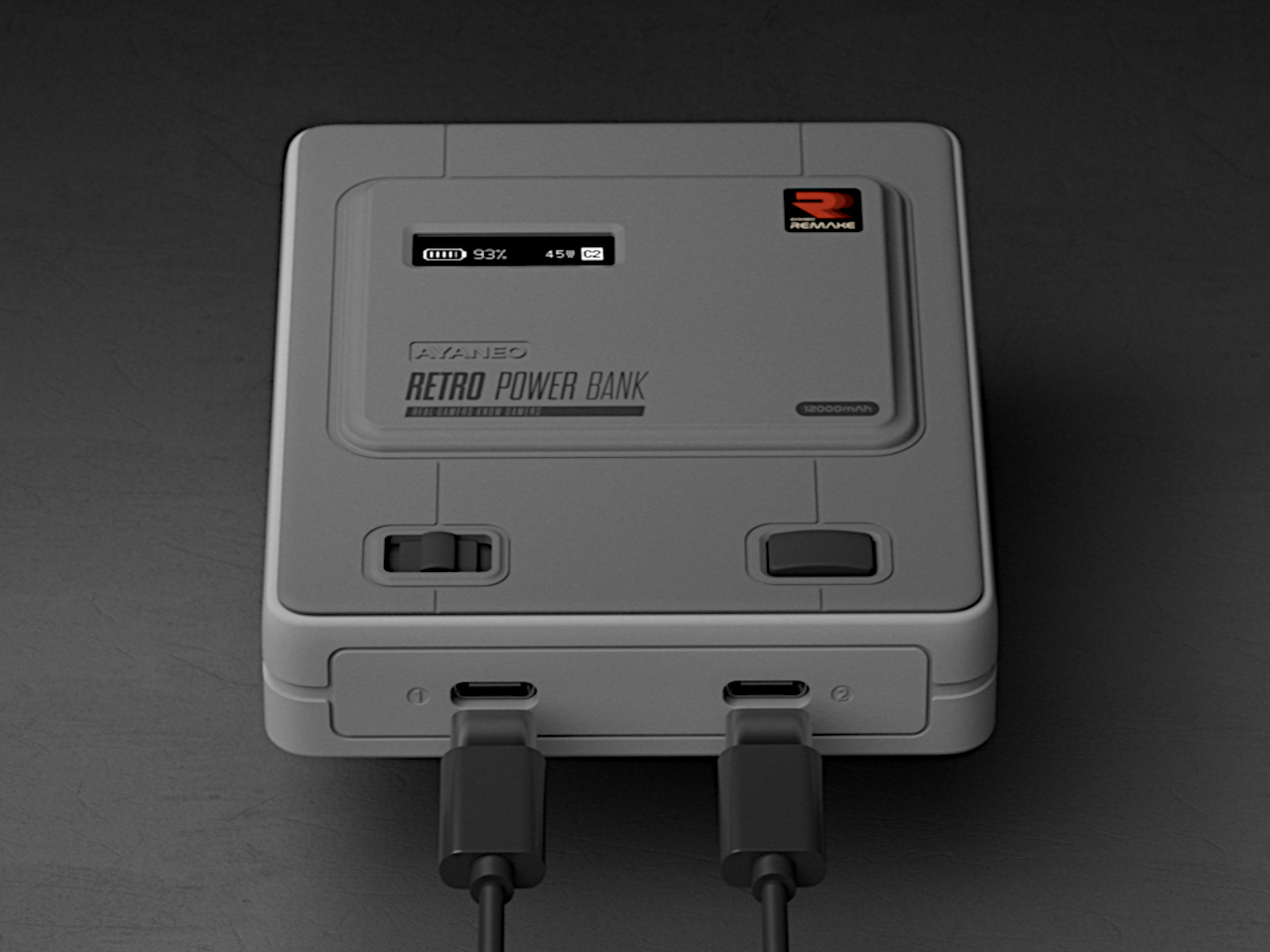
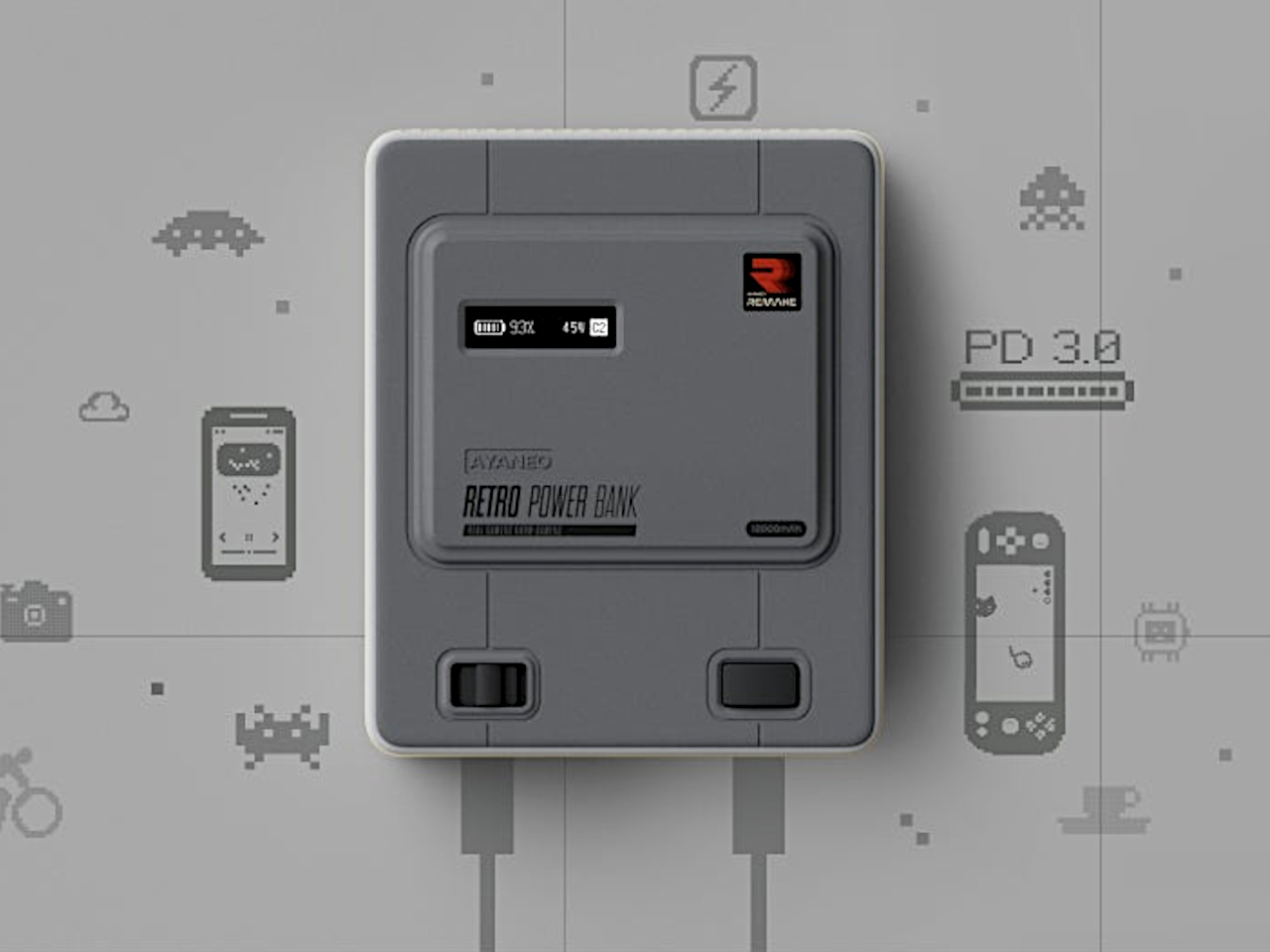
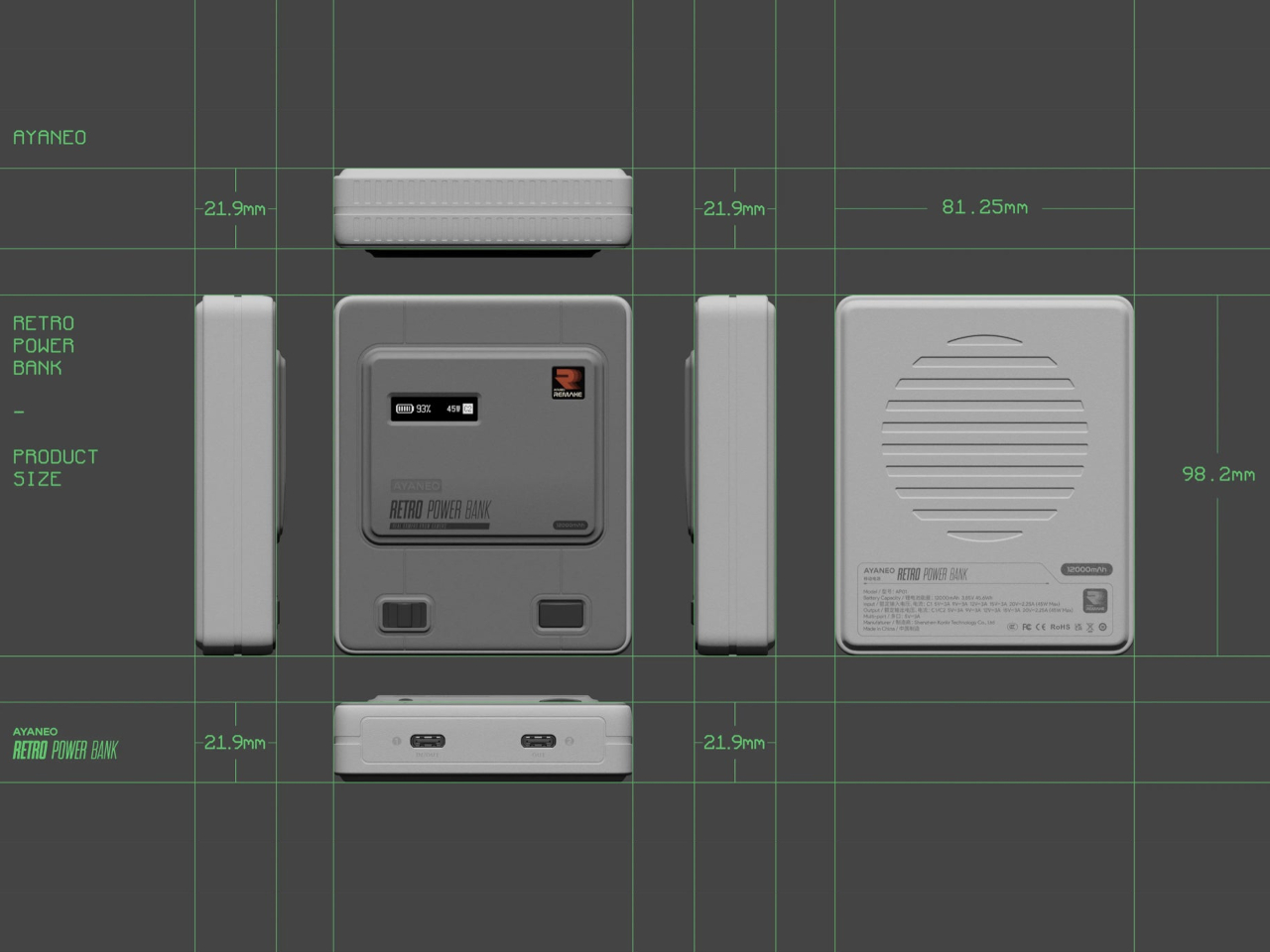
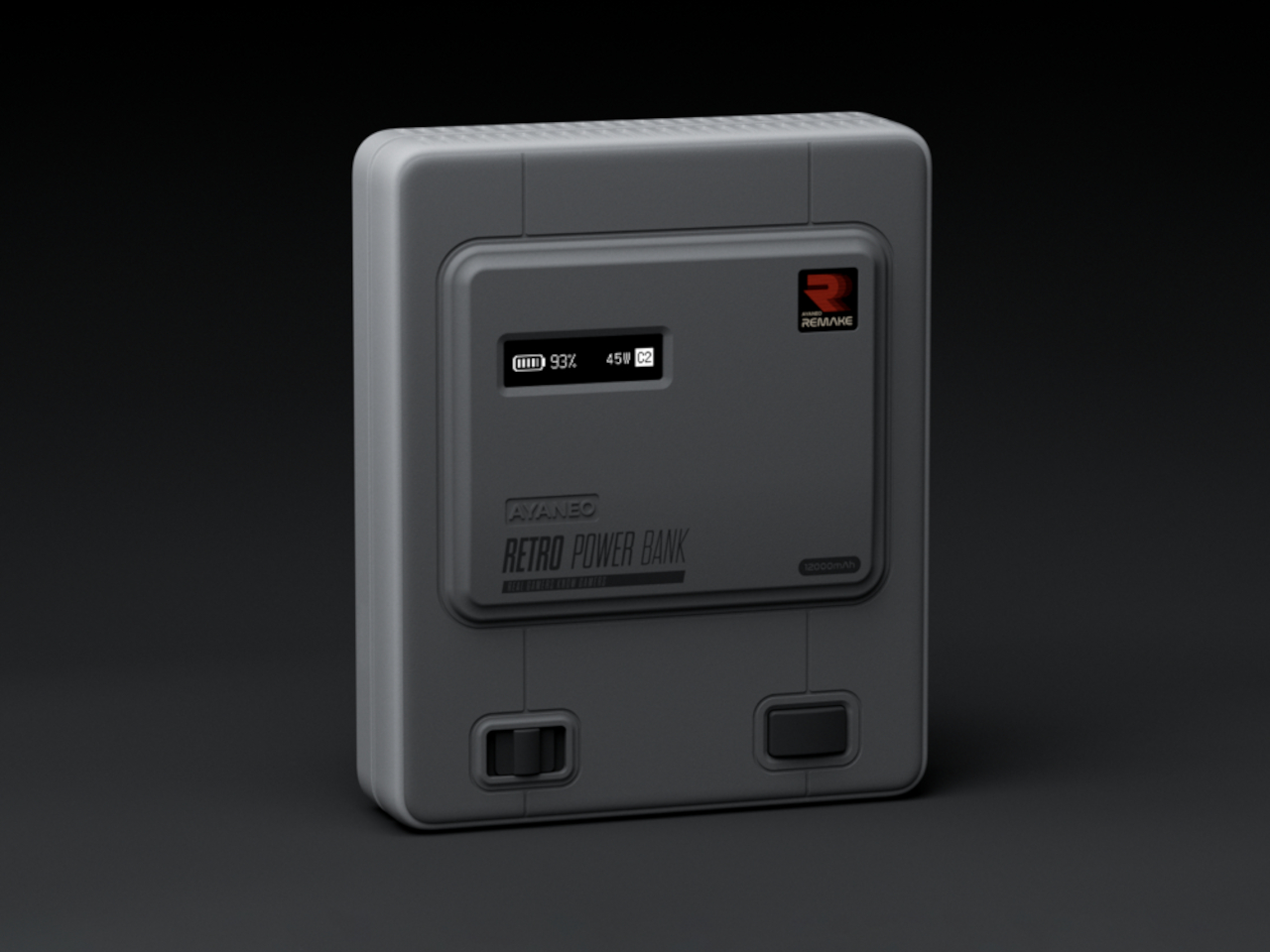
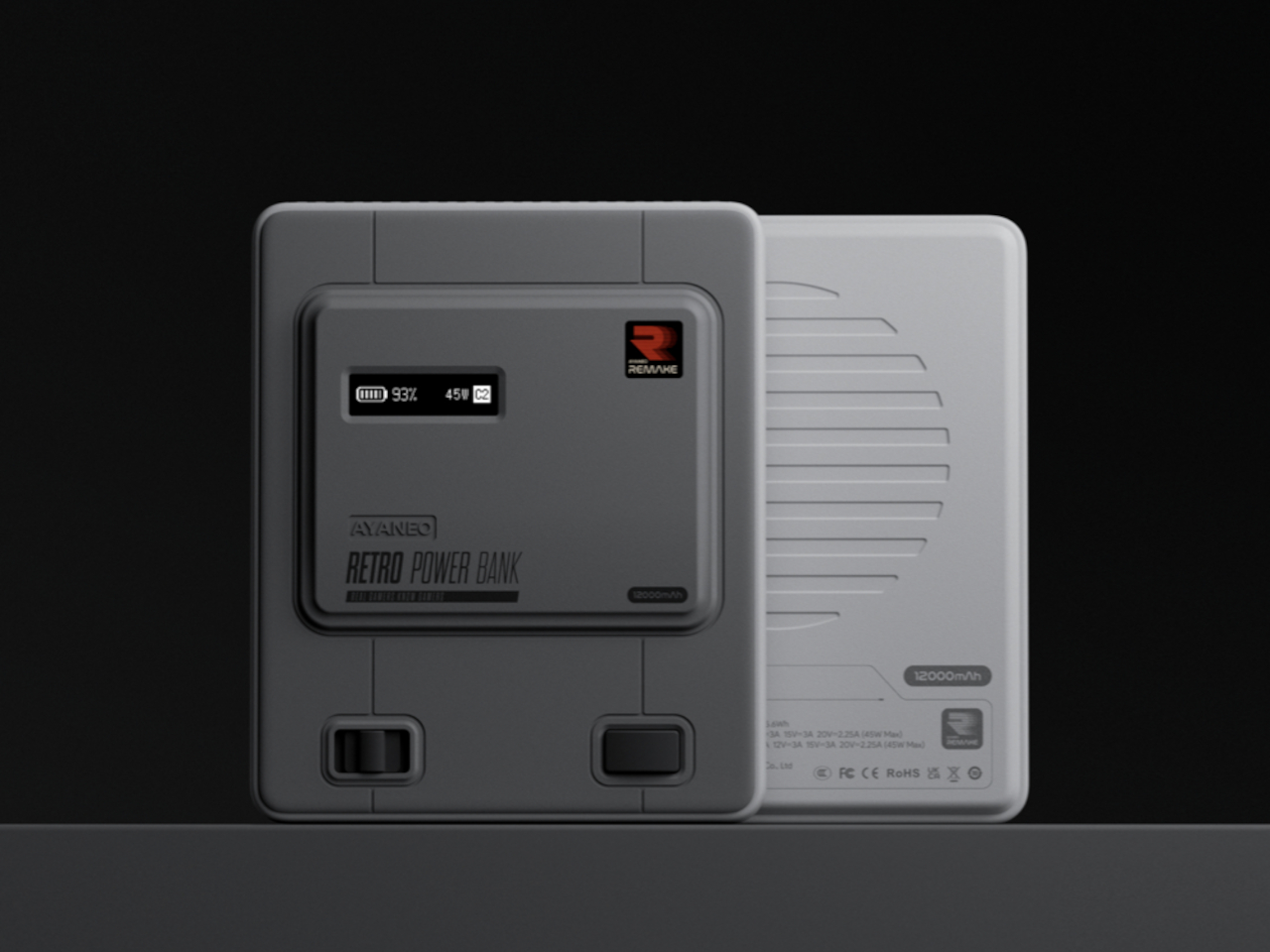
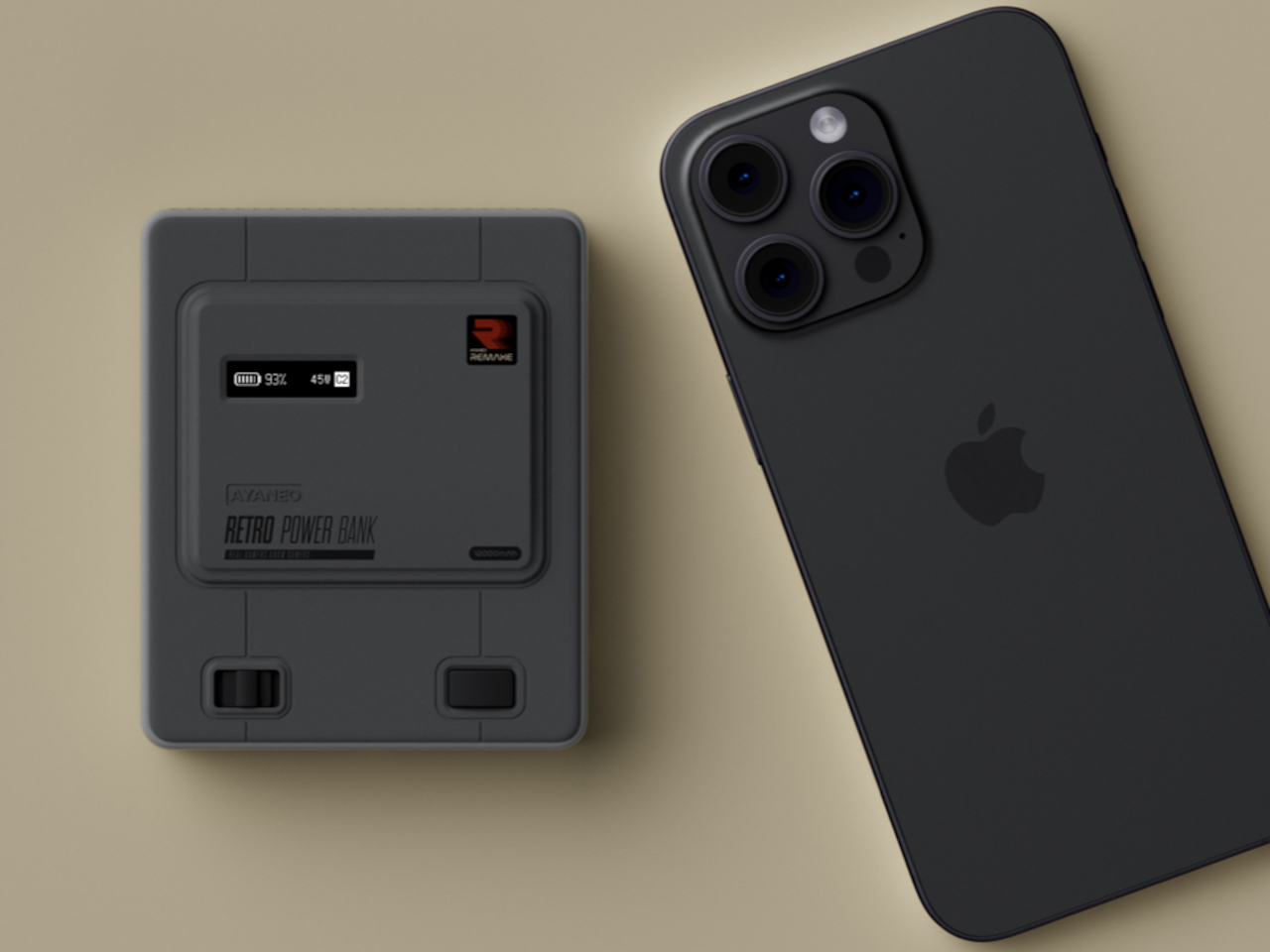
Retro gaming consoles kicked off a trend in the computing and gaming industries that saw the revival of many old-school designs. While the majority of these try to recreate decades-old experiences in a functional manner, some simply go for the aesthetics. After all, the designs can be eye-catching in their own right, regardless if they’re working like the original. Some put modern computing hardware inside shells from a time when monitors didn’t even have color, while others repurpose the design into some desktop or fidget toy only. This tiny retro console, for example, looks like a Super Famicom that’s no larger than your smartphone, but it isn’t actually a device that you can play but is simply AYANEO’s newest throwback: a 12,000mAh power bank in disguise.
The Nintendo Super Family Computer, a.k.a. “Super Famicom,” might be familiar to gamers in name, but those who live outside Japan might be more familiar with its other moniker and design. The Super NES (Nintendo Entertainment System) wasn’t as divergent as the NES from the Famicom, but there were subtle design differences, like the color scheme and placement of buttons. For whatever reason, AYANEO opted to pattern its tiny device on the Japanese Super Famicom, though that actually works in its favor in one specific detail.
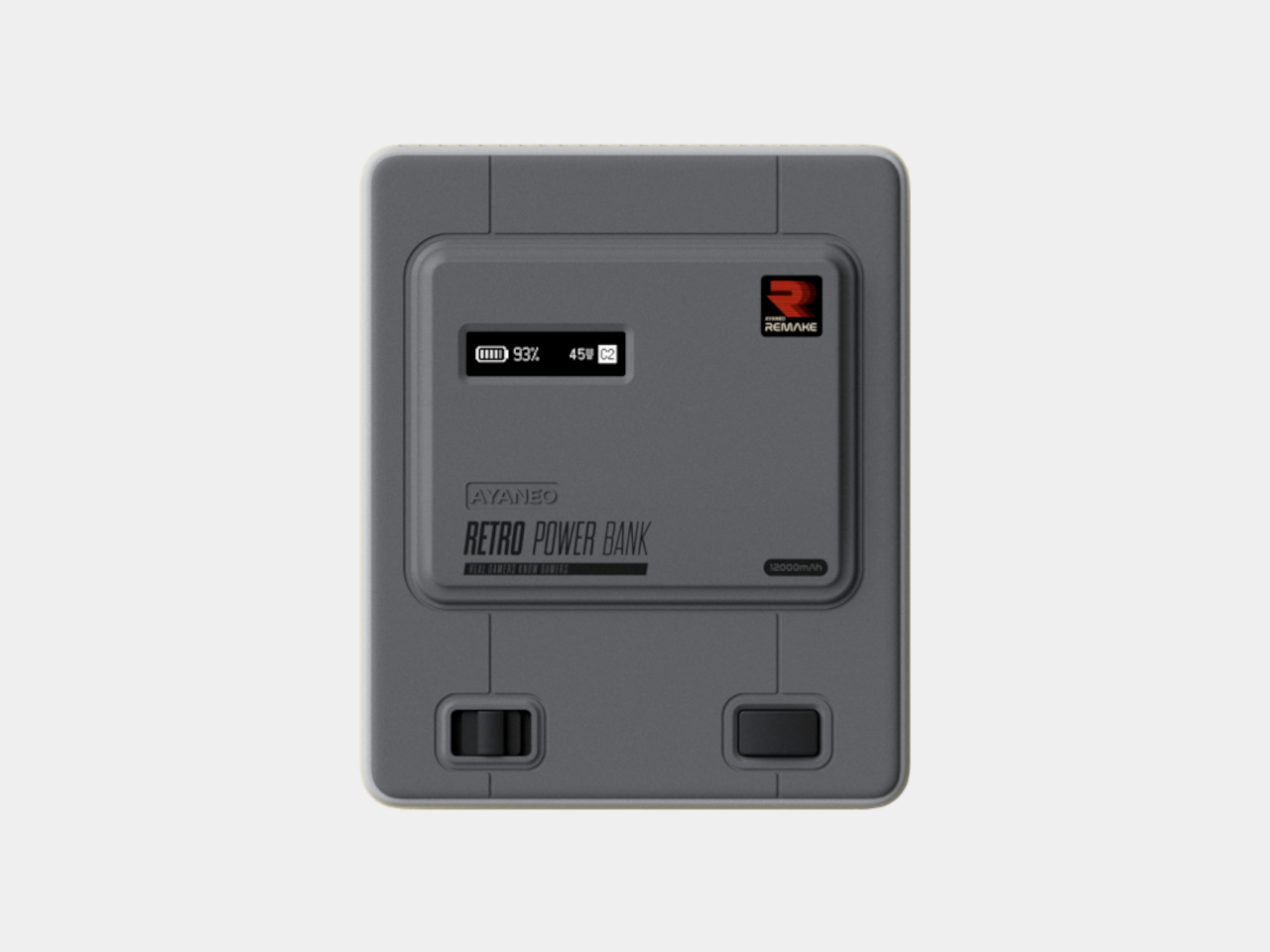
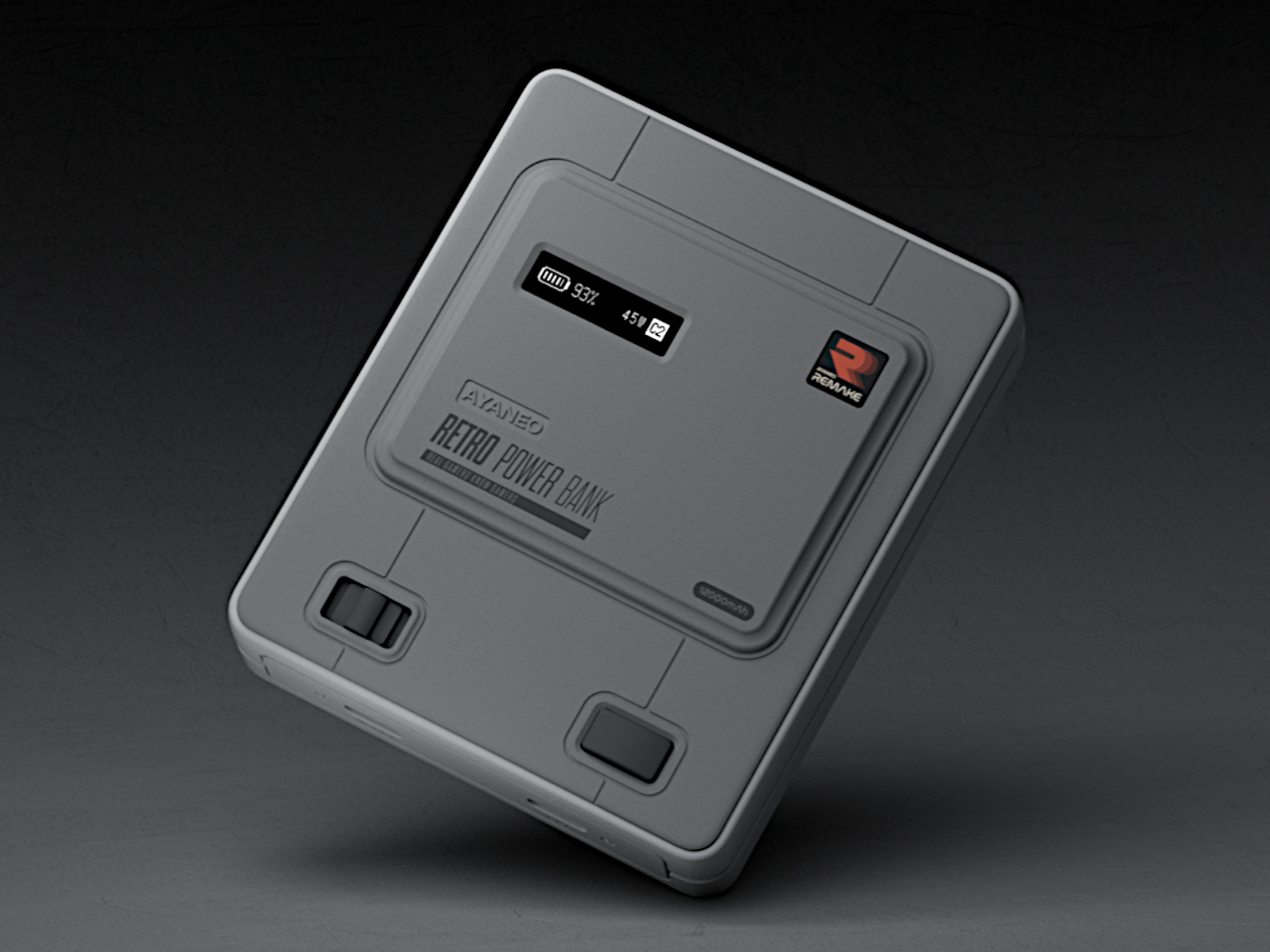
The Retro Power Bank, which avoids any legal landmine by using as generic a name as possible, adopts the dual-tone gray color scheme of the famed console as well as the raised section in the middle that delineates the main point of interest in the device. It even has the same sliding switch and button duo, but their locations have been moved around to avoid an exact copy of a copyrighted design. There’s also a small display strip that’s unsurprisingly absent from consoles of that bygone era, but is now almost a staple in high-capacity power banks.
Unlike the SNES, the Super Famicom used a sliding switch for its power button, a mechanism that the Retro Power Bank uses for navigating through menus and changing settings like units used, language, and screen off time, just to name a few. The reset button now becomes a function button that cycles through different display features. That 0.91-inch monochrome OLED screen is just small enough to show discharge and charging power, temperature, and other essential information at a glance.
Adorable as the design might be, some might be a little disappointed in its performance as an actual power bank. 12,000 mAh is admittedly plenty for most phones, but the 45W output will leave some waiting a bit to fully top up their phone. And when you use both USB-C ports at the same time, you’re down to 15W each. There’s also no wireless charging, which is probably for the best since you don’t want to cover that nice tribute to the Super Famicom, which is the entire point of the design in the first place.
These updates include an expansion of who can access Meta AI. Thanks to the addition of Argentina, Chile, Colombia, Ecuador, Mexico, Peru and Cameroon, the assistant is now available in 22 countries. It's also accessible in new languages: French, German, Hindi, Hindi-Romanized Script, Italian, Portuguese, and Spanish. However, some of the new features are location or language-specific for the time being.
Meta is rolling out a beta tool called "Imagine me" throughout the US. It allows for prompts such as "Imagine me surfing" or "Imagine me as a surrealist painting," and the AI assistant will create it using a photo of the individual. Meta is also adding new ways to tinker with an image, such as removing, changing or editing its content. This feature allows for creating an image, such as a duck, with the "Imagine me" tool and then instructing Meta AI to "Change the duck to a cat." Next month there will also be an "Edit with AI" button for further fine-tuning of images. The company is also rolling out the ability to create an image with Meta AI in a feed, comment, story or message across Facebook, Instagram, WhatsApp and Messenger. It should roll out this week, though just in English for now.
Then there's the launch of Llama 3.1 405B — Meta's new open-source AI model. You can use it on WhatsApp or meta.ai for tasks such as answering math problems and coding. Meta claims it will update its AI technology every two weeks and that new features and languages are on the way.
This article originally appeared on Engadget at https://www.engadget.com/meta-ai-is-now-available-in-spanish-portugese-french-and-more-150051715.html?src=rss
Meta on Tuesday announced the release of Llama 3.1, the latest version of its large language model that the company claims now rivals competitors from OpenAI and Anthropic. The new model comes just three months after Meta launched Llama 3 by integrating it into Meta AI, a chatbot that now lives in Facebook, Messenger, Instagram and WhatsApp and also powers the company's smart glasses. In the interim, OpenAI and Anthropic already released new versions of their own AI models, a sign that Silicon Valley’s AI arms race isn’t slowing down any time soon.
Meta said that the new model, called Llama 3.1 405B, is the first openly available model that can compete against rivals in general knowledge, math skills and translating across multiple languages. The model was trained on more than 16,000 NVIDIA H100 GPUs, currently the fastest available chips that cost roughly $25,000 each, and can beat rivals on over 150 benchmarks, Meta claimed.
The “405B” stands for 405 billion parameters, which are internal variables that an AI model uses to reason and make decisions. The higher the number of parameters an AI model has, the smarter we perceive it to be. OpenAI’s GPT-4 model, by comparison, reportedly has roughly 1.5 trillion parameters, although the company has not disclosed the number so far. In addition, Meta also released upgraded versions of existing Llama models that contain 70 billion and 8 billion parameters each, claiming that the newer versions had stronger reasoning abilities among other things.
Developers can download Llama 3.1 from its official website, while regular users can play with it through Meta AI in WhatsApp or on meta.ai, the company’s website for its chatbot. “Llama 405B’s improved reasoning capabilities make it possible for Meta AI to understand and answer your more complex questions, especially on the topics of math and coding,” Meta’s blog post states. “You can get help on your math homework with step-by-step explanations and feedback, write code faster with debugging support and optimization.” (Editor’s note: Engadget will pit Llama 3.1 against the New York Times Spelling Bee and report back to you). For now, Meta AI on Facebook, Messenger and Instagram are still restricted to the smaller version of Llama 3.1 that uses 70 billion parameters.
Unlike OpenAI, Google, Microsoft and Anthropic that keep their AI models proprietary, Meta’s AI models are open source, which means that anyone can modify and use them for free without sharing personal data with Meta. In a letter published on Tuesday, Meta CEO Mark Zuckerberg argued that an open source approach to AI development will ensure wider access to the technology’s benefits, prevent the concentration of power among a few big companies, and enable safer AI deployment across society. By open sourcing the company’s largest language model to date, Meta aims to make Llama the “industry standard” for anyone to develop AI-powered apps and services with, Zuckerberg wrote.
Open sourcing AI models and adding them to its existing products already used by billions of people could allow Meta to compete more effectively with OpenAI whose ChatGPT and DALL-E chatbots ignited an AI explosion when they launched in 2022. And it could also boost engagement — Meta announced today that users would soon be able to add AI-generated images directly into feeds, stories, comments and messages across Facebook, Messenger, WhatsApp and Instagram.
In his letter, Zuckerberg also criticized Apple and its closed ecosystem, arguing that the iPhone maker’s restrictive and arbitrary policies had constrained what Meta could build on its platforms. “[It’s] clear that Meta and many other companies would be freed up to build much better services for people if we could build the best versions of our producers and competitors were not able to constrain what we could build,” he wrote.
This article originally appeared on Engadget at https://www.engadget.com/llama-31-is-metas-latest-salvo-in-the-battle-for-ai-dominance-150042924.html?src=rss