So here’s the timeline we’re apparently living in: Apple will ship a completely redesigned MacBook Pro with OLED displays and touchscreens before Rockstar manages to release GTA 6. Let that sink in for a second. A company that refreshes laptops on a predictable yearly cadence is moving faster than a studio working on a game announced in 2022. Industry sources suggest Apple is accelerating development of its M6-powered models, with launch windows now pointing to late 2026 rather than the previously expected 2027 timeline. The shift signals confidence in advancing multiple breakthrough technologies simultaneously, from next-generation display panels to cutting-edge silicon manufacturing.
The irony is delicious because both Apple and Rockstar operate on their own time. They ship when they’re ready, audiences be damned. Except Apple apparently got ready really fast this time. For professionals who have waited through several years of iterative updates, the M6 models promise substantial reasons to upgrade. The combination of OLED technology borrowed from the iPad Pro, potential touchscreen integration, and the performance leap expected from 2-nanometer chips creates a compelling package. Add to this a thinner chassis, refined thermal management, and possibly even cellular connectivity, and the M6 MacBook Pro begins to look like the generational shift many have been anticipating since the original Apple Silicon transition.
Designer: Apple
Representative Image
The rumor mill had most of us penciling in a 2027 launch for the M6 MacBook Pro, giving Apple time to perfect the OLED transition and work through the inevitable supply chain headaches. But production starting early suggests either the technology matured faster than expected or Apple sees competitive pressure building and wants to strike first. My money is on both. The shift signals confidence in advancing multiple breakthrough technologies simultaneously, and when Samsung starts manufacturing panels months ahead of schedule, it means someone with deep pockets is pushing hard. That someone is Apple, and they clearly want these machines out the door before 2027.
The redesign also alleges a shift to tandem OLEDs, the same technology we saw on the iPad Pros last year (which apple called their Ultra Retina XDR Display). Tandem OLED uses two emissive layers stacked on top of each other, which delivers higher sustained brightness, better power efficiency, and dramatically reduced burn-in risk. The iPad Pro already proved this works beautifully. Blacks that actually look black, colors that pop without looking oversaturated, and HDR content that doesn’t feel like a compromised laptop experience. Moving that to a 14-inch or 16-inch panel with different thermal constraints is complex, but Apple’s display team has pulled off harder tricks. The mini-LED panels in current MacBook Pros are excellent. OLED makes them look outdated.
Representative Image
Then Apple is apparently adding touchscreens, which is wild considering how long they insisted touchscreens on laptops were bad design. They weren’t entirely wrong. Gorilla arm is a real problem. Nobody wants to reach up and poke a vertical screen all day. But the implementation details suggest Apple found a middle ground that actually works. Reinforced hinges keep the display stable when you tap it. A hole-punch camera cutout instead of the notch, possibly with Dynamic Island functionality, points to interface elements designed for quick touch interactions. This isn’t about replacing the trackpad. This is about adding occasional touch input for specific tasks where it makes sense, like scrolling through a timeline or adjusting sliders in creative apps.
The M6 chips built on TSMC’s 2-nanometer process could deliver 15 to 20 percent performance gains over M5 while improving energy efficiency. That translates to faster renders, quicker compile times, and snappier machine learning workflows without sacrificing battery life. The real party trick is how Apple might structure the chips with CPU and GPU in separate blocks, allowing more customization in performance configurations. You get exactly the compute power you need without paying for components you’ll never max out. Smart, efficient, very Apple.
Representative Image
Here’s where the joke stops being funny though. These redesigned models will probably only come in Pro and Max configurations initially, with the base model stuck on the old design for another year. That’s Apple’s way of charging a premium while keeping cheaper options available. The iPad Pro jumped about $200 when it got tandem OLED. Expect similar economics here, putting the entry point for a redesigned 14-inch model somewhere around $2,200 or higher. You’ll be able to buy this laptop and play GTA 6 on it via cloud gaming before you can buy GTA 6 natively. What a time to be alive.
So here’s the timeline we’re apparently living in: Apple will ship a completely redesigned MacBook Pro with OLED displays and touchscreens before Rockstar manages to release GTA 6. Let that sink in for a second. A company that refreshes laptops on a predictable yearly cadence is moving faster than a studio working on a game announced in 2022. Industry sources suggest Apple is accelerating development of its M6-powered models, with launch windows now pointing to late 2026 rather than the previously expected 2027 timeline. The shift signals confidence in advancing multiple breakthrough technologies simultaneously, from next-generation display panels to cutting-edge silicon manufacturing.
The irony is delicious because both Apple and Rockstar operate on their own time. They ship when they’re ready, audiences be damned. Except Apple apparently got ready really fast this time. For professionals who have waited through several years of iterative updates, the M6 models promise substantial reasons to upgrade. The combination of OLED technology borrowed from the iPad Pro, potential touchscreen integration, and the performance leap expected from 2-nanometer chips creates a compelling package. Add to this a thinner chassis, refined thermal management, and possibly even cellular connectivity, and the M6 MacBook Pro begins to look like the generational shift many have been anticipating since the original Apple Silicon transition.
Designer: Apple
Representative Image
The rumor mill had most of us penciling in a 2027 launch for the M6 MacBook Pro, giving Apple time to perfect the OLED transition and work through the inevitable supply chain headaches. But production starting early suggests either the technology matured faster than expected or Apple sees competitive pressure building and wants to strike first. My money is on both. The shift signals confidence in advancing multiple breakthrough technologies simultaneously, and when Samsung starts manufacturing panels months ahead of schedule, it means someone with deep pockets is pushing hard. That someone is Apple, and they clearly want these machines out the door before 2027.
The redesign also alleges a shift to tandem OLEDs, the same technology we saw on the iPad Pros last year (which apple called their Ultra Retina XDR Display). Tandem OLED uses two emissive layers stacked on top of each other, which delivers higher sustained brightness, better power efficiency, and dramatically reduced burn-in risk. The iPad Pro already proved this works beautifully. Blacks that actually look black, colors that pop without looking oversaturated, and HDR content that doesn’t feel like a compromised laptop experience. Moving that to a 14-inch or 16-inch panel with different thermal constraints is complex, but Apple’s display team has pulled off harder tricks. The mini-LED panels in current MacBook Pros are excellent. OLED makes them look outdated.
Representative Image
Then Apple is apparently adding touchscreens, which is wild considering how long they insisted touchscreens on laptops were bad design. They weren’t entirely wrong. Gorilla arm is a real problem. Nobody wants to reach up and poke a vertical screen all day. But the implementation details suggest Apple found a middle ground that actually works. Reinforced hinges keep the display stable when you tap it. A hole-punch camera cutout instead of the notch, possibly with Dynamic Island functionality, points to interface elements designed for quick touch interactions. This isn’t about replacing the trackpad. This is about adding occasional touch input for specific tasks where it makes sense, like scrolling through a timeline or adjusting sliders in creative apps.
The M6 chips built on TSMC’s 2-nanometer process could deliver 15 to 20 percent performance gains over M5 while improving energy efficiency. That translates to faster renders, quicker compile times, and snappier machine learning workflows without sacrificing battery life. The real party trick is how Apple might structure the chips with CPU and GPU in separate blocks, allowing more customization in performance configurations. You get exactly the compute power you need without paying for components you’ll never max out. Smart, efficient, very Apple.
Representative Image
Here’s where the joke stops being funny though. These redesigned models will probably only come in Pro and Max configurations initially, with the base model stuck on the old design for another year. That’s Apple’s way of charging a premium while keeping cheaper options available. The iPad Pro jumped about $200 when it got tandem OLED. Expect similar economics here, putting the entry point for a redesigned 14-inch model somewhere around $2,200 or higher. You’ll be able to buy this laptop and play GTA 6 on it via cloud gaming before you can buy GTA 6 natively. What a time to be alive.
Getting a watch band for your Watch Ultra just got interesting with Nomad’s latest addition to the Stratos Band line-up. After the success with the custom fit band designed for the Ultra in titanium finish and the FKM links, which is more comfortable to wear and touch, this watch band is irresistible. Coming in a fluoroelastomer cast that glows in Tron-like hues, the band demonstrates how “performance and fun can happen at the same time.” Nomad calls it the Icy Blue Glow version, and it’s a limited-run creation that pairs rugged durability with understated style.
The new Stratos Band blends Grade 4 titanium hardware with compression-molded FKM fluoroelastomer for a hybrid design that balances strength and flexibility. The titanium outer links provide a refined look and robust build, while the FKM interior links contour around the wrist for comfort and movement that traditional metal bands rarely offer. This dual-material approach also introduces subtle ventilation spaces, which help with moisture evaporation and breathability during everyday wear or more intense activity.
What sets the Icy Blue Glow edition apart is the photoluminescent material infused into the interior FKM links. This compound absorbs light throughout the day and emits a soft blue glow in low-light conditions. The glowing effect is more subdued in typical environments because the material sits beneath the titanium, but it still produces a cool, visual accent in the dark that distinguishes it from more conventional bands. Nomad equips this limited version with a custom magnetic clasp engineered for secure closure and corrosion resistance. The clasp remains fastened through daily movements yet opens easily when the sides of the buckle are squeezed. Users can also fine-tune the band’s fit using the included tool to remove or add links, making customization straightforward.
Though designed from the ground up for Apple Watch Ultra models 1 and higher, the Stratos Band is also compatible with earlier Apple Watch Series 1–11 and SE models, offering versatility across a wide range of devices. The band’s flexible design supports wrist sizes generally between 130 mm and 200 mm, and its construction balances a weight that feels substantial without being cumbersome. The titanium elements are finished with a scratch-resistant DLC coating, adding resilience for adventures and daily use alike.
The fluoroelastomer material itself is antimicrobial and can be cleaned easily with soap and water, supporting hygiene for wear during workouts or outdoor activities. The band’s water-resistant design further reinforces its adaptability to various lifestyles, though it’s recommended to allow the band to dry fully after exposure to moisture. Priced at $189, the Stratos Band Icy Blue Glow edition offers a premium alternative to standard Apple and third-party bands with a playful glow-in-the-dark element.
If someone told you in 2019 that we’d see seven generations of Samsung Galaxy Folds before Apple released a single foldable iPhone, you’d probably have believed them because that’s exactly how Apple operates. Wait, watch, then swoop in like they just invented the whole concept. Well, 2026 might finally be the year, assuming these leaks are legit and not just wishful thinking from analysts who’ve been predicting the iPhone Fold since the Obama era.
The rumor mill is churning out some pretty specific claims right now. We’re talking actual dimensions, chip specs, and price points that’ll make your wallet weep. But more interesting than the what is the how and why. Apple’s supposedly been tackling the exact problems that have kept foldables from going mainstream, which either means they’ve cracked the code or they’re about to learn the same expensive lessons Samsung already learned. Let’s unpack what we actually know versus what’s tech journalism fan fiction.
Designer: Apple
The specs coming out of supply chain analyst Jeff Pu’s investor briefings paint a picture of a device Apple’s positioning right alongside the iPhone 18 Pro lineup. September 2026 launch date, which means they’re treating this as a flagship product rather than some experimental side quest. The inner display clocks in at 7.8 inches when you unfold it, putting it in direct competition with Samsung’s Galaxy Z Fold 8. The outer screen sits at 5.3 inches, which is actually smaller than what Samsung’s offering. That’s either Apple prioritizing pocketability or a sign they couldn’t fit a bigger screen without compromising the design. Probably both, knowing how Apple thinks about these things.
The whole device reportedly measures 4.5mm when unfolded, which is genuinely insane when you consider what’s packed inside. For context, that’s thinner than most credit cards and absolutely thinner than any iPhone that’s ever existed. The folded thickness supposedly hits around 9mm, which still slides into a pocket easier than carrying an iPad mini everywhere. Apple’s apparently using a combination of aluminum and titanium for the frame construction, same lightweight-but-strong approach they’ve been pushing across the Pro iPhone lineup. The real party trick though is the hinge mechanism, which multiple sources claim uses liquid metal components to handle the stress of constant folding without creating that ugly crease everyone hates about foldables.
The A20 chip powering this beast is built on TSMC’s 2-nanometer process, same silicon going into the iPhone 18 Pro models. Apple’s apparently not treating this as a lesser device that gets last year’s processor, which tells you how seriously they’re taking the category. Battery capacity is rumored between 5,400 and 5,800 mAh, making it the largest battery Apple’s ever put in an iPhone because powering two displays simultaneously turns out to require actual juice. That’s almost double the capacity of a regular iPhone 15 Pro, and it needs to be.
The crease is the hot-topic on everyone’s mouths, with the rumor being Apple’s somehow found a way to obliterate it. Every foldable phone on the market has that visible line running down the middle when you unfold it, and it drives people absolutely insane. Apple’s supposedly using a liquid metal hinge design combined with some display technology wizardry to make the crease “nearly invisible” according to the leaks. I’ll believe it when I see it, but if they actually pulled this off, it would immediately make every other foldable look outdated. Samsung’s been iterating on this problem for seven years and still hasn’t fully solved it.
Touch ID is coming back, which is wild after Apple spent the better part of a decade convincing everyone Face ID was the future. The decision makes sense though when you think about the form factor. Authentication needs to work whether the phone is folded, half-open, or fully unfolded, and Face ID gets wonky when you’re holding a device at weird angles or using it propped up like a tiny laptop. A fingerprint sensor in the power button solves all of that instantly. It’s the same approach they took with recent iPads, and it works.
Pricing is where this whole thing either makes sense or falls apart completely. The leaks point to somewhere between $2,000 and $2,500, with recent intel skewing toward the higher end. That’s Mac Studio money for a phone that folds. That’s almost double what an iPhone 17 Pro Max costs. Samsung’s Galaxy Z Fold 8 will probably land around $1,999, so Apple’s betting people will pay a premium for whatever magic they’ve supposedly worked on the crease and overall build quality. Whether that bet pays off depends on a lot of factors, but I guess seeing Apple’s vision of a folding phone first-hand will really help seal the deal regarding whether this 6-7-year wait has finally paid off.
The iPad got its own native calculator app in 2024, just 40 years after Apple rolled out its first-ever GUI (graphical user interface) calculator for the Macintosh in 1984. The original was designed by Chris Espinosa, and was a favorite of Steve Jobs’ up until it was refreshed with the MacOS X in 2001. However, most of us are familiar with the original black and orange calculator UI that debuted as early as 2007.
The thing is, Apple’s calculator designs are a pretty great way to see the company’s design journey. Things went from strictly functional to visually contemporary to goddamn gorgeous (without ever compromising usability of course), and this LEGO set captures that journey perfectly. Put together with just 821 pieces, this fan-made build shows Apple’s transition through 4 stages – going all the way from the b/w 1984 calculator to the modern scientific calculator.
The first calculator design was put together by Espinosa at the young age of 22 while under the leadership of Jobs. Famously a pedantic, Jobs ripped apart almost every design that Espinosa shared with him. After multiple iterations, Espinosa went to him with what we now look at as the final design. It was accepted, but not without a strong dose of criticism from Jobs, who said “Well, it’s a start but basically, it stinks. The background color is too dark, some lines are the wrong thickness, and the buttons are too big.”
The calculator was finally tweaked on the UI and semantics front by Andy Hertzfeld and Donn Derman, who retained this Jobs-approved graphical version. This remained a standard on Macs all the way up until the end of OS 9. The following OS X, again led by Jobs’ vision to break past old and usher in the new, saw a more skeuomorphic approach.
In 2001, Apple transitioned away from its classic Mac OS 9 calculator, known for its simple, functional design (influenced by Steve Jobs and Dieter Rams’ Braun aesthetic), to the new Mac OS X, featuring a refreshed look that emphasized minimalism, better integration, and user-friendly details like larger zero buttons, reflecting Jobs’ philosophy of simplicity and intuitive interaction.
The final calculator design we see today wasn’t always like this. Apple loyalists will remember a phase in 2007 when the iPhone did have a calculator app with the familiar black and orange colorway, but with rectangular buttons instead of orange ones. The circles only made their way into the UI as late as 2024, although design-nerds will remember the Braun ET55 calculator which heavily inspired Apple’s design efforts. Braun’s entire design philosophy, crafted by legend Dieter Rams himself, helped craft Apple’s approach to industrial (and even interface) design. Shown below are two versions of the same iOS18 calculator design – in basic as well as scientific formats.
“This model utilizes interlocking plates, tiles, and inverted tiles for a smooth, tactile finish. It is designed as a modular desk display, perfect for students, engineers, and tech historians alike. With roughly 821 pieces, it offers a rewarding build experience that fits perfectly alongside other LEGO office or technology sets. Attention is paid to the scale of the model to match as closely as possible to the apps,” says designer The Art Of Knowledge, who put this MOC together for LEGO lovers on the LEGO Ideas forum. It currently exists as just a fan-made concept, although you can vote the build into reality by heading down to the LEGO Ideas website and casting your vote for the design. It’s free!
Spigen keeps one foot planted firmly in Apple’s past. Their retro-inspired cases have become something of a signature move, from iMac G3 translucent homages to see-through AirPods cases that capture Jony Ive’s obsession with showing off internal components. The accessory maker has proven there’s a market for nostalgia you can actually use.
The Classic LS marks a pivot from colorful transparency to utilitarian elegance. Celebrating Apple’s 50th anniversary, this new case reaches back to the Macintosh 128k and Apple Lisa era, when computers came in beige enclosures and harbored revolutionary ambitions. The platinum-gray finish, ridged camera module, and rainbow logo placement all reference those iconic machines. Spigen has managed to honor the design legacy and vision Steve Jobs set in motion while keeping features like MagSafe and Camera Control Button functionality intact.
Pivoting to the 128k and Lisa is a deliberate, almost academic move compared to their previous work. The iMac G3 was about making computers seem fun and harmless; the Macintosh was about making them seem possible. This case captures that earlier, more serious ethos. The horizontal ridges around the camera module directly evoke the necessary ventilation slats of those CRT-era machines, and the case’s texture feels like a direct nod to the plastics of the time.
All this design reverence would be wasted if it didn’t work as an actual case for a 2026 flagship. Spigen is limiting this to the iPhone 17 Pro and Pro Max, with built-in support for the Camera Control Button (rather than a mere cutout). For $39.99, you get the expected MagSafe ring and a discrete lanyard cutout, so the aesthetic doesn’t compromise modern convenience. This is a piece of designed history that actually functions as a daily driver, not just a shelf-bound novelty item.
It’s just refreshing to see an accessory that has a real, informed opinion. The market is drowning in a sea of identical clear cases and minimalist leather folios that say absolutely nothing. The Classic LS, however, makes a statement. It’s for a different kind of Apple enthusiast, one who appreciates the foundational designs that made today’s devices possible. It wraps a sleek, modern slab of technology in something with texture, history, and a point of view. Spigen has managed to create a product that feels both nostalgic and completely current.
Sure, the AirPods Max come in colors – but there’s something so cold and un-emotional about anodized aluminum. It grabs your eye, but then immediately lets your eye wander once your fingers have run past its cool matte surface. Aluminum’s only purpose was to help build devices that were sleek and thermally advantageous. The problem, however, is that the AirPods Max aren’t ‘sleeker’ than your average headphone. Again sure, the MacBook Air looks so much thinner than the other average laptop – but aluminum in headphones achieves nothing. It adds weight, makes the head feel heavy, and doesn’t even look as eye-catching as some of its plastic-based counterparts.
Saffy Creatives recognized this and decided to give the AirPods Max a rather fitting makeover. After reinventing the Apple Watch as a G3-inspired retro-dream, they’re back with a redesign for the AirPods Max that looks oh-so-gorgeous it makes me want to try licking the headphones – obviously in a non-creepy way.
Designer: Saffy Creatives
What Saffy Creatives did is clever because it doesn’t change the AirPods Max silhouette – just its material treatment. Fair warning, the images ARE made using AI, but to be honest, AI is used more as a rendering tool here than it is as an imagination aid. The device looks exactly the same, except the parts made from metal are now replaced with dual-tone transparent/translucent plastic. The headphones here adopt Apple’s iconic Bondi Blue color scheme, with the outer cans giving a look into the headphones’ inner mechanics (just as Jobs intended with the iMac G3). A cloudy white element breaks the transparent shell, adding almost a halo of sorts around the can while also meaningfully separating the materials that would be probably impossible to injection-mold otherwise.
The old colorful Apple logo also finds itself on both the outer cans – something Apple wouldn’t be caught dead doing with their metal headphones. Is the detail almost too distracting? Some Apple purists would probably say it is – but nobody buys headphones because they look boring. Every audio-lover worth their salt wants headphones that make a noise, whether it’s through audio drivers, or through visuals.
The rest of the headphone remains fairly the same. The cups stay exactly the way they originally were, with the 3D mesh we’ve come to love. Similarly, the headband retains its mesh cushion too, however, the outer plastic frame also gets translucent/cloudy white plastic treatment to match the overall vibe. The result is a pair of headphones that are as gorgeous as any of Apple’s turn-of-the-millennium products – when Jobs and Jony Ive probably had more fun than they ever had making products.
Obviously such a pair of headphones will never exist (and I do wish Nothing had done a better job with their transparent design), but if there’s some maverick YouTuber looking to mod the AirPods Max, this weirdly nostalgic build is definitely worth a shot. After all, it’s nothing a 3D printer could churn out in a few hours. You’re not really changing the geometry either – just the material.
I could be wrong, and I hope to be… but the iPhone Fold seems to be gathering interest but not for the right reasons. Everyone loves innovation – not everyone adopts it. We saw how the Vision Pro absolutely caused a tsunami online before subsiding into the tiny ripple it now is. For what it’s worth, the iPhone Fold feels like déjà vu. Impressive tech that Apple took years to perfect, launched to much fanfare, but without a true reason or ecosystem to actually boost user adoption. The Vision Pro is cool, but even after 3 years, nobody really NEEDS it.
We all knew the iPhone Air was going to just be a stepping stone towards something greater – but the iPhone Air’s sales prove one thing – nobody needed a slim phone, so nobody ended up buying one. Samsung’s been making foldables for the better part of a decade, and I still don’t see people overwhelmingly choosing them over regular candybar phones, so my question is simple. What exactly can Apple do to make their iPhone Fold measurably better? And more importantly, does “Measurably Better” actually translate to sales? Or is this a response to peer pressure without really innovating in a direction that users want?
Joining a Party After the Music Has Faded
The context for Apple’s entry is a market that has already chosen a winner, and it is the conventional smartphone. For all the engineering hours poured into hinges and flexible glass by Samsung, Google, and others, the foldable category remains a rounding error in the grand scheme of things. Global foldable shipments are expected to hover around 20 million units in 2025, with Samsung commanding nearly two-thirds of that volume. This sounds impressive until you place it next to the more than one billion smartphones shipped annually. Foldables are a niche, a high-priced experiment that has had years to capture the public’s imagination and has largely failed to do so. Apple is not just late to this party; it is showing up after the keg is tapped and most of the guests have gone home.
This sets up a strange dynamic. Apple’s usual playbook involves letting a market mature, identifying its core flaws, and then releasing a product so polished and user-focused that it redefines the category. With the iPhone Fold, the company appears to be entering a segment that is not just mature but also stagnant, with little evidence of pent-up consumer demand. The consensus timeline points to a 2026 launch, positioning the device as a hyper-premium “Ultra” or “Fold” model within the iPhone 18 lineup. This framing alone suggests a halo product, something to be admired from afar, rather than the next revolutionary device for the masses. It feels less like a strategic strike and more like an obligation.
Image Credits: Techtics
An Obsession with Perfecting the Crease
The rumored hardware details paint a picture of a device engineered to within an inch of its life. Reports converge on a book-style foldable with a 7.7 to 7.8-inch inner display and a smaller 5.5-inch screen on the outside. The central obsession seems to be the crease, that subtle valley that plagues every other foldable. Apple is reportedly holding out for a near-invisible fold, leaning on a next-generation ultra-thin glass solution from Samsung Display and a complex internal hinge with metal plates to manage stress. The device is also expected to be incredibly thin, perhaps just 4.5 millimeters when open and around 9.6 millimeters when closed, which would make it one of the most slender mobile devices ever made.
These are impressive technical feats, to be sure. A phone that unfolds into a small tablet without a distracting crease is a laudable goal. But it also speaks to a focus on solving problems that only engineers and tech reviewers seem to lose sleep over. To achieve this thinness, compromises are already surfacing, such as the rumored omission of Face ID in favor of a Touch ID sensor on the power button. This is the kind of trade-off that indicates Apple is prioritizing the physical object itself, its thinness and aesthetic perfection, over the established user experience. It is a device built to win spec-sheet comparisons and design awards, while its practical value for the average user remains an open question.
Image Credits: Techtics
A Playbook Written by a Rival
Perhaps the most telling detail in this whole saga is Apple’s reported reliance on its chief rival. Analyst Ming-Chi Kuo and others have indicated that Apple will adopt Samsung Display’s “crease-free display solution” instead of a fully homegrown technology stack. This is a significant departure for a company that prides itself on vertical integration and owning the core technologies that define its products. From custom silicon to camera sensors, Apple’s advantage has always been its ability to design the whole widget. By turning to Samsung for the most critical and defining component of its first foldable, Apple is tacitly admitting that it is playing catch-up in a game whose rules were written by someone else.
This move fundamentally supports the “peer pressure” thesis. It suggests that the urgency to have a foldable in the lineup has overridden the traditional, patient Apple R&D cycle. The company is effectively outsourcing the hardest part of the problem to the very competitor that has defined the category for years. While Apple has been filing patents related to flexible displays since 2014, the decision to launch with a rival’s core technology feels reactionary. It is a move made to fill a perceived gap in its portfolio, ensuring that Samsung does not get to claim the “most futuristic” phone on the market without a fight.
Image Credits: Techtics
The Ghost of the Vision Pro
This entire narrative feels eerily familiar. Just a few years ago, Apple launched the Vision Pro, a product of breathtaking technical achievement that answered a question few people were asking. It was, and is, a marvel of engineering that commands a price tag to match, and its sustained adoption has been modest at best. The iPhone Fold appears to be tracking along the same trajectory: years of secretive development, a focus on solving incredibly difficult hardware challenges, and a final product that will likely be priced into the stratosphere. Leaks suggest a starting price between $1,800 and $2,300, placing it well above even the most expensive iPhone Pro Max.
This pricing strategy pre-selects its audience, limiting it to die-hard enthusiasts and those for whom price is no object. Just like the Vision Pro, the iPhone Fold risks becoming a solution in search of a problem. A crease-free display is a better display, but is it $2,000 better? A thinner phone is nice to hold, but does it fundamentally change what you can do with it? The Vision Pro proved that technical excellence alone does not create a market. Without a compelling, everyday use case that justifies its cost and complexity, the iPhone Fold could easily become another beautiful, expensive piece of technology that is more admired than it is used.
Image Credits: Techtics
A New Class of Halo Product
Ultimately, the iPhone Fold is shaping up to be less of a mainstream product and more of a statement piece. It is Apple’s answer to a question posed by its competitors, a way to plant its flag at the absolute peak of the smartphone market. The goal may not be to sell tens of millions of units in the first year, though some bullish forecasts suggest shipments could reach 13-15 million. It is about defending the brand’s reputation for innovation and ensuring that the title of “most advanced smartphone” does not belong exclusively to an Android device. It is a halo product in the truest sense, designed to make the rest of the iPhone lineup look good by comparison.
The real innovation users crave might be more mundane: longer battery life, more durable screens, and more accessible pricing. The iPhone Fold, with its focus on mechanical novelty and aesthetic perfection, does not seem to address these core desires. Instead, it doubles down on the very trends that have made high-end phones feel increasingly out of reach for many. It is a beautiful, exquisitely engineered response to industry pressure, a device that perfects the foldable form factor. Whether it perfects it for a world that actually wants it remains to be seen.
Spigen just launched a plastic shell that turns your Mac mini into a time machine. The Classic C1 wraps Apple’s minimalist aluminum cube in translucent plastic inspired by the iMac G3, complete with Bondi Blue and Tangerine colorways that defined Apple’s most playful era. For $32.99, your desk gets an instant injection of late ’90s nostalgia without sacrificing any of the Mac mini’s modern functionality.
The case feels like Spigen asking “what if Apple never stopped being fun?” The iMac G3 saved the company in 1998 by proving computers could be joyful instead of boring beige boxes. Now that same translucent aesthetic wraps around Apple’s most compact desktop, creating a bridge between two completely different design philosophies. The Mac mini stays minimalist underneath while the C1 shell broadcasts personality loud enough to make your entire workspace smile.
You’d almost expect a $45 plastic accessory to feel like a cheap gimmick, but peeling back the layers reveals some genuinely clever engineering. The exploded view shows this is a multi-part assembly, not some flimsy snap-on lid. Its base is a precisely molded cradle with ventilation slots that align perfectly with the Mac mini’s own air intake. The whole thing is built from a sturdy blend of PMMA, acrylic, and PVC that gives it the authentic heft and feel of turn-of-the-millennium hardware. This isn’t just a costume; it’s a well-made suit of armor.
It’s the smaller, nerdier details that really sell the execution. The vertical grilles on the sides are a direct homage to the Power Mac G4 Cube, yet they also provide functional ventilation for a machine that can get surprisingly warm. That clear base also elevates the entire unit just enough to improve airflow from below, and the inclusion of a simple dust filter is a practical touch most companies would skip. This is what separates a thoughtful tribute from a lazy cash-grab, proving someone at Spigen actually did their homework on Apple’s golden age.
Let’s face it, the Mac mini is an incredibly boring-looking box. It’s a marvel of miniaturization, sure, but it has all the personality of a corporate paperweight. The C1 completely upends that sterile aesthetic, swapping the cold, professional feel of aluminum for the warm, inviting glow of colored plastic. It reminds you that technology can be approachable and even a little bit weird. It turns an appliance back into a companion, something with a presence that does more than just sit there and compute.
Ultimately, this little plastic shell is a rebellion against the sea of monotonous silver and gray (we even wrote about an iMac G3-inspired Apple Watch just yesterday!) Given CES is in another week or so, we’re prepared for an onslaught of sleek silver or black boxes that do a lot without having much character. But for thirty-three bucks, you get to reclaim a bit of that lost optimism as an existing (or prospective) Apple Mac mini owner. It’s a small, delightful declaration that our desktops don’t have to be so damn serious (aka boring) all the time.
Every foldable phone currently on the market carries the same visible compromise: a crease running down the center of the internal display. You notice it immediately when light catches the fold at certain angles. Samsung has iterated through six generations of the Galaxy Z Fold line, refining hinge mechanisms, adjusting UTG formulations (the ultrathin glass layers that cover foldable displays), and experimenting with display stack configurations. The crease persists. Google’s Pixel Fold carries it. Motorola’s razr carries it. The crease has become an accepted industry tax, a visual and tactile reminder that folding glass remains an unsolved materials engineering challenge.
What we know: Jon Prosser leaked renders on December 24, 2025 depicting a book style foldable iPhone alongside the iPhone 18 series, targeted for Fall 2026, with reported pricing between $2,000 and $2,500. What remains unverified: The central claim of zero visible crease, which cannot be confirmed until production hardware is tested.
Recent leaks from Prosser suggest Apple intends to eliminate this compromise entirely. The renders depict a book style foldable iPhone expected alongside the iPhone 18 series in Fall 2026. Zero visible crease on the internal display. If accurate, this represents not an incremental refinement but a fundamental breakthrough in foldable display architecture.
The Engineering Challenge Behind the Crease
Understanding why the crease exists requires examining the layer stack of a flexible OLED panel, and the answer lies in material behavior rather than design oversight. Traditional rigid OLEDs use glass substrates that provide structural stability and optical clarity, creating a surface that feels seamless under the finger and reflects light uniformly across its entire area. Foldable displays replace this glass with plastic substrates, typically polyimide (PI), which can flex repeatedly without fracturing but responds to mechanical stress in ways that accumulate over time, and the plastic remembers each fold. Each fold leaves a trace, invisible at first, then gradually visible as the substrate fatigues along the bend axis. Samsung’s UTG approach adds a thin glass layer for improved feel and scratch resistance, but that glass develops micro-fractures along the bend radius that compound the problem over time.
When a foldable display bends along its hinge axis, the material on the outer curve stretches while the material on the inner curve compresses. This differential stress accumulates at the fold line, creating permanent deformation in the plastic substrate. The encapsulation layers, touch sensor films, and polarizer sheets all respond differently to this stress, compounding the visible crease into something you can both see and feel. If you run your fingertip slowly across the center of any current foldable, that slight bump tells the story of mechanical compromise.
The bend radius matters enormously, because tighter radii create more stress concentration while wider radii reduce stress but increase device thickness when closed. Every foldable manufacturer has navigated this tradeoff differently, but none has eliminated the fundamental physics that creates the crease.
Apple’s Alleged Solution: Metal Dispersion and Liquid Metal Hinges
Prosser’s leak describes two key engineering innovations, and the approach is clever in its simplicity. The first involves a metal plate positioned beneath the display that disperses bending pressure across a wider area rather than concentrating it along a single axis.
The dispersion plate concept addresses the stress concentration problem directly, representing a fundamental rethinking of how force should travel through a folding display stack. Rather than allowing the display to experience maximum strain along a narrow fold line, the metal plate would distribute that mechanical load across a broader zone. This approach resembles structural engineering principles used in suspension bridges, where forces spread across multiple support points rather than concentrated at single anchors. The geometry of such a plate would need to be precisely calculated, balancing flexibility with rigidity, weight with durability. Whether Apple has developed a plate configuration that achieves this without adding prohibitive thickness or weight remains the critical engineering question.
The second innovation involves a liquid metal hinge mechanism, likely referencing Apple’s existing work with Liquidmetal, a zirconium-based amorphous alloy the company has explored in various applications since acquiring licensing rights in August 2010. Amorphous metal alloys can be molded into complex geometries with extremely tight tolerances, potentially enabling hinge designs that control the bend profile more precisely than machined components allow. The material’s natural lubricity and resistance to fatigue could improve long-term reliability, addressing the mechanical feel of traditional hinges with something that operates more fluidly.
Form Factor Analysis: What the Dimensions Reveal
The leaked dimensions reveal Apple’s engineering priorities with unusual clarity. The device measures 9mm thick when closed, splitting to approximately 4.5mm per half, making the unfolded thickness sit at just 4.5mm. The iPhone 15 Pro measures 8.25mm. Apple’s foldable, closed, would be only marginally thicker than current flagship iPhones while delivering a 7.8-inch internal display.
These dimensions suggest aggressive component miniaturization and careful thermal management. Apple reportedly uses its second generation modem developed internally (C2) and high-density battery cells enabled by a slimmer display driver. The shift from Face ID to Touch ID in the power button represents another space-saving decision, eliminating the TrueDepth camera array that occupies significant volume in current iPhone designs.
The Production Reality Gap
Renders exist in a frictionless conceptual space. Every surface appears seamless. Every material performs to theoretical maximum.
Production hardware operates under different constraints, and the question of whether Apple has genuinely solved the crease problem cannot be answered until someone folds and unfolds a production unit under varied lighting conditions, at different temperatures, after thousands of cycles. The crease typically worsens with age as wear accumulates. A render cannot show what happens at month six. Previous reports suggested Apple figured out how to minimize the crease; Prosser’s leak suggests it might be eliminated entirely. These statements describe meaningfully different engineering achievements: minimization implies a visible crease less pronounced than competitors, while elimination implies none at all.
Material Considerations and Manufacturing Scale
Assuming Apple has developed a crease-free folding mechanism, the question becomes whether it can be manufactured at iPhone scale. Apple ships iPhones at a scale that dwarfs the entire foldable category. Every component must be producible in quantities that dwarf what Samsung delivers for its foldable line, where foldable shipments represent a small fraction of overall smartphone volumes.
The dispersion plate, if it uses exotic geometries or materials, could present manufacturing bottlenecks that slow initial production to a trickle. Liquid metal components require specialized casting and forming processes that Apple has used only in limited applications: SIM tray ejector tools, Apple Watch Series 9 buttons. Scaling to display-size components at flagship volumes would require substantial production infrastructure investment. Display panel supply presents another constraint. Samsung Display currently dominates flexible OLED production, and Apple has worked with LG Display and BOE to diversify its supplier base, but building capacity for an entirely new flexible panel format would require years of development and billions in capital expenditure from panel makers. The supply chain alone could determine whether this device ships in millions or hundreds of thousands.
Pricing and Market Position
The expected price tells its own story. Prosser suggests pricing between $2,000 and $2,500, though he hedges on the exact figure.
This range positions the foldable iPhone above the Galaxy Z Fold 6, which starts at $1,899, while falling short of the most extreme luxury phone territory. For Apple, this represents uncharted pricing for a mainstream product line. The iPhone Air’s reported sales struggles, if accurate, suggest limits to what consumers will pay for form factor innovation alone. The foldable iPhone will test whether Apple’s brand premium extends to a new device category or whether the foldable market itself has a price ceiling that even Apple cannot exceed.
Color options limited to black and white reflect Apple’s tendency to constrain initial product launches, signaling a cautious market entry rather than a mass market push. Premium positioning with limited variants allows Apple to manage supply constraints while testing demand at the high end of the price spectrum.
The strategic bet is clear, and Apple appears confident enough buyers exist at this price point to justify years of R&D and tooling investment, even if the initial addressable market remains narrow.
The Broader Display Technology Implications
If Apple has genuinely solved the crease problem, the implications ripple far beyond smartphones, touching every device category that could benefit from flexible displays. Foldable tablets, laptops with folding displays, and rollable screen formats all face similar material constraints, and a breakthrough in stress distribution or substrate engineering would have applications across the entire flexible display industry. The solution, whatever form it takes, would likely be protected by extensive patent filings. This could create licensing opportunities or, more likely given Apple’s historical tendencies, a proprietary advantage that competitors cannot easily replicate.
Samsung has built its foldable ecosystem partly on component sales. An Apple breakthrough using internally developed technology would disrupt that supply chain dynamic. Other manufacturers would need to license Apple’s approach or develop their own solutions from scratch.
The timing of a Fall 2026 launch, if accurate, gives Apple nearly two years to refine manufacturing, build component inventory, and develop the software experiences that justify a foldable form factor. iOS adaptations for larger internal displays, multitasking paradigms, and app developer frameworks would all require substantial engineering investment beyond the hardware itself. The display breakthrough means nothing without software that makes the larger screen worth having.
What Remains Unknown
The crease claim stands as the most important detail and the least verifiable. Prosser has accurately predicted some Apple announcements and missed on others. His track record provides some credibility but not certainty. Until production hardware reaches independent reviewers, the fundamental promise of Apple’s foldable remains speculative.
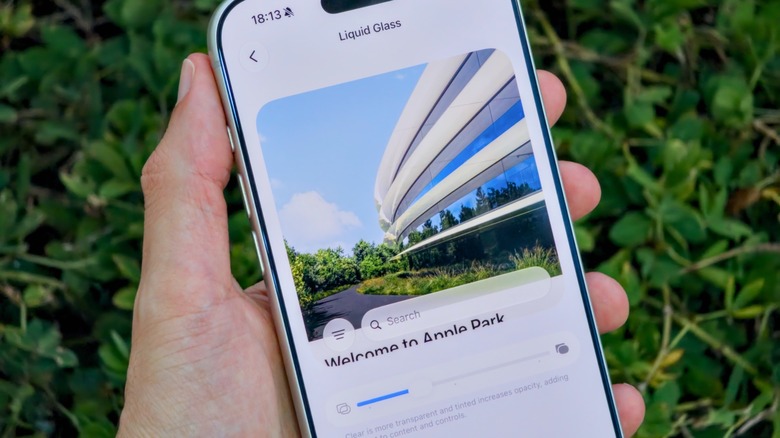
The legal context adds intrigue, and the question of source reliability becomes harder to untangle when litigation enters the picture. Apple sued Prosser in July 2025 for leaking iOS 26 and Liquid Glass design details, and his response appears to be leaking even more. Whether this reflects confidence in his sources or defiance toward Apple’s legal pressure is difficult to assess from outside. For the foldable display industry, the claim itself matters regardless of accuracy: if Apple believes a crease-free folding display is achievable, the engineering resources the company can deploy dwarf what any competitor has invested. Even if the initial implementation falls short of the leaked renders’ promise, Apple’s entry would accelerate development across the entire foldable ecosystem. The question that defines this product will not be answered by renders or leaks. It will be answered by light catching, or not catching, a fold line at certain angles. By fingertips feeling, or not feeling, a ridge when swiping across the center of a 7.8-inch display. Fall 2026 will provide the answer.
Specifications
The leaked specifications paint a picture of aggressive engineering tradeoffs. Apple appears to have prioritized thinness and internal display size over external screen real estate, betting that users will spend most of their time with the device unfolded. The choice of Touch ID over Face ID represents a meaningful departure from Apple’s biometric strategy of the past decade, suggesting the engineering constraints of fitting a foldable mechanism left no room for the TrueDepth camera array.
Specification
Details
External Display
5.5 inches
Internal Display
7.8 inches
Closed Thickness
9mm
Unfolded Thickness
4.5mm
Hinge Type
Liquid metal mechanism with dispersion plate (reported)
Biometrics
Touch ID (power button)
Modem
Apple C2, reported as second generation internal modem
Colors
Black, White
Expected Price
$2,000 to $2,500
Expected Launch
Fall 2026
These numbers remain unverified until production hardware surfaces. Prosser’s track record includes both accurate predictions and notable misses, so treating any single specification as confirmed would be premature. The fall 2026 timeline, if accurate, gives Apple roughly eighteen months from now to finalize these details.