The Folding Charging Hub That Charges Your Phone, Watch, and Laptop Without Taking Over Your Desk

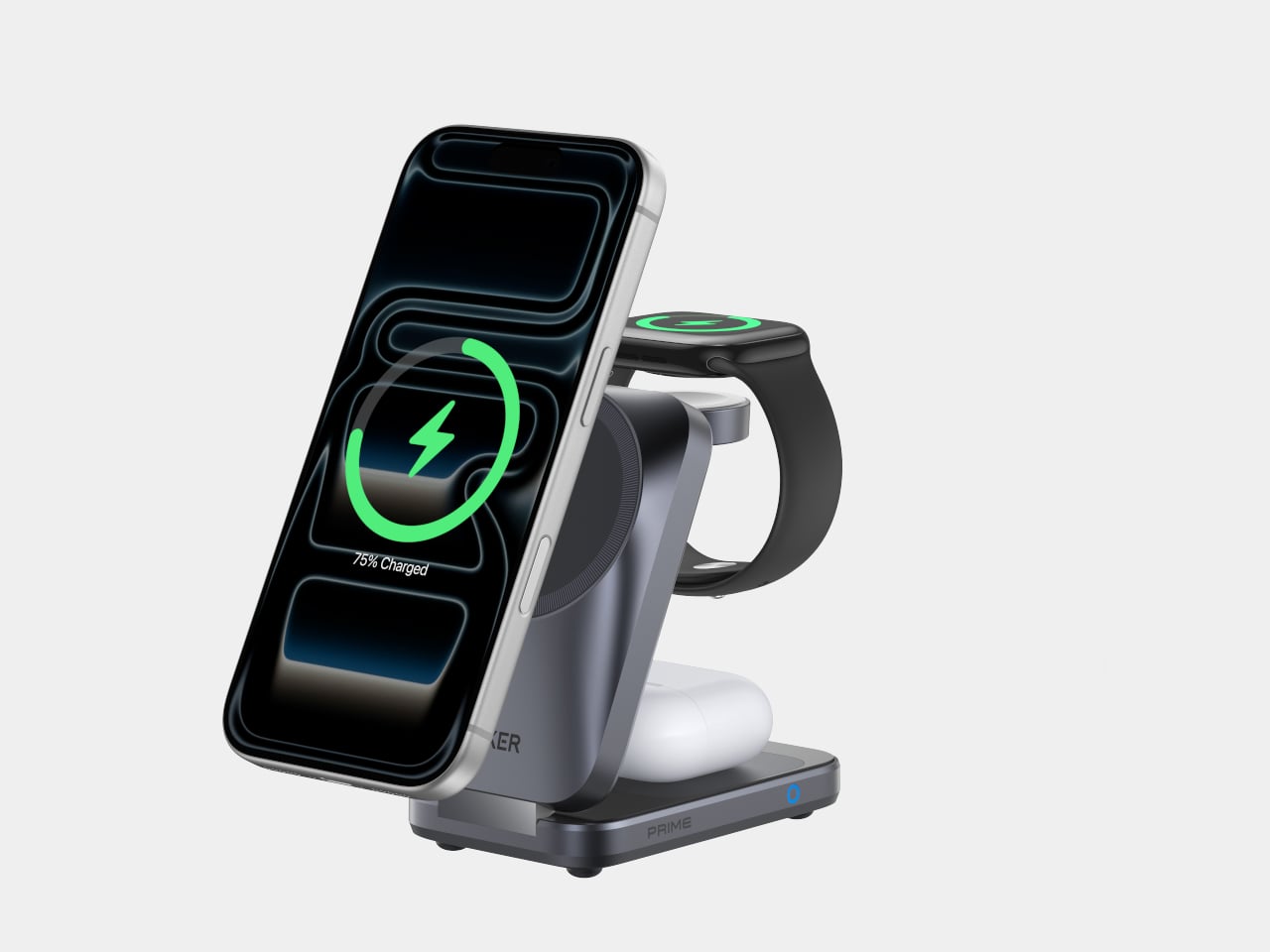
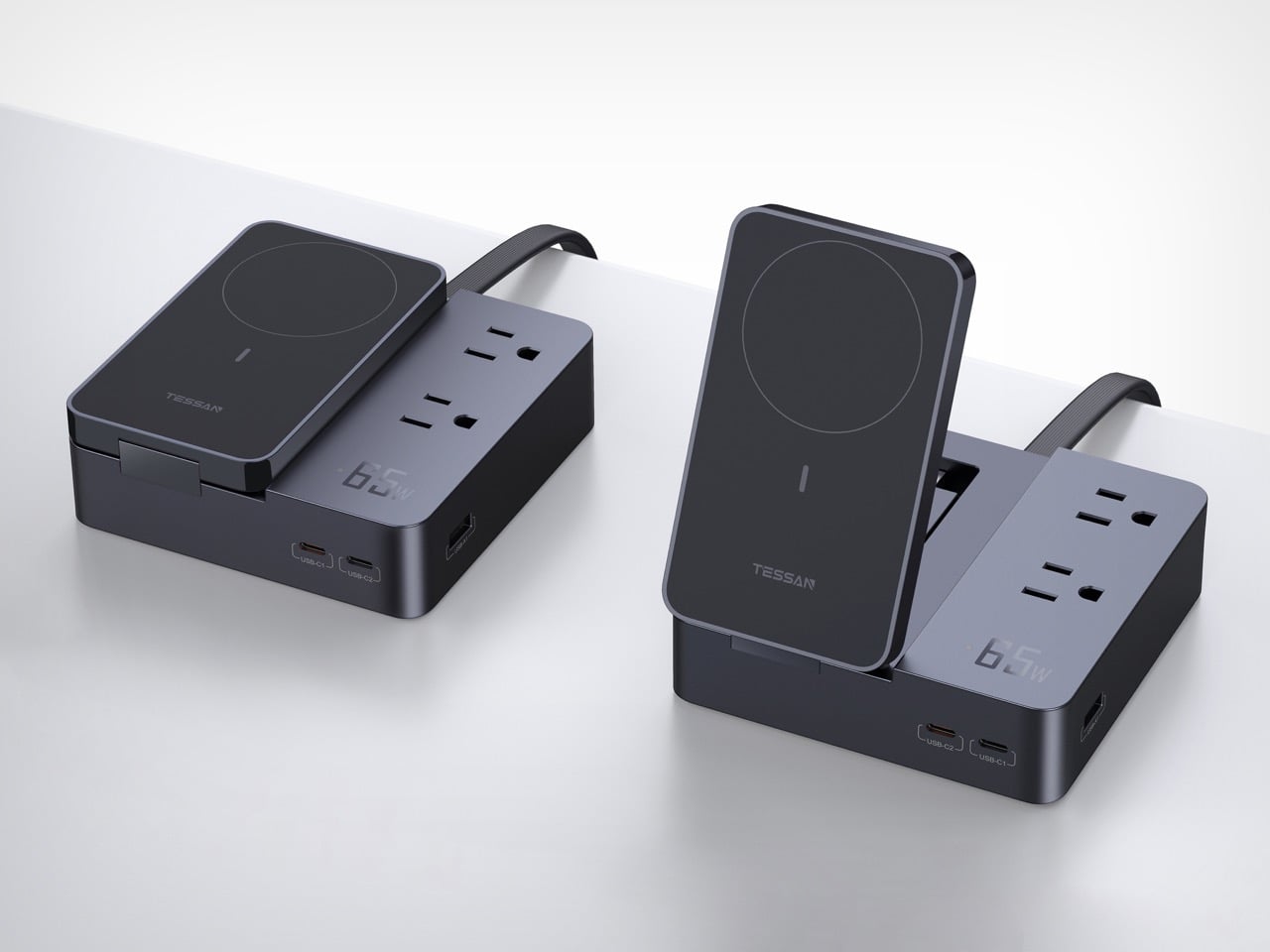
The Power Elf I from TESSAN starts its life looking like a modest bedside box. Then the magnetic wireless panel hinges upward, your iPhone snaps into place on the MagSafe pad, and the whole unit transforms into a proper charging station with a phone stand, two AC outlets, and three USB ports all sharing the same compact base. The hinge is the design’s central idea, a single mechanical move that changes the object’s identity entirely depending on how far you open it.

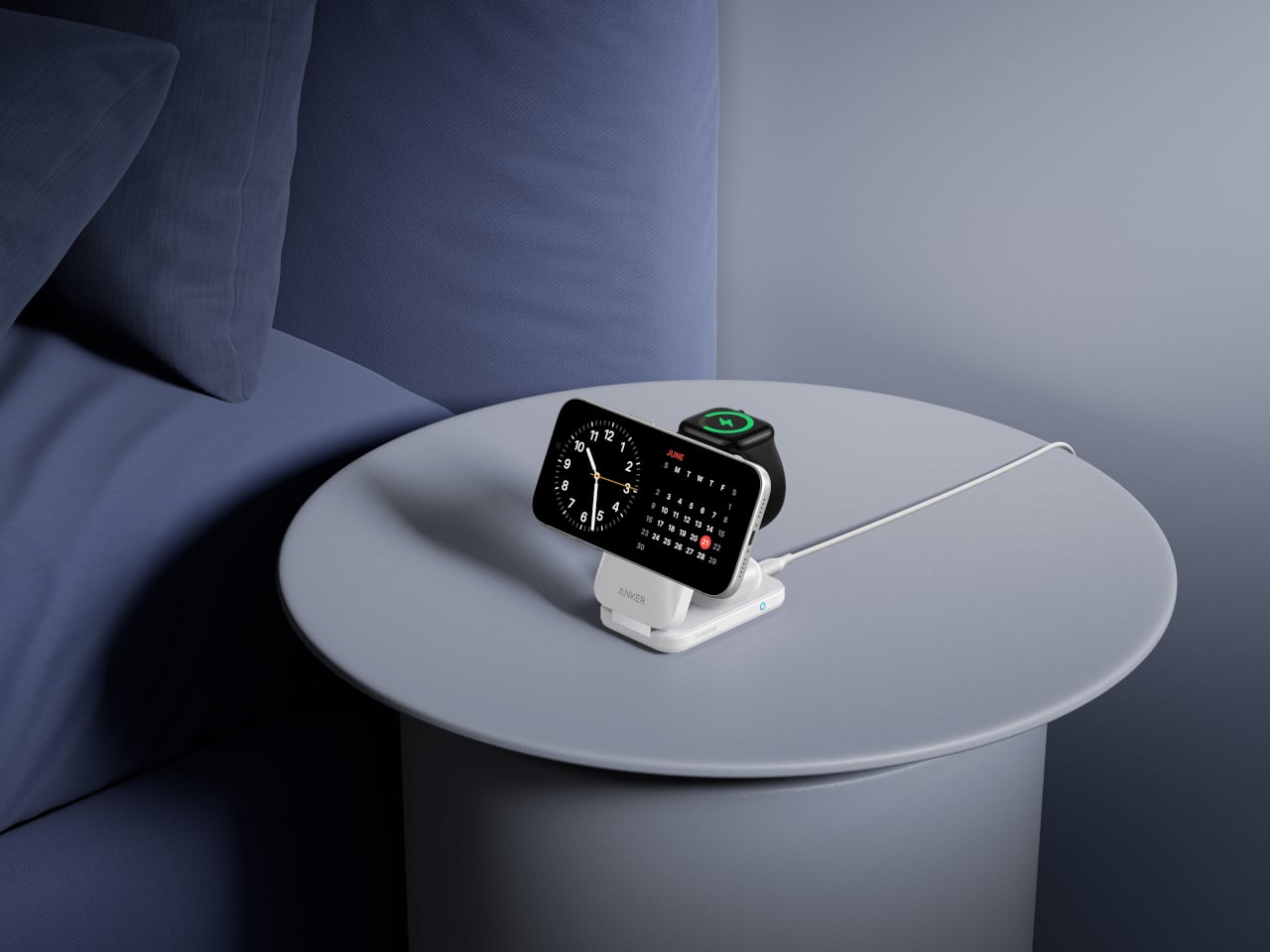
TESSAN designed the Power Elf I with two distinct use contexts in mind: the desk, where the upright position turns it into a functional workstation accessory, and the nightstand, where it folds flat and keeps every device topped up through the night without consuming half the surface. Both modes feel deliberate rather than incidental, which is the difference between a product that was designed and one that was just assembled.

Designer: Zhuhai Tessan Power Technology Co., Ltd.
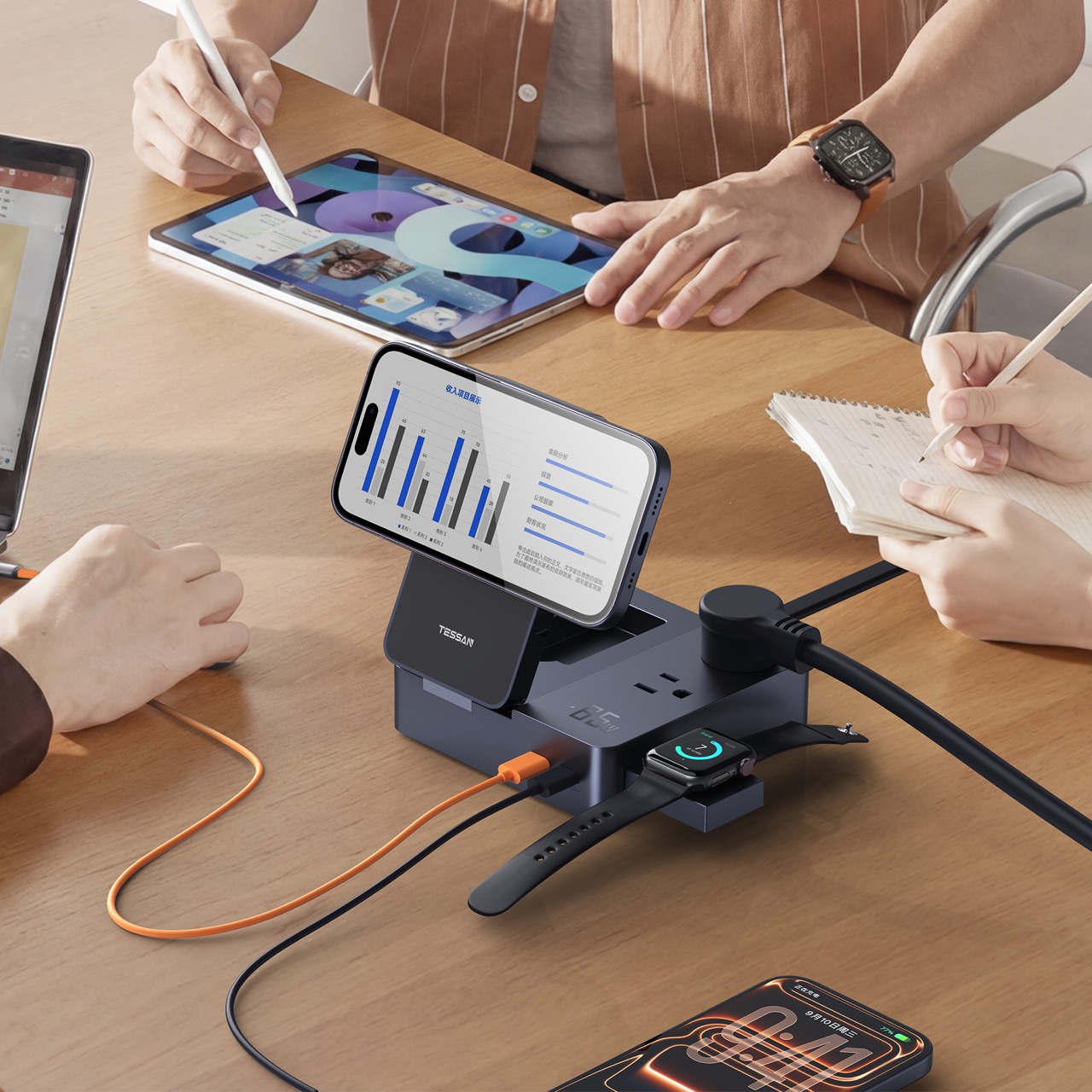
Six devices charge simultaneously on the Power Elf I, a number that sounds ambitious until you look at the port layout and realize TESSAN actually planned for it. Two Type-B AC outlets handle anything that still demands a full plug. Two USB-C ports and one USB-A port cover the wired cable ecosystem. The wireless phone pad sits on the hinged module, and the detachable wireless watch charger extends outward on a side cradle, handling Apple Watch independently. Every slot has a designated device in mind, and none of them compete for the same surface area.
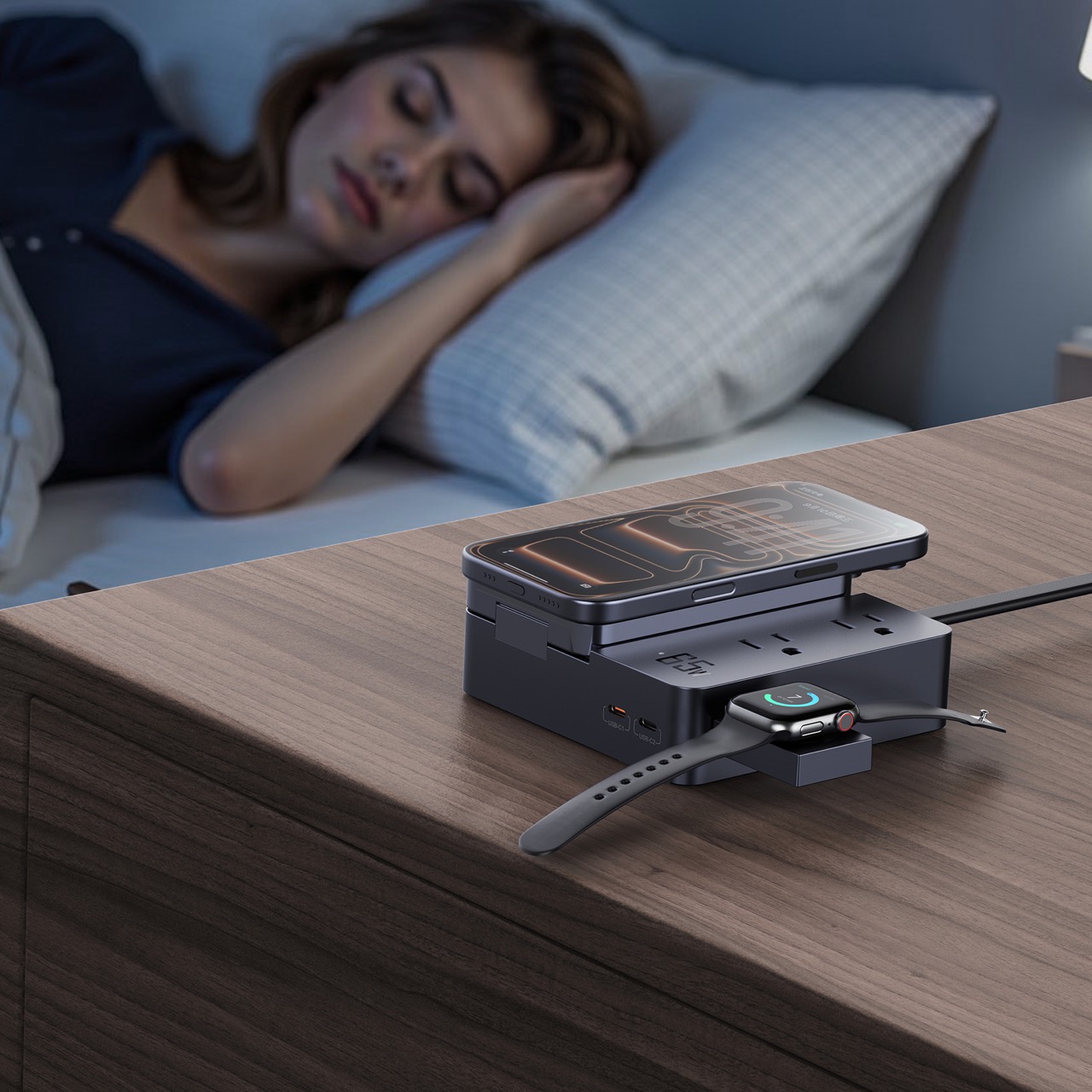
Stepless angle adjustment lets it tilt anywhere up to 65 degrees, which TESSAN identifies as the optimal hands-free viewing angle, and the system holds position without clicking between fixed stops. That kind of continuous adjustment is more expensive to engineer than a two-position hinge, and its presence here signals that the design team was thinking about actual use rather than spec-sheet bullet points. The watch charger is detachable and can operate independently once the main unit is powered, meaning it functions as a standalone puck when you need it away from the base.
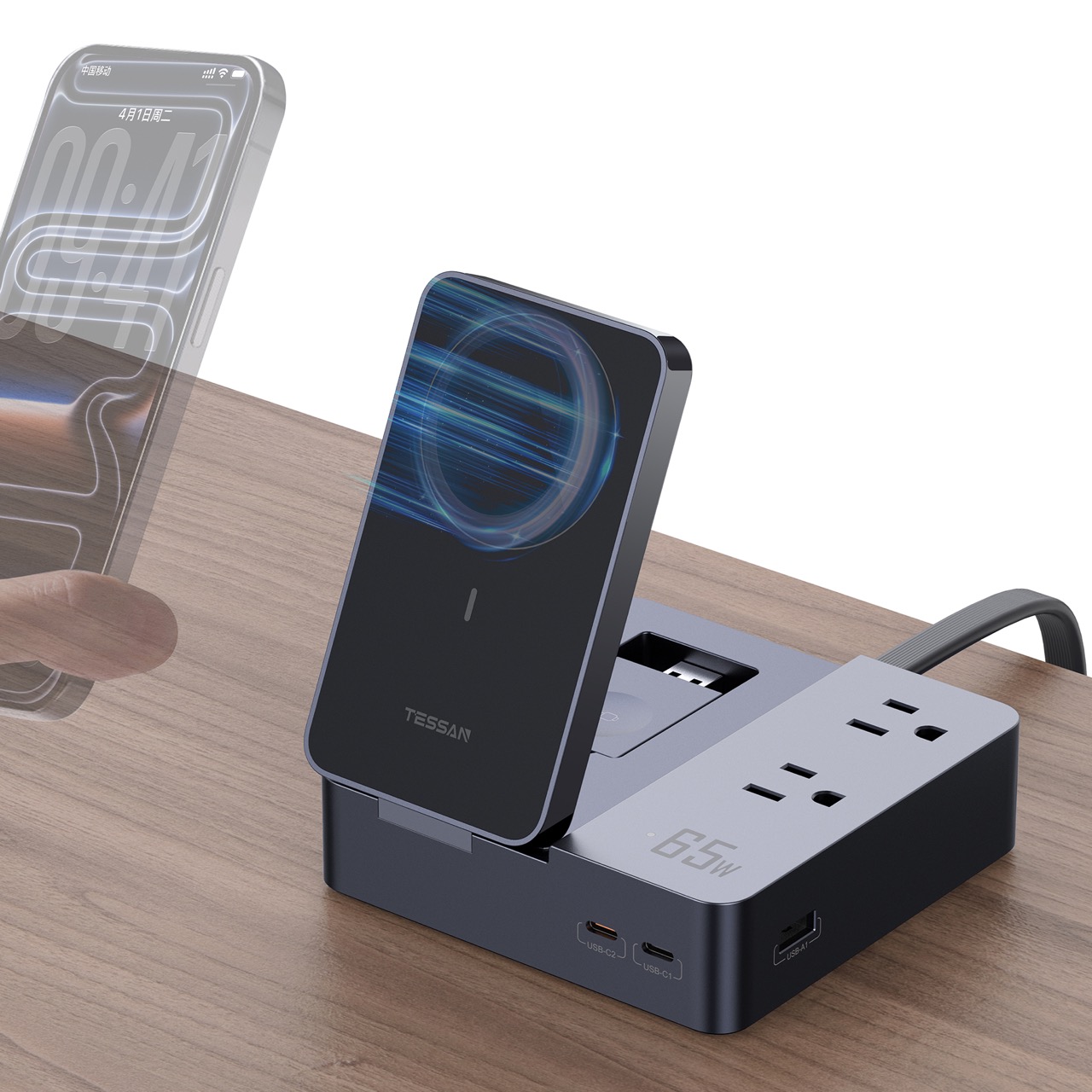
The entire unit is built from V0-rated fire retardant engineering plastics, the highest flammability resistance classification for plastics used in electronic enclosures, with a metal spray coating applied over the surface for tactile and visual quality. At 130mm by 130mm by 40mm when folded flat, the footprint is genuinely compact for everything it contains. The slate and charcoal finish, visible across all four product images, reads as intentionally neutral, designed to disappear into a desk or nightstand setup rather than announce itself. The 65W fast charging output covers a laptop at full speed as the primary device, with intelligent power distribution across the remaining ports when the full ecosystem is connected simultaneously.

The post The Folding Charging Hub That Charges Your Phone, Watch, and Laptop Without Taking Over Your Desk first appeared on Yanko Design.

The Folding Charging Hub That Charges Your Phone, Watch, and Laptop Without Taking Over Your Desk

The Power Elf I from TESSAN starts its life looking like a modest bedside box. Then the magnetic wireless panel hinges upward, your iPhone snaps into place on the MagSafe pad, and the whole unit transforms into a proper charging station with a phone stand, two AC outlets, and three USB ports all sharing the same compact base. The hinge is the design’s central idea, a single mechanical move that changes the object’s identity entirely depending on how far you open it.

TESSAN designed the Power Elf I with two distinct use contexts in mind: the desk, where the upright position turns it into a functional workstation accessory, and the nightstand, where it folds flat and keeps every device topped up through the night without consuming half the surface. Both modes feel deliberate rather than incidental, which is the difference between a product that was designed and one that was just assembled.

Designer: Zhuhai Tessan Power Technology Co., Ltd.

Six devices charge simultaneously on the Power Elf I, a number that sounds ambitious until you look at the port layout and realize TESSAN actually planned for it. Two Type-B AC outlets handle anything that still demands a full plug. Two USB-C ports and one USB-A port cover the wired cable ecosystem. The wireless phone pad sits on the hinged module, and the detachable wireless watch charger extends outward on a side cradle, handling Apple Watch independently. Every slot has a designated device in mind, and none of them compete for the same surface area.

Stepless angle adjustment lets it tilt anywhere up to 65 degrees, which TESSAN identifies as the optimal hands-free viewing angle, and the system holds position without clicking between fixed stops. That kind of continuous adjustment is more expensive to engineer than a two-position hinge, and its presence here signals that the design team was thinking about actual use rather than spec-sheet bullet points. The watch charger is detachable and can operate independently once the main unit is powered, meaning it functions as a standalone puck when you need it away from the base.

The entire unit is built from V0-rated fire retardant engineering plastics, the highest flammability resistance classification for plastics used in electronic enclosures, with a metal spray coating applied over the surface for tactile and visual quality. At 130mm by 130mm by 40mm when folded flat, the footprint is genuinely compact for everything it contains. The slate and charcoal finish, visible across all four product images, reads as intentionally neutral, designed to disappear into a desk or nightstand setup rather than announce itself. The 65W fast charging output covers a laptop at full speed as the primary device, with intelligent power distribution across the remaining ports when the full ecosystem is connected simultaneously.

The post The Folding Charging Hub That Charges Your Phone, Watch, and Laptop Without Taking Over Your Desk first appeared on Yanko Design.
The Folding Charging Hub That Charges Your Phone, Watch, and Laptop Without Taking Over Your Desk

The Power Elf I from TESSAN starts its life looking like a modest bedside box. Then the magnetic wireless panel hinges upward, your iPhone snaps into place on the MagSafe pad, and the whole unit transforms into a proper charging station with a phone stand, two AC outlets, and three USB ports all sharing the same compact base. The hinge is the design’s central idea, a single mechanical move that changes the object’s identity entirely depending on how far you open it.

TESSAN designed the Power Elf I with two distinct use contexts in mind: the desk, where the upright position turns it into a functional workstation accessory, and the nightstand, where it folds flat and keeps every device topped up through the night without consuming half the surface. Both modes feel deliberate rather than incidental, which is the difference between a product that was designed and one that was just assembled.

Designer: Zhuhai Tessan Power Technology Co., Ltd.

Six devices charge simultaneously on the Power Elf I, a number that sounds ambitious until you look at the port layout and realize TESSAN actually planned for it. Two Type-B AC outlets handle anything that still demands a full plug. Two USB-C ports and one USB-A port cover the wired cable ecosystem. The wireless phone pad sits on the hinged module, and the detachable wireless watch charger extends outward on a side cradle, handling Apple Watch independently. Every slot has a designated device in mind, and none of them compete for the same surface area.

Stepless angle adjustment lets it tilt anywhere up to 65 degrees, which TESSAN identifies as the optimal hands-free viewing angle, and the system holds position without clicking between fixed stops. That kind of continuous adjustment is more expensive to engineer than a two-position hinge, and its presence here signals that the design team was thinking about actual use rather than spec-sheet bullet points. The watch charger is detachable and can operate independently once the main unit is powered, meaning it functions as a standalone puck when you need it away from the base.

The entire unit is built from V0-rated fire retardant engineering plastics, the highest flammability resistance classification for plastics used in electronic enclosures, with a metal spray coating applied over the surface for tactile and visual quality. At 130mm by 130mm by 40mm when folded flat, the footprint is genuinely compact for everything it contains. The slate and charcoal finish, visible across all four product images, reads as intentionally neutral, designed to disappear into a desk or nightstand setup rather than announce itself. The 65W fast charging output covers a laptop at full speed as the primary device, with intelligent power distribution across the remaining ports when the full ecosystem is connected simultaneously.

The post The Folding Charging Hub That Charges Your Phone, Watch, and Laptop Without Taking Over Your Desk first appeared on Yanko Design.
Edge clamp-on power strip brings desk-level charging exactly where you need it

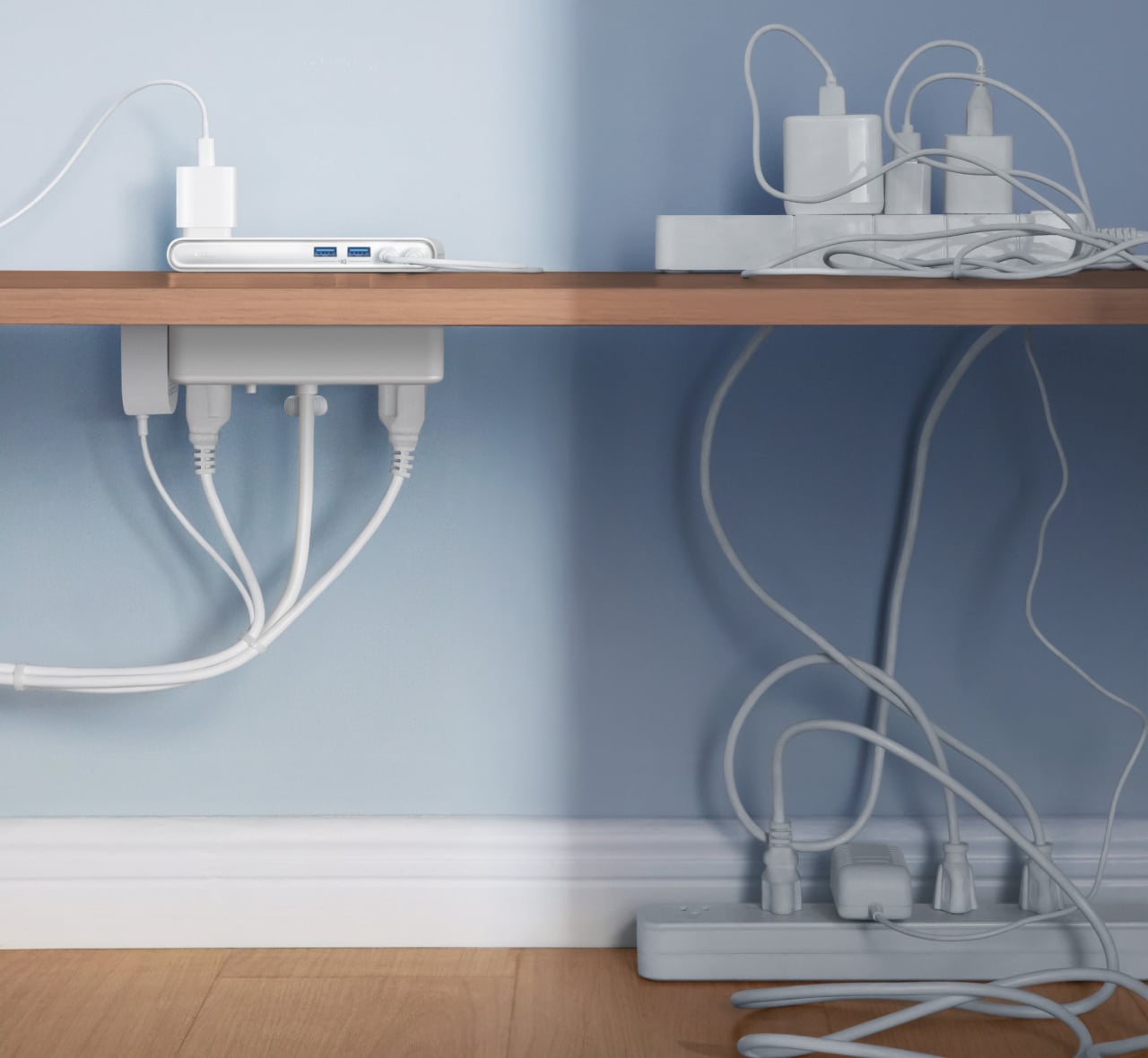
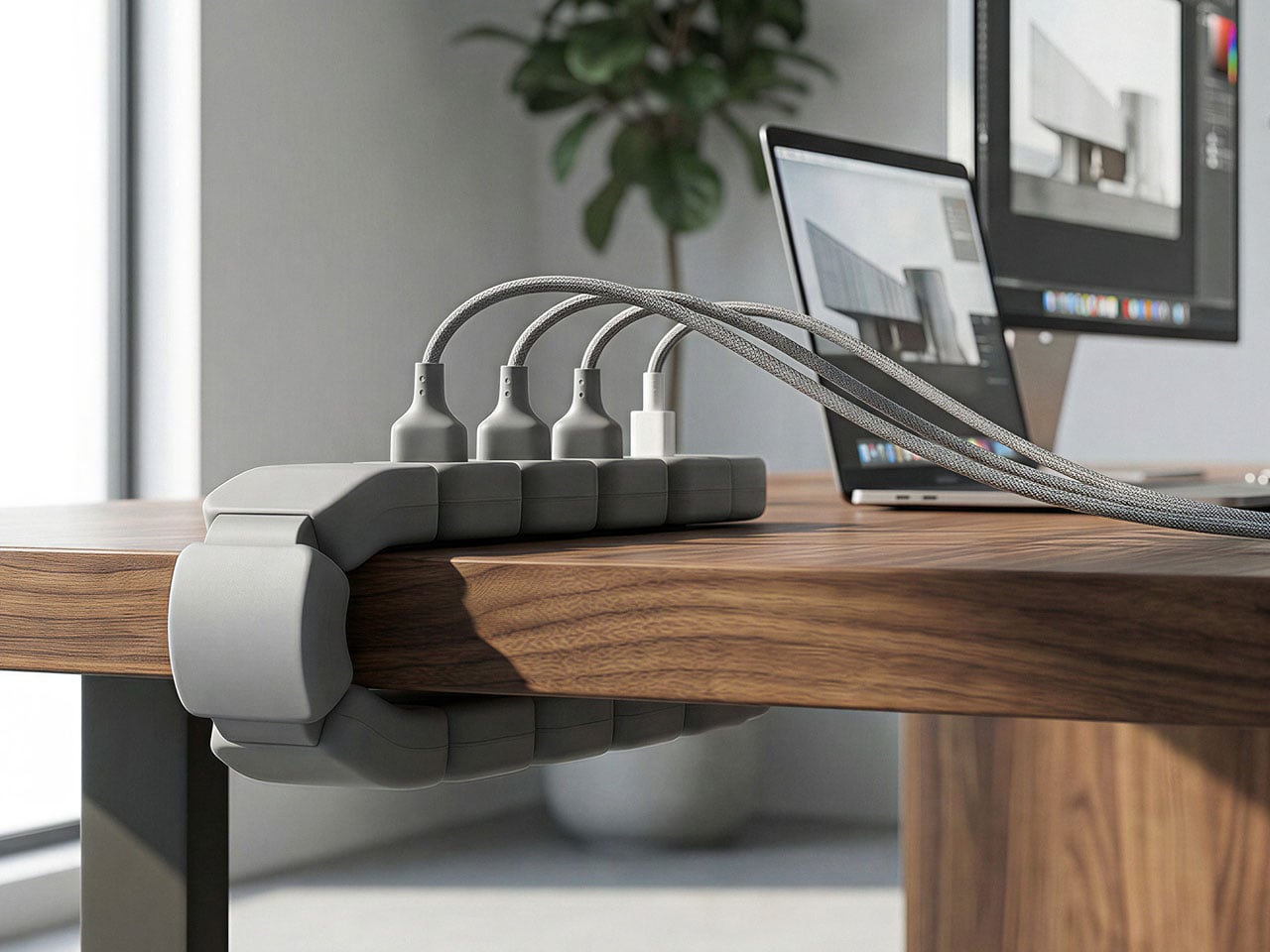
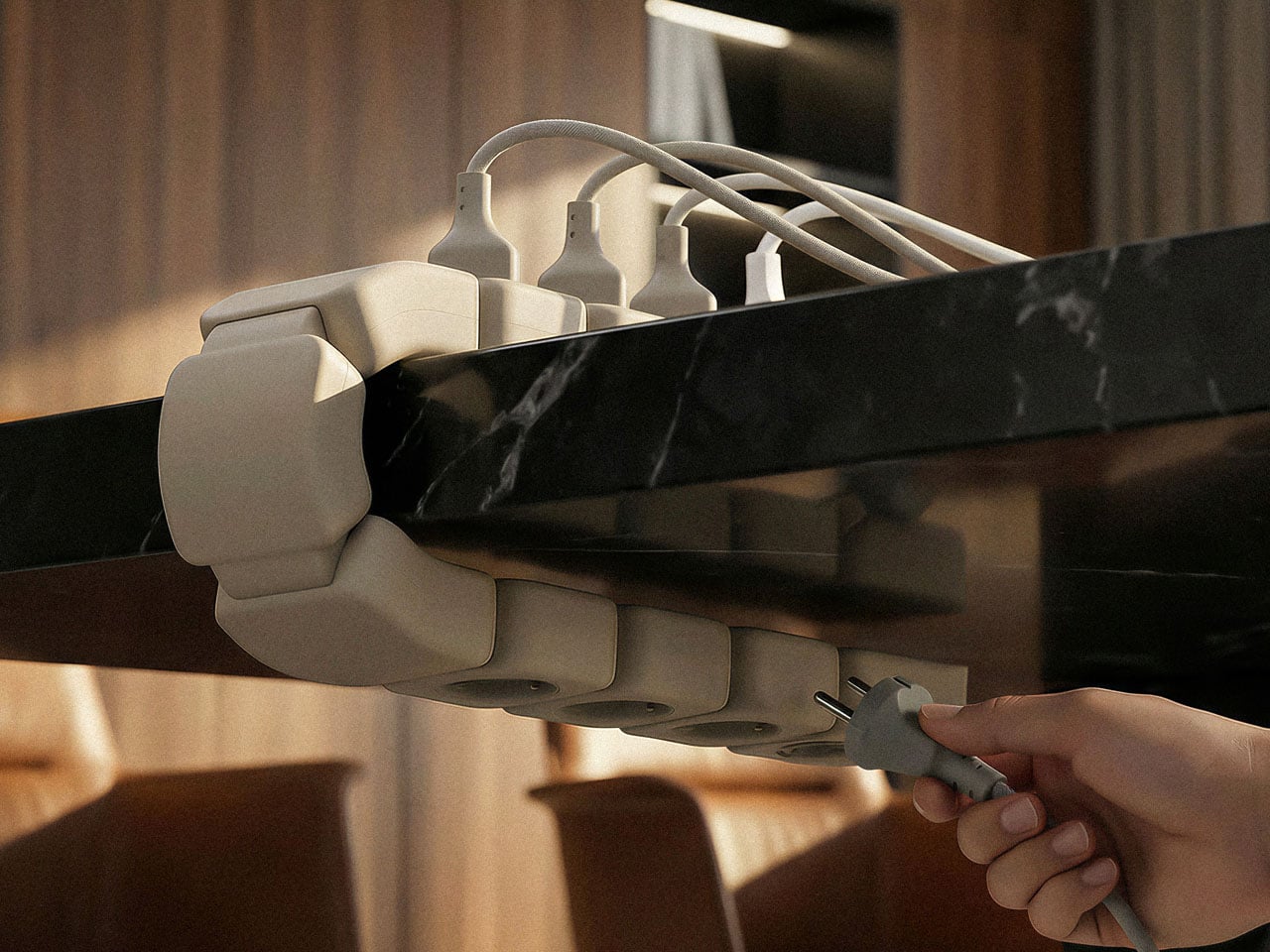
We’ve spent years upgrading our desks with sleeker materials, smarter layouts, and better ergonomics. But somehow, the humble power strip has remained stuck in the past design ethos. It still lives on the floor, tangled in cables, collecting dust, and forcing you to awkwardly reach under the desk every time your laptop needs juice. Edge: A Clamp-On Modular Power Solution, feels like one of those ideas that makes you wonder why it didn’t exist sooner.

Instead of treating power as something hidden away, Edge brings it right to the desk’s edge, exactly where your hands already are. The shift sounds simple, but it completely changes the interaction. No more bending down, no more blindly searching for an empty socket, and no more dealing with cables stretching across the floor. It turns power into something immediate and accessible, almost like an extension of the workspace itself.

Designer: ChangZhou University

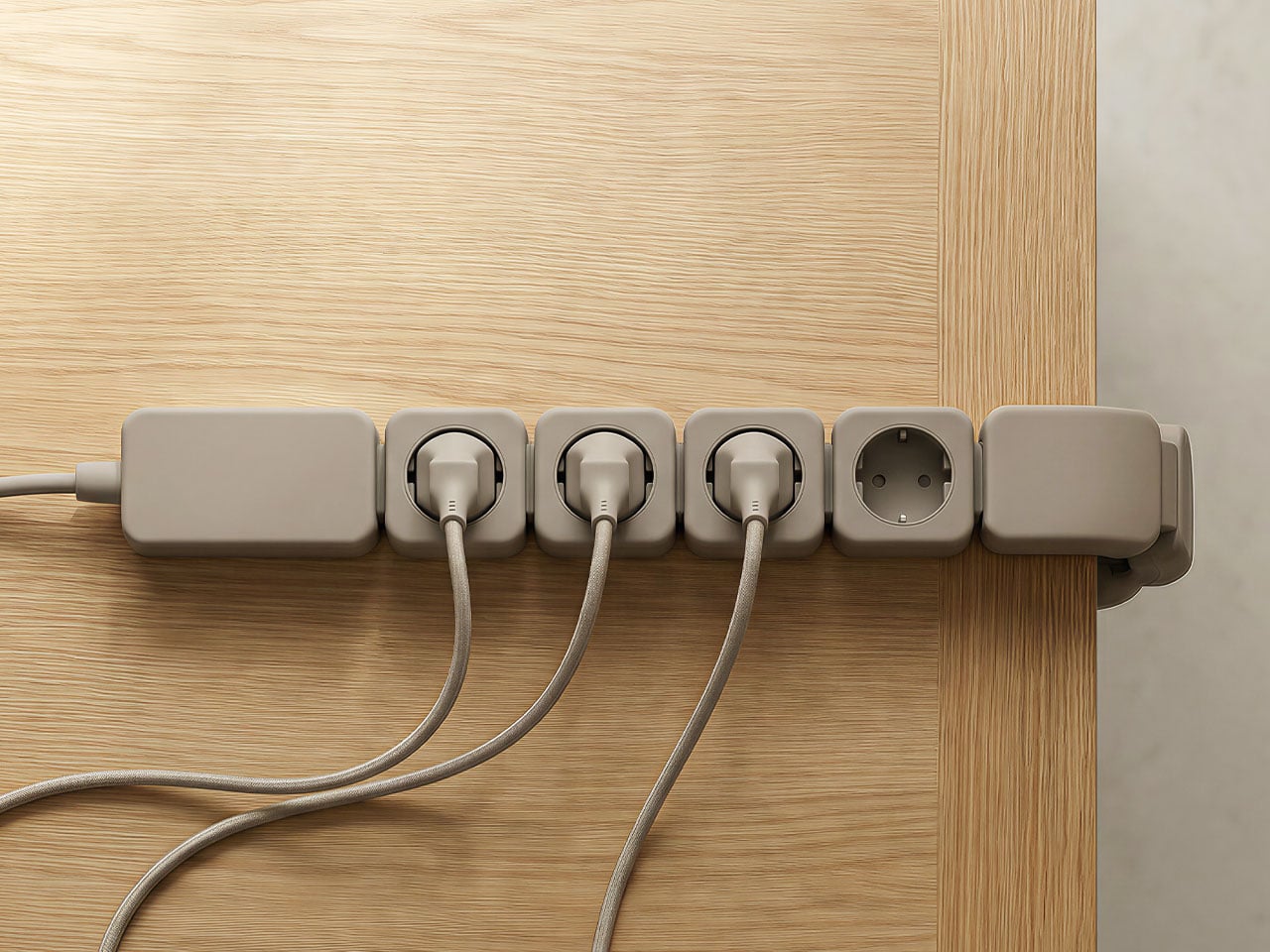
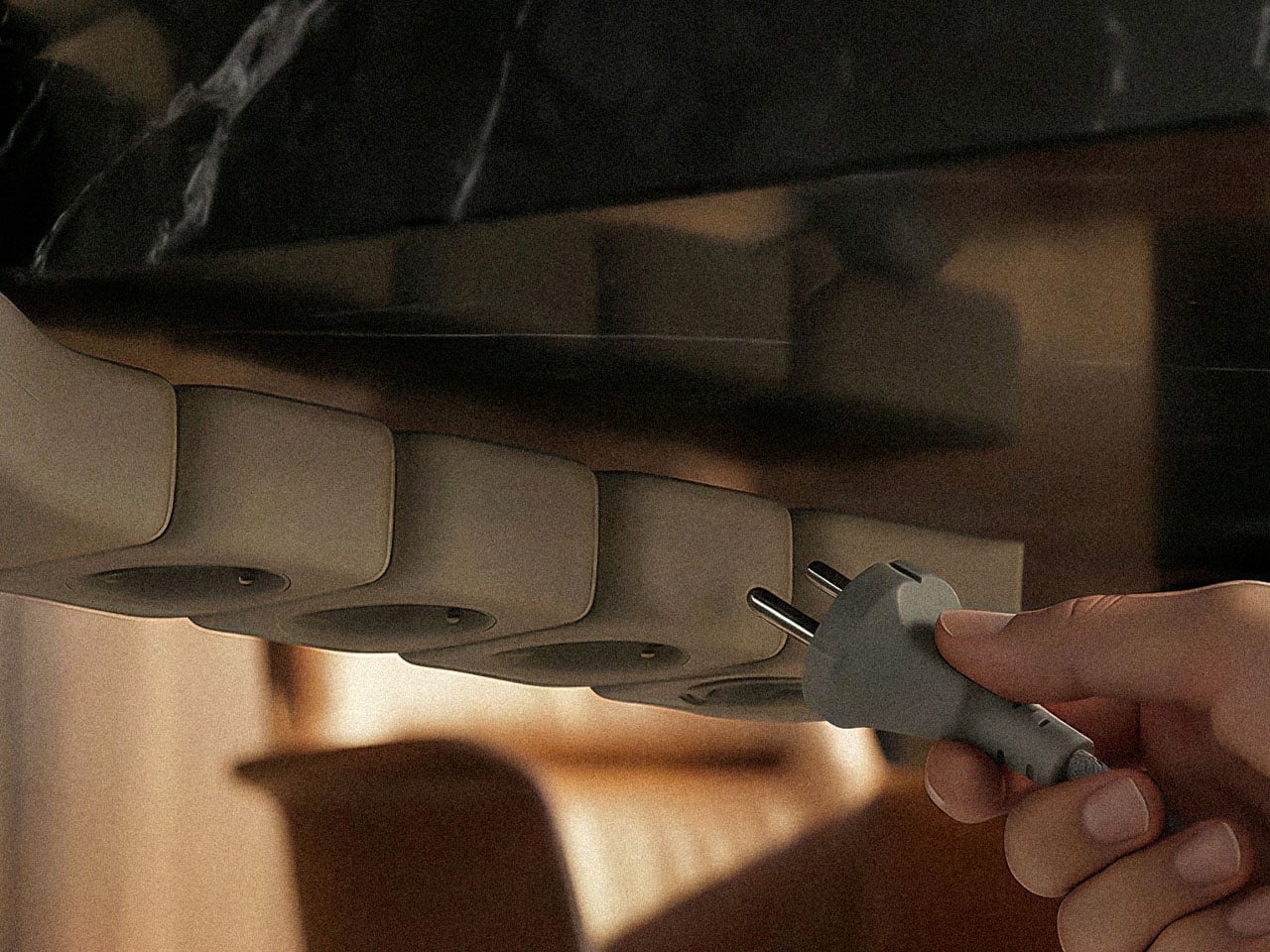
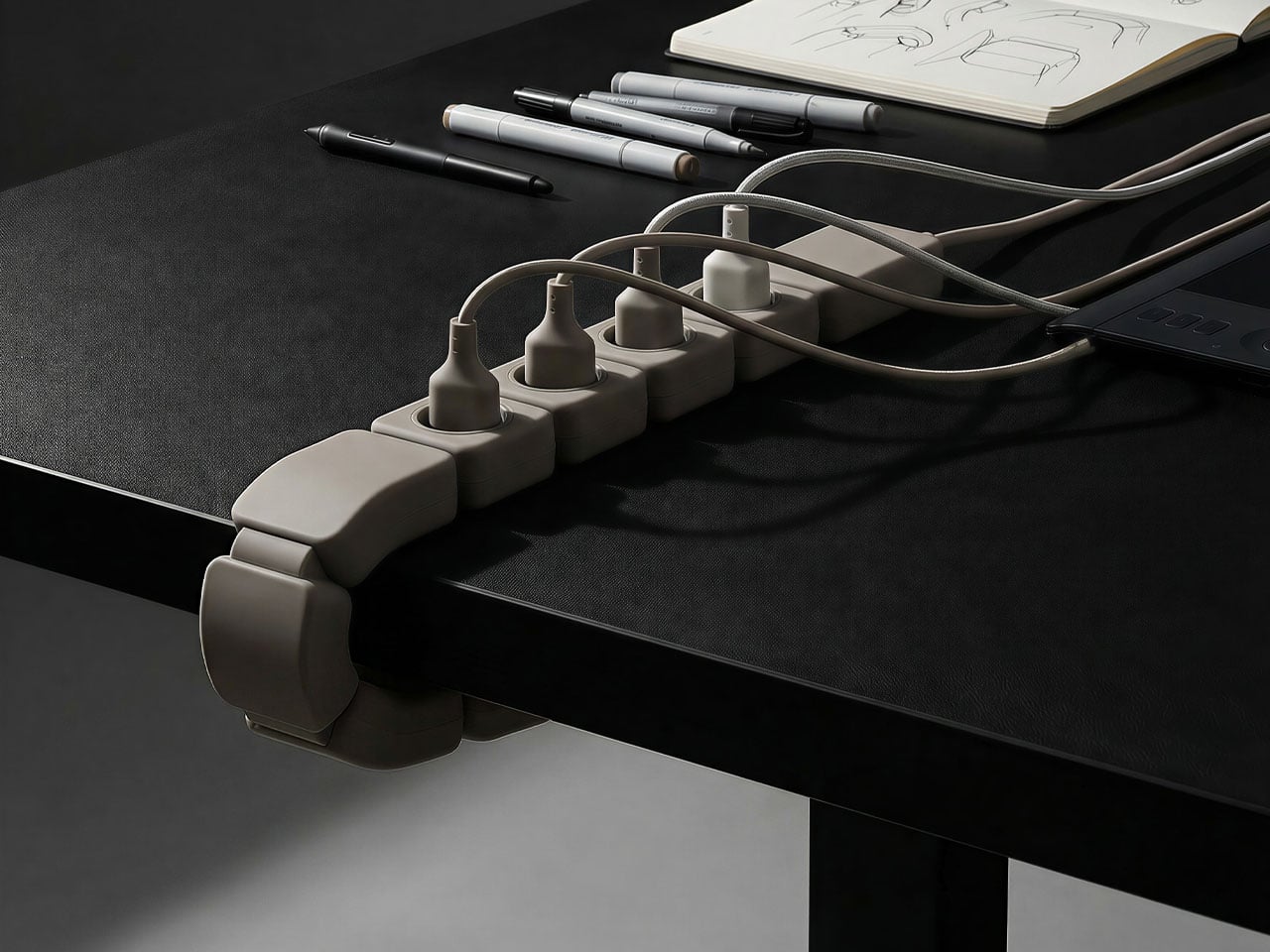
A worthy winner at the New York Product Design Awards, the product leans heavily into flexibility. Rather than locking you into a fixed setup, Edge follows an “add power anywhere” philosophy. You can clamp it wherever it feels right, move it when your setup changes, and adapt it to different desks without any tools. Whether it’s a home office, a shared workspace, or even a temporary setup, the system adjusts without friction. What makes the clamp particularly clever is its over-center, self-locking mechanism. As it closes, it passes a neutral point and locks into place, making it resistant to loosening over time. That matters more than it sounds, especially when you consider the constant push and pull of plugging in devices, cables tugging from different angles, or the occasional bump. The extended contact surfaces further stabilize the grip, reducing wobble and keeping everything firmly in place.

Functionally, Edge splits its eight outlets across two sides. Four sit on top for quick, everyday access, perfect for devices you’re constantly plugging in and out. The other four are tucked underneath, designed for chargers and connections that stay put. It’s a small but thoughtful detail that keeps the surface cleaner and prevents cables from turning into a visual mess. Lifting the power strip off the floor also solves a range of problems you might not immediately think of. It reduces exposure to spills, keeps it away from cleaning water, and eliminates the risk of stepping on it or snagging cables with your chair. The modular segmented body adds another layer of refinement, helping distribute stress while allowing the form to adapt across different desk setups.

I love the idea of Edge, as it simply repositions itself in a way that makes sense for how we work today. And in doing so, it transforms a neglected accessory into something that feels intentional and surprisingly satisfying to use.

The post Edge clamp-on power strip brings desk-level charging exactly where you need it first appeared on Yanko Design.
Anker’s $70 Power Strip Clamps to Your Desk, Keeps Cables Off Floors

Desks have gotten more crowded. Between the laptop, the monitor, the phone, and whatever Bluetooth peripherals have accumulated over the past few years, keeping everything charged without making a mess has become its own challenge. Power strips have always been the go-to solution, but most still end up on the floor or behind furniture, at the end of a cable that creates the very clutter it was supposed to fix.

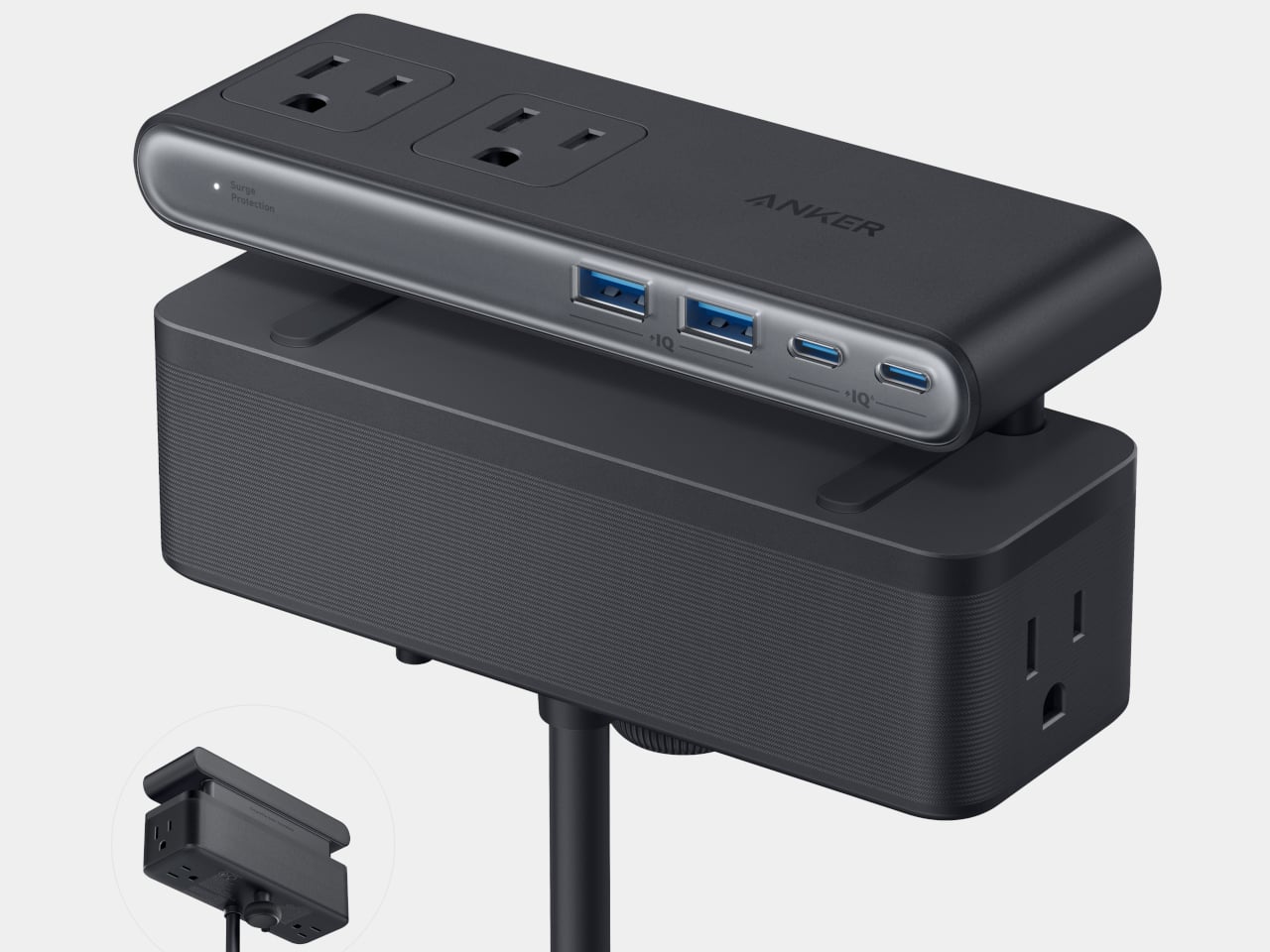
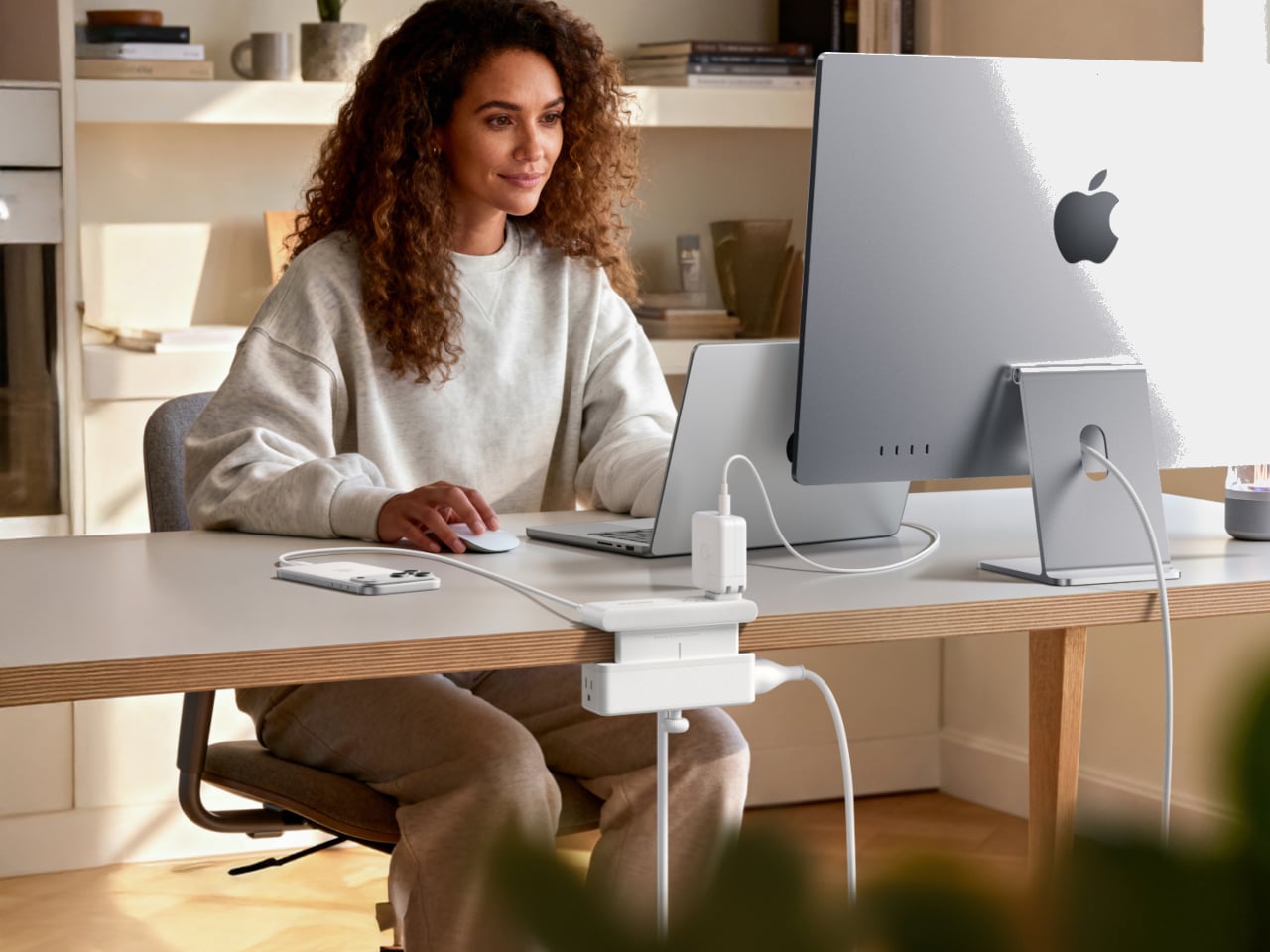
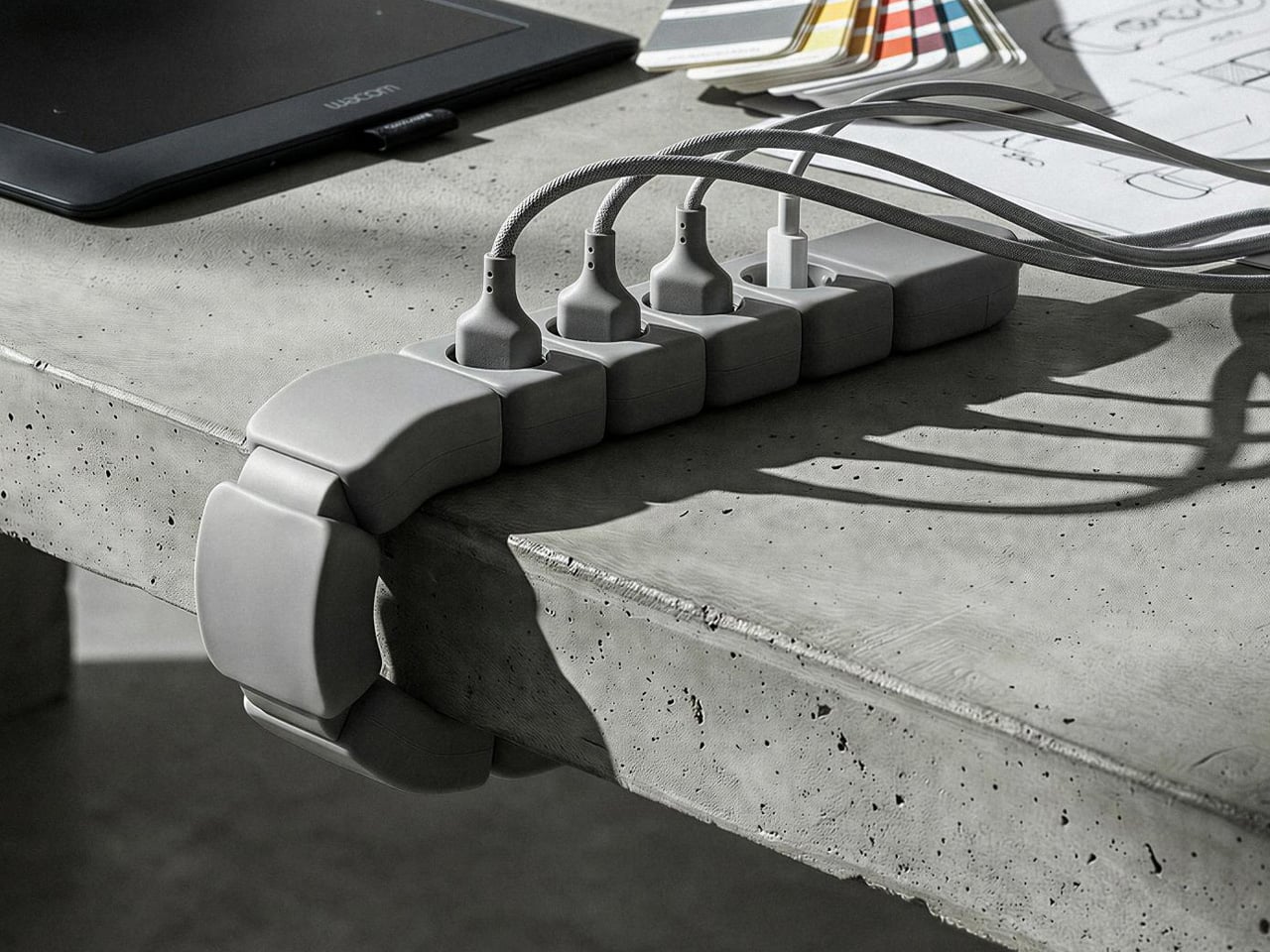
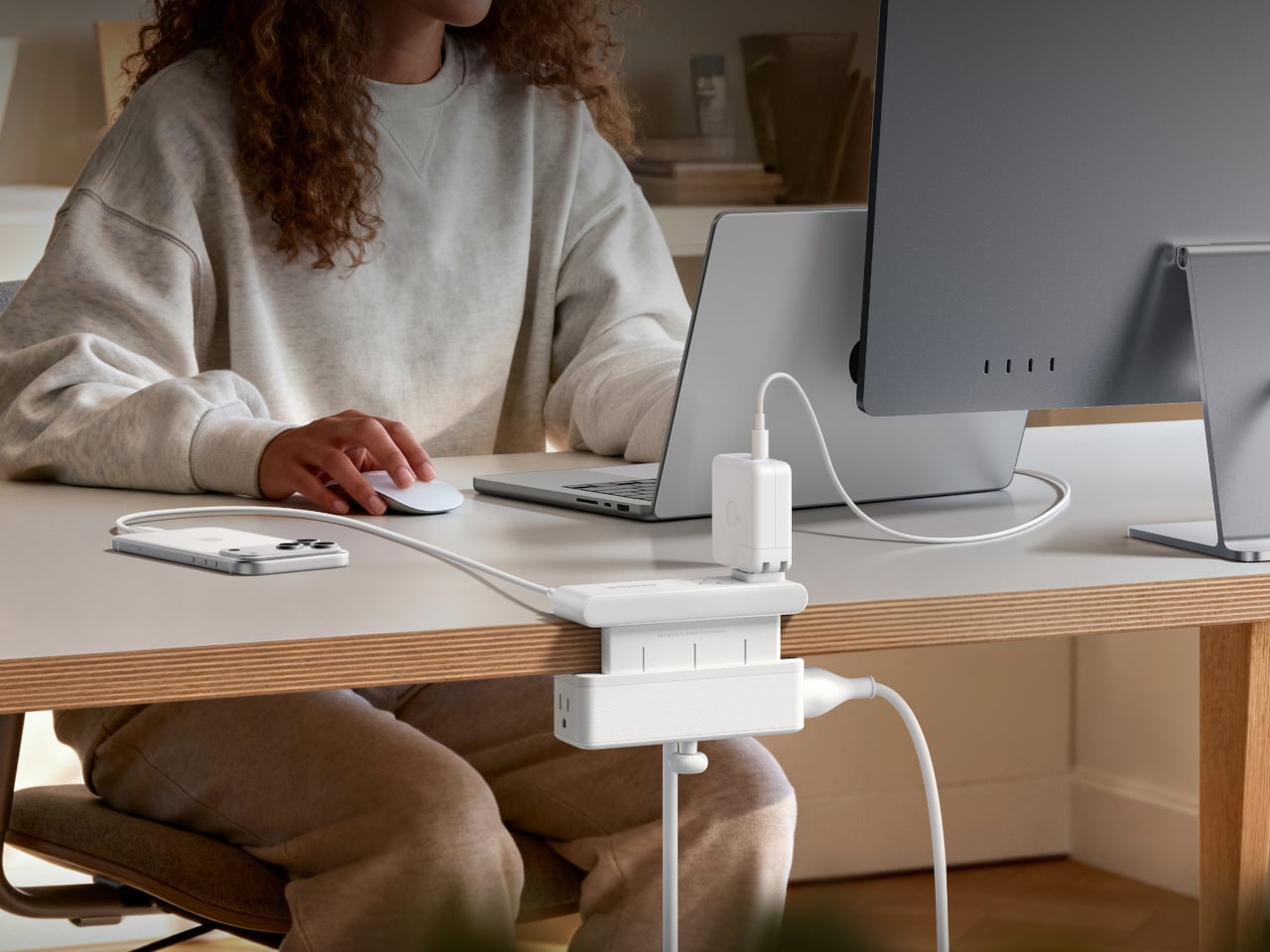
Anker’s Nano Power Strip (10-in-1, 70W, Clamp) approaches that problem from a different angle, quite literally. Instead of sitting on a surface or hiding under a desk, it clamps onto the desk edge, putting 10 ports right where they’re actually useful. First unveiled at CES 2026 and now available in the US for $69.99, it aims to reduce the mess that most power strips quietly make worse.

Designer: Anker

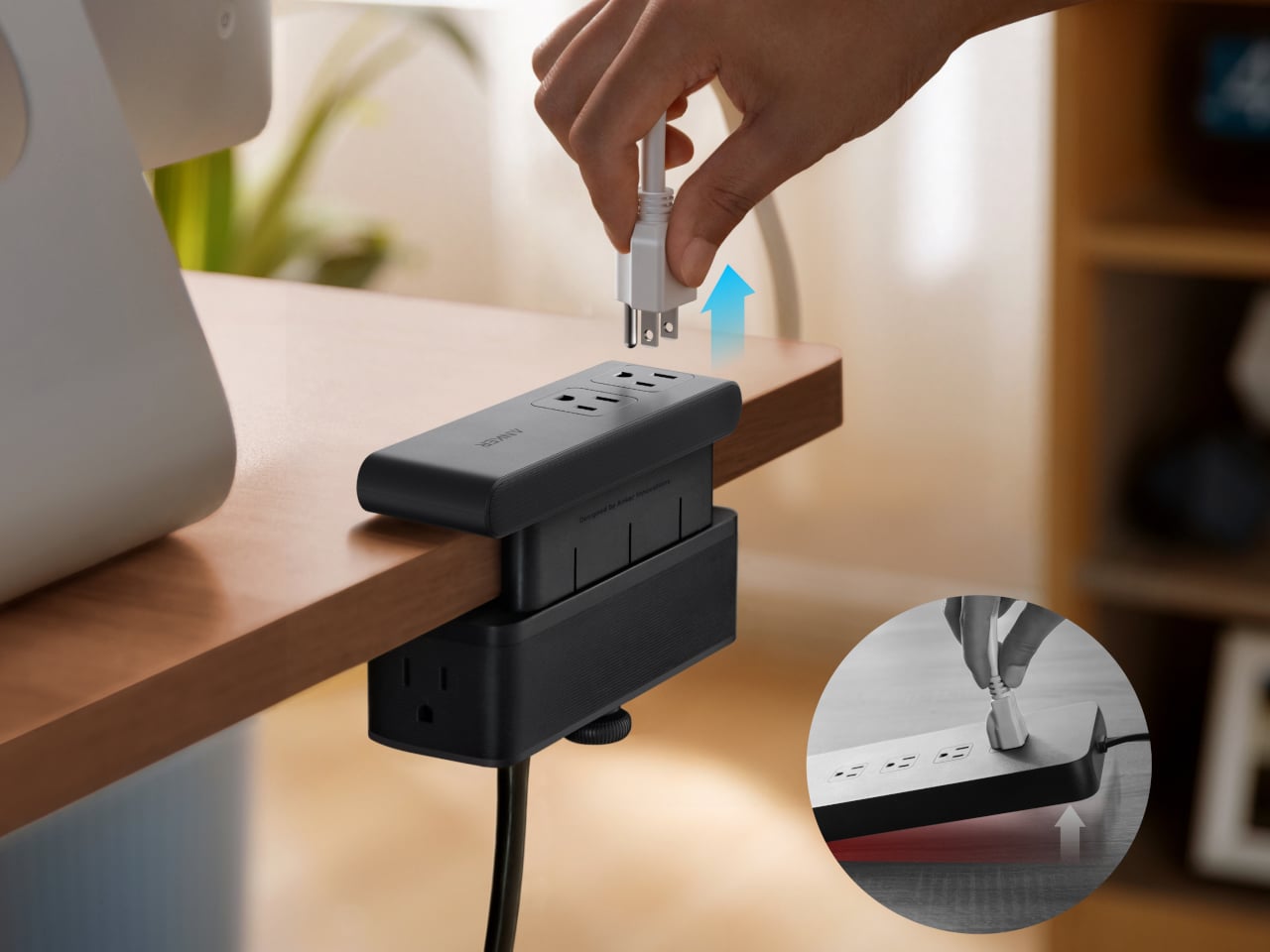
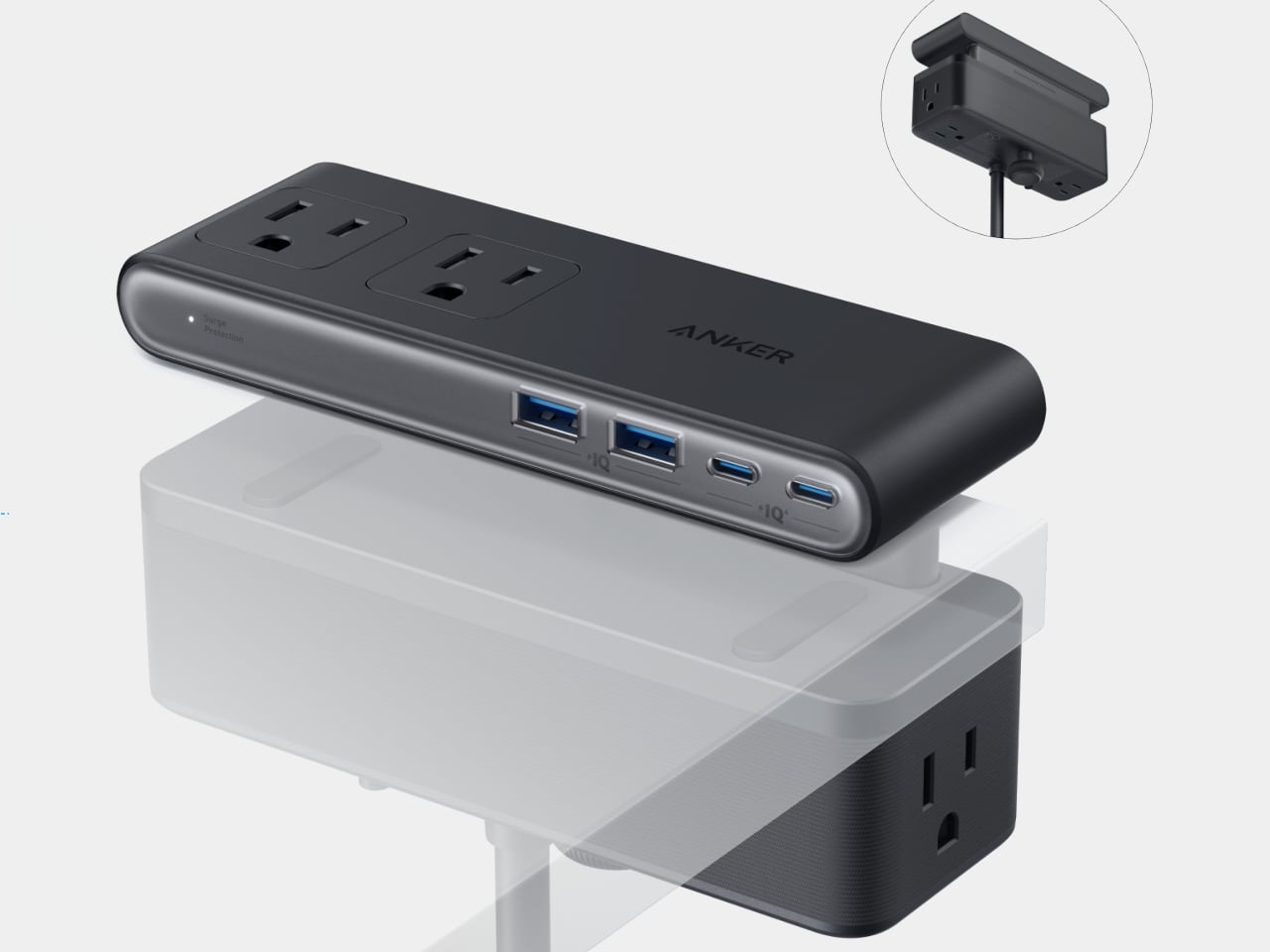
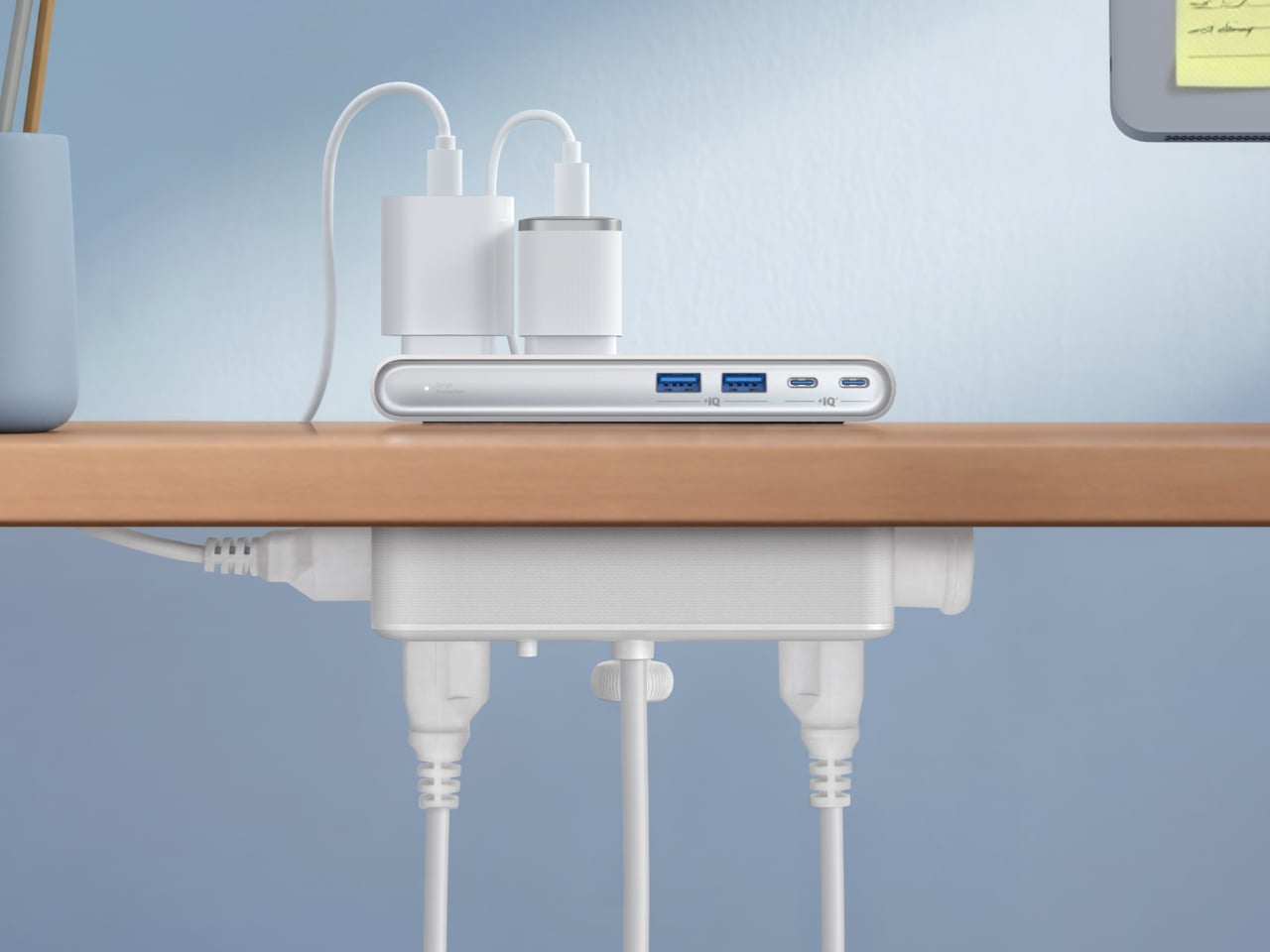
The clamp structure sits on either side of the desk edge, with ports distributed across its upper and lower sections. Six AC outlets handle the larger plugs, while two USB-A and two USB-C ports take care of smaller devices. Splitting the ports between two zones keeps things from crowding on one side, a small but practical detail that makes the strip feel properly considered rather than just generously stocked.

The USB-C charging capability is where the performance stands out. A single USB-C port can deliver up to 70W, enough to run a MacBook or most other laptops without needing a separate wall adapter. That output relies on GaN technology, which keeps the strip slim at just 0.75 inches thick despite the power output, and avoids the extra heat and bulk that older charging components tend to generate.

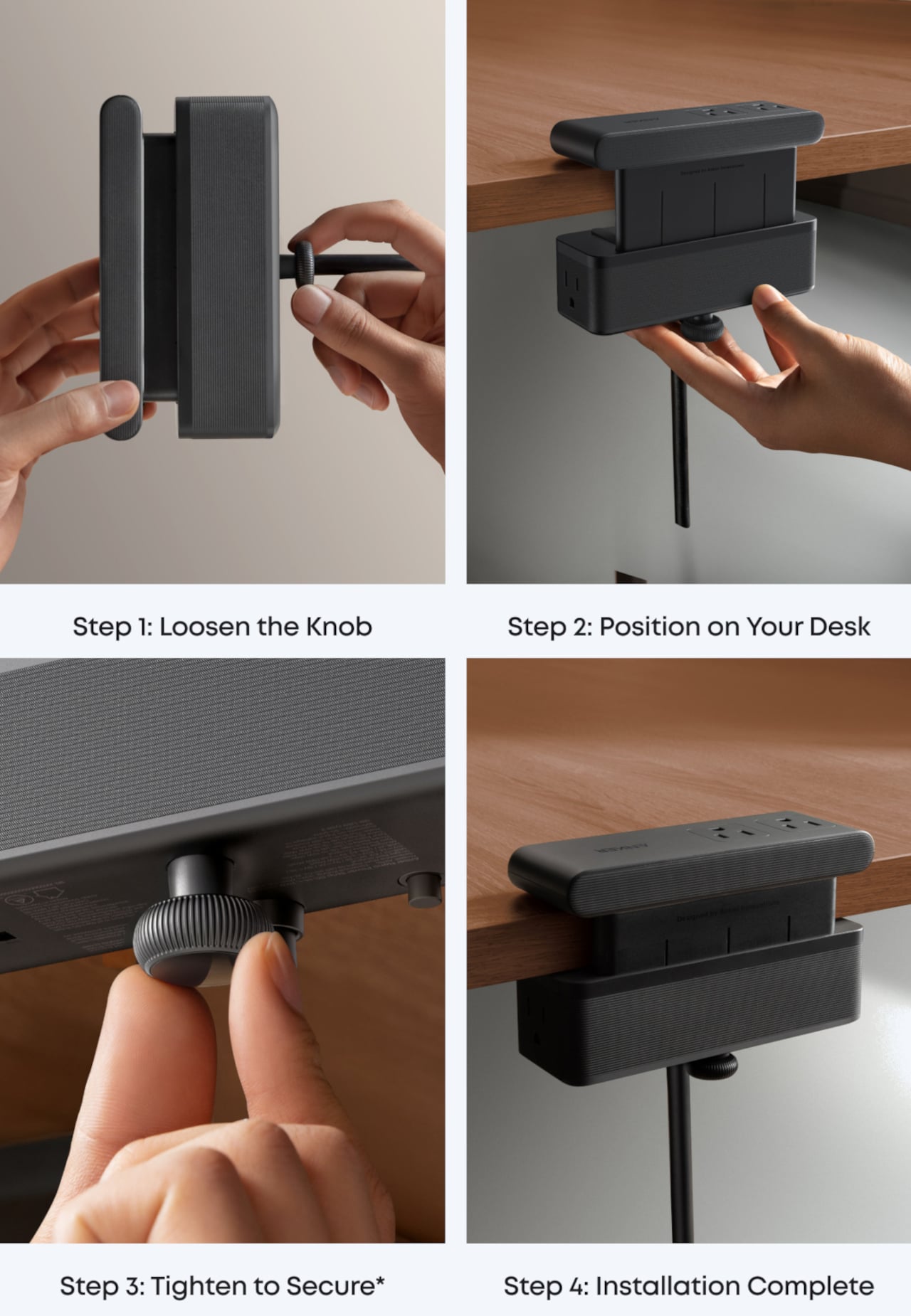
Installing it takes seconds. The adjustable clamp fits desk edges between 0.6 and 1.8 inches thick, covering most standard desks, and locks in firmly enough for one-hand use. That might sound like a minor detail, but plugging in a cable while the strip shifts around is exactly the kind of daily irritation that compounds. A stable mount means you’re not bracing the strip with your other hand every single time.

Anker also built in 1,500J of surge protection, along with a smart overload mechanism that includes a reset button. When it trips, the button pops out to cut power instantly. Press it again, and it’s back to normal. It’s a simple failsafe, but a useful one on a strip mounted at desk height, where a sudden power surge or overloaded circuit could easily go unnoticed until something stops working.

Anker markets it for gaming and office setups alike, and it’s easy to see why. Gaming desks accumulate powered accessories faster than most, from peripherals to controllers to headset chargers. The dual-zone layout helps spread those cables rather than pile them in one corner, and the 0.75-inch profile doesn’t take up surface space or interfere with the kind of clean, organized desk that people actually put effort into building.

Cable clutter isn’t going anywhere, but it can at least be contained. The Nano Power Strip doesn’t reinvent the power strip so much as it rethinks where one should live. At $69.99, it’s a reasonable ask for 10 ports, 70W of GaN-powered fast charging, and a desk-mounted solution that keeps the tangle off the floor and closer to where it actually gets used.

The post Anker’s $70 Power Strip Clamps to Your Desk, Keeps Cables Off Floors first appeared on Yanko Design.
This Power Strip Looks Like a Pencil with a Cable That Draws a Line

Setting up a desk usually means the laptop and lamp go on top while the power strip disappears underneath, tangled with dust and forgotten cables. Electricity gets treated as something to manage and conceal, even though it quietly runs everything you do all day. Most power strips look industrial or aggressively technical, which is why they end up banished behind furniture, making plugging things in feel like reaching into a dark cave.

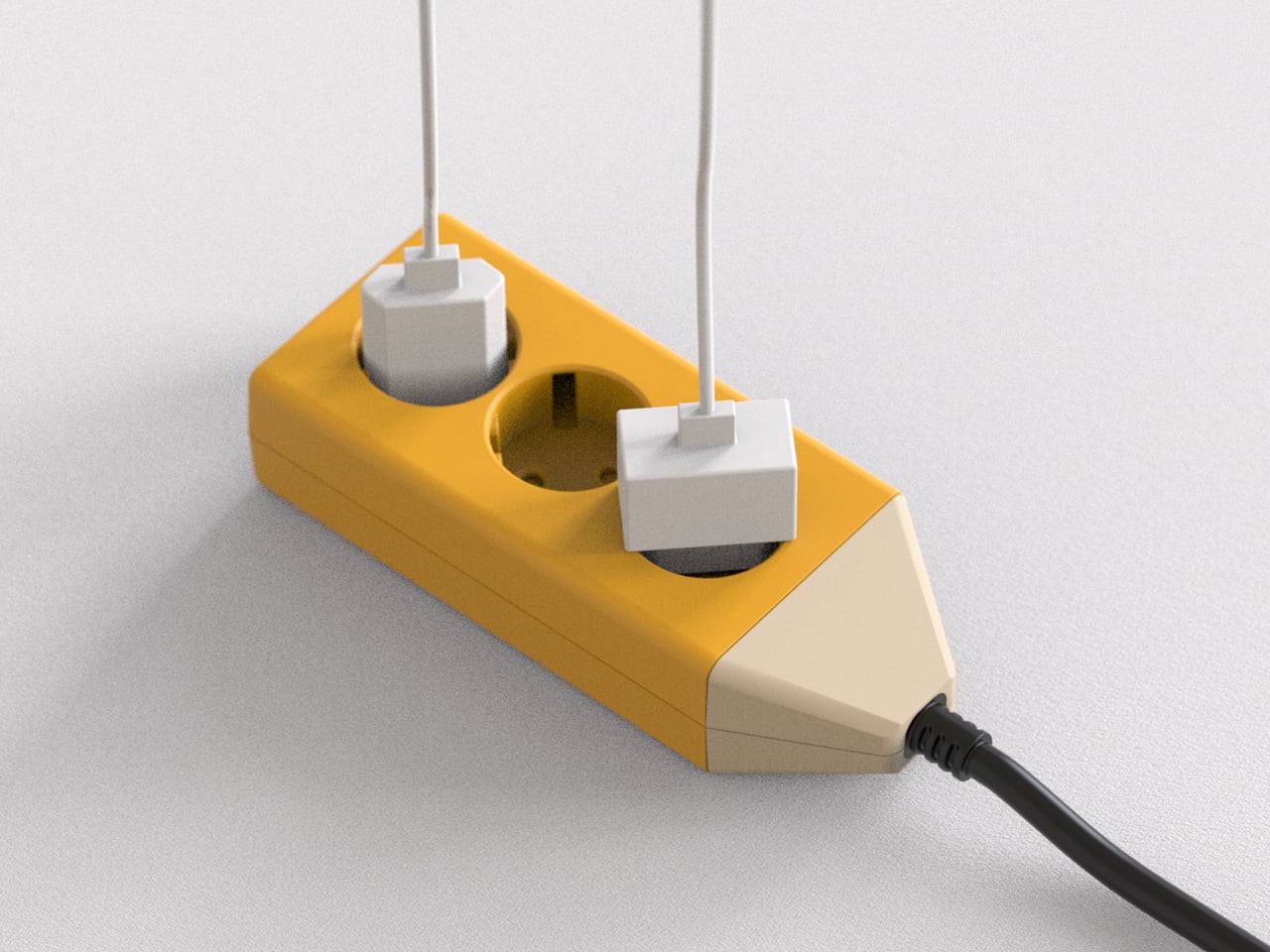
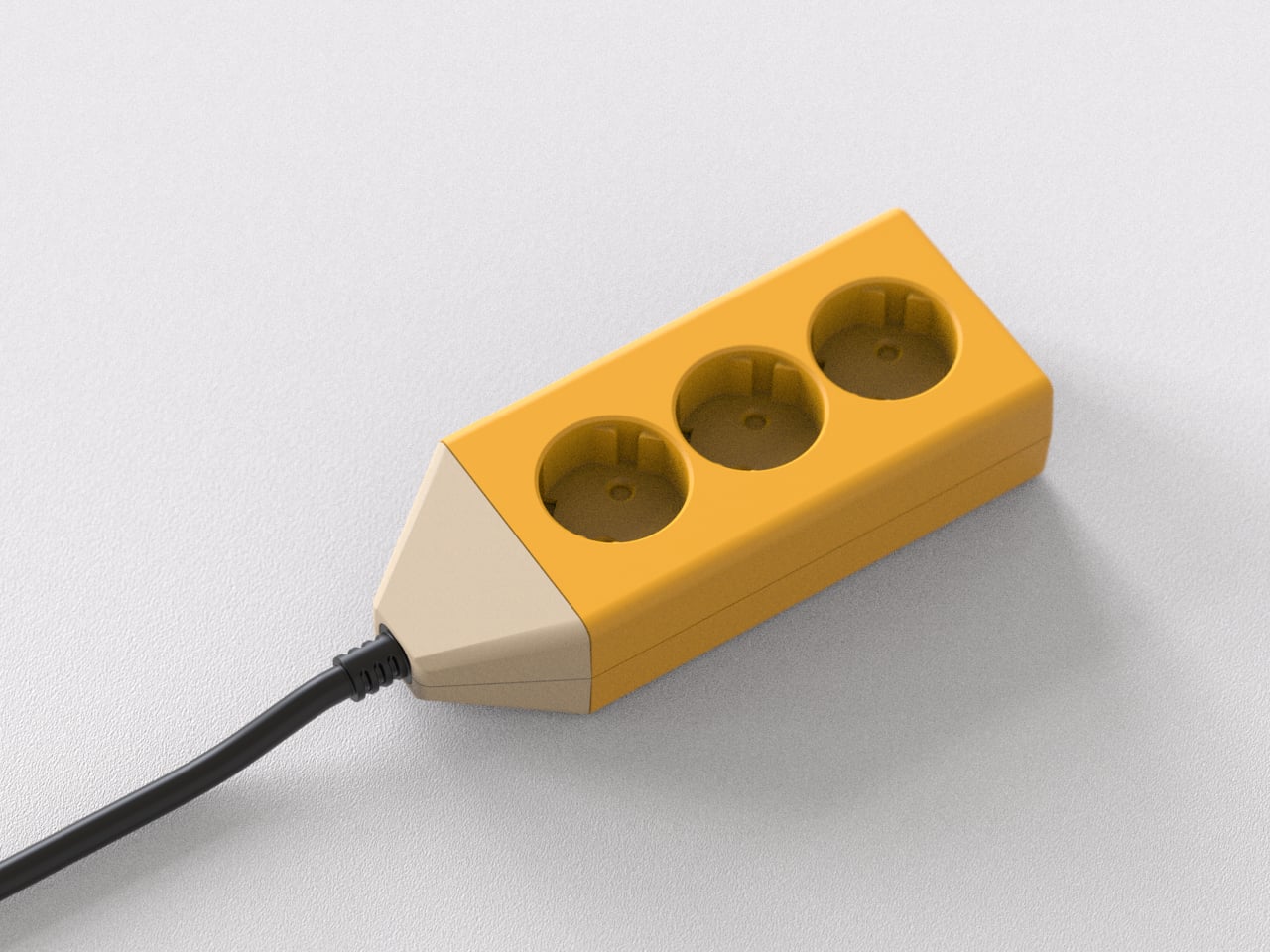
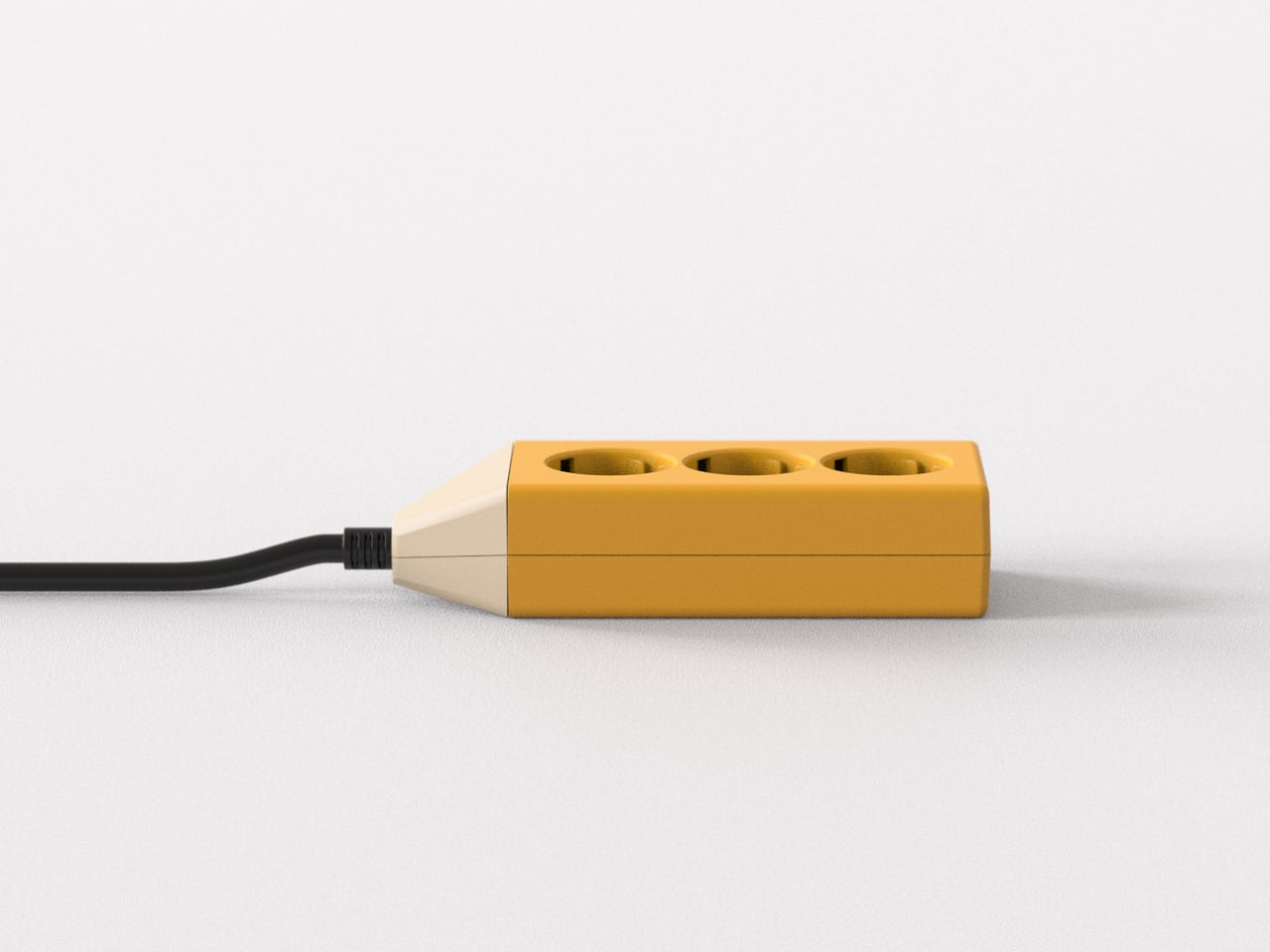
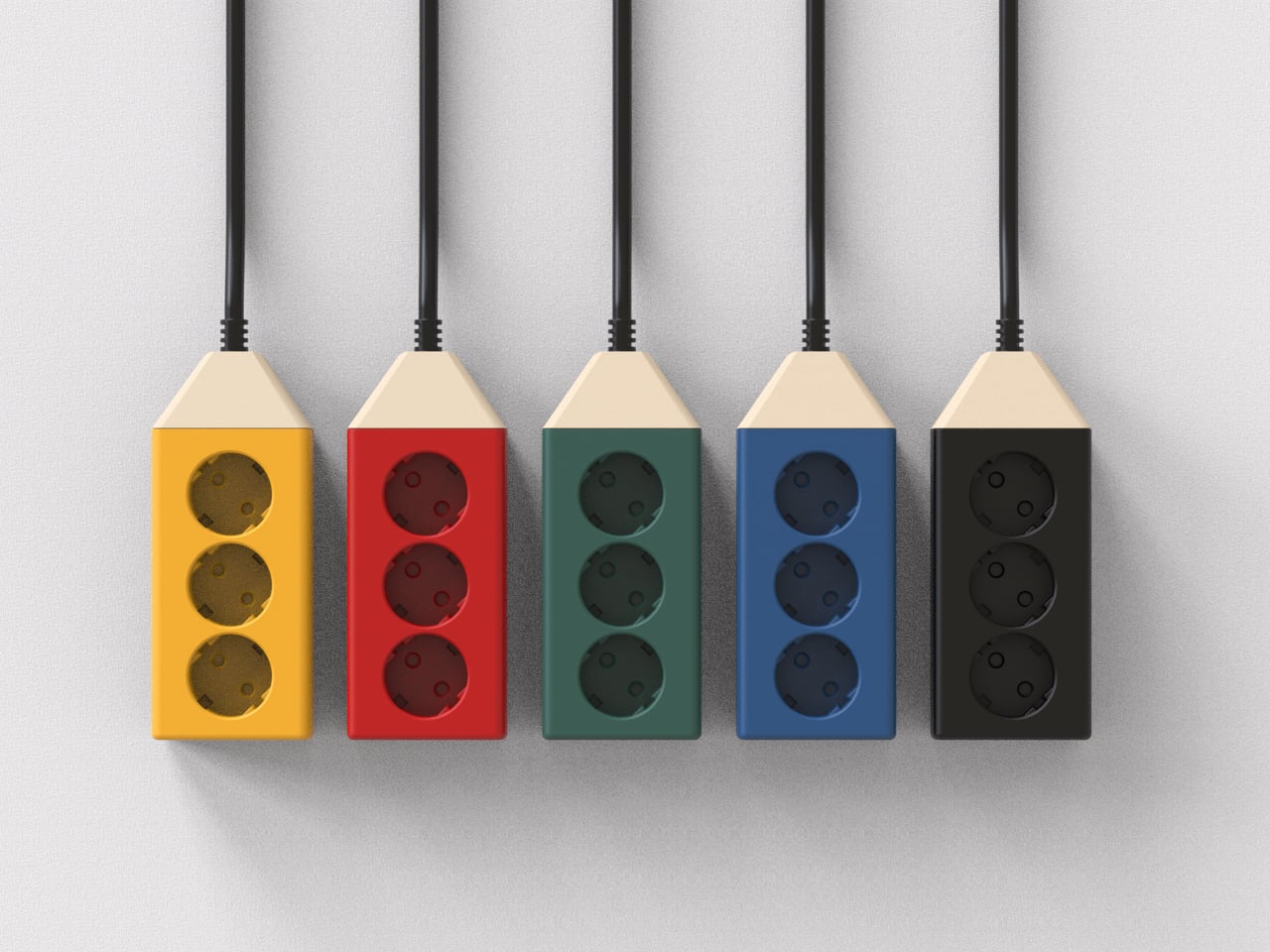
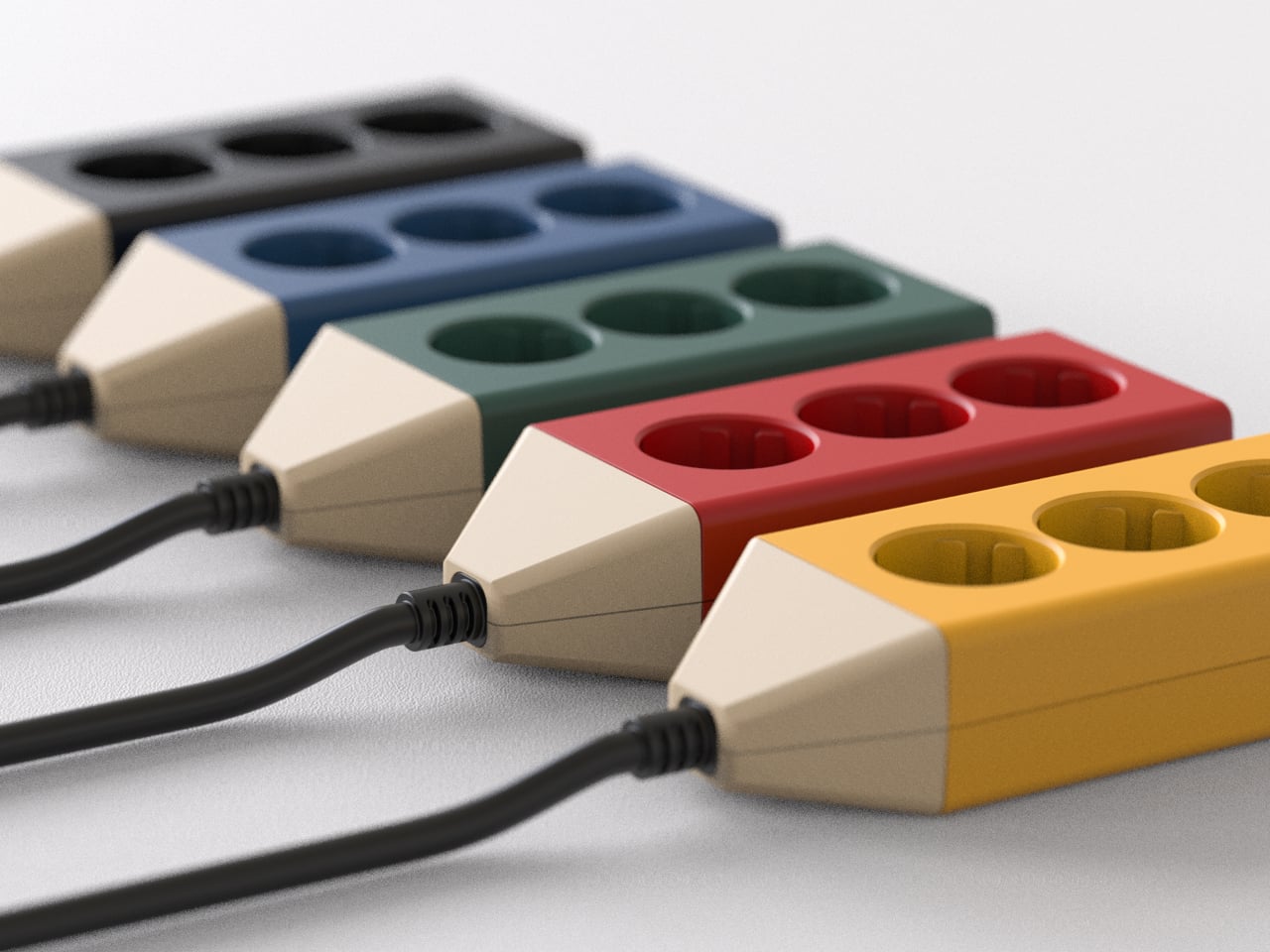
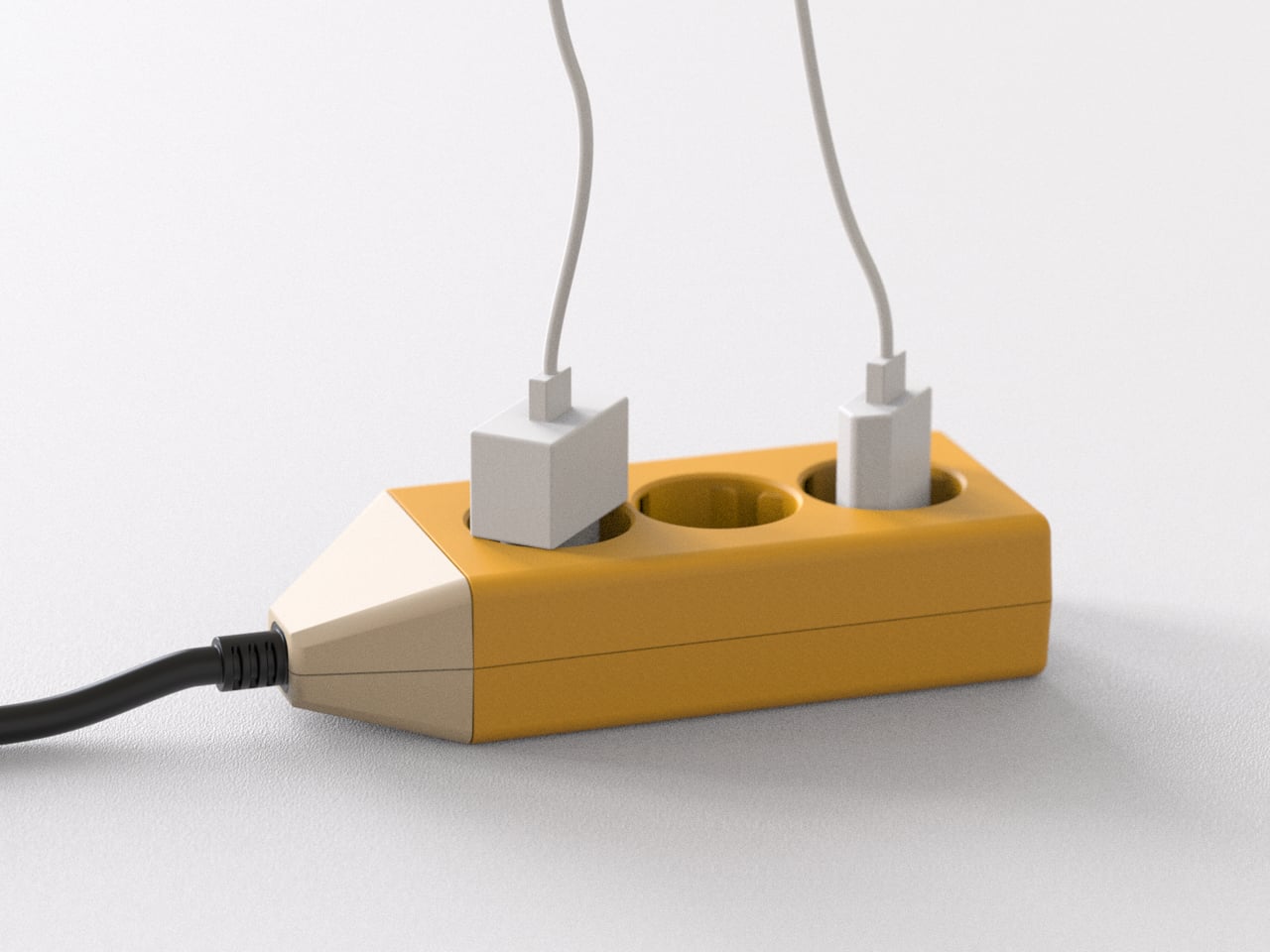
Composition Studio’s Pencil Multi-Tap follows a different line of thought. The studio designs objects that make you want to record simply by looking at them, asking what happens if the object itself initiates the act instead of waiting for discipline or habit. The Pencil Multi-Tap turns a power strip into something that feels closer to a pencil on a desk than a piece of hardware you are supposed to hide, treating electricity as part of the creative process.

Designer: Hyunsu Kim (Composition Studio)

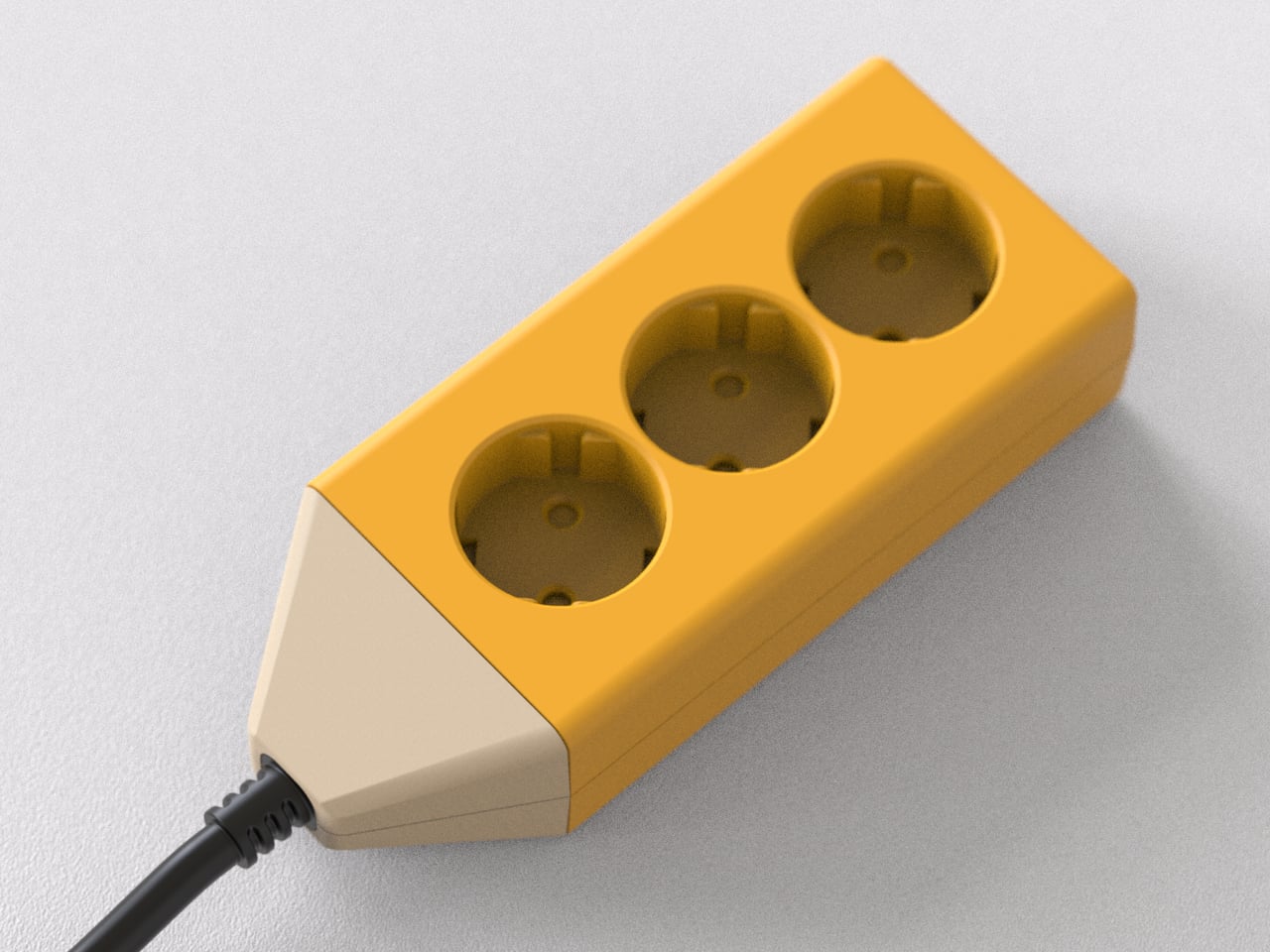
Sitting down at a clean desk in the morning, you drop your notebook, tablet, and laptop on the surface and plug them into a small block that reads as a fat, sharpened pencil. The black cable trails away like a drawn line toward the wall outlet. It feels less like plugging into infrastructure and more like drawing the first line on a blank page, a quiet signal that work is about to begin.

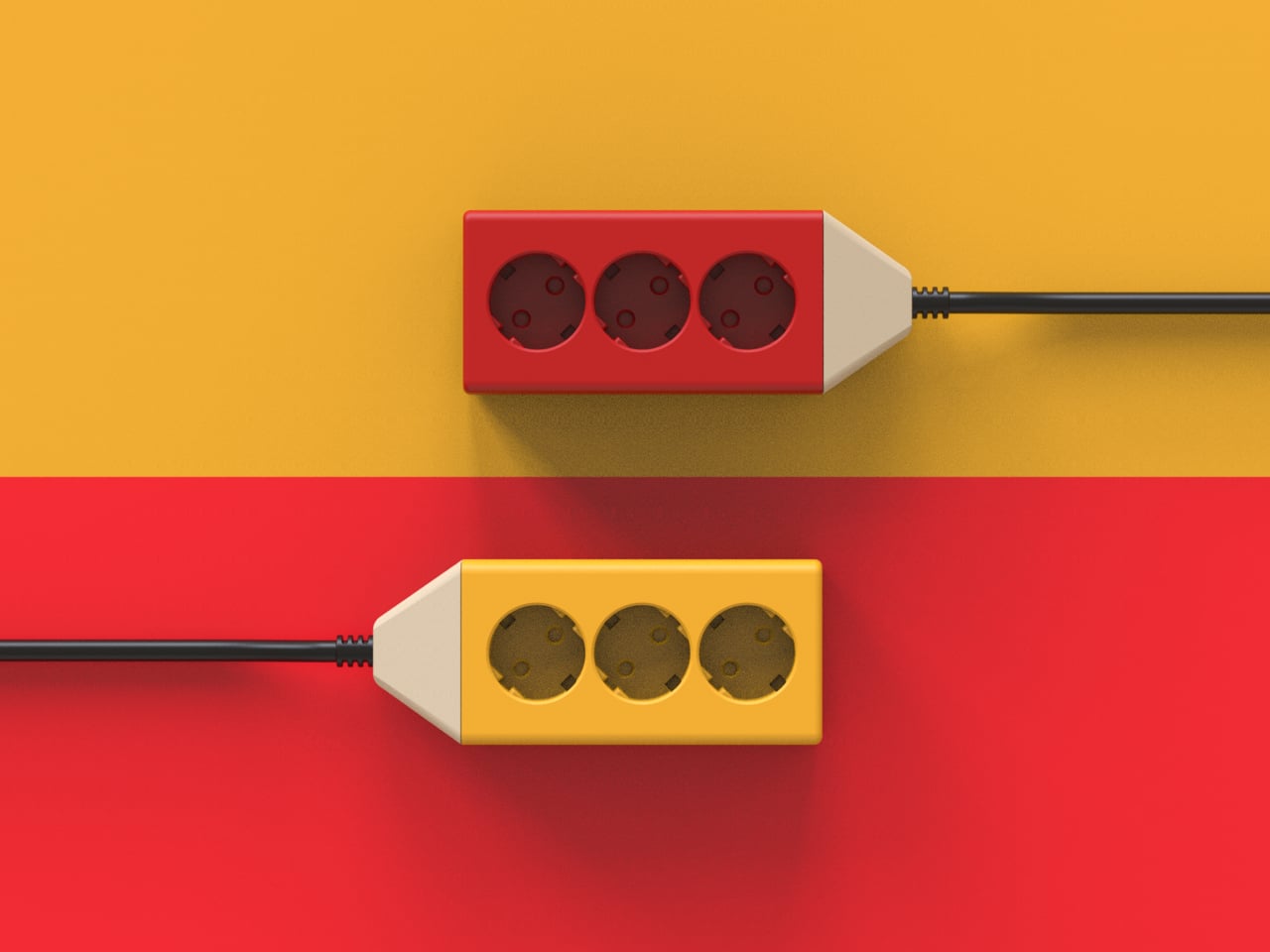
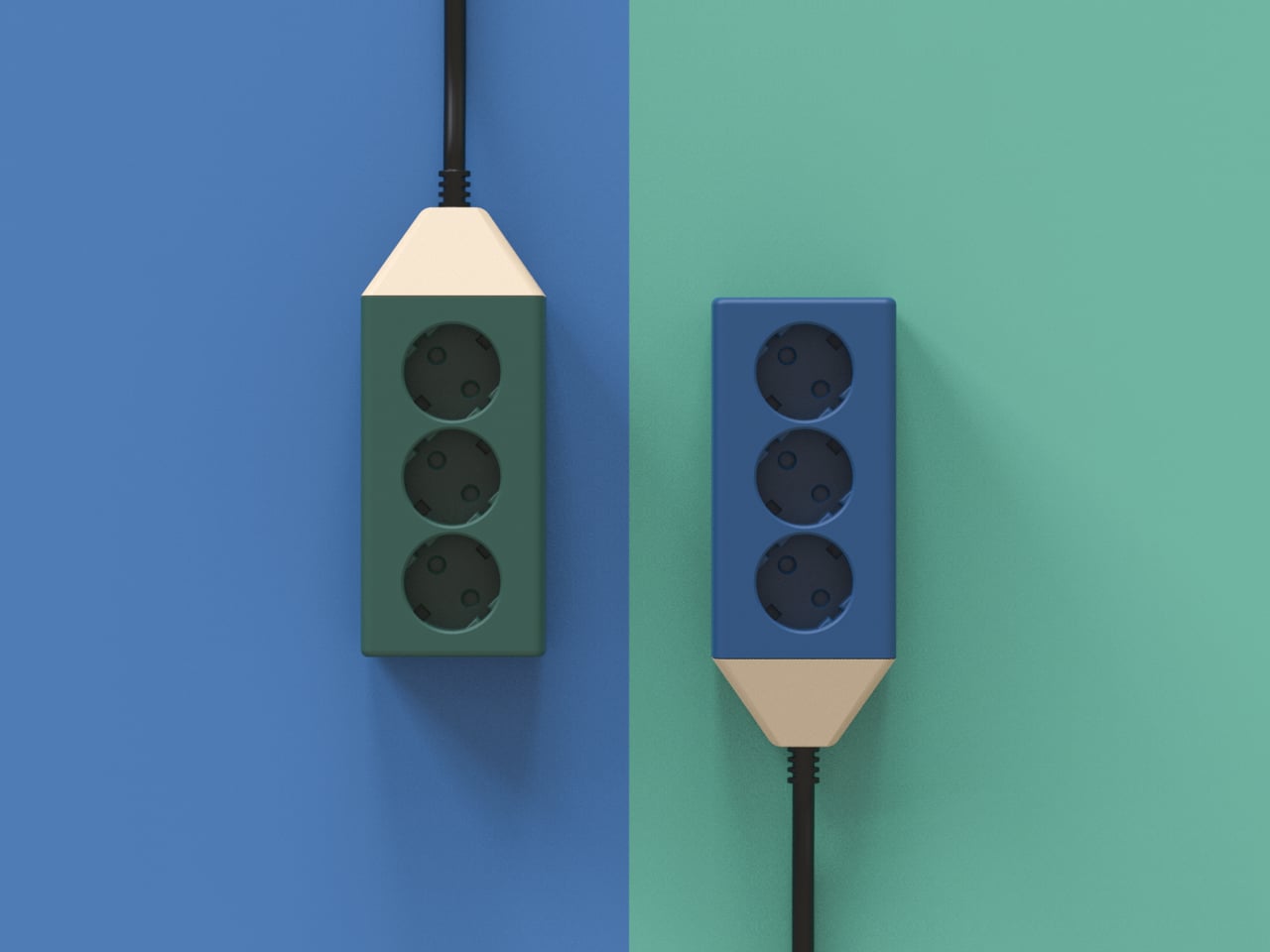
The practical side is straightforward. Three outlets give you enough capacity for a laptop, a charger, and a lamp without turning the surface into a cable farm. The compact, blocky body means it can sit anywhere on the desk or move with you to another room. Because it looks intentional, you do not mind leaving it visible, which makes plugging and unplugging devices easier and less of a contortion exercise under the table.

The pencil shape and color blocking make it feel familiar and non-technical, especially in a studio full of screens and metal. Instead of another black brick with a glowing switch, it reads as part of your creative kit, like a favorite pen or ruler. The single cable becomes a deliberate gesture instead of visual noise, which helps the workspace feel calmer even when multiple devices are connected and drawing power.

Three sockets mean this is not the strip you use to power an entire entertainment center or a full office rack. Big power bricks might still crowd each other if you stack too many adapters, and safety standards, surge protection, and regional plug types would all need careful engineering in a real product. But as a desk-level companion for a focused setup, the simplicity is part of the appeal.

The Pencil Multi-Tap treats electricity as part of the workspace experience instead of a background chore. Just as a pencil on the table invites you to write or draw, this little multi-tap invites you to plug in and begin. It is a reminder that even the most mundane tools can be designed to nudge you toward making something, rather than just managing the machines that do the making for you.

The post This Power Strip Looks Like a Pencil with a Cable That Draws a Line first appeared on Yanko Design.
Anker’s CES 2026 Charging Lineup Treats Power as a Coordinated System

Charging has become a daily background task with a mix of wall bricks, wireless pads, power strips, and docks that rarely feel coordinated. As devices become faster and more power-hungry, the friction shifts from “do I have enough power?” to “how many adapters do I need without cluttering the desk?” The answer usually involves a drawer full of chargers that don’t talk to each other and rarely work where needed.

Anker’s CES 2026 portfolio treats this as a system. The Anker Charging lineup introduces four products, the Nano Charger, Prime Wireless Charging Station, Nano Power Strip, and Nano Docking Station, sharing ideas like smarter device recognition, Qi2 25 W wireless, AnkerSense View, and ActiveShield 5.0, but slotting into different moments where power is needed, wanted, or quietly essential to keeping momentum going without searching for another cable.

Designer: Anker

Anker Nano Charger (45W, Smart Display, 180° Foldable)

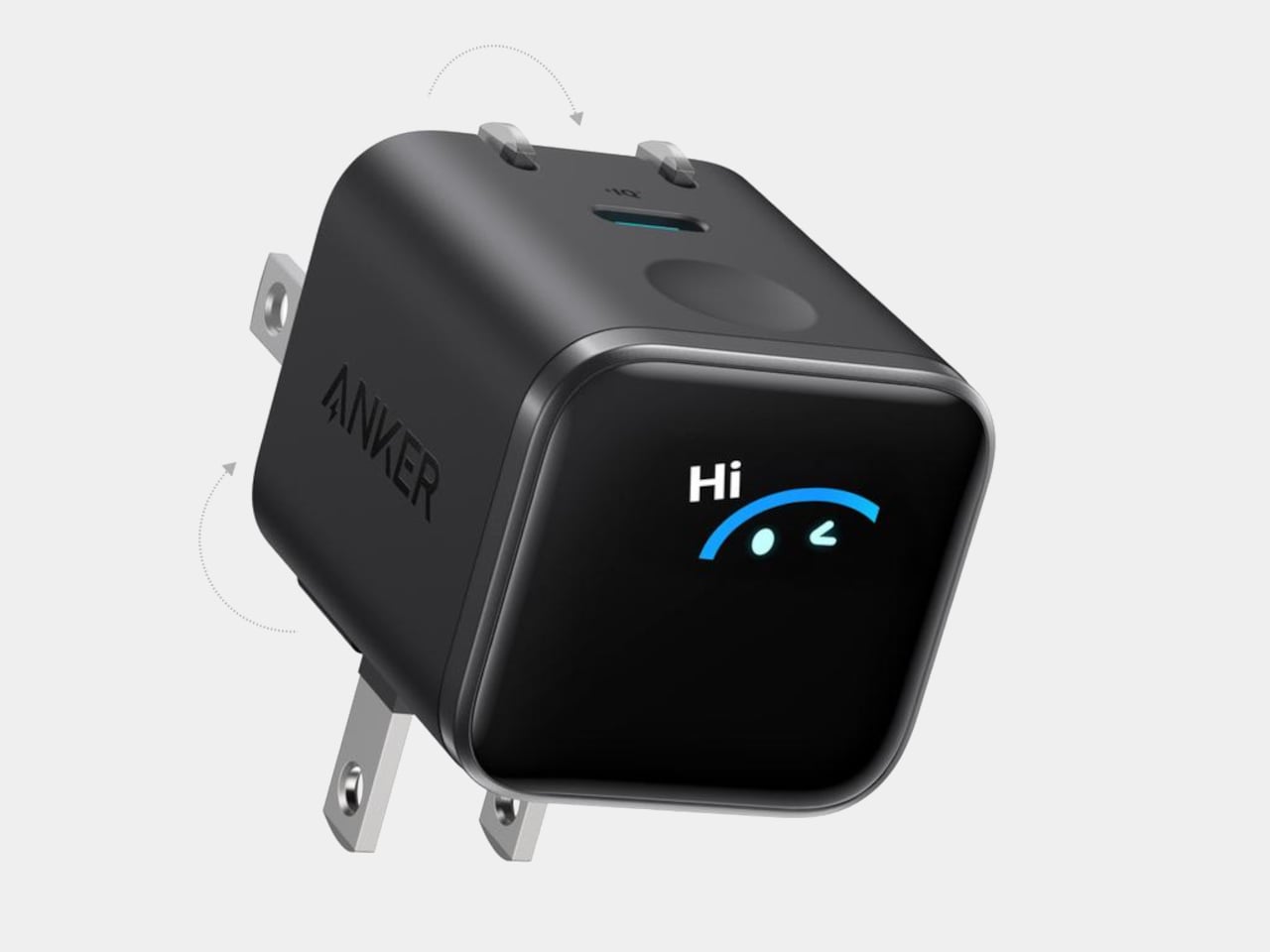
The Nano Charger recognizes recent iPhone and iPad Pro models in seconds, then uses a three-stage power profile to deliver up to 45 W tailored to the device. That auto-matching unlocks faster charging when the battery is low while easing off as it fills, avoiding overstressing batteries for people who charge overnight or keep devices plugged in during long work sessions without thinking about optimal timing.

TÜV-certified Care Mode keeps the phone’s battery about 9 °F cooler than other 45 W chargers, a quiet win for long-term health. The small smart display shows real-time power and temperature with friendly icons, and the 180-degree foldable prongs let the charger sit in tight outlets while keeping the screen visible, fitting desk plugs, kitchen outlets, and behind-cabinets spaces where flat bricks fail.

Anker Prime Wireless Charging Station (3-in-1, MagGo, AirCool, Foldable)

The Prime Wireless Charging Station handles an iPhone, earbuds, and a watch without three separate cables. It uses Qi2 25 W wireless charging to bring iPhone speeds close to wired, quoting 80% in about 55 minutes for an iPhone 17. The stand folds into a palm-sized block lighter than an iPhone 17 Pro Max, so it can live in a bag full-time, turning one USB-C input into a small charging island.

The AirCool airflow system keeps the charger and devices at stable temperatures when everything is stacked overnight or during work sessions, important when running 25 W to a phone while also topping up a watch and earbuds. That thermal management keeps the 3-in-1 from becoming uncomfortably hot on a nightstand or desk, and the foldable form clears cable clutter from hotel rooms and home offices, making it the kind of charger that actually gets packed for every trip.

Anker Nano Power Strip (10-in-1, 70W, Clamp)

The Nano Power Strip is a dual-zone power bar that lives at the desk edge instead of under it. It combines six AC outlets with two USB-C and two USB-A ports, with a single USB-C delivering up to 70 W, enough to run a laptop or gaming handheld directly. The clamp-on design keeps the strip fixed in place while making ports easy to reach, so you stop crawling under desks to plug in temporary devices.

The built-in 1,500 J surge protection shields connected gear from spikes, which matters when monitors, desktop PCs, and audio equipment all share one outlet. Having the USB ports face forward and the AC outlets below the desk creates a cleaner visual line and makes it easier to manage cable runs, turning the strip into permanent desk infrastructure that handles both power and data charging without sprawling across the surface or tangling behind a monitor stand.

Anker Nano Docking Station (13-in-1, Triple Display, Built-In Removable Hub)

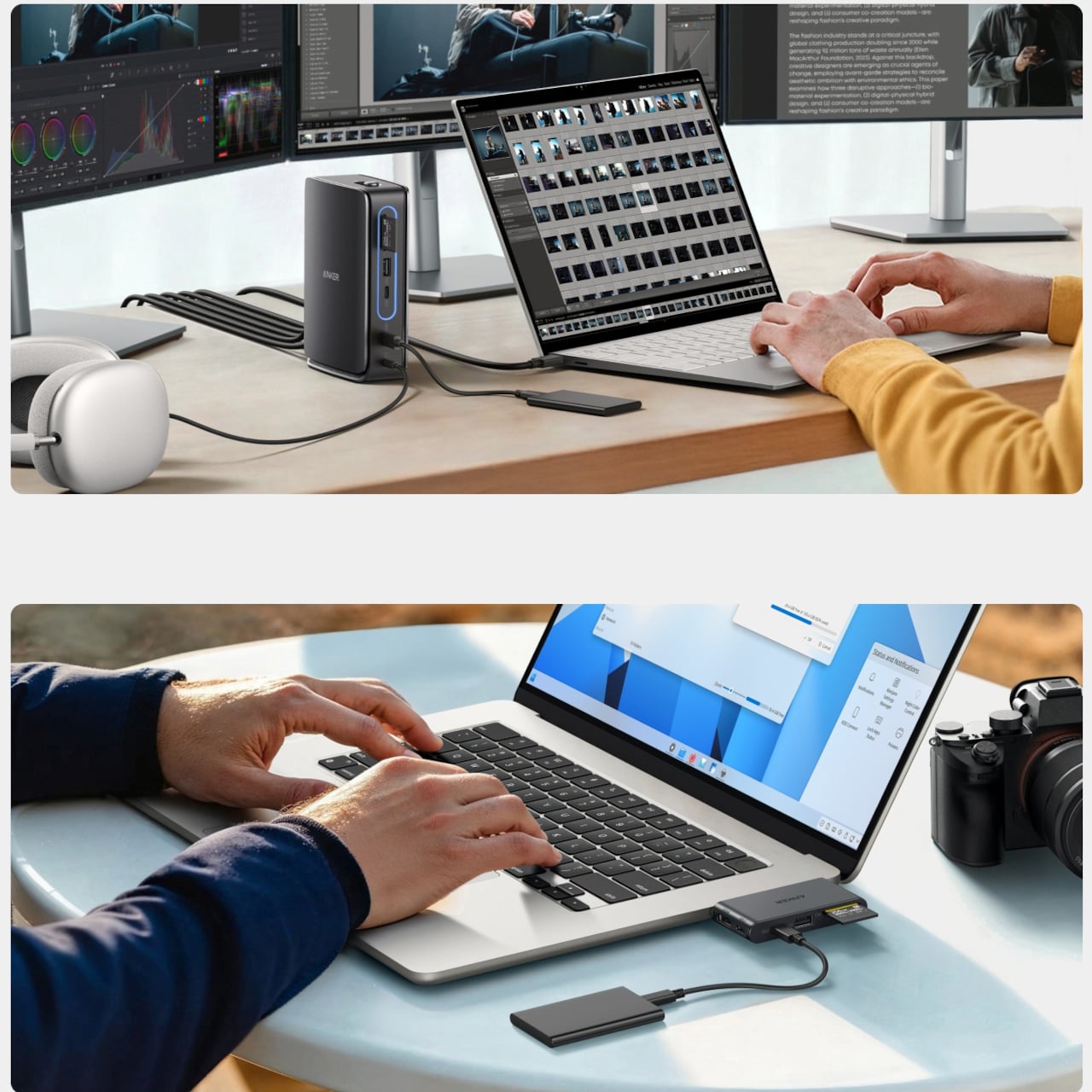
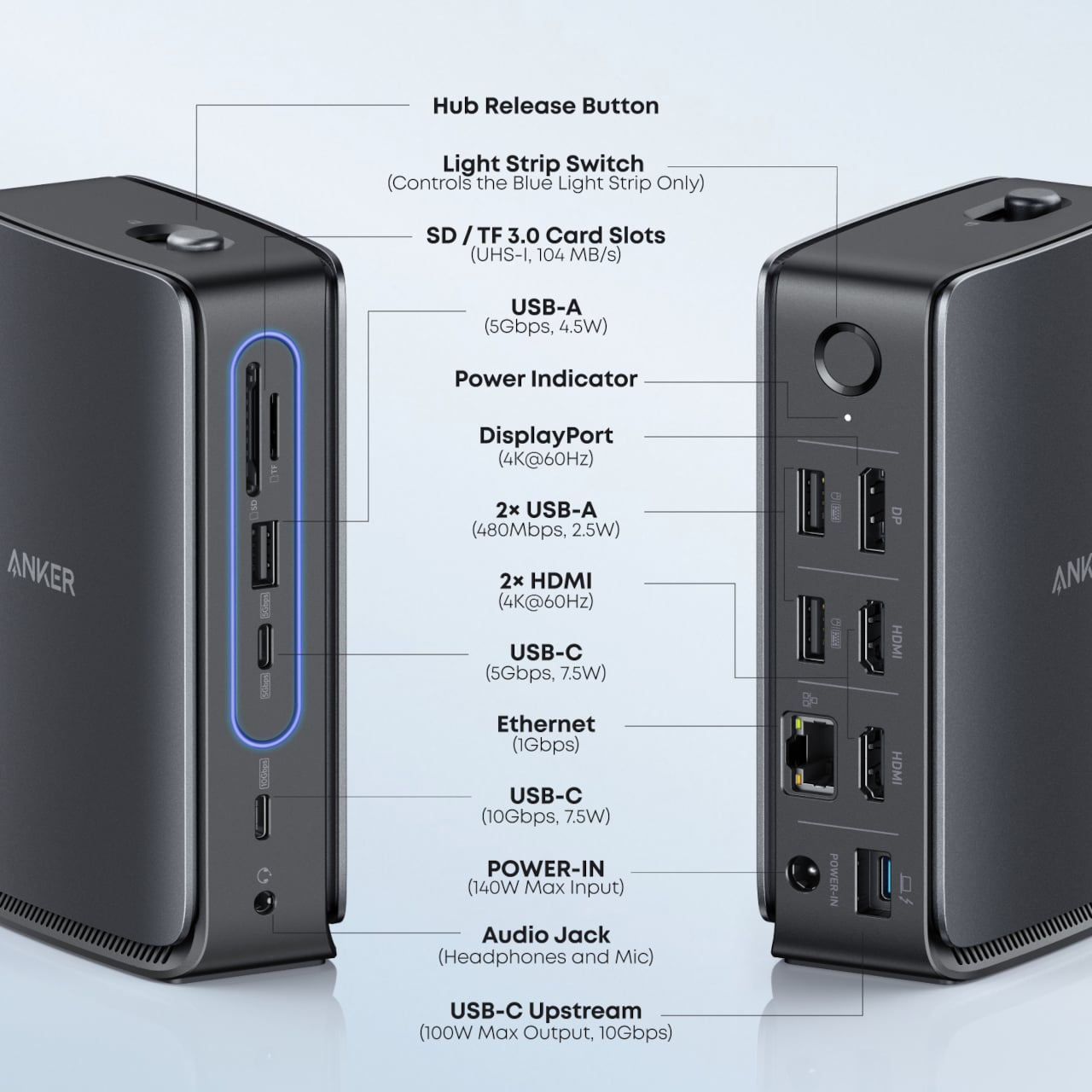
The Nano Docking Station is a 13-in-1 dock for people who treat a laptop as their main machine but want a desktop-class workspace. It supports triple-display output with up to 4K resolution on a single monitor, up to 100 W upstream charging, and USB-C, USB-A, HDMI, DisplayPort, Ethernet, and SD / TF 3.0 card slots, all running at up to 10 Gbps, where it counts for fast file transfers and external storage.

The built-in 6-in-1 removable hub slides out, letting someone leave the desktop cable tree intact while taking key ports and card readers on the road with a single, slim module. That bridging between permanent and mobile workflows makes the dock feel less like a fixed base station and more like a system that adapts to whether you are spending the day at a desk or heading to a meeting with just a laptop and the small hub in a bag.

Anker at CES 2026: Charging as a Coherent System

These four products sketch out Anker’s view of charging in 2026, not as isolated bricks and pads, but as coordinated tools that follow people from pocket to bedside to desk. Instead of chasing ever-higher wattage alone, the lineup leans into smarter interfaces, cooler operation, and forms that respect the spaces they live in, the kind of thinking Yanko Design readers expect from everyday hardware that earns its place by working better and quieter.

The post Anker’s CES 2026 Charging Lineup Treats Power as a Coordinated System first appeared on Yanko Design.
This 3D-Printed Modular Power Strip Is Made From Recycled Plastic

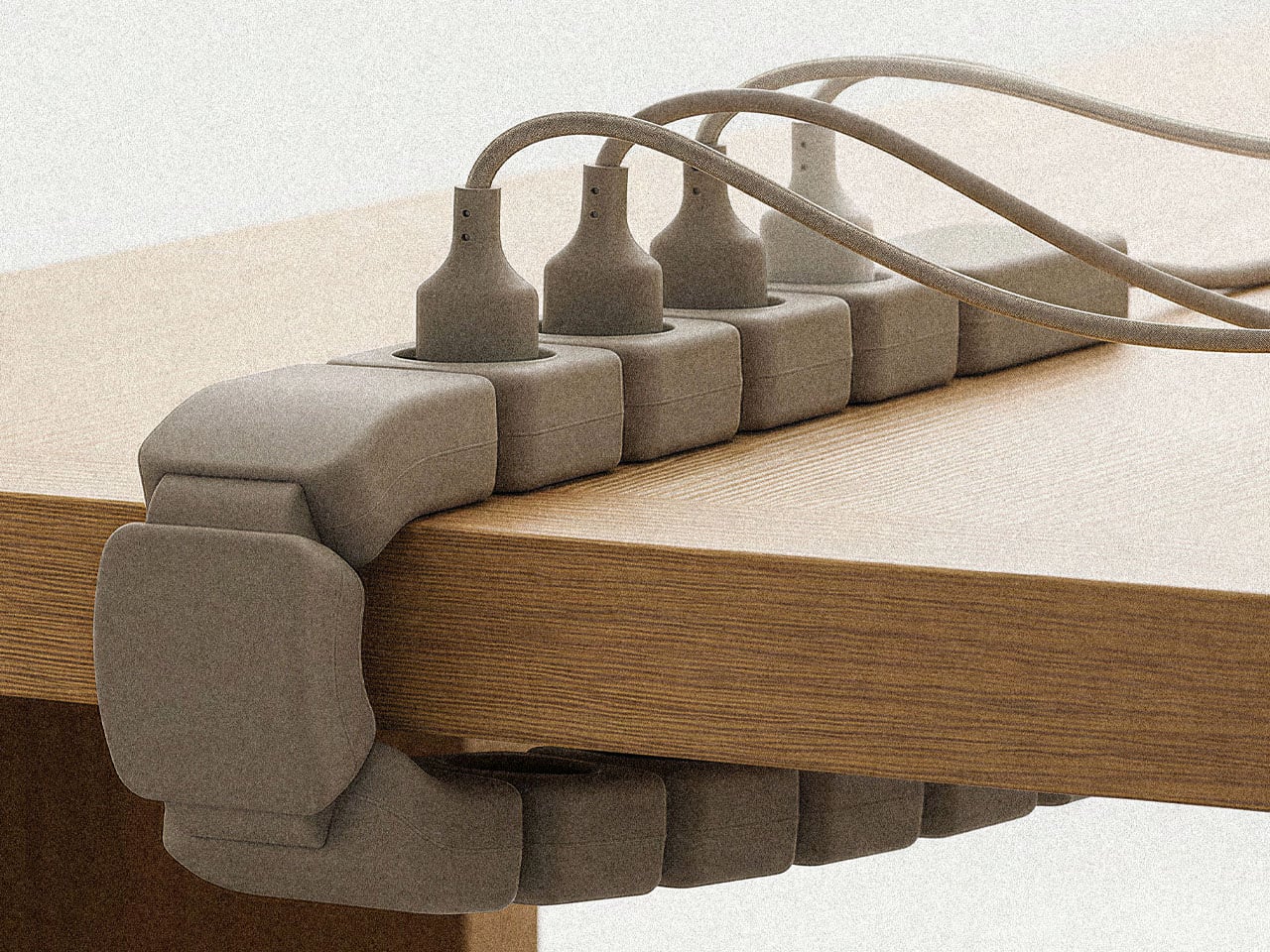
Carefully curated desks always have one ugly secret hiding underneath them. Power strips are black plastic bricks with tangled cables, even in the most beautifully designed workspaces. You need the outlets and USB ports, but nobody wants to look at the usual tangle of cords and generic housings. The bFRIENDS Power Module treats power access as something that deserves the same design attention as pen cups and storage trays.

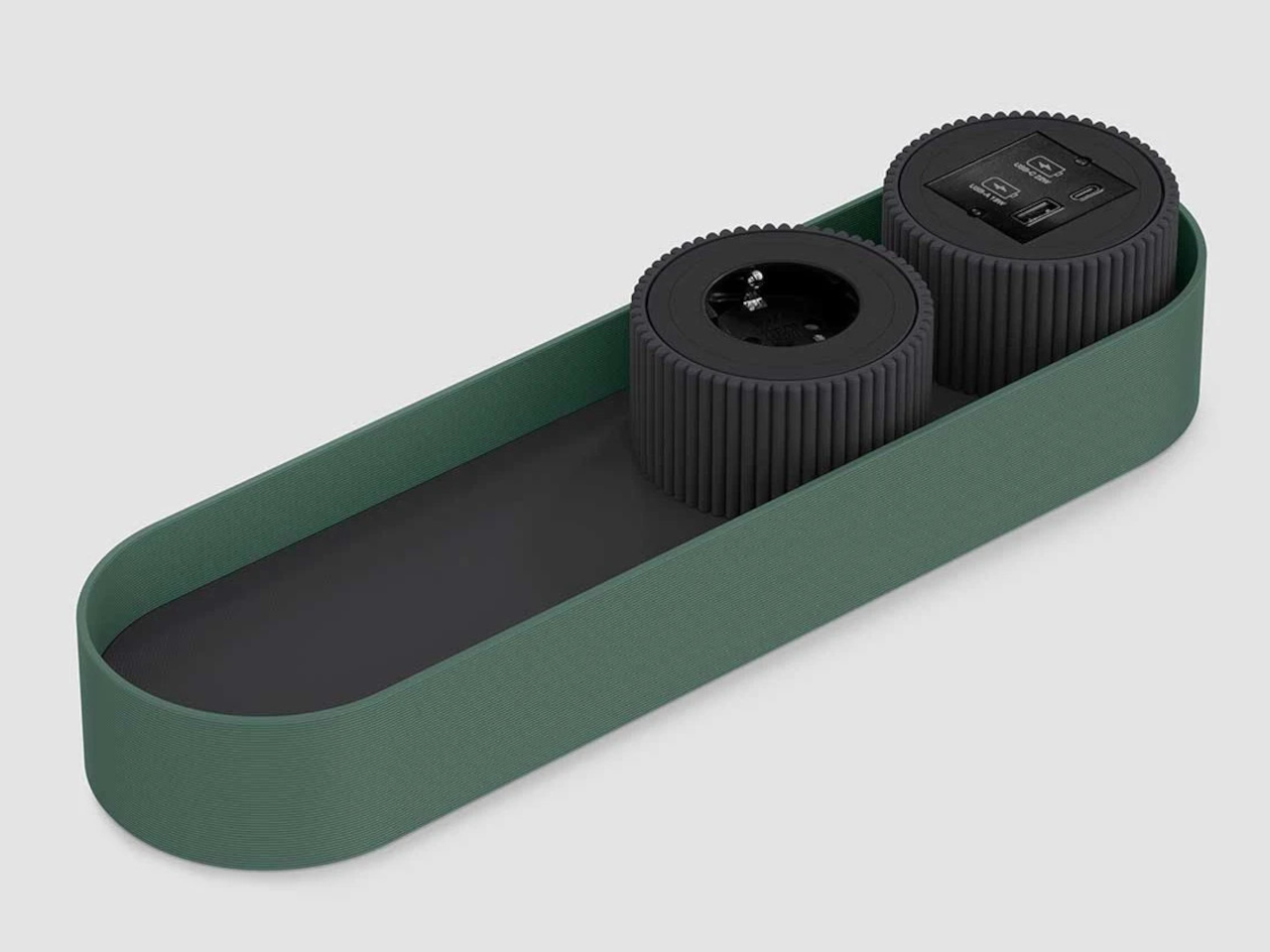
The bFRIENDS Power Module is a family of 3D-printed desk power hubs designed by Pearson Lloyd for Bene. It’s part of the broader bFRIENDS collection, which uses recycled bioplastic and additive manufacturing to create desk accessories. That same language now extends into sockets and USB chargers, turning a power strip into a small, modular object that sits proudly on the desk instead of hiding on the floor or under a cable tray.

Designer: Pearson Lloyd for bene

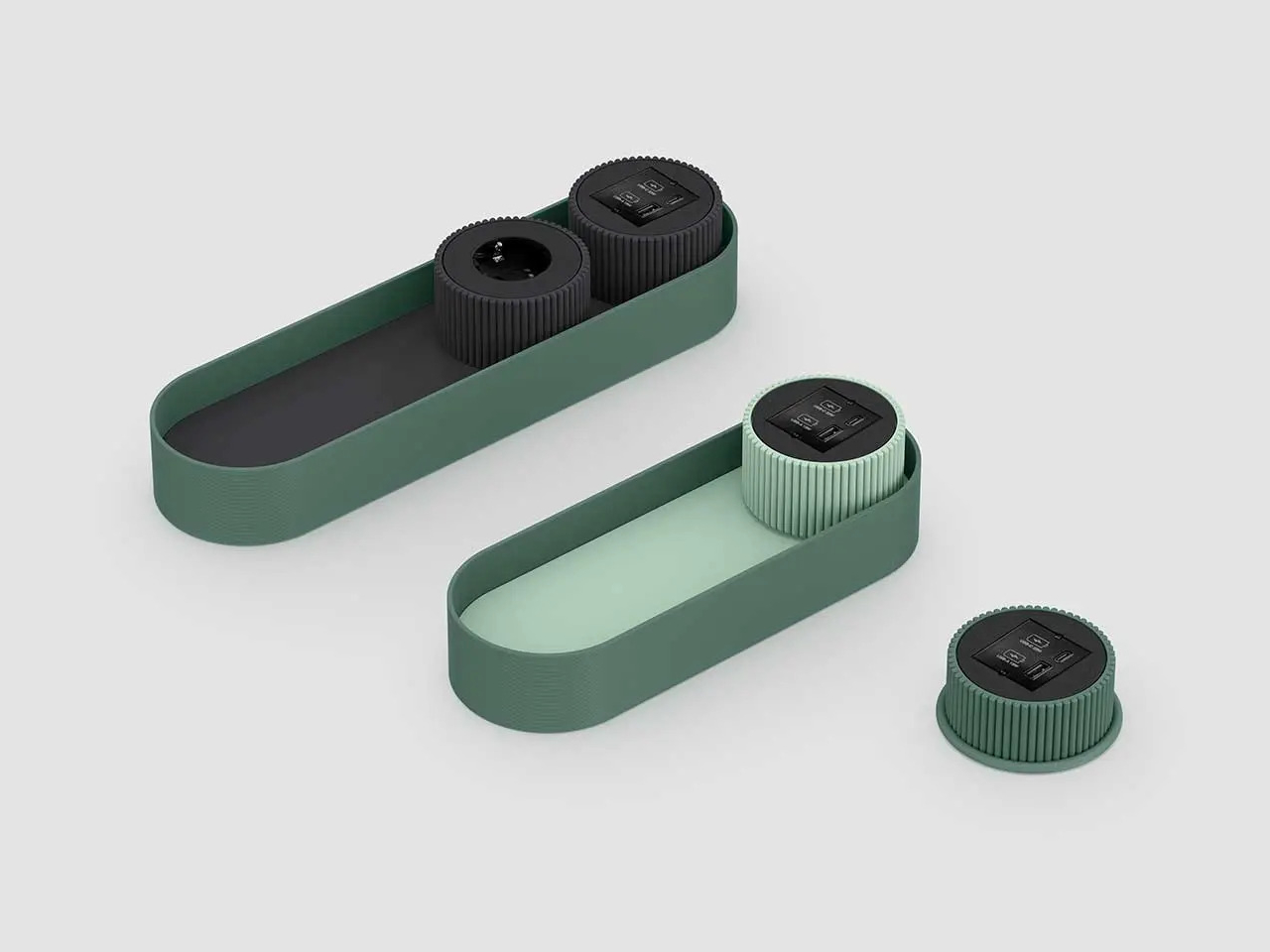
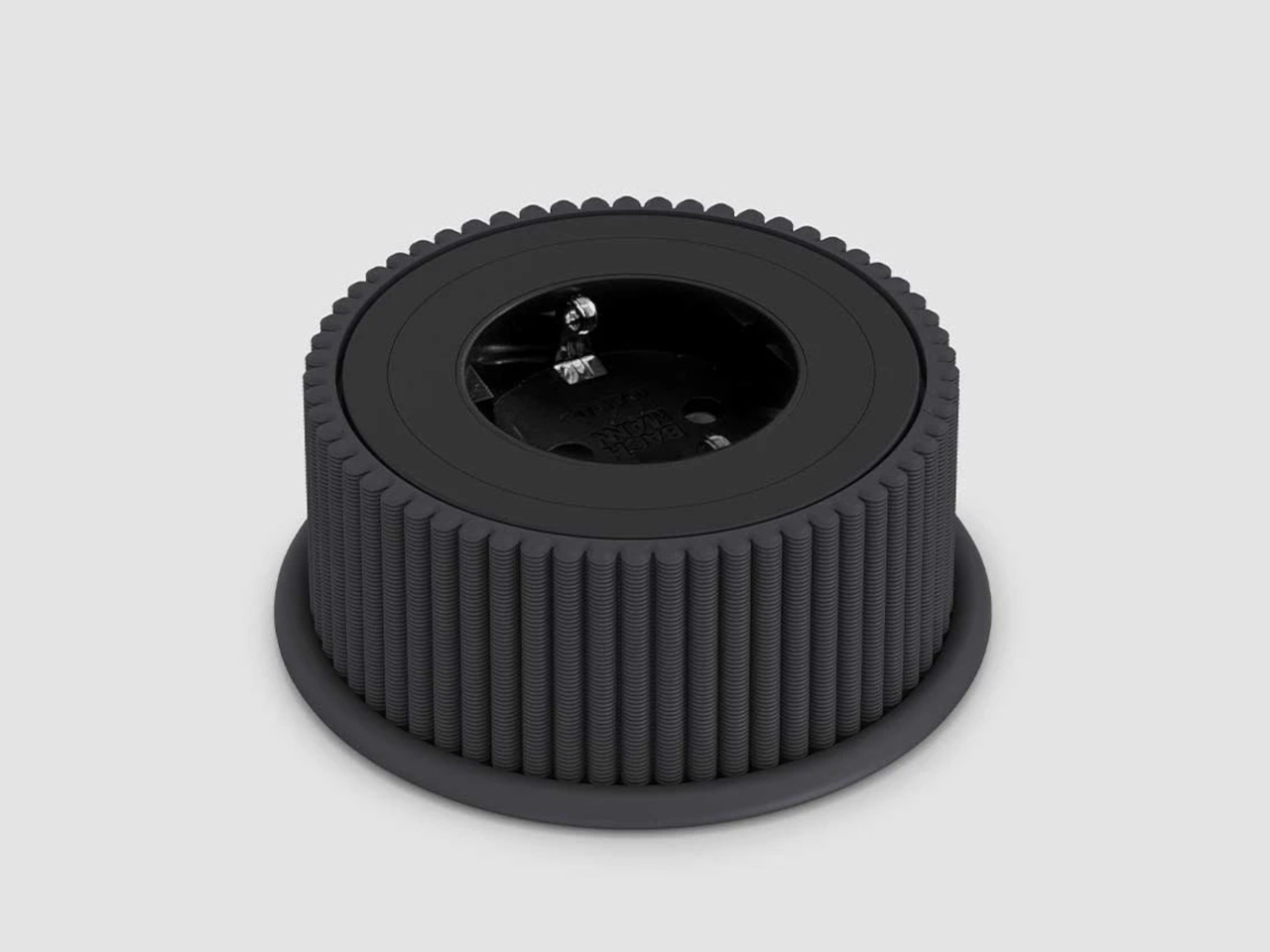
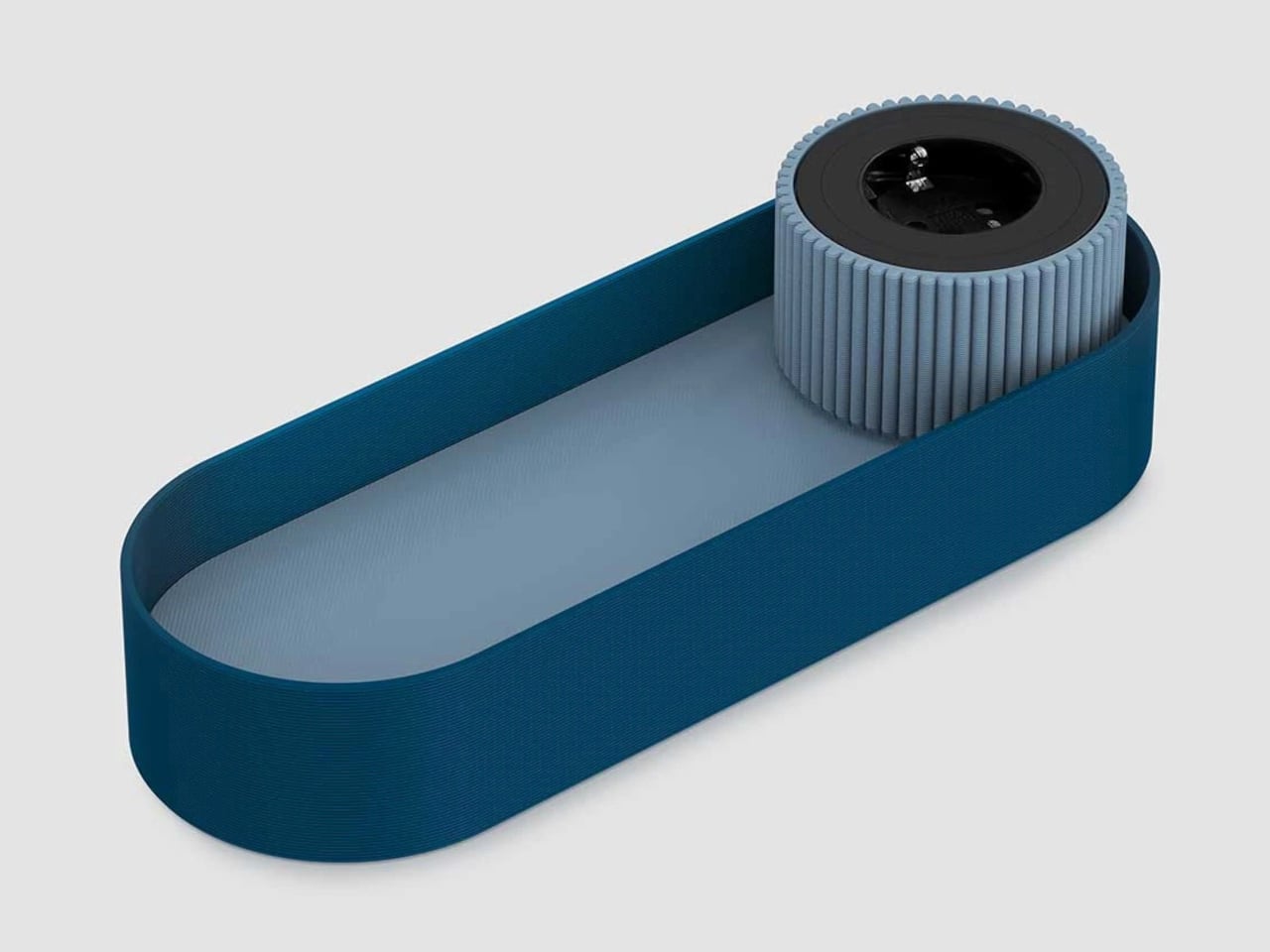
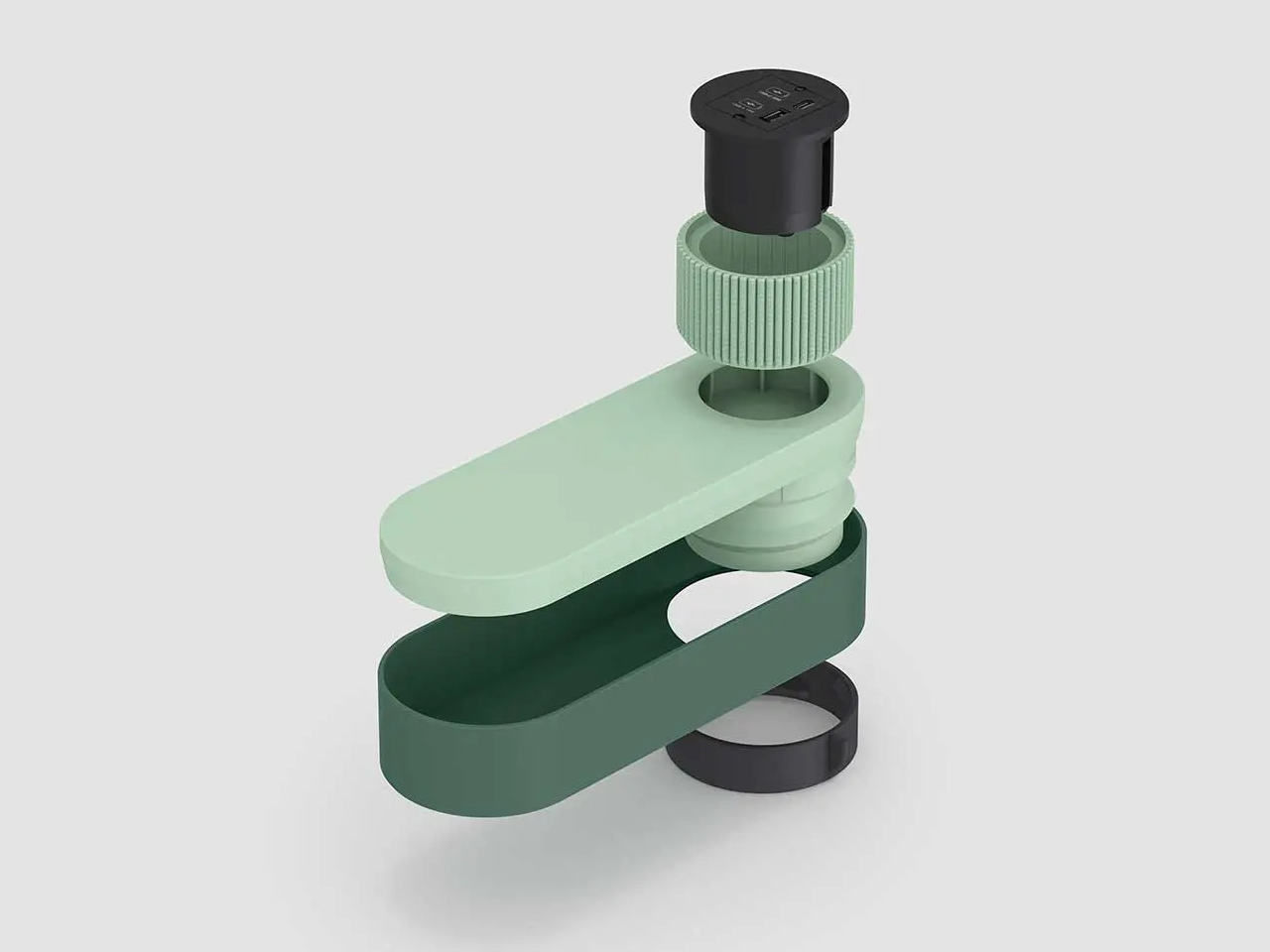
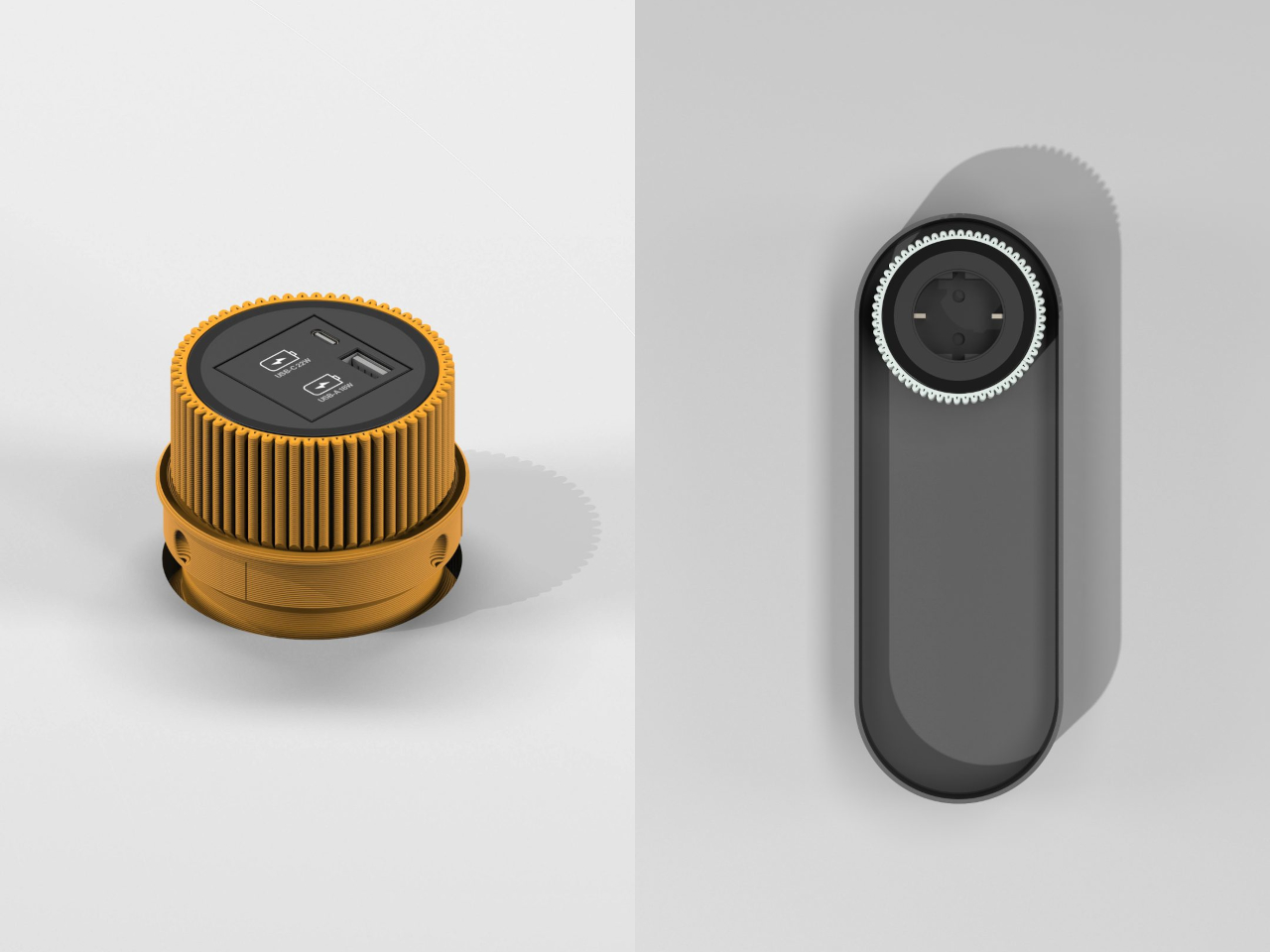
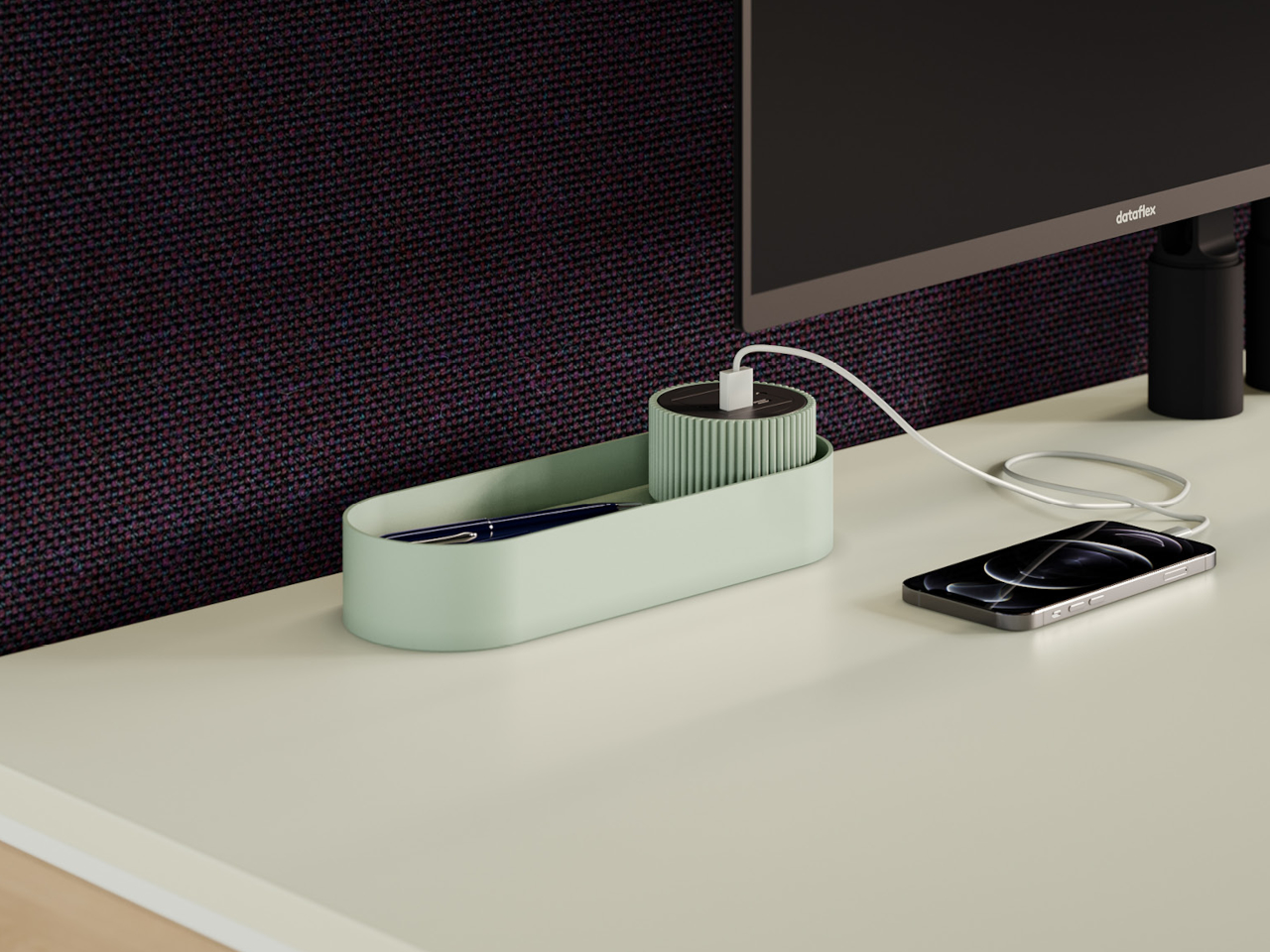
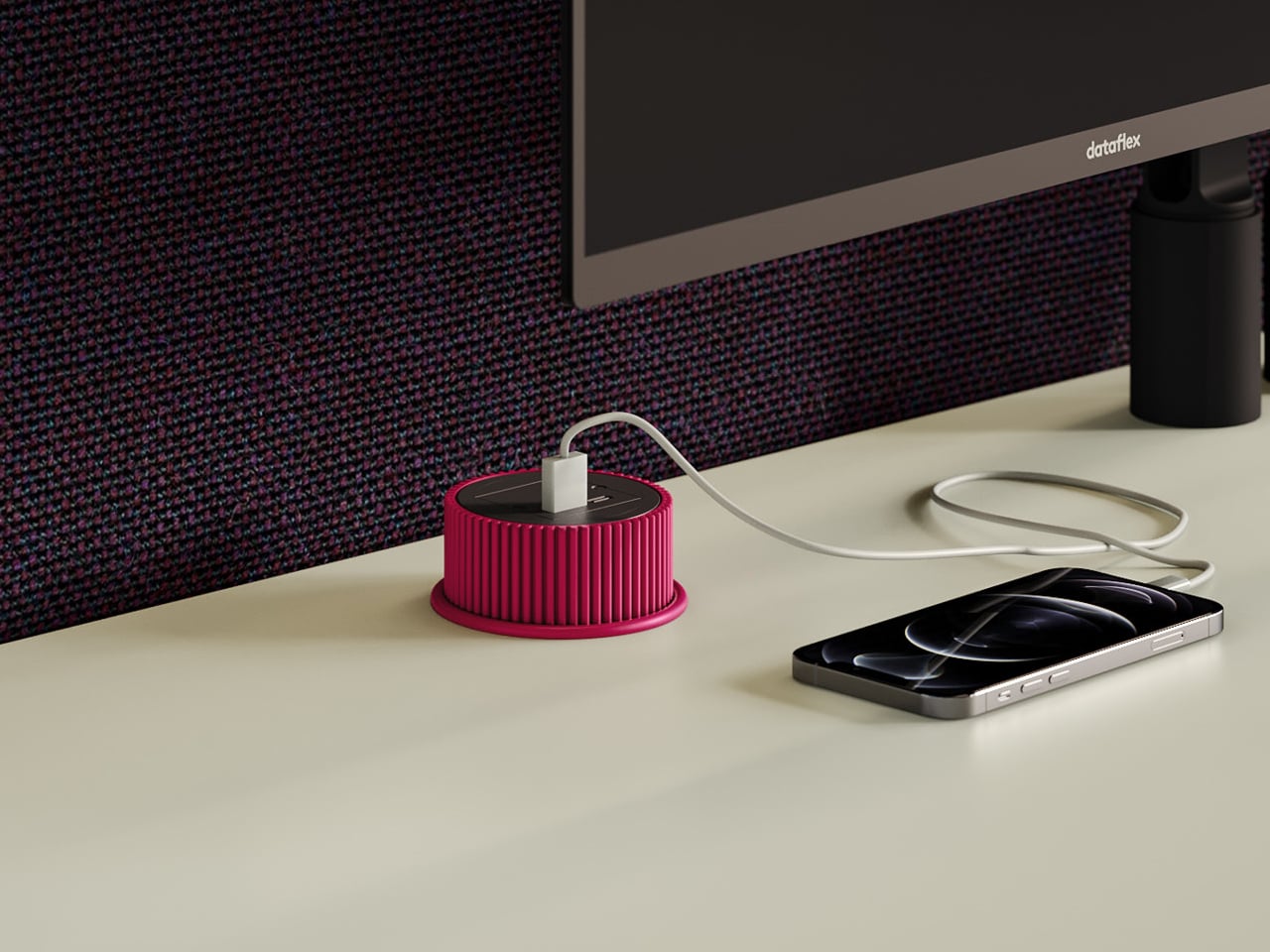
The basic form is a low, rounded tray with one or two ribbed cylinders that dock into it. The cylinders hold either a mains socket or a USB charger, while the tray doubles as a shallow organizer. Module S offers a single power point in a compact footprint. Module M adds one cylinder plus a shelf for pens and small items. Module L fits two cylinders and a wider storage area for more devices and desk clutter.

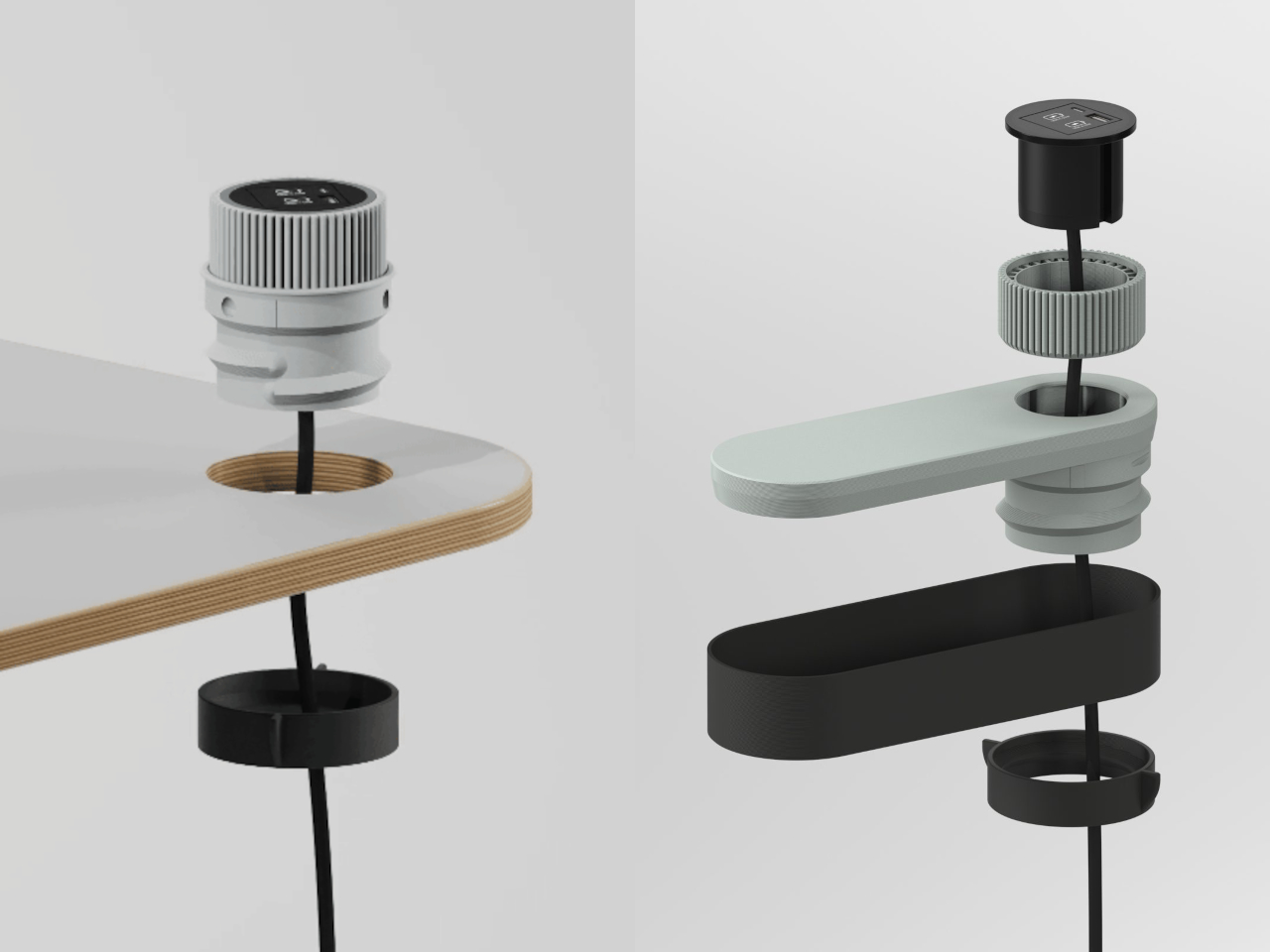
The modules are designed to be modular beyond their size. The cylinders can be specified with different country sockets or USB chargers, and the threaded sub-assembly simplifies swapping them out. Colour is also part of the system. The tray, cylinder body, and top insert can be mixed from the full bFRIENDS palette, so you can match brand colours, interior schemes, or other accessories instead of defaulting to anonymous black plastic.

The Power Module uses the same recycled bioplastic as the rest of bFRIENDS, sourced from food packaging waste diverted from landfill. Pieces are 3D-printed locally on demand, which eliminates injection-mould tooling and reduces warehousing and transport. That agile manufacturing approach makes it easier to offer many colour combinations and evolve the range without the usual constraints of mass production and minimum order quantities.

The combinations and uses are practically endless. For example, a Module M or L can rest against a fabric privacy panel, with the tray holding a phone and stationery while the cylinder powers a monitor or laptop. By bringing sockets and USB up onto the desk, the module makes plugging in less of a reach and turns cable management into part of the overall desk composition rather than an afterthought you hide under a grommet.

The bFRIENDS Power Module shows what happens when designers look at the boring parts of the office. By combining power, storage, recycled materials, and colour in a single object, it makes the everyday act of plugging in feel a bit more considered. It’s not trying to reinvent electricity, just the way it shows up on your desk, turning something functional into something you might actually want visible in your workspace.

The post This 3D-Printed Modular Power Strip Is Made From Recycled Plastic first appeared on Yanko Design.
This Power Strip Is Shaped Like an Original NES Console

Power strips live beneath desks or behind furniture where nobody has to look at them. Black plastic housings with rows of identical outlets do their jobs without offering anything visually interesting or worth displaying. They’re purely functional objects designed to disappear, which works fine until you’re building a desk setup where aesthetics matter as much as keeping devices charged, and everything ends up looking generic and forgettable.

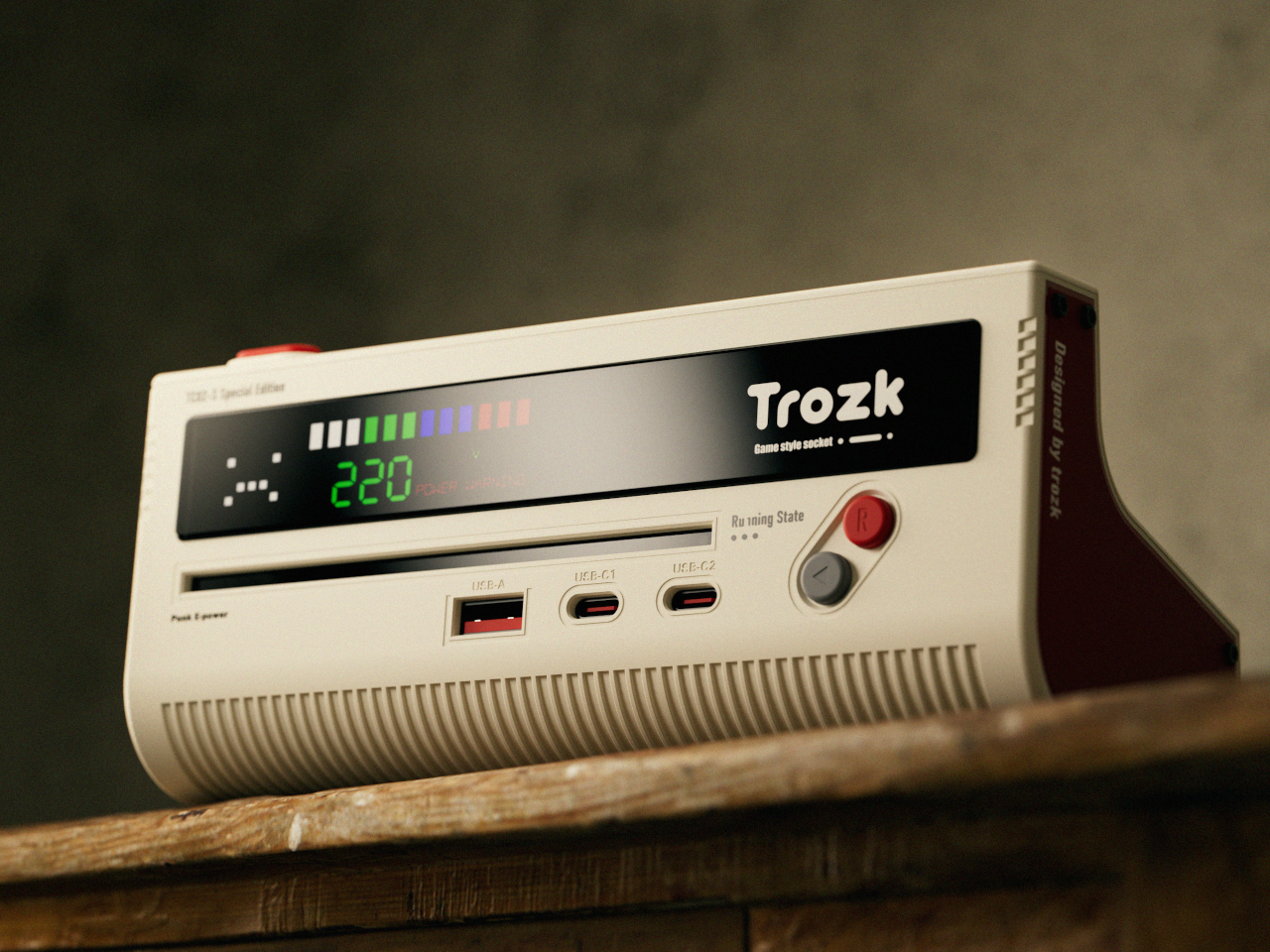
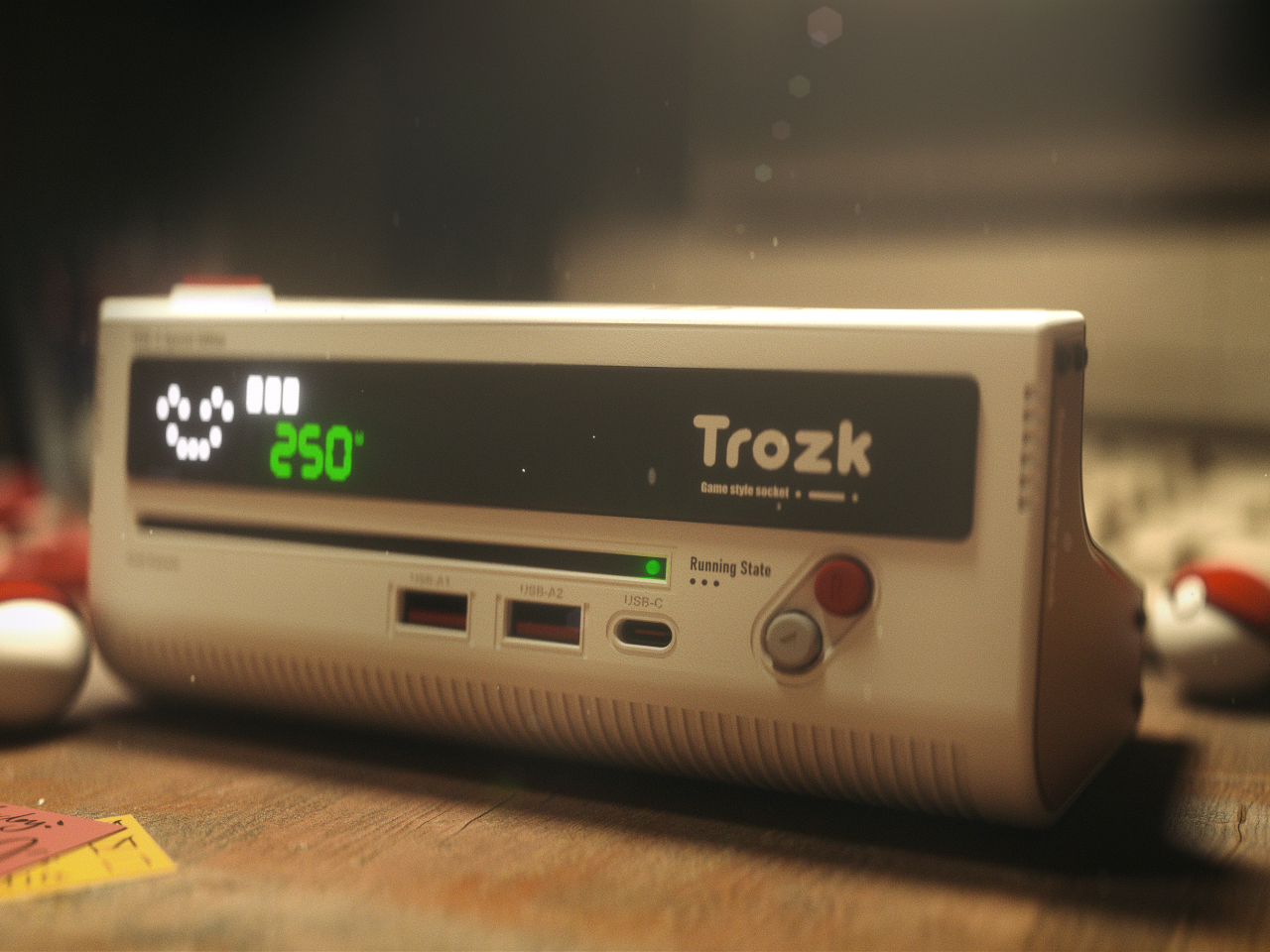
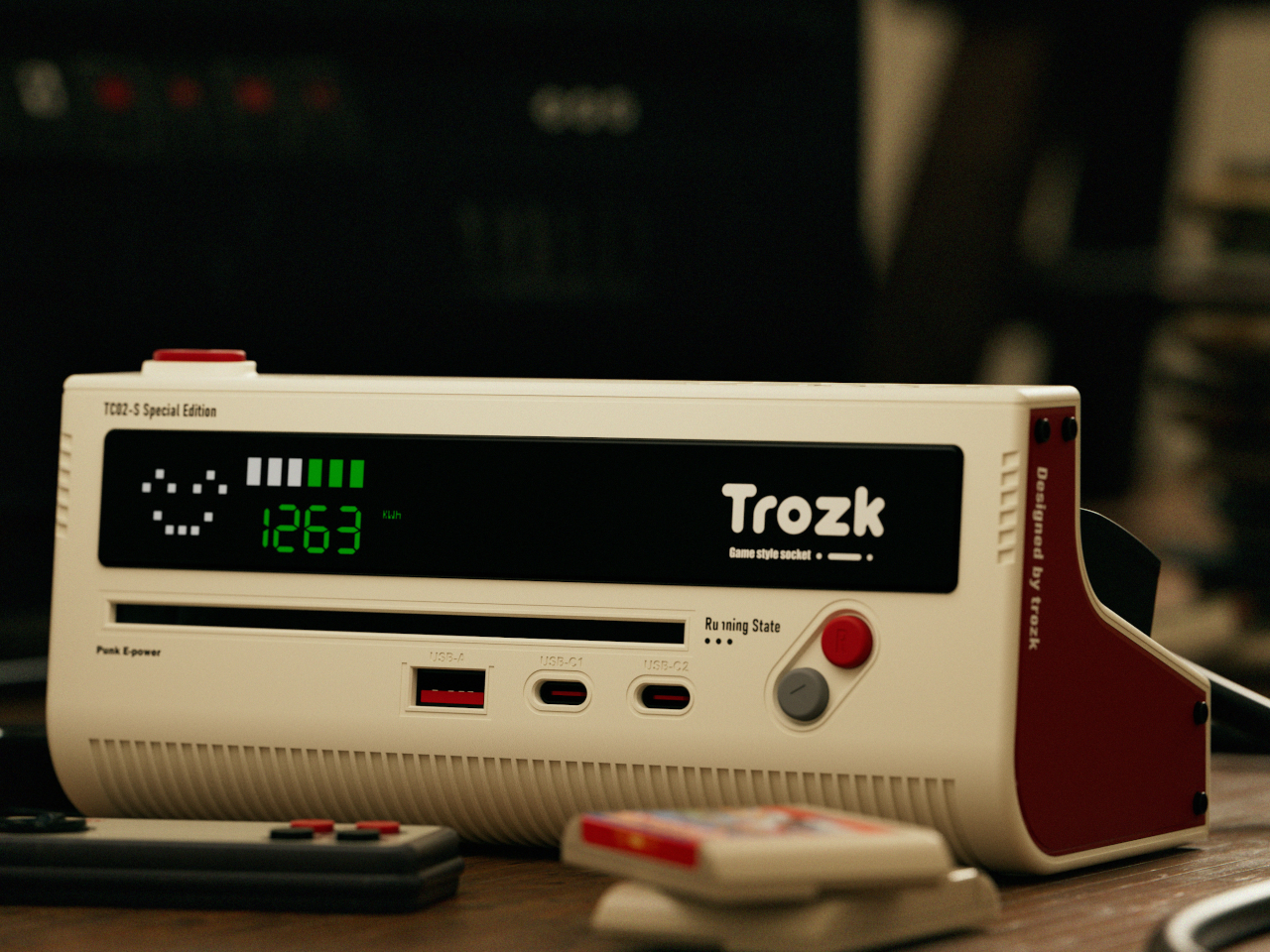
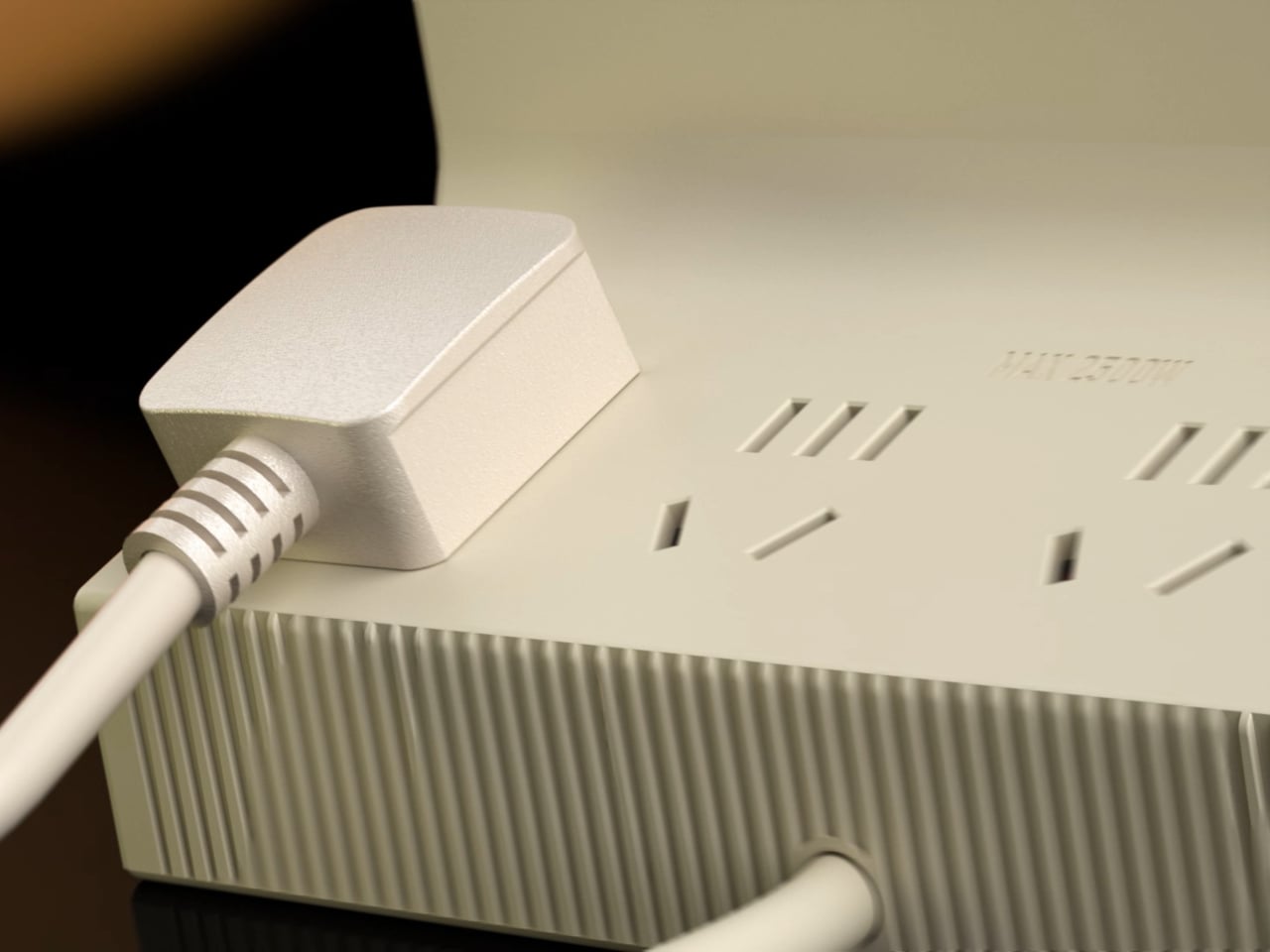
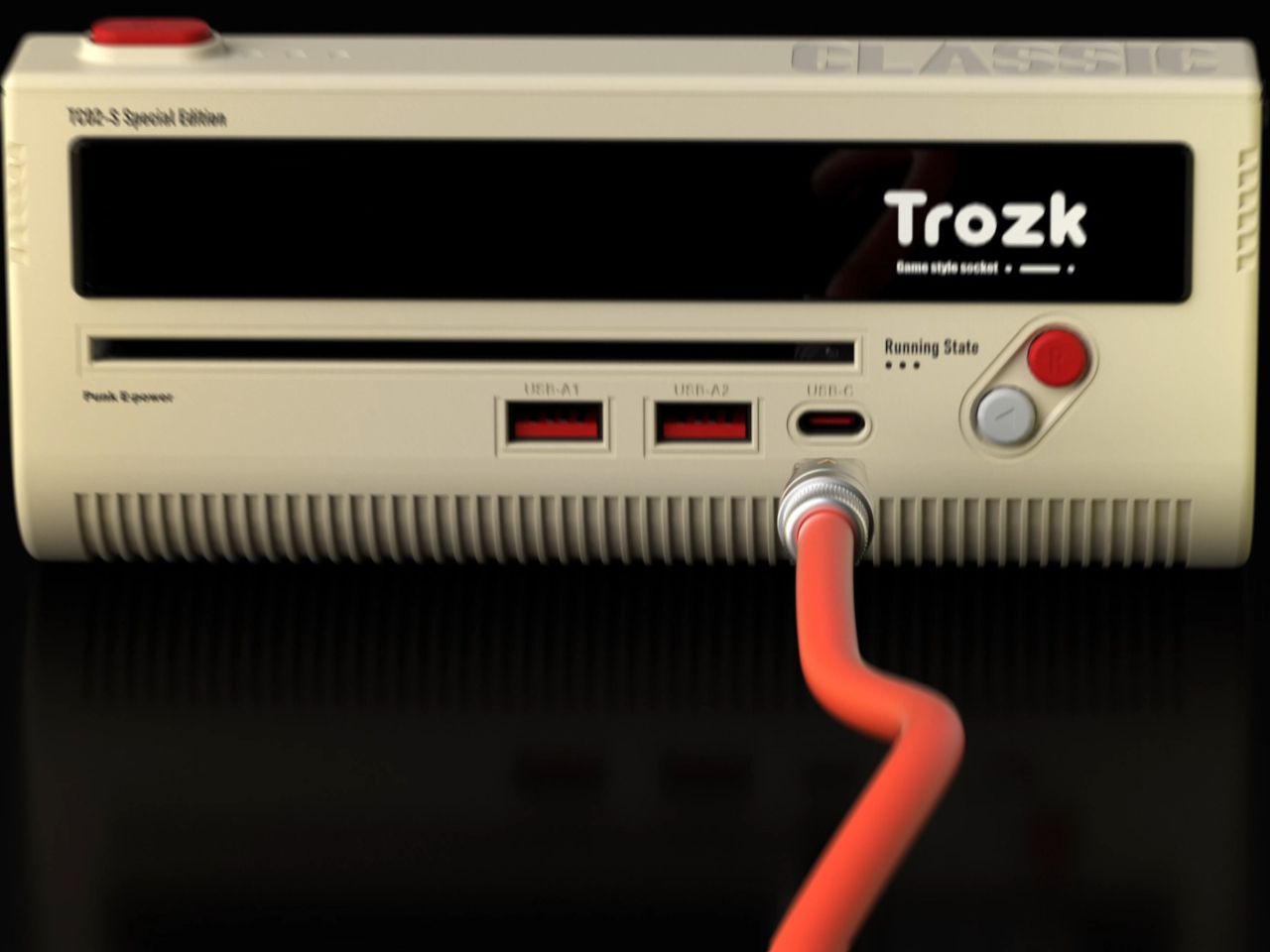
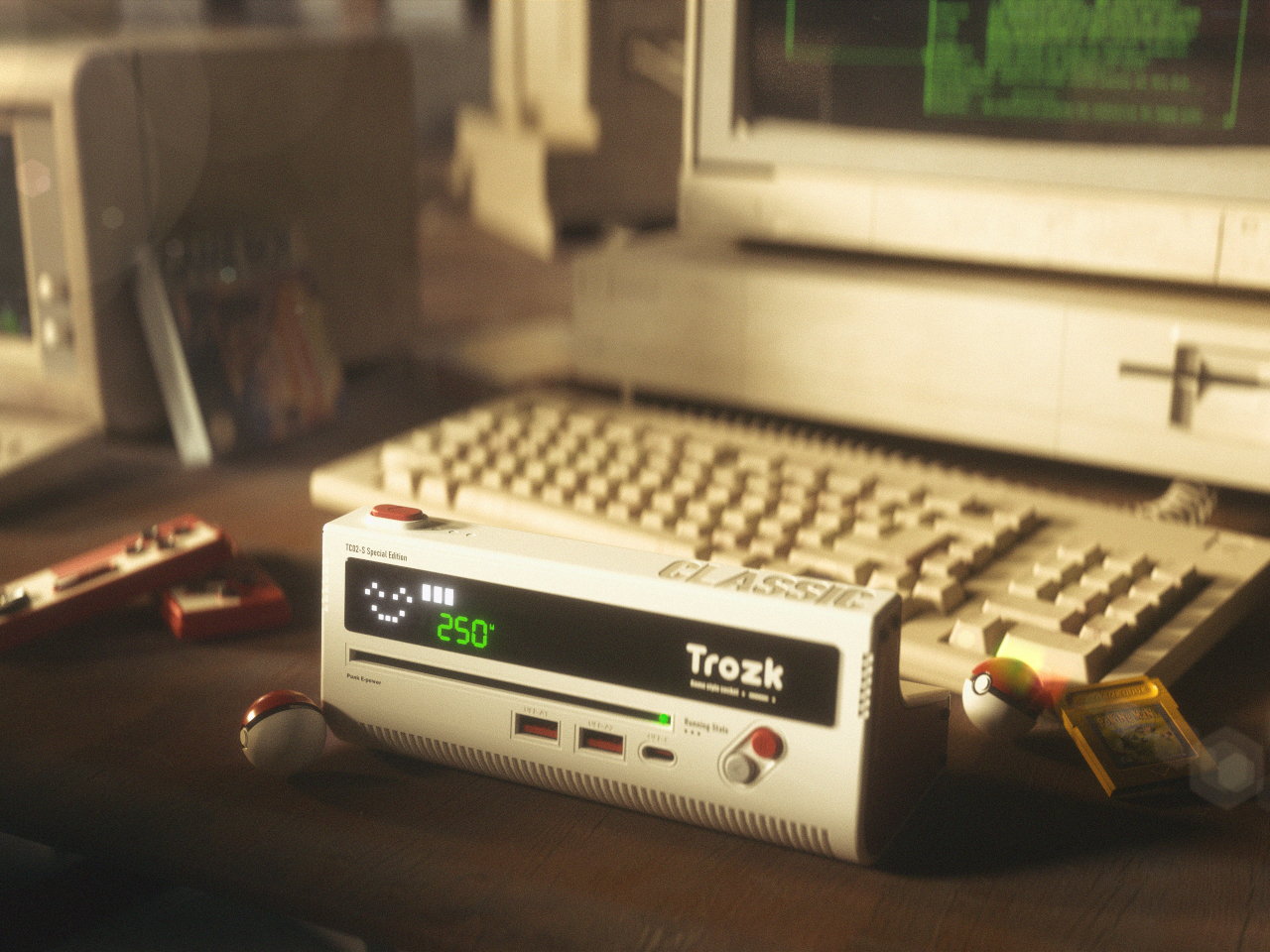
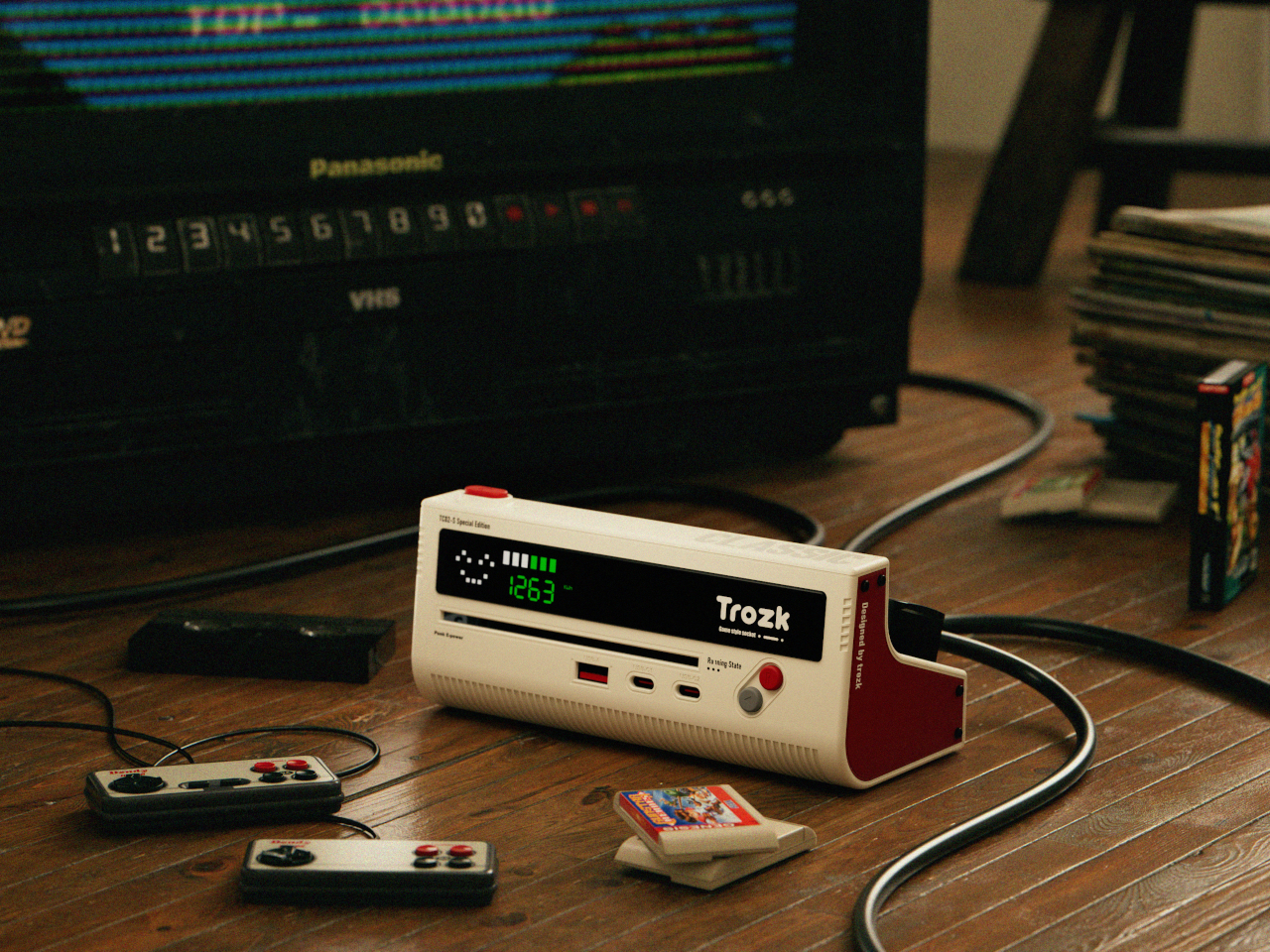
The Trozk Game Style Socket recreates the Nintendo Famicom console as a functional charging station, bringing the red and white color scheme and design language from 1983 directly onto modern desks. Instead of hiding, this power strip sits visibly where it becomes a conversation starter about childhood gaming memories while handling the practical work of powering laptops, phones, and whatever else needs electricity. The nostalgia hits immediately for anyone who remembers cartridge-based gaming.

Designer: PTPC

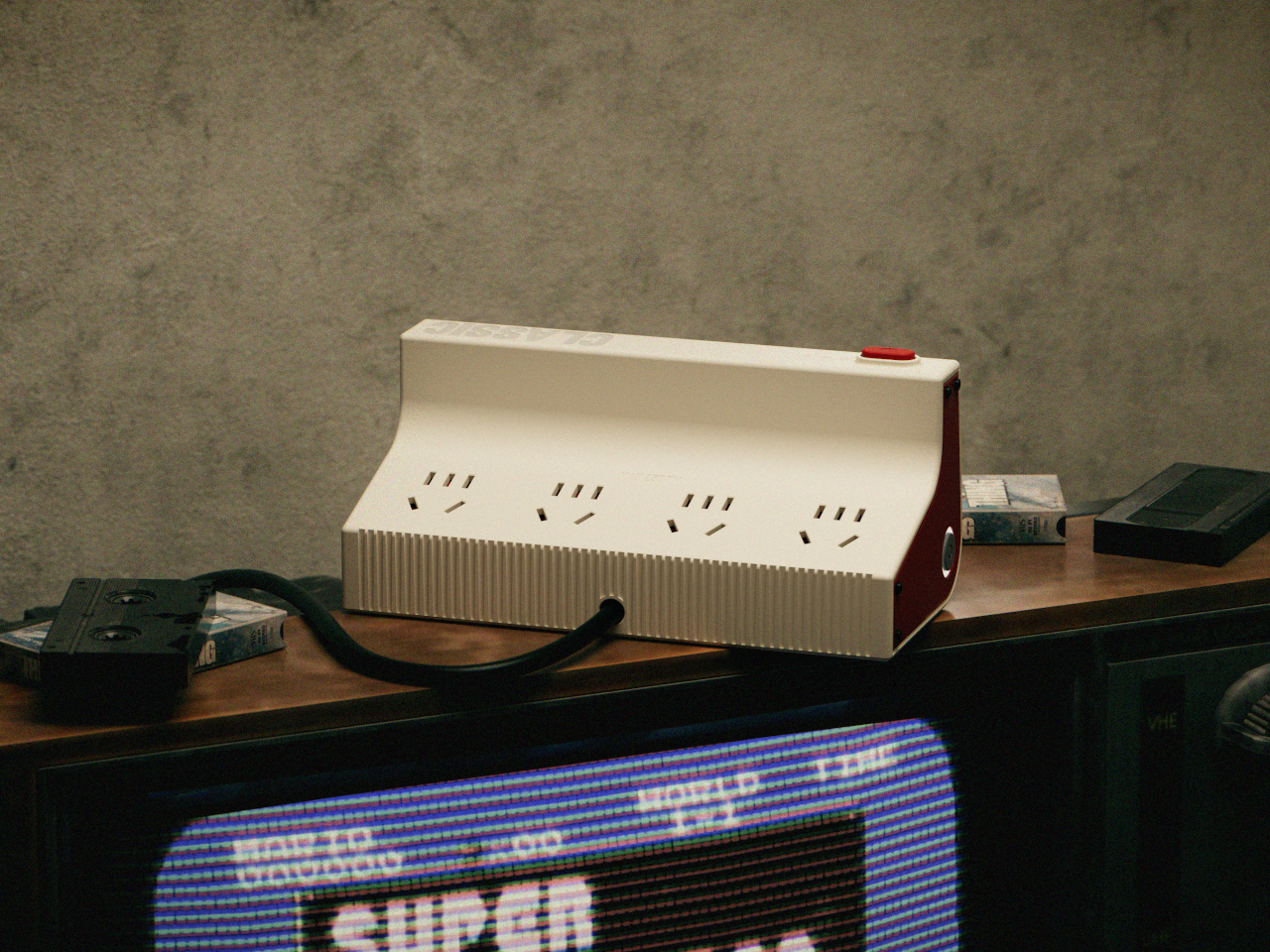
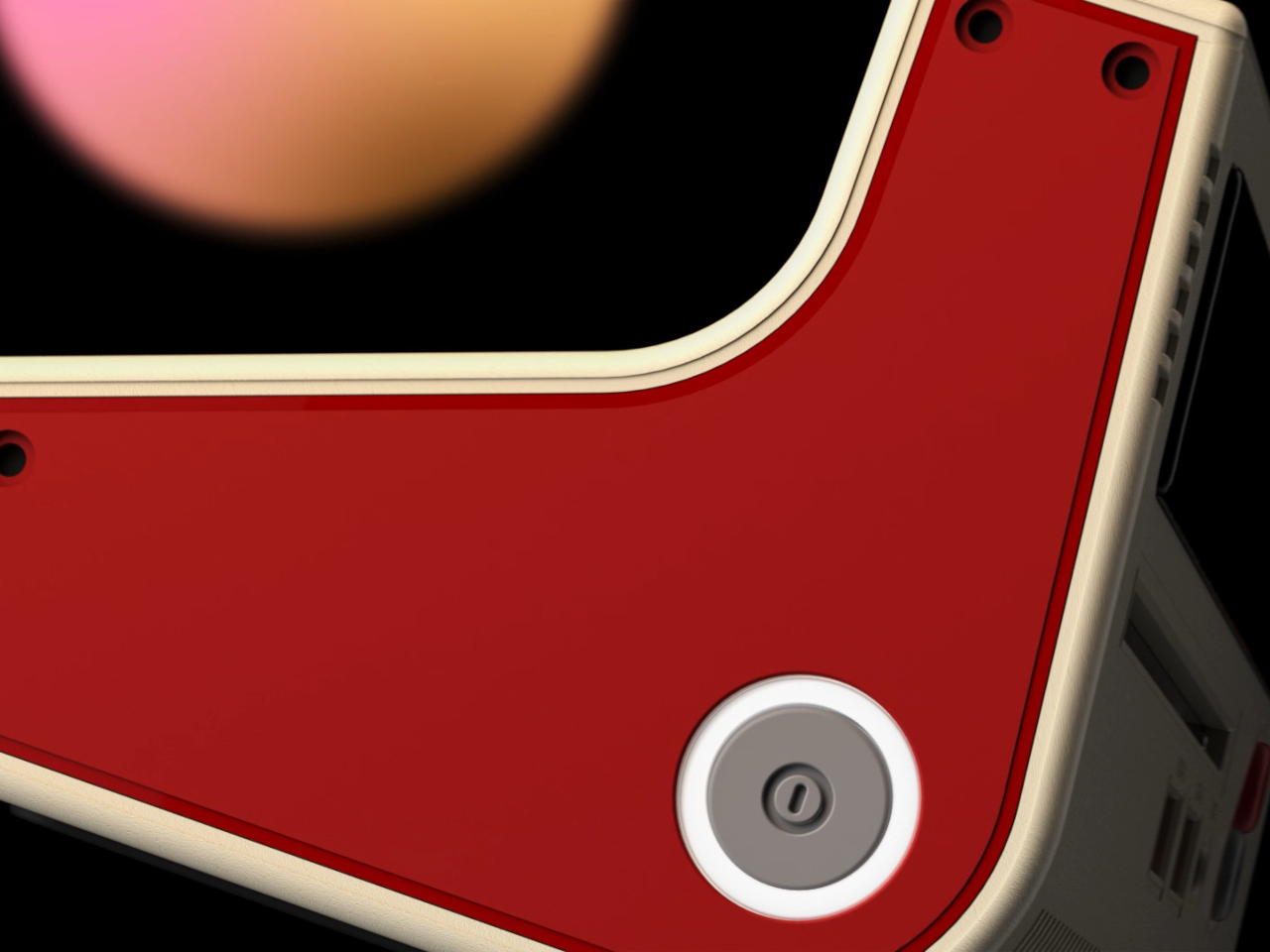
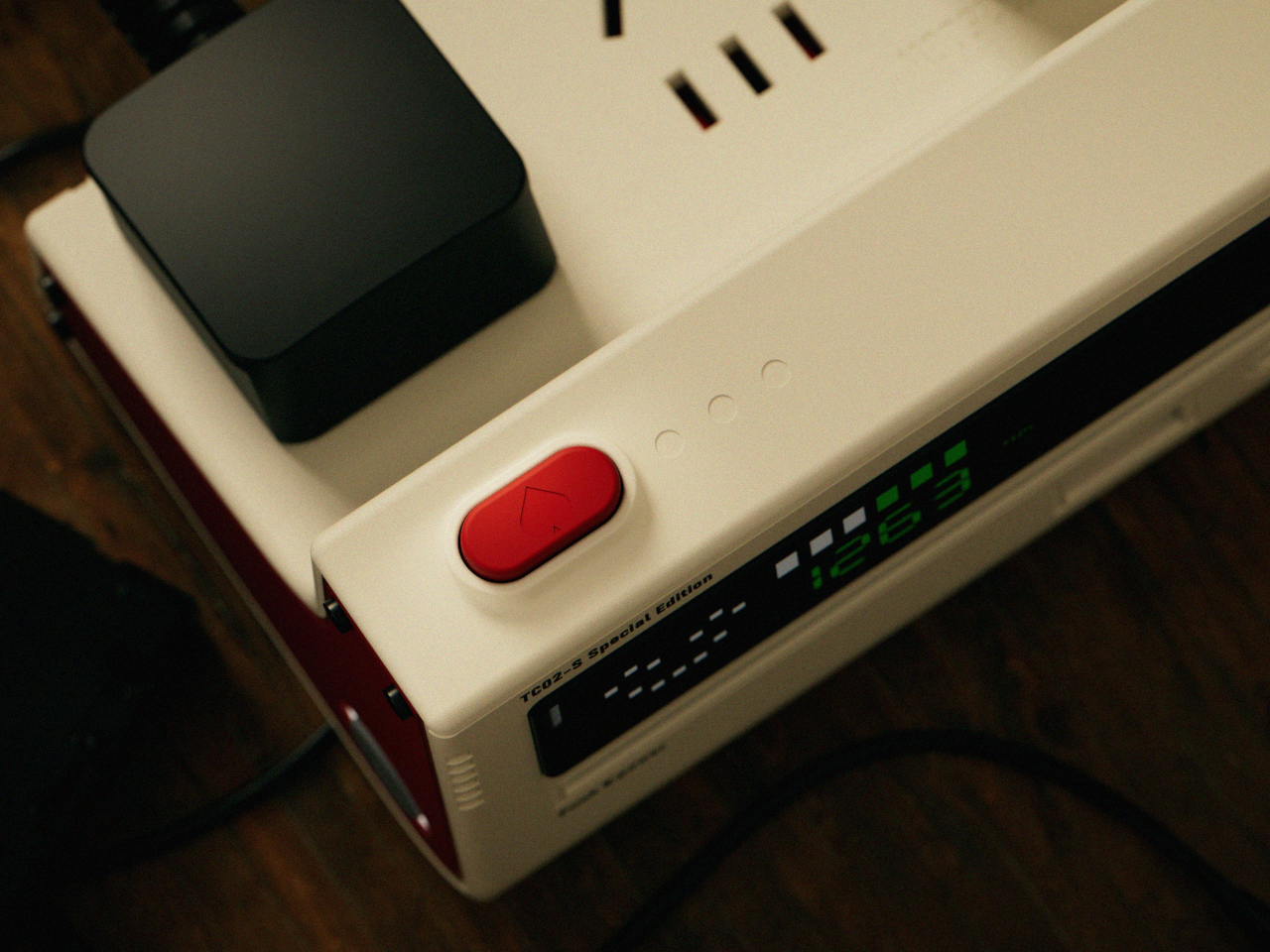
The body follows the Famicom’s rectangular shape with rounded edges and cream-colored plastic accented by deep red panels. Vertical ridges run along the sides like ventilation grilles from the original hardware. A large red power button sits on one side, positioned exactly where you’d expect a console’s main switch. The whole thing commits fully to looking like a game system from four decades ago instead of just borrowing surface details.

The front panel displays a pixel-style LED screen showing voltage, current draw, and operational status through green numbers and colored bar graphs pulled straight from early arcade interfaces. Small smiley face icons and retro graphics appear alongside the readings, making functional information feel playful. The screen provides genuinely useful data about power consumption while looking like something that should be showing your high score instead.

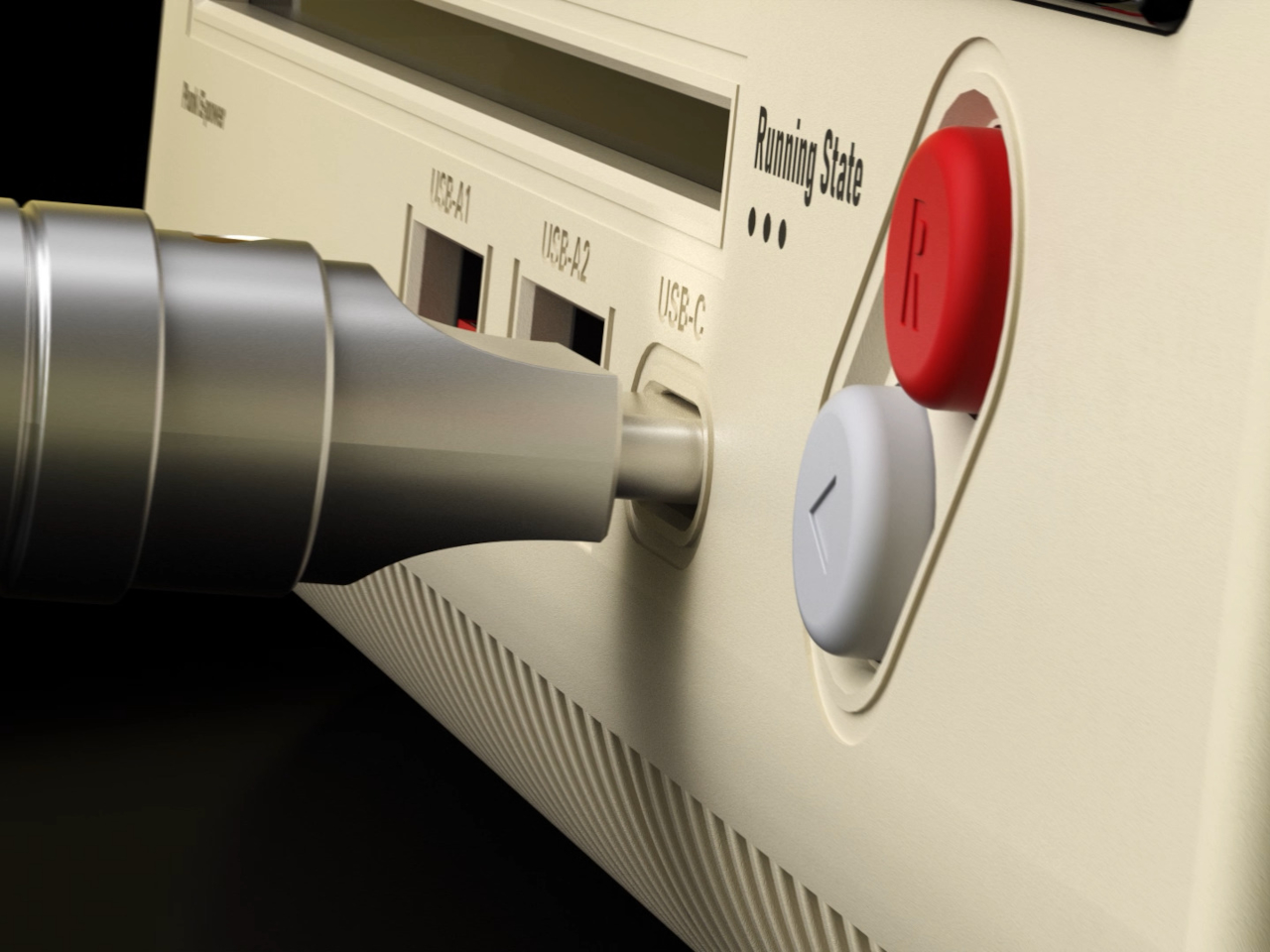
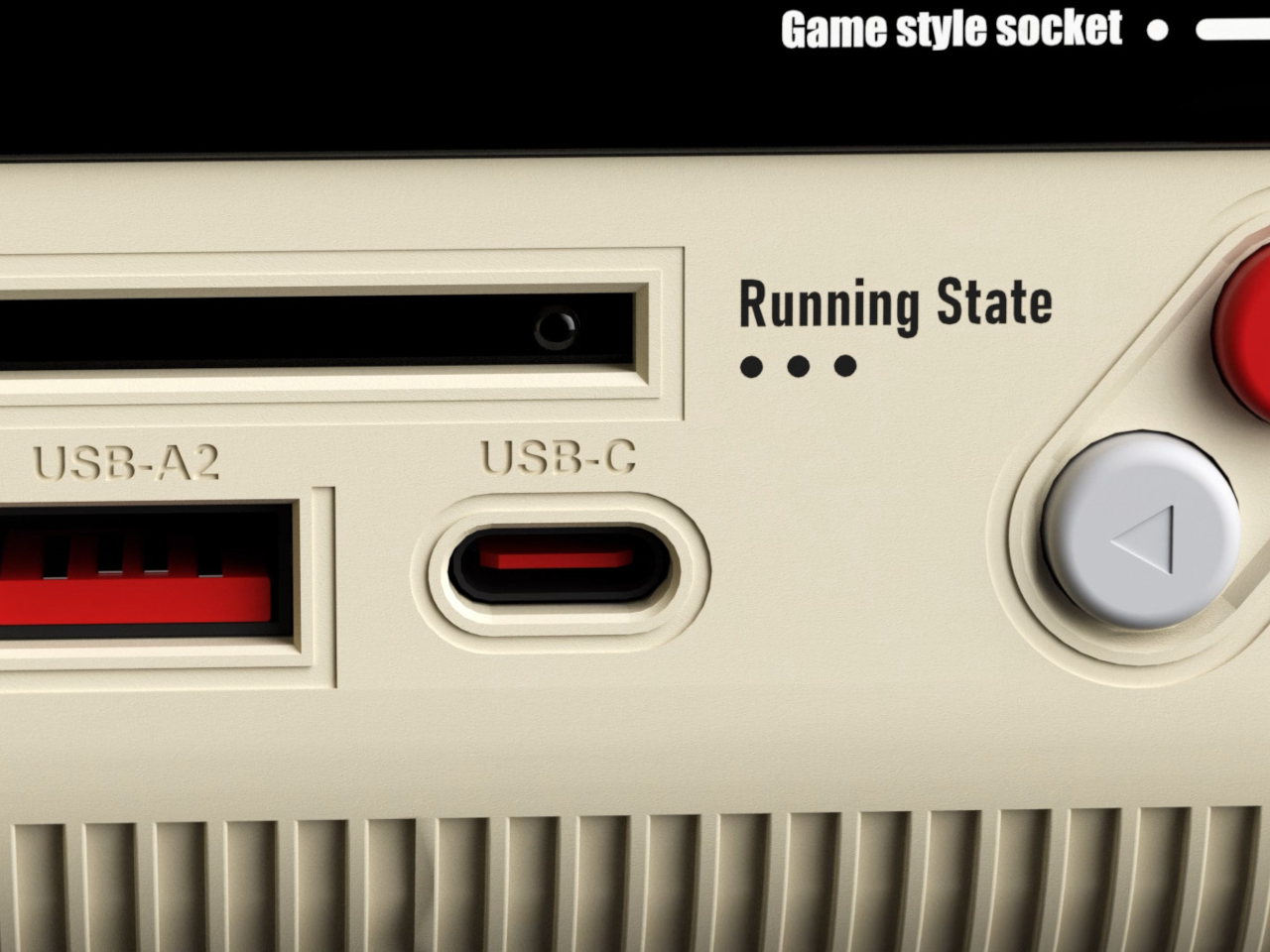
Multiple AC outlets cover the top and rear surfaces alongside two USB-A ports and one USB-C port for fast charging. The layout spaces everything out enough that bulky adapters don’t block neighboring outlets. The USB-C handles modern quick-charge protocols, while the AC sockets accept different plug types depending on your region. Everything you’d typically plug into a standard power strip works here, just with significantly more personality surrounding it.

Tactile buttons along the front feel satisfying to press like actual controller buttons instead of mushy switches that typical power strips use. The plastic housing looks and feels substantial rather than cheap. Internal construction visible in assembly diagrams shows thoughtful engineering with proper component spacing and secure mounting for all electrical elements. Surge protection and safety features likely come standard, though specific certifications aren’t detailed.

The socket works best on desks where the retro gaming aesthetic adds character to setups that would otherwise look like every other workspace filled with identical black rectangles. It organizes charging needs while referencing shared cultural memories. The Trozk Game Style Socket treats charging as an opportunity for design that carries emotional weight, making daily device management slightly more joyful for anyone who appreciates objects that tell stories.

The post This Power Strip Is Shaped Like an Original NES Console first appeared on Yanko Design.
Cloud-inspired power strip concept wants to bring calm to your wire-tangled desk

Nothing can be more distracting or disconcerting than a mess of cables on your desk. Even if you decide to ignore them, the clutter leaves an imprint on your subconscious that can affect your mood and productivity without you knowing it. Power strips can offer some semblance of cable management, but their bland and clinical designs often leave a poor impression on people’s minds, leading to the same unconscious effect. There’s no rule that even mundane consumer electronics like these need to be uninspiring and impersonal, and this concept design tries to give the power strip a more approachable appearance that looks as soothing as fluffy clouds in the sky.

Designers: Yui Xue, Yien 子梁, Neville 初九. 冯 康奕, Huang Luo

Most power strips, even those with USB ports, are long and boxy, designed to maximize space more than anything else. While there’s definitely nothing wrong with being efficient, there’s also a multitude of ways to hit two birds with one stone. With a little creativity and inspiration from Mother Nature, one can also design a product that’s both functional and pleasing at the same time.

The Cloud Air power strip concept is an example of this design, putting the focus not just on practical functions but also aesthetics. Although not exactly soft and fluffy as a cloud, the design’s smooth curves, soft hues, and glossy finish do bring positive vibes. The power strip almost looks like it’s encased in some rubbery cushion, negating the harshness that’s often associated with these devices.

1

Cloud Air isn’t like your regular power strip either, as it functions more like a charging hub. It has three USB-C ports in front and two AC power outlets on top. Admittedly, these might not be enough for heavy computer users, but it’s sufficient for charging a few devices simultaneously. The design isn’t limited to a two-outlet configuration either, those a longer strip might defeat the purpose of having a compact and cute “cloud” on your desk.

At the end of the day, the purpose of the concept is to have a power strip you’ll actually want to see. Yes, it will have cables running out of its front and power bricks sticking at the top, but the jelly-like aesthetic of the design also balances that out. It’s not a perfect solution, but it does break the stereotype of power strips, charging hubs, and other accessories that look cold and stiff for very little reason other than tradition.
The post Cloud-inspired power strip concept wants to bring calm to your wire-tangled desk first appeared on Yanko Design.