Intel recently revealed that its upcoming Lunar Lake chips would be available this fall for Copilot+ AI PCs, but the company waited until Computex to give us more technical details. For one, they'll offer up to 48 TOPs (tera operations per second) of AI performance, thanks to an updated neural processing unit (NPU). In comparison, Intel's previous Meteor Lake chips sported a 10 TOPS NPU, while AMD announced its Ryzen AI 300 chips yesterday with 50 TOPS NPUs. The AI race is on, if you couldn't tell.
Intel will once again have to play catch up in the AI PC space: AMD's Ryzen AI 300 chips will be available in July alongside Qualcomm's Snapdragon X Elite and X Plus. It's unclear when, exactly, Lunar Lake systems will launch this fall. Still, for the Intel faithful, Lunar Lake appears to be a major upgrade. It will also sport a new Xe2 GPU, which will offer 80 percent faster gaming performance than the last generation, as well as an AI accelerator with an additional 67 TOPS of performance. (We're still waiting to see how AMD's new Radeon graphics will compare.)
Intel's Lunar Lake NPU 4 performance, versus its NPU 3 hardware on Meteor Lake.
Intel
In a surprising twist, Lunar Lake chips will also feature on-board memory, similar to Apple Silicon. The chips will be available with either 16GB or 32GB of RAM, and just like Apple, you won't be able to add more down the line. By bringing the memory much closer to the processor cores, Intel was able to reduce latency and system power usage by 40 percent. You're out of luck if you actually need more RAM though. You'll have to sit tight for Intel's next chip family, code-named Arrow Lake.
Additionally, Lunar Lake will offer eight cores with revamped performance and efficient cores (P-cores and E-cores). Intel also says the chip features an "advanced low-power island" for efficiently handling background tasks. Thanks to that, along with other optimizations, the company claims battery life is 60 percent better than Meteor Lake.
Clearly, both Intel and AMD are going to do whatever it takes to combat Qualcomm's Copilot+ hardware. Those mobile chips are inherently more power efficient — they reportedly get over 20 hours of battery life on Copilot+ Surface devices (though we haven't tested them yet).
When it comes to connectivity, Lunar Lake will offer the updated standards you'd expect: Wi-Fi 7, Bluetooth 5.4, PCIe Gen5 and Thunderbolt 4. (It's strange that Intel isn't committing to Thunderbolt 5 yet, since it plans to launch that standard later this year.)
Intel
Given just how far off Lunar Lake actually is, Intel didn't have more information to share about specific chip models or deeper specs. But judging from the company's benchmarks, released during a media briefing ahead of Computex, it'll should be significantly faster than Meteor Lake while running Stable Diffusion, completing 20 iterations in 5.8 seconds compared to 20.9 seconds. While it does draw a few more watts of power, the increased speed should make up for that.
This article originally appeared on Engadget at https://www.engadget.com/intel-officially-unveils-lunar-lake-its-copilot-ai-pc-chip-030029548.html?src=rss
The xTool F1 Ultra represents a significant advancement in the engraving industry. It is the world’s first desktop engraver featuring a dual laser system with a 20W fiber and 20W diode galvo. This system allows it to handle a diverse array of materials, such as wood, acrylic, leather, metals, and plastics. Its versatility makes it an ideal option for both professionals and hobbyists.
Using an IR (infrared) laser as its laser source and a fiber (diode-pumped fiber laser) as the gain medium, the F1 Ultra stands out in its capability. These components are crucial for generating laser light. When the laser source strikes the gain medium, the intensity of the laser beam is amplified. Unlike the xTool S1 & F1 and other common IR lasers on the market that use DPSS (diode-pumped solid-state laser) as the gain medium, this engraver uses fiber to maximize laser power. This design choice results in deeper engraving and cutting at the same power level, making the F1 Ultra an exceptionally powerful and efficient tool.
The F1 Ultra, combining a 20W fiber and a 20W diode laser, broadens the range of materials that can be engraved. This powerful system supports deep engraving, embossing, and cutting. The 20W fiber laser excels on all metals, plastics, rocks, and ceramics, enabling deep engraving, embossing, and cutting thin metal sheets. The 20W diode laser is perfect for common materials like wood, acrylic (excluding translucent colors), leather, glass, paper, rubber, and fabric, and can efficiently cut these materials. In addition, the F1 Ultra is adept at metal cutting. Its 20W fiber laser can cut thin pieces of stainless steel (0.3mm), brass (0.4mm), and aluminum (0.2mm), making it suitable for various metalworking projects.
The Auto Streamline Production technology is enhanced by a built-in 16MP camera, which can automatically recognize shapes and patterns on the production line. This intelligent system allows the F1 Ultra to accurately fill patterns on each piece. The process is streamlined and requires only a single cable to connect to the conveyor, simplifying operations.
With the largest working area among desktop galvo engravers, the F1 Ultra measures 220x220mm and extends to 220x500mm with the conveyor. This area is nearly double the size of other brands, which typically measure 110x110mm and expand to 170x170mm with the conveyor. Despite its large size, the F1 Ultra maintains laser power concentration, making it the largest of its kind, whether equipped with a conveyor or not.
The world’s first 20W fiber and diode dual laser. Not only does it expand the range of materials that can be engraved, F1 ultra’s 20W high power allows you to do deep engrave, emboss and cut.
Both the diode and fiber lasers inside the F1 Ultra are engineered for exceptional performance, capable of engraving at impressive speeds on a wide variety of materials, including wood, metals, plastic, acrylic, and leather. The high power and precision of the lasers enable rapid processing without compromising on quality. This speed significantly reduces waiting times, allowing for more projects to be completed in a shorter period. As a result, the F1 Ultra enhances productivity and improves workflow efficiency. Whether you’re working on a single intricate piece or a batch of items, the swift engraving capabilities of the F1 Ultra ensure that deadlines are met and output is maximized. This level of efficiency is particularly beneficial for businesses offering personalized services, as it allows for quick turnaround times and the ability to handle a higher volume of custom orders, ultimately boosting profitability and customer satisfaction.
Auto Streamline Production with Camera, No More Complex Procedures
Safety is a primary focus in the F1 Ultra’s design. The fully enclosed machine is engineered to prevent accidental injuries from the invisible fiber laser light, providing a secure operating environment. The enclosure is specifically designed to filter out strong blue light emitted by the diode laser, which protects users’ eyes from potential harm. This design consideration is crucial, as exposure to intense laser light can cause serious eye damage. Additionally, the F1 Ultra is equipped with an efficient smoke extraction system. This system swiftly removes smoke and dust generated during the engraving process, ensuring clear visibility of the working area and maintaining air quality, reducing the risk of respiratory issues for the user. This feature is particularly important for storefront use, where maintaining a clean and safe environment is essential for both employees and customers.
These safety features make the F1 Ultra suitable for various settings, including educational environments where safety is paramount. These features collectively ensure that the F1 Ultra is powerful and safe, allowing users to focus on creativity and productivity without compromising health and safety standards.
Designed to be user-friendly, the F1 Ultra comes pre-assembled for immediate use. Its intuitive xTool Creative Space Software, combined with a built-in camera for easy focusing and positioning, makes it accessible even to beginners. With 7GB of storage, the touchscreen control panel allows users to save projects directly on the machine and start processing without needing to connect to a computer or tablet. Future updates will include 3D curve engraving, enabling engraving on curved surfaces up to 45°, further expanding its capabilities.
For business owners, the F1 Ultra is a big potential revenue generator. Its speed of 10000mm/s and versatility make it ideal for on-site customization, attracting customers, and creating memorable experiences.
Whether engraving names on metal jewelry or adding intricate designs to wooden items, the F1 Ultra is a valuable asset for any store offering personalized services. Its ability to perform deep engravings, cut thin metal pieces, and automate production processes sets it apart from other desktop engravers on the market. Dubbed the “Crazy Money Maker,” the F1 Ultra excels in on-site customization in stores, batch production with factory-level productivity, and jewelry making, including deep engraving and 3D embossing on metals.
Empowered by Makeblock, xTool aims to turn creativity into reality with powerful software and user-friendly hardware. Since its inception in 2018 and the launch of the first xTool Laserbox in 2019, the brand has consistently innovated in laser engraving technology. The F1 Ultra builds on this legacy, providing a versatile and powerful tool for creators, crafters, and educational professionals. It offers unmatched versatility and efficiency, making it an exceptional choice in the engraving industry.
The F1 Ultra is now available at xTool’s official website, priced at $3999. Participate in the xTool trade-up program to enjoy an extra $200 off, making the final price $3799. This offer is open to anyone with a used laser machine or vinyl cutter of any brand.
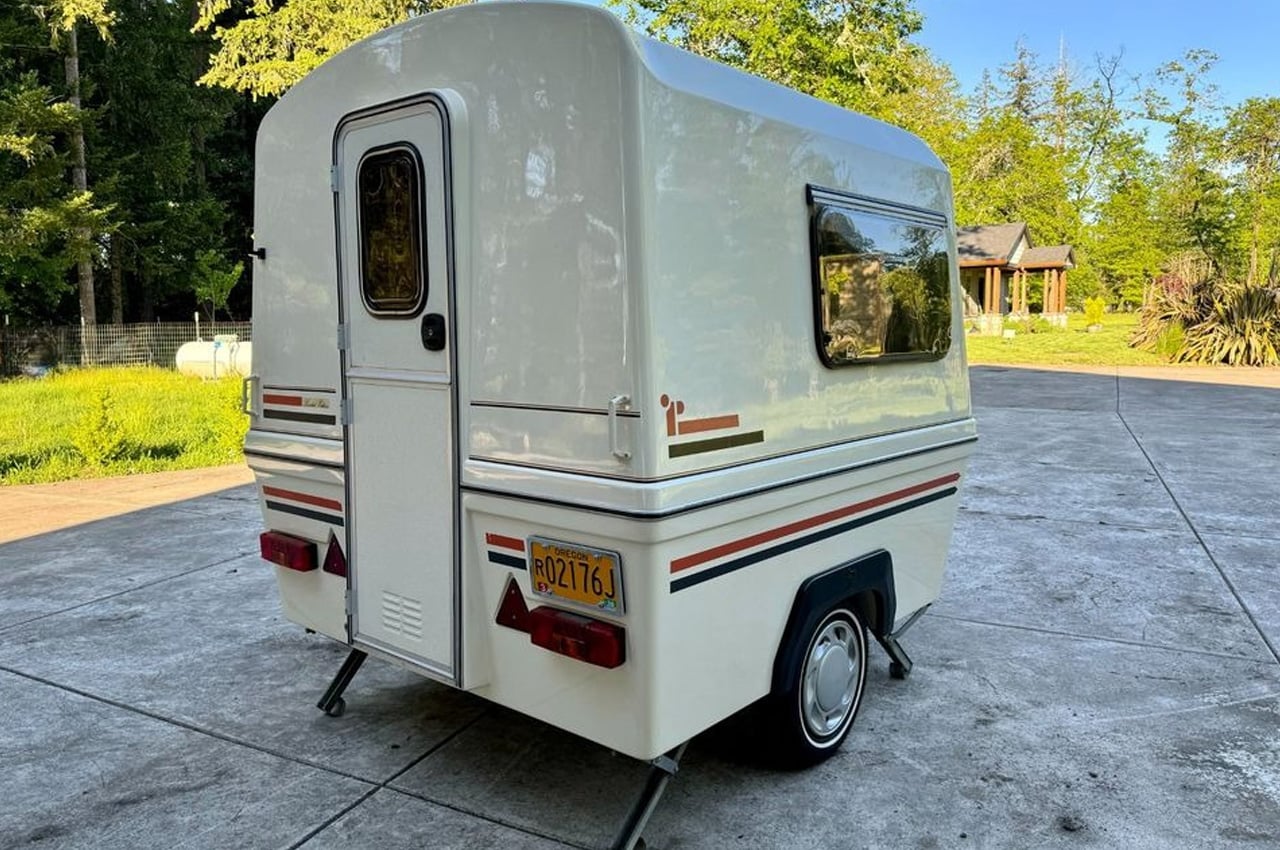
Once upon a time, there was a company called Island Plastics, not many of us have heard of and chances are not many would hear about it after this either. But one person/family can take home an available footprint of this company, its standard trailer camper available for grabs in the US. Reportedly, only 200 of these campers called Romini were ever built between 1985 and 1990 and are unfortunately out of production now.
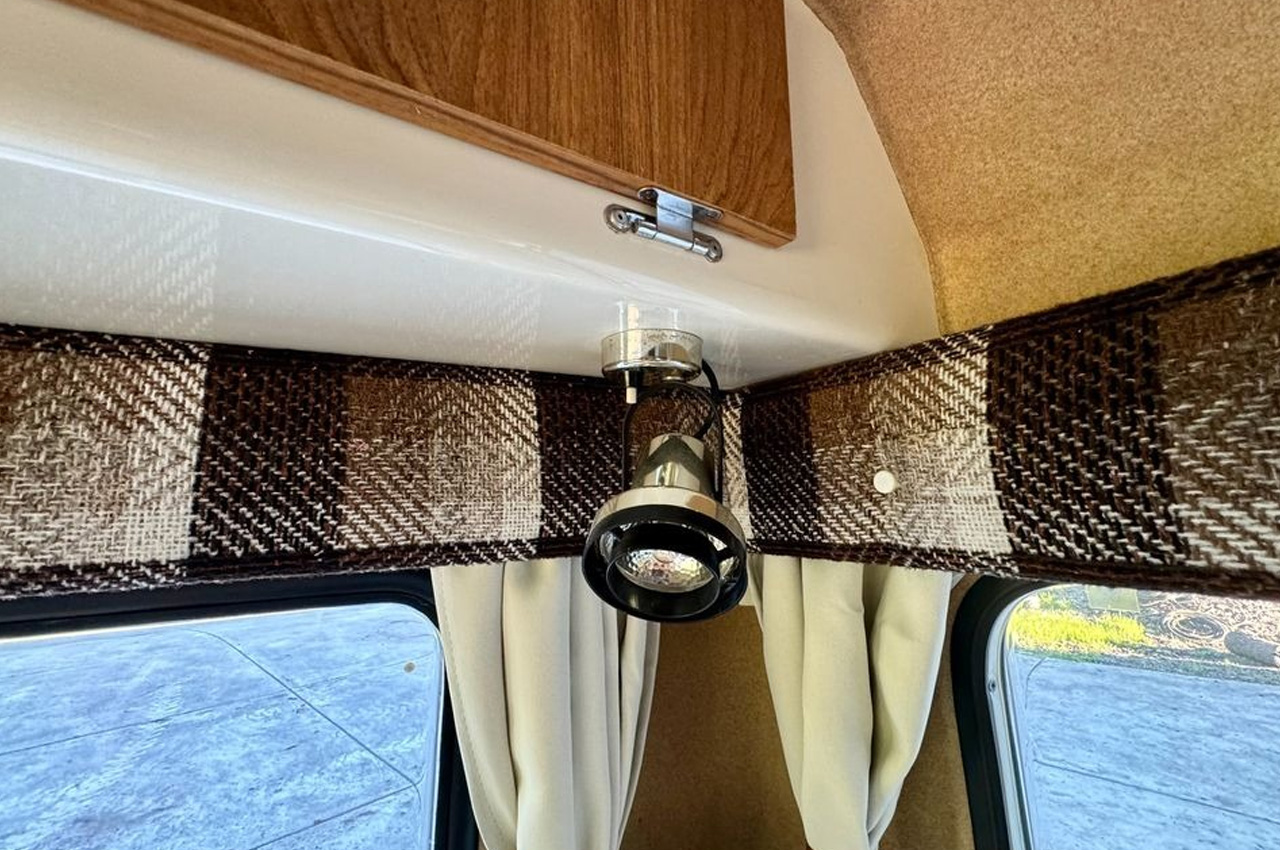
The little camper, made from fiberglass panels sandwiching foam in between for insulation, is laid out with a bed and features requisite gear inside for a good time on the road. Owing to its petit size, 9.8-foot long and gross weight of 750kgs, the little camper is designed to be hauled by cars as small as the original Mini, making it the ultimate companion for tiny camping.
Through the years, the American trailer market has flourished with hefty options, then the tide shifted toward teardrops and those willing to trail these little ones for a short trip on the road would love to check out the Romini. The interior of the camper is pretty similar to the Romahome C15 micro motorhome but the layout is different.
Romini has a sleeping arrangement that’s across the interior instead of in length, which is the norm. The seating arrangement by the day here can transform into a double bed for the residents. The bed is only 6 feet across, so if you’re taller, you may have to pass this trailer. Otherwise, look on for the other features and you will be awestruck how all that is really stuffed in this small form factor.
A Romini back in the day came fully equipped with a kitchenette featuring sink, stove, fridge, and storage. The dinette cum bedroom had a skylight above, while a chemical toilet stowed away from sight. The camper was even provided with an awning for sitting outside in the shade. The one for sale is a standard model from ’85, so the features are limited to seating, bed, and kitchen essentials including a grill and a porta potti under the seating.
New York is poised to pass a law that will bar social media platforms from showing algorithmic feeds to teens without parental consent. The Wall Street Journalreports that lawmakers in the state have reached a “tentative agreement” on a bill that will be voted on later this week.
State officials, including Governor Kathy Hochul, introduced a bill requiring parental consent for algorithmic feeds last year. The Stop Addictive Feeds Exploitation (SAFE) for Kids Act doesn’t restrict the type of content teens can view on social media apps, but they wouldn’t be able to view algorithmic feeds without permission from their parents or guardians. The latest version of the bill will also block teens from seeing in-app notifications overnight without parental consent, according to The Wall Street Journal.
If passed into law, New York would become the latest state to attempt to rein in social media platforms’ access to teens with age verification requirements. Utah passed a law last year requiring social media apps to get parental consent, though the measure was later scaled back. Lawmakers in California have also proposed limiting teens’ access to algorithmic feeds.
This article originally appeared on Engadget at https://www.engadget.com/new-york-is-about-to-give-parents-more-control-over-their-kids-social-media-feeds-230205845.html?src=rss
Learning a musical instrument is often a demanding yet rewarding journey that requires consistent practice, dedication, and the right environment. For many musicians, especially flutists, the challenge is not just mastering the instrument but also finding a space where they can practice without disturbing those around them. Practicing inherently involves experimenting with the instrument, which can lead to playing a few bad notes—a normal part of the learning process that others may find disturbing. Addressing this issue, FlüGo emerges as a revolutionary concept in flute training, combining technology, flexibility, and respect for others into one comprehensive solution.
Designer: Junyi Chen,Huijie Qu, Jinze Li, and Jingzhe Zhang
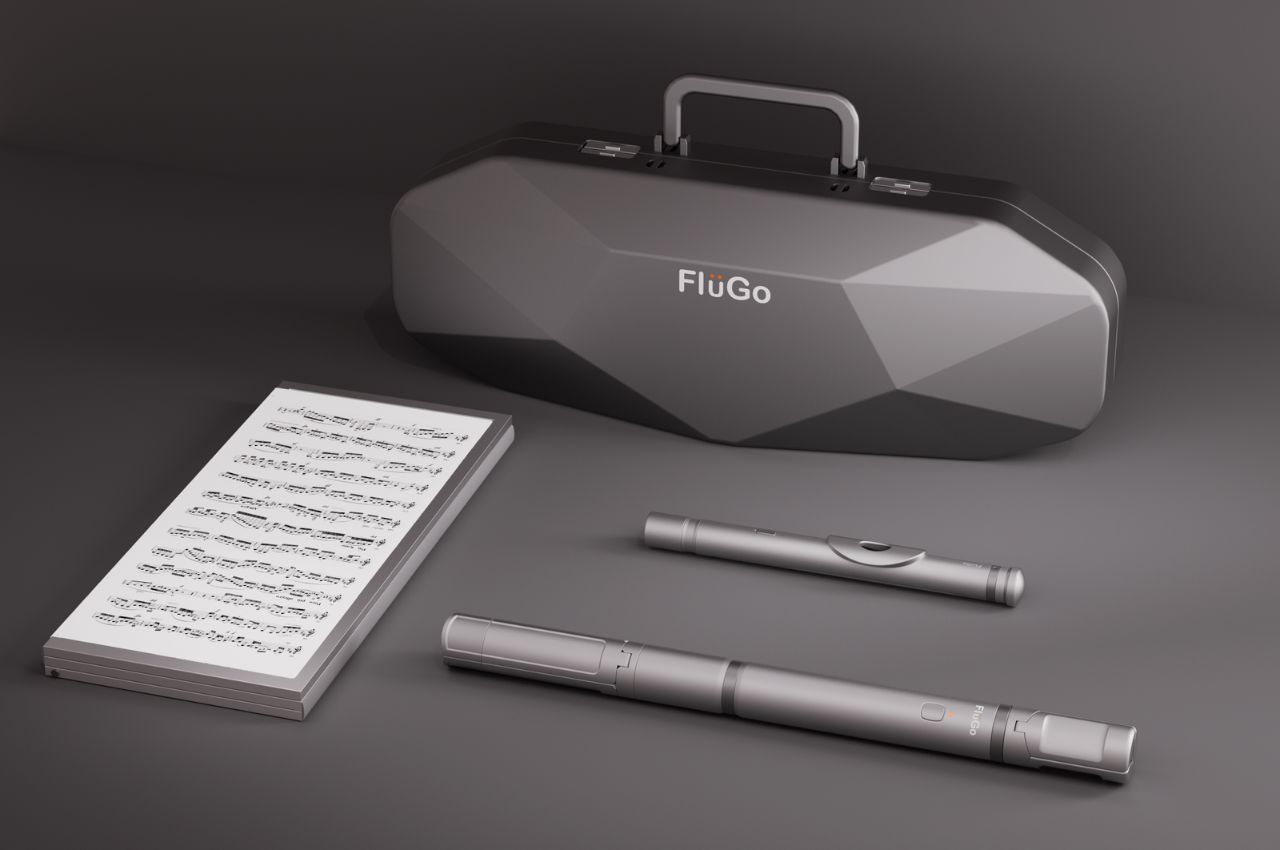
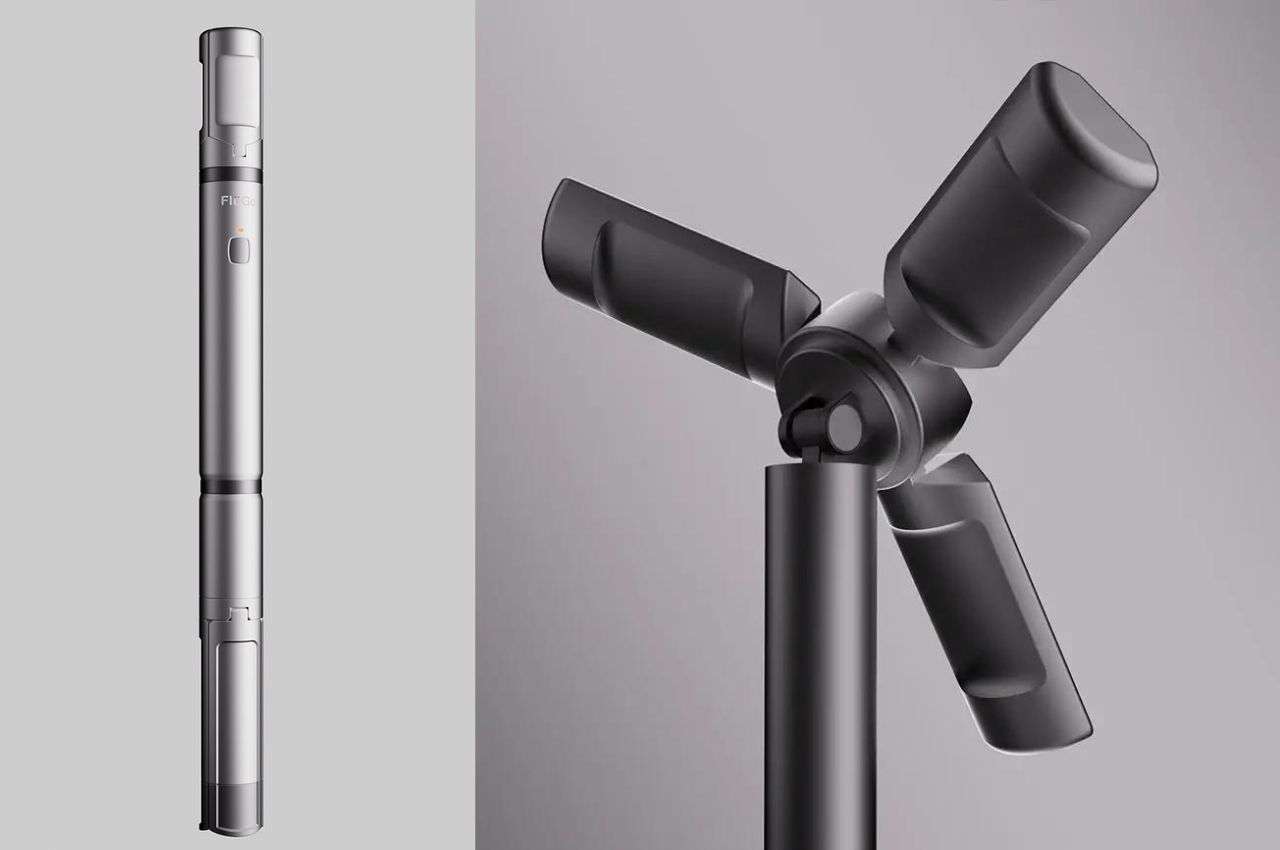
Every musician faces the challenge of creating a nuisance at some point. Even the most proficient players may need to halt their practice sessions due to noise complaints. For flutists, this challenge is particularly enunciated due to the nature of the instrument and the lack of adequate, soundproof practice spaces. FlüGo aims to tackle this issue head-on, offering a smart training kit that allows flutists to practice wherever they are without causing disturbances. The kit includes a modular instrument, a foldable music stand, and a collapsible support. This innovative setup allows for high mobility and flexibility, making it ideal for flutists who need to practice in various environments.
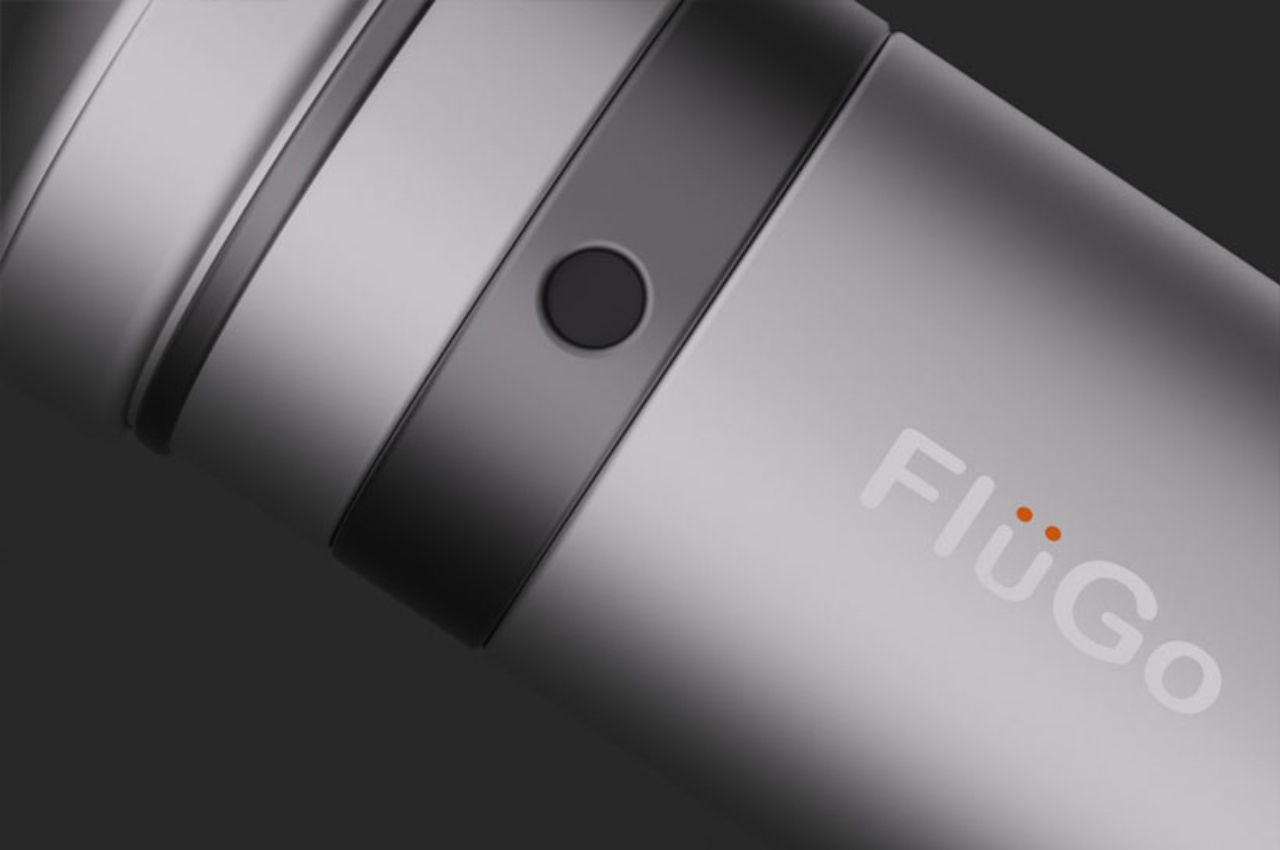
At the core of FluGo is an interchangeable smart head joint that integrates advanced technology to simulate realistic flute sounds. By combining data on airflow and finger movements, it emits a lifelike sound through directional speakers, ensuring that the music is confined to the player’s area. This means that the sound only reaches where it is intended, providing privacy and minimizing disturbance to others.
FluGo is more than just a practical solution for noise control. It represents a significant step forward in making musical practice more accessible and less intrusive. In a world where learning a musical instrument can be seen as a niche or even a luxury activity, it democratizes access to musical education. It breaks down logistical barriers that have traditionally isolated musicians, particularly those who play louder instruments like drums and wind instruments.
Beyond noise control, it opens up new avenues for learning and connection. The device’s ability to record and analyze performances, access interactive educational content, and connect with other flutists transforms it into a tool for growth and cultural exchange. Musicians can share their experiences, seek advice, and draw inspiration from a global community of enthusiasts.
Moreover, FluGo features a folding smart sheet music terminal that automatically turns pages, allowing flutists to focus solely on their playing. The system also records performances and offers real-time sound simulation, making it a comprehensive tool for both practice and performance review.
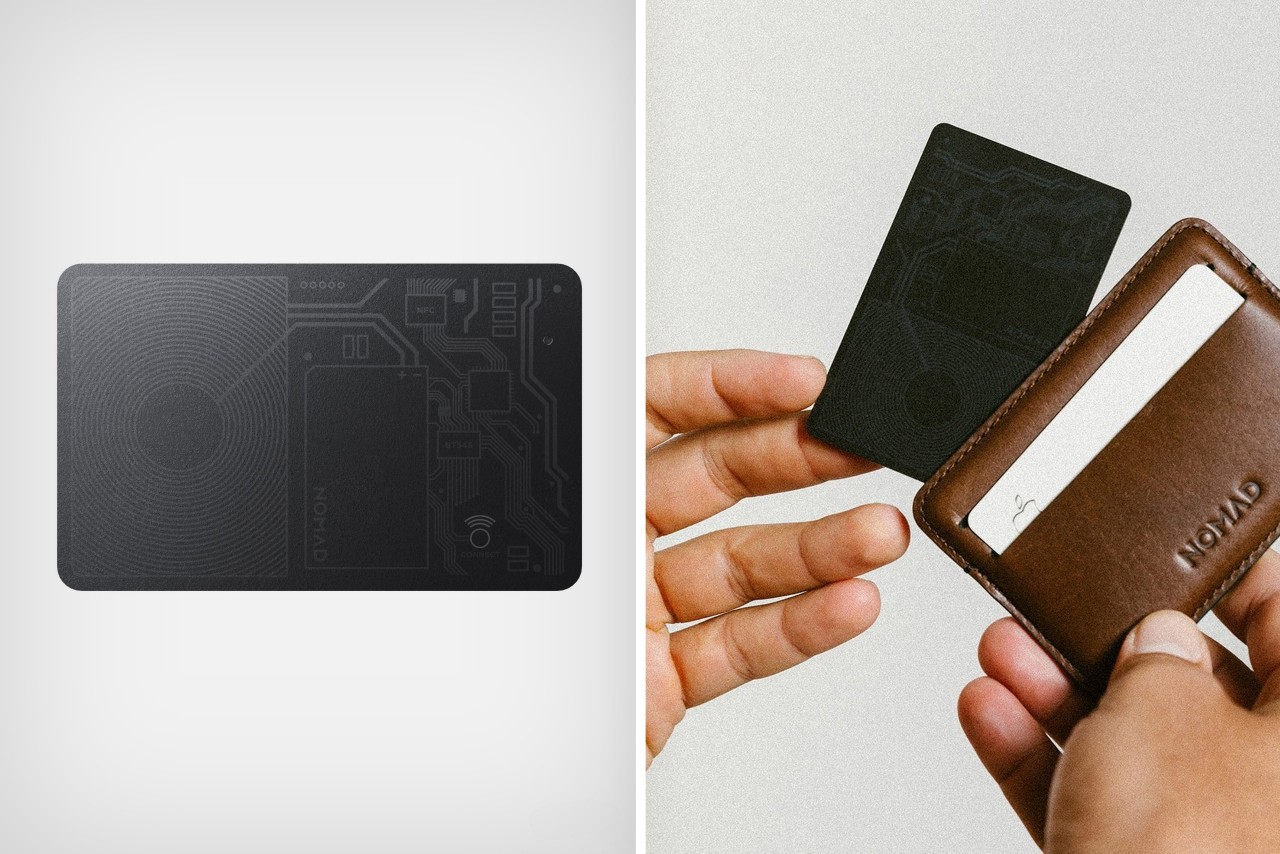
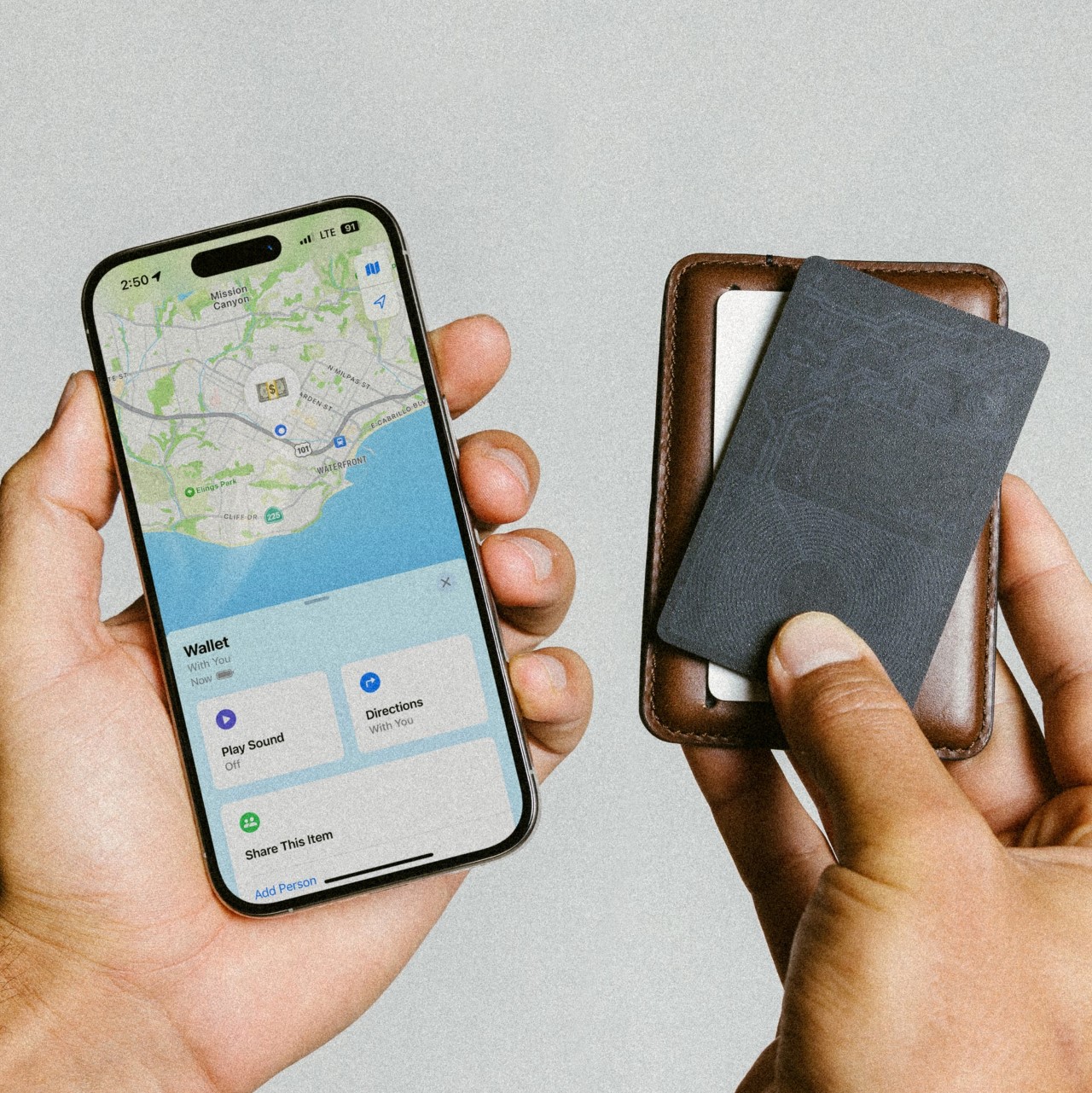
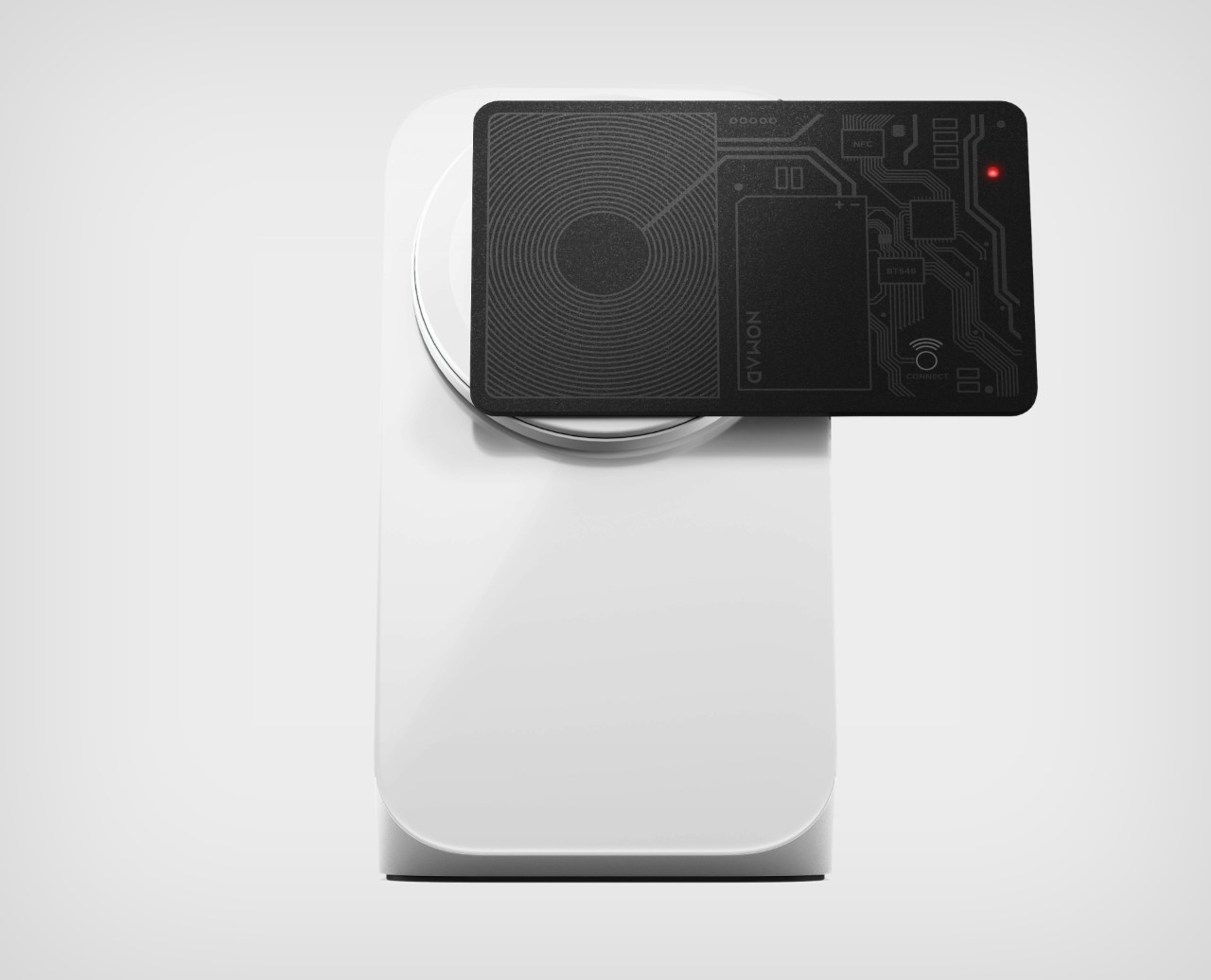
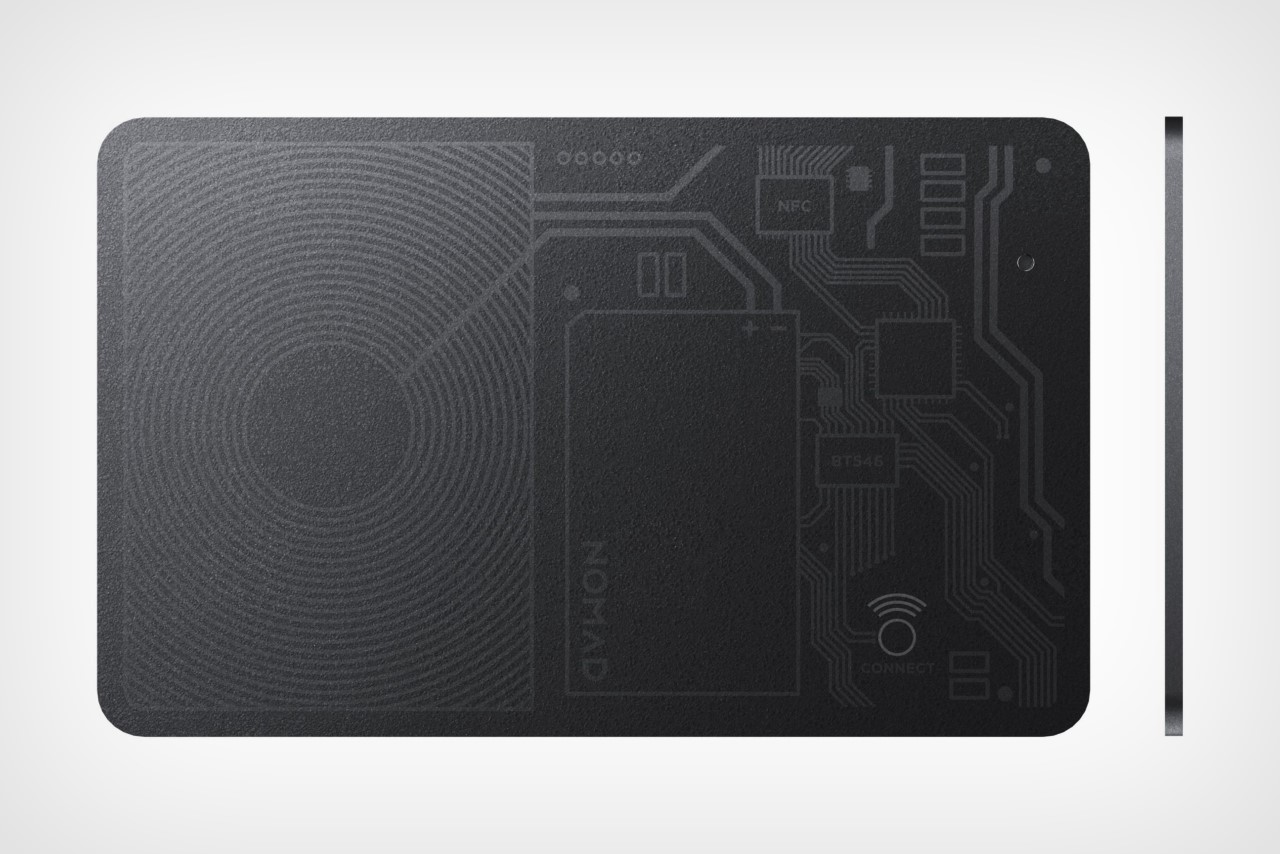
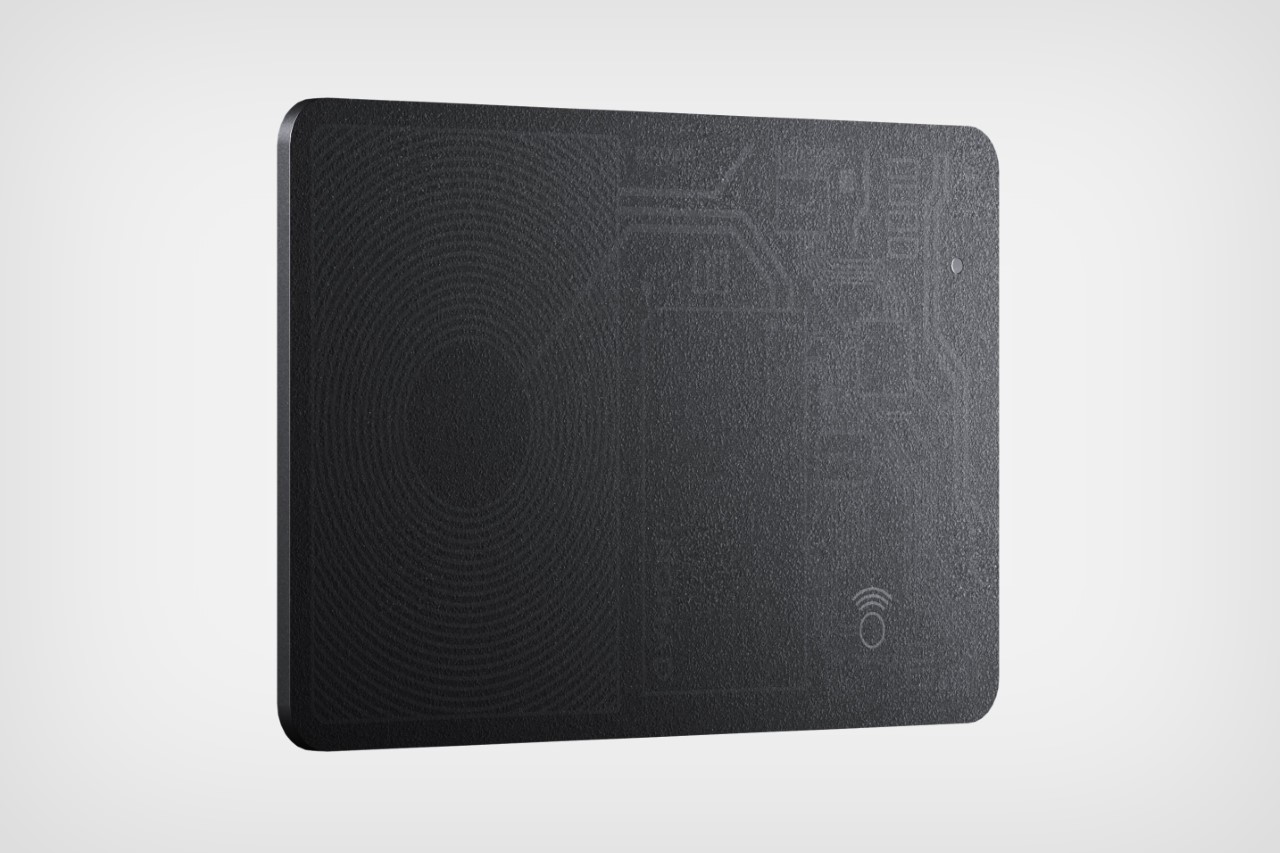
It’s the size of a credit card, fits in your wallet, works with Apple’s Find My network, and most importantly, charges wirelessly so you don’t need to worry about batteries or ditching the entire device altogether after a year of use. Meet the Nomad Tracking Card, a slick tracking device that makes you wonder why Apple made something as bulky as the AirTag. At just 2mm thin, it’s about as thick as 2 credit cards together, making it discreet enough to slip in anywhere, whether it’s your wallet, your backpack, or even your jacket pocket, giving you the ability to track your belongings through Apple’s global device tracking network.
Designer: Nomad
Anyone who knows me knows how much I think the AirTag needs a redesign. Apple made the tracking device back in 2019 to be used with bags and keys, but didn’t think of the potential of having a card-shaped tracker for your wallet and pockets. It’s been 5 years since the AirTag made its first appearance and rumors about an AirTag 2.0 are so few and far apart, it’s almost as if Apple’s left it up to third party creators to make better trackers that work with its devices.
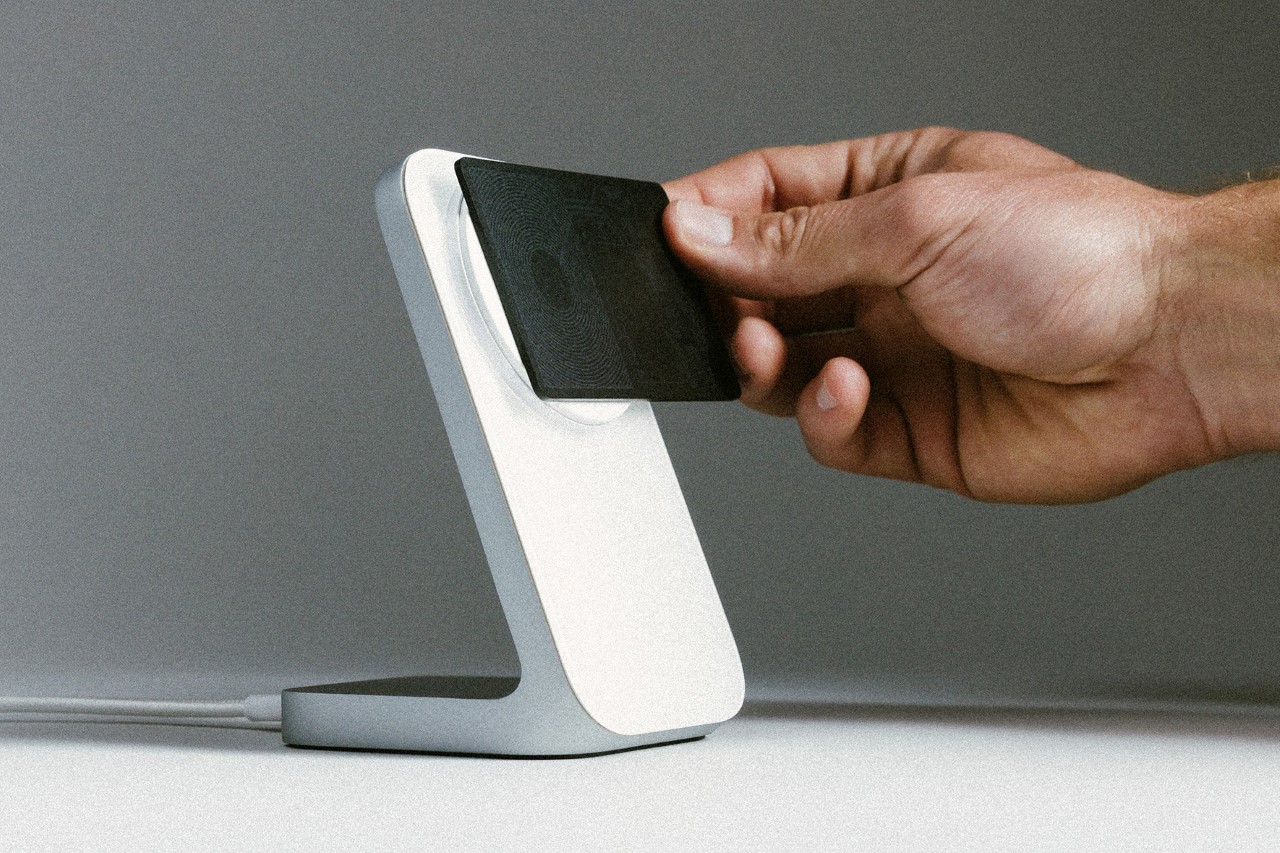
That’s where Nomad’s Tracking Card comes in. It’s slim, compact, and manages to fit an impressive amount of tech inside its design. The card sports a polycarbonate body, known for its toughness and impact resistance, and comes with a GPS tracker, an NFC for pairing, a battery that runs for 5 months on a full charge, and a MagSafe-compatible wireless charging coil that lets you charge your card when its battery runs out. A graphic on the card tells you where the wireless coil is located, so you can simply attach the Tracking Card onto a MagSafe charger or place it on a wireless charging mat and it begins recharging. No replaceable batteries, no single-use design, no wastage.
Nomad’s website doesn’t mention the presence of a built-in speaker like you would have with the AirTag. Useful for being able to ‘hear’ where your tracking device is, or for alerting you if stolen or left behind, the speaker can be quite a nifty feature. The Tracking Card is, however, IPX7 water and dust-proof, and starts at $40.
Samsung has filed a lawsuit against Oura to try to head off intellectual property disputes as the Galaxy Ring launch draws near. The suit notes that Oura has used its patent portfolio to sue smaller wearable tech competitors and has hinted it may do the same against the much larger Samsung. Welcome to the weird modern world of mega-corporations suing startups to prevent them from filing suits of their own.
“Oura’s actions and public statements demonstrate that Oura will continue asserting patent infringement against other entrants into the U.S. smart ring market, including Samsung,” the lawsuit, first reported on by The Verge, reads. “Oura’s immediate response to the announcement of the Galaxy Ring was to point to the purported strength of its intellectual property portfolio.”
The lawsuit claims the Galaxy Ring doesn’t infringe on Oura’s patents. However, in justifying its suit, it lays out a pattern of what it frames as aggressive IP protection by the Finnish startup. It lists cases where Oura sued smaller competitors like Ultrahuman, Circular and RingConn “as soon as, or even before, they entered the U.S. market.”
The document also cites Oura embarking on a media tour immediately following the Galaxy Ring announcement, touting the company’s “over 150 patents.” It specifically calls out patent-related quotes published by TechCrunch and a CNBC interview where Oura CEO Tom Hale hinted the company may use its IP portfolio against Samsung.
Daniel Cooper for Engadget
Samsung’s legal filing essentially tries to paint Oura as a patent troll, claiming many of the Finnish company’s patent disputes have been for features common to the entire category of smart rings, like electronics, sensors, a battery and scores that weigh health metrics. That approach conjures memories of Samsung’s old patent disputes with Apple. A common theme in those decade-old courtroom battles was Samsung accusing the iPhone maker of holding bogus patents that should never have been granted because they used obvious technologies or methods shared by the entire industry. (It worked with mixed results in those cases.)
Samsung filed its new lawsuit against Oura in the Northern District of California, San Francisco Division. Oura is based in Finland but has a US wing of its operations based in Delaware, including offices in San Francisco with more than 50 employees.
The lawsuit reveals extra detail about Samsung’s Galaxy Ring, which the company first showed off in a render in January before revealing physical models at the Mobile World Congress in February. The document says Samsung only finalized the Galaxy Ring’s design in “mid-May 2024” and plans to enter mass production in mid-June.
It adds that the Galaxy Ring will arrive in the US “in or around August of this year,” which aligns with expectations that the company will launch it at a summer Unpacked event.
This article originally appeared on Engadget at https://www.engadget.com/samsung-sues-oura-to-block-oura-from-suing-samsung-over-the-galaxy-ring-203353759.html?src=rss
Instagram ads may soon be much harder to ignore. As TechCrunchreports, Meta is testing a new type of non-skippable ad in the Instagram feed, which the company is calling an “ad break.”
With the new ads, which have already been spotted by some users, you can’t scroll past the feed ad until the”ad break” finishes. According to screenshots shared on Reddit and X, it appears that the “breaks” are a few seconds long, though it’s not clear if the length could change should Meta decide to make the new format official. “Ad breaks are a new way of seeing ads on Instagram,” an in-app message states. “Sometimes you may need to view an ad before you can keep browsing.”
Holy moly! Meta seemingly is now forcing us to watch ads in our feeds on Instagram!
The app legit stopped me from scrolling past this ad which is just a bonkers move to me. pic.twitter.com/740EXjGyl2
While non-skippable video ads are common on other platforms, like YouTube, it’s a new and much more aggressive format for Instagram. It’s also notable that the company is experimenting with the ads in its main feed rather than in Reels or Stories, where video ads are more common (but for now still skippable).
Meta didn’t immediately respond to a request for comment, but the company confirmed to TechCrunch that it was testing the new ad format. “As we test and learn, we will provide updates should this test result in any formal product changes,” a Meta spokesperson said.
This article originally appeared on Engadget at https://www.engadget.com/meta-is-testing-a-new-ad-in-the-instagram-feed-that-you-cant-scroll-past-195201532.html?src=rss
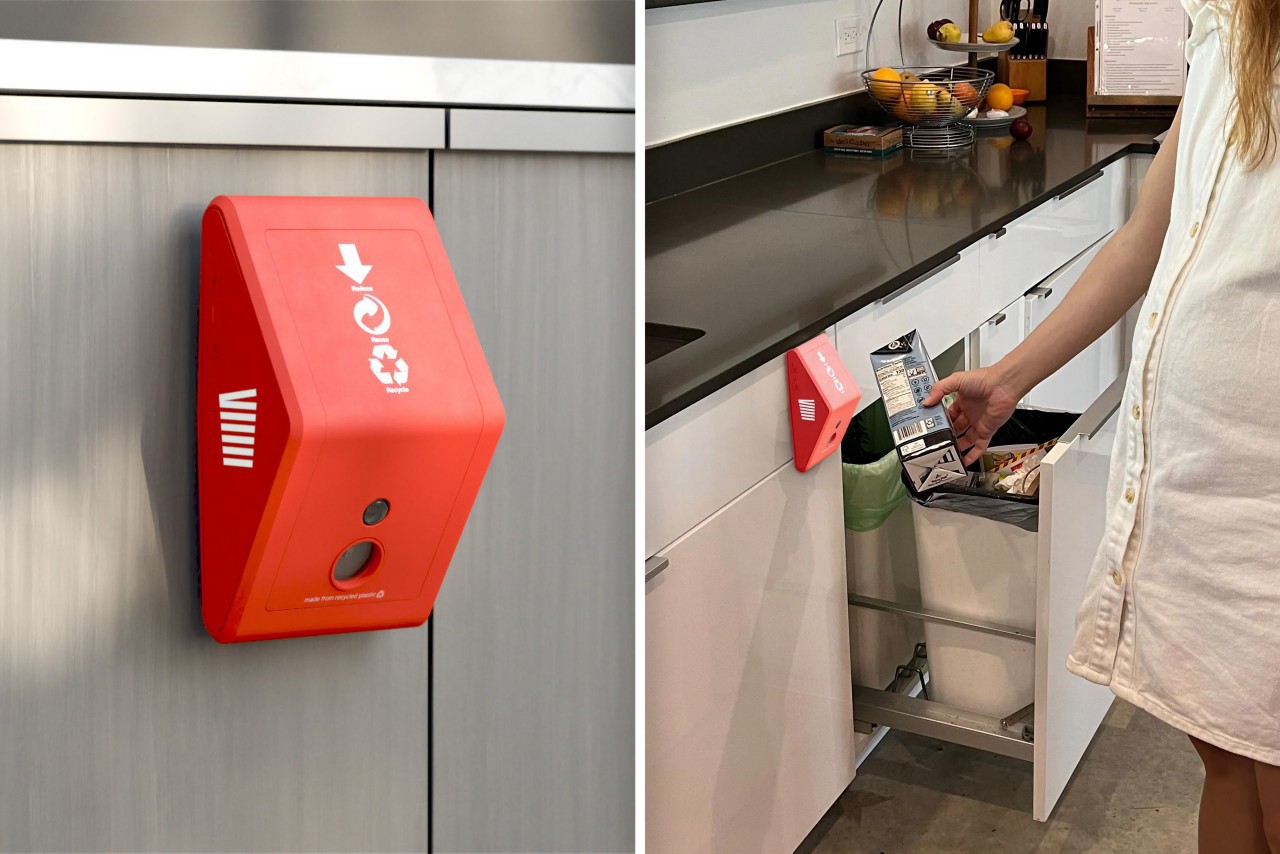
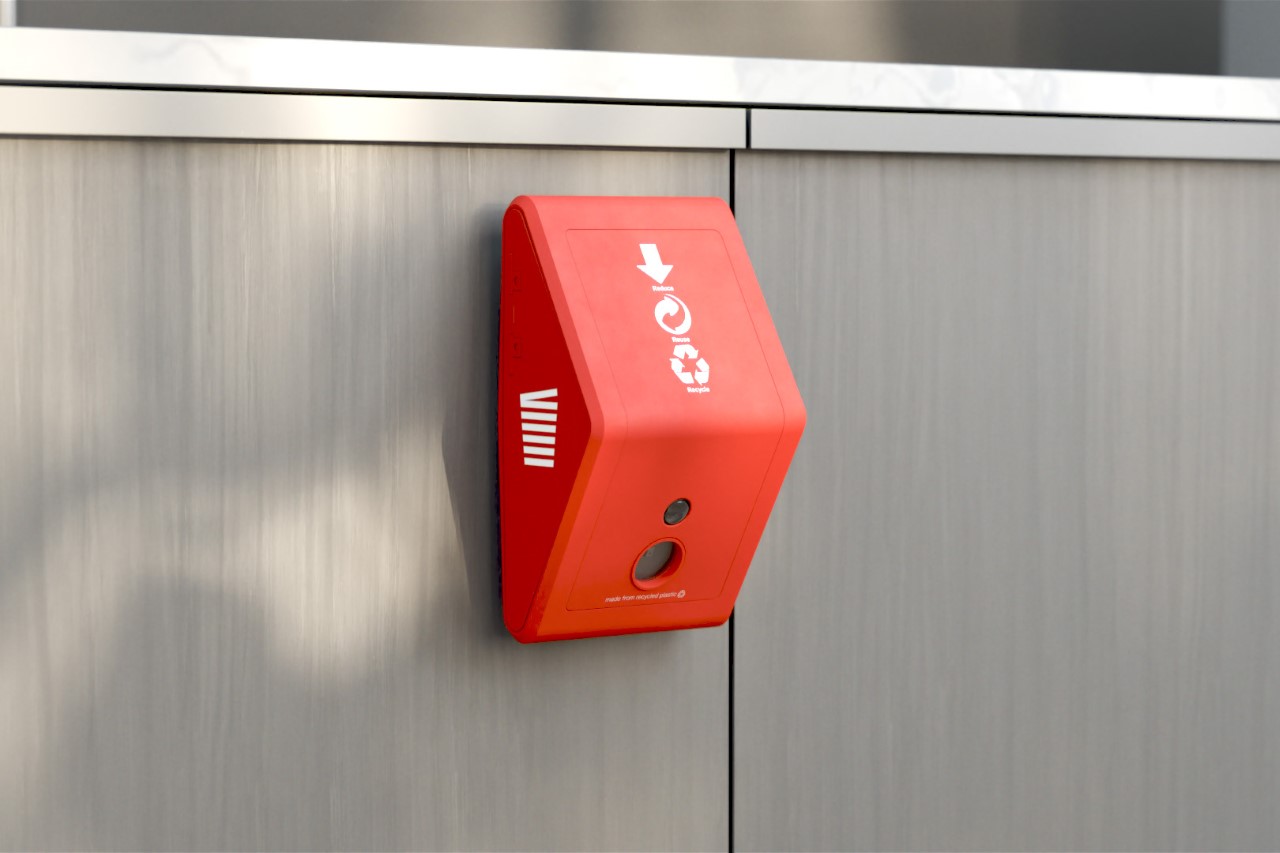
Of all the things I’d want an AI to help me with, this might just be the most useful. While companies like Google and OpenAI have been showing their AI’s multimodal capabilities at identifying the color of objects, or human expressions, an AI hardware company is putting the power of LLMs to good use by having them identify trash. Binit, a Finnish startup, has developed a tiny hardware device that scans your trash and then tells you how to accurately dispose of it. It doesn’t just identify objects like coffee cups and vegetable peels, it tries to analyze materials, looks at brands to identify their manufacturing techniques to determine the best ways to dispose of trash, and effectively tells you (with 98% accuracy) how to segregate your household waste so that the wrong items don’t get disposed of in the wrong channels.
Binit’s core technology is a dedicated AI-powered hardware device designed for the kitchen. Mounted conveniently near your bin, this gadget uses camera vision and sensor technology to identify items before they’re tossed. The system integrates with powerful large language models (LLMs) like OpenAI’s GPT-3, enabling highly accurate image recognition of everyday household waste objects.
Binit’s secret weapon? Rather than training their own AI model from scratch, they capitalize on the vast knowledge base of pre-trained LLMs. This approach has yielded impressive results – Binit claims near 98% accuracy in trash recognition. The system can even distinguish nuances – like whether a coffee cup has a lining based on brand recognition.
But Binit isn’t just about identifying your trash. The system analyzes the data it collects, generating insightful feedback through a companion app. This app provides users with a weekly “rubbish score” and gamified elements to motivate positive behavioral changes. Imagine a friendly nudge reminding you that you’ve been discarding a lot of plastic lately, along with suggestions for sustainable alternatives.
The free tier of the Binit app offers basic analytics, while a premium subscription unlocks additional features. The company also envisions itself as a potential data provider – offering anonymized insights on consumer waste habits to entities like packaging manufacturers. This data could be invaluable for businesses aiming to reduce their environmental footprint.
One might wonder – isn’t environmental awareness enough? Binit argues that while most people acknowledge the importance of waste reduction, ingrained habits are hard to break. They liken their approach to sleep trackers – providing data-driven insights that can empower users to make positive changes, even if they’re aware of the general principles.
Binit’s pilot programs across the US and Europe have shown promise. Users reportedly reduced mixed waste by around 40% after engaging with the system’s transparent feedback loop. The company plans to launch commercially this fall, likely in the US, offering both a dedicated AI hardware device and a free app-based scanning option.
A collection of leaked internal Google privacy cases provides a rare glimpse into the company’s volume and handling of breaches, accidents and other incidents. 404 Media obtained and pored through the database, which covers thousands of internally flagged privacy and security issues from 2013 to 2018.
Google verified the trove’s authenticity with Engadget but claimed some of the reports were related to third-party services or didn’t end up being cause for concern. “At Google employees can quickly flag potential product issues for review by the relevant teams,” a company spokesperson wrote to Engadget. “When an employee submits the flag they suggest the priority level to the reviewer. The reports obtained by 404 are from over six years ago and are examples of these flags — every one was reviewed and resolved at that time. In some cases, these employee flags turned out not to be issues at all or were issues that employees found in third party services.”
404 Media writes that, when taken on an individual level, many cases only impacted a few people or were fixed quickly. “Taken as a whole, though, the internal database shows how one of the most powerful and important companies in the world manages, and often mismanages, a staggering amount of personal, sensitive data on people’s lives,” 404 Media’s Joseph Cox wrote.
Examples include a potential security issue where a government client of a Google cloud service had its sensitive data accidentally transitioned to a consumer-level product. Google’s internal report added that, as a consequence, a US-based location for the data was “no longer guaranteed for this customer,” according to the report.
Google
In 2016, another case flagged a glitch in Google Street View, where a filter in the service’s transcription software designed to omit captured license plate numbers failed to do its job. “As a result, our database of objects detected from Street View now inadvertently contains a database of geolocated license plate numbers and license plate number fragments,” the report acquired by 404 Media details. (Oops!) That report said the data was purged.
Another incident highlighted a case where a bug in a Google speech service accidentally captured and logged an estimated 1,000 hours of children’s speech data for about an hour. That case report claimed the team deleted all of the data.
Other cases in the database range from “a person” modifying customer accounts on Google’s ad platform to manipulate affiliate tracking codes to YouTube recommending videos based on users’ deleted watch histories. One report even highlights how a Google employee (unintentionally, according to the report) accessed Nintendo’s private YouTube videos and leaked info ahead of the video game company’s announcements.
The full report from 404 Media, which details more of the internal reports, is worth reading for anyone curious about the types of privacy and security incidents a company of Google’s magnitude faces — or causes itself — and how it addresses them.
This article originally appeared on Engadget at https://www.engadget.com/leaked-google-database-reveals-its-secret-privacy-and-security-failures-183232983.html?src=rss


 with Camera, No More Complex Procedures