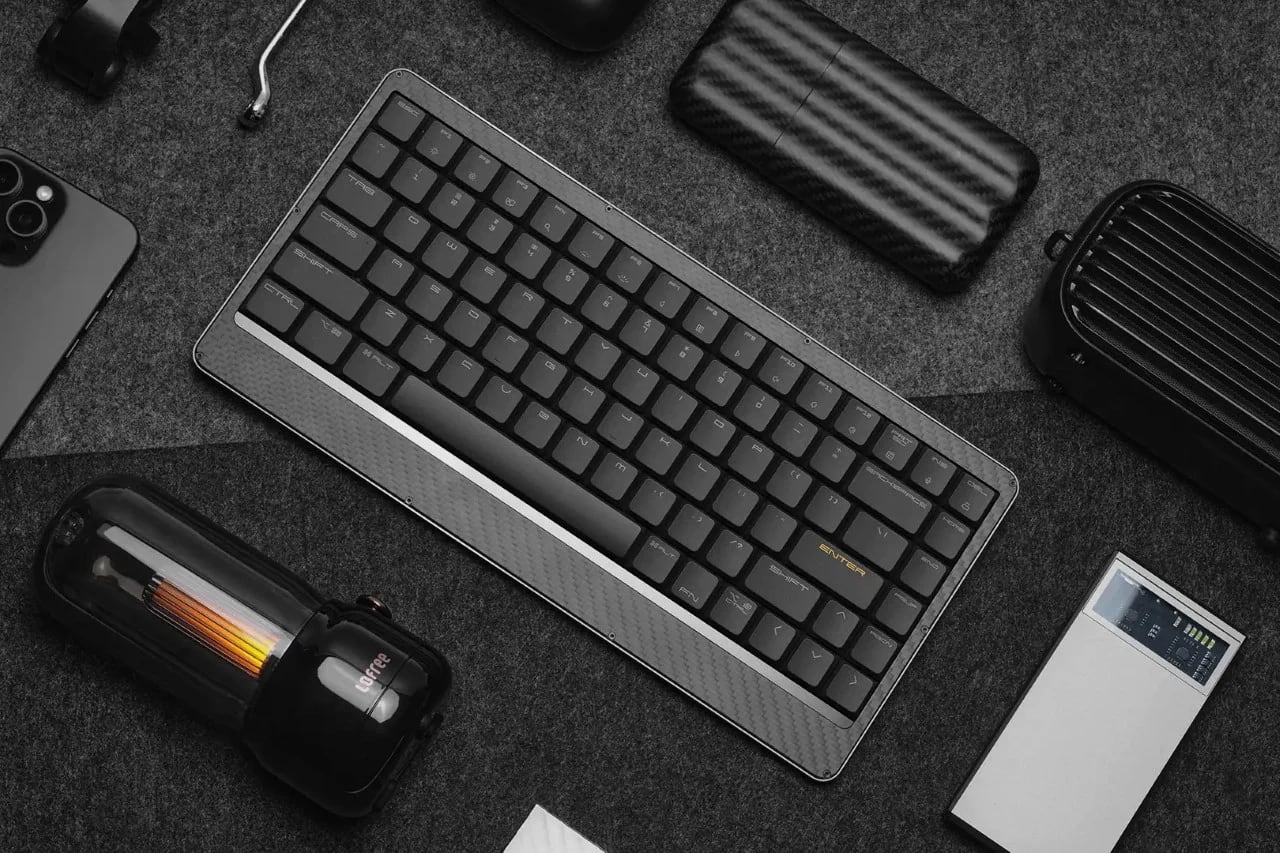
Lofree EDGE delivers the thin and light mechanical keyboard of your dreams

Some people consider computer keyboards to just be tools you have to bear with, but those who live and die by typing on a computer know just how important the design of a keyboard is. That’s why a lot of writers, developers, and even gamers prefer mechanical keyboards not just because of their sharp sounds but, more importantly, because of their tactile typing experience. Unfortunately, mechanical keyboards seem to have become synonymous with thick, heavy, and clunky keyboards because of the equally hefty mechanisms employed to deliver that experience. That doesn’t have to be the case, however, and this ultra-low-profile mechanical keyboard proves how you can have the best of both worlds with some outside-the-box thinking and creative design.

Designer: Shawn S.

Click Here to Buy Now: $149 $249 (40% off). Hurry, only 59/500 left! Raised over $310,000.

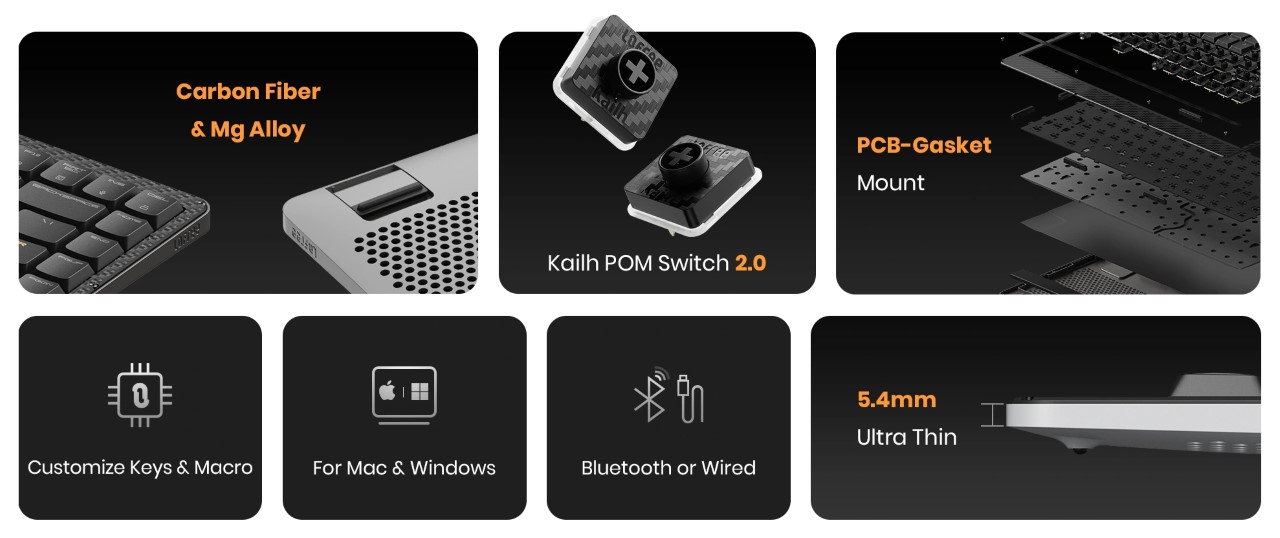
You can make a keyboard as thin as it can be, but you’re bound to make a lot of compromises to get there, from the quality of the build to the durability of the product to the satisfaction of every keystroke. Difficult, however, doesn’t mean impossible, and Lofree EDGE dares to take on the challenge of finding solutions to the problems that have been taken for granted. At only 485g light and 5.4mm thick at its thinnest point, you might even wonder if it’s a mechanical keyboard at all.

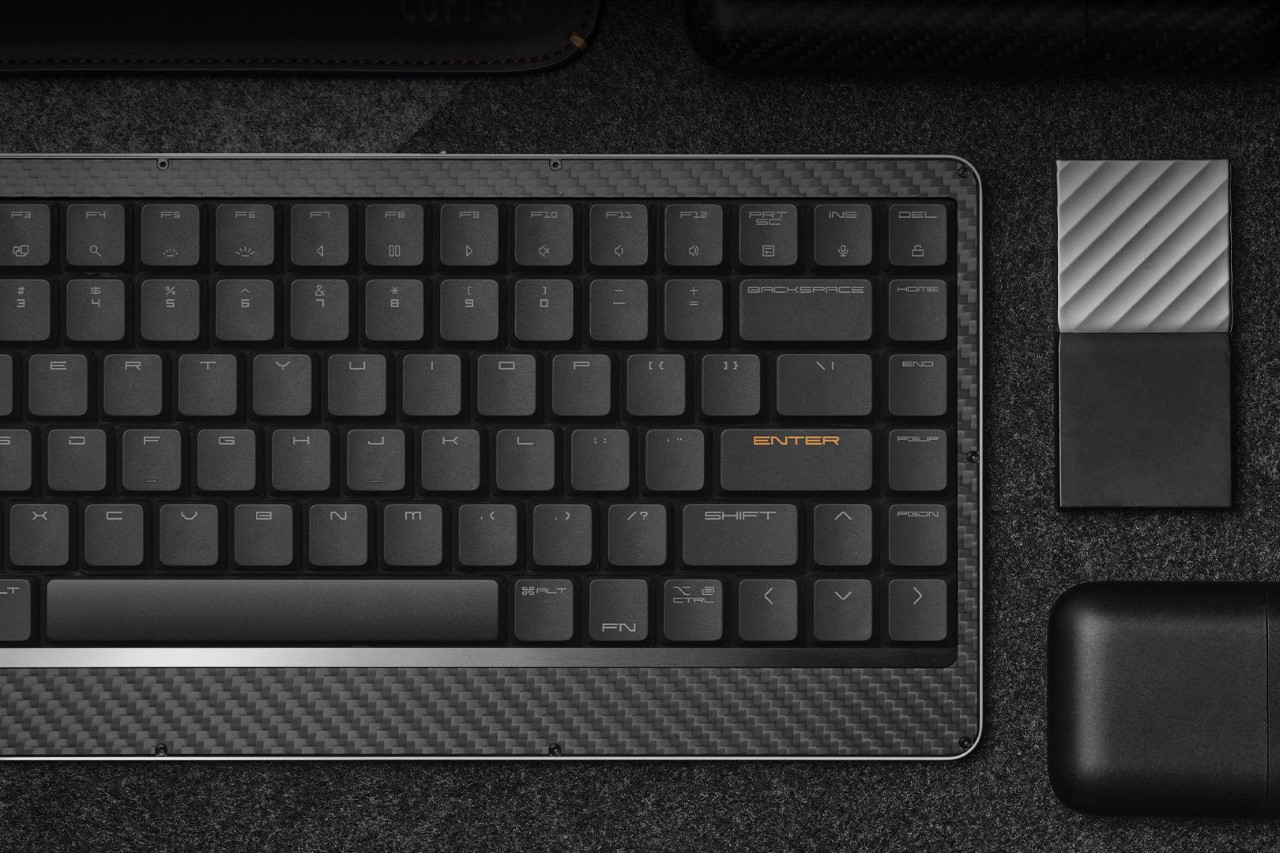
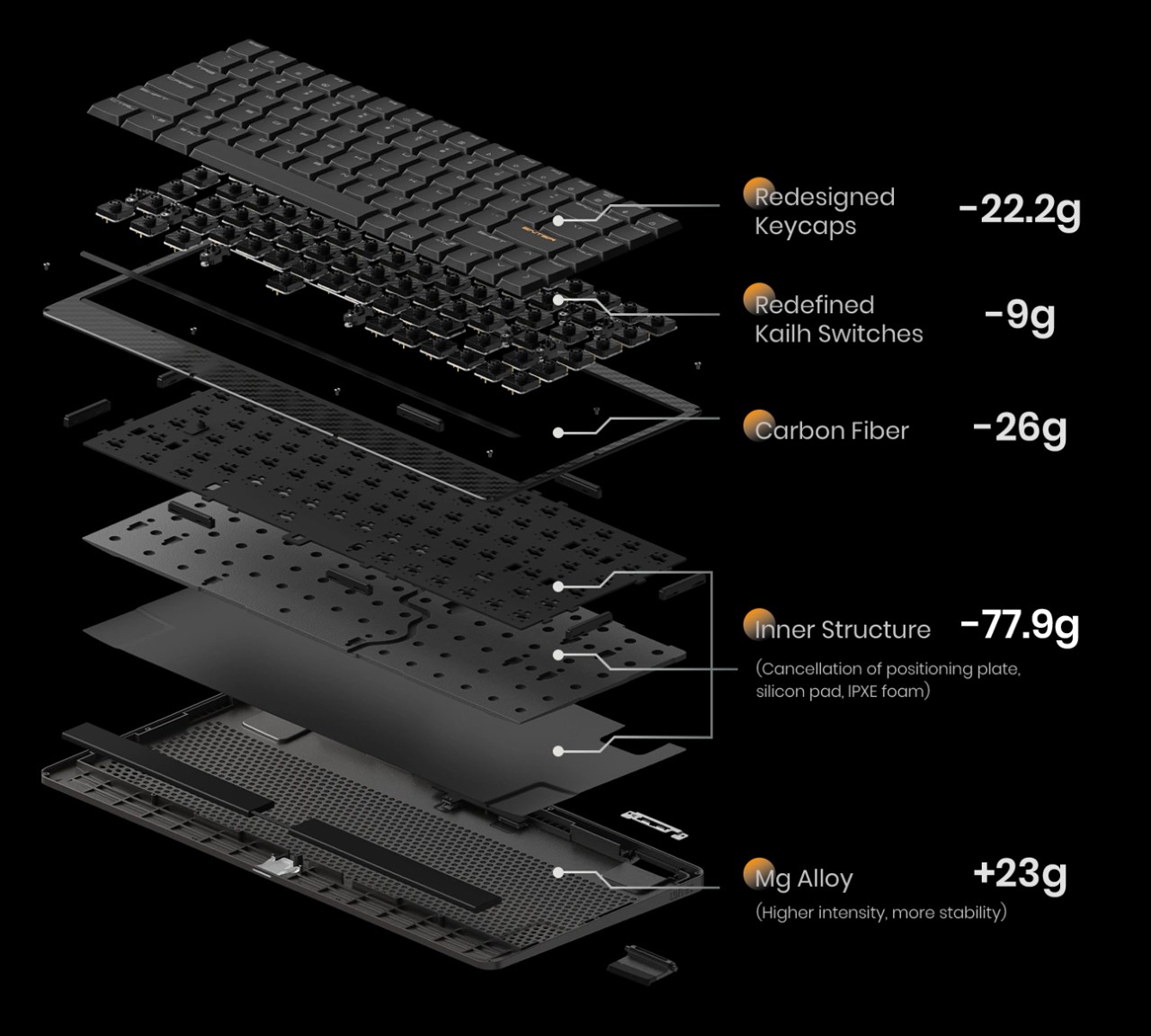
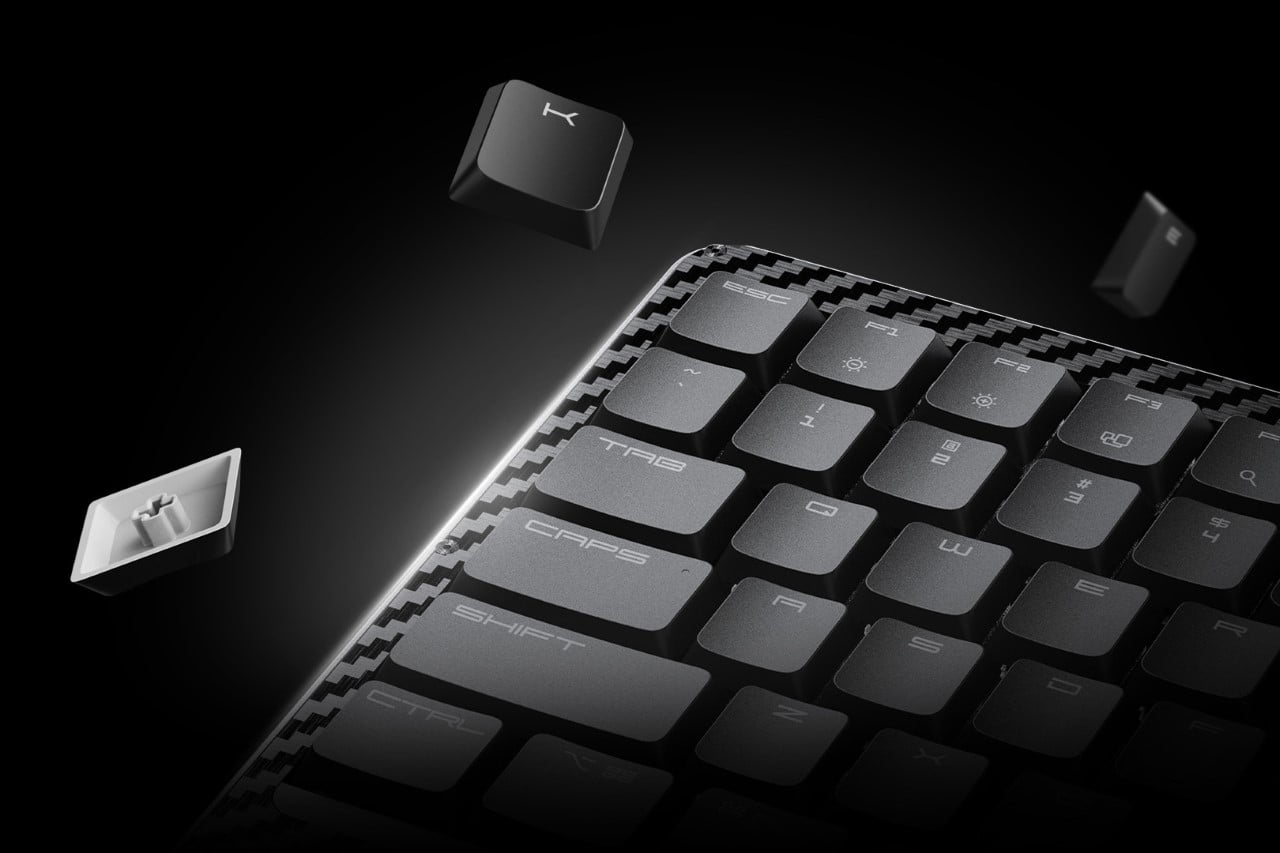
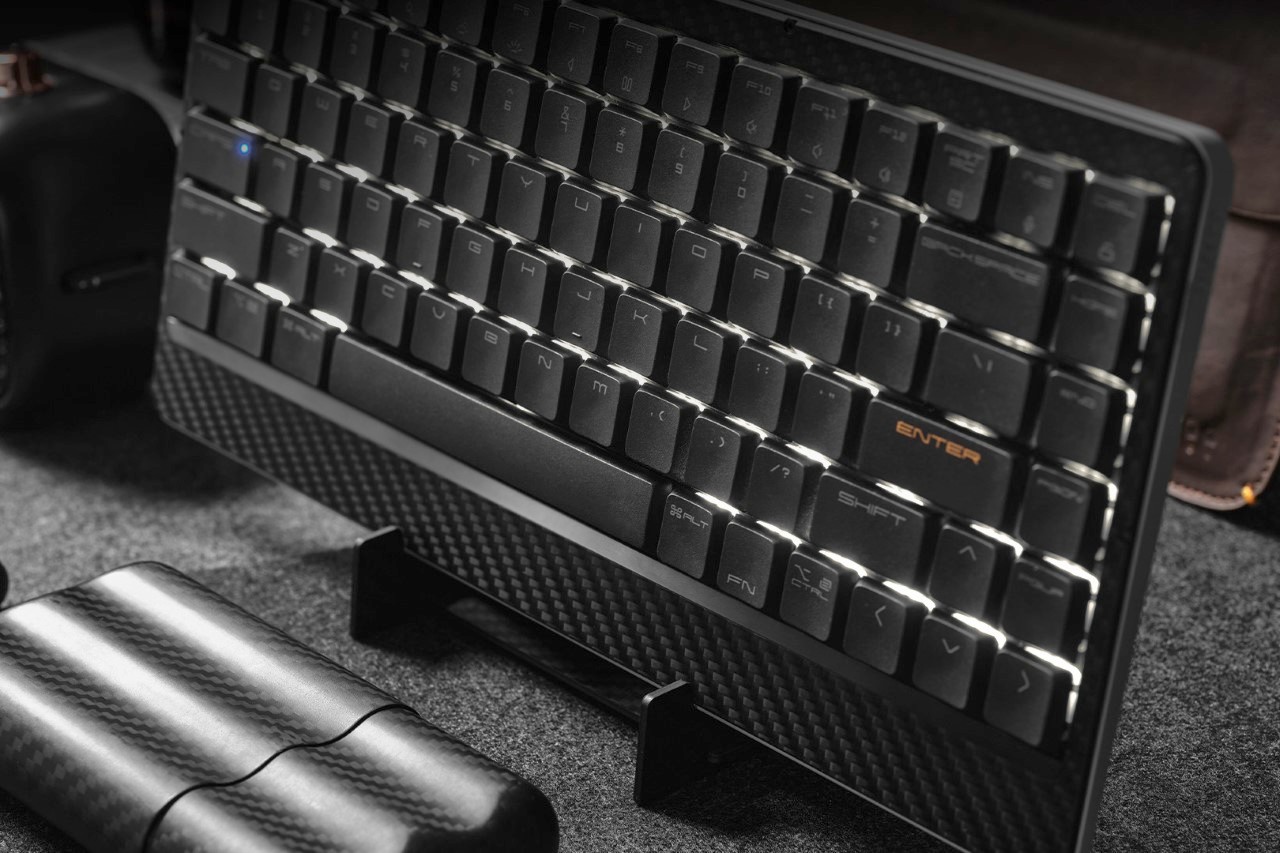
The secret is Lofree’s meticulous attention not just to materials but to the production process as well. It wasn’t enough to simply use just any carbon fiber to make the upper plate both durable and lightweight, Lofree EDGE employs a 3K Till Weave that takes that to the next level while also adding a luxurious aesthetic that your palms can actually feel. The light and heat-resistant magnesium alloy base isn’t just crafted using ordinary die casting but uses semi-solid casting instead to eliminate air pockets and increase the material’s toughness. And to do its part in helping to save the planet,

Lofree reuses the carbon fiber block cut out from the upper plate and turns it into a flat-packed stand for the keyboard. Assembling the stand becomes a playful and engaging experience, like putting together a puzzle, and delivers a handsome mount to place your keyboard on at the end of the day to keep your desk clear and clutter-free.

The Lofree EDGE is clearly just as or even more durable than mechanical keyboards twice its weight and thickness, but what about the actual typing experience? Refusing to make compromises, it uses specially designed Kaih POM 2.0 switches that deliver a travel distance of 2.4mm, a remarkable figure when you consider how thin the keyboard is. An innovative PCB-Gasket mount structure integrates these two critical parts of the keyboard into a unified piece, further reducing the thickness associated with mechanical keyboards. It combines solder-mounted switches and strategically positioned gaskets directly into the PCB, doing away with conventional positioning plates and hot-swappable switches that add thickness and heft to the keyboard. To further reduce its weight, Lofree EDGE replaces heavy silicone with lightweight foam for the internal filling. What you get from all of this is a comfortable and satisfying keyboard that doesn’t strain your fingers and joints, making the typing experience not only enjoyable but also potentially addictive.

The Lofree EDGE’s innovations don’t stop at the product design either. With the powerful Lofree Configurator software, Windows and, soon, Mac users will be able to customize their experience to fit their particular needs, from remapping keys to creating powerful macros. The keyboard supports both wired and wireless connectivity, giving you maximum flexibility in where and how you want to use the keyboard. Thin, light, and handsome, the Lofree EDGE redefines what a mechanical keyboard can be, delivering a comfortable and enjoyable typing experience that won’t weigh you or your wallet down. So if you want to enjoy the authentic feeling of a mechanical keyboard with the bulk and the heft, then there’s no better time than now to give your fingers the blissful typing experience they deserve and grab the Lofree EDGE now while it’s at a sweet, heavily discounted price.

Click Here to Buy Now: $149 $249 (40% off). Hurry, only 59/500 left! Raised over $310,000.

The post Lofree EDGE delivers the thin and light mechanical keyboard of your dreams first appeared on Yanko Design.

The Worst and Best Ways to Sharpen your EDC Pocket Knife

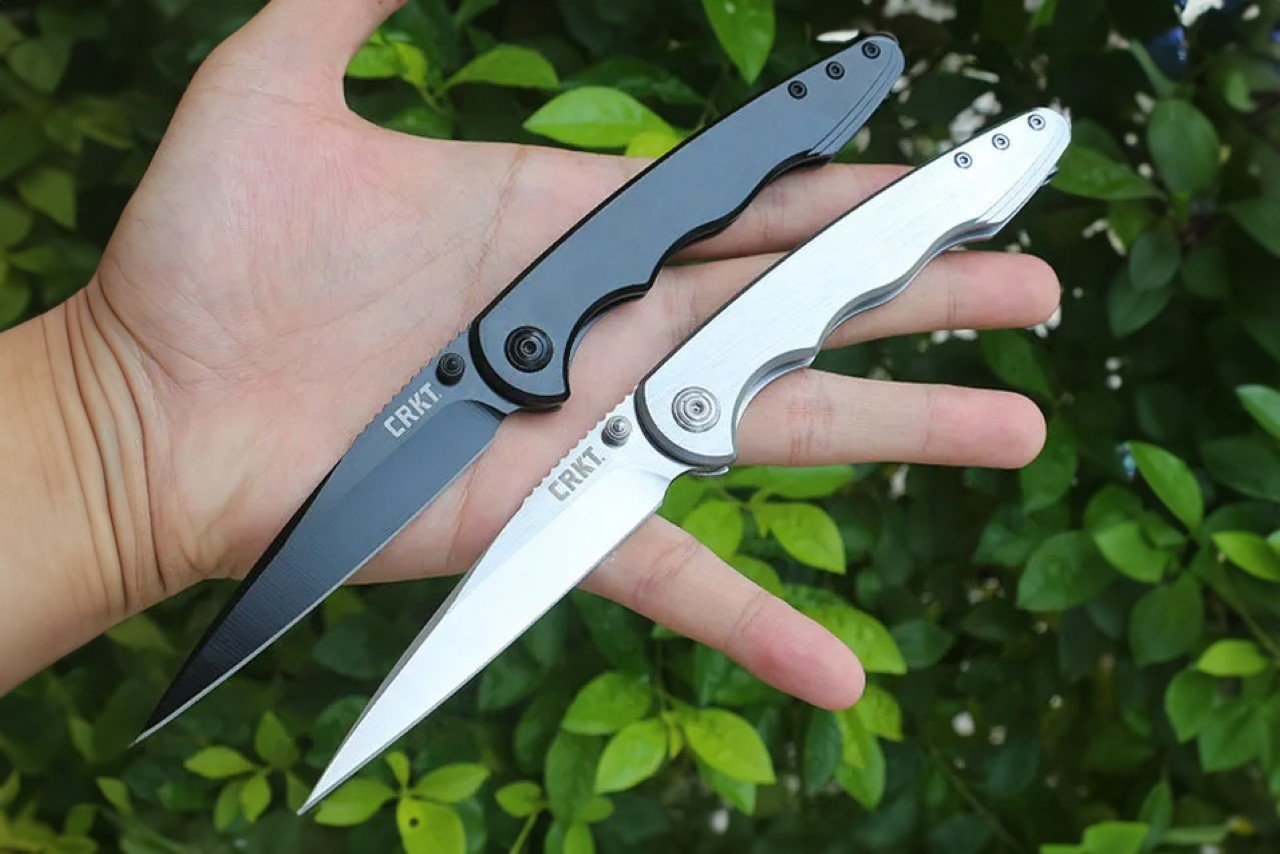
Everyday carry (EDC) knives are a trusty companion for many, whether you’re navigating the great outdoors or handling day-to-day tasks in the city. A sharp knife isn’t just a matter of convenience; it’s a crucial aspect of safety and functionality (you really don’t want to be stuck with a blunt knife in an emergency situation). However, maintaining that sharp edge can be a challenge, especially with the myriad of sharpening techniques and tools available. Some methods can enhance your blade’s performance, while others can cause more harm than good. Here, we delve into the worst and best ways to sharpen your EDC knife. Although these methods practically apply to knives of all kinds (like kitchen knives, etc.), we’re looking through the lens of maintaining EDC blades in particular, which people often spend hundreds of dollars on. An EDC knife might first and foremost be a knife, but for many, it’s also a work of art worth marveling at and collecting. Many of these knives are designed by experts and enthusiasts, requiring decades of skill, precise machinery (or sometimes even handcrafted mastery), and high-quality materials. Improperly caring for or sharpening such knives feels like a crime, doesn’t it? Let’s take a look at the worst, and the best ways to care for your EDC knife collection.

The Worst Ways to Sharpen an EDC Knife

1. Using a Glass Surface or Ceramic Mug

It might seem like a clever hack to use the unglazed bottom of a ceramic mug or a glass surface to sharpen your knife. After all, it’s often depicted in survival movies and touted in emergency preparedness forums (and guilty as charged, I’ve used this hack too). However, this technique is far from ideal for maintaining your EDC knife to perfection. The problem lies in the inconsistent abrasiveness of these surfaces. Ceramic mugs, while somewhat effective in a pinch, lack the uniform grit needed for a precise edge. The surface can be too coarse or too fine, leading to an uneven sharpening job. Moreover, using glass can cause the knife to slip, posing a safety hazard and potentially leading to a chipped blade. Sure, it’s a lovely hack that even Serious Eats recommends for home-chefs who don’t have their own honing rod or whetstone… but if you truly care about your EDC collection, the bottom of a mug isn’t the best place to be sharpening your prized knives.

2. Power Tools Like Bench Grinders

Power tools such as bench grinders might seem like a quick and easy solution to sharpen your knife, but they are more suited for heavy-duty tasks like reshaping tools rather than fine-tuning delicate knife edges. The primary issue with using a bench grinder for your EDC knife is the excessive heat generated during the grinding process. This heat can cause the steel to lose its temper, resulting in a blade that is brittle and prone to breaking.

Additionally, bench grinders remove material VERY quickly, which can lead to an uneven edge and significant wear on your blade. The aggressive nature of these tools makes it challenging to control the sharpening process, increasing the risk of creating an uneven bevel or completely ruining the knife. For those who value precision and the longevity of their knife, bench grinders are best avoided for routine sharpening tasks.

3. Cheap, Coarse Pull-Through Sharpeners

Pull-through sharpeners are widely available and often marketed for their convenience and ease of use. However, a cheap one off AliExpress or Temu will do you much more harm than good. The problem with pull-through sharpeners is that they use fixed abrasive materials that can remove too much metal from your blade unevenly. This aggressive removal process can damage the edge, leading to a shorter lifespan for your knife.

Moreover, these sharpeners usually set a fixed angle that may not match the original bevel of your knife, resulting in a less efficient cutting edge. The convenience of pull-through sharpeners comes at the cost of precision and control, which are crucial for maintaining a high-quality edge on your EDC knife. Instead of opting for these quick fixes, consider more controlled methods that allow you to maintain the knife’s intended geometry and sharpness.

4. Improvised Rock Sharpening

While it might be tempting to use natural rocks as makeshift sharpeners, especially in a survival situation, this method is highly inconsistent and can cause significant damage to your knife. Rocks found in nature vary widely in their abrasiveness and can introduce grit or contaminants that scratch and dull the blade rather than sharpen it. The uneven surface of a rock can also lead to an inconsistent edge, making your knife less reliable.

In emergency situations where no other options are available, using a rock might be your only choice. However, it should not be a regular practice for maintaining your EDC knife. For routine sharpening, it’s best to stick to purpose-made tools that provide a consistent and controlled sharpening experience, ensuring your knife stays in top condition.


The Best Ways to Sharpen an EDC Knife

1. Whetstones

Whetstones are the gold standard for sharpening knives, offering a controlled and precise method for maintaining your blade. They come in various grits, typically ranging from coarse to fine, allowing you to handle everything from reshaping a damaged edge to polishing a razor-sharp finish. Using a whetstone requires some practice and patience, but the results are well worth the effort.

Start by soaking the whetstone in water (if it’s a water stone) to ensure smooth sharpening. Place the stone on a stable surface and hold your knife at a consistent angle, typically around 15-20 degrees. Begin by using the coarse side of the stone, moving the blade in a smooth, sweeping motion across the stone to establish a new edge. Once you have a burr (a slight ridge of metal along the edge), switch to the finer side of the stone to refine and polish the edge.

Whetstones allow for a high level of control over the sharpening process, ensuring that you can maintain the original bevel and achieve a razor-sharp edge. The investment in a good set of whetstones pays off in the quality and longevity of your knife’s edge, making it a must-have for serious knife enthusiasts.

2. Diamond Stones

Diamond stones are another excellent option for sharpening EDC knives. They are composed of small, industrial-grade diamonds embedded in a metal plate, making them extremely durable and effective at quickly sharpening a blade. Unlike whetstones, diamond stones do not require soaking, and they can be used dry or with a little water for lubrication.

One of the significant advantages of diamond stones is their consistency and speed. They can remove material more efficiently than traditional whetstones, making them ideal for quick touch-ups or more substantial sharpening tasks. To use a diamond stone, follow a similar process to whetstone sharpening: maintain a consistent angle and use smooth, controlled strokes to sharpen the blade.

Diamond stones come in various grits, allowing you to perform coarse sharpening and fine-honing with the same tool. Their durability and ease of use make them a favorite among knife enthusiasts who want a reliable and efficient sharpening solution.

3. Ceramic Rods

Ceramic rods are excellent for honing, which is the process of maintaining an already sharp edge rather than performing a full sharpening. These rods are typically used after sharpening with whetstones or diamond stones to refine the edge and keep it in top condition between more intensive sharpening sessions.

Using ceramic rods is straightforward. Hold the rod vertically or at a slight angle and draw the knife blade down the rod, maintaining a consistent angle. Repeat this process on both sides of the blade, ensuring even honing. Ceramic rods are gentle on the knife’s edge and help maintain its sharpness without removing significant material.

For EDC knife users who want to keep their blades in peak condition with minimal effort, ceramic rods are an excellent tool for regular maintenance. They are compact, easy to use, and effective at keeping your knife sharp and ready for action.

4. Stropping

Stropping is the final step in achieving a razor-sharp edge and involves using a leather strop to polish and refine the blade. A strop is typically a piece of leather mounted on a flat surface or a hanging strip, and it may be used with or without a stropping compound to enhance its effectiveness.

To strop your knife, hold the blade at a consistent angle and draw it backward along the leather, moving away from the edge to avoid cutting into the strop. Repeat this process on both sides of the blade. Stropping removes any remaining burr from the sharpening process and polishes the edge to a mirror finish.

This step is essential for achieving the highest level of sharpness and ensuring the blade cuts smoothly and effortlessly. Stropping is an easy and effective way to maintain your knife’s edge, especially when combined with regular sharpening and honing.

5. Professional Sharpening Services

Sometimes, leaving the sharpening to the professionals is the best choice, especially if your knife is very dull or damaged. Professional sharpening services use a combination of techniques and tools to restore your blade to its optimal sharpness without risking its integrity.

Professionals typically use high-quality whetstones, diamond stones, and other precision tools to achieve a perfect edge. They have the experience and skill to handle various blade types and steels, ensuring that your knife is sharpened correctly and efficiently.

Using a professional service can be particularly beneficial for those who lack the time or confidence to sharpen their knives themselves. It’s an investment in the longevity and performance of your EDC knife, providing peace of mind that your blade is in expert hands.

6. Guided Sharpening Systems

Guided sharpening systems are designed to make the sharpening process foolproof by providing preset angles and multiple sharpening options. These systems often include ceramic stones, diamond plates, and strops, offering a comprehensive solution for maintaining your knife’s edge.

Using a guided system is straightforward. The knife is clamped into the device, and the sharpening stones are guided along the blade at a consistent angle. This setup ensures that even beginners can achieve a precise and consistent edge without the guesswork involved in freehand sharpening.

Guided sharpening systems are an excellent choice for those who want a reliable and user-friendly way to keep their EDC knives sharp. They take the complexity out of the sharpening process, making it accessible to everyone, regardless of skill level.


Maintaining a sharp edge on your EDC knife is essential for its performance and safety. While there are many methods to sharpen a knife, not all are created equal. Techniques like using a ceramic mug, power tools, and cheap pull-through sharpeners can cause more harm than good, leading to a damaged or dull blade. On the other hand, investing in quality tools like whetstones, diamond stones, ceramic rods, and guided sharpening systems ensures a sharp, reliable edge.

For those who prefer a professional touch, professional sharpening services offer an expert solution,

while stropping provides the final polish to achieve a razor-sharp finish. By choosing the right sharpening methods and tools, you can keep your EDC knife in top condition, ready to tackle any task with ease and precision.

So, the next time you consider sharpening your knife, skip the makeshift methods and opt for techniques that will enhance your blade’s performance and longevity. After all, a well-maintained knife is a cut above the rest, ready to slice through your daily challenges without a hitch. Just remember, keep the dishwasher for your dishes and the bench grinder for your tools—your knife deserves better.

The post The Worst and Best Ways to Sharpen your EDC Pocket Knife first appeared on Yanko Design.

How Bumble And Airbnb Together Can Help Build Real Connections And Redefine Offline Dating

Given how building relationships and meeting partners is all about swiping right or left in today’s day and age, actually making connections the old-school way can be a bit challenging… daunting even. But fear not, because DateNest is here to change the game! Imagine cozying up in a nest-like space, away from the hustle and bustle of noisy bars and awkward coffee dates. Sounds promising, right? Well, that’s exactly what DateNest offers—a fresh take on dating that’s all about comfort, authenticity, and adventure.

Designer: Harshvardhan Jadeja

Designed by an Indian transportation designer who believes that transportation is more than just getting from A to B—it’s an opportunity to create unforgettable experiences. With DateNest, he’s combined practical engineering with creative design to give us a dating experience like no other.

So, what makes DateNest so special? It’s an interesting conceptual collaboration between Airbnb and Bumble, two big names in the world of travel and dating apps. With DateNest, you get to ditch the cliché date spots and explore unique settings instead. You can share a meal in someone’s cozy home, embark on a city adventure, or escape to a charming Airbnb for a romantic getaway. It all depends on what excites you because you get to choose your adventure and the choice can sometimes potentially even be a deal breaker when going on a date.

But DateNest isn’t just about the places you go—it’s about the vibe too. Imagine soft lighting, warm colors, and fragrances that make you feel like you’re wrapped in a blanket of coziness. Inspired by nature, the design embraces the concept of “Warmcore,” enveloping participants in a cocoon of comfort and allure DateNest aims to create a romantic atmosphere that’ll make your heart flutter.

The Mobile Pods and Dating Suites are the stars of the show! These are like your own little love cocoon, designed for intimate conversations and shared moments. The Mobile Pods, which look like fancy dining chairs, get attached to your designated private suite, where you’ll find everything set up for a magical date night. Think soft lights, comfy seats, and a vibe that screams romance. The suite reminds me of Cinderella’s caravan, I mean what could be more mystical for the romance to sparkle, right?

The post How Bumble And Airbnb Together Can Help Build Real Connections And Redefine Offline Dating first appeared on Yanko Design.

iFixit’s teardown of the new M4 iPad Pro reveals an easier-to-replace battery

The new 13-inch M4 iPad Pro is really, really thin. That’s inevitably going to make certain aspects of repairing the device even more difficult, which iFixit confirmed in a teardown published this weekend. But it does shine in one area — when it comes to replacing the battery, Apple made some seriously helpful changes.

“For the first time in an iPad Pro, we’re able to remove the battery immediately after removing the screen,” Teardown Tech Shahram Mokhtari wrote in a blog post. Mokhtari notes that “immediately is relative,” as there are still some screws and brackets to remove before the battery can be taken out, and the video documenting the process shows it takes a bit of work to get to the pull tabs beneath the batteries, but the new setup still shaves hours off the process compared to earlier models.

“The fact that you can remove the battery without having to remove every major component inside this device is still a huge win for repairability,” Mokhtari says in the video. “It’s a massive improvement over the previous generation.” Everything else, on the other hand, is going to be pretty tricky to repair without causing damage. “From the daughterboard to the speakers and coax cables, we found a whole bunch of stuff that’s glued down because there just isn’t enough space for screws.”

And, the teardown shows the new Apple Pencil Pro is a repairability nightmare. Mokhtari — who got cut by the Pencil while trying to get to its insides — called it “a disposable piece of crap once the battery dies.”

This article originally appeared on Engadget at https://www.engadget.com/ifixits-teardown-of-the-new-m4-ipad-pro-reveals-an-easier-to-replace-battery-205413201.html?src=rss

These Absurd TWS On-Ear Headphones are like if someone combined the AirPods and AirPods Max

Although most people would call these headphones an abomination, I kind of think the ADV. Spider TWS on-ear headphones are the good kind of weird. They come with drivers as big as the ones you’d see on headphones, but are designed to be individual earpieces like most TWS earbuds. The result is almost Princess Leia-ish, with two cans attached to each ear, giving you a TWS earbud experience but with the power-packed audio punch of much bigger headphones. And the headband on top? Well, that’s extinct now, just like the headphone jack…

Designer: ADV.

TWS earbuds offer a distinct benefit – they’re ridiculously compact, and don’t have wires or cables that get tangled or broken. However, they don’t match the sound output of larger headphones. On the flipside, larger headphones have MUCH better audio output, but they’re significantly bulkier than TWS earbuds. ADV.’s Spider headphones try to create a bizarre but funky compromise. In what I can only describe as subtractive design at its best, these TWS on-ear headphones remove the one thing giving wireless headphones their bulk – the headband. By making large earpieces with ear-stems (like the kind you see on hearing aids or spectacles) , the Spider TWS on-ear headphones let you strap great audio directly to your ears. No headband, no bulk, no problem. Plus, these headphones don’t need a case either the way TWS earbuds do. Just slip them into your pocket or bag and you’re good to go. With TWS earbuds, the case does three distinct jobs – charging the earbuds, protecting the earbuds, and allowing you to quickly differentiate between the left and right earpiece. The lack of a case with the Spider headphones means it becomes slightly more difficult to tell the left and right wearables apart… but a clever design detail fixes that. A red ear stem on the right earpiece lets you quickly identify which headphone is which, letting you quickly and correctly wear your TWS headphones every single time.

Channeling the retro vibes of classic Sony or Koss headphones, the Spiders sport a familiar aesthetic. But under the hood, they’re packed with modern tech. At the heart of the sound experience lies a 30-millimeter dynamic driver, a well-regarded size for delivering clear and balanced audio across genres. The 30mm drivers deliver a frequency response of 20Hz to 20kHz (encompassing the full range of human hearing), and an impedance of 32 ohms, which means they should work well with most devices without needing a dedicated headphone amplifier. It’s worth noting that the headphones currently only support the SBC Bluetooth codec, a widely compatible option, but not the highest fidelity one. The headphones boast an impressive sensitivity of 105 decibels, ensuring they can get plenty loud without distortion.

Connectivity is handled by Bluetooth 5.2, ensuring seamless pairing with most smartphones, laptops, and tablets. Gamers will appreciate the inclusion of a low-latency mode, which minimizes audio delay for a more responsive experience. Perhaps the most compelling feature for everyday users is the lengthy battery life (which is another benefit of that large size). ADV. claims the Spider TWS can deliver up to 28 hours of listening on a single charge, making them ideal for long commutes, workdays, or travel adventures.

What’s most bizarre about the ADV. Spider headphones, however, is its price tag. You’d expect it to be in AirPod Pro or AirPod Max territory, given its size and novelty, but the TWS on-ear headphones start at just $35, which is quite the steal. The headphones are currently available for preorder on Drop.com’s website, with shipping estimated in July.

The post These Absurd TWS On-Ear Headphones are like if someone combined the AirPods and AirPods Max first appeared on Yanko Design.

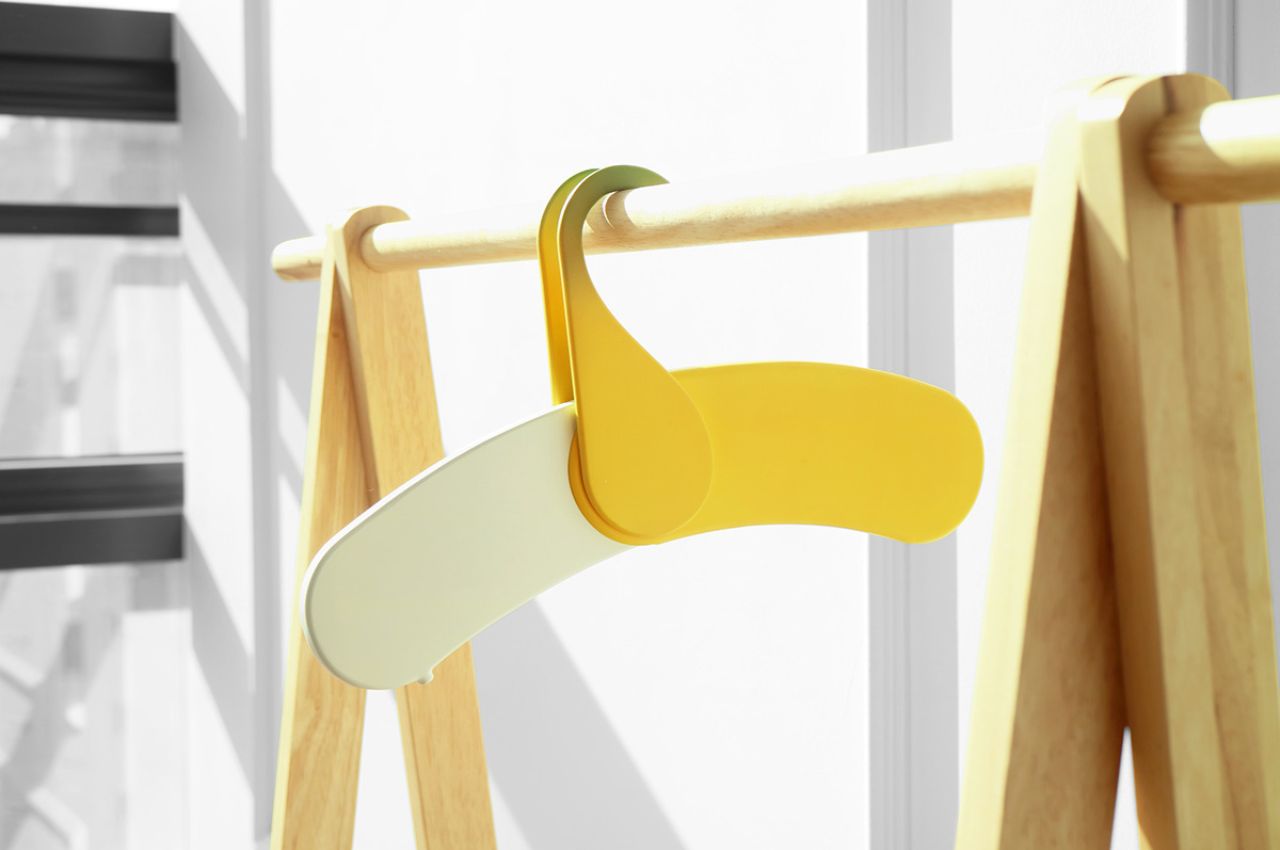
Adorable banana-shaped hanger encourages kids to organize their wardrobes

Every parent understands the importance of instilling good habits in their children from a young age. Whether it’s tidying up after themselves or learning to organize their belongings, these habits lay the foundation for a disciplined and organized life. However, getting kids to adopt these habits can sometimes be a challenge, especially when it comes to something as mundane as hanging clothes. That’s where Banannang steps in.

Designer: Minje Park and ROUSEED STUDIO

Banannang is not just any ordinary hanger; it’s a cleverly designed tool that makes the process of hanging clothes fun and engaging for young children. Developed by a team passionate about fostering good habits in children, Banannang aims to revolutionize the way kids interact with their clothing and their environment.

One of the most common grievances of parents is the sight of clothes strewn across the floor or piled up on chairs – the infamous “chair of used clothes” in many households. These are clothes that aren’t necessarily dirty enough to be thrown in the laundry but still need to be tidied up. Banannang addresses this issue by turning clothes-hanging into a playful activity that children enjoy.

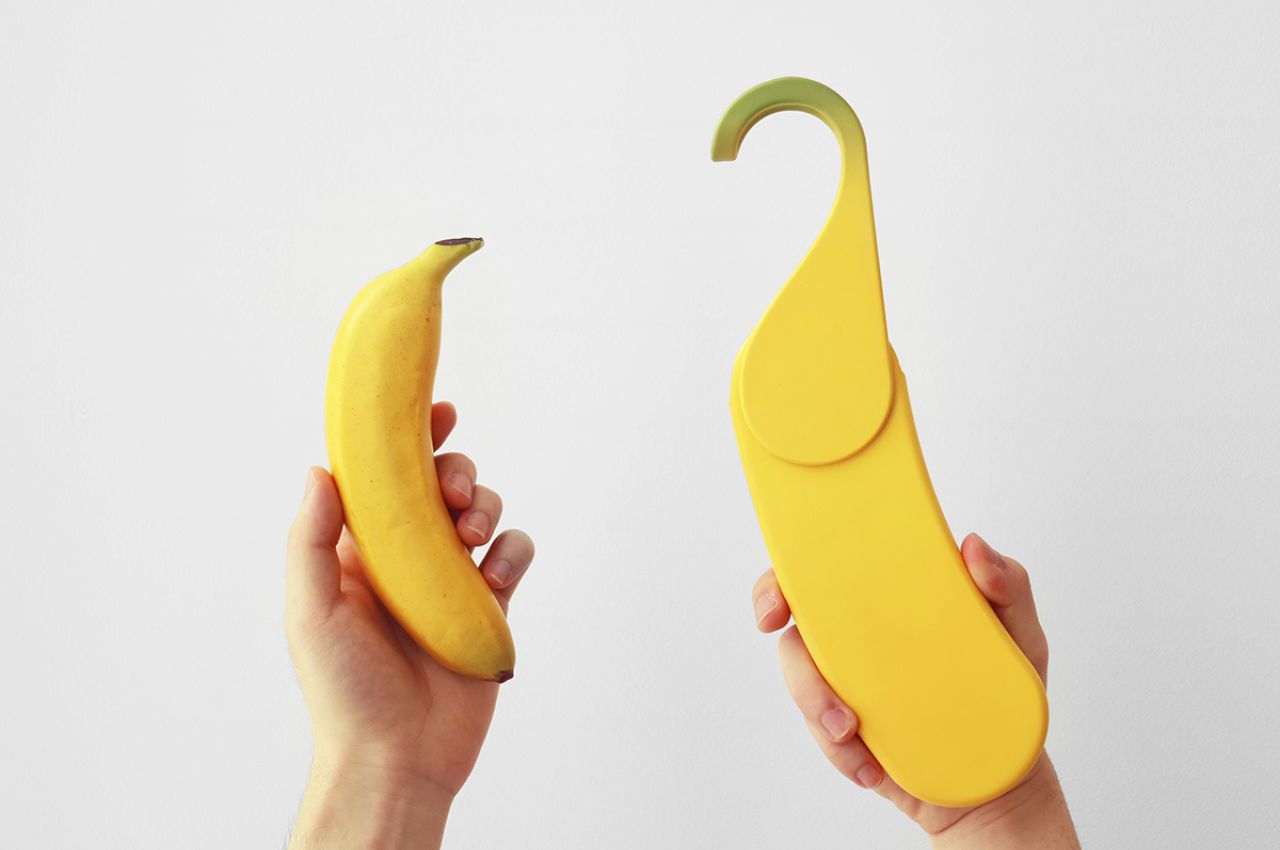
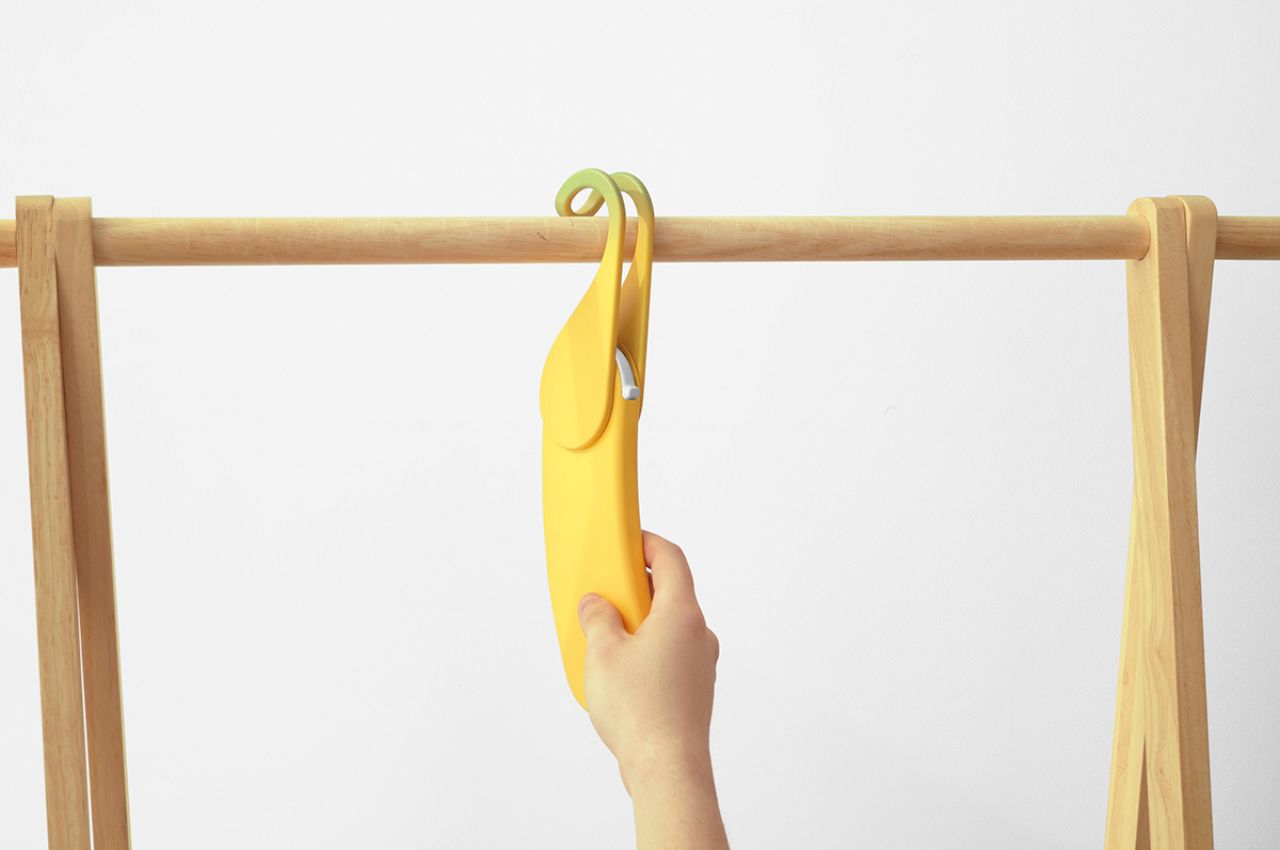
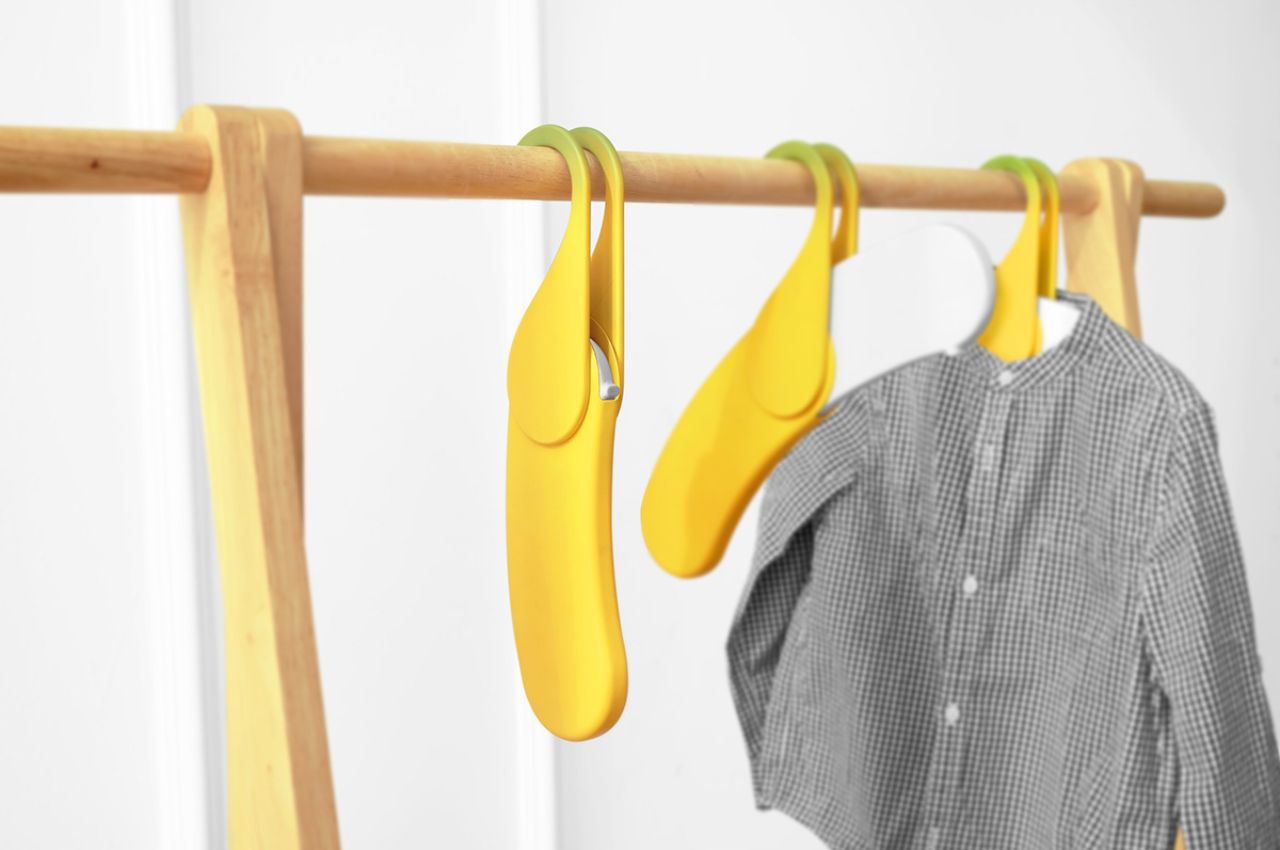
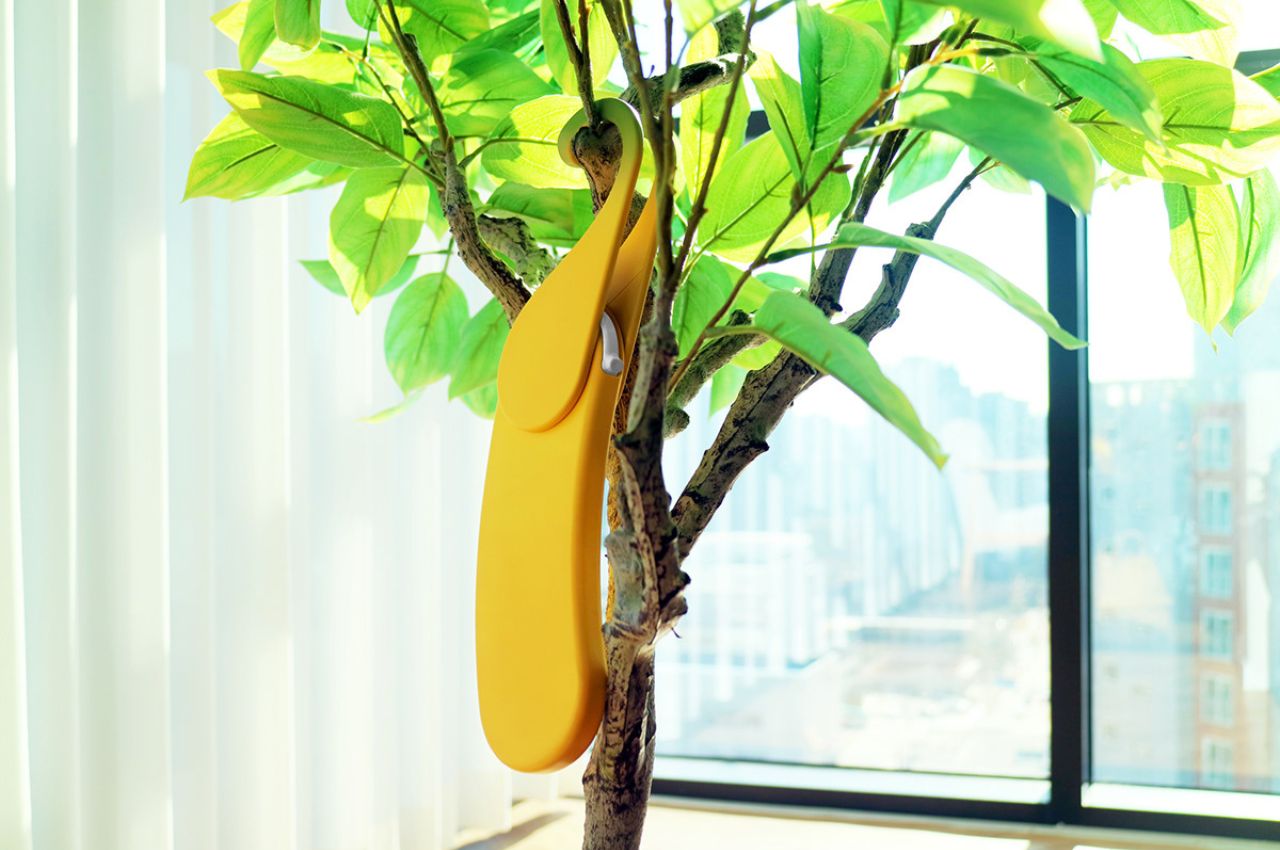
At first glance, Banannang resembles a banana, with its round, soft curved shape and bright color. This design isn’t just for aesthetics; it’s specifically tailored to fit the size, usability, and convenience of children’s hands. The hanger’s playful banana shape instantly captures the attention of young minds, inviting them to explore and engage with it.

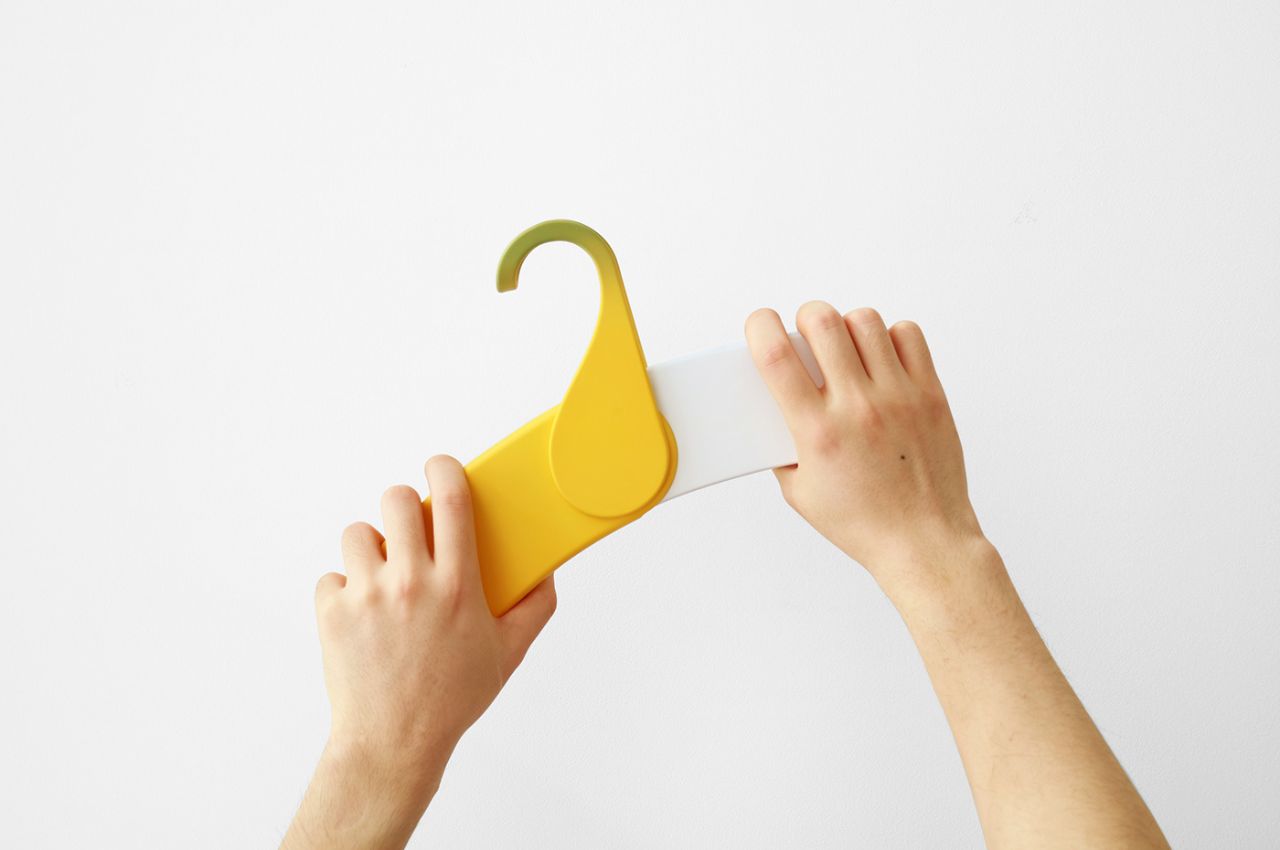
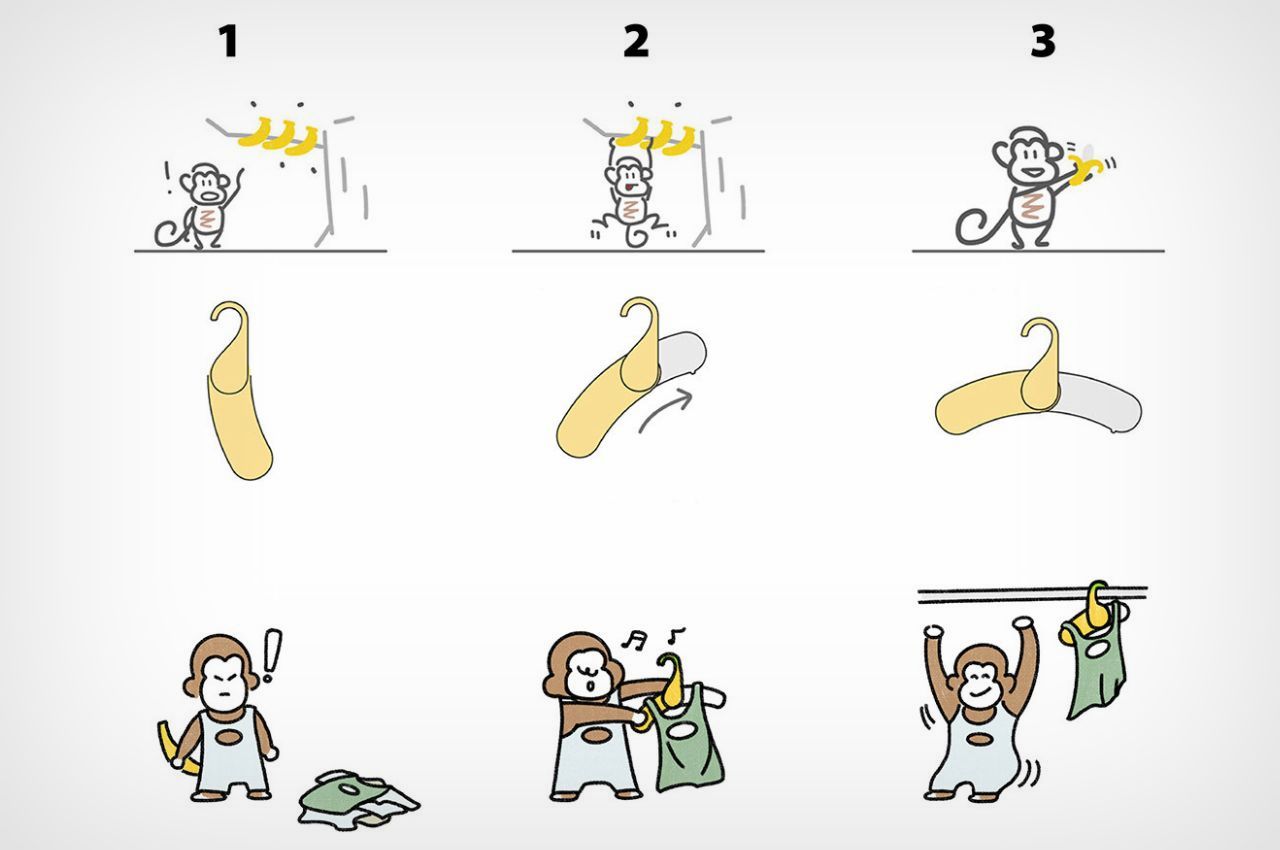
But Banannang is more than just a cute hanger – it’s a tool for learning and development. For children who are unfamiliar with hanging clothes or who simply haven’t formed the habit yet, Banannang provides a fun and natural way to learn. Modeled after the behavior of monkeys peeling bananas, Banannang teaches children how to use hangers through imitation and practice.

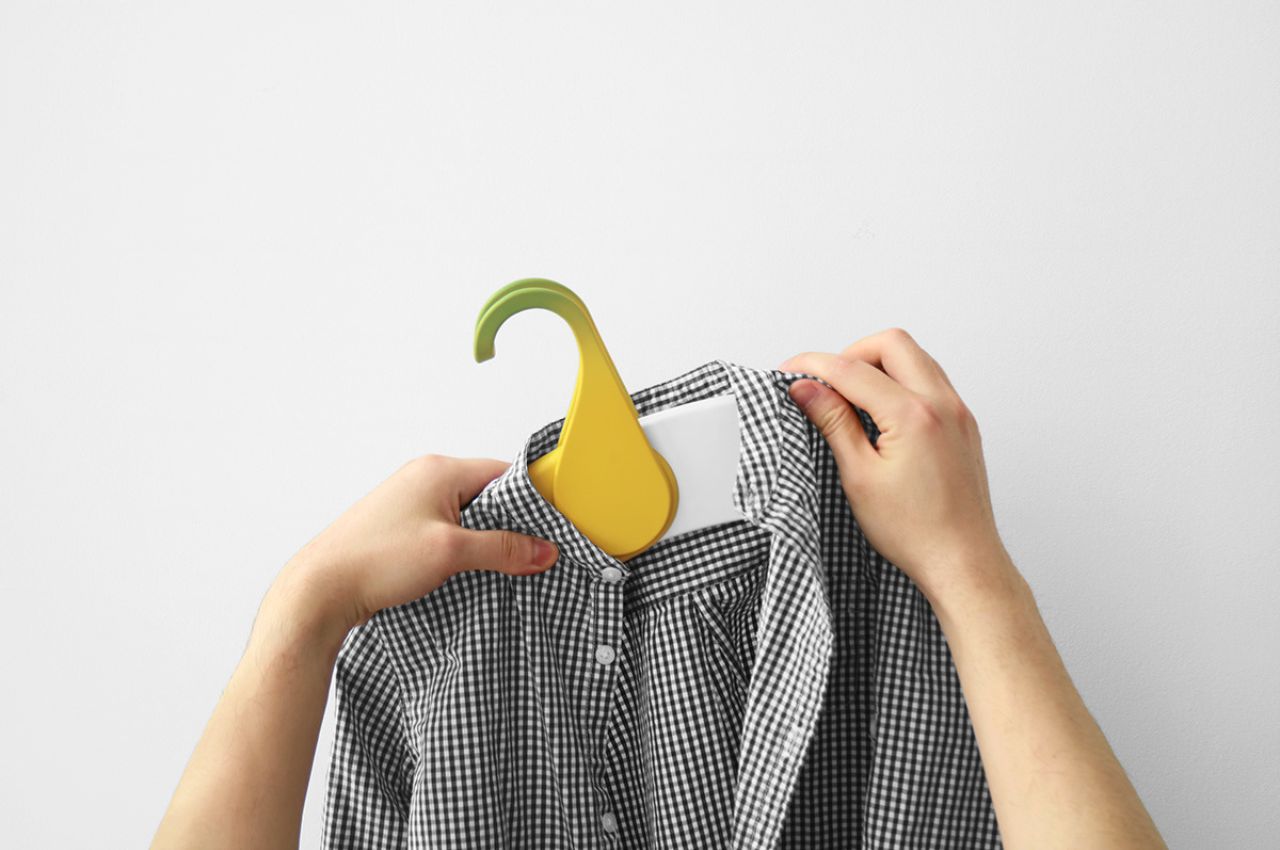
The process is simple and intuitive, making it easy for children to grasp. Step by step, they learn to bring out the banana-shaped hanger, hold it, hang their clothes on it, and organize them neatly. By associating the act of hanging clothes with something as familiar and enjoyable as peeling a banana, Banannang makes the learning process both educational and enjoyable.

Moreover, Banannang’s branding reinforces its mission of promoting free and diverse personalities in children. The pattern of freely laid bananas on the hanger represents the idea of children expressing themselves without being confined by rigid molds. It sends a message that forming good habits doesn’t have to be boring or restrictive; it can be a fun and liberating experience.

By combining innovative design with educational principles, Banannang empowers children to take ownership of their belongings and develop essential life skills from a young age. So, the next time you’re struggling to get your child to hang up their clothes, why not give Banannang a try? After all, who can resist the allure of a banana-shaped hanger?

The post Adorable banana-shaped hanger encourages kids to organize their wardrobes first appeared on Yanko Design.

Sam Altman is ‘embarrassed’ that OpenAI threatened to revoke equity if exiting employees wouldn’t sign an NDA

OpenAI reportedly made exiting employees choose between keeping their vested equity and being able to speak out against the company. According to Vox, which viewed the document in question, employees could “lose all vested equity they earned during their time at the company, which is likely worth millions of dollars” if they didn’t sign a nondisclosure and non-disparagement agreement, thanks to a provision in the off-boarding papers. OpenAI CEO Sam Altman confirmed in a tweet on Saturday evening that such a provision did exist, but said “we have never clawed back anyone's vested equity, nor will we do that if people do not sign a separation agreement (or don't agree to a non-disparagement agreement).”

An OpenAI spokesperson echoed this in a statement to Vox, and Altman said the company “was already in the process of fixing the standard exit paperwork over the past month or so.” But as Vox notes in its report, at least one former OpenAI employee has spoken publicly about sacrificing equity by declining to sign an NDA upon leaving. Daniel Kokotajlo recently posted on an online forum that this decision led to the loss of equity likely amounting to “about 85 percent of my family's net worth at least.”

In Altman’s response, the CEO apologized and said he was “embarrassed” after finding out about the provision, which he claims he was previously unaware of. “[T]here was a provision about potential equity cancellation in our previous exit docs; although we never clawed anything back, it should never have been something we had in any documents or communication,” he wrote on X. “this is on me and one of the few times i've been genuinely embarrassed running openai; i did not know this was happening and i should have [sic].” In addition to acknowledging that the company is changing the exit paperwork, Altman went on to say, “[I]f any former employee who signed one of those old agreements is worried about it, they can contact me and we'll fix that too.”

All of this comes after two more high-profile resignations from OpenAI this week. OpenAI co-founder and Chief Scientist Ilya Sutskever announced on Wednesday that he was leaving the company, and was followed soon after by Jan Leike, who was a team leader on OpenAI’s now-dissolved “Superalignment” AI safety team.

This article originally appeared on Engadget at https://www.engadget.com/sam-altman-is-embarrassed-that-openai-threatened-to-revoke-equity-if-exiting-employees-wouldnt-sign-an-nda-184000462.html?src=rss

Are Low-Top Basketball Shoes Good for Teenagers?

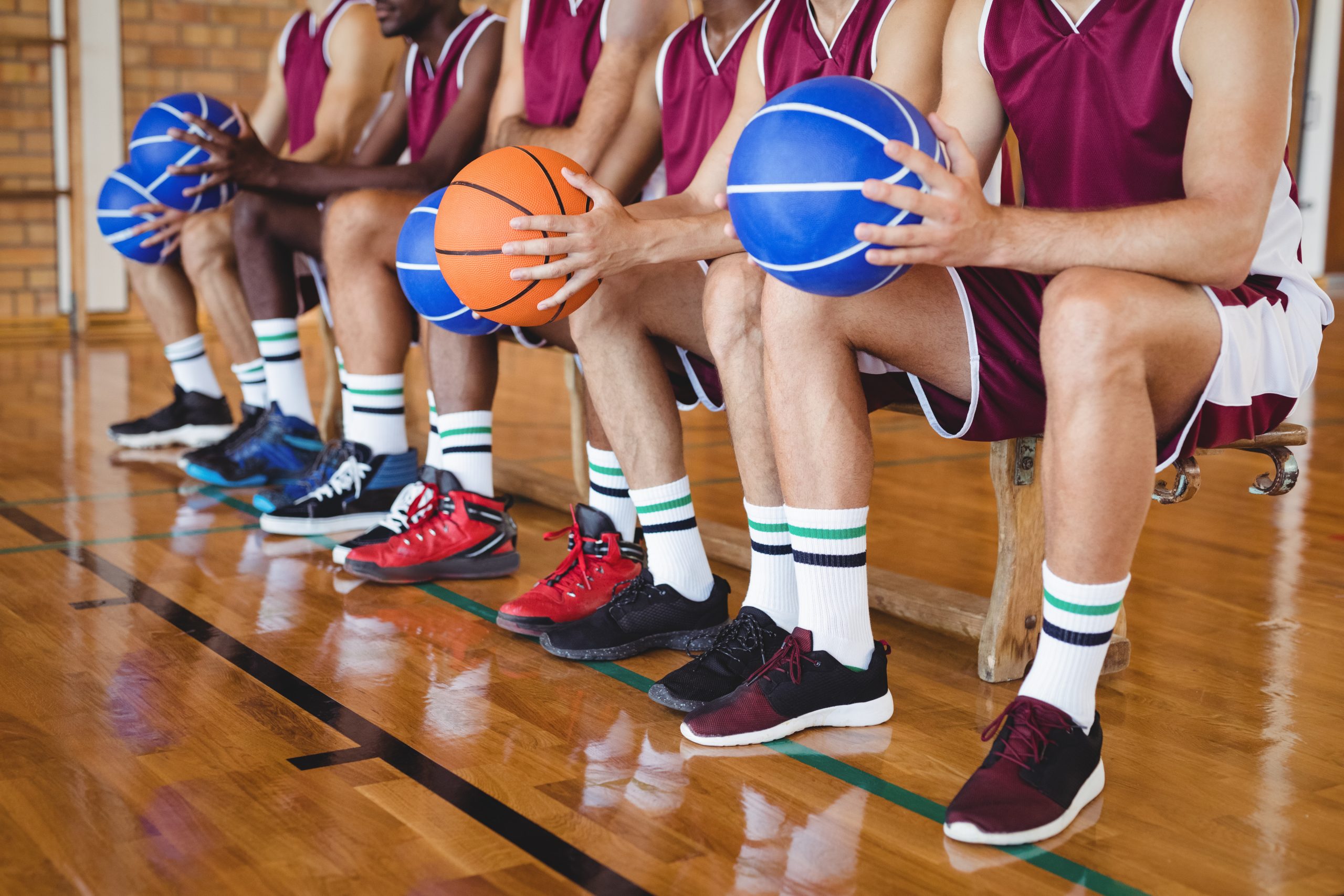
Caption: Basketball players sitting on a bench, wearing both high-top and low-cut basketball shoes.

As basketball evolves, so does the design of footwear aimed at maximizing performance and safety. This article explores the intricacies of low-top basketball shoes, examining their safety, technological advancements, stylish colorways, and current models. It also considers the social dynamics and personal expression crucial for teenagers when choosing their basketball shoes.

The Shift in Basketball Footwear

Basketball shoes have shifted from traditional high-tops to the increasingly popular low-top designs. Extensive research suggests that with proper design and technology, low-top shoes can offer adequate support and safety, challenging the belief that high-tops are inherently better for ankle protection. Leading brands like Nike, Adidas, and Under Armour are at the forefront, innovating to suit all playing styles and needs.

Low-top shoes appeal not just for their performance capabilities. For teenagers, these shoes also represent a style statement and a connection to their favorite basketball players. This blend of form and function makes low-tops particularly appealing to young people, merging on-court benefits with off-court style.

Are Low-Top Shoes Good for Basketball?
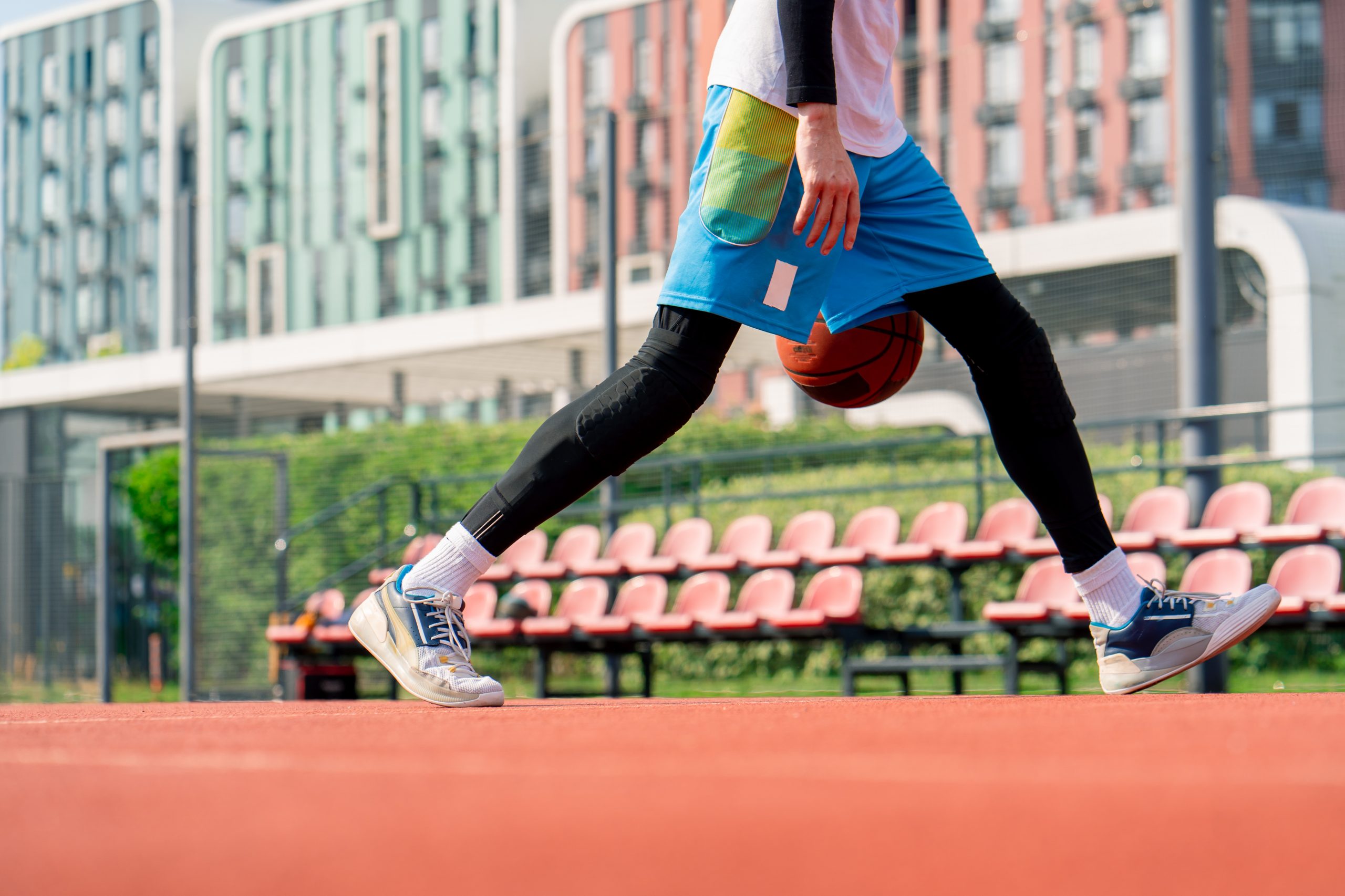
Mobility and Speed: Low-top shoes are typically lighter than high-tops, allowing players to move quickly and freely on the court. This can be particularly advantageous for guards or players whose game depends on speed and agility.

Ankle Flexibility: Low-top shoes do not restrict the ankle, providing a greater range of motion. This benefits players who need to change direction quickly and rely on their ability to maneuver swiftly.
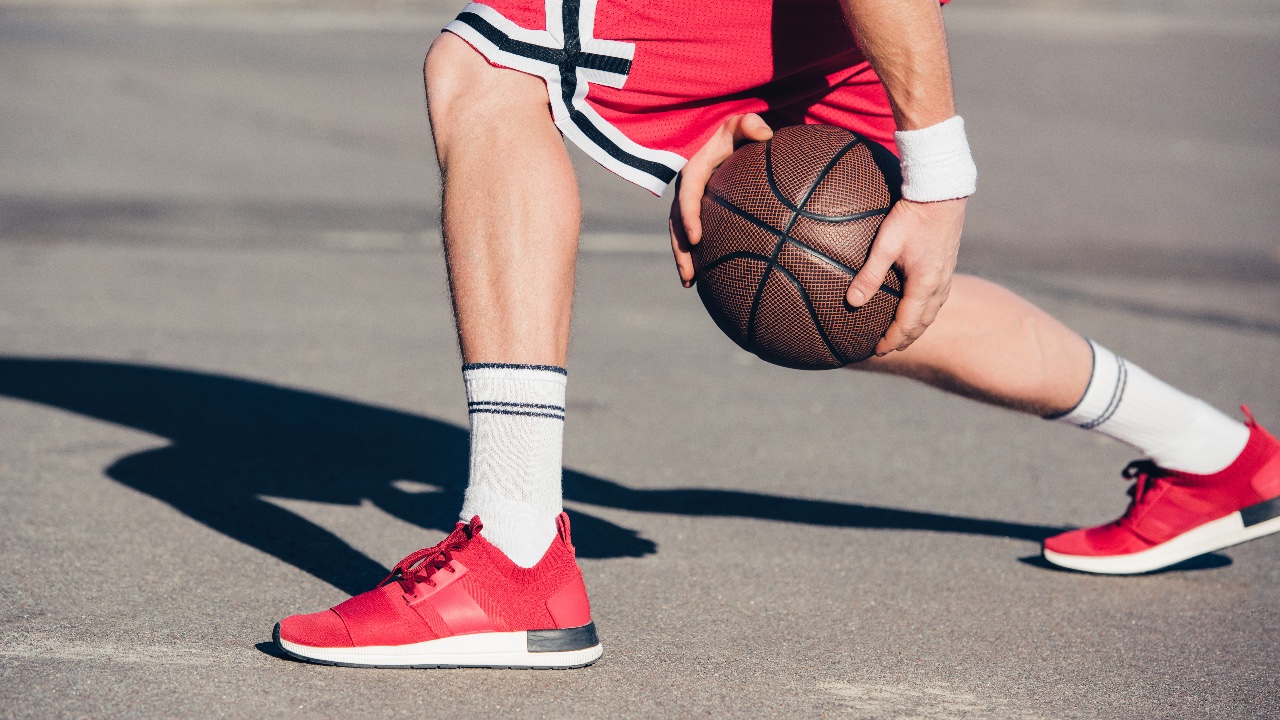
Ankle Support: The primary concern with low-top shoes has been the perceived lack of ankle support, potentially increasing the risk of injuries. However, modern low-top basketball shoes often use advanced technologies to stabilize the foot and provide protection in other ways, including enhanced midsole cushioning, secure lacing systems, and innovative designs that offer stability without the bulkiness of high-tops.
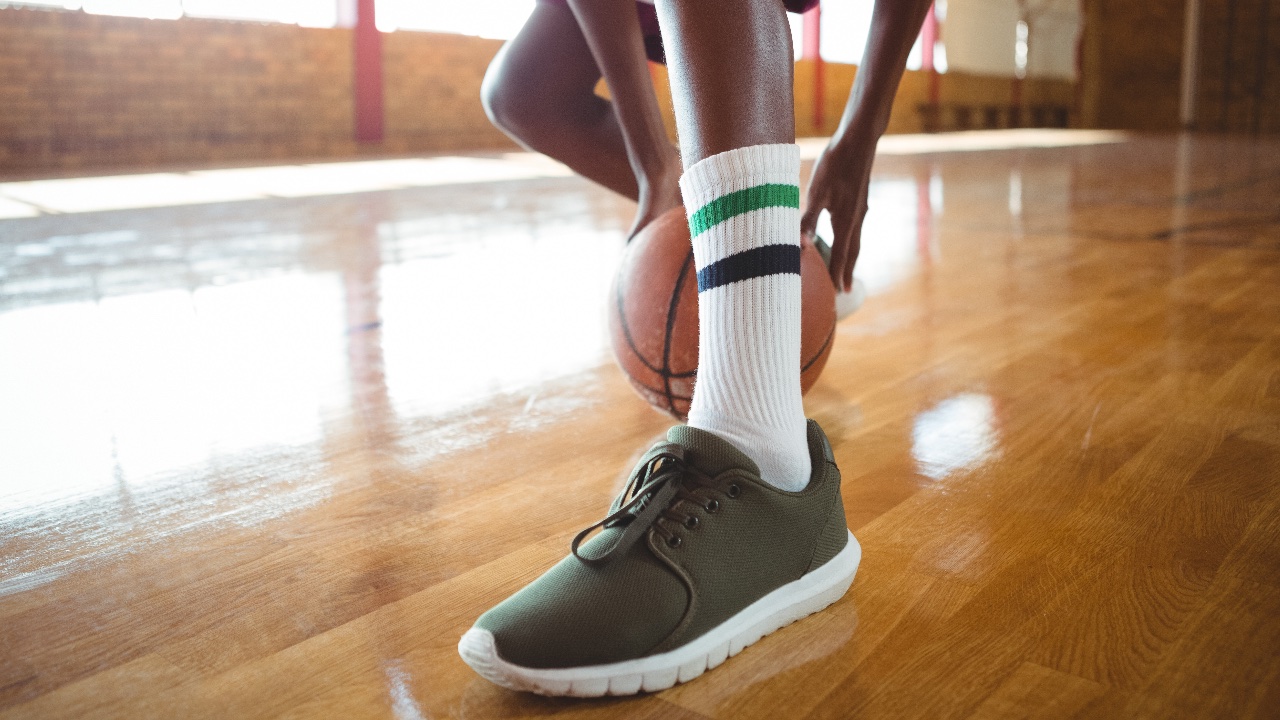
Personal Preference and Comfort: Choosing between low-top and high-top basketball shoes is often a matter of personal preference. Some players find low-top shoes more comfortable and perform better in them due to their lighter weight and greater freedom of movement.
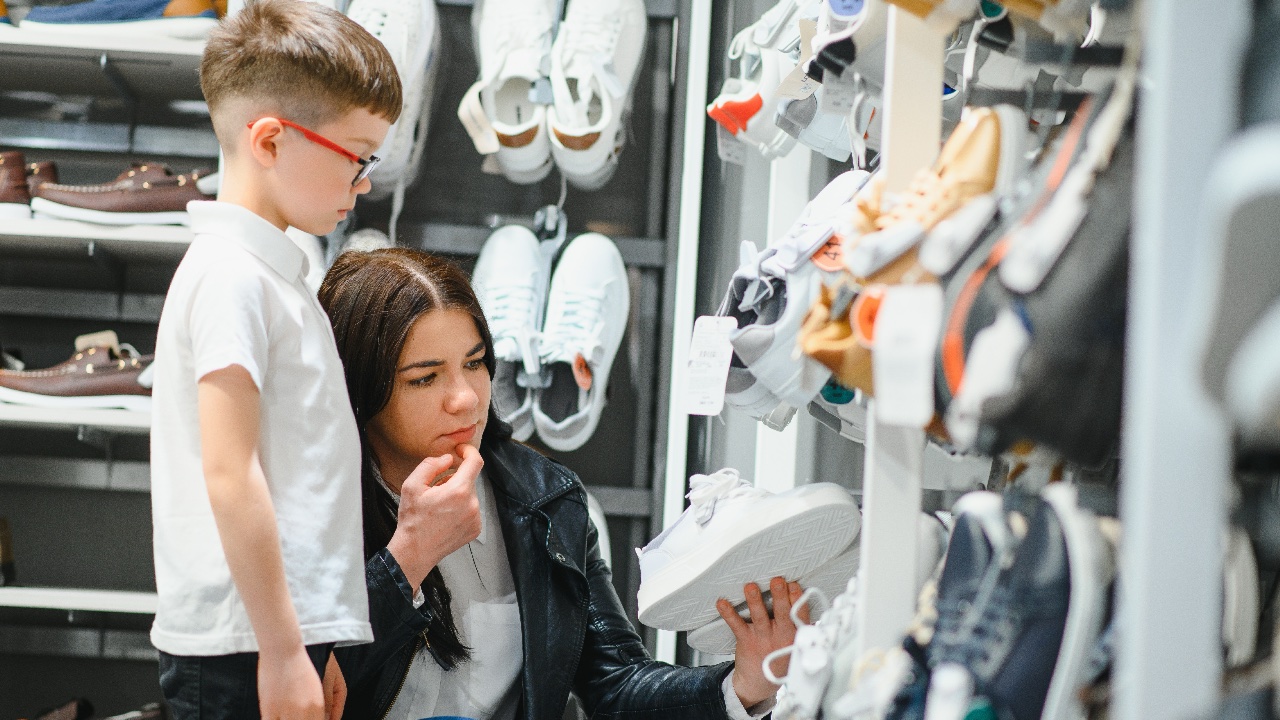
Parents often worry about the safety of low-top basketball shoes, particularly regarding ankle support. However, current research and product testing have shown that these concerns can be mitigated with the right features. Platforms highlight the exceptional stability and traction of these models, crucial for preventing slips and enhancing performance during gameplay. Research indicates there’s no significant difference in the rate of ankle injuries between low-tops and high-tops, suggesting that low-tops can be just as safe for basketball. Consequently, a player’s choice of shoes should be guided by personal comfort, playing style, and advice from coaches or medical professionals.

Technological Innovations Across Brands

For teen athletes, the performance of their basketball shoes is often equated with their on-court confidence. Shoes that are part of the latest trend or endorsed by popular athletes can significantly boost this feeling. Thus, when these shoes are also backed by positive safety reviews, it reassures both parents and young athletes that style does not compromise safety.
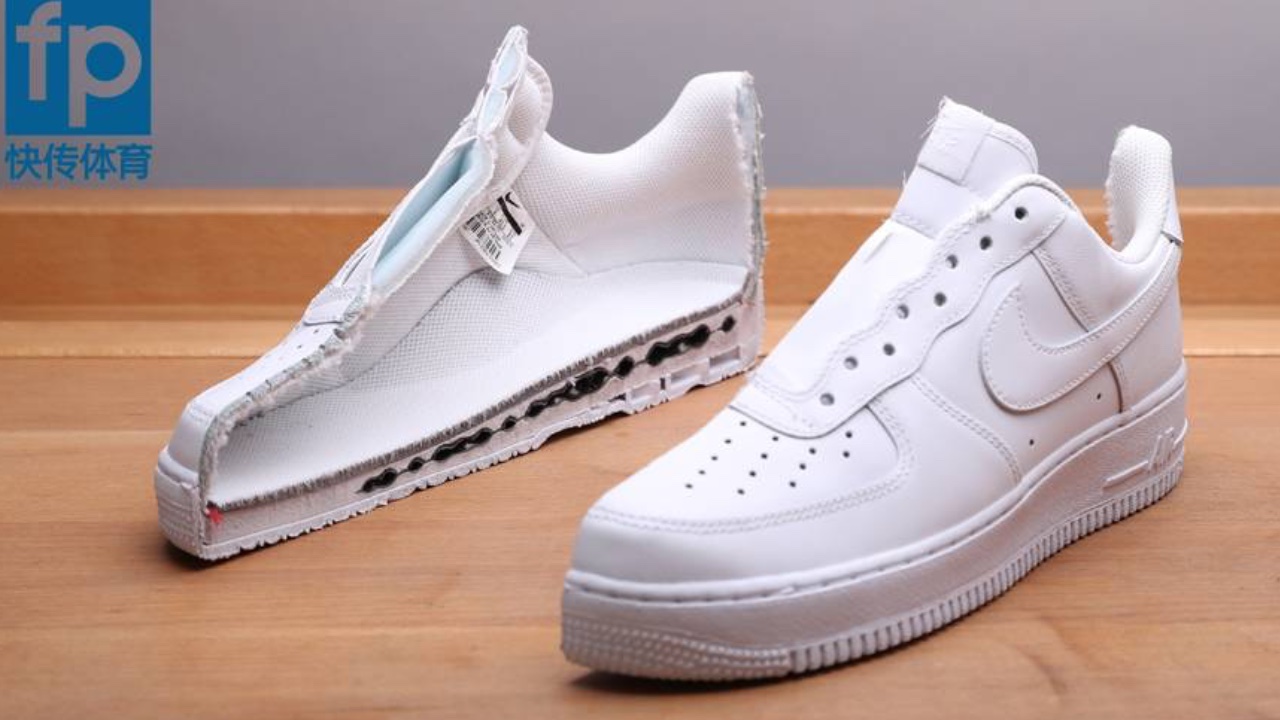
Image: Fastpass.cn – Air Force 1 deconstructed

Best Low-Top Nike Basketball Shoes

Finding the perfect low-top basketball shoe is crucial, whether you’re playing in a local league or the NBA Finals. Low-tops need the right mix of support, comfort, cushioning, and traction to keep up with the dynamic nature of the game.
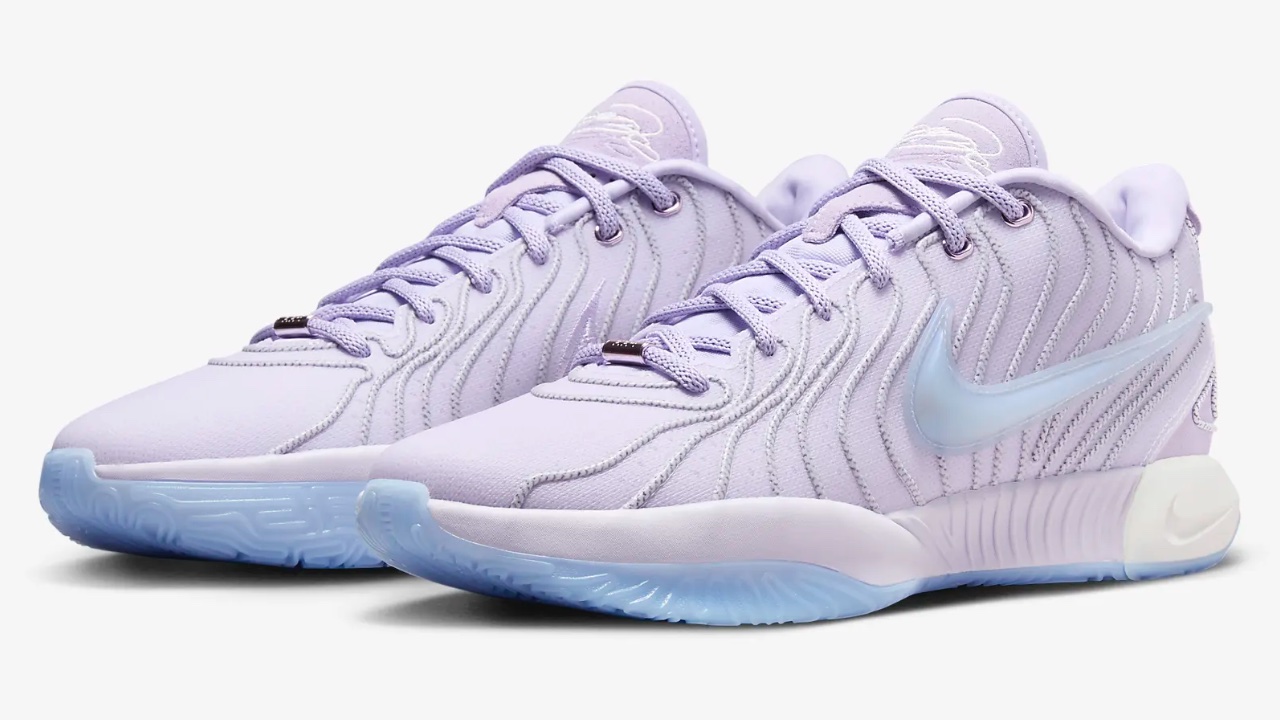
LeBron XXI Basketball Shoes

Best Low-Top Basketball Shoes by Position

Forwards and Centers: These players need excellent support and stability, even in low-top designs. Nike’s Air Zoom technology provides lasting performance and comfort. The Nike Air Zoom G.T. Run, for instance, stacks a React footbed on top of a React midsole and Zoom Air in the forefoot, offering shock absorption and a responsive feel. The Jordan “Why Not?” line, featuring low-top designs, includes two stacked Zoom Air units in the forefoot for responsive cushioning, enhancing speed and stability.
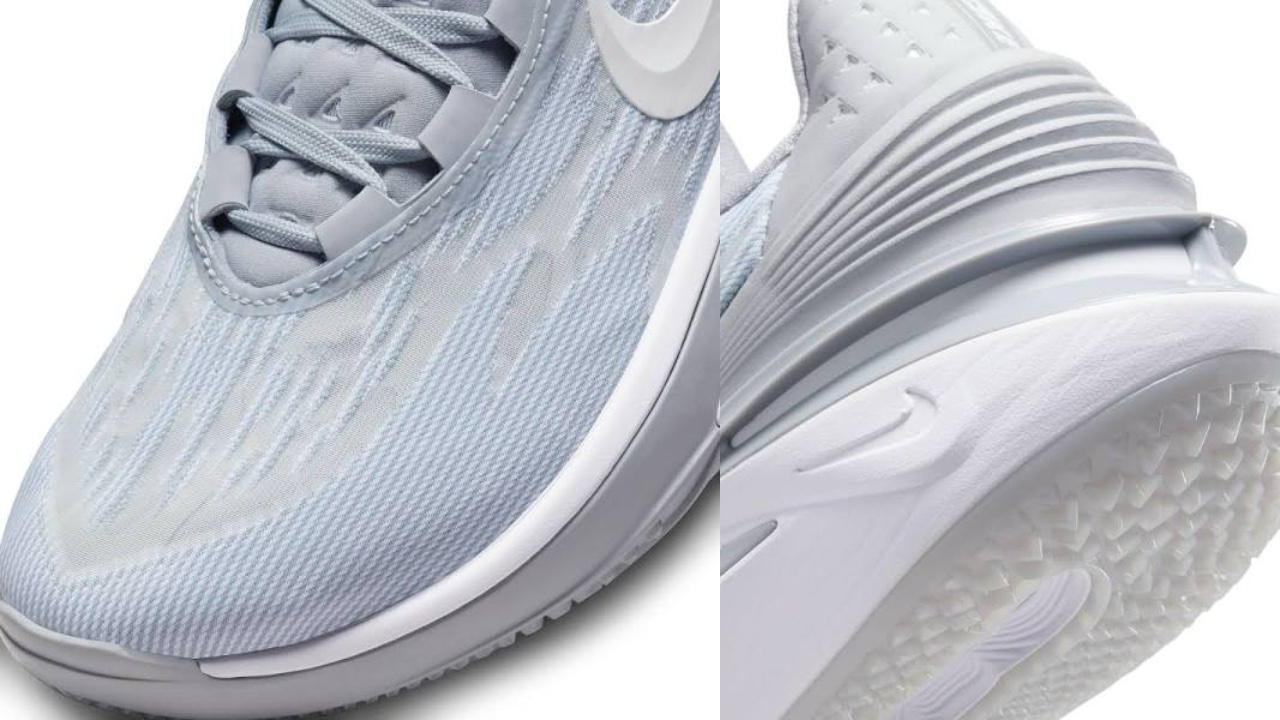
Nike Air Zoom Gt Cut 2 Tb Shoes Men’s

Guards: Guards require shoes with high levels of grip and traction for quick cuts and sudden stops. The Nike Cosmic line, featuring Air Zoom Strobel units partially made from recycled materials, provides efficient acceleration. The Nike Air Zoom low-tops are designed for players who excel at creating and closing space, offering stability and control with minimal ground contact.

All-Around Players: Modern basketball blurs the lines between positions, requiring shoes that offer balanced support, multidirectional traction, and energy return. Nike LeBron low-top shoes combine speed and power with a full-length Zoom Air unit and Max Air in the heel. The Zoom Freak line, designed for versatile play, includes a TPU plate for lateral mobility and Zoom Air units for explosive moves. Nike KD low-top shoes feature durable uppers with minimal material for a broken-in feel and full-length Zoom Air cushioning for dynamic movement. Nike PG low-tops provide agility and support, with a full-length Air Zoom unit connected to the upper for prolonged freshness.
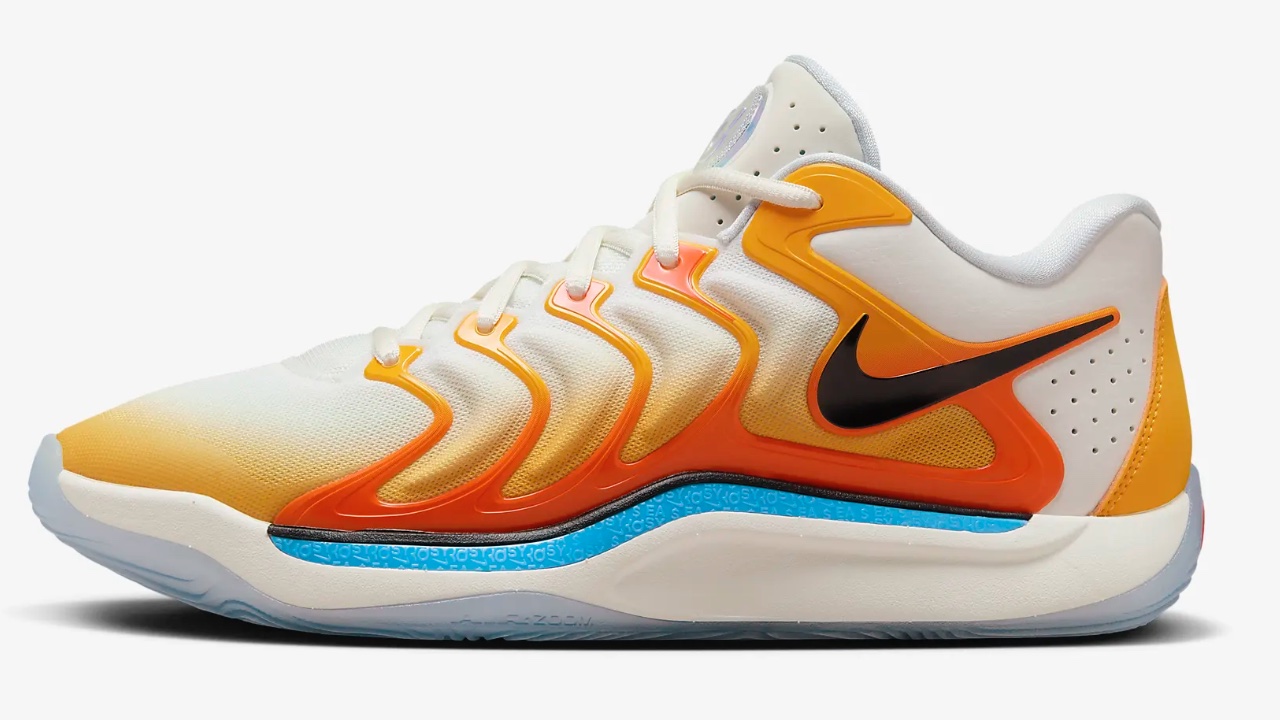
Nike KD17 Basketball Shoes

Basketball Shoe Structure

Understanding the key components of a low-top basketball shoe can help in choosing the right pair. There are three main parts to consider: the upper, midsole, and outsole.

Upper: The upper part of the shoe provides some ankle support, especially during quick cuts and multidirectional moves. Low-tops allow for greater agility and speed, suitable for guards and small forwards. Models like the Nike Cosmic line include additional closure systems for extra security.

Midsole: This part provides cushioning and comfort, reducing fatigue and stress. Look for midsoles with flexible yet sturdy materials that absorb impact effectively. Some low-top models feature external TPU pieces for added stability during lateral moves.

Outsole: The outsole offers traction and grip, crucial for maintaining balance and avoiding slips. Flat, wide outsoles with grooves and ridges provide optimal multidirectional traction.

Best Low-Top Adidas Basketball Shoes for Your Playing Style
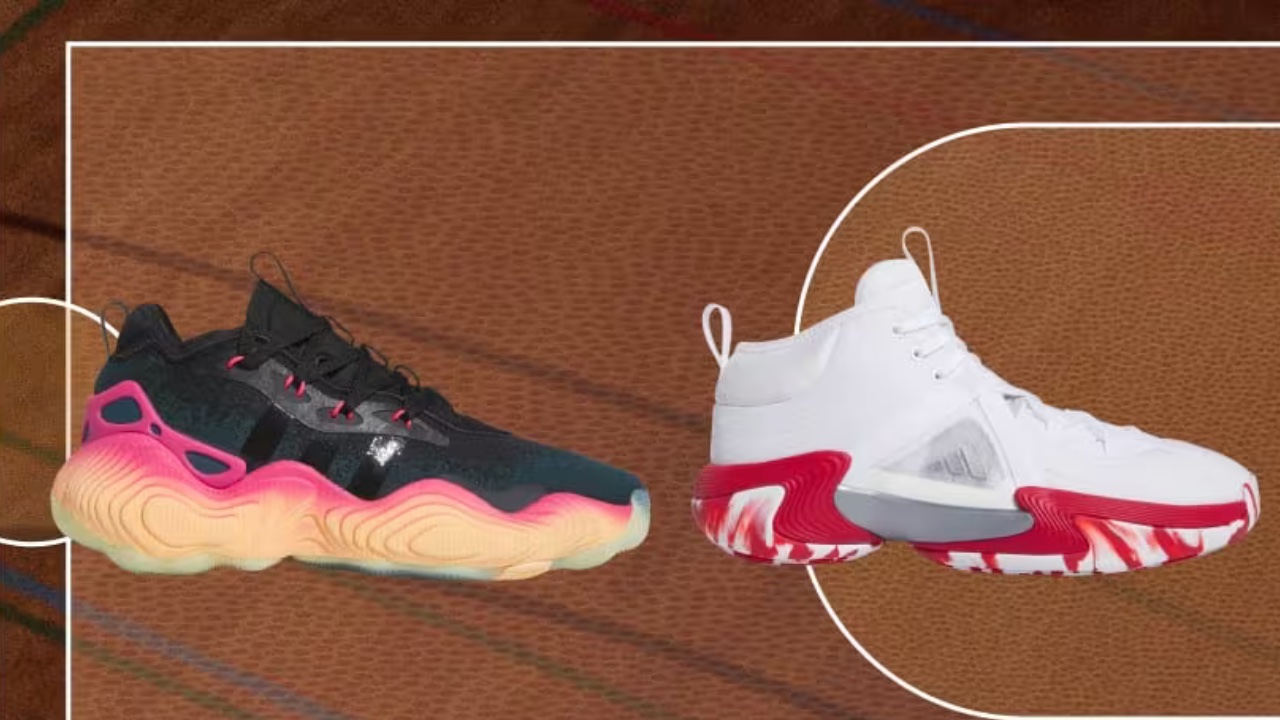
Best Low-Top Basketball Shoes by Position

Forwards and Centers: Even in low-top designs, forwards and centers need stability and support. The Dame 8 EXTPLY, for instance, features a dynamic Bounce Pro midsole for elevated stability and lightweight cushioning. Its internal sock construction and TPU propulsion plate ensure that your feet are locked down, providing confidence and agility during practice and games.
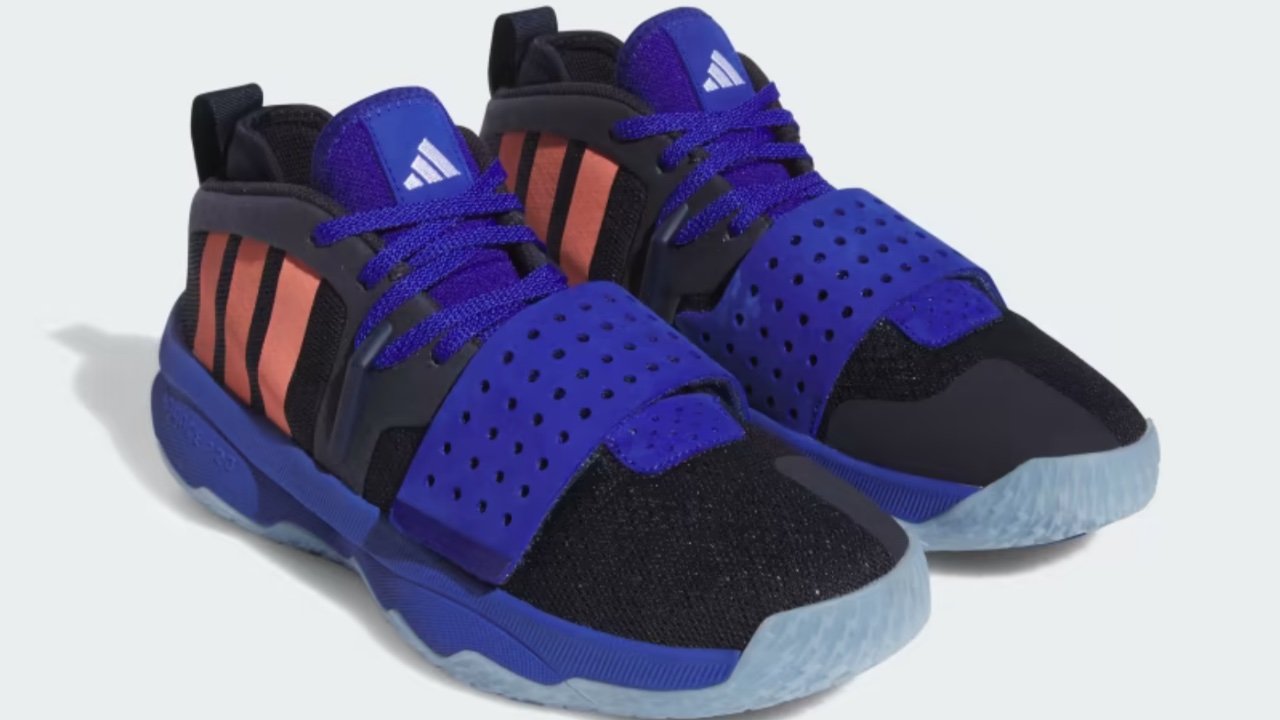
DAME 8 EXTPLY BASKETBALL SHOES

Guards: Guards require shoes with excellent grip and traction for quick cuts and sudden stops. The Trae 3, designed with peak performance in mind, features composite foam in the midsole for explosive power. The asymmetrical Torsion Bar enhances stability, and the high-abrasion outsole, developed using biometric data, ensures excellent grip and support for quick direction changes.
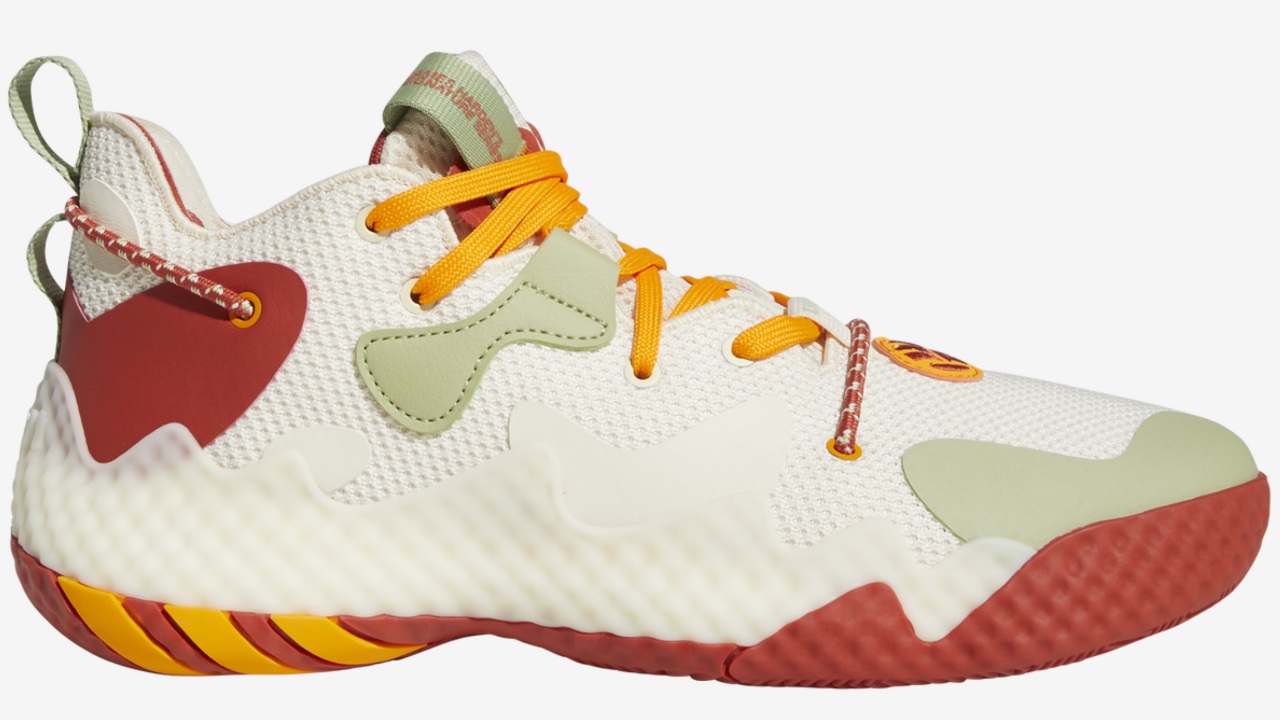
adidas Harden Vol. 6

All-Around Players: In today’s versatile game, players need shoes that provide balanced support, multidirectional traction, and energy return. The Adidas Harden Vol. 6 offers a blend of speed and stability, featuring a full-length Boost midsole for impact absorption and energy return. The Exhibit Select CP Mid provides a springy Bounce midsole and gore straps for a snug, locked-in feel, catering to players who perform across multiple positions.

Key Features of Adidas Low-Top Basketball Shoes

Upper: The upper part of a low-top basketball shoe provides some ankle support while allowing for greater agility and speed. The Exhibit Select CP Mid, for example, includes 3-Stripes gore straps that wrap around the foot, offering a secure fit from the first lace-up to the final whistle. The internal sock construction of the Dame 8 EXTPLY also ensures a comfortable and locked-down feel.

Midsole: The midsole provides cushioning and comfort, reducing fatigue and stress. Look for midsoles with flexible yet sturdy materials that absorb impact effectively. The Trae 3’s composite foam midsole and TPU propulsion plate offer explosive power and stability, perfect for high-impact moves.

Outsole: The outsole is crucial for traction and grip, helping maintain balance and avoid slips. The ripple-style outsole of the Exhibit Select provides excellent traction, enabling quick bursts of speed and sharp cuts. The Trae 3’s high-abrasion outsole, developed with biometric data, ensures reliable grip and support.

Best Low-Top Under Armour Basketball Shoes
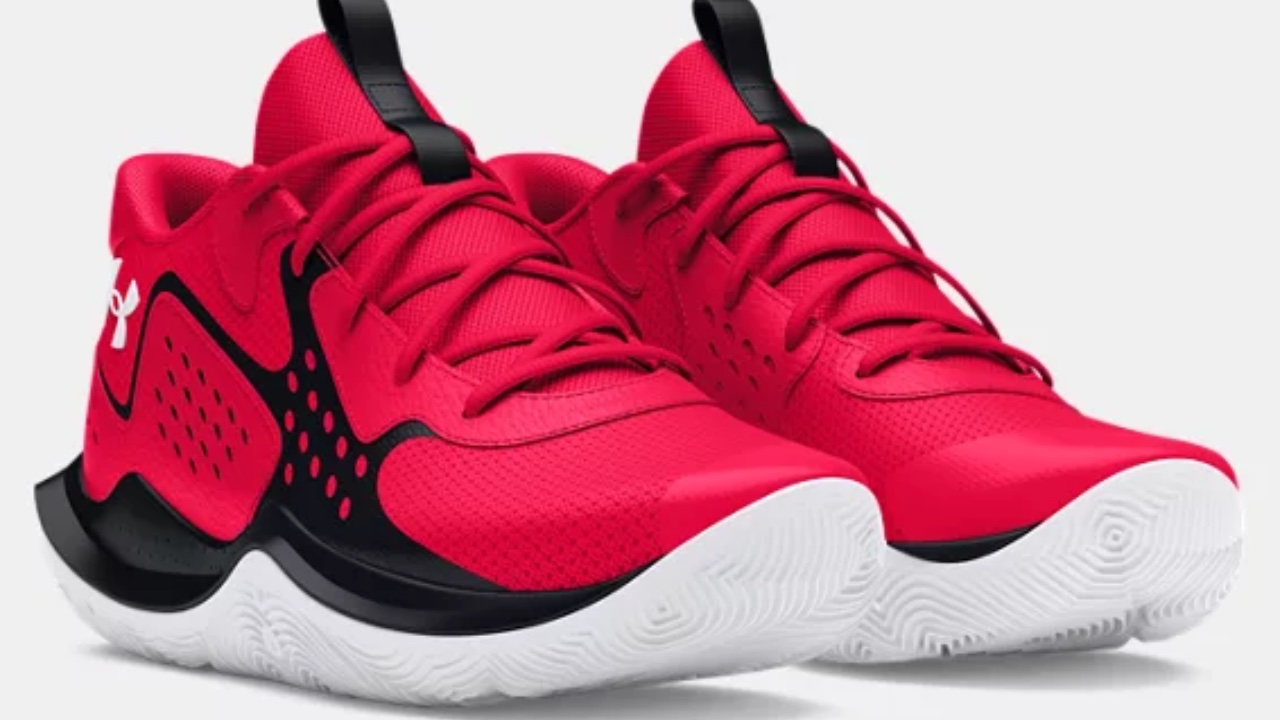
Grade School UA Jet ’23 Basketball Shoes

Finding the perfect low-top basketball shoe is crucial for maximizing your performance on the court. Under Armour offers a range of low-top basketball shoes designed to enhance support, comfort, cushioning, and traction.

Best Low-Top Basketball Shoes by Position

Forwards and Centers: Even in low-top designs, forwards and centers need stability and support. The UA Spawn 3, for example, features a unique anatomical design with layers of flexible, lightweight material to enhance movement and provide support. The Micro G foam midsole offers responsive cushioning for powerful moves and jumps.
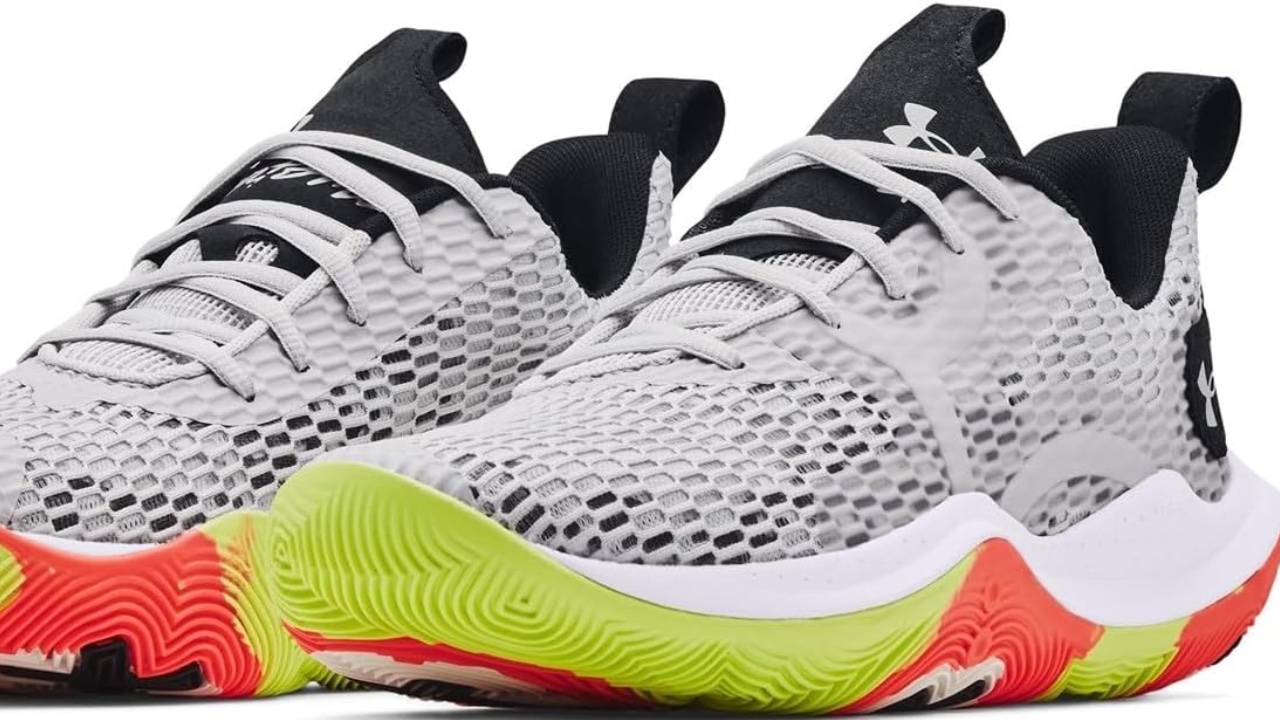
Under Armour Men’s Spawn 3 Basketball Shoe

Guards: Guards require shoes with excellent grip and traction for quick cuts and sudden stops. The Curry Flow 9, designed with Stephen Curry’s input, features a UA Flow outsole that provides grippy traction and a lightweight feel. The Warp upper material delivers a locked-in fit for agile movements.

All-Around Players: In today’s versatile game, players need shoes that provide balanced support, multidirectional traction, and energy return. The Under Armour HOVR Havoc 4 offers a full-length HOVR midsole for energy return and cushioning. The TPU shank provides lateral stability, and the durable outsole ensures excellent grip for all types of movements.

Key Features of Under Armour Low-Top Basketball Shoes

Upper: The upper part of a low-top basketball shoe provides some ankle support while allowing for greater agility and speed. The Curry Flow 9’s Warp upper material offers a secure, comfortable fit.

Midsole: This part provides cushioning and comfort, reducing fatigue and stress. The HOVR Havoc 4’s full-length HOVR midsole offers energy return and impact protection.

Outsole: The outsole is crucial for traction and grip, helping maintain balance and avoid slips. The UA Flow outsole in the Curry Flow 9 provides excellent traction and lightweight performance.

When High-Tops Are Better
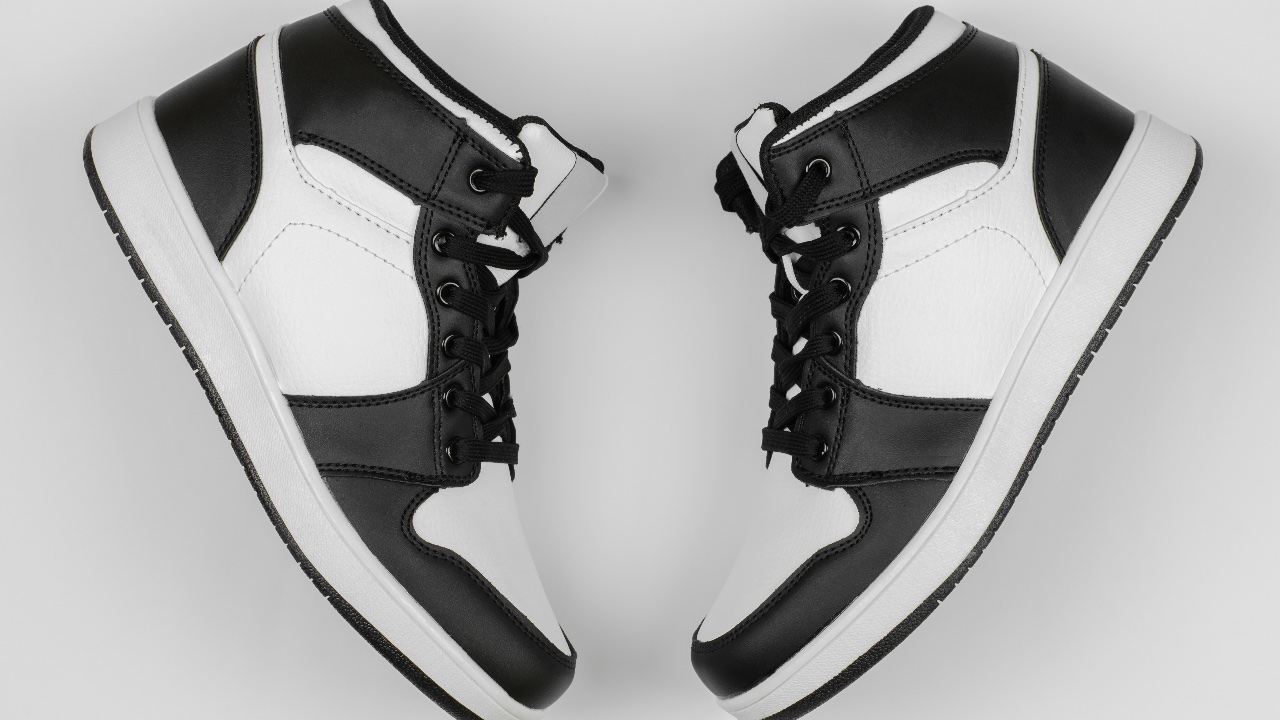
Hight-top basketball shoes

Ankle Support for Young Players: High-tops may offer better ankle support for young players who are still developing their coordination and strength. This additional support can help prevent ankle sprains and provide extra stability during quick direction changes and jumps.

Protective Cushioning: High-tops often come with more extensive cushioning, which can protect against stress fractures and other injuries. This is particularly beneficial for kids who might play on hard surfaces or engage in high-impact activities.

Peace of Mind for Parents: For parents concerned about ankle injuries, high-tops can offer reassurance due to their traditional design that encases and supports the ankle more comprehensively.

When Low-Tops Are Better
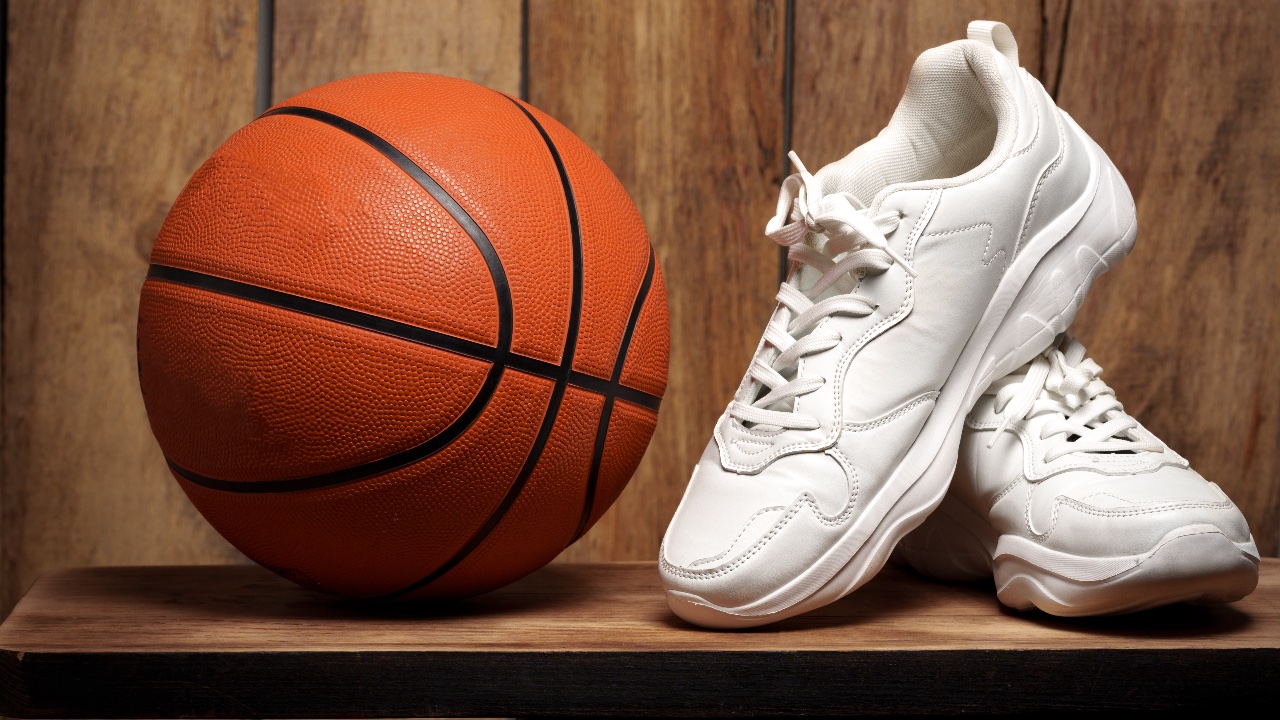
Low-top basketball shoes

Enhanced Mobility: For positions requiring speed and agility, low-tops provide enhanced mobility and quicker response times. This makes them ideal for guards and players who rely heavily on fast movements and sharp cuts.

Lightweight Comfort: Low-tops are generally lighter, reducing fatigue over long periods. This is particularly advantageous for young players who may play for extended periods during practice or games.

Personal Style and Expression: Low-tops often come in a wider variety of styles and colors, allowing young athletes to express their personal style on and off the court. This can boost confidence and encourage a greater sense of individuality.

Selecting the Right Basketball Shoes: Balancing Personal Expression and Functionality

Choosing the right basketball shoes is a nuanced decision that balances personal expression through colorways and practical functionality for optimal performance. Colorways in basketball shoes allow athletes to express personal style, team identity, and even personal branding. Recognizing this, brands offer vibrant and eye-catching options to cater to young athletes’ desire to stand out or align with their role models.
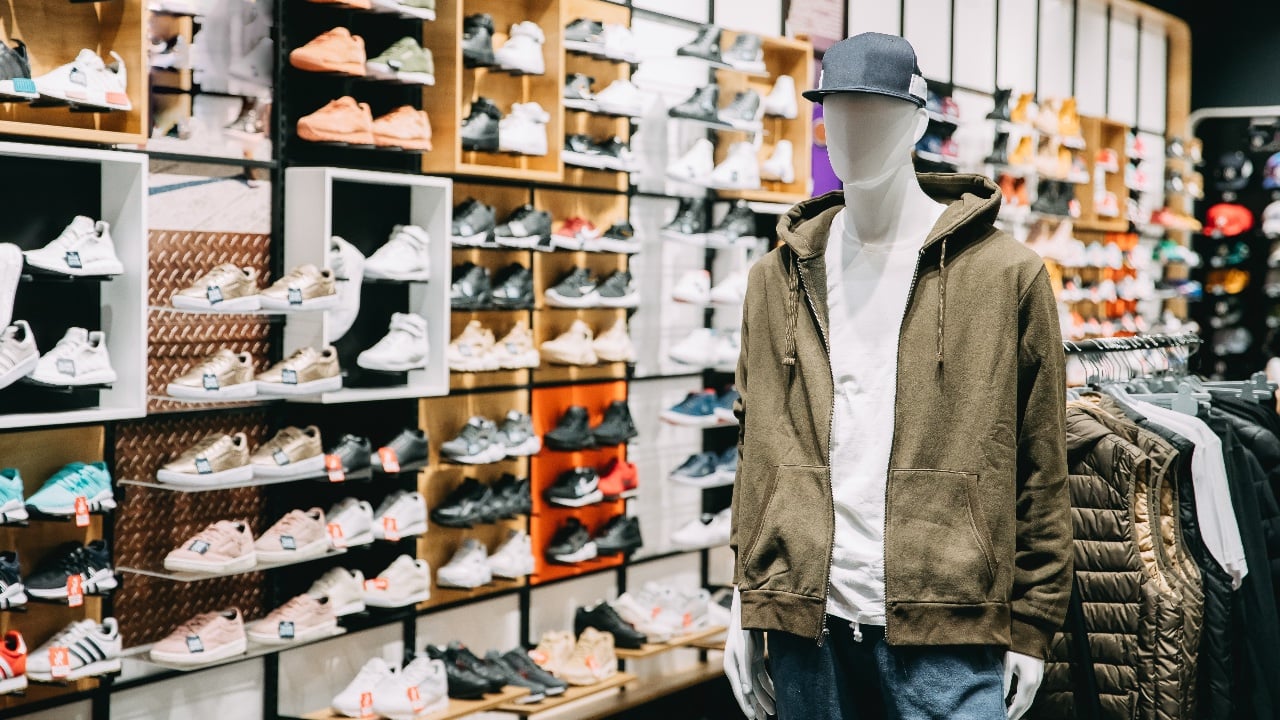
However, the decision extends beyond color and style. Ensuring a proper fit is crucial to maximizing the functionality of the shoe’s safety and performance features while ensuring comfort during play. Athletes and their parents should consult coaches, utilize fitting guides, and review current models to find shoes that meet both performance standards and aesthetic preferences. This comprehensive approach helps in selecting footwear that supports the physical demands of basketball while satisfying personal style, enabling young players to perform at their best and express individuality on the court.

Expanding Our Coverage on Low-Top Basketball Shoes

Yanko Design is committed to covering the dynamic world of low-top basketball shoes in greater detail in future articles. We aim to delve deeper into each brand’s specific technologies and individual shoe offerings. Our future content will provide focused reviews and comparative analyses of specific brands and standout models, highlighting both the functional benefits and aesthetic appeal of each shoe.
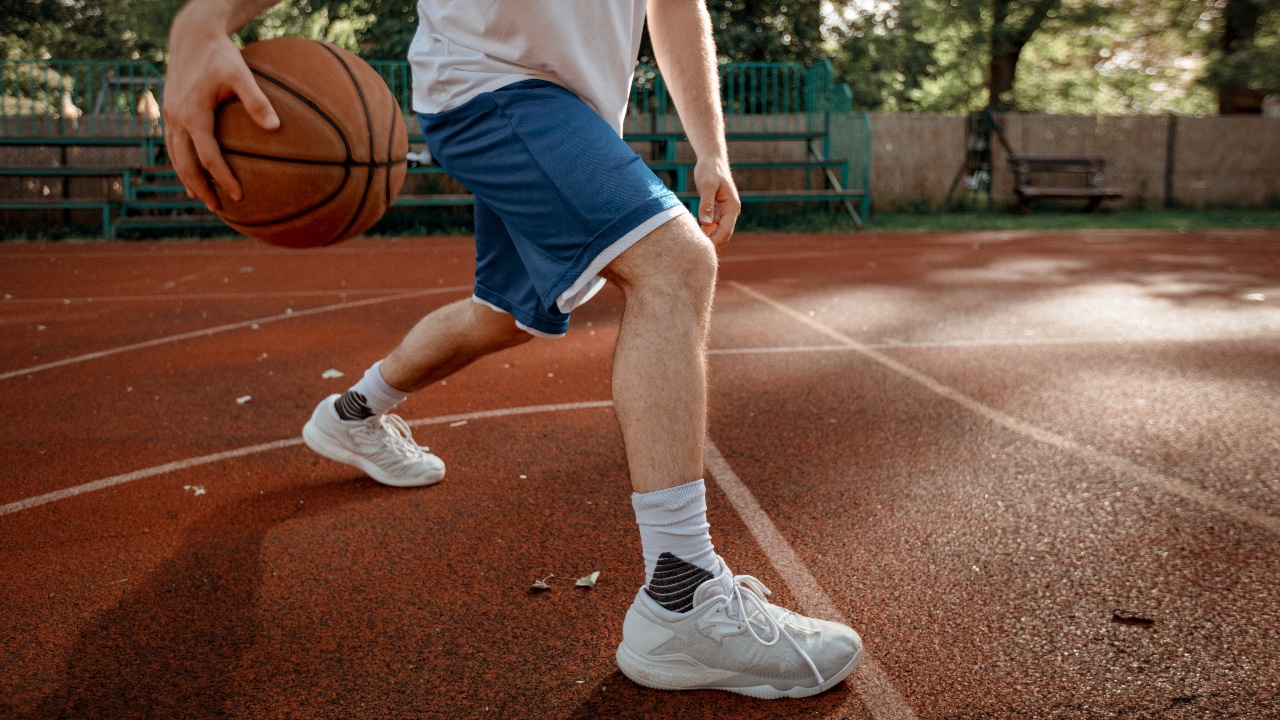
We will spotlight industry giants like Nike, Adidas, and Under Armour, covering both classic designs and the latest releases. Additionally, we’ll introduce emerging brands making significant strides with innovative technologies and designs, potentially offering unique benefits not found in more established brands.
Stay tuned for insightful content that merges detailed product information with style trends, helping young athletes and their supporters navigate the extensive options available, ensuring informed decisions that enhance both performance and personal expression on the basketball court.

The post Are Low-Top Basketball Shoes Good for Teenagers? first appeared on Yanko Design.