These iPod Wallpapers for your iPhone give it a wonderfully retro-style Lock Screen!

22 years ago, Steve Jobs held in his hand what would quite literally be the turning point of his company. The iPod made its first debut in October 2001, and it’s difficult to picture what Apple would look like without it. Such has its cultural effect been on society that if you’re a millennial with an iPhone, chances are you probably owned (or tried desperately to convince your parents for) an iPod. However, if you missed that boat (or even if you just miss having an iPod right now), Oliur and Shane Levine’s wallpapers have you absolutely sorted. The iPod Wallpapers Pack turns your iPhone lock screen into a makeshift iPod with the popular music player’s display conveniently showcasing the date and time as well as your iPhone lock screen widgets. No, it won’t control music playback. Yes, we wish it did!

Designers: Oliur & Shane Levine

Click Here to Buy Now: $14

Turn your iPhone lock screen into a 6th Gen iPod Classic!

The $14 wallpaper pack comes with 12 different iPod Classic variants to choose from, including color varieties as well as themed and grungy iPods that kids bedazzled with stickers and other paraphernalia. All the images are high-definition, which works exceptionally well on your iPhone’s AMOLED retina screens…

Click Here to Buy Now: $14

The post These iPod Wallpapers for your iPhone give it a wonderfully retro-style Lock Screen! first appeared on Yanko Design.
Galaxy Z Fold 5, Z Flip 5 joins Samsung self-repair program with a catch

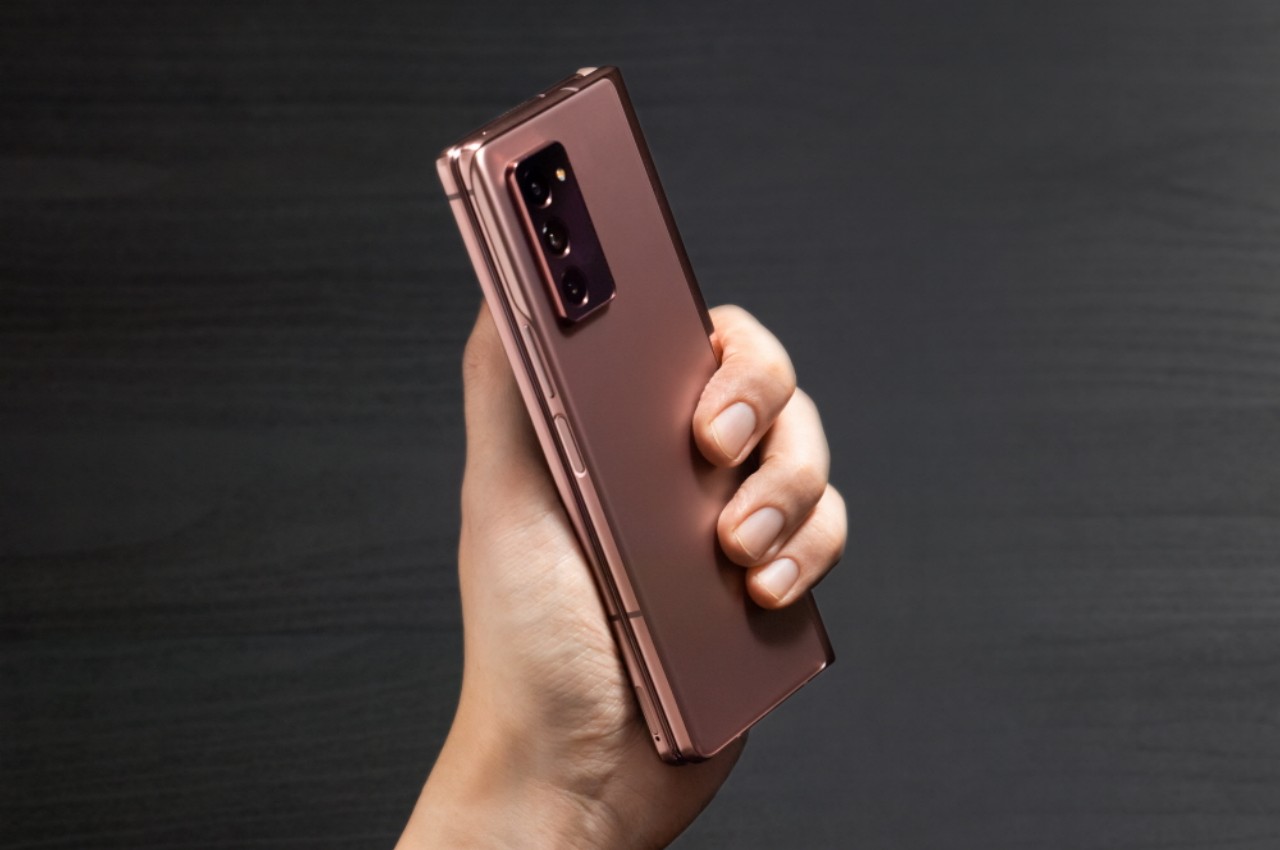
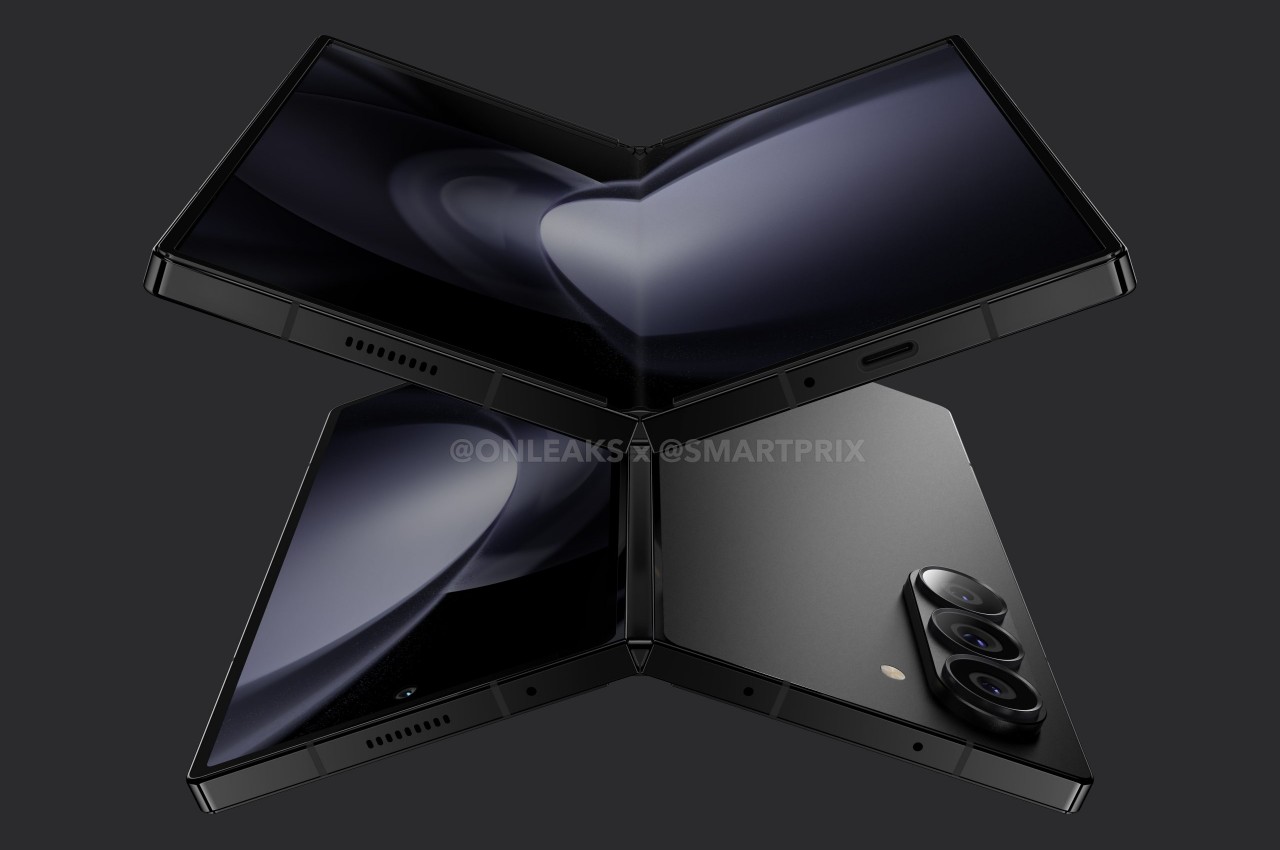
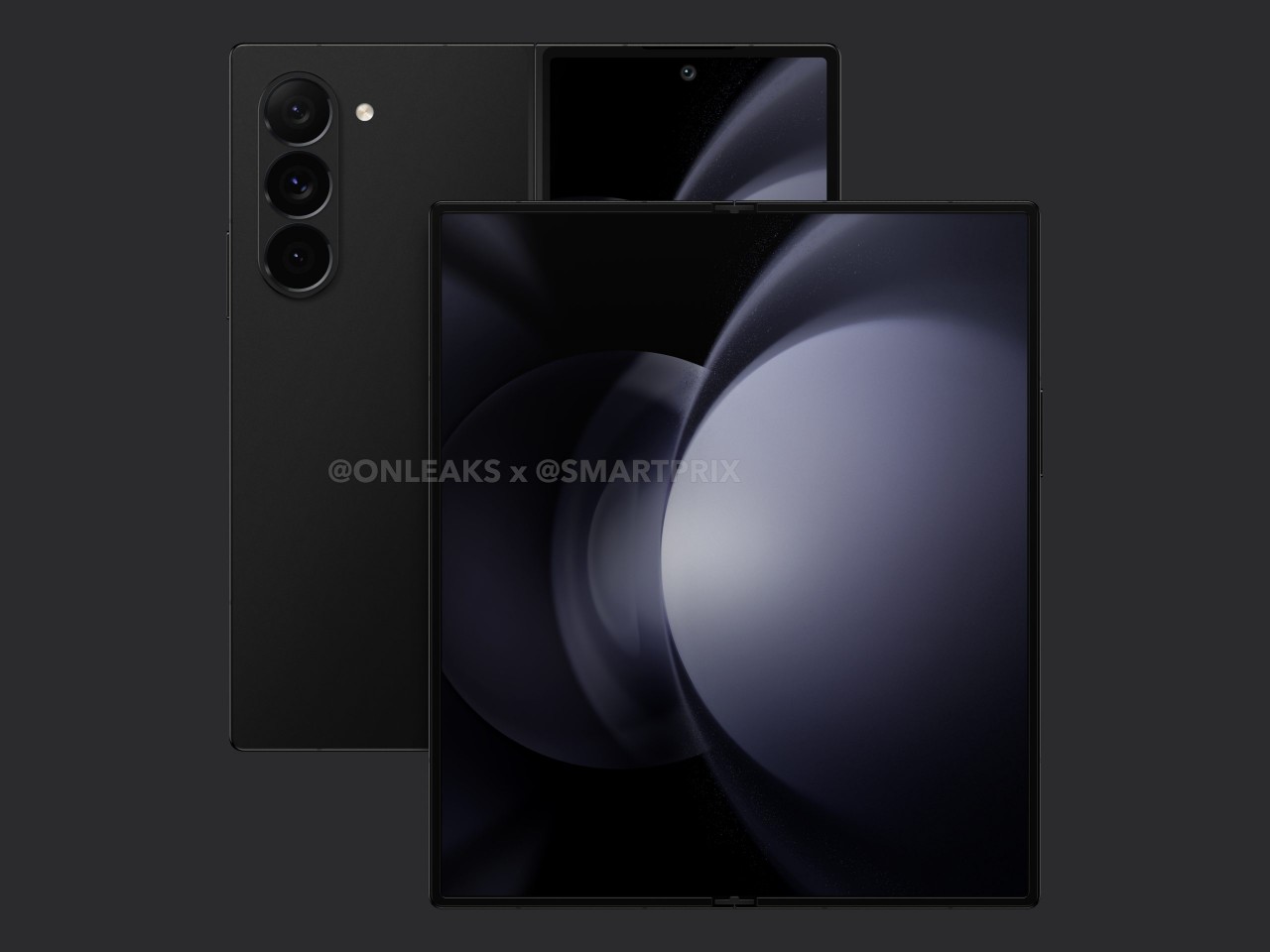
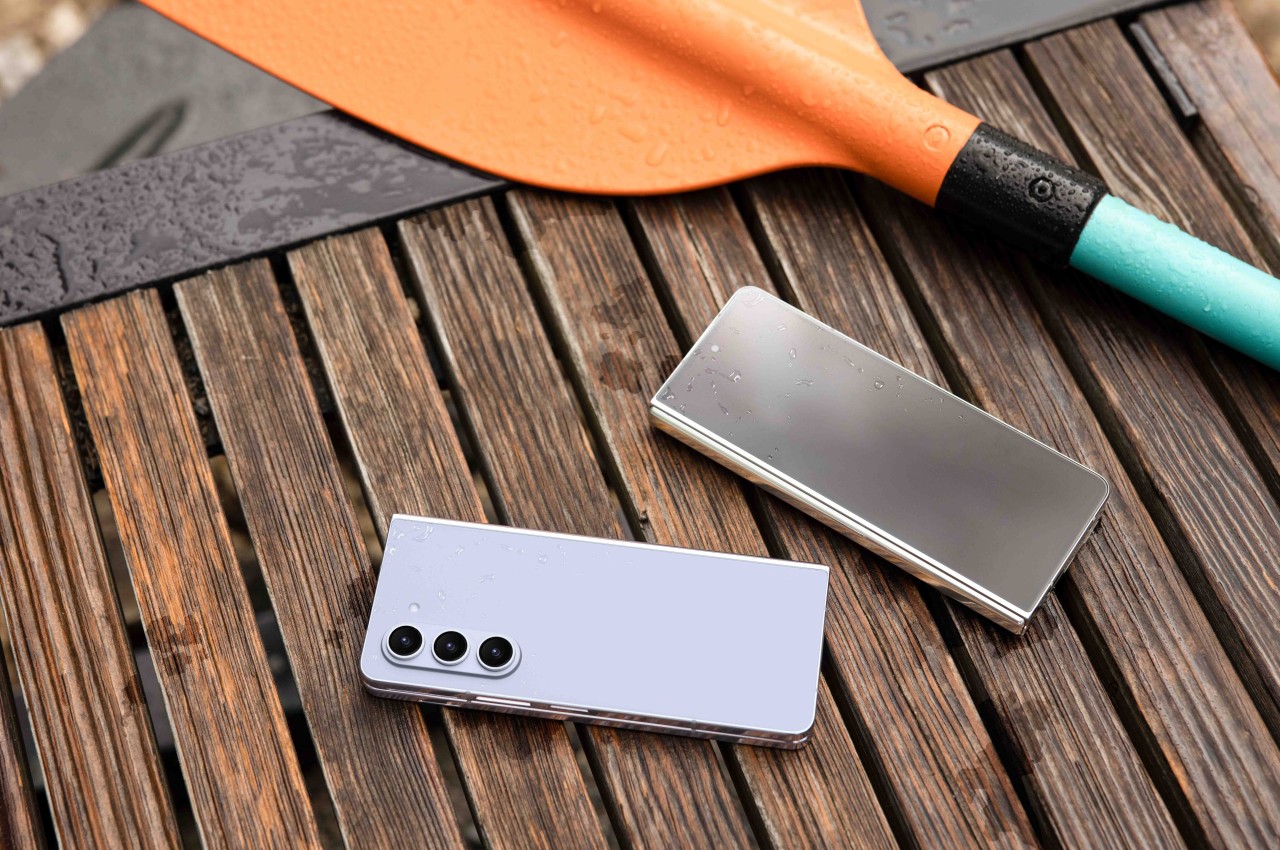
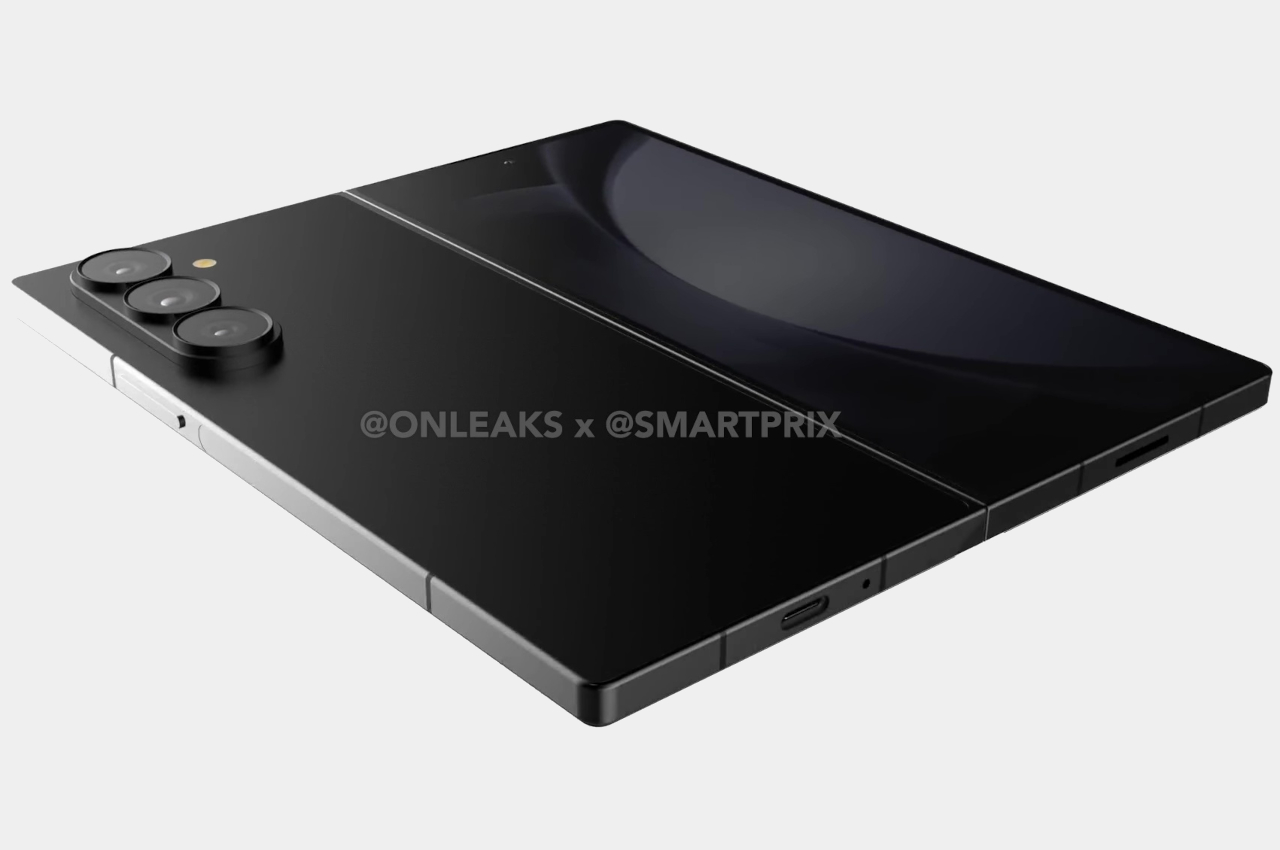
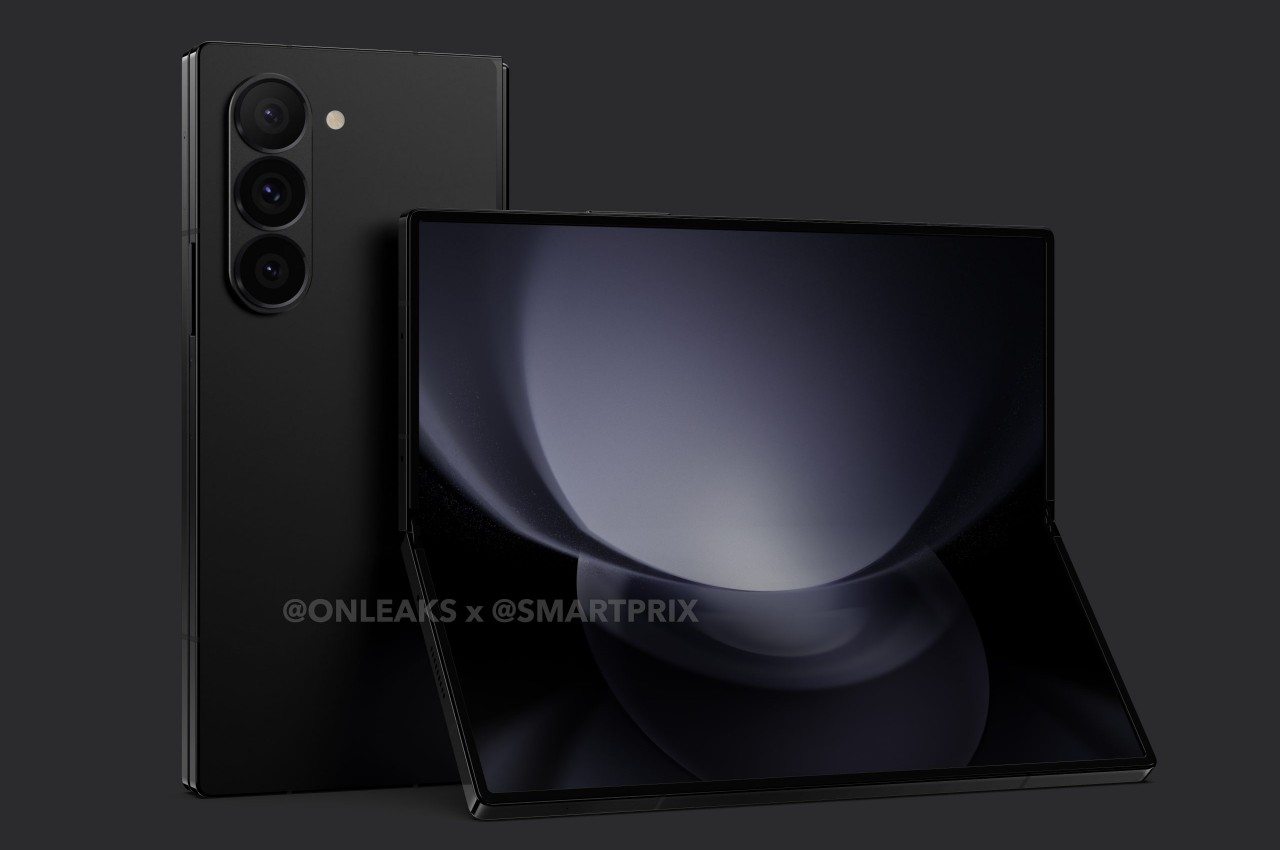
Foldable phones are generally considered to be less durable than their single-form counterparts because of the fragile flexible screen as well as the hinges that give them their titular feature. Considering the complications of this design, repairing foldable phones is relatively more expensive and more difficult to pull off by trained technicians, let alone even the most advanced phone user. It’s, therefore, a bit surprising but nevertheless welcome move that Samsung has announced that you can now legally and officially repair its latest foldable phones on your own. That said, there are still details that are left unknown, making it questionable how meaningful this announcement really is.

Designer: Samsung

It wasn’t too long ago when phone manufacturers vehemently denounced any repair done by anyone other than authorized service providers. Officially, this is meant to protect their intellectual property and product quality, but some see it as a cunning ploy to monopolize the repair service industry and squeeze out more money from customers. Brands such as Apple, Google, and Samsung have reached a sort of compromise where they provide official parts and replacement guides via a third party like iFixit, practically allowing anyone or any shop to repair some phones on their own.

Unsurprisingly, the list of supported devices under these Self-Repair programs is rather short, but Samsung just made a big splash in how it’s expanding that to more devices and more countries. 30 European countries, including Denmark, Greece, Hungary, and Portugal, have been added to the list, bringing the total to over 40 countries across the world. It’s still a small number, admittedly, but a lot better than the total sum of zero from two years ago.

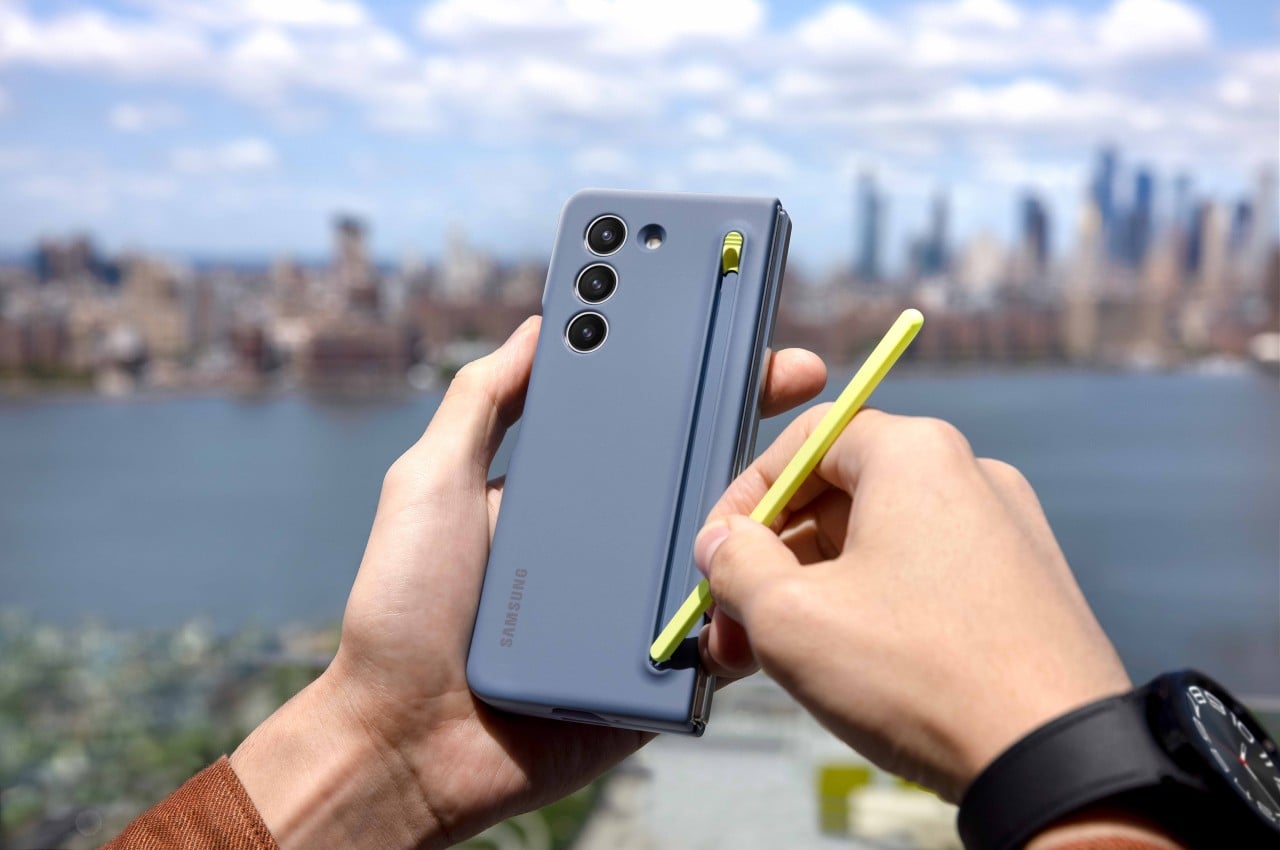
Samsung is also expanding the list of supported devices to include its latest products, not just the Galaxy S23 series but also tablets such as the Galaxy Tab S9 and even the Galaxy Tab A9. More surprising, however, is that the Galaxy Z Fold 5 and Galaxy Z Flip 5 are included in the announcement. In fact, given their reputation, you could almost say that they’re the highlight of that announcement. After all, wouldn’t it be interesting to have a foldable phone that could be repaired by yourself or some third-party service?

While that’s technically true, the major caveat is that the official self-repair program only supports replacing a phone’s battery, rear glass cover, and USB-C charging port. With the design of Samsung’s foldable phones, even those might be more difficult compared to regular phones. Unfortunately, iFixit hasn’t updated its list yet, so we don’t have the full picture of what you can do with this new information, but you can definitely be sure you won’t be replacing that foldable screen on your own any time soon.

The post Galaxy Z Fold 5, Z Flip 5 joins Samsung self-repair program with a catch first appeared on Yanko Design.
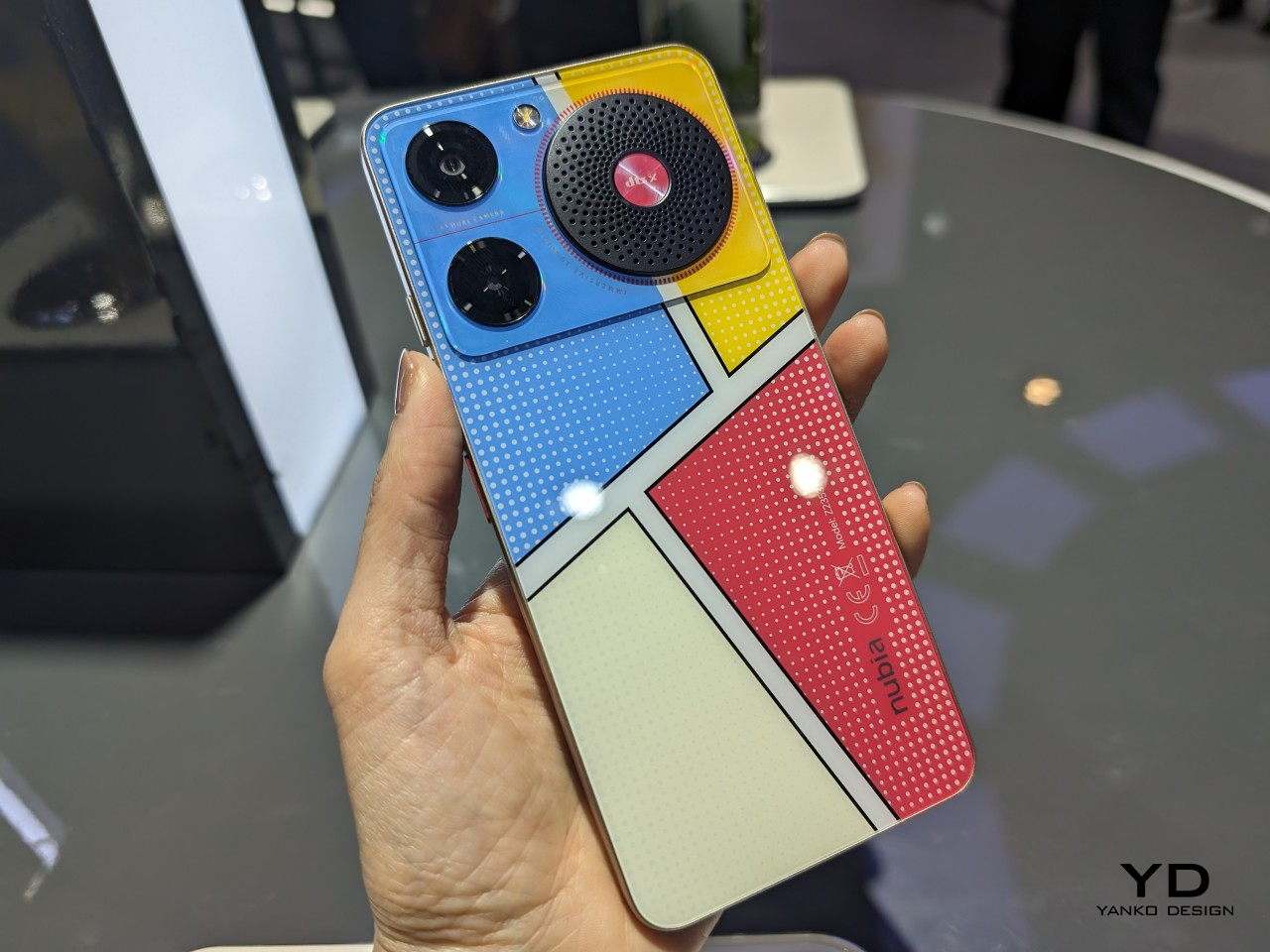
nubia RedMagic 9 Pro gaming phone arrives with a new design, same tiny fan

The year is almost over, but there’s plenty of time left to unveil new products, including new smartphones that could become gift ideas for people in some markets. We’ve seen quite a few make their way to the market a few days ago, but most of them revolve around “normal” phones for everyday use. Gaming phones, however, still make up a slice of that large pie, and one of the top brands in this market is taking out its big guns early. Former ZTE sub-brand nubia is reaching out to gamers with the latest RedMagic model, bearing a slightly new design that manages to keep key features that fans of the brand have grown fond of, whether they make sense or not.

Designer: nubia

What sets a gaming smartphone apart from regular smartphones, including those expensive ones, isn’t just their over-the-top performance. Most gaming-centric phones carry a certain aesthetic that really marks them for a certain crowd, one that appreciates a lot of RGB lighting, lines and geometric shapes, and other details that make the design look futuristic if not highly technical. The nubia RedMagic 9 Pro continues that tradition this year but makes a few tweaks that streamline the gamer design a little bit better.

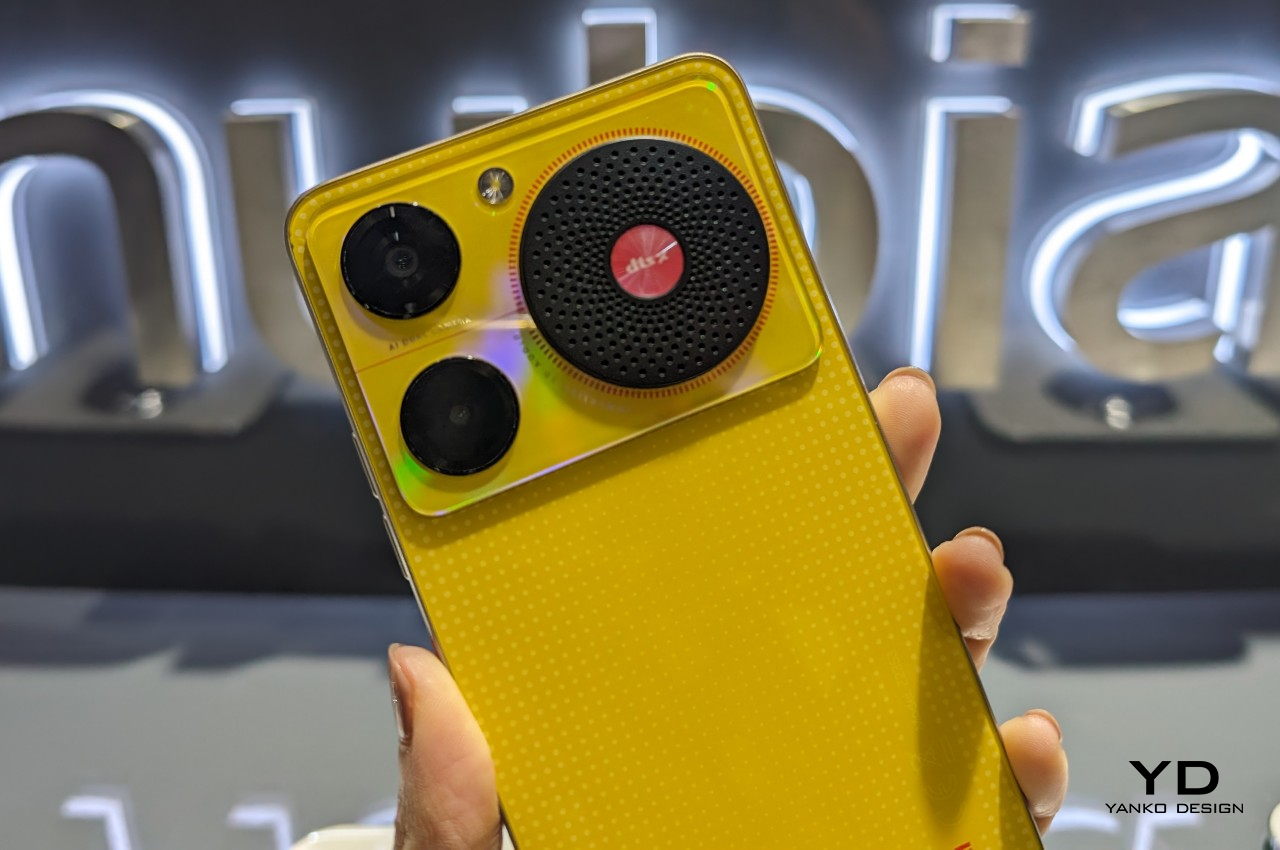
Most notable is the relocation of the cameras from the middle of the phone to the side, something that’s almost a standard across all smartphone designs. The camera bump is also gone, with the lenses sitting flush against the entire back. That does mean that the phone is a little bit thicker than most of its kind, but a hefty and beefy handset is already expected for a device that’s designed to be a heavy-duty gaming machine. The rather odd design change is that only two of the three big circles are actually cameras, with the third deceptively hiding the cooling fan. The third camera is off to the side, though having a 2MP depth sensor makes it almost negligible.

The rest of the RedMagic 9 Pro has a similar vibe to its predecessor, with lines and shapes on the back that give the semblance of panels that cover futuristic machines like ships, robots, and similar. For those who prefer a more subtle appearance, the Sleek model has an aesthetic closer to the typical black smartphones, masking its identity for more discreet uses. The front still has an under-display camera, which means there’s nothing visually breaking the large screen.

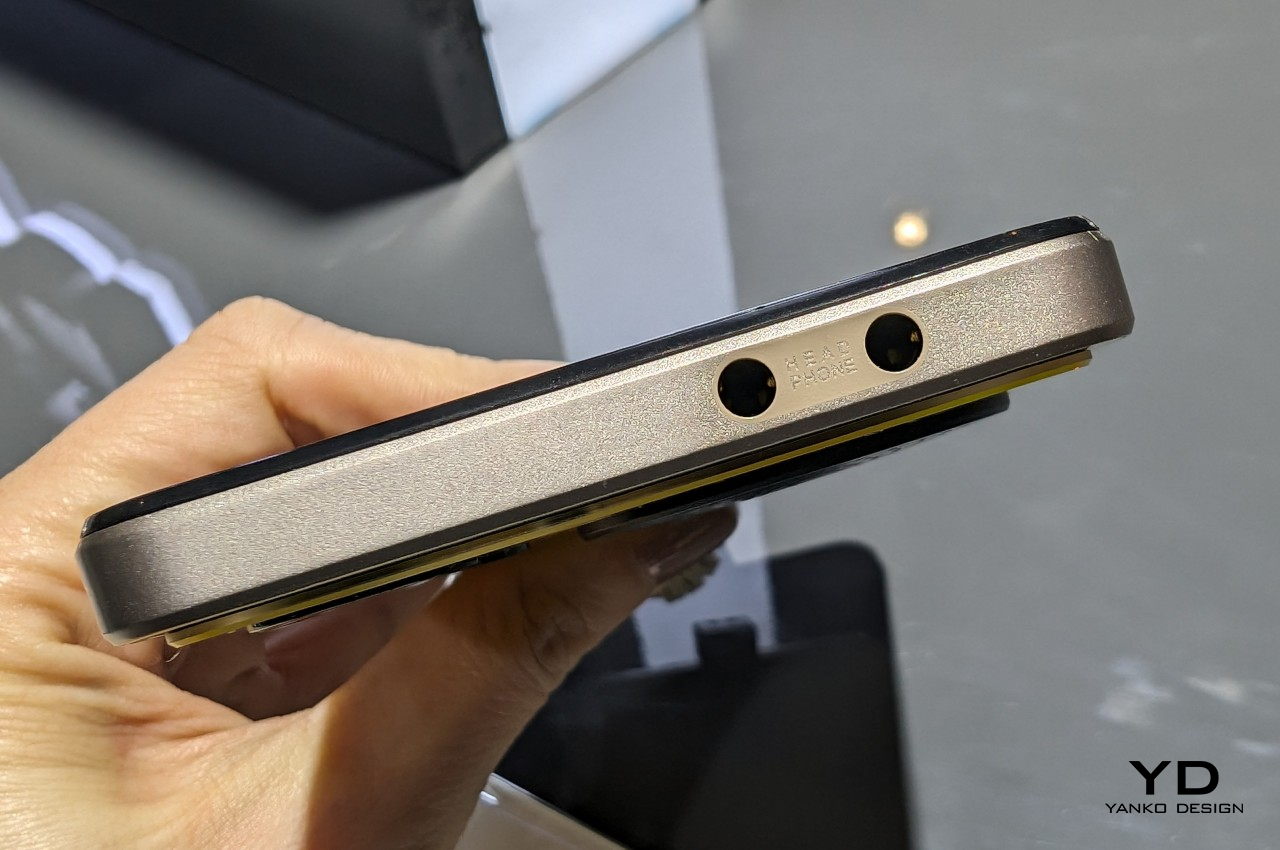
There’s also still that miniature cooling fan, one of the brand’s gimmicks to help keep things cool and prevent the phone from throttling its performance. It may be effective to some degree, but the price that is paid is having no dust or water resistance guarantee. With a more efficient Qualcomm Snapdragon 8 Gen 3 processor and a newer “ICE 13 Multi-Dimensional” cooling system, such a fan might no longer be needed and is becoming more of a liability than a selling point in the long run.

The post nubia RedMagic 9 Pro gaming phone arrives with a new design, same tiny fan first appeared on Yanko Design.
Motorola brigns Pantone Color of the Year 2024 Peach Fuzz to its smartphones

The moment Pantone announced their Color of the Year for 2024, we expected a lot of brands to officially and unofficially carry the Peach Fuzz tones for their respective products. If that is a color that you prefer or if you like that shade, then good for you as all year round you’ll see different brands and products carry the hue. If you’re not a fan, well, you’ll have to endure it and just look for other colors that match your preferences. If you’re the former and you’re looking for a new Android phone, then Motorola is a very good option.

Designer: Motorola

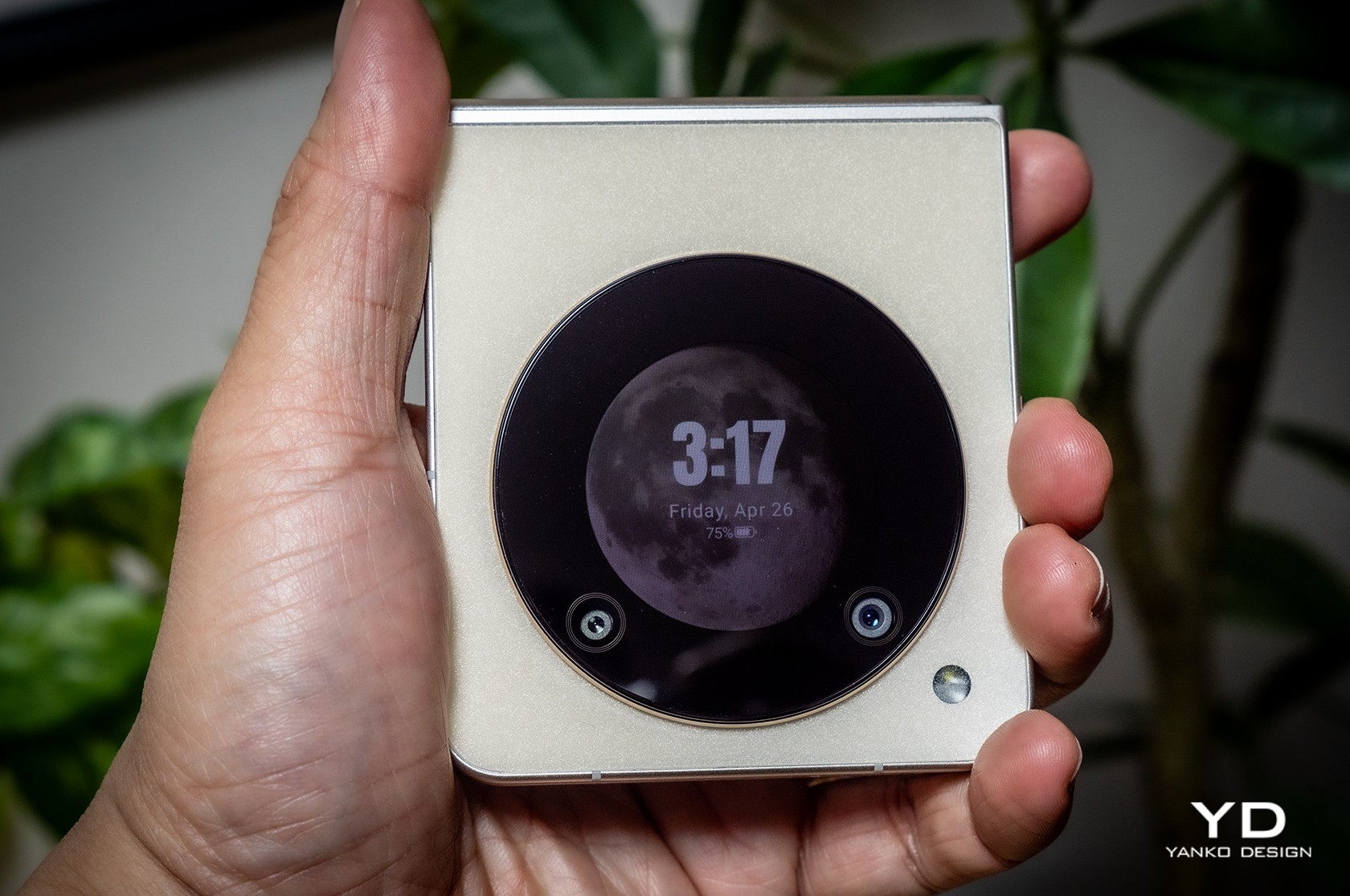
Motorola has come up with a tie-in with Pantone to bring Peach Fuzz versions of two of their newest smartphones, the motorola razr 40 ultra and the motorola edge 40 neo. The only difference between these versions of the smartphones and the original iteration is that they’re carrying the warm and cozy hues of the color of 2024, “highlighting the importance of shared moments” through the combination of Pantone’s “mastery of color” and Motorola’s “legendary design”

.

For those who prefer a more hip and modern device, the flippable design of the motorola razr 40 ultra / razr+ with the Peach Fuzz color with the vegan leather finish might appeal more as they’re branding it for the extroverts. It boasts of several camera modules like its 12MP dual cam, the 13MP ultrawide lens, and the 32MP wide selfie camera. Those looking for a more “sophisticated” smartphone can go with the motorola edge 40 neo with its 6.55-inch P-OLED display, 5,000 mAh battery, and camera setup (50MP main, 13MP ultrawide lens, 32MP selfie cam).

Both Motorola and Pantone believe that color deepens our interaction with our devices as they express our individuality and preferences. The Peach Fuzz color in particular was chosen to harness “connection, community, and personal wellbeing”, which is what Motorola also wants to encapsulate in their smartphones.

The post Motorola brigns Pantone Color of the Year 2024 Peach Fuzz to its smartphones first appeared on Yanko Design.
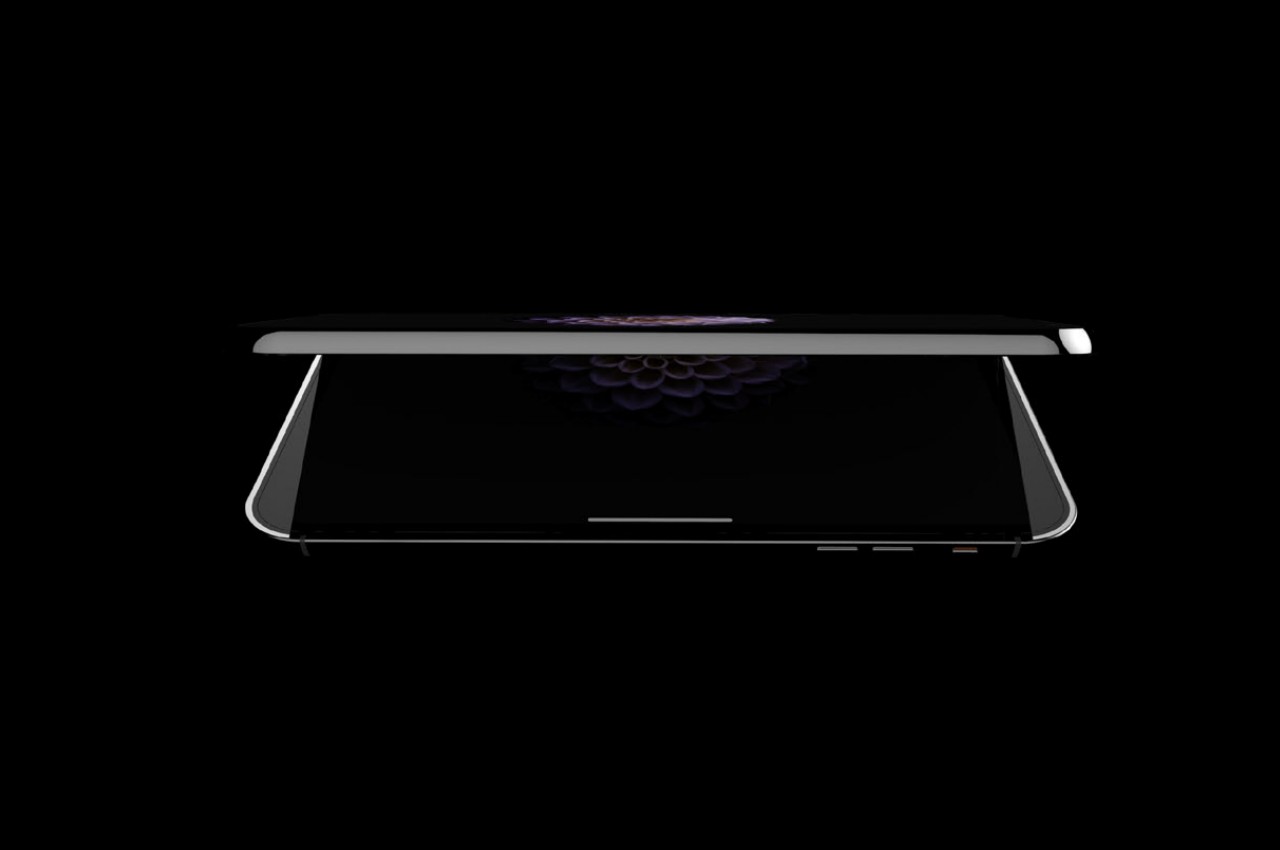
This Sleek MagSafe Tripod is as slim as a wallet and snaps onto the back of your iPhone

Peak Design’s new tripod for smartphones may be the slimmest one we’ve seen so far. Designed to snap onto the back of your MagSafe-enabled device, it works in both landscape and portrait, giving creators the one accessory they need to supplement their incredible smartphone camera. At its thickest point, it’s just 0.3 inches in thickness, while gradually transitioning down to 0.2 inches for a nice sleek wedge profile. It also weighs a paltry 2.6 ounces (78 grams), and is robust, thanks to its machined aluminum body. I think it’s time to say goodbye to selfie sticks and propping your phone against random objects to get the right shot.

Designer: Robb J of Peak Design

Click Here to Buy Now

You may remember Peak Design for their incredibly durable carbon-fiber travel tripod from 2019, although the company isn’t limiting itself to larger DSLR-adjacent gear. The aptly named Mobile Tripod is roughly the size of a MagSafe wallet, sitting perpetually on the back of your smartphone. With three legs that pop out on command, the Mobile Tripod props you phone up at just the perfect angle, allowing you to instantly begin recording videos, reactions, dance tiktoks, and vlogs, whether you’re recording in landscape or portrait.

The Mobile Tripod snaps directly onto your iPhone (or any smartphone with the MagSafe sticker), using a series of powerful neodymium magnets to firmly attach in place. It works with smartphone cases too, although Peak Design recommends using their own case which relies on their SlimLink™ technology to attach in a more secure manner.

The slim tripod fits rather neatly onto the back of your phone, with a wedge-shaped side profile that lets you slide your phone in and out of your pocket without catching any fabric or slipping off. Three legs on the back can either be popped out independently to form a traditional tripod, or can be folded open together as a single, wide kickstand that you can angle-adjust.

The Mobile Tripod comes machined from solid anodized aluminum, which holds up much better than those flimsy plastic tripods you’d find elsewhere on the internet. A “buttery-smooth” micro ballhead allows for precise adjustments with a fair amount of friction that lets it hold any angle you adjust your phone at, and anti-slip TPU feet help the tripod hold its position without sliding around. All that sort of adds up to a $71 price-point, which certainly isn’t cheap, but it’s worth the money for a product that’s sure to come incredibly handy taking selfies, tiktoks, or even answering video-calls hands-free. Oh, and did I mention that it also comes with a lifetime guarantee, like all of Peak Design’s products?

Click Here to Buy Now

The post This Sleek MagSafe Tripod is as slim as a wallet and snaps onto the back of your iPhone first appeared on Yanko Design.
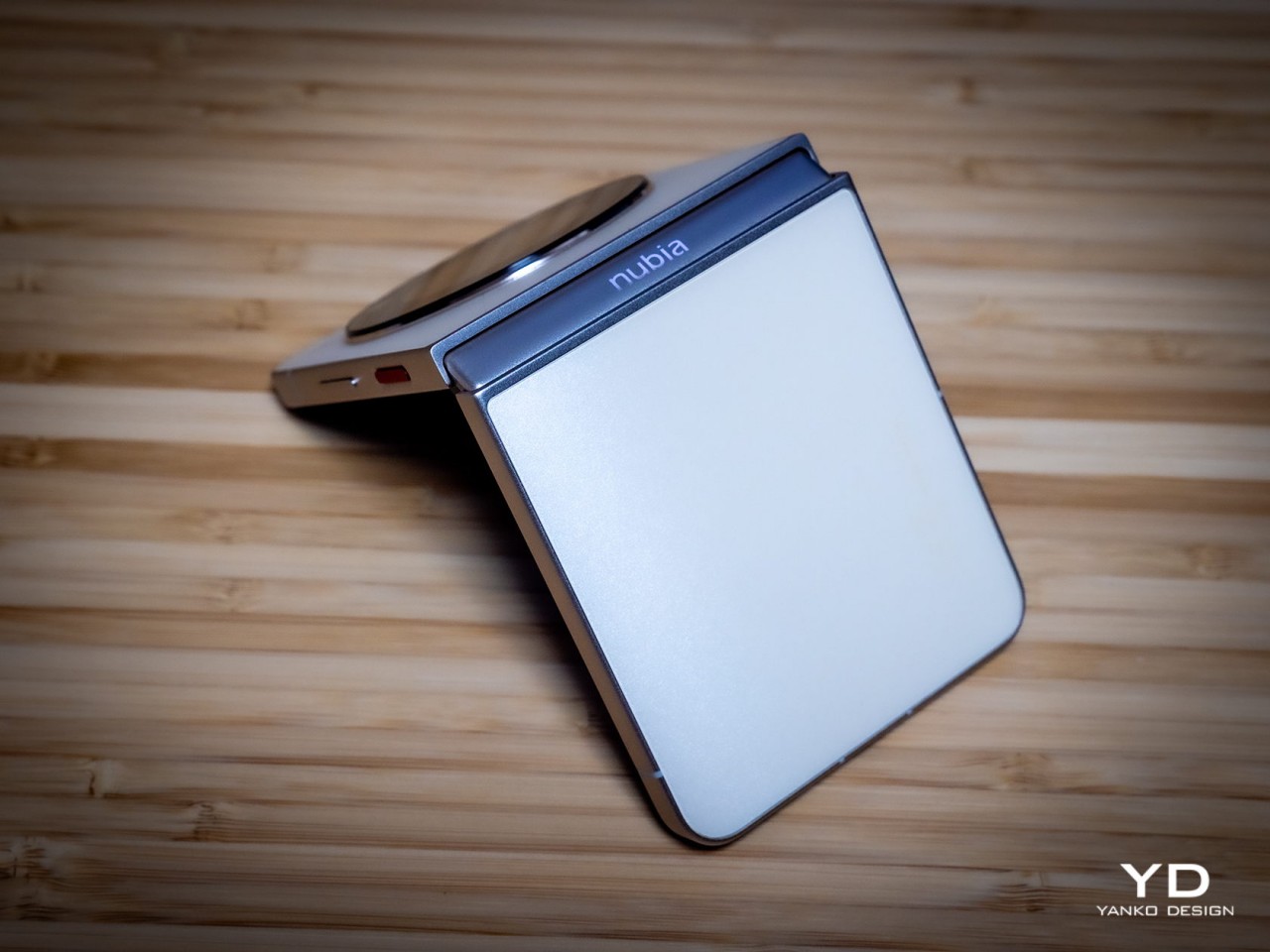
Samsung Galaxy A15 and A25 launched with an odd design element

Compared to its rather rowdy past, Samsung has been changing its phone designs less frequently these days. This allows the brand to cement its image, especially when those designs remain unique to it. The absence of a large camera bump, for example, has become a signature element in Samsung’s flagship Galaxy S phones, espousing a level of minimalism not found in other brands. It’s also becoming a standard even in its mid-range Galaxy A family, almost turning into Samsung’s design DNA. That’s not to say it no longer experiments with different designs, as demonstrated by its latest mid-range models that bear what might be the strangest design detail to have come across a Samsung phone in recent years.

Designer: Samsung

At first glance, the new Galaxy A15 and A25 look quite plain, almost like the smaller versions of the Samsung Galaxy S flagship. In fact, given what we know so far about next year’s upcoming Galaxy S24, you could almost say they prefigure Samsung’s next big thing. The Galaxy A15 and A25 feature very flat edges on all sides, at least except where the volume and power buttons are.

In most smartphones, the volume and power buttons are the only pieces that protrude from the side of an otherwise flat or featureless edge. It’s a necessary style to allow the fingers to immediately locate and press the buttons even without seeing them. Samsung, however, seems to have gotten the idea to raise not the buttons themselves but the area surrounding the buttons. It calls it “Key Island,” and it seems to be inspired by the common camera island or camera bump design on most smartphones.

The area flanking and in between these two buttons are raised almost to the same height as the buttons themselves. The sides of this mound gently curve upward while the island itself has a curved surface that contrasts with the flat edges of the rest of the phone. It’s not immediately clear, but it seems that the volume and power buttons still rise a little bit higher than the island, making it a two-step elevation also like some smartphone camera bumps.

While it adds a bit of visual uniqueness to the Galaxy A15 and A25, it is still puzzling why Samsung decided to go with this Key Island design in the first place. To some extent, it defeats the purpose of tactile physical buttons since it will be harder for fingers to sense where the correct buttons or areas actually are. The extruded portion might also snag more than simple buttons, not to mention taking up more space and becoming incompatible with cases that would have otherwise fit these two phones. Thankfully, these are mid-tier products and Samsung can afford to play around with what might become unpopular designs. Hopefully, this isn’t a foreshadowing of what the Galaxy S24 will have in a few months.

The post Samsung Galaxy A15 and A25 launched with an odd design element first appeared on Yanko Design.
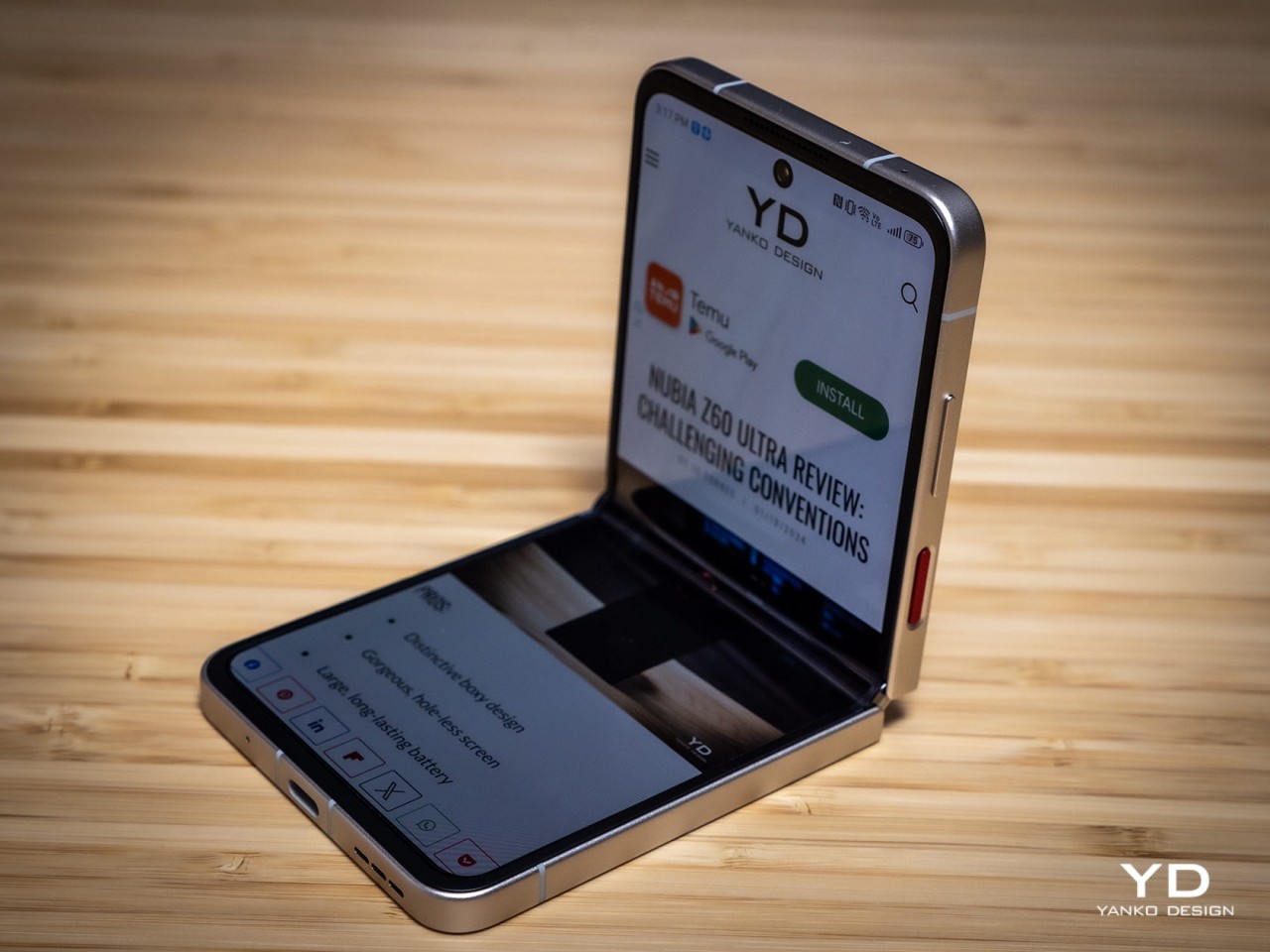
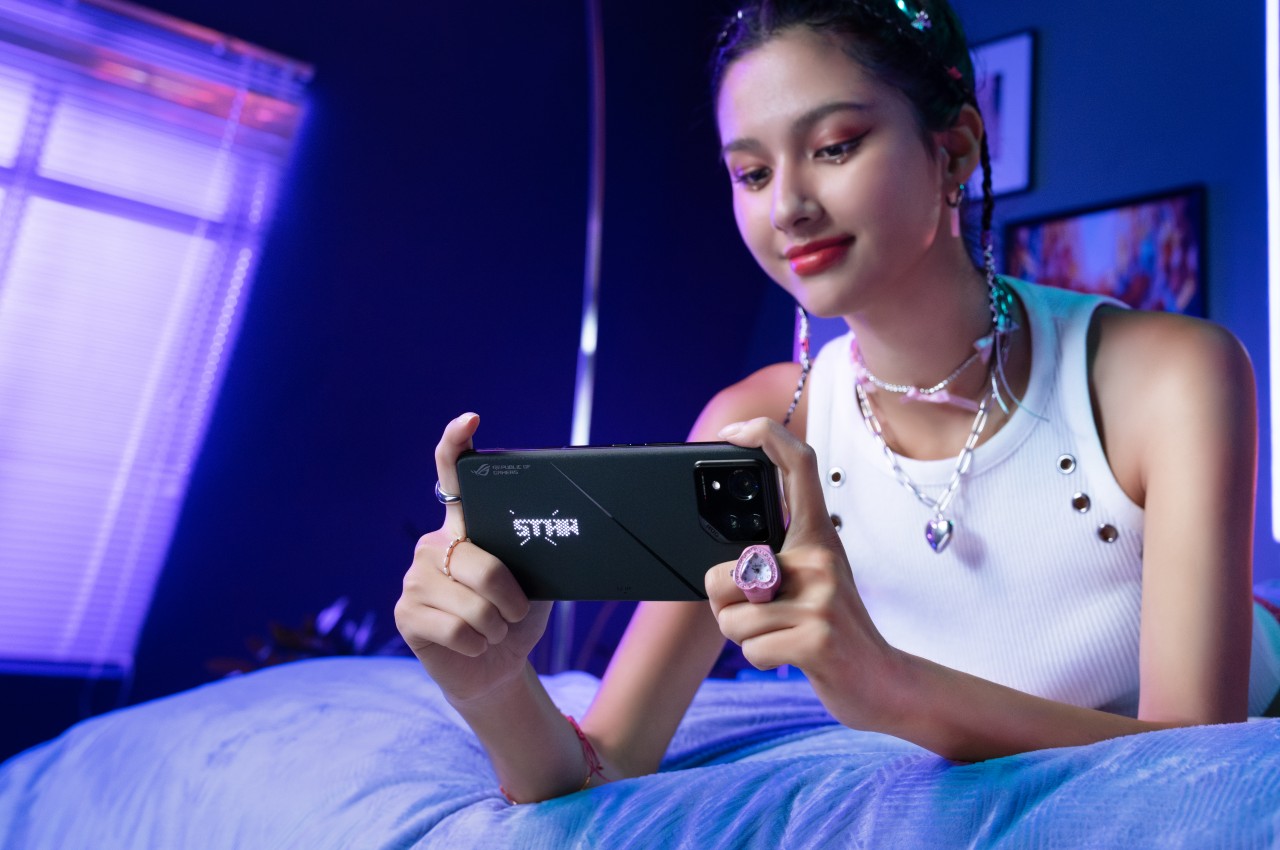
ASUS ROG Phone 8 design takes a very different direction

Almost every smartphone these days can play games, especially the expensive high-end ones, but there are a few that definitely take the cake. They’re labeled gaming phones not just because of some special feature, such as a tiny fan spinning inside, but also because of the gamer aesthetics that they embrace. For years now, the ASUS ROG Phone has held the crown of having the most gamer-friendly design, but it seems that it’s finally willing to let that title go next year. Based on its own teasers, the next Republic of Gamers smartphone might be embracing a more mainstream design in exchange for what might finally be more capable cameras as well.

Designer: ASUS (via GSMarena)

ASUS ROG Phone 7

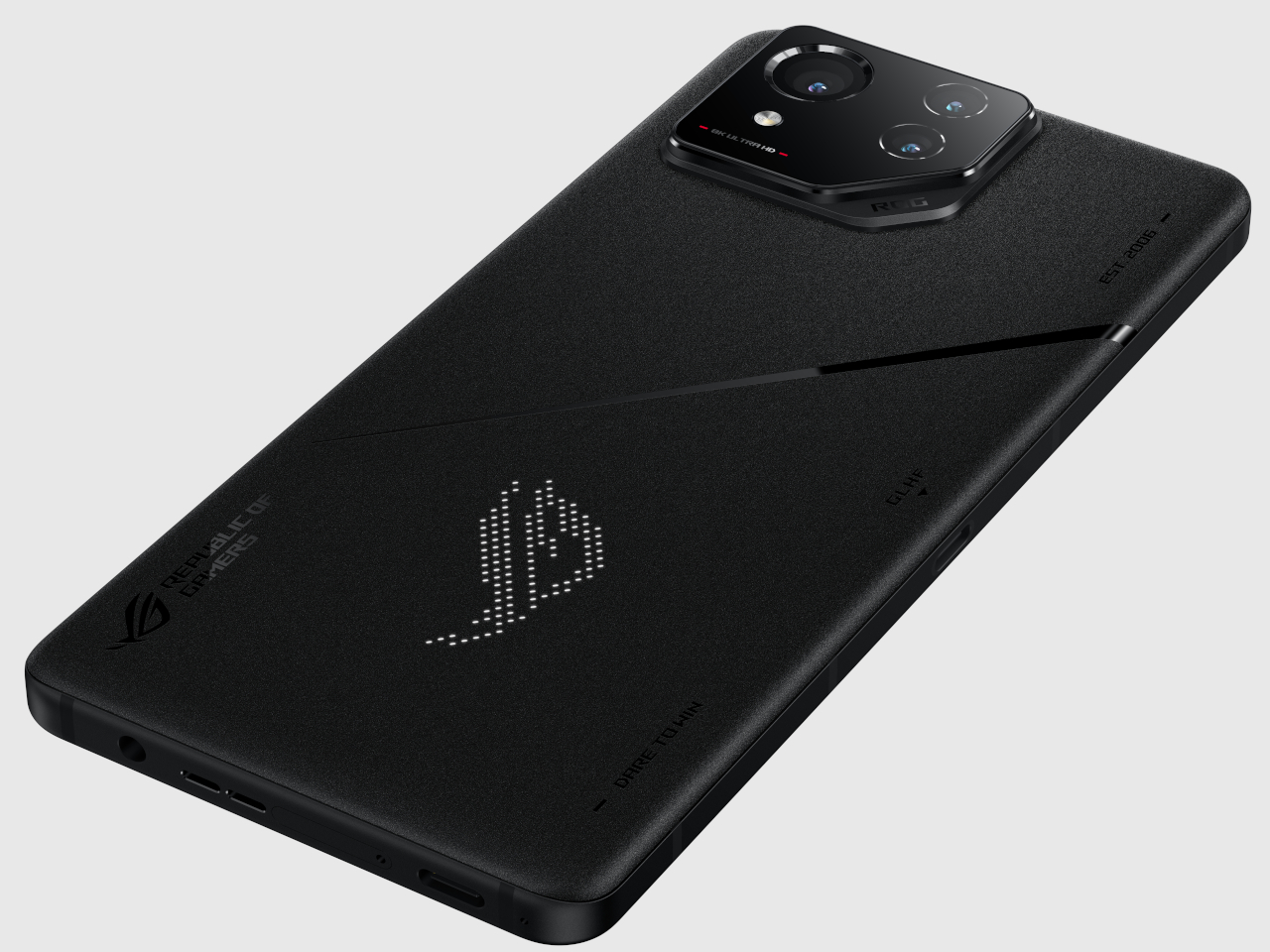
To be fair, there is no guidebook on how to apply a gamer aesthetic to products, but you can bet it will have plenty of RGB lighting and lines going in multiple directions that suggest the presence of machine panels. Indeed, the previous ROG Phones have employed those design elements, sometimes even going as far as using small LED screens for more dynamic accents. Of course, none of these are essential to the actual gaming experience, but they do add a nice touch that marks the product as something truly designed with gamers in mind.

ASUS ROG Phone 6

ASUS ROG Phone 6

ASUS ROG Phone 6

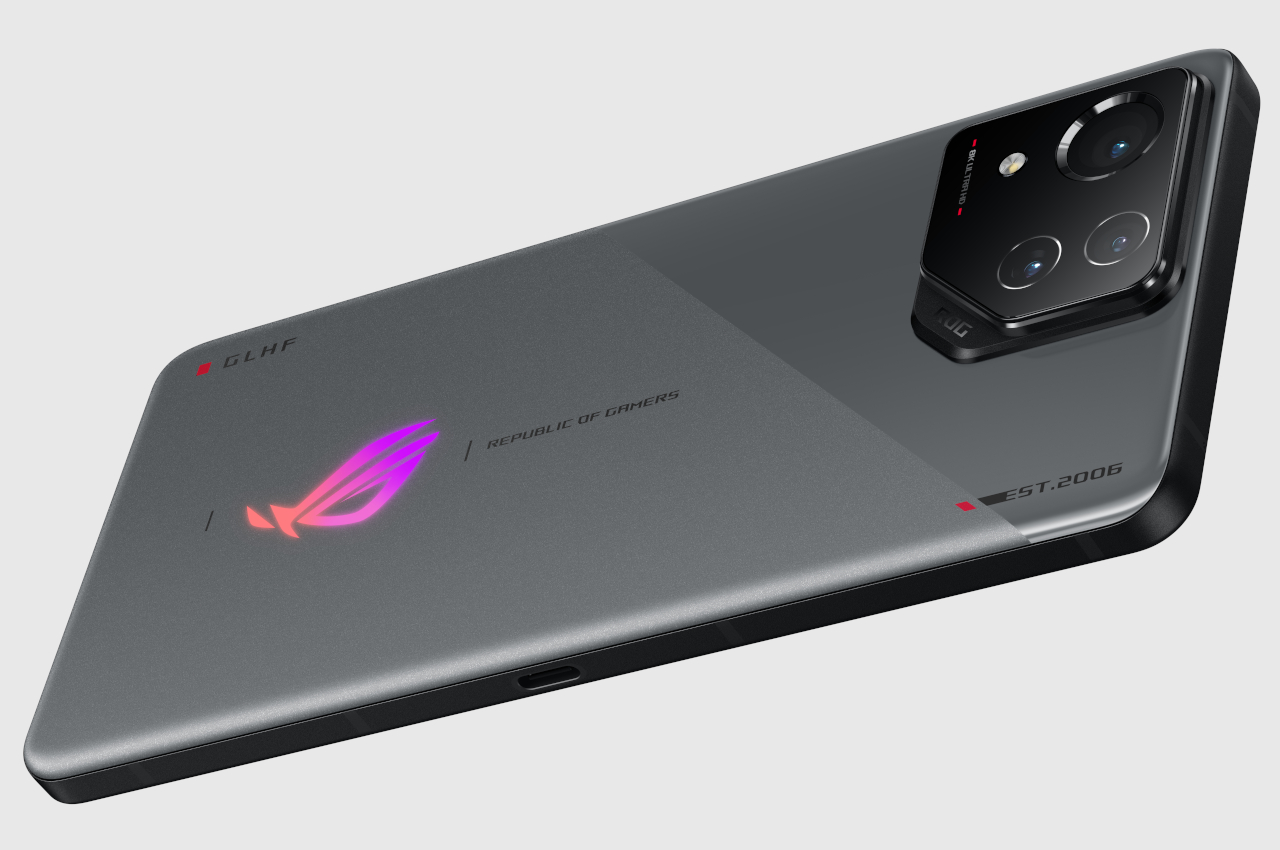
Given its history, it’s a bit surprising that the ASUS ROG Phone 8 might do away with those design elements almost entirely. Although nothing’s set in stone yet, the brand’s official teaser suggests that it might be adopting a more minimalist and subdued design, one that eschews the lines and RGB colors. What we see instead is a clean dual-tone composition that, given the gray colors, looks more industrial than futuristic. There could still be some lighting underneath the ROG logo, but could very well be the only place it shows up.

Perhaps more curious is the camera bump design, a thick pentagon laid on top of a square. For generations, the ROG Phones have carried mediocre cameras, so a switch to a triple camera system could be big news for fans of the brand. It’s not a clear win yet, of course, but it’s commendable that ASUS is willing to shake things up to improve its performance.

To its credit, the ROG Phones have slowly been moving towards more conventional and less spectacular designs, but the ROG Phone 8 could have the most drastic changes if the teasers are to be taken at face value. On the one hand, it does help make the ROG Phones more acceptable in “regular” scenarios and won’t stand out as much. On the other hand, if you want a more conventional-looking smartphone that can handle mobile games, there are already plenty of those in the market, making the ROG Phone 8 redundant.

ASUS ROG Phone 7

The post ASUS ROG Phone 8 design takes a very different direction first appeared on Yanko Design.
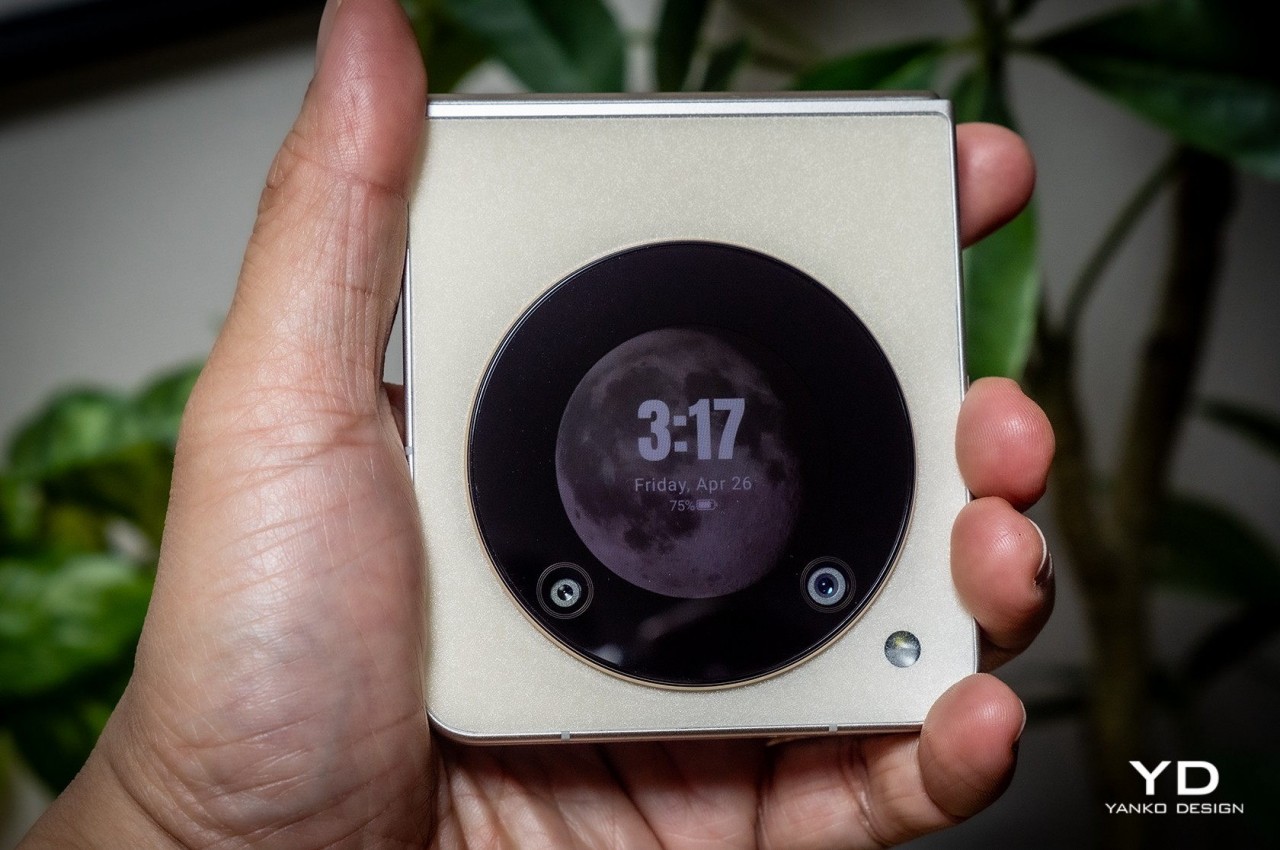
Small iPhone 16 camera design change could have important implications

Apple is known for moving slowly but surely, changing things only when it really makes sense and after numerous tests. That can be especially seen in the iPhone’s cameras, which don’t change year after year, unlike the general trend in the mobile industry. Whether it’s the hardware itself or the design of the camera bump, Apple has been careful and meticulous in introducing changes. That’s why it’s a bit of a big thing that Apple is rumored to be changing the iPhone 16’s camera design for the first time in three years, but it’s a change that will bring a significant change in functionality, at least for the base iPhone models, and possibly a very different aesthetic as well.

Designer: Apple (via MacRumors)

Apple has traditionally been modest with its camera hardware because it is able to pull off great images even with sensors that look outdated on paper. It also doesn’t change the design of the camera island as often as other brands, introducing a pill-shaped bump in the iPhone 8 Plus in 2017 and only switching to a square enclosure in the 2019 iPhone 11. In the 2021 iPhone 13, it moved the position of the lenses so that they’d be diagonally opposite to each other, creating a visually more interesting composition than the plain vertical arrangement of the iPhone X.

According to rumors, however, Apple is switching back to a vertical design for the iPhone 16 cameras, and it’s unlikely just on a whim. There is a chance that this change will enable the Spatial Video function that’s only available on the iPhone 15 Pro models, a feature that allows recording video in three dimensions. This, however, requires using both the main wide camera and the ultrawide shooter in tandem, in which case these two sensors have to be aligned vertically or even horizontally.

What’s a little more interesting is that Apple is reportedly testing a different design for this new camera as well. There is one that looks exactly like the iPhone 11 and 12, with the cameras vertically arranged. Another potential design, however, places the vertical pill shape of the iPhone X on top of the square bump of the iPhone 15. As interesting as that may look visually, it’s a rather distracting design and would be a bit complicated and inconsistent with the current iPhone design language.

Changing the camera arrangement to enable Spatial Video recording is another sign that Apple is aiming to bring Pro features to the base iPhone 16. An earlier leak claimed that a redesigned Action Button will be available on all iPhone 16 models. That button will supposedly switch from a mechanical button to a pressure-sensitive capacitive surface, a feature that could expand what the button is capable of doing.

The post Small iPhone 16 camera design change could have important implications first appeared on Yanko Design.
iQOO 12 Review: Checking Most of the Right Boxes, No More, No Less

PROS:


  • Impressive camera output

  • Outstanding hardware performance

  • Distinctive BMW "Legend" Edition design (not the review unit)

CONS:


  • Low IP64 water resistance

  • Mediocre 16MP front camera

  • Limited global availability

RATINGS:

AESTHETICS
ERGONOMICS
PERFORMANCE
SUSTAINABILITY / REPAIRABILITY
VALUE FOR MONEY

EDITOR'S QUOTE:

Designed for mobile photography and games, the iQOO 12 delivers a solid performance without much fuss or fanfare.

The year is almost over, but it’s never too late to announce new flagship smartphones, especially when there’s a new mobile processor available. Riding on Qualcomm’s momentum, a few phone makers have almost simultaneously revealed their newest wares in a race to be the first and the best. Of course, just because you’re using the latest hardware available in the market doesn’t immediately mean you’re able to deliver the best overall user experience. There are a lot of ingredients that make up the perfect smartphone dish, so we’re taking the new iQOO 12 for a taste test to see if it managed to get the perfect mix or if it just had too much on its plate to leave a positive impression.

Designer: iQOO

Aesthetics

The moment you see the iQOO 12, you will immediately appreciate its elegant design. After that first impression, however, you might suddenly feel like you’ve seen it before, especially with the black “Alpha” edition that we received for this review. Aside from the large and unconventional camera island, the phone’s Fluorite AG glass is quite common. Yes, it has a sandblasted finish that makes it sparkle when viewed from certain angles, but that, too, has been done before. It’s pretty, yes, but nothing to write home about.

On the other hand, the BMW “Legend” Edition is a bit more interesting from a design perspective. It uses a Porcelain Enamel Glass that gives it a unique texture, while the clean white motif endows it with a stylish classic appearance. The engraved signature BMW M Motorsport stripes are tastefully done, clearly marking its identity without being flashy. It has the right balance of branding and minimalism that paints a picture of a truly special design.

Although almost opposite in their appearances, both Alpha and Legend editions share a common design element that you won’t find on any other smartphone. Rather than a square or a circle, the iQOO 12 employs a “squircle” shape that the company describes as a nod to ship portholes that let light in and give a dramatic view of the outside world from within a ship. Of course, it stretches the camera metaphor quite a bit, but its unusual shape still gives the phone a distinctive appearance.

The iQOO 12 Alpha carries a simple and elegant design that gives it an air of being a premium phone. Unfortunately, that doesn’t exactly help it stand out from its peers, especially if you find the “porthole” camera design less appealing. The design won’t win fans, but it probably won’t attract haters either.

Ergonomics

Fluorite AG glass has become a favorite material for smartphones because of how it’s able to avoid smudges. Some are even able to pull off matte textures using it, or at least some semblance of matte texture. In practice, however, it’s still glass and the iQOO 12 feels quite slippery in the hand, regardless of what the marketing material tells you. If you’re not confident with your grip, you’ll probably want to put on the included clear case just for peace of mind.

The iQOO 12 is by no means a thin phone at 8.1mm, nor is it that lightweight at almost 204g. It’s a large slab of metal and glass and you can definitely feel it the moment you hold it in your hand. That means you’ll have to try and grip it harder to ensure a more stable hold, but that also means putting more strain on your hand in the long run. The phone is also a bit top-heavy, which isn’t surprising considering all the parts located there, though that means the position of the fingerprint scanner near the bottom of the screen makes it a little bit precarious to hold.

Performance

The iQOO 12 definitely has all the makings of a high-end smartphone. It is one of if not the first to launch with a Snapdragon 8 Gen 3 processor, and that is paired with fast 16GB LPDDR5X memory and an equally fast 512GB UFS 4.0 storage. Those alone already mean that it can handle any task you throw at it with aplomb. The bright and vibrant 6.78-inch 2800×1260 AMOLED screen with 144Hz refresh rate is great for viewing moving content, both videos as well as games. It’s an all-around powerful workhorse, but it also has a trick up its sleeve.

While some brands have custom processors for photography or AI, iQOO’s Supercomputing Chip Q1 focuses on enhancing display performance without taxing the main Qualcomm processor. Its biggest achievement is boosting frame rates to 144fps to match the screen’s native 144Hz refresh rate for a smoother and more fluid visual experience. Even under all the stress, the phone gets only lightly warm and never too hot, all thanks to a new four-zone vapor cooling chamber.

On the software side, the iQOO 12 runs the latest FuntouchOS 14 that’s already based on the current Android 14 release, and it’s promised to still get three years of Android updates. There is surprisingly little bloatware, although it still exists, and the user experience almost resembles vanilla Android while still offering plenty of customization options. The UI is smooth and responsive, though that should be expected given all the hardware driving it.

1x

1x Night

10x

The phone’s triple camera system is living proof that you shouldn’t judge hardware by their brand. Eschewing the usual Samsung or Sony sensors (except for one), the iQOO 12 was made in collaboration with and showcases the best of what OmniVision has to offer, particularly with the 50MP OV50H main camera and 64MP OV64B telephoto camera with a periscope-style lens. The latter is able to achieve 3x optical zoom and 10x lossless zoom, though iQOO is advertising a 100x digital zoom that, in practice, isn’t really going to wow anyone. The third camera is a 50MP Samsung sensor for ultra-wide shots.

1x

1x Portrait

1x Portrait

10x Night

What all these translate to in practice are impressive images, both during the day and at night. Details are rich and colors are quite vibrant, though they tend to be a bit more saturated by default, as expected. The 10x lossless (a.k.a. hybrid) zoom is surprisingly good, though with the expected loss of detail. Combined with Night Mode, it even makes decent nighttime photos, though that largely depends on the subject as well. Thanks to that same periscope telephoto camera, bokeh or Portrait Mode comes out with pleasing blurs and accurate separation of foreground and background elements. All in all, the iQOO 12 delivers an excellent mobile photography experience, except for the 16MP front camera that brings only the bare minimum to the table.

Ultrawide

1x

3x

10x

Sustainability

The iQOO 12, unfortunately, doesn’t grade well when it comes to sustainable design and longevity. It has your usual assortment of unsustainable materials, and the brand isn’t as aggressive in promoting its eco-friendly strategies as its rivals (unless you consider its parent company, vivo). The phone is also only IP64 rated, which means it has very weak defenses against water and other liquids. Sure, it’s better than nothing, but you’d expect a much better guarantee from a premium phone such as this.

Value

From a holistic perspective, the iQOO 12 is quite a splendid high-end phone. It has the chops to cater to both photography and gaming enthusiasts and has a design that, while simple, is still stylish enough to not look cheap or dated. But no phone exists in isolation, and the iQOO 12’s value will largely depend on the competition.

At the moment, there are very few phones running on the new Snapdragon 8 Gen 3, but that’s about to change in a month’s time or so. But even now, those few devices, the iQOO 12 included, have very limited availability in the first place. The $600 price tag is tempting but pointless if you can’t buy one that is 100% guaranteed to work on your country’s cellular networks. There’s also the fact that the design, while pleasant, doesn’t have enough pull to make it stand out from the crowd unless you’re able to get the BMW Legend Edition. It’s definitely a strong contender, but not one that might leave a strong, lasting impression.

Verdict

The iQOO 12 feels like it has almost everything. It has the latest specs that breeze through the toughest demands, especially gaming. The cameras are generally impressive under the majority of situations, except for that disappointing 16MP selfie cam. It’s clearly iQOO’s best work yet, but it also feels like it lacks that final punch to knock everyone else out of the ring.

Despite its pleasant minimalist aesthetic, the Alpha Edition’s design is honestly a bit underwhelming. The porthole-inspired camera bump is new to our eyes and ears, but it’s simply just another take on the same old design. In terms of both style and materials, the BMW Legend Edition is far more interesting, though possibly also more limited in supply. Then again, not everyone will be buying phones just for their looks, and the iQOO 12 does make an enticing offer, but soon there will be others that will easily grab the spotlight from it.

The post iQOO 12 Review: Checking Most of the Right Boxes, No More, No Less first appeared on Yanko Design.
Realme GT5 Pro claims to recognize your palm print to unlock your phone

Fingerprint sensors and Face ID on smartphones are so common these days that we almost don’t give a second thought to how we unlock and authenticate with our devices. By now, many might have already forgotten the bad old days of “1234” PINs or no security measures at all, but some think that we could still do better in some ways. These security methods, after all, require you to at least touch your smartphone or hold it near your face, which isn’t always possible in all circumstances. When you need to unlock your phone from a distance, you’re pretty much out of luck, unless you own a Realme GT5 Pro that can apparently unlock your phone just by reading your palm.

Designer: Realme

Although face recognition technologies like Face ID do work from a short distance, you will need to either stoop down or have your phone at head level in the first place. If you’re in the kitchen cooking with the phone on the counter or have smudgy thumbs, neither fingerprints nor faces will be convenient or practical. Realme’s latest flagship tries to offer a third method where you can simply bring your palm near the screen and it will unlock automatically. You might think that it’s simply using a proximity sensor to detect if a hand is nearby, but the brand insists that isn’t the case.

1

It instead uses the 32MP front-facing camera to take an image of your palm and compare it to secure references, pretty much the same way optical fingerprint scanners work beneath the phone screen. Admittedly, the technology is still a bit new, especially in this kind of application, so there might be some hesitation in relying on it completely for security. Fortunately, there’s also the usual under-screen fingerprint scanner for more regular uses.
The Realme GT5 Pro also uses that system to enable hands-free control using hand gestures. A thumbs up can “Like” a post on a social media platform, a pinch can take you to the recent apps list, and flipping your palm can take you to the home screen. Considering you can’t really use your face for such actions, these gestures will be a huge help when you can’t touch your phone’s screen for one reason or another.
As far as the phone itself goes, the Realme GT5 Pro is quite a handsome device, with vegan leather white or orange variants as well a more classic matte black model. A large camera bump sits in the middle of that rear panel, designed to mimic the look and feel of a camera lens rim. At the moment, the smartphone is available only in China with an international launch to be announced later.

The post Realme GT5 Pro claims to recognize your palm print to unlock your phone first appeared on Yanko Design.