This Open-Air Market In Japan Features Expansive Roofs And An A-Frame Inspired Design

This stunning structure is called the Marche Vision Market, and it is located in Taki town, Mie prefecture, Japan. Designed by Tomoya Akasaka, this exquisite market is unlike the typical, crowded, chaotic, and often haphazardly designed markets you may have come across. The key elements of the market are the rather expansive and impressive roofs which were designed after drawing inspiration from the water cycle, since rain and sunshine are essentials for the growth of crops. The unique roofs represent the absorption of energy via the curved surface extending over the ground. The repetitive torii gates at the Akone Yashiro Shine, located within the Ise Grand Shrine were sources of inspiration for the structures supporting the roof. The torii gates represent the prayers for abundant harvest, plentiful fishing yields, and successful businesses, forming a beautiful connection and symbolism, since the market promotes and sells local produce.

Designer: Tomoya Akasaka

The Marche Vision isn’t simply a market, it focuses on and attempts to foster regional collaboration through food. It takes the age-old and successful concept of the farmers’ market and elevates it by promoting dining events, to stimulate and support regional innovation and growth. The impressive roof is meant to represent the serene connection between heaven and earth, and it shelters a space that functions as an engaging landscape, where fresh ingredients and produce are encouraged, and business is conducted at a dynamic and productive pace.

The roofs shelter an open-air space, where visitors are allowed to connect with the outdoors, nature, and changing seasons, something which is not often seen in modern retail and shopping centers. This thoughtful touch reduces energy consumption, in turn addressing and offering a unique solution to environmental issues. The eaves form a surface for raindrops to descend regularly, in turn creating a ‘rain curtain’. The side facing the expressway has been integrated with local wooden louvers, adding a touch of warmth, minimalism, and harmony to the marketplace. These simple touches not only protect the region’s natural beauty but also encourage sustainable preservation.

The Marche Vision is designed to offer a lavish lineup of fresh food. It is a convenient and easy-to-access market for local growers, providing an interactive and expansive space for the promotion and sale of locally-grown produce. Fresh vegetables, delicacies from the land and sea, and even seasonal seafood such as Ise spiny lobster and abalone straight from Ise-Shima are available at the Marche Vision market.

The post This Open-Air Market In Japan Features Expansive Roofs And An A-Frame Inspired Design first appeared on Yanko Design.

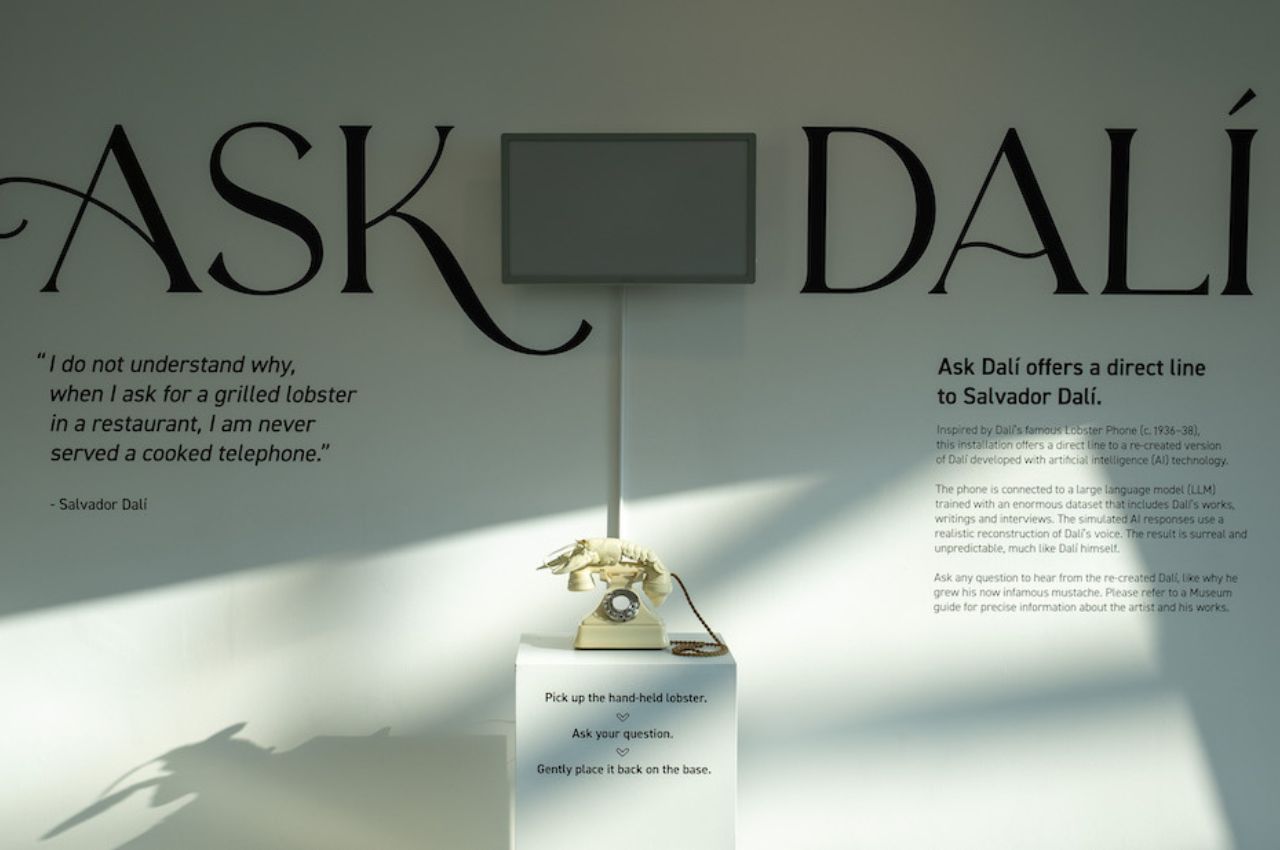
Art Exhibit honoring Salvador Dali lets you “Ask Dali” anything on his 120th Birthday

As we approach Salvador Dalí’s 120th birthday on May 11th, the Dali Museum in St. Petersburg, Florida, is offering visitors a unique opportunity: to “Ask Dalí” and converse with a lifelike, artificial intelligence recreation of the Spanish painter himself, simply by picking up a lobster phone. This innovative experience is inspired by one of Dalí’s most iconic creations, the Lobster Telephone, and is made possible through the fusion of the artist’s eccentric genius with cutting-edge machine-learning technology.

Designer: Goodby Silverstein & Partners

Salvador Dalí, known for his surrealist paintings such as “The Persistence of Memory,” “Swans Reflecting Elephants,” and, of course, the Lobster Telephone, has left an unforgettable mark on the world of art. His works continue to captivate audiences worldwide, challenging our perceptions of reality and expanding the boundaries of the imagination. The Lobster Telephone, created by Dalí in 1936 for the English poet Edward James, now serves as an inspiration to the central piece in the Dali Museum’s latest interactive exhibit, as the ‘telephone’ fits best for the analogy, allowing visitors to engage with the artist himself in a surreal and thought-provoking manner.

Surrealism, the movement Dalí helped to spearhead, aims to revolutionize human experience by balancing a rational vision of life with one that asserts the power of the unconscious and dreams. Surrealist artists find magic and strange beauty in the unexpected and the uncanny, the disregarded and the unconventional. Dalí’s paintings offer deep and multifaceted meanings, providing ample scope for imagination and understanding of the artist’s perspective.

In an era marked by remarkable technological advancements, it’s fitting to bring a renowned artist back to life through AI, especially as we celebrate his birthday. Debuting after a successful preview at the renowned SXSW conference, Ask Dalí marries the artist’s eccentric genius with some of the latest in machine-learning technology. Crafted by advertising agency Goodby Silverstein & Partners (GS&P), the experience utilizes OpenAI’s GPT-4 and ElevenLabs’ Eleven Multilingual V2 models. These tools are trained on a rich dataset of Dalí’s own writings and archival audio, producing responses that echo his distinctive voice, flamboyant personality, and whimsical humor.

To start a conversation, visitors pick up the telephone and ask any question they would like, whether seeking insights into the artist’s surreal imagery or his thoughts on contemporary matters. During a demonstration, Hank Hine, director of the Dalí Museum, tested the system by asking what one should be sure to see when visiting the museum. The AI, channeling Dalí’s lyrical style, recommended, “In the labyrinth of the imagination that unfurls within the Dalí Museum of St. Petersburg, one must seek the melting clocks in The Disintegration of the Persistence of Memory, where time drips like a dream refusing to be contained.”

Building upon the successes of previous AI-assisted exhibits, such as Dalí Lives in 2019, which brought the artist’s persona to life on screens throughout the museum, and the Dream Tapestry in 2023, where AI assisted visitors in creating digital paintings from descriptions of their dreams, Ask Dalí is the latest in a series of innovative intersections of art and technology inspired by Dalí’s own fascination with new mediums. Jeff Goodby, the co-founder of GS&P, reflects on the project’s alignment with Dalí’s legacy: “Dalí was fascinated by the latest tools and technologies of his era and continually explored various artistic media,” he notes. “Ask Dalí provides a delightful new way to interact with machine-learning technology. Dalí’s poetic writings, in an imaginative style all his own, are the basis of the training, providing dynamic and unpredictable answers to visitors’ questions.”

The 120th birthday of Salvador Dalí promotes the intersection of art and technology allowing visitors to engage with one of the greatest artists of the 20th century in a manner that is both enlightening and surreal. Through the Lobster Telephone, visitors to the Dali Museum in St. Petersburg can experience firsthand the wit, wisdom, and eccentricity of Salvador Dalí, ensuring that his legacy lives on for generations to come.

The post Art Exhibit honoring Salvador Dali lets you “Ask Dali” anything on his 120th Birthday first appeared on Yanko Design.

Threads has 150 million monthly users

Meta’s Threads app now has more than 150 million monthly users, an increase of about 20 million new users since February. Mark Zuckerberg shared the latest user numbers during Meta’’s first-quarter earnings call, saying that the app “continues to be on the trajectory that I hope to see.”

The update suggests Threads is continuing to grow steadily, though at a slower rate than its initial explosive growth. The app racked up more than 100 million downloads in its first week, but later saw a drop-off in engagement. But over the last six months, Threads has seen more consistent growth and Zuckerberg has speculated the service could eventually be Meta’s next billion-user app.

Notably, Threads seems to be out-performing X (formerly known as Twitter) by some metrics. Estimates from analytics firm Apptopia indicated Threads has more daily users in the United States than X, Business Insider reported earlier this week. (X has claimed 550 million daily users globally.) Threads also scored another significant win recently when Taylor Swift joined the platform to promote her latest album.

Threads is, for now, unique among Meta’s apps in that it doesn’t have advertising so the company doesn’t make money from the app directly. That will likely change at some point provided Threads continues to expand its reach. Zuckerberg has previously said the company would “focus on monetization” only after the app has grown sufficiently.

This article originally appeared on Engadget at https://www.engadget.com/threads-has-150-million-monthly-users-215853190.html?src=rss

TikTok Lite axes ‘addictive as cigarettes’ reward-to-watch feature under the EU’s watchful eye

The EU has effectively vanquished a TikTok feature that Europe’s digital commissioner described as “toxic” and “addictive as cigarettes.” Owner ByteDance said on Wednesday that TikTok Lite’s reward-to-watch feature would be suspended. It’s been a brutal day for TikTok as President Biden signed a bill (also on Wednesday) forcing ByteDance to sell the platform’s US operations or face a ban.

TikTok Lite, launched earlier this month in France and Spain, lets users earn rewards by watching and liking videos. They can then exchange their points for real-world perks like Amazon vouchers or in-app ones like TikTok’s virtual currency, which is used to tip creators. The EU Commission said the “task and reward” feature can stimulate “addictive behavior” in children.

“Our children are not guinea pigs for social media,” EU commissioner Thierry Breton posted on X (Twitter) on Wednesday. “I take note of TikTok’s decision to suspend the #TikTokLite ‘Reward Program’ in the EU.”

However, he added a parting shot to remind ByteDance it isn’t out of the woods: “The cases against TikTok on the risk of addictiveness of the platform continue.”

Breton fired a warning shot at ByteDance earlier this week, saying the EU had opened a formal investigation into TikTok for violating the Digital Services Act (DSA). The landmark legislation, adopted in 2022, gives European regulators the teeth to force significant changes in social media platforms to protect consumers.

Companies that break the rules can risk fines of up to six percent of their global revenues — enough to force compliance from even the richest companies. Wednesday’s suspension marks the first concrete example of the EU using the DSA’s enforcement powers to force significant changes on a social platform.

The EU’s formal investigation into TikTok Lite was its second targeting the platform this year. An earlier case, launched in February, opened proceedings against TikTok and Meta for their handling of the privacy and safety of minors. The Guardian notes that both cases remain active.

“TikTok always seeks to engage constructively with the EU Commission and other regulators,” the platform’s Policy Europe X account posted on Wednesday. “We are therefore voluntarily suspending the rewards functions in TikTok Lite while we address the concerns that they have raised.”

This article originally appeared on Engadget at https://www.engadget.com/tiktok-lite-axes-addictive-as-cigarettes-reward-to-watch-feature-under-the-eus-watchful-eye-211157092.html?src=rss

James Bruton’s Screw Bike moves smoothly in any direction, even rotates on its axis

James Bruton and his out-of-the-world creations never cease to amaze us. His Star Wars Speeder Bike is a good example of his inventive thinking. The DIYer knows his craft and his latest creation has got us mystified, yet again!

This omnidirectional bike gives the rider great freedom to move in multiple directions, allowing them to move sideways, diagonally, or even rotate on the spot. Now, who would say no to such a cool way to commute in the city?

Designer: James Bruton

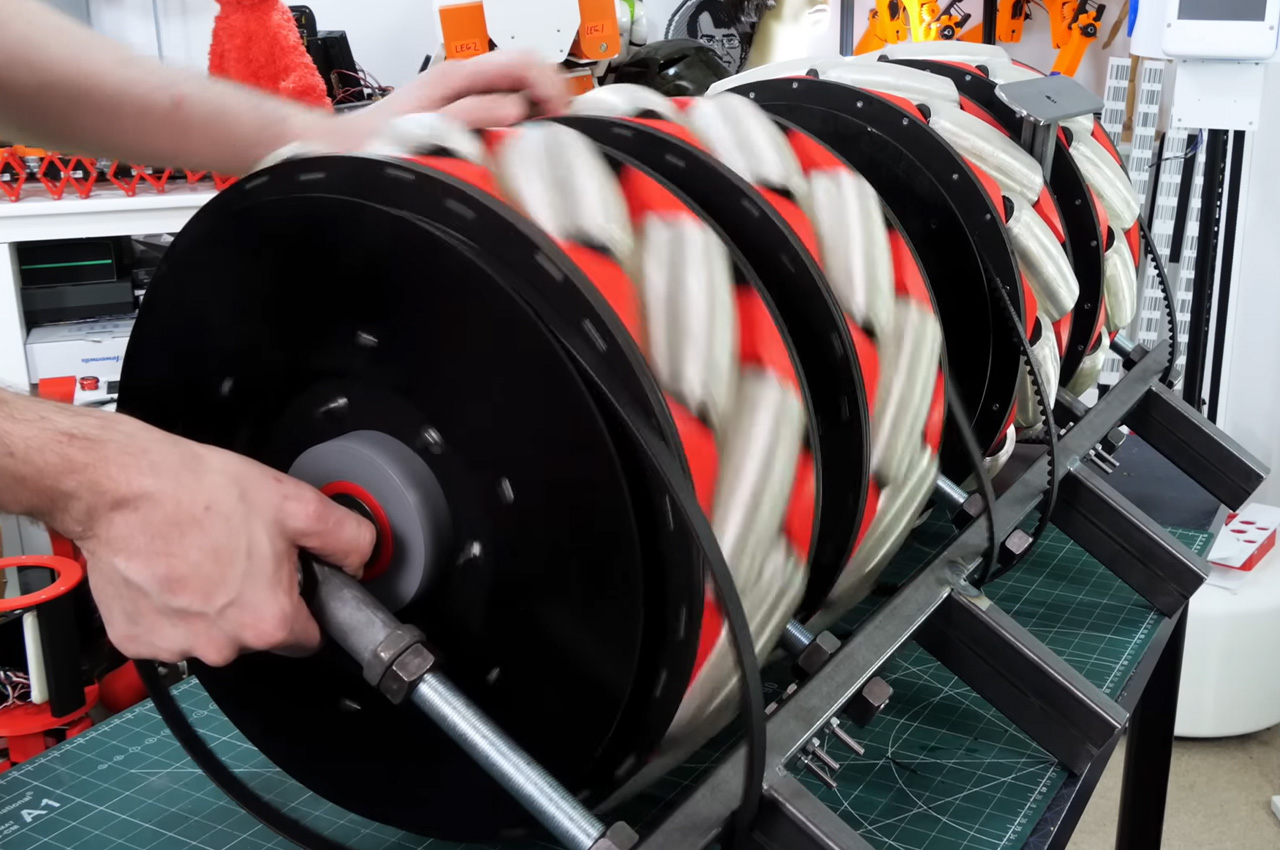
Dubbed the Screw Bike, this two-wheeled commuter justifies the namesake. I can’t resist but see the reminisces of the retro Motocompo here, but that could be a pure coincidence. James has a thing for omnidirectional wheels and this could be his best one so far. Each of those peculiar wheels on the bike is 360 mm in diameter and comes with a packing of smaller wheels positioned with engineering craft for multidirectional movement. Originally called Mecanum Wheels, these unique tireless wheels are used widely in the scope of robotics and often in competitive robotics due to their ability to introduce fully omnidirectional movement onto a drivetrain. These rollers typically each have an axis of rotation at 45° to the wheel plane and at 45° to the axle line.

While your high-end bicycle will beat this thing in a straight spring, on the tracks of Monaco this thing will have the moves. For this bike’s custom design, the inventor employs 3D printing technology and uses materials like plywood. Implementing such a complex wheel design could only have been possible with 3D printing. There are 48 small wheels and 96 wedges that make possible this complex iteration. The movement of this bike is so smooth, that it calls for due credit to James.

The steering input from the handlebar is perfectly synched with the direction in which the inventor wants to move. He demonstrates the movement of Screw Bike inside a room and out in the open too. This very well justifies that the smooth moves are no fluke.

The post James Bruton’s Screw Bike moves smoothly in any direction, even rotates on its axis first appeared on Yanko Design.

PUBG will take a nostalgia-infused trip back to its first map in May

PUBG: Battlegrounds is somehow old enough to evoke nostalgia. The pioneering battle royale game, which entered Steam Early Access in 2017, will borrow a page from Fortnite’s playbook and honor its first map. Erangel Classic will recreate the old-school battlefield from the game’s inception for a limited two-week run in May and June.

Developer and publisher Krafton says the Erangel Classic map will reproduce the original’s concepts, graphics, atmosphere and UI. However, it will blend those with “modern tweaks” to deliver “the enjoyable gameplay experiences that players have grown accustomed to.” In other words, much like remasters of other classic games, the goal is to feel as close to the original as possible without chucking out all of its subtle quality-of-life improvements from the game’s evolution.

Still from PUBG, featuring a player taking cover behind a crate with an assault rifle. Rural scene with an old house behind.
Krafton

If the revamped map idea sounds familiar, Fortnite brought back its original 2018 island map late last year, breaking its records for player counts. (It peaked at 44.7 million players, marking its biggest day ever.) It’s easy to see why Krafton would want a piece of that action.

Specific nods to the original map include foggy and rainy weather to add an air of unpredictability. In addition, you’ll find bench weapons on the starting island (get ready to scramble for your favorite), and all weapons will have reduced recoil to match the original. It will also have a Tommy Gun in the care package, a vintage map UI and a “charmingly tacky font and graphics.”

The tiered rollout will arrive on PCs and consoles at different times, extending the playtime for those who own the game on multiple platforms (perhaps helping Krafton sell a few extra in-game items). Erangel Classic will be available in PUBG: Battlegrounds on PC from May 14 to May 28 and on consoles from May 23 to June 6, replacing the modern Erangel map during those periods. Krafton says the May 14 patch notes will go into more detail about all the map’s changes, so keep an eye out.

This article originally appeared on Engadget at https://www.engadget.com/pubg-will-take-a-nostalgia-infused-trip-back-to-its-first-map-in-may-194736249.html?src=rss

3D-Printed from food-grade silicone, Reusable is a collapsable, pocket-friendly cup you can carry anywhere

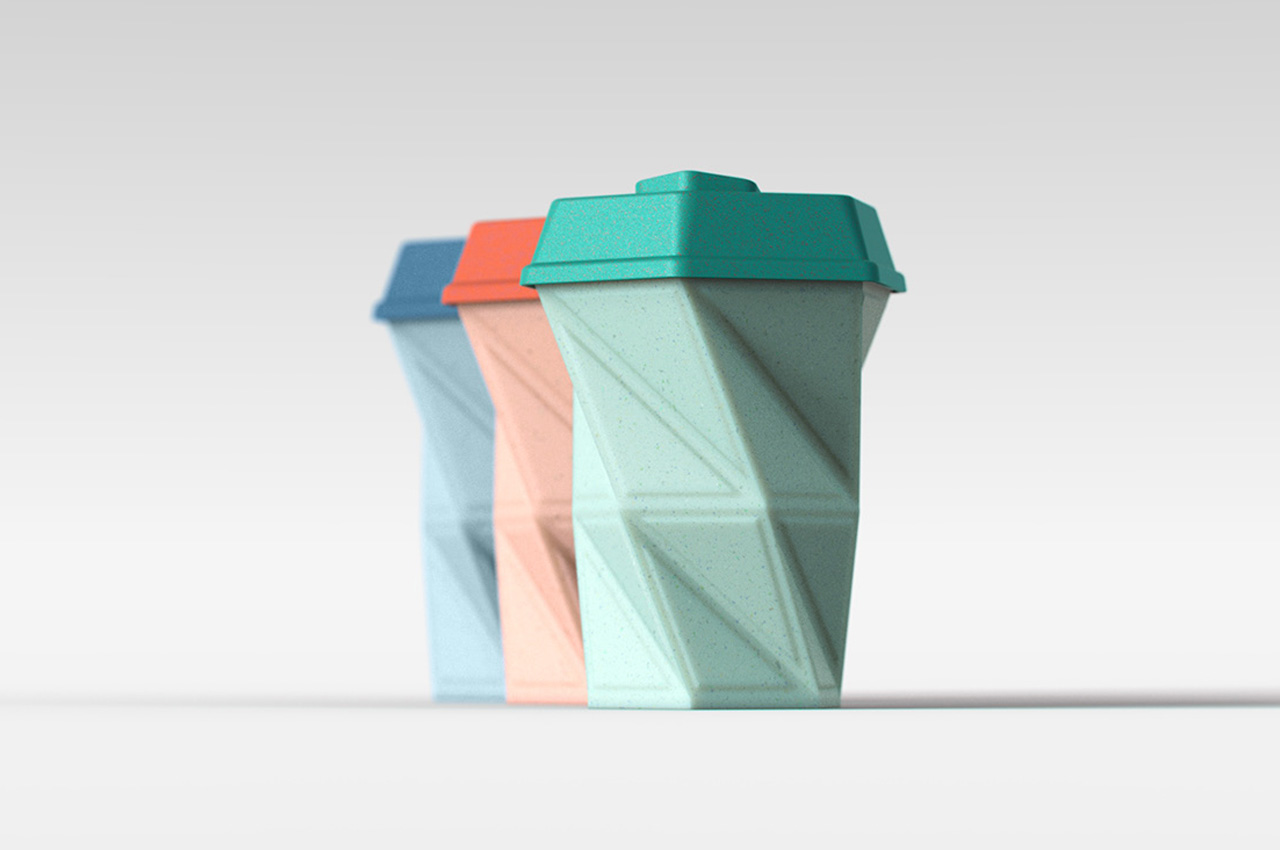
Recycle and Reuse have become the buzzwords today. Most materials – single-use plastic excluded – are being recycled, and some plastic items such as bottles are reused to restrict them from reaching the landfills. Plastic pollution is therefore a big menace globally that designers are trying to solve with potentially innovative ideas. In that league we came across the Reusable: a collapsable, reusable cup that is made from food-grade material and fits right in your pocket so you can carry it wherever your routine takes you.

Disposable paper cups have been around for a long time now. Not essentially made with the purpose of being reused, such cups have to reach the landfills after one time use. All right, some of these to-go cups are recyclable, but some paper cups contain a plastic or wax coating – to prevent leaks – rending their unrecyclable. This is where a solution like the Reusable makes a lot of sense, not essentially because it can be recycled at the end of life, but since it can be reused a multitude of times before it can be retired from the lifecycle.

Designer: Kalina Gotseva

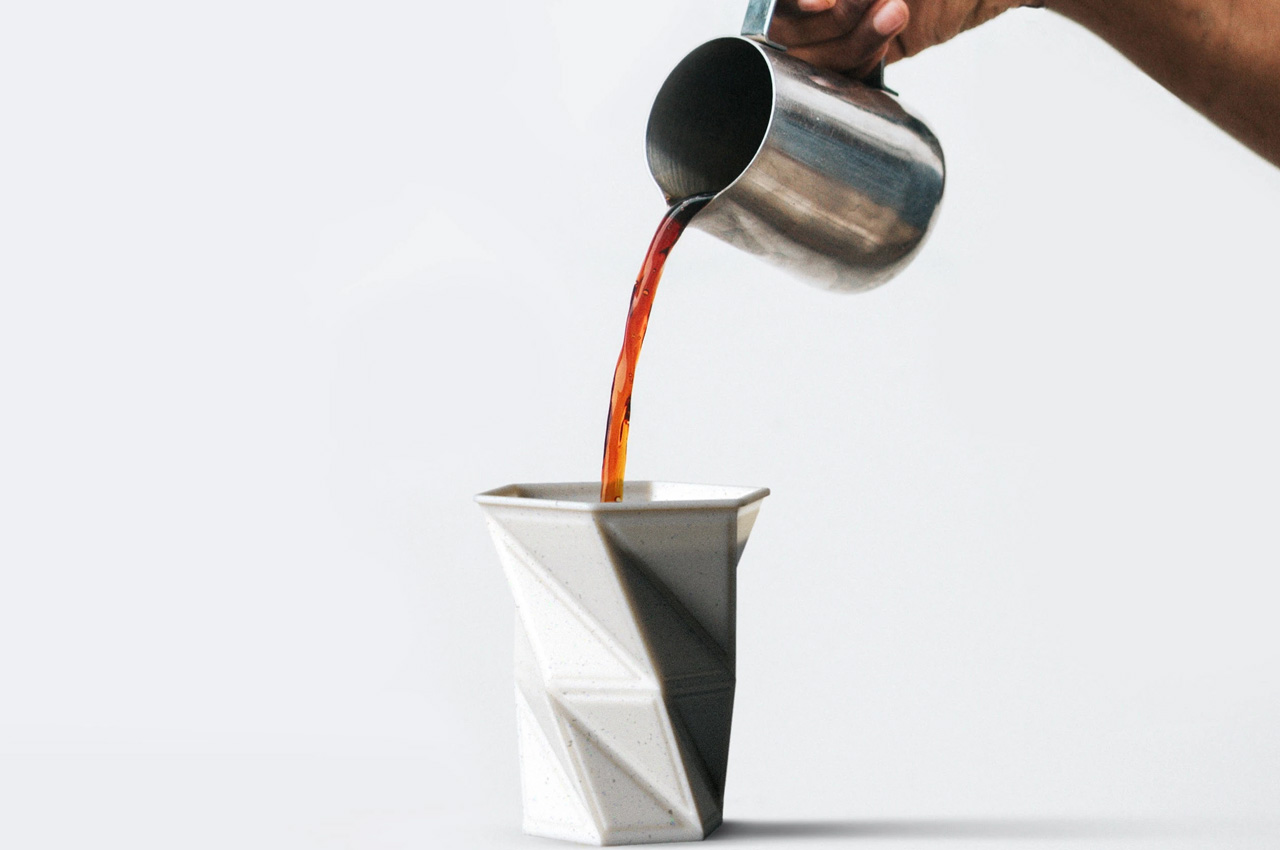
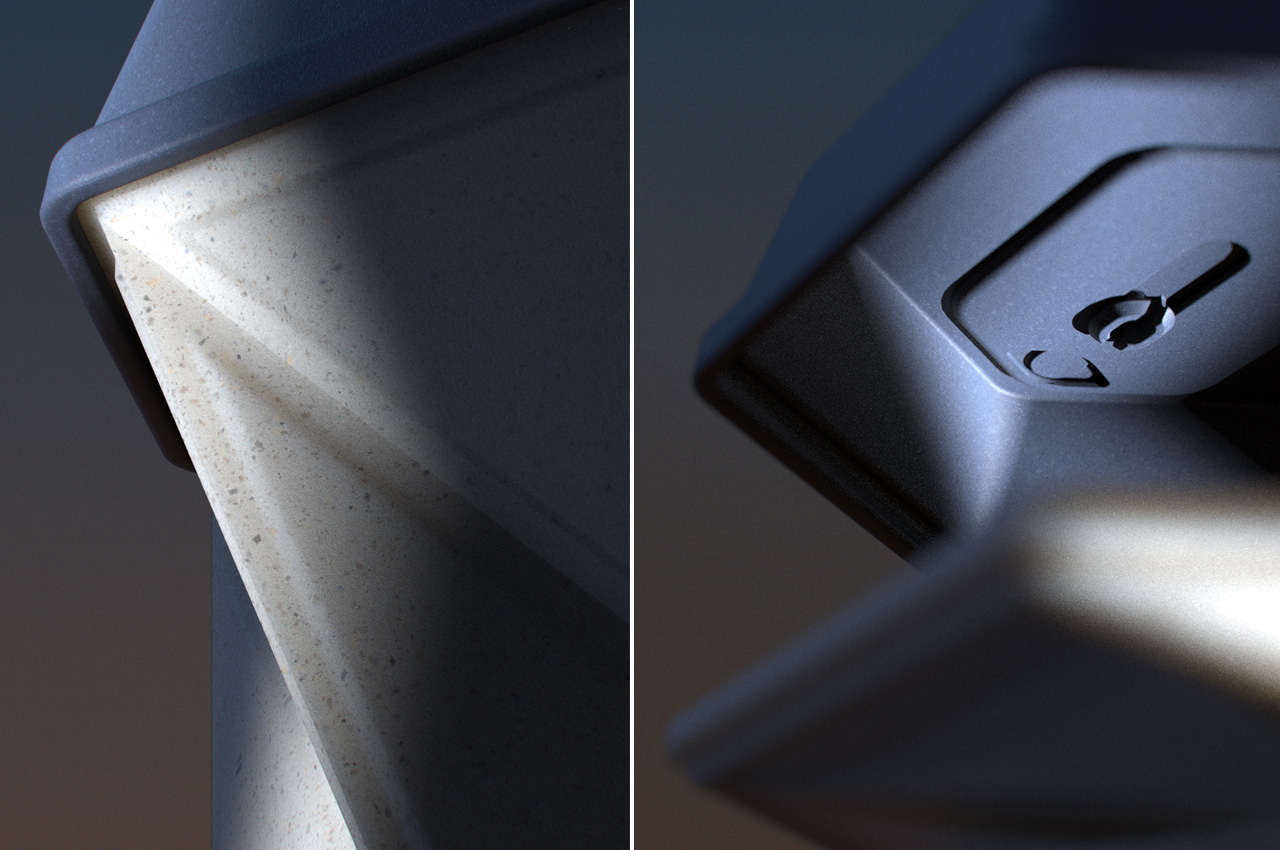
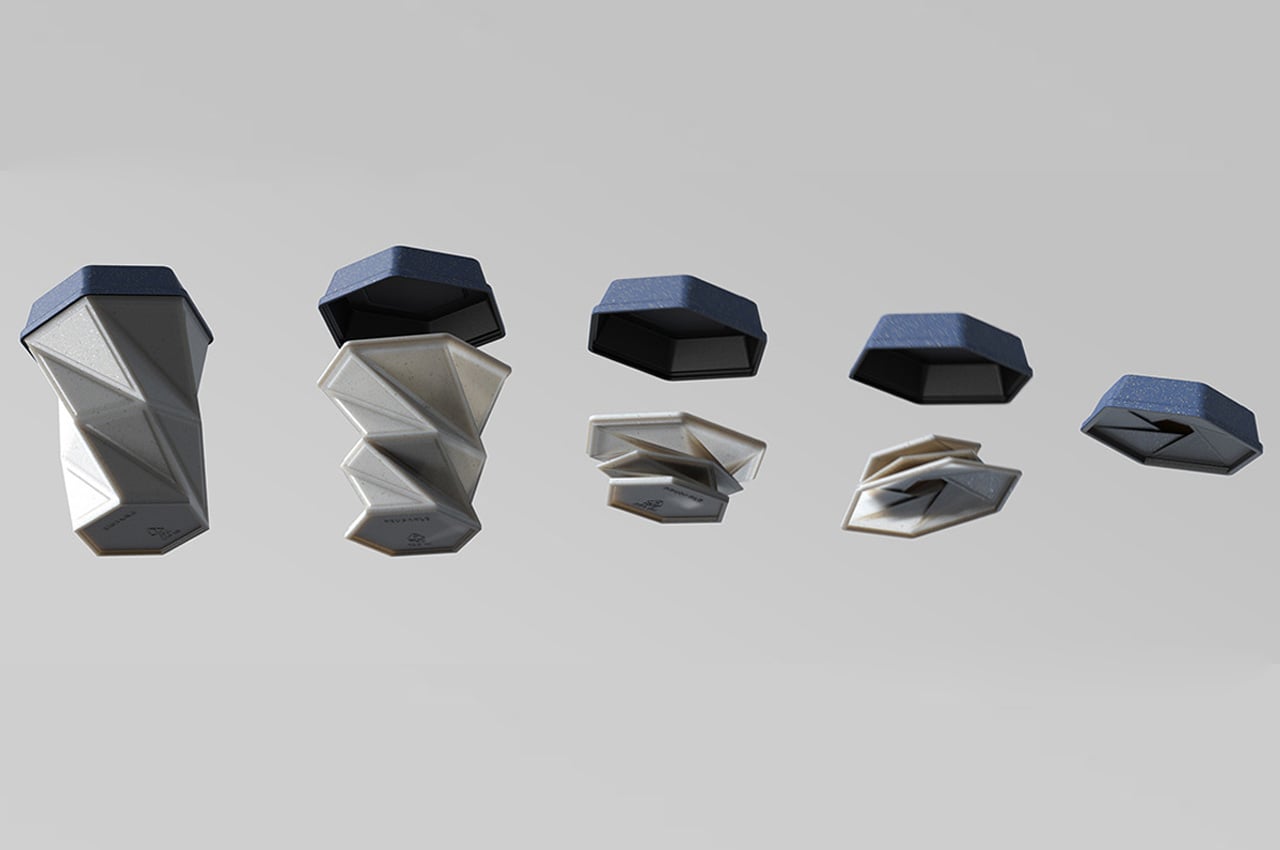
The brainchild of British-designed Kalina Gotseva, the Reusable has been 3D printed from durable, food-grade silicone. Made in a unique twisted design, after thousands of iterations on paper and other materials, the Reusable is made collapsable, transforming the cup from a full-sized option to a compact form factor that allows it to fit in the pocket.

Making a silicone cup with all the intricacies to make it reusable, the cup is a direct benefit product for millions of tea and coffee drinkers around the world, whose day wouldn’t start with the pipping hot beverage picked from the driveway in a throwaway one time use cup. This scenario could change with the benefit of Reusable which you can flip out of your pocket and have your drink served to you in it.

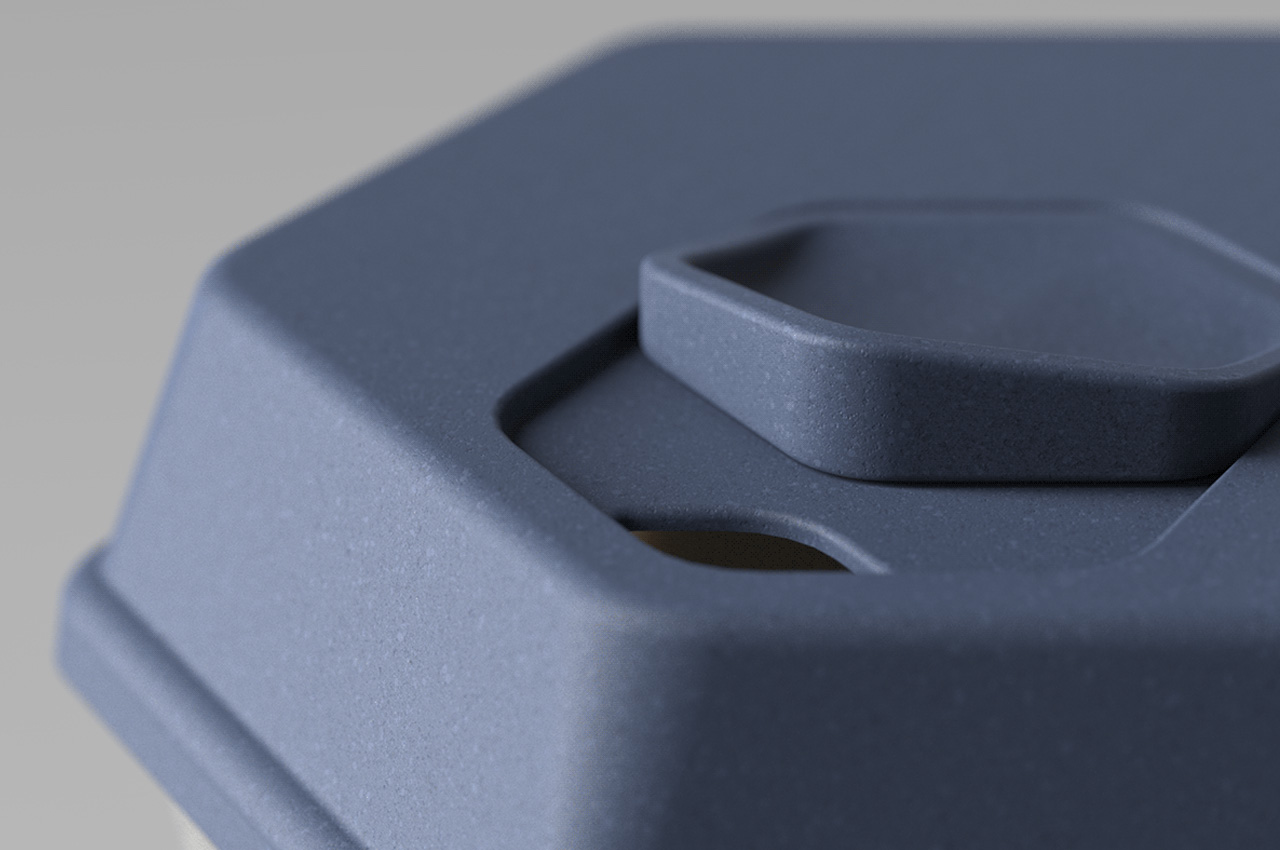
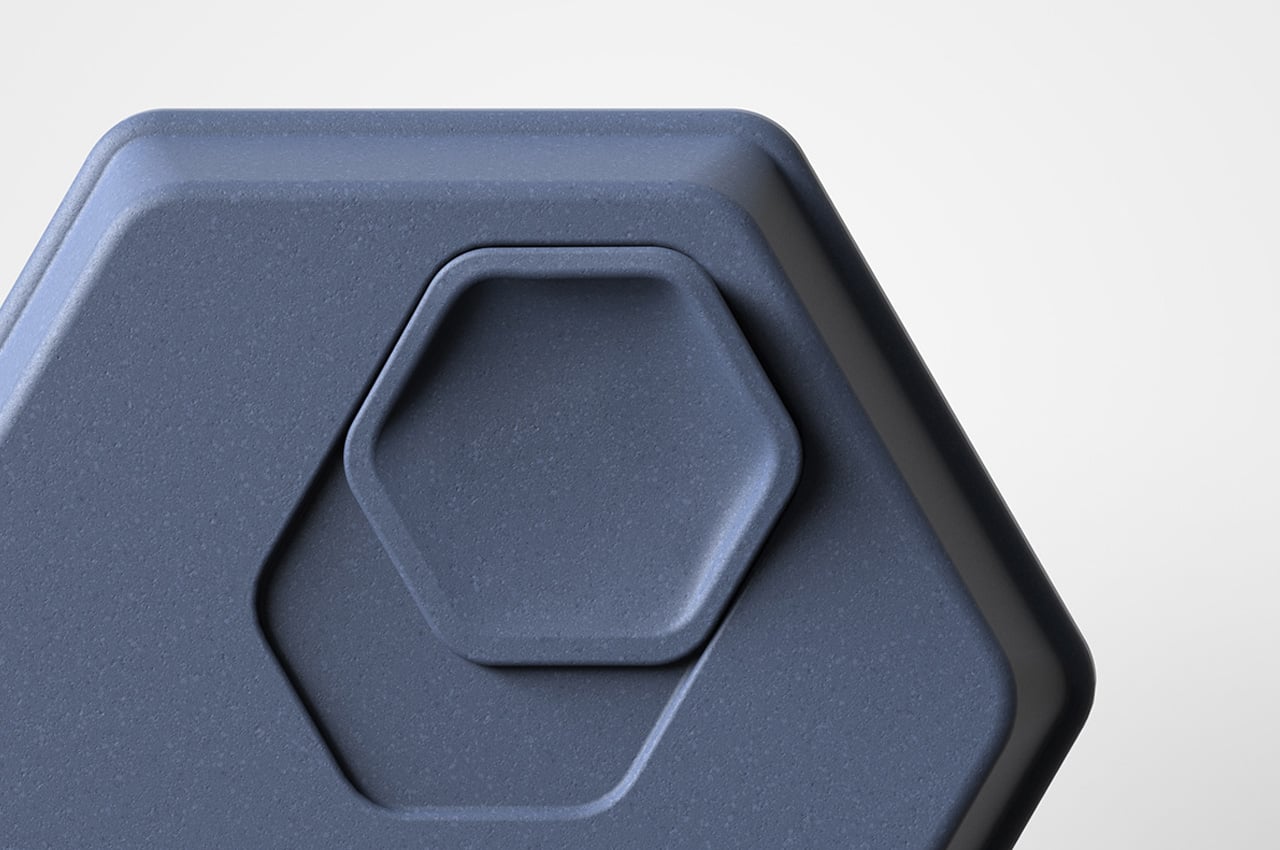
With the foldable and reusable design, the question of safety and convenience does arise in the mind. Gotseva has taken care of every detail, starting with making the entire foldable design self-contained. For that, the designer ensured that the body of the cup folds down flat and it can then fit securely in its cap to remain intact and dust-free in your pocket/bag. The protective cap is not just the Reusable’s case, in fact it has a tested push-and-pull slider on the drinking hole, which offers leak-proof convenience, so you can carry and drink your beverage safely, at your convenience.

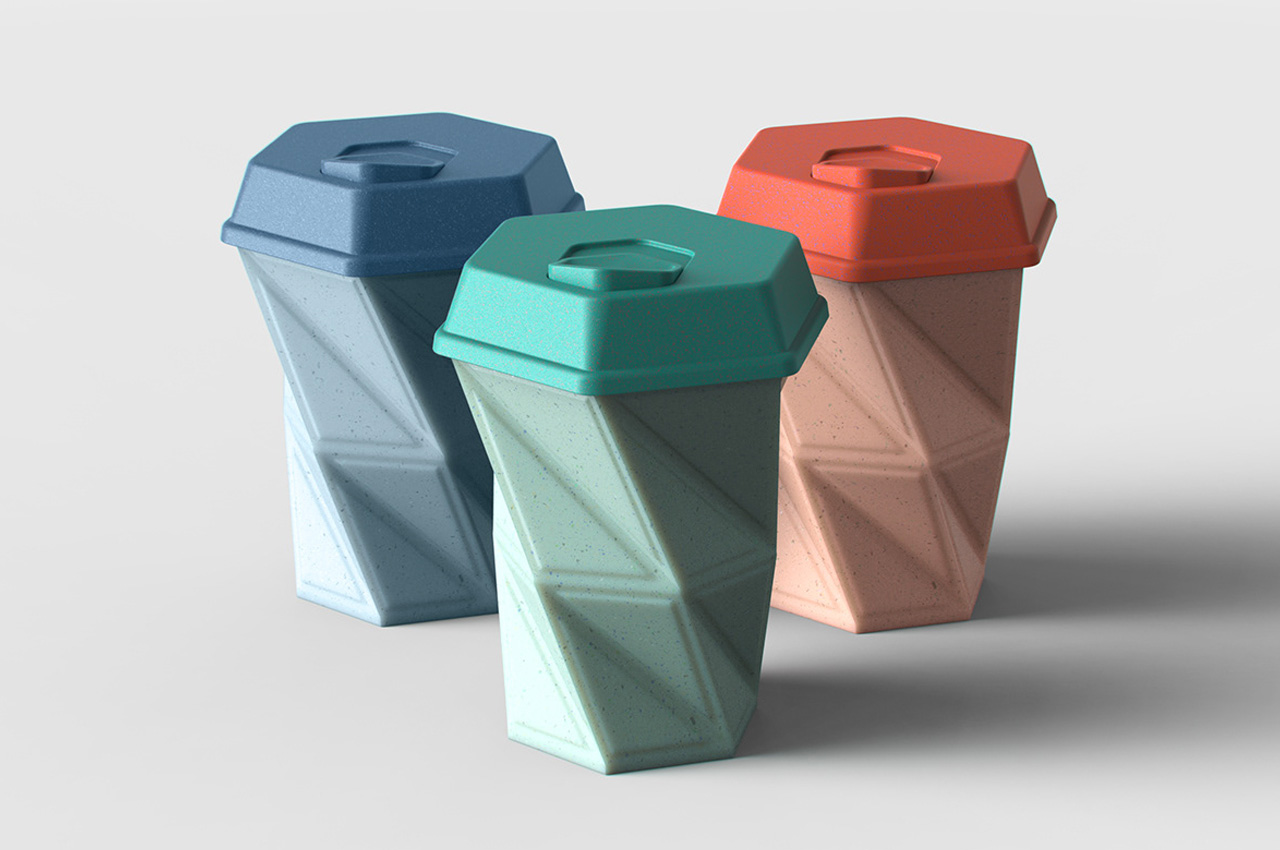
The Reusable despite all the nifty features has sleek aesthetics paired with an ergonomic grip and three interesting color choices to pick a cup that matches your style. Created from BPA-free silicone, the cups are colored – with food-safe options – during the injection molding process. These are available in dark blue, light aquamarine, and vibrant orange colors to choose from. I don’t know about you, but I’m waiting for the Reusable to hit the market. My pick is orange, what’s yours?

The post 3D-Printed from food-grade silicone, Reusable is a collapsable, pocket-friendly cup you can carry anywhere first appeared on Yanko Design.

JetBlue’s in-flight entertainment system just got a watch party feature

JetBlue is revamping its in-flight entertainment system, complete with a new branding. It’s now called Blueprint and brings several features that should make your next flight just a teensy-bit less grueling. The biggest news here is a watch party feature that lets customers view the same TV show or film with up to five other people.

This is actually pretty cool, as watching stuff with friends and family during a long flight typically requires the finicky “push play at the exact same time and hope nobody has to go to the bathroom” method. The watch party feature includes functionality that pauses content for all viewers, should one have to take a break to deal with existential panic from being six miles above the ground. It also works no matter where the seats are.

The watch party tool is just one aspect of the revamped in-flight entertainment experience. The system will now provide content recommendations based on previous viewing history, as it will be tied to individual accounts. This means that customers can save their favorite movies and shows for repeat viewings. It also means that people can pick up where they left off from one flight to the next. JetBlue says this can be useful for a connecting layover flight or even a trip months down the line.

JetBlue has a content partnership with Peacock, so customers have access to the streamer’s catalog during flights. Both Twisted Metal and Mrs. Davis are solid in-flight binges. The company also teased more “exclusive entertainment and offers” coming to Blueprint in the future.

As for availability, Blueprint is ready to go on JetBlue aircraft with AVANT seatback touchscreens. This includes the Airbus A321neo, Airbus A321LR (Long Range) and Airbus A220.

This article originally appeared on Engadget at https://www.engadget.com/jetblues-in-flight-entertainment-system-just-got-a-watch-party-feature-185913233.html?src=rss

Threads is testing automatic archiving for posts

Threads users may soon have a new way to clean up their timelines. The app is testing a new archive feature that can be used to manually archive individual posts or automatically hide posts after a set period of time, Adam Mosseri shared.

As on Instagram, archiving a post on Threads will hide it from public view, though the post will be available to the original author to view or undo. The Instagram head said the feature will be available to a “small number of people” to start. Though optional, Mosseri has made no secret that his preference is for all posts on the service to be somewhat ephemeral. “I think we should move to automatically archive posts on Threads after a month or so,” he wrote in a post back in February.

But, in a poll shared with that earlier post, Threads users overwhelmingly said they would “never” want their posts automatically hidden from public view. In his latest update, Mosseri noted that “the resounding feedback was not to make this the default” so the company will try out archiving “as an option” to start.

While archiving old posts is popular on Instagram, the feature could be somewhat more controversial on Threads. As the service grows and adds more features geared toward real-time information, posts that automatically archive could make it harder to go back and revisit the original source of an update. (If Mosseri, for example, were to automatically archive all his old posts, it would be much more difficult to track his evolving thoughts on Threads, which he often shares publicly on the platform.) At the same time, allowing posts to be ephemeral often encourages users to share more often, which is even more important for Threads’ continued growth.

This article originally appeared on Engadget at https://www.engadget.com/threads-is-testing-automatic-archiving-for-posts-184243484.html?src=rss

WhatsApp is enabling passkey support on iOS

Several months after Meta brought WhatsApp passkey logins to Android, it’s doing the same on iOS. The company is rolling out the feature now, and it will be available to all users in the coming weeks.

Passkeys are seen as a more secure login method as (for one thing) it mitigates the risk of scammers convincing users to share their SMS passcode. Instead, you can log in by verifying a passkey using facial recognition, biometrics or a PIN stored on Apple’s passkey manager. Passkeys work by securely storing an authentication credential on your device that pairs with one saved by the service you want to log into.

To turn on passkeys for WhatsApp on iOS, go to the Account section of the app’s Settings, and then tap Passkeys. “Passkey verification will make logging back into WhatsApp easier and more secure. We’re excited to launch this on WhatsApp and give users an added layer of security,” Alice Newton-Rex, WhatsApp’s head of product, said in a statement.

This article originally appeared on Engadget at https://www.engadget.com/whatsapp-is-enabling-passkey-support-on-ios-182527962.html?src=rss