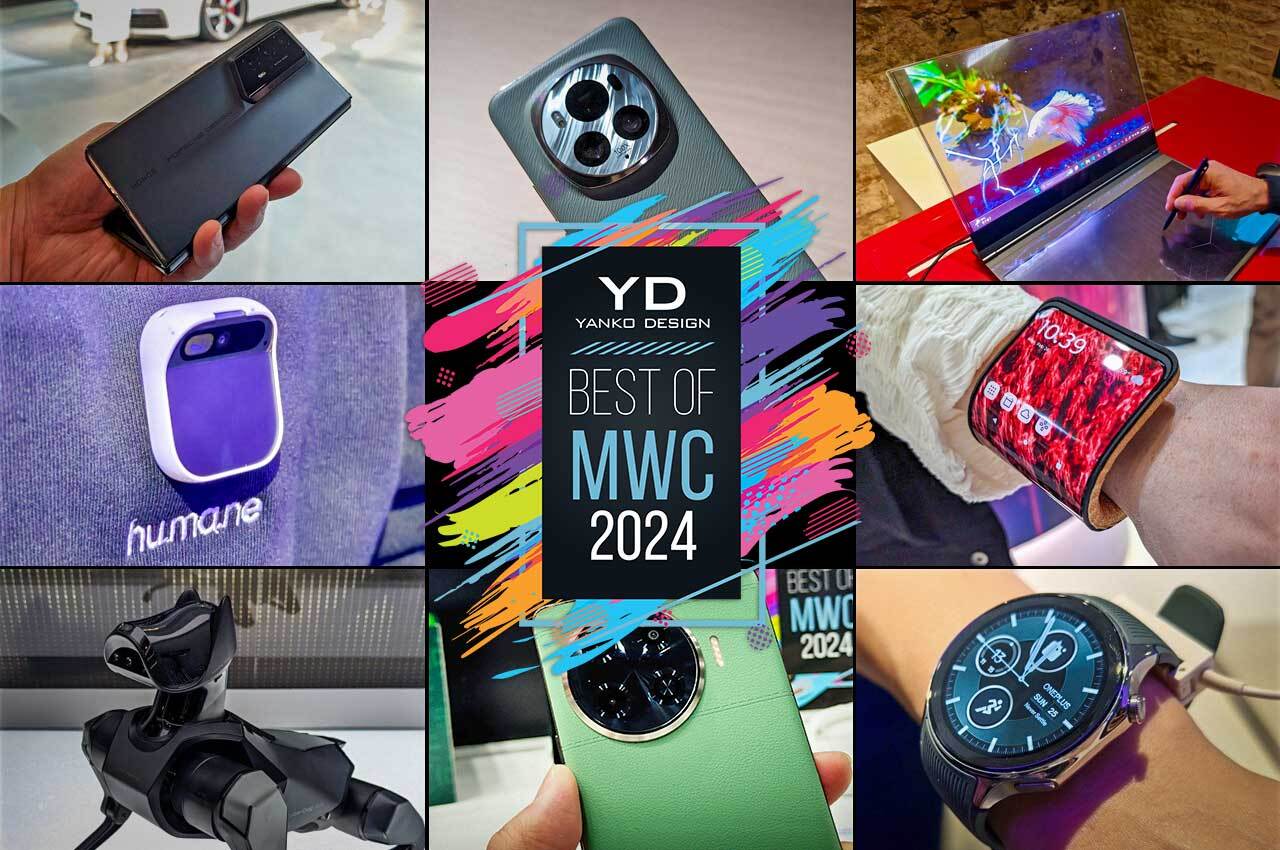
Artificial intelligence and machine learning have become such hot topics that even mainstream media has been giving them their 15 minutes of fame. Unsurprisingly, there are both proponents and critics of these technologies, but it’s hard to deny how AI is becoming an unavoidable presence not just in devices but also in services. Just take a gander at how many AI-powered or AI-enhanced designs there are at MWC in Barcelona this year. Of course, that’s not the only trend that’s gripping the mobile tech industry, and so we sift through the dozens of products and concepts at MWC 2024 to pick out the best designs that help live life to the fullest, with a little help from AI, of course.
TECNO Spark 20+ Pro
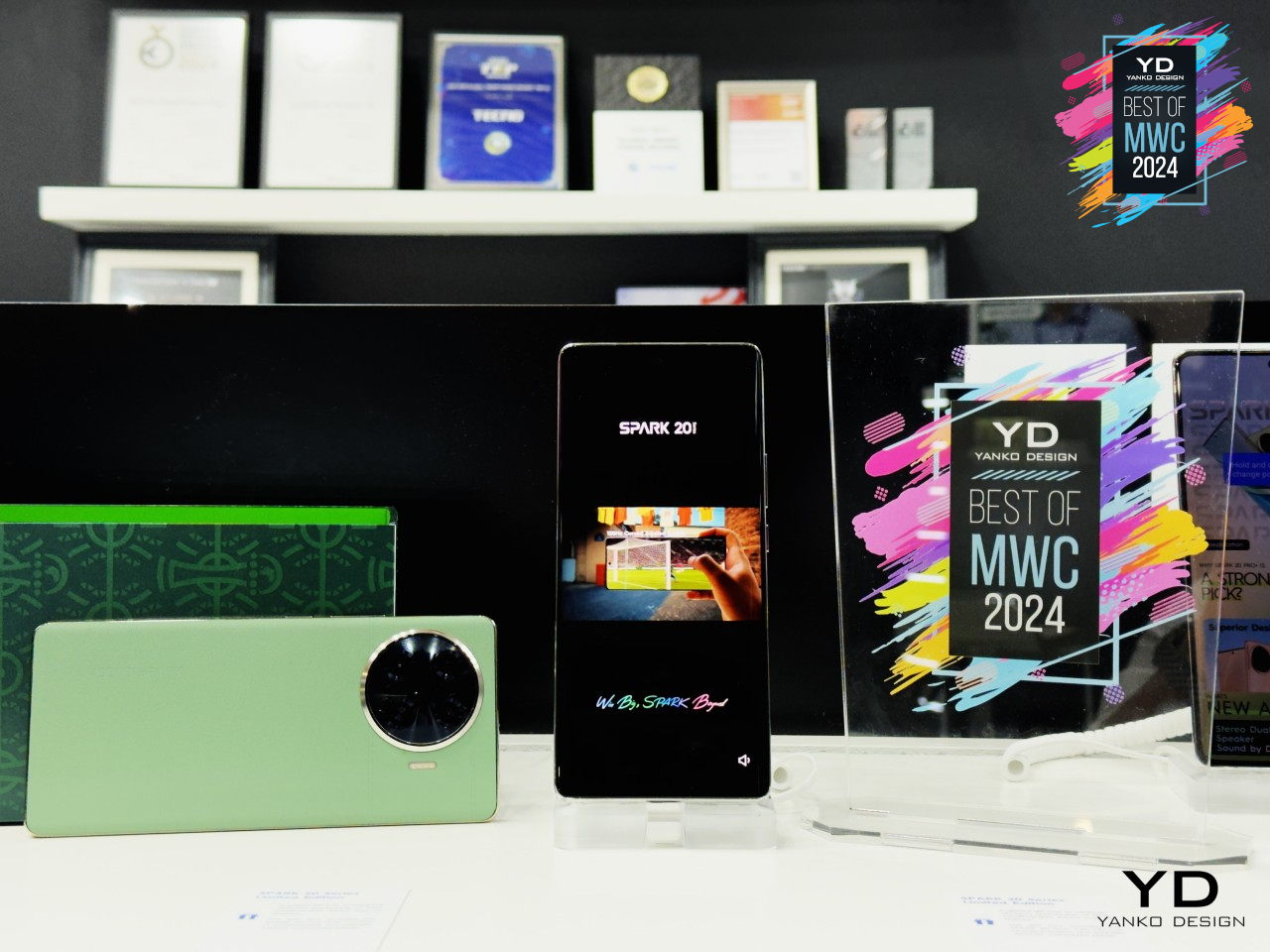
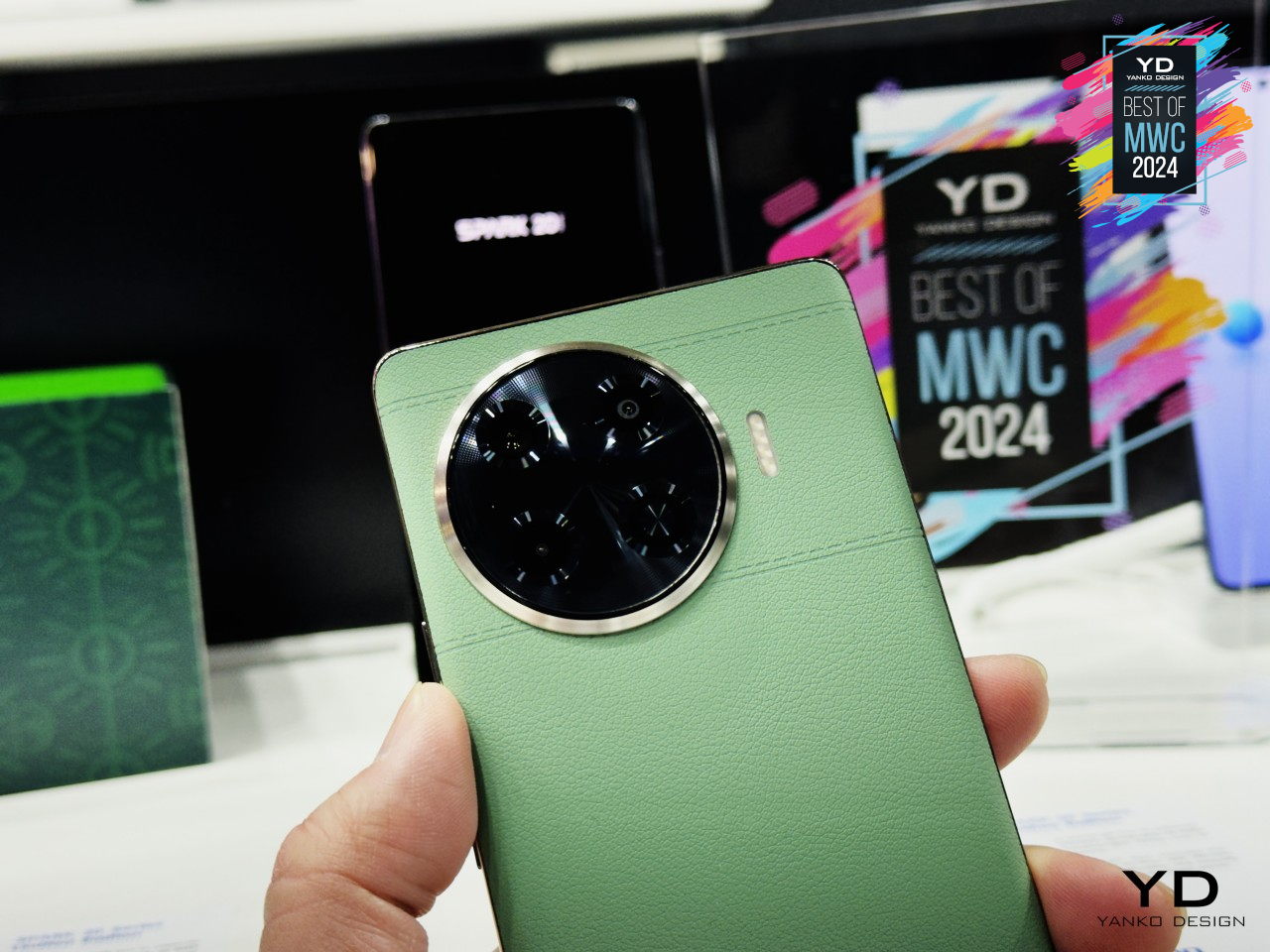
The TECNO SPARK 20 Pro+ is a remarkable choice in the affordable smartphone category, providing advanced imaging features and a stunning design at a reasonable price, perfect for today’s generation of creators. The camera boasts a 108MP lens with 3x lossless zoom and 10x digital zoom, leading to incredibly detailed photos. The large 1/1.67″ sensor size and F/1.75 aperture ensure excellent image quality in diverse lighting conditions. Its HDR Multi-Frame Fusion intelligently balances light and shade for optimal composition. The phone also features a 32MP Glowing Selfie Camera with an 88.9-degree golden lens, enhanced by AI portrait restoration, perfect for selfies or group shots. The high-end camera stack also includes TECNO’s 9-in-1 Adaptive Pixel technology. This feature increases light sensitivity by 900% and uses an ultra-large 1.92µm pixel to enhance your shots’ clarity.
Designer: TECNO
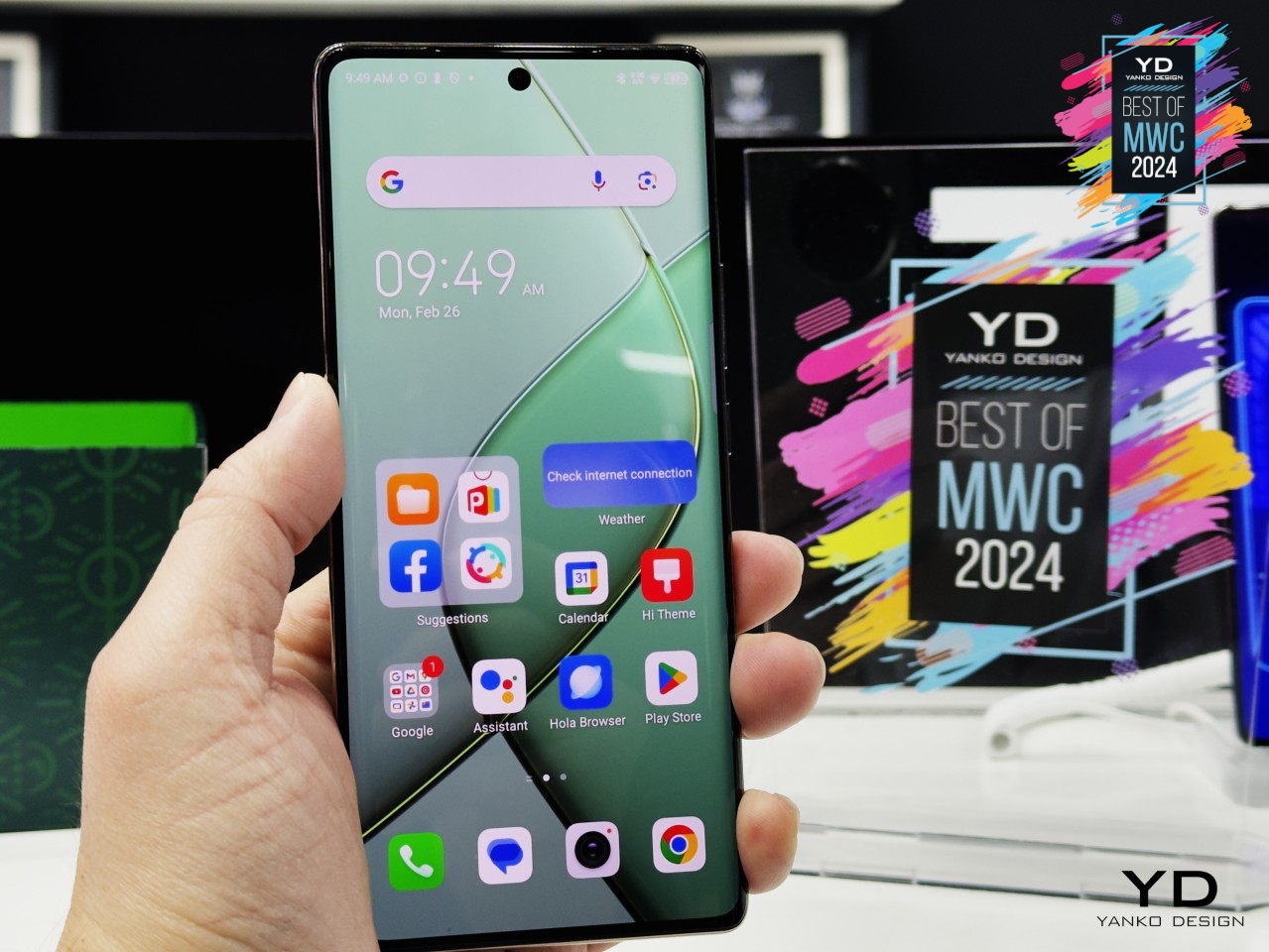
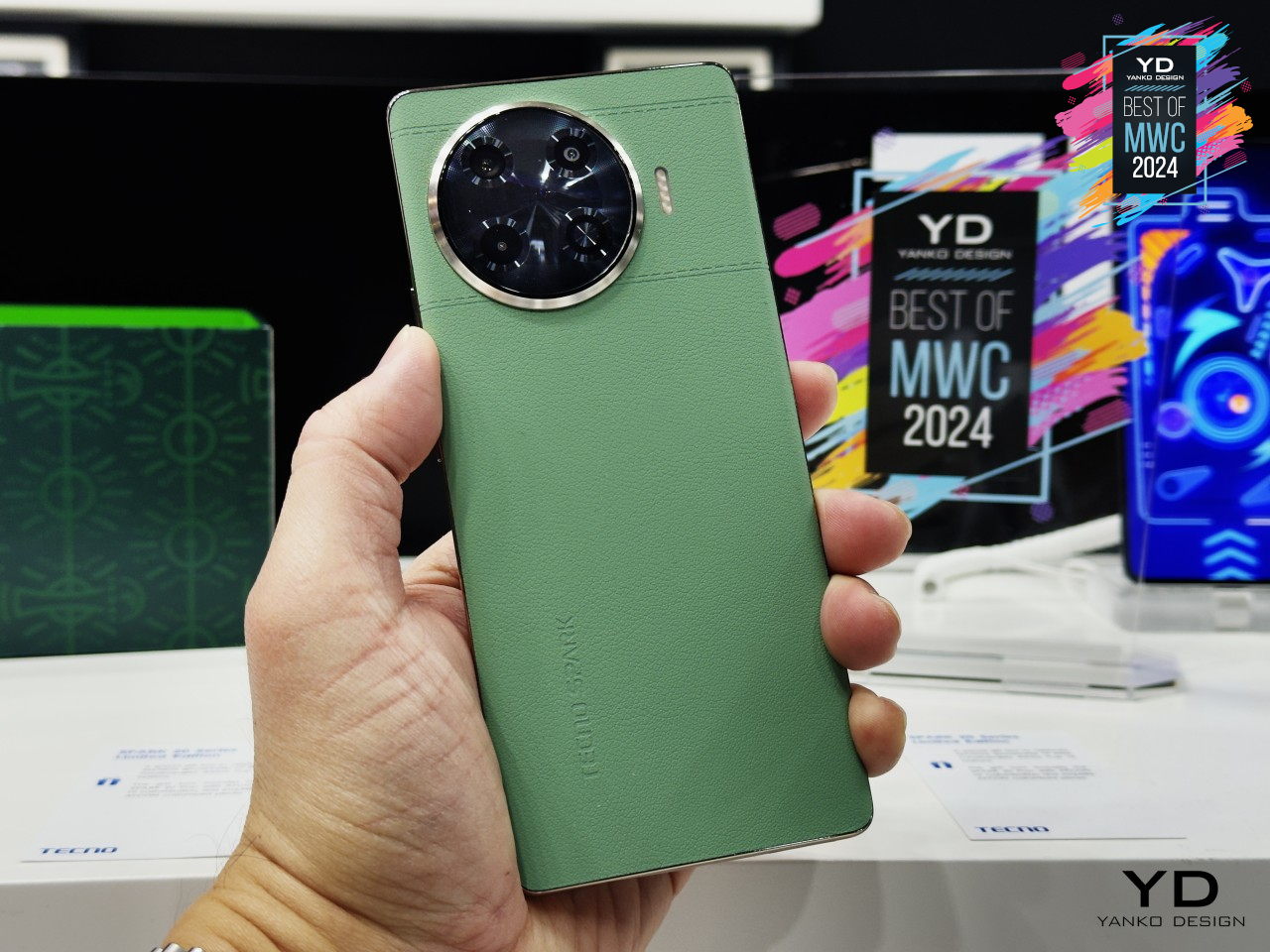
Vloggers will adore how it can record in 2K resolution, making it ideal for capturing important memories and putting your best self forward. Features like an automatic bokeh for movie-like effects, a night algorithm for improved low-light captures, and slow-motion support to enhance the production quality make you feel like a pro cinematographer without breaking a sweat. It also offers advanced video stabilization and dual-focus technology for diversified filming scenarios. The Dual View mode, which combines front and rear camera views, opens up new vlogging opportunities that will take your channel to the next level.
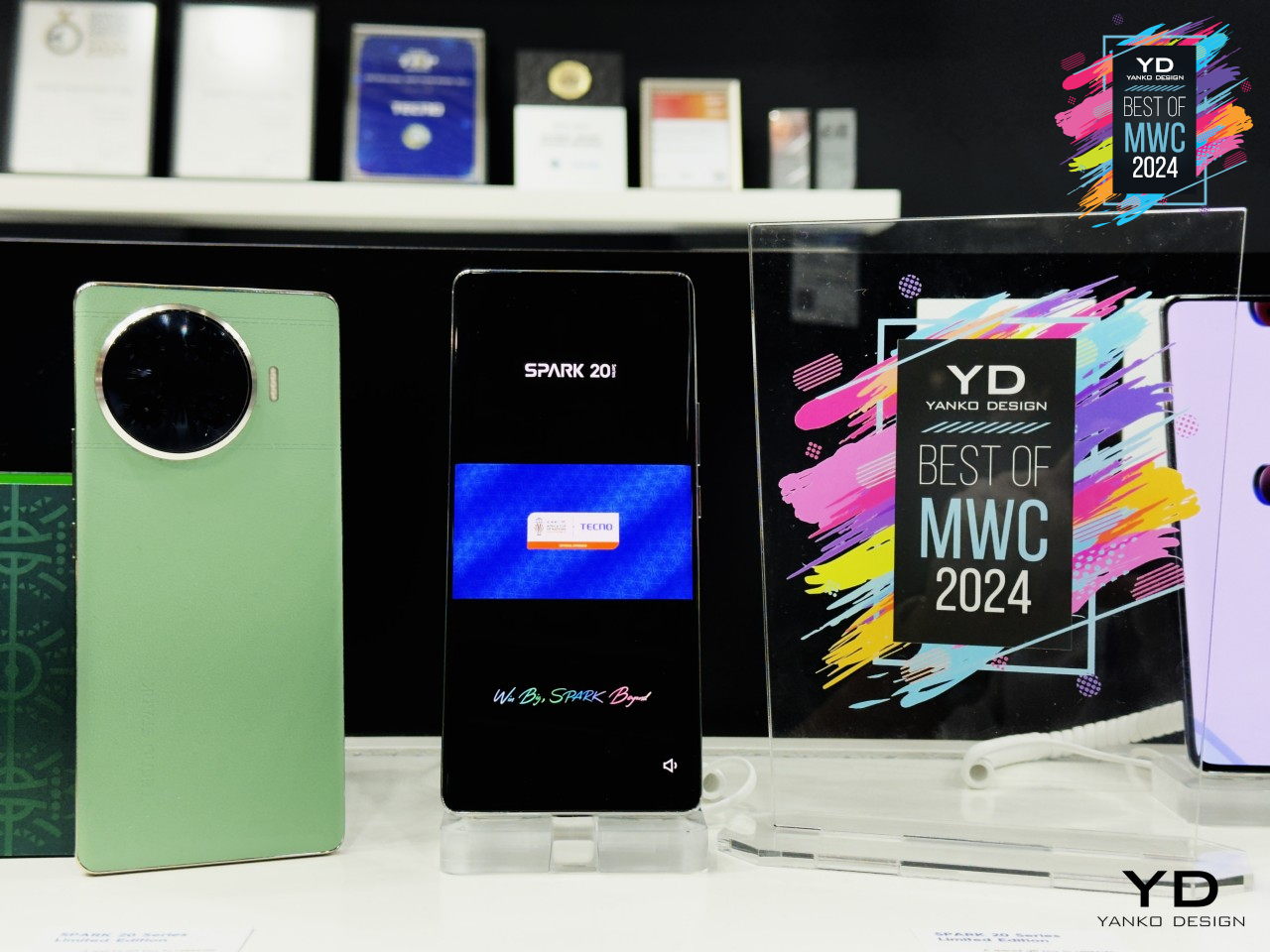
The high-quality Corning Gorilla Glass 5 makes it sleek and easy to hold thanks to an ergonomic design, and it is lightweight at 190g with a thickness of 7.55mm. With its pioneering 56.5-degree Ergonomics Double Curved Design, the phone is a sight to behold and a joy to behold from every angle. The Quadrant Star Array camera on the back provides excellent photos and adds balance, while the Sparkle Sand Pattern sparks interest and awe, easily making you the center of attention. The glossy back cover comes in three colors – Lunar Frost, Temporal Orbits, and Radiant Starstream, plus a fourth, Magic Skin 2.0 Green, for extra durability and an eco-friendly choice. Durability is another key factor that contributes to its appeal, with water and dust resistance features ensuring longevity. These aspects, combined with its high-quality camera system, make the TECNO SPARK 20 Pro+ a remarkable device that offers exceptional value for its price.
TECNO CAMON 30 Premier 5G
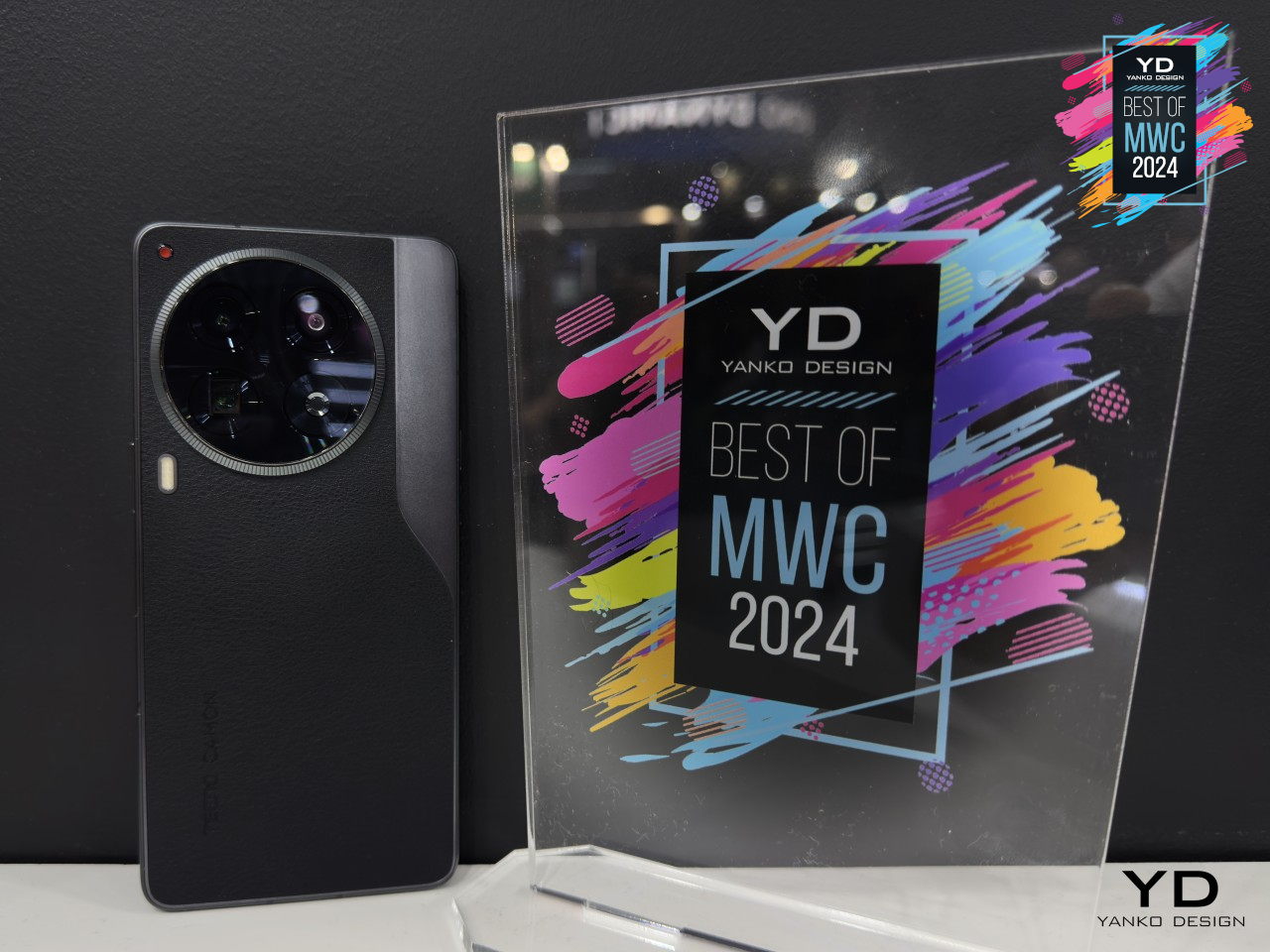
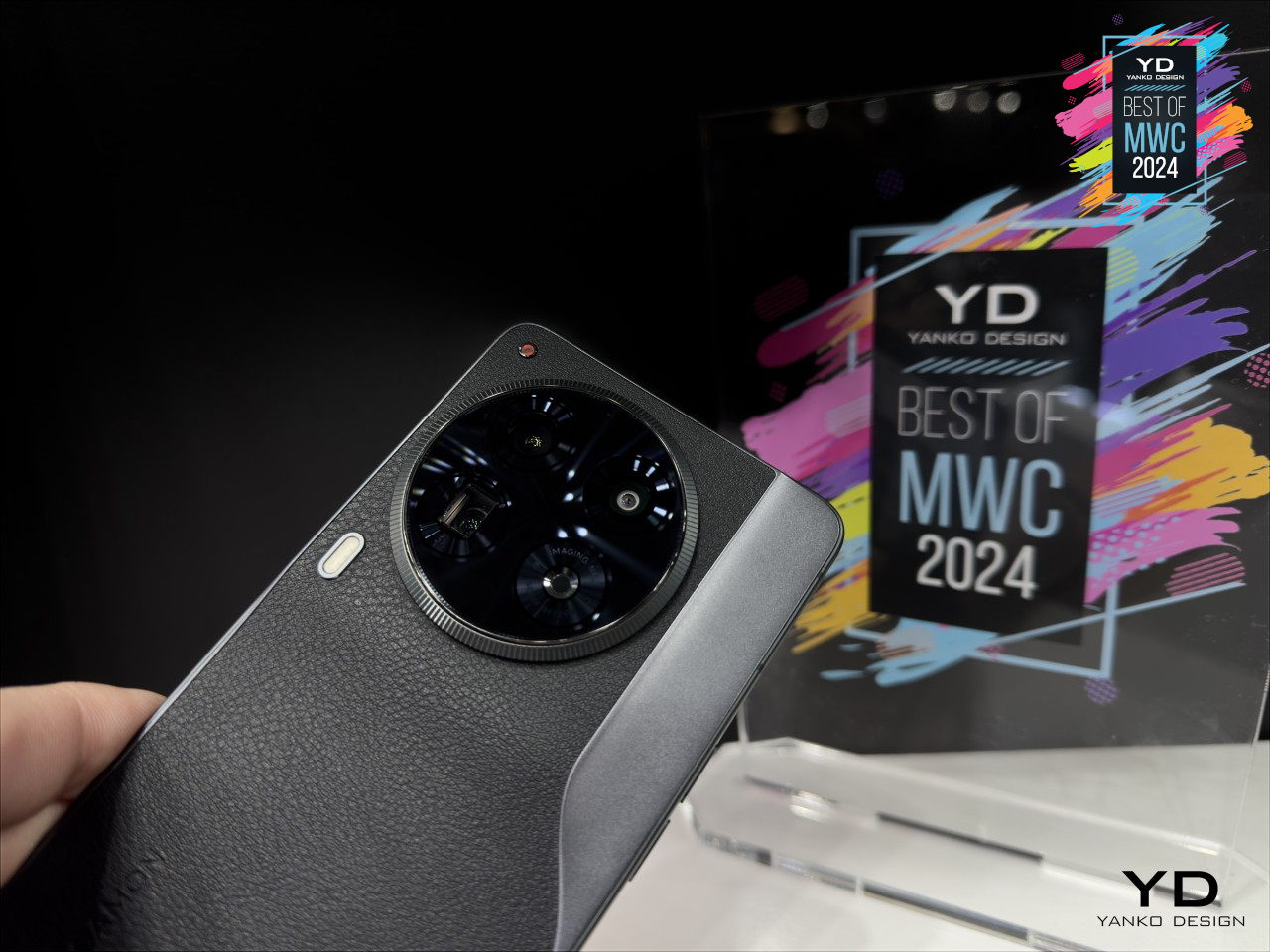
Photography has become one of the major reasons to have a smartphone these days, whether you’re an amateur shutterbug or a prolific influencer. Although manufacturers played the megapixel game in the beginning, it is now clear that takes more than that to produce breathtaking images and viral videos. It can be a complicated matter, but TECNO is simplifying it into a single package that is poised to revolutionize the mobile photography scene.
Designer: TECNO
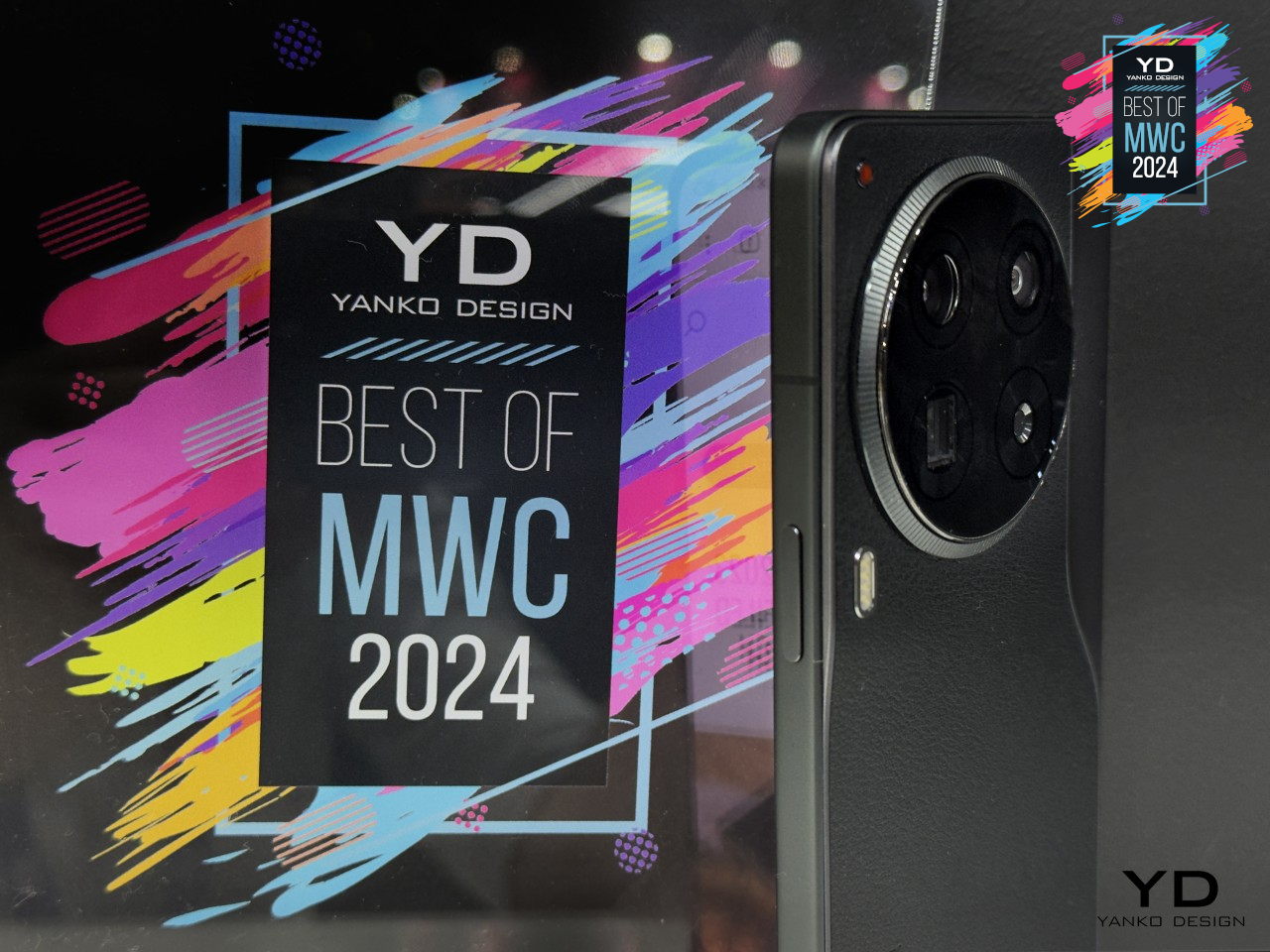
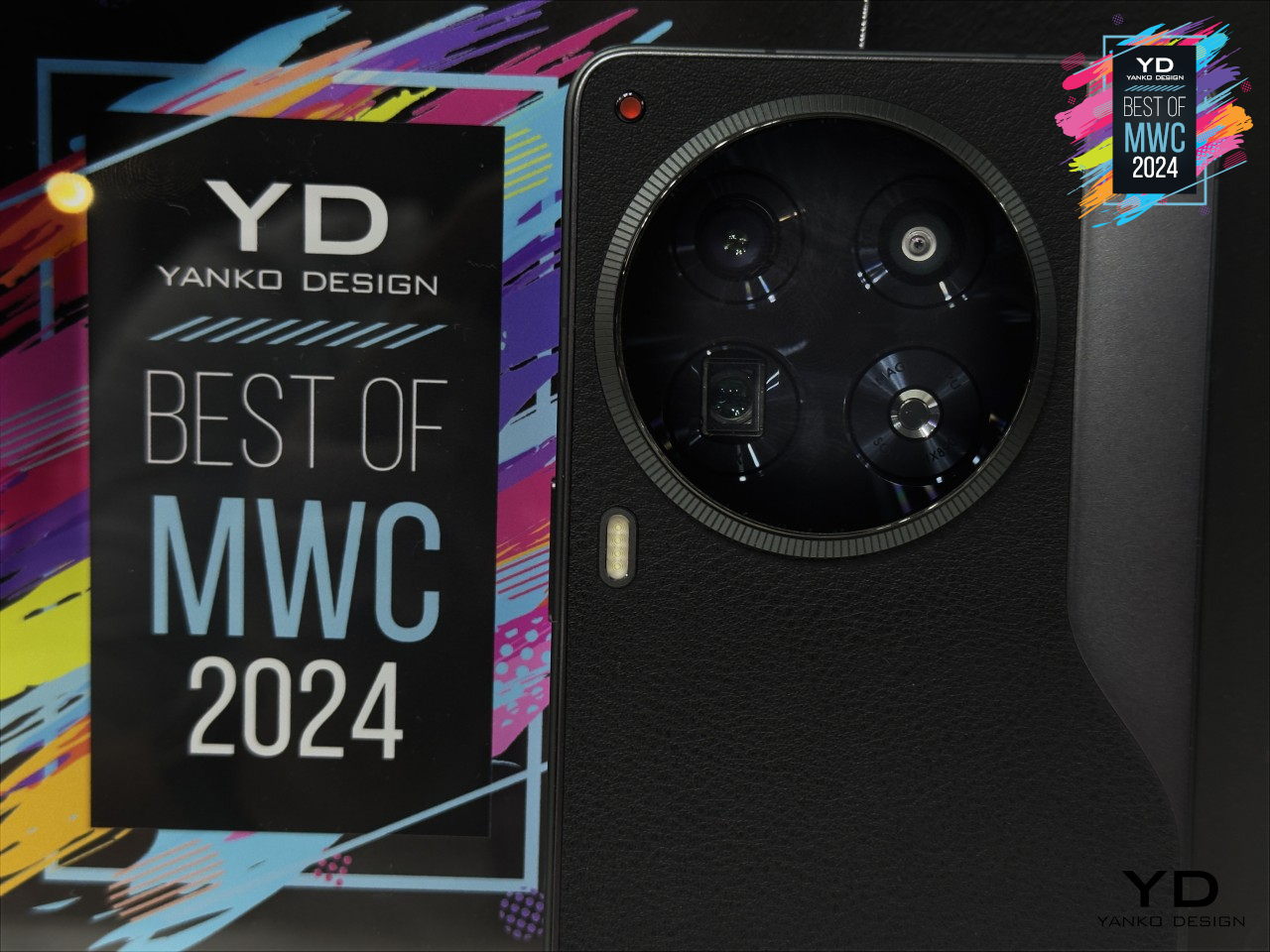
Developed in collaboration with Sony, the TECNO PolarAce Imaging System on the new CAMON 30 Premier 5G adds an independent imaging processor just for handling photos and videos. The results definitely speak for themselves, and it’s a technology that will put TECNO on the global map when it comes to mobile photography. The CAMON 30 Premier 5G itself is quite the looker, inspired by the aesthetics of rangefinder cameras while still maintaining a stylish and classic appearance.
D-Link Aquila Pro AI M60
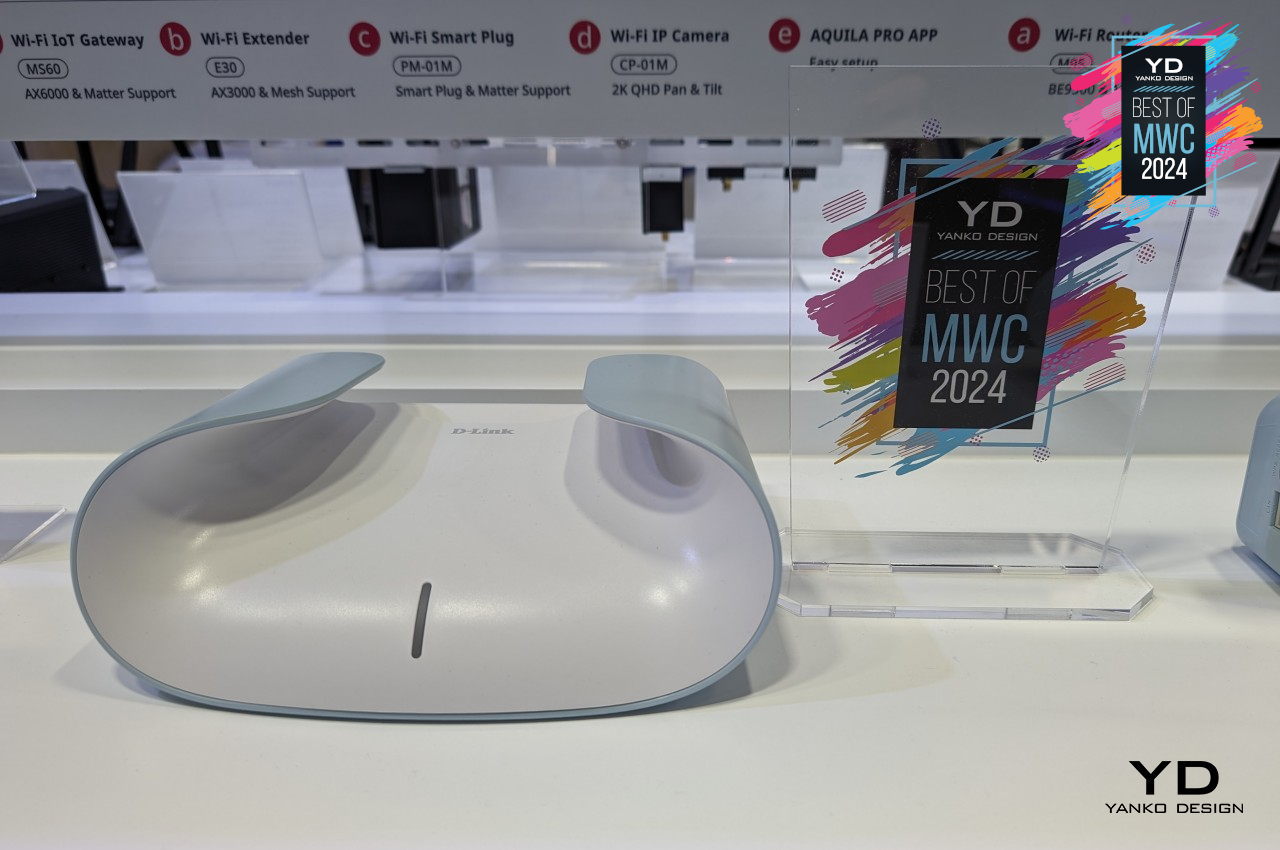
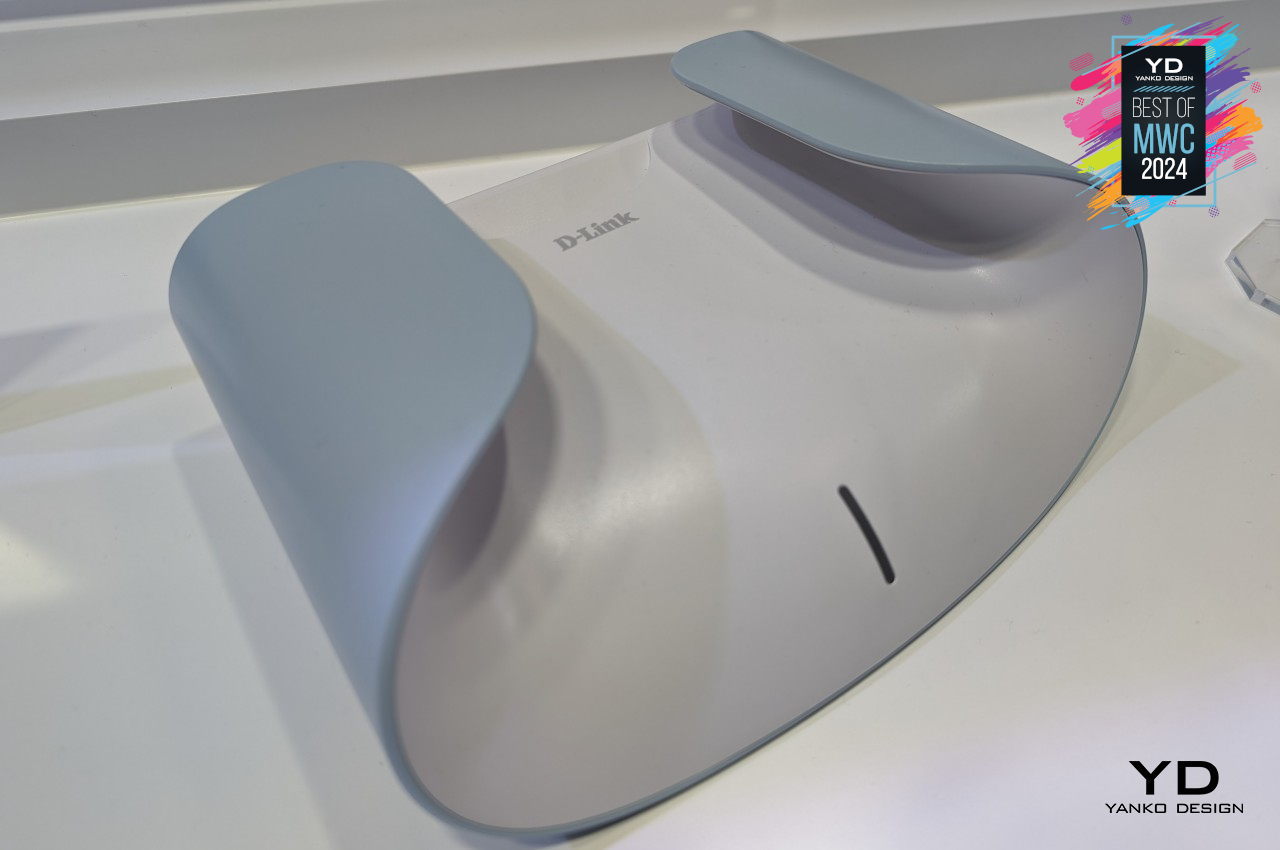
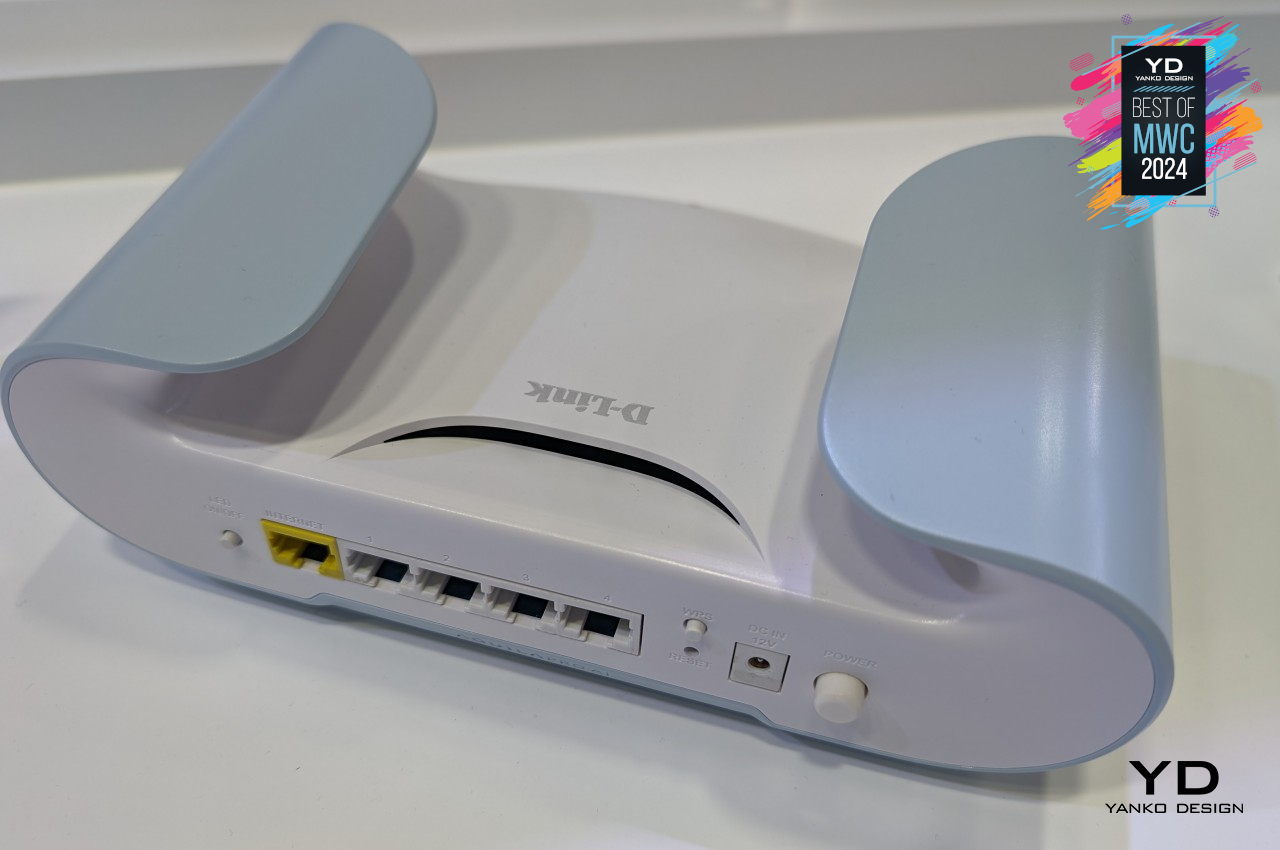
Our Internet needs even at home have become more complicated, and the routers of the past are clearly not equipped to keep up with the demand of all the smartphones, tablets, and smart home devices competing for bandwidth. More powerful and sophisticated routers do exist, but the vast majority of them seem to be designed to flex their muscles, showing off their antennas and bulky boxes that look more like technological monstrosities rather than an integral part of your home.
Designer: D-LINK
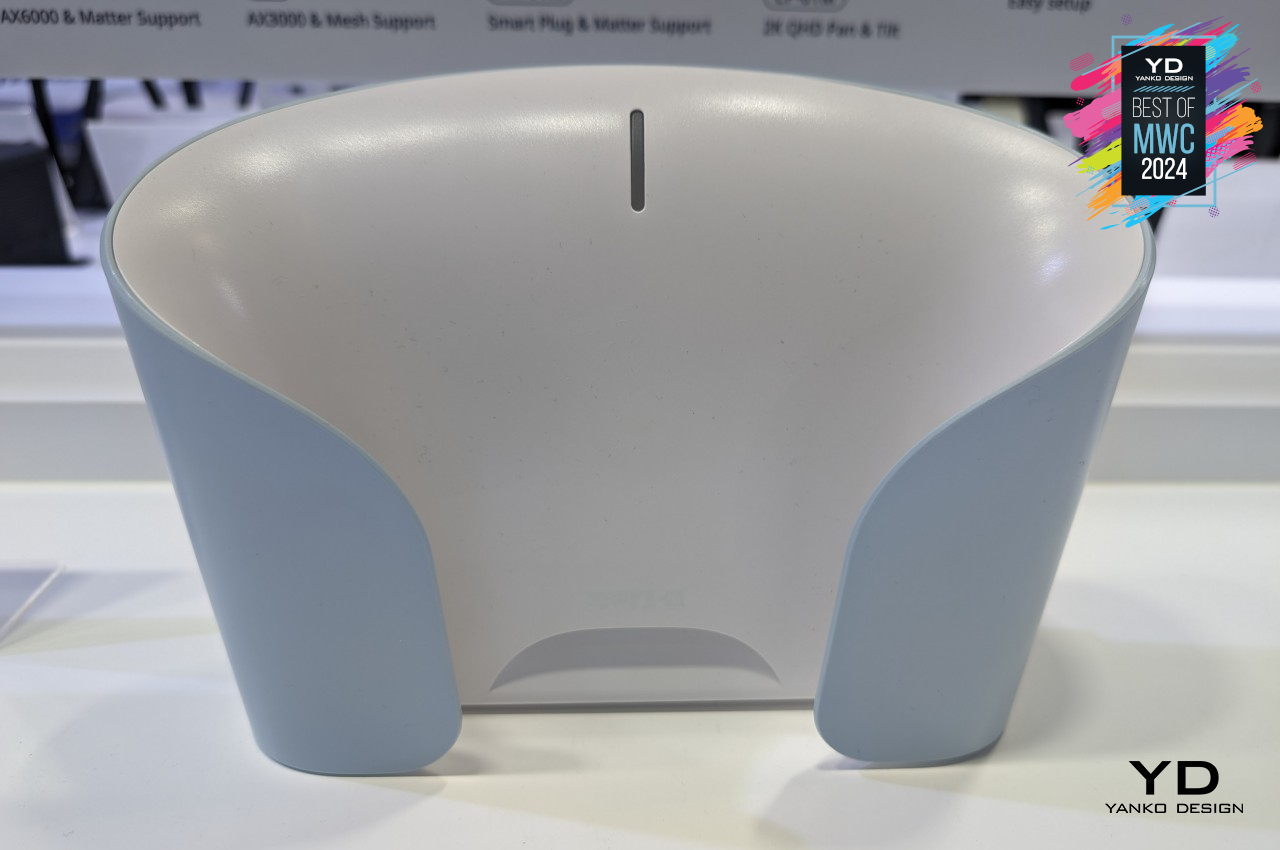
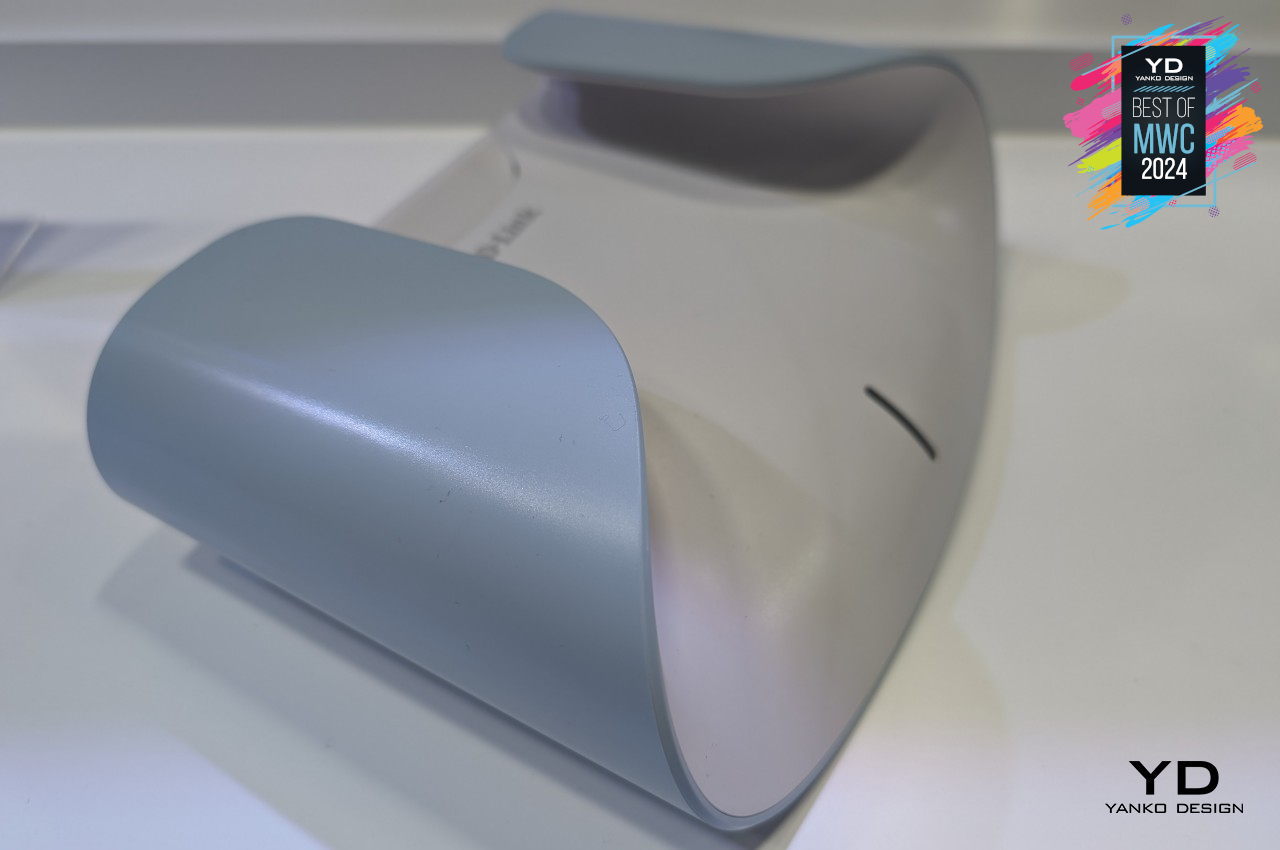
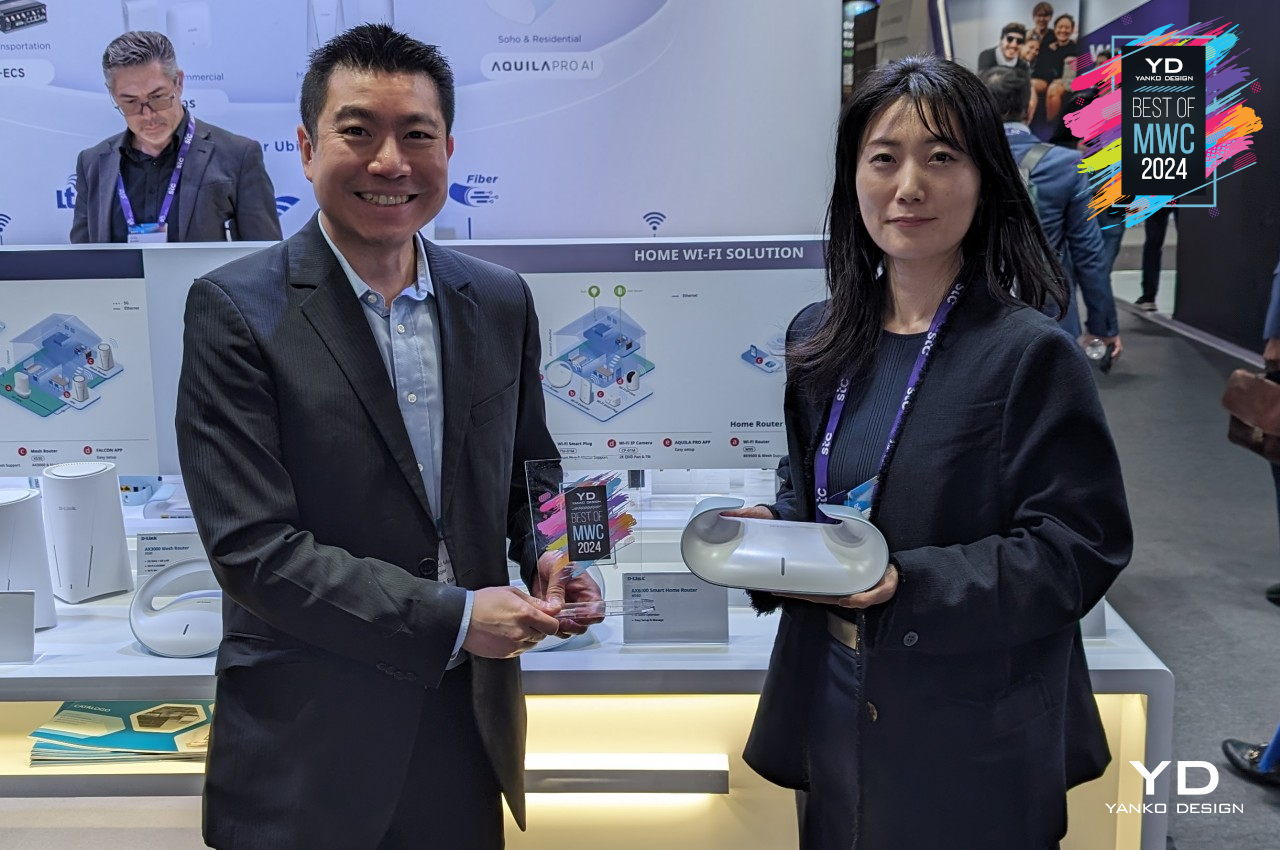
The D-LINK AQUILA PRO AI mesh router, specifically this M60 AX600, is like a breath of fresh air in this market, elegant, charming, yet also very capable. Inspired by an eagle in flight, the curved sides, bright color motif, and smooth surfaces try to capture the gracefulness of one of the most powerful birds of prey. The mesh router offers everything that its peers have, including plenty of AI-powered features, and still looks beautiful anywhere you place it. Its housing is even made of post-consumer recycled materials or PCRs, helping D-LINK give back to the very nature that inspired this design.
Honor Magic V2 RSR Porsche Design Edition
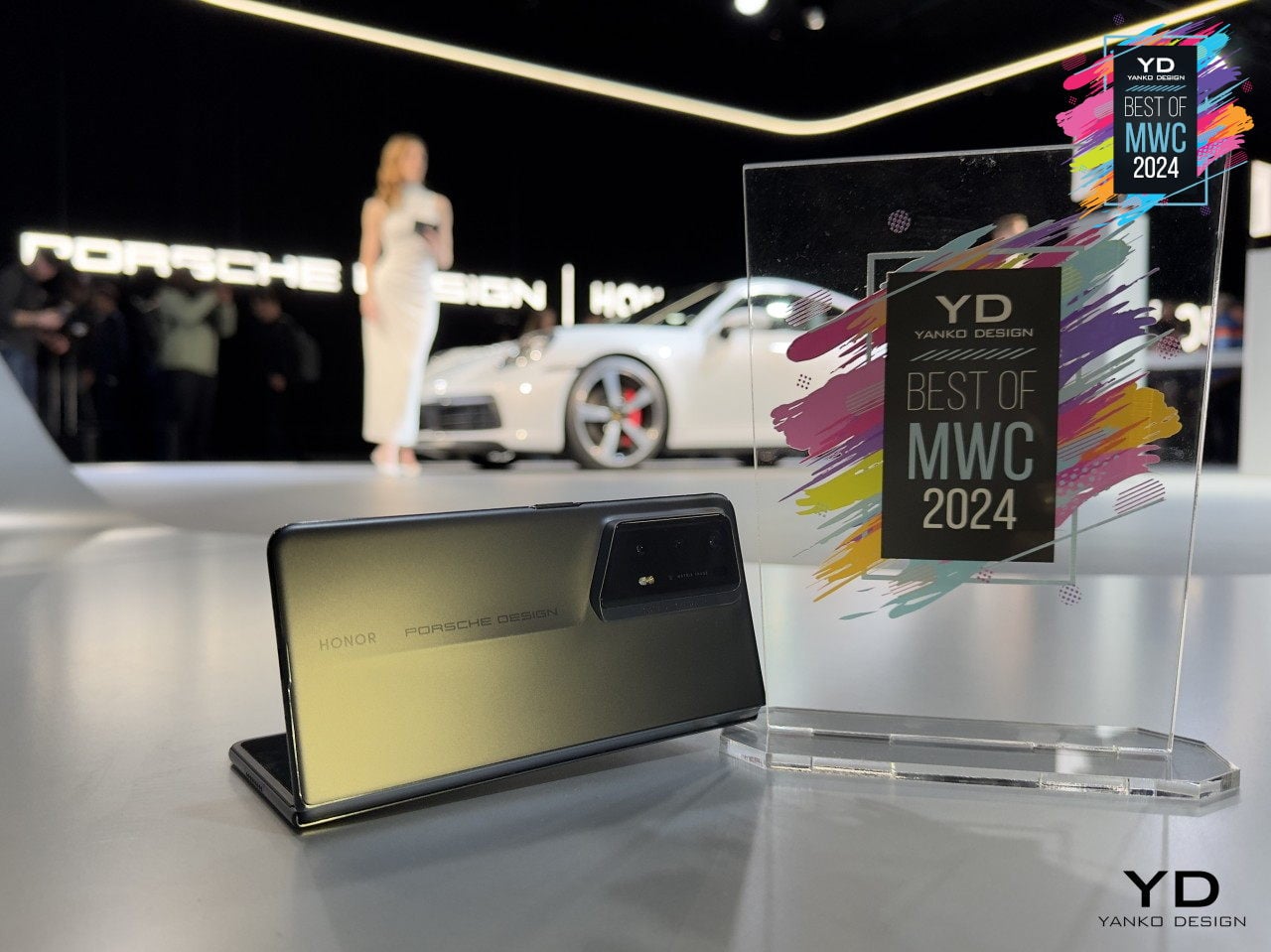
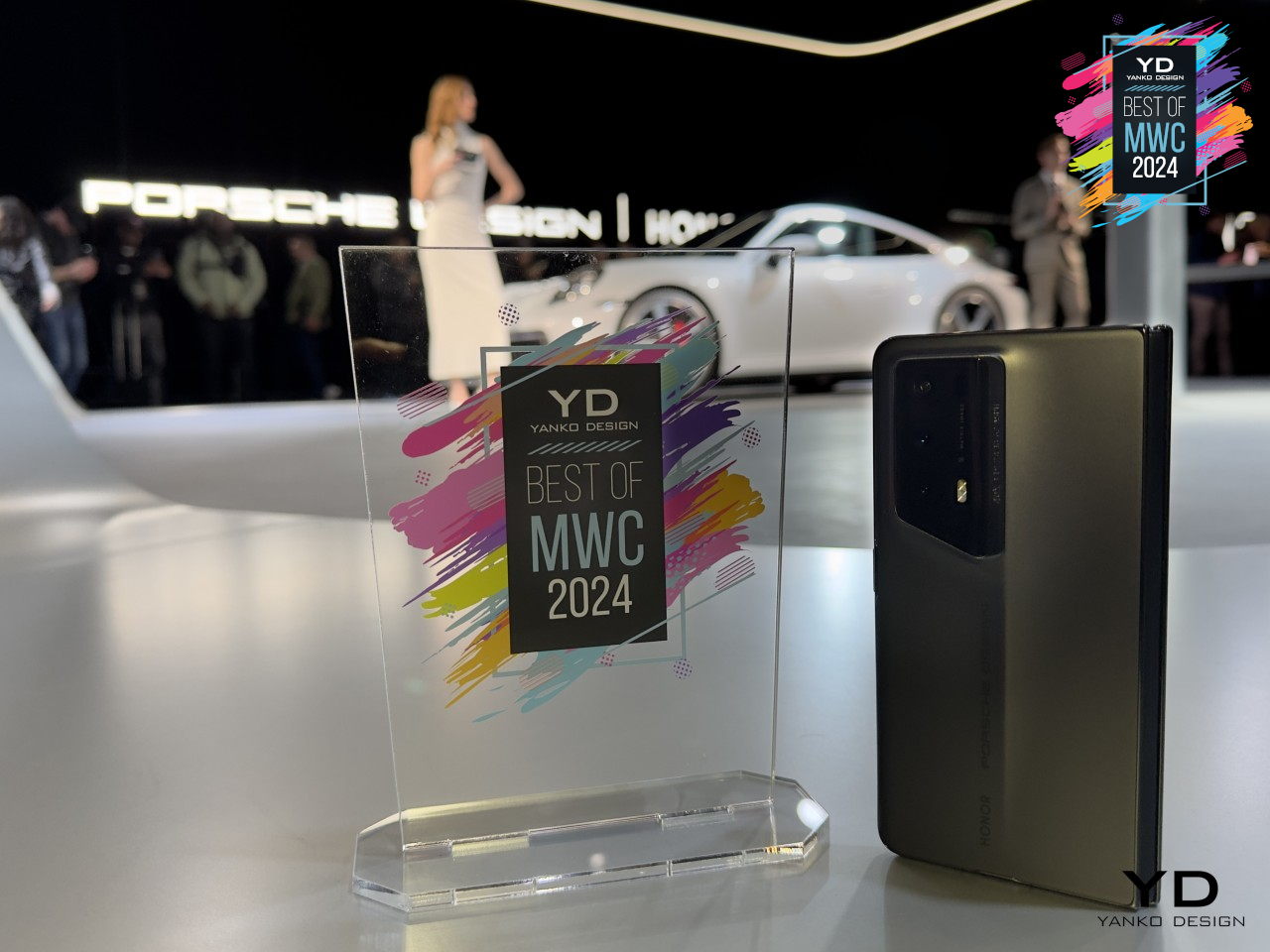
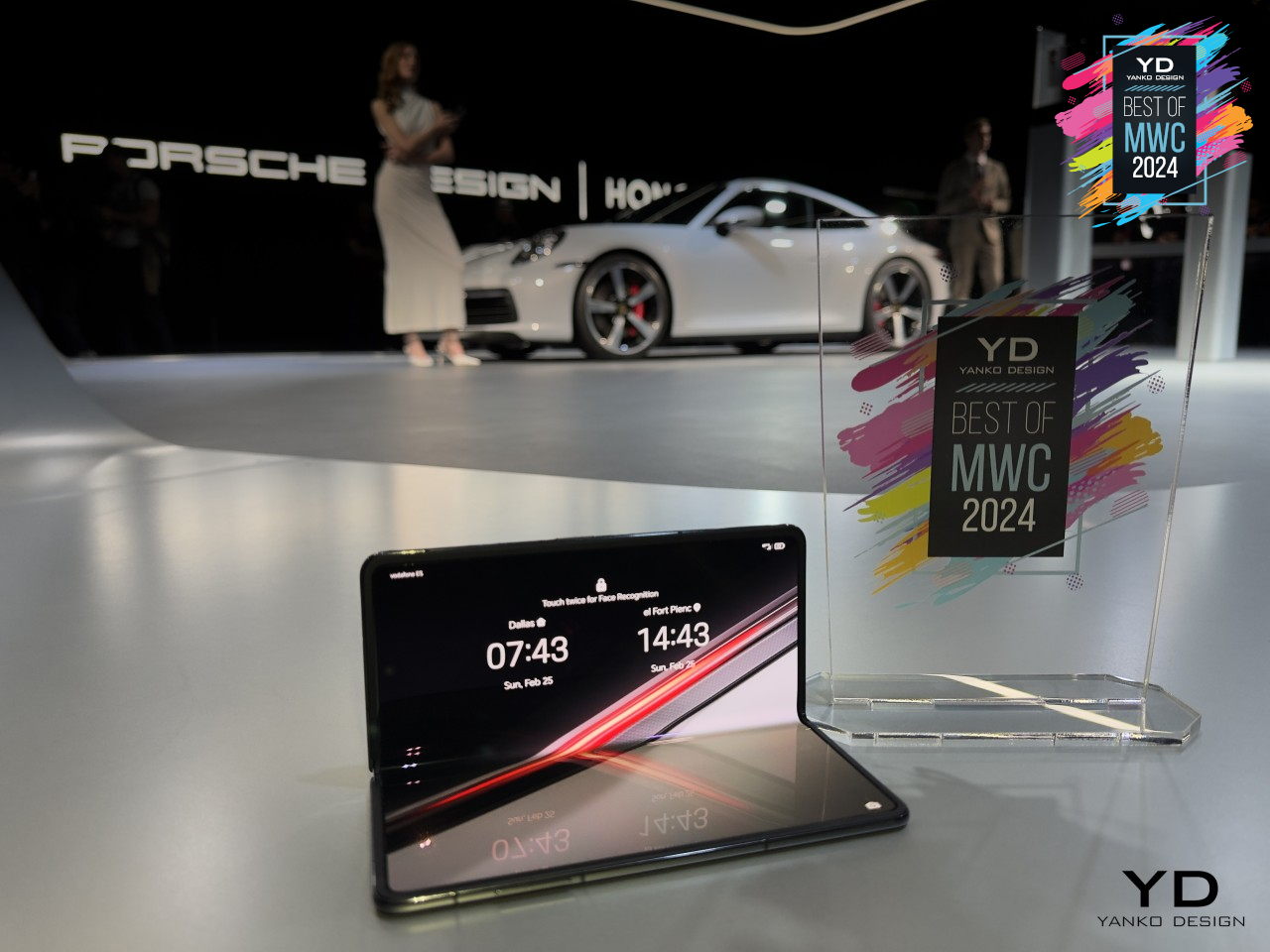
Foldable phones are becoming more common, with more players joining the competition. At this early stage, there is still plenty of room for exploration when it comes to design. Indeed, we’re seeing foldable phones that come in different shapes, materials, and aesthetics, all of them trying to mask what is really a large and thick slab of glass and metal. Honor is taking that to the next level with its partnership with the famed Porsche Design house, presenting a foldable phone that pushes the boundaries of what you can accomplish with such a device.
Designer: Honor
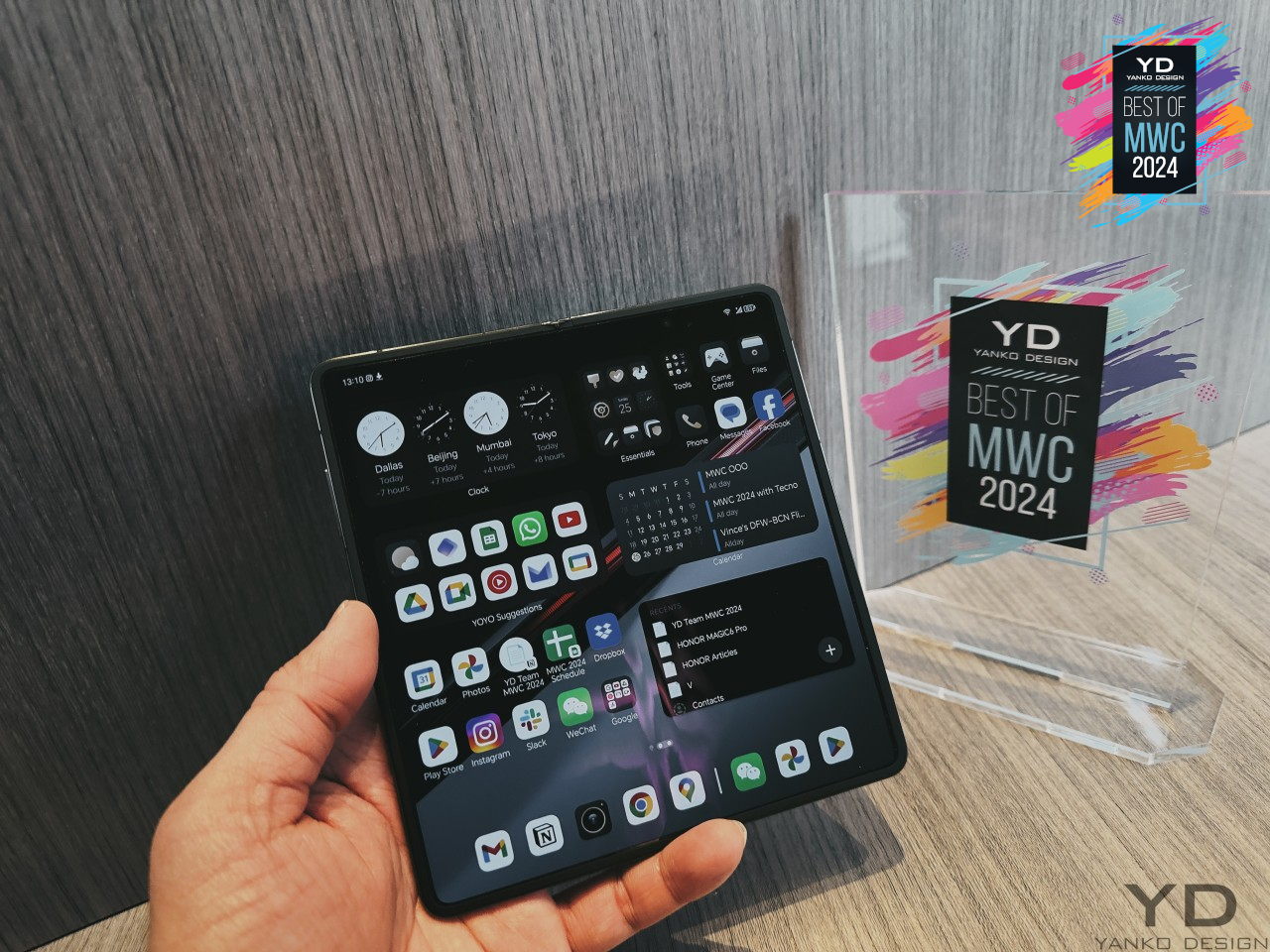


The Honor Magic V2 RSR Porsche Design Edition is unabashedly a luxury device, even more luxurious than how foldable phones are already perceived. As the name states, its design is inspired by the luxury marque, particularly the flyline that Porsche values dearly. But it isn’t just all looks either, with the Magic V2 RSR possessing features its rivals can only dream of. That includes the ability to use a stylus both on the internal display and, more importantly, the outer Cover Screen as well. Yes, its price tag may seem astronomical, but that has never stopped luxury items from selling well, especially when they’re made as good as this.
Honor Magic6 Pro
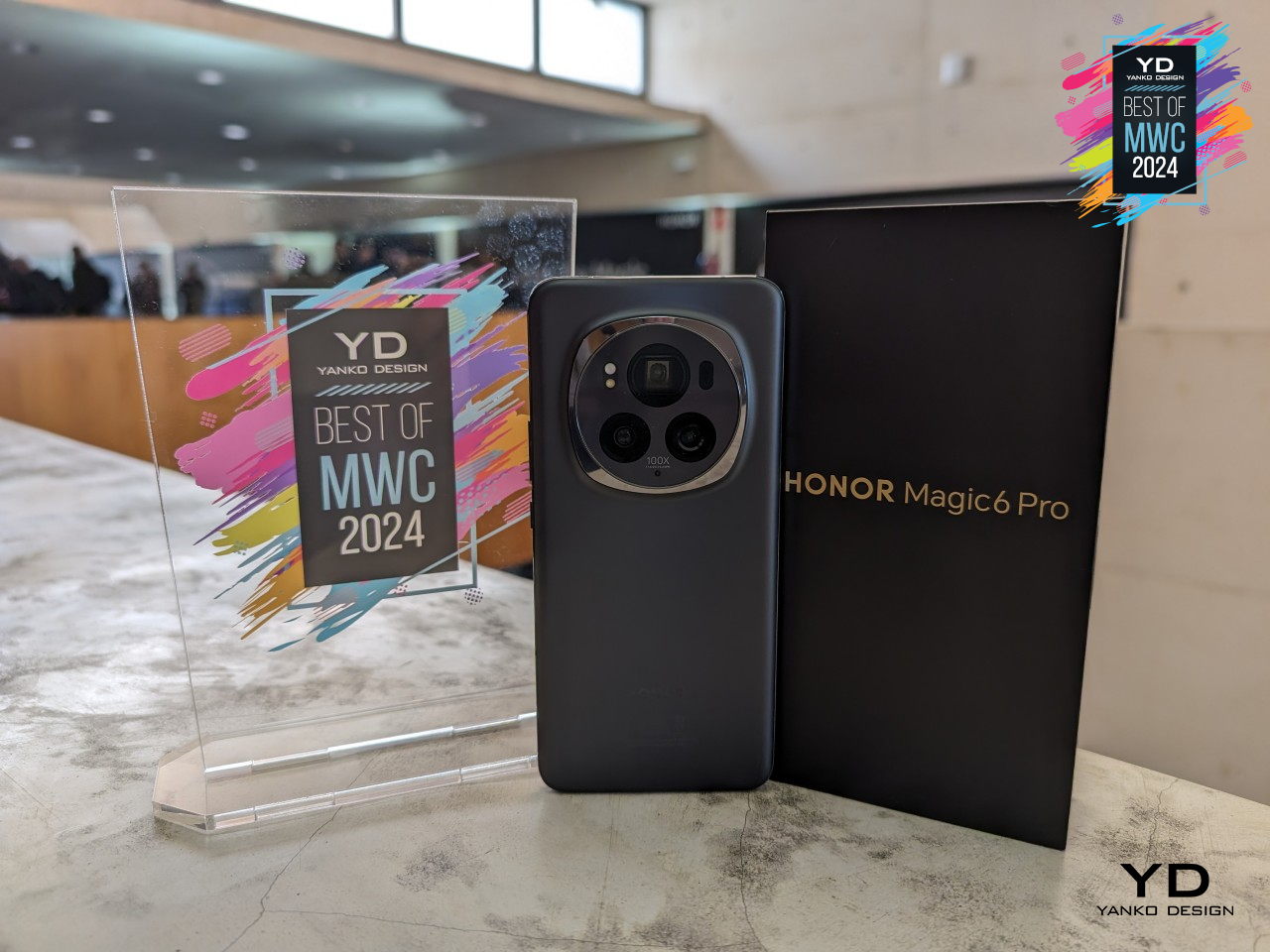
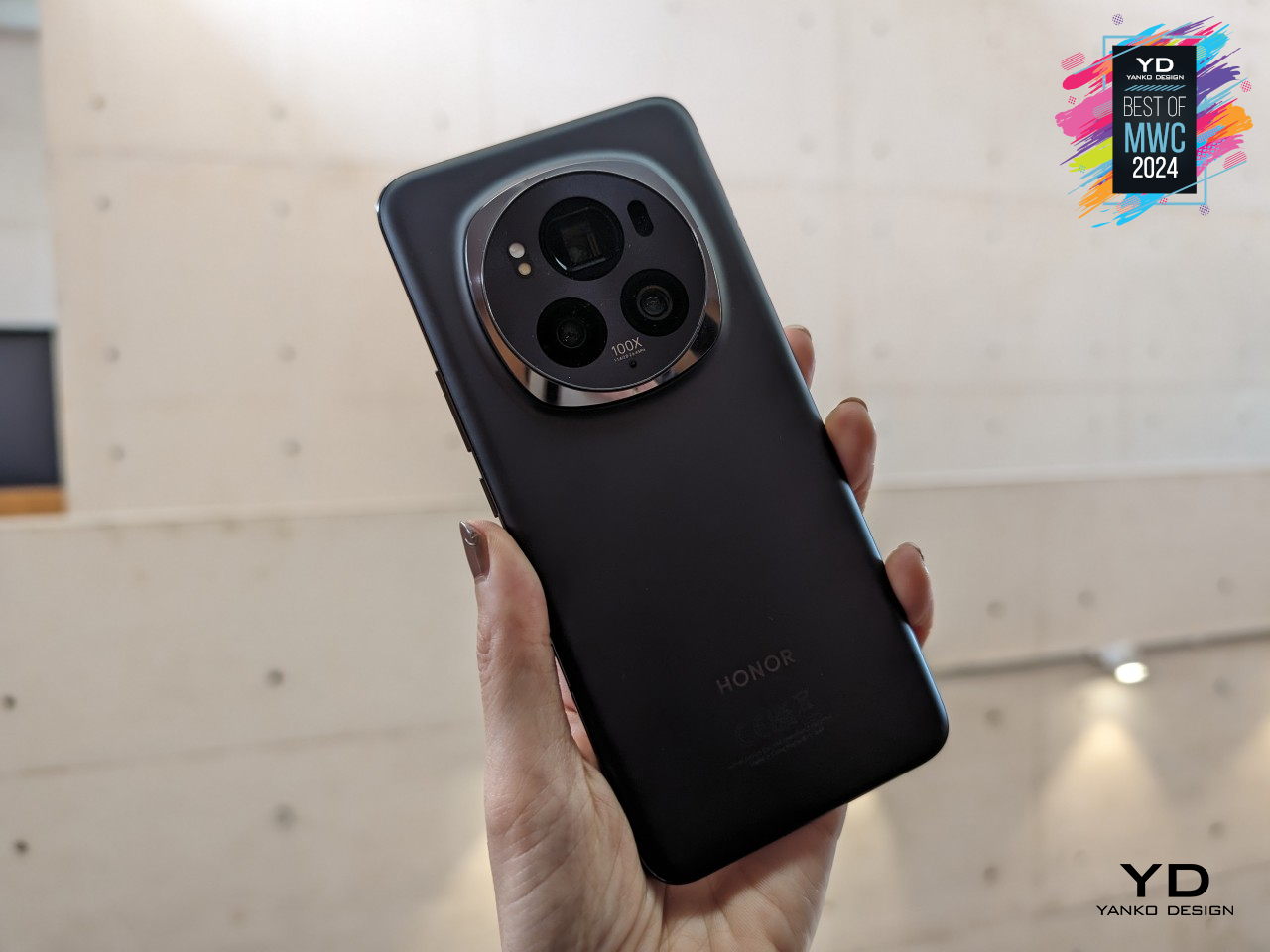
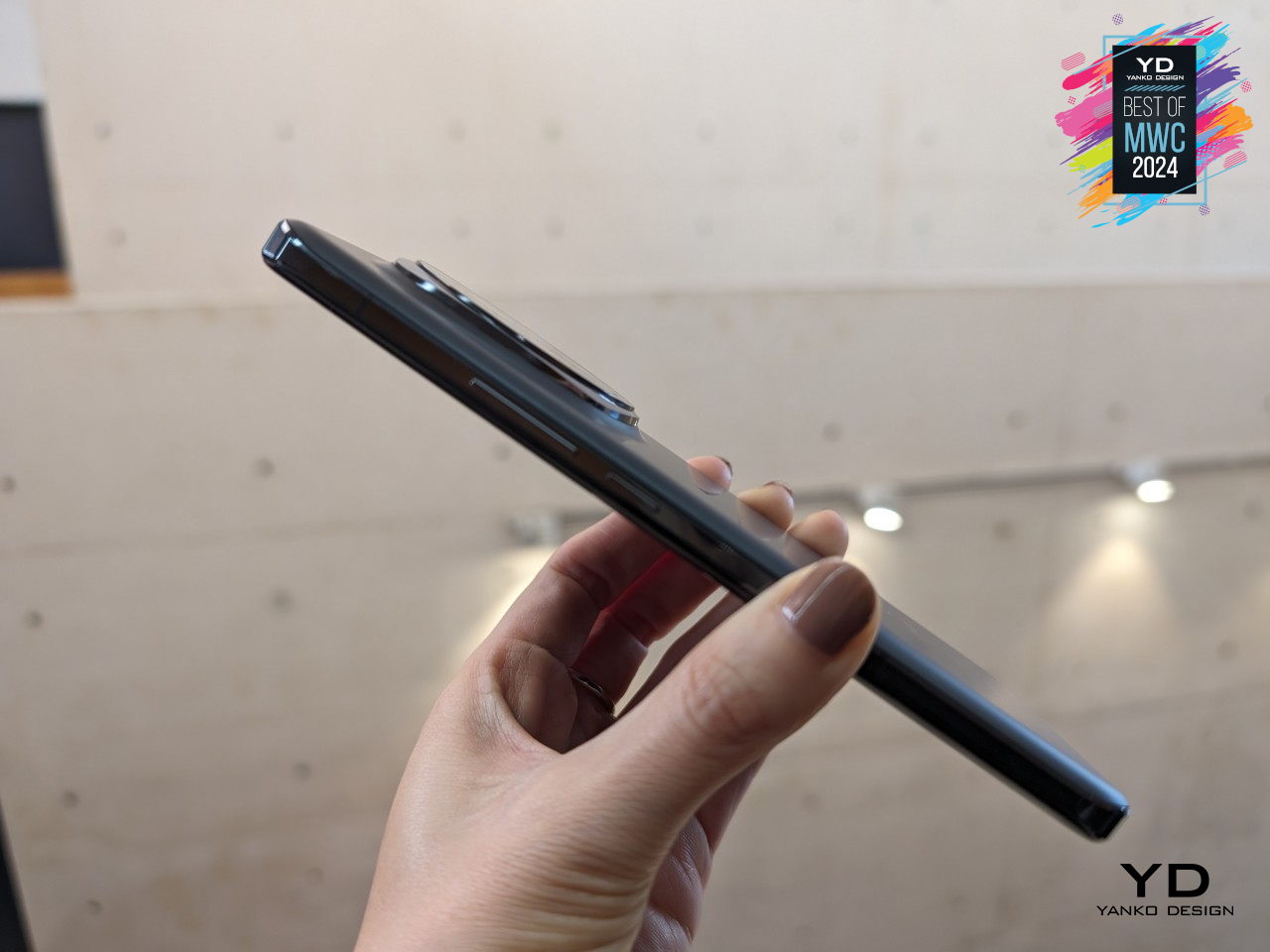
Not everyone wants a foldable phone, and for those who just want a regular yet beautiful handset, the Honor Magic6 Pro aims to deliver. It’s definitely a striking design, with a camera island that combines the circle and “squircle” designs that pervade the smartphone market today. Rather than giving in to flat trends, the Magic6 Pro wears its curves like a badge of honor, no pun intended, providing not just a graceful appearance but an ergonomic shape as well.
Designer: Honor
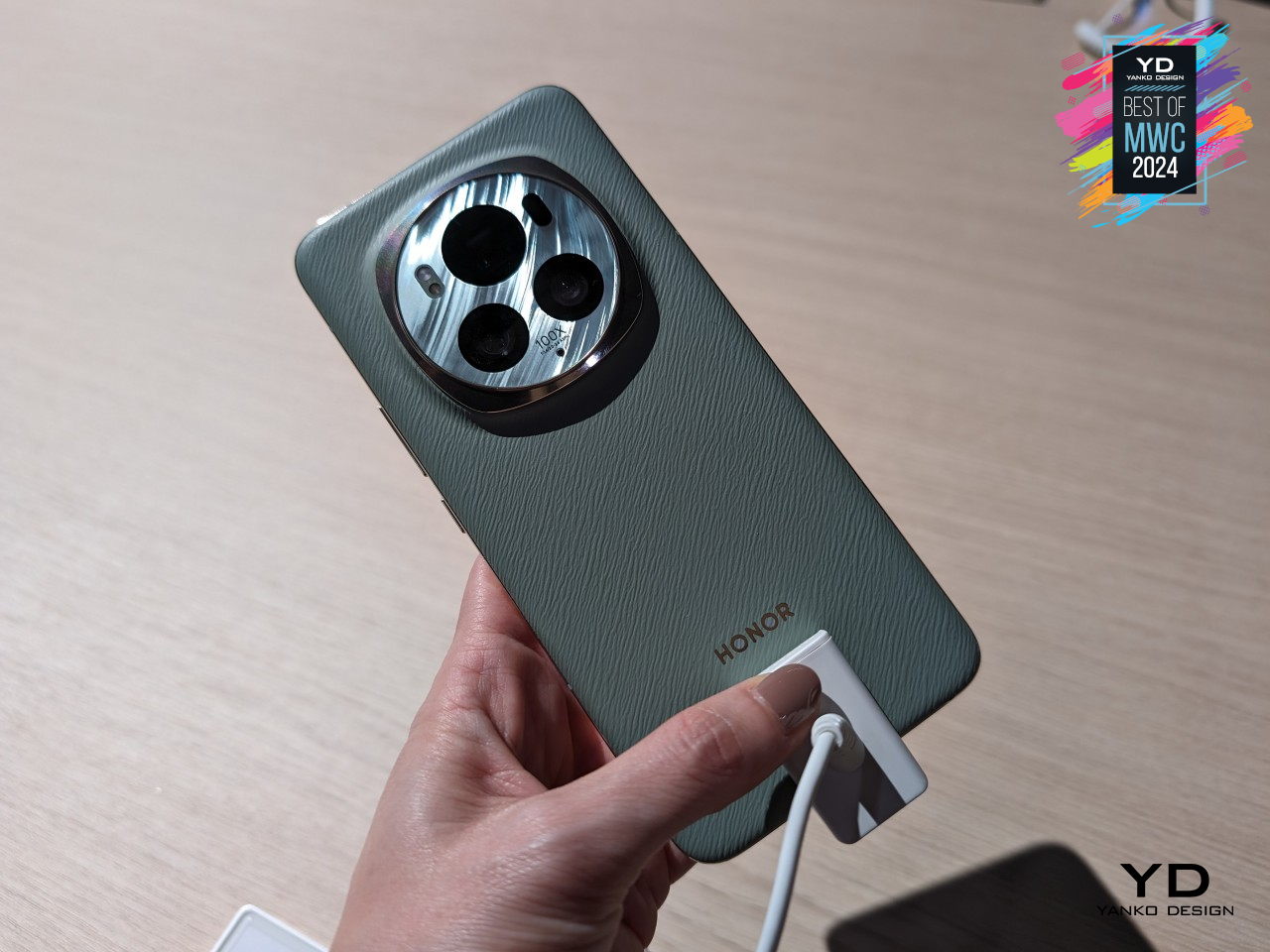
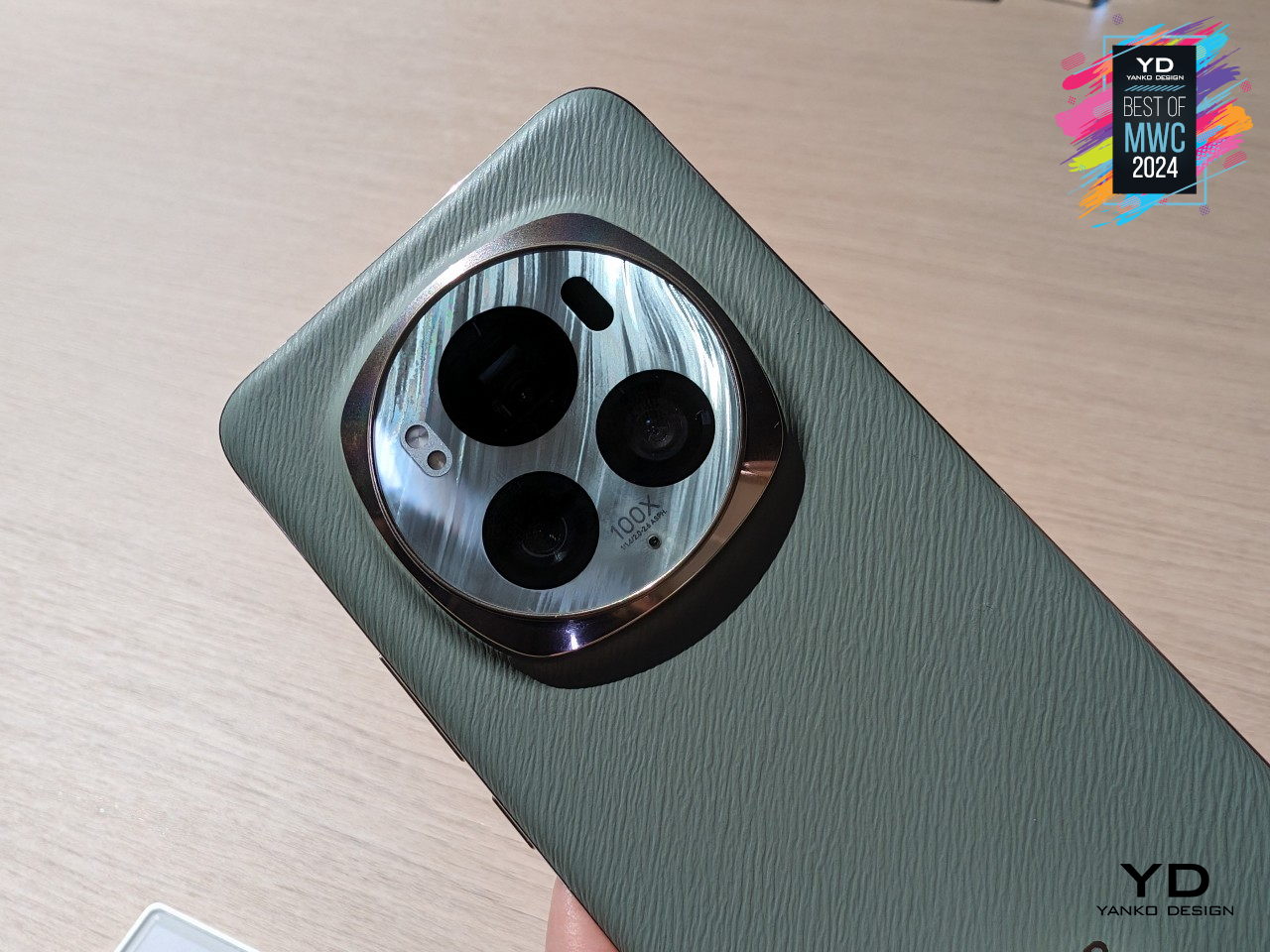
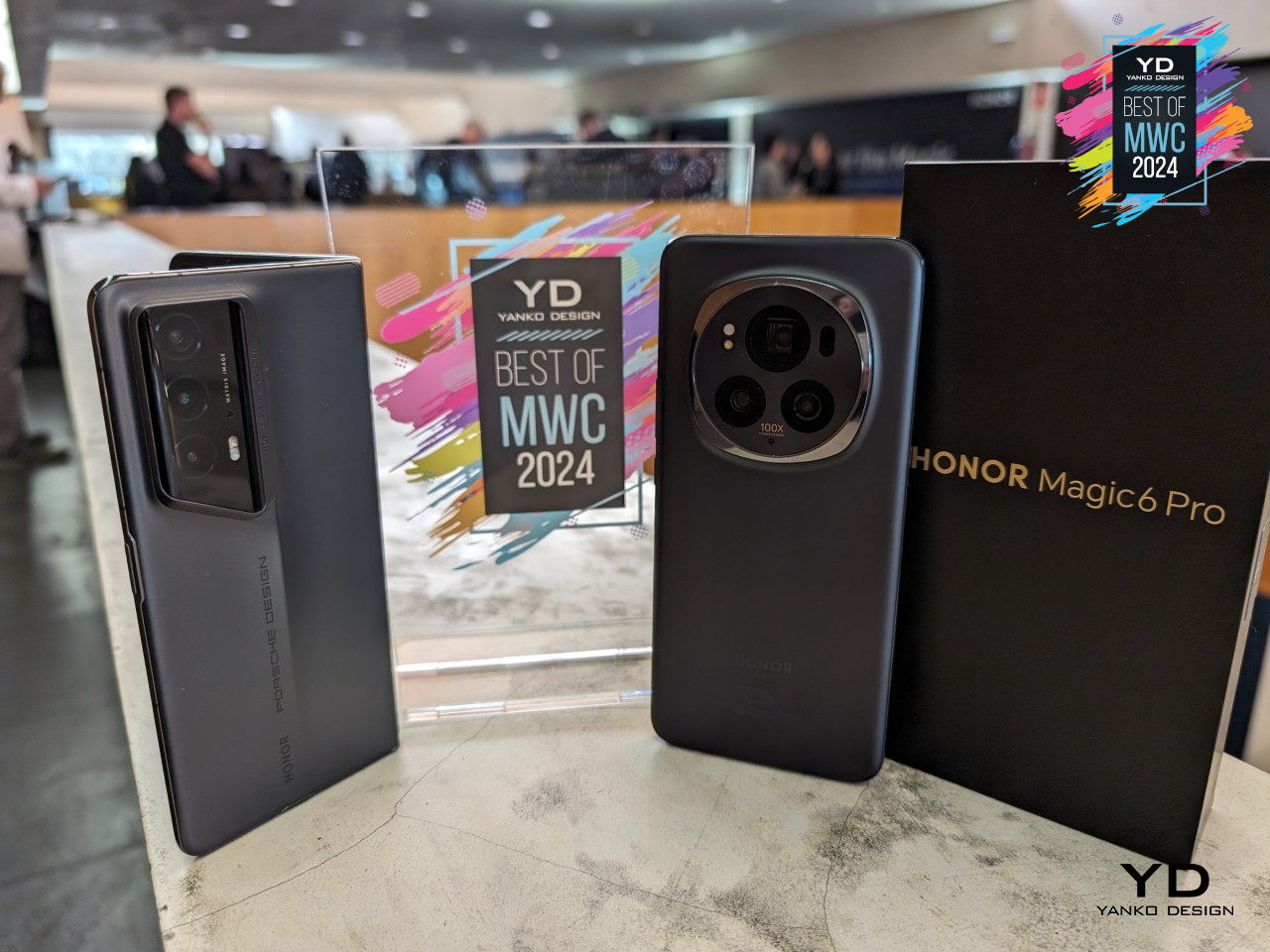
Of course, the Honor Magic6 Pro is also well-equipped with the latest smartphone technologies, from the latest Snapdragon 8 Gen 3 processor to an advanced camera system that includes a 180MP telephoto camera. The highlights, unsurprisingly, are the AI features that enhance the user experience, like “Magic Portal,” which can automatically recognize addresses in a text message and open up Google Maps when you want to start navigating. Anything you drag to this “portal” will be analyzed by Honor’s AI to take the appropriate action, whether it’s searching, shopping, or other activities you’ll need help with.
TECNO Dynamic 1 Robot Dog
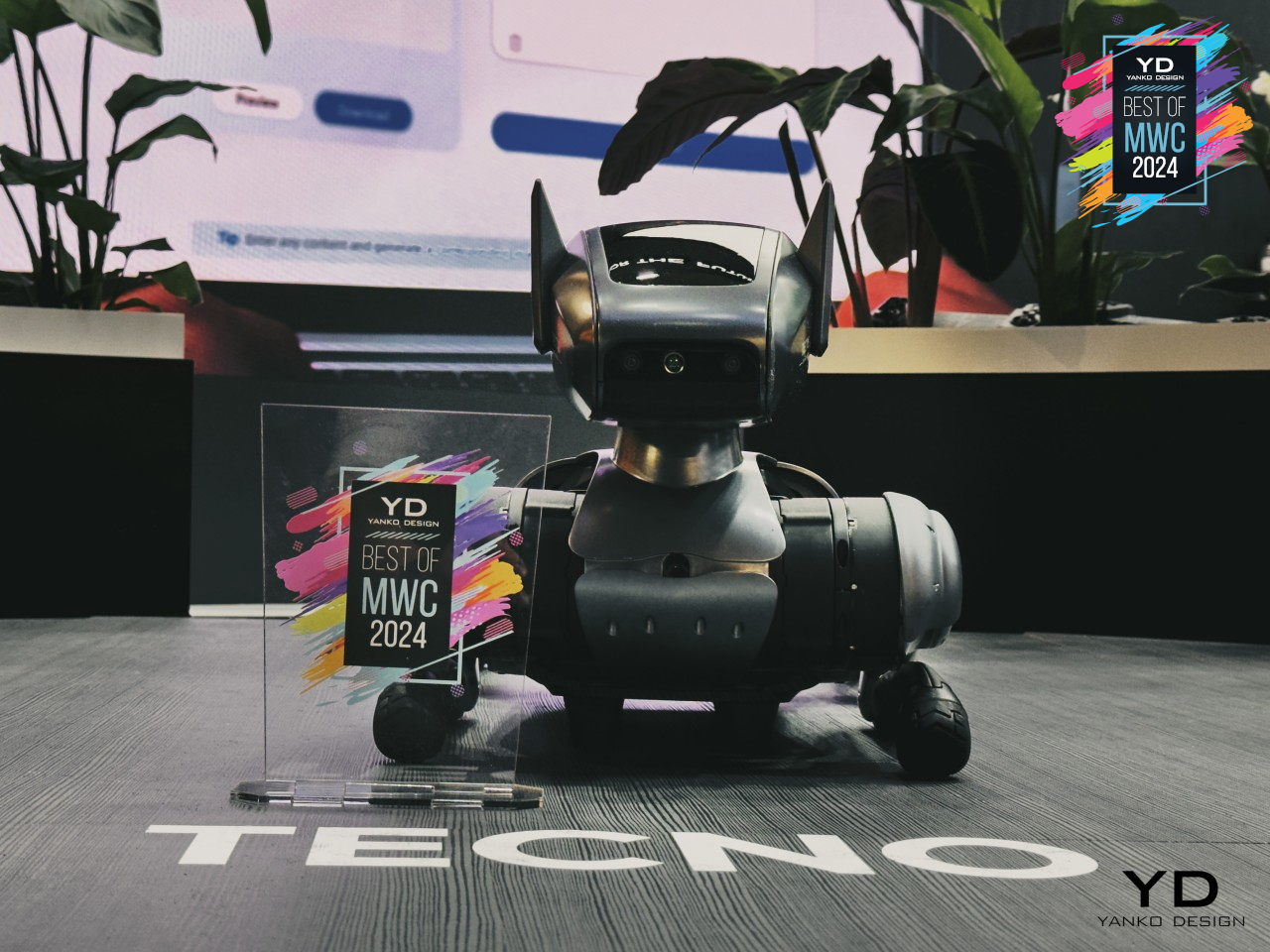
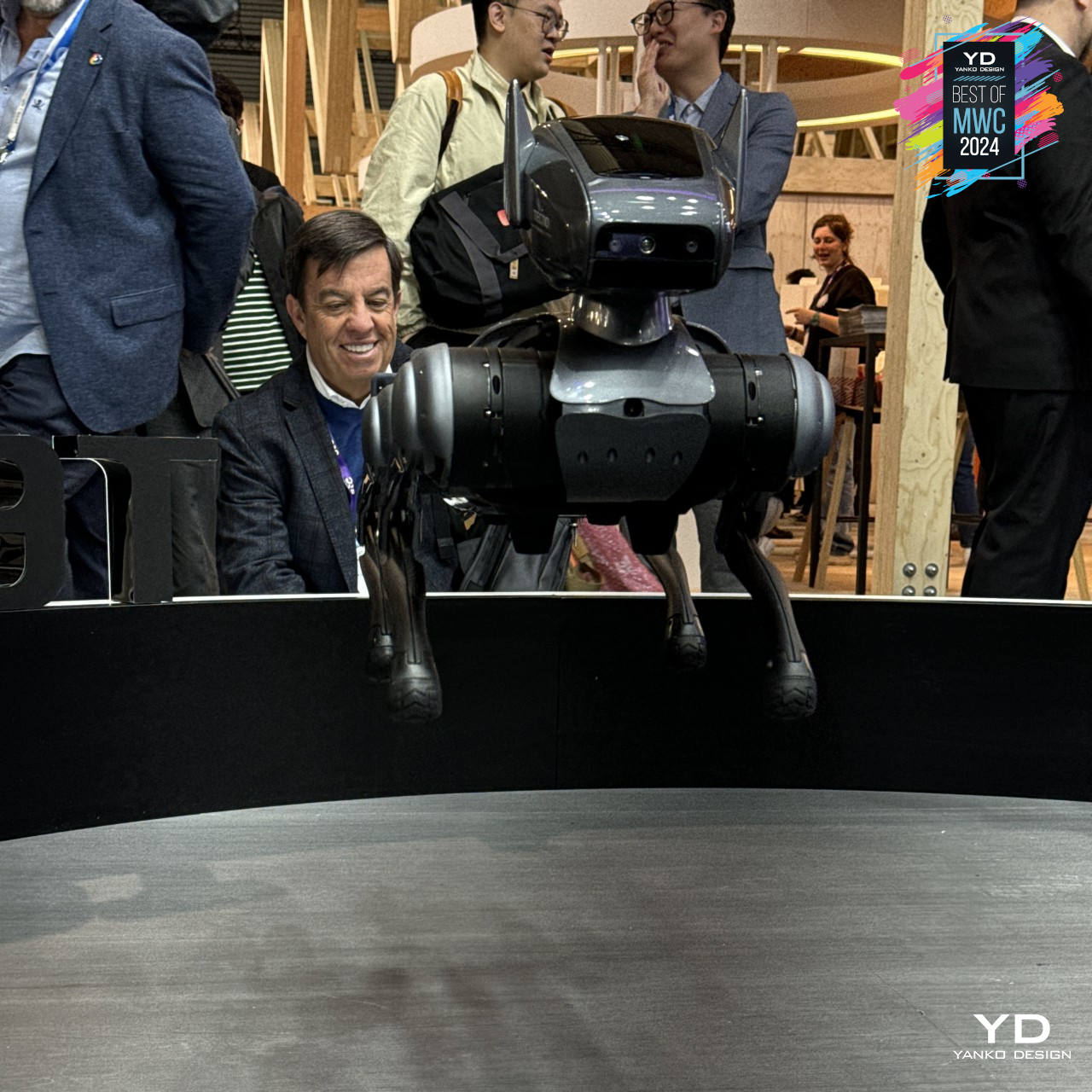
You probably never expected a smartphone maker to debut a robot dog, but that’s exactly the surprise that TECNO had in store here at MWC 2024. Putting a friendlier face and form to the design popularized by Boston Dynamics, the TECNO Dynamic 1 is reimagining what man’s best friend would look like a few years from now. But more than just a novel and expensive toy, this robot dog is envisioned to become a faithful companion to your household.
Designer: TECNO
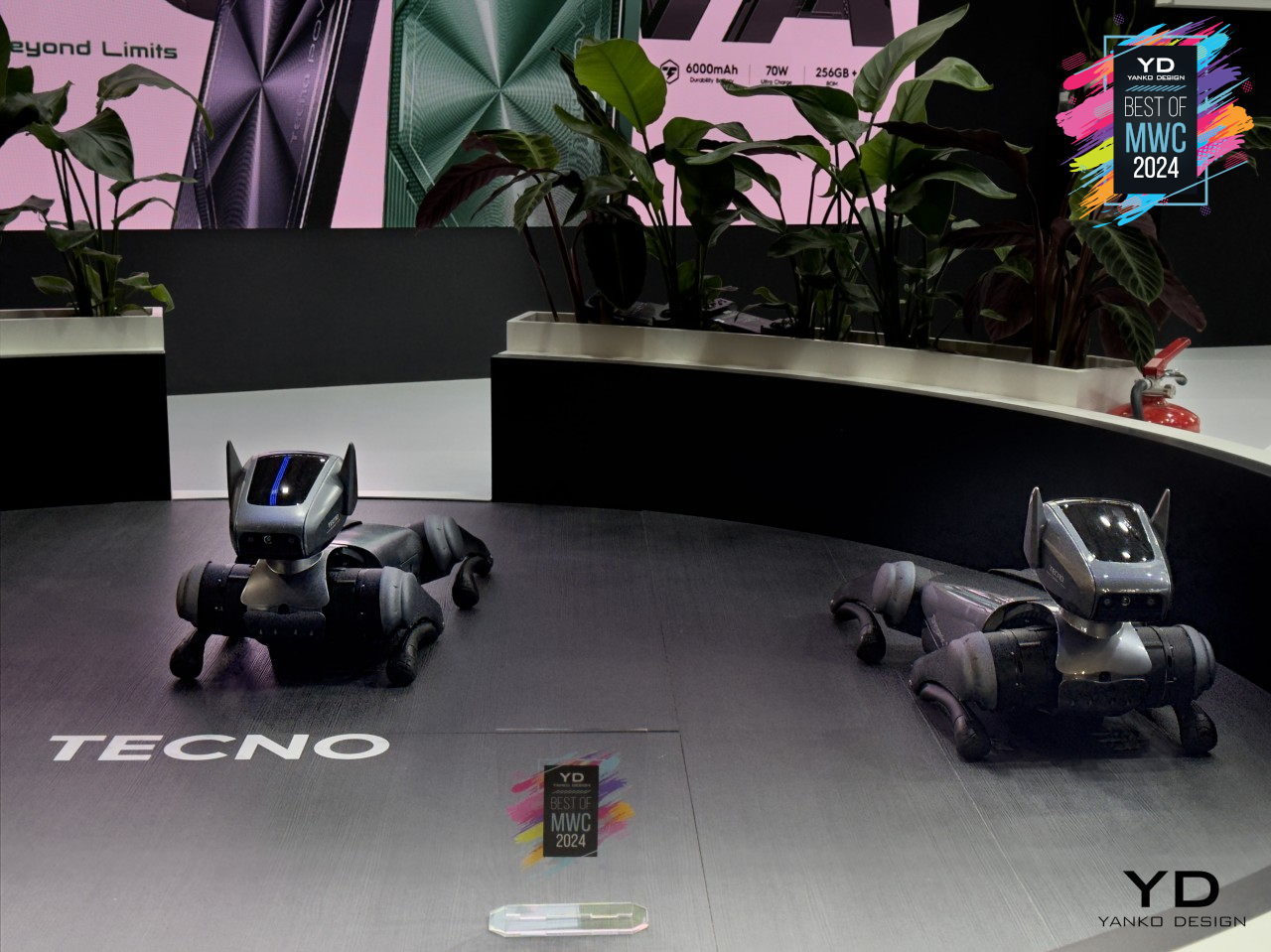
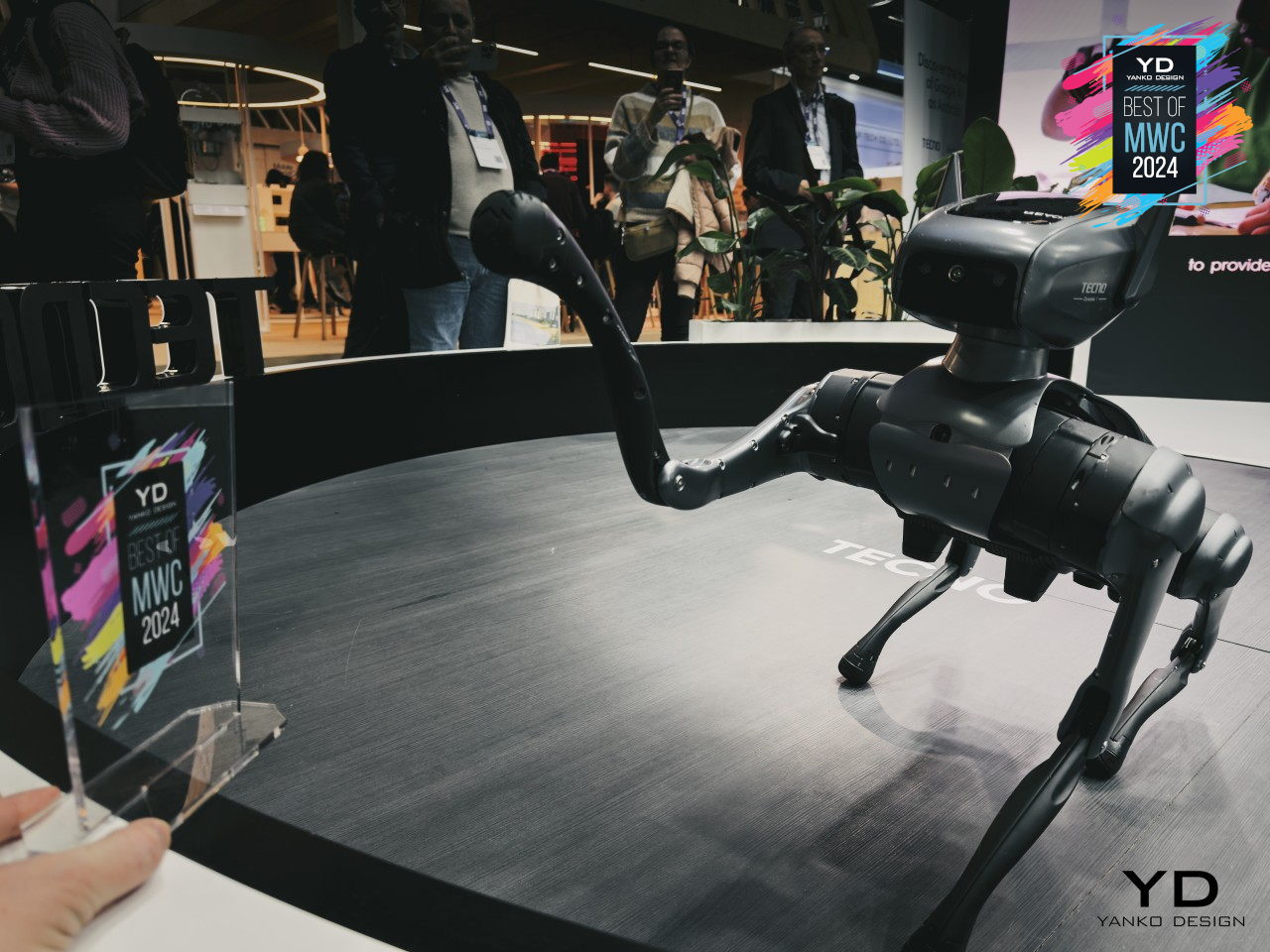
In addition to mechanisms that allow the TECNO Dynamic 1 to gracefully imitate the natural movements of dogs, including climbing stairs and shaking hands, the robot dog is equipped with AI that allows it to navigate your home safely, just like those robot vacuum cleaners. Of course, that AI is also capable of understanding voice commands, obeying your every word better than a real furry pal. There is definitely plenty of potential for such a design, especially in security, so we’ll be waiting with bated breath for what’s to come.
TECNO Phone Materials Concept
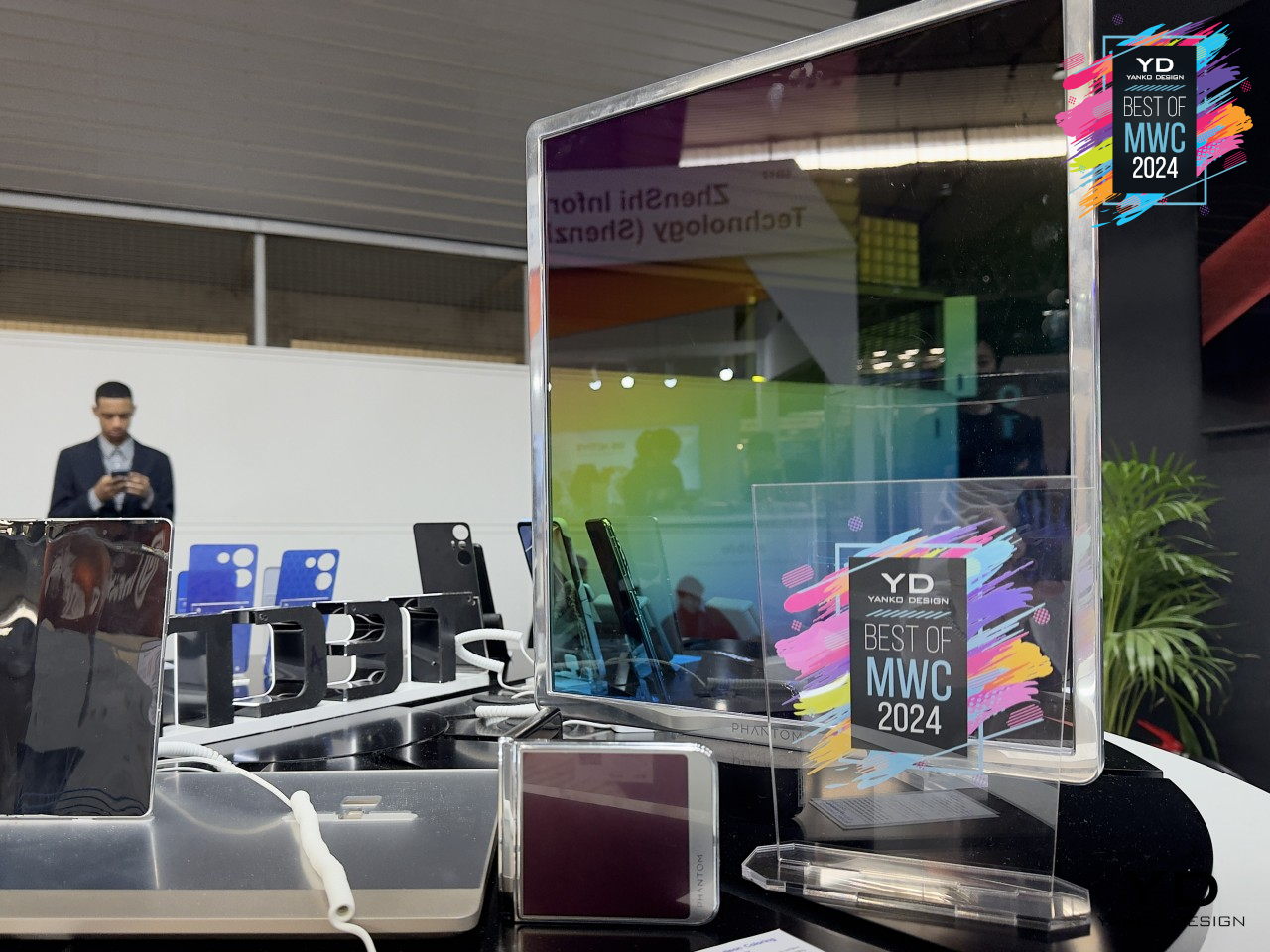
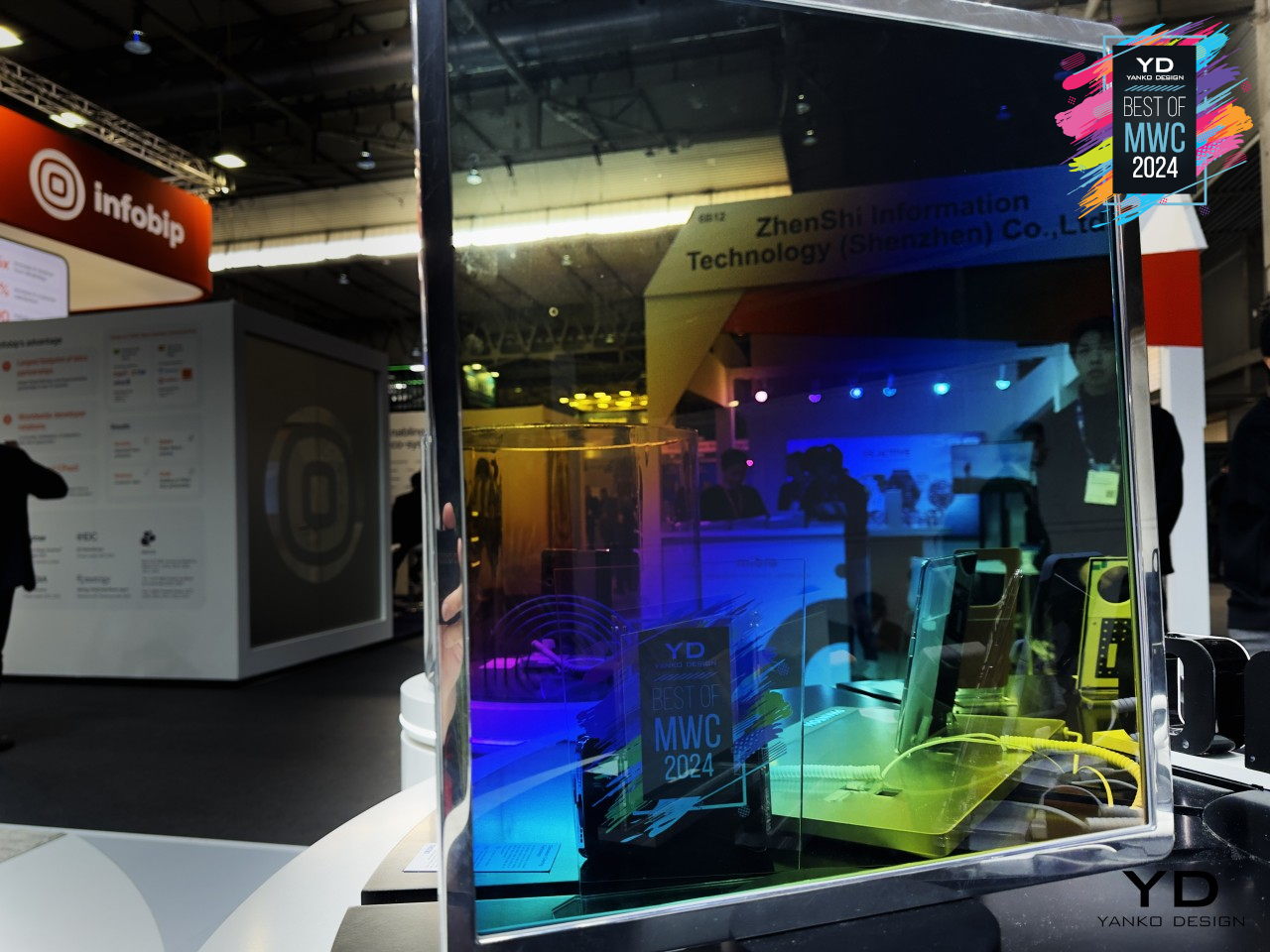
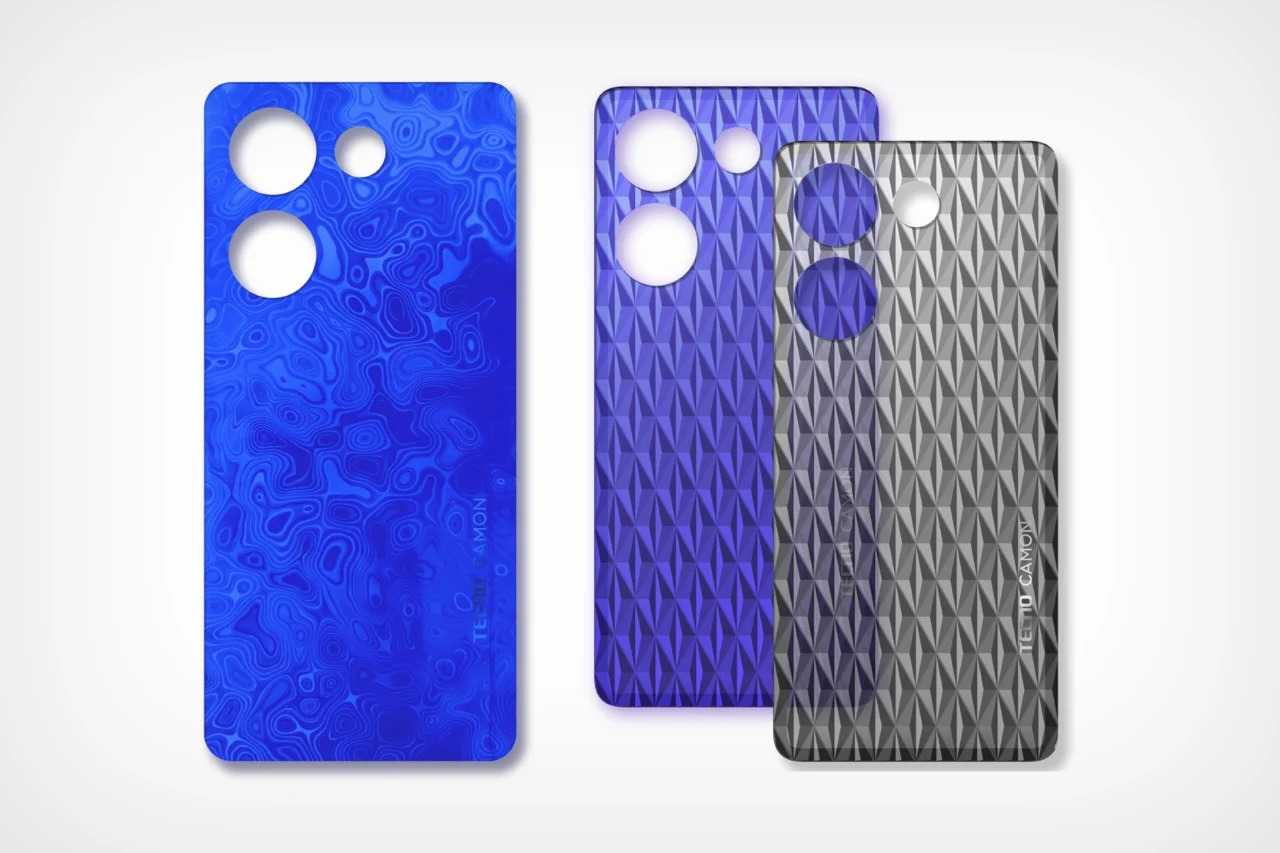
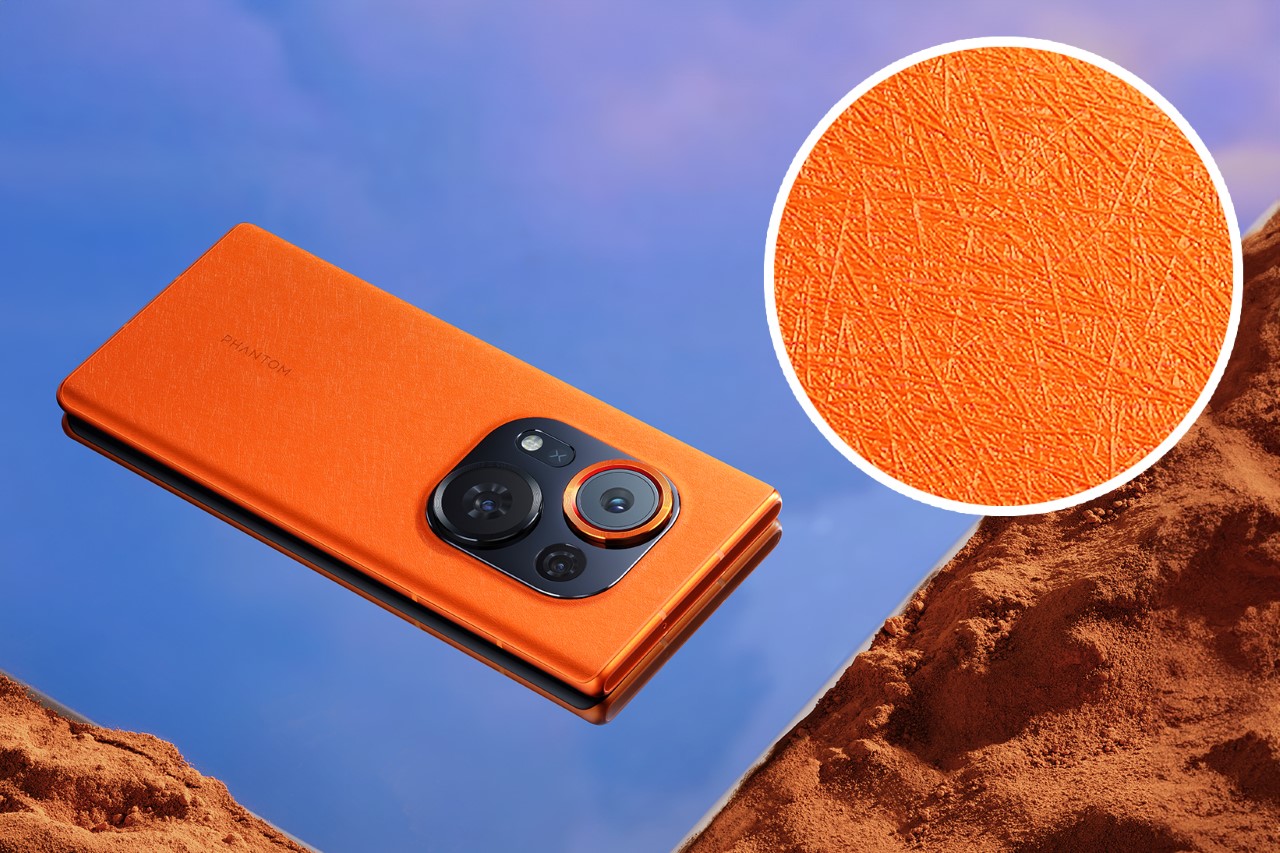
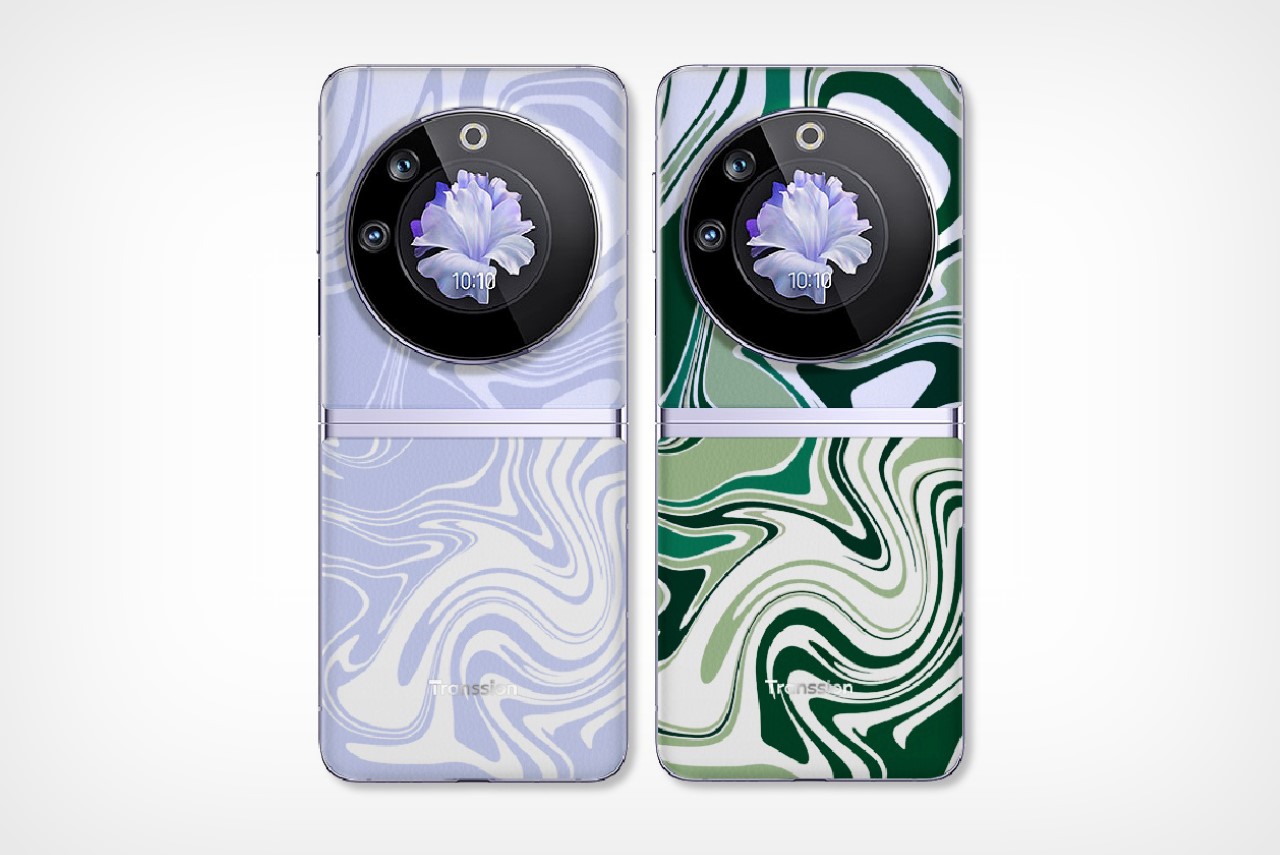
The back of the phone is the most visible part to others, so it’s only natural that owners want it to be the most beautiful part as well. Unfortunately, smartphone designs are generalized to appeal to as many tastes as possible, which leaves very little room for customized experiences. Sure, we have seen some with vegan leather covers, but most phones simply use glass or plastic. Fortunately, not all manufacturers are content to leave the status quo as it is, and TECNO has shared some of the interesting and sometimes odd explorations it has made so far.
Designer: TECNO
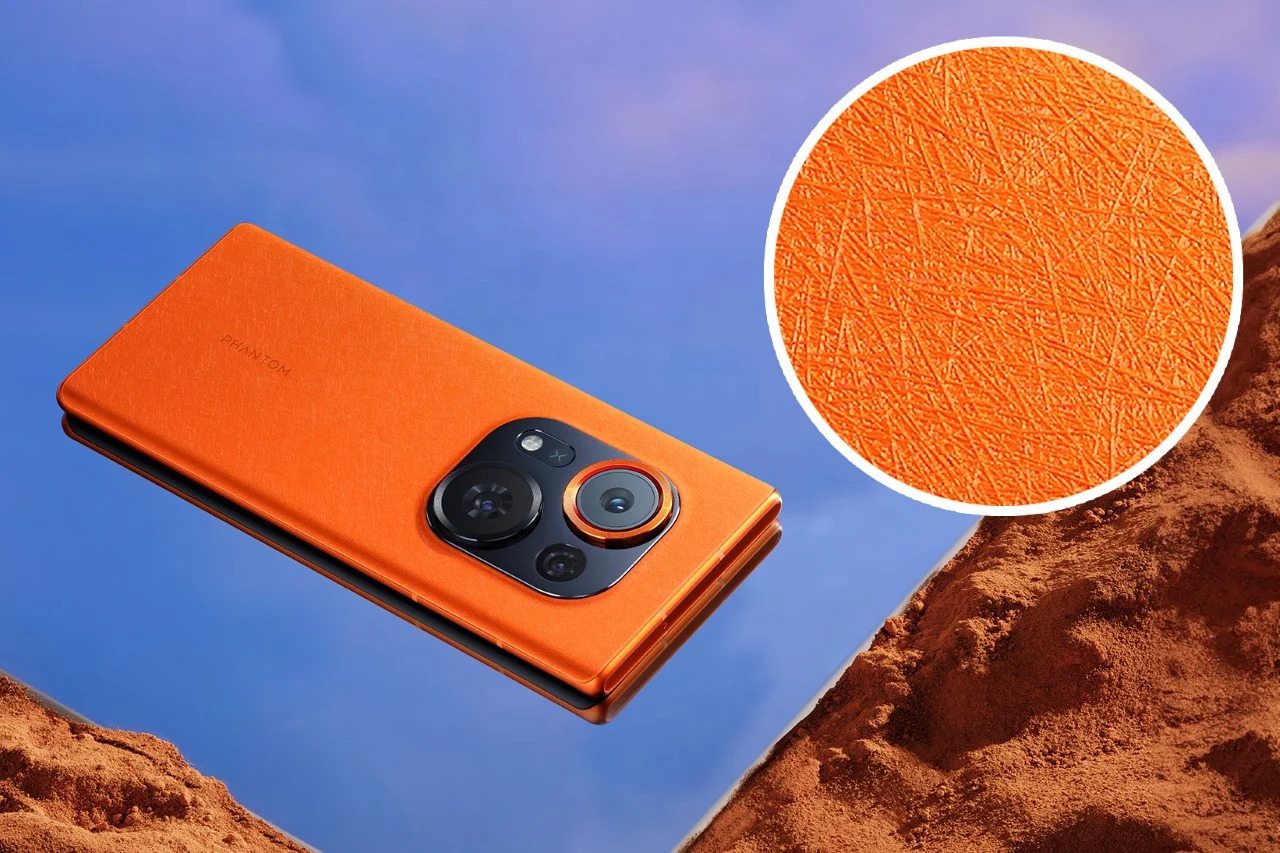

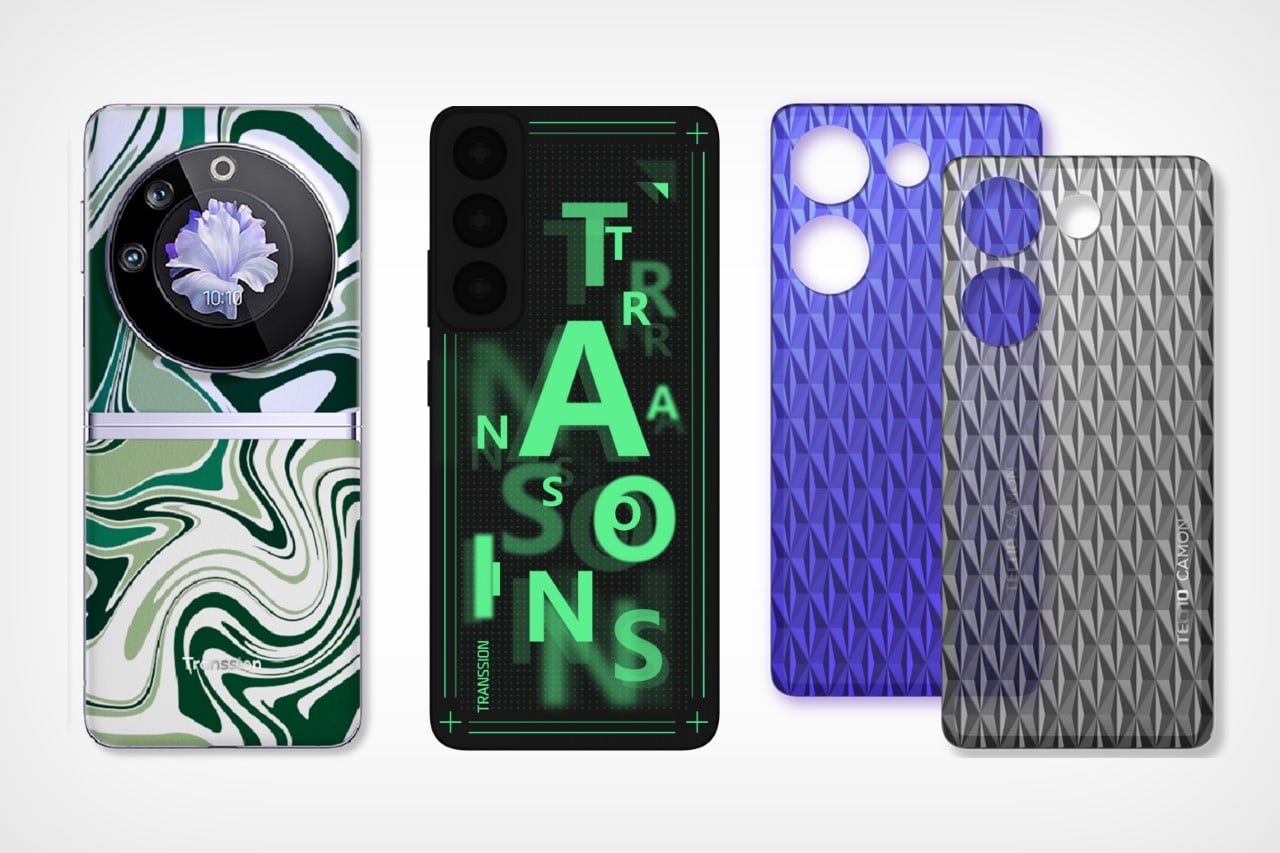
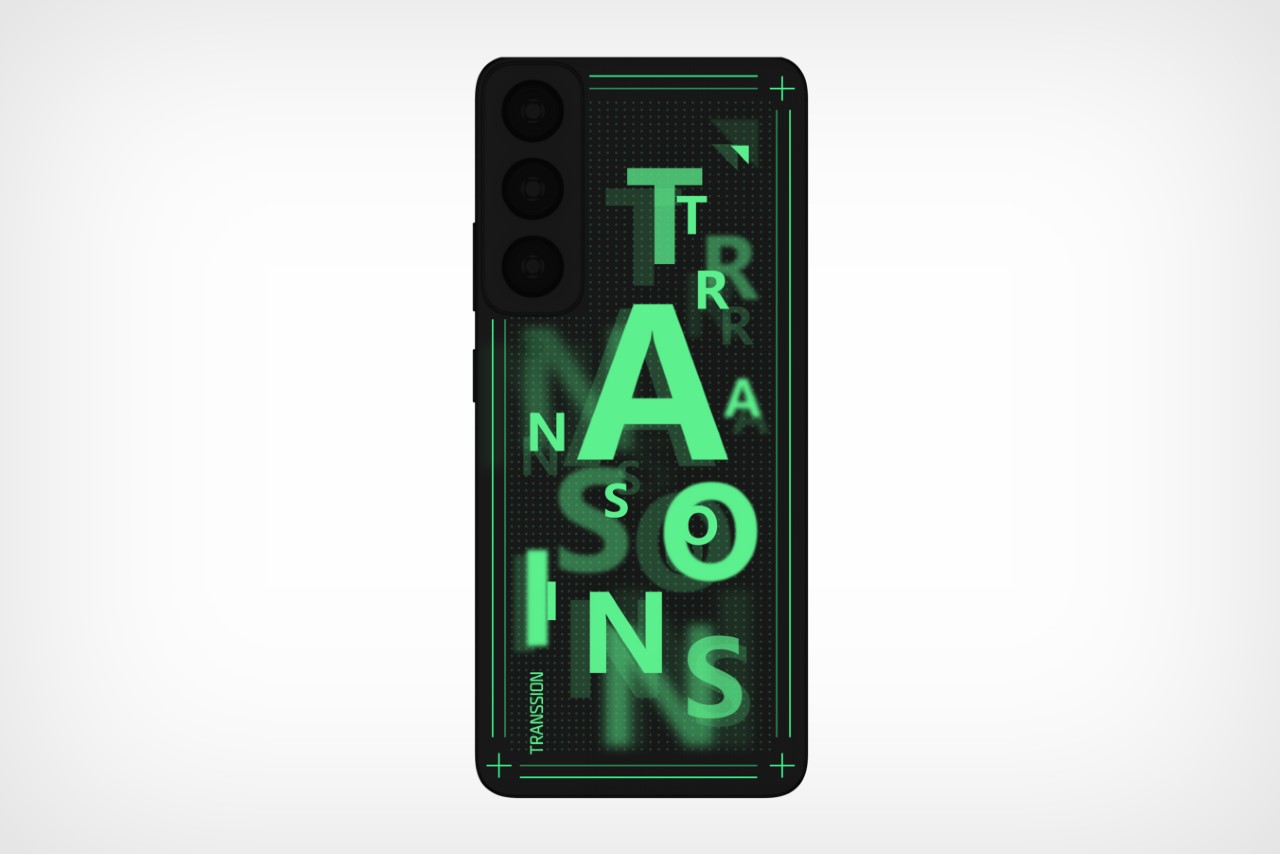
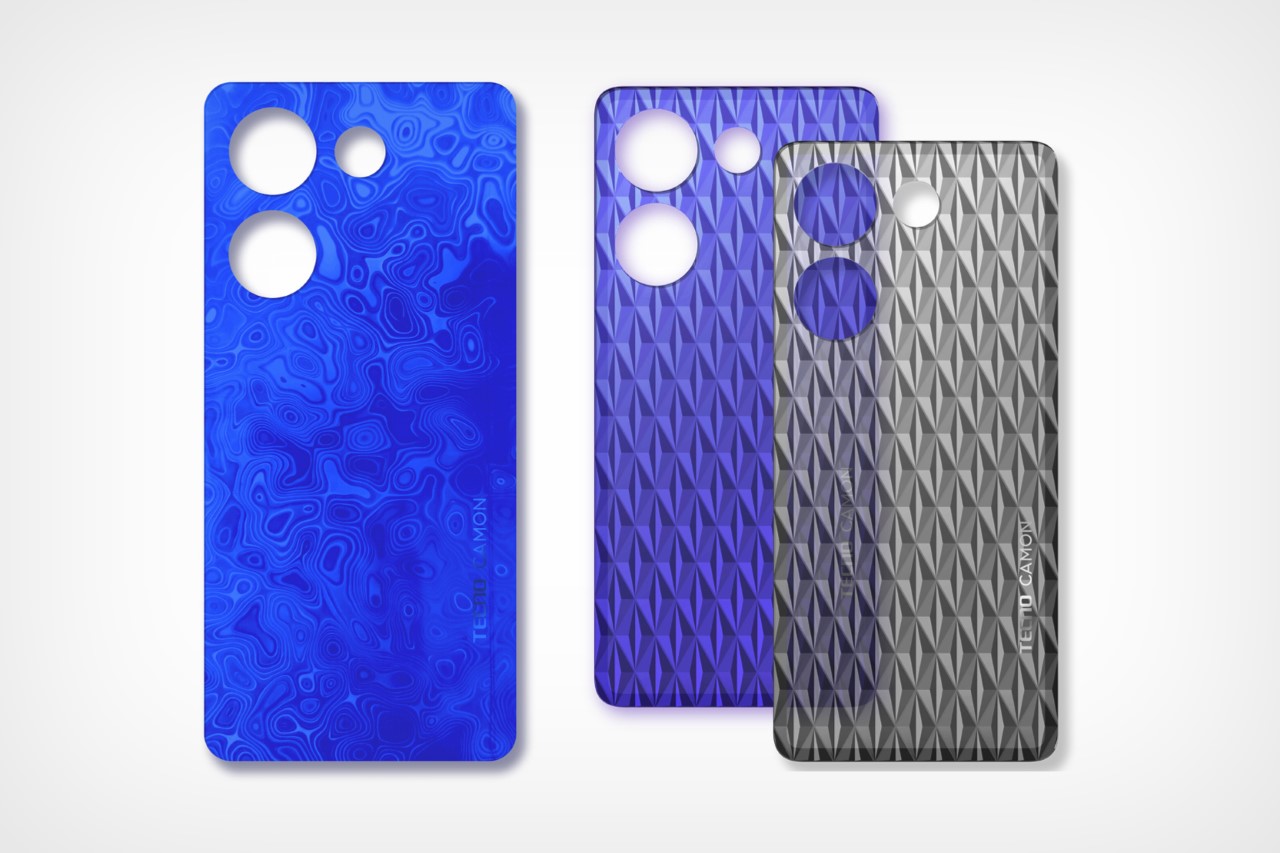
Stereoscopic 3D effects, environment-friendly organosilicone fabric leather, color-blending leather, and colored textured glass are just some of the concept materials that TECNO has been playing around with. It even has fragrance leathers with microencapsulated essential oil particles to have your phone smelling as good as it looks. Not all of these make sense and they might not even make it into production, but the concepts are an important part of the ideation process that will lead to innovative designs that look and feel like they were made for actual human persons and not just faceless consumers.
Lenovo ThinkPad T14 Gen 5 repairability
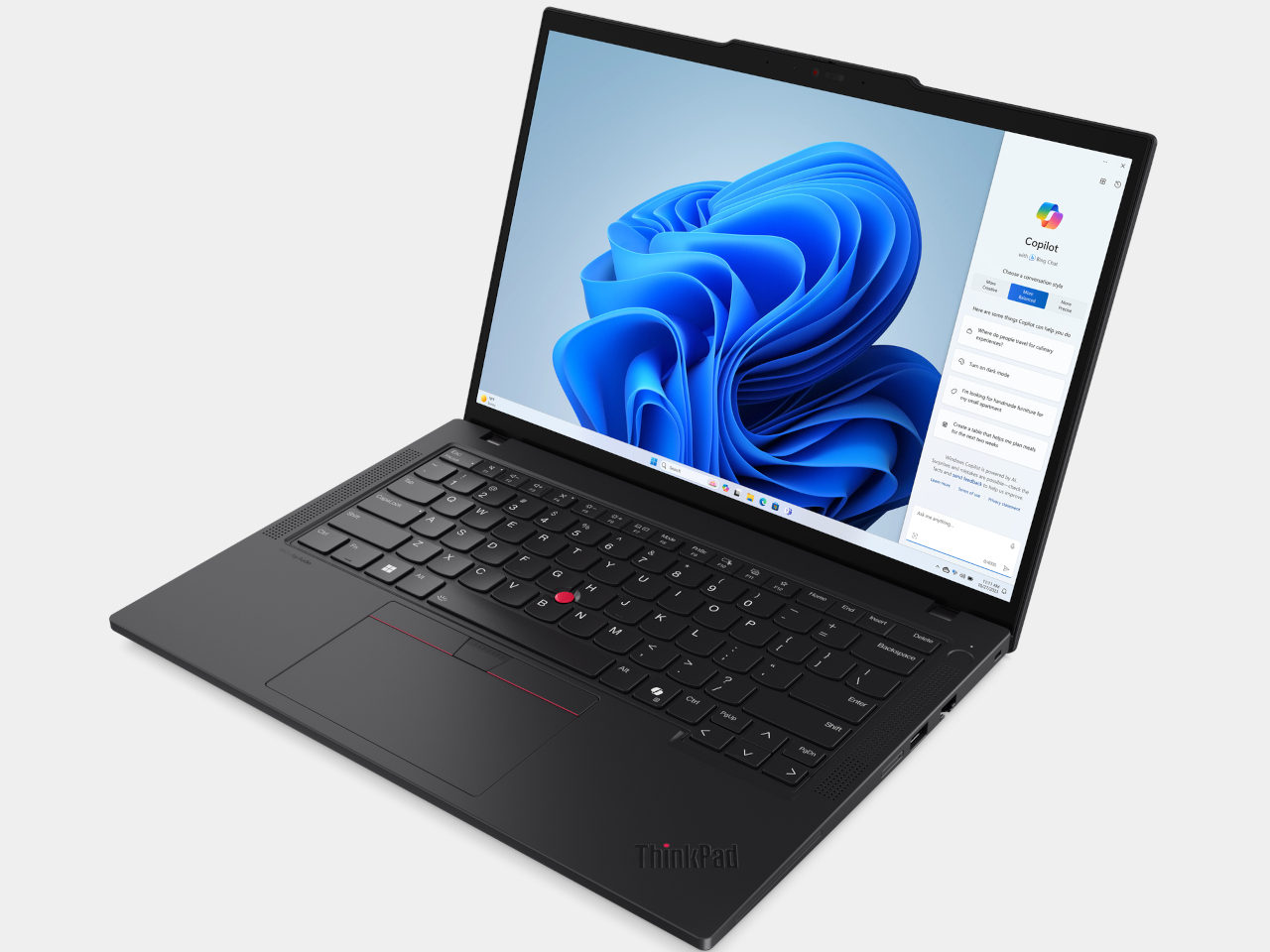
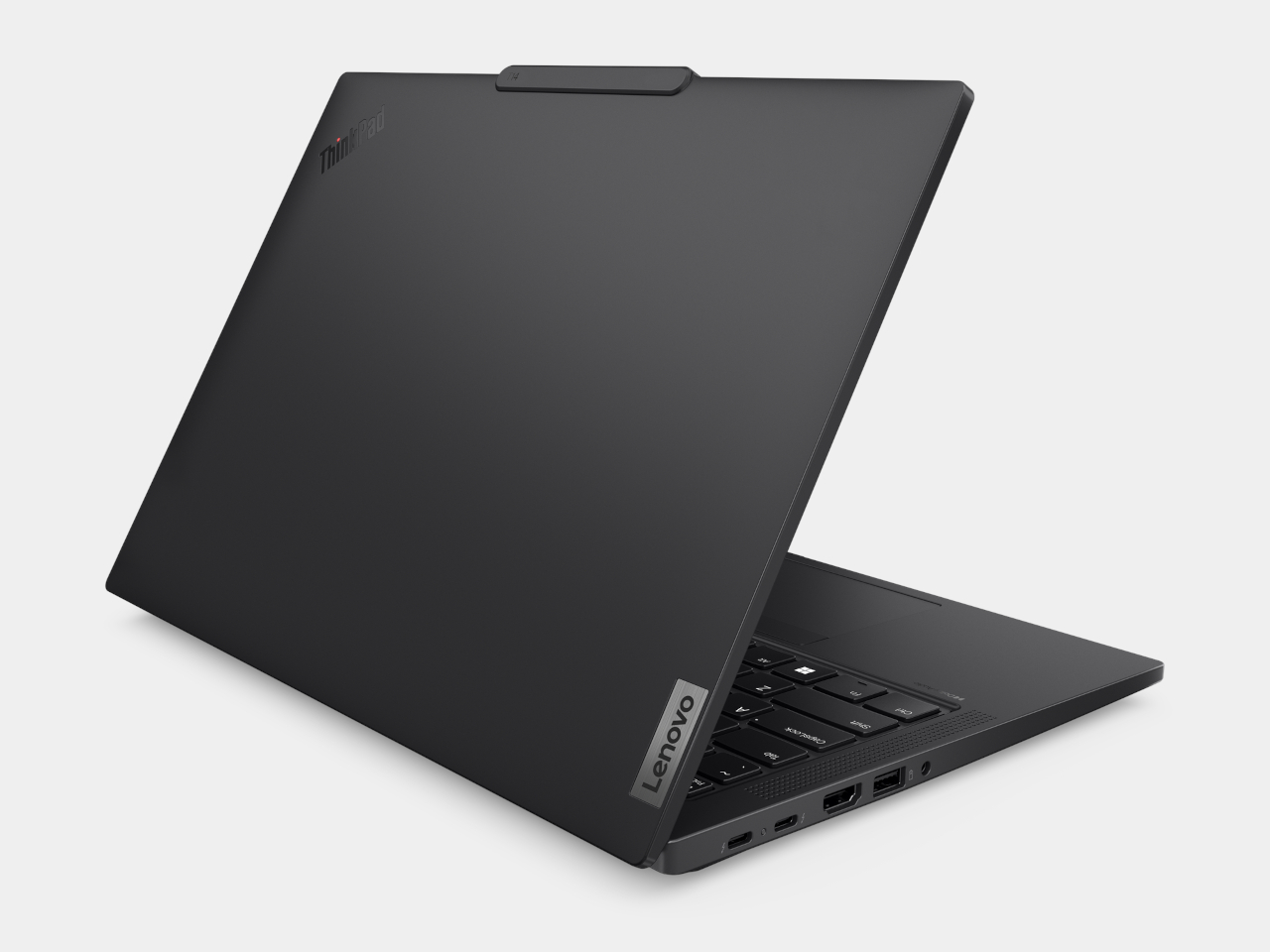
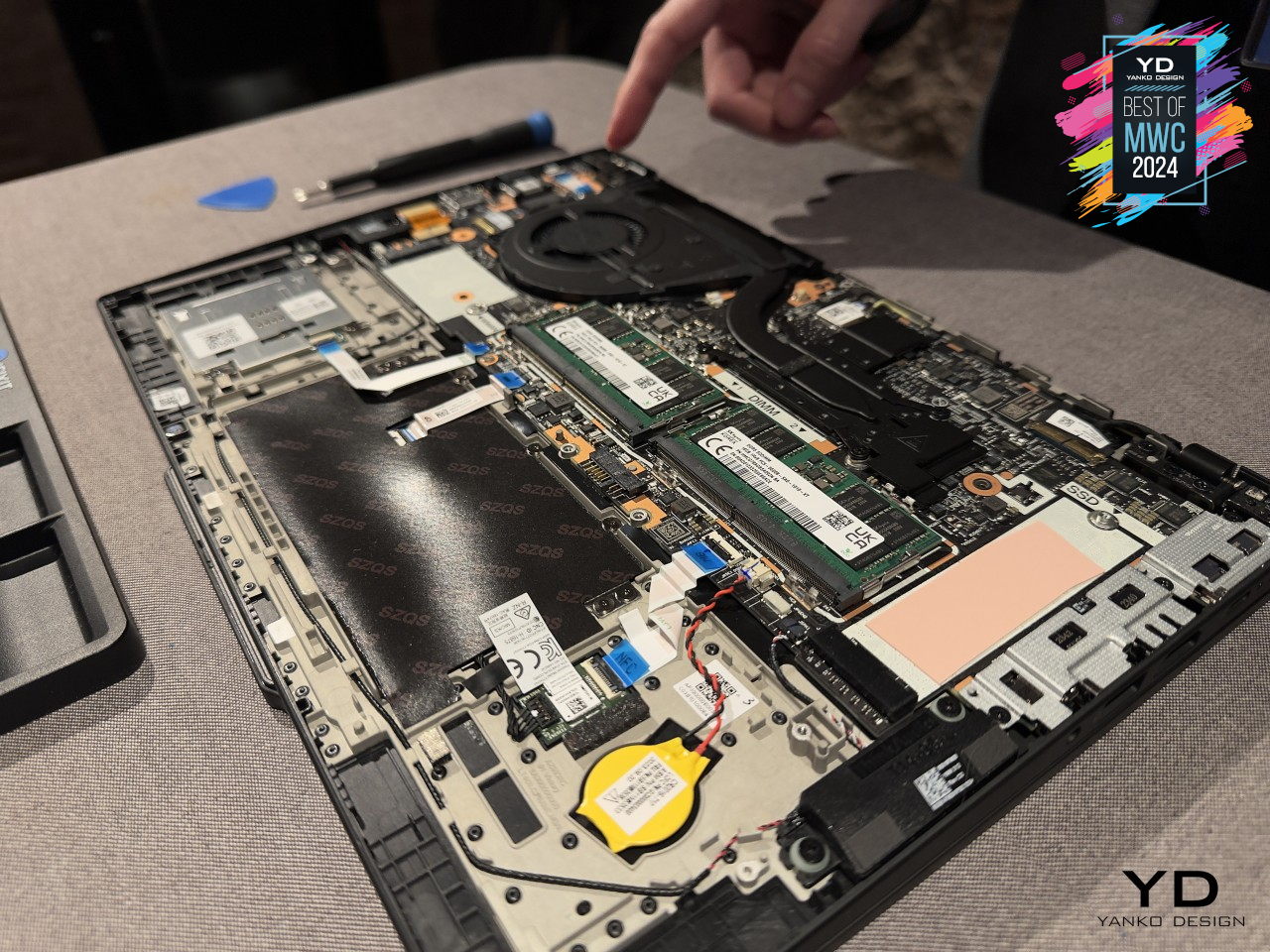
Laptops are slowly but surely dominating the PC space, especially as they become powerful enough to compete with desktops. There are, however, still some things it can’t easily beat its towering cousin. The modular nature of desktops means they’re trivial to repair since you only need to replace the broken parts. That also means they have a longer lifetime in general, reducing the overall e-waste that’s usually involved in upgrading and discarding laptops in just a few short years.
Designer: Lenovo
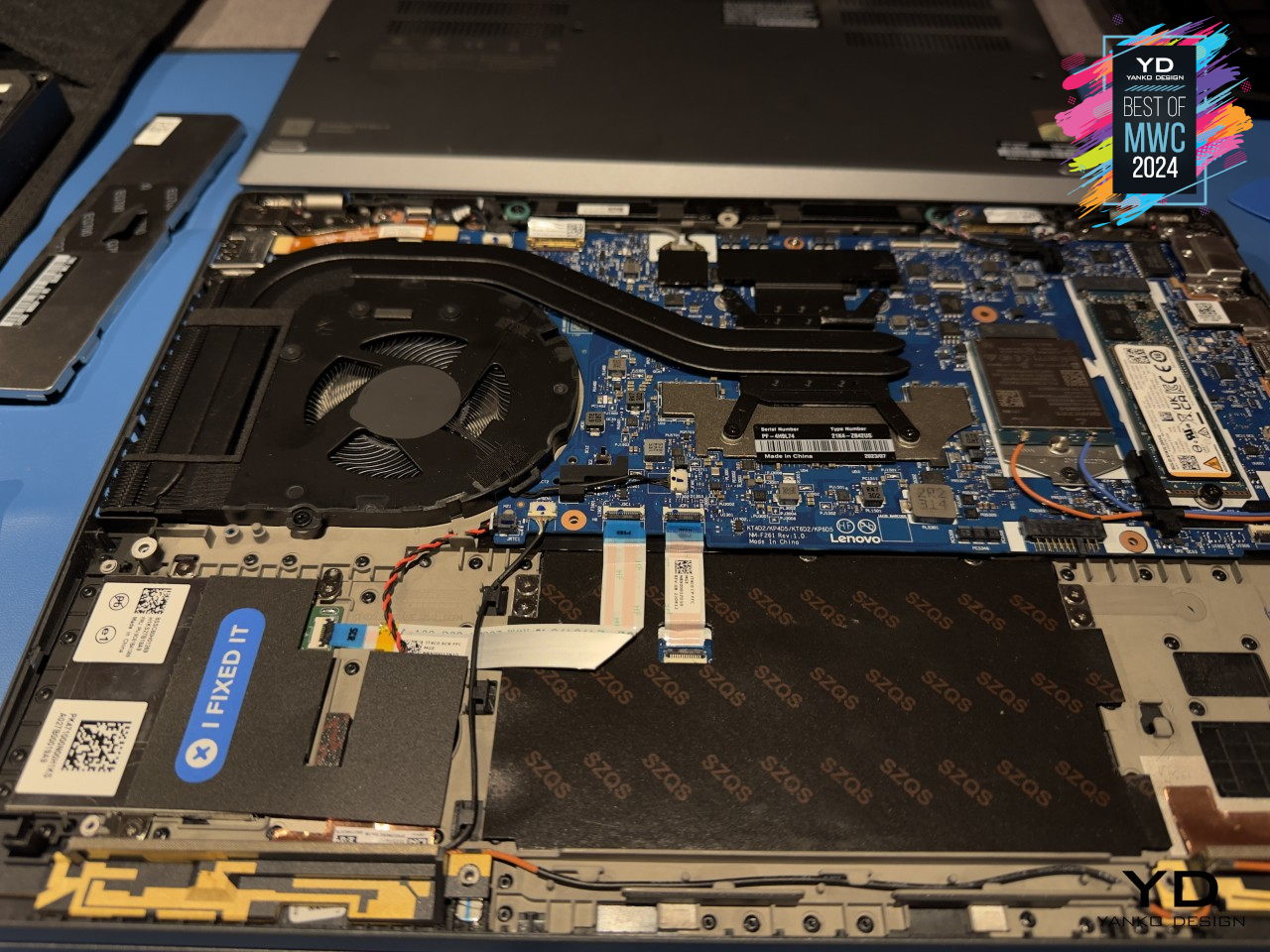
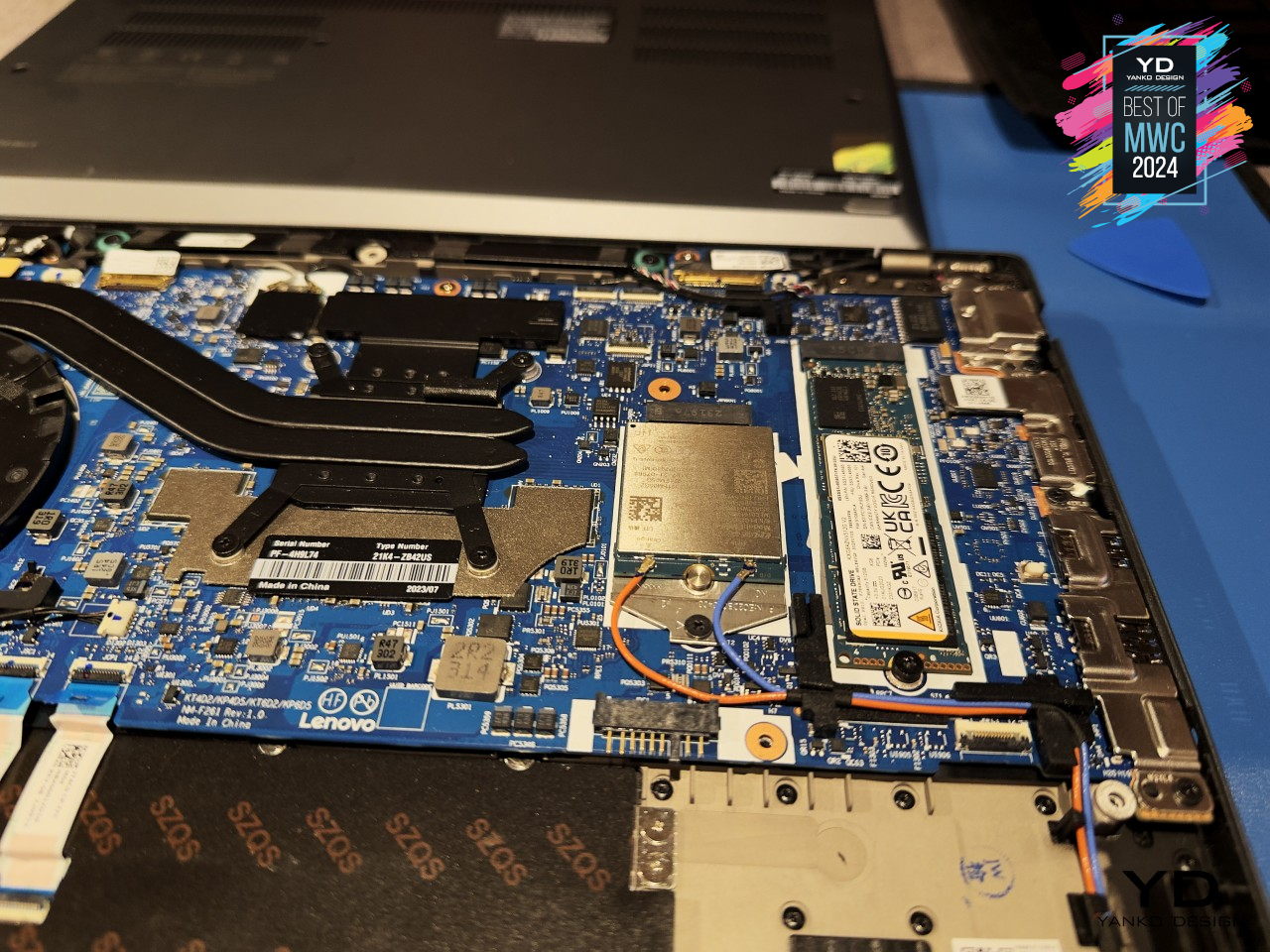
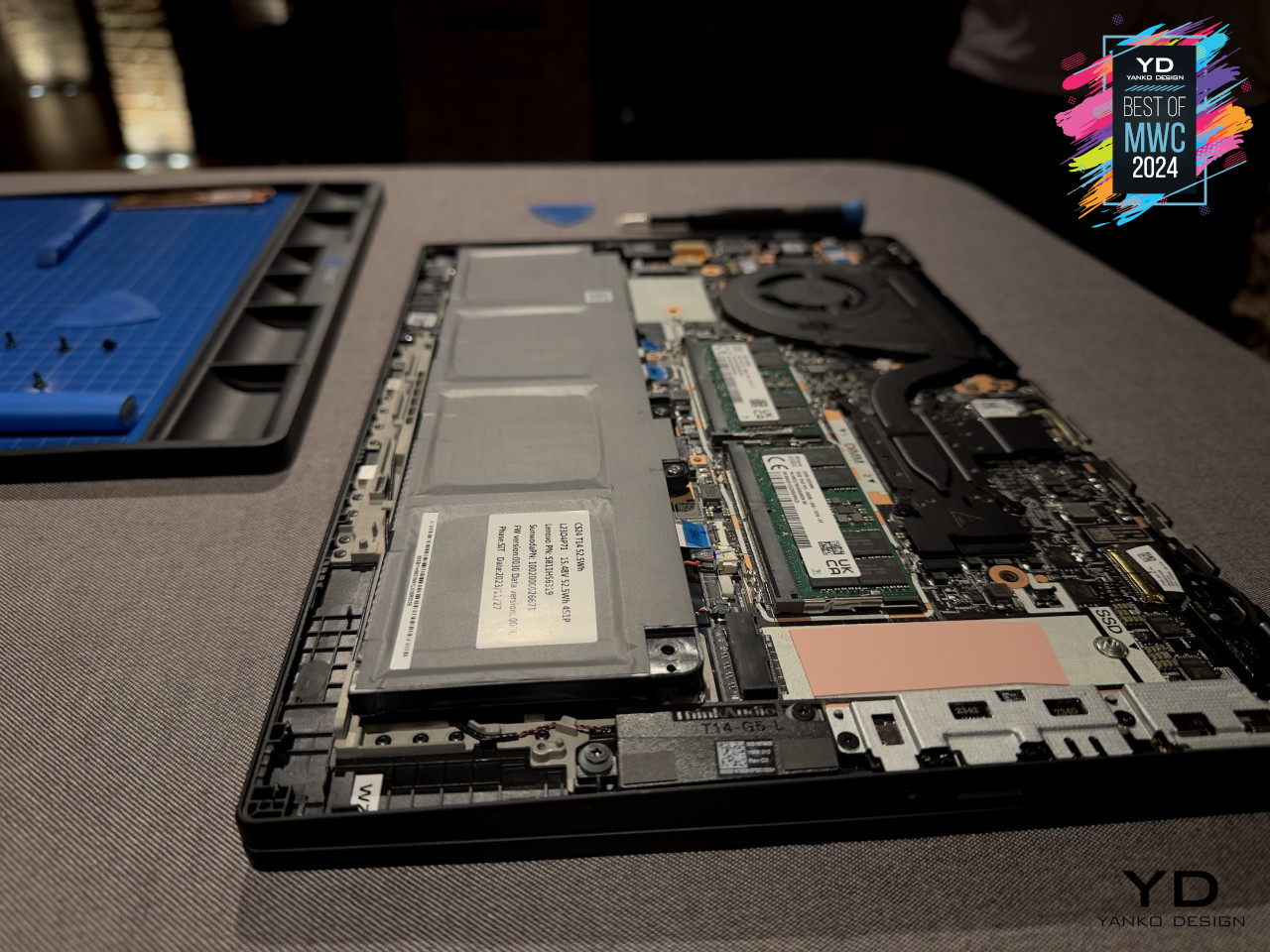
Lenovo is bringing that kind of sustainability to its latest laptops, particularly the ThinkPad T14 Gen 5. Collaborating with self-repair experts over at iFixit, Lenovo designed this mobile workstation to be easy to repair, scoring an astounding 9 over 10 on iFixit’s meticulous repairability index. With parts that are easier to replace, including a socketed RAM instead of a soldered one, the ThinkPad T14 Gen 5 goes a very long way to ensuring the longevity of these powerful and essential tools.
Lenovo ThinkPad Transparent Display Laptop
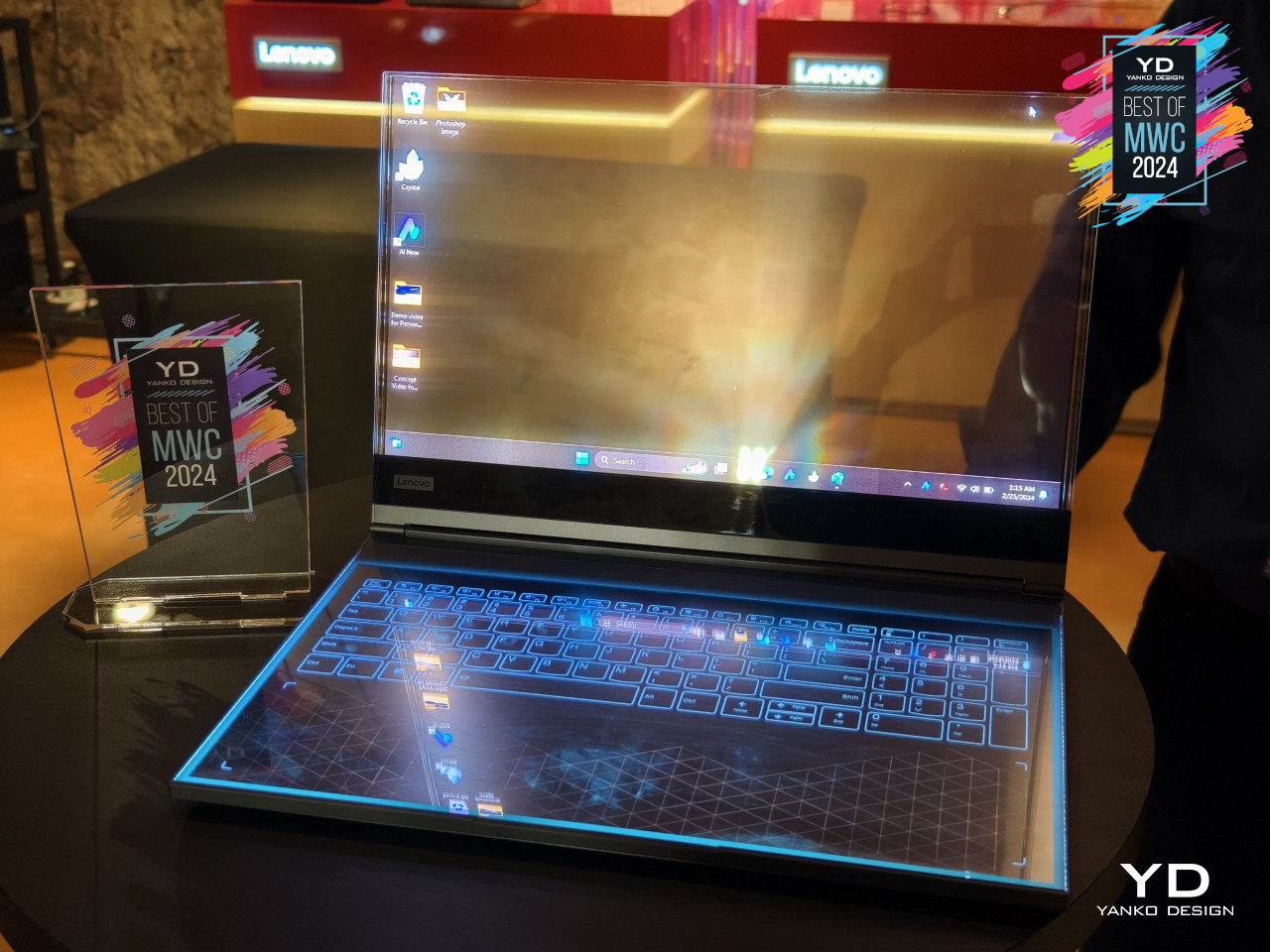
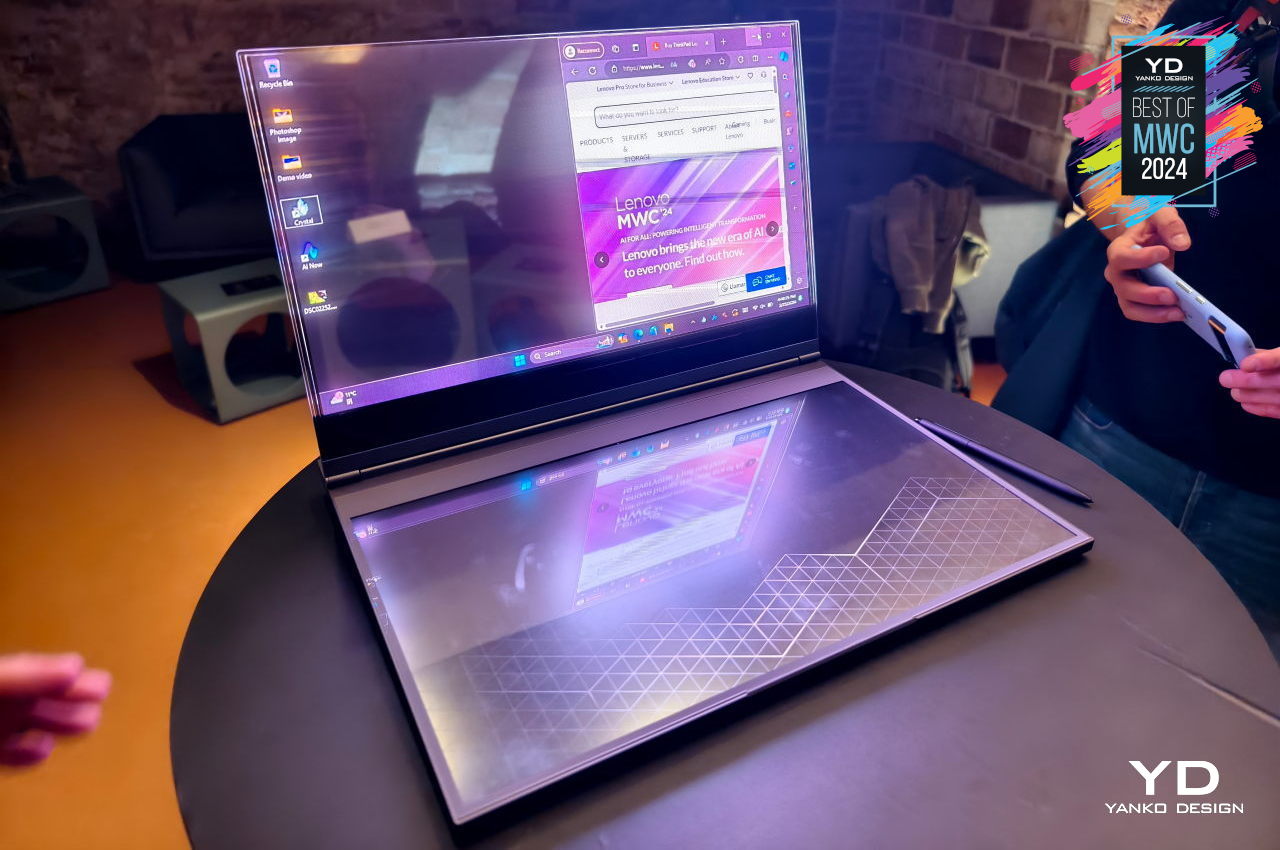
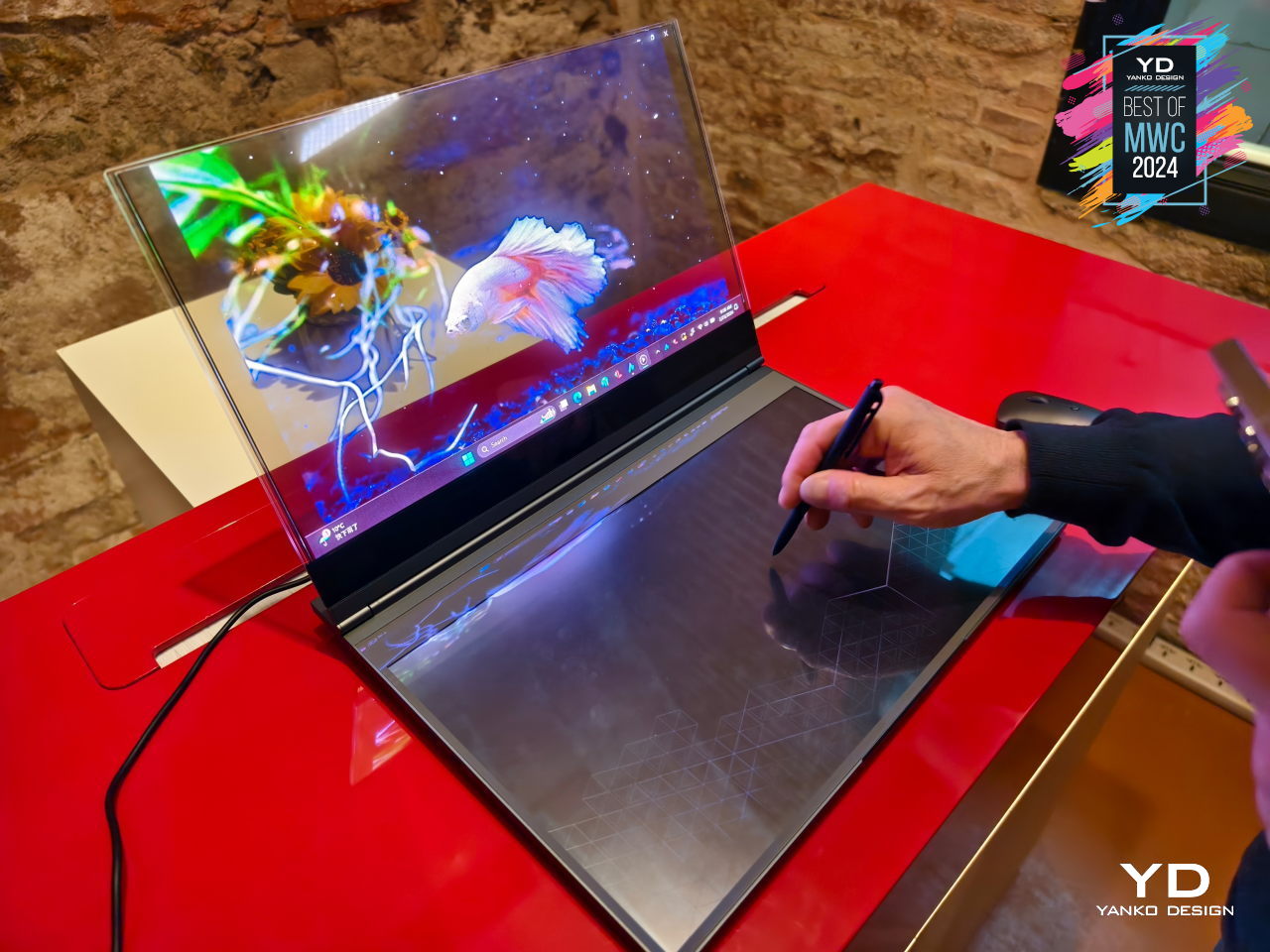
After staying nearly the same for decades, we’re now seeing attempts at redesigning the laptop without completely erasing its familiar form. Dual screens and foldable screens are just two of the latest explorations we’ve seen lately, but they’re hardly the only innovations possible in this space. In fact, Lenovo has just revealed what could even be more ambitious than a foldable or rollable laptop, one that has a transparent display and an all-glass keyboard to match the aesthetic.
Designer: Lenovo
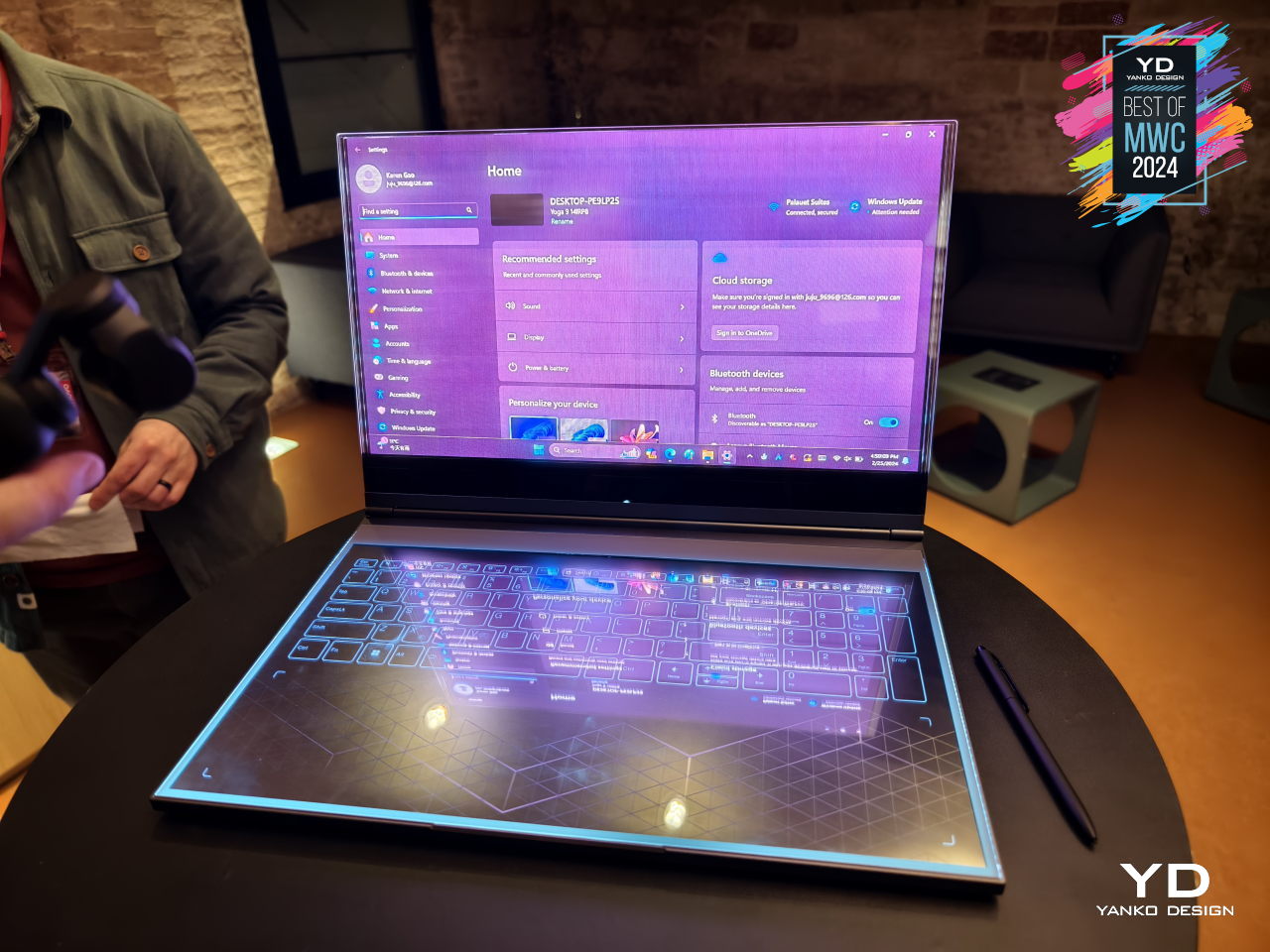
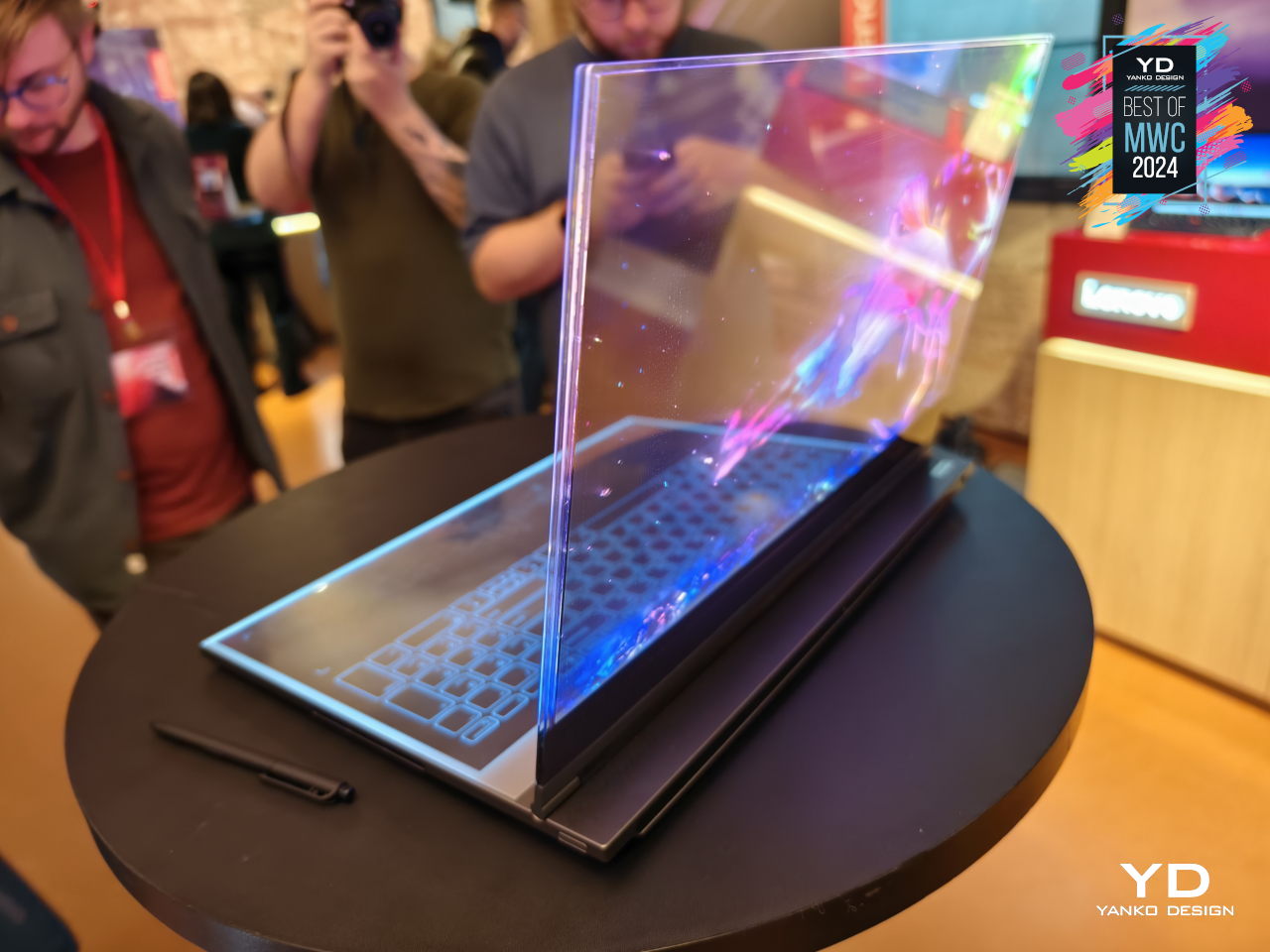

Transparent TVs are starting to appear in the market, bringing a long-time fantasy to life. Lenovo seems to finally be satisfied that these transparent displays have become mature enough to be used on a laptop. Although still just a proof of concept, the ThinkPad Transparent Display Laptops is already very promising and mind-blowing, demonstrating what could be possible in just a few years’ time. It definitely sparks the imagination, looking like a functional prop straight out of a sci-fi movie set, and it probably prefigures the display-centric computers that are waiting for us in the future.
Humane AI Pin
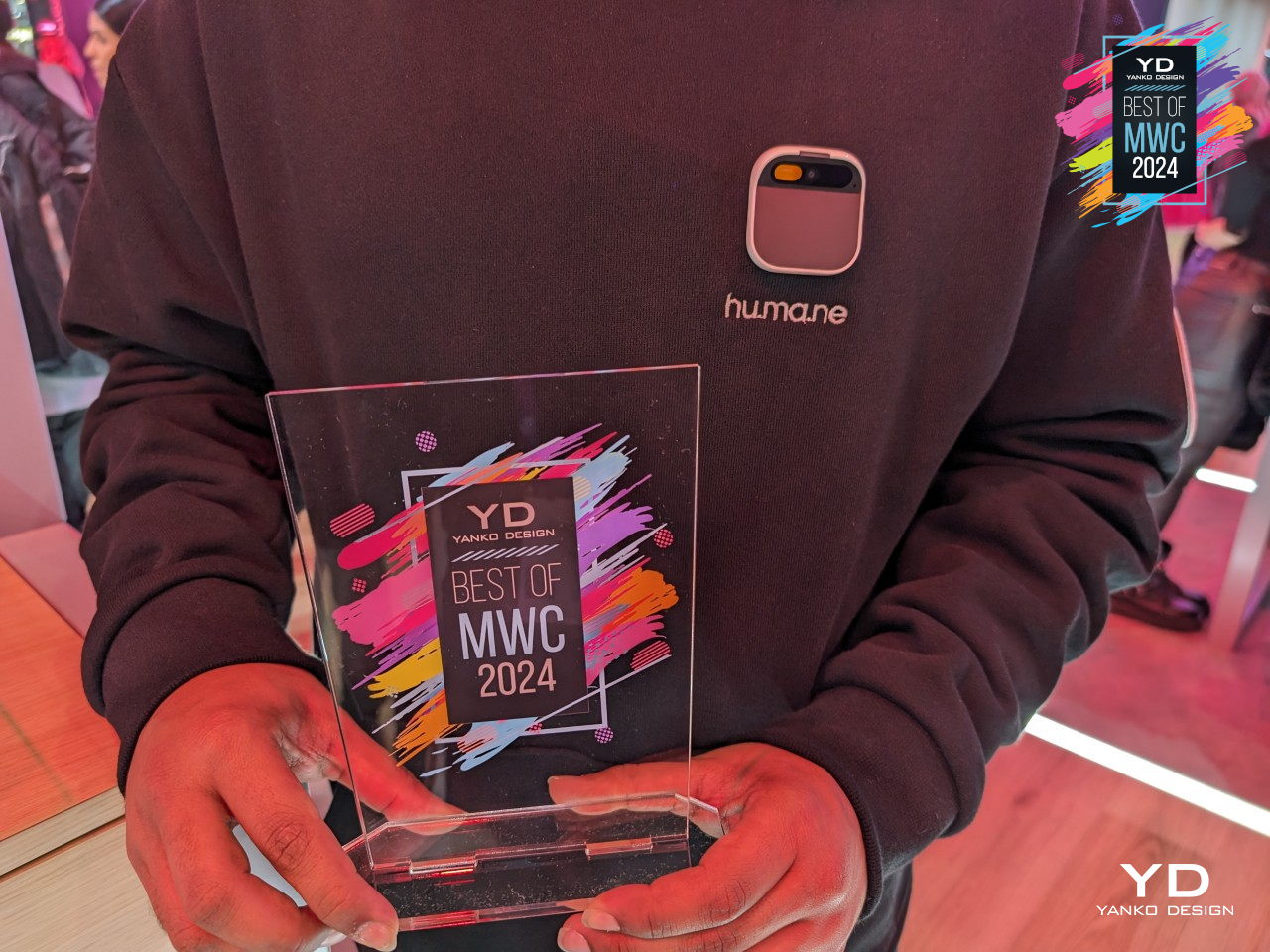
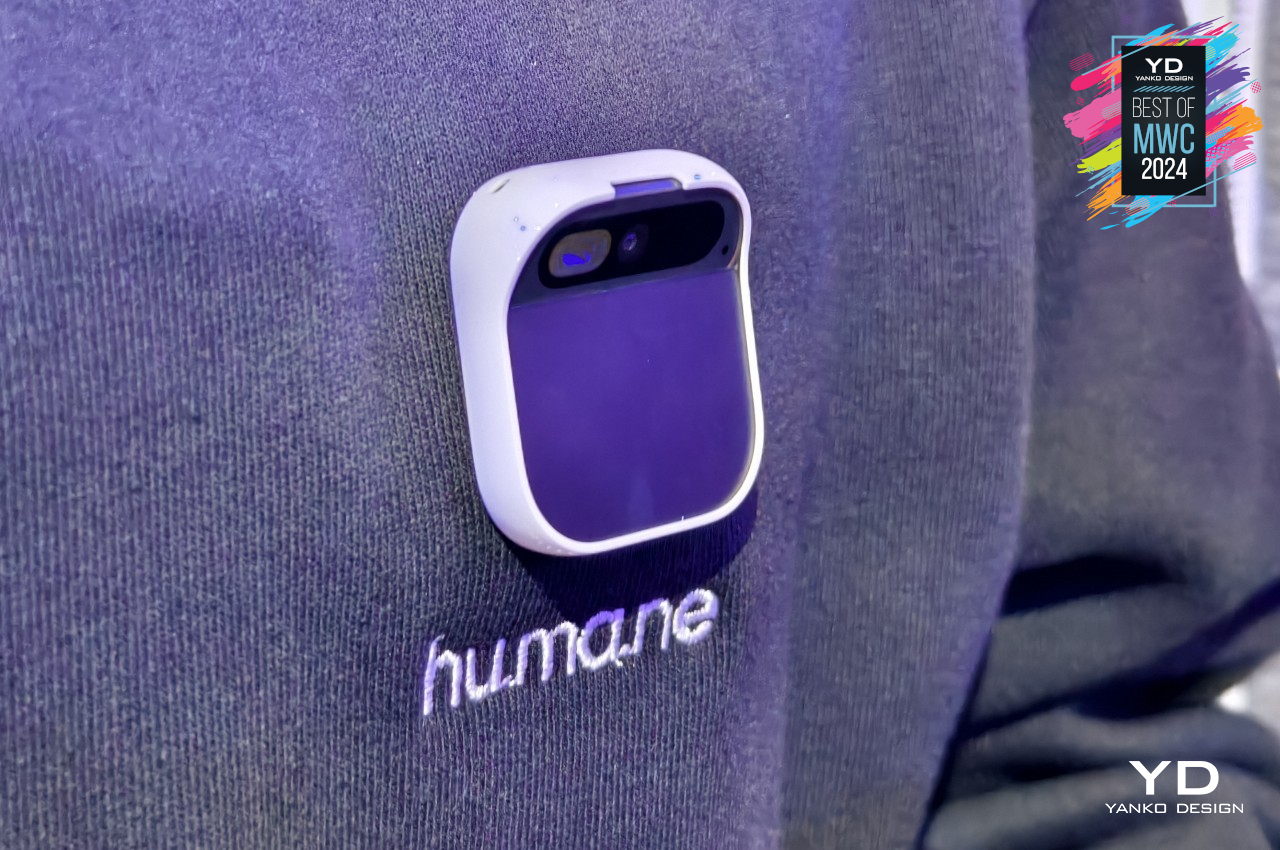
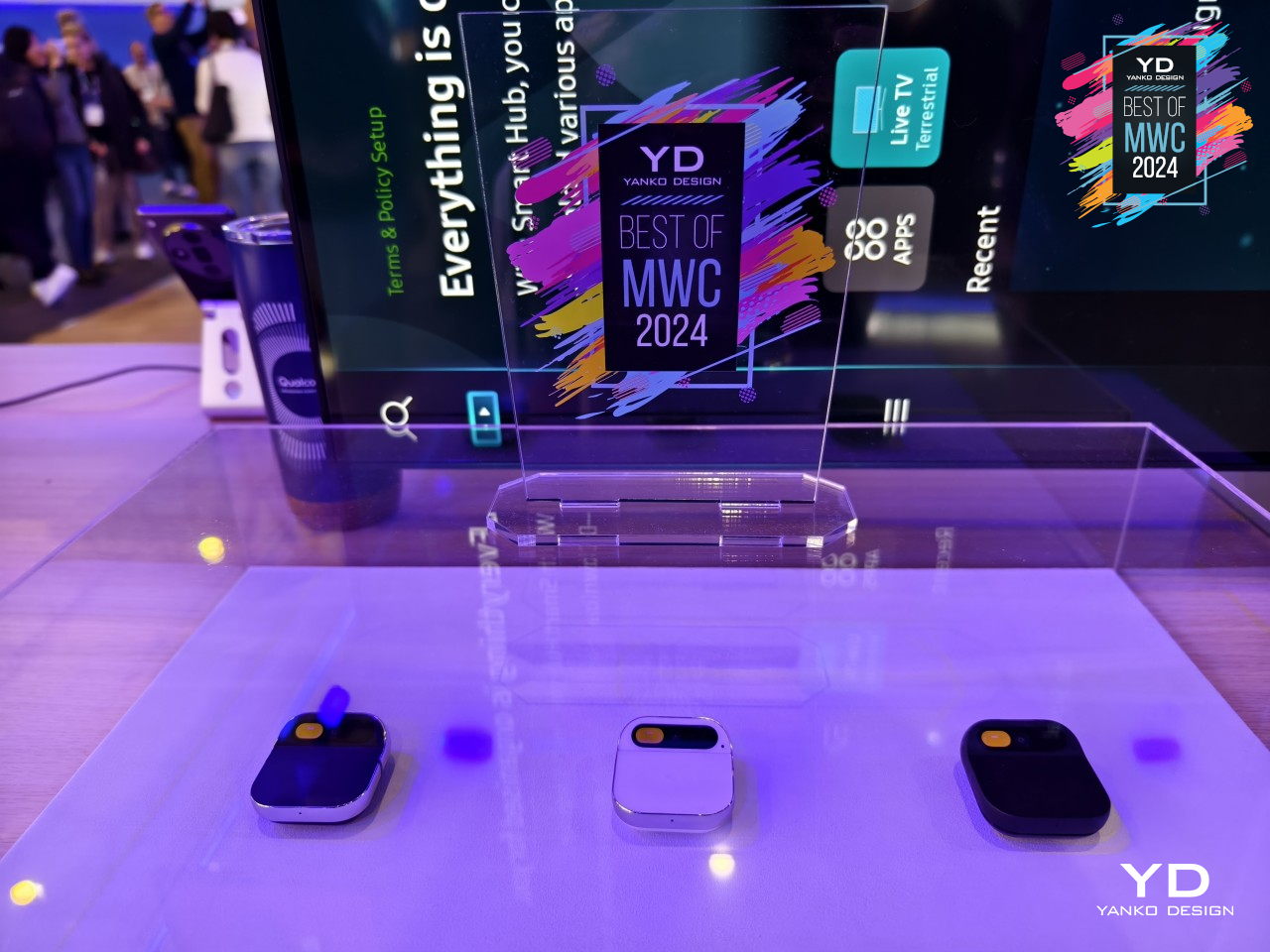
Our smartphones are powerful devices, but they can also be a source of stress, distraction, and a host of other mental and emotional issues. But the world we live in today requires a connected lifestyle, even for some of the most basic actions. The Humane AI Pin is an ambitious design that tries to keep us connected while also removing the middleman that is the smartphone, providing the necessities of modern life without distractions and complicated apps.
Designer: Humane
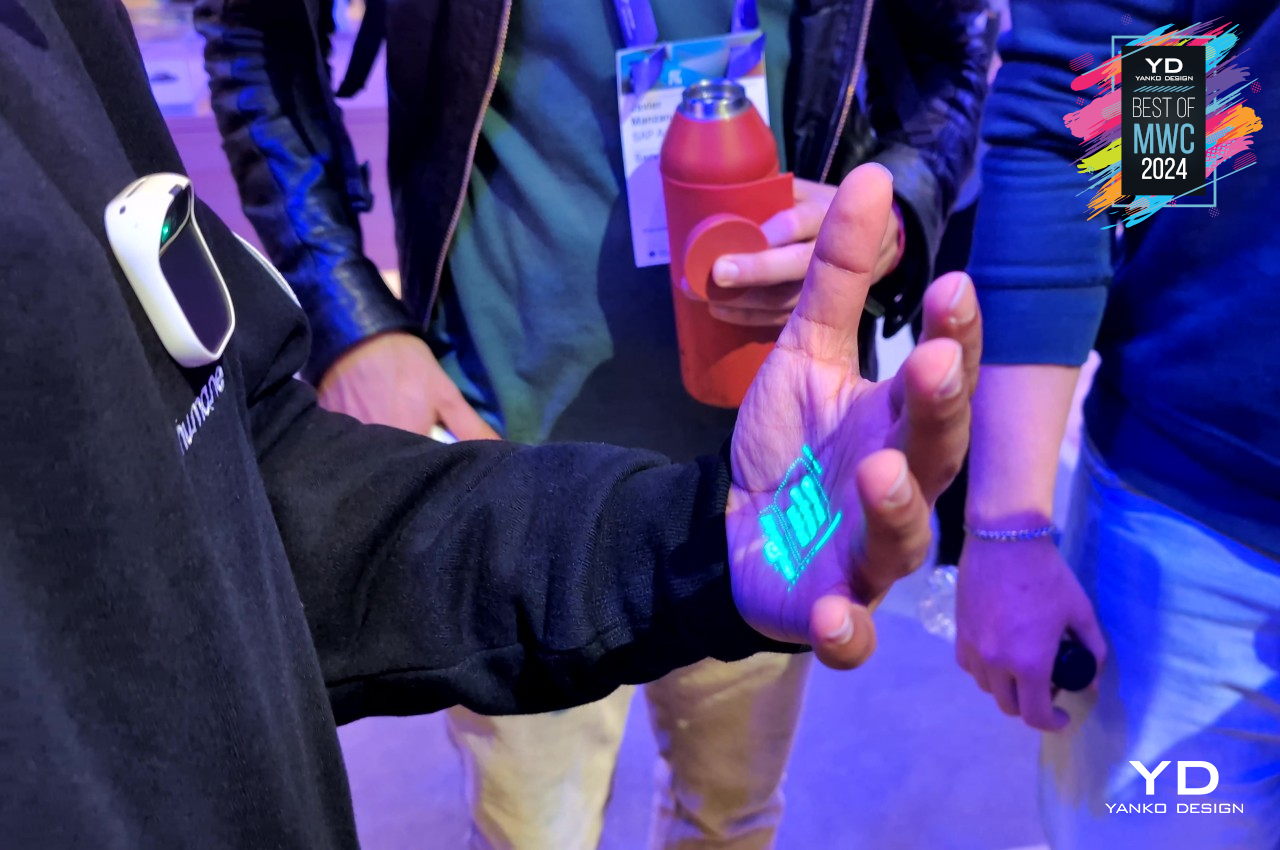
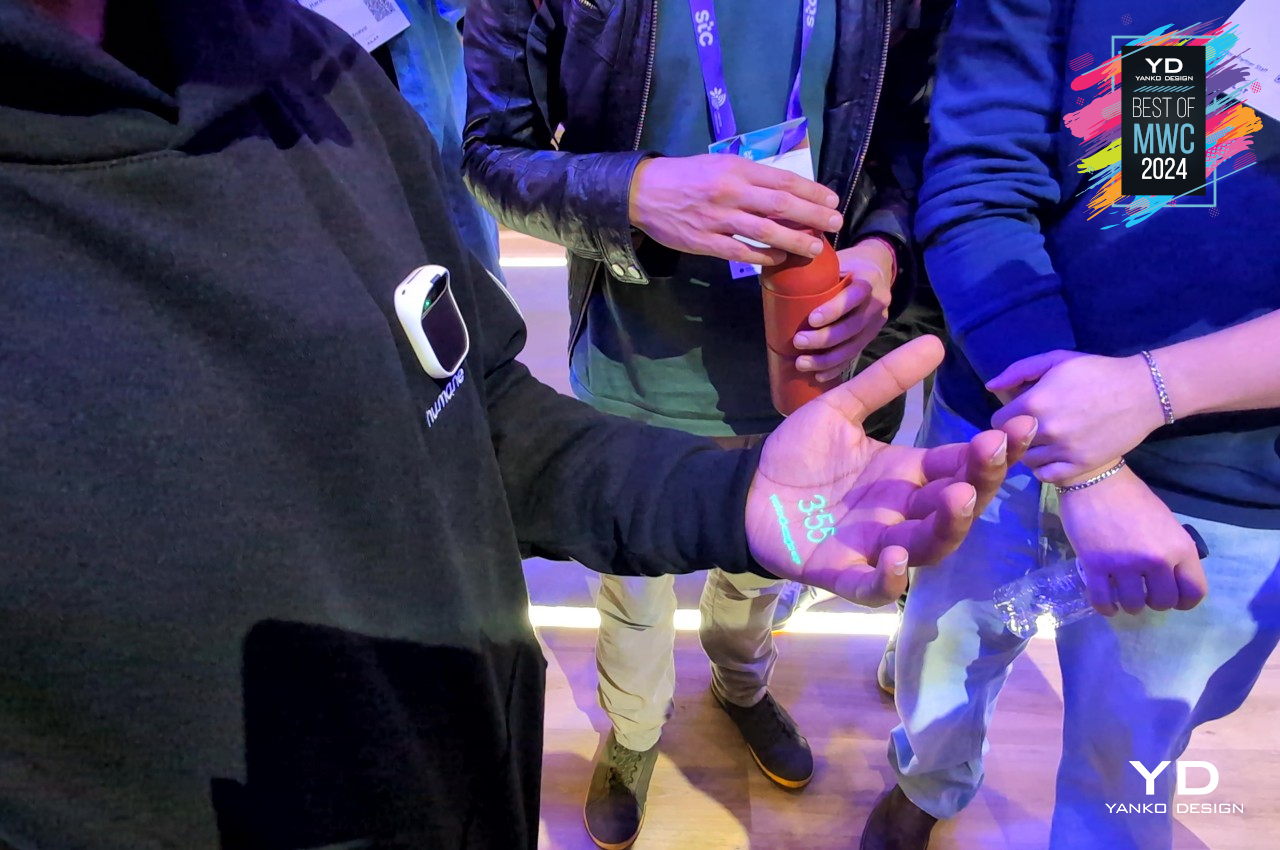
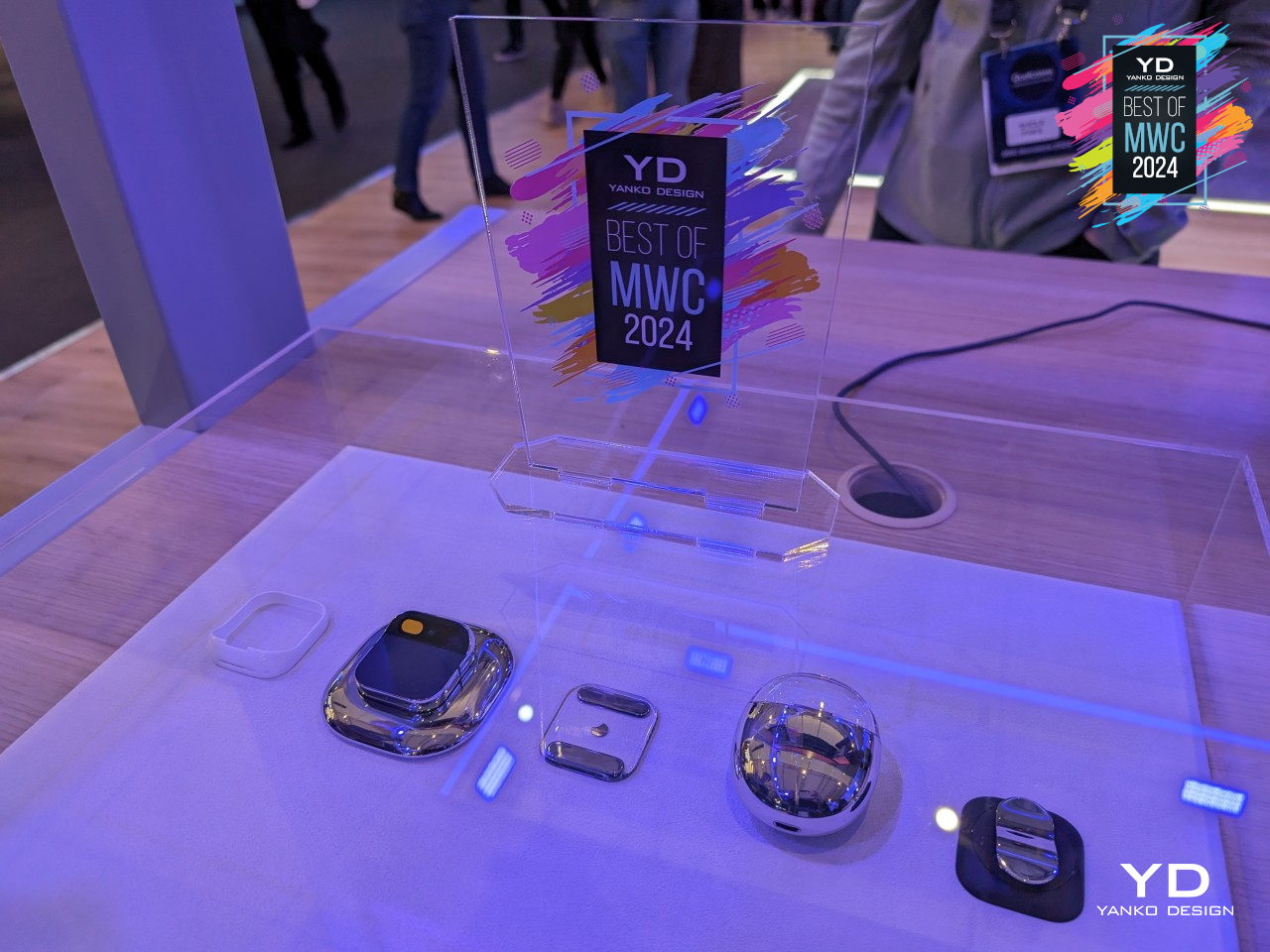
More like a badge than a pin, the Humane AI Pin basically projects a simplified interface on your hand that you can control with gestures. It has a camera that sees the world around you and a cloud-based AI service that interprets it, which includes voice commands and queries for information. It’s like those fancy holographic gadgets you see in sci-fi shows, except it’s already here today and actually quite usable. It demonstrates that you won’t really need a smartphone for most of the things we use a mobile device for, freeing you to be more present in the moment and with other people.
nubia Music Phone
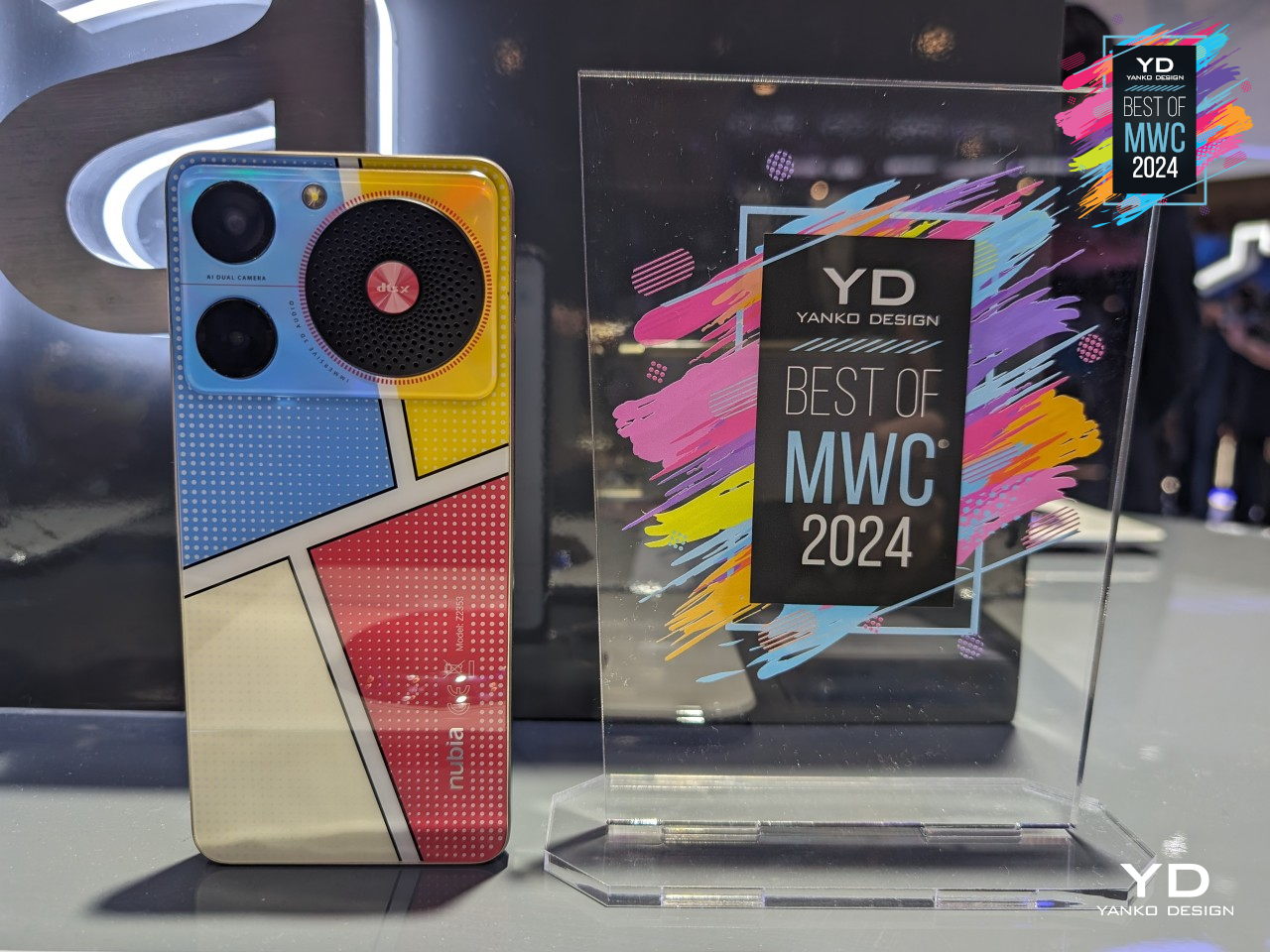
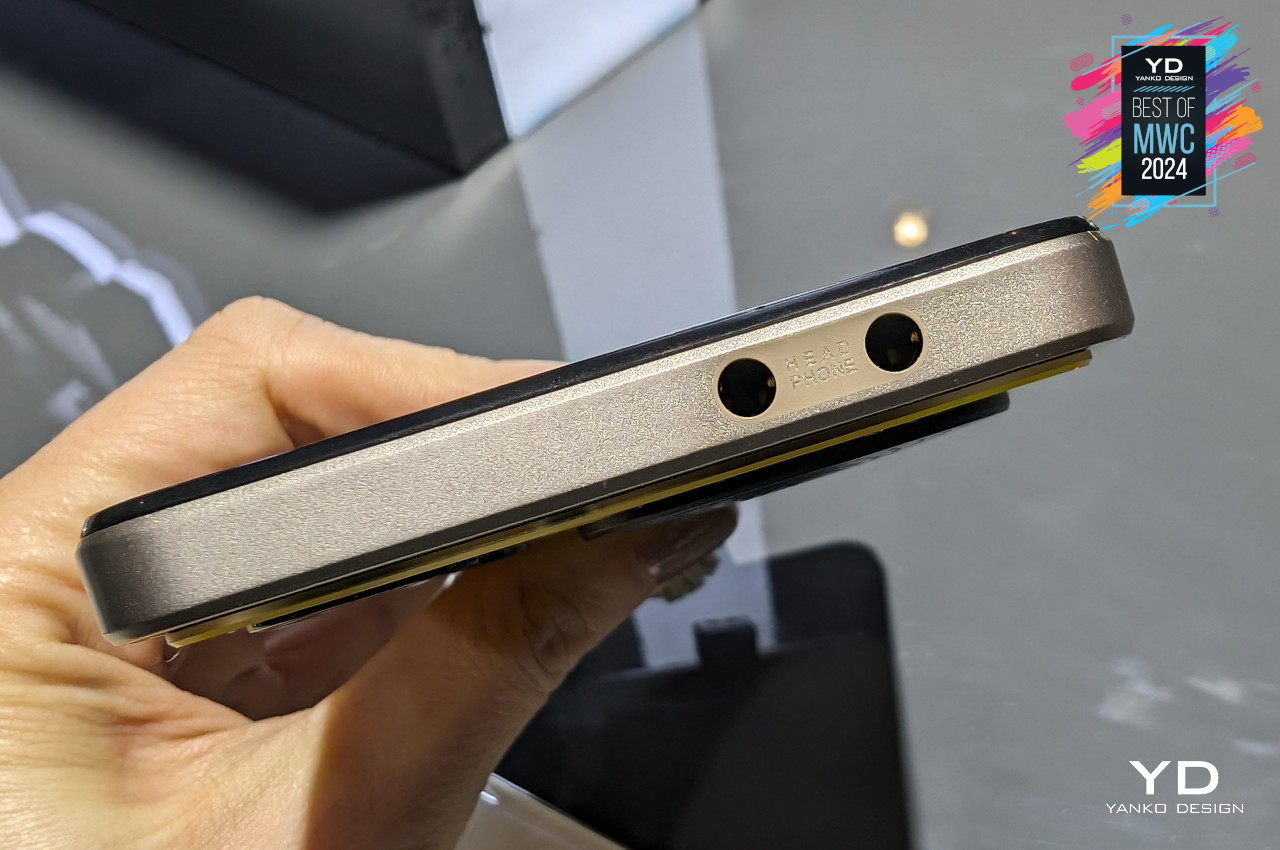
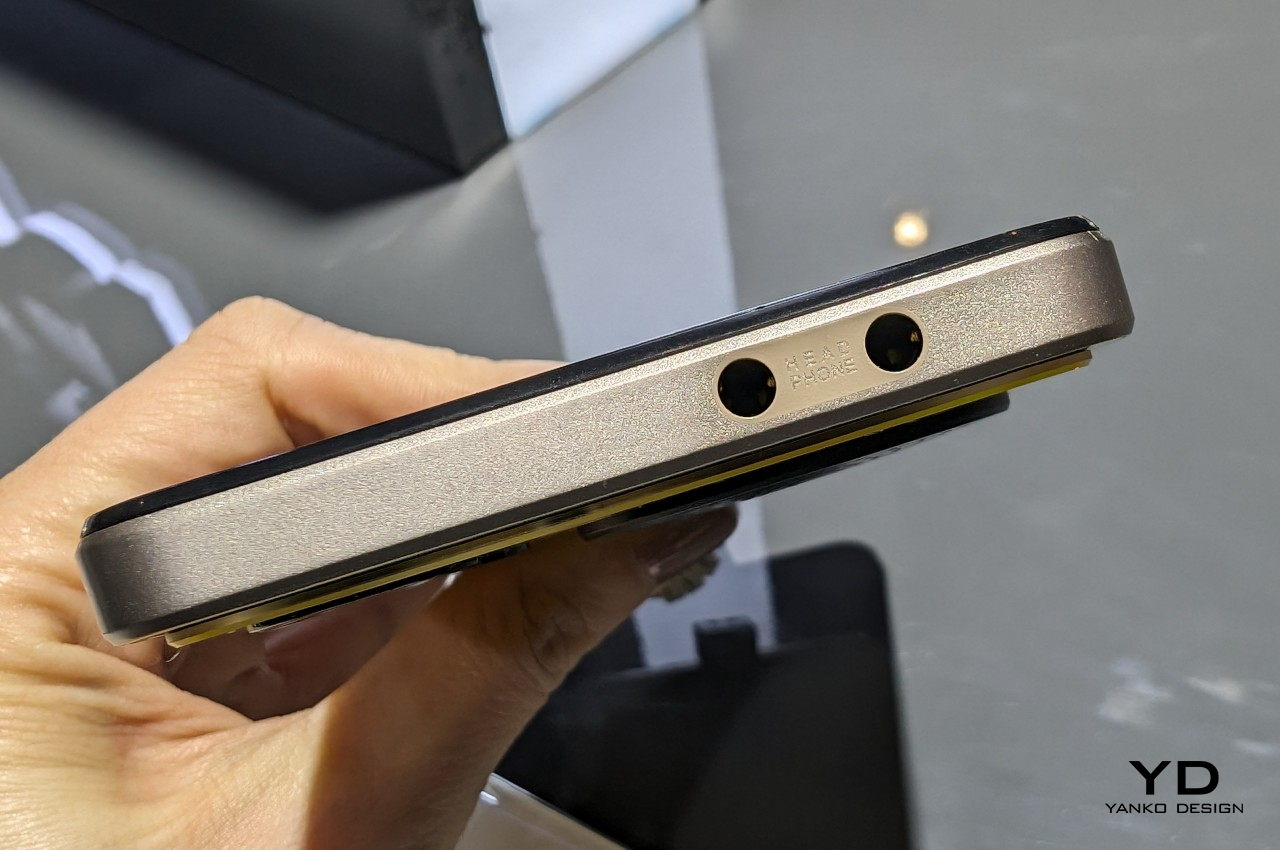
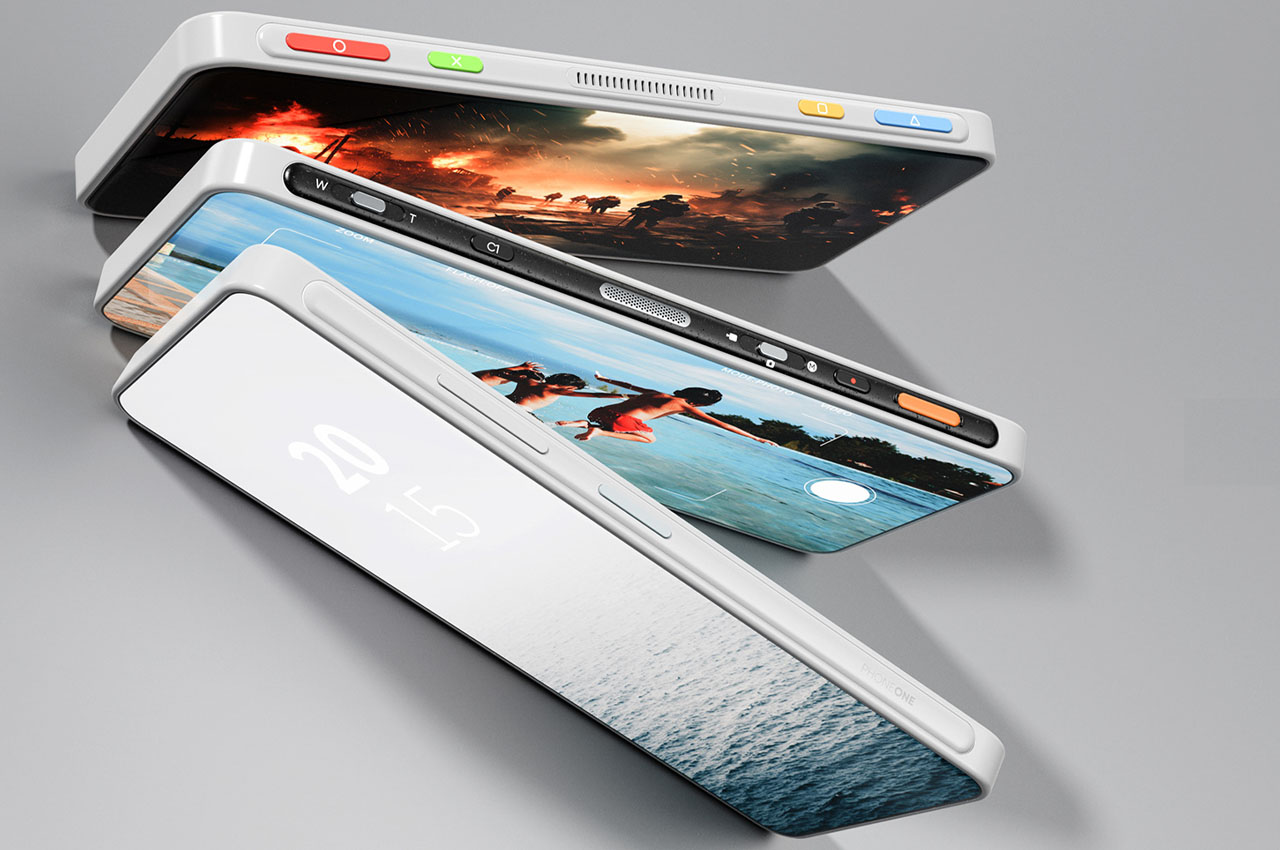
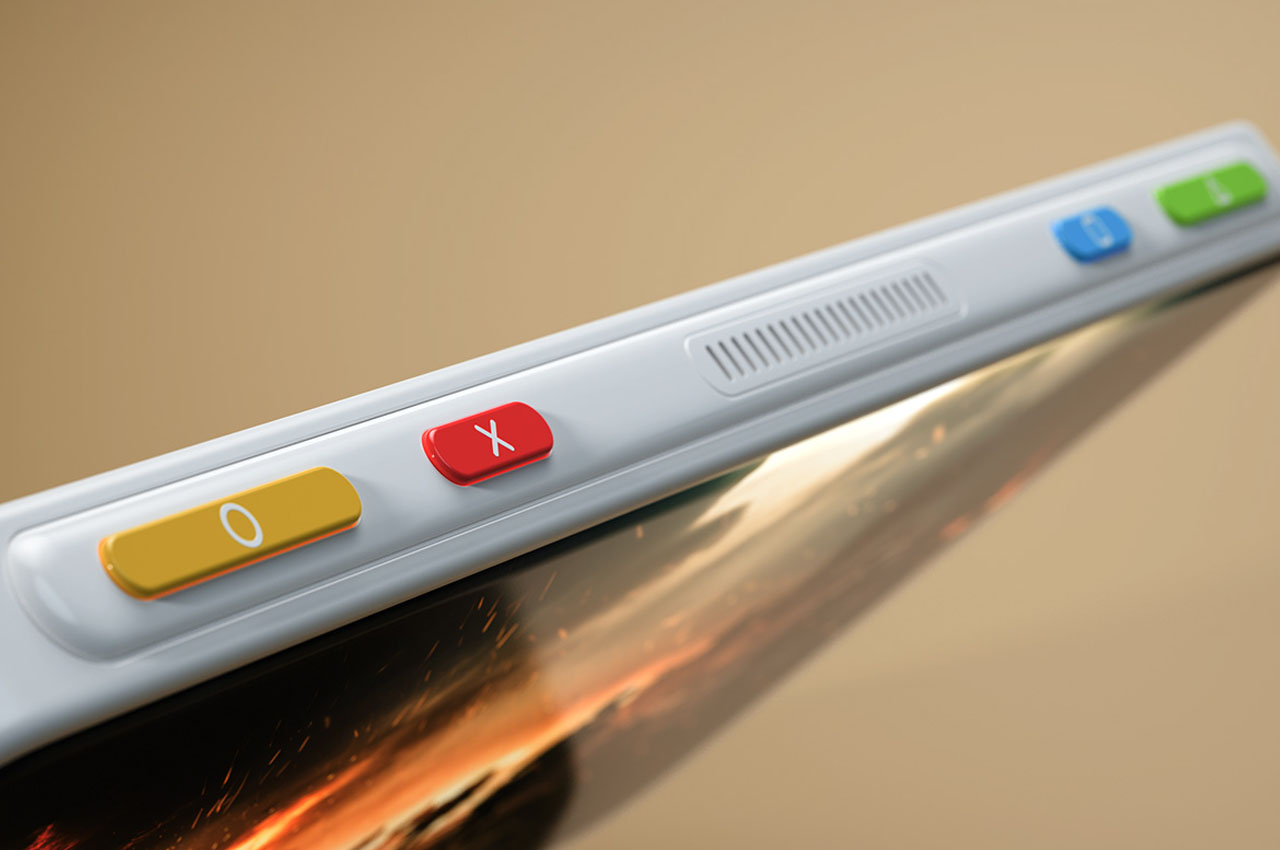
It may have been banished from smartphones, but the headphone jack is still a standard connector in other places, especially in the music industry. Bluetooth headphones and speakers might be improving, but some audiophiles still swear by their wired equipment, especially because of the flexibility they offer when you want to let others enjoy the same tunes you’re listening to. Inspired by the social aspects of listening to music, nubia made a surprising launch of a phone that’s designed to let you share your music easily.
Designer: nubia
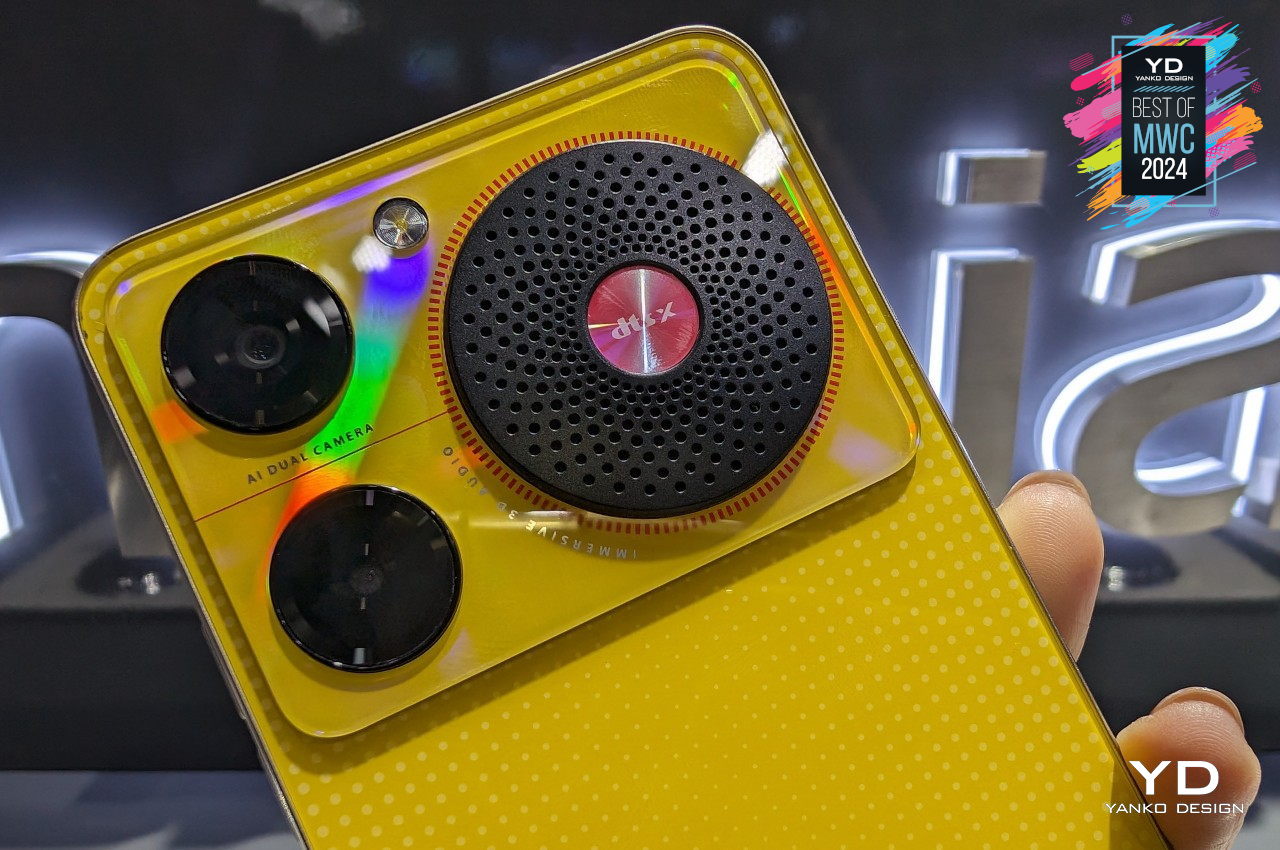
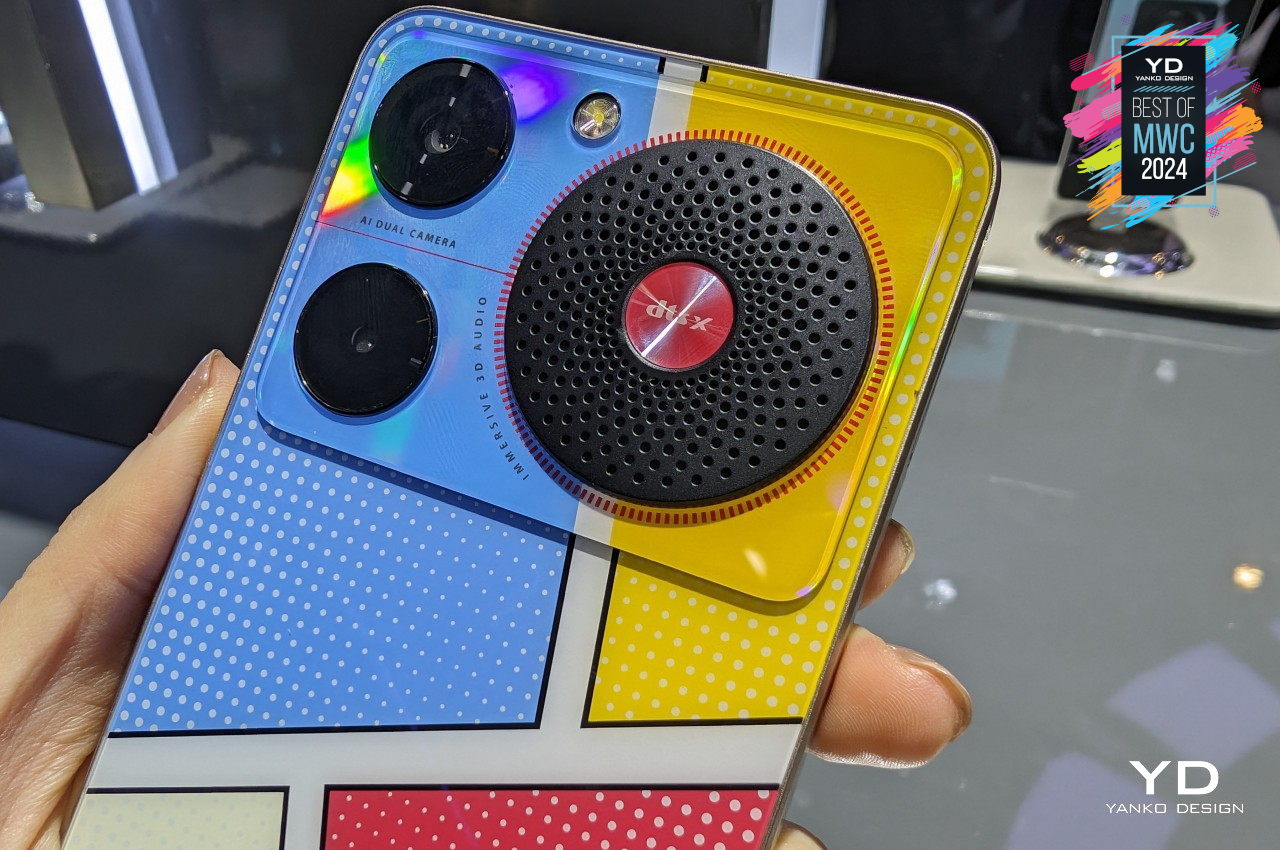
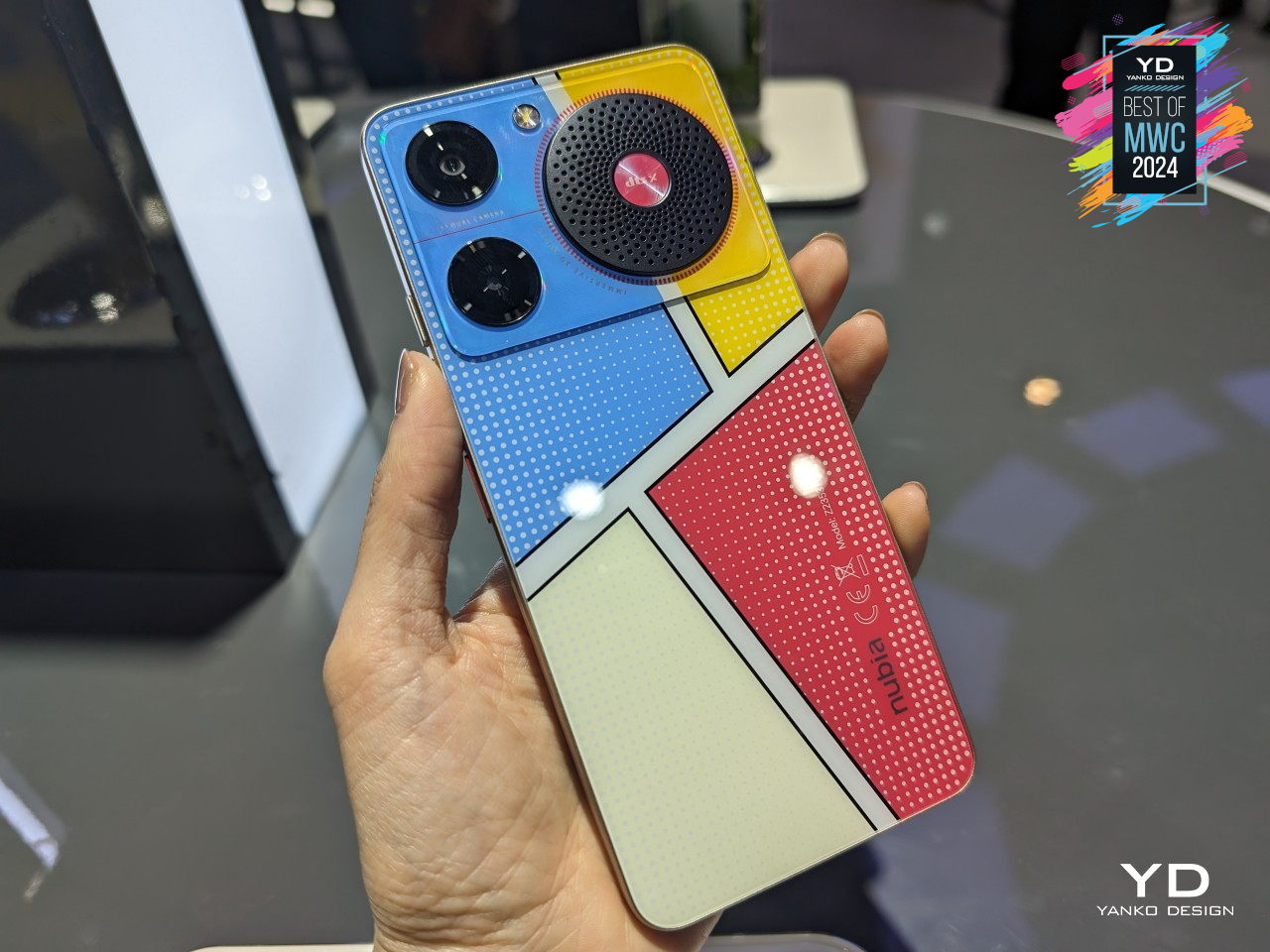
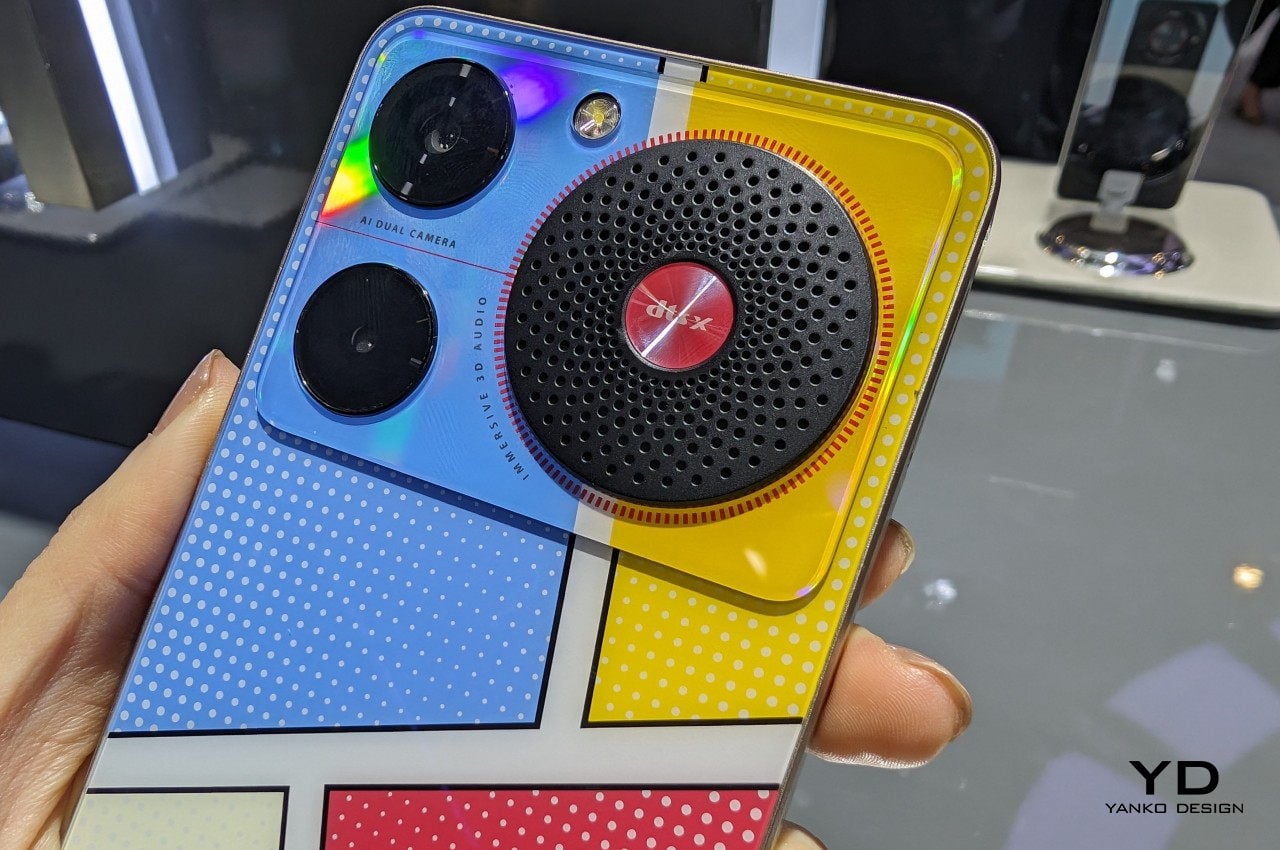
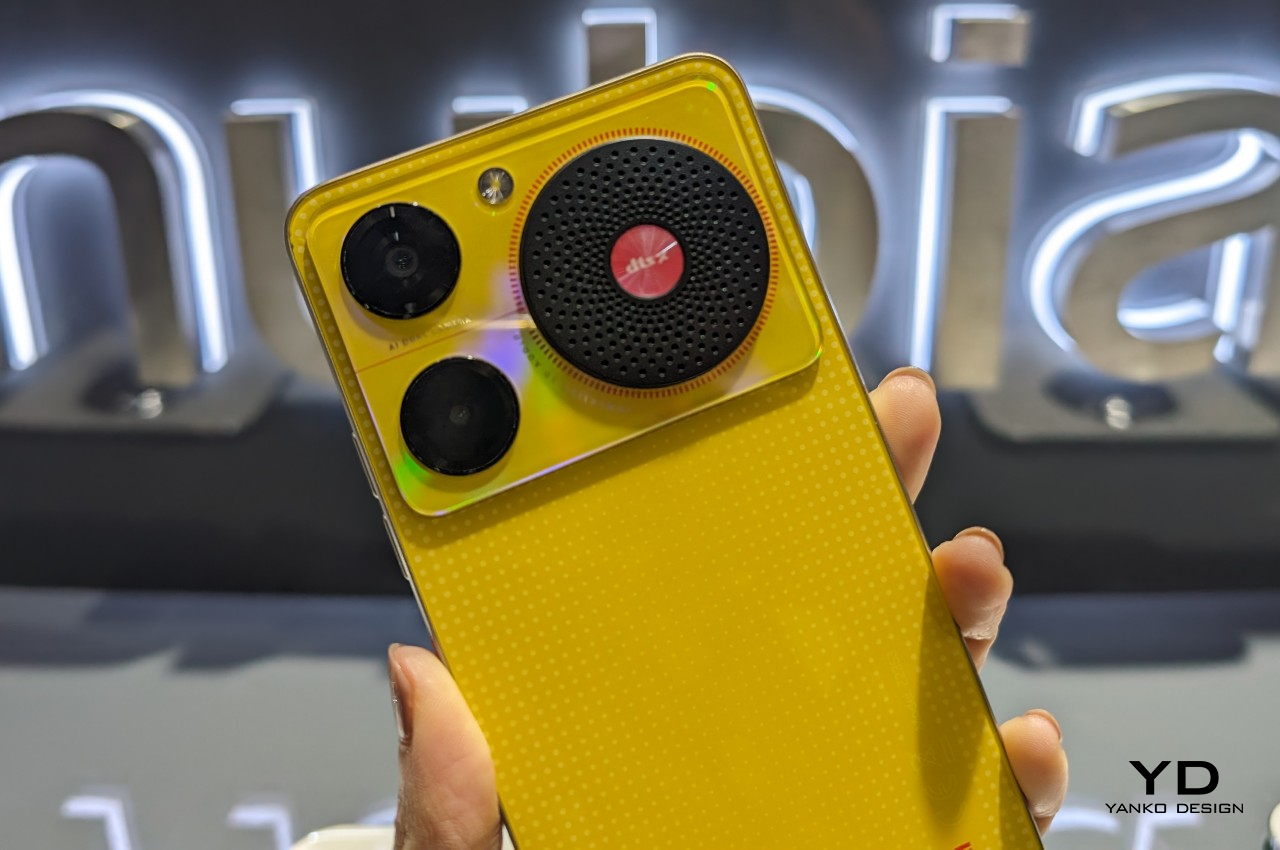
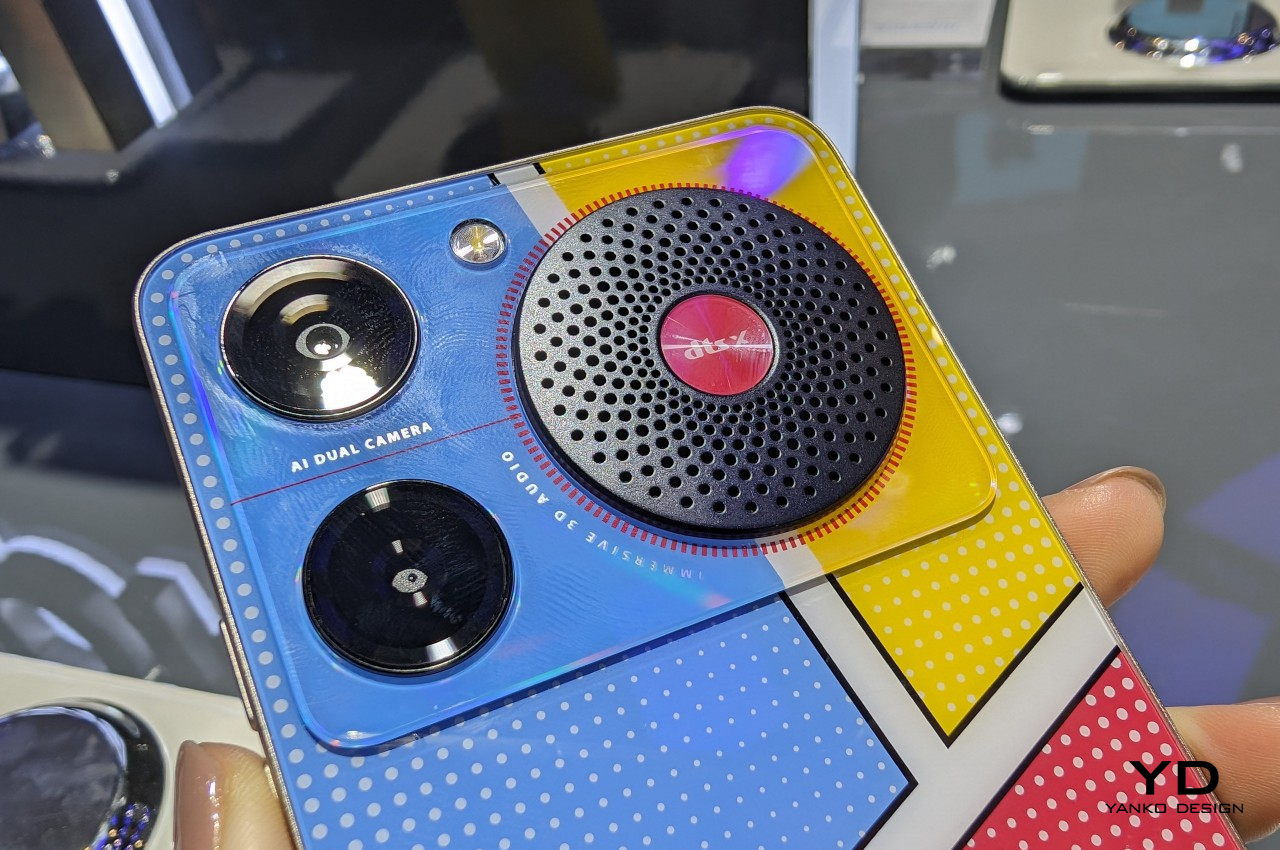
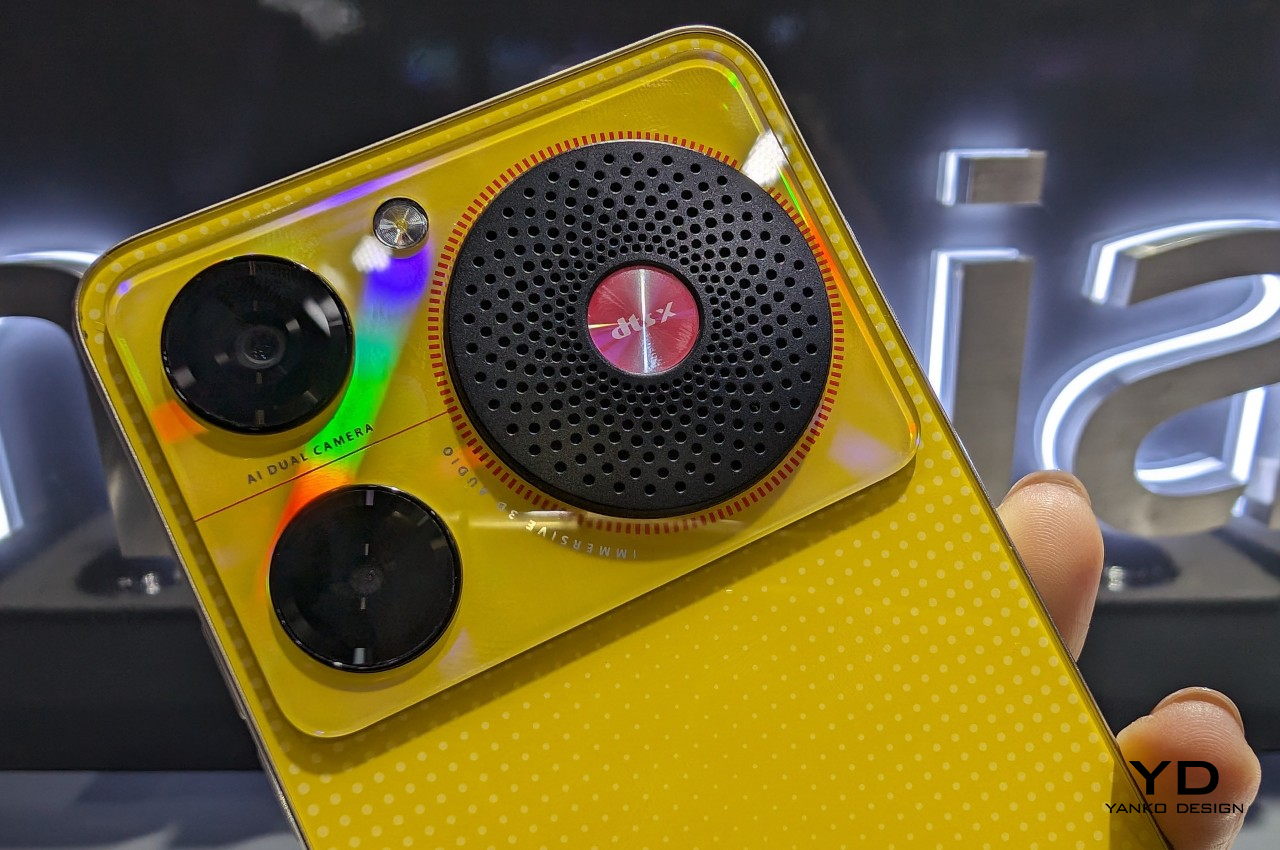
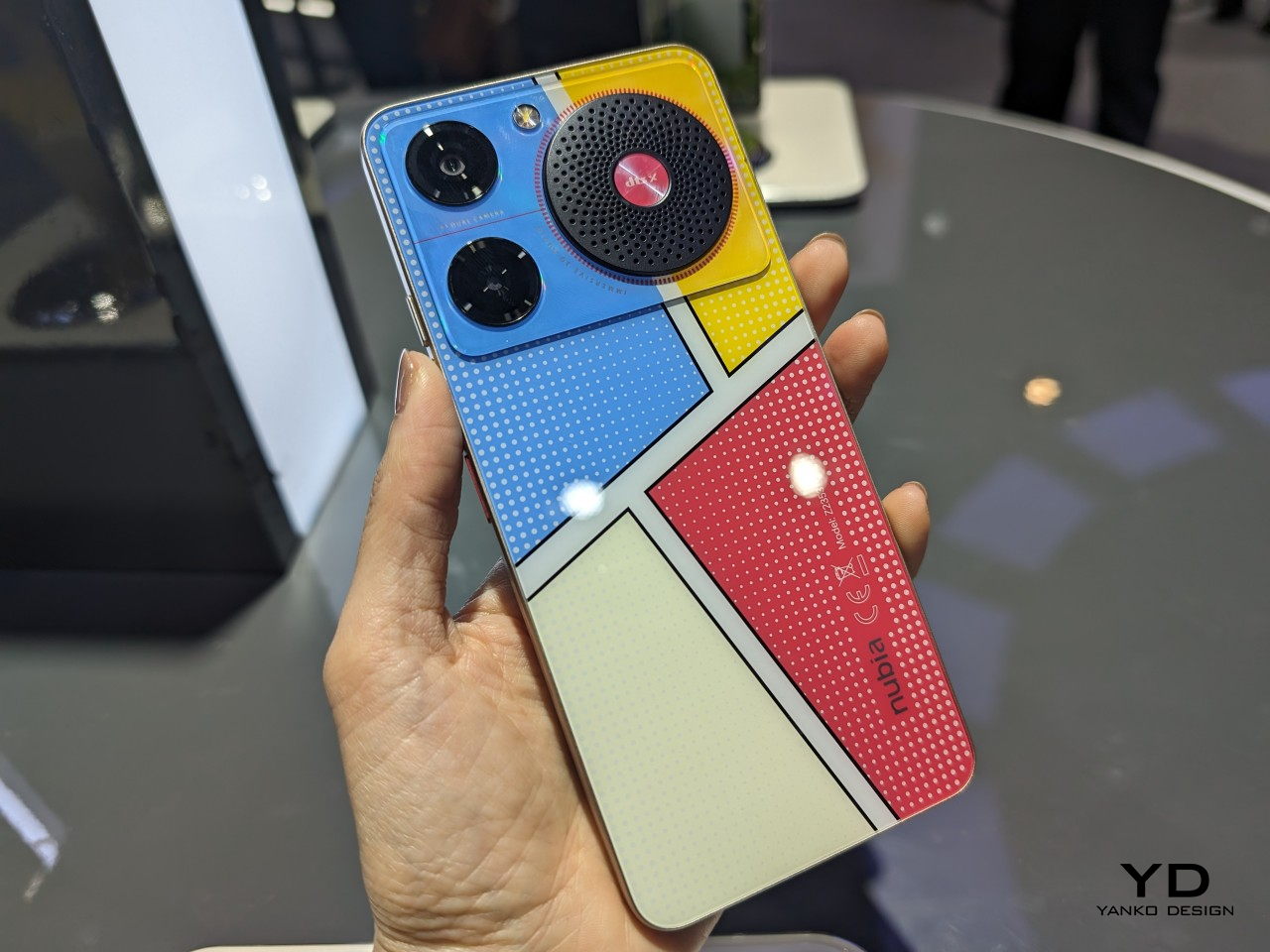
The nubia Music doesn’t just bring back the 3.5mm port, it actually has two of them so that you can connect two headphones or external audio equipment at the same time. But if you want to share your music with the whole room, it also has an ultra-loud speaker on its back for maximum reach. What would normally be an unsightly component is made beautiful by making this speaker and the neighboring cameras resemble the design of an old-school turntable. With its distinctive appearance and its one-of-a-kind features, the nubia Music is clearly designed to cater to a fun-loving crowd that’s always ready and willing to share the things they love, including their passion for music.
nubia Pad 3D II
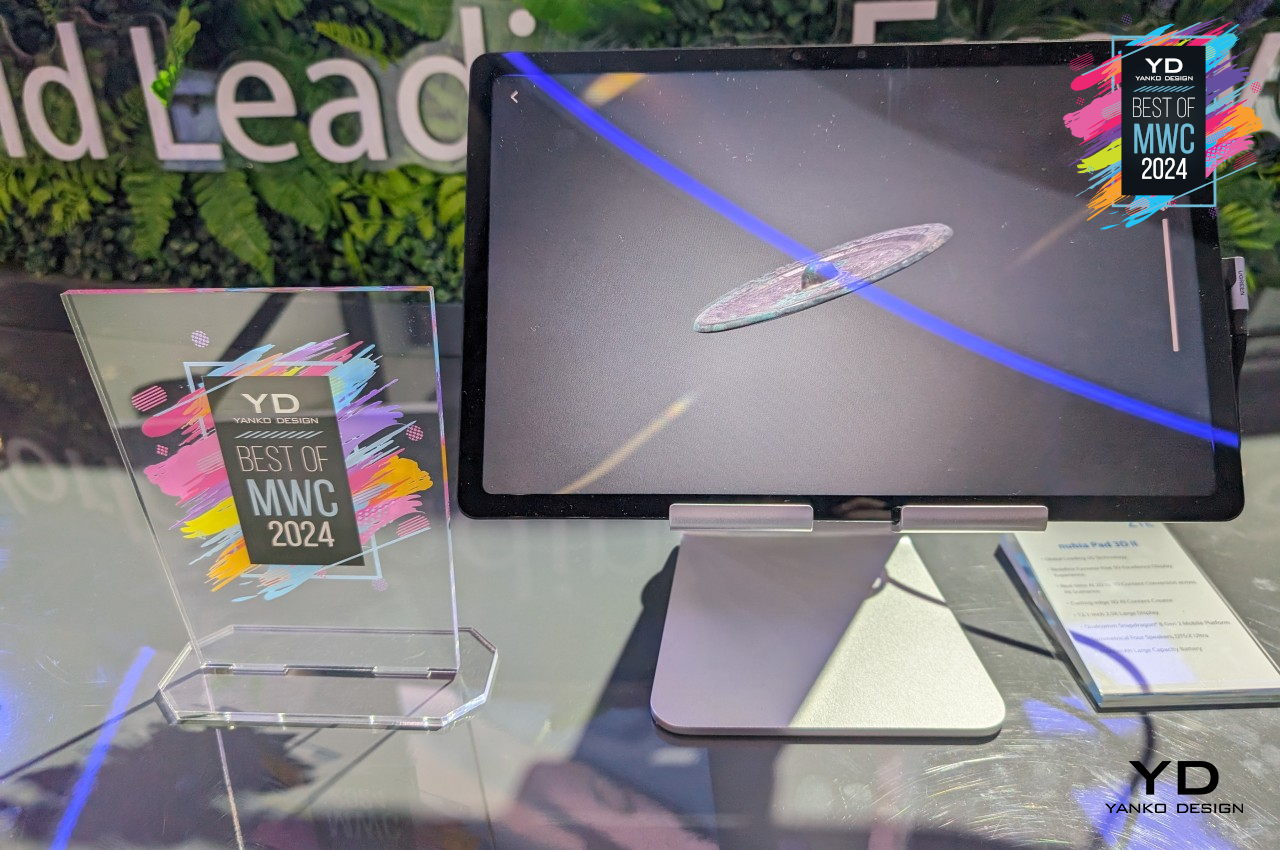
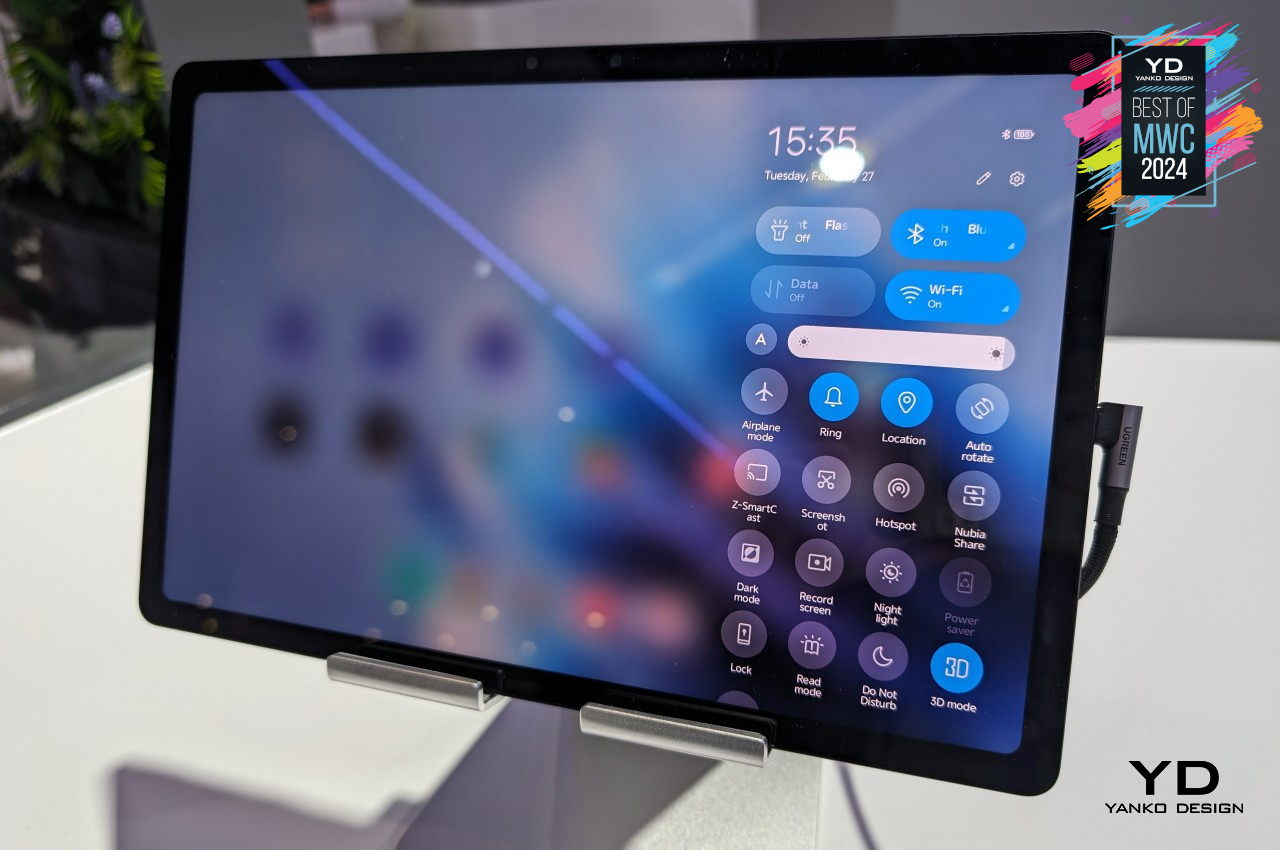
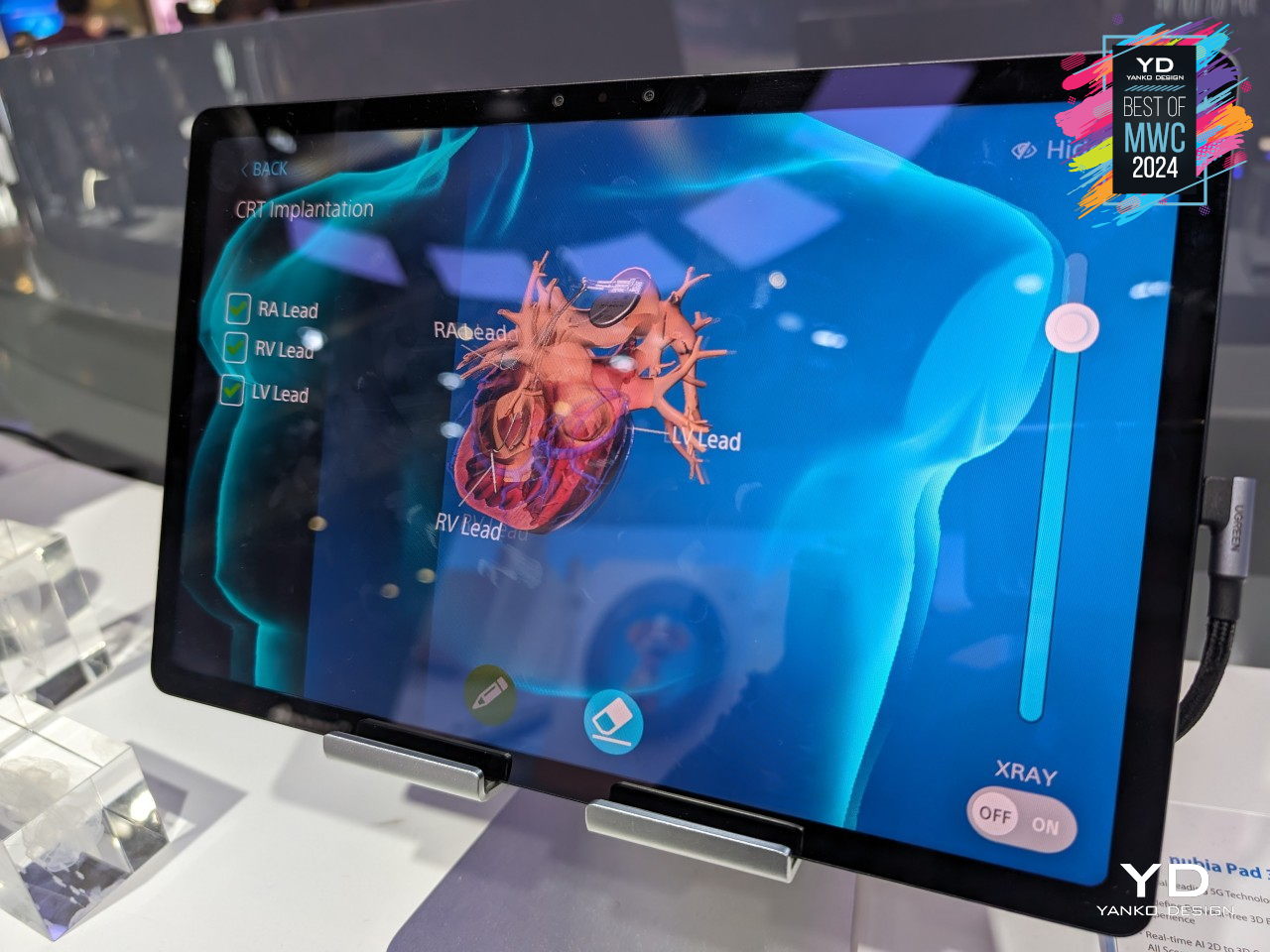
3D is becoming just as pervasive as AI in the tech industry, in no small part thanks to augmented and mixed reality experiences. Unfortunately, these technologies seem to suggest that you need to wear specialized goggles or even headsets just to enjoy these three-dimensional digital objects. The nubia Pad 3D II, however, proves otherwise, and its second iteration improves on the foundations that were laid last year to deliver a tool that can be used for both enjoying as well as creating 3D content without having to wear glasses.
Designer: nubia
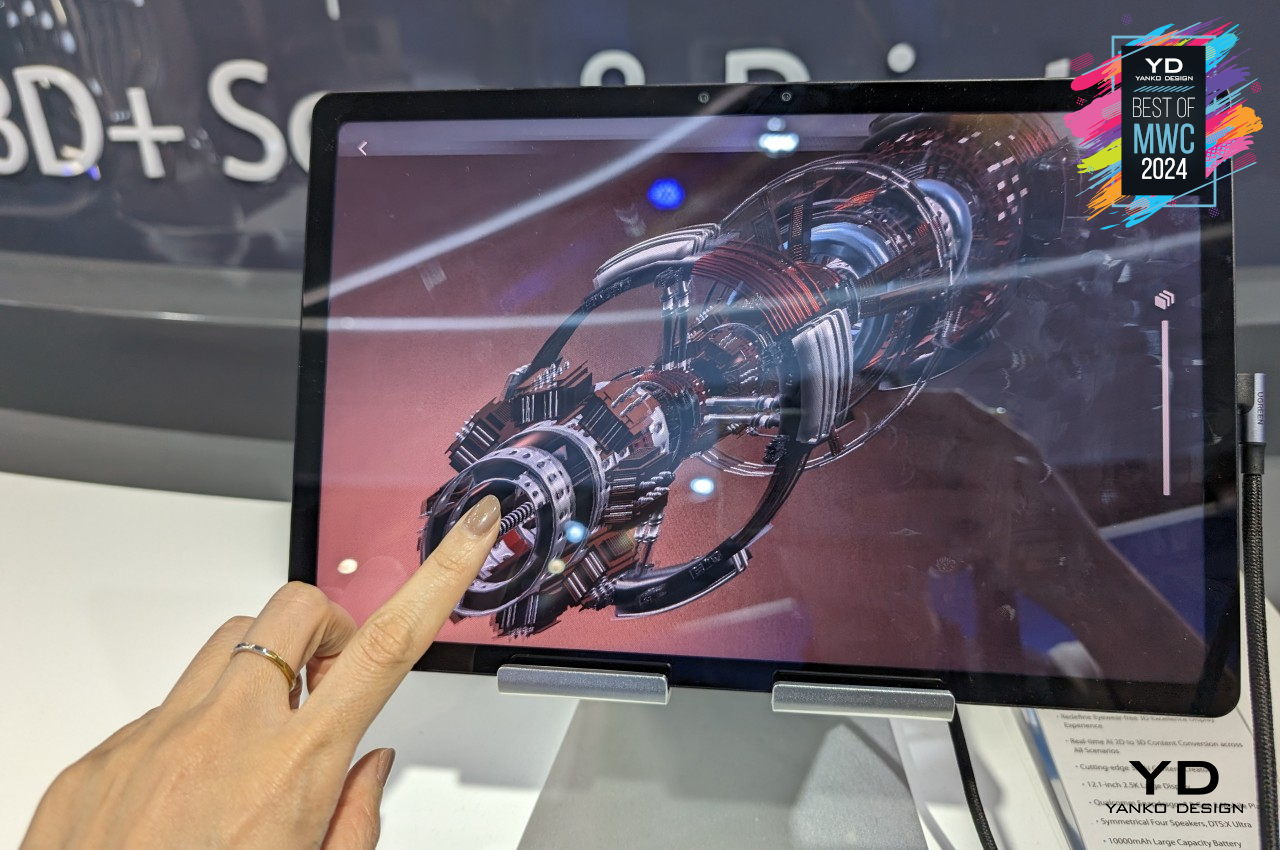
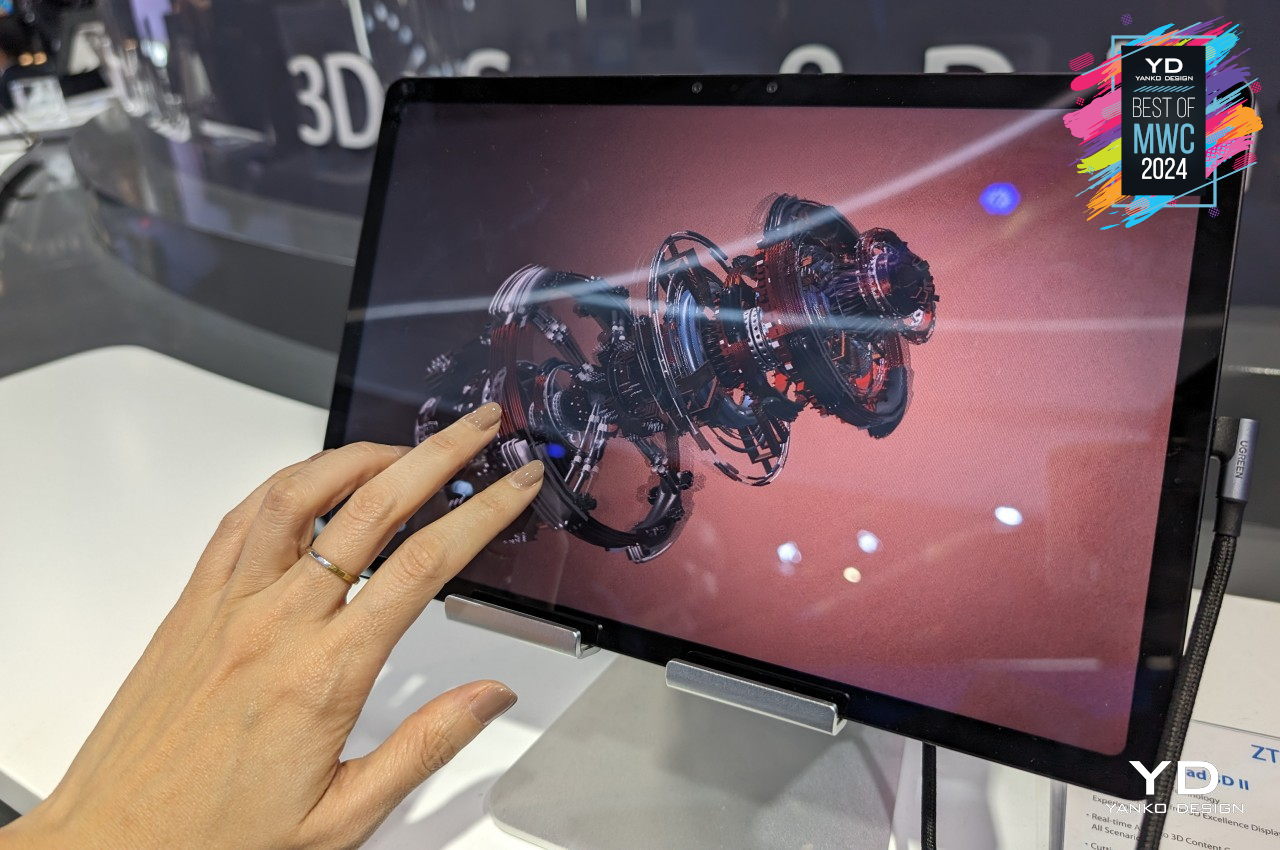
This large 12-inch tablet utilizes eye sensors as well as AI algorithms to detect where your eyes are looking in order to adjust the display’s pixels and create a stereoscopic effect without wearing headsets or visors. It can even convert regular 2D content not made for 3D into 3D, all in real-time, with some AI help, of course. Dual cameras and, again, AI work together to enable users to capture the world around them and convert it into a digital 3D format that can then be used for your creative masterpieces. Whether you just want to watch 3D videos or you want to create the 3D content that goes into them, the nubia Pad 3D II offers a tool that will open up more possibilities without burdening your head.
OnePlus Watch 2
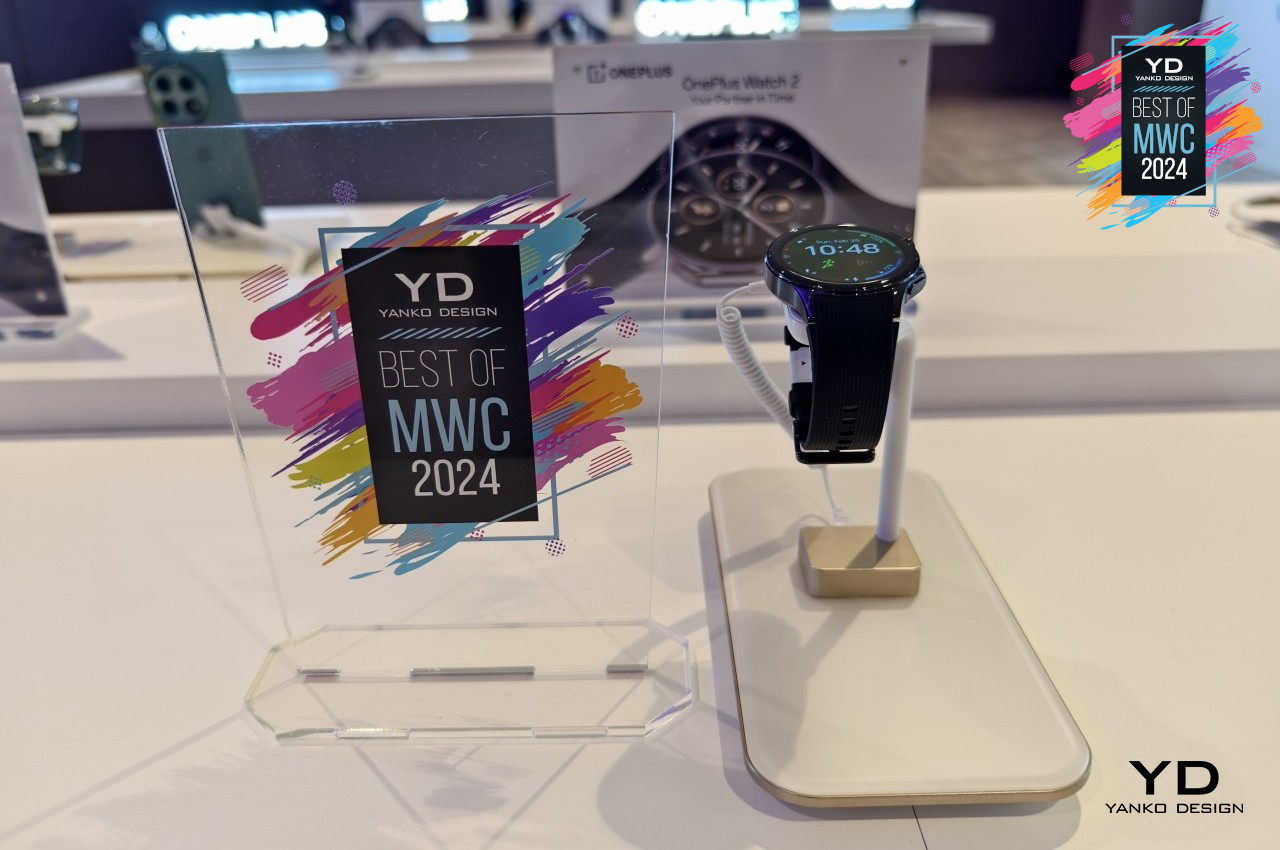
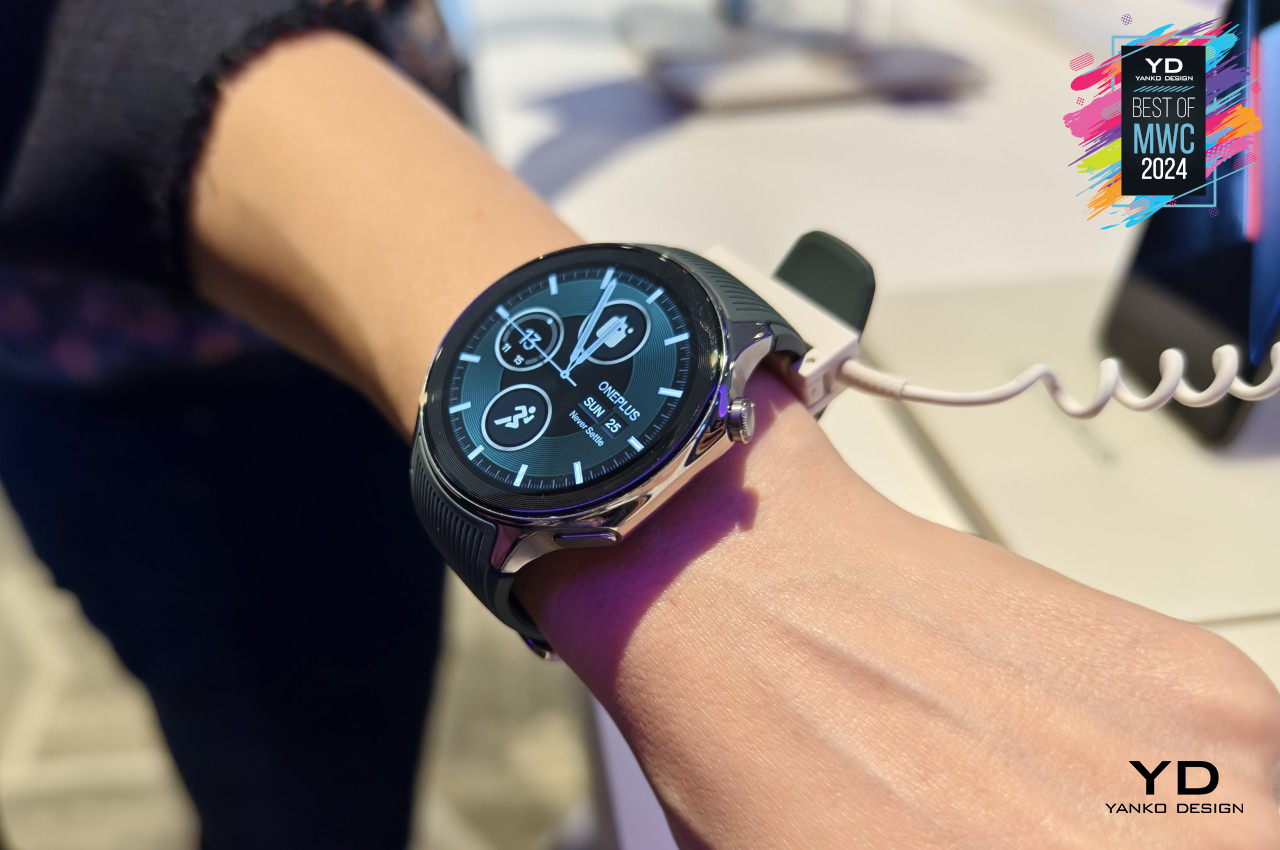
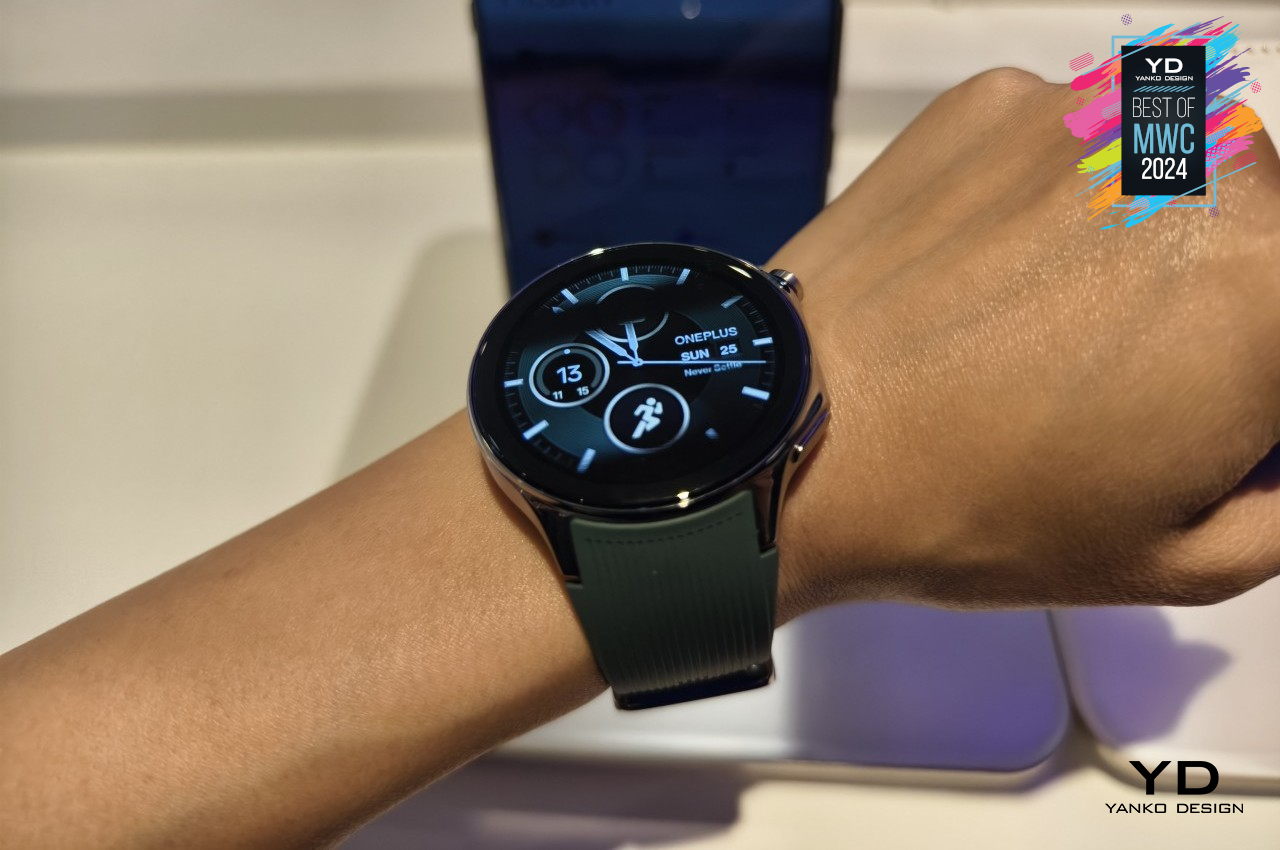
When they first launched, smartwatches and their proponents were ridiculed because of the idea that you’ll need to recharge your phone every night. Things have improved significantly by now, but we’re still talking around two days before you need to put the smartwatch down on its charger. There are indeed some designs that boast two weeks of uptime, but they also run software with more limited functionality to make that happen.
Designer: OnePlus
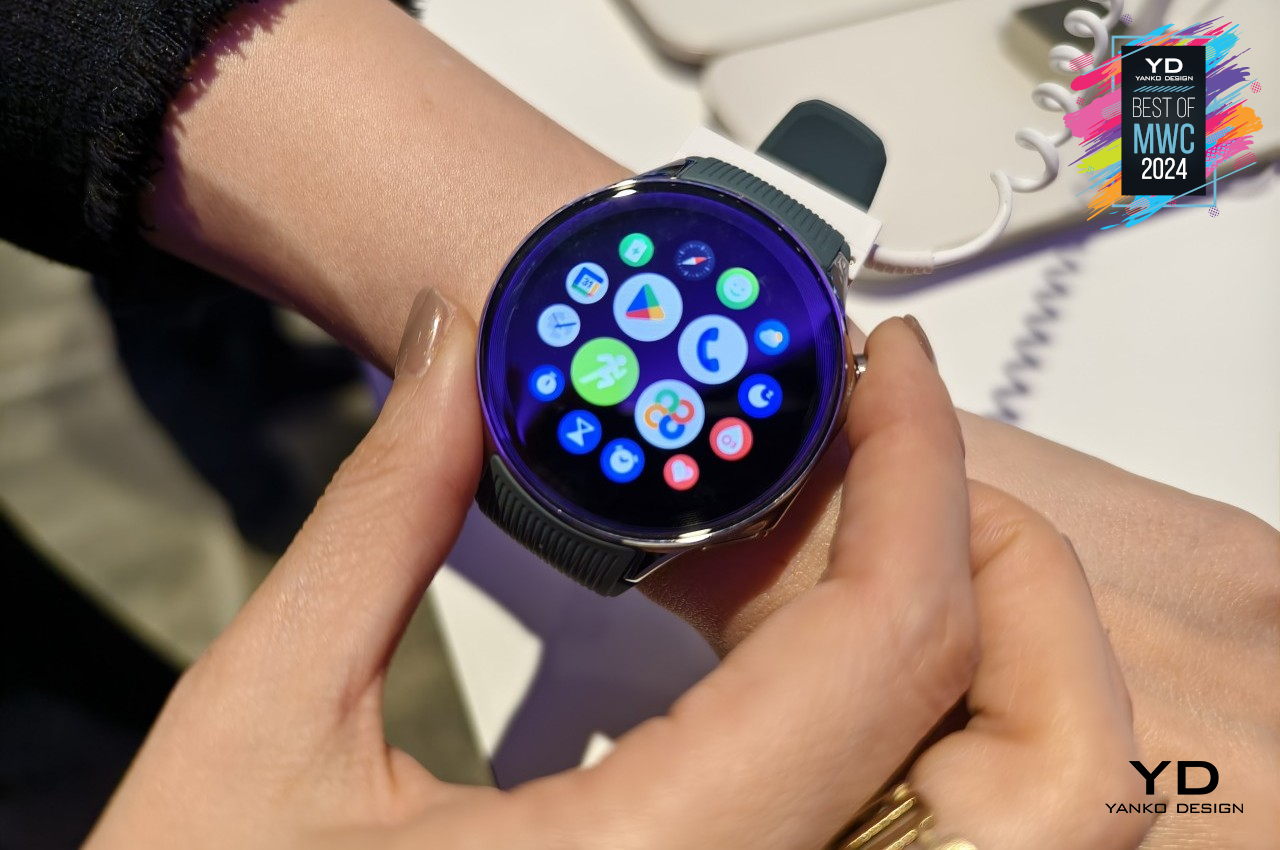

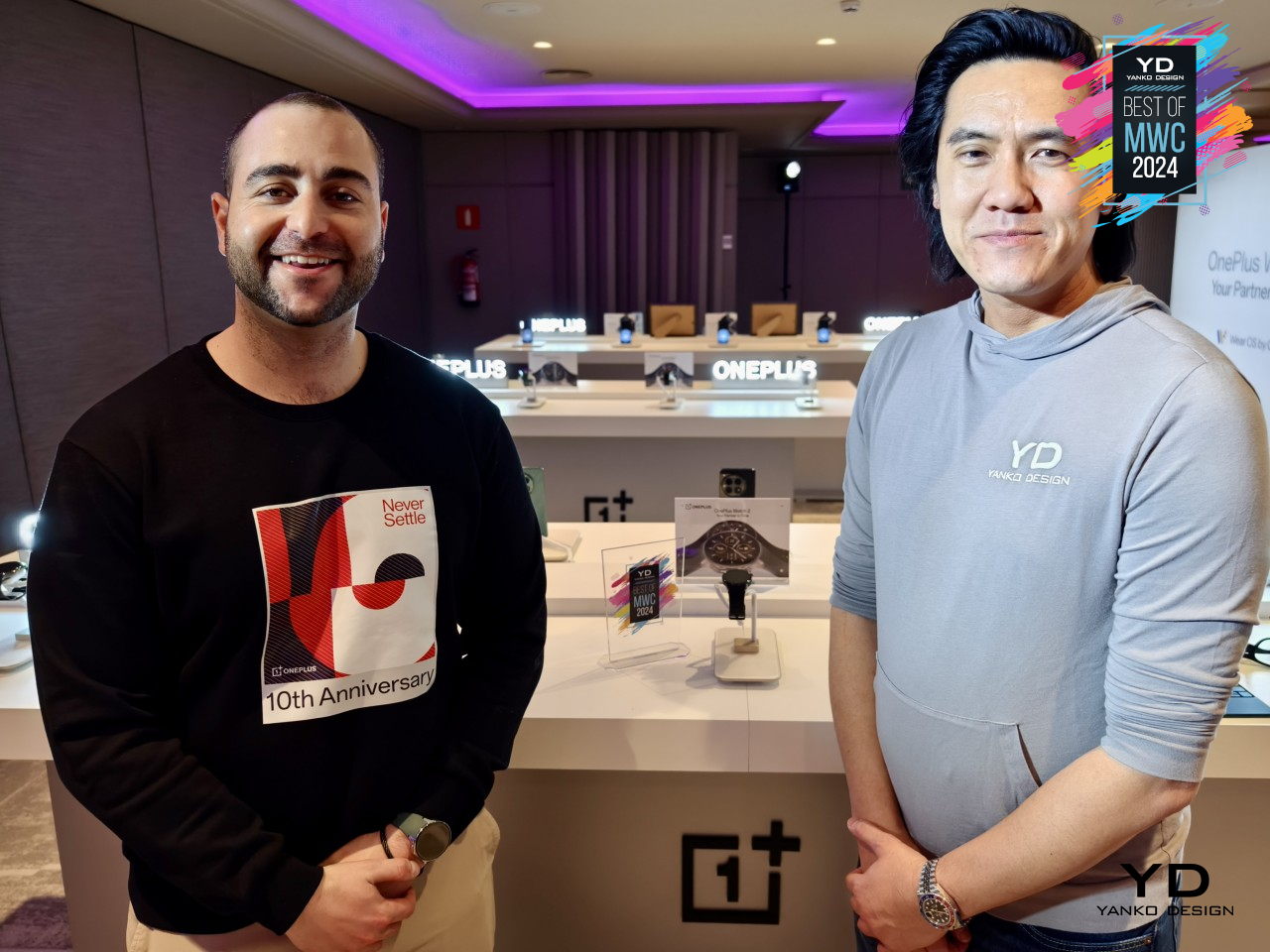
The OnePlus Watch 2 boasts around 100 hours of battery life, which is a little over four days. What makes this figure impressive is that it’s running Google’s Wear OS, which means it has full access to all the apps, integrations, and features that standard smartwatches offer. Plus it manages to remain stylish even with all the power it packs inside.
Infinix E-Shift Color Technology
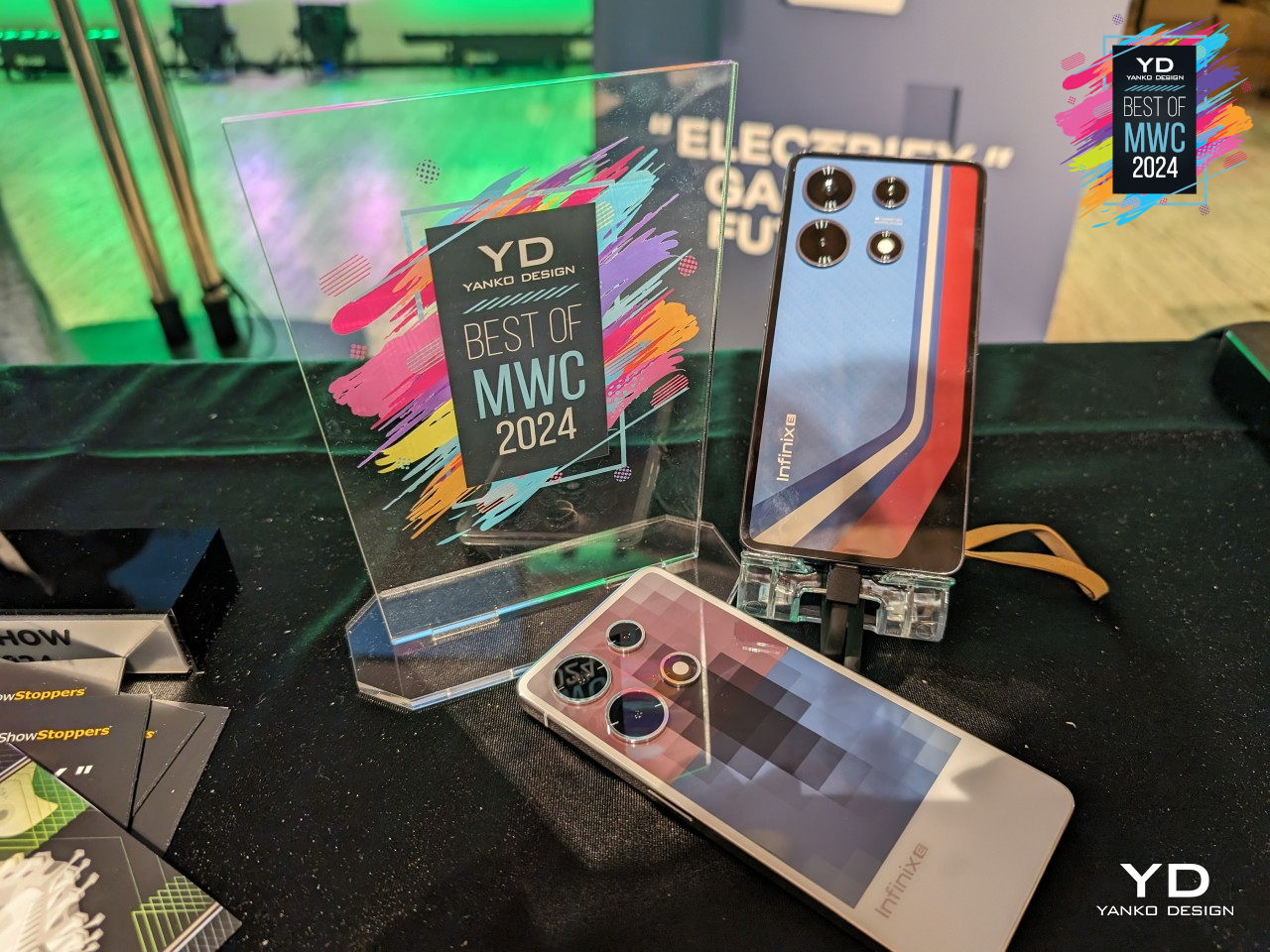
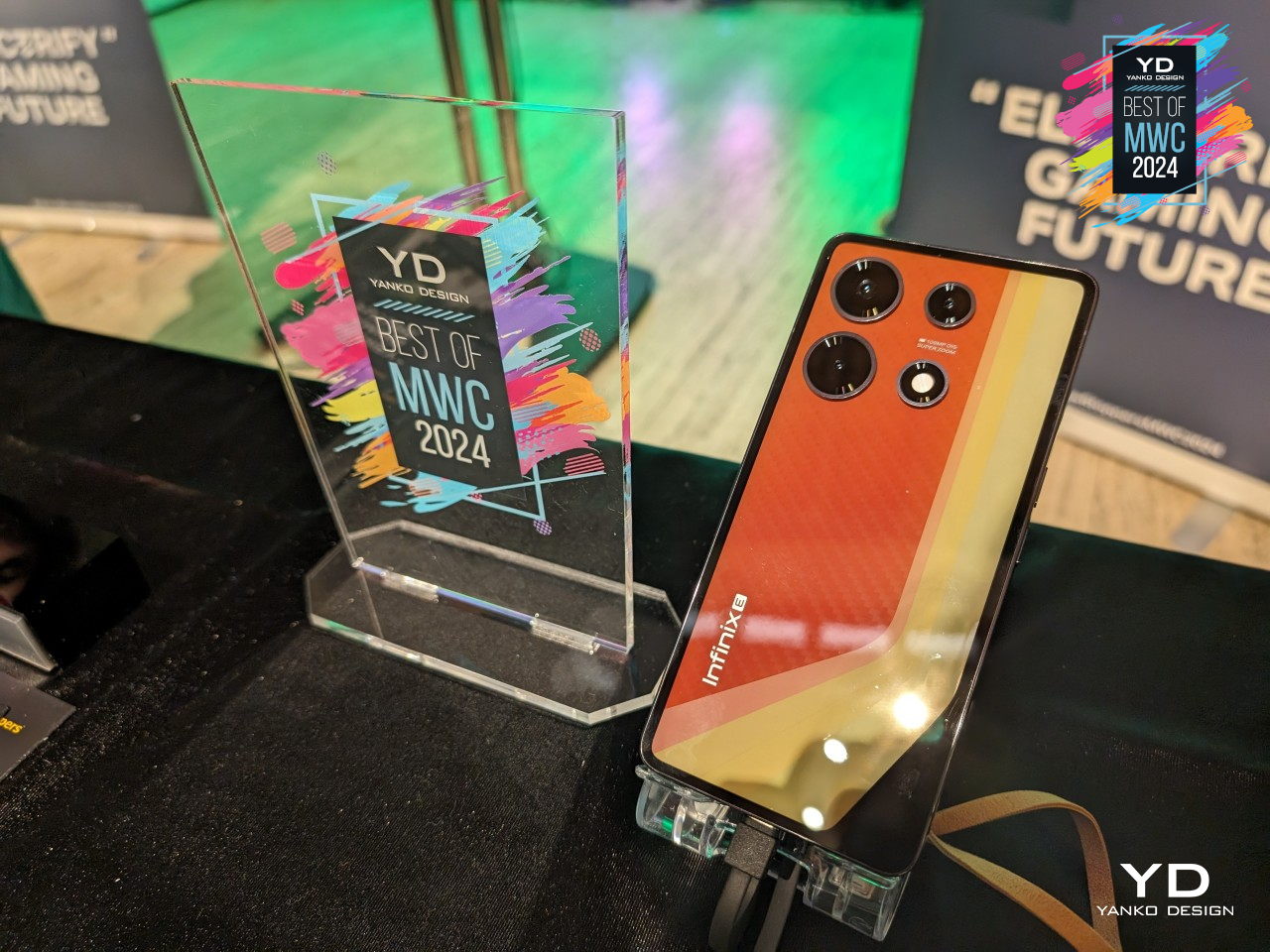
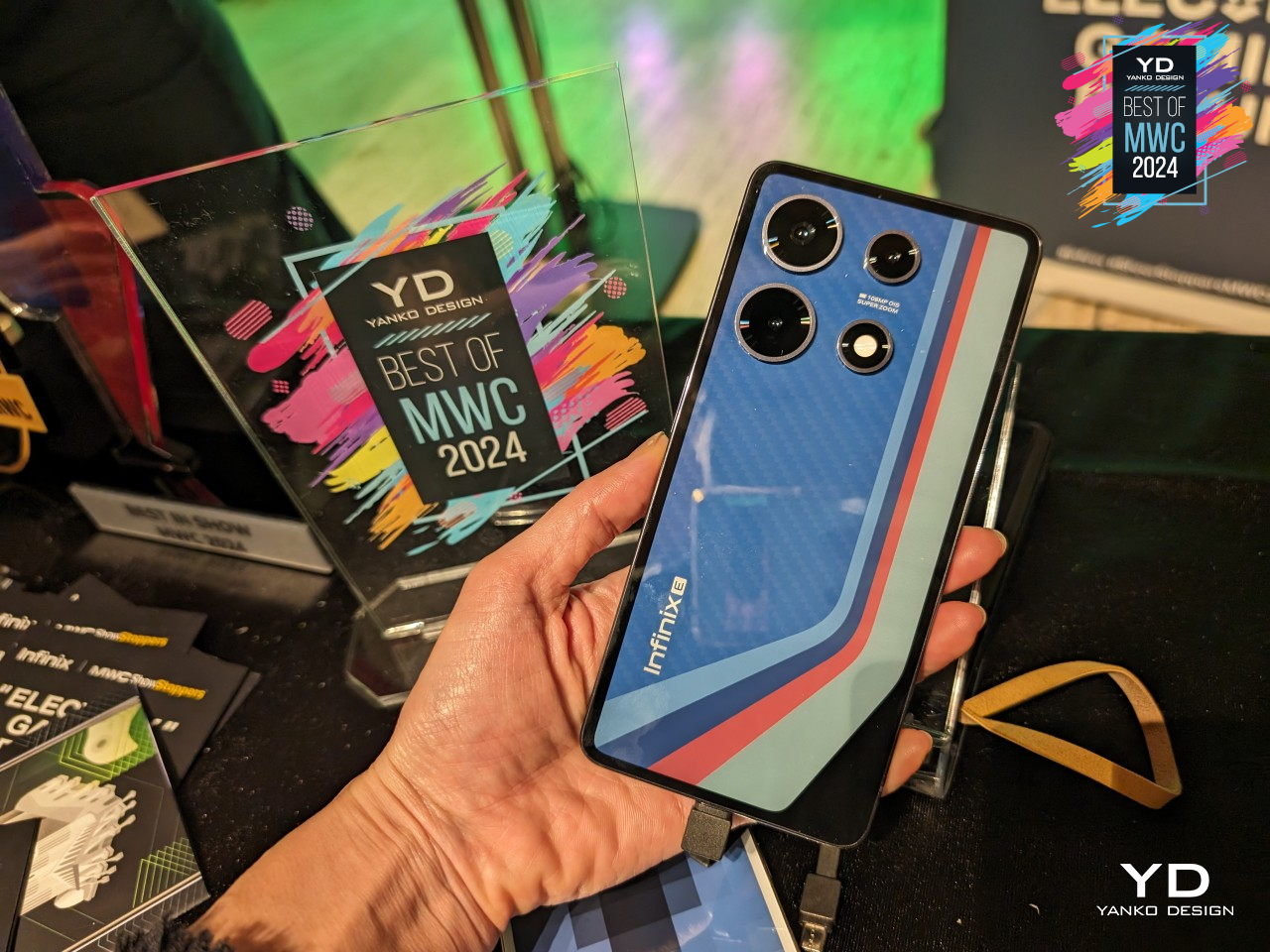
The back of smartphones is the most expressive part of the device, a veritable canvas for displaying the phone’s character as well as the owner’s inclinations. Of course, not everyone has the same aesthetic tastes, but phones are designed to cater to the general public. What if you could design your own phone’s rear cover without having to commit to stickers or even protective cases? It would definitely be a step up from today’s designs, allowing owners to truly express themselves in different ways, even on different days.
Designer: Infinix
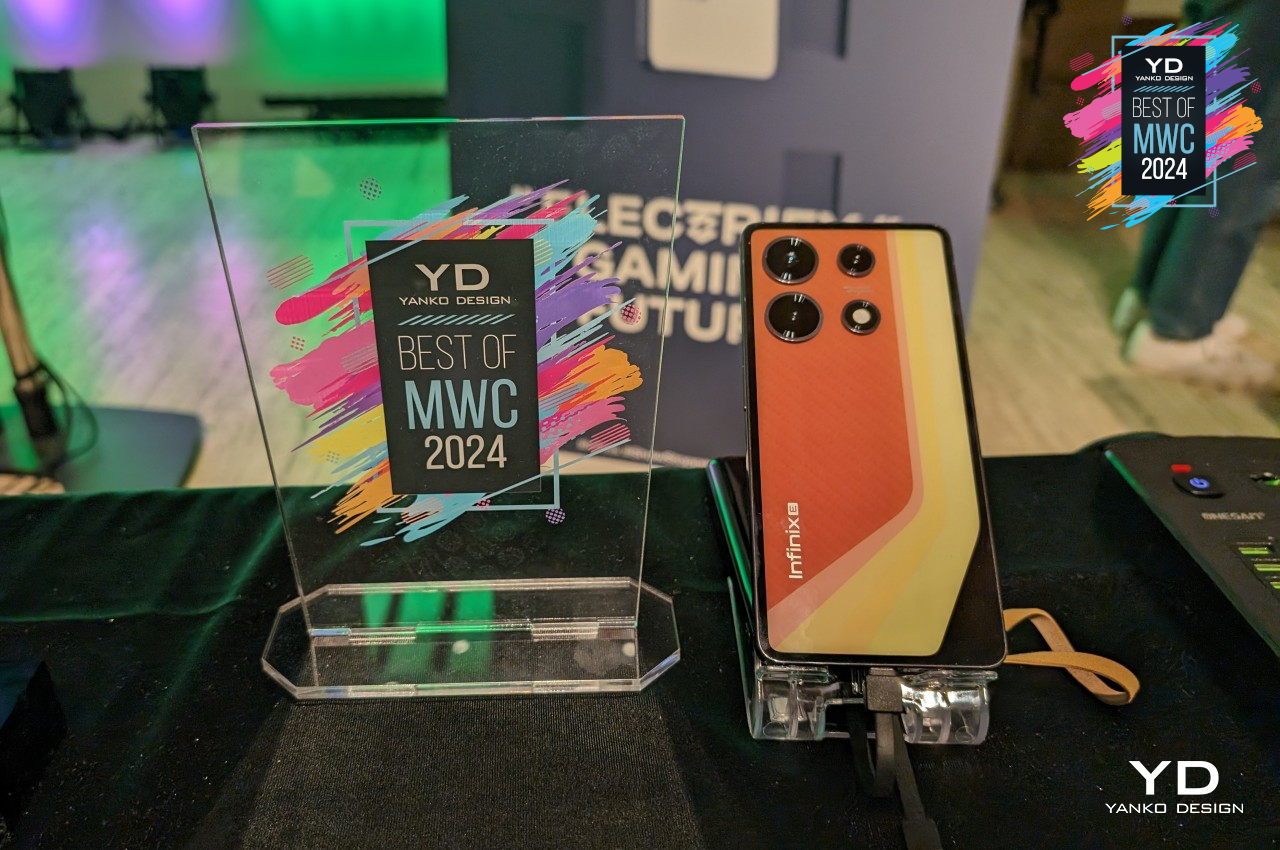

Infinix’s E-Shift Color delivers some of that freedom and flexibility by practically putting a display on the phone’s back. It’s not a regular battery-draining LCD screen, though, and instead leverages E Ink’s Prism display technology to let users select and even create colorful patterns to decorate the back of their phones. Since it’s based on an e-paper display, it doesn’t consume power until you change the design again. Even more interesting, E-Shift Color can actually animate these changes when the phone is plugged in, taking the charging experience to a whole new level.
Xiaomi CyberDog 2
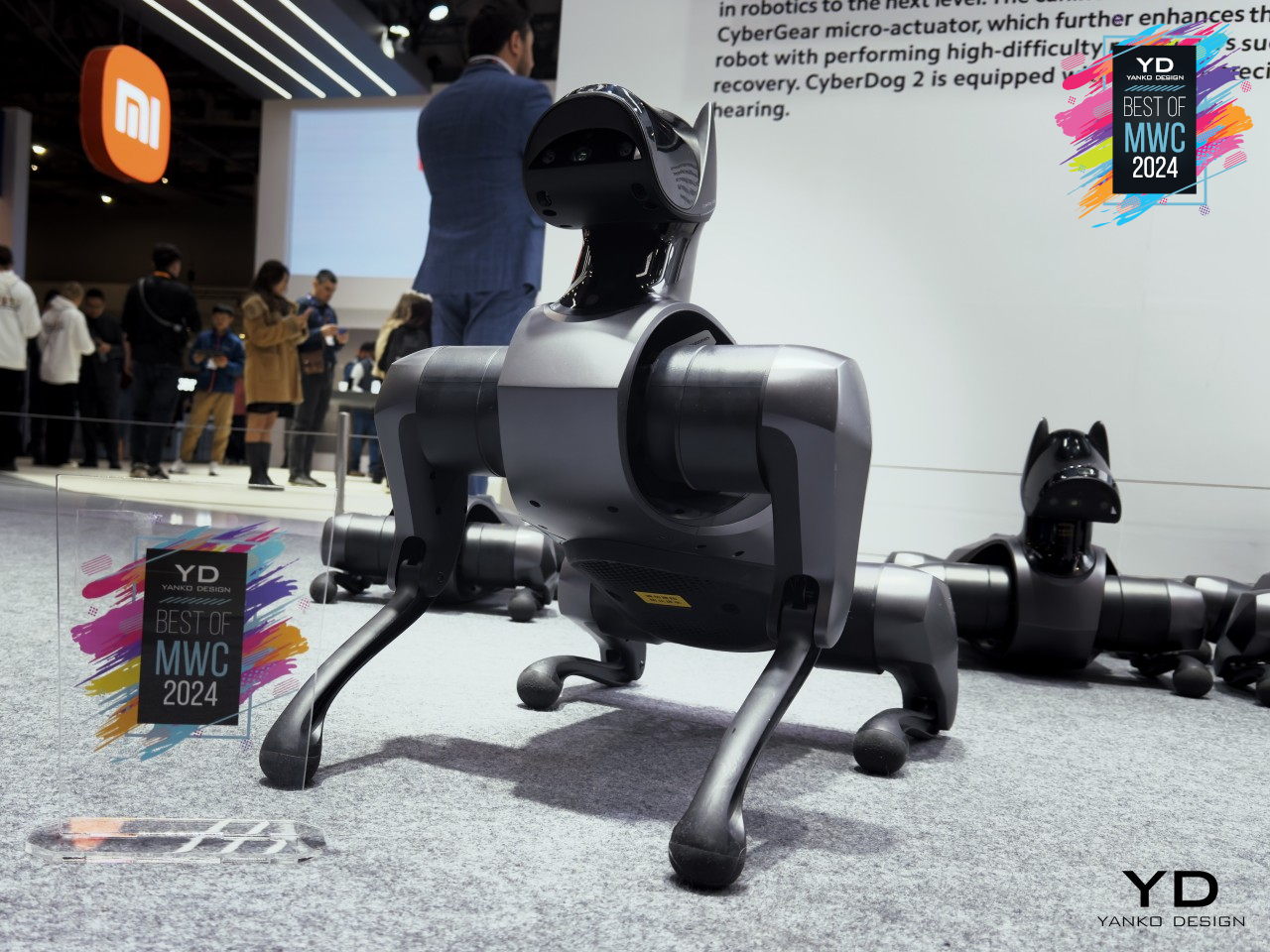
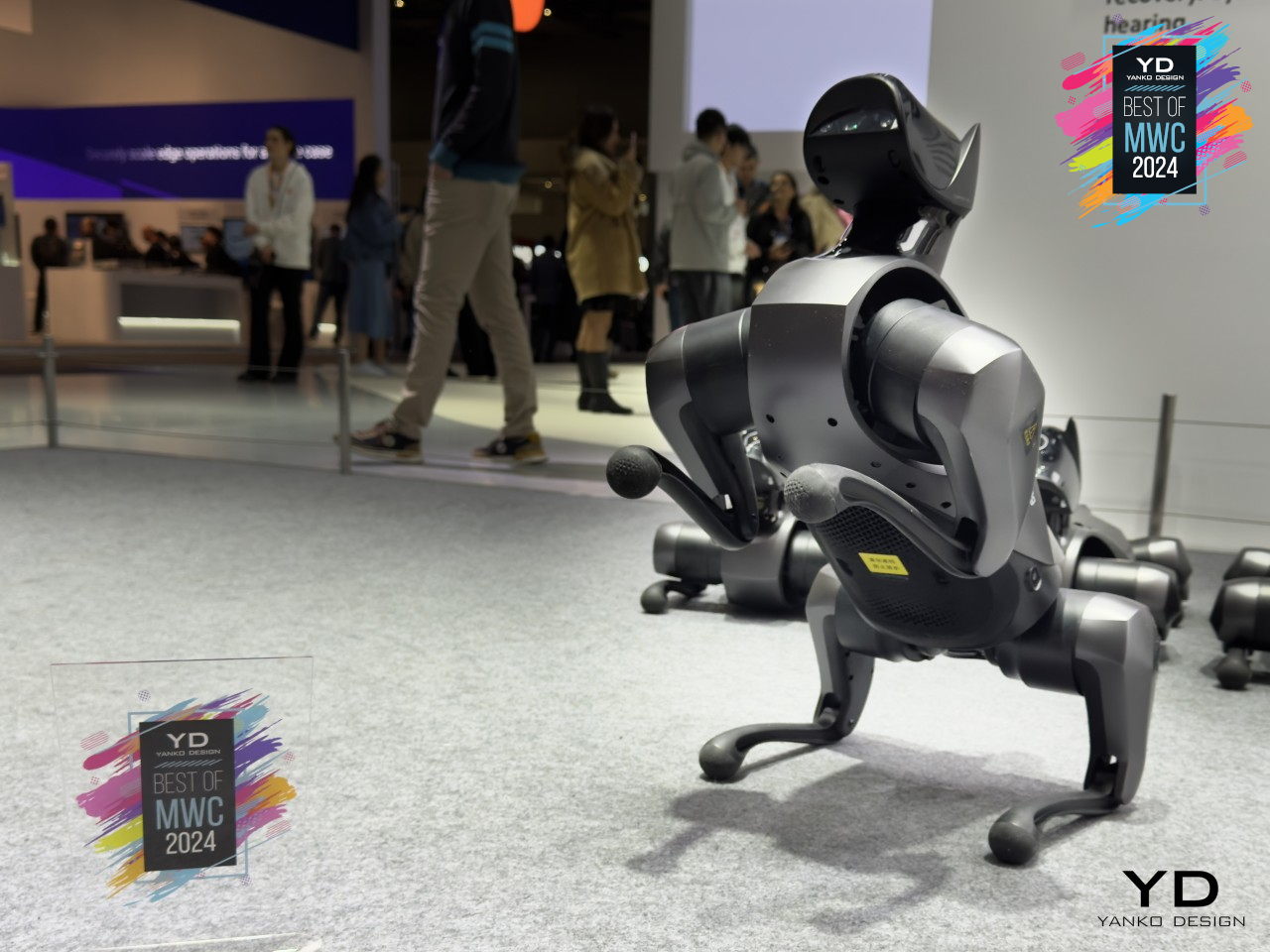
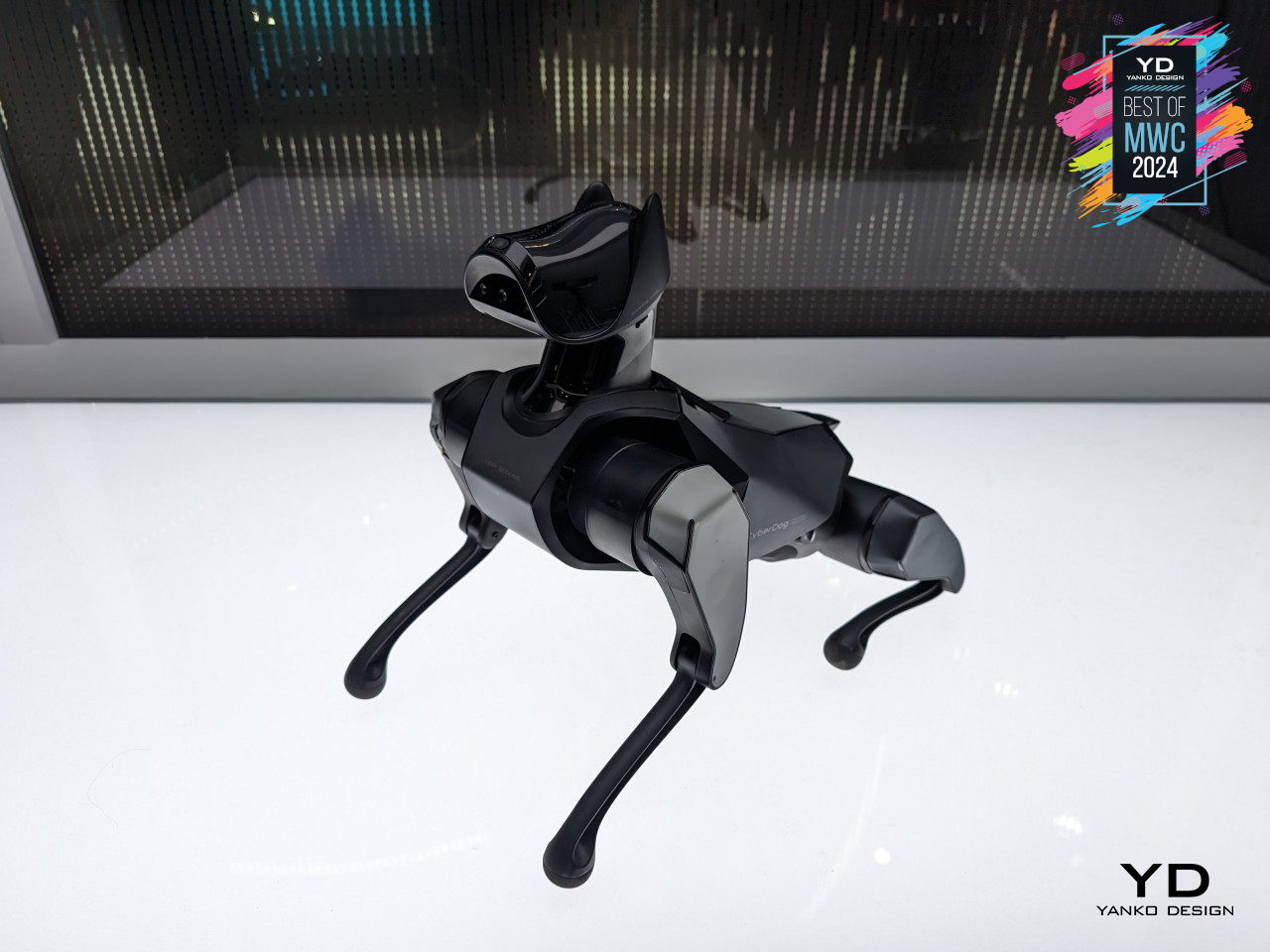
Robot dogs are apparently becoming more popular to the point that smartphone manufacturers and tech companies are making their own commercial mechanical canines. Xiaomi is one of those brands that is dipping its hand (or paw) in this very niche market, and it’s showing off its second-gen design here in Barcelona. Looking like the robotic version of a Doberman with very short ear stumps, the Xiaomi CyberDog 2’s biggest stunt is its agility and flexibility which lets it even do backflips without breaking a sweat, or a circuit, in this case.
Designer: Xiaomi
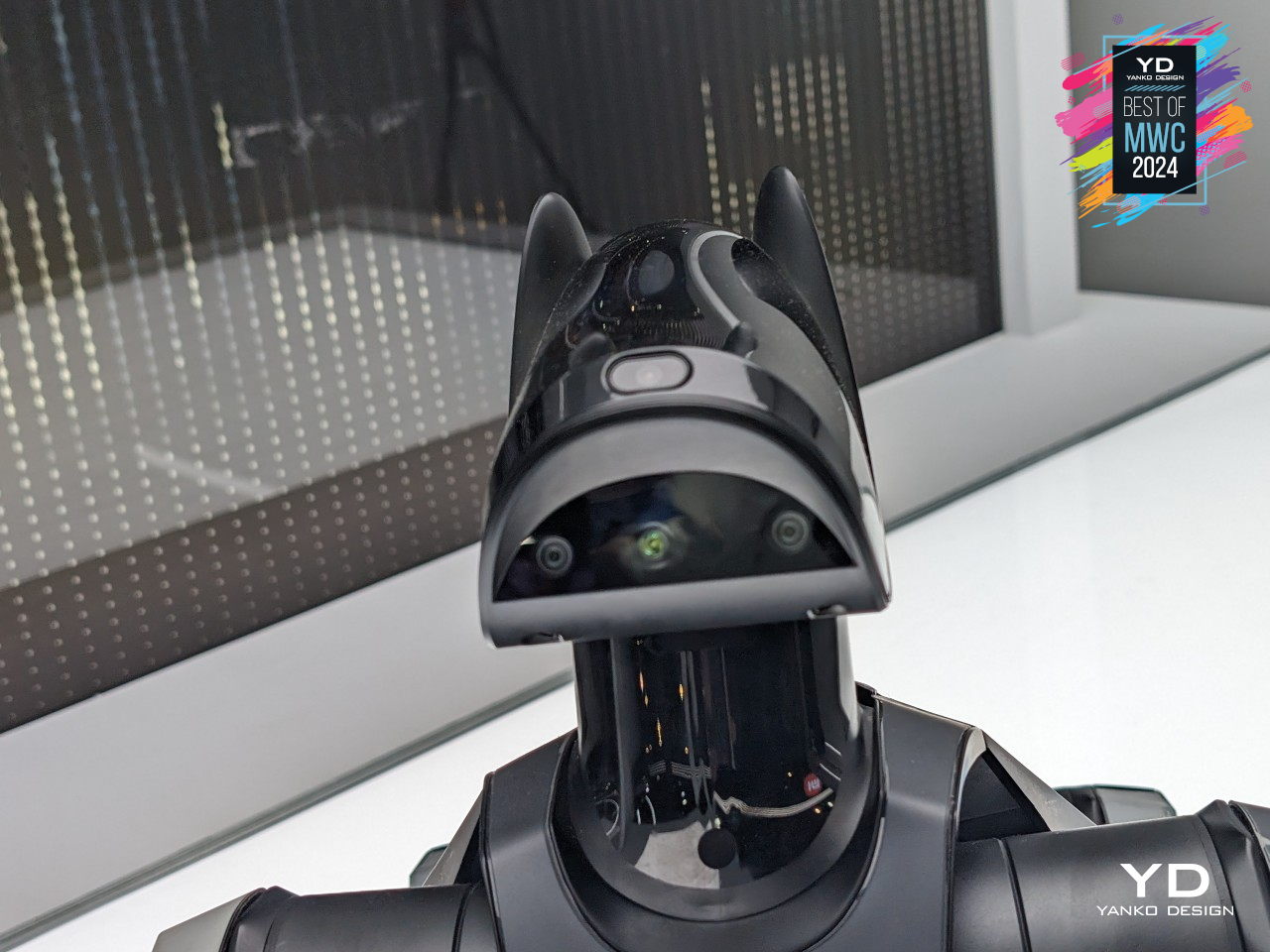
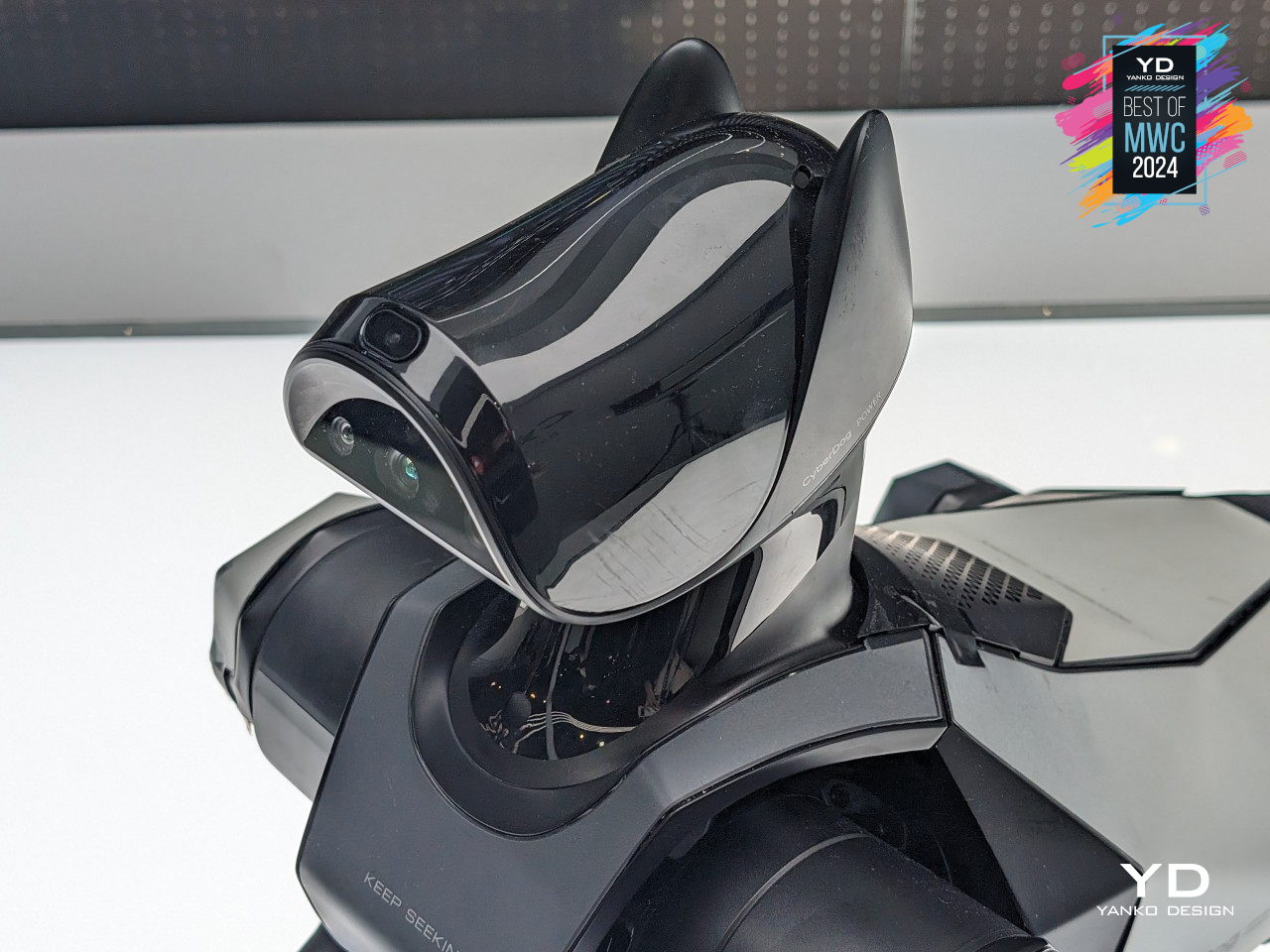
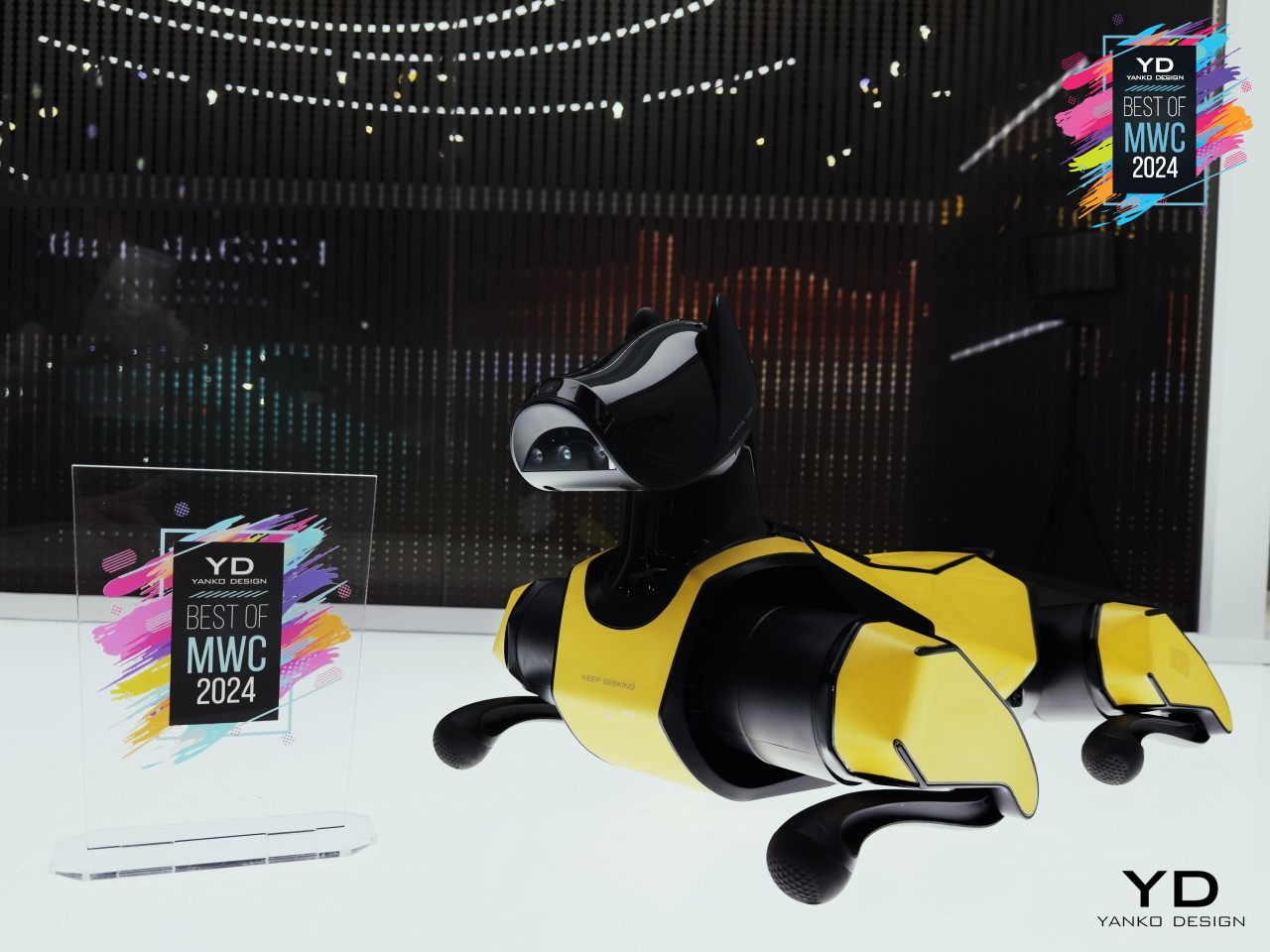
Although it will hardly classify as “cute” like actual dogs, the CyberDog 2 has a distinct look akin to a muscular canine breed thanks to the faceted surface that covers its body and legs. Compared to its headless predecessor, Xiaomi has definitely made strides in making its robot dog actually look like a dog and be more approachable, hopefully even by kids. It’s still questionable what you’d use a $3,000 robot dog for, but the Xiaomi CyberDog 2’s more refined design, improved stability, and expanded functionality make it something worth observing in the months to come.
Xiaomi SU7 Electric Car
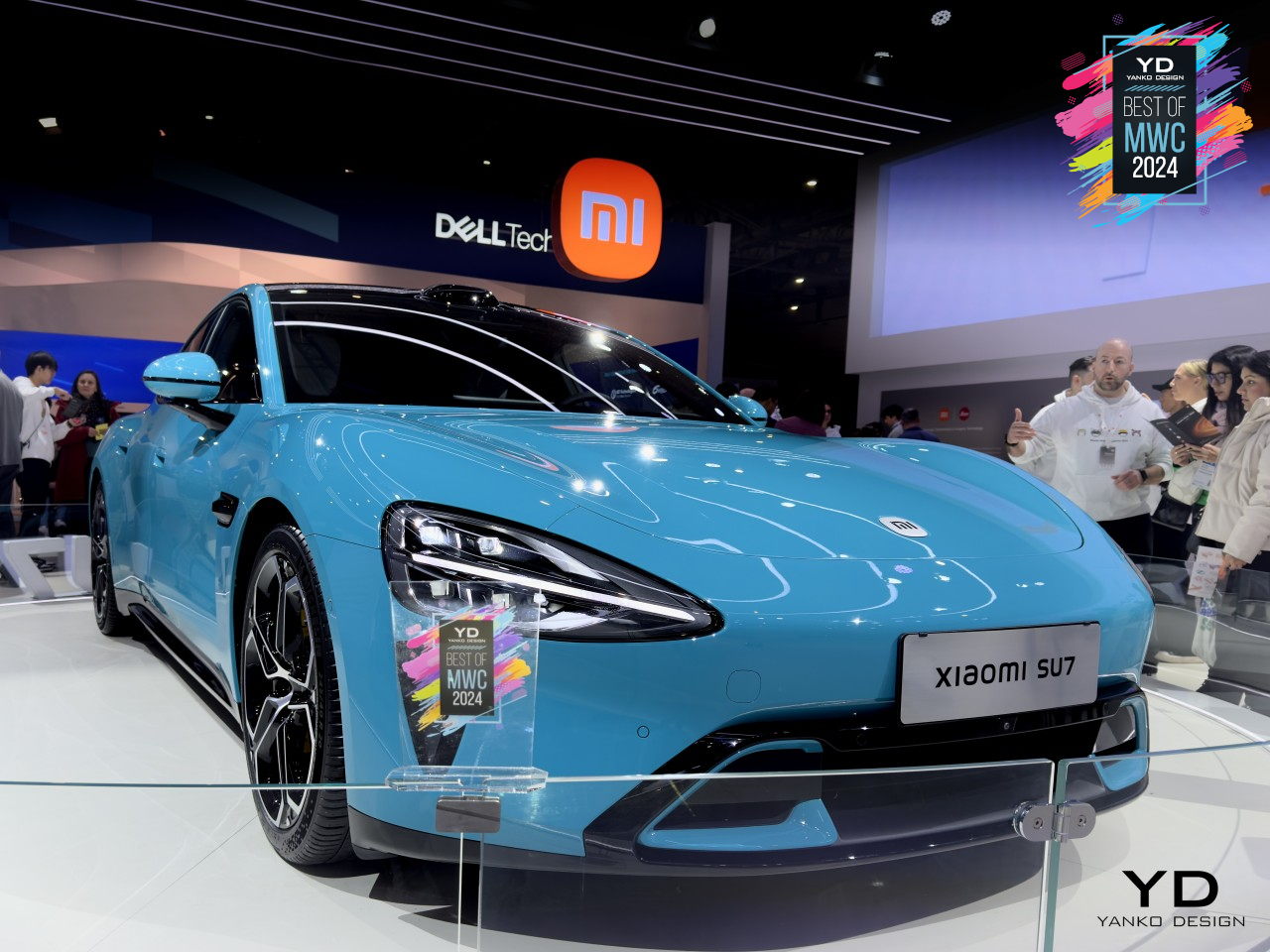
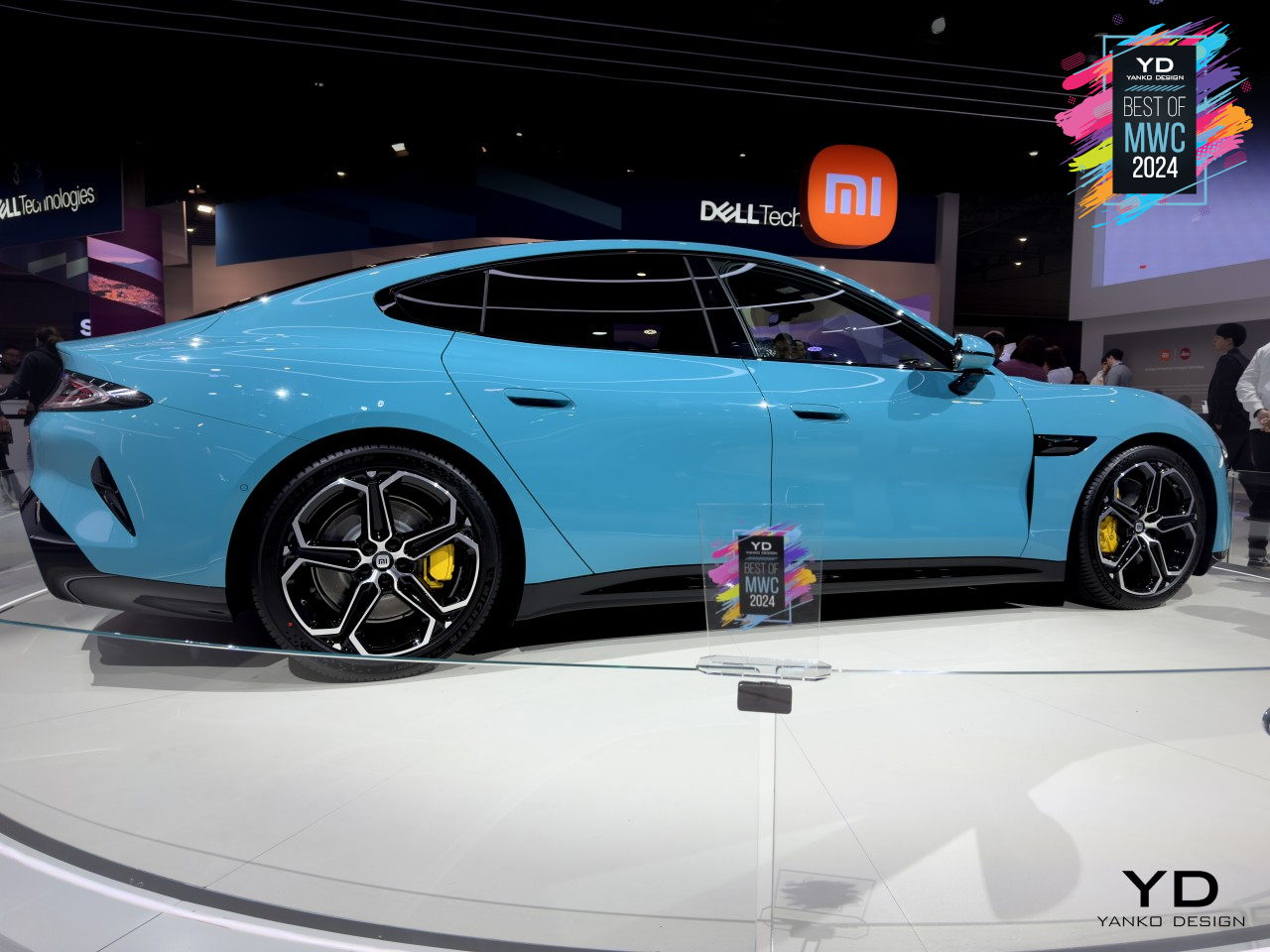
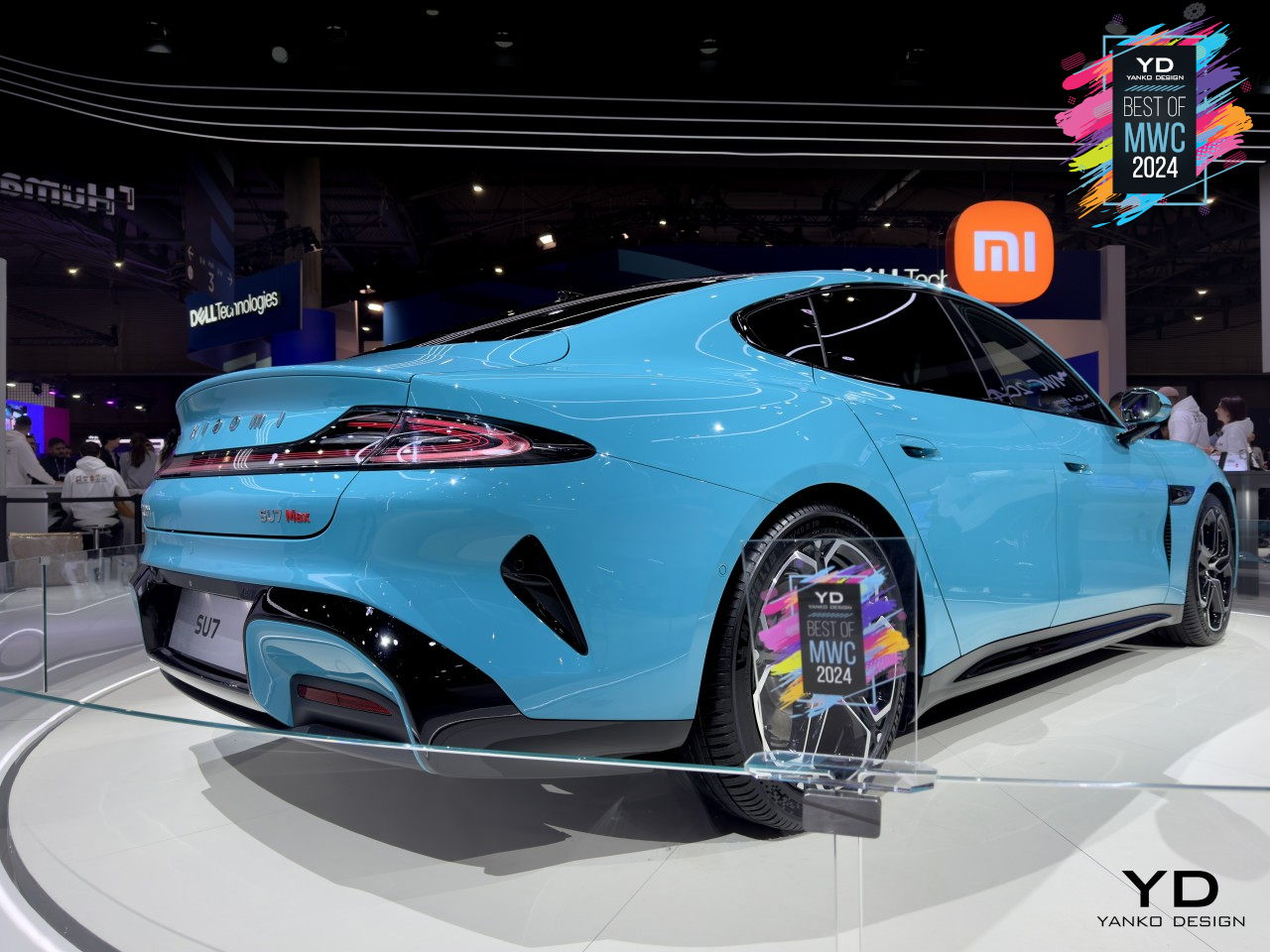
Xiaomi is no longer just a smartphone manufacturer, and nowhere is that more obvious than at MWC 2024 where it unveiled its most ambitious product yet, its first electric vehicle. The brand has been putting out personal mobility devices like e-scooters and e-bikes, and now it is taking its transportation dreams to the highway. Labeled as a “performance sedan,” the Xiaomi SU7 boasts reaching 60 mph speeds in just 2.78 seconds and a range of 497 miles with its 101kWh battery.
Designer: Xiaomi
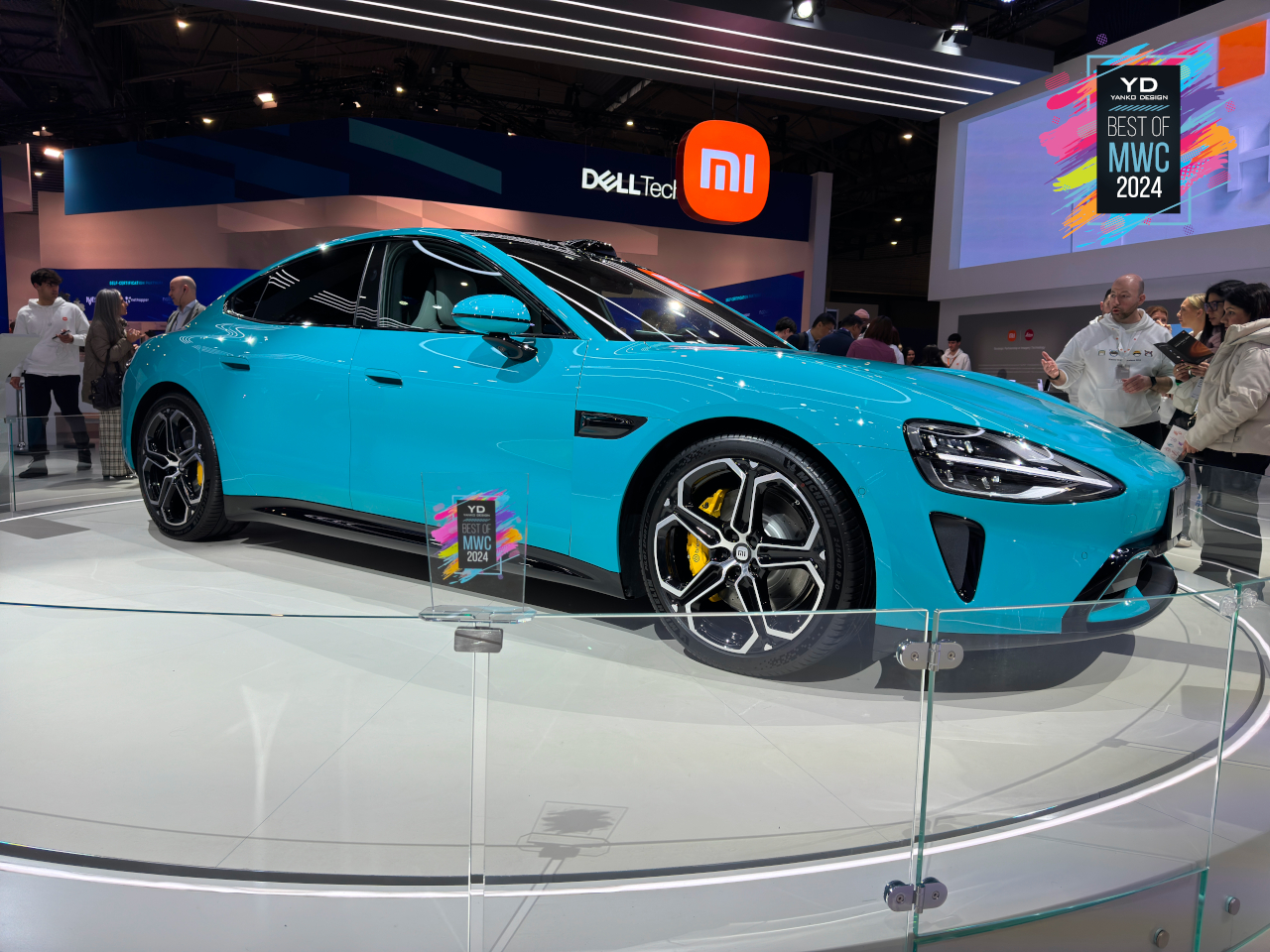
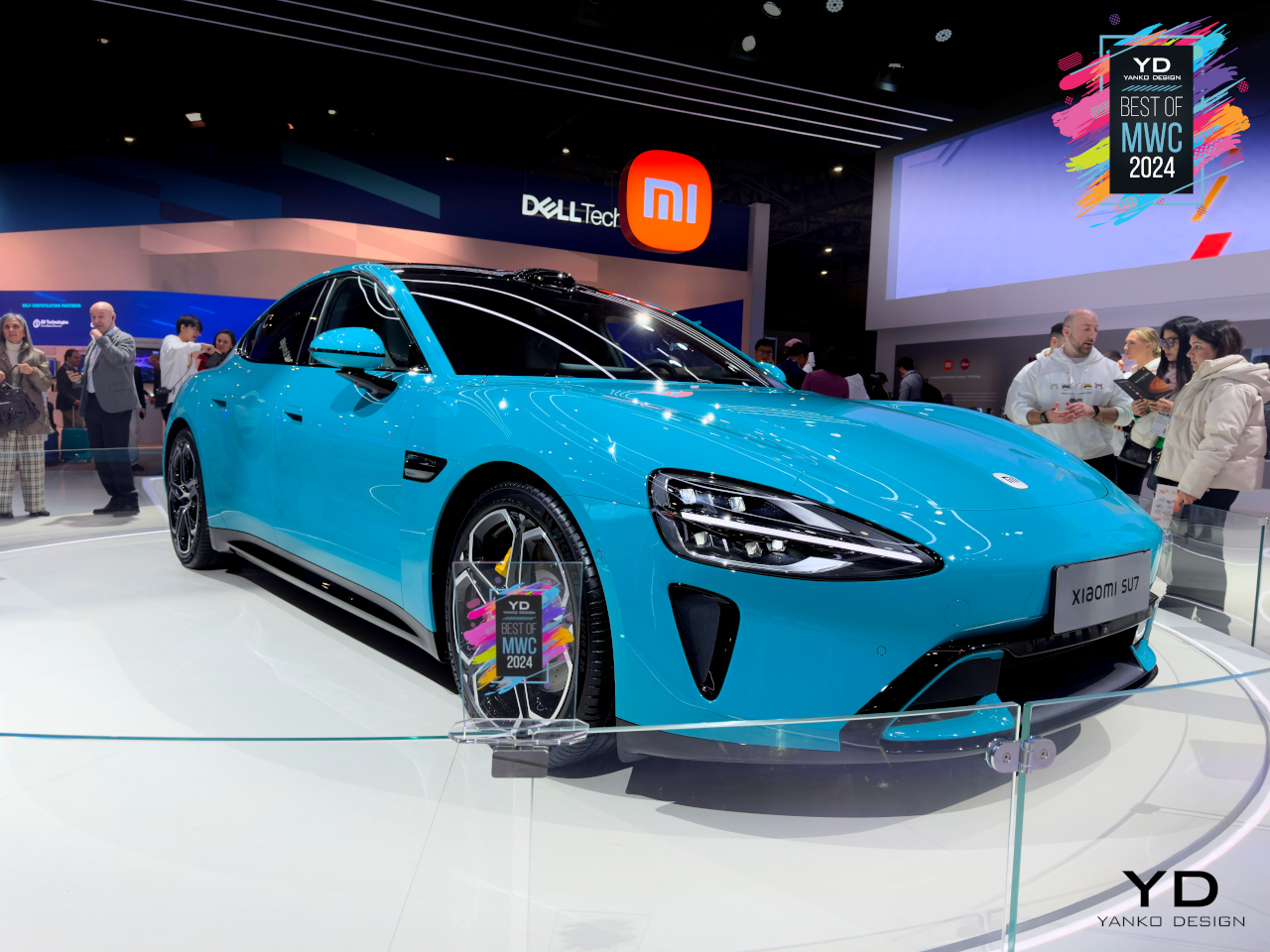
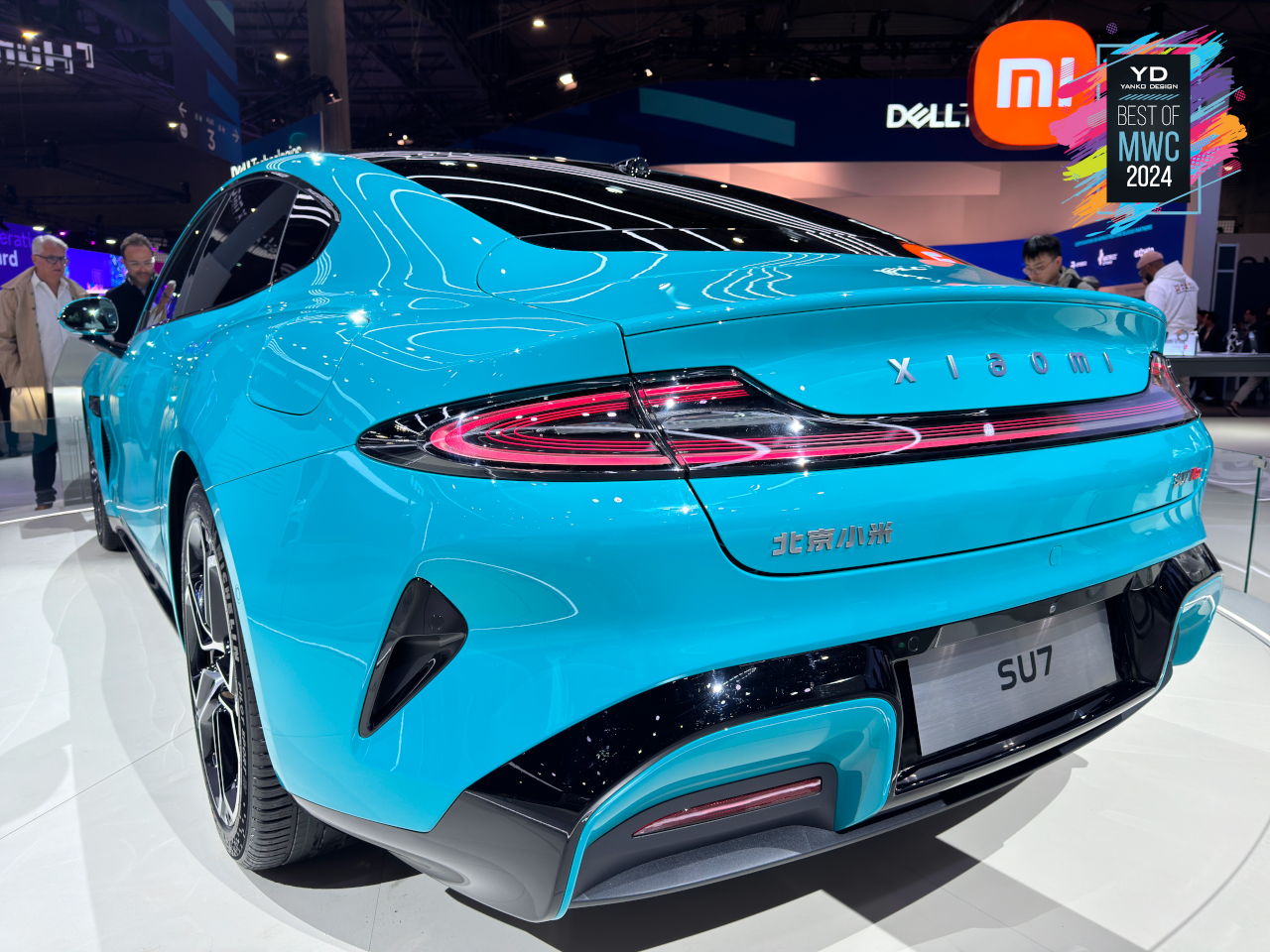
The design of the electric car is quite noteworthy as well, and not just because of its blue paint job. The sleek profile and curves give a sporty character, and its elegant appearance would have you guessing which long-time car manufacturer produced such a beauty. We’ll still have to see how it actually fares on the road or if it will actually roll out to other markets, but Xiaomi definitely got people talking simply by showing off that it can also make cars as well.
Xiaomi Watch S3
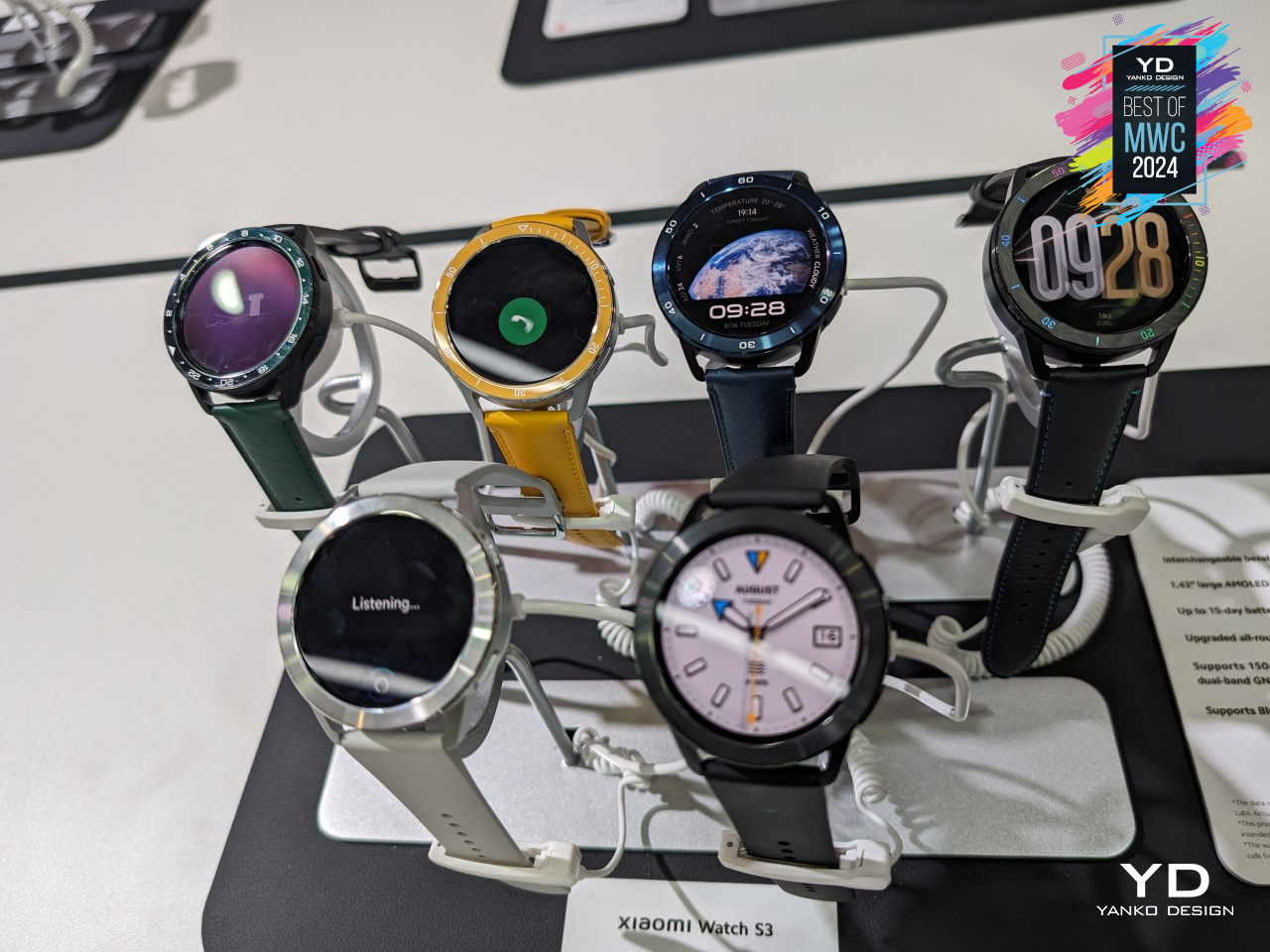
Smartwatches have thankfully outgrown the days when they all looked more like sports watches rather than fashionable timepieces. There’s not a bit of variety in terms of designs, including some that try to mimic the appearance of classic watches and their faces. You can even replace straps, sometimes with standard lugs, to mix and match your style. There is, however, still one classic design element that smartwatches haven’t been able to implement, at least until now.
Designer: Xiaomi
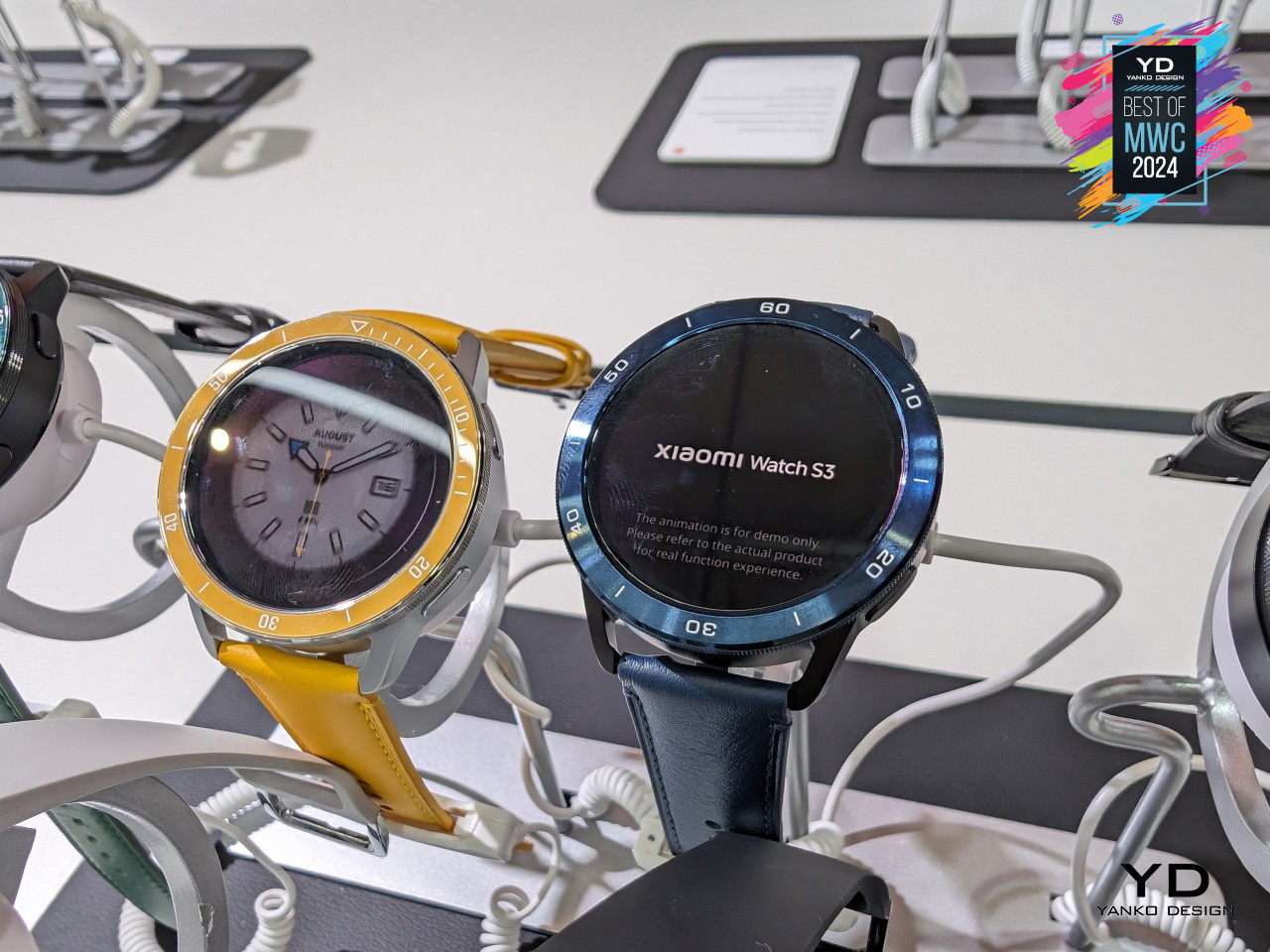
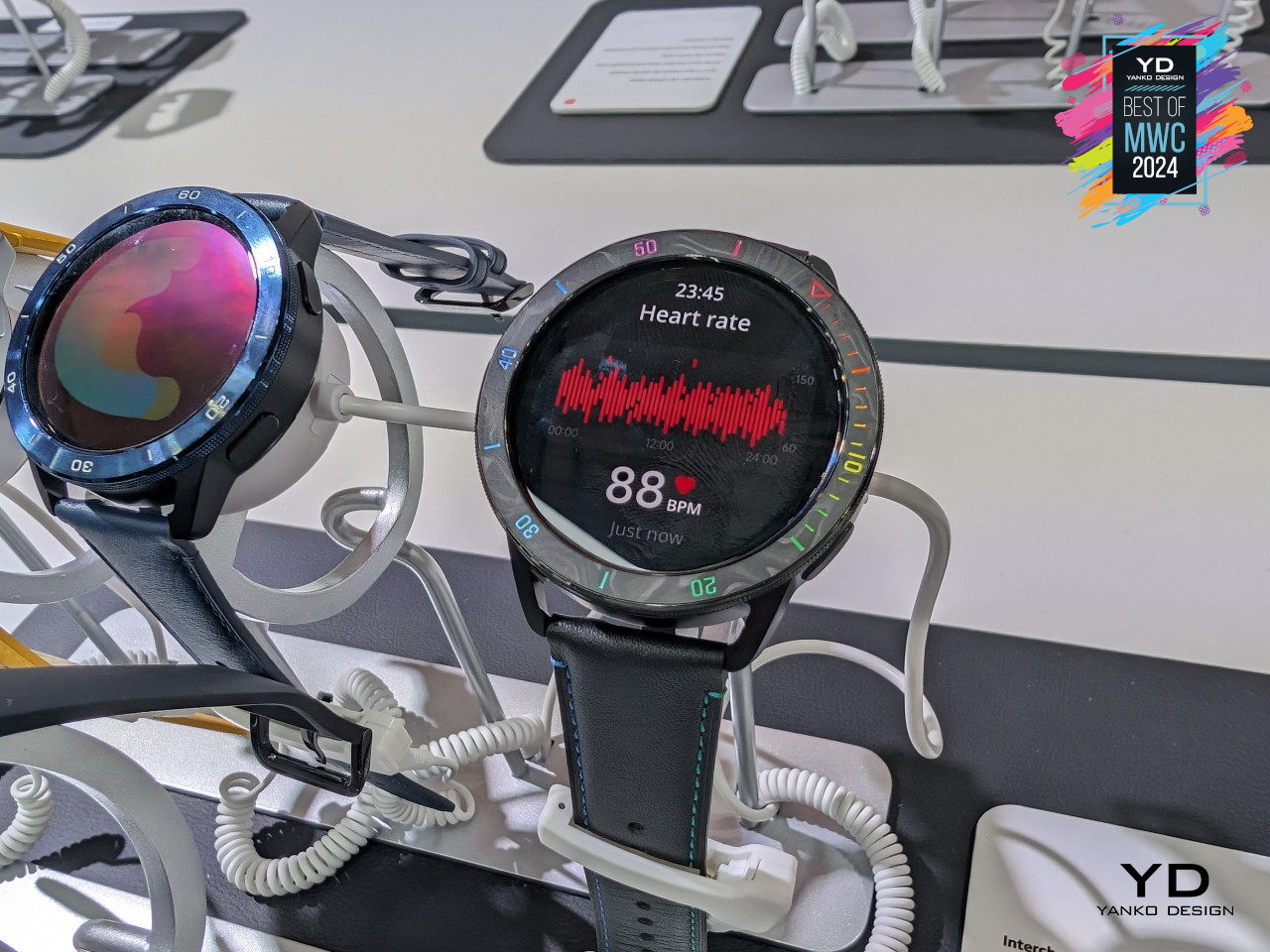
The Xiaomi Watch S3 finally brings interchangeable bezels, letting you easily swap rings to fit your mood and style, even on a daily basis. It might sound like a very trivial feature, but it’s detail like that that gives classic watches their charm. Of course, the Xiaomi Watch S3 will only be compatible with bezels designed by Xiaomi or authorized accessory makers, so hopefully, the idea will catch on and become a standard feature on future smartwatches.
OPPO Air Glass 3
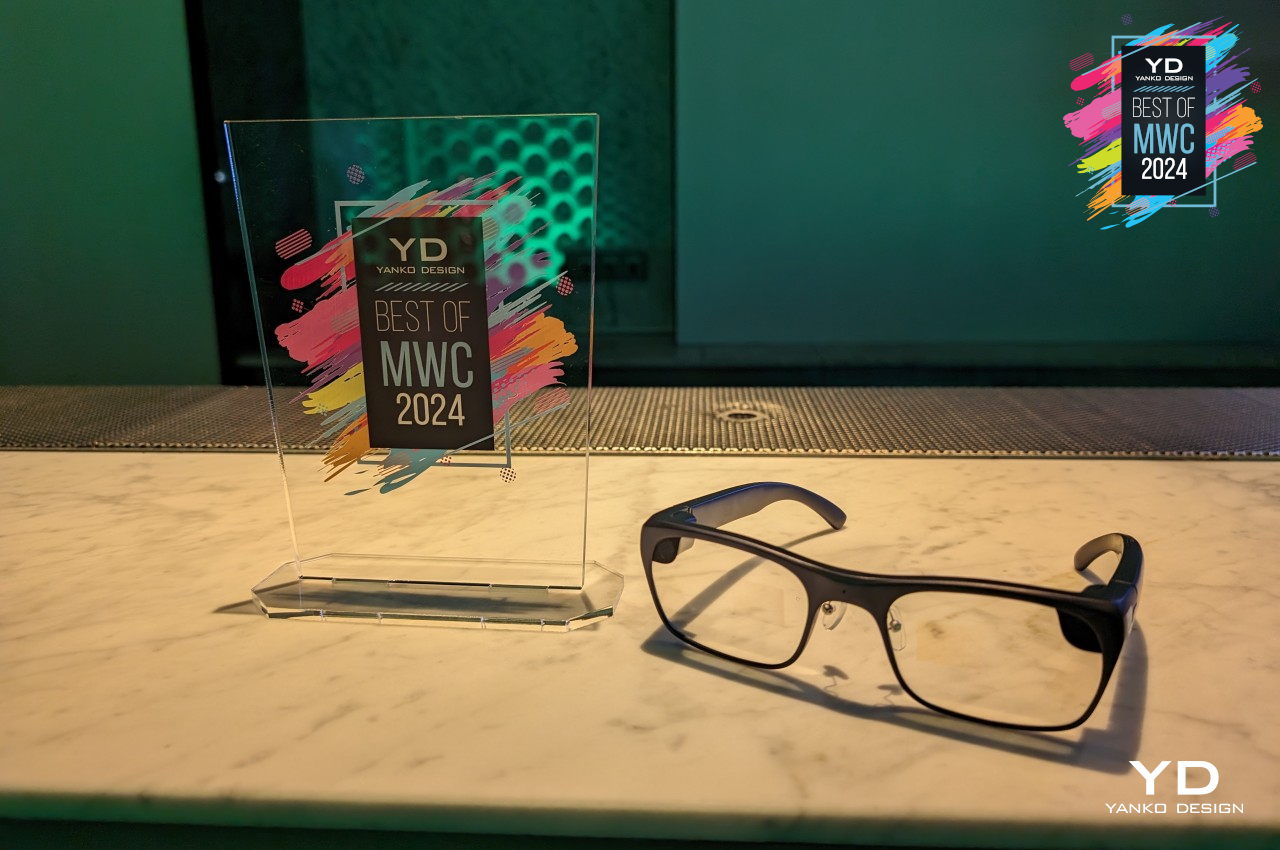
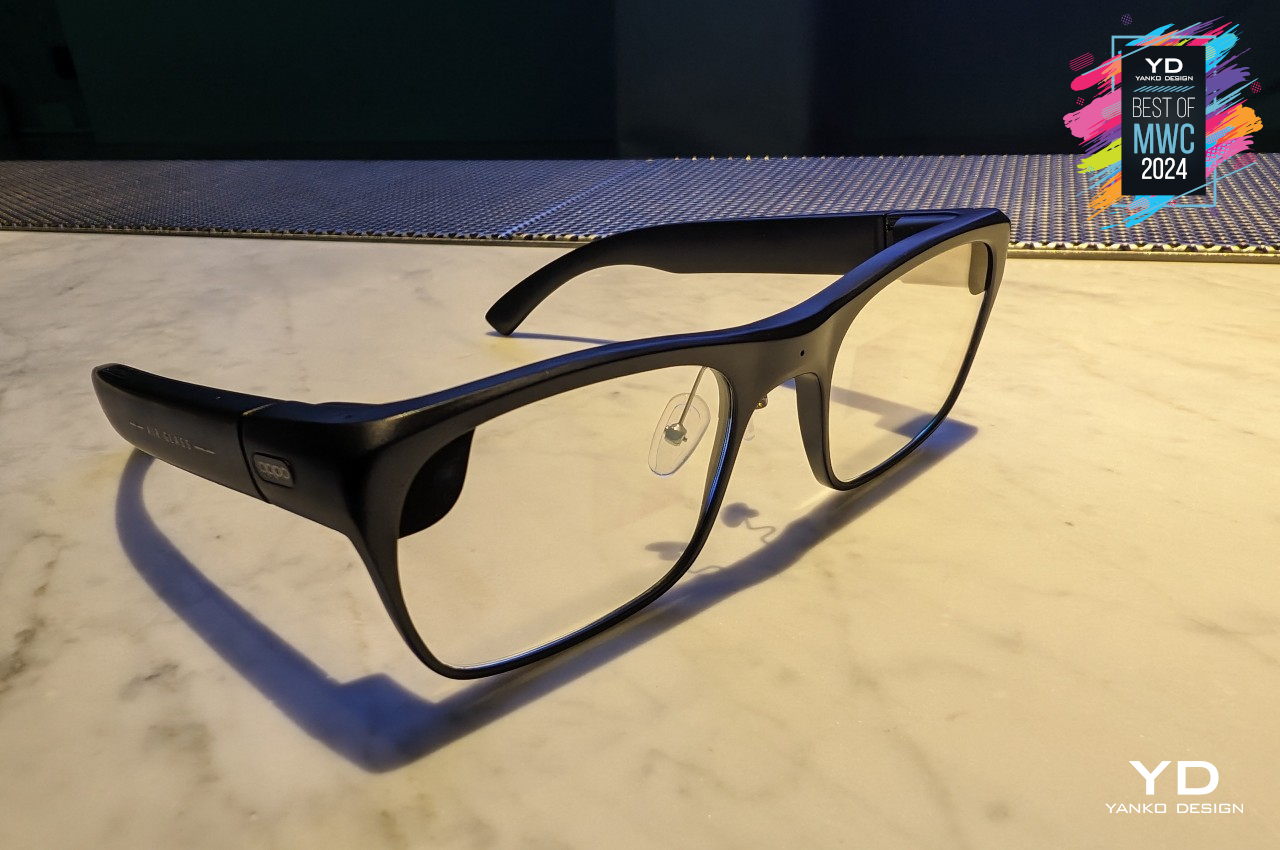
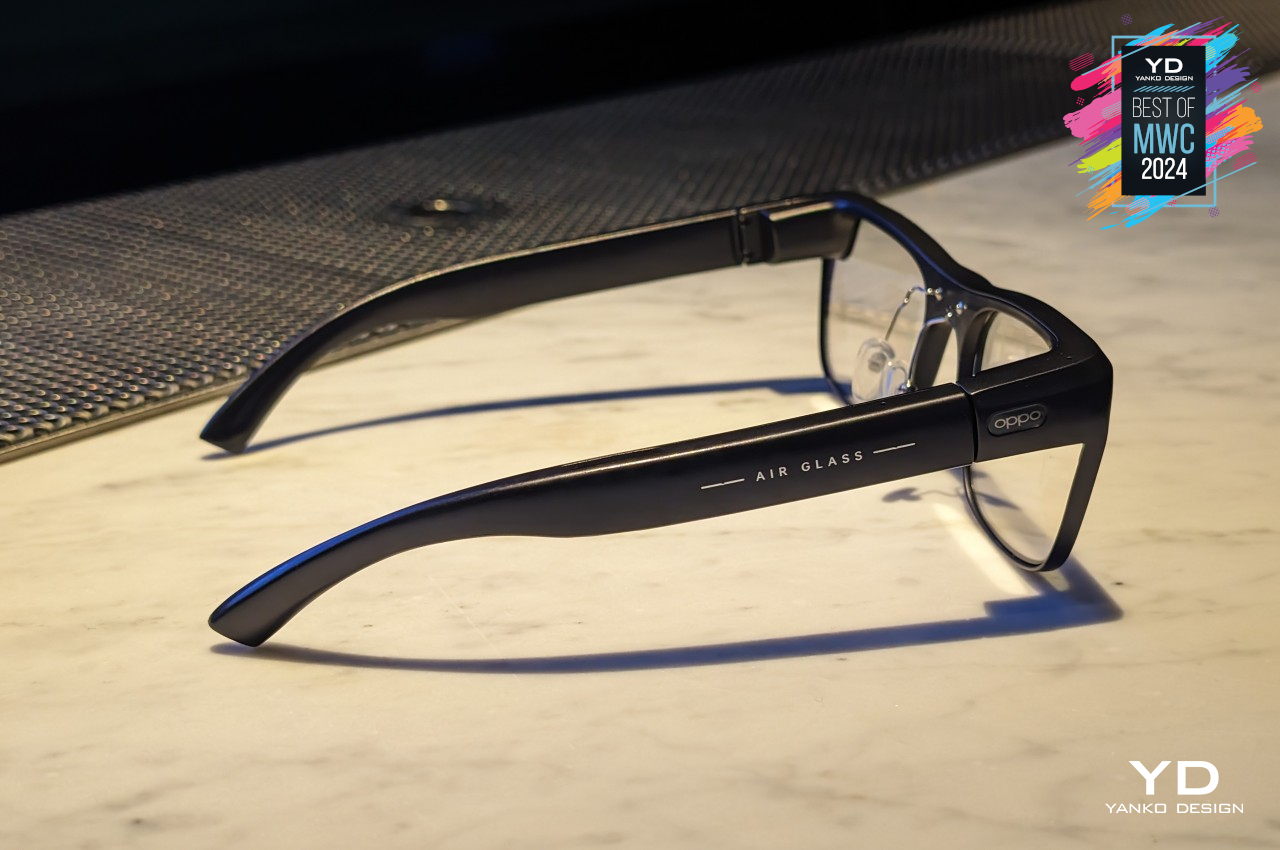
Some might consider the Apple Vision Pro to be overkill even without considering its price tag, and they definitely have a point. You probably don’t want to have your computer screen in front of you all the time, nor would you want to wear a headset while you go about your daily work. You might, however, want to be able to see your tasks and some notifications when you need to without having to fish your phone out of your pocket, which is where the OPPO Air Glass 3 comes in.
Designer: OPPO
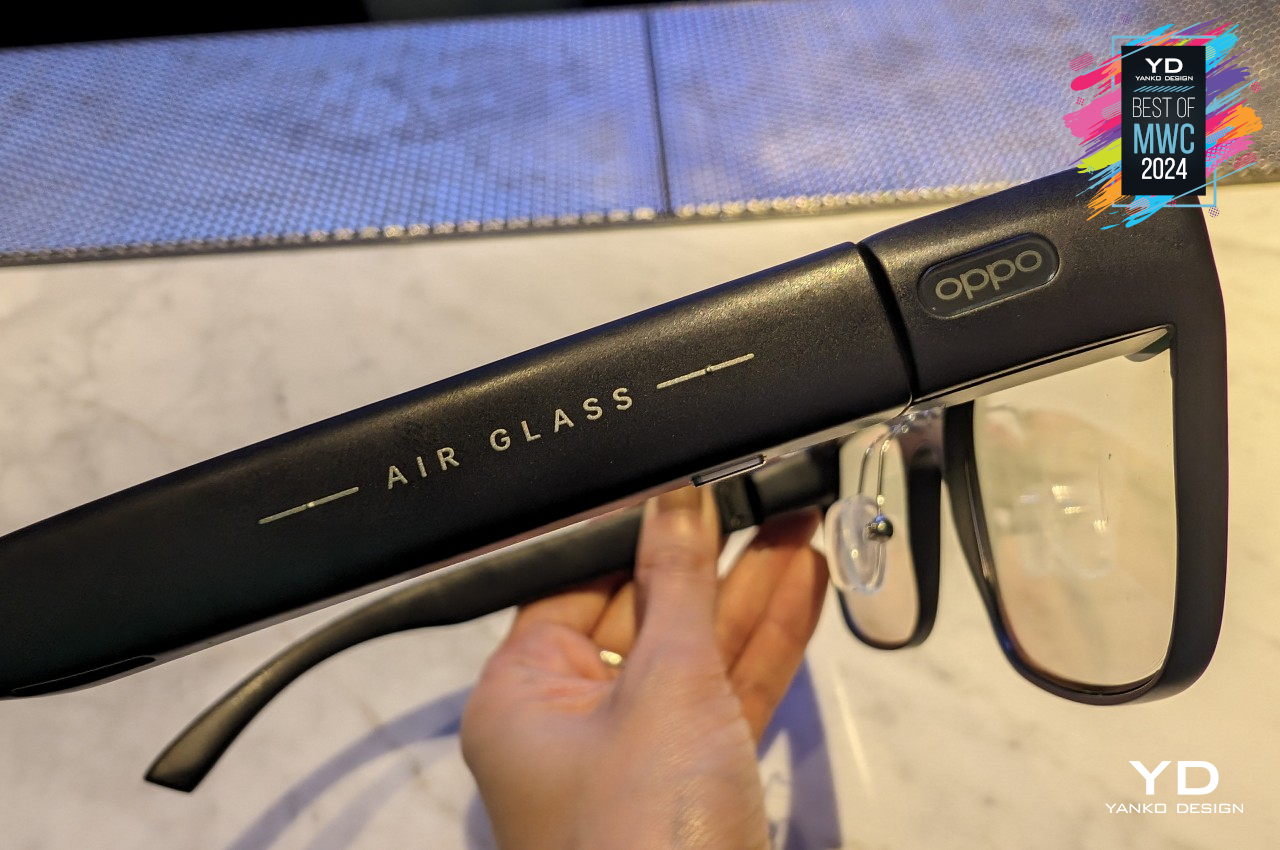
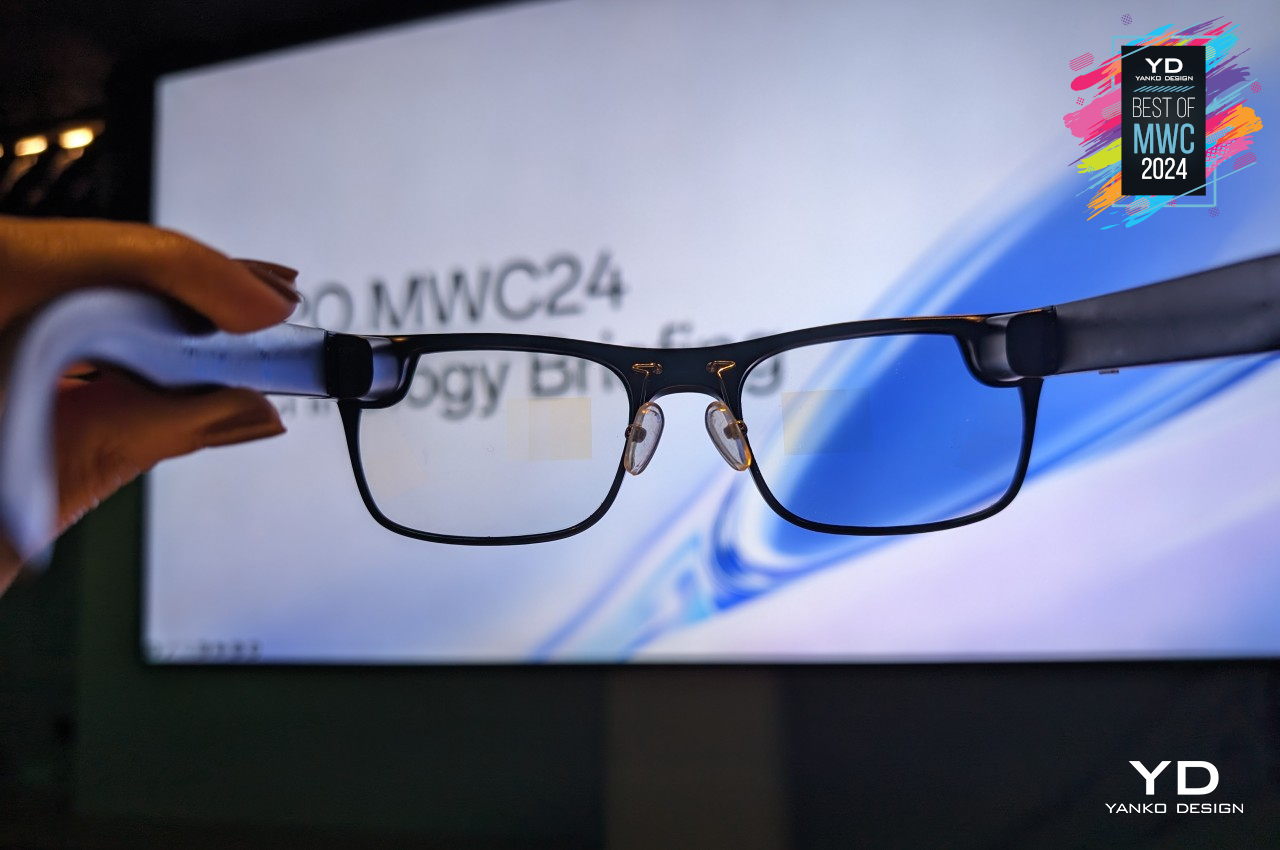
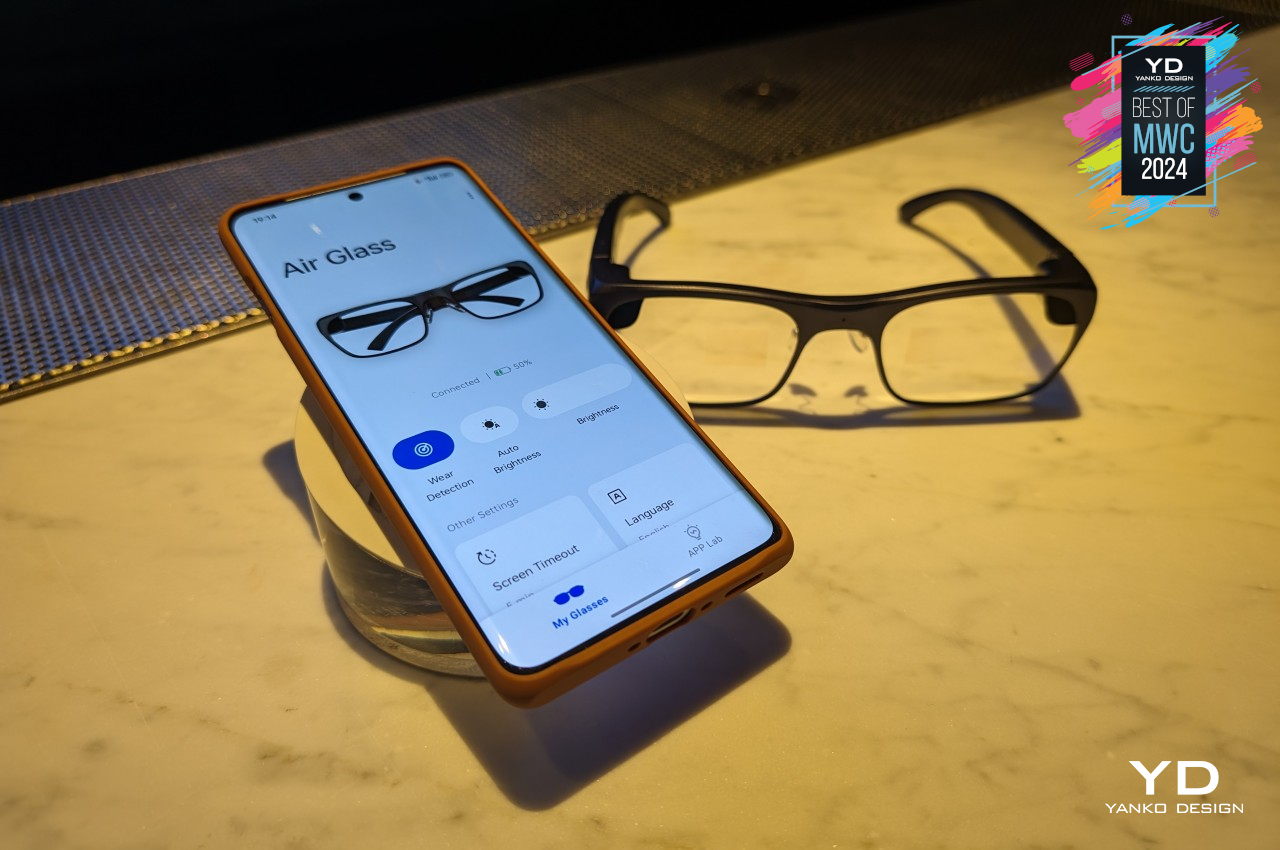
Rather than promoting augmented reality, the OPPO Air Glass 3 espouses “assisted reality,” which is how it describes its focused experience that shows only important information in front of your eyes. It does not use tinted lenses or pixel-dense screens but instead employs a micro projector that displays appointments, todos, notifications, and the like without getting in the way of your vision. The glasses themselves look like normal eyewear, save for the very thick frame, and the improved optics prevent the occurrence of blurred images that would normally be observed in this kind of display.
Samsung Galaxy Ring
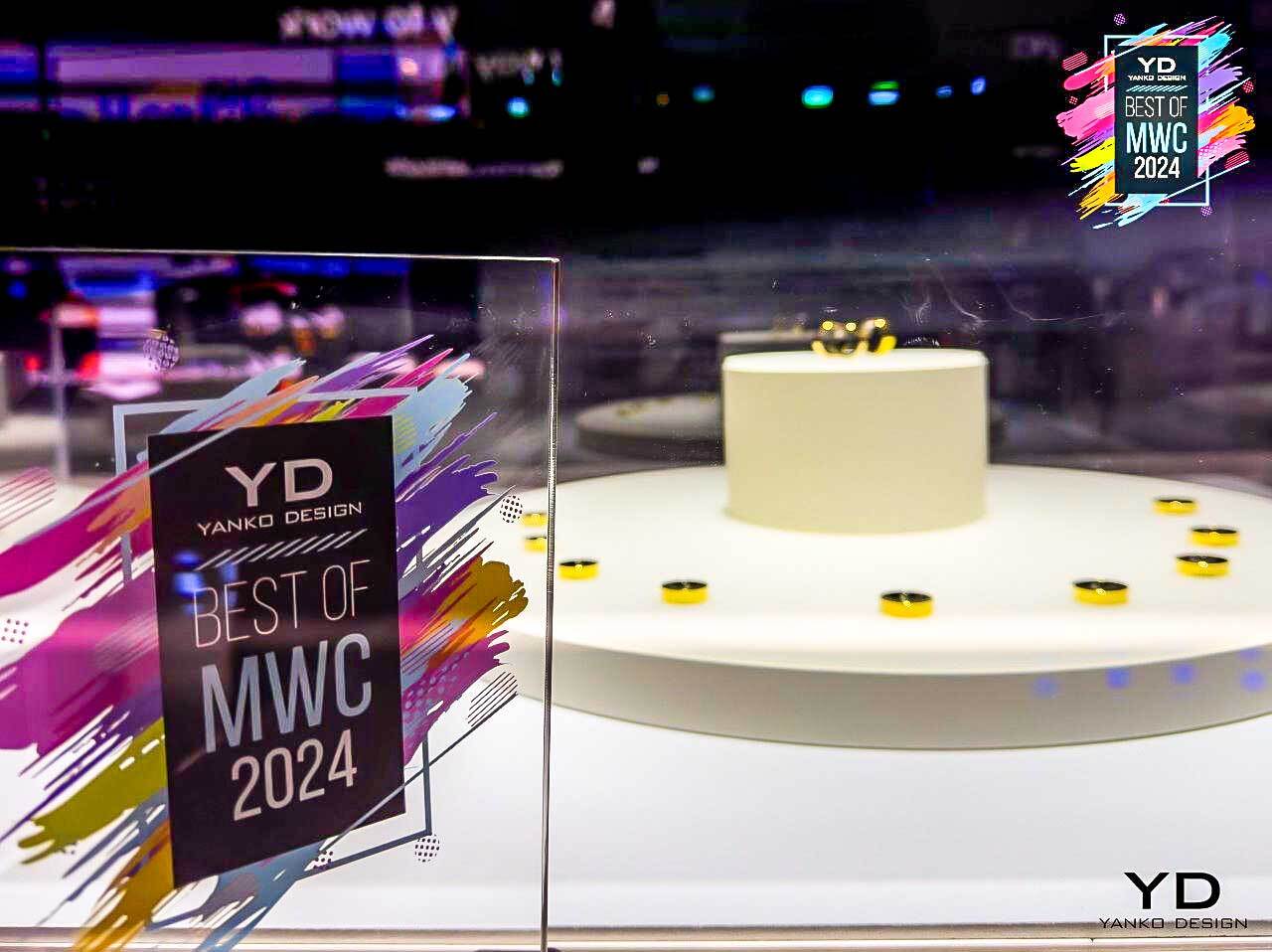
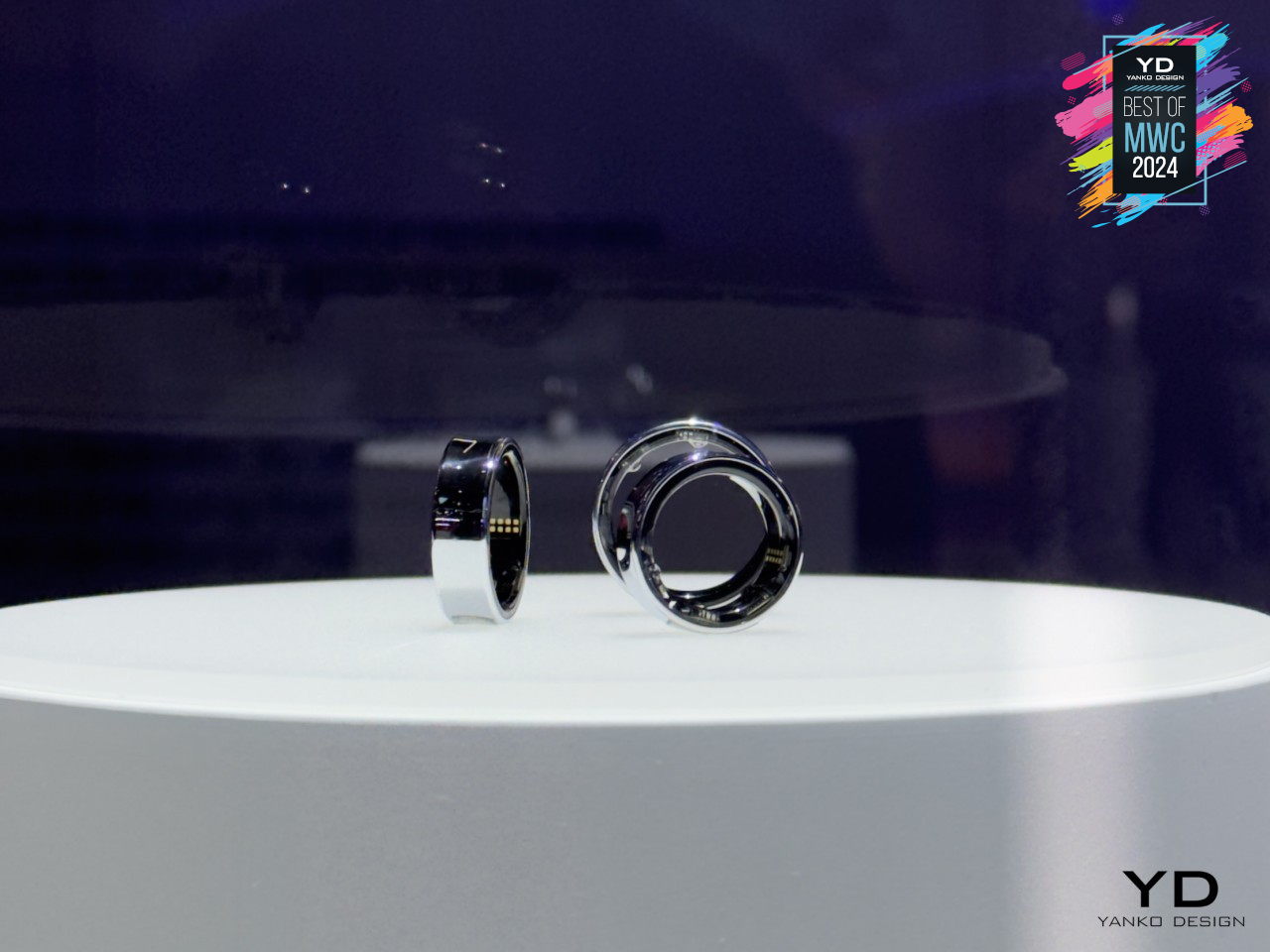
After many leaks, rumors, and wishes, Samsung finally revealed the Galaxy Ring, making it one of if not the first major tech companies to launch this kind of wearable device. By now, there are already smart rings on the market, but the Galaxy Ring has the advantage of having an existing ecosystem of devices and services that revolve around wellness and health. You don’t need to stray far if you want to give up your Wear OS smartwatch for something that’s more elegant and also more discreet.
Designer: Samsung
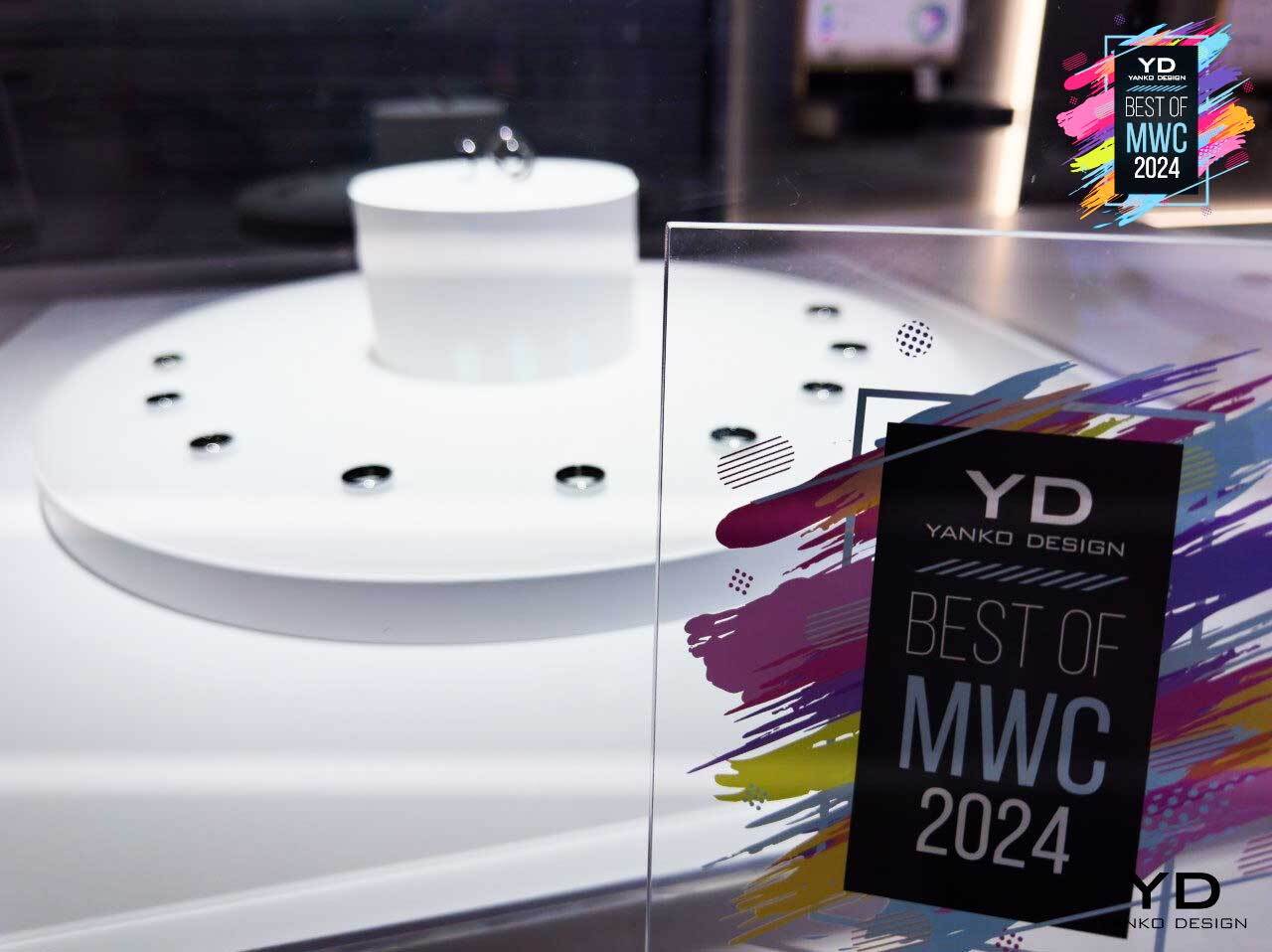

The Galaxy Ring is simple, nondescript, and minimalist, which is actually the whole point of such devices. Rather than the powerful smartwatches that call attention to themselves and become a source of distraction, these smart rings offer the basics of health and activity tracking without burdening your wrist. It will definitely be interesting to see where Samsung will take the Galaxy Ring and if other manufacturers will quickly follow in its footsteps.
Motorola Adaptable Display Bendable Phone
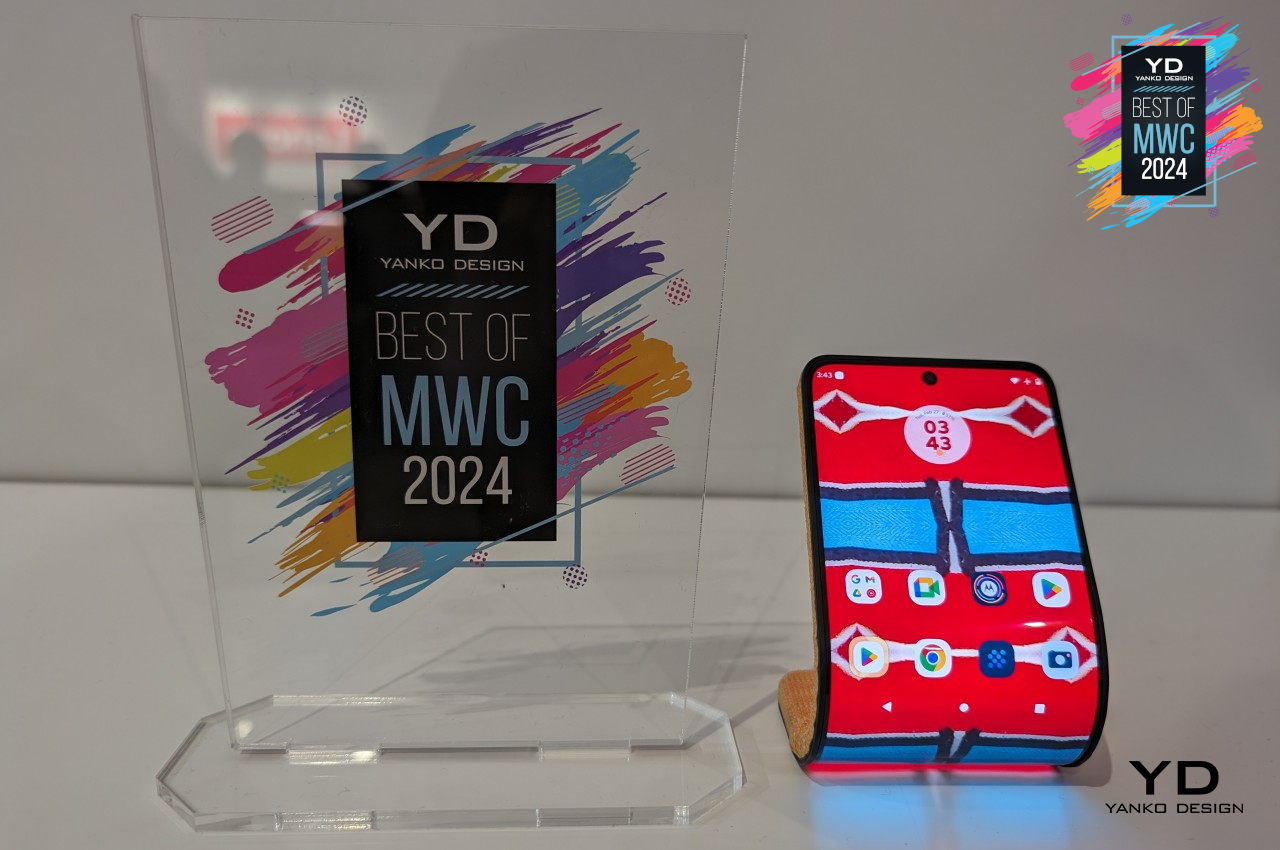
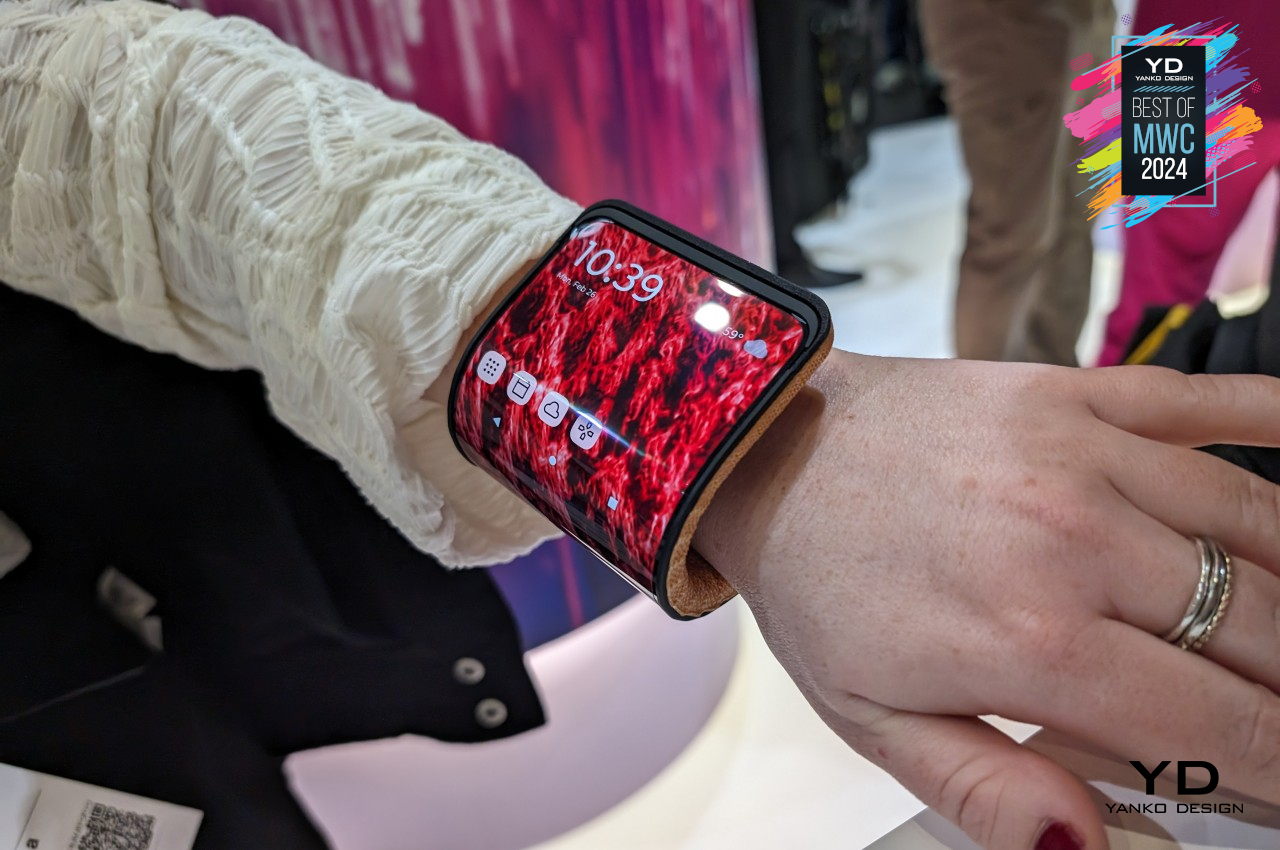
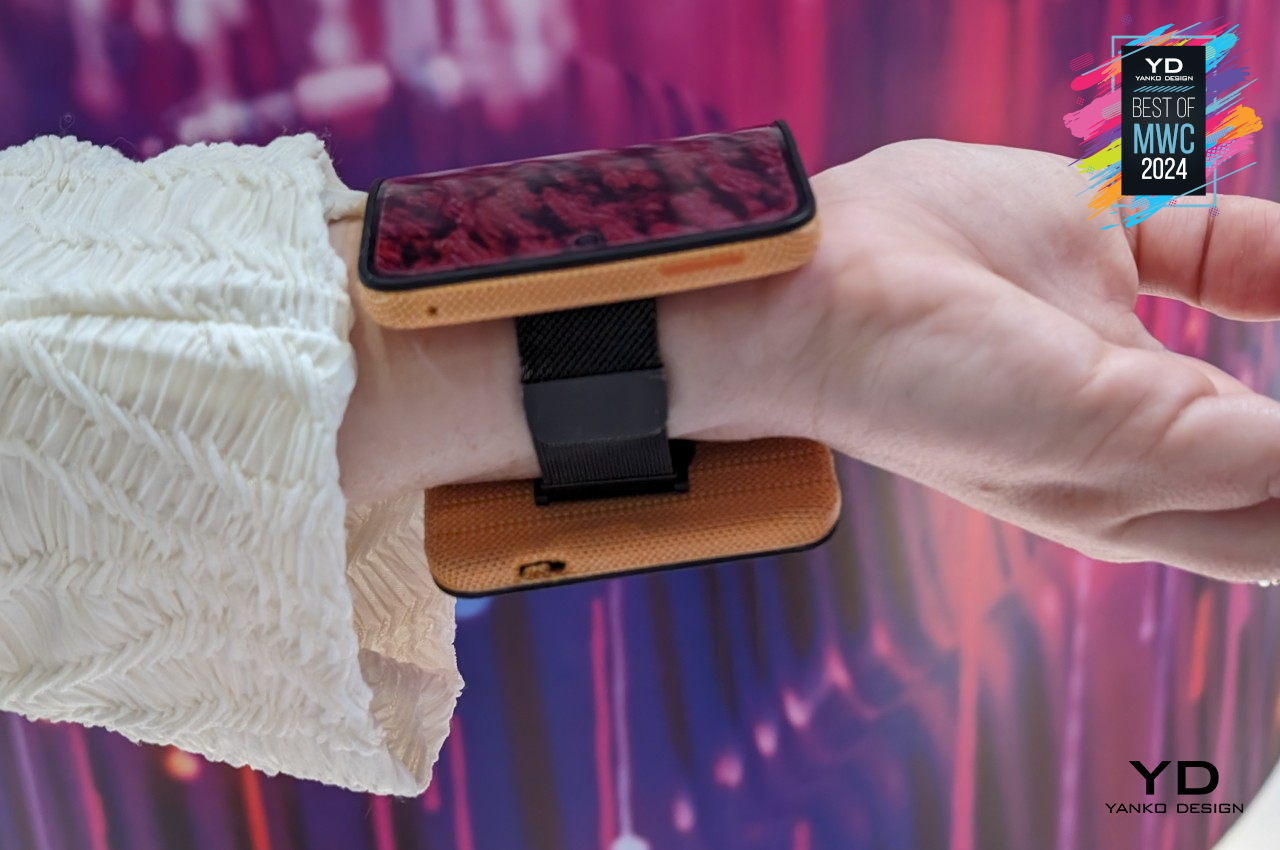
Although foldable phones have become a major focus in the industry, they’re not the only design that can take advantage of flexible screens. Rollable phones have yet to become commercially available, and displays embedded in textiles are still a dream in the fashion industry. Motorola has one such design that really pushes the boundaries of what smartphones might look like in the not-so-distant future.
Designer: Motorola
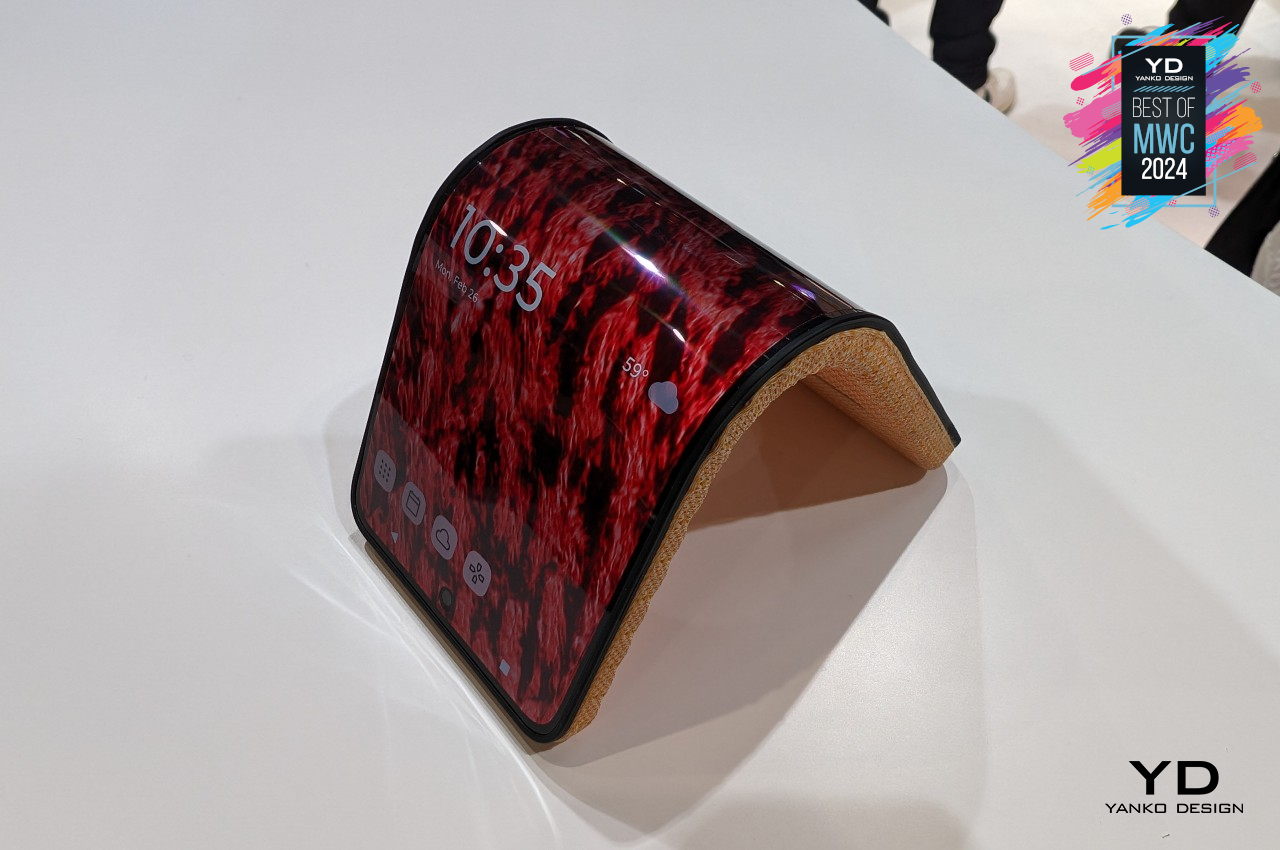
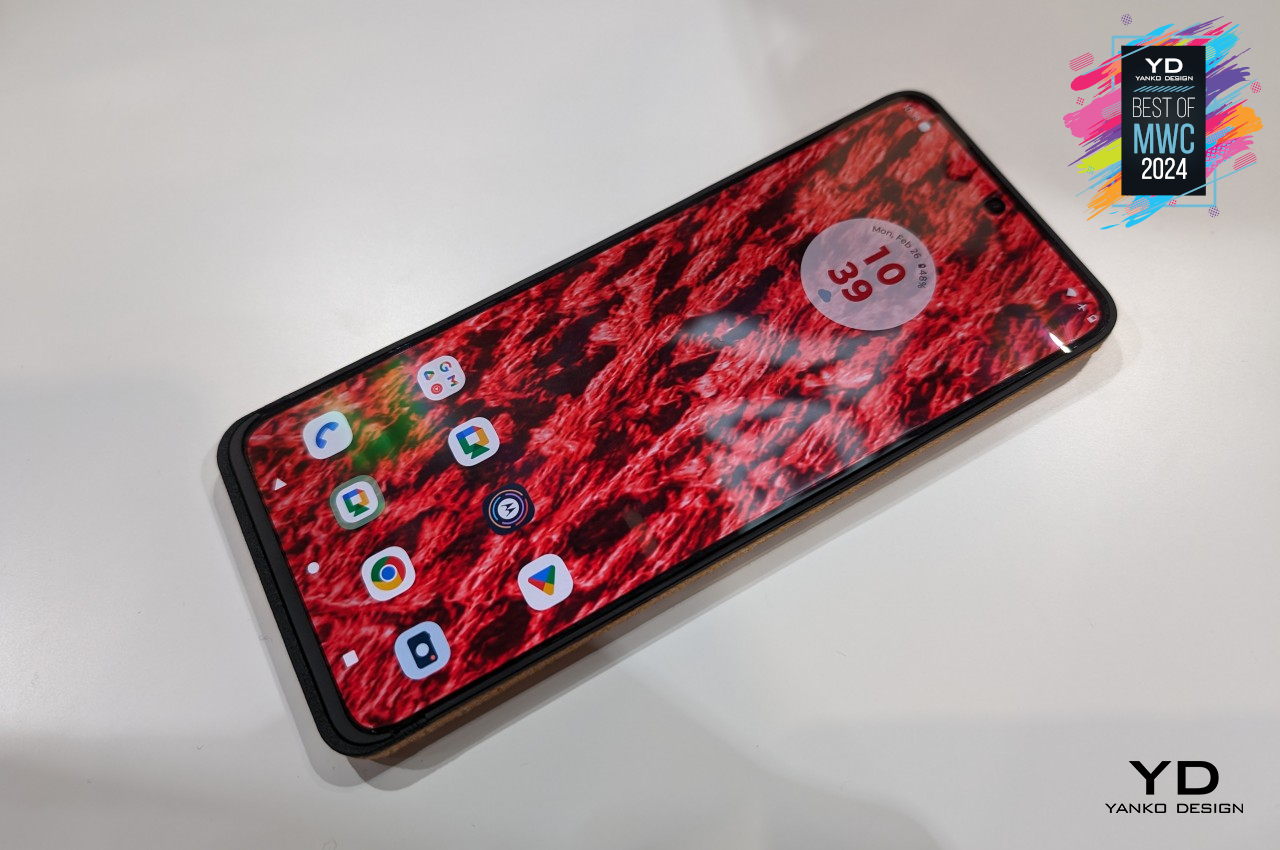
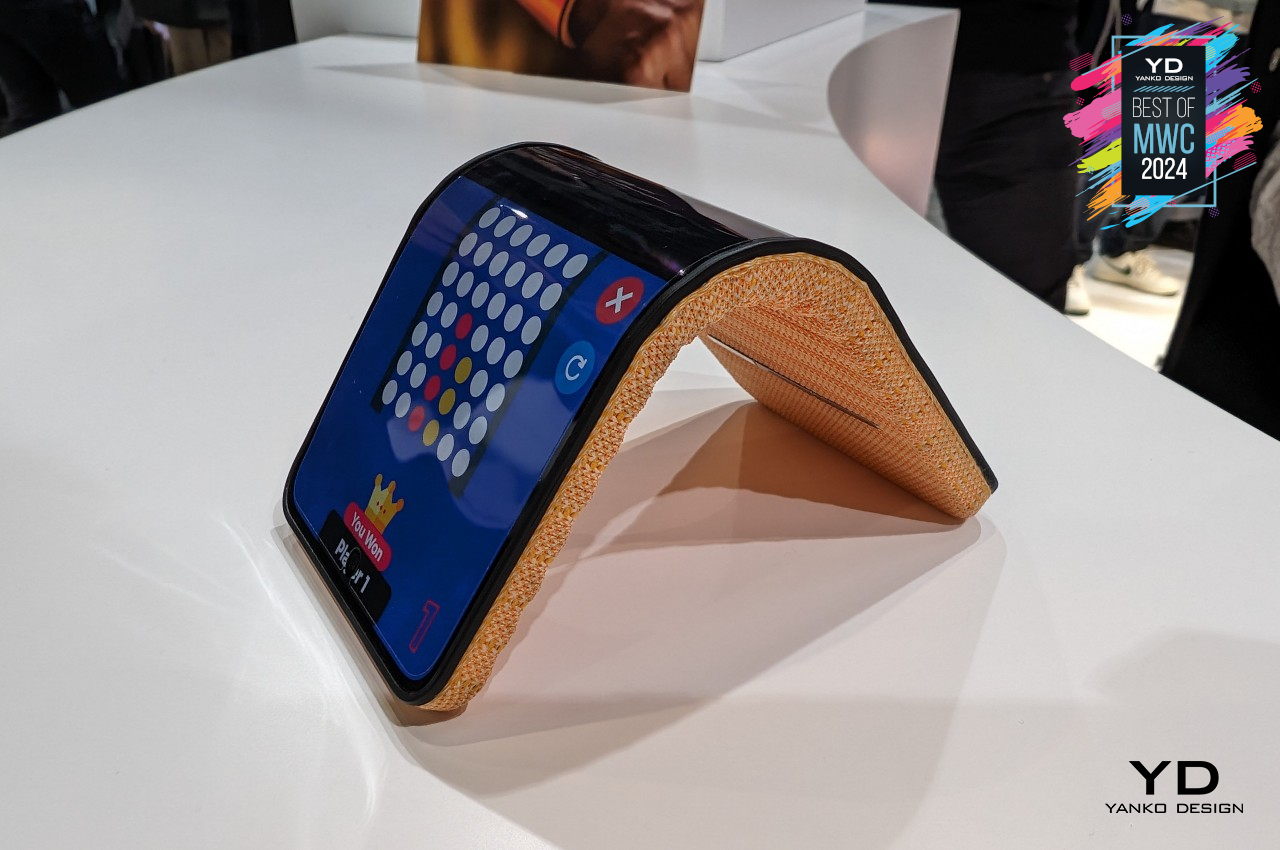
Dubbed the Motorola Adaptable Display, this bendable phone is designed so that it can wrap around your wrist, almost like an open bracelet. Unlike a typical foldable phone that’s just two flat slabs joined with a hinge, the entire phone bends flexes, and bends in this case. Of course, you can’t completely remove all the flat components that make a smartphone tick, but Motorola’s eye-catching bendable phone demonstrates what’s possible with a few more iterations and polish.
The post Best of MWC 2024: The Reality of AI first appeared on Yanko Design.