This $2,999 Device Turns Your Desktop Into A Custom Apparel Printing Factory (With Air Purification)

Let’s talk about the math for starting a small apparel brand. You have the designs, the drive, and a growing list of people who want to buy your stuff. Then you look up the gear. Aside from the thousands in hardware, materials, and a good air-purification system (because breathing is generally a good thing), you’re also looking at a massive space investment. Suddenly, you’re nearly $10k in, and need an entire garage for something the XtraMaker M1 Series offers in a tabletop format for a fraction of the price. With a modular printhead design no less, allowing for customization all within the form factor of a large microwave oven.

This is where the XtraMaker M1 Series finally brings apparel creation into the desktop factory era. It takes that sprawling, expensive production line and collapses it into a single, self-contained unit for $2,999. This is the micro-factory for fabric we’ve been waiting for, handling everything from printing the transfer to curing the adhesive inside a fume-filtered system that fits on a desk. It’s the machine that makes the business plan finally make sense, shrinking the startup cost by two-thirds and proving that the next big apparel brand doesn’t need an industrial loan to get started; it just needs a desktop.

Designer: XtraMaker

Click Here to Buy Now: $2999 $6499 ($3500 off). Hurry, only 38/50 left! Raised over $331,000.
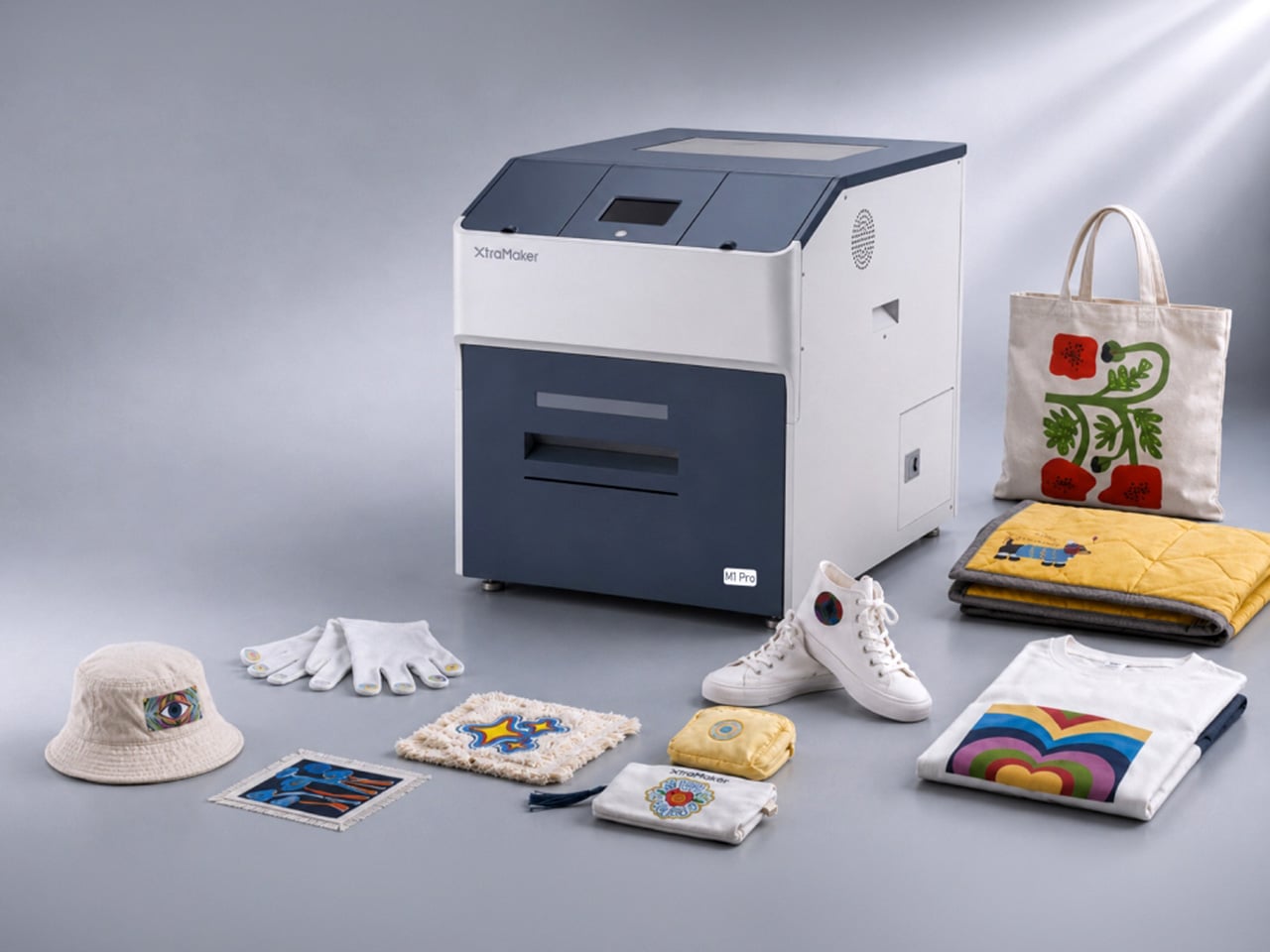
The M1’s core innovation is condensing the entire five-step DTF relay race into a single, autonomous sprint. It prints, powders, shakes, cures, and purifies its own air without any manual handoff between stages. This integrated workflow is critical for a desktop machine, as it eliminates the mess and fumes that make traditional DTF printing impossible in a home or small studio. The enclosed system uses a multi-layer filter to capture stray adhesive powder and neutralize the chemical smell from the curing process, keeping the workspace clean and breathable. This turns what was once a multi-machine, garage-only operation into a clean, one-click process you can run from a spare room.

Print quality is anchored to commercial standards, with G7 Master-certified color accuracy ensuring that on-screen RGB designs translate faithfully to the final CMYK print. At a resolution of 1440×1440 DPI, the M1 Series produces sharp, detailed transfers where fine lines and photo-realistic gradients come through cleanly. The resulting prints are just 0.5mm thick, allowing them to blend seamlessly with the fabric’s texture rather than sitting on top like a stiff, plastic patch. This professional-grade output works across a huge range of materials, from cotton, denim, and polyester to more delicate fabrics like silk, giving creators a massive canvas for their ideas.

XtraMaker’s engineers clearly obsessed over reliability, building in a suite of defensive systems to prevent common failures. The most notorious issue in DTF printing, white ink clogging, is addressed by the LoopMaster™ system, which uses automatic 15-minute circulation cycles and continuous cartridge stirring to keep the dense ink from settling and drying in the lines (the white ink circulation system operates with zero ink consumption too). Even more impressive is the built-in UPS battery. If power cuts out, the battery instantly triggers a flush, replacing the ink with a protective fluid to save the printhead from drying out. The UPS battery also powers the printer’s auto-maintenance system while the machine is on standby or powered off. This enables the machine to automatically fill the ink channels with moisturizing liquid and keep the white ink stirring continuously for up to 30 days. Combined with over 20 sensors that monitor the machine’s health and ink levels in real-time, all this creates a system that actively works to prevent the most expensive and frustrating problems before they happen.

The entire package is tailored for small business growth, from the software to the hardware options. The XtraMaker Studios app includes a cost estimation tool that calculates ink and film usage, giving you a precise per-print cost so you can price your products profitably. A 3D preview feature also lets you see how a design will look on a finished garment, saving time and materials. The M1 itself comes in two sizes: the standard M1 for A4-sized prints, perfect for logos and chest graphics, and the larger M1 Pro, which handles A3+ prints for full-back designs on hoodies and jackets. This gives a growing brand a clear upgrade path as their product line and ambitions expand.

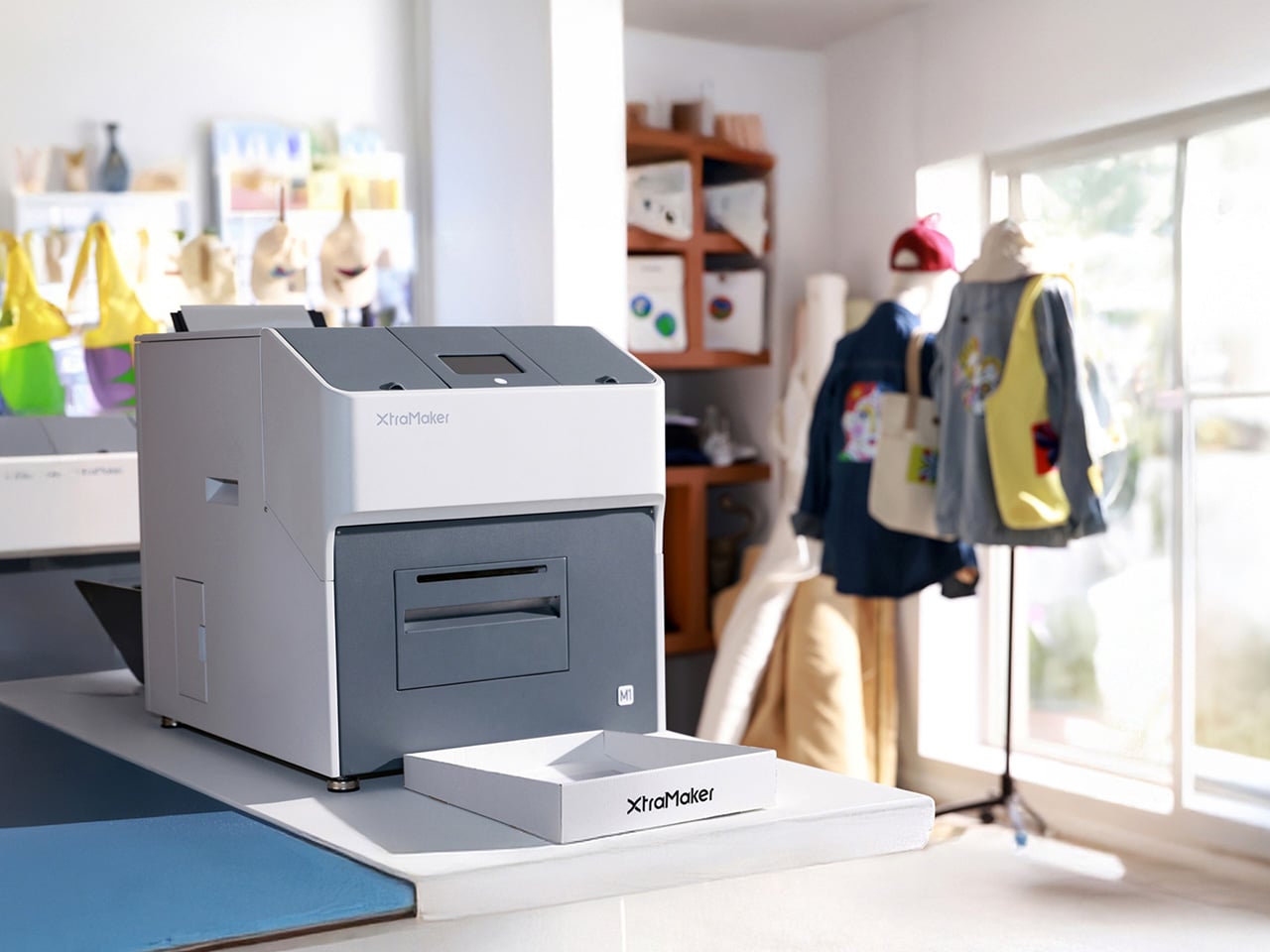
XtraMaker’s M1 Series is aimed squarely at the new wave of creators: Etsy sellers, independent streetwear labels, and craft fair operators who need professional output without the industrial overhead. While other desktop DTF printers exist, none integrate the entire five-step workflow, the advanced anti-clog and power-loss protection, and the built-in air purification into a single unit at this price. It’s a machine that understands that for a small business, the real costs are complexity, downtime, and mess.

Click Here to Buy Now: $2999 $6499 ($3500 off). Hurry, only 38/50 left! Raised over $331,000.

The post This $2,999 Device Turns Your Desktop Into A Custom Apparel Printing Factory (With Air Purification) first appeared on Yanko Design.
The $195K Tiny Home That Finally Makes Sense for Families

The tiny house movement has always been better at Instagram than at parenting. A couple, a dog, maybe a sourdough starter on the counter: that’s the fantasy it learned to sell. The moment a child enters the picture, the aesthetic dream quietly dissolves into a very real problem: where does anyone actually sleep, and who gets the bathroom first? Unplgd Tiny Homes, the Blue Mountains studio behind the original 26-foot Kookaburra, has spent the past year trying to answer that question seriously, and their answer is the Kookaburra 2.0.

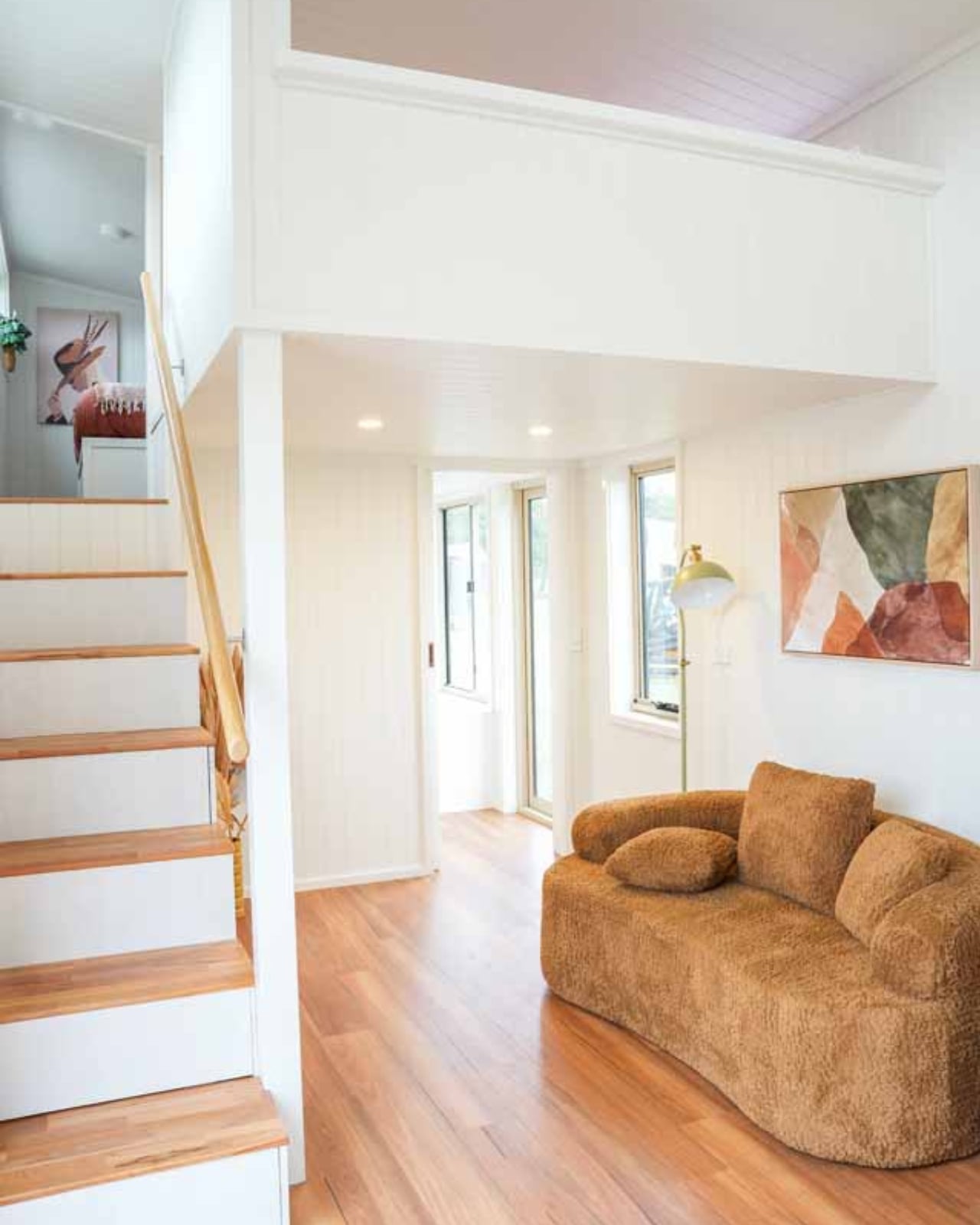
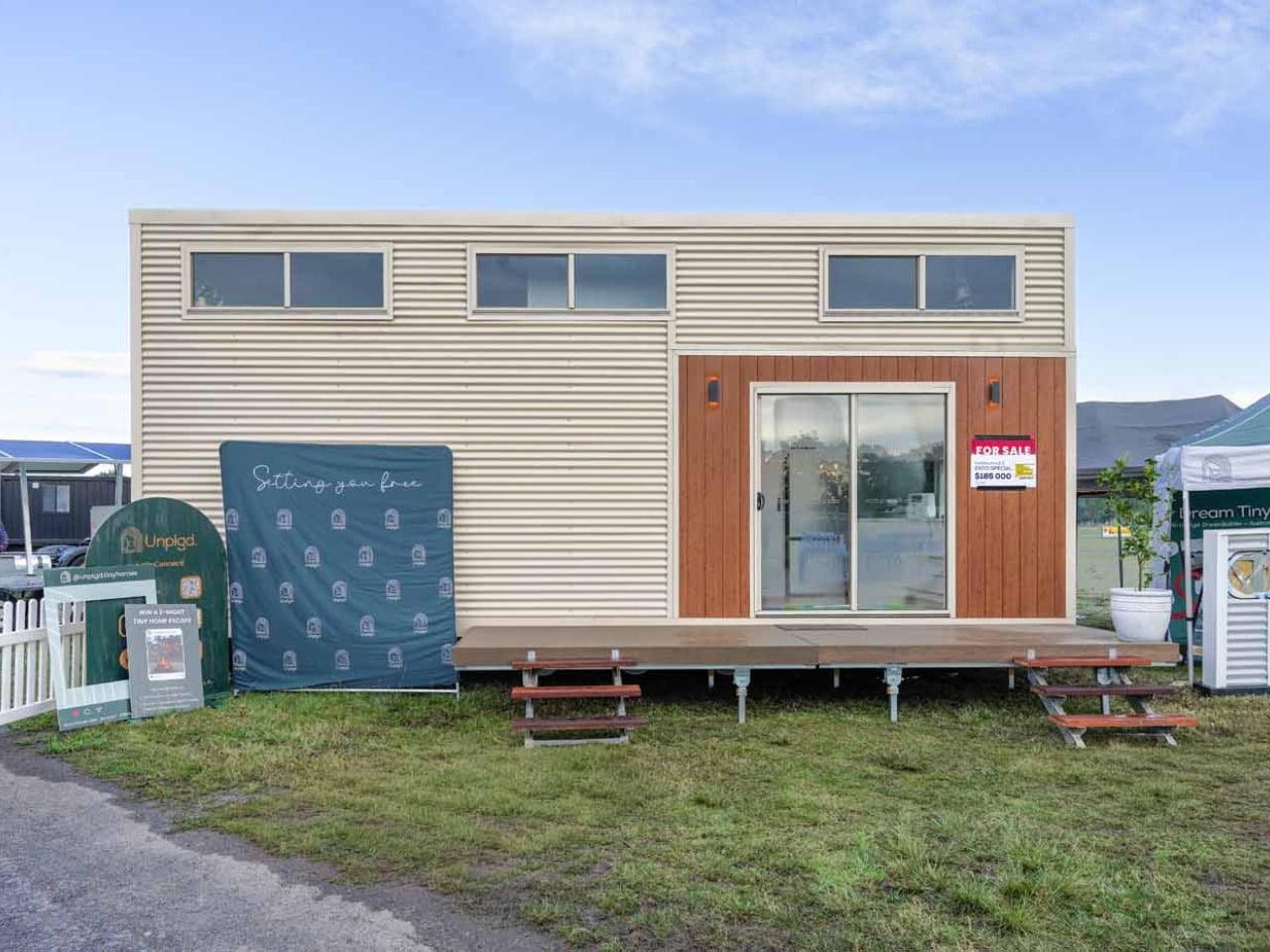
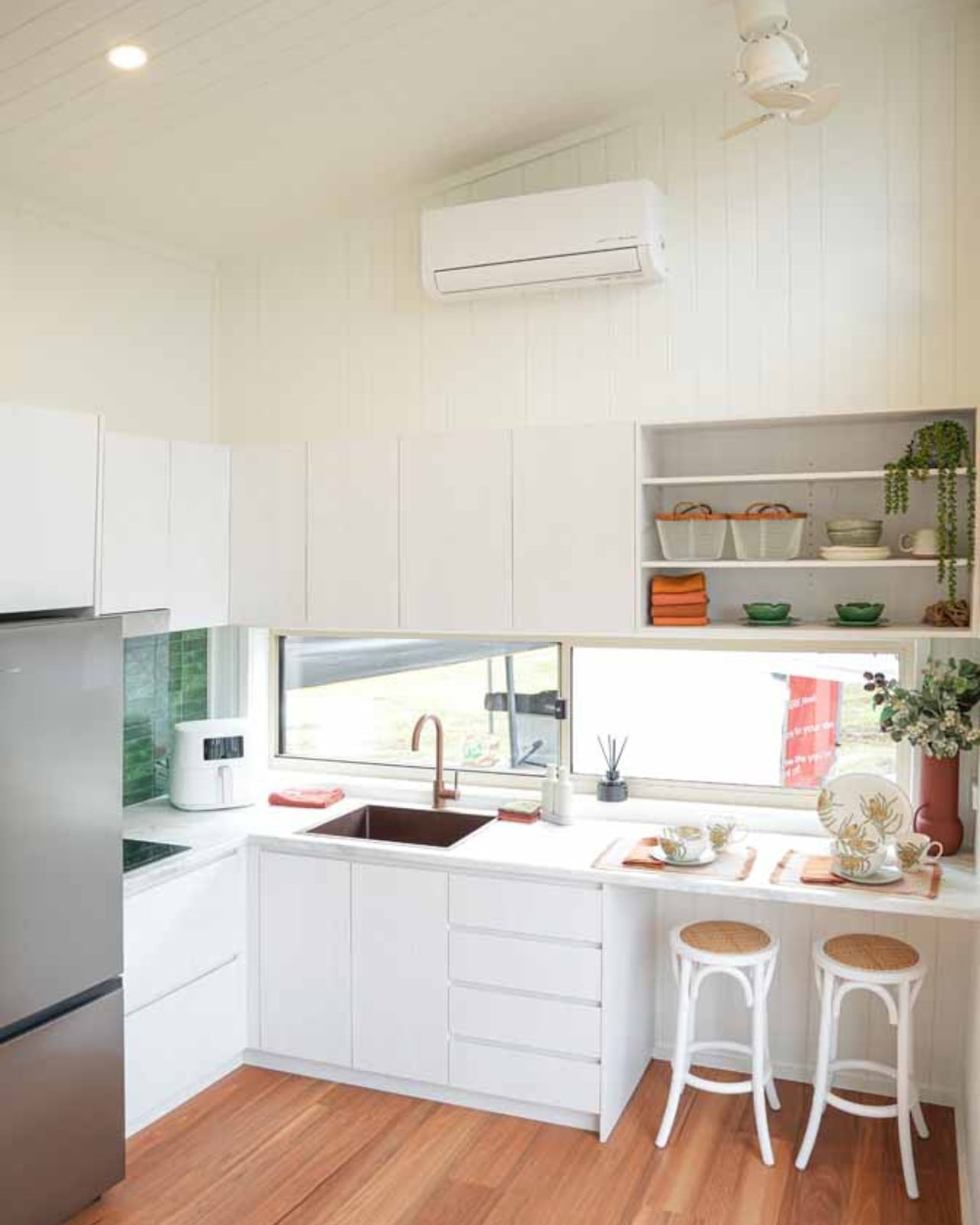
The new model stretches to 8.5 metres long, 3 metres wide, and 4.5 metres at the gable (27.8 × 9.8 × 14.7 feet), adding just over half a metre to the original footprint but reorganising almost everything inside. Where the first Kookaburra was designed around two people working from home, the 2.0 reframes the interior around four distinct zones: cook, wash, store, and what the studio calls “reset after a big day.” That last phrase tells you exactly who this is for. Not minimalists chasing freedom, but parents chasing a moment of quiet.

Designer: Unplgd Tiny Homes

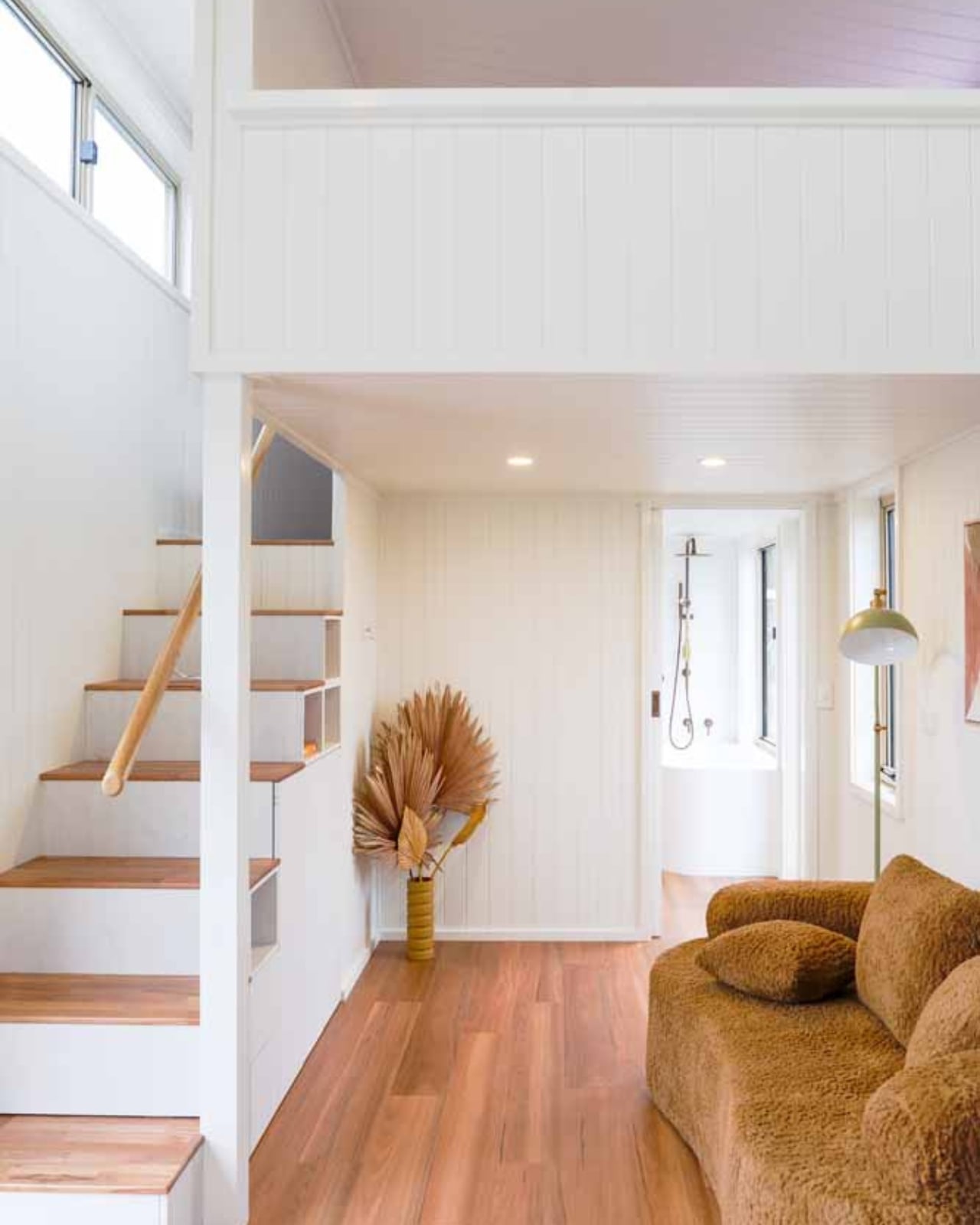
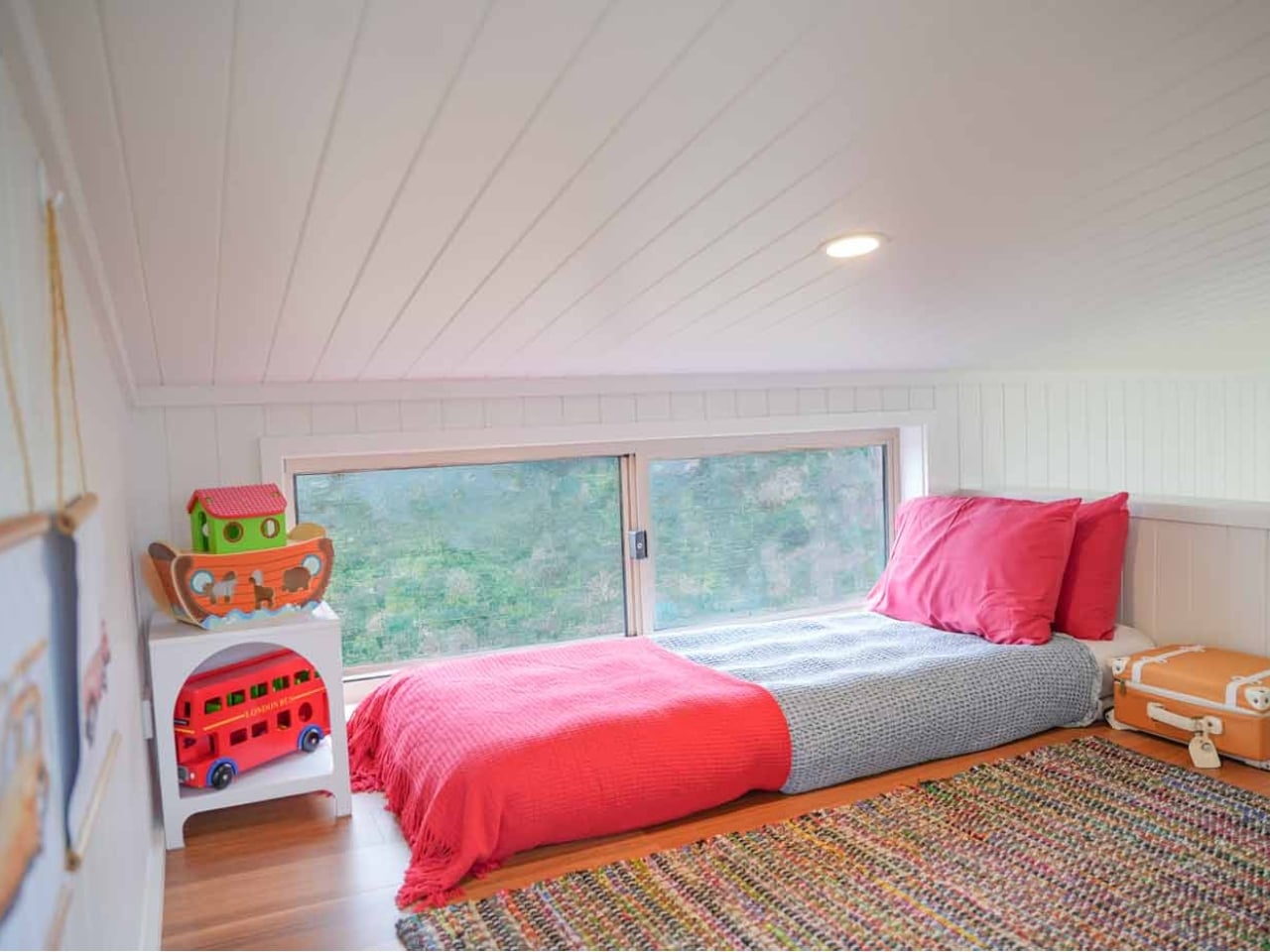
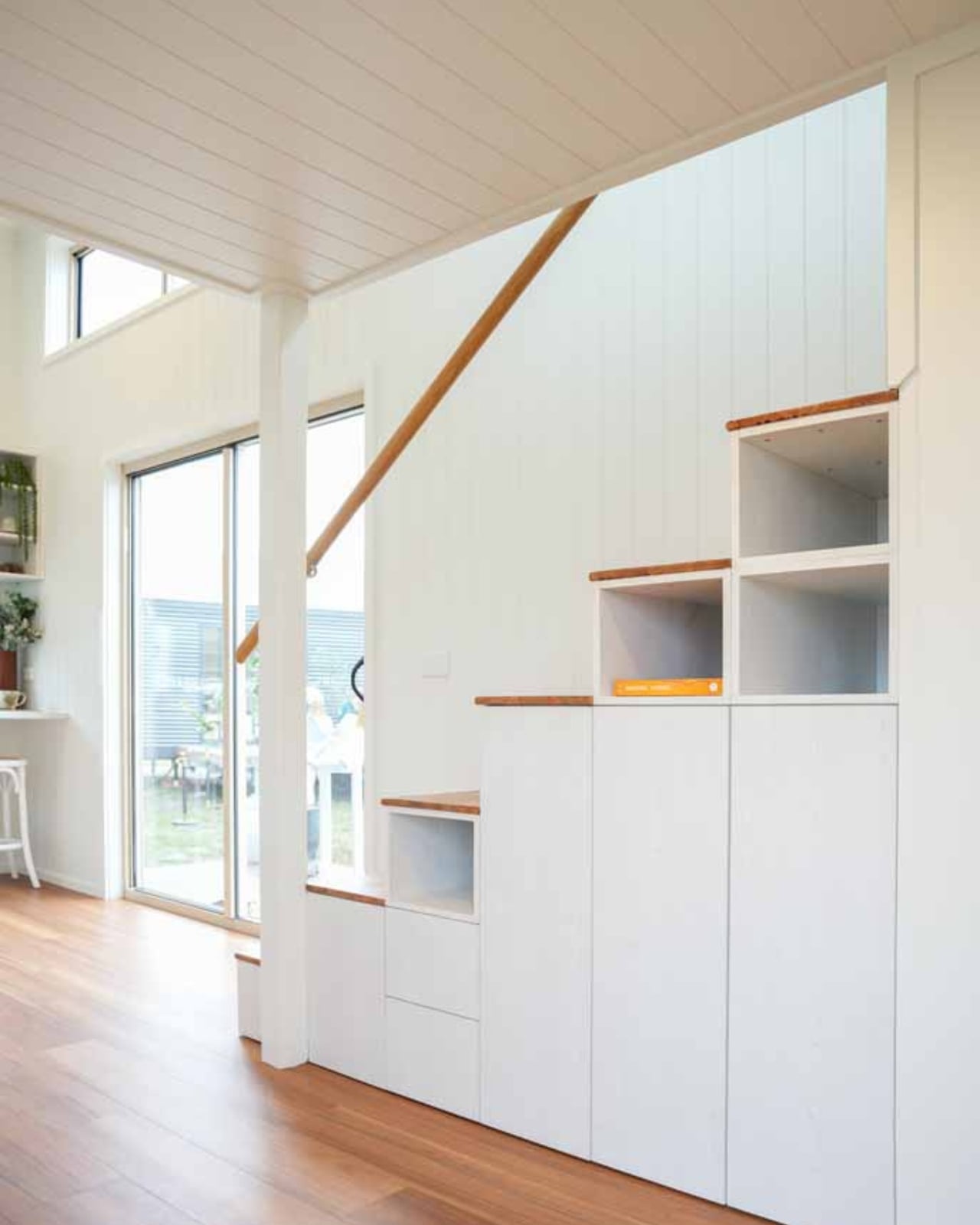
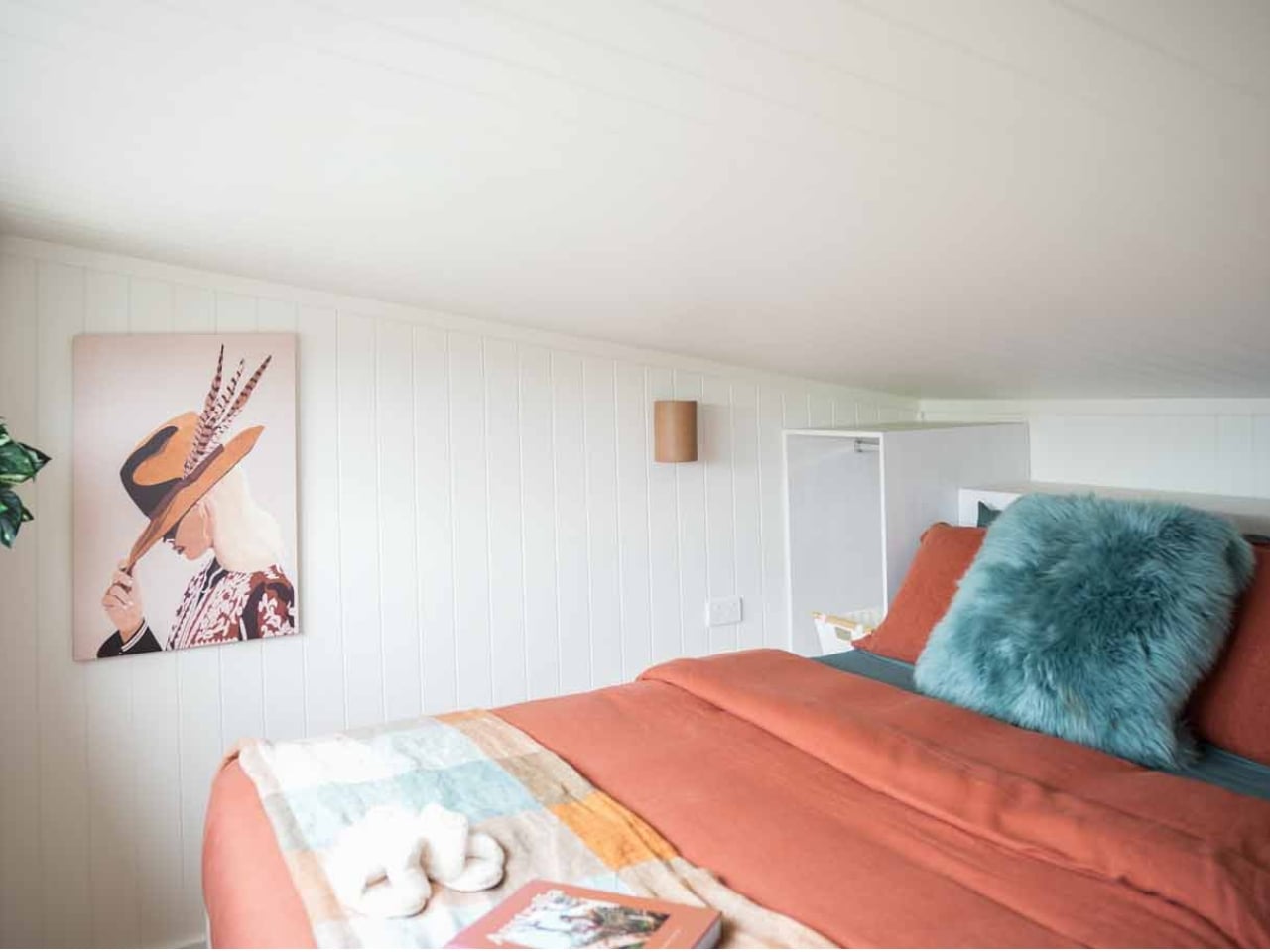
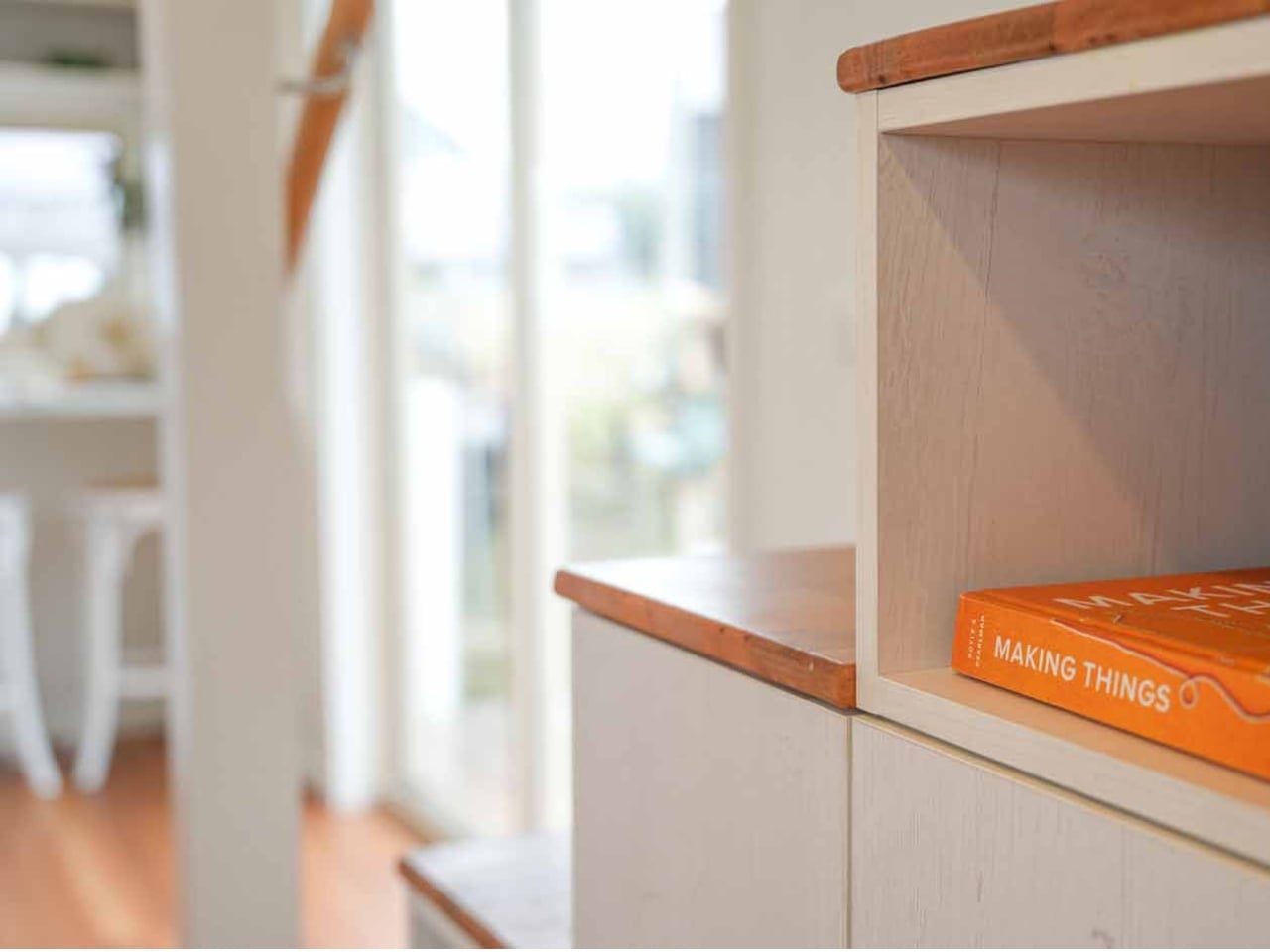
Structurally, the design’s smartest move is the dual-loft layout. A double-height void anchors the centre of the home, with the queen master loft at one end and a children’s single loft at the other, each reached by the same staircase-storage unit that doubles as the home’s main organisational spine. The queen loft offers standing headroom on three sides, which sounds like a minor detail until you’ve spent a morning in a traditional tiny house loft hunched over trying to find your socks. The kids’ loft sits separately, with its own clerestory window band that pulls in light while keeping privacy intact. On paper, the spatial hierarchy is genuinely considered.

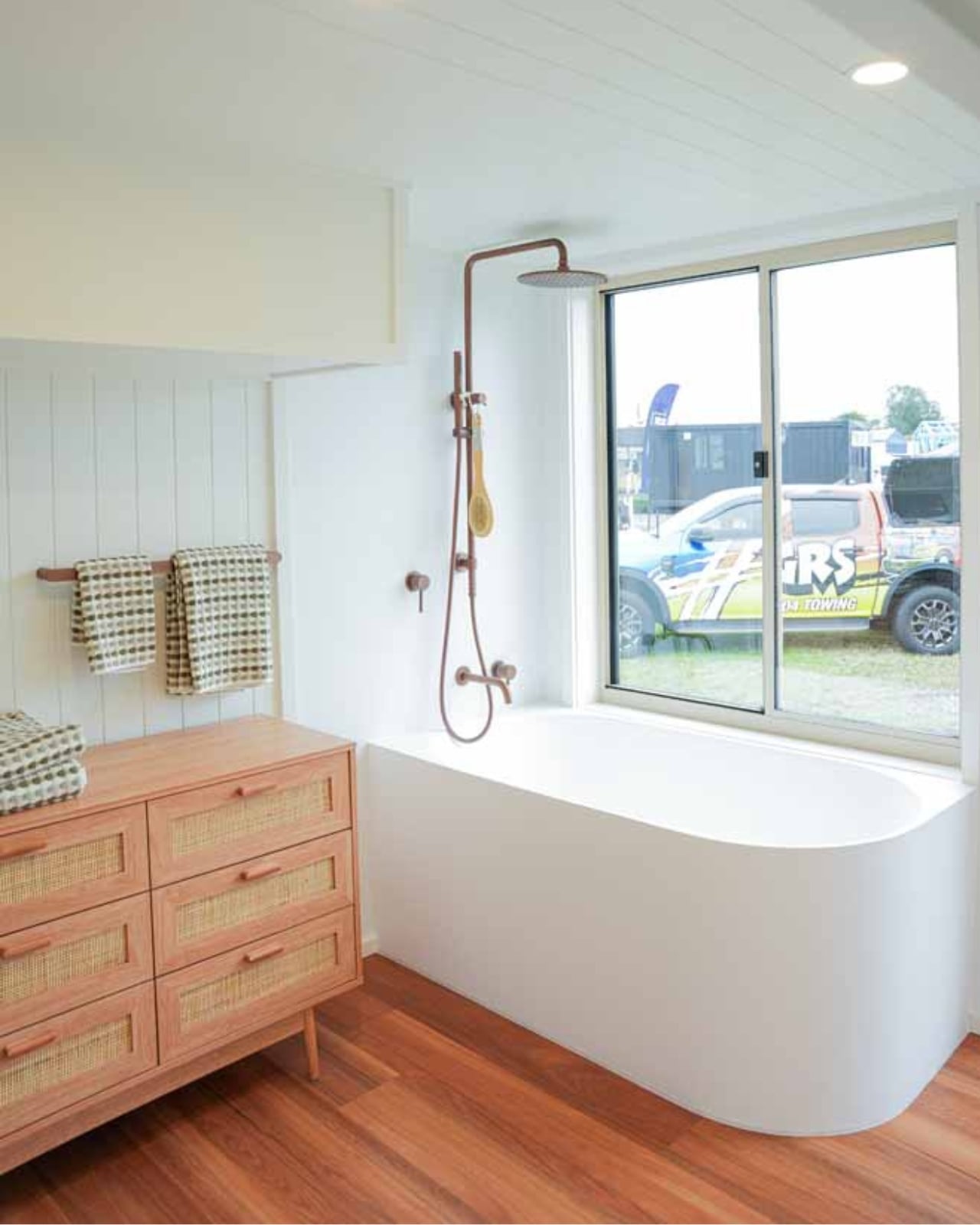
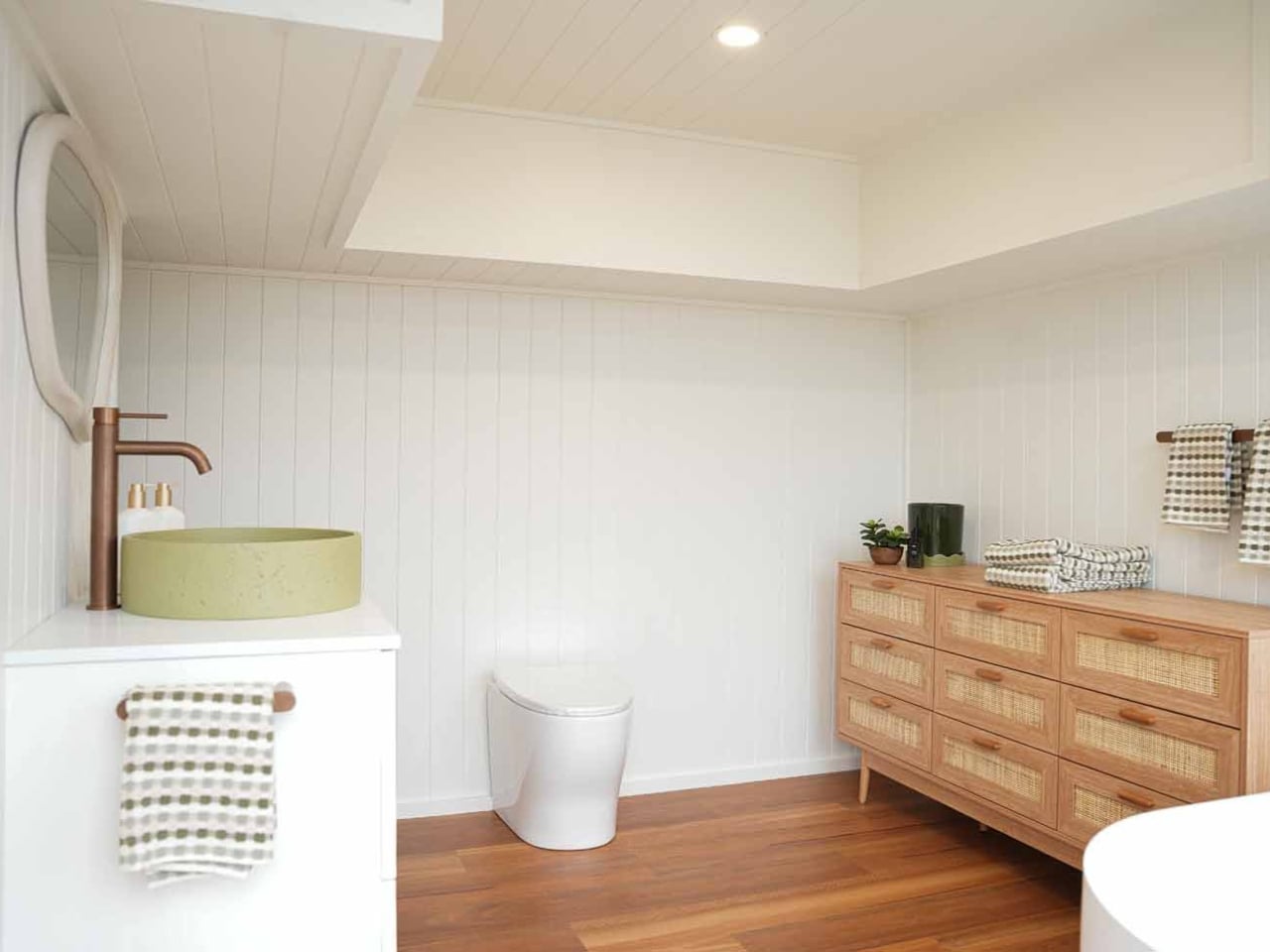
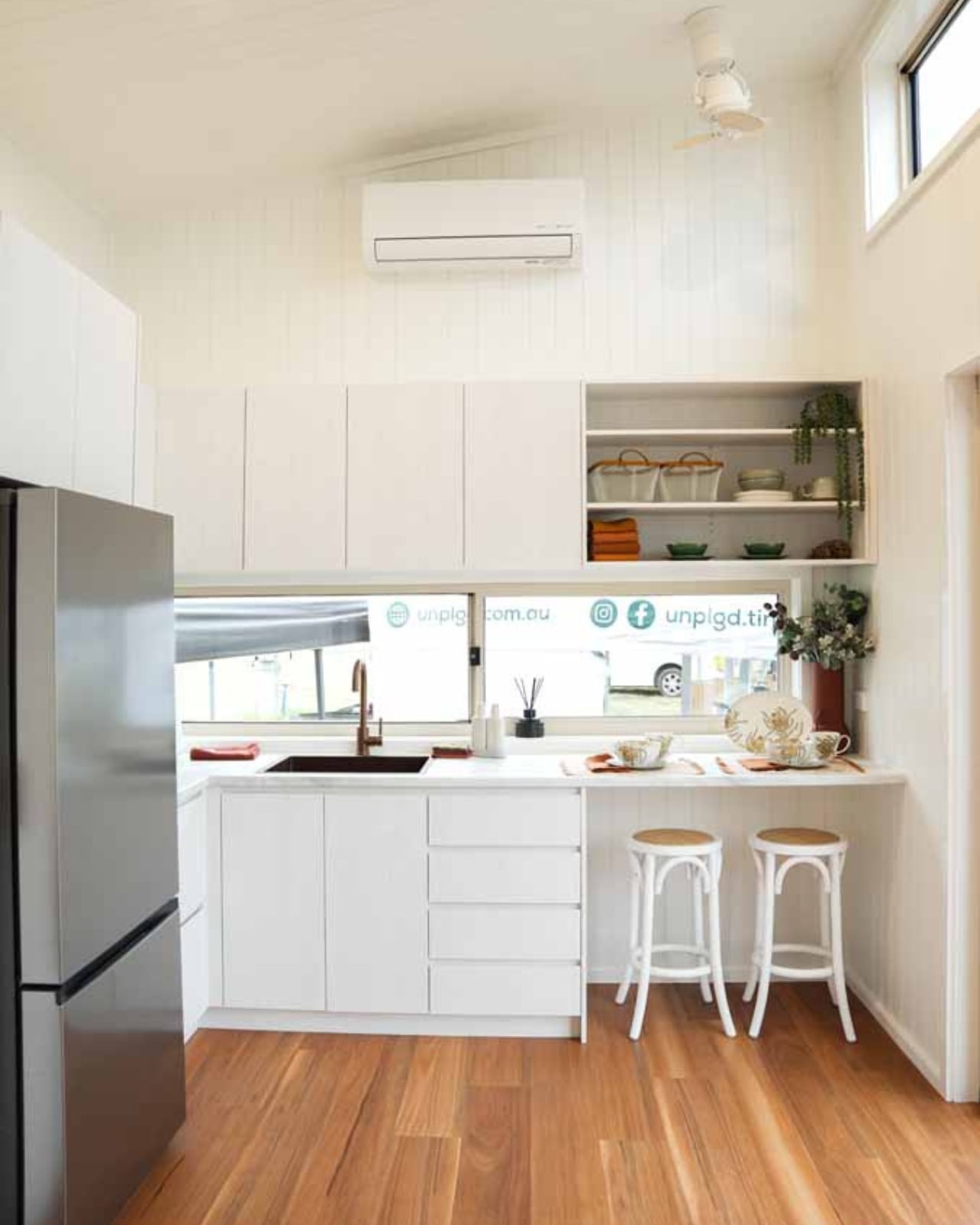
The bathroom is getting a lot of attention, and for good reason. A full-size freestanding bathtub in a home under 28 feet is a confident choice, paired with an integrated laundry nook that treats domestic routine as a design problem worth solving. The L-shaped kitchen with breakfast bar follows the same logic. Outside, VJ panelling meets cream corrugated steel, a material palette that signals a specific aesthetic position in 2026 Australian residential design: not rough-hewn bush shack, not cold minimalist box, but something closer to considered coastal warmth.

AU$195,000 is the turnkey starting price, which puts it squarely in the range where comparisons to conventional housing become unavoidable. For roughly the same budget in regional New South Wales, you could find a small permanent house with a yard, without the towing and zoning complications that come with any road-legal tiny home. The 3-metre width is legal for towing across most Australian states without a wide-load permit, but regulations shift the moment you cross certain state borders, and the logistics follow. That’s not a dealbreaker, but it’s a real calculation that the breathless expo coverage tends to skip past.

It’s also worth naming the elephant in the room: no family has actually lived in this house yet. Every piece of coverage, including this one, is written from a display unit that toured the Hawkesbury Show circuit. The questions that matter most are the ones that can’t be answered from photos: whether noise transfers between lofts, whether the staircase is negotiable at 2am with a toddler, whether two adults and one child can share a morning bathroom without losing their minds. Unplgd deserves credit for thinking the brief through more carefully than most in this space, but the gap between a stunning expo build and a liveable family home is exactly the gap that gets papered over by beautiful photography.

One last thing worth flagging: search “Kookaburra tiny home” right now and you’ll pull up at least three different brands. Unplgd, Adapt Homes, and Kookaburra Tiny Homes AU are all trading under variations of the same bird name. They are completely unrelated companies. Do your research before you request a quote. The Kookaburra 2.0 is a genuinely promising design pushing against a real limitation in the tiny house category. Whether it delivers on the promise is a question only a family who actually lives in one can answer.

The post The $195K Tiny Home That Finally Makes Sense for Families first appeared on Yanko Design.
The Sunglasses Built for When You’re Actually in the Water

Every summer, I do the same thing. I bring my sunglasses to the beach, spend twenty minutes deciding where to put them once I get in the water, and end up burying them in the sand next to my towel. Sometimes they’re there when I get back. Sometimes they’ve migrated. Sometimes I sit on them. It’s not a good system, and I’ve never really stopped to ask whether the problem is me or the design.

That’s why the Water Glasses project by Tbilisi-based XYZ Integrated Architecture stopped me mid-scroll. Not because it’s flashy or over-designed, but because it addresses something so obvious I can’t believe it’s taken this long. Most sunglasses are built for everything except the exact moments when you most need sun protection: poolside, at the beach, wading through a river. The second the water comes into the picture, the glasses come off, the case comes out (if you remembered to bring one), and suddenly your supposedly practical accessory becomes a liability.

Designer: XYZ Integrated Architecture

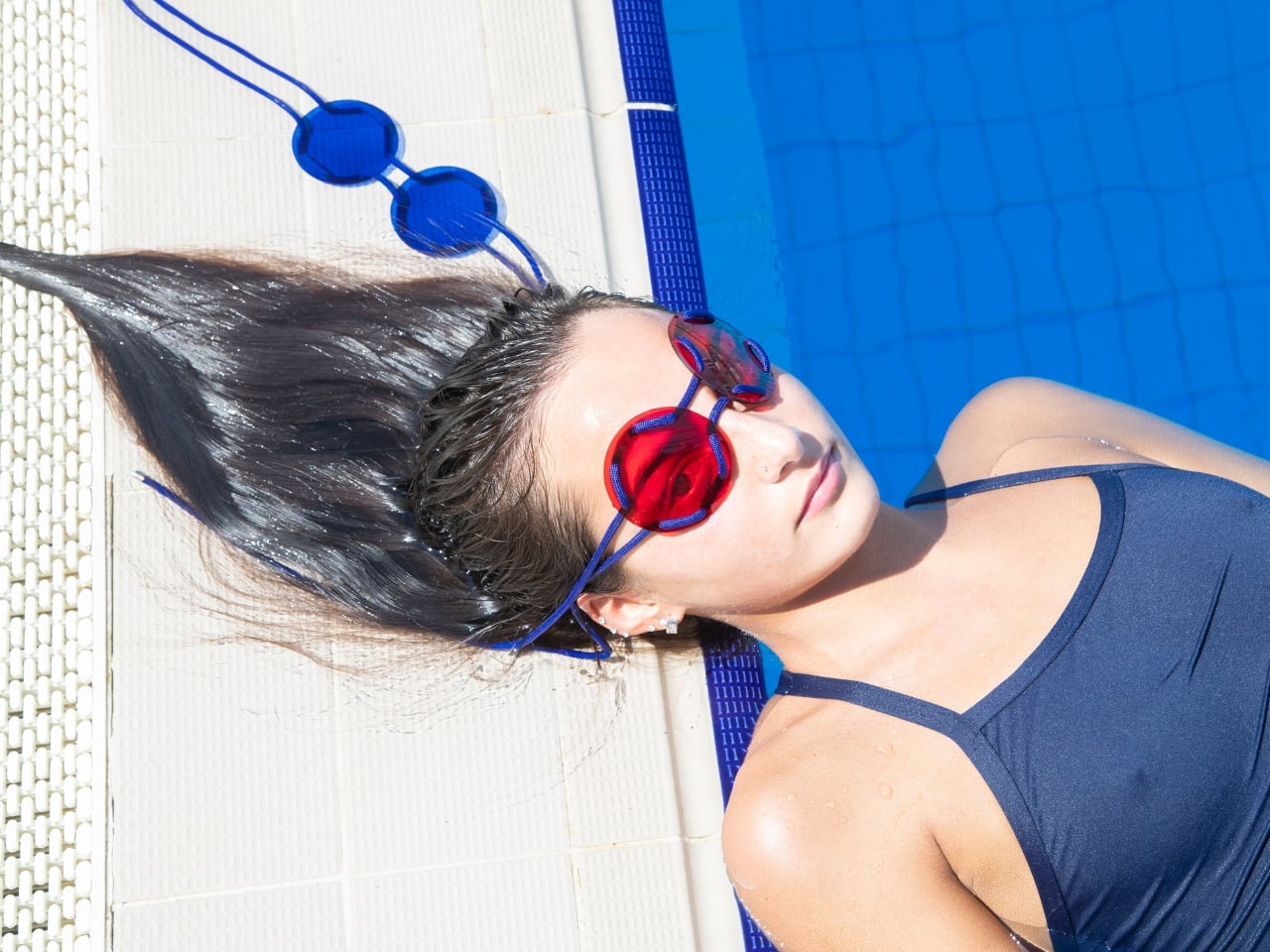
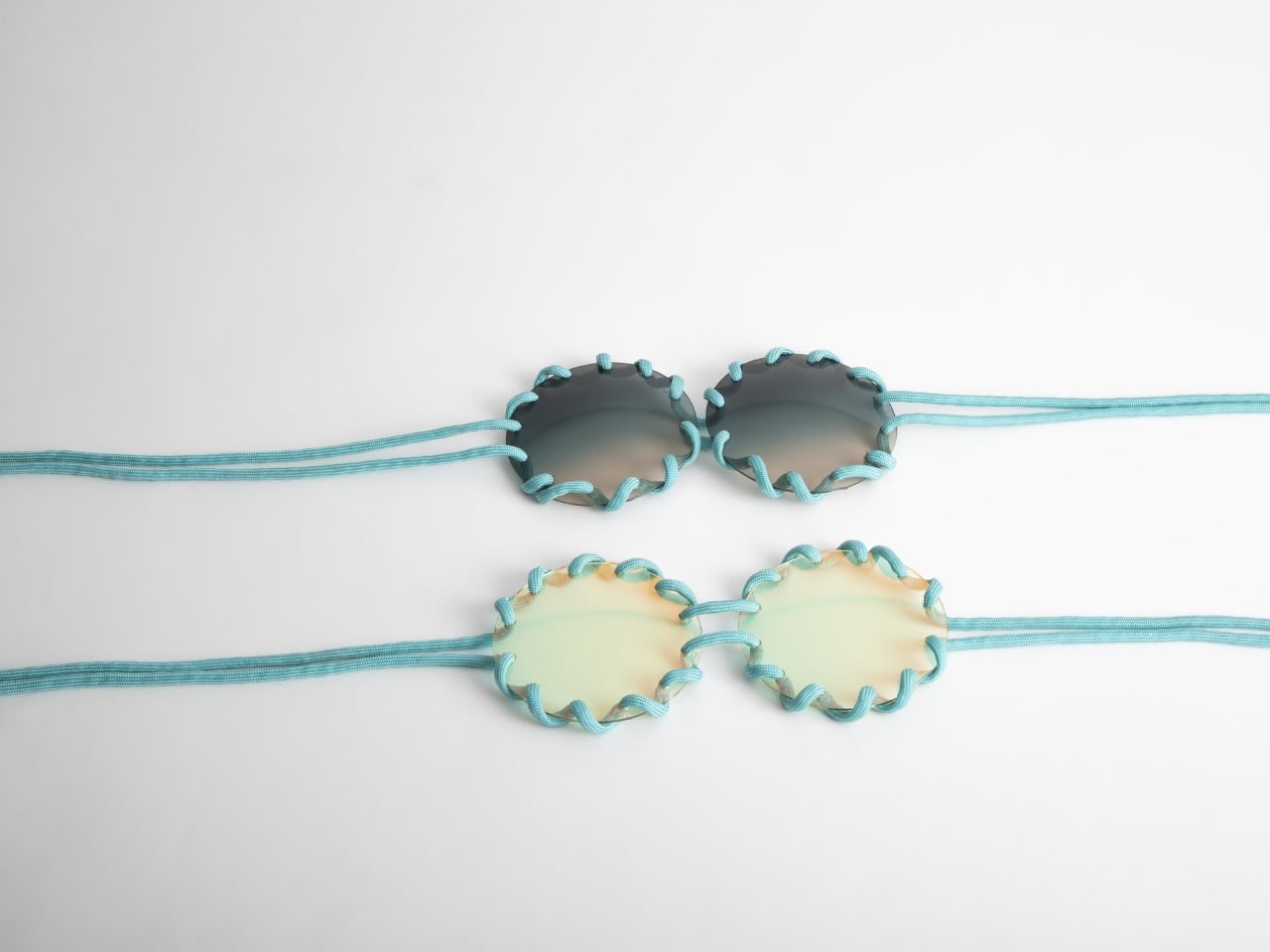
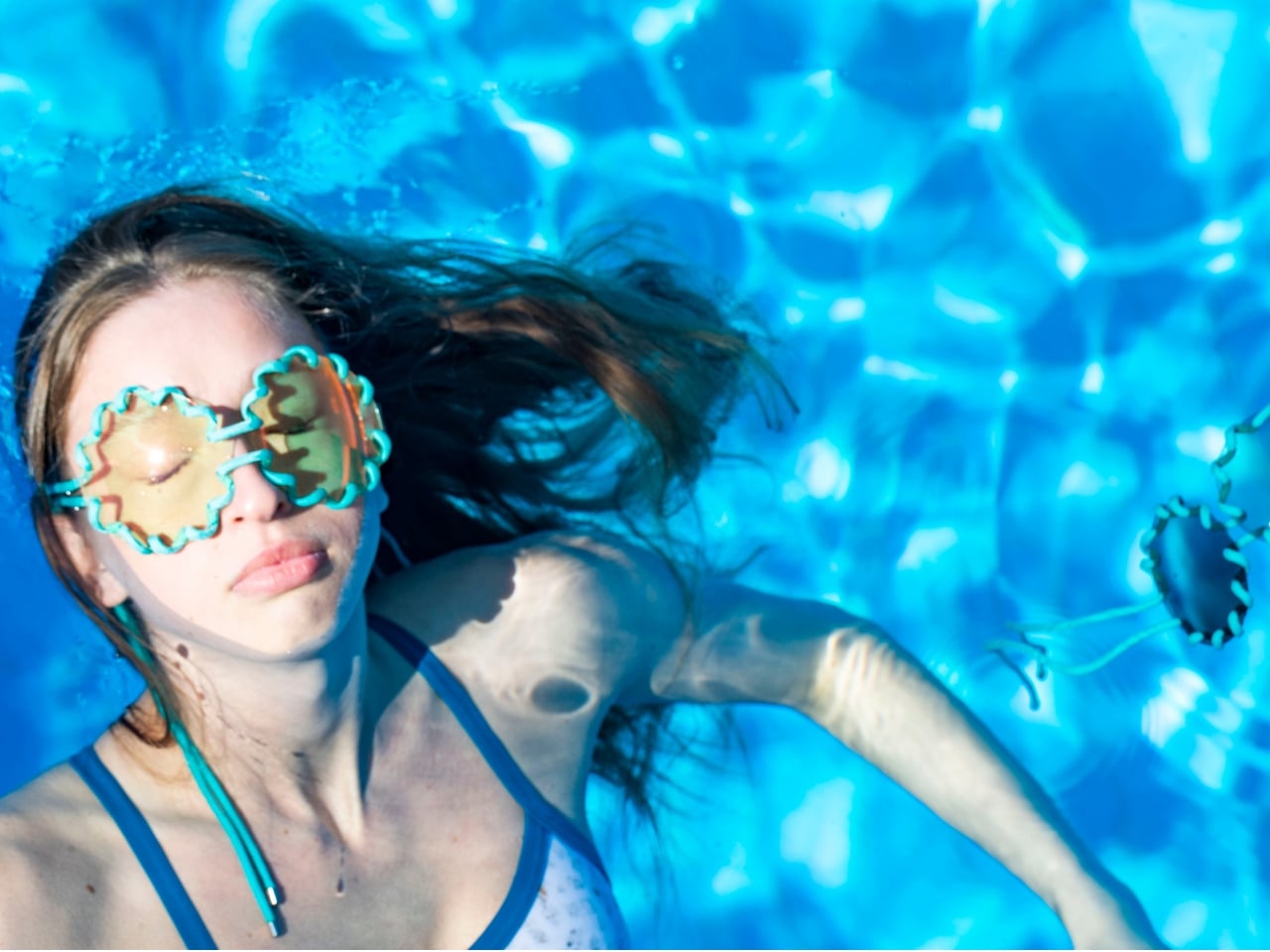
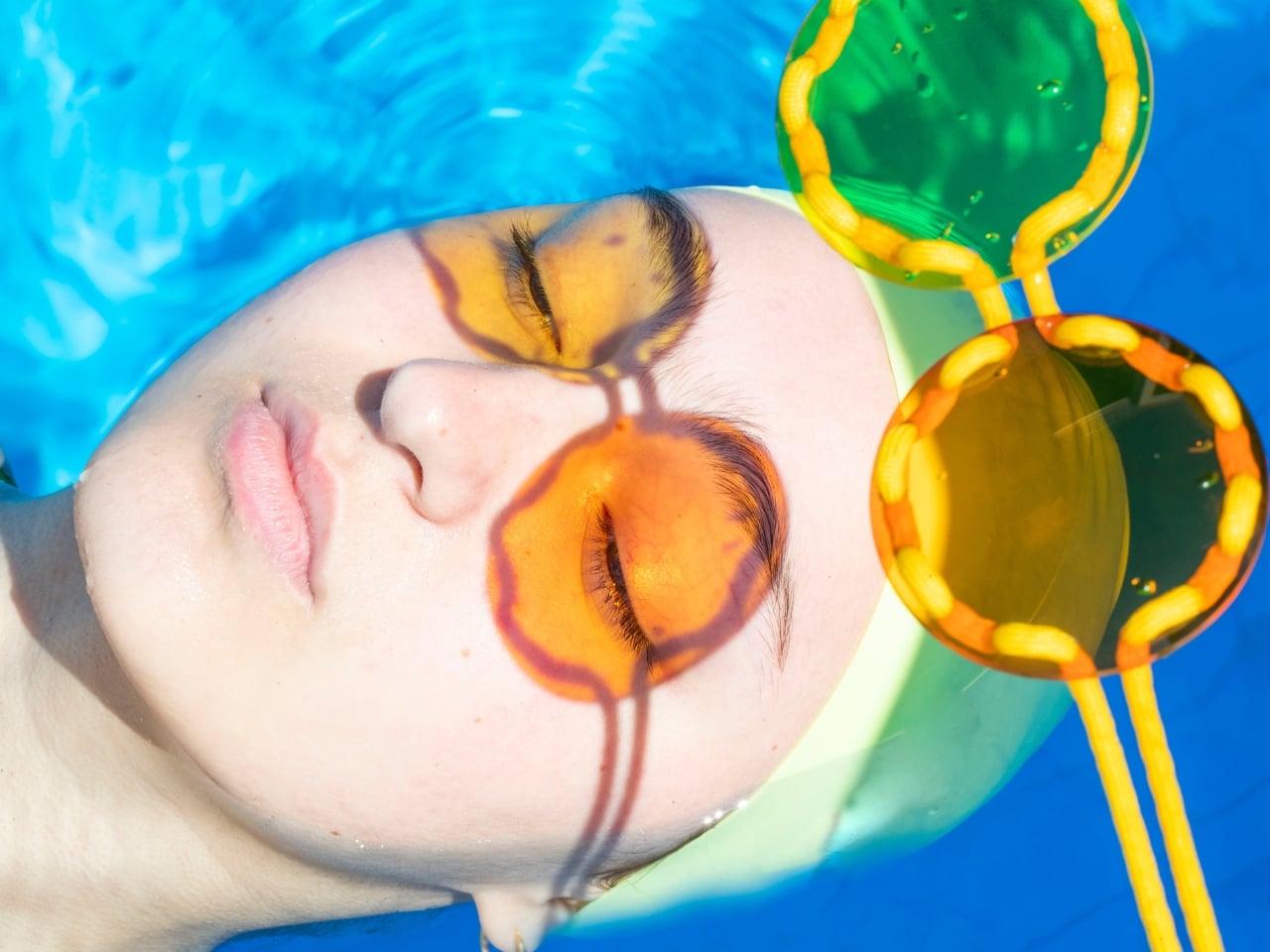
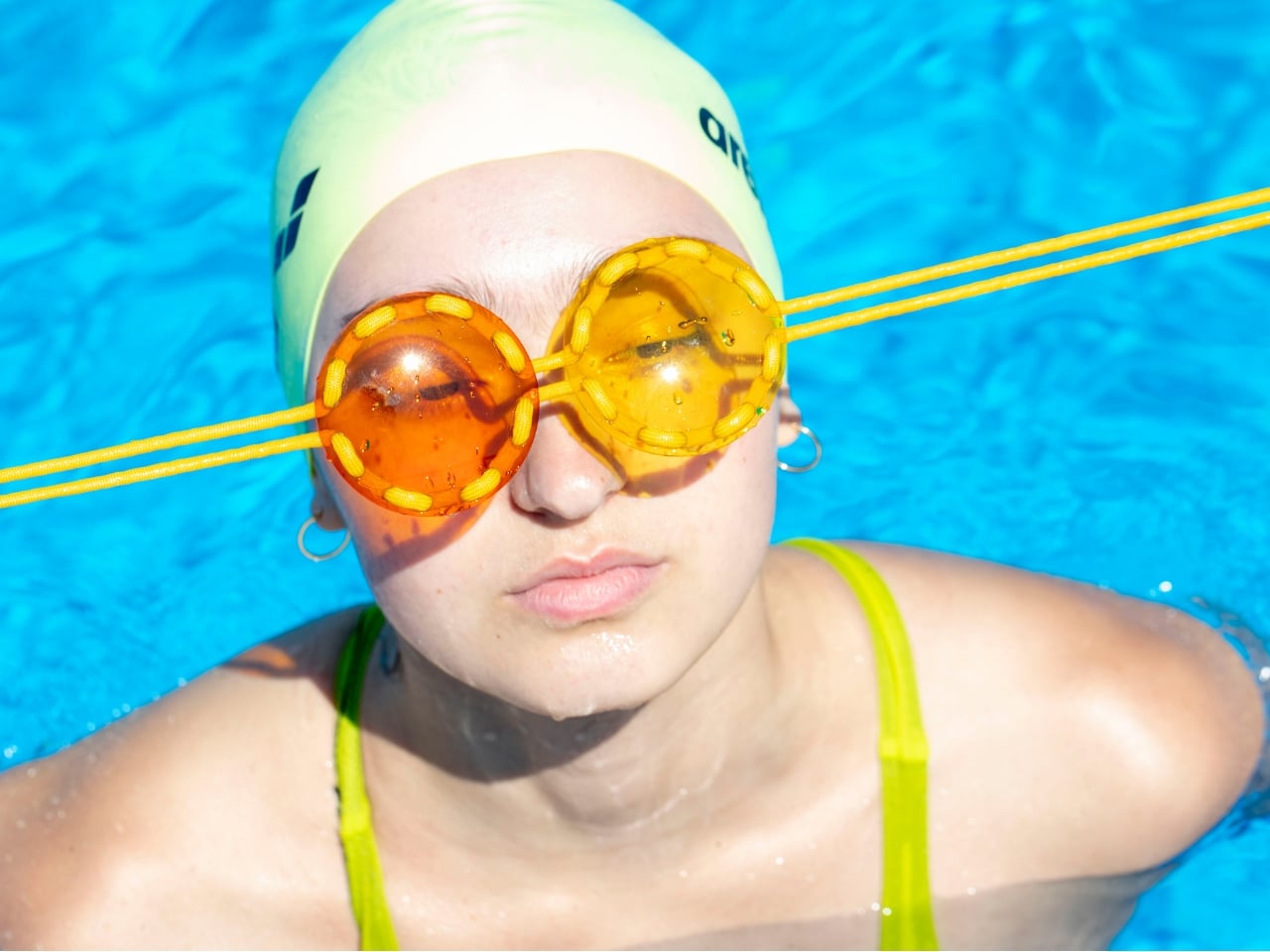
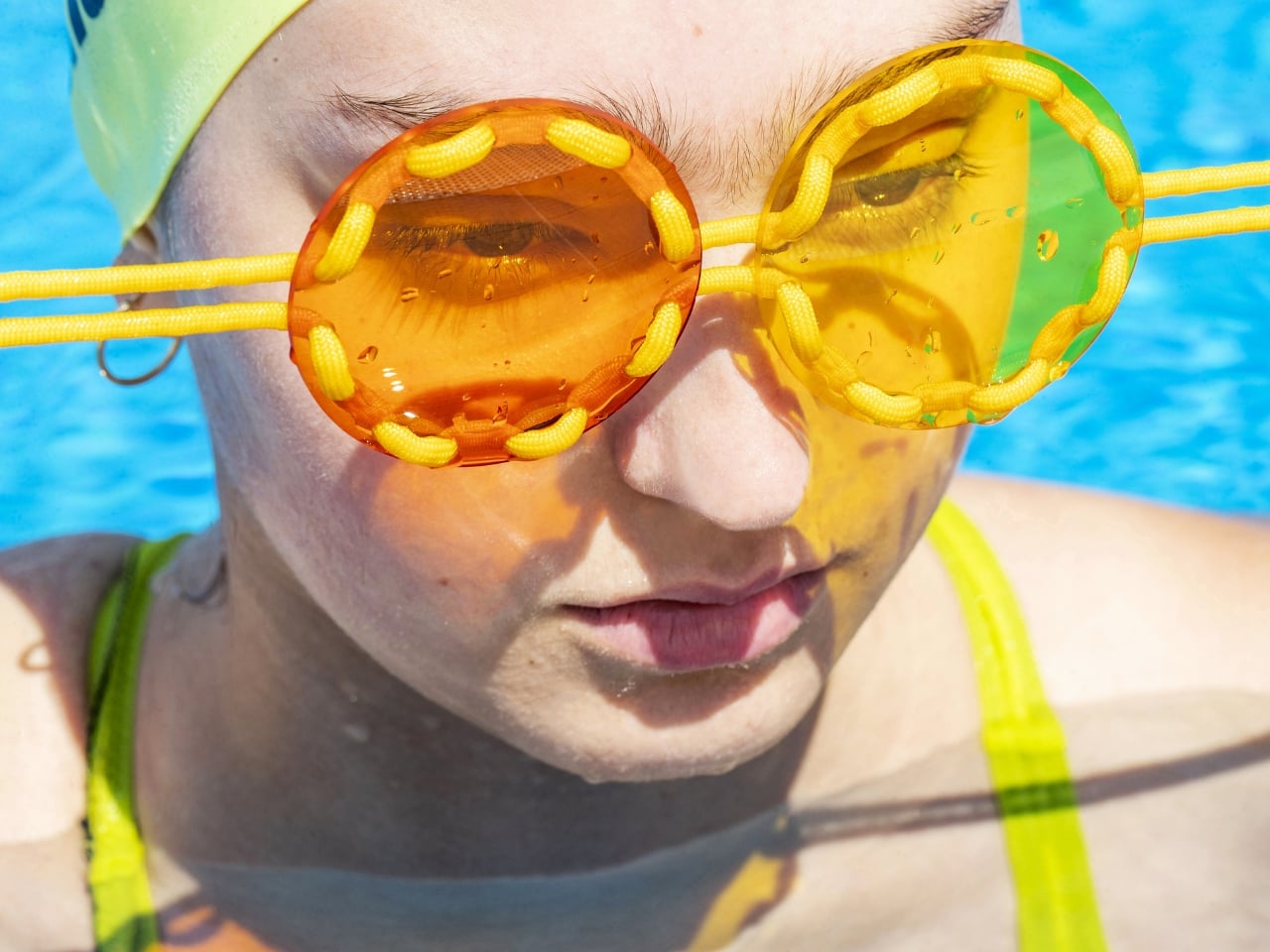
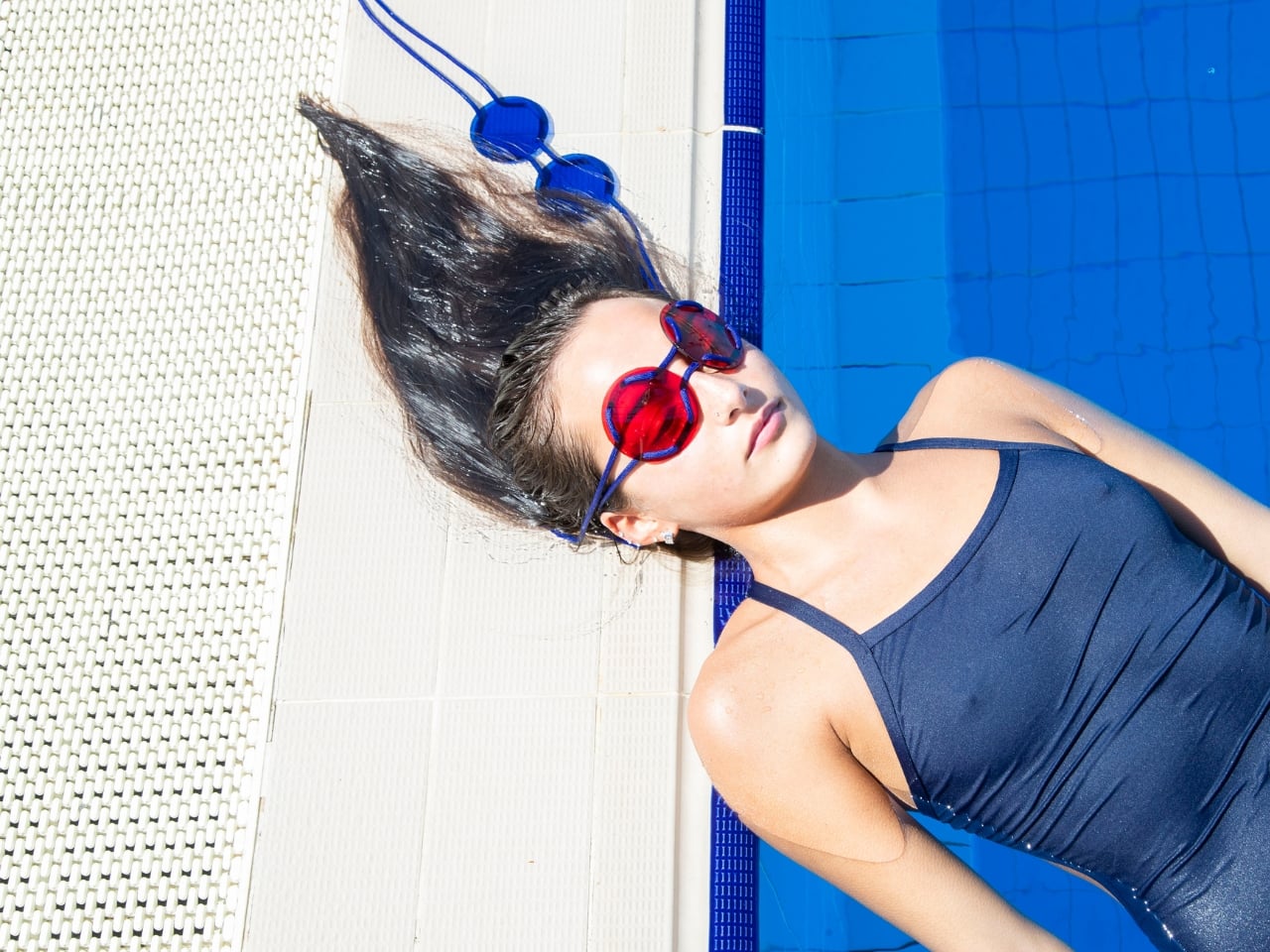
Water Glasses rethink the object from the ground up. The design strips everything back to two elements: lenses and a paracord. No frames, no hinges, no temples. The lenses are threaded onto the cord so they sit on the face when worn, drop below the chin when you don’t need them, and hang around the neck like a necklace the rest of the time. No case, no pocket, no towel burial. They stay with you.

It sounds almost too simple, and I think that’s the point. The studio, which typically operates in the realm of architecture, has been developing this project since 2019, and the refinement shows. The restraint feels deliberate rather than minimal for minimalism’s sake. They’ve essentially asked: what would sunglasses look like if they were designed specifically for the one environment where the existing design completely fails? The answer turns out to be lenses and a cord. That’s either obvious in retrospect or quietly radical, depending on how you look at it.

The collection comes in three configurations, with one, two, or three pairs of lenses strung along the cord. The multi-lens versions are where the project gets genuinely interesting. Worn as a necklace or draped across the body, they stop being sunglasses altogether and shift into the territory of wearable sculpture. The photography, shot at Tbilisi Olympic Pool, leans fully into this reading, and it works. The lenses come in vivid colors and irregular shapes, some softly circular, some almost organic with wavy, knotted edges, all of them laced with paracord in contrasting hues. They look like something you’d find at a contemporary jewellery fair as much as at an eyewear launch.

The lenses themselves are produced by Divel Italia, a specialty optics manufacturer, which grounds the project technically even when the visuals feel more like art than product. This matters because a design this stripped back lives or dies on the quality of its components. There’s no frame to absorb any imprecision.

I keep thinking about how much of what we own is really designed to be managed rather than used. A sunglass case is a perfect example of an object that exists purely to protect another object. We accept it as necessary without really questioning why. Water Glasses quietly make the case that a well-designed thing shouldn’t require its own support infrastructure. The cord is the case. The wearing is the storage.

The studio calls it a reexamination of the typology, which is accurate but slightly undersells how pleasantly disruptive the result feels. Conceptual eyewear projects come and go, and most stay safely in the realm of theory. These feel like they could actually sit on your face at a rooftop pool in July, which is the whole point.

Whether or not they move into full production, Water Glasses do what good design projects are supposed to do: they make you look at a familiar object and wonder why it was ever done any other way. That’s a harder thing to pull off than it looks.

The post The Sunglasses Built for When You’re Actually in the Water first appeared on Yanko Design.
Xiaomi’s $281 Portable Projector is effectively cheaper than paying for Netflix for a year

Here is what $281 buys you in an American projector aisle right now: TCL’s C1 at $250 with 230 ISO lumens, or XGIMI’s Vibe One at $269 with 250 ANSI lumens and zero HDR support. Both are decent little machines. Both also demand a room dark enough that you stub your toe finding the sofa. The sub-$300 bracket in the West has genuinely improved, but it improved into “acceptable,” which is a low ceiling for a category promising a 120-inch screen. Xiaomi’s newest budget projector landed in China this week and makes that ceiling look even lower.

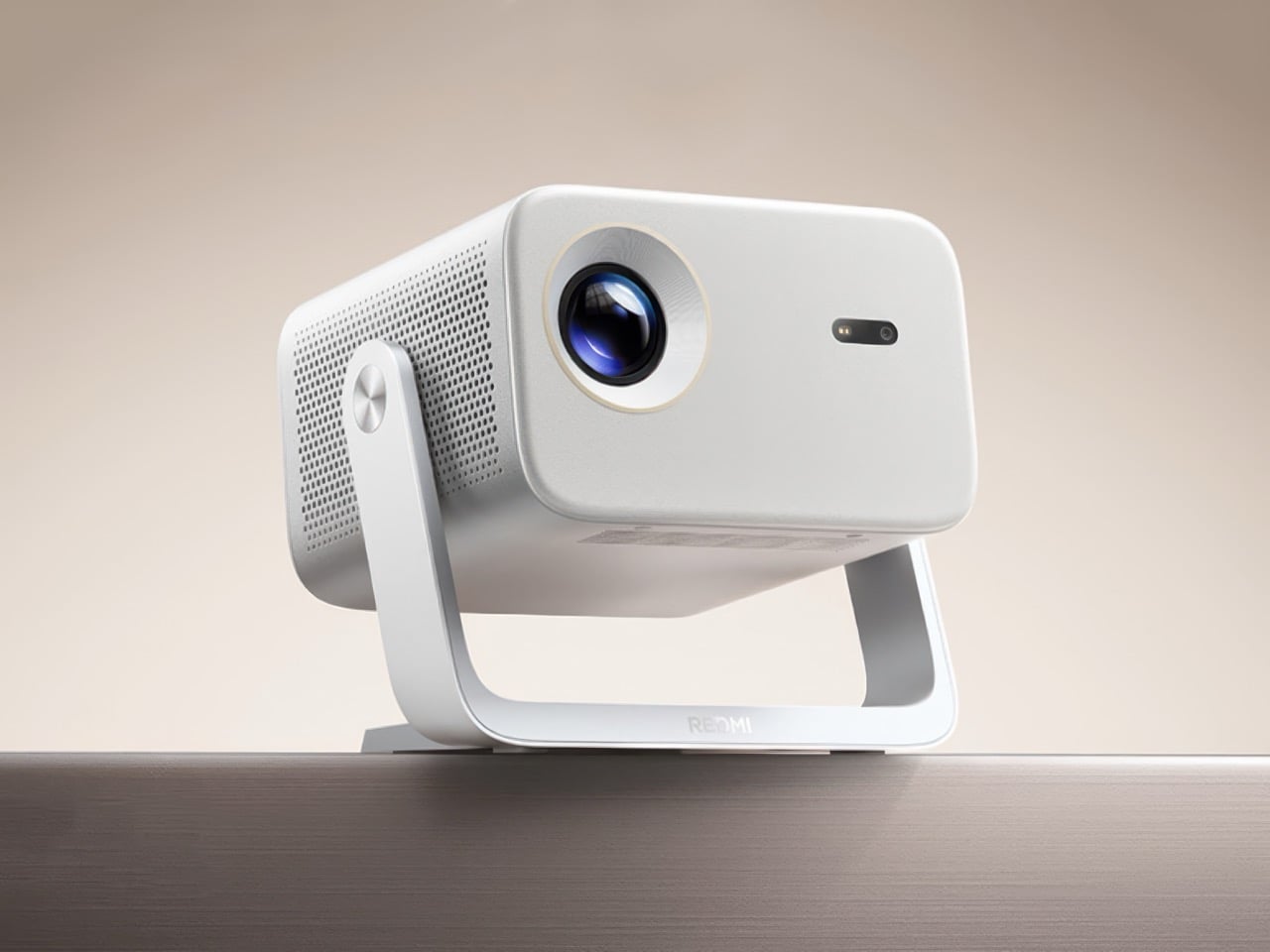
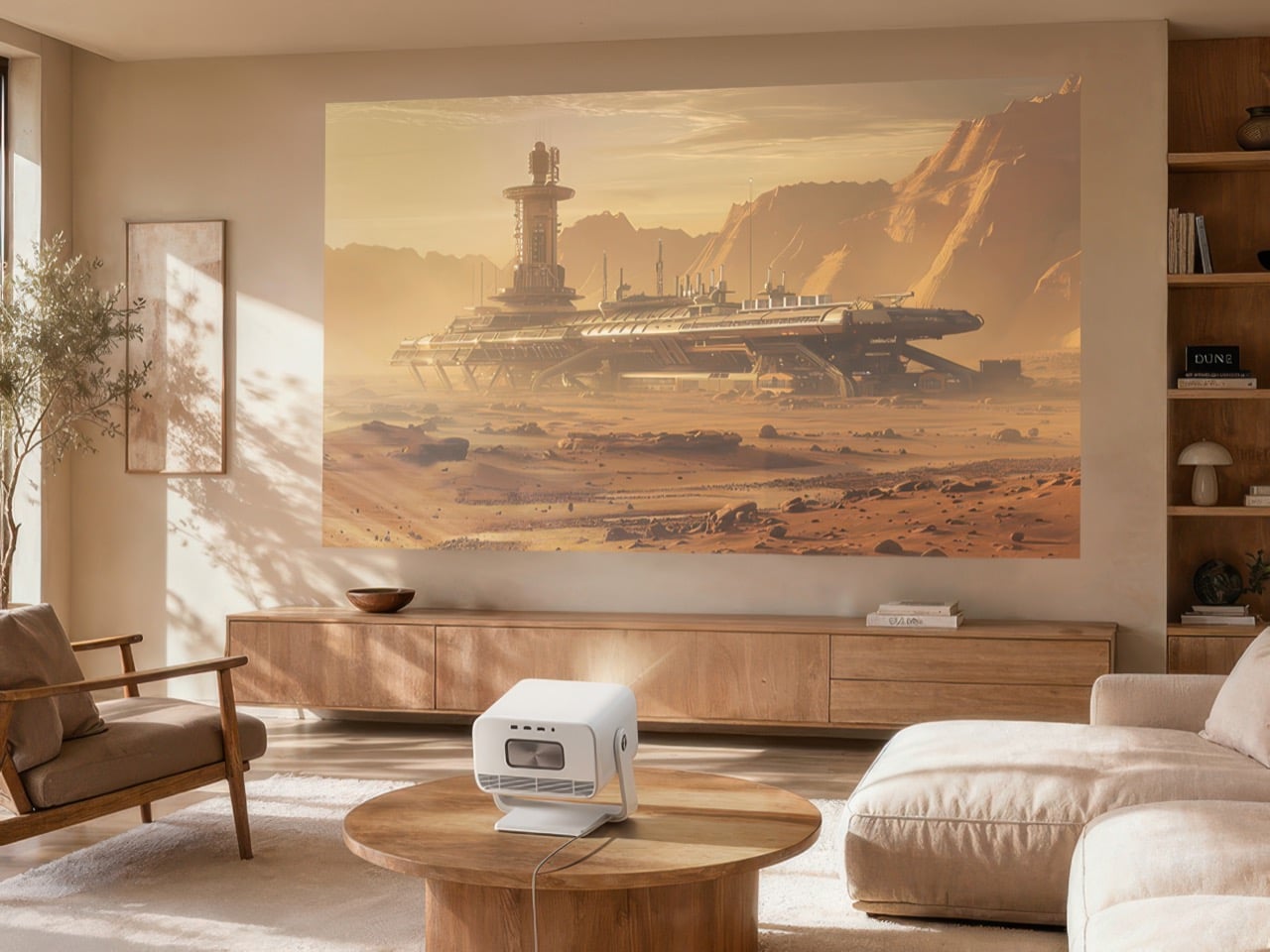
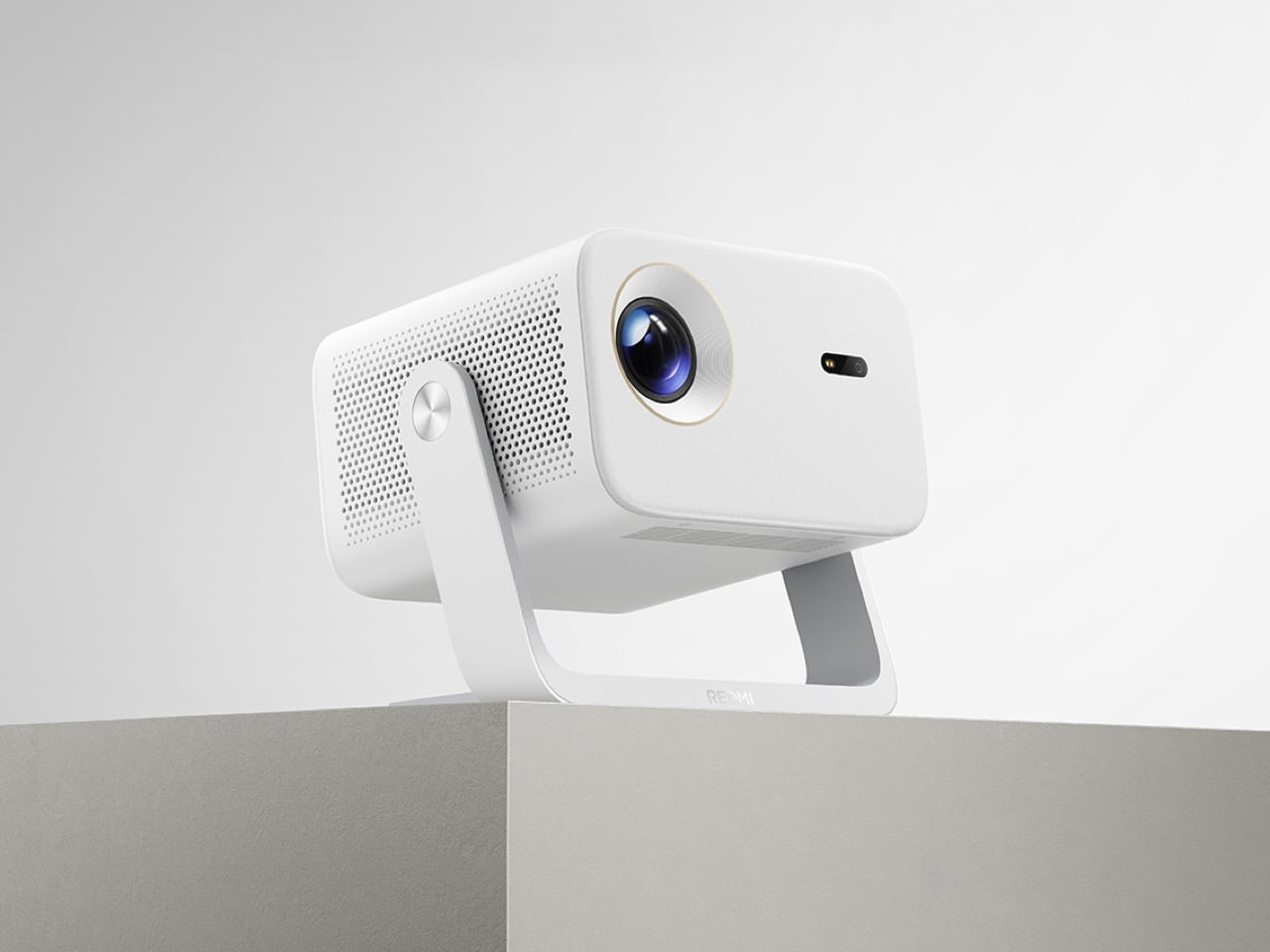
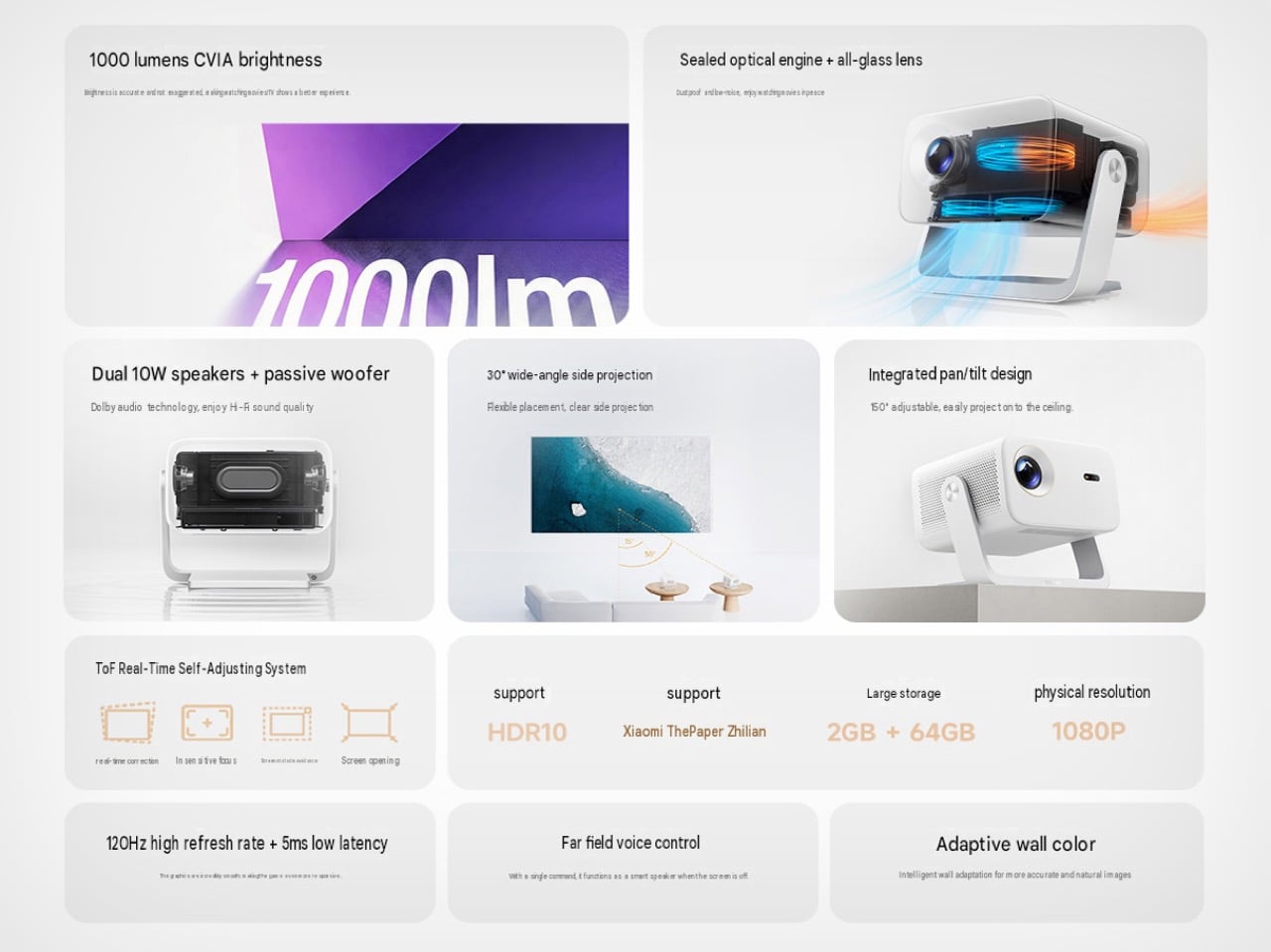
The Redmi Projector 5 Pro sells for 1,899 yuan, roughly $281, against a 1,999 yuan list price. That buys native 1080p at up to 120 inches, 1,000 CVIA lumens, HDR10, a 120Hz refresh rate with 5ms latency, dual HDMI, Wi-Fi 6, and a metal gimbal arm that swings the body through 150 degrees. A year of Netflix Premium now runs $323.88 after March’s price hike, so the hardware costs less than the subscription. What holds my attention is that the industrial design survived the price target intact, which almost never happens down here.

Designer: Xiaomi

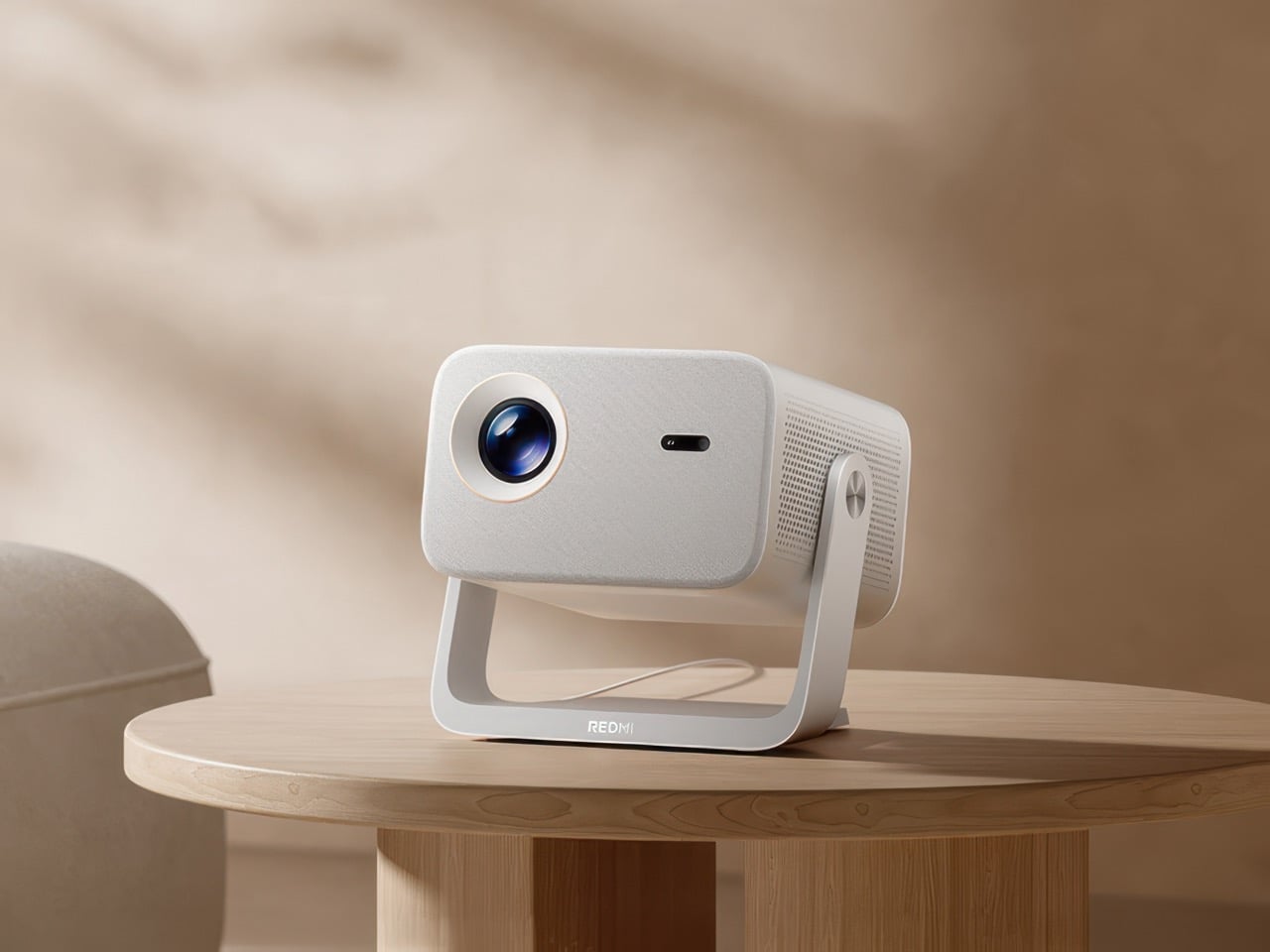
The body is a soft white wedge with a fabric-wrapped front panel, cradled in a U-arm carrying the REDMI wordmark along its cross-member. That arm is structural rather than a bracket bolted on afterward, so the silhouette holds together from every angle instead of looking like a box propped on a stand. Budget projectors usually betray themselves at the seams, with plastic that doesn’t look premium or boast of a perfect surface finish. Here the perforated grille wraps one flank as deliberate texture, and the white-and-grey split keeps the mass visually light. The posture borrows from a studio monitor on a yoke, a smarter reference than the black plastic router look most of this segment settles for.

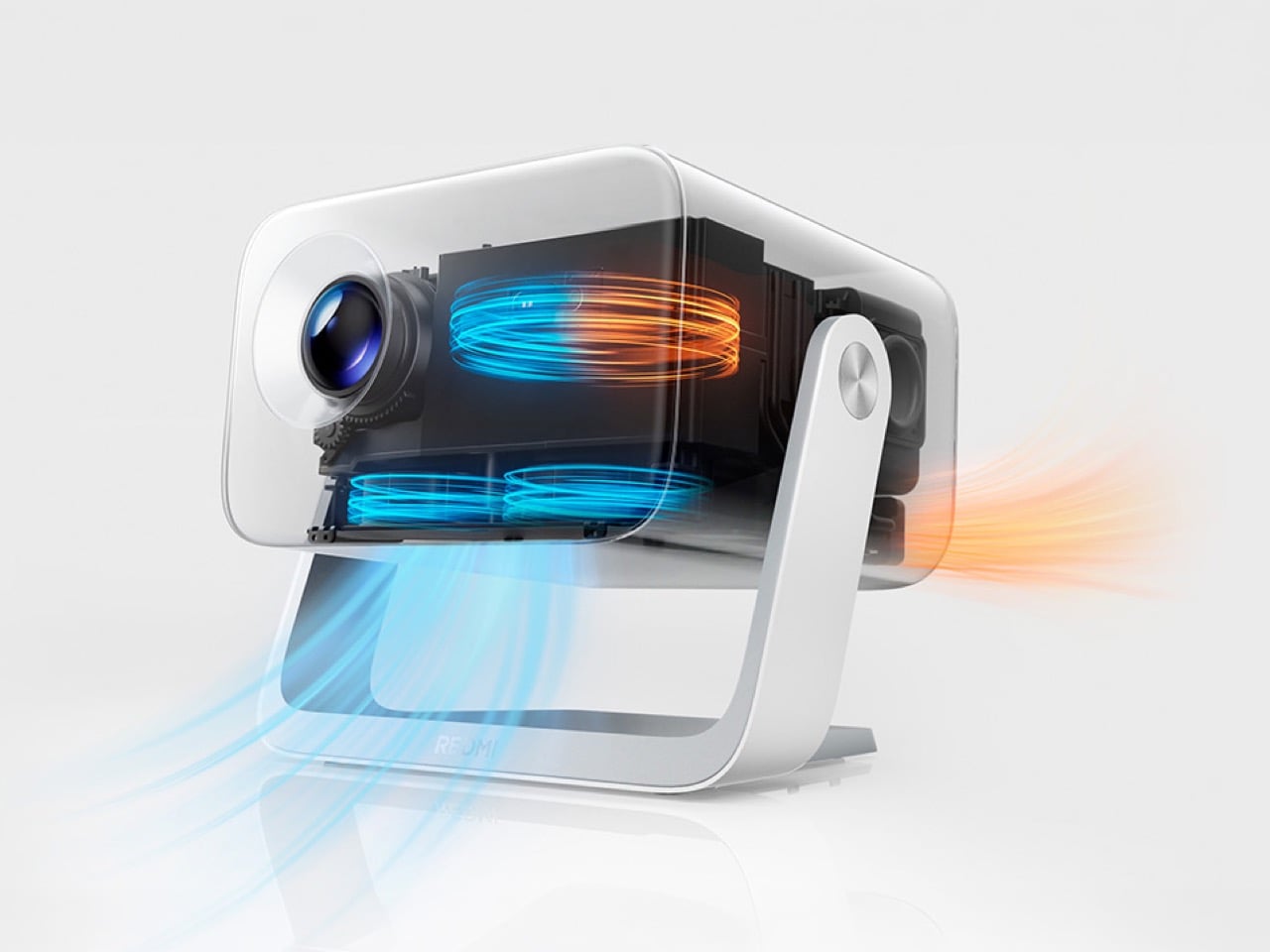
A ToF sensor, an HD camera and Xiaomi’s algorithms handle focus, keystone, obstacle avoidance and screen alignment without you opening a menu, and wall colour adaptation reads your paint job to adjust the image. The 150-degree tilt lets you aim at the ceiling by nudging the body rather than stacking books under one end. Thirty degrees of side projection correction covers the reality that nobody’s coffee table sits square to the wall. Sealing the optical engine behind an all-glass lens keeps dust off the internals and, Xiaomi claims, sharpens the picture 10% over last year’s model. Both features used to be premium-tier boasts.

Temper expectations on brightness before you get excited. 1,000 CVIA lumens converts to roughly 700 ISO lumens, which puts this firmly in dim-room territory rather than sunlit-living-room territory. CVIA is a stricter Chinese standard than the fantasy figures printed on Amazon listings, where anonymous brands promise 10,000 lumens and deliver maybe 150. So the number is honest, and the honest number is modest. You will still be drawing the curtains.

The catch arrives at the end, as it always does with Redmi hardware. Xiaomi has said nothing about a global release, and Redmi projectors historically stay inside China while the Xiaomi-branded models travel. It runs HyperConnect and the XiaoAI assistant, meaning no Google TV, no Play Store, and no Netflix app. A projector that costs less than a year of Netflix and cannot run Netflix is the funniest possible ending to this story, and also the most frustrating one, because the rest of us are still shopping in a bracket that peaked at 250 lumens.

The post Xiaomi’s $281 Portable Projector is effectively cheaper than paying for Netflix for a year first appeared on Yanko Design.
This 3D-printed modular sneaker ditches glue for repairable design inspired by Asian craftsmanship

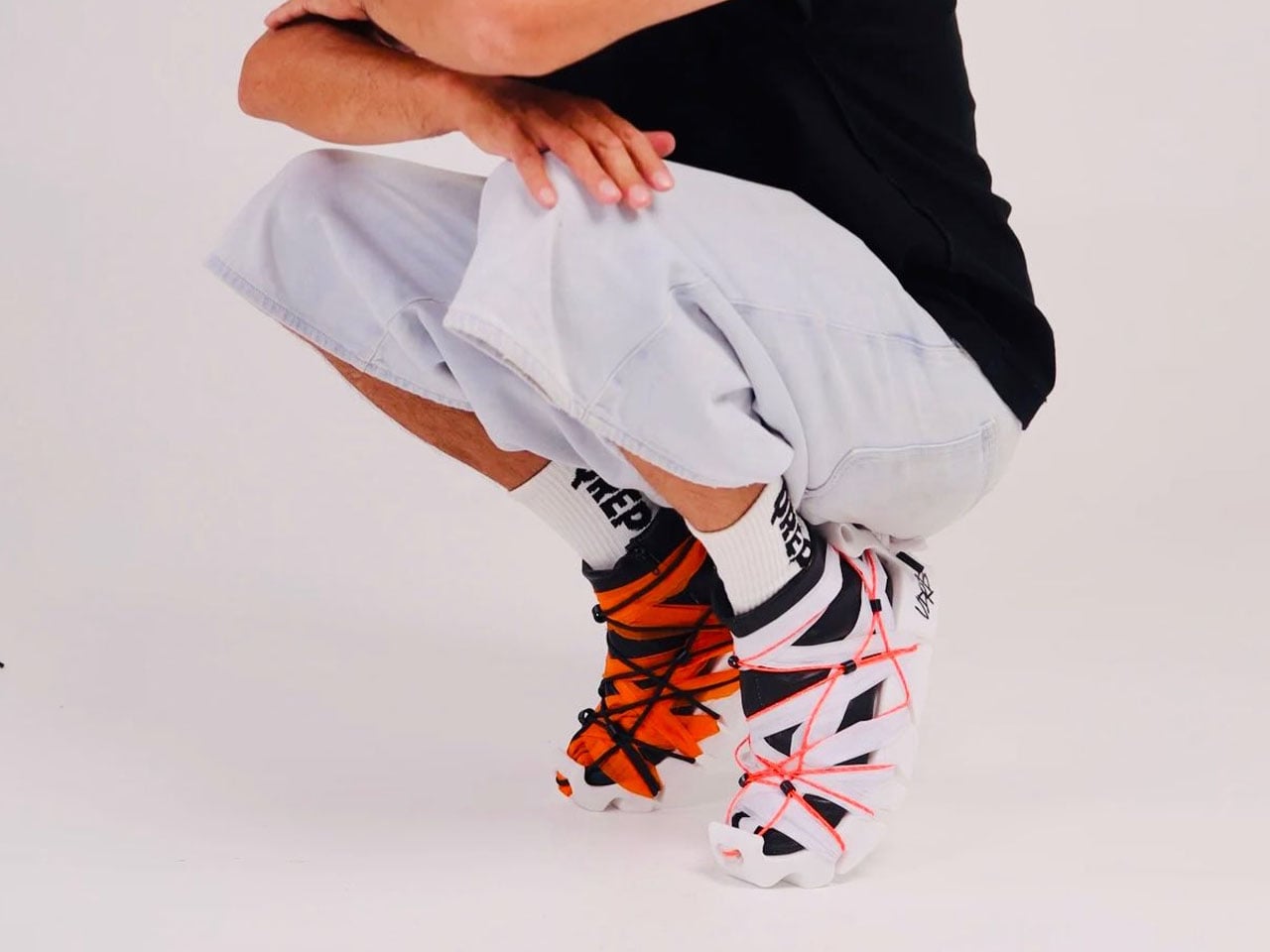
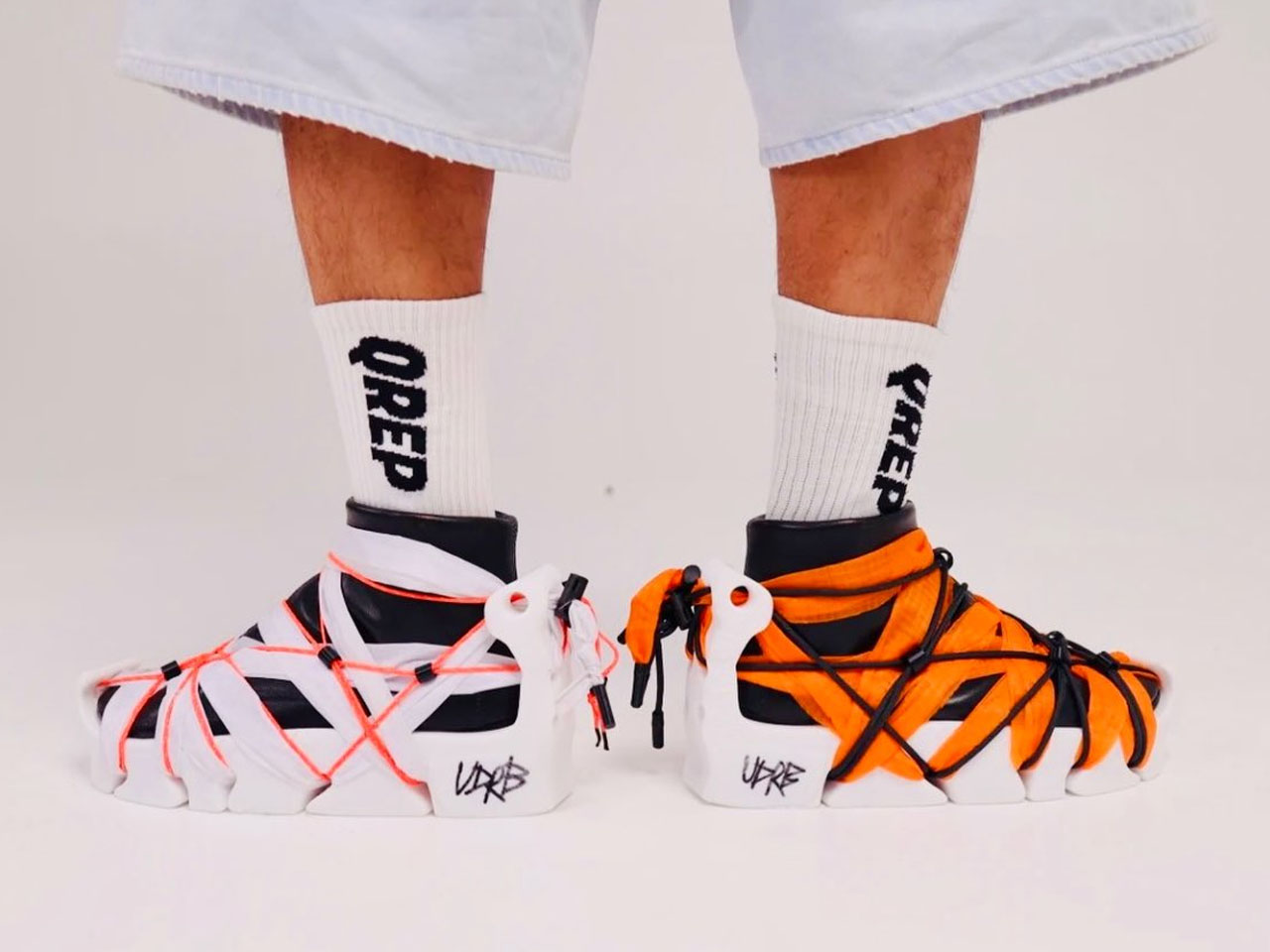
Sneakers have become more advanced than ever in terms of performance and comfort, yet their construction has barely changed. Most are assembled with permanent adhesives that bind together layers of fabric, foam, rubber, and plastic into a single unit. While this creates durable footwear, it also makes repairs nearly impossible. A worn-out sole or damaged upper often signals the end of a shoe’s life, regardless of the condition of its remaining parts. Designer Daniyar Uderbekov believes there is a better way, creating a pair of sneakers that embraces repairability from the very beginning instead of treating it as an afterthought.

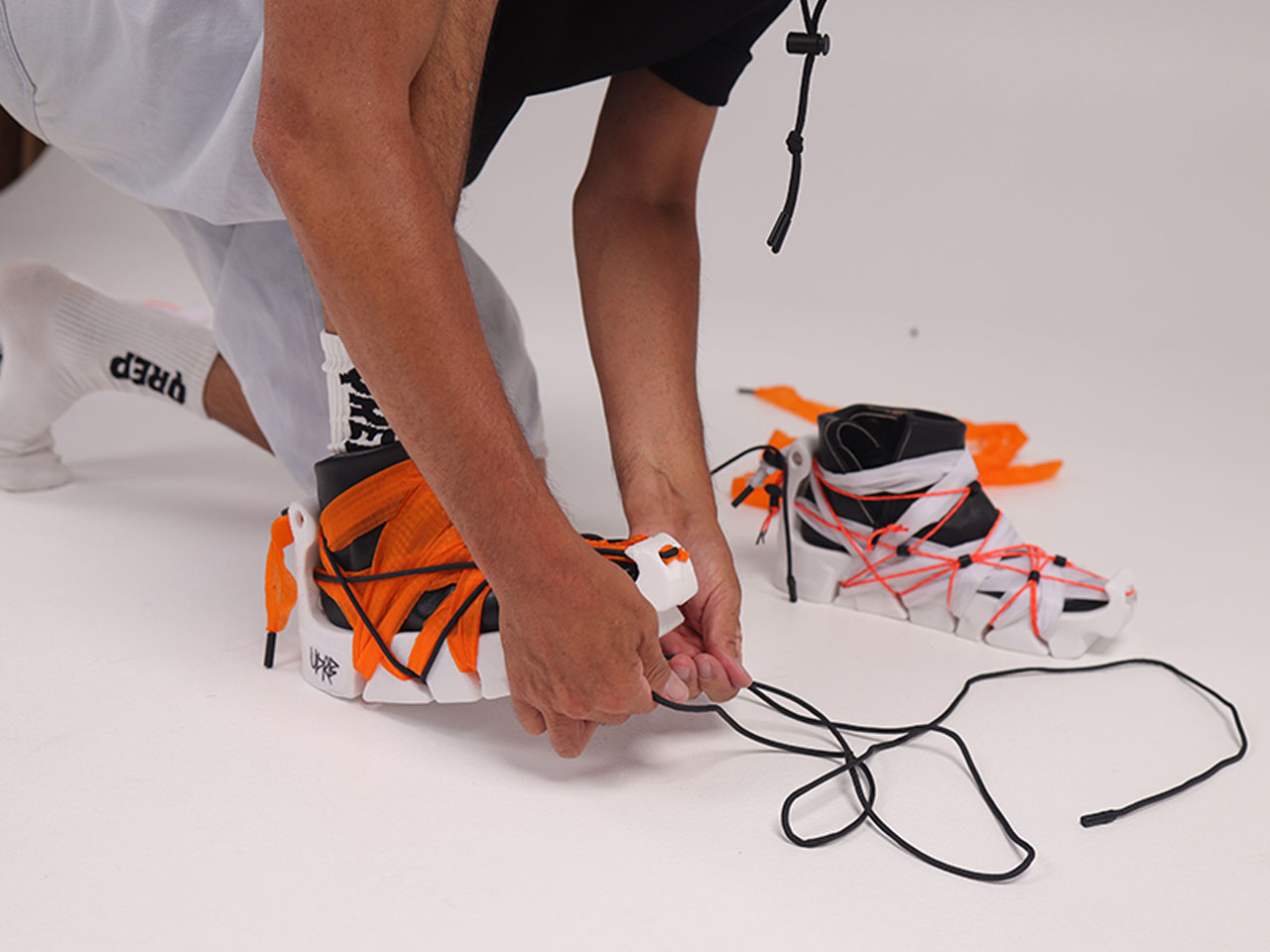
Called UDBR, the modular footwear improves on the earlier sneaker concept by the designer. Rather than relying on glue to hold everything together, the design borrows assembly techniques from traditional Central Asian footwear, specifically the Makhsi and Ichigi. These handcrafted shoes were designed around individual components that could be assembled, maintained, and replaced with relative ease. The idea feels surprisingly relevant in an era increasingly focused on sustainability and product longevity.

Designer: Daniyar Uderbekov

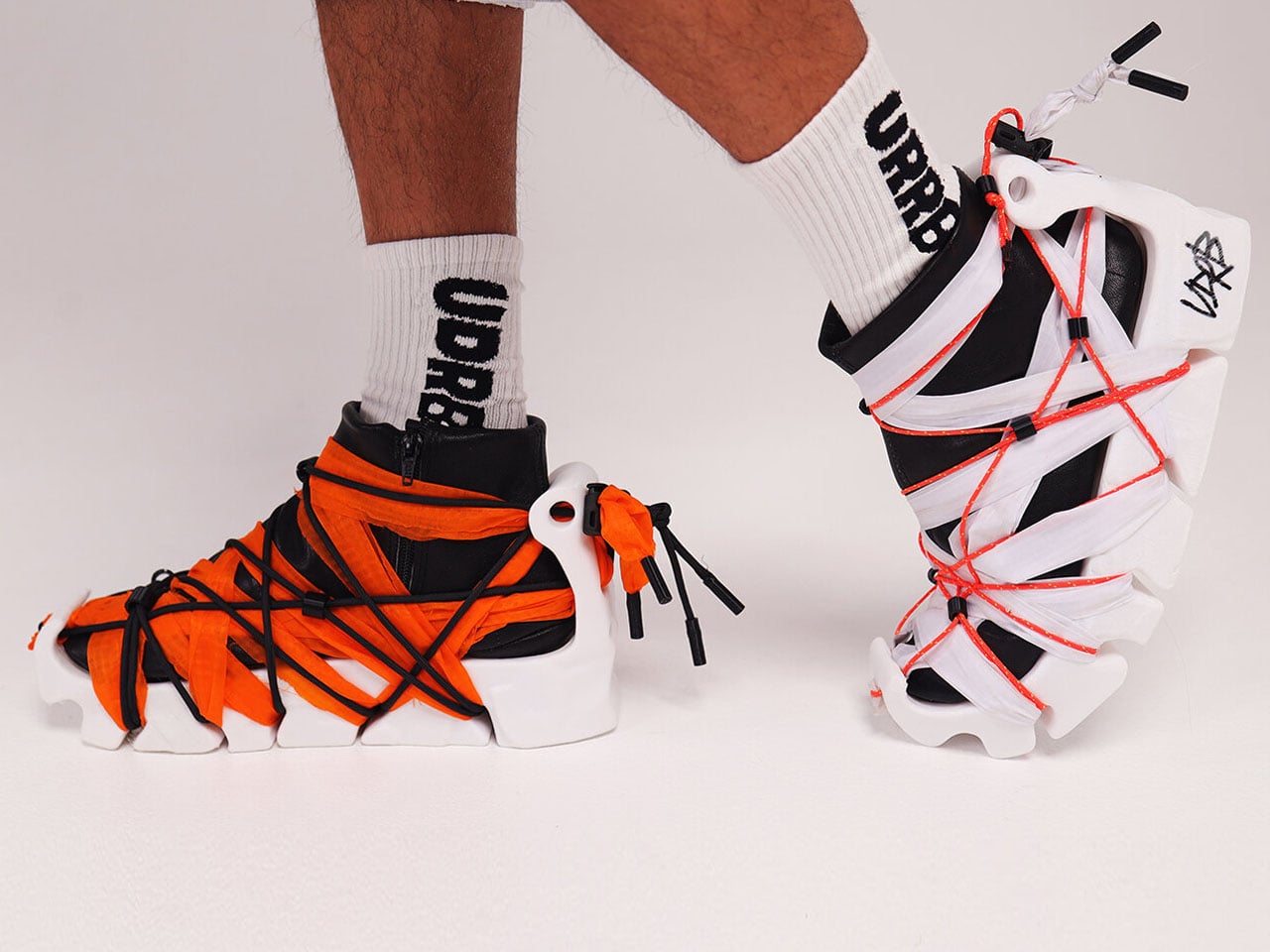
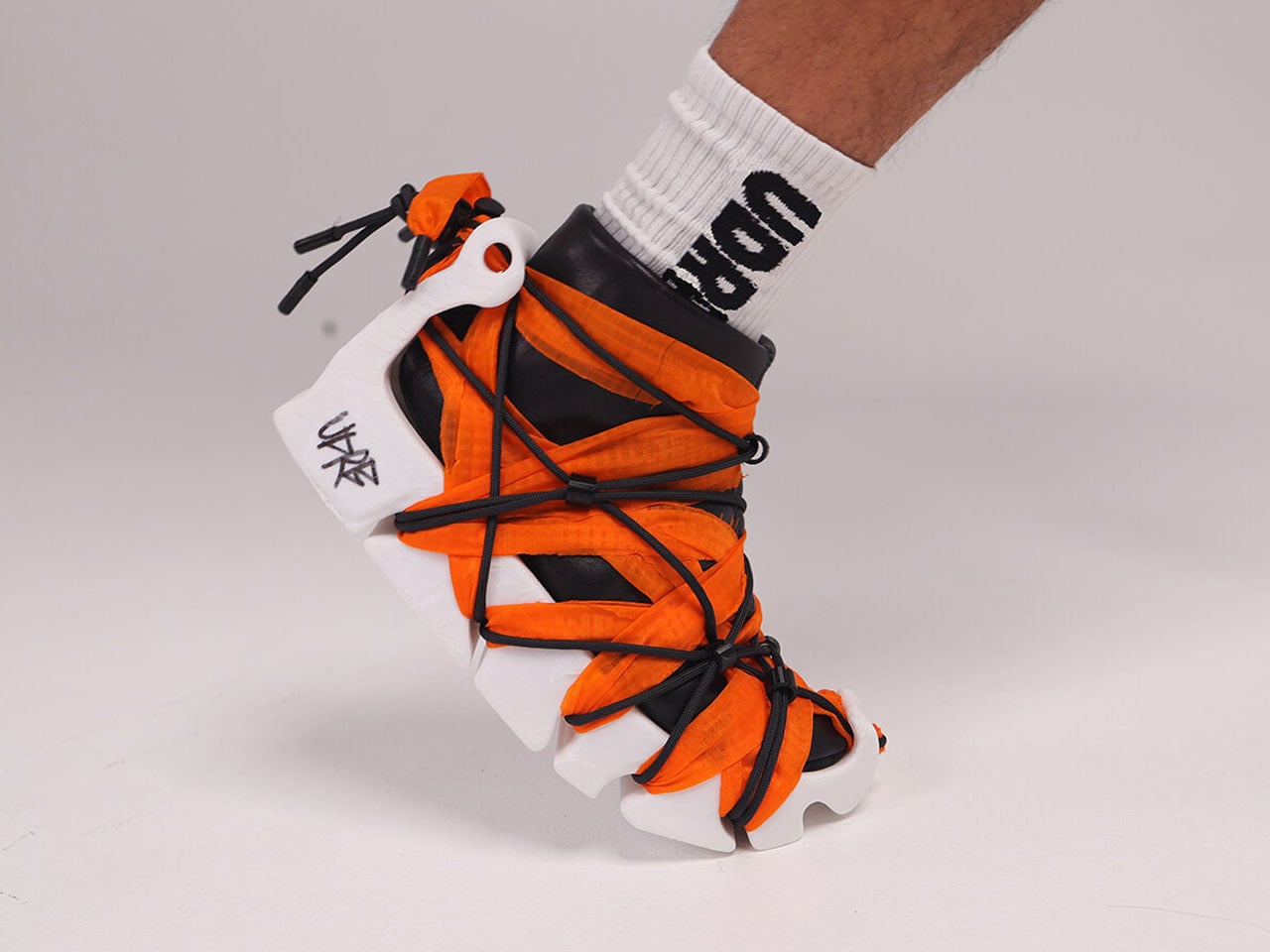
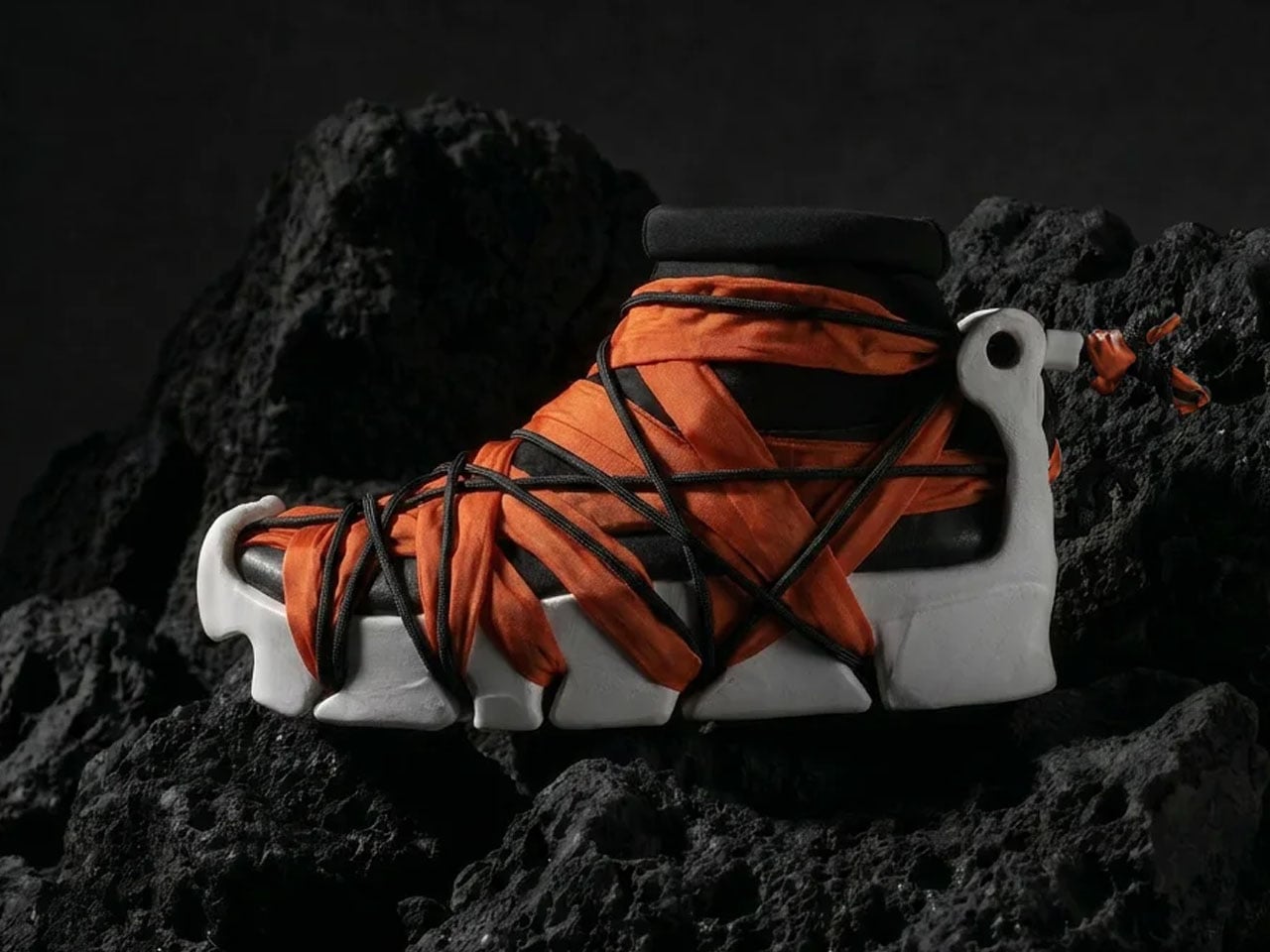
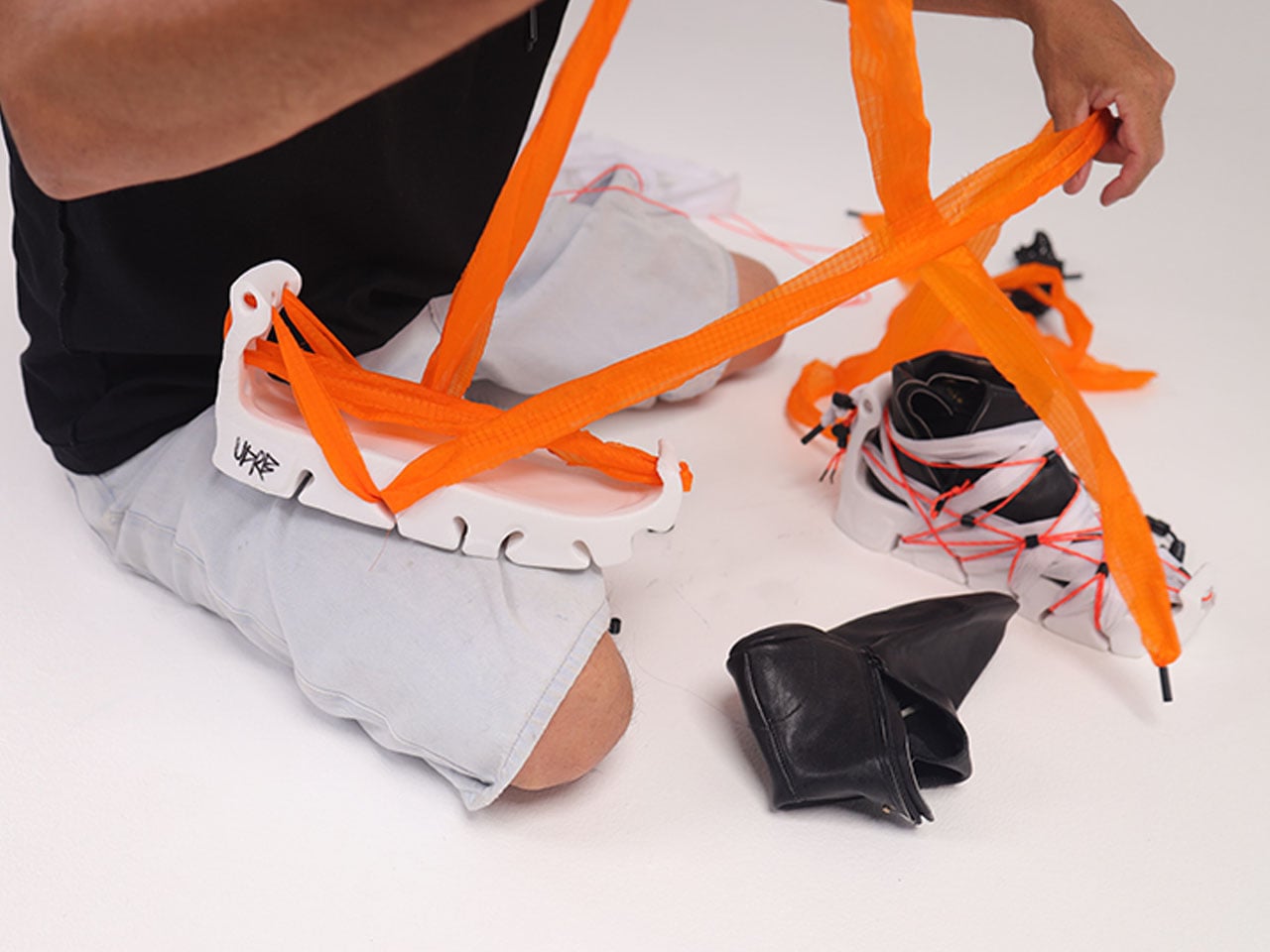
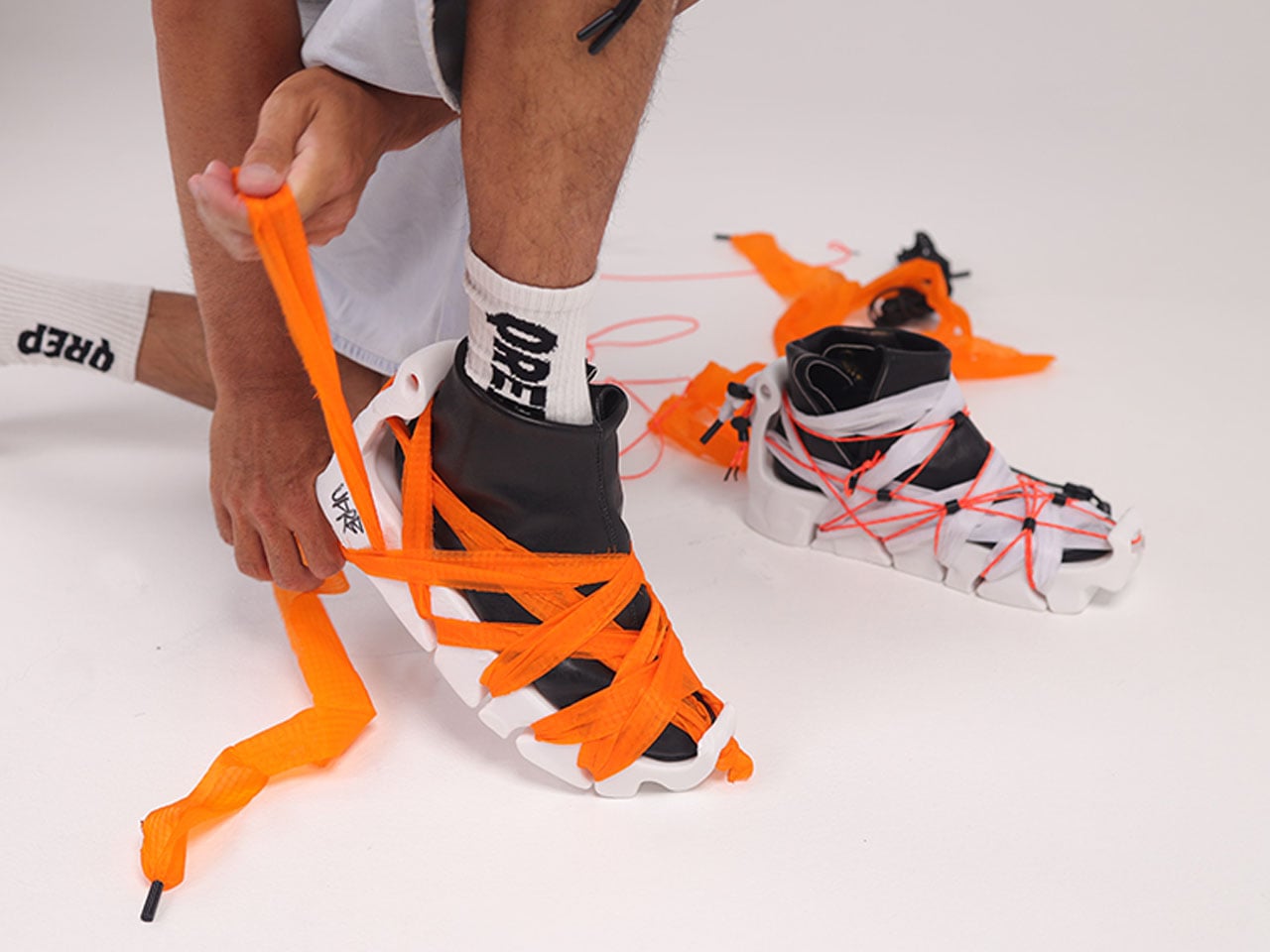
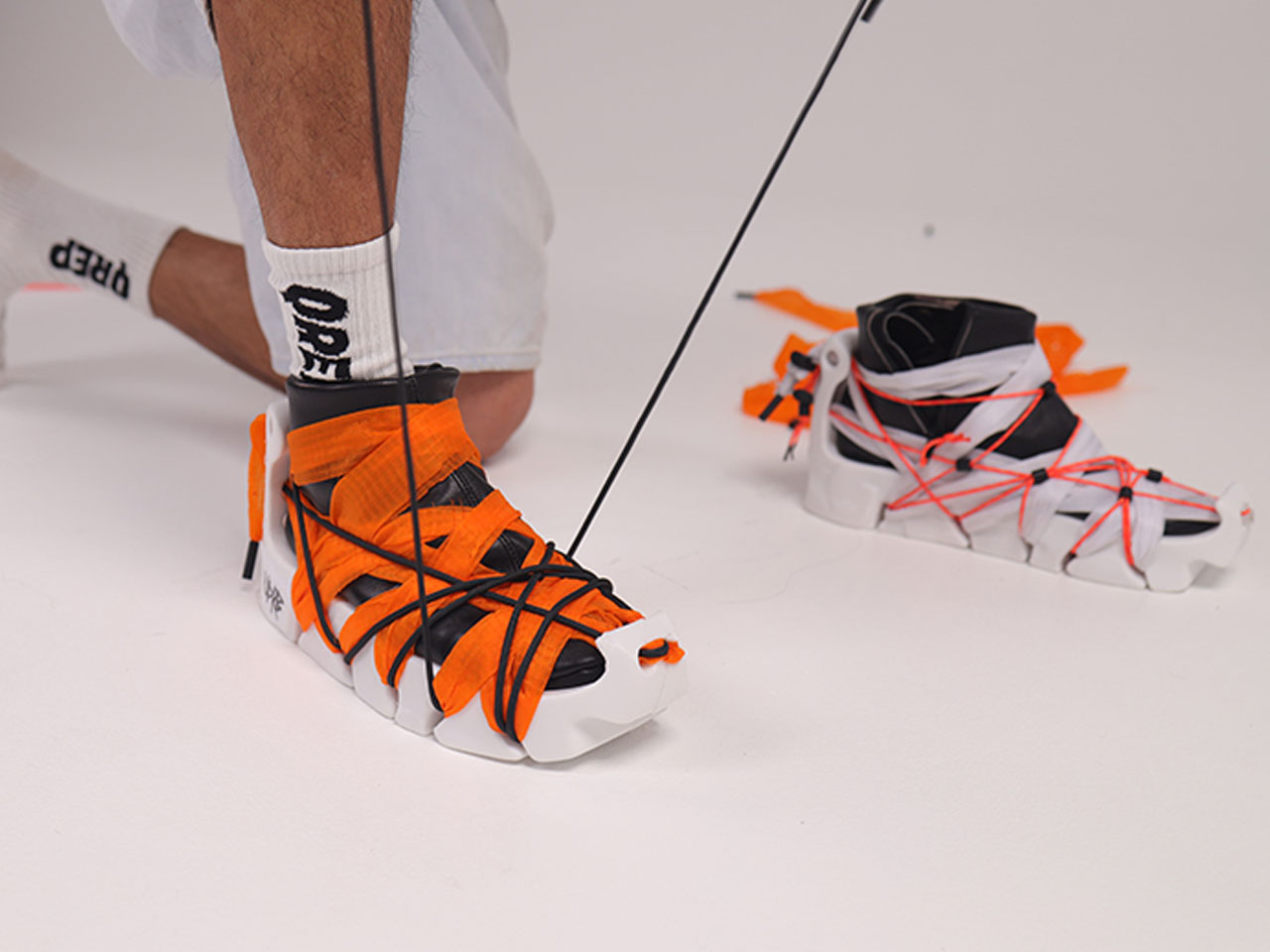
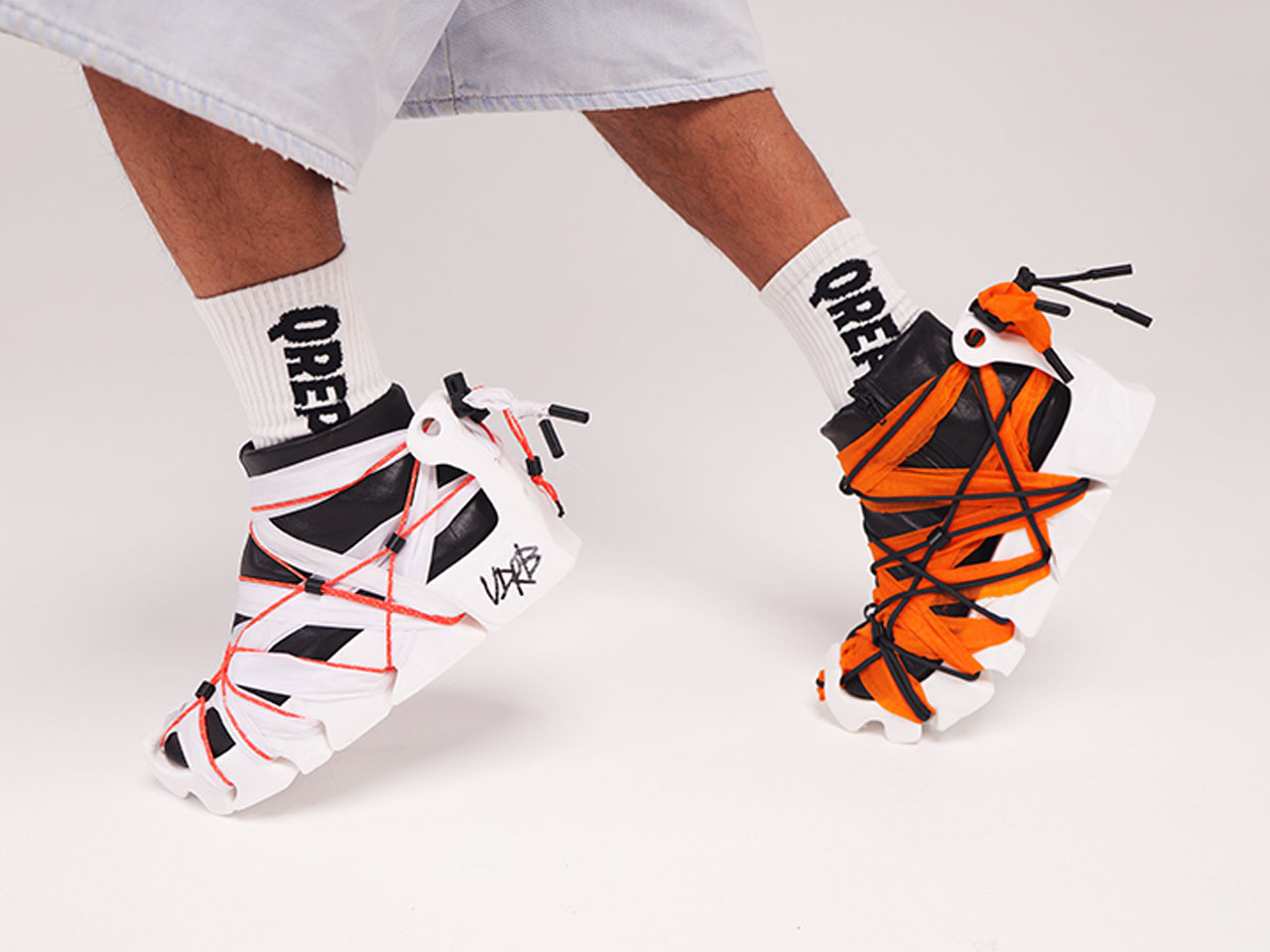
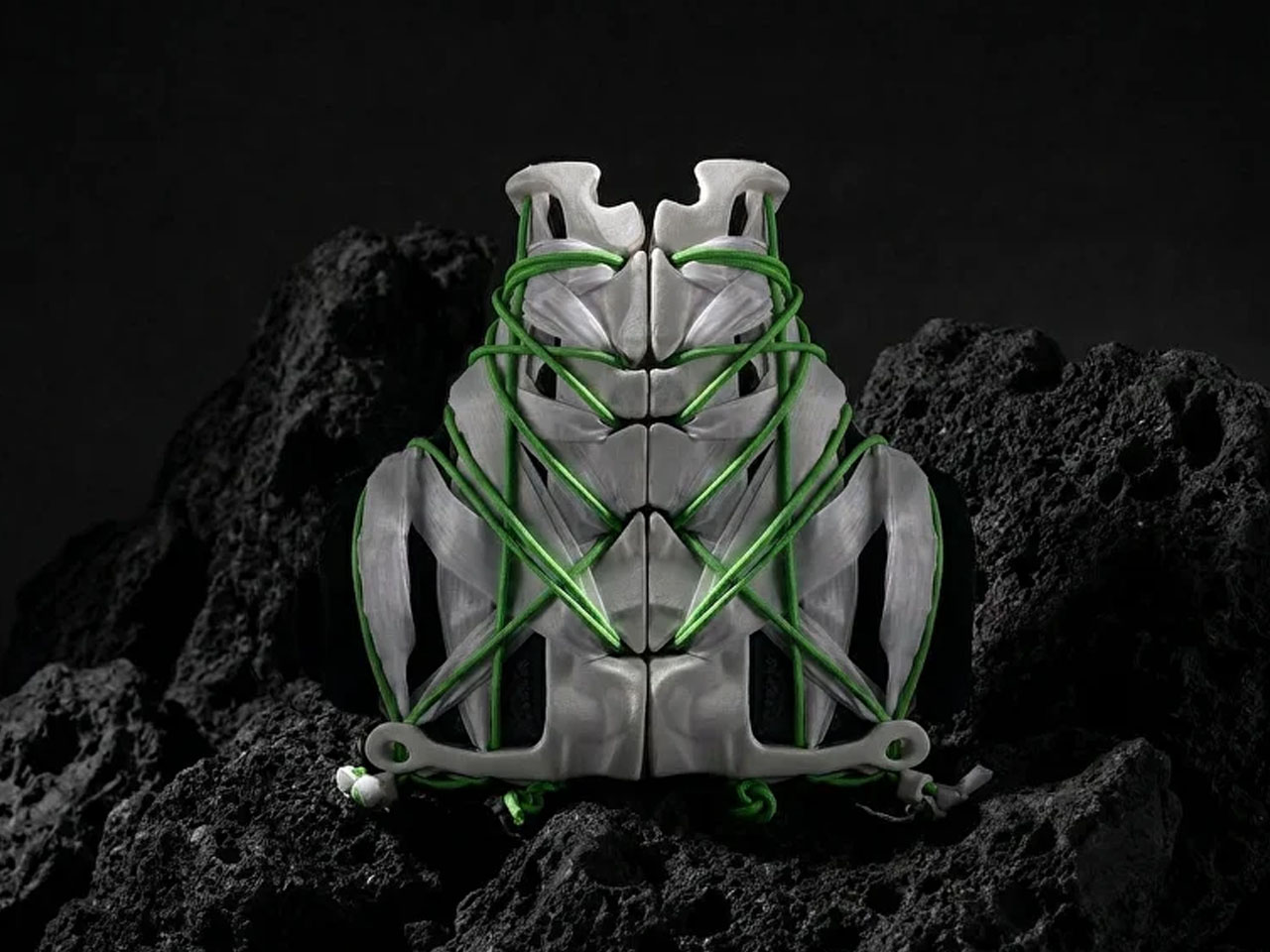
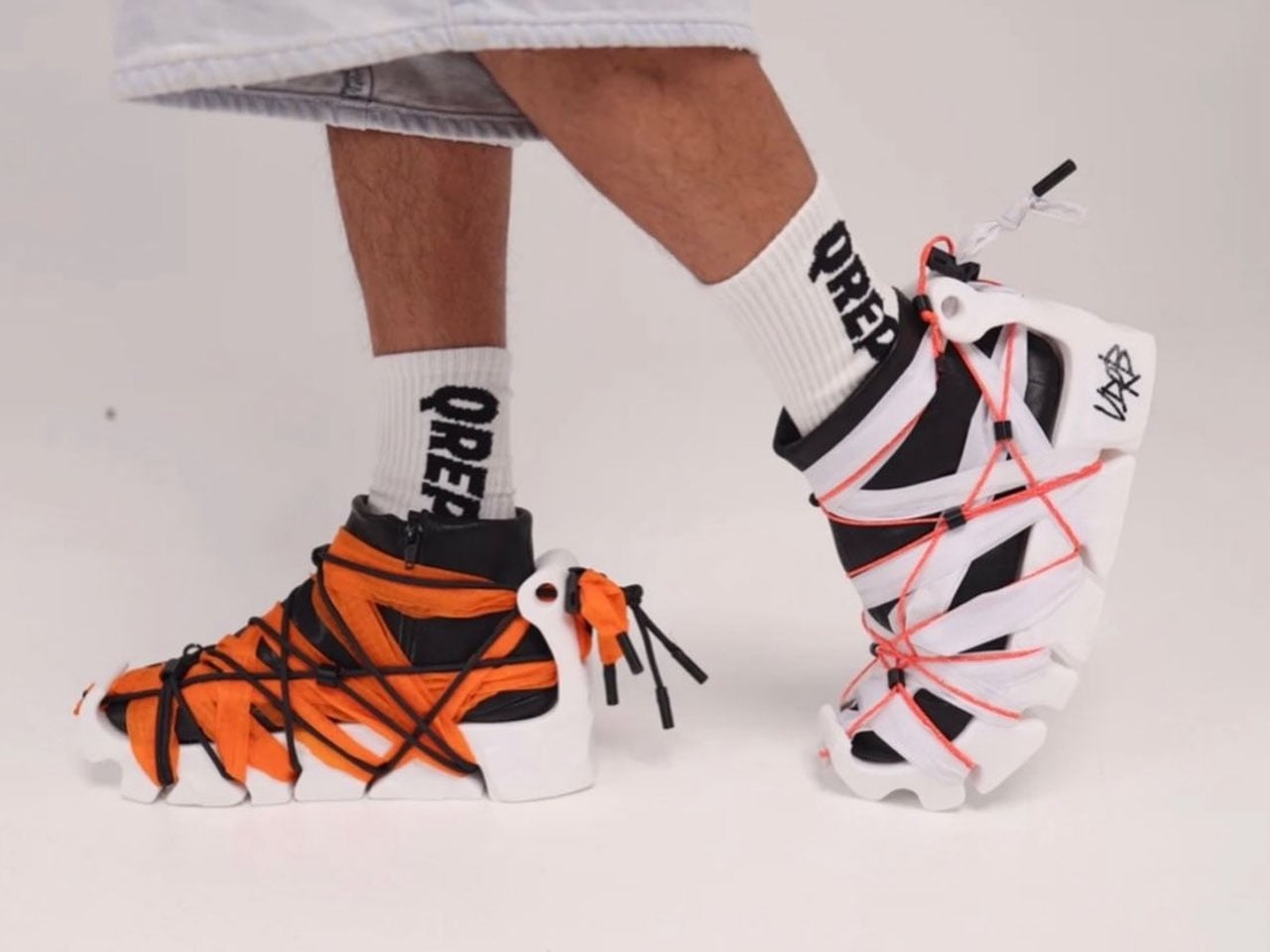
The sneaker is built around just three primary elements: a 3D-printed TPU sole, a leather sock-like inner boot, and a rope-based fastening system that locks the entire structure together. Every component has a defined purpose and can be separated without damaging the others, allowing the shoe to be fully disassembled whenever maintenance is required. Instead of discarding an entire pair because of a single worn component, users can simply replace the part that has reached the end of its lifespan.

At the core of the idea is the updated 3D-printed thermoplastic polyurethane sole, designed to deliver cushioning and flexibility comparable to conventional sneaker soles. If years of use eventually cause the sole to lose its resilience or develop cracks, it can be reproduced using recyclable TPU through 3D printing, extending the product’s usable life while reducing unnecessary waste. The approach shifts the focus from replacement to renewal, offering a practical example of circular product design.

Complementing the sole is a leather inner boot inspired by traditional footwear, wrapping the foot in a soft, sock-like structure that prioritizes comfort while maintaining a handcrafted character. Holding everything together is an intricate rope lacing system that does more than create visual appeal. It eliminates the need for adhesives entirely while allowing the wearer to tighten, loosen, or completely separate the components with minimal effort. The exposed fastening becomes both a functional engineering solution and a defining aesthetic feature.

What makes UDBR particularly compelling is how naturally it blends old and new. Advanced 3D printing supplies precision, customization, and recyclable materials, while traditional construction principles provide a blueprint for repairability that modern sneakers have largely abandoned.

The post This 3D-printed modular sneaker ditches glue for repairable design inspired by Asian craftsmanship first appeared on Yanko Design.
This air-conditioned formal shirt keeps you cool during heated board meetings

Let’s face it, global warming is real, and it’s already affecting millions worldwide. Japan is also bearing the brunt of hot summer days, prompting manufacturers to come up with innovative ways of cooling down in the peak heat. There are personal fans to direct chilled air at the most sensitive neck areas that cool down the whole body, or the more radical solutions like the human refrigerator to walk into and have the next-generation cooling effect.
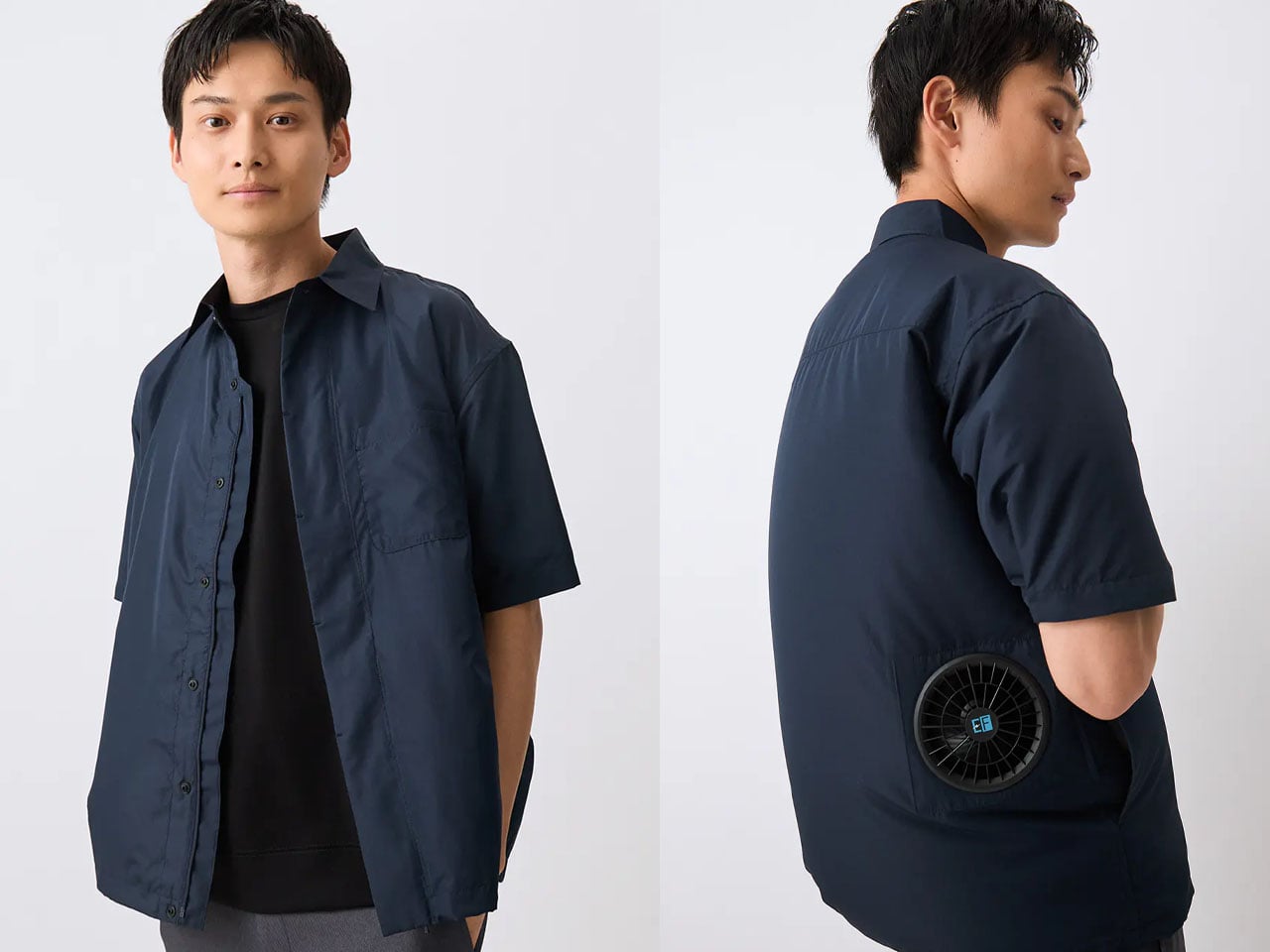
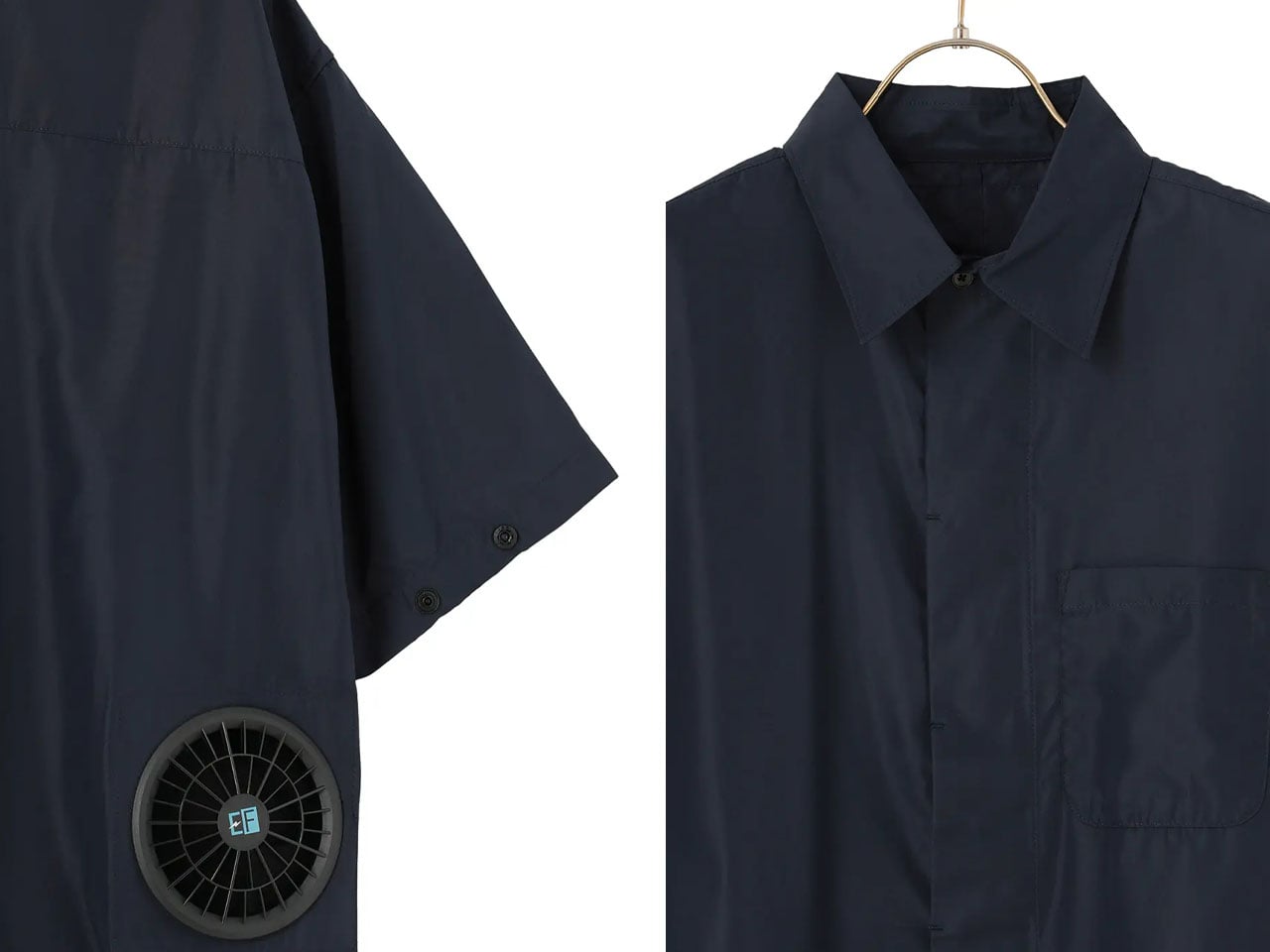
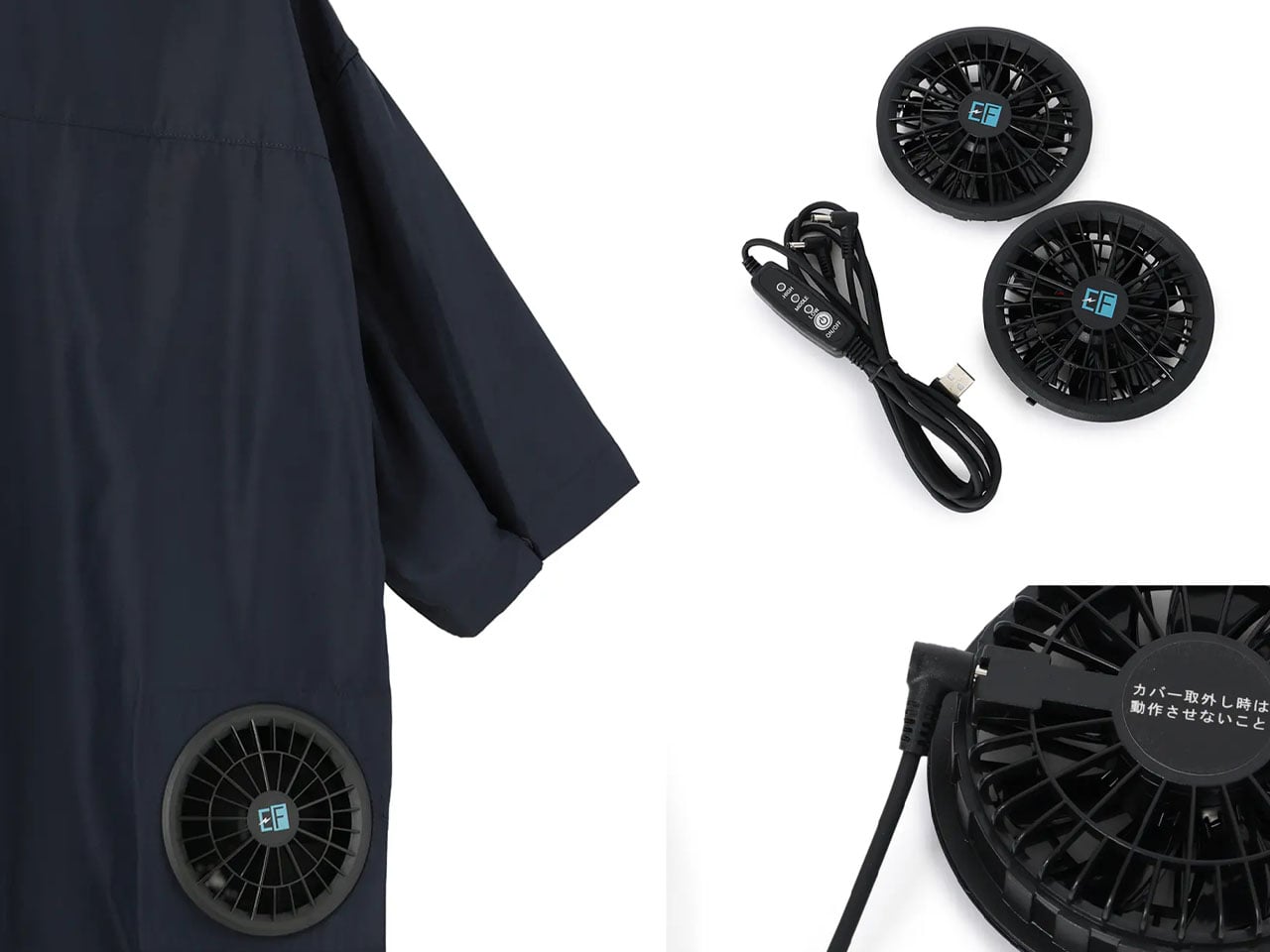
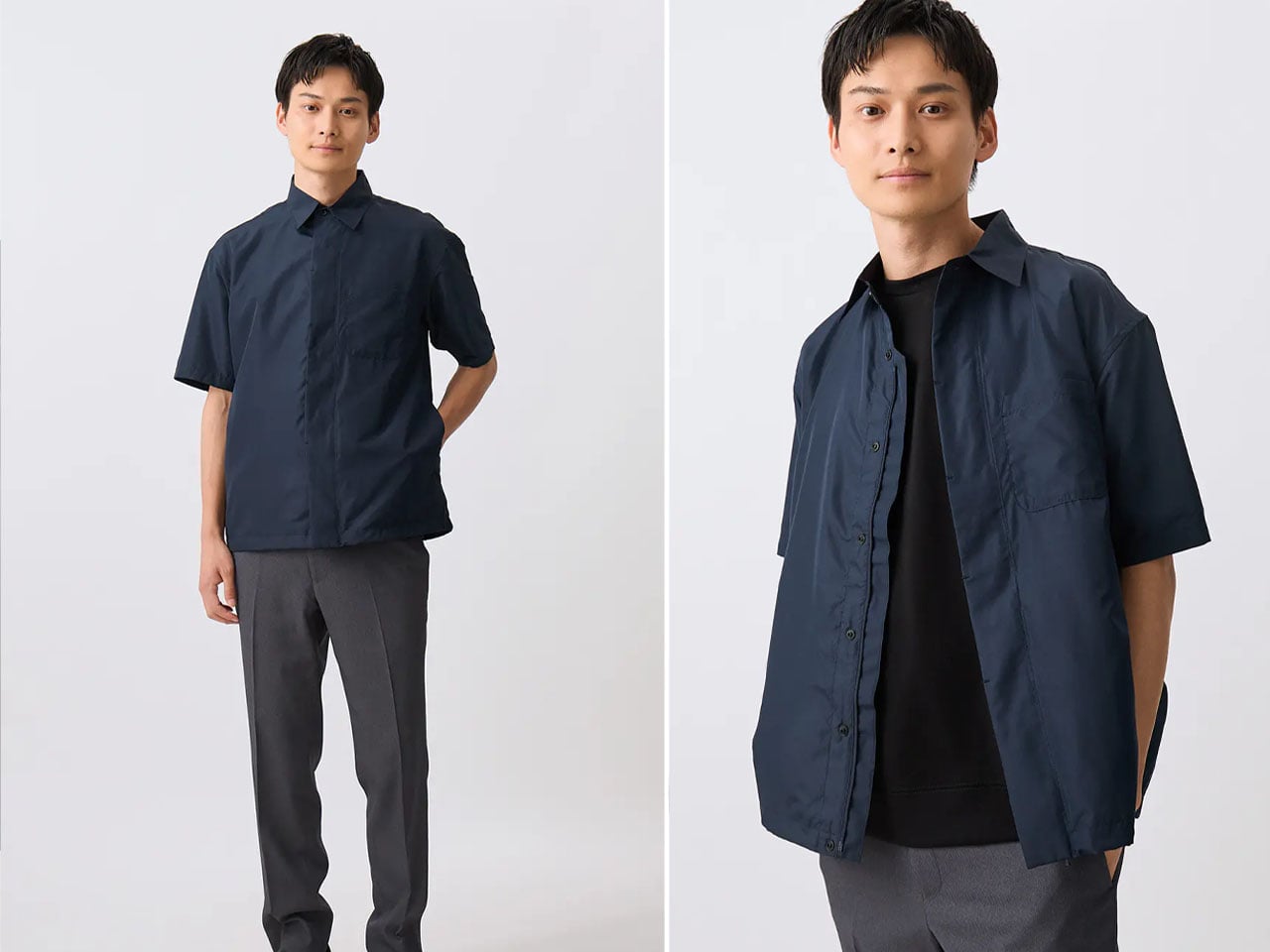
We’ve come across another interesting personal cooling solution that comes from the land of the rising Sun, and is equally out of the box for everyday use. The solution takes the popular Yofuku no Aoyama formal attire and outfits it with fans to provide active cooling to settle down the extreme heat build-up on hot days. Called the Kuchofuku Air-Conditioned Short Sleeve Work Shirt, the attire developed in collaboration with fan-equipped fashion maker FZN is meant for people exposed to extreme daytime heat.

Designer: Yofuku no Aoyama

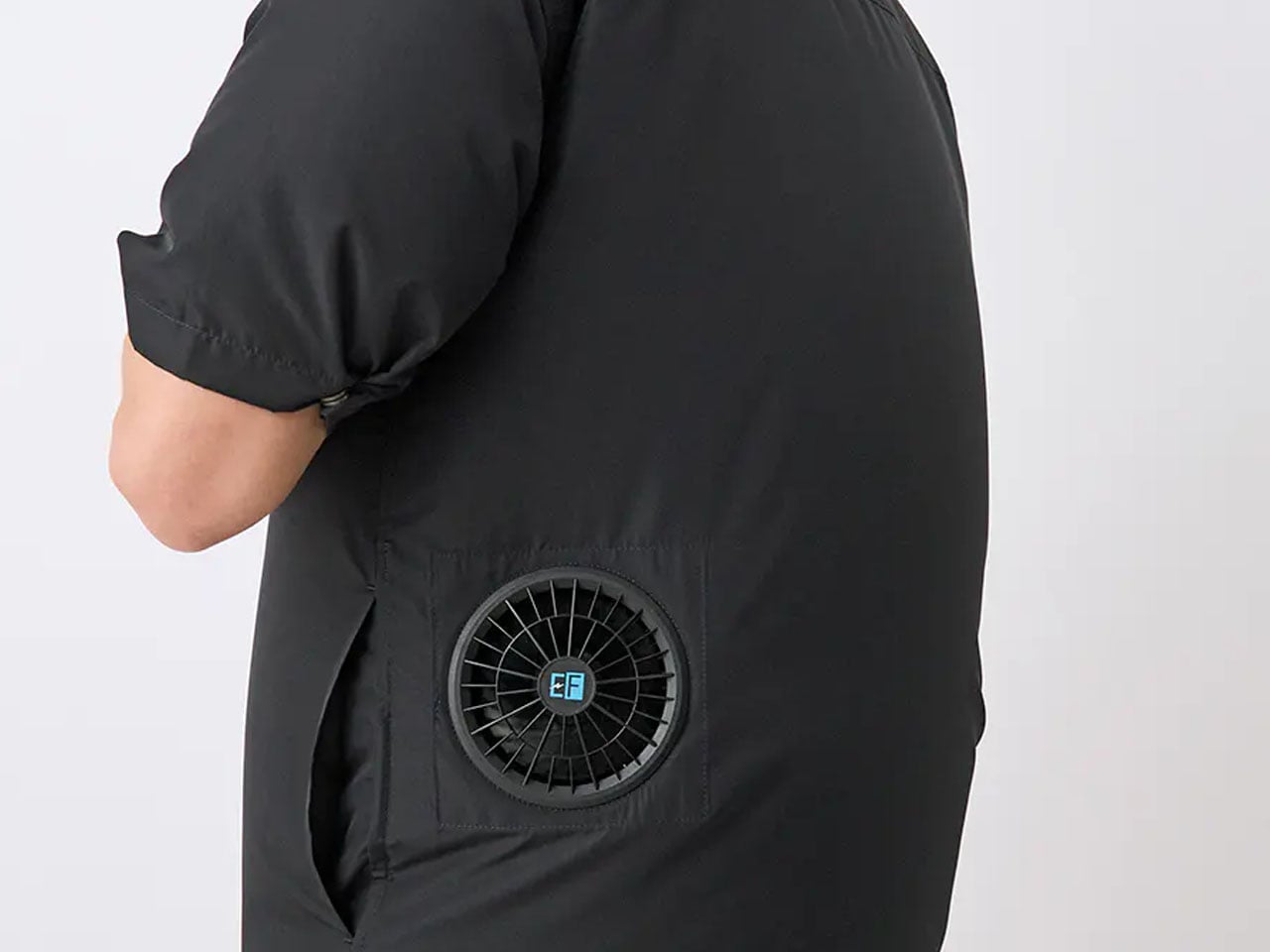
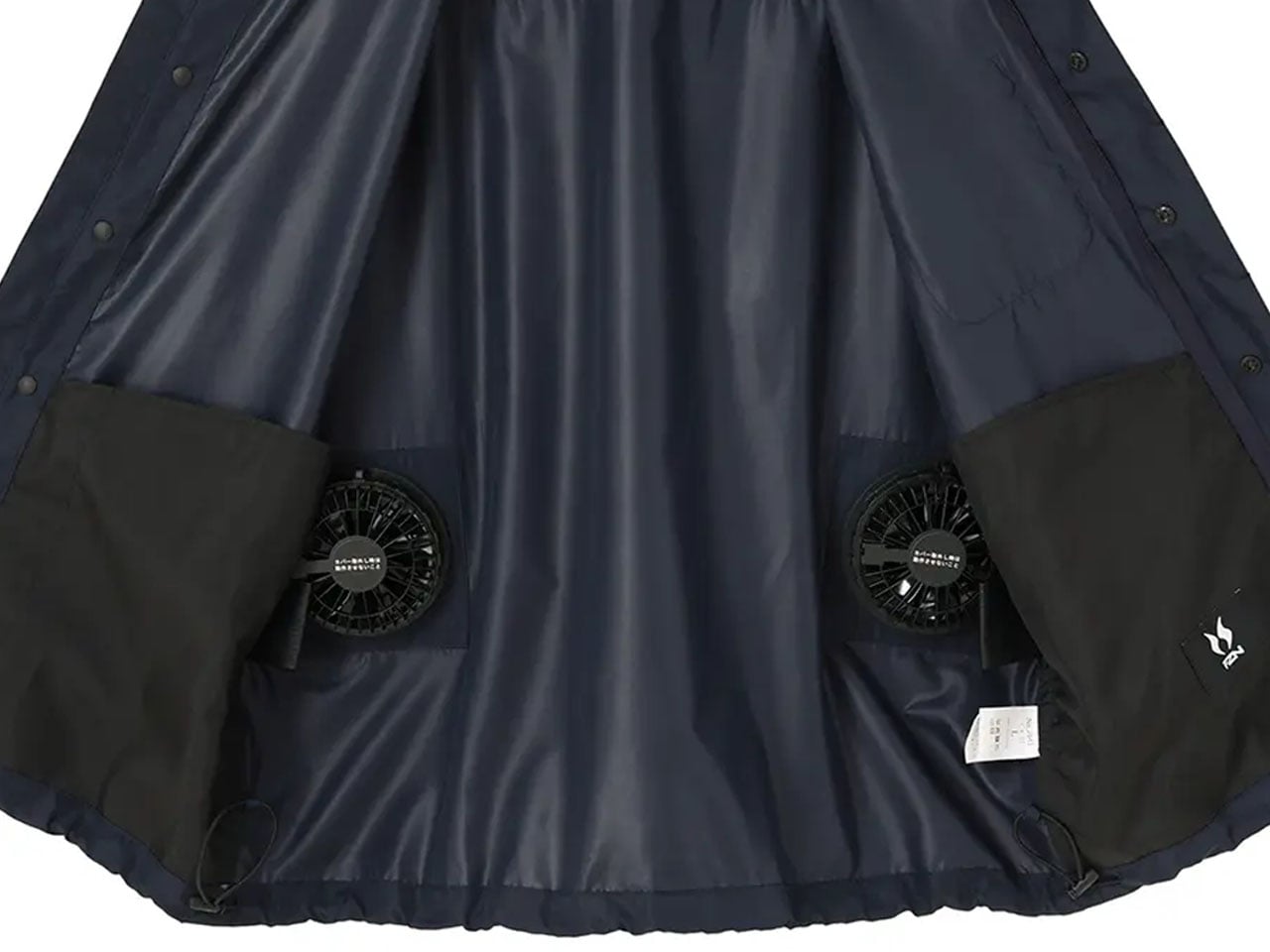
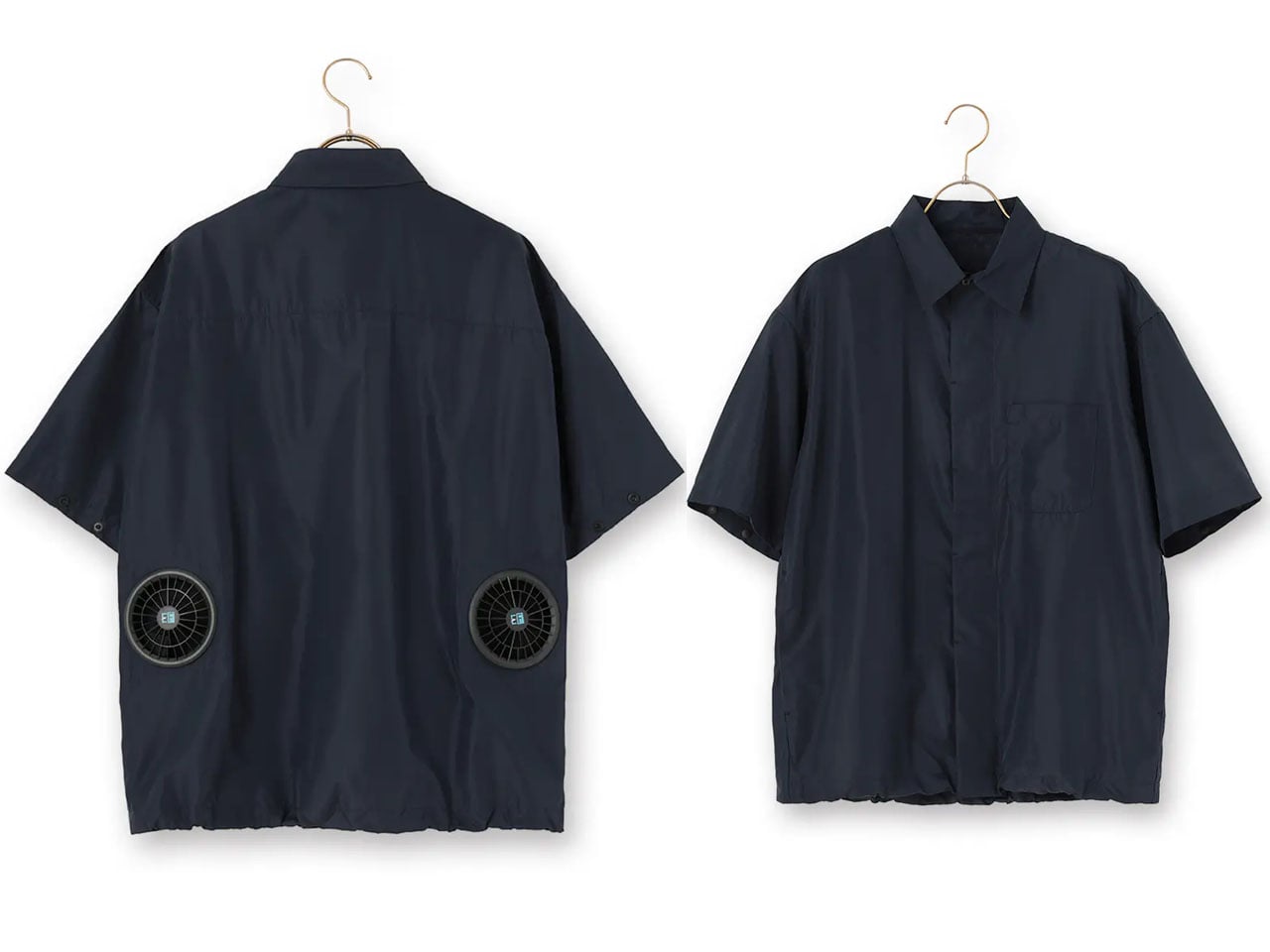
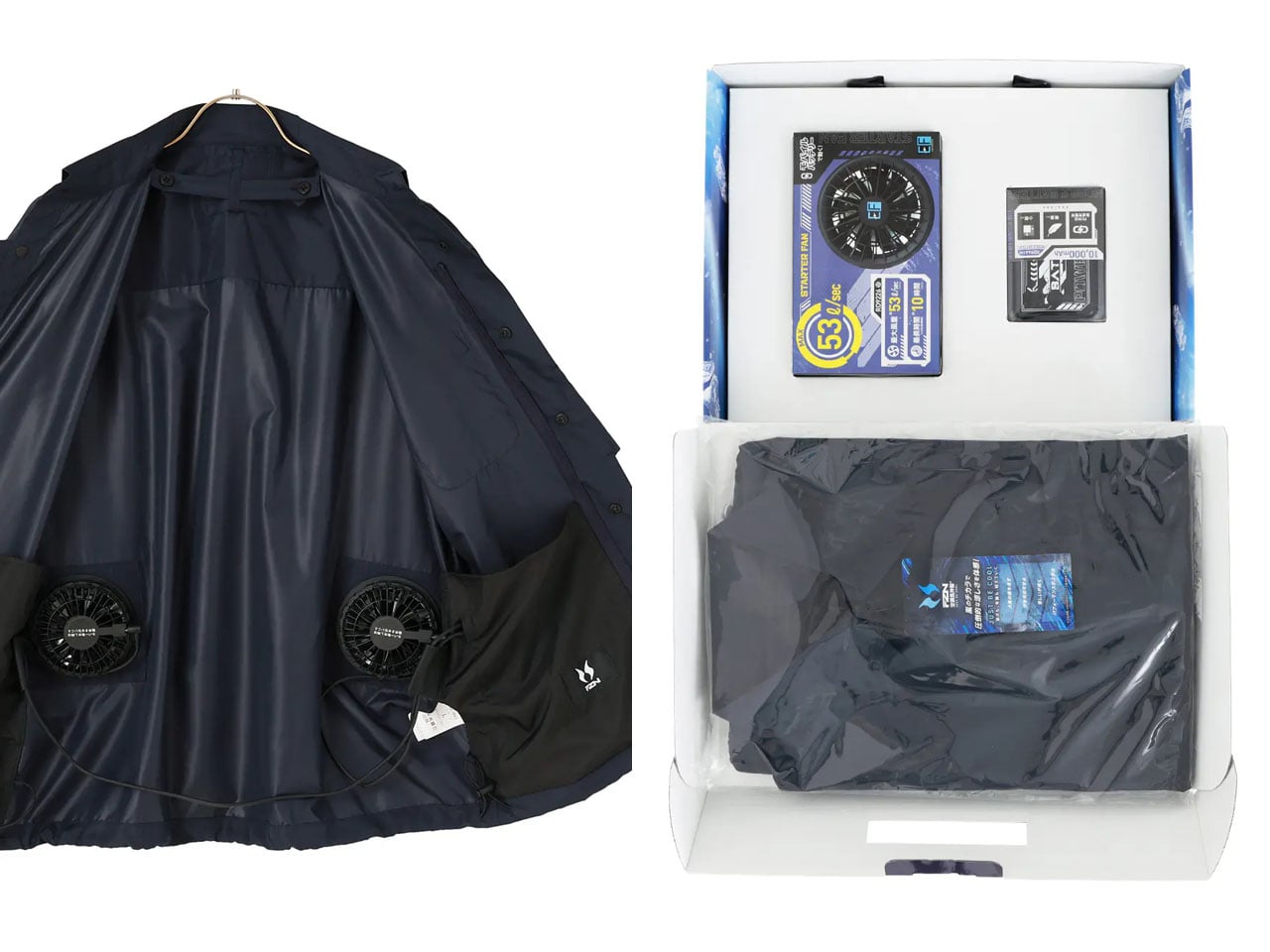
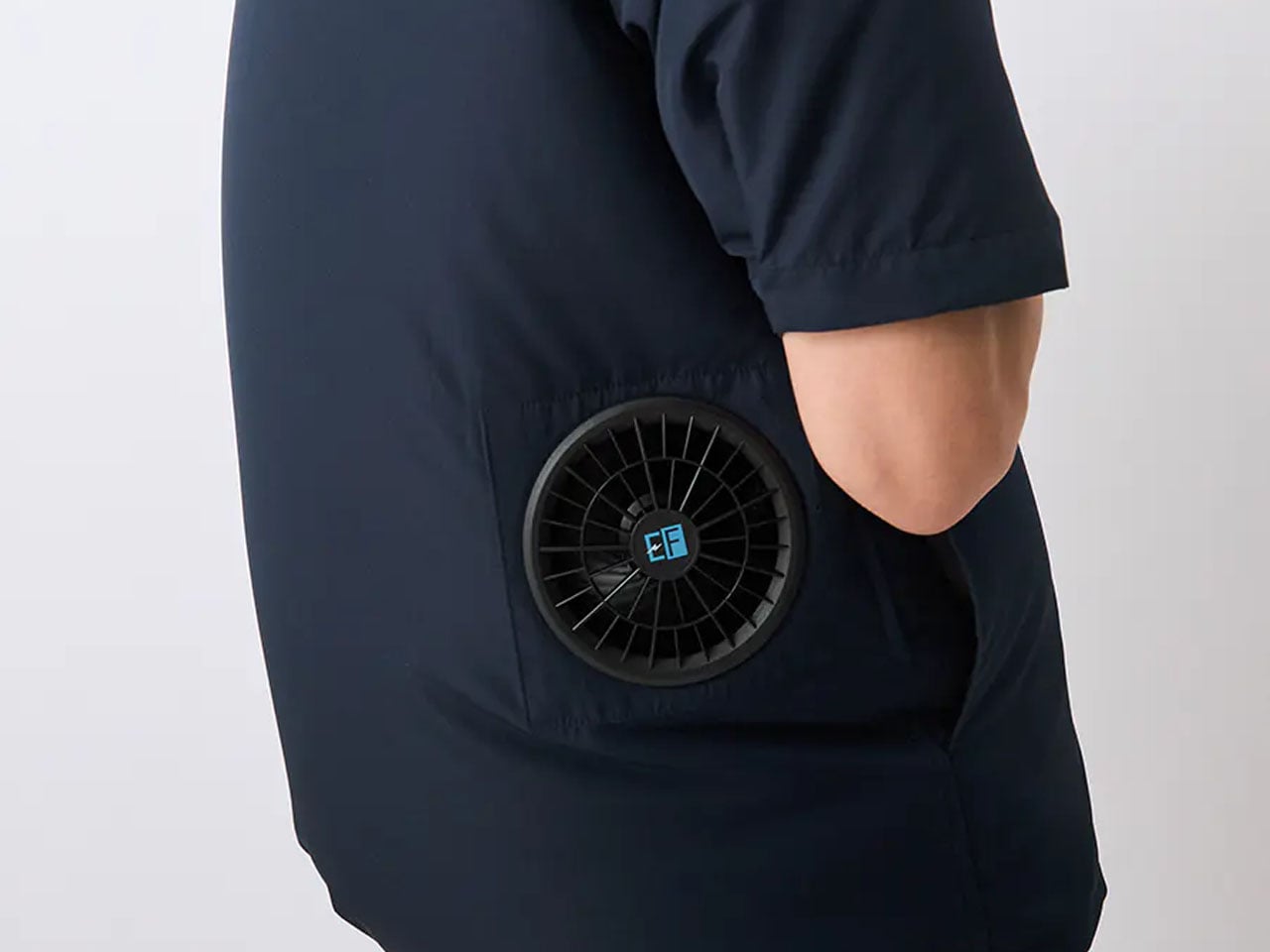
If you are in Japan, Yofuku no Aoyama is a household name when you need to be dressed for important events or meetings with clients. They’ve got the idea to keep you well dressed all day long without any uncomfortable feeling triggered by the lack of proper cooling outdoors. This seemingly normal button-up shirt has the understated summer business look, but on the inside, it comes loaded with two active cooling fans. Who could have thought of that? Although it does look a little bulged up on the sides, which can make you seem slightly fatty on the sides. That’s because of the wearable cooling fan system taking up the space, and the fans engaged during use.

The fans have three operating settings: direct cool air inwards, keeping the wearer comfortable when the Sun is beating down hard. Although not as foolproof as the human cooling refrigerator mentioned earlier, this one does provide temporary relief. At the highest settings, it can stretch for around 3.5 hours, while at the lowest operation mode the wearer can enjoy cool air for around 10 hours. We’ve seen such solutions in the past coming from Japan, mostly targeted for field workers, but they are mostly gear and nothing like apparel. This one changes the outlook, as it is a blue-collar uniform disguised as a cool-down solution for more formal business settings.

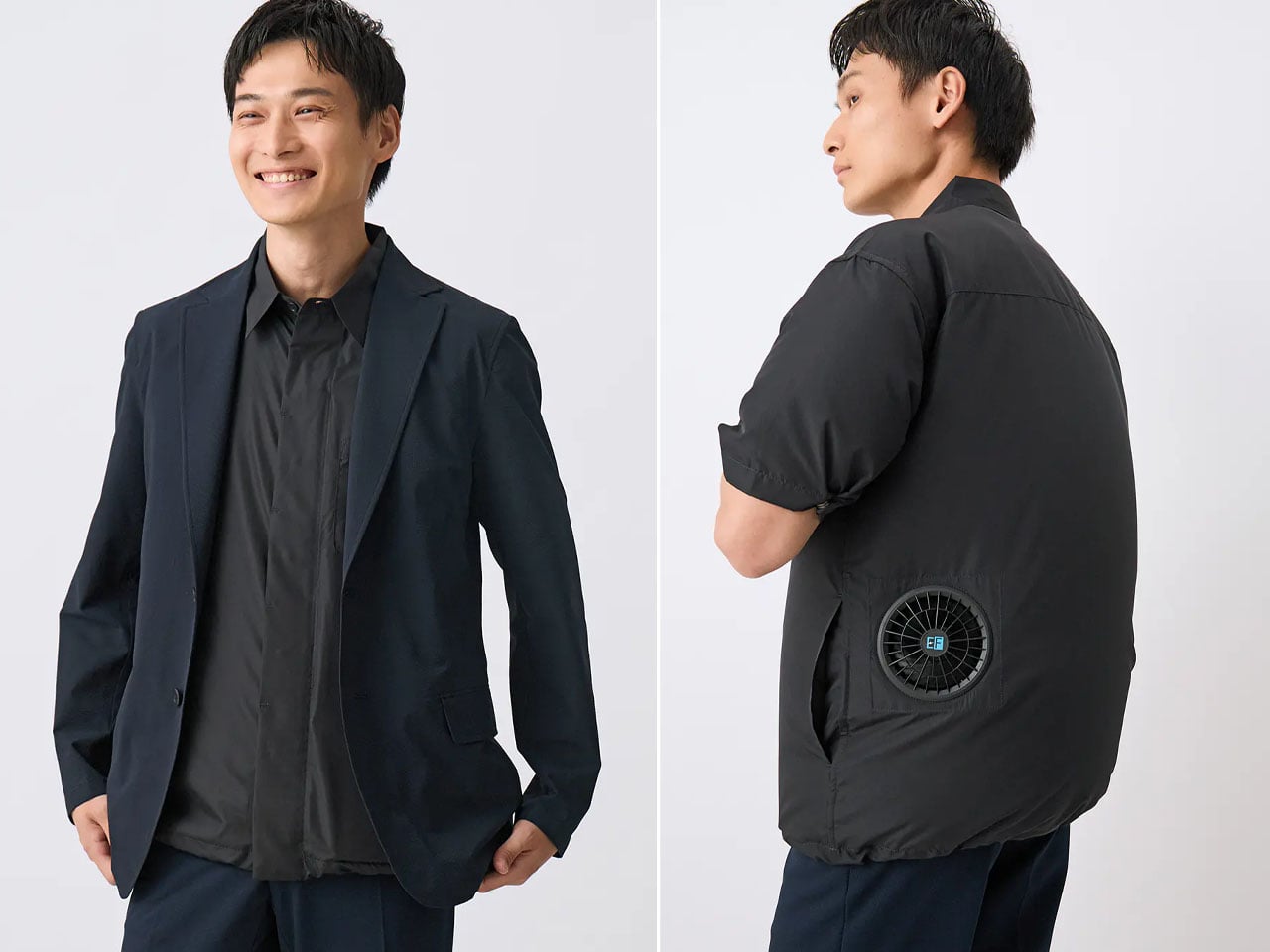
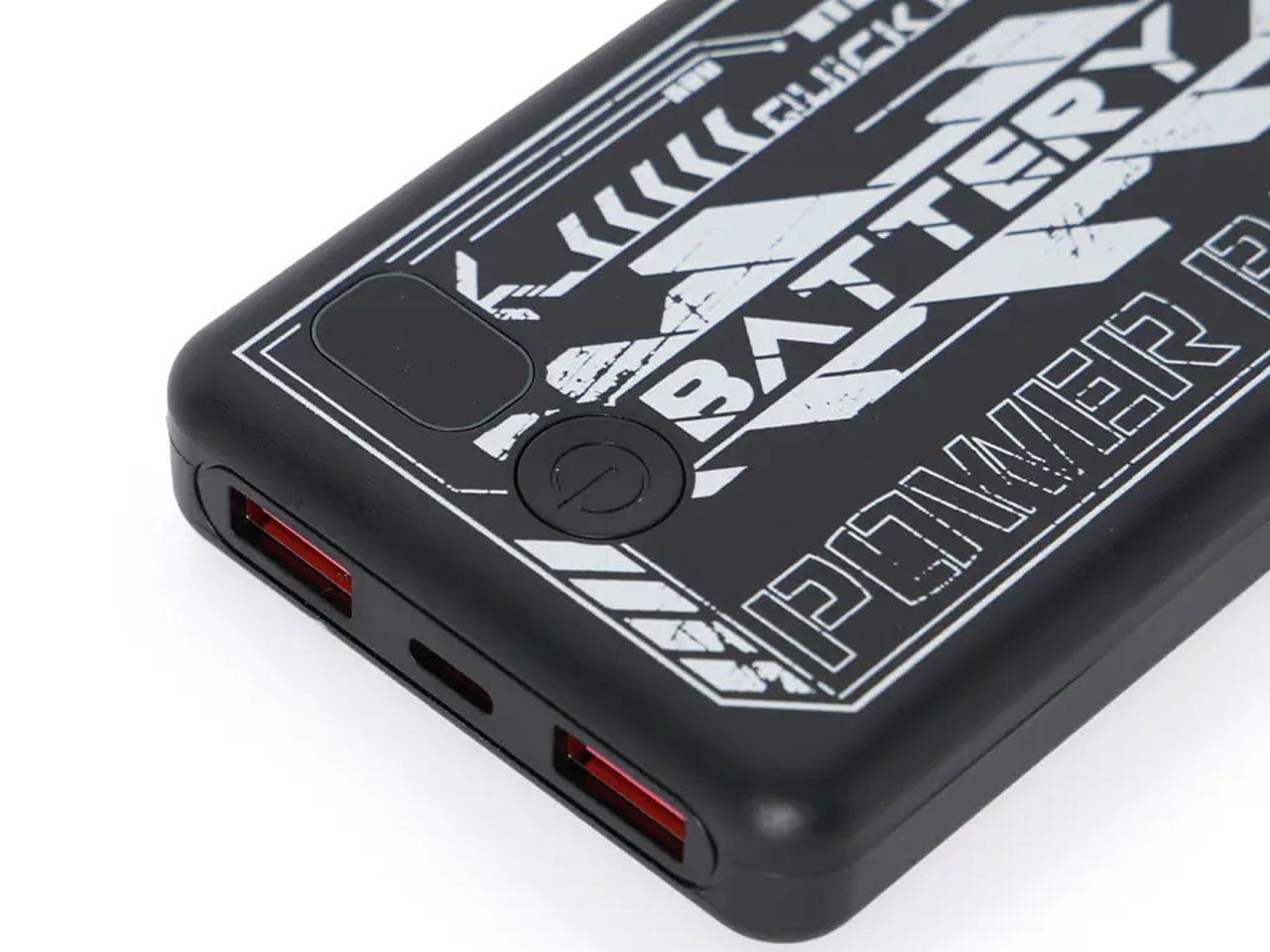
From the front, the Kuchofuku Air-Conditioned Short Sleeve Work Shirt doesn’t give away the innards, but from the back, the fans can be visible. That means you’ll either have to mask it with some blazer, or not expose to onlookers from the side profile. You’ll also have to be mindful of the 95 grams added weight of each of the fans, and the 165 grams rechargeable battery pack. I hope the weight distribution is done better on this formal shirt; it’ll feel like carrying a sizeable phone or battery bank.

The short-sleeved shirt meant to be worn hustling for a day’s meetings from one location to the other is available in blue or gray colors, in medium, large, or XL sizes. It can be bought right away from the Yofuku no Aoyama stores or the company’s online shop for 17,490 yen (approximately $111).

The post This air-conditioned formal shirt keeps you cool during heated board meetings first appeared on Yanko Design.