Google Pixel 9 Pro Fold: A Worthy Redesign or a Step Back?

The upcoming Google Pixel 9 Pro Fold is already generating buzz, and the latest images from Taiwan’s National Communications Commission offer a compelling look at what we can expect. This second-generation foldable represents a departure from its predecessor, embracing a new design philosophy while addressing some of the previous model’s shortcomings.

Designer: Google

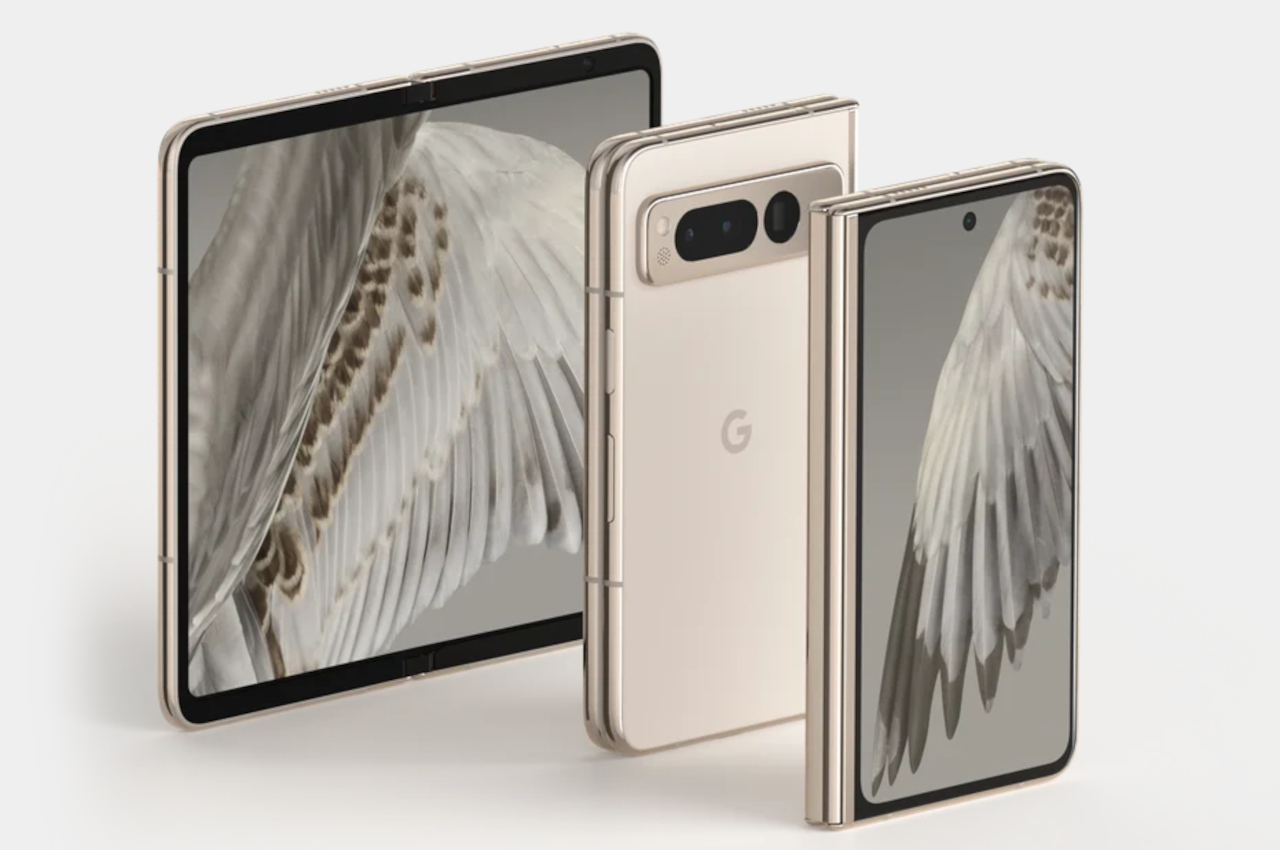
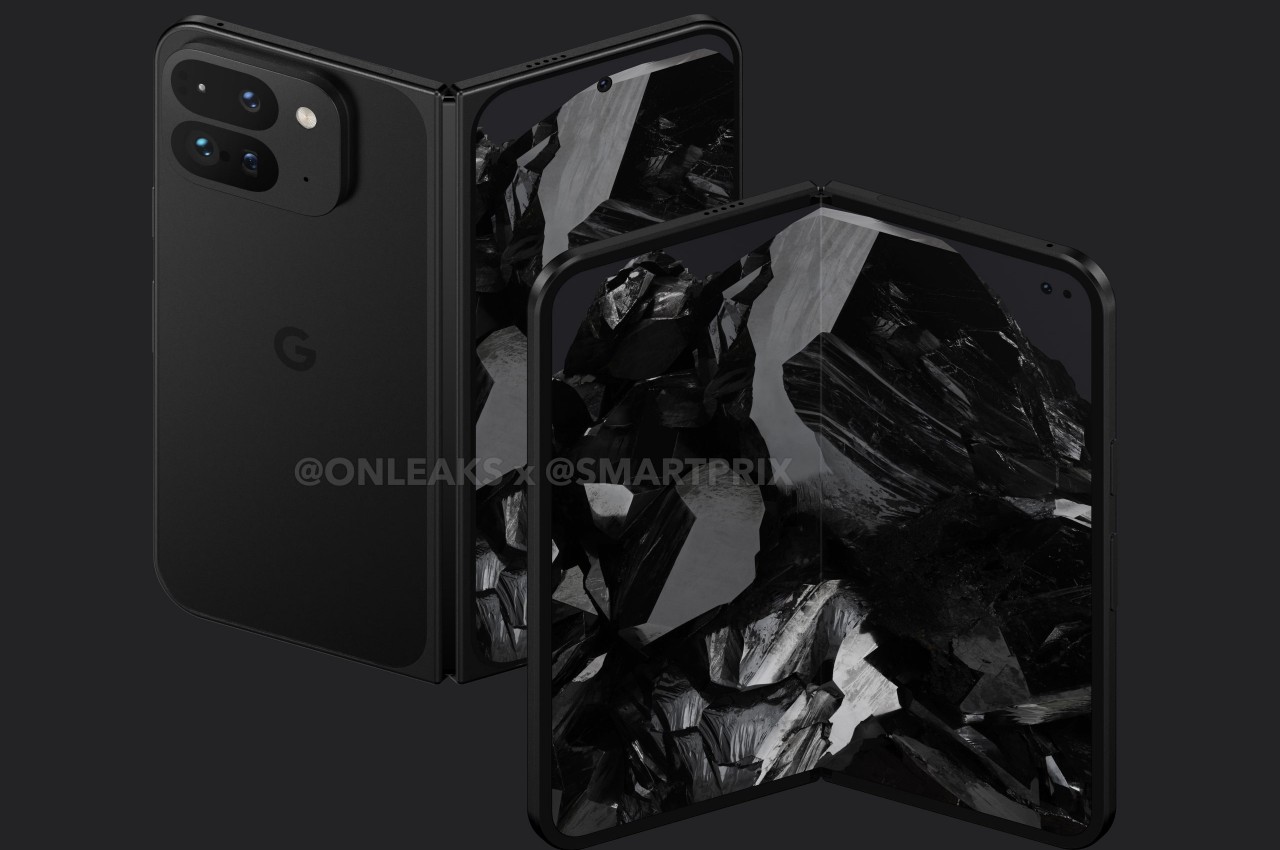
First and foremost, the Pixel 9 Pro Fold ditches the original’s short and wide passport-style form factor. The new model adopts a taller and narrower profile, bringing it more in line with devices like the OnePlus Open. This change offers a larger, more practical outer display, making the phone easier to handle and use. The increased screen real estate is a welcome improvement, even though it means saying goodbye to the unique shape that made the first Pixel Fold stand out from competitors like Samsung’s Galaxy Fold.

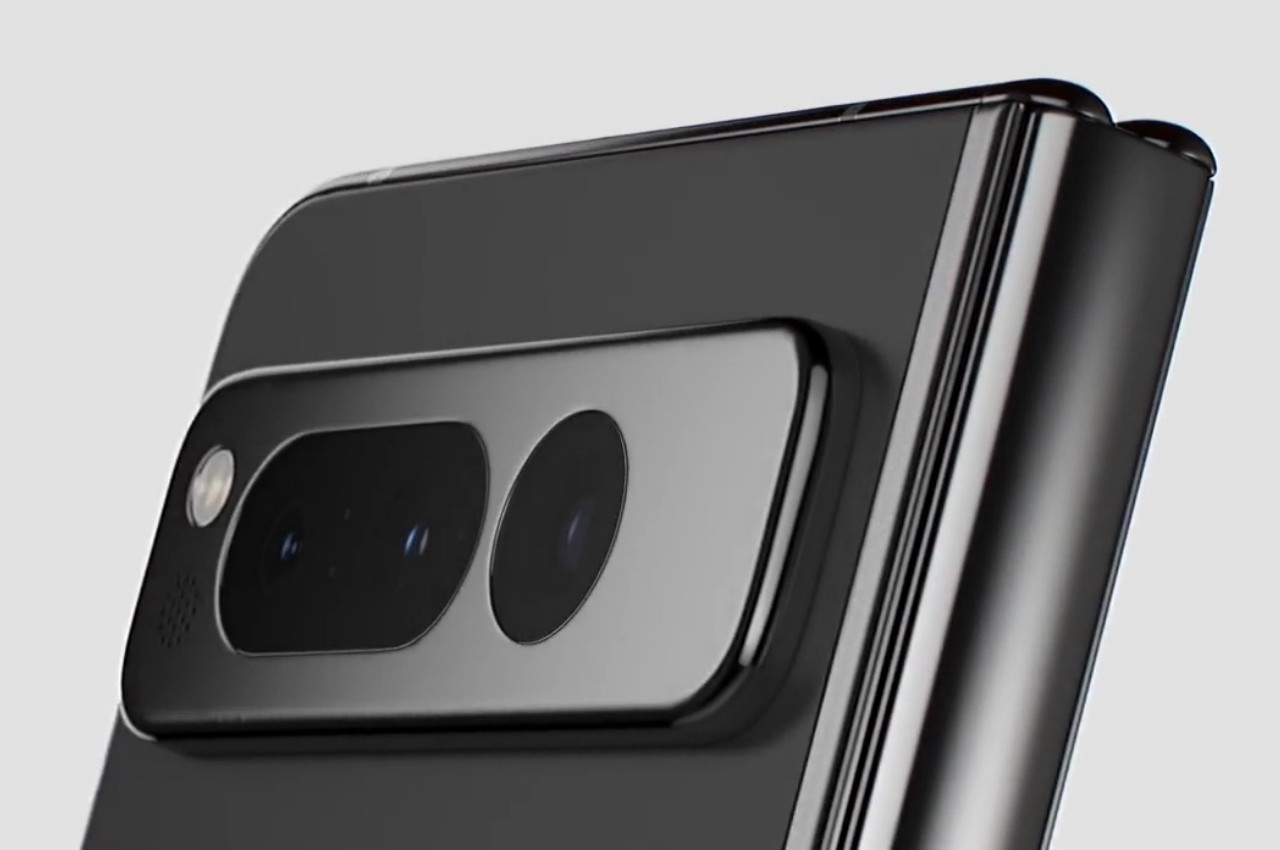
Google Pixel Fold

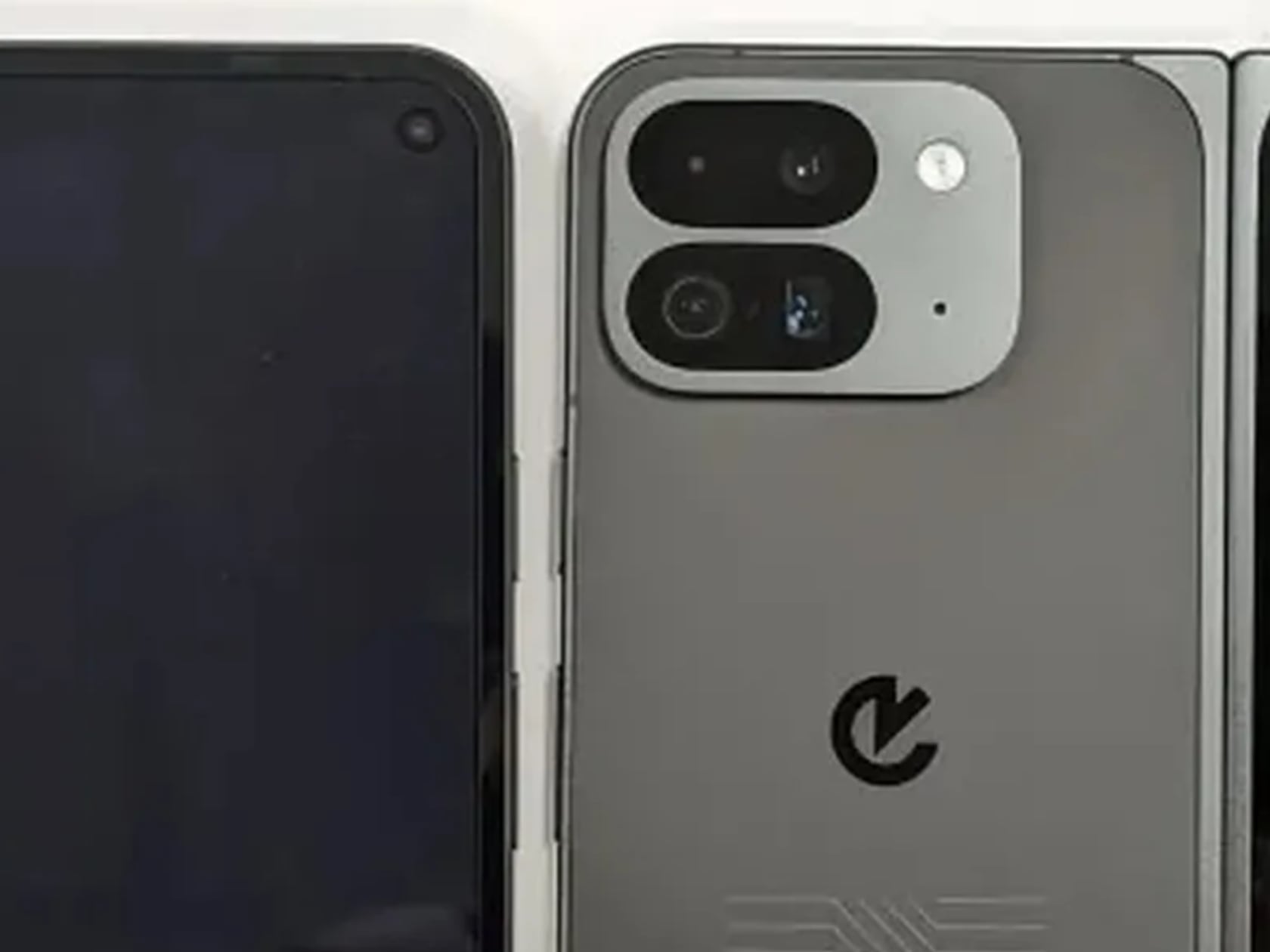
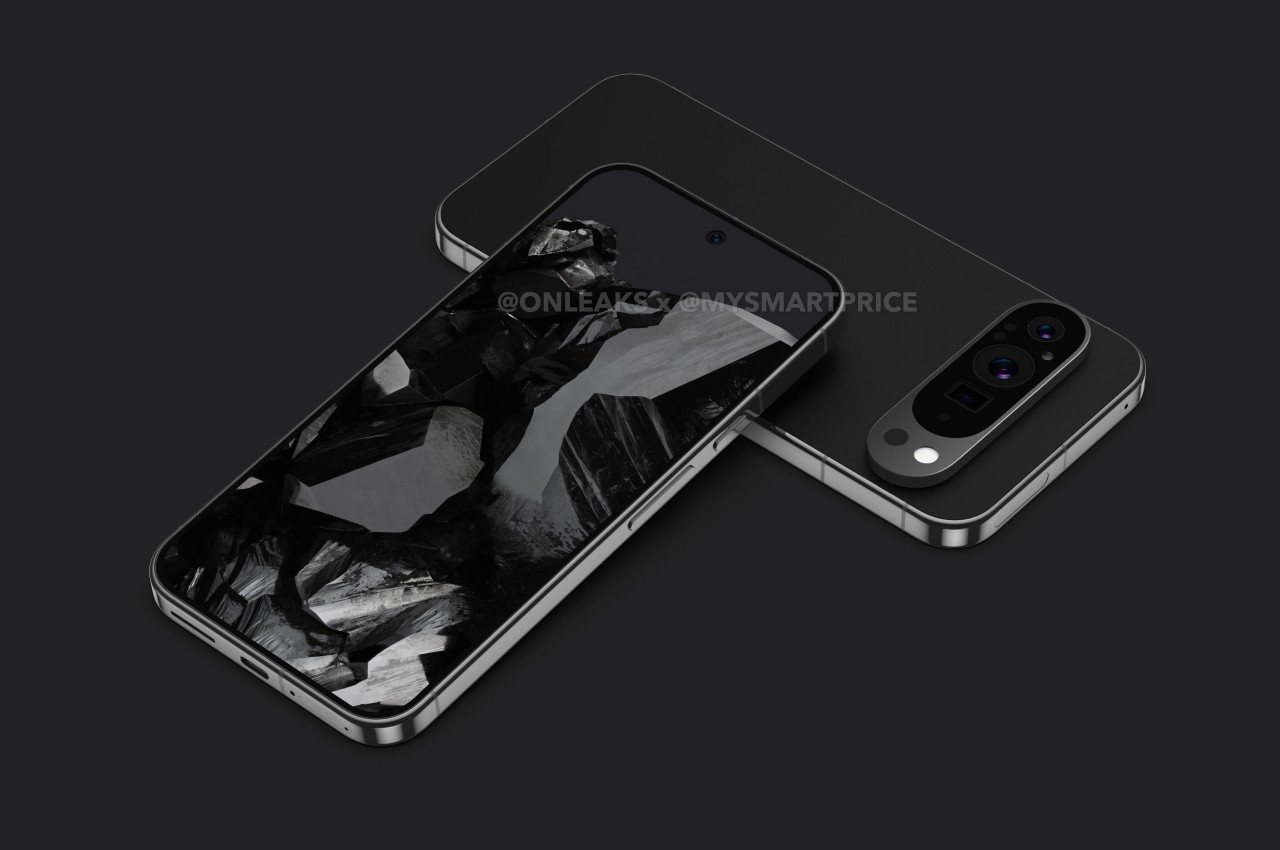
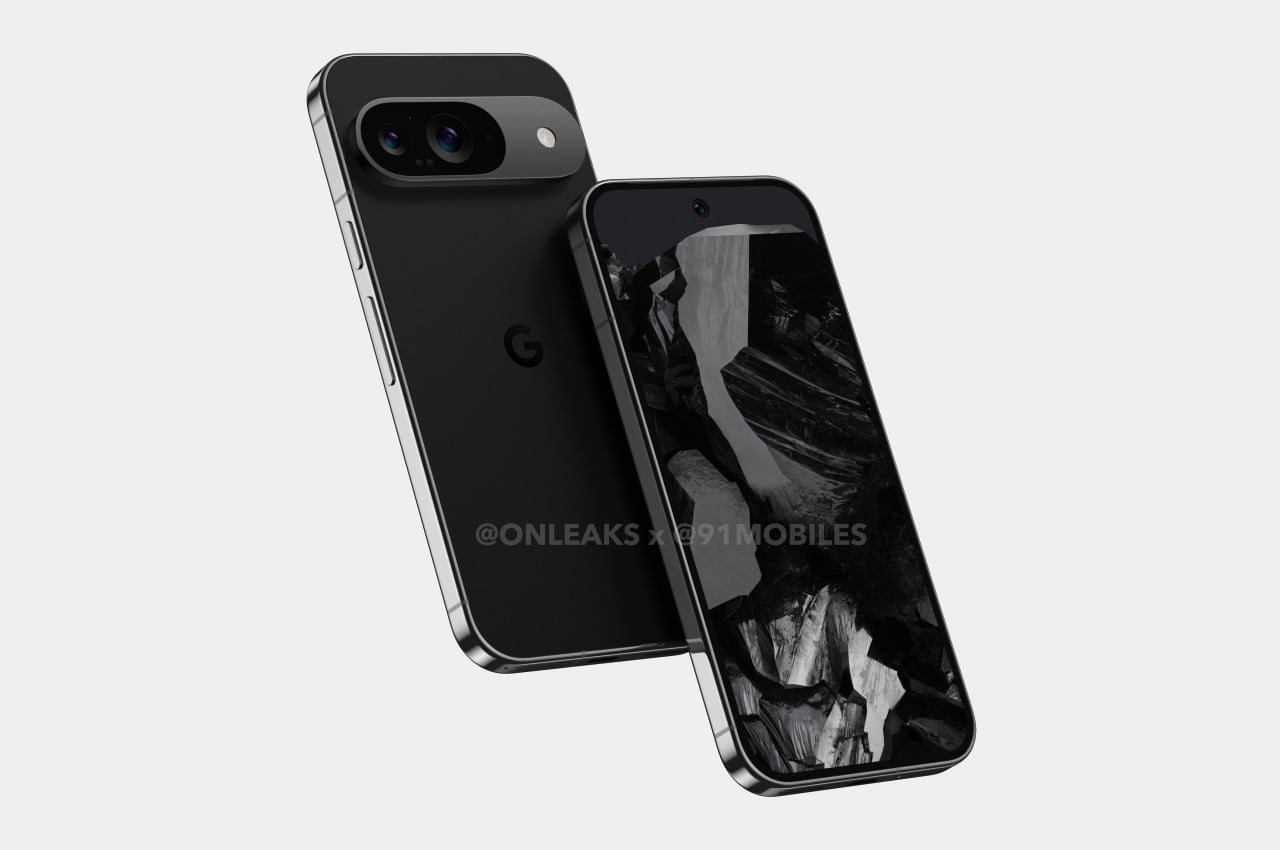
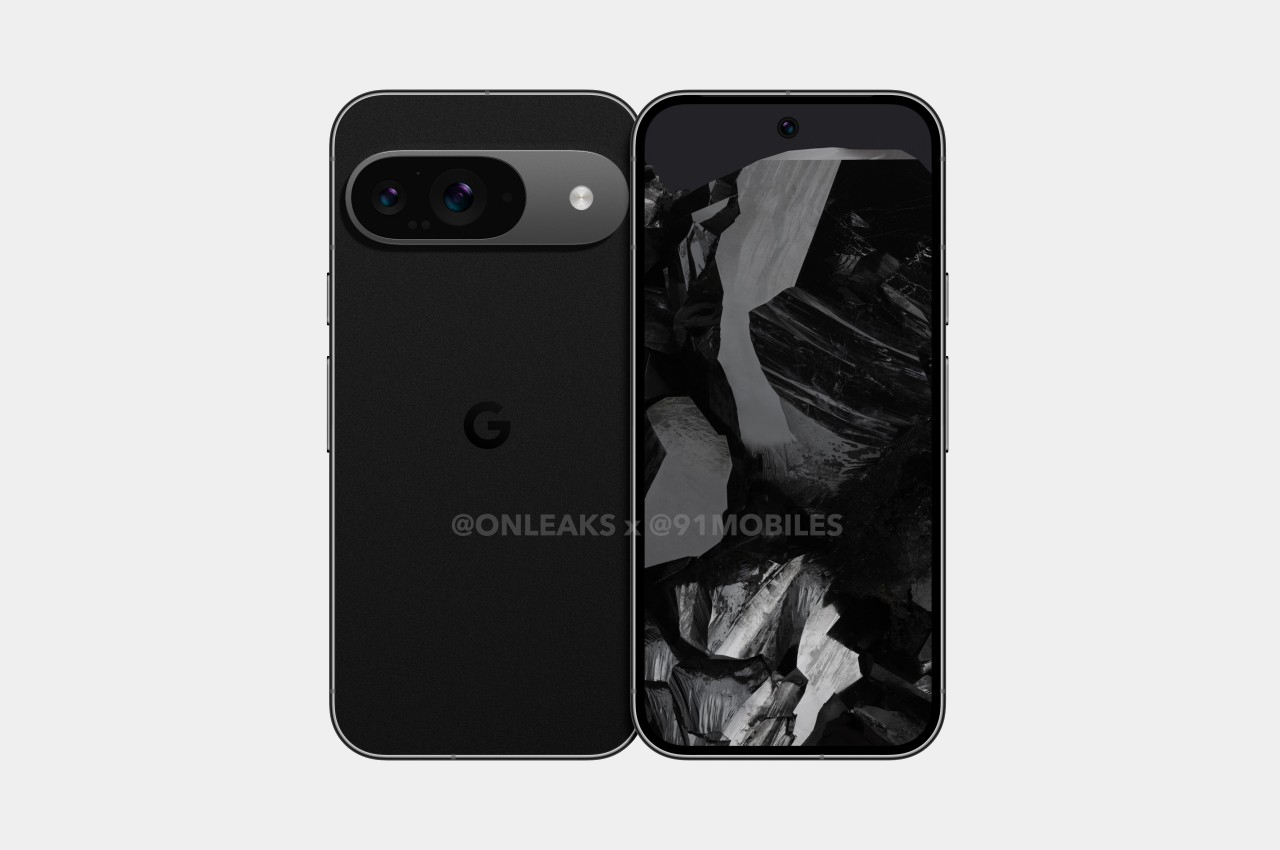
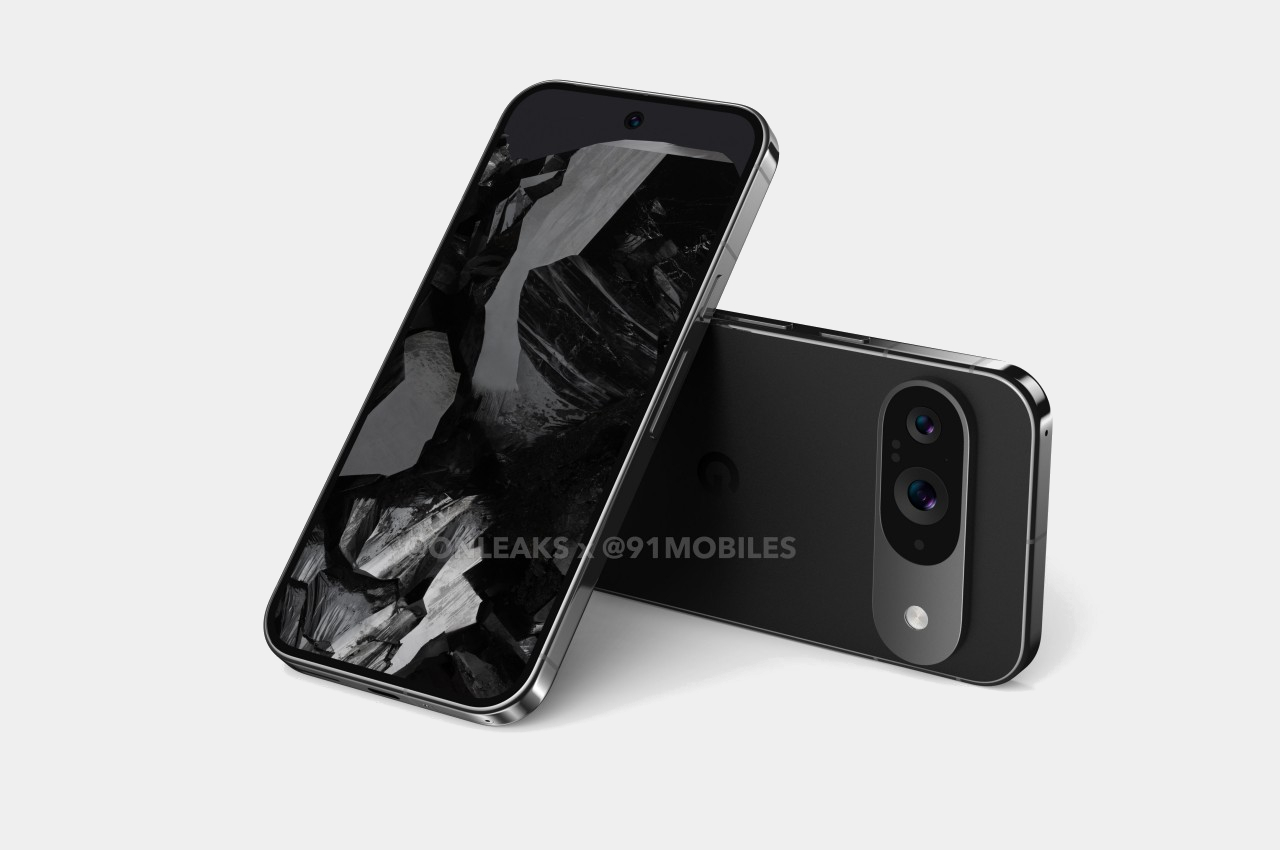
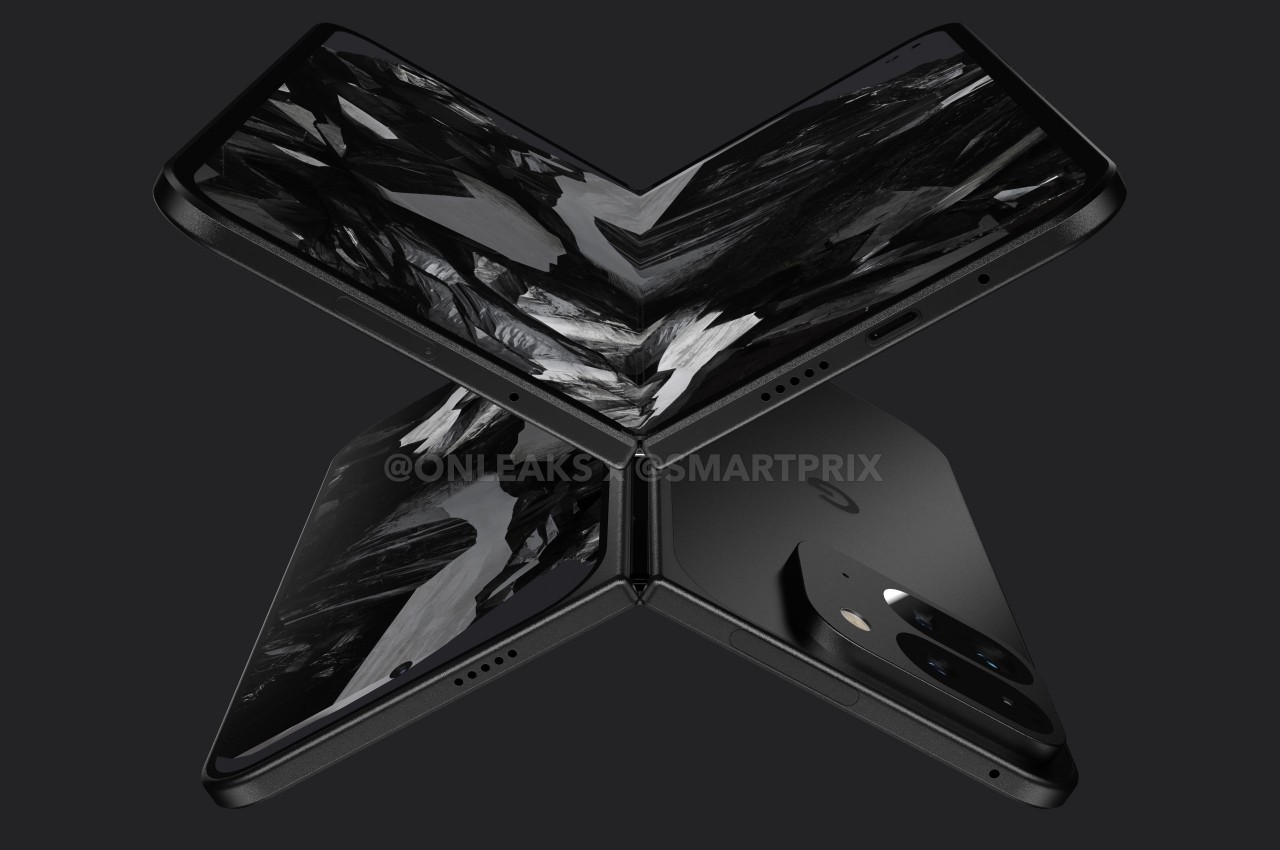
One of the most notable changes is removing Google’s signature camera bar. The first-generation Pixel Fold featured a prominent, elongated camera bar that added a distinctive look and functionality. The Pixel 9 Pro Fold opts for a new camera housing design, which is substantial enough to prevent the phone from wobbling when laid flat. This redesign offers a cleaner and more streamlined aesthetic, although it loses some of the original’s unique charm.

Google Pixel 9 Pro Fold via Taiwan’s National Communications Commission (NCC)

Google Pixel Fold

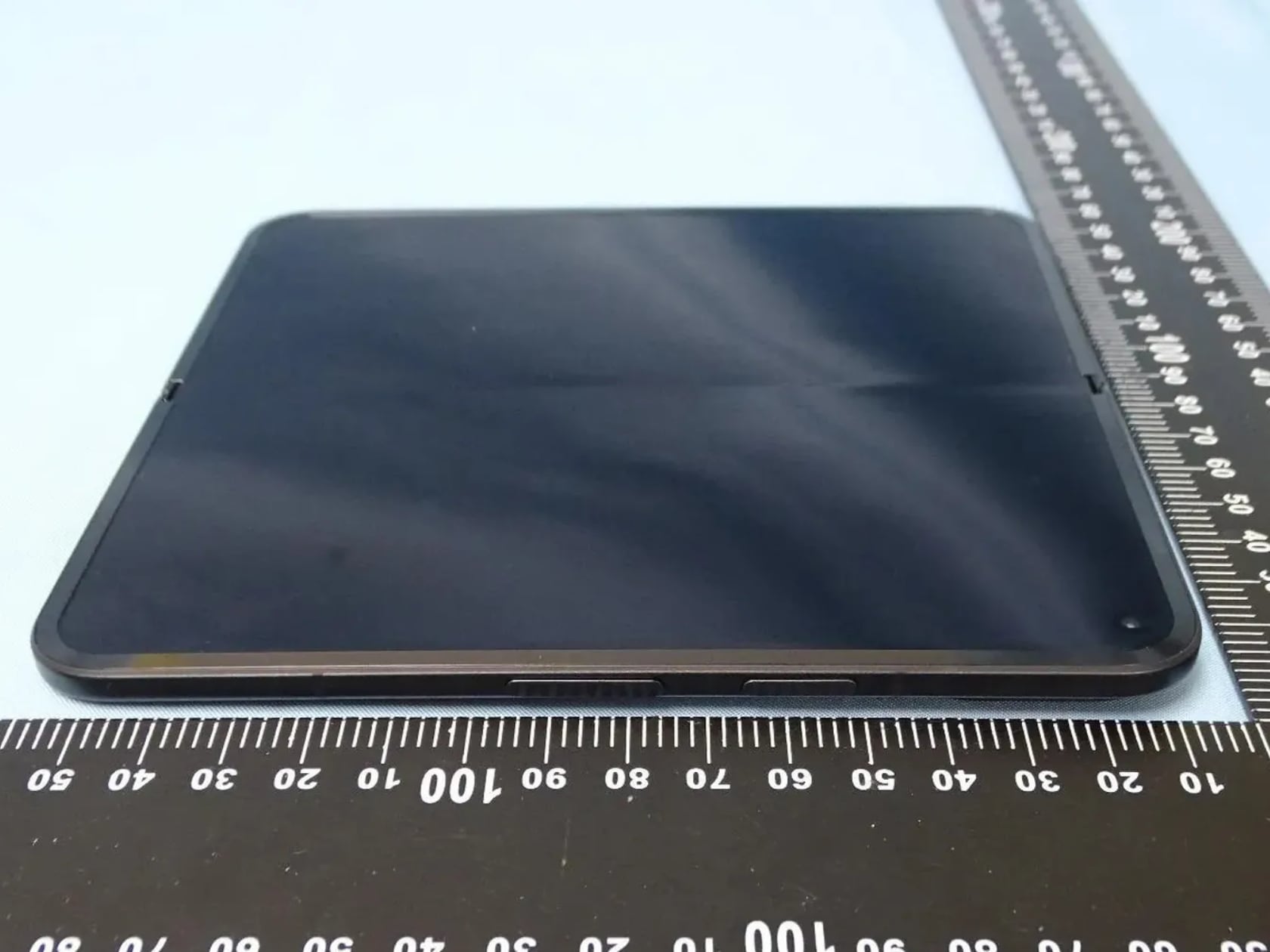
Looking at the new model’s inner display, there’s still a noticeable crease, though it appears less prominent than before. The screen ratio has shifted, becoming taller and narrower, and the bezels have been slimmed down, giving the device a more modern look. However, this design shift comes with a trade-off: the inner camera is now a cutout on the upper-left part of the display rather than being part of the bezel. This change means the screen is no longer uninterrupted, which might disappoint fans of the original design.

Google Pixel 9 Pro Fold via Taiwan’s National Communications Commission (NCC)

Despite its weight, the first-generation Pixel Fold’s short and wide design made it a great one-handed device. Although its cover screen was larger on paper, it was often too wide to hold comfortably for extended periods. In contrast, the new Pixel 9 Pro Fold’s taller form factor should make it easier to use and carry around, enhancing the overall user experience.

Google Pixel Fold

A concern with the new model is its slightly smaller battery capacity of 4,560 mAh, down from the first Fold’s 4,727 mAh. Given that the original wasn’t known for its battery longevity, this reduction might raise some eyebrows. However, Google’s latest Tensor processor promises efficiency gains that could help mitigate this issue.

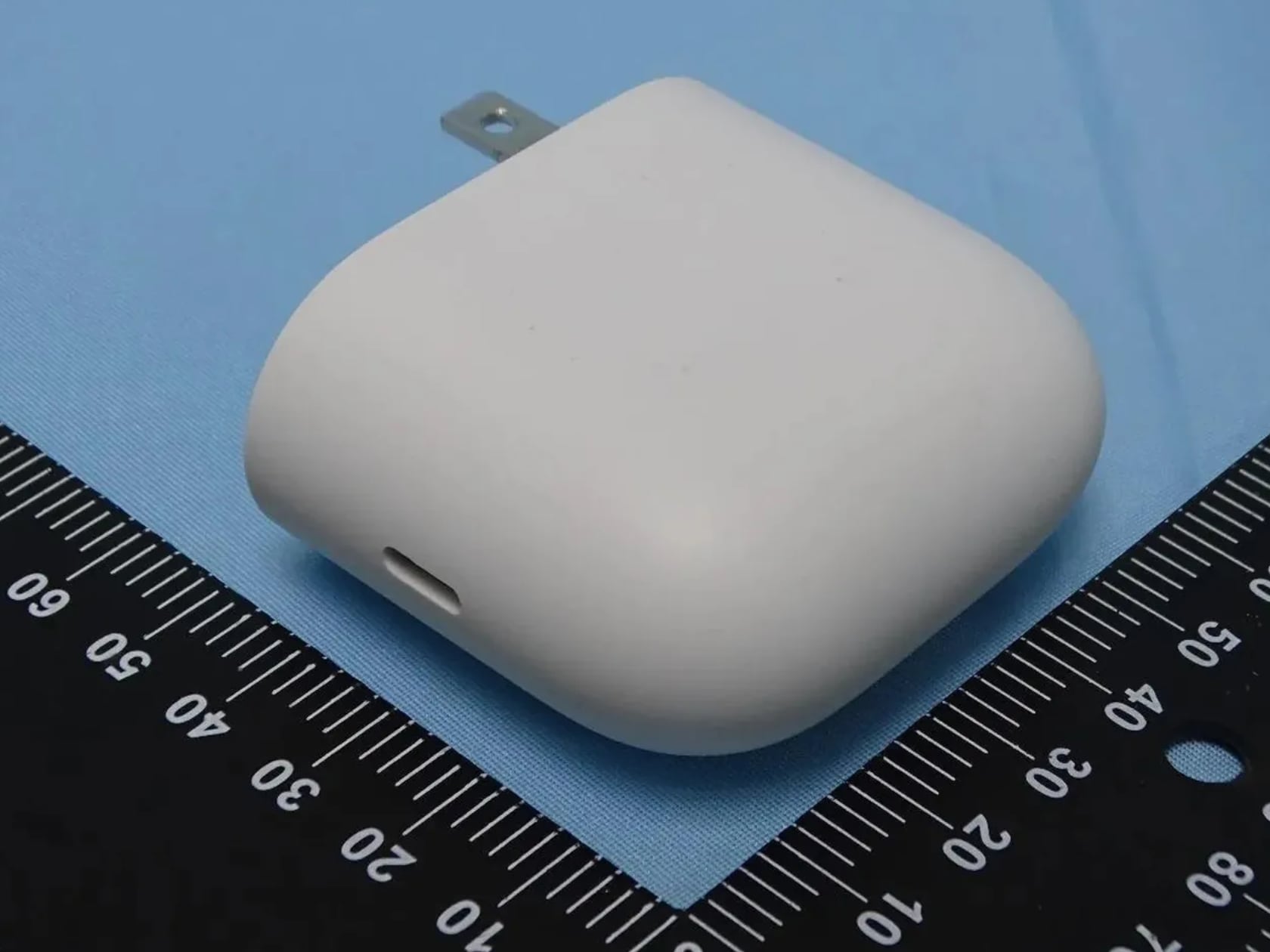
Alongside these design changes, the Pixel 9 Pro Fold has a new 45-watt USB-C charger. This new charger, which sports a more rounded design than its predecessors, is part of Google’s push to improve charging speeds and overall user convenience.

Google Pixel 9 Pro Fold charger via Taiwan’s National Communications Commission (NCC)

As someone who has used the first-generation Pixel Fold extensively, I can say that it has a unique quality that the new model hopes to build upon. The first Fold had its share of drawbacks, from dim screen brightness compared to newer models to subpar speakers and limited app optimization. With the Pixel 9 Pro Fold, Google can address these issues and deliver a more refined and competitive product.

Google Pixel Fold

The Google Pixel 9 Pro Fold represents a significant evolution in design and functionality. By moving away from the unique but bulky passport form factor to a more practical and user-friendly design, Google is making strides to compete more effectively in the foldable phone market. Here’s hoping that the new model not only looks the part but also delivers on performance and user experience, even if it does come with a price tag north of $2,000.

The post Google Pixel 9 Pro Fold: A Worthy Redesign or a Step Back? first appeared on Yanko Design.

Here’s Every iPhone 16 Pro Leak And Rumor We Know So Far…

Is it safe to say that Apple’s won the long-term smartphone war? Samsung had a decent Unpacked event last week, and so did Nothing, but none of them have even managed to match the cultural impact of Apple’s iPhone keynote that happens every September. In fact, even though the event happens on one single day, the news coverage before and after the event revolves around the iPhone too. After the phone’s announced, you’ve got first-impressions, reviews, and comparisons… but before the phone is announced, the rumor mill works hard to try and decipher what the upcoming phone will look like. We’re in July right now (two months before Apple announces its latest phone) and at this point, it does seem like we have a fair idea of what the new iPhone 16 Pro will look like. From hardware details to even internal components, the interwebz has worked tirelessly to deliver on leaks and credible speculations – so we decided to collect everything we know about the upcoming iPhone 16 Pro and 16 Pro Max in one single place. Here’s everything we’ve heard so far…

Rendered by: AppleTrack

A18 Pro Bionic Chipset

After last month’s WWDC event, it’s pretty much taken for granted that Apple Intelligence will be at the forefront of the new iPhone lineup… and to make that happen, the new iPhones will need beefed up chipsets. A new report from Jeff Pu, an analyst at Haitong International Tech Research renowned for his reliable insights into Apple’s chip development, reveals that Apple is accelerating the production of the A18 Pro chip earlier than usual. This chip is being specifically tailored for advanced AI functionalities. These upgrades indicate that the upcoming iPhone 16 Pro and Pro Max will feature a custom-designed A18 Pro chip, emphasizing on-device handling of intensive artificial intelligence (AI) capabilities. Rumors are indicating that even the regular iPhone 16 phones may get the A18 Bionic chipset to handle these AI features.

Smaller Bezels = Bigger Screens

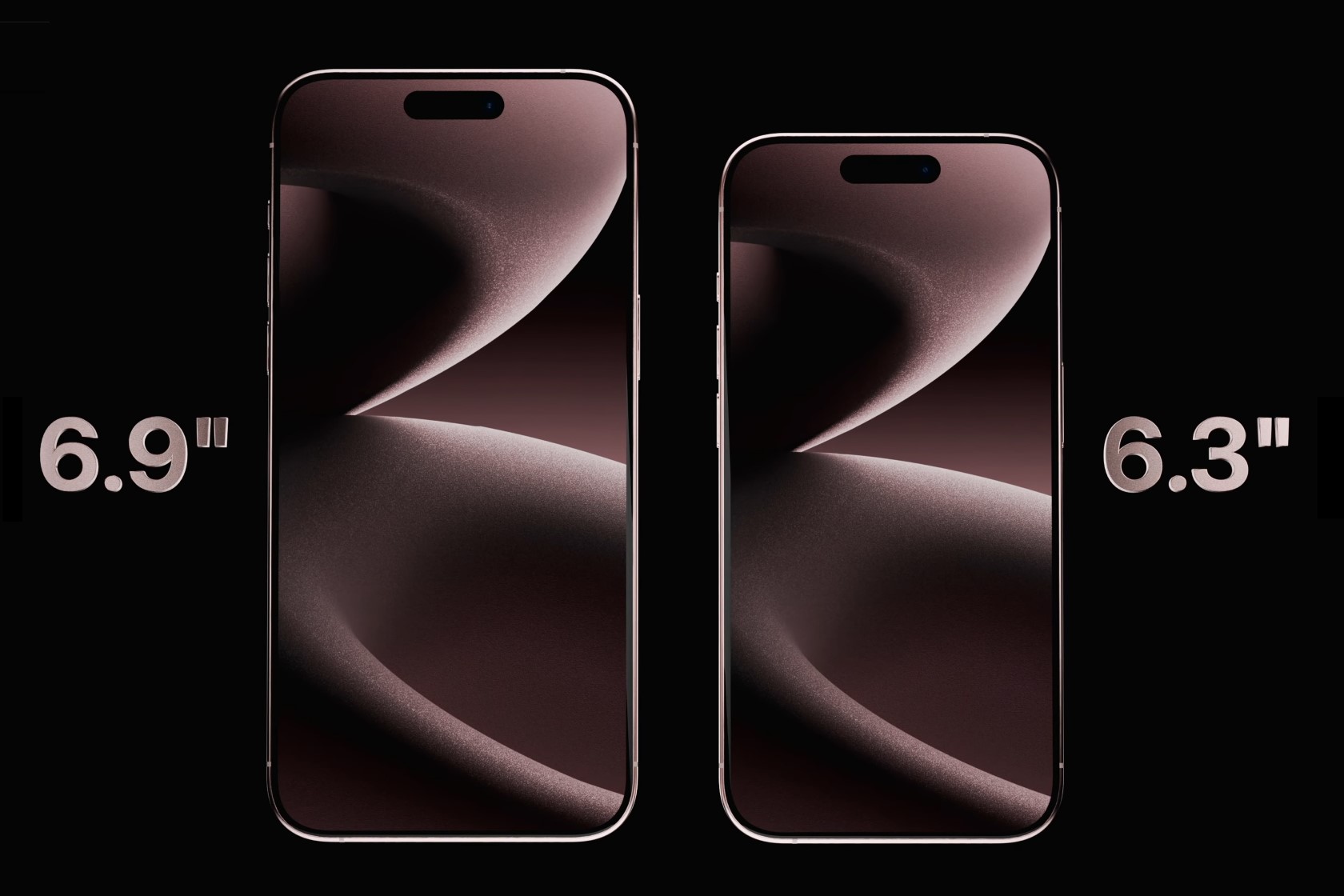
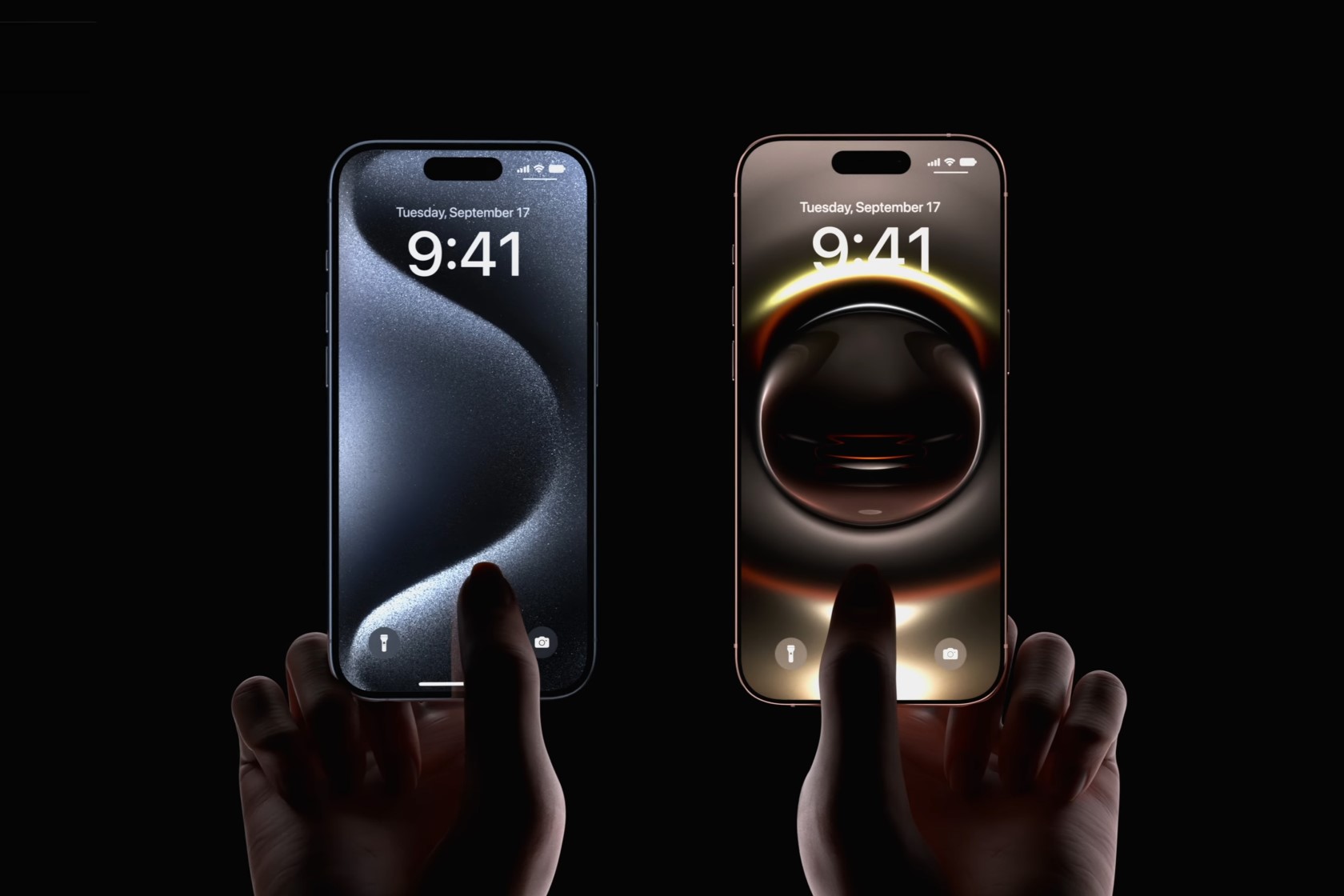
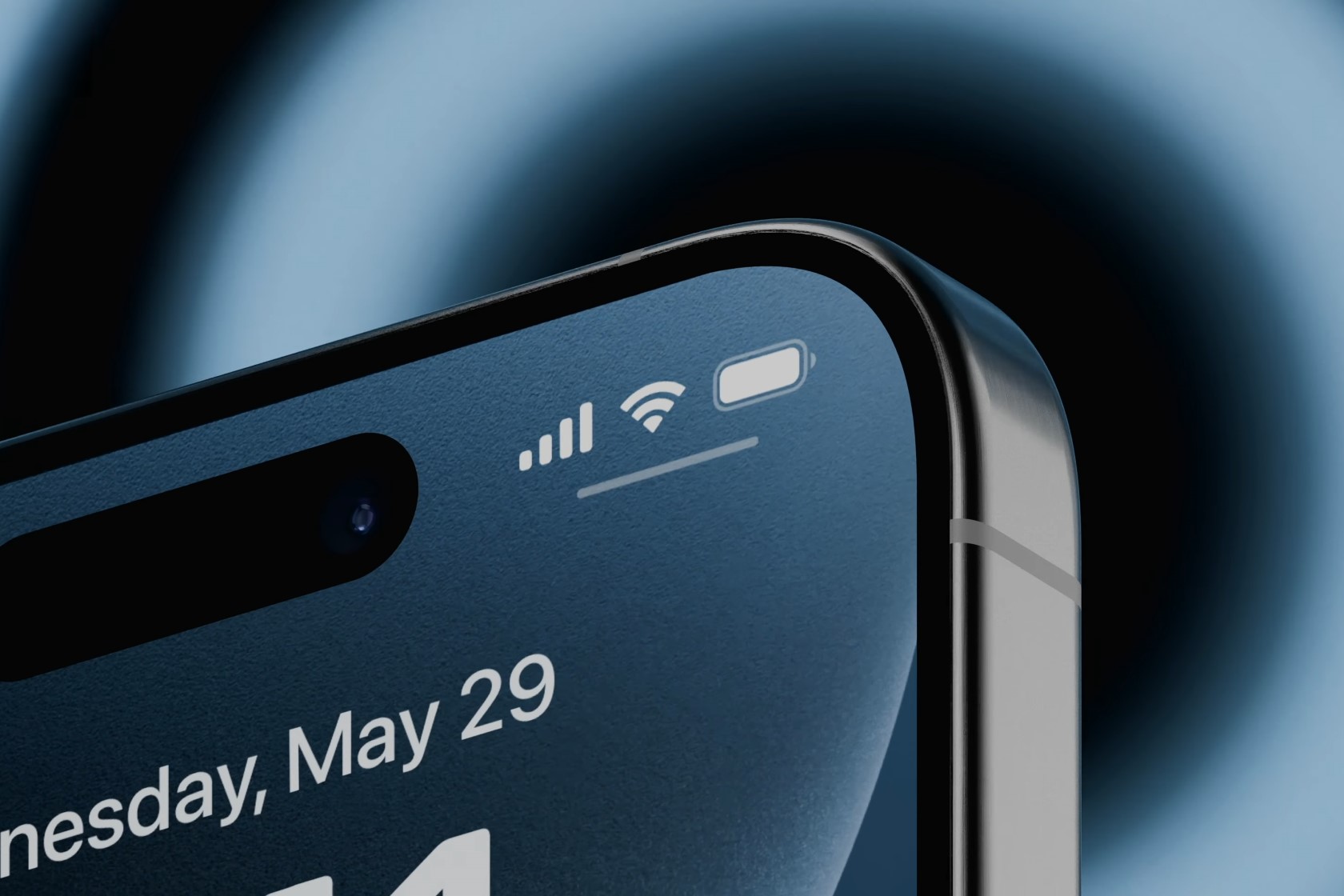
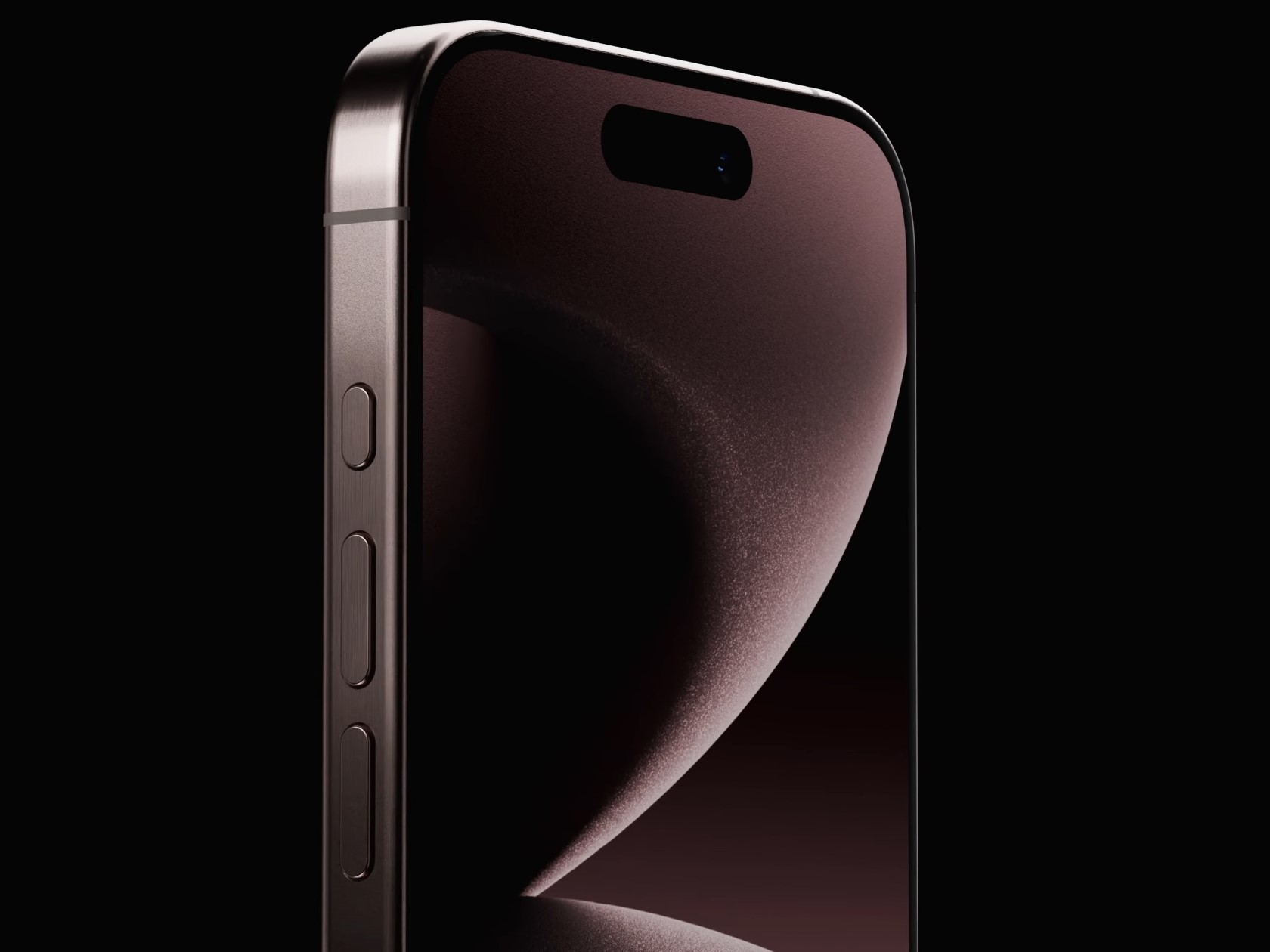
It’s 2014 again and bezels are public enemy number 1. Apple’s new phones will reportedly have marginally larger screens thanks to an impressive 30% reduction in bezels. This new display template, dubbed BRS or Border Reduction Structure, is thanks to Apple pushing Samsung to provide tighter circuit placement that can help shave off almost half a millimeter of bezel thickness. These reports seem fairly credible, coming from THE ELEC, a Korean industry media outlet. This effectively means the new 16 Pro and Pro Max will have screens measuring 6.3 and 6.9 inches diagonally, respectively.

The iPhone 15 Pro on the left and the 16 Pro on the right demonstrate the reduced bezel sizes

A New Capture Button For Enhanced Photography

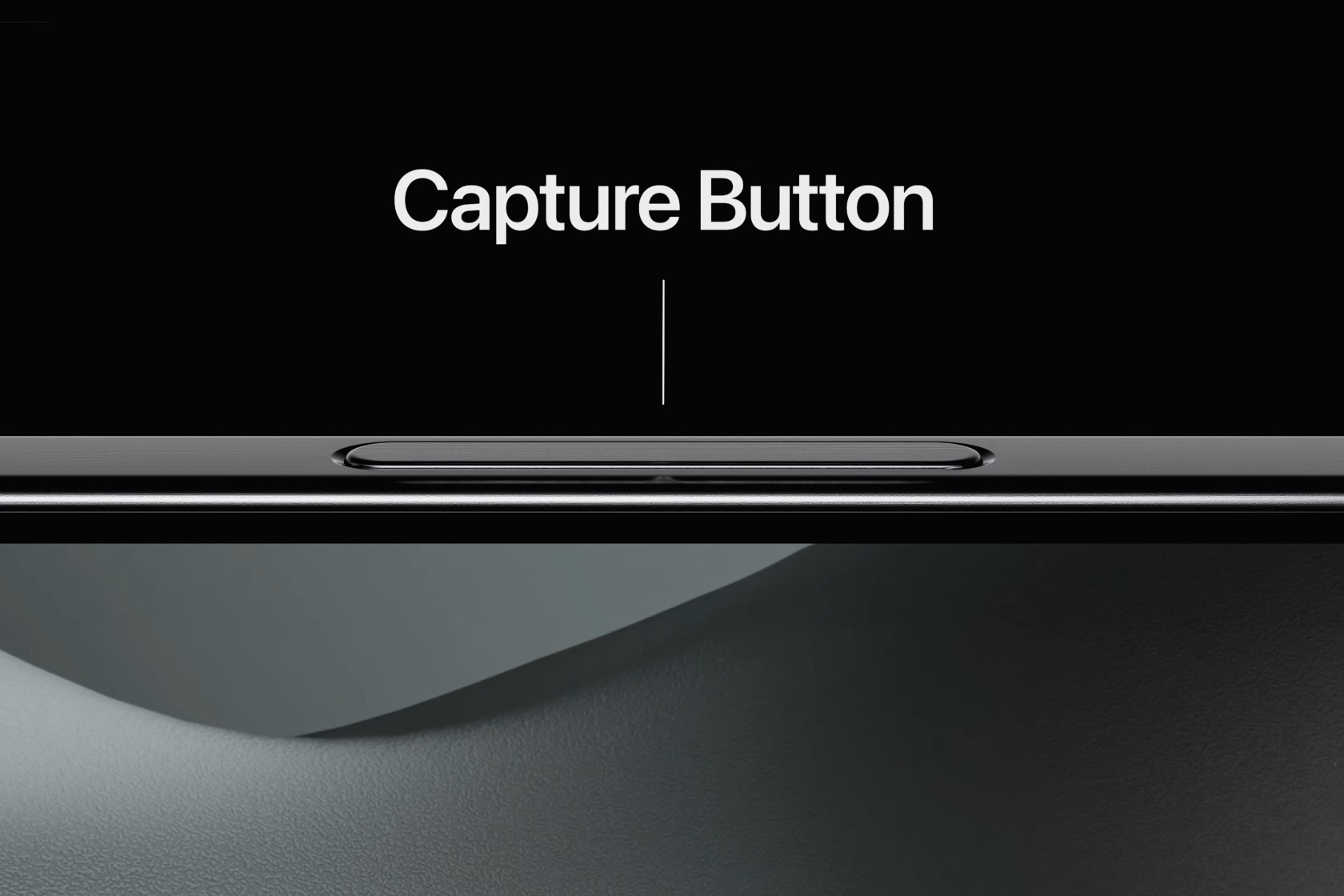
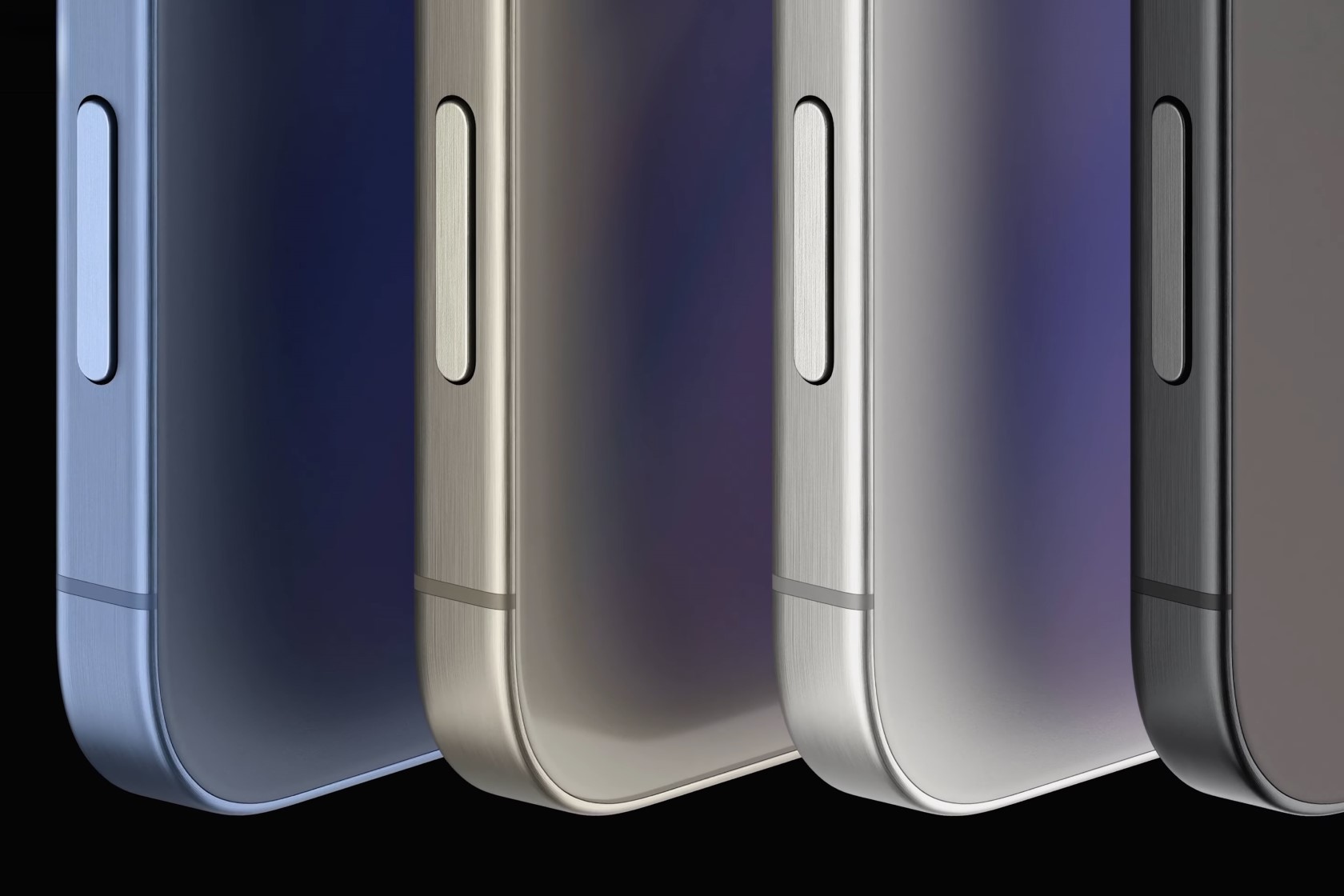
Although rumors of a Capture Button have circulated for quite a while, actual details on its capabilities have only NOW become more evident. At first, this button was touted as simply a shutter button that could click photos without you needing to touch your screen, but indications show that this button will have a touch-sensitive surface and a two-stage press. The touch-sensitive surface will allow you to slide your finger from side to side to zoom in or out, while the two-stage press lets you press lightly for focusing, and then further for clicking the picture, sort of like most DSLR cameras. The capture button sits where the millimeter-wave antenna once featured on the iPhone’s body, but it seems like the antenna will just move over to the left side instead, making way for the new hardware feature on the iPhone 16 Pro.

Same Old Sensors, New Capabilities

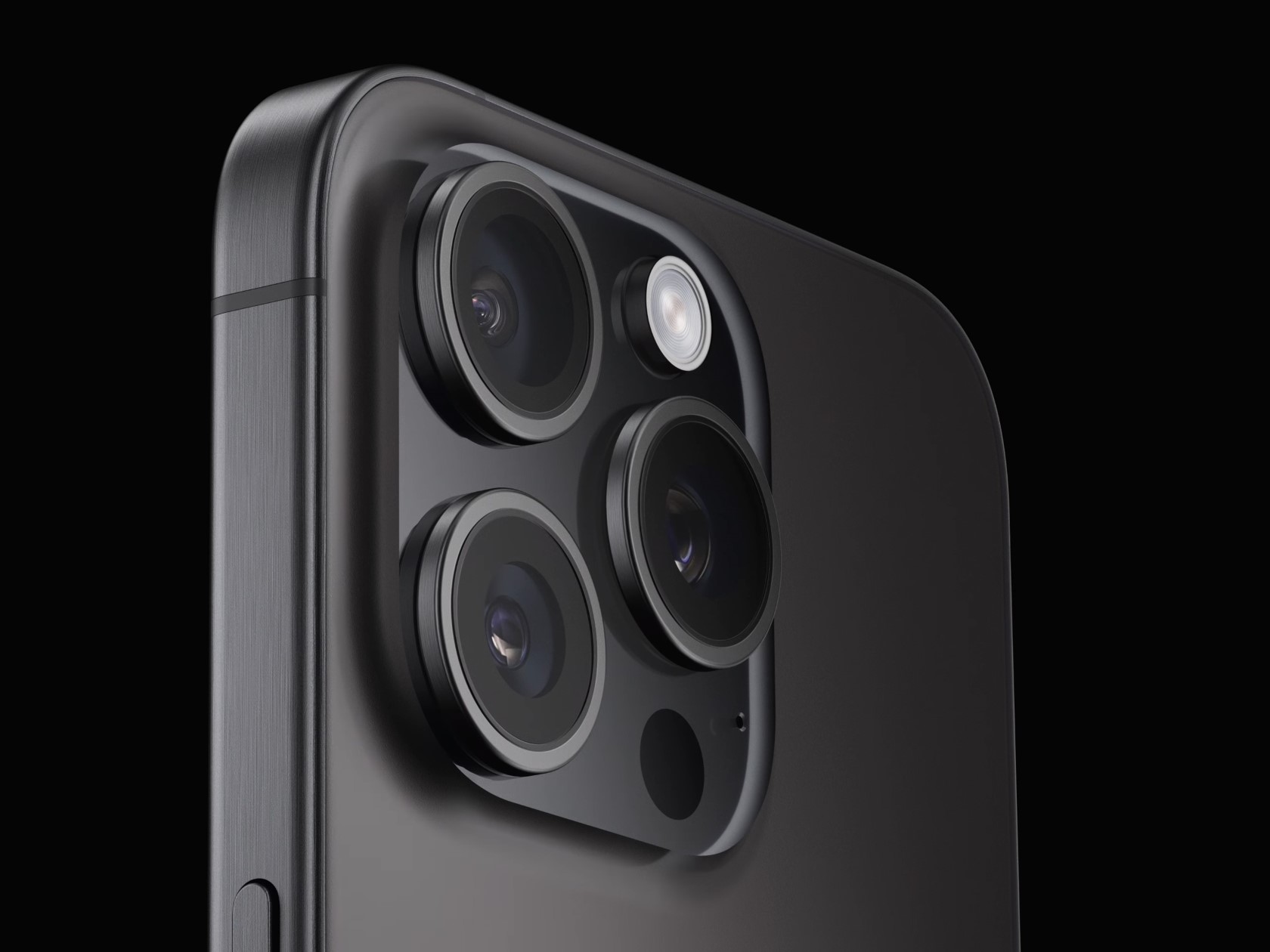
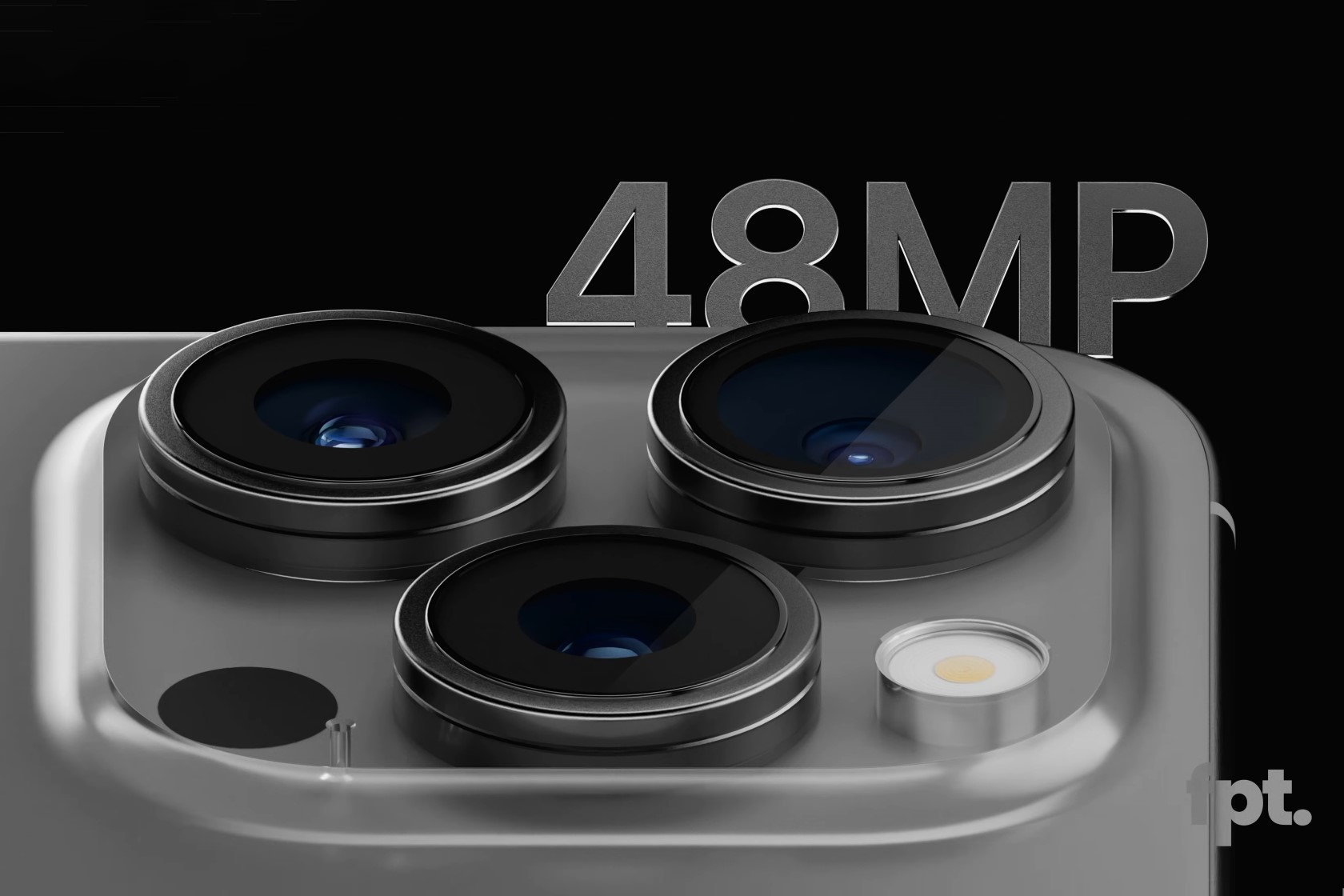
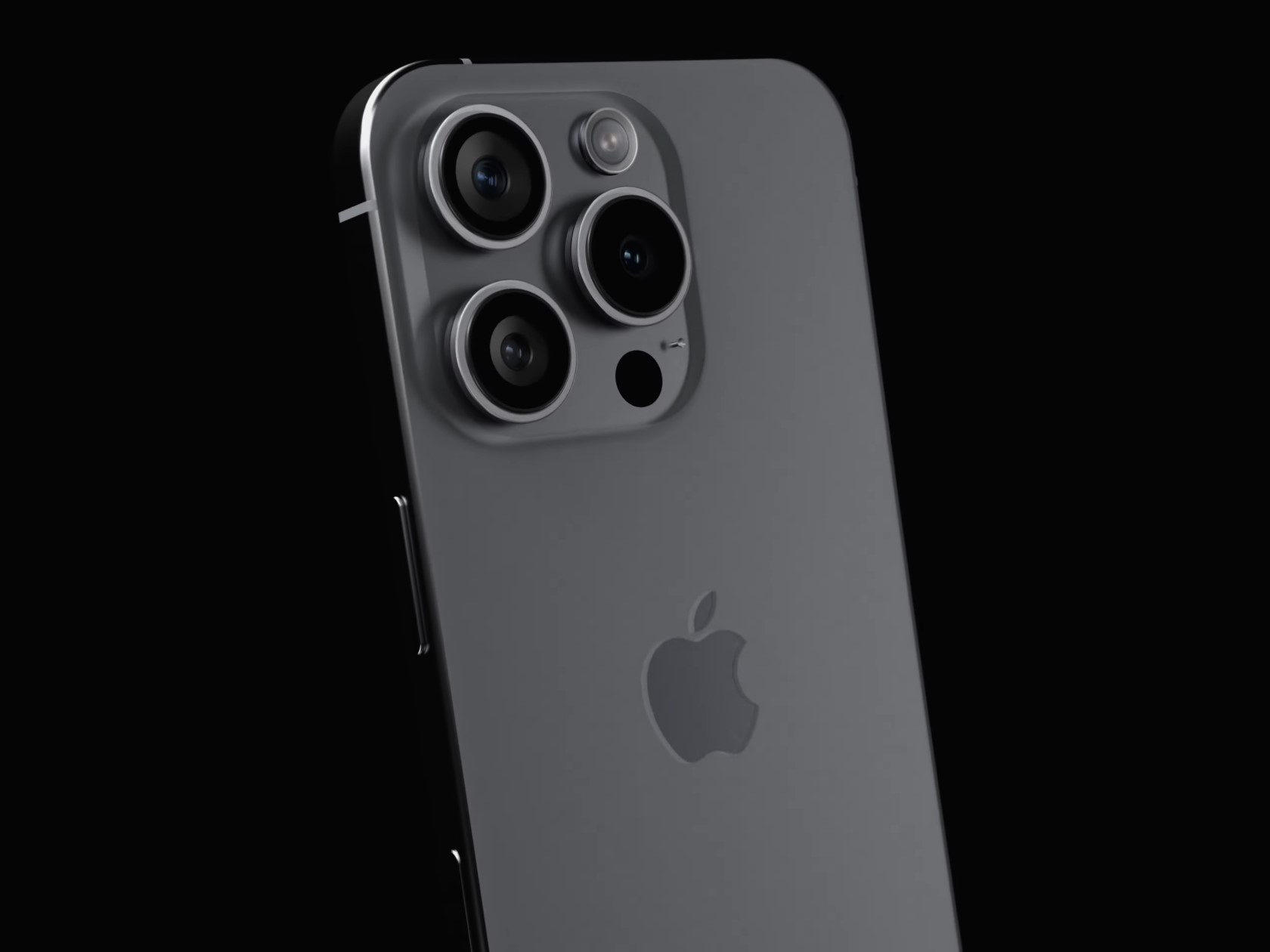
Since cameras are a pretty massive part of the iPhone (some might say its highlight), talking about camera capabilities is also pretty crucial. Rumor has it that the new iPhone 16 Pro will still feature the 48MP main camera sensor from its predecessor with no change. However, the tetraprism telephoto lens from last year’s iPhone 15 Pro Max that could output 5x zoom will see even more zoom capabilities. Last year’s flagship iPhone had the zoom equivalent of a 120mm telephoto lens, but rumors indicate the new iPhone will push this to a 300mm lens equivalent. Now obviously, that seems absolutely bonkers, but it also makes sense to take such a rumor with a little pinch of salt. After all, stabilization while zooming in that far would probably be near impossible.

Thinner MagSafe Array

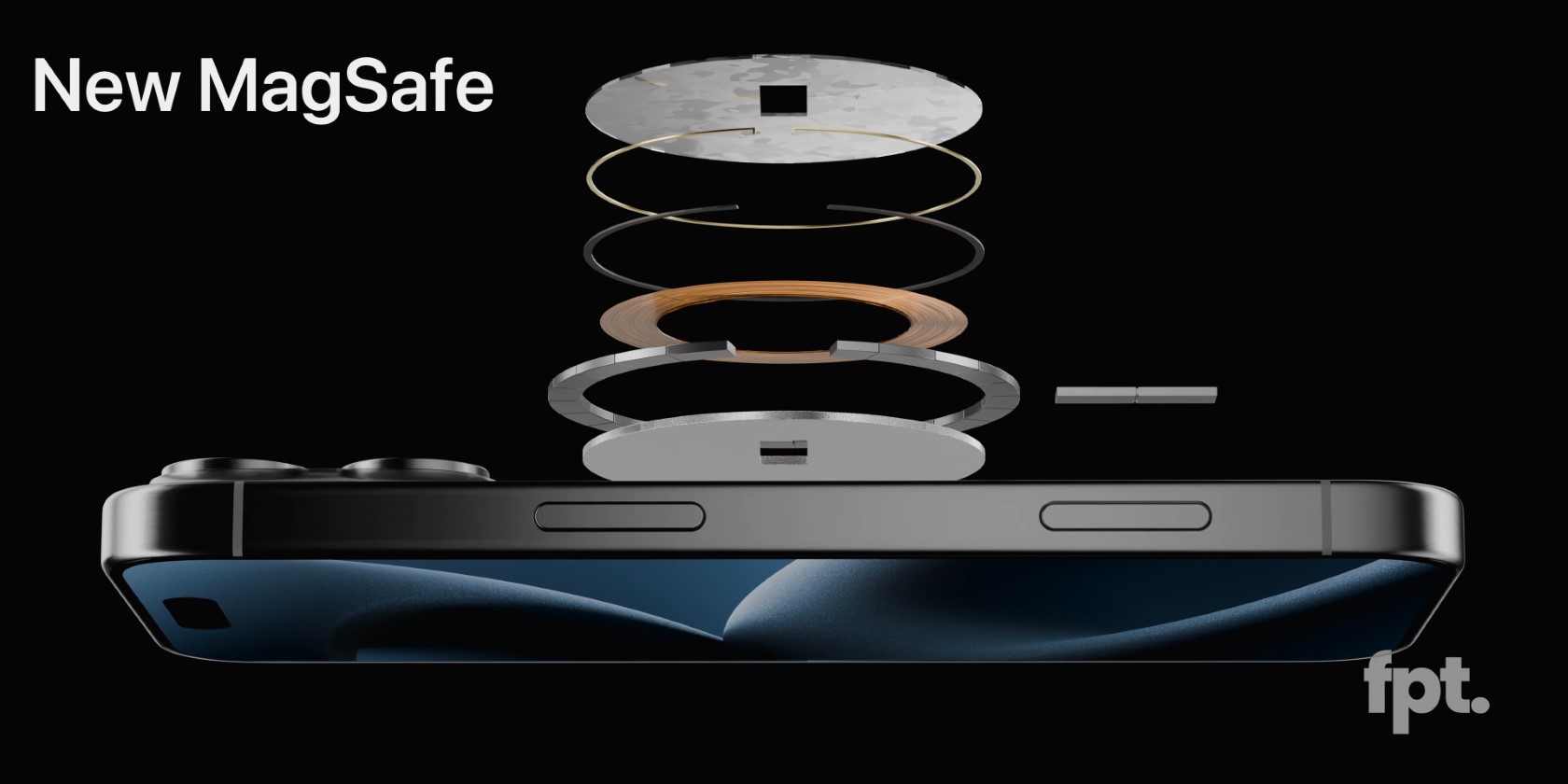
Yet another tweak, noticed by case-makers, is a refinement of the MagSafe array. Now the new MagSafe ring on the iPhone will feature thinner magnets all around, freeing up more space inside the phone without compromising on the magnet’s strength.

(Probably) A New Rose Gold Color Variant

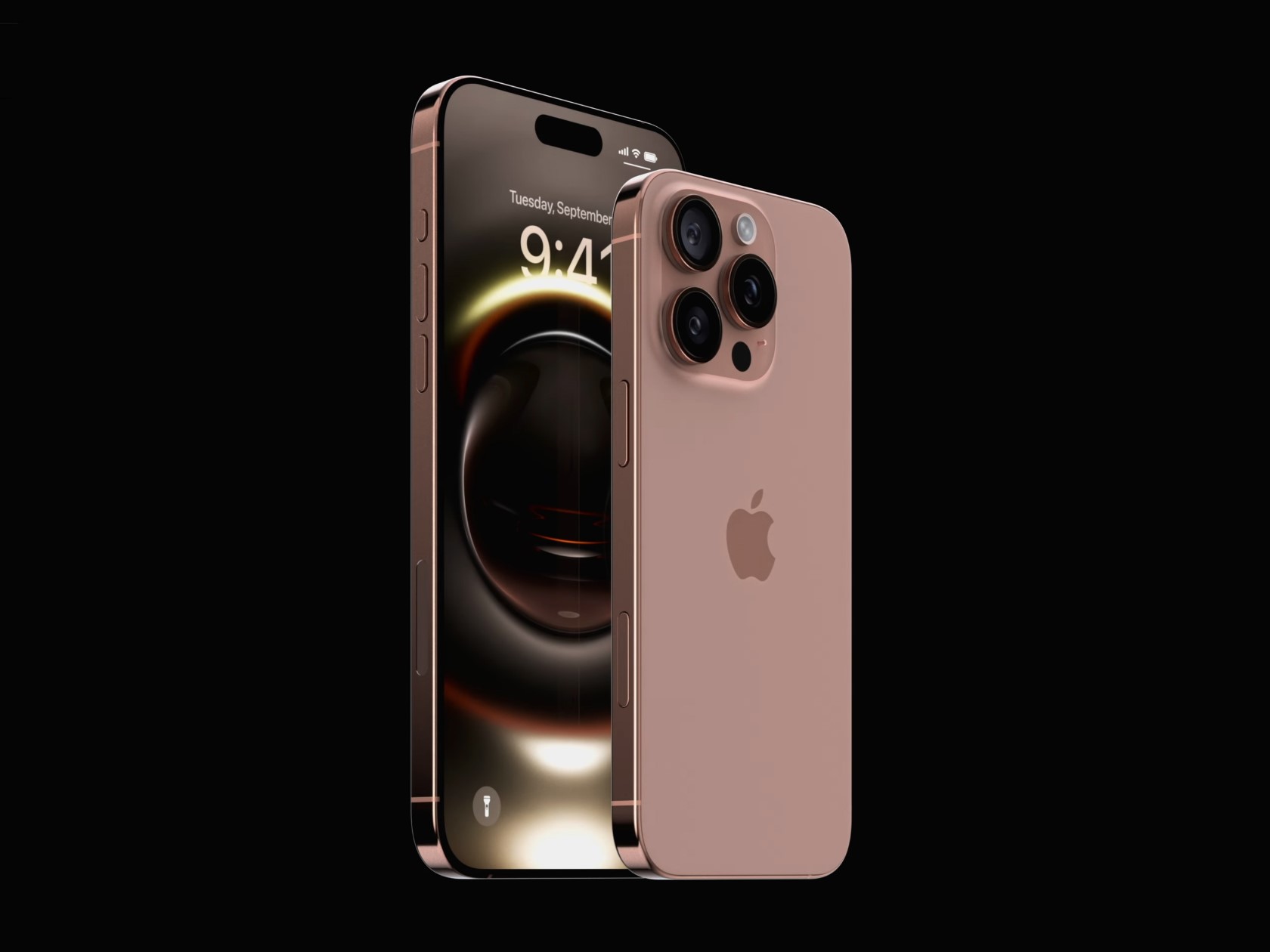
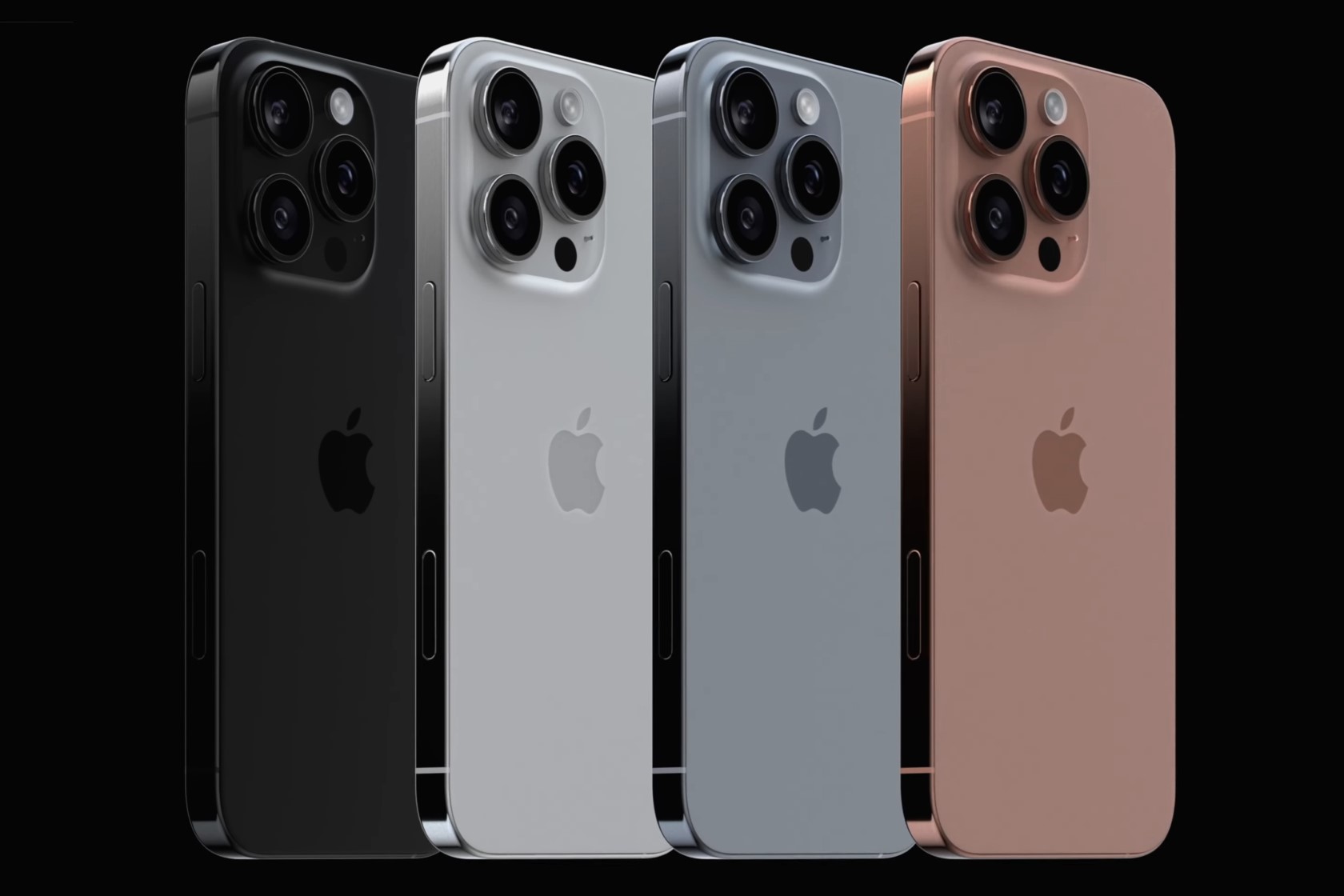
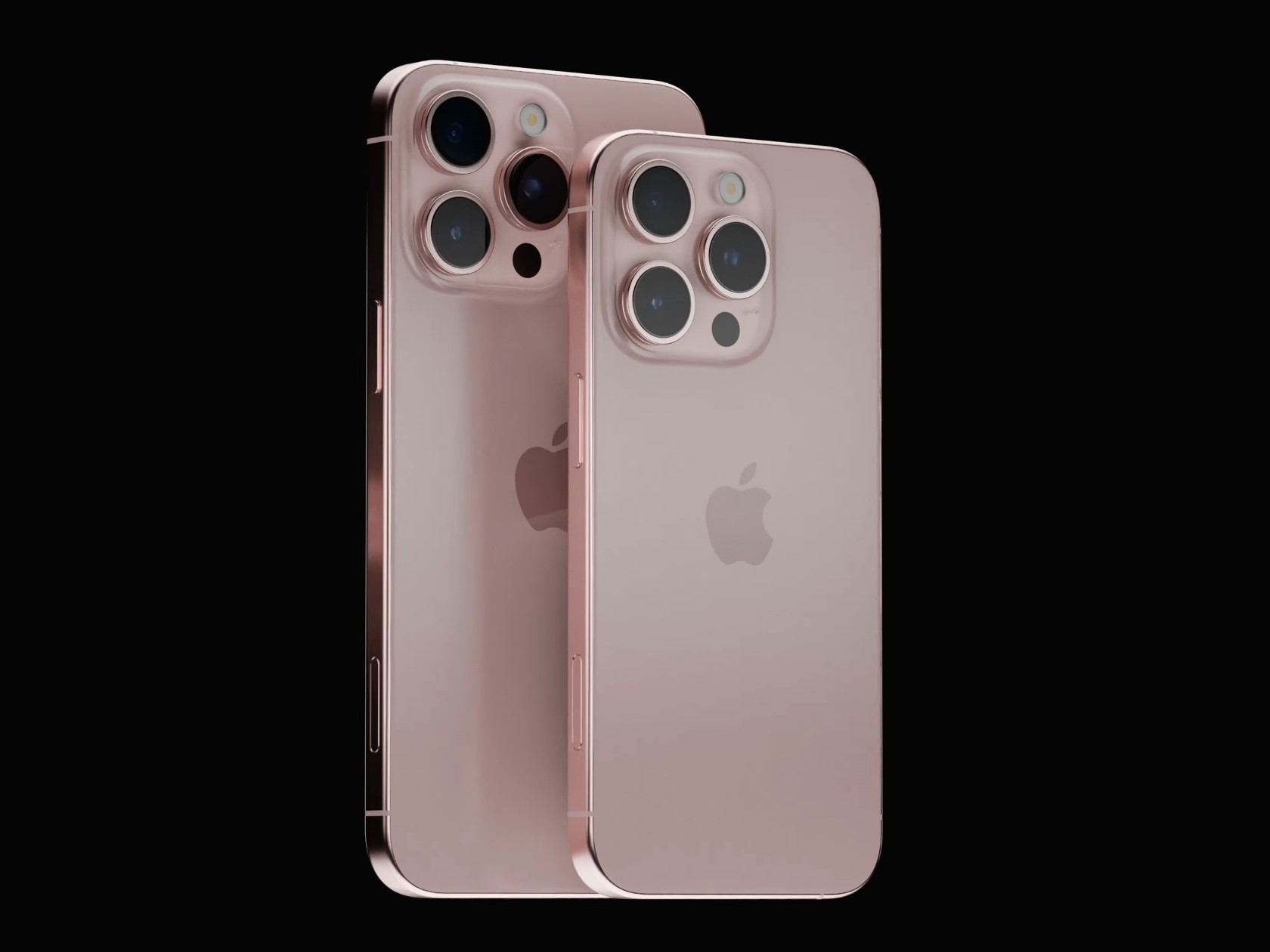
The final rumor is that the iPhone 16 Pro series could see another color variant added to it. Apparently the famed Rose Gold colorway (made popular with earlier iPhone models and even the MacBook Air) could make a comeback – but this time in titanium. Yes, the new Pro-series iPhones will still have a titanium frame, but Apple will probably issue new color variants to set the different iPhone Pro models apart. Last year, the 15 Pro series saw natural, blue, white, and black finishes. It’s fairly conceivable that Rose Gold sees a resurgence this year.

Image Credits: FrontPageTech

The post Here’s Every iPhone 16 Pro Leak And Rumor We Know So Far… first appeared on Yanko Design.

Could A.I. Make the Modular Phone A Reality? This Concept Revives the ‘PhoneBloks’ Dream with a Twist

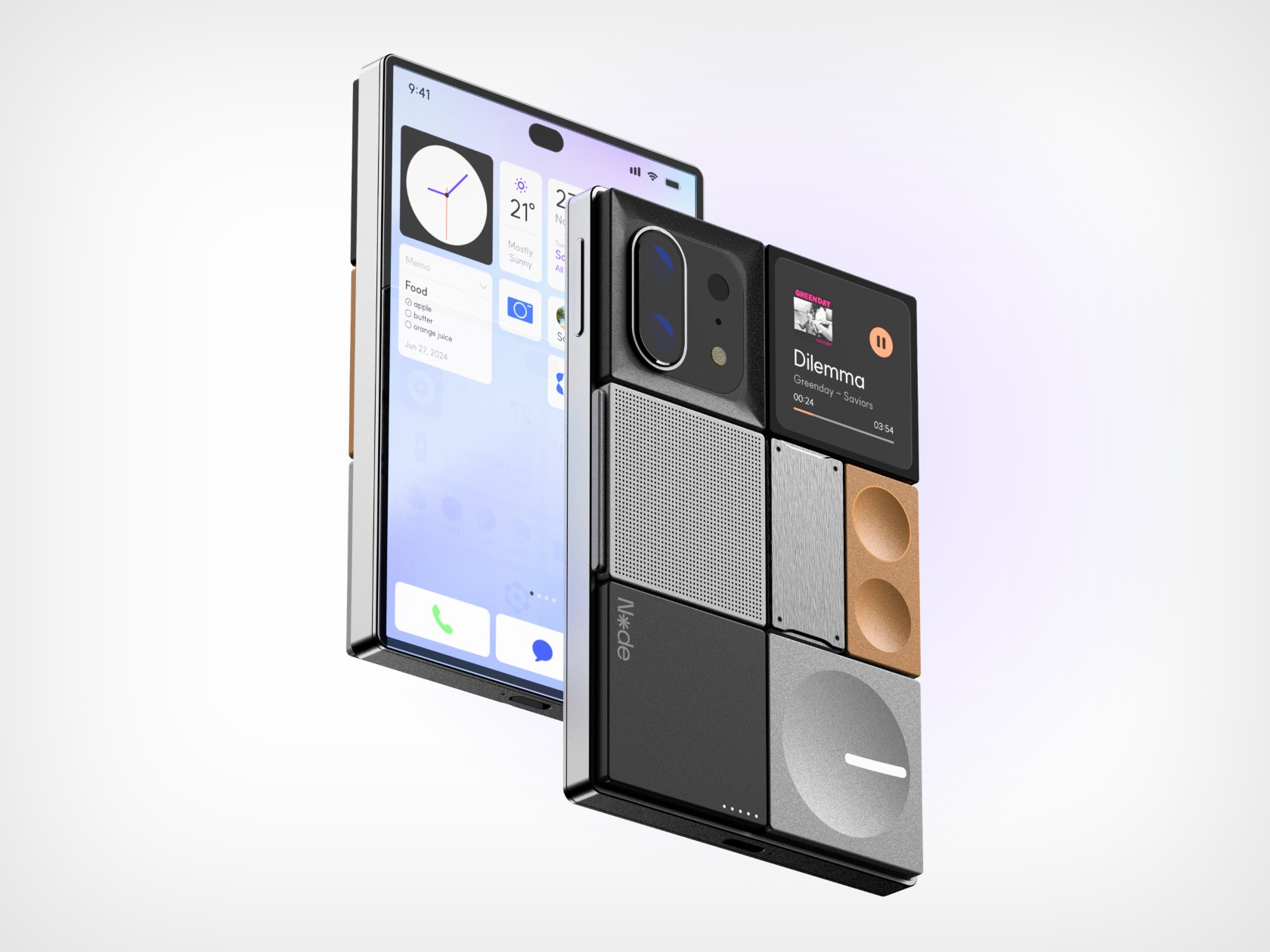
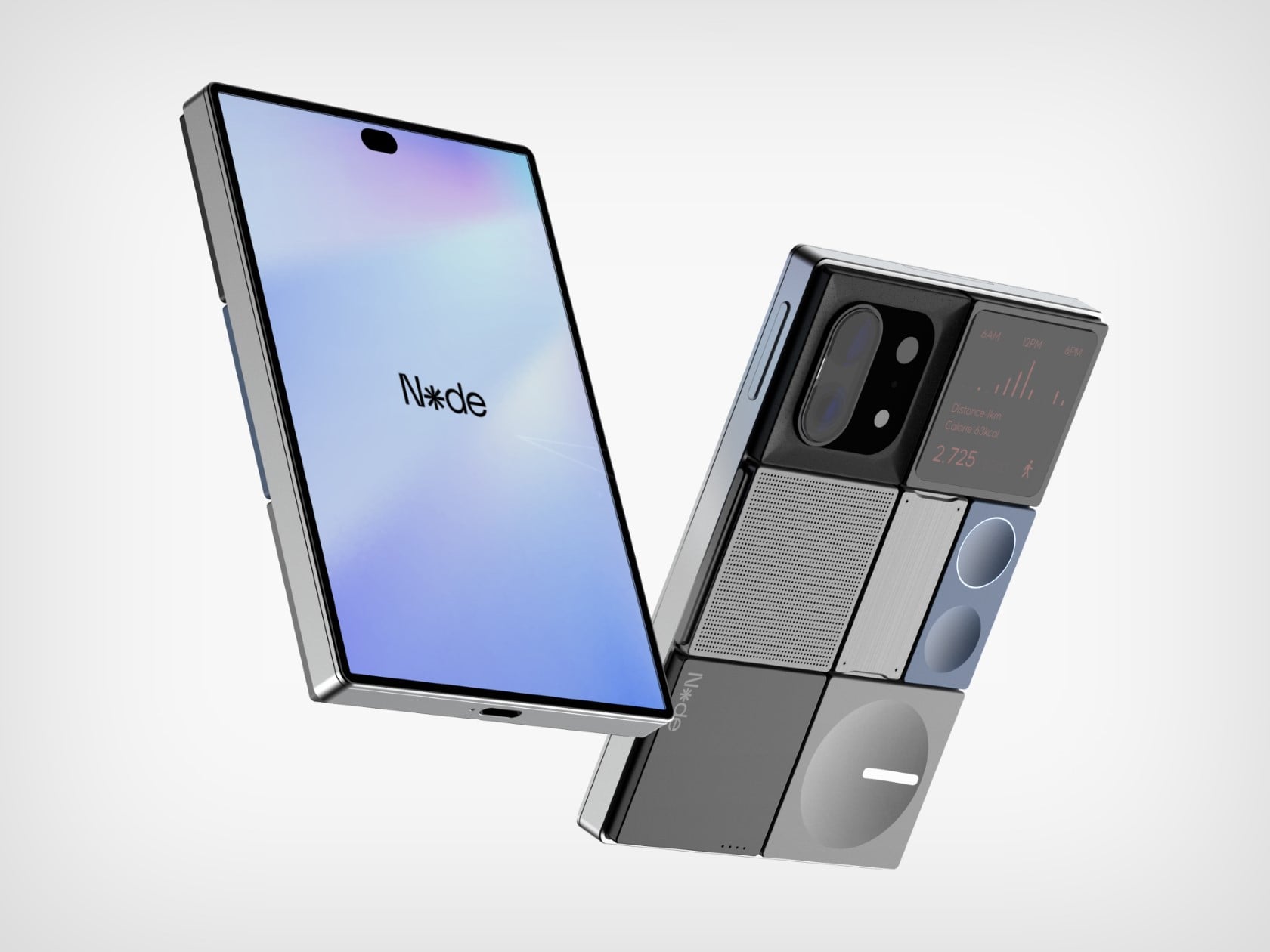
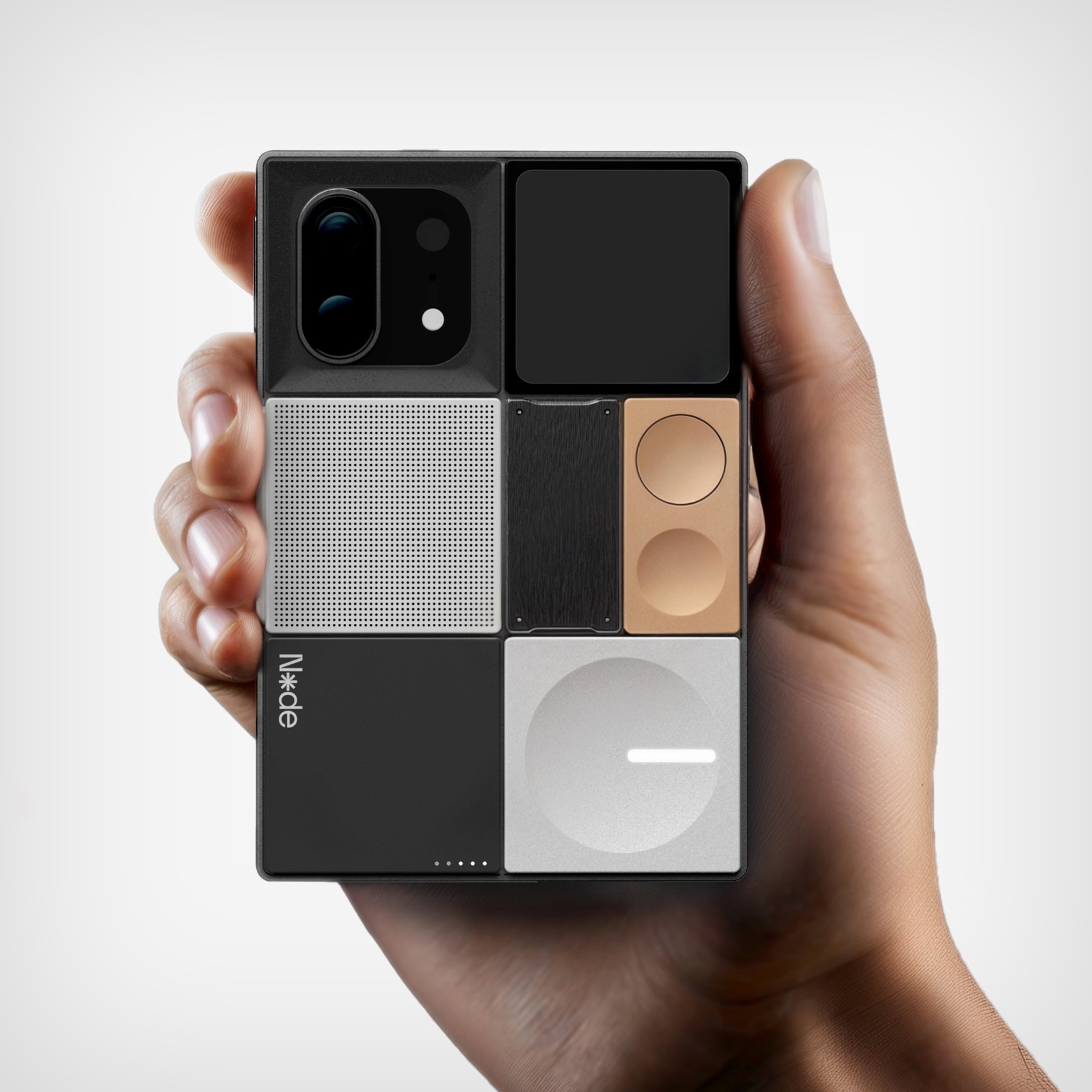
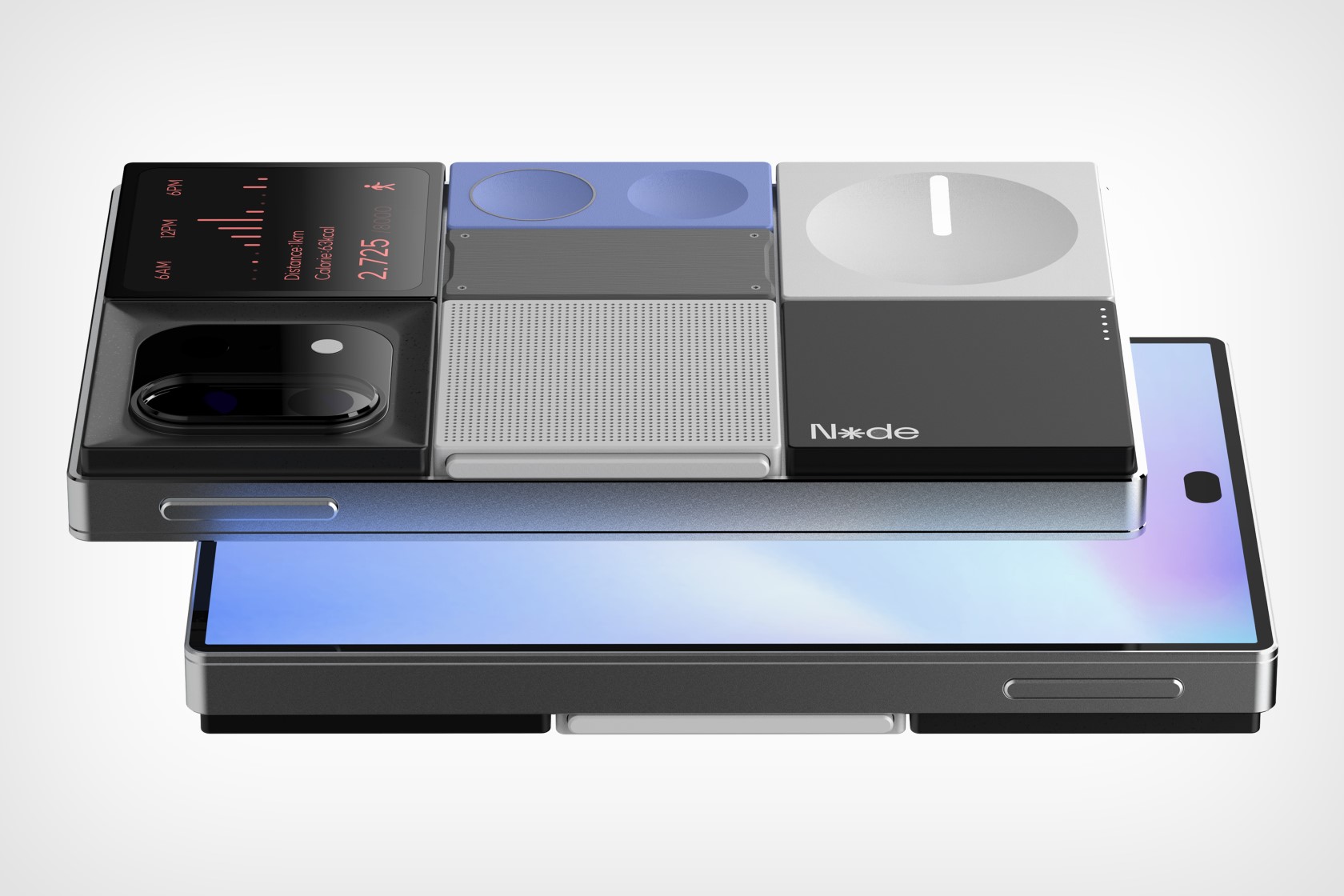
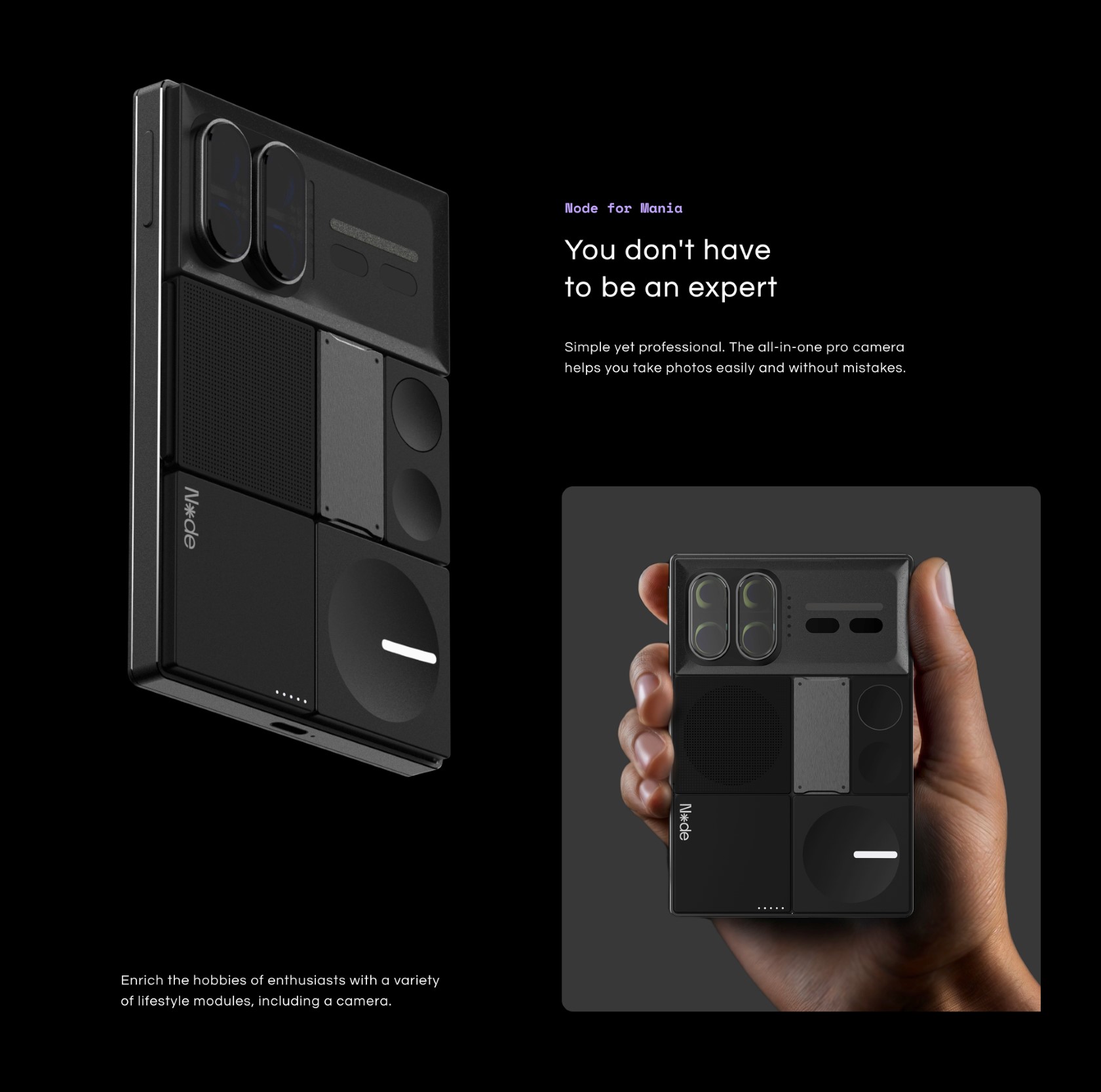
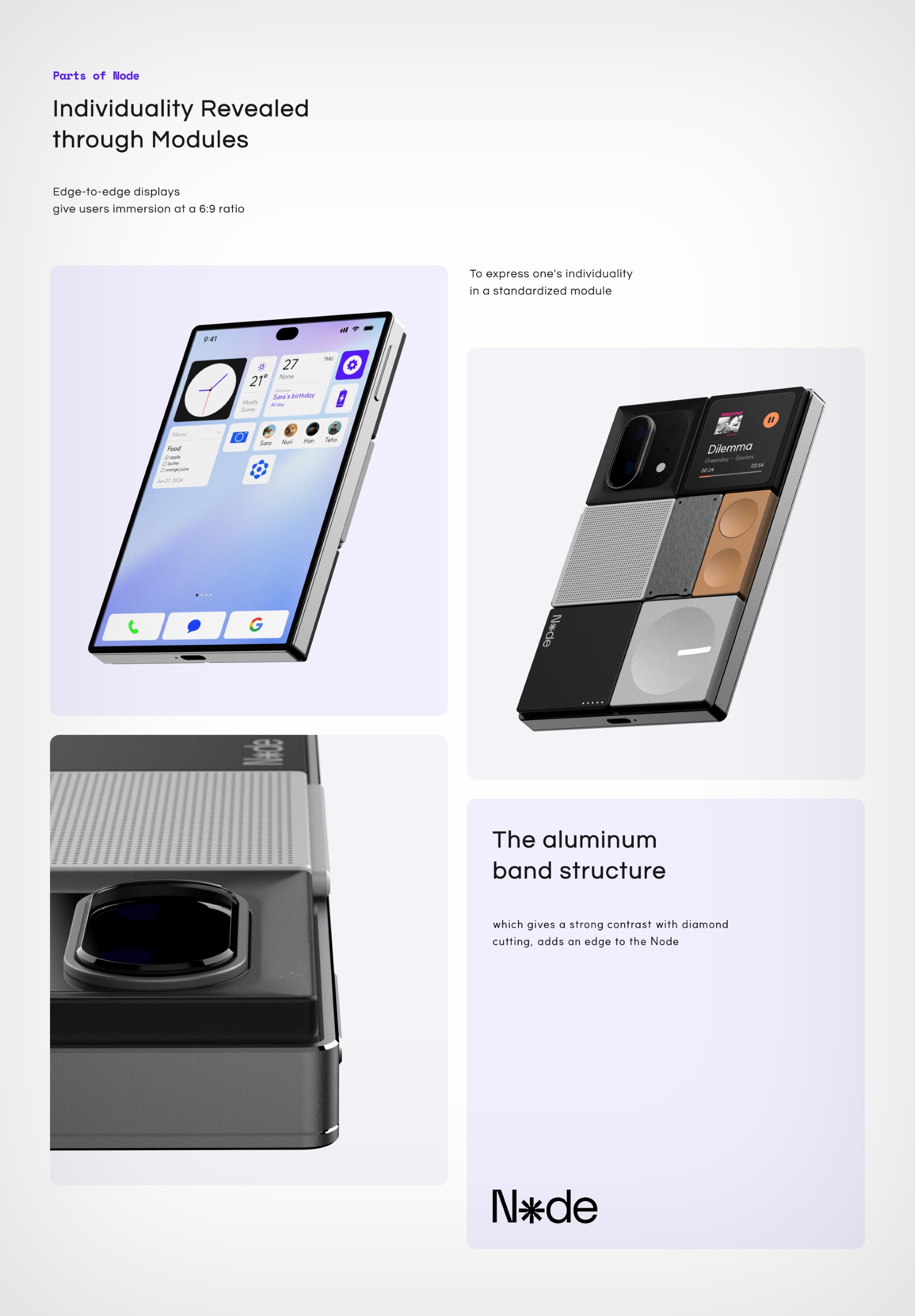
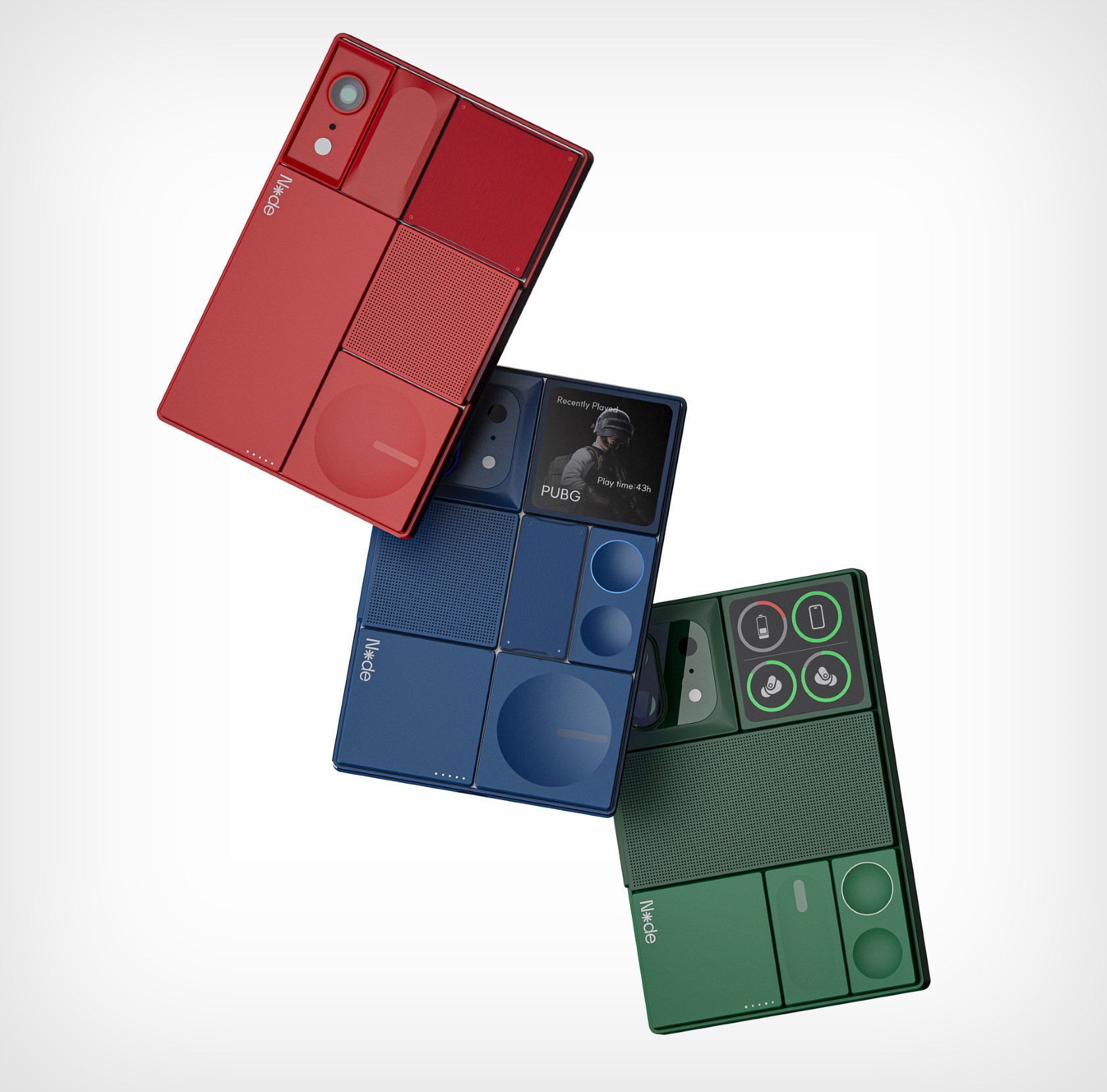
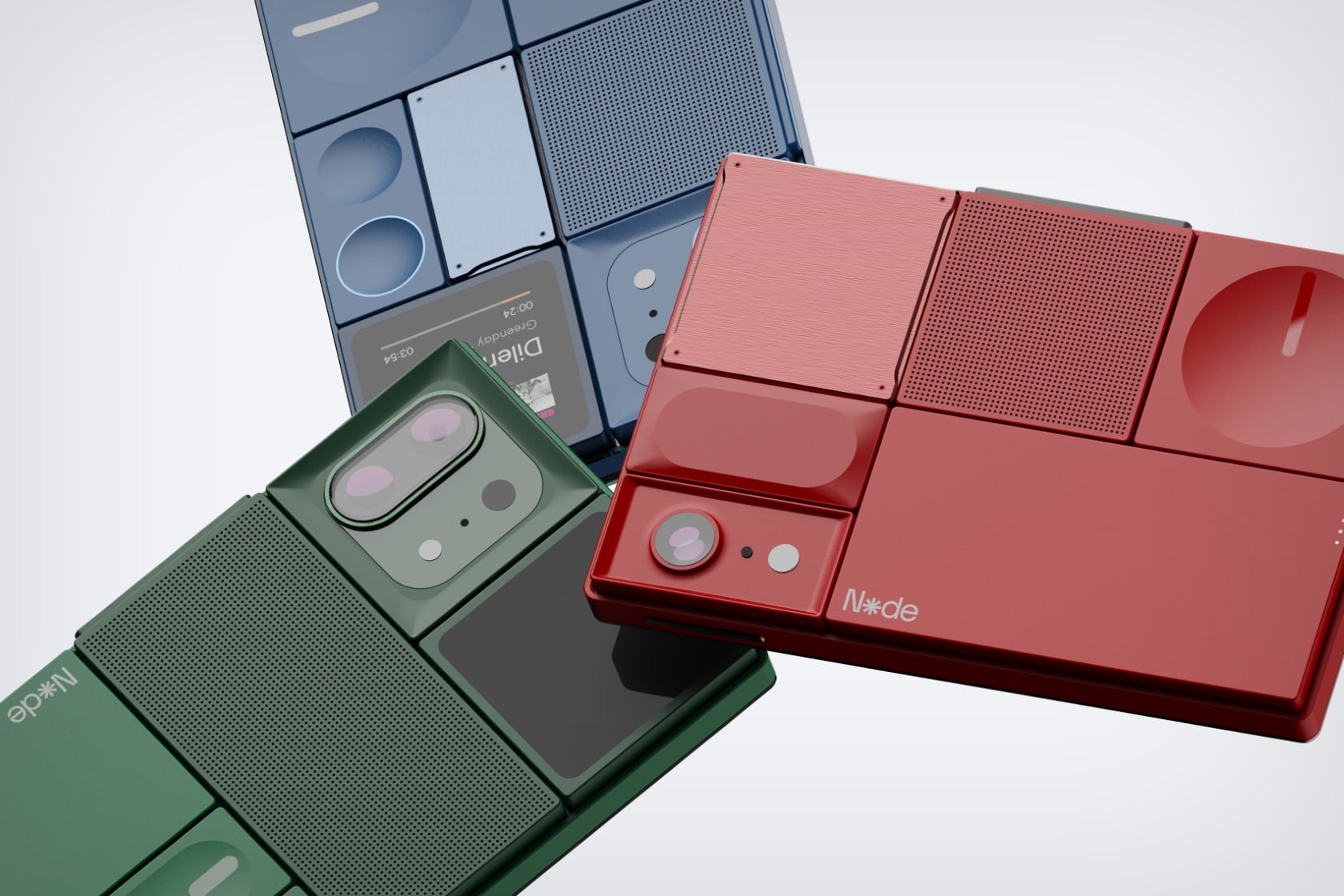
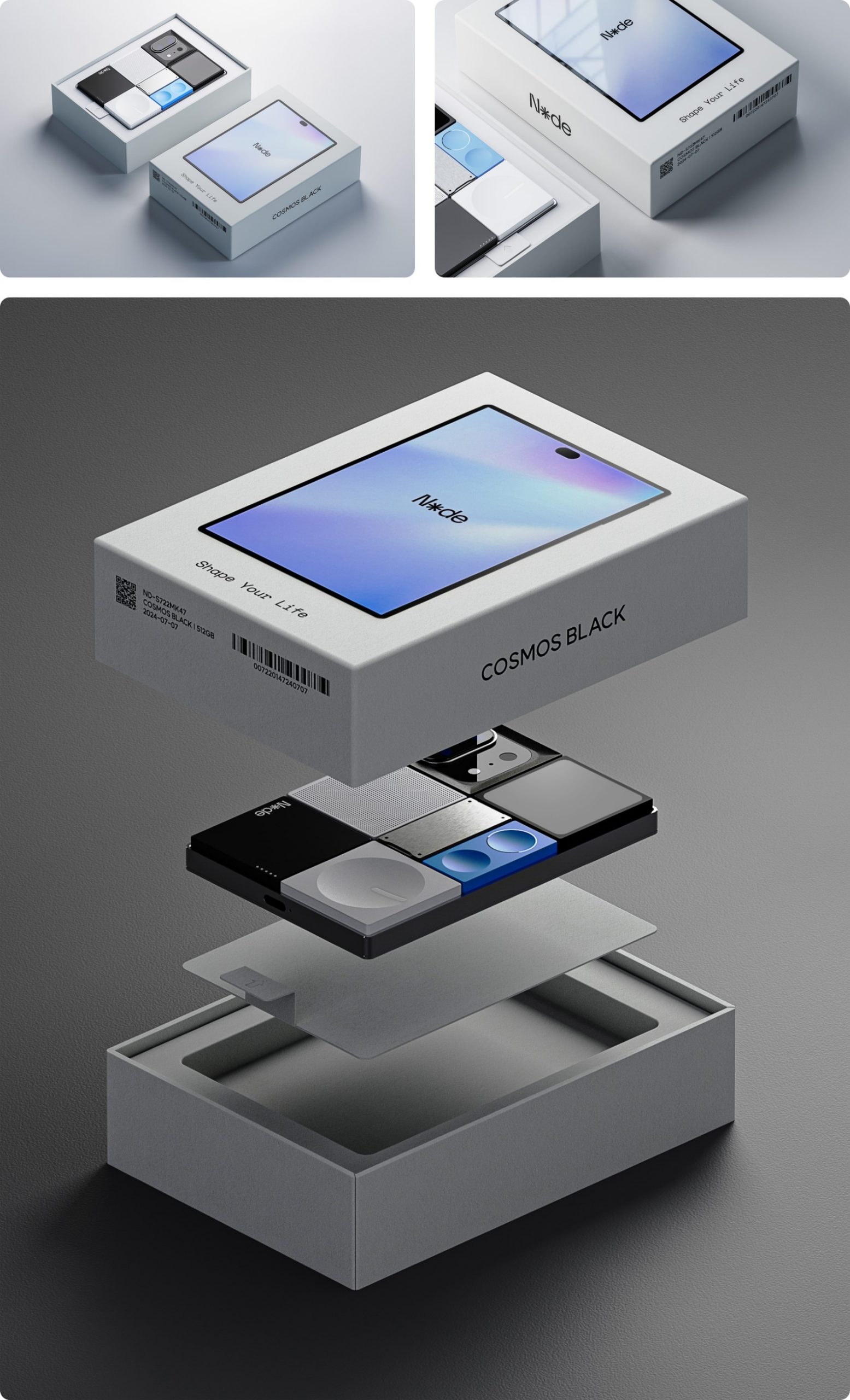
Rather than attaching components to your phone, the PAIR Node allows you to attach sensor modules that help your phone capture different data points around you and your life. Called ‘Nodes’, these modules assist users in forming a lifestyle and AI-driven experience that suits their needs. Rather than buying a phone for its capabilities, you build your phone around the capabilities you need, from having a great camera to being a great health-tracking gadget. As you grow older, the phone grows with you, changing with time and your needs but never being replaced. It’s a clever way to help solve the planned obsolescence problem with tech, by bringing AI-based assistance into the mix.

Designer: LFD Official

Phones are nothing but vessels for the apps they carry – but AI is a little different. Everyone uses AI differently based on exactly what the needs of their life are. That prompted PAIR Node’s creators to revisit phone modularity in the AI age. The PAIR Node is a phone you build based on your requirements, but also on the ability to build an AI-powered device that grows with you and trains as you go. The framework of how this works remains extremely similar to the PhoneBloks concept from years back (which was acquired by Google and Motorola and turned into the now-shelved Project Ara), albeit with a few different modules based on how tech has advanced in the past few years.

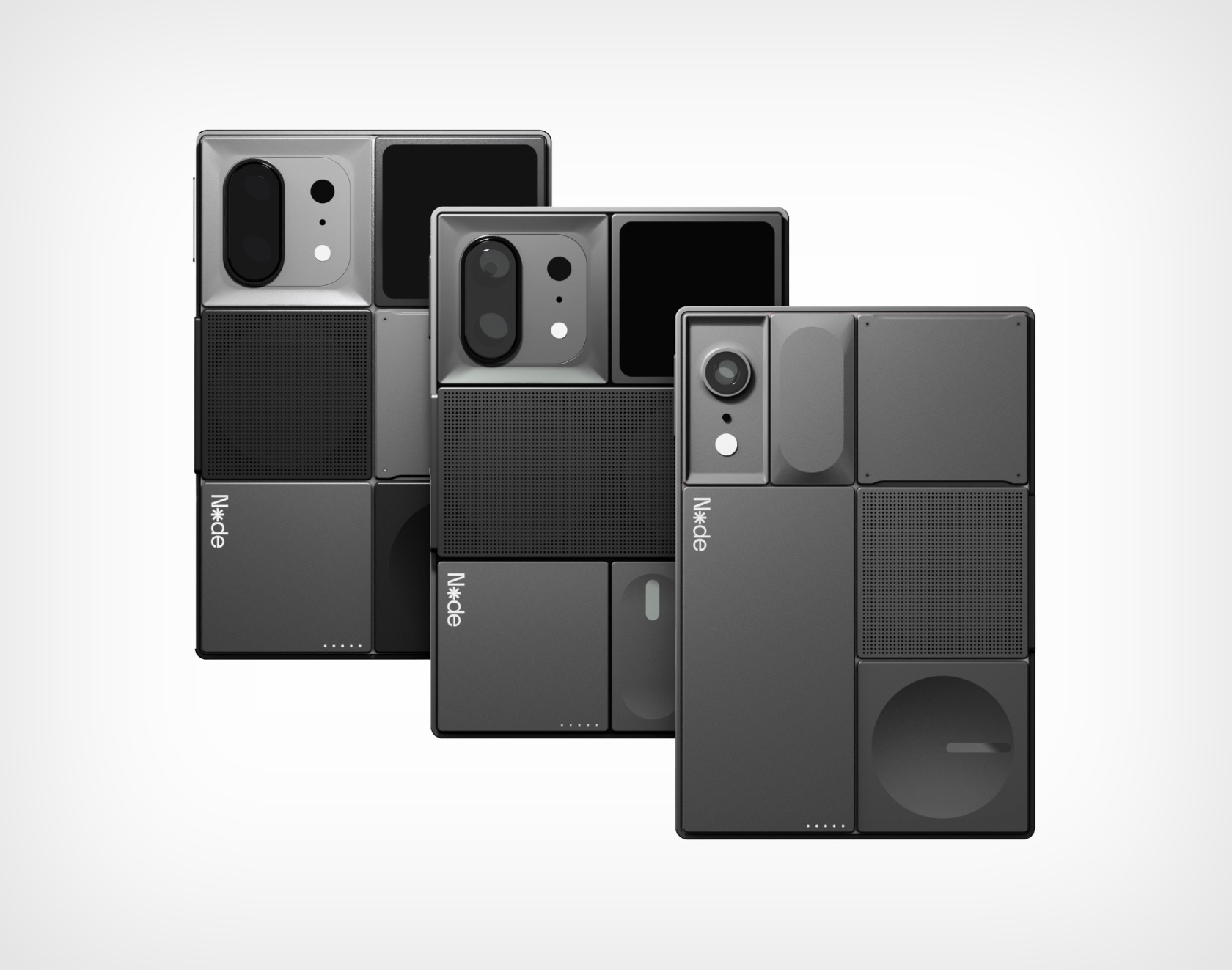
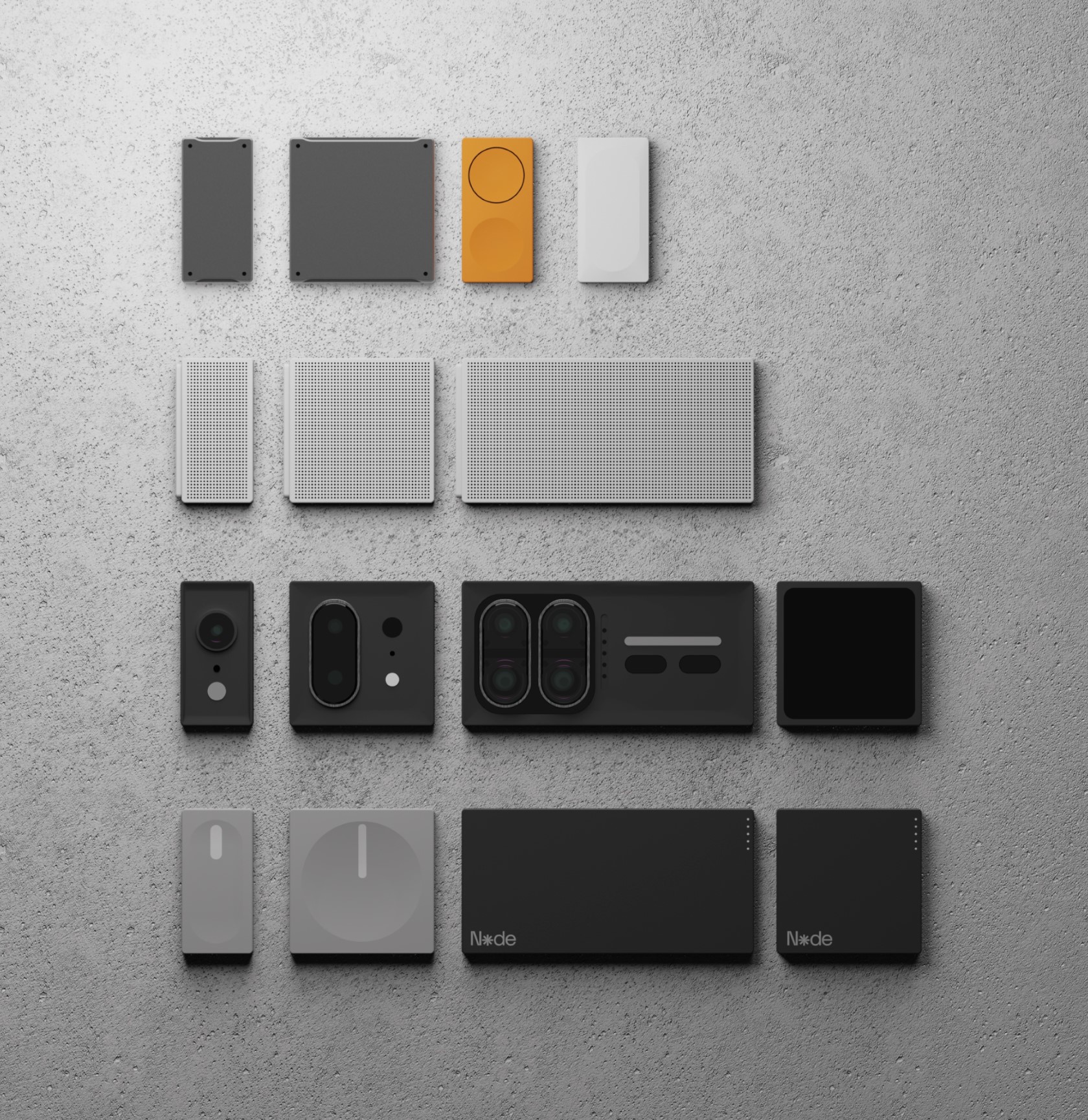
The logic behind the phone fundamentally remains the same too – but it’s executed differently. You start by choosing the nodes you need to make ‘your’ smartphone. You pick how advanced you need your camera to be, you choose your battery size, SSD size, speakers, a mini-display, and a few other sensors. Similarly, there’s a separate node called the ‘Remember’ node that captures personal information so that it learns your needs, preferences, and details. Another node is dedicated to just AI, determining how powerful and capable your phone’s assistant is. Together, the Remember and AI nodes work to turn your phone into an extension of yourself in a uniquely meaningful way. The Remember node is the database, and the AI node is the bot that trains on this database.

The AI node trains on other stuff too, like how you use your phone, what you enjoy about your phone (whether you prefer music or photography), etc. It locally fine-tunes its abilities based on your behaviors and patterns – something the PhoneBloks concept didn’t even factor in.

The different nodes come in a variety of configurations. Nodes follow a grid-based design, expanding or contracting in size based on capability. A smaller SSD provides less storage, a larger SSD gives you more storage. Similarly, camera modules increase in size based on capability. Battery, Speaker, Remember, and AI nodes behave the same way. At the end, you pick and choose what you need and reject what you don’t. There’s ultimately a bit of compromise because the phone only has a limited amount of real estate for modules. If music matters more than storage, you’d be better off choosing a larger speaker than a larger SSD. If battery life is a higher priority than camera, then that’s a choice you have to make. Similarly with the AI node, which one can only assume offers newer, faster, powerful hardware for on-device computation.

In the end, the PAIR Node does something rather brilliant – it revives something dead in a way that feels meaningful, very similar to how Apple revived the metaverse last year and how it revived the conversation around AI this year. The modular phone was completely dead as a tech concept (with every smartphone company pivoting rapidly to foldables), but the PAIR Node shows that the phone isn’t dead, it just needs to be made more future-proof. The way you do that isn’t by launching new, better phones every year… it’s by giving your phone a chance to grow with you, understand you, and be a better aide to your daily needs.

The post Could A.I. Make the Modular Phone A Reality? This Concept Revives the ‘PhoneBloks’ Dream with a Twist first appeared on Yanko Design.

SwitchLens Pro Camera System turns any Smartphone into a Photography Powerhouse

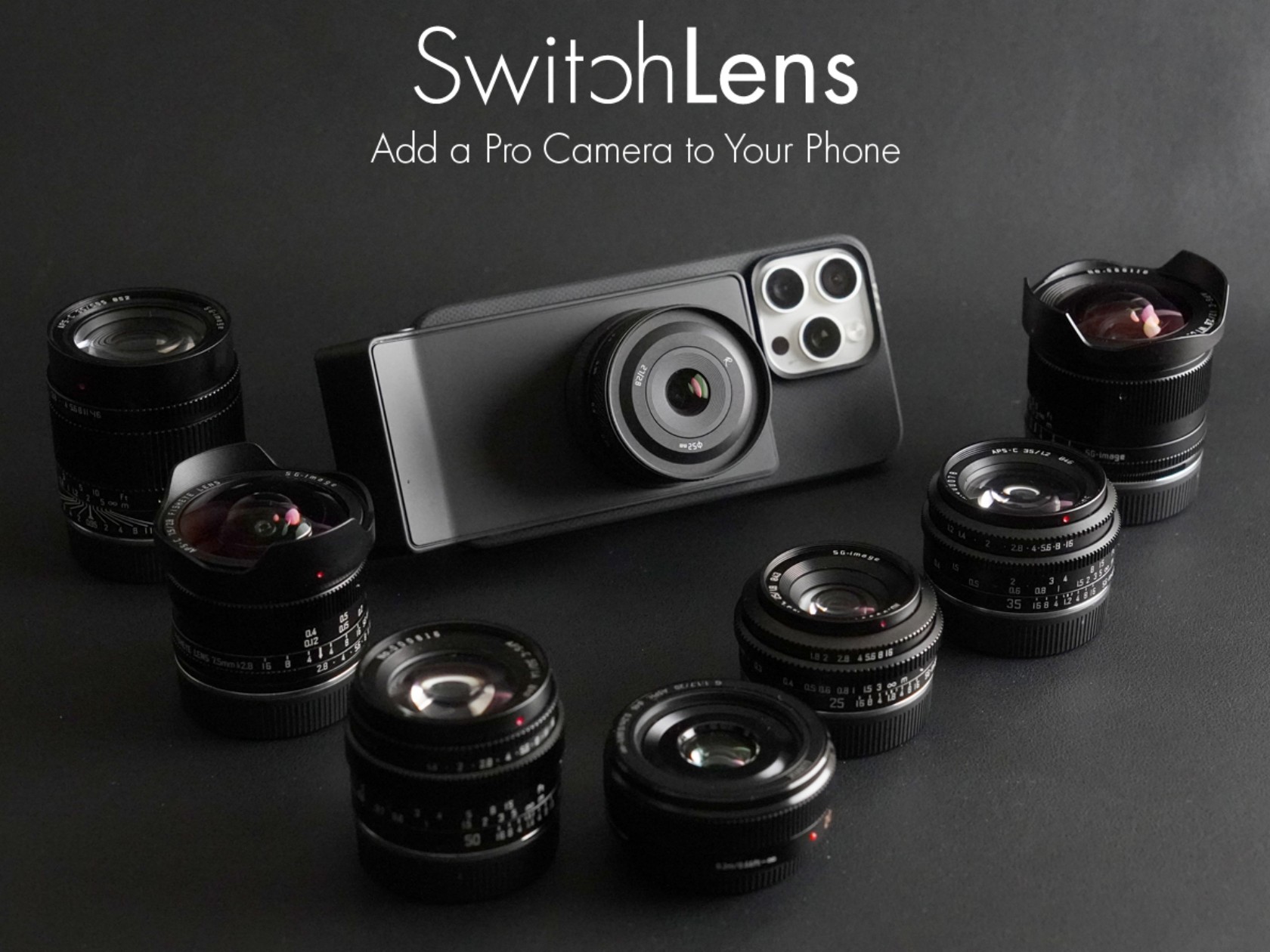
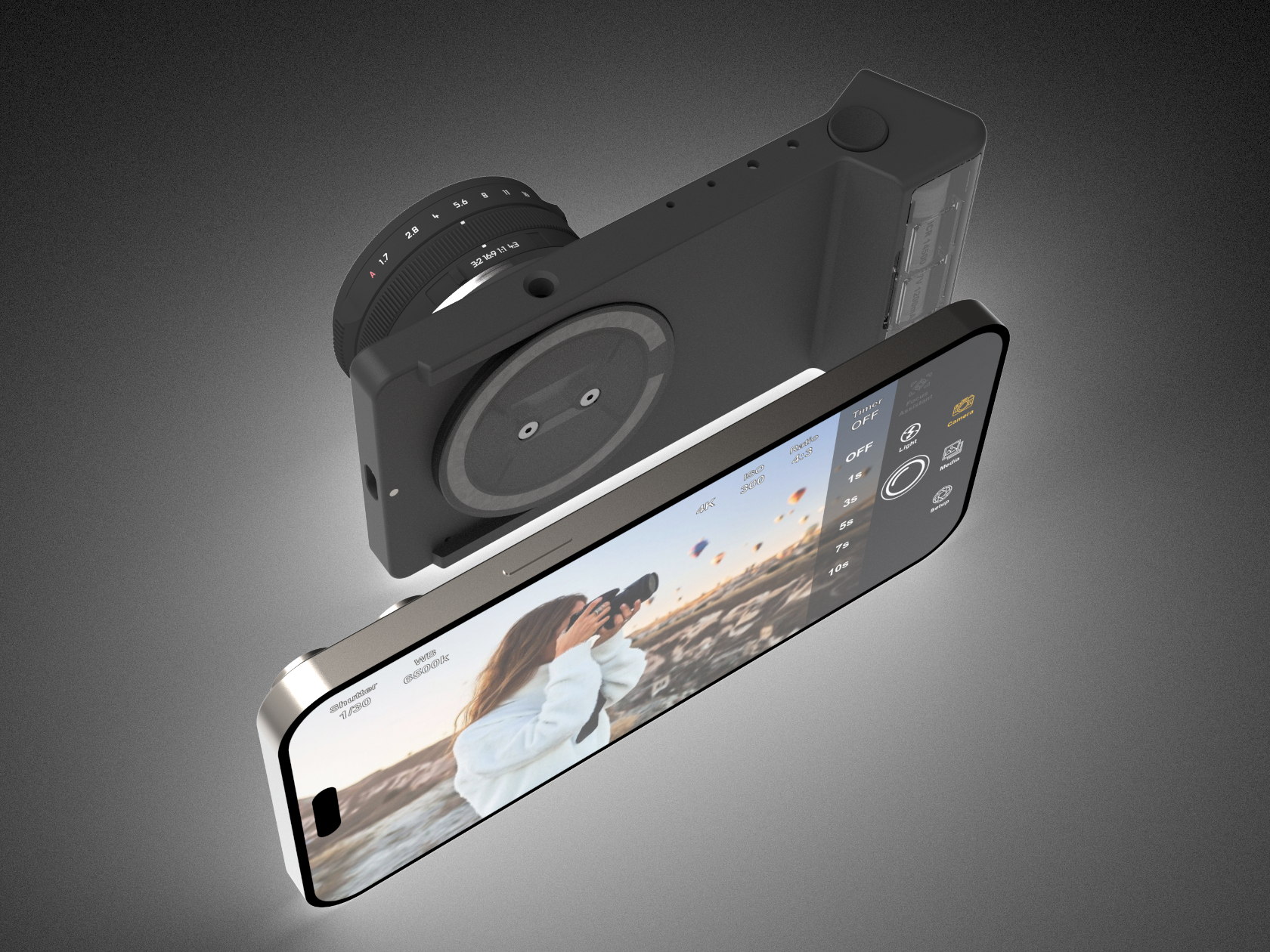
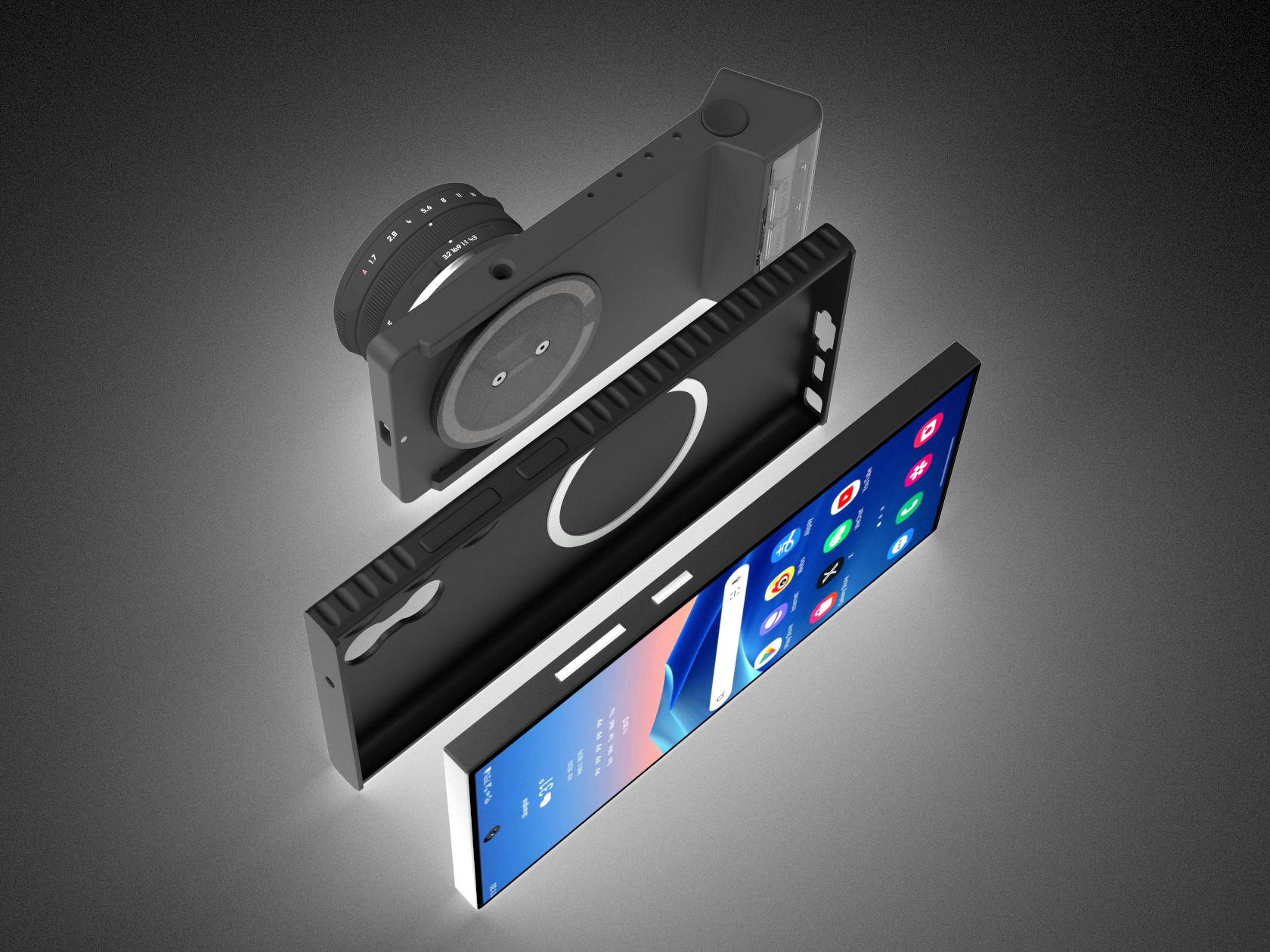
Smartphone cameras have come a long way and have become quite capable tools in preserving memorable moments for posterity. There is, however, still a very good reason why they haven’t completely overthrown pro cameras. You can only squeeze so much hardware into a slim smartphone, and you can’t really have large lenses or even a lens mount bulging out from the back of the phone. There are admittedly a few accessories that try to bring some of that interchangeable lens experience but usually limit themselves to small lenses made just for smartphones. Bringing a true “pro camera” experience to mobile requires taking a few cues from pro cameras themselves, and that is exactly what the SwitchLens does to level up your mobile photography game.

Designer: sneaki design

Click Here to Buy Now: $199 $329 ($130 off). Hurry, 33/450 left! Raised over $490,000.

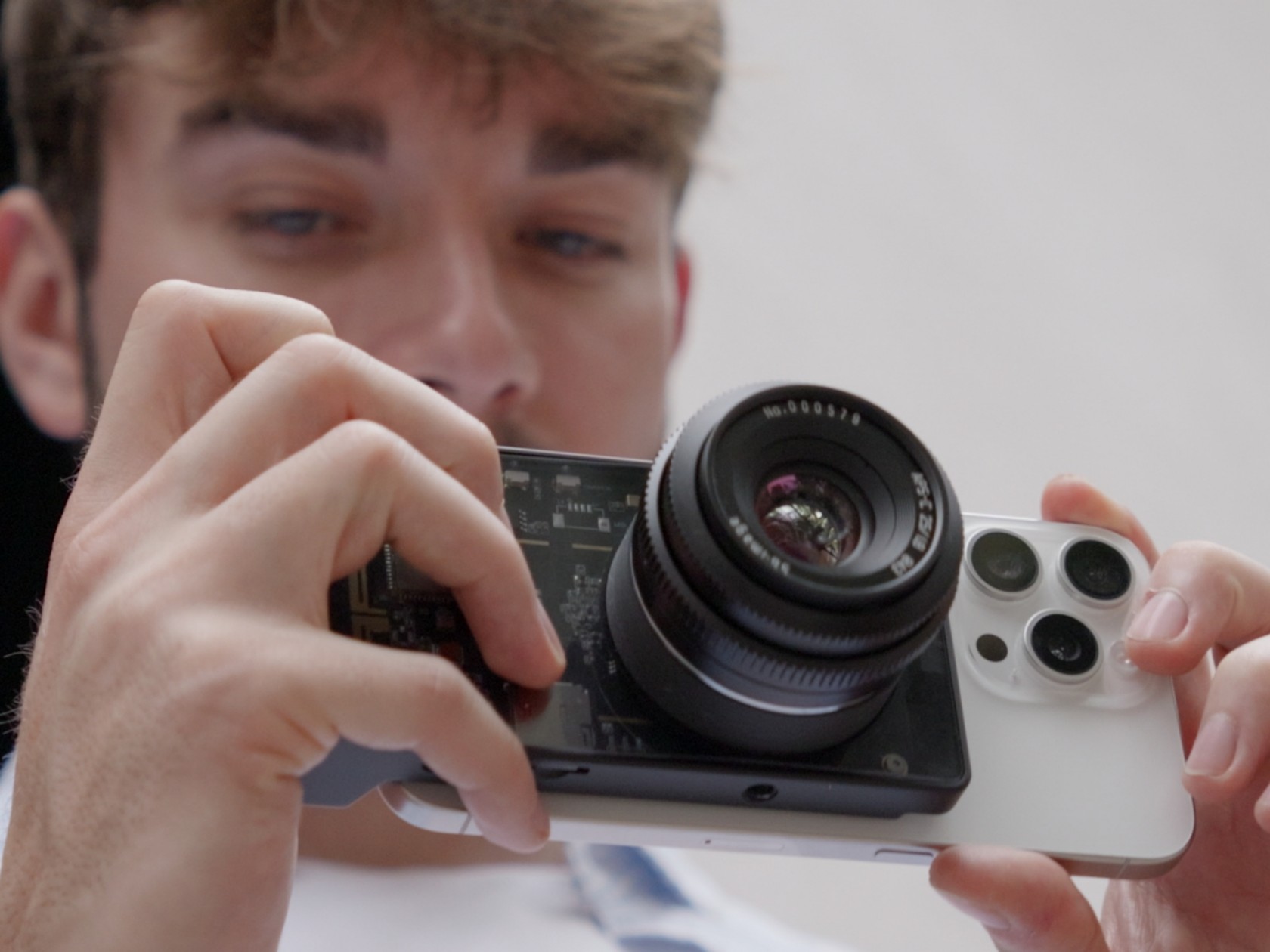
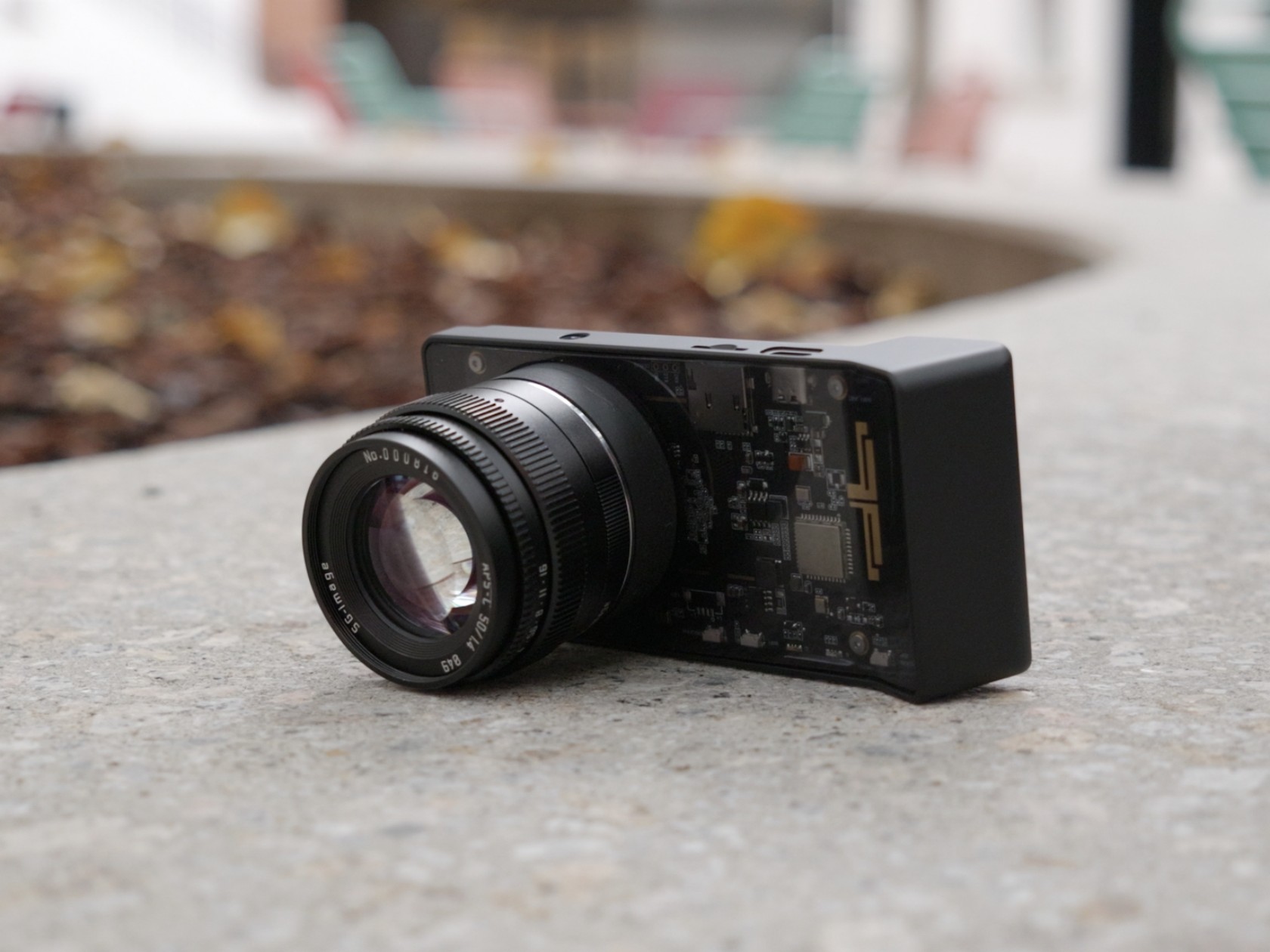
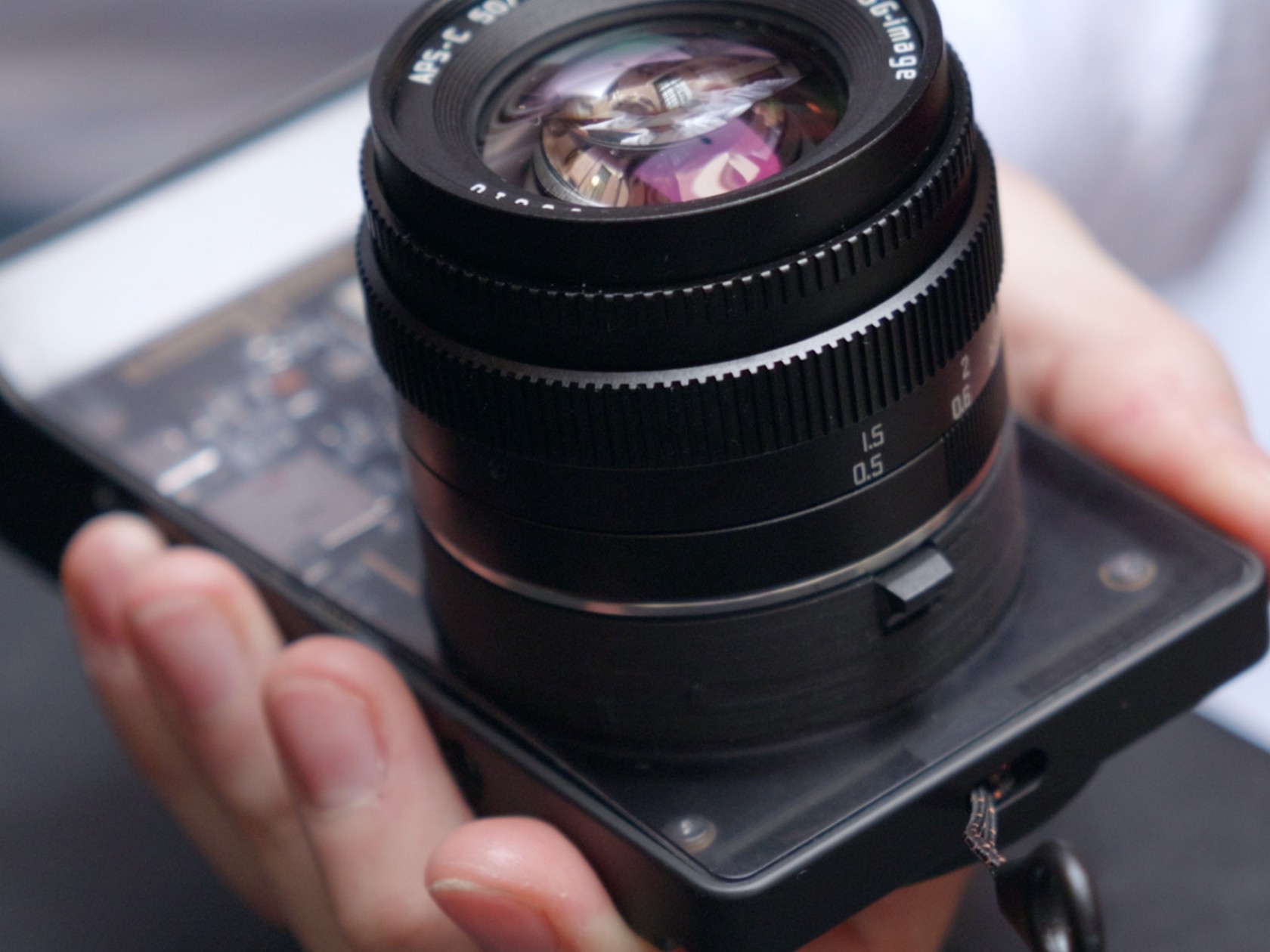
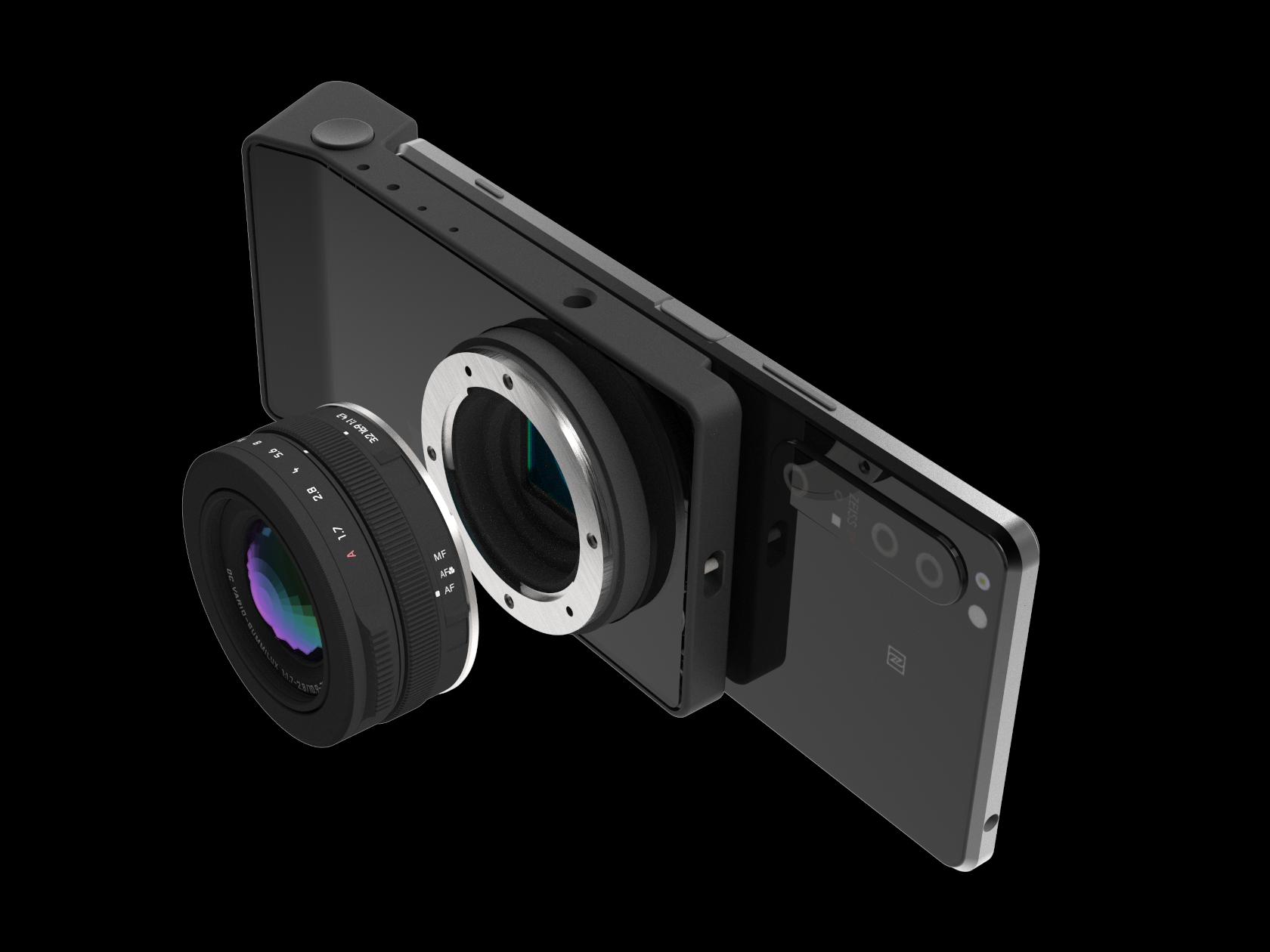
SwitchLens is a complete pro camera system that not only takes the lessons learned from digital cameras but even the technologies employed there. In particular, it embraces the popular micro four thirds or MFT system that leverages large sensors and interchangeable lenses to create highly detailed and breathtaking shots. The large 20.75MP 1.33-inch CMOS sensor that SwitchLens uses is unmatched by even flagship phones, which means it can take in more light and record more details just with the hardware alone, no post-processing or AI touch-up required.

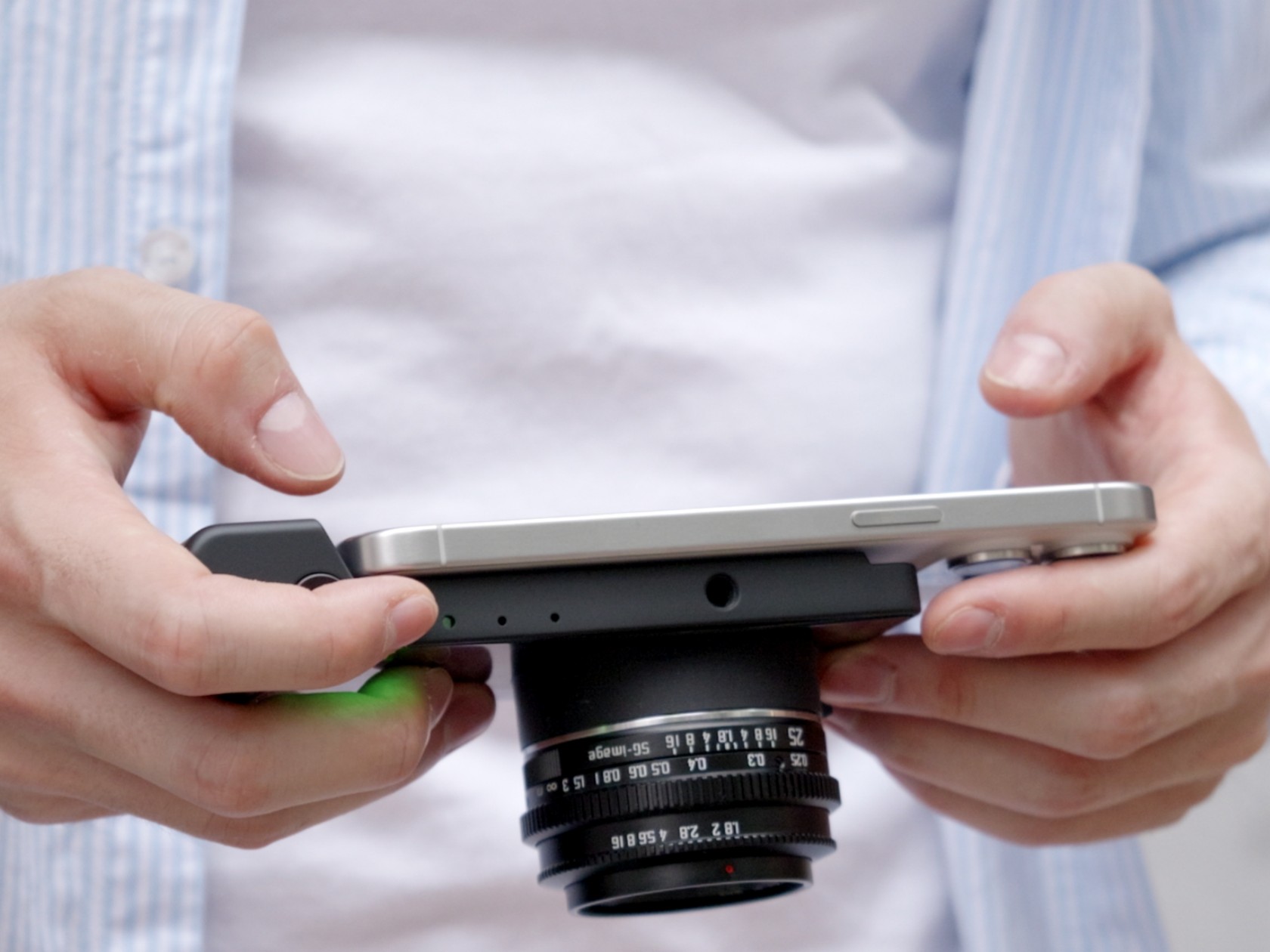
And just like the MFT used in compact digital cameras, you can also swap out lenses to get the best shot out of a scene, whether that’s a 25mm f1.8 portrait lens for closeups or a 12mm f2.8 wide-angle lens for sweeping panoramic shots. What makes the SwitchLens system even more impressive is that it can actually support MFT lenses from Panasonic or Olympus that you might have lying around. You are no longer limited to what the manufacturer provides, and you are definitely not limited to tiny lenses that compromise on performance in return for their pretty sizes.

1

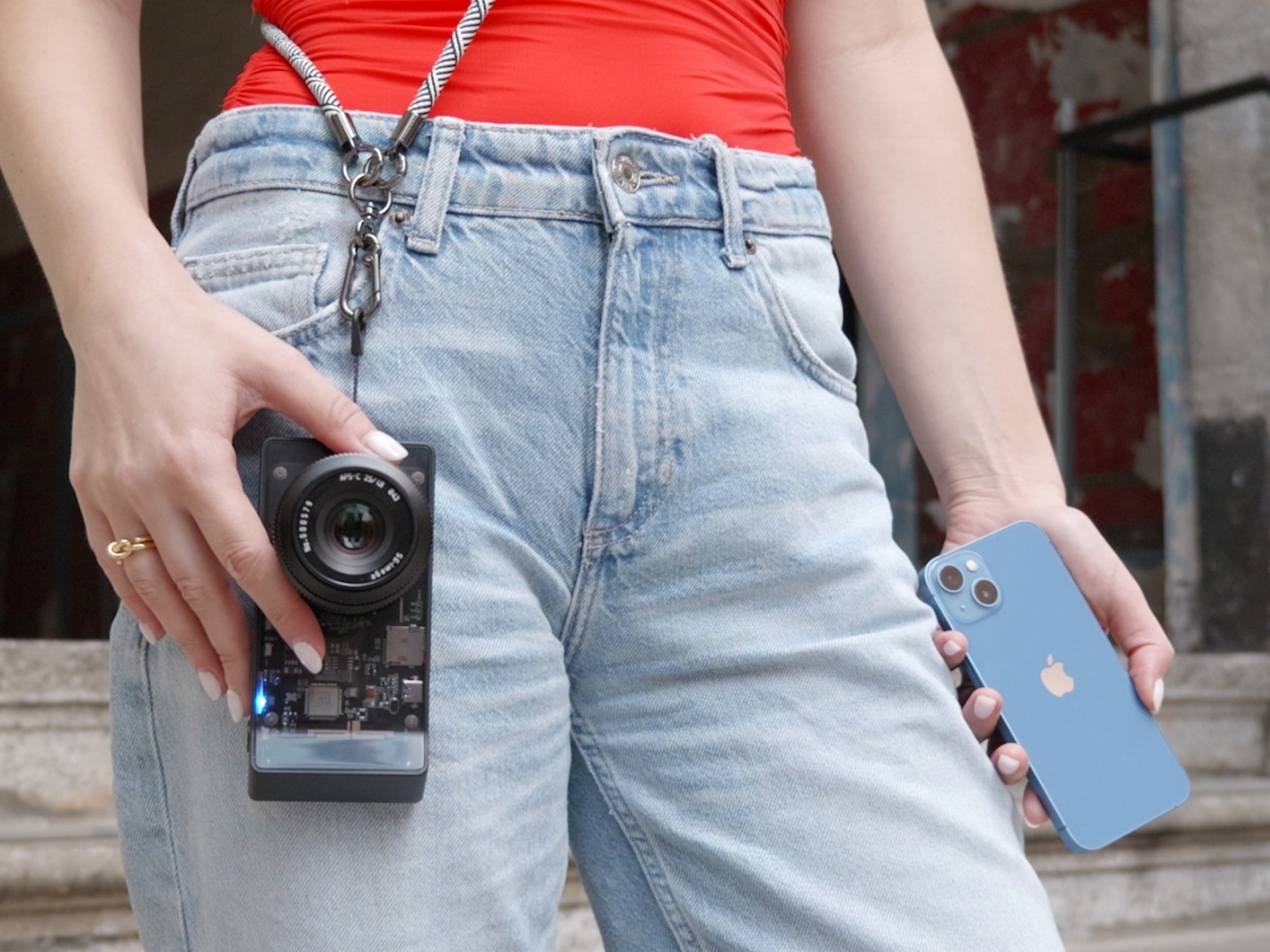
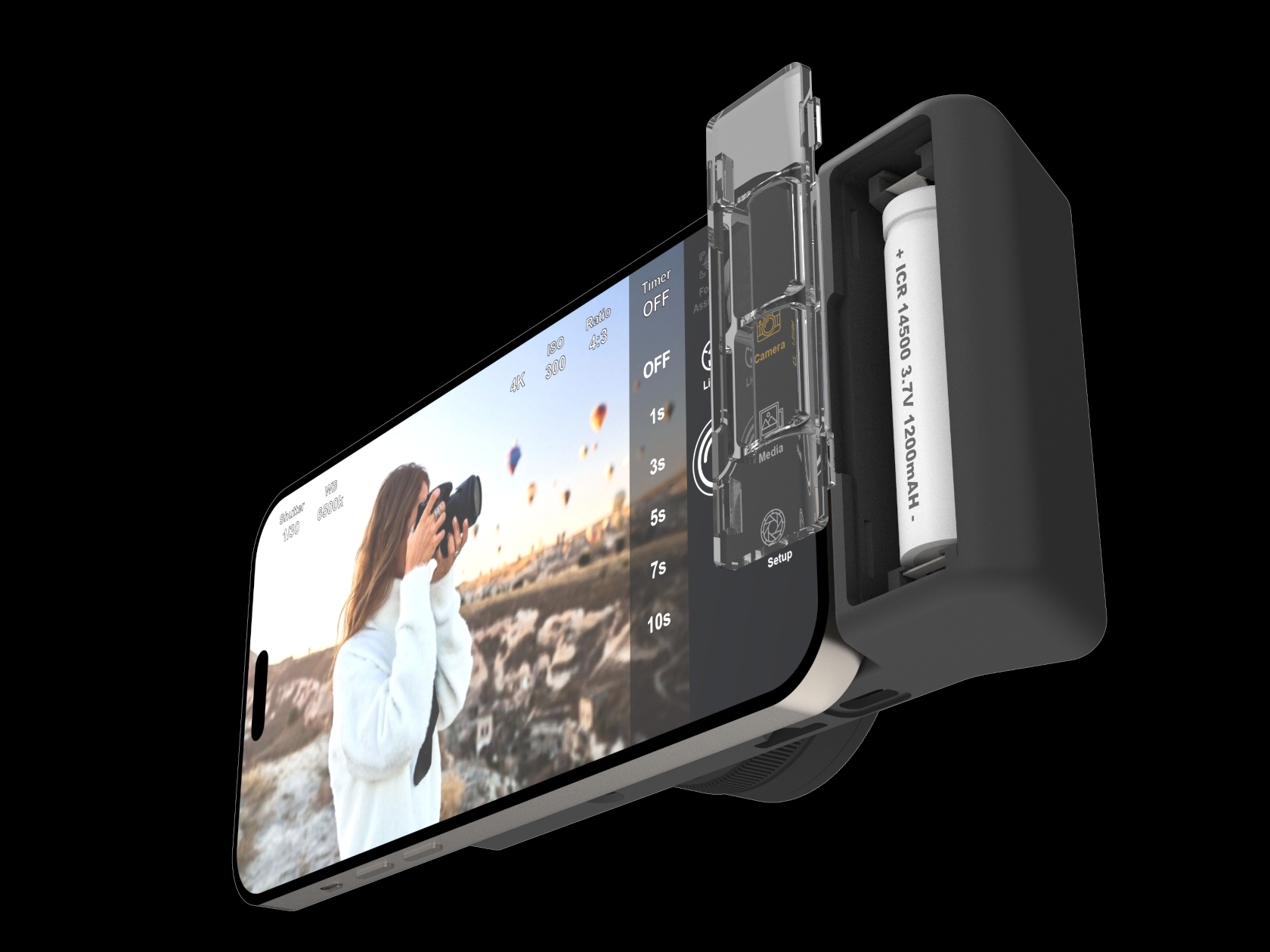
Unlike other such accessories, SwitchLens is a powerful device that can function even when detached from the back of your phone. Using a stable and fast Wi-Fi connection, you can control SwitchLens remotely for more difficult shots, or magnetically stick it to the back of your iPhone or Android phone to recreate the experience of using a digital camera but with a much larger and clearer viewfinder. From selfies at extremely low angles to macro photography, SwitchLens gives you the flexibility to take a shot in the most comfortable and most convenient way.

1

The pro camera experience doesn’t end there. SwitchLens’s Peaking Focus assistance feature easily marks out which objects are in focus with vibrant, eye-catching colors to ensure sharp and in-focus images every time. With support for microSD cards up to 1.5TB in capacity, you have nearly limitless room for taking thousands of RAW photos and recording 4K 30fps videos without filling up your phone storage. With the SwitchLens MFT modular camera system, your phone is no longer a stumbling block for a pro photography experience and becomes the launch pad for taking stunning photos and videos like a pro.

Click Here to Buy Now: $199 $329 ($130 off). Hurry, 33/450 left! Raised over $490,000.

The post SwitchLens Pro Camera System turns any Smartphone into a Photography Powerhouse first appeared on Yanko Design.

Samsung Galaxy Z Fold6 and Z Flip6 Hands-On Review: Design, Features, and Performance Unveiled

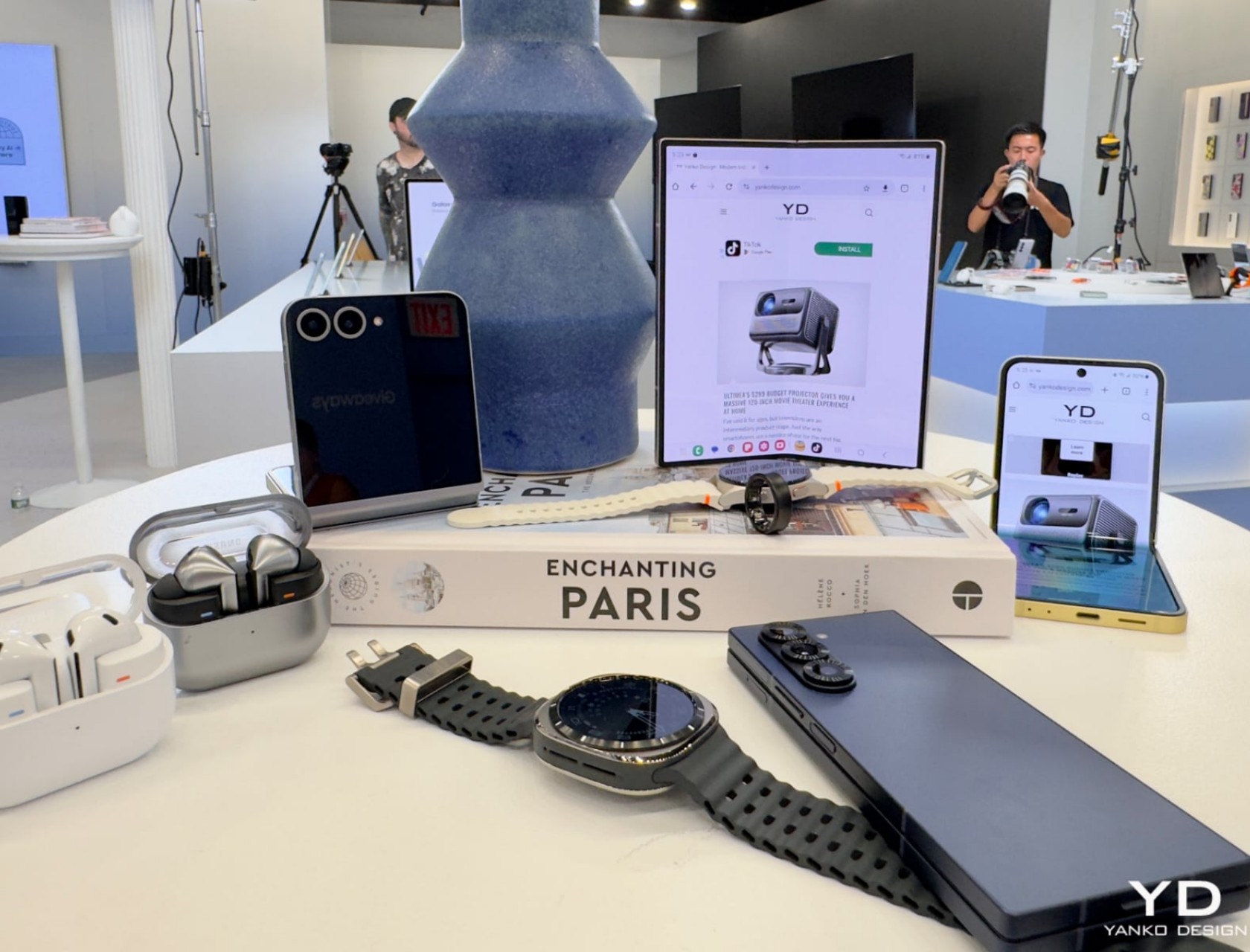
Foldable phones are changing how we use our mobile devices by combining the best of smartphones and tablets into one. Samsung leads this innovation with its latest Galaxy Z Fold6 and Z Flip6. Let’s look at their design, drawing from my hands-on experience.

Designer: Samsung

The Galaxy Z Fold6 features a sleek, symmetrical design with straight edges, making it look refined and practical. It is 2.7 mm wider and 1.4 mm thinner when unfolded compared to the Fold5, making it feel comfortable and substantial. This design improvement makes the device easier to handle while offering a larger screen.
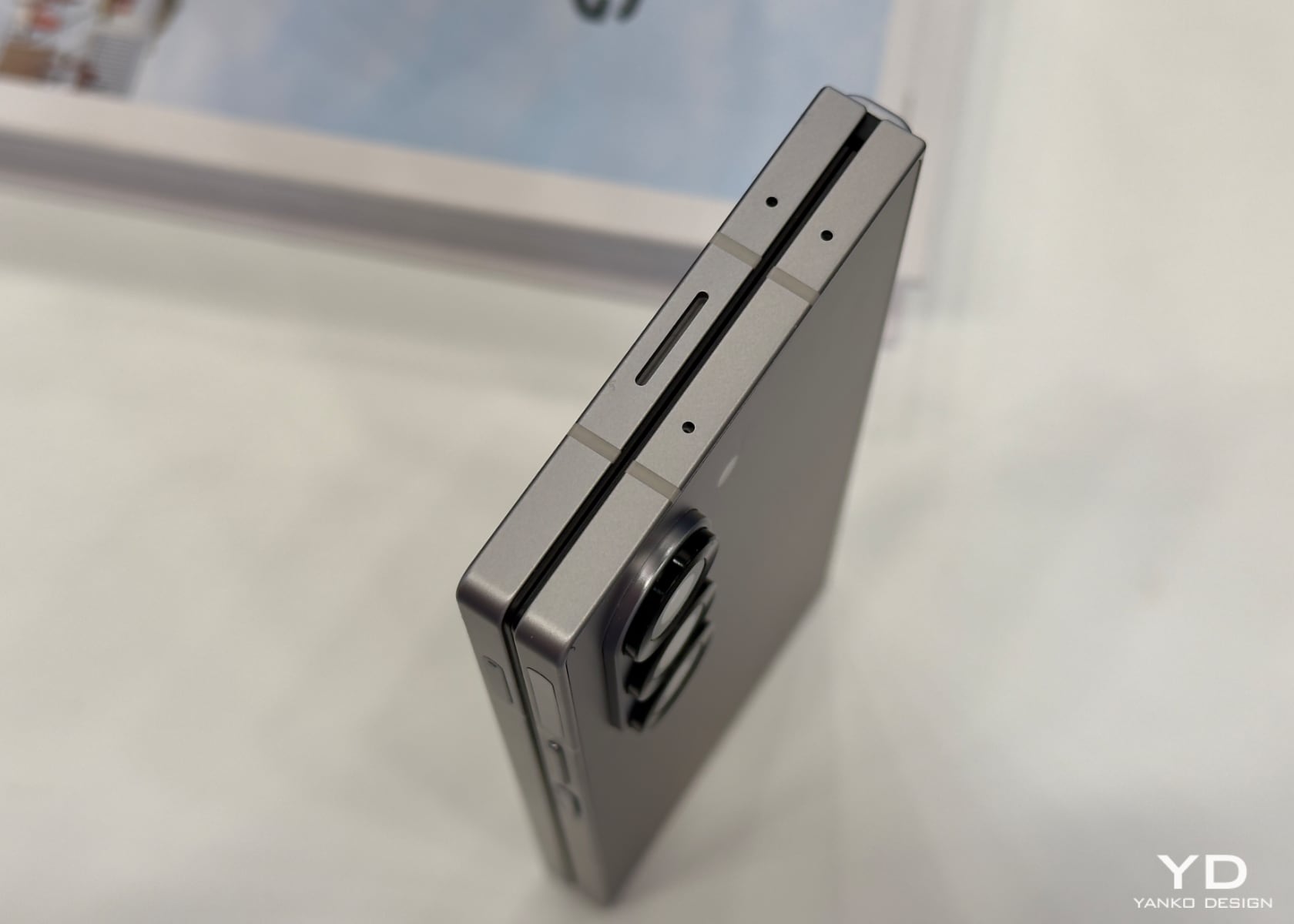
After using other foldables like the Vivo Fold, Honor Porsche Design Foldable, and OnePlus, I was pleasantly surprised by how easy it was to hold and manage the Fold6. The flat and sharp edges add a modern touch. The design feels intentional, enhancing both its look and functionality. I’m a fan of the design, which balances form and function well.
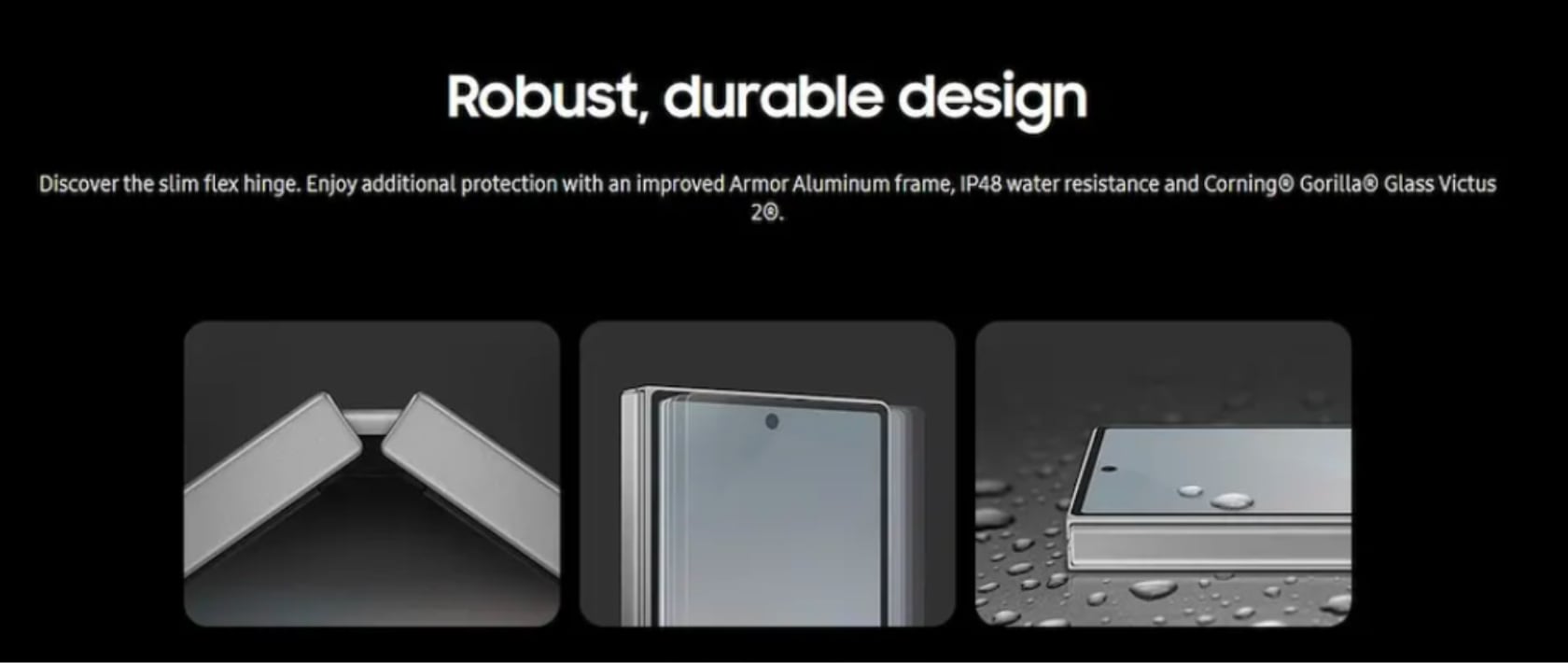
The device is sturdy with its enhanced Armor Aluminum, which improves scratch resistance by 10%. This is paired with Corning Gorilla Glass Victus 2 on the front and back for better protection against drops and scratches. During my hands-on time, this combination felt durable, giving me confidence in its everyday use. These enhancements build on the Fold5’s already robust design.
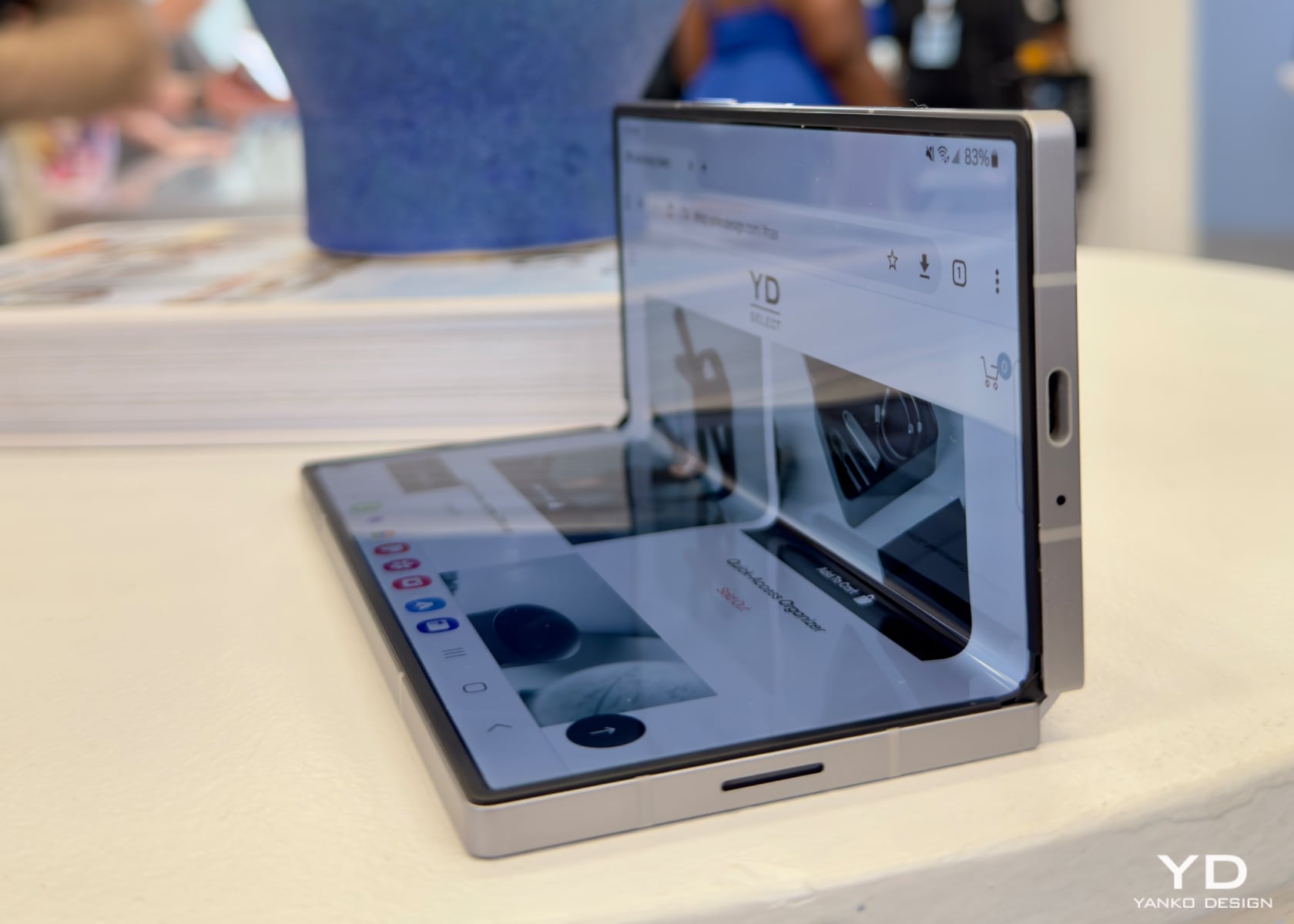
The Galaxy Z Fold6’s hinge mechanism is impressive. The dual rail hinge design distributes shock better, making folding and unfolding smooth. This adds to the device’s durability and improves its functionality. The strengthened folding edge makes it more resilient against impacts. The hinge felt solid and reliable, addressing some concerns from previous models.
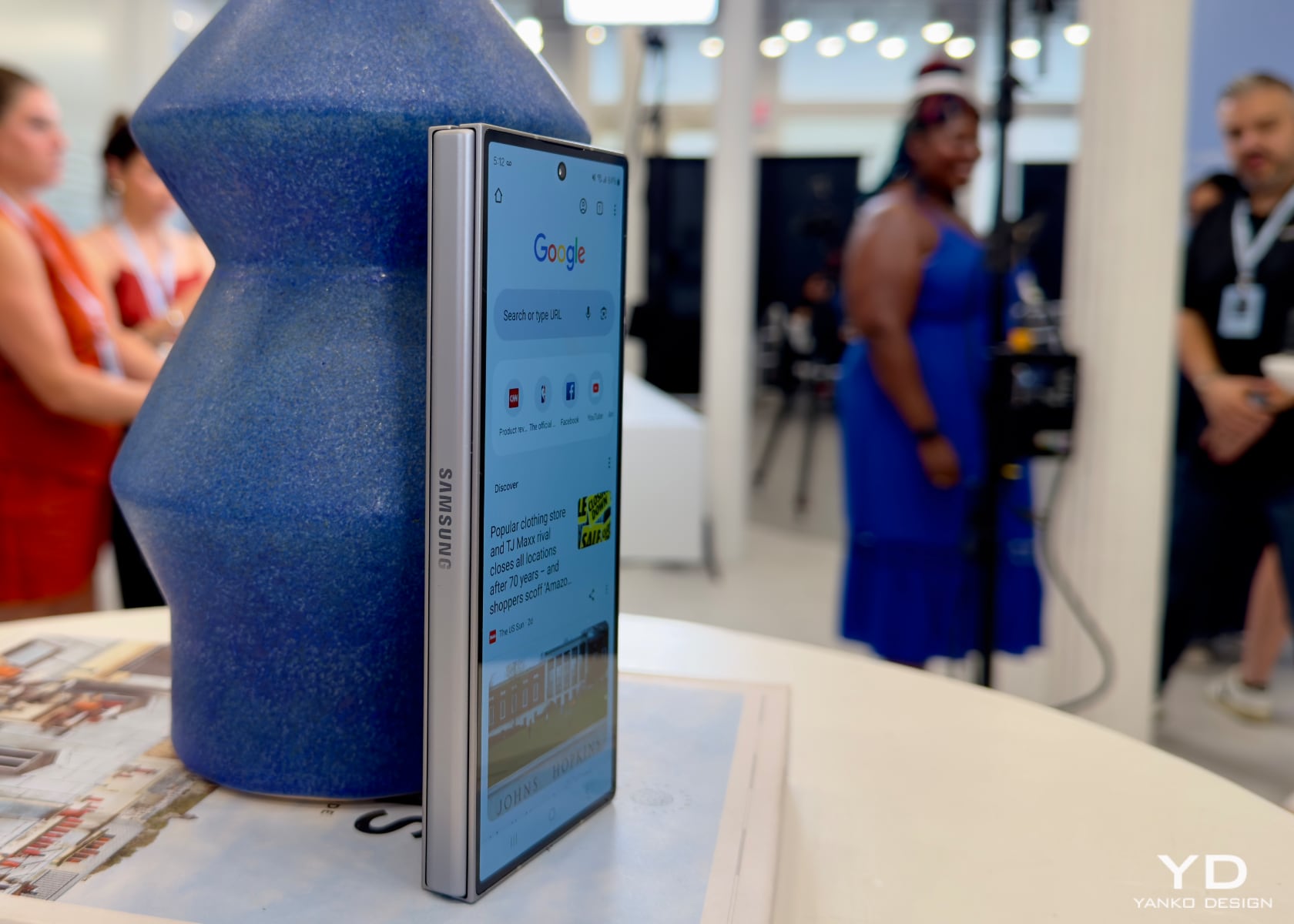
The main screen includes an improved protective layer that reduces the visibility of the crease, making for a smoother viewing experience. This layer also helps with shock absorption and protects the internal components. The device’s slim and light design, combined with these features, makes it robust and user-friendly. The Fold6’s display improvements offer a slightly better viewing experience compared to the Fold5.
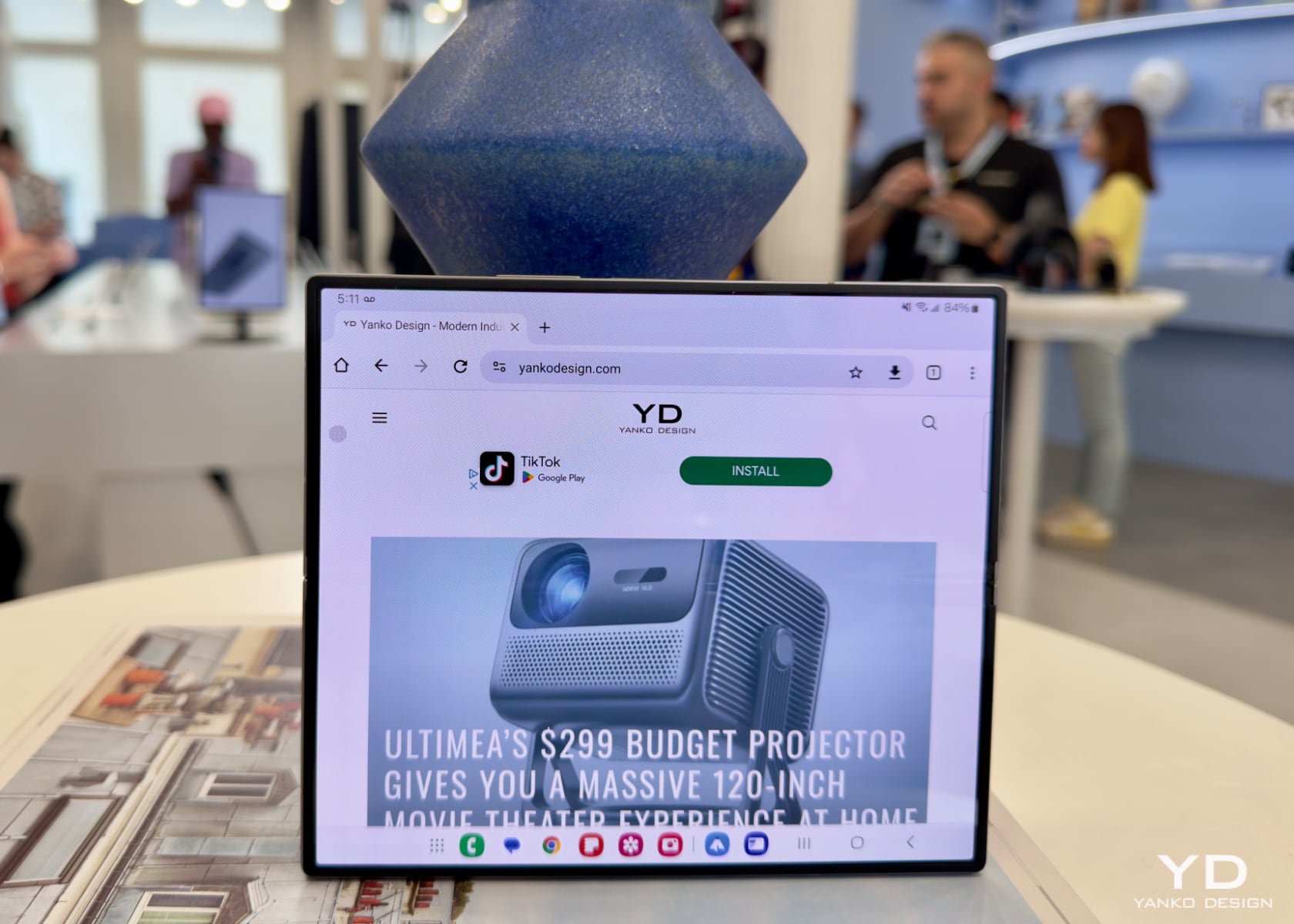
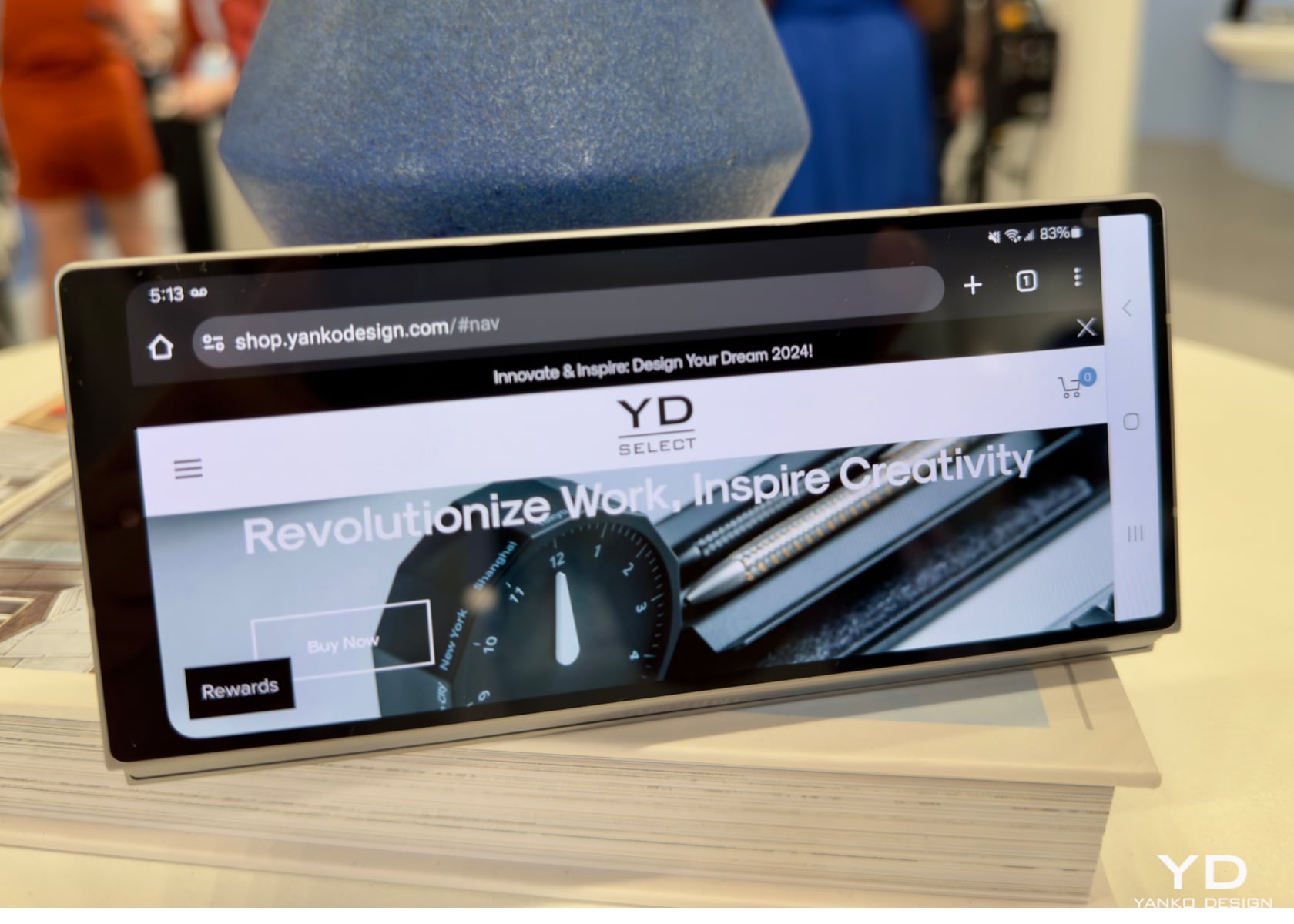
The Galaxy Z Fold6 features a 7.6-inch QXGA+ Dynamic AMOLED 2X Infinity Flex Display with a 2160 x 1856 pixels resolution at 374 ppi. This display supports a 120 Hz adaptive refresh rate, offering a smooth visual experience. Whether watching videos, playing games, or multitasking, the display’s colors and details are impressive. The cover screen is equally capable, with a 6.3-inch HD+ Dynamic AMOLED 2X Display, ensuring clear visuals in any mode. These display enhancements provide a noticeable upgrade from the Fold5.
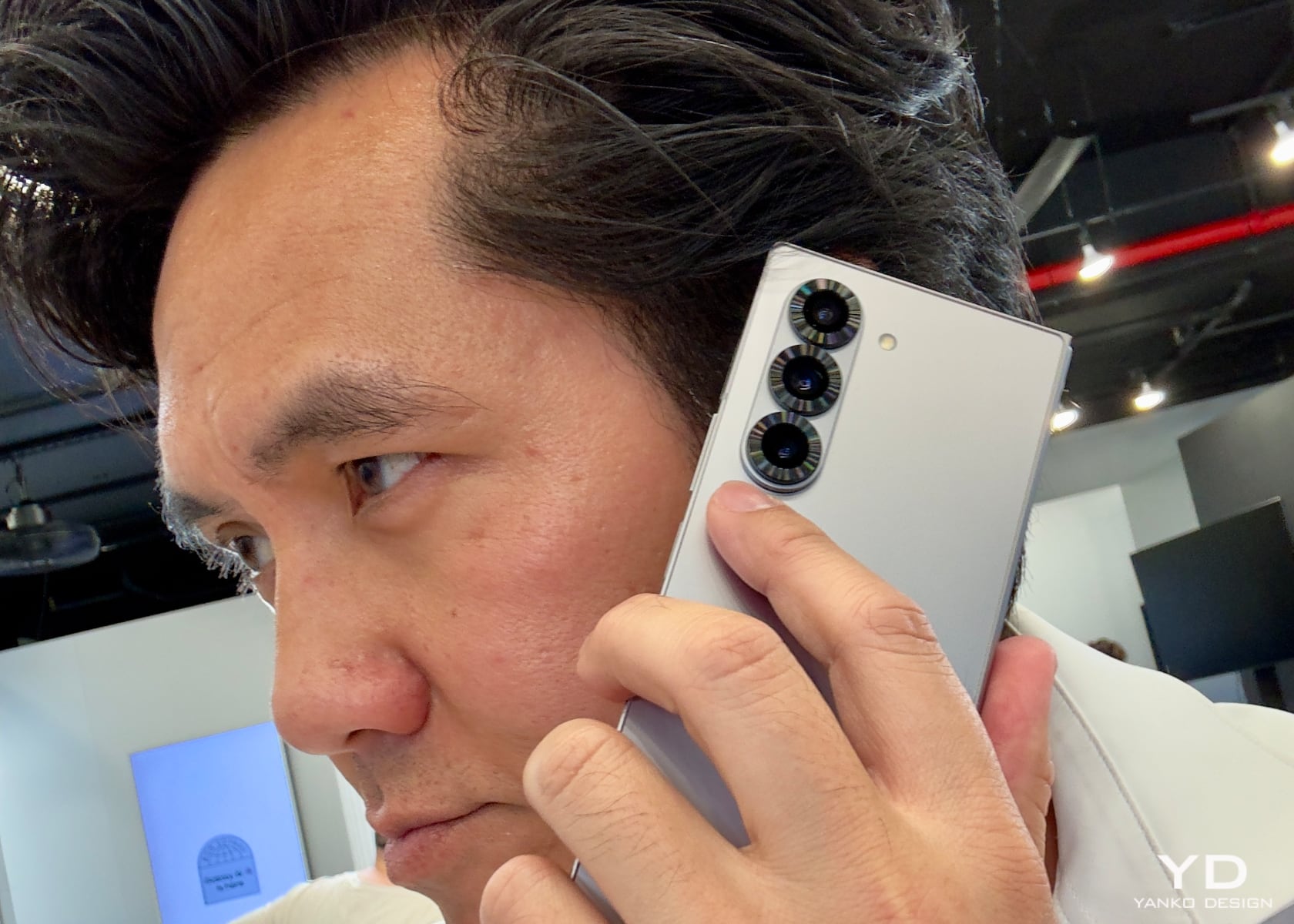
The Galaxy Z Flip6 is designed for those who value style and functionality. Its compact form fits easily into pockets and bags, making it highly portable. The 3.4-inch Super AMOLED FlexWindow offers a dynamic way to interact with the device even when closed. Holding the device, it’s clear that Samsung has prioritized both looks and usability, creating a practical and stylish device. The Flip6’s design refines the Flip5, making it easier to use and more appealing.
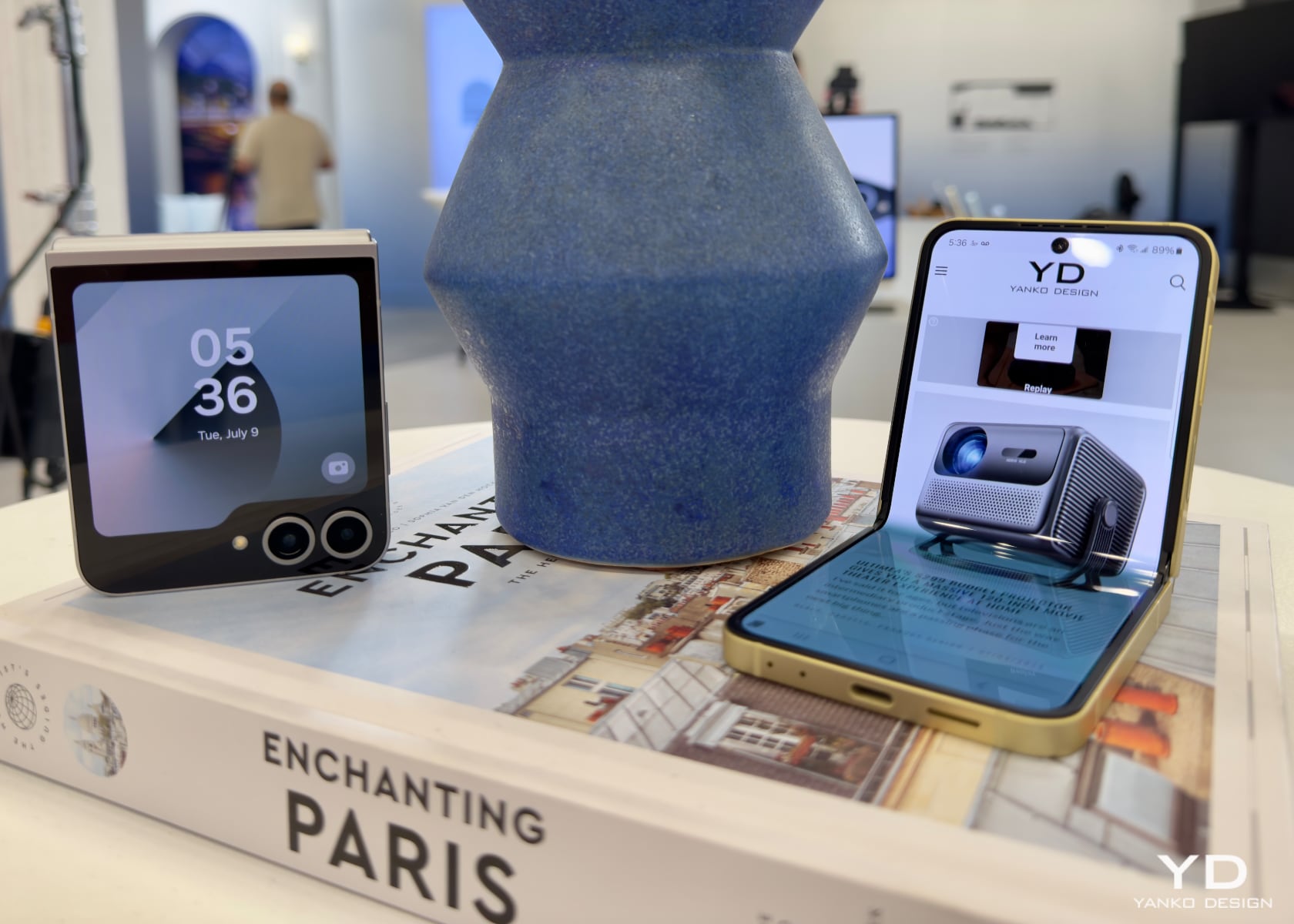
The FlexWindow isn’t just for notifications; it supports interactive and photo ambient wallpapers that change based on the time and weather. This feature adds a personal touch to the device, allowing users to express their style directly on the cover screen. The interactive wallpapers respond to touch or movement, making the user experience more engaging. Experimenting with these features and seeing the wallpapers react in real time was interesting. This feature builds on the functionality of the Flip5’s external display, offering more customization options.
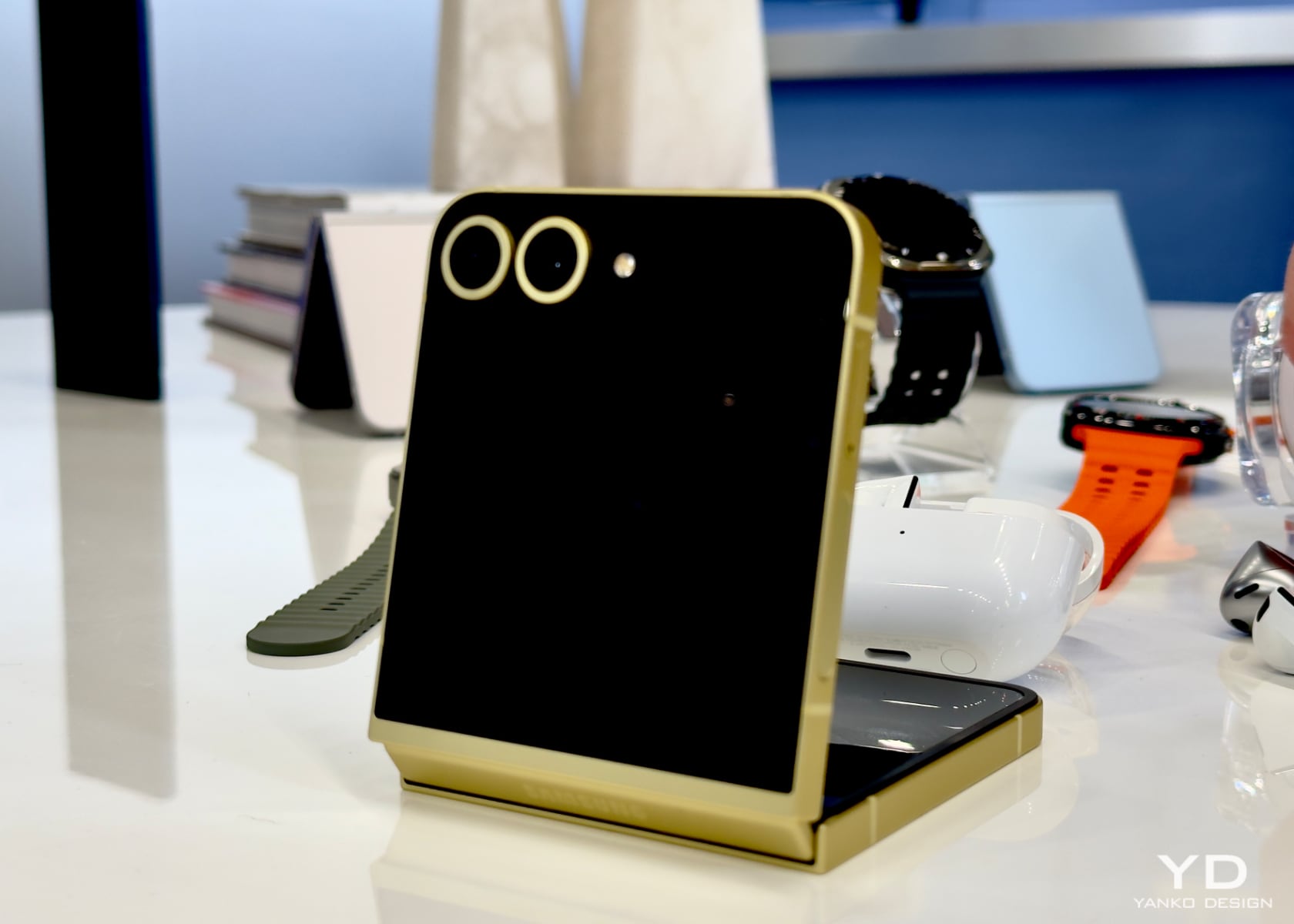
Customization is central to the Galaxy Z Flip6. Users can create unique wallpapers using the generative wallpaper feature, which allows the creation of images based on keywords. The device also offers wallpaper suggestions with diverse styles to suit individual preferences. During hands-on use, setting up and switching between these customizations was seamless. This level of personalization was more limited in the Flip5, making the Flip6 feel more unique.
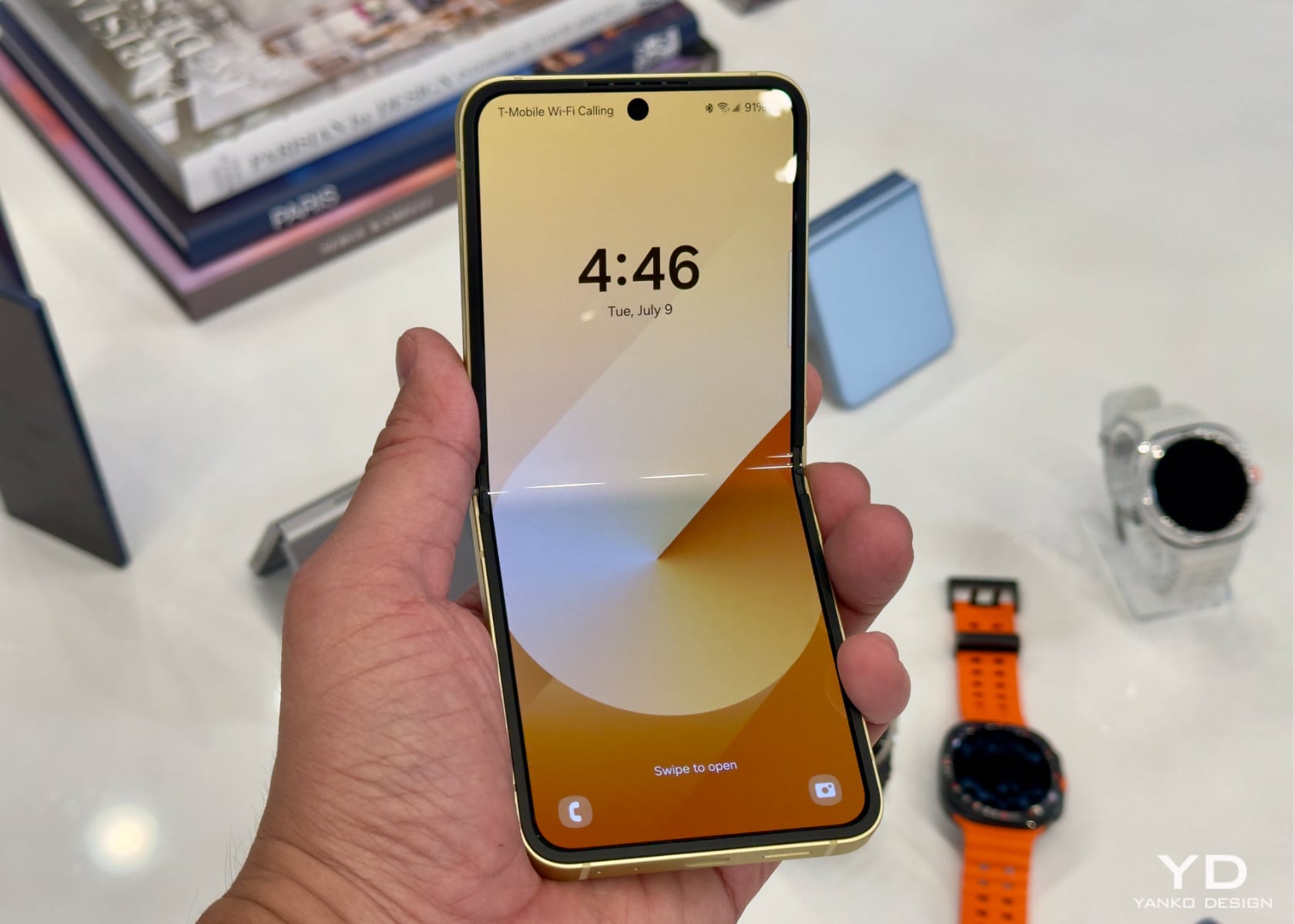
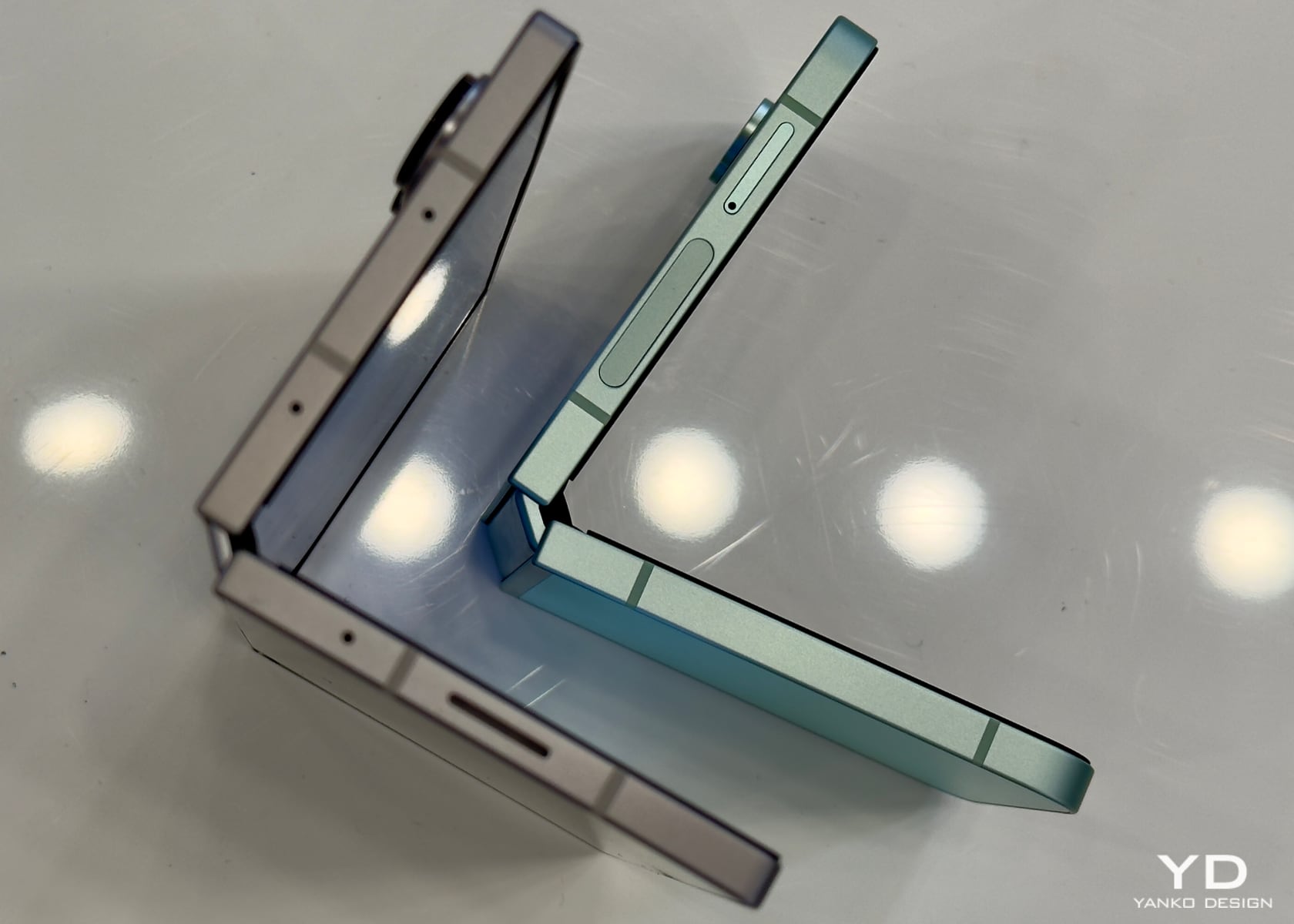
The Galaxy Z Flip6’s durability matches that of its Fold6 counterpart. It features the same enhanced Armor Aluminum frame and Corning Gorilla Glass Victus 2, ensuring it can withstand everyday use. The folding edge has been reinforced to resist pressure and sharp objects better. The Flip6’s durability improvements build on the Flip5, making it even more resilient.
Specs and Features: Power and Intelligence

Their intelligent AI features set the Galaxy Z Fold6 and Z Flip6 apart. These capabilities enhance productivity, creativity, and user experience.

The Snapdragon 8 Gen 3 Mobile Platform, optimized for AI processing, is the core of these devices. This processor enhances performance and enables a host of AI-driven features that make everyday tasks more efficient.

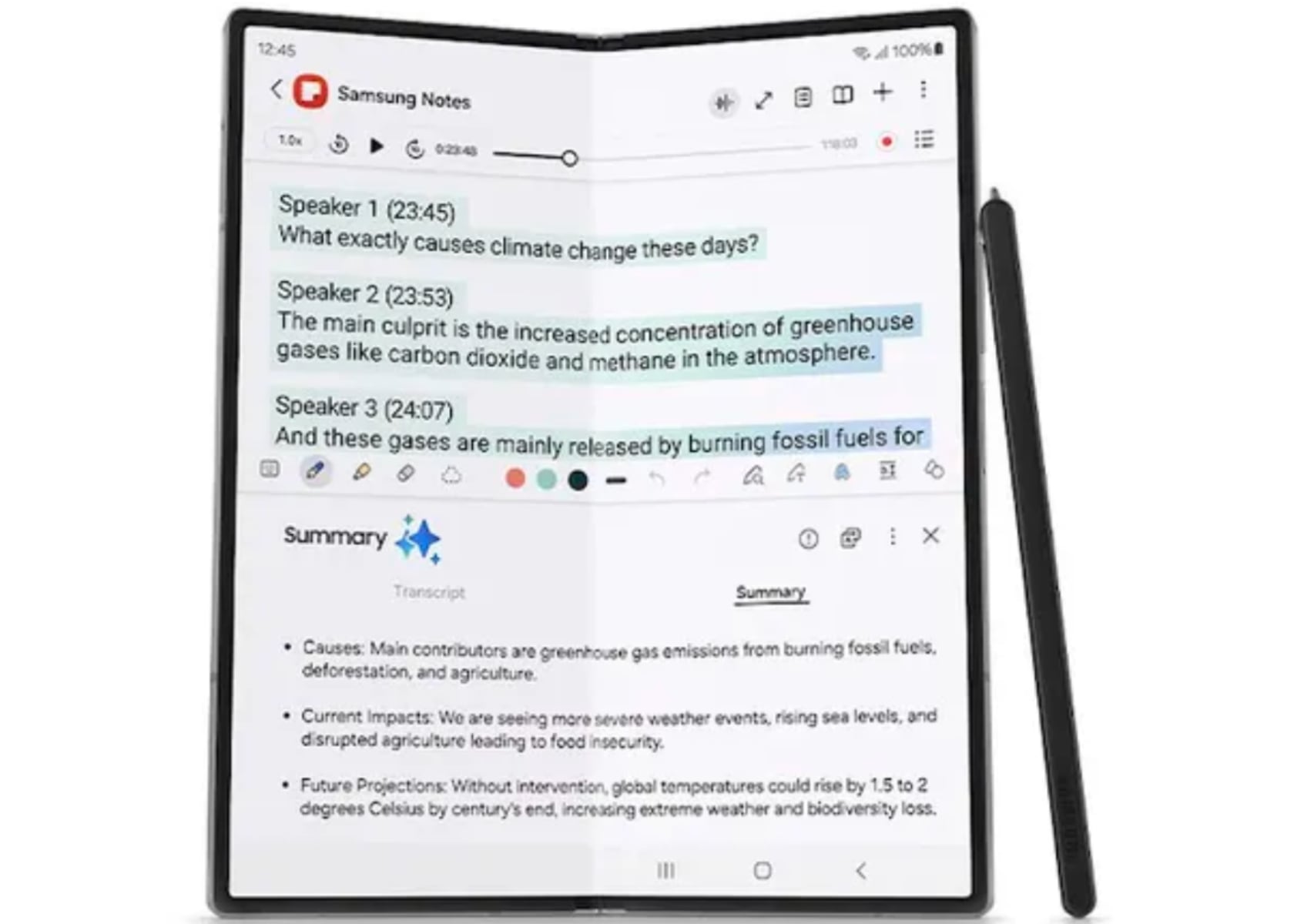
The Galaxy Z Fold6 boosts productivity with AI-powered tools. Samsung’s Note Assist in Samsung Notes offers translation, summaries, and auto-formatting for meeting notes. The embedded transcript feature can transcribe, translate, and summarize voice recordings directly in Notes. PDF overlay translation allows for seamless translation of texts within PDF files, even supporting texts in images and graphs. Composer in Samsung Keyboard generates suggested text for emails and social media posts based on simple keywords, reflecting your tone by analyzing previous posts. These AI tools are more advanced than those in the Fold5, providing a smoother user experience.

The enhanced S Pen experience on the Galaxy Z Fold6 allows access to convenient shortcuts by hovering the stylus over the screen. Smart Select expands the S Pen’s capabilities, offering features like translation, note-taking, and Sketch to Image, which provides image options based on your sketches. During hands-on use, these features made note-taking and content creation more intuitive. This is an improvement over the S Pen functionality on the Fold5, making the Fold6 more versatile for productivity.
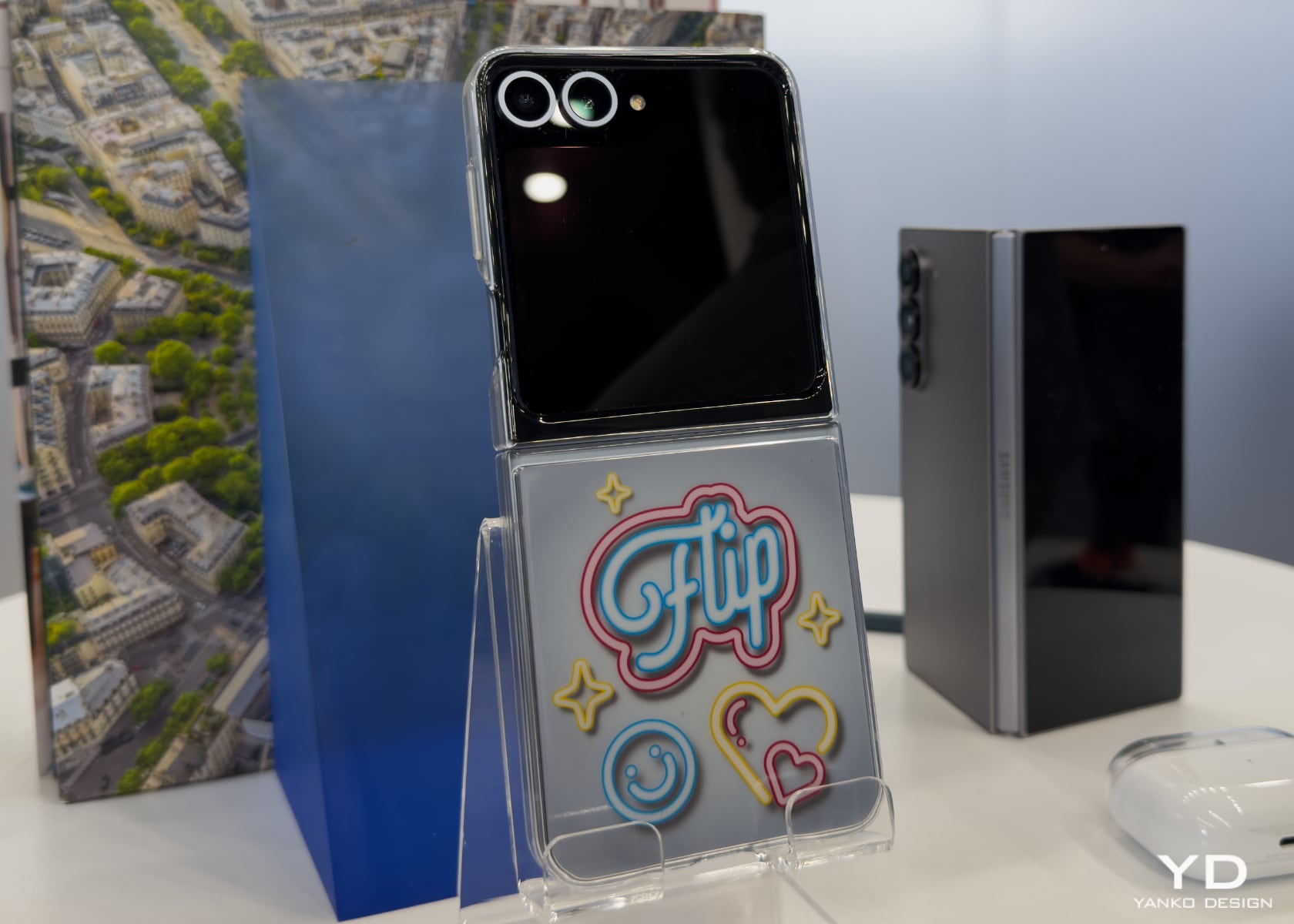
The Galaxy Z Flip6’s AI capabilities enhance user interaction and customization. The 3.4-inch Super AMOLED FlexWindow supports interactive wallpapers that change based on time and weather, offering a personalized touch. FlexWindow provides quick access to various indicators and widgets without unlocking the device. Users can manage health, SmartThings, reminders, and news updates seamlessly. These features build upon Flip5’s capabilities, offering more customization options and quick access to information.
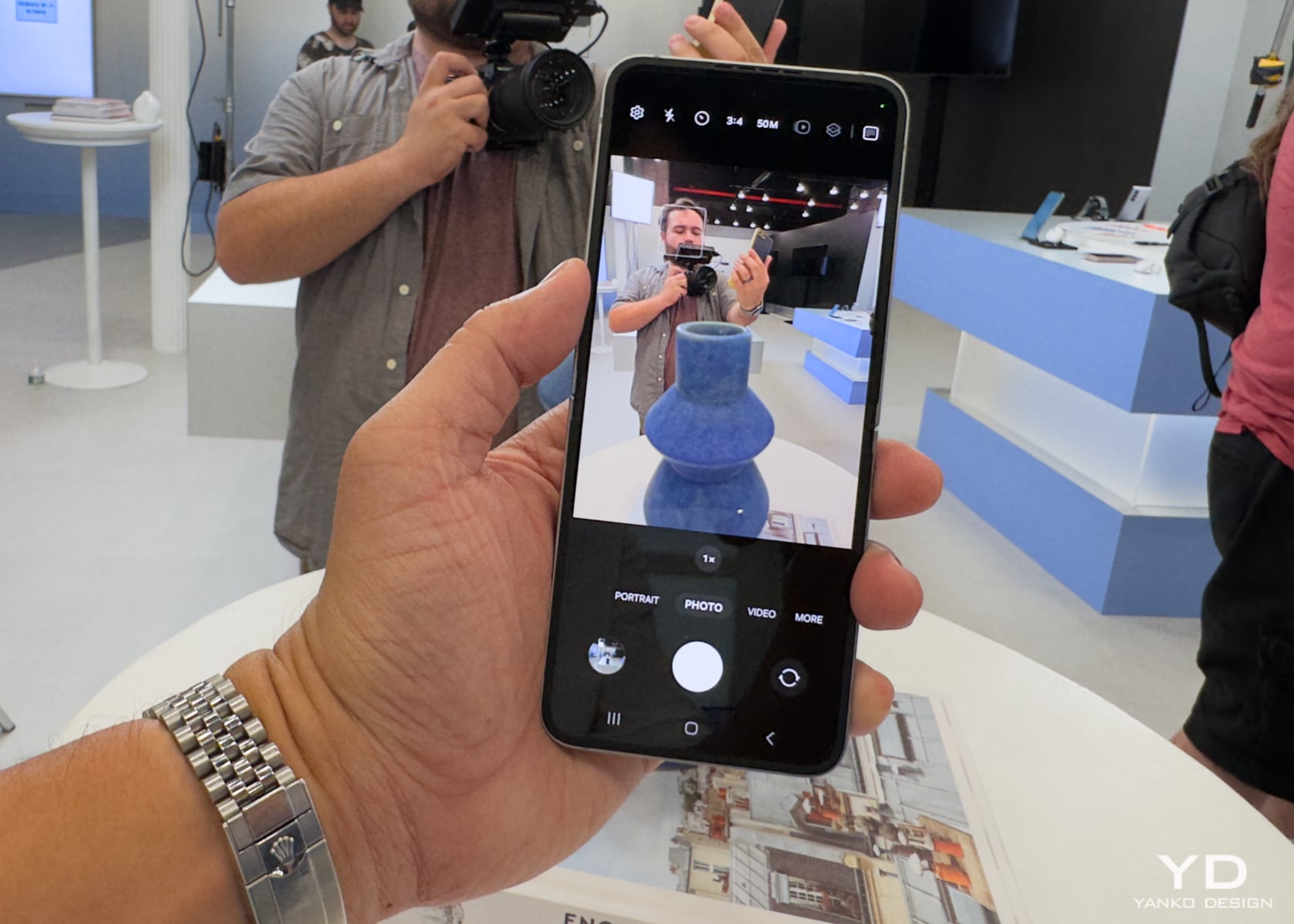
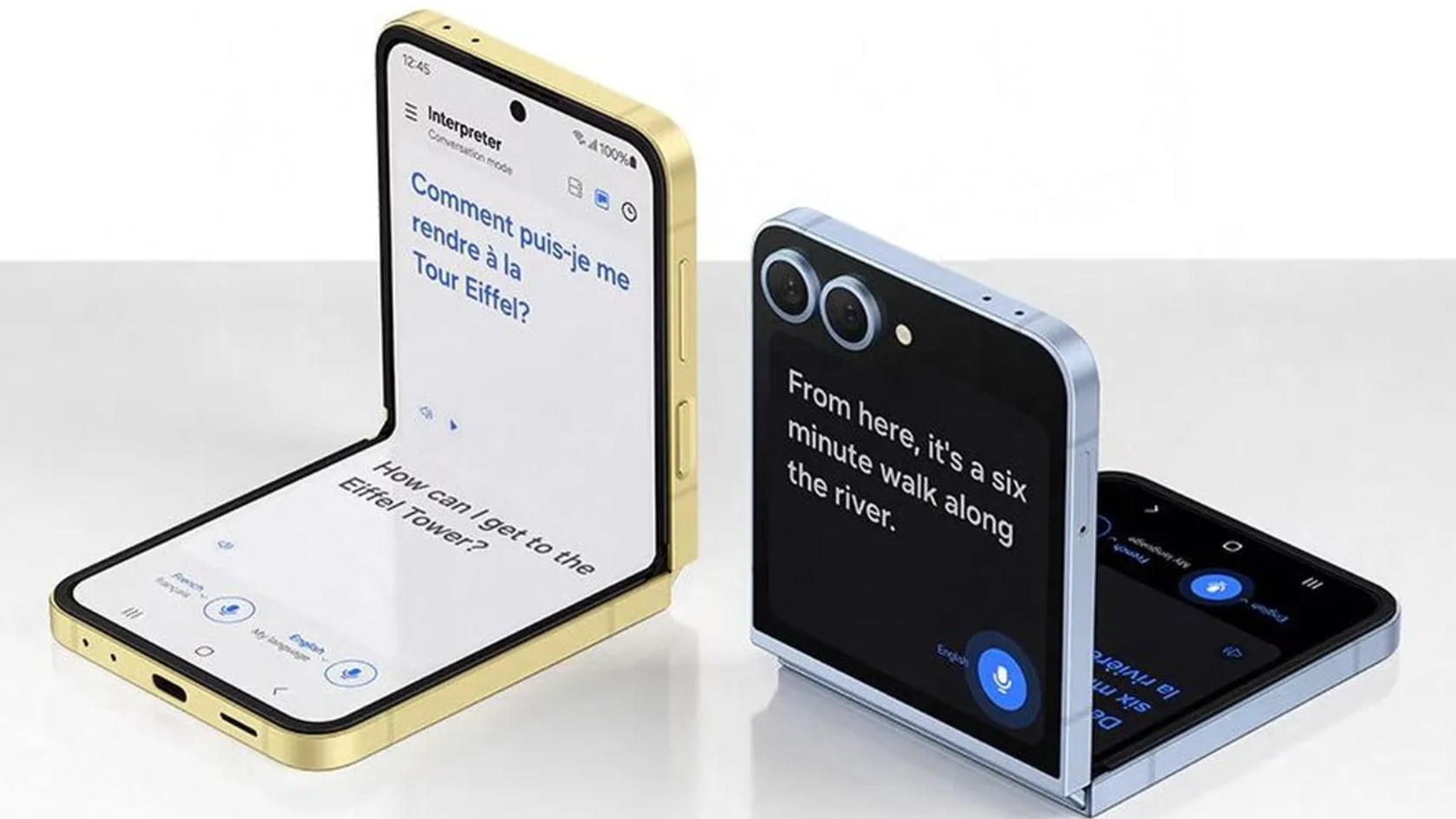
The generative wallpaper feature allows users to create unique wallpapers using keywords, adding a personal touch to the device. The suggested replies and interpreter mode make communication quick and efficient, with tailored responses and easy two-way translation using FlexMode. These features will be handy for anyone who needs it, making interactions more seamless. These AI enhancements make the Flip6 more intelligent and responsive than the Flip5.

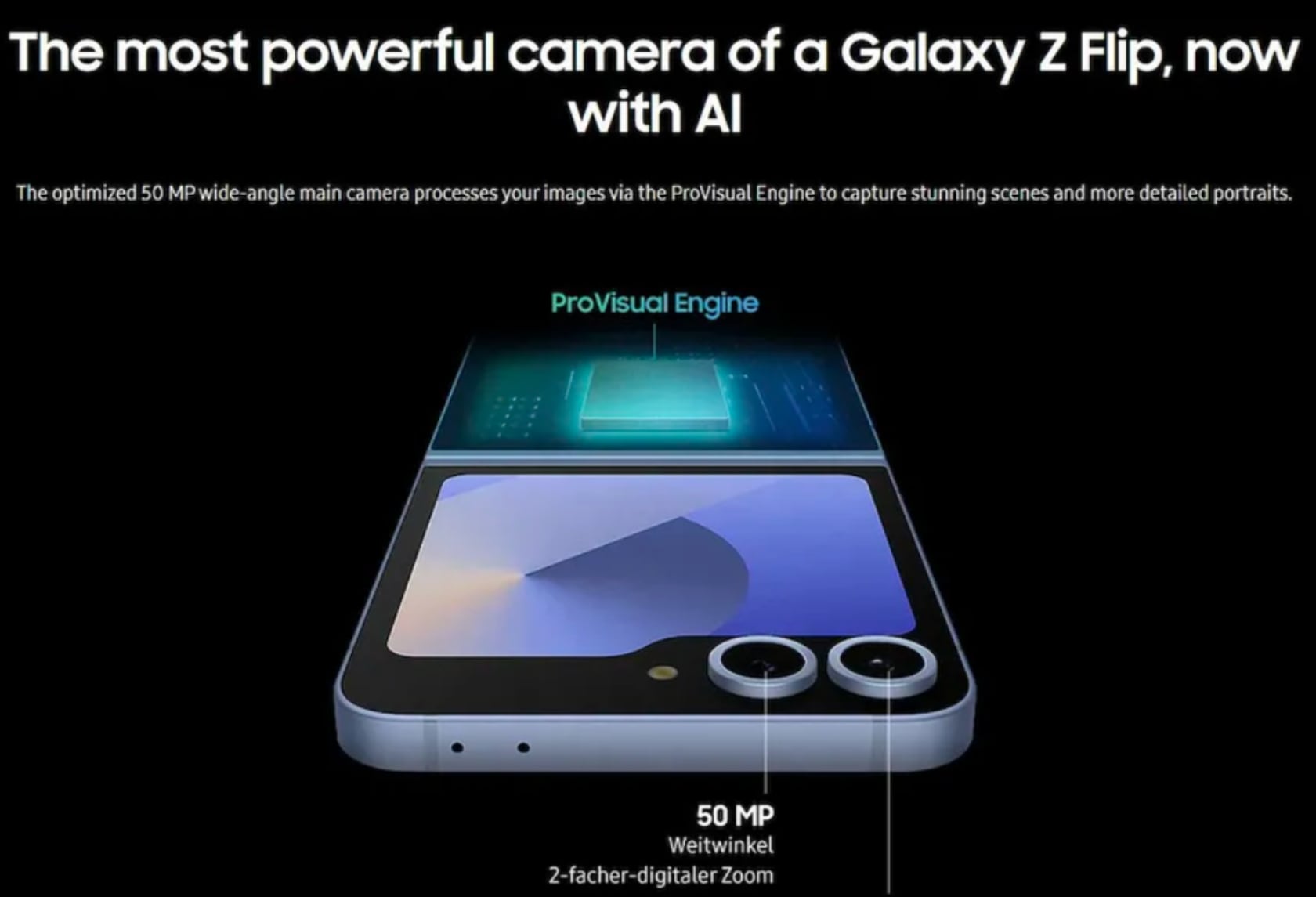
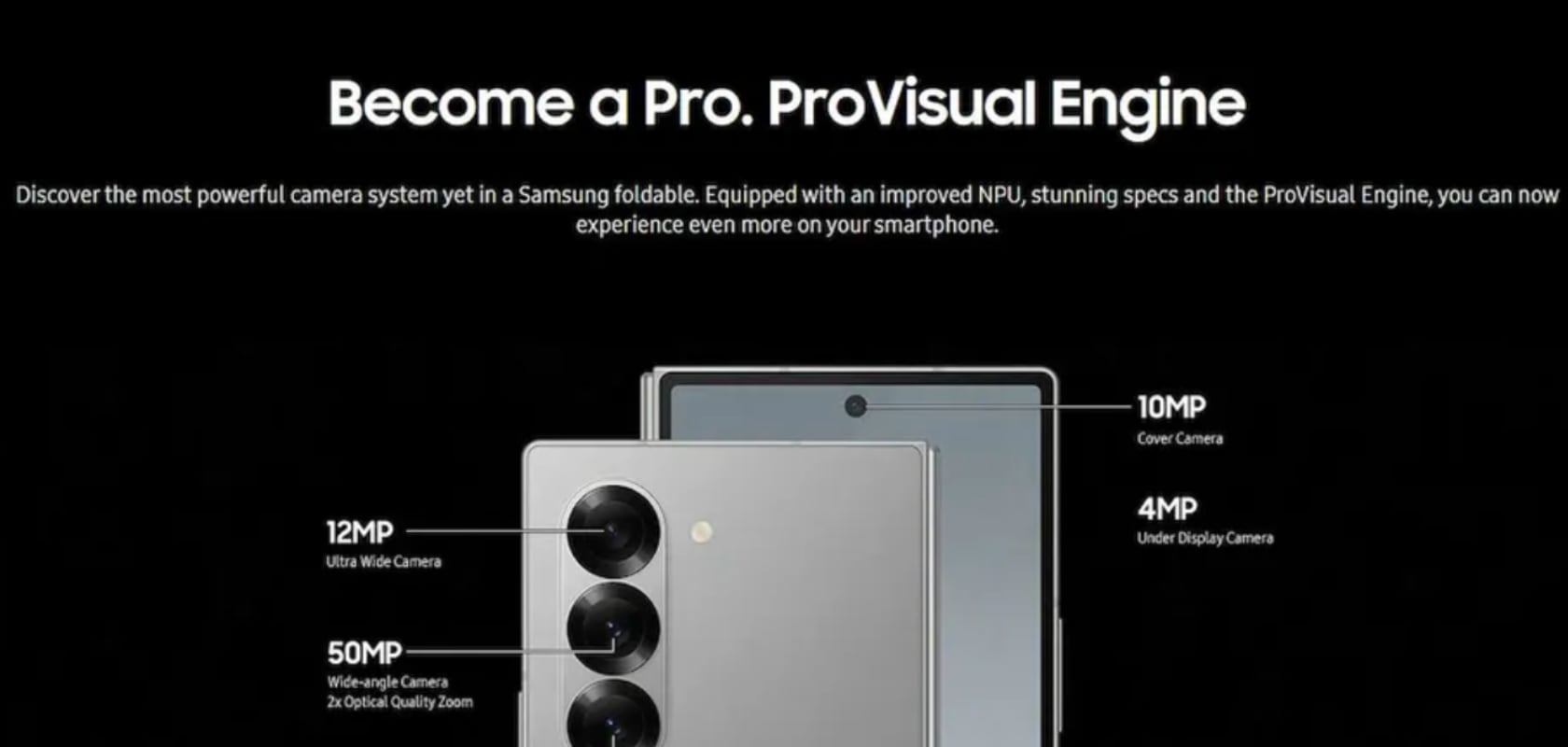
The Galaxy Z Fold6 and Z Flip6 have AI-powered camera features. The FlexCam on the Galaxy Z Flip6 offers clear selfies and crisp AI zoom with its new 50 MP high-resolution camera and a 12 MP camera for enhanced low-light detail. The camera system on the Galaxy Z Fold6 includes a 10 MP cover selfie camera, a 4 MP under-display camera, and a rear triple camera setup. AI tools like ProVisual Engine and Photo Assist elevate photography, offering features like Portrait Studio and Instant Slow-mo. These camera enhancements provide a noticeable upgrade from the Fold5 and Flip5, particularly regarding AI capabilities and low-light performance.
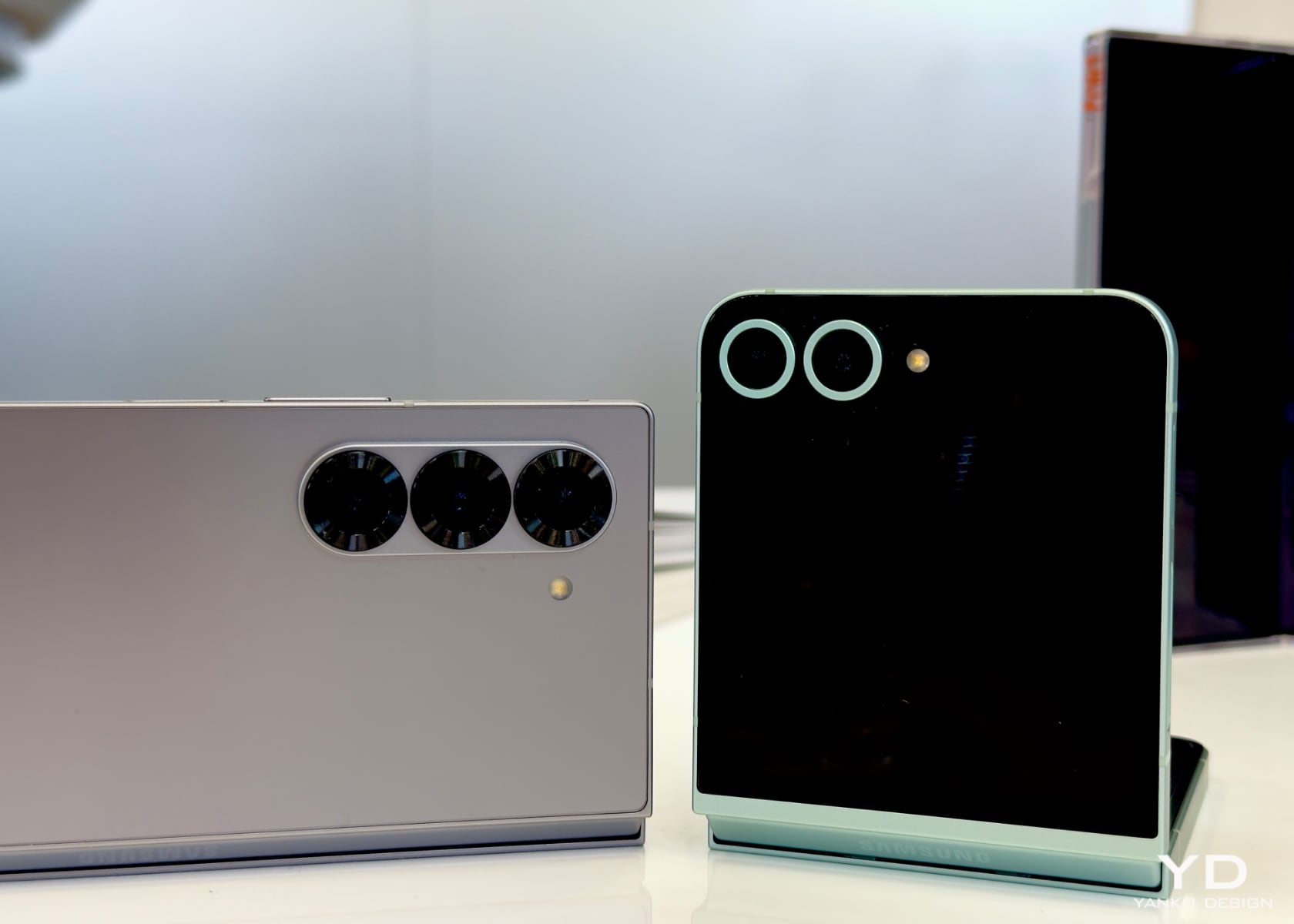
The Galaxy Z Fold6 enhances the gaming experience with its powerful chipset and 1.6x larger vapor chamber, supporting longer gaming sessions with detailed graphics and Ray Tracing. The 7.6-inch screen with up to 2,600 nits of brightness ensures an immersive gaming experience. The Galaxy Z Flip6 also supports a rich multimedia experience with its flexible display and AI-driven features, making it versatile for productivity and entertainment. These gaming and entertainment enhancements build on the performance of the Fold5 and Flip5.
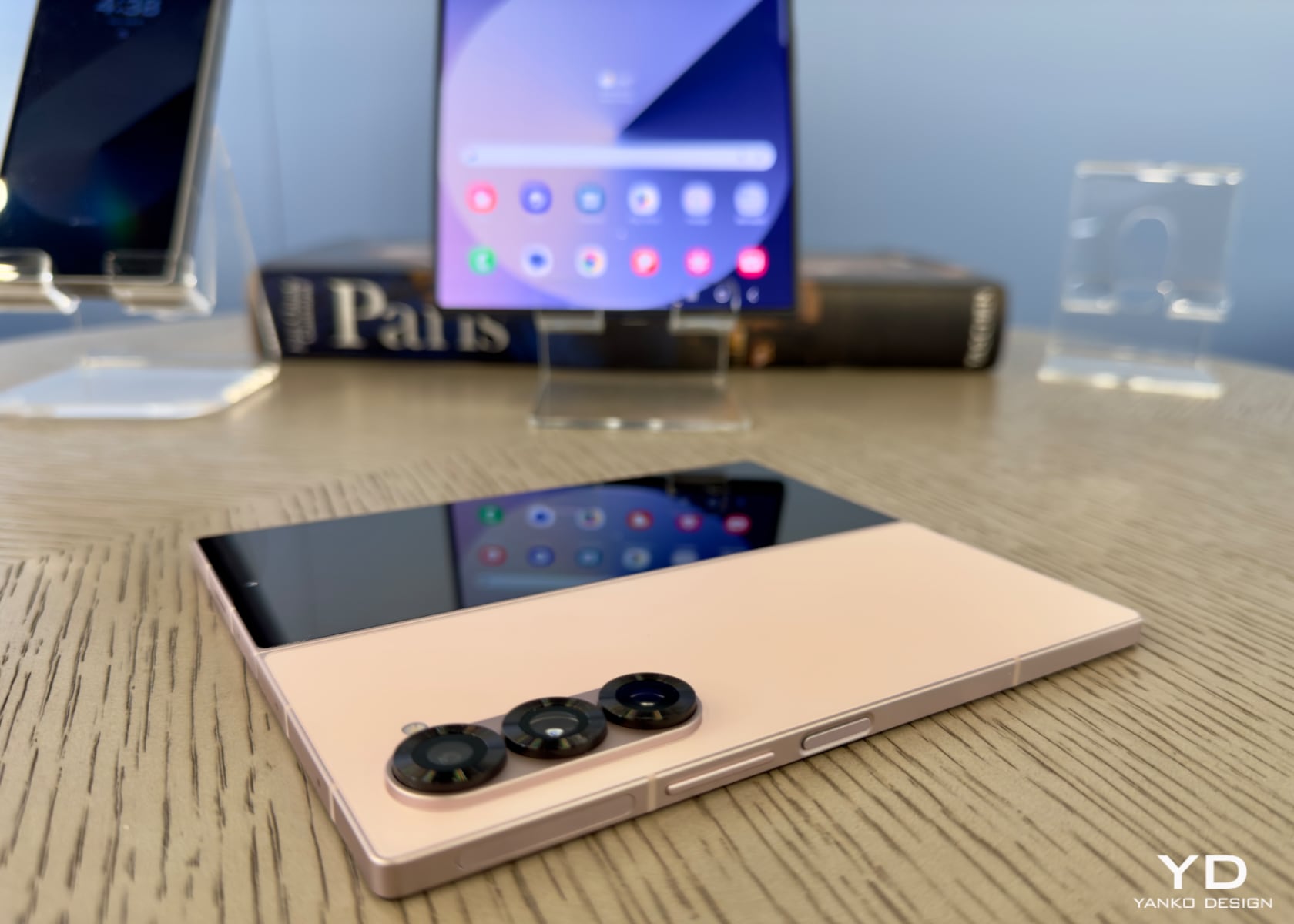
Running on Android 14 with One UI 6.1.1, the Galaxy Z Fold6 and Z Flip6 offer seamless connectivity options, including 5G, LTE, Wi-Fi 6E, and Bluetooth 5.3. Samsung Knox with Knox Vault ensures your data is secure, providing advanced protection against cyber threats. The devices also feature Live Translate, which translates phone calls in real-time, and Interpreter mode, enhancing communication in multiple languages. As someone who travels frequently to Japan and China, I find these features particularly useful. Using third-party apps like Alipay or WeChat in Chinese with real-time translations has been incredibly convenient, making communication and transactions much smoother.

Value: Who Should Upgrade?

For users with Fold5 or Flip5, the differences between Fold6 and Flip6 may not be substantial enough to warrant an upgrade. The Fold6 and Flip6 are iterative updates, offering refinements rather than revolutionary changes. However, for those new to the foldable market or upgrading from older versions like the Fold3 or Flip3, the Galaxy Z Fold6, and Z Flip6 offer significant advancements in design, AI features, and overall performance, making them compelling choices.
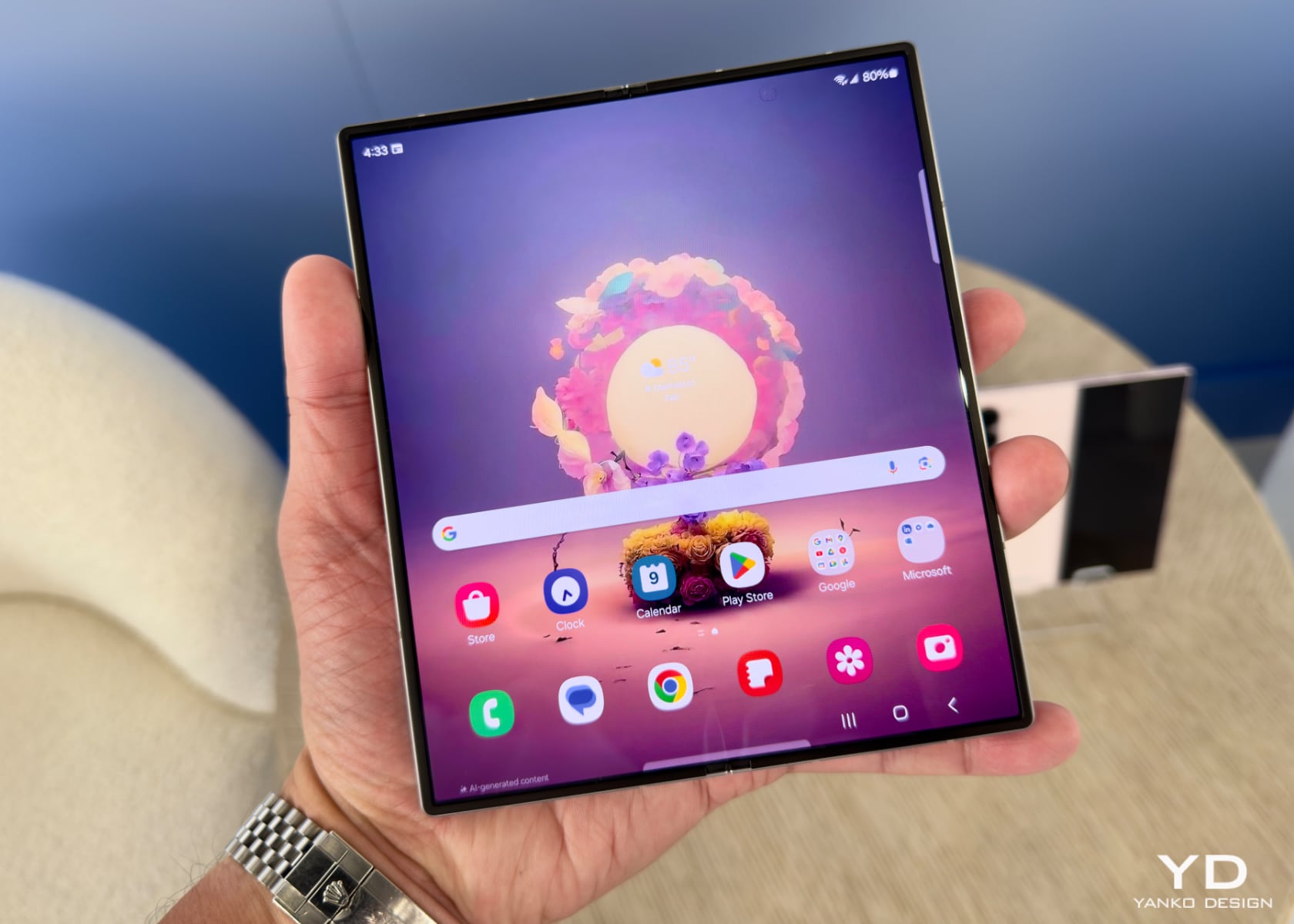
The free storage upgrade offer is an added incentive for new buyers. Pre-ordering the Galaxy Z Fold6 can get you a free upgrade from 256 GB to 512 GB or 512 GB to 1 TB, available on Samsung.com and through select carriers and retailers. Additionally, pre-orders made by July 23 are eligible for up to $1,200 in trade-in value for the Galaxy Z Fold6 with an eligible trade-in.

Final Thoughts
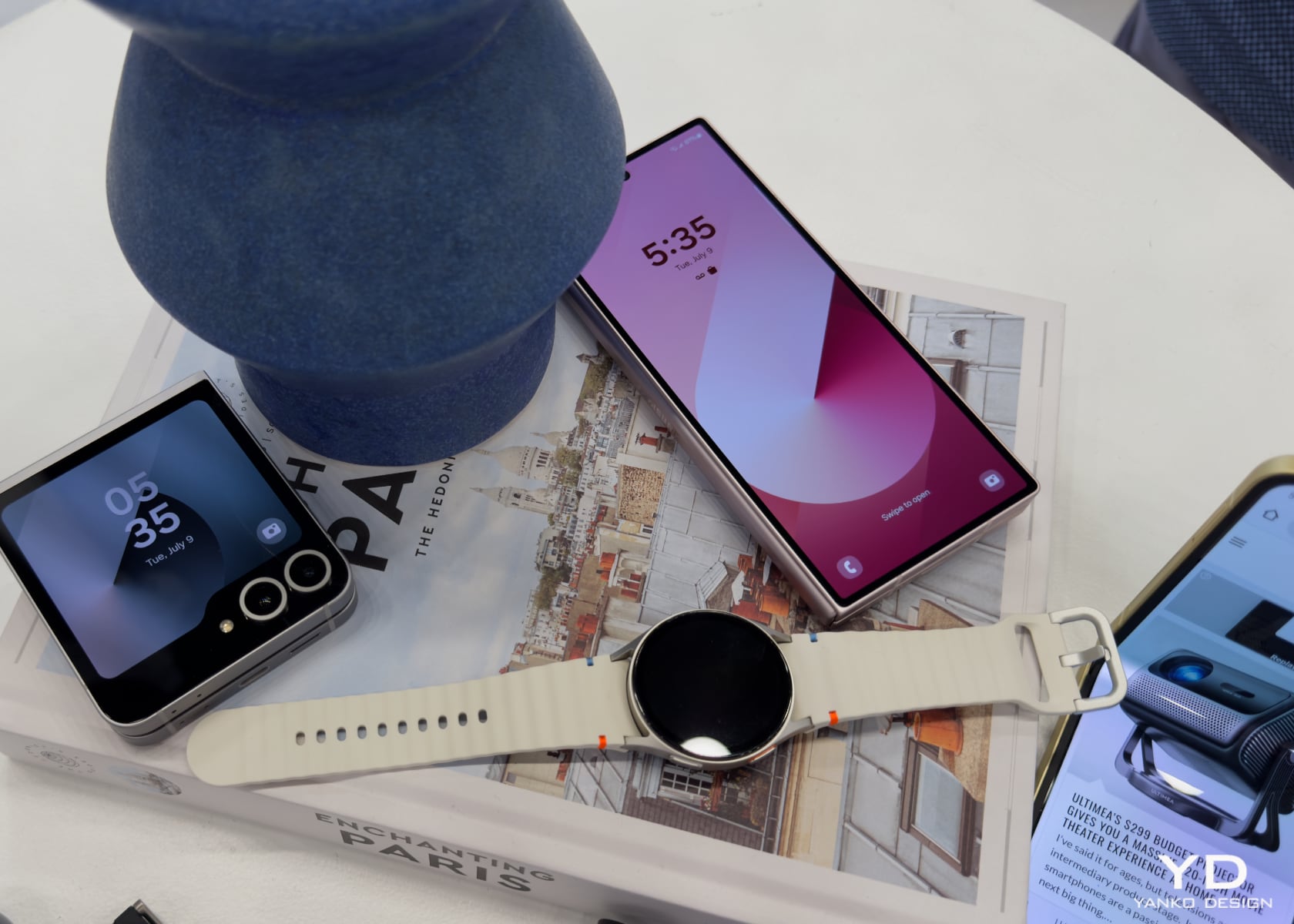
The Samsung Galaxy Z Fold6 and Z Flip6 go beyond their sleek looks, representing the future of smart, user-friendly devices. Their AI features boost productivity, creativity, and overall user experience, making them perfect for everyday tasks. Whether you prefer the large display and productivity tools of the Galaxy Z Fold6 or the stylish flexibility and customization of the Galaxy Z Flip6, these phones offer a seamless mix of technology and design. My hands-on experience with both devices highlights their versatility and intelligence, setting a new standard for what foldable phones can achieve.

The post Samsung Galaxy Z Fold6 and Z Flip6 Hands-On Review: Design, Features, and Performance Unveiled first appeared on Yanko Design.
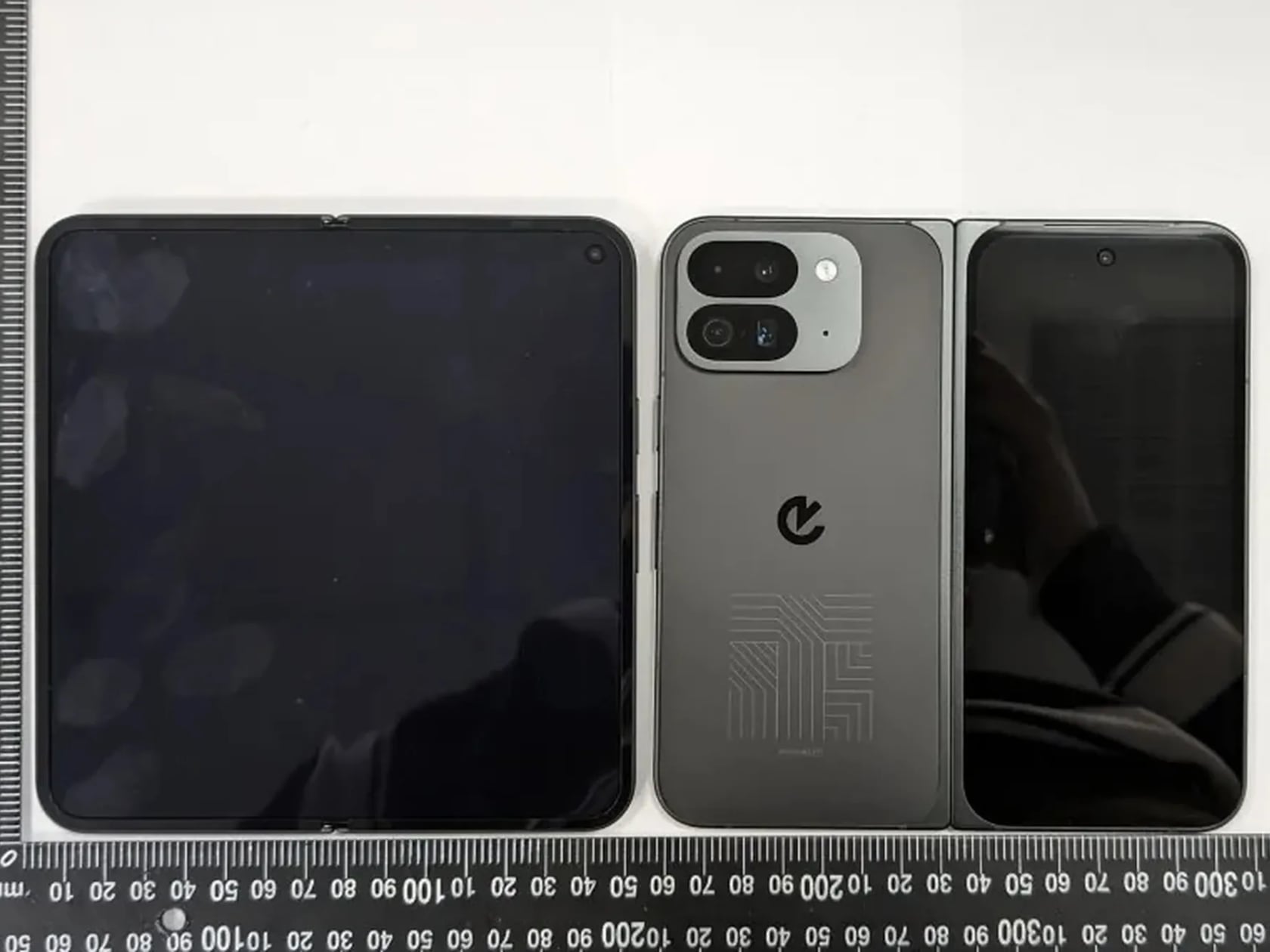
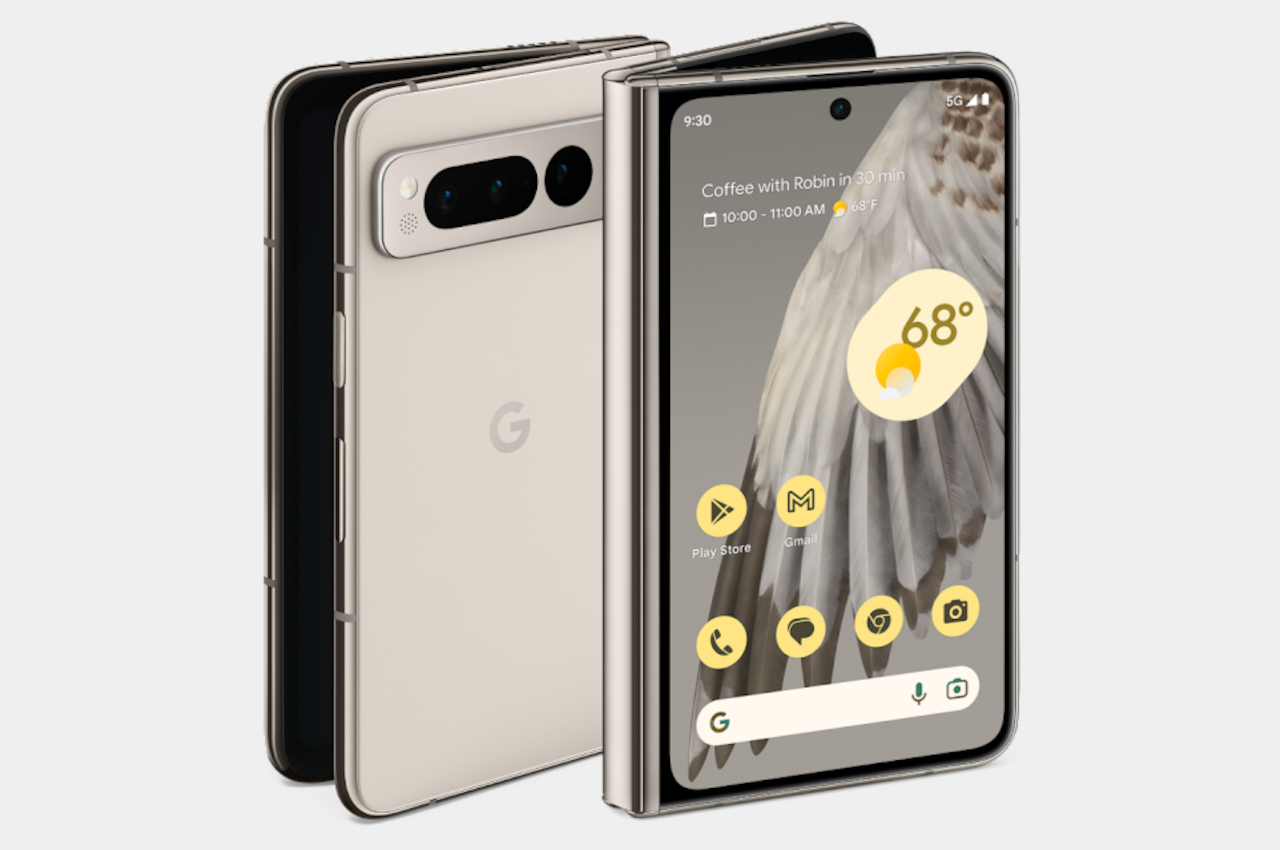
Samsung Galaxy Z Fold 6 and Z Flip 6 Leak: Complete Specs and Features

Samsung is gearing up to reveal its latest foldable smartphones, the Galaxy Z Fold 6 and Galaxy Z Flip 6. With the Samsung Unpacked event just around the corner, detailed specs for both devices have already leaked, giving us a sneak peek at what’s coming.

Designer: Samsung

Samsung Galaxy Z Fold 6

The Galaxy Z Fold 6 comes with some exciting upgrades. The 7.6-inch inner screen now boasts a max brightness of 2,600 nits, up from 1,750 nits, making it much easier to see in bright daylight. The outer screen remains a useful 6.3 inches, with slight improvements in size and resolution for a better overall viewing experience.

Image via Evan Blass

Under the hood, the Z Fold 6 is powered by the new Snapdragon 8 Gen 3 processor, which promises faster and more efficient performance. You’ll also get an extra hour of LTE internet use and two more hours of video playback, perfect for those long days out. Design-wise, the Fold 6 is 14 grams lighter and a bit more compact, making it easier to carry around. It’s 1.4mm shorter, 1mm wider, and 1.3mm thinner when folded, and 1.4mm shorter, 2.7mm wider, and 0.5mm thinner when unfolded. The improved Armor Aluminum frame ensures better durability without adding extra weight. A minor yet noteworthy change is the secondary screen being 0.1 inches larger. The main display resolution has slightly changed to 2160×1856 from 2176×1812. However, the cameras, battery capacity (4400mAh), and Gorilla Glass Victus 2 cover glass remain the same.

Image via Evan Blass

The design of the Z Fold 6 also focuses on functionality and portability. Despite its large display, the device is slim and lightweight, making it pocket-friendly. Samsung has improved the hinge mechanism, offering a smoother folding experience. The Z Fold 6 also supports the S Pen, making it a versatile tool for note-taking and productivity on the go.

Image via Evan Blass

Samsung Galaxy Z Flip 6

The Galaxy Z Flip 6 is also getting some cool updates. The main camera is now a powerful 50MP, up from 12MP, while retaining the same f/1.8 aperture for stunning photos. Another significant change is the switch to an IPS display from OLED, which might affect color quality slightly but could improve durability.

Image via Evan Blass

Equipped with the new Snapdragon 8 Gen 3 processor and upgraded to 12GB of RAM from 8GB, the Galaxy Z Flip 6 ensures smooth multitasking and performance. The higher capacity 4,000mAh battery (up from 3,700mAh) extends internet usage by two hours and video playback by three hours, making it a reliable companion for prolonged use. When folded, the device is 0.2mm thinner, with other dimensions and weight remaining unchanged. A notable aesthetic update is that the entire phone reflects your chosen color, not just one panel on the back, for a more unified and stylish look. Like the Fold 6, the Flip 6 is protected by Gorilla Glass Victus 2.

Display Comparison: Z Flip 4, 5, and 6

We see some exciting changes when comparing the display sizes across the Z Flip series. The Z Flip 6 has a 6.7-inch inner screen and a 3.4-inch outer screen, consistent with the Z Flip 5, but a significant jump from the Z Flip 4’s 1.9-inch outer screen. This increase provides a more useful and interactive external display, enhancing functionality without unfolding the device. Additionally, the Z Flip 6’s switch to an IPS display for the outer screen, from OLED, indicates a focus on durability and other display qualities.

Image via Evan Blass

New Features and Improvements

The Galaxy Z Flip 6 introduces several innovative features. The front cover screen now supports Samsung’s language-translating Interpreter Mode, allowing you to communicate more effectively in different languages. It also has Chat Assist, which lets you send messages directly from the front display with suggested replies curated by context-sensitive AI. The Circle to Search with Google feature enables users to instantly circle an object or text and get search results.

Image via Evan Blass

On the Galaxy Z Fold 6, the AI Note Assist helps summarize notes, making organizing your thoughts and ideas more accessible. The device also offers an immersive gaming experience with its high-brightness display and improved performance. The ProVisual Engine on both devices enhances camera capabilities, providing clear zoom and detailed photos powered by AI.

Image via Evan Blass

With the official launch on July 10th, these leaks have given us a comprehensive look at what to expect. Whether you’re after better performance, enhanced camera features, or stylish design tweaks, the Samsung Galaxy Z Fold 6 and Galaxy Z Flip 6 are shaping up to be great new additions to the foldable phone market.

The post Samsung Galaxy Z Fold 6 and Z Flip 6 Leak: Complete Specs and Features first appeared on Yanko Design.
realme 13 Pro is coming with ultra clear camera powered by HYPERIMAGE+ AI

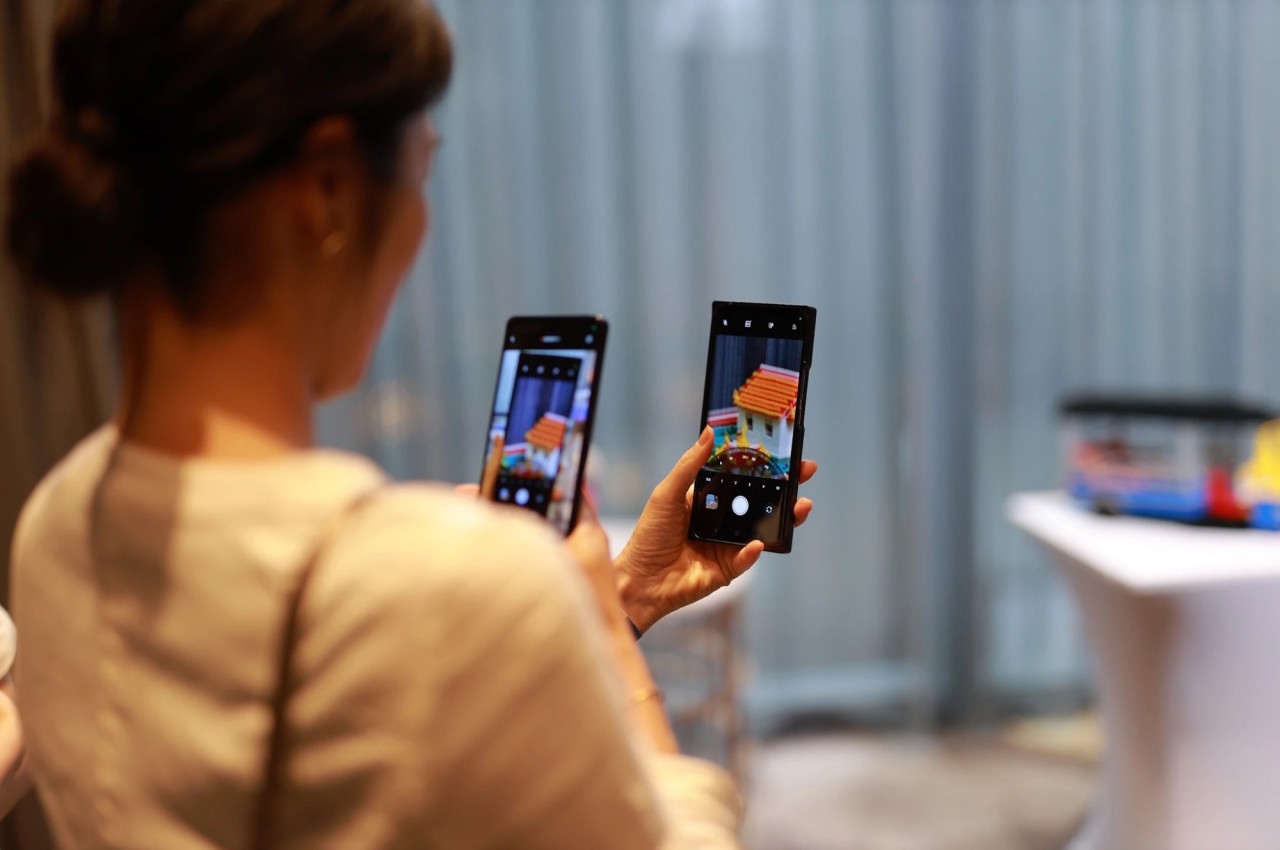
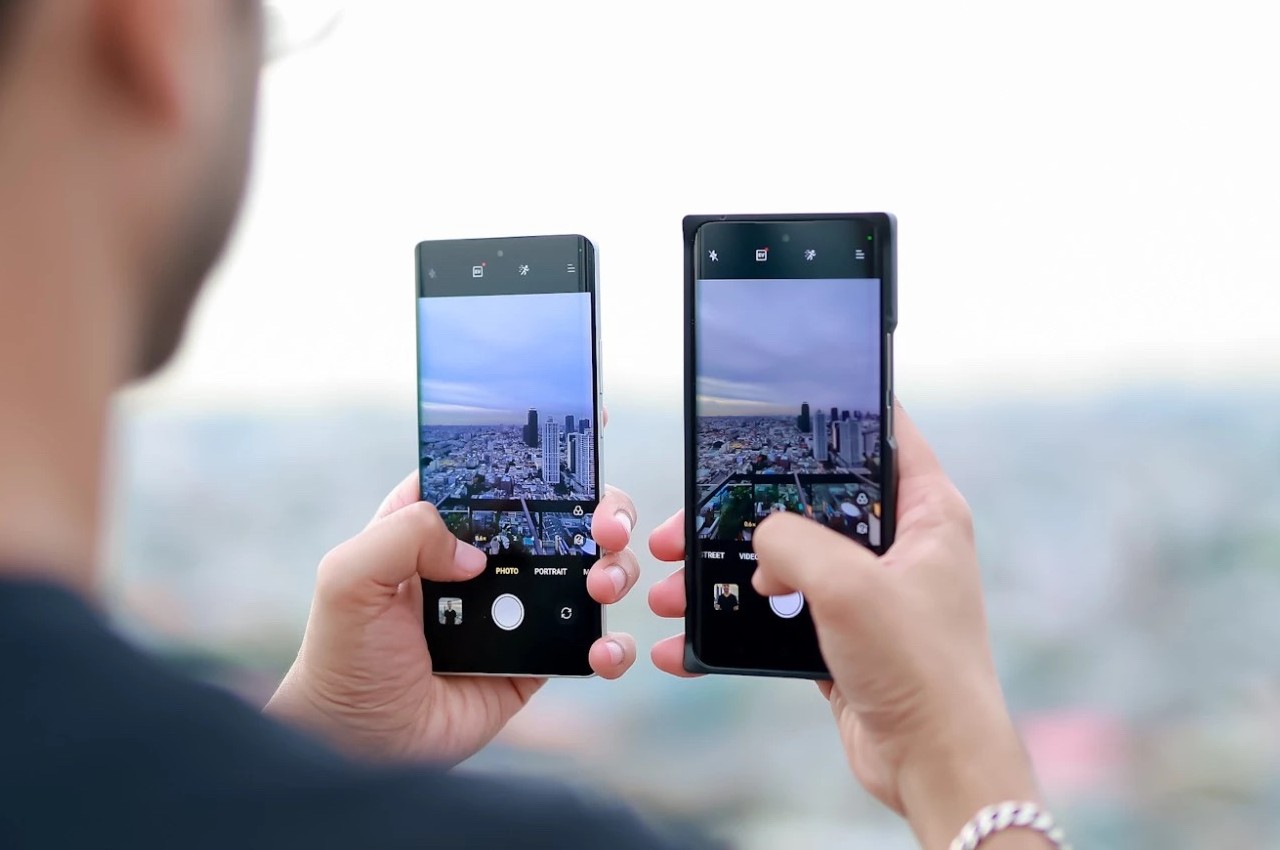
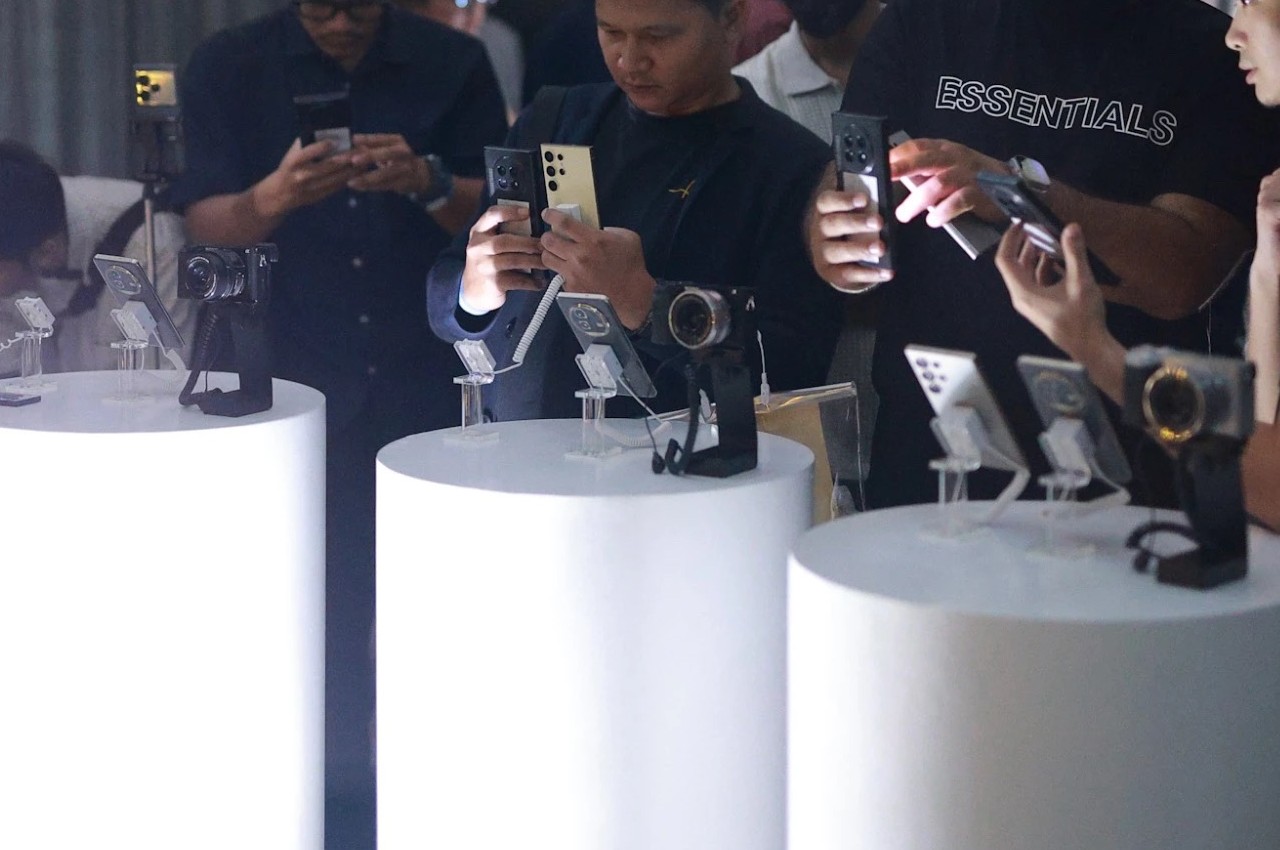
Smartphone cameras have gotten quite powerful, that they might have hit a wall when it comes to hardware. Although they have reached mind-blowing 100 megapixels, sensors have also gotten a little too large for the ever-thinning smartphones. To make up for that slump in optical solutions, manufacturers are turning to software, specifically everyone’s favorite AI special sauce, to produce astounding images and experiences that wouldn’t have been possible with hardware alone. That said, AI alone won’t be enough either, so at its AI Imaging Media Preview Event in Bangkok, realme unveiled a new AI photography architecture that harnesses both powerful optics and powerful algorithms to bring mobile photography to the next level.

Designer: realme

realme’s new HYPERIMAGE+ AI photography architecture, which it claims is a first for the industry, leverages three layers to create its seemingly magical imaging feats. It stands on a solid foundation of powerful hardware, delivered by a new Sony LYT-701, a 50MP sensor with OIS, and a 50MP Sony LYT-600 paired with a periscope-style telephoto lens that lets it zoom in up to 3x without any loss in detail. The hardware alone would have been enough to handle any photography task even in challenging lighting situations, so you can imagine how much more impressive the results would be with help from AI.

HYPERIMAGE+ also utilizes both on-device AI imaging algorithms as well as cloud-based AI image editing to go beyond what the hardware is capable of. HyperRAW, for example, brings image processing capabilities to the high-quality RAW domain, boosting image quality and dynamic range to faithfully recreate light and shadows. AI Pure Bokeh helps in the separation of foreground, midground, and background elements, applying pixel-level segmentation and targeted optimization to create realistic portrait photos, all within seconds. An in the event that the cameras weren’t able to capture enough resolution for rich details, AI Ultra Clarity enhances the image to still produce crystal clear and stunning images.

Oplus_131072

Of course, all these benefits of AI would be meaningless if it doesn’t get into the hands of those who need it the most. Young users, in particular, are always craving stunning photos, striking videos, and unforgettable memories, pushing the boundaries of what their smartphones are capable of. They are, therefore, the perfect audience for this ultra clear camera with AI, and are exactly who the upcoming realme 13 Pro+ will be aiming for. realme’s AI-empowered flagship is set to launch soon, though details are still scant and will be provided closer to the launch date.

The post realme 13 Pro is coming with ultra clear camera powered by HYPERIMAGE+ AI first appeared on Yanko Design.
Smartphone enclosure concept helps develop good relaxation habits

As powerful and as useful as our smartphones might be, they can also be stumbling blocks not only for productivity but also for mental health. Incessant notifications and the fear of missing out (FOMO) add to the stress and anxiety of the modern world. Of course, ditching your smartphone is no longer an option these days, which is why several designs try to meet the problem halfway, many utilizing minimalist interfaces or drab gray screens to limit our smartphone interaction. Those, however, only solve one part of the problem, leaving many people still unused to taking breaks or relaxing. This concept design for a smartphone accessory tries to do exactly that, keeping your phone safely away from your reach while also helping you get into the habit of taking good breaks from time to time.

Designer: Jeongmin Ham

The most basic strategy people use to avoid distractions from their phones is to put it away, either at a distance or inside a drawer, creating some friction or obstacle to getting the phone instantly. While it can be an effective strategy for some, it’s also a missed opportunity for the smartphone to do something, well, smart. Short of using it as a timer, which can also lead to temptations, it can perhaps be utilized for some other function while keeping its normal distracting features at bay.

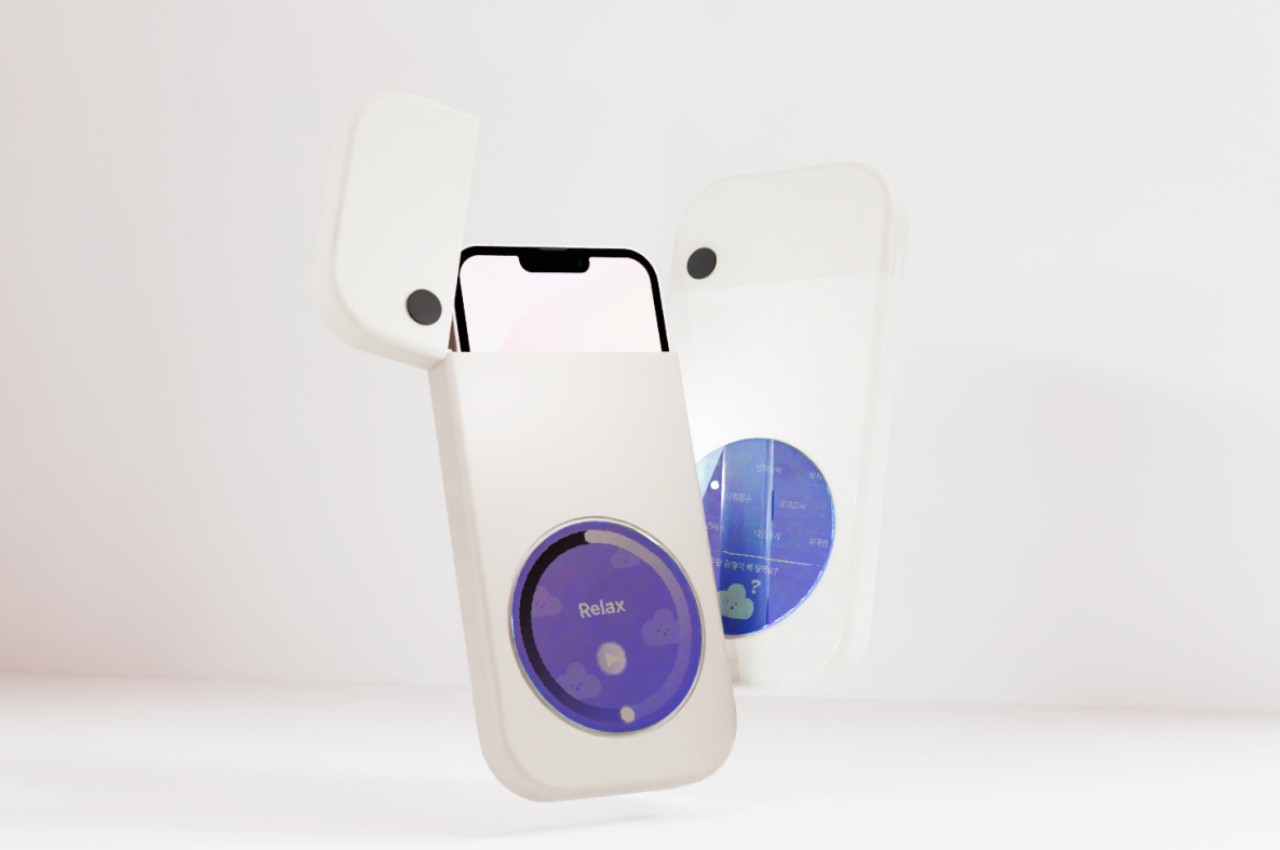
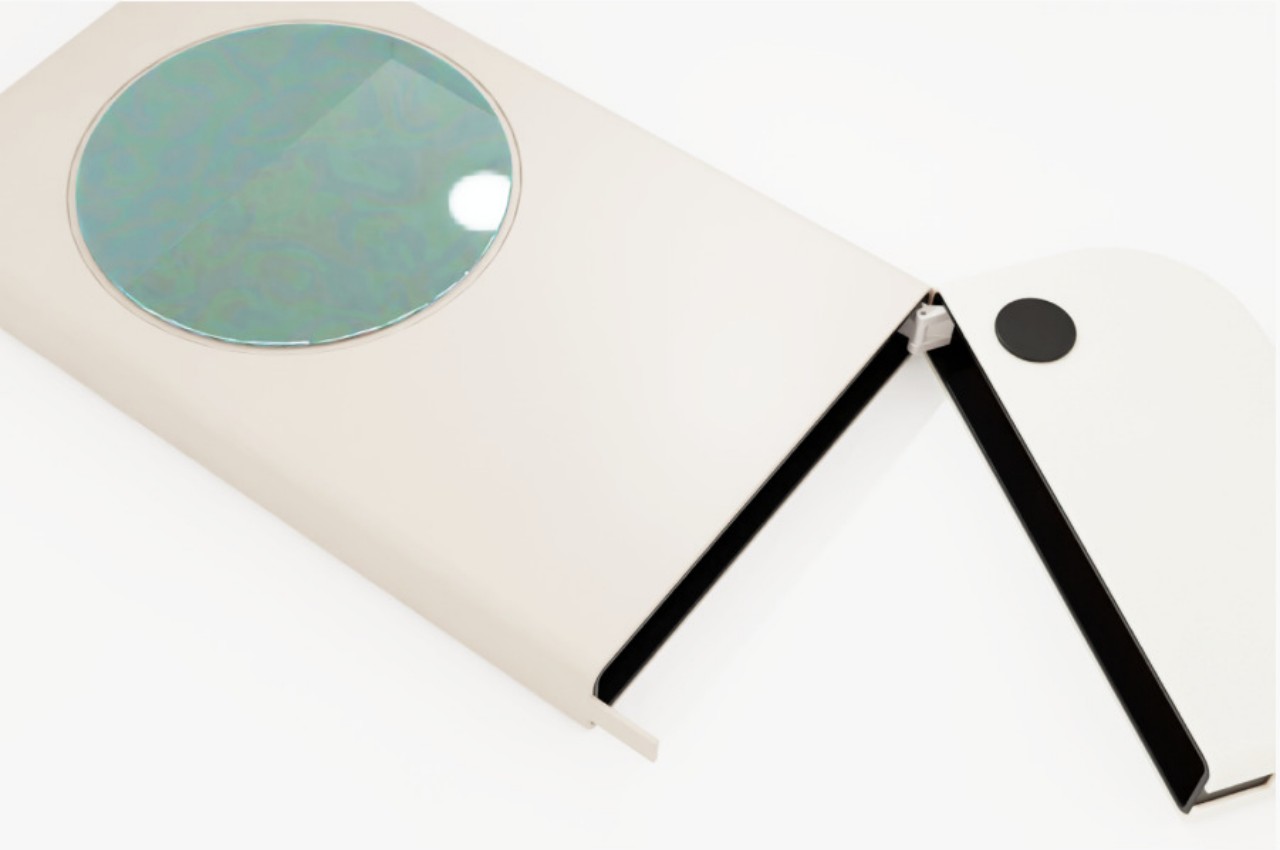
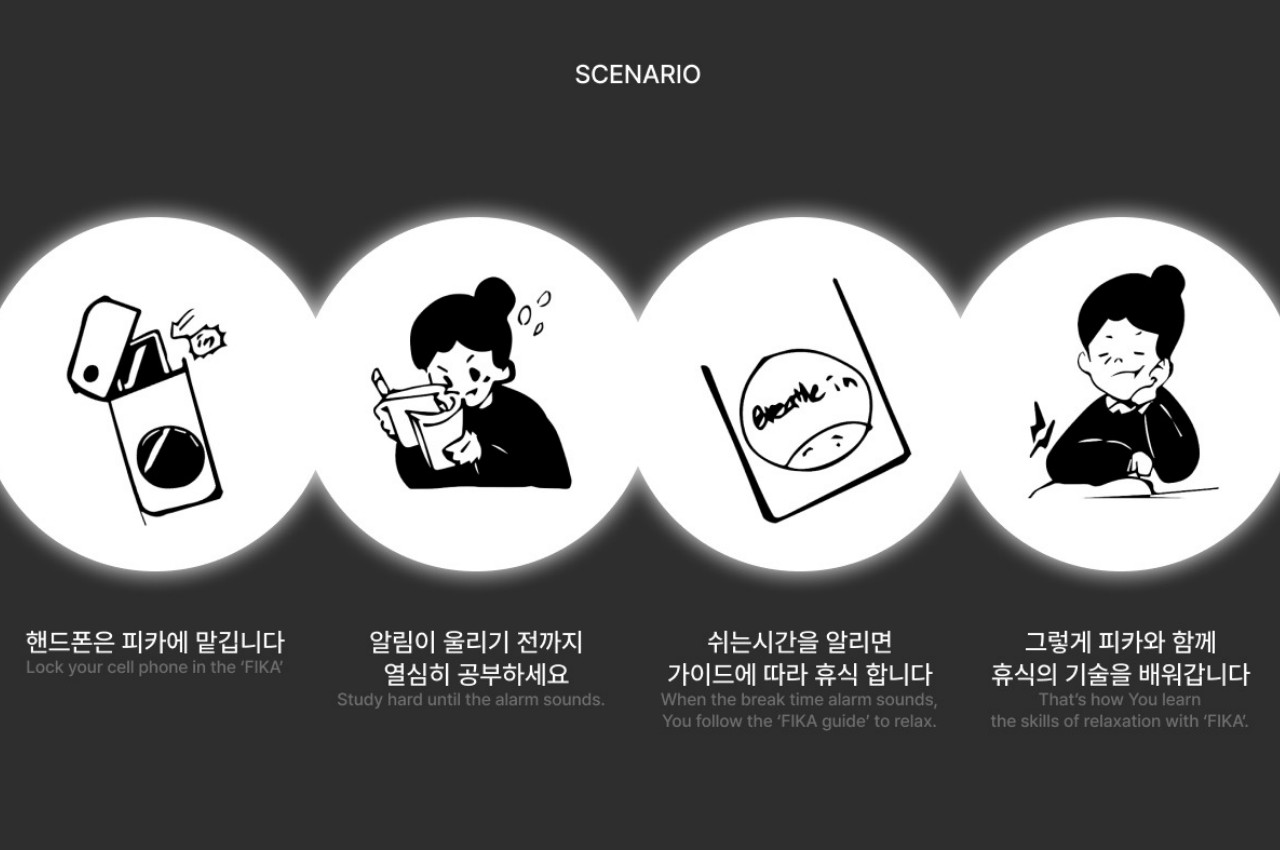
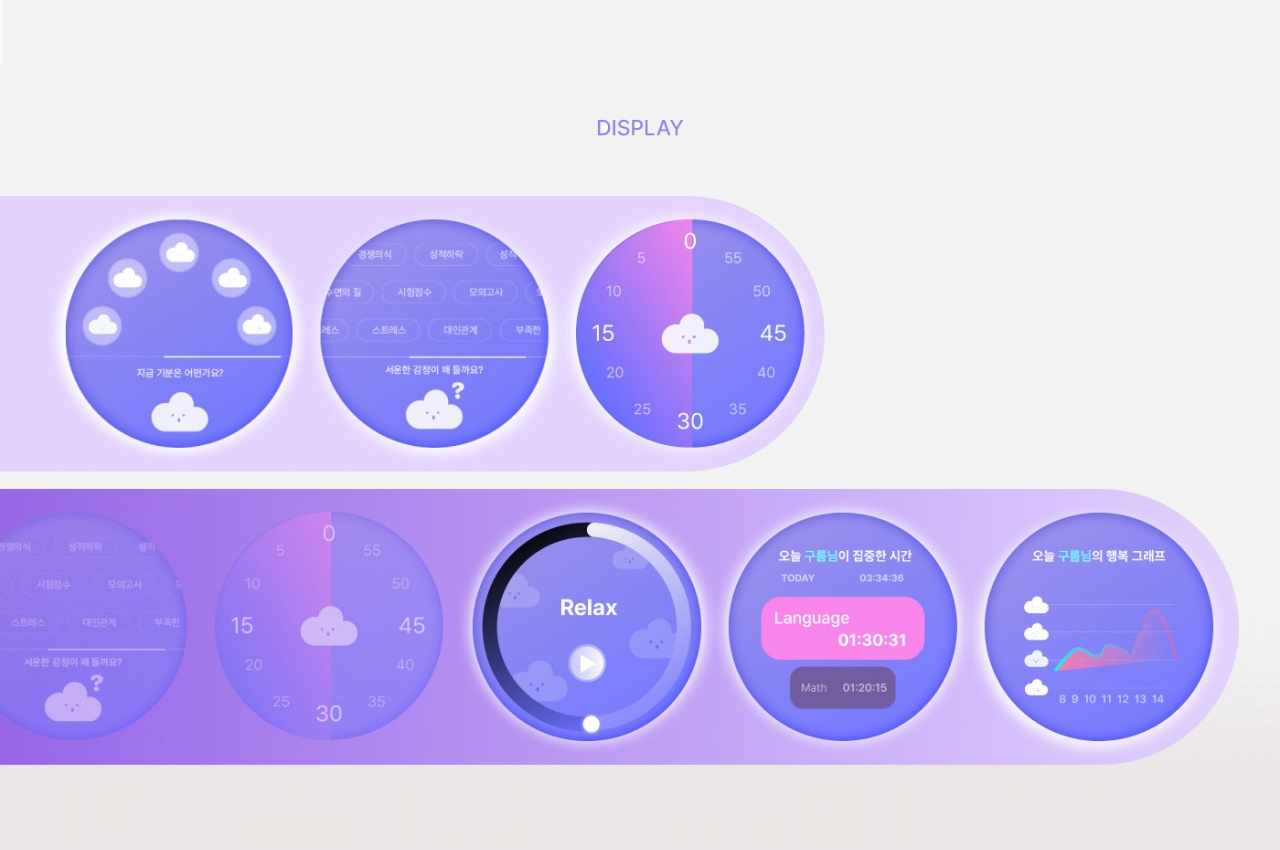
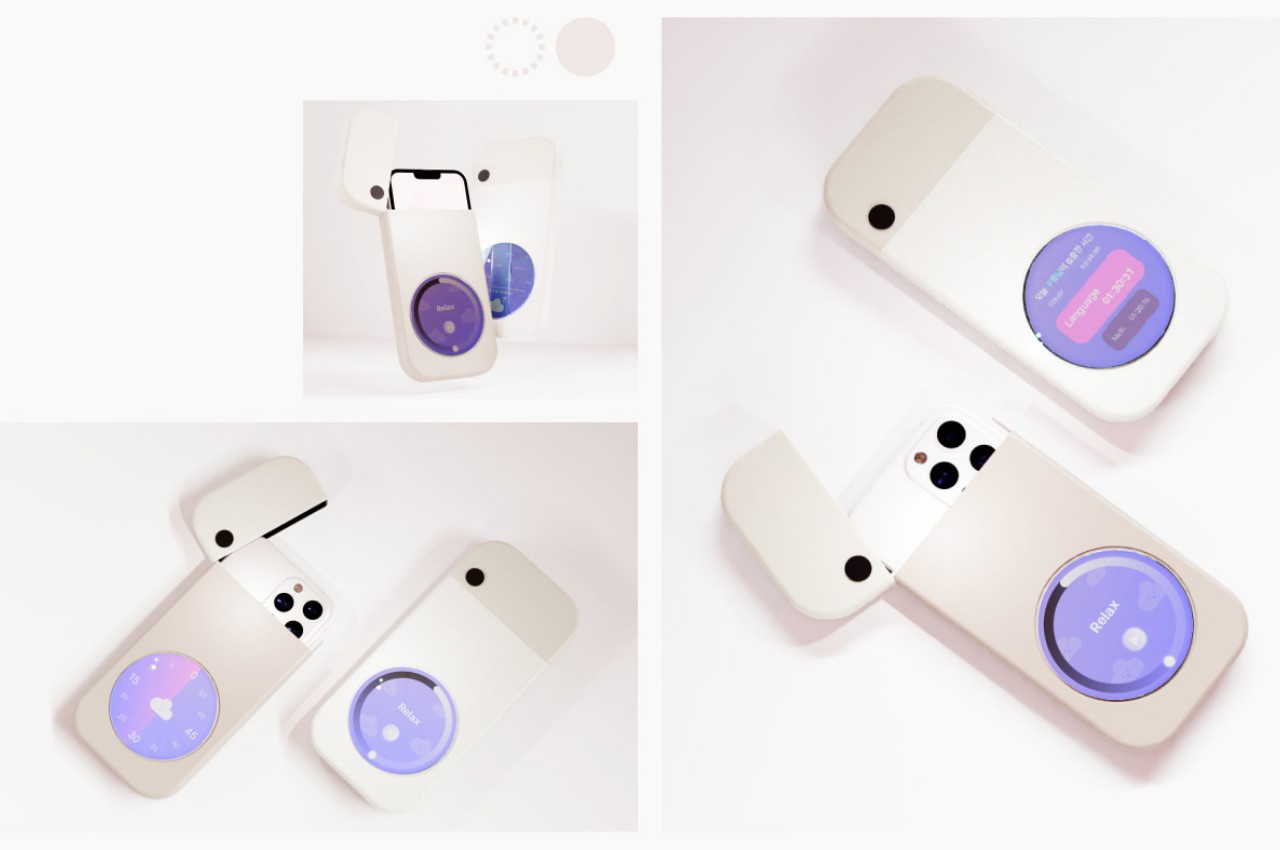
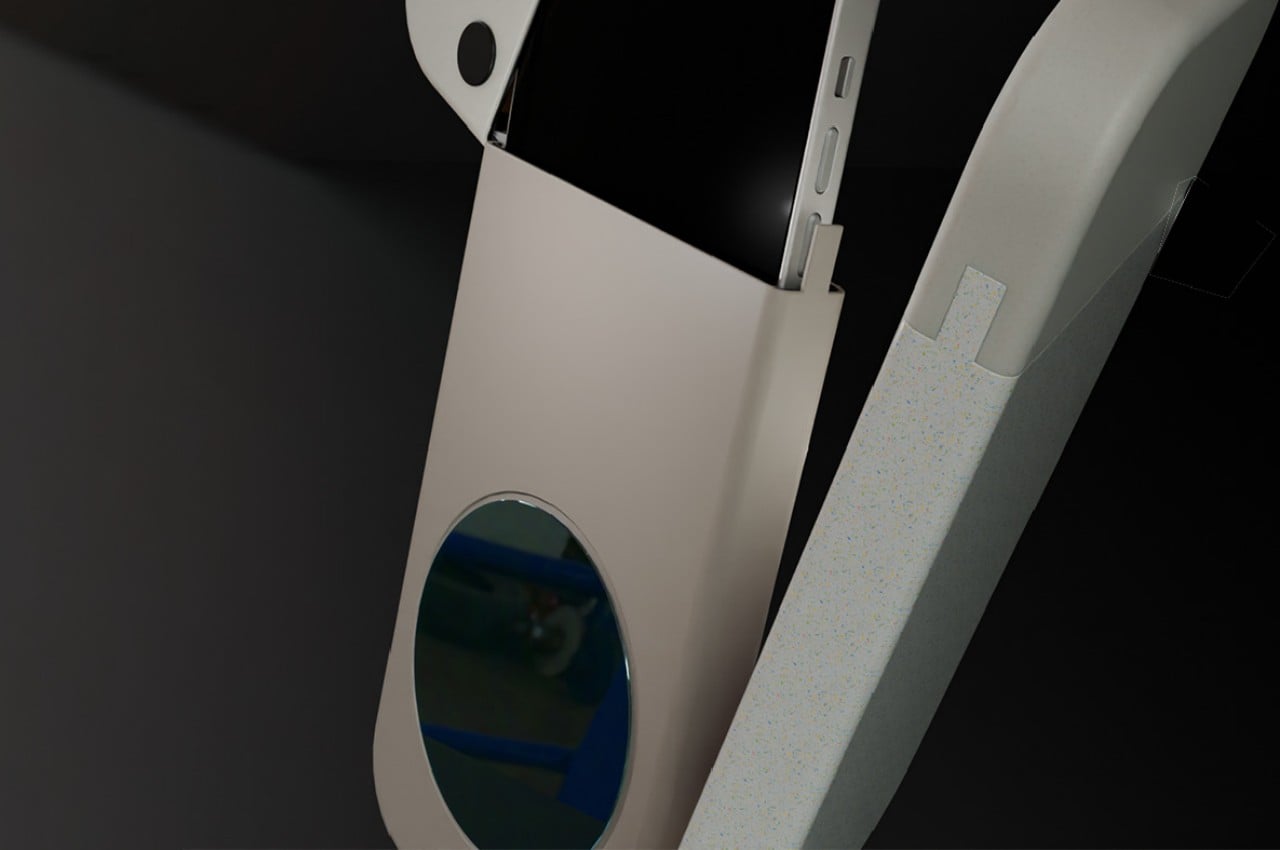
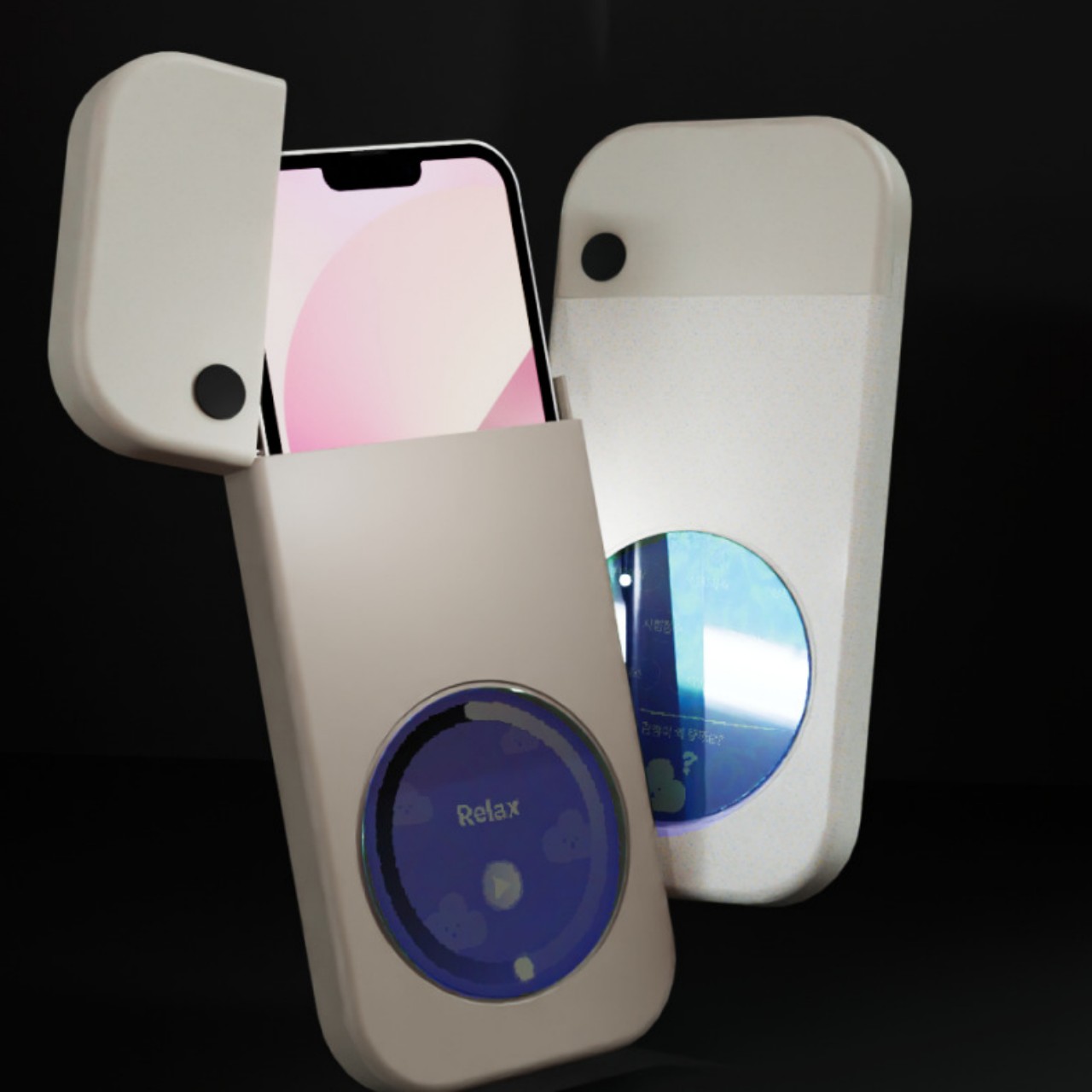
FIKA is a concept design for an accessory that does exactly that, keeping your smartphone from distracting you but also putting it to good use in training you to take breaks and use those breaks wisely. It is pretty much a cage or enclosure where you put the phone in, blocking complete use of the device except for a small circular window to a part of the screen. This is the only place where you’ll be able to see the phone’s guidance on how to take a break properly, somewhat like guided meditation apps that have become quite popular these days.

The idea for FIKA is to not just simply put your phone away to avoid distractions but also to develop good habits of taking breaks. And while different people take breaks differently, not everyone has an idea of how to do so properly, so FIKA can suggest certain actions like breathing exercises. Over time, the reminders and the case might not even be needed anymore, as you would have developed the habit and willpower to do it on your own.

The concept design sadly leaves a lot of questions unanswered, like how one will be prevented from just fishing out the phone without some locking mechanism. It also doesn’t mention how the circular window actually works, whether it is just a hole that leaves a part of the phone’s screen exposed or if it’s a touch-sensitive surface that “passes” touches through to the phone inside. Still, the core idea is interesting enough to warrant further thought, especially in an age where people’s mental and physical health has been in decline due to smartphones and overworking.

The post Smartphone enclosure concept helps develop good relaxation habits first appeared on Yanko Design.
Smartphone enclosure concept helps develop good relaxation habits

As powerful and as useful as our smartphones might be, they can also be stumbling blocks not only for productivity but also for mental health. Incessant notifications and the fear of missing out (FOMO) add to the stress and anxiety of the modern world. Of course, ditching your smartphone is no longer an option these days, which is why several designs try to meet the problem halfway, many utilizing minimalist interfaces or drab gray screens to limit our smartphone interaction. Those, however, only solve one part of the problem, leaving many people still unused to taking breaks or relaxing. This concept design for a smartphone accessory tries to do exactly that, keeping your phone safely away from your reach while also helping you get into the habit of taking good breaks from time to time.

Designer: Jeongmin Ham

The most basic strategy people use to avoid distractions from their phones is to put it away, either at a distance or inside a drawer, creating some friction or obstacle to getting the phone instantly. While it can be an effective strategy for some, it’s also a missed opportunity for the smartphone to do something, well, smart. Short of using it as a timer, which can also lead to temptations, it can perhaps be utilized for some other function while keeping its normal distracting features at bay.

FIKA is a concept design for an accessory that does exactly that, keeping your smartphone from distracting you but also putting it to good use in training you to take breaks and use those breaks wisely. It is pretty much a cage or enclosure where you put the phone in, blocking complete use of the device except for a small circular window to a part of the screen. This is the only place where you’ll be able to see the phone’s guidance on how to take a break properly, somewhat like guided meditation apps that have become quite popular these days.

The idea for FIKA is to not just simply put your phone away to avoid distractions but also to develop good habits of taking breaks. And while different people take breaks differently, not everyone has an idea of how to do so properly, so FIKA can suggest certain actions like breathing exercises. Over time, the reminders and the case might not even be needed anymore, as you would have developed the habit and willpower to do it on your own.

The concept design sadly leaves a lot of questions unanswered, like how one will be prevented from just fishing out the phone without some locking mechanism. It also doesn’t mention how the circular window actually works, whether it is just a hole that leaves a part of the phone’s screen exposed or if it’s a touch-sensitive surface that “passes” touches through to the phone inside. Still, the core idea is interesting enough to warrant further thought, especially in an age where people’s mental and physical health has been in decline due to smartphones and overworking.

The post Smartphone enclosure concept helps develop good relaxation habits first appeared on Yanko Design.
Pixel 9 and Pixel Watch 3 launch date set for mid-August

It seems that some companies are moving up their schedules this year. Samsung has officially confirmed that its Galaxy Unpacked Summer edition will happen a few weeks earlier compared to last year’s event, setting the date for the 10th of July. Google, however, isn’t going to be outdone and is actually taking an even earlier date, more than two months in advance, in fact. Although details are still a bit scant at the moment, Google has more or less announced that its next product launch is being held in August instead of October, enough reason for fans to be excited and, at the same time, perhaps a bit perplexed at the sudden change in cadence.
Designer: Google

Pixel 9 Pro XL render

Picking a launch window for a product is actually a very complicated process. Companies have to take into consideration multiple factors, including the timeline of component manufacturers, their own previous products, as well as the movements of their rivals. For a few years now, Google has traditionally made October its stronghold while Samsung picked late July or early August and Apple has consistently used September for its own purposes.

Pixel 9 renders

Now Google is seemingly throwing caution to the wind and will launch its next new products on August 13th, two months earlier than usual. There are a few theories being pushed forward as to why the tech giant decided on such a drastic change, including how there won’t be significant hardware upgrades that would require waiting for components to arrive first. The favorite speculation, however, is that Google wants to put a heavy focus on AI just as it did at I/O 2024 last May. Not only will it need to get the word out early, it also needs to do it before Apple’s own “Apple Intelligence” iPhone debut in September.

Pixel Fold 2/Pixel 9 Pro Fold renders

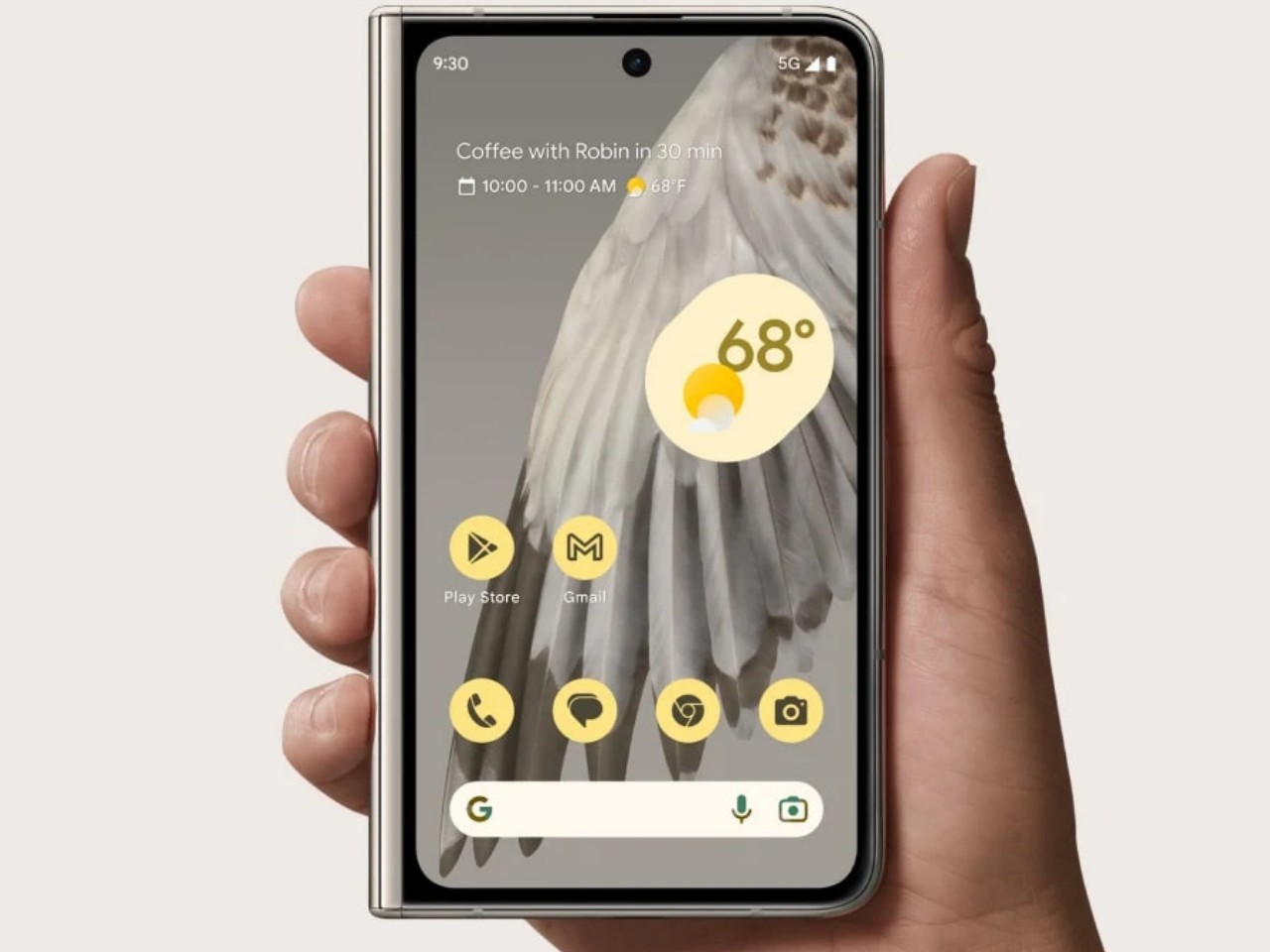
Regardless of the reason, Google’s product lineup is expected to be packed this year with no less than three Pixel 9 models, four if you include the Pixel 9 Pro Fold, formerly known as the Pixel Fold 2. Google’s own teaser pretty much confirms the big design change that will happen this year, with the iconic visor giving way to a rounded rectangle bar across the width of the phone’s back. It will definitely be a divisive change, just as the visor design itself proved to be controversial despite being quite distinctive.

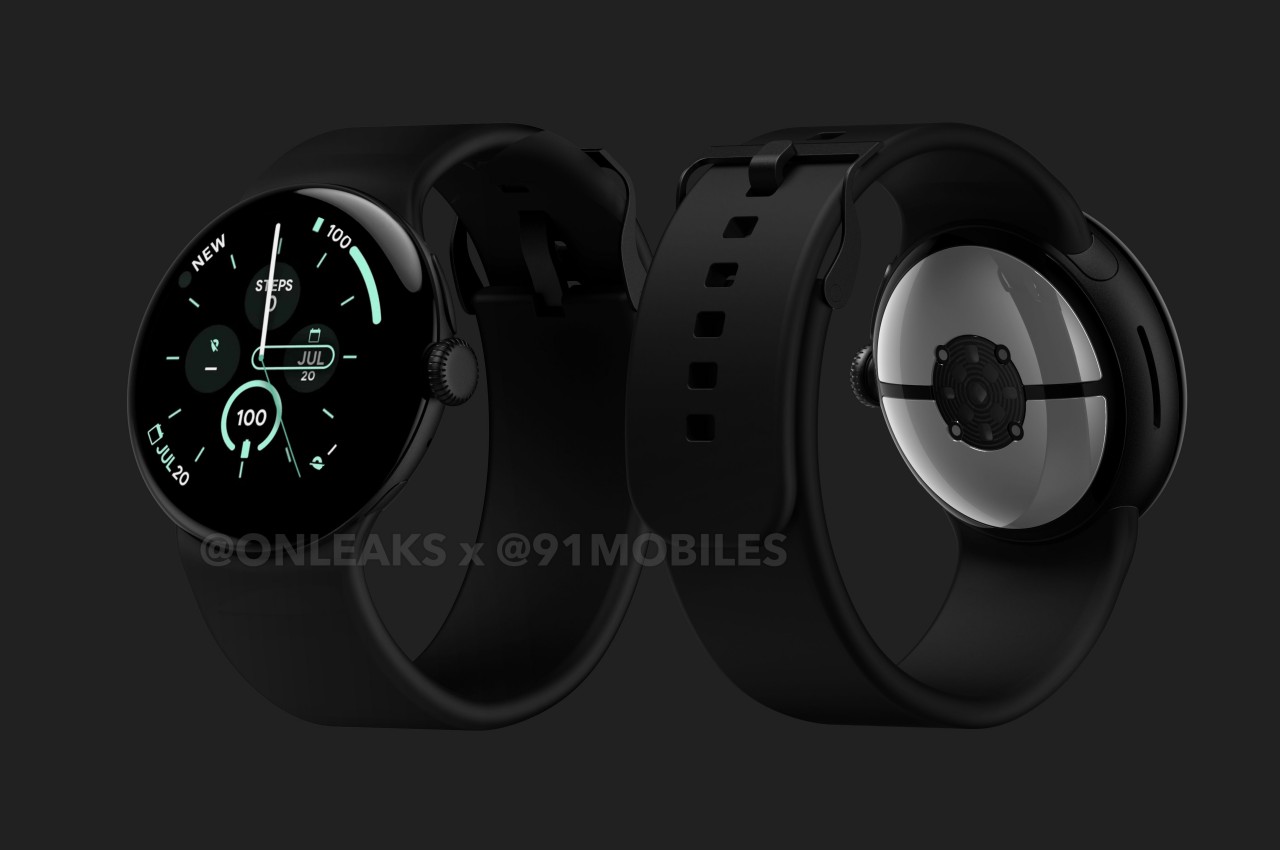
Also expected to land next month are new Pixel wearables, including the Pixel Watch 3 and a long overdue Pixel Buds Pro successor. Based on rumors, the Pixel Watch 3 will not have any big design changes compared to its previous two predecessors, while details on the design of the Pixel Buds Pro 2 are almost non-existent. Either way, it seems that these two device lines haven’t made inroads in the design department, leaving a few Pixel fans probably a bit less enthusiastic about upgrading to them.

The post Pixel 9 and Pixel Watch 3 launch date set for mid-August first appeared on Yanko Design.