vivo X300 FE Review: The Compact Flagship That Earns Its Keep

PROS:


  • Compact, comfortable, and premium design

  • Powerful 50MP main and telephoto cameras

  • Large battery with fast wired and wireless charging

  • Long-term software support

CONS:


  • Mediocre 8MP ultra-wide camera

  • Uncommon horizontal camera design

  • A bit pricier than most "small flagships"

RATINGS:

AESTHETICS
ERGONOMICS
PERFORMANCE
SUSTAINABILITY / REPAIRABILITY
VALUE FOR MONEY

EDITOR'S QUOTE:

The vivo X300 FE proves that a compact phone doesn't have to feel like a lesser one.

Premium smartphones have been trending bigger, heavier, and more visually imposing for years. It’s reached the point where “flagship” is almost synonymous with large, and carrying one all day feels less like convenience and more like a commitment. The compact phone hasn’t disappeared, but finding one that doesn’t sacrifice performance, battery life, or camera quality in exchange for a smaller footprint has been genuinely difficult.

That’s the gap the vivo X300 FE is aiming to fill. It pairs a 6.31-inch flat display with a Snapdragon 8 Gen 5 chipset, a 6,500 mAh battery, and a ZEISS co-engineered camera system, all within a compact design that stays remarkably light for its class. On paper, it reads like a phone that shouldn’t be this compact. But does it actually work in practice? We give it a spin to find out.

Designer: vivo

Aesthetics

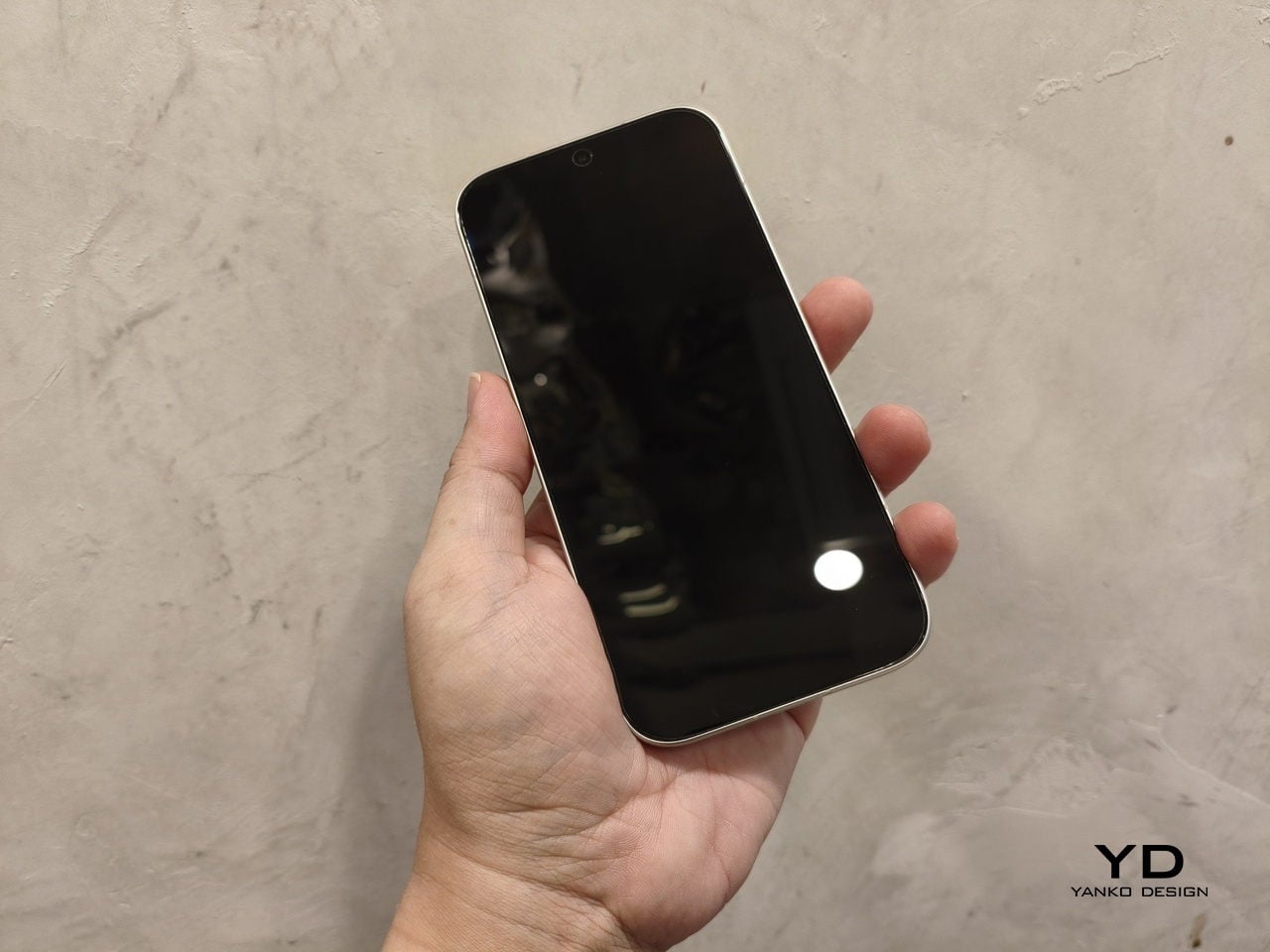
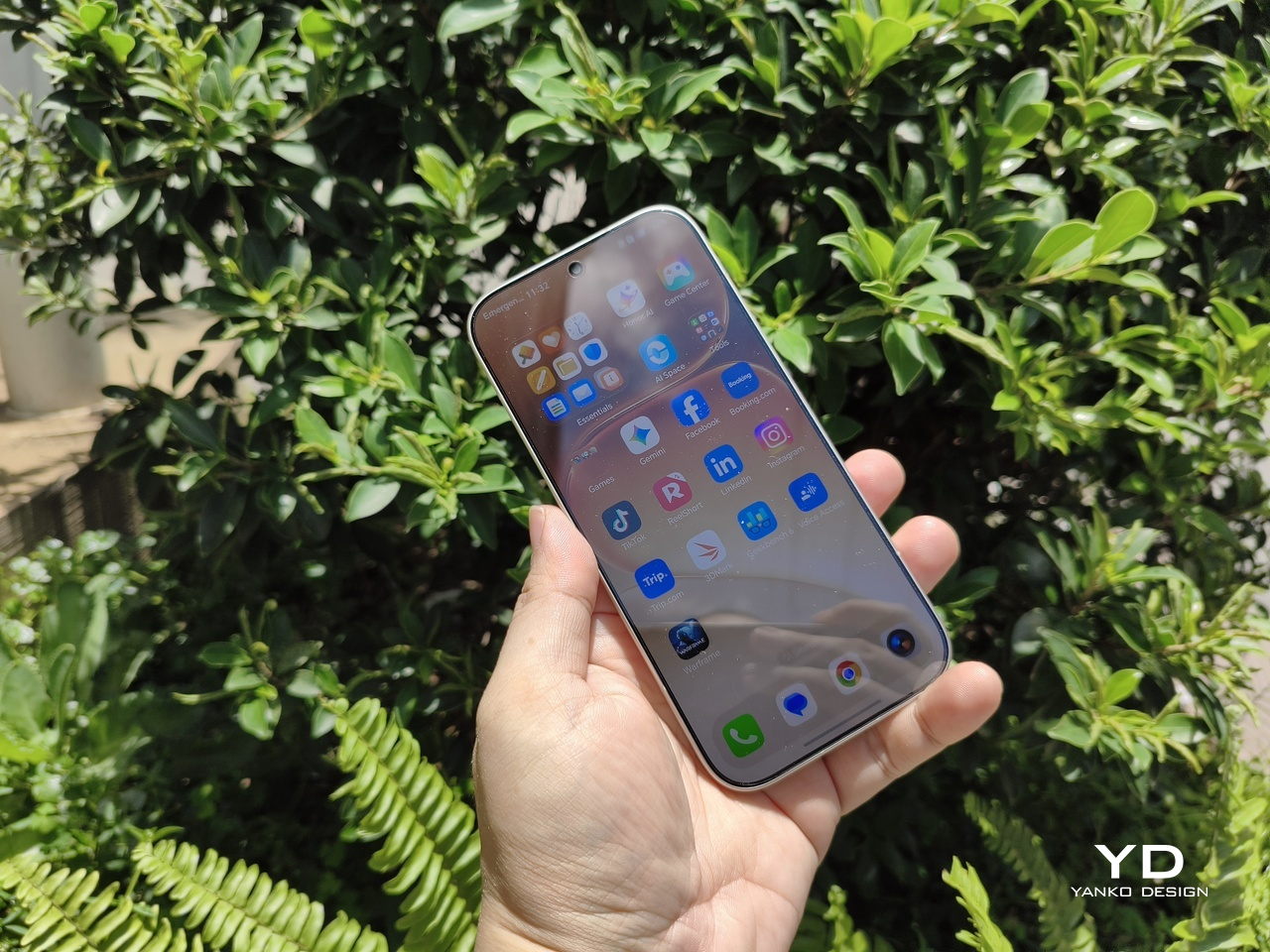
The X300 FE follows a flat-design language that’s become increasingly standard among more expensive flagships. There aren’t any curved glass edges or aggressively contoured surfaces, just a clean, rectangular form with ultra-narrow bezels, an aerospace-grade aluminum frame, and a front face that looks symmetrical and composed. The centered punch-hole is small and unobtrusive, and those slim borders give the display a neat, purposeful presence that doesn’t need theatrics to feel premium.

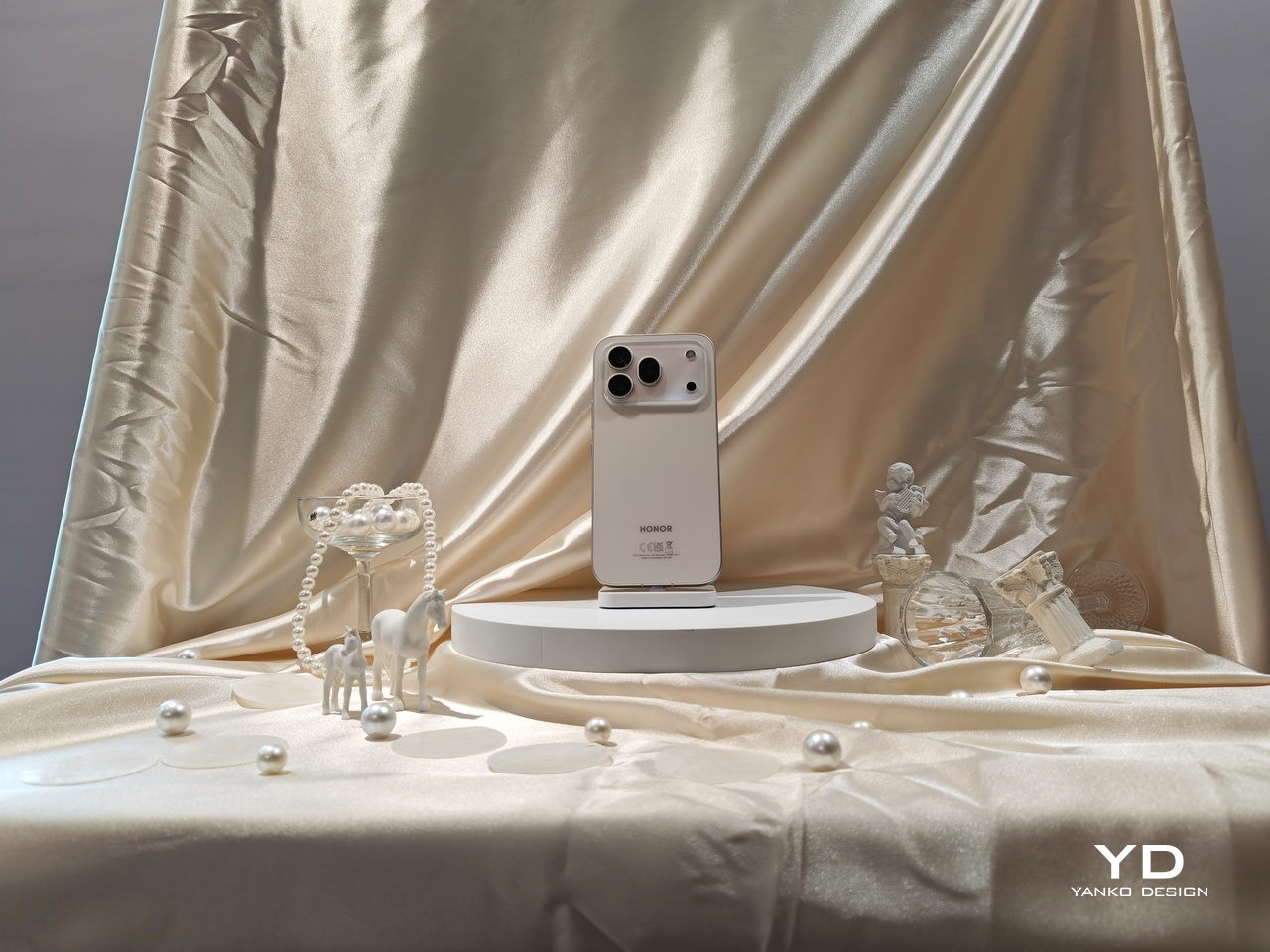
Our review unit came in white, which turns out to be a great choice for a phone this carefully considered. The matte rear panel uses vivo’s Metallic Sand AG glass treatment, giving it a soft, slightly chalky texture that resists fingerprints well and picks up ambient light in a way that shifts subtly between warm and cool tones. It doesn’t try to be eye-catching; it just looks well-made.
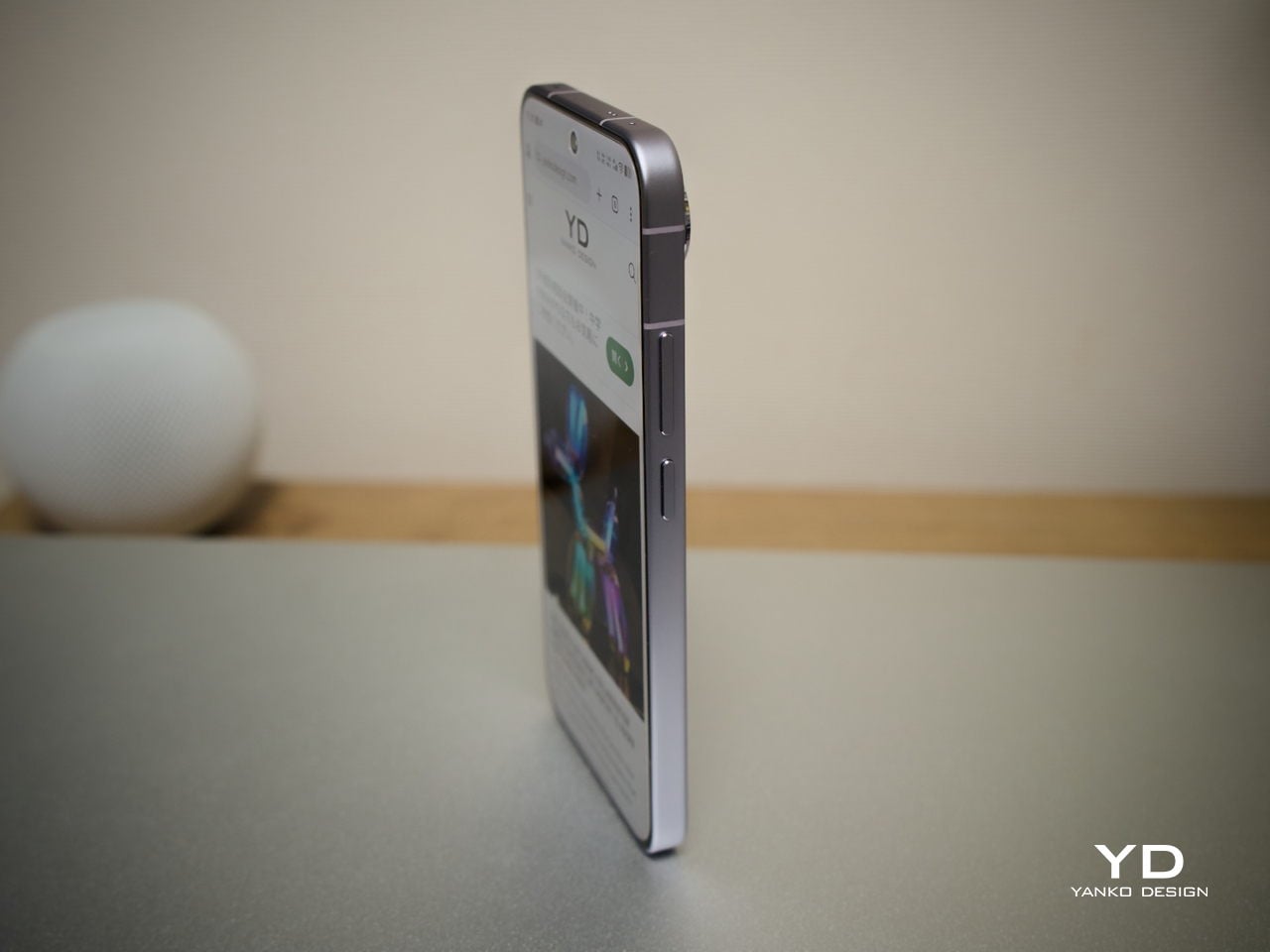
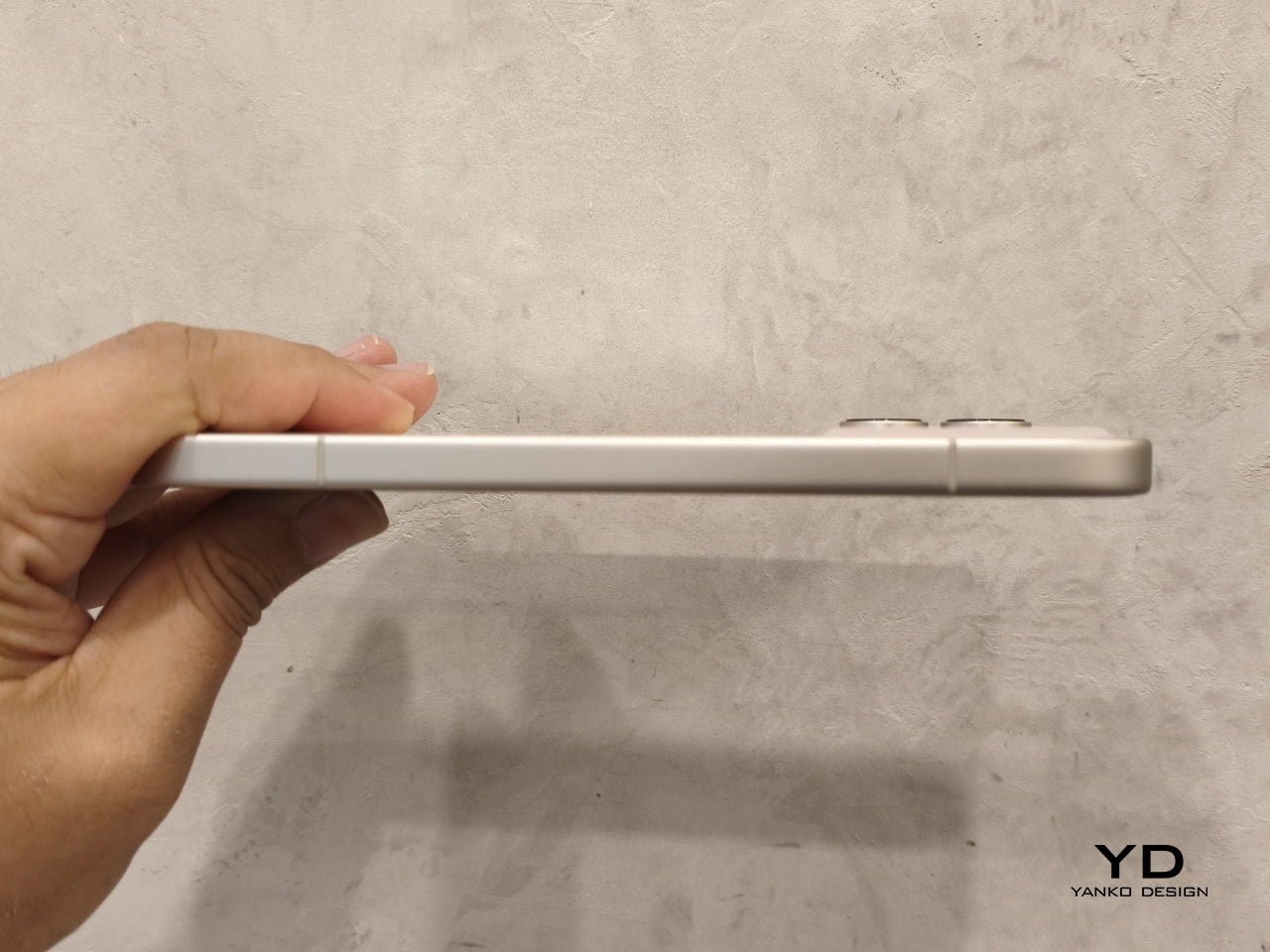
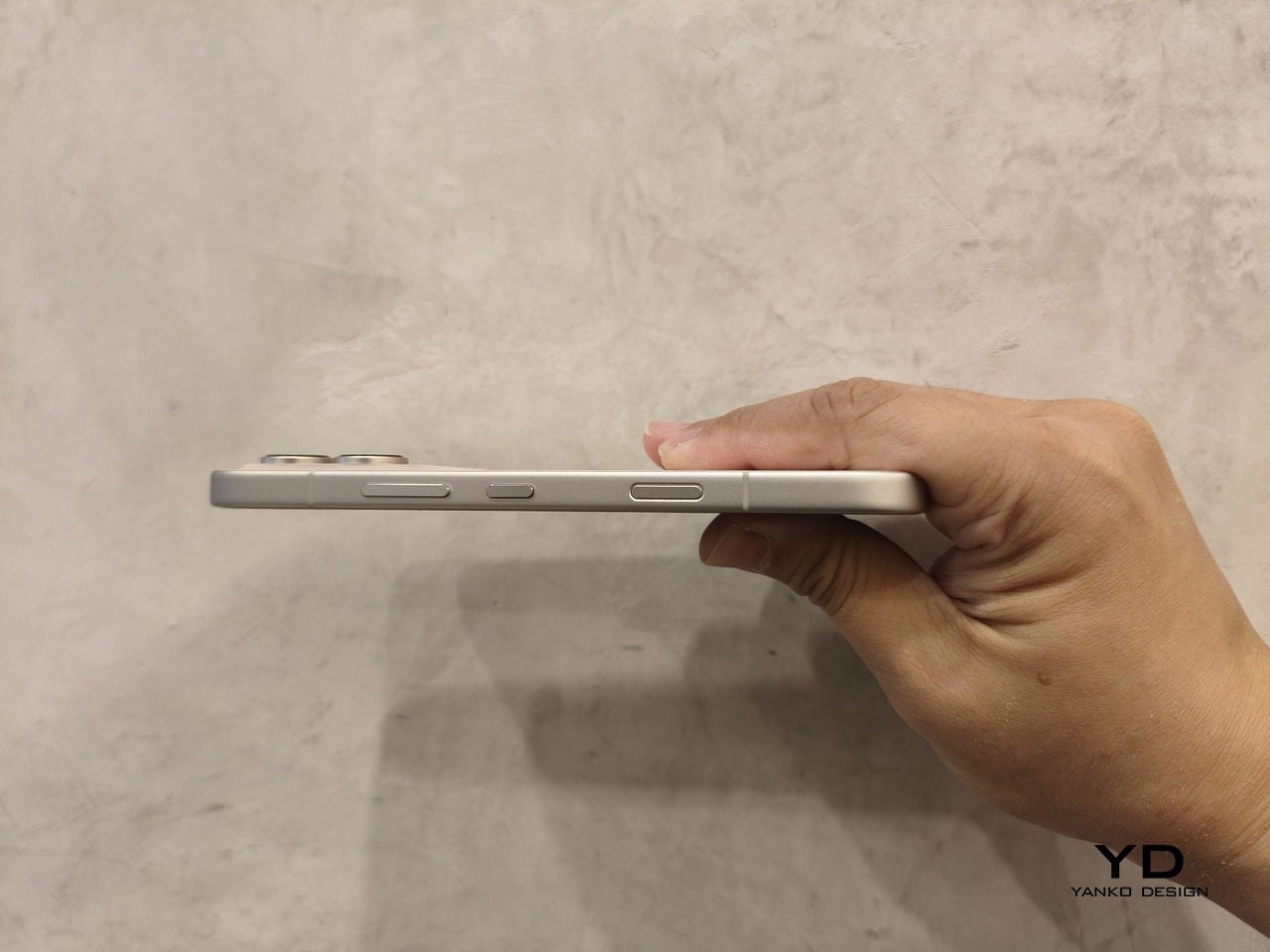
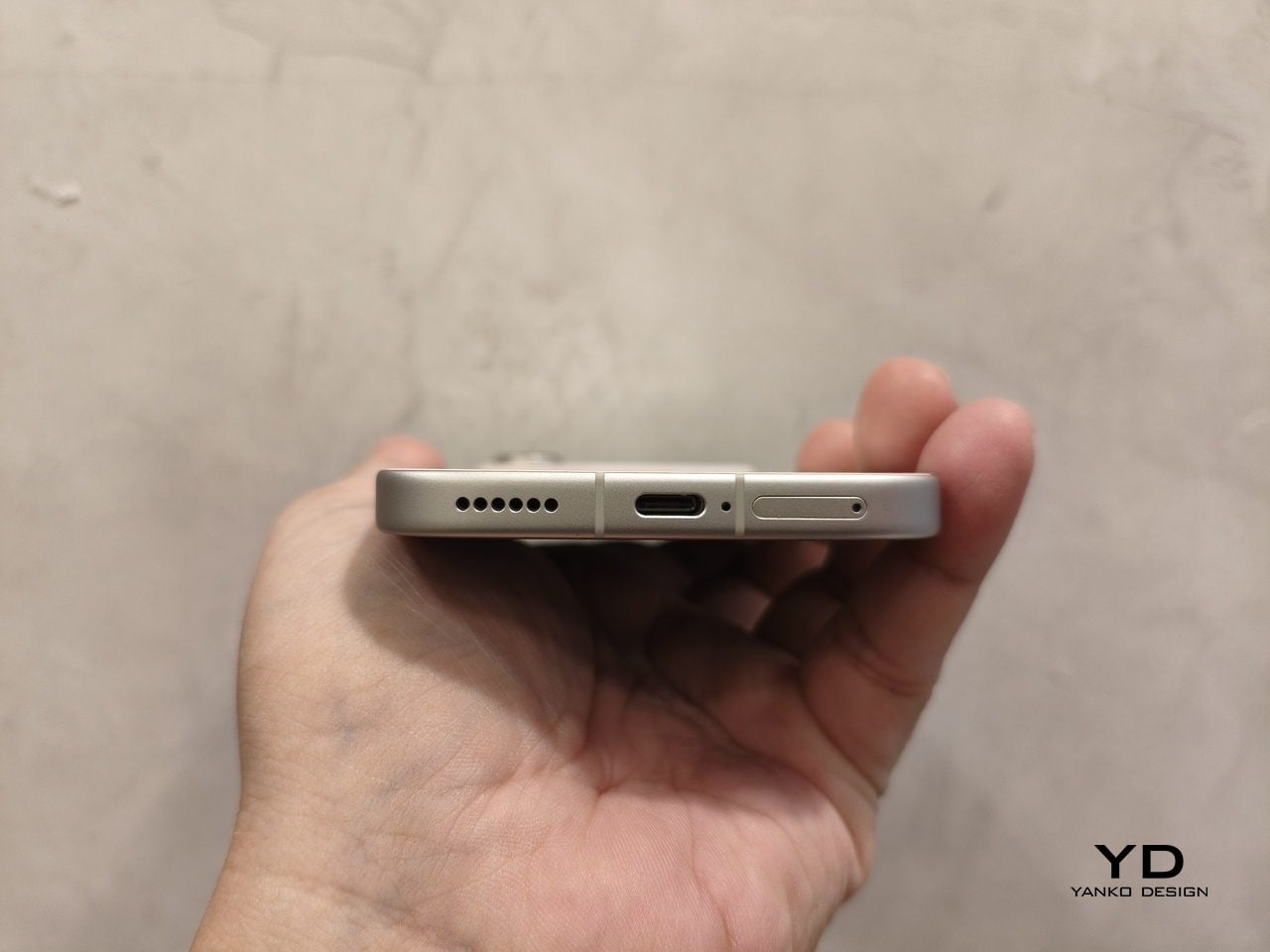
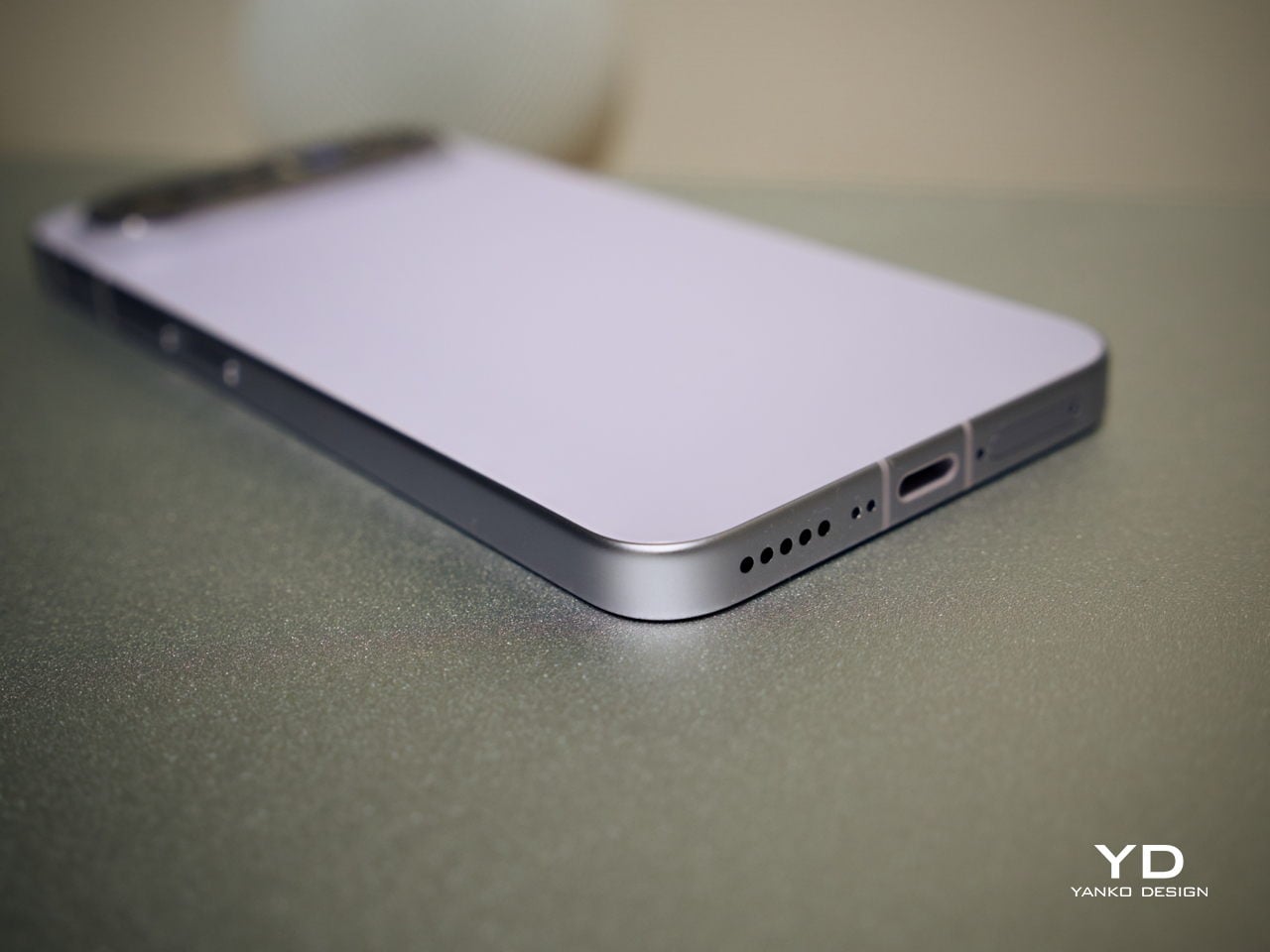
The flat aluminum frame wraps cleanly around the body, with edges that make it comfortable to grip without feeling sharp or slippery. The white model measures 8.10mm thick and weighs 192g, a hair more than the other colorways, but those differences don’t register in hand. What does register is the overall sense of a phone that’s been assembled with genuine attention to detail.

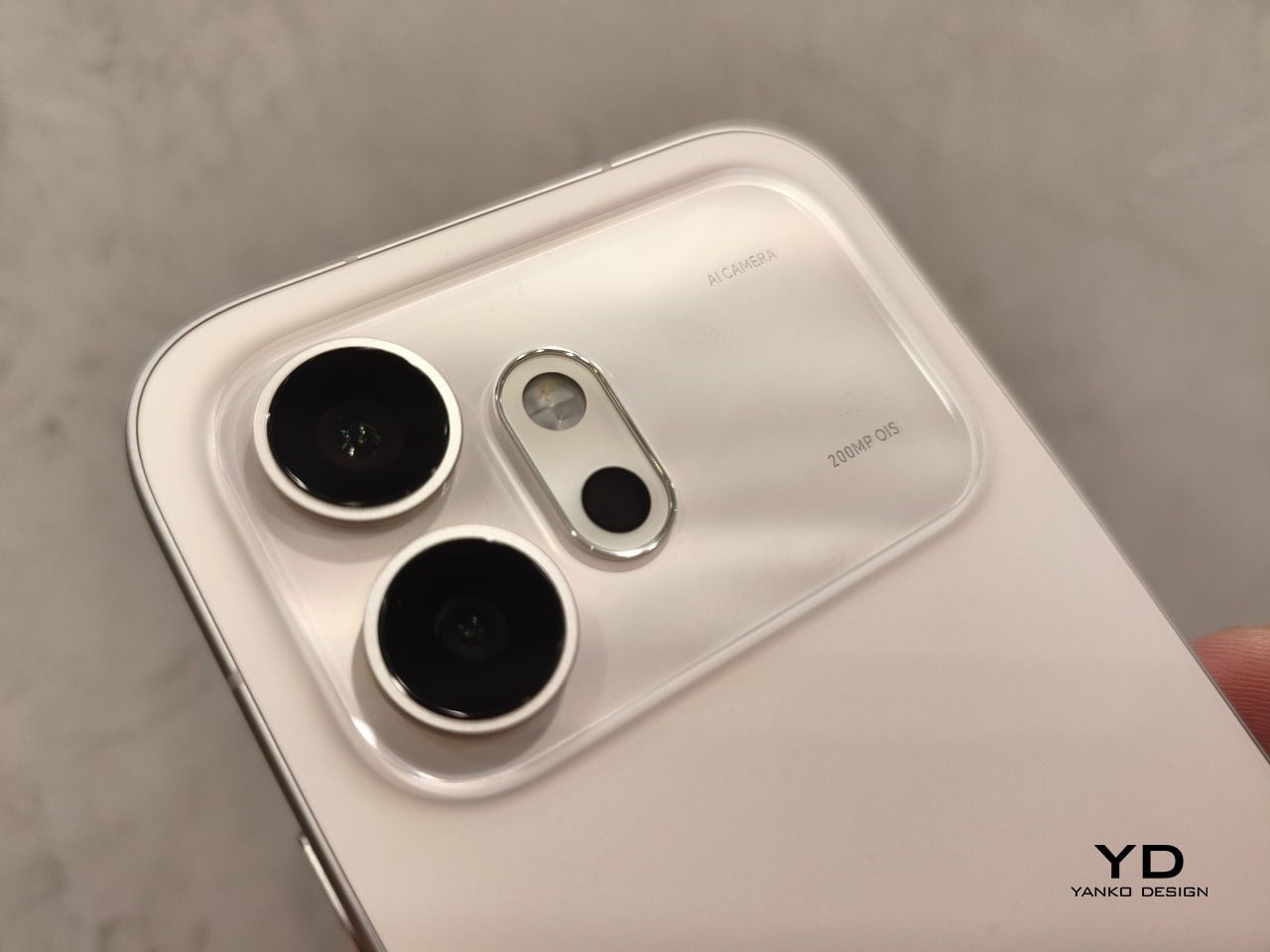
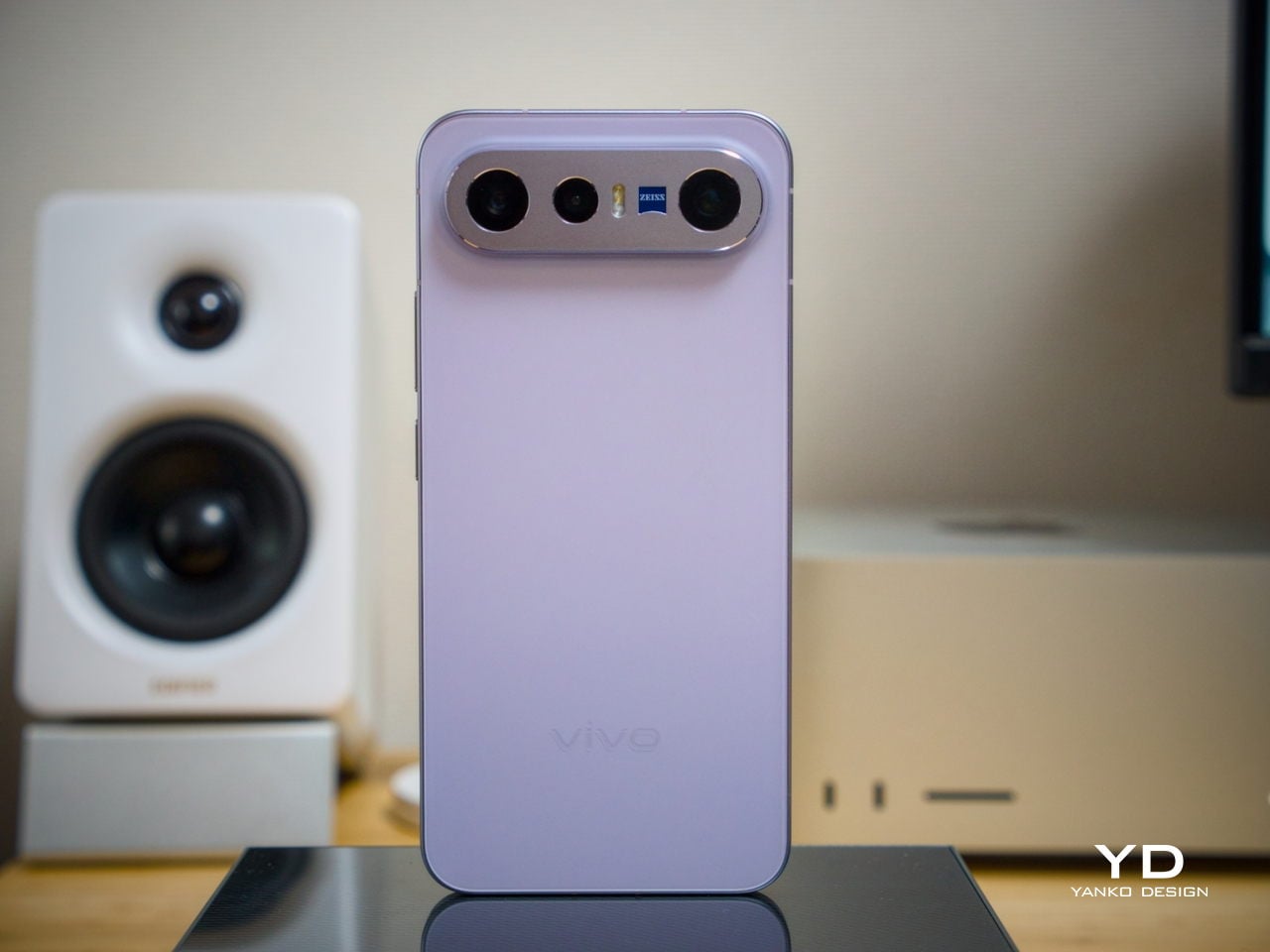
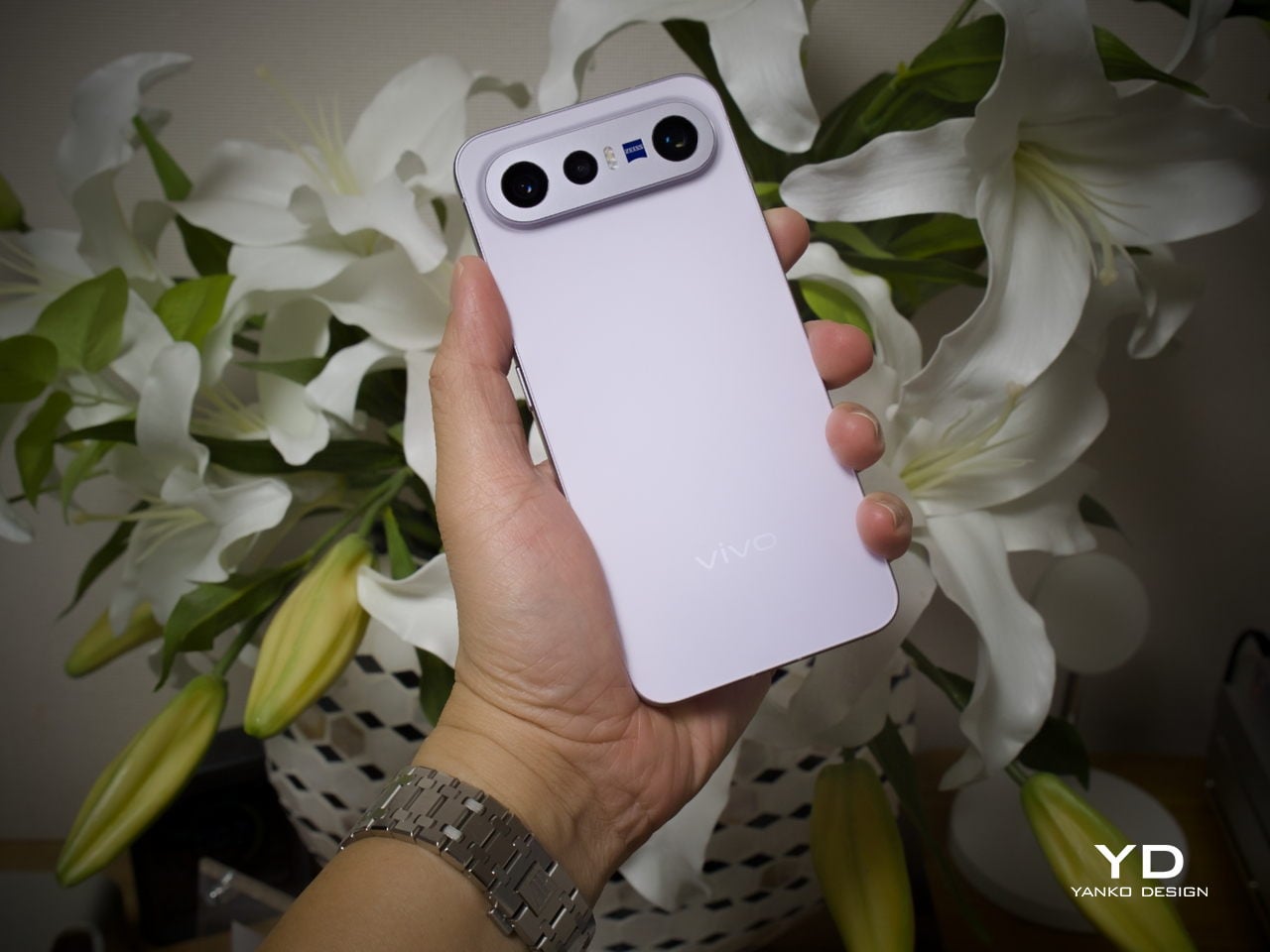
The camera module deserves its own mention. Rather than going for the oversized circular island that’s become visual shorthand for “serious camera phone,” vivo opted for a horizontal bar that spans the upper portion of the back. Three lenses are arranged neatly across it, with a ZEISS badge centered between them. It’s recognizable and distinctive without domineering the rest of the design. Admittedly, it’s going to be a divisive design, but it at least lets the vivo X300 FE easily stand out from the competition.

Ergonomics

At 150.83mm tall and 71.76mm wide, the X300 FE sits firmly in one-handed territory. It isn’t trying to be a miniature phone. It’s simply sized more sensibly than most flagships on the market. You can reach across the screen without adjusting your grip, slip it into a front pocket without thinking, and hold it for extended periods without the wrist fatigue bigger phones tend to bring.
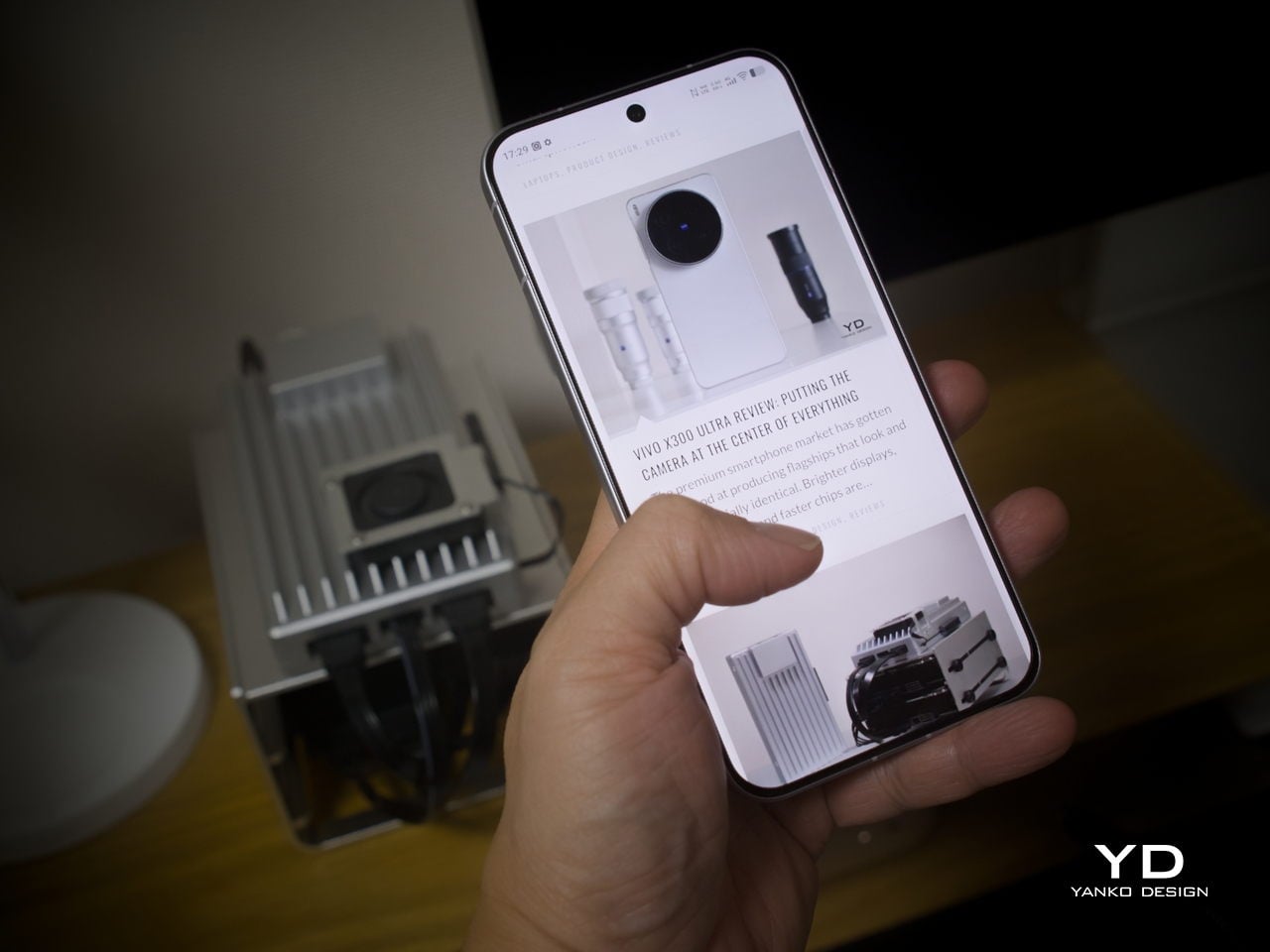
The 192g weight for the white model falls in a range that feels present without being burdensome. There’s enough substance here to reinforce the premium feel of the materials, but not so much that you’re constantly aware of it. The 8.10mm profile isn’t exactly wafer-thin, though that’s a reasonable trade-off for a 6,500 mAh cell packed inside a frame this compact.

The flat-sided frame also contributes more to the ergonomic experience than it might seem. It gives your palm a stable, consistent surface to press against during typing and scrolling, which feels more controlled than on rounded-edge designs. The compact footprint, flat back, and balanced weight distribution all work together to make this a phone that feels designed around how it’s actually used.

Performance

The Snapdragon 8 Gen 5 inside doesn’t need much introduction. It’s a flagship-class mobile processor, and the X300 FE puts it to good use. The 12GB RAM, expandable with another 12GB taken from the generous 512GB storage, clearly marks it as a class above your typical mid-tier compact phone. It runs Origin OS 6, based on the current Android 16 release, embracing a more minimalist and flat aesthetic that perfectly matches the phone’s design.

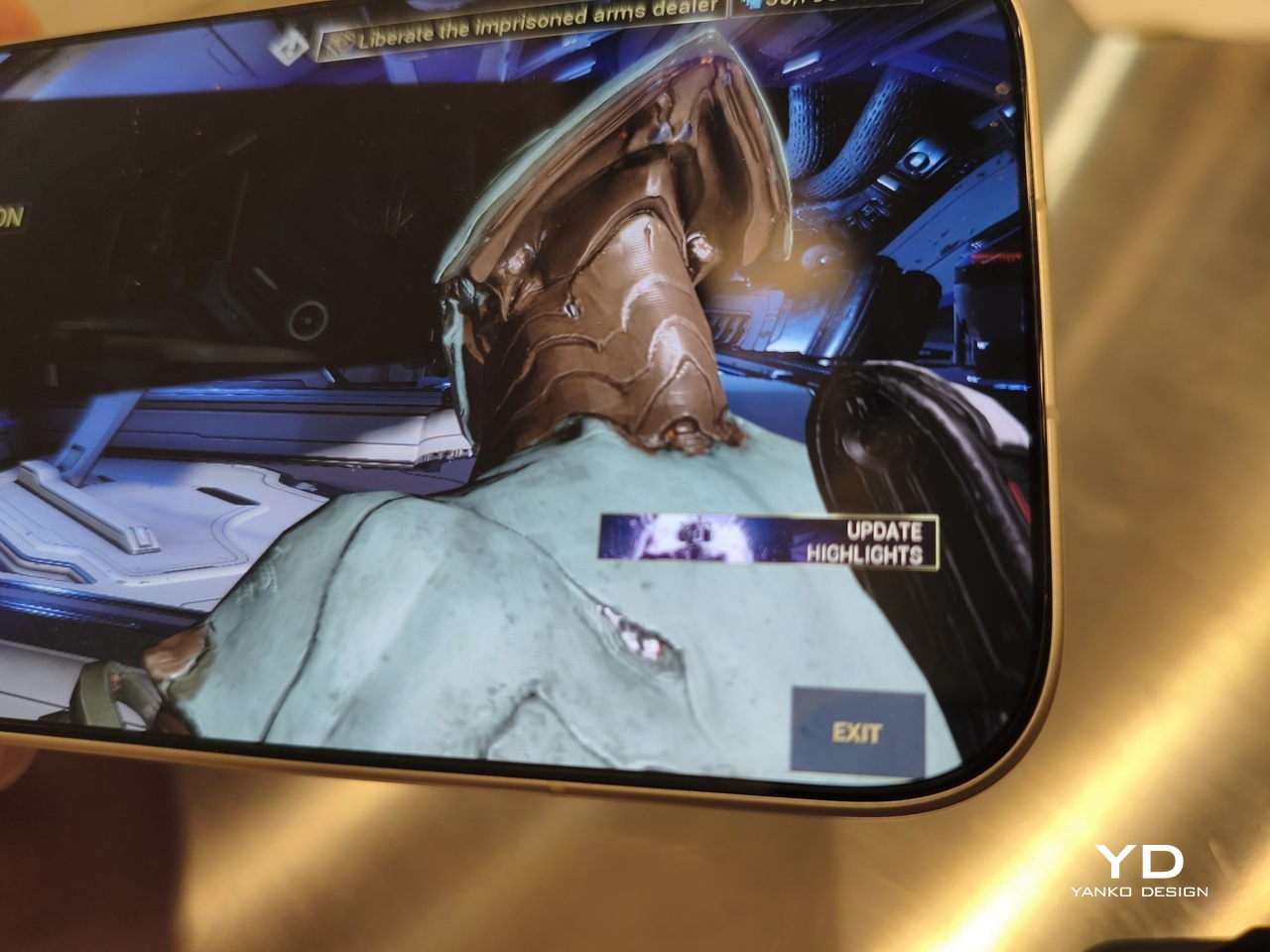
Day-to-day tasks feel completely effortless, from switching between apps and browser tabs to occasional gaming sessions, and nothing about the experience suggests the compact body is in any way holding the hardware back. Thermals are pretty impressive, given the vivo X300 FE’s size, but its compact form factor might work against it when it comes to how you hold it during those long periods.

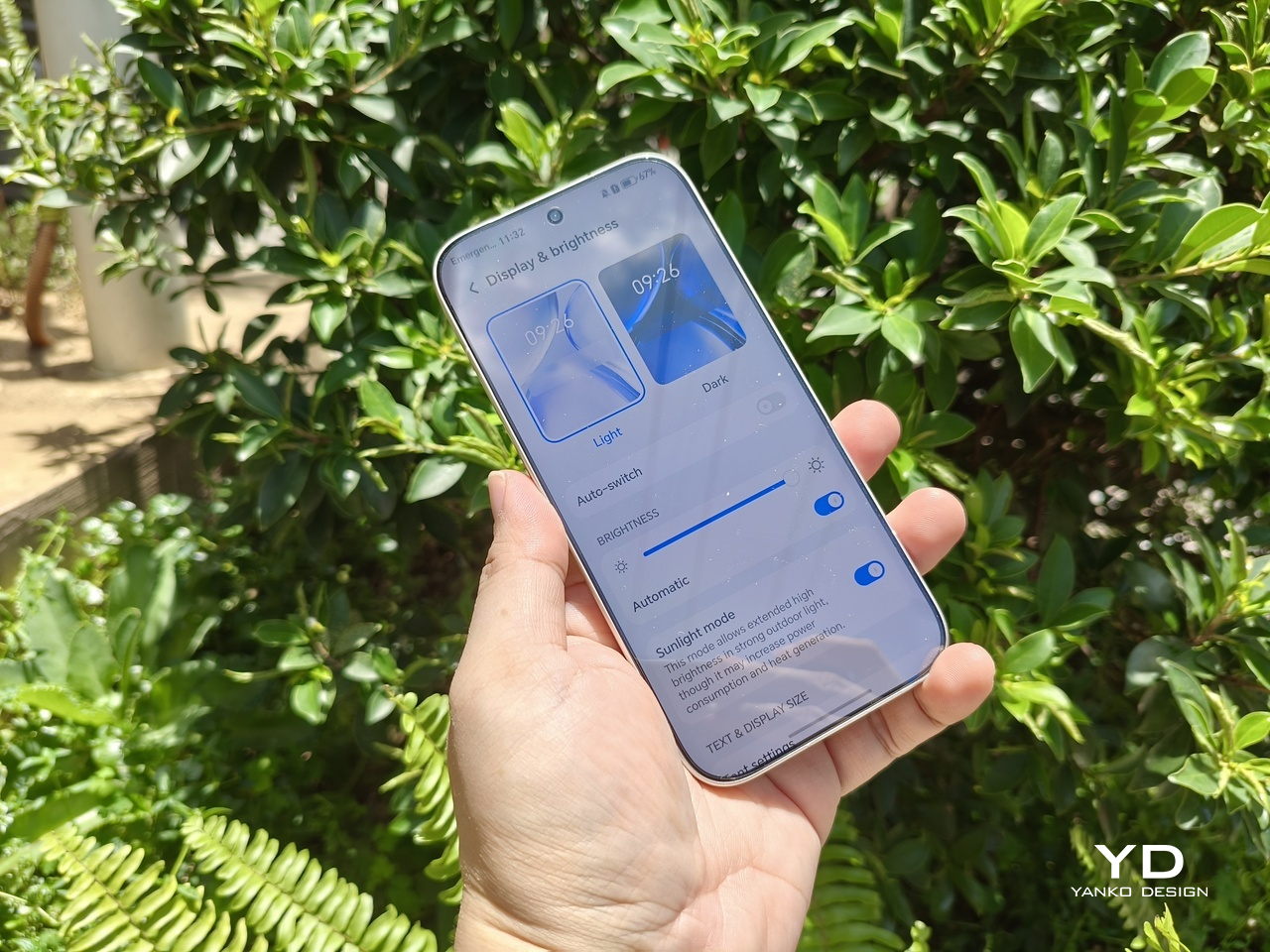
Thankfully, the display backs that up well. It’s a 6.31-inch LTPO AMOLED panel with an adaptive refresh rate of 1 to 120 Hz, a 1.5K resolution at 460 PPI, and a local peak brightness of 5,000 nits. The 2,160 Hz PWM dimming also makes prolonged reading and scrolling noticeably more comfortable on the eyes, a detail that matters far more than most spec sheets would have you believe.

Then there’s the battery, arguably the X300 FE’s most impressive engineering accomplishment. A 6,500 mAh cell in a phone this slim and light isn’t something you see every day, and in practice, that capacity means genuine all-day endurance with room to spare. The 90W wired and 40W wireless charging mean you’re rarely stuck waiting long when it runs low, at least with the appropriate chargers.


The camera system is led by a 50 MP ZEISS main camera and a 50 MP ZEISS super-telephoto camera, with an 8 MP ultra-wide rounding out the rear. The main and telephoto cameras handle portraits, street photography, and concert scenes with real confidence. An optional telephoto extender accessory also exists for those who want extended reach, though it’s firmly in niche territory.

The results are impressive, especially when starting to zoom in on subjects. Even without the telephoto extender, you can enjoy clear and detailed shots, even at night. The 8MP ultra-wide, though usable, is a bit of a letdown, but vivo had to cut some corners to bring down the price and differentiate this model from its more powerful and more expensive siblings. You do have a ton of settings to tweak to get your perfect shot, but even the defaults are good enough to make fleeting moments more memorable.

Sustainability

The X300 FE carries IP68 and IP69 dust and water resistance ratings, alongside an SGS five-star drop resistance certification, giving it a reassuring level of durability for daily use. It also carries an SGS five-star drop resistance certification, which gives it more formal durability credentials than most phones in its class. Together, those ratings make a convincing case for a phone built to survive daily life without requiring any particularly careful handling.

Software longevity is where the X300 FE makes its strongest long-term case. On that front, vivo is committing to five years of OS upgrades, seven years of security maintenance, and a five-year smooth experience promise. That support window is competitive with the best in the Android space, and it signals that this phone is meant to be genuinely used for years, not replaced the moment something newer comes along.

Value

At around €1,000, The X300 FE isn’t a budget phone, and it doesn’t try to be. It competes in the premium compact flagship space, where the particular combination it offers is harder to find than you’d expect. A current-generation chipset, a genuinely large battery, fast wired and wireless charging, ZEISS-branded imaging, and a durable premium build in a package that remains notably light for a flagship is a rare and coherent offering.

The person this phone is designed for isn’t shopping for the biggest or most spec’d-out device available. It’s someone who wants a phone that keeps pace with their life without dominating it, one that fits in a jacket pocket, lasts a full day, and still takes genuinely good photos. Frequent travelers, urban commuters, and anyone who’s tired of unwieldy flagships will feel right at home here.

Verdict

The vivo X300 FE is the kind of compact flagship that doesn’t feel like a compromise once you’re actually using it. The design is restrained and coherent, the battery is frankly impressive for the size, the chipset handles everything you throw at it, and the camera does its best work in exactly the situations most people find themselves in, out in the world rather than on a lab bench.

What the X300 FE offers is a phone that’s easy to carry, genuinely long-lasting, and capable enough for the photography and day-to-day demands you’ll actually encounter. It’s well built, well supported, and clearly designed with a specific kind of person in mind. That clarity of purpose is refreshing, and for the right buyer, it’s exactly what makes this phone worth serious consideration.

The post vivo X300 FE Review: The Compact Flagship That Earns Its Keep first appeared on Yanko Design.

vivo X300 FE Review: The Compact Flagship That Earns Its Keep

PROS:


  • Compact, comfortable, and premium design

  • Powerful 50MP main and telephoto cameras

  • Large battery with fast wired and wireless charging

  • Long-term software support

CONS:


  • Mediocre 8MP ultra-wide camera

  • Uncommon horizontal camera design

  • A bit pricier than most "small flagships"

RATINGS:

AESTHETICS
ERGONOMICS
PERFORMANCE
SUSTAINABILITY / REPAIRABILITY
VALUE FOR MONEY

EDITOR'S QUOTE:

The vivo X300 FE proves that a compact phone doesn't have to feel like a lesser one.

Premium smartphones have been trending bigger, heavier, and more visually imposing for years. It’s reached the point where “flagship” is almost synonymous with large, and carrying one all day feels less like convenience and more like a commitment. The compact phone hasn’t disappeared, but finding one that doesn’t sacrifice performance, battery life, or camera quality in exchange for a smaller footprint has been genuinely difficult.

That’s the gap the vivo X300 FE is aiming to fill. It pairs a 6.31-inch flat display with a Snapdragon 8 Gen 5 chipset, a 6,500 mAh battery, and a ZEISS co-engineered camera system, all within a compact design that stays remarkably light for its class. On paper, it reads like a phone that shouldn’t be this compact. But does it actually work in practice? We give it a spin to find out.

Designer: vivo

Aesthetics

The X300 FE follows a flat-design language that’s become increasingly standard among more expensive flagships. There aren’t any curved glass edges or aggressively contoured surfaces, just a clean, rectangular form with ultra-narrow bezels, an aerospace-grade aluminum frame, and a front face that looks symmetrical and composed. The centered punch-hole is small and unobtrusive, and those slim borders give the display a neat, purposeful presence that doesn’t need theatrics to feel premium.

Our review unit came in white, which turns out to be a great choice for a phone this carefully considered. The matte rear panel uses vivo’s Metallic Sand AG glass treatment, giving it a soft, slightly chalky texture that resists fingerprints well and picks up ambient light in a way that shifts subtly between warm and cool tones. It doesn’t try to be eye-catching; it just looks well-made.

The flat aluminum frame wraps cleanly around the body, with edges that make it comfortable to grip without feeling sharp or slippery. The white model measures 8.10mm thick and weighs 192g, a hair more than the other colorways, but those differences don’t register in hand. What does register is the overall sense of a phone that’s been assembled with genuine attention to detail.

The camera module deserves its own mention. Rather than going for the oversized circular island that’s become visual shorthand for “serious camera phone,” vivo opted for a horizontal bar that spans the upper portion of the back. Three lenses are arranged neatly across it, with a ZEISS badge centered between them. It’s recognizable and distinctive without domineering the rest of the design. Admittedly, it’s going to be a divisive design, but it at least lets the vivo X300 FE easily stand out from the competition.

Ergonomics

At 150.83mm tall and 71.76mm wide, the X300 FE sits firmly in one-handed territory. It isn’t trying to be a miniature phone. It’s simply sized more sensibly than most flagships on the market. You can reach across the screen without adjusting your grip, slip it into a front pocket without thinking, and hold it for extended periods without the wrist fatigue bigger phones tend to bring.

The 192g weight for the white model falls in a range that feels present without being burdensome. There’s enough substance here to reinforce the premium feel of the materials, but not so much that you’re constantly aware of it. The 8.10mm profile isn’t exactly wafer-thin, though that’s a reasonable trade-off for a 6,500 mAh cell packed inside a frame this compact.

The flat-sided frame also contributes more to the ergonomic experience than it might seem. It gives your palm a stable, consistent surface to press against during typing and scrolling, which feels more controlled than on rounded-edge designs. The compact footprint, flat back, and balanced weight distribution all work together to make this a phone that feels designed around how it’s actually used.

Performance

The Snapdragon 8 Gen 5 inside doesn’t need much introduction. It’s a flagship-class mobile processor, and the X300 FE puts it to good use. The 12GB RAM, expandable with another 12GB taken from the generous 512GB storage, clearly marks it as a class above your typical mid-tier compact phone. It runs Origin OS 6, based on the current Android 16 release, embracing a more minimalist and flat aesthetic that perfectly matches the phone’s design.

Day-to-day tasks feel completely effortless, from switching between apps and browser tabs to occasional gaming sessions, and nothing about the experience suggests the compact body is in any way holding the hardware back. Thermals are pretty impressive, given the vivo X300 FE’s size, but its compact form factor might work against it when it comes to how you hold it during those long periods.

Thankfully, the display backs that up well. It’s a 6.31-inch LTPO AMOLED panel with an adaptive refresh rate of 1 to 120 Hz, a 1.5K resolution at 460 PPI, and a local peak brightness of 5,000 nits. The 2,160 Hz PWM dimming also makes prolonged reading and scrolling noticeably more comfortable on the eyes, a detail that matters far more than most spec sheets would have you believe.

Then there’s the battery, arguably the X300 FE’s most impressive engineering accomplishment. A 6,500 mAh cell in a phone this slim and light isn’t something you see every day, and in practice, that capacity means genuine all-day endurance with room to spare. The 90W wired and 40W wireless charging mean you’re rarely stuck waiting long when it runs low, at least with the appropriate chargers.

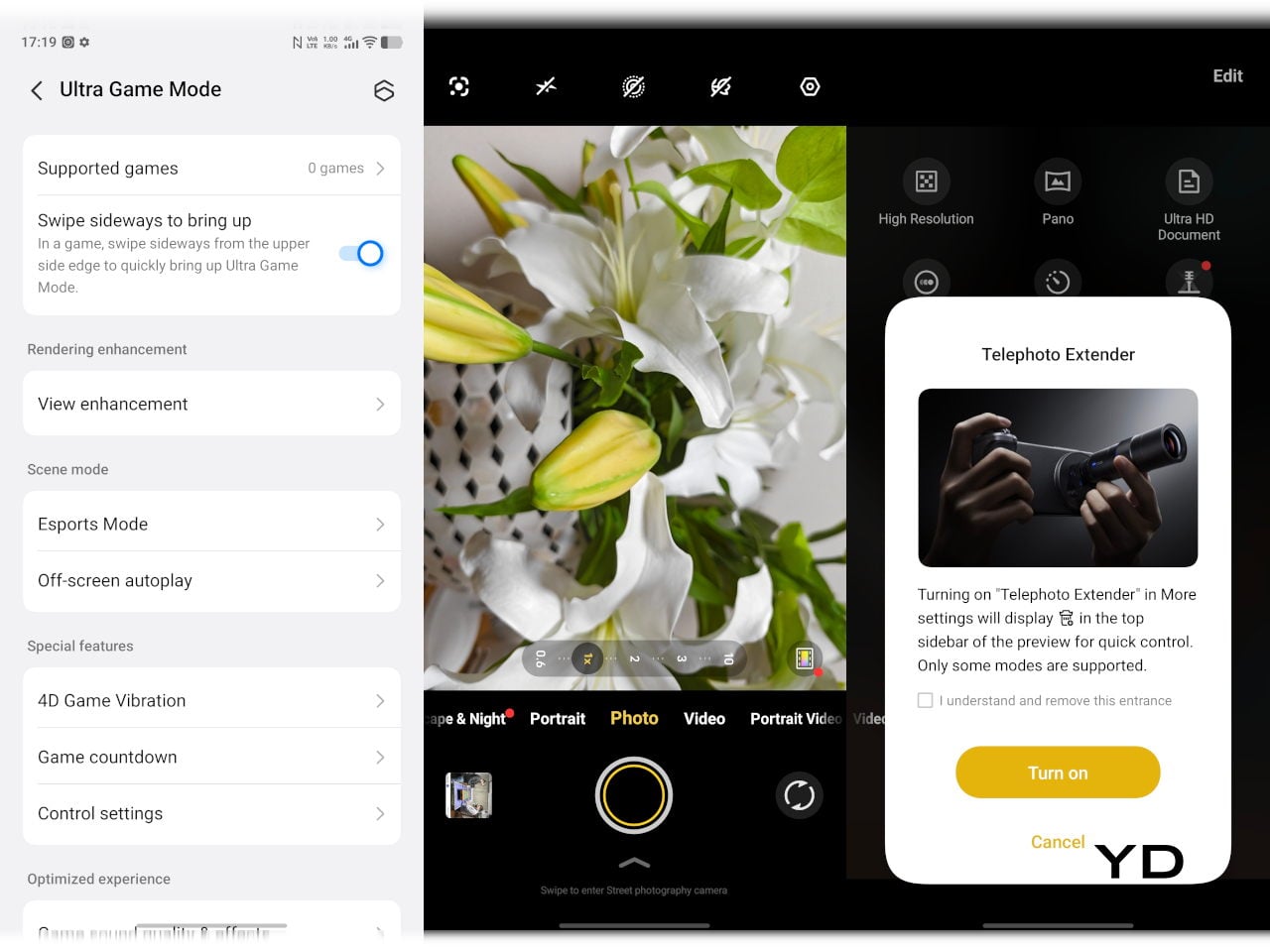
The camera system is led by a 50 MP ZEISS main camera and a 50 MP ZEISS super-telephoto camera, with an 8 MP ultra-wide rounding out the rear. The main and telephoto cameras handle portraits, street photography, and concert scenes with real confidence. An optional telephoto extender accessory also exists for those who want extended reach, though it’s firmly in niche territory.

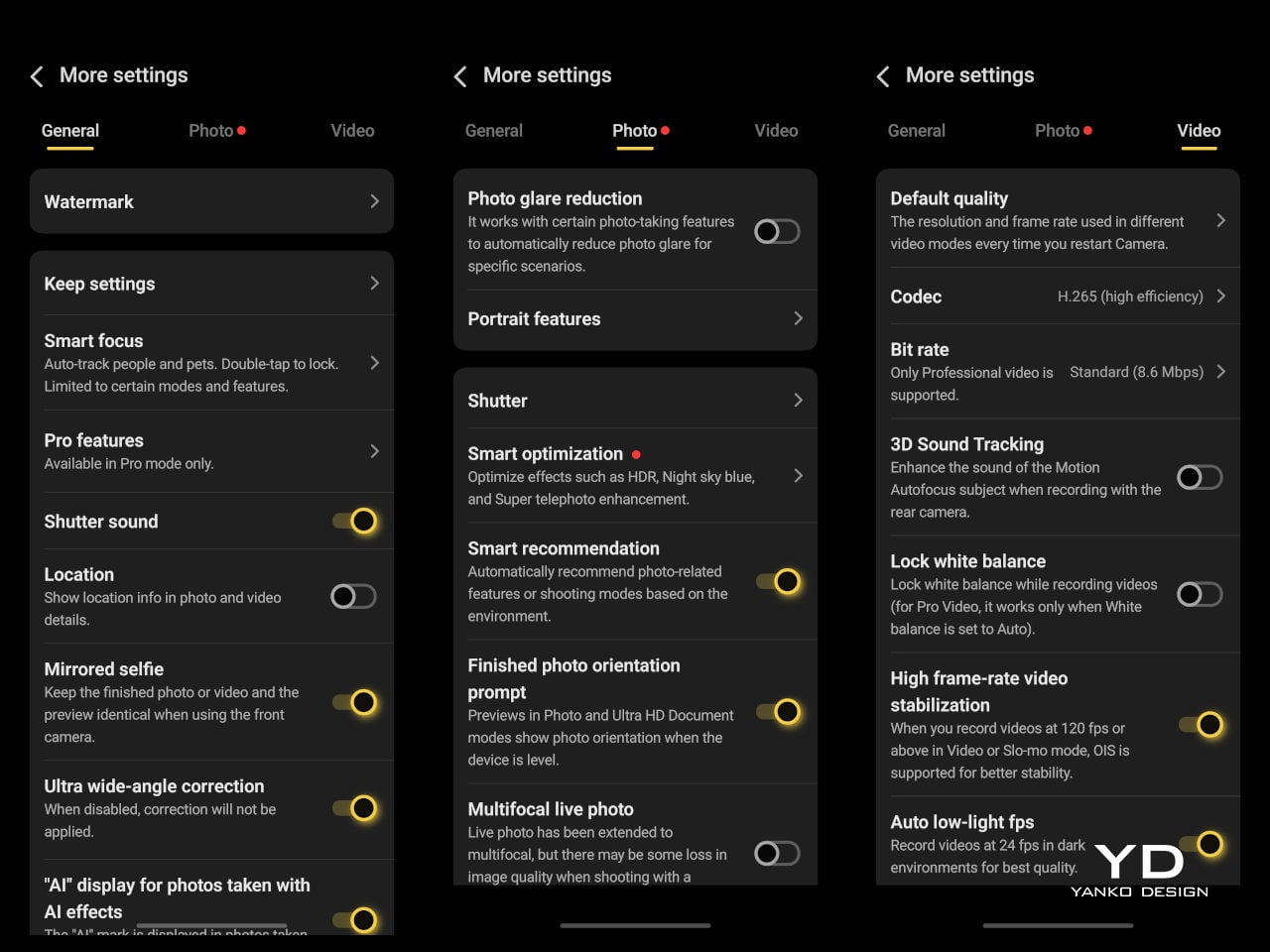
The results are impressive, especially when starting to zoom in on subjects. Even without the telephoto extender, you can enjoy clear and detailed shots, even at night. The 8MP ultra-wide, though usable, is a bit of a letdown, but vivo had to cut some corners to bring down the price and differentiate this model from its more powerful and more expensive siblings. You do have a ton of settings to tweak to get your perfect shot, but even the defaults are good enough to make fleeting moments more memorable.
Sustainability

The X300 FE carries IP68 and IP69 dust and water resistance ratings, alongside an SGS five-star drop resistance certification, giving it a reassuring level of durability for daily use. It also carries an SGS five-star drop resistance certification, which gives it more formal durability credentials than most phones in its class. Together, those ratings make a convincing case for a phone built to survive daily life without requiring any particularly careful handling.

Software longevity is where the X300 FE makes its strongest long-term case. On that front, vivo is committing to five years of OS upgrades, seven years of security maintenance, and a five-year smooth experience promise. That support window is competitive with the best in the Android space, and it signals that this phone is meant to be genuinely used for years, not replaced the moment something newer comes along.
Value

At around €1,000, The X300 FE isn’t a budget phone, and it doesn’t try to be. It competes in the premium compact flagship space, where the particular combination it offers is harder to find than you’d expect. A current-generation chipset, a genuinely large battery, fast wired and wireless charging, ZEISS-branded imaging, and a durable premium build in a package that remains notably light for a flagship is a rare and coherent offering.

The person this phone is designed for isn’t shopping for the biggest or most spec’d-out device available. It’s someone who wants a phone that keeps pace with their life without dominating it, one that fits in a jacket pocket, lasts a full day, and still takes genuinely good photos. Frequent travelers, urban commuters, and anyone who’s tired of unwieldy flagships will feel right at home here.

Verdict
The vivo X300 FE is the kind of compact flagship that doesn’t feel like a compromise once you’re actually using it. The design is restrained and coherent, the battery is frankly impressive for the size, the chipset handles everything you throw at it, and the camera does its best work in exactly the situations most people find themselves in, out in the world rather than on a lab bench.

What the X300 FE offers is a phone that’s easy to carry, genuinely long-lasting, and capable enough for the photography and day-to-day demands you’ll actually encounter. It’s well built, well supported, and clearly designed with a specific kind of person in mind. That clarity of purpose is refreshing, and for the right buyer, it’s exactly what makes this phone worth serious consideration.

The post vivo X300 FE Review: The Compact Flagship That Earns Its Keep first appeared on Yanko Design.

5 Over-Ear Headphones That Look as Good When They’re Around Your Neck as When They’re on Your Head

The headphone has become something it was never originally designed to be: a silhouette. Worn around the neck on a subway platform or draped over a chair at a coffee shop, a great pair of over-ears communicates taste in much the same way a watch or a well-chosen bag does. The best ones are now designed with that resting moment in mind, not as an afterthought, but as a deliberate part of the brief.

What separates a good headphone from a great one is increasingly less about frequency response and more about how the object behaves when it’s not in use. The five pairs on this list earn their place on both counts. Worn on the head, they deliver. Worn around the neck, they still look like they were built by people who thought carefully about that exact resting moment, collarbone and all.

1. StillFrame Headphones

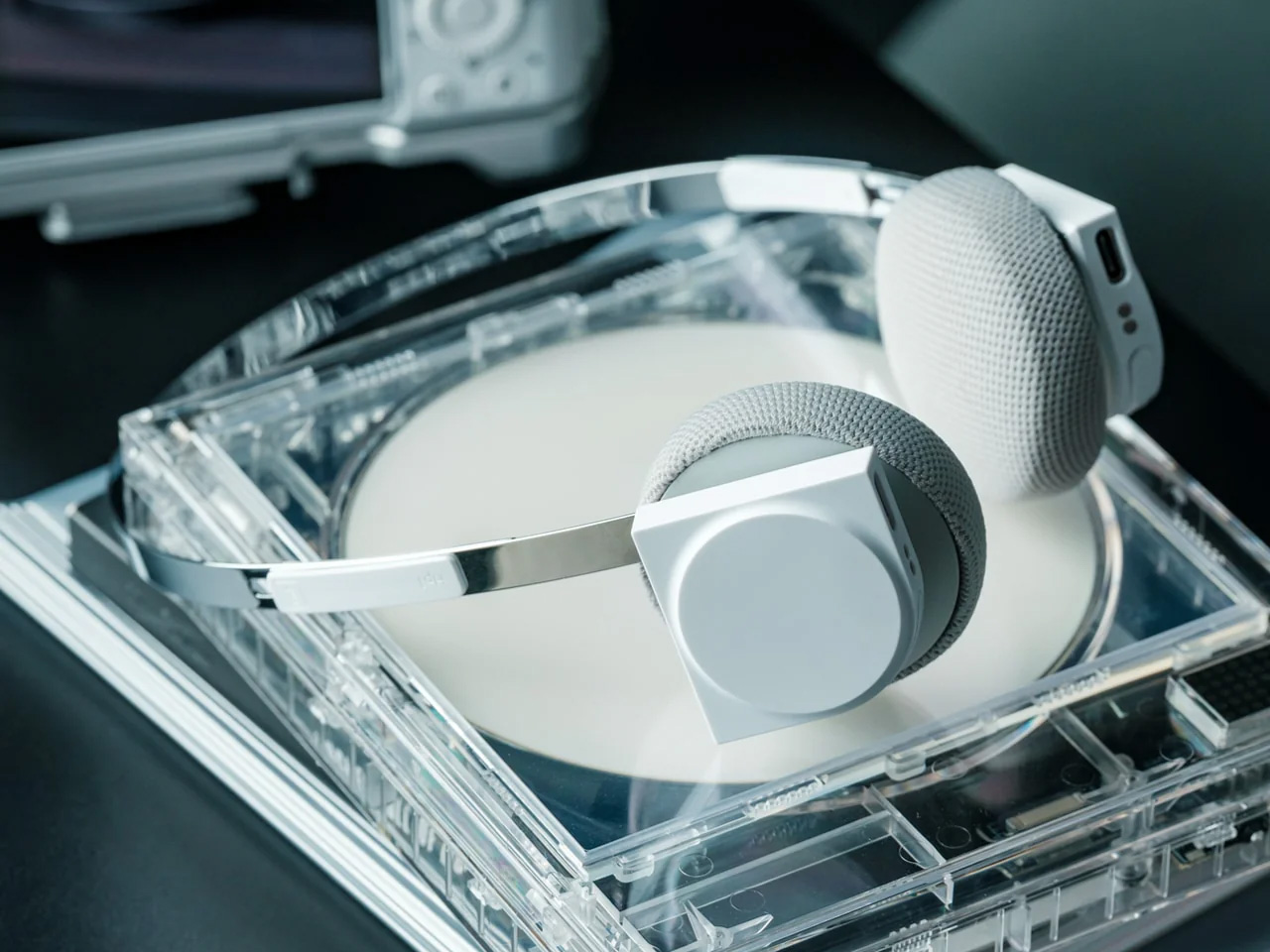
Most headphones achieve lightness by sacrificing material quality somewhere along the way. StillFrame achieves it by rethinking the entire structure from scratch. At 103 grams, it sits on your head with the kind of effortless presence most pairs spend an entire product page trying to claim. The ultra-minimal design, clean lines, no exposed hardware, and no decorative flourish anywhere on the frame is the kind of restraint that reads as confidence rather than budget constraint.

Around the neck, StillFrame does what minimal design always promises and rarely delivers: it disappears into your outfit rather than competing with it. The 24-hour battery means you’ll reach for these in the early morning and still have charge well into the evening without thinking about a cable. For anyone who wants headphones that age well, that look as right in three years as they do today, this is where the search ends.

Click Here to Buy Now: $245.00

What We Like

  • At 103 grams, this is one of the lightest over-ear headphones available without any sacrifice in build integrity, and the weightlessness is felt the moment you put them on
  • A 24-hour battery life means this pair genuinely runs from morning to night on a single charge, removing the low-battery anxiety that comes with most wireless headphones on the market

What We Dislike

  • Minimal colorway options are a direct consequence of the same design restraint that makes the StillFrame look this considered, and that trade-off is real and visible
  • With so little on the frame to grab visual attention, this pair asks you to commit fully to its design language, which rewards patience but does not suit every aesthetic

2. Meze Audio Strada

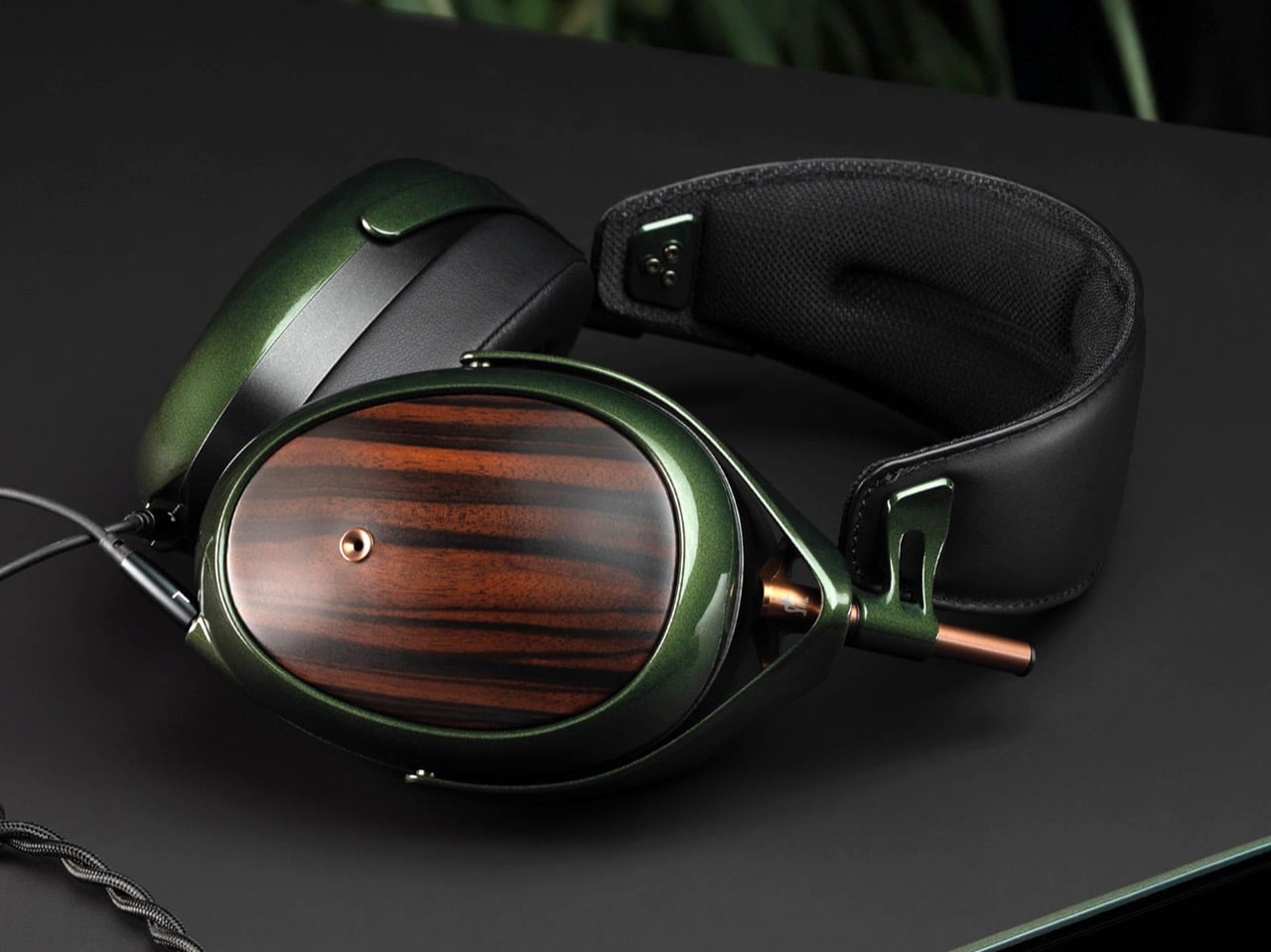
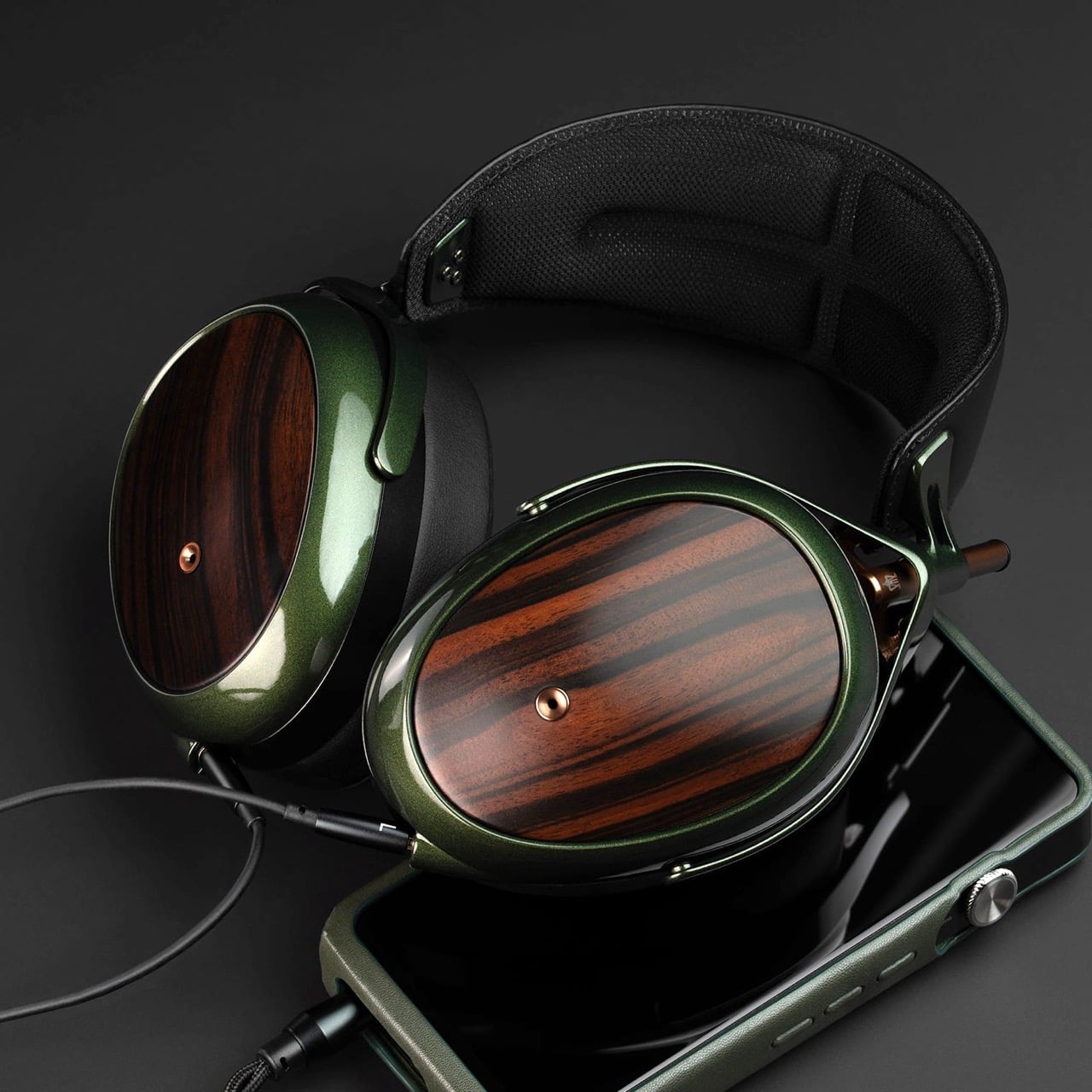
Romanian audio atelier Meze has spent two decades treating headphones as craft objects, and the Strada makes that philosophy fully explicit. Hand-carved walnut and ebony ear cups, each unique in grain and tone, sit alongside a magnetic ear pad system that snaps on and off cleanly, making them the first pair that genuinely anticipates its own aging. The leather headband drapes naturally against the collarbone. At $799, you’re investing in the idea that daily objects deserve this level of material care.

Worn around the neck, the Strada does something genuinely rare: it makes you look considered rather than plugged in. Those hand-carved wood cups catch light in a way that aluminum never quite manages, and the closed-back design delivers warmth and isolation without the clinical precision of most audiophile gear.

What We Like

  • The hand-carved wood ear cups make every unit genuinely one-of-a-kind, an unusual distinction in a product category that typically prizes consistency and uniformity above everything else
  • The magnetic ear pad system solves a real longevity problem that most headphone manufacturers still choose to ignore, making the Strada feel genuinely built for the long term from the start

What We Dislike

  • The warm, closed-back tuning leans toward intimacy over accuracy, which won’t satisfy listeners who prefer a flat, analytical sound profile for critical or reference listening sessions
  • No active noise cancellation at $799 is a deliberate aesthetic choice, but it will not suit everyone who regularly listens in open, noisy, or busy urban environments

3. Bang & Olufsen Beoplay H95

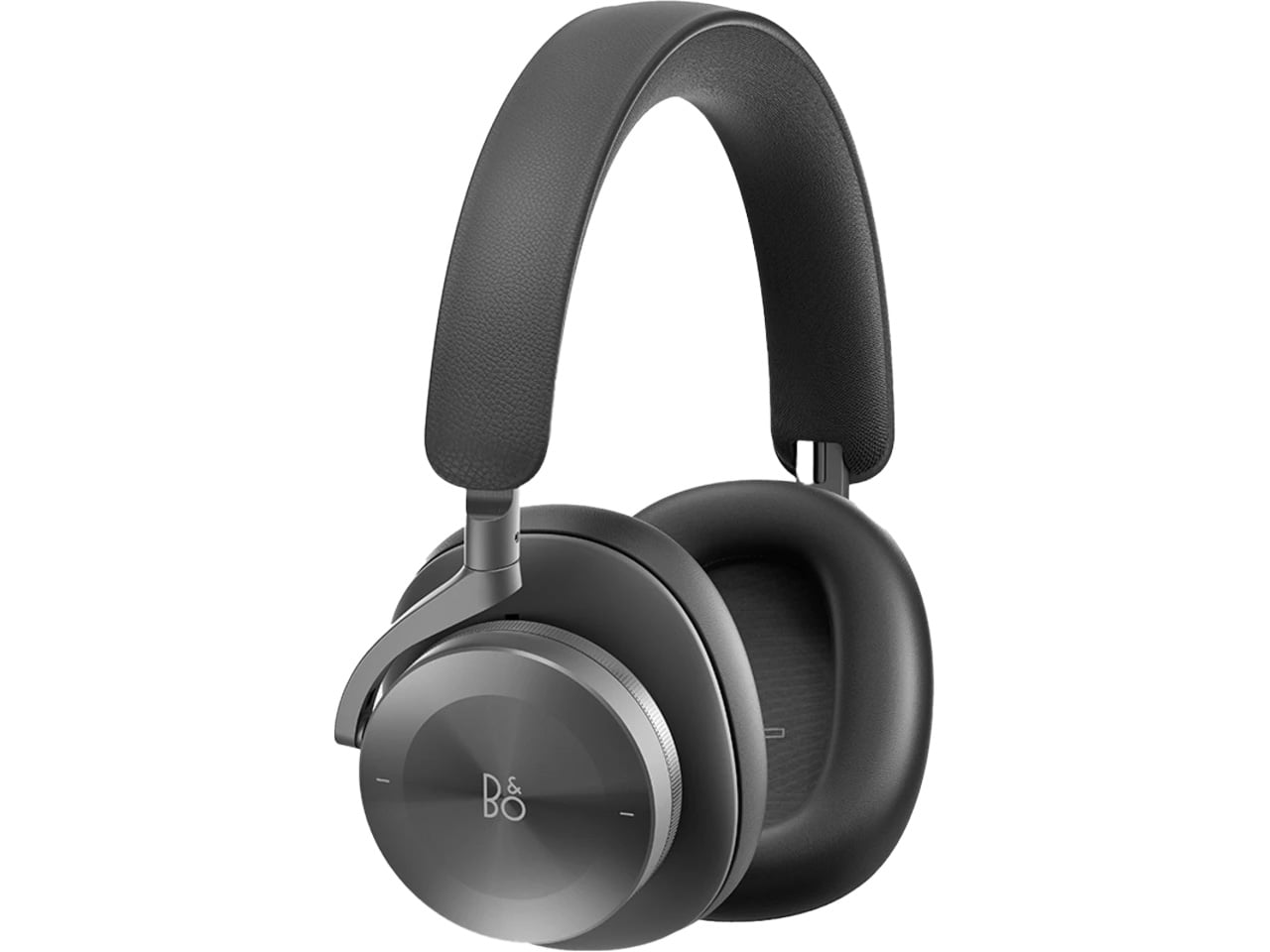
 Bang & Olufsen has been designing objects that make a room better simply by existing in it since 1925. The Beoplay H95 carries that logic to your ears. Brushed aluminum arcs support lambskin ear cushions with the quiet authority of something that was never trying to impress anyone. Custom 40mm titanium drivers deliver an expansive, unhurried soundstage, and 38 hours of battery life with ANC active means you rarely need to think about charging. At $1,250, it reads as inevitable rather than expensive.
Around the neck, the H95 makes its strongest case. The slim profile rests cleanly against the collarbone, the aluminum catches light without glare, and the lambskin ages into something better than what you started with. Vogue Scandinavia named it the headphone that pairs best with the softest cashmere roll-neck and a cocooning wool coat, which is not exactly a mid-range endorsement. The tactile control dial and hard carrying case complete the picture of a brand that hasn’t needed to shout for a century.

What We Like

  • Lambskin ear cushions and brushed aluminum give the H95 a material quality that makes every other pair on this list look like it is working a little harder to impress you
  • 38-hour ANC battery life is class-leading and genuinely difficult to match at any price point, making this the pair most likely to outlast a long-haul journey without any hesitation

What We Dislike

  • At $1,250, this is a significant investment for a product category where $400 already delivers very strong audio performance from multiple well-regarded and respected manufacturers
  • The control dial is elegant but carries a subtle learning curve that takes several days of regular use to feel completely intuitive and second-nature in the hand

4. Bowers & Wilkins Px8 S2

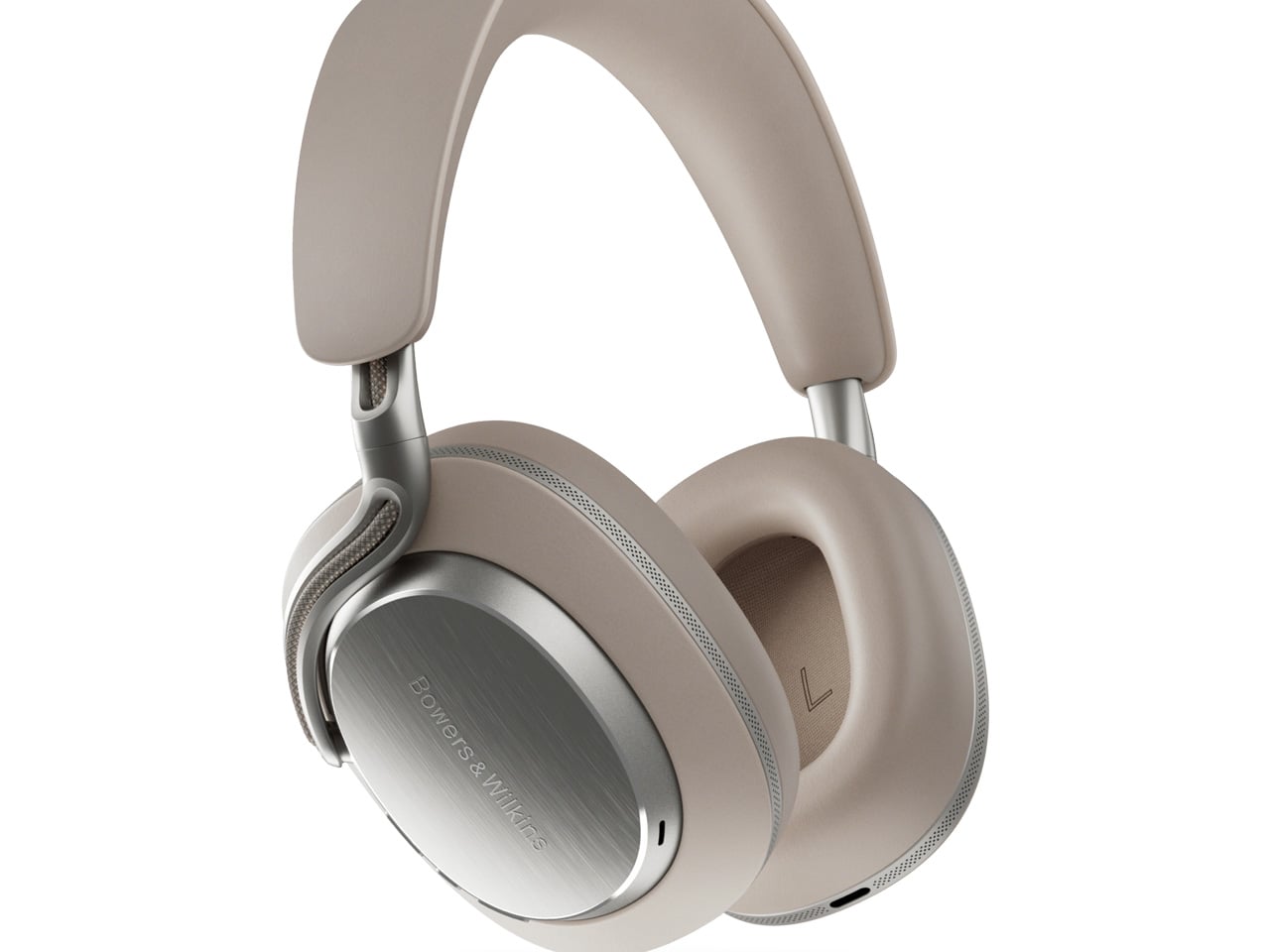
The Px8 S2 looks like it was designed by someone who spent too much time around luxury automobiles and not enough time worrying about what people thought. Diamond-quilted Nappa leather ear cups sit inside angular aluminum driver housings that don’t apologize for taking up space. Bowers & Wilkins built their reputation on speaker cabinets in British living rooms, and that obsession with material quality is fully present in the Px8 S2. At $799, it’s the most visually assertive pair on this entire list.

Worn on the head, the 40mm Carbon Cone drivers deliver a focused sound that rewards careful listening. Worn around the neck, the quilted leather and aluminum geometry create a silhouette that reads closer to jewelry than consumer electronics.

What We Like

  • The diamond-quilted Nappa leather ear cups are a genuinely distinctive design move that no other headphone brand at this price point is executing with this level of craft and conviction
  • 40mm Carbon Cone drivers bring the kind of focused sound detail that makes streaming audio feel like it might be holding something back, consistently rewarding attentive listeners on every session

What We Dislike

  • The angular form does not fold into a compact carry position, making the included case noticeably bulkier than most direct competitors when packed into a bag for daily commuting use
  • The firm clamping force is necessary for the acoustic seal, but it makes itself felt during extended listening sessions, which matters for anyone who wears headphones for several consecutive hours at a time

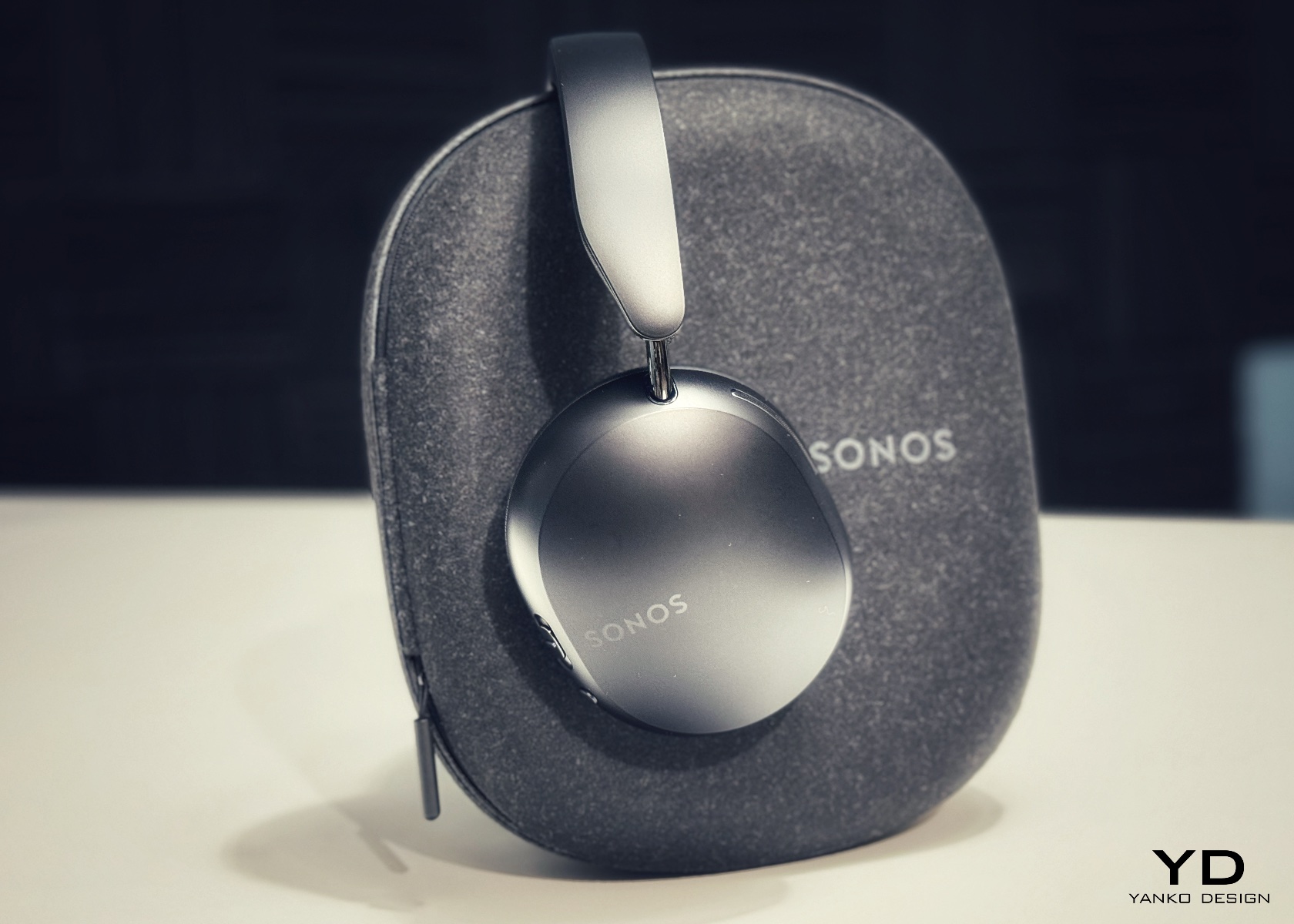
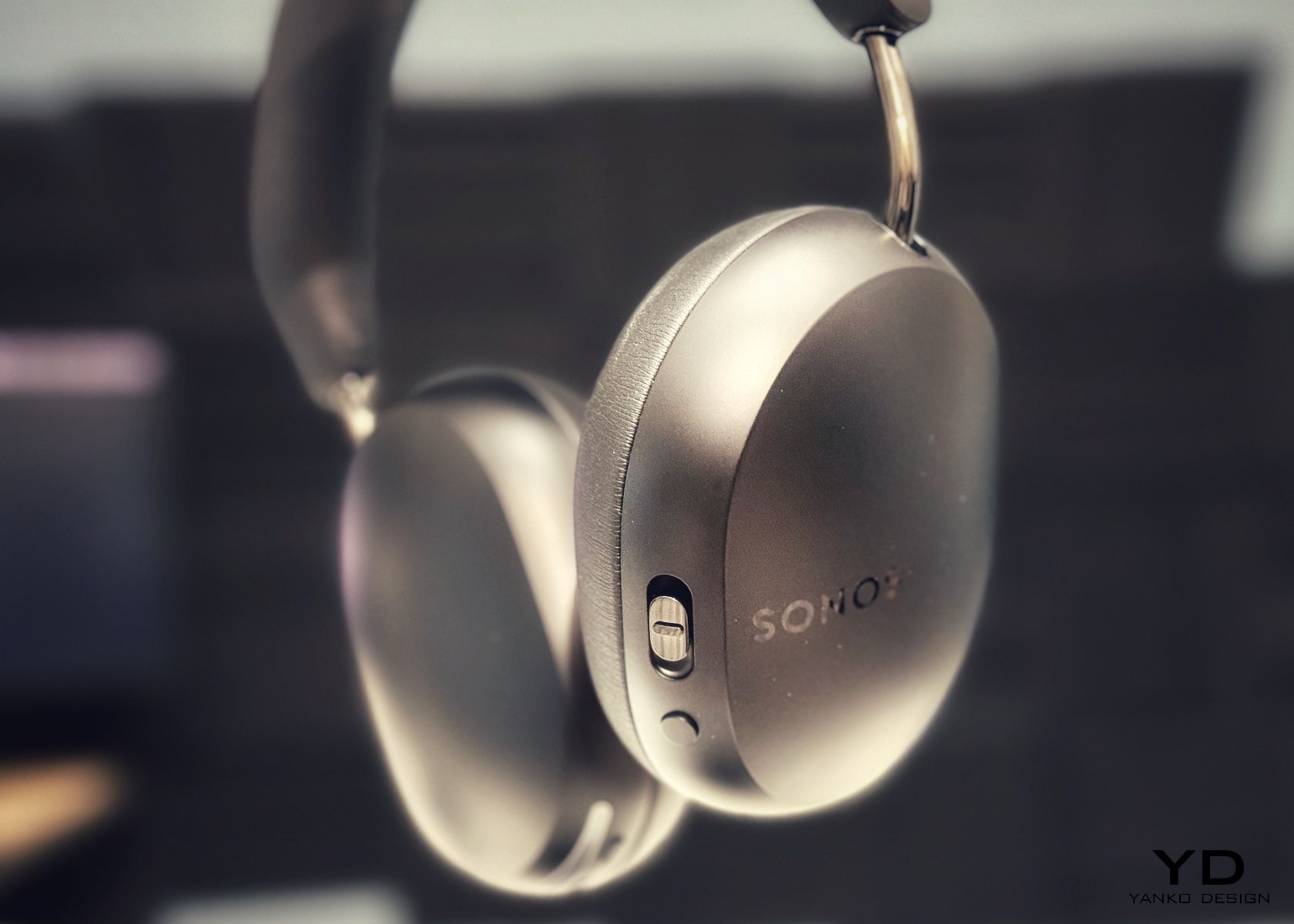
5. Sonos Ace
Sonos spent two decades being the most thoughtfully designed speaker company in the world before ever touching headphones. The Ace is what happens when a brand famous for restraint and material quality finally commits to an entirely new product category. Stainless steel arms, memory foam ear cushions, and a clean form in Midnight or White carry the same quiet authority as Sonos’s best home equipment. At $449, it sits below the B&O and B&W while fully matching them on design character and material coherence.

What makes the Ace genuinely stand out is what you don’t notice: no visible seams on the headband, no mismatched materials, no hardware that apologizes for itself. Active noise cancellation and a 30-hour battery complete a pair that wears as well around a neck as it sounds through the drivers, making it the most versatile pick on this list.

What We Like

  • The material cohesion across every surface, every finish, and every seam speaks one consistent and considered design language, which is an unusually disciplined achievement at the $449 price point
  • Active noise cancellation combined with a 30-hour battery puts the Ace ahead of most competitors on the two specifications that matter most for daily and travel listening

What We Dislike

  • The body is predominantly high-quality plastic rather than metal, which is a material trade-off that some buyers will feel at this price point relative to the B&O and B&W alternatives
  • Head-tracking spatial audio is most effective when paired with a Sonos home speaker system, limiting the feature’s full appeal for listeners who don’t already own Sonos hardware at home

The Best Headphones Are the Ones You Never Want to Take Off

What all five of these pairs share is a seriousness of intent that goes well beyond frequency response. They were built by companies that think about how objects live in the world, not just during a listening session, but on a train platform, at a desk, hanging around a neck. That’s a harder problem to solve than noise cancellation, and the brands that crack it tend to stay relevant far longer than those that don’t.

The range here runs from $449 to $1,250, but the price gaps matter less than they appear at first. What you’re really choosing between is design language: Romanian craft warmth, Scandinavian restraint, British precision, speaker-first material thinking, or clean minimalism that genuinely disappears. Any of these pairs earns the right to hang around your neck. The question is which one earns it in a way that feels made for how you actually move through the world/

The post 5 Over-Ear Headphones That Look as Good When They’re Around Your Neck as When They’re on Your Head first appeared on Yanko Design.

Air Purifier Filters Cost $100 a Year, but CUE Uses Water Instead

Air purifiers have become a common fixture in homes and offices, quietly working to keep indoor air breathable. Most of them follow the same basic formula, drawing air through a dry filter that captures dust, pollen, and airborne particles over time. When that filter reaches its limit, you throw it away and buy a replacement, or wash it if it’s the reusable kind. It’s a familiar routine, but not exactly a thoughtful one.

CUE Air Washer from Watervation is a 2-in-1 purifier and humidifier that takes a noticeably different approach. Rather than filtering air through a dry medium that slowly fills with grime, it washes the air with water, borrowing from how rain naturally clears the atmosphere of dust and pollen. It’s a concept that sounds simple in hindsight but actually changes quite a bit about how air care works.

Designer: Watervation

Click Here to Buy Now: $299 $575 (48% off). Hurry, only 41/975 left! Raised over $411,000.

The idea at the heart of CUE is surprisingly intuitive. Instead of holding contamination inside a dry filter, the device draws air through a water-based medium that strips airborne particles and gases from the air. Once the water turns dirty, you empty it, rinse the tank, and refill it, giving the device a clean start every day. There’s nothing to replace, and nothing to accumulate.

The technology behind CUE is Watervation’s patented RainTec system, and its most notable quality is what it doesn’t rely on. Most air washers need motorized water pumps to circulate liquid, but RainTec uses fluid dynamics instead. A spinning rotor generates a vacuum that draws water upward without any pump, eliminating the most common failure point in these devices and keeping the design considerably simpler.

What makes CUE genuinely practical is how naturally it handles two common problems at once. Dry air and airborne pollutants tend to go hand in hand, especially in bedrooms during winter or in home offices that don’t have great ventilation. Instead of running two separate appliances for purification and humidity, CUE handles both, covering spaces up to 300 sq ft, which fits most personal and domestic environments.

The ownership story is where CUE makes the strongest case for itself. Conventional air purifiers can cost over $100 per year in filter replacements alone, a figure that doesn’t stop growing the longer you use the device. CUE cuts that entirely by using water as its only medium. The maintenance routine comes down to emptying the tank, rinsing it, and refilling it with fresh water.

CUE is also one of those rare appliances that’s genuinely pleasant to leave out in the open. The cylindrical device has a dark upper housing and a clear lower tank that lets you watch the water action inside. There’s something calming about it. The swirling motion of water being spun and atomized gives the cleaning process a visible, almost meditative quality that isn’t common in this product category.

Performance testing by Korea Conformity Laboratories gives the product’s claims some independent backing. Results showed a 93.5% reduction in fine particulate matter, a 99.5% reduction in acetic acid, a 99% reduction in ammonia, and a 90% reduction in formaldehyde. The device also includes a built-in UV-C sterilization module that continuously disinfects the water tank while running, keeping the water hygienic throughout each cycle.

There’s a growing appetite for home appliances that earn their place on a shelf rather than hiding behind it. CUE Air Washer fits that thinking, handling air quality in a way that’s quieter, cleaner, and far less dependent on consumables than what came before. Watervation’s direction with this product hints at what home air care could look like when the design is as considered as the engineering behind it.

Click Here to Buy Now: $299 $575 (48% off). Hurry, only 41/975 left! Raised over $411,000.

The post Air Purifier Filters Cost $100 a Year, but CUE Uses Water Instead first appeared on Yanko Design.

No More Waiting in Line for Hot Water, This RV Heater Has 66,000 BTU

Summer has a way of changing the rules for RV travel. What was a relaxed weekend trip for one or two people becomes a full-blown family expedition, with everyone’s routines packed into the same tight space. Showers get longer, dishes pile up faster, and the morning rush gets more competitive. The systems you barely thought about in cooler months suddenly start to matter a great deal.

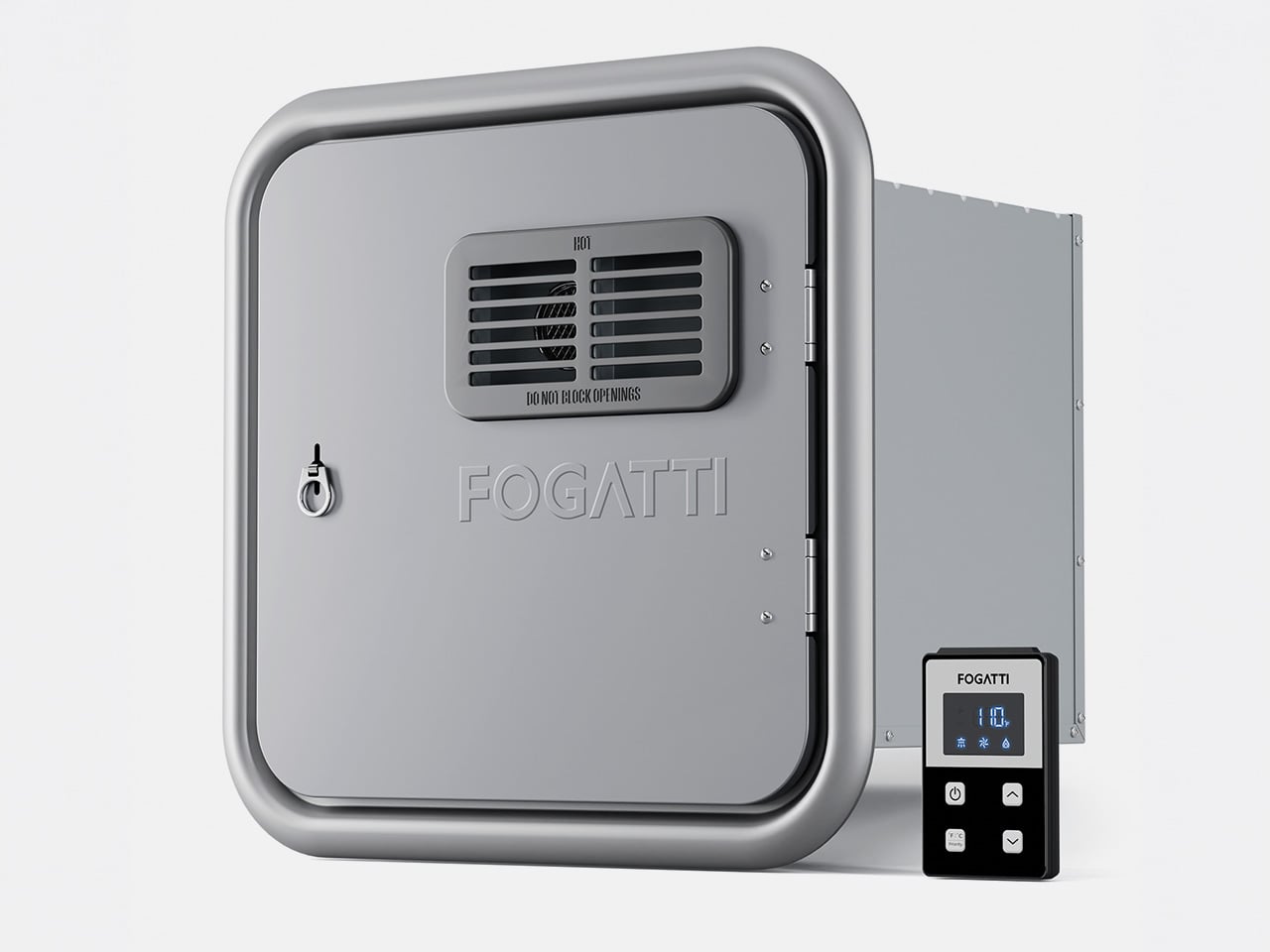
Hot water is one of the first things you notice when an RV can’t keep up. Waiting for the tank to recover, a cold burst just as you find a comfortable temperature, or having to ration usage when multiple people need the sink, these aren’t exactly the highlights of a road trip. The Fogatti InstaShower Ultra is a propane tankless water heater designed to change all of that.

Designer: Fogatti

Click Here to Buy Now: $799.99 $899.99 ($100 off). Hurry, deal ends in 48-hours. Website Link Here.

Picture a typical summer morning at a campground. Someone’s in the shower while another is getting breakfast going, and a third is at the sink washing up before everyone heads out for the day. That kind of simultaneous demand used to be a problem. With 66,000 BTU of rapid heating power and a maximum flow rate of 3.9 GPM, the InstaShower Ultra handles it without much fuss.

The end of a summer day outdoors tells a different story. Whether you’ve been hiking dusty trails, splashing around a lake, or just sitting in the heat all afternoon, everyone comes back to the RV needing a proper wash. A strong, steady shower makes that feel less like a chore and more like a reward, and you don’t have to queue up for it.

One of the more thoughtful bits of engineering is a built-in pre-mix system with a small mixing tank that balances temperature at startup. It addresses a familiar tankless annoyance, namely the cold burst before the heating kicks in. Once that’s handled, water comes out warm right away, and it’s the kind of improvement you only appreciate once it stops being a problem.

Temperature management doesn’t stop there, either. The heater uses segmented combustion that automatically adjusts heat output based on conditions. On a scorching summer afternoon, it scales back to prevent overheating. On a cool mountain evening or at higher altitudes, it ramps up accordingly. It’s a neat bit of self-regulation that keeps water temperature consistent, whether you’re parked in a sun-baked valley or somewhere up at 9,800 feet.

The InstaShower Ultra also activates at a flow rate as low as 0.5 GPM, which is considerably lower than what most standard tankless heaters require to kick on. That might seem like a minor detail, but it matters quite a bit on longer off-grid trips where every gallon counts. You aren’t forced to run the tap wide open just to get the heater going.

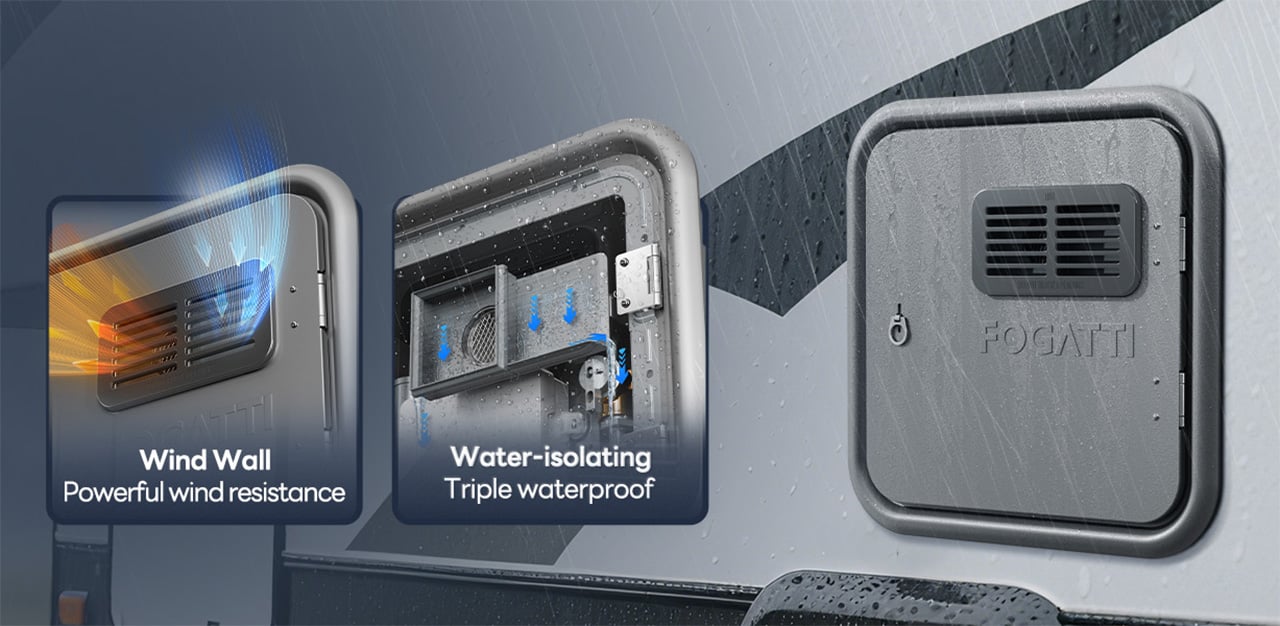
The weather is something a lot of buyers don’t think about until it’s too late. Summer storms roll in fast, and a water heater that can’t cope with heavy rain or strong gusts becomes a liability. HydroShield-Tech gives the InstaShower Ultra both windproof and waterproof resistance, with a NIDEC high-performance fan backing up the wind protection, so the heater keeps running when conditions outside take a turn.

For those still running on an older four- or six-gallon storage water heater, the InstaShower Ultra is a practical replacement. It comes with a door measuring 15 x 15 inches, designed to fit the cutout left by those older tanks, along with a decorative frame. Optional larger door frames are also available separately if your RV’s opening calls for a different fit.

Summer trips have a way of exposing which parts of the RV are actually ready for extended life on the road. A water heater might not top the pre-trip checklist, but it touches nearly every part of the daily routine, from the first shower of the morning to cleaning up after a late campfire dinner. Getting it right makes those routines a lot less stressful, and that’s the peace of mind that the Fogatti InstaShower Ultra delivers.

Click Here to Buy Now: $799.99 $899.99 ($100 off). Hurry, deal ends in 48-hours. Website Link Here.

The post No More Waiting in Line for Hot Water, This RV Heater Has 66,000 BTU first appeared on Yanko Design.

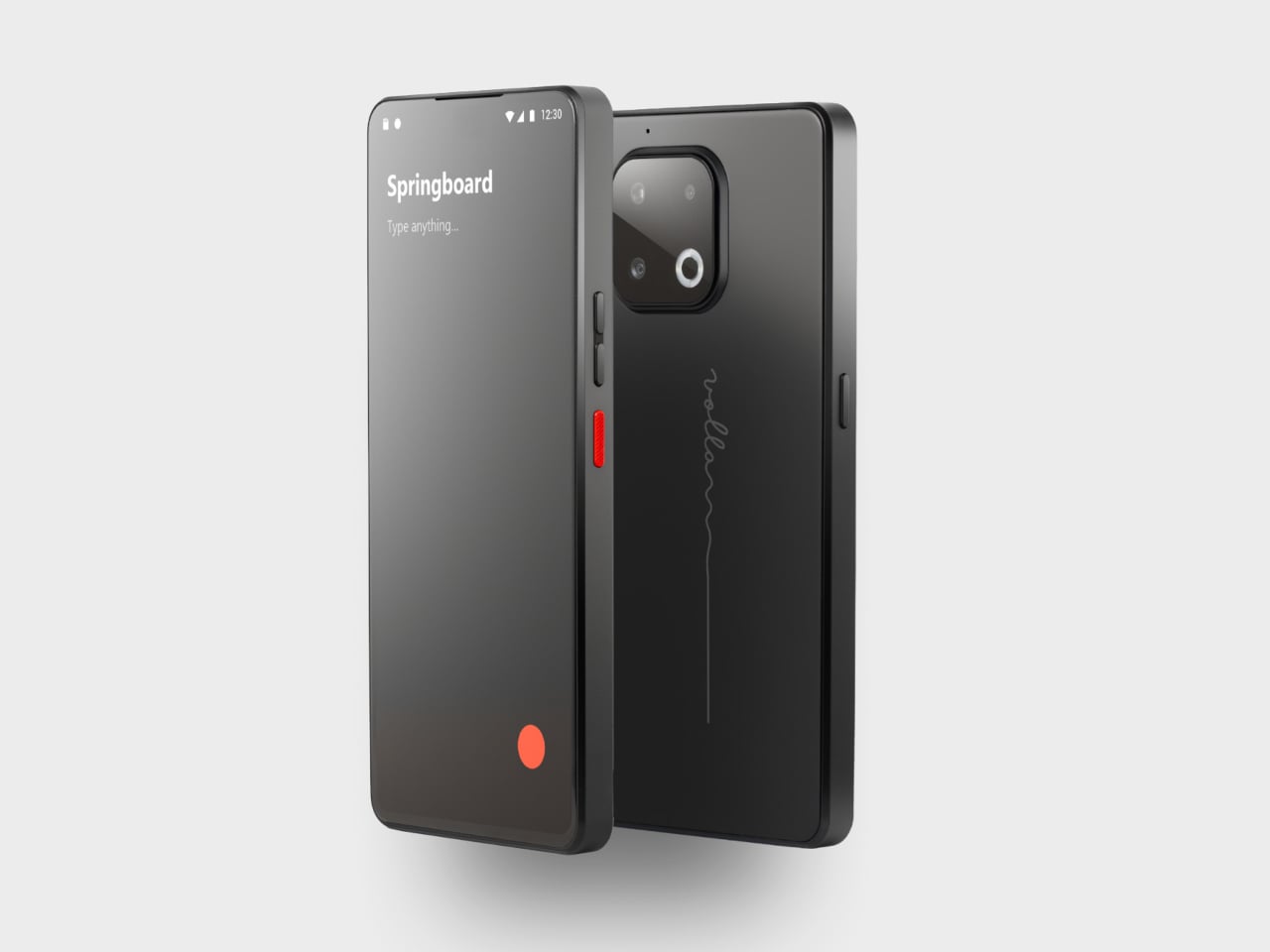
This Google-Free Phone Is IP68-Rated and Has a Replaceable Battery

Most smartphones ship with an assumption baked in: that you’re fine with your data running through Google’s servers, your habits feeding its algorithms, and its apps occupying your home screen whether you asked for them or not. Privacy-first phones have tried to push back against this for years, but they’ve often done so at the cost of build quality, performance, or both.

Volla has been making the case that those trade-offs aren’t necessary, and the Plinius is the latest, most convincing version of that argument. Named after Pliny the Elder, the Roman naturalist who died investigating the eruption of Vesuvius, it’s a phone built for the curious, the outdoorsy, and the uncompromising. It’s also the direct successor to the Volla Phone X23, and it’s a considerable step up.

Designer: Volla

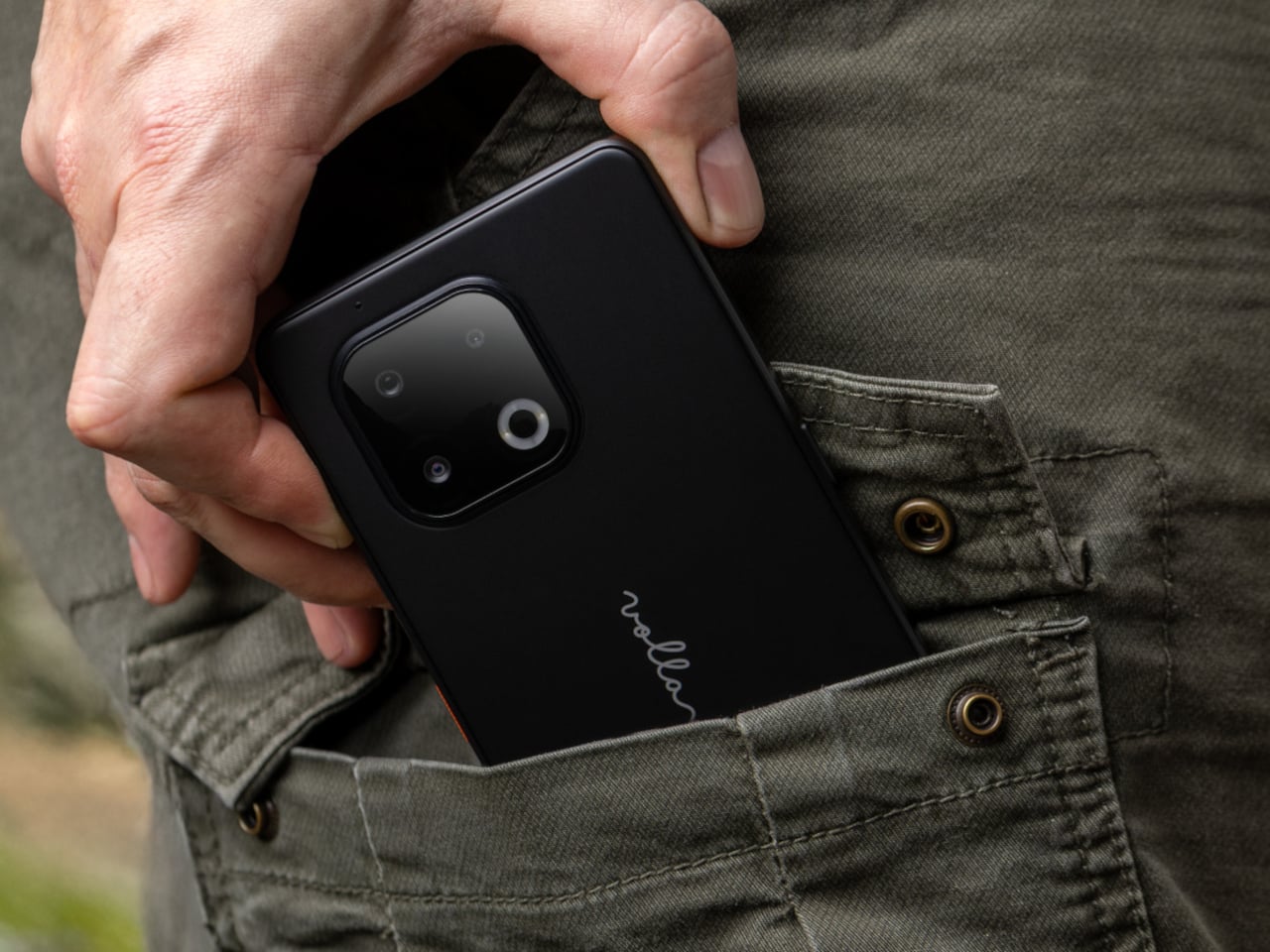
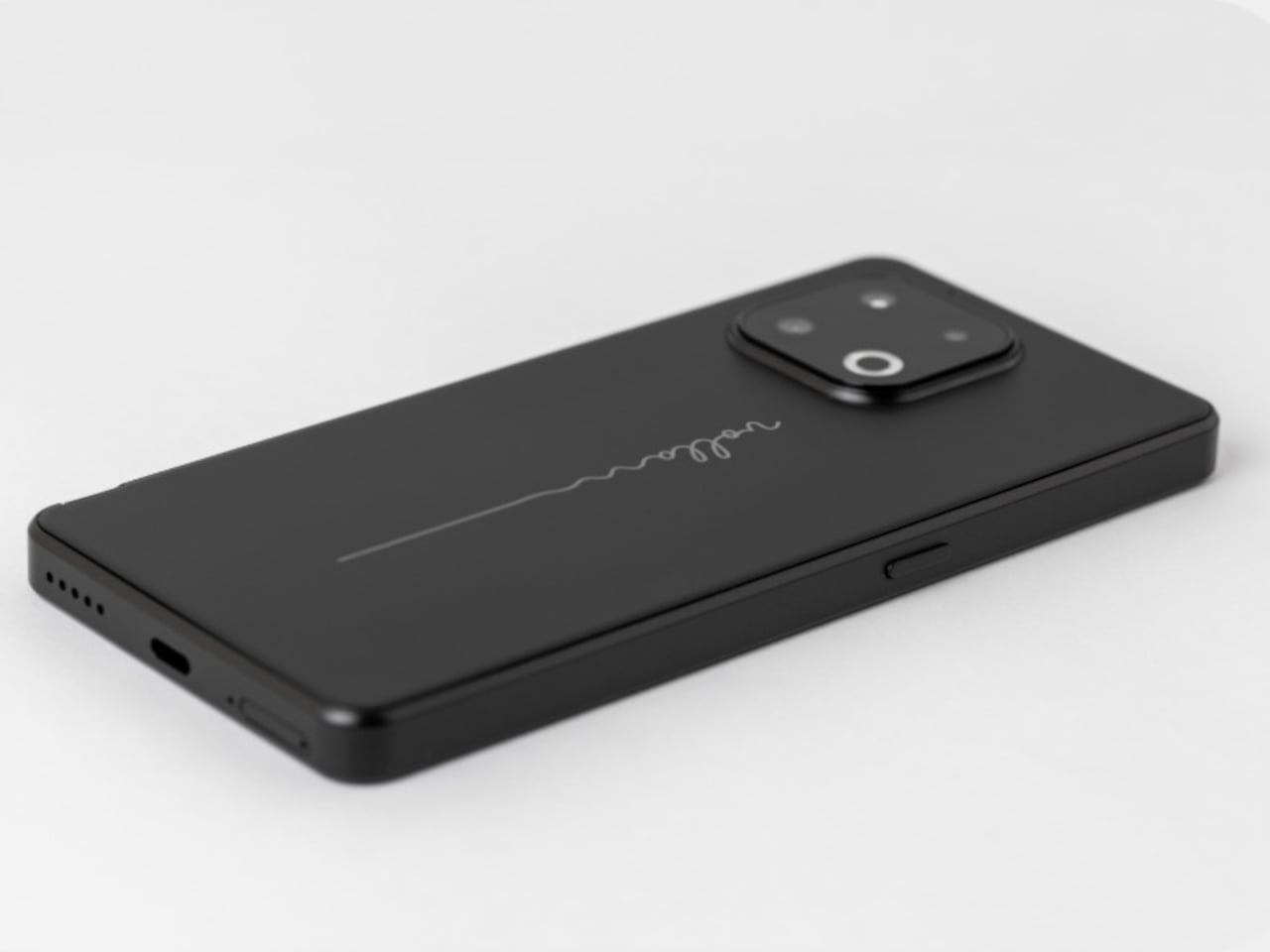
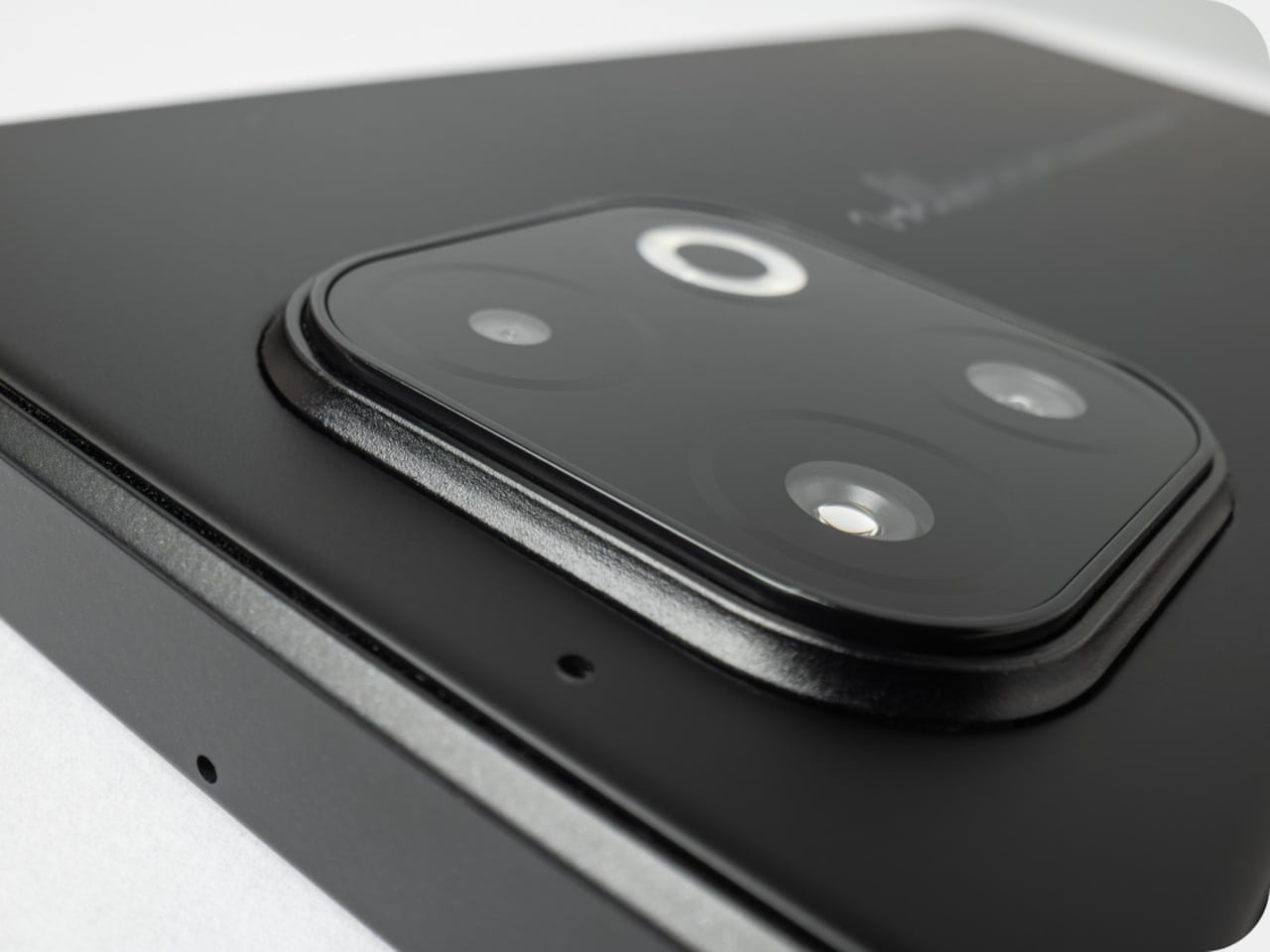
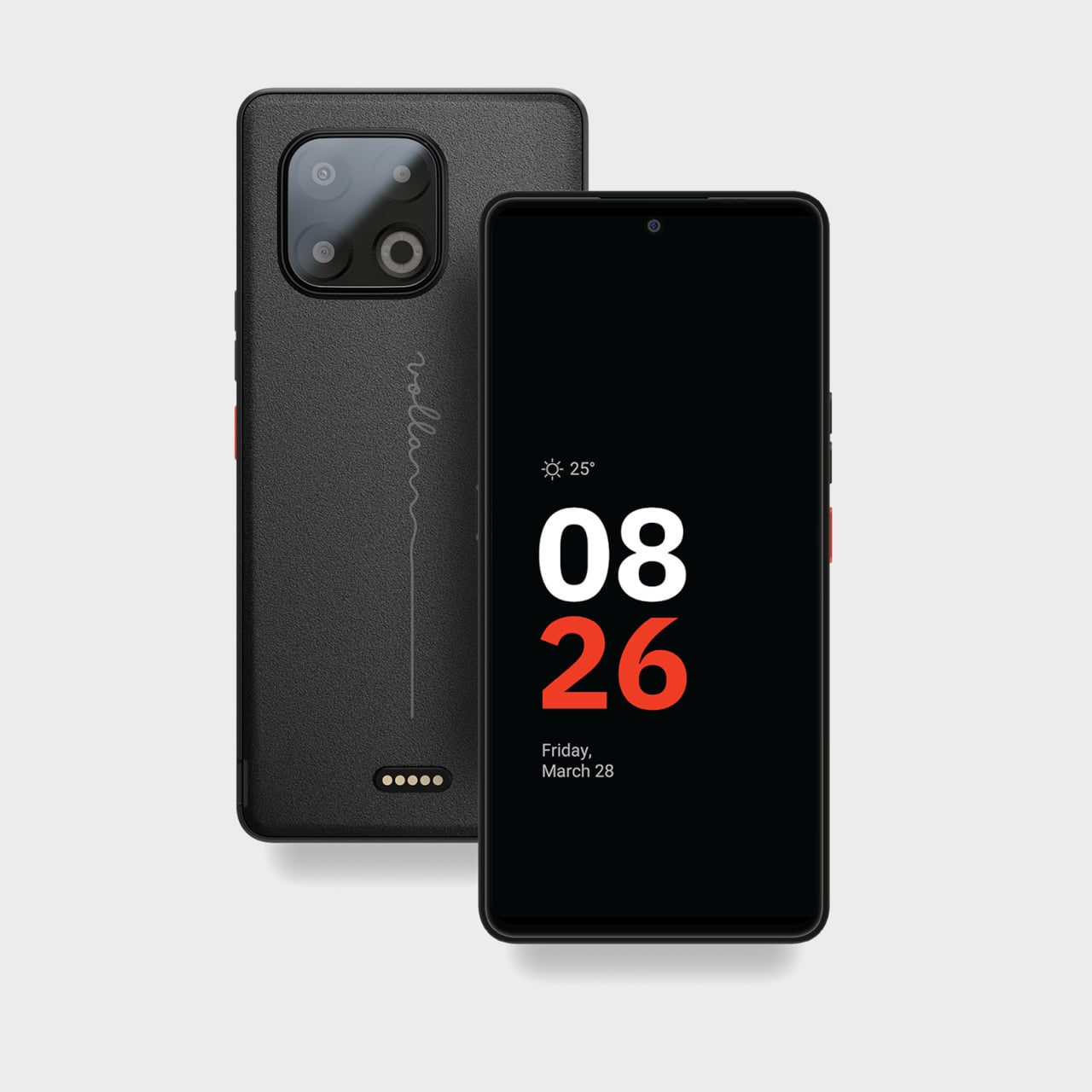
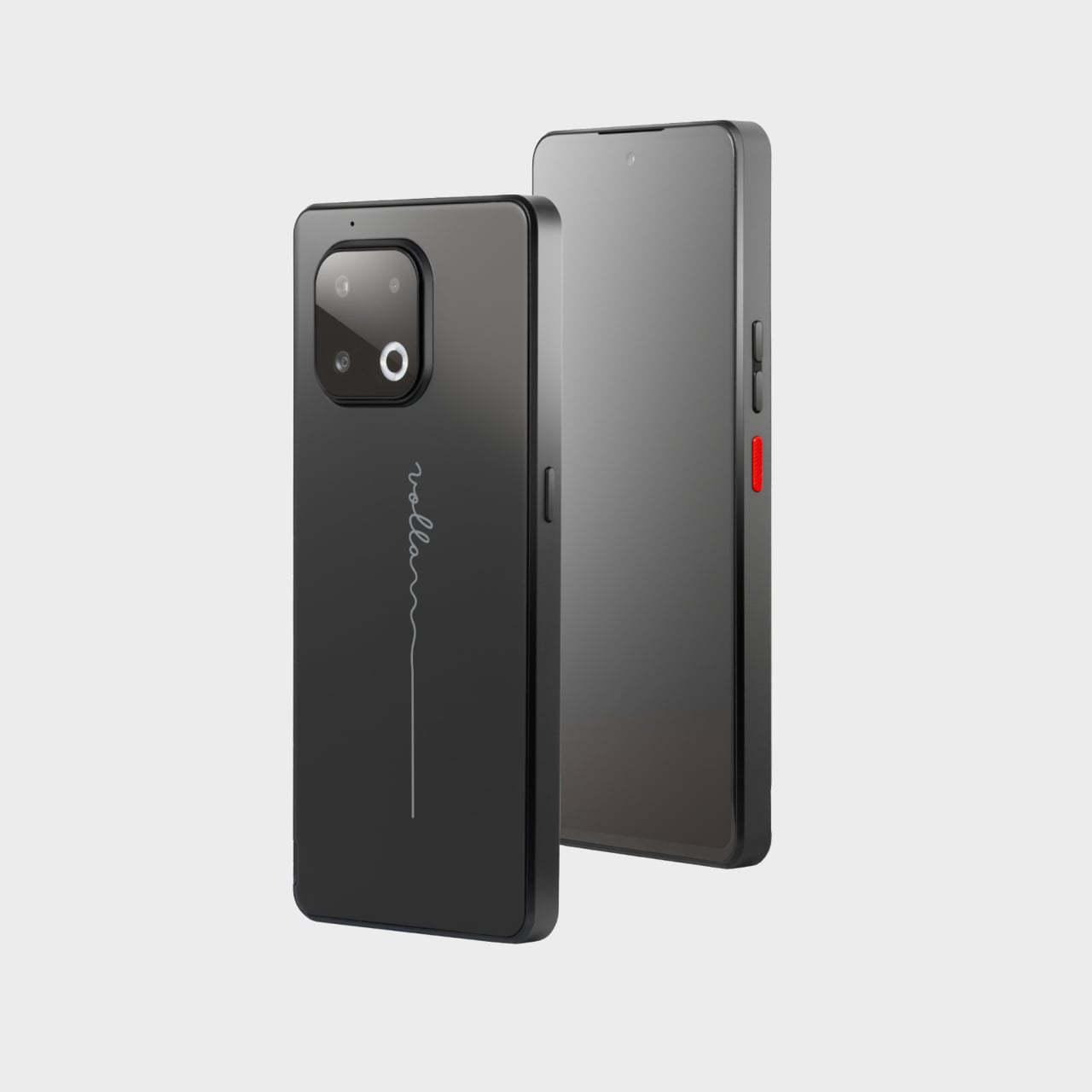
The body carries an IP68 rating against water and dust, which you’d expect from a rugged phone, but what’s less expected is how slim and light the Plinius is. At 163mm x 76mm x 10.5mm and 230 grams, it’s noticeably slimmer than its predecessor. A transparent back cover and armored glass film come in the box, and the touchscreen handles wet hands and gloves without missing a beat.

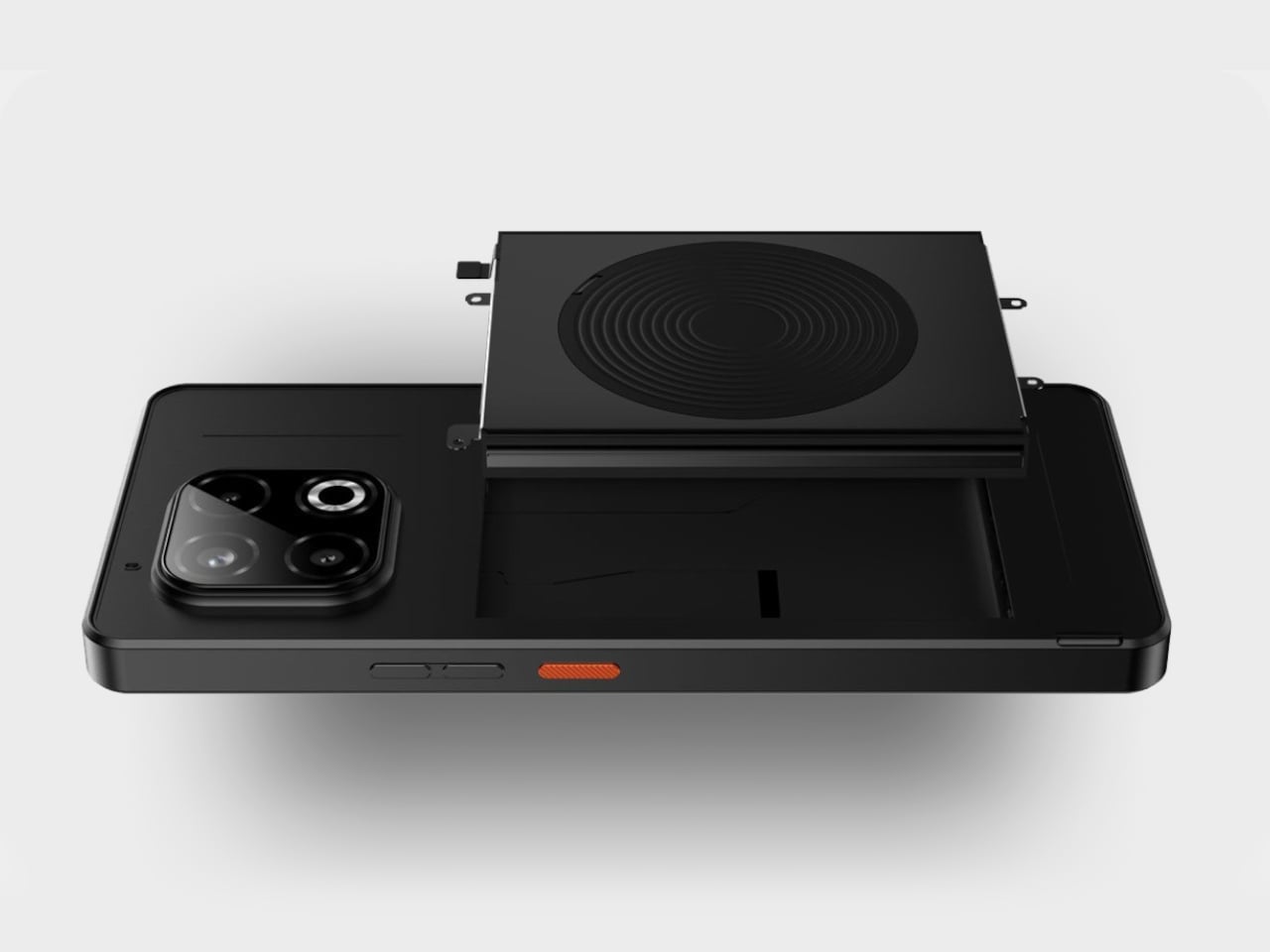
The 5,300 mAh battery keeps things going through a full day and beyond, with 30W fast charging and 15W wireless charging both covered. What’s genuinely unusual, though, is that the battery is user-replaceable with a standard screwdriver, even with the IP68 rating in place. That’s a deliberate choice from a company that built its reputation on longevity and transparency rather than planned obsolescence.

Out of the box, the Plinius runs Volla OS, a Google-free build of Android with a clean, text-based interface and a Security Mode that controls which apps communicate externally. Ubuntu Touch is also available, a fully Linux-based OS from the UBports Foundation that doubles as a desktop when connected to a monitor, and you can run both on the same device.

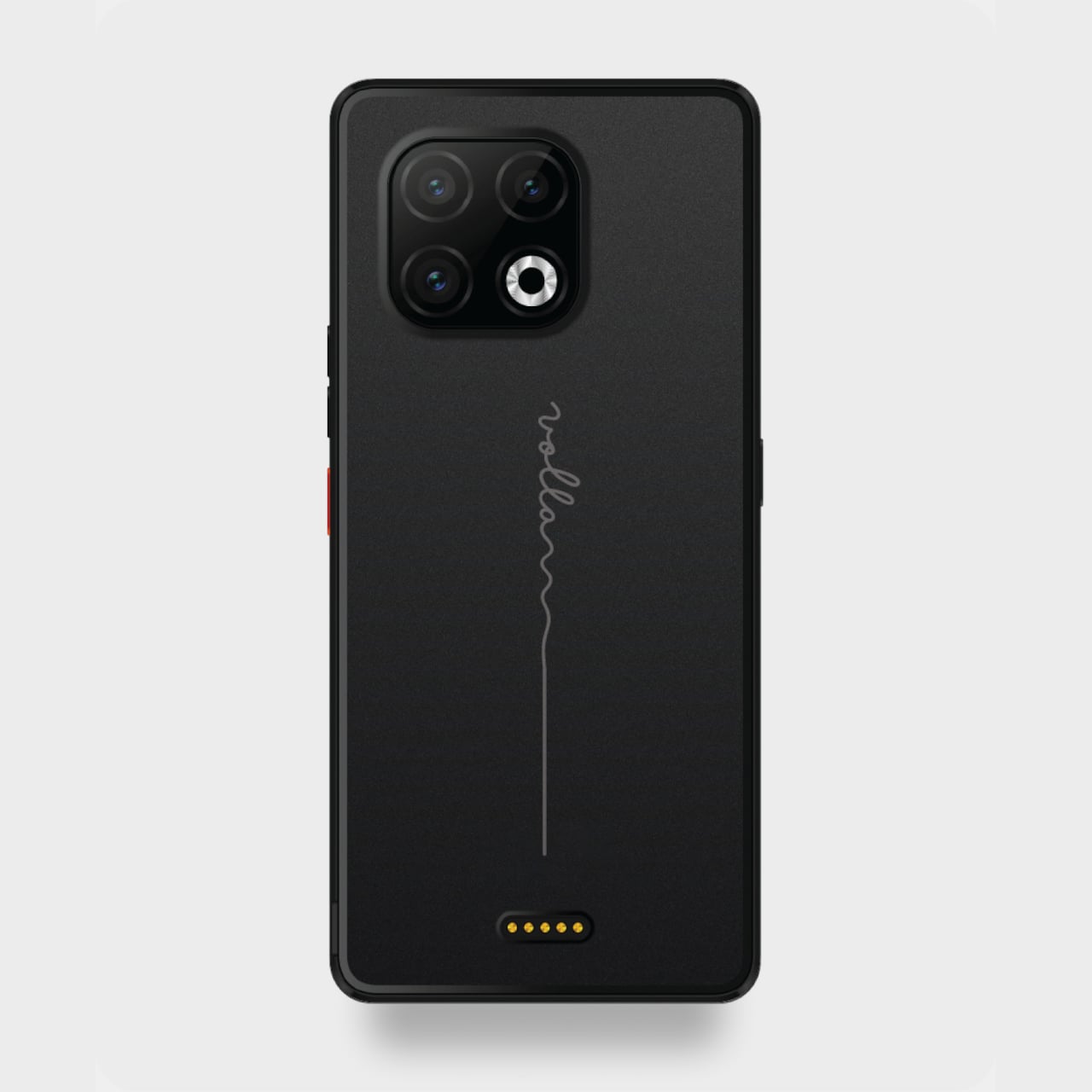
The 6.67-inch FHD+ OLED display runs at up to 120 Hz and reaches 1,000 nits of peak brightness, so outdoor visibility isn’t an issue even in direct sunlight. The triple-camera setup is anchored by a 64MP main shooter with phase-detection autofocus, an 8MP ultra-wide, and a 2MP macro, with a MediaTek Dimensity 7300 processor and 5G connectivity running the show underneath.

Step up to the Plinius Plus, and you get 12GB of RAM, 256GB of storage, and an extra-durable back cover with a Pogo PIN connector for accessories that attach magnetically. The modular system is still in its early days, but the open-source hardware foundation is already in place, and it’s a signal that Volla isn’t done thinking about where this phone can go.

The standard Plinius starts at €598 and arrives in April 2026, while the Plus is priced at €698 with a June 2026 release. For most people, neither version is a cheap proposition, and mid-range internals might make that sting a little. For those who’ve quietly grown tired of being tracked, targeted, and optimized against, the price suddenly starts to look far more reasonable.

The post This Google-Free Phone Is IP68-Rated and Has a Replaceable Battery first appeared on Yanko Design.

HONOR 600 Review: Looks Premium, Lasts all day, and Doesn’t Cost a Fortune

PROS:


  • Beautiful, minimalist design

  • Gorgeous screen with narrow bezels

  • Strong hardware performance and battery life

  • Impressive 200MP camera

CONS:


  • 12MP ultra-wide and no telephoto camera

  • No wireless charging

RATINGS:

AESTHETICS
ERGONOMICS
PERFORMANCE
SUSTAINABILITY / REPAIRABILITY
VALUE FOR MONEY

EDITOR'S QUOTE:

The HONOR 600 is quietly refined, impressively enduring, and priced like it knows exactly what it's doing.

Smartphones are starting to look increasingly alike. The flat-edged aluminum frame, the polished glass back, the minimal bezels; these have become the default visual language of every phone that wants to be taken seriously. The differences between competing designs are getting harder to spot, and choosing between them often comes down to specs rather than any genuine sense of aesthetic preference. That leaves a lot of phones feeling pretty forgettable.

HONOR’s response to that trend with the HONOR 600 is to squeeze as much premium character as possible into a phone that doesn’t demand a premium sacrifice from your wallet. On paper, it looks like a solid upper-midrange device. In person, though, it carries a kind of quiet refinement that feels well above its price class, and that difference is worth paying attention to. Read on to learn why.

Designer: HONOR

Ida Torres contributed to this review.

Aesthetics

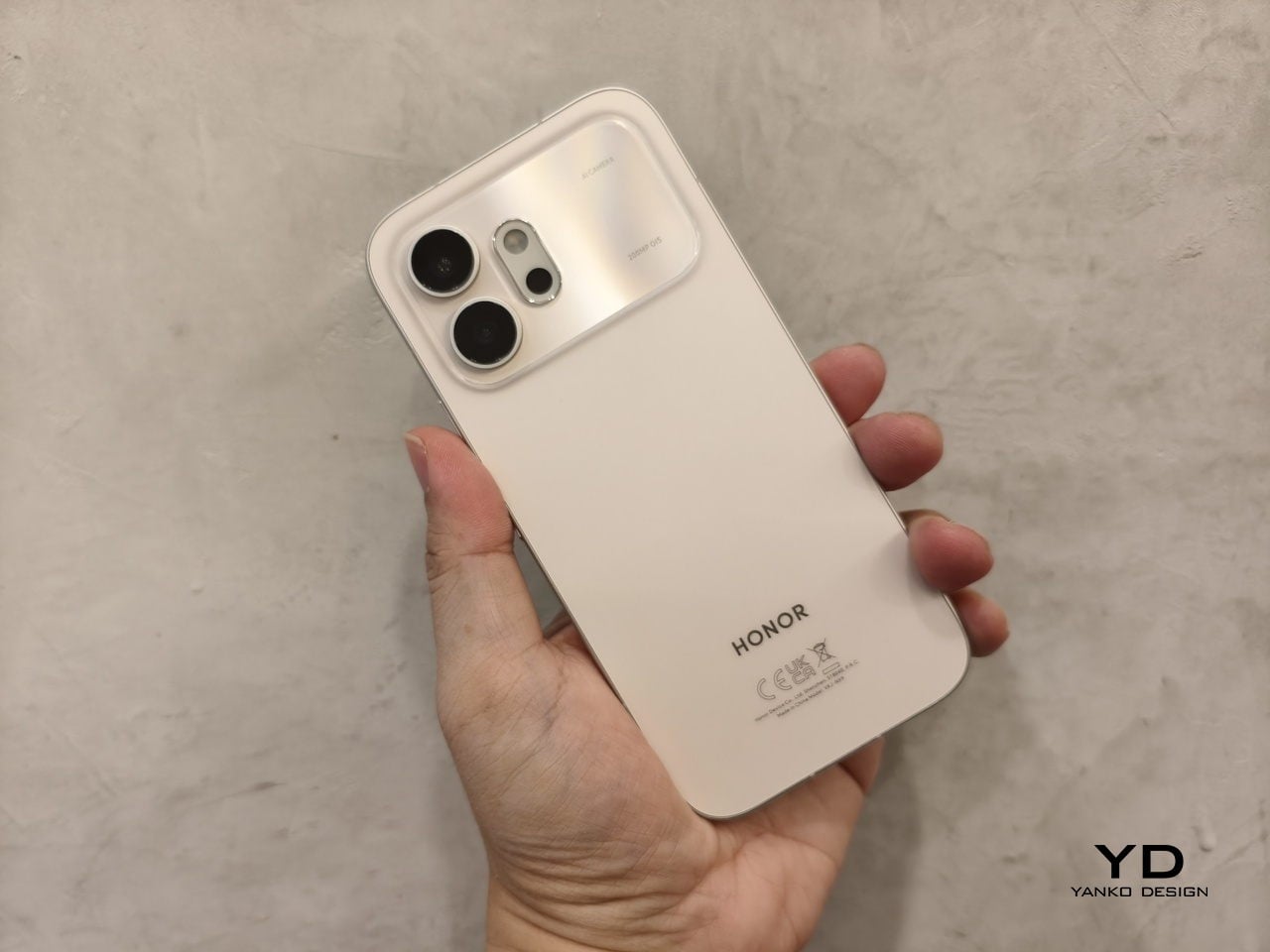
The HONOR 600 will draw inevitable comparisons to Apple’s current design direction, and that’s not an accident. The overall silhouette, the straight display, and the deliberately restrained detailing all read from the same design vocabulary. But where Apple tends to keep things cool and clinical, the HONOR 600 manages to feel warmer and somehow more luxurious, which is a rather ironic achievement for a phone that costs this much less.

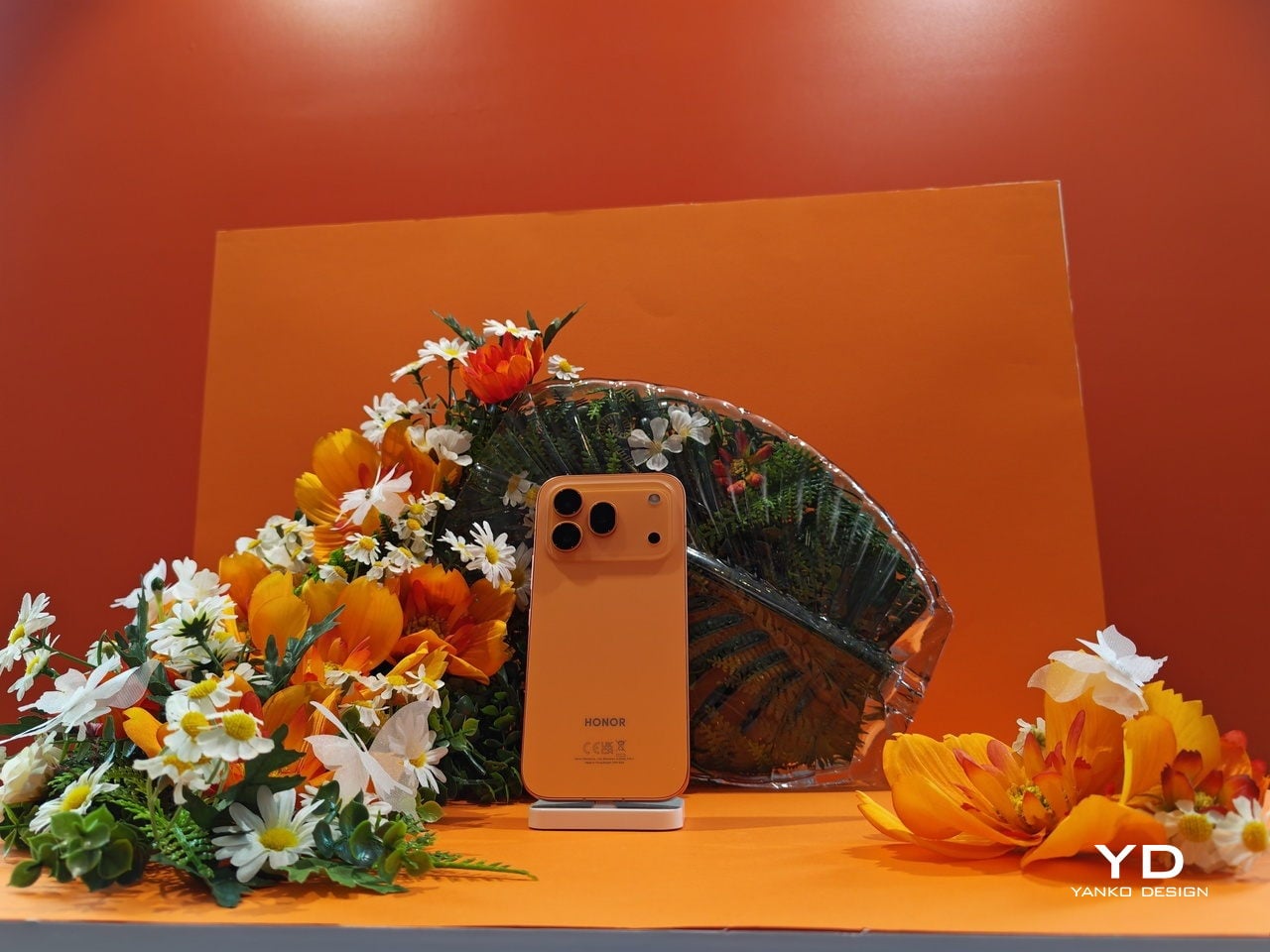
A lot of that warmth comes from the back panel, which is made from a translucent composite fiber material that looks remarkably like frosted glass. It has a clean, understated quality that doesn’t try too hard. The matte metal frame features a satin-like finish that shifts subtly under light. And it’s available in Black, Orange, and Golden White (our review unit), all of which feel right for this design. It’s a design that doesn’t scream for attention but still manages to make you look twice either way.

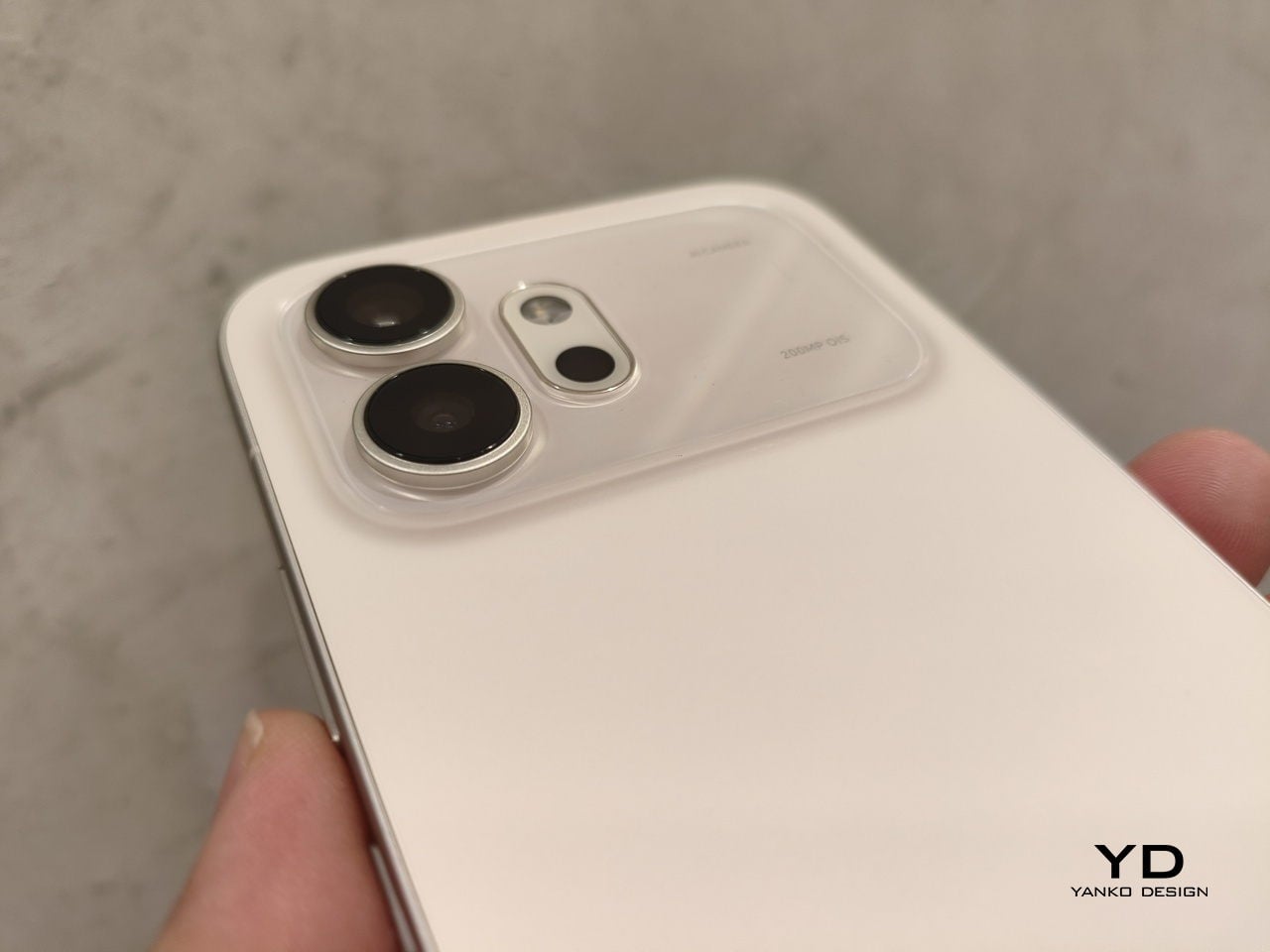
Not everything lands quite so elegantly, though. The raised camera module, which houses the 200MP main lens and ultrawide camera, looks a bit like an acrylic plate sitting on top of an otherwise seamless body. It’s only an optical illusion, though, as it really is a unibody structure as advertised. Additionally, that area picks up fingerprints and smudges with remarkable enthusiasm, which shows up even more conspicuously on the glass-like material.

The front of the phone, though, tells a very different story. The display framing is, in a word, stunning. HONOR uses a sub-1mm bezel around the screen that makes the border all but disappear, creating a front face that looks incredibly clean and modern. Certified by TÜV Rheinland as the narrowest black bezel among all global straight-screen phones currently on the market, it gives the phone a near-borderless look that you’d normally expect from something much more expensive.

Ergonomics

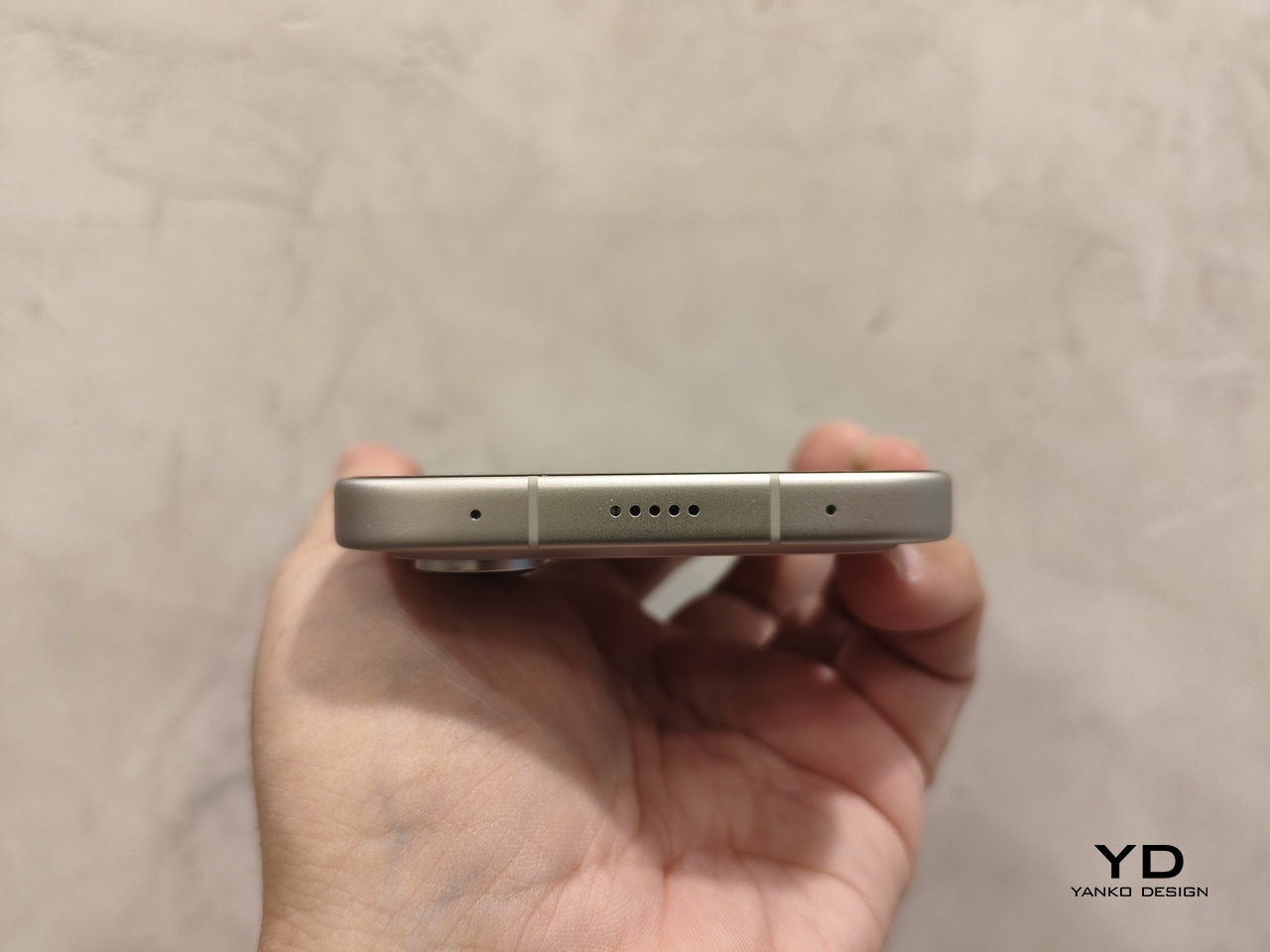
Picking up the HONOR 600 for the first time is a small but pleasant surprise. At 185g with a 6,400mAh battery packed inside a 7.8mm body, it feels lighter than you’d expect, without ever feeling cheap or flimsy. There’s a genuinely satisfying substance to it, the kind of weight that communicates quality rather than bulk, and the flat profile makes it comfortable to slip in and out of a pocket.

The flat edges of the aluminum frame, also on par with today’s design trends, have a satin-like finish that adds some texture to your grip. Along with the matte texture of the composite fiber material on its back, the Honor 600 offers a satisfying and confident hold that won’t make you feel like you’re precariously carrying some fragile luxury item.

One-handed use is generally comfortable, though there are a couple of small quirks worth mentioning. The camera bump introduces a slight wobble when the phone rests on a flat surface, which is par for the course with most phones these days. The under-display fingerprint sensor also sits a little lower than feels natural, requiring a small but noticeable stretch that takes a few days to get used to.

Performance

The Snapdragon 7 Gen 4 at the heart of the HONOR 600 isn’t branded as a flagship-grade processor, though it promises 27% CPU and 30% GPU performance improvements over its predecessor. That said, it handles daily tasks with smooth, unfussy reliability, from jumping between apps to editing photos in a gallery packed with AI tools. Gaming is no issue either, and the phone doesn’t grow unbearably hot during its use.

As mentioned earlier, the display matches the phone’s stunning rear design, boasting a bright 6.57-inch 120Hz AMOLED display with a resolution that sits comfortably above FHD+ resolution. The true test of its brightness comes in its Sunlight mode, pushing it to around the advertised 8,000 nits, allowing you to capture moments and videos even under bright sunlight.

Battery life is where the HONOR 600 makes its most compelling argument. The European review unit packs a 6,400mAh cell, while other regional variants go up to 7,000mAh, and either way, you’re getting genuinely impressive endurance. Heavy days involving a lot of photography, video streaming, and social media don’t bring the battery to its knees before bedtime, and lighter days make two-day stretches perfectly achievable.

Charging comes via an 80W wired HONOR SuperCharge connection that tops the phone up quickly when you need it, though wireless charging isn’t part of the package here. That’s one of the few features reserved for the Pro tier. Disappointing but not all too surprising, given some corners HONOR had to cut to reach this price point. The HONOR 600 does make use of that ample battery for 27W reverse charging, though it’s really unclear who still uses such a feature these days.

Portrait (Studio Harcourt)

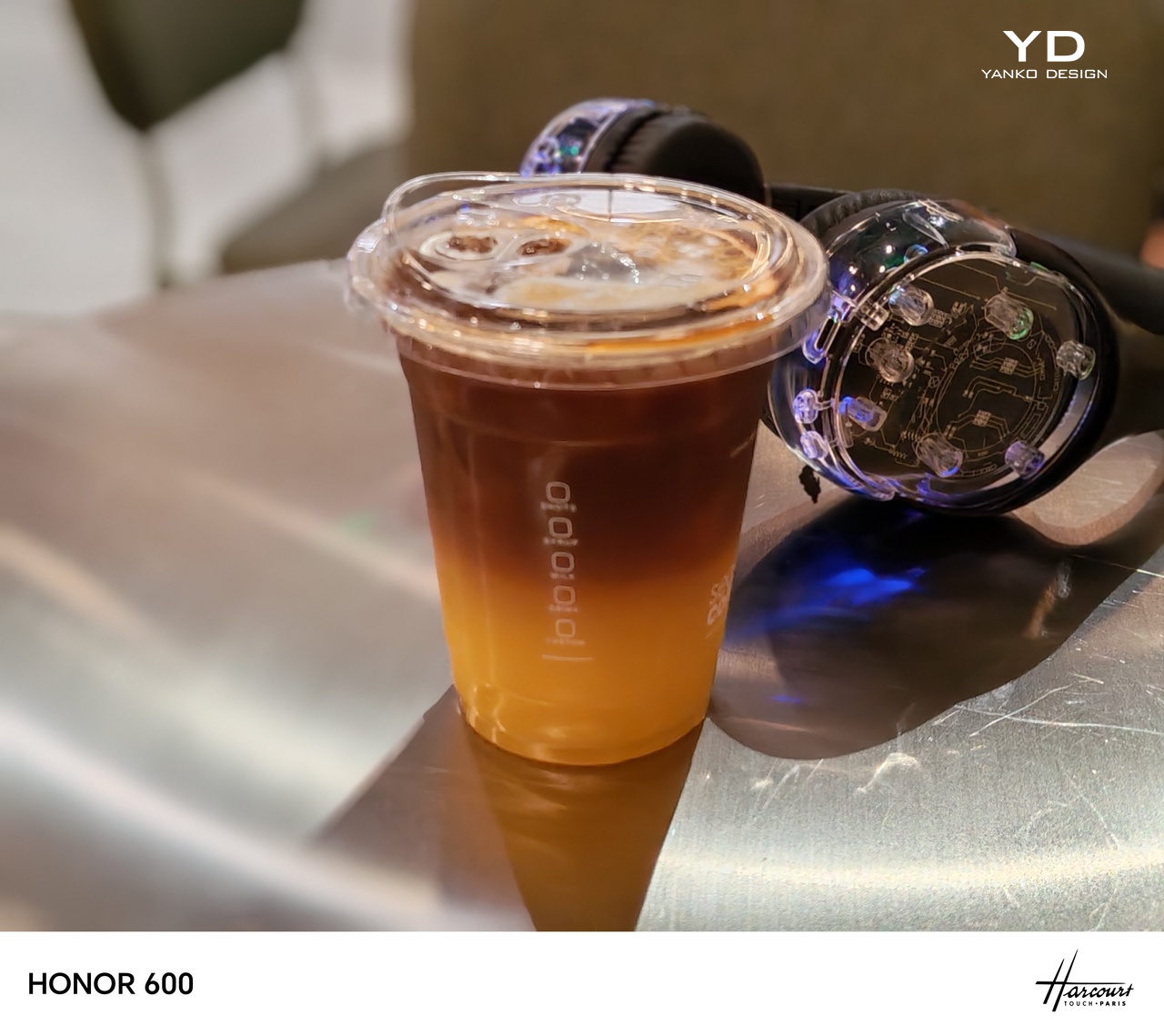
The 200MP main camera on a 1/1.4-inch sensor is the standout on the back, delivering 16-in-1 pixel binning with an equivalent 2.24μm super pixel size and 24% greater light sensitivity. CIPA 6.0-certified optical image stabilization keeps handheld night shots sharp in a way that many phones in this category can’t match, almost to the point that a dedicated night mode feels redundant, let alone an AI-enhanced one.

Normal

Night Mode

Night Mode, AI Enhanced

Unsurprisingly, the HONOR 600 performs admirably in this department, producing impressive, vibrant, and detailed shots even without setting anything up. And there are tons of knobs and dials you can turn to tweak your photo to your liking. You can, for example, select between Vibrant, Natural, Authentic “Classic” filters, though the differences are sometimes subtle.

Vibrant (Default)

Natural

Authentic

Beyond that, however, the HONOR 600 descends into the mid-range category. The 12MP ultra-wide shooter is decent but basic. There’s also no dedicated telephoto lens, though, so anyone with a serious interest in zoom photography might notice the gap most. The 50MP front camera, however, is perfect for selfies and vlogs, earmarking the phone for a very specific market.

0.5x (ultra-wide)

1x, 27mm

1x, 35mm

2x

4x

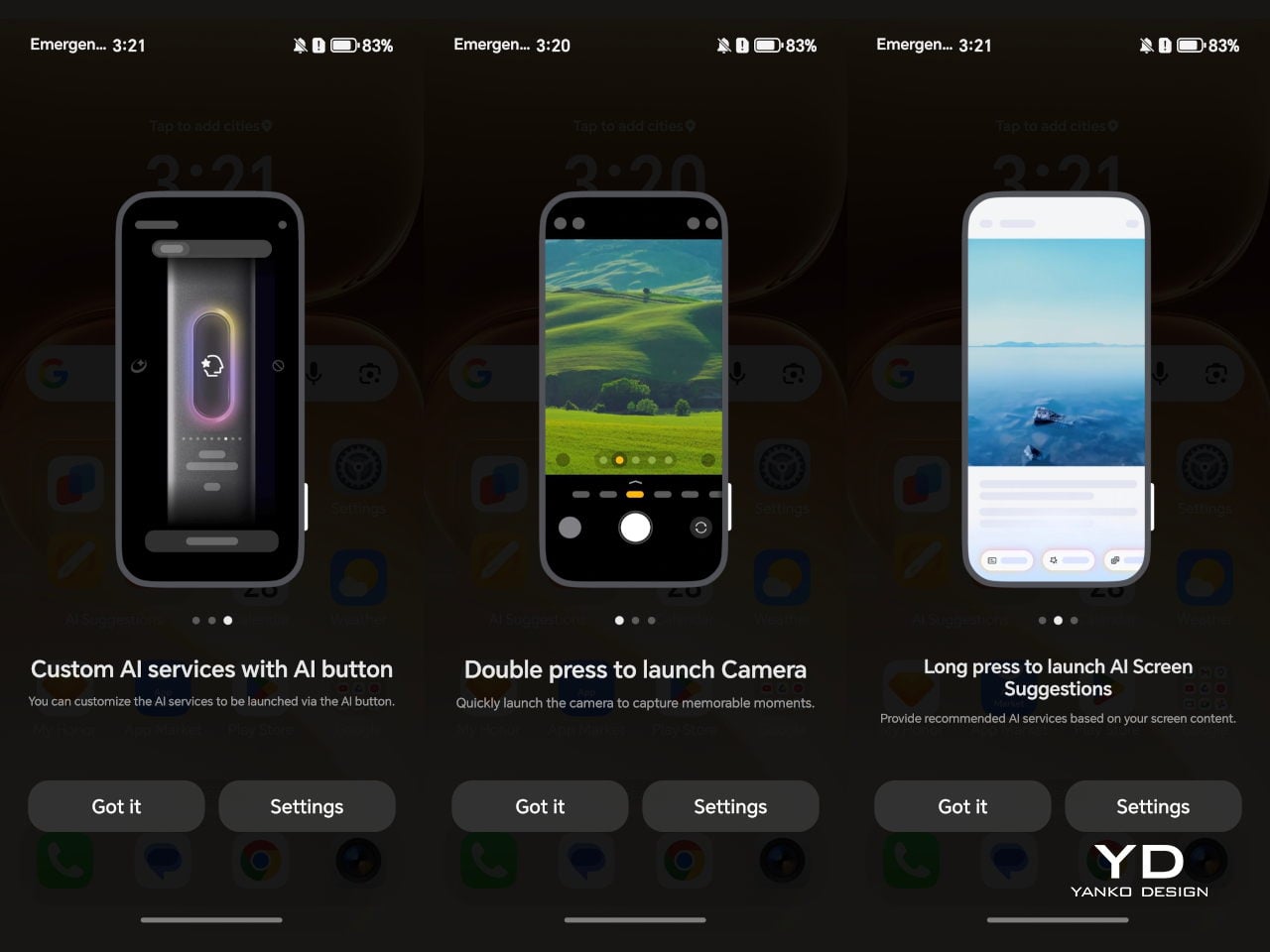
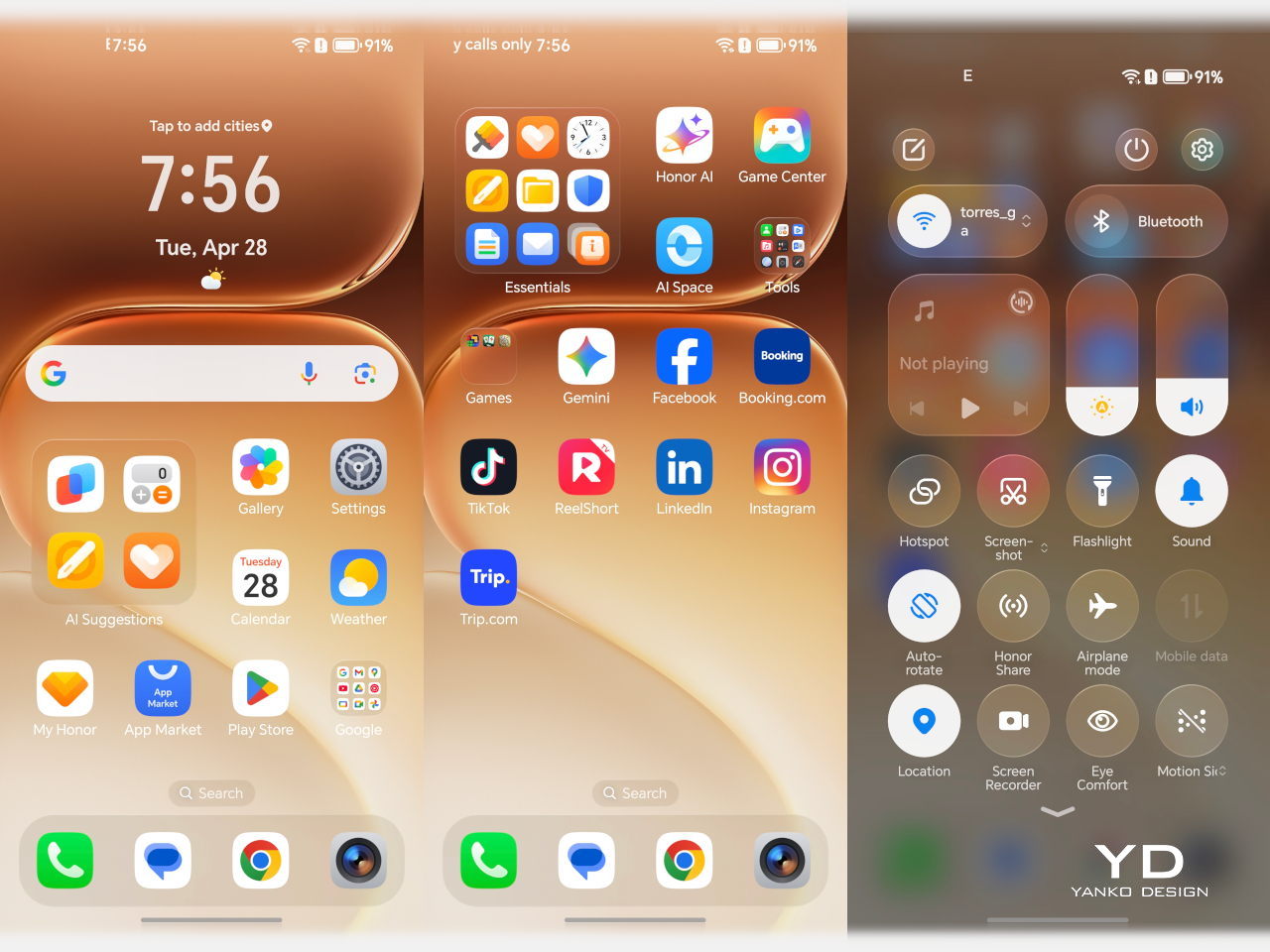
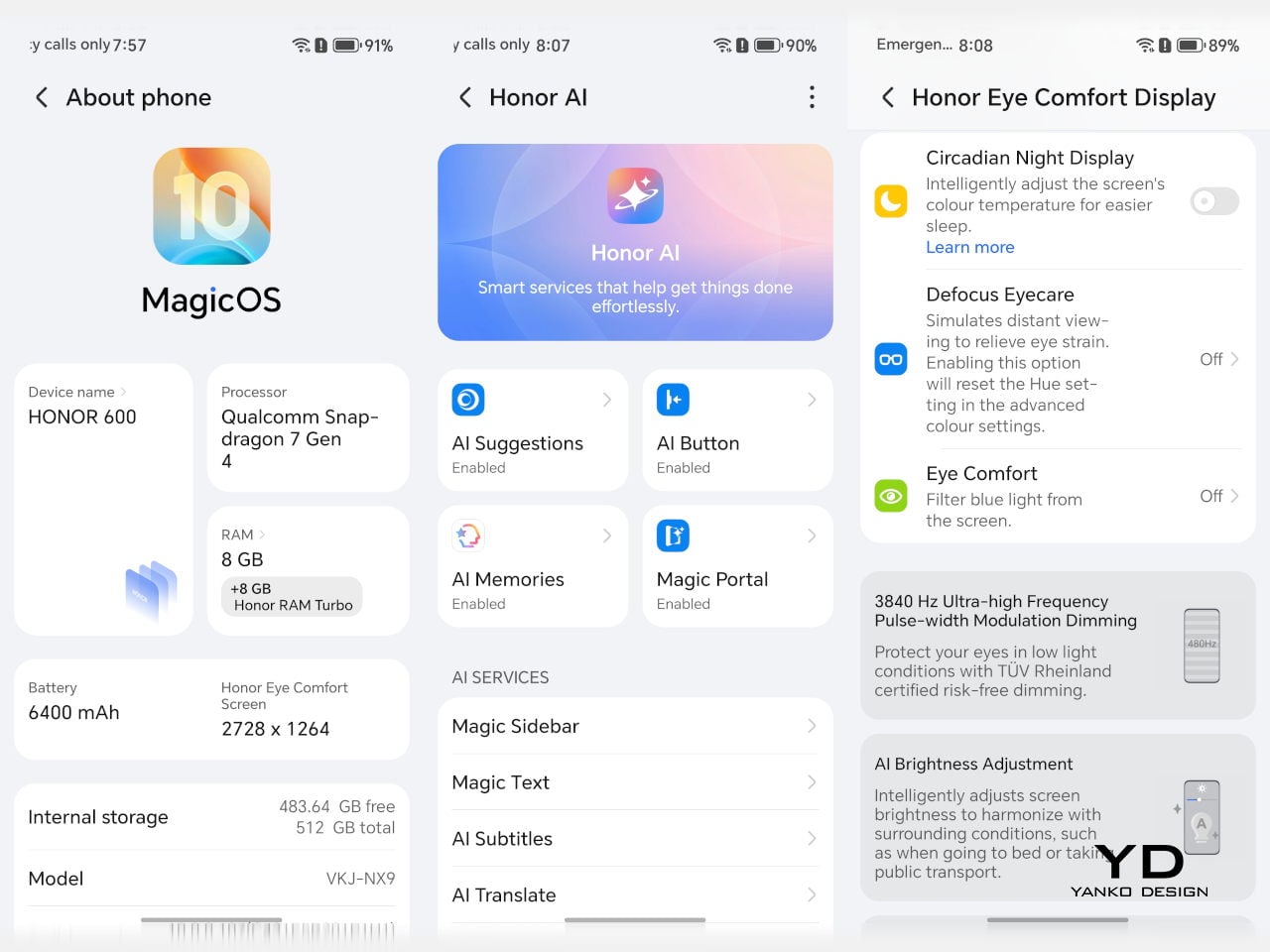
There’s no shortage of AI features, of course, most of which lean towards creative use for generating or editing images. There are also the staples like translation, search, and, with a bit of irony, a feature that detects deepfakes and voice cloning. There’s a dedicated AI Button that can be configured to a range of predefined shortcuts, making frequently used functions easier to reach. Unfortunately, you can’t even set it to launch an app of your choice.

Sustainability

The HONOR 600 isn’t marketed on sustainability credentials, but it’s built to last, which is arguably more meaningful. IP68, IP69, and IP69K water and dust resistance ratings, tested under controlled laboratory conditions, are complemented by an SGS 5-star Premium Performance Certification of Drop and Crush Resistance. More than just stickers on a spec sheet, they represent a phone that can handle the knocks and spills of daily life without drama.

HONOR promises six years of OS updates, which is a meaningful commitment that helps justify holding onto the phone for longer. The rollout timing isn’t always perfectly predictable, but the intention is solid. On the packaging front, there’s no charger in the minimalist and extremely compact box, which has become standard practice across the industry and is unlikely to inconvenience most buyers who already have an 80W-compatible charger at home.

Value

The HONOR 600 starts at €649.90 in Europe (around £549.99 in the UK, or roughly $700 in the US) for the 8GB RAM, 256GB storage configuration. That puts it squarely in premium territory, well above casual midrange pricing and nudging into the lower end of the proper flagship bracket. For context, it’s the kind of money where expectations are high, and compromises get noticed quickly.

Given what you’re getting, though, the asking price holds up well. The combination of premium design, a genuinely impressive main camera, outstanding battery life, a bright and comfortable display, and triple water resistance creates a package that feels more expensive than it costs. For buyers who prioritize how a phone looks and how long it lasts over raw performance or camera versatility, there’s real value here.

The one thing worth factoring in is how close the standard model sits in price to the Pro. The upgrade brings the Snapdragon 8 Elite, marking the first time the N Series featured that Elite-tier chipset, along with a dedicated telephoto lens and wireless charging, with 12GB of RAM as standard. For avid mobile photographers who want optical reach for zoom shots, that gap might feel more significant than the price difference suggests. For everyone else, the standard 600 covers most of what matters.

Verdict

The HONOR 600 is a phone with a clear sense of purpose. It’s slim, refined, and built with the kind of care that tends to show in daily use rather than on a spec sheet. The battery lasts, the display shines, the main camera performs, and the overall package carries itself with a quiet confidence that’s surprisingly rare at this price.

If you’re looking for a beautiful everyday phone with serious battery endurance and a genuinely premium feel that won’t push you into flagship pricing, the HONOR 600 is hard to overlook. The missing telephoto and the lack of wireless charging are worth knowing about beforehand, but they’re far less central to the daily experience than everything this phone gets confidently right.

The post HONOR 600 Review: Looks Premium, Lasts all day, and Doesn’t Cost a Fortune first appeared on Yanko Design.

This Pocket Printer Turns Out Temporary Tattoos, Stickers, and Photos

Personalization has quietly moved from craft rooms and design studios into everyday life. Whether it’s decorating a travel case or adding something unique to a tote bag, people want their things to feel distinctly theirs, and they want to do it on the spot. The tools to make that happen, though, have largely stayed the same: bulky, single-purpose machines that aren’t built for spontaneity.

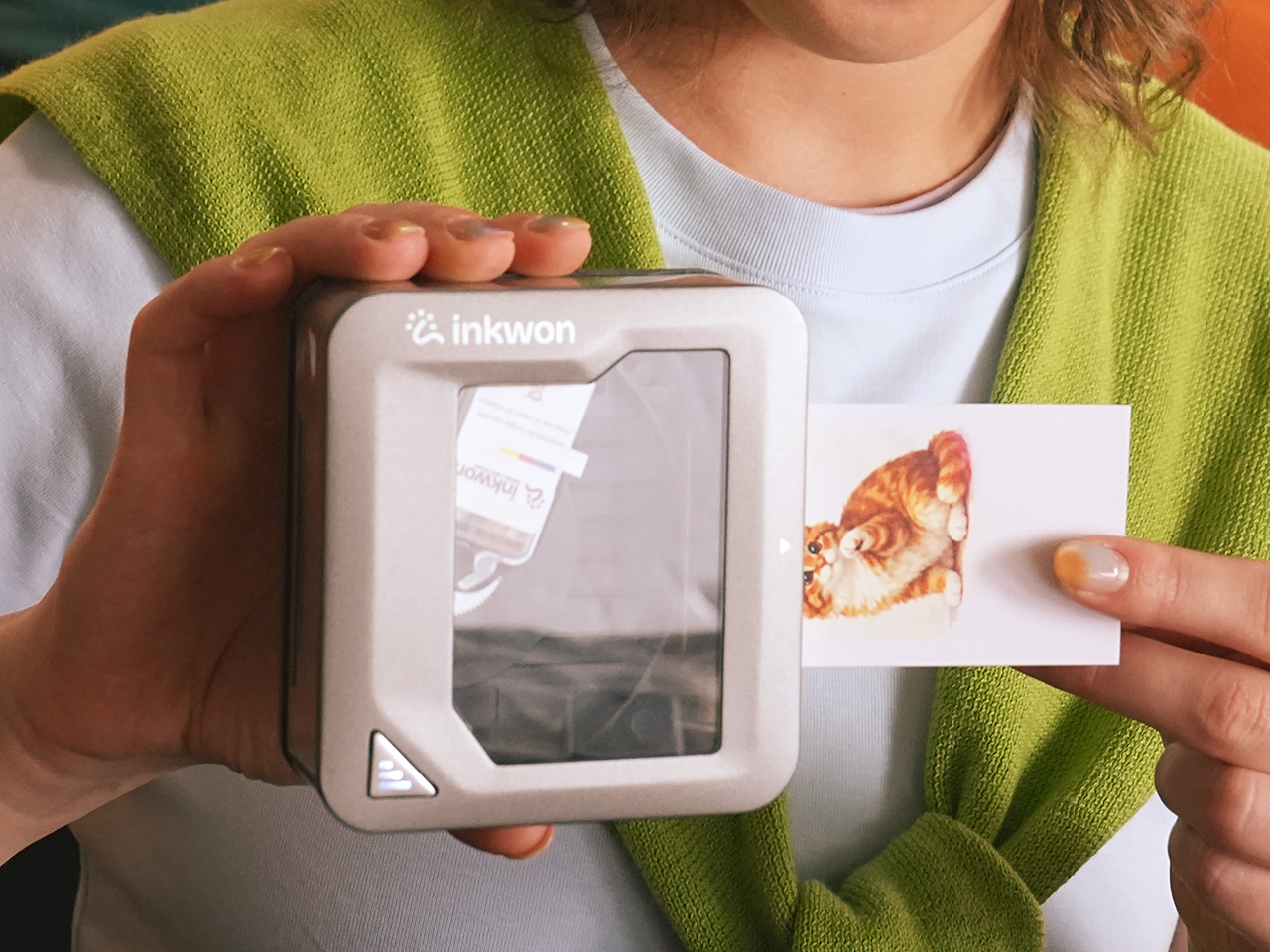
That’s the gap INKWON Tag 4-in-1 Pocket Printer is designed to fill. It’s a pocket-sized color inkjet printer that handles four creative tasks in one go: sticker printing, photo printing, temporary tattoo sticker printing, and fabric heat transfer. Rather than juggling separate devices for each, this single compact unit does all of that, and it fits right in the palm of your hand.

Designer: INKWON Printing

Click Here to Buy Now: $169 $299 (43% off). Hurry, only 169/200 left! Raised over $138,000.

The device itself doesn’t feel like a printer in the conventional sense. It’s roughly the size of a small tin, weighs just 0.52 lbs, and its self-suction paper feed pulls media in automatically to keep things aligned. The ink cartridge snaps in magnetically, so there’s no fumbling with loading trays or making a mess every time you need to swap one out.

Of the four modes, sticker printing is probably the easiest to get excited about. You can print custom graphics on adhesive photo paper and stick them on practically anything: laptops, travel cases, journals, and planners. The output reaches 600 dpi, so detailed artwork holds up well even at a small format. It’s the kind of thing that takes about a minute from idea to finished sticker.

The temporary tattoo sticker mode spices things up even further. INKWON Tag prints onto tattoo sticker paper that you apply to skin just like a classic transfer tattoo, full color and all. It’s a surprisingly handy way to test a design before committing to real ink, or to add intricate graphics to a costume without needing a makeup artist anywhere near you. Plus, the ink is 100% skin-safe, even for the little ones, as proven by EN71-3 and REACH certification.

Heat transfer brings a surprising practical application you wouldn’t expect from a portable printer. INKWON Tag prints onto light-colored heat transfer paper that you then iron onto fabric, and the small form factor means you can work on precision spots that bigger machines simply can’t, like collar tips, pocket corners, or even socks. It’s genuinely handy for personalizing gifts or refreshing something plain.

Last but definitely not least, photo printing rounds out the four modes, and it’s probably the one most people reach for first. INKWON Tag turns phone snapshots into actual prints you can hold, making them easy to tuck into travel journals, scrapbooks, or stick onto memory pages. They don’t end up buried in a camera roll. They’re physical now, and that alone makes them feel worth keeping.

INKWON Tag connects to your phone via Bluetooth 5.4, and the companion app takes care of everything from image uploads to editing and sending the print. It works on both Android and iOS and supports 18 languages, so you’re covered regardless of where you are or what phone you carry. A full charge handles up to 60 prints, which happens to match exactly one ink cartridge.

Portable creative tools have been getting smarter for years, but most still stick to one trick and leave you hunting for everything else separately. INKWON Tag bundles stickers, temporary tattoo stickers, heat transfers, and photo prints into one device that easily fits in a jacket pocket, and it doesn’t need a desk, a software driver, or a dedicated power outlet to make any of that happen.

Click Here to Buy Now: $169 $299 (43% off). Hurry, only 169/200 left! Raised over $138,000.

The post This Pocket Printer Turns Out Temporary Tattoos, Stickers, and Photos first appeared on Yanko Design.

DREAME, the Robot Vacuum Company, Just Launched a Rocket Car and 20 Smart Home Products in One Week

San Francisco just witnessed something wild. Dreame Technology, the company you probably know from robot vacuums that actually work, took over the Palace of Fine Arts for four days and unveiled a product lineup so sprawling it felt like watching a tech conglomerate speedrun a decade of ambition. DREAME NEXT wasn’t a launch event. It was a statement of intent, wrapped in smoke and mirrors and one very literal rocket car.

The Nebula NEXT 01 JET Edition kicked things off on April 27th with dual solid-fuel rocket boosters delivering 0-to-100 km/h in 0.9 seconds. Sebastian Thrun showed up to co-present. Steve Wozniak appeared on day three for the smartphone launch. Dwyane Wade demoed cleaning tech on day two. But here’s the thing about this spectacle: buried underneath the celebrity cameos and rocket-powered stunts, Dreame actually showed off some genuinely clever engineering in the categories where they’ve already proven themselves.

Designer: DREAME

The X60 Pro Ultra Complete introduced Dreame’s second-generation Dual UltraExtend Arm, which is exactly what it sounds like: a robotic vacuum with extending appendages that reach into corners and edges. The mop extends 18 centimeters out from the body, the side brush goes 12 centimeters. The fan motor hits 42 kilopascals at 150,000 RPM, which is absurd suction for a robot this size. It climbs 10-centimeter steps, which means double-layer staircases are no longer a dealbreaker. The stereo vision obstacle avoidance keeps it from ramming into furniture, and the runtime is unlimited because it auto-docks and recharges. This addresses the single biggest frustration with robot vacuums: they miss spots. The extending arms mean actual edge-to-edge coverage without manual cleanup afterward.

The Aqua20 Pro Ultra Roller Complete takes a different approach to the same problem. Instead of extending arms, it brings 160-degree Celsius steam directly to the floor. The built-in steam generator reaches temperature in eight seconds, and the steam loosens dirt before the hot water mop follows through. It’s a multi-dimensional attack on kitchen grease and dried pet paw prints, the kind of stuck-on mess that normal robot mops just smear around. The combination of heat, water, and pressure means fewer passes and cleaner floors.

Then there’s the Aero Ultra Steam wet-dry vacuum, which introduces what Dreame calls a Tri-Force Cleaning Solution: 200-degree Celsius steam wash, 194-degree Fahrenheit hot water mopping, and targeted foam wash for pet odors. The suction hits 30 kilopascals, and the body is slim enough at 3.88 inches to slide under most furniture. The runtime goes up to 100 minutes. Wet-dry vacuums have always been finicky because you’re dealing with both dry debris and liquid spills in the same cleaning session, and the separation between air and water matters. Dreame’s using what they call AirHydro Separation technology, an air-shield system that keeps the airflow path isolated from the water recovery path. It means you can switch between vacuuming crumbs and mopping spills without clogging the motor or diluting suction.

Group of diverse attendees at a DreamE booth, a man in a blue shirt points toward the camera while others smile nearby; a robotic vacuum sits on the table in front of them.

The outdoor lineup got similar treatment. The A3 AWD roboticmower uses LiDAR and binocular AI vision for autonomous mapping with no perimeter wires. Four-wheel drive handles 5.5-centimeter obstacles and 80 percent slopes. The cutting height adjusts from 3 to 10 centimeters, and the EdgeMaster system gets within 5 centimeters of boundaries. The All-in Center is what makes this actually hands-off: the mower returns to the base for automatic charging, cleaning, and weatherproof storage. It handles rain, heat, and freezing temps without manual intervention. Most robotic mowers still require you to babysit the charging process or bring them indoors during bad weather. This one just docks and waits.

What Dreame is doing here comes down to three core technologies they’ve been refining since 2015: high-speed digital motors, intelligent algorithms, and bionic robotic arms. The motors hit 200,000 RPM in lab conditions and mass-produce at 160,000 RPM. That’s aerospace-grade engineering applied to household appliances. The robotic arm platform, which started in vacuums, now scales across dishwashers, range hoods, and air conditioners. The AI perception stack learns from 4.05 million datasets across 35 algorithm versions, enabling real-time object detection and scene understanding.

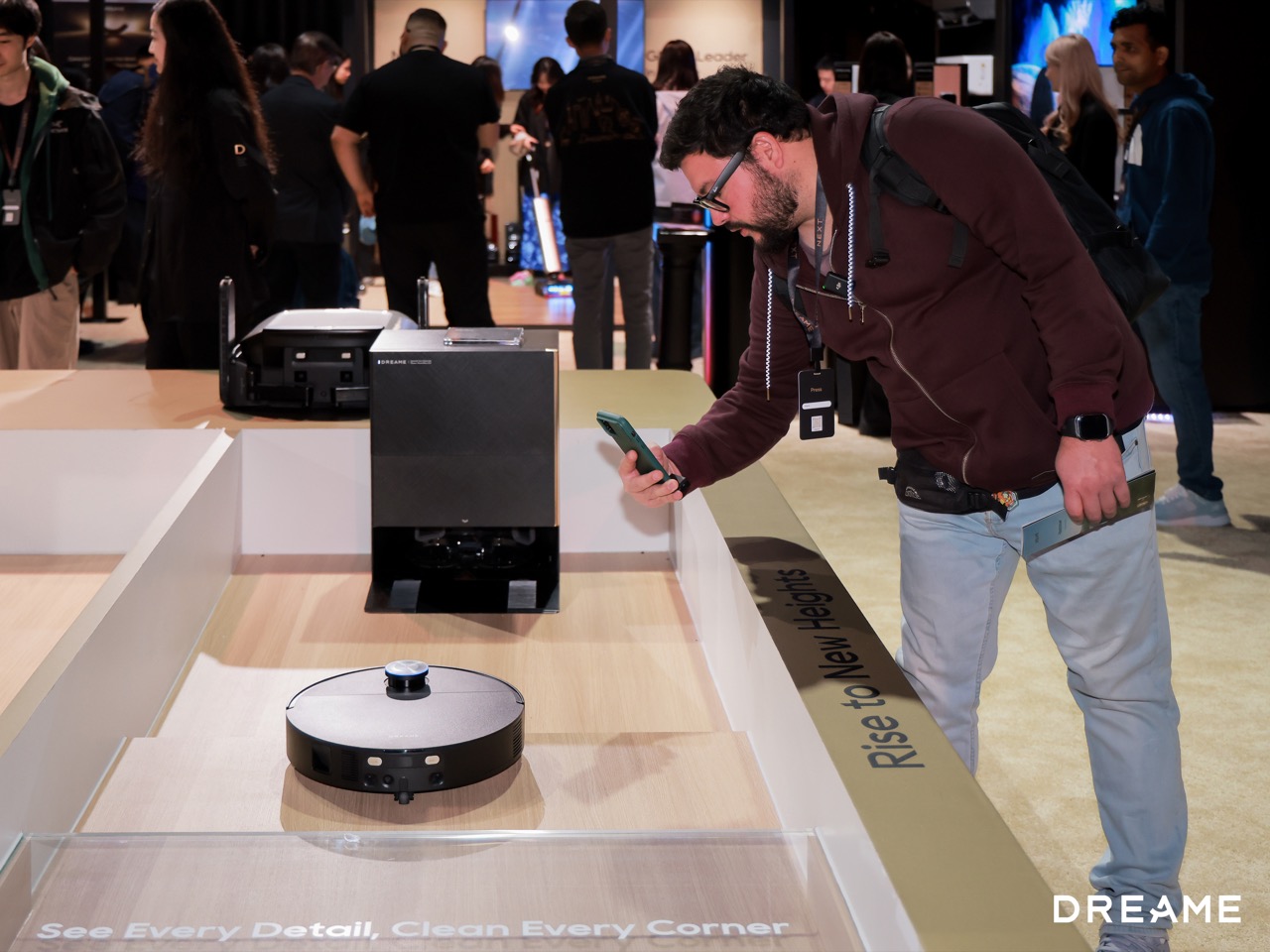
Man in a maroon hoodie leans over a display table to inspect a round robot vacuum while holding a smartphone at a tech expo booth.

The guest list told the story. When Sebastian Thrun, Steve Wozniak, and Dwyane Wade show up for a cleaning appliance company’s launch event, you’re watching category boundaries dissolve. William Fong put it plainly during the opening forum: “Dreame has the foundational OS for reality.” Julie Zhuo noted that Dreame delivers the kind of freedom people actually want. Sebastian Thrun closed with this: “Dreame is positioned to move from AI software into the physical world.”

Crowded technology expo with multiple vendor booths and the word DREAME on signage, people chatting and exploring displays at a dark, industrial venue.

Whether refrigerators with hyperspectral sensors and smartphones with modular satellite attachments actually land remains to be seen. But the cleaning tech works because Dreame stayed focused on solving real problems: edges that don’t get cleaned, grease that doesn’t lift, lawns that require constant manual oversight. The rocket car got the headlines. The robot vacuums earned them.

The post DREAME, the Robot Vacuum Company, Just Launched a Rocket Car and 20 Smart Home Products in One Week first appeared on Yanko Design.

Keychron’s Q0 Mini 8K has just one key, and that’s exactly the point

There was a time when keyboards kept growing, trading compactness for more keys, more modes, and more customization. Then came a different kind of thinking. Stream Decks, macro pads, and dedicated shortcut controllers have earned real estate on desks alongside full-sized keyboards, proving that one well-placed action sometimes matters more than access to everything at once. The appetite for specialized, single-purpose input hardware hasn’t let up.

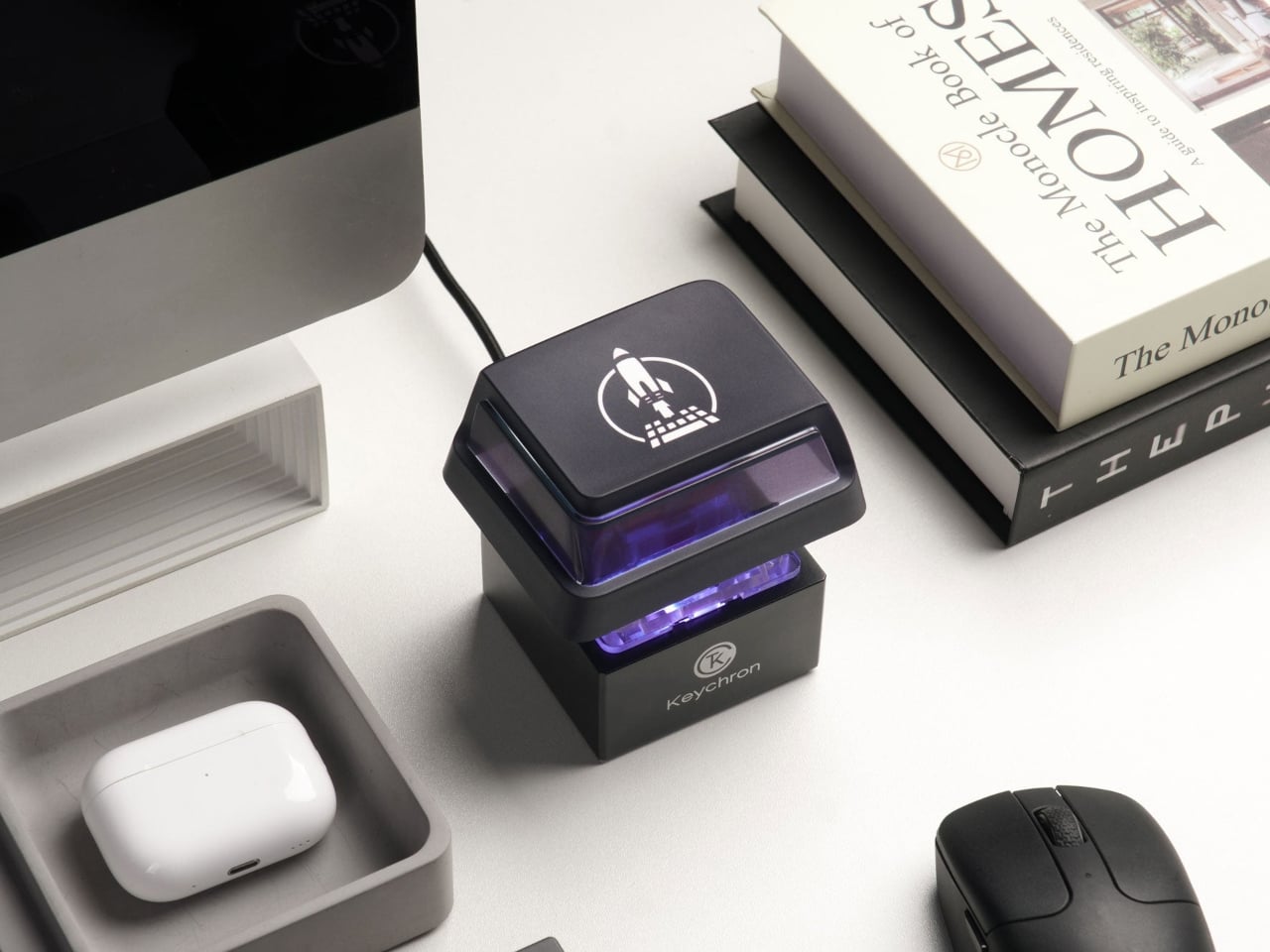
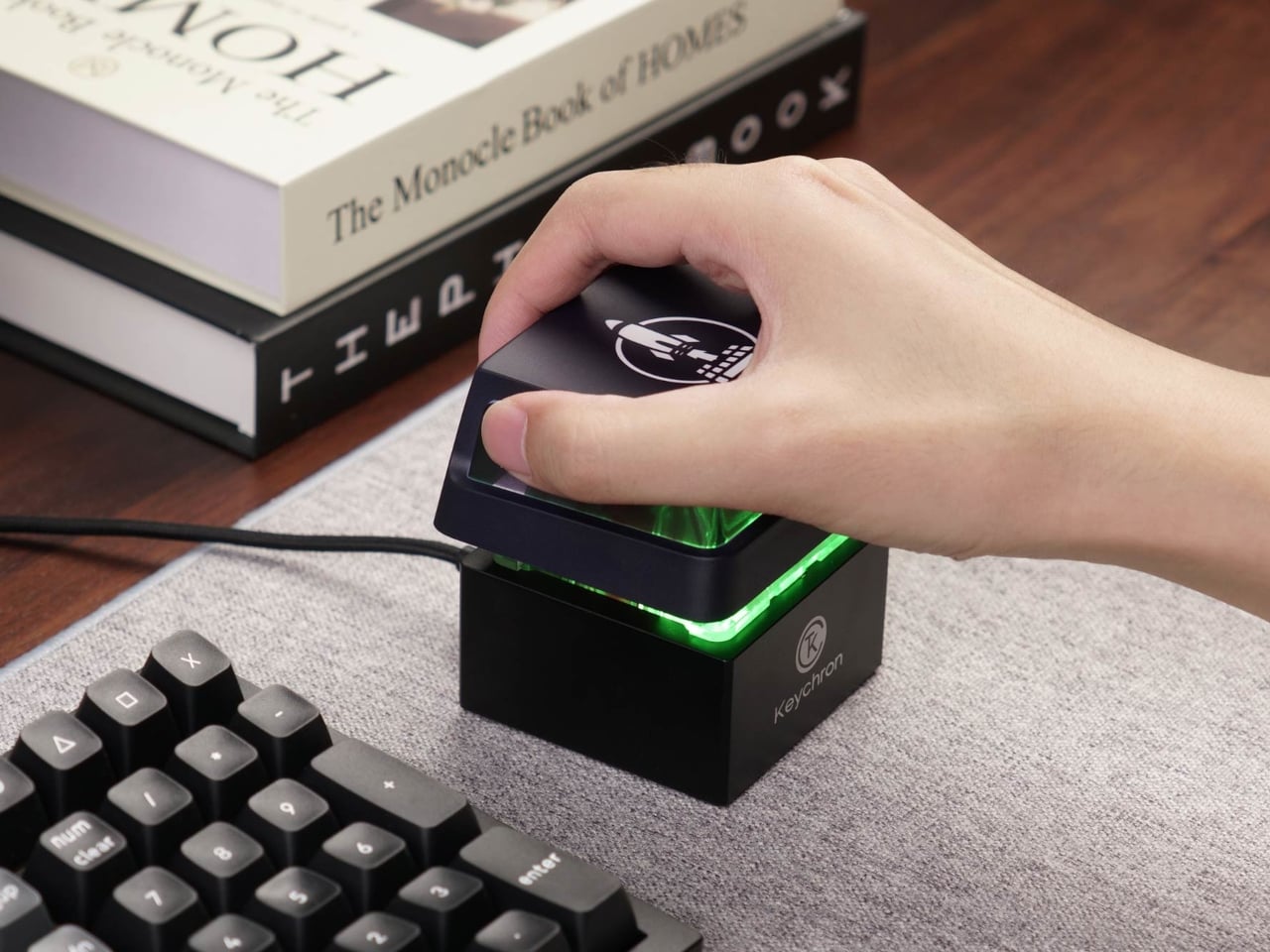
It’s into that space that the Keychron Q0 Mini 8K Action Key quietly lands. Rather than adding keys to a board, Keychron stripped the whole idea down to a single key and built around it seriously. For $64.99, what you’re getting isn’t a gimmick or a belated April Fools joke. It’s a full-metal, programmable, mechanical-switch device that happens to have a single, enormous key, and it commits to that idea entirely.

Designer: Keychron

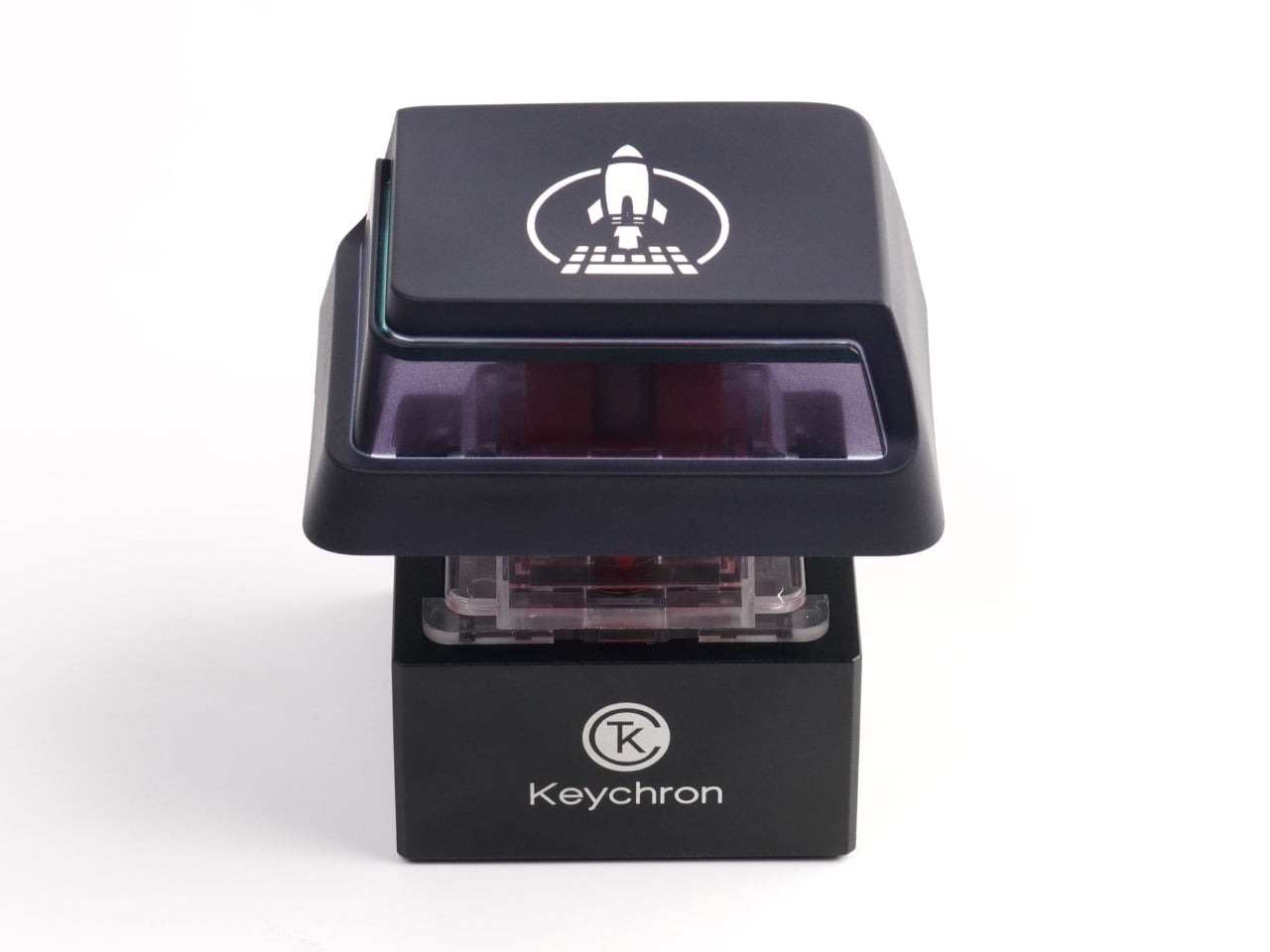
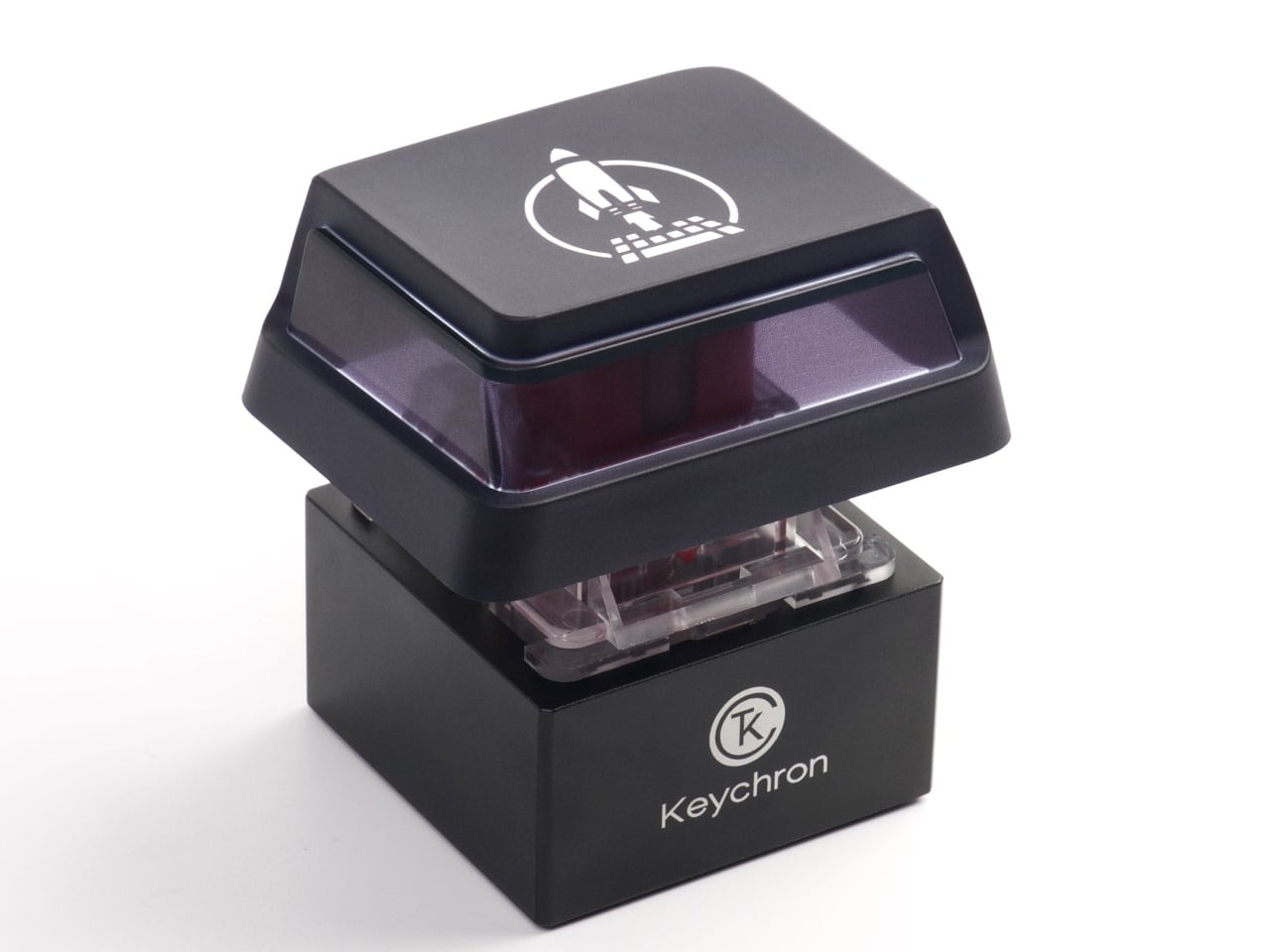
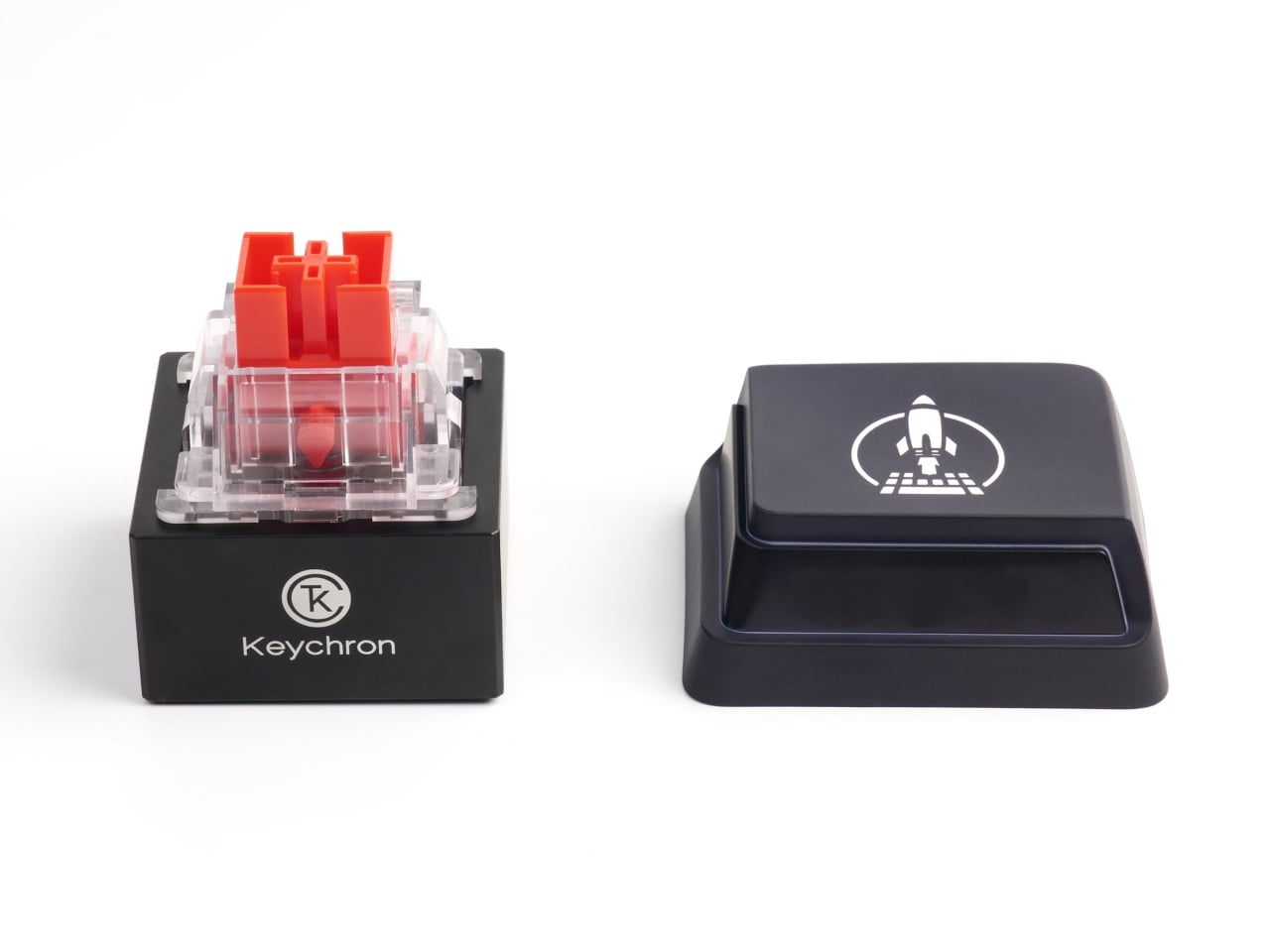
The switch’s engineering story is quite interesting. Keychron scaled it to four times the length, four times the width, and four times the height of a standard mechanical switch, adding up to nearly 64 times the total volume. The result is a key wide enough to take a full palm, and the click it produces feels appropriately satisfying for something this absurdly well-engineered.

Think about the moments in a workday when a single shortcut would have changed everything. Muting yourself in a meeting with one decisive smack, triggering a scene change during a live stream, launching a frequently needed app, or finally getting to slam something that won’t close. Having a dedicated, impossible-to-miss button for any of those moments removes the friction that a hunt across a full keyboard creates.

The performance side takes things just as seriously, almost to the point of ridiculousness. The Q0 Mini 8K supports a polling rate of up to 8,000 Hz, putting it in the same tier as high-end gaming peripherals built to minimize input latency. For something mapped to a time-sensitive action in a game or a live broadcast setup, that level of responsiveness is what separates a purpose-built tool from a desk novelty.

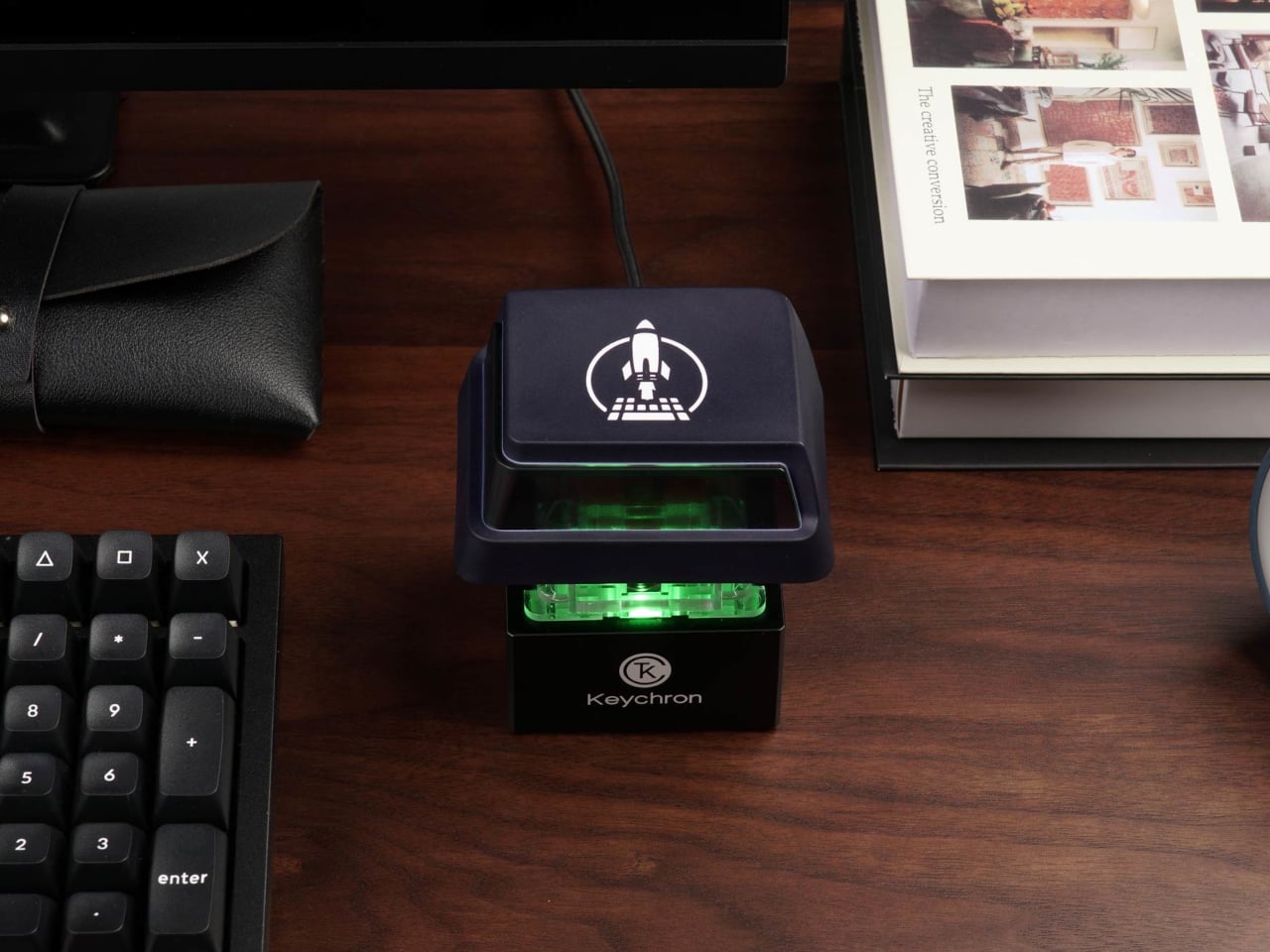
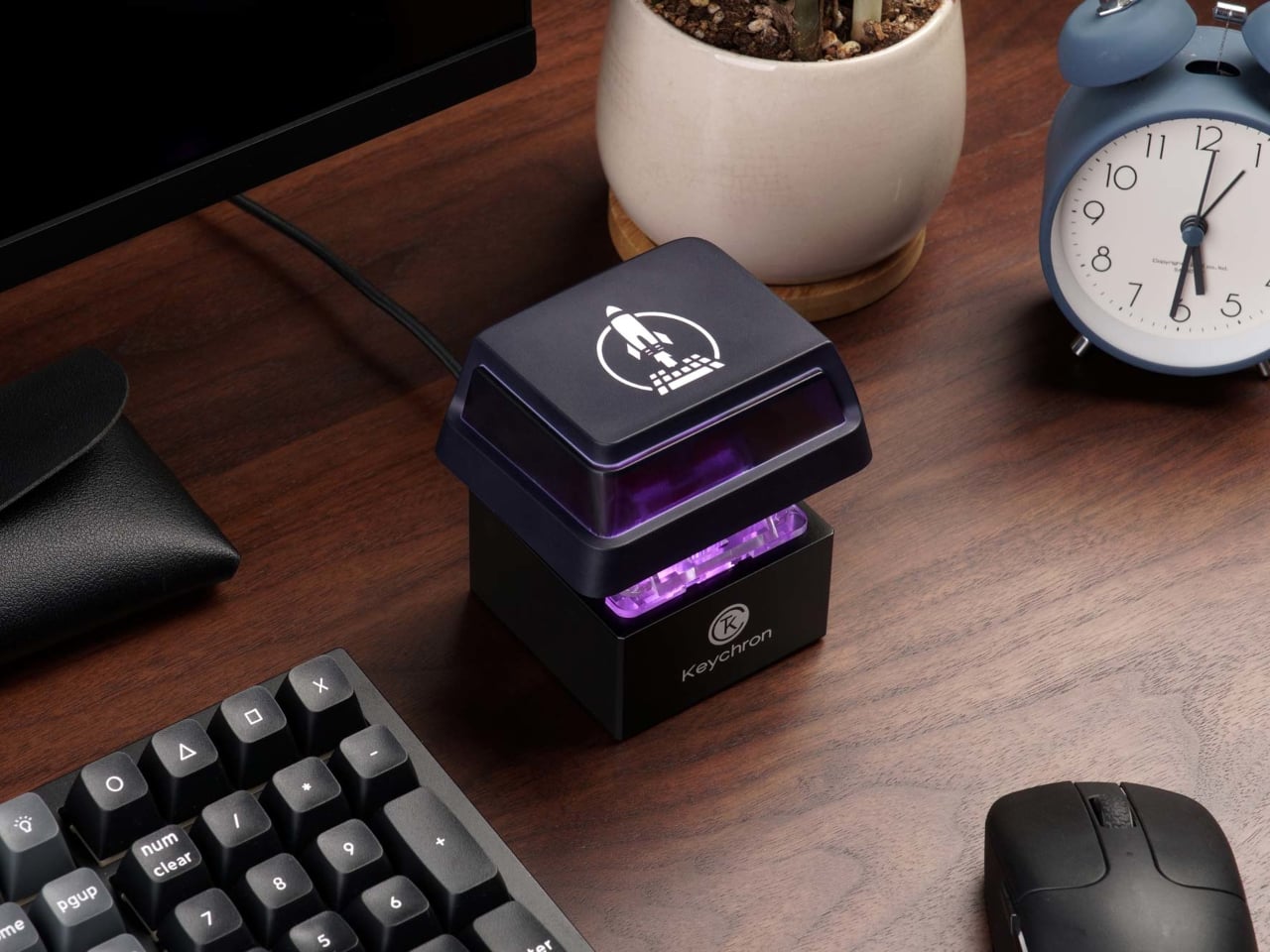
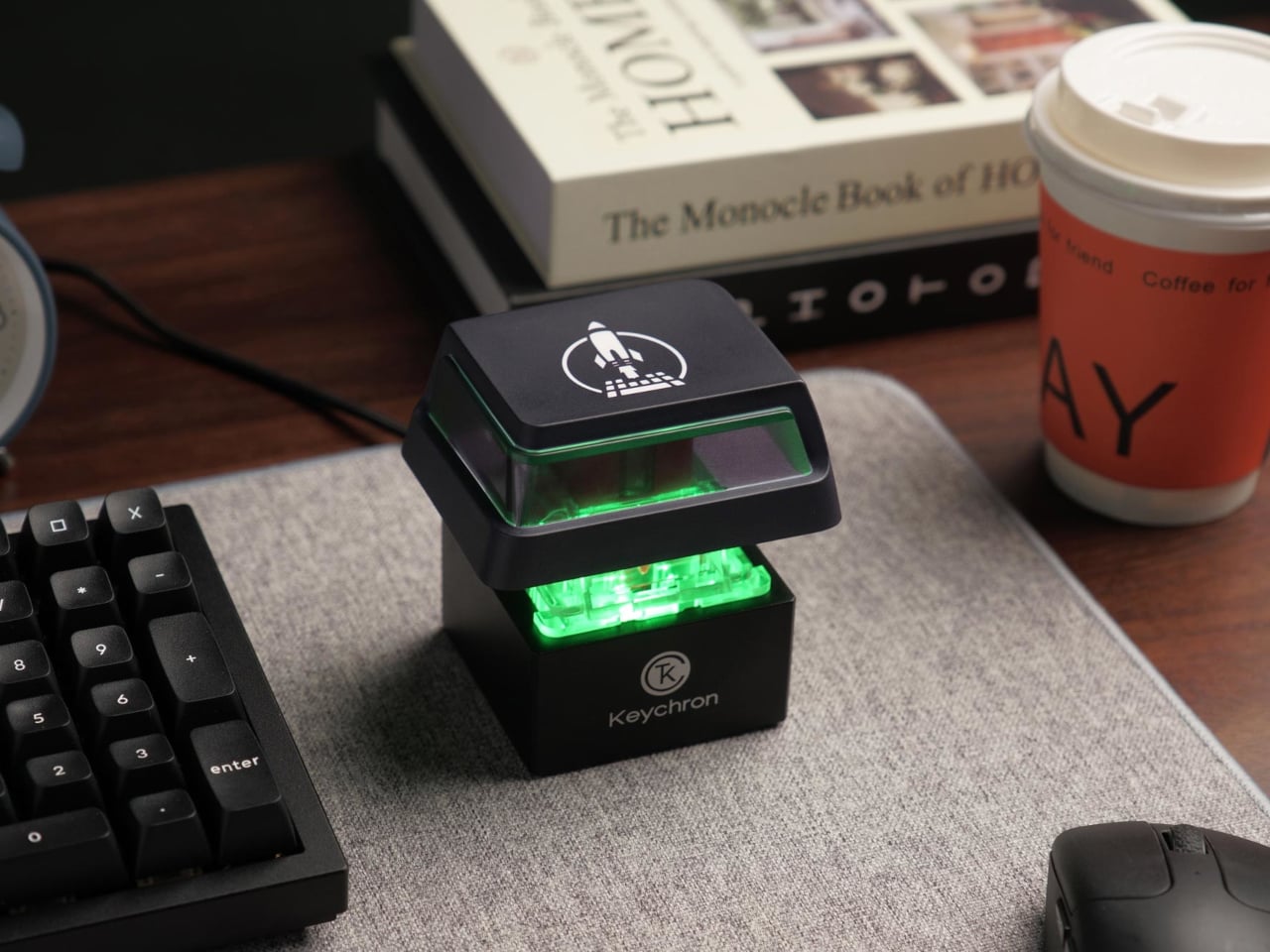
The construction is no joking matter, though. The chassis is CNC-machined from 6063 aluminum, finished with a polished and sandblasted surface that gives it a refined, premium look. The keycap pairs a double-shot PBT outer shell with a translucent polycarbonate insert that lets the RGB lighting through cleanly. With the keycap attached, it weighs approximately 386 grams and sits with real authority on a desk.

Remapping is handled through QMK firmware and the Keychron Launcher, a browser-based tool that requires no software installation. Changing what the key does takes only a few clicks, and compatibility with macOS, Windows, and Linux means it fits just about any setup. The adjustable RGB lighting is tunable in hue, saturation, and brightness, so it can match whatever aesthetic is already living on the desk.

For $64.99, the Q0 Mini 8K isn’t going to make sense to everyone, and that’s fine. It’s a deeply specific product for people who already know which action they’d want at their fingertips. The materials are real, the engineering is considered, and the performance specs are no afterthought. Keychron built a button that genuinely takes itself seriously, and somehow that’s the most fun thing about it.

The post Keychron’s Q0 Mini 8K has just one key, and that’s exactly the point first appeared on Yanko Design.