5 Best Travel Essentials to Buy Before Spring 2026 Airport Chaos

Spring 2026 promises record-breaking travel numbers as airports worldwide brace for unprecedented passenger volumes. The post-pandemic wanderlust shows no signs of slowing, and savvy travelers know that the right gear makes the difference between smooth sailing and terminal meltdown. Smart packing isn’t about cramming more into your carry-on; it’s about selecting tools that adapt to chaos, keep you powered up, and maintain your sanity when delays inevitably occur.

The travel essentials market has exploded with innovation, but not all gear deserves a spot in your carefully curated kit. These five products represent the intersection of thoughtful design and genuine utility. They’re built for people who move through airports like seasoned nomads, who understand that durability matters more than aesthetics, and who refuse to compromise on the small comforts that transform grueling journeys into manageable adventures. This spring, pack smarter.

1. Nothing Power Bank
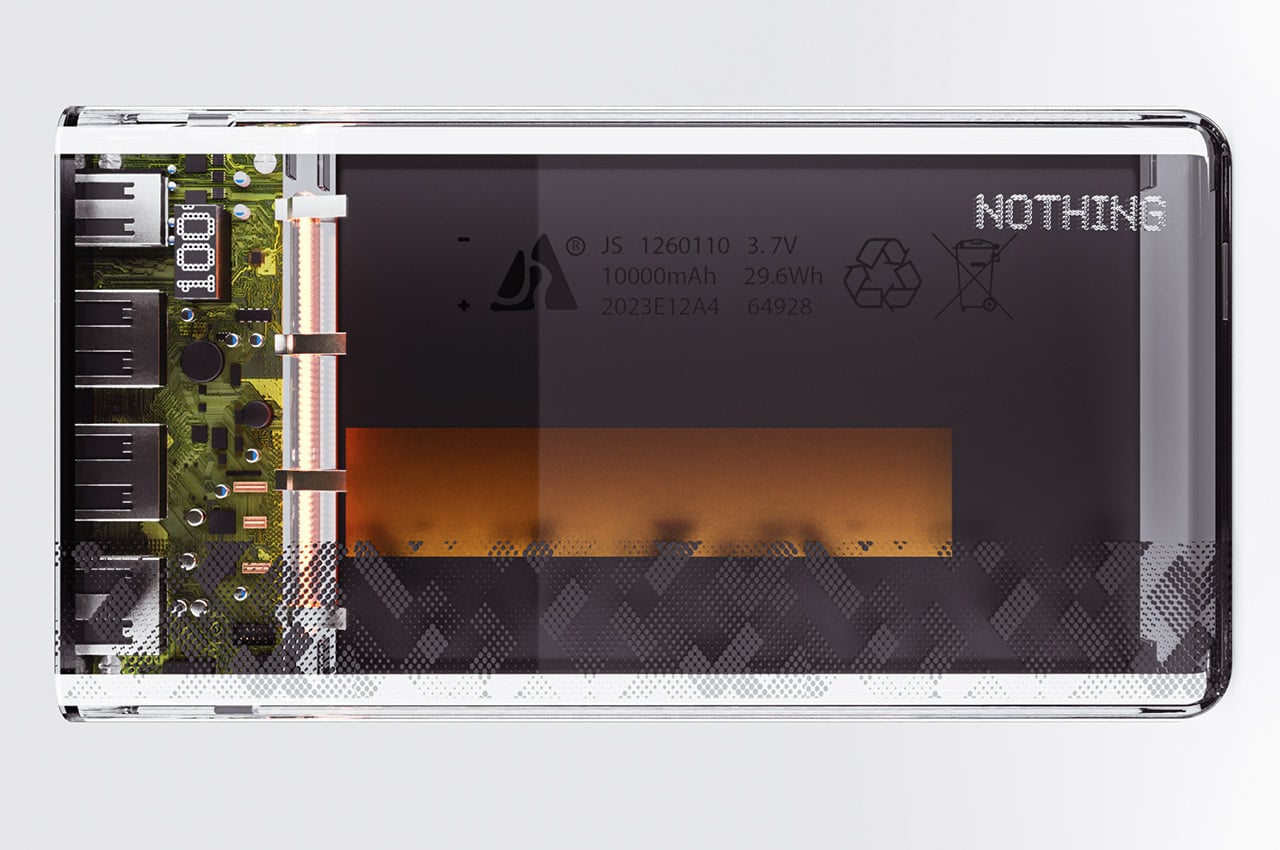
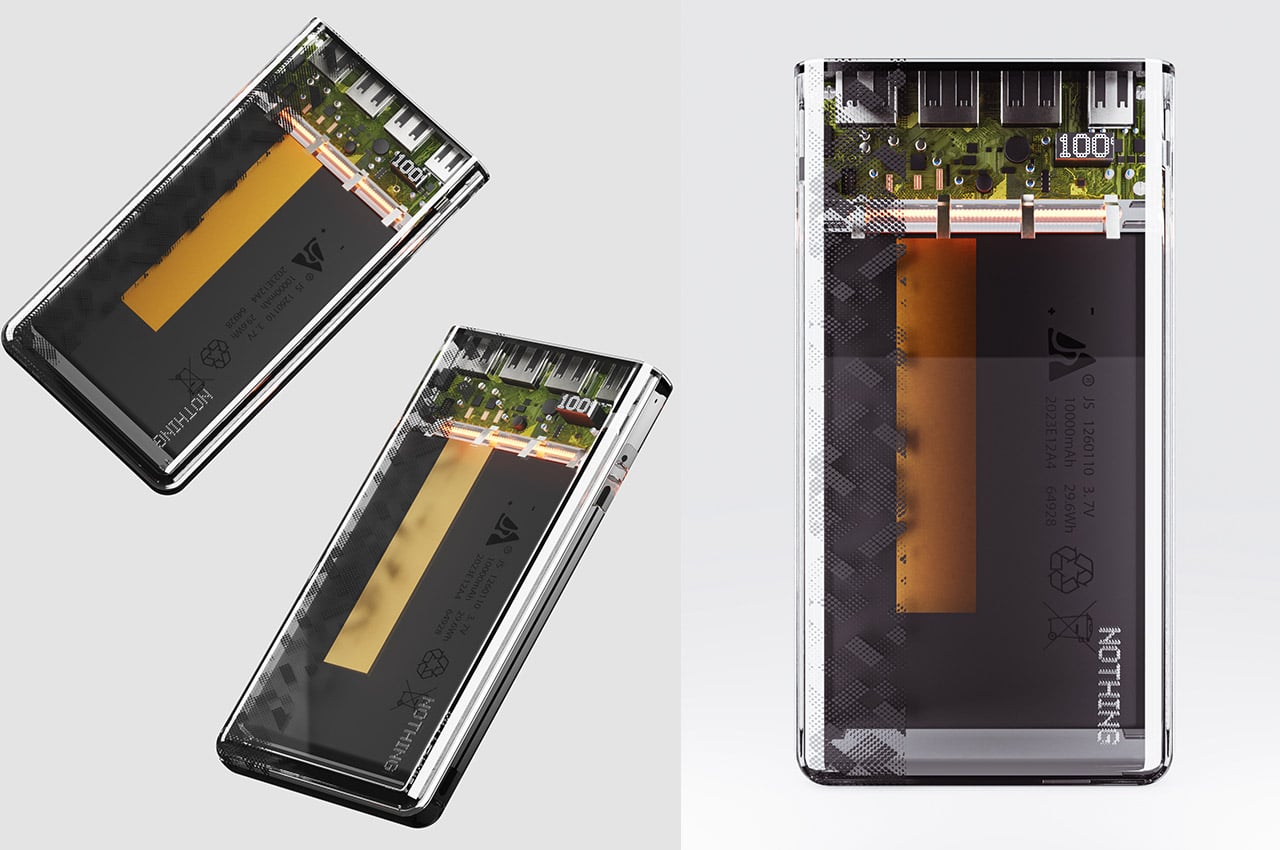
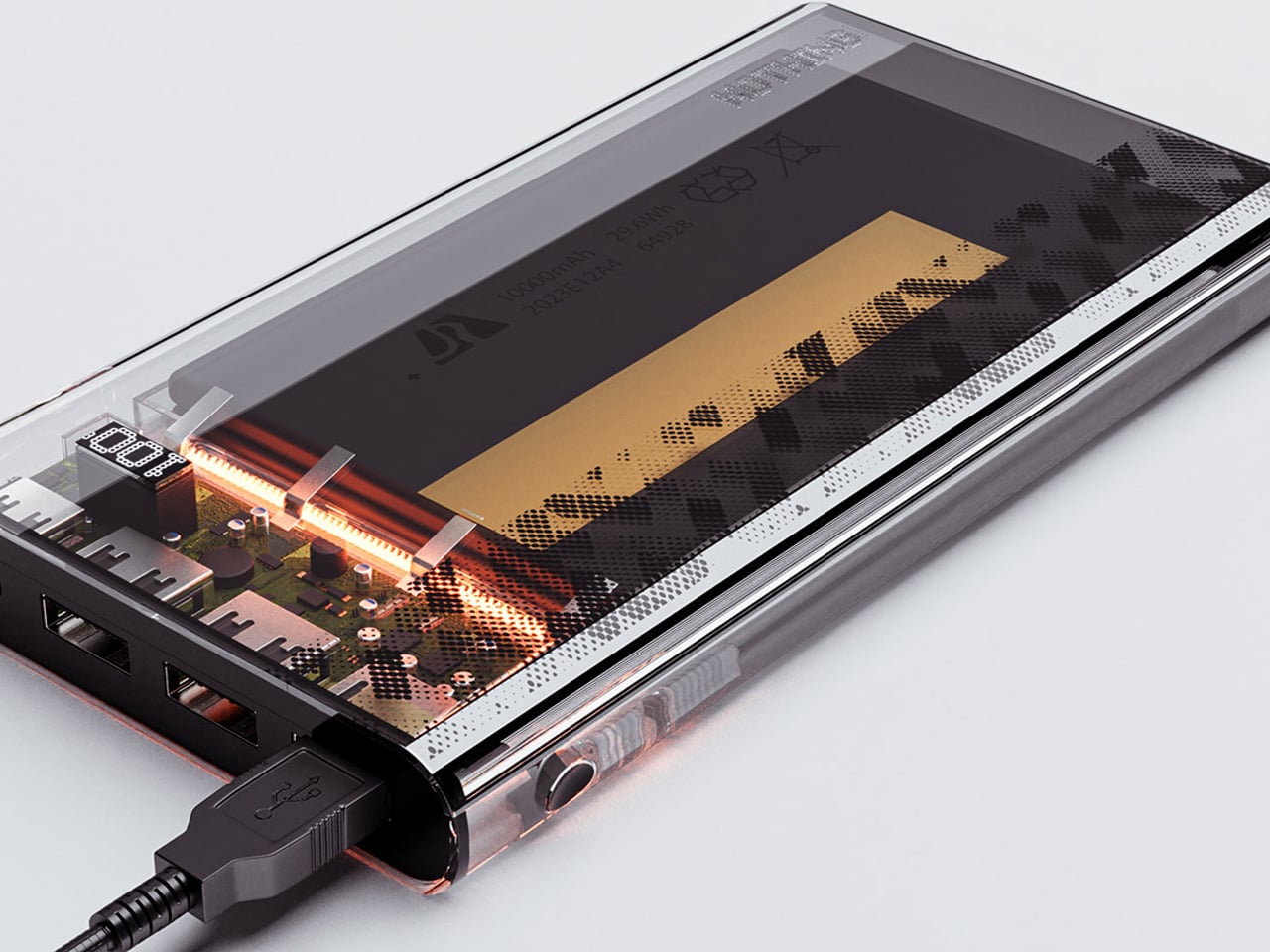
Airport terminals have become battlegrounds for electrical outlets, with travelers camping near charging stations like prospectors staking claims. The Nothing Power Bank eliminates that desperate scramble, keeping your devices alive through security delays, gate changes, and those dreaded tarmac holds that test every passenger’s patience. Nothing’s design philosophy of transparent aesthetics translates beautifully to a power bank, transforming a purely functional device into something worth pulling out of your bag.

The transparent casing reveals the entire internal architecture, with circuit boards and battery cells visible beneath the shell like a museum exhibit of modern electronics. Warm-toned LEDs distributed throughout the interior create ambient lighting that gives the power bank a cyberpunk sensibility without tipping into gimmick territory. This visual identity makes perfect sense for Nothing’s expanding ecosystem, offering loyal users another perfectly matched accessory that shares the same design language as their phones and earbuds while delivering straightforward, reliable power when flights get rescheduled and charging time disappears.

What We Like

  • The transparent design makes the power bank instantly recognizable in crowded bags and distinguishes it from generic alternatives
  • The integrated LED lighting serves dual purposes by indicating charge status while adding atmospheric illumination during evening flights
  • Nothing’s ecosystem compatibility means the power bank meshes seamlessly with existing devices for users already invested in the brand
  • The straightforward functionality strips away unnecessary features that complicate other portable chargers

What We Dislike

  • The transparent aesthetic might not appeal to travelers who prefer minimalist, understated gear
  • LED lighting, while attractive, potentially drains battery capacity faster than non-illuminated alternatives
  • The power bank lacks weatherproofing details that would make it suitable for adventure travel beyond airports
  • Pricing sits higher than budget options, making it a premium choice for brand loyalists rather than value seekers

2. AERIONN Forma Titanium Travel Case

Luxury luggage brands have long relied on aluminum to signal premium quality; however, aluminum’s reputation often exceeds its actual durability under the relentless punishment of baggage handlers and conveyor belt systems. The AERIONN Forma deploys Grade 1 commercially pure titanium as its shell material, the same strategic upgrade Apple makes when distinguishing iPhone Pro models from standard versions. This isn’t about superficial luxury; titanium fundamentally changes how luggage responds to impact, transforming a case from something that degrades into something that ages with character.

The single continuous titanium body flexes under stress and returns to its original shape rather than permanently deforming. AERIONN subjected the shell to thousands of drop tests, bending cycles, ultrasonic inspections, and dimensional verifications to ensure the material performs as promised. Titanium’s tensile strength ranges from 290 to 310 MPa under ASTM B265-15 certification standards, significantly outperforming aluminum alloys used in competing luxury cases. The material shows wear over time with rough handling, but those marks become patina rather than damage. For travelers who spend more time in airport lounges than their own living rooms, Forma represents luggage that keeps pace with their lifestyle.

Click Here to Buy Now: $499 $1799 (72%). Hurry, only 8/970 left! Raised over $978,000.

What We Like

  • Grade 1 titanium construction offers genuine durability that justifies the premium positioning
  • The material flexes and rebounds rather than denting permanently like aluminum competitors
  • Extensive testing protocols ensure reliability under real-world travel conditions that destroy lesser luggage
  • The single continuous body design eliminates weak points where traditional cases typically fail first

What We Dislike

  • Titanium construction places this case in a luxury price bracket that excludes budget-conscious travelers
  • The weight savings over aluminum, while present, remain modest compared to the substantial cost increase
  • Titanium’s natural patina develops with use, which some travelers might perceive as damage rather than character
  • Limited color options restrict personalization compared to brands offering extensive customization

3. MokaMax Portable Coffee Maker
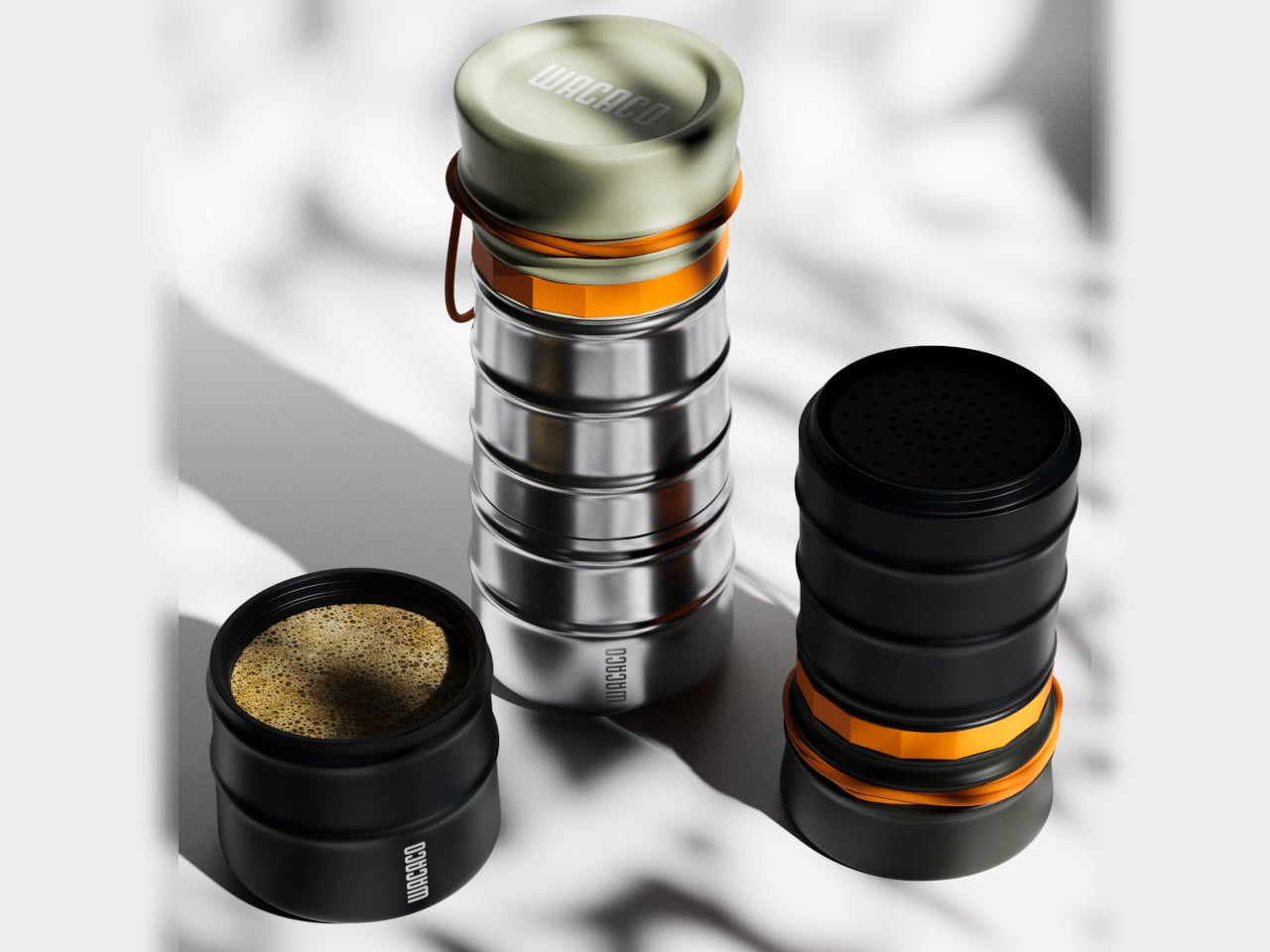
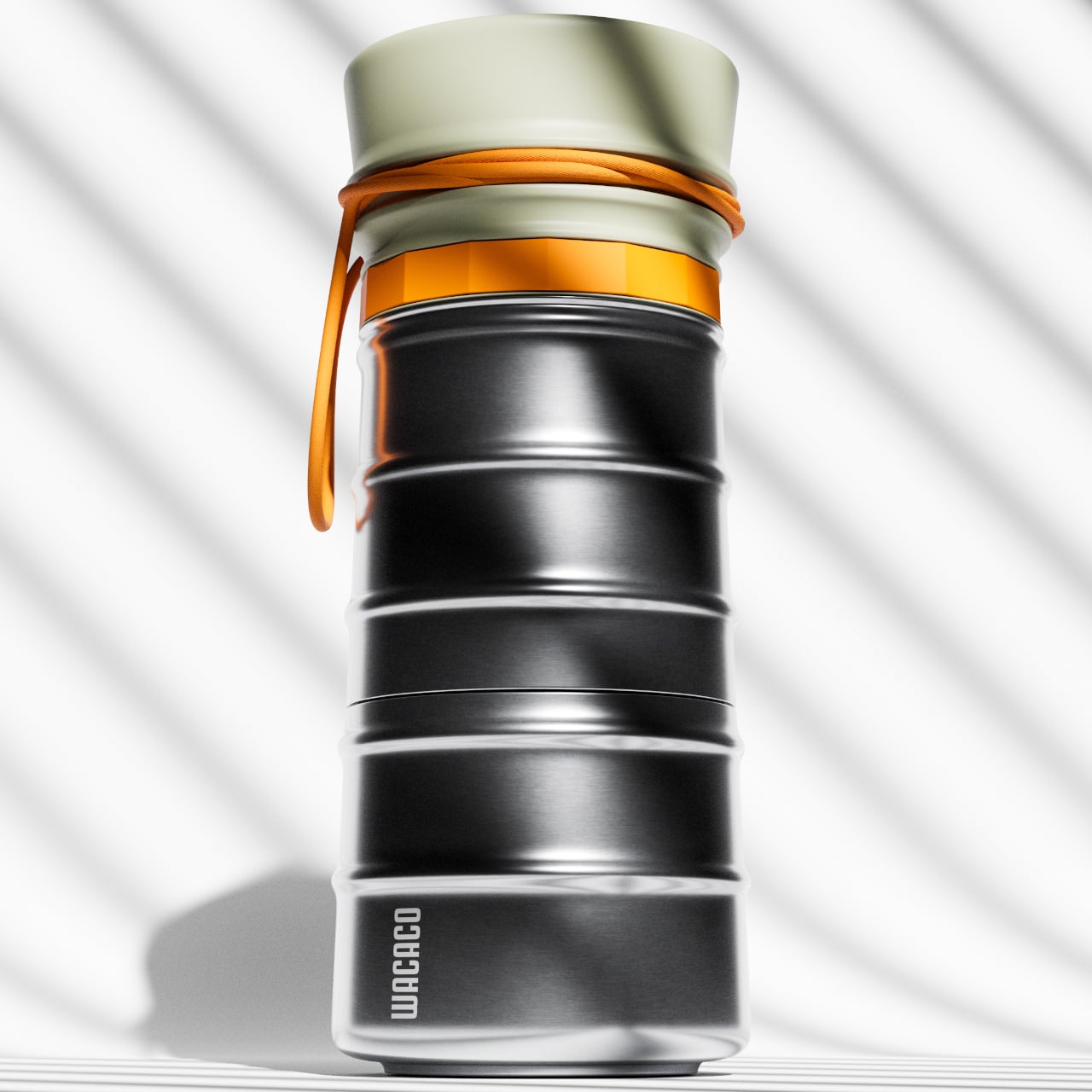
Airport coffee represents one of travel’s most reliable disappointments, with overpriced, underwhelming brews served in establishments that exploit captive audiences. MokaMax eliminates that compromise by functioning as both a pressure brewer and an insulated travel mug in a single rigid stainless-steel cylinder. This portable coffee maker positions itself as Pipamoka’s spiritual successor, promising espresso-style extraction quality anywhere your journey takes you, from terminal gates to mountaintop campsites, without requiring a separate bag of accessories.

The distinctive ridged exterior provides a secure grip while helping MokaMax blend naturally with other rugged travel gear. Those ridges emerged from multiple design iterations that balanced tactile comfort against visual appeal, avoiding sharp edges or overly complicated profiles that would catch on other items. A flexible rope threads through the top, creating attachment points for carabiners or hooks so MokaMax can clip directly to backpack straps or dangle from campsite setups. The integrated pressure-brewing system occupies space inside the cylinder that would typically sit empty in conventional travel mugs, maximizing functionality within a compact footprint that fits standard cup holders.

What We Like

  • The dual functionality combines brewing capability and travel mug features in one compact unit
  • Pressure-brewing system produces espresso-style coffee that exceeds typical portable brewer quality
  • Ridged stainless-steel construction offers durability and a secure grip during use
  • The integrated rope attachment transforms the mug into genuinely portable gear that clips to bags and packs

What We Dislike

  • The brewing system requires learning and practice to achieve optimal extraction consistently
  • Cleaning the internal components demands more attention than standard travel mugs after each use
  • The stainless-steel construction, while durable, adds weight compared to lighter insulated bottles
  • Single-serve capacity means brewing multiple cups requires repetition rather than batch preparation

4. Peak Design Travel Tripod

Conventional tripods sacrifice portability for stability, forcing photographers to haul bulky equipment or compromise on shot quality when traveling light. Peak Design’s Travel Tripod reimagines the fundamental architecture by eliminating the hollow channel running through traditional center columns, creating a design that achieves greater strength and dramatically reduced packed dimensions simultaneously. This engineering approach transforms the tripod from awkward luggage into a legitimate travel essential that slides into carry-on bags without consuming precious space.

Carbon fiber construction keeps weight under three pounds while supporting up to twenty pounds of camera equipment, a ratio that serves both casual smartphone photographers and professionals carrying full-frame setups with telephoto lenses. Precisely machined dials and knobs make adjustments intuitive even in challenging conditions, while the aluminum ball head enables smooth positioning across all axes. The legs extend to five feet at maximum height and open to full ninety-degree angles for ground-level perspectives, offering shooting flexibility that matches stationary studio tripods. For photographers who refuse to sacrifice image quality to travel logistics, this tripod represents the rare product that genuinely improves both.

What We Like

  • The innovative center column design eliminates wasted space for unprecedented compactness when packed
  • Carbon fiber construction achieves remarkable strength-to-weight ratios that suit serious photography equipment
  • Precisely engineered adjustment mechanisms make setup and positioning genuinely intuitive
  • The ninety-degree leg spread enables low-angle compositions impossible with conventional tripods

What We Dislike

  • Premium materials and engineering place this tripod in a high price category that excludes casual users
  • The compact design requires slightly more setup time compared to quick-deploy alternatives
  • Carbon fiber, while strong, can be more fragile than aluminum under certain impact scenarios
  • The minimalist design omits accessories like smartphone mounts that some travelers expect as standard inclusions

5. LARQ Bottle

Reusable water bottles rank among travel’s most essential items, yet they’re also among the most neglected when it comes to proper cleaning and maintenance. The LARQ Bottle addresses this universal problem through integrated UVC LED technology built directly into the cap, creating the world’s first portable mercury-free purification system that keeps both bottle and water pristine without manual scrubbing. While other innovative bottles focus on features like smartphone integration, LARQ prioritizes the fundamental concern that matters most during travel: consistently clean, safe drinking water.

A simple tap activates the UVC LED light, which begins the cleaning cycle immediately and completes the process in just sixty seconds. The stainless-steel interior reflects UV light throughout the bottle’s volume, eliminating 99.9999 percent of bacteria and 99.99 percent of viruses according to independent testing. This technology transforms water quality wherever you fill up, whether from airport fountains, hotel taps, or questionable sources during backcountry adventures. The bottle requires minimal effort to maintain peak performance, automatically running cleaning cycles every two hours to prevent biofilm buildup and odor development that plague conventional bottles after days of continuous use.

What We Like

  • UVC LED technology provides genuine purification that kills bacteria and viruses in sixty seconds
  • The self-cleaning capability eliminates manual scrubbing and maintenance requirements
  • Stainless-steel construction reflects UV light for thorough interior coverage
  • Automatic cleaning cycles every two hours prevent odor and biofilm buildup without user intervention

What We Dislike

  • The integrated technology increases the cost significantly compared to standard insulated bottles
  • Battery requirements for the UVC system add charging obligations to travel routines
  • The electronic cap components require careful handling and cannot be fully submerged
  • Replacement parts for the UVC system create long-term dependency on manufacturer support

Gear Up, Stress Down

Spring 2026 will test even the most experienced travelers as airports strain under capacity and delays ripple across entire continents. The right travel essentials don’t just add convenience; they create resilience against the inevitable chaos. These five products represent thoughtful solutions to genuine problems that emerge when you spend hours navigating terminals, sleeping in departure lounges, and adapting to constantly changing circumstances that define modern travel.

The best gear fades into your routine until you need it, then performs exactly as promised without drama or disappointment. Power that keeps devices alive through marathon delays, luggage that survives baggage handler brutality, coffee that doesn’t require hunting down terrible airport cafes, photography equipment that packs impossibly small, and water that stays clean regardless of source. These aren’t luxury purchases; they’re infrastructure for anyone serious about traveling well. Pack accordingly.

The post 5 Best Travel Essentials to Buy Before Spring 2026 Airport Chaos first appeared on Yanko Design.

This Owl-Shaped Controller Splits Into Two Pieces for Relaxed Gaming

Late-night gaming sessions have a familiar rhythm. Shoulders creep up, wrists lock around a rigid gamepad, and the clock slides past midnight while you chase one more match or level. Gamers are stereotypically seen as night owls, but the controllers they use are still built like daytime office tools, fixed in shape and posture, demanding that your hands adapt to them instead of the other way around.

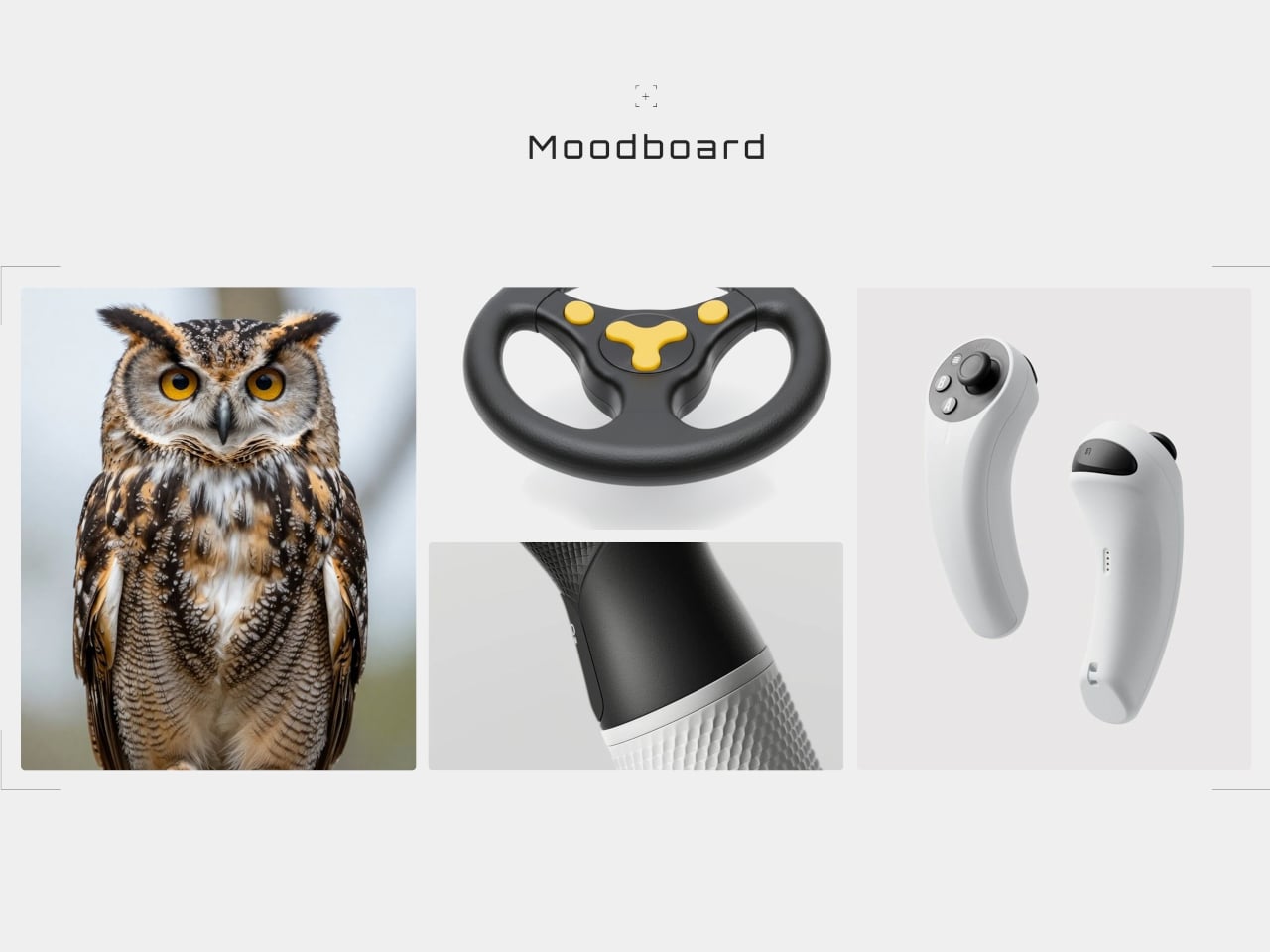
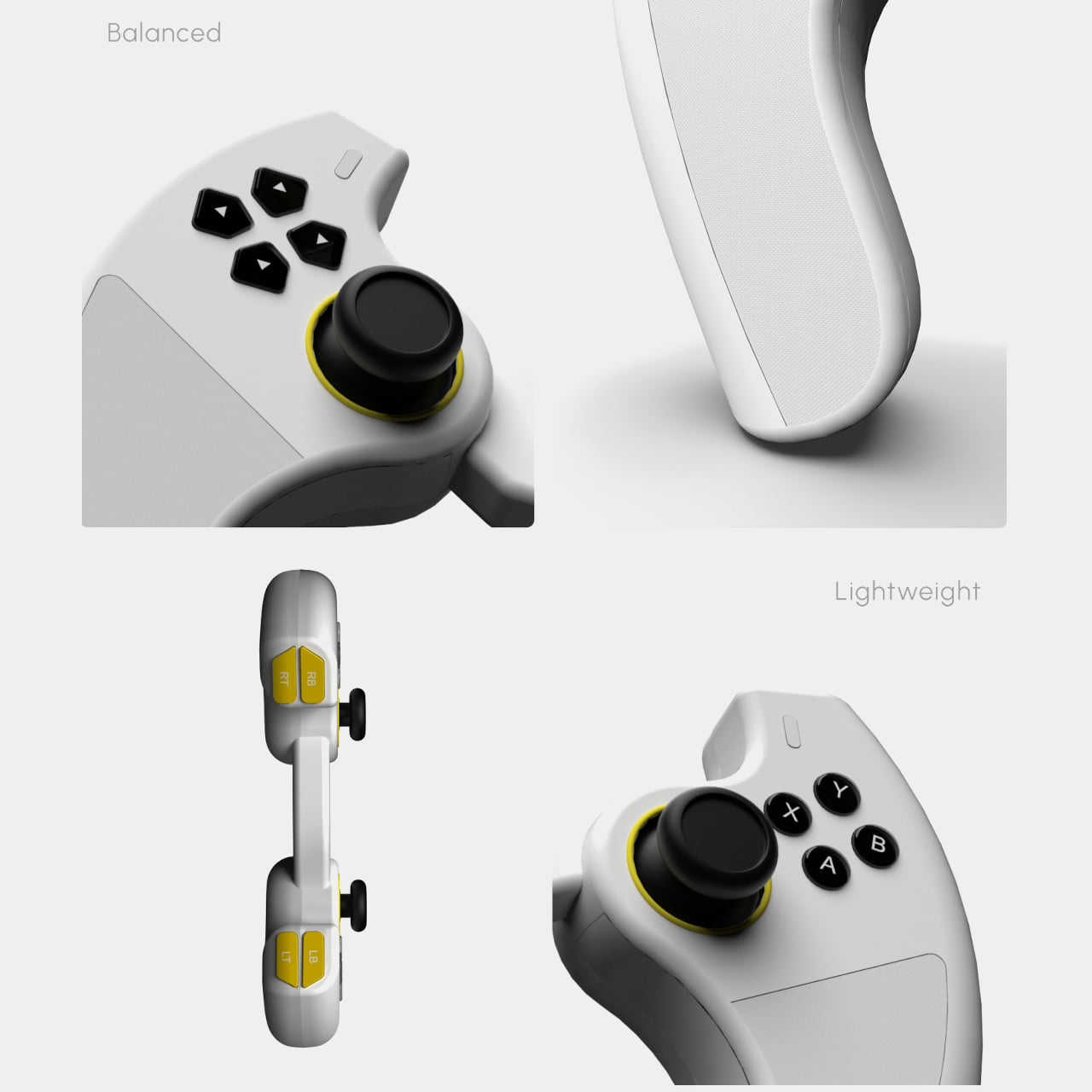
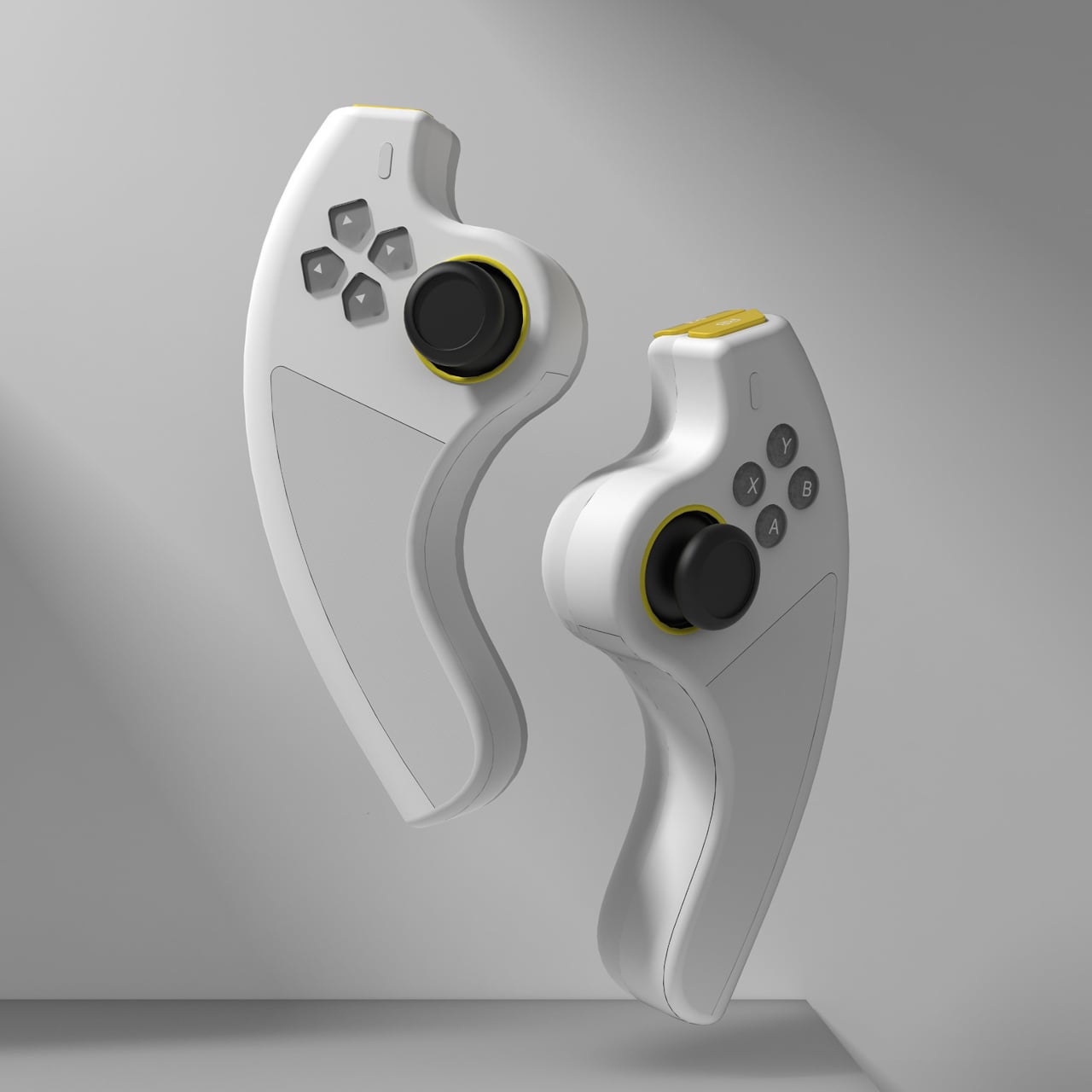
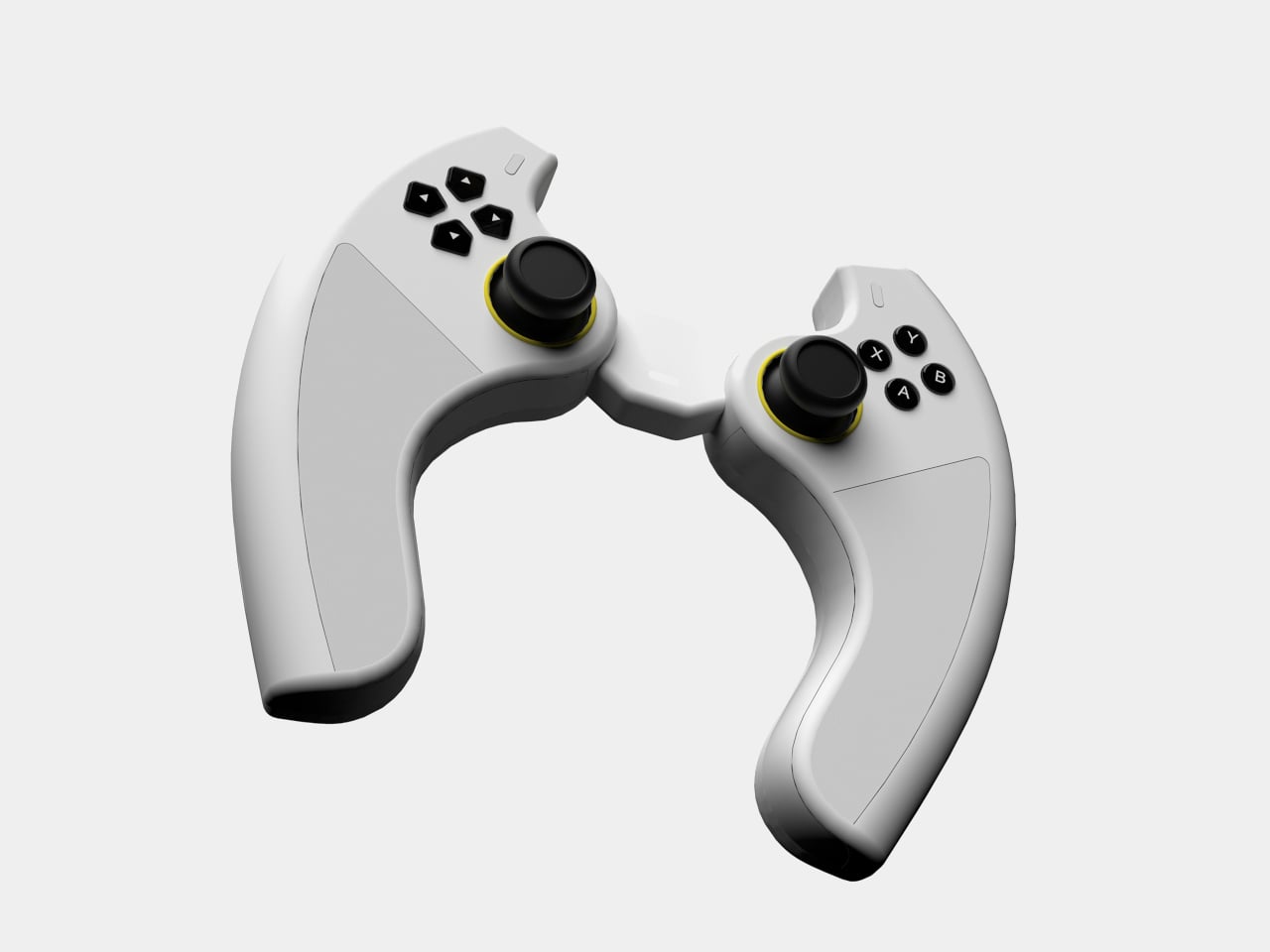
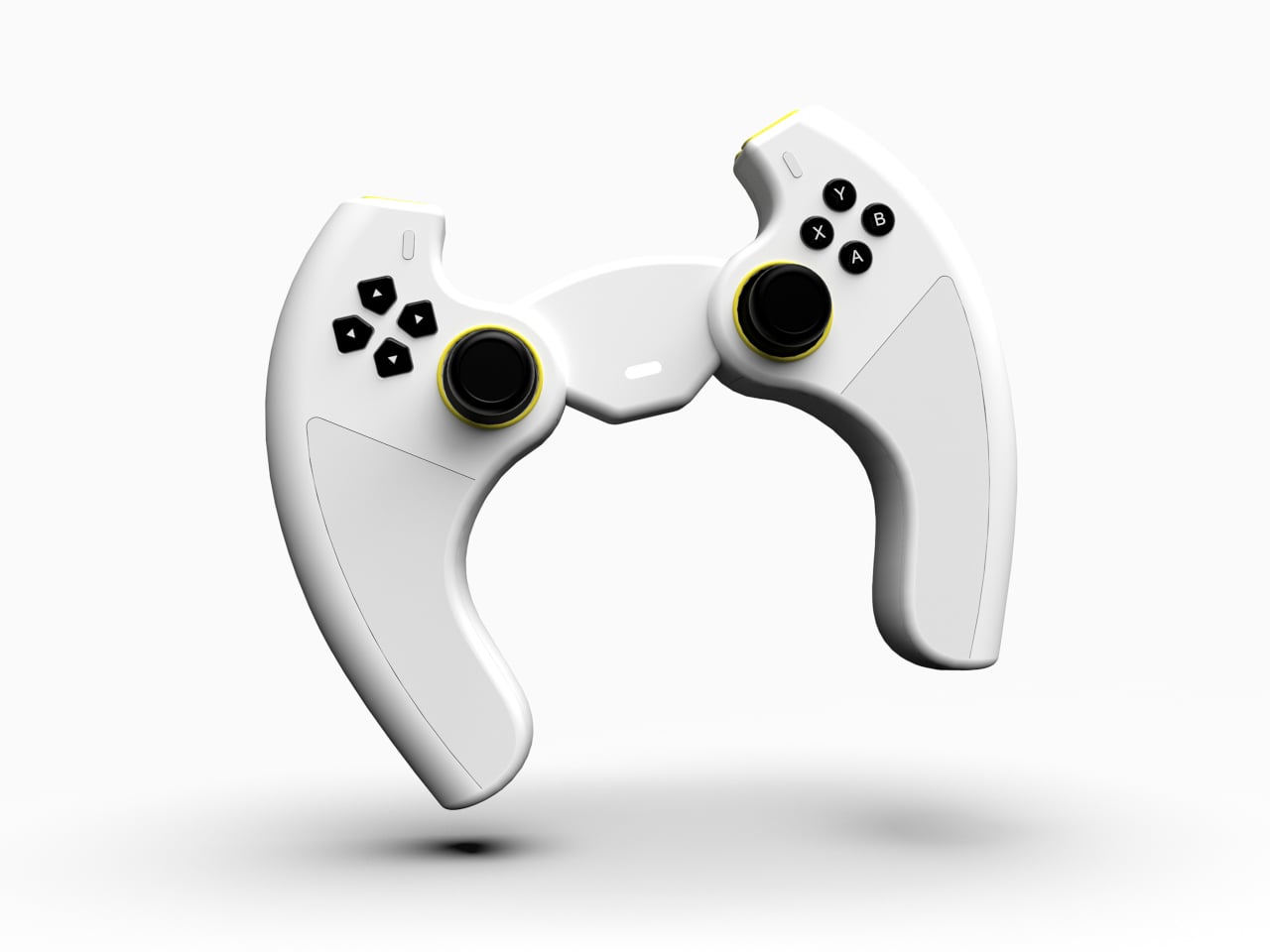
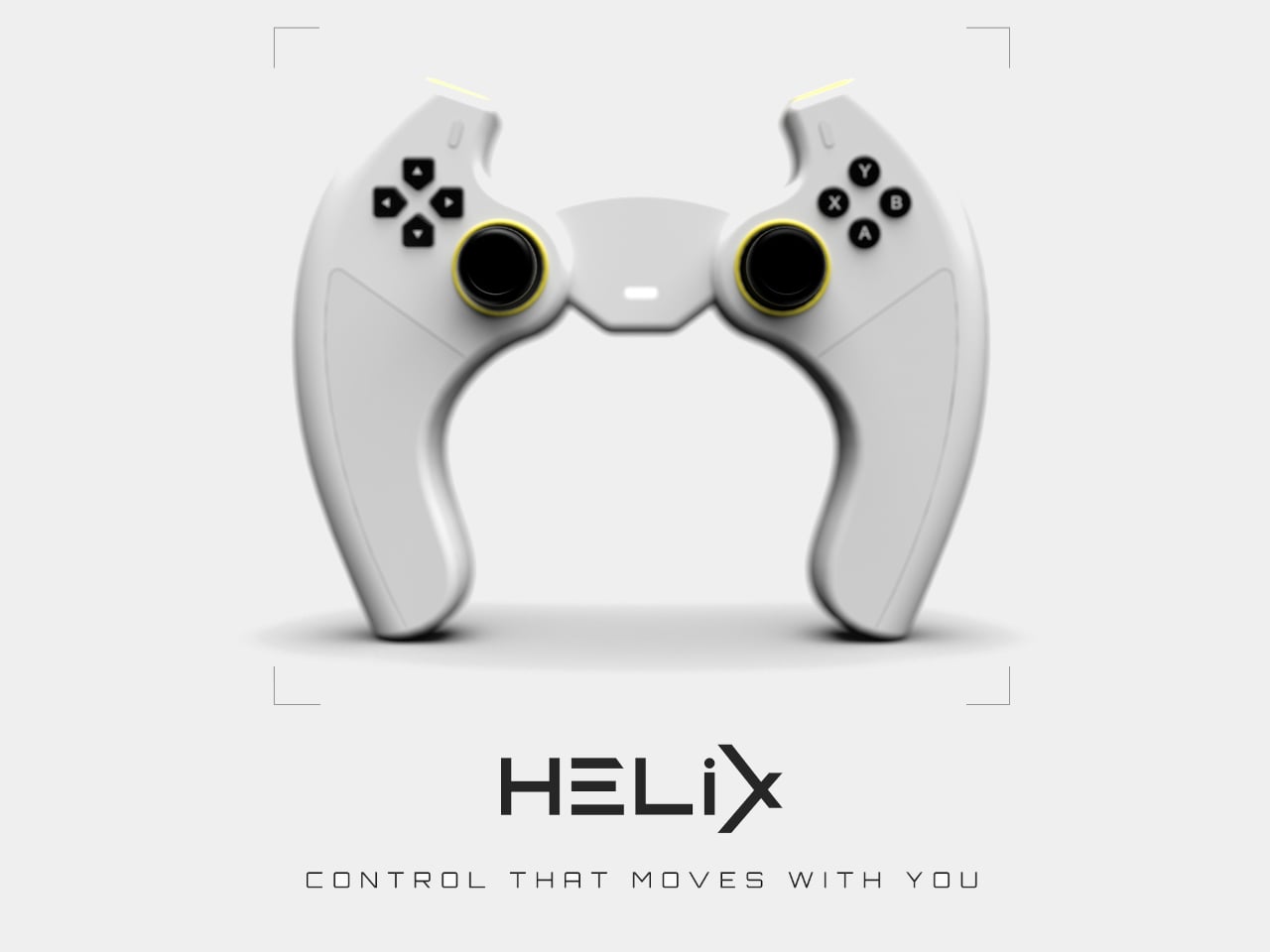
HELIX is a biomorphic controller concept that borrows its overall stance from an owl, symmetrical, balanced, and ready to move. It’s designed to come apart and fit back together easily, working as a single controller or as two separate pieces. The flexible shape is meant to follow how players actually sit and shift during long sessions instead of forcing one rigid grip that starts to ache after the third hour.

Designer: Radhika Shirode

In its unified form, both halves are joined by a small central bridge. The layout is familiar, analog sticks, face buttons, and directional controls where you expect them, but the wing-like grips curve down and out instead of forming a flat bar. That biomorphic curve lets your hands rest in a more natural position, which matters when you’re chasing one more match at two in the morning and don’t want to wake up with sore thumbs.

When HELIX comes apart, each half becomes its own lightweight controller, complete with stick, buttons, and triggers. You can lean back, drop your arms to your sides, or rest them on the sofa back, each hand holding a separate piece. That freedom to spread out reduces tension in shoulders and wrists, which is when night-owl sessions stop feeling like work and start feeling comfortable again.

The split design also makes it easier to share. Two people on a couch can each take a half for simpler games or asymmetric roles, without digging for a second controller. Passing one wing across the room feels more casual than handing over a full gamepad, and the shape encourages interaction instead of everyone hunching over their own device in separate corners of the room.

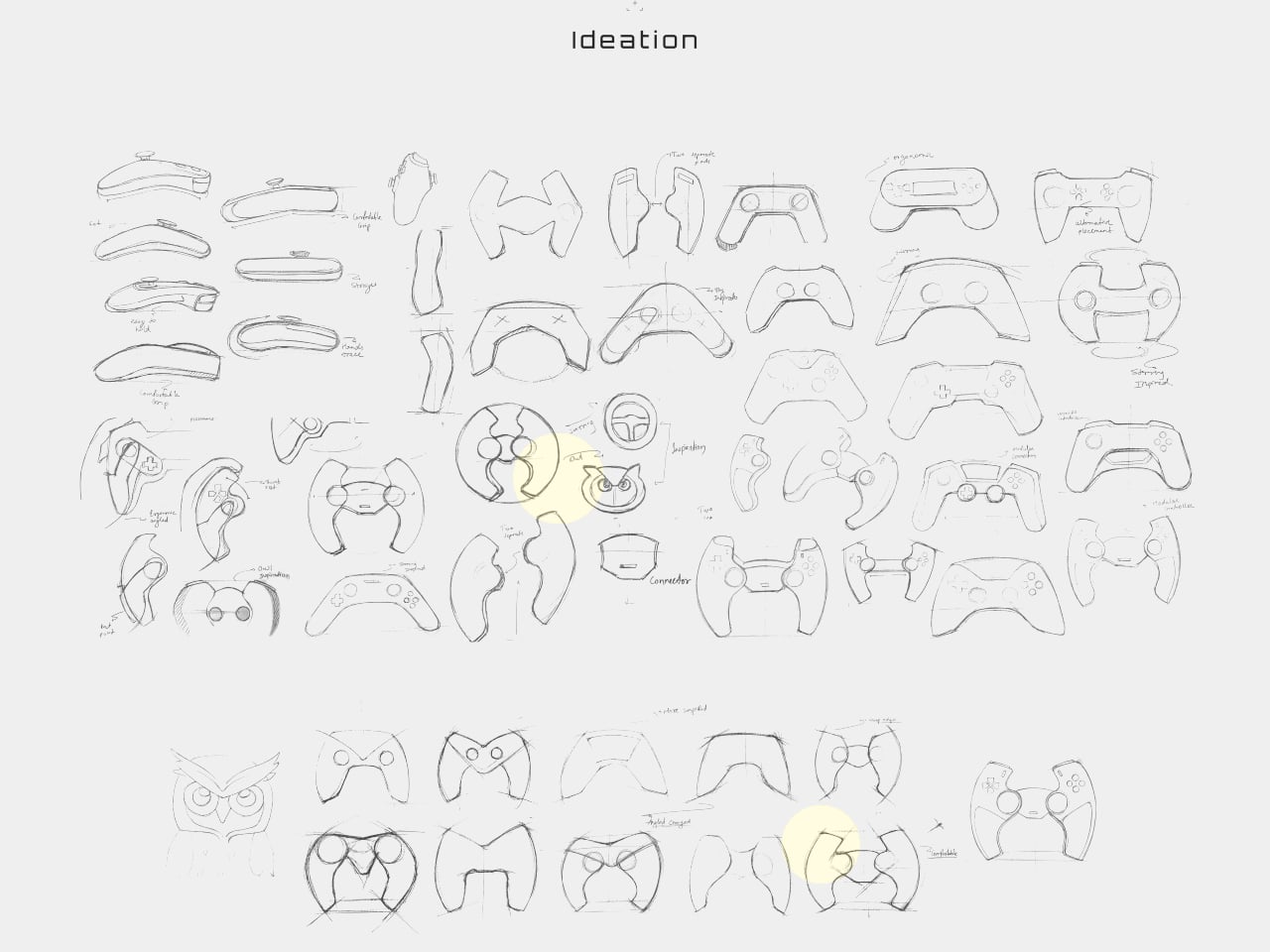
The focus on balance and lightness means each half is shaped to feel stable on its own, not like a broken piece of a larger object. The designer explored many silhouettes before landing on this owl-inspired form, where the grips echo wings, and the center reads like a small body. It’s a softer, more organic take on a category that often leans into sharp, aggressive lines and tactical branding.

The post This Owl-Shaped Controller Splits Into Two Pieces for Relaxed Gaming first appeared on Yanko Design.

This Modular Console Changes Layout With Magnetic Snap-In Controls

Modern creative desks are covered in controllers. A Stream Deck for macros, a MIDI controller for faders, a tablet for drawing, maybe a separate panel for color grading. Each tool is great at one thing but locks its layout in place, so switching from streaming to editing to design means mentally remapping controls or physically swapping gear, sometimes both when you’re already behind schedule.

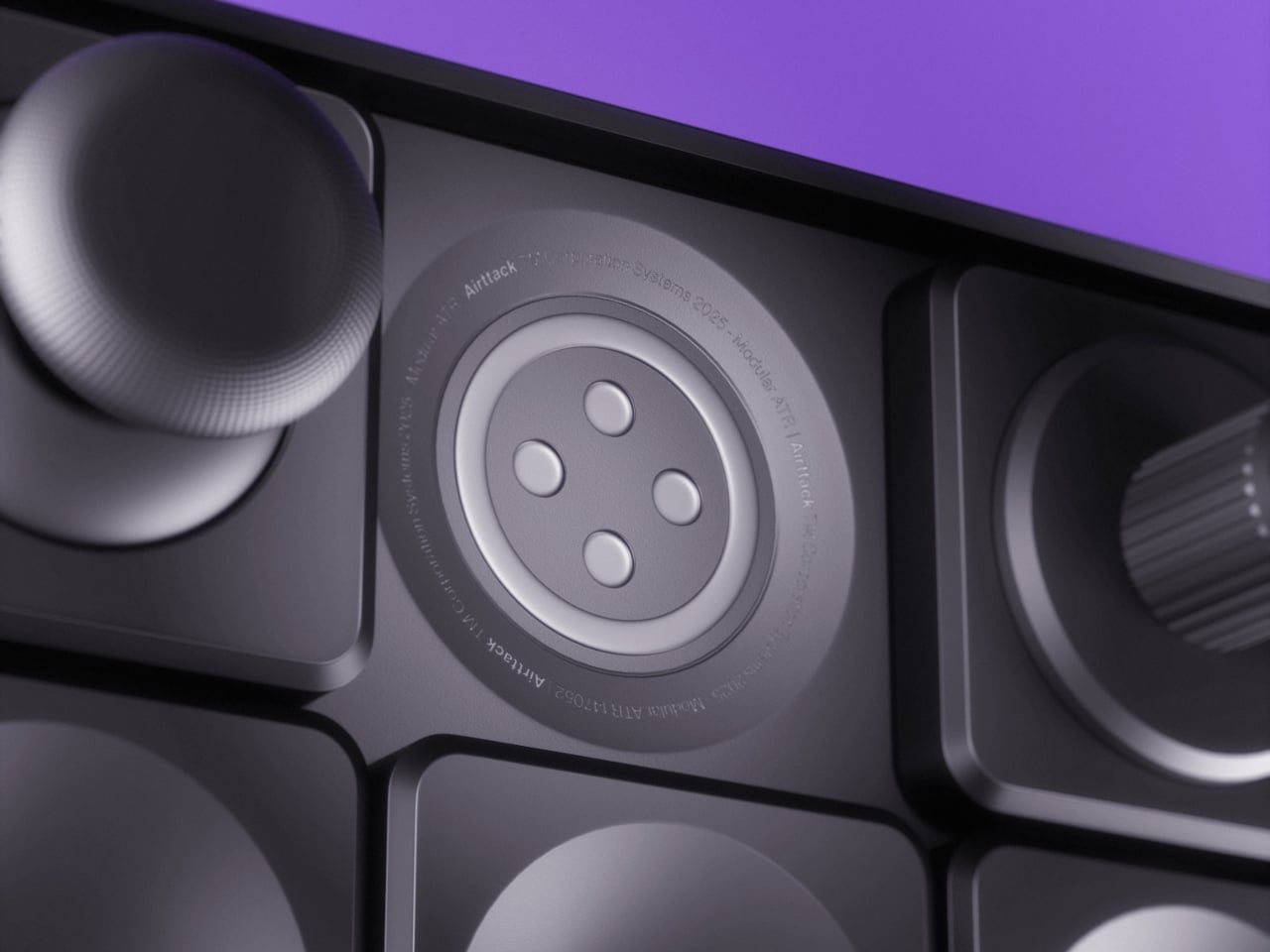
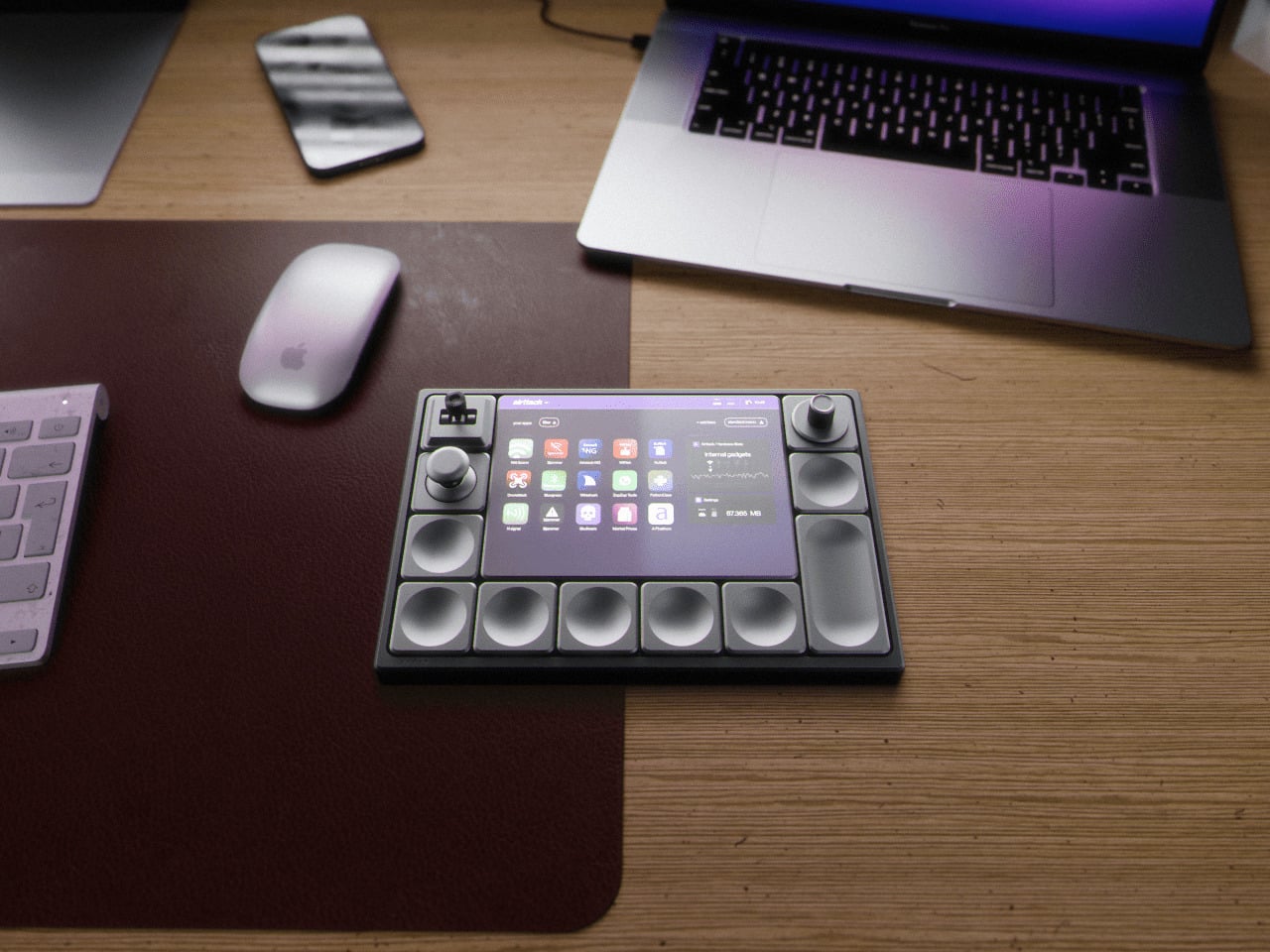
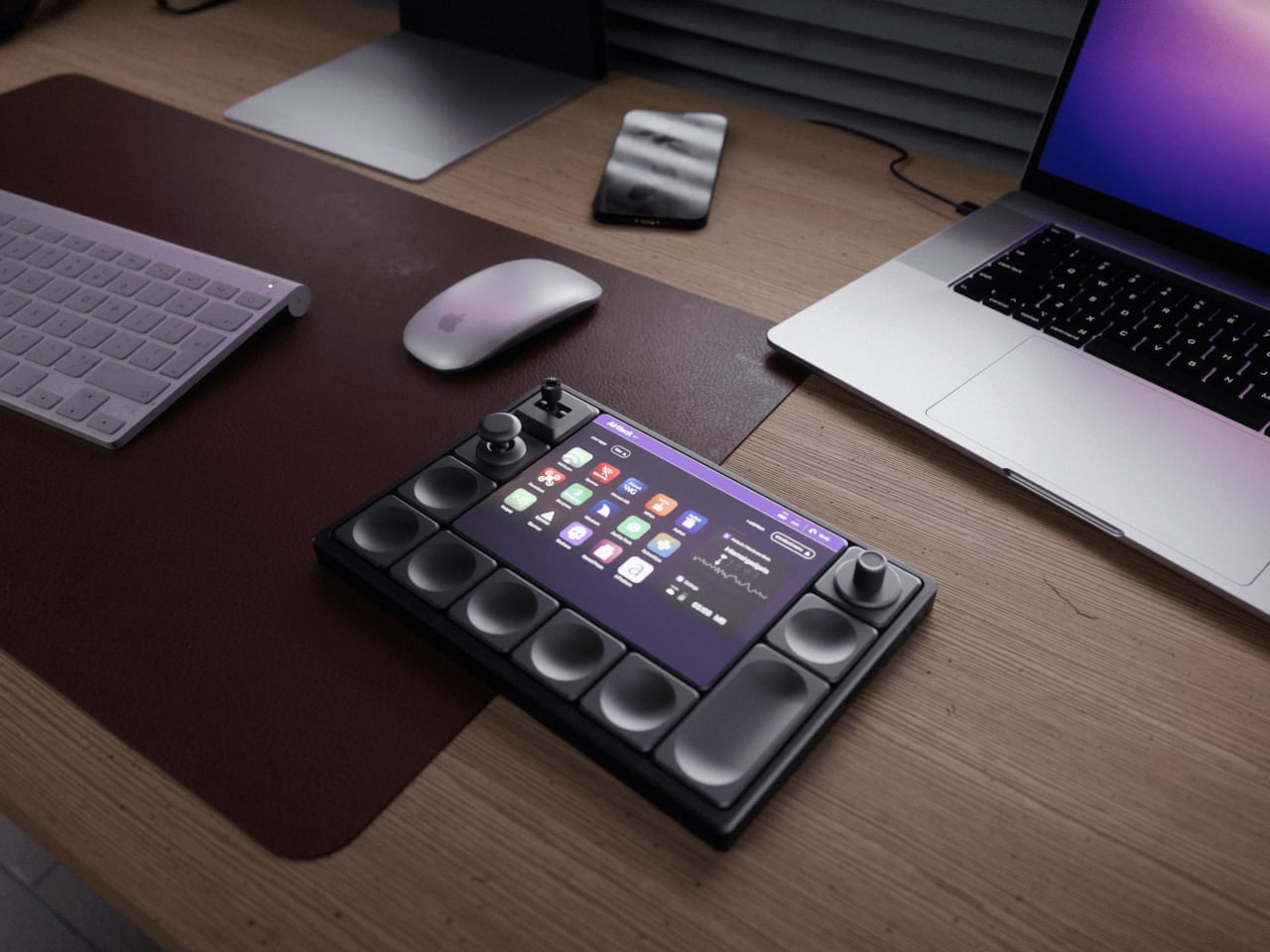
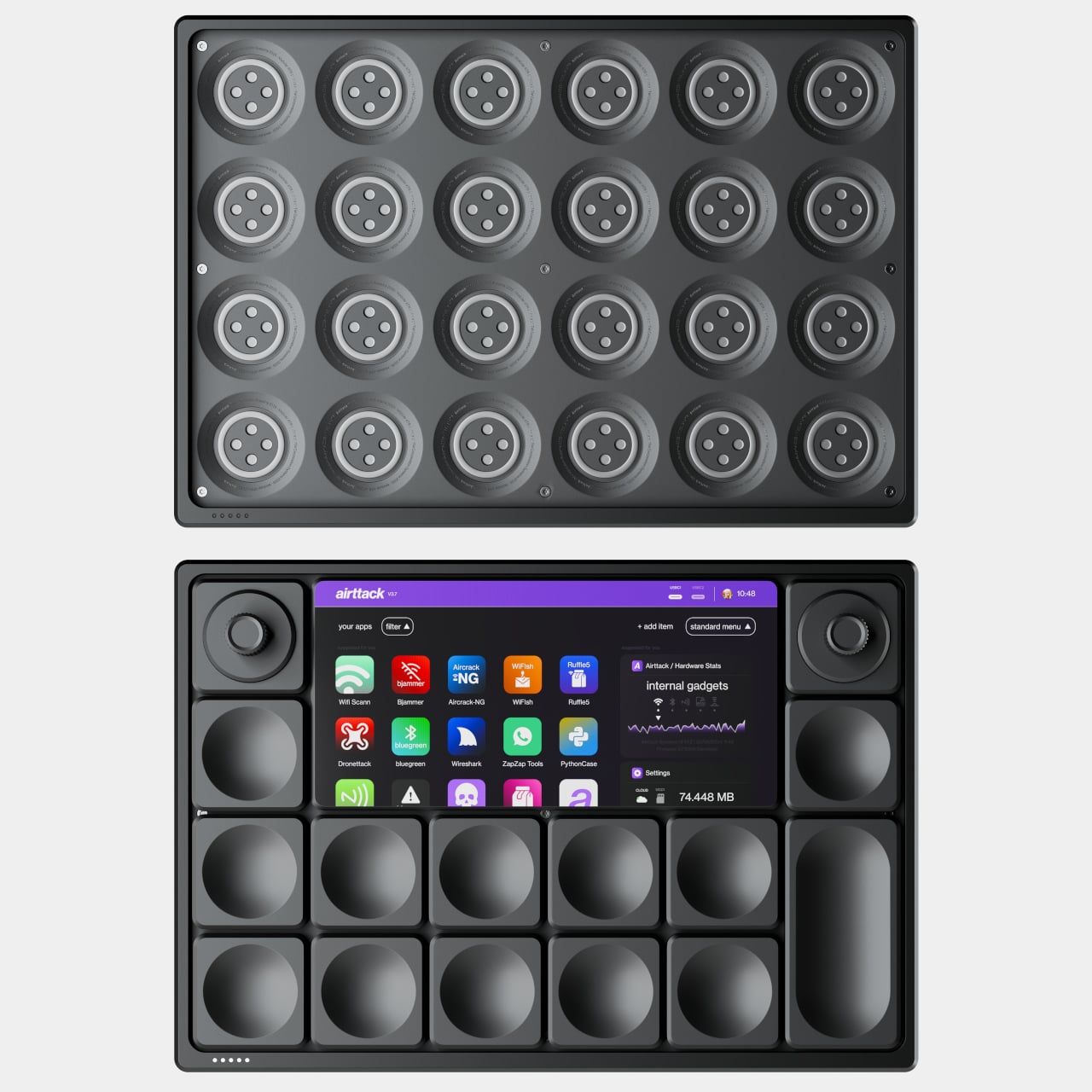
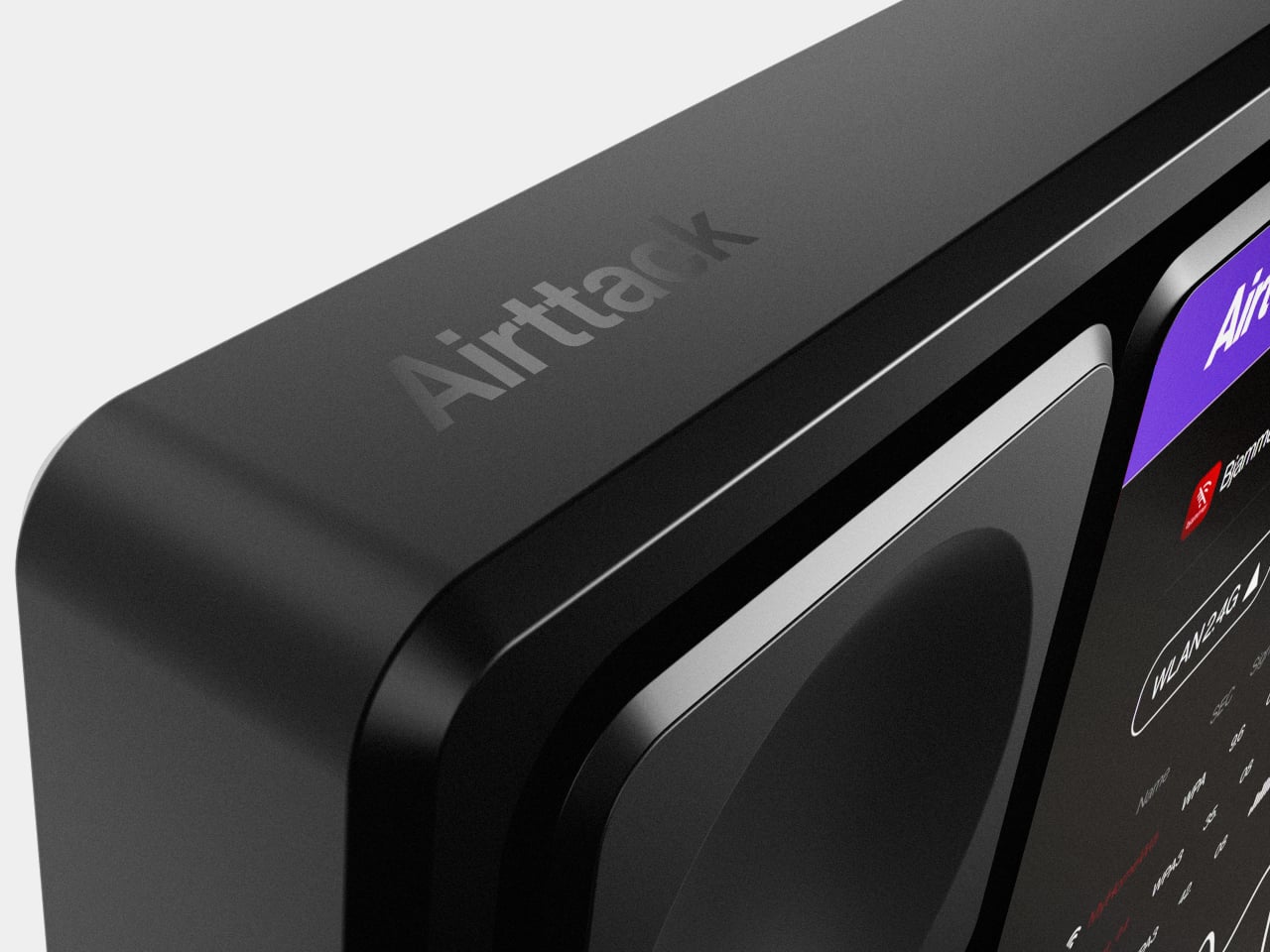
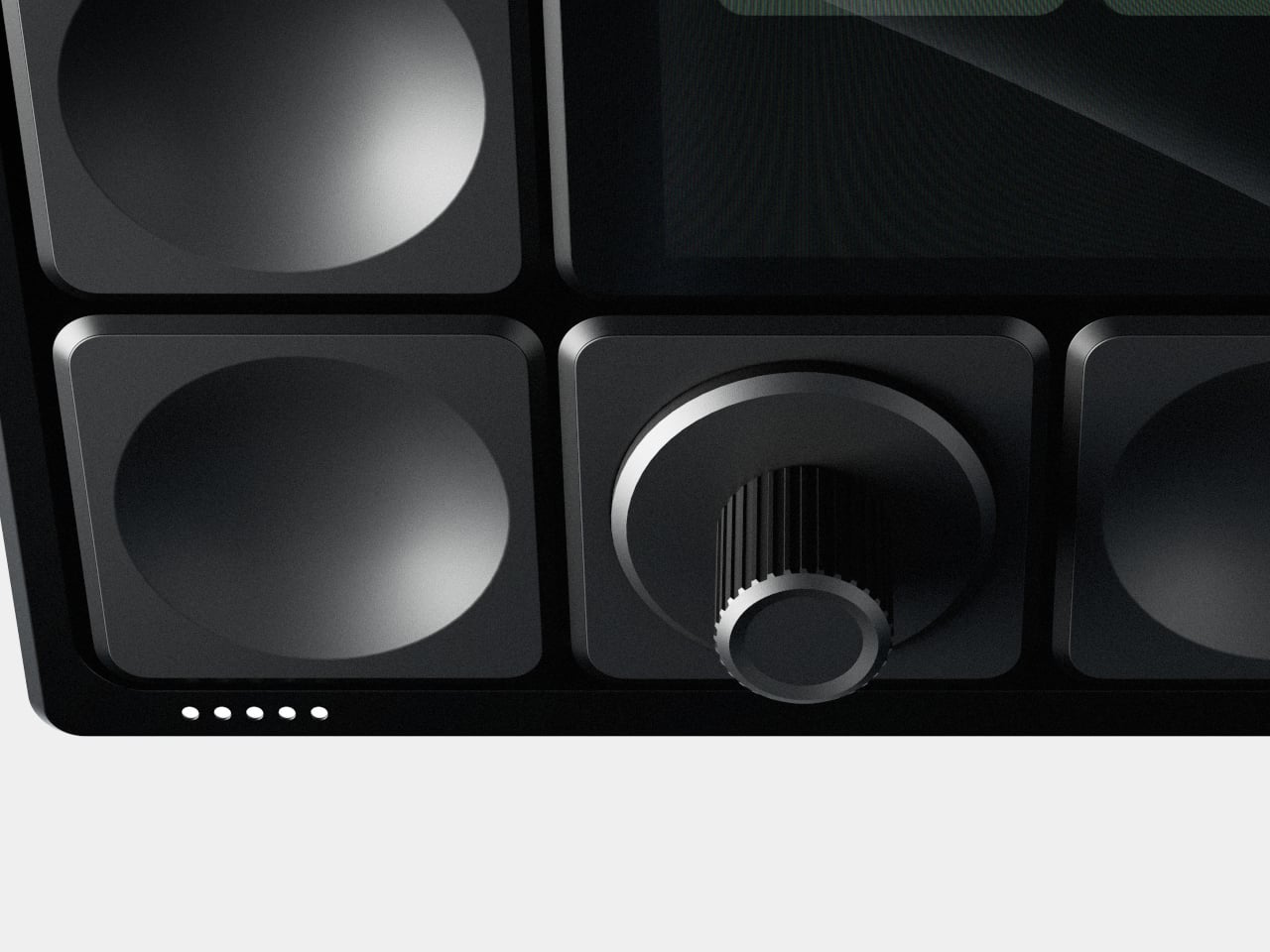
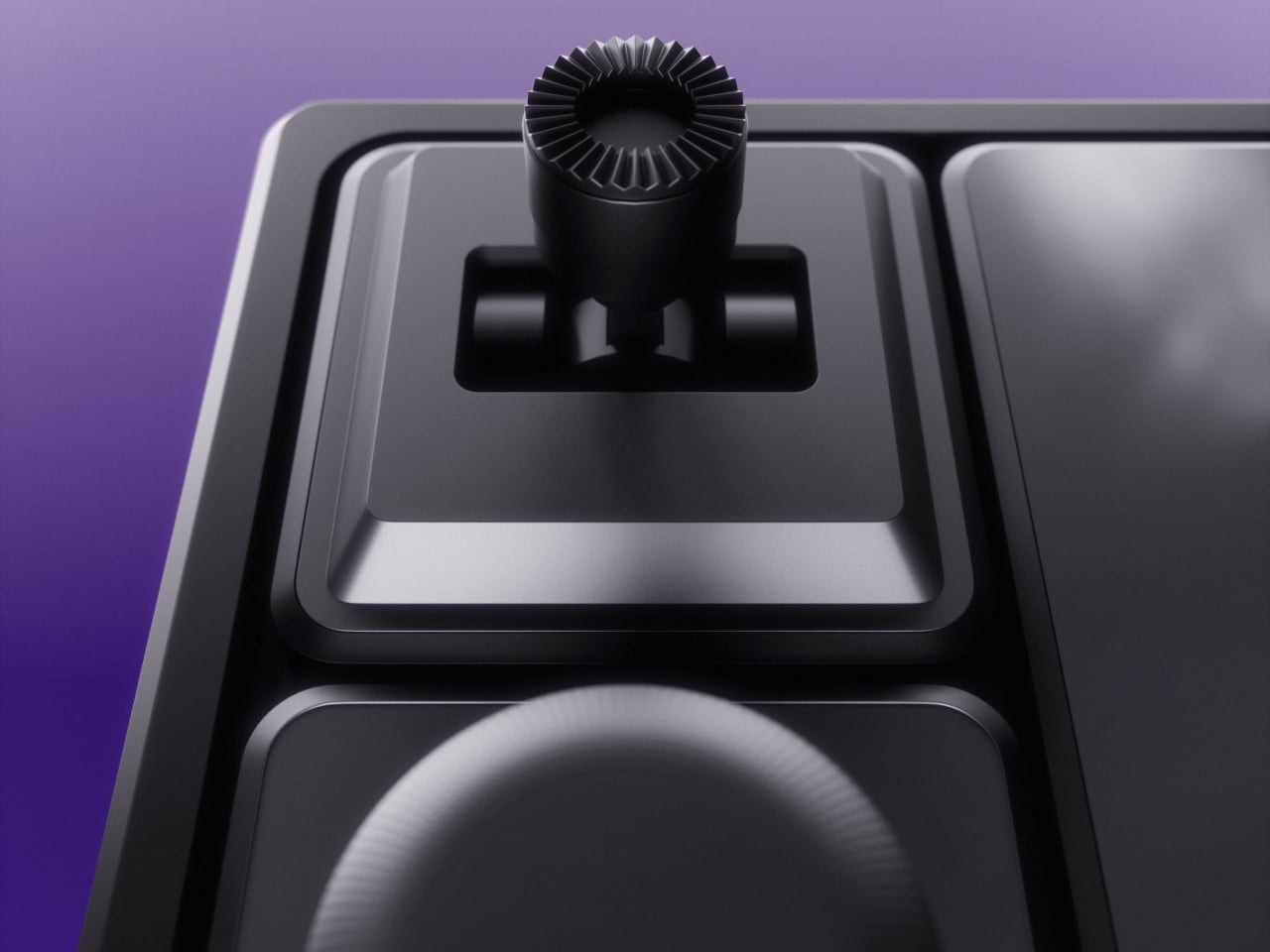
Airttack One is a concept that imagines a single, modular slab that can become any of those controllers in seconds. Described as a “modular revolution,” it’s a minimalist device with a magnetic base that accepts different hardware modules, LCD screens, knobs, joysticks, and button clusters. You rebuild the surface for the task instead of living with a one-size-fits-all grid that only makes sense for one app.

Designer: Alberto Cristino, Mateus Otto (Prosper Visuals)

The base is a grid of circular sockets with power and data contacts. You snap in modules in whatever arrangement makes sense. A streaming session might use a central screen for scenes and chat, surrounded by buttons for triggers and a fader strip for audio. A video edit later that night swaps those for jog wheels, scrub knobs, and dedicated cut keys, each magnetically locked into place without tools or software reassignments.

The software side runs on a 1500-nit touchscreen that stays readable under studio lights. An iOS-inspired interface shows a grid of apps, and a third-party store extends what the hardware can do, from streaming overlays to DAW controllers to brush panels. Each app can push its own layout to the modules, so the same physical knobs and screens behave differently in Resolve, Ableton, or Blender without manual mapping.

Dual cameras with a LiDAR sensor hint at depth-aware capture, AR previews, or motion-tracked controls. The concept also references radio and network tools, which in creative terms could mean wireless camera management, multi-device streaming, or interactive installations. The hardware isn’t locked to one discipline. It’s a blank, magnetic canvas for whatever combination of inputs your project needs.

Airttack lives on a desk as a control surface during the day, then drops into a bag with different modules for an on-site shoot or live event. The industrial design stays low-profile and discreet, with metallic textures and magnetic connectors hidden under a clean grid, so it reads as a serious tool even when the layout is playful, full of knobs and joysticks for a VJ set or game stream.

Airttack One imagines hardware catching up to the way creative software already works: modular, layered, and context-aware. Instead of buying a new controller every time your workflow evolves, you rearrange the same base, load a different app set, and keep going. Whether or not this exact device ships, the idea of a shape-shifting creative console that molds itself to your projects feels overdue when most of us already juggle three controllers that could have been one.

The post This Modular Console Changes Layout With Magnetic Snap-In Controls first appeared on Yanko Design.
Edrin 6-in-1 Carabiner-Knife Lives on Your Belt, Not in Your Bag

You technically own the right tools: a knife in a bag pocket, a small driver in a drawer, a keychain gadget somewhere under receipts. But when something needs cutting or tightening, the moment passes while you are still searching. The real problem isn’t capability but access, and the tools you actually use are the ones that live where your hand already goes instead of being buried at the bottom of a pack.

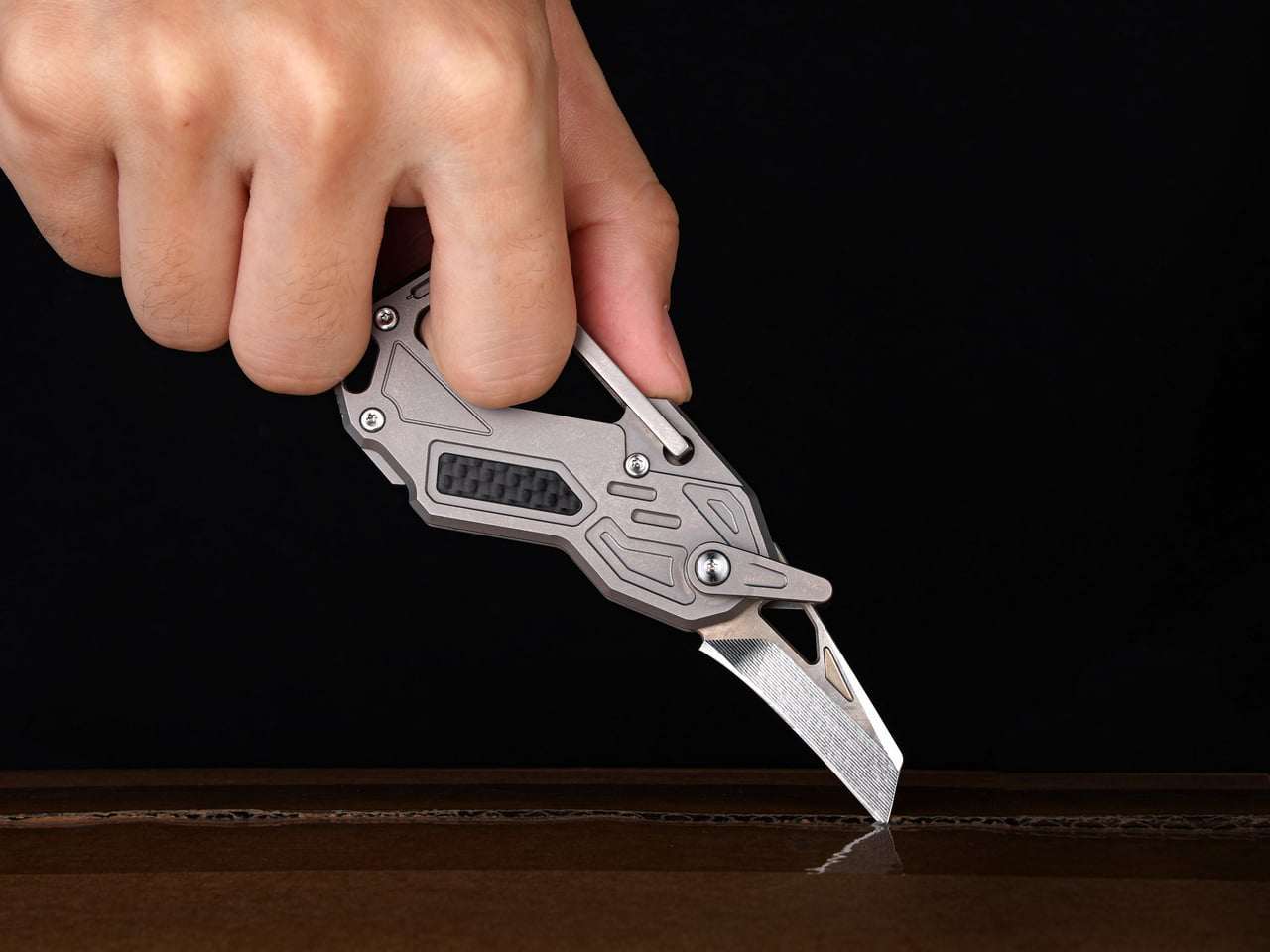
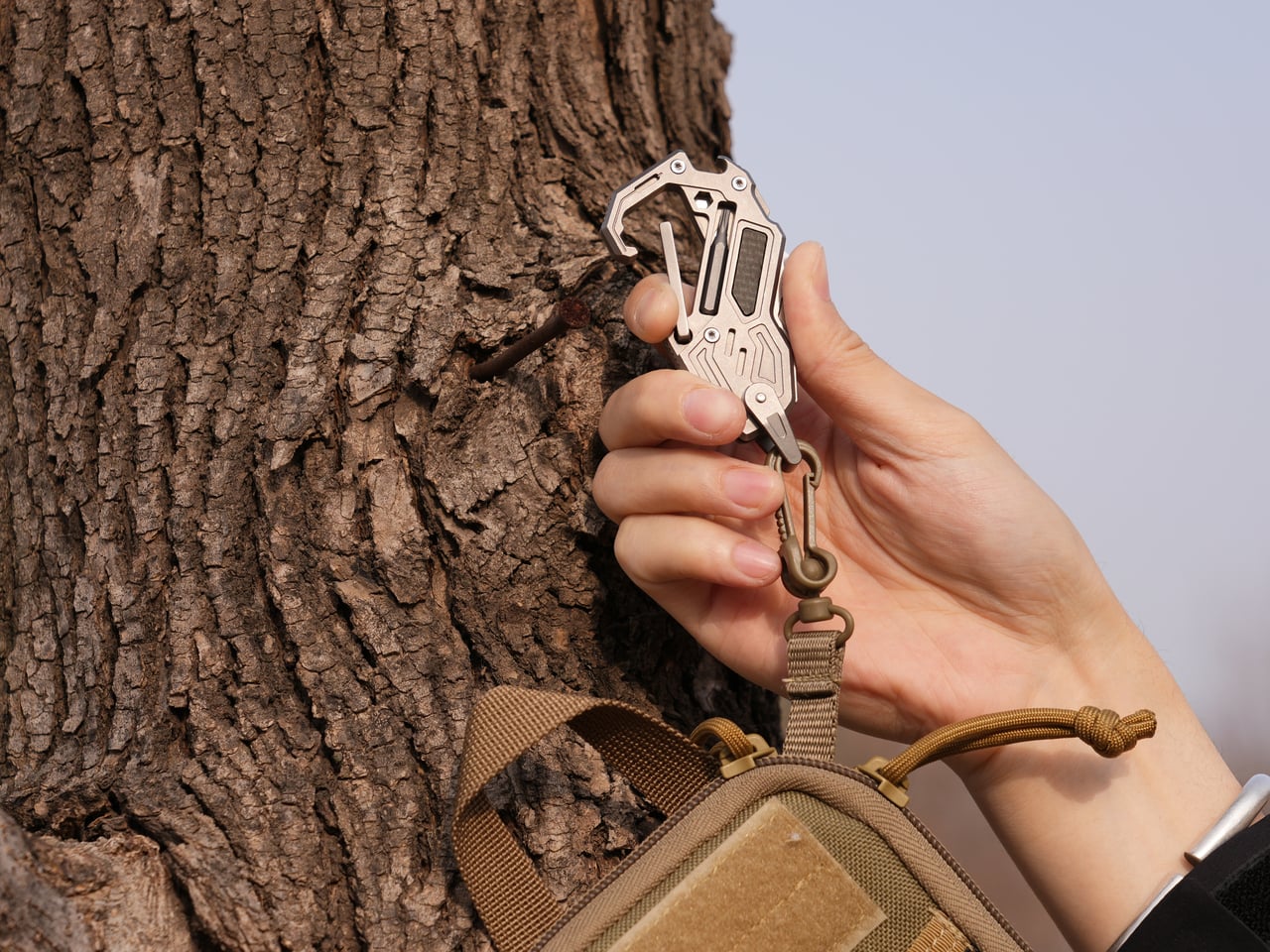
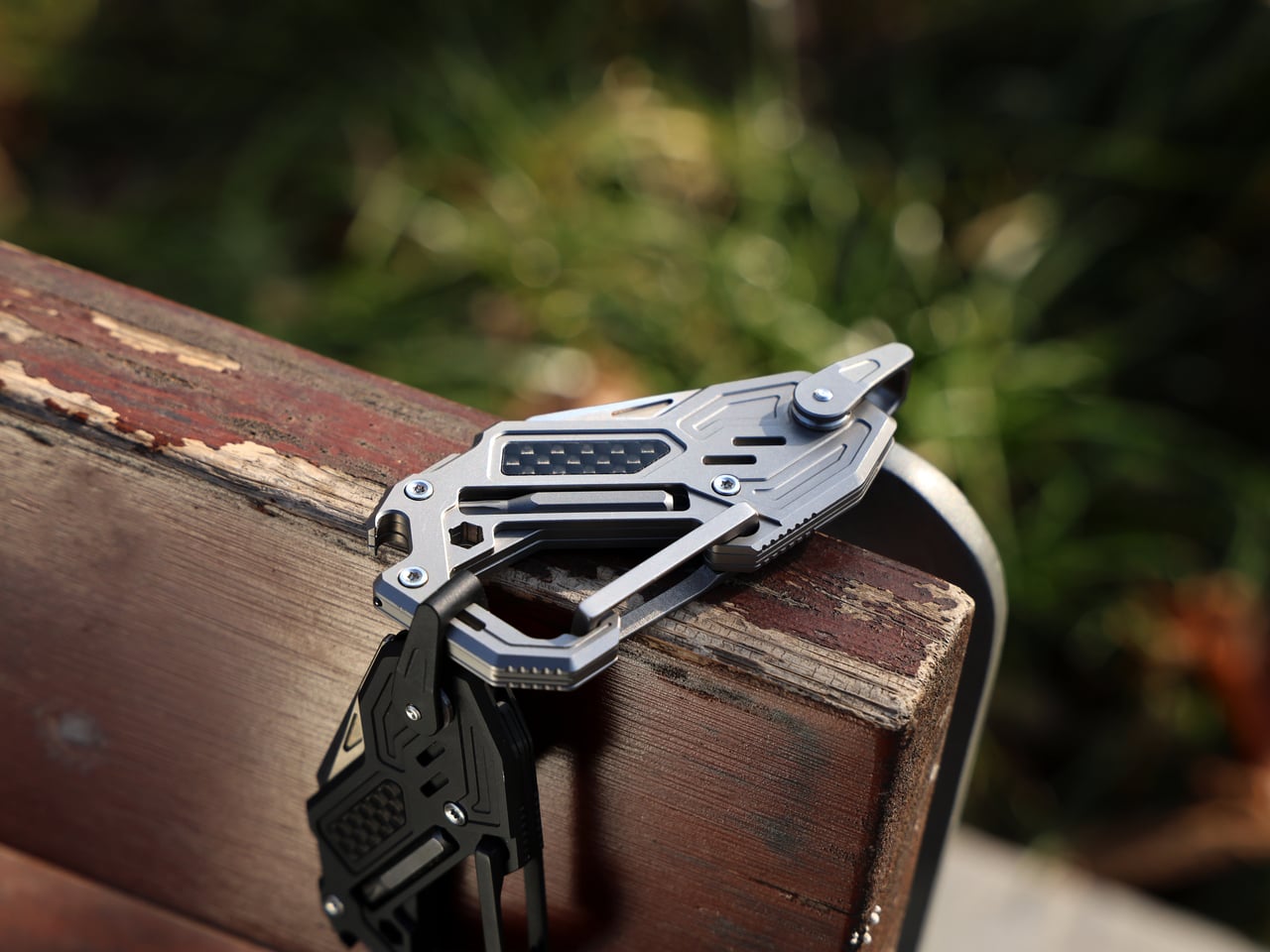
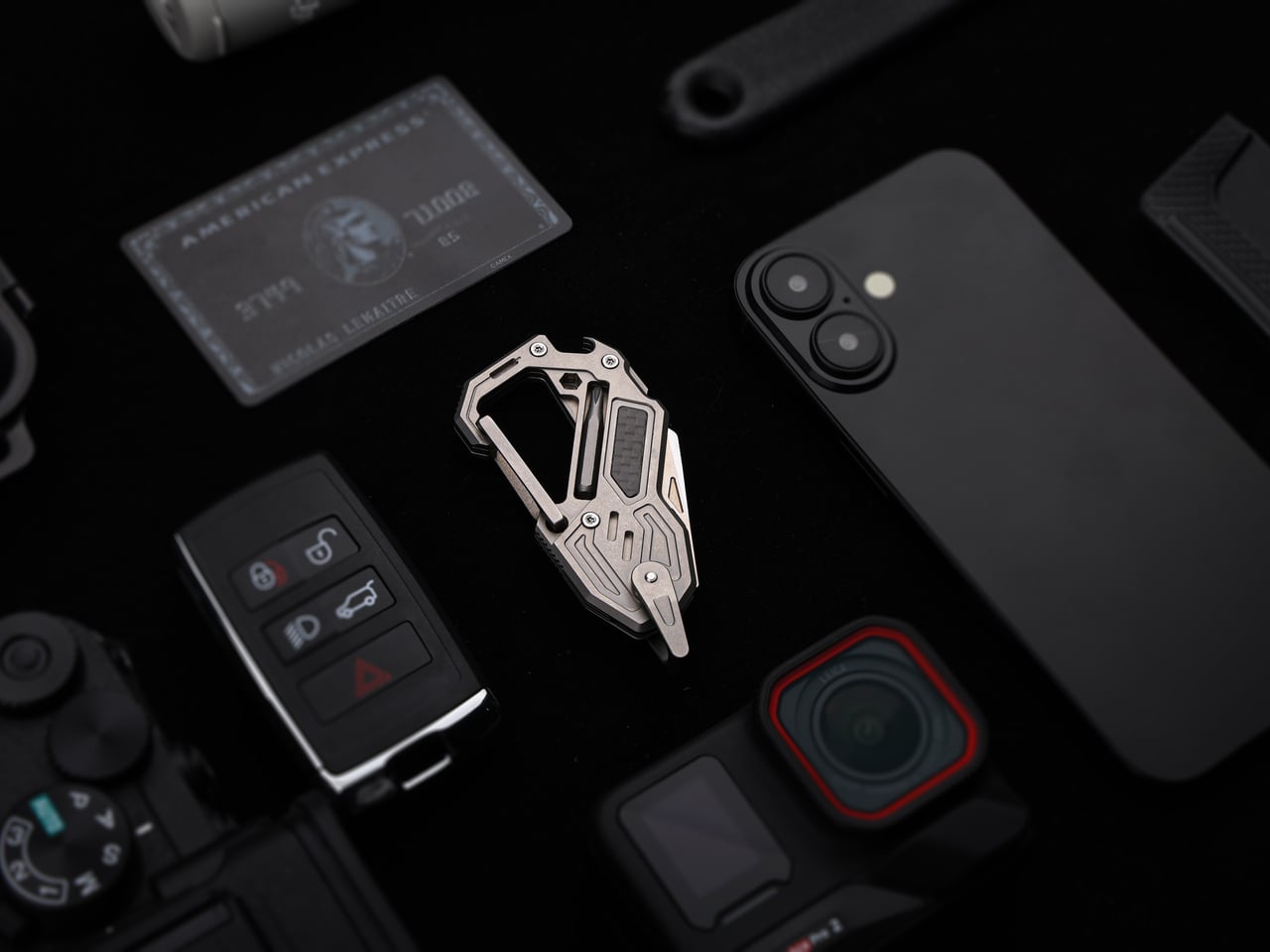
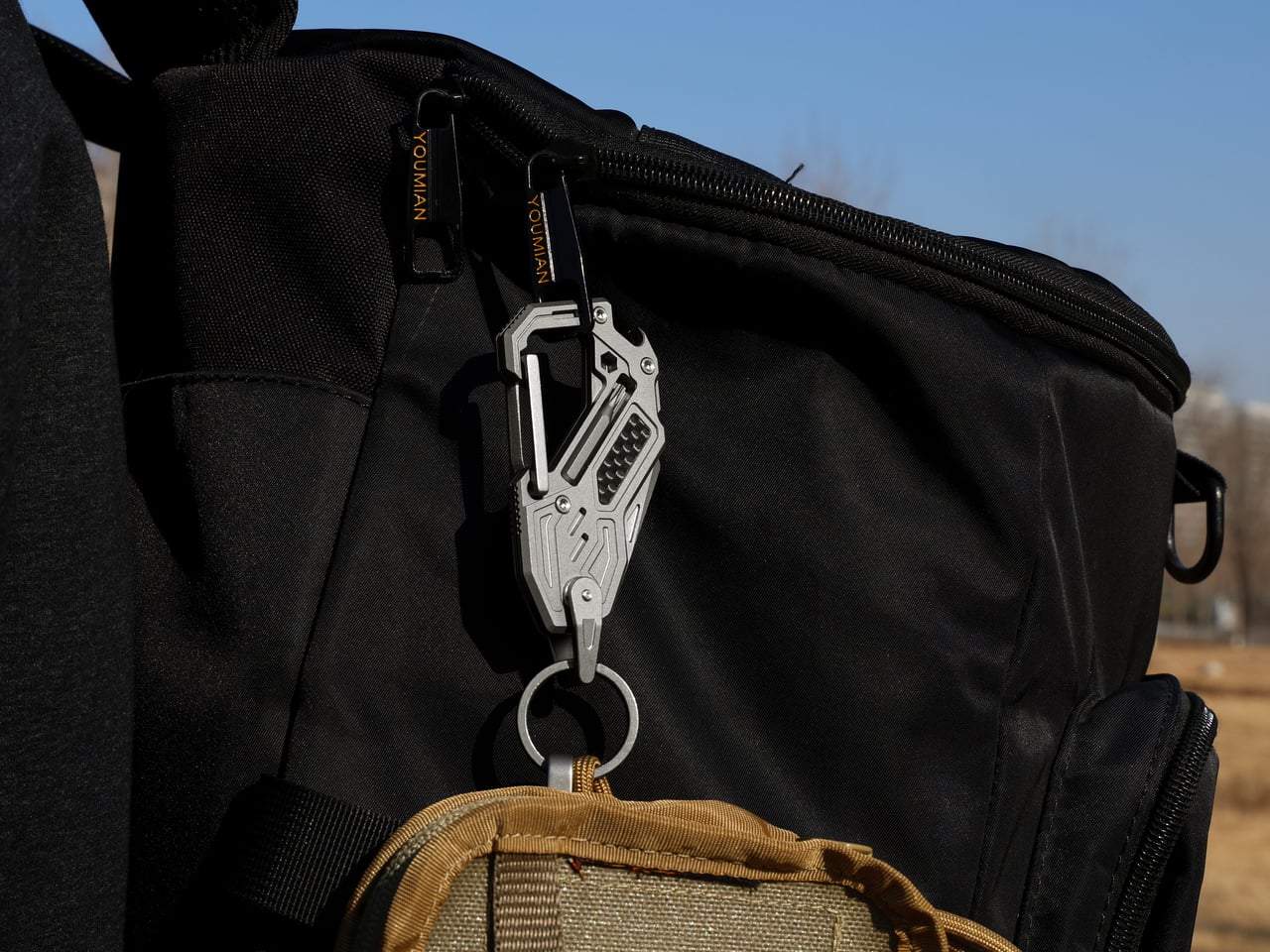
Edrin is a titanium carabiner-first knife that treats the clip, not the blade, as the starting point. It is a compact 6-in-1 tool built around a GR5 titanium frame with an integrated carabiner, a separate D-ring for keys, and a folding D2 blade tucked into the side. The goal is simple: it stays clipped to your belt loop, pack strap, or pocket edge all day, instead of disappearing into a bag.

Designer: MR. GADGET

Click Here to Buy Now: $75 $109 (31% off). Hurry, 88/100 left!

The body is CNC-machined from Grade 5 titanium, which keeps weight down to around 1.54oz while staying rigid and corrosion-resistant. Carbon fiber inlays add grip and a bit of contrast without bulk. At about 3.29 inches long and just over half an inch thick, it feels more like a small piece of industrial jewelry than a lump of hardware, which makes it easier to justify keeping it on you every day.

1

The blade is a compact D2 steel folder designed for control rather than drama. It opens with either hand, locks in place with a dedicated mechanism, and is meant for the kind of cutting you actually do: opening boxes, trimming cord, slicing tape, or cutting a loose thread. High-hardness D2 holds an edge well, so you are not constantly babying it, and the short length keeps it precise.

1

1

The magnetic 4mm bit driver is built into the frame, with a slot that stores the bit under strong magnets so it does not rattle or fall out. Day after day, it is the same little jobs: a loose screw on a tripod, a battery cover that needs a quarter turn, a handle that is starting to wobble. Having a bit driver literally hanging off your belt means those fixes happen in the moment instead of becoming another mental note.

1

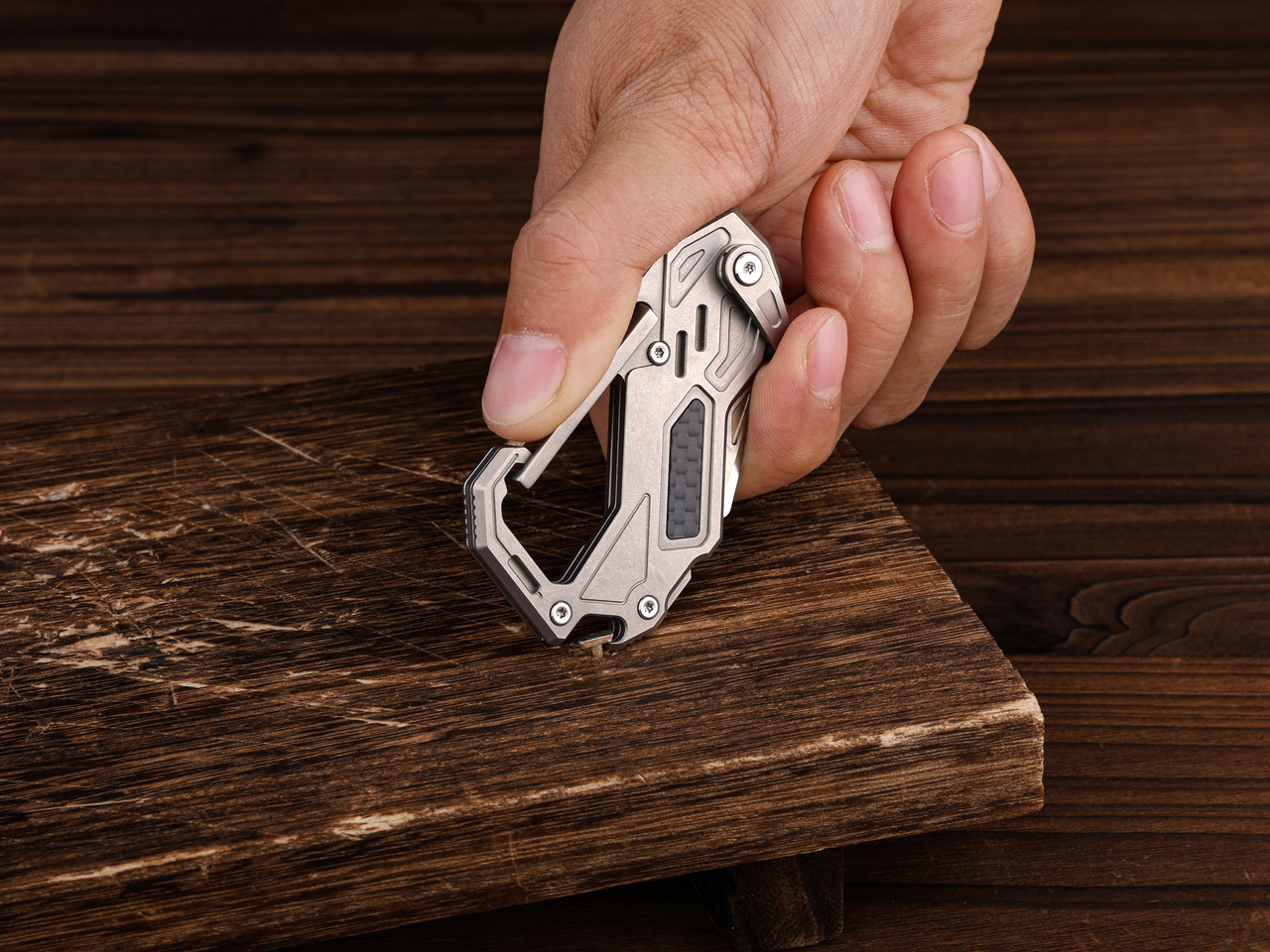
The bottle opener and nail puller are integrated into the skeleton of the carabiner, so popping a cap or lifting a small nail does not require digging for another tool. The emergency glass breaker sits quietly at one end, a hardened point that you hope never to use but that is always there if a car window or barrier needs to go in a hurry. Best of all, none of these functions adds much size.

Six tiny tritium slots are machined into the body, ready for optional vials that glow on their own without batteries or charging. In a dark car, a tent, or a hallway, that steady, low-level glow makes it easier to find the tool and orient it without fumbling for a flashlight. It is a small detail, but it reinforces the idea that Edrin is meant to be found and used quickly.

A tool like this quietly changes your routine. Instead of asking whether you should bring a knife or a multi-tool, you clip one titanium carabiner to your usual spot and forget about it until something needs cutting, opening, adjusting, or breaking. The combination of GR5 titanium, carbon fiber, D2 steel, magnets, and tritium sounds overbuilt for a 3.29-inch object, but that is exactly what makes it feel like a small, reliable anchor in a pocket full of temporary things that change every season.

Click Here to Buy Now: $75 $109 (31% off). Hurry, 88/100 left!

The post Edrin 6-in-1 Carabiner-Knife Lives on Your Belt, Not in Your Bag first appeared on Yanko Design.
The Umbrella Stand That Refuses to Be Grey or Boring

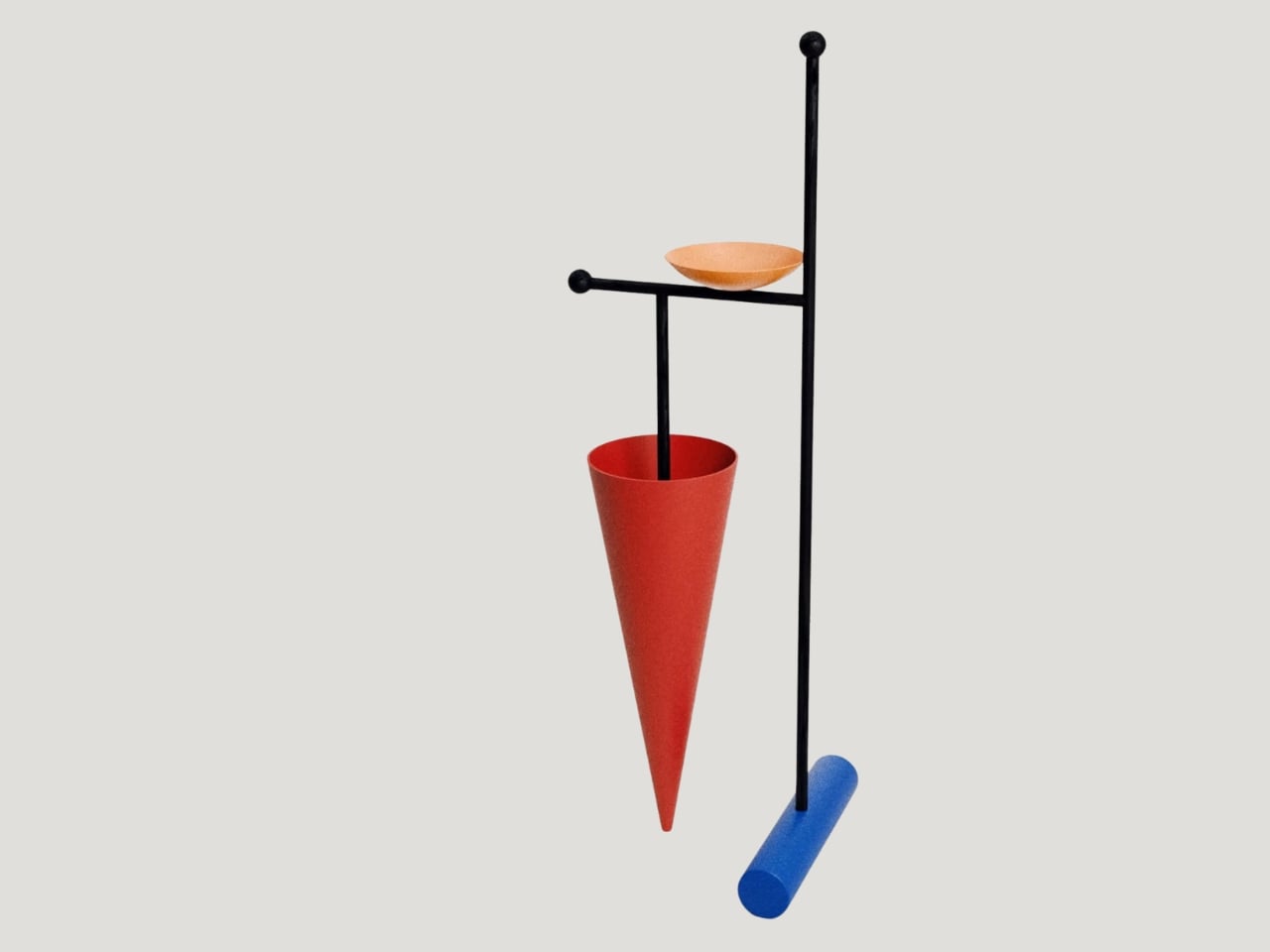
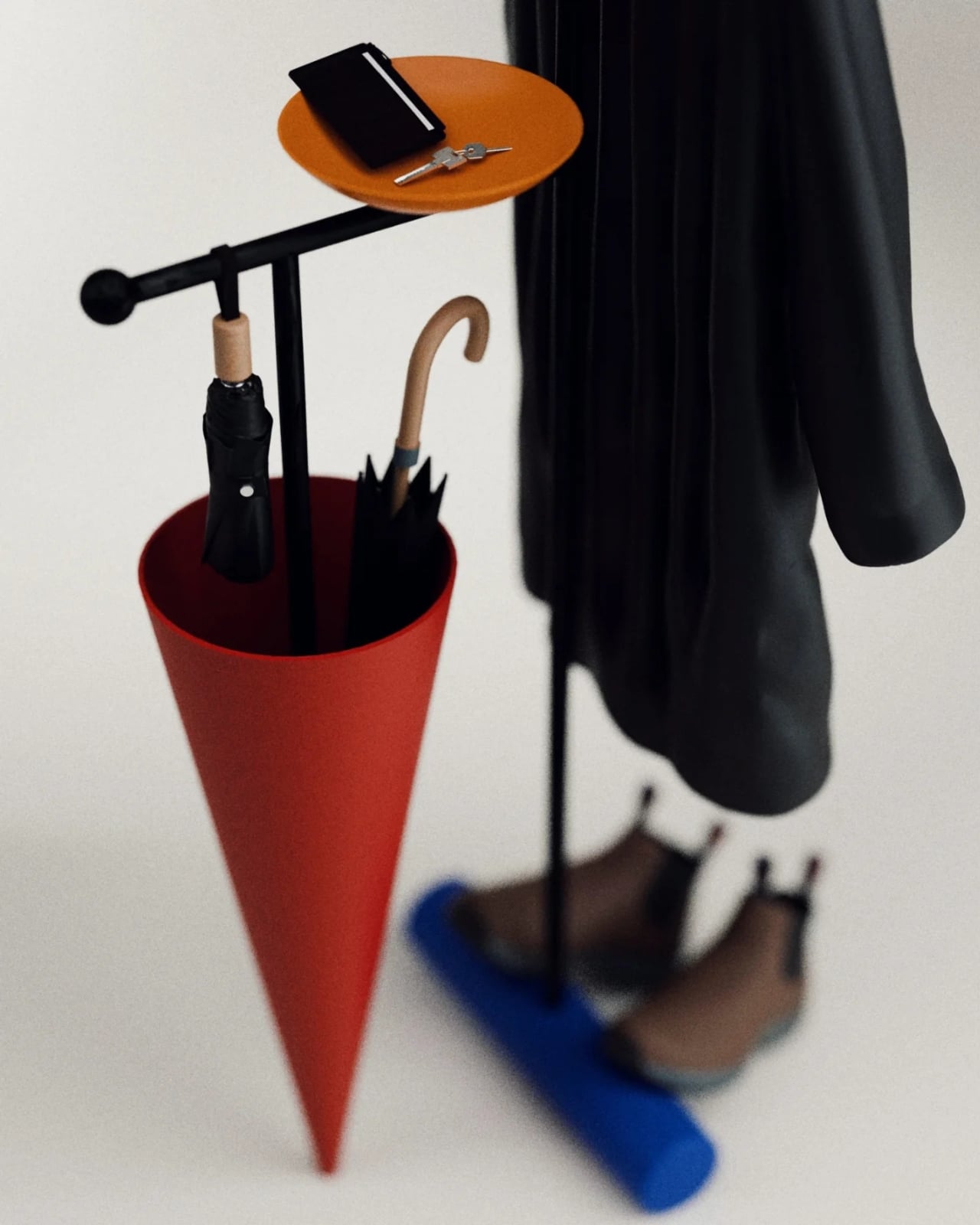
There’s something quietly rebellious about a product that announces its refusal to blend into the background right there in its name. Meet notgrey, an umbrella stand from designer Joffey that’s basically the antithesis of every sad, utilitarian coat rack you’ve ever ignored in a hotel lobby.

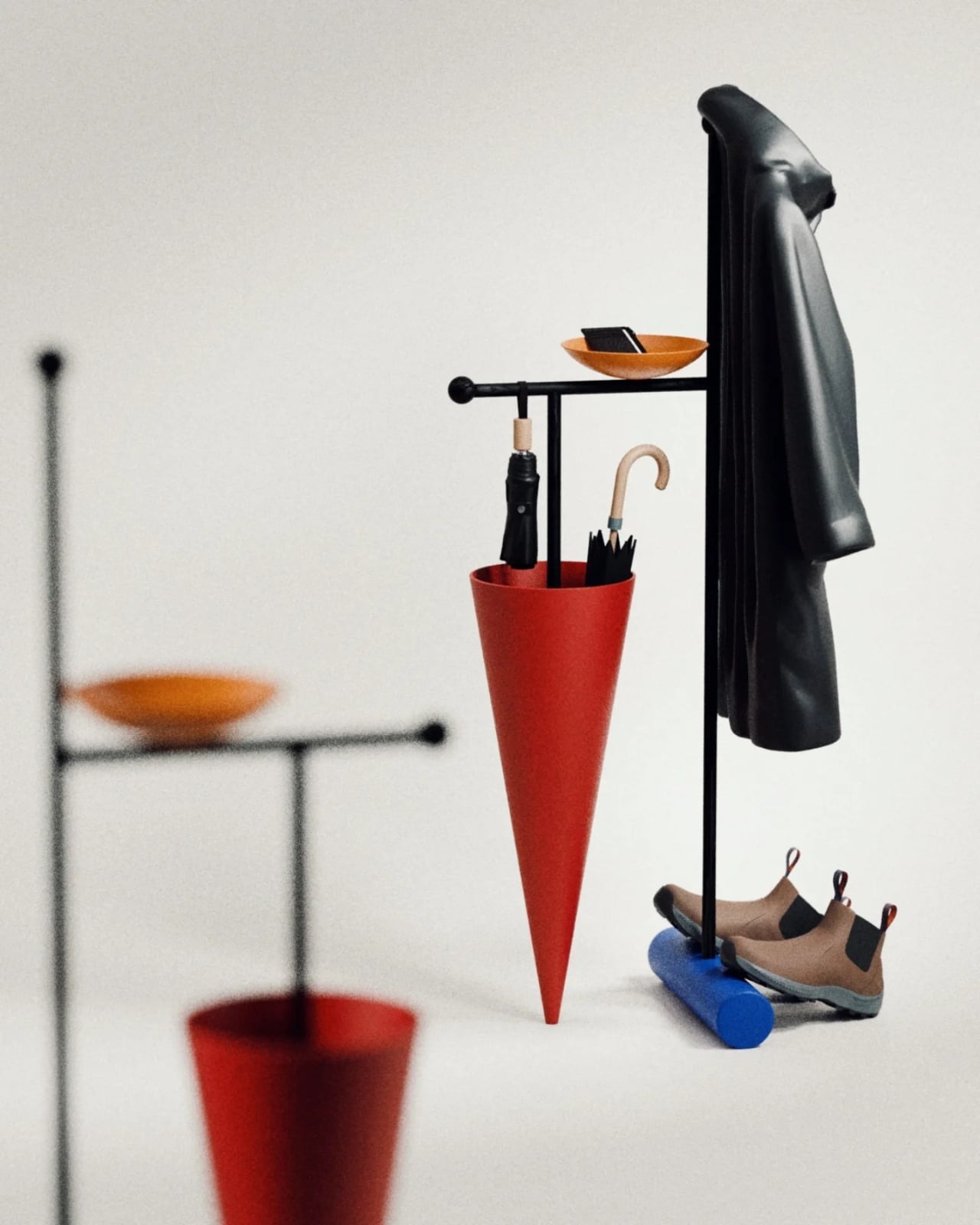
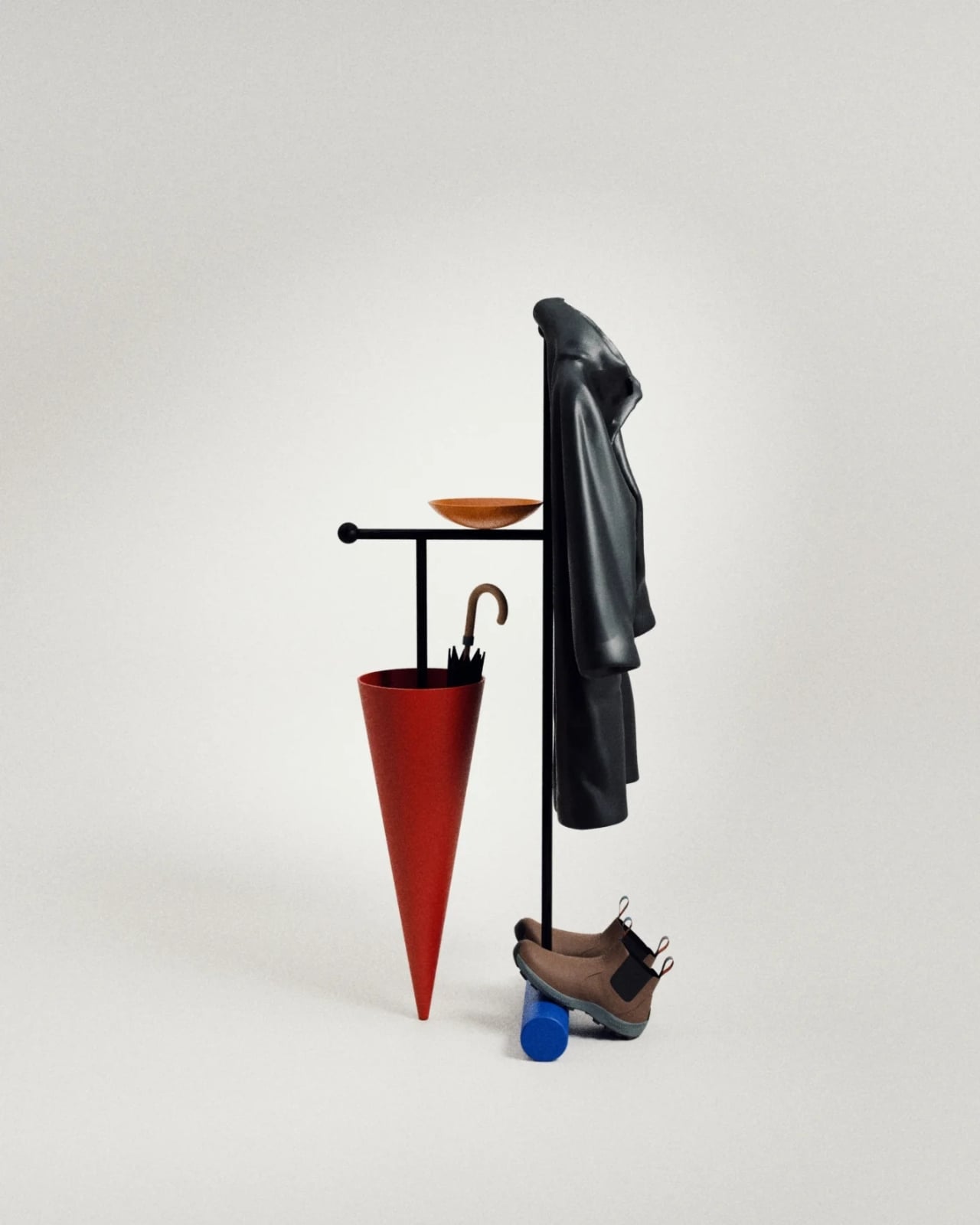
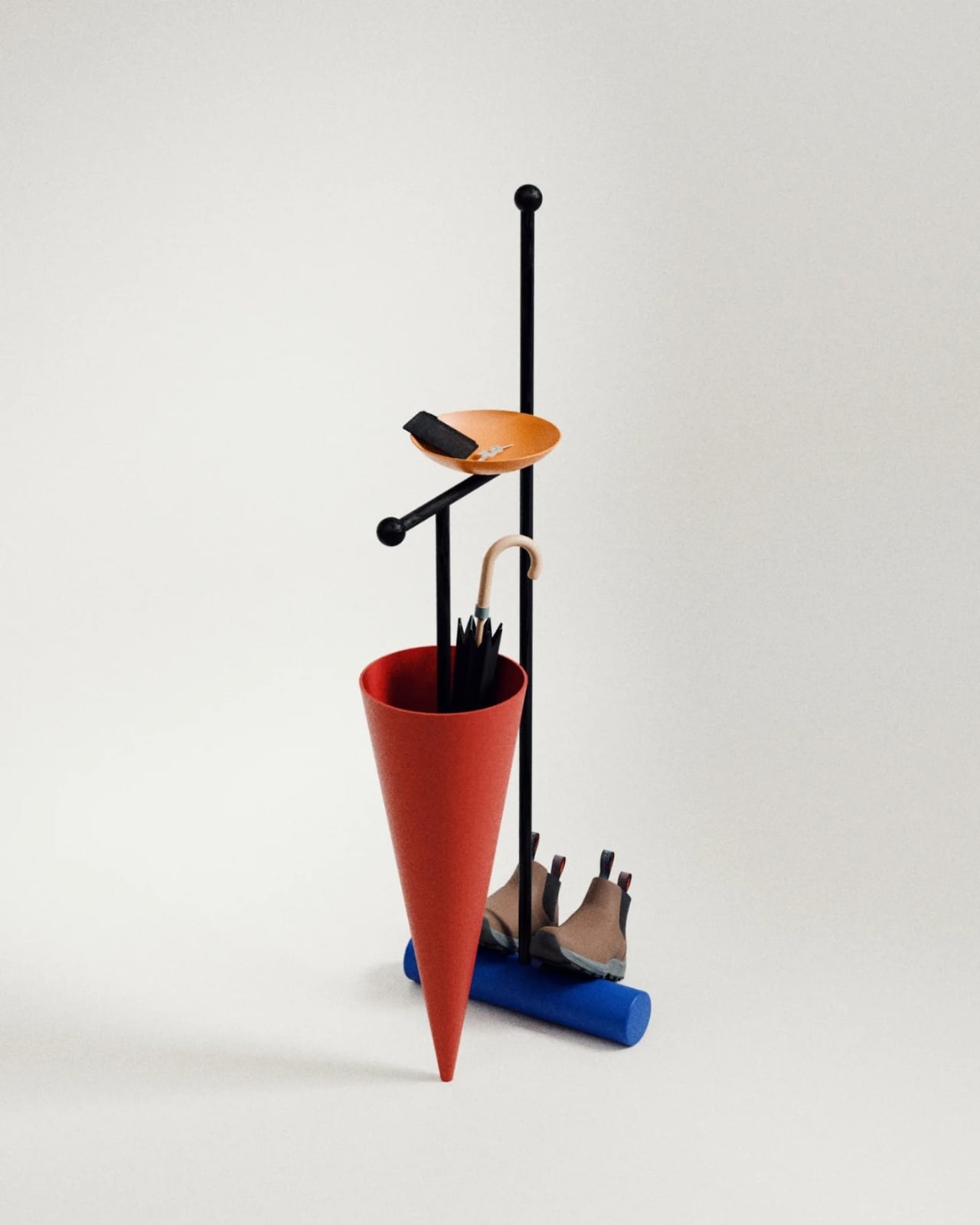
At first glance, it looks almost like a piece of kinetic sculpture that wandered out of a modern art museum and decided to make itself useful. A slender black metal frame rises from a bold blue base, punctuated by a cone-shaped holder in that perfect burnt orange-red that interior designers are always calling “terracotta” but really just makes you think of summer sunsets and Spanish roof tiles. Perched on one of the extending arms is a warm orange dish that could easily pass for a decorative accent if it weren’t so brilliantly practical.

Designer: Design by Joffey

The genius of notgrey is how it takes something most of us barely think about and turns it into a conversation piece. Umbrella stands traditionally occupy that weird category of household objects we know we probably need but can never quite get excited about. They’re the sensible shoes of home furnishings. But Joffey has created something that makes you actually want to display your rainy day clutter.

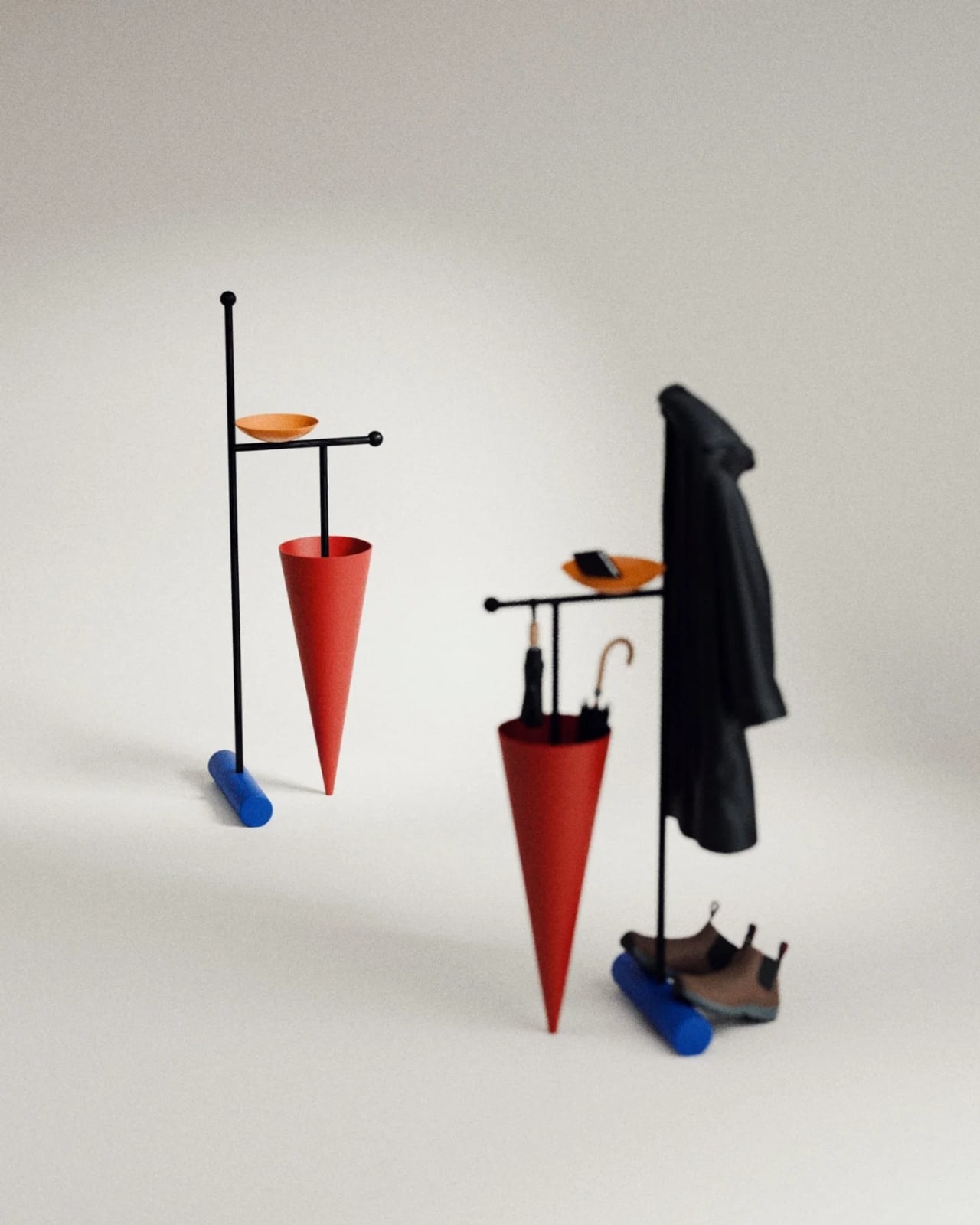
Let’s talk about what it actually does, because this isn’t just pretty geometry. The cone holder catches your dripping umbrella without taking up much floor space. The extending arm supports a coat hook that can handle your wet jacket. That orange dish? Perfect for corralling keys, sunglasses, your phone, or whatever else you’re juggling when you stumble through the door. And at the base, there’s room to kick off your shoes, keeping everything you need for coming and going in one tidy vertical arrangement.

What makes this design particularly smart is how it maximizes vertical space. Small entryways are notoriously tricky to organize, you need storage but you can’t sacrifice precious square footage. Notgrey solves this by building up instead of out. The slender profile means it tucks nicely beside a door without creating an obstacle course, while still offering multiple functions stacked on that single pole.

The color choices feel intentional in a way that goes beyond just being eye-catching. That blue base grounds the whole piece, literally and visually. The red cone creates a focal point that draws your eye without overwhelming the space. And the orange dish adds warmth that keeps the primary colors from feeling too stark or toy-like. Together, they create a palette that feels both playful and sophisticated, which is a surprisingly tricky balance to strike.

There’s also something refreshing about a functional object that doesn’t apologize for taking up visual space. So much contemporary design is obsessed with disappearing, with being invisible and unobtrusive. Everything’s supposed to be minimalist and neutral and blend seamlessly into your carefully curated aesthetic. But notgrey takes the opposite approach. It says, if I’m going to be in your home, if I’m going to serve a purpose, I might as well look interesting while I’m at it.

This is exactly the kind of design that makes mundane routines feel a little more special. Coming home on a grey, drizzly day and having somewhere cheerful and organized to stash your soggy belongings is the kind of small pleasure that accumulates over time. It’s not going to change your life, but it might change how you feel about your entryway, which is more than most umbrella stands can claim.

For anyone who’s been looking at their cluttered doorway and thinking there has to be a better solution than a pile of wet coats on the floor and umbrellas propped against the wall, notgrey offers an answer that’s both practical and genuinely delightful to look at. It’s proof that even the most ordinary household problems deserve solutions with a little personality.

In a market saturated with beige and white and “goes with everything” neutrals, here’s a design that confidently announces its presence. And really, isn’t that exactly what you want from something whose literal name is a rejection of dullness?

The post The Umbrella Stand That Refuses to Be Grey or Boring first appeared on Yanko Design.
Pebblebee Clip 5 Hot Coral and Subzero Trackers Won’t Be Restocked

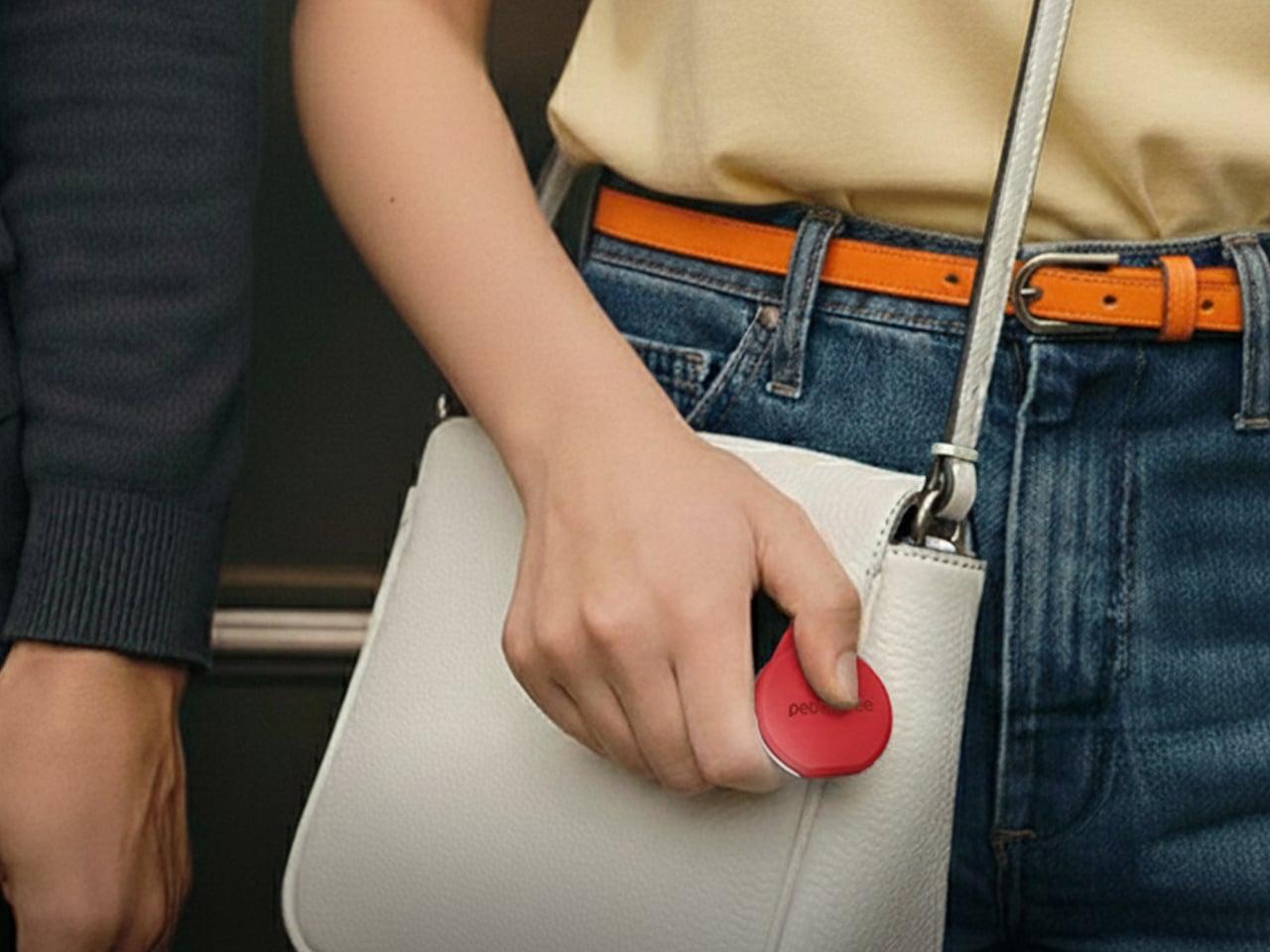
Bluetooth trackers usually behave like small discs or tags you hide on keys and bags and forget about until something goes missing. They tend to come in grayscale, designed to disappear, even though they live on things you carry every day. There’s room for a tracker that feels more like a deliberate accessory choice instead of invisible insurance dangling off your keychain.

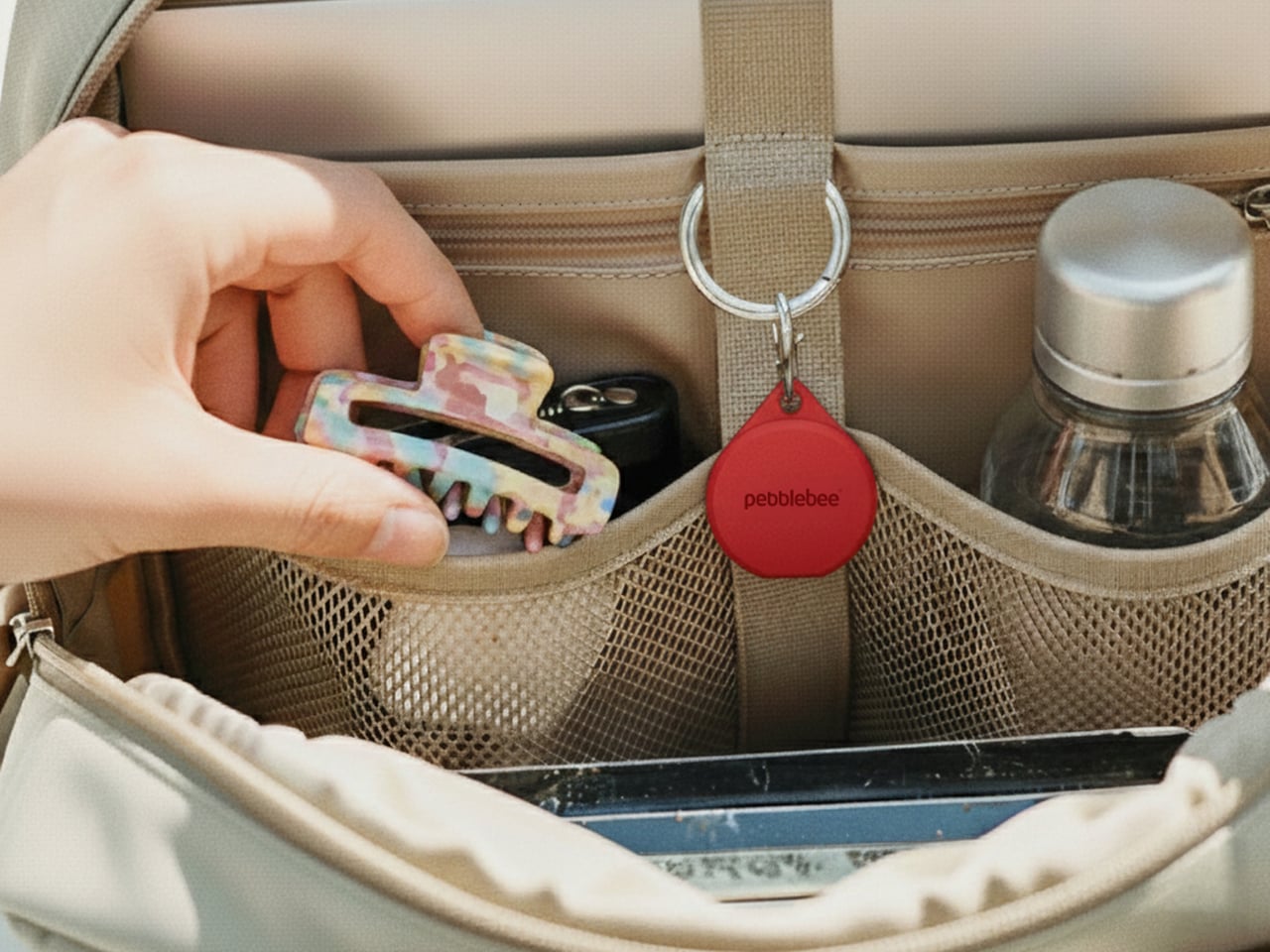
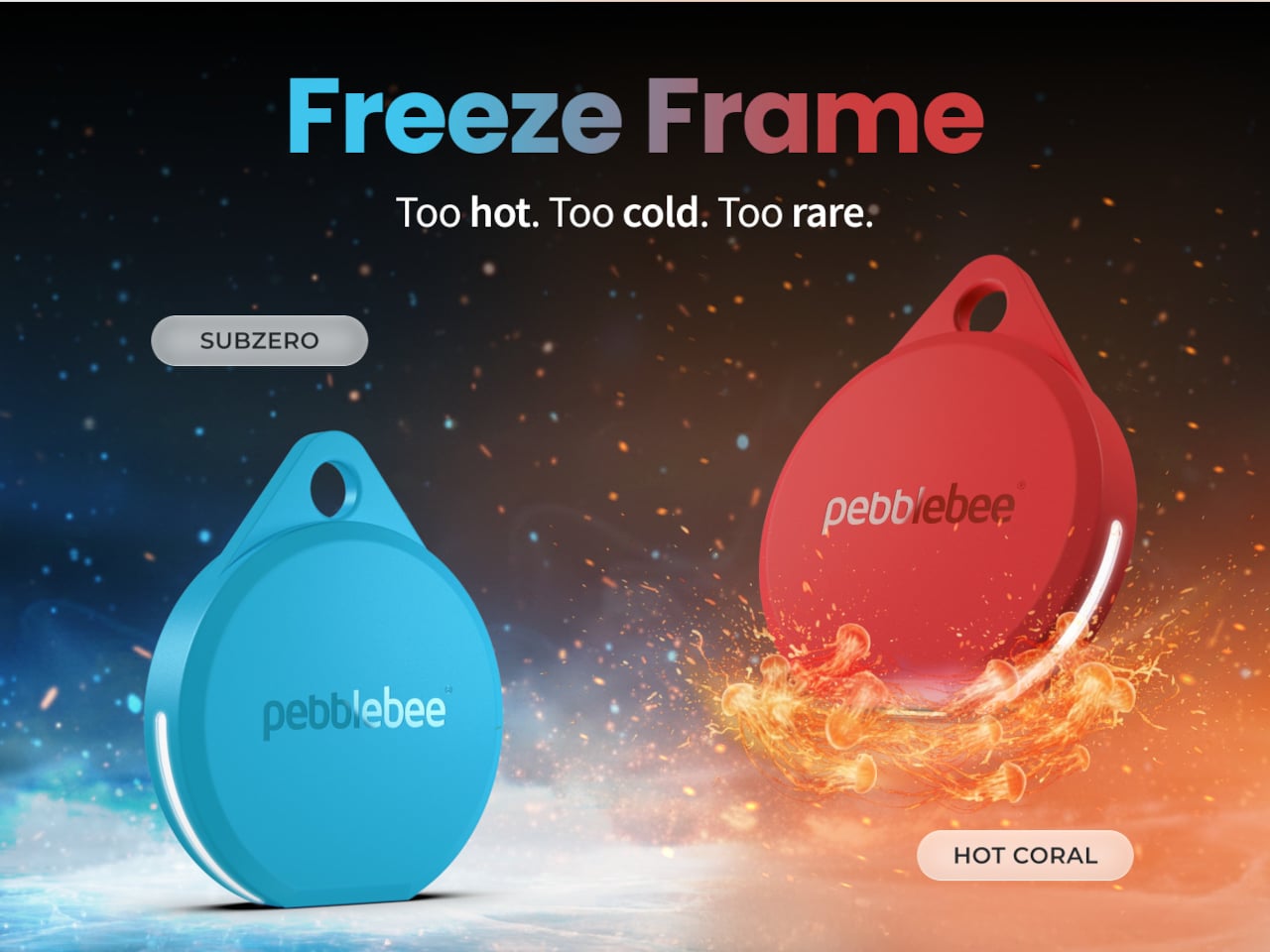
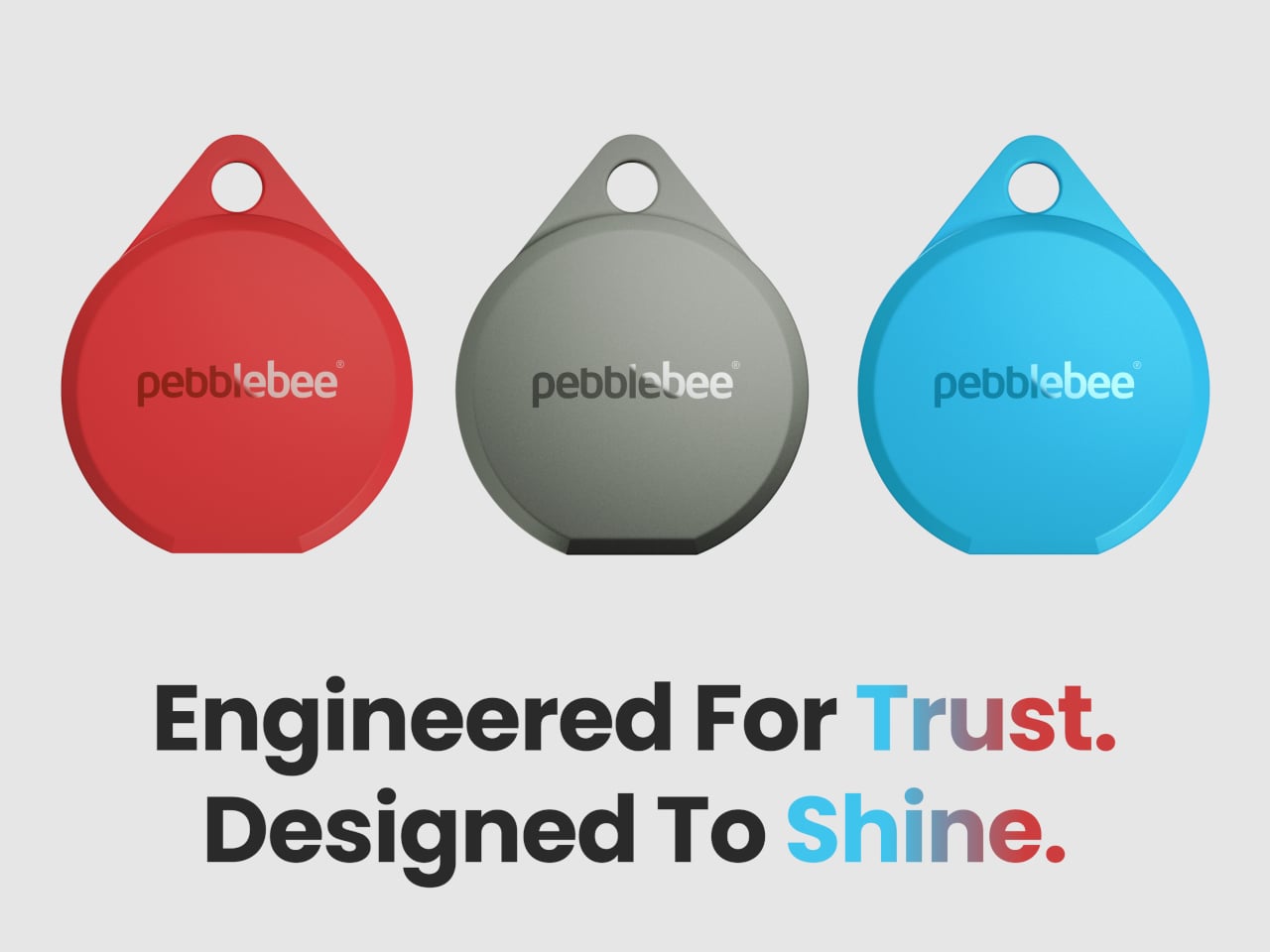
Pebblebee’s Evercolor program is a limited-edition color drop series for Clip 5, and Freeze Frame is the latest release. The brand launched two new colors, Subzero and Hot Coral, framed around temperature as “our first teacher.” The drop is time-limited, never repeated, and meant to make carrying a tracker feel personal and collectible rather than generic, more like picking a phone case than just buying another black tag.

Designer: Pebblebee

Pebblebee positions Subzero as a restrained, icy blue that reflects calm, control, and stillness, and Hot Coral as a warm, saturated coral red that signals energy, urgency, and action. The pair is meant to capture that early lesson of cold and heat, pause and response, turning the act of clipping a tag to your keys or bag into a small statement about how you relate to that item.

Under the new colors sits the same Clip 5 hardware. It’s Pebblebee’s latest item finder, with brighter LED strobes, a louder buzzer, and a more modern, rounded design. It runs for up to twelve months on a single USB-C charge, has an IP66 water resistance rating, and reaches up to 500 ft over Bluetooth. It’s built to be found by sound, by sight, and now by style.

Clip 5 can join Apple’s Find My network on iOS or Google’s Find Hub on Android, so billions of devices quietly help you find lost items. There’s also a built-in Alert personal safety feature, where rapid presses trigger a siren, strobe, and SMS location ping to your chosen Safety Circle. That makes the color choice feel a bit more loaded when you think about where you clip it and when you might need it.

Evercolor drops are designed as moments, not permanent SKUs, and these shades won’t be restocked once they sell out. That scarcity nudges trackers into the same mental space as seasonal phone cases or watch bands, something you pick on purpose for a specific bag, coat, or set of keys instead of a default tag you never think about after you buy it.

Freeze Frame is less about changing what Clip 5 can do and more about changing how it feels to carry it. A Subzero tag on a camera bag or winter coat reads as calm and controlled, a Hot Coral one on keys or a gym bag feels like a bright “do not lose this” marker. When the whole point is not losing what matters, making it easier to care about the tag itself is smart design thinking most trackers skip entirely.

The post Pebblebee Clip 5 Hot Coral and Subzero Trackers Won’t Be Restocked first appeared on Yanko Design.
3D-Printed Faces for Robot Vacuums Get Messy Every Time They Bump

Robot vacuums quietly patrol floors as anonymous discs, efficient but a little eerie, especially for kids and pets who aren’t quite sure what to make of a machine that roams around on its own. They slide under sofas, bump into chair legs, and dock again without anyone feeling particularly attached to them. It doesn’t take much to turn that same machine into something closer to a small pet that happens to vacuum.

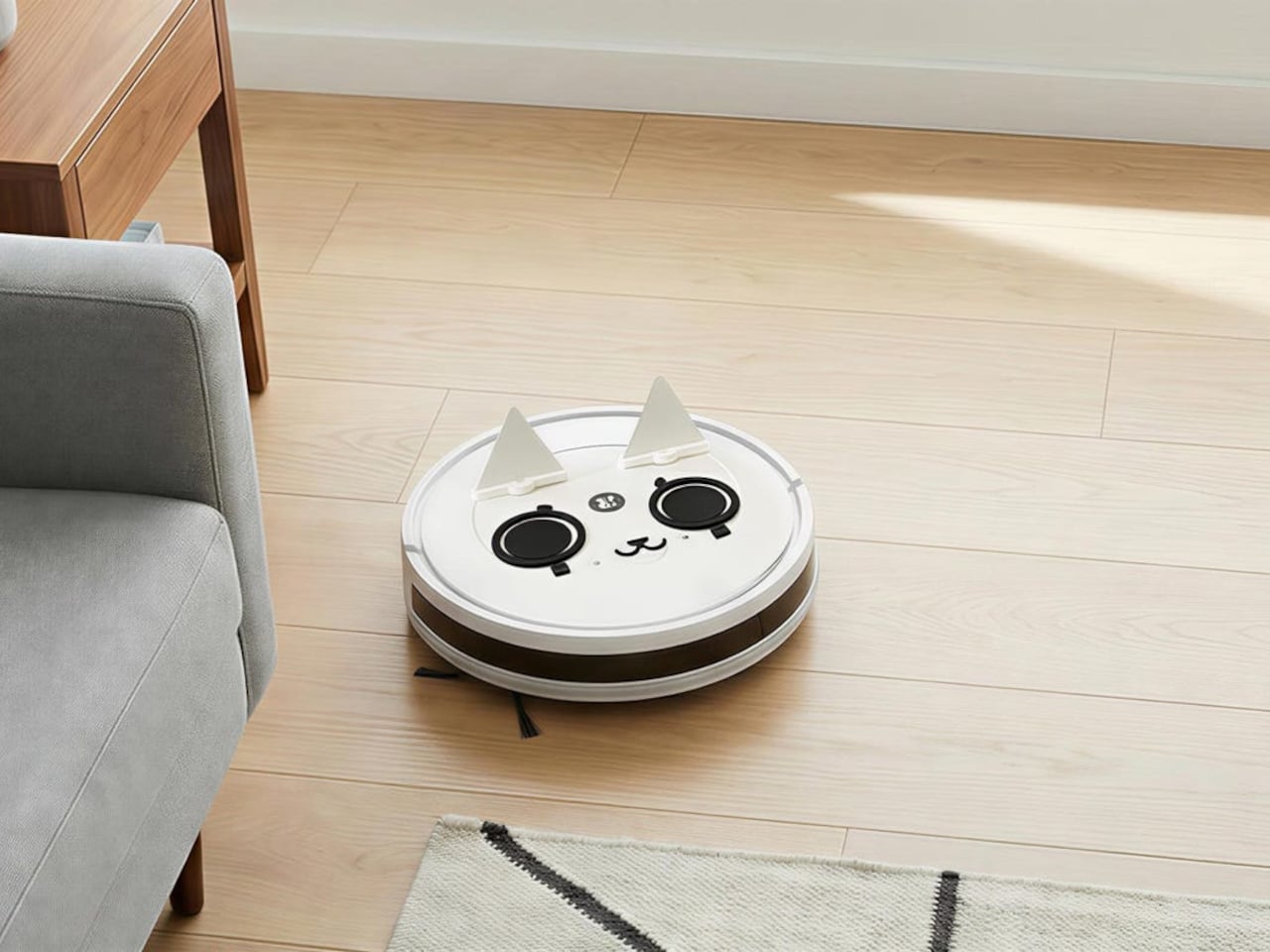
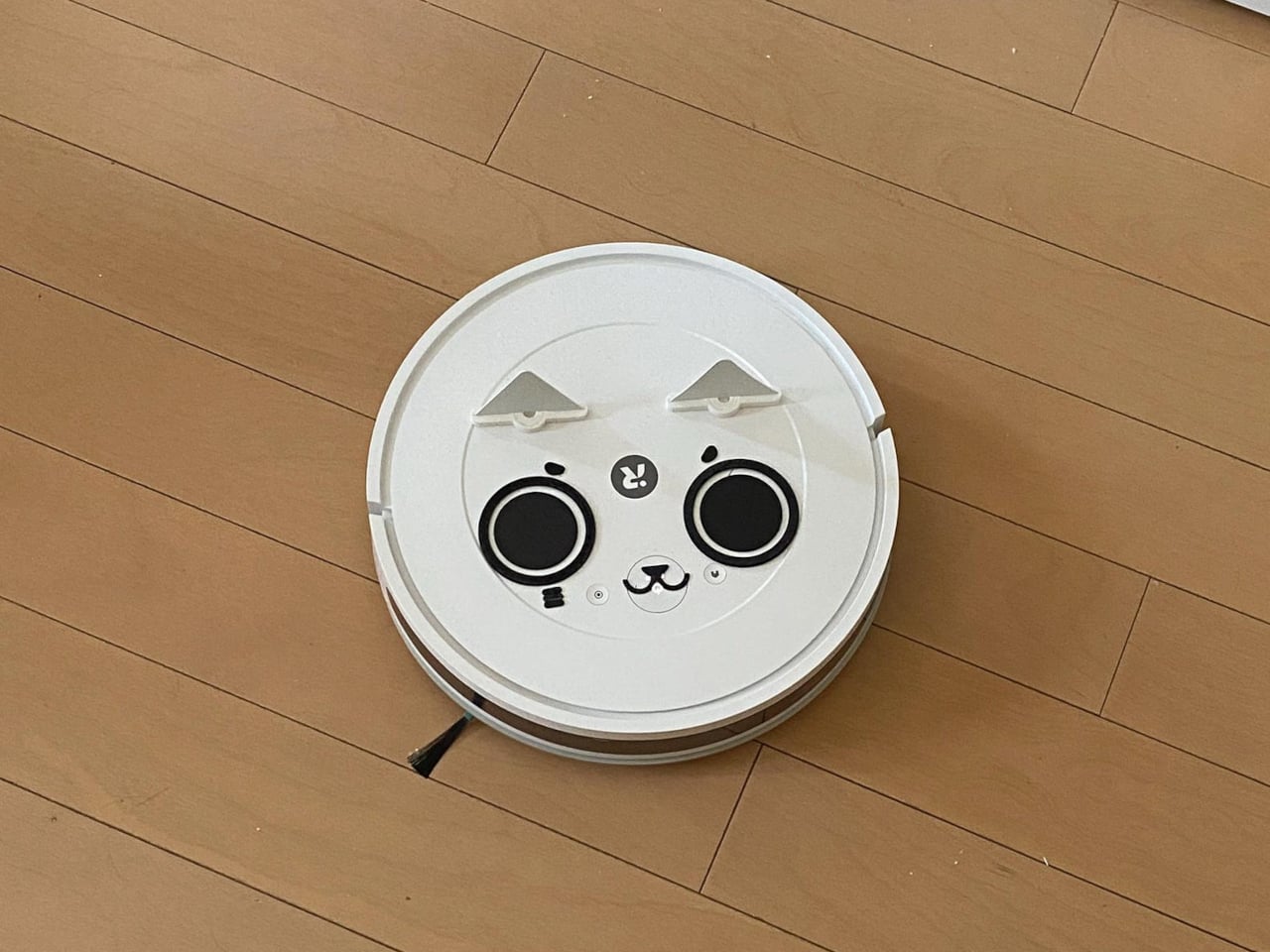
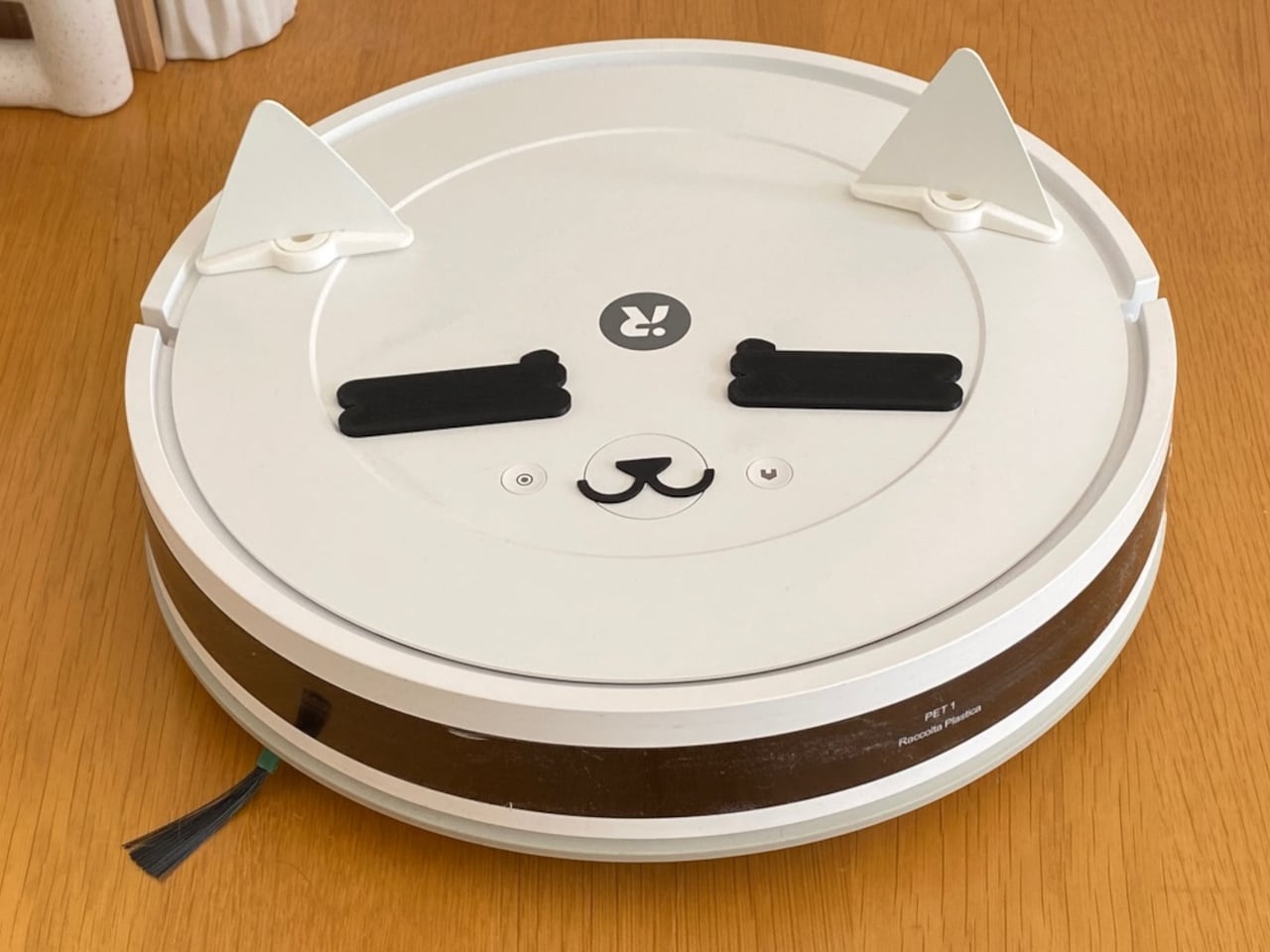
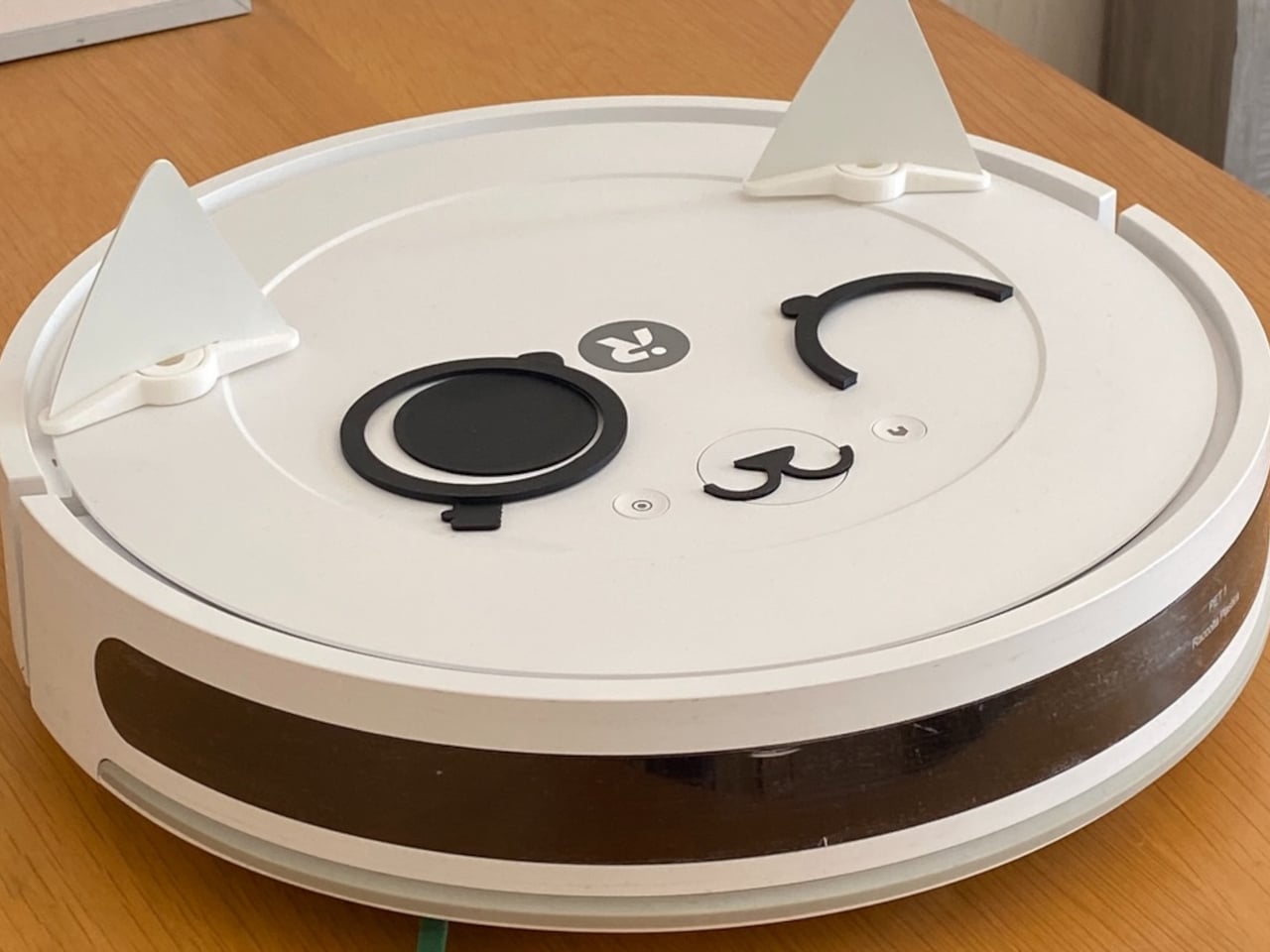
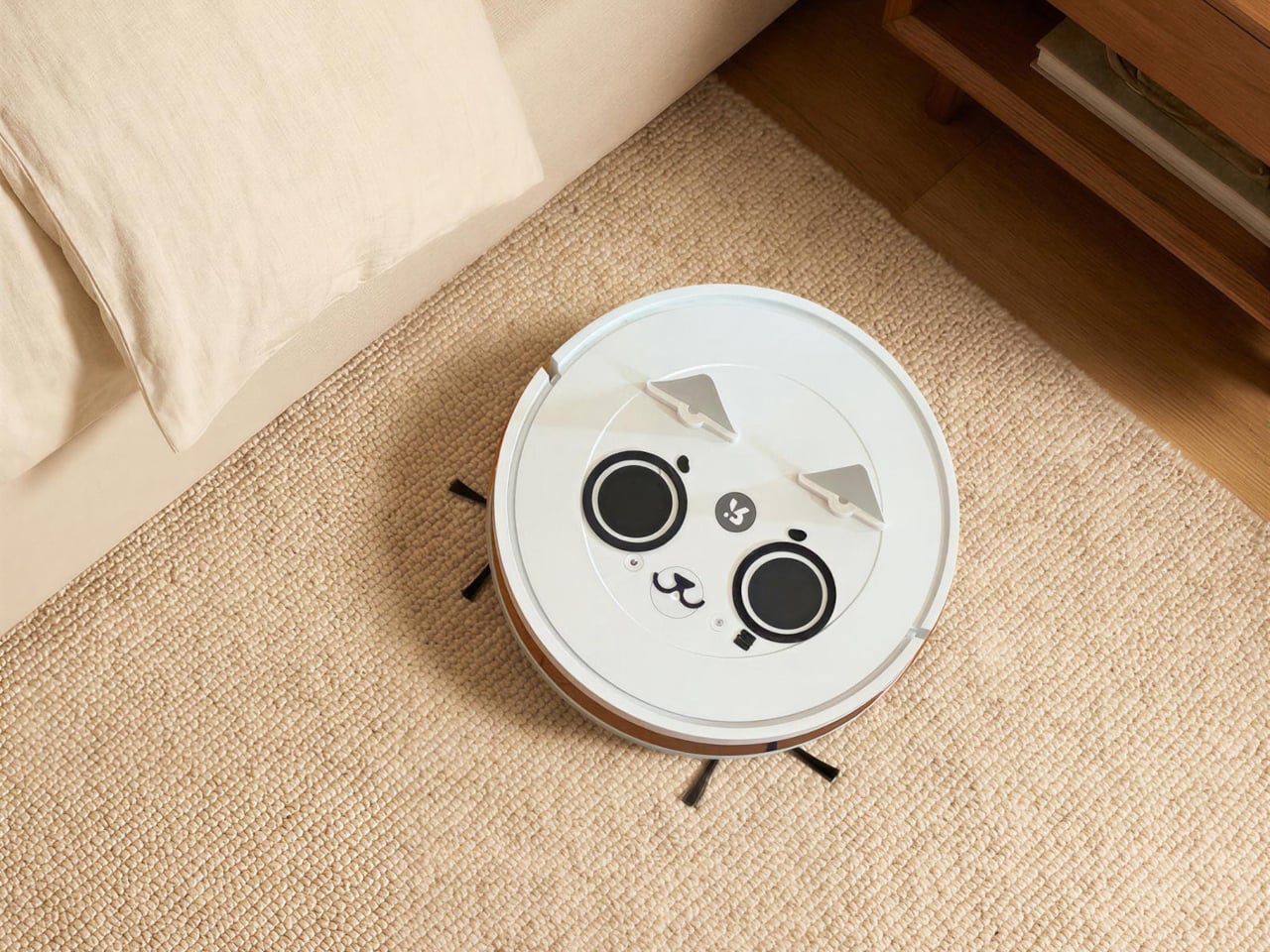
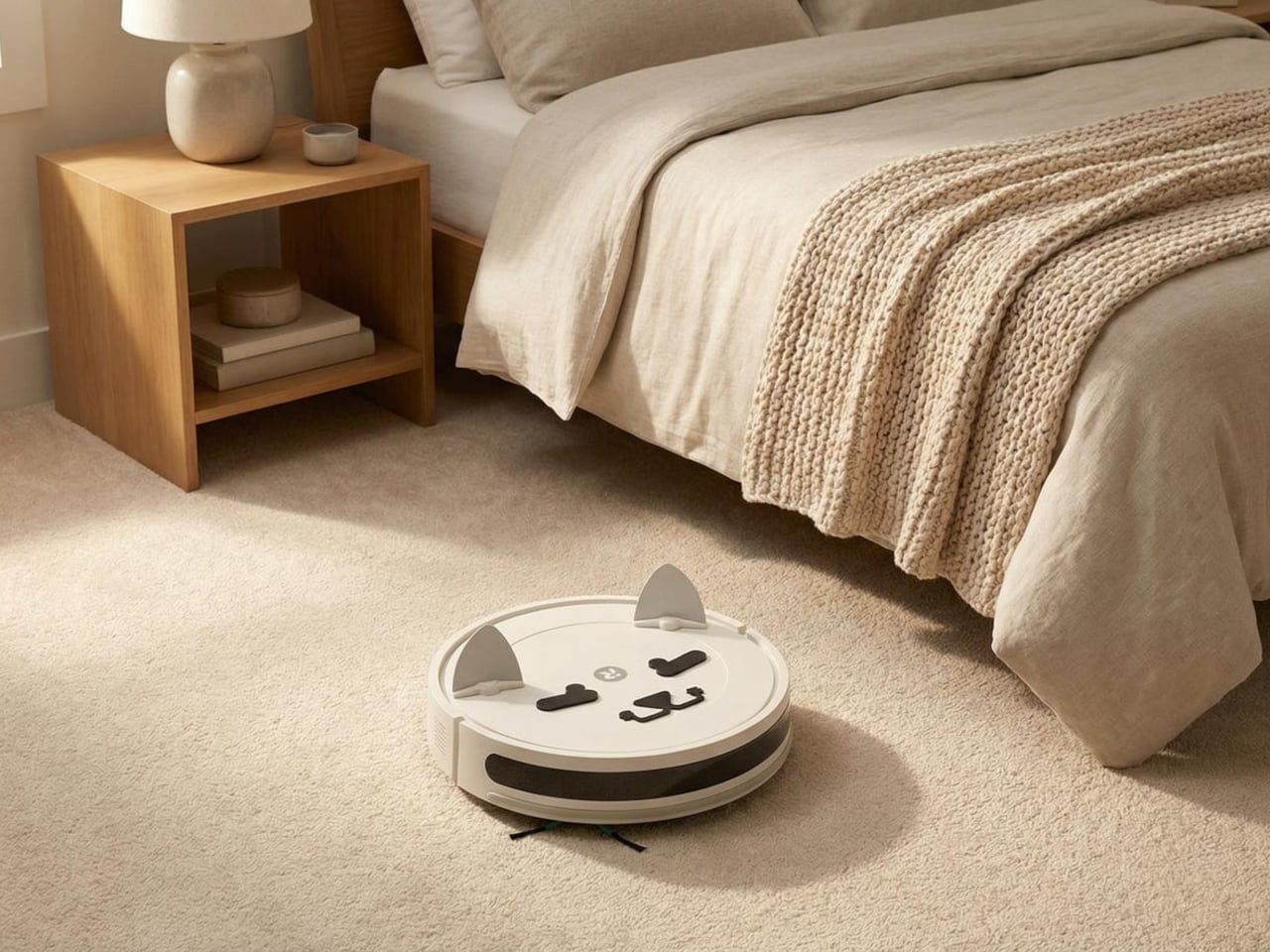
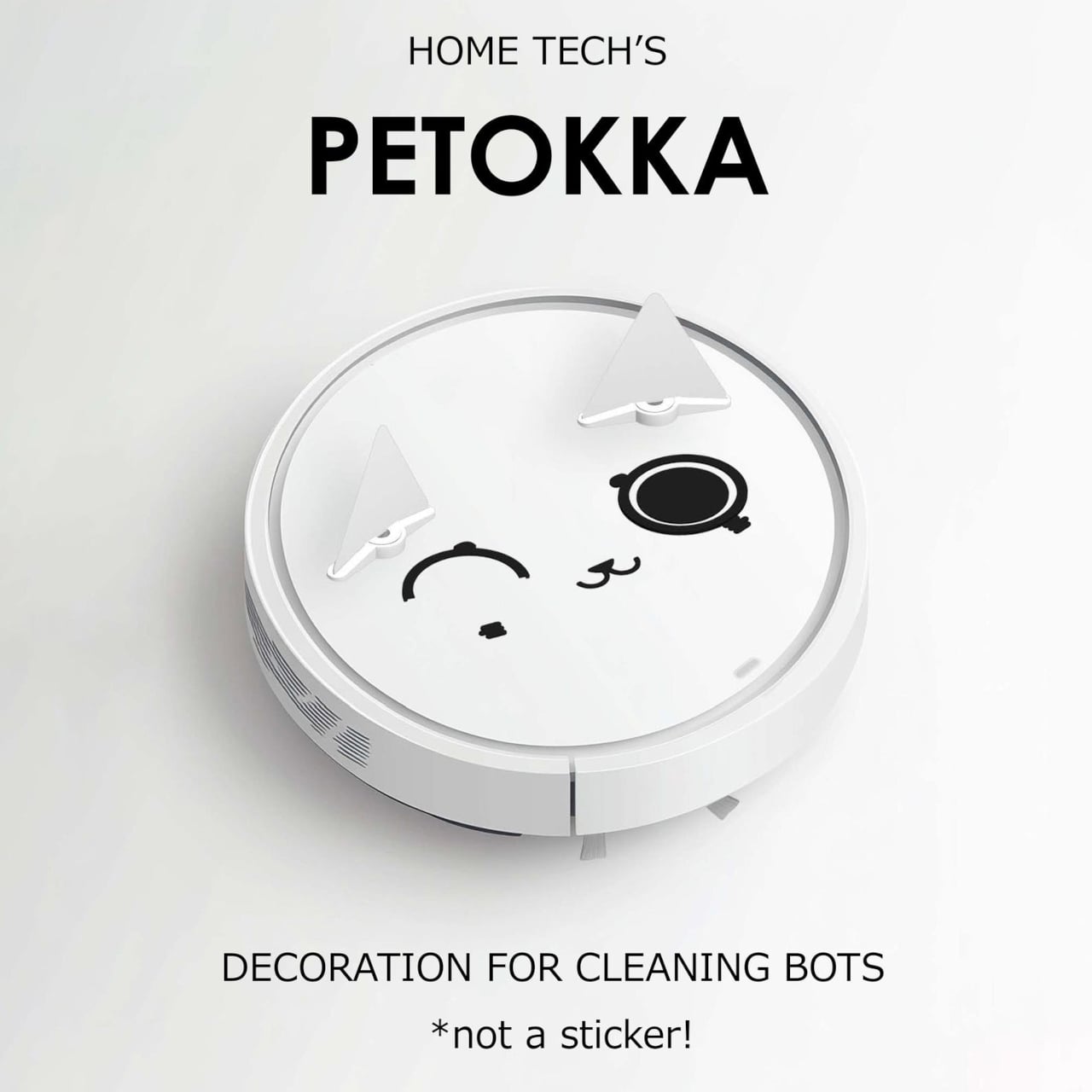
This 3D-printed cat/dog robot vacuum decoration, sold under the Petokka name, is a small kit that gives the robot a face, ears, and movable eyes. Rather than stickers, it’s a set of PLA parts that sit on top of the vacuum and react to how it moves, so the cleaning bot comes back from a run looking like it’s had its own adventure.

Designer: Zakka Gyou

A vacuum starts a cycle with wide eyes and perky ears, then bumps into table legs and skirting boards. Each impact nudges the eye assemblies, twisting pupils into crossed or sleepy positions, while crawling under furniture folds the hinged ears back. When the robot docks, its face is slightly scrambled, and you can read its route in the way its expression has shifted, one eye drowsy, one ear still folded down.

The kit works without wiring or electronics. The eyes sit on low-friction pivots, the ears are hinged triangles, and everything is 3D-printed in PLA and resin. There’s no battery, just gravity and inertia doing the work. The seller includes a choking-hazard warning, noting that parts aren’t meant for toddlers or pets that chew, with an option to request only ears or sticker faces if small pieces are a concern.

Petokka is designed for basic IR or bump-type cleaners with flat tops, like many Roomba-style bots. If a vacuum uses a LiDAR turret or top camera, those areas need to stay uncovered, or mapping can suffer, though some tests showed no interference. The kit is an overlay, not a hack, meant to respect the robot’s sensors while giving it a personality that changes with every session.

Each set is printed in a small Japanese atelier, with visible layer lines and tiny imperfections from 3D printing. The maker calls this an early test edition, with certification in progress and materials documented with safety data sheets. It’s a limited-run experiment rather than a mass-market accessory, which makes it feel more like a crafted character than a licensed skin you buy from a retailer.

A handful of plastic parts can change the emotional temperature of a room. The vacuum still cleans the same way, but now it looks back at you with lopsided eyes and folded ears after working its way around furniture. It’s hard not to say “nice job” when it docks looking like it just survived an obstacle course, which is a reminder that sometimes making home tech friendlier isn’t about new sensors or AI, it’s a face that gets a little messed up while it works.

The post 3D-Printed Faces for Robot Vacuums Get Messy Every Time They Bump first appeared on Yanko Design.
This Concept Fixes the Logitech Litra Glow’s Biggest Problems

Logitech’s Litra Glow sits on top of monitors as a small plastic square with no case, no real protection, and controls you reach over your screen to adjust. Creators toss them into backpacks wrapped in T‑shirts, or bolt them to third‑party arms that make the whole setup bulkier and less portable than the light intended. It works well enough at a desk, but it travels poorly and feels awkward the moment you move it.

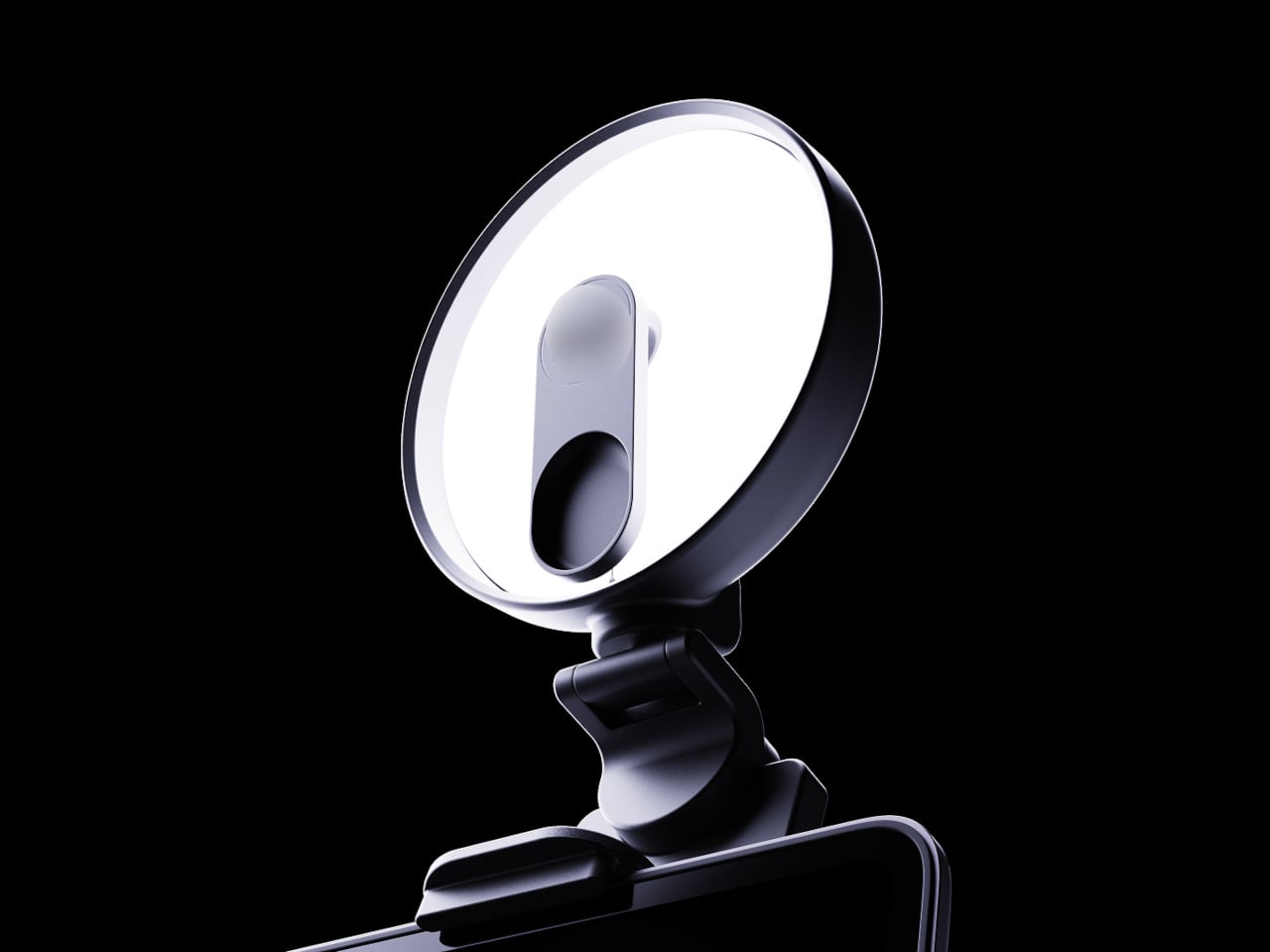
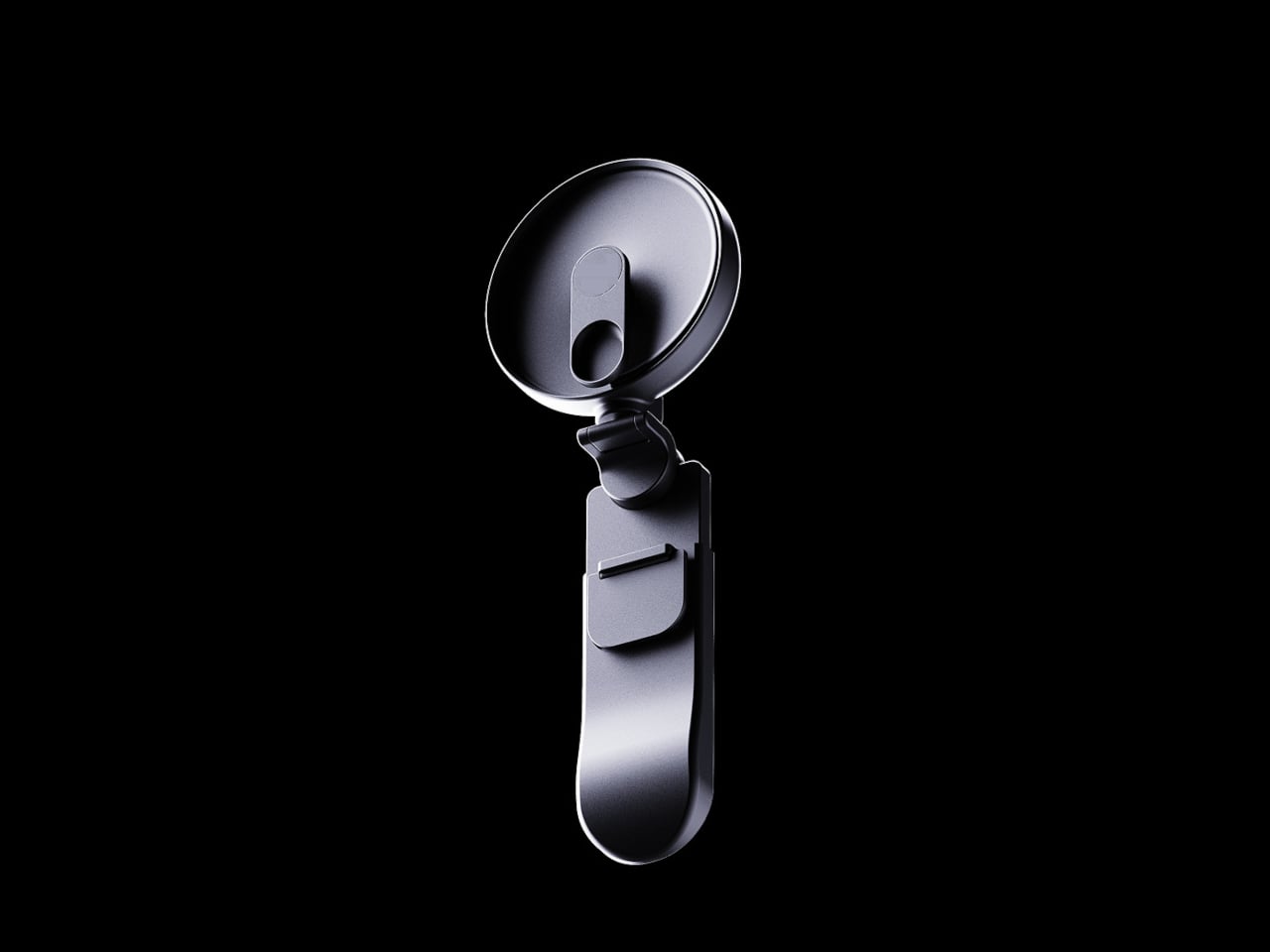
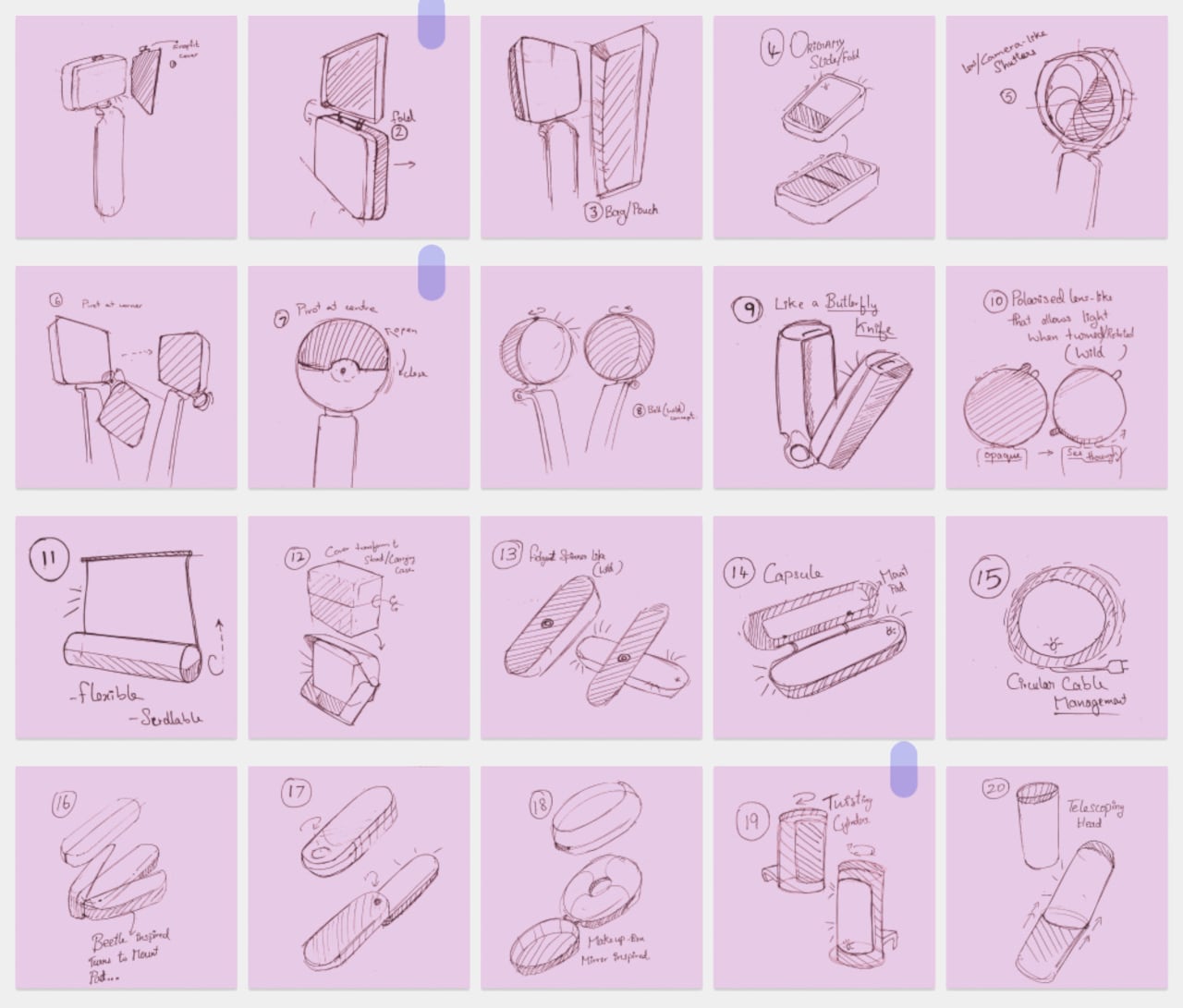
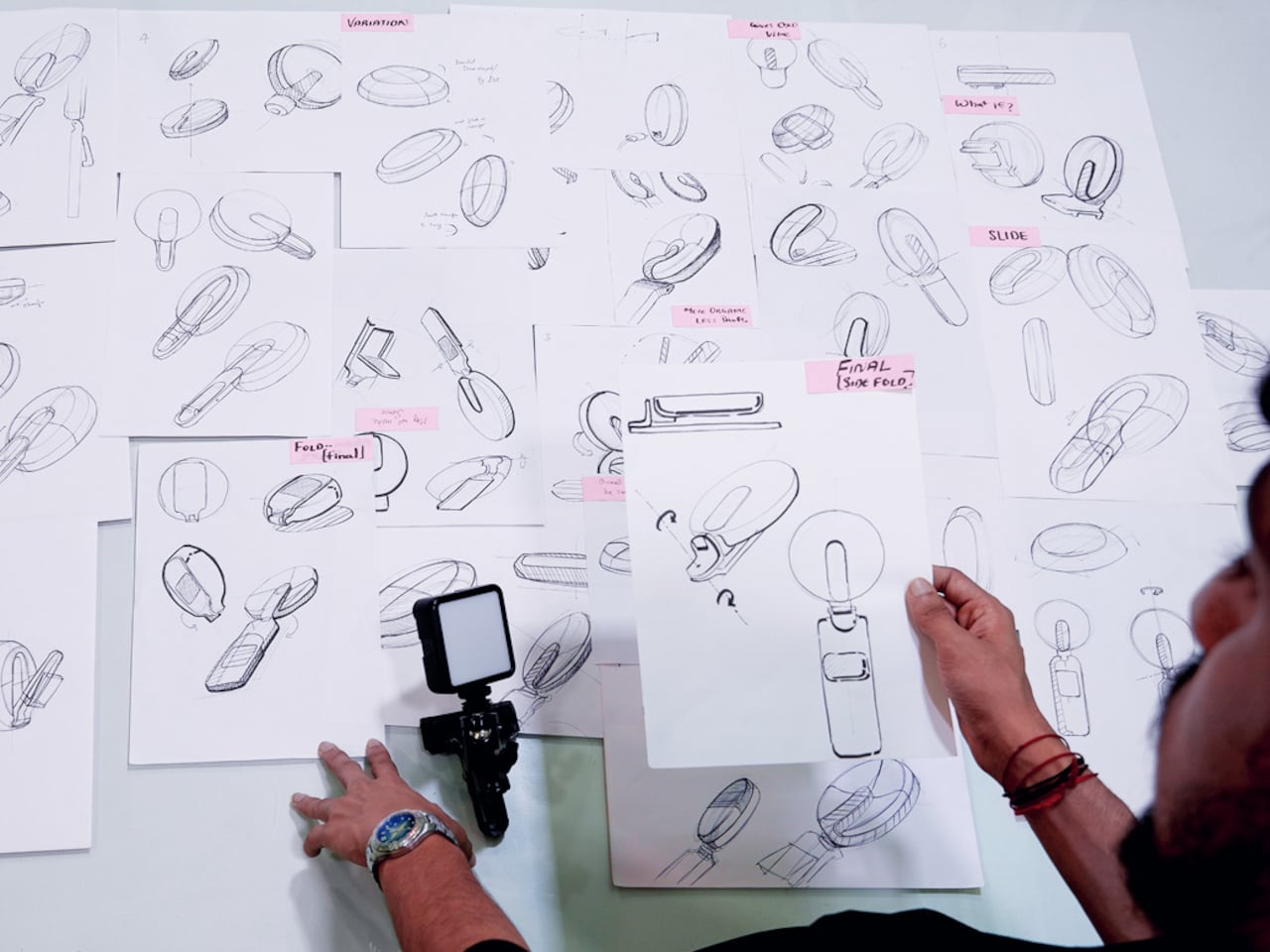
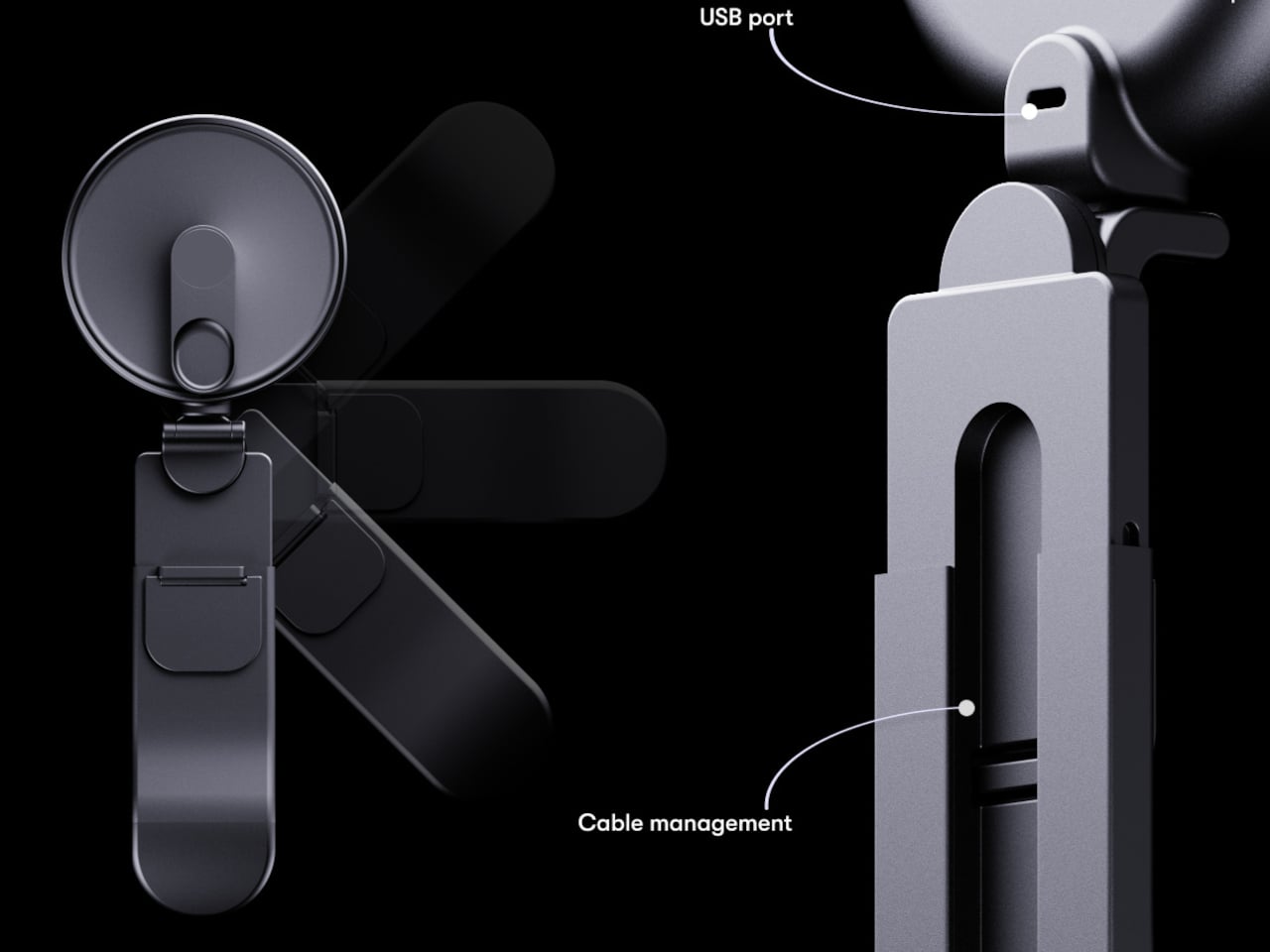
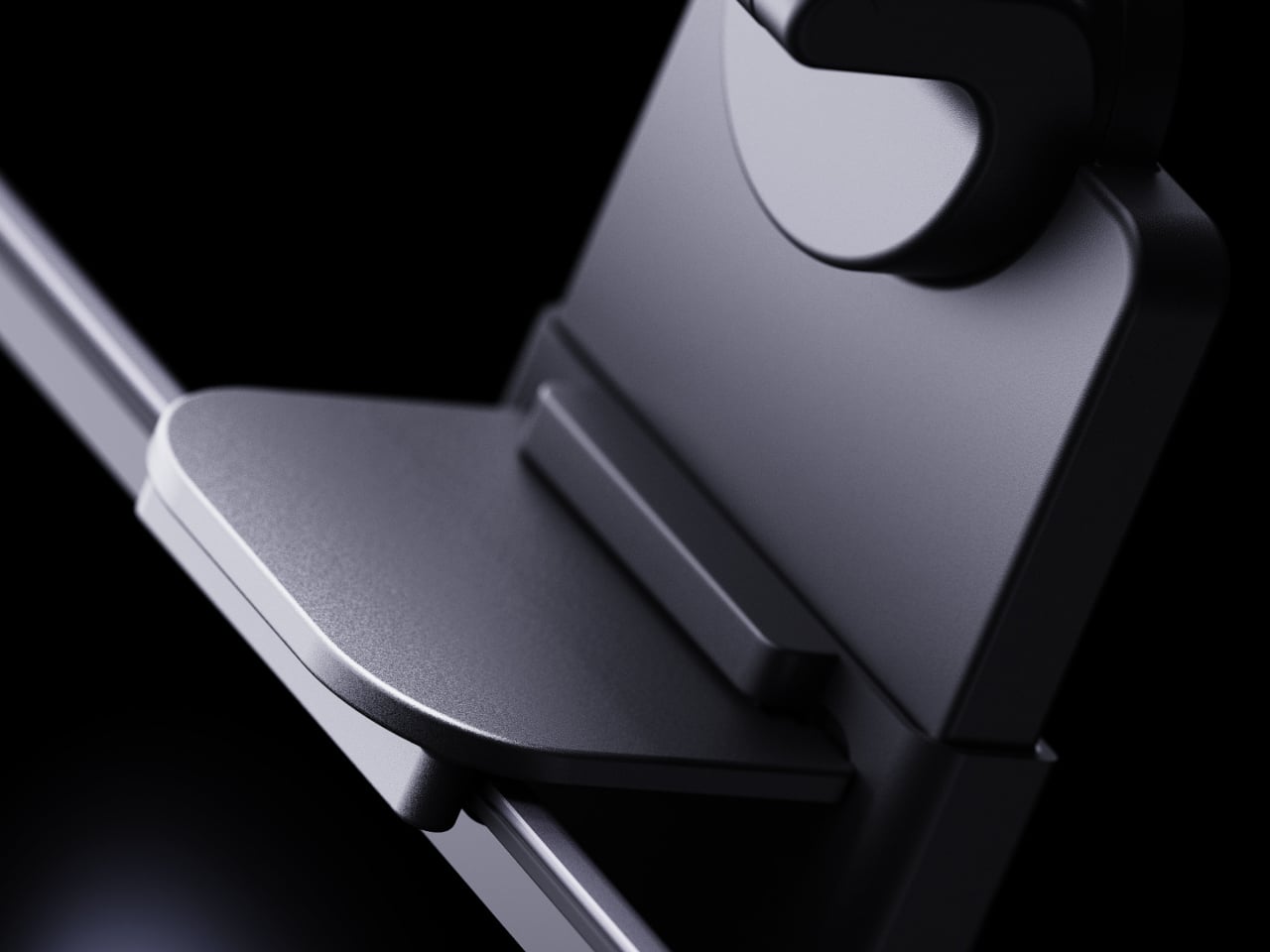
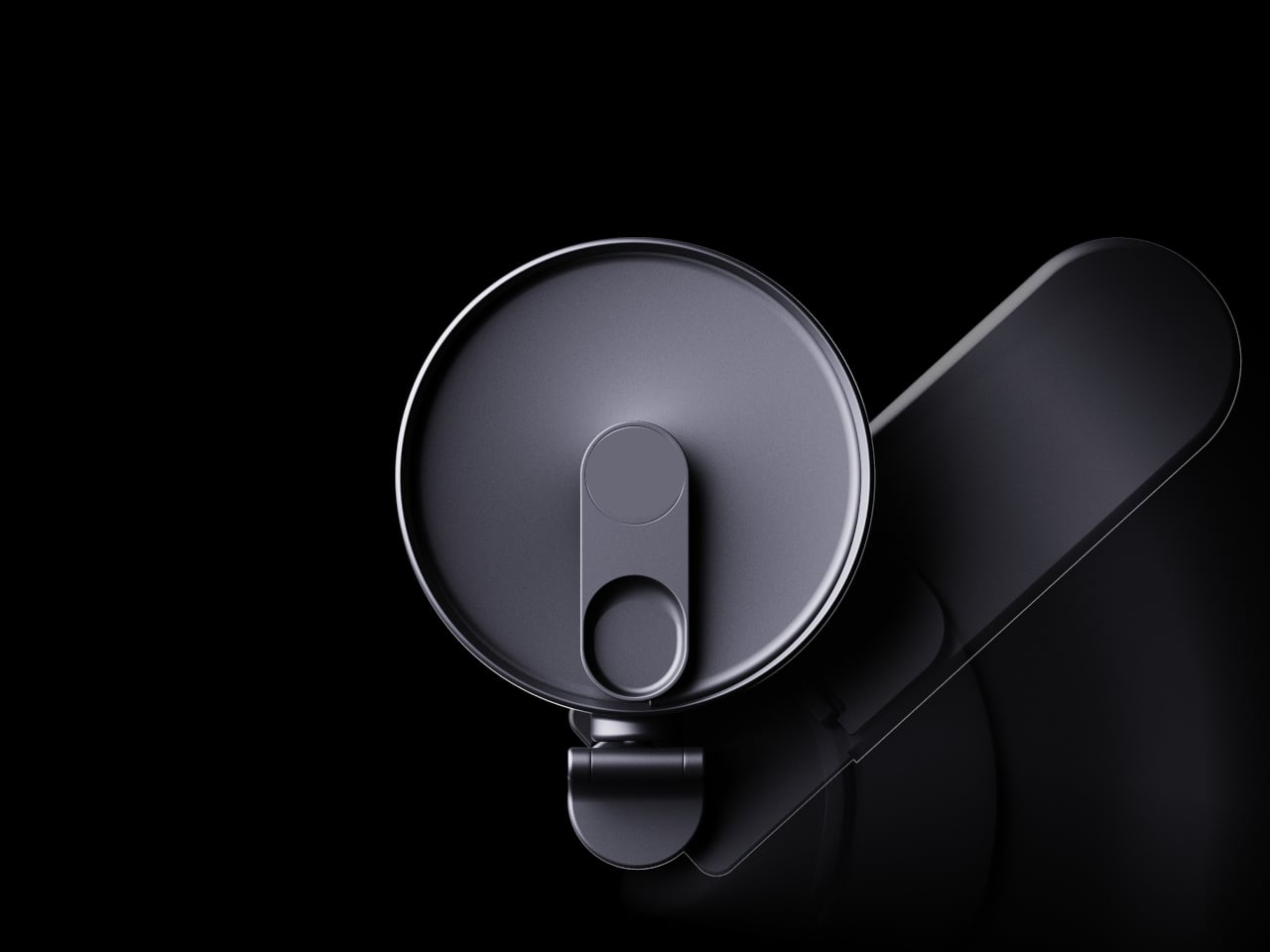
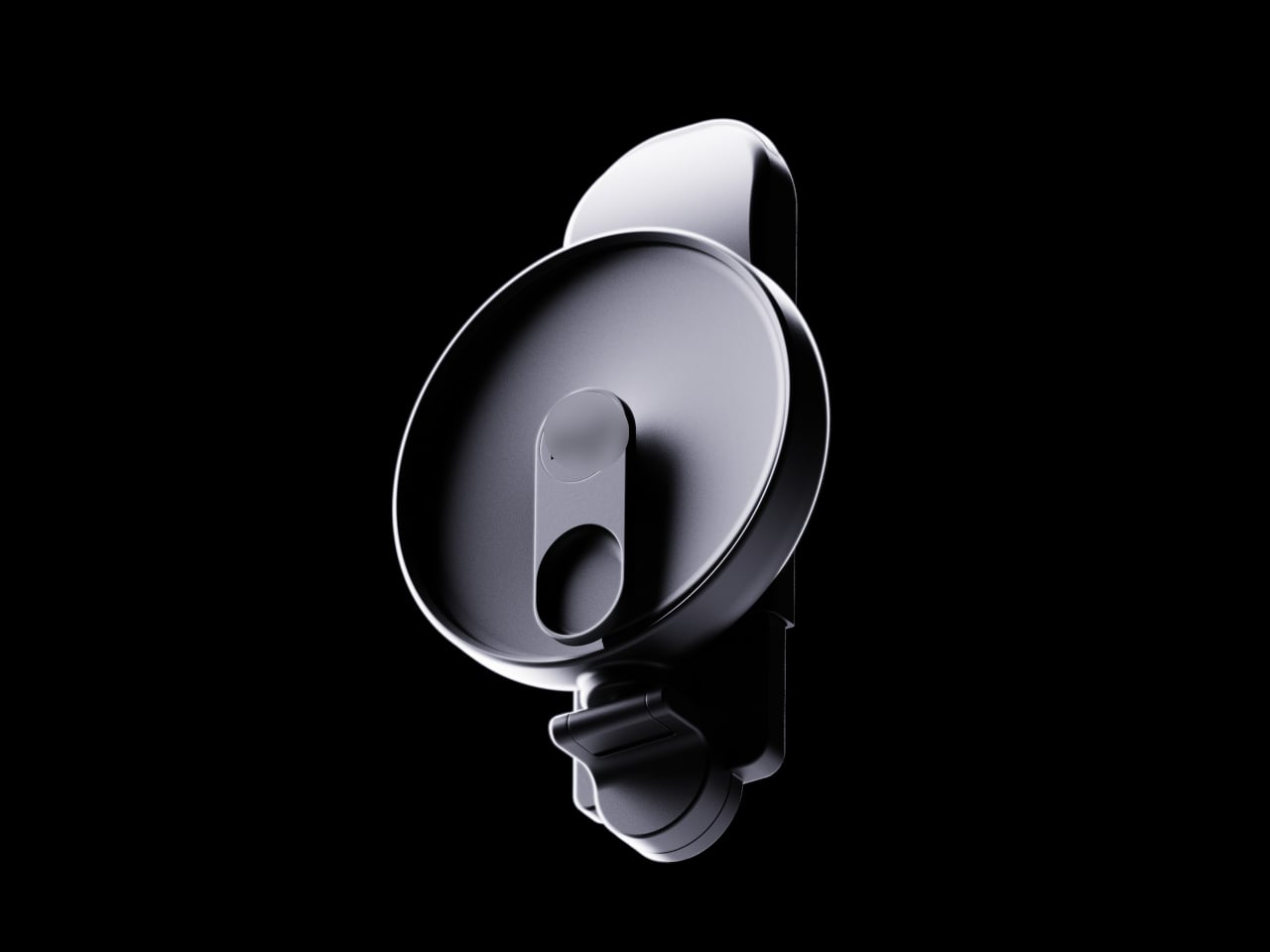
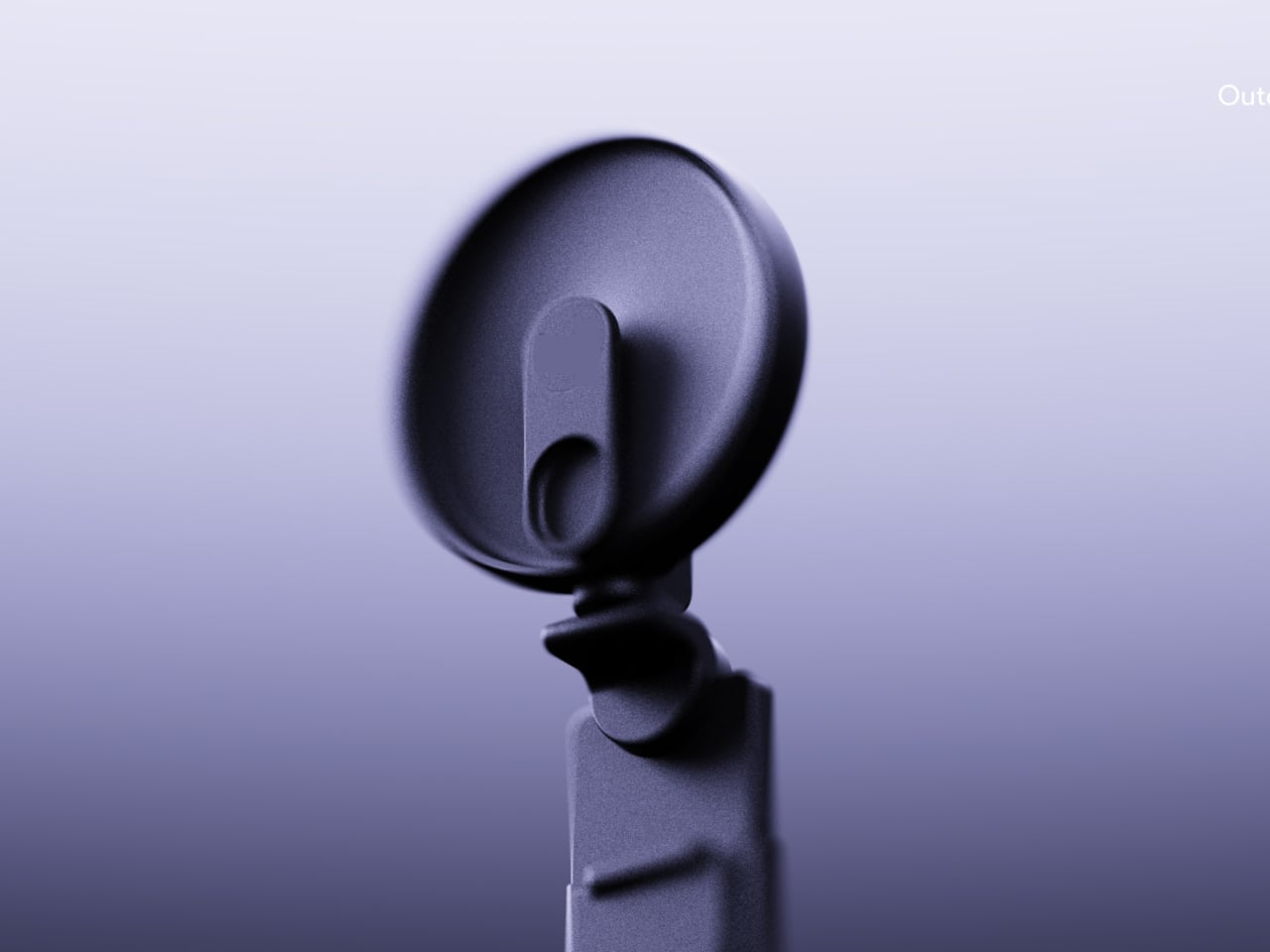
Athul Krishnav’s Logitech Litraglow concept asks what a more travel‑friendly, ergonomically sane version could look like. The student project keeps the idea of a compact, soft light for creators but turns it into a circular head on an integrated clamp and handle, with built‑in rotation, tilt, and protection. It behaves more like a proper tool than a naked accessory needing extra hardware just to stay safe in transit.

Designer: Athul Krishnav

Picture a streamer packing a bag for a trip, sliding the circular Litraglow into a sleeve without worrying about scratching the diffuser or snapping the mount. At the destination, they clamp it to a laptop lid, shelf, or tripod, rotate the head to frame their face, and tilt it precisely without wrestling with a separate arm or stand that adds weight and friction to every adjustment.

The concept builds 360‑degree rotation and smooth tilt into the head and stem, so you can swing the light from one angle to another mid‑call or mid‑shoot without loosening knobs or repositioning the whole clamp. It’s the difference between nudging a spotlight with your fingers and re‑rigging a mini studio every time you change posture or move your camera, which happens more often once you start shooting anywhere other than a fixed desk.

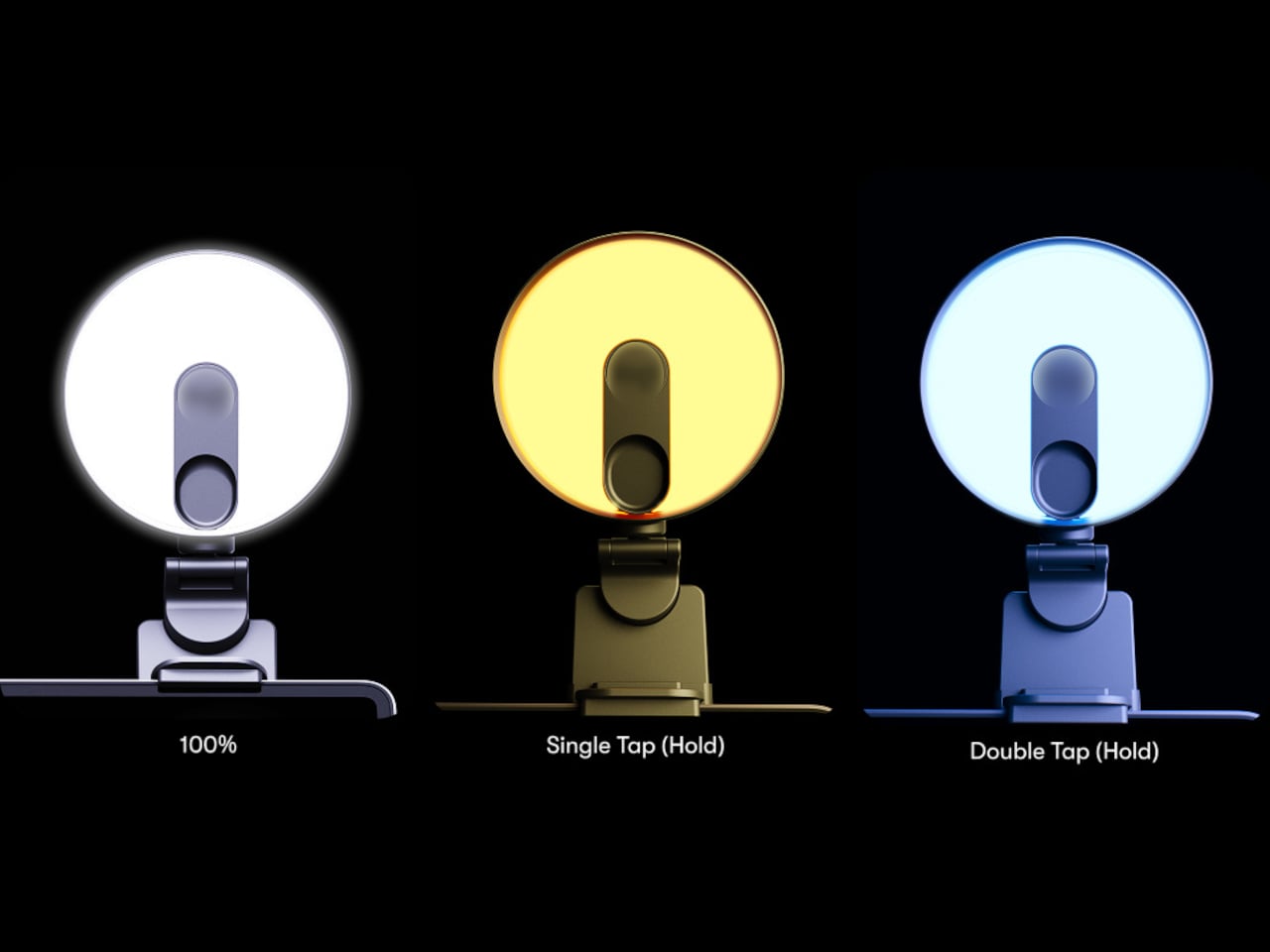
The rotary control dial at the base of the head has simple icons for off, low, and higher brightness, plus tap‑and‑hold gestures for color temperature. You can reach up, feel one control, and know what it’ll do without hunting for tiny buttons on the back. In the middle of a live session, that low cognitive load matters more than a long feature list nobody remembers under pressure.

Of course, the circular head, soft edges, and subtle “logi” branding pull from Logitech’s existing design language, so the light looks at home next to MX mice and keyboards instead of like a random third‑party gadget. Neutral color options keep it from stealing focus on camera, and the integrated clamp and handle mean you aren’t adding another mismatched piece of hardware to an already crowded desk or backpack.

The Litraglow concept doesn’t reinvent lighting but just fixes the small, annoying things around it: the lack of a case, an awkward reach, and clumsy mounts. For creators who live out of backpacks and shoot in whatever corner they can find, a light that travels safely, clamps cleanly, and adjusts with one hand is the kind of quiet upgrade that makes more difference than another spec bump or lumen count increase.

The post This Concept Fixes the Logitech Litra Glow’s Biggest Problems first appeared on Yanko Design.
3D-Printed Whale-Shaped Mouse Began as a Bored Classroom Sketch

Sitting in class, bored, doodling in the corner of a notebook with no plan beyond passing time is how a lot of throwaway sketches happen. Most stay throwaway. Sometimes, though, one curved line that looks a bit like a wave or a tail slowly becomes something that sticks in your head, and you keep drawing it until it isn’t just a line anymore, it’s a character with a face.

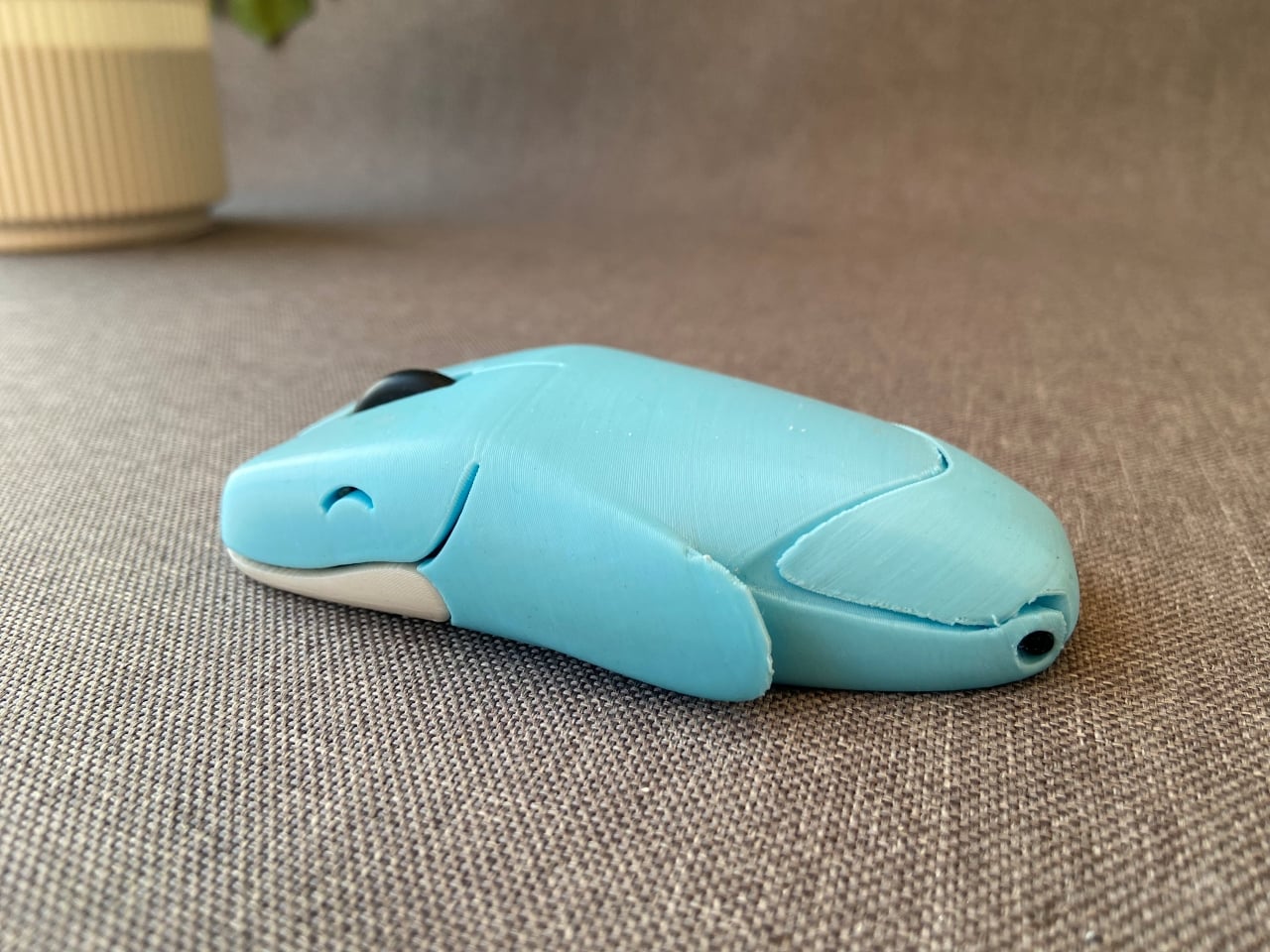
That’s how Whaley started. A whale character drawn during class kept showing up in sketches, gaining expressions and variations until it felt like a proper mascot. The creator turned it into stickers for friends and WeChat moments, and seeing Whaley on other people’s notebooks made the idea feel more real, a small proof that a doodle could be shared and enjoyed beyond the original page.

Designer: Ayanvitta Kalsi

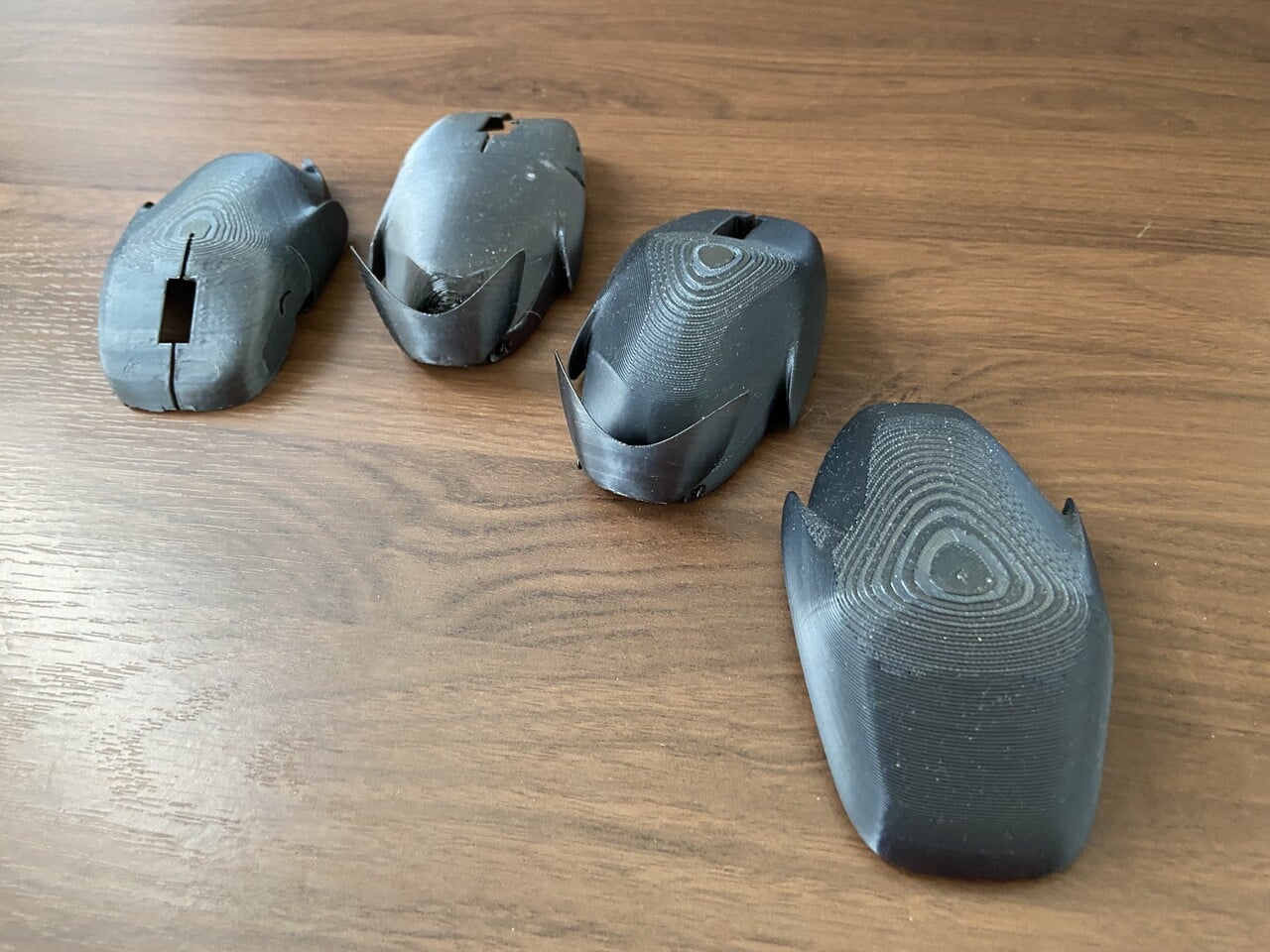
Curiosity pushed the project into three dimensions. With help from a parent, online tutorials, and trial and error, the whale became a 3D model, then a series of 3D‑printed shells. Early prints had rough surfaces and cracks, but they were enough to sit on a desk as a reminder that the character could exist off paper, even if it just collected dust and made visitors smile.

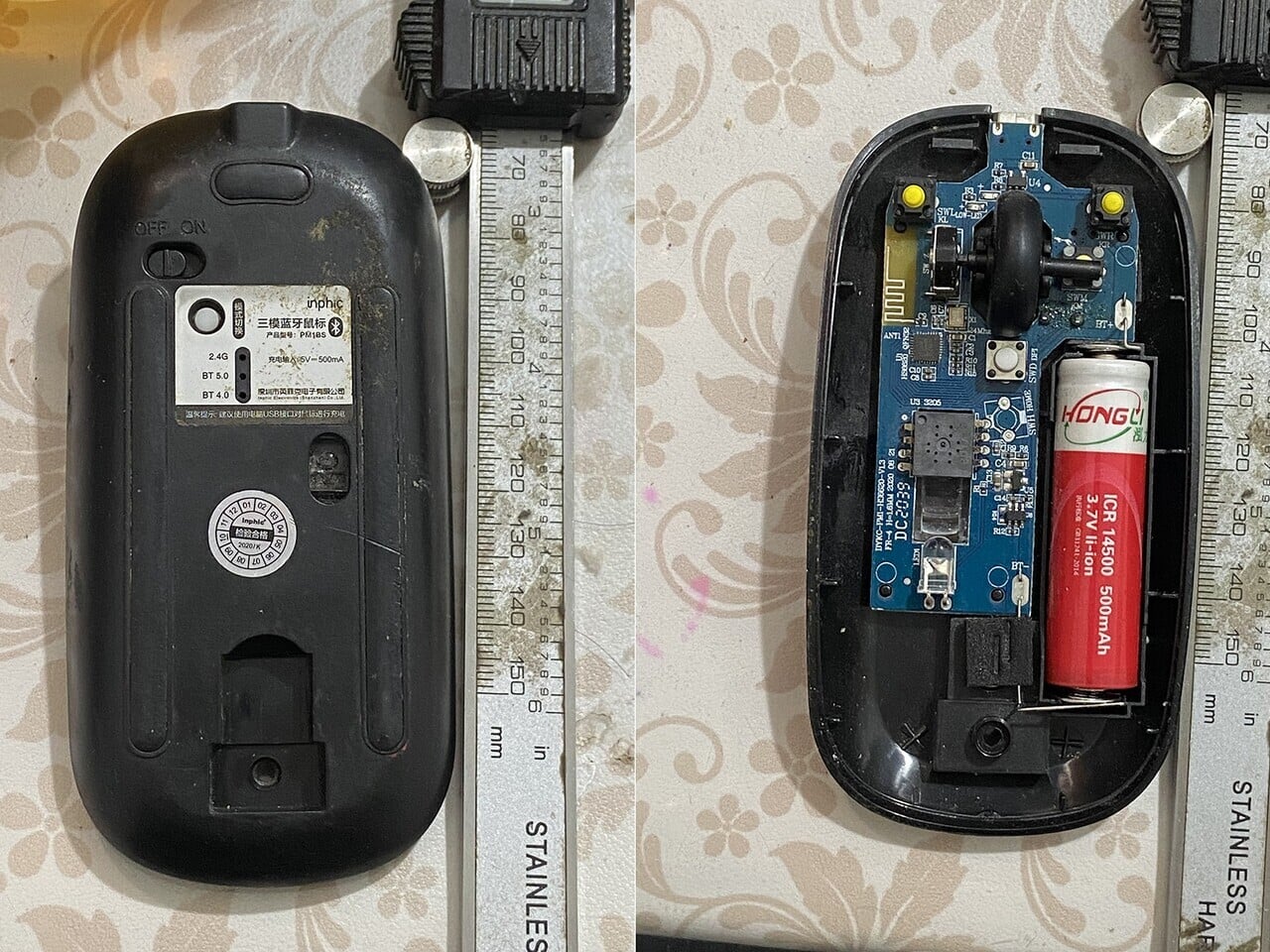
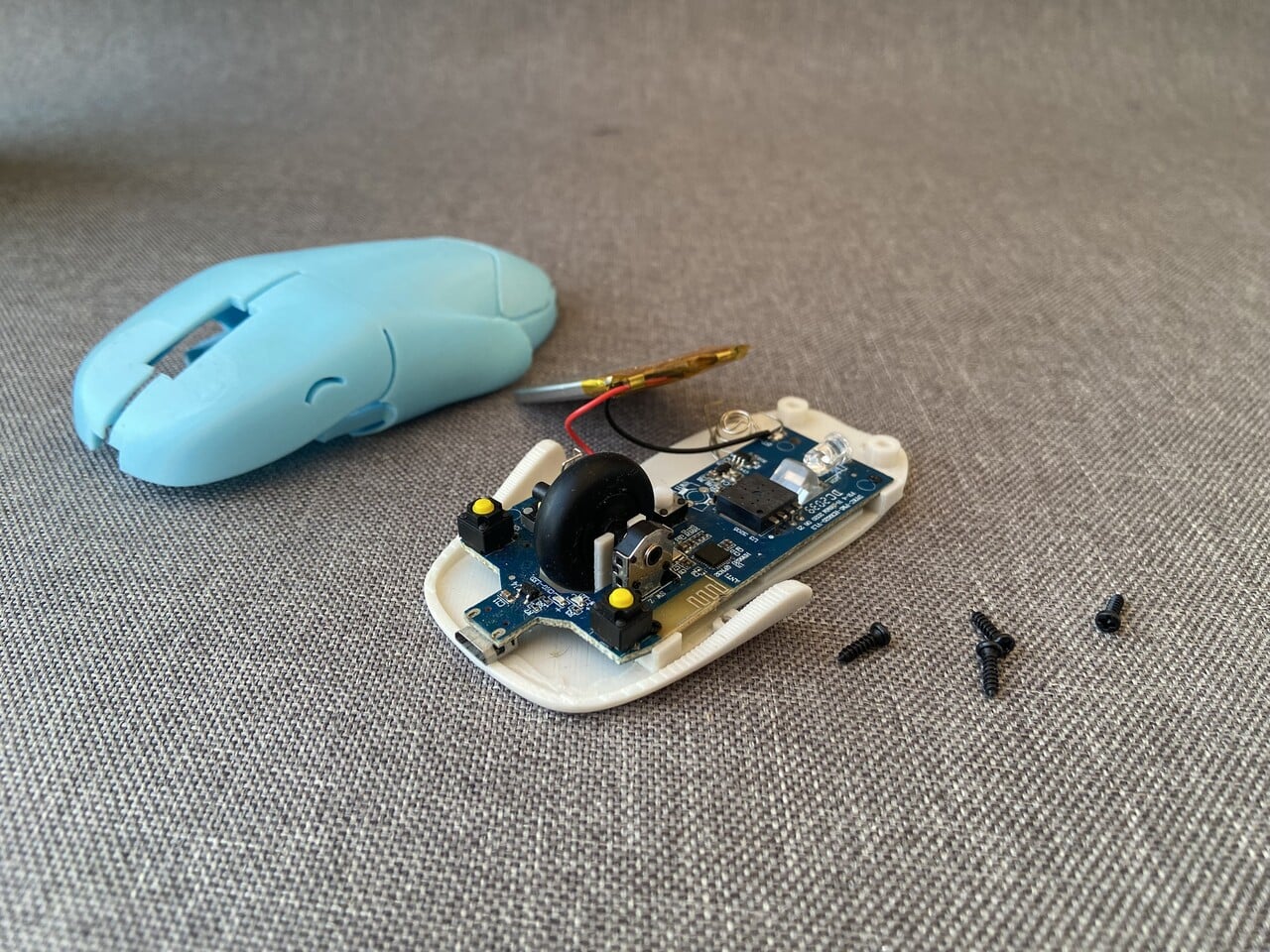
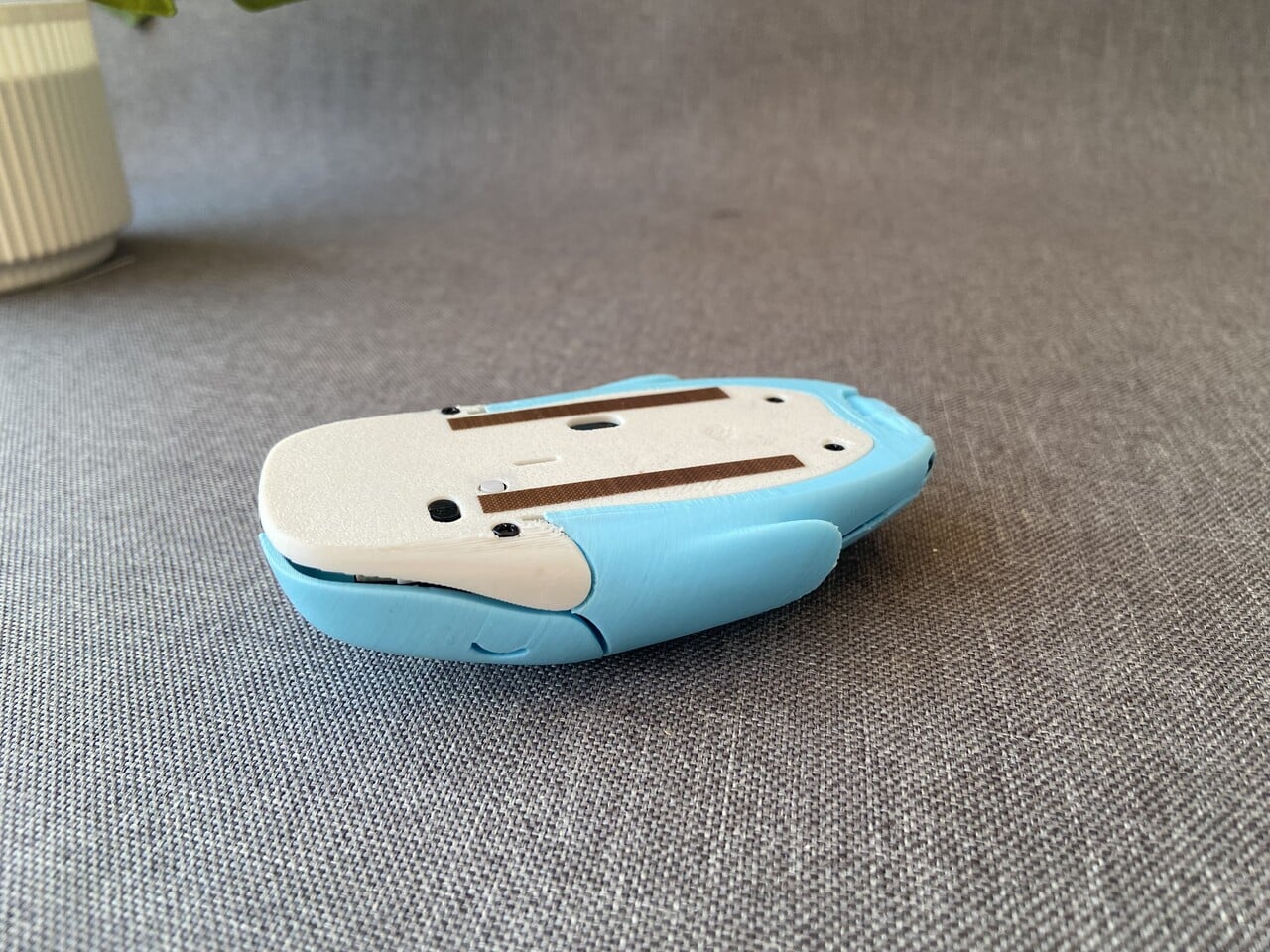
The next step was turning Whaley into a working mouse by transplanting electronics from a cheap wireless mouse. The original shell came off, leaving a PCB with an optical sensor, scroll wheel, switches, and a 14500 Li‑ion cell. That assembly dropped into a new 3D‑printed base, so the hard part of tracking and clicking was already solved, and the focus could stay on the whale’s shape and feel.

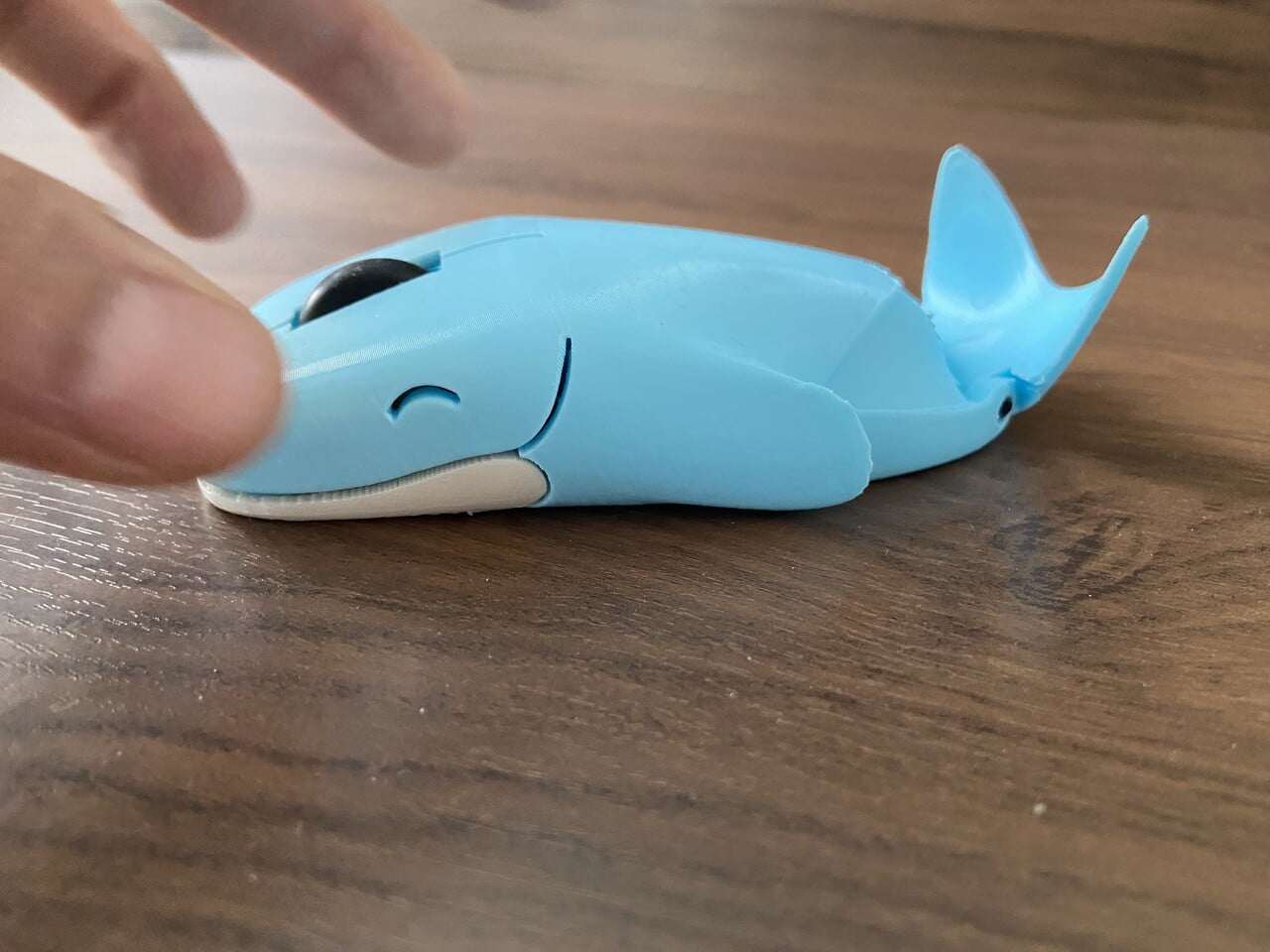
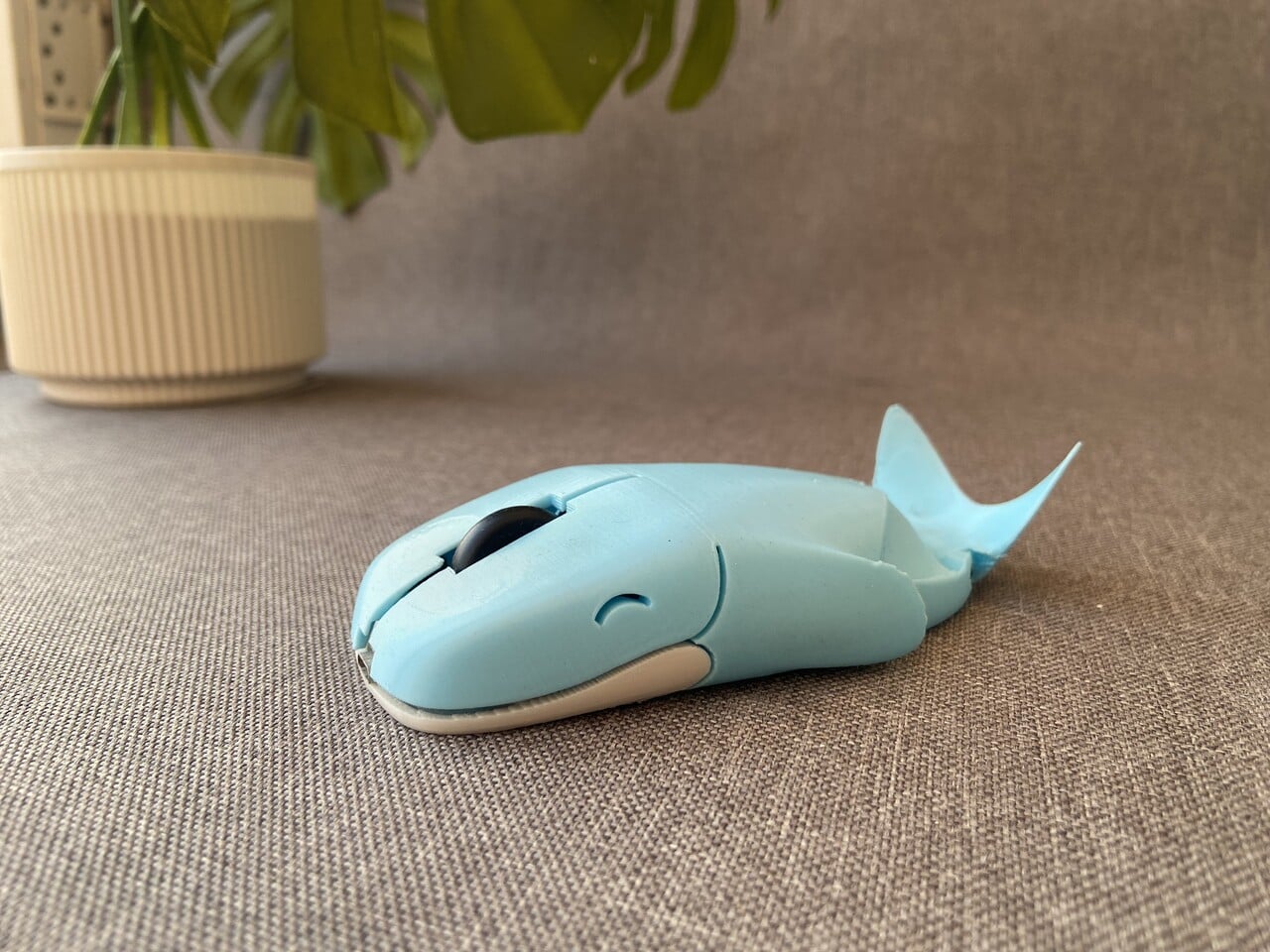
Multiple printed shells followed, each one tweaking the fit around the scroll wheel, refining the back curve, and dialing in how the left and right buttons flexed. Layer lines and seams slowly gave way to a smoother, polished blue whale body with a small smile cut into each side, a tail at the back, and a white underside that still let the sensor and glides do their job.

The finished Whaley Mouse behaves like any other compact wireless mouse on a desk. Left and right clicks are integrated into the head, the scroll wheel sits where a blowhole might be, and the body fits under the hand like a small creature rather than a generic plastic shell. It’s playful without being unusable, showing that peripherals can have personalities without sacrificing basic ergonomics.

This project grew step by step, from boredom to doodle, from stickers to 3D prints, from donor mouse to finished product. It’s a neat example of how following a small idea a little further than usual can leave you with something you can actually use every day: a whale‑shaped mouse that quietly proves a sketch doesn’t have to stay in a notebook if you’re willing to keep asking what comes next.

The post 3D-Printed Whale-Shaped Mouse Began as a Bored Classroom Sketch first appeared on Yanko Design.
Stop Carrying Three Devices: This Keyboard Has a 4K Screen Built In

Working away from a main desk often means a laptop balanced on a café table or airplane tray, maybe a separate portable monitor propped up on a stand, a compact keyboard wedged in front, and a tangle of USB-C cables. This works in theory, but often feels like overpacking, especially when all you wanted was a bit more screen space and a better typing angle without turning a small table into a tech puzzle.

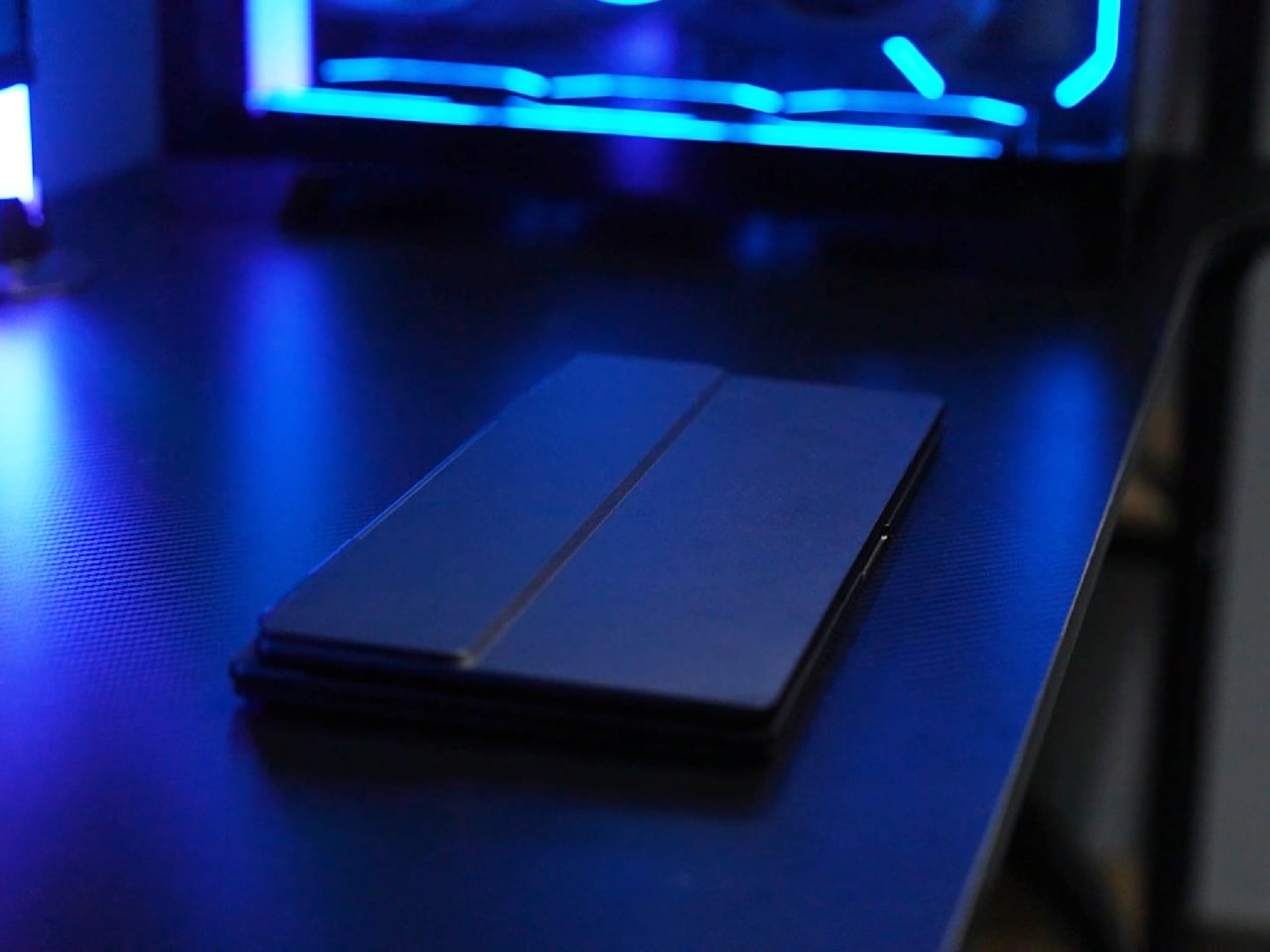
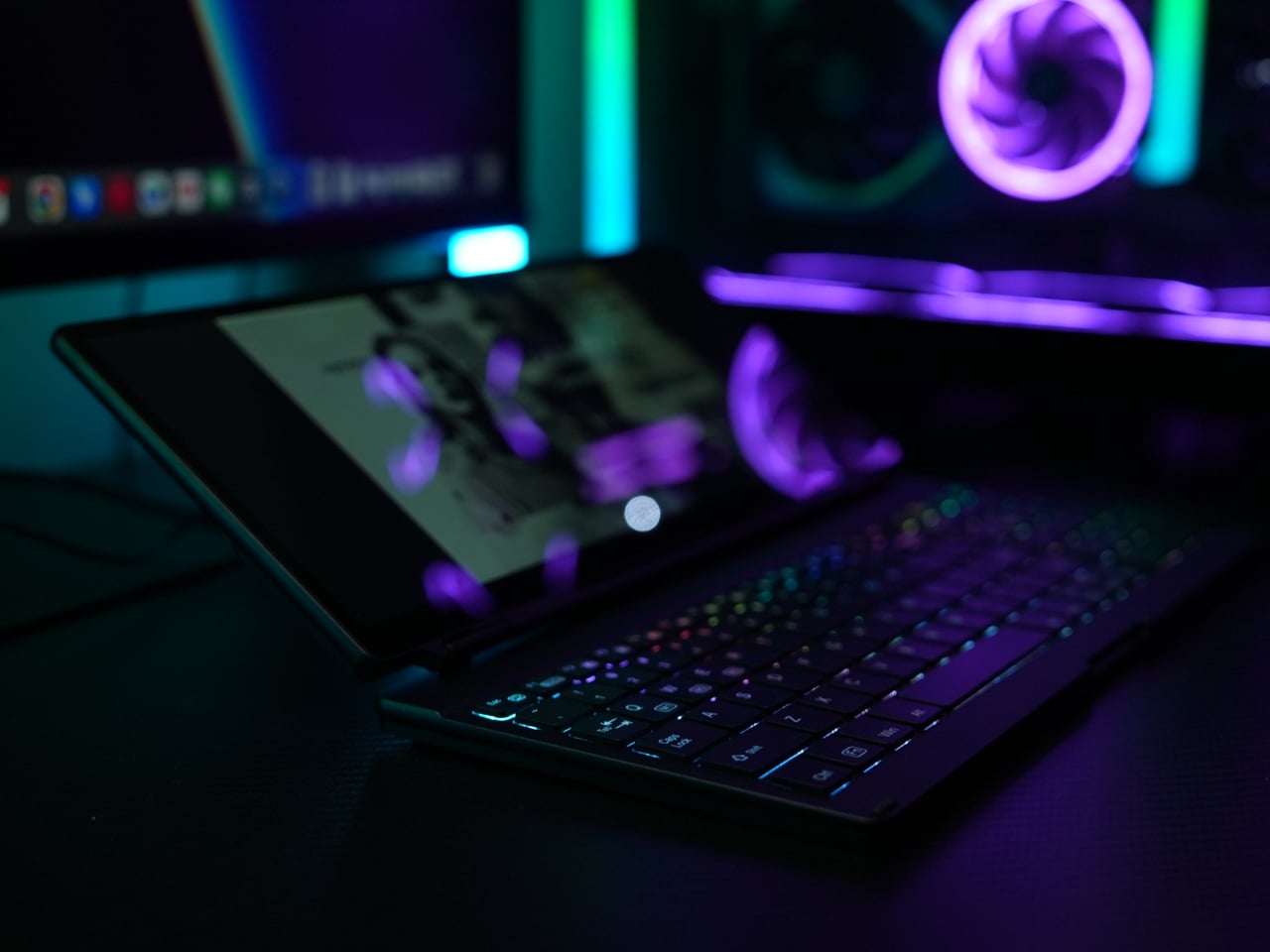
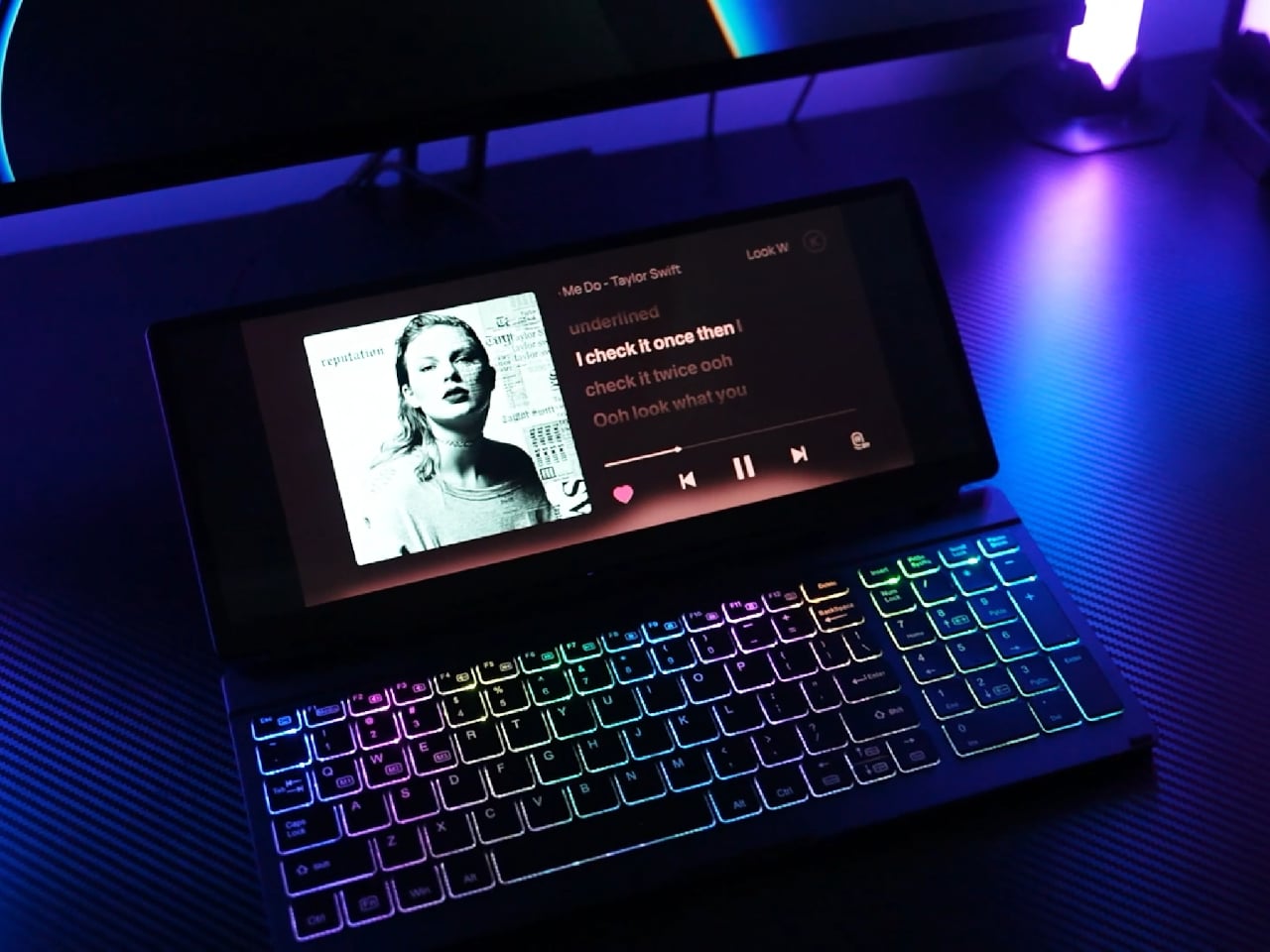
KeyGo Gen2 is a response to that clutter, an ultra-slim folding keyboard with a built-in 13-inch 4K touch screen and speakers that carry like a thin notebook. When it’s closed, it is a flat CNC-machined aluminum slab that slides into a sleeve. When it opens, it becomes a low-profile strip of keys and glass that turns any USB-C laptop into a dual-screen workstation.
Designer: KeyGo

Click Here to Buy Now: $279 $658 ($379 off). Hurry, only 383/500 left! Raised over $41,000.
1

The original 720p panel has been replaced with a 4K/60 Hz IPS display, stretched to 13.0 inches and bright enough for offices and cafés, with adjustable brightness for late-night sessions. That upgrade means editing footage at native resolution, keeping dense spreadsheets visible without squinting, parking timelines, chat windows, or reference material on the lower screen so the main laptop display can stay focused on the primary task.

1

The 10-point capacitive touch layer sits just above the scissor-switch keys, so you can drag windows, scrub through a timeline, or tap controls directly on the display while your hands stay near the keyboard. Key travel has been shortened by 1 mm compared to the first generation, making keys feel snappier and more responsive for long writing or coding sessions.

The CNC aluminum body and under-2-cm profile matter when you are actually on the move. The 32cm x 15 cm footprint fits on a tray table or narrow counter without overhanging. The 1,000g weight feels substantial enough not to slide around, yet light enough to carry daily without feeling like you’re packing a second laptop.

Built-in speakers mean video edits, calls, or background music come from the same strip you are typing on, avoiding the weak audio of many laptops and the need for extra gear. The sound comes from right where you’re working, which makes video playback and calls feel more focused without hunting for a dongle or Bluetooth pairing.

1

The KeyGo Gen2 moves between roles, plugged into a Windows laptop in a coworking space as a second screen for tools, attached to a compact Linux machine at home as a primary display and keyboard, or paired with an Android tablet for streaming and note-taking. Compatibility with Windows, macOS, Linux, and Android means it can follow your devices rather than being locked to one ecosystem.

The 180-degree fold and single USB-C connection change how quickly you can set up in tight spaces. Instead of assembling a portable monitor stand, routing cables, and finding room for a separate keyboard, you unfold one piece, plug in, and start working. That reduction in friction means you are more likely to actually deploy the dual-screen setup instead of making do with a cramped laptop panel.

The KeyGo Gen2 feels like a thoughtful second pass. It has sharper 4K visuals, a slightly larger 13-inch canvas, a thinner body, refined key feel, brightness control, and audio all tuned to the way hybrid workers, creators, and coders actually move through spaces. With so many separate pieces and improvised stands flooding the market, a single folding strip of aluminum, glass, and keys that opens into a complete little command center feels like an integrated design worth carrying every day.

Click Here to Buy Now: $279 $658 ($379 off). Hurry, only 383/500 left! Raised over $41,000.

The post Stop Carrying Three Devices: This Keyboard Has a 4K Screen Built In first appeared on Yanko Design.