Why Are Most AI Voices Female? Exploring the Reasons Behind Female AI Voice Dominance

Siri, Alexa, Cortana, Google Voice ChatGPT 4o, it’s no coincidence that they all have female voices (and sometimes even names). In fact, Spike Jonze even literally called his dystopian AI-based film “Her” after the AI assistant Samantha from the movie. Played by Scarlett Johansson, the movie had a premise that sounded absurd 11 years ago but now feels all too realistic after OpenAI announced their voice-based AI model GPT 4o (omni). The announcement was also followed by an uproar from Johansson, who claimed the AI sounded a lot like her even though she hadn’t given OpenAI the permission to use her voice. Johansson mentioned that she was approached by OpenAI CEO Sam Altman to be the voice of GPT 4o, but declined. Just days before GPT 4o was announced, Altman asked her once again to reconsider, but she still declined. GPT 4o was announced exactly 10 days ago on the 13th of May, and Johansson distinctly recognized the voice as one that sounded quite similar to her own. While there are many who say that the voices don’t sound similar, it’s undeniable that OpenAI was aiming for something that sounded like Samantha from Her rather than going for a more feminine yet mechanical voice like Siri or Google Voice. All this brings a few questions to mind – Why do most AI voice assistants have female voices? How do humans perceive these voices? Why don’t you see that many male AI voice assistants (and does mansplaining have a role to play here)? And finally, do female voice assistants actually help or harm real women and gender equality in the long run? (Hint: a little bit of both, but the latter seems more daunting)

AI Voice Assistants: A History

The history of AI voice assistants extends well before 2011 when Siri was first introduced to the world… however, a lot of these instances were fiction and pop-culture. Siri debuted as the first-ever voice assistant relying on AI, but you can’t really credit Siri with being the first automated female voice because for years, IVR dominated phone conversations. Do you remember the automated voices when you called a company’s service center like your bank, cable company or internet provider? Historically, a lot of times the voices were female, paving the way for Siri in 2011. In fact, this trend dates back to 1878, with Emma Nutt being the first woman telephone operator, ushering in an entirely female-dominated profession. Women operators then naturally set the stage for female-voiced IVR (Interactive Voice Response) calls. However, while IVR calls were predominantly just a set of pre-recorded responses, Siri didn’t blurt out template-ish pre-recorded sentences. She was trained on the voice of a real woman, and conversed with you (at least that time) like an actual human. The choice of a female voice for Siri was influenced by user studies and cultural factors, aiming to make the AI seem friendly and approachable. This decision was not an isolated case; it marked the beginning of a broader trend in the tech industry. In pop culture, however, the inverse was said to be true. Long before Siri in 2011, JARVIS took the stage in the 2008 movie Iron Man as a male voice assistant. Although somewhat robotic, JARVIS could do pretty much anything, like control every micro detail of Tony Stark’s house, suit, and life… and potentially even go rogue. However, that aside, studies show something very interesting about how humans perceive female voices.

JARVIS helping control Iron Man’s supersuit

Historically, Robots are Male, and Voice Assistants are Female

The predominance of female voices in AI systems is not a random occurrence. Several factors contribute to this trend:

  • User Preference: Research indicates that many users find female voices more soothing and pleasant. This preference often drives the design choices of AI developers who seek to create a comfortable user experience.
  • The Emotional Connection: Female voices are traditionally associated with helpful and nurturing roles. This aligns well with the purpose of many AI systems, which are designed to assist and support users in various tasks.
  • Market Research: Companies often rely on market research to determine the most effective ways to engage users. Female voices have consistently tested well in these studies, leading to their widespread adoption.
  • Cultural Influences: There are cultural and social influences that shape how voices are perceived. For instance, in many cultures, female voices are stereotypically associated with service roles (e.g., receptionists, customer service), which can influence design decisions.

These are but theories and studies, and the flip side is equally interesting. Physical robots are often built with male physiques and proportions given that their main job of lifting objects and moving cargo around is traditionally done by men too. Pop culture plays a massive role again, with Transformers being predominantly male, as well as Terminator, T-1000, Ultron, C3PO, Robocop, the list is endless.

What Do Studies Say on Female vs. Male AI Voices?

Numerous studies have analyzed the impact of gender in AI voices, revealing a variety of insights that help us understand user preferences and perceptions. Here’s what these studies reveal:

  • Likability: Research indicates that users generally find female voices more likable. This can enhance the effectiveness of AI in customer service and support roles, where user comfort and trust are paramount.
  • Comfort and Engagement: Female voices are often perceived as more comforting and engaging, which can improve user satisfaction and interaction quality. This is particularly important in applications like mental health support, where a soothing tone can make a significant difference.
  • Perceived Authority: Male voices are sometimes perceived as more authoritative, which can be advantageous in contexts where a strong, commanding presence is needed, such as navigation systems or emergency alerts. However, this perception can vary widely based on individual and cultural differences.
  • Task Appropriateness: The suitability of a voice can depend on the specific task or context. For example, users might prefer female voices for personal assistants who manage everyday tasks, while male voices might be preferred for financial or legal advice due to perceived authority.
  • Cognitive Load: Some research suggests that the perceived ease of understanding and clarity of female voices can reduce cognitive load, making interactions with AI less mentally taxing and more intuitive for users.
  • Mansplaining, A Problem: The concept of “mansplaining” — when a man explains something to someone, typically a woman, in a condescending or patronizing manner — can indirectly influence the preference for female AI voices. Male voices might be perceived as more authoritative, which can sometimes come across as condescending. A male AI voice disagreeing with you or telling you something you already know can feel much more unpleasant than a female voice doing the same thing.

The 2013 movie Her had such a major impact on society and culture that Hong Kong-based Ricky Ma even built a humanoid version of Scarlett Johansson

Do Female AI Voices Help Women Be Taken More Seriously in the Future?

20 years back, it was virtually impossible to determine how addictive and detrimental social media was going to be to our health. We’re at the point in the road where we should be thinking of the implications of AI. Sure, the obvious discussion is about how AI could replace us, flood the airwaves with potential misinformation, and make humans dumb and ineffective… but before that, let’s just focus on the social impact of these voices, and what they do for us and the generations to come. There are a few positive impacts to this trend:

  • Normalization of Female Authority: Regular exposure to female voices in authoritative and knowledgeable roles can help normalize the idea of women in leadership positions. This can contribute to greater acceptance of women in such roles across various sectors.
  • Shifting Perceptions: Hearing female voices associated with expertise and assistance can subtly shift societal perceptions, challenging stereotypes and reducing gender biases.
  • Role Models: AI systems with confident and competent female voices can serve as virtual role models, demonstrating that these traits are not exclusive to men and can be embodied by women as well.

However, the impact of this trend depends on the quality and neutrality of the AI’s responses, which is doubtful at best. If female-voiced AI systems consistently deliver accurate and helpful information, they can enhance the credibility of women in technology and authoritative roles… but what about the opposite?

Female AI Voices Running on Male-biased Databases

The obvious problem, however, is that these AI assistants are still, more often than not, coded by men who may bring their own subtle (or obvious) biases into how these AI bots operate. Moreover, a vast corpus of databases fed into these AI LLMs (Large Language Models) is created by men. Historically, culture, literature, politics, and science, have all been dominated by men for centuries, with women only very recently playing a larger and more visible role in contributing to these fields. All this has a distinct and noticeable effect on how the AI thinks and operates. Having a female voice doesn’t change that – it actually has a more unintended negative effect.

There’s really no problem when the AI is working with hard facts… but it becomes an issue when the AI needs to share opinions. Biases can undermine an AI’s credibility, can cause problems by not accurately representing the women it’s supposed to, can promote wrong stereotypes, and even reinforce biases. We’re already noticing the massive spike in the usage of words like ‘delve’ and ‘testament’ because of how often AI LLMs use them – think about all the stuff we CAN’T see, and how it may affect life and society a decade from now.

In 2014, Alex Garland’s Ex Machina showed how a lifelike female robot passed the Turing Test and won the heart of a young engineer

The Future of AI Voice Assistants

I’m no coder/engineer, but here’s where AI voice assistants should be headed and what steps should be taken:

  • Diverse Training Data: Ensuring that training data is diverse and inclusive can help mitigate biases. This involves sourcing data from a wide range of contexts and ensuring a balanced representation of different genders and perspectives.
  • Bias Detection and Mitigation: Implementing robust mechanisms for detecting and mitigating bias in AI systems is crucial. This includes using algorithms designed to identify and correct biases in training data and outputs.
  • Inclusive Design: Involving diverse teams in the design and development of AI systems can help ensure that different perspectives are considered, leading to more balanced and fair AI systems.
  • Continuous Monitoring: AI systems should be continuously monitored and updated to address any emerging biases. This requires ongoing evaluation and refinement of both the training data and the AI algorithms.
  • User Feedback: Incorporating user feedback can help identify biases and areas for improvement. Users can provide valuable insights into how the AI is perceived and where it might be falling short in terms of fairness and inclusivity.

AI assistants aren’t going anywhere. There was a time not too long ago when it seemed that AI assistants were dead. In the end of 2022, Amazon announced that Alexa had racked up $10 billion in debt and seemed like a failed endeavor – that same month, ChatGPT made its debut. Cut to today and AI assistants have suddenly become mainstream again. Mainstream in a way that almost every company and startup is looking for ways to integrate AI into their products and services. Siri and GPT 4o are just the beginning of this new female voice-led frontier… it’s important we understand the pitfalls and avoid them before it’s too late. After all, if you remember in the movie Terminator Salvation, Skynet was a female too…

The post Why Are Most AI Voices Female? Exploring the Reasons Behind Female AI Voice Dominance first appeared on Yanko Design.
What Are the Best Watches Under $1000? The Perfect Gifts for Dads

Father’s Day is around the corner, and finding the perfect watch that combines style, functionality, and affordability could add so much more joy to your dad’s special day. Whether your dad prefers a classic design, a sporty look, or something with a vintage vibe, there’s a watch out there that will make him smile. Here are the top watches under $1000 that are sure to impress any dad, from the classic Hamilton Khaki Field Mechanical and the retro Tissot PRX Powermatic 80 to the adventurous Nezumi Aviera GMT and the rugged Casio G-Shock GM2100-1A. Each of these timepieces offers unique features and timeless appeal, making them perfect gifts for Father’s Day.

Hamilton Khaki Field Mechanical

The Hamilton Khaki Field Mechanical is a tribute to classic military watches, offering rugged charm and timeless style. It features a 38mm matte stainless steel case and a dark dial with light, luminescent numerals. The dial shows both hours and minutes, and the three-hand display is clear and functional. This model also boasts a durable NATO strap, enhancing its vintage military aesthetic. The new Khaki Field Mechanical is a faithful recreation of its original 1960s forebear and is true to Hamilton’s military heritage. Inspired by the military and built to last, this is the original soldier’s watch.

KHAKI FIELD: MECHANICAL 38MM | H69439931

Designer: Hamilton

Under the hood, the watch houses the H-50 caliber, an exclusive movement developed for Hamilton’s hand-winding watches. The H-50 offers an impressive 80-hour power reserve, ensuring reliability even when unworn for a few days. Other features include a sapphire crystal, a case thickness of 9.5mm, and a water resistance of up to 50 meters. The watch reference is H69439931, and the strap reference is H6006941021, made from a textile with a pin buckle. With a lug width and buckle width of 20mm, this watch combines rugged durability with sophisticated design elements, making it an excellent choice for dads who appreciate both form and function. (MSRP $575)

Tissot PRX Powermatic 80 35mm

TISSOT PRX POWERMATIC 80 | T137.407.11.041.00

When Tissot unveiled a throwback watch two years ago that paid homage to their quartz model from the ’70s, it was highly acclaimed as one of the coolest quartz watches around. This year, Tissot introduced the PRX Powermatic 80, bringing that ’70s cool into the world of mechanical watches. This model, with its slim 35mm case and integrated bracelet, harks back to the 1970s while featuring a modern self-winding movement. The PRX Powermatic 80 maintains the vintage integrated design but adds a patterned dial in various colors, including the popular blue dial version, reminiscent of much more expensive watches.

Designer: Tissot

The blue and green patterned dial adds depth and sophistication, making it a stylish choice for any dad. The Powermatic 80 automatic movement, with its impressive 80-hour power reserve, offers reliability and precision thanks to the innovative Nivachron hairspring. Handling the PRX for the first time, the heft and quality are immediately noticeable. From the dial to the hands, the angles of the case, to the flexibility of the bracelet and clasp, everything feels well-constructed and thoughtful. For dads who appreciate vintage aesthetics combined with modern technology, this watch makes an exceptional gift.

TISSOT PRX POWERMATIC 80 35MM | T137.207.11.091.00

To say that the PRX is popular would be an understatement. The quartz version already presented incredible value at $395, but the $675 price tag of the Powermatic is even more value-packed. With it, you get a watch with heritage from a historic brand fitted with an ETA-based caliber. Additionally, you get a great bracelet and clasp system, making this watch feel luxurious on the wrist. It’s a standout piece that has entered the cultural conversation, seen on wrists from colleagues to celebrities, making it a perfect choice for dads who value style and substance. (MSRP $675)

Nezumi Aviera GMT

AVIERA GMT – Ref. AA2.102

The Nezumi Aviera GMT offers both functionality and classic design. Its vintage-inspired aesthetics include a clean dial and a sophisticated color scheme. The GMT function allows tracking of multiple time zones, perfect for dads who travel or have international connections. Quality craftsmanship is evident in its robust build and reliable Swiss movement.

Designer: Nezumi

Designed nearly a decade ago, the Aviera GMT is a blend of aviation and navigation, aptly named by founder and designer David Campo. Assembled in Germany, this updated iteration is powered by the Japanese Miyota cal.9075 Automatic GMT movement, providing a 42-hour power reserve with 28,800 VPH. The dial markings, bright yellow GMT arrow, and custom cream-colored Grade X1 Swiss Super-LumiNova ensure great legibility in all lighting situations. With a brushed 316L stainless steel case, a fixed bezel with 24-hour markings, and a screw-down crown, this watch is both durable and stylish.

The case measures 40mm in diameter, 47mm lug to lug, and 12mm thick (including the 1.5mm sapphire glass). The sapphire crystal with AR coating inside the glass enhances clarity. The Aviera GMT is water-resistant, up to 20 ATM (220m/660ft), making it suitable for various activities. This watch is available with multiple strap options: black leather strap, brown leather strap, black FKM fluoro rubber strap, off-white FKM fluoro rubber strap, and a brushed stainless steel bracelet. Its robust construction and thoughtful design make it a versatile and thoughtful gift for Father’s Day, standing out in any watch collection. (MSRP $875)

Timex Reissue Black Dial with Black/Green Strap

Q Timex Reissue 38mm Stainless Steel Bracelet Watch

The Timex Reissue brings a touch of vintage charm with its black dial and black/green strap. This watch is a modern take on a classic design, featuring a stainless steel case and a reliable quartz movement. It’s perfect for dads who appreciate retro style with contemporary reliability. Durability and versatility are key features, with its water resistance of up to 30 meters and a comfortable strap.

Designer: Timex

First released in the 1970s, the original Q Timex introduced a new generation of quartz technology with a modern watch. The Timex Reissue pays homage to this legacy, adding bright pops of color to iconic features like the rotating bezel, woven stainless-steel bracelet, and domed acrylic crystal. It retains the beloved elements of the original, such as the functional battery hatch and luminant hands.

The watch has a 38mm stainless steel case with a brushed/polished finish, a black dial with full markers, and a domed acrylic crystal. The case height is 11.5mm, and it has a strap lug width of 18mm. The stainless steel case is highly resistant to scratches, corrosion, and tarnish, ensuring the watch remains in excellent condition over time. Additionally, the watch features a day-date window for added functionality and sophistication. Water-resistant up to 50 meters, it’s suitable for light swimming but not for snorkeling or diving. (MSRP $179)

Casio G-Shock GM2100-1A 

Metal Covered GM2100-1A

The Casio G-Shock GM2100-1A is a watch that combines rugged durability with a sleek design. Its metal-covered case offers extra protection, while the shock-resistant and water-resistant features make it ideal for active dads. The analog-digital display provides a modern touch, ensuring readability and functionality. This watch is built to last, with features like a stopwatch, world time, and full auto-calendar.

Designer: Casio

The G-Shock GM2100-1A is perfect for dads who need a reliable watch that can keep up with their adventurous lifestyle. It’s a practical and stylish gift that won’t disappoint. This watch’s tough build and sleek appearance make it a favorite for those who lead an active life. (MSRP $200)

Don’t wait until the last minute to find the perfect gift. These watches offer a blend of elegance, durability, and practicality, ensuring your dad will cherish his new timepiece for years to come. Visit your favorite watch retailer or online store to purchase one of these top picks and make this Father’s Day unforgettable. Show your dad how much he means to you with a gift that combines timeless style and dependable performance. One last note: Happy Wristwatch Wednesday!

The post What Are the Best Watches Under $1000? The Perfect Gifts for Dads first appeared on Yanko Design.
Living Caseless: My Experience with the iPhone 15 Pro Max and PORSCHE DESIGN HONOR Magic V2 RSR

Using a smartphone without a case or screen protector might sound reckless to some, but after years of shielding my devices, I decided to take the plunge with both my iPhone 15 Pro Max and PORSCHE DESIGN HONOR Magic V2 RSR. The result? An unexpectedly liberating experience that brought me closer to appreciating the design and craftsmanship of these high-end devices.

Designer: Apple

Designer: HONOR + Porsche Design

iPhone 15 Pro Max and PORSCHE DESIGN HONOR Magic V2 RSR

For over a decade, I’ve used cases on all my phones. The logic was simple: expensive devices need protection from the inevitable bumps and drops of daily life. However, as technology has advanced, so has the durability of smartphones. The iPhone 15 Pro Max with its Ceramic Shield and the HONOR Porsche Design RSR with its sleek and robust build-inspired confidence. I decided to test the waters, first with the iPhone and then with the HONOR, realizing along the way that perhaps the need for constant protection was more psychological than practical.

The iPhone 15 Pro Max is a marvel of modern engineering. Its surgical-grade stainless steel frame and Ceramic Shield front and back offer a premium feel that is often masked by a case. Without the added bulk, the iPhone feels incredibly sleek and slim, fitting more comfortably in my hand and sliding effortlessly into my pocket. One of the first things I noticed was the improved grip and tactile pleasure of holding the phone. The smooth, cool surface of the stainless steel and the precisely contoured edges make the iPhone 15 Pro Max a joy to handle. Without a case, the buttons are more responsive and easier to locate by touch, enhancing the overall user experience.

The PORSCHE DESIGN HONOR Magic V2 RSR, on the other hand, brings its own set of pleasures. This phone, inspired by Porsche’s design principles, exudes luxury and precision. The slim and lightweight construction makes it the thinnest and lightest foldable phone in the world, with a suspended water-drop hinge that ensures a seamless and creaseless experience, whether folded or unfolded. The new HONOR Super-Light Titanium Hinge is SCS-certified for reliability, ensuring premium operation with its sleek and dynamic design. The all-new Anti-Scratch Nanocrystal Glass is ten times more wear-resistant and drop-resistant than other phones, providing true peace of mind.

Traveling without a case was initially nerve-wracking. I found myself handling the phones with extra care, especially when using them in crowded places or on rough surfaces. It’s even scarier when I have to hand over my iPhone when using Apple Pay. However, this caution quickly became second nature, and I started to appreciate the benefits of going caseless. Both devices have held up remarkably well. The iPhone’s Ceramic Shield has proven resistant to scratches and minor impacts, while the HONOR’s Anti-Scratch Nanocrystal Glass shows no signs of wear despite daily use.

The aesthetic benefits of going caseless cannot be overstated. Both the iPhone 15 Pro Max and the PORSCHE DESIGN HONOR Magic V2 RSR are designed to be seen and felt as their creators intended. The intricate details and finishes of these phones, often hidden by cases, are now on full display. The iPhone’s sleek finish and the HONOR’s dynamic design add a touch of elegance and sophistication that enhances the overall user experience.

Of course, there are practical considerations. Without a case, both phones are more susceptible to damage from accidental drops. However, I found that being more mindful of how and where I placed my devices significantly reduced the risk. The iPhone’s IP68 rating for dust and water resistance and the HONOR’s robust construction also provide peace of mind for daily wear and tear.

Another unexpected benefit of going caseless is improved thermal management. Without the insulating layer of a case, both phones dissipate heat more effectively. I noticed less overheating during intensive tasks such as gaming or streaming, making for a more comfortable user experience.

Going caseless also enhances the phones’ portability. The slim profiles of both the iPhone 15 Pro Max and the PORSCHE DESIGN HONOR Magic V2 RSR make them easier to carry in pockets and bags. Without the added bulk of a case, the phones slide in and out more smoothly and are less cumbersome to handle.

While there are definite advantages, going caseless is not without its drawbacks. The primary concern is, of course, the increased risk of damage from drops and impacts. Both phones have shown remarkable resilience, but the risk remains. Additionally, without a screen protector, the display is more vulnerable to scratches and smudges. Regular cleaning and mindful handling are necessary to maintain the pristine condition of the phones.

All in all, using the iPhone 15 Pro Max and the PORSCHE DESIGN HONOR Magic V2 RSR without a case or screen protector has been a surprisingly positive experience. The freedom to fully appreciate the design and craftsmanship of these premium devices, coupled with the practical benefits of improved thermal management and portability, outweigh the potential risks. If you’ve ever felt the urge to go caseless, I encourage you to give it a try. It may be better than you expect, and you might find a new appreciation for your phone’s design and durability.

The post Living Caseless: My Experience with the iPhone 15 Pro Max and PORSCHE DESIGN HONOR Magic V2 RSR first appeared on Yanko Design.
The Worst and Best Ways to Sharpen your EDC Pocket Knife

Everyday carry (EDC) knives are a trusty companion for many, whether you’re navigating the great outdoors or handling day-to-day tasks in the city. A sharp knife isn’t just a matter of convenience; it’s a crucial aspect of safety and functionality (you really don’t want to be stuck with a blunt knife in an emergency situation). However, maintaining that sharp edge can be a challenge, especially with the myriad of sharpening techniques and tools available. Some methods can enhance your blade’s performance, while others can cause more harm than good. Here, we delve into the worst and best ways to sharpen your EDC knife. Although these methods practically apply to knives of all kinds (like kitchen knives, etc.), we’re looking through the lens of maintaining EDC blades in particular, which people often spend hundreds of dollars on. An EDC knife might first and foremost be a knife, but for many, it’s also a work of art worth marveling at and collecting. Many of these knives are designed by experts and enthusiasts, requiring decades of skill, precise machinery (or sometimes even handcrafted mastery), and high-quality materials. Improperly caring for or sharpening such knives feels like a crime, doesn’t it? Let’s take a look at the worst, and the best ways to care for your EDC knife collection.

The Worst Ways to Sharpen an EDC Knife

1. Using a Glass Surface or Ceramic Mug

It might seem like a clever hack to use the unglazed bottom of a ceramic mug or a glass surface to sharpen your knife. After all, it’s often depicted in survival movies and touted in emergency preparedness forums (and guilty as charged, I’ve used this hack too). However, this technique is far from ideal for maintaining your EDC knife to perfection. The problem lies in the inconsistent abrasiveness of these surfaces. Ceramic mugs, while somewhat effective in a pinch, lack the uniform grit needed for a precise edge. The surface can be too coarse or too fine, leading to an uneven sharpening job. Moreover, using glass can cause the knife to slip, posing a safety hazard and potentially leading to a chipped blade. Sure, it’s a lovely hack that even Serious Eats recommends for home-chefs who don’t have their own honing rod or whetstone… but if you truly care about your EDC collection, the bottom of a mug isn’t the best place to be sharpening your prized knives.

2. Power Tools Like Bench Grinders

Power tools such as bench grinders might seem like a quick and easy solution to sharpen your knife, but they are more suited for heavy-duty tasks like reshaping tools rather than fine-tuning delicate knife edges. The primary issue with using a bench grinder for your EDC knife is the excessive heat generated during the grinding process. This heat can cause the steel to lose its temper, resulting in a blade that is brittle and prone to breaking.

Additionally, bench grinders remove material VERY quickly, which can lead to an uneven edge and significant wear on your blade. The aggressive nature of these tools makes it challenging to control the sharpening process, increasing the risk of creating an uneven bevel or completely ruining the knife. For those who value precision and the longevity of their knife, bench grinders are best avoided for routine sharpening tasks.

3. Cheap, Coarse Pull-Through Sharpeners

Pull-through sharpeners are widely available and often marketed for their convenience and ease of use. However, a cheap one off AliExpress or Temu will do you much more harm than good. The problem with pull-through sharpeners is that they use fixed abrasive materials that can remove too much metal from your blade unevenly. This aggressive removal process can damage the edge, leading to a shorter lifespan for your knife.

Moreover, these sharpeners usually set a fixed angle that may not match the original bevel of your knife, resulting in a less efficient cutting edge. The convenience of pull-through sharpeners comes at the cost of precision and control, which are crucial for maintaining a high-quality edge on your EDC knife. Instead of opting for these quick fixes, consider more controlled methods that allow you to maintain the knife’s intended geometry and sharpness.

4. Improvised Rock Sharpening

While it might be tempting to use natural rocks as makeshift sharpeners, especially in a survival situation, this method is highly inconsistent and can cause significant damage to your knife. Rocks found in nature vary widely in their abrasiveness and can introduce grit or contaminants that scratch and dull the blade rather than sharpen it. The uneven surface of a rock can also lead to an inconsistent edge, making your knife less reliable.

In emergency situations where no other options are available, using a rock might be your only choice. However, it should not be a regular practice for maintaining your EDC knife. For routine sharpening, it’s best to stick to purpose-made tools that provide a consistent and controlled sharpening experience, ensuring your knife stays in top condition.


The Best Ways to Sharpen an EDC Knife

1. Whetstones

Whetstones are the gold standard for sharpening knives, offering a controlled and precise method for maintaining your blade. They come in various grits, typically ranging from coarse to fine, allowing you to handle everything from reshaping a damaged edge to polishing a razor-sharp finish. Using a whetstone requires some practice and patience, but the results are well worth the effort.

Start by soaking the whetstone in water (if it’s a water stone) to ensure smooth sharpening. Place the stone on a stable surface and hold your knife at a consistent angle, typically around 15-20 degrees. Begin by using the coarse side of the stone, moving the blade in a smooth, sweeping motion across the stone to establish a new edge. Once you have a burr (a slight ridge of metal along the edge), switch to the finer side of the stone to refine and polish the edge.

Whetstones allow for a high level of control over the sharpening process, ensuring that you can maintain the original bevel and achieve a razor-sharp edge. The investment in a good set of whetstones pays off in the quality and longevity of your knife’s edge, making it a must-have for serious knife enthusiasts.

2. Diamond Stones

Diamond stones are another excellent option for sharpening EDC knives. They are composed of small, industrial-grade diamonds embedded in a metal plate, making them extremely durable and effective at quickly sharpening a blade. Unlike whetstones, diamond stones do not require soaking, and they can be used dry or with a little water for lubrication.

One of the significant advantages of diamond stones is their consistency and speed. They can remove material more efficiently than traditional whetstones, making them ideal for quick touch-ups or more substantial sharpening tasks. To use a diamond stone, follow a similar process to whetstone sharpening: maintain a consistent angle and use smooth, controlled strokes to sharpen the blade.

Diamond stones come in various grits, allowing you to perform coarse sharpening and fine-honing with the same tool. Their durability and ease of use make them a favorite among knife enthusiasts who want a reliable and efficient sharpening solution.

3. Ceramic Rods

Ceramic rods are excellent for honing, which is the process of maintaining an already sharp edge rather than performing a full sharpening. These rods are typically used after sharpening with whetstones or diamond stones to refine the edge and keep it in top condition between more intensive sharpening sessions.

Using ceramic rods is straightforward. Hold the rod vertically or at a slight angle and draw the knife blade down the rod, maintaining a consistent angle. Repeat this process on both sides of the blade, ensuring even honing. Ceramic rods are gentle on the knife’s edge and help maintain its sharpness without removing significant material.

For EDC knife users who want to keep their blades in peak condition with minimal effort, ceramic rods are an excellent tool for regular maintenance. They are compact, easy to use, and effective at keeping your knife sharp and ready for action.

4. Stropping

Stropping is the final step in achieving a razor-sharp edge and involves using a leather strop to polish and refine the blade. A strop is typically a piece of leather mounted on a flat surface or a hanging strip, and it may be used with or without a stropping compound to enhance its effectiveness.

To strop your knife, hold the blade at a consistent angle and draw it backward along the leather, moving away from the edge to avoid cutting into the strop. Repeat this process on both sides of the blade. Stropping removes any remaining burr from the sharpening process and polishes the edge to a mirror finish.

This step is essential for achieving the highest level of sharpness and ensuring the blade cuts smoothly and effortlessly. Stropping is an easy and effective way to maintain your knife’s edge, especially when combined with regular sharpening and honing.

5. Professional Sharpening Services

Sometimes, leaving the sharpening to the professionals is the best choice, especially if your knife is very dull or damaged. Professional sharpening services use a combination of techniques and tools to restore your blade to its optimal sharpness without risking its integrity.

Professionals typically use high-quality whetstones, diamond stones, and other precision tools to achieve a perfect edge. They have the experience and skill to handle various blade types and steels, ensuring that your knife is sharpened correctly and efficiently.

Using a professional service can be particularly beneficial for those who lack the time or confidence to sharpen their knives themselves. It’s an investment in the longevity and performance of your EDC knife, providing peace of mind that your blade is in expert hands.

6. Guided Sharpening Systems

Guided sharpening systems are designed to make the sharpening process foolproof by providing preset angles and multiple sharpening options. These systems often include ceramic stones, diamond plates, and strops, offering a comprehensive solution for maintaining your knife’s edge.

Using a guided system is straightforward. The knife is clamped into the device, and the sharpening stones are guided along the blade at a consistent angle. This setup ensures that even beginners can achieve a precise and consistent edge without the guesswork involved in freehand sharpening.

Guided sharpening systems are an excellent choice for those who want a reliable and user-friendly way to keep their EDC knives sharp. They take the complexity out of the sharpening process, making it accessible to everyone, regardless of skill level.


Maintaining a sharp edge on your EDC knife is essential for its performance and safety. While there are many methods to sharpen a knife, not all are created equal. Techniques like using a ceramic mug, power tools, and cheap pull-through sharpeners can cause more harm than good, leading to a damaged or dull blade. On the other hand, investing in quality tools like whetstones, diamond stones, ceramic rods, and guided sharpening systems ensures a sharp, reliable edge.

For those who prefer a professional touch, professional sharpening services offer an expert solution,

while stropping provides the final polish to achieve a razor-sharp finish. By choosing the right sharpening methods and tools, you can keep your EDC knife in top condition, ready to tackle any task with ease and precision.

So, the next time you consider sharpening your knife, skip the makeshift methods and opt for techniques that will enhance your blade’s performance and longevity. After all, a well-maintained knife is a cut above the rest, ready to slice through your daily challenges without a hitch. Just remember, keep the dishwasher for your dishes and the bench grinder for your tools—your knife deserves better.

The post The Worst and Best Ways to Sharpen your EDC Pocket Knife first appeared on Yanko Design.
Are Low-Top Basketball Shoes Good for Teenagers?

Caption: Basketball players sitting on a bench, wearing both high-top and low-cut basketball shoes.

As basketball evolves, so does the design of footwear aimed at maximizing performance and safety. This article explores the intricacies of low-top basketball shoes, examining their safety, technological advancements, stylish colorways, and current models. It also considers the social dynamics and personal expression crucial for teenagers when choosing their basketball shoes.

The Shift in Basketball Footwear

Basketball shoes have shifted from traditional high-tops to the increasingly popular low-top designs. Extensive research suggests that with proper design and technology, low-top shoes can offer adequate support and safety, challenging the belief that high-tops are inherently better for ankle protection. Leading brands like Nike, Adidas, and Under Armour are at the forefront, innovating to suit all playing styles and needs.

Low-top shoes appeal not just for their performance capabilities. For teenagers, these shoes also represent a style statement and a connection to their favorite basketball players. This blend of form and function makes low-tops particularly appealing to young people, merging on-court benefits with off-court style.

Are Low-Top Shoes Good for Basketball?

Mobility and Speed: Low-top shoes are typically lighter than high-tops, allowing players to move quickly and freely on the court. This can be particularly advantageous for guards or players whose game depends on speed and agility.

Ankle Flexibility: Low-top shoes do not restrict the ankle, providing a greater range of motion. This benefits players who need to change direction quickly and rely on their ability to maneuver swiftly.

Ankle Support: The primary concern with low-top shoes has been the perceived lack of ankle support, potentially increasing the risk of injuries. However, modern low-top basketball shoes often use advanced technologies to stabilize the foot and provide protection in other ways, including enhanced midsole cushioning, secure lacing systems, and innovative designs that offer stability without the bulkiness of high-tops.

Personal Preference and Comfort: Choosing between low-top and high-top basketball shoes is often a matter of personal preference. Some players find low-top shoes more comfortable and perform better in them due to their lighter weight and greater freedom of movement.

Parents often worry about the safety of low-top basketball shoes, particularly regarding ankle support. However, current research and product testing have shown that these concerns can be mitigated with the right features. Platforms highlight the exceptional stability and traction of these models, crucial for preventing slips and enhancing performance during gameplay. Research indicates there’s no significant difference in the rate of ankle injuries between low-tops and high-tops, suggesting that low-tops can be just as safe for basketball. Consequently, a player’s choice of shoes should be guided by personal comfort, playing style, and advice from coaches or medical professionals.

Technological Innovations Across Brands

For teen athletes, the performance of their basketball shoes is often equated with their on-court confidence. Shoes that are part of the latest trend or endorsed by popular athletes can significantly boost this feeling. Thus, when these shoes are also backed by positive safety reviews, it reassures both parents and young athletes that style does not compromise safety.

Image: Fastpass.cn – Air Force 1 deconstructed

Best Low-Top Nike Basketball Shoes

Finding the perfect low-top basketball shoe is crucial, whether you’re playing in a local league or the NBA Finals. Low-tops need the right mix of support, comfort, cushioning, and traction to keep up with the dynamic nature of the game.

LeBron XXI Basketball Shoes

Best Low-Top Basketball Shoes by Position

Forwards and Centers: These players need excellent support and stability, even in low-top designs. Nike’s Air Zoom technology provides lasting performance and comfort. The Nike Air Zoom G.T. Run, for instance, stacks a React footbed on top of a React midsole and Zoom Air in the forefoot, offering shock absorption and a responsive feel. The Jordan “Why Not?” line, featuring low-top designs, includes two stacked Zoom Air units in the forefoot for responsive cushioning, enhancing speed and stability.

Nike Air Zoom Gt Cut 2 Tb Shoes Men’s

Guards: Guards require shoes with high levels of grip and traction for quick cuts and sudden stops. The Nike Cosmic line, featuring Air Zoom Strobel units partially made from recycled materials, provides efficient acceleration. The Nike Air Zoom low-tops are designed for players who excel at creating and closing space, offering stability and control with minimal ground contact.

All-Around Players: Modern basketball blurs the lines between positions, requiring shoes that offer balanced support, multidirectional traction, and energy return. Nike LeBron low-top shoes combine speed and power with a full-length Zoom Air unit and Max Air in the heel. The Zoom Freak line, designed for versatile play, includes a TPU plate for lateral mobility and Zoom Air units for explosive moves. Nike KD low-top shoes feature durable uppers with minimal material for a broken-in feel and full-length Zoom Air cushioning for dynamic movement. Nike PG low-tops provide agility and support, with a full-length Air Zoom unit connected to the upper for prolonged freshness.

Nike KD17 Basketball Shoes

Basketball Shoe Structure

Understanding the key components of a low-top basketball shoe can help in choosing the right pair. There are three main parts to consider: the upper, midsole, and outsole.

Upper: The upper part of the shoe provides some ankle support, especially during quick cuts and multidirectional moves. Low-tops allow for greater agility and speed, suitable for guards and small forwards. Models like the Nike Cosmic line include additional closure systems for extra security.

Midsole: This part provides cushioning and comfort, reducing fatigue and stress. Look for midsoles with flexible yet sturdy materials that absorb impact effectively. Some low-top models feature external TPU pieces for added stability during lateral moves.

Outsole: The outsole offers traction and grip, crucial for maintaining balance and avoiding slips. Flat, wide outsoles with grooves and ridges provide optimal multidirectional traction.

Best Low-Top Adidas Basketball Shoes for Your Playing Style

Best Low-Top Basketball Shoes by Position

Forwards and Centers: Even in low-top designs, forwards and centers need stability and support. The Dame 8 EXTPLY, for instance, features a dynamic Bounce Pro midsole for elevated stability and lightweight cushioning. Its internal sock construction and TPU propulsion plate ensure that your feet are locked down, providing confidence and agility during practice and games.

DAME 8 EXTPLY BASKETBALL SHOES

Guards: Guards require shoes with excellent grip and traction for quick cuts and sudden stops. The Trae 3, designed with peak performance in mind, features composite foam in the midsole for explosive power. The asymmetrical Torsion Bar enhances stability, and the high-abrasion outsole, developed using biometric data, ensures excellent grip and support for quick direction changes.

adidas Harden Vol. 6

All-Around Players: In today’s versatile game, players need shoes that provide balanced support, multidirectional traction, and energy return. The Adidas Harden Vol. 6 offers a blend of speed and stability, featuring a full-length Boost midsole for impact absorption and energy return. The Exhibit Select CP Mid provides a springy Bounce midsole and gore straps for a snug, locked-in feel, catering to players who perform across multiple positions.

Key Features of Adidas Low-Top Basketball Shoes

Upper: The upper part of a low-top basketball shoe provides some ankle support while allowing for greater agility and speed. The Exhibit Select CP Mid, for example, includes 3-Stripes gore straps that wrap around the foot, offering a secure fit from the first lace-up to the final whistle. The internal sock construction of the Dame 8 EXTPLY also ensures a comfortable and locked-down feel.

Midsole: The midsole provides cushioning and comfort, reducing fatigue and stress. Look for midsoles with flexible yet sturdy materials that absorb impact effectively. The Trae 3’s composite foam midsole and TPU propulsion plate offer explosive power and stability, perfect for high-impact moves.

Outsole: The outsole is crucial for traction and grip, helping maintain balance and avoid slips. The ripple-style outsole of the Exhibit Select provides excellent traction, enabling quick bursts of speed and sharp cuts. The Trae 3’s high-abrasion outsole, developed with biometric data, ensures reliable grip and support.

Best Low-Top Under Armour Basketball Shoes

Grade School UA Jet ’23 Basketball Shoes

Finding the perfect low-top basketball shoe is crucial for maximizing your performance on the court. Under Armour offers a range of low-top basketball shoes designed to enhance support, comfort, cushioning, and traction.

Best Low-Top Basketball Shoes by Position

Forwards and Centers: Even in low-top designs, forwards and centers need stability and support. The UA Spawn 3, for example, features a unique anatomical design with layers of flexible, lightweight material to enhance movement and provide support. The Micro G foam midsole offers responsive cushioning for powerful moves and jumps.

Under Armour Men’s Spawn 3 Basketball Shoe

Guards: Guards require shoes with excellent grip and traction for quick cuts and sudden stops. The Curry Flow 9, designed with Stephen Curry’s input, features a UA Flow outsole that provides grippy traction and a lightweight feel. The Warp upper material delivers a locked-in fit for agile movements.

All-Around Players: In today’s versatile game, players need shoes that provide balanced support, multidirectional traction, and energy return. The Under Armour HOVR Havoc 4 offers a full-length HOVR midsole for energy return and cushioning. The TPU shank provides lateral stability, and the durable outsole ensures excellent grip for all types of movements.

Key Features of Under Armour Low-Top Basketball Shoes

Upper: The upper part of a low-top basketball shoe provides some ankle support while allowing for greater agility and speed. The Curry Flow 9’s Warp upper material offers a secure, comfortable fit.

Midsole: This part provides cushioning and comfort, reducing fatigue and stress. The HOVR Havoc 4’s full-length HOVR midsole offers energy return and impact protection.

Outsole: The outsole is crucial for traction and grip, helping maintain balance and avoid slips. The UA Flow outsole in the Curry Flow 9 provides excellent traction and lightweight performance.

When High-Tops Are Better

Hight-top basketball shoes

Ankle Support for Young Players: High-tops may offer better ankle support for young players who are still developing their coordination and strength. This additional support can help prevent ankle sprains and provide extra stability during quick direction changes and jumps.

Protective Cushioning: High-tops often come with more extensive cushioning, which can protect against stress fractures and other injuries. This is particularly beneficial for kids who might play on hard surfaces or engage in high-impact activities.

Peace of Mind for Parents: For parents concerned about ankle injuries, high-tops can offer reassurance due to their traditional design that encases and supports the ankle more comprehensively.

When Low-Tops Are Better

Low-top basketball shoes

Enhanced Mobility: For positions requiring speed and agility, low-tops provide enhanced mobility and quicker response times. This makes them ideal for guards and players who rely heavily on fast movements and sharp cuts.

Lightweight Comfort: Low-tops are generally lighter, reducing fatigue over long periods. This is particularly advantageous for young players who may play for extended periods during practice or games.

Personal Style and Expression: Low-tops often come in a wider variety of styles and colors, allowing young athletes to express their personal style on and off the court. This can boost confidence and encourage a greater sense of individuality.

Selecting the Right Basketball Shoes: Balancing Personal Expression and Functionality

Choosing the right basketball shoes is a nuanced decision that balances personal expression through colorways and practical functionality for optimal performance. Colorways in basketball shoes allow athletes to express personal style, team identity, and even personal branding. Recognizing this, brands offer vibrant and eye-catching options to cater to young athletes’ desire to stand out or align with their role models.

However, the decision extends beyond color and style. Ensuring a proper fit is crucial to maximizing the functionality of the shoe’s safety and performance features while ensuring comfort during play. Athletes and their parents should consult coaches, utilize fitting guides, and review current models to find shoes that meet both performance standards and aesthetic preferences. This comprehensive approach helps in selecting footwear that supports the physical demands of basketball while satisfying personal style, enabling young players to perform at their best and express individuality on the court.

Expanding Our Coverage on Low-Top Basketball Shoes

Yanko Design is committed to covering the dynamic world of low-top basketball shoes in greater detail in future articles. We aim to delve deeper into each brand’s specific technologies and individual shoe offerings. Our future content will provide focused reviews and comparative analyses of specific brands and standout models, highlighting both the functional benefits and aesthetic appeal of each shoe.

We will spotlight industry giants like Nike, Adidas, and Under Armour, covering both classic designs and the latest releases. Additionally, we’ll introduce emerging brands making significant strides with innovative technologies and designs, potentially offering unique benefits not found in more established brands.

Stay tuned for insightful content that merges detailed product information with style trends, helping young athletes and their supporters navigate the extensive options available, ensuring informed decisions that enhance both performance and personal expression on the basketball court.

The post Are Low-Top Basketball Shoes Good for Teenagers? first appeared on Yanko Design.
What Makes a Watch Design Timeless Over 70 Years

Rolex: first Datejust 1945

Wristwatches have gone through many changes over the past 70 years, but some designs have stayed popular through it all. What’s the secret to a watch that never goes out of style? It’s a blend of simplicity, versatility, quality craftsmanship, innovation, and a nod to history. Let’s dive into how brands like Rolex, Omega, Audemars Piguet, Casio, and Swatch have kept their designs timeless.

1950s: The Golden Age of Elegance

The 1950s were all about elegance. After the war, people craved refined accessories. Watches from this era were clean and simple. The Rolex Datejust, introduced in 1945, became notable in the 1950s with its straightforward dial and comfortable Jubilee bracelet. Its 36mm case size was just right—not too big, not too small.

Rolex: Datejust

Introduced in 1948, the Omega Seamaster quickly rose to prominence and became a favorite among watch enthusiasts and casual wearers alike. Its design, balancing robustness and elegance, ensured its suitability for various occasions. Whether for a casual outing or a formal event, the Seamaster proved to be a versatile accessory. Its case was crafted from durable stainless steel, enhancing the watch’s practicality for everyday wear. Additionally, the watch was equipped with waterproof features, emphasizing Omega’s commitment to functionality without compromising design. Its sleek and refined look made it both practical and stylish.

Another impressive timepiece from this era is the Patek Philippe Calatrava. This watch stands out because of its minimalist design, characterized by a clean and uncluttered dial with simple hour markers. Its slim case enhances its refined and subtle aesthetic. The craftsmanship that goes into this piece is top-notch, with every detail meticulously executed. The Calatrava, with its understated elegance, has set a high bar for future designs in the watchmaking industry.

1960s: The Rise of Versatility

The 1960s marked an era of change and acceleration in lifestyle, necessitating timepieces that could keep up with the pace. The Rolex Submariner emerged as a symbol of both adventure and style. Its easy-to-read dial, rotating bezel, and superior water resistance make it an attractive timepiece for adventurers. It was designed to perform optimally underwater and also held its own in formal settings, making it a versatile accessory.

This era also saw the rise of the Omega Speedmaster, famously known as the “Moonwatch,” after it was worn during the Apollo moon landings. The Omega Speedmaster was chosen for its functionality and precision. Its tachymeter bezel allowed for the accurate measurement of speed, a feature integral for both astronauts and car enthusiasts. Its chronograph functions made it a perfect blend of style and functionality.

OMEGA Speedmaster Moonwatch, 1965

The Rolex Daytona, first introduced in 1963, became synonymous with auto racing. Named after the famous Daytona International Speedway, the watch was designed to meet the needs of professional race car drivers. The Daytona’s chronograph function, coupled with a tachymeter bezel, allowed drivers to measure average speeds up to 400 kilometers or miles per hour. The watch featured a distinctive dial layout with three sub-dials and was initially available in both stainless steel and gold. Its robust design and high-performance movement made it a favorite among motorsport enthusiasts and collectors alike.

Paul Newman Daytona Ref. 6239
Photo: Courtesy Sotheby’s

Introduced in 1963, the Heuer Carrera appealed to race car drivers and professionals alike. The watch stood out for its chronograph function and bold, easy-to-read dial. These attributes allowed users to keep accurate time while adding a fashionable touch to their ensemble. The success of the Heuer Carrera underscored the idea that form and function can coexist in a well-designed timepiece.

1970s: Breaking the Mold

The 1970s was a transformative decade that shattered pre-existing norms. The quartz revolution introduced cutting-edge technology into watchmaking, leading to more audacious designs. The Seiko Astron, the world’s first quartz watch, offered remarkable accuracy and affordability, setting a new industry standard for precision.

Seiko Quartz-Astron 35SQ

During the same period, the Audemars Piguet Royal Oak emerged in 1972, shaking up conventional luxury watch design with its distinct octagonal bezel and integrated bracelet. Designed by Gérald Genta, the Royal Oak’s stainless steel case and bold design were revolutionary at a time when luxury watches were typically crafted from precious metals. The Royal Oak’s bold design and unconventional material choice set a new standard in watchmaking.

Audemars Piguet 1972 Royal Oak 5402ST

Rolex introduced the Explorer II in 1971. With its 24-hour bezel and robust construction, it was also specifically crafted for adventurers. The Explorer II catered to the growing trend of sports and adventure watches, blending functionality with rugged good looks.

1980s: Digital and Classic Converge

The 1980s saw a blend of digital sophistication and traditional aesthetics in watch design. Casio introduced the G-Shock line, bringing tough, functional watches that appealed to active people. The G-Shock’s shock resistance and multifunctional digital displays set a new standard in watch design. These watches were designed to withstand extreme conditions, making them a favorite among athletes and outdoor enthusiasts.

At the same time, classic designs like the Patek Philippe Calatrava remained popular for their simple, elegant looks. The Calatrava’s timeless design continued to attract those who appreciated traditional watchmaking.

TAG Heuer made a splash with the Formula 1, introduced in 1986. This watch combined sporty looks with quartz technology, appealing to a younger audience and cementing TAG Heuer’s reputation in motorsports.

1990s: Return to Heritage

The 1990s marked a return to heritage within horology. Watchmakers began reissuing classic models with contemporary updates, blending the old with the new. One such model was the Omega Speedmaster Professional, linked to the Apollo moon landings. Its practical and functional design ensured its continued relevance.

Jaeger LeCoultre Reverso 18k 1990s

The 1990s also saw the resurgence of the Jaeger-LeCoultre Reverso, a model originally designed in the 1930s. Known for its unique reversible case, the Reverso became a symbol of timeless elegance and innovative design. The reissued models combined vintage charm with modern precision.

Another model that gained iconic status during this period was the Rolex GMT-Master II. Introduced in 1983, it came into its own in the ’90s. Its dual-time-zone function was a boon for frequent travelers. Moreover, its robust design meant it could withstand the rigors of international travel, making it a trusted travel companion.

The Rolex Daytona, first introduced in 1963, also saw renewed popularity in the 1990s. Its association with auto racing and robust chronograph function made it a standout model. Its design, featuring a tachymeter bezel and high-performance movement, appealed to both collectors and motorsport enthusiasts.

2000s: Embracing Boldness

In the early 21st century, the trend in watches shifted towards larger models. Brands like Panerai and Hublot embraced large cases for individuals who wanted their timepieces to stand out. Panerai’s designs, rooted in military diving, featured oversized dials and bold numerals, making them highly legible and stylish.

In 2005, Hublot launched its Big Bang series, marked by its large cases and innovative use of materials like rubber and ceramic. The Big Bang series offered a refreshing change from traditional watch designs, appealing to watch enthusiasts seeking something different.

The Audemars Piguet Royal Oak Offshore first launched in 1993 but gained prominence in the 2000s. It expanded the original Royal Oak design with larger cases and more rugged features. This bold approach to watch design appealed to a new generation of watch lovers seeking a statement piece.

2010s: Balance and Innovation

The 2010s marked a shift towards balanced designs. Watch sizes typically ranged from 38mm to 42mm, catering to a broader audience. The Swatch Sistem51 won over watch enthusiasts with its unique approach to automatic watch production, featuring a construction of just 51 parts and a fully automated manufacturing process.

In 2012, the Tudor Black Bay reappeared, drawing on elements from Tudor’s iconic dive watches of the 1950s and 1960s. The Black Bay blended vintage design cues with modern materials and technology, resulting in a timepiece recognized as a classic.

In 2018, the Omega Seamaster Diver 300M was reintroduced with updates like ceramic materials and a modernized movement while preserving the iconic design elements.

2020s: Comfort, Versatility, and Sustainability

Today, the focus is on comfort, versatility, and sustainability. Watchmakers are incorporating recycled materials and adopting eco-friendly processes without compromising design. The Swatch x Omega MoonSwatch collaboration blends the iconic look of the Omega Speedmaster with Swatch’s innovative materials.

The Oris Aquis Date Upcycle features a dial made from recycled ocean plastic, emphasizing sustainability and giving each watch a unique look.

The Rolex Oyster Perpetual, refreshed in 2020 with vibrant dial colors, combines classic design with modern aesthetics. Its simplicity and robustness, enhanced with new color options, make it versatile and stylish.

ROLEX: TURQUOISE BLUE DIAL – Named ‘Celebration’

Conclusion

What makes a watch timeless? It’s a blend of simplicity, versatility, quality craftsmanship, innovation, and a touch of history. Watches like the Rolex Datejust, Omega Speedmaster, and Swatch Sistem51 show how these elements combine to withstand time. Versatility is vital, as a timeless watch should look good in both a boardroom and on a beach. The Rolex Submariner exemplifies this with its dual role as both a tool watch and a dress watch.

Quality craftsmanship is fundamental, with the use of premium materials and meticulous attention to detail elevating a watch. The Patek Philippe Calatrava and Audemars Piguet Royal Oak demonstrate that quality renders a watch truly timeless. Innovation also keeps the watch industry lively, from the quartz revolution to the integration of new materials and digital features. Staying ahead in technology without compromising the core design is crucial.

A connection to heritage endows a watch with historical significance, with vintage reissues and designs influenced by a brand’s archives reminding us of the traditions that have shaped watchmaking. These elements have characterized the most iconic watches for the past 70 years. While trends may change, these principles ensure a watch’s appeal to generations. Whether it’s a vintage reissue, a modern classic, or a bold new design, a timeless watch stands the test of time and trends.

OMEGA: Seamaster models of 1948

Thank you for joining me on this journey through the history of timeless watch designs. I truly appreciate your continued support and enthusiasm for Wristwatch Wednesday. If you’re new to this column, welcome!

The post What Makes a Watch Design Timeless Over 70 Years first appeared on Yanko Design.

Top 5 Quirky Phone Designs That Actually Make Sense

Smartphones today seem to look very similar, varying only in the shape of the camera bump and the color of their backs. Sometimes, the materials might be different, too, but the same large-sized “candy bar” form factor has become the standard for all the smartphones currently in the market. There was a time, however, when companies were a bit more daring, experimenting with phone designs and features in an attempt to stand out from the crowd. That did lead to some rather eccentric and sometimes even ridiculous designs that make us question the sanity of the minds behind them. But there are times when those odd designs of the past actually have important relevance today. Here are five such phone design oddities that we wished existed or still exist, and some alternatives in case you may have been smitten by their quirky appearance.

Designer: Google, Motorola

Undying Handset: Project Ara

Google’s Project Ara inspired the idea of a modular smartphone whose components you can easily swap to upgrade or repair parts. In theory, this would make the phone last forever, or at least as long as the base is intact and parts continue to be manufactured for it. In practice, it was a very ambitious endeavor that could neither meet expectations nor present a viable business model that wouldn’t bankrupt manufacturers. In the end, that sustainable and immortal smartphone remained just a dream, at least in that idealistic and perfect form.

Alternative: Fairphone 5

Designer: Fairphone

Fortunately, a part of that dream is actually possible and even sustainable in more ways than one. Although you can’t hot swap components on the fly, the Fairphone 5 at least offers a way for owners to change important parts of the phone, like batteries or even cameras, to keep them running almost forever. There are some limitations, of course, but if all you want is a phone that will last you for almost a decade instead of just two years, this self-repairable design pretty much has that in the bag.

Mobile Shutterbug: Nokia N90

One of the biggest uses for smartphones today next to social media is taking photos and videos. In the days even before the term “smartphone” was coined, even the most advanced handsets from the likes of Nokia could barely hold a candle to point-and-click cameras. That’s why the quirky Nokia N90 was prophetic and way ahead of its time, envisioning a day when smartphones would be used like camcorders, though with a bit more awkwardness due to their inflexible designs.

Alternative: Nokia x Nothing Concept

Designer: Viet Doan Duc

While clamshell phones are back in season thanks to foldable screens, the folding and twisting design of the original Nokia N90 remains a distant memory. This concept tries to answer the question of “what if?” and mixes two famed brands’ design languages to craft what could be the perfect camera phone. It makes you feel like a pro photographer or cinematographer, holding up your phone not with shame but with pride, capturing not only the moment but also people’s attention in a good way.

Pocket Book: YotaPhone Dual-Screen Phone

Designer: YotaDevices

E Ink devices are becoming more popular these days, especially after the addition of features like stylus support and color. These displays are easy on the eyes and the battery, allowing the screen to show the same thing for days without requiring a recharge. A few years back, a small company tried to bring those benefits to the smartphone in the oddest way, by putting an E Ink screen on its back. Although it can be used for reading e-books on the go, its main purpose was to have a battery-saving always-on display that is a bit more dynamic and useful than typical AOD implementations.

Alternative: Onyx BOOX Palma

Designer: BOOX

That said, a phone-sized Android device with an E Ink display might be an even more efficient design, which is what the Onyx BOOX Palma is offering. Technically, it’s an e-book reader that’s the size of a regular phone and actually runs Android, which is the standard for BOOX’s devices. This means it has access to the same apps you have on your regular phone, but without color. You also don’t have cellular connectivity via a SIM card, which might be a deal-breaker for a phone but a great deal for distraction-free reading and mobility.

Productive Minimalism: Minimal Phone

Designer: The Minimal Company

BlackBerry might have joined the likes of Nokia and LG as just parts of the annals of mobile history, but its squarish shape and QWERTY keyboard are forever etched in the consciousness of even the least tech-savvy person on the planet. Many have tried to recreate that magic, but this rather elegant yet odd phone puts a twist to it. It combines the iconic BlackBerry design with an E Ink screen and a minimalist aesthetic, promising distraction-free productivity by actually limiting what you can do on the device. It can even make it easier to actually reply to or post on social media, though the drab grayscale screen is probably going to make that a little less enjoyable anyway.

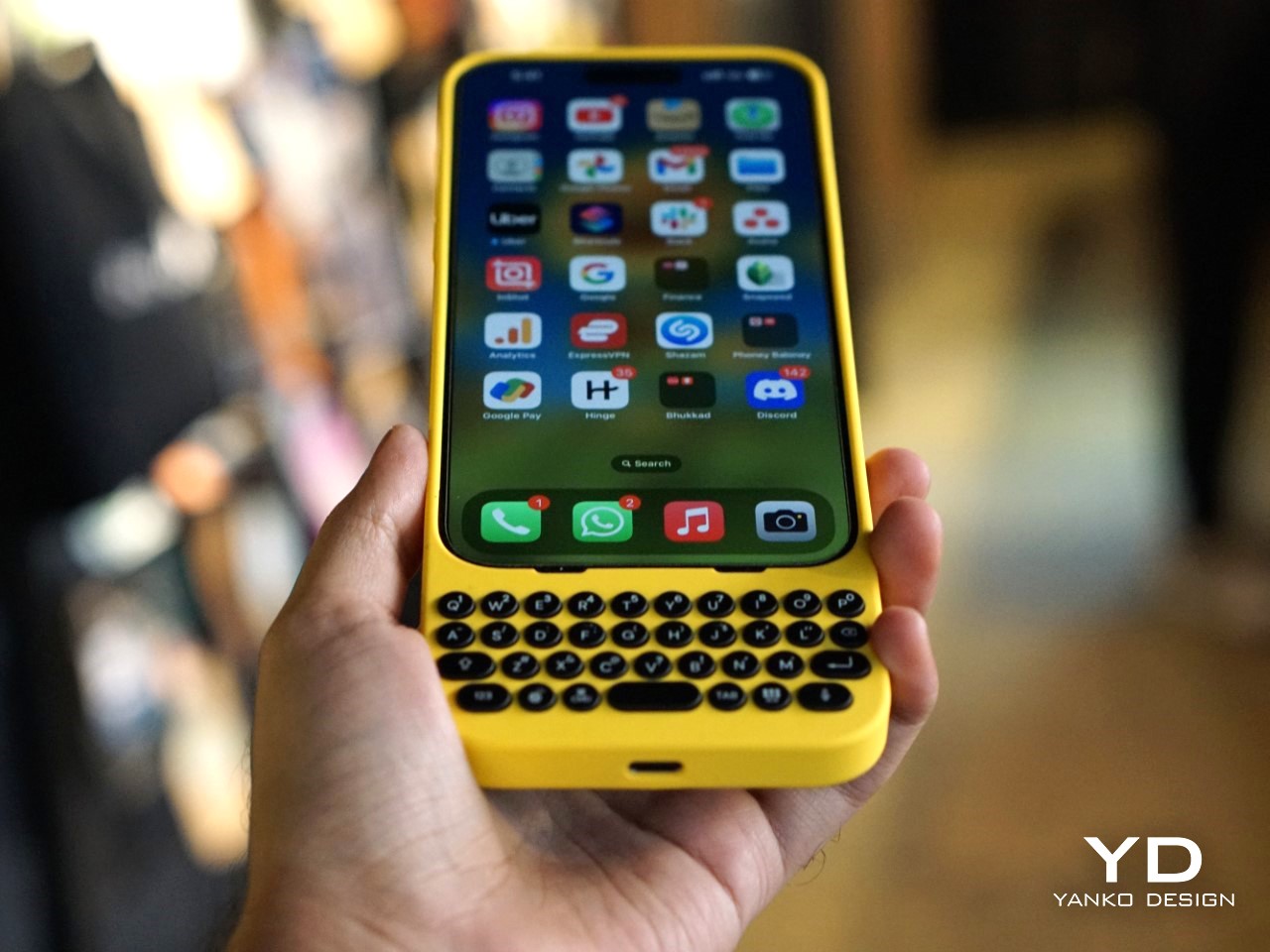
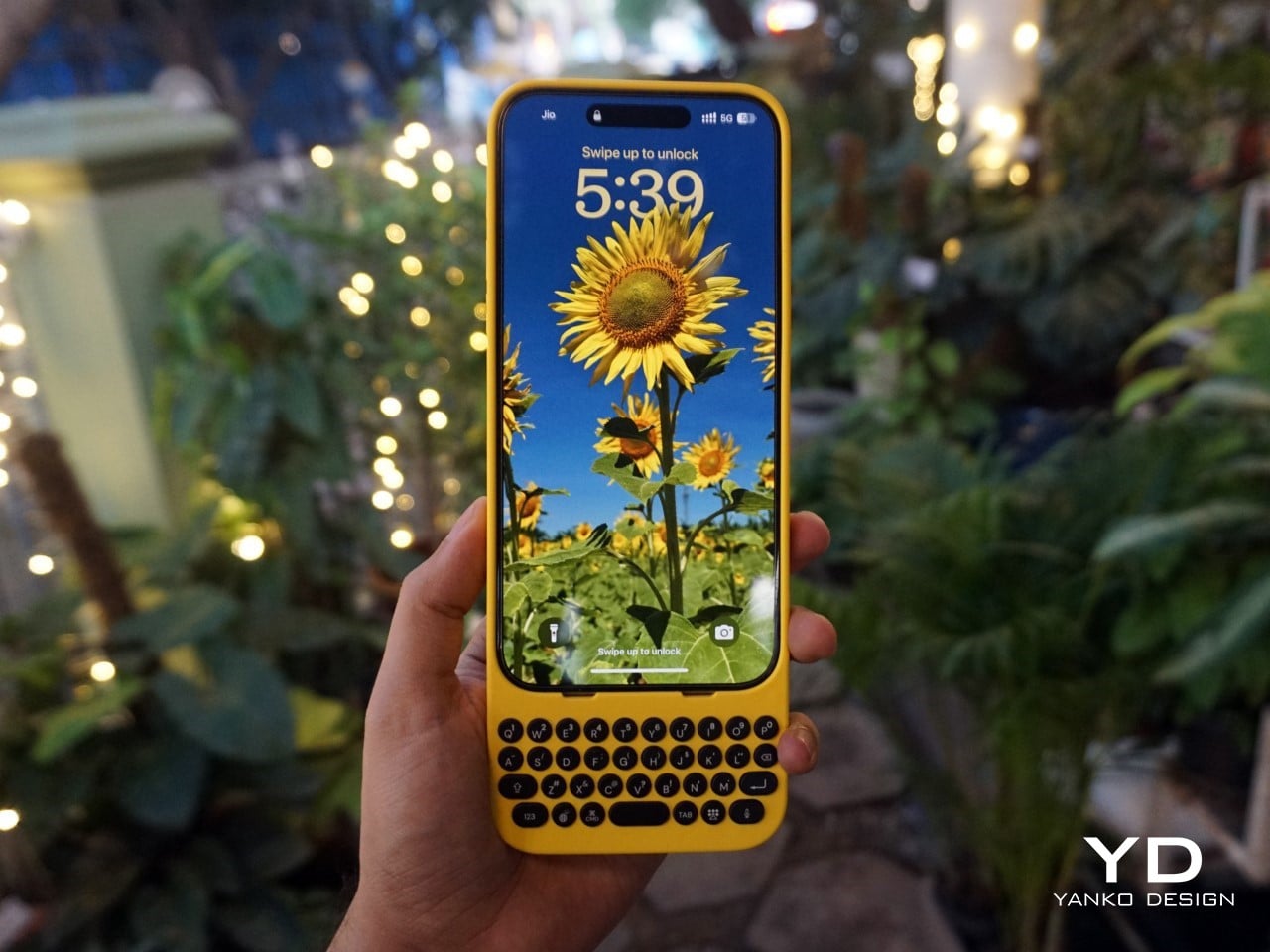
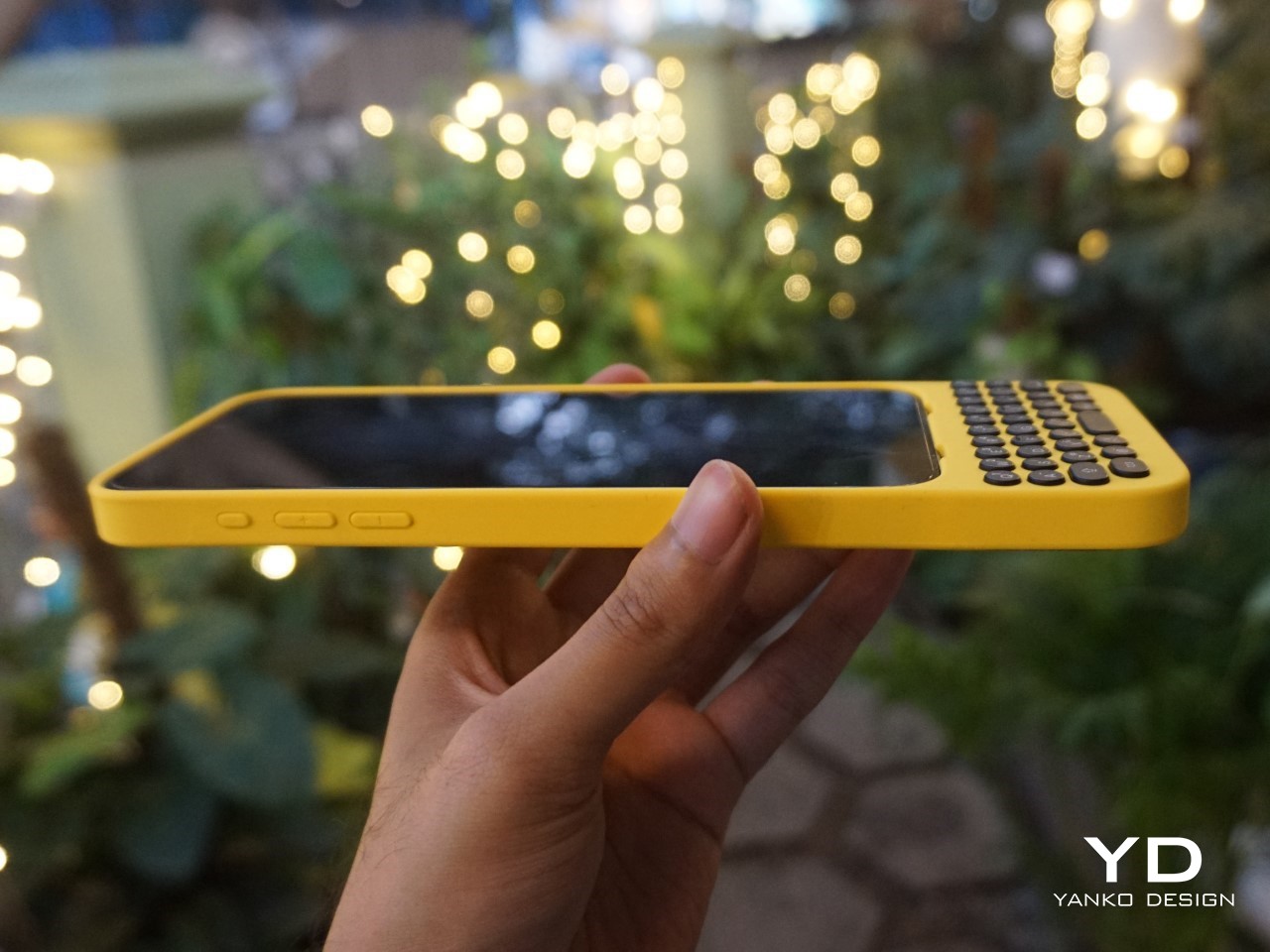
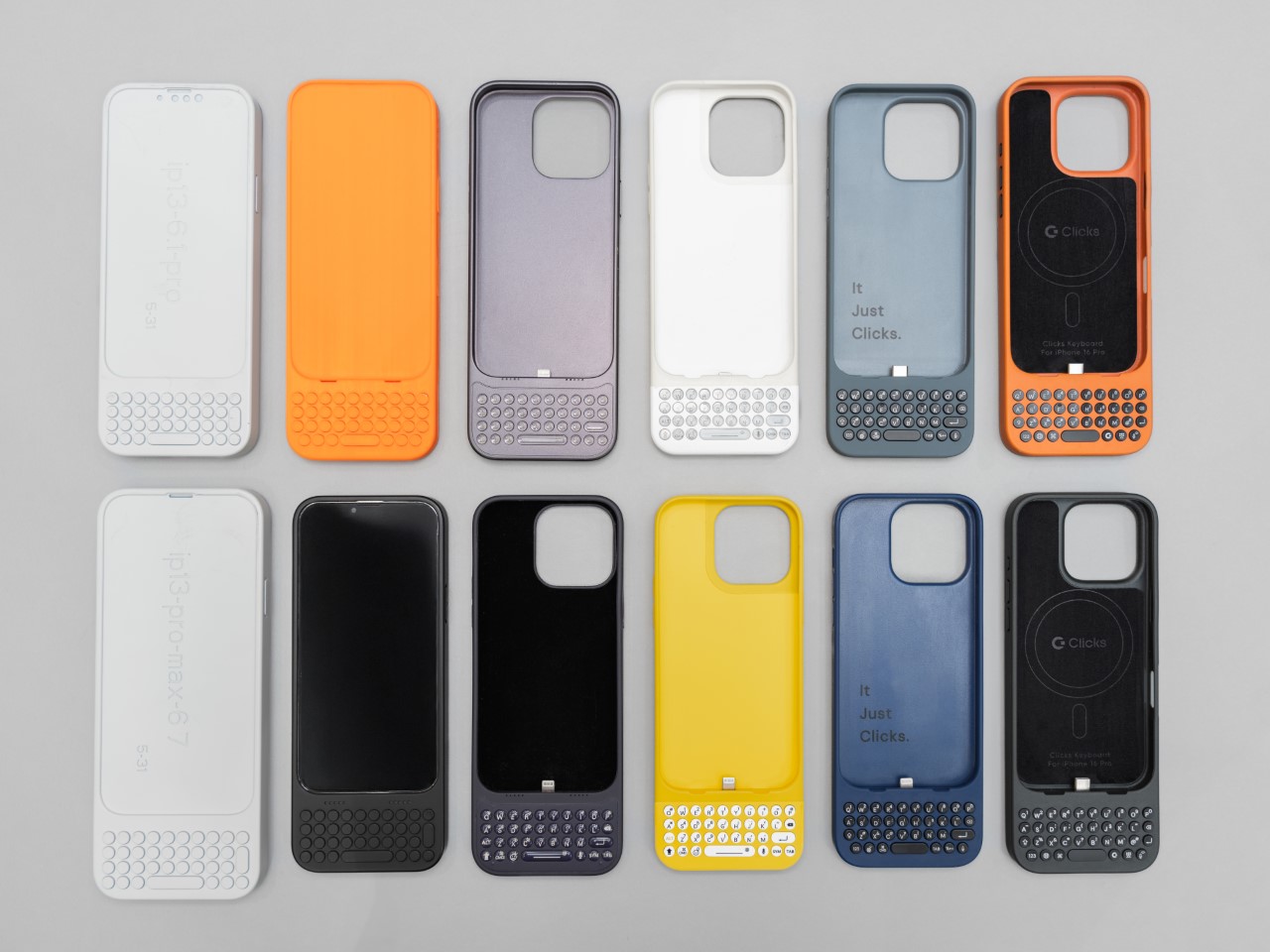
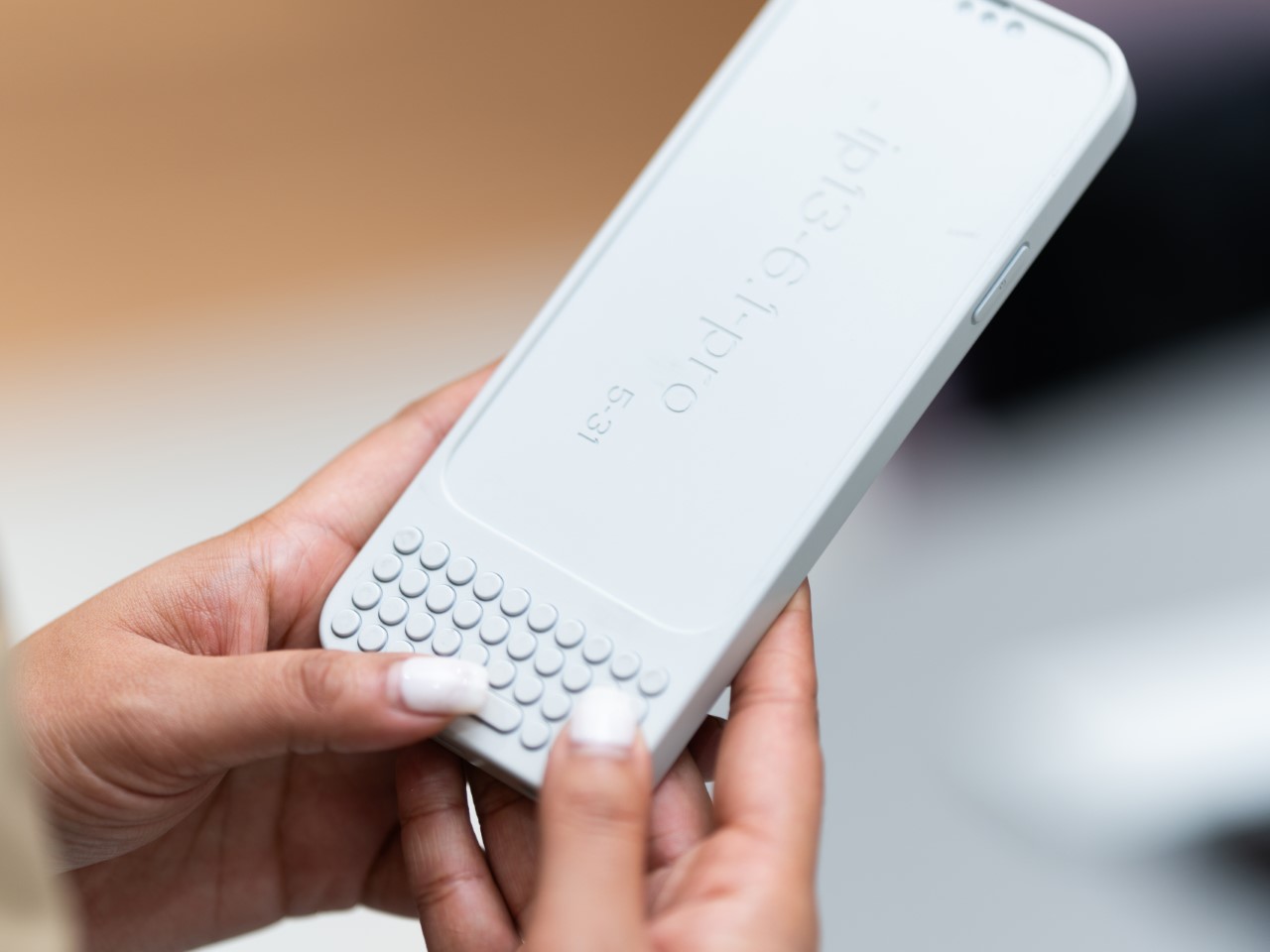
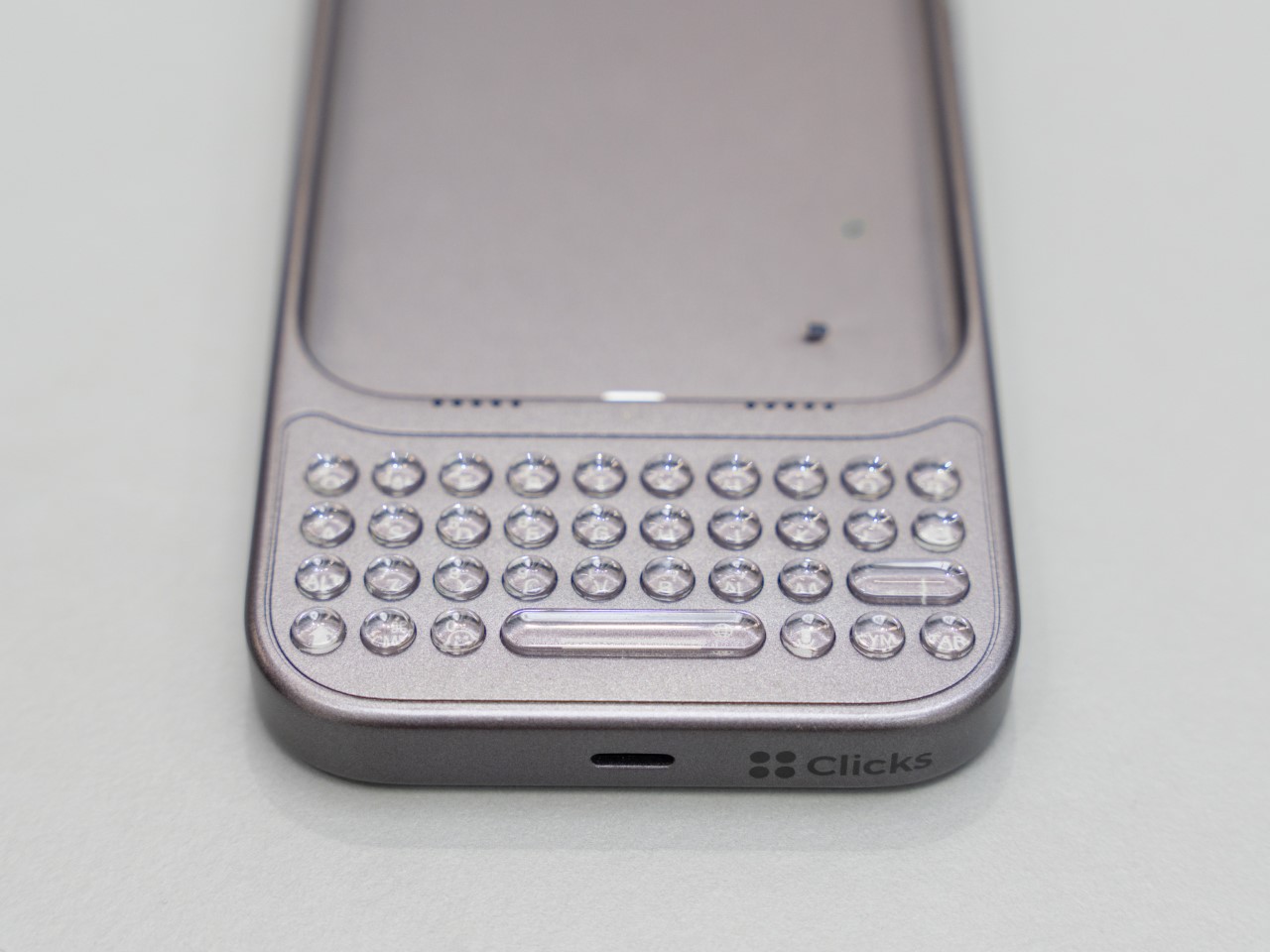
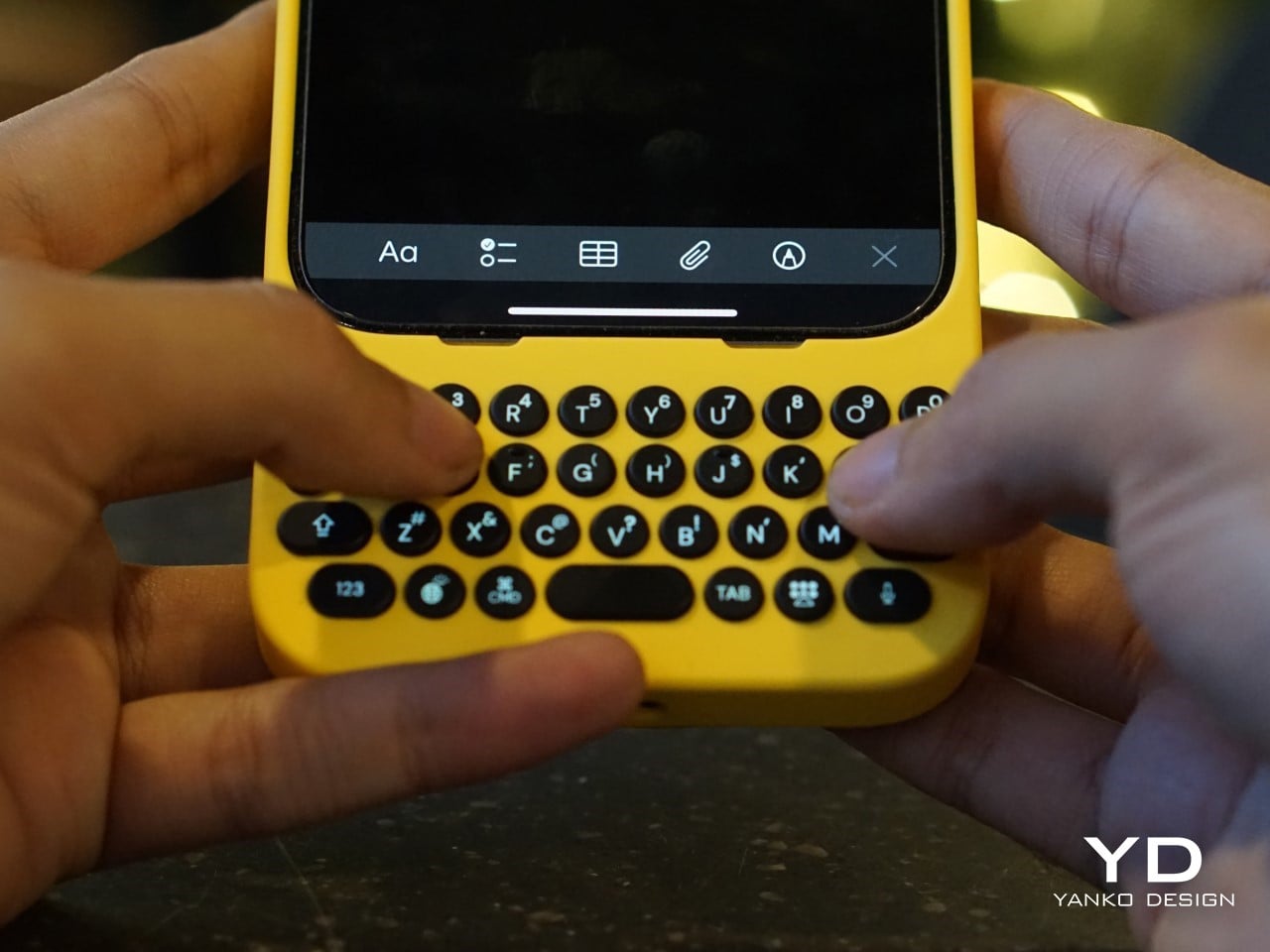
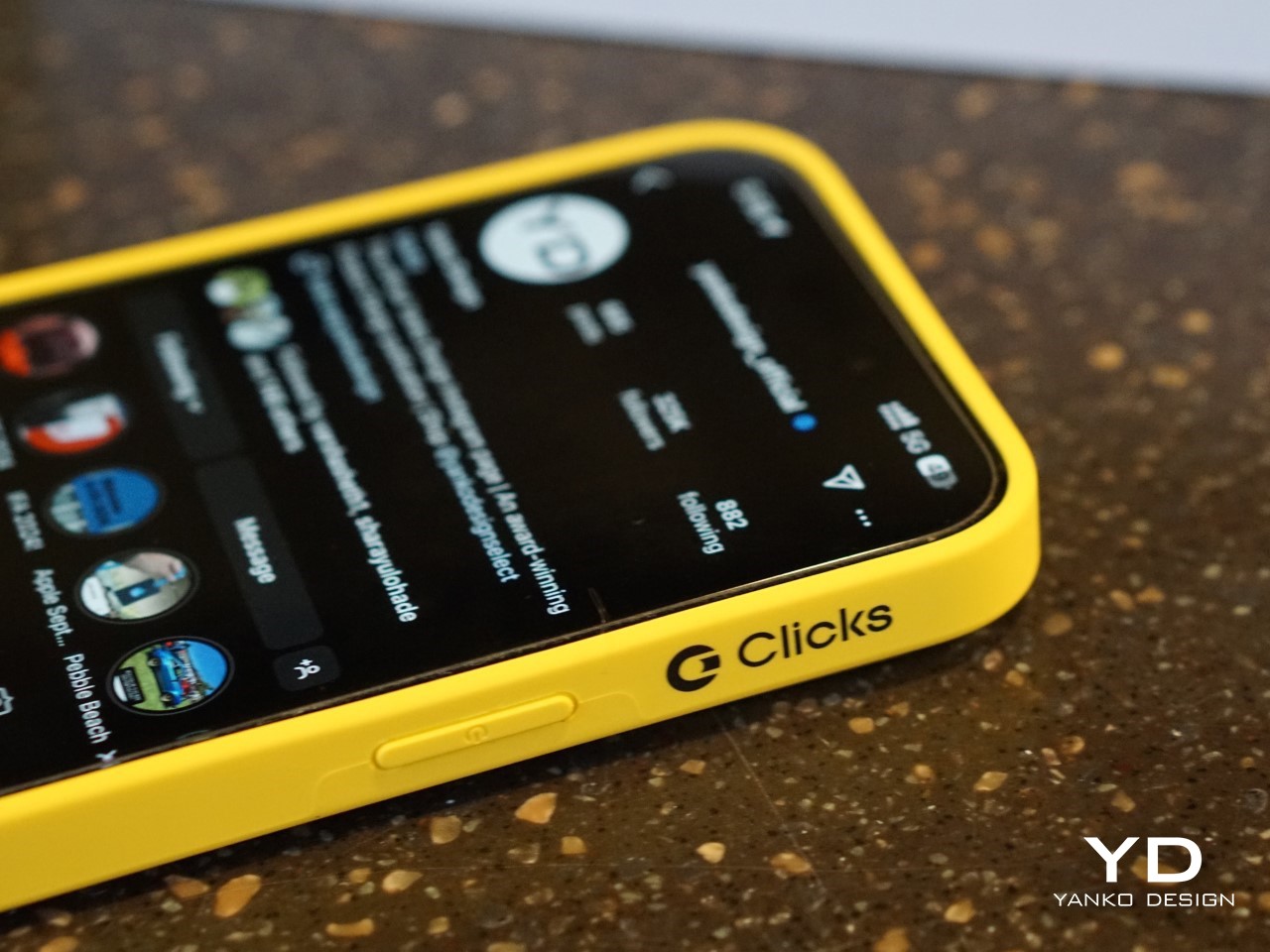
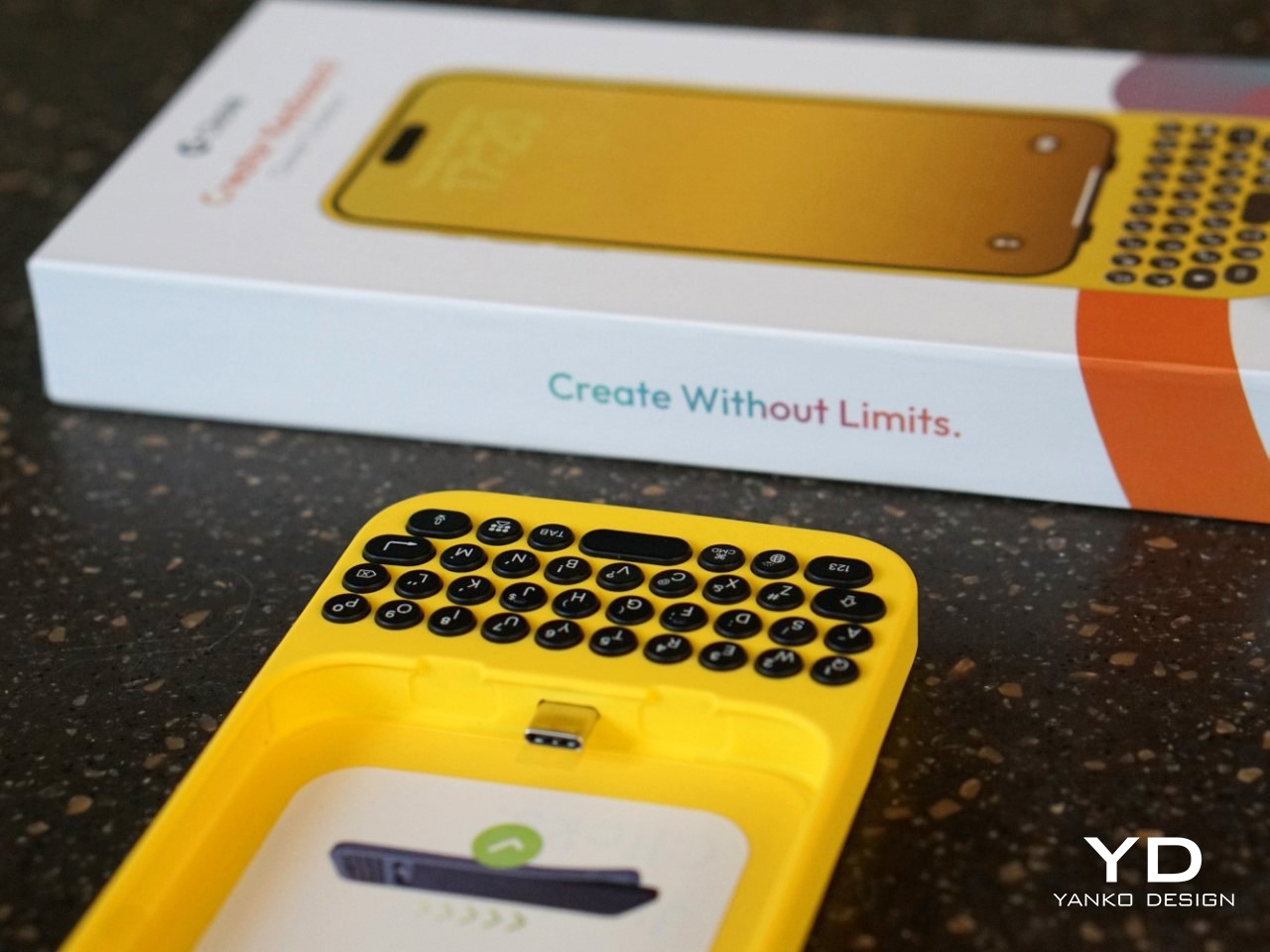
Alternative: Clicks QWERTY Case

Designer: Clicks

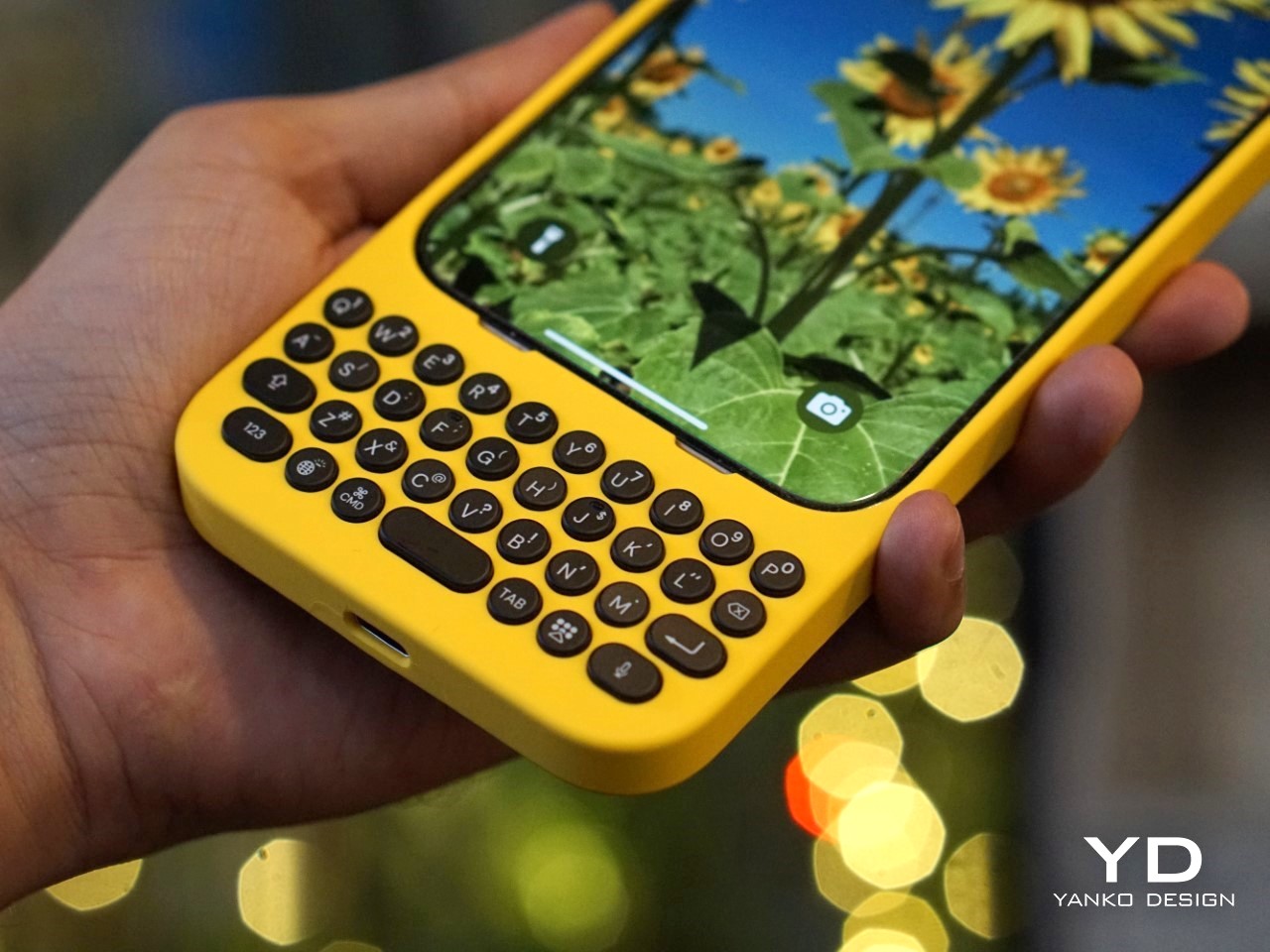
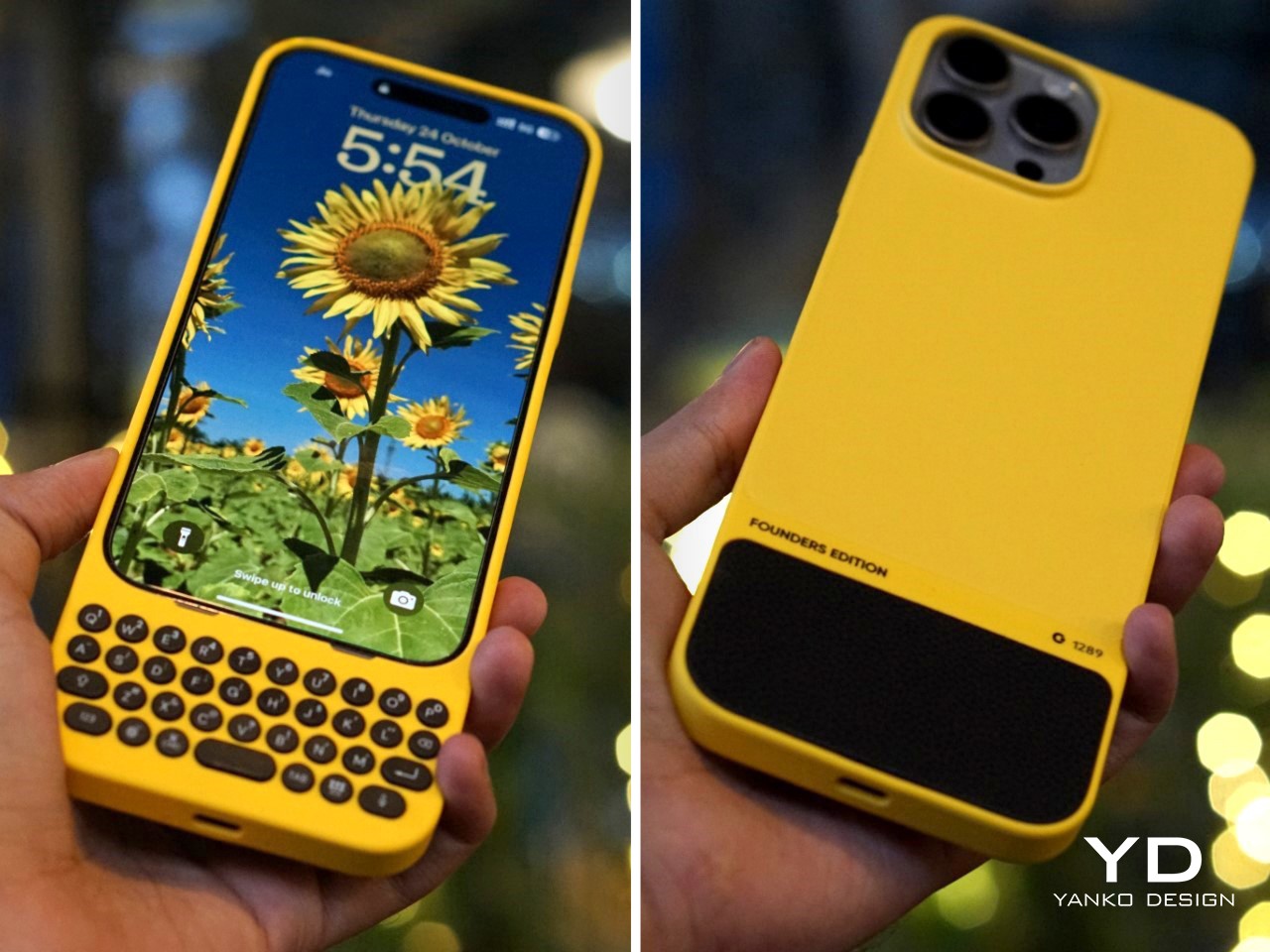
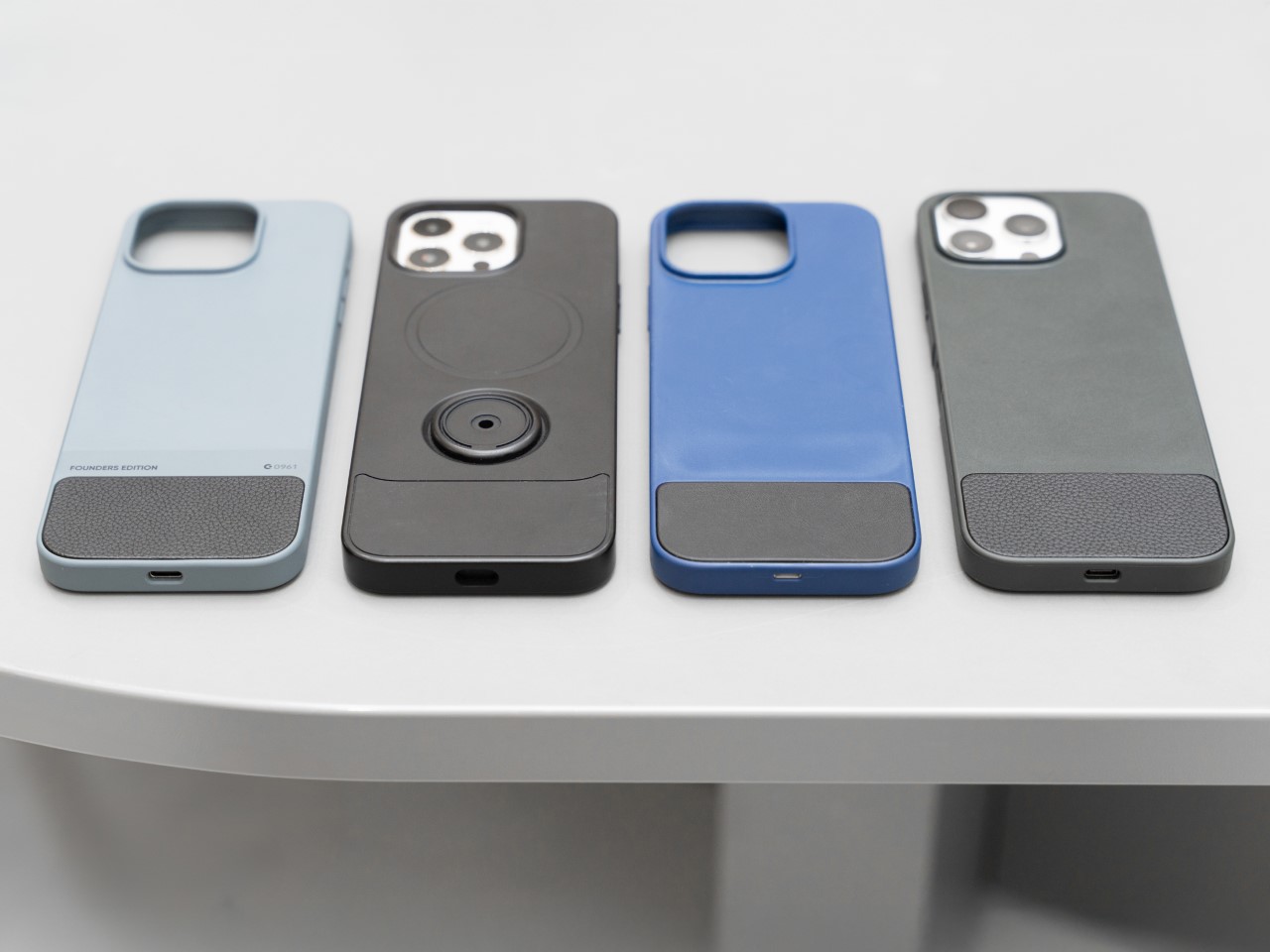
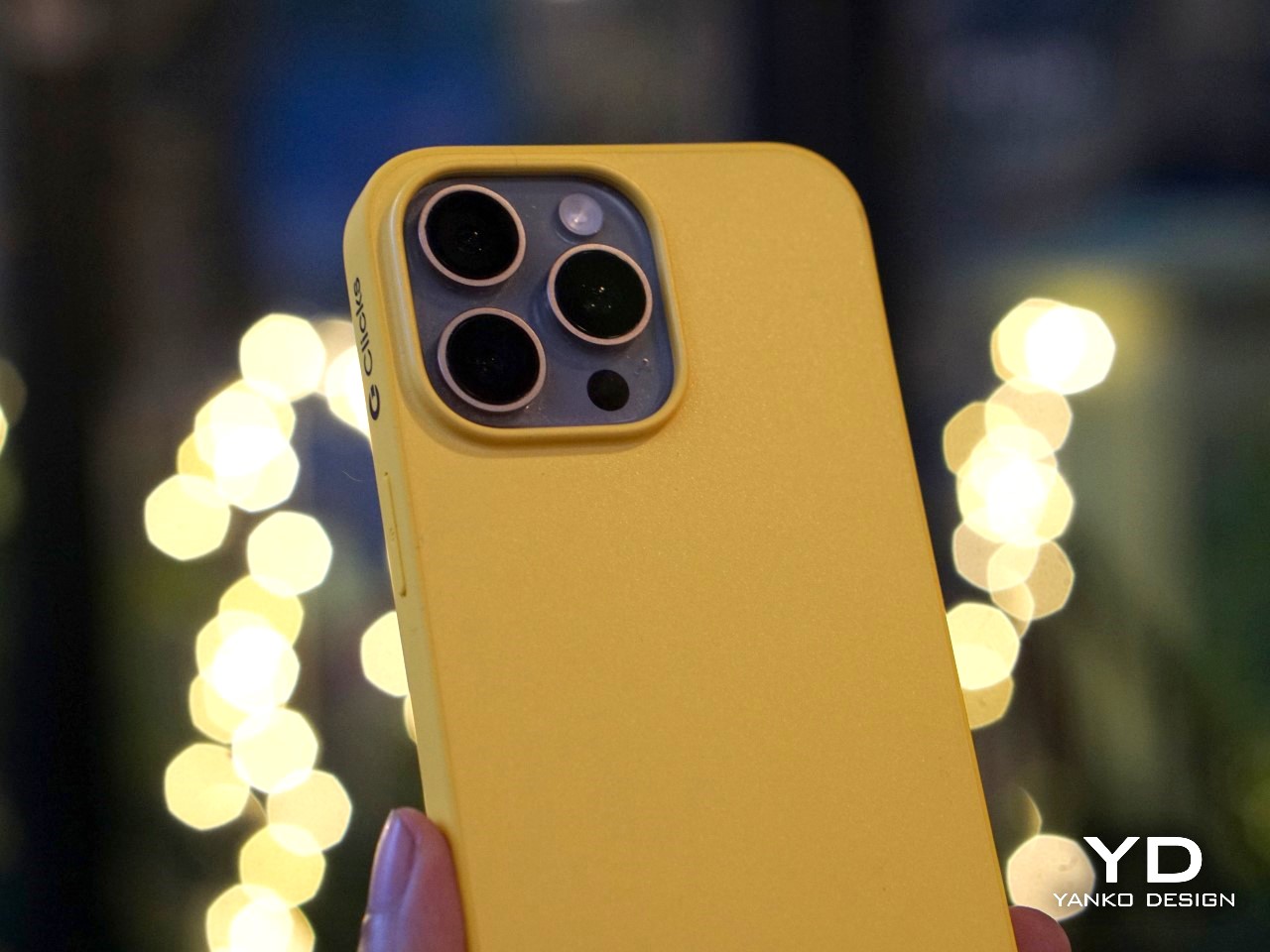
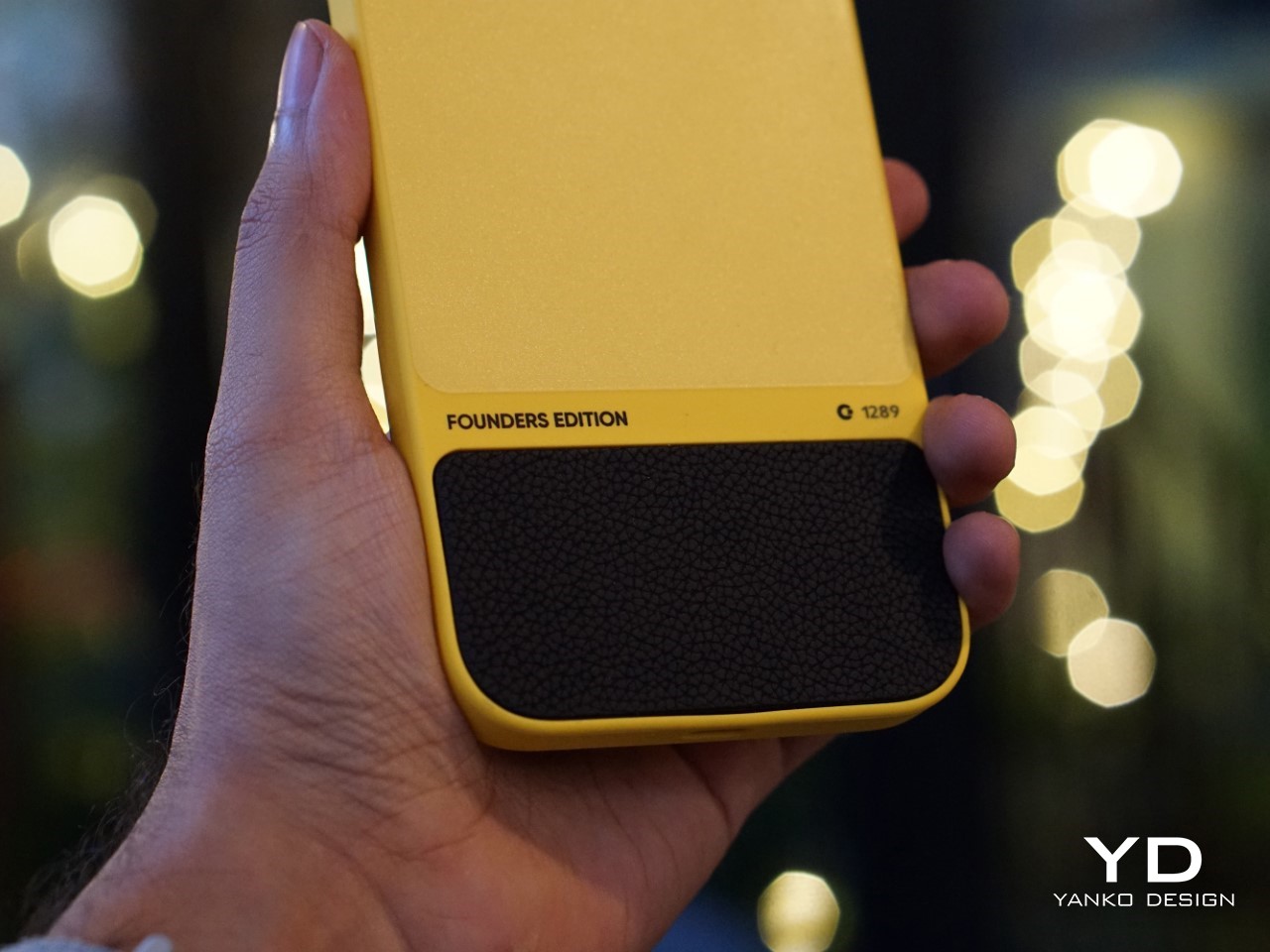
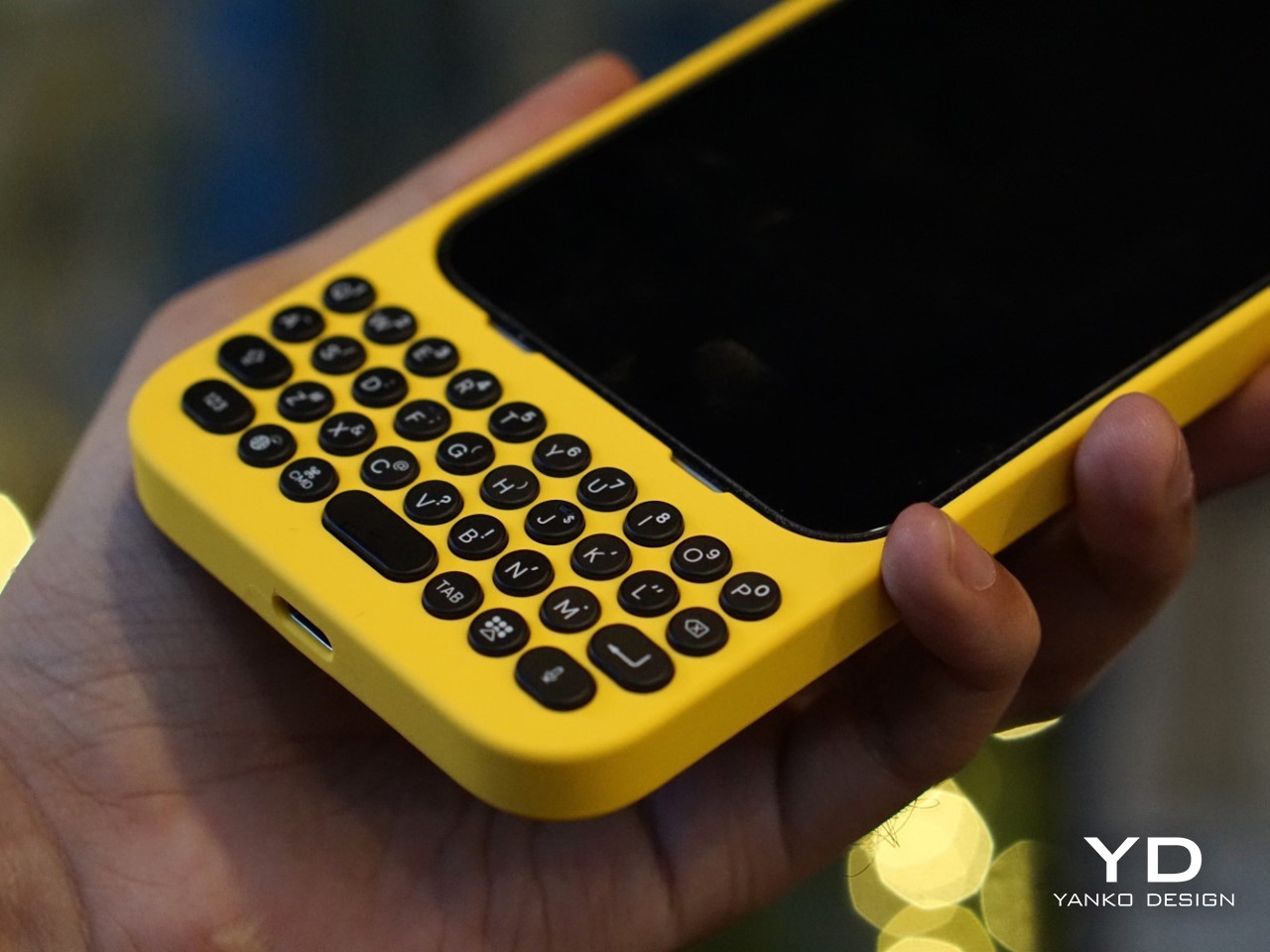
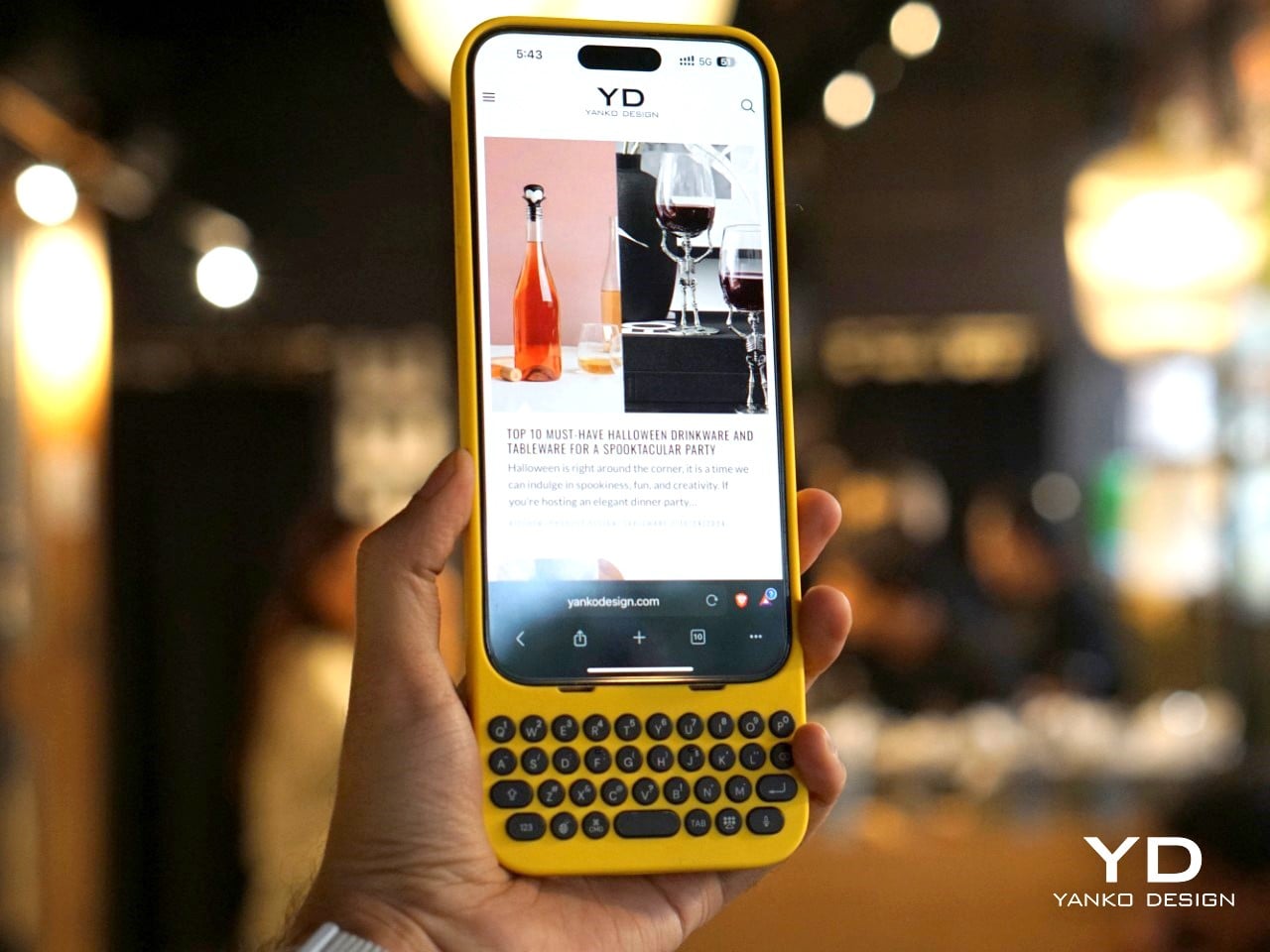
The idea of a BlackBerry-like experience might tickle the fancy of smartphone users, but none of them will be willing to ditch their powerful, colorful, and highly functional smartphones. Clicks is a case that tries to bring the best of both worlds, and it’s practically just a case that slides onto an iPhone to provide that tactile typing experience. You won’t have to give up your favorite apps, especially the ones you need to actually be productive, but the burden of being disciplined and ignoring distractions is now on you instead.

Shapeshifting Multitasker: Astro Slide 5G

Designer: Planet Computers

A phone that opens like a mini typewriter has actually been around since the days of the Nokia Communicator and its kin, but that design proved to be more complicated than they’re worth. After playing with that same design, PlanetComputing shifted to a slider that still provides that typing experience while retaining the exact same functions as a phone. Unfortunately, such a mechanism proved to be just as clunky and unreliable, and the software platform didn’t exactly lend itself well to a landscape screen.

Alternative: Any Foldable Phone

Designer: OPPO

These days, you don’t have to rely on a physical qwerty keyboard to have that same mini laptop experience. With foldable phones now more common, you can tap away on a more flexible on-screen keyboard when the device is only half-folded. At the same time, however, you have both phone and tablet functionality in your hands. Admittedly, the design is far from perfect, and we’re still waiting for more affordable foldables coming in the very near future.

The post Top 5 Quirky Phone Designs That Actually Make Sense first appeared on Yanko Design.
These are 6 Best Everyday Shoes for Busy Moms: Comfortable All-Day Wear

With so much to do, finding the right pair of everyday shoes that are comfortable to wear all day, every day, can be quite the challenge, perhaps even more daunting than swaddling a 3-day-old newborn. With so much to do, comfort is essential. Whether it’s standing in the kitchen preparing meals, walking around the grocery store, or chasing after little ones at the park, moms need shoes that provide all-day comfort and support. The last thing they need is to be slowed down by sore feet or uncomfortable footwear.

Moms, with their unwavering dedication to their families, deserve nothing but the best. From managing household chores to shuttling kids to various activities, moms navigate parenthood with boundless energy and love. To support them in their daily endeavors, we’ve carefully selected six pairs of shoes, highly rated and tested, to provide the comfort and support they deserve. Busy moms need shoes that can keep up with their crazy lives! With roles ranging from caretaker to chauffeur to professional multitasker, moms need footwear that seamlessly transitions from casual to formal settings. Whether dashing to the store or attending impromptu meetings, versatile shoes are a lifeline for moms on the go. Additionally, durability is crucial, ensuring shoes withstand the rigors of daily wear and tear. From spills to scuffs, moms need footwear that endures the demands of their hectic schedules. Lastly, style is not to be overlooked. While comfort and durability are vital, moms also seek shoes that reflect their personal style and boost their confidence as they navigate the joys and challenges of motherhood.

Best Shoes to Wear, Stand, and Walk All Day in 2024

HOKA Clifton 9

The Hoka Clifton 9 offers a significant upgrade in comfort and design, making it an excellent choice for those who spend long periods on their feet or cover great distances. With an increased stack height for better underfoot protection and a lighter build than its predecessor, this shoe is tailored for both sustained comfort and improved performance. It’s particularly suitable for walking and running, providing ample room with wide-size options available.

Designer: HOKA

Key advantages of the HOKA Clifton 9 include:

  • Versatile comfort and stability make it ideal for a variety of running distances and daily wear. Known for its cushioned feel, the Clifton 9 builds on the success of its predecessors by incorporating a more responsive and comfortable midsole.
  • Enhanced features include a new midsole with increased stack height for better cushioning and a new breathable mesh knit upper, enhancing both comfort and performance.
  • Lightweight and responsive remains the same despite additional cushioning, the Clifton 9 is lighter than the Clifton 8, enhancing its appeal as a shoe that doesn’t sacrifice responsiveness or comfort for the sake of lightness.

HOKA Clifton 9

  • Fit and comfort kicks in quickly after the initial wear, where the upper quickly adapts to provide a more comfortable fit. The inclusion of a gusseted tongue helps secure the foot and enhances overall support.
  • Durability and design stays true to its reputation for durability, paired with a stylish design that appeals to both seasoned runners and casual wearers. Its build quality ensures it can handle daily mileage with ease.

HOKA Clifton 9

Brooks Ghost 15 Neutral Running Shoes

The Brooks Ghost 15 excels as a dependable, cushioned trainer ideal for everyday running. Its updates emphasize both performance and environmental responsibility, appealing to a broad spectrum of runners. Whether for short jogs or longer training sessions, the Ghost 15 delivers consistent comfort and support, solidifying its status as a favored choice among both new and seasoned runners. If you’re in the market for a reliable and sustainable running shoe, the Ghost 15 is a compelling option, offering good value for its price point.

Ghost 15 Neutral Running Shoes

Designer: Brooks

Key advantages of the Brooks Ghost 15 include:

  • Enhanced cushioning features the new DNA LOFT v2 cushioning in the midsole, which is lighter and softer, providing superior comfort for all-day wear.
  • Breathable support air mesh upper ensures breathability and comfort, reinforced with 3D Fit Print for structured support throughout the day.
  • Smooth transitions are equipped with a Segmented Crash Pad on the outsole for smooth, seamless transitions from heel to toe, which is ideal for prolonged standing or walking.
  • Eco-conscious materials composed of 71% recycled materials in the tongue and 89% in the vamp mesh, making it a great choice for environmentally conscious users.

  • Wide fit options available in a variety of widths (Men’s 2E, 4E / Women’s D), ensuring a comfortable fit for a broader range of foot sizes.
  • Reflective details strips of reflective material enhance visibility, adding an element of safety for those wearing the shoes from dawn till dusk.
  • Durable design built to withstand up to approximately 400 miles of wear, making it a durable option for daily use.

Ghost 15 Neutral Running Shoes

Nike Motiva

The Nike Motiva sets a new benchmark for walking shoes with its innovative features and superior comfort. Its unique rocker, combined with plush cushioning and a robust build, makes it an ideal choice for those seeking a versatile walking shoe that transitions smoothly into light jogging. The Motiva’s supportive and spacious design ensures comfort and performance throughout the day, making it an excellent choice for dynamic individuals.

Nike Motiva

Designer: Nike

Key advantages of the Nike Motiva walking shoes include:

  • Innovative rocker design stands out with its pronounced rocker design, enhancing natural walking motion and promoting fluid transitions from heel to toe, which is perfect for extended wear.
  • Exceptional cushioning is made with an exceptionally soft sole, offering luxurious cushioning that provides comfort with every step you take.
  • Durable and breathable upper part of the shoe’s designed to resist wear and tear while maintaining breathability, ensuring long-lasting comfort and durability.

  • Wide and stable base is constructed with a broad base that provides stability for both walking and occasional jogging, adapting effortlessly to a variety of daily activities.
  • Robust grip outsole is made for durability and excellent traction, making the Motiva reliable on different terrains, including urban concrete.
  • Generous fit breaks from the typical Nike mold with a wider and more forgiving fit, making it suitable for individuals with broader feet.

Nike Motiva

On Cloud 5

The On Cloud 5 is a notable choice in the lifestyle category, providing a mix of comfort, style, and sustainability. It’s a versatile shoe that easily goes from casual wear to light running, supported by On’s unique cloud technology for top-notch comfort. Whether for work or leisure, the On Cloud 5 promises to keep you moving comfortably with its soft cushioning and stylish design, showing why it remains a popular choice year after year.

On Cloud 5

Designer: On Cloud

Key advantages of the On Cloud 5 include:

  • Versatile design celebrated for its versatility, the On Cloud 5 effortlessly adapts from a casual lifestyle sneaker to a light running shoe. Its intelligent speed lacing system ensures a snug fit, making it easy to slip on and off, which is ideal for an active, on-the-go lifestyle.
  • Superior comfort thanks to the latest generation of On’s cloud technology, the On Cloud 5 provides exceptional comfort and cushioning. This shoe is designed to support and enhance your natural gait, making it perfect for all-day wear, from morning commutes to evening jogs.
  • Stylish and functional feature a sleek, urban aesthetic that fits well with any wardrobe. It combines Swiss design flair with practical features like a breathable and protective engineered mesh upper.

On Cloud 5

  • Sustainable construction because the On Cloud 5 incorporates 44% recycled materials in its design, making it an environmentally friendly choice for eco-conscious consumers.
  • Enhanced durability thanks to a durable outsole that provides reliable traction and stability on various surfaces, making it a dependable choice for daily wear.

On Cloud 5

HOKA Transport

The Hoka Transport is an excellent choice for those looking for a versatile shoe that can handle daily wear, casual outings, and light hikes. It offers the perfect blend of lifestyle appeal and performance with its protective features, comfort, and a strong focus on sustainability. Whether you’re walking around town, hitting gentle trails, or simply looking for a comfortable and stylish shoe that doesn’t scream “running,” the Transport is designed to meet a variety of needs. Its thoughtful design and durable construction make it a smart investment for those seeking both comfort and style in their daily footwear.

Designer: HOKA

Key advantages of the Hoka Transport include:

  • Versatile design is marketed as a crossover shoe, blending daily wear, lifestyle, and light hiking capabilities. It is designed to bring the typical Hoka comfort into a package that’s less focused on running, making it a great choice for those who want comfort without the running shoe aesthetic.
  • Comfort and support thanks to its extreme comfort, the Transport provides just the right amount of cushioning without being too soft, which helps conserve energy even after a full day on your feet. The shoe’s design incorporates a toe guard and a strong focus on sustainability, including a midsole made from 30% sugarcane EVA and a Vibram® N-OIL outsole with 90% petrol-free components.
  • Durable and protective material constructed from rip-stop Cordura and featuring a low-profile but grippy Vibram outsole, the Transport is built to last and is suitable for various settings, from city streets to light trails.

  • Ease of use includes elastic laces, along with a regular lace option, and a pull tab at the back, which makes the shoe easy to slip on and off, providing convenience for the wearer.
  • Reflective and Eco-Friendly material includes 360-degree reflective details for enhanced visibility and is made from materials that emphasize Hoka’s commitment to sustainability.

HOKA Transport

Nike Air Zoom Structure 25

The Nike Structure 25 revitalizes its series with advanced stability and a dynamic, responsive feel. This shoe is an excellent choice for moms who need dependable footwear capable of keeping pace with their busy lifestyles. It combines enhanced comfort and targeted support, ideal for extended daily wear, whether it’s running errands, chasing kids at the park, or a casual jog. The shoe’s classic yet updated design integrates seamlessly with both athletic and casual attire, making it a versatile addition to any wardrobe. The Structure 25’s durability and thoughtful design ensure long-lasting performance and comfort, embodying a perfect balance between traditional reliability and modern innovation.

Nike Air Zoom Structure 25

Designer: Nike

Key advantages of the Nike Air Zoom Structure 25 include:

  • Versatile stability characterizes the Nike Structure 25, which has transitioned from a traditional stability shoe into one that balances stable, neutral, and mild stability features. Engineered for daily mileage, it provides a firmer and more responsive ride, complemented by a classic lugged outsole and enhanced guidance features.
  • Comfort and fit deliver a snug-to-normal fit characteristic of Nike’s designs, offering a slightly retro aesthetic. It features a classic fit that comfortably accommodates a wide range of foot shapes. Enhanced support is provided through strategic design elements such as a heel clip and a substantial midfoot sidewall.

Nike Air Zoom Structure 25

  • Durable and supportive material made from durable materials and designed for long-term use, the Structure 25 features a robust outsole that offers good traction and durability across various terrains.
  • Enhanced features for stability thanks to a heel clip and firmer ride to guide the foot without being intrusive, suitable for runners who appreciate a blend of traditional and modern stability mechanics.
  • Weight and Responsiveness are due to a slight reduction in weight from previous versions. While remaining on the heavier side, this design choice emphasizes durability over speed. This design choice makes it ideal for daily training and extended wear rather than quick-paced activities.

Nike Air Zoom Structure 25

The post These are 6 Best Everyday Shoes for Busy Moms: Comfortable All-Day Wear first appeared on Yanko Design.

Windows on ARM success can drive PC design innovation

Despite the power that smartphones and tablets have these days, PCs and their Mac equivalents remain the workhorses of the modern world. Not only do they have more power, they also offer more flexibility thanks to decades of research, development, and innovation. Market analysts, however, have long been pointing to the demise of the PC market, especially desktops, and there has indeed been a great deal of stagnation not only in hardware but even in product designs. It’s not that there haven’t been any improvements, just that designs have become predictable and even sometimes forgettable. You can’t, after all, change the design formula too much unless you also drastically change the internals as well. That’s the kind of burst in innovation that awaits the PC market, both laptops and even desktops, if running Windows on the same hardware as smartphones and tablets finally becomes reliable and productive.

Designer: Qualcomm

Rough Start: Microsoft Surface

It’s not like the combination of Windows and ARM-based processors, the same silicon that powers mobile devices, hasn’t been done before, but almost all past attempts have come up short of expectations. Disregarding the antiquated Windows CE and Windows Phone variants, Microsoft has time and again tried to bring the benefits of phones and tablets to PCs without much success. One of the first ones in recent memory is the smaller Microsoft Surface. Although the Surface Pro has become something of an icon today, its base model didn’t enjoy the same level of fame, attention, and sales.

Microsoft Surface RT

Designer: Microsoft

The Surface RT and Surface 2 both ran on ARM-based NVIDIA Tegra processors that were normally quite capable on Android tablets. Even those, however, couldn’t bear the weight of Windows, even the watered-down Windows RT version. To add insult to injury, the apps available for that platform were a dismal number which didn’t include the software that people needed to use on Windows. Thus, these first attempts at Windows on ARM were considered to be abject failures, but surprisingly, Microsoft didn’t give up completely.

Microsoft Surface Pro 9

Fast-forward to today, there have been numerous attempts to improve the situation, both from the hardware and the software side. The Microsoft Surface Pro 9 now has a version that runs an even more powerful ARM Qualcomm processor, and the Microsoft Store has quite a selection of popular apps. There are also some emulation solutions for running “normal” Windows software on ARM laptops and tablets, but that’s not exactly a panacea. All these sound like too much effort for what seems like a niche design, but it’s an effort that could yield a bountiful harvest if it succeeds.

Faster, Slimmer, Cooler

Qualcomm announced last month its new Snapdragon X Plus and Elite processors, and while the “Snapdragon” name is popular for smartphones and tablets, the “X” chips are earmarked for use in Windows computers instead, particularly laptops. Qualcomm boasts numbers that would make the likes of Intel and AMD worry, though it’s also aiming squarely for Apple’s M series processors. That’s definitely a tall order, especially with the launch of the new Apple M4 chip, but if theory proves to be even remotely near the mark, it will be a huge win for the Windows market and PCs in general.

Designer: Qualcomm

The new Snapdragon X Plus and Elite unsurprisingly boast about being able to do heavy-duty generative AI work, something that would require a lot of processing power that is traditionally only available on “regular” laptops and desktops. What would set it apart, however, is how it delivers that performance with lower battery consumption, heat, and space compared to equivalent Intel and AMD processors. It’s too early to say if Qualcomm will be able to deliver those promises, but it’s definitely a big leap compared to previous generations.

ARM-based processors like those from Qualcomm and MediaTek have been used in mobile devices precisely because of these traits. They can keep the product compact without impacting performance, something that laptop makers aim for every year. More importantly, however, these small form factors open the doors to less conventional designs, paving the way for dual-screen, foldable, or rollable PCs that don’t sacrifice their power for the sake of their novel appearance and features.

Thinking Outside the Box

The very first benefit of Windows successfully and smoothly running on ARM devices would be thinner laptops with longer battery lives. It can’t be understated how significant that will be for creatives, especially those who will rely a lot on that generative AI that everyone’s talking about these days. But even if you do much of your designs manually, the idea that you can bring your work anywhere without breaking your back and stay unplugged for more than half a day is going to appeal to a lot of people

Lenovo Yoga Book 9i

Designer: Lenovo

Once that has become the norm, however, it will be time to explore the possibilities that thinner, more compact, or smaller devices can bring. Imagine those handheld gaming PCs becoming thinner and smaller, almost down to tablet or even phone sizes. Admittedly, being able to play just about any PC game is going to be tricky today, but that’s not going to be the case in the future.

And then there are the current novelties like laptops with two screens or foldable displays, designs that have to sacrifice performance for the sake of super thin bodies. It hasn’t arrived yet, but a rollable screen might even become a thing for computers. In other words, Windows on ARM would enable all these forms beyond desktop towers and laptops to become possible without sacrificing too much performance. We seem to be heading in that direction already, but hardware is only half the battle.

Uphill Battle

No matter how powerful ARM chips are, enough to smoothly run Windows, all of that will fall on deaf ears if Windows on ARM isn’t able to support as much as 80% of regular Windows software, including games and especially content creation tools. That was what killed the Surface RT and Surface 2, after all, and things have improved considerably but not yet to most PC users’ satisfaction. One of the available solutions right now is emulation, like making the software or game think it’s running on an Intel/AMD computer, but that incurs penalties in performance.

AYANEO Flip DS

AYANEO Slide

Designer: AYANEO

There are also obstacles to be overcome on the hardware side. As strange as it might sound, PCs are a somewhat open ecosystem when it comes to the variety of things you can plug into a computer and have them working automatically. You lose some of that with Windows on ARM because of compatibility issues, and that might prevent less popular but heavily used peripherals from working, at least not at first. Unfortunately, that might be a huge deal breaker, especially for those who have already invested in devices for their workflow.

Designer: Qualcomm

Final Thoughts

Qualcomm’s announcement of the Snapdragon X Plus and Elite tried to preempt Apple’s new M4 chip and iPad Pros. Apple’s venture into the ARM world is both a boon and a bane for the likes of Qualcomm as it demonstrates what’s possible. But even Apple has remained within the boundaries of traditional devices like a tablet and a laptop. Not surprising for a company that is very meticulous and careful about the design of its products.

Designer: Apple

The Windows world, however, is a bit more daring thanks to the diversity of people involved. Unconventional and sometimes impractical designs pop up once in a while, but they’re all hampered by the limitations of hardware that’s commonly available for PCs. Windows on ARM isn’t new and it still has a long way to go to confidently match what Intel, AMD, and now Apple are selling, but stakeholders in the PC industry should probably consider rallying behind this if they want to breathe new life into the stagnating PC market.

Designer: Samsung

The post Windows on ARM success can drive PC design innovation first appeared on Yanko Design.

5 Tips On How To Decorate A Rented Home

Decorating a rented home presents a unique set of challenges. Unlike homeowners, renters often face restrictions when it comes to making large or permanent changes to their living spaces. These could be from landlords, from buildings with really rigid homeowner associations, from nosy neighbors, or even from annoying co-living flatmates. However, this doesn’t mean that rented homes have to lack personal flair or style. With some clever and considerate decorating strategies, you can transform a rental into a warm and inviting space that feels fully your own. Here are five tips to help you decorate your rented home effectively, without risking your security deposit.

1. Understand Your Lease Agreement

Before embarking on your decorating journey, the first step is to thoroughly understand your lease agreement. Most rental agreements have clauses that limit the kind of modifications you can make. It’s important to know what is allowed and what isn’t. For example, some leases will allow painting, provided you repaint the walls back to their original color when moving out, while others might prohibit changing the wall color altogether.

If you’re unsure, have a conversation with your landlord or landlady. Express your desire to make the space feel more like home and discuss any specific alterations you’re considering. Sometimes, they may approve changes if they believe it could increase the property’s appeal or value. Documenting these permissions can prevent misunderstandings later on too, so always have stuff in writing, whether it’s an email or a text chain.

2. Invest in Removable Solutions

When you can’t make permanent changes, removable options become your best friends. Products like peel-and-stick wallpaper have revolutionized rental decorating by providing an easy way to add vibrant patterns and colors without damaging the underlying wall. Similarly, adhesive hooks and strips (like 3M Command strips) can hang artworks and photos without leaving holes that might upset your landlord.

An excellent example of such adaptability is the use of temporary backsplashes in kitchens and bathrooms. Brands like Smart Tiles offer a range of styles that mimic the look of real tiles and can be peeled off when it’s time to move out. This approach allows renters to embrace bold designs and personal style without compromising the integrity of the rental property.

Removable designs also allow you to take stuff that belongs to you when you’re shifting. Investing in a beautiful wallpaper will hurt when you have to leave the wallpaper behind. Painting your landlord’s credenza or armoire may make it look beautiful, but it can’t be taken with you. Pick and choose the renovations you want to do so that you don’t feel the guilt of leaving stuff behind when you move out.

3. Opt for Flexible Furniture Choices

Choosing the right furniture can make all the difference in a rental. Opt for pieces that are versatile and can adapt to different spaces. For instance, modular sofas can be reconfigured to fit various living room layouts, while extendable dining tables can accommodate guests when needed and be compacted for daily use.

Invest in furniture that serves multiple purposes to save space and money. A storage ottoman, for instance, can act as a seat, a footrest, and a place to store linens or seasonal clothing. Similarly, a daybed can be used as a sofa during the day and a guest bed at night. These choices not only maximize functionality but also ease the transition from one rental to another.

4. Maximize Lighting Without Rewiring

Lighting is a crucial element of home décor that can significantly affect the ambiance of a space. Since most rental agreements prohibit changes to fixtures, renters must find non-permanent ways to illuminate their homes. Floor lamps, table lamps, and string lights can dramatically change the mood of a room without the need for permanent fixtures (we recommend checking out Gantri‘s unique 3D-printed lights). Even mirrors can help spaces look well-lit, and much bigger than they already are. Consider the strategic placement of mirrors to amplify natural light. Positioning a large mirror opposite a window can double the light in a room, making it feel larger and more open. Such setups are especially beneficial in smaller apartments or areas with limited natural light.

5. Add Personal Touches with Accessories

Finally, personalize your space with accessories. Soft furnishings like throw pillows, curtains, and area rugs can add color, texture, and warmth to a rental home. They are also easily replaceable and can be taken with you to your next home.

Art is another great way to express individuality. Instead of nailing frames to the wall, consider leaning artwork against it or using picture ledges. Plants are also excellent for adding vibrancy and life to your décor. They not only beautify your space but improve air quality too.

In decorating a rented home, the goal is to create a space that reflects your personality and style without infringing on the terms of your lease. With these tips, you can achieve a personalized home that can evolve with your tastes, all while maintaining a good landlord/tenant relationship. Decorating your rented space smartly and stylishly proves that even temporary accommodations can feel like a true home. So go ahead, infuse your rental with charm and character, and make it a place you love to come back to every day. After all, home is where the heart is, right??

The post 5 Tips On How To Decorate A Rented Home first appeared on Yanko Design.