Best Kitchen Essentials of 2025: 7 Tools Worth Adding To Your Collection

Kitchen design reached a turning point in 2025, moving beyond gadget proliferation toward thoughtful consolidation. The tools that stood out this year questioned whether we really need separate appliances cluttering our counters or if smarter design could deliver more capability in less space. From espresso machines that resemble modern sculpture to modular cooking systems that adapt to small kitchens, these innovations demonstrate that kitchen essentials can be both beautiful and highly efficient.

What makes these seven tools worth your attention is their refusal to compromise. They deliver professional capability without demanding professional-sized kitchens, embrace minimalist aesthetics without sacrificing functionality, and respect the reality that most of us cook in spaces far smaller than we’d prefer. Whether you’re drawn to all-in-one versatility or single-purpose perfection, these designs represent kitchen tools that have evolved beyond their utilitarian origins into objects worth keeping visible rather than hidden away in cabinets.

1. BØYD Espresso Machine: Minimalist Coffee Perfection

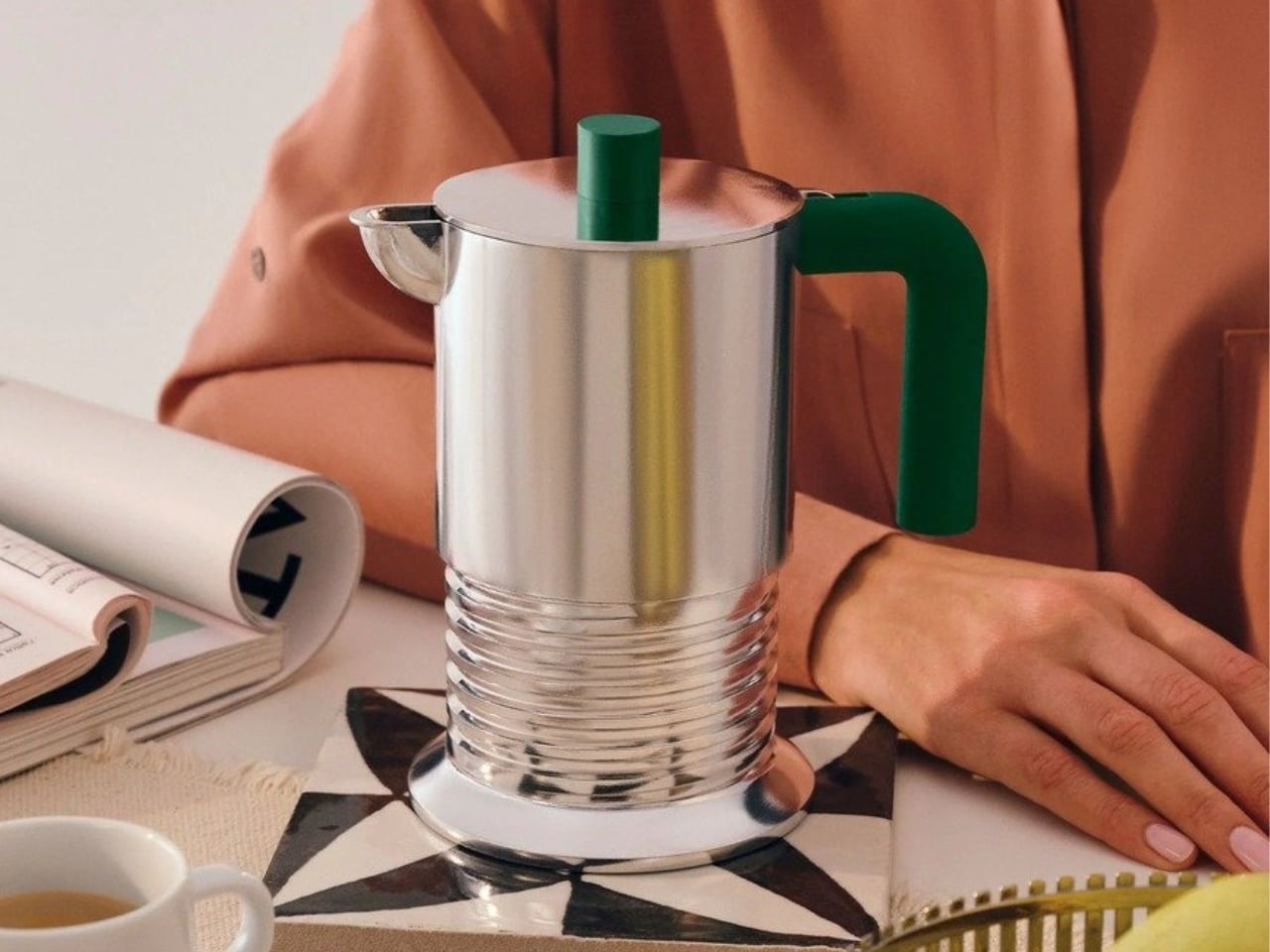
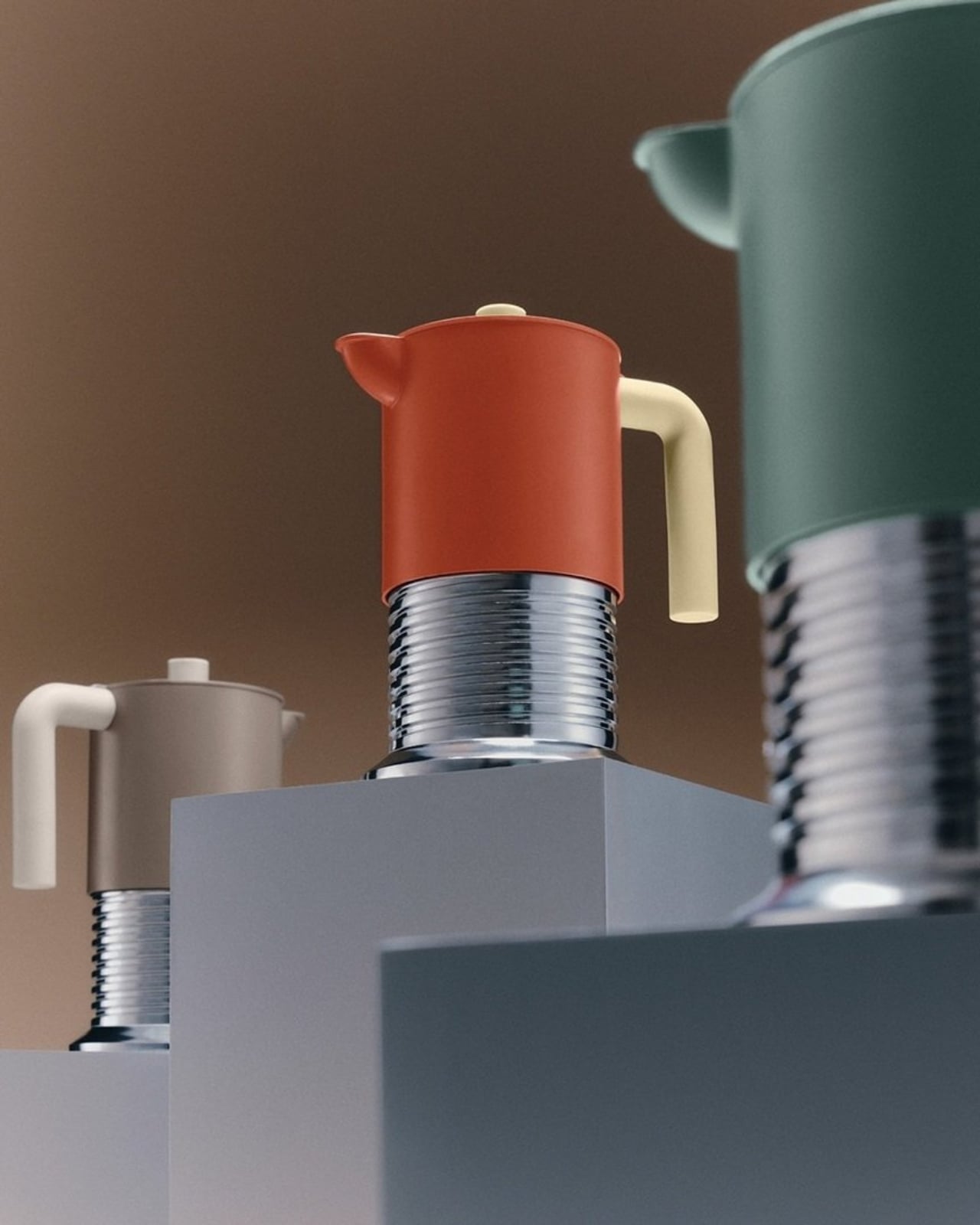
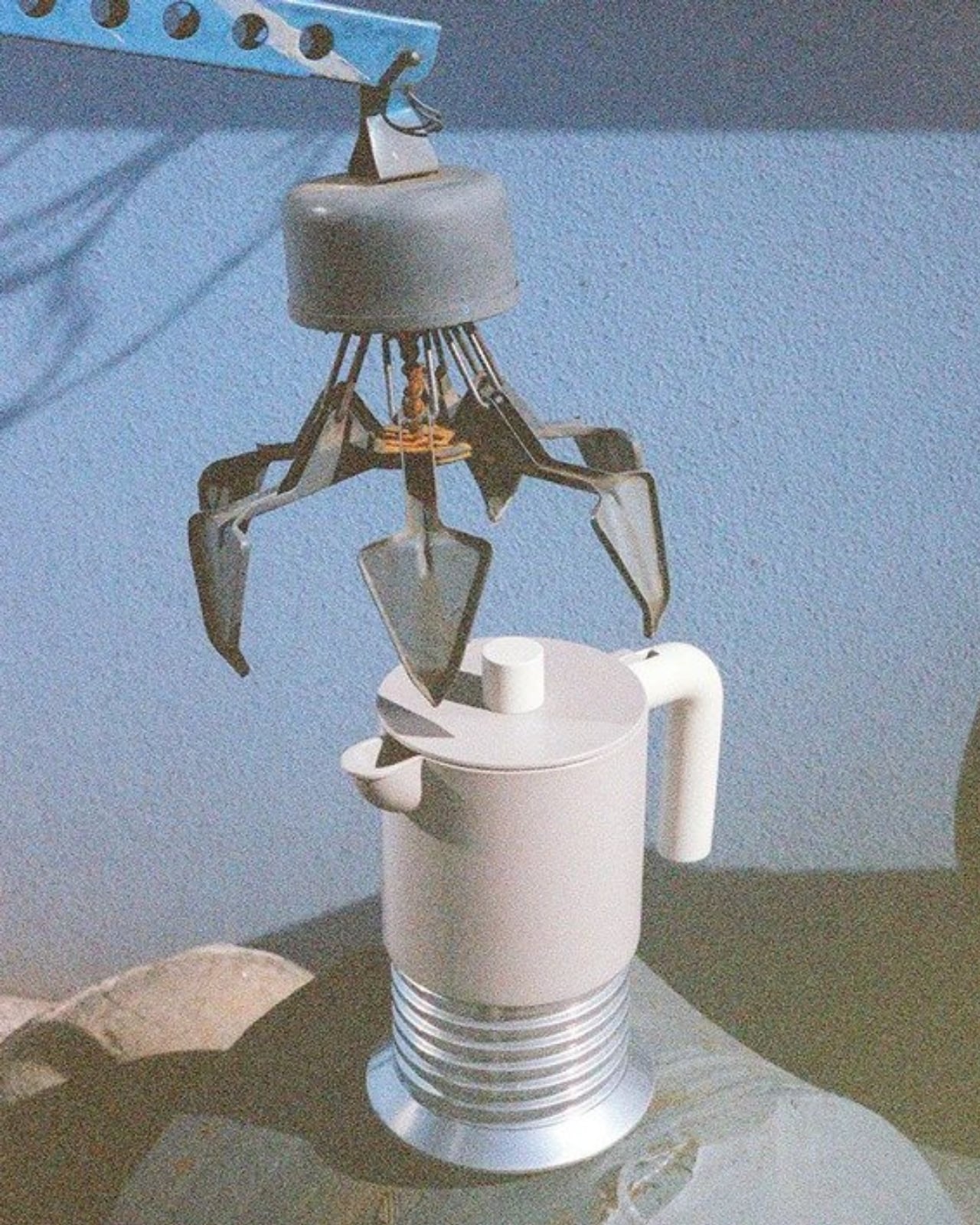
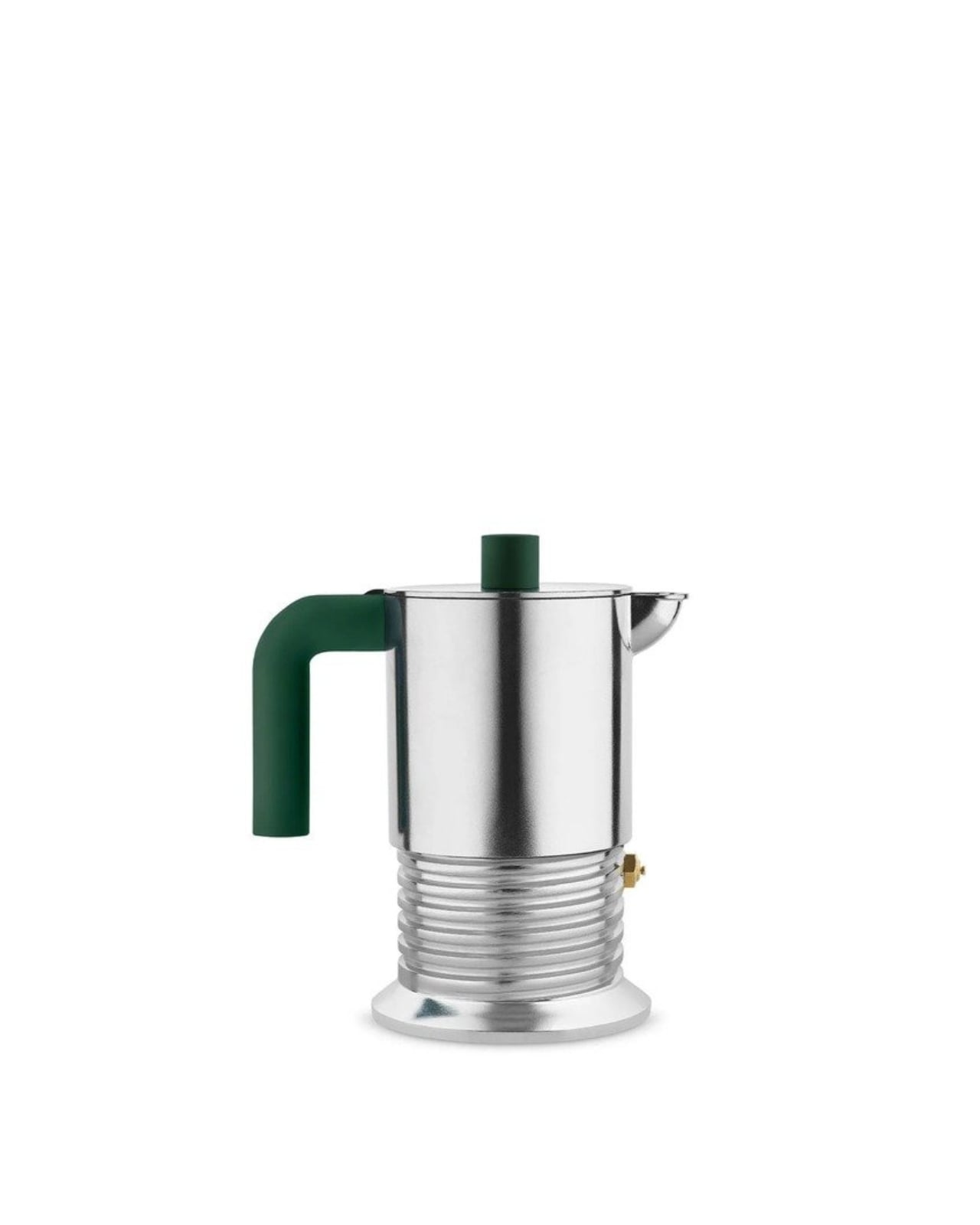
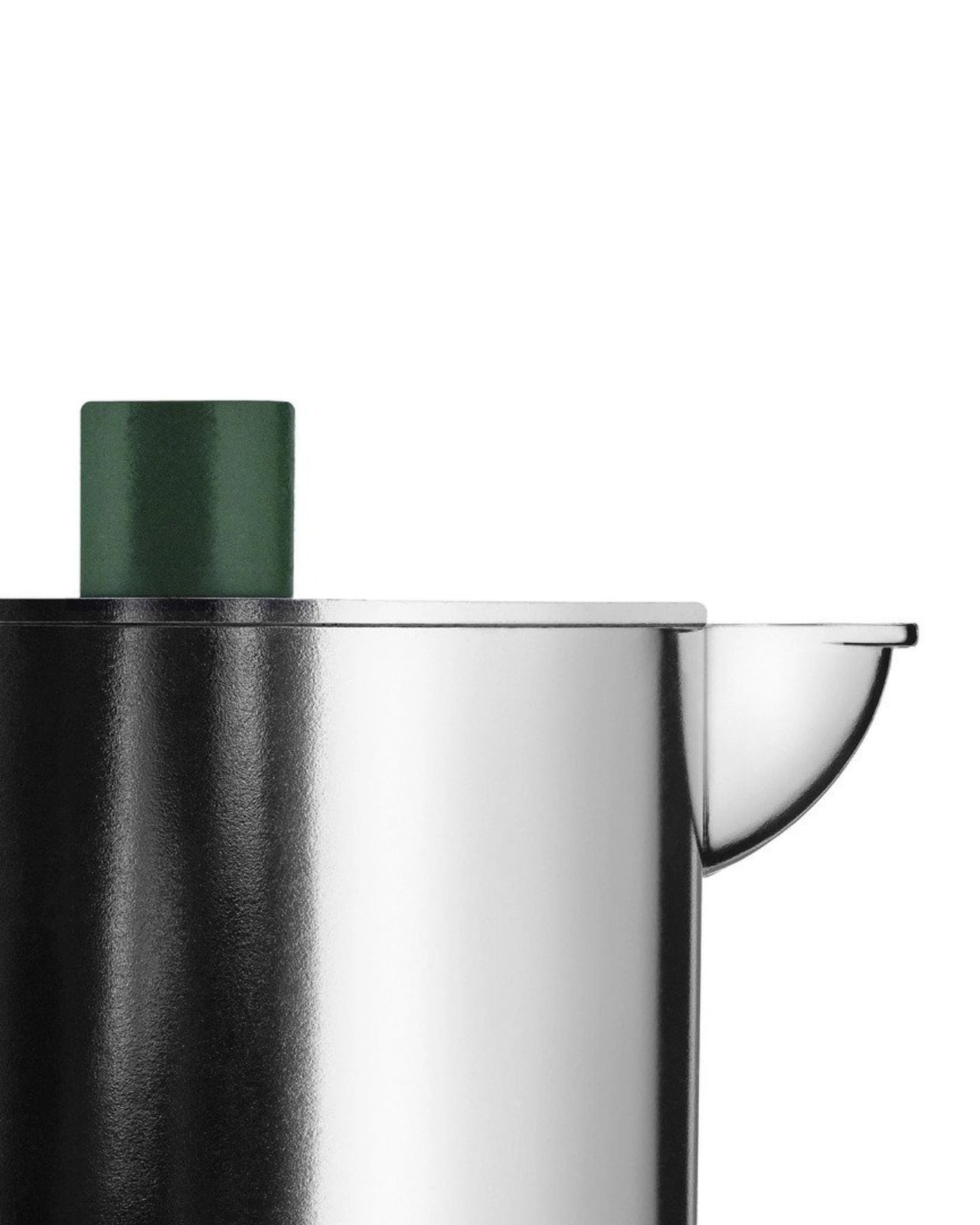
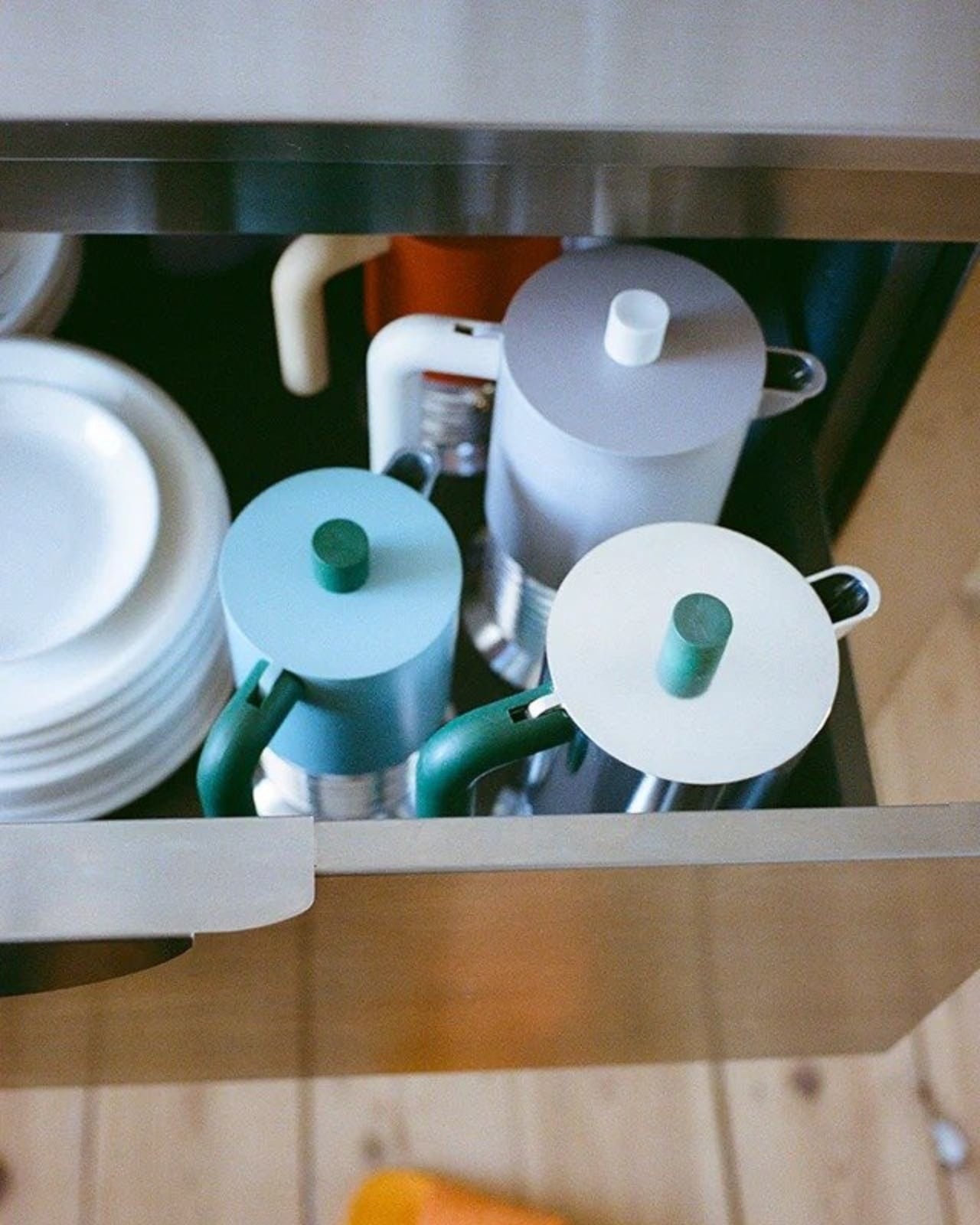
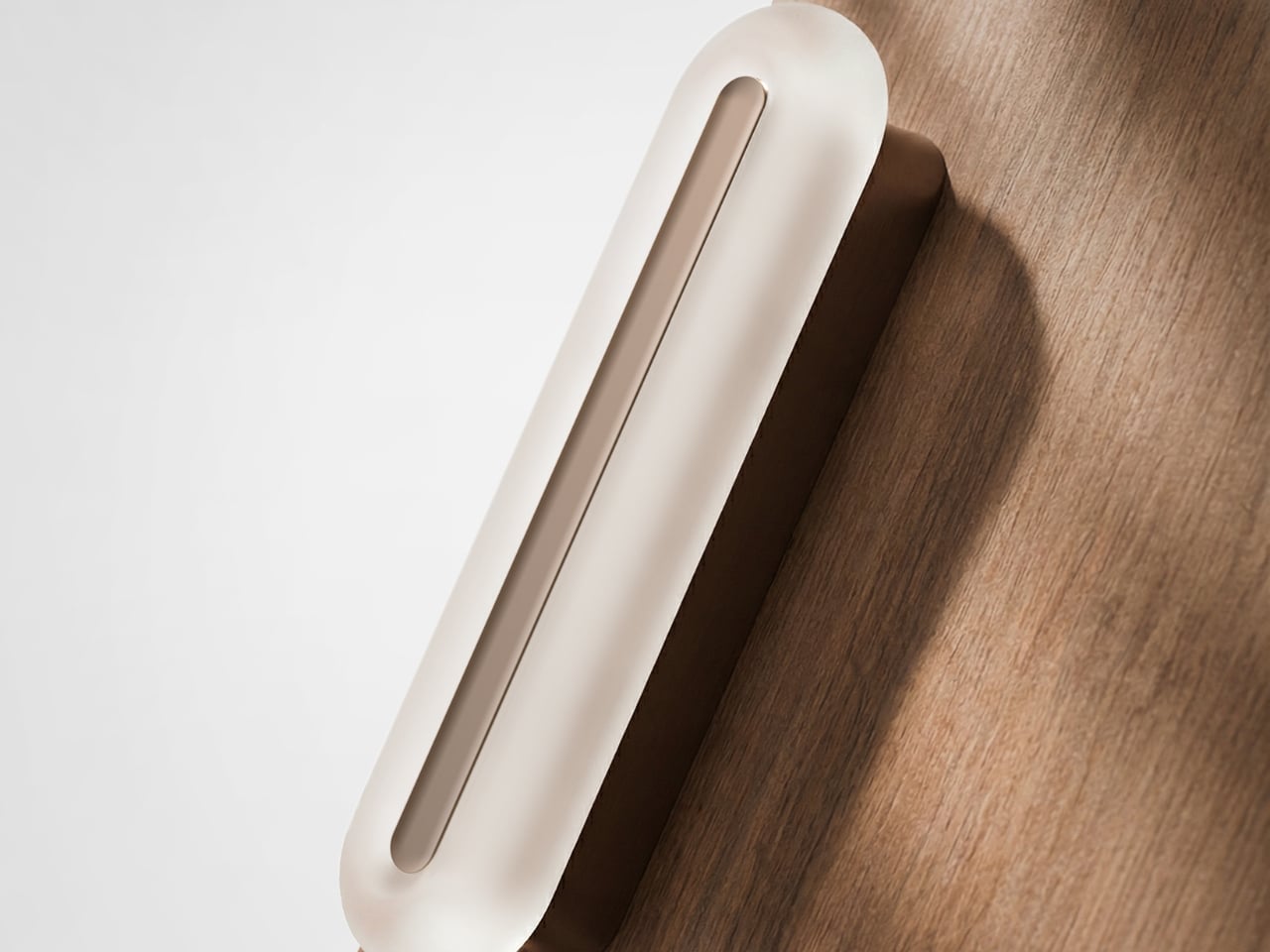
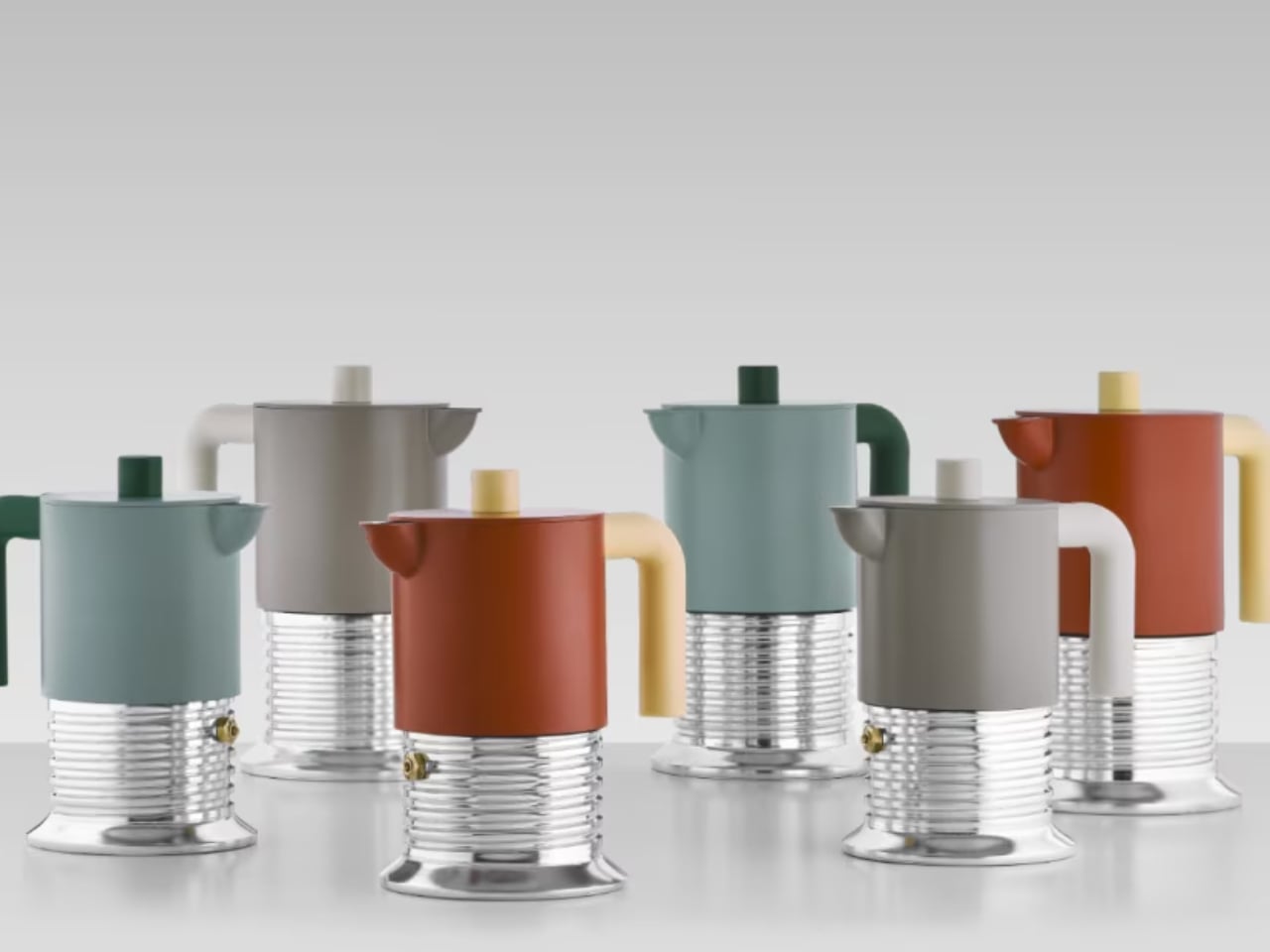
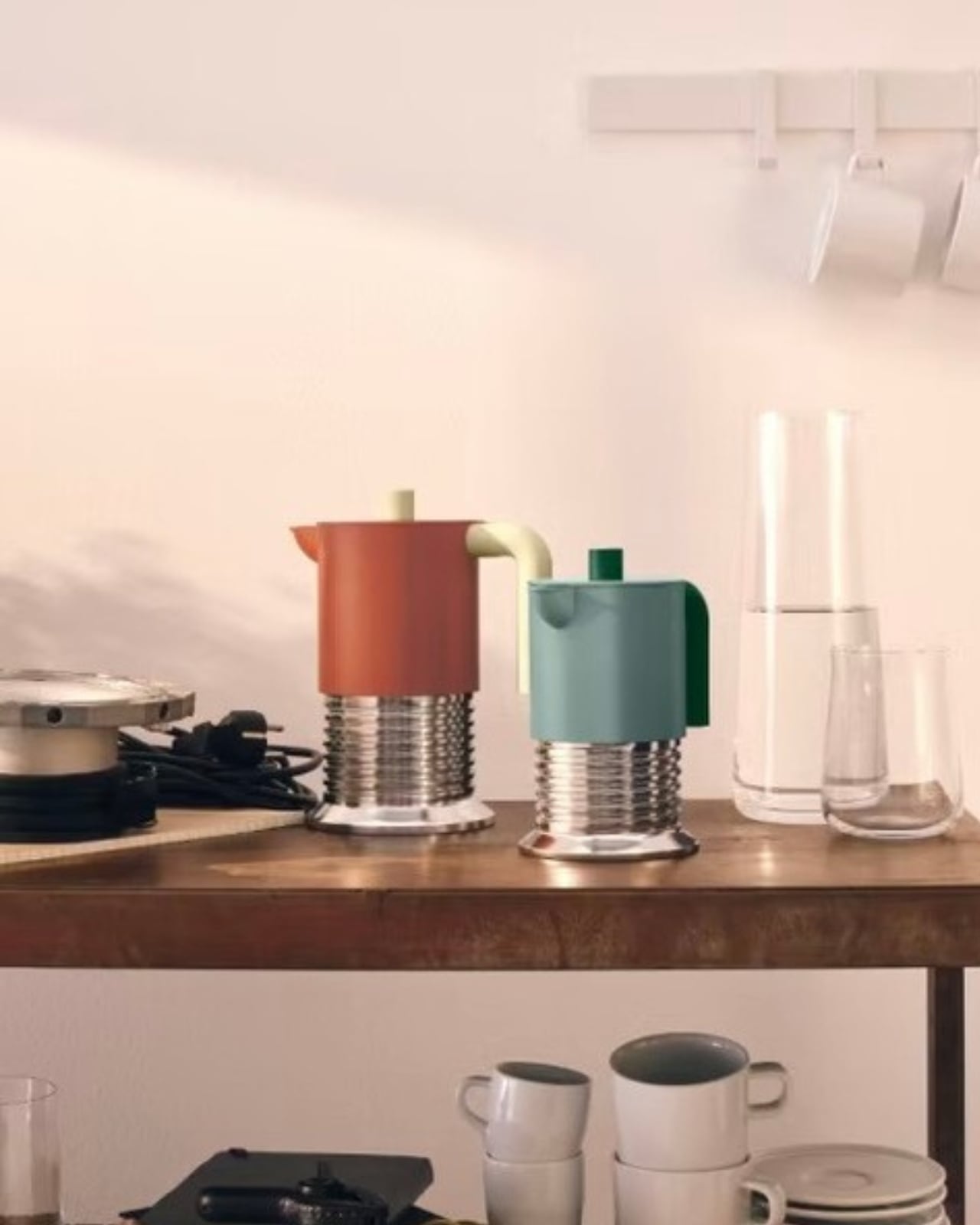
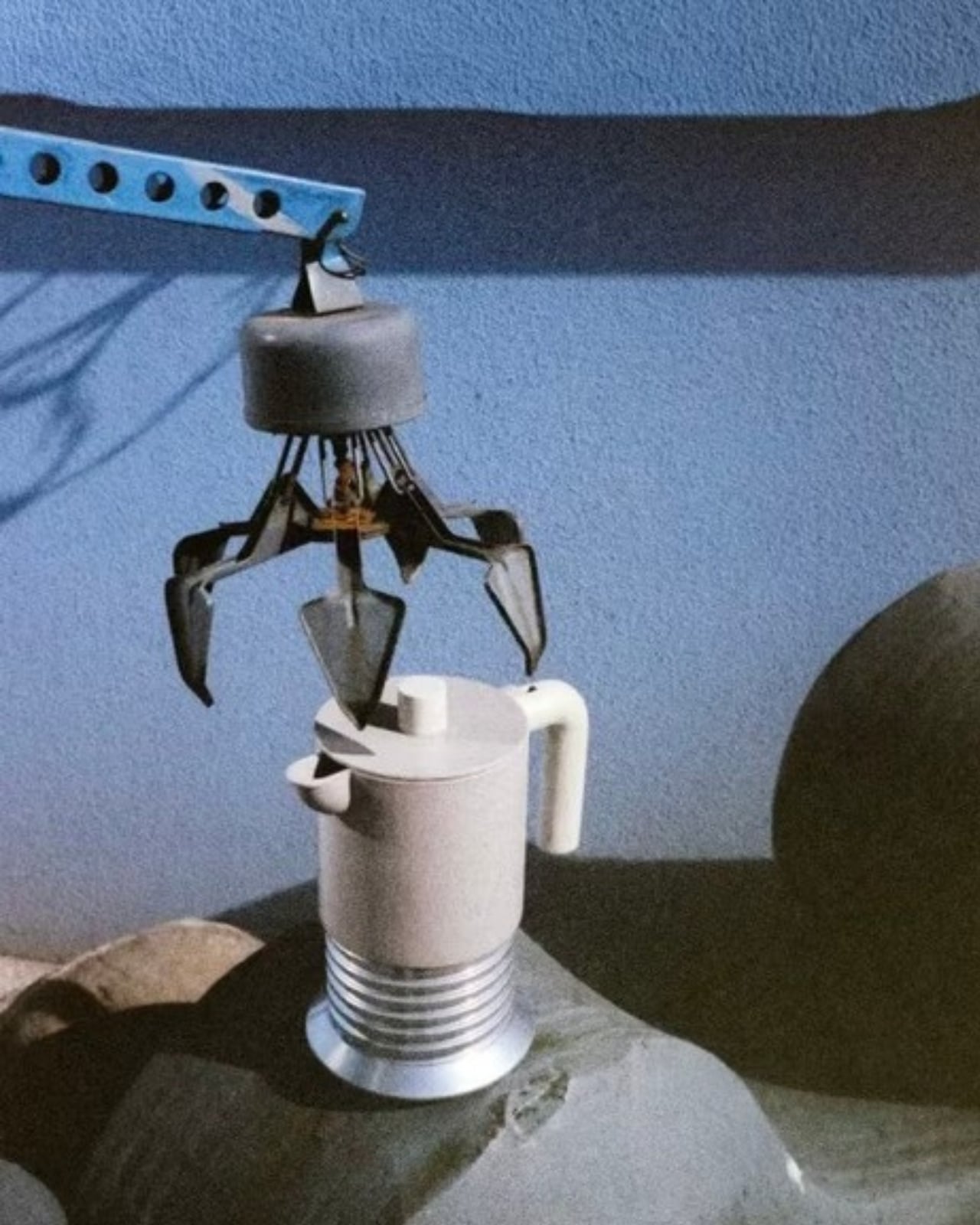
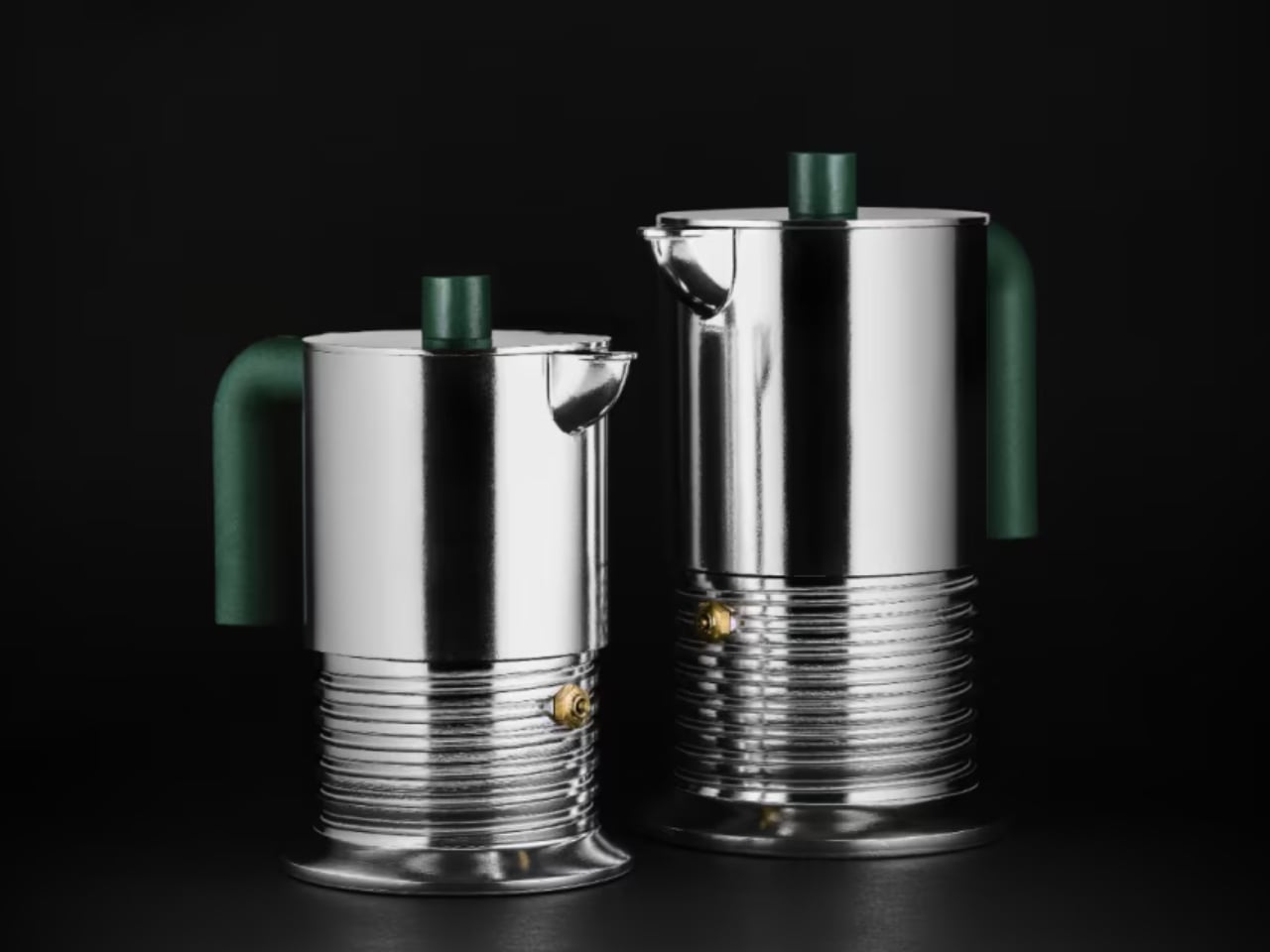
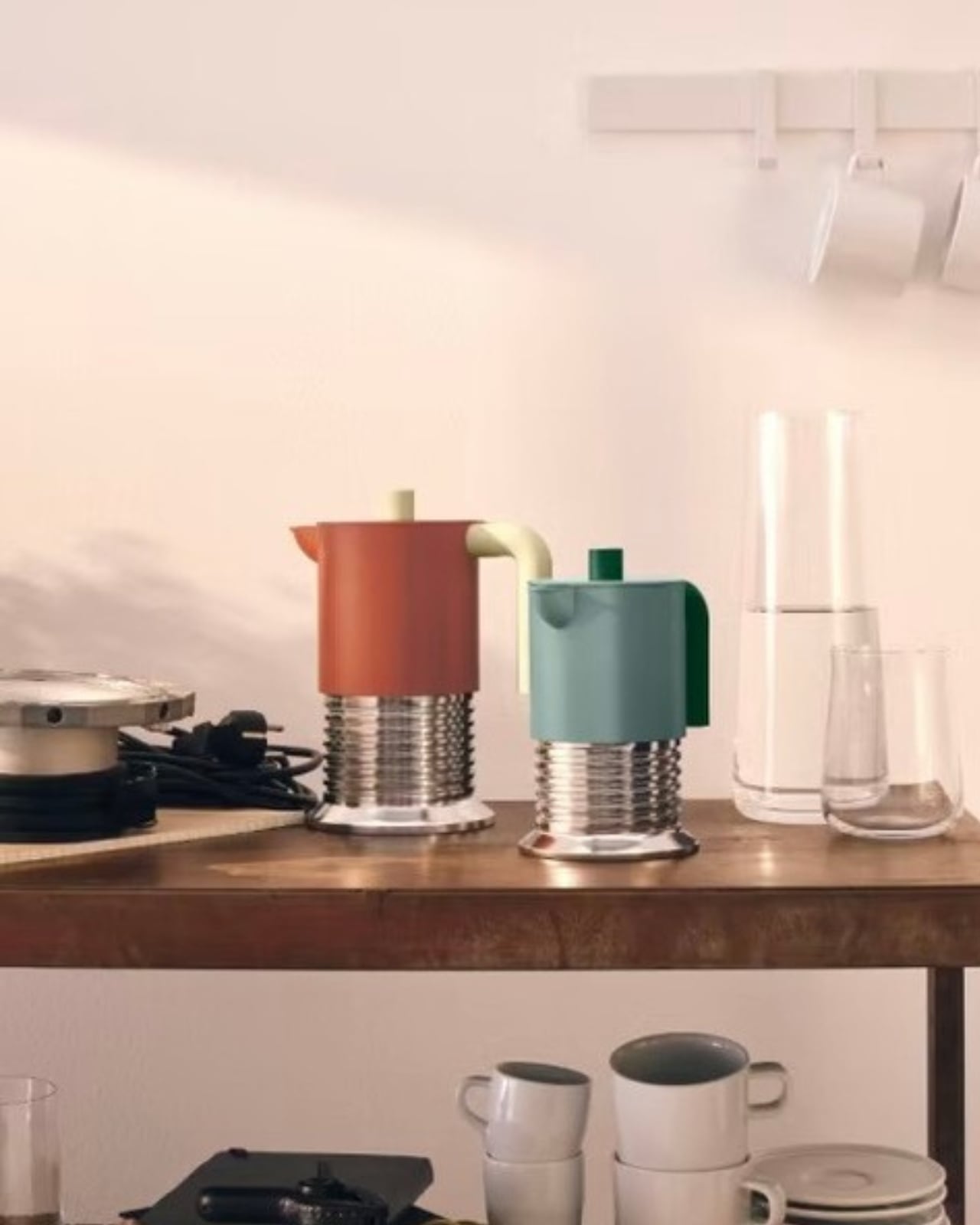
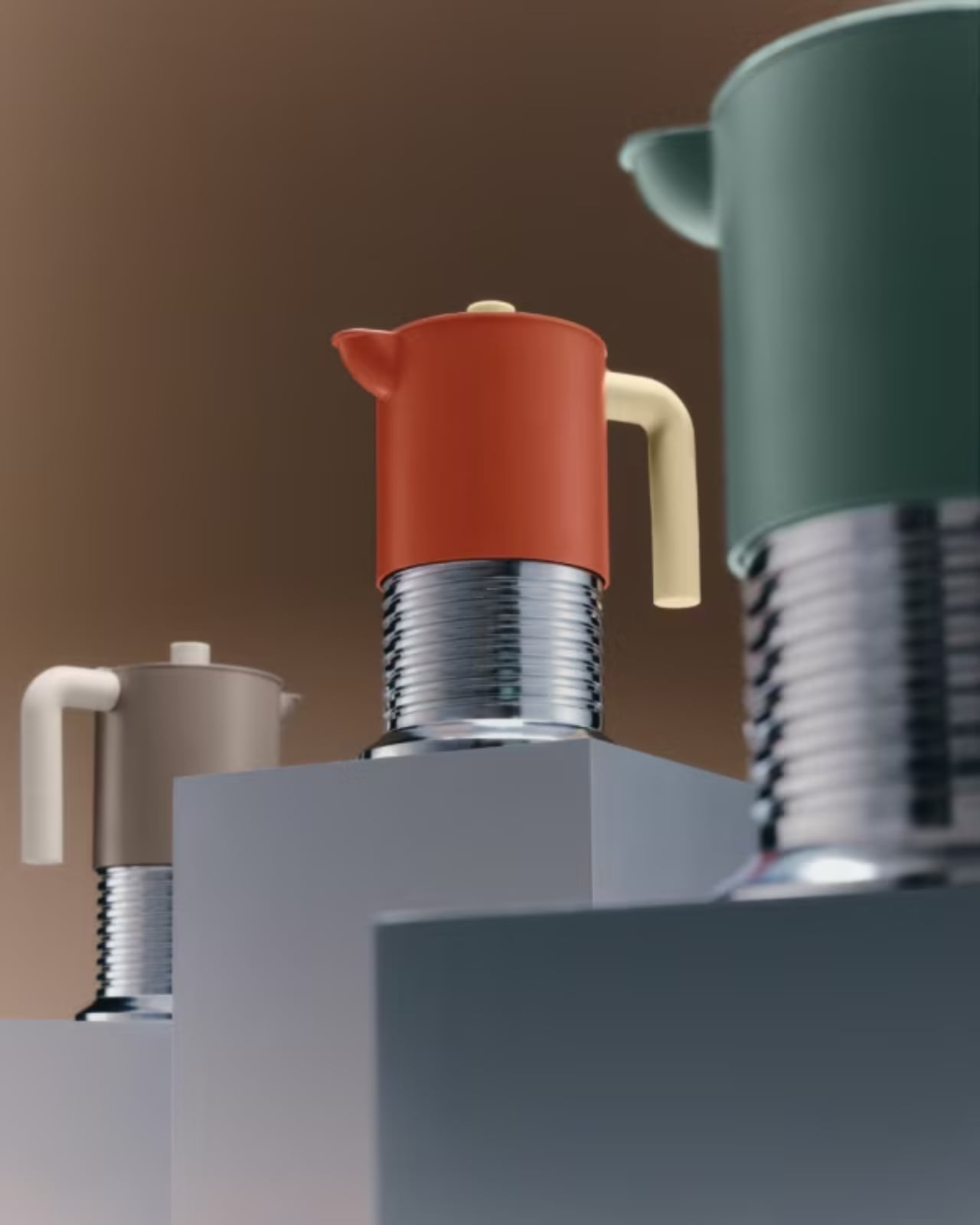
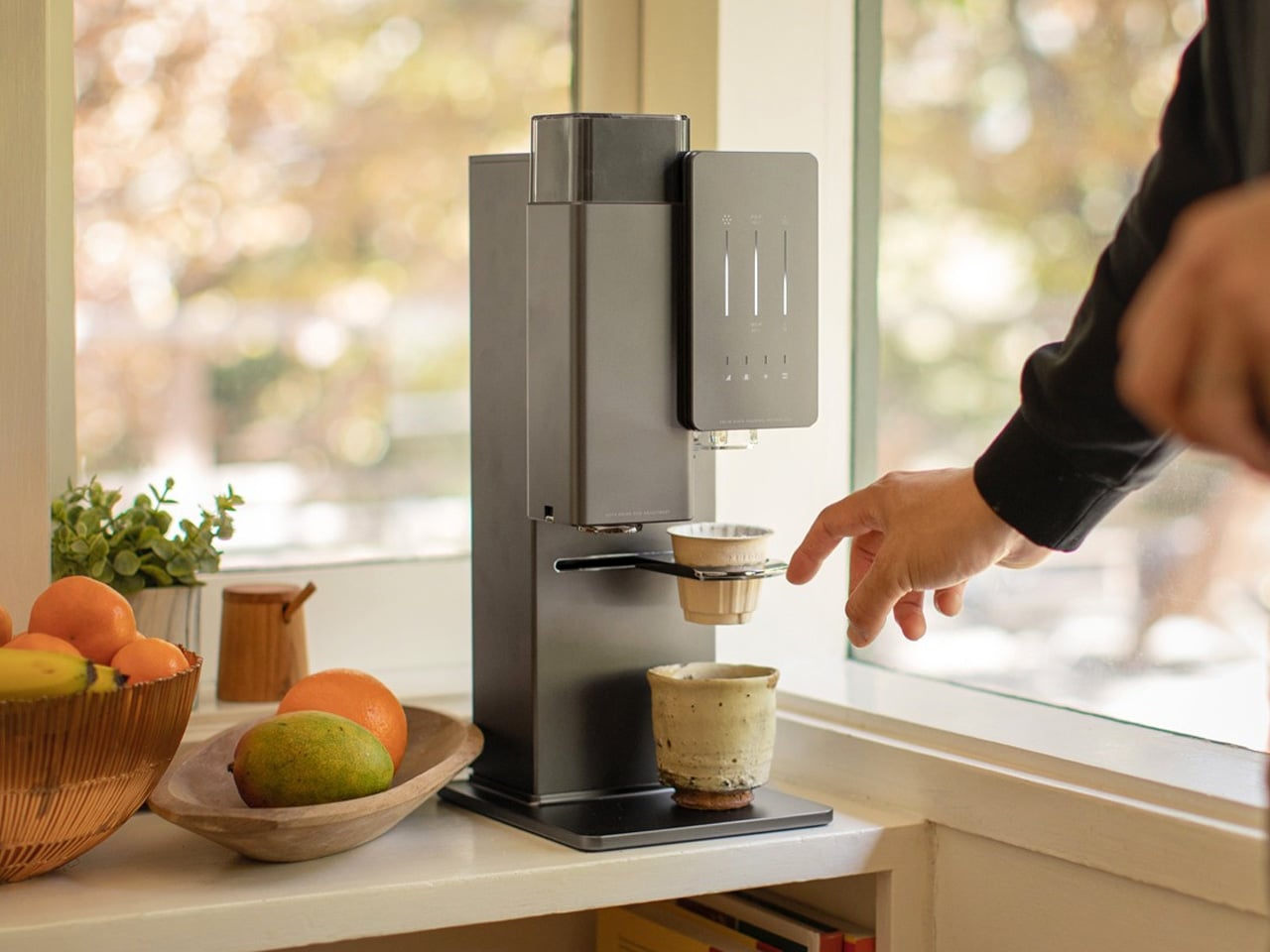
The BØYD espresso machine concept from NYZE Studio commands attention through bold geometric simplicity rather than technical intimidation. Smooth curves and pure lines create something resembling modern sculpture more than traditional coffee equipment, transforming countertop real estate into visual statement territory. The less-is-more philosophy strips away unnecessary details, leaving only what matters for making exceptional espresso. This machine invites display rather than storage.

Thoughtful ergonomics ground the aesthetic ambition in practical usability. The perfectly arched handle provides natural grip comfort, while the simplified interface eliminates button-fumbling before your first cup. Morning coffee preparation becomes intuitive rather than overwhelming, which matters when you’re operating pre-caffeine. The BØYD proves that espresso machines don’t need complexity to deliver quality, just clarity of purpose and execution that respects both the coffee and the person making it.

What we like

  • The bold minimalist form functions as a countertop sculpture while making espresso.
  • The arched handle and simple interface prioritize ergonomic comfort and intuitive operation.

What we dislike

  • The concept status means availability and pricing remain unknown.
  • The minimalist aesthetic may lack the visual warmth some prefer in kitchen appliances.

2. Concept Cooker: The All-in-One Kitchen Revolution

Vuk Dragović’s concept for Nanlong imagines replacing multiple appliances with one versatile countertop unit capable of grilling, steaming, baking, and hosting hot-pot dinners. Designed for China’s dynamic cooking culture, this all-in-one system simplifies both everyday meals and entertaining through intelligent consolidation. The clean control panel allows mode selection, temperature setting, and timer adjustment in a few taps, eliminating confusing menus and excessive knobs that plague traditional appliances.

Interchangeable accessories demonstrate the breadth of functionality. Snap-in grill racks deliver smoky finishes to meats and vegetables, steaming baskets preserve nutrients in seafood and dumplings, baking trays transform the unit into a miniature oven, and dedicated hot-pot inserts bring communal dining home. The compact footprint sits comfortably on most counters, freeing space otherwise occupied by separate grills, steamers, and ovens. Quick attachment and straightforward cleanup make the modular approach practical rather than theoretical, proving that versatility doesn’t require complexity.

What we like

  • The all-in-one design replaces multiple appliances with one compact countertop unit.
  • Interchangeable accessories enable grilling, steaming, baking, and hot-pot functionality.

What we dislike

  • The concept stage leaves questions about durability across multiple cooking methods.
  • The modular accessories require storage space when not actively in use.

3. Iron Frying Plate: Cook and Eat on the Same Surface

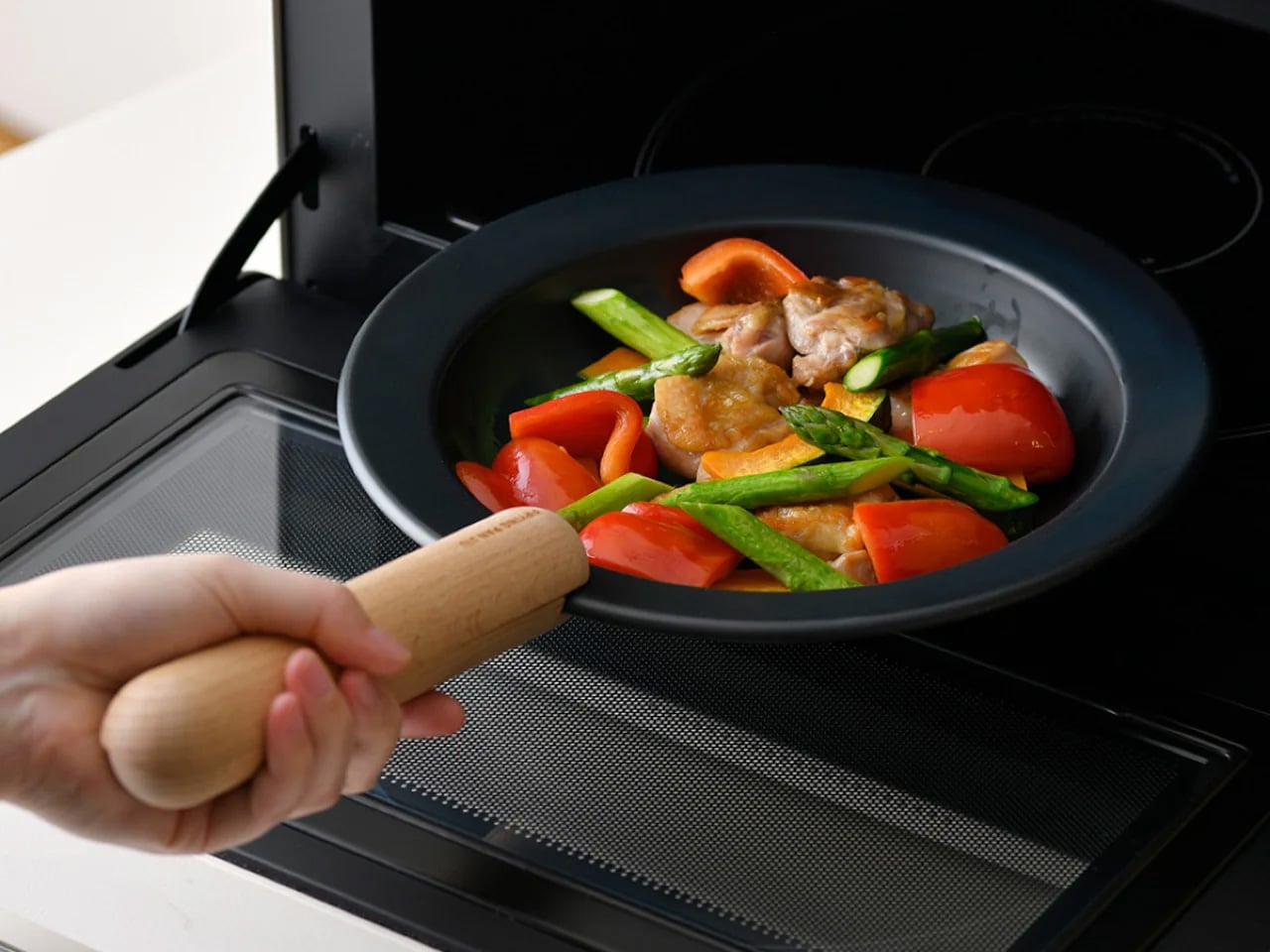
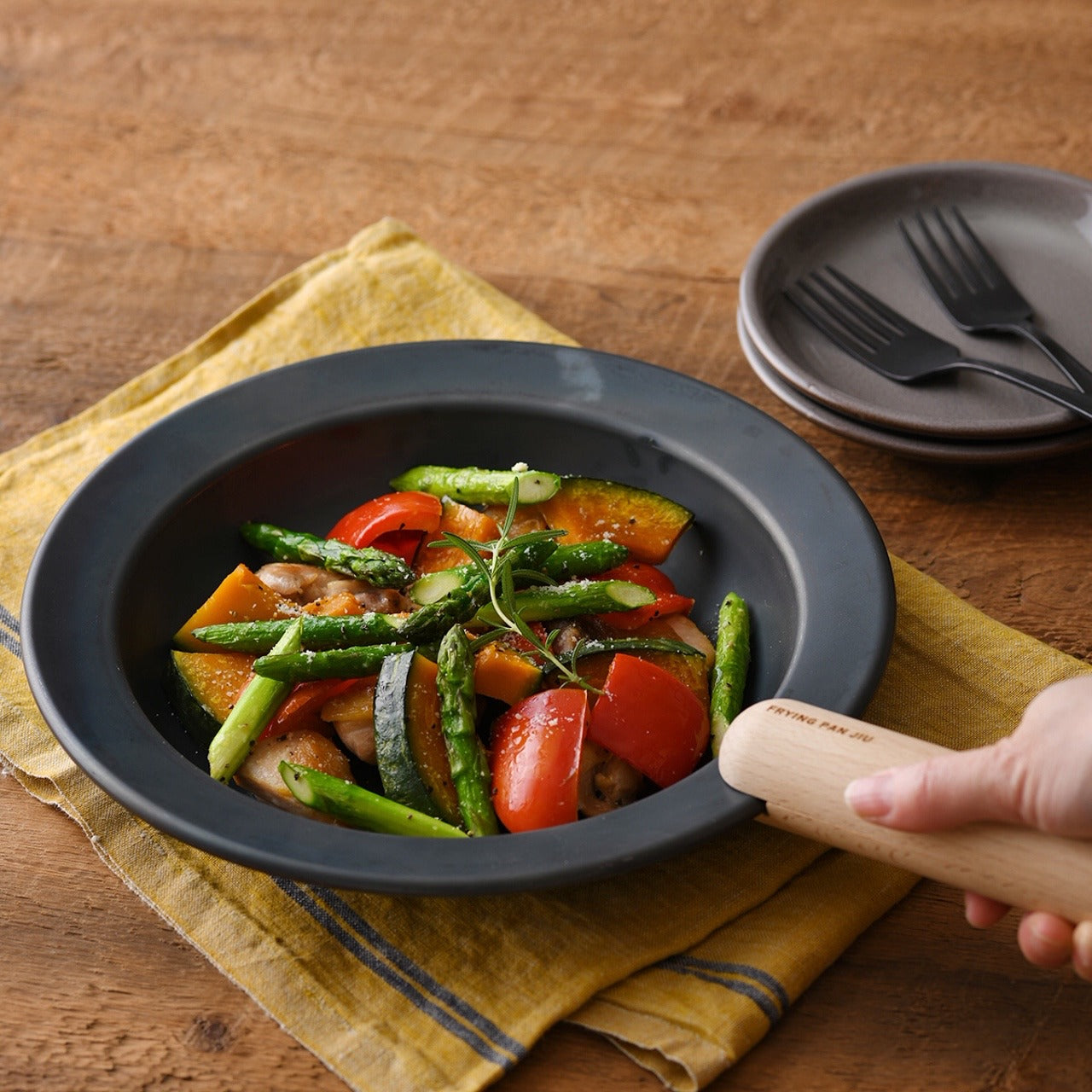
The Iron Frying Plate eliminates the transfer step between cooking and eating by making the frying pan your plate. This beautifully crafted cookware allows you to enjoy meals immediately after cooking them, served on the very surface that brought out their best flavors and textures. Made from 1.6mm-thick mill scale steel, the uncoated iron surface is rust-resistant, stick-resistant, and ready to use straight from the box without seasoning rituals that intimidate casual cooks.

The wooden handle attaches and detaches with one hand, transforming the pan from cooking tool to serving plate seamlessly. This design philosophy respects the reality that transferring hot food creates extra dishes and loses precious heat. Eating directly from the iron plate maintains optimal temperature while reducing cleanup to a single item. The handsome aesthetic makes tableside presentation feel intentional rather than lazy, proving that the shortest distance between stove and mouth deserves celebration rather than apology.

Click Here to Buy Now: $69.00

What we like

  • The cook-and-eat design eliminates food transfer and reduces dishes to one item.
  • The 1.6mm mill scale steel is rust-resistant and stick-resistant without coatings.

What we dislike

  • The iron construction retains heat intensely, requiring careful handling at the table.
  • The single-serve format doesn’t scale well for cooking family-sized meals.

4. Thanko Electric Bento Rice Cooker: Perfect Rice Anywhere

Rice deserves more appreciation as the global food icon that transcends cuisine boundaries and meal timing. The Thanko Electric Bento rice cooker makes this omnipresent grain literally portable, cooking single servings wherever you happen to be. The compact device cooks 6 ounces of rice in 14 to 20 minutes, with an LED indicator showing when it’s ready. Weighing just 2 pounds and fitting easily in bags, this cooker brings fresh food to offices and travel destinations without takeout compromises.

The device operates silently without releasing steam, making it discreet enough for practically anywhere. Add water, rice, and optional salt or broth for enhanced flavor, then wait while it works quietly. The best feature is eating rice directly from the cooking container, eliminating dish multiplication that usually accompanies meal preparation. This optimization suits solo diners, frequent travelers, and anyone wanting quick meals that go with everything. The included measuring cup adds convenience, proving that portable cooking doesn’t require guesswork or complicated processes.

What we like

  • The 2-pound weight and compact size make this genuinely portable for travel and office use.
  • Silent operation without steam release enables discreet cooking practically anywhere.

What we dislike

  • The 6-ounce capacity limits this to strict single-serving use.
  • The specialized function doesn’t justify the space for people with existing rice cookers at home.

5. Lehua Slow Cooker: Hawaiian Pit Cooking Reimagined

Slow cooking predates modern appliances by centuries. Hawaiian Imu underground pit cooking buried large quantities for communal feasting, creating a unique atmosphere while feeding many people. The Lehua slow cooker concept draws inspiration from this tradition, adapting lessons from pit cooking to modern lifestyles and small households. The design adds peculiar features, making the process more convenient and meaningful than standard slow cookers manage.

The actual pot separates from the cooker itself, allowing safe lifting of the hot vessel for food preparation away from the heating element. This seemingly simple feature addresses a common frustration with integrated slow cookers, where accessing food means awkward maneuvering around hot components. The Hawaiian inspiration isn’t just an aesthetic reference; it represents thoughtful consideration of how communal cooking traditions can inform contemporary appliance design. The Lehua proves that looking backward sometimes reveals better paths forward than pure technological advancement alone can offer.

What we like

  • The separate pot design allows safe lifting and food preparation away from the heating element.
  • Hawaiian Imu pit cooking inspiration brings cultural meaning to contemporary appliance design.

What we dislike

  • The concept stage leaves practical questions about capacity and cooking performance unanswered.
  • The separated pot design may reduce heat efficiency compared to integrated slow cookers.

6. Obsidian Black Precision Chopstick Tongs: Where Tradition Meets Practicality

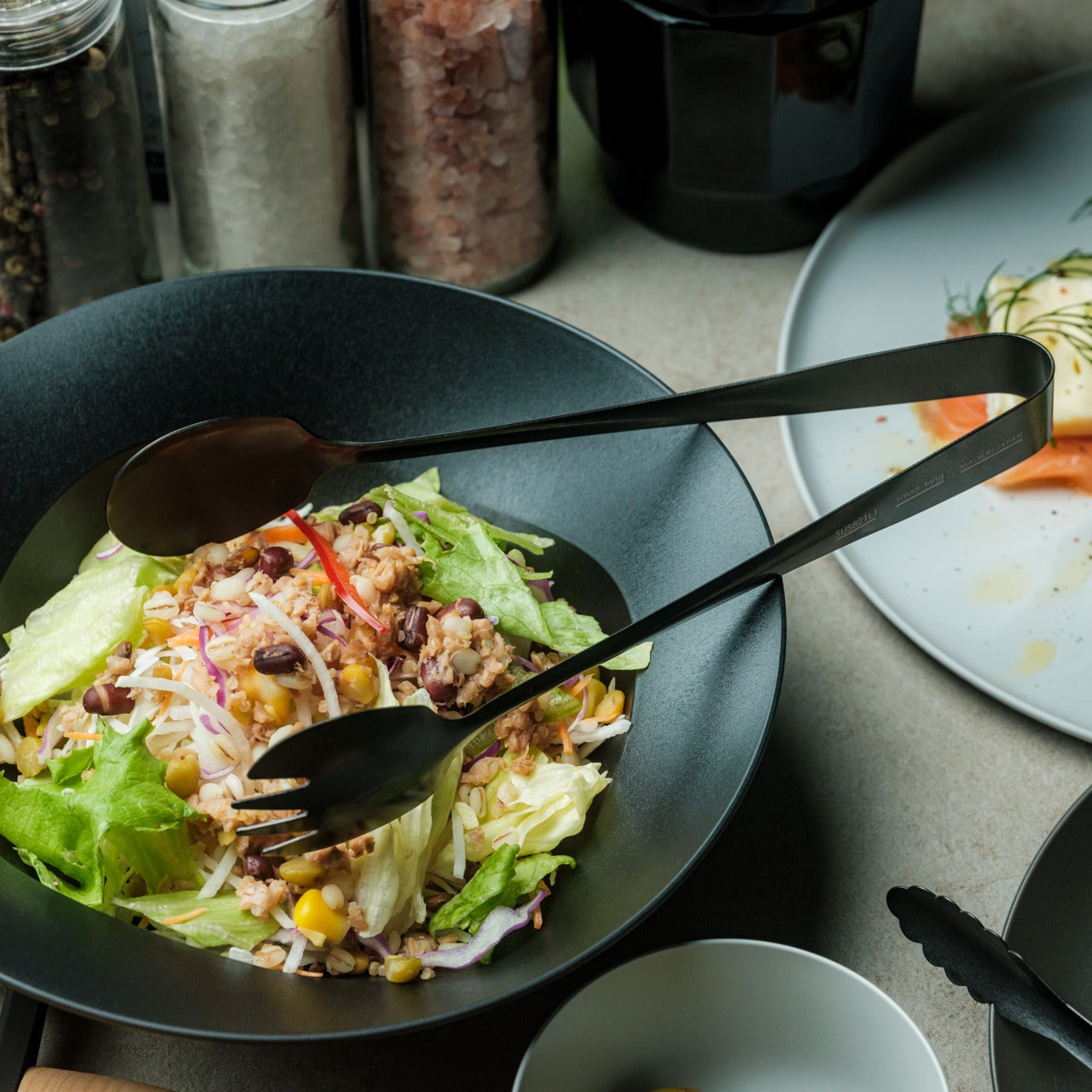
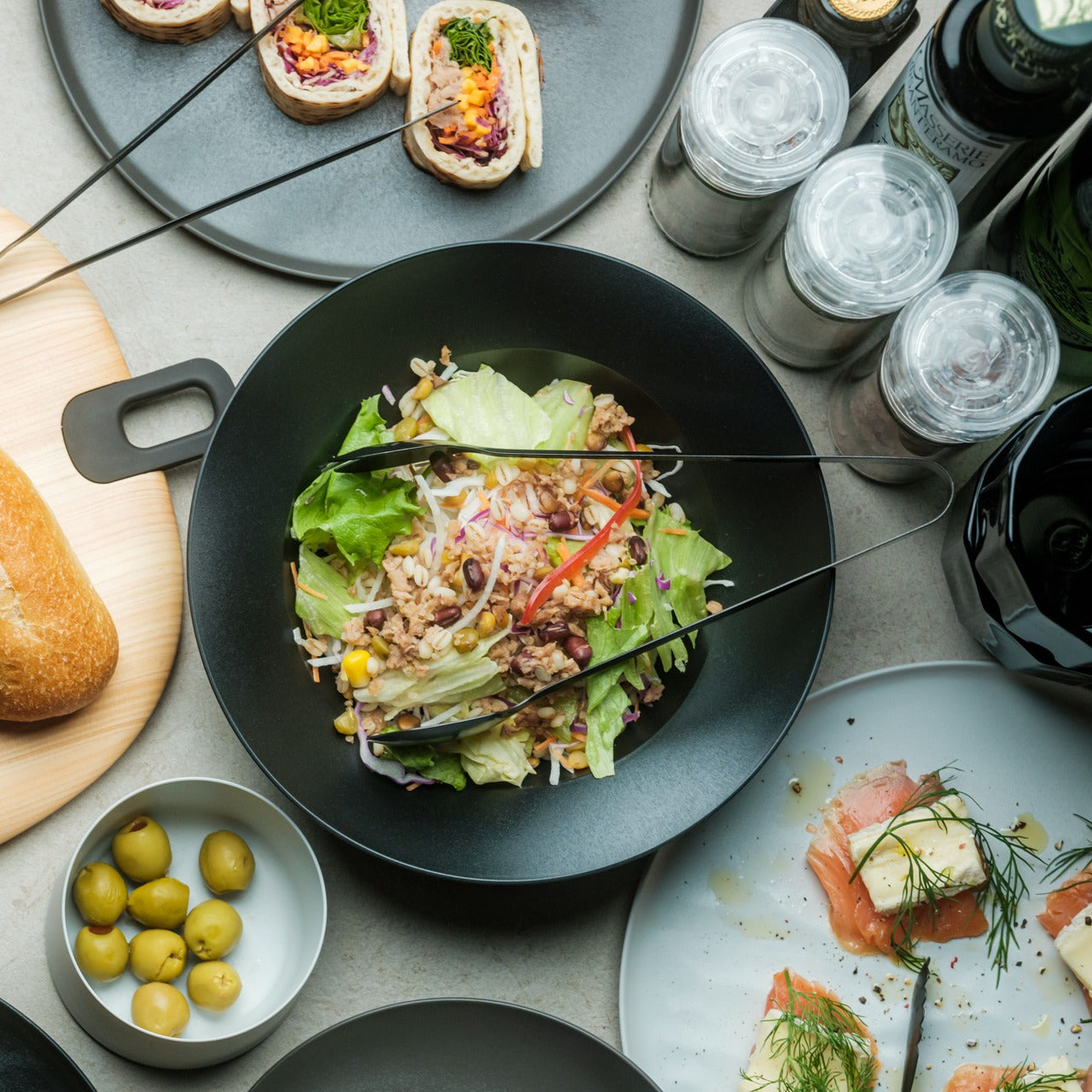
Traditional Japanese chopsticks meet modern tong functionality in this unique utensil that handles delicate food with expert precision. Made from SUS821L1 stainless steel, these chopstick-style tongs blend elegance with practicality, offering chopstick precision combined with tong versatility. The obsidian black finish comes from special metal processing, ensuring the color never scratches or peels, preserving handsome looks indefinitely through daily use. These aren’t just kitchen tools; they’re craftsmanship designed to last years.

The design excels at picking up and turning small or delicate pieces, whether flipping sushi or handling tiny ingredients on the stovetop. There’s no wrong way to hold them, making confident use accessible regardless of chopstick skill level. The lightweight yet durable construction balances control with ease, perfect for both cooking and dining applications. The exceptional strength and corrosion resistance of the stainless steel withstand daily demands without degradation. These tongs prove that inspiration from tradition, when perfected for modern use, creates tools superior to purely contemporary designs.

Click Here to Buy Now: $25.00

What we like

  • The chopstick-tong hybrid delivers precise control for delicate food handling.
  • SUS821L1 stainless steel with black oxide processing ensures durability and lasting aesthetics.

What we dislike

  • The chopstick format may feel awkward for users accustomed to the traditional tong grip.
  • The specialized design doesn’t replace standard tongs for heavy-duty flipping and turning.

7. Magic Cube Cooking System: Modular Kitchen Efficiency

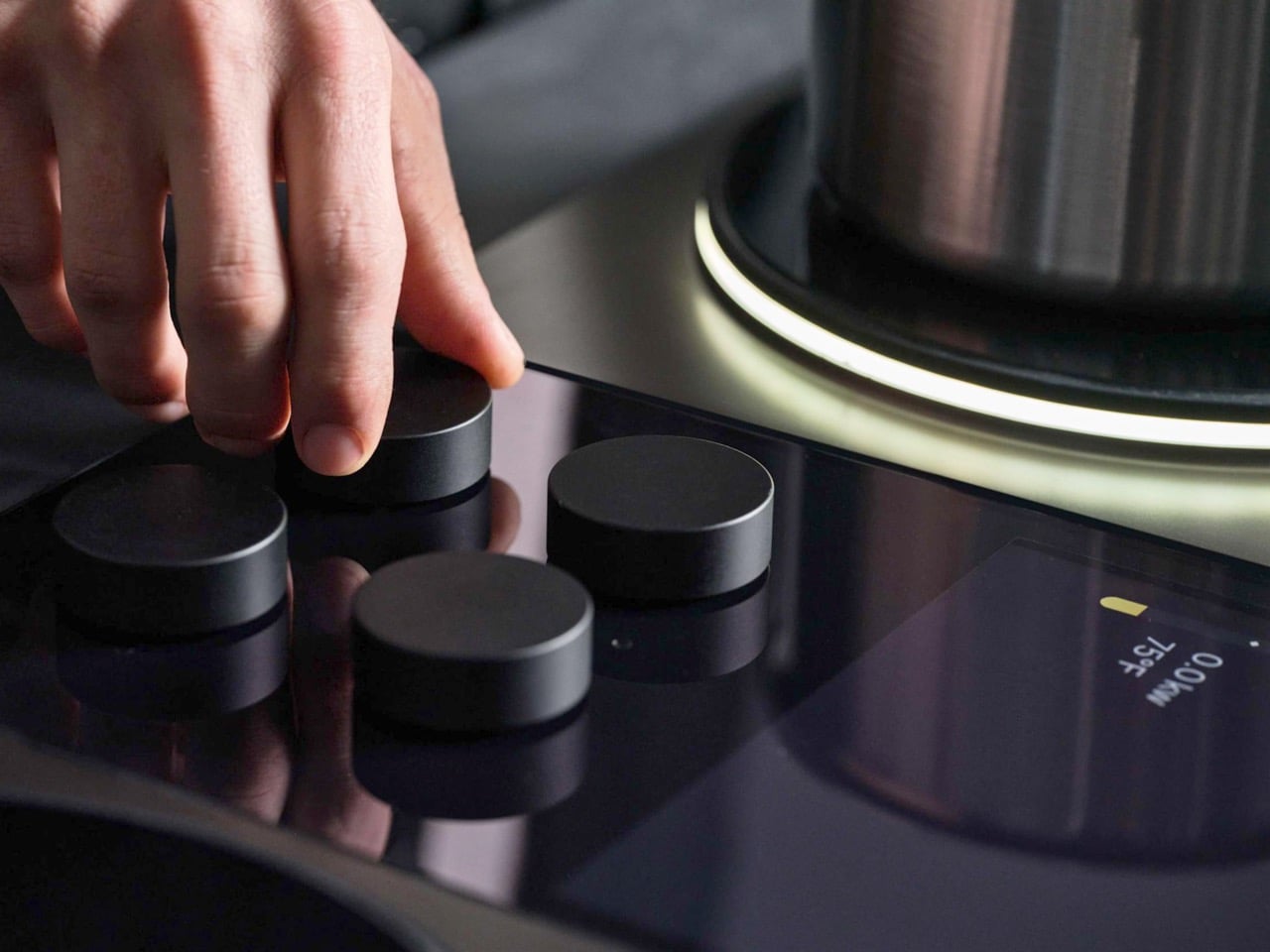
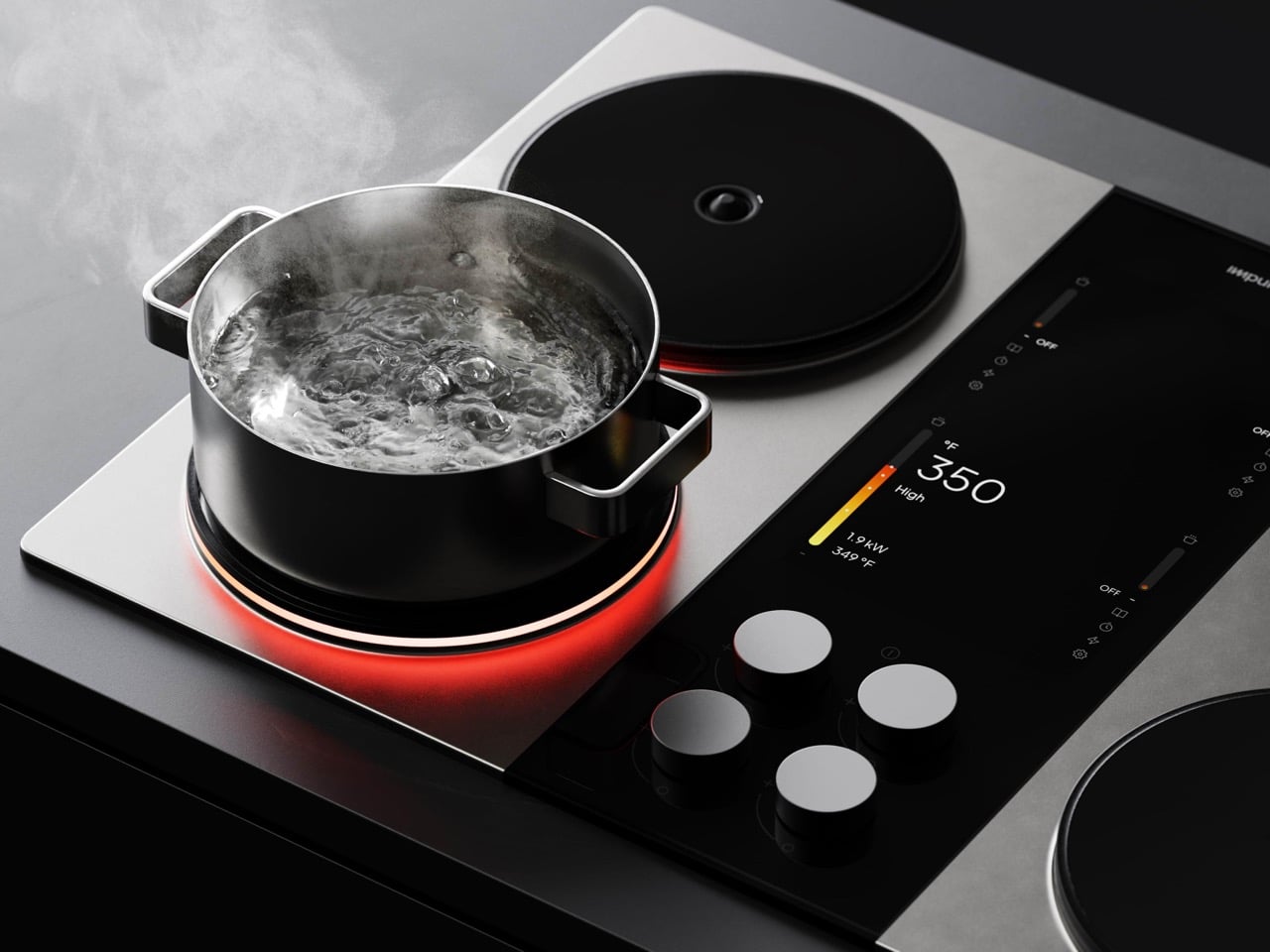
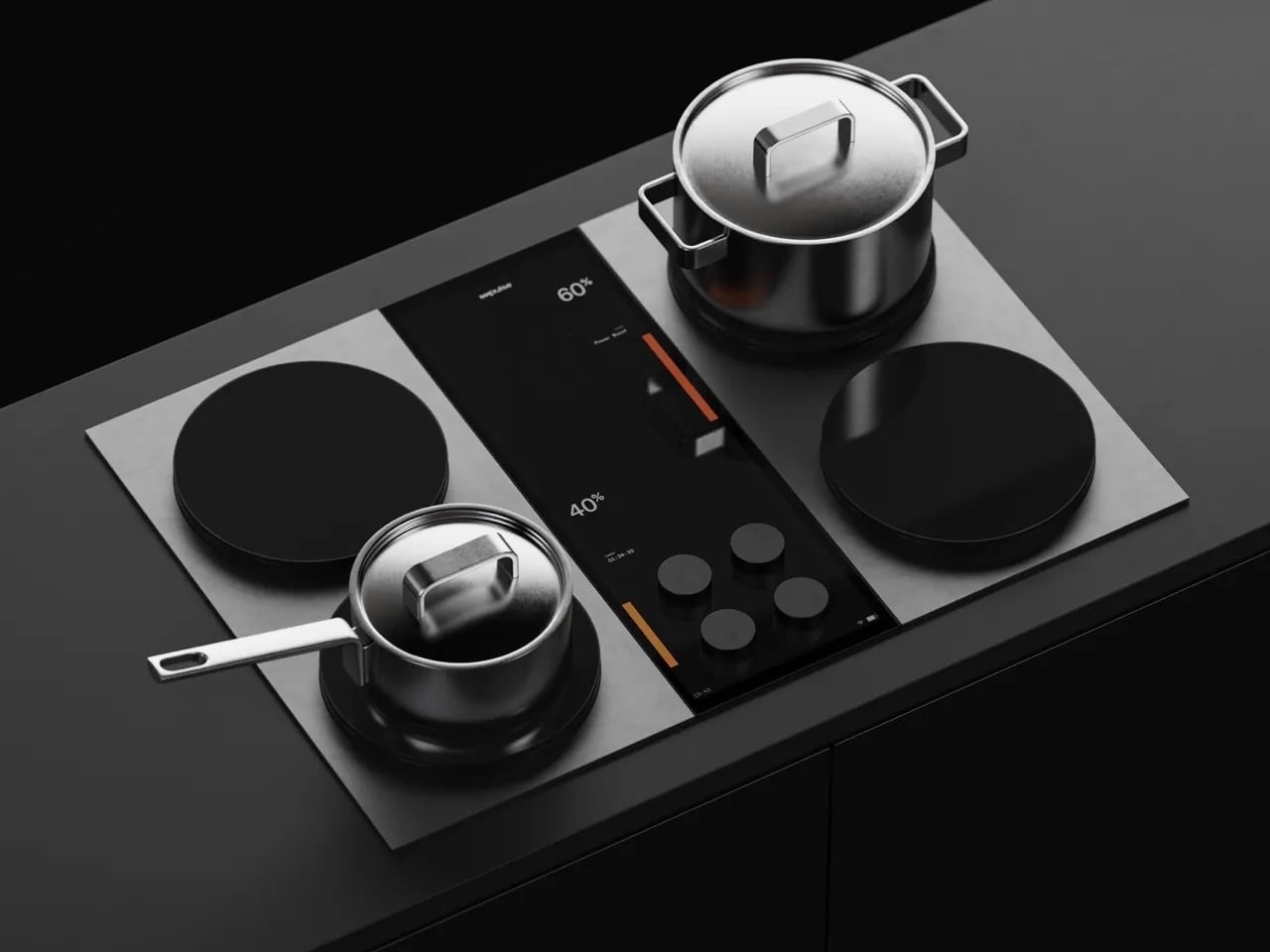
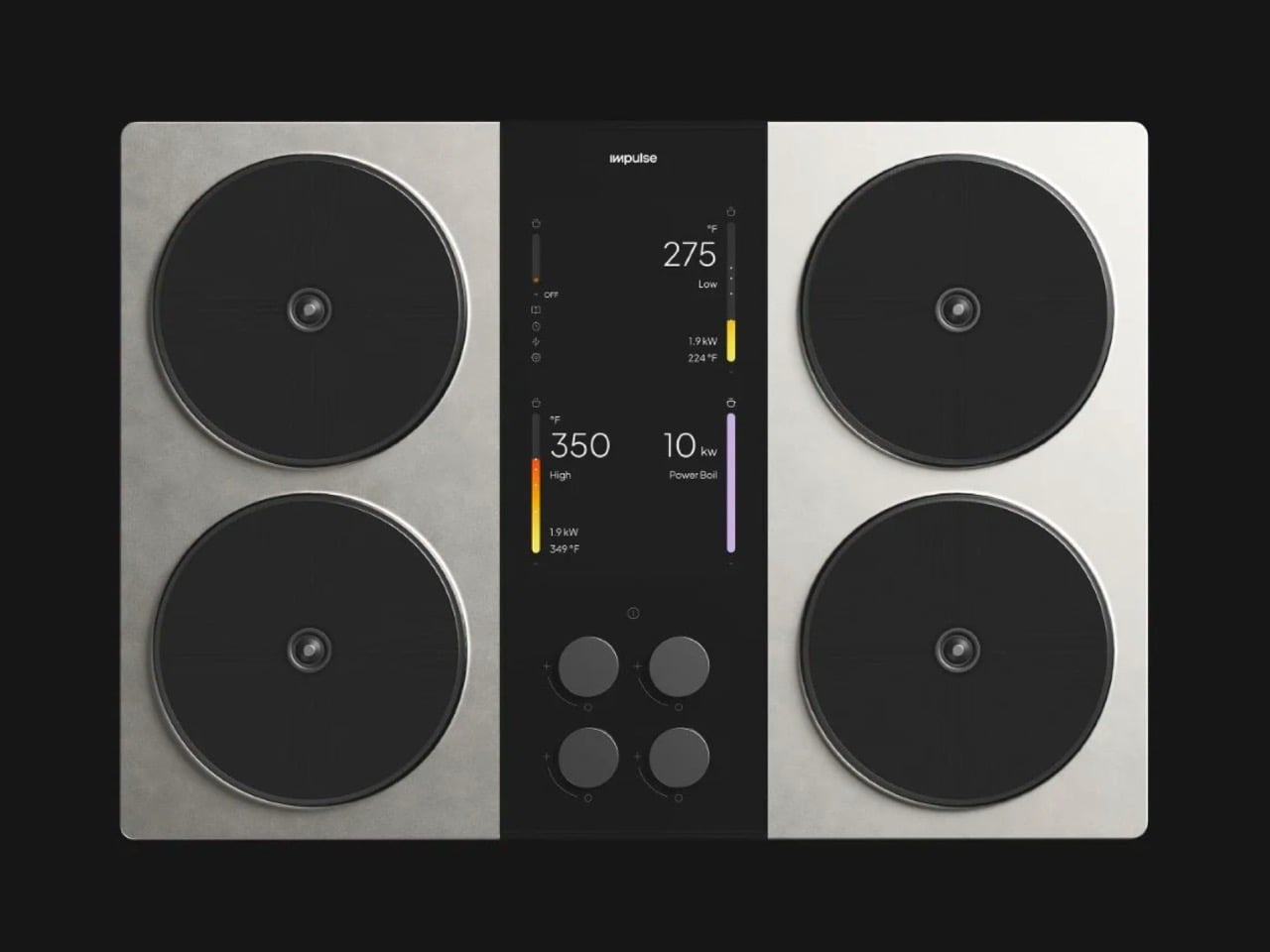
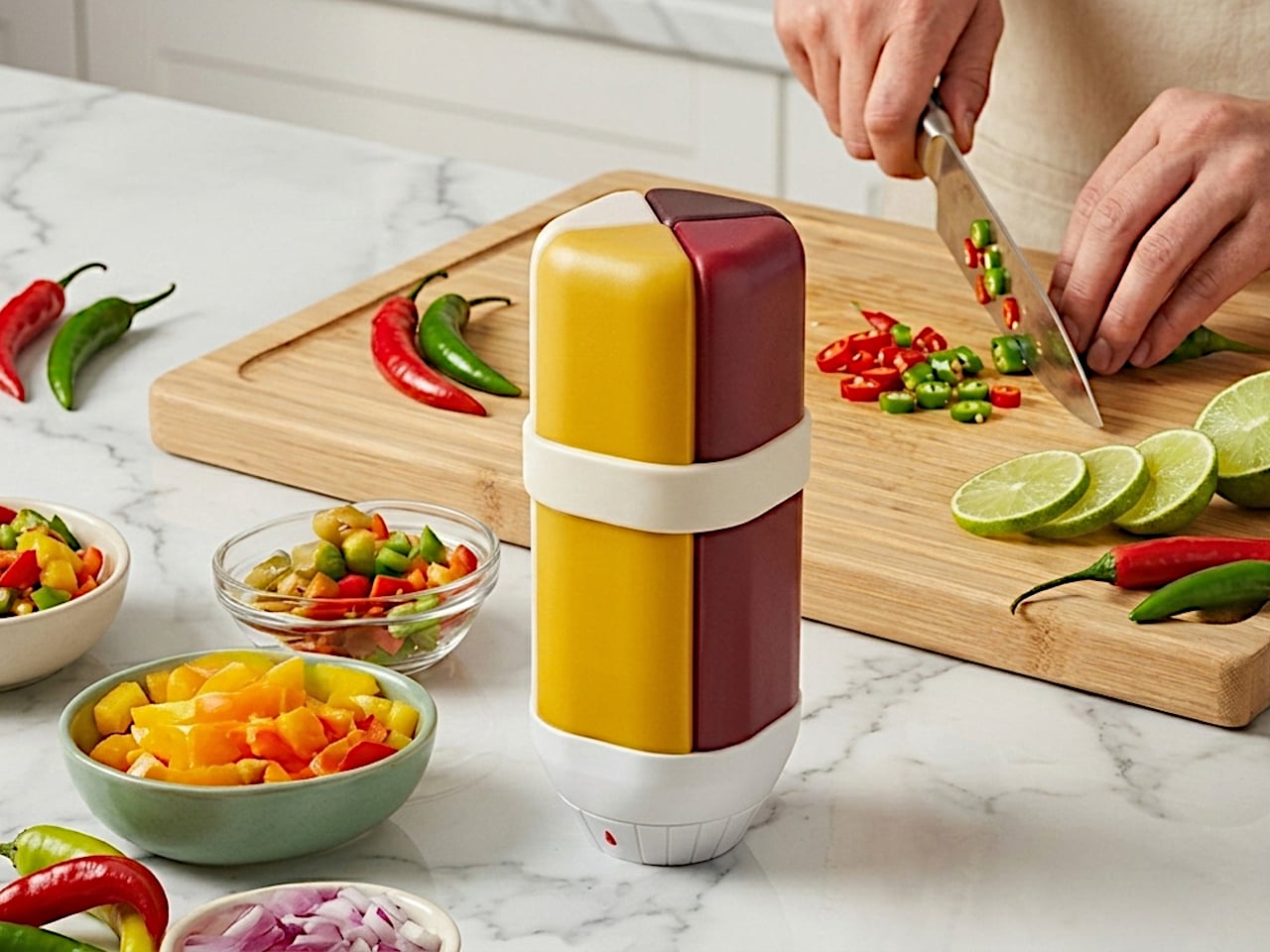
Tiny kitchens demand creative solutions beyond just buying smaller appliances. The Magic Cube Cooking System maximizes functionality and efficiency through a modular design that integrates essential cooking elements into a sleek, space-saving format. The customizable approach ensures you only get what you actually need by combining multiple crucial functions into interconnected modules. This system adapts to your specific cooking style rather than forcing you to adapt to predetermined configurations.

Available modules include open flame and induction cookers for easy fuel-type switching, integrated range hoods for clean, ventilated environments, built-in sinks for mid-cooking cleanup, and condiment storage with knife disinfection units for organization and hygiene. The modular nature allows seamless matching to maximize efficiency while enabling individual module replacement to extend overall system lifespan. Standardized dimensions mean integration into different kitchen layouts without custom fitting. This concept solves cooking-related space problems through intelligent consolidation that respects the reality of modern urban living, where kitchen square footage comes at a premium price.

What we like

  • The modular design allows customization to specific needs and cooking styles.
  • Standardized dimensions enable integration into various kitchen layouts without custom fitting.

What we dislike

  • The modular approach requires careful planning to avoid purchasing unnecessary components.
  • The interconnected system may create single points of failure affecting multiple functions.

Kitchen Tools Evolved

These seven innovations share a common philosophy that kitchen tools should adapt to our lives rather than demanding we adapt to them. They reject the assumption that capability requires counter sprawl, proving that thoughtful design can deliver professional results in compact formats. From espresso machines that double as sculpture to modular systems that transform with your needs, these tools represent evolution beyond pure functionality toward objects that enhance both cooking and the spaces where it happens.

What makes this collection particularly relevant is how each piece addresses different aspects of modern cooking life. Some prioritize portability for people who cook in multiple locations, others embrace all-in-one versatility for space-constrained kitchens, and a few perfect single functions to excellence. The common thread is respect for the people using them and the spaces they occupy. Kitchen essentials in 2025 finally acknowledged that most of us don’t have restaurant-sized kitchens, unlimited budgets, or patience for complicated equipment. These tools meet us where we actually are, and that feels worth celebrating.

The post Best Kitchen Essentials of 2025: 7 Tools Worth Adding To Your Collection first appeared on Yanko Design.
Best Kitchen Essentials of 2025: 7 Tools Worth Adding To Your Collection

Kitchen design reached a turning point in 2025, moving beyond gadget proliferation toward thoughtful consolidation. The tools that stood out this year questioned whether we really need separate appliances cluttering our counters or if smarter design could deliver more capability in less space. From espresso machines that resemble modern sculpture to modular cooking systems that adapt to small kitchens, these innovations demonstrate that kitchen essentials can be both beautiful and highly efficient.

What makes these seven tools worth your attention is their refusal to compromise. They deliver professional capability without demanding professional-sized kitchens, embrace minimalist aesthetics without sacrificing functionality, and respect the reality that most of us cook in spaces far smaller than we’d prefer. Whether you’re drawn to all-in-one versatility or single-purpose perfection, these designs represent kitchen tools that have evolved beyond their utilitarian origins into objects worth keeping visible rather than hidden away in cabinets.

1. BØYD Espresso Machine: Minimalist Coffee Perfection

The BØYD espresso machine concept from NYZE Studio commands attention through bold geometric simplicity rather than technical intimidation. Smooth curves and pure lines create something resembling modern sculpture more than traditional coffee equipment, transforming countertop real estate into visual statement territory. The less-is-more philosophy strips away unnecessary details, leaving only what matters for making exceptional espresso. This machine invites display rather than storage.

Thoughtful ergonomics ground the aesthetic ambition in practical usability. The perfectly arched handle provides natural grip comfort, while the simplified interface eliminates button-fumbling before your first cup. Morning coffee preparation becomes intuitive rather than overwhelming, which matters when you’re operating pre-caffeine. The BØYD proves that espresso machines don’t need complexity to deliver quality, just clarity of purpose and execution that respects both the coffee and the person making it.

What we like

  • The bold minimalist form functions as a countertop sculpture while making espresso.
  • The arched handle and simple interface prioritize ergonomic comfort and intuitive operation.

What we dislike

  • The concept status means availability and pricing remain unknown.
  • The minimalist aesthetic may lack the visual warmth some prefer in kitchen appliances.

2. Concept Cooker: The All-in-One Kitchen Revolution

Vuk Dragović’s concept for Nanlong imagines replacing multiple appliances with one versatile countertop unit capable of grilling, steaming, baking, and hosting hot-pot dinners. Designed for China’s dynamic cooking culture, this all-in-one system simplifies both everyday meals and entertaining through intelligent consolidation. The clean control panel allows mode selection, temperature setting, and timer adjustment in a few taps, eliminating confusing menus and excessive knobs that plague traditional appliances.

Interchangeable accessories demonstrate the breadth of functionality. Snap-in grill racks deliver smoky finishes to meats and vegetables, steaming baskets preserve nutrients in seafood and dumplings, baking trays transform the unit into a miniature oven, and dedicated hot-pot inserts bring communal dining home. The compact footprint sits comfortably on most counters, freeing space otherwise occupied by separate grills, steamers, and ovens. Quick attachment and straightforward cleanup make the modular approach practical rather than theoretical, proving that versatility doesn’t require complexity.

What we like

  • The all-in-one design replaces multiple appliances with one compact countertop unit.
  • Interchangeable accessories enable grilling, steaming, baking, and hot-pot functionality.

What we dislike

  • The concept stage leaves questions about durability across multiple cooking methods.
  • The modular accessories require storage space when not actively in use.

3. Iron Frying Plate: Cook and Eat on the Same Surface

The Iron Frying Plate eliminates the transfer step between cooking and eating by making the frying pan your plate. This beautifully crafted cookware allows you to enjoy meals immediately after cooking them, served on the very surface that brought out their best flavors and textures. Made from 1.6mm-thick mill scale steel, the uncoated iron surface is rust-resistant, stick-resistant, and ready to use straight from the box without seasoning rituals that intimidate casual cooks.

The wooden handle attaches and detaches with one hand, transforming the pan from cooking tool to serving plate seamlessly. This design philosophy respects the reality that transferring hot food creates extra dishes and loses precious heat. Eating directly from the iron plate maintains optimal temperature while reducing cleanup to a single item. The handsome aesthetic makes tableside presentation feel intentional rather than lazy, proving that the shortest distance between stove and mouth deserves celebration rather than apology.

Click Here to Buy Now: $69.00

What we like

  • The cook-and-eat design eliminates food transfer and reduces dishes to one item.
  • The 1.6mm mill scale steel is rust-resistant and stick-resistant without coatings.

What we dislike

  • The iron construction retains heat intensely, requiring careful handling at the table.
  • The single-serve format doesn’t scale well for cooking family-sized meals.

4. Thanko Electric Bento Rice Cooker: Perfect Rice Anywhere

Rice deserves more appreciation as the global food icon that transcends cuisine boundaries and meal timing. The Thanko Electric Bento rice cooker makes this omnipresent grain literally portable, cooking single servings wherever you happen to be. The compact device cooks 6 ounces of rice in 14 to 20 minutes, with an LED indicator showing when it’s ready. Weighing just 2 pounds and fitting easily in bags, this cooker brings fresh food to offices and travel destinations without takeout compromises.

The device operates silently without releasing steam, making it discreet enough for practically anywhere. Add water, rice, and optional salt or broth for enhanced flavor, then wait while it works quietly. The best feature is eating rice directly from the cooking container, eliminating dish multiplication that usually accompanies meal preparation. This optimization suits solo diners, frequent travelers, and anyone wanting quick meals that go with everything. The included measuring cup adds convenience, proving that portable cooking doesn’t require guesswork or complicated processes.

What we like

  • The 2-pound weight and compact size make this genuinely portable for travel and office use.
  • Silent operation without steam release enables discreet cooking practically anywhere.

What we dislike

  • The 6-ounce capacity limits this to strict single-serving use.
  • The specialized function doesn’t justify the space for people with existing rice cookers at home.

5. Lehua Slow Cooker: Hawaiian Pit Cooking Reimagined

Slow cooking predates modern appliances by centuries. Hawaiian Imu underground pit cooking buried large quantities for communal feasting, creating a unique atmosphere while feeding many people. The Lehua slow cooker concept draws inspiration from this tradition, adapting lessons from pit cooking to modern lifestyles and small households. The design adds peculiar features, making the process more convenient and meaningful than standard slow cookers manage.

The actual pot separates from the cooker itself, allowing safe lifting of the hot vessel for food preparation away from the heating element. This seemingly simple feature addresses a common frustration with integrated slow cookers, where accessing food means awkward maneuvering around hot components. The Hawaiian inspiration isn’t just an aesthetic reference; it represents thoughtful consideration of how communal cooking traditions can inform contemporary appliance design. The Lehua proves that looking backward sometimes reveals better paths forward than pure technological advancement alone can offer.

What we like

  • The separate pot design allows safe lifting and food preparation away from the heating element.
  • Hawaiian Imu pit cooking inspiration brings cultural meaning to contemporary appliance design.

What we dislike

  • The concept stage leaves practical questions about capacity and cooking performance unanswered.
  • The separated pot design may reduce heat efficiency compared to integrated slow cookers.

6. Obsidian Black Precision Chopstick Tongs: Where Tradition Meets Practicality

Traditional Japanese chopsticks meet modern tong functionality in this unique utensil that handles delicate food with expert precision. Made from SUS821L1 stainless steel, these chopstick-style tongs blend elegance with practicality, offering chopstick precision combined with tong versatility. The obsidian black finish comes from special metal processing, ensuring the color never scratches or peels, preserving handsome looks indefinitely through daily use. These aren’t just kitchen tools; they’re craftsmanship designed to last years.

The design excels at picking up and turning small or delicate pieces, whether flipping sushi or handling tiny ingredients on the stovetop. There’s no wrong way to hold them, making confident use accessible regardless of chopstick skill level. The lightweight yet durable construction balances control with ease, perfect for both cooking and dining applications. The exceptional strength and corrosion resistance of the stainless steel withstand daily demands without degradation. These tongs prove that inspiration from tradition, when perfected for modern use, creates tools superior to purely contemporary designs.

Click Here to Buy Now: $25.00

What we like

  • The chopstick-tong hybrid delivers precise control for delicate food handling.
  • SUS821L1 stainless steel with black oxide processing ensures durability and lasting aesthetics.

What we dislike

  • The chopstick format may feel awkward for users accustomed to the traditional tong grip.
  • The specialized design doesn’t replace standard tongs for heavy-duty flipping and turning.

7. Magic Cube Cooking System: Modular Kitchen Efficiency

Tiny kitchens demand creative solutions beyond just buying smaller appliances. The Magic Cube Cooking System maximizes functionality and efficiency through a modular design that integrates essential cooking elements into a sleek, space-saving format. The customizable approach ensures you only get what you actually need by combining multiple crucial functions into interconnected modules. This system adapts to your specific cooking style rather than forcing you to adapt to predetermined configurations.

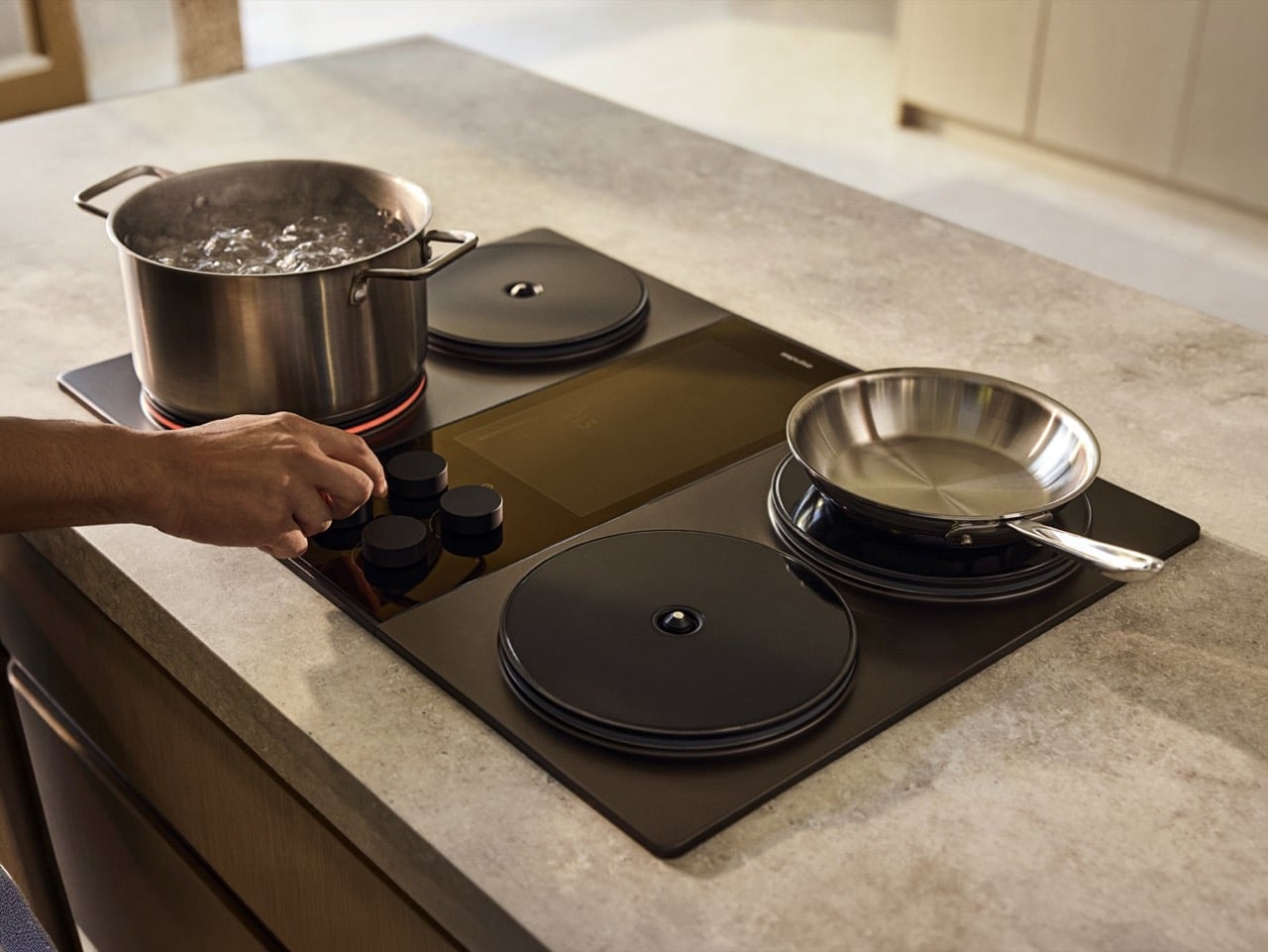
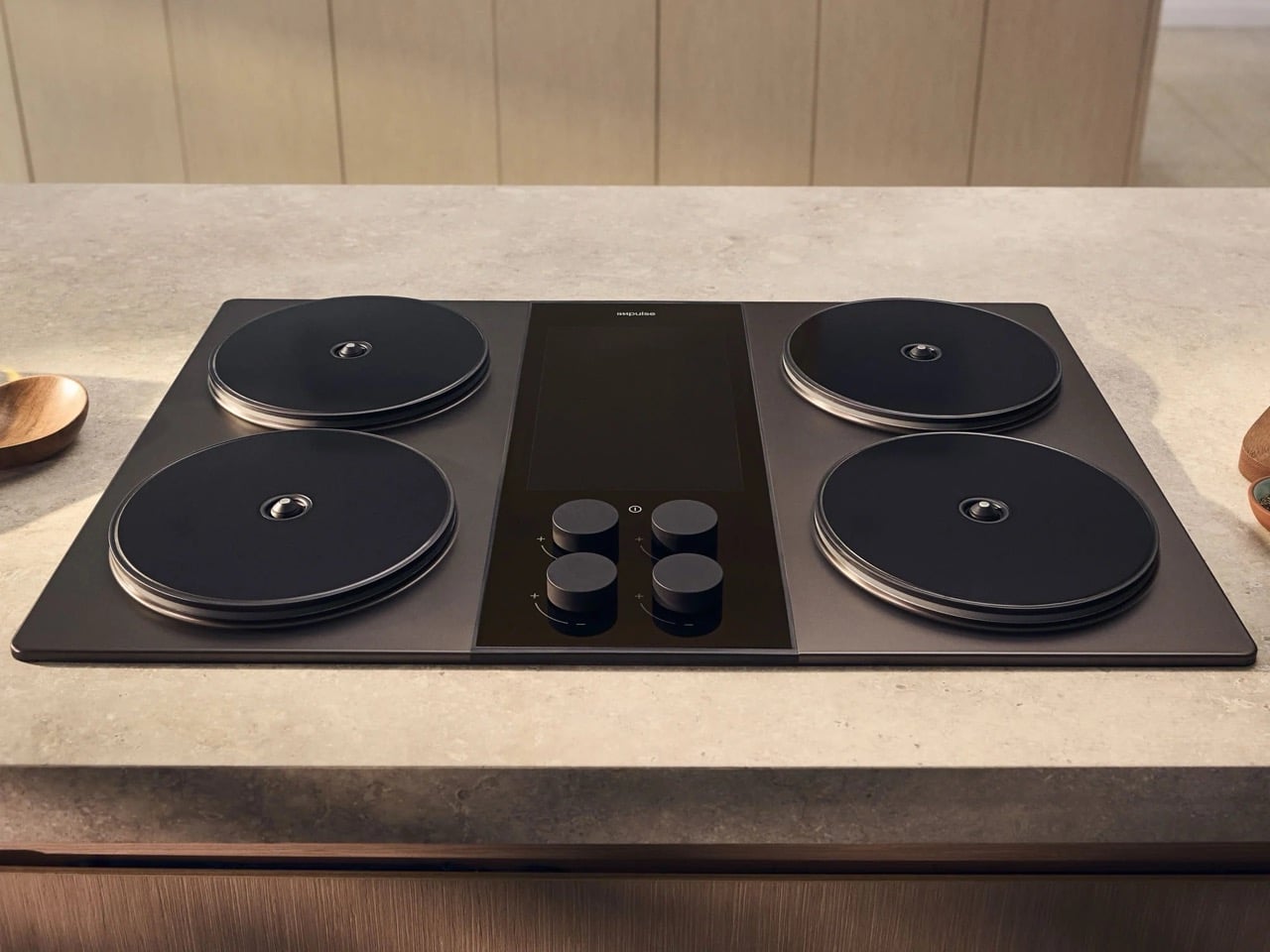
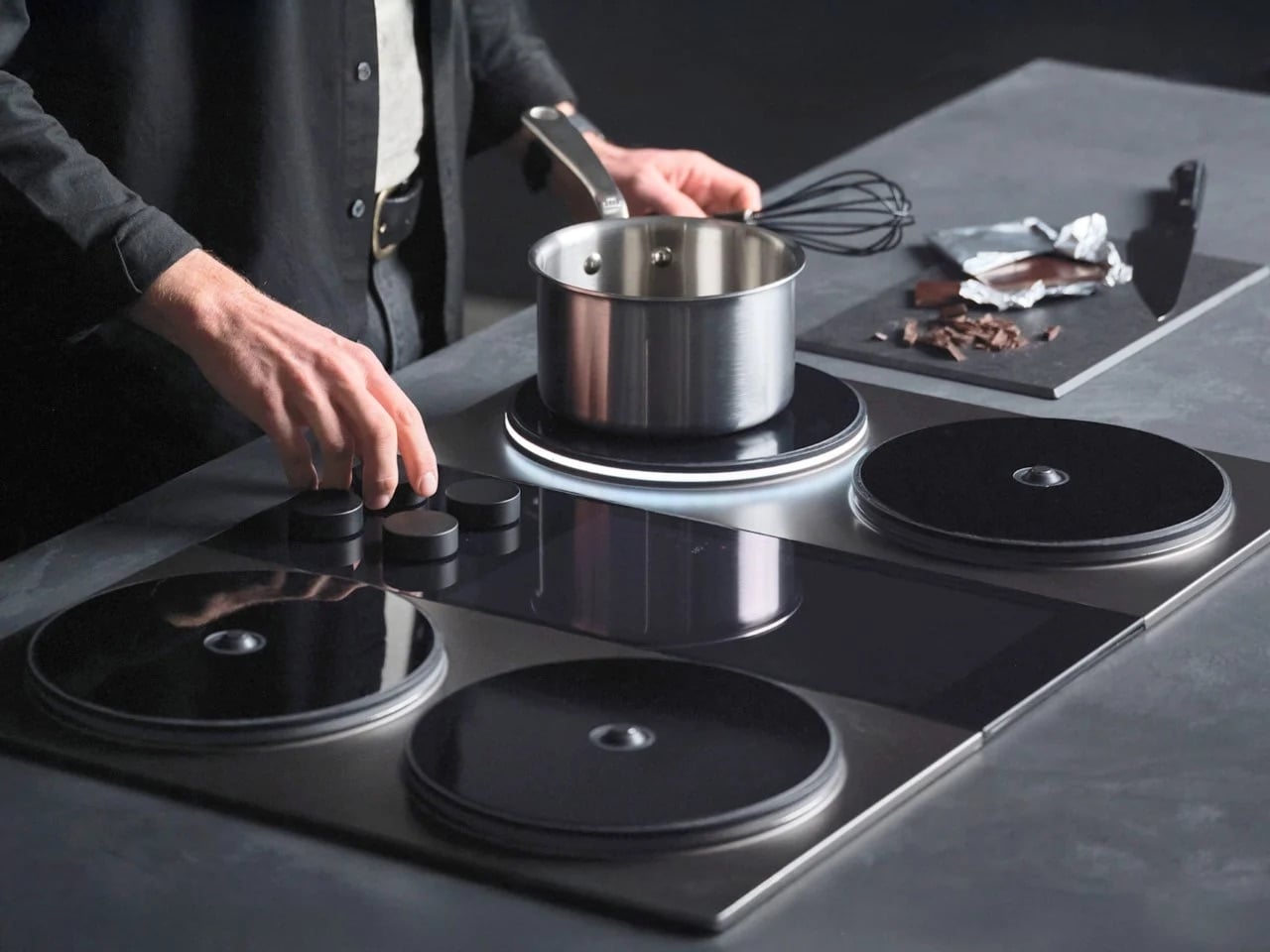
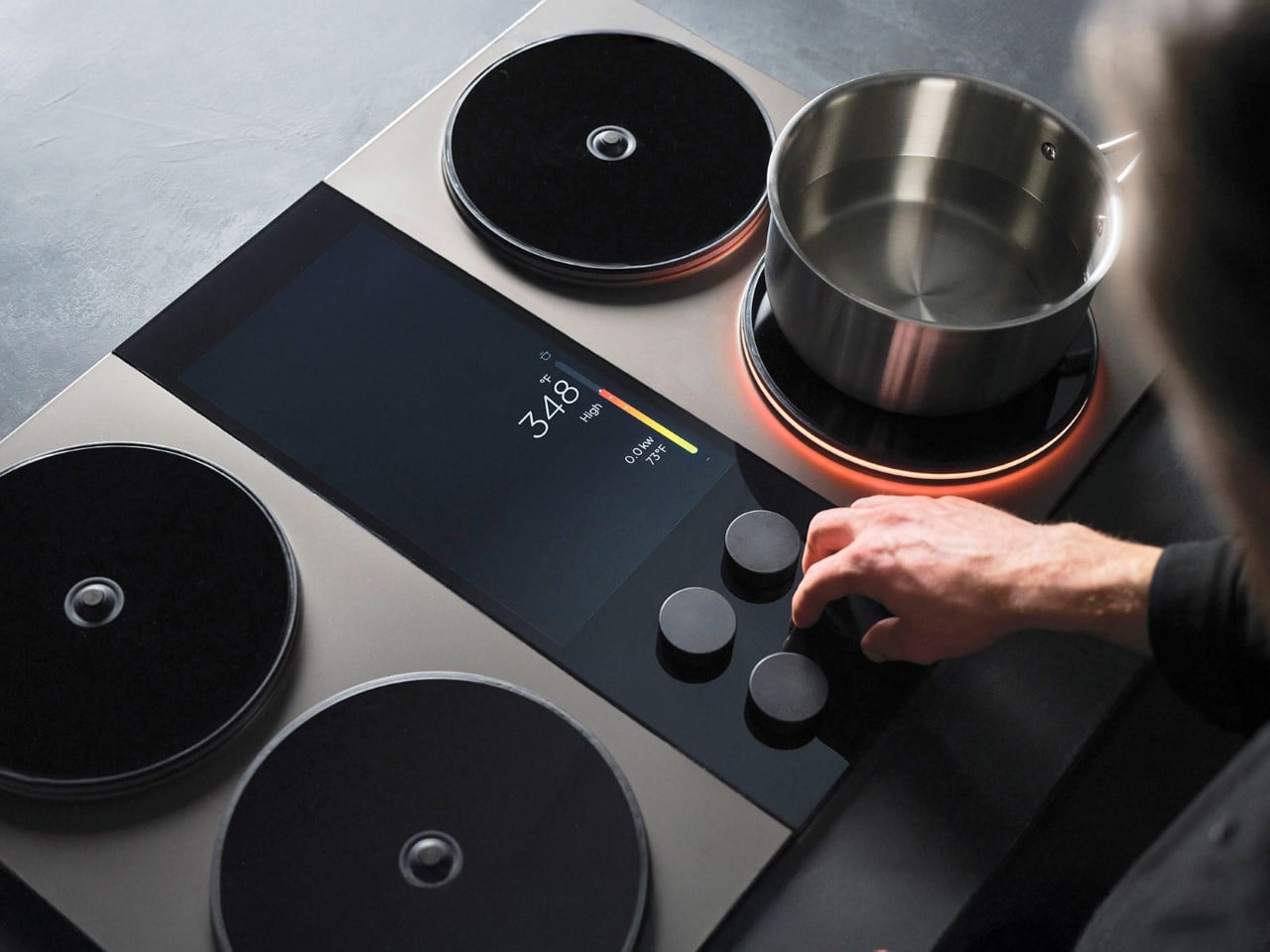
Available modules include open flame and induction cookers for easy fuel-type switching, integrated range hoods for clean, ventilated environments, built-in sinks for mid-cooking cleanup, and condiment storage with knife disinfection units for organization and hygiene. The modular nature allows seamless matching to maximize efficiency while enabling individual module replacement to extend overall system lifespan. Standardized dimensions mean integration into different kitchen layouts without custom fitting. This concept solves cooking-related space problems through intelligent consolidation that respects the reality of modern urban living, where kitchen square footage comes at a premium price.

What we like

  • The modular design allows customization to specific needs and cooking styles.
  • Standardized dimensions enable integration into various kitchen layouts without custom fitting.

What we dislike

  • The modular approach requires careful planning to avoid purchasing unnecessary components.
  • The interconnected system may create single points of failure affecting multiple functions.

Kitchen Tools Evolved

These seven innovations share a common philosophy that kitchen tools should adapt to our lives rather than demanding we adapt to them. They reject the assumption that capability requires counter sprawl, proving that thoughtful design can deliver professional results in compact formats. From espresso machines that double as sculpture to modular systems that transform with your needs, these tools represent evolution beyond pure functionality toward objects that enhance both cooking and the spaces where it happens.

What makes this collection particularly relevant is how each piece addresses different aspects of modern cooking life. Some prioritize portability for people who cook in multiple locations, others embrace all-in-one versatility for space-constrained kitchens, and a few perfect single functions to excellence. The common thread is respect for the people using them and the spaces they occupy. Kitchen essentials in 2025 finally acknowledged that most of us don’t have restaurant-sized kitchens, unlimited budgets, or patience for complicated equipment. These tools meet us where we actually are, and that feels worth celebrating.

The post Best Kitchen Essentials of 2025: 7 Tools Worth Adding To Your Collection first appeared on Yanko Design.

Best Kitchen Essentials of 2025: 7 Tools Worth Adding To Your Collection

Kitchen design reached a turning point in 2025, moving beyond gadget proliferation toward thoughtful consolidation. The tools that stood out this year questioned whether we really need separate appliances cluttering our counters or if smarter design could deliver more capability in less space. From espresso machines that resemble modern sculpture to modular cooking systems that adapt to small kitchens, these innovations demonstrate that kitchen essentials can be both beautiful and highly efficient.

What makes these seven tools worth your attention is their refusal to compromise. They deliver professional capability without demanding professional-sized kitchens, embrace minimalist aesthetics without sacrificing functionality, and respect the reality that most of us cook in spaces far smaller than we’d prefer. Whether you’re drawn to all-in-one versatility or single-purpose perfection, these designs represent kitchen tools that have evolved beyond their utilitarian origins into objects worth keeping visible rather than hidden away in cabinets.

1. BØYD Espresso Machine: Minimalist Coffee Perfection

The BØYD espresso machine concept from NYZE Studio commands attention through bold geometric simplicity rather than technical intimidation. Smooth curves and pure lines create something resembling modern sculpture more than traditional coffee equipment, transforming countertop real estate into visual statement territory. The less-is-more philosophy strips away unnecessary details, leaving only what matters for making exceptional espresso. This machine invites display rather than storage.

Thoughtful ergonomics ground the aesthetic ambition in practical usability. The perfectly arched handle provides natural grip comfort, while the simplified interface eliminates button-fumbling before your first cup. Morning coffee preparation becomes intuitive rather than overwhelming, which matters when you’re operating pre-caffeine. The BØYD proves that espresso machines don’t need complexity to deliver quality, just clarity of purpose and execution that respects both the coffee and the person making it.

What we like

  • The bold minimalist form functions as a countertop sculpture while making espresso.
  • The arched handle and simple interface prioritize ergonomic comfort and intuitive operation.

What we dislike

  • The concept status means availability and pricing remain unknown.
  • The minimalist aesthetic may lack the visual warmth some prefer in kitchen appliances.

2. Concept Cooker: The All-in-One Kitchen Revolution

Vuk Dragović’s concept for Nanlong imagines replacing multiple appliances with one versatile countertop unit capable of grilling, steaming, baking, and hosting hot-pot dinners. Designed for China’s dynamic cooking culture, this all-in-one system simplifies both everyday meals and entertaining through intelligent consolidation. The clean control panel allows mode selection, temperature setting, and timer adjustment in a few taps, eliminating confusing menus and excessive knobs that plague traditional appliances.

Interchangeable accessories demonstrate the breadth of functionality. Snap-in grill racks deliver smoky finishes to meats and vegetables, steaming baskets preserve nutrients in seafood and dumplings, baking trays transform the unit into a miniature oven, and dedicated hot-pot inserts bring communal dining home. The compact footprint sits comfortably on most counters, freeing space otherwise occupied by separate grills, steamers, and ovens. Quick attachment and straightforward cleanup make the modular approach practical rather than theoretical, proving that versatility doesn’t require complexity.

What we like

  • The all-in-one design replaces multiple appliances with one compact countertop unit.
  • Interchangeable accessories enable grilling, steaming, baking, and hot-pot functionality.

What we dislike

  • The concept stage leaves questions about durability across multiple cooking methods.
  • The modular accessories require storage space when not actively in use.

3. Iron Frying Plate: Cook and Eat on the Same Surface

The Iron Frying Plate eliminates the transfer step between cooking and eating by making the frying pan your plate. This beautifully crafted cookware allows you to enjoy meals immediately after cooking them, served on the very surface that brought out their best flavors and textures. Made from 1.6mm-thick mill scale steel, the uncoated iron surface is rust-resistant, stick-resistant, and ready to use straight from the box without seasoning rituals that intimidate casual cooks.

The wooden handle attaches and detaches with one hand, transforming the pan from cooking tool to serving plate seamlessly. This design philosophy respects the reality that transferring hot food creates extra dishes and loses precious heat. Eating directly from the iron plate maintains optimal temperature while reducing cleanup to a single item. The handsome aesthetic makes tableside presentation feel intentional rather than lazy, proving that the shortest distance between stove and mouth deserves celebration rather than apology.

Click Here to Buy Now: $69.00

What we like

  • The cook-and-eat design eliminates food transfer and reduces dishes to one item.
  • The 1.6mm mill scale steel is rust-resistant and stick-resistant without coatings.

What we dislike

  • The iron construction retains heat intensely, requiring careful handling at the table.
  • The single-serve format doesn’t scale well for cooking family-sized meals.

4. Thanko Electric Bento Rice Cooker: Perfect Rice Anywhere

Rice deserves more appreciation as the global food icon that transcends cuisine boundaries and meal timing. The Thanko Electric Bento rice cooker makes this omnipresent grain literally portable, cooking single servings wherever you happen to be. The compact device cooks 6 ounces of rice in 14 to 20 minutes, with an LED indicator showing when it’s ready. Weighing just 2 pounds and fitting easily in bags, this cooker brings fresh food to offices and travel destinations without takeout compromises.

The device operates silently without releasing steam, making it discreet enough for practically anywhere. Add water, rice, and optional salt or broth for enhanced flavor, then wait while it works quietly. The best feature is eating rice directly from the cooking container, eliminating dish multiplication that usually accompanies meal preparation. This optimization suits solo diners, frequent travelers, and anyone wanting quick meals that go with everything. The included measuring cup adds convenience, proving that portable cooking doesn’t require guesswork or complicated processes.

What we like

  • The 2-pound weight and compact size make this genuinely portable for travel and office use.
  • Silent operation without steam release enables discreet cooking practically anywhere.

What we dislike

  • The 6-ounce capacity limits this to strict single-serving use.
  • The specialized function doesn’t justify the space for people with existing rice cookers at home.

5. Lehua Slow Cooker: Hawaiian Pit Cooking Reimagined

Slow cooking predates modern appliances by centuries. Hawaiian Imu underground pit cooking buried large quantities for communal feasting, creating a unique atmosphere while feeding many people. The Lehua slow cooker concept draws inspiration from this tradition, adapting lessons from pit cooking to modern lifestyles and small households. The design adds peculiar features, making the process more convenient and meaningful than standard slow cookers manage.

The actual pot separates from the cooker itself, allowing safe lifting of the hot vessel for food preparation away from the heating element. This seemingly simple feature addresses a common frustration with integrated slow cookers, where accessing food means awkward maneuvering around hot components. The Hawaiian inspiration isn’t just an aesthetic reference; it represents thoughtful consideration of how communal cooking traditions can inform contemporary appliance design. The Lehua proves that looking backward sometimes reveals better paths forward than pure technological advancement alone can offer.

What we like

  • The separate pot design allows safe lifting and food preparation away from the heating element.
  • Hawaiian Imu pit cooking inspiration brings cultural meaning to contemporary appliance design.

What we dislike

  • The concept stage leaves practical questions about capacity and cooking performance unanswered.
  • The separated pot design may reduce heat efficiency compared to integrated slow cookers.

6. Obsidian Black Precision Chopstick Tongs: Where Tradition Meets Practicality

Traditional Japanese chopsticks meet modern tong functionality in this unique utensil that handles delicate food with expert precision. Made from SUS821L1 stainless steel, these chopstick-style tongs blend elegance with practicality, offering chopstick precision combined with tong versatility. The obsidian black finish comes from special metal processing, ensuring the color never scratches or peels, preserving handsome looks indefinitely through daily use. These aren’t just kitchen tools; they’re craftsmanship designed to last years.

The design excels at picking up and turning small or delicate pieces, whether flipping sushi or handling tiny ingredients on the stovetop. There’s no wrong way to hold them, making confident use accessible regardless of chopstick skill level. The lightweight yet durable construction balances control with ease, perfect for both cooking and dining applications. The exceptional strength and corrosion resistance of the stainless steel withstand daily demands without degradation. These tongs prove that inspiration from tradition, when perfected for modern use, creates tools superior to purely contemporary designs.

Click Here to Buy Now: $25.00

What we like

  • The chopstick-tong hybrid delivers precise control for delicate food handling.
  • SUS821L1 stainless steel with black oxide processing ensures durability and lasting aesthetics.

What we dislike

  • The chopstick format may feel awkward for users accustomed to the traditional tong grip.
  • The specialized design doesn’t replace standard tongs for heavy-duty flipping and turning.

7. Magic Cube Cooking System: Modular Kitchen Efficiency

Tiny kitchens demand creative solutions beyond just buying smaller appliances. The Magic Cube Cooking System maximizes functionality and efficiency through a modular design that integrates essential cooking elements into a sleek, space-saving format. The customizable approach ensures you only get what you actually need by combining multiple crucial functions into interconnected modules. This system adapts to your specific cooking style rather than forcing you to adapt to predetermined configurations.

Available modules include open flame and induction cookers for easy fuel-type switching, integrated range hoods for clean, ventilated environments, built-in sinks for mid-cooking cleanup, and condiment storage with knife disinfection units for organization and hygiene. The modular nature allows seamless matching to maximize efficiency while enabling individual module replacement to extend overall system lifespan. Standardized dimensions mean integration into different kitchen layouts without custom fitting. This concept solves cooking-related space problems through intelligent consolidation that respects the reality of modern urban living, where kitchen square footage comes at a premium price.

What we like

  • The modular design allows customization to specific needs and cooking styles.
  • Standardized dimensions enable integration into various kitchen layouts without custom fitting.

What we dislike

  • The modular approach requires careful planning to avoid purchasing unnecessary components.
  • The interconnected system may create single points of failure affecting multiple functions.

Kitchen Tools Evolved

These seven innovations share a common philosophy that kitchen tools should adapt to our lives rather than demanding we adapt to them. They reject the assumption that capability requires counter sprawl, proving that thoughtful design can deliver professional results in compact formats. From espresso machines that double as sculpture to modular systems that transform with your needs, these tools represent evolution beyond pure functionality toward objects that enhance both cooking and the spaces where it happens.

What makes this collection particularly relevant is how each piece addresses different aspects of modern cooking life. Some prioritize portability for people who cook in multiple locations, others embrace all-in-one versatility for space-constrained kitchens, and a few perfect single functions to excellence. The common thread is respect for the people using them and the spaces they occupy. Kitchen essentials in 2025 finally acknowledged that most of us don’t have restaurant-sized kitchens, unlimited budgets, or patience for complicated equipment. These tools meet us where we actually are, and that feels worth celebrating.

The post Best Kitchen Essentials of 2025: 7 Tools Worth Adding To Your Collection first appeared on Yanko Design.
Best Kitchen Essentials of 2025: 7 Tools Worth Adding To Your Collection

Kitchen design reached a turning point in 2025, moving beyond gadget proliferation toward thoughtful consolidation. The tools that stood out this year questioned whether we really need separate appliances cluttering our counters or if smarter design could deliver more capability in less space. From espresso machines that resemble modern sculpture to modular cooking systems that adapt to small kitchens, these innovations demonstrate that kitchen essentials can be both beautiful and highly efficient.

What makes these seven tools worth your attention is their refusal to compromise. They deliver professional capability without demanding professional-sized kitchens, embrace minimalist aesthetics without sacrificing functionality, and respect the reality that most of us cook in spaces far smaller than we’d prefer. Whether you’re drawn to all-in-one versatility or single-purpose perfection, these designs represent kitchen tools that have evolved beyond their utilitarian origins into objects worth keeping visible rather than hidden away in cabinets.

1. BØYD Espresso Machine: Minimalist Coffee Perfection

The BØYD espresso machine concept from NYZE Studio commands attention through bold geometric simplicity rather than technical intimidation. Smooth curves and pure lines create something resembling modern sculpture more than traditional coffee equipment, transforming countertop real estate into visual statement territory. The less-is-more philosophy strips away unnecessary details, leaving only what matters for making exceptional espresso. This machine invites display rather than storage.

Thoughtful ergonomics ground the aesthetic ambition in practical usability. The perfectly arched handle provides natural grip comfort, while the simplified interface eliminates button-fumbling before your first cup. Morning coffee preparation becomes intuitive rather than overwhelming, which matters when you’re operating pre-caffeine. The BØYD proves that espresso machines don’t need complexity to deliver quality, just clarity of purpose and execution that respects both the coffee and the person making it.

What we like

  • The bold minimalist form functions as a countertop sculpture while making espresso.
  • The arched handle and simple interface prioritize ergonomic comfort and intuitive operation.

What we dislike

  • The concept status means availability and pricing remain unknown.
  • The minimalist aesthetic may lack the visual warmth some prefer in kitchen appliances.

2. Concept Cooker: The All-in-One Kitchen Revolution

Vuk Dragović’s concept for Nanlong imagines replacing multiple appliances with one versatile countertop unit capable of grilling, steaming, baking, and hosting hot-pot dinners. Designed for China’s dynamic cooking culture, this all-in-one system simplifies both everyday meals and entertaining through intelligent consolidation. The clean control panel allows mode selection, temperature setting, and timer adjustment in a few taps, eliminating confusing menus and excessive knobs that plague traditional appliances.

Interchangeable accessories demonstrate the breadth of functionality. Snap-in grill racks deliver smoky finishes to meats and vegetables, steaming baskets preserve nutrients in seafood and dumplings, baking trays transform the unit into a miniature oven, and dedicated hot-pot inserts bring communal dining home. The compact footprint sits comfortably on most counters, freeing space otherwise occupied by separate grills, steamers, and ovens. Quick attachment and straightforward cleanup make the modular approach practical rather than theoretical, proving that versatility doesn’t require complexity.

What we like

  • The all-in-one design replaces multiple appliances with one compact countertop unit.
  • Interchangeable accessories enable grilling, steaming, baking, and hot-pot functionality.

What we dislike

  • The concept stage leaves questions about durability across multiple cooking methods.
  • The modular accessories require storage space when not actively in use.

3. Iron Frying Plate: Cook and Eat on the Same Surface

The Iron Frying Plate eliminates the transfer step between cooking and eating by making the frying pan your plate. This beautifully crafted cookware allows you to enjoy meals immediately after cooking them, served on the very surface that brought out their best flavors and textures. Made from 1.6mm-thick mill scale steel, the uncoated iron surface is rust-resistant, stick-resistant, and ready to use straight from the box without seasoning rituals that intimidate casual cooks.

The wooden handle attaches and detaches with one hand, transforming the pan from cooking tool to serving plate seamlessly. This design philosophy respects the reality that transferring hot food creates extra dishes and loses precious heat. Eating directly from the iron plate maintains optimal temperature while reducing cleanup to a single item. The handsome aesthetic makes tableside presentation feel intentional rather than lazy, proving that the shortest distance between stove and mouth deserves celebration rather than apology.

Click Here to Buy Now: $69.00

What we like

  • The cook-and-eat design eliminates food transfer and reduces dishes to one item.
  • The 1.6mm mill scale steel is rust-resistant and stick-resistant without coatings.

What we dislike

  • The iron construction retains heat intensely, requiring careful handling at the table.
  • The single-serve format doesn’t scale well for cooking family-sized meals.

4. Thanko Electric Bento Rice Cooker: Perfect Rice Anywhere

Rice deserves more appreciation as the global food icon that transcends cuisine boundaries and meal timing. The Thanko Electric Bento rice cooker makes this omnipresent grain literally portable, cooking single servings wherever you happen to be. The compact device cooks 6 ounces of rice in 14 to 20 minutes, with an LED indicator showing when it’s ready. Weighing just 2 pounds and fitting easily in bags, this cooker brings fresh food to offices and travel destinations without takeout compromises.

The device operates silently without releasing steam, making it discreet enough for practically anywhere. Add water, rice, and optional salt or broth for enhanced flavor, then wait while it works quietly. The best feature is eating rice directly from the cooking container, eliminating dish multiplication that usually accompanies meal preparation. This optimization suits solo diners, frequent travelers, and anyone wanting quick meals that go with everything. The included measuring cup adds convenience, proving that portable cooking doesn’t require guesswork or complicated processes.

What we like

  • The 2-pound weight and compact size make this genuinely portable for travel and office use.
  • Silent operation without steam release enables discreet cooking practically anywhere.

What we dislike

  • The 6-ounce capacity limits this to strict single-serving use.
  • The specialized function doesn’t justify the space for people with existing rice cookers at home.

5. Lehua Slow Cooker: Hawaiian Pit Cooking Reimagined

Slow cooking predates modern appliances by centuries. Hawaiian Imu underground pit cooking buried large quantities for communal feasting, creating a unique atmosphere while feeding many people. The Lehua slow cooker concept draws inspiration from this tradition, adapting lessons from pit cooking to modern lifestyles and small households. The design adds peculiar features, making the process more convenient and meaningful than standard slow cookers manage.

The actual pot separates from the cooker itself, allowing safe lifting of the hot vessel for food preparation away from the heating element. This seemingly simple feature addresses a common frustration with integrated slow cookers, where accessing food means awkward maneuvering around hot components. The Hawaiian inspiration isn’t just an aesthetic reference; it represents thoughtful consideration of how communal cooking traditions can inform contemporary appliance design. The Lehua proves that looking backward sometimes reveals better paths forward than pure technological advancement alone can offer.

What we like

  • The separate pot design allows safe lifting and food preparation away from the heating element.
  • Hawaiian Imu pit cooking inspiration brings cultural meaning to contemporary appliance design.

What we dislike

  • The concept stage leaves practical questions about capacity and cooking performance unanswered.
  • The separated pot design may reduce heat efficiency compared to integrated slow cookers.

6. Obsidian Black Precision Chopstick Tongs: Where Tradition Meets Practicality

Traditional Japanese chopsticks meet modern tong functionality in this unique utensil that handles delicate food with expert precision. Made from SUS821L1 stainless steel, these chopstick-style tongs blend elegance with practicality, offering chopstick precision combined with tong versatility. The obsidian black finish comes from special metal processing, ensuring the color never scratches or peels, preserving handsome looks indefinitely through daily use. These aren’t just kitchen tools; they’re craftsmanship designed to last years.

The design excels at picking up and turning small or delicate pieces, whether flipping sushi or handling tiny ingredients on the stovetop. There’s no wrong way to hold them, making confident use accessible regardless of chopstick skill level. The lightweight yet durable construction balances control with ease, perfect for both cooking and dining applications. The exceptional strength and corrosion resistance of the stainless steel withstand daily demands without degradation. These tongs prove that inspiration from tradition, when perfected for modern use, creates tools superior to purely contemporary designs.

Click Here to Buy Now: $25.00

What we like

  • The chopstick-tong hybrid delivers precise control for delicate food handling.
  • SUS821L1 stainless steel with black oxide processing ensures durability and lasting aesthetics.

What we dislike

  • The chopstick format may feel awkward for users accustomed to the traditional tong grip.
  • The specialized design doesn’t replace standard tongs for heavy-duty flipping and turning.

7. Magic Cube Cooking System: Modular Kitchen Efficiency

Tiny kitchens demand creative solutions beyond just buying smaller appliances. The Magic Cube Cooking System maximizes functionality and efficiency through a modular design that integrates essential cooking elements into a sleek, space-saving format. The customizable approach ensures you only get what you actually need by combining multiple crucial functions into interconnected modules. This system adapts to your specific cooking style rather than forcing you to adapt to predetermined configurations.

Available modules include open flame and induction cookers for easy fuel-type switching, integrated range hoods for clean, ventilated environments, built-in sinks for mid-cooking cleanup, and condiment storage with knife disinfection units for organization and hygiene. The modular nature allows seamless matching to maximize efficiency while enabling individual module replacement to extend overall system lifespan. Standardized dimensions mean integration into different kitchen layouts without custom fitting. This concept solves cooking-related space problems through intelligent consolidation that respects the reality of modern urban living, where kitchen square footage comes at a premium price.

What we like

  • The modular design allows customization to specific needs and cooking styles.
  • Standardized dimensions enable integration into various kitchen layouts without custom fitting.

What we dislike

  • The modular approach requires careful planning to avoid purchasing unnecessary components.
  • The interconnected system may create single points of failure affecting multiple functions.

Kitchen Tools Evolved

These seven innovations share a common philosophy that kitchen tools should adapt to our lives rather than demanding we adapt to them. They reject the assumption that capability requires counter sprawl, proving that thoughtful design can deliver professional results in compact formats. From espresso machines that double as sculpture to modular systems that transform with your needs, these tools represent evolution beyond pure functionality toward objects that enhance both cooking and the spaces where it happens.

What makes this collection particularly relevant is how each piece addresses different aspects of modern cooking life. Some prioritize portability for people who cook in multiple locations, others embrace all-in-one versatility for space-constrained kitchens, and a few perfect single functions to excellence. The common thread is respect for the people using them and the spaces they occupy. Kitchen essentials in 2025 finally acknowledged that most of us don’t have restaurant-sized kitchens, unlimited budgets, or patience for complicated equipment. These tools meet us where we actually are, and that feels worth celebrating.

The post Best Kitchen Essentials of 2025: 7 Tools Worth Adding To Your Collection first appeared on Yanko Design.
Best Kitchen Essentials of 2025: 7 Tools Worth Adding To Your Collection

Kitchen design reached a turning point in 2025, moving beyond gadget proliferation toward thoughtful consolidation. The tools that stood out this year questioned whether we really need separate appliances cluttering our counters or if smarter design could deliver more capability in less space. From espresso machines that resemble modern sculpture to modular cooking systems that adapt to small kitchens, these innovations demonstrate that kitchen essentials can be both beautiful and highly efficient.

What makes these seven tools worth your attention is their refusal to compromise. They deliver professional capability without demanding professional-sized kitchens, embrace minimalist aesthetics without sacrificing functionality, and respect the reality that most of us cook in spaces far smaller than we’d prefer. Whether you’re drawn to all-in-one versatility or single-purpose perfection, these designs represent kitchen tools that have evolved beyond their utilitarian origins into objects worth keeping visible rather than hidden away in cabinets.

1. BØYD Espresso Machine: Minimalist Coffee Perfection

The BØYD espresso machine concept from NYZE Studio commands attention through bold geometric simplicity rather than technical intimidation. Smooth curves and pure lines create something resembling modern sculpture more than traditional coffee equipment, transforming countertop real estate into visual statement territory. The less-is-more philosophy strips away unnecessary details, leaving only what matters for making exceptional espresso. This machine invites display rather than storage.

Thoughtful ergonomics ground the aesthetic ambition in practical usability. The perfectly arched handle provides natural grip comfort, while the simplified interface eliminates button-fumbling before your first cup. Morning coffee preparation becomes intuitive rather than overwhelming, which matters when you’re operating pre-caffeine. The BØYD proves that espresso machines don’t need complexity to deliver quality, just clarity of purpose and execution that respects both the coffee and the person making it.

What we like

  • The bold minimalist form functions as a countertop sculpture while making espresso.
  • The arched handle and simple interface prioritize ergonomic comfort and intuitive operation.

What we dislike

  • The concept status means availability and pricing remain unknown.
  • The minimalist aesthetic may lack the visual warmth some prefer in kitchen appliances.

2. Concept Cooker: The All-in-One Kitchen Revolution

Vuk Dragović’s concept for Nanlong imagines replacing multiple appliances with one versatile countertop unit capable of grilling, steaming, baking, and hosting hot-pot dinners. Designed for China’s dynamic cooking culture, this all-in-one system simplifies both everyday meals and entertaining through intelligent consolidation. The clean control panel allows mode selection, temperature setting, and timer adjustment in a few taps, eliminating confusing menus and excessive knobs that plague traditional appliances.

Interchangeable accessories demonstrate the breadth of functionality. Snap-in grill racks deliver smoky finishes to meats and vegetables, steaming baskets preserve nutrients in seafood and dumplings, baking trays transform the unit into a miniature oven, and dedicated hot-pot inserts bring communal dining home. The compact footprint sits comfortably on most counters, freeing space otherwise occupied by separate grills, steamers, and ovens. Quick attachment and straightforward cleanup make the modular approach practical rather than theoretical, proving that versatility doesn’t require complexity.

What we like

  • The all-in-one design replaces multiple appliances with one compact countertop unit.
  • Interchangeable accessories enable grilling, steaming, baking, and hot-pot functionality.

What we dislike

  • The concept stage leaves questions about durability across multiple cooking methods.
  • The modular accessories require storage space when not actively in use.

3. Iron Frying Plate: Cook and Eat on the Same Surface

The Iron Frying Plate eliminates the transfer step between cooking and eating by making the frying pan your plate. This beautifully crafted cookware allows you to enjoy meals immediately after cooking them, served on the very surface that brought out their best flavors and textures. Made from 1.6mm-thick mill scale steel, the uncoated iron surface is rust-resistant, stick-resistant, and ready to use straight from the box without seasoning rituals that intimidate casual cooks.

The wooden handle attaches and detaches with one hand, transforming the pan from cooking tool to serving plate seamlessly. This design philosophy respects the reality that transferring hot food creates extra dishes and loses precious heat. Eating directly from the iron plate maintains optimal temperature while reducing cleanup to a single item. The handsome aesthetic makes tableside presentation feel intentional rather than lazy, proving that the shortest distance between stove and mouth deserves celebration rather than apology.

Click Here to Buy Now: $69.00

What we like

  • The cook-and-eat design eliminates food transfer and reduces dishes to one item.
  • The 1.6mm mill scale steel is rust-resistant and stick-resistant without coatings.

What we dislike

  • The iron construction retains heat intensely, requiring careful handling at the table.
  • The single-serve format doesn’t scale well for cooking family-sized meals.

4. Thanko Electric Bento Rice Cooker: Perfect Rice Anywhere

Rice deserves more appreciation as the global food icon that transcends cuisine boundaries and meal timing. The Thanko Electric Bento rice cooker makes this omnipresent grain literally portable, cooking single servings wherever you happen to be. The compact device cooks 6 ounces of rice in 14 to 20 minutes, with an LED indicator showing when it’s ready. Weighing just 2 pounds and fitting easily in bags, this cooker brings fresh food to offices and travel destinations without takeout compromises.

The device operates silently without releasing steam, making it discreet enough for practically anywhere. Add water, rice, and optional salt or broth for enhanced flavor, then wait while it works quietly. The best feature is eating rice directly from the cooking container, eliminating dish multiplication that usually accompanies meal preparation. This optimization suits solo diners, frequent travelers, and anyone wanting quick meals that go with everything. The included measuring cup adds convenience, proving that portable cooking doesn’t require guesswork or complicated processes.

What we like

  • The 2-pound weight and compact size make this genuinely portable for travel and office use.
  • Silent operation without steam release enables discreet cooking practically anywhere.

What we dislike

  • The 6-ounce capacity limits this to strict single-serving use.
  • The specialized function doesn’t justify the space for people with existing rice cookers at home.

5. Lehua Slow Cooker: Hawaiian Pit Cooking Reimagined

Slow cooking predates modern appliances by centuries. Hawaiian Imu underground pit cooking buried large quantities for communal feasting, creating a unique atmosphere while feeding many people. The Lehua slow cooker concept draws inspiration from this tradition, adapting lessons from pit cooking to modern lifestyles and small households. The design adds peculiar features, making the process more convenient and meaningful than standard slow cookers manage.

The actual pot separates from the cooker itself, allowing safe lifting of the hot vessel for food preparation away from the heating element. This seemingly simple feature addresses a common frustration with integrated slow cookers, where accessing food means awkward maneuvering around hot components. The Hawaiian inspiration isn’t just an aesthetic reference; it represents thoughtful consideration of how communal cooking traditions can inform contemporary appliance design. The Lehua proves that looking backward sometimes reveals better paths forward than pure technological advancement alone can offer.

What we like

  • The separate pot design allows safe lifting and food preparation away from the heating element.
  • Hawaiian Imu pit cooking inspiration brings cultural meaning to contemporary appliance design.

What we dislike

  • The concept stage leaves practical questions about capacity and cooking performance unanswered.
  • The separated pot design may reduce heat efficiency compared to integrated slow cookers.

6. Obsidian Black Precision Chopstick Tongs: Where Tradition Meets Practicality

Traditional Japanese chopsticks meet modern tong functionality in this unique utensil that handles delicate food with expert precision. Made from SUS821L1 stainless steel, these chopstick-style tongs blend elegance with practicality, offering chopstick precision combined with tong versatility. The obsidian black finish comes from special metal processing, ensuring the color never scratches or peels, preserving handsome looks indefinitely through daily use. These aren’t just kitchen tools; they’re craftsmanship designed to last years.

The design excels at picking up and turning small or delicate pieces, whether flipping sushi or handling tiny ingredients on the stovetop. There’s no wrong way to hold them, making confident use accessible regardless of chopstick skill level. The lightweight yet durable construction balances control with ease, perfect for both cooking and dining applications. The exceptional strength and corrosion resistance of the stainless steel withstand daily demands without degradation. These tongs prove that inspiration from tradition, when perfected for modern use, creates tools superior to purely contemporary designs.

Click Here to Buy Now: $25.00

What we like

  • The chopstick-tong hybrid delivers precise control for delicate food handling.
  • SUS821L1 stainless steel with black oxide processing ensures durability and lasting aesthetics.

What we dislike

  • The chopstick format may feel awkward for users accustomed to the traditional tong grip.
  • The specialized design doesn’t replace standard tongs for heavy-duty flipping and turning.

7. Magic Cube Cooking System: Modular Kitchen Efficiency

Tiny kitchens demand creative solutions beyond just buying smaller appliances. The Magic Cube Cooking System maximizes functionality and efficiency through a modular design that integrates essential cooking elements into a sleek, space-saving format. The customizable approach ensures you only get what you actually need by combining multiple crucial functions into interconnected modules. This system adapts to your specific cooking style rather than forcing you to adapt to predetermined configurations.

Available modules include open flame and induction cookers for easy fuel-type switching, integrated range hoods for clean, ventilated environments, built-in sinks for mid-cooking cleanup, and condiment storage with knife disinfection units for organization and hygiene. The modular nature allows seamless matching to maximize efficiency while enabling individual module replacement to extend overall system lifespan. Standardized dimensions mean integration into different kitchen layouts without custom fitting. This concept solves cooking-related space problems through intelligent consolidation that respects the reality of modern urban living, where kitchen square footage comes at a premium price.

What we like

  • The modular design allows customization to specific needs and cooking styles.
  • Standardized dimensions enable integration into various kitchen layouts without custom fitting.

What we dislike

  • The modular approach requires careful planning to avoid purchasing unnecessary components.
  • The interconnected system may create single points of failure affecting multiple functions.

Kitchen Tools Evolved

These seven innovations share a common philosophy that kitchen tools should adapt to our lives rather than demanding we adapt to them. They reject the assumption that capability requires counter sprawl, proving that thoughtful design can deliver professional results in compact formats. From espresso machines that double as sculpture to modular systems that transform with your needs, these tools represent evolution beyond pure functionality toward objects that enhance both cooking and the spaces where it happens.

What makes this collection particularly relevant is how each piece addresses different aspects of modern cooking life. Some prioritize portability for people who cook in multiple locations, others embrace all-in-one versatility for space-constrained kitchens, and a few perfect single functions to excellence. The common thread is respect for the people using them and the spaces they occupy. Kitchen essentials in 2025 finally acknowledged that most of us don’t have restaurant-sized kitchens, unlimited budgets, or patience for complicated equipment. These tools meet us where we actually are, and that feels worth celebrating.

The post Best Kitchen Essentials of 2025: 7 Tools Worth Adding To Your Collection first appeared on Yanko Design.
Best Kitchen Essentials of 2025: 7 Tools Worth Adding To Your Collection

Kitchen design reached a turning point in 2025, moving beyond gadget proliferation toward thoughtful consolidation. The tools that stood out this year questioned whether we really need separate appliances cluttering our counters or if smarter design could deliver more capability in less space. From espresso machines that resemble modern sculpture to modular cooking systems that adapt to small kitchens, these innovations demonstrate that kitchen essentials can be both beautiful and highly efficient.

What makes these seven tools worth your attention is their refusal to compromise. They deliver professional capability without demanding professional-sized kitchens, embrace minimalist aesthetics without sacrificing functionality, and respect the reality that most of us cook in spaces far smaller than we’d prefer. Whether you’re drawn to all-in-one versatility or single-purpose perfection, these designs represent kitchen tools that have evolved beyond their utilitarian origins into objects worth keeping visible rather than hidden away in cabinets.

1. BØYD Espresso Machine: Minimalist Coffee Perfection

The BØYD espresso machine concept from NYZE Studio commands attention through bold geometric simplicity rather than technical intimidation. Smooth curves and pure lines create something resembling modern sculpture more than traditional coffee equipment, transforming countertop real estate into visual statement territory. The less-is-more philosophy strips away unnecessary details, leaving only what matters for making exceptional espresso. This machine invites display rather than storage.

Thoughtful ergonomics ground the aesthetic ambition in practical usability. The perfectly arched handle provides natural grip comfort, while the simplified interface eliminates button-fumbling before your first cup. Morning coffee preparation becomes intuitive rather than overwhelming, which matters when you’re operating pre-caffeine. The BØYD proves that espresso machines don’t need complexity to deliver quality, just clarity of purpose and execution that respects both the coffee and the person making it.

What we like

  • The bold minimalist form functions as a countertop sculpture while making espresso.
  • The arched handle and simple interface prioritize ergonomic comfort and intuitive operation.

What we dislike

  • The concept status means availability and pricing remain unknown.
  • The minimalist aesthetic may lack the visual warmth some prefer in kitchen appliances.

2. Concept Cooker: The All-in-One Kitchen Revolution

Vuk Dragović’s concept for Nanlong imagines replacing multiple appliances with one versatile countertop unit capable of grilling, steaming, baking, and hosting hot-pot dinners. Designed for China’s dynamic cooking culture, this all-in-one system simplifies both everyday meals and entertaining through intelligent consolidation. The clean control panel allows mode selection, temperature setting, and timer adjustment in a few taps, eliminating confusing menus and excessive knobs that plague traditional appliances.

Interchangeable accessories demonstrate the breadth of functionality. Snap-in grill racks deliver smoky finishes to meats and vegetables, steaming baskets preserve nutrients in seafood and dumplings, baking trays transform the unit into a miniature oven, and dedicated hot-pot inserts bring communal dining home. The compact footprint sits comfortably on most counters, freeing space otherwise occupied by separate grills, steamers, and ovens. Quick attachment and straightforward cleanup make the modular approach practical rather than theoretical, proving that versatility doesn’t require complexity.

What we like

  • The all-in-one design replaces multiple appliances with one compact countertop unit.
  • Interchangeable accessories enable grilling, steaming, baking, and hot-pot functionality.

What we dislike

  • The concept stage leaves questions about durability across multiple cooking methods.
  • The modular accessories require storage space when not actively in use.

3. Iron Frying Plate: Cook and Eat on the Same Surface

The Iron Frying Plate eliminates the transfer step between cooking and eating by making the frying pan your plate. This beautifully crafted cookware allows you to enjoy meals immediately after cooking them, served on the very surface that brought out their best flavors and textures. Made from 1.6mm-thick mill scale steel, the uncoated iron surface is rust-resistant, stick-resistant, and ready to use straight from the box without seasoning rituals that intimidate casual cooks.

The wooden handle attaches and detaches with one hand, transforming the pan from cooking tool to serving plate seamlessly. This design philosophy respects the reality that transferring hot food creates extra dishes and loses precious heat. Eating directly from the iron plate maintains optimal temperature while reducing cleanup to a single item. The handsome aesthetic makes tableside presentation feel intentional rather than lazy, proving that the shortest distance between stove and mouth deserves celebration rather than apology.

Click Here to Buy Now: $69.00

What we like

  • The cook-and-eat design eliminates food transfer and reduces dishes to one item.
  • The 1.6mm mill scale steel is rust-resistant and stick-resistant without coatings.

What we dislike

  • The iron construction retains heat intensely, requiring careful handling at the table.
  • The single-serve format doesn’t scale well for cooking family-sized meals.

4. Thanko Electric Bento Rice Cooker: Perfect Rice Anywhere

Rice deserves more appreciation as the global food icon that transcends cuisine boundaries and meal timing. The Thanko Electric Bento rice cooker makes this omnipresent grain literally portable, cooking single servings wherever you happen to be. The compact device cooks 6 ounces of rice in 14 to 20 minutes, with an LED indicator showing when it’s ready. Weighing just 2 pounds and fitting easily in bags, this cooker brings fresh food to offices and travel destinations without takeout compromises.

The device operates silently without releasing steam, making it discreet enough for practically anywhere. Add water, rice, and optional salt or broth for enhanced flavor, then wait while it works quietly. The best feature is eating rice directly from the cooking container, eliminating dish multiplication that usually accompanies meal preparation. This optimization suits solo diners, frequent travelers, and anyone wanting quick meals that go with everything. The included measuring cup adds convenience, proving that portable cooking doesn’t require guesswork or complicated processes.

What we like

  • The 2-pound weight and compact size make this genuinely portable for travel and office use.
  • Silent operation without steam release enables discreet cooking practically anywhere.

What we dislike

  • The 6-ounce capacity limits this to strict single-serving use.
  • The specialized function doesn’t justify the space for people with existing rice cookers at home.

5. Lehua Slow Cooker: Hawaiian Pit Cooking Reimagined

Slow cooking predates modern appliances by centuries. Hawaiian Imu underground pit cooking buried large quantities for communal feasting, creating a unique atmosphere while feeding many people. The Lehua slow cooker concept draws inspiration from this tradition, adapting lessons from pit cooking to modern lifestyles and small households. The design adds peculiar features, making the process more convenient and meaningful than standard slow cookers manage.

The actual pot separates from the cooker itself, allowing safe lifting of the hot vessel for food preparation away from the heating element. This seemingly simple feature addresses a common frustration with integrated slow cookers, where accessing food means awkward maneuvering around hot components. The Hawaiian inspiration isn’t just an aesthetic reference; it represents thoughtful consideration of how communal cooking traditions can inform contemporary appliance design. The Lehua proves that looking backward sometimes reveals better paths forward than pure technological advancement alone can offer.

What we like

  • The separate pot design allows safe lifting and food preparation away from the heating element.
  • Hawaiian Imu pit cooking inspiration brings cultural meaning to contemporary appliance design.

What we dislike

  • The concept stage leaves practical questions about capacity and cooking performance unanswered.
  • The separated pot design may reduce heat efficiency compared to integrated slow cookers.

6. Obsidian Black Precision Chopstick Tongs: Where Tradition Meets Practicality

Traditional Japanese chopsticks meet modern tong functionality in this unique utensil that handles delicate food with expert precision. Made from SUS821L1 stainless steel, these chopstick-style tongs blend elegance with practicality, offering chopstick precision combined with tong versatility. The obsidian black finish comes from special metal processing, ensuring the color never scratches or peels, preserving handsome looks indefinitely through daily use. These aren’t just kitchen tools; they’re craftsmanship designed to last years.

The design excels at picking up and turning small or delicate pieces, whether flipping sushi or handling tiny ingredients on the stovetop. There’s no wrong way to hold them, making confident use accessible regardless of chopstick skill level. The lightweight yet durable construction balances control with ease, perfect for both cooking and dining applications. The exceptional strength and corrosion resistance of the stainless steel withstand daily demands without degradation. These tongs prove that inspiration from tradition, when perfected for modern use, creates tools superior to purely contemporary designs.

Click Here to Buy Now: $25.00

What we like

  • The chopstick-tong hybrid delivers precise control for delicate food handling.
  • SUS821L1 stainless steel with black oxide processing ensures durability and lasting aesthetics.

What we dislike

  • The chopstick format may feel awkward for users accustomed to the traditional tong grip.
  • The specialized design doesn’t replace standard tongs for heavy-duty flipping and turning.

7. Magic Cube Cooking System: Modular Kitchen Efficiency

Tiny kitchens demand creative solutions beyond just buying smaller appliances. The Magic Cube Cooking System maximizes functionality and efficiency through a modular design that integrates essential cooking elements into a sleek, space-saving format. The customizable approach ensures you only get what you actually need by combining multiple crucial functions into interconnected modules. This system adapts to your specific cooking style rather than forcing you to adapt to predetermined configurations.

Available modules include open flame and induction cookers for easy fuel-type switching, integrated range hoods for clean, ventilated environments, built-in sinks for mid-cooking cleanup, and condiment storage with knife disinfection units for organization and hygiene. The modular nature allows seamless matching to maximize efficiency while enabling individual module replacement to extend overall system lifespan. Standardized dimensions mean integration into different kitchen layouts without custom fitting. This concept solves cooking-related space problems through intelligent consolidation that respects the reality of modern urban living, where kitchen square footage comes at a premium price.

What we like

  • The modular design allows customization to specific needs and cooking styles.
  • Standardized dimensions enable integration into various kitchen layouts without custom fitting.

What we dislike

  • The modular approach requires careful planning to avoid purchasing unnecessary components.
  • The interconnected system may create single points of failure affecting multiple functions.

Kitchen Tools Evolved

These seven innovations share a common philosophy that kitchen tools should adapt to our lives rather than demanding we adapt to them. They reject the assumption that capability requires counter sprawl, proving that thoughtful design can deliver professional results in compact formats. From espresso machines that double as sculpture to modular systems that transform with your needs, these tools represent evolution beyond pure functionality toward objects that enhance both cooking and the spaces where it happens.

What makes this collection particularly relevant is how each piece addresses different aspects of modern cooking life. Some prioritize portability for people who cook in multiple locations, others embrace all-in-one versatility for space-constrained kitchens, and a few perfect single functions to excellence. The common thread is respect for the people using them and the spaces they occupy. Kitchen essentials in 2025 finally acknowledged that most of us don’t have restaurant-sized kitchens, unlimited budgets, or patience for complicated equipment. These tools meet us where we actually are, and that feels worth celebrating.

The post Best Kitchen Essentials of 2025: 7 Tools Worth Adding To Your Collection first appeared on Yanko Design.
Best Kitchen Essentials of 2025: 7 Tools Worth Adding To Your Collection

Kitchen design reached a turning point in 2025, moving beyond gadget proliferation toward thoughtful consolidation. The tools that stood out this year questioned whether we really need separate appliances cluttering our counters or if smarter design could deliver more capability in less space. From espresso machines that resemble modern sculpture to modular cooking systems that adapt to small kitchens, these innovations demonstrate that kitchen essentials can be both beautiful and highly efficient.

What makes these seven tools worth your attention is their refusal to compromise. They deliver professional capability without demanding professional-sized kitchens, embrace minimalist aesthetics without sacrificing functionality, and respect the reality that most of us cook in spaces far smaller than we’d prefer. Whether you’re drawn to all-in-one versatility or single-purpose perfection, these designs represent kitchen tools that have evolved beyond their utilitarian origins into objects worth keeping visible rather than hidden away in cabinets.

1. BØYD Espresso Machine: Minimalist Coffee Perfection

The BØYD espresso machine concept from NYZE Studio commands attention through bold geometric simplicity rather than technical intimidation. Smooth curves and pure lines create something resembling modern sculpture more than traditional coffee equipment, transforming countertop real estate into visual statement territory. The less-is-more philosophy strips away unnecessary details, leaving only what matters for making exceptional espresso. This machine invites display rather than storage.

Thoughtful ergonomics ground the aesthetic ambition in practical usability. The perfectly arched handle provides natural grip comfort, while the simplified interface eliminates button-fumbling before your first cup. Morning coffee preparation becomes intuitive rather than overwhelming, which matters when you’re operating pre-caffeine. The BØYD proves that espresso machines don’t need complexity to deliver quality, just clarity of purpose and execution that respects both the coffee and the person making it.

What we like

  • The bold minimalist form functions as a countertop sculpture while making espresso.
  • The arched handle and simple interface prioritize ergonomic comfort and intuitive operation.

What we dislike

  • The concept status means availability and pricing remain unknown.
  • The minimalist aesthetic may lack the visual warmth some prefer in kitchen appliances.

2. Concept Cooker: The All-in-One Kitchen Revolution

Vuk Dragović’s concept for Nanlong imagines replacing multiple appliances with one versatile countertop unit capable of grilling, steaming, baking, and hosting hot-pot dinners. Designed for China’s dynamic cooking culture, this all-in-one system simplifies both everyday meals and entertaining through intelligent consolidation. The clean control panel allows mode selection, temperature setting, and timer adjustment in a few taps, eliminating confusing menus and excessive knobs that plague traditional appliances.

Interchangeable accessories demonstrate the breadth of functionality. Snap-in grill racks deliver smoky finishes to meats and vegetables, steaming baskets preserve nutrients in seafood and dumplings, baking trays transform the unit into a miniature oven, and dedicated hot-pot inserts bring communal dining home. The compact footprint sits comfortably on most counters, freeing space otherwise occupied by separate grills, steamers, and ovens. Quick attachment and straightforward cleanup make the modular approach practical rather than theoretical, proving that versatility doesn’t require complexity.

What we like

  • The all-in-one design replaces multiple appliances with one compact countertop unit.
  • Interchangeable accessories enable grilling, steaming, baking, and hot-pot functionality.

What we dislike

  • The concept stage leaves questions about durability across multiple cooking methods.
  • The modular accessories require storage space when not actively in use.

3. Iron Frying Plate: Cook and Eat on the Same Surface

The Iron Frying Plate eliminates the transfer step between cooking and eating by making the frying pan your plate. This beautifully crafted cookware allows you to enjoy meals immediately after cooking them, served on the very surface that brought out their best flavors and textures. Made from 1.6mm-thick mill scale steel, the uncoated iron surface is rust-resistant, stick-resistant, and ready to use straight from the box without seasoning rituals that intimidate casual cooks.

The wooden handle attaches and detaches with one hand, transforming the pan from cooking tool to serving plate seamlessly. This design philosophy respects the reality that transferring hot food creates extra dishes and loses precious heat. Eating directly from the iron plate maintains optimal temperature while reducing cleanup to a single item. The handsome aesthetic makes tableside presentation feel intentional rather than lazy, proving that the shortest distance between stove and mouth deserves celebration rather than apology.

Click Here to Buy Now: $69.00

What we like

  • The cook-and-eat design eliminates food transfer and reduces dishes to one item.
  • The 1.6mm mill scale steel is rust-resistant and stick-resistant without coatings.

What we dislike

  • The iron construction retains heat intensely, requiring careful handling at the table.
  • The single-serve format doesn’t scale well for cooking family-sized meals.

4. Thanko Electric Bento Rice Cooker: Perfect Rice Anywhere

Rice deserves more appreciation as the global food icon that transcends cuisine boundaries and meal timing. The Thanko Electric Bento rice cooker makes this omnipresent grain literally portable, cooking single servings wherever you happen to be. The compact device cooks 6 ounces of rice in 14 to 20 minutes, with an LED indicator showing when it’s ready. Weighing just 2 pounds and fitting easily in bags, this cooker brings fresh food to offices and travel destinations without takeout compromises.

The device operates silently without releasing steam, making it discreet enough for practically anywhere. Add water, rice, and optional salt or broth for enhanced flavor, then wait while it works quietly. The best feature is eating rice directly from the cooking container, eliminating dish multiplication that usually accompanies meal preparation. This optimization suits solo diners, frequent travelers, and anyone wanting quick meals that go with everything. The included measuring cup adds convenience, proving that portable cooking doesn’t require guesswork or complicated processes.

What we like

  • The 2-pound weight and compact size make this genuinely portable for travel and office use.
  • Silent operation without steam release enables discreet cooking practically anywhere.

What we dislike

  • The 6-ounce capacity limits this to strict single-serving use.
  • The specialized function doesn’t justify the space for people with existing rice cookers at home.

5. Lehua Slow Cooker: Hawaiian Pit Cooking Reimagined

Slow cooking predates modern appliances by centuries. Hawaiian Imu underground pit cooking buried large quantities for communal feasting, creating a unique atmosphere while feeding many people. The Lehua slow cooker concept draws inspiration from this tradition, adapting lessons from pit cooking to modern lifestyles and small households. The design adds peculiar features, making the process more convenient and meaningful than standard slow cookers manage.

The actual pot separates from the cooker itself, allowing safe lifting of the hot vessel for food preparation away from the heating element. This seemingly simple feature addresses a common frustration with integrated slow cookers, where accessing food means awkward maneuvering around hot components. The Hawaiian inspiration isn’t just an aesthetic reference; it represents thoughtful consideration of how communal cooking traditions can inform contemporary appliance design. The Lehua proves that looking backward sometimes reveals better paths forward than pure technological advancement alone can offer.

What we like

  • The separate pot design allows safe lifting and food preparation away from the heating element.
  • Hawaiian Imu pit cooking inspiration brings cultural meaning to contemporary appliance design.

What we dislike

  • The concept stage leaves practical questions about capacity and cooking performance unanswered.
  • The separated pot design may reduce heat efficiency compared to integrated slow cookers.

6. Obsidian Black Precision Chopstick Tongs: Where Tradition Meets Practicality

Traditional Japanese chopsticks meet modern tong functionality in this unique utensil that handles delicate food with expert precision. Made from SUS821L1 stainless steel, these chopstick-style tongs blend elegance with practicality, offering chopstick precision combined with tong versatility. The obsidian black finish comes from special metal processing, ensuring the color never scratches or peels, preserving handsome looks indefinitely through daily use. These aren’t just kitchen tools; they’re craftsmanship designed to last years.

The design excels at picking up and turning small or delicate pieces, whether flipping sushi or handling tiny ingredients on the stovetop. There’s no wrong way to hold them, making confident use accessible regardless of chopstick skill level. The lightweight yet durable construction balances control with ease, perfect for both cooking and dining applications. The exceptional strength and corrosion resistance of the stainless steel withstand daily demands without degradation. These tongs prove that inspiration from tradition, when perfected for modern use, creates tools superior to purely contemporary designs.

Click Here to Buy Now: $25.00

What we like

  • The chopstick-tong hybrid delivers precise control for delicate food handling.
  • SUS821L1 stainless steel with black oxide processing ensures durability and lasting aesthetics.

What we dislike

  • The chopstick format may feel awkward for users accustomed to the traditional tong grip.
  • The specialized design doesn’t replace standard tongs for heavy-duty flipping and turning.

7. Magic Cube Cooking System: Modular Kitchen Efficiency

Tiny kitchens demand creative solutions beyond just buying smaller appliances. The Magic Cube Cooking System maximizes functionality and efficiency through a modular design that integrates essential cooking elements into a sleek, space-saving format. The customizable approach ensures you only get what you actually need by combining multiple crucial functions into interconnected modules. This system adapts to your specific cooking style rather than forcing you to adapt to predetermined configurations.

Available modules include open flame and induction cookers for easy fuel-type switching, integrated range hoods for clean, ventilated environments, built-in sinks for mid-cooking cleanup, and condiment storage with knife disinfection units for organization and hygiene. The modular nature allows seamless matching to maximize efficiency while enabling individual module replacement to extend overall system lifespan. Standardized dimensions mean integration into different kitchen layouts without custom fitting. This concept solves cooking-related space problems through intelligent consolidation that respects the reality of modern urban living, where kitchen square footage comes at a premium price.

What we like

  • The modular design allows customization to specific needs and cooking styles.
  • Standardized dimensions enable integration into various kitchen layouts without custom fitting.

What we dislike

  • The modular approach requires careful planning to avoid purchasing unnecessary components.
  • The interconnected system may create single points of failure affecting multiple functions.

Kitchen Tools Evolved

These seven innovations share a common philosophy that kitchen tools should adapt to our lives rather than demanding we adapt to them. They reject the assumption that capability requires counter sprawl, proving that thoughtful design can deliver professional results in compact formats. From espresso machines that double as sculpture to modular systems that transform with your needs, these tools represent evolution beyond pure functionality toward objects that enhance both cooking and the spaces where it happens.

What makes this collection particularly relevant is how each piece addresses different aspects of modern cooking life. Some prioritize portability for people who cook in multiple locations, others embrace all-in-one versatility for space-constrained kitchens, and a few perfect single functions to excellence. The common thread is respect for the people using them and the spaces they occupy. Kitchen essentials in 2025 finally acknowledged that most of us don’t have restaurant-sized kitchens, unlimited budgets, or patience for complicated equipment. These tools meet us where we actually are, and that feels worth celebrating.

The post Best Kitchen Essentials of 2025: 7 Tools Worth Adding To Your Collection first appeared on Yanko Design.
Best Kitchen Essentials of 2025: 7 Tools Worth Adding To Your Collection

Kitchen design reached a turning point in 2025, moving beyond gadget proliferation toward thoughtful consolidation. The tools that stood out this year questioned whether we really need separate appliances cluttering our counters or if smarter design could deliver more capability in less space. From espresso machines that resemble modern sculpture to modular cooking systems that adapt to small kitchens, these innovations demonstrate that kitchen essentials can be both beautiful and highly efficient.

What makes these seven tools worth your attention is their refusal to compromise. They deliver professional capability without demanding professional-sized kitchens, embrace minimalist aesthetics without sacrificing functionality, and respect the reality that most of us cook in spaces far smaller than we’d prefer. Whether you’re drawn to all-in-one versatility or single-purpose perfection, these designs represent kitchen tools that have evolved beyond their utilitarian origins into objects worth keeping visible rather than hidden away in cabinets.

1. BØYD Espresso Machine: Minimalist Coffee Perfection

The BØYD espresso machine concept from NYZE Studio commands attention through bold geometric simplicity rather than technical intimidation. Smooth curves and pure lines create something resembling modern sculpture more than traditional coffee equipment, transforming countertop real estate into visual statement territory. The less-is-more philosophy strips away unnecessary details, leaving only what matters for making exceptional espresso. This machine invites display rather than storage.

Thoughtful ergonomics ground the aesthetic ambition in practical usability. The perfectly arched handle provides natural grip comfort, while the simplified interface eliminates button-fumbling before your first cup. Morning coffee preparation becomes intuitive rather than overwhelming, which matters when you’re operating pre-caffeine. The BØYD proves that espresso machines don’t need complexity to deliver quality, just clarity of purpose and execution that respects both the coffee and the person making it.

What we like

  • The bold minimalist form functions as a countertop sculpture while making espresso.
  • The arched handle and simple interface prioritize ergonomic comfort and intuitive operation.

What we dislike

  • The concept status means availability and pricing remain unknown.
  • The minimalist aesthetic may lack the visual warmth some prefer in kitchen appliances.

2. Concept Cooker: The All-in-One Kitchen Revolution

Vuk Dragović’s concept for Nanlong imagines replacing multiple appliances with one versatile countertop unit capable of grilling, steaming, baking, and hosting hot-pot dinners. Designed for China’s dynamic cooking culture, this all-in-one system simplifies both everyday meals and entertaining through intelligent consolidation. The clean control panel allows mode selection, temperature setting, and timer adjustment in a few taps, eliminating confusing menus and excessive knobs that plague traditional appliances.

Interchangeable accessories demonstrate the breadth of functionality. Snap-in grill racks deliver smoky finishes to meats and vegetables, steaming baskets preserve nutrients in seafood and dumplings, baking trays transform the unit into a miniature oven, and dedicated hot-pot inserts bring communal dining home. The compact footprint sits comfortably on most counters, freeing space otherwise occupied by separate grills, steamers, and ovens. Quick attachment and straightforward cleanup make the modular approach practical rather than theoretical, proving that versatility doesn’t require complexity.

What we like

  • The all-in-one design replaces multiple appliances with one compact countertop unit.
  • Interchangeable accessories enable grilling, steaming, baking, and hot-pot functionality.

What we dislike

  • The concept stage leaves questions about durability across multiple cooking methods.
  • The modular accessories require storage space when not actively in use.

3. Iron Frying Plate: Cook and Eat on the Same Surface

The Iron Frying Plate eliminates the transfer step between cooking and eating by making the frying pan your plate. This beautifully crafted cookware allows you to enjoy meals immediately after cooking them, served on the very surface that brought out their best flavors and textures. Made from 1.6mm-thick mill scale steel, the uncoated iron surface is rust-resistant, stick-resistant, and ready to use straight from the box without seasoning rituals that intimidate casual cooks.

The wooden handle attaches and detaches with one hand, transforming the pan from cooking tool to serving plate seamlessly. This design philosophy respects the reality that transferring hot food creates extra dishes and loses precious heat. Eating directly from the iron plate maintains optimal temperature while reducing cleanup to a single item. The handsome aesthetic makes tableside presentation feel intentional rather than lazy, proving that the shortest distance between stove and mouth deserves celebration rather than apology.

Click Here to Buy Now: $69.00

What we like

  • The cook-and-eat design eliminates food transfer and reduces dishes to one item.
  • The 1.6mm mill scale steel is rust-resistant and stick-resistant without coatings.

What we dislike

  • The iron construction retains heat intensely, requiring careful handling at the table.
  • The single-serve format doesn’t scale well for cooking family-sized meals.

4. Thanko Electric Bento Rice Cooker: Perfect Rice Anywhere

Rice deserves more appreciation as the global food icon that transcends cuisine boundaries and meal timing. The Thanko Electric Bento rice cooker makes this omnipresent grain literally portable, cooking single servings wherever you happen to be. The compact device cooks 6 ounces of rice in 14 to 20 minutes, with an LED indicator showing when it’s ready. Weighing just 2 pounds and fitting easily in bags, this cooker brings fresh food to offices and travel destinations without takeout compromises.

The device operates silently without releasing steam, making it discreet enough for practically anywhere. Add water, rice, and optional salt or broth for enhanced flavor, then wait while it works quietly. The best feature is eating rice directly from the cooking container, eliminating dish multiplication that usually accompanies meal preparation. This optimization suits solo diners, frequent travelers, and anyone wanting quick meals that go with everything. The included measuring cup adds convenience, proving that portable cooking doesn’t require guesswork or complicated processes.

What we like

  • The 2-pound weight and compact size make this genuinely portable for travel and office use.
  • Silent operation without steam release enables discreet cooking practically anywhere.

What we dislike

  • The 6-ounce capacity limits this to strict single-serving use.
  • The specialized function doesn’t justify the space for people with existing rice cookers at home.

5. Lehua Slow Cooker: Hawaiian Pit Cooking Reimagined

Slow cooking predates modern appliances by centuries. Hawaiian Imu underground pit cooking buried large quantities for communal feasting, creating a unique atmosphere while feeding many people. The Lehua slow cooker concept draws inspiration from this tradition, adapting lessons from pit cooking to modern lifestyles and small households. The design adds peculiar features, making the process more convenient and meaningful than standard slow cookers manage.

The actual pot separates from the cooker itself, allowing safe lifting of the hot vessel for food preparation away from the heating element. This seemingly simple feature addresses a common frustration with integrated slow cookers, where accessing food means awkward maneuvering around hot components. The Hawaiian inspiration isn’t just an aesthetic reference; it represents thoughtful consideration of how communal cooking traditions can inform contemporary appliance design. The Lehua proves that looking backward sometimes reveals better paths forward than pure technological advancement alone can offer.

What we like

  • The separate pot design allows safe lifting and food preparation away from the heating element.
  • Hawaiian Imu pit cooking inspiration brings cultural meaning to contemporary appliance design.

What we dislike

  • The concept stage leaves practical questions about capacity and cooking performance unanswered.
  • The separated pot design may reduce heat efficiency compared to integrated slow cookers.

6. Obsidian Black Precision Chopstick Tongs: Where Tradition Meets Practicality

Traditional Japanese chopsticks meet modern tong functionality in this unique utensil that handles delicate food with expert precision. Made from SUS821L1 stainless steel, these chopstick-style tongs blend elegance with practicality, offering chopstick precision combined with tong versatility. The obsidian black finish comes from special metal processing, ensuring the color never scratches or peels, preserving handsome looks indefinitely through daily use. These aren’t just kitchen tools; they’re craftsmanship designed to last years.

The design excels at picking up and turning small or delicate pieces, whether flipping sushi or handling tiny ingredients on the stovetop. There’s no wrong way to hold them, making confident use accessible regardless of chopstick skill level. The lightweight yet durable construction balances control with ease, perfect for both cooking and dining applications. The exceptional strength and corrosion resistance of the stainless steel withstand daily demands without degradation. These tongs prove that inspiration from tradition, when perfected for modern use, creates tools superior to purely contemporary designs.

Click Here to Buy Now: $25.00

What we like

  • The chopstick-tong hybrid delivers precise control for delicate food handling.
  • SUS821L1 stainless steel with black oxide processing ensures durability and lasting aesthetics.

What we dislike

  • The chopstick format may feel awkward for users accustomed to the traditional tong grip.
  • The specialized design doesn’t replace standard tongs for heavy-duty flipping and turning.

7. Magic Cube Cooking System: Modular Kitchen Efficiency

Tiny kitchens demand creative solutions beyond just buying smaller appliances. The Magic Cube Cooking System maximizes functionality and efficiency through a modular design that integrates essential cooking elements into a sleek, space-saving format. The customizable approach ensures you only get what you actually need by combining multiple crucial functions into interconnected modules. This system adapts to your specific cooking style rather than forcing you to adapt to predetermined configurations.

Available modules include open flame and induction cookers for easy fuel-type switching, integrated range hoods for clean, ventilated environments, built-in sinks for mid-cooking cleanup, and condiment storage with knife disinfection units for organization and hygiene. The modular nature allows seamless matching to maximize efficiency while enabling individual module replacement to extend overall system lifespan. Standardized dimensions mean integration into different kitchen layouts without custom fitting. This concept solves cooking-related space problems through intelligent consolidation that respects the reality of modern urban living, where kitchen square footage comes at a premium price.

What we like

  • The modular design allows customization to specific needs and cooking styles.
  • Standardized dimensions enable integration into various kitchen layouts without custom fitting.

What we dislike

  • The modular approach requires careful planning to avoid purchasing unnecessary components.
  • The interconnected system may create single points of failure affecting multiple functions.

Kitchen Tools Evolved

These seven innovations share a common philosophy that kitchen tools should adapt to our lives rather than demanding we adapt to them. They reject the assumption that capability requires counter sprawl, proving that thoughtful design can deliver professional results in compact formats. From espresso machines that double as sculpture to modular systems that transform with your needs, these tools represent evolution beyond pure functionality toward objects that enhance both cooking and the spaces where it happens.

What makes this collection particularly relevant is how each piece addresses different aspects of modern cooking life. Some prioritize portability for people who cook in multiple locations, others embrace all-in-one versatility for space-constrained kitchens, and a few perfect single functions to excellence. The common thread is respect for the people using them and the spaces they occupy. Kitchen essentials in 2025 finally acknowledged that most of us don’t have restaurant-sized kitchens, unlimited budgets, or patience for complicated equipment. These tools meet us where we actually are, and that feels worth celebrating.

The post Best Kitchen Essentials of 2025: 7 Tools Worth Adding To Your Collection first appeared on Yanko Design.
This Smart Jar Lid Uses UV Light to Keep Your Food Fresh Longer

You know that moment when you open your fridge and discover that beautiful container of berries you bought three days ago has turned into a science experiment? We’ve all been there. But what if I told you there’s a clever piece of design that could help solve this perpetual kitchen problem, and it looks pretty fantastic while doing it?

Meet SmartLid, a reusable jar lid created by designers Hakan Gürsu and Sezin Hasgüler that’s basically giving your ordinary glass jars a serious tech upgrade. Instead of just sitting there looking cute (though these lids definitely do that with their array of fun colors), SmartLid actively works to keep your food fresh using UV-C light technology.

Designers: Hakan Gürsu, Sezin Hasgüler

The concept is surprisingly simple yet brilliant. Inside each lid sits a 254 nm UV-C LED that emits light known for its bacteria-fighting powers. When you pop this smart lid onto your jar, it creates a chemical-free preservation system that inhibits mold and bacteria growth. No weird sprays, no mysterious additives, just clean ultraviolet light doing what it does naturally. And here’s the kicker: it uses less than 1 watt of energy, so you’re not exactly running up your electricity bill for fresher strawberries.

What really caught my attention is how SmartLid tackles the sustainability angle from multiple directions. First, there’s the obvious benefit of reducing food waste. When your food stays fresh longer, you’re throwing away less, which means fewer trips to the grocery store and less strain on your wallet. But the designers went deeper than that. The lid itself is made from recycled ABS plastic and bio-based silicone, so even the product’s materials align with circular design principles.

The modular design is particularly smart. That geometric cutout sleeve you see wrapping around the jars isn’t just for looks (though those organic shapes definitely give off modern design vibes). It’s functional, allowing you to see your food while protecting the jar and creating a cohesive system. The lids come in a gorgeous palette of colors, from soft lavender and mint to bolder oranges and teals, making them equally at home in a minimalist Scandinavian kitchen or a more eclectic space.

Looking at the technical side, SmartLid is waterproof and sensor-controlled, which means it’s actually thinking about when and how to deploy its UV powers. This isn’t some primitive gadget that just blasts light constantly. The intelligence built into the system helps optimize the preservation process while being energy efficient. For anyone who loves tech-forward solutions to everyday problems, this is pretty exciting stuff.

The best part? SmartLid transforms containers you probably already own into active preservation systems. You don’t need to buy a whole new set of specialty containers or invest in some bulky appliance. Just screw one of these lids onto a standard glass jar, and suddenly you’ve upgraded your food storage game. This approach feels particularly relevant right now when we’re all trying to be more conscious about consumption and waste.

From a design perspective, SmartLid hits that sweet spot where form meets function. The product feels approachable rather than overly technical or intimidating. You could see it fitting seamlessly into contemporary kitchen aesthetics that celebrate both style and substance. There’s something refreshing about a product that doesn’t hide its technology but instead makes it part of its visual identity, with that purple glow visible when the UV light is active.

The designers made sure to connect SmartLid to broader global sustainability goals too. It aligns with the UN Sustainable Development Goals, specifically Zero Hunger and Responsible Consumption and Production. That might sound like corporate speak, but it actually matters. Design that considers its impact beyond the individual user and thinks about systemic change is design that can genuinely make a difference.

Kitchen gadgets often feel gimmicky or solve problems nobody actually has but SmartLid addresses something universally relatable: the frustration of wasted food and money. It does so with thoughtful design, legitimate technology, and a sustainability mindset that goes beyond surface-level greenwashing. Whether you’re a design enthusiast who appreciates clever problem-solving, a tech lover excited about practical UV applications, or simply someone tired of moldy leftovers, this little lid deserves your attention.

The post This Smart Jar Lid Uses UV Light to Keep Your Food Fresh Longer first appeared on Yanko Design.
This 2025 Award-Winner Solved the One Thing Thermal Pots Get Wrong

There’s something deeply satisfying about a product that just works. Not in a flashy, look-at-me kind of way, but in that quiet, thoughtful manner where every detail clicks into place. That’s exactly what Doogdesign Inc. has achieved with their Vacuum Insulated Pot PWR, a redesign for Tiger Corporation that recently earned a 2025 Good Design Award.

At first glance, it might seem like just another thermal pot. But here’s where things get interesting. This isn’t a fresh concept pulled from thin air but rather a thoughtful evolution of Tiger’s previous PWO model. The designers at Doogdesign, an Osaka-based studio founded by Kazuya Koike, took on the challenge of addressing real-world frustrations that users had been living with for years.

Designer: Doogdesign Inc

Think about the last time you struggled with a stubborn lid or fumbled with an awkward lever while trying to pour your second cup of tea. Those little moments of friction add up. The PWR tackles exactly these pain points, transforming daily annoyances into seamless interactions. Through extensive prototyping and adjustments, the team refined the lever and lid mechanism until attachment and detachment could happen with just a light touch. It’s the kind of improvement that sounds simple until you realize how much testing and iteration goes into making something feel effortless.

But functionality alone doesn’t make great design. What sets this pot apart is how it balances practical usability with visual grace. The lid features a smooth, curved form that plays beautifully with light and shadow, evoking the quiet presence of fine tableware. There’s an understated elegance here that doesn’t scream for attention but somehow makes your kitchen counter look a little more put-together.
The design philosophy becomes clear when you examine the details. This is about more than just keeping beverages hot (though the vacuum insulation handles that job brilliantly). It’s about creating an object that belongs on your everyday table, something you’re happy to see sitting out rather than hiding away in a cupboard. The stainless steel construction speaks to durability and longevity, while the refined aesthetic ensures it won’t clash with your interior choices, whether you lean minimalist or eclectic.

One of the smartest moves? Offering three size options at 1.2L, 1.6L, and 2.0L. This versatility means whether you’re brewing tea for yourself on a quiet afternoon or hosting a small gathering, there’s a PWR that fits your needs without forcing you to compromise. It’s the kind of practical thinking that shows the designers actually considered how people live, not just how products photograph.

The recognition from the Good Design Award 2025 isn’t just industry back-patting. These accolades matter because they signal that experts in the field recognize when someone has genuinely moved the needle on product design. In a market flooded with thermal containers that prioritize either pure function or pure aesthetics, finding one that nails both deserves acknowledgment.
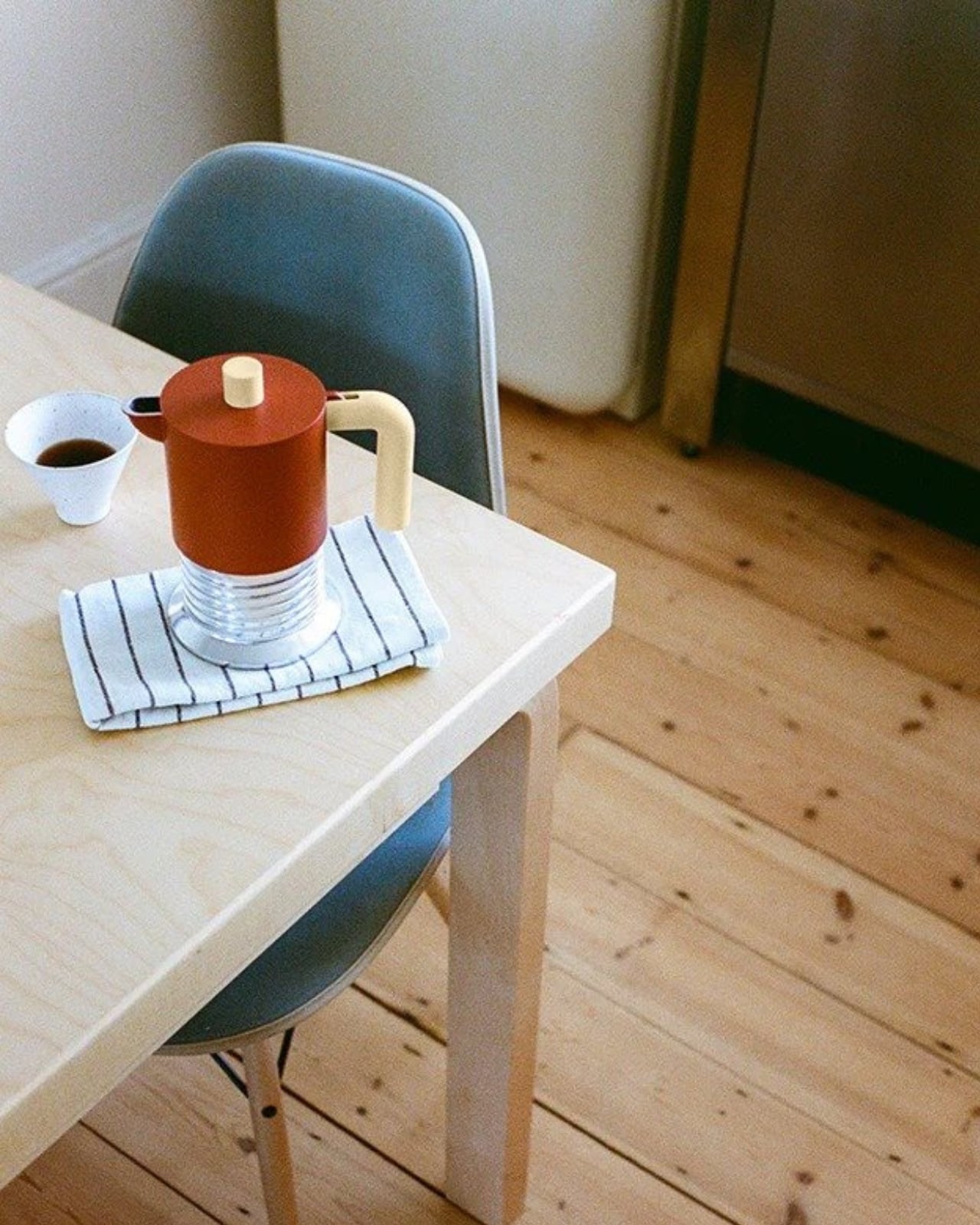
What makes this project particularly fascinating from a design perspective is how it demonstrates the value of iteration. Redesigning an existing product requires a different kind of creativity than starting from scratch. You’re working within established constraints, user expectations, and manufacturing realities. Yet Doogdesign managed to identify the friction points and address them without losing what made the original concept valuable in the first place.
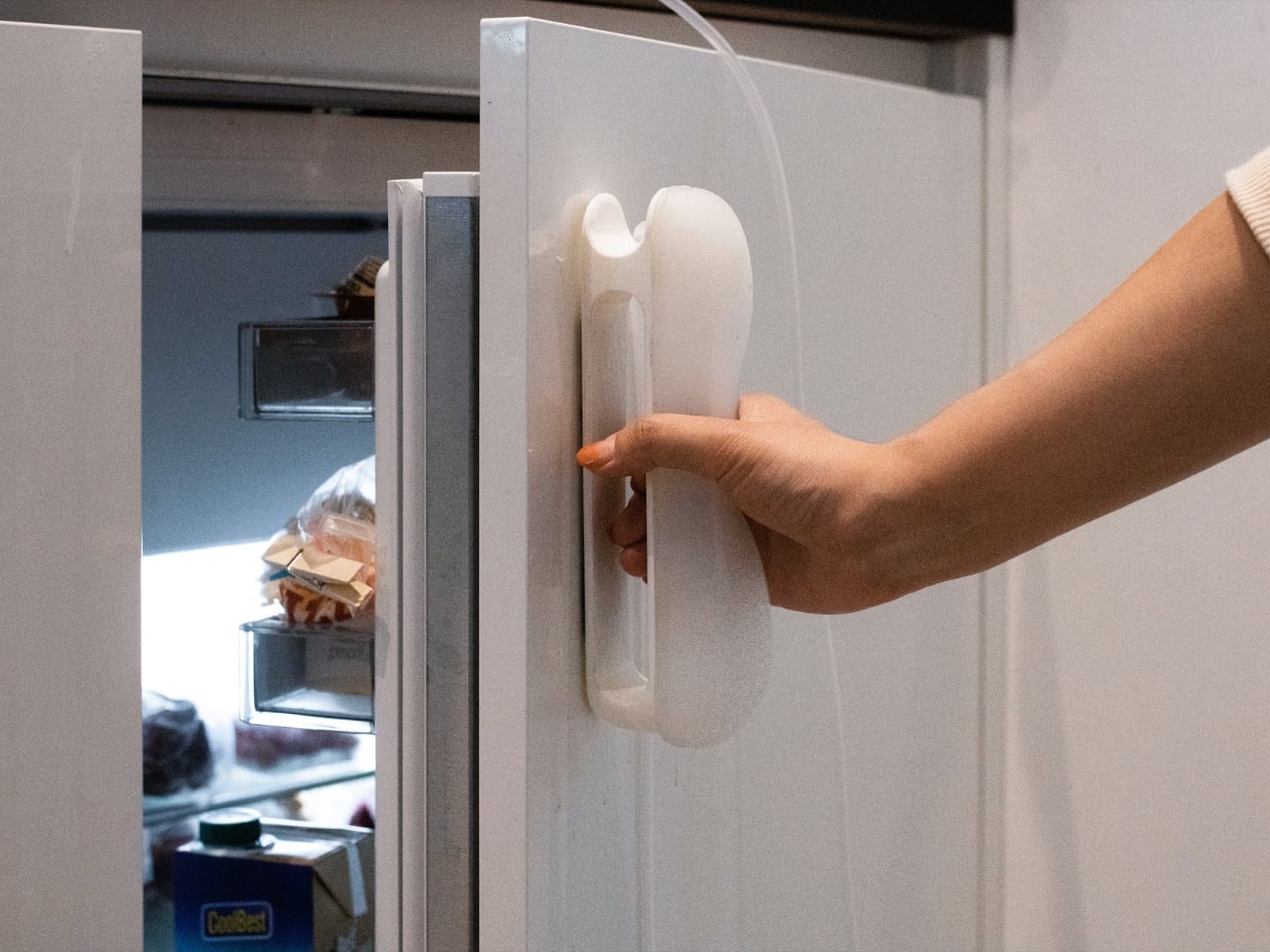
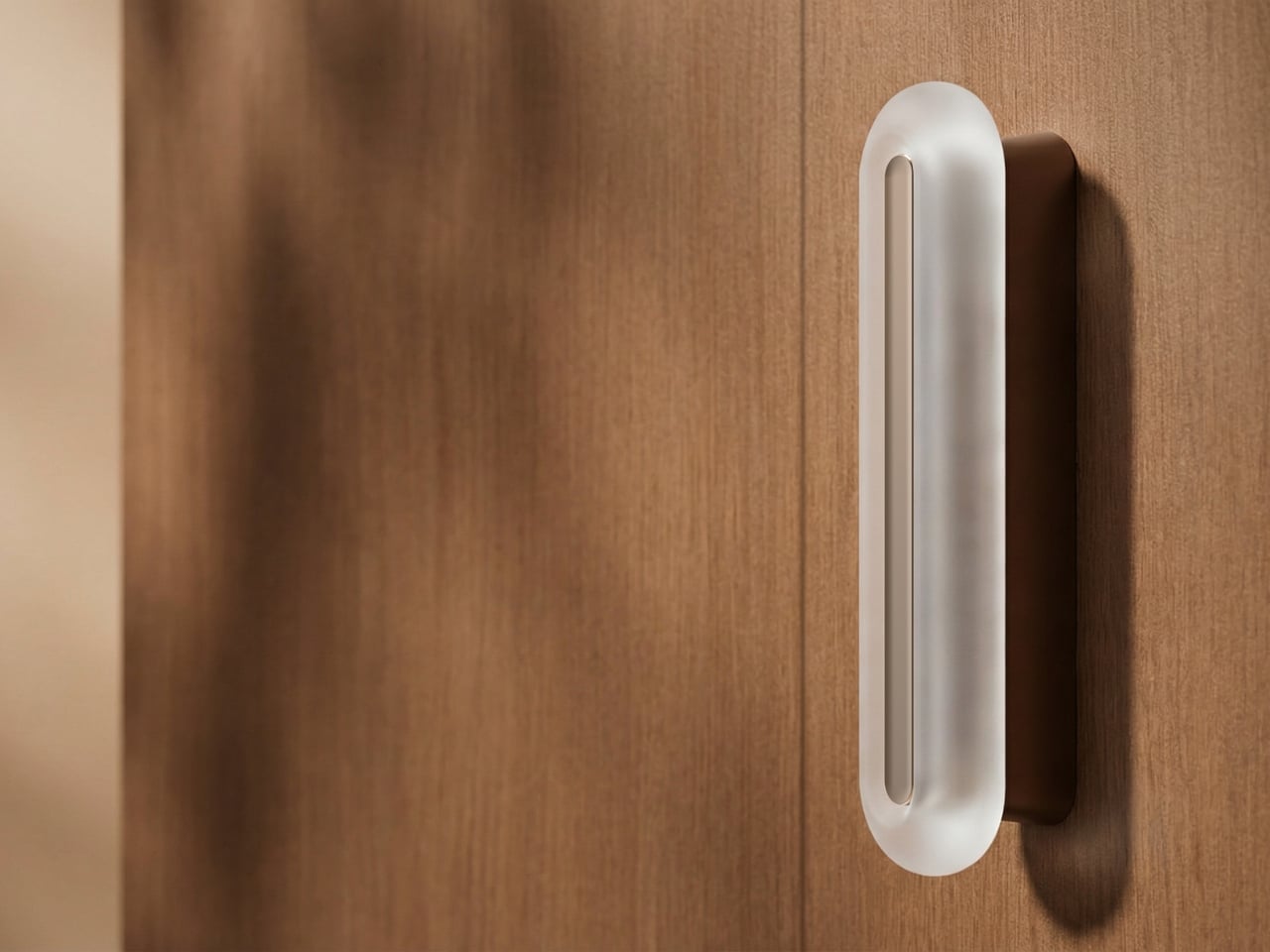
If you’re someone who appreciates when form follows function without sacrificing beauty, or if you’ve ever caught yourself thinking “there has to be a better way to do this” while using everyday objects, the Vacuum Insulated Pot PWR is a perfect example of what happens when designers listen. It’s not trying to reinvent hot beverage storage. It’s just making it notably, measurably better, which might be the most refreshing approach of all.
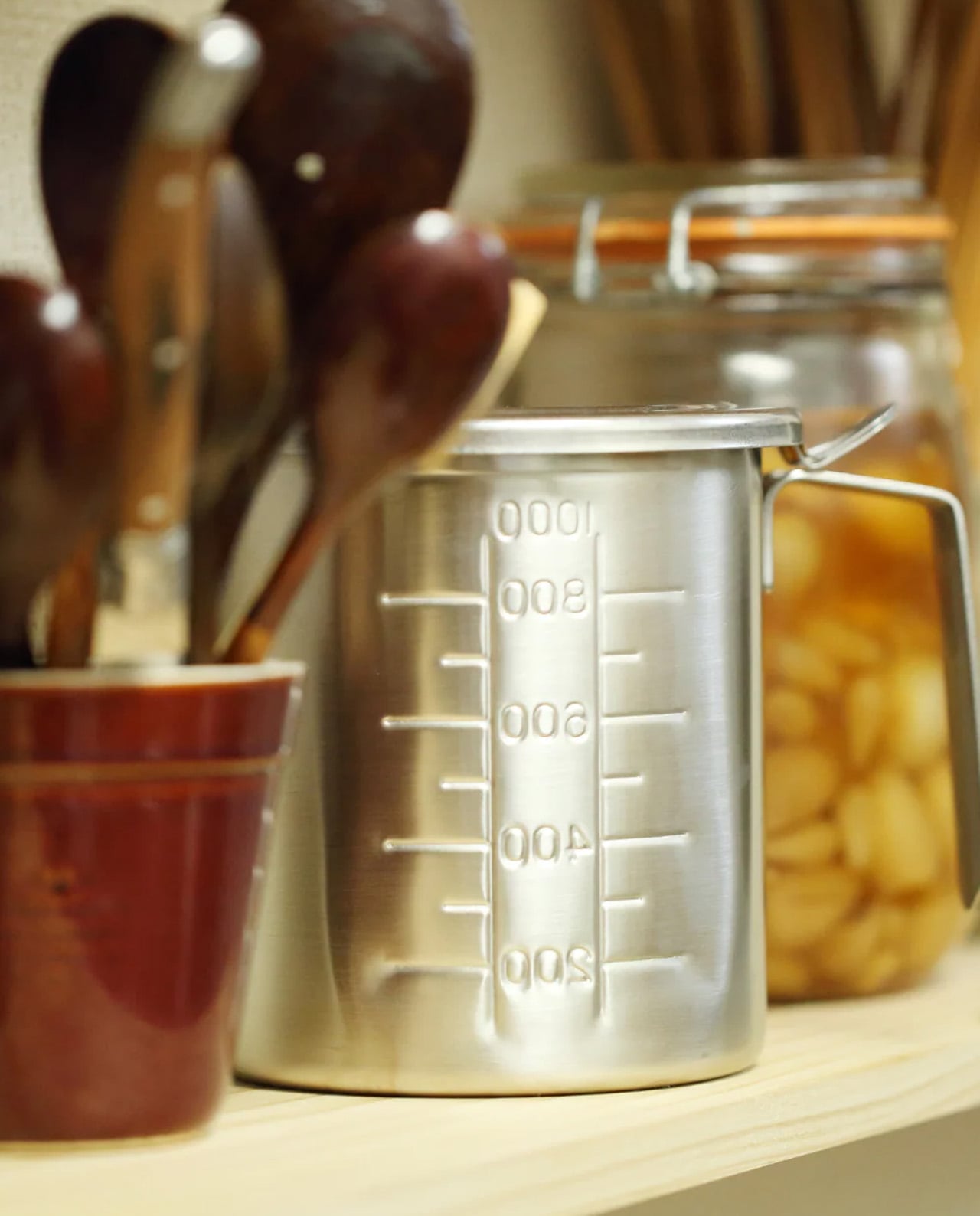
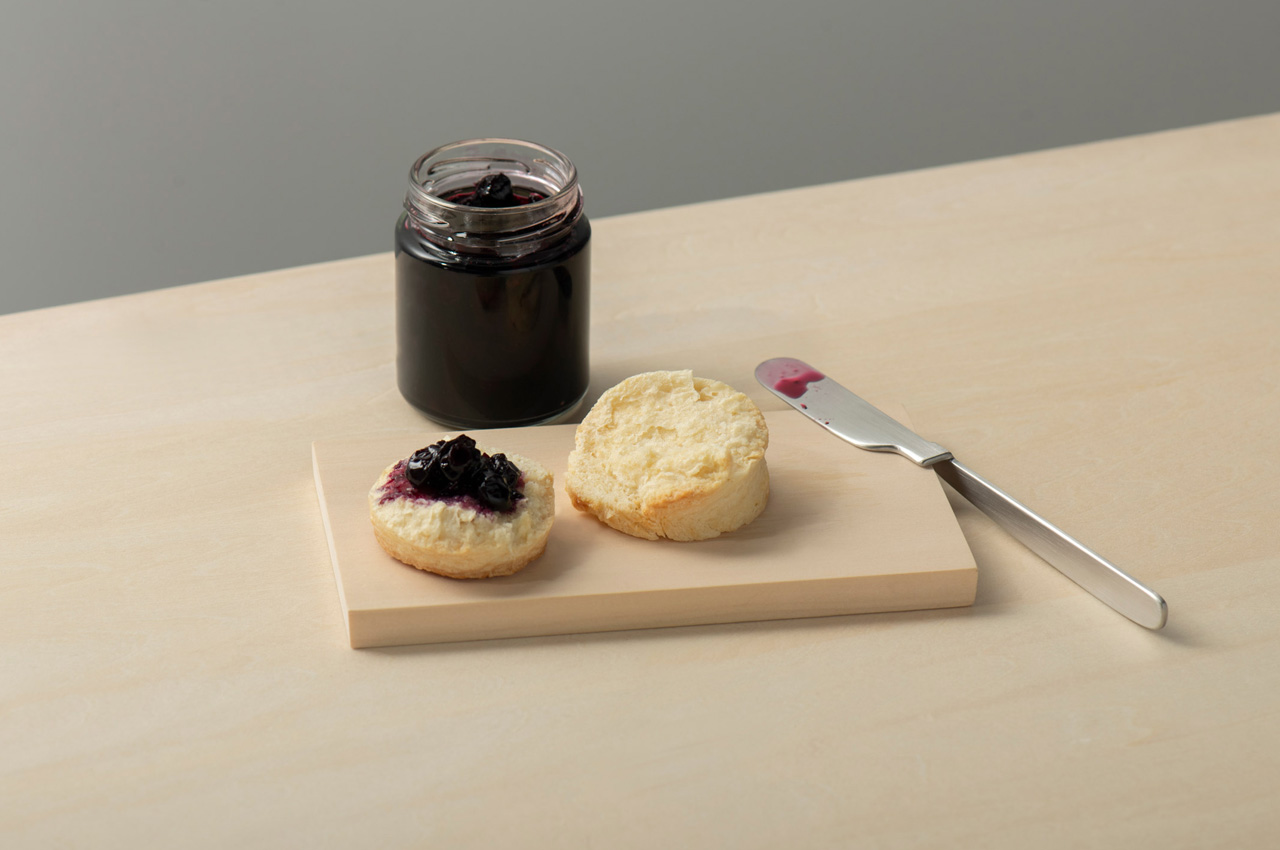
The post This 2025 Award-Winner Solved the One Thing Thermal Pots Get Wrong first appeared on Yanko Design.