Apple reveals its new 5K mini-LED Studio Display XDR

Apple continues its gradual unveiling of new products this week with the launch of the Studio Display and an all-new 27-inch Studio Display XDR. The latter is a higher-end model aimed at content creators with a 27-inch 5K Retina XDR display that features a mini-LED display with 2,000-plus dimming zones, up to 2,000 nits of peak HDR brightness and a wider color gamut for improved accuracy. It looks like a replacement for the expensive, nearly seven-year-old 32-inch 6K Pro XDR Display, which is no longer for sale on Apple's website.

The Studio Display XDR also has a 120Hz refresh rate, addressing complaints about the relatively anemic 60Hz refresh rate of previous models. At the same time, it comes standard with a new tilt- and height-adjustable stand, with a height range of 105mm.

Apple reveals its new 5K mini-LED Studio Display XDR
Apple

Apple calls the Studio Display XDR the "world's best pro display" for things like HDR video editing and medical displays. Brightness levels are certainly outstanding at 1,000 nits SDR and 2,000 nits HDR, and the 1,000,000:1 contrast ratio and 80 percent Rec.2020 coverage are also top-notch. The new model should even be fine for some light gaming thanks to the 120Hz refresh rate and Adaptive Sync support, though many buyers may want a 32-inch or larger display like the now-discontinued Pro XDR model. 

Other features include a 12MP Center Stage camera with Desk View support and Thunderbolt 5 connectivity with a second port for downstream high-speed accessories or additional daisy-chained displays. It can also act as a Thunderbolt hub, while offering up to 140W of charging power through the included Thunderbolt 5 Pro cable, enough to fast-charge a 16-inch MacBook Pro. 

Apple reveals its new 5K mini-LED Studio Display XDR
Apple

Along with the Display XDR, Apple also announced a new version of the standard Studio Display. As before, it comes with a 27-inch 5K Retina display with up to 600 nits of brightness and P3 wide color, either with standard or optional nano-texture glass (a $300 option). However, it now includes an improved 12MP Center Stage camera along with Desk View to show your face and an overhead view of your desk at the same time. You also get a studio-quality three-microphone array and six speaker sound system with Spatial Audio.

That display now supports Thunderbolt 5 connectivity as well, providing higher-speed connections for accessories and the ability to daisy-chain displays. However, max charging power on this model is limited to 96W, still enough to fast-charge a 14-inch MacBook Pro. The Studio Display comes standard with a tilt-adjustable stand, but you can get it with a tilt- and height-adjustable standard for $400 more as before.

The Studio Display XDR will be available tomorrow for pre-order starting at $3,299, while the new Studio Display also goes on pre-order on March 4 starting at $1,599 without the nano-texture display or heigh-adjustable stand. 

This article originally appeared on Engadget at https://www.engadget.com/computing/accessories/apple-reveals-its-new-5k-mini-led-studio-display-xdr-141515587.html?src=rss


Super Nested Claude Code Offers Next Level Vibe Coding

Super Nested Claude Code Offers Next Level Vibe Coding Tmux window showing a controller pane coordinating several Claude Code workers running tasks side by side.

Nested Claude code, when paired with Tmux terminals, introduces a structured approach to managing parallel task execution in development workflows. As highlighted by All About AI, this system relies on a central controller to coordinate multiple Tmux terminals, each assigned to a specific task. For example, tasks are dynamically allocated based on their complexity and […]

The post Super Nested Claude Code Offers Next Level Vibe Coding appeared first on Geeky Gadgets.

Posted in Uncategorized

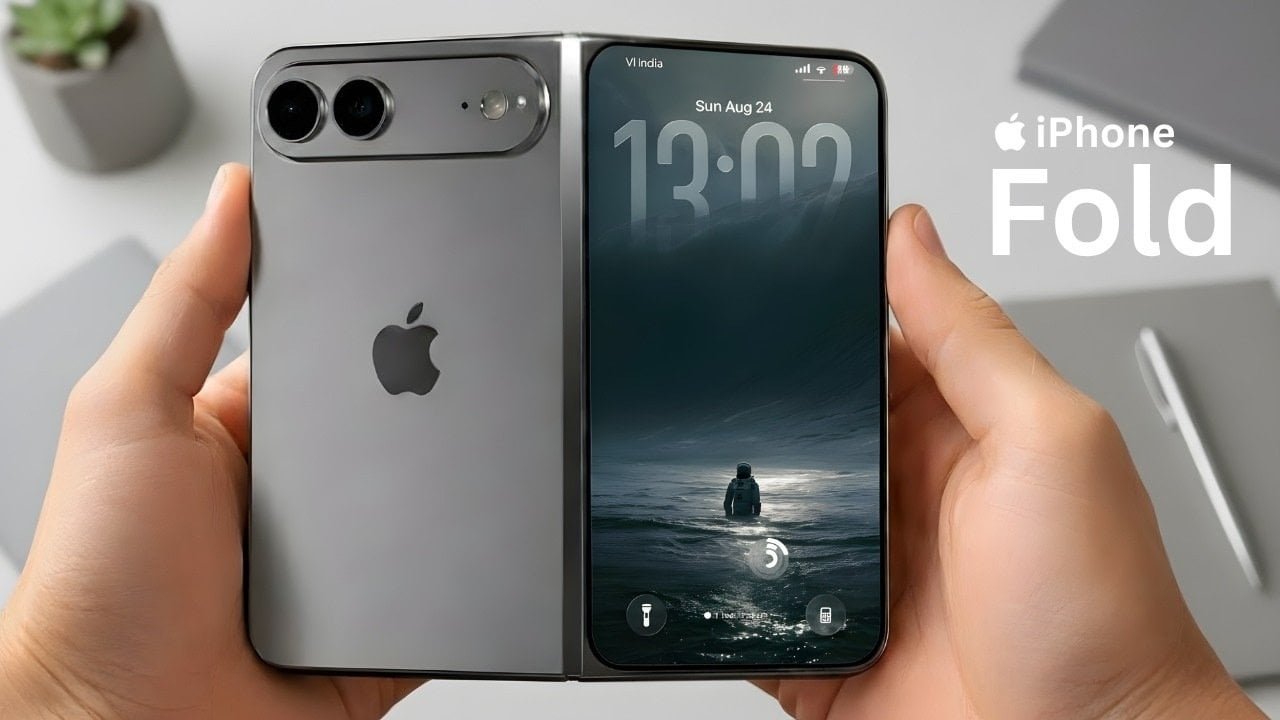
Apple’s Foldable Gamble: Can the iPhone Fold Unseat Samsung?

Apple’s Foldable Gamble: Can the iPhone Fold Unseat Samsung? Foldable iPhone 18 Pro showcasing its sleek, crease-free inner display

Apple is reportedly preparing to unveil its first foldable iPhone, a highly anticipated device that could reshape the foldable smartphone market. Expected to debut in September 2026 as part of the iPhone 18 Pro lineup, this innovative product is rumored to combine advanced technology with a sleek, user-centric design. With a projected price range of […]

The post Apple’s Foldable Gamble: Can the iPhone Fold Unseat Samsung? appeared first on Geeky Gadgets.

Posted in Uncategorized

Shure’s next-gen DAI adds mobile support

XLR microphone owners, rejoice: Shure's successor to the MVX2U Digital Audio Interface (DAI) brings the adapter into the mobile era. The compact MVX2U Gen 2 adds more advanced onboard audio processing. But its most notable upgrade is mobile device compatibility, so you're no longer limited to desktop use.

The single-channel MVX2U Gen 2 provides up to +60dB of gain and 48V phantom power. On the processing front, the adapter includes an auto-level mode. There’s also a real-time denoiser to minimize background noise and a pop filter ("Popper Stopper" in Shure marketing-speak) to soften those harsh plosive sounds. Shure says the new model improves the noise floor, headphone amp and DAC.

The adapter stores your last-used audio processing settings. That way, you don't have to worry about your settings getting wiped out when switching between devices or software.

The Shure MVX2U Gen 2 includes a 1m (3.3 ft) USB-C to USB-C cable, so you can get it up and running quickly on your phone, tablet or PC. The adapter is now available for $139 from the company website.

This article originally appeared on Engadget at https://www.engadget.com/audio/shures-next-gen-dai-adds-mobile-support-140000205.html?src=rss

Meta’s AI display glasses reportedly share intimate videos with human moderators

Users of Meta's AI smart glasses in Europe may be unknowingly sharing intimate video and sensitive financial information with moderators outside of the bloc, according to a report from Sweden's Svenska Dagbladet released last week. Employees in Kenya doing AI "annotation" told the journalists that they've seen people nude, using the toilet and engaging in sexual activity, along with credit card numbers and other sensitive information. 

With Meta's Ray-Ban Display and other glasses with AI capabilities, users can record what they're looking at or get answers to questions via a Meta AI assistant. If a wearer wants to make use of that AI, though, they must agree to Meta's terms of service that allow any data captured to be reviewed by humans. That's because Meta's large language models (LLMs) often require people to annotate visual data so that the AI can understand it and build its training models. 

This data can end up in places like Nairobi, Kenya, often moderated by underpaid workers. Such actions are subject to Europe's GDPR rules that require transparency about how personal data is processed, according to a data protection lawyer cited in the report. 

However, Svenska Dagbladet's reporters said they needed to jump through some hoops to see Meta's privacy policy for its wearable products. That policy states that either humans or automated systems may review sensitive data, and puts the onus on the user to not share sensitive information.

Meta declined to comment directly on the story, and simply said that "when live AI is being used, we process that media according to the Meta AI Terms of Service and Privacy Policy." To find out more, check out Svenska Dagbladet's detailed reporting on the subject. 

This article originally appeared on Engadget at https://www.engadget.com/ai/metas-ai-display-glasses-reportedly-share-intimate-videos-with-human-moderators-135939855.html?src=rss

Local AI Coding Workflow for 2026 : Links Devices for Shared Local AI Coding

Local AI Coding Workflow for 2026 : Links Devices for Shared Local AI Coding Linux workstation with an RTX 1590 GPU and 32GB VRAM configured for running large local language models.

Local AI coding workflows offer developers a way to maintain privacy, improve performance and retain control over their projects. Zen van Riel examines how these workflows use advanced local AI models such as Quen 3.5, which operates with 35 billion parameters, to deliver high computational capabilities without relying on external servers. A notable example includes […]

The post Local AI Coding Workflow for 2026 : Links Devices for Shared Local AI Coding appeared first on Geeky Gadgets.

Posted in Uncategorized

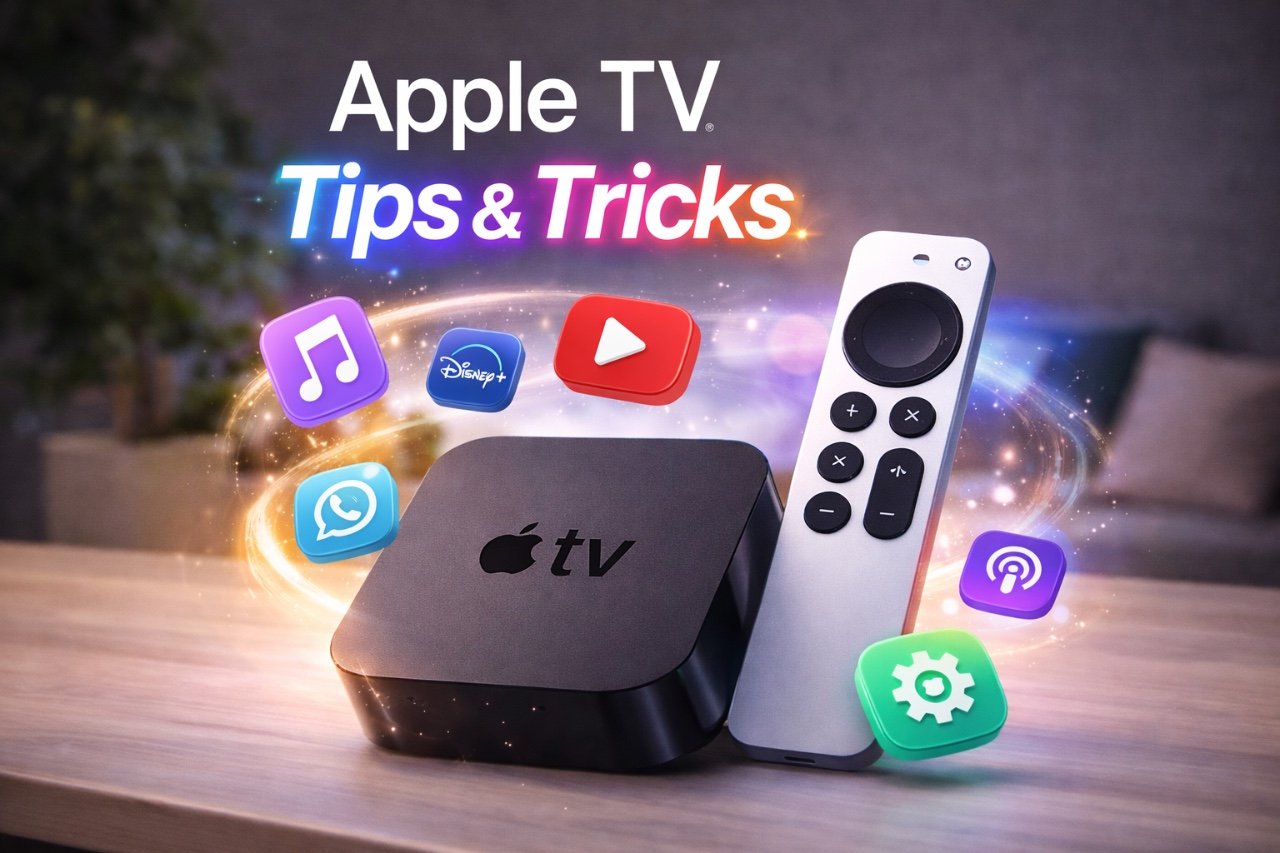
Apple TV: 10 Essential Tips & Tricks for 2026

Apple TV: 10 Essential Tips & Tricks for 2026 Apple TV

  Apple TV has introduced a comprehensive update packed with features designed to enhance usability, customization, and overall entertainment. Whether you’re optimizing profiles, mastering the remote, or exploring new app integrations, these updates aim to make your Apple TV more intuitive and versatile. Below is a detailed look at the key changes and how they […]

The post Apple TV: 10 Essential Tips & Tricks for 2026 appeared first on Geeky Gadgets.

Posted in Uncategorized

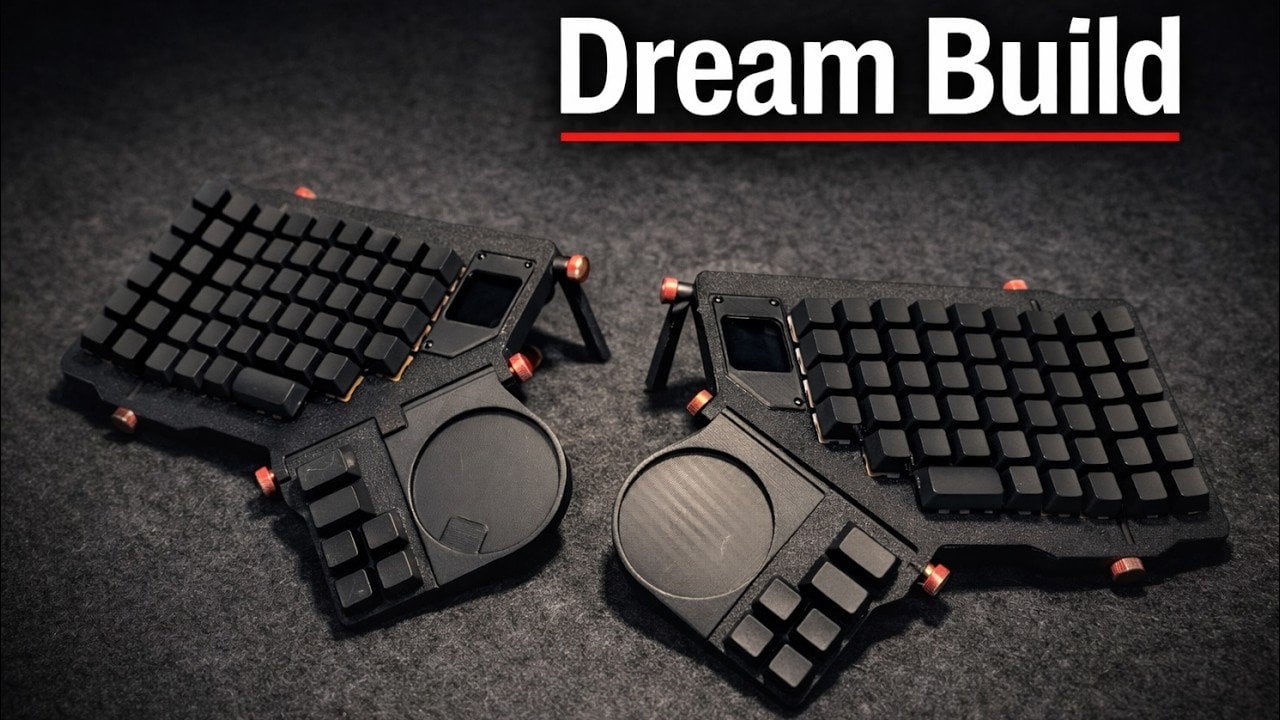
DIY Modular Keyboard Design Features Repairable Parts & Accessible Layouts

DIY Modular Keyboard Design Features Repairable Parts & Accessible Layouts Close view of a reversible keyboard PCB, highlighting mirrored footprints and switch positions for lower build cost.

Designing a custom keyboard offers the opportunity to build a device tailored to your specific needs while addressing common shortcomings of mass-produced models. NikTheMimic highlights modularity, accessibility and repairability as central principles in this process. For instance, reversible PCB designs can simplify repairs and reduce production waste, contributing to a more sustainable and user-friendly keyboard. […]

The post DIY Modular Keyboard Design Features Repairable Parts & Accessible Layouts appeared first on Geeky Gadgets.

Posted in Uncategorized

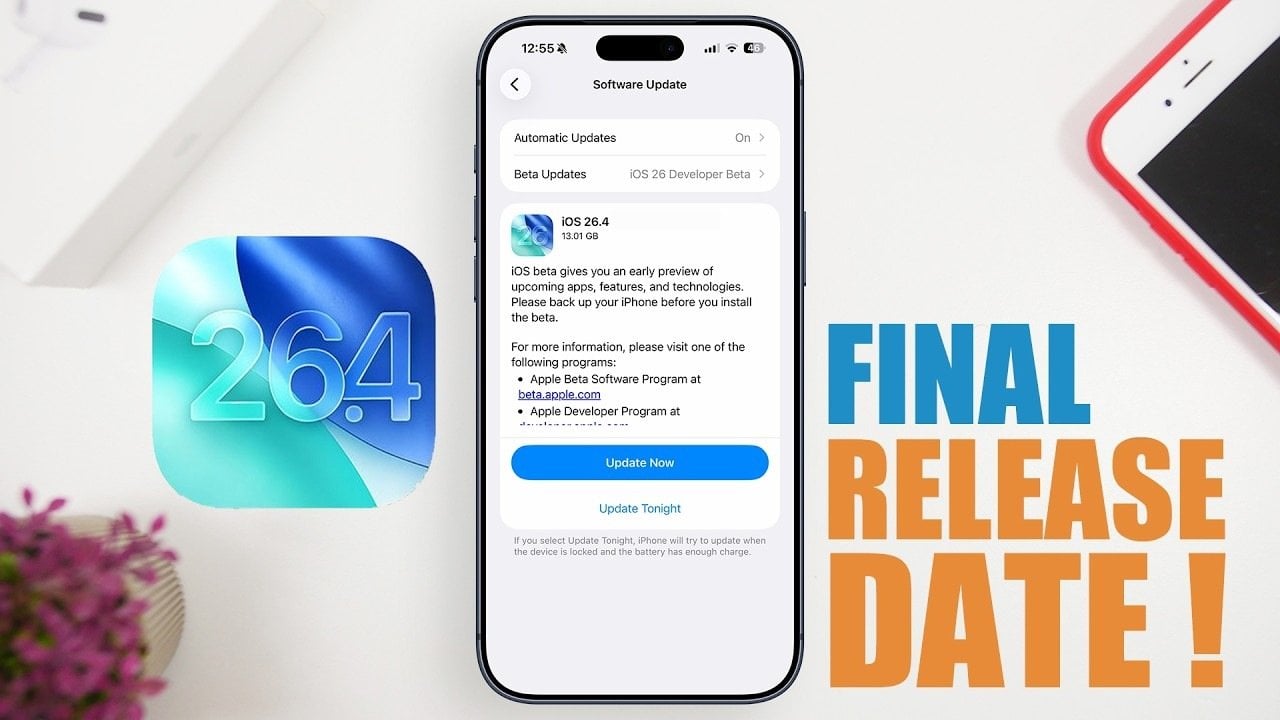
Waiting for iOS 26.4? Here is Exactly When Your iPhone Will Get the Public Release

Waiting for iOS 26.4? Here is Exactly When Your iPhone Will Get the Public Release iOS 26.4 update showcasing performance and battery improvements

Apple is preparing to roll out iOS 26.4, the final major update in the iOS 26 series. This update brings a host of new features, performance enhancements, and battery optimizations aimed at refining the user experience. Currently in beta testing, the public release is anticipated by the end of March 2026. Here’s a comprehensive breakdown […]

The post Waiting for iOS 26.4? Here is Exactly When Your iPhone Will Get the Public Release appeared first on Geeky Gadgets.

Posted in Uncategorized

Charlie Brown now works for Sony

Sony Music Entertainment Japan and Sony Pictures Entertainment now officially own 80 percent of the Peanuts franchise. The companies have closed the deal, which was officially announced in December 2025 when it was still subject to regulatory approvals, for $460 million. Sony Music Japan has owned 39 percent of Peanuts since 2018, so the Sony subsidiaries are essentially buying 41 percent of the franchise from Canadian firm WildBrain with this transaction. Now that the acquisition is done, Peanuts is officially a consolidated Sony subsidiary.

The Peanuts universe started as comic strips by Charles M. Schulz back in 1950. Its characters, especially Charlie Brown and his pet dog Snoopy, have become household names since then. One cannot say “Good grief!” without associating it with Charlie Brown. The franchise has grown massively since Peanut’s inception, spawning a bunch of animated series, cartoon musicals and movies, such A Charlie Brown Christmas and Snoopy The Musical.

This article originally appeared on Engadget at https://www.engadget.com/entertainment/charlie-brown-now-works-for-sony-125619518.html?src=rss