Apple Vision Pro Air Typing experience takes a small step toward usability

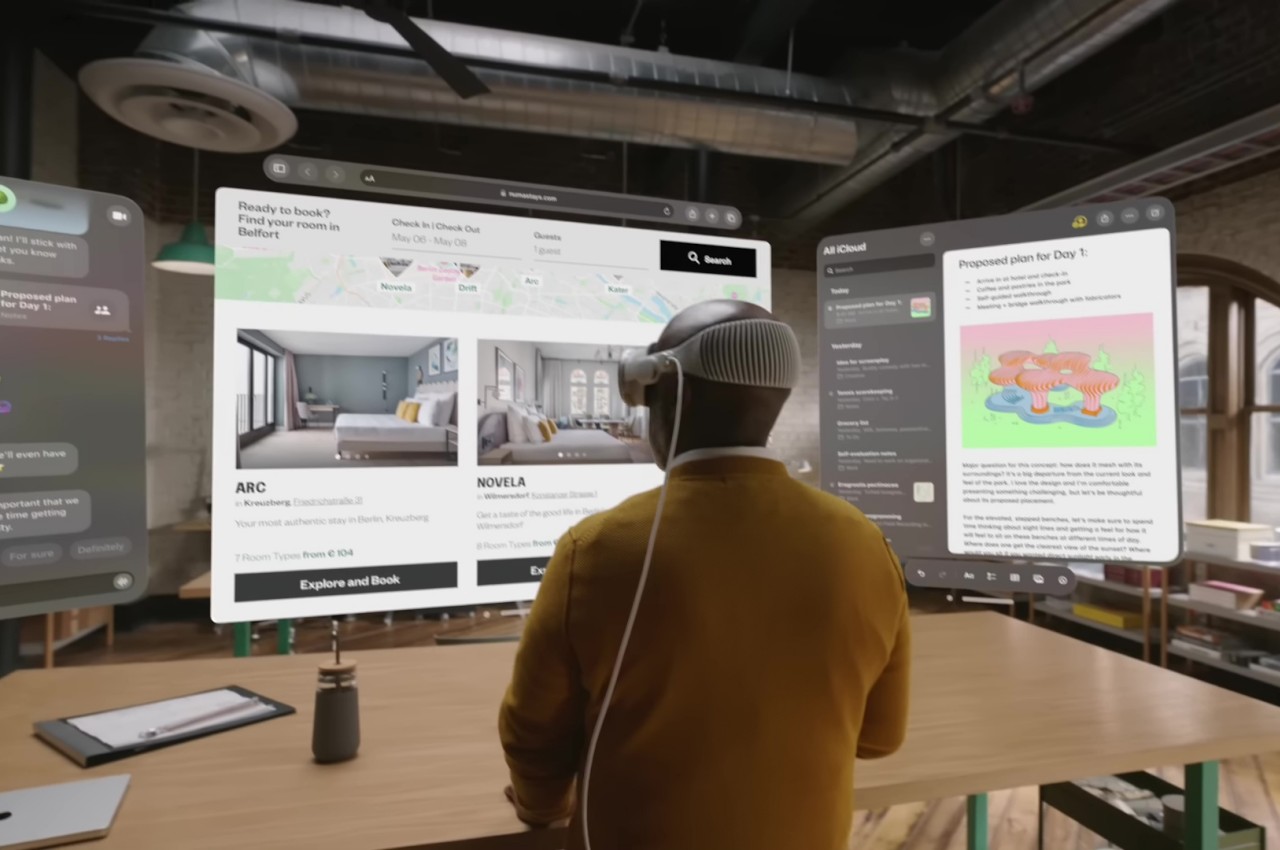
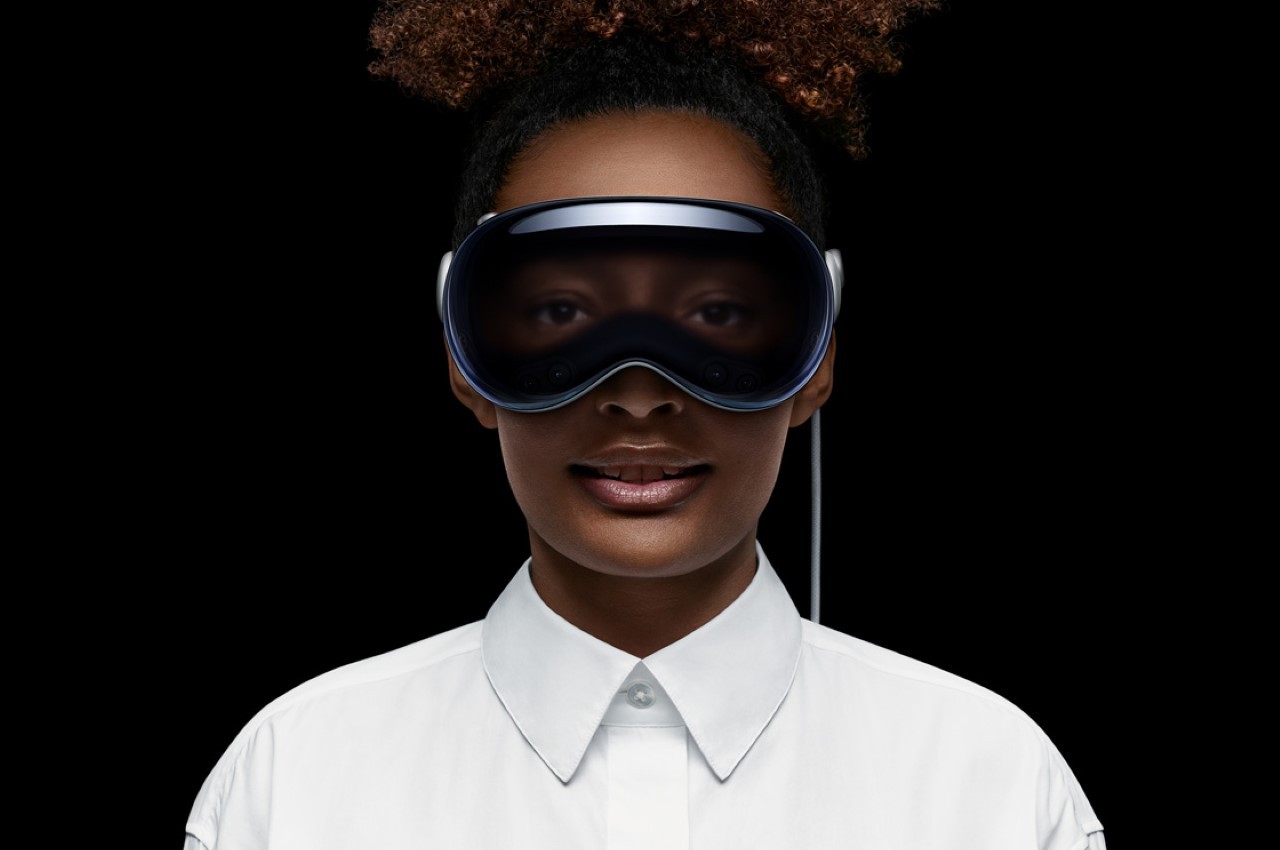
It’s truly mind-blowing to see virtual objects floating before our eyes, but the magic and illusion start to break down once we try to manipulate those objects. Input has always been a tricky subject in mixed reality, either because we can’t see our actual hands or we can’t feel what we’re supposed to be touching, which is physically nothing. Until the perfect haptic feedback gloves become a reality, we have to make do with tricks and workarounds to make input less awkward and more convenient. That’s especially true with typing on air, and Apple is apparently using some special techniques to offer a more usable experience on the Vision Pro mixed reality headset.

Designer: Apple (via Brian Tong)

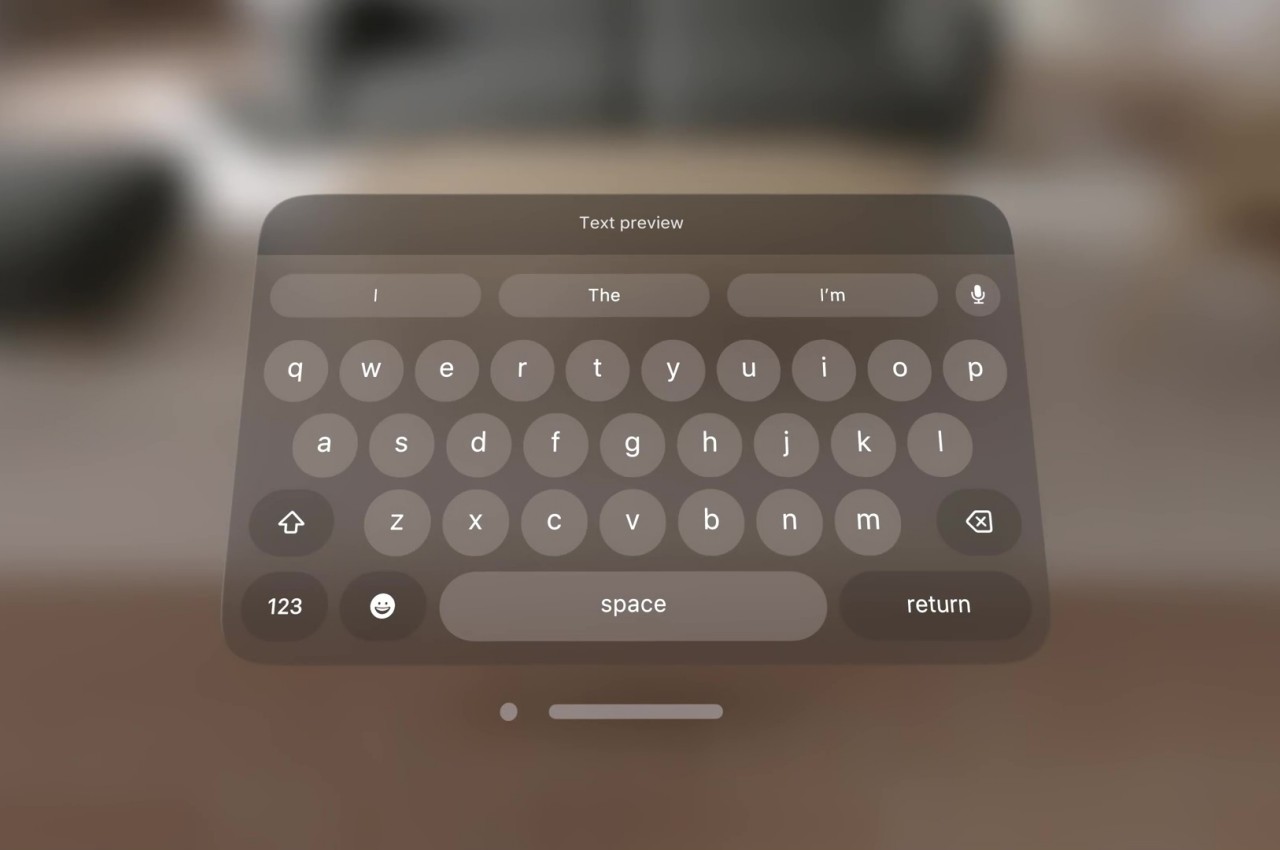
Apple’s first teaser for the Vision Pro headset and visionOS platform didn’t show typing of any sort. It focused, instead, on icons, windows, and menus, virtual 3D objects that are easier to interact with using hand gestures. Of course, sooner or later you will be faced with the need to input text, and the usual method of voice recognition won’t always cut it. visionOS, fortunately, does include a virtual floating keyboard like other VR systems, but the way you use it is quite special and, to some extent, ingenious.

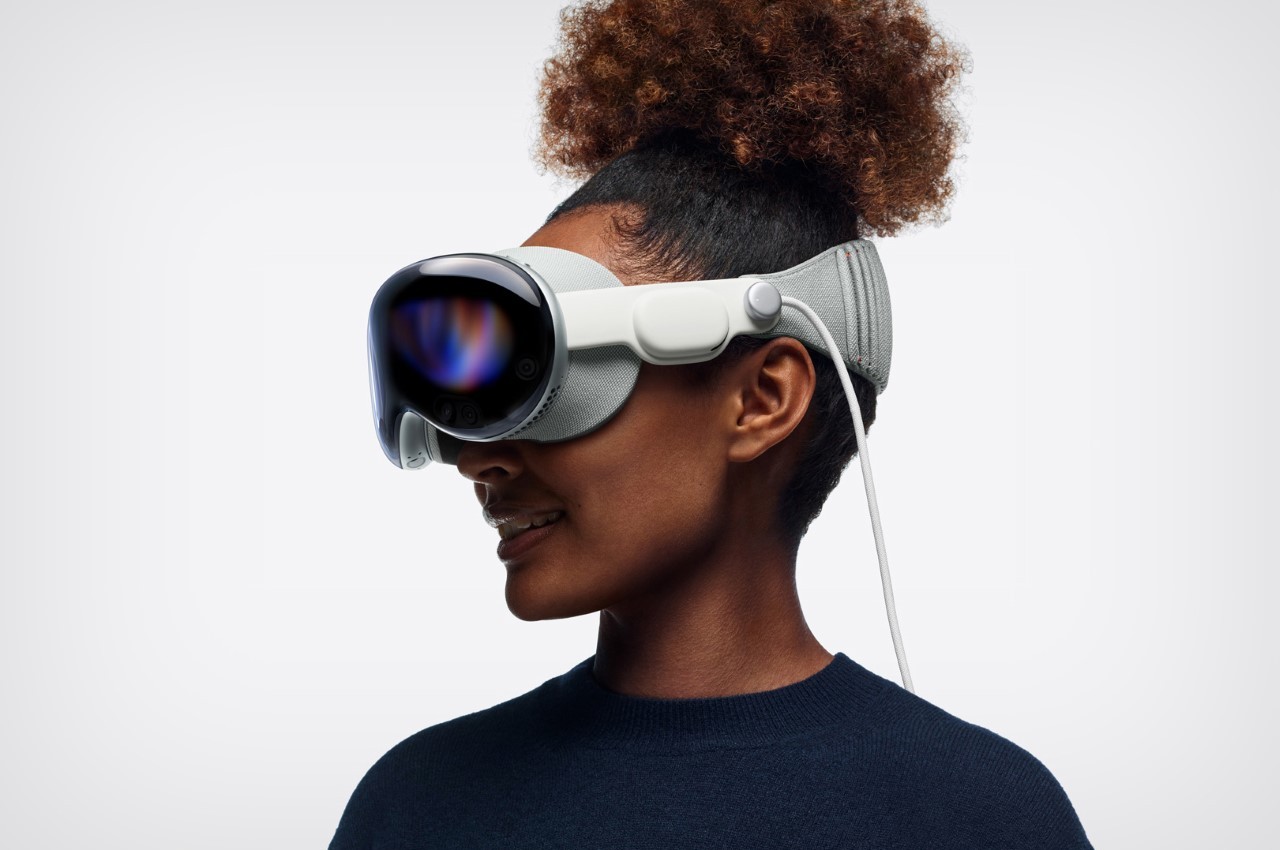
For one, you can interact with the keyboard like you would any part of the Vision Pro’s interface, which is to look at the UI element to focus on it and then use hand gestures. In this case, pinching a letter is the equivalent of selecting it, just like what you’d do for menu items or icons in visionOS. It makes the gesture grammar consistent, but it’s also an awkward way to type.

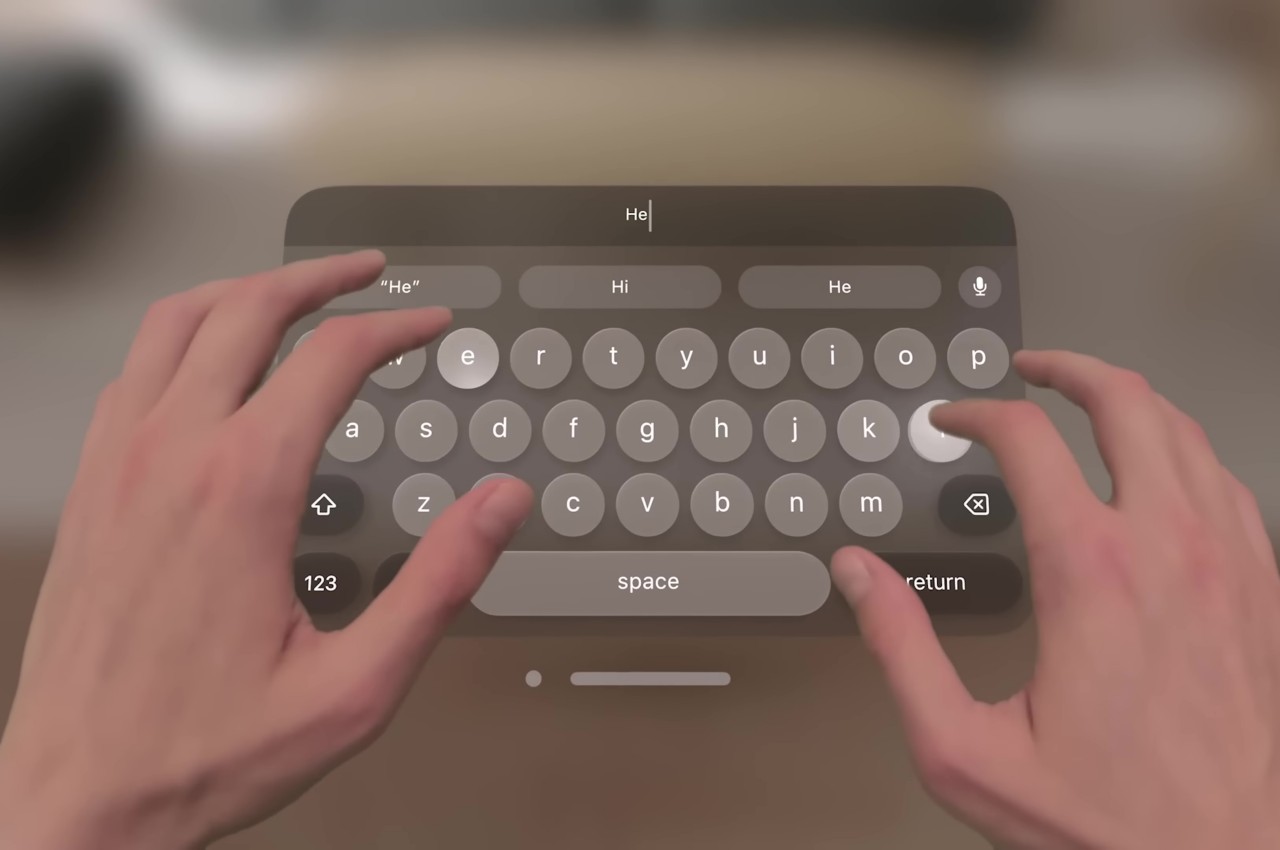
You can also “peck” at the keys with your fingers, making you feel like you’re typing on air. The difference that the Vision Pro makes, however, is that it tricks your eyes into believing you’re actually pressing down on those keys. Thanks to Apple’s flavor of spatial computing, hovering your real-world finger on a virtual key makes that key glow, and tapping on it results in an animation that looks like the key is actually moving down, just like on a real keyboard. There’s also a haptic sound, similar to the clicking sound effect you’d normally hear on an iOS virtual keyboard, to complete that audiovisual illusion.

Of course, your fingers aren’t actually hitting anything physical, so there’s still a disconnect that will probably confuse your brain. The visual effect, which is really only possible thanks to spatial computing, is still an important step forward in helping our minds believe that there’s a “real” three-dimensional object, in this case, a keyboard, right in front of us. It’s not going to be the most efficient way to input text, but fortunately, you can connect a wireless keyboard to the Vision Pro and you’ll be able to see your actual hands typing away on it.

The post Apple Vision Pro Air Typing experience takes a small step toward usability first appeared on Yanko Design.

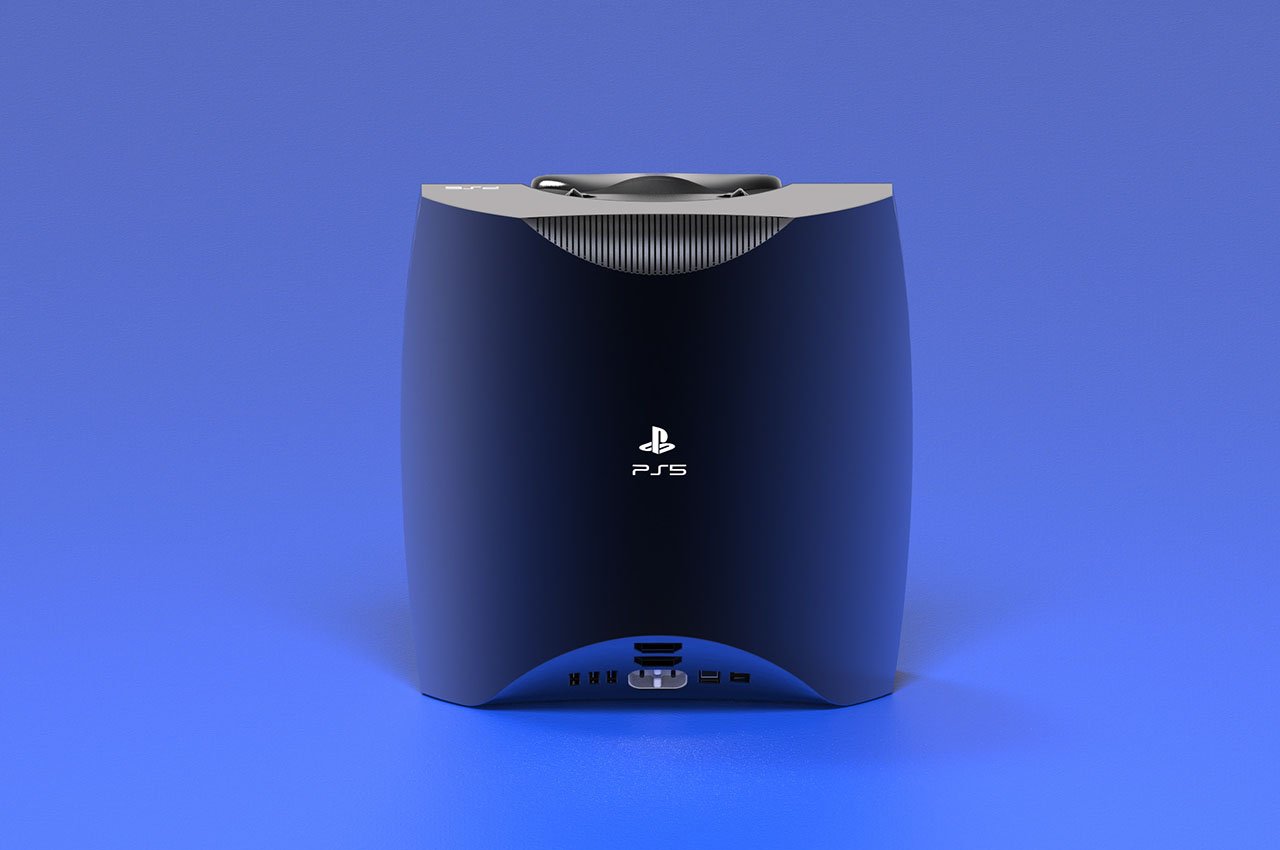
Oddly-shaped PlayStation 5 Pro concept emphasizes VR immersion for Metaverse games

Sony just released the PlayStation 5 Slim to give gamers another reason for hitting the couch this winter season. The console is considerably smaller than the bigger brother released in November 2020. The question remains, is it the better version of the PS5 or do gamers deserve a better gaming console from Sony?

This is where the rumors of a PlayStation 5 Pro sound exciting, filling in the gap to the long lull before PS6 finally hits the shelves. Like the PS4 Pro, the PS5 Pro gaming console is destined to be a better version of the base PlayStation 5. So, what will the PS5 Pro be like set for a probable November 2024 launch? It’ll be more powerful, have more memory and have advanced hardware.

Designer: Seungjae Lee

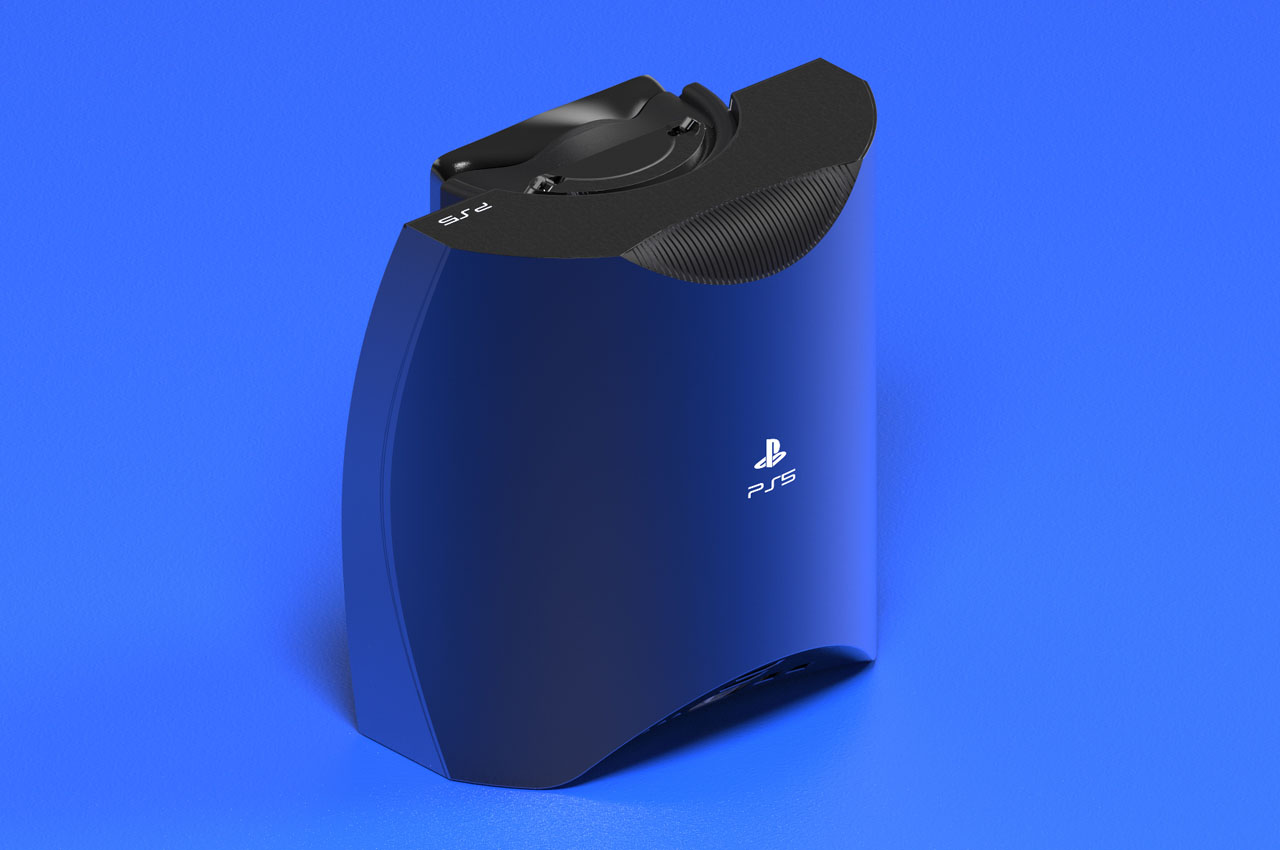
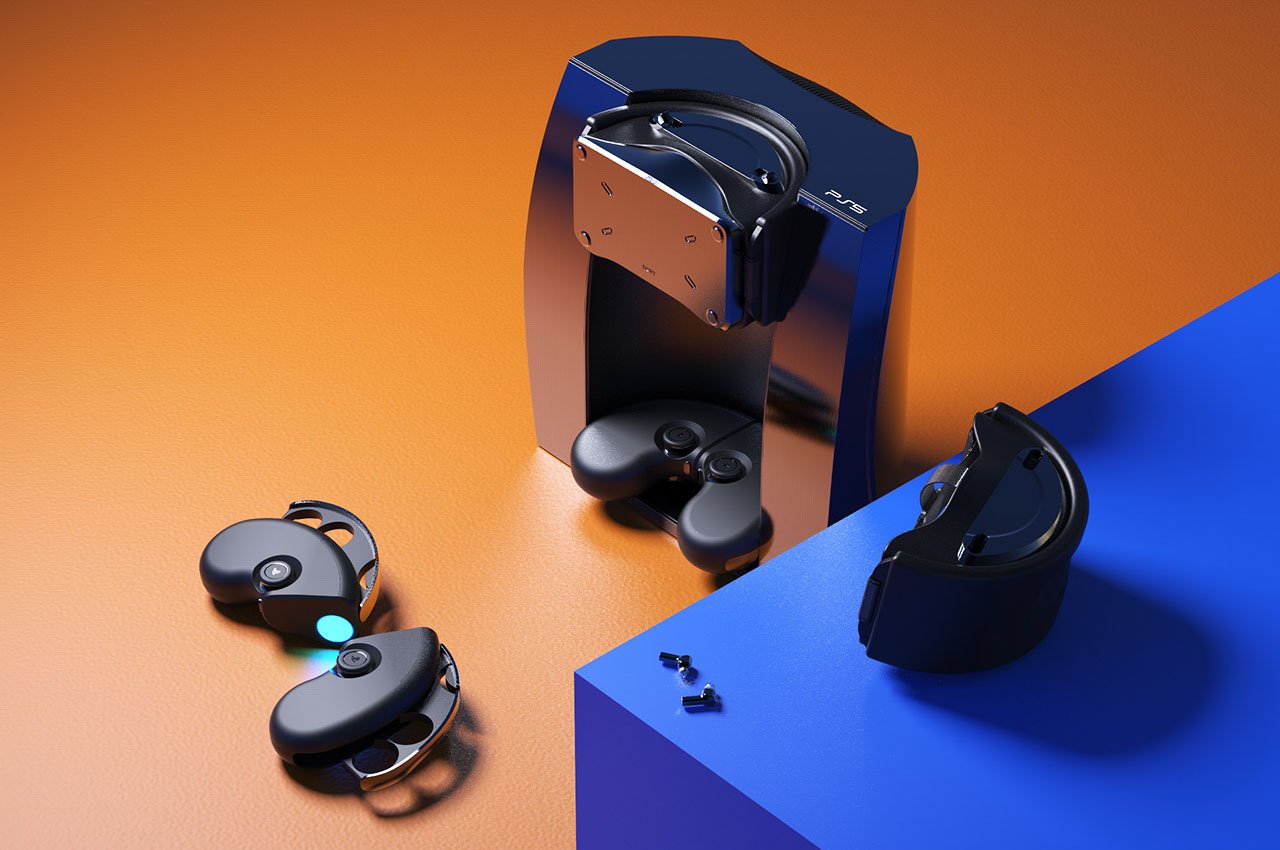
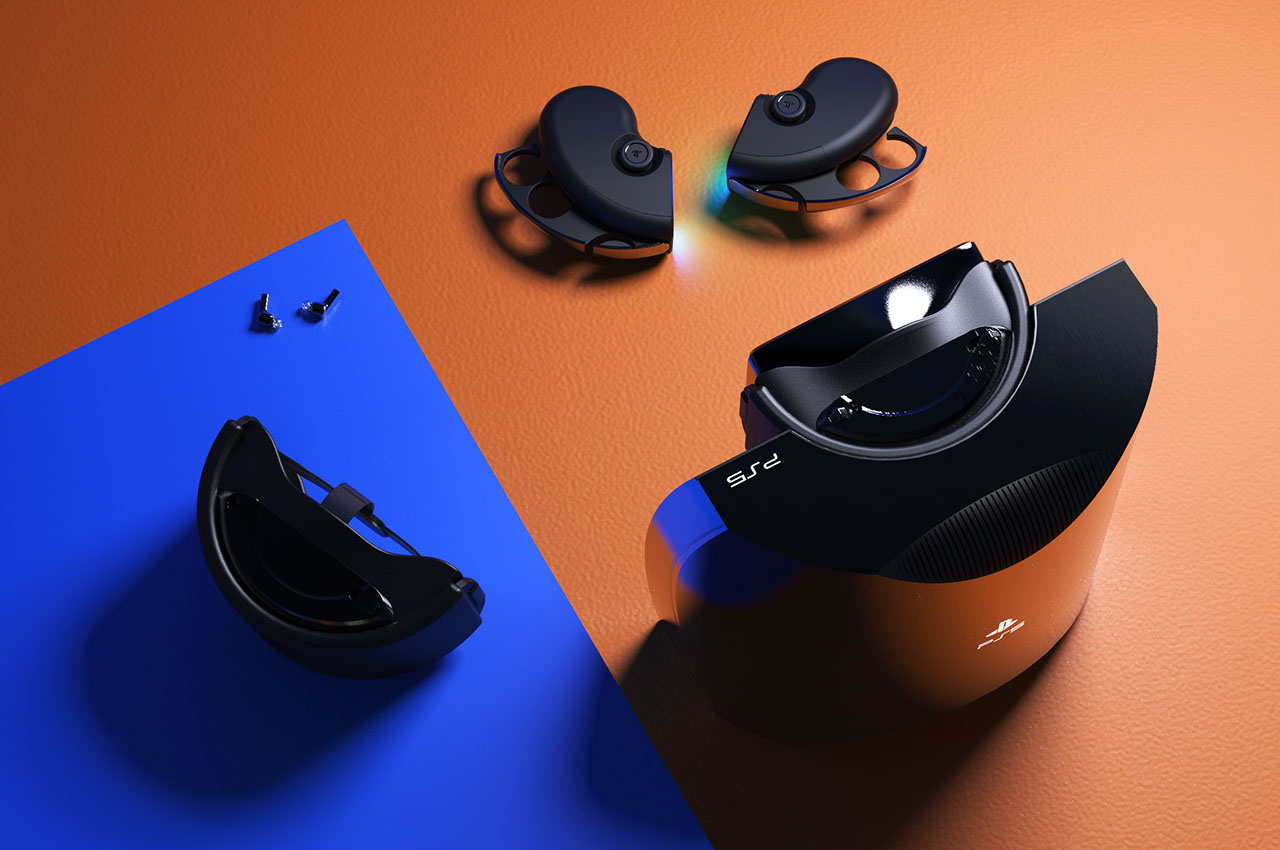
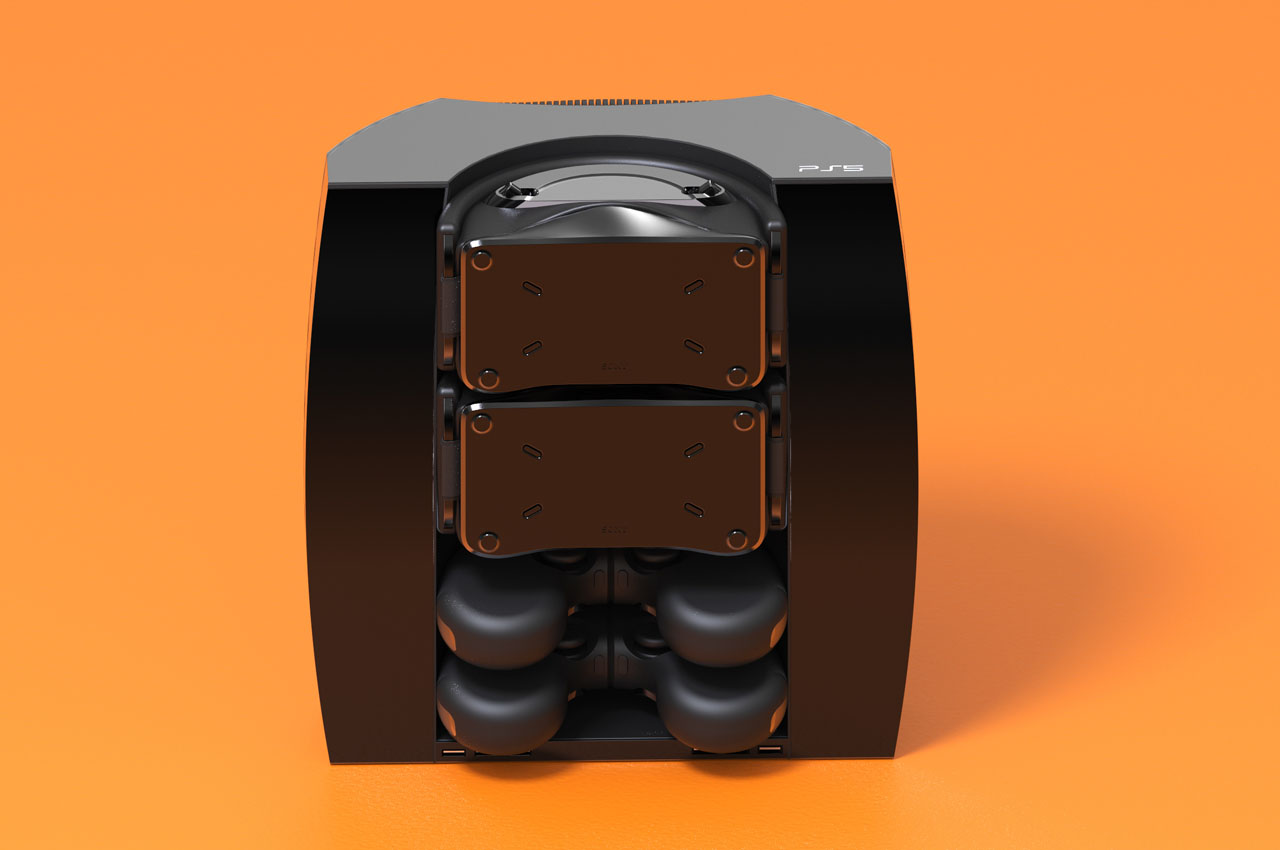
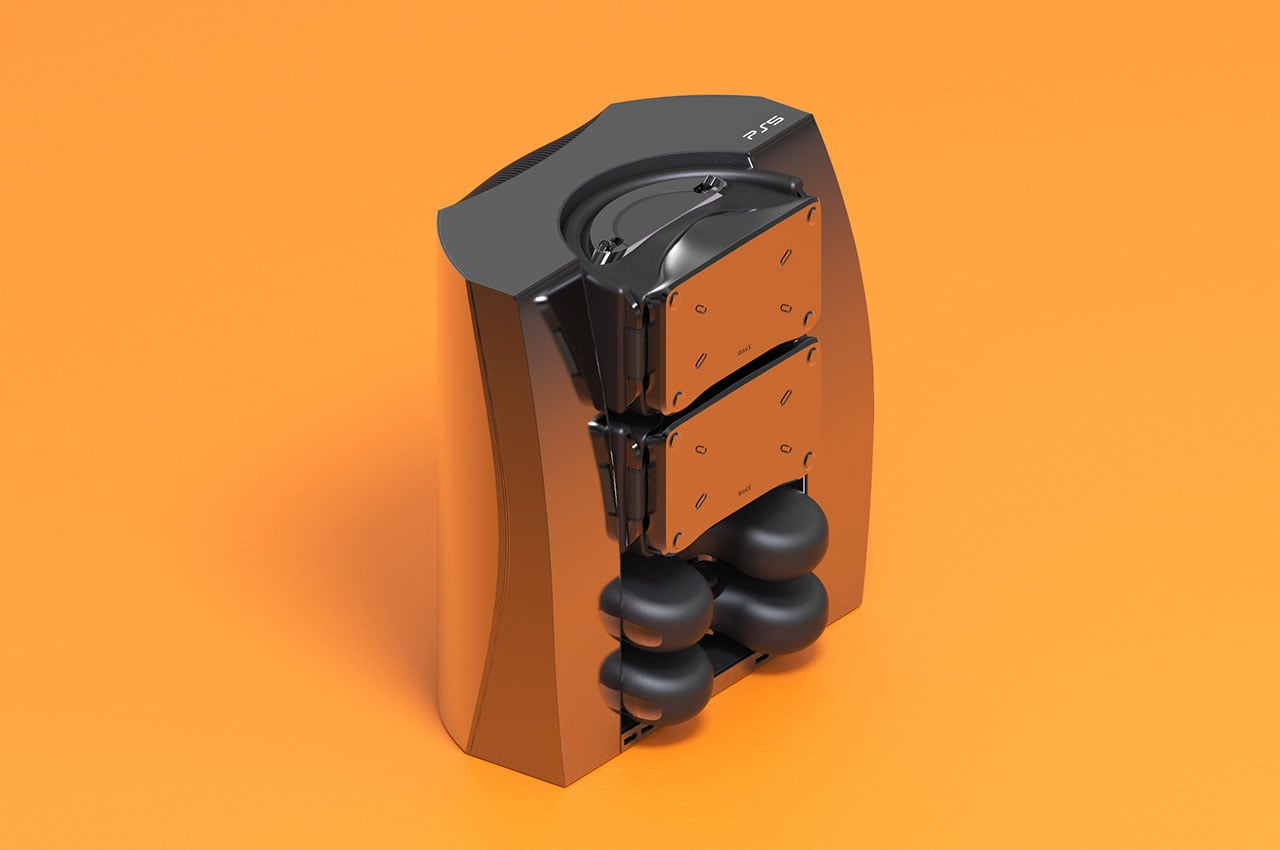
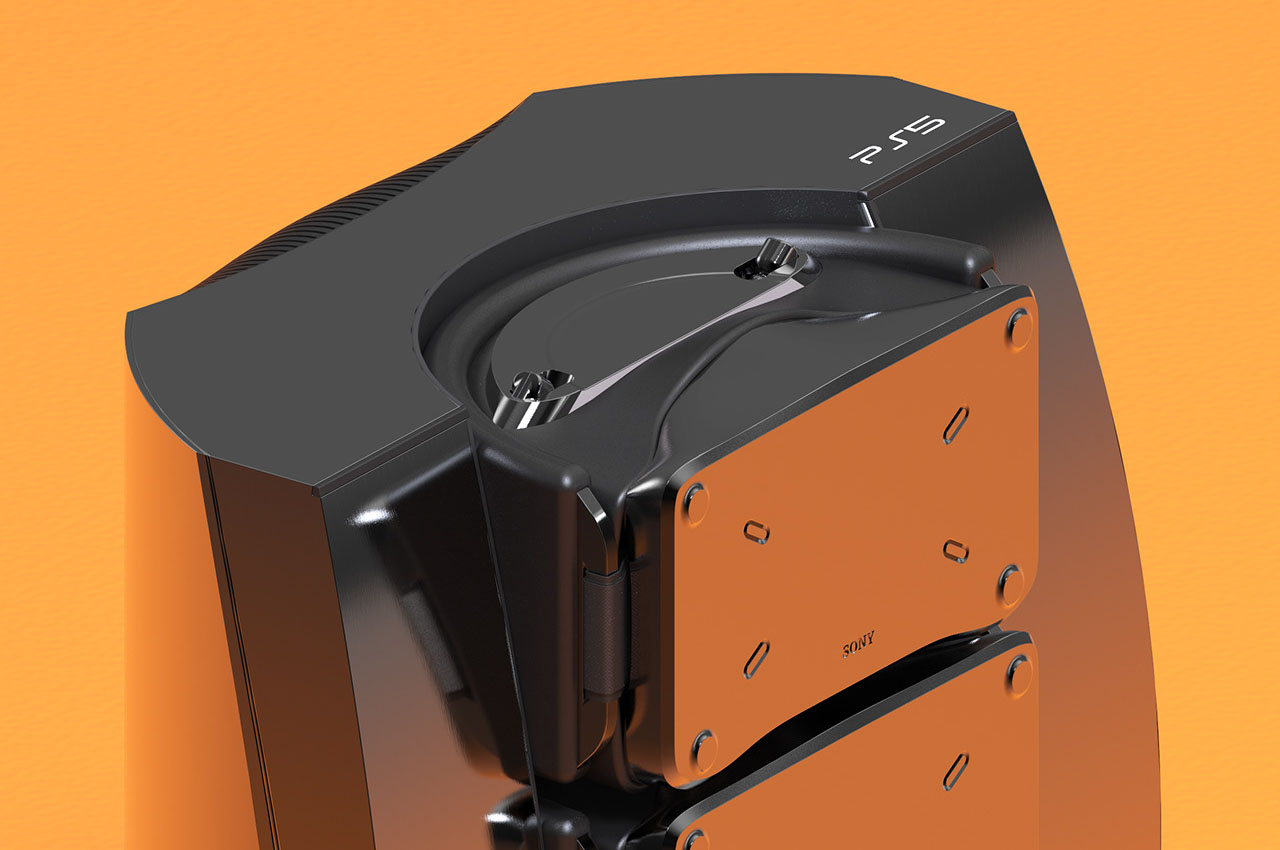
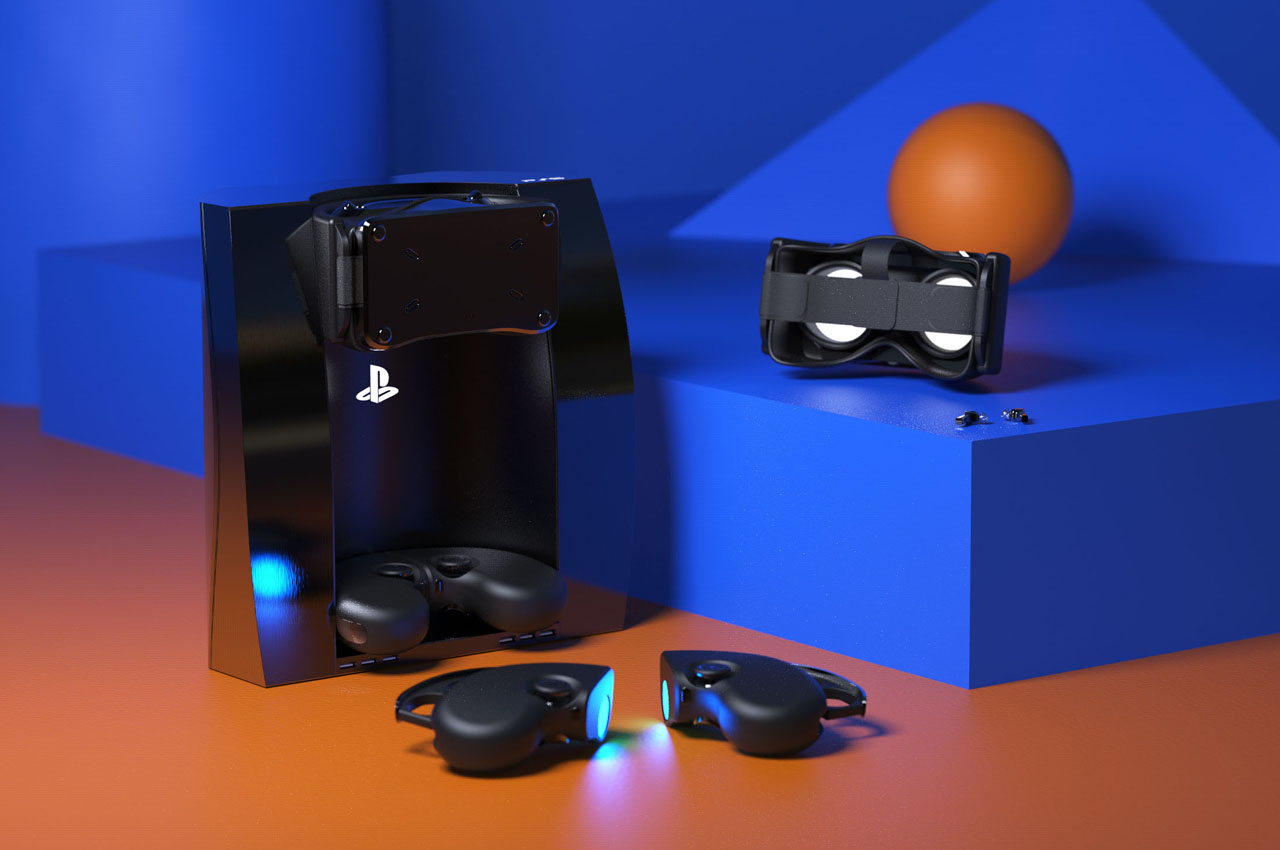
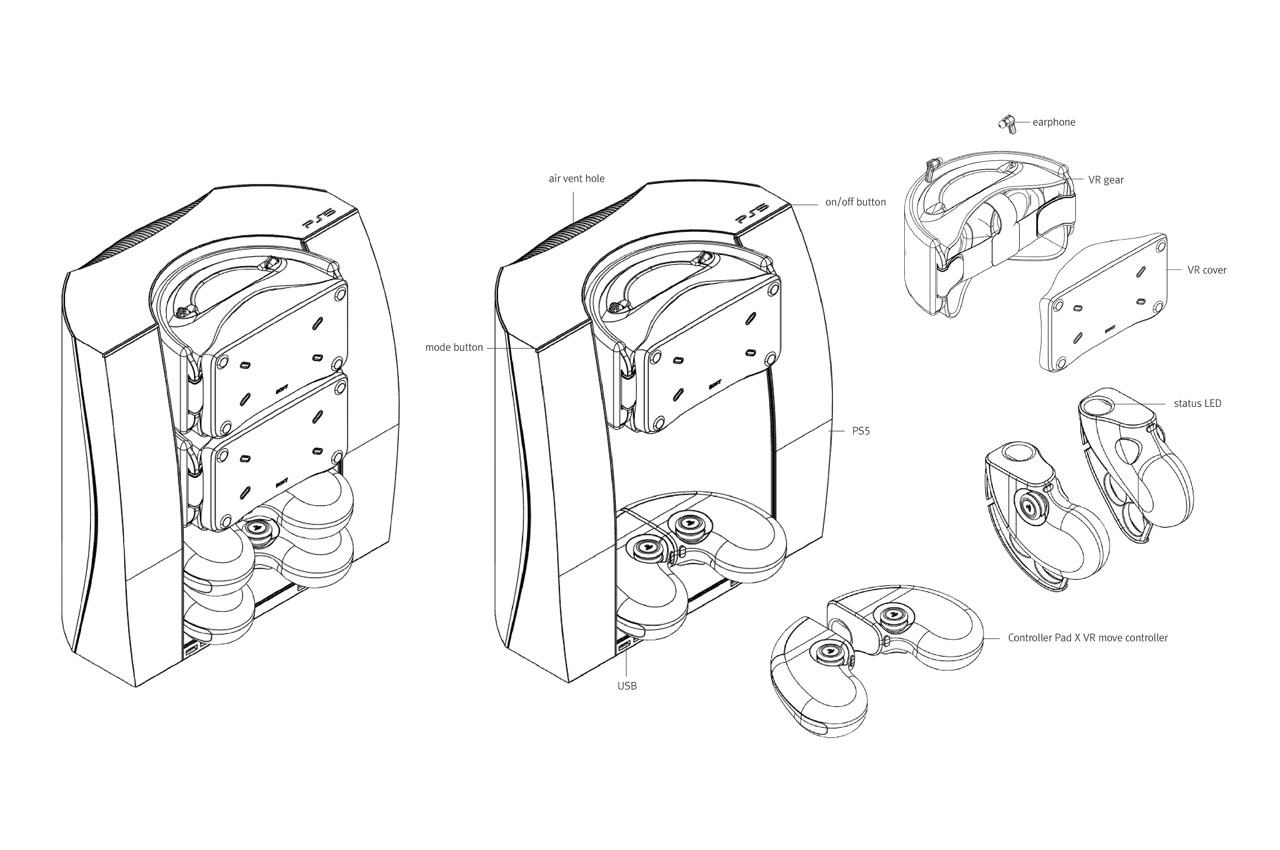
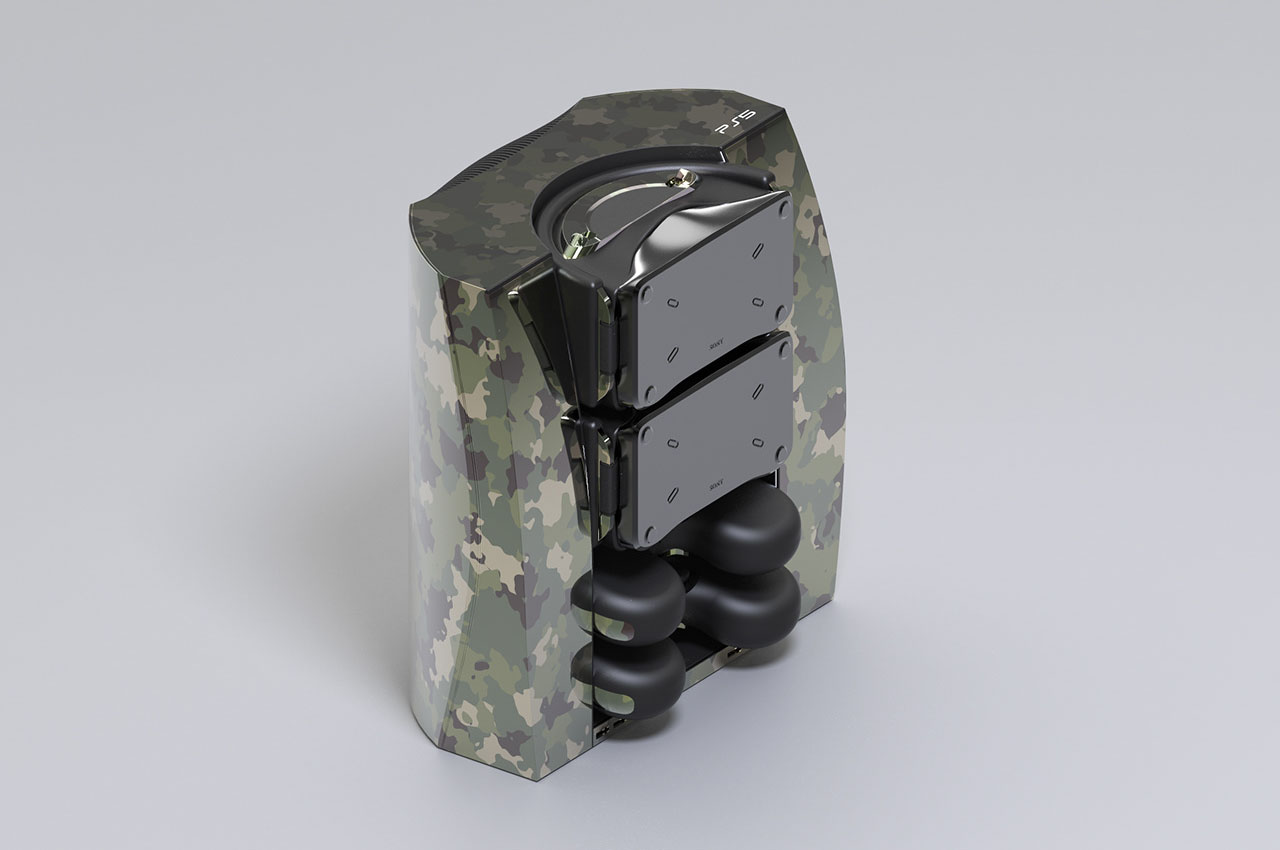
This flamboyant concept gives our imagination wings of what PS5 Pro could bring to the competition. The main focus here is on the augmented reality and virtual reality aspects of modern games, and that’s where we’re headed in the future. Gear for such a gaming console requires VR headsets and accompanying controllers. The rear of the console houses the VR controllers and headsets and comes with wireless plug-and-play functionality.

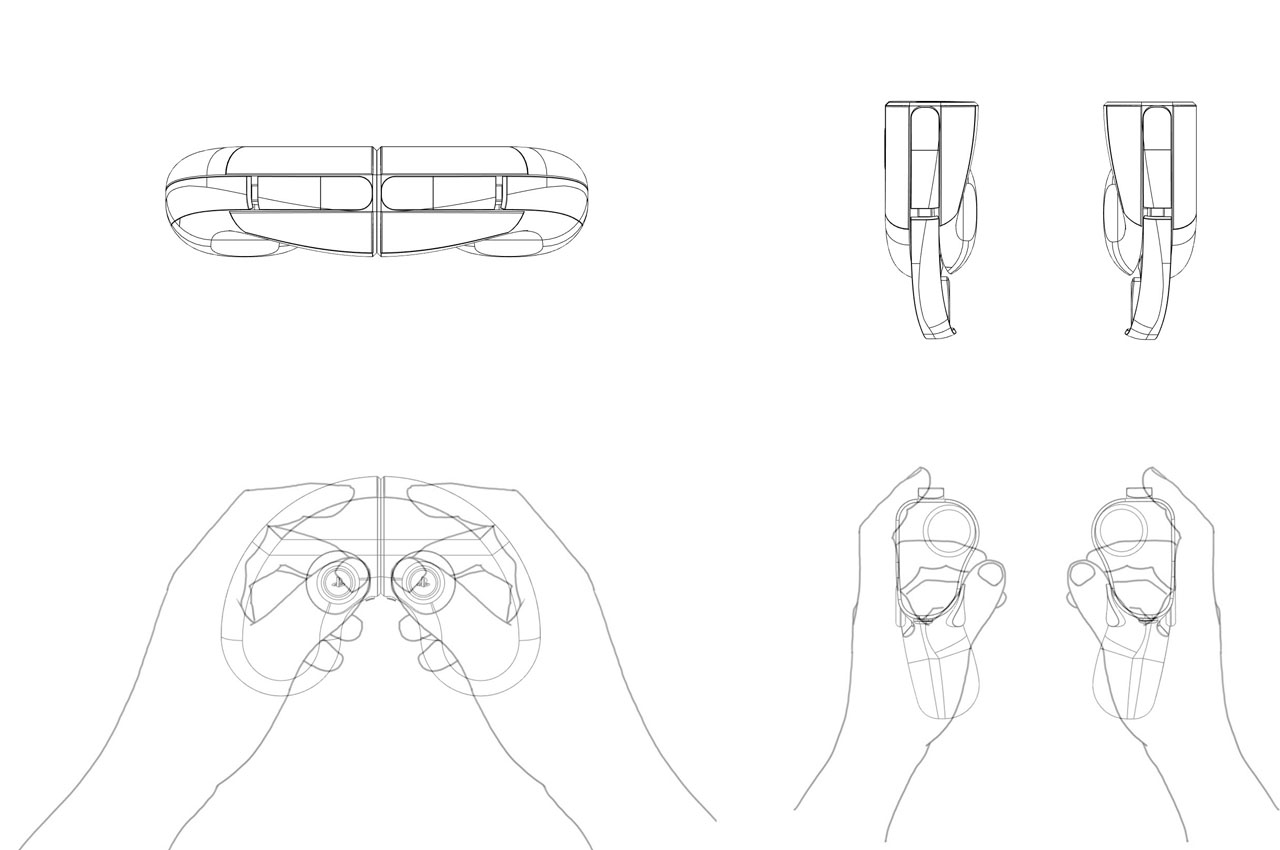
To keep the wire-clutter of main cables routed to the console to a minimum, the bottom rear handles the organizing aspect. What’s most intriguing about this concept gaming console are the controllers. They can behave as knuckle controllers in conjunction with the VR headset for an immersive experience. When two are joined together, they behave as a normal controller of the current generation.

Not only the controllers, but the VR headset also has a hidden surprise on top. There are docked wireless earbuds that can be used for increased audio immersion. All-in-all, the PS5 Pro concept is designed for enhanced gaming experience in the Metaverse. To add spice to the customary PlayStation theme, Seungjae has designed the renders in peppy options including a camouflage skin.

The post Oddly-shaped PlayStation 5 Pro concept emphasizes VR immersion for Metaverse games first appeared on Yanko Design.

Modular mixed reality goggles aim for a fusion of fitness and fashion

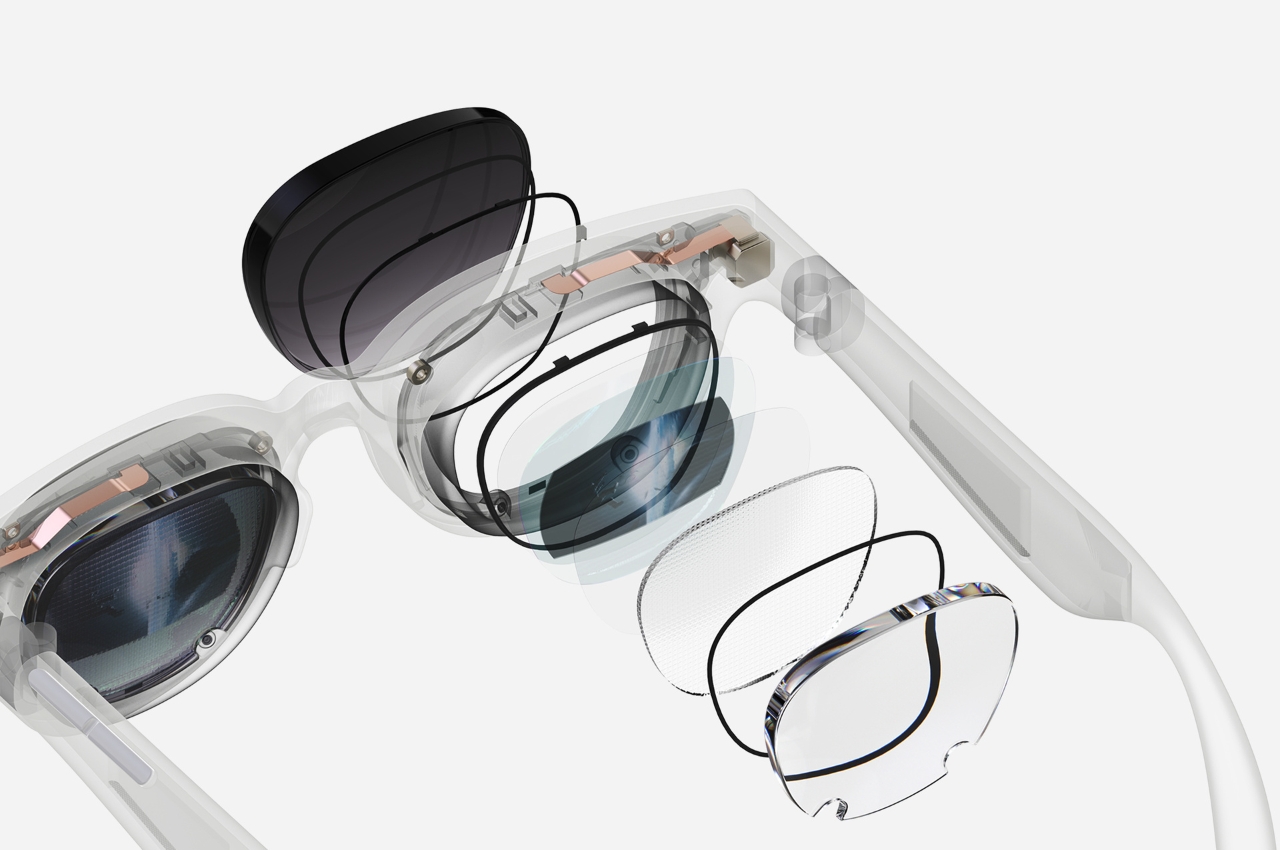
Smart eyewear is back in fashion, especially thanks to Apple finally announcing the Vision Pro. Although its design pretty much still falls under the “headset” category, the ultimate goal of many of these wearables is to be as inconspicuous are regular spectacles or sunglasses as possible. Easier said than done, of course, especially when you need to cram plenty of electronics in such a small space. There are advancements in that area, of course, to the point that it might be possible to fit almost all the necessary components on or near the lenses. That kind of technology will open the doors to a wider variety of wearable designs, including one where you can swap frames to be as sporty or as classy as you need your mixed reality eyewear to be.

Designers: Ben Melvin, Jo Barnard, Dan Lloyd, Harry Mason (Morrama)

There are actually quite a number of designs for smart eyewear, depending on how complicated they need to be. Some include more complex computers and the usual design involves a headband that you wear around your head. Others simply mirror the screen from your phone or computer, so they can just look like overgrown sunglasses. But if you can settle for something even simpler, you might be able to condense everything around the lenses so that the frame is really just a frame, one that you can even replace more easily than with prescription glasses.

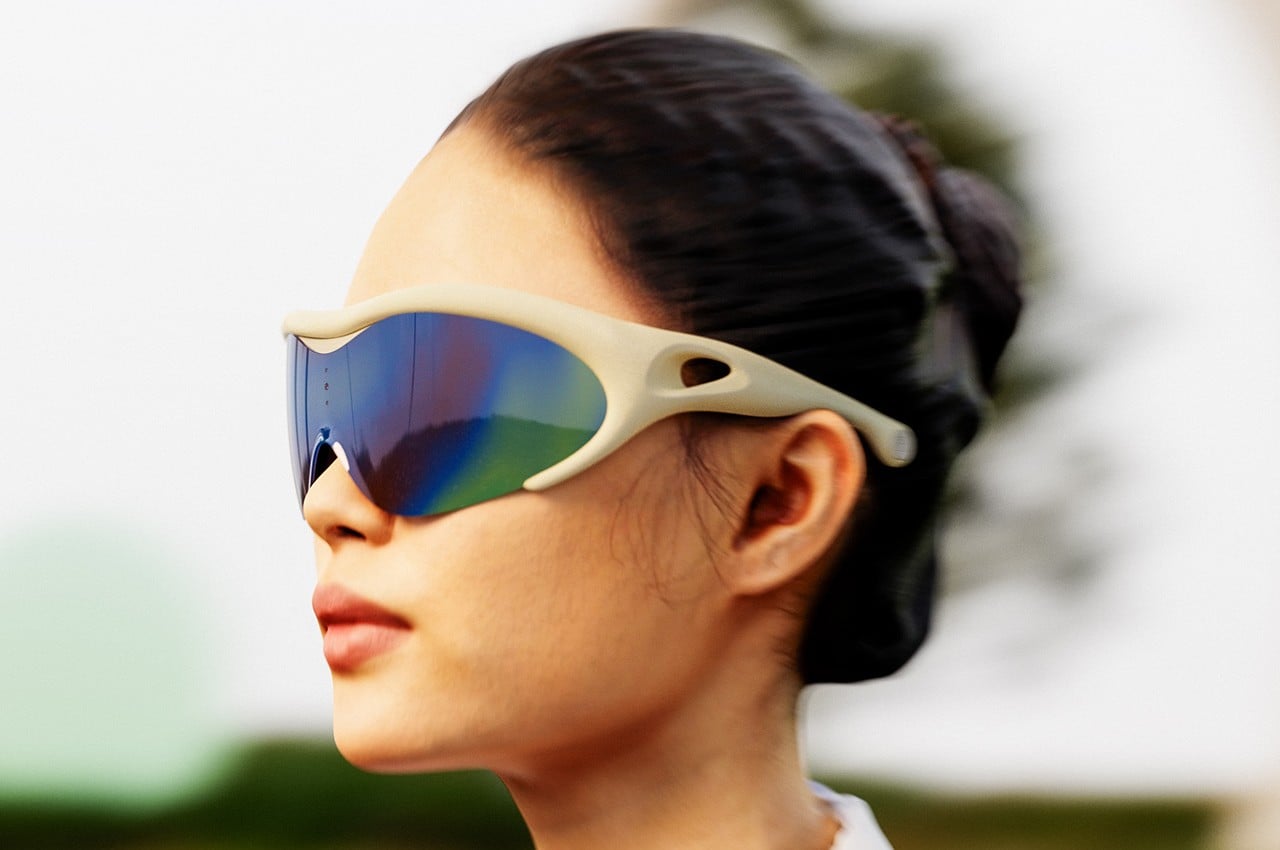
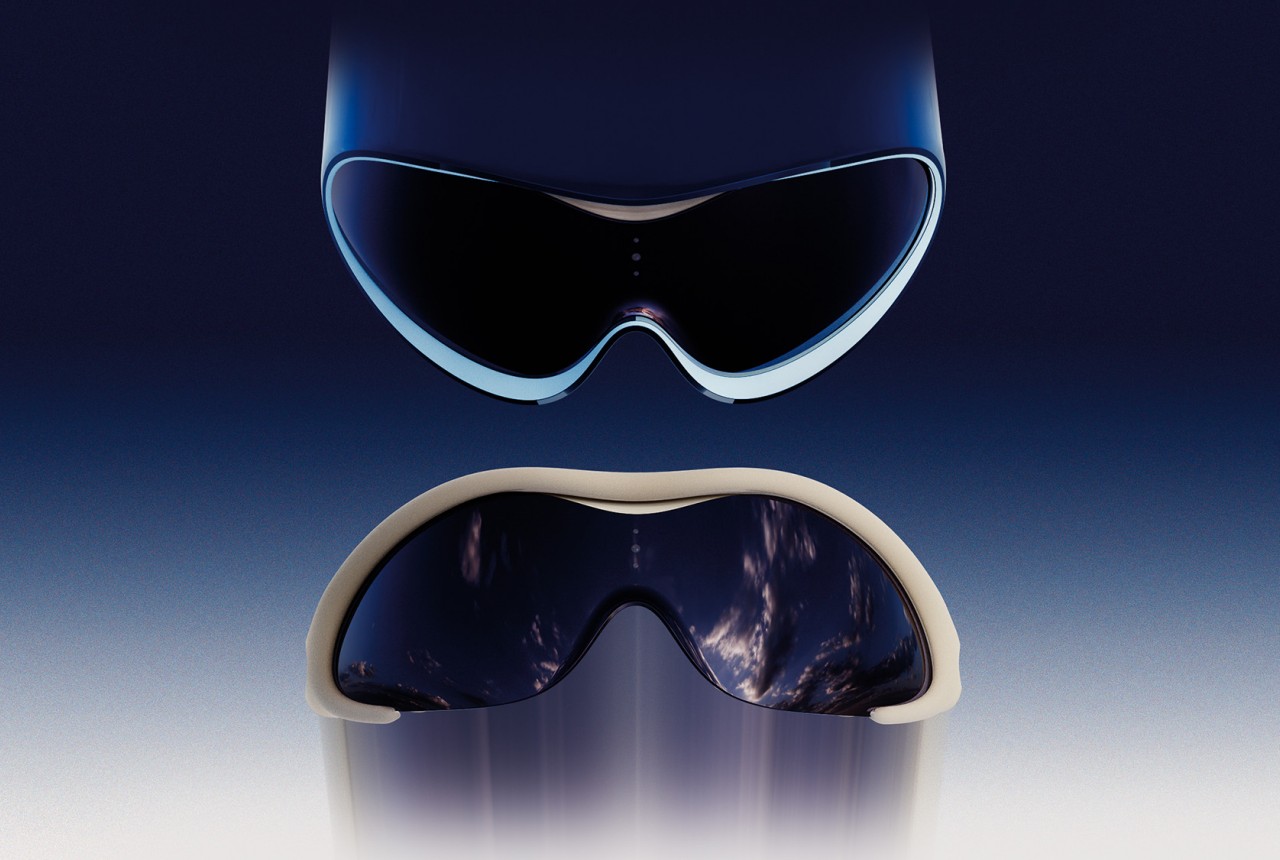
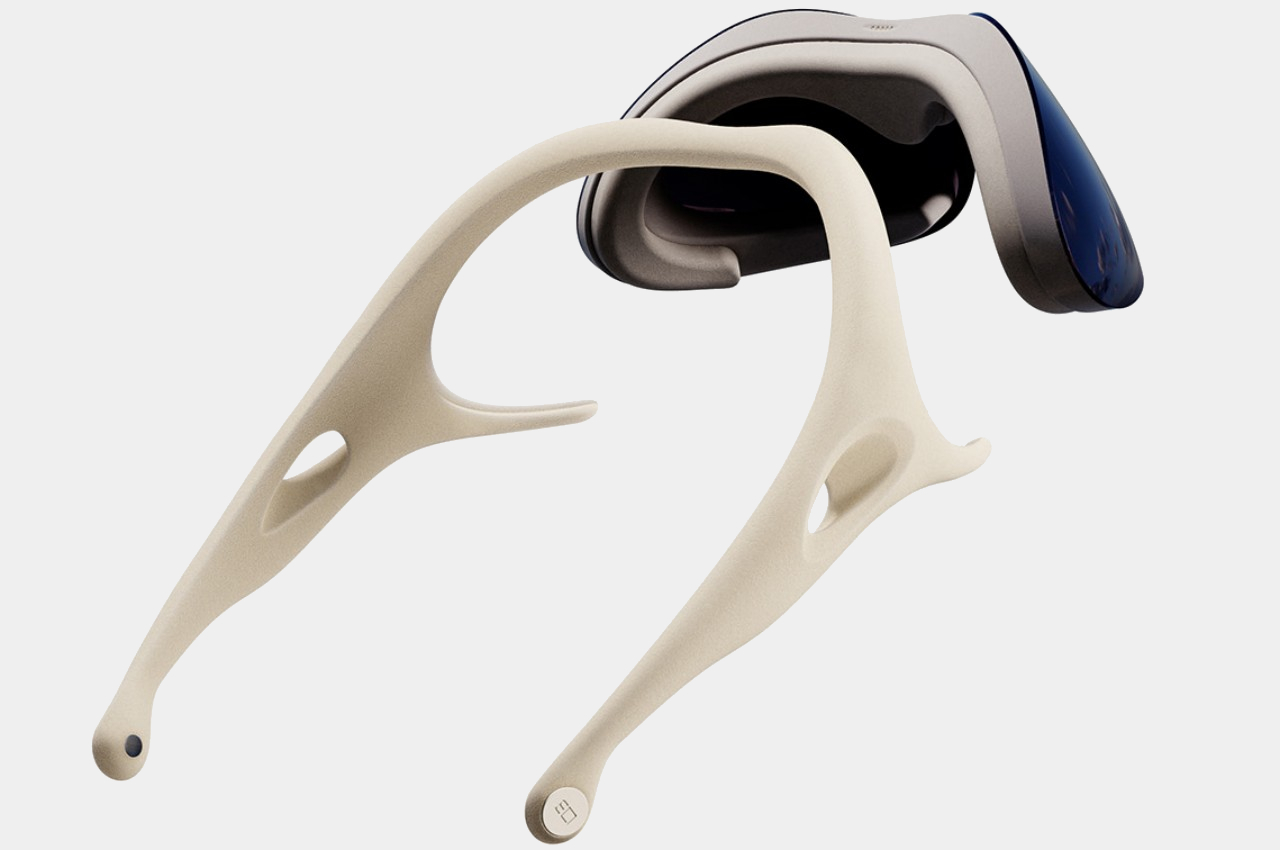
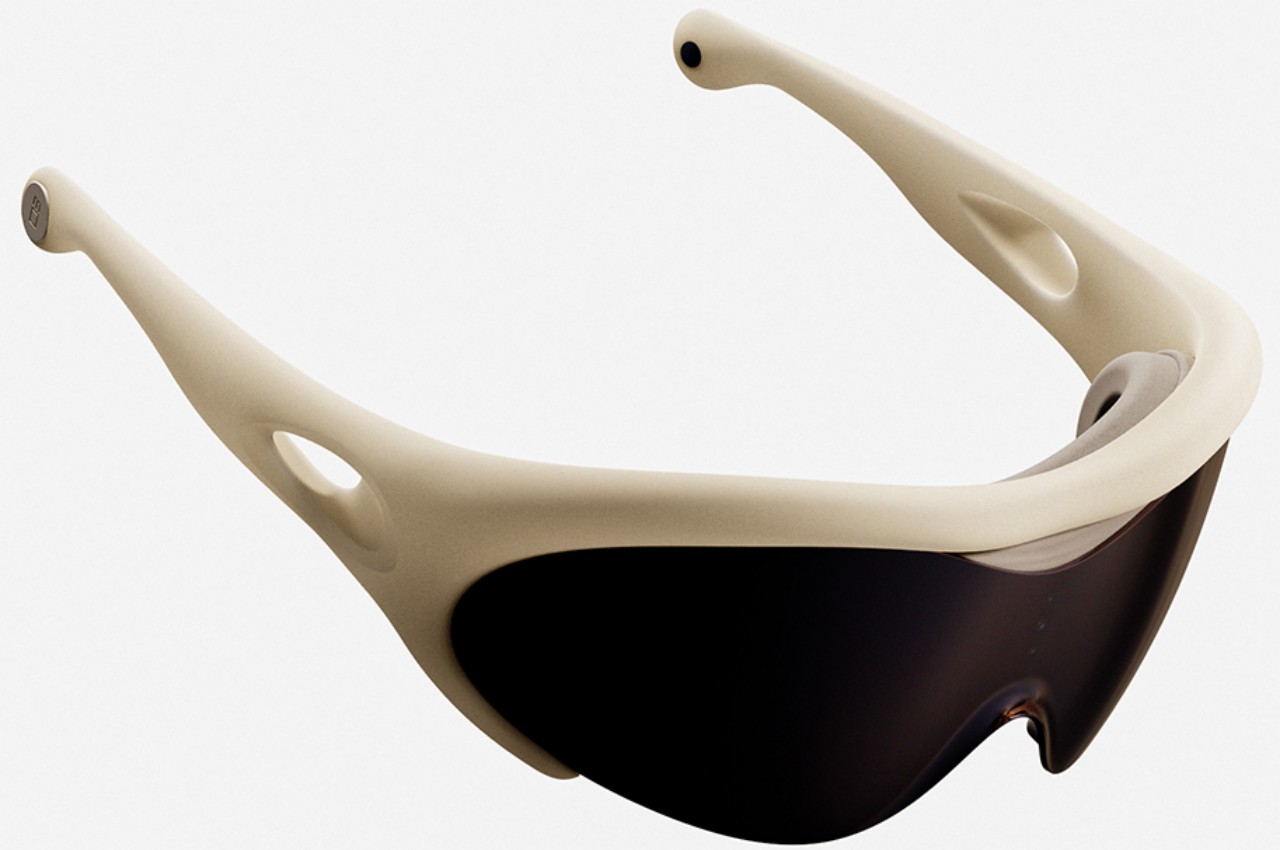
Morrama Issé is a concept for mixed reality eyewear that takes advantage of such a design by making the lenses and the frame two connected but independent pieces. The lenses are not your average pair and look more like sports visors. The rim of the visor is quite thick which is where all the electronics will be hidden. In other words, the visor can function on its own without the frame, and the frame only provides the structure that will hold the visor up on the wearer’s face.

This means that the frames are interchangeable, letting the wearer choose the style of the frame depending on where they want to wear the mixed reality goggles. These can be rugged or elegant, at least as elegant as possible considering the rather thick frame required to support the weight of the visor part. More importantly, however, the frames can be made using more sustainable and recyclable materials since this part usually has a shorter lifespan.

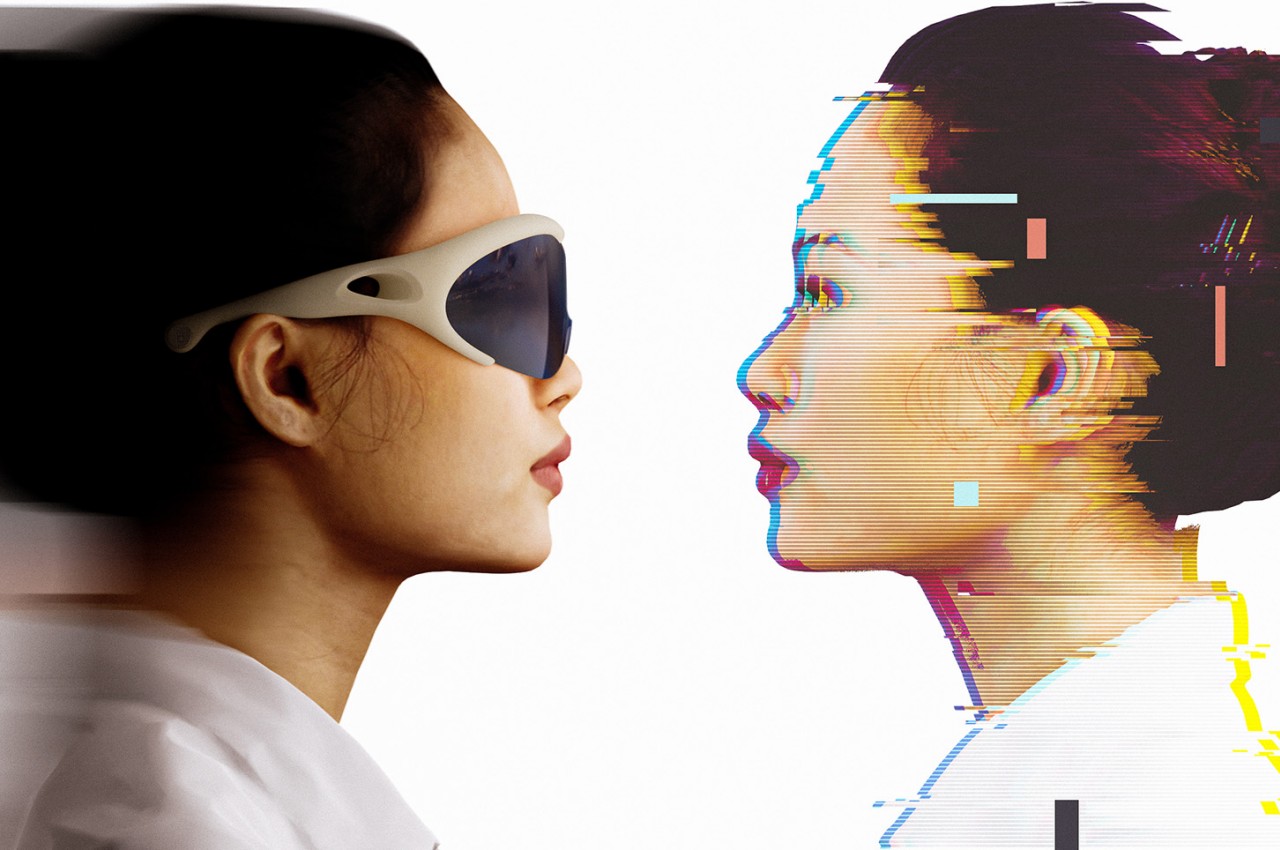
The Morrama Issé design is no Minority Report or Tony Stark, and you will still look conspicuous if you will be wearing such eyewear in public. Of course, the primary use case for the wearable will be for fitness, where the goggles will provide the relevant biometrics and information that people need when training or exercising. It’s pretty much the same data that your smartwatch would show, except it will always be within your field of vision. Not everyone will find the aesthetic that pleasing, but Issé’s innovation is how it is able to envision a more modular approach to designing mixed reality eyewear, especially with a bent towards more sustainable options.

The post Modular mixed reality goggles aim for a fusion of fitness and fashion first appeared on Yanko Design.

Samsung Glasses Mixed Reality Headset: What We Know So Far

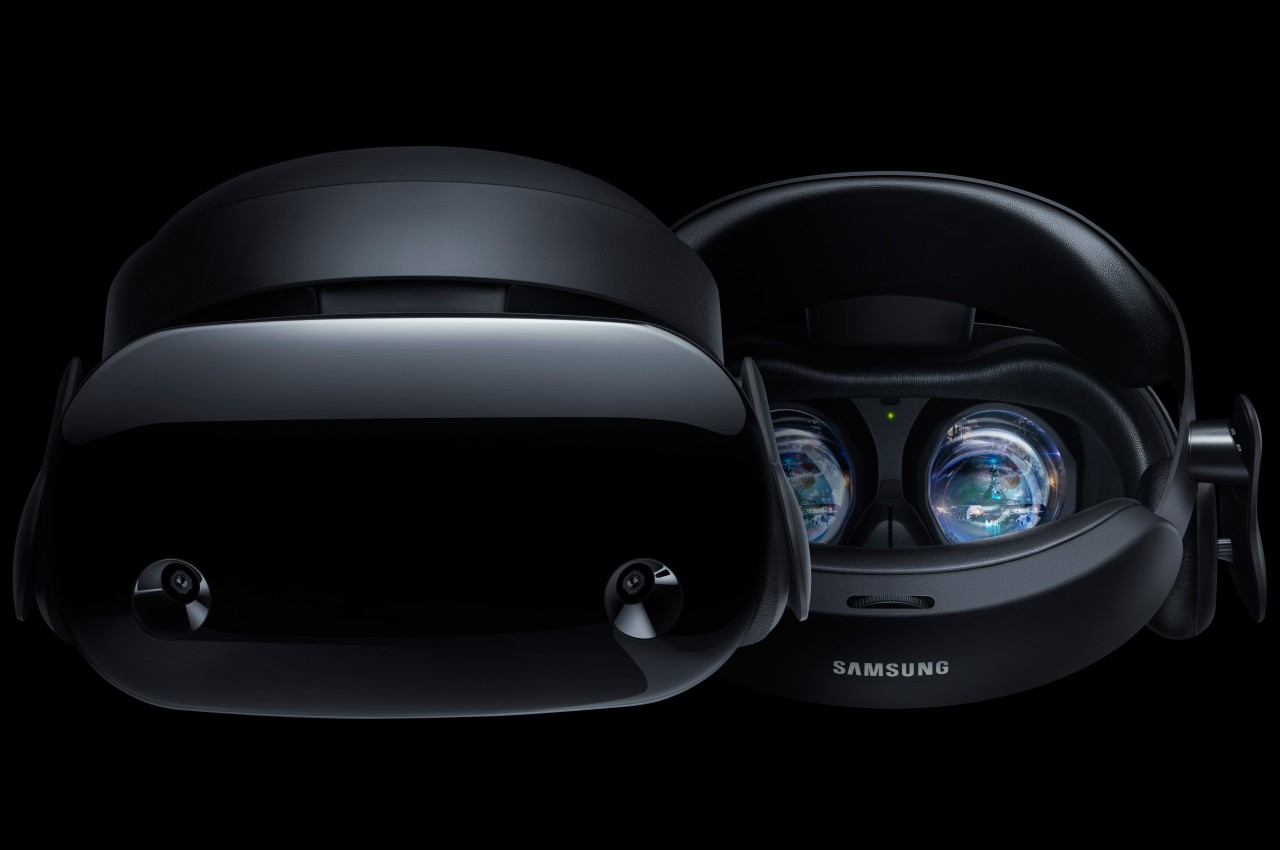
Although it was a bit late to the game, it was unsurprising that the Apple Vision Pro mixed reality headset blew people’s minds the moment Apple officially revealed its existence and features. It has definitely caused many players in the market to rethink their designs and strategies, including Samsung who was supposedly close to announcing its own XR or eXtended reality hardware. The initial expectations were along the lines of a full headset not unlike the (Facebook) Meta Quest 3 or Samsung’s own defunct HMD Odyssey, but it seems that Samsung was “inspired” by its biggest rival to go back to the drawing board. While still largely a mystery, some of the pieces are falling into place, laying the foundations for what will soon be called Samsung Glasses.

Designer: Samsung

What: The Design

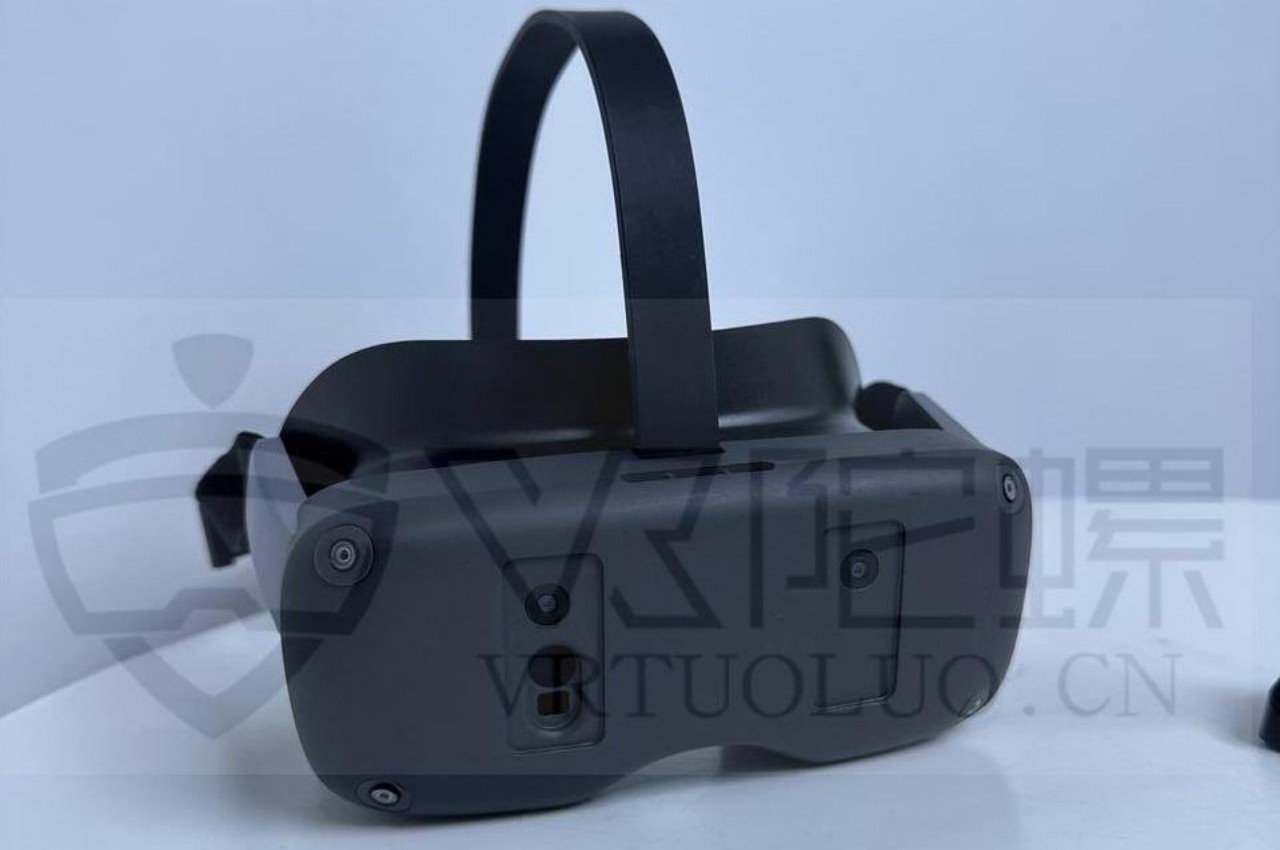
There is still some debate on what specific area of the umbrella eXtended Reality (XR) space Samsung’s headset will be aiming for. Based on a recently leaked prototype, it would have leaned more on the virtual reality side of the equation, with outward-facing cameras to allow wearers to see a glimpse of the world outside. This is the conventional HMD or Head-Mounted Device design and something Samsung is already familiar with. But with rumors of Samsung reviewing the device in lieu of the Apple Vision Pro, you can expect some big changes in terms of design.

Image courtesy of Brad Lynch

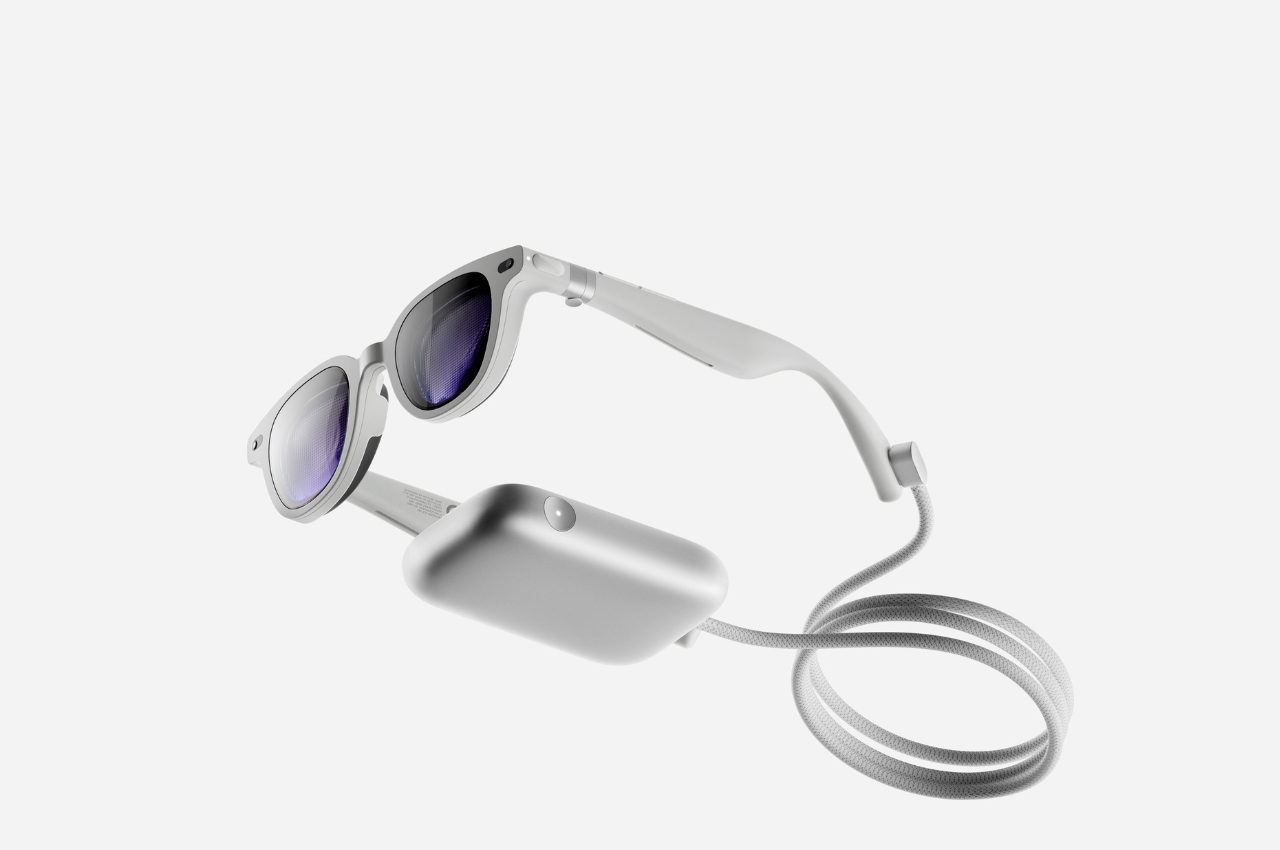
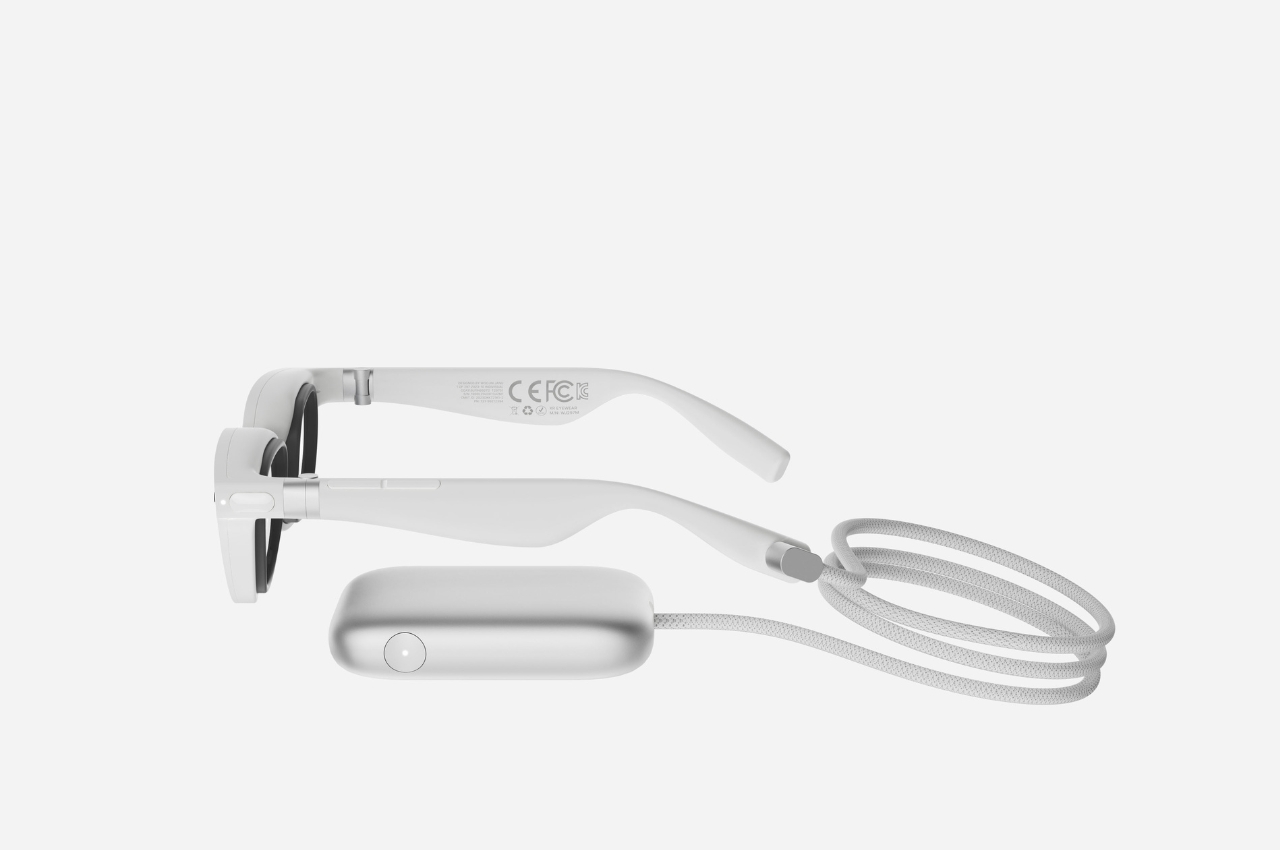
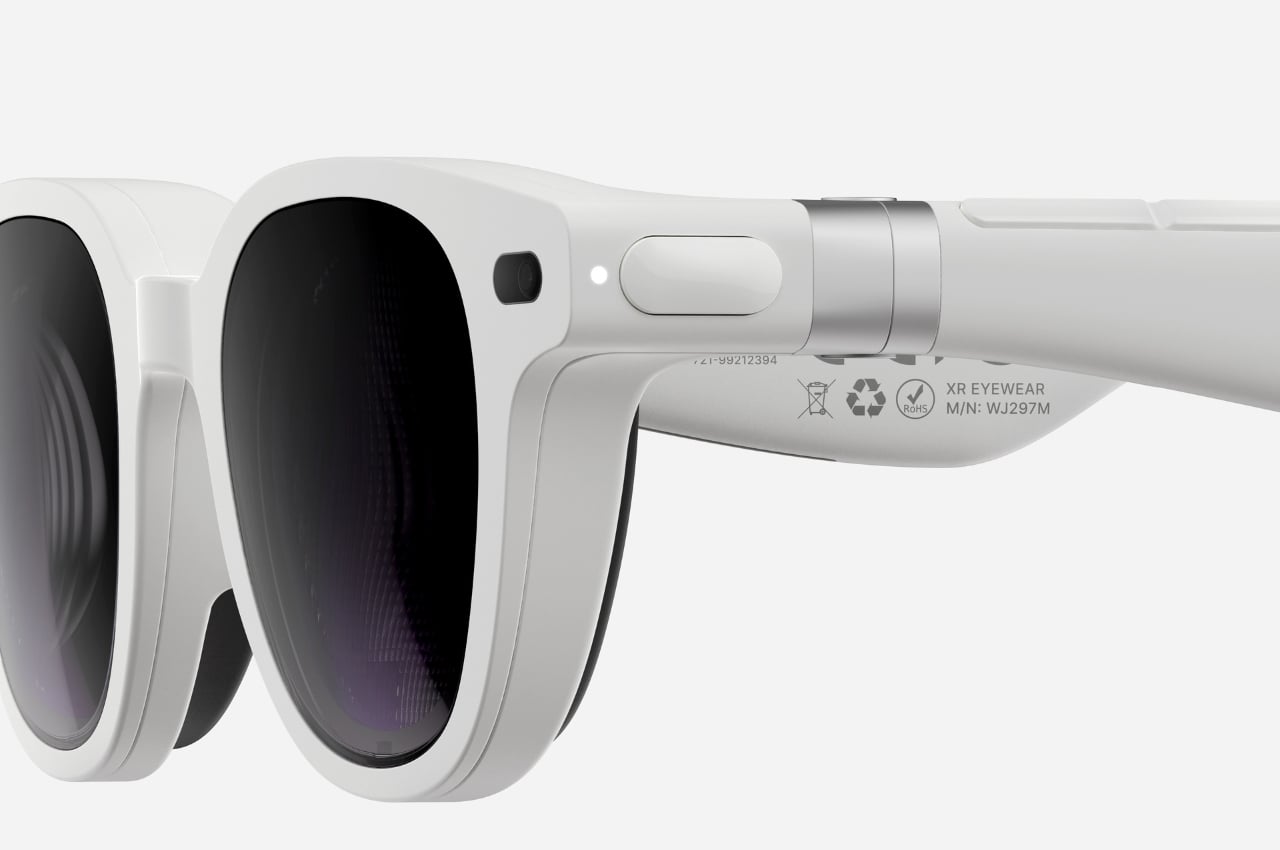
A recent trademark filing in the UK reveals that Samsung is calling dibs on the “Samsung Glasses” name. The description, which covers VR, AR, MR, and XR, isn’t exactly telling, but it does suggest it will take on a form closer to smart glasses. Considering the necessary hardware involved, it won’t be something simple like Ray-Bans or Google Glasses, more like, well, the Apple Vision Pro or the Meta Quest Pro. While not completely comfortable or portable, this design at least opens the door to AR and mixed reality more than a typical VR headset.

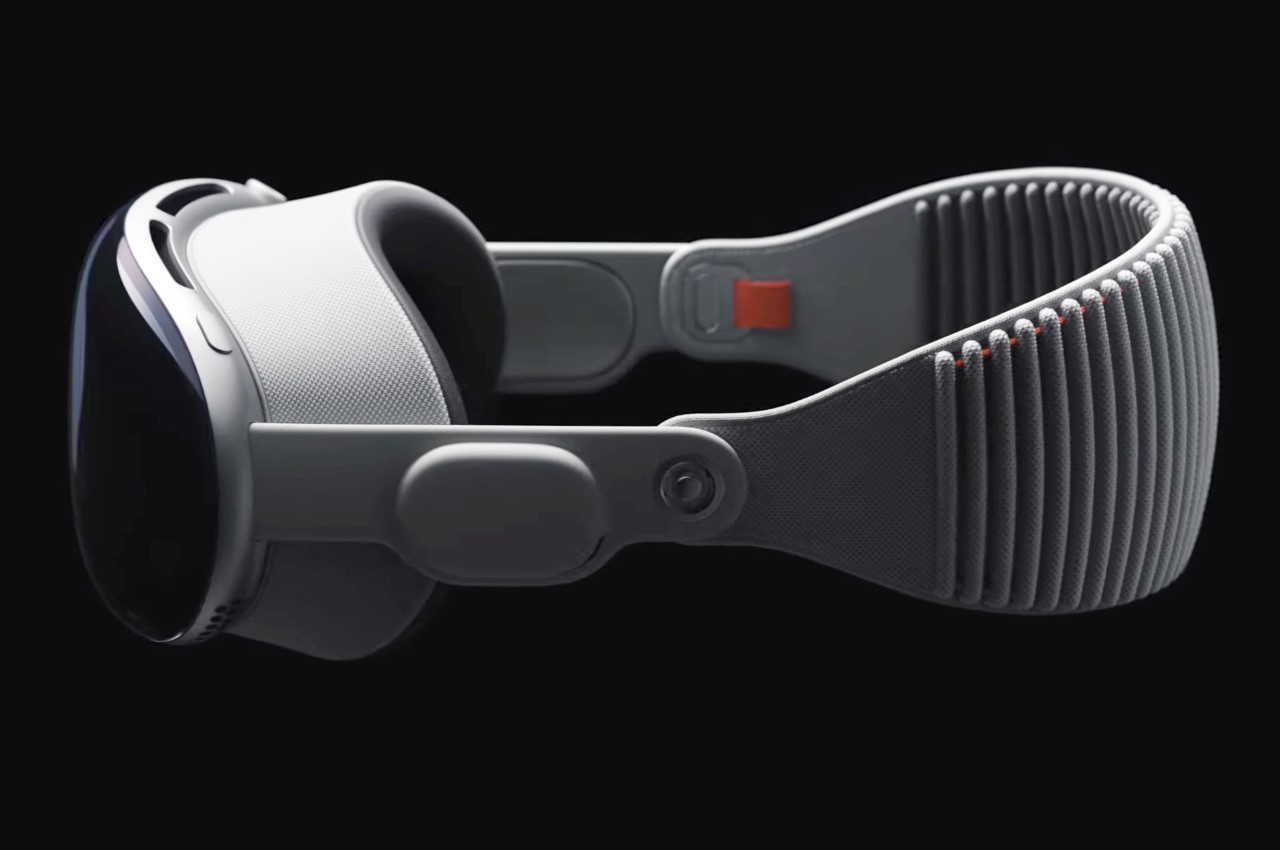
Apple Vision Pro

Apple Vision Pro

How: The Specs

In addition to the usual processors and electronics needed to drive such a mixed reality headset, Samsung Glasses will succeed or fail depending on the optics it uses. The prototype mentioned above lists micro OLED displays, pancake lenses, and cameras for eye and hand tracking, all of which contribute to a more immersive experience when viewing and manipulating digital objects. Samsung was reportedly planning on using a 2022 processor to power this headset, but Apple’s challenge has it mulling over a more capable chip it could use instead.

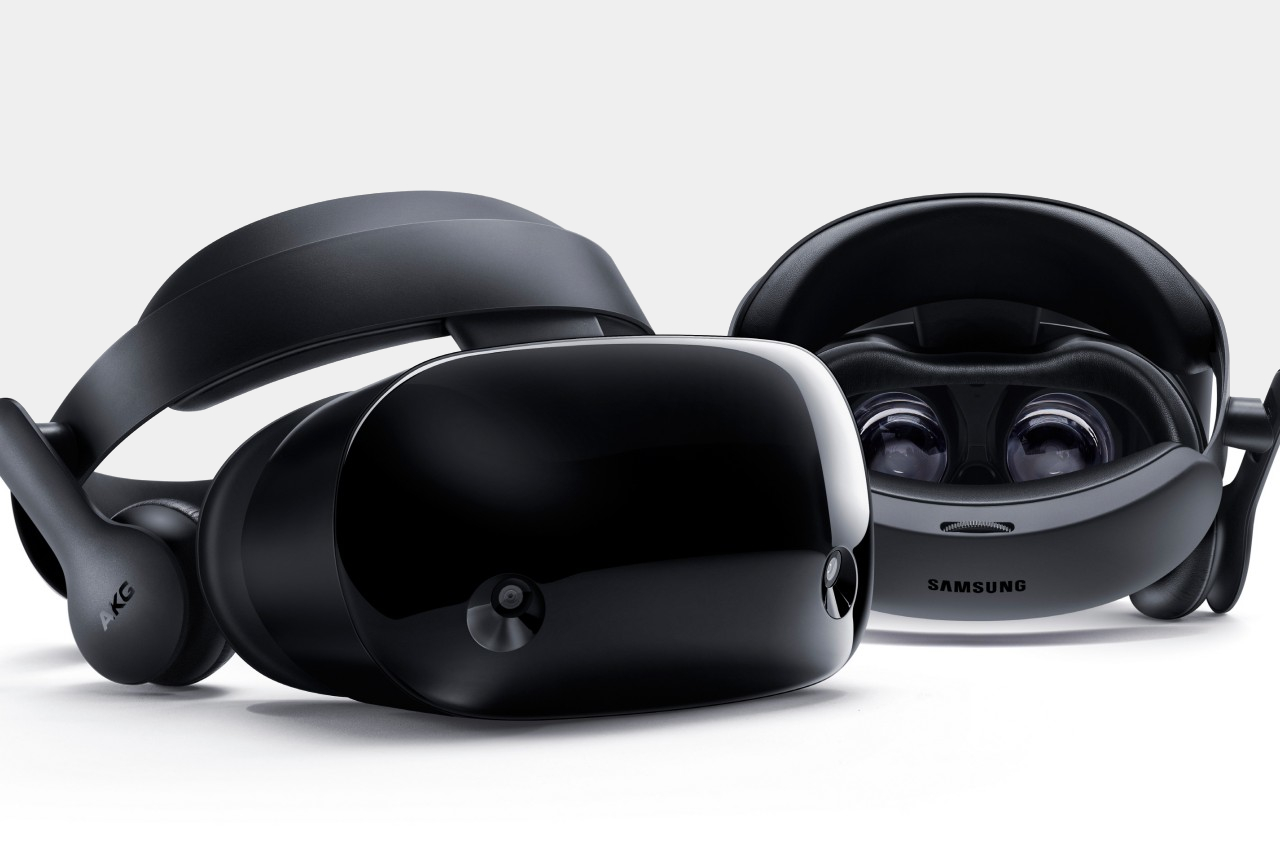
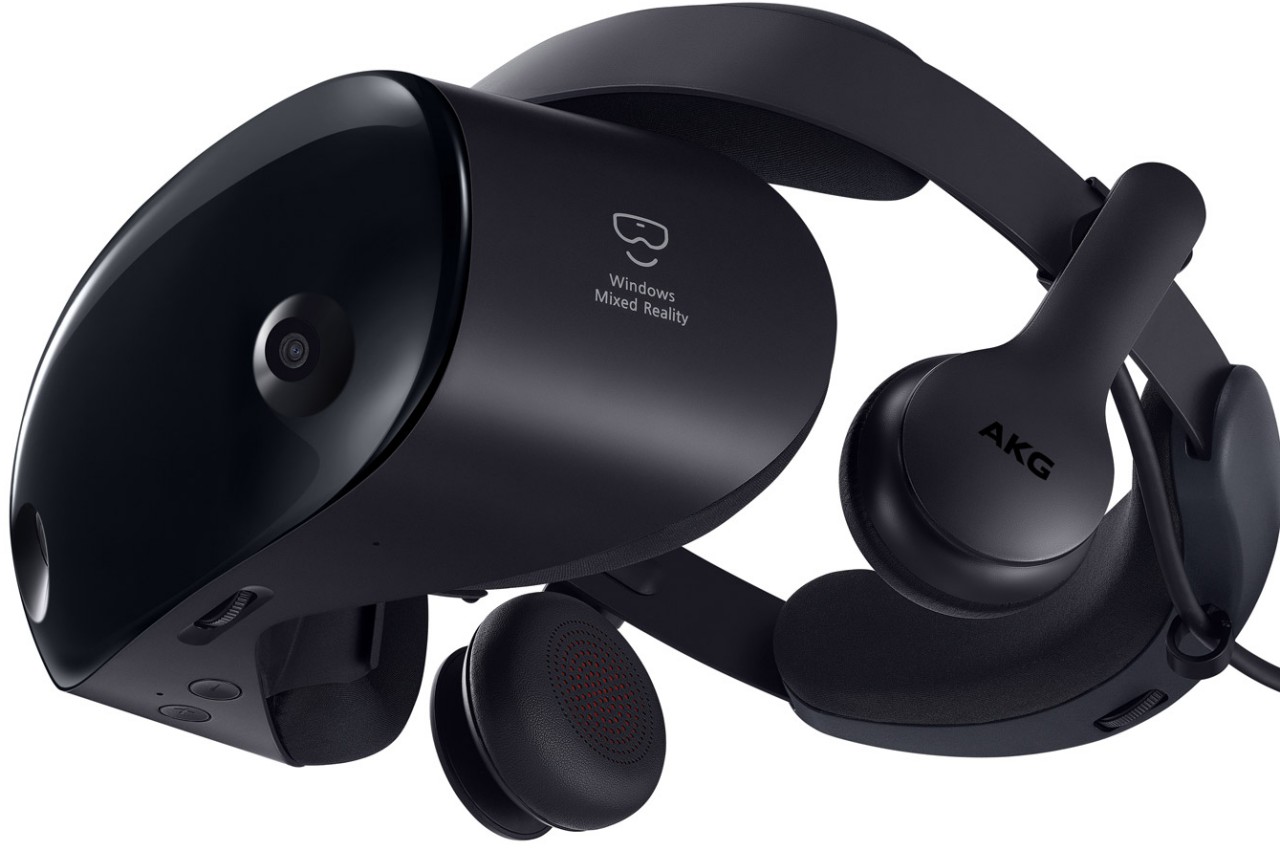
Samsung Odyssey+

Samsung Odyssey+

One thing that Samsung might be doing differently from Apple is having the battery built into the headset, though mounted on the rear rather than the front. While this naturally adds to the weight of the device, its location attempts to at least balance the load on both sides. It also makes the Samsung Glasses a bit more portable since it doesn’t have to rely on an external battery connected via a cable.

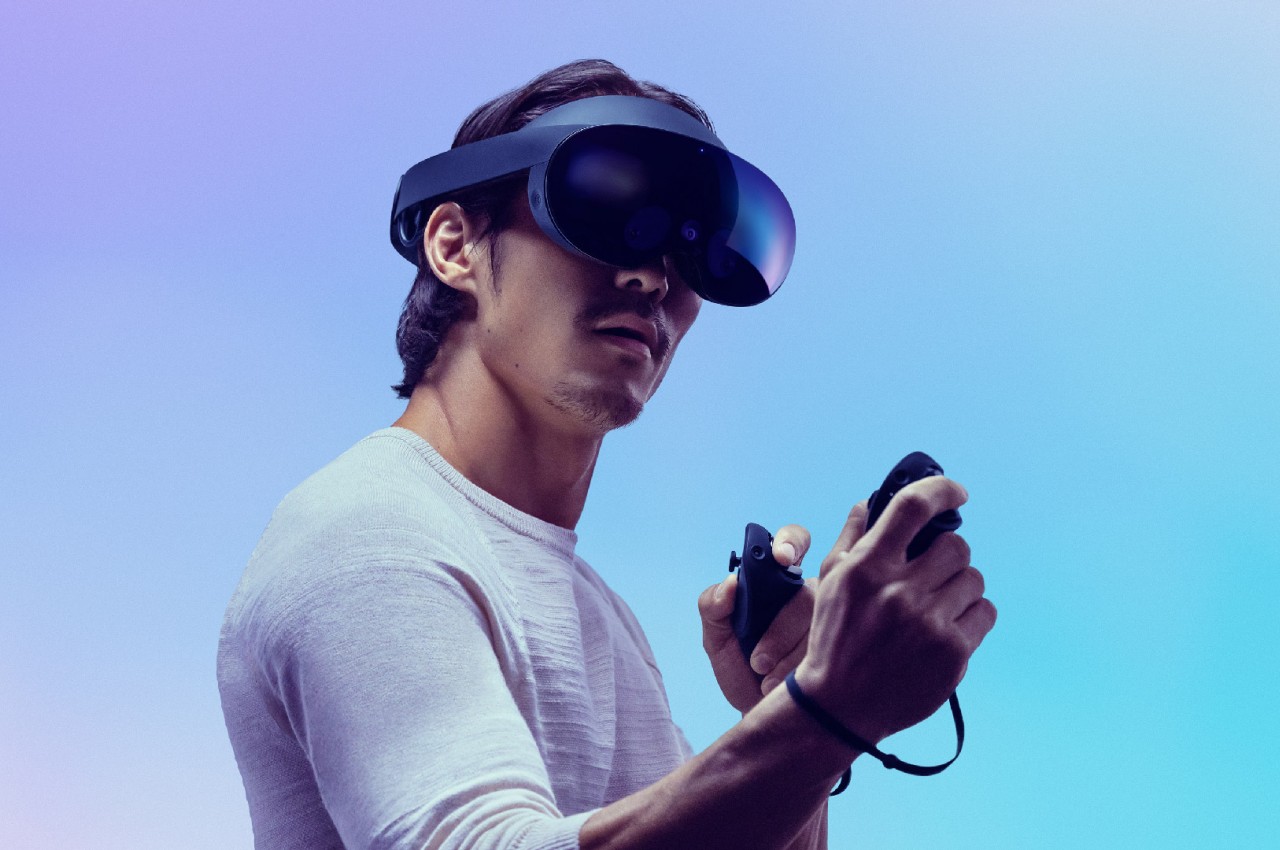
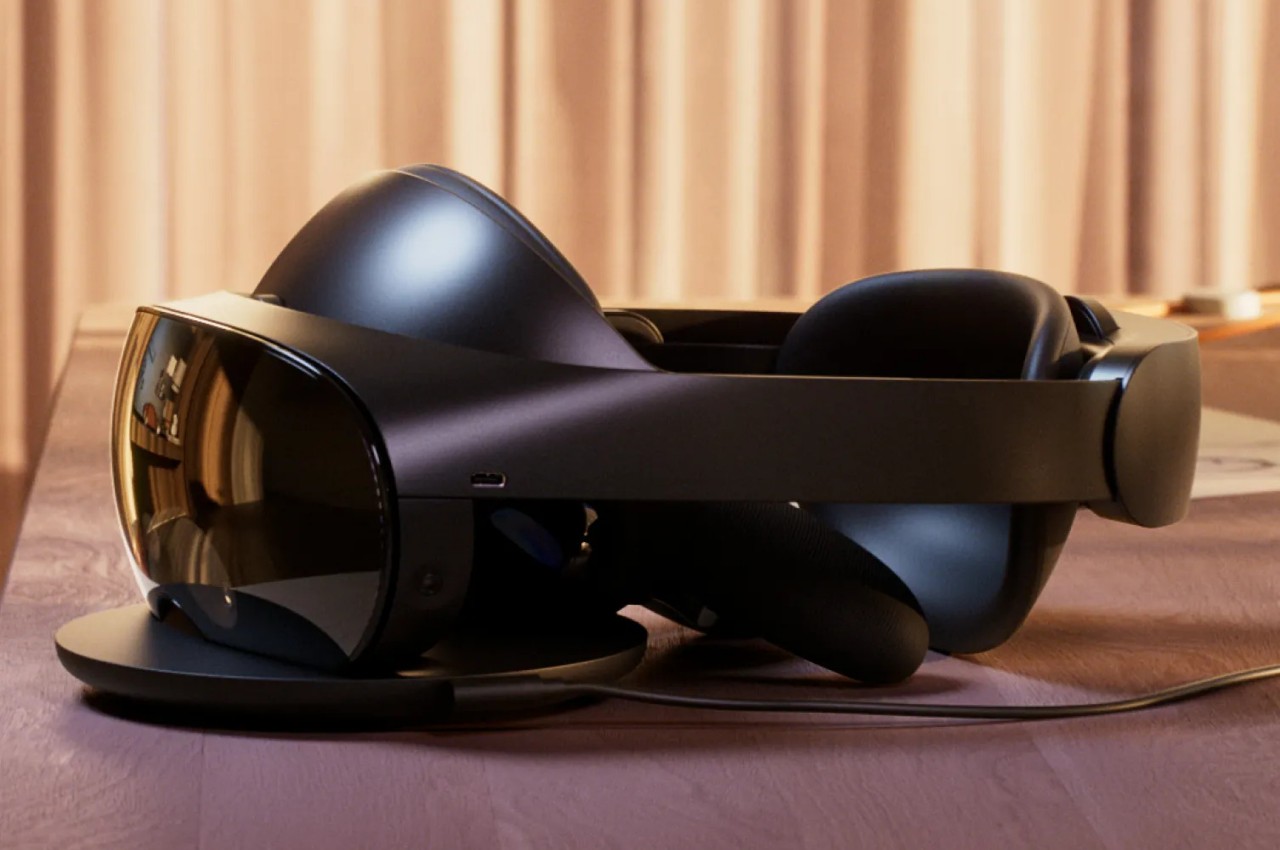
Meta Quest Pro

Meta Quest Pro

When: The Date

With the Apple Vision Pro’s market launch nearing, Samsung really doesn’t have much time left to put out its own take on the eXtended Reality space. Insider sources claim that the date has been pushed back to mid-2024, in contrast to Apple’s launch sometime between January and April. That’s not to say that Samsung is taking it slow, as developers are allegedly told to finish their XR apps by November. There will be an internal launch next month, so we might get a few more unofficial sneak peeks of the device.

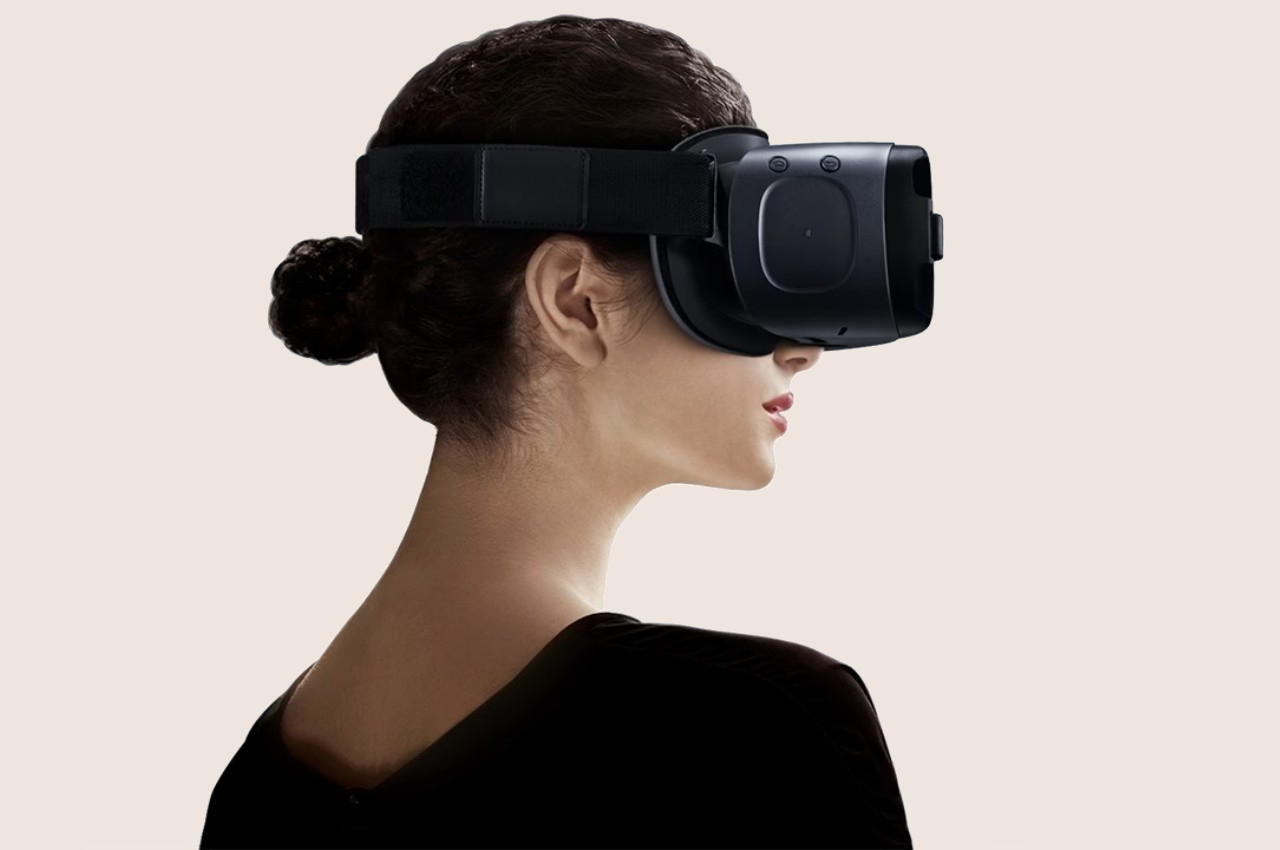
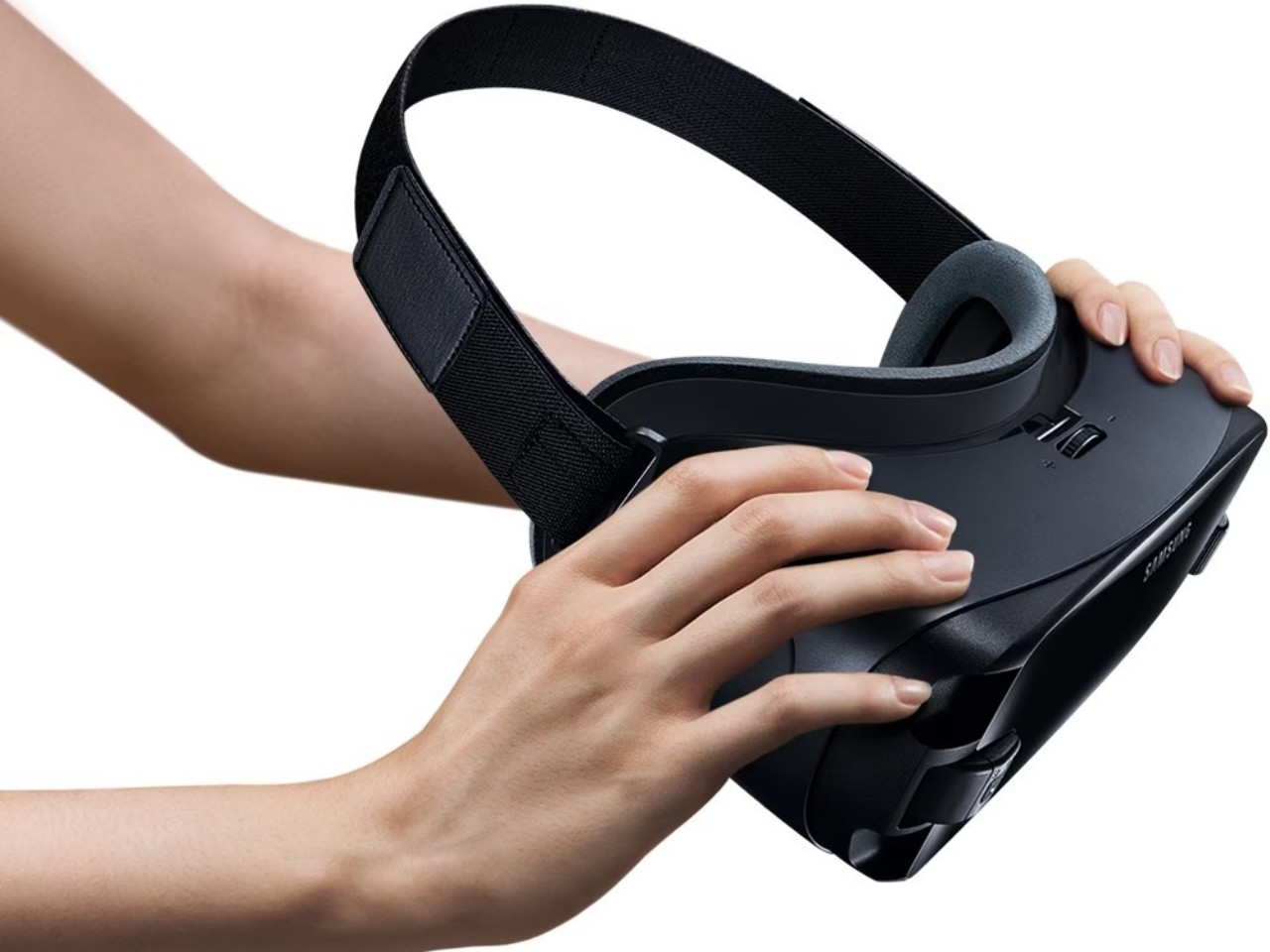
Samsung GearVR

Samsung GearVR

Of course, most of these are still conjectures based on a variety of unofficial sources, so there is still plenty of room to hope for a better device. Conversely, Samsung’s track record with the Gear VR and, later, the HMD Odyssey doesn’t inspire much confidence. The design of the headset is critical for comfort, but it will be the software that will determine whether such a piece of hardware will actually entice buyers in the long run.

Apple Vision Pro

The post Samsung Glasses Mixed Reality Headset: What We Know So Far first appeared on Yanko Design.
This $3,990 Mixed Reality Headset is what Fortune 500 Companies Use to Access the Metaverse

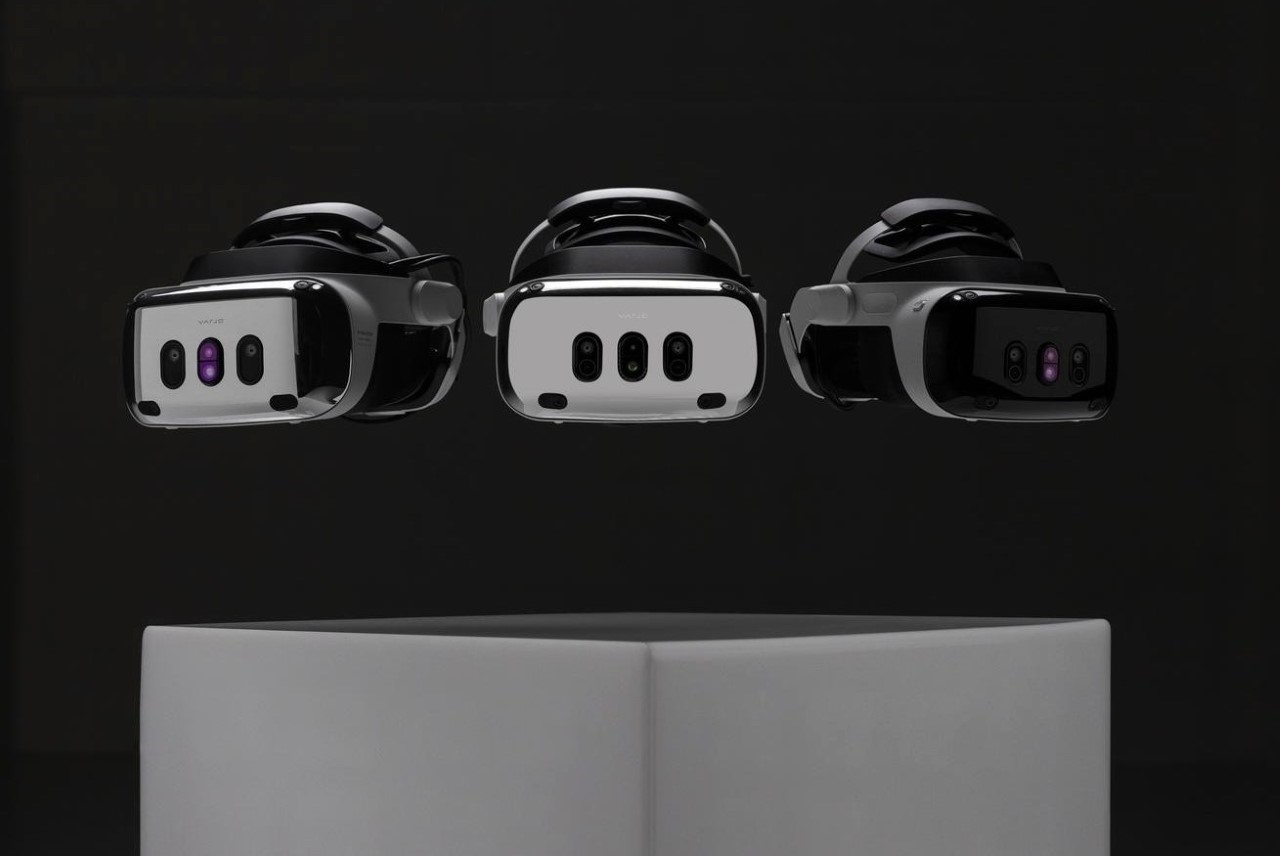
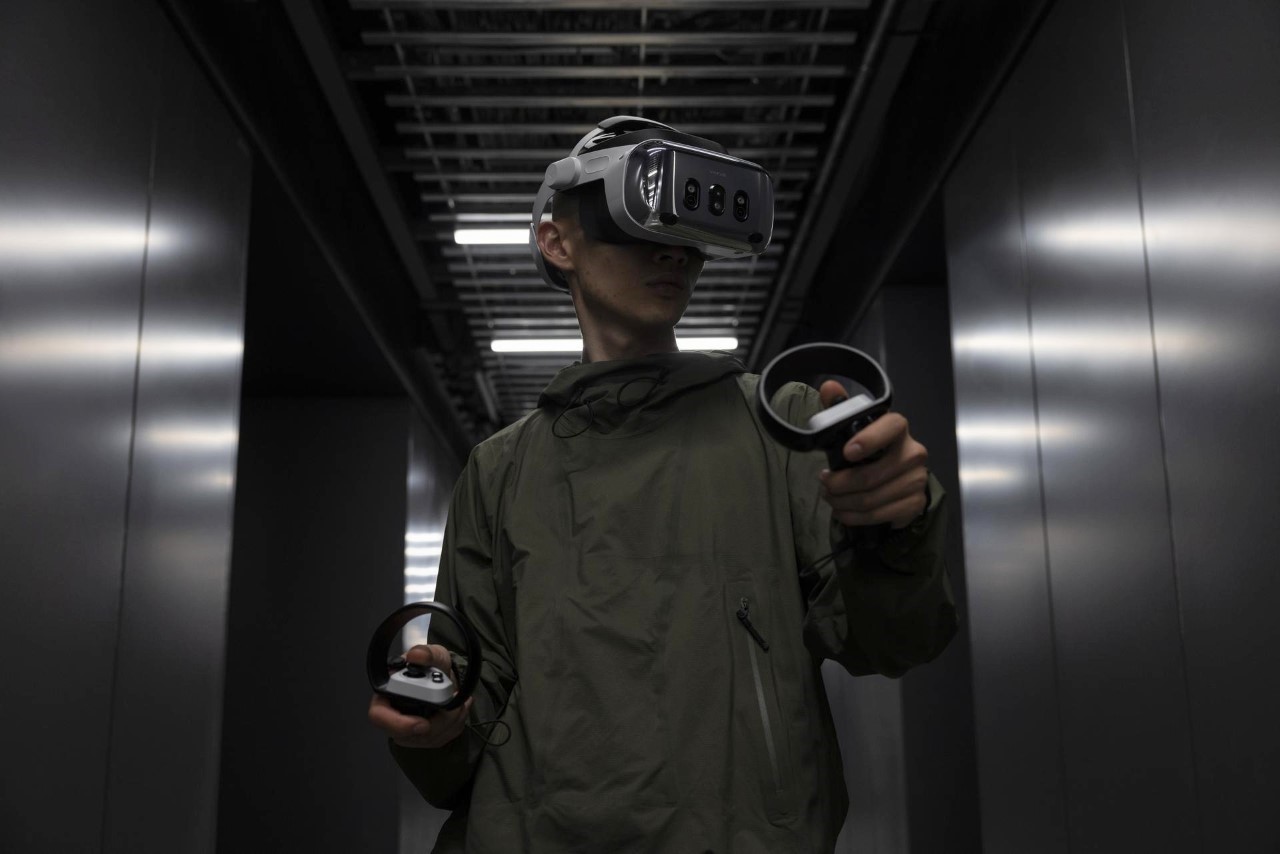
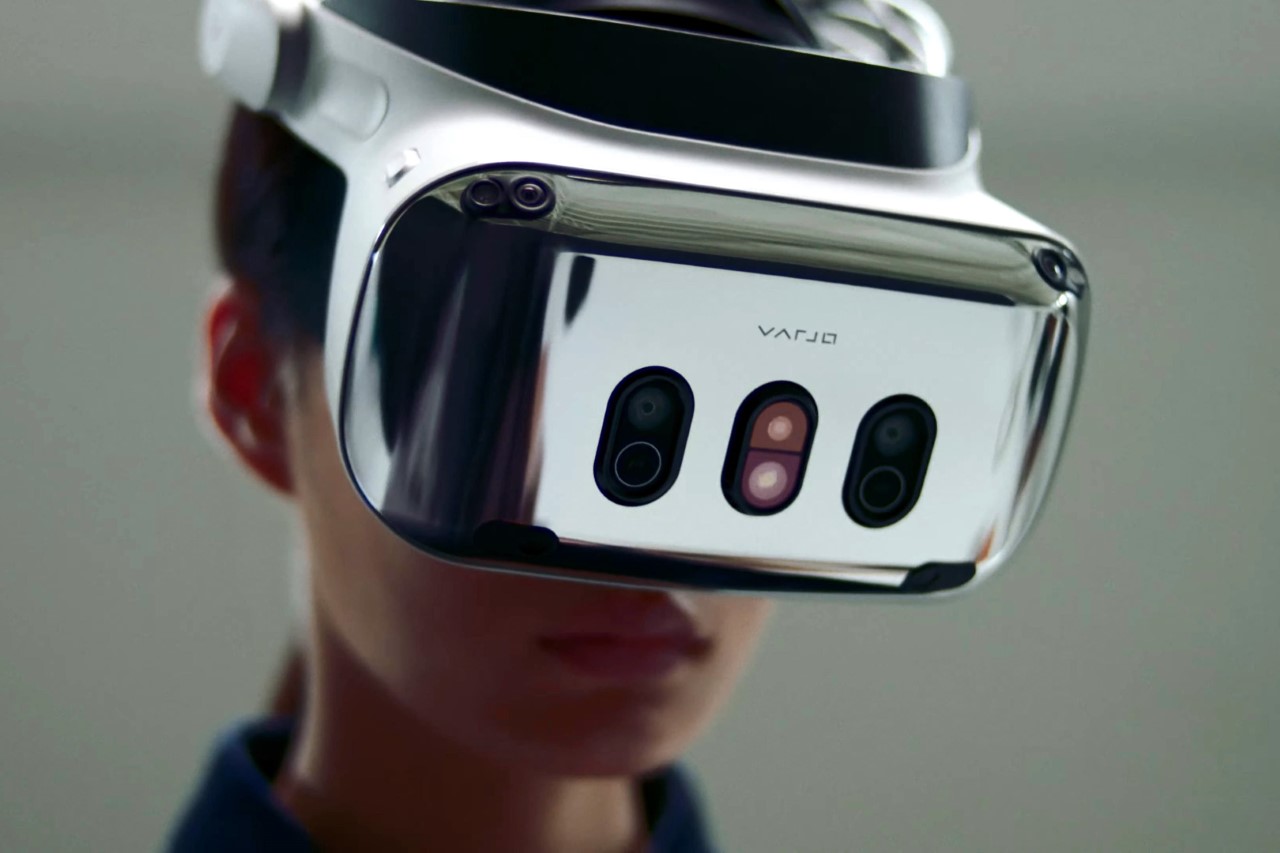
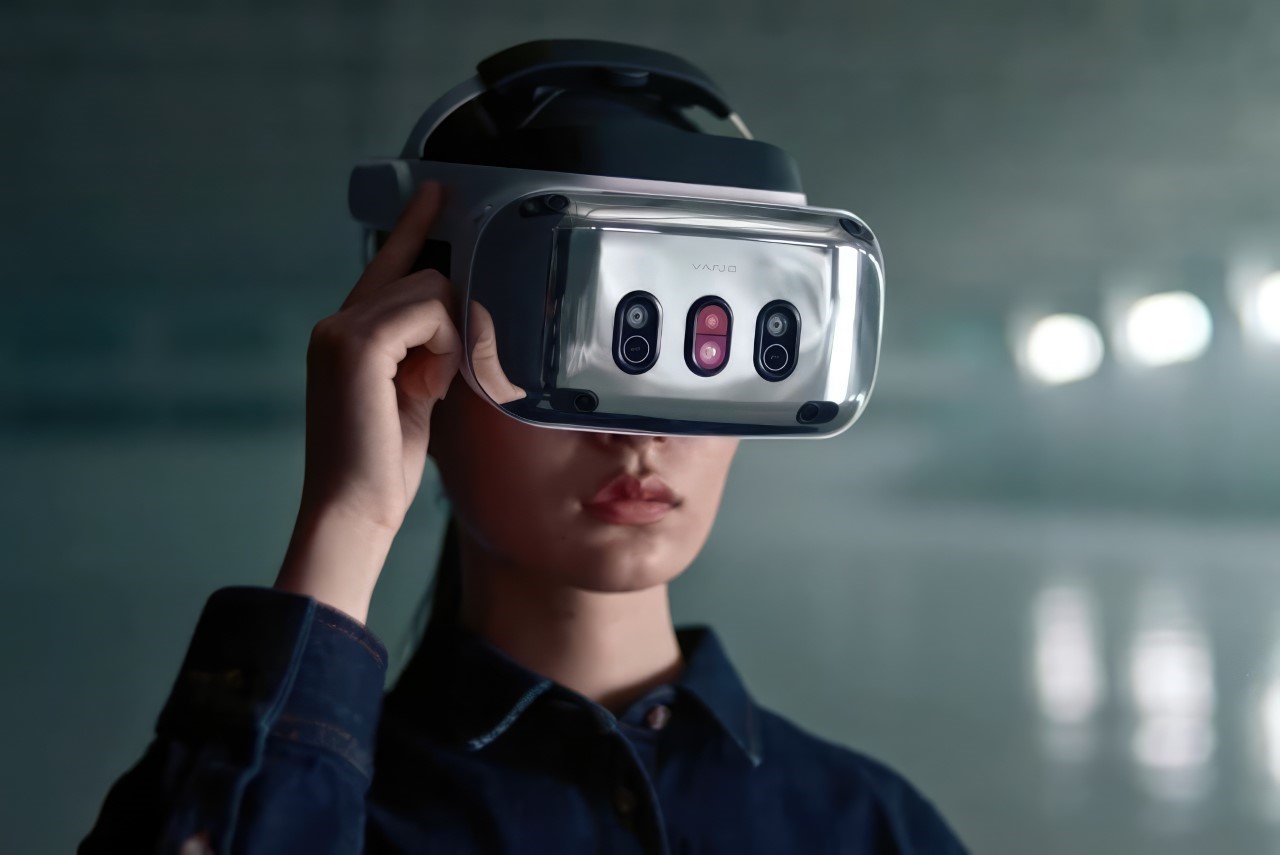
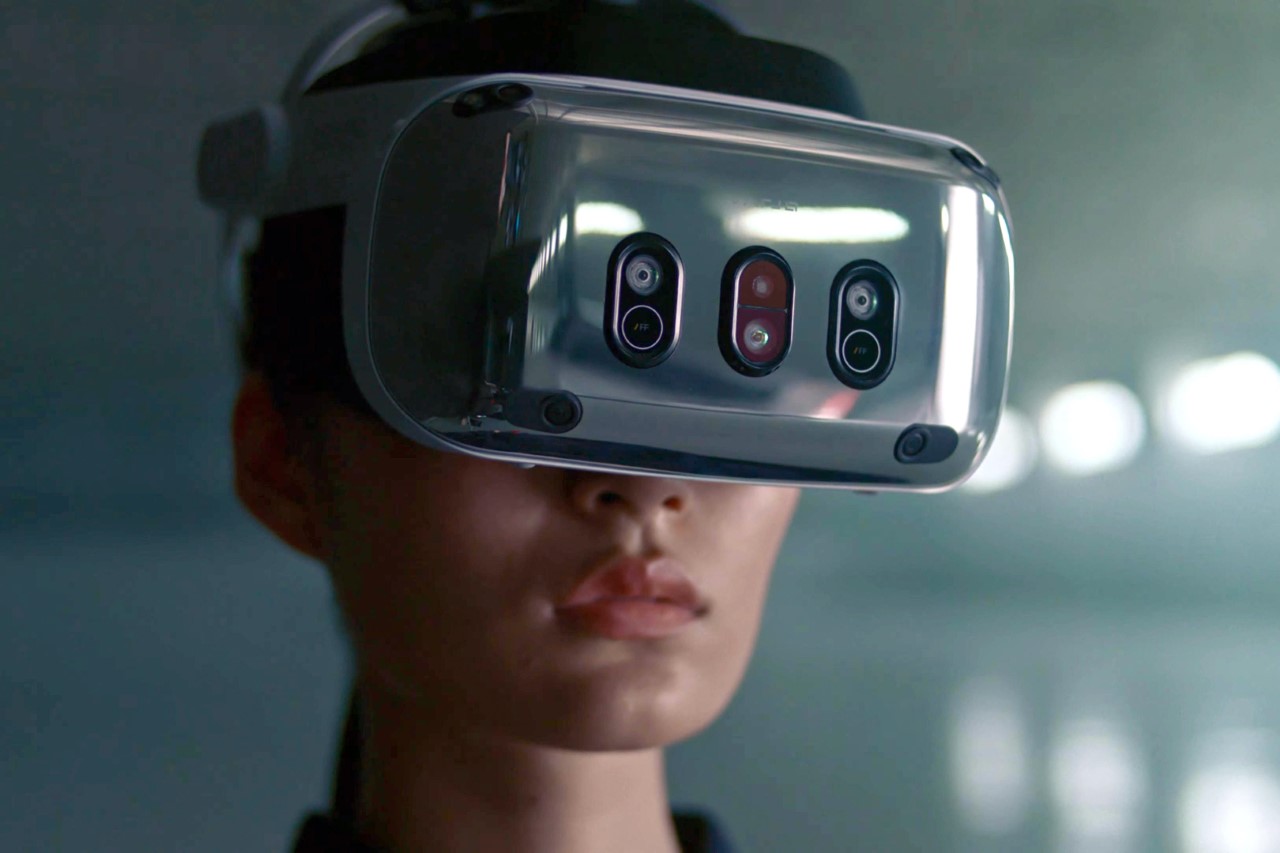
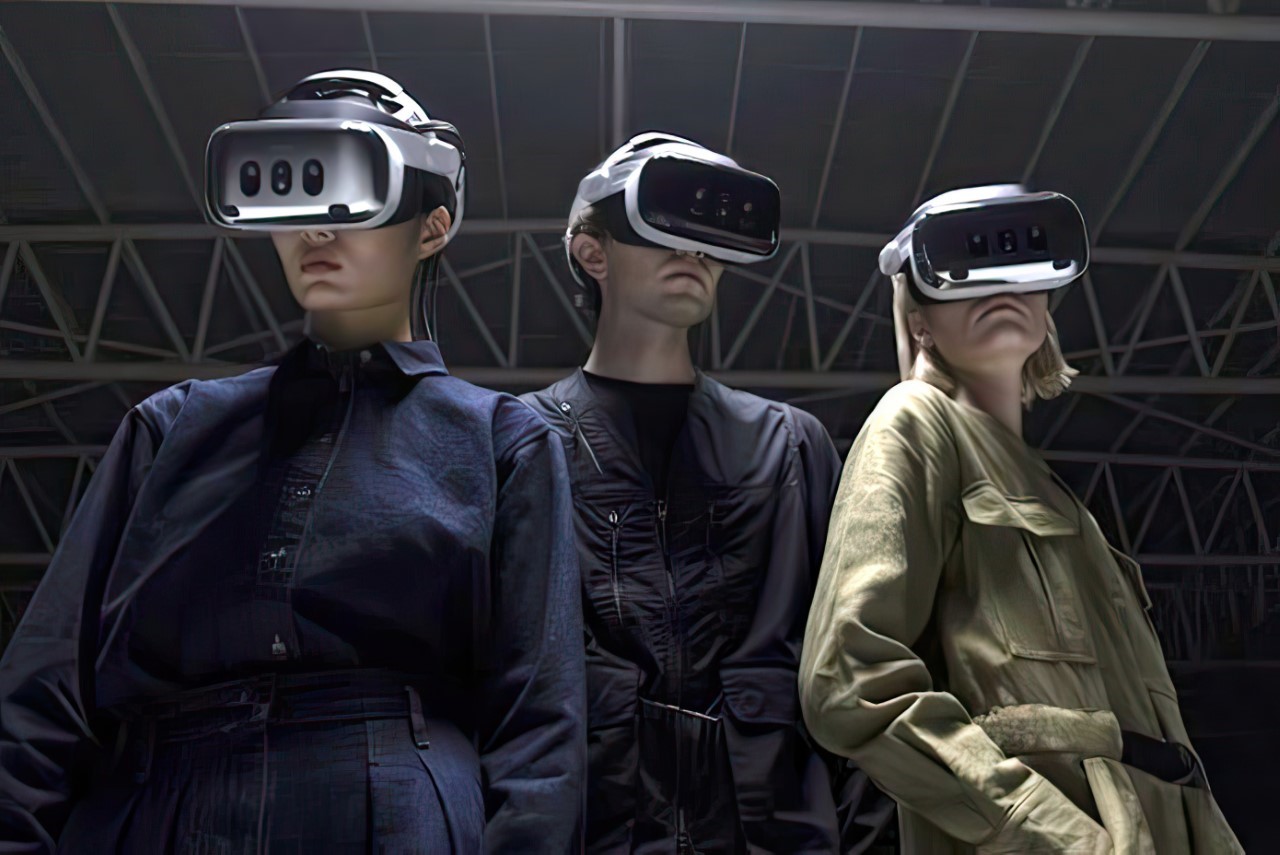
You wouldn’t be the first to think this was a Quest 3, but in fact, this headset comes from Finland-based VR/XR hardware company, Varjo. Although it does share a slight visual similarity with its passthrough camera placement on the front, the XR-4 isn’t your average mixed reality headset. Varjo’s XR-4 series, which includes the base XR-4, the XR-4 Focal Edition, and the XR-4 Secure Edition, is the company’s latest offering in the PC-powered mixed reality headset space. Its highlight, Varjo mentions, is a virtual/mixed reality experience so immersive that it’s “practically indistinguishable from natural sight.” To drive that home, Varjo boasts a client base of more than a quarter of Fortune 500 companies who employ their headsets to “train astronauts and pilots, radically shorten automotive production timelines, power medical breakthroughs, and render stunning 3D visualizations for architects and designers.”
Designer: Varjo

The XR-4 series aims to create perhaps the most believable high-fidelity virtual/mixed reality experience that goes way past the uncanny valley of tech. This is achieved through advanced features like dual 4K x 4K mini-LED displays, which offer a resolution of 51 pixels per degree and a 120 x 105-degree field of view. The displays boast double the brightness at 200 nits and a wider color gamut, covering 96% of the DCI-P3 color space. Additionally, the XR-4 series incorporates dual low-latency 20-megapixel cameras for high-fidelity, real-time photorealistic video pass-through mixed reality. Enhanced with new ambient light sensors and an 8x improvement in LiDAR resolution over its predecessor, the XR-3, these headsets seamlessly blend real and virtual elements.

One of the standout features of the XR-4 Focal Edition is its gaze-directed autofocus cameras, quite similar to the foveated rendering feature demonstrated by Apple during its Vision Pro launch back in June. These cameras are specifically beneficial for training simulations requiring interaction with real-world objects, such as in cockpit-based applications. The XR-4 Secure Edition, meanwhile, caters to government and defense organizations with stringent security requirements.

The XR-4 series is powered by NVIDIA GPUs and is integrated into NVIDIA Omniverse, enabling developers and industrial users to render photorealistic scenes and unlock ray tracing in mixed reality. This potent combination far surpasses the computational power achievable with a mobile chip, making it a game-changer for developers. The headsets are compatible with over 100 third-party PC applications and 3D engines, including Unreal Engine and Unity, ensuring their integration into demanding workflows across various sectors like training and simulation, design, engineering, and healthcare.

Despite these advancements, the XR-4 headsets are bulky and weigh a little over two pounds, making them heavier than the Quest 3 as well as Apple’s own Vision Pro that was questioned for its heavy aluminum body. However, this isn’t a significant concern for Varjo’s target customers, who typically use the headsets for limited periods, such as in training scenarios. The pricing of the XR-4 series starts at $3,990 for the base model, which may seem high for consumers, but not for the specialized industries that can absolutely benefit from the XR-4’s unique offering. In fact, consumers wouldn’t even be able to get their hands on the XR-4 given that Varjo deals exclusively with enterprise and military industries for now. The XR-4 Focal Edition, on the other hand, has an eye-watering starting price of $9,990 while the XR-4 Secure Edition, designed for government-level encrypted use, doesn’t even have a price listed online.

The post This $3,990 Mixed Reality Headset is what Fortune 500 Companies Use to Access the Metaverse first appeared on Yanko Design.