DOOGEE Fire 7 Ultra rugged smartphone doubles as a push-to-talk radio for instant team communication

Rugged smartphones have long been DOOGEE’s playground, as the brand frequently experiments with bold ideas that blur the line between utility gadget and everyday smartphone. Past releases have showcased this experimental streak successfully. The DOOGEE S200 embraced a mech-inspired aesthetic with a design that looked more like a piece of futuristic equipment than a typical handset, while the DOOGEE S98 leaned into spy-gadget territory with a secondary rear display and an unmistakably tactical vibe. Even more unusual was the DOOGEE S119, a device that literally mounted a smartwatch-like display on its back.

The newly introduced DOOGEE Fire 7 Ultra continues that spirit of experimentation but shifts the focus toward communication rather than design theatrics. Instead of simply building a phone that survives harsh environments, DOOGEE is positioning the Fire 7 Ultra as a hybrid device that combines smartphone functionality with the instant communication capabilities of a professional two-way radio system.

Designer: DOOGEE
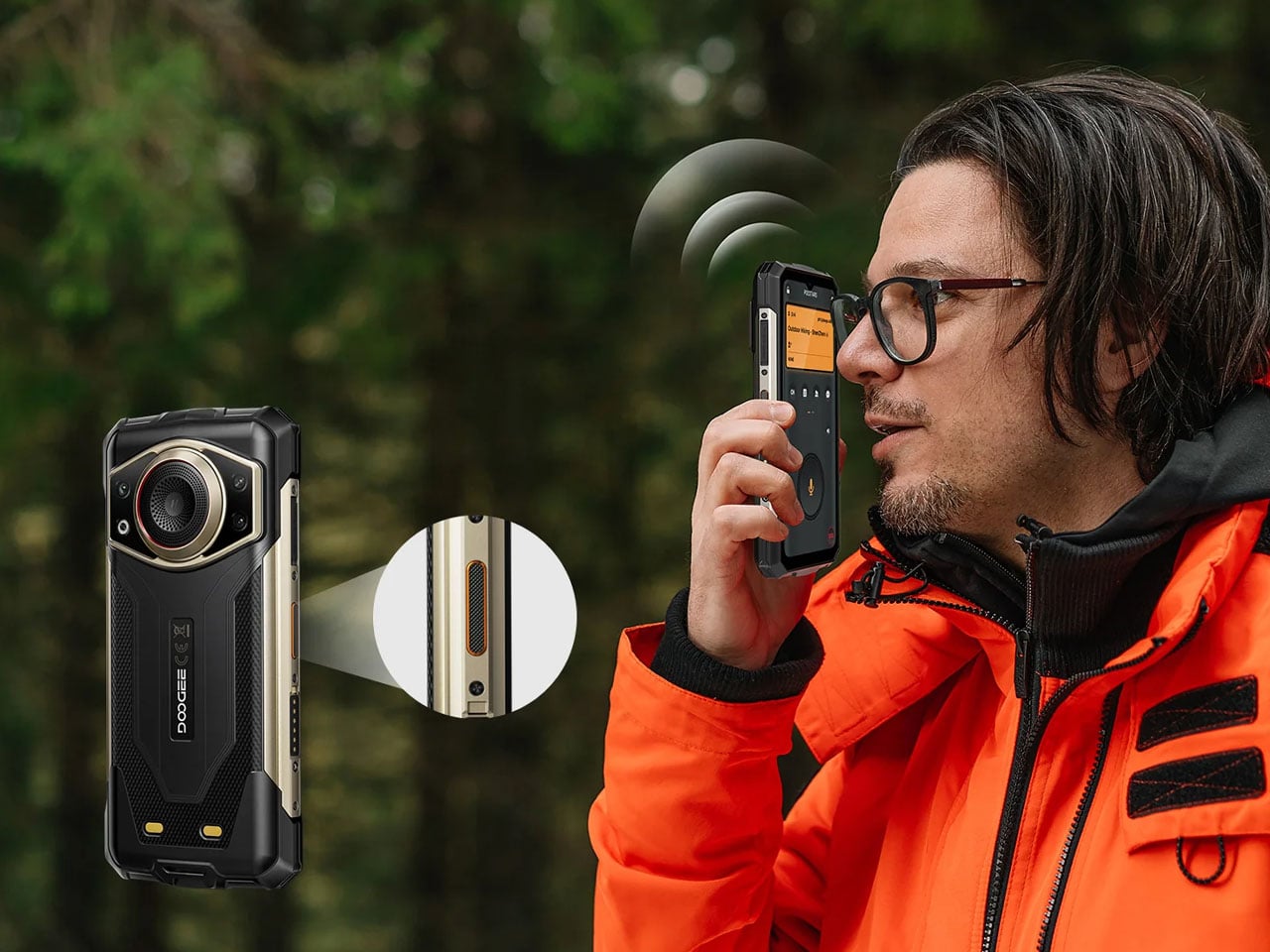
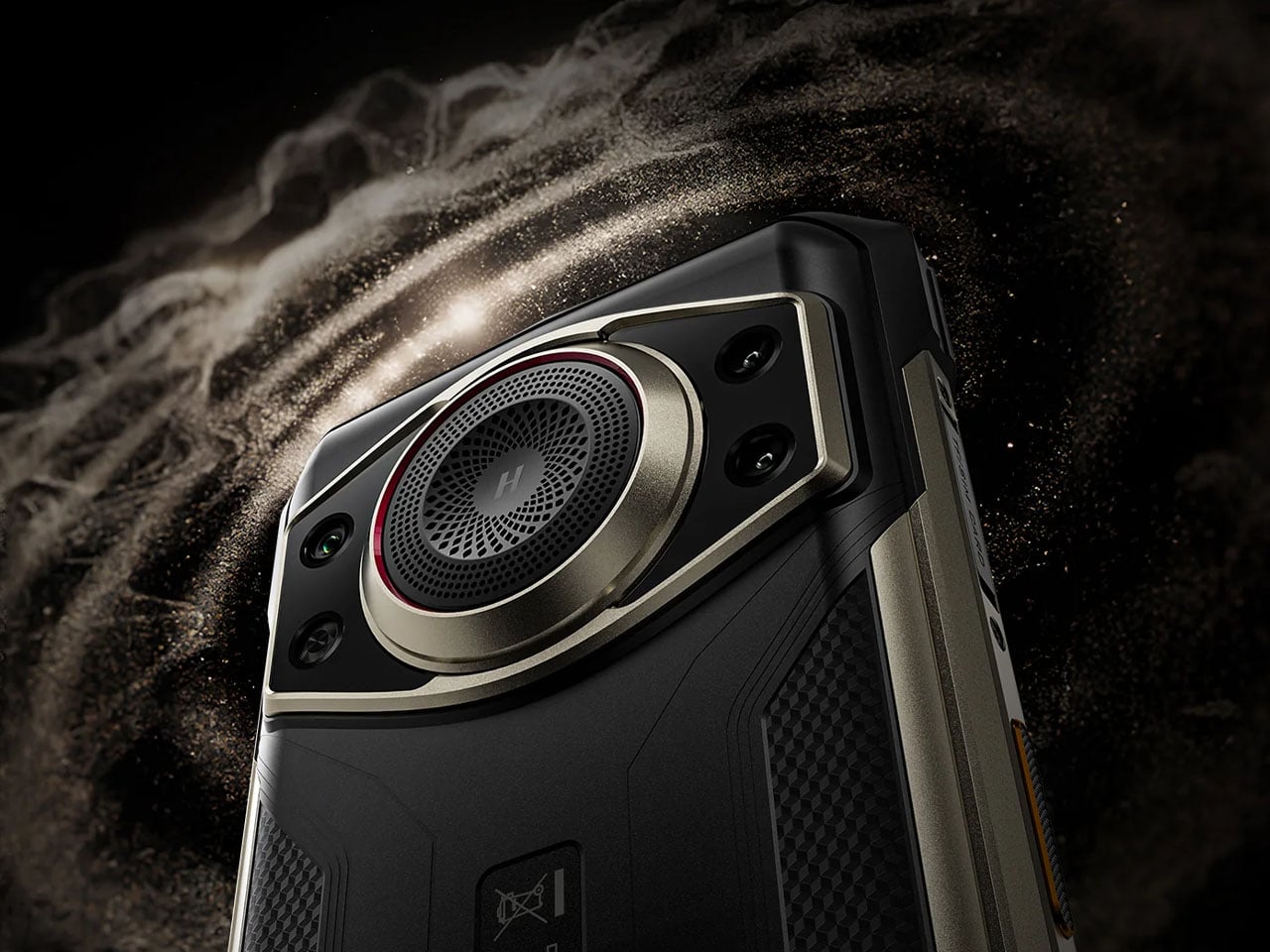
At the heart of the Fire 7 Ultra is its Push-to-Talk Over Cellular (PoC) system, a feature designed to transform the phone into a real-time communication hub for teams. Using cellular or Wi-Fi connectivity, the device allows users to initiate instant voice communication with a single press of a dedicated PTT button on the side. This setup enables one-to-one or group communication similar to traditional walkie-talkies but without the range limitations typically associated with radio hardware. As long as there is network connectivity, the communication range is essentially unlimited, making it suitable for field teams, logistics crews, event staff, and emergency responders.

The device also incorporates a short-range Bluetooth intercom mode for situations where cellular coverage is unavailable. This feature allows nearby users to communicate directly with each other without relying on network infrastructure, which can be particularly useful in environments such as tunnels, forests, or construction zones. Supporting these communication features is a powerful 125-decibel speaker powered by a 34mm, 3.5W driver, ensuring that voice transmissions remain clear even in noisy outdoor environments.

Durability remains a USP of the Fire 7 Ultra’s design philosophy. The phone carries IP68 and IP69K water and dust resistance ratings and meets MIL-STD-810H durability standards, allowing it to withstand water immersion, dust exposure, and accidental drops from around 1.5 meters. The rugged construction is paired with a large 6.6-inch IPS display featuring a 90Hz refresh rate and HD+ resolution, protected with reinforced glass designed to handle demanding outdoor conditions. Powering the device is MediaTek’s Dimensity 6300 chipset, a 6nm processor that supports 5G connectivity while delivering efficient performance for everyday tasks and communication-heavy workloads. The phone ships with 8GB of RAM, which can be virtually expanded up to 32GB, alongside 256GB of internal storage and a microSD slot for further expansion.

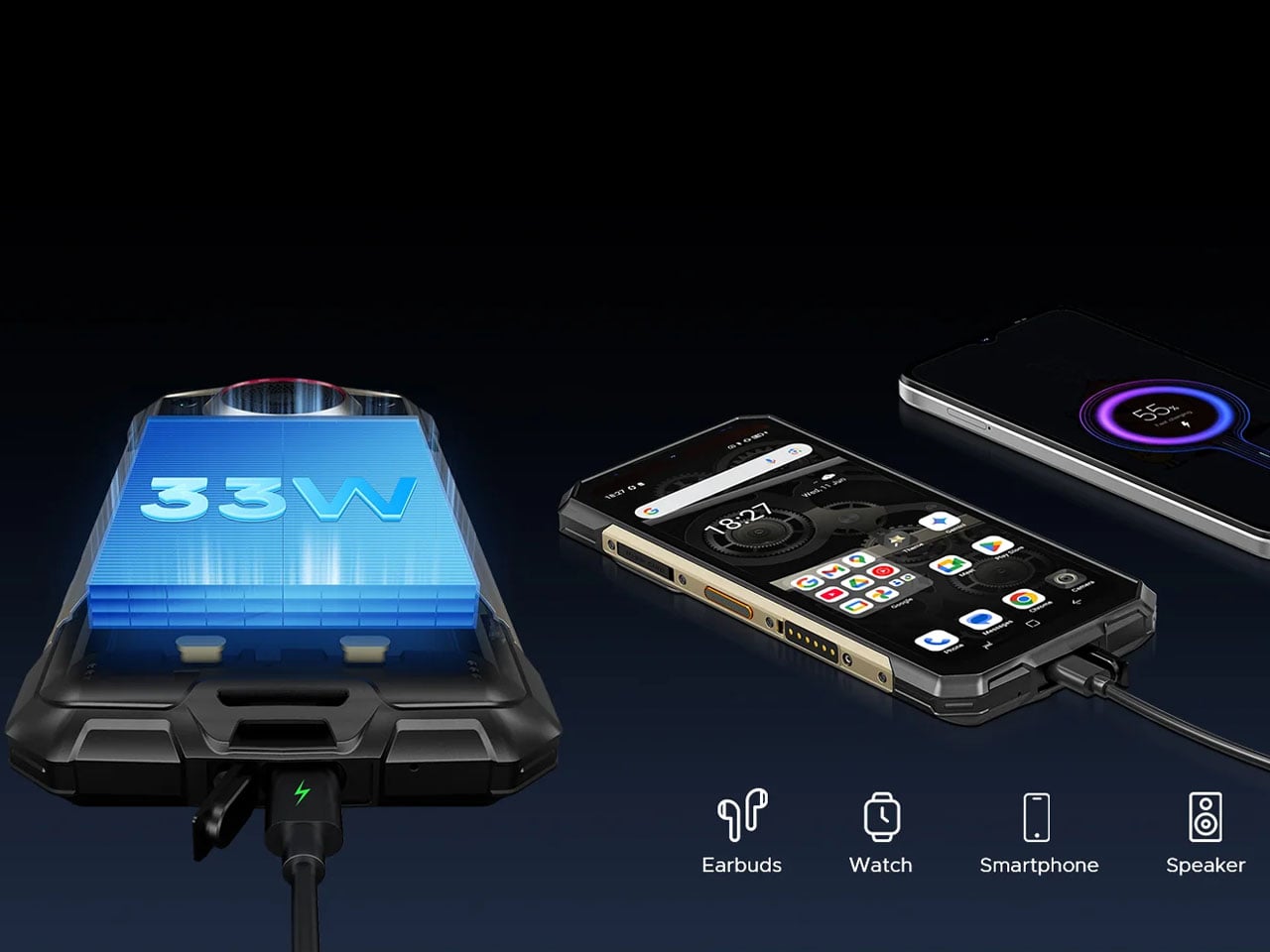
A massive 13,000mAh battery keeps the device operational for extended field use, reducing the need for frequent charging during long shifts or outdoor expeditions. The phone supports 33W fast charging and even includes reverse charging capabilities, allowing it to power smaller devices such as earbuds or smartwatches when needed. The camera setup is straightforward but capable, featuring a 64-megapixel main camera paired with a 2-megapixel macro lens and a 16-megapixel front-facing camera. Running on Android 15, the phone also supports features such as NFC for contactless payments, side-mounted fingerprint recognition, facial unlock, and a triple card slot that accommodates two SIM cards and a microSD card simultaneously.

The DOOGEE Fire 7 Ultra phone is currently available at official stores and select online retailers, with pricing around $360 for the 8GB RAM and 256GB storage variant.
The post DOOGEE Fire 7 Ultra rugged smartphone doubles as a push-to-talk radio for instant team communication first appeared on Yanko Design.


Caterham Seven HWM Edition celebrates British racing heritage with a limited-run lightweight sports car

Few sports cars have preserved the spirit of lightweight performance quite like the Caterham Seven. With its minimalist design and uncompromising focus on driving purity, the model has remained one of the most authentic expressions of classic British motoring. Now, the British manufacturer has introduced a special variant that celebrates a lesser-known but historically important racing story. Developed in collaboration with Hersham and Walton Motors (HWM), the Caterham Seven HWM Edition pays tribute to the small British team that once challenged Europe’s best on the Grand Prix stage.

HWM was founded in 1938 and built a reputation in the early post-war years as a determined independent racing constructor. Its most famous machine was the 1951 HWM-Alta single-seater, which achieved several international race victories and podium finishes during an era dominated by far larger teams. The car also played a role in motorsport history by giving legendary driver Sir Stirling Moss an early Formula 1 appearance. By creating the Seven HWM Edition, Caterham and HWM are celebrating that underdog spirit and the shared heritage of two British brands deeply rooted in racing culture.

Designer: Caterham and HWM

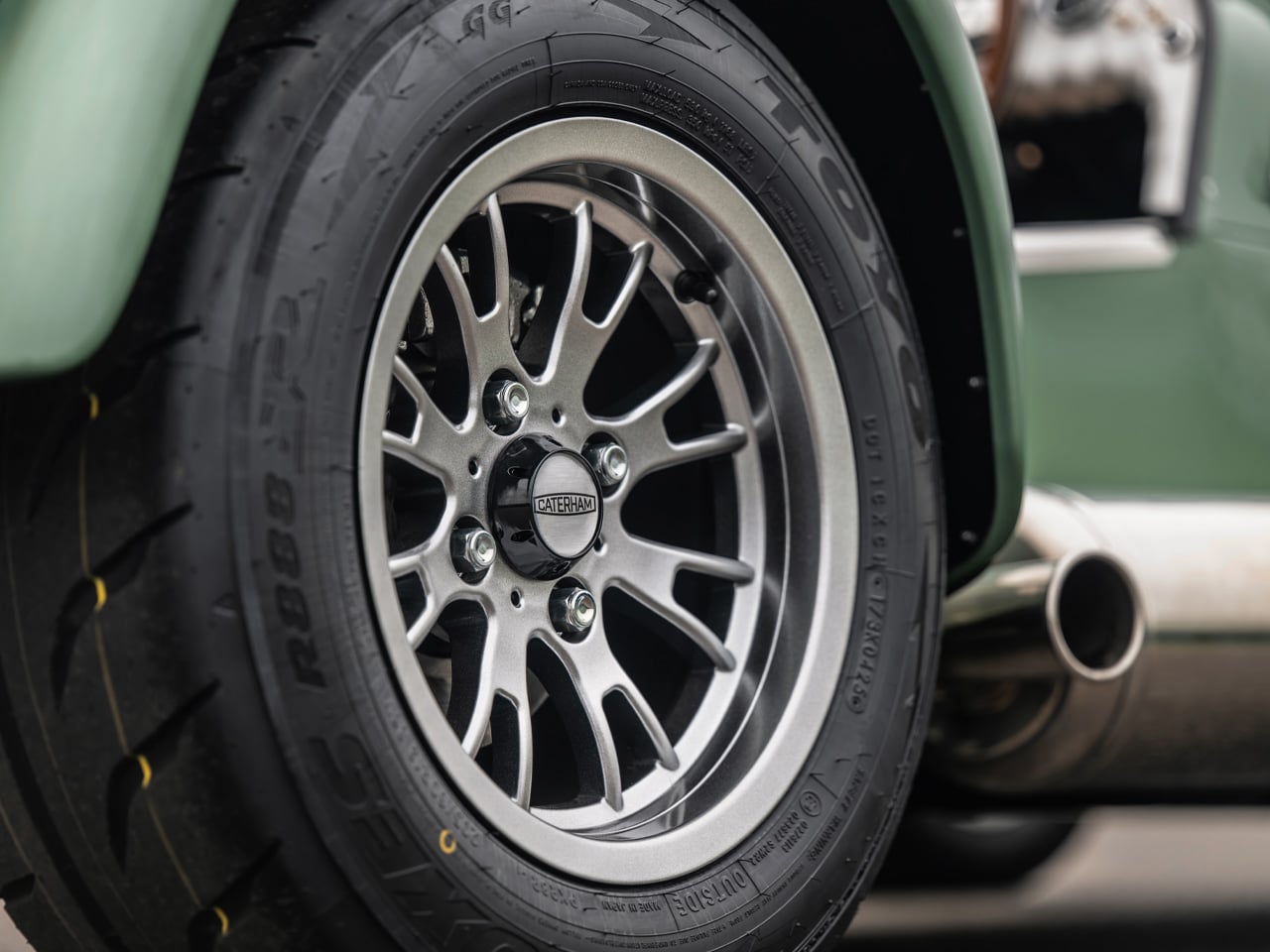
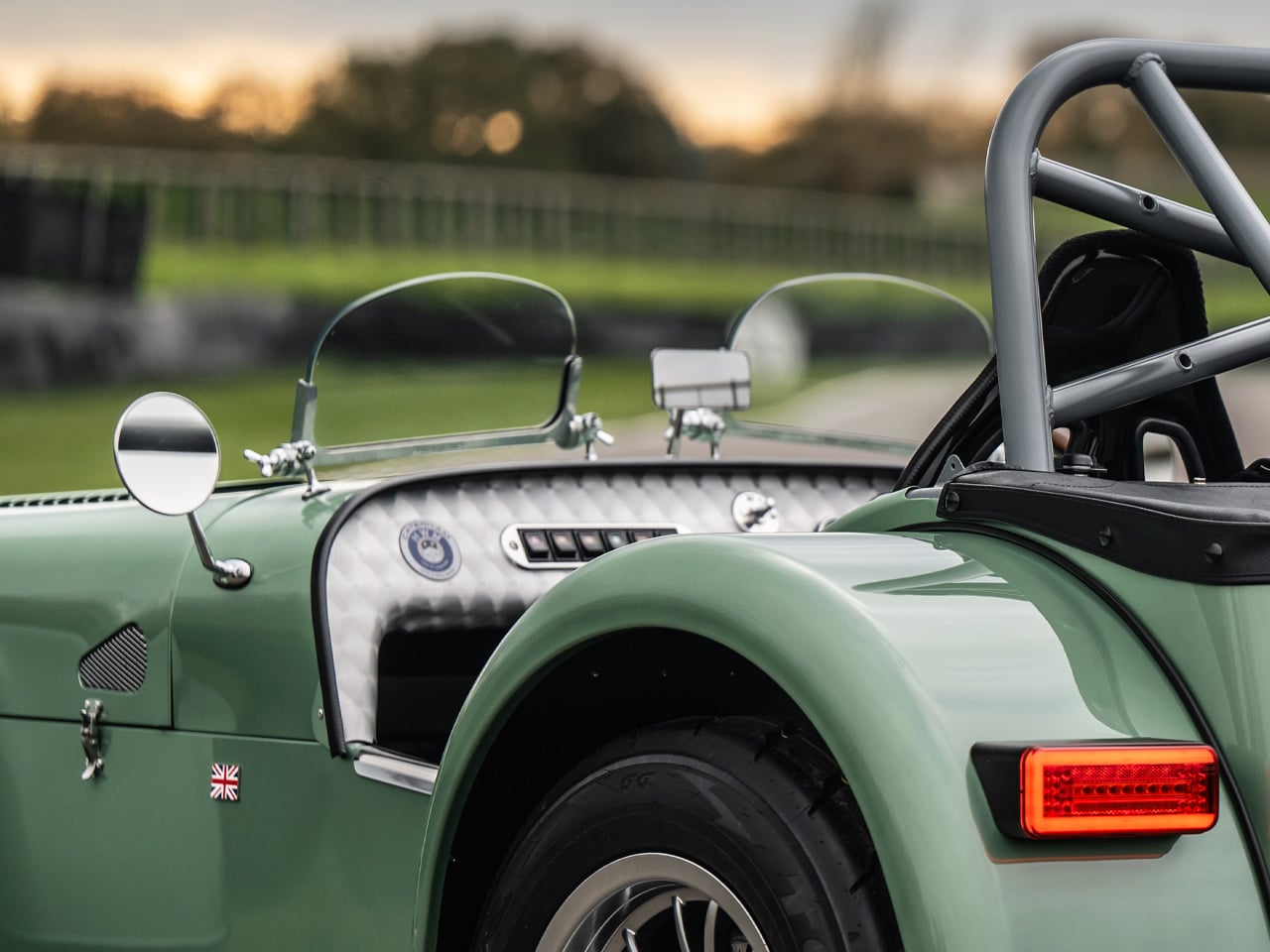
The limited-run model is inspired by the original HWM-Alta racer. Only 19 examples will be produced for the UK market, mirroring the exclusivity of historic racing specials and emphasizing the handcrafted nature of Caterham’s vehicles. Each car is finished in a distinctive HWM Green paint, a color digitally matched to the original 1951 race car. Exterior detailing reinforces the historical connection, with Alta-inspired side panel louvres, a bespoke nosecone grille, and suspension components such as the wishbones, anti-roll bar, and headlight brackets finished in Retro Grey. A centrally mounted chrome fuel filler cap and a special HWM Caterham nosecone badge further distinguish the model.

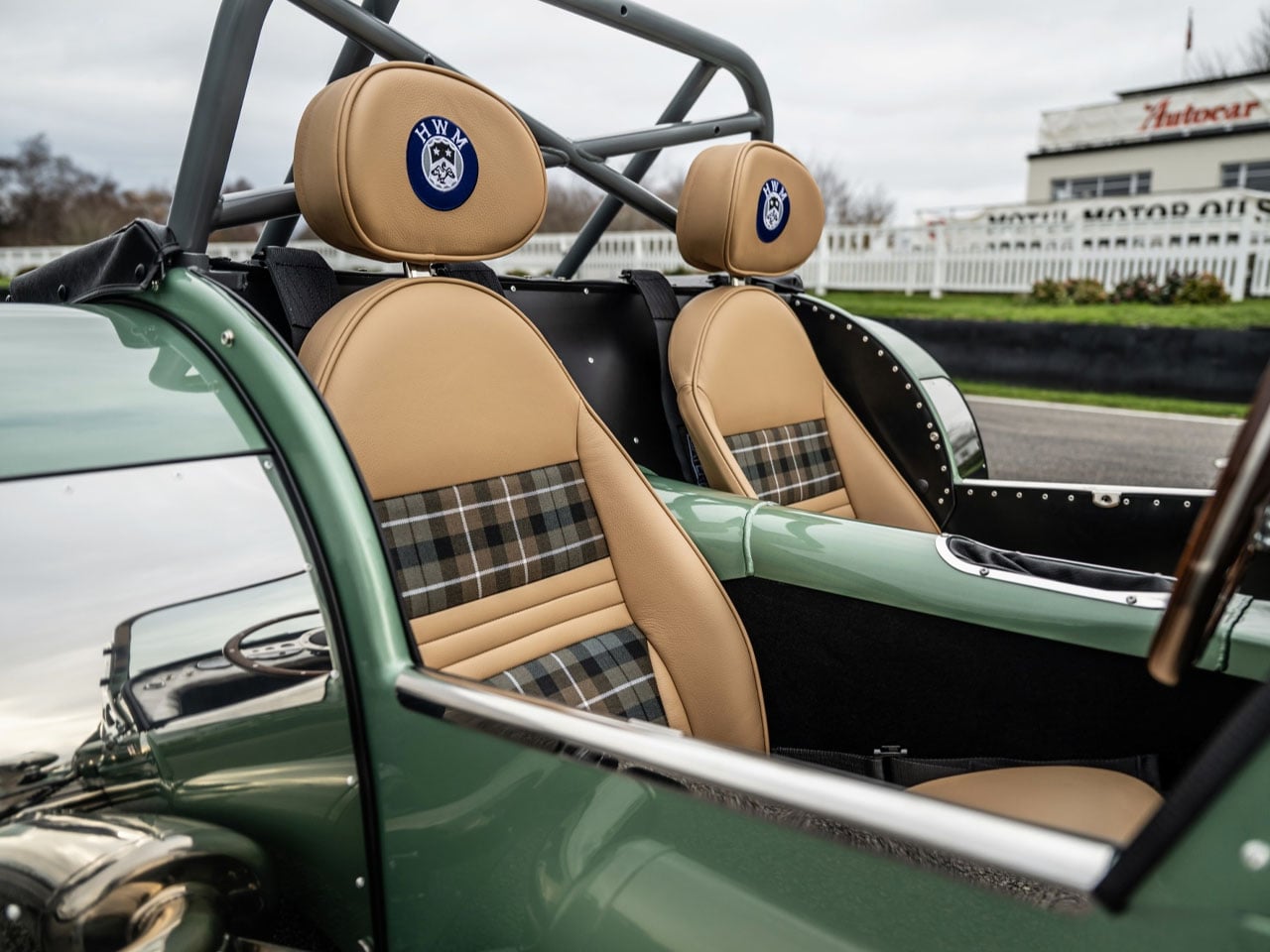
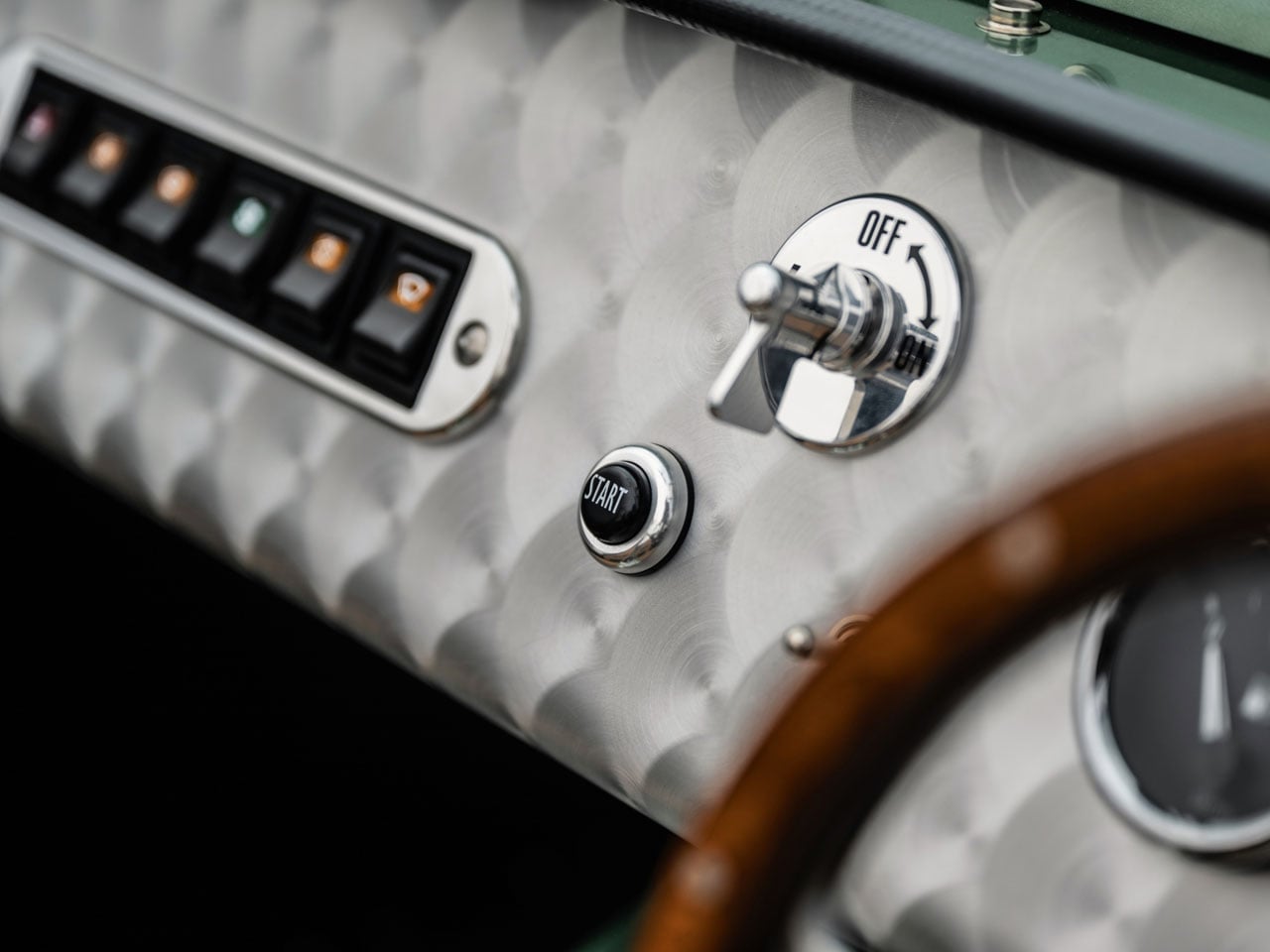
Inside the cockpit, the retro theme continues with a focus on craftsmanship and period-correct design cues. The dashboard features a hand-turned aluminum SuperSprint panel fitted with classic SMITHS chrome dials and a solid metal master cut-off switch. Drivers interact with the car through a polished wooden Moto-Lita quick-release steering wheel, while chrome-finished controls for the gear lever and handbrake add to the vintage racing aesthetic. The body-colored transmission tunnel enhances the bespoke feel, and buyers can choose between leather-trimmed seats or lightweight composite racing seats embroidered with the HWM logo. A numbered plaque on the passenger side of the dashboard marks each vehicle as “1 of 19,” underscoring its rarity.

Despite its historic inspiration, the Seven HWM Edition remains a thoroughly modern performance machine. The car is based on the Caterham Seven 420 platform and is powered by a naturally aspirated 2.0-liter Duratec four-cylinder engine producing around 210 horsepower. Paired with a five-speed manual gearbox and driving the rear wheels, the lightweight sports car delivers an impressive power-to-weight ratio of roughly 375 horsepower per ton. As a result, it can accelerate from 0 to 60 miles per hour in just 3.8 seconds and reach a top speed of approximately 136 miles per hour.

Prices for the Caterham Seven HWM Edition start at £57,990 (approximately $78,000), positioning it as an exclusive offering for enthusiasts who value both heritage and pure driving engagement.

The post Caterham Seven HWM Edition celebrates British racing heritage with a limited-run lightweight sports car first appeared on Yanko Design.

This titanium ‘Spork’ multitool packs 6 functions in a single unibody design

Daily utility meets design in EDC multitools. And here at Yanko Design, we have this knack for recognizing the best tools for you, which would provide advanced features and excellent value when you need them. In the market flooded with multitools that are designed to fold and twist, Prometheus Design Werx has surprised the demanding with the stunning idea of the SPD Ti-Spork Chop – a multitool in its own unibody design.

While multitools that fold and feature pull-out accessories from the body are a common sight, it is unusual for a multitool to arrive in a one-piece design with construction that’s durable enough to withstand whatever you can throw at it. Looking at the Ti-Spork Chop, you can instantly count it out as a viable pocket tool, but spare a thought and read further before you arrive at a conclusion.

Designer: Prometheus Design Werx

The look of the Ti-Spork Chop is self-explanatory of what the design entails. But the first thing that can disturb many is how to fit that EDC into the pocket. To ensure that it is possible and effortless, the one-piece multitool features a pocket clip to hold it in place inside the pocket. And when you’re unsure of having it in the pocket, the tool’s lanyard hole makes carrying it worry-free. The look may not obviously suggest, but this tool has six built-in functions.

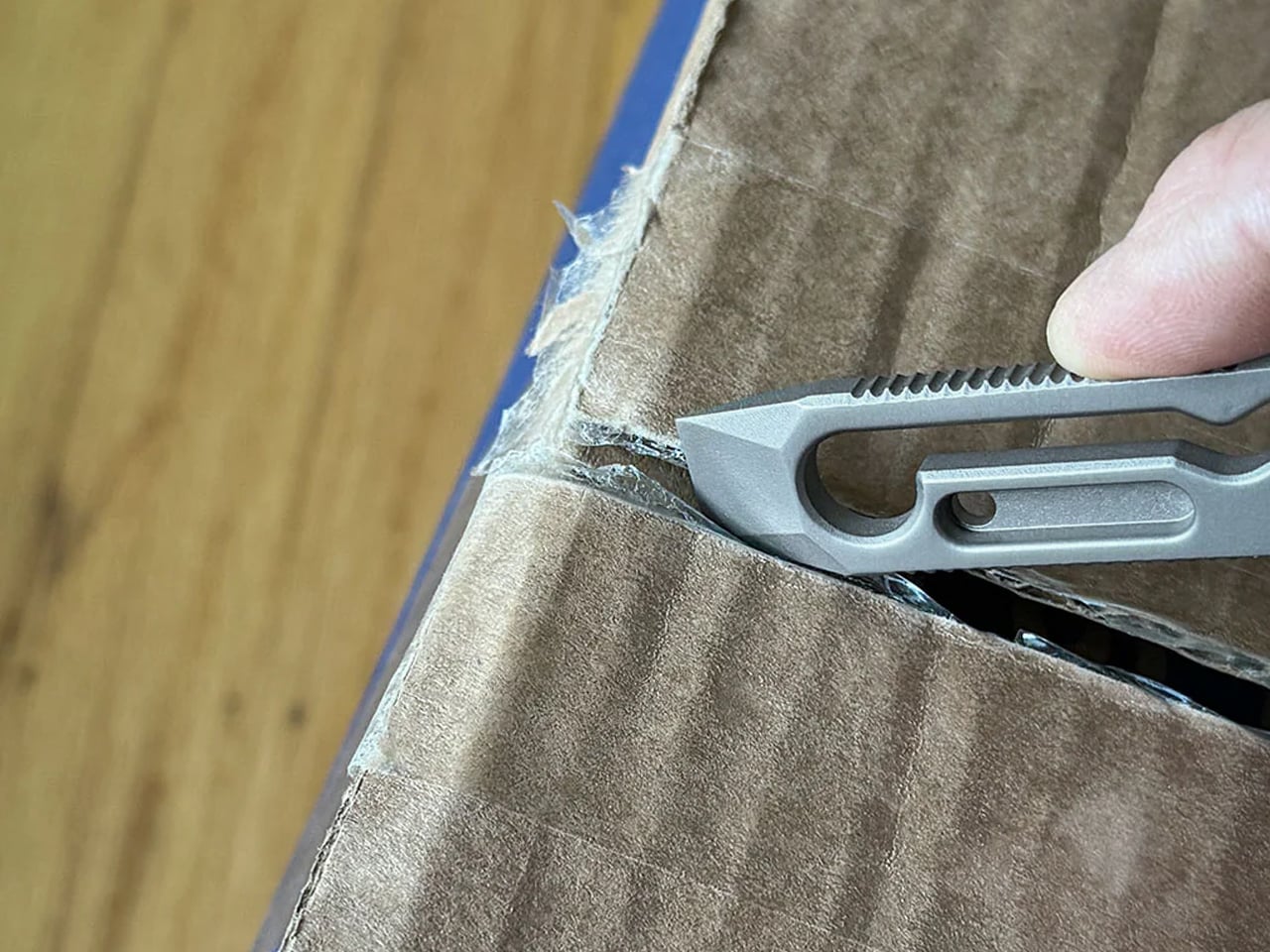
It obviously starts with the combination of a spoon and fork in the front, which clearly wins it the word ‘Spork’ (combination of spoon and fork) in its name. Besides, making it a valuable EDC for casual campers and serious adventurers are features like the bottle opener, box/can opener, and a prybar. Of course, the pocket clip on one side and the lanyard in the middle are other notable options that make the tool even more handy.

Describing various scenarios in which the multitool can be used, the company notes, “Whether you’re shoveling canned peaches, stirring your precious hot cup of instant coffee with powdered creamer in some remote, dangerous corner of the world, or opening a bottle of Jarritos, our Ti-Spork Chop has got you covered.” It’s “A titanium spork to rule them all…” the company website reads.

All these tools are packed on a Ti-Spork Chop that’s milled from a single piece of 6AL-4V grade-5 titanium. The construction makes it highly durable and exceptionally resistant to corrosion. The design, as opposed to that of other folding multitools, ensures that it is easy to clean. Weighing roughly 30g and measuring about 4.72 inches long, the lightweight but incredibly robust Prometheus Design Werx multitool is available on the company website for only $79.

The post This titanium ‘Spork’ multitool packs 6 functions in a single unibody design first appeared on Yanko Design.

This ring-like wearable speaker has integrated magnetic earbuds for on-demand personal audio

Audio is a primordial requisite for experiencing the world, and even since the invention of speakers and consequently headphones and earbuds, the magical experience has become more of a daily driver. We use audio accessories in our personal space, public commutes, and anywhere else when we need to zone out for good.

Speakers, on the other hand, are more of an inclusive experience where we enjoy our favorite tunes with our favorite people. Now there’s yet another use case scenario for audio lovers—a wearable audio speaker that doubles as a pair of earbuds. This concept design is all about exploring the limits of the audio experience while introducing a wearable format that adapts to different listening situations.

Designer: Nicolas Fred and Thomas Fred

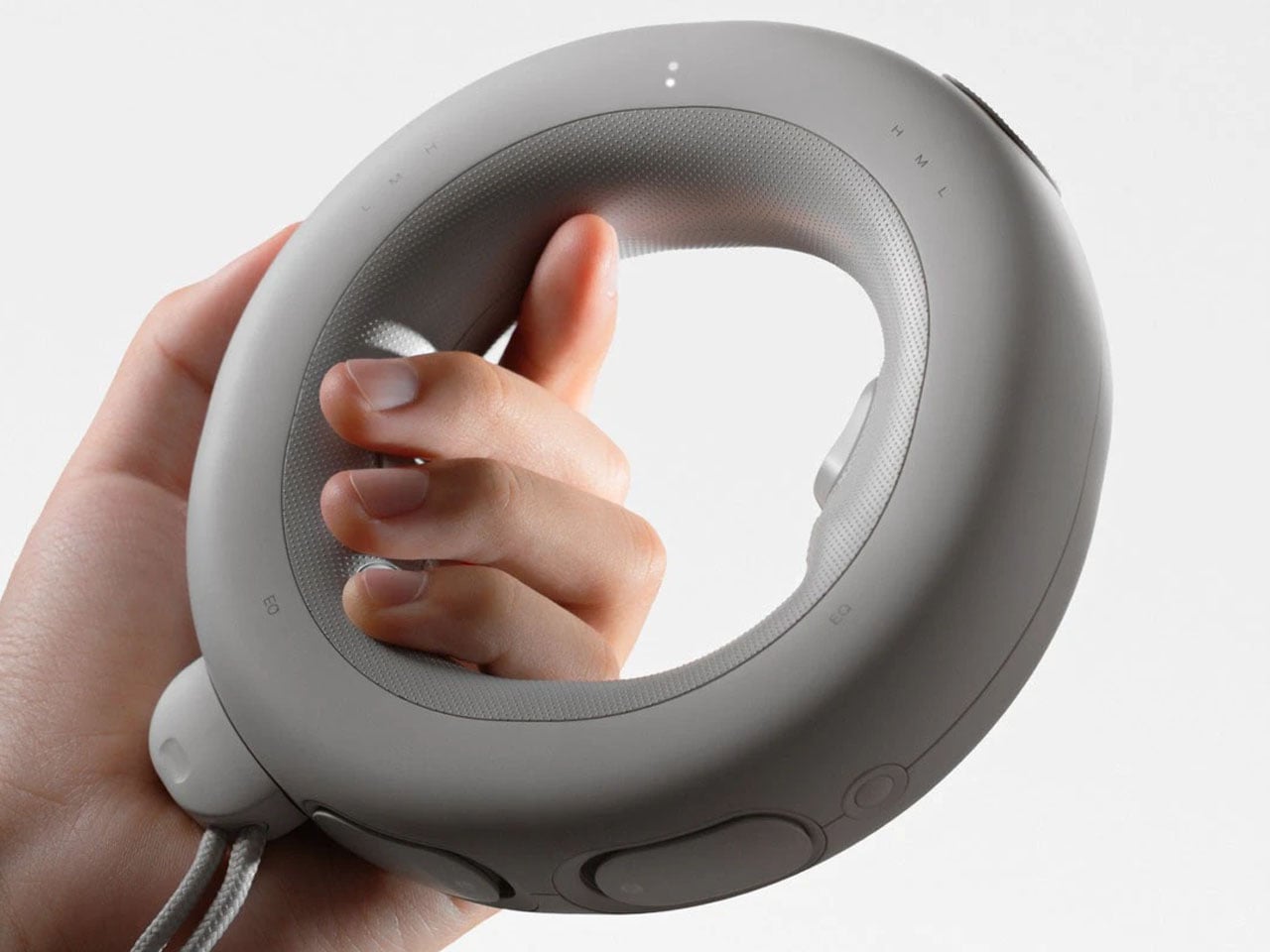
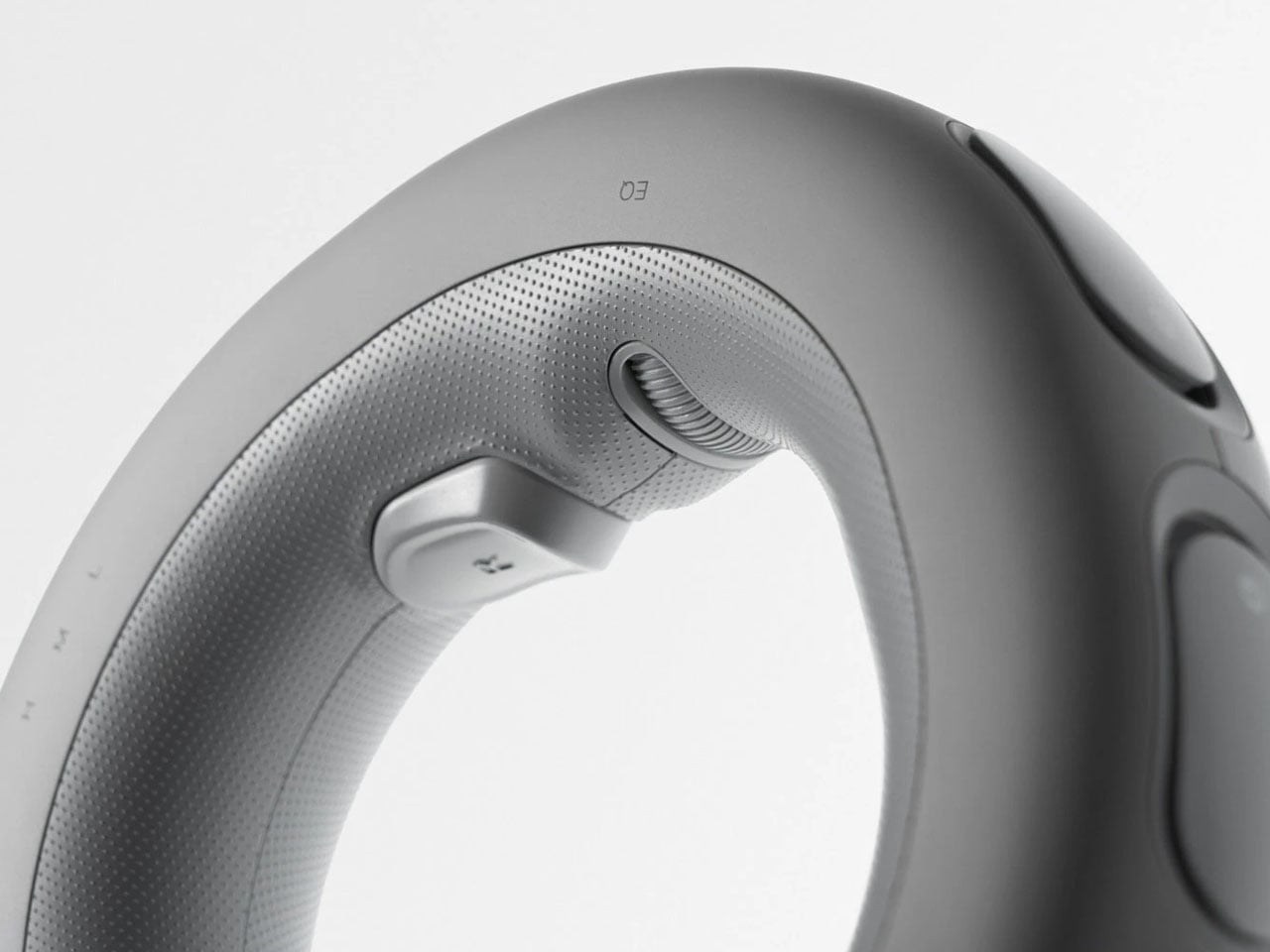
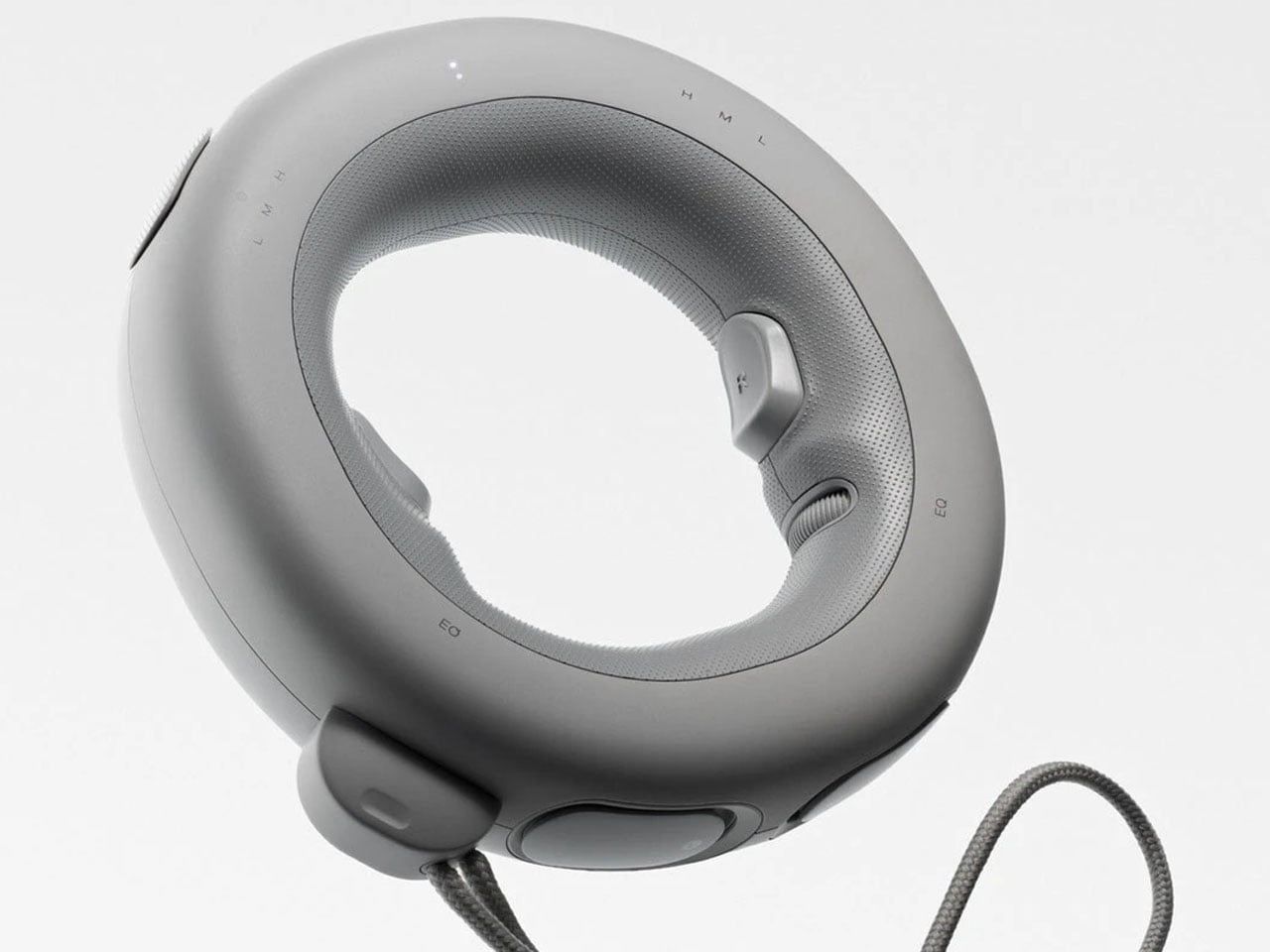
The ring-like portable speaker has a lanyard that lets users hook it onto a backpack or simply carry it around the wrist. Another option is to wear it around the neck, turning the device into a personal stereo system that surrounds the user with sound while remaining lightweight and portable. The most interesting aspect of the wearable speaker is the embedded pair of earbuds that are magnetically attached to the device. When you need a more personal audio listening session, simply detach the earbuds and slip into a more immersive listening mode.

The concept explores a flexible approach to audio consumption by blending communal listening with private listening in a single device. Instead of carrying separate accessories for each situation, the design combines the convenience of portable speakers with the intimacy of earbuds. When worn around the neck, the speaker projects audio outward, allowing nearby friends or companions to share the music. Once the earbuds are removed, the experience becomes more focused and isolated, ideal for commuting, working, or simply enjoying music alone.

Visually, the wearable speaker follows a futuristic and minimal design language. The circular form keeps the product compact and balanced, while smooth surfaces and subtle detailing give it a clean aesthetic that aligns with contemporary wearable technology. The ring structure also makes the device easy to carry and interact with, whether it is hanging from a bag or resting around the neck. Magnetic integration ensures that the earbuds remain securely attached while also making them instantly accessible when needed.

The designers also explore how wearable audio devices can remain connected to the surrounding environment instead of completely isolating the user. Open acoustic elements and carefully placed sound outlets help distribute audio while maintaining awareness of nearby sounds. This approach reflects a broader shift in wearable technology where products are designed not only for immersion but also for maintaining a sense of connection with the real world, much the Clip-On Buds that are trending currently.

The post This ring-like wearable speaker has integrated magnetic earbuds for on-demand personal audio first appeared on Yanko Design.

First look of new OnePlus 15T revealed, hints two new colors and high-end features

OnePlus has recently redefined what it means to “never settle” with its OnePlus 13 and 13T smartphones. Now, the company is back in the spotlight amid rumors of another device that appears similar in design but is expected to come with a more capable approach.

Over the past week, the OEM has faced growing speculation and anticipation surrounding the possible launch of this new smartphone. And now it seems OnePlus is openly teasing the device, sharing its images that reveal two new colorways along with details about the phone’s design and the layout of its camera array.

Designer: OnePlus

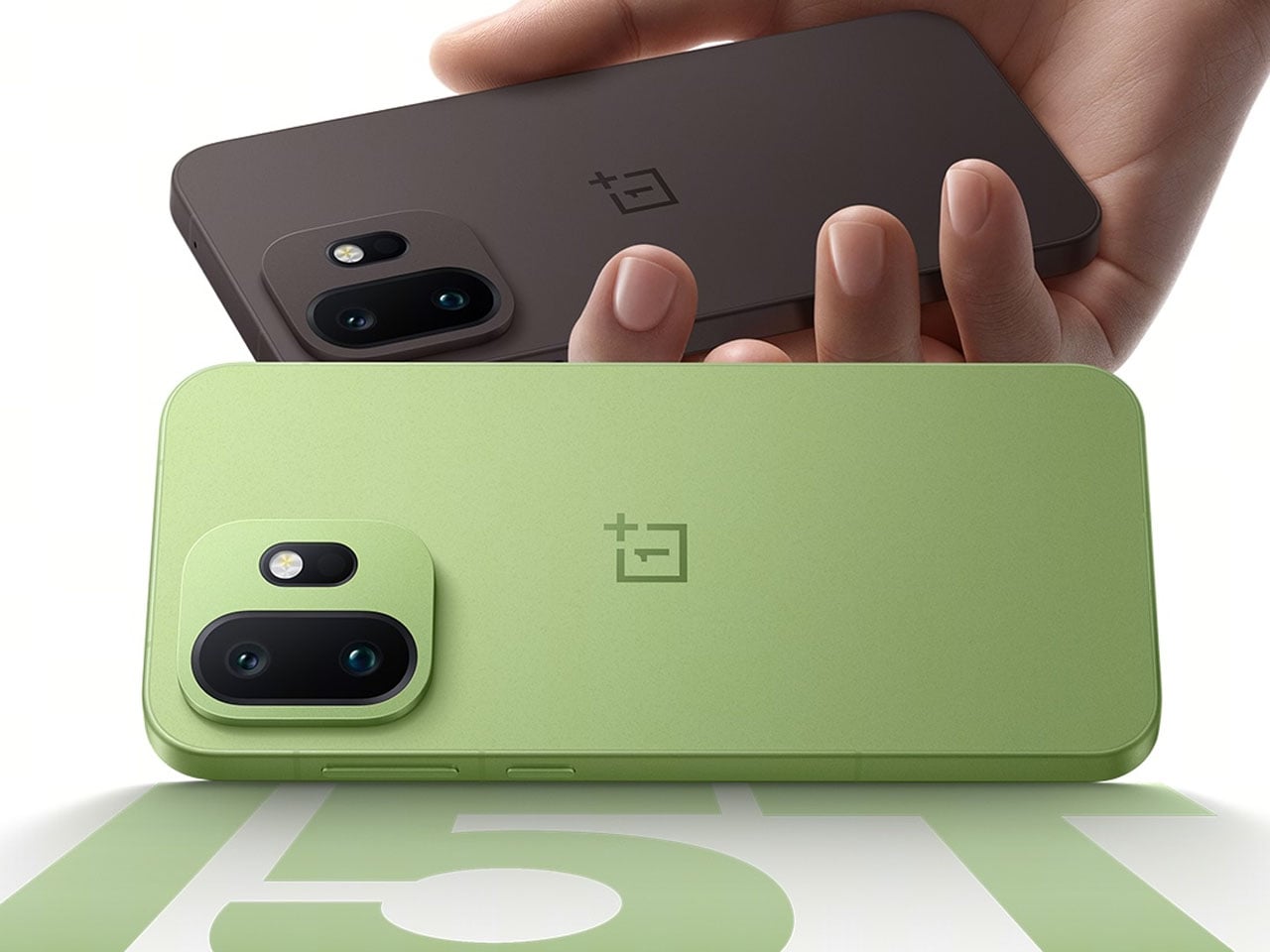
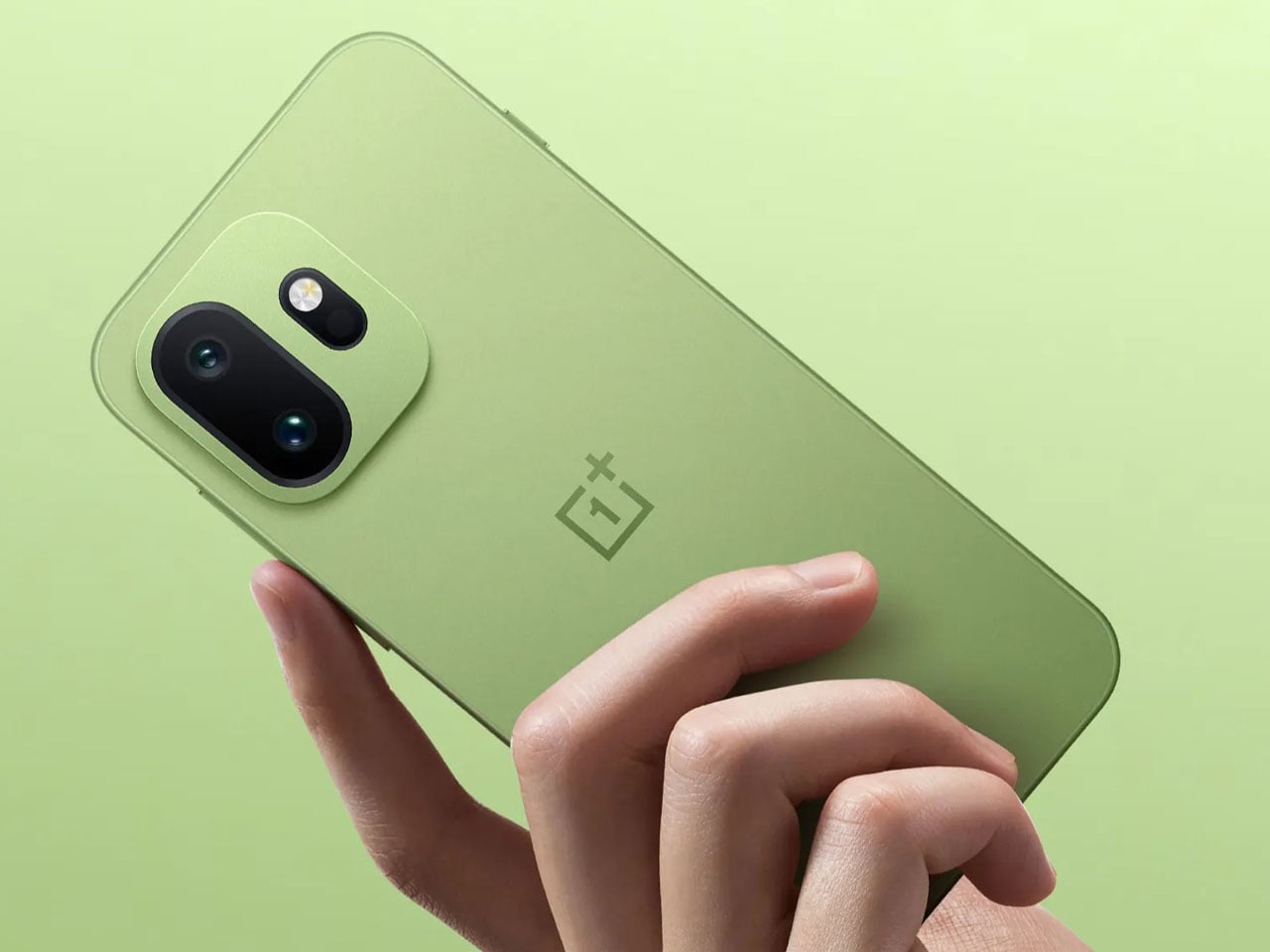
In the images that were shared on Weibo, a Chinese microblogging website, the upcoming phone is revealed in green and brown colors, but with a design that seems very much inspired by the 13T. The phone in question is the OnePlus 15T, which is showing up in its real self – ahead of a launch – for the first time. Most of what we have been able to know about the handset in the recent past has been by way of speculations and hearsay only.

Now, for the first time, we are getting an official update about how the OnePlus 15T will look and the color options you should be able to get. When it comes to looks, from the available pictures, the 15T appears very similar to the 13T. Phone could have a similar 6.32-inch AMOLED display and a rounded off design with a slim bezel, and as seen, would come in new green and brown colorways.

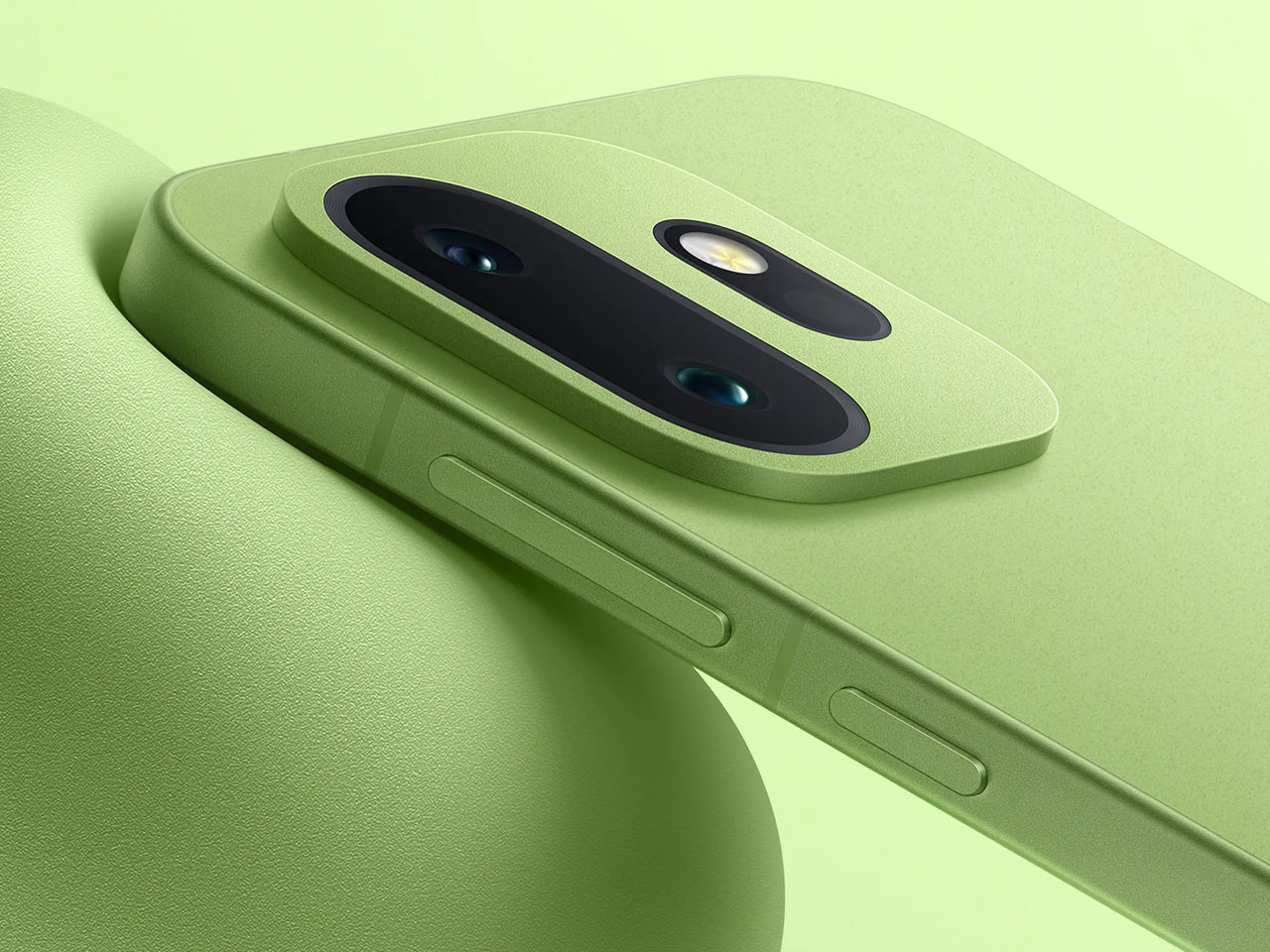
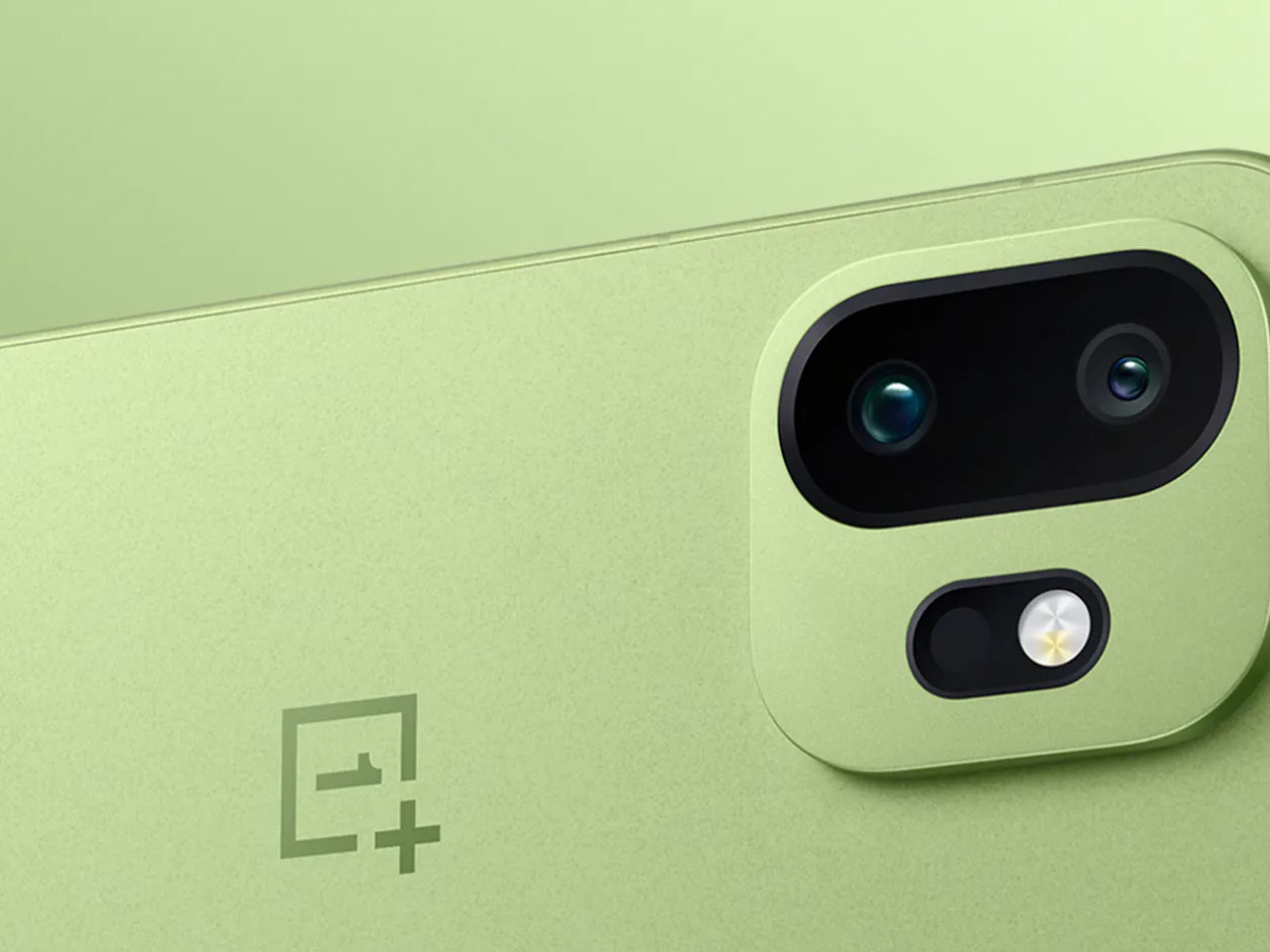
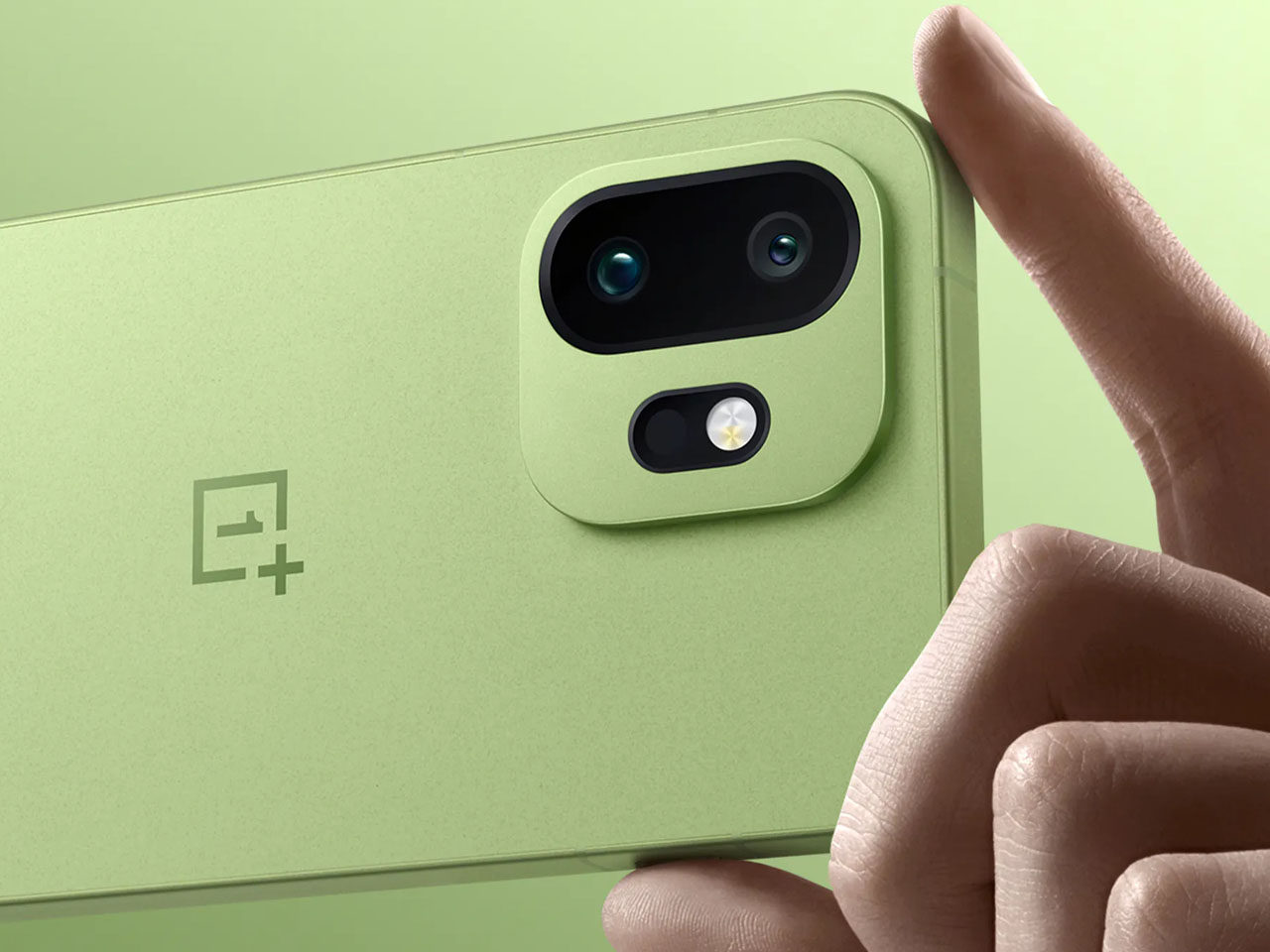
On the reverse side, the phone reveals a dual rear camera housed within a rounded square module toward the top left corner of the phone. Inside the camera housing are the two rear sensors and an LED flash. A setup which – like the design – is similar to that of the predecessor in the same size segment. With the design and new colors, the revealed images also show that the new phone will get a matte finish on the rear panel.

According to the other details already confirmed, the OnePlus 15T will feature a slim bezel and rounded corners for a comfortable grip and usage. Arriving with an AMOLED display only 6.32 inches in size and an upgraded periscope telephoto camera alongside the 3.5x optical zoom, the OnePlus 15T, despite its compact size, gets some high-end features. The phone is likely to draw power from a Snapdragon 8 Elite Gen 5 SoC with 16GB of RAM. It will feature up to an IP69K rating, making the handset capable of handling dust, water dips, and high-pressure water sprays with equal confidence.

Before you consider size and durability as top facets of the OnePlus 15T, just spare a thought for its 7,500mAh battery, rumored to support 100W wired and 50W wireless fast-charging. OnePlus 15T is likely to launch in China later this month, and that’s really when we will have the definite details about the phone. Before that, most of it was only rumors!

The post First look of new OnePlus 15T revealed, hints two new colors and high-end features first appeared on Yanko Design.

Louis Vuitton Escale Mount Fuji Pocket Watch brings a functional landscape to life

If you’ve reached here, stop scrolling any further, and just look at that goddamn watch. Isn’t this Louis Vuitton pocket watch simply incredible? Museum-worthy, my colleague cries out! Before figuring out the entire dynamism of it and setting out to write, I looked again. Is that even a watch? It’s more of an art piece and that’s what it looks like, I told myself. And then reality struck me.

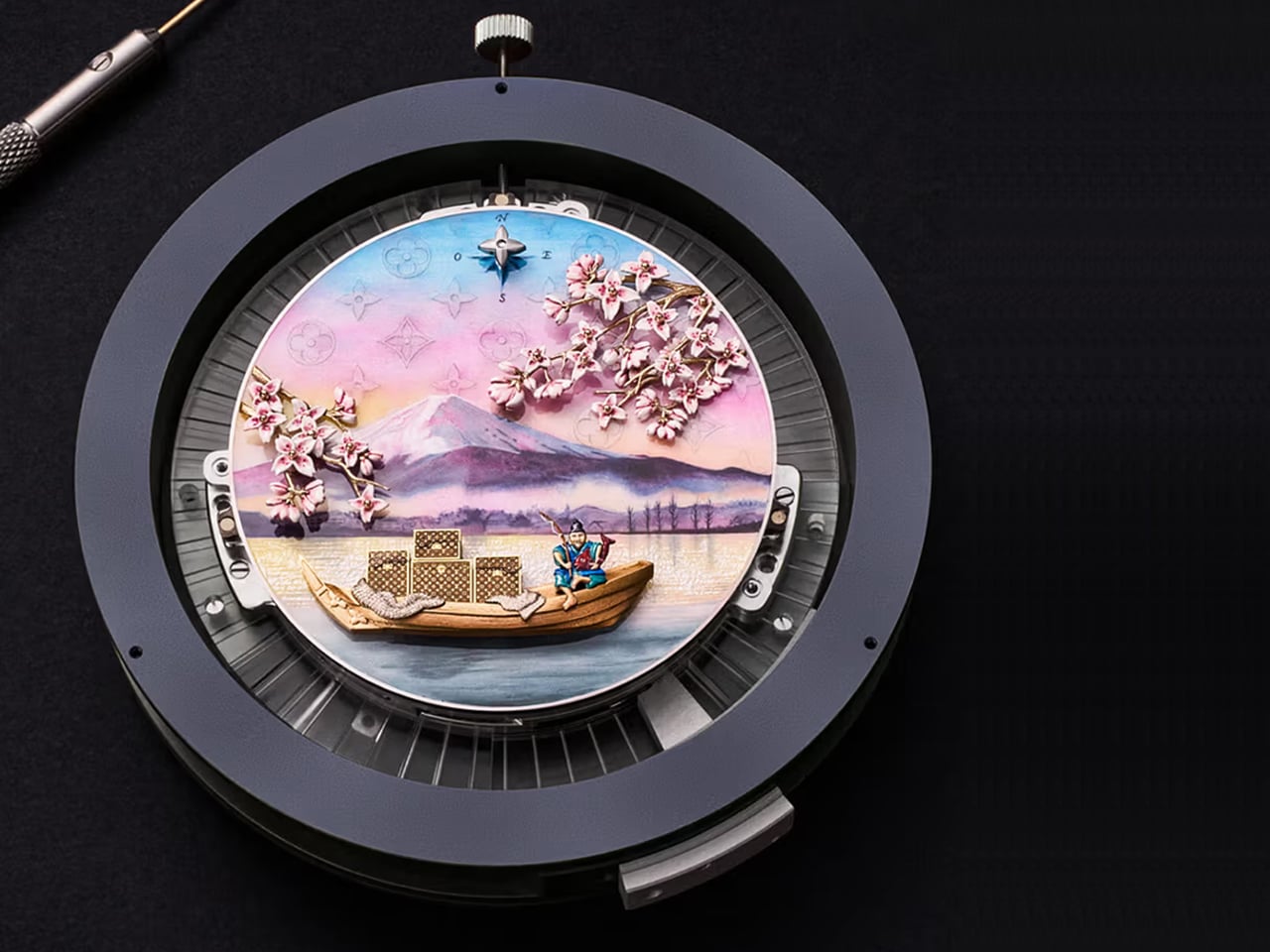
This new Escale Mount Fuji edition pocket watch is the latest from Escales Autour du Monde, LV’s collection of highly detailed pocket watches coming out of the Geneva-based La Fabrique du Temps. Honoring Japan, this one-of-a-kind, high-end pocket watch features a dial that wears the peaceful scenery of dawn over Mount Fuji with hand-engraved details on one side and the functional watch with an open-worked design on the other side.

Designer: Louis Vuitton

Capturing the spirit art and nature, the Louis Vuitton Mount Fuji edition pocket watch features a 50mm 18k white gold case, which measures about 19mm at the thickest point. The beautiful double-sided design with Philippe Dufour-level polishing quality on the openwork view of the dial with the time on one side, and handmade artwork is made to make heads turn and details speak for their craftsmanship.

The artistic side of the Mount Fuji edition is adorned at the top by a vibrant sky comprising 33 distinct colors and 300 hours of painstaking toil with art and traditional techniques. At the 12 o’clock setting, here is a gold compass rose punctuated by Louis Vuitton Monogram flowers. With Mt. Fuji in the background, a wooden fishing boat carrying mythical Ebisu, a beloved figure in Japanese folklore, abode with his emblematic fishing rod and tai sea bream is a dynamic addition.

The boat rocks right to left, the miniature Louis Vuitton trunks onboard open and close, while the compass rose spins around. The defining element still is the Sakura cherry blossoms which also sways like they would in the wind in a natural setting. The entire artistic brilliance is confined within a bezel set with 60 baguette-cut sapphires. This scene within the gradient-matching sapphires, is celebrated with the pocket watch’s Jacquemart mechanism powering the four animations.

The Escale au Mont Fuji, as it’s referred to, is powered by the manual winding LFT AU14.03 caliber which comprises 561 components and provides the pocket watch with an eight-day power reserve. The watch’s hands move to tell time while the minute repeater chimes the hours, quarters and minutes. The visible tourbillon is a fantastic sight on the watch dial that shines in its glory when you hold in your hand. For that, you would need to shell out roughly €1,300,000 (a whopping $1,500,000).


The post Louis Vuitton Escale Mount Fuji Pocket Watch brings a functional landscape to life first appeared on Yanko Design.

Nothing Headphone (a) promises flagship-level features and five-day battery life at budget price

Nothing has steadily built a reputation for blending distinctive design with practical features. Now the Headphone (a) continues that philosophy by bringing many of the flagship features of the company’s earlier over-ear models to a more affordable price point. Positioned as a streamlined alternative to the Nothing Headphone (1), the new budget headphones aim to deliver strong battery life, customizable sound, and tactile controls while costing significantly less at $199.

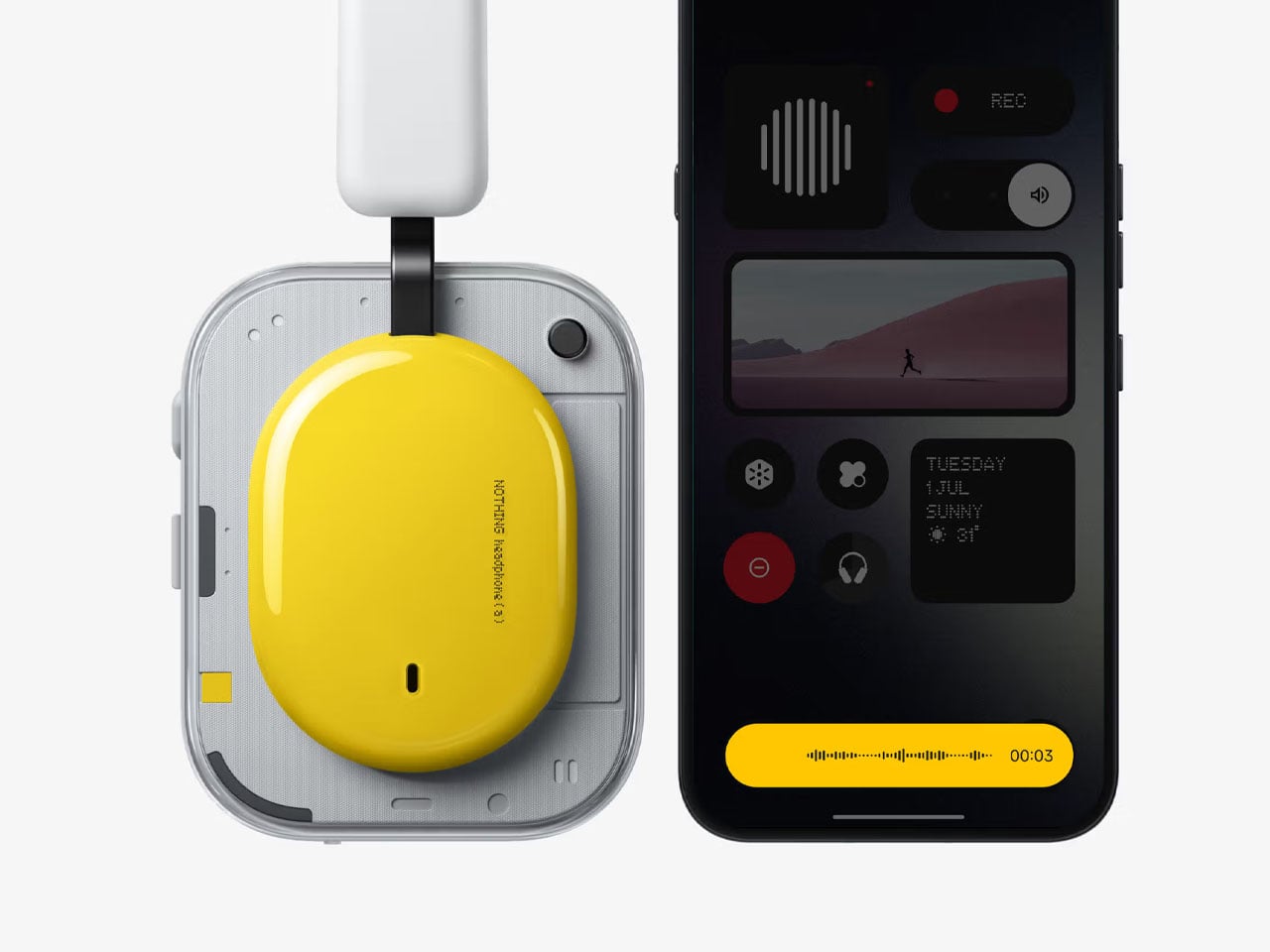
The Headphone (a) maintains Nothing’s recognizable industrial design language while introducing more expressive color choices for new-age buyers. Available in black, white, pink, and yellow, the headphones feature a boxy ear-cup structure and semi-transparent elements that align with the brand’s aesthetic identity. Despite being over-ear headphones, they weigh about 310 grams and include memory foam ear cushions designed for comfort during extended listening sessions.

Designer: Nothing

The model carries an IP52 rating, offering protection against dust and light splashes, which makes it suitable for everyday commuting or casual outdoor use. Audio performance is driven by 40mm dynamic drivers with titanium-coated diaphragms, engineered to deliver clean and controlled sound with reduced distortion. The headphones support Hi-Resolution Audio Wireless and the LDAC codec, allowing compatible devices to stream higher-quality audio over Bluetooth. Through the Nothing X companion app, users can further refine the listening experience with an eight-band equalizer and additional sound adjustments. This level of customization is uncommon at this price tier, giving listeners more control over their preferred sound profile.

Noise management is handled through adaptive active noise cancellation capable of reducing external sound by up to 40 decibels. Users can choose between multiple noise-cancellation levels depending on their surroundings, while a transparency mode lets ambient sounds pass through when awareness is needed. For voice calls, the headphones employ multiple microphones and AI-assisted noise reduction to isolate speech from background noise, improving clarity during conversations.

One standout feature of the Headphone (a) is its physical control system. Instead of relying on touch gestures, Nothing integrates tactile inputs directly into the ear cups through a Roller, Paddle, and Button interface. These controls allow users to adjust volume, skip tracks, answer calls, or change noise-cancellation modes without needing to look at their phone. The customizable button also supports a feature called Channel Hop, which enables quick switching between apps or functions. In addition, it can act as a remote camera shutter when paired with compatible smartphones, expanding the headphones’ functionality beyond audio playback.

Battery life is where the Headphone (a) stands out most clearly. Nothing claims up to 135 hours of playback without active noise cancellation and around 75 hours with ANC enabled. Even with the high-bandwidth LDAC codec, the headphones can deliver roughly 50 hours of listening. A quick five-minute charge provides several hours of playback, while a full charge takes about two hours via USB-C. This endurance significantly exceeds that of many competitors in the same category.

Compared with the earlier Nothing Headphone (1), the Headphone (a) offers a similar design and control scheme but removes some premium tuning elements and advanced features to reach a lower price. However, it retains most of the everyday functionality users expect, including ANC, customizable sound, and multipoint connectivity. When viewed against higher-end models like the Apple AirPods Max, the differences become clearer. Apple’s headphones deliver more advanced spatial audio and premium materials but cost considerably more, typically around $549. The Headphone (a), while less luxurious, focuses on practicality by offering dramatically longer battery life and simpler physical controls at a fraction of the price.

The post Nothing Headphone (a) promises flagship-level features and five-day battery life at budget price first appeared on Yanko Design.

Kia to soon roll out its first pop-up PV5 production camper van for ultimate future of EV adventure

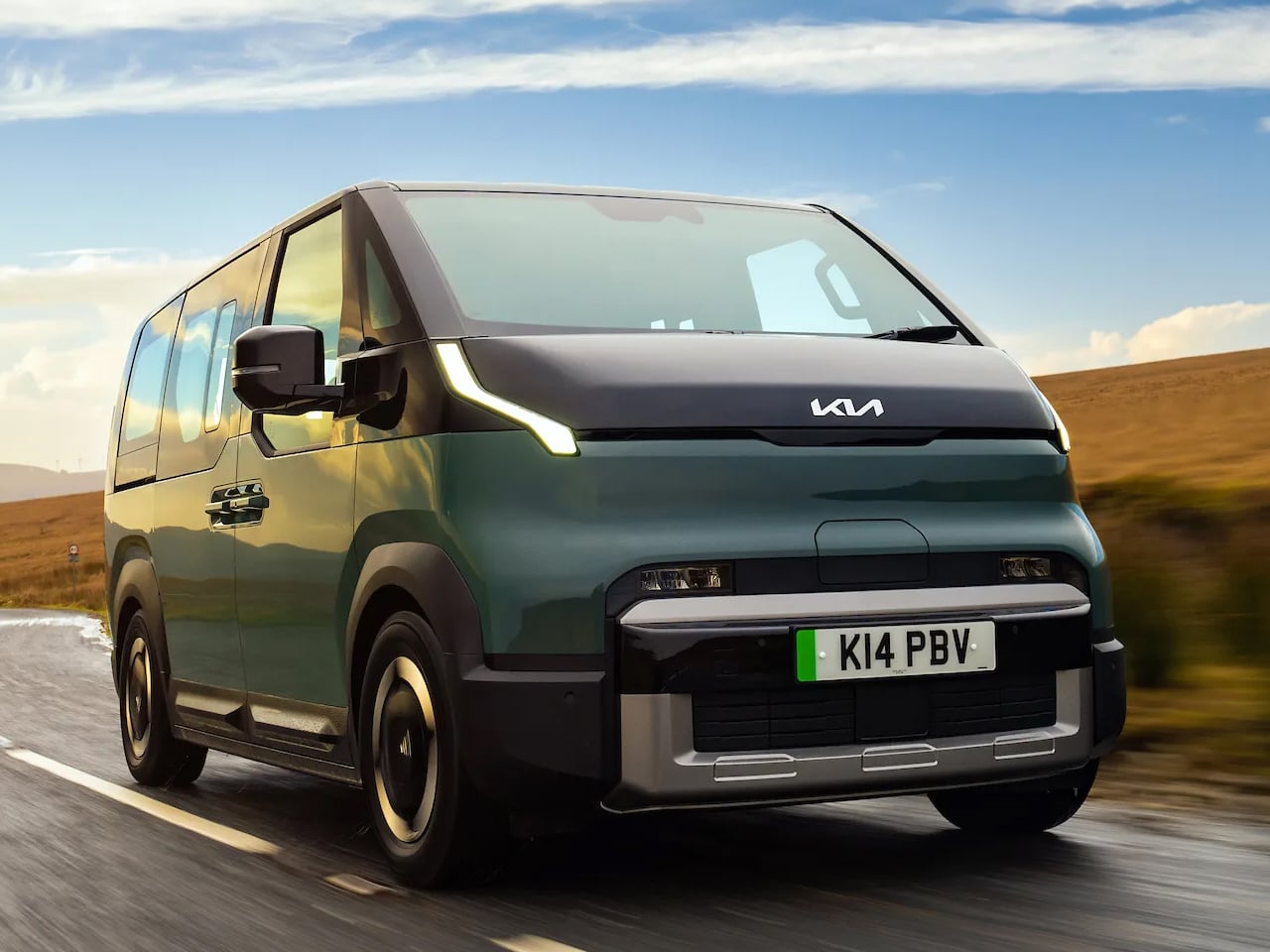
We definitely live in a world of adventure enthusiasts who demand more from their vans than meets the auto maker’s desire. Which is one of the primary reasons everyone from Volkswagen to Nissan and now Kia is reimagining their designs, so as to carter to the demand more appropriately. Speaking of which, the South Korean auto giant surprised us with the Kia PV5 WKNDR concept at Sema last year, and now, in collaboration with British converter Sussex Campervans, is working on the regular version of the PV5 to transform it into a pop-up roof camper van that gives the best in the industry a run for their efficiency and comfort.

When Kia revealed the PV5 WKNDR, it demonstrated the highly flexible and modular interior of an electric van, which could easily and efficiently be customized to maximize space and function. This idea is now translating – thanks for Sussex – into feasibility soon. We say soon, the conversion specialist is already accepting registrations for inquiries regarding the Kia PV5 pop-top camper van, indicating the conversion could be available for the adventurers in no time now.

Designer: Sussex Campervans

The conversion, in the works, is billed as the first pop-up PV5 production camper van that can be an EV capable of changing the game in Kia’s favor. How it will do that is really not revealed completely. The promo on the outfitter’s website shows the Kia PV5 with a pop-up roof and various interior customizations. Of course, the real footage of the possible configurations is missing at the time of writing, but we learn that the conversion package is strictly done in line with Kia’s ‘global sustainability goals.’

The zero-emission EV van from Kia may see some components go out to make the conversion feasible, but Sussex informs, what goes will be replaced and compensated for with parts and trim sourced from recycled materials, ensuring the sustainable quotient of the original vehicle remains intact. While we are short on information about what the actual conversion will look like, we can inform that the van, with the destined pop-top roof, offers reclining and foldable second-row seats along with a spacious cargo space that both facilitate comfort and flexibility.

The Kia PV5 passenger vehicle itself has a spacious interior designed with a cargo capacity of 1,330L, even with the second-row seats are available for commute. That’s more than enough to carry your camping gear or everything required for your business trip. With the second-row seats down, the space increases to 3,615L, which is enough for Sussex Campervan to play around during conversion. To make the van accessible to all types of adventurers (young and old), it comes with a low floor height of only 399mm. Kia PV5 is powered by a 120kW motor paired with a 71.2kWh battery, which delivers up to 412 km range on a single charge. Fast charging support allows the batteries onboard to charge up to 80 percent in less time than you’ll take to order and finish a cup of coffee. If you’re interested in the possibilities of the Kia PV5 camper van, you can reserve the all-electric conversion starting £68,995.

The post Kia to soon roll out its first pop-up PV5 production camper van for ultimate future of EV adventure first appeared on Yanko Design.

This Self-Balancing Electric Bike Rolls on a Single Giant Ball and Moves in Any Direction

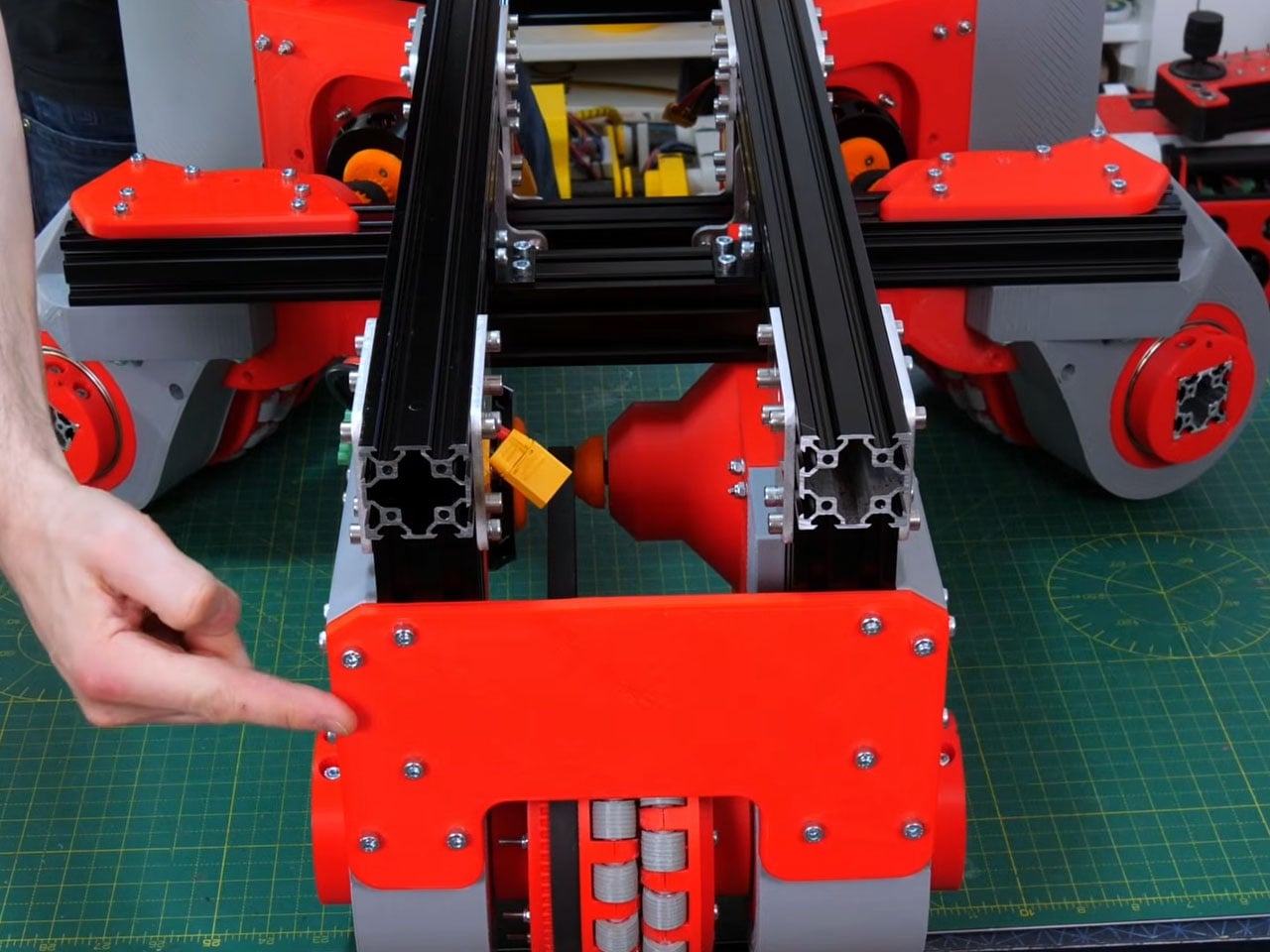
James Bruton’s latest creation stands out even among his many engineering oddities and builds on the kind of inventive spirit that we saw in his earlier two-ball omnidirectional bike. The British engineer turned full-time YouTuber has now built an electric bike that balances on a single giant ball and can move in any direction based on how the rider leans and how its control systems respond.

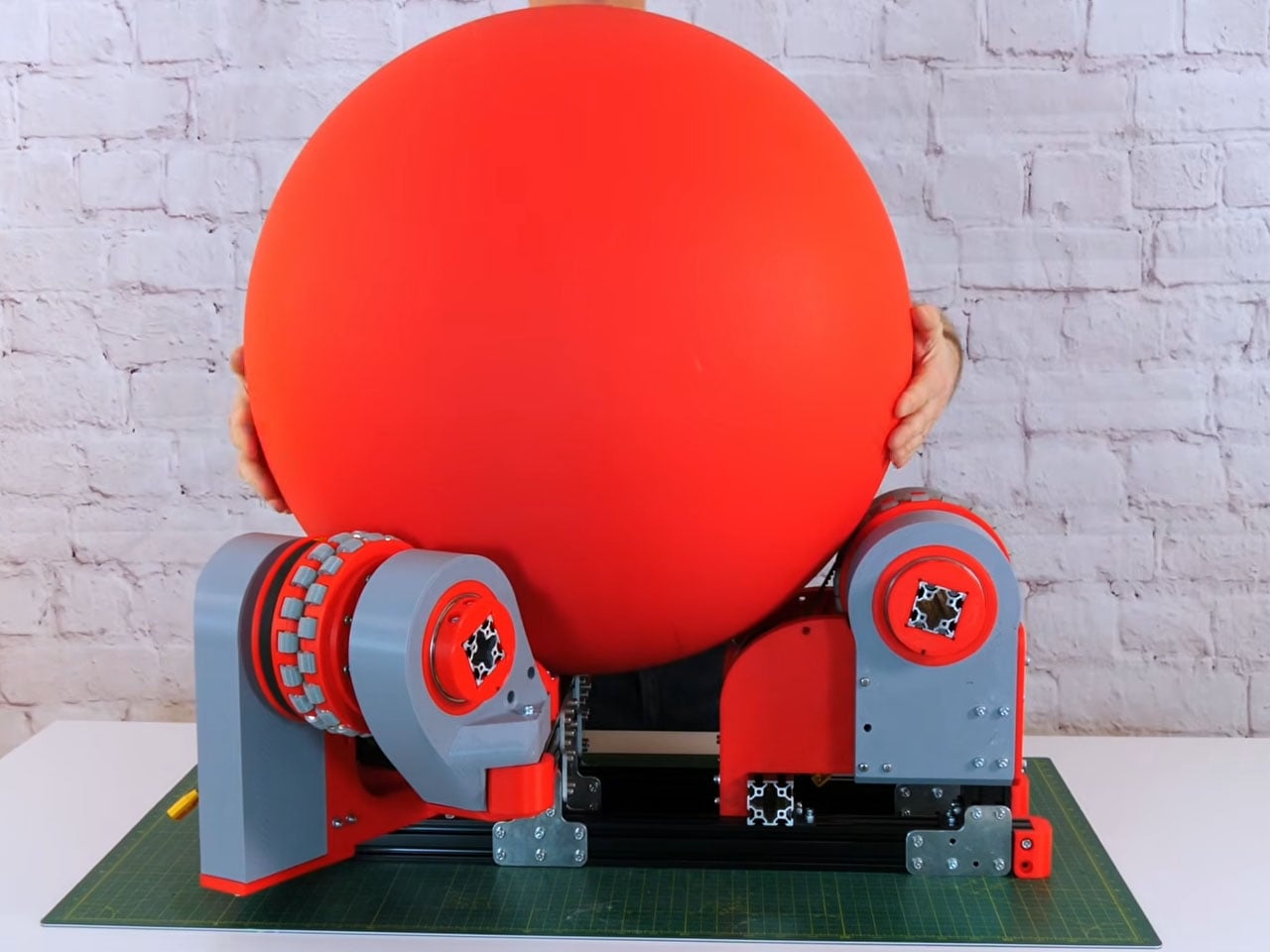
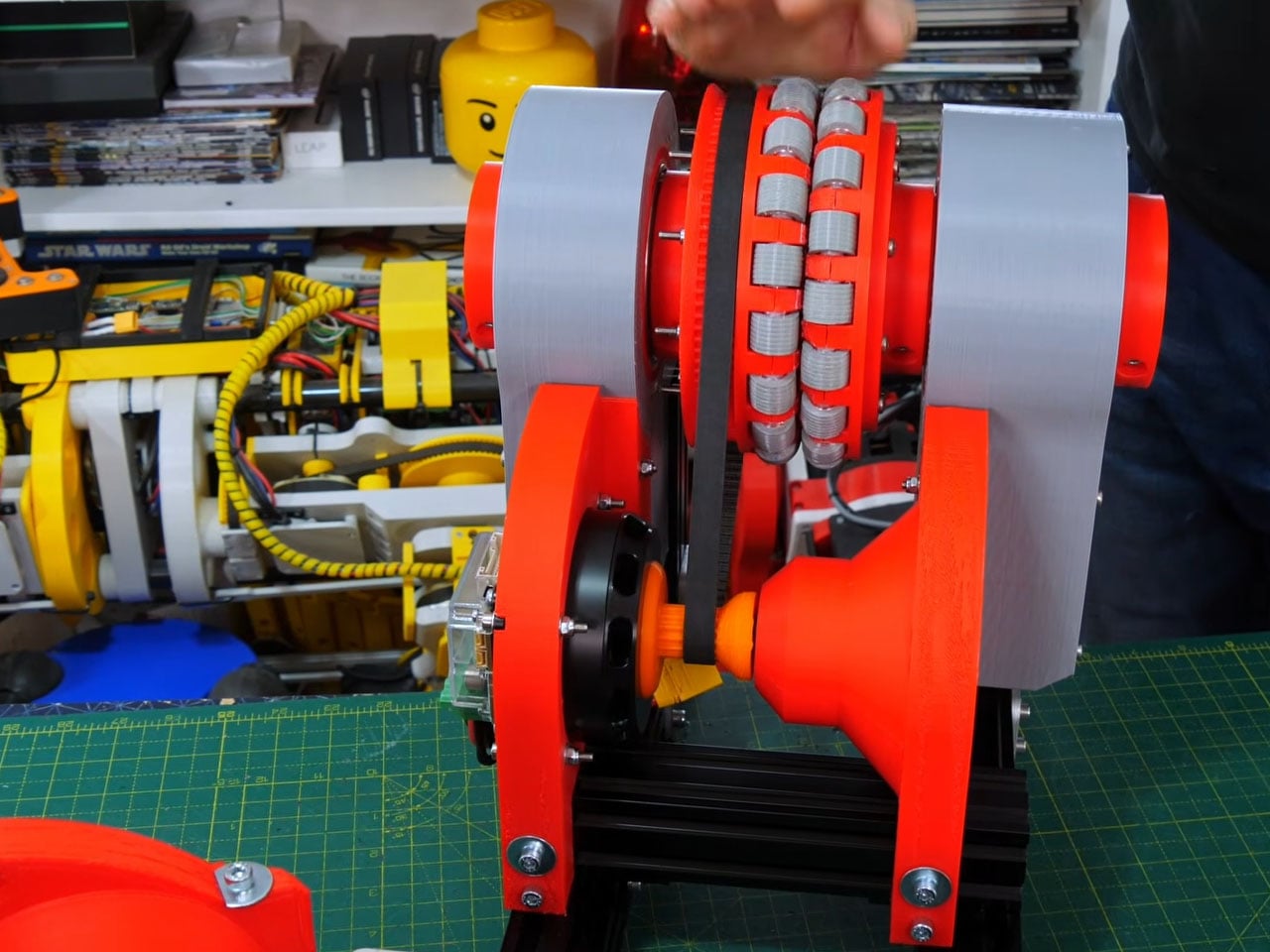
The One-Ball Bike has a roughly 2-foot red spherical ball that supports the entire machine and the rider above it. Around this sphere sit three omnidirectional wheels, arranged in an equilateral triangle under the bike’s frame, each driven by a motor capable of pushing the ball forward, backward, or sideways. These omni-wheels have two rows of smaller passive rollers mounted around their circumference, giving the ball smooth omnidirectional movement while distributing the load across many contact points.

Designer: James Burton

Balancing on a single contact point with the ground is a technical challenge that goes far beyond traditional bicycles or even Segway-style scooters, which correct in one axis. The One-Ball Bike must remain stable front-to-back and side-to-side simultaneously, and this is managed by a central control system built around a microcontroller like the Teensy 4.1 and an inertial measurement unit (IMU). The IMU tracks the bike’s orientation in real time, while a PID (proportional-integral-derivative) controller constantly adjusts the speed and direction of the motors to keep the frame upright.

Power comes from multiple lithium polymer battery packs configured to supply around 50 volts to the drive motors. The bike’s structure combines aluminum extrusion for strength with a range of custom-fabricated parts, many of which Bruton 3D-printed himself. This hybrid approach keeps the overall weight manageable while allowing rapid iteration during the build process.

Ride control looks very different from conventional bikes. There are twist grips mounted where handlebars would normally be, letting the rider influence forward and lateral motion by adjusting how they lean and where they apply torque. Steering, in particular, remains a work in progress because the single ball doesn’t behave like a wheel that naturally points in one direction. Bruton has experimented with air-resistance control surfaces and even a makeshift foam wing to bias the bike’s direction when simple wheel control isn’t enough.

Another quirky challenge has been static electricity. The friction between the plastic ball and the surface generates a charge that can disrupt electronics, occasionally causing unexpected shutdowns during testing. Bruton has been investigating shielding and grounding solutions to address this. Bruton’s open-source ethos means all code, CAD designs, and build documentation have been published online, giving other makers a foundation to experiment with and improve upon his design.


The post This Self-Balancing Electric Bike Rolls on a Single Giant Ball and Moves in Any Direction first appeared on Yanko Design.
TCL’s new NXTPAPER 3200-Nit AMOLED Display Feels Like Paper and Won’t Hurt Your Eyes

While other OEMs are working hard at smoothening software and hardware compatibility or fine-tuning camera array, TCL is quietly working on NXTPAPER display technology, to make sure users don’t have to choose between eye comfort and capability when picking up their next mobile device.

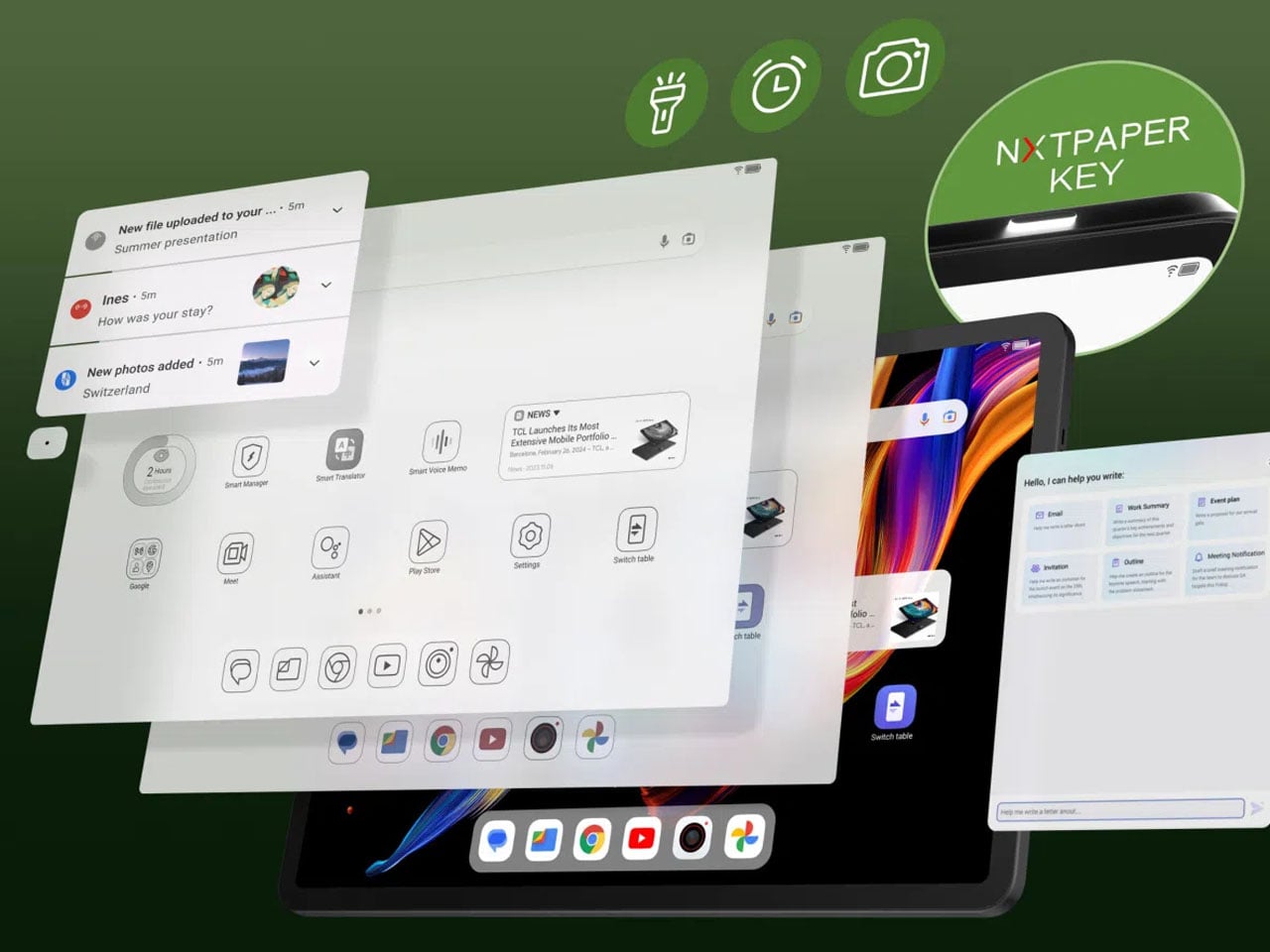
The Chinese corporation has some interesting devices already featuring NXTPAPER display on the market. Whether it’s the TCL NXTPAPER phones or the Note A1 tablet, the idea is simple: A device that has a high-performance display focused on eye-comfort and offers a paper-like reading experience. Now building this tech to the next level, TCL has taken to MWC 2026 to unveil a new NXTPAPER screen based on an AMOLED panel.

Designer: TCL

First launched in the year 2021, TCL’s NXTPAPER display technology has been ahead of the curve as a solution to screen fatigue, which we are becoming accustomed to. The earlier versions of the tech have appeared chiefly on LCD-based mobile devices. But with the introduction of the new, eye-protective experience built on AMOLED, TCL is setting new standards for the mobile industry.

The comfortable, paper-like, full-color display based on an AMOLED panel, according to TCL, is likely to find its way into the first AMOLED NXTPAPER smartphone soon. If the reports are correct, we are looking at a time frame as early as the end of 2026. The display, still in the works, is designed to deliver rich colors and contrast that’s expected from AMOLED displays. Of course, while still maintaining a paper-like, eye-friendly viewing comfort.


According to the information shared with the press, the new AMOLED-based NXTPAPER display can reach peak brightness levels of up to 3200 nits. It boasts a 120Hz refresh rate and supports 100% coverage of the P3 color gamut, which is comparable to some of the flagship phones on the market. Despite the capabilities of everything AMOLED with a layer of comfort, the upgraded display, TCL says, remains easy on the eyes for long reading, viewing, or playing sessions as compared to other smartphones with a plain AMOLED display.

To achieve this comfort and paper-like visual texture, TCL has layered the AMOLED panel with an anti-glare coating and a light-homogenizing film. This helps the display upgrade at three levels. One, the screen can reach 90% circular polarization rate to reduce eye-glare; it can have lowered blue light emissions of 2.9%; and automatically adjust screen brightness and color according to the surrounding lighting conditions.

TCL has already created a concept phone based on the new NXTPAPER paneled AMOLED display, and it’s turning heads at the MWC. The company is hopeful to launch a phone with the technology by the end of the year, and when it does, I am sure I am going to be in the queue to get my hands on it.


The post TCL’s new NXTPAPER 3200-Nit AMOLED Display Feels Like Paper and Won’t Hurt Your Eyes first appeared on Yanko Design.