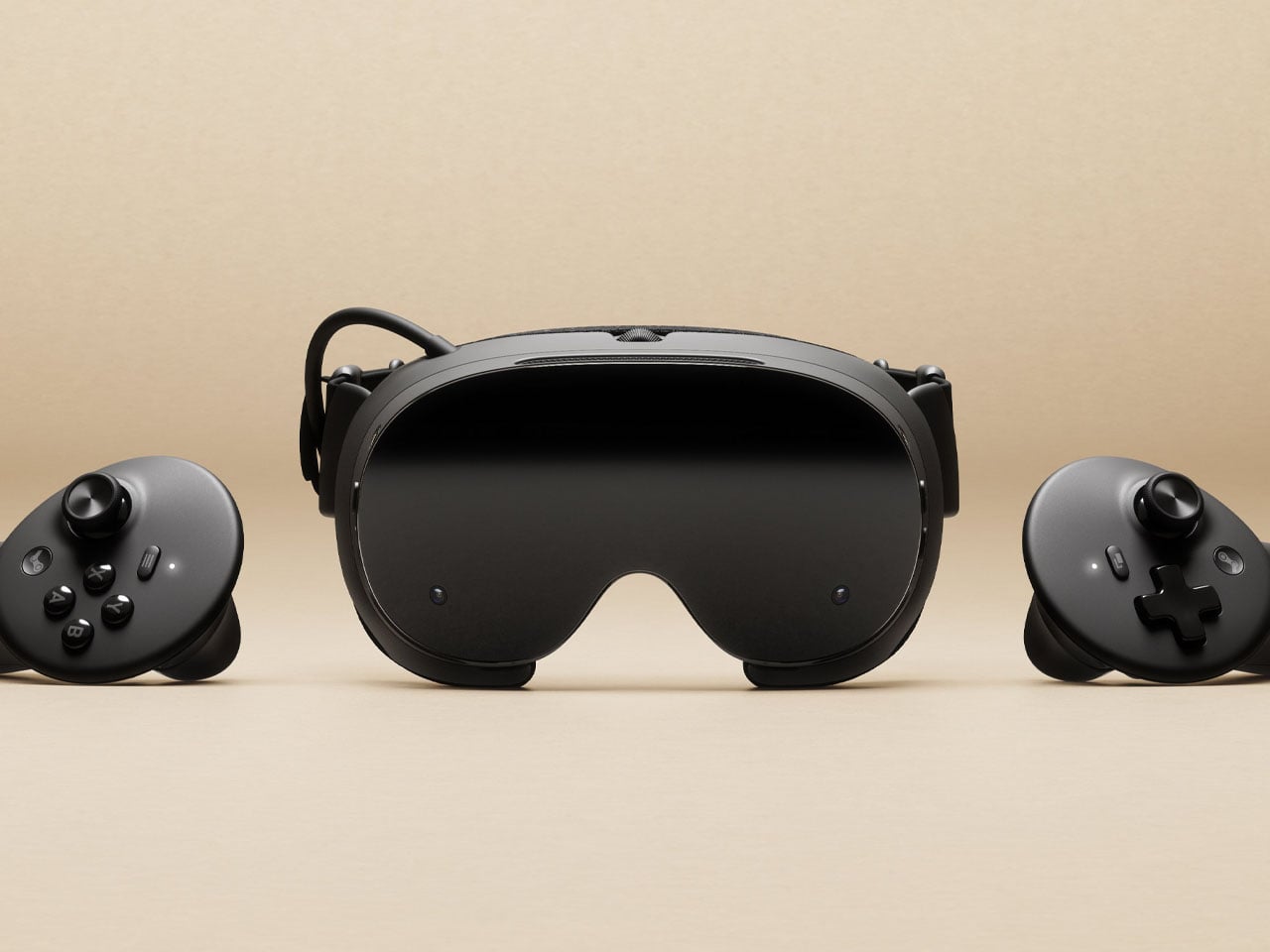
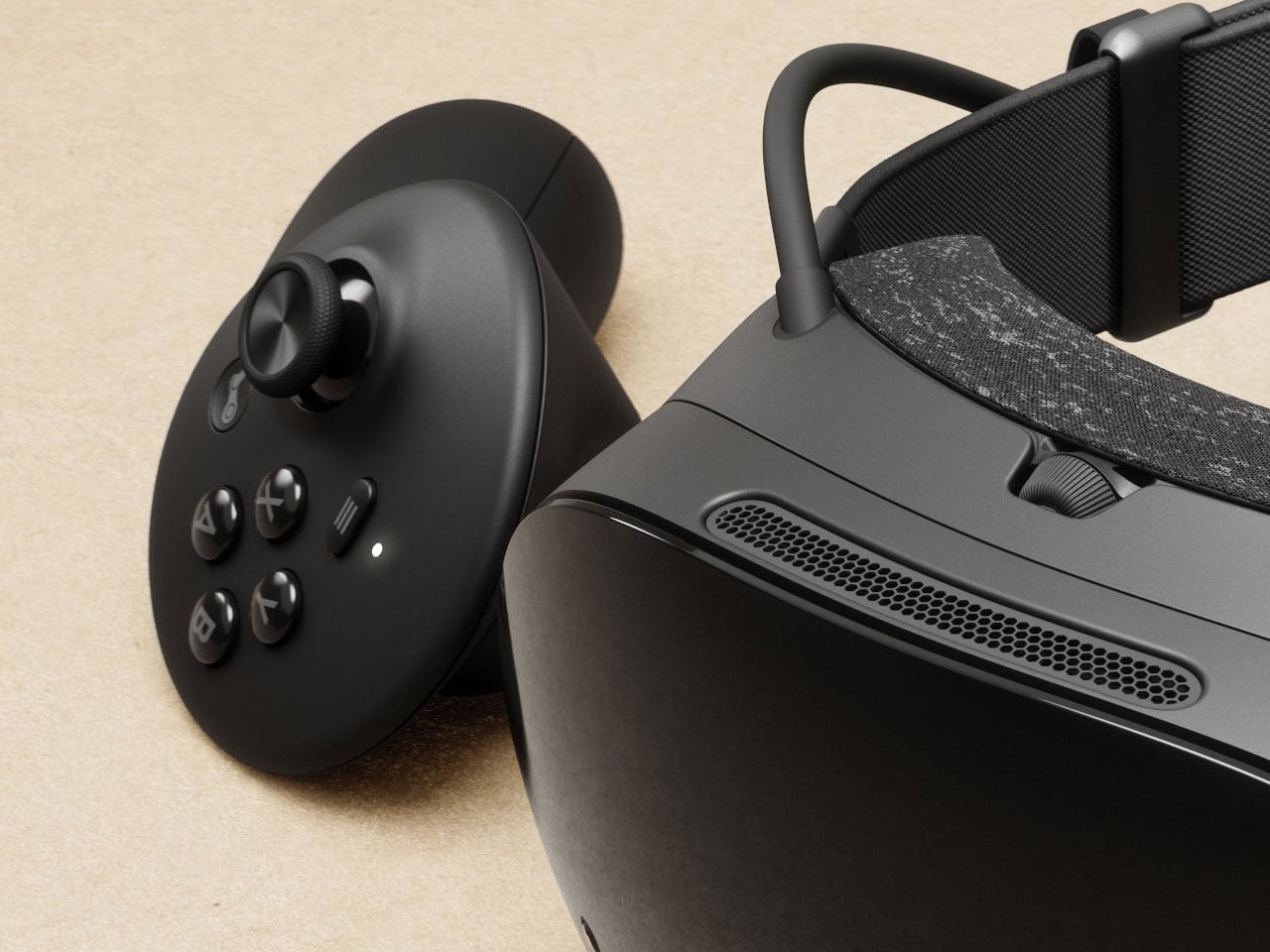
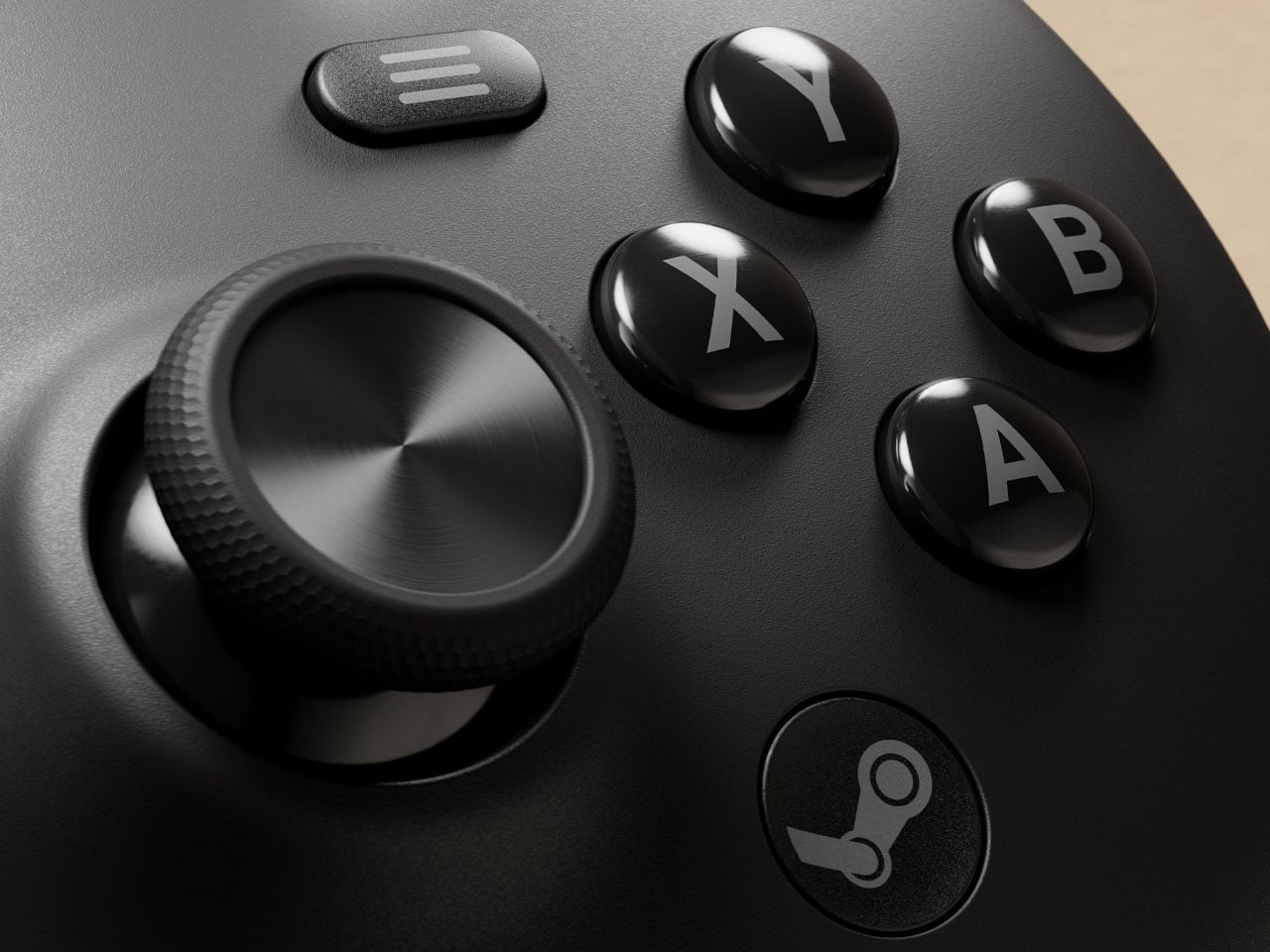
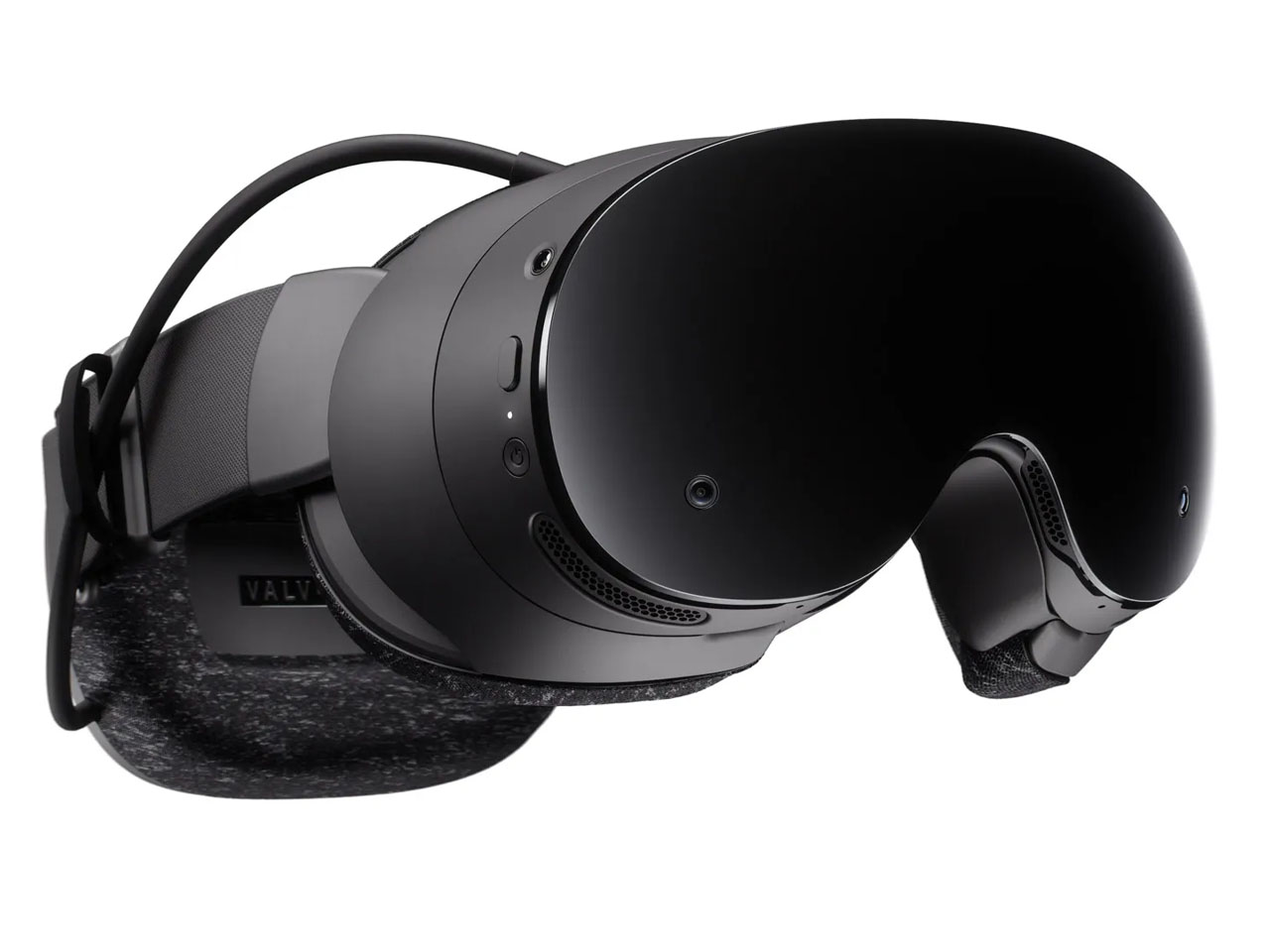
Gaming has come a long way from the nostalgic gamepads to the current wireless controllers with haptic feedback that mimic the vibration of game input elements. Right from the texture of the road in racing games, to the recoil of weapons in FPS titles, the idea is to bring that extra element of realism to the whole experience. Wearable headsets have taken the quotient of realism to the next level, but they are bulky, can cause eye strain, and are currently not very practical for everyday gaming. Therefore, the buck stops at buying a pricey racing sim, or dedicated hardware that caters to a niche set of gaming titles.
Microsoft Flight Simulator has a cult following, and I wish there were a simpler gaming controller to enjoy the game without any strings attached. That wish has come true with this unique gaming controller dubbed the Echo Aviation Controller, which is tailored for precision flight control input. Best of all, it has a small form factor and is portable enough to carry in your backpack. Slated for mid-December release for a price of $150, the gamepad guarantees hours of immersive gameplay during the holiday season.
Designer: Honeycomb Aeronautical
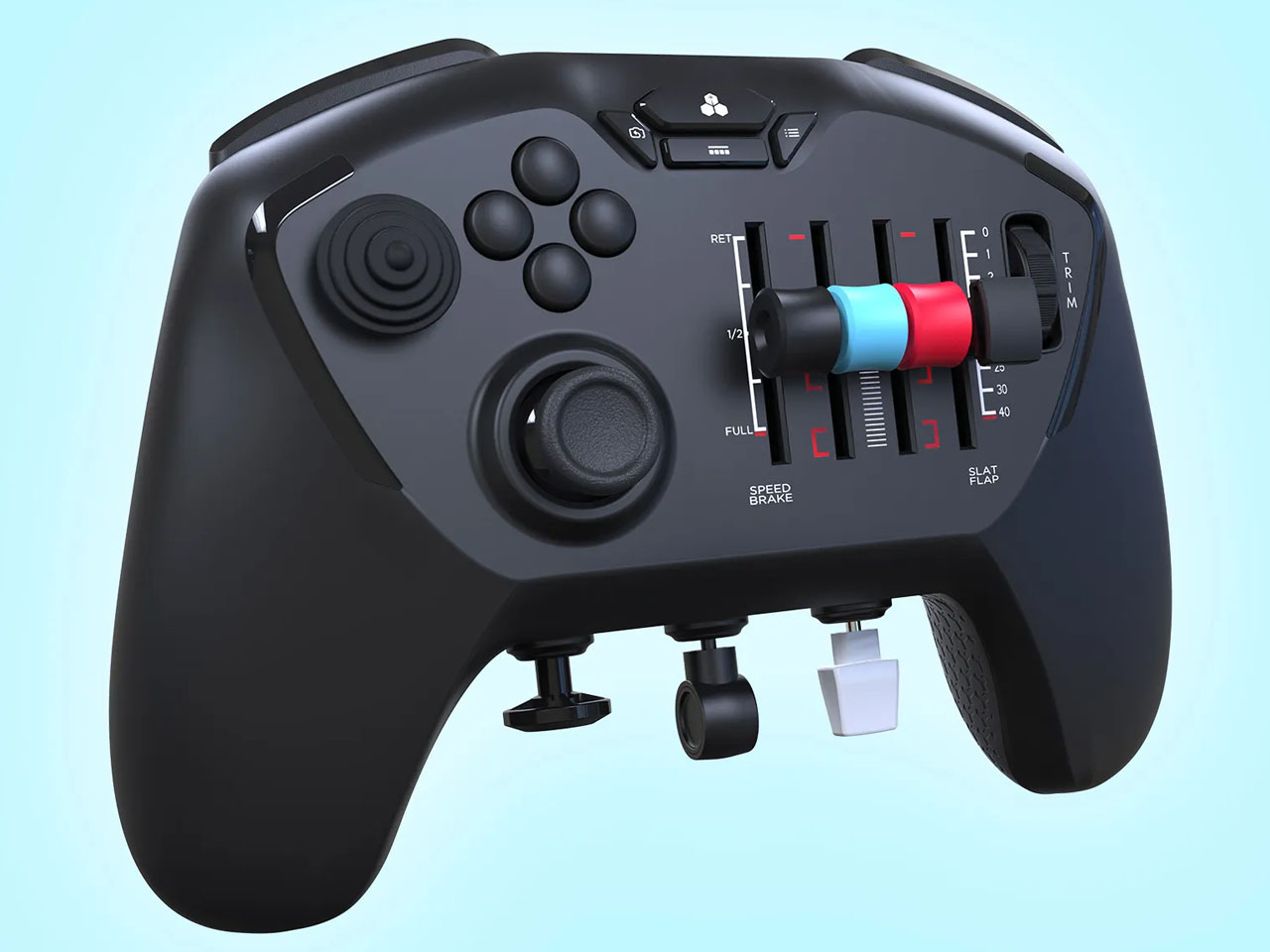
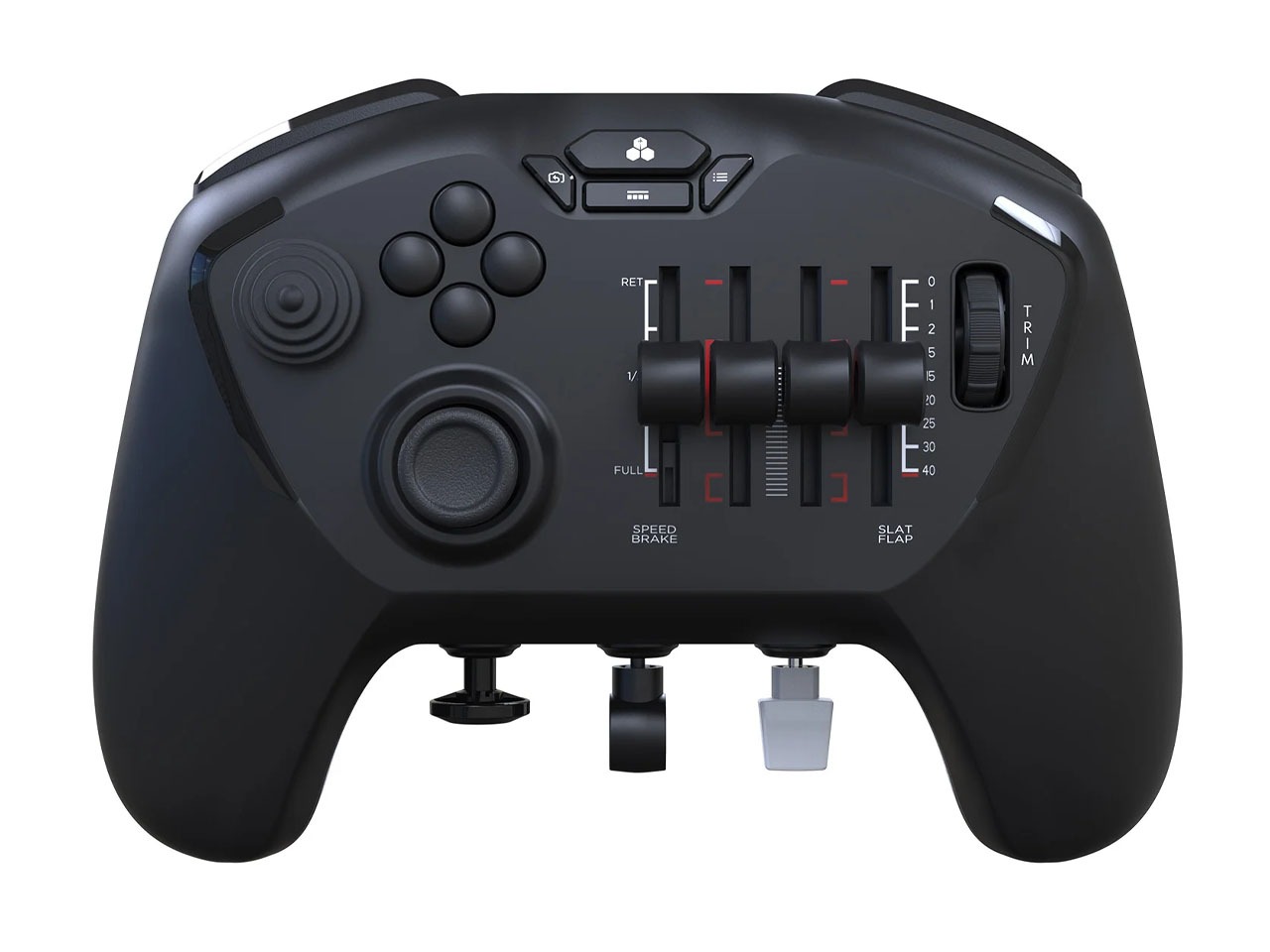
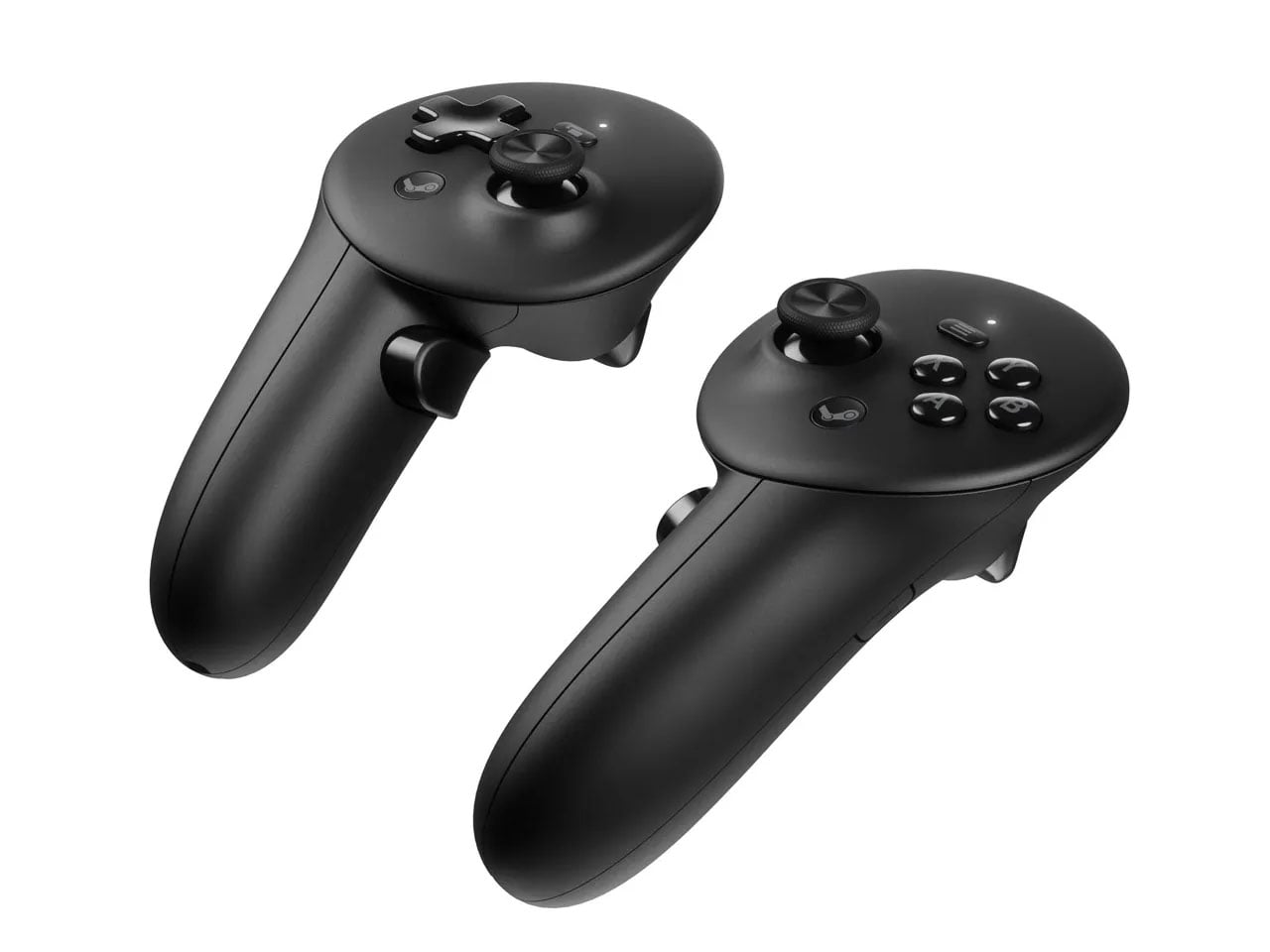
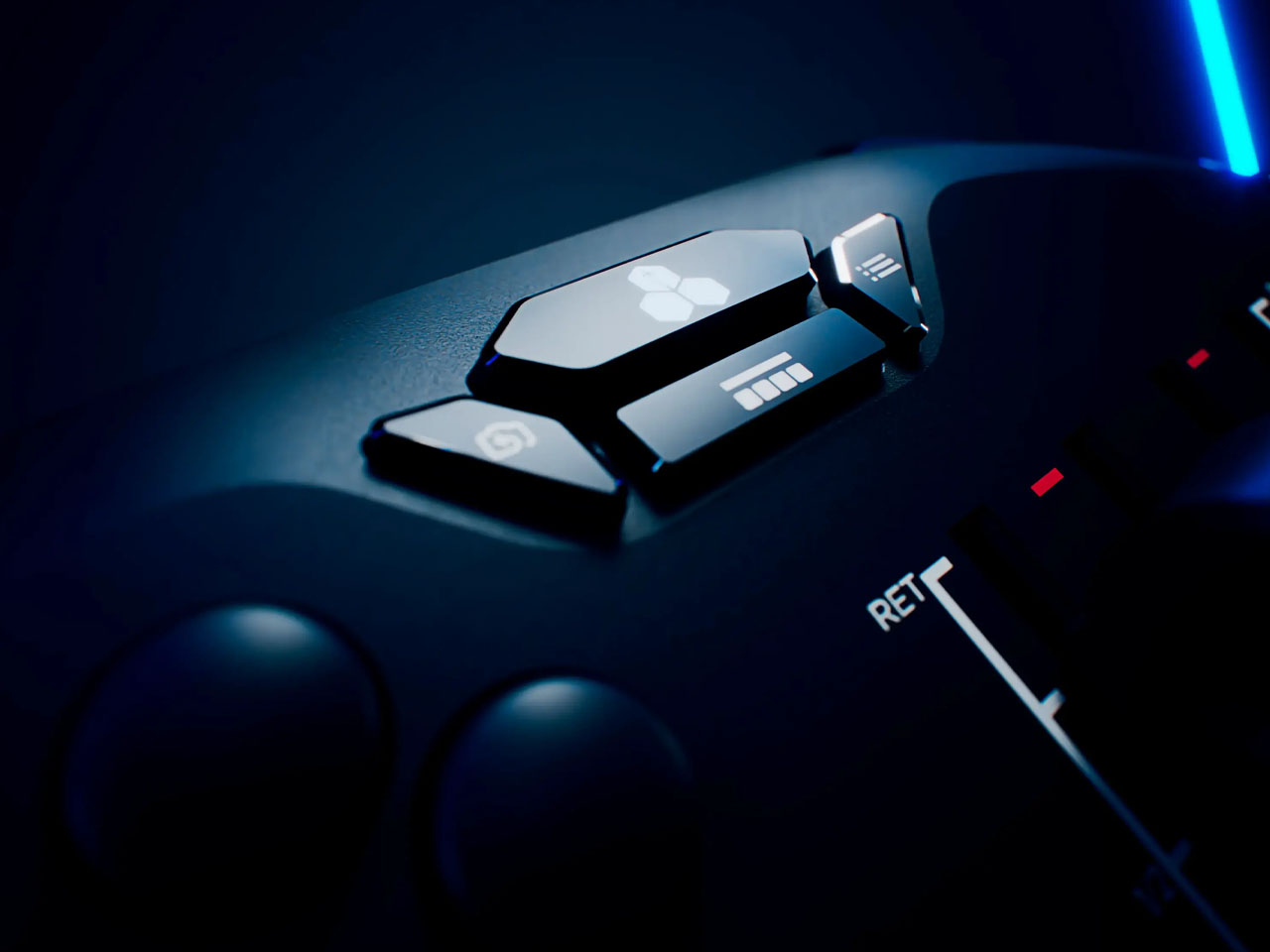
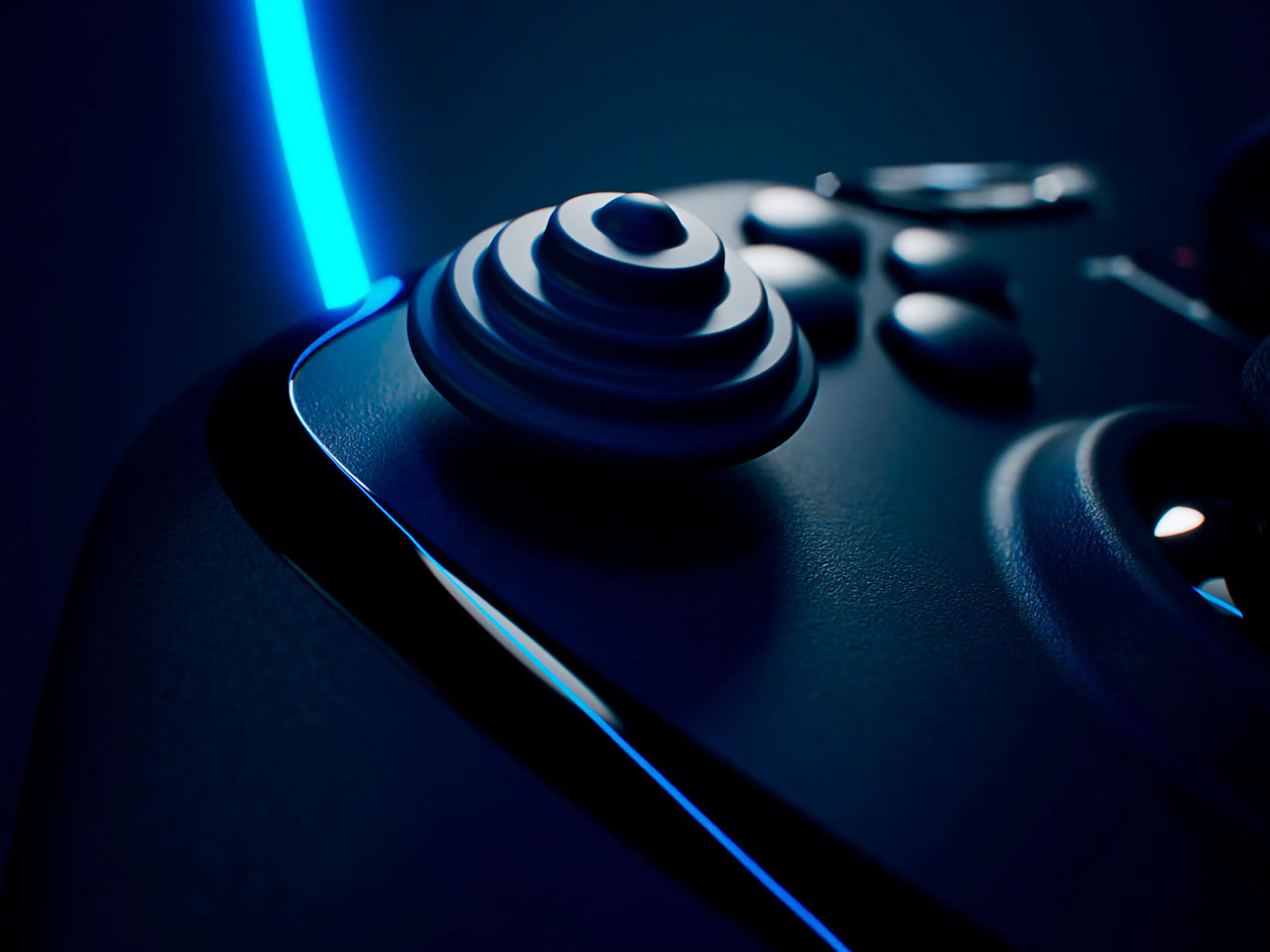
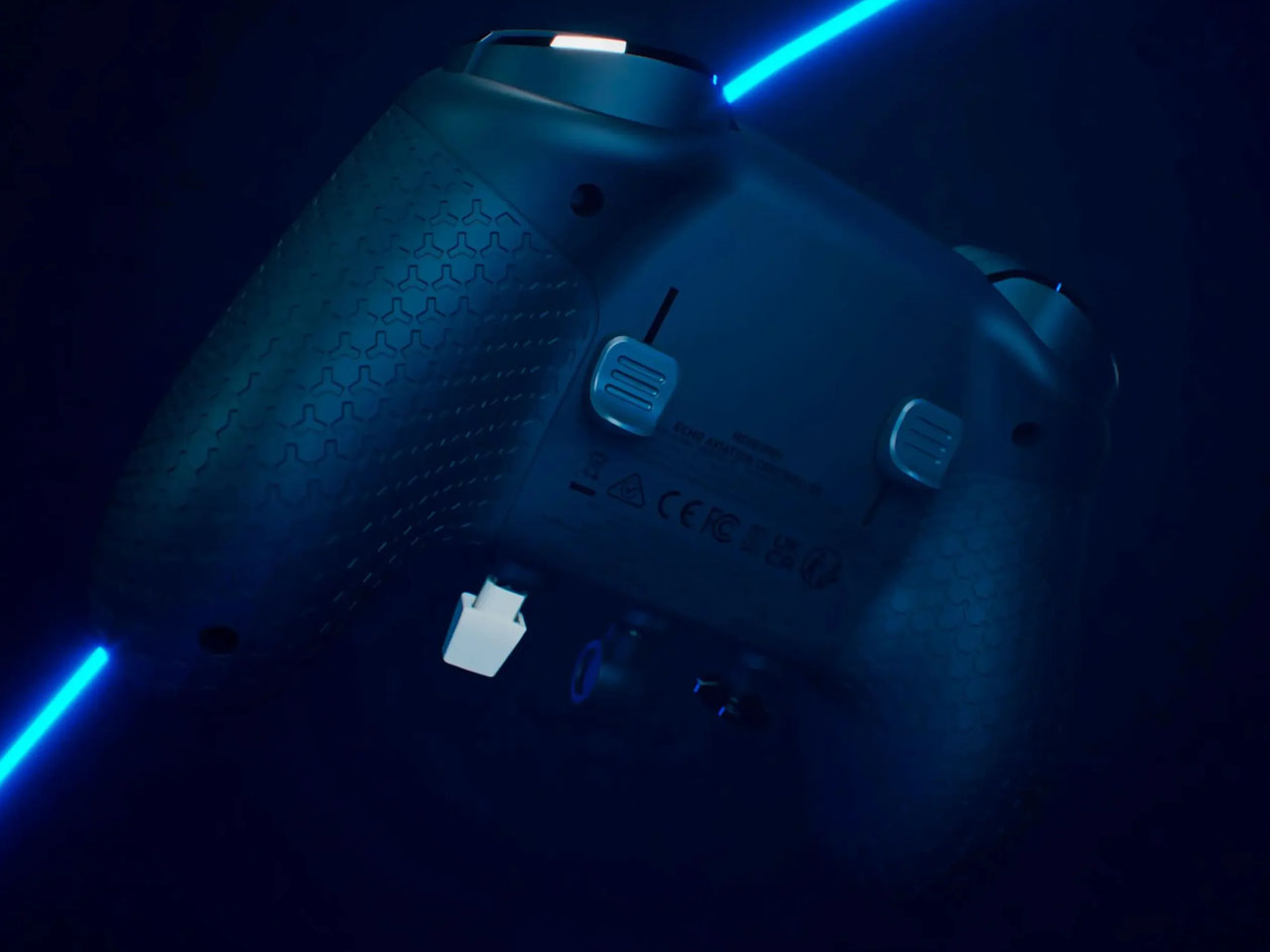
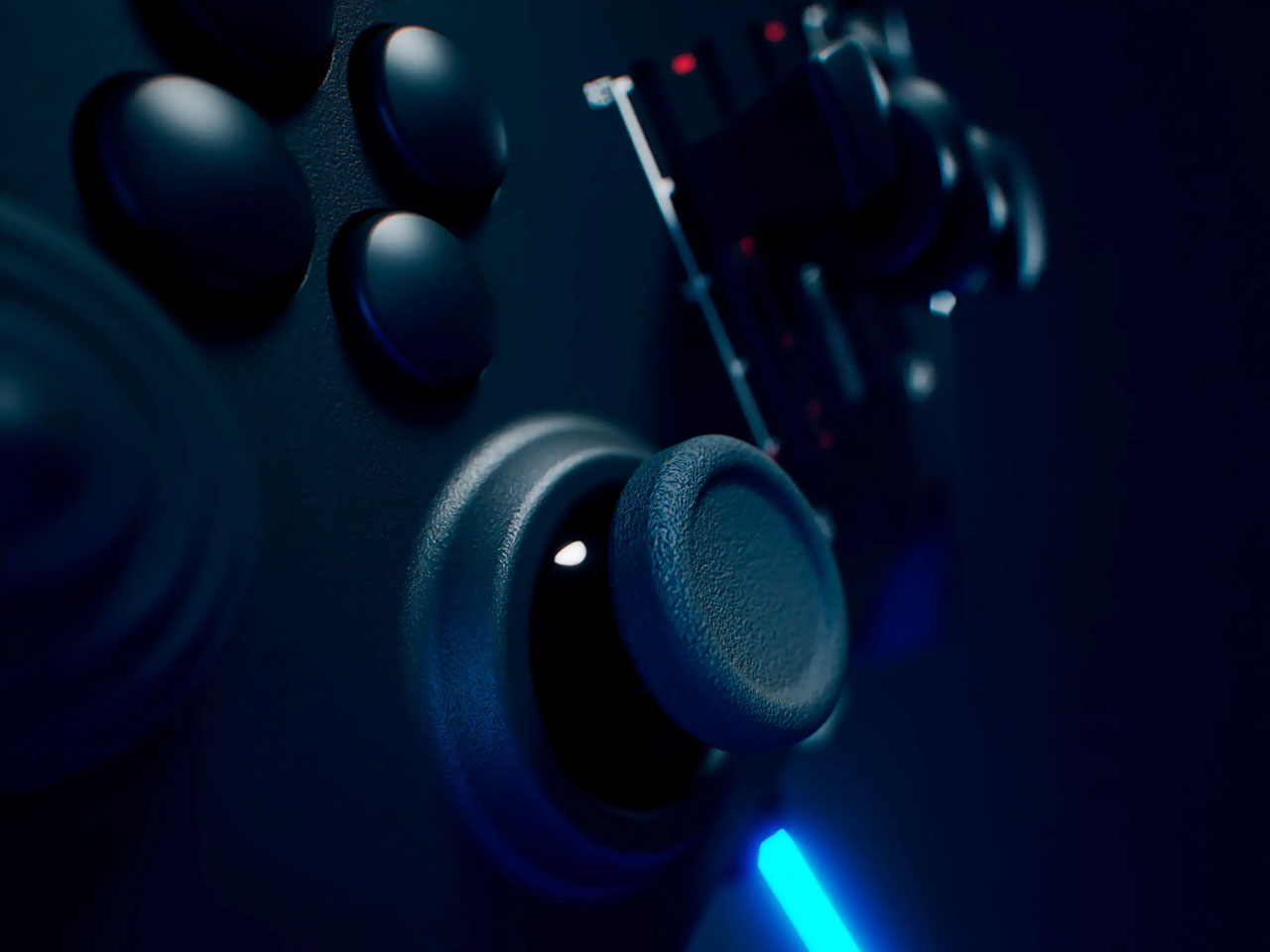
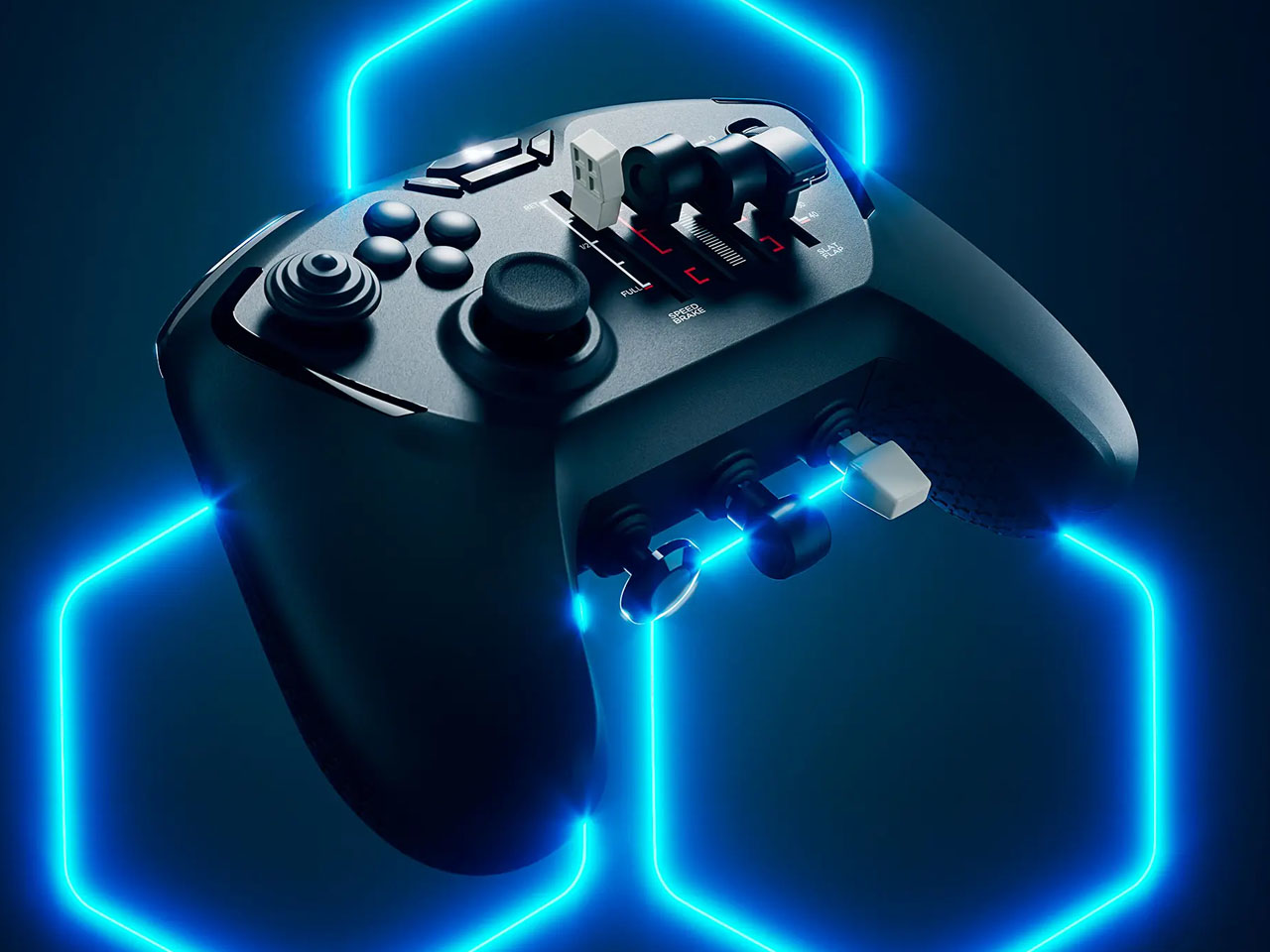
The gamepad-shaped flight controller is an accessory that’ll let you game from the comfort of your couch without losing out on the precision control method that isn’t possible with a conventional controller. Coming from a company that crafts flight simulator accessories, this controller is ideal for sim fanatics who like a compact gaming setup, especially for titles like Microsoft Flight Simulator. It comes with small joysticks, a dedicated trim wheel to actuate the plane’s altitude, and buttons on one side for flight-specific controls to actuate the in-game throttle levers. On the other side is positioned a thumbstick, four action buttons, and a conical joystick for panning the sim’s camera control.
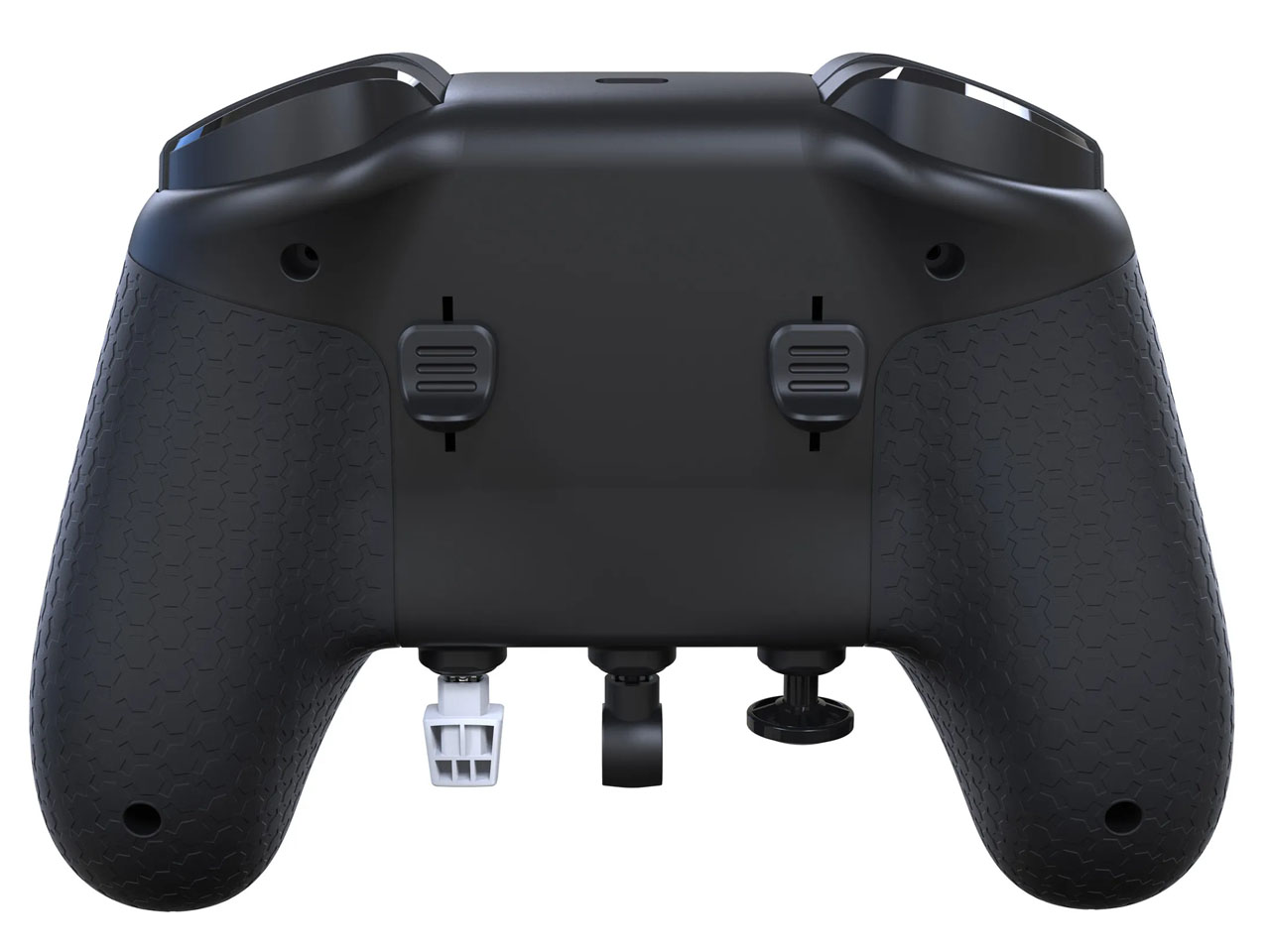
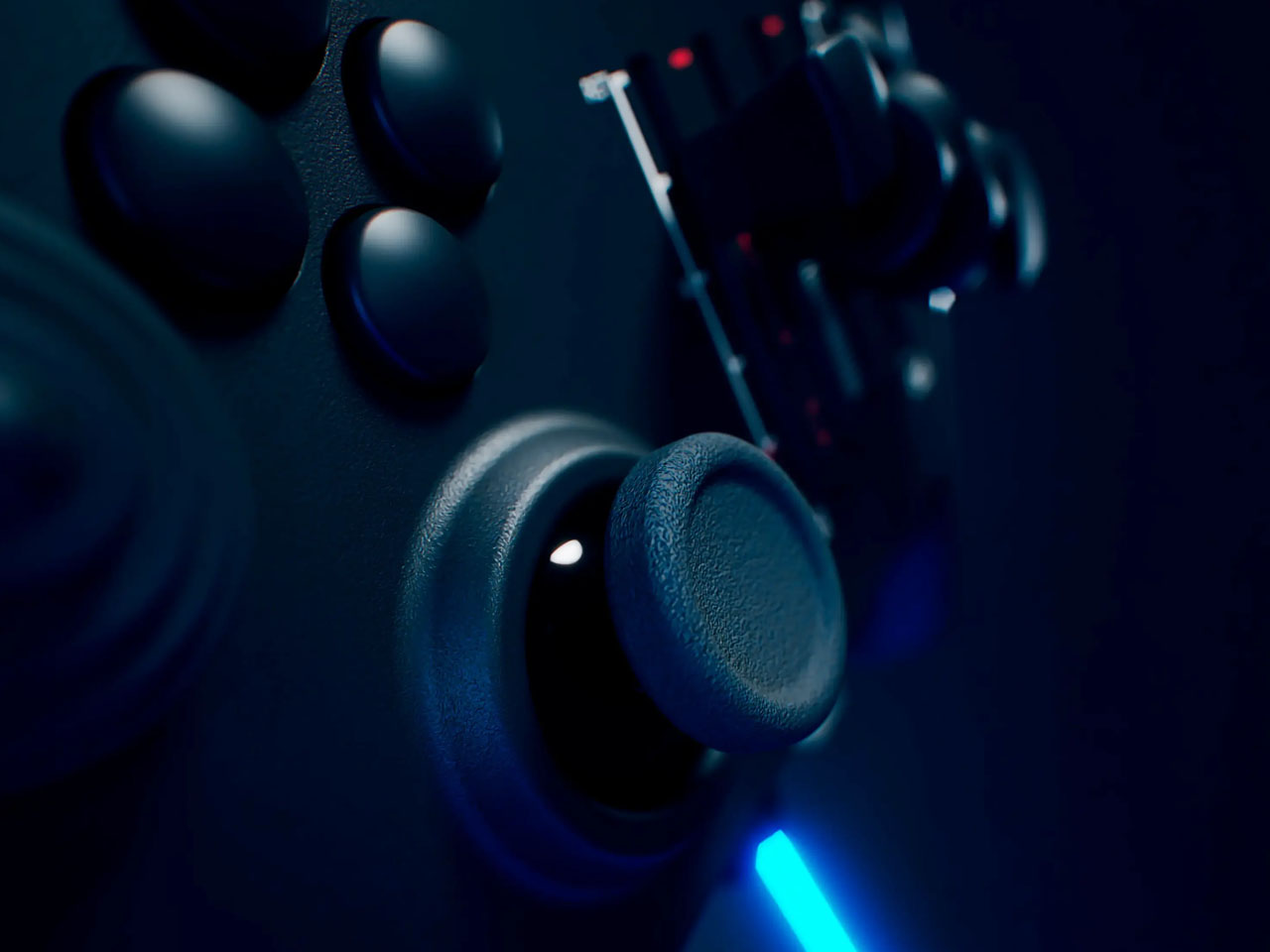
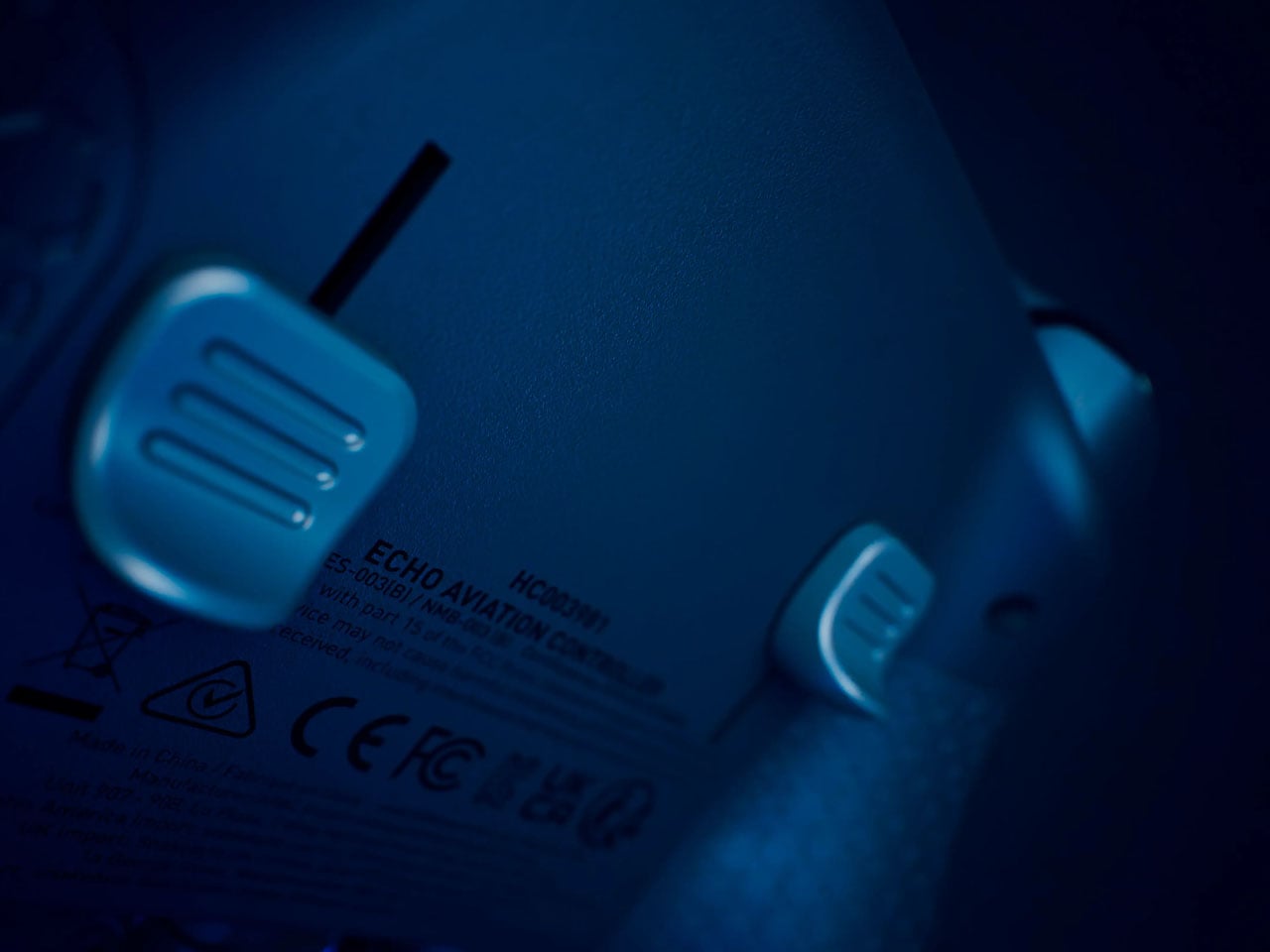
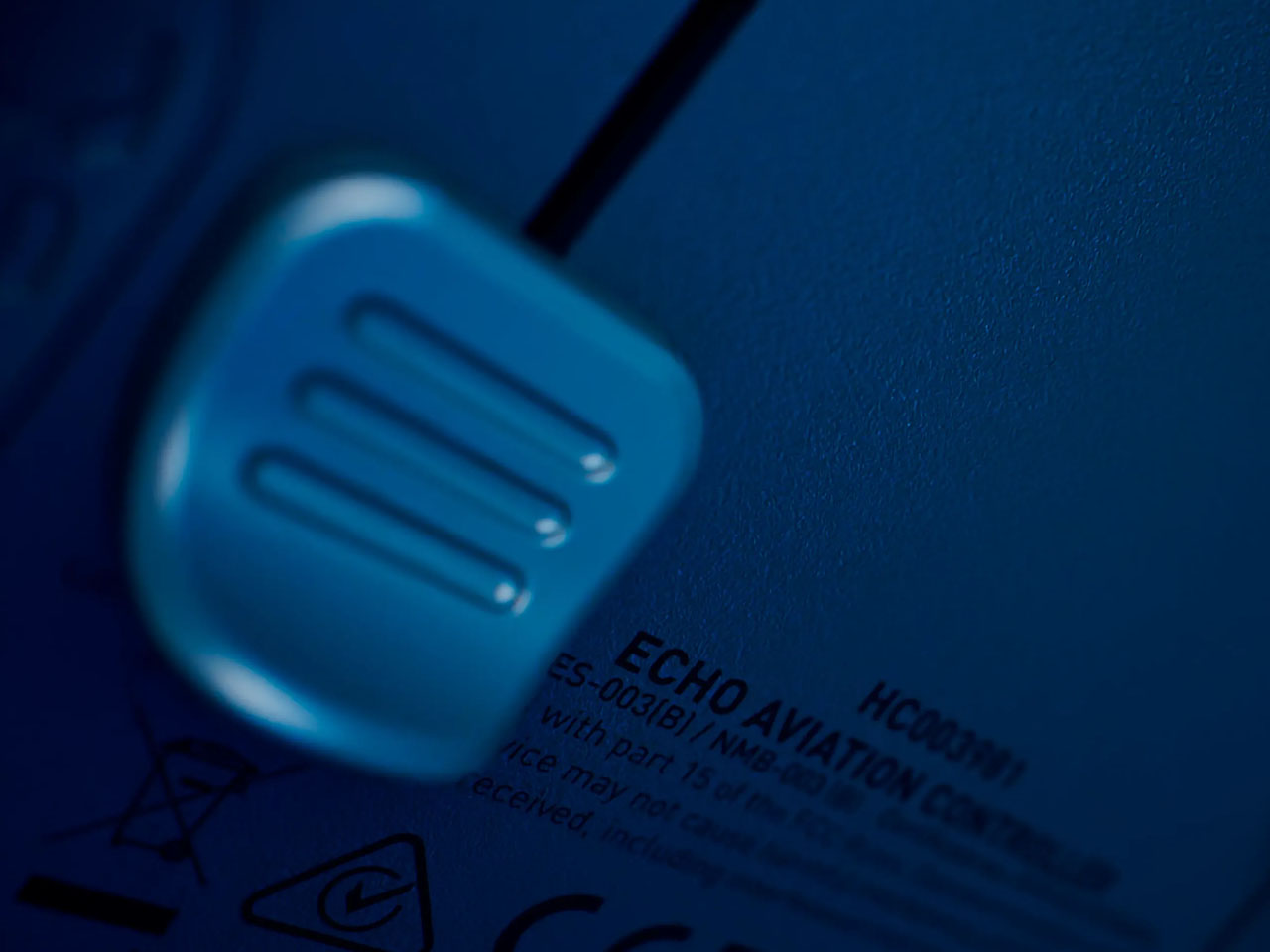
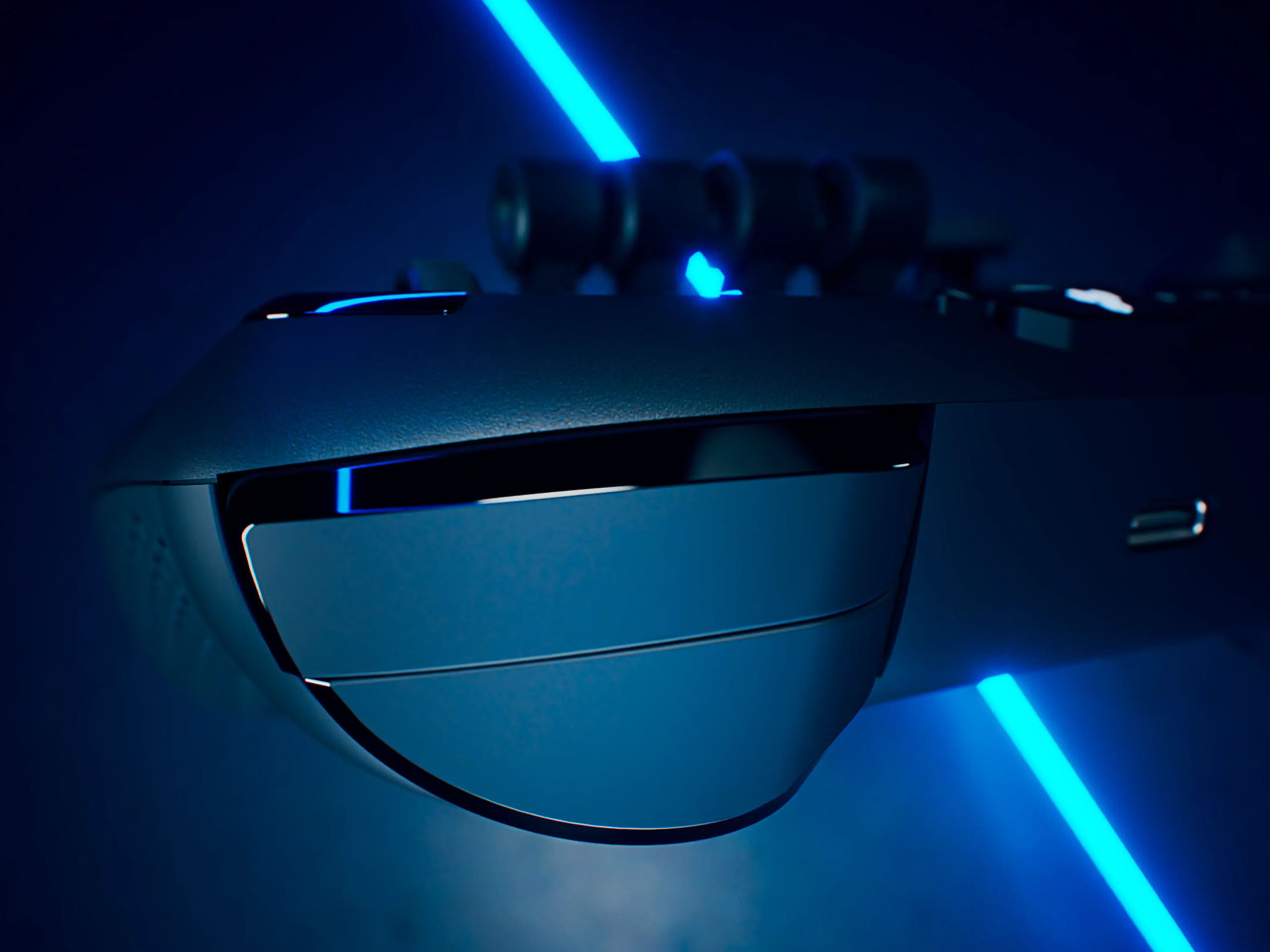
Bottom of the Echo Aviation Controller has flap adjustment controls, landing gear control, and the parking brake activation controls. This gives the player an array of inputs that were earlier only possible with keyboard buttons. That method of input, however, couldn’t reach the level of professionalism you would expect from advanced sims. The shoulder section of the gamepad has sliding paddles to control the rudder function for directional movement of the plane. This controller is a middle ground of gaming aspirations without spending a ton of money or requiring ample space to set up the gaming accessory rigs.
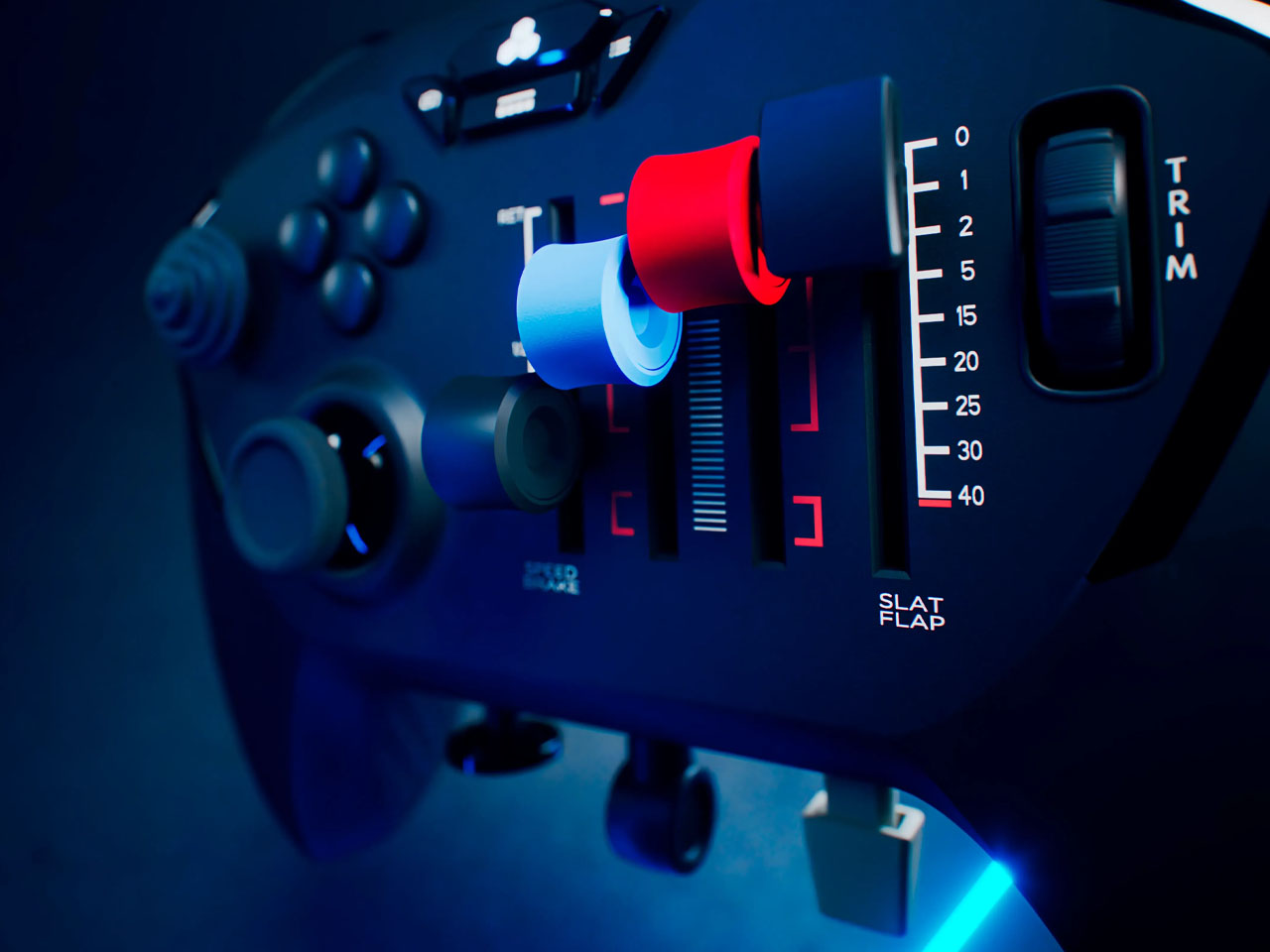
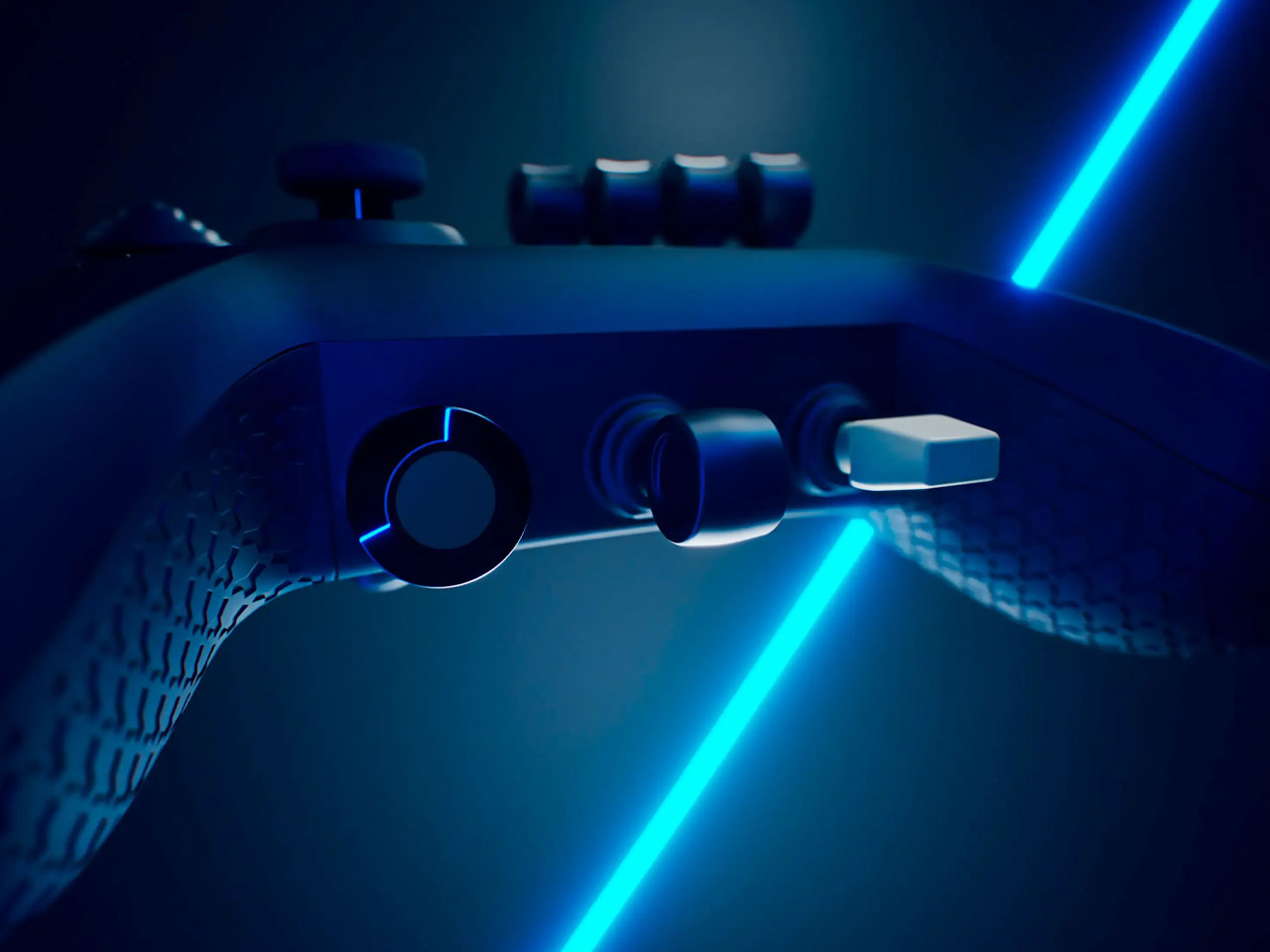
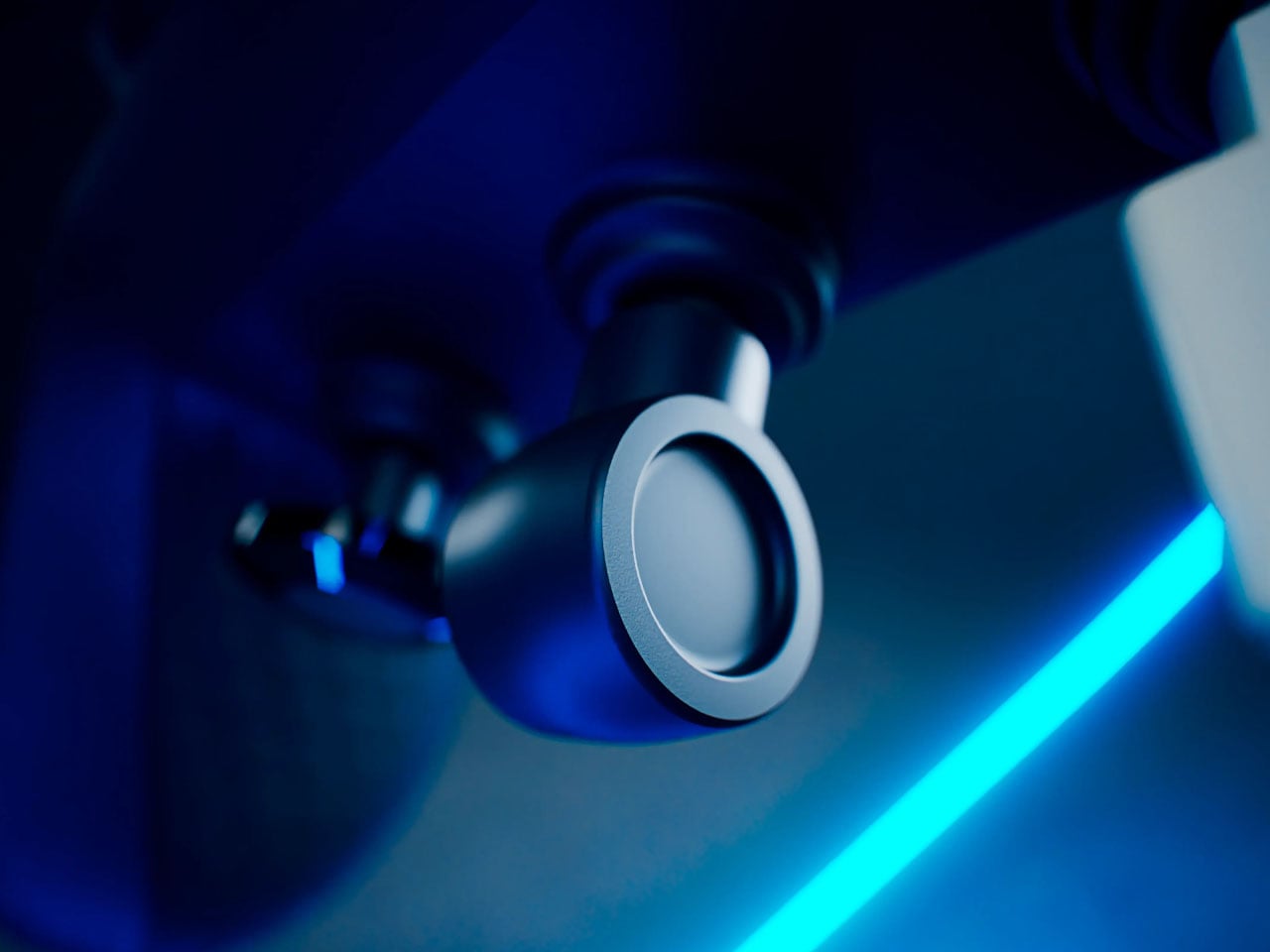
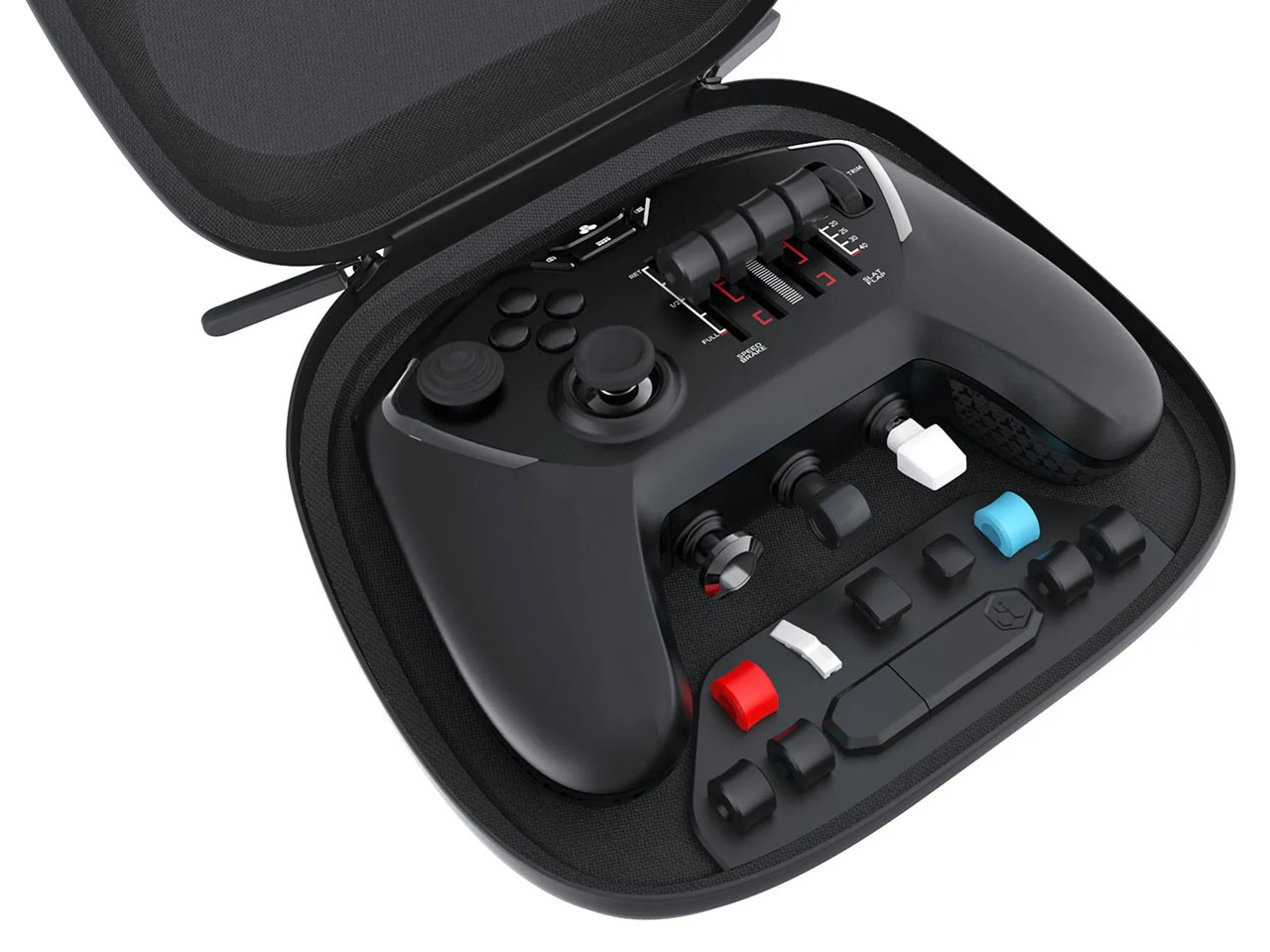
The gaming accessory will be accompanied by a set of interchangeable caps that can be swapped with the default throttle levels and other controls. There are four assignable thrust levers with swappable caps for “GA or commercial aircraft.” The idea is to have the visual differentiation in the form of color and shapes of the remapped buttons. This controller is a plug-and-play experience that requires no advanced setup, perfect for casual gamers who desire to experience advanced simulation games. The gamepad has a 15-hour battery in wireless mode and can also be used in wired mode via USB-C charging port.

The post Echo Aviation Controller mimics realism of flying planes with a full set of flight controls first appeared on Yanko Design.