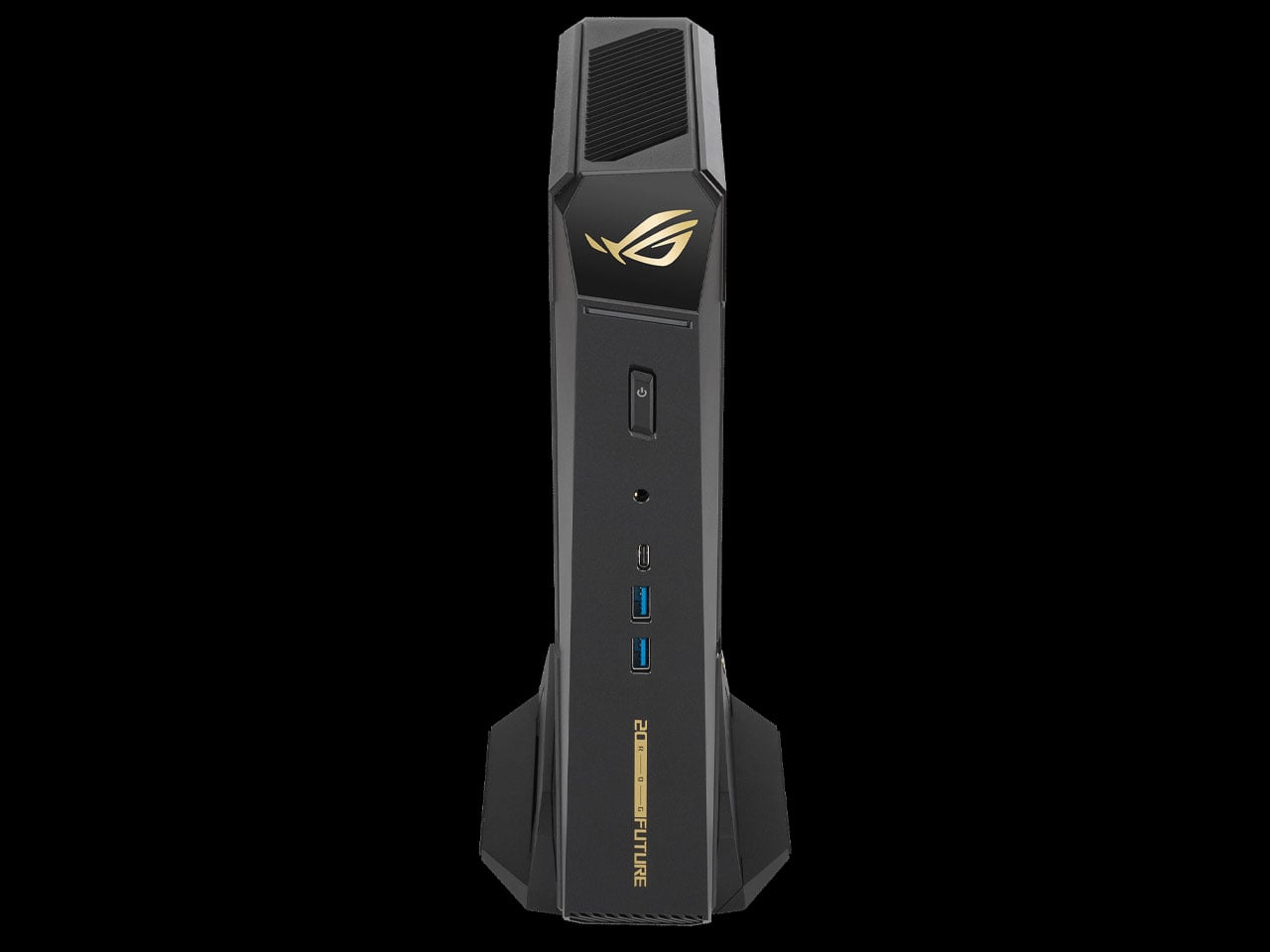
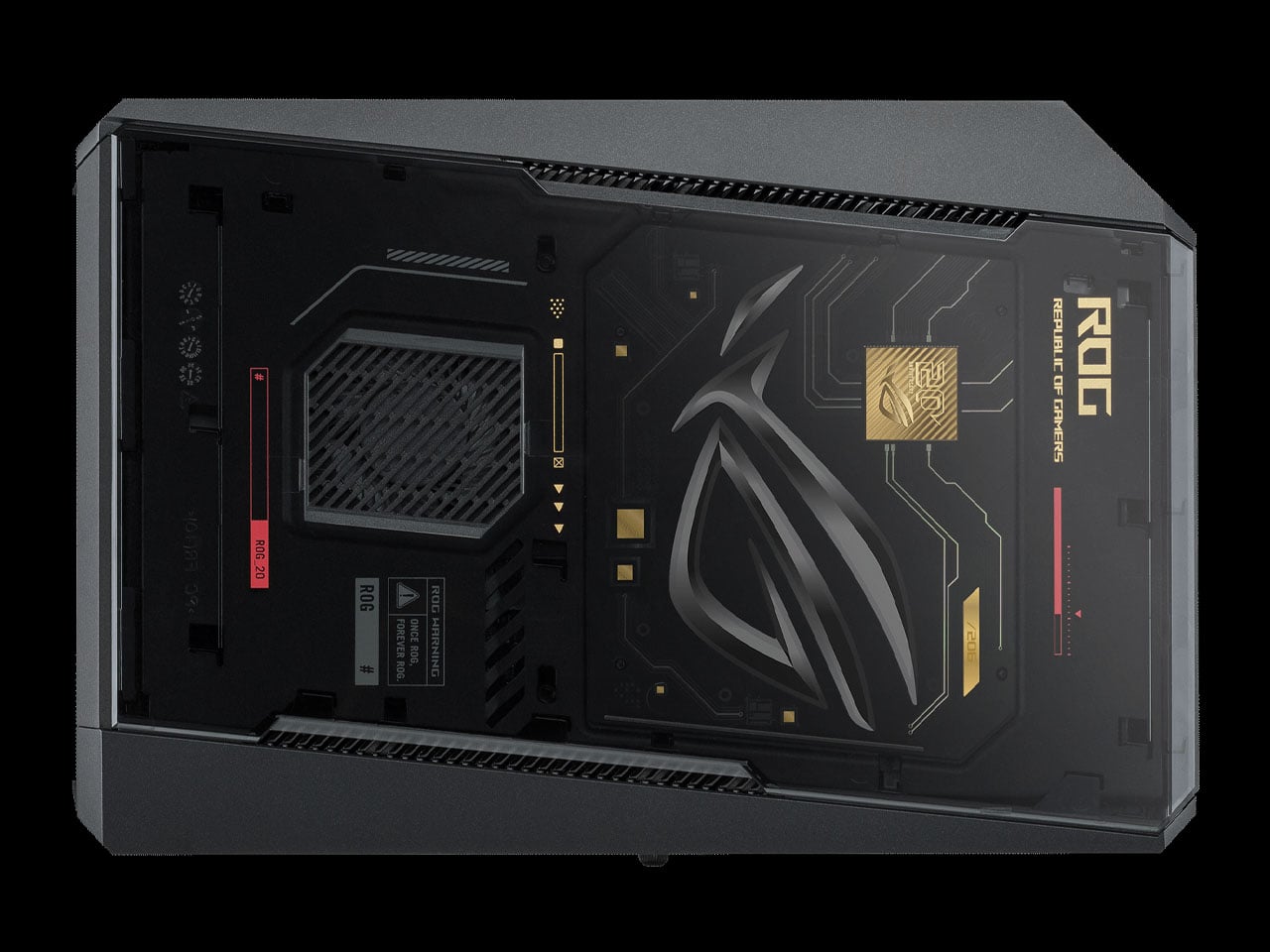
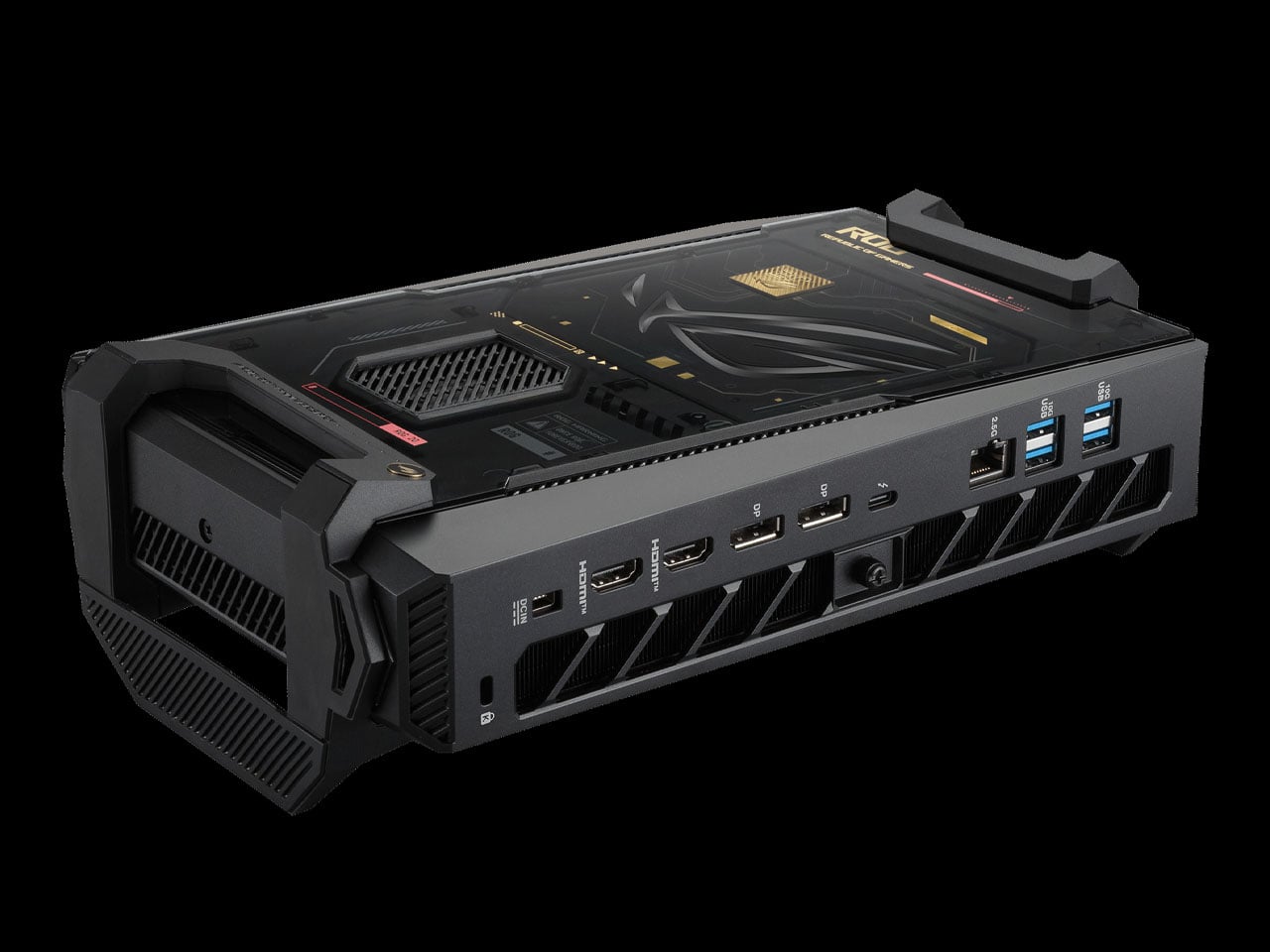
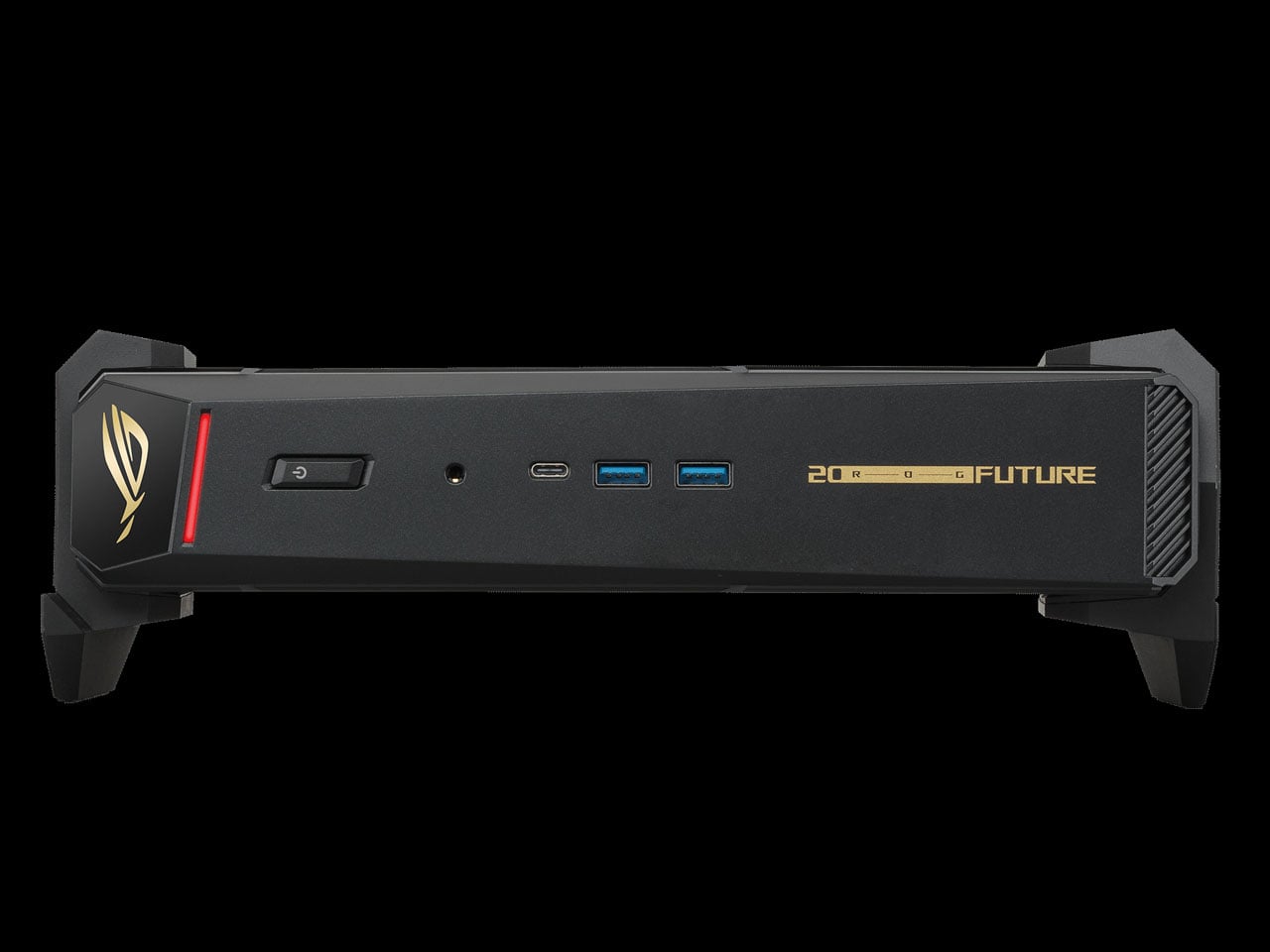
Minimalist laptop with a secondary display minimizes distractions, maximizes productivity

Minimalism in computing interfaces often promises clarity, yet many modern systems still struggle with cluttered notifications, layered menus, and competing visual elements. The Minimal Laptop UI concept explores what a truly distraction-free laptop experience might look like when both hardware and software are designed around the same philosophy. Inspired by the playful yet precise design language of Teenage Engineering, the concept imagines a laptop that feels equal parts creative tool and focused workspace.

The interface is built around the idea that the screen should serve the task at hand, not compete with it. Instead of filling the display with panels, toolbars, and notifications, the layout relies on strong visual hierarchy and generous spacing. Elements appear only where necessary, allowing content to take center stage. Typography is clean and consistent, icons are reduced to their most recognizable forms, and the overall interface feels calm rather than busy. The result is a digital workspace that encourages focus without sacrificing functionality.

Designer: Nicolas Fred

What makes the concept particularly interesting is how it integrates hardware into the experience. Just beside the keyboard sits a secondary display designed to handle the kind of information that typically interrupts the main screen. Notifications, widgets, quick system controls, and small utilities can appear here, keeping alerts visible without pulling the user away from their workflow. By shifting these elements to a separate display, the primary screen remains dedicated to productivity and creative work.

The secondary screen also introduces a playful dimension. Beyond system information and widgets, it can support lightweight interactions such as simple games or quick tools that users can access without minimizing their main task. This layered approach to interaction mirrors the philosophy behind minimal design: instead of removing functionality, it reorganizes it in a way that feels more intentional and less intrusive.

Visually, the laptop reflects the unmistakable influence of Teenage Engineering’s product design. Clean geometric forms, restrained color accents, and carefully balanced proportions give the device a distinctive character. The aesthetic leans toward soft tones and neutral surfaces, allowing subtle interface highlights to stand out without overwhelming the visual environment. It feels modern and creative, yet disciplined enough to support focused work.

Whitespace plays a significant role throughout the interface. Rather than compressing information into dense panels, the layout leaves breathing room around content, improving readability and reducing cognitive load. This approach mirrors principles often used in industrial and editorial design, where space itself becomes an essential component of the experience.


The post Minimalist laptop with a secondary display minimizes distractions, maximizes productivity first appeared on Yanko Design.

Olight Oclip Pro S is a palm-sized clip-on EDC flashlight for every task

There’s a quiet shift happening in the world of everyday carry, wherein single-purpose tools are steadily giving way to compact, multi-functional companions that adapt as quickly as the situations they’re pulled into. The modern EDC kit isn’t about excess anymore; it’s about efficiency and versatility. In that context, the Olight Oclip Pro S doesn’t just arrive as another flashlight, it is a small but capable lighting system designed to keep up with unpredictable, fast-moving routines.

At first glance, the palm-sized Oclip Pro S feels almost understated. Its compact body, measuring just 57 × 28 × 27 mm and weighing around 53 grams, is designed to disappear into your pocket or clip unobtrusively onto your gear. Yet that minimal footprint is precisely what makes it so effective. The integrated clip, combined with the ability to hang or magnetically attach the device, allows it to transition effortlessly between a handheld light and a hands-free tool, whether you’re navigating low-light environments or tackling everyday tasks.

Designer: Olight

Where the Oclip Pro S begins to stand apart is in how much it manages to pack into that small frame. Instead of relying on a single beam, it integrates a 5-in-1 lighting system that combines white light, RGB illumination, and a UV light source. The primary white LED delivers up to 600 lumens, providing ample brightness for general use, with a beam distance reaching up to 80 meters. This is paired with both floodlight and spotlight modes, giving users the flexibility to switch between wide, ambient lighting and more focused illumination depending on the situation.

The addition of RGB lighting expands its role beyond simple visibility. With red, green, and blue modes, the device becomes a practical signaling tool as much as a flashlight. Whether used for nighttime visibility, marking a location, or adding a layer of safety in low-light conditions, these color options introduce a level of adaptability that feels increasingly essential in modern EDC gear. The lighting system also supports flashing patterns, further extending its functionality in dynamic or emergency scenarios.

Perhaps the most unexpected inclusion is the 365 nm UV light, which quietly transforms the Oclip Pro S into a utility tool for specialized tasks. From detecting counterfeit currency to identifying fluorescent materials or checking cleanliness in certain environments, this feature adds a layer of capability that goes beyond what most users would expect from a device of this size.

Powering all of this is a built-in battery that supports USB-C charging, aligning the device with current charging standards and making it easy to top up alongside other everyday electronics. Depending on usage, the flashlight can run for up to 144 hours in its lowest brightness mode, while higher output levels are intelligently managed to balance performance and heat.

The interface is equally streamlined, centered around a side dial that allows users to quickly toggle between white, RGB, and UV modes. This intuitive control scheme avoids unnecessary complexity, ensuring that the right light is always just a quick adjustment away. Priced at around $40 and available in a variety of finishes, the Oclip Pro S is positioned as both a functional tool and a subtle personal accessory.

The post Olight Oclip Pro S is a palm-sized clip-on EDC flashlight for every task first appeared on Yanko Design.

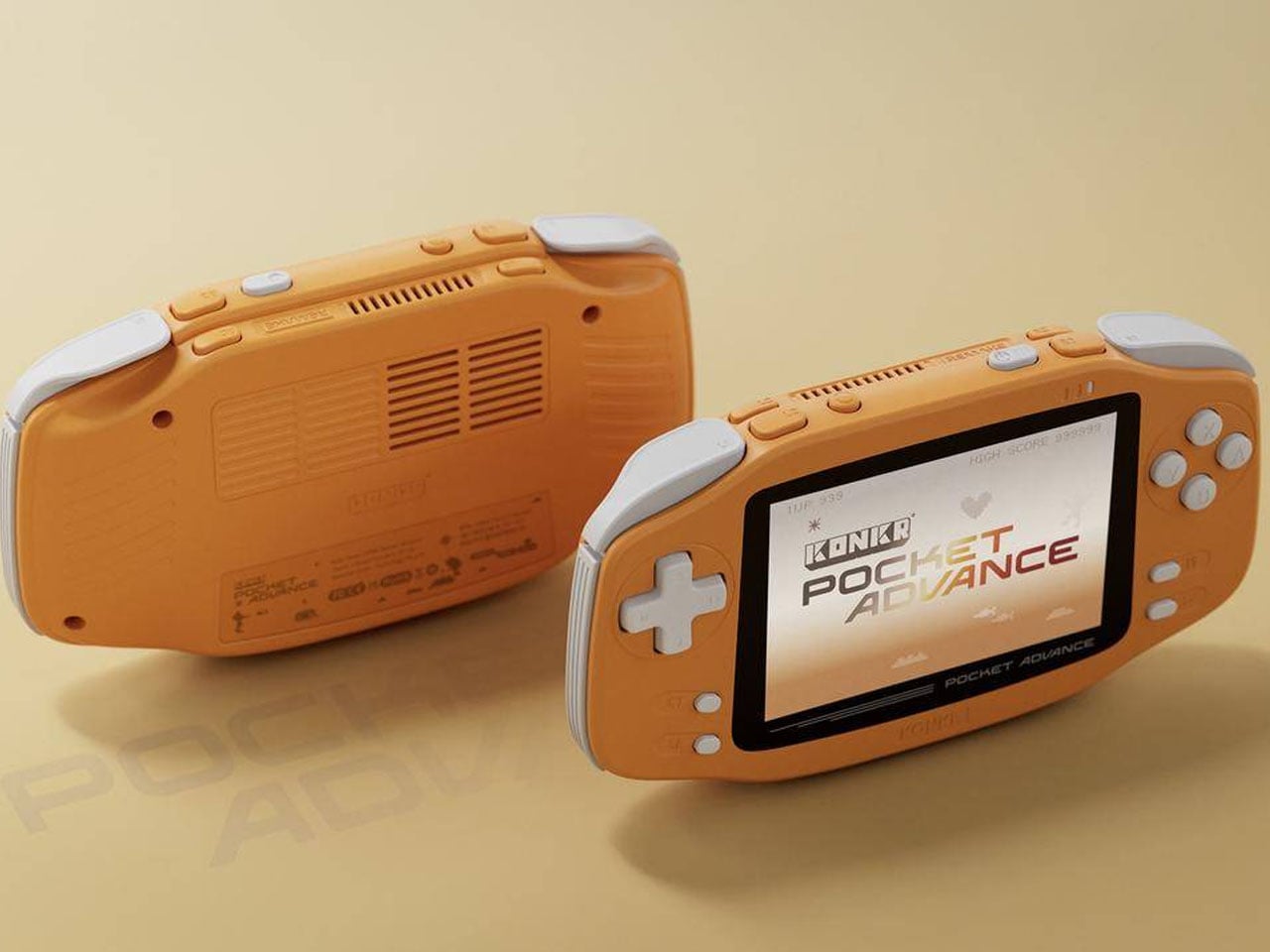
Pico-Pal reimagines Game Boy Color as modern retro handheld that can play music


Retro gaming continues to inspire modern hardware projects, and the Pico-Pal handheld console is another thoughtful reinterpretation of one of the most recognizable portable gaming designs. Developed by hardware designer Peter Khouly, the handheld draws clear inspiration from the classic Nintendo Game Boy Color while integrating modern microcontrollers, wireless connectivity, and expanded functionality. Rather than replicating the original hardware exactly, the Pico-Pal blends nostalgia with a flexible development platform aimed at gamers and hackers alike.

At its core, the handheld is powered by a Raspberry Pi RP2350B microcontroller paired with an Espressif ESP32 coprocessor. The RP2350B serves as the primary processing unit, handling emulation and system control, while the ESP32 provides wireless connectivity via integrated Wi-Fi and Bluetooth. This secondary chip also includes 4MB of flash storage and supports functions such as Bluetooth audio or network communication. The RP2350B itself features 16MB of flash memory, giving the device sufficient storage and processing headroom for running classic handheld titles and additional utilities.

Designer: Peter Khouly

Instead of the reflective LCD panel used in the original Game Boy Color, the handheld uses a 2.6-inch IPS screen with a resolution of 320 × 320 pixels. Its square 1:1 aspect ratio suits classic handheld games particularly well, allowing retro titles to appear sharp while maintaining the visual proportions they were originally designed for. The improved screen technology also delivers wider viewing angles and brighter colors compared with older displays. Powering the device is a 1,500 mAh lithium-polymer battery that charges through a USB-C port supporting 5V/1.45A input. This rechargeable setup replaces the disposable batteries used by earlier handheld systems and provides several hours of gameplay on a single charge. Current development estimates suggest that the handheld can operate for around five hours during normal use.

Beyond its role as a retro gaming handheld, the Pico-Pal has been designed as a flexible development platform. According to Peter, the device includes various input/output capabilities and compatibility with common communication interfaces such as SPI and I²C. This allows developers to use the handheld as a portable development kit for the RP2350 platform, enabling projects ranging from custom software tools to experimental hardware integrations. The platform can even function as a universal remote, portable music player, pedometer, or security testing device capable of simulating Bluetooth or USB input signals.

The design also incorporates several modern usability improvements compared to traditional handheld consoles. One example is the soft-power system, where the physical power switch triggers the console to save its current state before entering a low-power standby mode. Instead of abruptly cutting power like older devices, the Pico-Pal can quickly resume gameplay from where the user left off. Development updates also mention additional features such as real-time clock support for games that rely on time tracking, Bluetooth audio functionality, and digital video output that could allow the handheld to connect to external displays. Though one feature that is an absolute steal is the ability to play MP3 files off the storage, for music buffs like me.

Although the Pico-Pal closely resembles a Game Boy Color at first glance, its philosophy is quite different from modern FPGA-based retro consoles. Rather than focusing on perfect hardware recreation, the project embraces a microcontroller-driven design that balances efficiency and versatility.

The post Pico-Pal reimagines Game Boy Color as modern retro handheld that can play music first appeared on Yanko Design.

Track Trailer reinvents Tvan, one of the toughest off-roading trailers with roomier MK6 model

Track Trailer, the name behind the famous Tvan off-road camper trailers, needs little introduction. It has been powering the overlanding experience in Australia and worldwide for a good part of four decades now. Over the years, we have seen some interesting variants of the Tvan, which has now reached the MK6. The sixth iteration in the successful portfolio, Tvan MK6 Model, retains the same aluminum body, which runs in the bloodline, but is more spacious and even more comfortable.

As the appearance suggests, the new Tvan MK6 is available in four variants and is almost identical to its predecessors. What changes are the interior space and the headroom, which make the MK6 a different entrant in the same effective branding of the world’s toughest off-roading trailer.

Designer: Track Trailer

Track Trailer first tried reworking the interior space with the MK5 model. It was done staying within the confines of the Tvan styling: no pop-up roof attachment, but a slight raise in roof height. With the MK6, the company has also stayed true to its design ideology. It has only increased headroom, stretched the neck forward, and pushed the sides of the trailer outward to increase the interior space by up to 20%.

The expansion to the trailer permits more natural light inside the cabin, which is constructed using an aluminum sandwich-panel construction. Moreover, the MK6 features a durable chassis based on an advanced suspension system that enables it to roll comfortably on rugged terrains and off-road destinations. With its ruggedness assured, the camping trailer is ideal for all types of adventures, which is facilitated by its quick setup and clever storage designed throughout its exterior and also on the inside.

MK6 measures 16-foot-long and 6.3 feet wide, the trailer has an interesting storage cabinet in the extended nose up front, comprising a pantry and up to 95 liters fridge/freezer. Slightly further back is the slide-out kitchen with a three-burner gas stove, a full-size sink connected to a 108L fresh water tank, and a storage drawer topped with a prep area.

The most interesting part of the MK6 camping trailer is the rear hatch design. It features Track Trailer’s patented Skyward Lift Up Deck, which combines the hatch and the hard-floor deck. The electric lock system allows the two to lift up in unison for quick and direct access into the living space of the trailer. Just when you need it, a tent can be attached to the trailer to increase the living quarters.

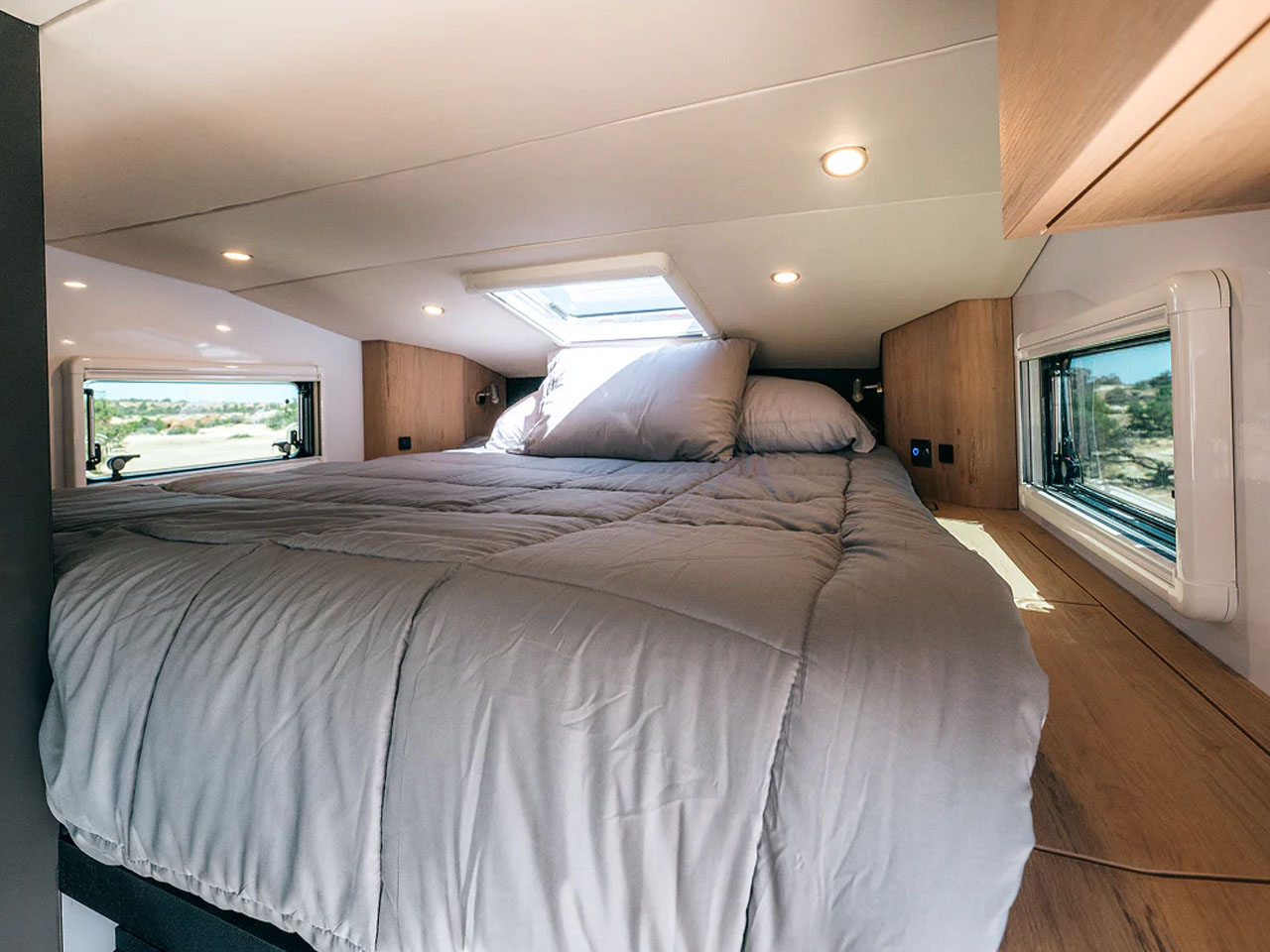
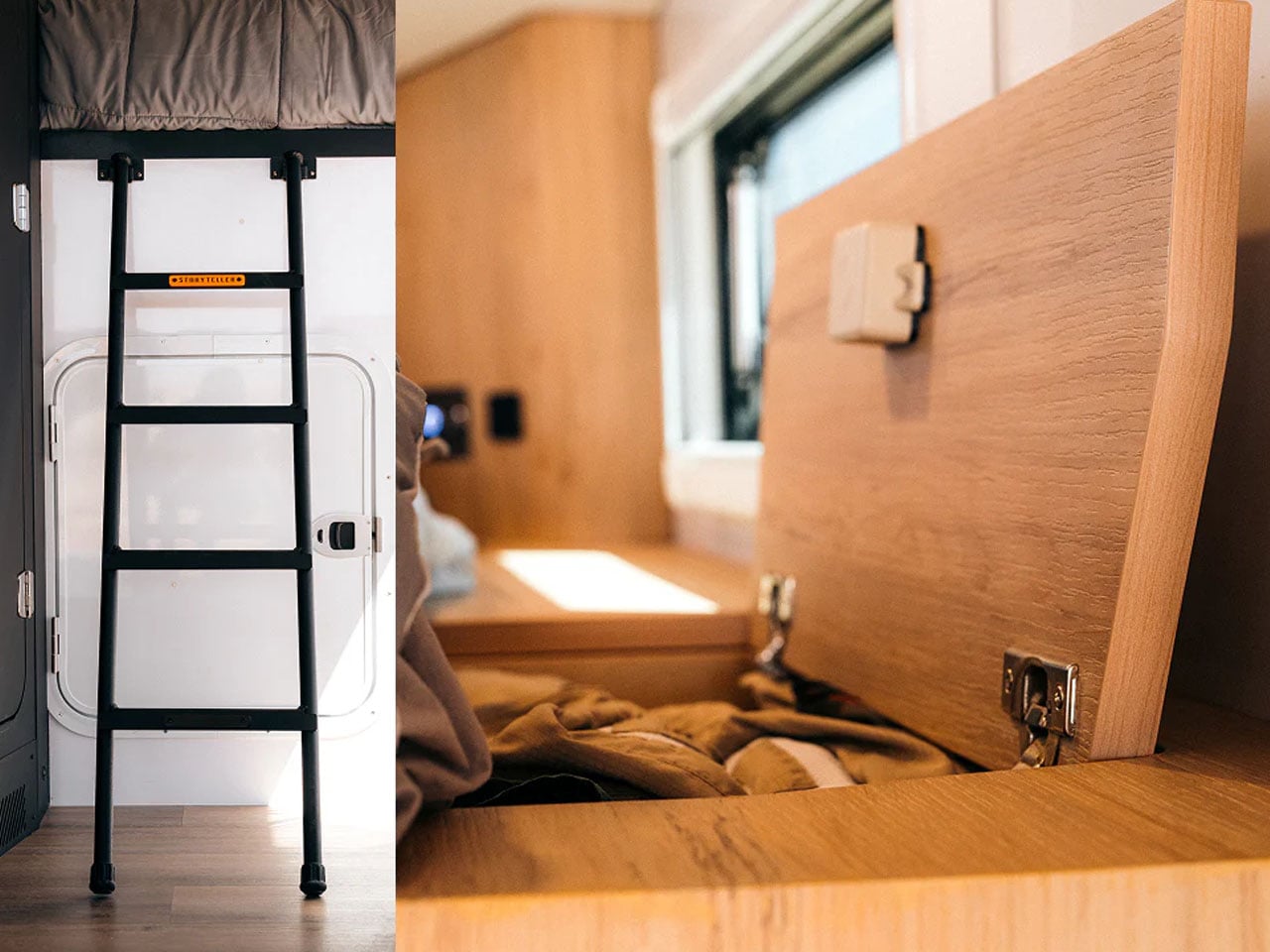
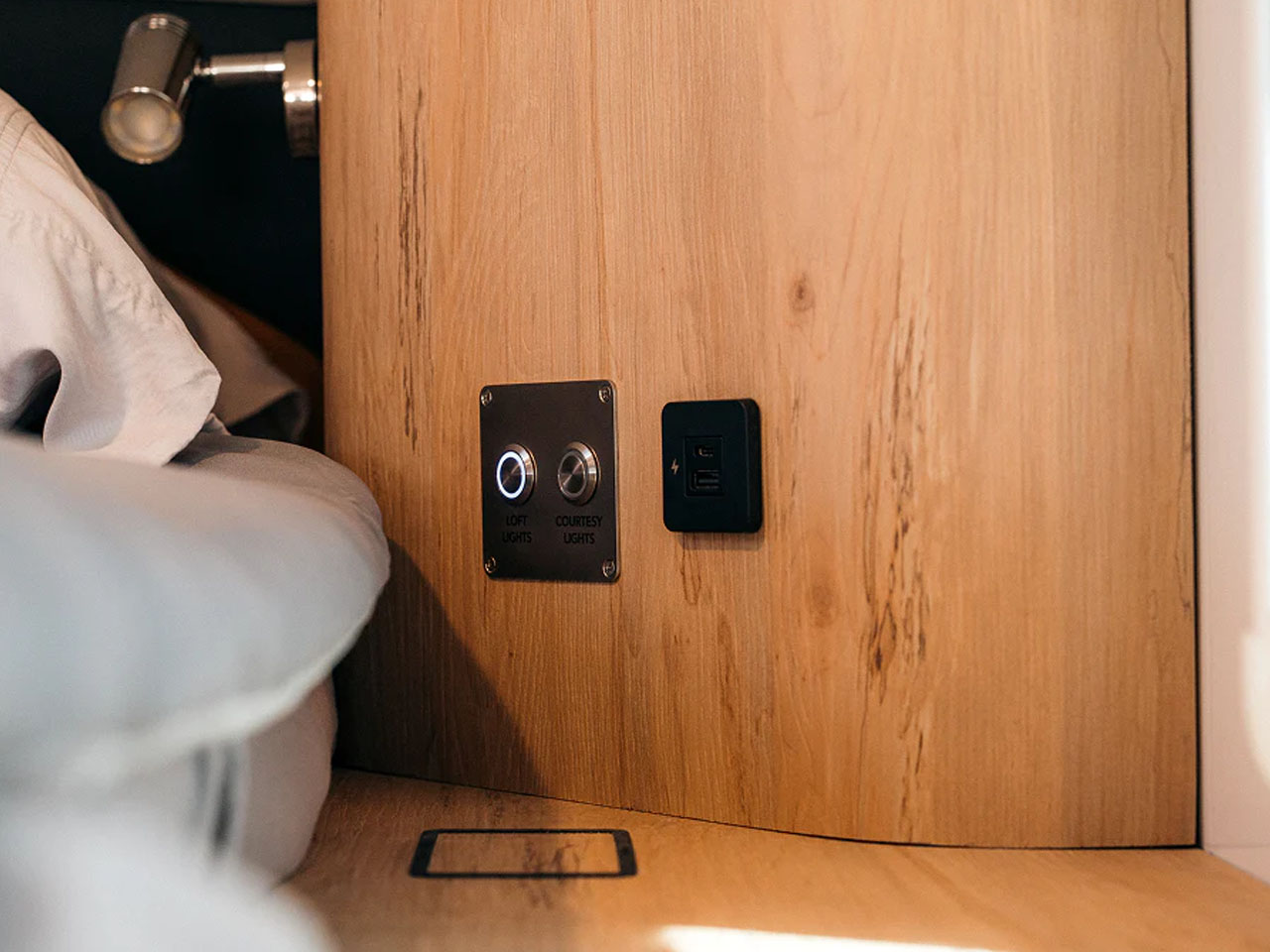
Inside is a double bed surrounded by large windows and overhead and sidewall storage. LED lighting and dual roof hatches complete the design. Since the MK6 is available in four variants, each is designed differently for off-the-grid living. The entry-level Inspire features a 125Ah lithium battery that draws energy from a 200W rooftop solar panel, while a 350W inverter takes care of the power backup. Firetail accommodates a pair of 125Ah batteries, a 2000W inverter, and some premium features in the kitchen.

Tvan MK6 Murranji adds a 200W solar panel to the Firetail setup, but leaves out the inverter. The top-of-the-line, Lightning, on the other hand, comes with a 500Ah battery. It features a 2,000W inverter and a 360W solar panel to complete its all-electric setup. Each of these models can have further upgrades with add-ons like awnings and more. MK6 starts at AU$69,900 (approximately $50,000) with the mentioned amenities.

The post Track Trailer reinvents Tvan, one of the toughest off-roading trailers with roomier MK6 model first appeared on Yanko Design.

Casio’s special edition calculator handcrafted using traditional Japanese lacquering technique

For the unpressumable, the good old calculator is a gadget of yesteryears, as the smartphone does all the multitasking. However, for someone who works with numbers, this device is a no-brainer. Retail personnel, accountants, and professionals handling a high volume of calculations always reach for a calculator. The rugged device with its analog input doesn’t have the shenanigans of a touchscreen that misbehaves when touched with wet hands or with gloves on.

Casio pioneered the design of an all-electronic calculator dubbed 14-A (designed by the Kashio brothers) way back in the 1950s. The computing machine turned into a household name when the Casio Mini arrived in the early 1970s. The handheld device was a holy grail when it came to churning out numbers in professional circles as well as homes. Come 2026, the Japanese company has decided to give the trusted calculator a unique, handmade twist that carries a lot of substance.

Designer: Casio

Based on Casio’s flagship S100 calculator, the S100X Urushi Edition, a.k.a. The Special One, is a limited edition desktop calculator designed using century-old Japanese Urushi lacquer technique. To handcraft the body of the device, Casio looked up to none other than Yamakyu Shitsuki, a lacquerware workshop expertising in the craft since 1930. Mater crafter Ryuji Umeda himself handcrafted the design involving a technique called tamenuri, which took a month of perfecting. The craft involves layering laquer tree’s filtered sap on the milled aluminum housing and achieving a sense of depth with repeated applications over a period of a week. Finally, the calculator is polished for that mirror-like shine and luxury feel.

Each of the 625 limited edition calculator’s is handcrafted carefully at the workshop, rendering each one of them unique in their look depending on the viewing angle. To carry the premium feel, the machined aluminum body housing the buttons on top and the LCD screen ensures a satisfying presence. This display comes with a dual-sided AR coating for reduced reflections and the navy blue text color mimics the fountain pen ink. For enhanced tactile sensation of pressing the isolation-type keys, they come with the pantograph mechanism and an ergonomic shape nestling the fingers. The 3-key rollover tech ensures rapid typing as the keystroke is accurately recognized for up to 3 keystrokes.

This 12-digit calculator adapts all the functions vital for professionals, including four-law calculation, tax calculation, unit conversion, memory (x2), and grand total. It is powered via solar panels on the front or a CR2025 coin battery, which can last for around seven years. The decimal point selector lever has a spin finish design for a premium shine, and on the back side, there is a geometric pattern molded stopper for assuring stability. Each one of the S100X Urushi Edition calculators has a laser-engraved serial number and comes packaged in a themed black presentation box complete with gold foil stamping.

The S100X Urushi Edition  Special One calculator is priced at ¥99,000, which coincidentally equates to around $625. Owning this one is going to be special for collectors.

The post Casio’s special edition calculator handcrafted using traditional Japanese lacquering technique first appeared on Yanko Design.

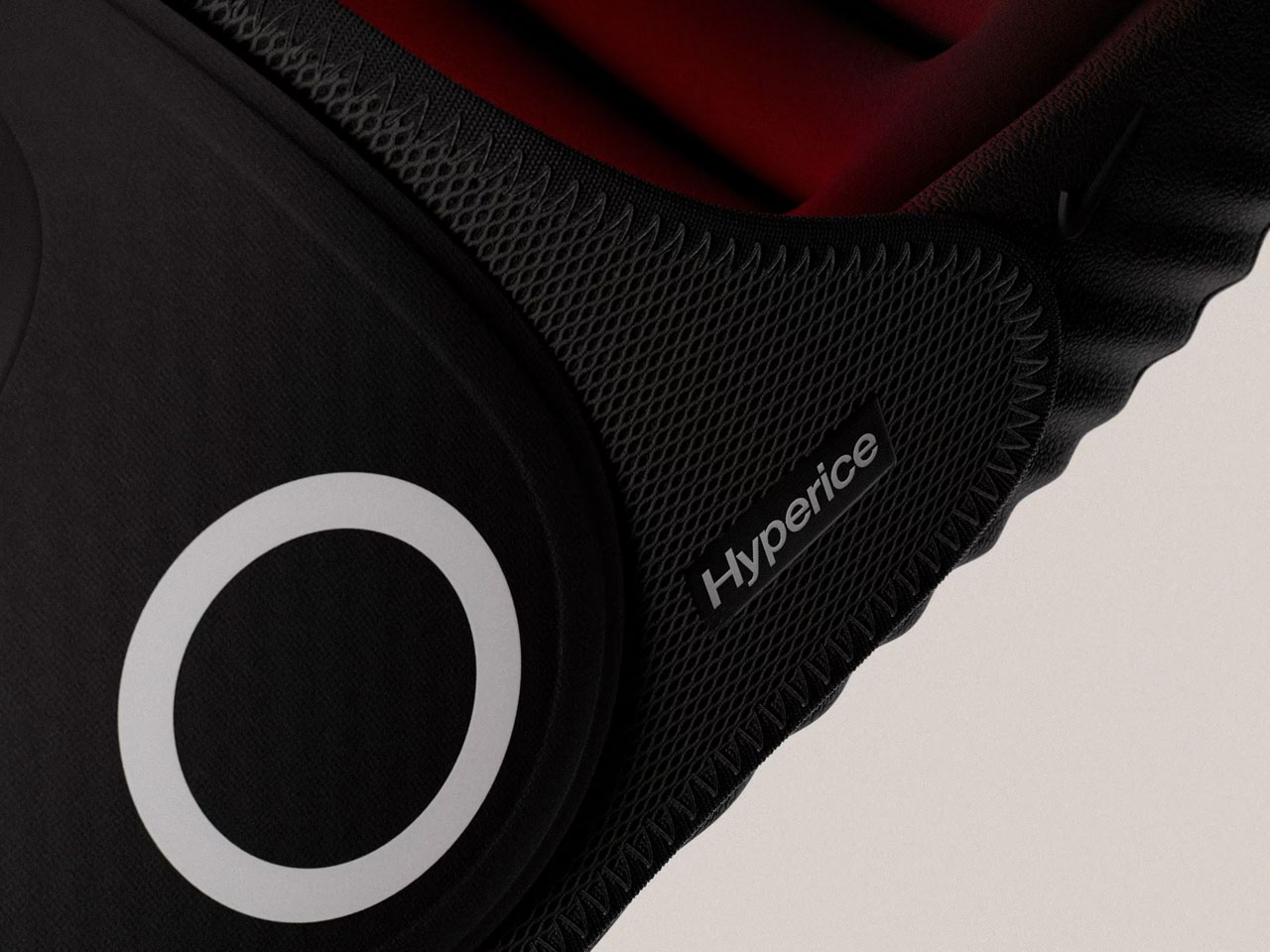
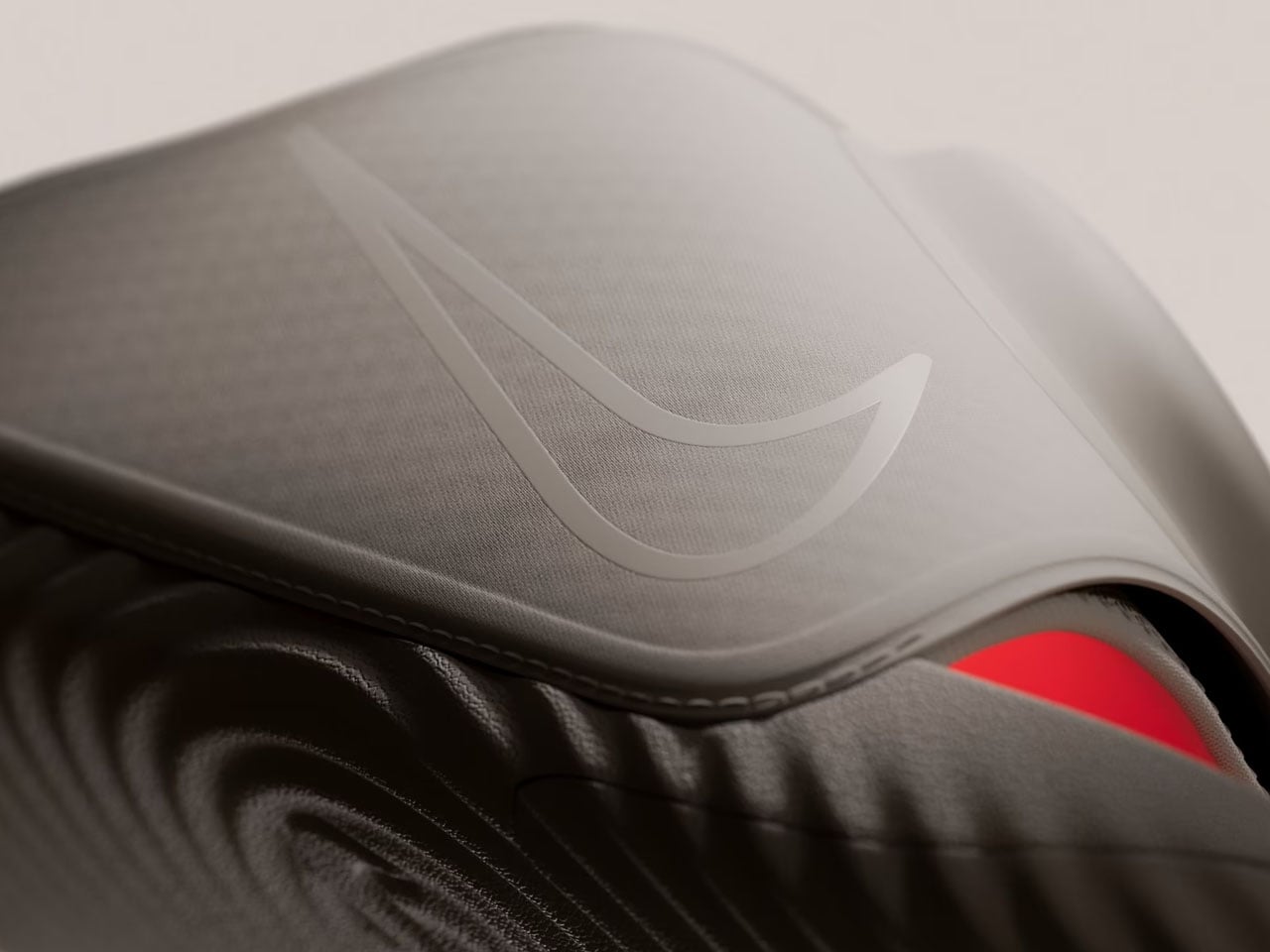
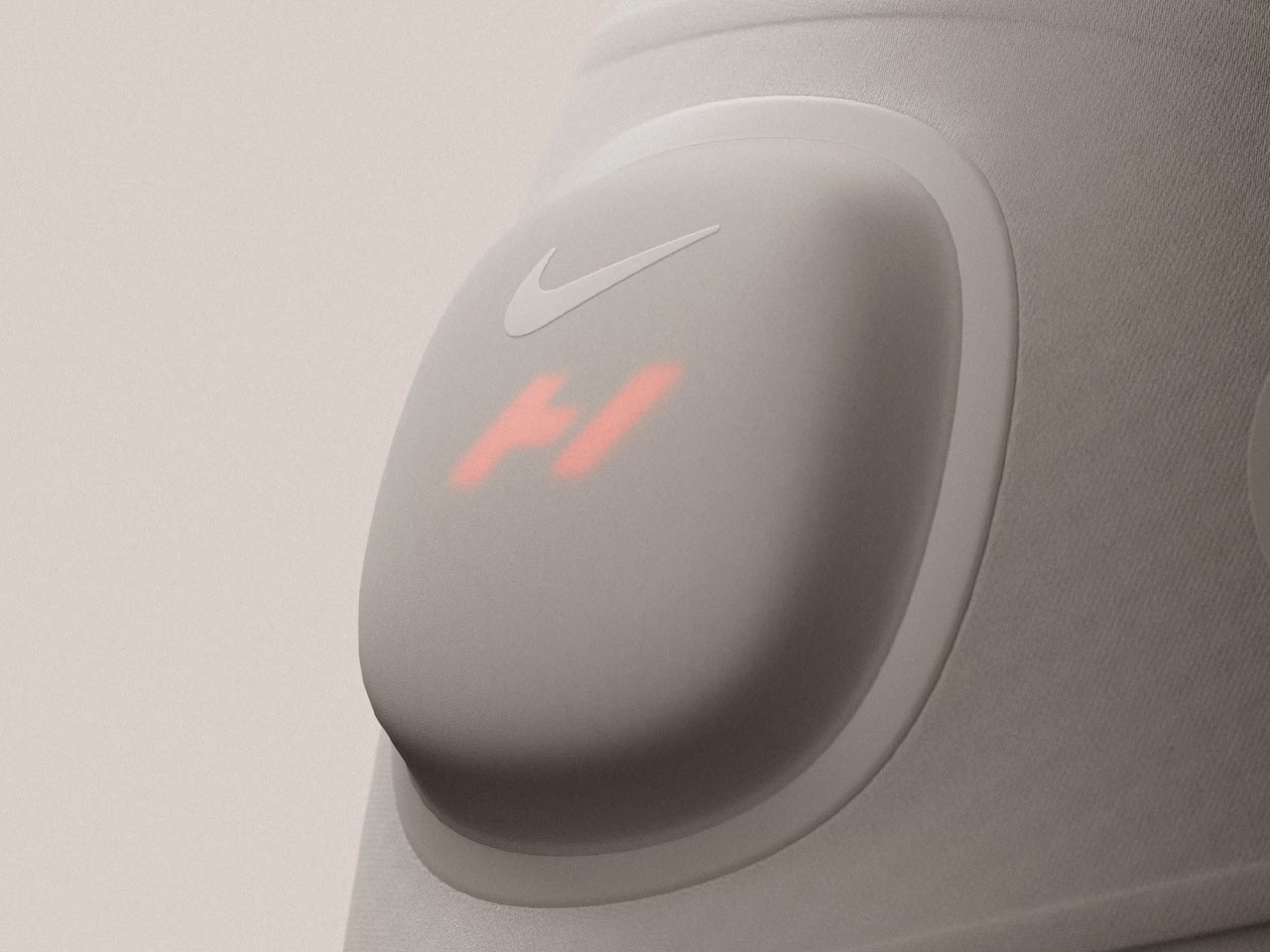
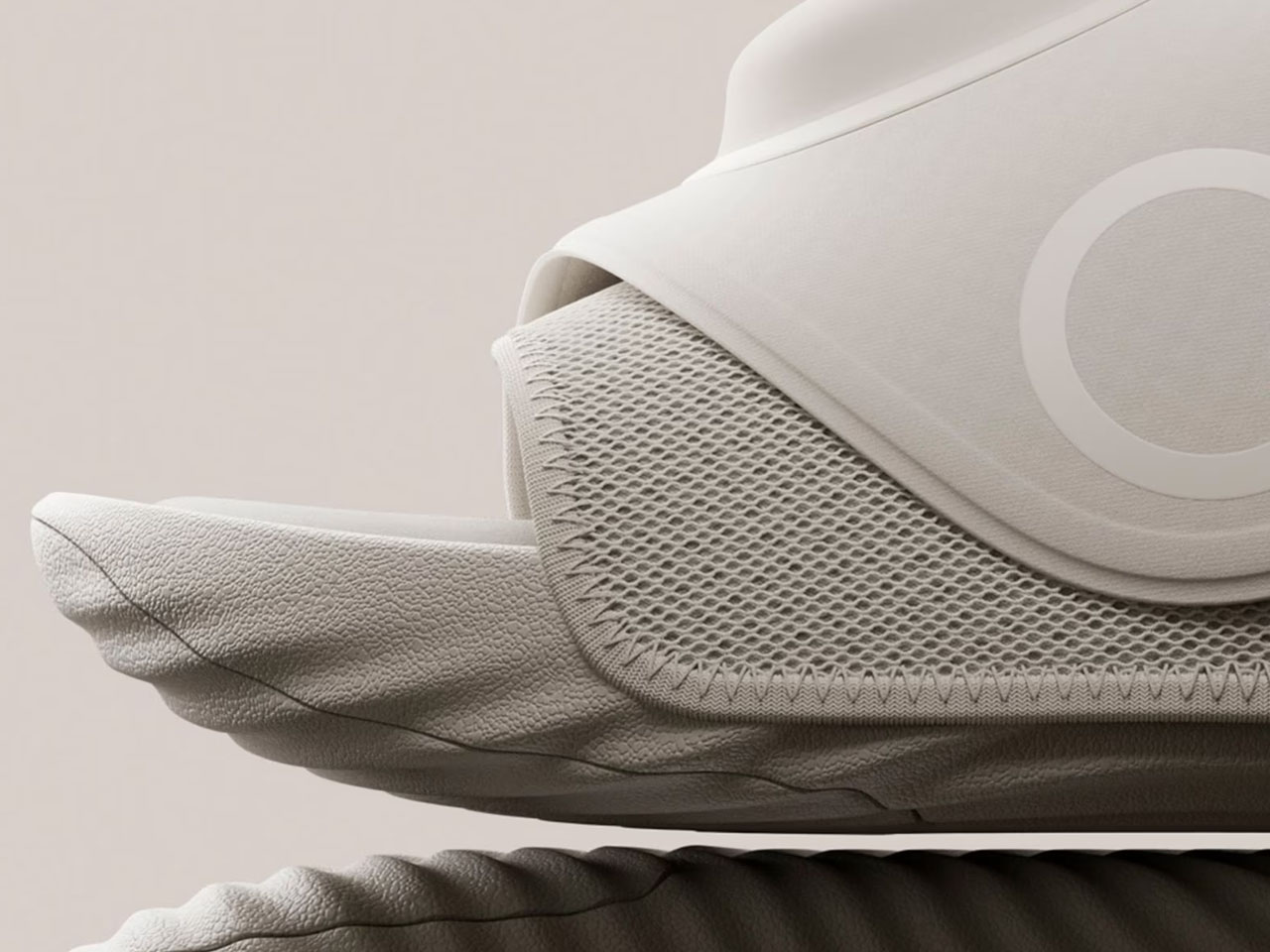
Nike x Powerbeats Pro 2 earbuds promise great design, super secure fit, and impressive audio

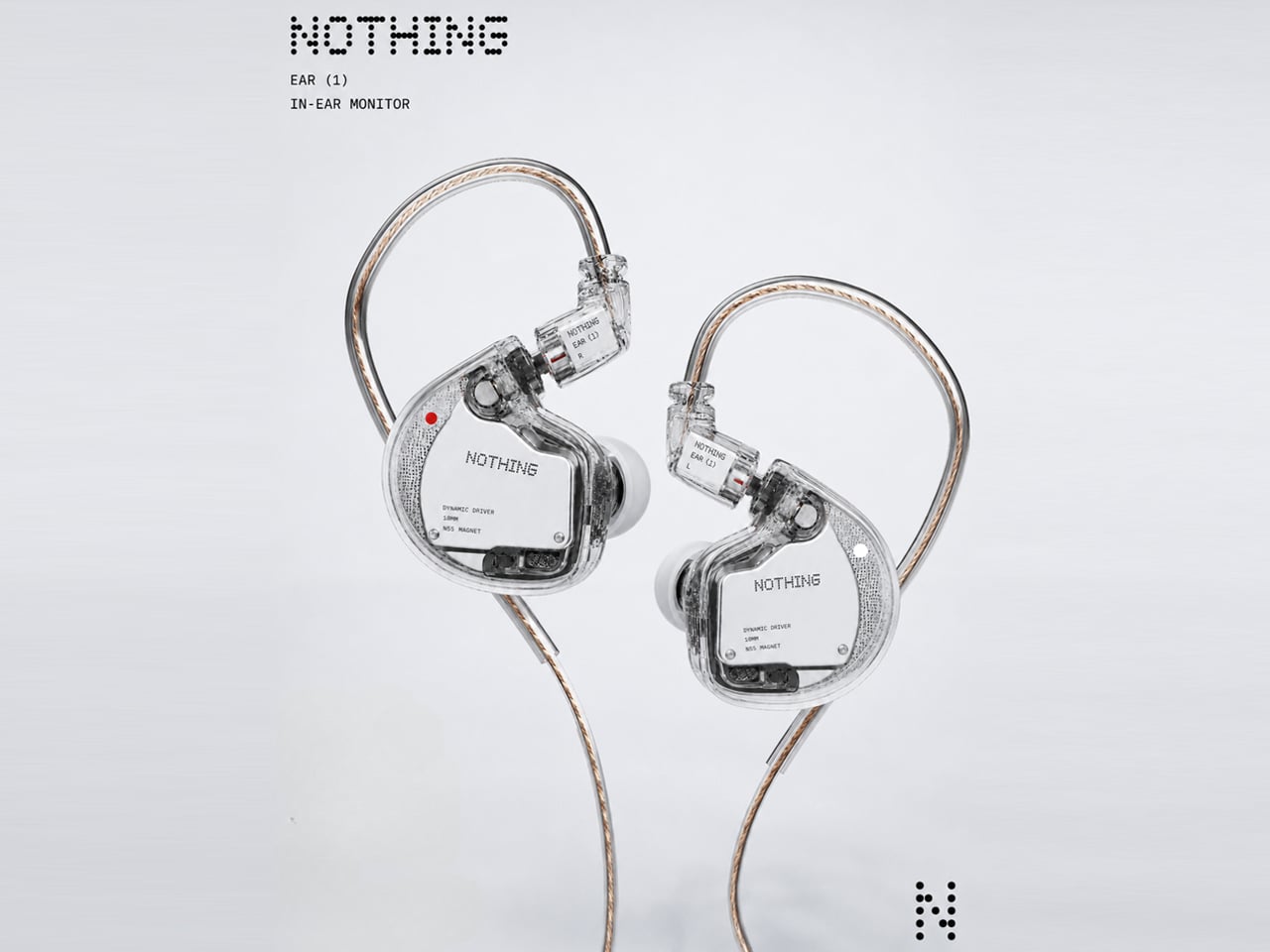
Earbuds are a holy grail accessory for fitness freaks who want to get in the groove to focus on their goals without outside distractions or losing out on ambient awareness when needed. Shokz OpenFit Pro and Beats Powerbeats Pro 2 have already proven their mettle in this space, with Nothing Ear (Open) and Anker Soundcore V20i also proving to be good value for money.

Apple has growing confidence in their fitness earbuds, and that’s the reason they’ve teamed up with Nike to release the Nike x Powerbeats Pro 2 Special Edition. Looping in LeBron James, the Los Angeles Lakers Forward, the American sports apparel brand has a valid reason to go with Beats for a set of fitness-focused wireless earbuds. These special edition buds come with tailored health tracking capabilities targeted towards athletes and heart rate monitoring integrated with the Nike Run Club app.

Designer: Beats by Dre and Nike

As one can see, the design is the major focus with these earbuds. They have a dual-tone finish in matte black and Volt splatter design. One earbud has the Beats branding while the other sports the Nike logo in black, lending the pair a distinct style appeal. The charging case carries the same theme and Nike’s “Just Do It” tagline on the inside. According to Beats CMI Chris Thorne, the earbuds are a result of the two brands’ “performance, culture and sports — the attributes of today’s athlete.”

The IPX4-rated earbuds come with a redesigned nickel-titanium ear hook, making them lighter while retaining the promise of a secure fit, even with the most rigorous activity. Battery life on these is rated at up to 45 hours with the charging case, and 10 hours on the standalone earbuds. You can expect the same level of ANC, transparency, and passive isolation as the original Powerbeats Pro 2. Of course, voice-calling performance, audio listening quality, and the heart rate sensing features are all what make these a bang for the buck.

Apart from all these features, they can also be wirelessly charged for convenience. Without doubt, they are the prime candidates for your everyday needs. Powerbeats Pro 2 Nike Special Edition was initially available through an early access lottery via SNKRS. For eager buyers, the global launch will be on March 20 via Nike and Apple’s official websites for $250. In-store availability is limited to locations including the United Kingdom, China, the United States, and Singapore.

The post Nike x Powerbeats Pro 2 earbuds promise great design, super secure fit, and impressive audio first appeared on Yanko Design.

Terra 700 overlanding trailer with slide-out bedroom and spacious interior has serious off-grid power

Overland Expo SoCal has culminated on a high note. Some expedition rigs have rejoiced in the fanfare more than the others, leaving a mark with their clever use of space and features. Case in point, the Terra 700. The brainchild of California-based Neo Camper, famous for its expedition trailers and truck campers designed for adventure, the Terra 700 is built with the same pedigree (as its largest overlanding trailer) but for enhanced comfort.

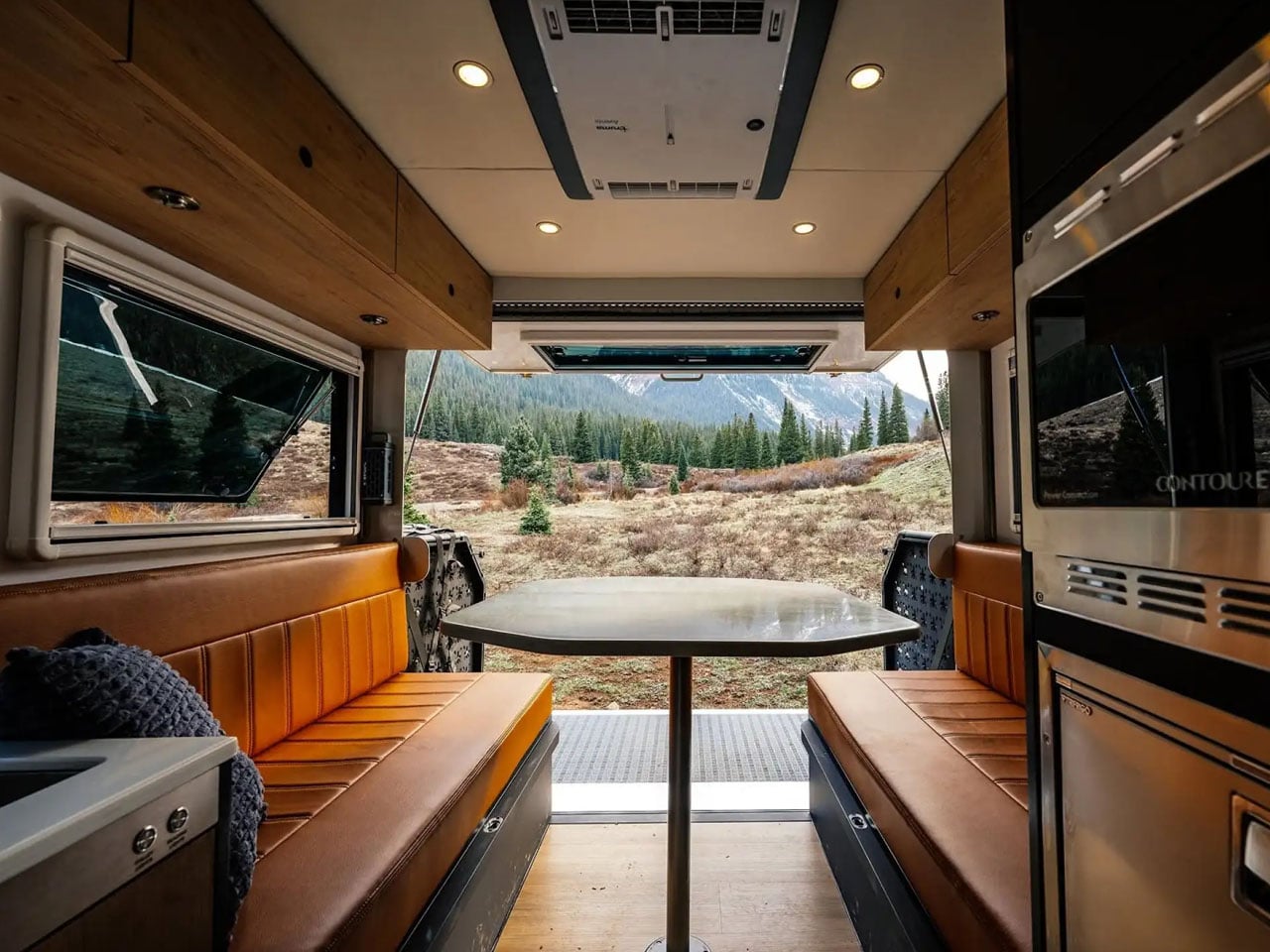
Boondocking trailers like the Terra 700 itself have their own reserved advantages. While similarly focusing on getting the basics right, these solutions make outdoor living convenient. The attractive yellow and gray Neo Camper here puts functionality with effective use of space ahead of everything else, and it really shows up in what the company has been able to offer: A solid trailer with an interesting slide-out bedroom to maximize its ability to offer a comfortable accommodation.

Designer: Neo Camper

Before we go inside the new rugged adventure-ready trailer, let’s figure out the engineering prowess on show on the outside. The hard-sided Terra 700 is a rare blend of off-roading and comfort, which obviously doesn’t show up at first glance. What you do notice first up about the 22 odd feet long and almost 7-foot-wide trailer is its magnitude, which easily compares to the size of a tiny house.

Its all-metal body with insulated composite panels is designed to withstand all weather conditions yet keep the overall structure lightweight and convenient to tow. For the record, the trailer weighs 5,666 pounds and rides on a reinforced steel chassis with the best-in-class independent suspension system and shock absorbers, so it can go to all lengths of your adventure, no matter the terrain you choose.

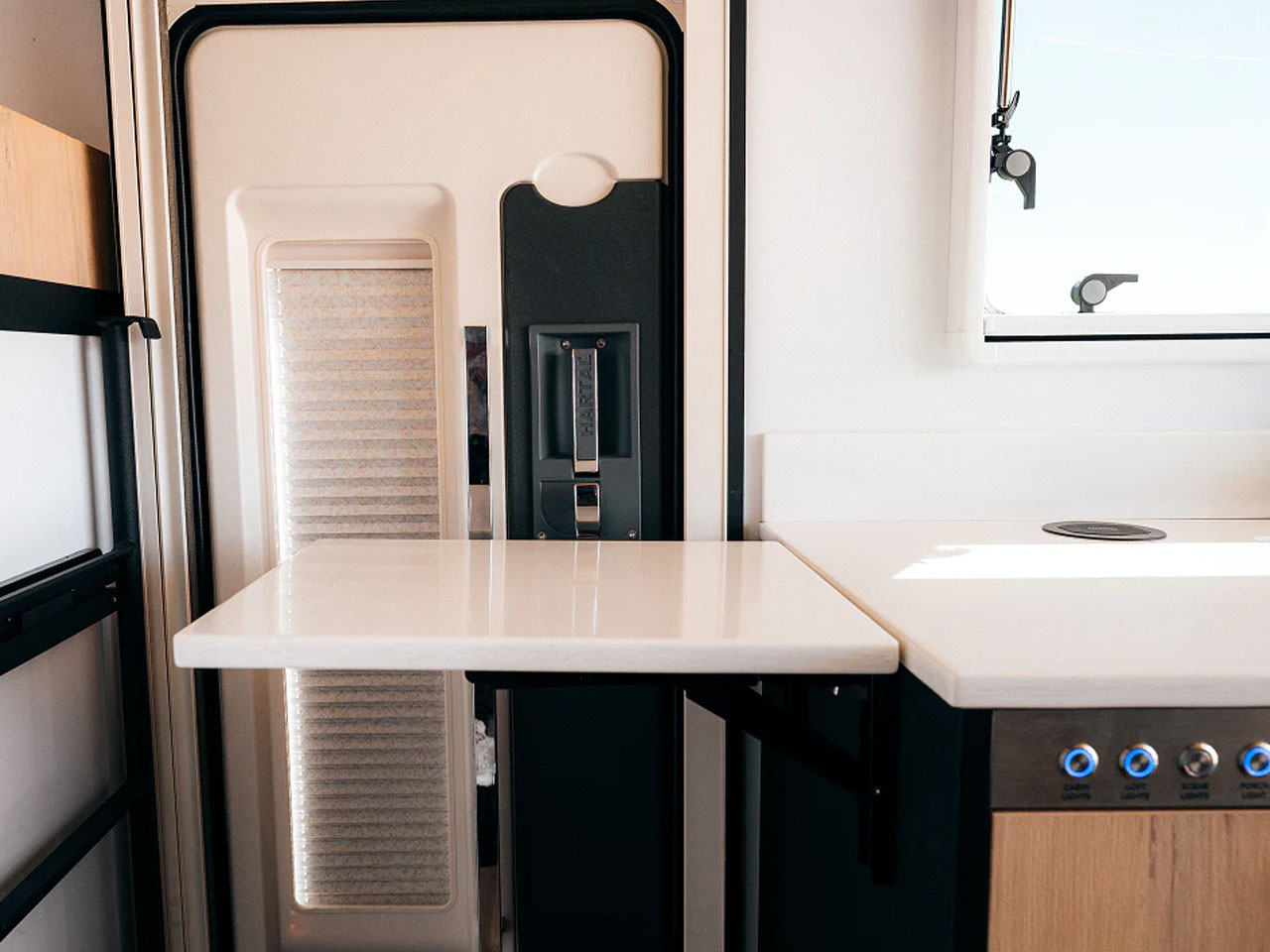
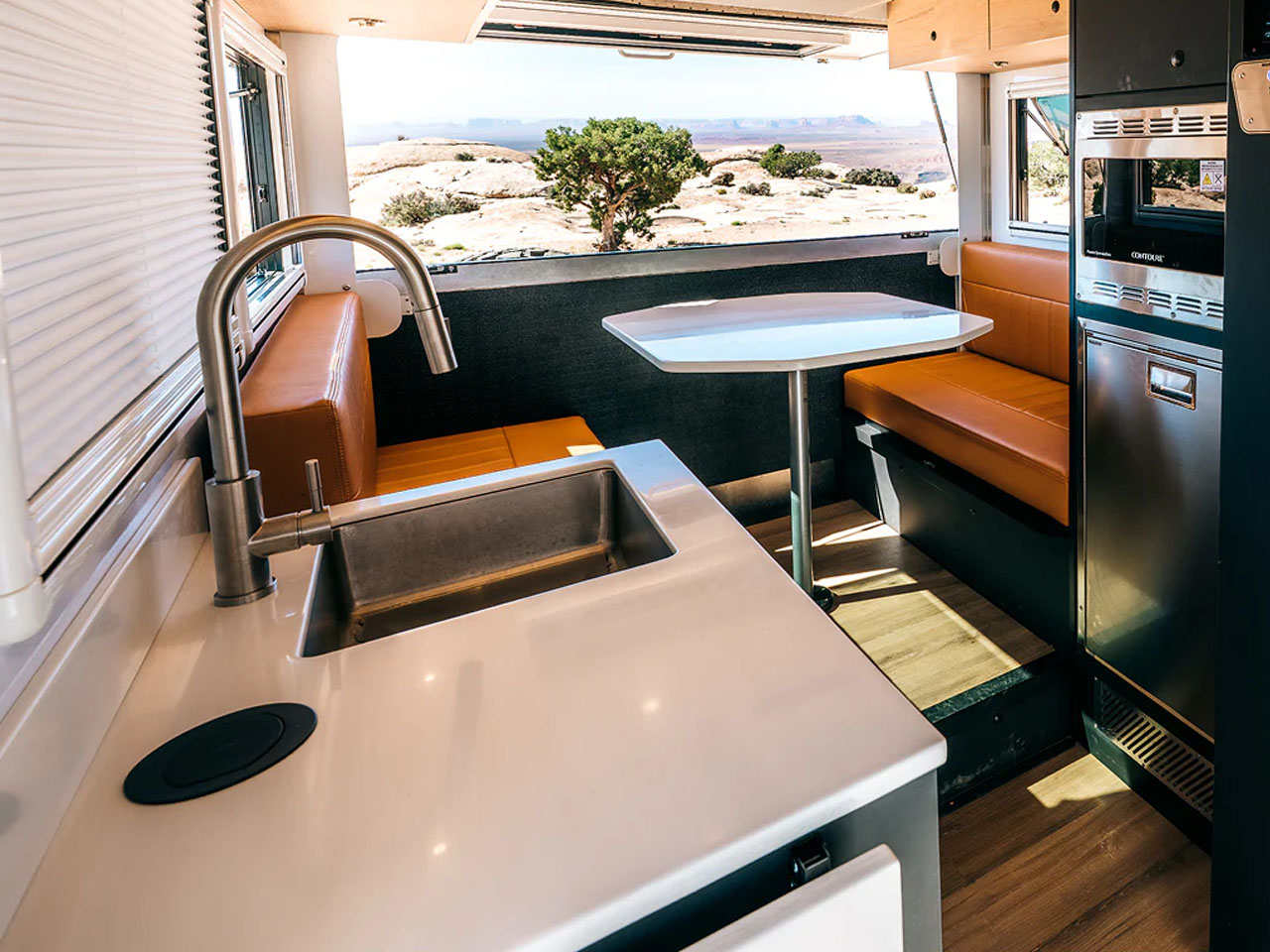
As mentioned above, it’s the slide-out bedroom (with a bed measuring 70×79 inches) that provides an intriguing design element to the Terra 700. But it’s not the only expansion here. The trailer, in fact, has a slide-out kitchen for outdoor cooking, complete with an extendable prep area and sink, and manages to create a spacious interior layout for comfortable, longer stays outdoors. Freedom and flexibility come out as the two fundamentals of the Terra 700, which adapts, both inside out, for your journey and camp.

The MOLLE panels on the outside make it easy to carry your gear, while the effective bath setting on the inside ensures convenience. It comprises a 15W Macerating Toilet, a shower, and a sink. Alongside a full-size kitchen with an electric ceramic stove and a 75-litre vertical refrigerator, there is a decent place to cook and a sumptuous meal, which is later served at the dinette, or the living space otherwise. What also sets the Terra 700 apart is its massive off-grid power system onboard, which features an 800Ah lithium battery, 800W rooftop solar panels, and a 3000W inverter, enough to keep the fridge, lights, power outlets, and other appliances running while staying off-grid. For all that power and comfort, the Terra 700 will set you back $59,800.

The post Terra 700 overlanding trailer with slide-out bedroom and spacious interior has serious off-grid power first appeared on Yanko Design.
Philips Moving Sound line-up impresses with retro chunky form and peppy colors

Philips is going all in with the retro vibe of 80s, because why not? The era was signified by bold colors and freedom of expression that somehow got lost in the craving for clean designs. The Dutch multinational wants to bring back that classic feel with its Moving Sound line-up that’ll have you drooling over. That pure magnetism of the retro-futuristic design sense, paired with the bright hues, is enough to get the party started.

The new range is a modern reinterpretation of the 1980’s Philips Moving Sound design, and on the inside, there is technology of modern times. This audio accessory lineup is headed by two portable Bluetooth speakers, a pair of headphones, and cheeky earbuds that are hard to resist. All of them come in attractive color combinations for a nostalgic feel. Most importantly, sustainability is at the core of the range, featuring replaceable batteries, extensive use of RCS-certified plastics, and FSC-certified plastic-free packaging.

Designer: Philips

The Tube (MS80) and The Roller (MS60) Speaker

Philips has brought two portable Bluetooth speakers to the fore, which overshadow any other option on the market for their bold retro feel. The €349.99 (approximately $402) Tube (MS80) speaker is a boxy option with the bright yellow hue contrasted well with the matte black and the LED lighting around the speaker ring. It is not all looks as the IP67 rated speaker produces 140W of thumping sound via the two five-inch woofers, two tweeters, and a dual passive radiator setup. The Tube (MS80) retains the nostalgia with a color display showing the looping cassette animation. The speaker has a 24-hour battery life, which will obviously depend on the volume levels at which it is played. Modern connectivity options like Bluetooth 5.5, Auracast, and USB make this a true audio lover’s accessory.

On the other hand, The Roller (MS60), priced at €179.99 (approximately $208), is similar to the Tube (MS80) with a smaller footprint and more contoured look. The stereo layout comprises woofers, tweeters and passive radiators, and for low-end addicts, the bass can be tuned up using the Bass+ feature. The IP67 speaker generates 60W sound and comes with the same modern connectivity options as the big brother. Since it generates less wattage, it is also rated at 24-hour battery life. You can also utilize the speaker as a battery bank for power-hungry gadgets.

The Buds (MS3) Earbuds

These are one of my favorites in the lineup for their cheesy appeal. The IP54-rated Buds (MS3) wireless earbuds come with a round case that has a touchscreen display on top to show the current playing track and an option to toggle the next or previous tracks. The hues on this are purely magical with the yellow, teal and neon pink splattered in perfect proportions. The buds boast six microphones in total for hybrid ANC, and come with Spatial Audio, multipoint connectivity, Swift Pair support, and Auracast. The promised battery life of 42 hours with ANC off is quite impressive, and a 10-minute quick charge lasts for two hours. For €79.99 (approximately $92) The Buds (MS3) are an absolute steal.

Ringo Duo (MS1) Headphones

Philips was not going to miss out on the retro feel of on-ear headphones for this line-up. They have the telltale nostalgic look and feel, reminding me of the Back to the Future flick. They are lightweight and will take you back to the golden era if you pair them with music from the 80s. Audio quality from these is impressive courtesy of the 40mm drivers, and the promised 26 hours battery life should last you a couple of days of pure music bliss. You can connect them via Bluetooth or a wired connection, making them well-suited for daily driving. You won’t get anything better than the Ringo Duo (MS1) headphones priced at €34.99 (approximately $40).

The post Philips Moving Sound line-up impresses with retro chunky form and peppy colors first appeared on Yanko Design.
This classic 1979 LEGO computer brick hides a fully functional Mac mini workstation inside

Retro designs often carry a sense of nostalgia, but occasionally they evolve into something more functional and imaginative. The M2x2 workstation by Watt IV is a good example with the inventive reinterpretation of a classic LEGO element transformed into a fully working desktop computer. Created by Dutch designer Paul Staal, the device takes inspiration from the iconic sloped LEGO computer brick introduced in 1979 and scales it up into a practical workstation powered by a modern Mac mini.

The DIY centers around the familiar wedge-shaped Slope 45 2×2 LEGO piece, a part historically used in LEGO space-themed sets as a representation of computer terminals inside spacecraft cockpits. Staal enlarged this element to roughly ten times its original size, turning it into a functional housing that blends retro toy aesthetics with contemporary computing power. Inside the oversized brick sits an Apple Mac mini equipped with Apple’s M4 chip, transforming the playful concept into a capable desktop system.

Designer: Paul Staal

Rather than serving as a simple decorative shell, the M2x2 integrates several practical features that enhance its usability as a workstation. A slanted 7-inch IPS touchscreen is embedded in the front face of the structure, echoing the display graphic printed on the original LEGO piece while providing real functionality. The compact screen acts as a secondary interface, often used for quick system information or dashboards. Staal, for instance, uses it primarily to monitor and control his smart home through a Home Assistant interface while working on a larger external display.

The case includes front-facing ports enabled through a USB-C hub, along with an SD card reader for easy access to external storage and accessories. This arrangement ensures the device remains practical for everyday use despite its playful form factor. The system also retains portability elements inspired by early Apple computers, including a built-in handle at the back that makes the unit easy to move around a desk or workspace. While the M2x2 works as a self-contained computer, it is typically paired with a larger external monitor for full productivity. In everyday use, the Mac mini handles the heavy computing tasks while the built-in display functions as a control panel or status screen.

Perhaps the most creative detail lies in the oversized LEGO studs on top of the case. Instead of being purely decorative, these studs are designed to perform useful functions. One of them operates as a rotary control that can adjust volume or media playback, while the other conceals a wireless charging bay capable of powering devices such as AirPods or an Apple Watch. The studs themselves remain compatible with standard LEGO elements, allowing users to attach minifigures or bricks for a playful finishing touch.

The M2x2 is largely built from 3D-printed components, making it accessible to enthusiasts who want to build their own version. Staal modeled the structure in CAD software and designed it as a modular system consisting of multiple printable parts. Aside from the Mac mini itself, the required materials are relatively simple, including PLA filament, a small touchscreen display, screws, and a USB-C hub. Assembly instructions and downloadable files are available, allowing makers to replicate or modify the design to suit their needs.

The post This classic 1979 LEGO computer brick hides a fully functional Mac mini workstation inside first appeared on Yanko Design.
BMW turns 2025 April Fools’ joke into a Nürburgring-bound M3 touring race car

What began as a playful internet prank has evolved into a genuine motorsport project. The racing version of the BMW M3 Touring 24H will compete at the legendary 24 Hours of Nürburgring in 2026, turning an April Fools’ joke into a unique moment for endurance racing. Built by BMW M Motorsport, the car will take on the infamous Nürburgring Nordschleife (often called the “Green Hell”), bringing a wagon body style (rarely seen in modern motorsport) to one of the world’s most demanding circuits.

The idea originated on April 1, 2025, when BMW shared images of a supposed race-ready M3 Touring on social media as part of its annual April Fools’ tradition. The concept depicted a full-blown GT-style race car based on the performance wagon, complete with aggressive aerodynamic components and racing livery. While initially intended as a joke, the reaction from fans was overwhelmingly positive. Enthusiasts embraced the idea of a high-performance wagon competing on the track, prompting BMW engineers to explore whether the concept could become reality.
Designer: BMW Group

That fan enthusiasm ultimately led to the creation of the BMW M3 Touring 24H, a competition-ready machine developed specifically for endurance racing at the Nürburgring. The car is scheduled to make its racing debut at a round of the Nürburgring Langstrecken-Serie (NLS) before appearing at the 24-hour race itself in May 2026. The event will mark a rare sight in modern motorsport: a long-roof station wagon battling alongside purpose-built race cars in one of the world’s toughest endurance competitions.

Visually, the M3 Touring 24H transforms a practical family wagon into a striking track weapon. The bodywork incorporates wide fenders, a deep front splitter, aerodynamic side panels, and a large rear wing mounted above the tailgate. A racing diffuser and enlarged air intakes help optimize airflow and cooling during long stints on track, while the overall stance mirrors the aggressive proportions of BMW’s GT race cars. The familiar Touring silhouette remains intact, giving the car a distinctive appearance that blends practicality with pure racing performance.
Although detailed technical specifications for the race version remain limited, the project draws inspiration from the performance credentials of the road-going BMW M3 CS Touring. That high-performance wagon uses a 3.0-liter twin-turbocharged inline-six engine producing around 543 horsepower and 650 Nm of torque, paired with an eight-speed transmission and BMW’s M xDrive all-wheel-drive system. The result is a wagon capable of accelerating from 0 to 62 mph in about 3.5 seconds and reaching a top speed of approximately 186 mph.

The Nürburgring itself has long been central to BMW M’s development and racing activities. The 12.9-mile circuit features more than 70 corners and dramatic elevation changes, making it one of the most challenging tracks in the world. BMW M vehicles have achieved numerous successes there over the years, including multiple victories in the 24-hour race, reinforcing the brand’s deep connection to the track. The debut of the BMW M3 Touring 24H represents more than just a novelty. It highlights how fan enthusiasm and digital culture can influence real-world automotive projects, especially when a playful idea resonates strongly with enthusiasts.

When the M3 Touring 24H lines up on the grid at the Nürburgring in 2026, it will stand out among the field not only for its unusual body style but also for the story behind its creation.

The post BMW turns 2025 April Fools’ joke into a Nürburgring-bound M3 touring race car first appeared on Yanko Design.