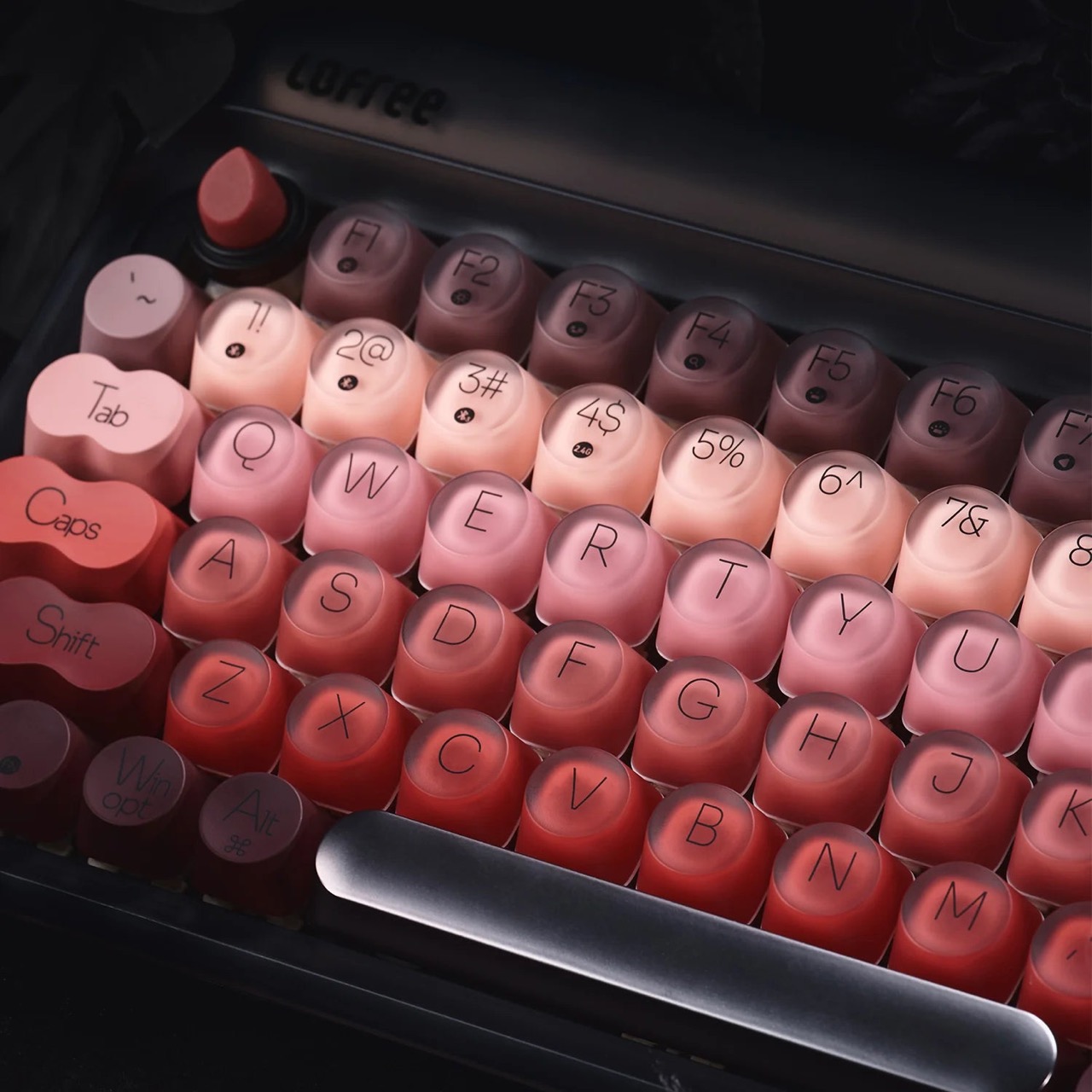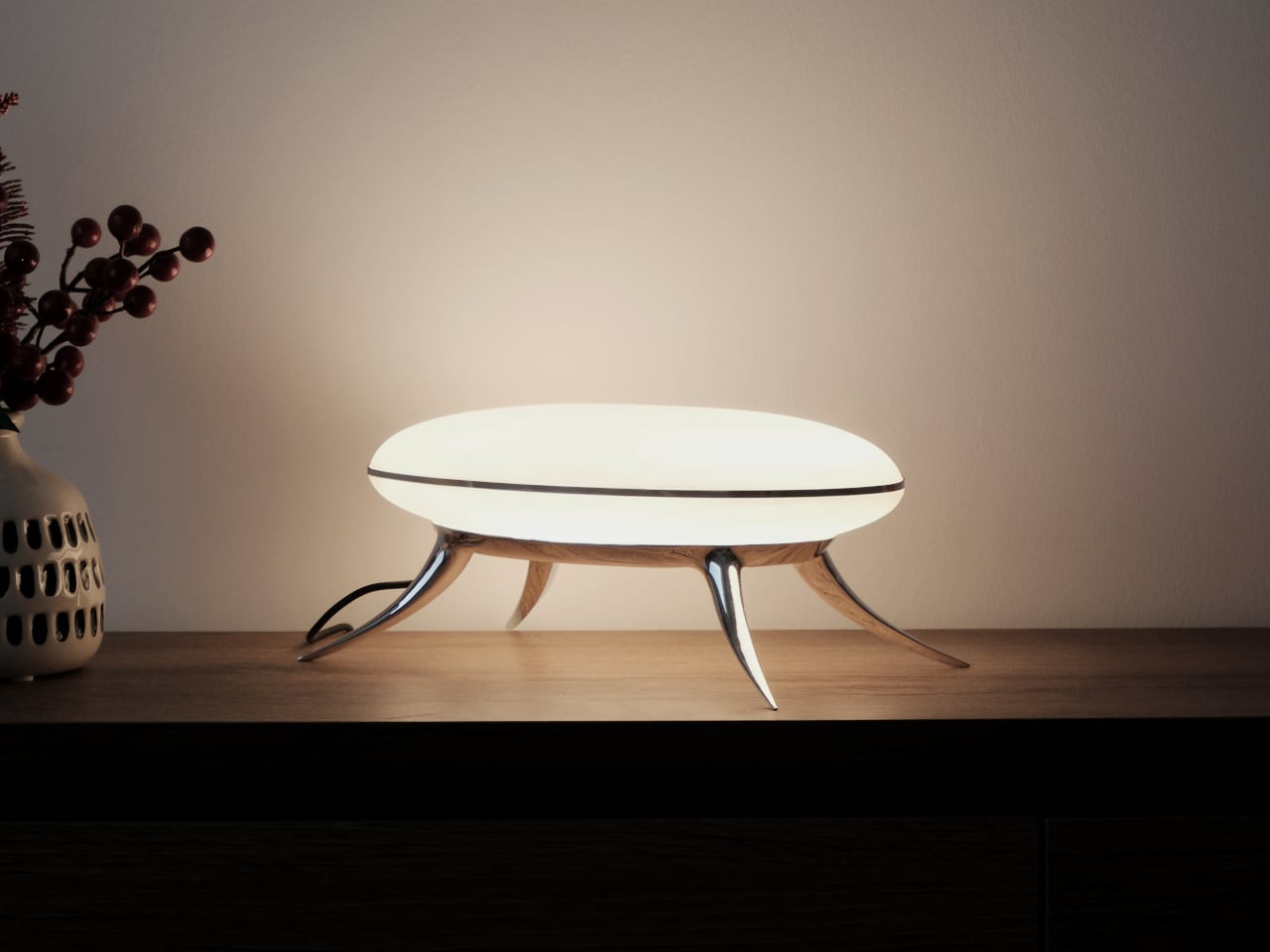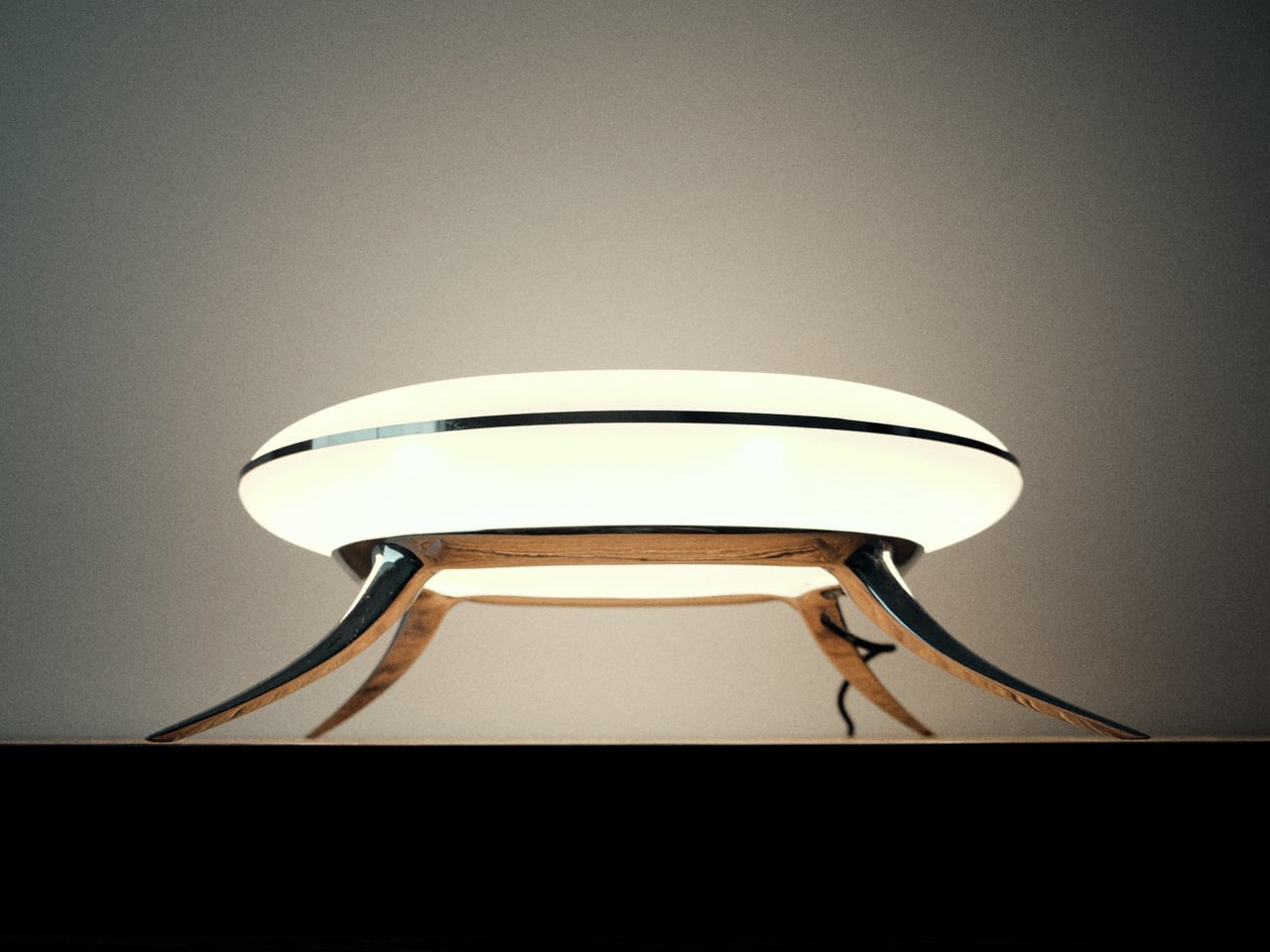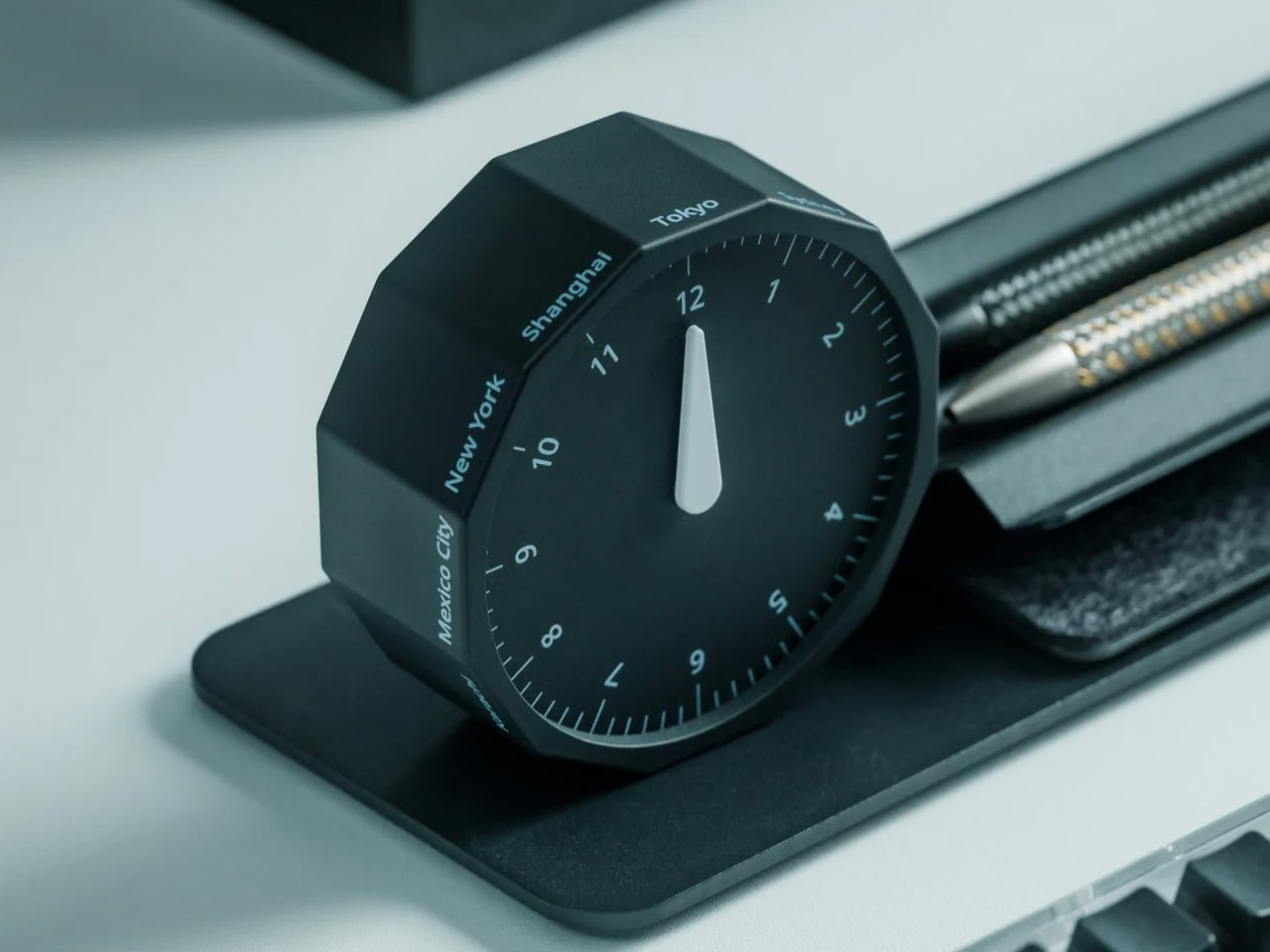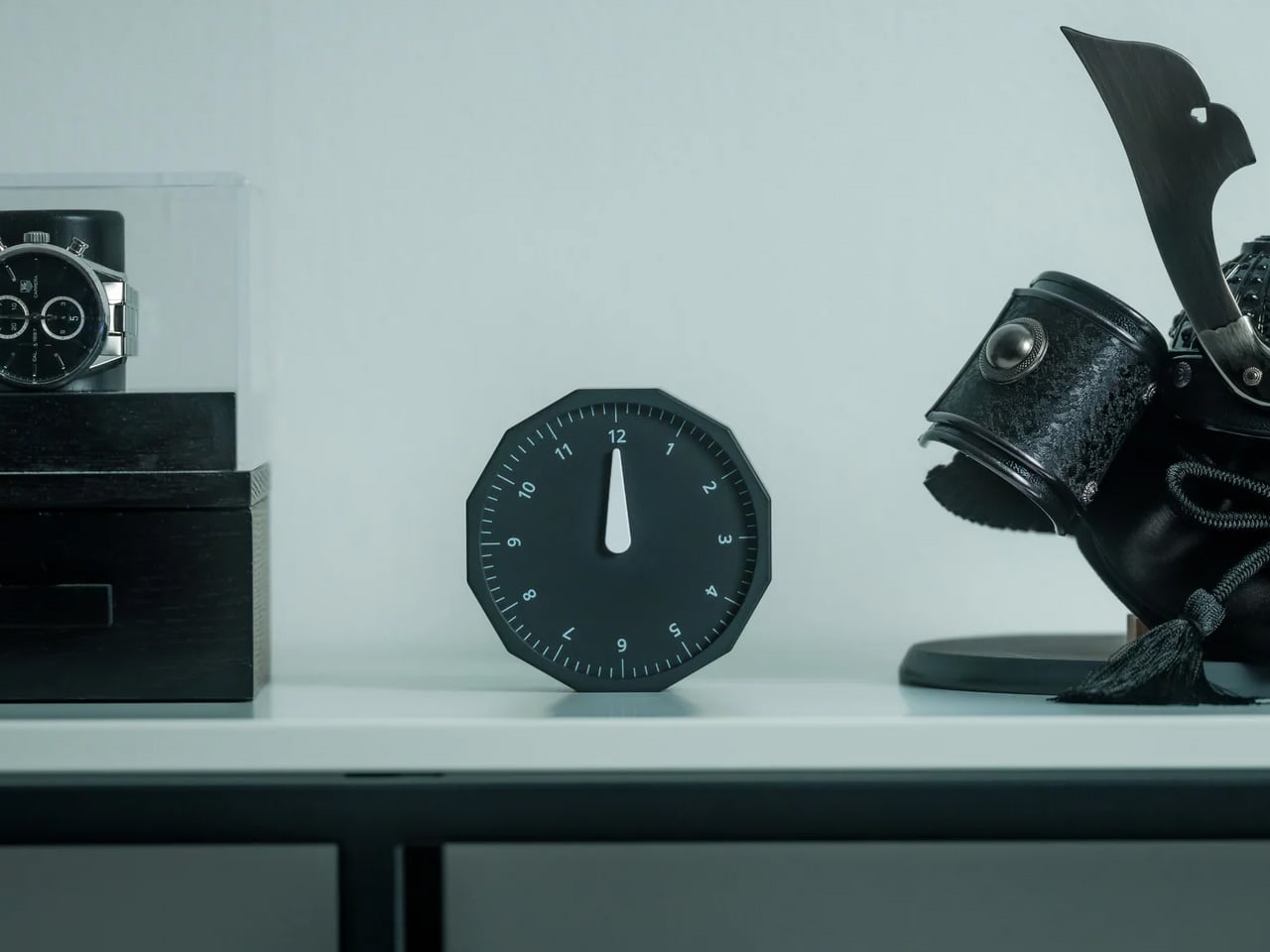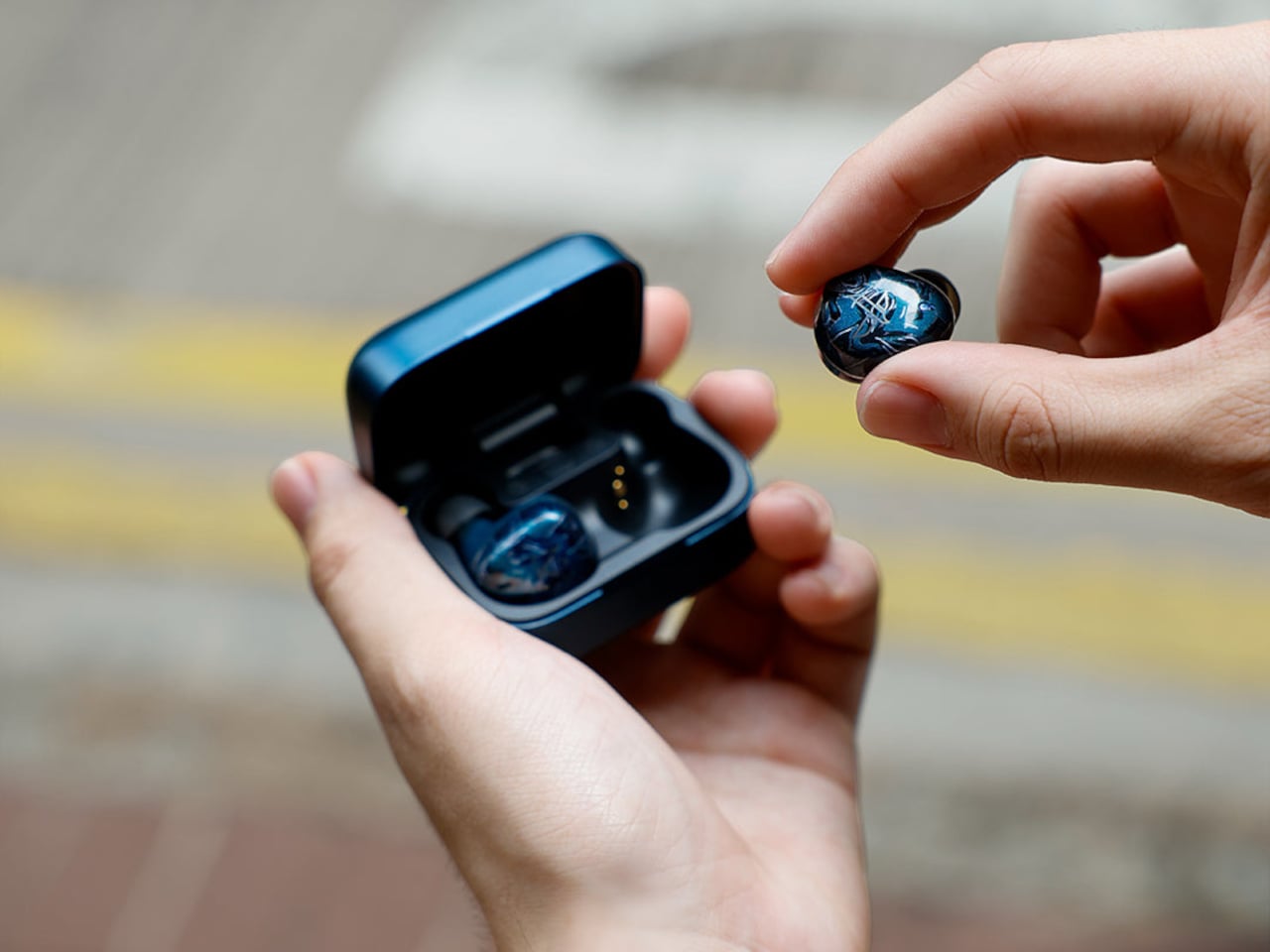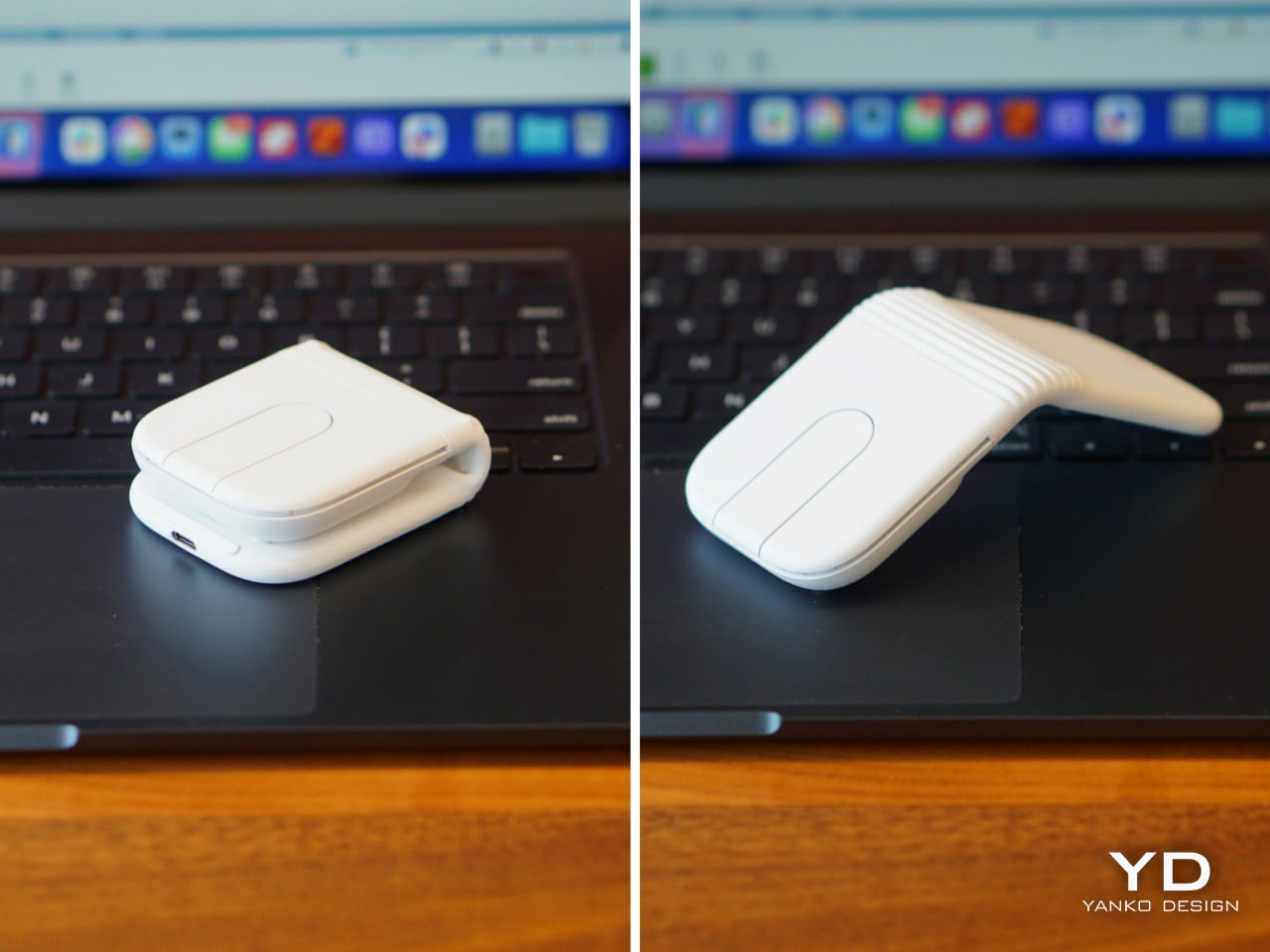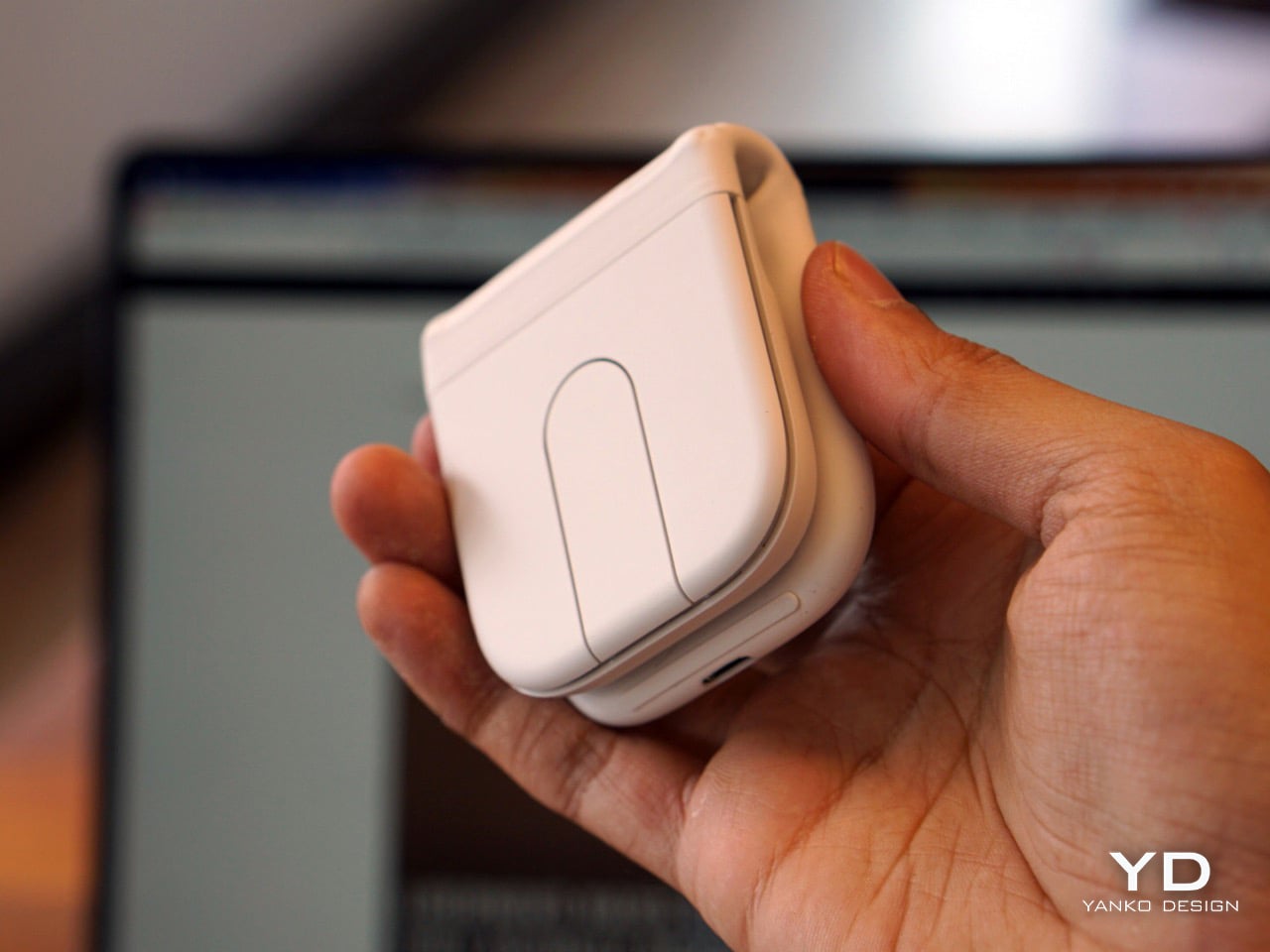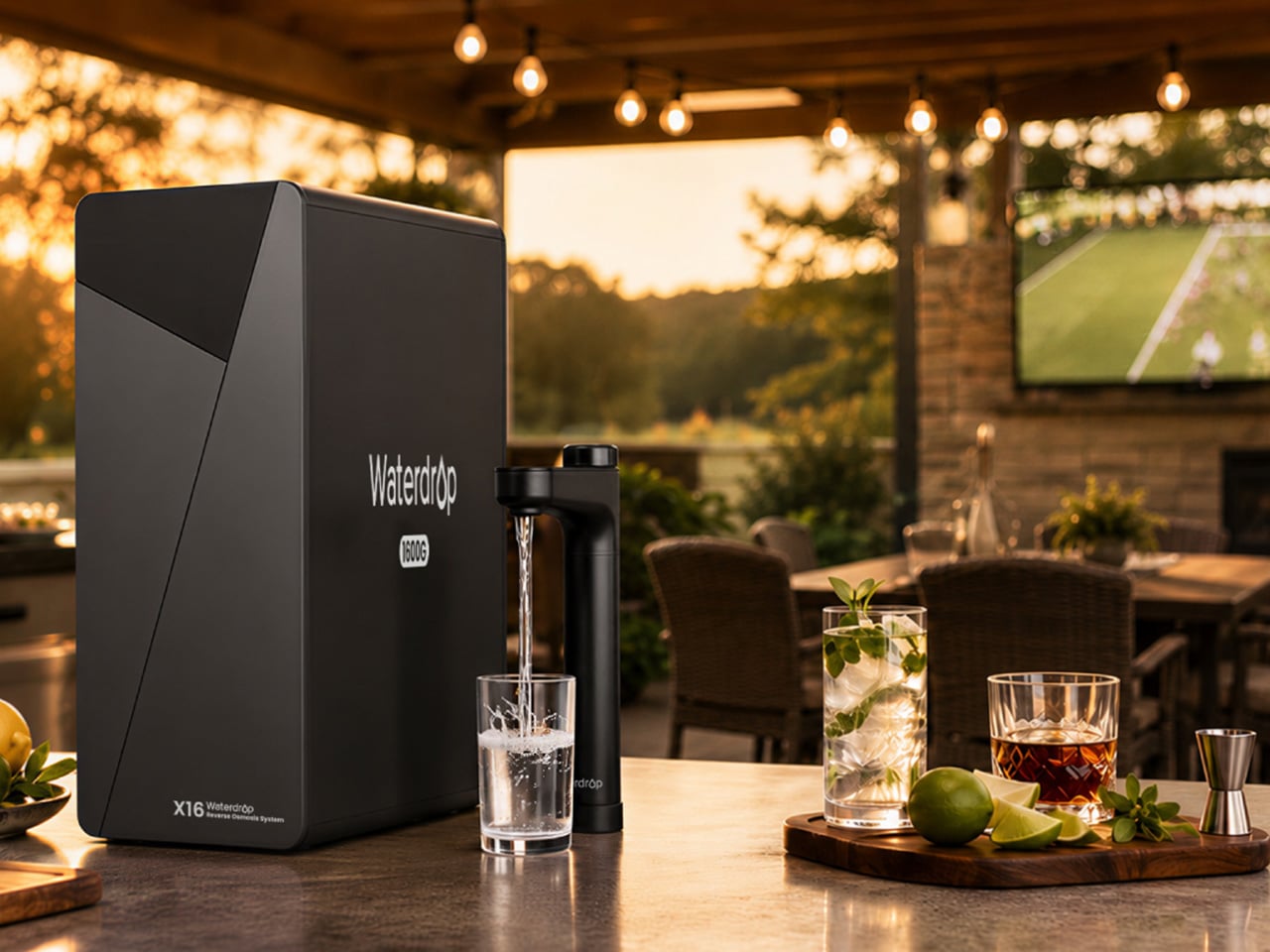
Retro Gadgets For Vintage Lovers: 5 Nostalgic Gifts That Actually Work In 2025

Nostalgia isn’t about living in the past—it’s about celebrating design moments when objects had soul, character, and tangible presence. For vintage lovers, the aesthetic pull of retro gadgets runs deeper than mere styling. These are people who appreciate the warmth of analog sound, the satisfaction of physical controls, and the beauty of mechanical precision. They understand that technology doesn’t need to be disposable to be functional, and that timeless design speaks a universal language across decades.

This collection honors that perspective by bringing together five exceptional gadgets that bridge eras beautifully. Each piece captures authentic retro aesthetics while embracing modern conveniences that make them genuinely usable today. From cassette-inspired speakers to mechanized solar systems, these gifts prove that looking backward and moving forward aren’t mutually exclusive. They’re perfect for the person whose shelves mix vinyl with streaming devices, whose taste transcends trends, and who believes the best design is always worth reviving.

1. SYITREN R300 Portable CD Player

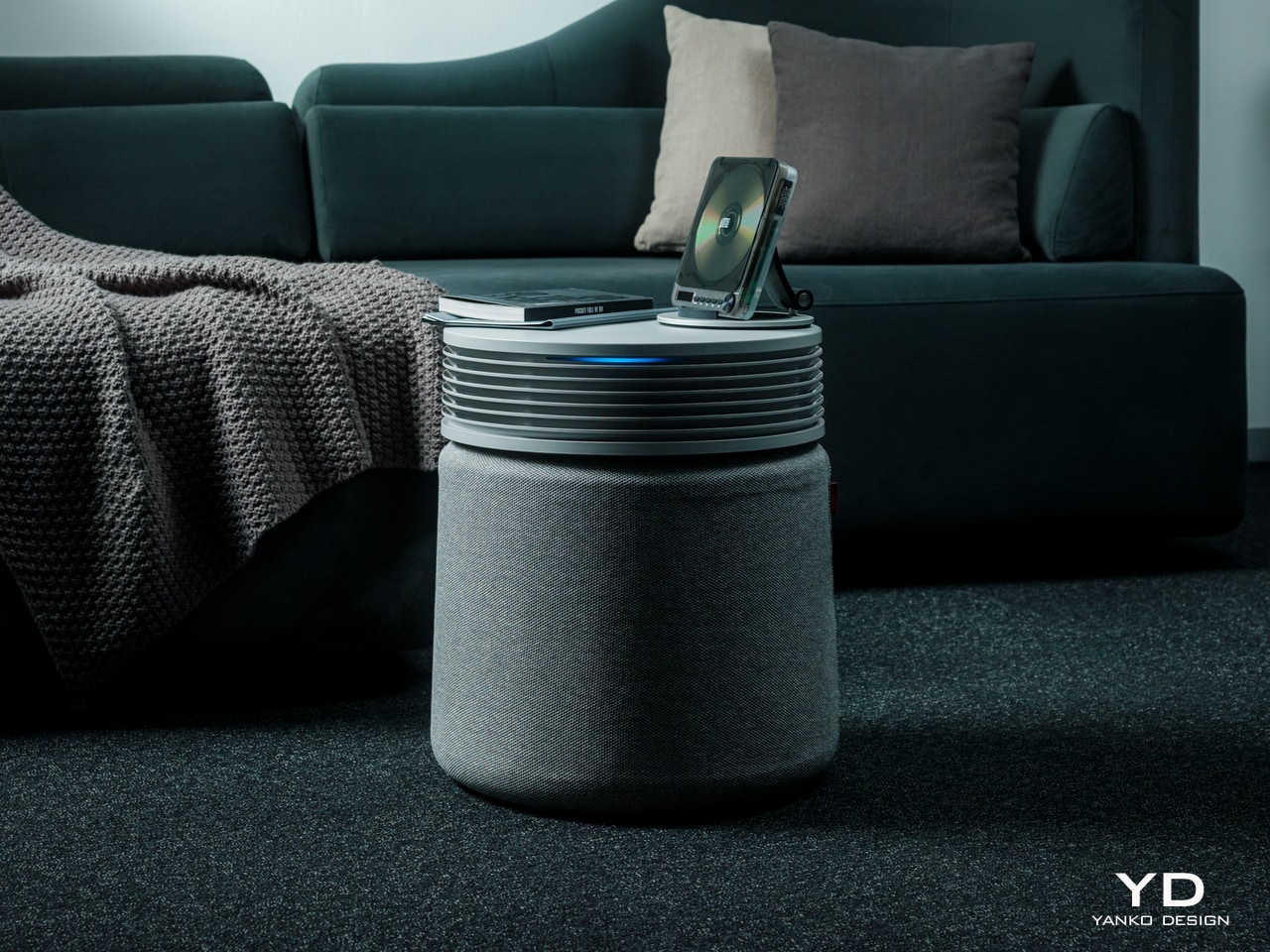
The compact disc never truly left—it just waited for design to catch up. The SYITREN R300 recognizes this truth, delivering a portable CD player that feels simultaneously nostalgic and contemporary. Available in wood grain, classic white, or vibrant fruit green finishes, the R300 captures the clean-lined aesthetic of early audio equipment without feeling dated. The dynamic area button on the right side offers intuitive, tactile operation that satisfies in ways touchscreens never will.

What elevates the R300 beyond pure nostalgia is its refusal to compromise on modern functionality. Bluetooth 5.3 connectivity means wireless freedom with contemporary headphones and speakers, while the traditional 3.5mm headphone jack and Toslink optical output accommodate wired purists and audiophile setups. The player handles standard CD, CD-R, and CD-RW formats plus digital files in MP3, WAV, and WMA. A 2000mAh battery delivers over six hours of playback, making it genuinely portable. Audio output thrust reaches 600mV with an 80dB signal-to-noise ratio, ensuring the listening experience matches the visual appeal. For vintage lovers who never abandoned their CD collections, this player acknowledges their format loyalty while meeting them where modern listening happens.

What we like

  • MUSE Design Gold Award-winning retro aesthetic available in wood, white, and fruit green finishes.
  • Bluetooth 5.3 provides wireless connectivity to modern headphones and speakers.
  • Multiple output options, including 3.5mm jack and Toslink optical for audiophile setups.
  • 2000mAh battery delivers over six hours of portable playback.

What we dislike

  • CD-only format limits functionality compared to multi-format vintage players.
  • Portable design may lack the substantial build quality of classic stationary models.

2. Side A Cassette Speaker

Mixtapes represented something more than music—they were tangible artifacts of care, time, and curation. The Side A Cassette Speaker resurrects that emotional resonance through faithful aesthetic mimicry wrapped around thoroughly modern technology. Shaped precisely like a cassette tape, complete with a transparent shell and a side A label, this pocket-sized speaker does not attempt to hide its inspiration. The clear case doubles as a stand, transforming it from a portable audio device into a proper desk sculpture. For vintage lovers who remember making mixtapes or wish they’d experienced that era, this speaker bridges the gap between memory and modernity with charm and authenticity.

The Side A succeeds because it respects both form and function equally. Bluetooth 5.3 connectivity ensures seamless pairing with phones, tablets, and laptops for wireless listening that analog tapes could never provide. MicroSD card support means offline playback without streaming dependencies, recapturing some of that physical media permanence. The sound profile leans deliberately warm and cozy, tuned to evoke tape playback character rather than clinical digital reproduction. At under fifty dollars, it delivers nostalgic design and functional audio in a package small enough to travel everywhere. This isn’t a gimmick trading entirely on looks—it’s a genuinely useful speaker that happens to look fantastic doing its job.

Click Here to Buy Now: $45.00

What we like

  • Authentic cassette tape styling with a transparent shell and a side A label captures mixtape nostalgia perfectly.
  • Bluetooth 5.3 ensures reliable wireless connectivity with modern devices.
  • MicroSD card support enables offline playback without internet dependency.
  • Warm analog-inspired sound profile distinguishes it from typical digital speakers.

What we dislike

  • Compact size naturally limits bass response and overall volume compared to larger speakers.
  • Cassette aesthetic may feel too niche for spaces requiring neutral design.

3. RetroWave 7-in-1 Radio

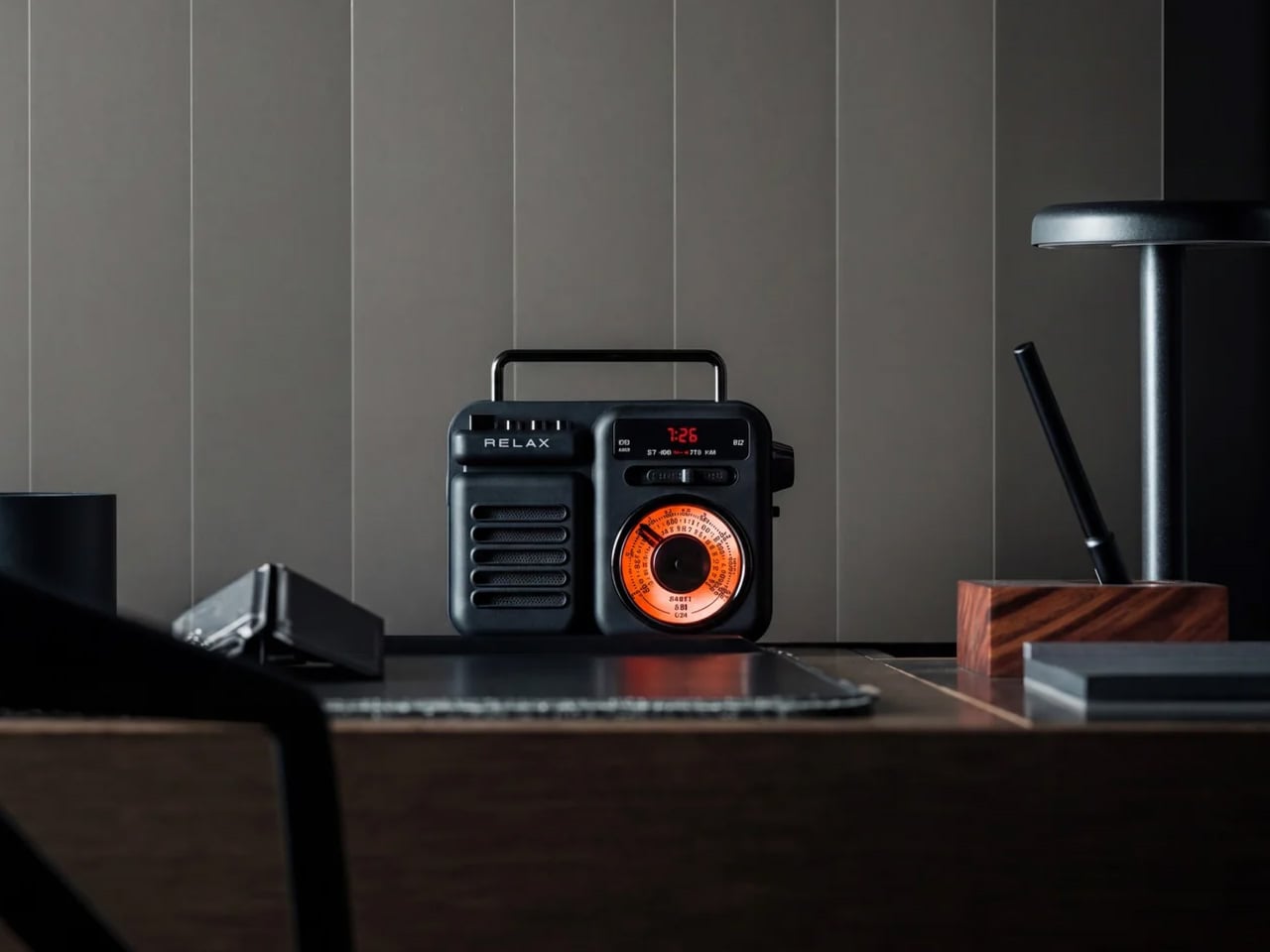
Vintage aesthetics meet survival preparedness in the RetroWave, a multi-function radio that refuses to be just one thing. Wrapped in retro Japanese design language, complete with a tactile tuning dial, it immediately signals its nostalgic intentions. That exterior houses seven distinct functions: AM/FM/shortwave radio, Bluetooth speaker, MP3 player, flashlight, clock, power bank, and SOS alarm. This comprehensive capability set makes it equally appropriate for daily desk use, camping adventures, or emergency kits. For vintage lovers who appreciate both form and practical preparedness, the RetroWave delivers aesthetic satisfaction with genuine utility layered underneath.

The brilliance lies in making preparedness beautiful. Solar panel and hand-crank charging mean the RetroWave stays operational when power grids fail, while USB and microSD playback provide offline music access. The radio functionality spans AM, FM, and shortwave bands, offering connection to broadcasts when internet streaming isn’t available. Bluetooth streaming accommodates modern listening habits during normal circumstances. The flashlight and SOS siren transform it from an entertainment device into safety equipment. This convergence of retro design and emergency readiness creates a gift that vintage lovers can display proudly while knowing it serves serious backup purposes. It’s nostalgia that works, beauty that prepares, and design that respects both past aesthetics and future uncertainty.

Click Here to Buy Now: $89.00

What we like

  • Seven functions in one device, including radio, speaker, flashlight, power bank, and SOS alarm.
  • Solar panel and hand-crank charging ensure operation during power outages.
  • AM/FM/shortwave radio provides broadcast access without internet dependency.
  • Retro Japanese design with tactile tuning dial satisfies vintage aesthetic preferences.

What we dislike

  • Multi-function design may compromise individual feature quality compared to dedicated devices.
  • Emergency-focused features add bulk that might exceed typical portable speaker expectations.

4. Perpetual Orrery Kinetic Art

Some vintage inspiration reaches back centuries rather than decades. The Perpetual Orrery draws from 18th-century European Grand Orrery tradition, recreating solar system mechanics through intricate clockwork mechanisms. Planets orbit the sun, the moon cycles through phases, and even the Tempel-Tuttle comet follows its elliptical path—all driven by the same precision engineering found in sophisticated mechanical watches. This isn’t a static model but kinetic art that moves in real time, capturing celestial mechanics in miniature. For vintage lovers who appreciate mechanical complexity and astronomical beauty, the Orrery represents the ultimate intersection of science, history, and craft.

What makes this gift exceptional is its timeless appeal. While most retro gadgets reference the mid-20th century, the Orrery looks back to pre-industrial scientific instruments when astronomy required mechanical ingenuity rather than digital computation. The continuous motion provides meditative visual interest—planets slowly circling, gears turning, the whole system moving in silent harmony. As desk or shelf decoration, it commands attention without demanding it, offering something genuinely mesmerizing to watch during thinking breaks. For the vintage lover who has everything modern nostalgia offers, the Orrery goes deeper, connecting to an era when understanding the heavens required building beautiful machines to mirror their movements. It’s educational, decorative, and hypnotic in equal measure.

Click Here to Buy Now: $449.00

What we like

  • 18th-century Grand Orrery-inspired design connects to pre-industrial scientific instrument tradition.
  • Intricate clockwork mechanisms mirror sophisticated mechanical watch engineering.
  • Continuous kinetic motion, including planetary orbits and lunar phases, provides meditative visual interest.
  • Functions as both an educational model and a striking decorative art piece.

What we dislike

  • Mechanical complexity may require periodic maintenance or calibration over time.
  • Premium mechanical construction results in a higher price point than decorative alternatives.

5. Portable CD Cover Player

Album art deserves equal billing with the music it represents. The Portable CD Cover Player acknowledges this truth through clever design that displays the CD jacket while playing the disc inside. A convenient pocket holds the cover art front and center, creating an audiovisual experience that honors how albums were meant to be consumed—as complete artistic packages. The built-in speaker means genuine portability, taking your music and its visual identity anywhere. Wall-mountable design transforms it into a room decoration that actively plays rather than just displaying static art. For vintage lovers who understand that album covers represent significant graphic design history, this player finally gives physical media the presentation it deserves.

The minimalist design philosophy lets the album art itself become the visual centerpiece. Clean lines and simple operation keep the focus on the music and imagery rather than the player’s own aesthetic. The built-in speaker and rechargeable battery provide authentic portability without requiring external amplification. This solves the eternal collector’s dilemma: beautiful album covers hidden in storage because there’s no good way to display them while playing. The Portable CD Cover Player makes your music collection into a rotating art gallery, celebrating the graphic design, photography, and typography that made physical music formats so visually rich. It’s nostalgia that understands albums were always multi-sensory experiences, and that separating audio from visual diminishes both.

Click Here to Buy Now: $199.00

What we like

  • Integrated pocket displays CD jacket art during playback, honoring a complete album experience.
  • Built-in speaker and rechargeable battery enable genuine portability without external equipment.
  • Wall-mountable design transforms music playback into active room decoration.
  • Minimalist aesthetic lets album artwork become the visual focus.

What we dislike

  • Built-in speaker quality is likely compromised compared to dedicated audio systems.
  • The wall mount bracket, sold separately, adds cost beyond the base player price.

Gifting Timeless Design

Vintage lovers aren’t stuck in the past—they’re selectively mining it for design wisdom the present often forgets. These five gadgets honor that philosophy by capturing retro aesthetics without sacrificing modern functionality. From CD players that embrace Bluetooth to mechanical orreries that predate electricity itself, each gift proves that timeless design transcends any single era. They’re conversation pieces that actually function, nostalgic objects that genuinely serve contemporary needs, and beautiful things that happen to be useful.

The best retro gifts acknowledge why certain designs endure while making them accessible to how we actually live today. These gadgets don’t force you to abandon modern conveniences to appreciate vintage aesthetics. They bridge eras elegantly, letting vintage lovers enjoy the warmth of analog inspiration through contemporary functionality. Whether celebrating a birthday, marking an occasion, or simply recognizing someone’s refined taste, these gifts speak a language of quality, character, and enduring style that transcends temporary trends.

The post Retro Gadgets For Vintage Lovers: 5 Nostalgic Gifts That Actually Work In 2025 first appeared on Yanko Design.
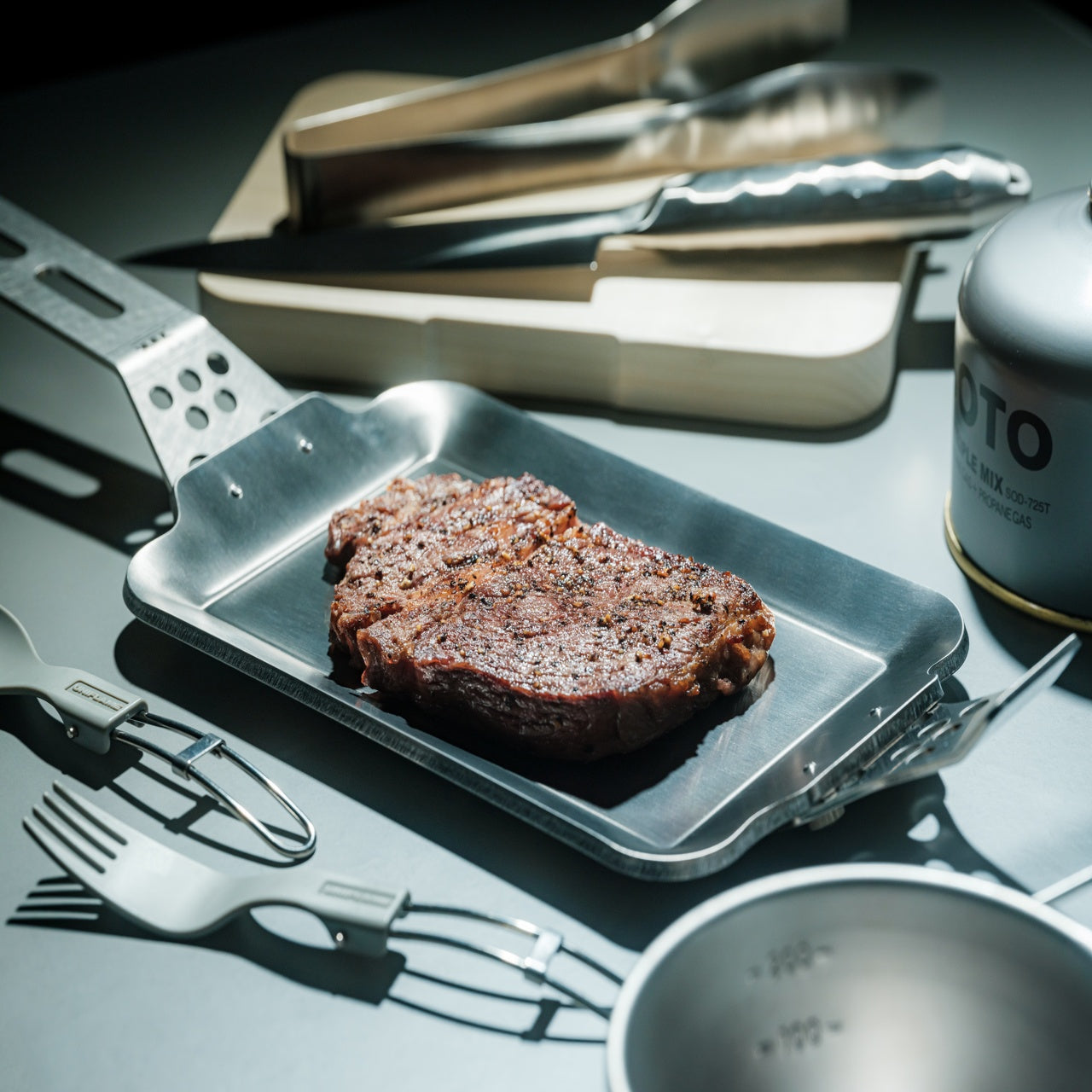
Scamp X: After 54 Years, the Iconic Egg Camper Finally Goes Off-Road

After more than five decades of crafting lightweight fiberglass travel trailers in Backus, Minnesota, Scamp Trailers has unveiled something entirely new. The Scamp X marks the company’s first purpose-built off-road model, transforming the beloved “egg camper” into a rugged adventure machine that refuses to let pavement dictate your destination. The most striking update sits underneath. Scamp swapped its traditional axle for a Timbren independent long-travel suspension system, giving each wheel the freedom to articulate over challenging terrain without transferring shock to its twin.

This setup works alongside beefy ST235/75R15 off-road tires and an impressive 18 inches of ground clearance. The approach and departure angles measure 17 and 22 degrees, respectively, making genuine backcountry exploration accessible to drivers who previously limited themselves to established campgrounds. Outside, the Scamp X sheds its cheerful aesthetic for something more tactical. A black Fiamma awning replaces the usual chrome fittings, while a custom roof rack provides mounting points for up to 400 watts of solar panels. That power feeds directly into the camper’s electrical system, making extended boondocking trips genuinely viable.

Designer: Scamp

Up front, an optional Strongberg storage rack offers space for generators, extra gear, and all the equipment serious off-roaders accumulate over time. A lock-and-roll articulating hitch comes standard, ensuring the trailer can follow your vehicle through uneven terrain without binding. The interior received equal attention during the redesign. Scamp replaced the standard dinette layout with a U-shaped configuration that maximizes seating and social space. New cushions in updated fabrics complement a fresh countertop design, while rubber coin flooring throughout the cabin stands up to muddy boots and wet gear far better than traditional carpet or vinyl.

The air conditioning unit hides beneath the rear dinette bench, freeing up valuable wall space. A portable Bluetooth speaker mounts into the design, and an accessory panel puts electrical connections exactly where modern adventurers need them. Two floor plans accommodate different camping styles. The Trek eliminates the bathroom, prioritizing living space for those comfortable with campground facilities or portable solutions. The Altitude offers the same U-shaped dinette and updated finishes but incorporates a front bathroom for travelers who prefer full amenities.

The Scamp X arrives as the Minnesota manufacturer expands its Backus factory to meet growing demand. Current production sits around 650 units annually, with wait times stretching to 14 months. The company sells directly to customers without dealer networks, maintaining control over quality and customization. Traditional Scamp models range between $19,000 and $40,000, depending on length and options. Pricing for the X hasn’t been officially announced, though the extensive upgrades suggest a premium over standard models.

For “Scampers,” as the devoted community calls themselves, the X represents something many have requested for years: the ability to take their iconic egg-shaped trailer beyond maintained roads and into genuine wilderness. Whether it succeeds in attracting a new generation of off-road enthusiasts while satisfying longtime fans remains to be seen, but Scamp’s willingness to evolve after 54 years suggests they’re serious about this next chapter.

The post Scamp X: After 54 Years, the Iconic Egg Camper Finally Goes Off-Road first appeared on Yanko Design.

10 Best Minimal Japanese Designs For Thoughtful Gift-Giving

Japanese design philosophy has long championed the principle of “less is more.” This approach strips away excess to reveal pure function wrapped in elegant form. When searching for meaningful gifts, these minimalist Japanese designs offer something beyond mere utility. They bring intentionality to everyday rituals, transforming mundane tasks into moments of quiet reflection and appreciation.

The products featured here embody this design ethos through carefully considered details and honest materials. Each piece serves a practical purpose while elevating the ordinary into something memorable. From writing instruments that float in mid-air to grooming tools crafted by master bladesmiths, these designs prove that thoughtful gifts need not shout to make an impression. They whisper quality and consideration instead.

1. Invisible Shoehorn

The Invisible Shoehorn reimagines a utilitarian object as an almost sculptural presence. Its long stainless steel body extends gracefully, eliminating the need to bend and strain your lower back during the daily shoe routine. The polished surface glides smoothly against delicate fabrics, protecting your finest socks and stockings from tears and snags. This thoughtful engineering makes mornings just a bit easier, particularly for those with mobility concerns or anyone who values their back health.

When paired with its transparent acrylic stand, the shoehorn seemingly vanishes into thin air, creating an intriguing visual paradox. The clear support allows the steel to float, transforming this practical tool into an unexpected design accent for entryways and closets. Rather than hiding a shoehorn in a drawer, this piece deserves display. It sparks conversations while serving its purpose with quiet efficiency, embodying the Japanese concept of functional beauty that enhances daily living without demanding attention.

Click Here to Buy Now: $299.00

What we like

  • The extended length genuinely protects your back from repetitive strain
  • The mirror-polished finish prevents fabric damage beautifully

What we dislike

  • The transparent stand could be easy to misplace if stored separately
  • Stainless steel shows fingerprints that require occasional polishing

2. Japanese Lantern Candle

Drawing inspiration from traditional chouchin lanterns that once illuminated festival streets and izakaya doorways, this candle holder brings historical charm into contemporary spaces. The design distills centuries of Japanese lighting tradition into a minimalist form that suits modern interiors. As the flame flickers inside, it casts gentle shadows that encourage the mind to settle and unwind. The ritual of lighting this candle signals a transition from the day’s demands into evening calm, creating a boundary between work and rest.

Craftsmen in Kurashiki handcraft each candle using techniques passed down through generations. The patented construction prevents the outer wax layer from melting, maintaining the lantern’s distinctive shape throughout its burn time. As the interior wax liquefies, the candle’s undulating surface creates mesmerizing light patterns that shift and dance across nearby walls. This interplay between solid structure and liquid interior mirrors the Japanese aesthetic appreciation for impermanence and transformation, offering a meditative focal point for bedtime routines or quiet moments of reflection.

Click Here to Buy Now: $69.00

What we like

  • The handcrafted quality from Kurashiki artisans ensures authenticity
  • Patented technology preserves the sculptural form as it burns

What we dislike

  • Replacement candles may require special ordering
  • The undulating surface means uneven burning in some spots

3. Step Trash Can

Yamazaki Home’s Tower collection exemplifies the Japanese talent for maximizing utility within minimal footprints. This compact waste bin solves multiple bathroom challenges through intelligent design thinking. The step-open mechanism eliminates the need to touch surfaces with wet or dirty hands, maintaining hygiene without electronic sensors or complicated mechanics. The one-gallon capacity suits bathrooms where space comes at a premium, fitting neatly beside toilets or vanities without crowding the floor plan.

The built-in handle facilitates easy emptying, while the hidden interior ring securely holds plastic liner bags in place without visible clips or awkward bunching. Lightweight ABS resin construction means anyone can lift and clean the bin effortlessly, yet the material provides durability for daily use. The minimalist form factor in either white or black steel finish integrates seamlessly with various bathroom aesthetics, from Scandinavian simplicity to industrial chic. For those living in compact urban apartments or anyone seeking to eliminate visual clutter, this trash can proves that even waste disposal deserves thoughtful design consideration.

What we like

  • The step-open design maintains bathroom hygiene effectively
  • The slim profile maximizes precious bathroom floor space

What we dislike

  • The one-gallon capacity requires more frequent emptying than larger bins
  • Replacement liner rings add an extra component to the track

4. FoldLine Pen Roll

The FoldLine Pen Roll transforms the simple act of preparation into a centering ritual. Cut from a single piece of Italian leather, this pen case unfolds in under two seconds to become a defined tray that instantly claims any surface as your workspace. Whether you settle into a café corner, hotel desk, or conference table, unrolling this leather establishes your territory with quiet authority. The origami-inspired geometry creates storage without bulk, folding air into its structure so the exterior remains slim even when filled with multiple writing instruments.

The design eliminates traditional stitched slots and compartments that create rattle and clutter. Instead, the leather itself wraps around each pen naturally, keeping metal-bodied instruments separated and protected through structure alone. This partition-free approach means you decide what goes where, adapting the roll to fountain pens, mechanical pencils, or styluses as your needs shift. The compact form fits comfortably in smaller hands and slips easily into messenger bags or briefcases, making it ideal for professionals, students, and creatives who work across multiple locations throughout their day.

Click Here to Buy Now: $135.00

What we like

  • The two-second transformation from roll to tray feels genuinely satisfying
  • Italian leather ages beautifully with regular handling

What we dislike

  • Premium leather comes with a higher price point
  • The single-piece construction means no replacement parts if damaged

5. Miniature Bonfire Wood Diffuser Set

This charming miniature bonfire brings outdoor tranquility indoors through clever reinterpretation of camping rituals. The rust-resistant stainless steel construction mimics a campfire ring at desktop scale, while miniature firewood bundled with traditional knots serves as the diffuser medium. Drop essential oil onto the wood pieces, and the scent disperses gently throughout your space, replicating the calming effect of forest breezes without stepping outside. The included oil captures the distinctive aroma of Mount Hakusan, connecting you to one of Japan’s three sacred mountains from anywhere in the world.

The design extends beyond aromatherapy into practical territory. Included trivets transform the miniature bonfire into a functional pocket stove, allowing you to heat small pots or brew tea for an authentic camping experience indoors. This dual functionality makes it perfect for small apartments without outdoor space or anyone craving the meditative quality of tending a small flame. The sculptural presence creates an eye-catching centerpiece on coffee tables or desks, sparking conversations while serving its aromatic purpose. It embodies the Japanese concept of bringing nature’s calming influence into built environments through miniaturization and abstraction.

Click Here to Buy Now: $99.00

What we like

  • The dual function as diffuser and pocket stove maximizes versatility
  • Rust-resistant stainless steel ensures lasting durability
  • Mount Hakusan essential oil offers an authentic Japanese forest aroma
  • The miniature scale creates a surprising visual charm

What we dislike

  • The small firewood pieces could be easy to misplace
  • Replacement essential oils may require sourcing from specialty retailers

6. First Pour Bottle Opener

Crafted by legendary blacksmiths in Tsubame-Sanjo, Japan’s renowned metalworking region, the First Pour Bottle Opener elevates beverage service into performance art. The flowing silhouette brings sculptural presence to dining tables and home bars, transforming the mundane act of opening a bottle into a moment of elegance and intention. Its carefully considered curves fit naturally in hand, offering smooth control and satisfying weight with every pop. This is precision engineering applied to hospitality, where every detail serves both function and the overall experience.

The opener lifts caps cleanly without bending or tearing them, preserving their shape for collectors or simply delivering the satisfaction of a perfect open. A discreet magnet catches each cap the moment it pops, keeping the motion smooth and your table clear from runaway metal discs. The satin-finished stainless steel requires minimal maintenance while developing character through regular use. For hosts who treat every gathering as an occasion worth honoring, this tool demonstrates that even bottle opening deserves the same attention typically reserved for more elaborate serving rituals. It proves that Japanese craftsmanship applies its exacting standards to every aspect of daily life.

Click Here to Buy Now: $65.00

What we like

  • The magnetic catch prevents caps from flying across rooms
  • Clean removal preserves the cap shape beautifully
  • Tsubame-Sanjo craftsmanship guarantees exceptional build quality

What we dislike

  • The premium price reflects master craftsmanship and may exceed typical opener budgets
  • The specific opener design works best with standard bottle cap sizes

7. Levitating Pen 2.0: Cosmic Meteorite Edition

This gravity-defying ballpoint pen suspends at a striking 23.5-degree angle, creating a floating illusion that transforms desks into conversation starters. Inspired by iconic spacecraft design, particularly the USS Enterprise, its futuristic silhouette appeals to space exploration enthusiasts and design collectors alike. The most remarkable feature lies in its tip, which incorporates genuine Muonionalusta meteorite fragments. This cosmic material predates Earth by 20 million years, offering a tangible connection to the universe’s ancient history every time you reach for a pen.

Beyond its stationary levitation, the pen spins gracefully for up to 20 seconds with a simple twist, providing a mesmerizing fidget function that helps refocus scattered attention during demanding workdays. This kinetic element adds a meditative quality to desk breaks, much like desktop zen gardens or worry stones. The limited edition status makes it particularly appealing for collectors who appreciate the intersection of functional tools and artistic statement pieces. It challenges conventional thinking about what writing instruments can be, proving that even ballpoint pens deserve radical reimagining when creativity meets engineering ambition.

Click Here to Buy Now: $399.00

What we like

  • The genuine meteorite tip provides an authentic cosmic connection
  • The 23.5-degree levitation angle creates genuine visual intrigue

What we dislike

  • The levitation requires specific placement and level surfaces
  • Replacement ink cartridges may need special ordering for the unique housing

8. Hasami Porcelain Mug in Gloss Gray

Hasami Porcelain represents over 400 years of ceramic tradition from Nagasaki Prefecture, refined into contemporary forms that suit modern living rhythms. This mug features a custom blend of porcelain and clay that creates exceptional density and refined weight in the hand. The high-gloss glaze coats both interior and exterior surfaces with a mirror-smooth finish, while the integrated handle curves close to the cylindrical body. Every proportion follows deliberate consideration, paring the design down to pure essentials without sacrificing comfort or usability.

The mug participates in Hasami’s innovative modular stacking system, where pieces nest together seamlessly for efficient storage and visually pleasing displays. This attention to how objects occupy space when not in active use reflects deep Japanese design thinking about the full lifecycle of household items. Microwave and dishwasher safe construction accommodates contemporary convenience without compromising aesthetic integrity. The gloss gray colorway offers versatile neutrality that complements various table settings and interior palettes. For daily coffee rituals or tea ceremonies, this mug brings quiet consistency and tactile pleasure to beverages, proving that everyday objects deserve the same design attention as showpieces.

What we like

  • The 400-year ceramic heritage informs every detail
  • The custom porcelain-clay blend creates satisfying weight and durability

What we dislike

  • The glossy finish shows water spots between washings
  • The minimalist handle design may feel small for larger hands

9. Moon Rocket Clock

This circular clock captures lunar mystique through specially polished stainless steel that reflects light like the moon’s surface. The printed numbers float around the edges, appearing to wax and wane as they curve around the spherical form, creating the optical illusion of phases changing throughout each hour. The second hand features a tiny rocket ship at its tip, completing a journey around the moon every minute. This playful detail transforms timekeeping into a visual reminder of humanity’s space exploration achievements and ongoing cosmic aspirations.

The minimalist design philosophy strips away unnecessary ornamentation, leaving only the essential elements needed to mark time’s passage. Each glance reminds viewers to live with adventure and intentionality rather than letting dreams slip past unused. The stainless steel construction ensures durability for decades of reliable service, while the polished finish requires only occasional cleaning to maintain its reflective properties. For bedrooms, offices, or creative studios, this clock serves dual purposes as a functional timepiece and an inspirational art. It speaks to anyone who gazes at night skies, wondering what lies beyond, bringing that sense of possibility into daily routines.

Click Here to Buy Now: $325.00

What we like

  • The specially polished stainless steel creates stunning light reflection
  • The floating numbers create genuine lunar phase illusions
  • The rocket ship seconds hand adds whimsical charm

What we dislike

  • The polished surface requires periodic cleaning to prevent smudging
  • The minimalist face may be harder to read quickly from distances

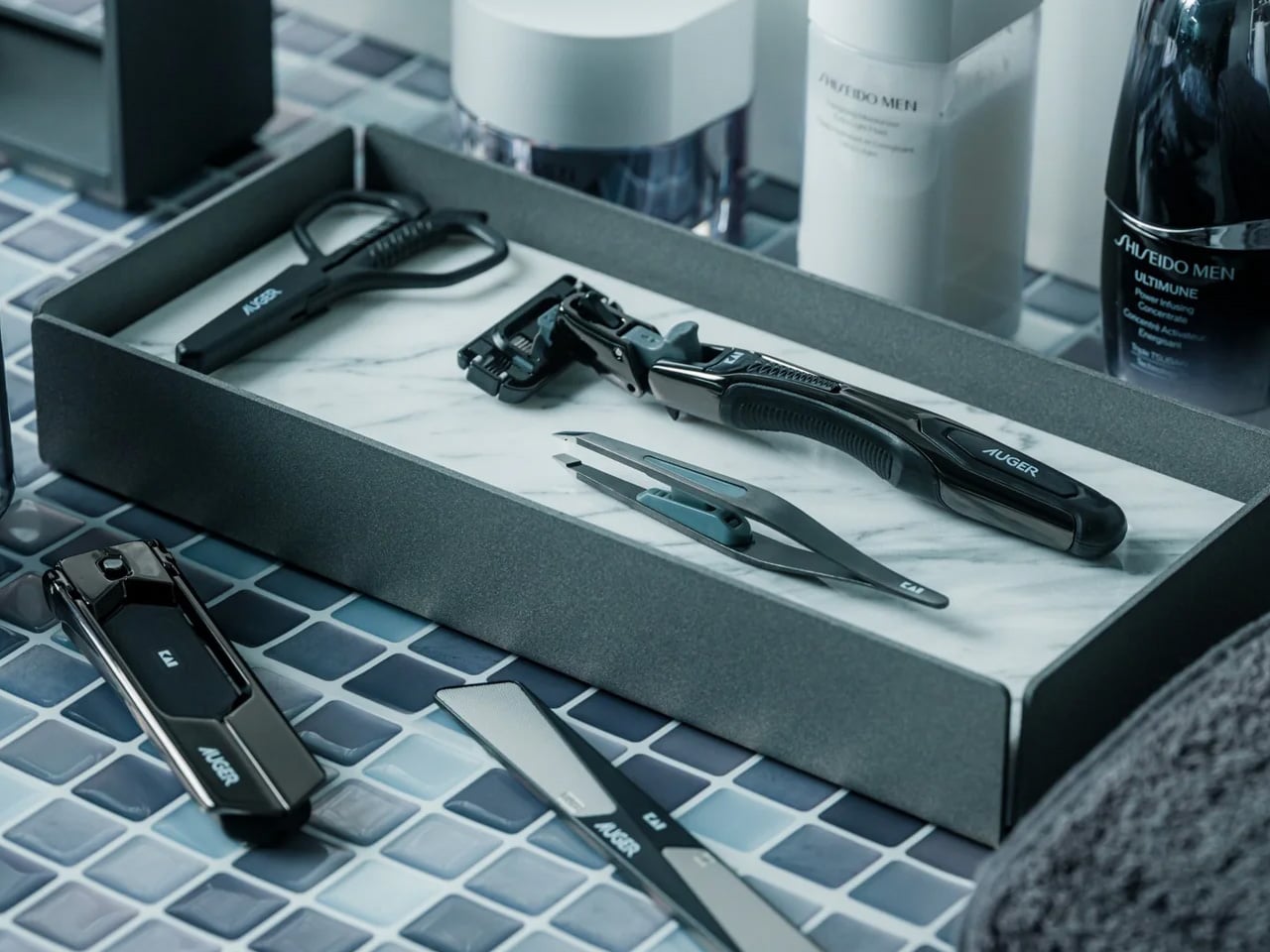
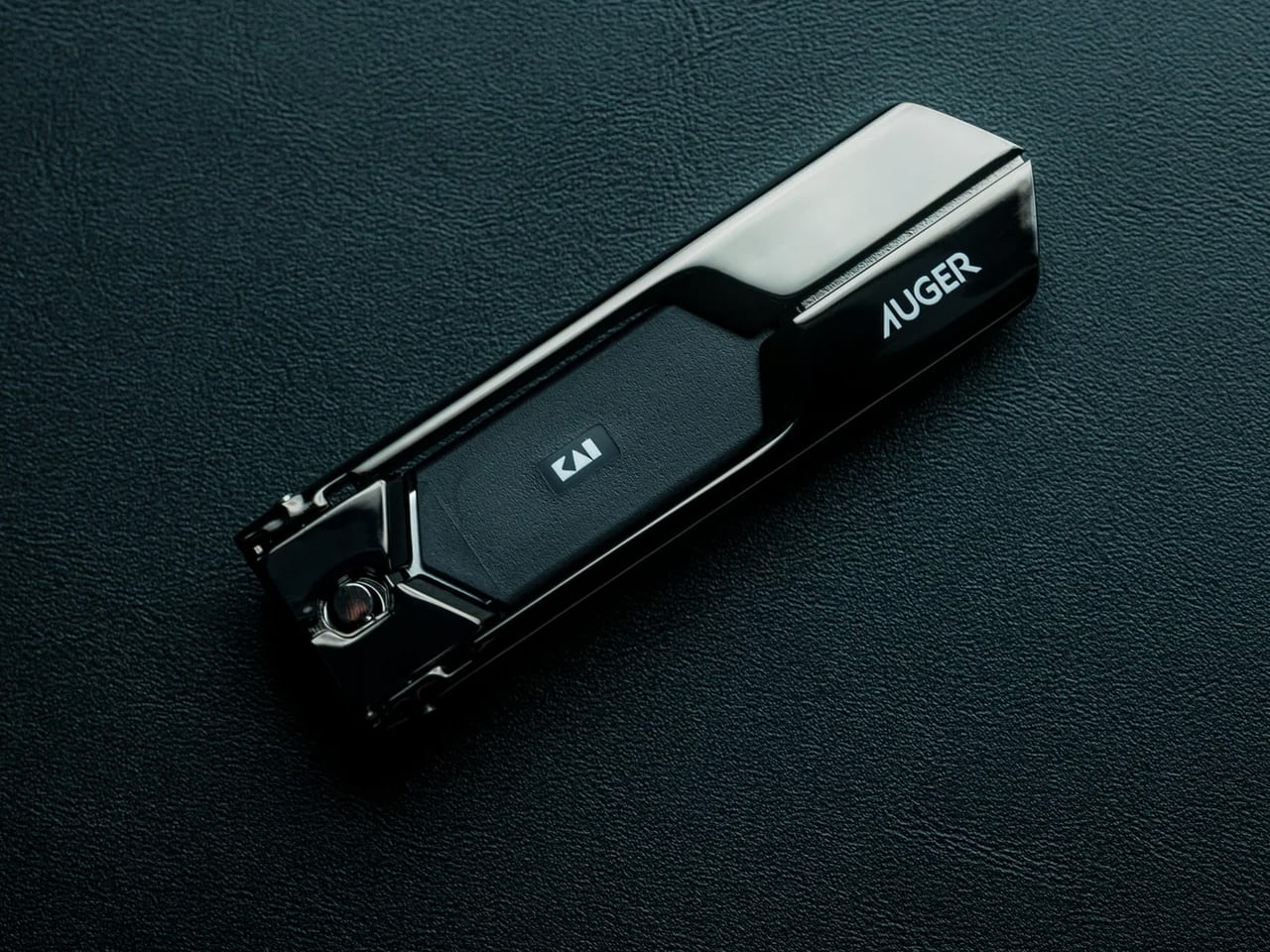
10. Auger PrecisionMaster Grooming Set

Kai Corporation has refined blade-making expertise since 1908, and the Auger Collection represents that accumulated knowledge applied to personal grooming. This all-black, precision-engineered set includes five essential instruments that transform grooming from a routine chore into disciplined self-mastery. The PrecisionFlex Razor features a world-first 30-degree adjustable angle that allows precision shaving even in reverse, paired with a 5-blade system and 3D pivoting head for the cleanest possible cut. The PrecisionGrip Tweezers incorporate patented stopper mechanisms and ergonomic grooves for pinpoint control over stray hairs and brow definition.

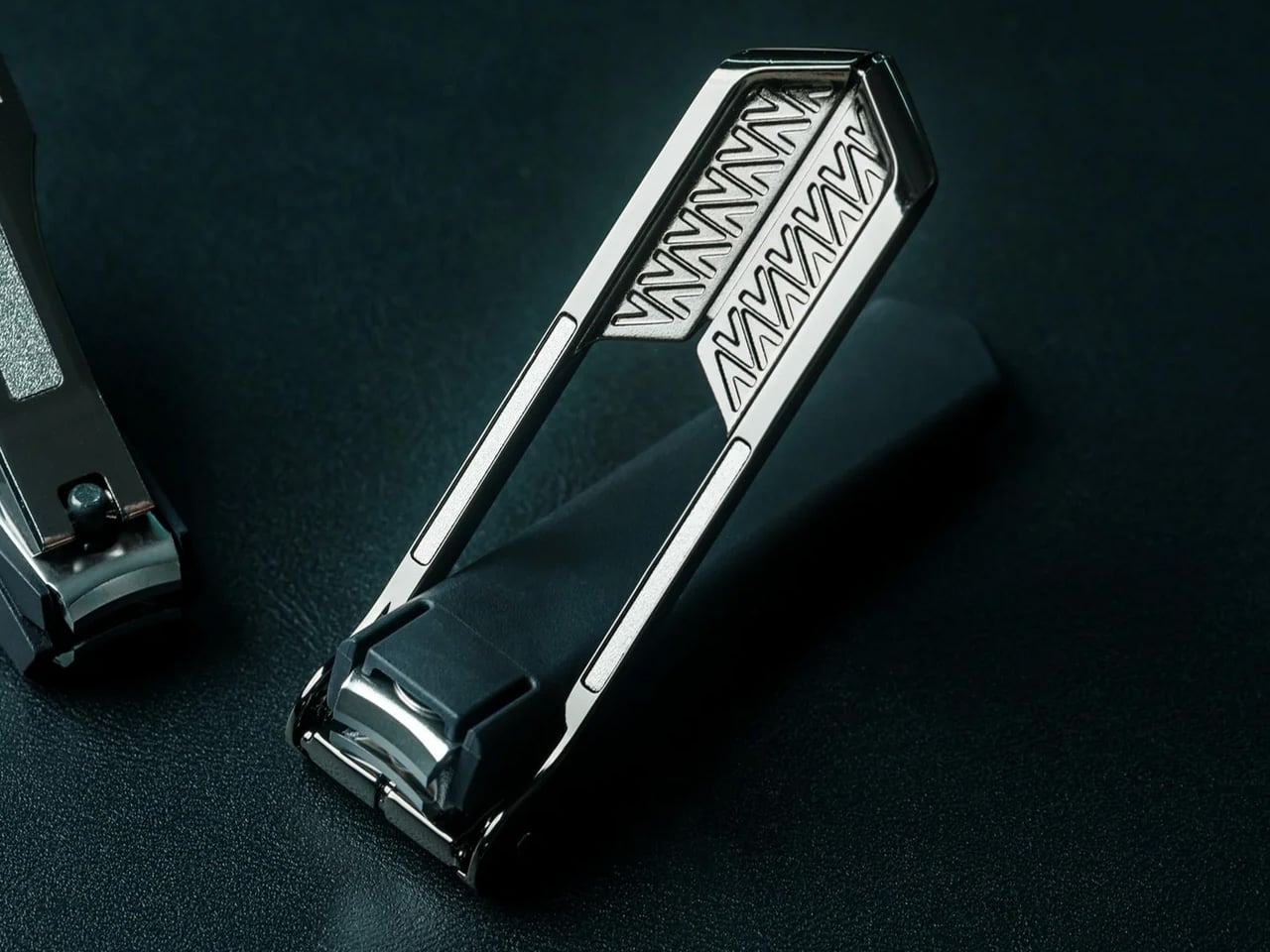
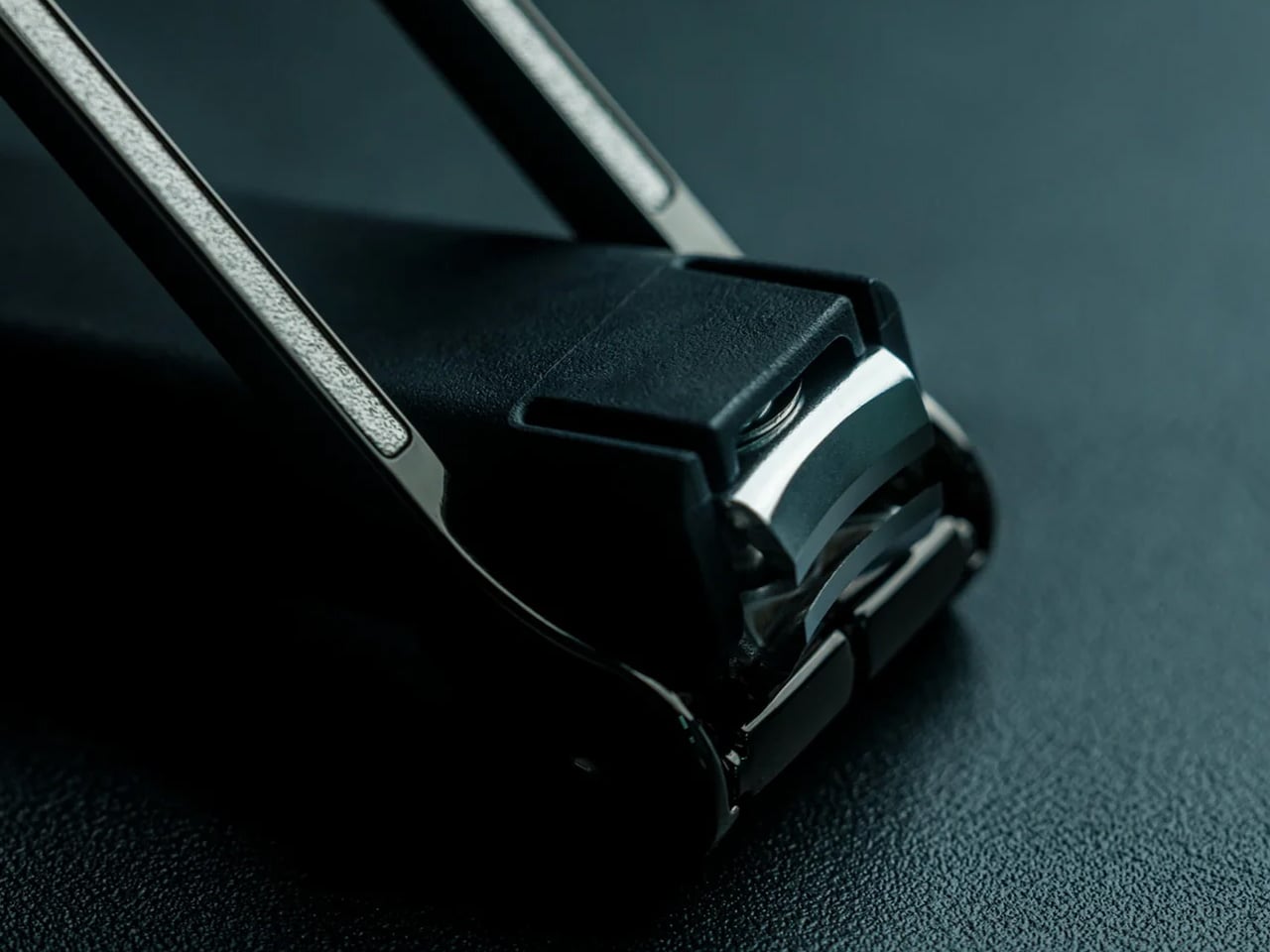
The PrecisionCurve Scissors employ ultra-thin curved blades that follow facial contours for surgical-level accuracy when shaping brows and beard lines. The PrecisionEdge Nail File offers dual-sided coarse and fine surfaces supported by a 3D ergonomic grip, while the PrecisionLever Nail Clipper uses patented rotating lever technology to deliver cutting power with minimal effort. Each tool demonstrates mechanical elegance and intentional design, proving that grooming equipment deserves the same engineering rigor as professional instruments. The compact set travels easily, ensuring refined appearance maintenance whether at home or abroad. It appeals to men who understand that attention to personal details reflects self-respect and consideration for others.

Click Here to Buy Now: $149.00

What we like

  • The 117 years of Kai Corporation blade expertise ensure exceptional quality
  • The adjustable razor angle provides unprecedented shaving control
  • The patented nail clipper lever reduces hand strain significantly
  • The all-black aesthetic creates cohesive visual appeal

What we dislike

  • The complete five-tool set represents a significant investment compared to drugstore alternatives
  • The precision instruments require careful handling to prevent damage to fine edges

The Art of Mindful Giving

These ten designs demonstrate that Japanese minimalism offers far more than aesthetic restraint. Each product embodies centuries of craft tradition refined through modern engineering and contemporary needs. They transform ordinary moments into opportunities for mindfulness, whether that means the morning shoe routine, evening candlelight, or mid-day grooming rituals. Thoughtful gift-giving means selecting items that enhance daily life rather than merely occupying shelf space.

The products featured here share common threads beyond their Japanese origins. They prioritize function without sacrificing beauty, use honest materials that age gracefully, and bring intentionality to tasks often performed on autopilot. Giving any of these designs communicates that you value the recipient’s daily experience and believe their routine moments deserve elevation. That message resonates far longer than trendy items that spark brief excitement before fading into forgotten corners of closets and drawers.

The post 10 Best Minimal Japanese Designs For Thoughtful Gift-Giving first appeared on Yanko Design.

This Hollywood Hills House Channels Medieval Castles with a Modern Industrial Twist

Perched atop a challenging 45-percent slope in the Hollywood Hills, this striking residence by Kristen Becker of Mutuus Studio reimagines what luxury living can look like within a modest footprint. Completed in 2016, the house was commissioned by an actor-director couple who wanted their Los Angeles home to feel as intimate and carefully curated as their New York City penthouse loft. The steep, oak-dotted hillside presented serious design challenges, but Becker transformed these constraints into architectural opportunities that give the home its distinctive character.

Becker drew inspiration from the clients’ travels through Ireland and their fascination with European castles, creating a sequence of spaces that unfold with theatrical drama. Visitors enter through a wooden, steel, and concrete bridge that spans a secret garden before arriving at an imposing bronze door. The garden connects to a courtyard where sunlight filters through floor-to-ceiling windows into the bathroom below, evoking the atmospheric quality of ancient fortresses. Medieval castles and industrial buildings both influenced the aesthetic, resulting in a design that feels simultaneously raw and refined.

Designer: Kristen Becker of Mutuus Studio

The multi-storey structure steps down the hillside rather than fighting against it, allowing each level to capture different views of the surrounding landscape dotted with shrubs, cacti, and mature oak trees. Natural light floods the interiors through expansive glazing, while a garage-style door in the main living area lifts upward to dissolve the boundary between inside and out. This connection to the terrace extends the living space and takes full advantage of California’s temperate climate. The steel and concrete structure provides the industrial backbone that supports the home’s open, flowing layout.

Interior design played an equally important role in the project, with Becker collaborating closely with the clients on furnishings that reflect their globetrotting lifestyle and eclectic taste. The living room showcases caramel leather sofas alongside leopard-print stools and a bronze and glass coffee table by Willy Daro. African artwork hangs near pieces from Brian Henson’s childhood collection. The dining area features a Finn Juhl teak table surrounded by Peter Moos chairs, all illuminated by a custom Facaro bicycle chain chandelier that adds unexpected whimsy.

Throughout the home, vintage pieces from different eras and continents sit comfortably together. Ricardo Fasanello’s Anel chair shares space with Bruno Mathsson’s Pernilla Lounge Chair, antique Chinese sideboards, vintage Japanese benches, and a Norman Cherner swivel chair from the 1960s. An Arc dome pendant by Allied Maker illuminates a vintage Warren Bacon saddle stool. Every element received thoughtful consideration, with the design team and owners collaborating to ensure each piece contributed to a seamless experience of place.

The Hollywood Hills House stands as proof that luxury and modesty can coexist. Becker’s background in dance informed the seamless flow through the rooms, where movement feels intuitive and natural. The residence delivers a sophisticated California lifestyle while maintaining efficiency in both space and resources. Photography by Kevin Scott captures how this modern castle commands its hilltop position, offering a fresh interpretation of the iconic Case Study Houses while establishing its own contemporary presence in the Los Angeles architectural landscape.

The post This Hollywood Hills House Channels Medieval Castles with a Modern Industrial Twist first appeared on Yanko Design.

Top 5 Gifts For Creative Professionals Under $50

Creative professionals live between the tangible and the imagined. Their tools need to keep pace with ideas that arrive at odd hours and demand immediate capture. Finding gifts that match this rhythm means looking beyond generic stationery sets toward objects that respect both craft and practicality. These five selections balance functionality with thoughtful design, each priced under fifty dollars and built to earn permanent desk space.

The best gifts for creators are the ones they use daily without thinking about it. Tools that disappear into the workflow rather than interrupting it. Products that solve small frustrations before they compound into creative blocks. This list avoids novelty for its own sake, focusing instead on items that designers, illustrators, architects, and artists consistently reach for when the work demands precision, portability, or simple reliability.

1. Everlasting All-Metal Pencil

The ritual of sharpening pencils belongs to a slower era. Breaking graphite mid-sketch or hunting for a sharpener disrupts the momentum that creative work desperately needs. This full-metal pencil eliminates both problems through a special alloy core that writes like traditional graphite while lasting exponentially longer. The aluminum body feels substantial without being heavy, and the core produces consistent marks without requiring any maintenance beyond occasional cleaning.

What makes this pencil remarkable is its defiance of planned obsolescence. The graphite and alloy particles leave marks dark enough for sketching and light enough for technical work, erasing cleanly with standard erasers. The core doesn’t wear down at anything resembling the rate of cedar-encased Number 2 leads. Artists working with watercolor or water-based markers particularly appreciate how the metal core doesn’t bleed when liquid is applied, maintaining clean lines beneath transparent washes.

Click Here to Buy Now

What we like

  • Works seamlessly with watercolor and water-based markers without bleeding.
  • Eliminates the waste and interruption of traditional pencil sharpening.

What we dislike

  • The metal body can feel cold during extended use in cooler environments.
  • The fixed core diameter doesn’t offer line variation like traditional pencils.

2. Horizon Helvetica Multi-Tool Ruler, Titanium S Pencil & Hypatia A5 Notebook

Horizon earned its reputation by putting drafting precision into wallet-sized tools. The 2025 Helvetica lineup maintains that philosophy while expanding in two directions: vibrant colorways for the credit card rulers and a hand-machined titanium mechanical pencil for collectors who want permanence over portability. Byzantine Purple, Irish Green, and Classic Blue join the existing finishes, while improved silk screening and UV protection prevent measurement fade from daily handling. The Helvetica Max measures six inches and fifteen centimeters, packing protractor markings, dual compasses, circle templates, and isometric grids into stainless steel cut by Swiss Bystronic lasers.

TSA approval means airport security stays simple. But Horizon’s actual move is the Hypatia A5+ Notebook, sized at 150 × 220mm with machine-sewn binding and hand-applied endbands across 140gsm ivory pages. It opens completely flat, handles fountain pens without bleed-through, and turns their ruler system into something cohesive rather than clever. The titanium pencil bridges both worlds: numbered editions for the collectors, practical heft for daily marking. Pull the ruler from your wallet, flatten the Hypatia on your desk, and suddenly you’re not juggling separate tools but working within an intentional ecosystem. The notebook’s limited to 1,125 copies with hand-applied cotton labels about infinite potential, which sounds overwrought until you realize the whole point is making analog precision feel worth the effort again.

Click Here to Buy Now: $32 $40 (20% off). Hurry, only 10/170 left!

What we like

  • Credit card size fits in wallets without bulk or awkward carrying solutions.
  • Swiss-made laser precision ensures accurate measurements for technical work.

What we dislike

  • The compact size limits the measurement range compared to traditional rulers.
  • Premium titanium pencil requires dedicated pocket space rather than wallet storage.

3. Rocketbook Reusable Sticky Notes

Sticky notes achieve brilliance through simplicity. Small enough to fit anywhere, flexible enough to rearrange endlessly, and instantly visible without digital friction. The wastefulness always bothered people who used dozens daily. Rocketbook’s reusable version maintains everything that makes sticky notes indispensable while eliminating the environmental cost. The special paper works with Pilot FriXion erasable pens, allowing marks to be wiped away with water and cloth rather than discarded.

The genius lies in preserving the original sticky note formula. The adhesive surface sticks reliably without requiring magnets or clips, and the small writing area forces the kind of concise thinking that longer formats encourage users to abandon. Teams can rearrange these notes across whiteboards or walls exactly as they would with paper versions, building visual hierarchies that make sense to their specific workflow. The notes essentially become immortal, limited only by the availability of FriXion pens rather than the depletion of paper pads.

What we like

  • Maintains the adhesive flexibility of traditional sticky notes perfectly.
  • Small format encourages concise thinking and clear communication.

What we dislike

  • Dependency on a specific Pilot FriXion pen line limits ink options.
  • Water-based cleaning requires keeping a cloth and a moisture source nearby.

4. Pantone Mug

Color authority matters in design work. Pantone built that authority over decades, establishing a universal language for communicating precise hues across industries and continents. Their mugs translate this system into everyday objects that designers reach for without thinking. The new colors include the 2025 Color of the Year, Mocha Mousse, a warming brown that evokes chocolate and coffee while maintaining sophisticated restraint. Each mug features its specific Pantone number, turning morning caffeine into a small reminder of color theory.

The mugs are individually packed and available across the full Pantone spectrum, allowing designers to match their workspace aesthetic or collect favorites over time. Made from fine china ceramic, they hold twelve ounces and survive both dishwasher and microwave use. The color band wraps around the exterior while the interior remains white, ensuring the beverage color doesn’t interfere with the exterior identification. For designers who spend their days matching colors digitally, having a physical Pantone reference at hand grounds the work in tangible reality.

What we like

  • Instant color reference provides physical grounding for digital color work.
  • Individual packaging allows collectors to build custom sets over time.

What we dislike

  • The white interior might show coffee or tea staining with regular use.
  • The limited twelve-ounce capacity feels small for larger beverage preferences.

5. Leuchtturm1917 Classic Notebook

Notebooks either fade into backgrounds or become extensions of thinking itself. Leuchtturm1917 earns the latter status through features that creative professionals actually use rather than ignore. Available across six formats from pocket-sized A6 to expansive A4+ Master, these notebooks adapt to different workflows instead of forcing everyone into identical constraints. The Medium A5 hardcover holds 251 numbered pages, while softcover versions offer 123 pages for lighter carrying. Thread-bound construction means pages lie completely flat without fighting the spine.

The difference lies in the details most notebooks overlook. Two-page markers instead of one let you track current work while keeping reference pages accessible. Numbered pages and a table of contents turn random notes into searchable archives. Eight perforated sheets tear cleanly when sharing becomes necessary. The 80gsm FSC-certified paper handles fountain pens and markers without ghosting through to the next page, and the slightly chamois tint reduces eye strain during extended sessions. Personalization options let you mark ownership directly on the cover. Available in hardcover or softcover across four ruling types, these notebooks accommodate sketching, writing, planning, or technical drawing with equal competence.

What we like

  • Numbered pages and a table of contents transform notebooks into searchable reference tools.
  • Two-page markers provide simultaneous access to multiple sections without bookmarks.

What we dislike

  • Higher page count makes hardcover versions heavier than basic notebooks.
  • Premium features push pricing above budget alternatives despite remaining under fifty dollars.

Why These Gifts Belong on Every Creative’s Desk

These five tools share a common thread beyond price point. Each one removes friction from creative work rather than adding steps to existing processes. The metal pencil eliminates sharpening. The Horizon system consolidates multiple tools into a coherent workflow. Rocketbook’s sticky notes preserve the format while removing waste. The Pantone mug makes color reference automatic. The Leuchtturm1917 notebook transforms casual notes into organized archives.

Gifts that simplify rather than complicate earn permanent places in daily routines, which is exactly where the best creative tools belong. The professionals in your life will recognize quality that respects their craft, and these selections prove that thoughtful design doesn’t require premium pricing. Each item here solves real problems that creative work creates, making them the kind of gifts that get used immediately and appreciated long after the initial presentation.

The post Top 5 Gifts For Creative Professionals Under $50 first appeared on Yanko Design.

7 Best LEGO Creations Of November 2025

November 2025 marks a turning point for LEGO. The Danish brick giant has evolved from childhood toy manufacturer into something more nuanced: a creator of kinetic sculptures, display pieces that command adult spaces, and intricate tributes to pop culture that blur the line between building set and collectible art. This month’s releases span from mechanical aquariums to starships, from Hollywood race cars to space exploration milestones, each demonstrating how far brick-based design has traveled.

What unites these seven releases is their refusal to sit still on shelves. They demand interaction, closer inspection, and appreciation for the engineering challenges their designers solved. Whether through cranks that animate underwater scenes, modular sections that separate like the real starship, or intricate layering that creates dimensional depth, these sets prove LEGO understands its adult audience wants more than nostalgia. They want conversation pieces that justify their desk space.

1. LEGO Icons Tropical Aquarium (10366)

The Tropical Aquarium transforms 4,154 pieces into a living mechanical tableau that launched on November 13 for $479.99. This isn’t decor that fades into the background. Three distinct cranks and dials control independent motion systems, turning the aquarium into a kinetic sculpture where your interaction determines the scene’s energy. Turn one dial and the jellyfish bob through their vertical dance. Another crank sends the sea turtle gliding past coral formations. The third activates smaller fish as they navigate through swaying seaweed and bubble streams that appear frozen mid-rise.

LEGO solved a fundamental design challenge here: creating convincing spatial depth within a fundamentally shallow display case. The build employs layering techniques with translucent elements, representing water, varied-height coral structures, and the strategic placement of marine life to establish foreground, middle ground, and background planes. Four model fish become compositional tools rather than fixed elements. You’re not assembling a predetermined scene. You’re curating an underwater environment where placement decisions affect visual balance. The set includes seaworms, an oyster shell containing a pearl, sea snails, and air bubbles, serving as additional elements for creating your personal ecosystem.

What we like

  • The kinetic mechanism creates genuine movement that changes depending on your crank speed and direction
  • Compositional flexibility lets you rearrange elements rather than following rigid instructions

What we dislike

  • At $479.99, this represents a significant investment for a display piece rather than a traditional play set
  • The mechanical systems require regular interaction to justify the kinetic elements

2. LEGO Ideas Apollo 8 Earthrise (40837)

William Anders captured humanity’s first color photograph of Earth from space on December 24, 1968, using his Hasselblad 500 EL during the Apollo 8 lunar orbit. That image, titled Earthrise, showed our planet suspended above the moon’s desolate horizon and fundamentally altered how we see ourselves. Now, nearly sixty years later, LEGO Ideas has transformed that pivotal moment into an 859-piece buildable art piece that stands 48 centimeters tall and 32 centimeters wide.

This rendition captures three distinct visual elements that define the photograph: the infinite black void of space, Earth as a cloud-swirled blue marble, and the moon’s cratered, mottled surface in the foreground. LEGO’s designers used the brick medium to convey texture and color gradation across each element. The moon’s surface employs varied grey tones and deliberate gaps between pieces to suggest the shadowed irregularity of impact craters. Earth’s atmospheric layers transition from deep ocean blues to white cloud formations using careful brick selection. The black space background creates negative space that makes both celestial bodies pop forward visually.

What we like

  • The subject matter elevates this beyond standard space sets into historical tribute territory
  • At 859 pieces, the build offers enough complexity for an engaging construction experience

What we dislike

  • The relatively conservative piece count means some details require visual interpretation
  • Mounting hardware for the wall display isn’t included, requiring a separate purchase

3. LEGO Icons U.S.S. Enterprise NCC-1701-D (10364)

The Galaxy-class flagship from Star Trek: The Next Generation arrives in brick form on November 28 as a 3,600-piece behemoth measuring two feet long. Priced at $399.99, this isn’t LEGO’s first Trek venture, but it represents the most screen-accurate version of arguably the most beloved Enterprise design. The set captures the distinctive saucer-and-engineering-hull silhouette that defined seven television seasons and multiple films, complete with functional saucer separation mechanics that mirror the starship’s emergency protocol capabilities.

LEGO included enough minifigures to staff the bridge properly: Captain Picard, Commander Riker, Lieutenant Commander Data, Lieutenant Worf, Counselor Troi, Chief Engineer La Forge, and Doctor Crusher. Each figure comes with printed details that capture their Season 1 uniforms and distinctive features. The build itself uses advanced construction techniques to achieve the Enterprise-D’s smooth, curved surfaces while maintaining structural integrity. The warp nacelles attach via articulated pylons. The deflector dish receives intricate detailing. Even the bridge dome atop the saucer section gets architectural attention. This targets adult collectors who want the ship commanding their desk space with the same authority Picard brought to the captain’s chair.

What we like

  • Functional saucer separation adds interactive play value beyond static display
  • Screen-accurate proportions and details satisfy longtime Trek fans who know every hull panel

What we dislike

  • The $399.99 price point places this firmly in premium collector territory
  • Some builders note that the saucer section’s large, flat surfaces require patience during repetitive sections

4. LEGO Speed Champions APXGP F1 Race Car (77076)

LEGO’s partnership with the upcoming F1 film starring Brad Pitt and directed by Joseph Kosinski produces this sleek recreation of the fictional APXGP team’s race car. The model wears the movie’s distinctive black-and-gold livery, capturing the cinematic energy through carefully applied decals and printed elements. Two minifigures represent drivers Sonny Hayes and Joshua Pearce, complete with race suits, helmets with reflective visors, and printed sponsor logos that tie directly to the film’s aesthetic.

The build distinguishes itself from previous Speed Champions Formula 1 sets through refined proportions and wider Pirelli-style tires that better capture modern F1 car stance. Custom decals add visual depth across the bodywork. The set includes small accessories that reward closer inspection: a wrench and a remote control that nod toward the engineering side of racing. The wrench serves double duty as an actual building tool for applying stickers or separating tight bricks. These thoughtful inclusions demonstrate LEGO understands its audience wants both display accuracy and functional building aids.

What we like

  • The black-and-gold livery creates a striking visual contrast suitable for display
  • Film tie-in elements provide cultural relevance beyond generic racing sets

What we dislike

  • The Speed Champions scale limits interior detail compared to larger Technic F1 sets
  • Movie-specific branding may not appeal to builders wanting real team liveries

5. LEGO Ideas The Goonies (21350)

This $330 LEGO Ideas release transforms the 1985 adventure classic into a full-blown tribute to one of cinema’s most beloved treasure hunts. The set isn’t just a model you build and stick on a shelf. This captures those iconic moments that blend adventure with just the right amount of creepy: the Fratelli hideout functioning as a haunted house for criminals, the terrifying boulder trap, skeleton-filled caves, and One-Eyed Willy’s legendary pirate ship, the Inferno, complete with sails, treasure, and plenty of bones.

What really makes this set special are the minifigures. All twelve of them. You get the whole gang: Mikey, Mouth, Data, Chunk, Brand, Andy, and Stef, plus Sloth in his Superman shirt, Mama Fratelli, Francis, Jake, and even One-Eyed Willy’s skeleton. LEGO created brand new elements specifically for this set, like Sloth’s pirate hat and Mama Fratelli’s hair and beret combo, showing the level of detail they’re committed to. The skeleton pirate minifigure arrives perfectly timed for Halloween nostalgia, capturing both the film’s adventurous spirit and its spooky underground atmosphere.

What we like

  • Twelve minifigures provide the complete cast, including villains and One-Eyed Willy’s skeleton
  • Multiple iconic scenes from the film can be recreated with the Fratelli hideout and pirate ship

What we dislike

  • The $330 price point may feel steep for fans expecting a lower-tier Ideas set
  • Balancing multiple scenes in one set means each vignette receives less piece allocation

6. LEGO Ideas Pacific Rim Jaegers

Din0Bricks’ fan-made tribute to Guillermo del Toro’s Pacific Rim has earned LEGO Ideas Staff Pick status and rallied 661 supporters toward the 10,000 needed for official production consideration. The 2,218-piece concept recreates three iconic Jaegers from the 2013 film: Gipsy Danger with a retractable sword, Crimson Typhoon with rotating saw blades, and Cherno Alpha with its brutal industrial aesthetic. Support helicopters accompany each mech, capturing the logistical reality behind deploying humanity’s towering defenders against Kaiju threats.

What makes this concept remarkable is how Din0Bricks solved the challenge of capturing the Jaegers’ massive, imposing presence while maintaining structural stability and playability. Each mech features articulated joints at shoulders, elbows, hips, and knees, allowing authentic combat poses. The retractable sword mechanism on Gipsy Danger uses internal gearing. Crimson Typhoon’s three-armed configuration required custom engineering to balance properly. Cherno Alpha’s distinctive fists and nuclear reactor detailing push LEGO’s aesthetic toward industrial brutalism. This isn’t just a fan project. It’s a masterclass in translating screen designs into buildable, poseable figures that honor the source material’s scale and mechanical complexity.

What we like

  • Three distinct Jaegers provide variety and display options in a single set
  • Articulated joints enable dynamic combat poses that capture the film’s action sequences

What we dislike

  • As a LEGO Ideas concept, this isn’t guaranteed for production without reaching 10,000 supporters
  • The 2,218-piece count and three large models suggest a premium price point if approved

7. LEGO Ideas NASA James Webb Space Telescope

The LEGO James Webb Space Telescope replica tackles one of modern engineering’s most complex achievements through brick-based construction that mirrors the actual satellite’s intricate folding mechanisms. This build captures the telescope’s launch-critical ability to fold into a compact configuration before unfolding in space, requiring builders to understand both structural engineering and the precise mechanical sequences that made the real JWST mission possible. The design transforms complicated aerospace engineering into an accessible building experience that educates while it entertains.

Every major subsystem finds representation in this meticulous replica, from the eighteen iconic hexagonal mirrors that form the light-gathering array to the layered sun shield that protects sensitive instruments. The secondary hinged mirror, science instruments, propulsion systems, and communications arrays all function through LEGO’s mechanical systems, creating an interactive educational experience that illuminates the genuine complexity behind space exploration’s latest triumph. This isn’t a simplified approximation. It’s a functional demonstration of how the telescope actually operates in its orbit at the L2 Lagrange point.

What we like

  • Functional folding mechanism replicates the actual telescope’s deployment sequence
  • Eighteen hexagonal mirrors accurately represent the primary mirror array’s distinctive design

What we dislike

  • The complex folding mechanism requires careful handling to avoid stressing connection points
  • As a concept, availability depends on the LEGO Ideas approval process

Why November 2025 Matters for LEGO Design

These seven releases demonstrate LEGO’s strategic expansion into adult collector territory while maintaining the building experience that defines the brand. The kinetic mechanisms in the Tropical Aquarium, the historical gravitas of Earthrise, the pop culture cachet of the Enterprise and Goonies sets, the cinematic energy of the F1 car, and the community-driven passion behind the Pacific Rim Jaegers and James Webb Telescope all point toward a company that understands its audience has evolved. These aren’t toys. They’re display pieces that arrive in buildable form, offering the satisfaction of construction before claiming their space on shelves, desks, and walls.

What November’s lineup proves is that LEGO has moved beyond simple recreation into thoughtful interpretation. Each set solves specific design challenges: creating depth in shallow spaces, capturing kinetic energy through mechanical systems, translating beloved designs into brick form with screen accuracy, honoring cultural moments that shaped cinema, and making complex aerospace engineering comprehensible. The result is a collection of releases that justify their premium pricing through engineering sophistication, visual impact, and the kind of cultural resonance that makes people stop and ask about the objects commanding your workspace. That’s the difference between a toy and a design statement.

The post 7 Best LEGO Creations Of November 2025 first appeared on Yanko Design.
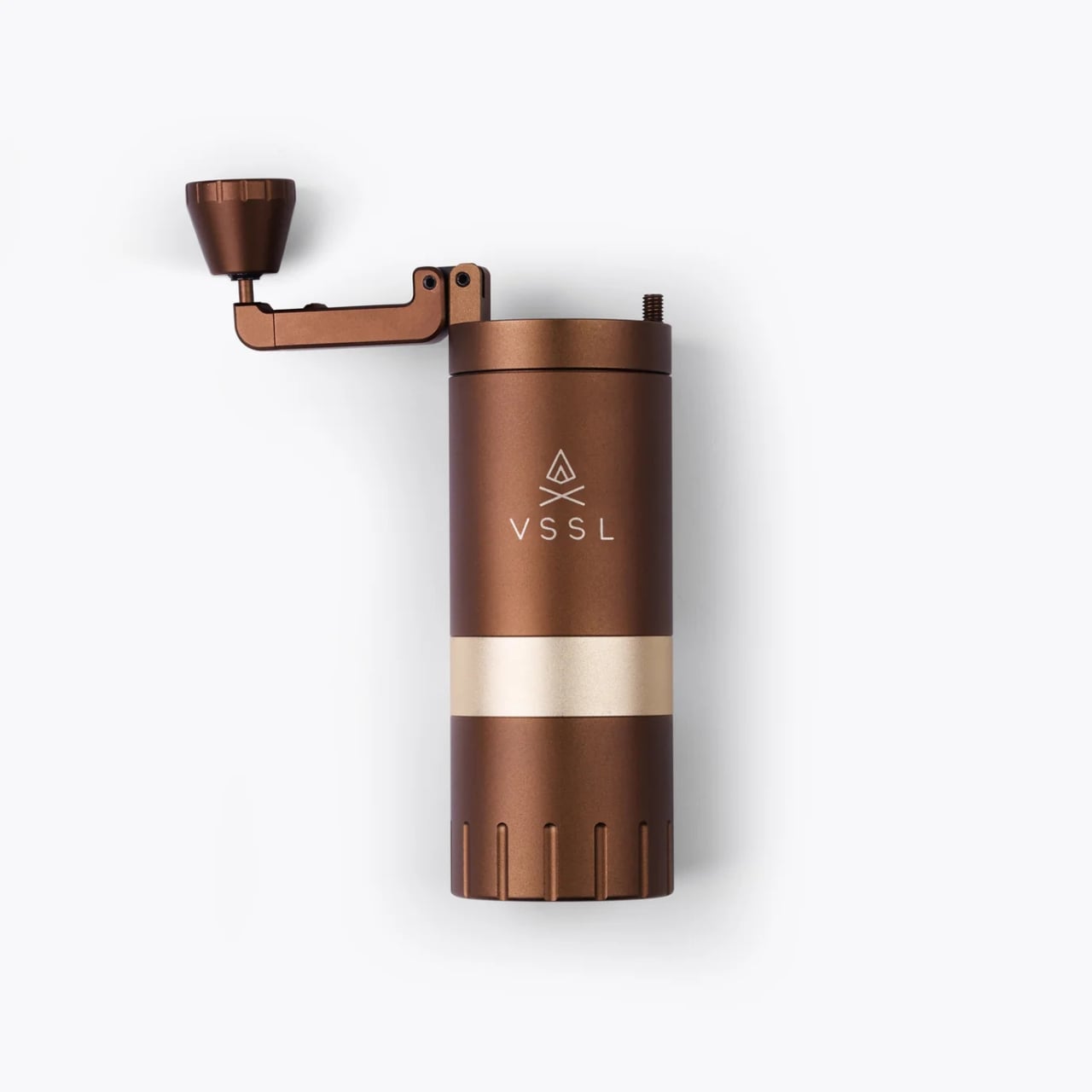
5 Best Tech Gadgets Of November 2025

November 2025 has delivered some truly groundbreaking tech that pushes boundaries in ways we haven’t seen before. This month isn’t about incremental updates or spec bumps. It’s about rethinking fundamental assumptions around how we interact with our devices. The gadgets making waves right now challenge the status quo of mobile computing, wearable technology, ergonomic design, portable power, and smartphone engineering.

Some are available now, others are concepts that point toward what’s coming, but all of them represent a shift in thinking about what tech can be when designers refuse to accept the limitations we’ve grown accustomed to. These five gadgets stand out not just for their innovation, but for solving real problems that have plagued users for years. They’re the kind of products that make you wonder why nobody thought of this sooner.

1. WELDER Keyboard

Mobile professionals face an impossible equation. Laptops provide adequate computing power but trap you behind a cramped single display. Portable monitors expand your workspace but clutter your bag with extra cables, stands, and fragile panels. Mechanical keyboards deliver typing satisfaction at the cost of carrying yet another device. The WELDER keyboard collapses this sprawling ecosystem into one unified tool that refuses to compromise on any front.

The centerpiece is a 12.8-inch touchscreen mounted directly above a full mechanical keyboard, both housed in precision CNC-machined aluminum. That material choice matters enormously. When the device folds at its 180-degree hinge, the metal construction prevents any flexing that would make typing unstable or damage the display. Close it up and you get a protective shell that safeguards both components during travel, transforming into a sleek aluminum block that looks more premium than most laptops. For a crowdfunded venture to achieve this level of build quality suggests serious engineering capability.

What we like

  • Eliminates the need to carry a separate keyboard and portable monitor.
  • CNC-machined aluminum construction provides exceptional build quality and durability.

What we dislike

  • Crowdfunded status means availability and long-term support remain uncertain.
  • The combined weight of screen and mechanical keyboard may be heavier than ultraportable alternatives.

2. MSI Gaming PC Watch

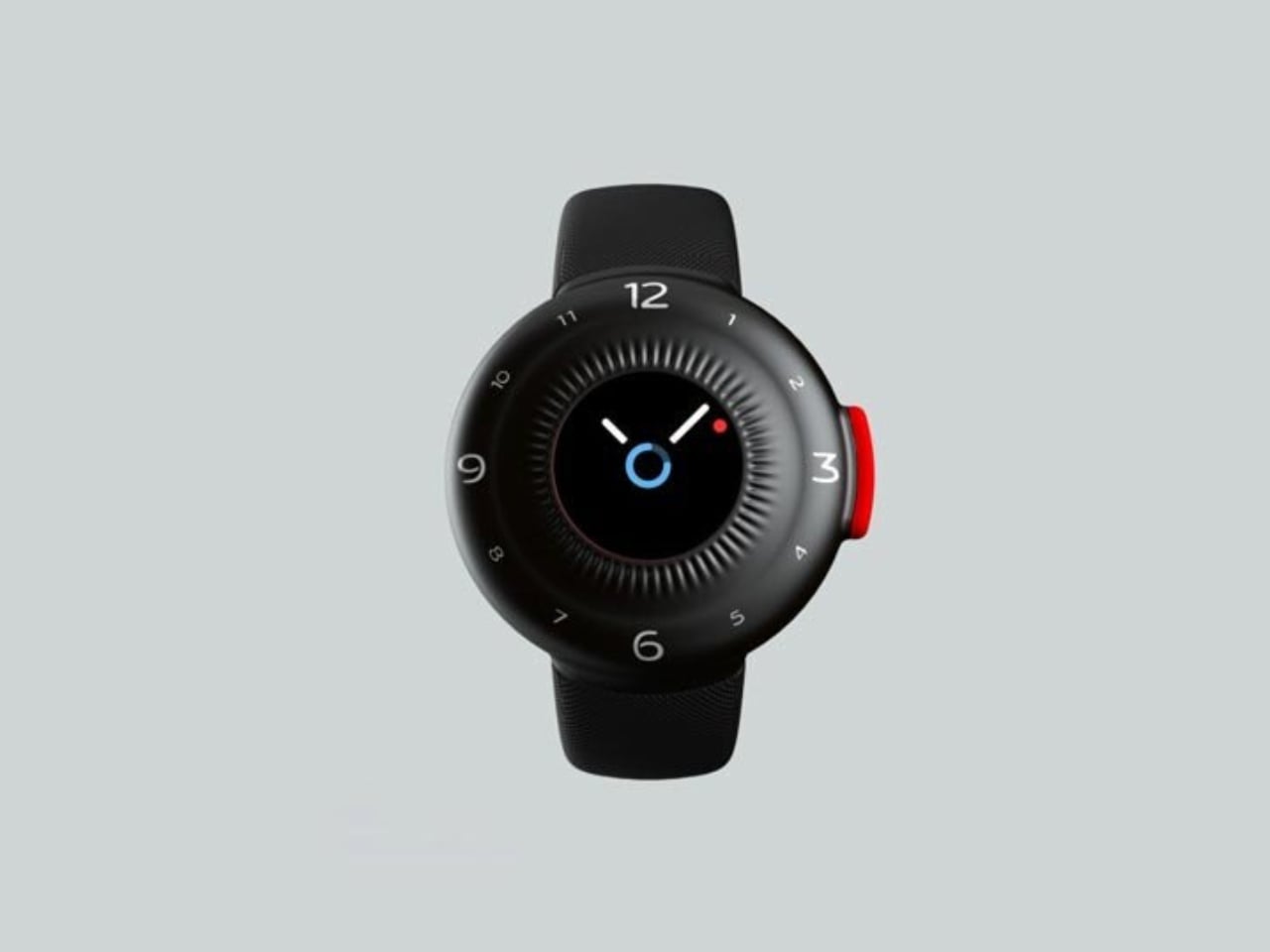
MSI’s wrist-mounted PC concept makes no pretense of being a conventional timepiece. Subtle hour markings exist almost as an afterthought, while the face reveals a miniaturized computer’s internal architecture. Cooling fans, graphics components, motherboard traces, and processors are fully exposed behind transparent housing. Four side pushers control various functions while the MSI badge sits where you’d normally find a watch crown. This is wearable computing stripped of any attempt at discretion.

The brand already dominates gaming hardware through laptops and desktops that push thermal management, graphics rendering, and RGB aesthetics to extremes. Translating that expertise to wrist-scale computing represents the logical, if audacious, next step. MSI has built a reputation on reliable performance under demanding conditions, which gives this concept more credibility than if a startup proposed it. The promise is immediate access to full computing capability regardless of location, though practical questions around battery life, heat generation, and actual processing power remain unanswered at this conceptual stage.

What we like

  • Showcases visible internal components for a striking aesthetic that appeals to tech enthusiasts.
  • Backed by MSI’s established reputation for durable, high-performance hardware.

What we dislike

  • Actual computing power and practical functionality remain unclear from concept alone.
  • Wrist-mounted form factor raises serious questions about heat dissipation and comfort during extended wear.

3. iRest Adjustable Ergonomic Mouse

Most mice ship with fixed dimensions that work adequately for average hands, while fitting nobody perfectly. iRest Health Science and Technology proposes something radically different with their conceptual mouse featuring app-controlled adjustability. The palm rest integrates two pneumatic cushions that inflate or deflate based on commands from your smartphone. Adjust the air volume, and the mouse physically reshapes itself to match your hand’s exact contours, creating a truly personalized ergonomic profile.

The concept brilliantly identifies a real problem, but stumbles on execution. Pneumatic adjustment requires miniature air pumps that would devastate battery life while adding mechanical complexity prone to failure. Alternative approaches exist that could deliver similar results more elegantly. Moldable silicone shells similar to custom in-ear monitors could work, though those require professional fitting. Mechanical adjustment systems comparable to ergonomic office chairs might provide the customization without electronic complexity. The core insight that ergonomic peripherals shouldn’t force users into standardized shapes remains valuable even if this particular implementation needs rethinking.

What we like

  • App-controlled customization allows precise fitting to individual hand dimensions.
  • Addresses genuine ergonomic needs for users who struggle with standard mouse shapes.

What we dislike

  • The air pump mechanism would significantly drain battery life and add mechanical complexity.
  • Still in concept phase with no clear path to production or retail availability.

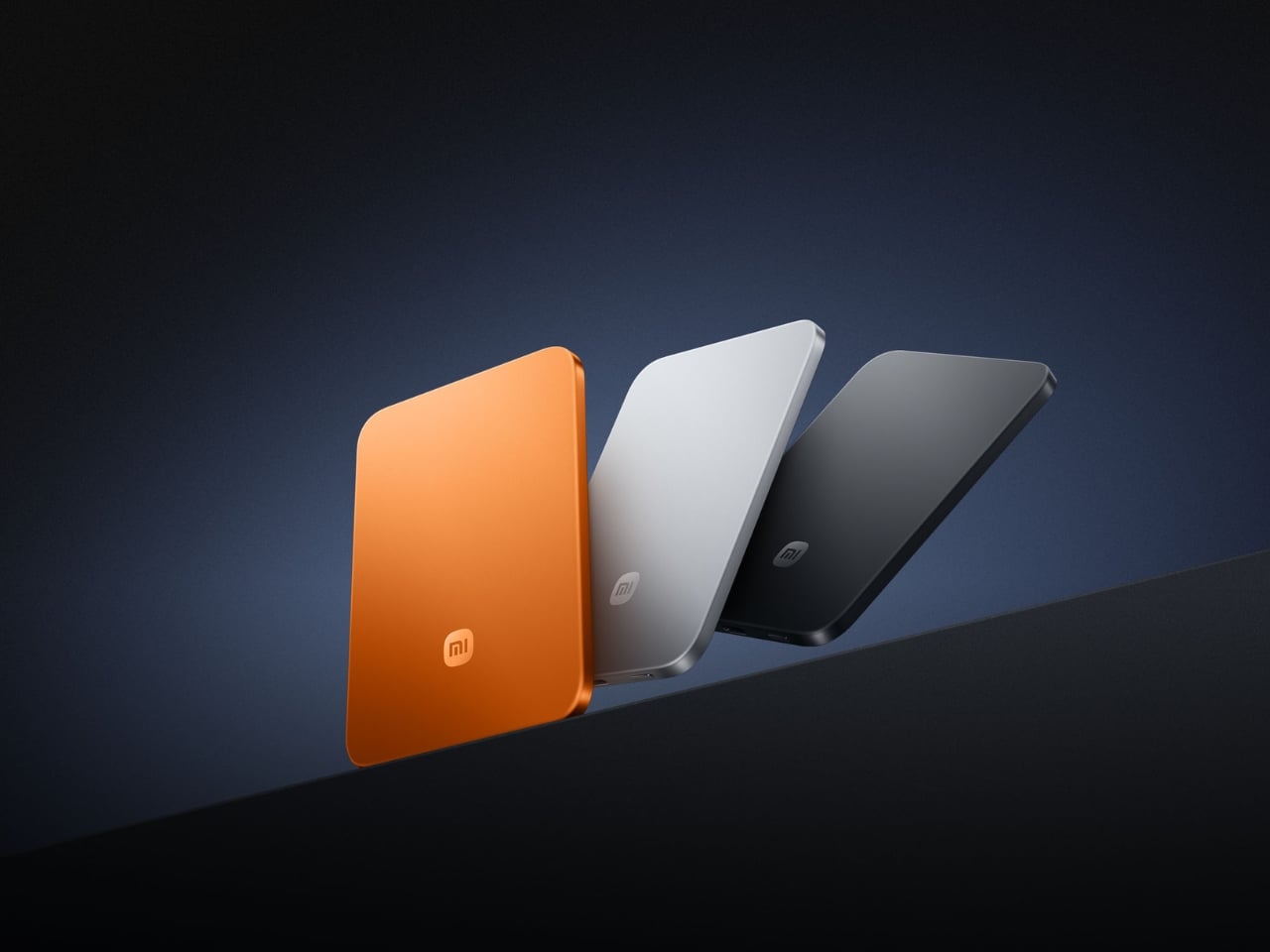
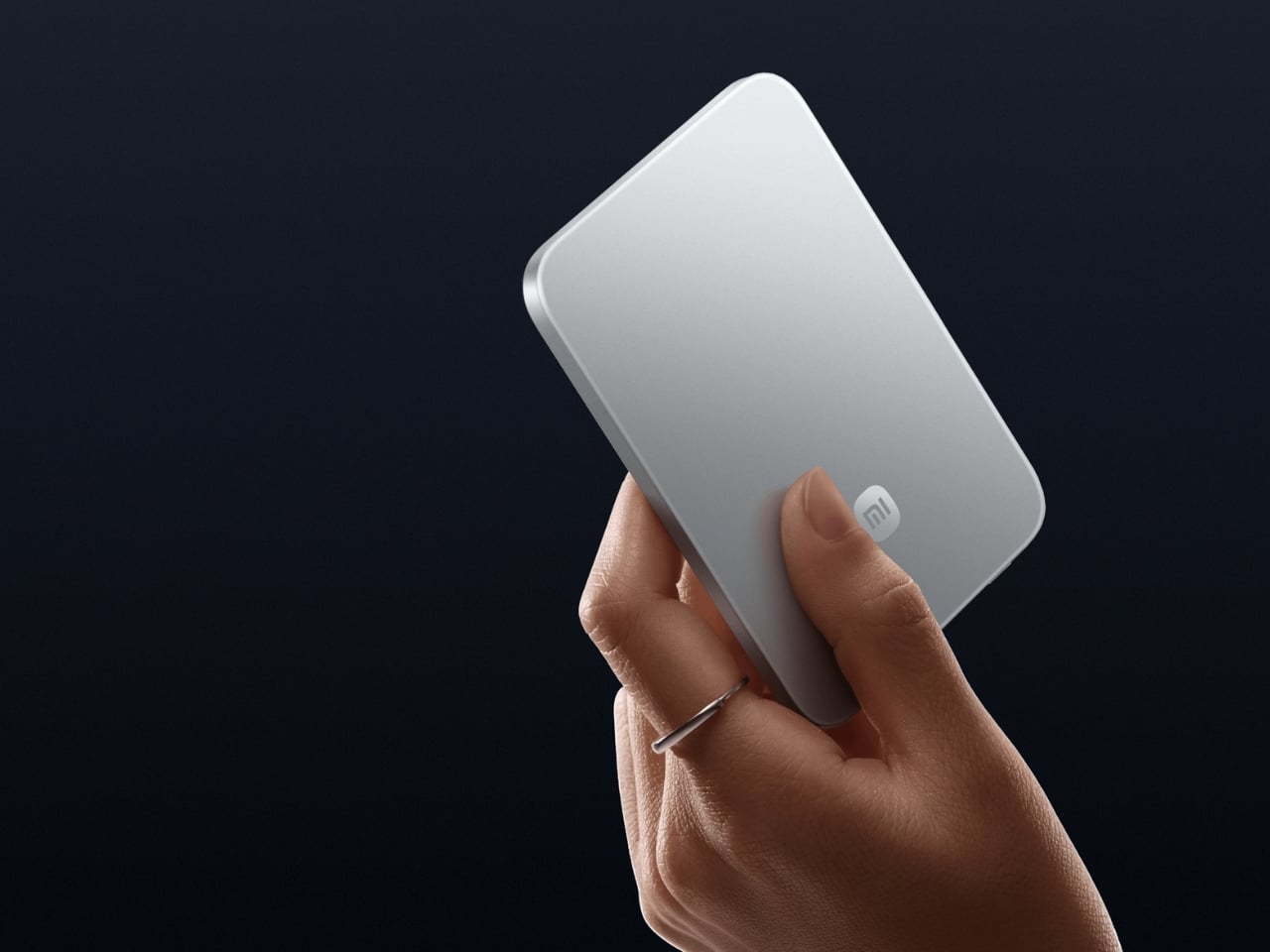
4. Portable Magnetic Power Bank

Traditional power banks lock you into carrying a fixed capacity regardless of your actual needs for that day. Quick coffee run where you just need earbuds topped up? You’re hauling 20,000mAh. Week-long trip requiring multiple full phone charges? You’re stuck with whatever single capacity you bought. The Portable Magnetic power bank rejects this inflexibility with a two-piece modular design that adapts throughout your day. The main body provides high-capacity charging for phones and larger devices, while a detachable Energy Capsule handles smaller accessories like wireless earbuds and smartwatches.

Magnetic connection makes the system work. The two units snap together seamlessly when you need maximum capacity, then separate instantly when you want to travel light. No fiddly clips, no cables, no alignment struggles. The magnets ensure perfect contact every time while being strong enough to prevent accidental separation in normal use. You can leave the heavy module at your desk while pocketing just the Energy Capsule for a quick outing, then reunite them for your commute home. It’s flexible power management that finally reflects how people actually move through modern life rather than forcing compromise.

What we like

  • Modular design lets you carry only the capacity you need for different situations.
  • The magnetic connection system provides tool-free attachment without cables or complicated mechanisms.

What we dislike

  • Splitting power across two units may reduce overall efficiency compared to single-cell designs.
  • Magnetic connections could potentially separate accidentally in bags or pockets during movement.

5. Samsung “More Slim” Smartphone

Samsung’s internal development codename reveals its direction clearly. The More Slim follows their S25 Edge, which itself carried the Slim codename during creation. Rather than retreating from ultra-thin smartphone design, Samsung appears committed to pushing dimensional boundaries even further. Engineering challenges multiply exponentially as thickness decreases. Components must be custom-designed for tighter spaces, which dramatically increases manufacturing complexity and cost. Every millimeter shaved requires fundamental rethinking of internal architecture.

The concerning precedent comes from the S25 Edge. To achieve its thin profile, Samsung accepted a dual-camera system without telephoto capabilities and crammed in just a 3,900mAh battery. Those compromises felt severe at the S25 Edge’s premium price point. Going even slimmer logically means accepting additional limitations on battery capacity and camera hardware. Physics imposes constraints that marketing ambition cannot overcome. The ultra-thin phone market certainly exists, but it serves a narrow audience willing to sacrifice functionality for aesthetic minimalism. Samsung clearly believes that the audience is worth pursuing despite the technical and economic challenges involved.

What we like

  • Ultra-slim profile appeals to users prioritizing pocketability and minimalist aesthetic.
  • Samsung’s manufacturing expertise suggests quality execution despite extreme thinness constraints.

What we dislike

  • Likely to feature reduced battery capacity and limited camera capabilities based on S25 Edge precedent.
  • Premium pricing expected despite hardware compromises required to achieve ultra-thin design.

Gadgets That Refuse to Compromise

These five gadgets represent where tech is heading as we close out 2025. What ties them together is a willingness to question established norms. The WELDER asks why keyboards and monitors must be separate. MSI questions whether a watch needs to just tell time. iRest challenges fixed ergonomics. The modular power bank rejects monolithic battery designs. Samsung pushes thinness beyond what seems reasonable.

Not all will succeed commercially. Some are concepts that may never reach production. Others face significant engineering hurdles that could limit their appeal. The value in highlighting these products isn’t predicting which will dominate the market. It’s recognizing that innovation happens when designers refuse to accept inherited constraints. November 2025 delivered gadgets that refuse to play it safe, and that’s exactly what we need.

The post 5 Best Tech Gadgets Of November 2025 first appeared on Yanko Design.
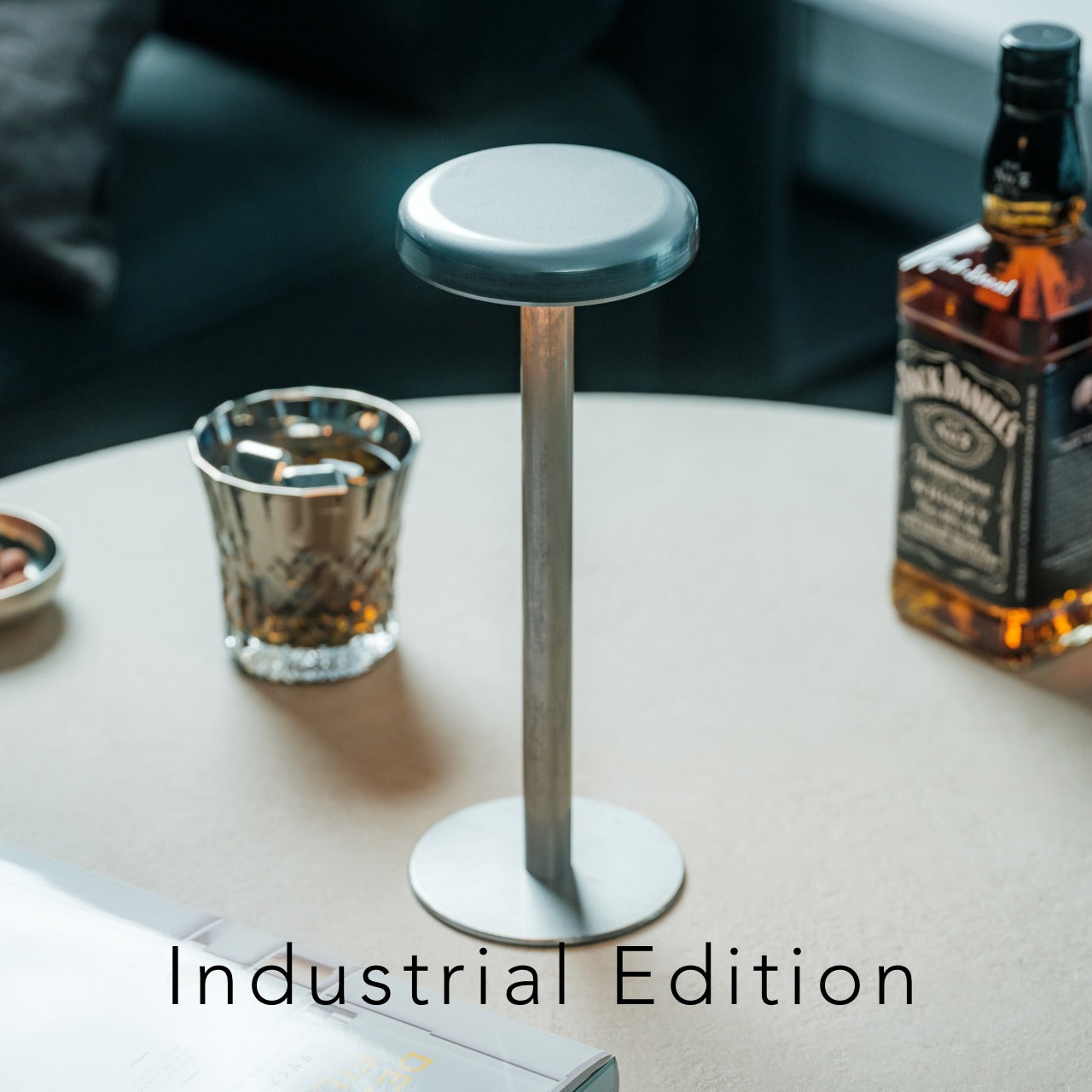
How 3D Printing Is Solving Luxembourg’s Affordable Housing Crisis

Niederanven, a small commune in Luxembourg, now hosts the country’s first 3D-printed residential building. The Tiny House Lux, designed by local practice ODA Architects, marks a significant shift in how municipalities might approach affordable housing on difficult urban sites. Architect Bujar Hasani conceived the project as a practical response to housing shortages. Working with the Niederanven municipality and Coral Architects, he identified narrow, leftover parcels across Luxembourg that traditional construction methods couldn’t accommodate.

The solution arrived through on-site 3D concrete printing, using locally sourced aggregates rather than imported materials. The house stretches long and narrow across its site in Rammeldingen village. At just 3.5 meters wide but 17.72 meters deep, the 47-square-meter structure maximizes what would otherwise be unusable land. A mobile printer extruded standard batching-plant concrete to build the walls in roughly one week, with the complete build finishing within four weeks. The ribbed texture of the printed walls creates a distinctive facade that catches daylight throughout the day, while a lightweight timber frame supports the roof.

Designer: ODA Architects

Inside, the layout reads as a single, clear axis running from the south-facing entrance through to the rear. Service zones tuck to each side, leaving the central corridor open and uncluttered. The entrance and terrace face south, pulling natural light deep into the interior. Film technology provides underfloor heating, powered entirely by solar panels mounted on the roof. This system positions the house as self-sufficient, reducing ongoing energy costs for its occupants.

The project fits within Niederanven’s “Hei wunne bleiwen” program, which translates to “Keep living here.” The initiative targets young adults seeking affordable entry points into Luxembourg’s expensive housing market. The local council selected the first tenant, who moved in shortly after the August 2025 inauguration. The design intentionally excludes features that would make it suitable for elderly residents, keeping the focus on younger demographics.

Not everyone welcomed the innovation. Local political parties DP and LSAP criticized the €320,000 price tag for what they viewed as an experimental project without proven methodology. They raised concerns about chemical additives in the concrete used to speed up hardening, questioning potential health implications. Both parties boycotted the inauguration ceremony in protest. Despite the controversy, the architectural and design community has responded with enthusiasm. Publications from New Atlas to HomeAdore covered the project, recognizing its potential as a replicable model. The key lies in scalability. If deployed across Luxembourg’s leftover urban fragments, this approach could generate hundreds of compact homes without consuming greenfield sites or requiring extensive infrastructure investment.

The Tiny House Lux demonstrates that 3D printing technology has matured beyond novelty status. When paired with thoughtful design and local materials, it offers municipalities a genuine tool for addressing housing shortages. The ribbed concrete walls, efficient layout, and energy autonomy prove that speed and innovation need not compromise quality or comfort. Whether this pilot project sparks wider adoption remains to be seen, but it has already proven that small plots can yield meaningful housing solutions.

The post How 3D Printing Is Solving Luxembourg’s Affordable Housing Crisis first appeared on Yanko Design.
This 172-Square-Foot Tiny House Transforms to Feel Surprisingly Spacious

Nestled in the peaceful Swedish countryside, Vagabond Haven’s Sofia tiny house proves that living small doesn’t mean sacrificing style or comfort. At just 172 square feet, this compact dwelling has captured the attention of the tiny house community for its clever use of space and its unrelenting connection to nature. The first thing you notice about Sofia is the windows. Large panoramic panes wrap around the interior, while a strategically placed roof skylight sits directly above the king-sized bed. This design choice transforms the sleeping area into a private observatory where residents can watch clouds drift by during the day and count stars at night. The bohemian chic interior complements this openness, creating an atmosphere that feels more like a cozy retreat than a tiny house.

Built on a double-axle trailer measuring 20 feet in length, Sofia maintains the mobility that makes tiny house living so appealing. The spruce construction keeps the weight manageable while providing the structural integrity needed for Scandinavian winters. Vagabond Haven designed this model specifically for year-round living in harsh Nordic conditions, ensuring robust insulation and high-quality materials throughout. The dimensions measure 6.1 meters in length, 2.55 meters in width, and 4 meters in height, creating a profile that’s road-legal yet surprisingly spacious once inside.

Designer: Vagabond Haven

The interior layout showcases thoughtful space planning. The elevated bedroom platform doubles as storage, with slide-out furniture tucked beneath that transforms the area from sleeping quarters to living space. A well-equipped kitchen lines one wall, featuring everything needed for daily cooking without feeling cramped. The living area adapts to different needs throughout the day, proving that 16 square meters can accommodate more activities than you’d expect. This transforming interior design has earned Sofia recognition for making such a compact footprint surprisingly livable for two people.

The bathroom deserves special mention for its wet-room design using Fibo Trespo panels. Buyers can choose between flush, composting, or Cinderella incinerating toilets, making the Sofia adaptable to various locations and lifestyles. The shower cabin offers either curtain or glass door options, while an energy-saving water heater keeps utility costs low. These choices reflect Vagabond Haven’s commitment to customization within their standardized models. A cupboard with washing basin and options for infrared or regular mirrors complete the bathroom setup, proving that compact spaces can still offer genuine comfort and flexibility.

What sets Sofia apart from other tiny houses in its size category is the attention to eco-friendly details. The company uses sustainable materials throughout construction and offers various off-grid solutions for those seeking complete independence. A rainwater harvesting system, a recuperator for ventilation, and options for solar power mean Sofia can sit comfortably in remote locations far from municipal services. The design philosophy behind Sofia recognizes that tiny house dwellers want genuine quality, not just miniaturized versions of conventional homes. Every cabinet, window placement, and storage solution serves multiple purposes. The result feels intentional rather than cramped, stylish rather than sparse.

For those interested in seeing Sofia firsthand, Vagabond Haven offers a 3D virtual tour on their website, allowing potential buyers to explore the space before making the journey to Sweden. Ready-built models can ship within two to four weeks when in stock, while custom orders take longer but allow buyers to select specific materials, colors, and finishes that match their vision. Sofia represents a sweet spot in the tiny house market: small enough to remain affordable and mobile, yet large enough to serve as a legitimate full-time home for couples or solo dwellers seeking connection with nature and freedom from excess.

The post This 172-Square-Foot Tiny House Transforms to Feel Surprisingly Spacious first appeared on Yanko Design.

5 Best Kitchen Knives & Cutting Tools Under $150 Every Home Cook Needs

The modern kitchen demands tools that blend exceptional performance with thoughtful design. While premium cutlery can cost thousands, exceptional knives and cutting tools exist at accessible price points without compromising quality or aesthetics. These five carefully selected pieces represent the perfect intersection of Japanese craftsmanship, innovative materials, and practical functionality that every home cook deserves.
From the legendary sword-making region of Seki, Japan, to contemporary design studios, these tools transform mundane food preparation into an engaging culinary experience. Each piece offers unique advantages while maintaining the versatility essential for everyday cooking tasks.

1. Black Kitchen Knives

Sharp blades meet striking aesthetics in this exceptional knife collection that redefines kitchen cutlery expectations. Crafted in Seki, Japan, where centuries of sword-making tradition inform every blade, these pitch-black beauties transform food preparation into an almost ceremonial experience. The molybdenum vanadium steel core receives a distinctive titanium coating that creates the dramatic obsidian finish while enhancing durability and corrosion resistance.

Each knife emerges from individual craftsmen’s attention, ensuring consistent quality across the Santoku, Gyuto, and Petty styles available. The full-scale double-edged construction provides balanced cutting performance whether you’re dicing vegetables, slicing proteins, or handling delicate garnish work. The dramatic appearance makes these knives conversation starters that perform as beautifully as they look on magnetic strips or knife blocks.

Click Here to Buy Now: $99.00

What we like

  • Authentic Japanese craftsmanship from the renowned Seki region.
  • Titanium coating provides superior durability and a striking appearance.

What we dislike

  • A higher price point may stretch budget limits.
  • Dark finish shows water spots and fingerprints more readily.

2. OXO Good Grips Carving & Cutting Board

Practical design meets thoughtful engineering in this double-sided cutting board that addresses every home cook’s preparation needs. The generous surface area accommodates large tasks like turkey carving and whole chicken preparation while providing ample workspace for extensive meal prep sessions. Non-porous construction prevents odor absorption, ensuring each use begins with a fresh, neutral surface that won’t transfer flavors between different ingredients.

The reversible design features a flat side optimized for produce preparation and a grooved side specifically engineered for meat carving. Integrated drip catchers with easy-pour corners manage liquid runoff efficiently, preventing countertop mess during protein preparation. Non-slip feet maintain stability during vigorous cutting motions, while soft tapered edges create comfortable handholds for easy maneuvering and storage.

Click Here to Buy Now

What we like

  • Dual-sided design maximizes functionality in a single board.
  • Dishwasher-safe construction simplifies cleanup and sanitization.

What we dislike

  • Large size requires significant storage space.
  • Plastic surface eventually shows knife marks and wear patterns.

3. Precision Chef Kitchen Scissors

Food preparation extends beyond knife work, making these specially engineered kitchen scissors essential for comprehensive culinary tasks. The curved serrated blade design makes cutting through tough proteins, herbs, and vegetables significantly easier while maintaining safety during use. Oxidation coloring creates the distinctive black finish that resists fading and deterioration, ensuring these shears maintain their striking appearance through years of regular kitchen duty.

Ergonomic engineering prevents the blade from contacting surfaces when laid down, protecting both the cutting edge and countertops from damage. Whether trimming fat from steaks, cutting pizza into portions, or harvesting fresh herbs, these versatile shears handle diverse cutting challenges with remarkable efficiency. The substantial feel and balanced weight distribution reduce hand fatigue during extended prep sessions.

Click Here to Buy Now: $99.00

What we like

  • Versatile design handles multiple cutting tasks beyond traditional scissors.
  • Ergonomic structure protects blades and surfaces during storage.

What we dislike

  • Specialized design commands premium pricing over basic kitchen shears.
  • Hand washing is required to maintain the finish and edge quality.

4. Tojiro Nakiri DP Hammered 165mm Vegetable Knife

Vegetable preparation reaches new heights of precision with this traditional Japanese nakiri that combines authentic blade geometry with modern steel technology. The VG-10 steel core, hardened to 60 HRC, delivers exceptional sharpness while maintaining durability that withstands daily kitchen demands. Distinctive hammer marks create the striking kuro-uchi finish while serving the practical function of reducing food adhesion during cutting sessions.

The traditional D-shaped magnolia wood handle with plastic ferrule provides a secure grip without adding unnecessary weight to the blade. Nakiri blade geometry excels at precise vegetable cuts, from paper-thin radish slices to perfectly uniform julienne strips that elevate dish presentation. The balanced hardness prevents easy chipping while maintaining edge retention that keeps the blade performing optimally between sharpenings.

Click Here to Buy Now

What we like

  • Traditional Japanese blade geometry optimized for vegetable preparation.
  • Stunning hammered finish combines beauty with functional food release.

What we dislike

  • Specialized vegetable focus limits general kitchen versatility.
  • Requires proper Japanese knife maintenance techniques and tools.

5. Hinoki Essence Cutting Board

Traditional Japanese hinoki cypress wood meets contemporary design sensibilities in this remarkable cutting board that elevates every prep session. The medium hardness provides optimal resistance for efficient cutting while remaining gentle enough to preserve knife edges through countless uses. Water-resistant silicone coating penetrates deep into the wood fibers, preventing damage and extending the board’s lifespan significantly beyond typical wooden alternatives.

The thoughtful design incorporates gentle curves that facilitate juice drainage and thorough cleaning after use. Natural antimicrobial properties inherent in hinoki cypress reduce bacterial growth, making this board ideal for both raw proteins and fresh produce preparation. The integrated handle enables convenient hanging storage for hygienic air-drying while adding an elegant design element that complements modern kitchen aesthetics perfectly.

Click Here to Buy Now: $59.00

What we like

  • Natural antimicrobial properties reduce bacterial concerns.
  • Beautiful wood grain doubles as a serving presentation piece.

What we dislike

  • Requires hand washing and periodic oiling maintenance.
  • Higher cost than plastic cutting board alternatives.

Transform Your Kitchen Experience

These five exceptional tools represent more than mere kitchen implements – they embody the philosophy that beautiful, well-designed tools enhance both cooking performance and culinary enjoyment. Each piece brings unique strengths while working harmoniously together to create a comprehensive cutting and preparation system.

The investment in quality tools pays dividends through improved cutting precision, enhanced food presentation, and the simple pleasure of working with beautifully crafted implements. Whether you’re preparing elaborate dinner parties or simple weeknight meals, these tools elevate every kitchen interaction from mundane task to engaging craft.

Quality cutting tools transform cooking from a chore to a creative expression, making the time invested in food preparation genuinely enjoyable. These carefully selected pieces prove that exceptional performance and striking design remain accessible without premium price tags, bringing professional-level capabilities within reach of every passionate home cook.

The post 5 Best Kitchen Knives & Cutting Tools Under $150 Every Home Cook Needs first appeared on Yanko Design.