Google Pixel 9 and 9 Pro XL renders show a less dramatic design change

There are a few designs in the smartphone market that have become synonymous with the brands they represent. Although some phones followed in its footsteps, Apple wholeheartedly embraced the iPhone notch for several generations. Samsung’s S Pen is something very few manufacturers have imitated, and Nothing’s Glyph lights have made dynamic LED lighting a thing on smartphones. And then there’s Google’s camera design, which has been dubbed by some as a visor, that gave the Pixel 6 onward a visually unique character. Unfortunately, brands and designs change, and it seems that the Pixel 9 trio will bid farewell to that distinctive design, though its replacement is admittedly a bit less egregious than other leaks would have us believe.

Designer: Google (via 91mobiles, MySmartPrice, Steve Hemmerstoffer)

Google Pixel 9 Pro XL

Truth be told, the “visor” camera design on the recent Pixel phones isn’t exactly the sleekest and most elegant design around, but it has enough elements that make it interesting and distinctive without being obnoxious or garish. It also has the side effect, intentional or otherwise, of raising the phone at an angle without making it wobble. Based on leaks confirmed by these unofficial renders, we might have seen the last of that design and will behold another variation that may be even more controversial than the original design on the Pixel 6 from 2021.

Google Pixel 9

Google Pixel 9

Instead of a raised strip that goes from edge to edge, the Pixel 9 phones will instead have a long pill-shaped camera bump that still spans the entire width of the phone. But unlike blurry leaked photos of prototype models, these renders show a better picture of what is allegedly the final design of that camera bump. It will follow the same two-tone theme as the Pixel 8 before it, giving it a bit of style and visual interest.

Google Pixel 9

It will definitely not be everyone’s cup of tea, especially those who have regarded the visor design to be the signature mark of the Pixel phones from the past three years. But more than just brand identity, this capsule-shaped bump also has the effect of making its thickness even more noticeable and abrupt, as if someone just glued a large chunk of metal and glass onto the back of the phone. The Pixel 8’s camera bump is just as thick, but the curved edge and smoother curves give the impression that it is thinner than it really is.

Google Pixel 9 Pro XL

Another detail coming out from these leaks is that Google will launch three models this year instead of just two. That will be the Pixel 9, Pixel 9 Pro, and Pixel 9 Pro XL. The “XL” model hasn’t been seen since the Pixel 5 XL in 2020, so it will be interesting how Google will position these three phones in the market.

Google Pixel 9 Pro XL

Google Pixel 9 Pro XL

The post Google Pixel 9 and 9 Pro XL renders show a less dramatic design change first appeared on Yanko Design.

This portable dish rack can collapse down to 1.2 inches in just a second

It’s easy to take for granted how much space things take up in the kitchen until you find yourself suddenly running out of places to put stuff. Some kitchen appliances and furniture might be non-negotiable, but other tools and fixtures could probably do a bit of rethinking. Some of them might be redundant, while others don’t even have to be out of the closet all of the time, especially when they’re not in use. A dish or draining rack, for example, doesn’t serve a purpose once all the tableware has been stored away, but most of them still take up precious space anyway. Not to mention, you can’t easily bring a dish rack with you when you go camping because of their very fixed forms. This rather novel rack, however, fixes all those problems by implementing a collapsible design that will let you easily put the draining rack away once its job is done.

Designers: Sugata Mono Studio for Ishikawa

Click Here to Buy Now: $68 $75 (10% off at checkout). Hurry, Easter sales end in 48 hours.

Truth be told, there aren’t a lot of things in the kitchen that can be put away after use aside from tableware, utensils, and cookware. That’s why there’s always a need to optimize the space being occupied by tools and equipment, which requires a bit of creative thinking and design. You won’t always be drying wet plates and pots, for example, so having a permanent draining rack might not be the greatest idea for some kitchens. In theory, it’s something that you should be able to take out and put away as needed, just like other tools, but the convention just so happened to use rigid designs made of plastic, metal, or wood.

This collapsible draining rack throws that convention out the window to save you space in the kitchen and make it more convenient to have meals outdoors. It uses a patent-pending spring system that gives the rack an accordion-like design, allowing you to expand it to a full 14″ (36cm) length or shrink it down to just 1.2″ (3cm). The best part is that the mechanism is so easy and smooth that you can do that in just a second.

It’s a simple design change, but one that has massive implications. You don’t have to reserve space in your kitchen for a draining rack and can use any flat surface as an ad hoc area. Once you’re done, simply collapse the rack and then shove it in a drawer. It also means it’s easy to transport so you can have the same experience while camping outdoors. The rack is so light and slim that you can actually carry it in your pocket. You don’t even need a flat surface since the rack’s design lets it conform to curved or uneven objects like tree trunks and boulders.

Despite that form-changing design, this collapsible draining rack is still made for durability and reliability, with SUS304 stainless steel parts that are resistant to rust and scratches. The shape that each wire rod takes is intentionally simple to reduce the chances of dirt accumulating in hidden nooks and crannies. And if you’re not that confident in your manual washing skills, the collapsed rack can just as easily be cleaned inside a dishwasher. Whether you’re drying plates or pots indoors or outdoors, this accordion-like collapsible draining rack delivers a simple yet effective tool that gets out of the way once its job is done.

Click Here to Buy Now: $68 $75 (10% off at checkout). Hurry, Easter sales end in 48 hours.

The post This portable dish rack can collapse down to 1.2 inches in just a second first appeared on Yanko Design.
Interchangeable emoji camera covers give smartphones more character

The back of our phones is always visible to the people around us, which makes it the most expressive part of the smartphone. That’s why manufacturers spend a lot of time and resources on the design of the phone’s rear, using a variety of materials for the cover and designs for the camera. Those designs, however, are decided by companies and never change once production starts. They don’t always reflect the owner’s tastes, and definitely not all the time. Being able to change your phone’s “face” to fit your mood offers a lot of freedom of expression, and it all takes is putting a different emoji on top of your camera.

Designer: Yifan Hu

Smartphone cameras are becoming more powerful and with that power comes bigger enclosures. What were once just two eyes looking at you from the back of the phone has become a large circle that adds a face to those eyes. It’s just a metaphor, of course, but one that can actually be used to design a set of accessories that turn your mobile partner into some sidekick character, complete with a face and a personality.

These emoji-inspired accessories simply put a smiley or one of its comical variants on top of the camera circle of a smartphone. It takes advantage of how most of these cameras are designed, with two of the cameras placed side by side and near the top of the circle. It’s a perfect location for eyes and a face, one that perhaps more accurately expresses your own personality or just your mood for that day.

1

Of course, there are obvious limitations to this design, the biggest of which is how not all camera bumps are circular. And those that are circular aren’t always located in the middle of the phone, making it a bit awkward but not entirely unattractive to put an emoji in the corner. That said, this camera design is actually becoming more popular these days as manufacturers try to figure out the best location for the growing number and sizes of cameras on a phone.

There’s also the consideration that a smartphone might have more than just two cameras, and their locations might not perfectly align with a smiley face. That simply needs a bit of creativity to design around those restrictions, like adding mouths to the face or having asymmetrical eyes that convey even more facial expressions than a traditional smiley. It’s really a simple concept that goes a long way in adding fun to the smartphone experience, while still giving you the freedom to go back to a pristine and “normal” look from time to time.

The post Interchangeable emoji camera covers give smartphones more character first appeared on Yanko Design.

Electronic 3D book concept helps visually impaired kids feel the magic of fairy tales

Reading is already a difficult task for people with visual impairments, but it’s especially challenging when it comes to material that involves a lot of visual elements. Adults might have not much of a problem visualizing those words in their minds, but children who are still developing their mental libraries will probably have a harder time. Fairy tales and fictional books with fantasy elements are examples of these highly visual materials, and simply hearing the narration or feeling the words through Braille feels rather insufficient to capture the emotions and magic of the stories. This electronic book concept tries to offer an equally magical experience that makes the objects and scenes pop out from the book, almost literally.

Designers: Subin Kim, Yujeong Shin, Seungyeon Lee

It’s pretty amazing how blind and visually impaired people can read a book while sliding their hands across seemingly random dots, almost like magic. But the text on a page doesn’t exactly show the images associated with the words, relying on your imagination to conjure up those associations mentally. Of course, that comes almost like second nature for those with normal eyesight, but the visually impaired, especially younger ones, need a bigger boost to help match words with shapes and objects.

bbook is a concept for an electronic 3D book that provides all the necessary tools for a child with visual impairments to not only make sense of but also enjoy such fantastical books. It has an audio component that reads the book out loud, with large tactile buttons that let the reader skip forward or backward as desired. There’s also a dynamic Braille “page” where dots rise and sink as the words change.

1

The most interesting part of the book, however, is the fabric-like material on the opposite page. This soft material would also rise to create bumps but not as words in Braille but as actual three-dimensional objects related to the story being told. It could be Snow White’s apple, Cinderella’s glass slipper, or the wolf in Little Red Riding Hood. In addition to the educational value of this feature, it also helps make the story feel even more magical.

Every part of the 3D book was designed so that a visually impaired individual could use it without assistance. Even the charging indicators are elevating dots rather than LEDs so they can feel how much more time it needs. bbook also has a rather interesting feature where each individual story is inserted into the device like a USB stick, making each tale a memorable and magical experience.

The post Electronic 3D book concept helps visually impaired kids feel the magic of fairy tales first appeared on Yanko Design.

Modular instant camera concept offers a new way to create and share memories

The Polaroid brand has become synonymous with instant cameras that are experiencing a renaissance these days. But while the retro fever has people printing out square format photos again, the designs of these modern instant cameras left some things to be desired. Yes, they recreated the feeling of holding a large and chunky camera, but they might have done it too perfectly to meet the needs and tastes of today’s mobile photographers and creators. Smartphones offer more flexibility and features but at the expense of that authentic instant camera experience. This product concept tries to bring the best of both worlds together through a design that can adjust to your needs rather than the other way around.

Designers: Daphne Hernández, Paola García Higuera, Gonzalo Barba, Ricardo Zerón, Ximena Bravo Barreto, George Gonzalez, Cristian Tovar

The earliest modern instant cameras try to stay faithful to the Polaroid design by eschewing modern conveniences like LCD screens and photo editing prior to printing. On the opposite end of the spectrum, portable photo printers try to provide the same instant printing experience without requiring a separate camera from the one you already have in your pocket. But while smartphones offer a lot of powerful photo editing features, many people find the camera user experience a bit artificial or even forced because of the design of the phone and the connotations that come with it.

The Polaroid DUO concept solves this duality by ironically embracing it. It splits the instant camera into two distinct parts: the camera module and the printer. The camera is a small, lightweight square reminiscent of action cameras that you can attach or hang anywhere so that you’re ready to take photos or record videos anytime. The compact design, which includes a touch screen on the back to tweak the photos’ properties after the fact, offers a more engaging and fun way to take photos without being too conspicuous or flashy like a smartphone.

You can use the camera module on its own and print the photo later, or you can slot it into the larger printer module to make it behave exactly like a traditional instant camera. You don’t lose any of the functionality, however, since you can still access that touch screen. What you get, instead, is a unique character and the experience of holding a fun-looking chunky box up whenever you want to capture the moment and print out the memory right then and there.

Polaroid DUO is definitely an intriguing concept, one that makes you wonder why no one has implemented it yet. It combines the powerful functionality of smartphones with the elements of fun from instant cameras in a way that doesn’t sacrifice one for the other. There might be some implementation details that will need to be ironed out, but most of the technologies needed to make this design a reality are ripe for the picking.

The post Modular instant camera concept offers a new way to create and share memories first appeared on Yanko Design.

Hand-carved cork furniture collection evokes the raw beauty of black volcanic stone

More often than not, furniture design is meant to feelings of warmth, comfort, or even joy, emotions that you’d want to experience inside a home, office, or even waiting area. After all, you will be using these pieces of furniture, including sitting on some of them, so it’s only natural to expect them to be more welcoming, at least visually. There are some more artistic designs that have provoking aesthetics, meant more to be seen rather than used. This furniture collection stands somewhere in the middle, projecting an image of dark and unpolished volcanic rocks that turn out to be comfortable, stable, and even charming in its own rough way.

Designer: ( ae ) offices

A volcano is full of ironies. It is both magnificent and terrifying, and its eruptions are equally destructive and mesmerizing. While the ash, lava, and rocks that volcanoes throw out inflict damage, they can also be used as materials to build and create things that have their own unique beauty despite their horrifying source. That’s the kind of juxtaposition that the DOL furniture delivers, providing a unique visual and tactile experience for every chair or table.

DOL takes its inspiration from the black volcanic stones found on Jeju Island in South Korea. These stones are being used as the foundations for different structures on the volcanic island, reusing what Mother Nature has thrown at them to build stronger architecture. The stones themselves have a raw and uneven appearance born of natural elements that give each piece a unique character. That’s the imagery that’s replicated in this low chair and low table, but using a material that’s the complete opposite of hardened volcanic rock.

The furniture uses the outer bark of the cork oak tree, a material that’s best known for being lightweight, impact-absorbing, and insulating. Each “stone” in this composition is crafted by hand, resulting in an equally unique look for each piece. Of course, cork isn’t the most rigid material for furniture, so it’s supplemented by wooden profiles that give it more structure. Layers of wood oil and waxes add the finishing touch that gives the cork a texture and character that will confuse the mind because of its dark roughness yet soft mass.

The use of cork also adds an element of sustainability, as cork bark undergoes a renewal process every nine years and is completely recyclable. It’s a fitting tribute to a stone that starts its life from the destructive explosion of a volcano before finding its way into people’s homes, buildings, and lives before returning to the earth once again to repeat the cycle.

The post Hand-carved cork furniture collection evokes the raw beauty of black volcanic stone first appeared on Yanko Design.
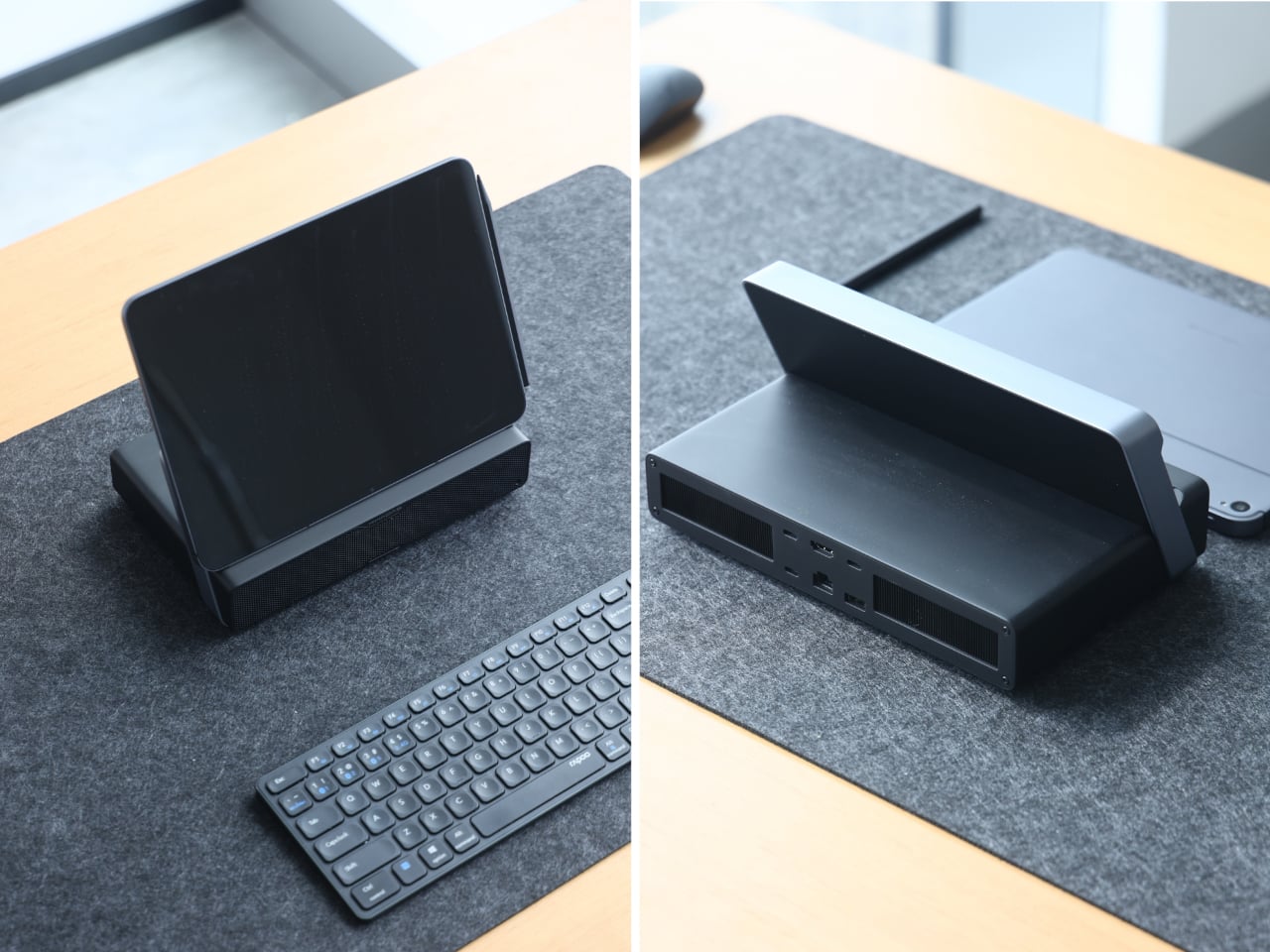
DIY Macintosh Studio is an ingenious dock for the iPad mini and Mac Studio

They say necessity is the mother of invention, so it’s probably not surprising that some of the best and sometimes even outrageous designs were born out of someone’s itch, as they call it. Take for example this rather interesting DIY project that gives a home for an iPad mini and hides the Mac Studio in plain sight. While there’s no shortage of products that address those needs separately, this creative solution manages to combine both in an inspired way, paying homage to the product that catapulted Apple to fame 40 years ago: the venerable original Macintosh. Of course, it isn’t just a superficial nostalgia trip, but one that also harnesses some of the best features of Apple’s product design today.

Designer: Scott Yu-Jan

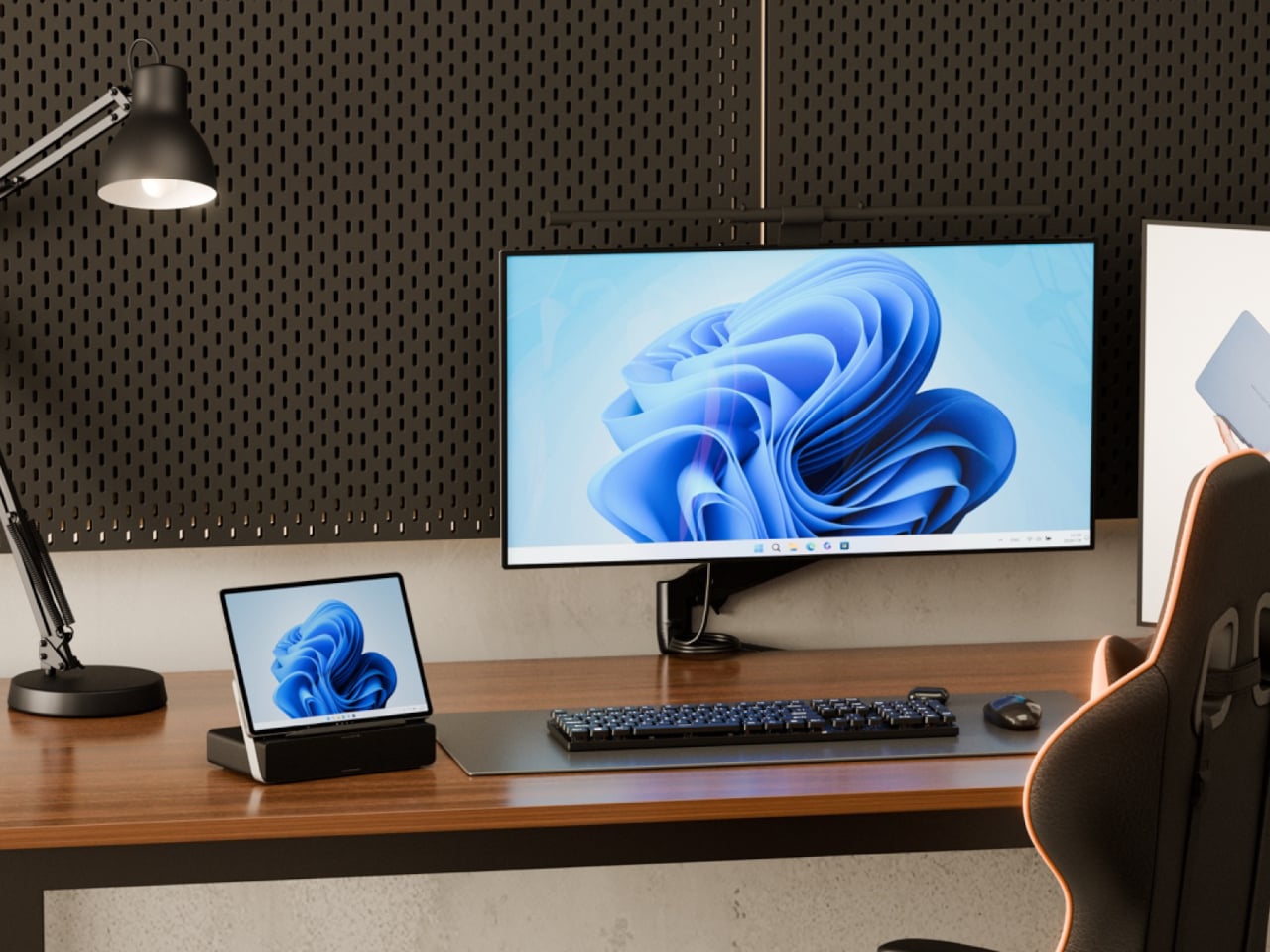
Although it’s patterned after the Mac mini, the powerful Mac Studio is exponentially taller, and its presence can’t be ignored when you place it under a monitor. On the other side of the fence sits the lightweight and compact iPad mini, which has gained a lot of features that almost make it suitable as a desktop device. These two products come from very different lines but share the same family spirit. Putting them together might sound superficial, but this 3D-printed modular case manages to pull it off so tastefully.

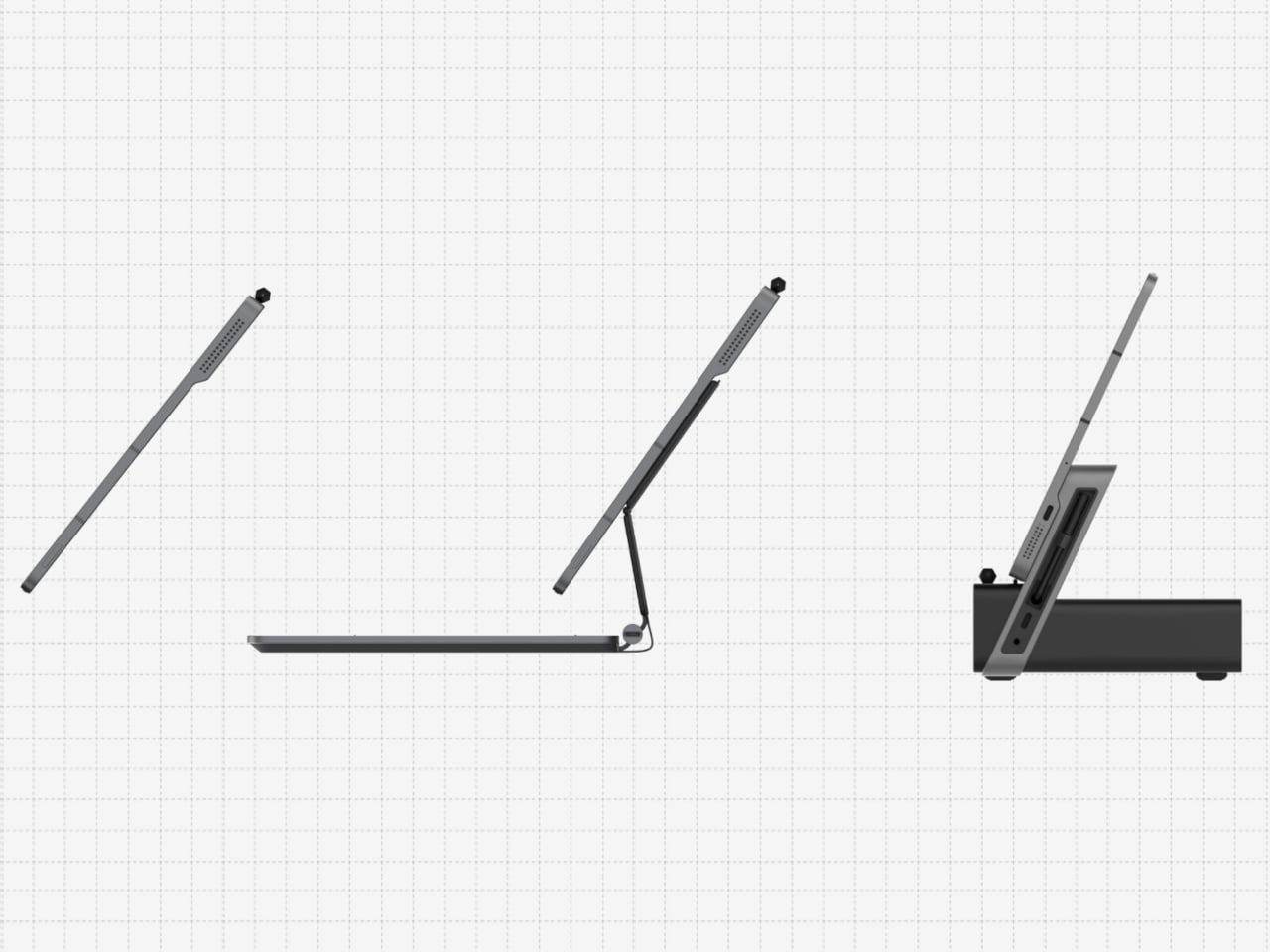
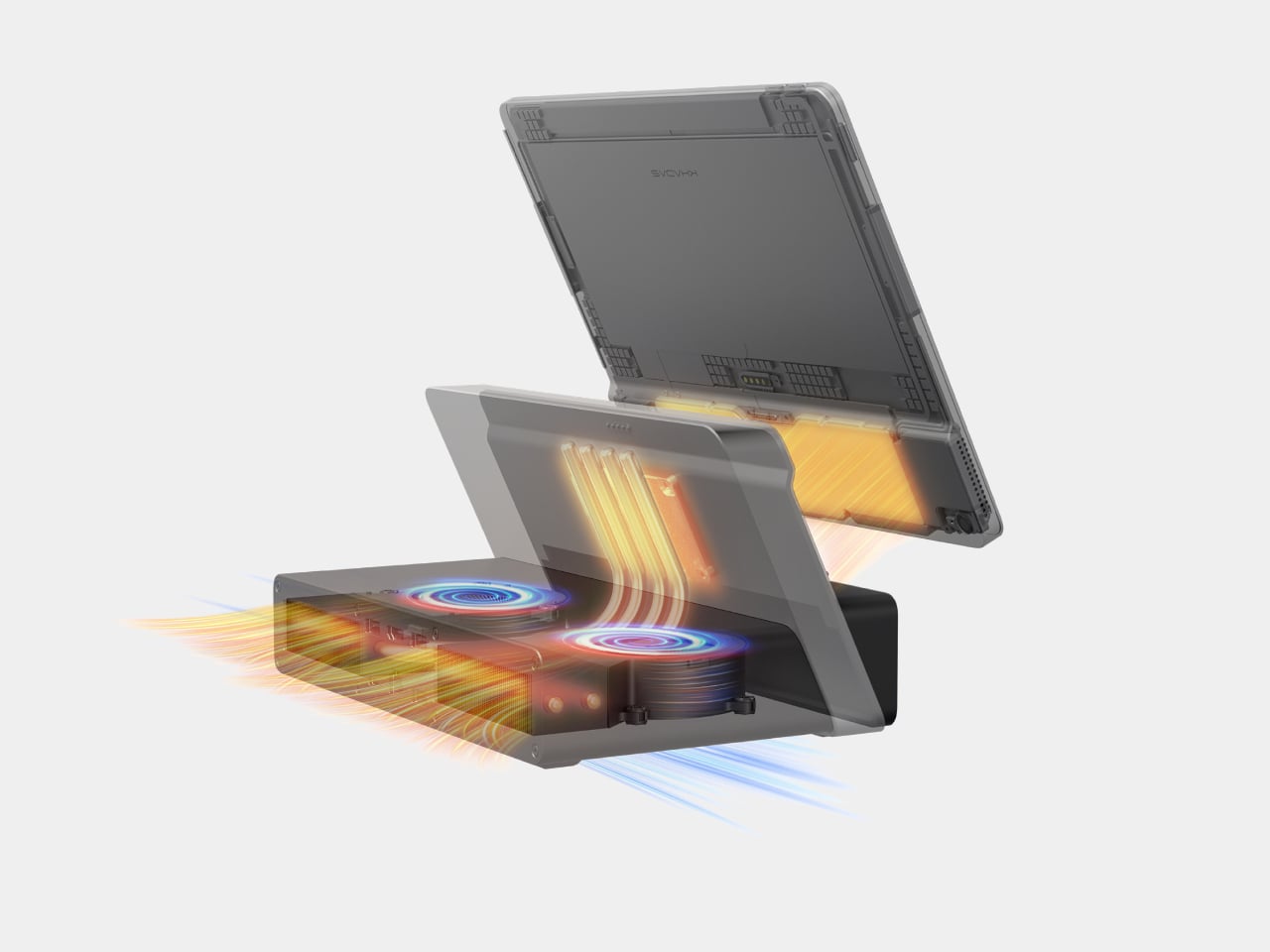
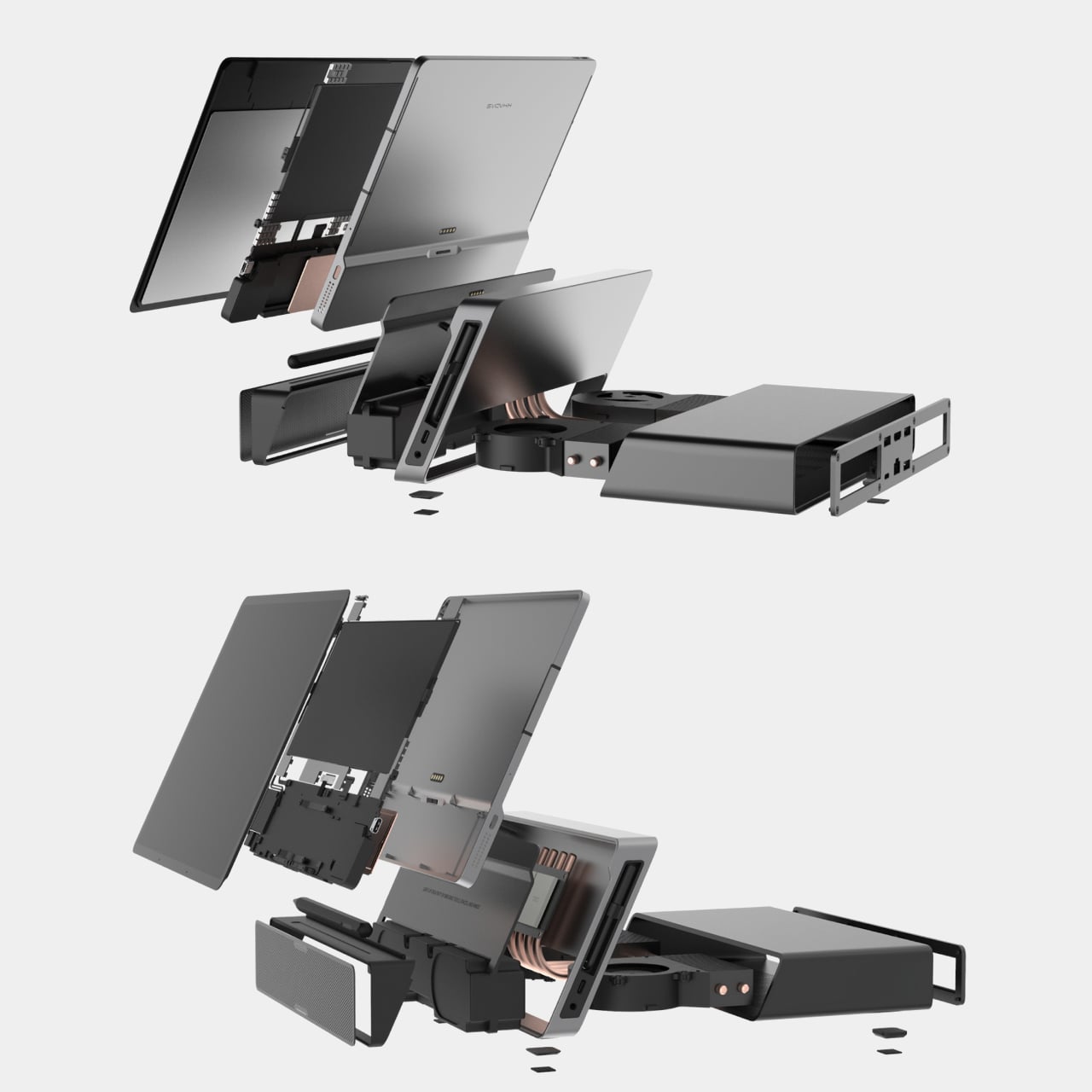
Dubbed the Macintosh Studio, the enclosure sits on top of and snugly hugs most of the Mac Studio, leaving only the ports near the bottom unrestricted. The front of the contraption has a slot for the iPad mini to slide in securely and connect to the Mac Mini via a single USB-C cable. This way, the iPad mini is always charged and ready to go when you need it, while also serving as a second screen for the Mac Studio thanks to Apple Sidecar. This gives both devices a customized home without removing anything from their functionality. You can even draw on the iPad quickly, though the position and angle of the screen won’t be ideal for working on art and designs.

The Macintosh Studio design doesn’t just copy the original Macintosh’s form but manages to insert a few modern conveniences to take advantage of all the unused space at the back. There’s a retractable headphone hook at the top, for example, as well as interchangeable drawers for a single portable hard drive or a stack of SSDs. There are other possible designs, but these two, in particular, add value to the experience while still staying within reasonable limits.

Given that it’s simply a 3D-printed enclosure, there’s plenty of flexibility when it comes to the color of the Macintosh Studio. A variety of hues could make it look like a hybrid of the Macintosh and the colorful iMacs, adding a bit of life to what is normally a plain and drab silver aesthetic. All in all, the design is quite ingenious in how it manages to solve two rather different problems while still preserving the individual values of each product.

The post DIY Macintosh Studio is an ingenious dock for the iPad mini and Mac Studio first appeared on Yanko Design.
Futuristic ring lamp uses a levitating metal ball to control it

Most of the lamps we have on desks and shelves take on a mostly vertical form to save space. If that isn’t an issue, however, then there’s ample opportunity for more memorable and mind-blowing designs. This ring lamp, for example, looks like a Dyson-esque product that turns the hollow space inside a circle into something like an art form. That, however, isn’t its main feature, which is a unique design that eschews almost all kinds of traditional physical controls and instead employs a seemingly magical levitating orb that not only adds an air of mystery to the product but also brings a more satisfying form of interaction every time you push down that ball to control the lamp.

Designer: Inovaxion

Levitating spheres are, of course, nothing new, and truth be told, they can be unreliable once the magnetism starts to weaken or, worse, wear off. It is still a source of fascination and the simple technology has been used to great effect in producing designs like a levitating Death Star, the Moon, or even a 360-degree speaker. The Levitos Ring Lamp isn’t as complicated as those, however, but it is able to utilize that gimmick in a more practical yet still delightful manner.

As a ring lamp, Levitos isn’t exactly that remarkable. In fact, some might feel that it’s rather limited since it only has two modes. One gives a soft yet steady white glow, while the other mode slowly cycles through different colors. The ring itself is pretty bare, connected to a similarly simple circular base, and its light is bright yet just as plain. In fact, the design is so simple that you won’t find any button, switch, or dial, and the only way you can control it is through its biggest trick.

The Assembly comes with a small metal orb that you carefully place in the middle of that base using a specially designed cork disc. Once properly oriented, you simply lift the cork and behold the metal sphere hovering and spinning in place. To turn the lamp on, you push the ball down lightly. Another light push switches the lamp to the multicolor cycling mode. Another tap switches the mode again, so you have to double-tap the ball to turn it off.

1

The ring lamp comes with a much larger metal ball as an alternative, one that mimics the appearance of the moon. It has the exact same function but gives the lamp a different flavor, especially when the light bounces off the small moon. The design is admittedly gimmicky and probably not that reliable in the long run, as there will be no easy way to control the lamp when the magnet starts to fail, but it’s definitely fun and mesmerizing while it lasts.

The post Futuristic ring lamp uses a levitating metal ball to control it first appeared on Yanko Design.

Futuristic ring lamp uses a levitating metal ball to control it

Most of the lamps we have on desks and shelves take on a mostly vertical form to save space. If that isn’t an issue, however, then there’s ample opportunity for more memorable and mind-blowing designs. This ring lamp, for example, looks like a Dyson-esque product that turns the hollow space inside a circle into something like an art form. That, however, isn’t its main feature, which is a unique design that eschews almost all kinds of traditional physical controls and instead employs a seemingly magical levitating orb that not only adds an air of mystery to the product but also brings a more satisfying form of interaction every time you push down that ball to control the lamp.

Designer: Inovaxion

Levitating spheres are, of course, nothing new, and truth be told, they can be unreliable once the magnetism starts to weaken or, worse, wear off. It is still a source of fascination and the simple technology has been used to great effect in producing designs like a levitating Death Star, the Moon, or even a 360-degree speaker. The Levitos Ring Lamp isn’t as complicated as those, however, but it is able to utilize that gimmick in a more practical yet still delightful manner.

As a ring lamp, Levitos isn’t exactly that remarkable. In fact, some might feel that it’s rather limited since it only has two modes. One gives a soft yet steady white glow, while the other mode slowly cycles through different colors. The ring itself is pretty bare, connected to a similarly simple circular base, and its light is bright yet just as plain. In fact, the design is so simple that you won’t find any button, switch, or dial, and the only way you can control it is through its biggest trick.

The Assembly comes with a small metal orb that you carefully place in the middle of that base using a specially designed cork disc. Once properly oriented, you simply lift the cork and behold the metal sphere hovering and spinning in place. To turn the lamp on, you push the ball down lightly. Another light push switches the lamp to the multicolor cycling mode. Another tap switches the mode again, so you have to double-tap the ball to turn it off.

1

The ring lamp comes with a much larger metal ball as an alternative, one that mimics the appearance of the moon. It has the exact same function but gives the lamp a different flavor, especially when the light bounces off the small moon. The design is admittedly gimmicky and probably not that reliable in the long run, as there will be no easy way to control the lamp when the magnet starts to fail, but it’s definitely fun and mesmerizing while it lasts.

The post Futuristic ring lamp uses a levitating metal ball to control it first appeared on Yanko Design.
Live streaming accessories give creators the tools to elevate their content

Streaming is big business these days to the point that some kids even declare it to be their dream job. And like any other dream job, the reality is that video streaming isn’t as easy or as magical as it sounds, at least if you’re really aiming to go pro and bring in all the views. You will need to invest in quality equipment that not only makes their work more comfortable but also makes the overall experience more enjoyable. These concept products try to do exactly that, assisting streamers to make them feel more alive, whether onscreen or especially offscreen.

Designers: Mariana Aréchiga, Isaac Saldaña, Ricardo Zerón, Adriana Cruz, Jonathan Gonzalez, Alondra Alvarez, Mariana Pedroza, Juan Muciño

It’s admittedly easy to get started in the live streaming industry. All you need is a decent camera, a reliable Internet connection, and content that will capture the attention of the fickle masses. Going viral and staying relevant, however, requires not only hard work but also tools that will help carry you through both the good times as well as the bad. Alive is a series of product design concepts that try to elevate the streaming experience and beyond, focusing on the things that help streamers stay in control all the time.

One example is a wireless streaming mic that frees you from your desk with its detachable design. While it looks like an ordinary studio mic when on its wireless charging stand, you can easily pick it up and move around without missing a beat or dropping out. It has a helpful ring indicator that quickly clues you in on the volume level without having to check your app’s or computer’s controls.
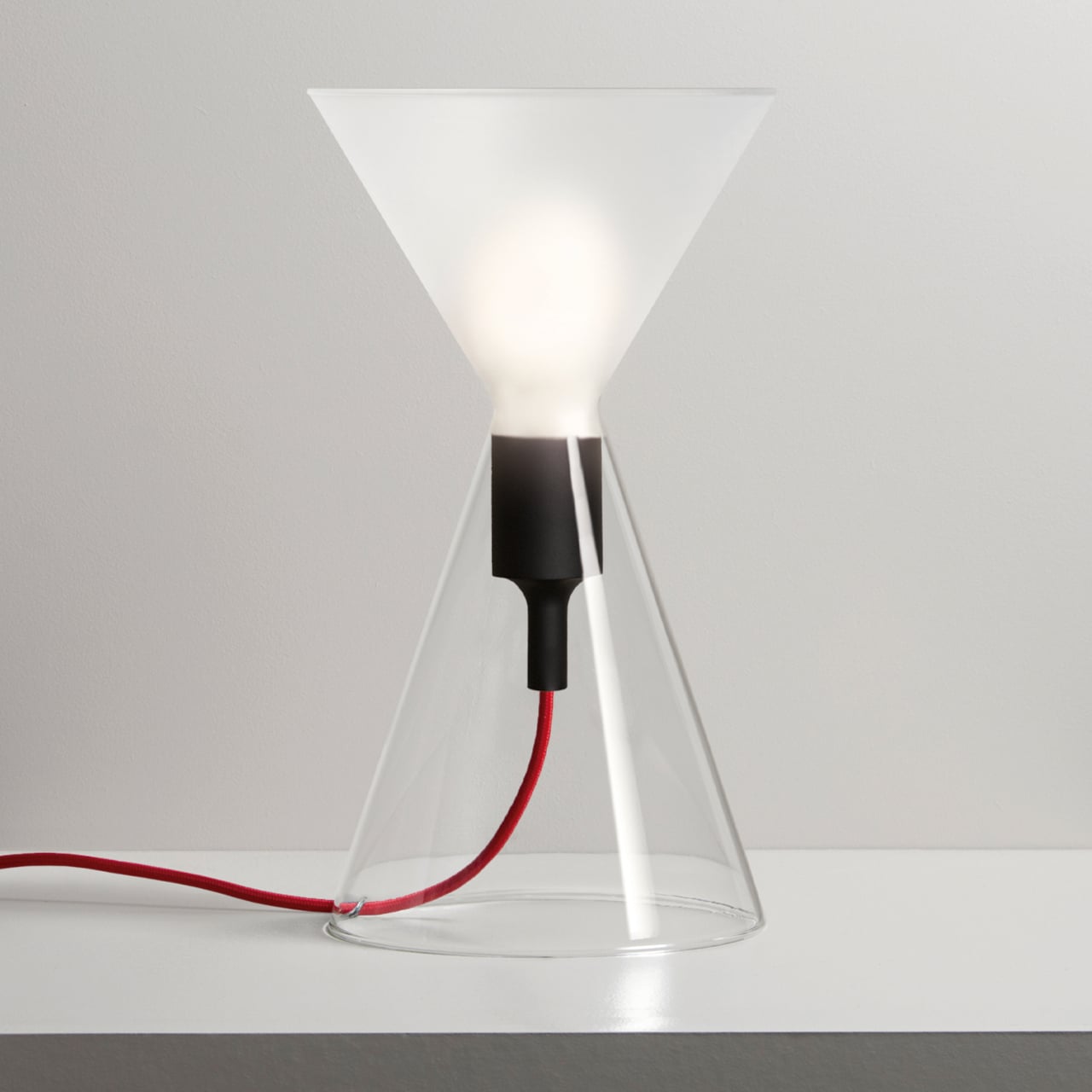
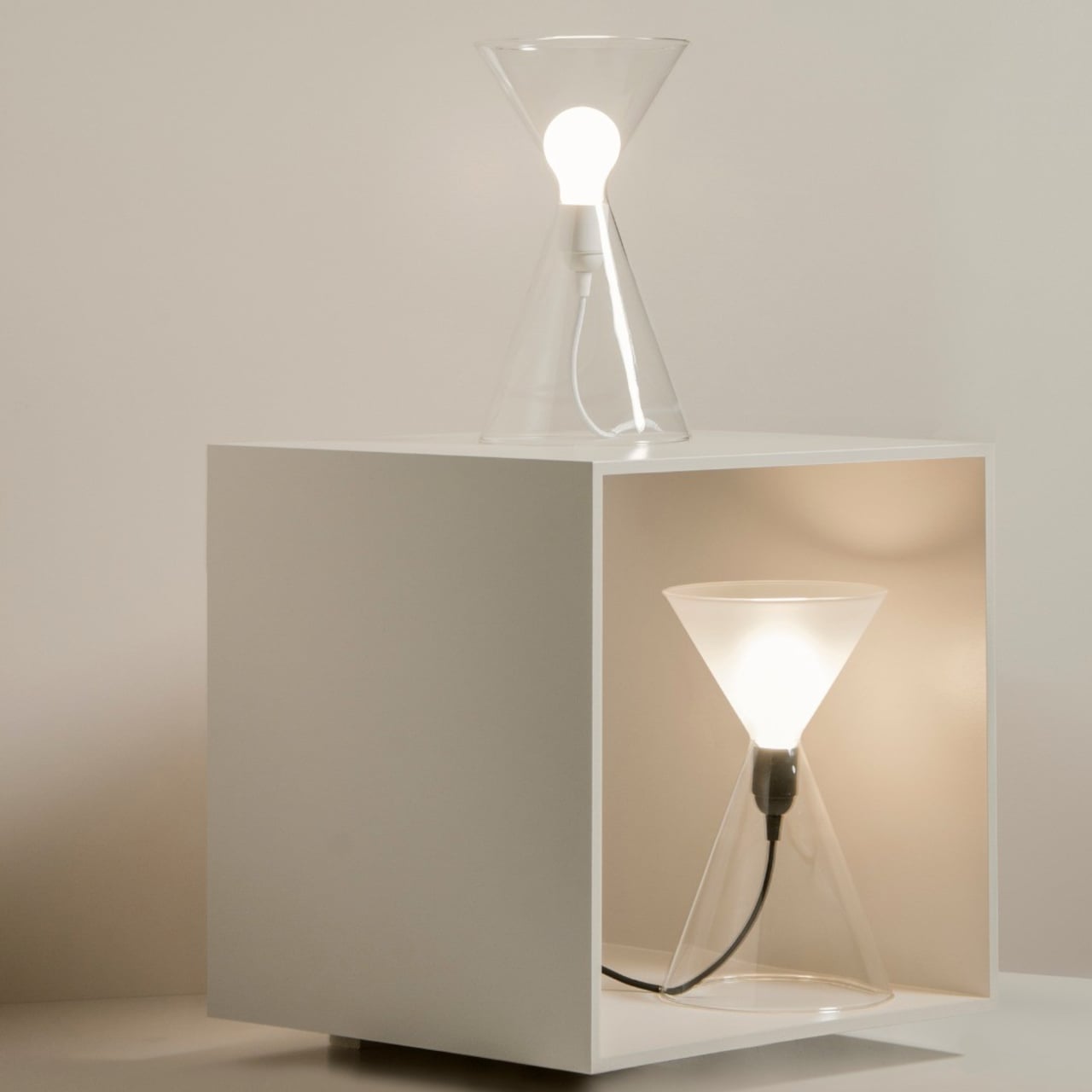
Lighting does more than just illuminate your face during streams, it can also help set the mood or even indicate your own mood. This conical desk lamp concept delivers that kind of emotional lighting but also provides direct physical controls that don’t leave you at the mercy of buggy apps and spotty network connections. Any streamer will testify to the stress and tension that occurs whenever those supposedly smart lights feel rather dumb due to those technical difficulties.

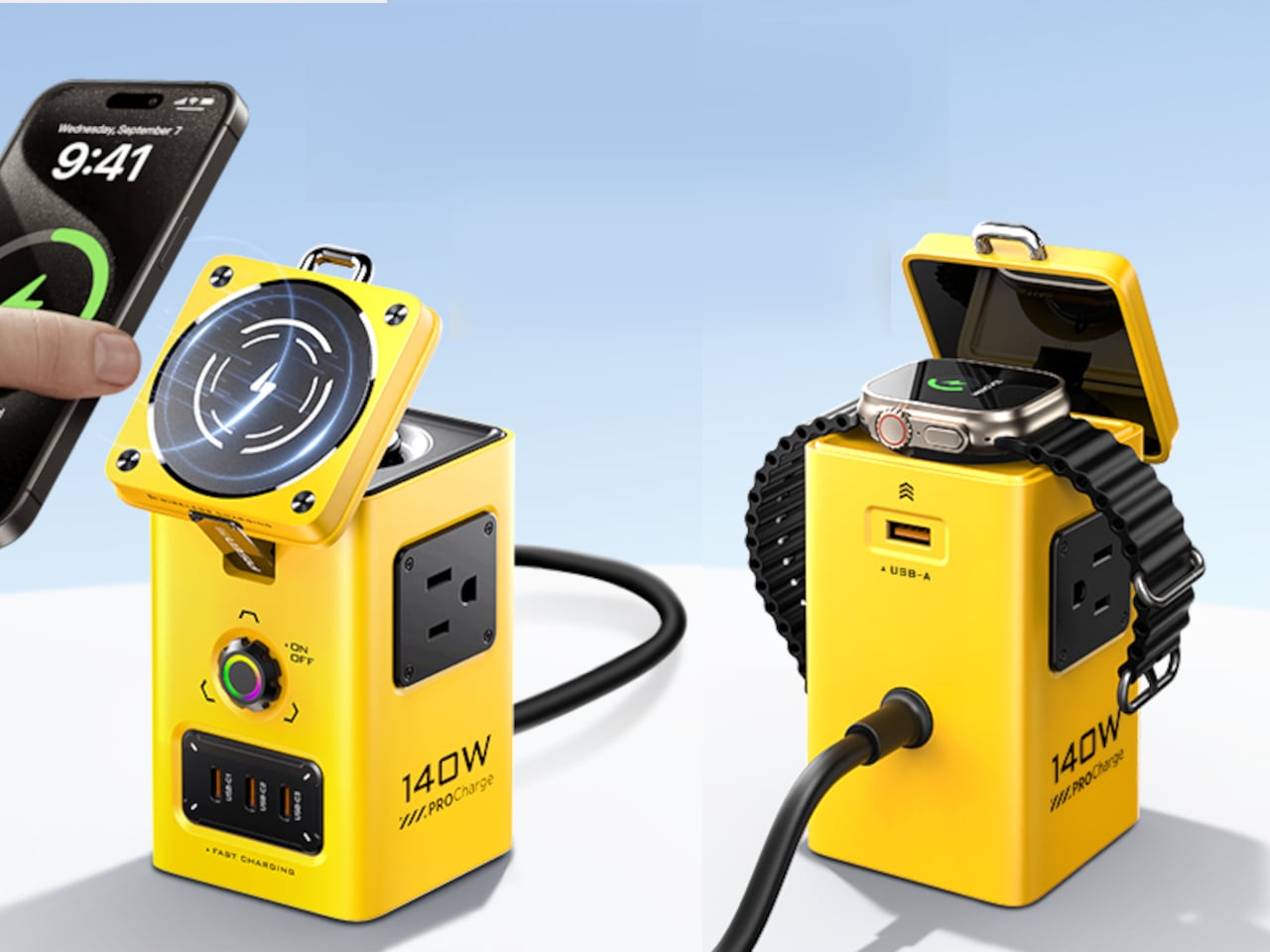
Power strips are designed to expand your wall socket, but most of them seem to still embrace the limitations of those fixed outlets. This streamer-friendly design, however, has sockets you can rotate so that they adjust to your cables and plugs, not the other way around. There’s also a section of the strip that offers battery backup to make sure critical devices stay powered up even during an emergency. These features might sound trivial, but every small thing that gives streamers peace of mind also helps them create better content.

The post Live streaming accessories give creators the tools to elevate their content first appeared on Yanko Design.