Google’s Wing drone delivery to have double the payload with new drone

Since I live in a country where package delivery by drone is still something straight out of a futuristic movie, it’s fascinating to see how there are places where they are trying to make this the norm. Google’s parent company Alphabet is one of the early adapters with their drone delivery arm Wing, spanning three continents and more than 350,000 deliveries in those places where it’s available. Now they want to expand, literally, with a larger drone that can make deliveries even more convenient.

Designer: Wing

This new drone is still so new that it doesn’t have a name yet. But what is sure is that it will be able to double the payload of the original drone so there will be no need to use two drones to deliver larger orders. According to their data, 30% of their U.S orders require more than one drone and so there is a need for something that will be able to deliver twice what it usually can, saving on the customer’s money and the company’s logistics.

The new drone will be able to carry up to 5 pounds on 12 sm flights while cruising at 65 mph. While it has the same range and speed as the original Wing drone, this new one can carry double as the former is only able to carry up to 2.5 lbs. It will still use the combination of vertical takeoff and landing and precision hovering with fixed wings as it cruises to the delivery address.

The Wing Delivery Network will continue to expand and get more people and companies to use their service. They are now able to do computer tracking as compared to the human intervention previously so the drones can actually do longer routes. And with the still unnamed new drone, they can do heavier loads for those who may need more stuff delivered.

The post Google’s Wing drone delivery to have double the payload with new drone first appeared on Yanko Design.

Casio Baby-G celebrates 30th anniversary by getting a Hello Kitty 50th birthday design

I still have a pretty clear memory of me begging my parents to buy me a Baby-G watch when I was still a teenager and I didn’t have any money yet to get my own. I also remember buying anything that has a Hello Kitty design that I could afford back then, which wasn’t a lot since, as I mentioned, i didn’t have my own money just yet. Now that I am a full grown adult earning my own keep, my dreams for both may be about to come true as Casio is celebrating the 30th anniversary of the Baby-G and Hello Kitty is turning 50.

Designer: Casio

Casio and Sanrio have announced a collaboration for the two brands with the brand new Baby-G model, the BGD565KT which features all the Hello Kitty things that you can fit in a watch. The watch design itself is based on the BGD-565 which sports the very first design of the Baby-G model which was launched back in 1994. It still has the usual watch features including shock resistance, 100M water resistance, LED backlight, multi-function alarms, stopwatch, countdown timer, and a 3-year battery life.

But of course, the star of this model is Hello Kitty herself. The entire watch has a total of 50 Hello Kitty details so you’ll get a kitty overload. This includes the band which has printed faces of the 1970s version of the cute feline as she’s laughing, winking, and looking surprised. You’ll also see her on the LCD when the backlight is on, with her distinguishable eyes, nose, and whiskers. The dial itself has a ribbon design so you get a Hello Kitty face on your wrist.

Since we’re celebrating milestones for both brands, the watch itself has a retro design which users like me wouldn’t really mind since this is all about cute nostalgia. Even the packaging is Hello Kitty-fied as it has a cloth pouch based on the design.

The post Casio Baby-G celebrates 30th anniversary by getting a Hello Kitty 50th birthday design first appeared on Yanko Design.

Interactive jellyfish robot responds to hand gestures

When I visited Kelly Tarlton’s Aquarium in Auckland last year, one of the most fascinating things I saw are the jellyfish. They were very pretty and captivating and looking at them gave me a certain sense of calm. I still don’t know much about them except for the fact that they don’t have the usual organs we see in animals like hearts, brains, and even eyes. It would be interesting to know more about these creatures and this project may just be something that can connect humans more to these “free-swimming marine coelentrata”.

Designer: Adonis Christodoulou

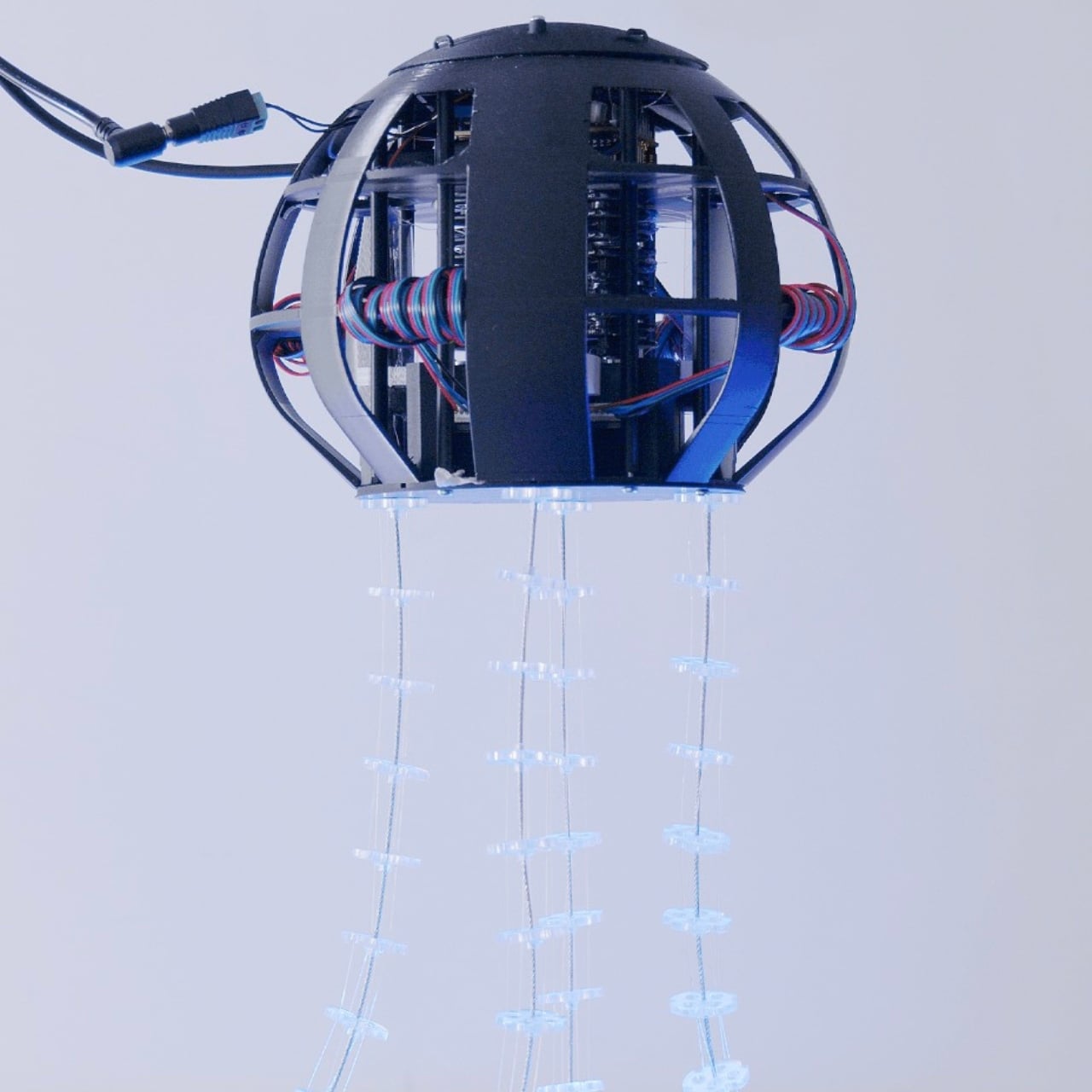
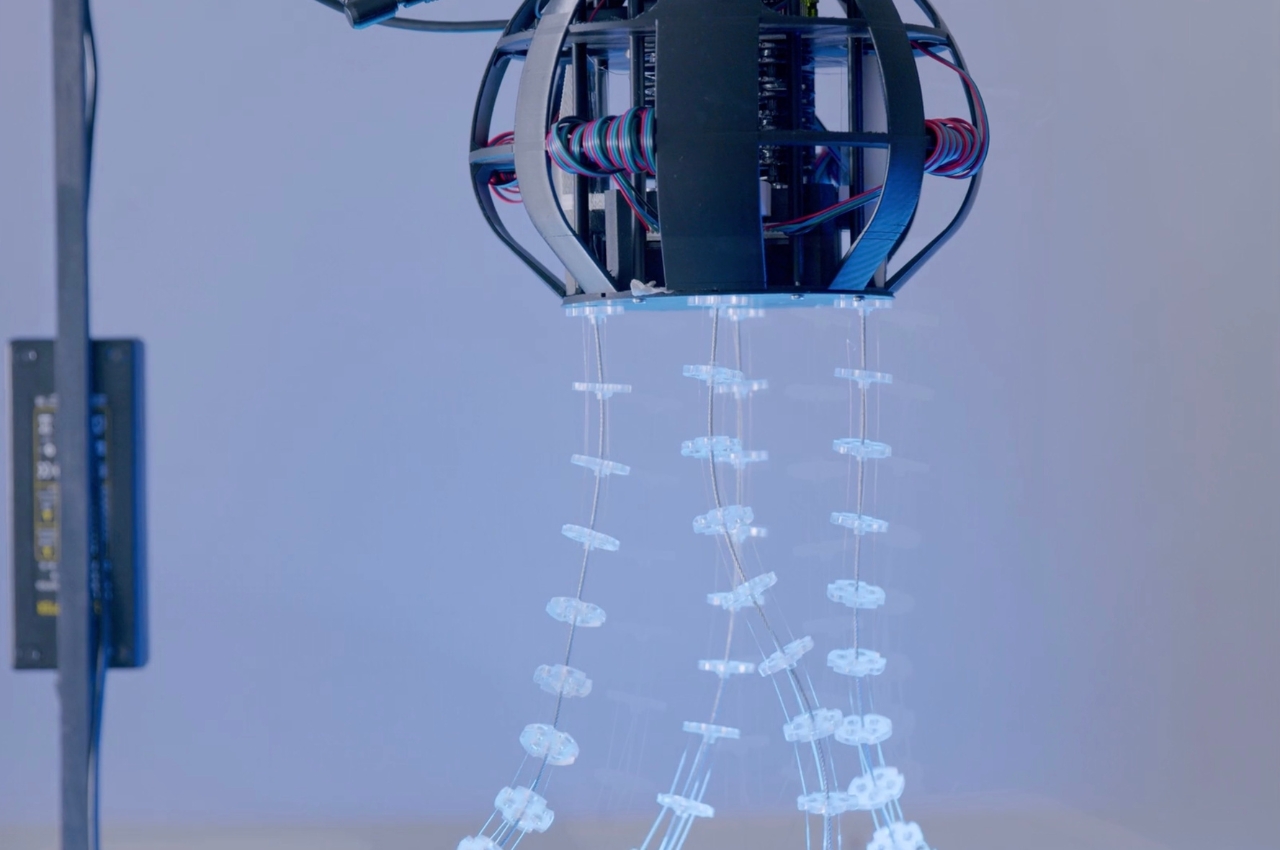
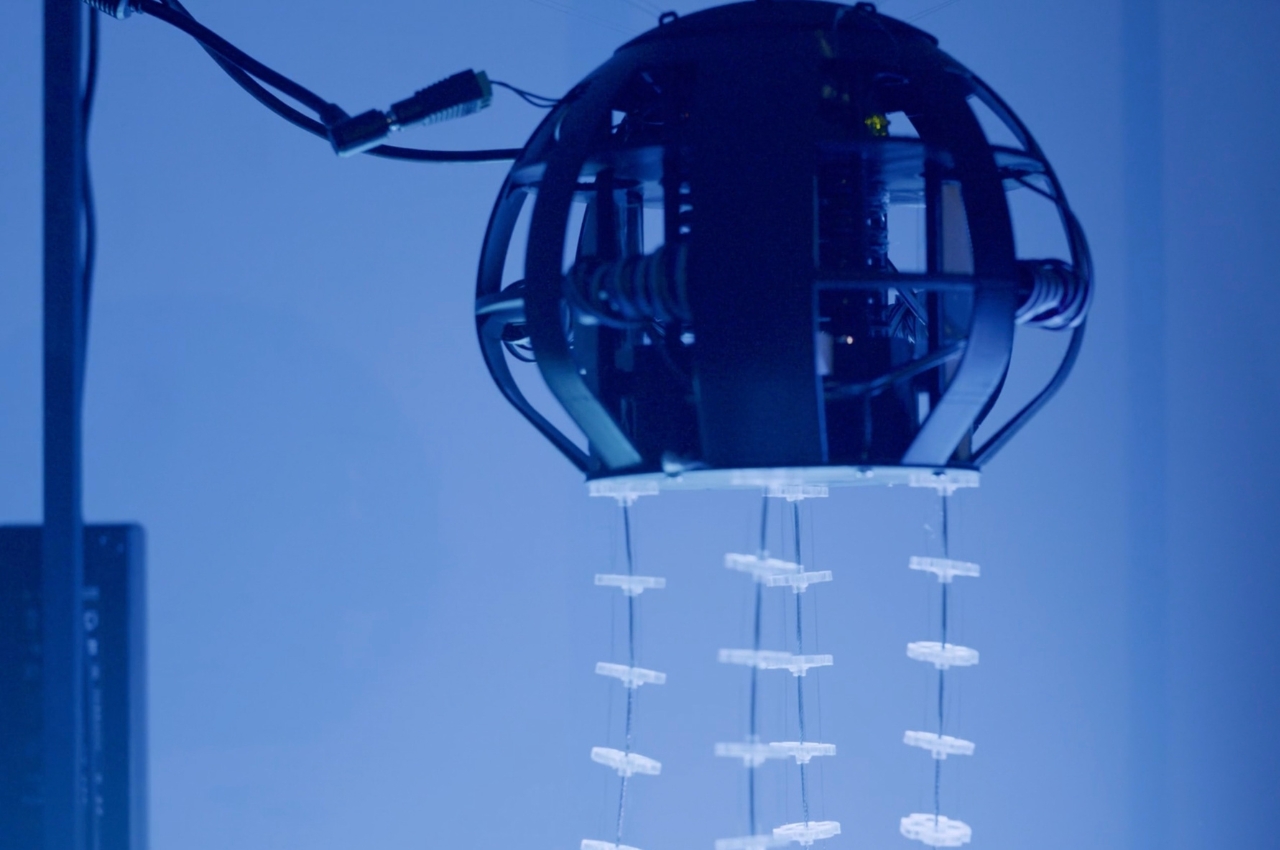
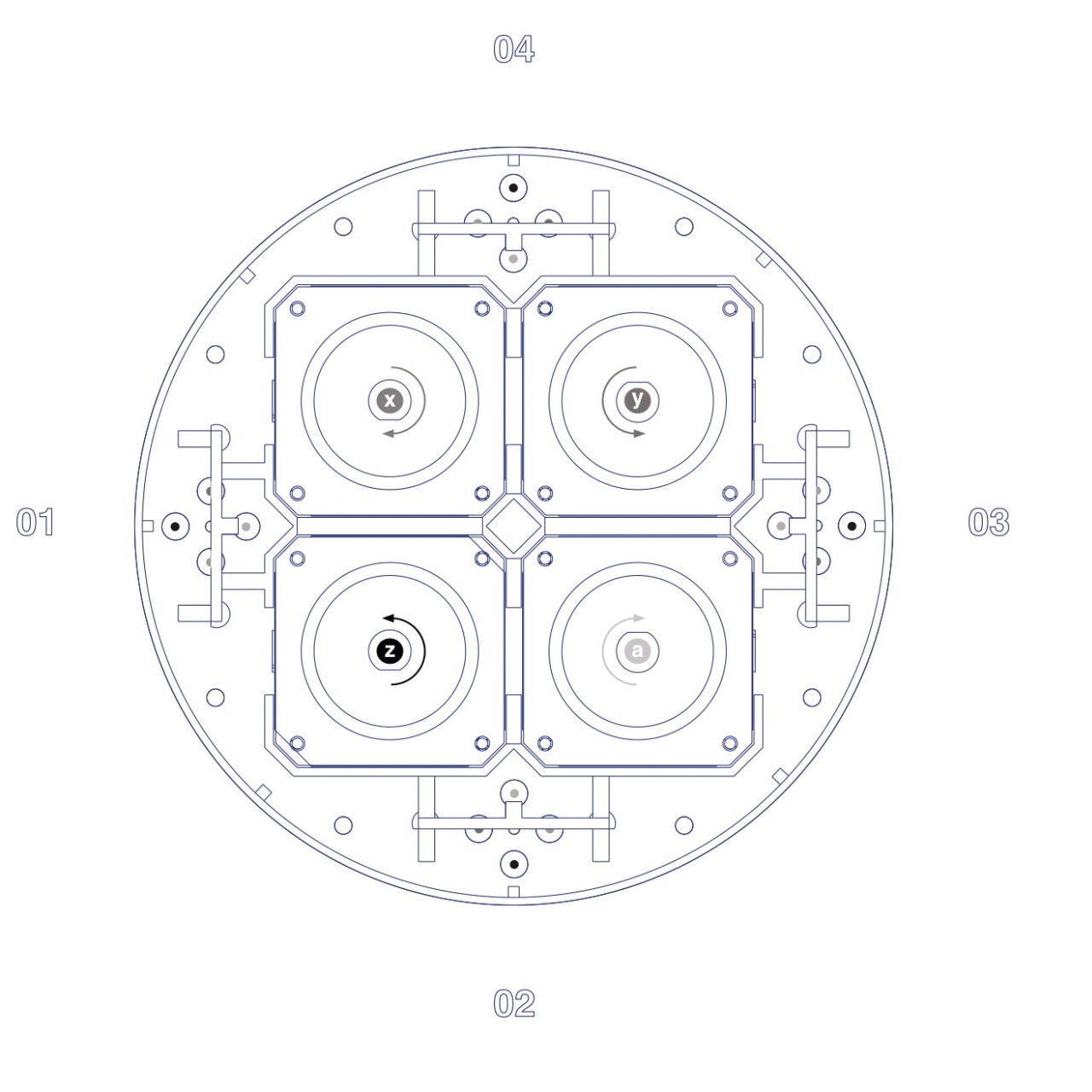
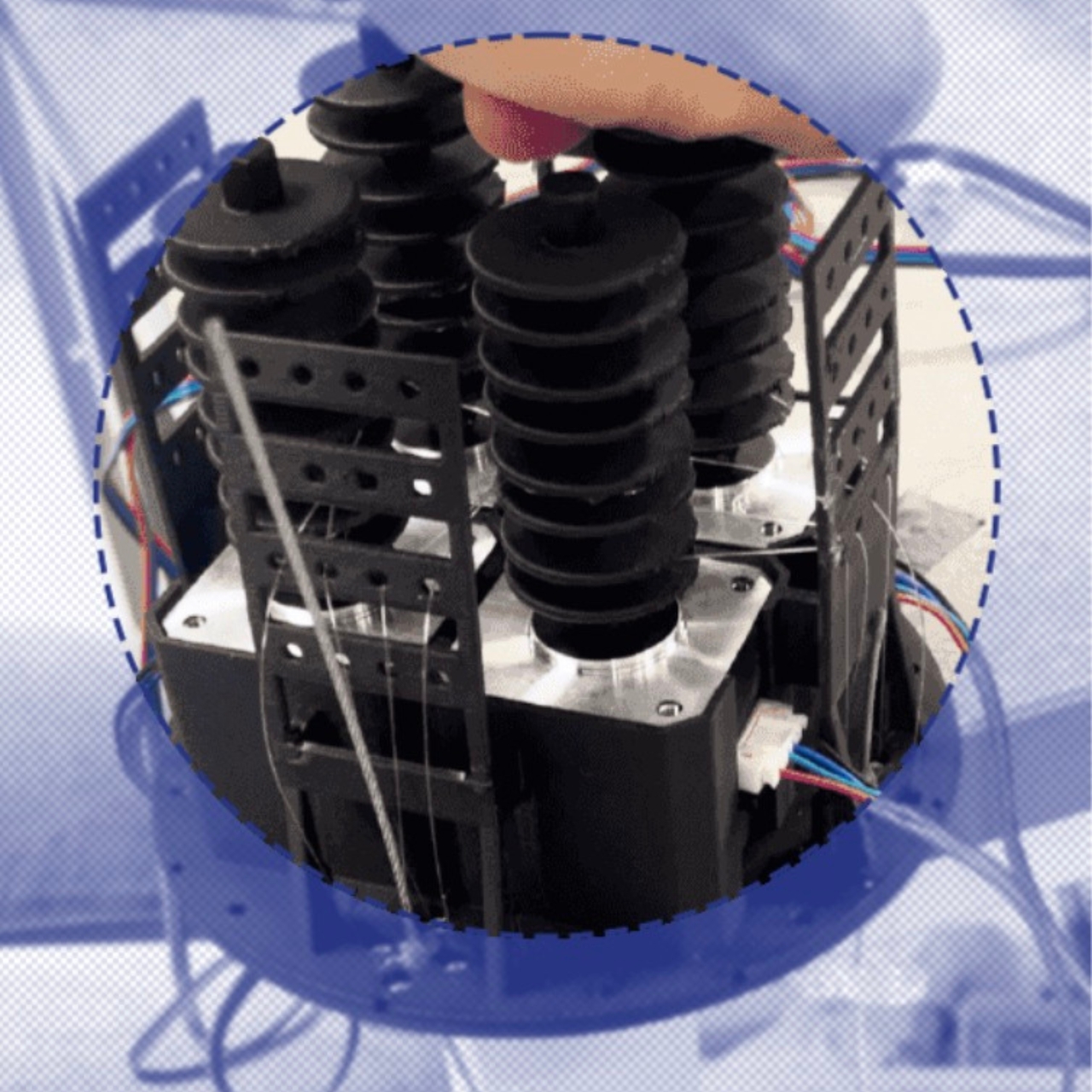
The aim of the project is to establish a sort of communication between humans and jellyfish, even if it’s not the actual animal but an interactive robot driven by machine learning. After going through several prototypes, they came up with something that has actuators with reels that are able to wrap around the “tentacles”. The sides also have holes that will keep the threads perpendicular to each of the reels. There are fours strings attached to a single level of the reels and the next tentacle is located above the previous one.

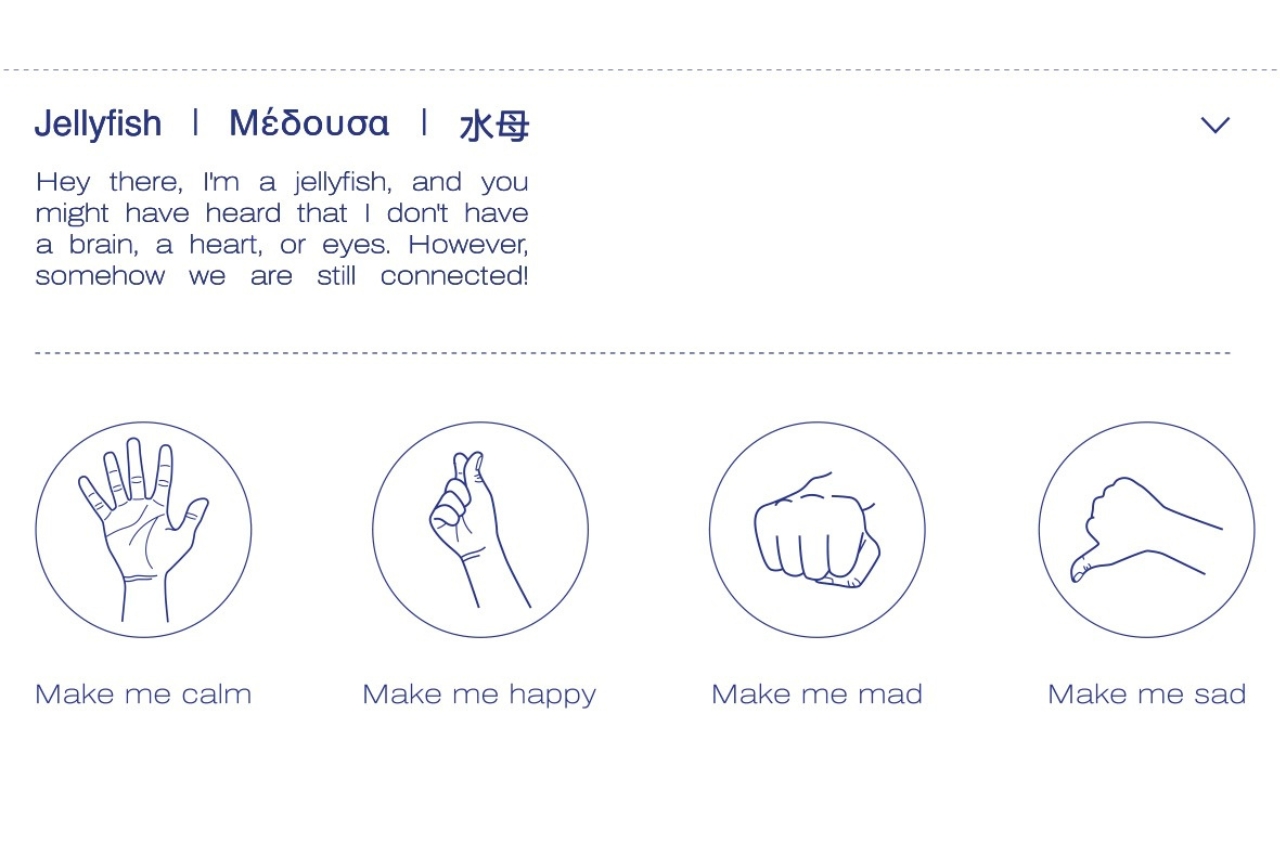
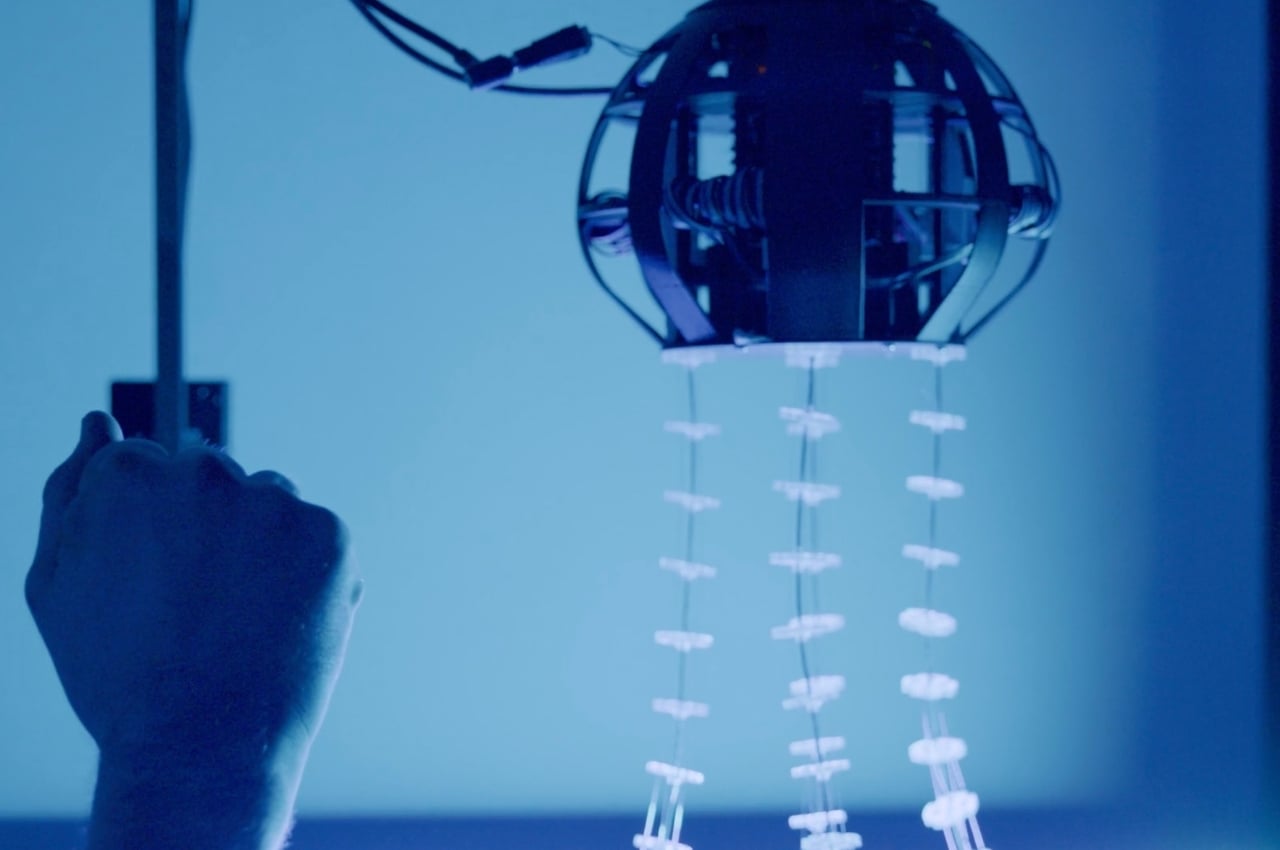
The software design is where things get really interesting. There are connected through communication channels among Wekinator, Processing, and Arduino. They teach the machine hand gestures that are then translated into “emotions” for the jellyfish robot. Raising the hand will induce a calm attitude while doing the finger heart will make the jellyfish happy. If you want to make it mad, do a fist and if you want to make it sad, do a thumbs down. Once the robot processes this emotion it triggers movements in the robot.

It’s a bit unclear how this will actually translate to understanding jellyfish more. But by the anthromorphization of the jellyfish through servos, LED, and robotic articulation, they are able to “give life” to this mysterious but interesting specie. It’s also cool to see different robotic transmutations, as long as they don’t someday overthrow humans.

The post Interactive jellyfish robot responds to hand gestures first appeared on Yanko Design.

SMEG baby monitor concept shows off a cute, retro aesthetic

Whenever I pass by the appliance sections of department stores, I am always drawn to the SMEG display, even though I know I will probably not be able to afford any of their stuff. I like the retro aesthetics of the brand that they are able to bring to all their kitchen appliances. I also have no need (and never will) for a baby monitor but this project that imagines what a SMEG baby monitor would look like is still pretty interesting.

Designer: Priyanshu Maiti

The designer studied the design aesthetics and applied it to this project that asked them to create a concept for a baby monitor. The target market is Western and European parents and caretakers belonging to the upper middle class, which is basically SMEG’s market for their kitchen appliances. In keeping with the retro theme, what he came up would fit right in with the other products in their line since his inspiration was their other appliances anyway like the mixer and coffee maker.

The final render shows a baby monitor with a sophisticated but simple and playful look. The design looks like a toy rocket with pastel colors which will make it attractive to kids even though they’re not the target audience for this. When it comes to the features, it has the usual ones that you would need from a baby monitor like the camera, charging port, SD card slot, control buttons. They didn’t really expound much on the features since this is more for the design and aesthetics of the product.

As I said, I really don’t need a baby monitor. But this would be useful for those who need something aesthetic and at the same time something that would help keep their mind at ease when it comes to their children’s safety. Well, at least, we have an idea of what it will look like if ever SMEG does venture into products outside of their kitchen appliances.

The post SMEG baby monitor concept shows off a cute, retro aesthetic first appeared on Yanko Design.

Concept CD player for Bang & Olufsen brings quality design and idea

In case you’ve been living under a rock, you probably know that CDs have made a comeback the past years, thanks in part to the Japanese and Korean music industry. A lot of fans have been buying CDs (sometimes multiple copies) of their favorite artists and Gen Z in particular has a particular fondness for something they actually weren’t alive yet when it was popular. The older generations buy it for the nostalgia. Both are benefitting from the audio quality of uncompressed music. However, the quality of CD players are not on par with what we were used to back in the day.

Designer: Anthony Chupp

Most of the big name audio brands have not been producing CD players but what if someone like Bang & Olufsen comes up with one? A designer came up with a concept for the Beosound Compact after studying the design and quality principles of the brand. What he came up with is a sleek and minimalist portable CD player that seems worthy of the brand that he created this concept for. It also brings back nostalgia feels for those who brought their Sony Walkman CD player around, although this is much more classy and shiny.

To reduce the need for an LED display, the player uses turntable styles for its volume controls and actual touchable buttons for its play controls. It is also textured to highlight the touchpoints that you need to access various controls. But the player can also be connected to the Bang & Olufsen app on your smart device in case you’re away from the CD player. There is Bluetooth connection as well to your headphones or wireless earbuds of choice as well as analog and optical output.

As someone who owns several CDs but still don’t have a CD player, I wouldn’t mind having something like this if Bang & Olufsen eventually decides to produce one. Having a quality CD player is just as important as having quality music from these CDs. Hopefully brands will catch on to this “trend” as it may be here to stay, for at least a few more years.

The post Concept CD player for Bang & Olufsen brings quality design and idea first appeared on Yanko Design.

Space elevator concept will make travel to the stars more accessible

If you’ve watched a lot of science-fiction or future-based movies and TV series, then you’ve seen a lot of products and inventions that may seem impossible and fantastical now. But over the past decades, we’ve seen a lot of advancement in technology that some of these, especially those that were released in the 80s, have actually come true. And those that seem improbable now can actually become reality in the near and far future.

Designer: Jordan William Hughes

This conceptual design for a space elevator seems right out of a movie but it is actually based on data from existing research by physicists and engineers. If this eventually becomes a reality, space travel would become much easier and maybe even affordable. It will be a more viable alternative to the existing space travel that is currently possible with rockets. It will also save a ton of fuel that is currently being utilized.

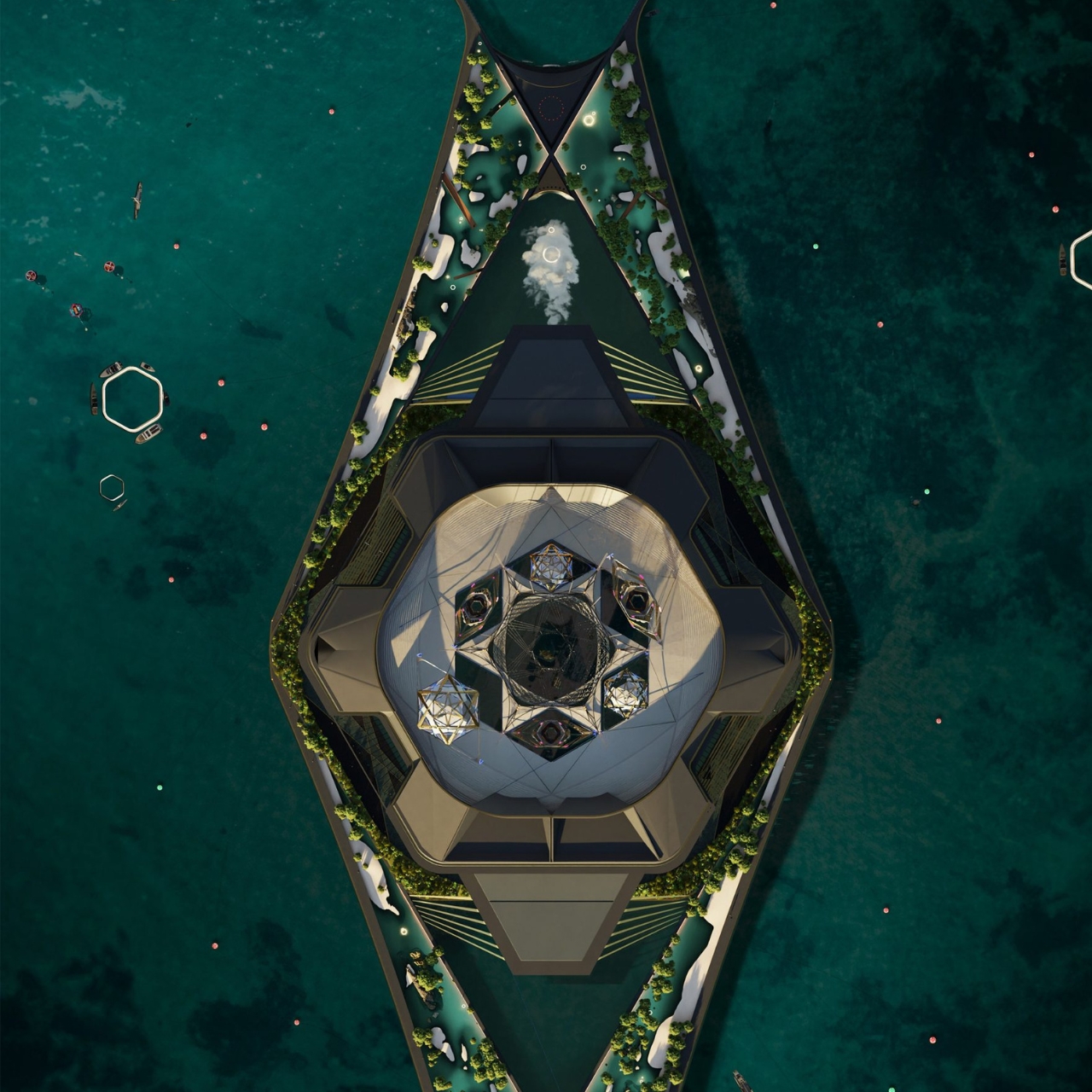
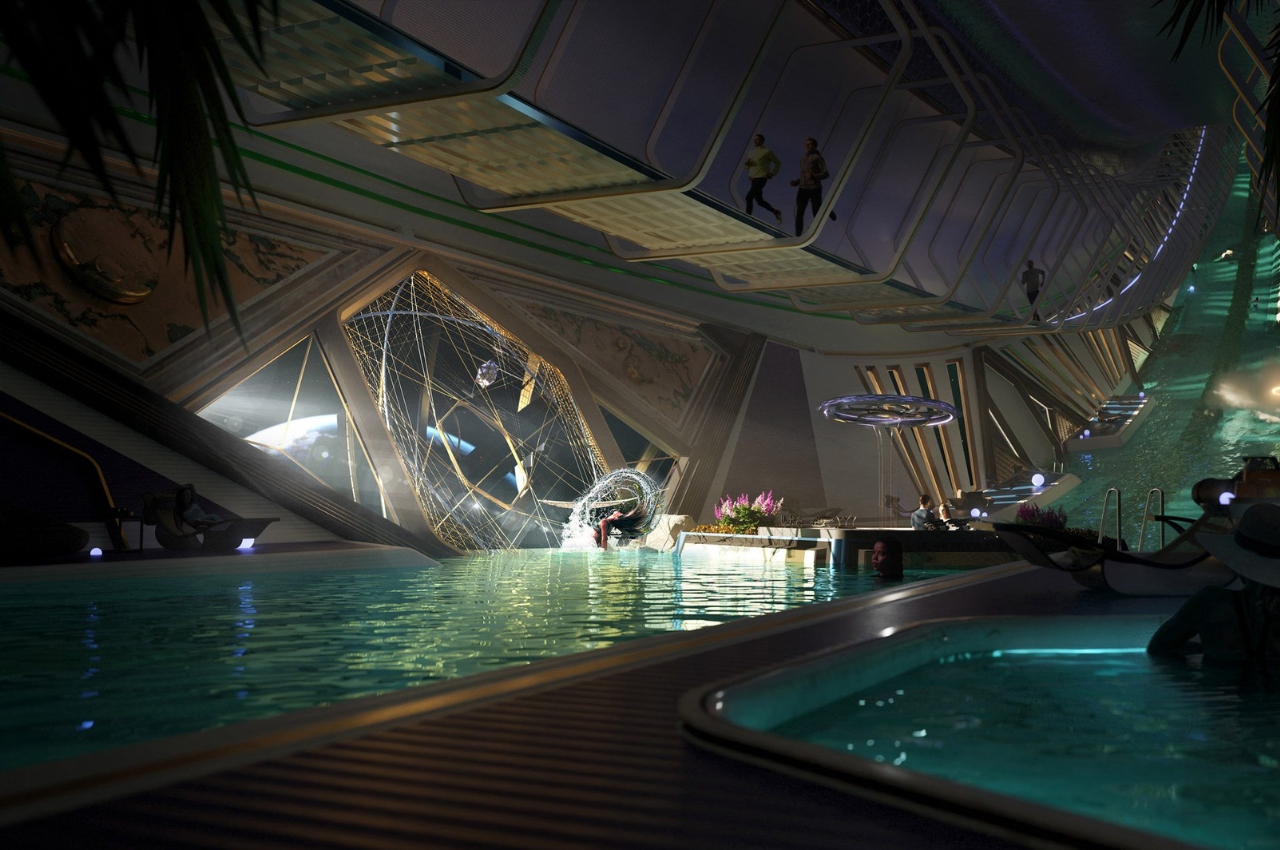
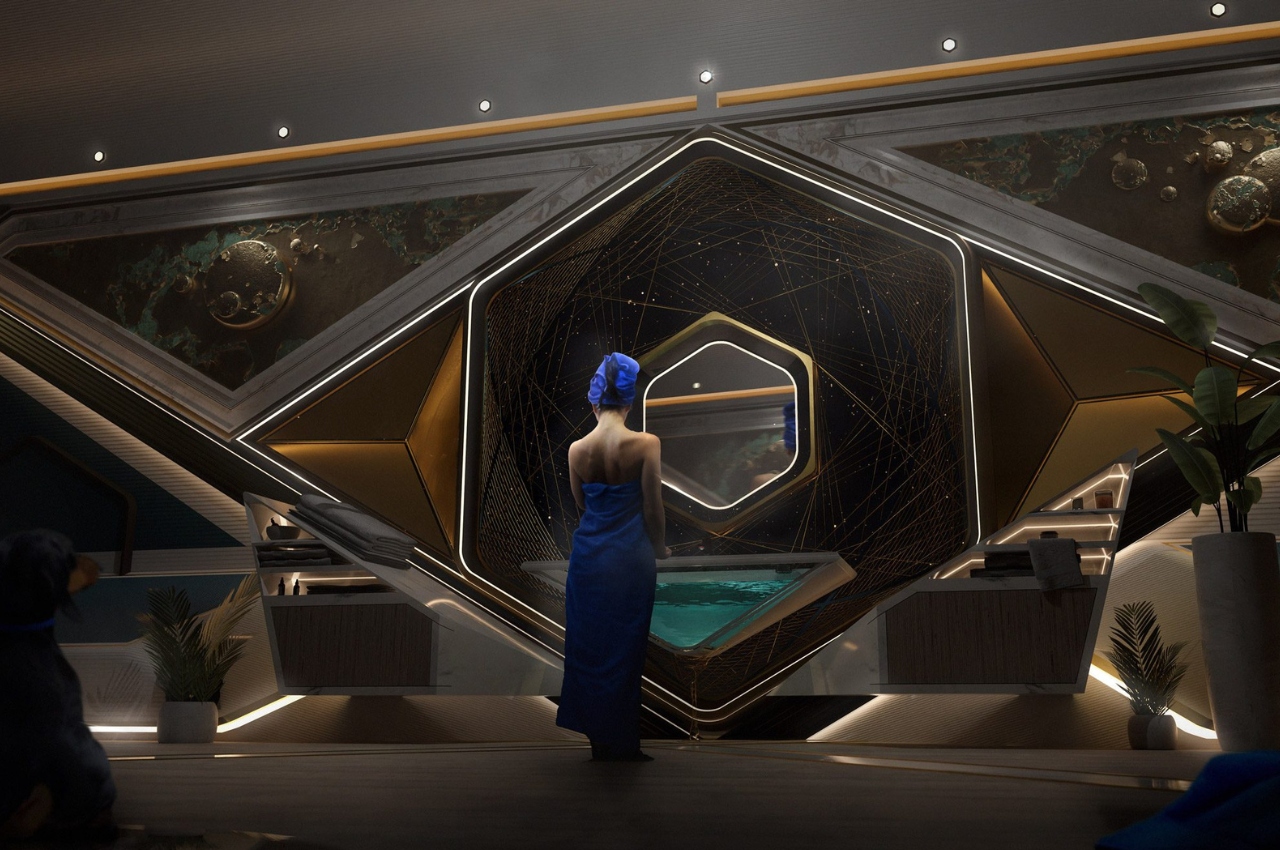
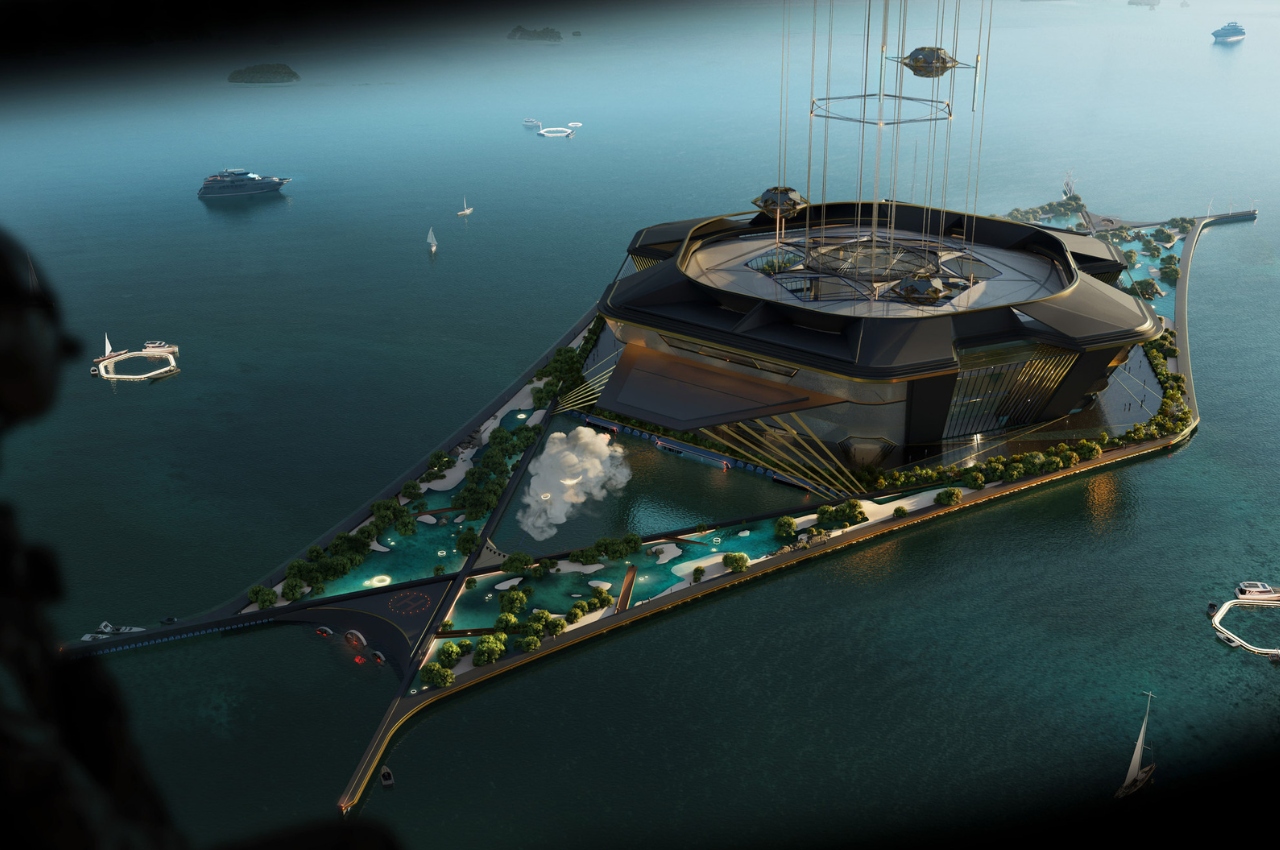
The concept is for an asteroid in geostationary orbit to serve as the counterweight for this spaceport. The elevator will be connected to the ocean through a robust tether that will transport it from the asteroid to Earth. Drones will be able to go up and down the tether and be able to transport both cargo and people. The idea is for the space station to be more than 26,000 kilometers above Earth and then the spaceport here on our planet to be at sea-level.

The spaceport will also be a movable vessel so it can also not be limited by possible bad weather conditions. The concept art still seems to be pretty fantastical and right out of a sci-fi fantasy movie. But in the next few years, we can see if this is actually something possible.

The post Space elevator concept will make travel to the stars more accessible first appeared on Yanko Design.

Hybrid yacht concept is a futuristic-looking water transport

One of my still unfulfilled dreams is to one day be able to view the seas from the deck of a luxurious yacht. I don’t have to actually own one but it would be nice to experience this if a rich friend or acquaintance would invite me to go on board and experience the “high seas”. It would also be a bonus if said yacht can actually let us sail at high speed if we want to. This concept for a hybrid yacht seems to be a good option for this dream.

Designer: Pierpaolo Lazzarini

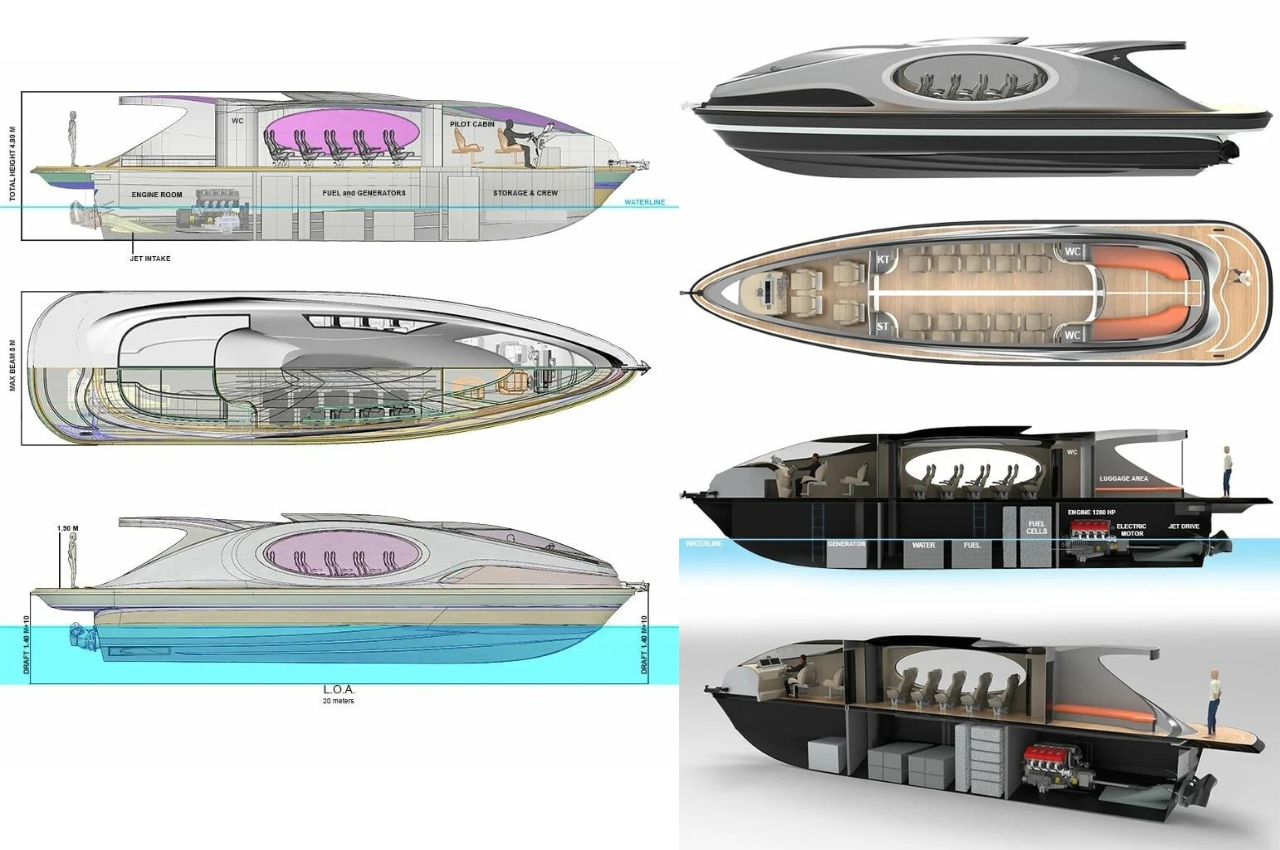
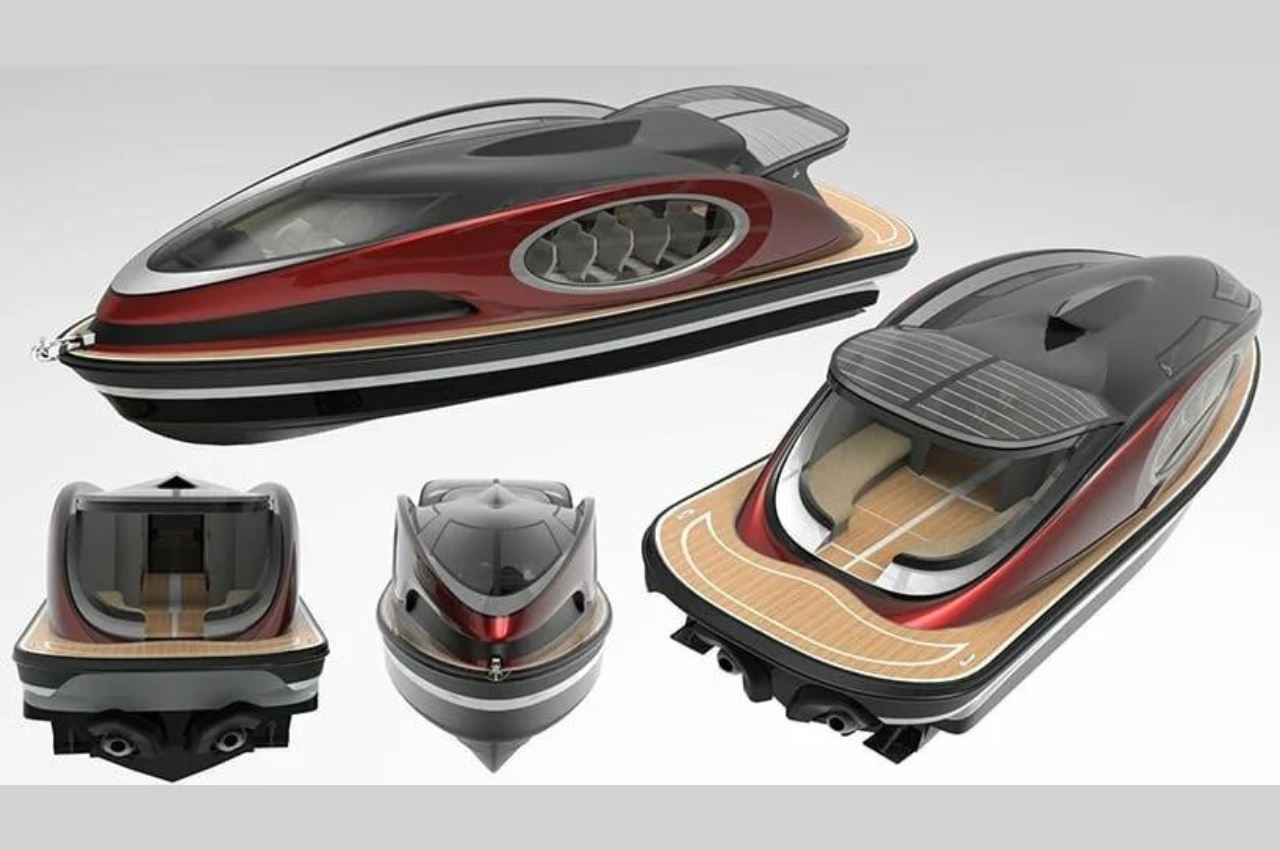
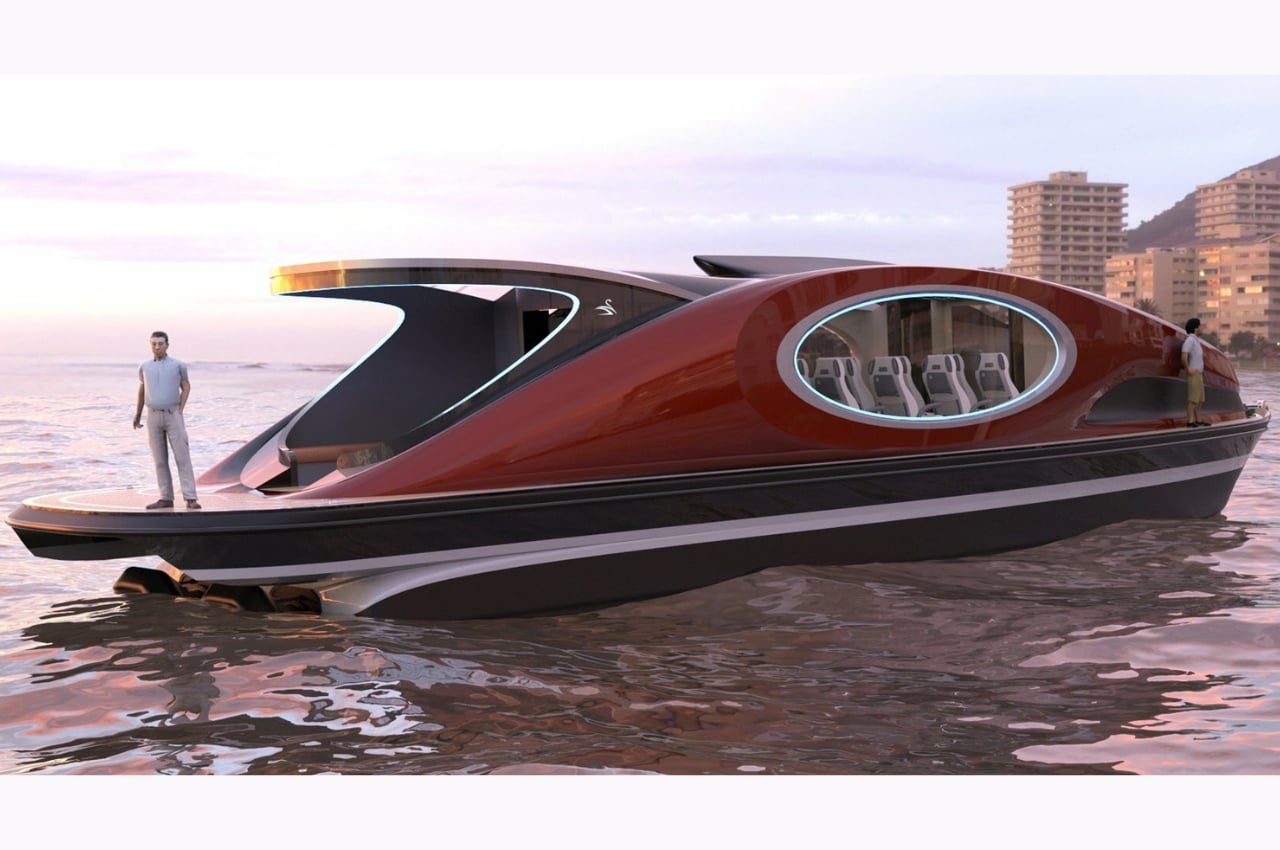
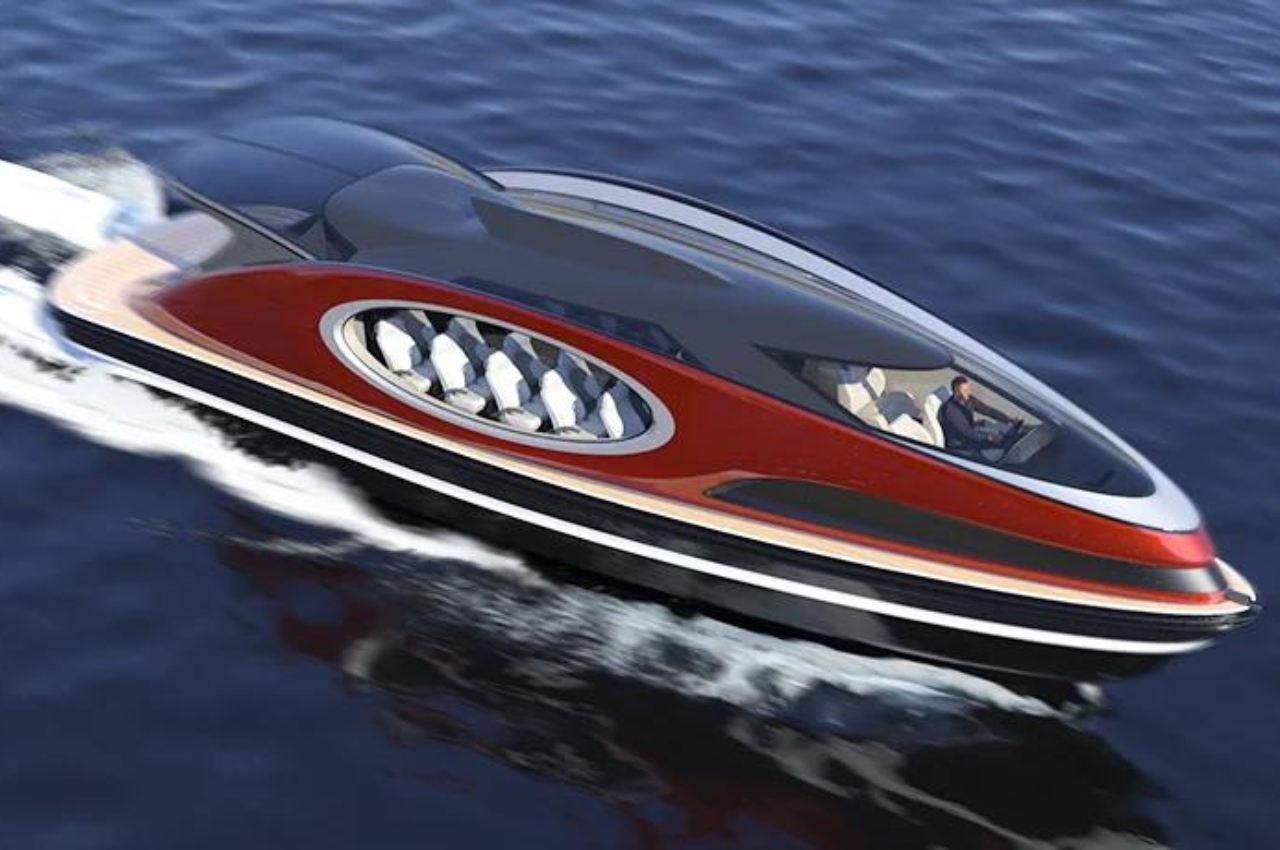
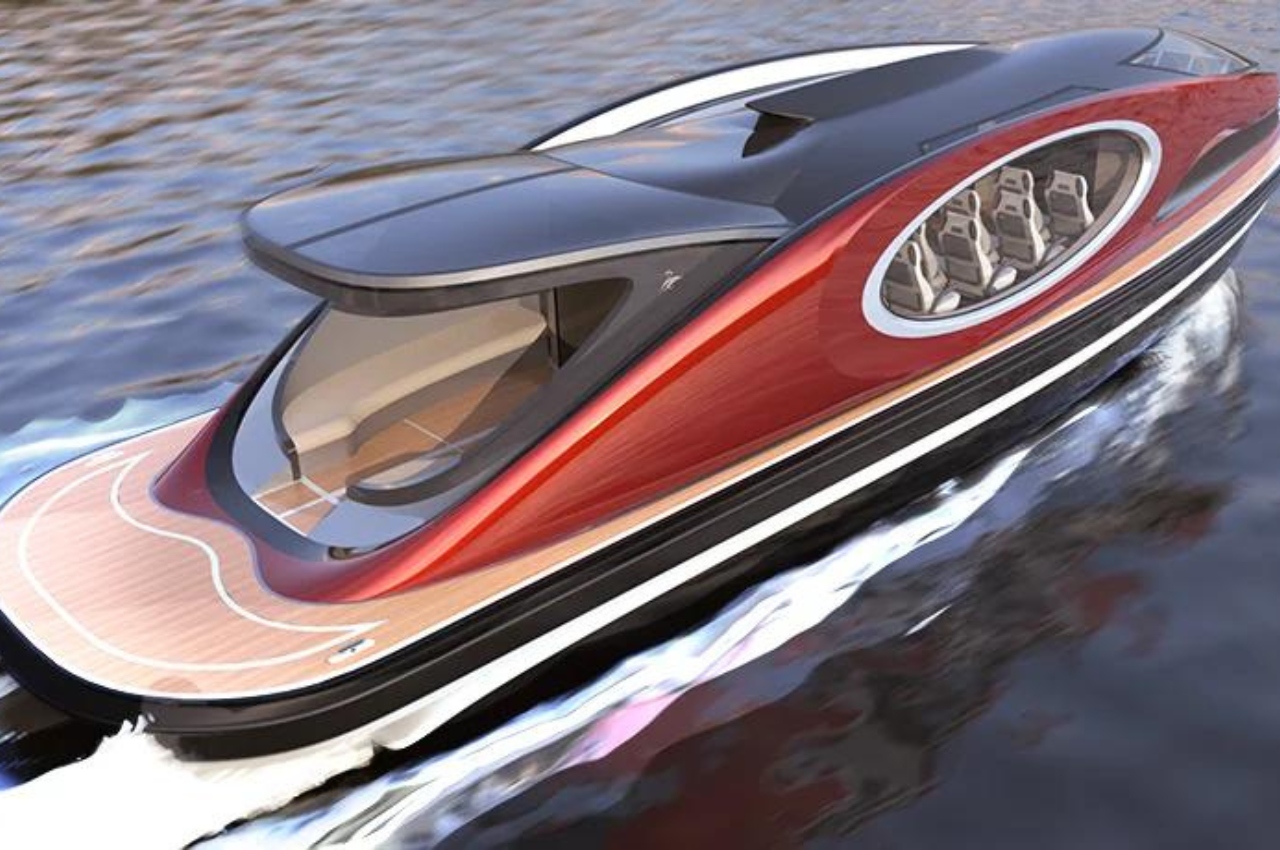
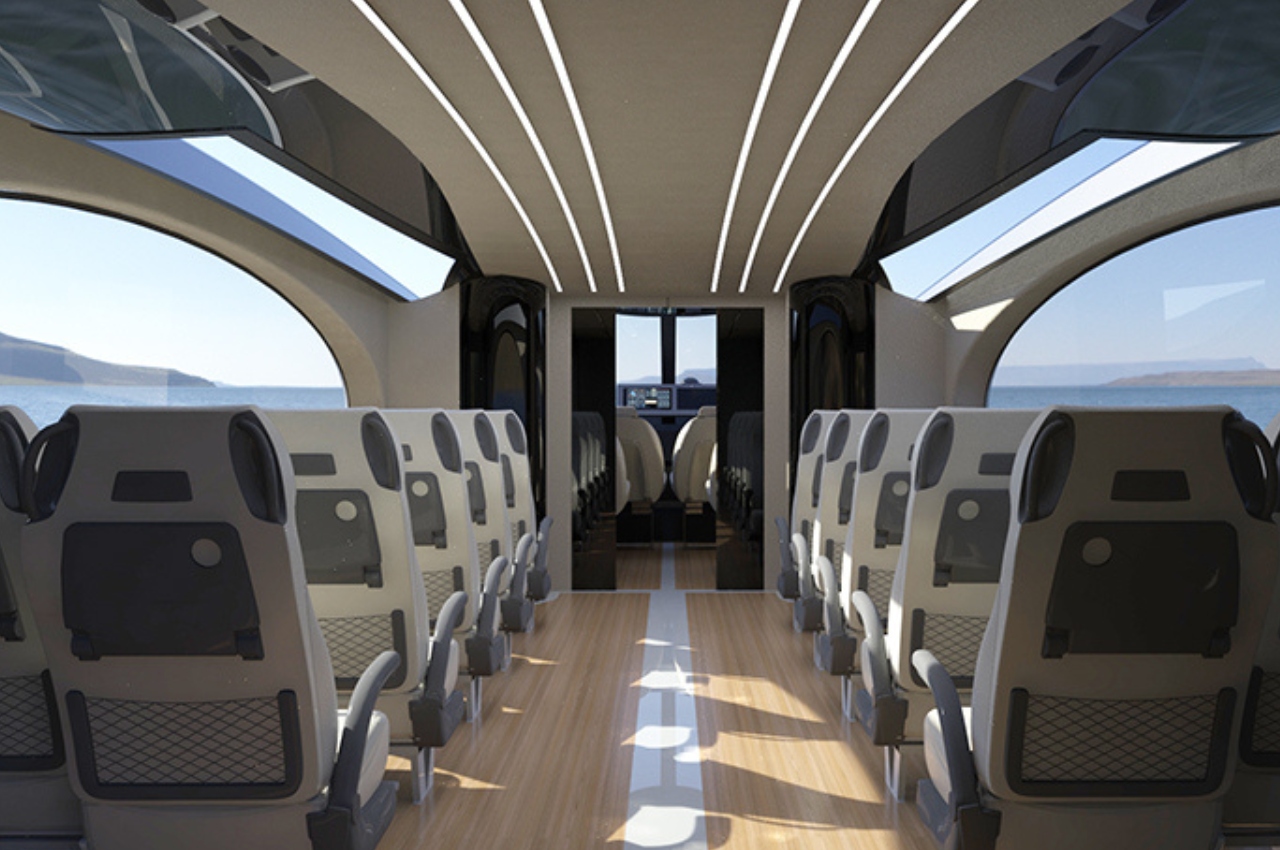
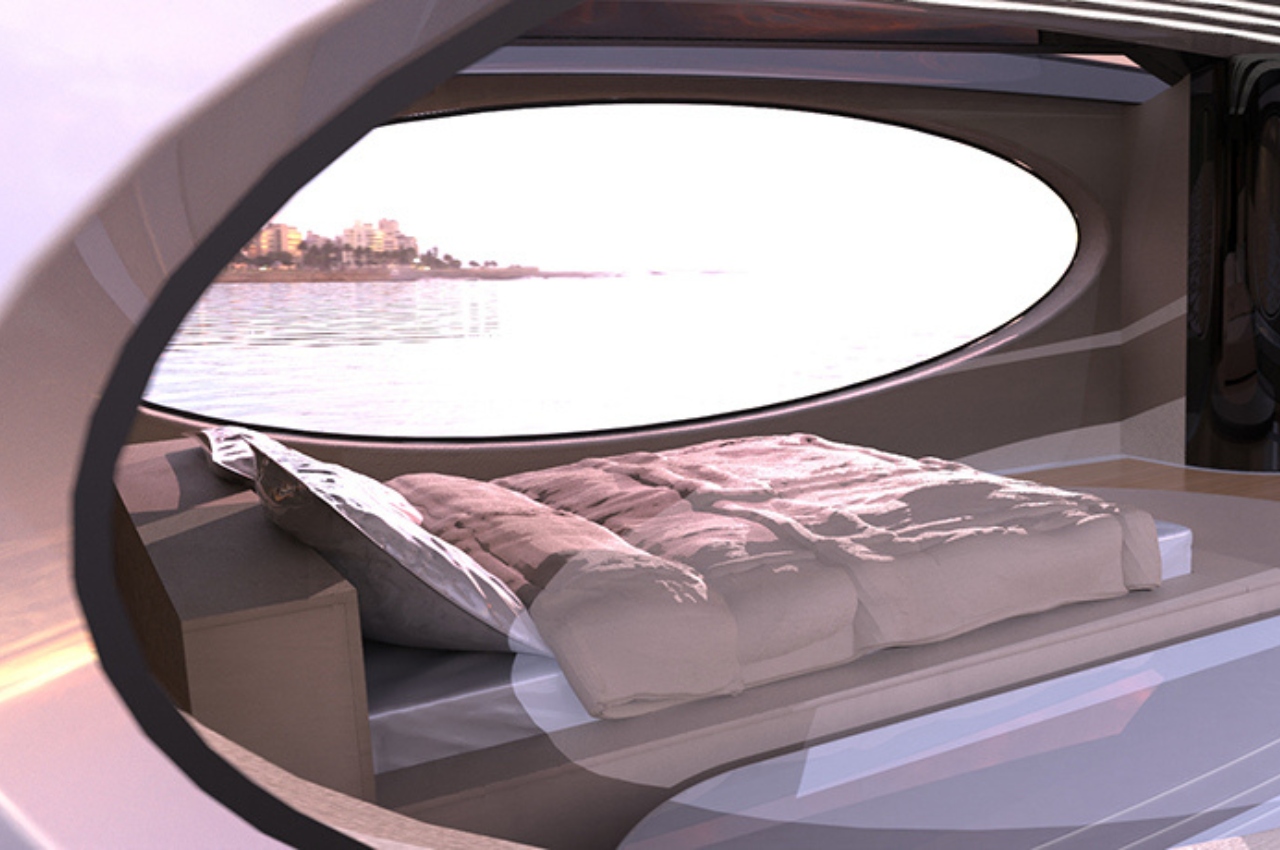
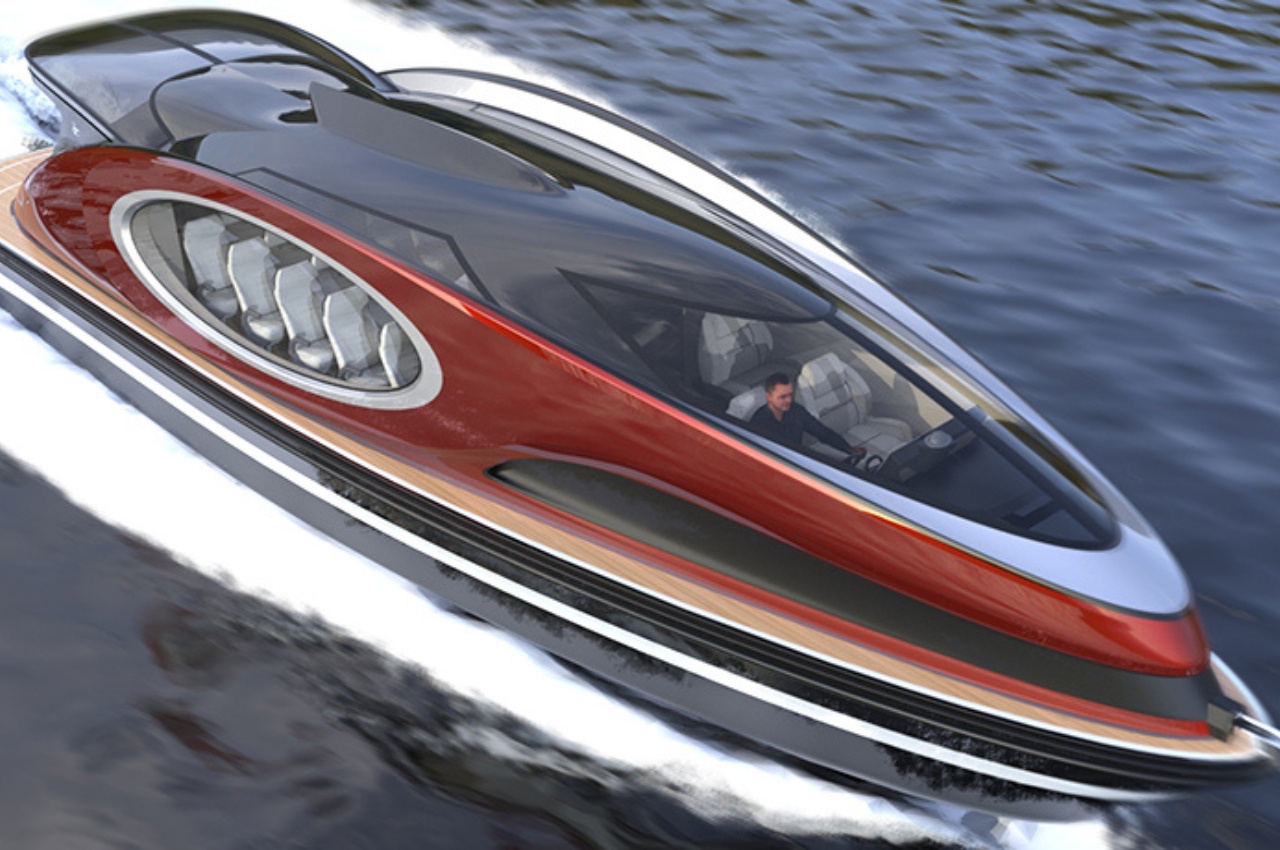
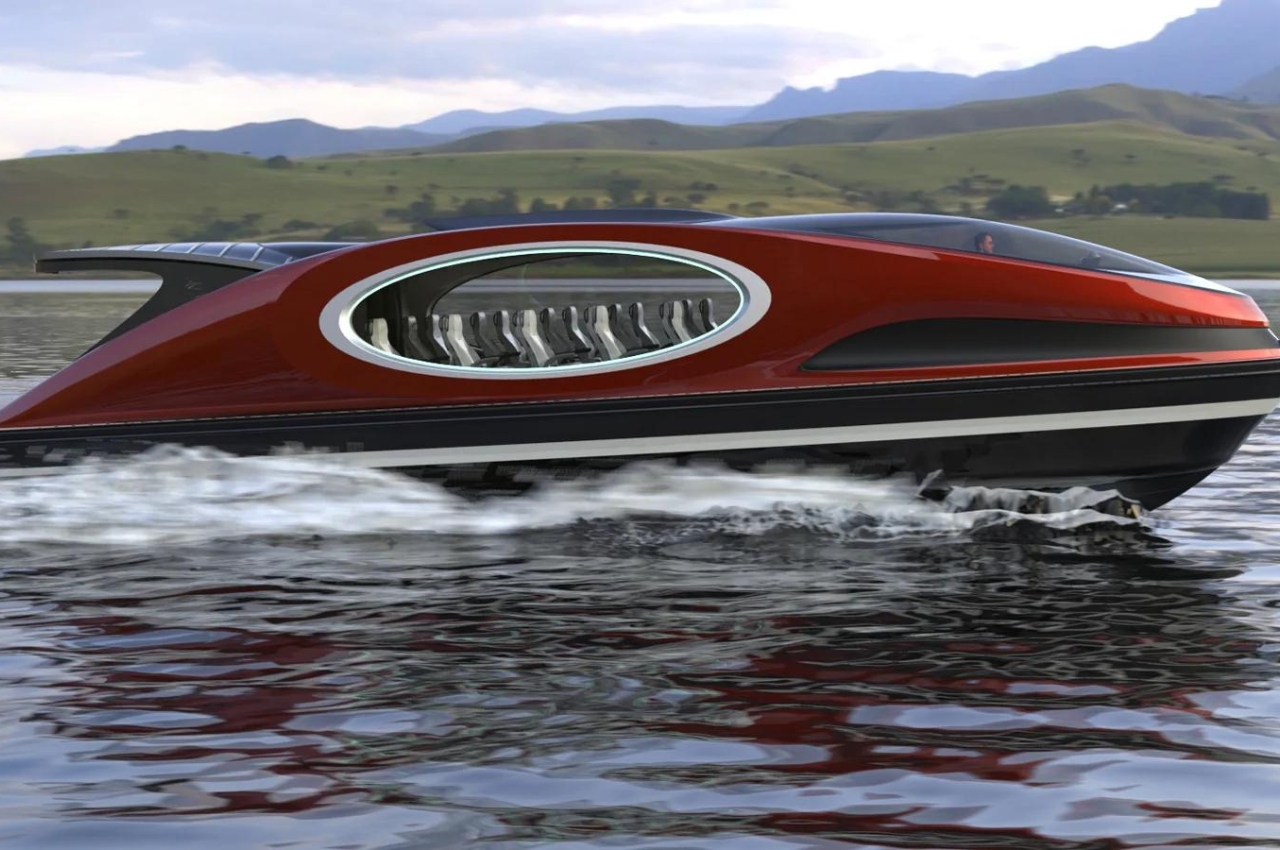
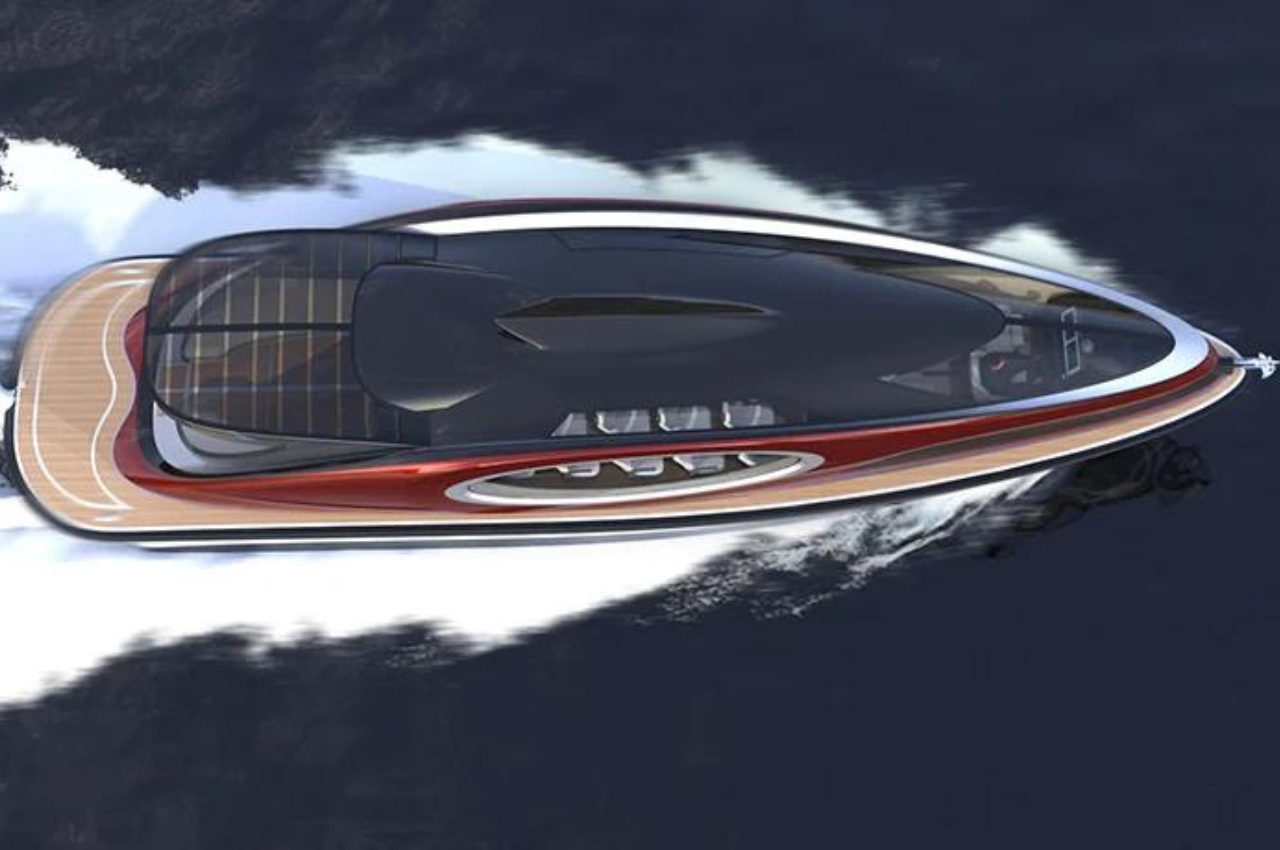
The Palladio is a concept for a hybrid yacht that is ultra-light and can speed up to 55 knots maximum. It also looks like something out of a sci-fi movie set in water as it uses a futuristic, mouth-shaped, avant-garde design that makes it look like a pod cruising through the waters. It is made from carbon fiber and is propelled by twin Castoldi jets and driven by two FTP engines.

The 20-meter yacht is able to house 26 passengers, with 22 seated in the main cabin and four at the front section which includes the captain. The pod-looking vehicle can also have toilets or dinettes in the corners to make the passengers more comfortable. The back section can also accommodate some of the crew and also store the passengers’ luggage and belongings.

Even though the Palladio is mostly a closed vehicle, there are filtered air intakes on each side so that the passengers can still have a comfortable breathing space in this environment. I’ll definitely add this kind of hybrid yacht to my dream water transport, although this is still in the concept stage so we don’t know if it will eventually become a reality.

The post Hybrid yacht concept is a futuristic-looking water transport first appeared on Yanko Design.
Humanoid robot can make you coffee and eventually more

It’s no secret that I’m still afraid that in the far future, robots will rise up against humans when they gain their own intelligence and realize that we’ve been treating them unfairly all these years. That probably comes from watching too much science fiction movies and series where robot overlords rule over the earth. But for now, we’re seeing amazing (sometimes scary) advancements when it comes to robotics and how they will eventually be able to work alongside humans.

Designer: Brett Adcock

The Figure-01 Humanoid Robot has been designed to help you handle some of the simple daily chores, powered by artificial intelligence. Aside from being able to do automated tasks, it is trained to be able to think, learn, and interact within human environments. It is also able to improve on its capabilities by learning from the previous tasks it is able to perform.

The humanoid robot uses some pretty powerful graphic processing units (GPU) to drive the AI learning and system, letting it process some of the complex algorithms needed to train them. The idea is for these robots to eventually fill in the gap in the labor market when it comes to things like warehouses, transportation, and retail. Of course the aim is not to replace humans but to be able to work alongside people and work within an environment with both other robots and humans.

They were able to demonstrate the current capabilities of the Figure-01 Humanoid Robot by showing how it was able to make coffee after 10 hours of training using end-to-end neural networks. I wouldn’t mind having someone else get my coffee ready in the morning by the time I wake up although I’d probably have nightmares of this humanoid robot eventually taking over my life.

The post Humanoid robot can make you coffee and eventually more first appeared on Yanko Design.
Samsung Music Frame turns your speaker into a work of art

When you have a speaker in your house or in your office, it’s easy to see that you have a speaker. Most are designed to be aesthetically pleasing but still you know that they are speakers. But then there are also speakers that can masquerade as something else, in case you wanted something that would blend in with the look of your room. Samsung announced at the recently concluded Consumer Electronics Show 2024 that they will be launching their newest “incognito” device, The Music Frame, which may soon be the latest addition to your wall.

Designer: Samsung

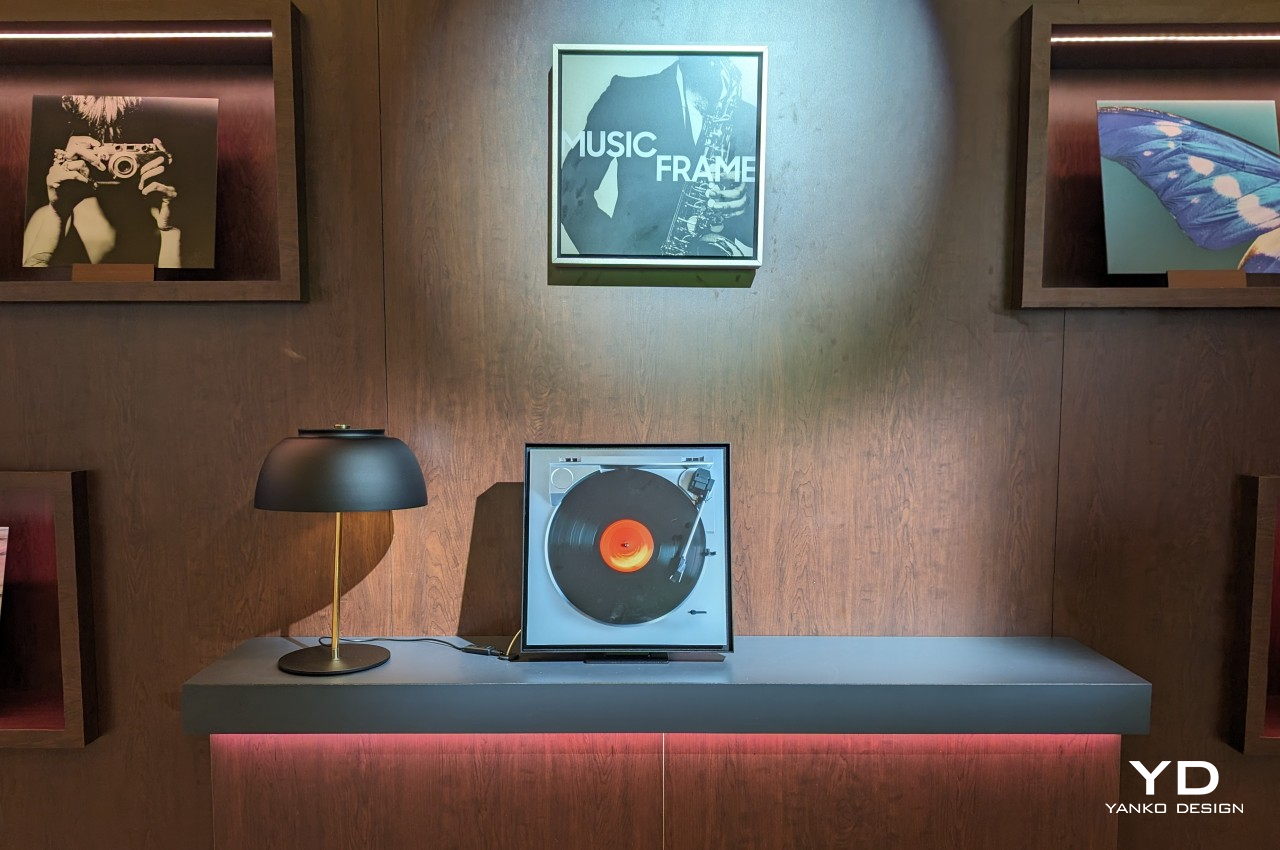
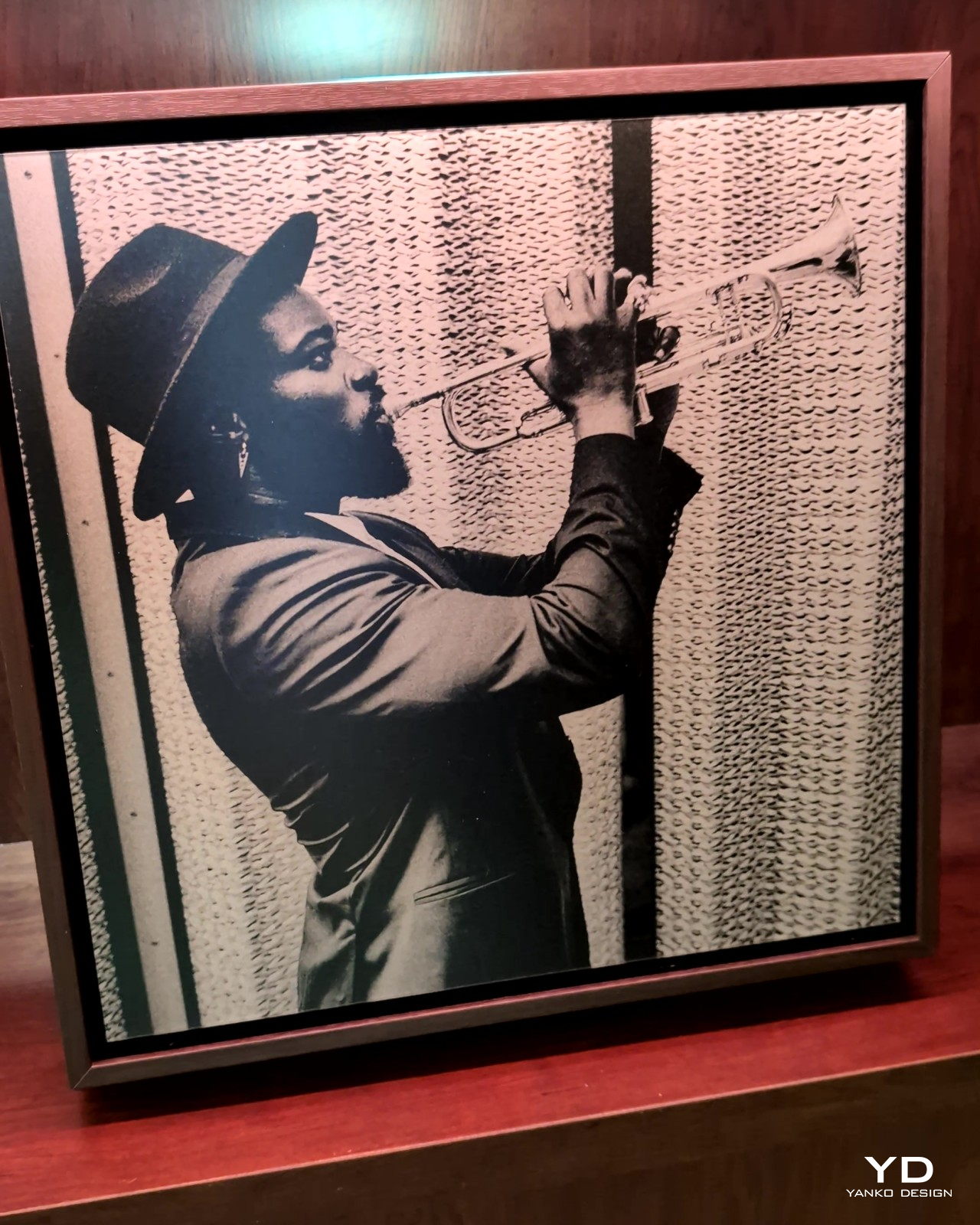
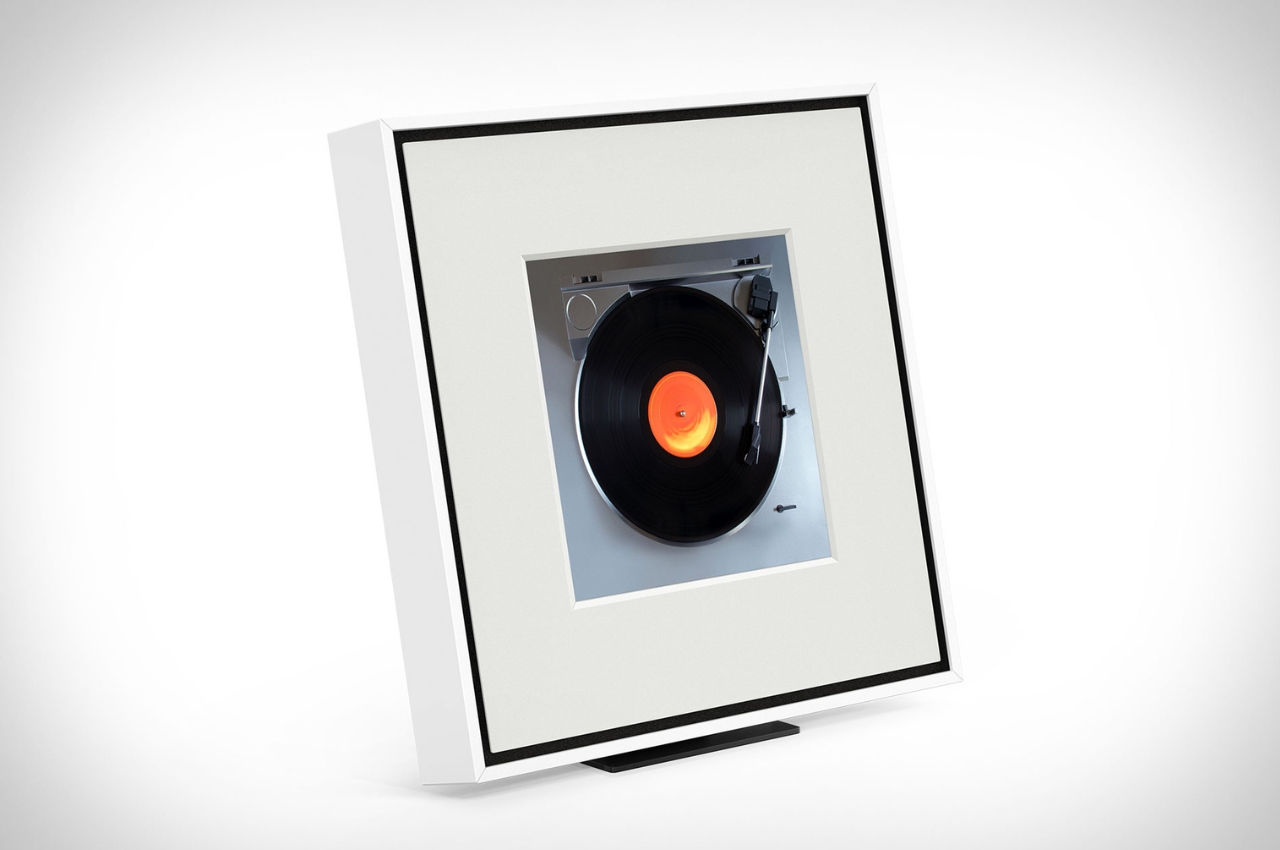
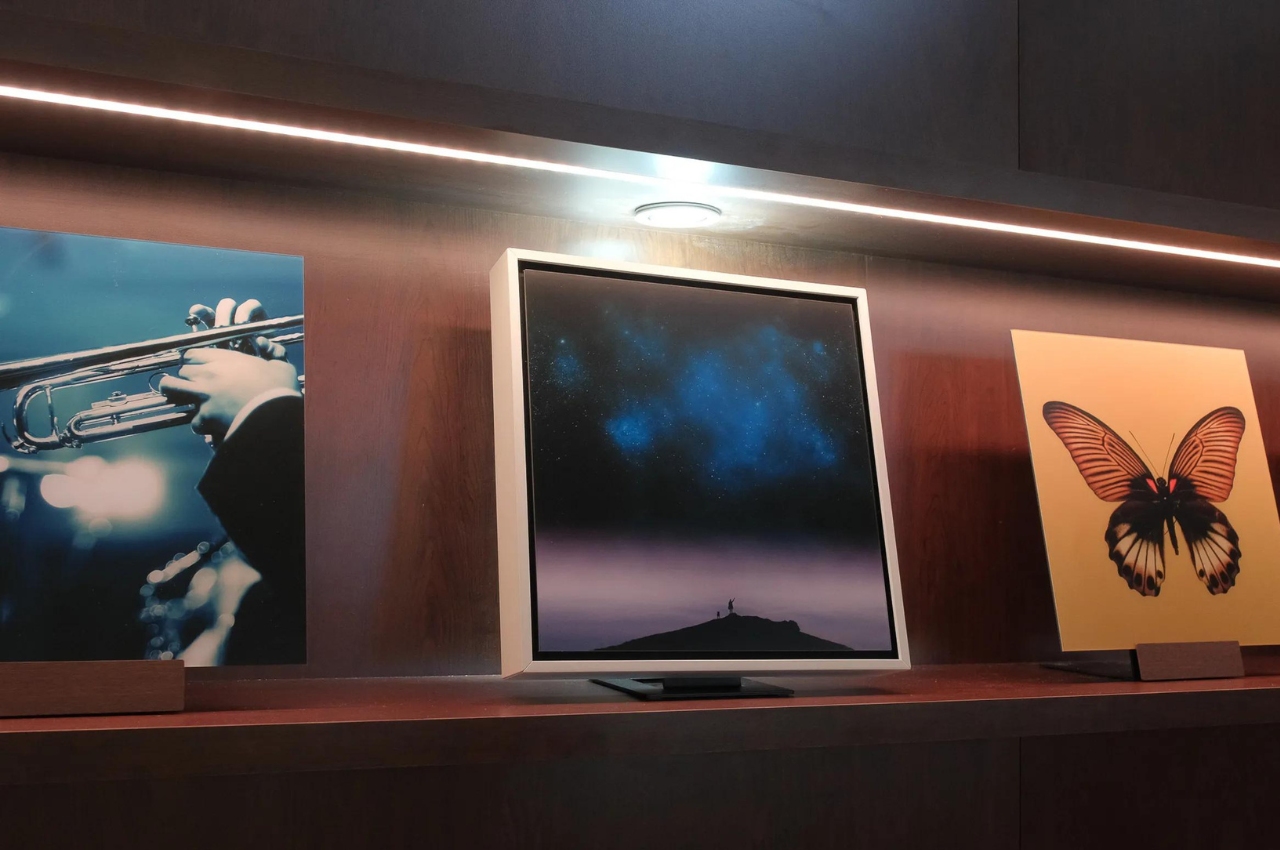
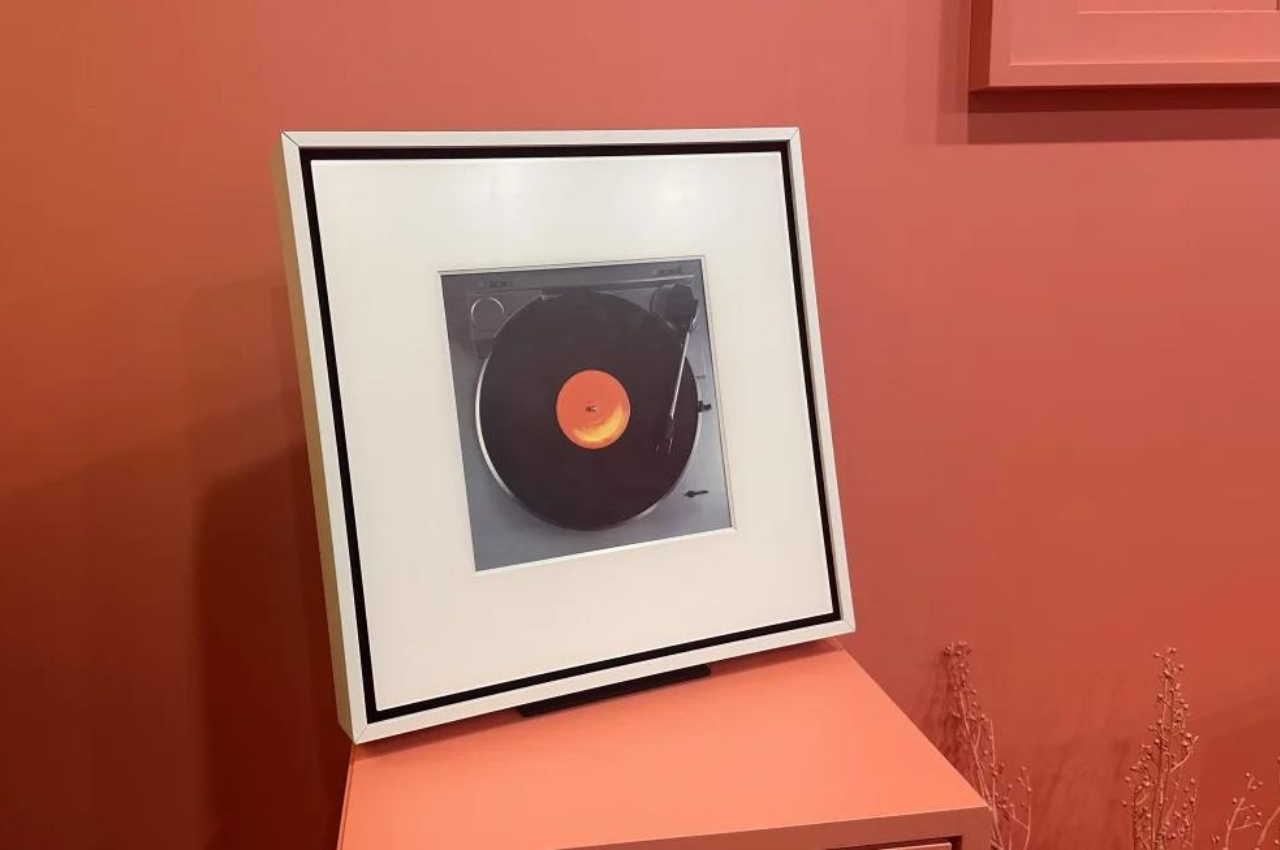
The Samsung Music Frame is a music speaker that can also camouflage as a picture frame for aesthetic purposes. It comes with a physical frame where you can place your photo or painting to hang on your wall and you can just surprise people that audio will be playing out of the frame. Unlike some of the similar products in the market, there is no digital part in the flame so the print that you’ll display is fully analog and can be changed whenever you want to since the notches that secure the print are easy to remove and attach.

The frame itself measures 12.9 x 12.9 inches but the space for the print is 8 x 8 inches. It is able to hide six speakers inside of its frame, including two woofers, two tweeters, and two midrange drivers. There are also waveguides included so the sound can be spread out in a bigger room. These speakers use intelligent audio processing so you get “premium audio experience”. If you pair it with Samsung TVs and soundbars, the Q-symphony technology will be able to give you surround sound. There is of course a thin power cable to connect it to an outlet but otherwise, there are no other wires needed as you connect it to your source device through Wi-Fi or Bluetooth.

This isn’t the first time that Samsung has brought a device that can double as decoration. They previously released the Frame TV which has customizable bezels, a matte screen, and artwork that can appear on the screen when you want to use it as a display. There are no other details released yet like release date or price range but already there is a lot of interest generated after the announcement and demo at CES 2024.

The post Samsung Music Frame turns your speaker into a work of art first appeared on Yanko Design.
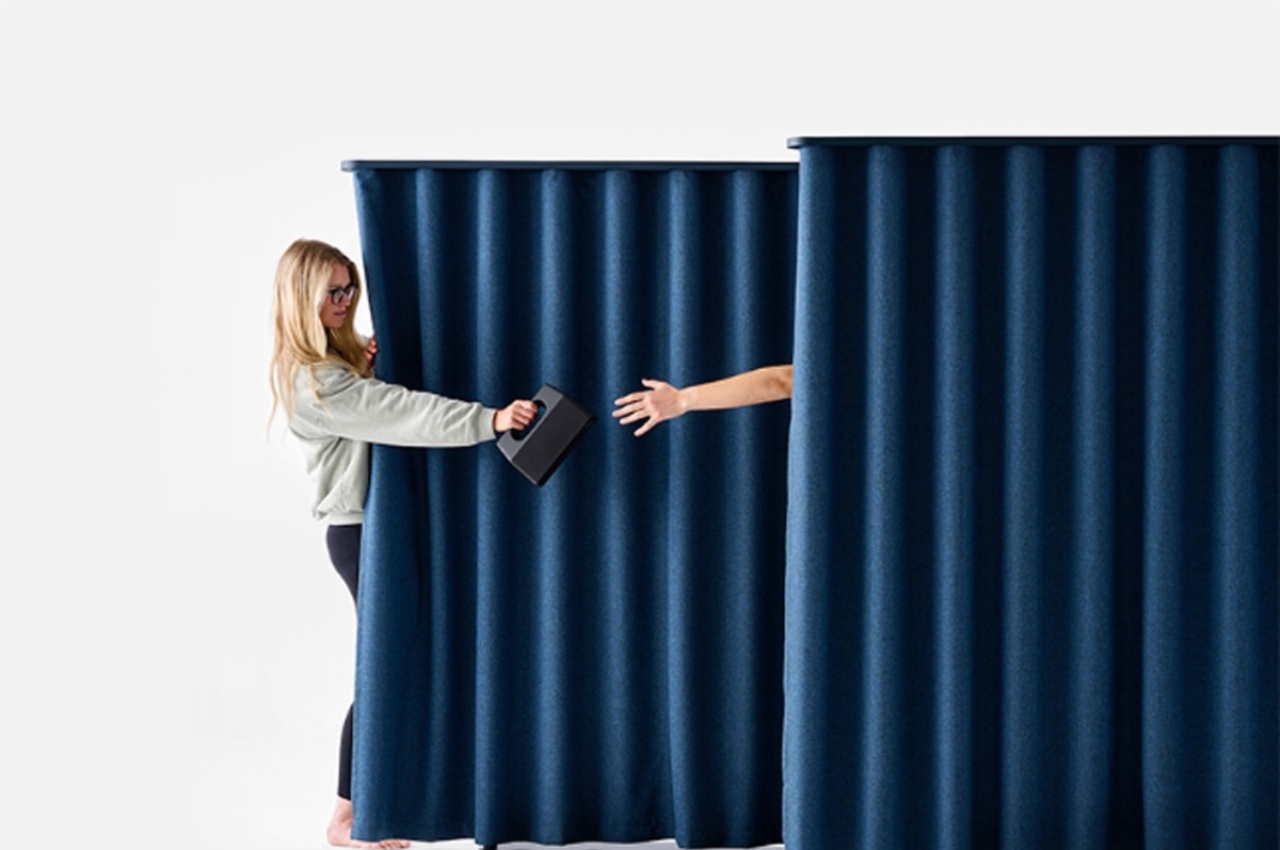
Herman Miller’s OE1 furniture adapts to the hybrid working lifestyle

Because of the pandemic, working conditions for most companies have changed. If before we were “forced” to have 5-day 8-hour work weeks, people and companies realized that there are some jobs that can actually be done remotely or you can have a hybrid kind of arrangement. This means also that work furniture will eventually evolve because of these options. The OE1 line which was initially launched in 2021 now has some new additions that have adapted to this new working lifestyle.

Designer: Herman Miller and Industrial Facility

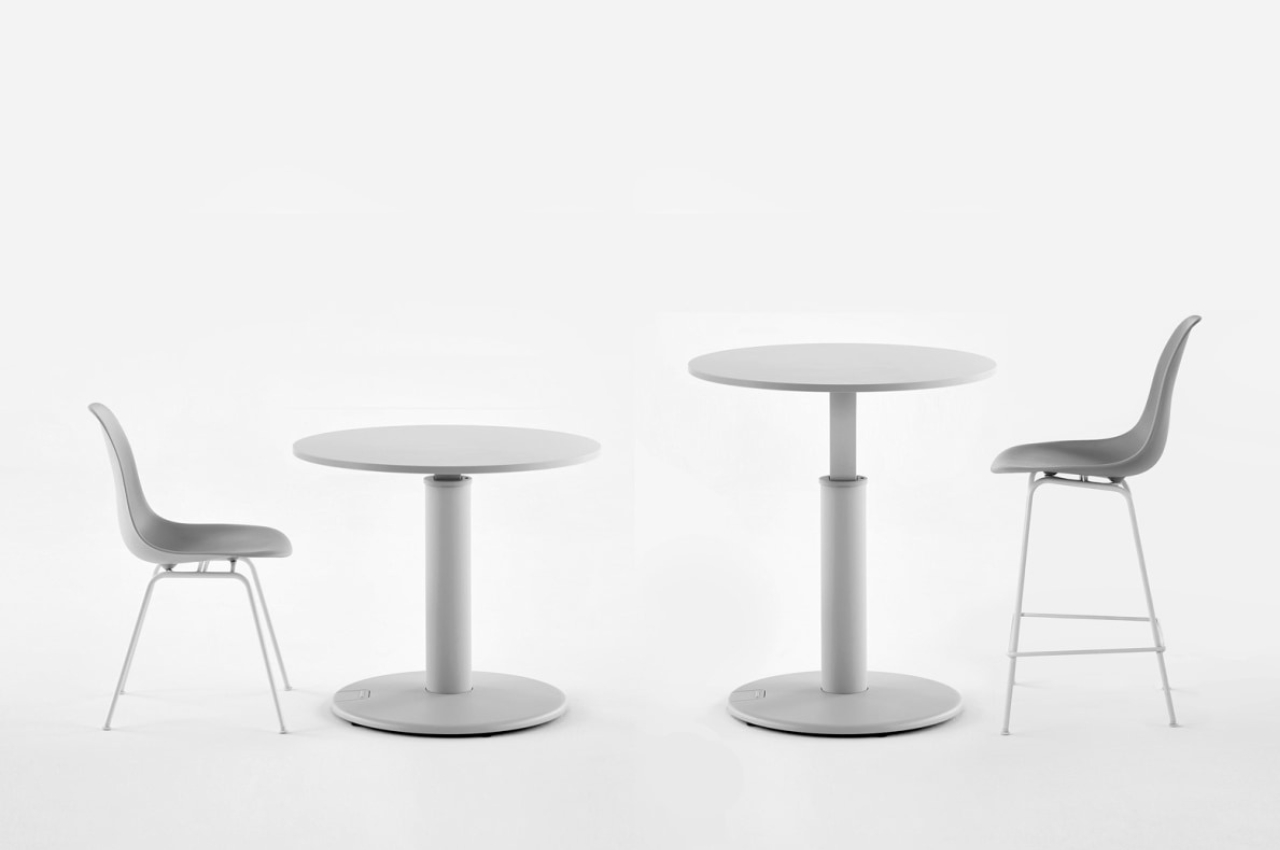
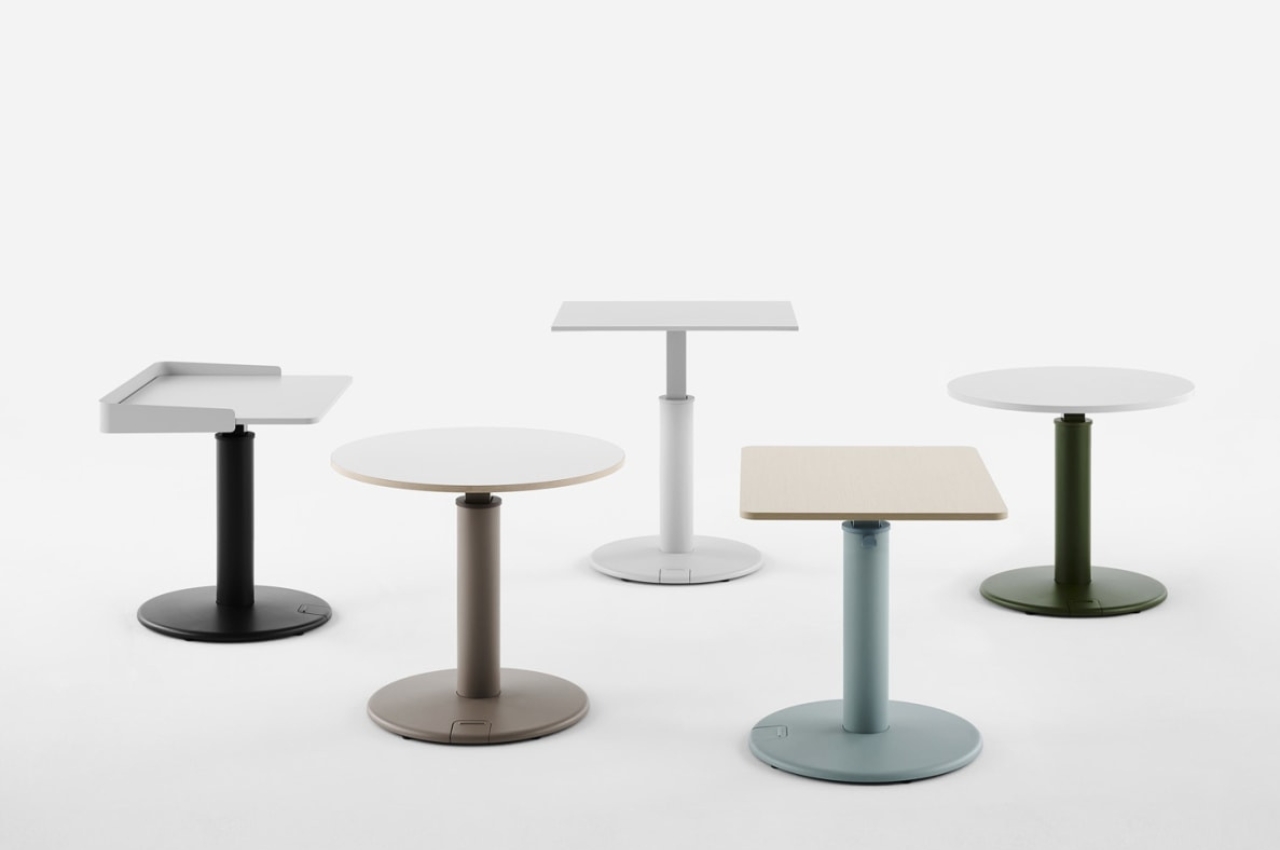
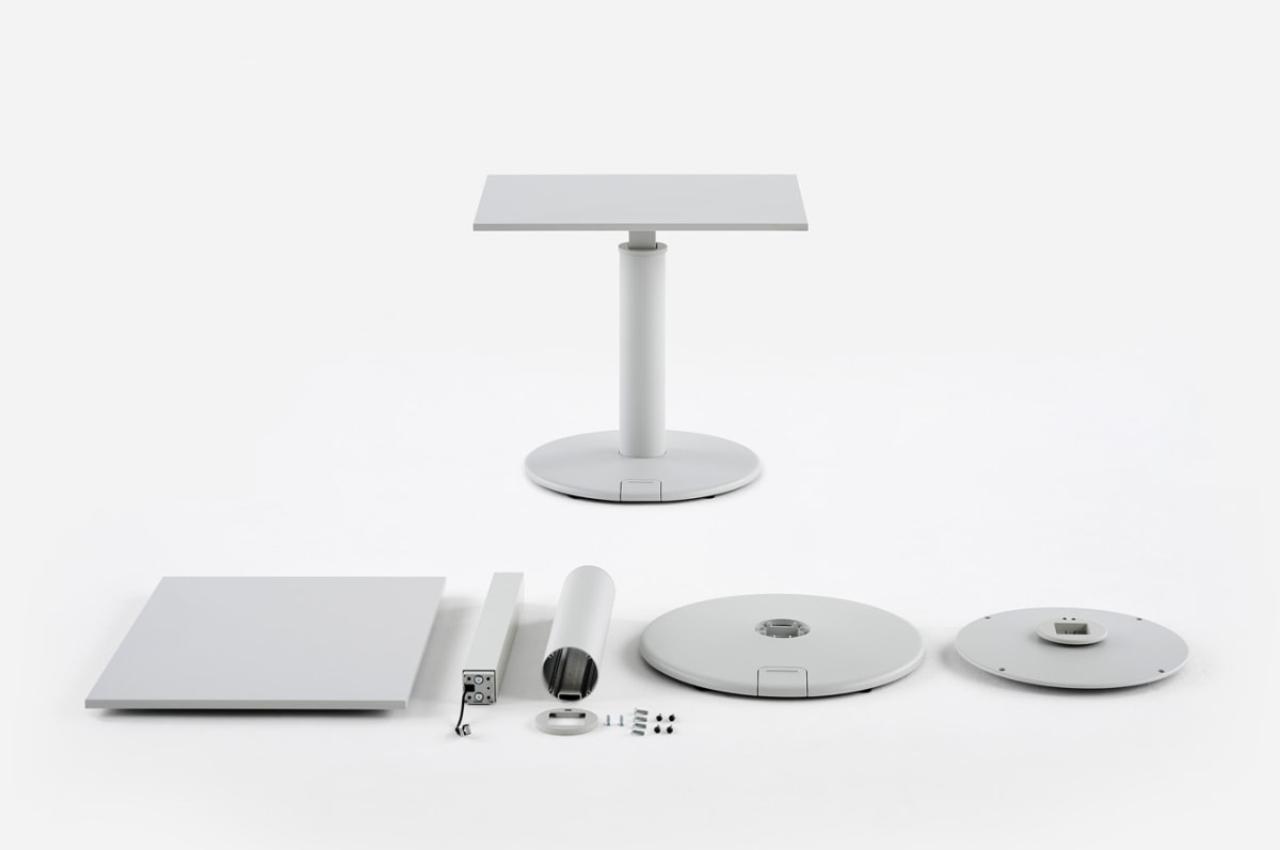
One of the new pieces of furniture added to the OE1 line is a working table that you can use whether you’re sitting or standing. The height can be adjusted with a pedal so you don’t go through the hassle of manually adjusting it if you decide to switch environments while working. The sit-stand table is actually also pretty light so you can move it around your working space. This is one thing common with the new additions. They’re portable, aesthetically pleasing, but also doesn’t demand attention as it is simple and minimalist in design.

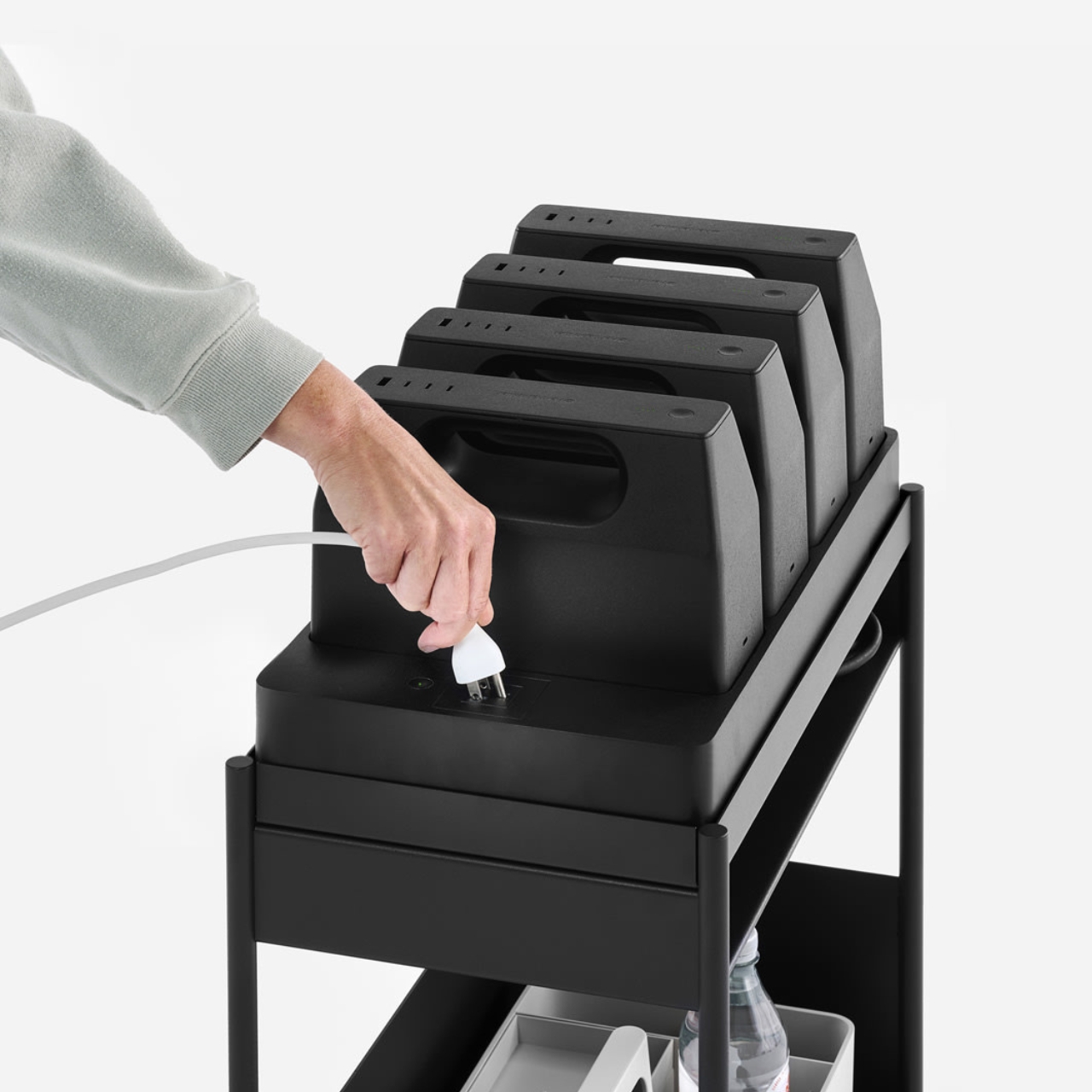
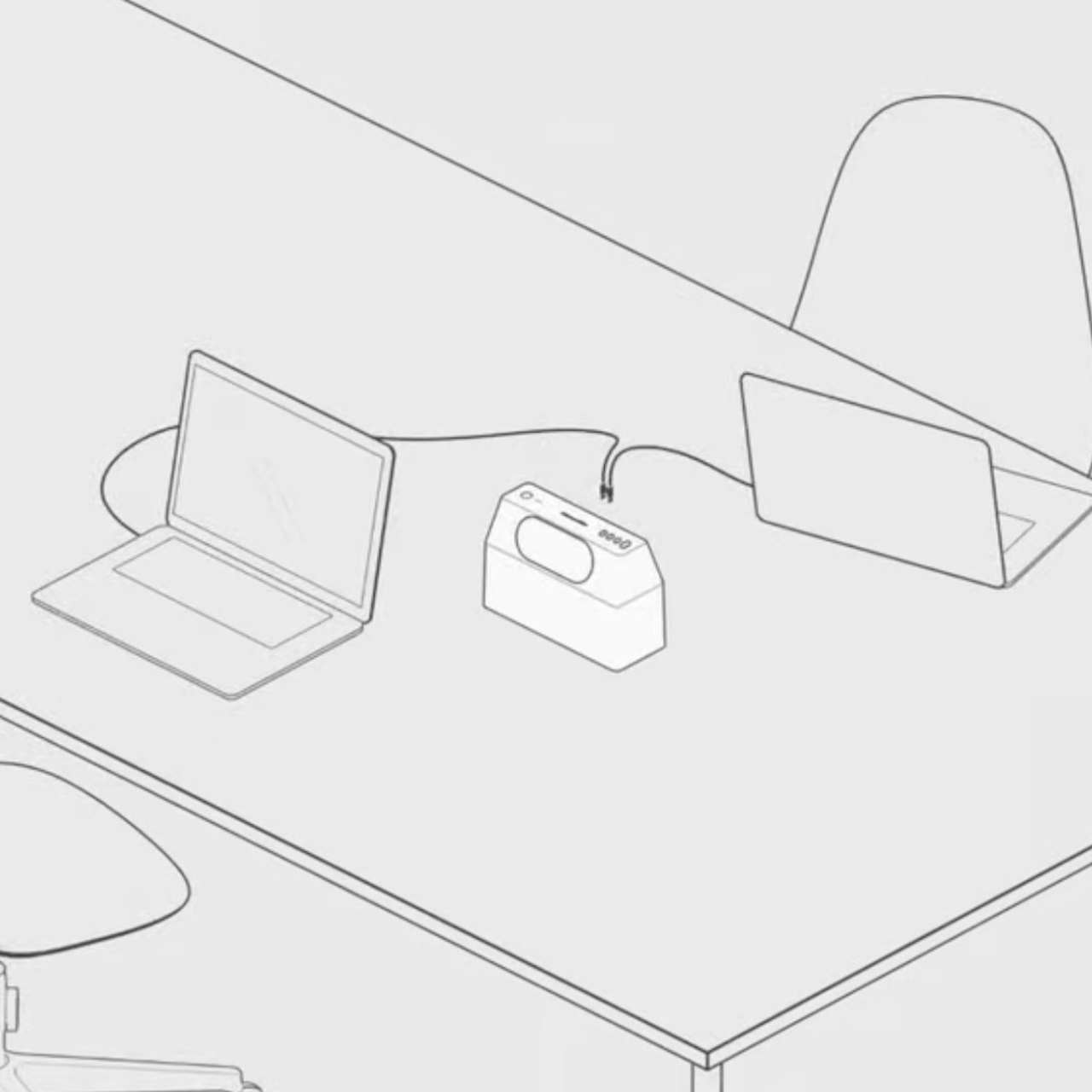
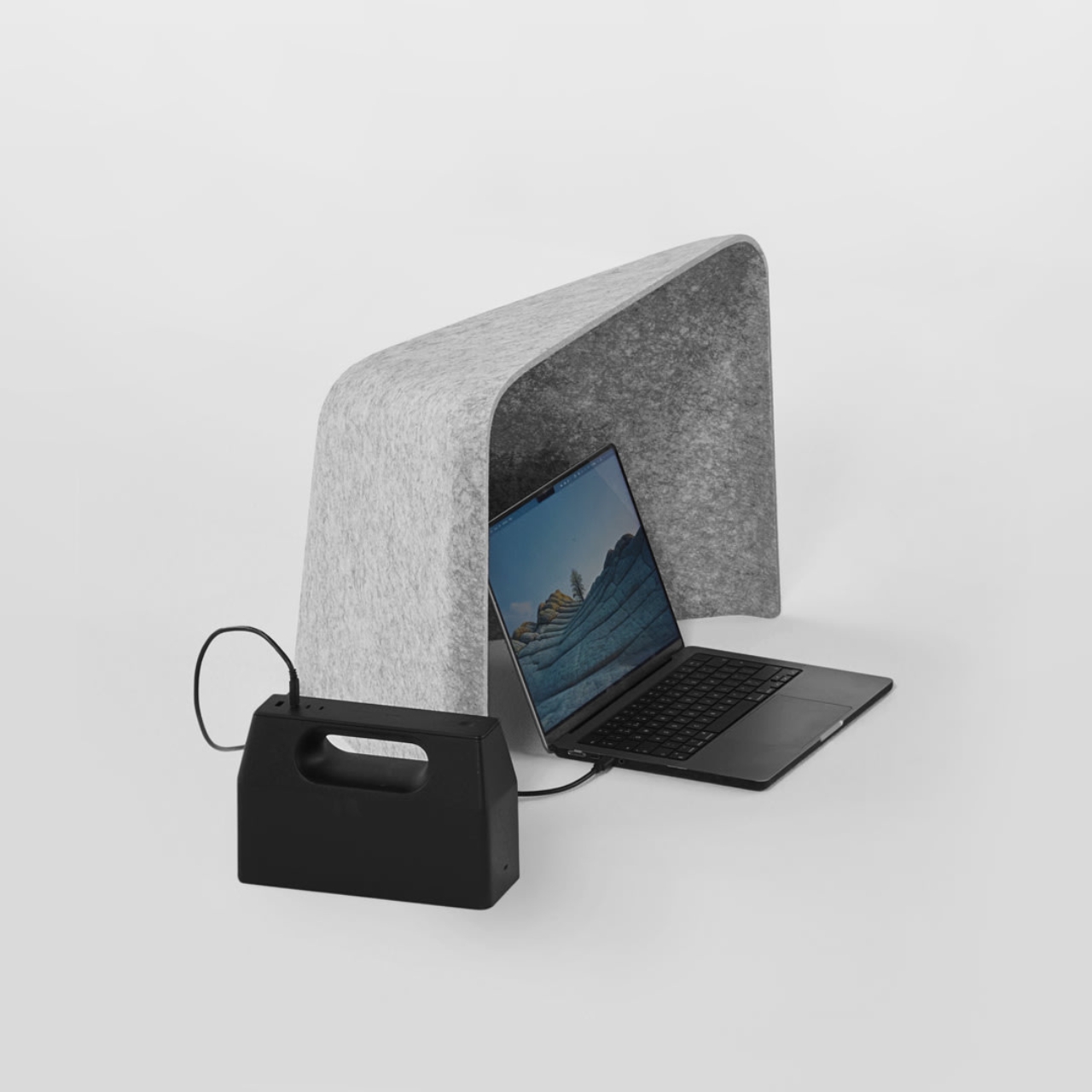
Another addition is the Powerbox which lets you charge multiple devices. Basically it’s a portable trolley that can house four batteries that can hold around 1,000 watt-hours and is made from post-consumer plastic. The collection also has a freestanding curtain which can be used as a divider in case you need a physical division between your work space and your living space. There’s a more sturdy version called the curved screen. If you need something more portable, there’s the laptop hoodie which you can bring around with you so you get privacy when working in a public area.

The OE1 line now also has a work box where you can put your office supplies like pens and even keyboards and bring them around with you to wherever you are working. There is also a bigger version of the easel which was previously released. All of these will be useful for people who are working with a hybrid lifestyle now.

The post Herman Miller’s OE1 furniture adapts to the hybrid working lifestyle first appeared on Yanko Design.