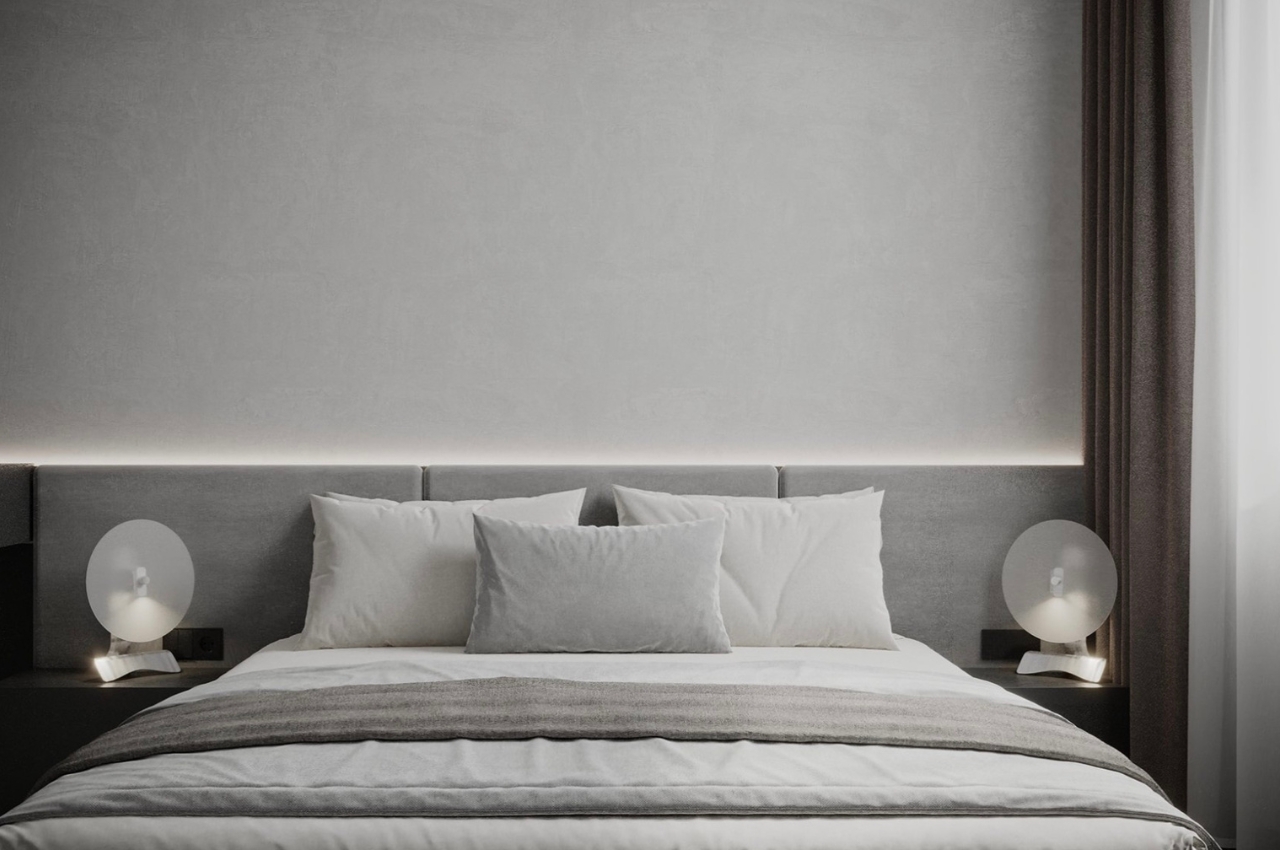
Gramophone lamp adds a retro and minimalist lighting aesthetic to your space

Vinyl players and vinyls in general used to be such a hipster thing to have or it was just for serious musicphiles. But now, more and more people are actually getting them for their homes whether as something to actually play or even just as part of a certain aesthetic they’re going for. In fact, it’s not just exclusive for playing music but these gramophones are used as decorations and materials for other accessories.

Designer: Artyom Alimpjvev
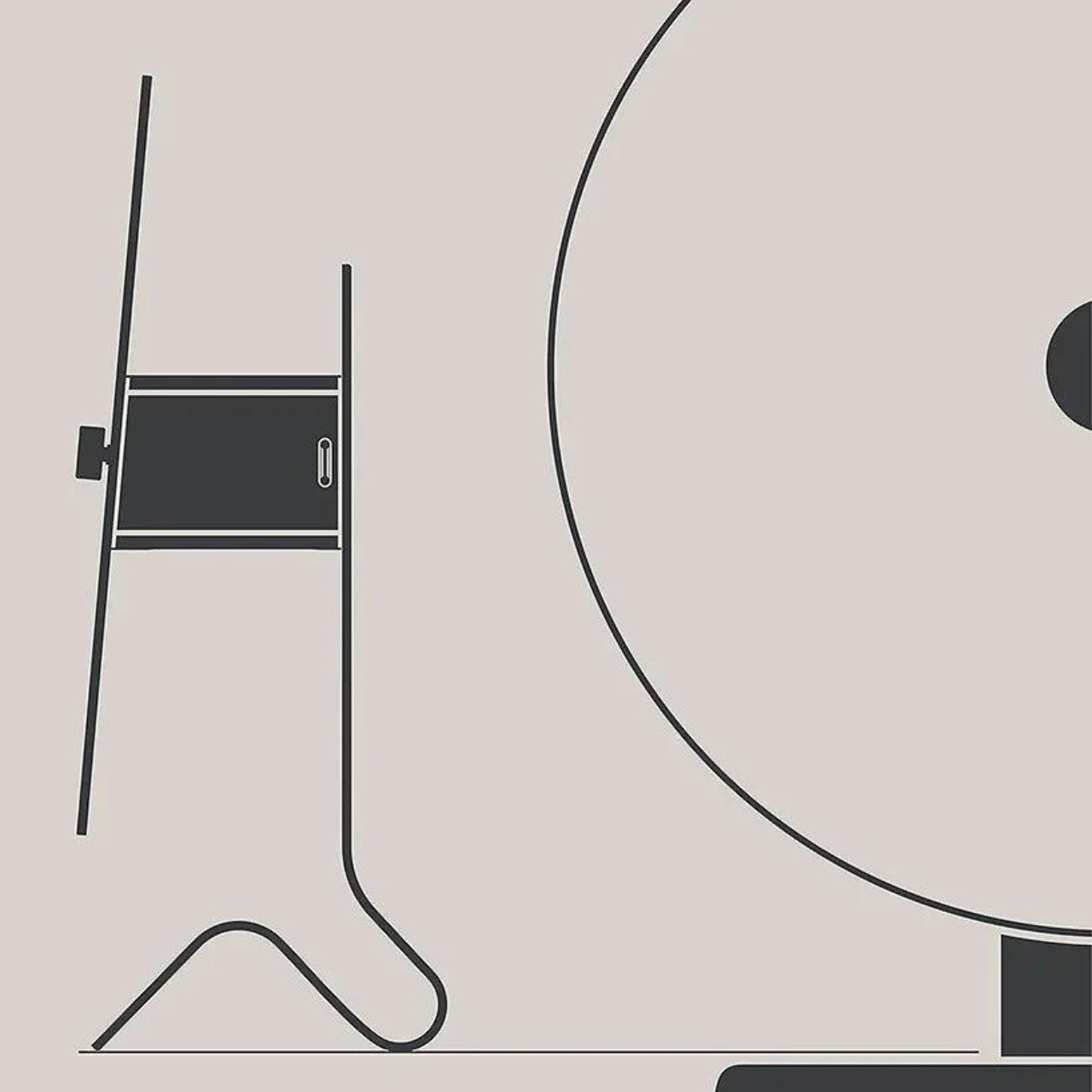
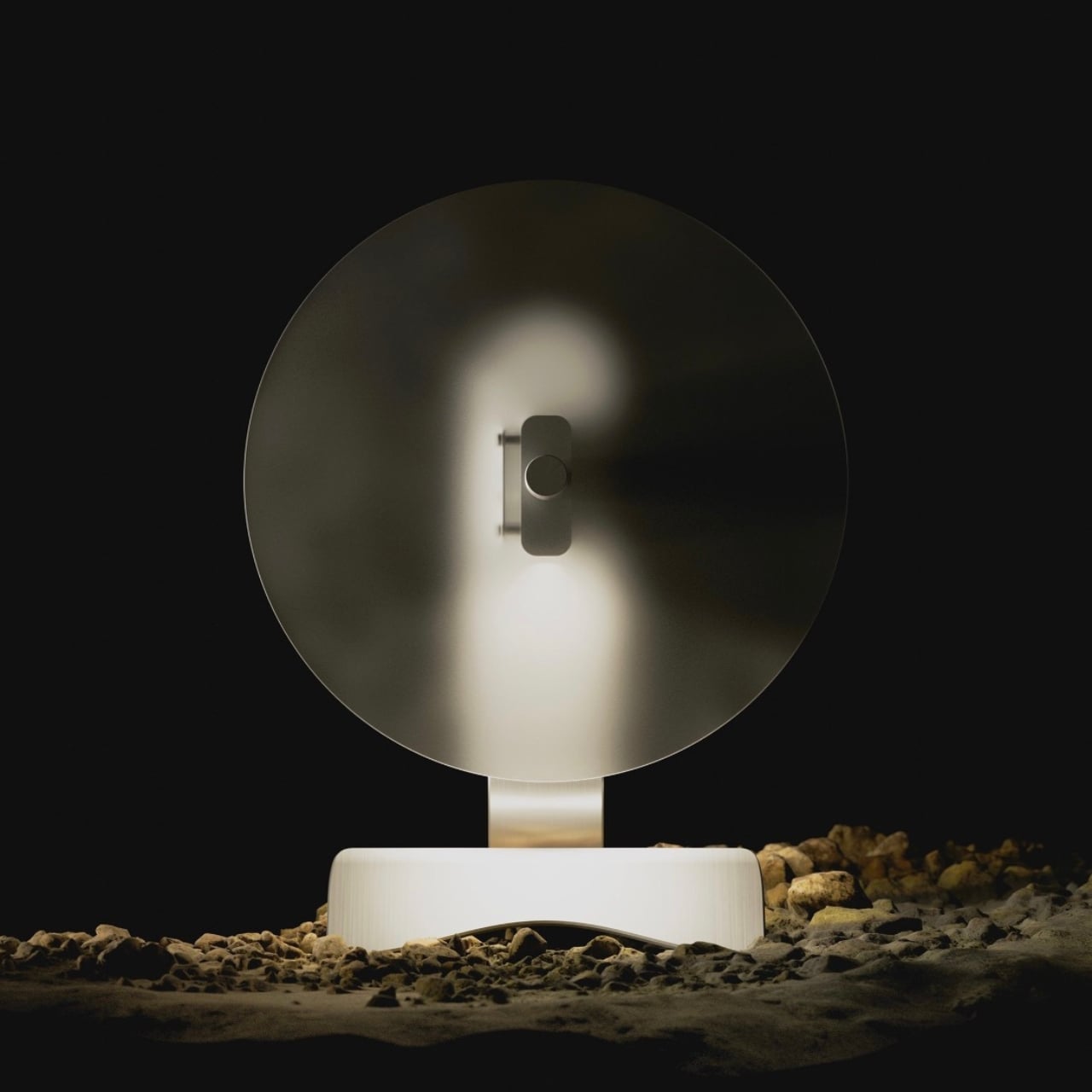
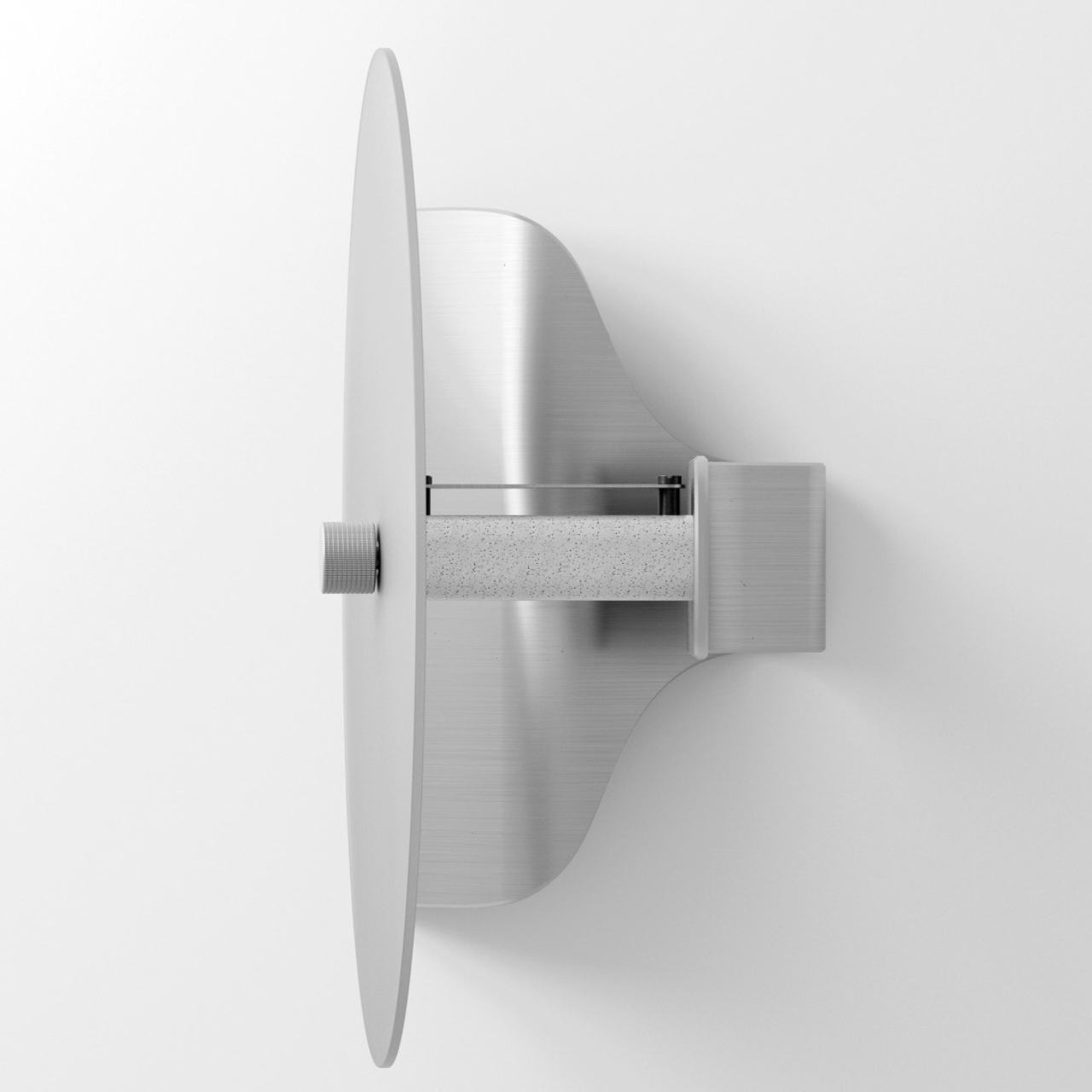
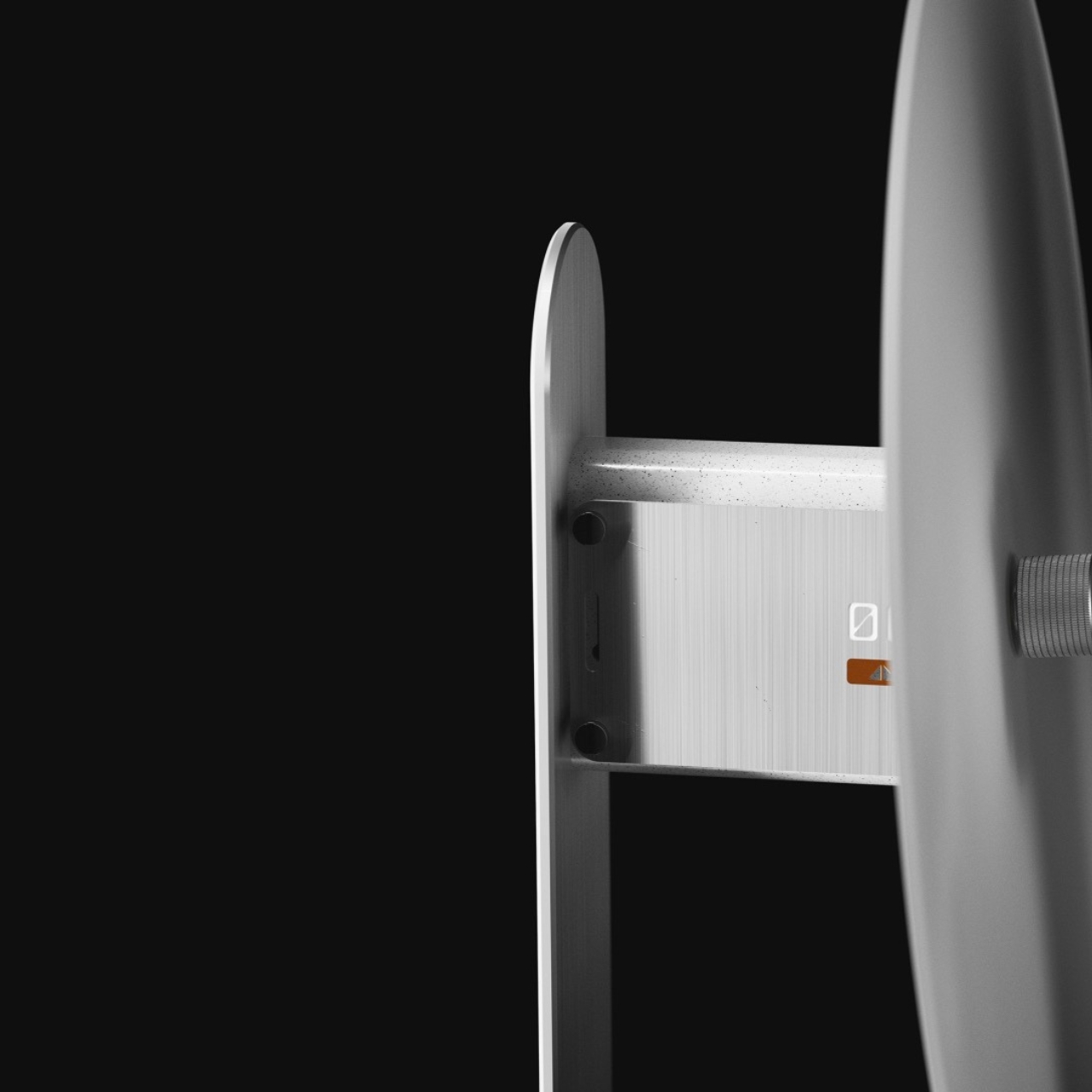
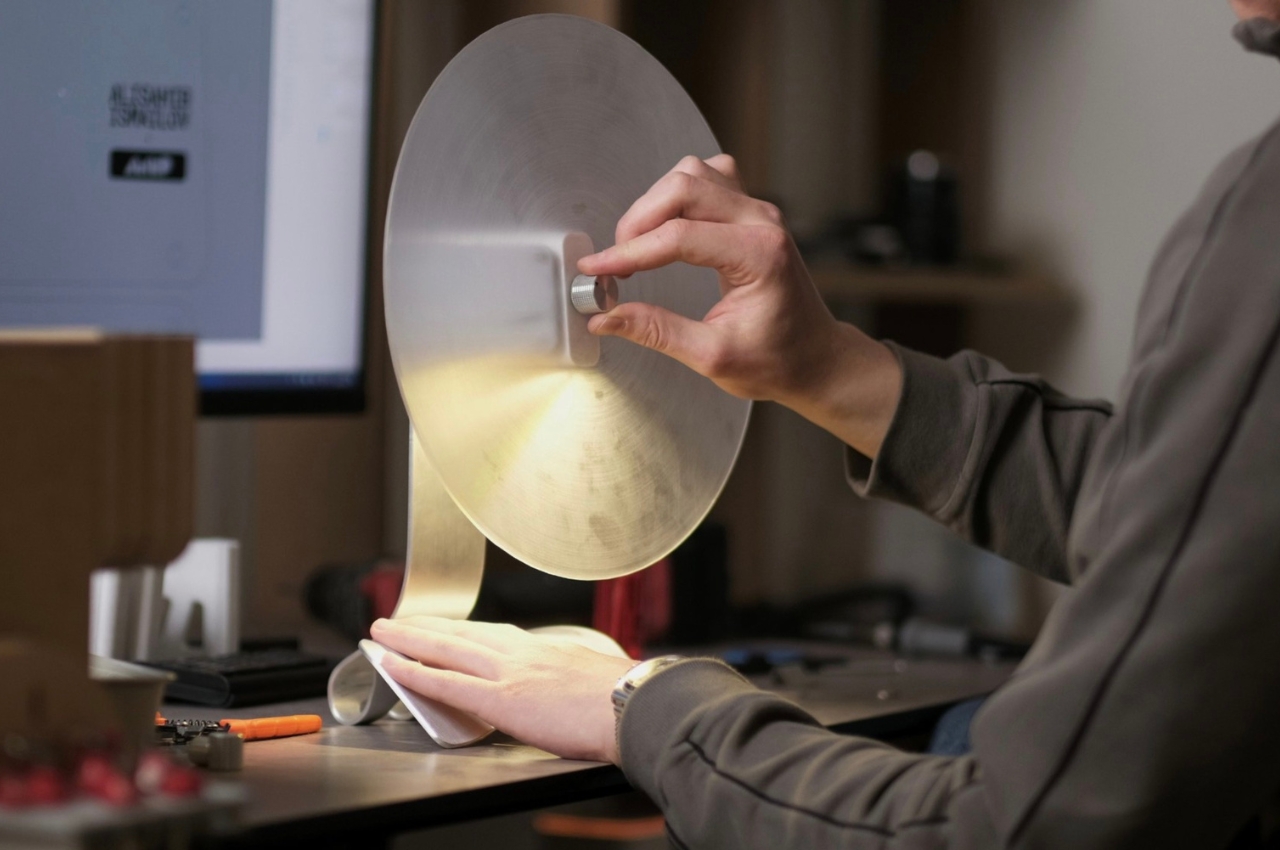
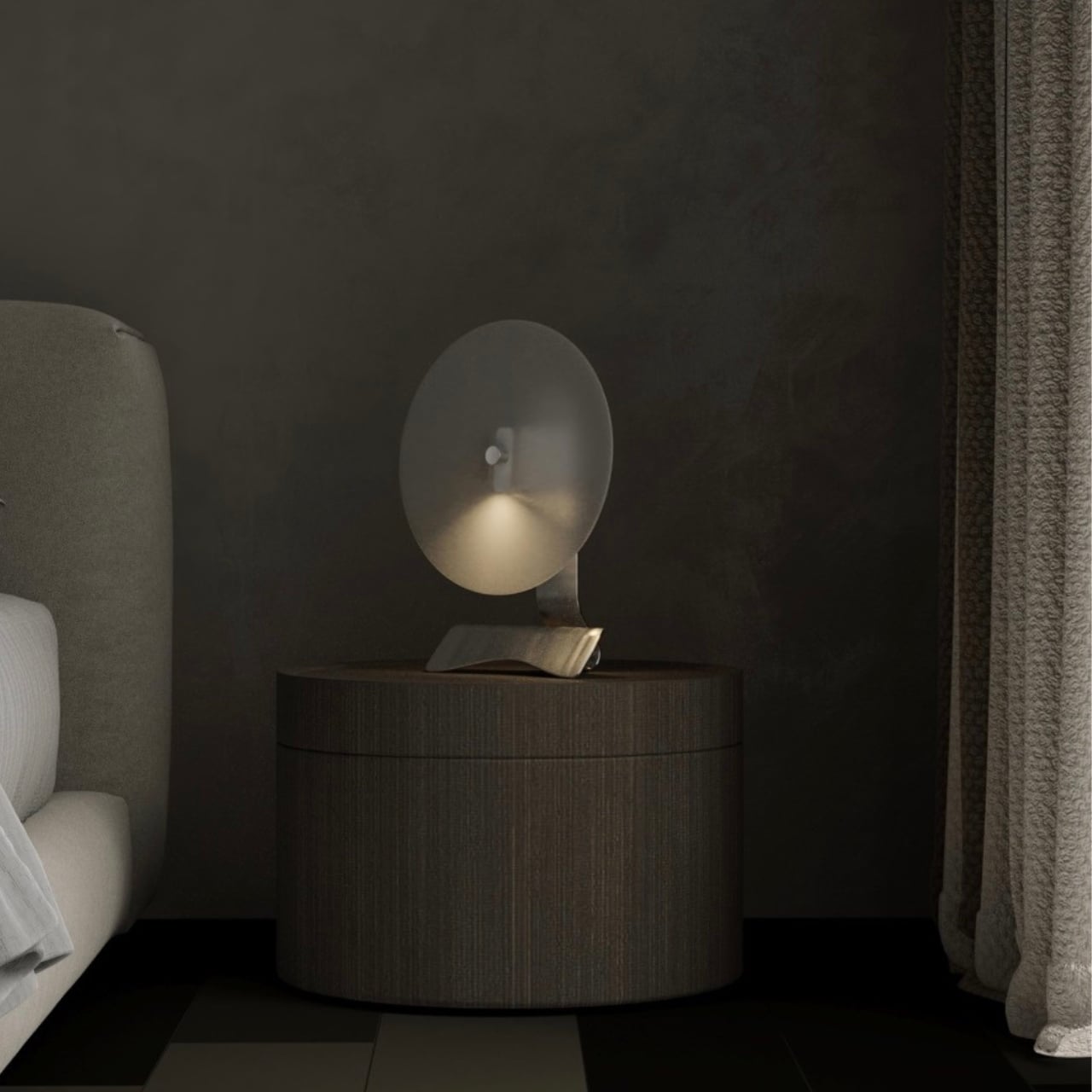
The Gramophone Lamp is one such home decoration that uses vinyls as material for this lighting accessory, going for a retro and minimalist aesthetic. The curved base actually looks like the stand for an Apple monitor and it supports a single aluminum stand that slopes at the back and then with the vinyl as the main light source. The trackpad-like surface is where the controls are found, whether to switch the ambient lighting on and off or to increase or reduce the brightness.
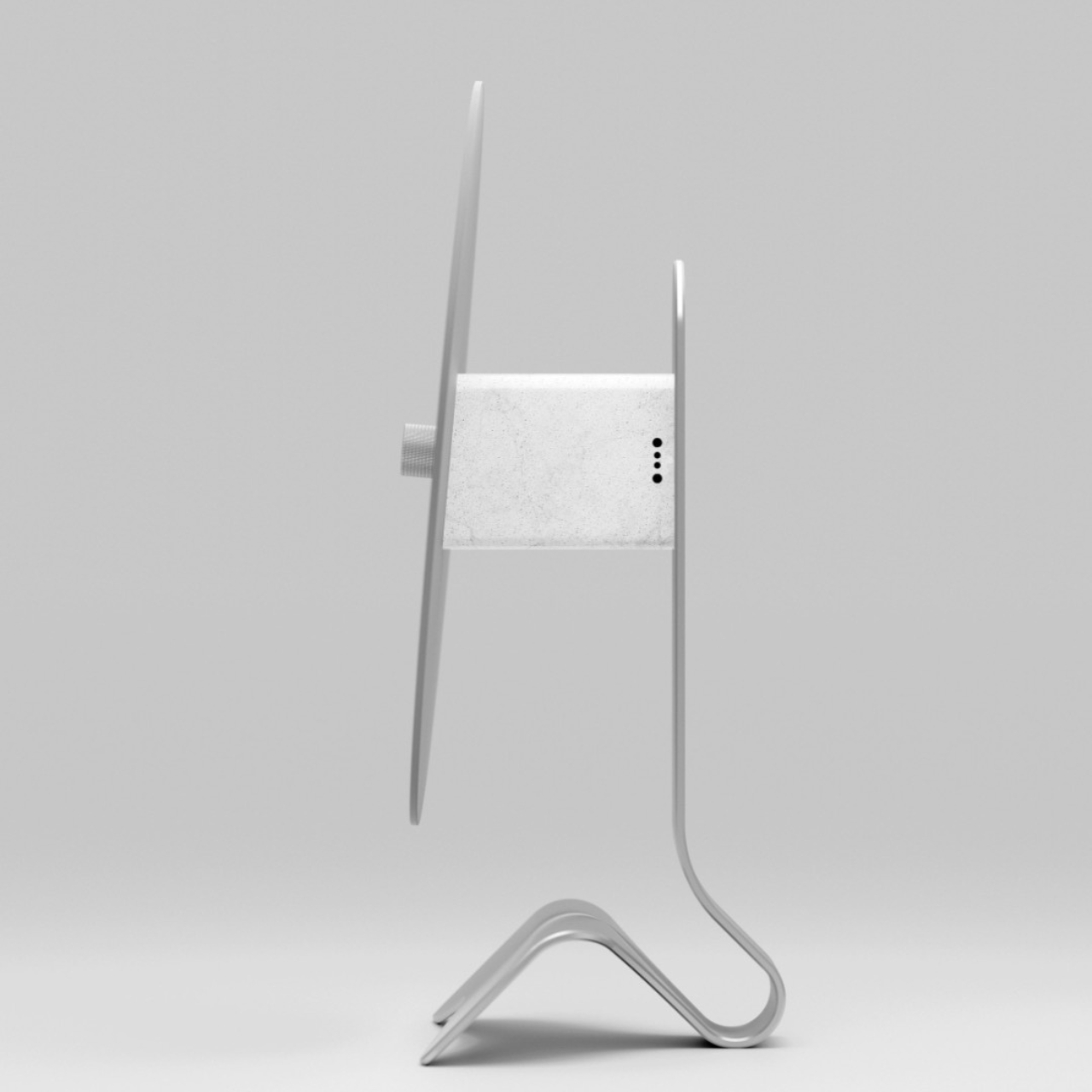
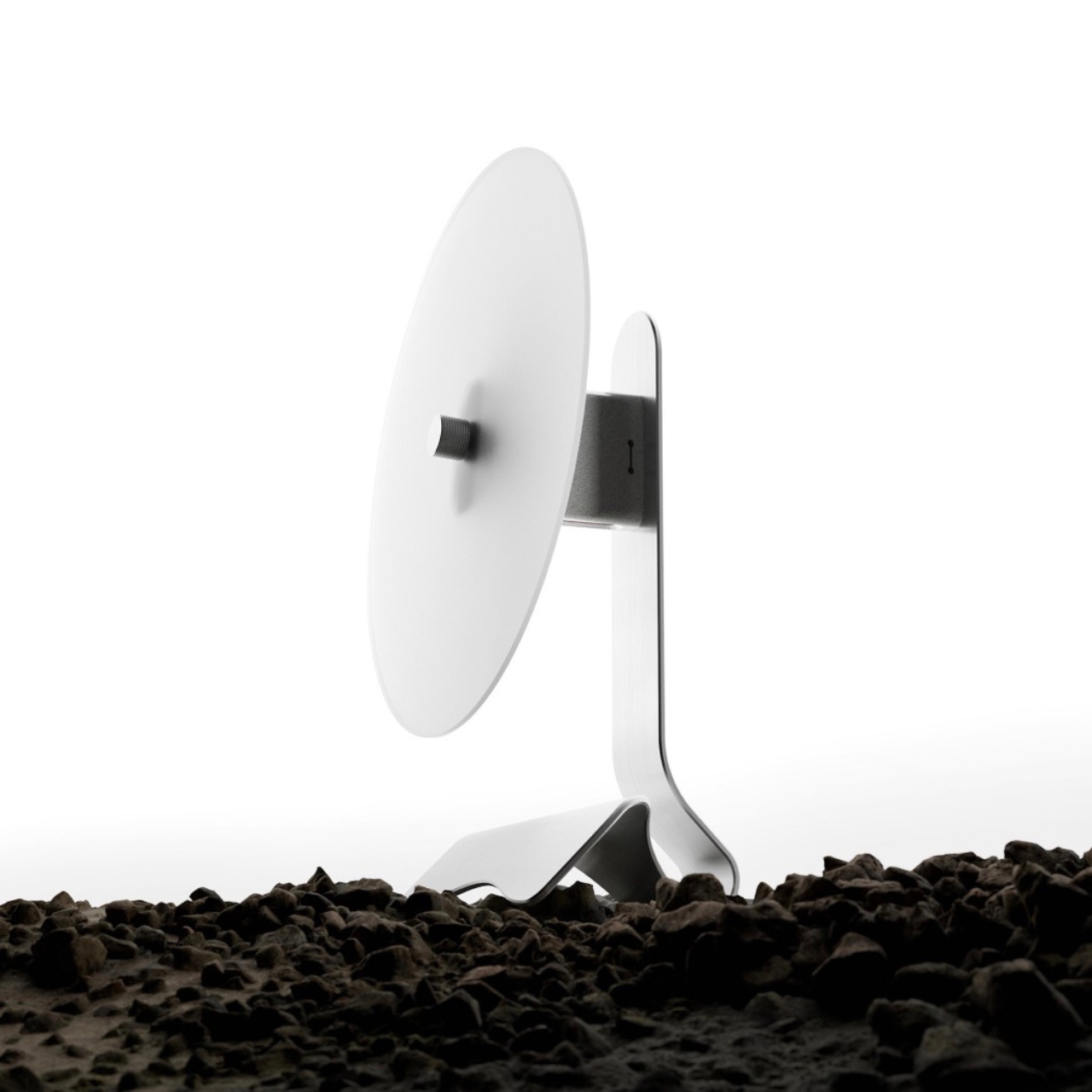
The polycarbonate diffuser disk is the “star” of the show as it magnifies the lighting with its almost translucent quality. The lamp has a 4000 mAh lithium ion rechargeable battery so you can use it up to 24 hours (at maximum brightness) even when it’s not plugged in. The light temperature is set at 3500K in a warm white color.
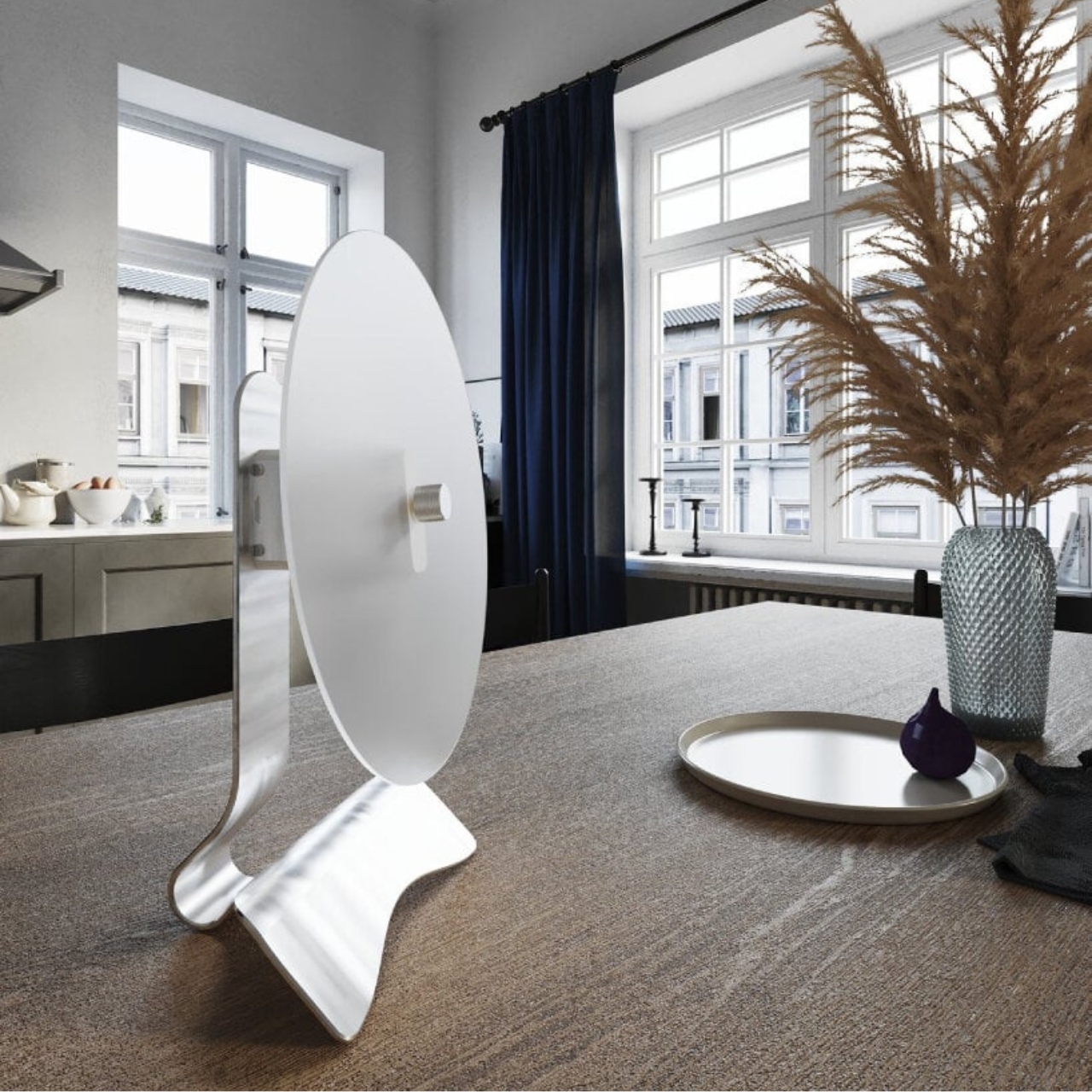
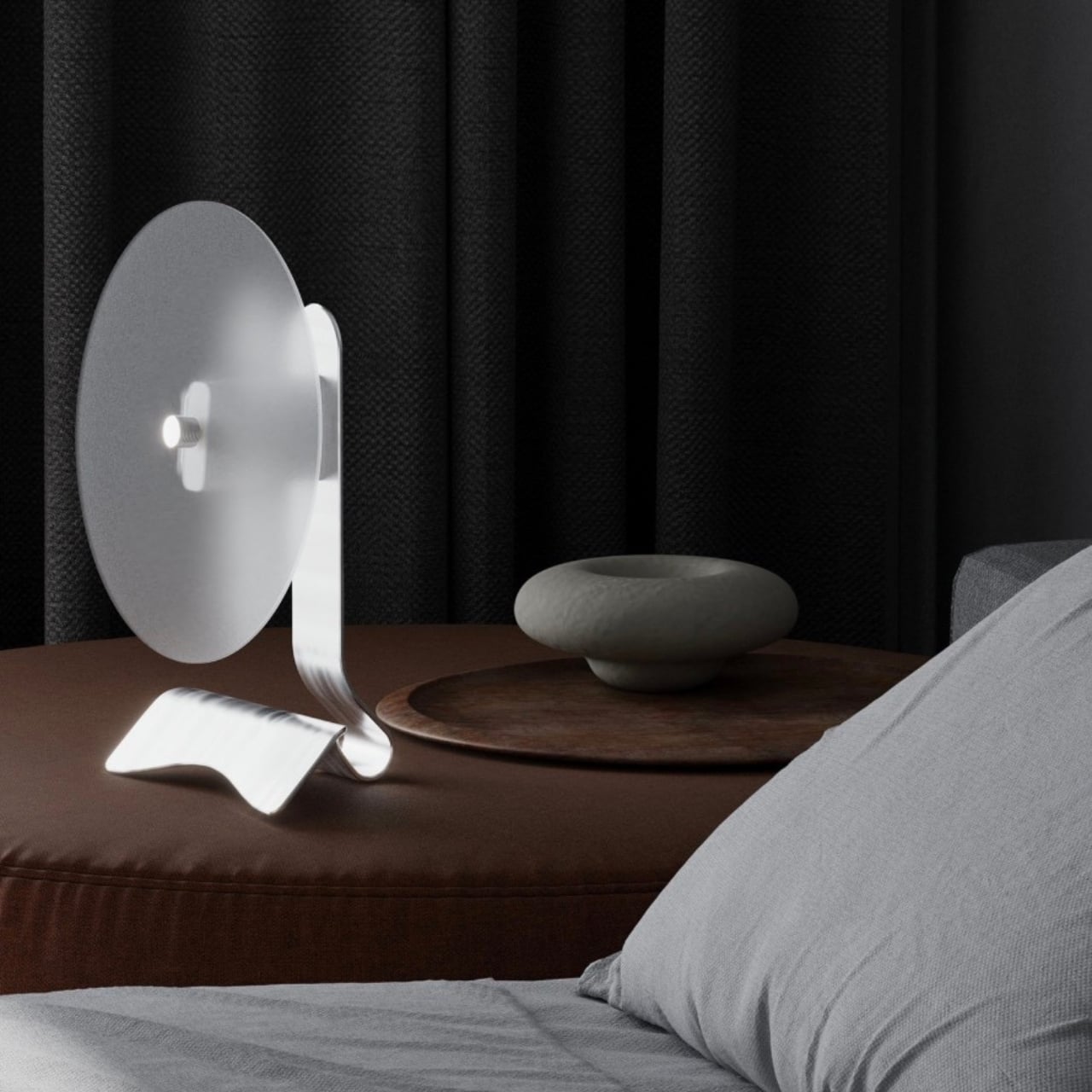
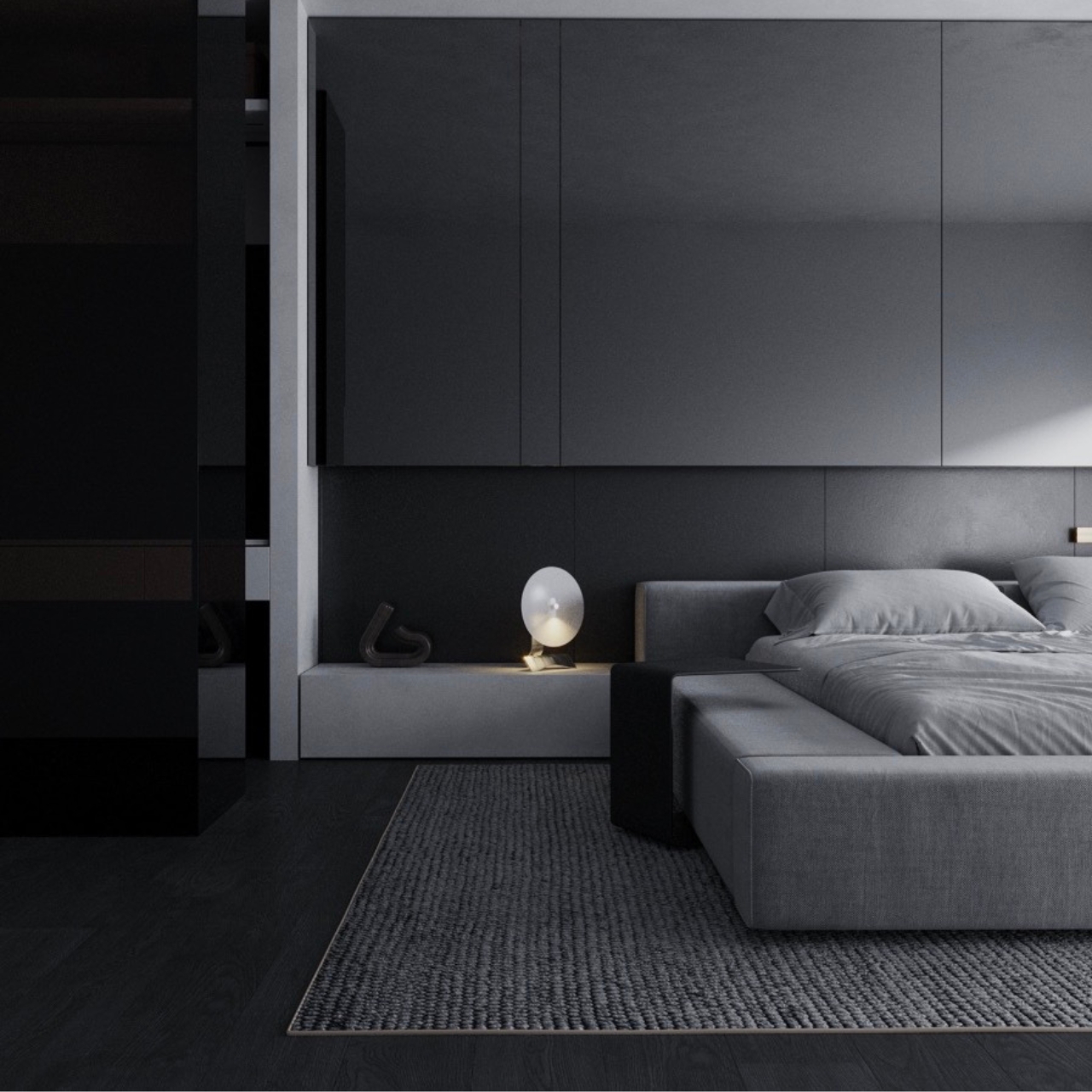
The designer says that this is not meant to be a desk lamp but is really more for atmospheric and aesthetic purposes. The entire thing is actually handcrafted with the singular aluminum stand and there are only 100 units created so if you’re thinking of getting one, you should already place your order on Alimpjev’s website before they all run out and if you have around $170.

The post Gramophone lamp adds a retro and minimalist lighting aesthetic to your space first appeared on Yanko Design.

Wooden wheelchair adds an eco-friendly and aesthetic aspect to a mobility aid

There are a lot of well-designed wheelchairs currently in the market for those who need mobility aids to get around. Most of them use basically the same materials and will have a few differences in terms of features and functionality. A new wheelchair design that is eco-conscious but also aesthetically appealing was recently unveiled and its first beneficiary is one of the most famous people on Earth that needs a wheelchair to get around – Pope Francis.

Designer: Paul de Livron

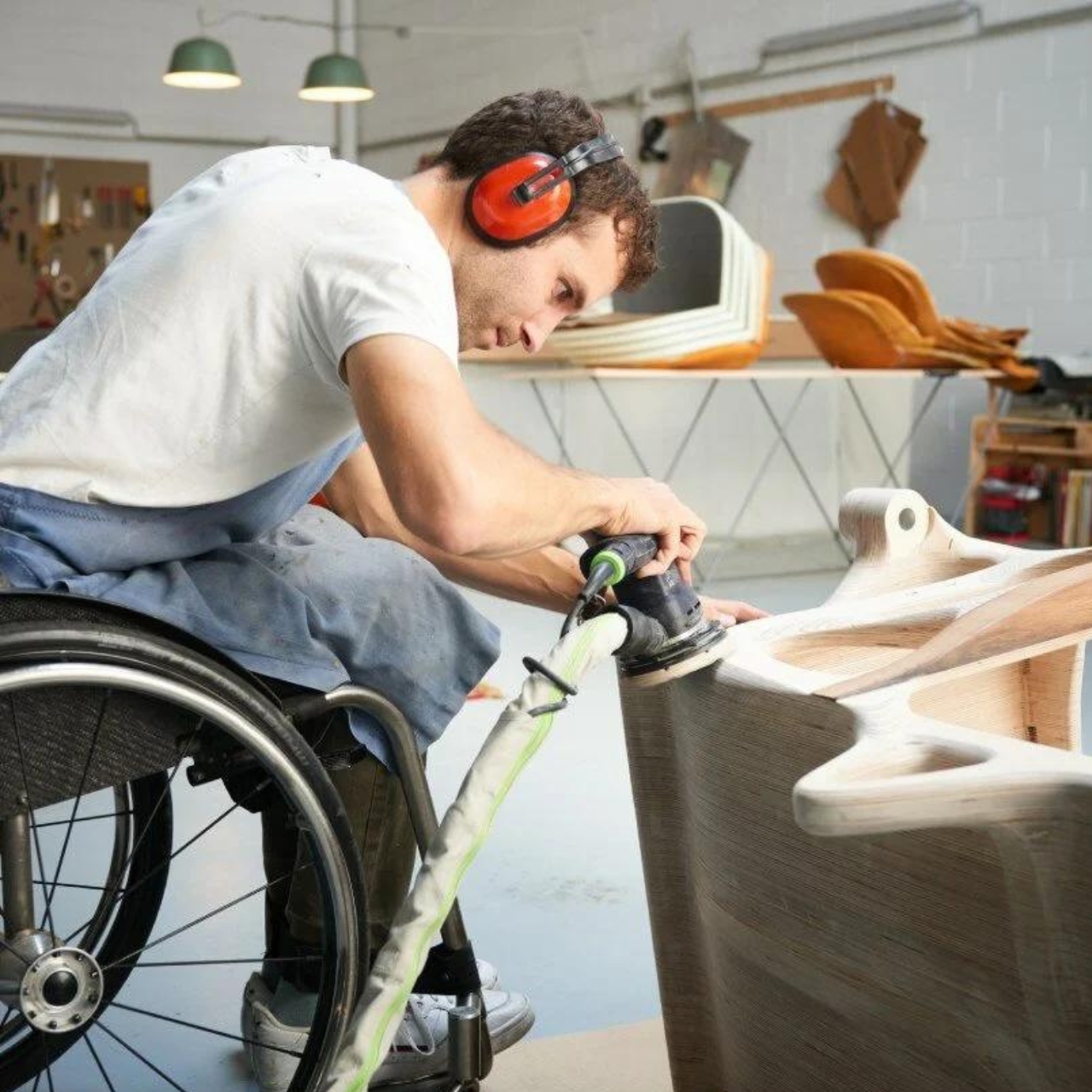
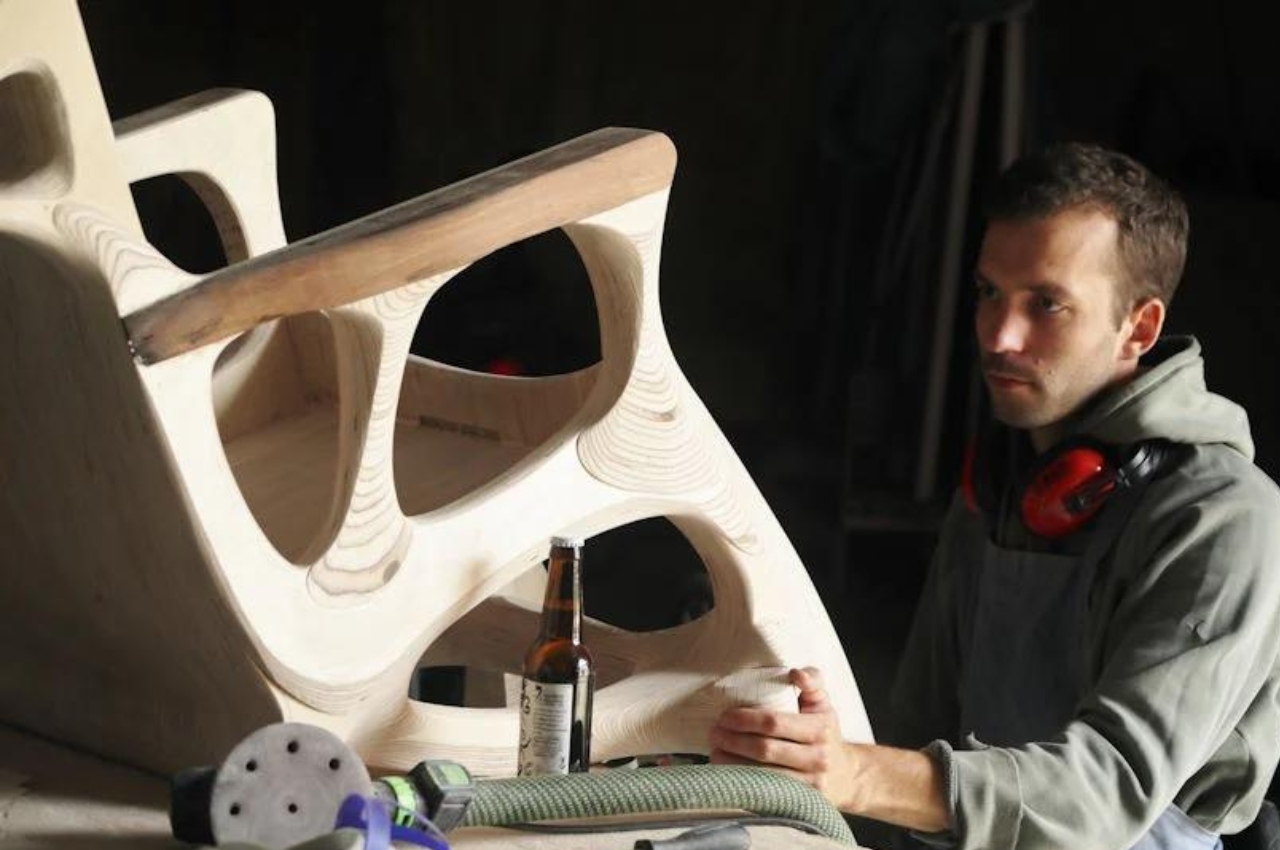
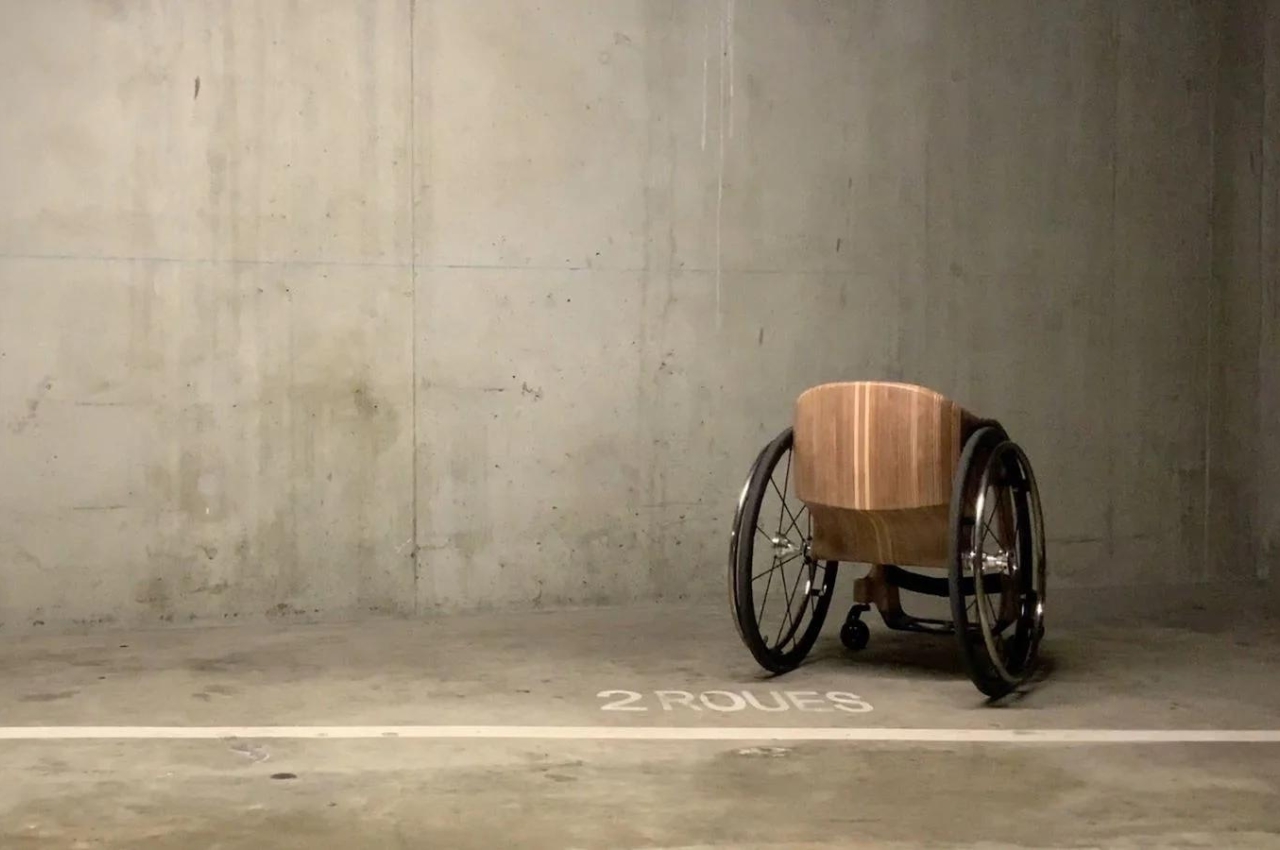
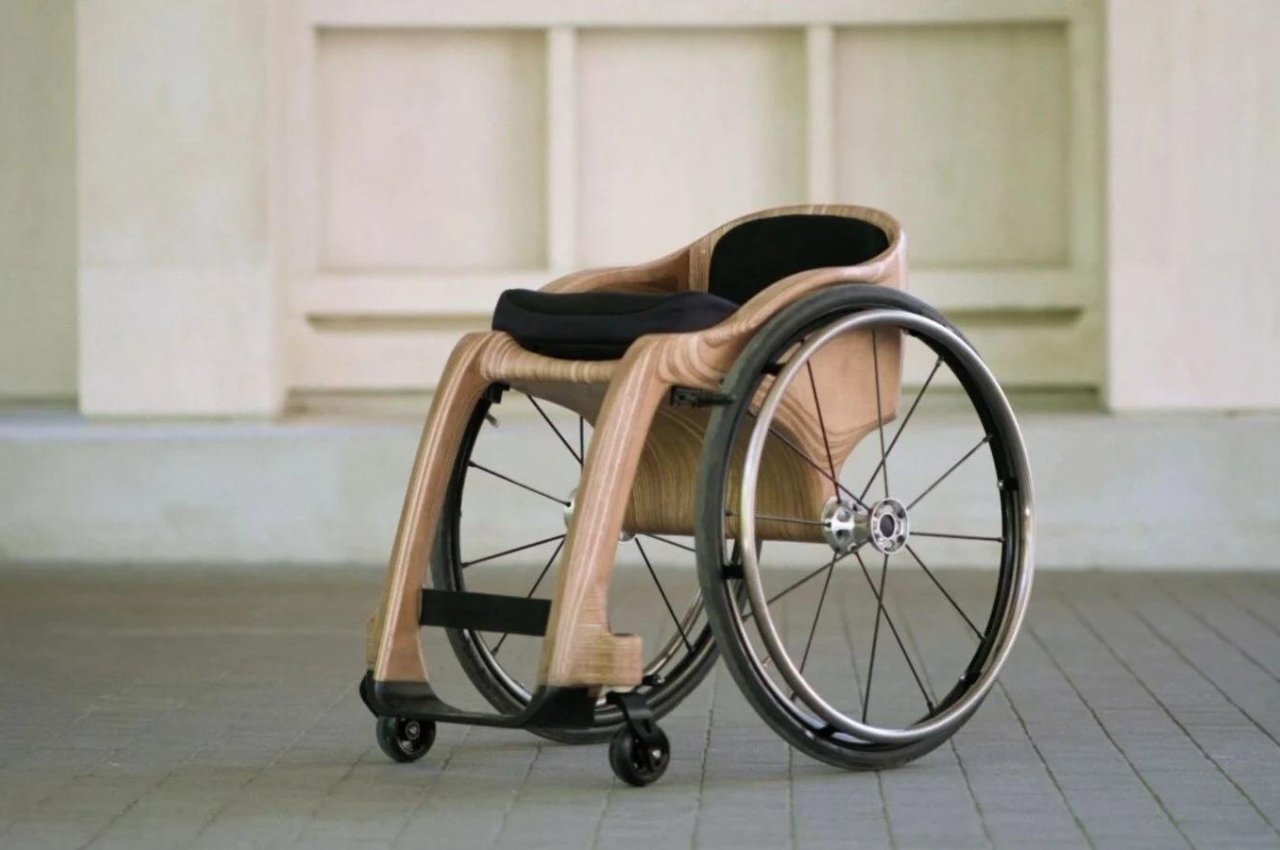
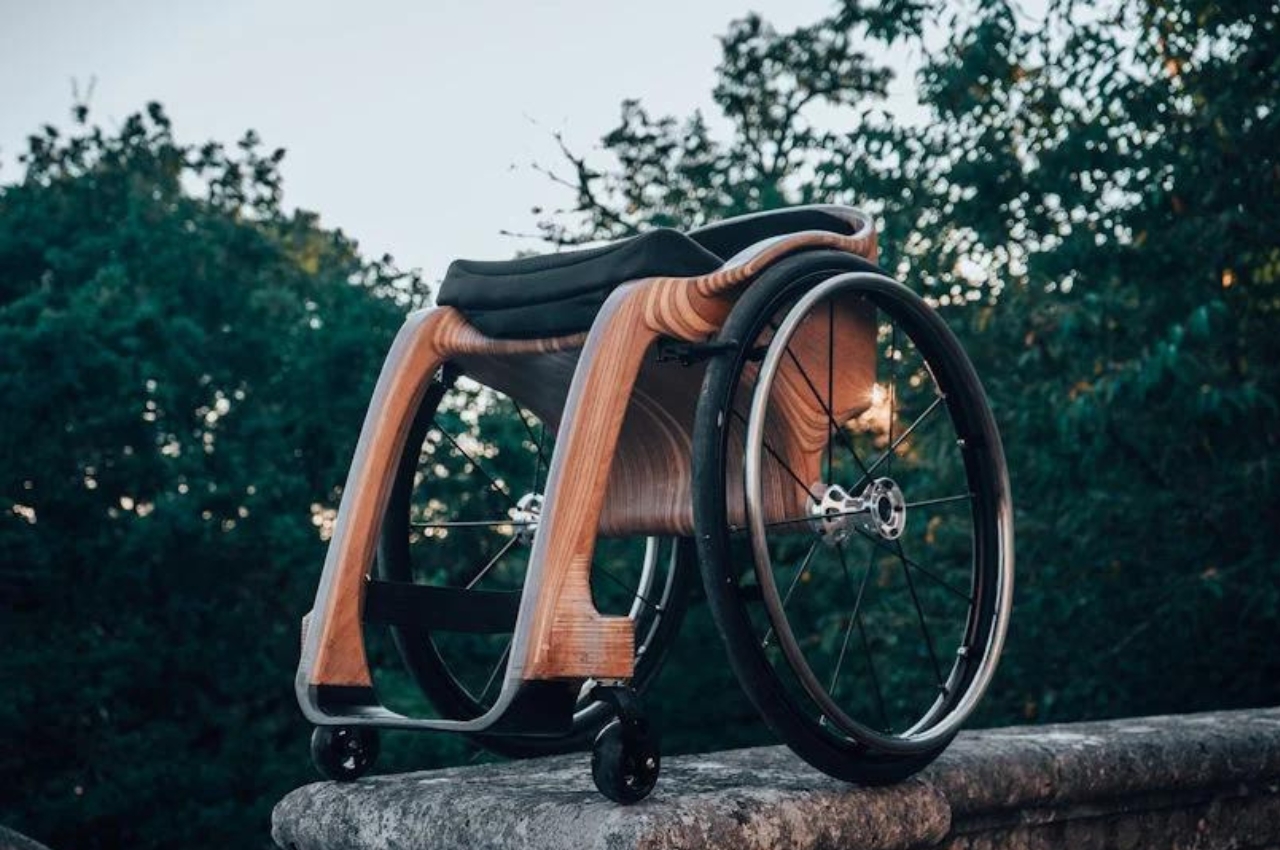
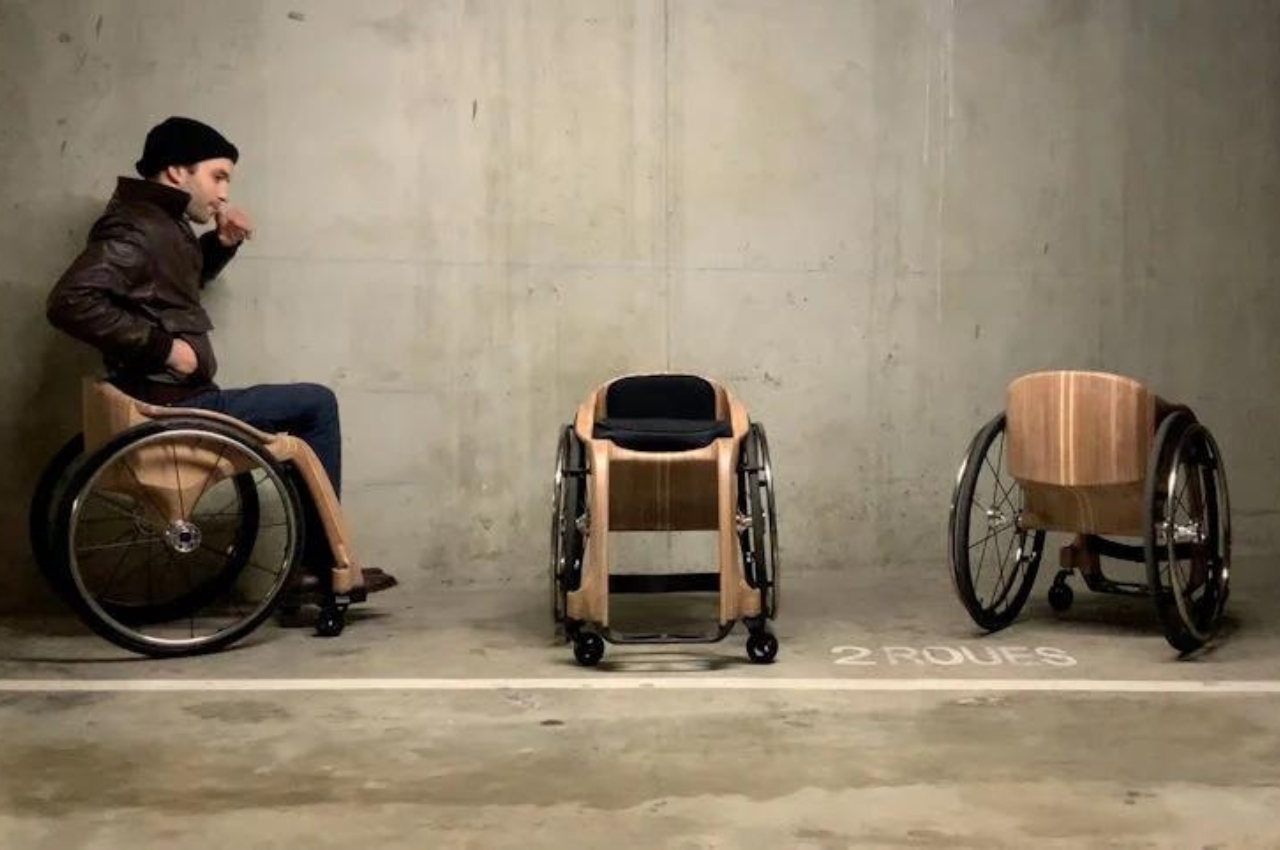
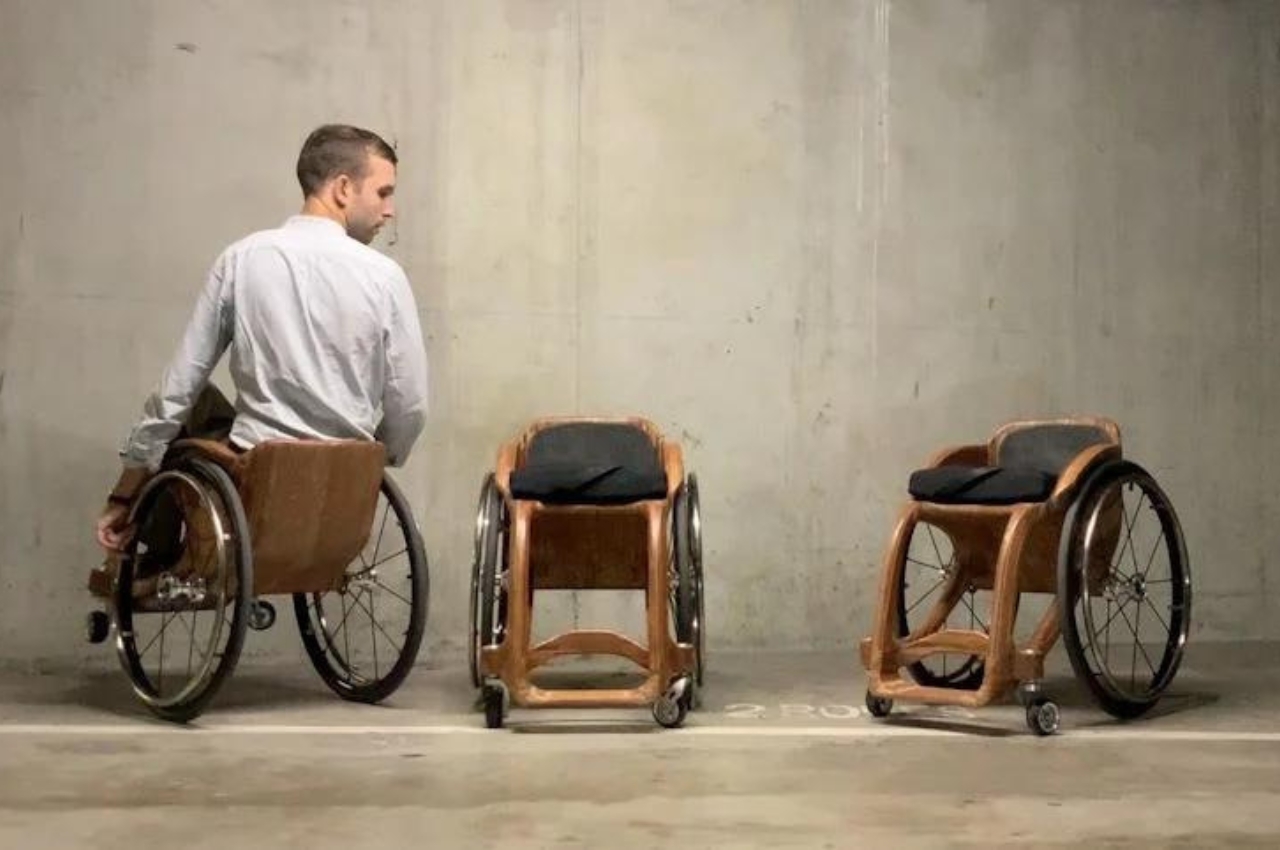
The Apollo Wooden Wheelchair was designed by Paul de Livron, a French craftsman and designer who has been making his own wheelchair models ever since he broke his spine and had to use wheelchairs back in 2013. He was finally able to create a wooden wheelchair prototype that is eco-friendly and can use locally available materials as well as not so expensive and also not that complex.

Aside from the fact that the materials used are sustainable, the other “superpower” that the wooden wheelchair possesses is that it changes the way that other people will look at those who will be using this unique-looking mobility aid. The wooden aesthetic adds an interesting aspect to something that used to be purely functional and was in fact a source of embarrassment to some of its users.

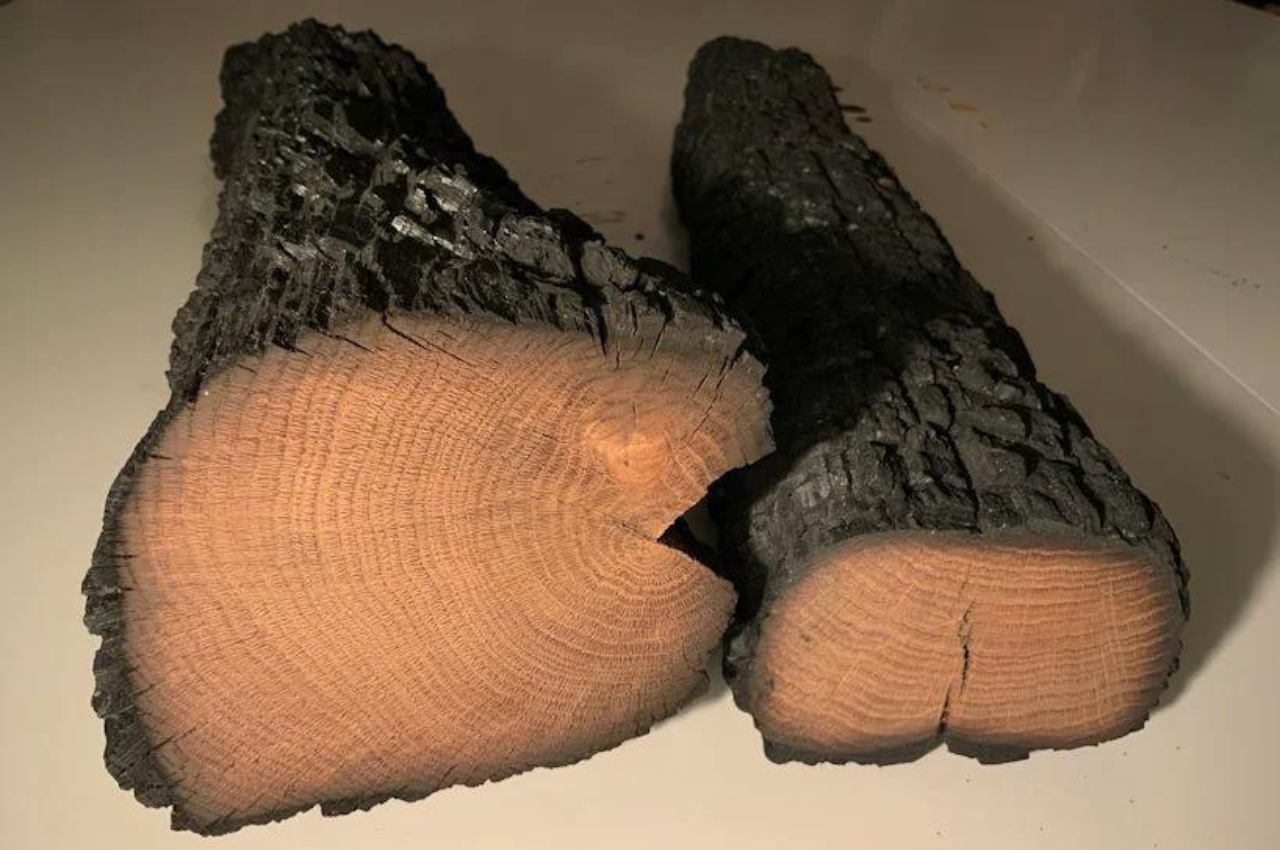
Early last year, they presented an enhanced prototype of the wheelchair to Pope Francis who has been using a wheelchair to get around because of his constant knee pain. de Livron was actually given piece of wood from the medieval frame of the Notre-Dame Cathedral to incorporate into the wheelchair and he also put in some other religious details to make it a wheelchair worthy for a pope.

The post Wooden wheelchair adds an eco-friendly and aesthetic aspect to a mobility aid first appeared on Yanko Design.
Cute, sweater-wearing android can help carry heavier objects

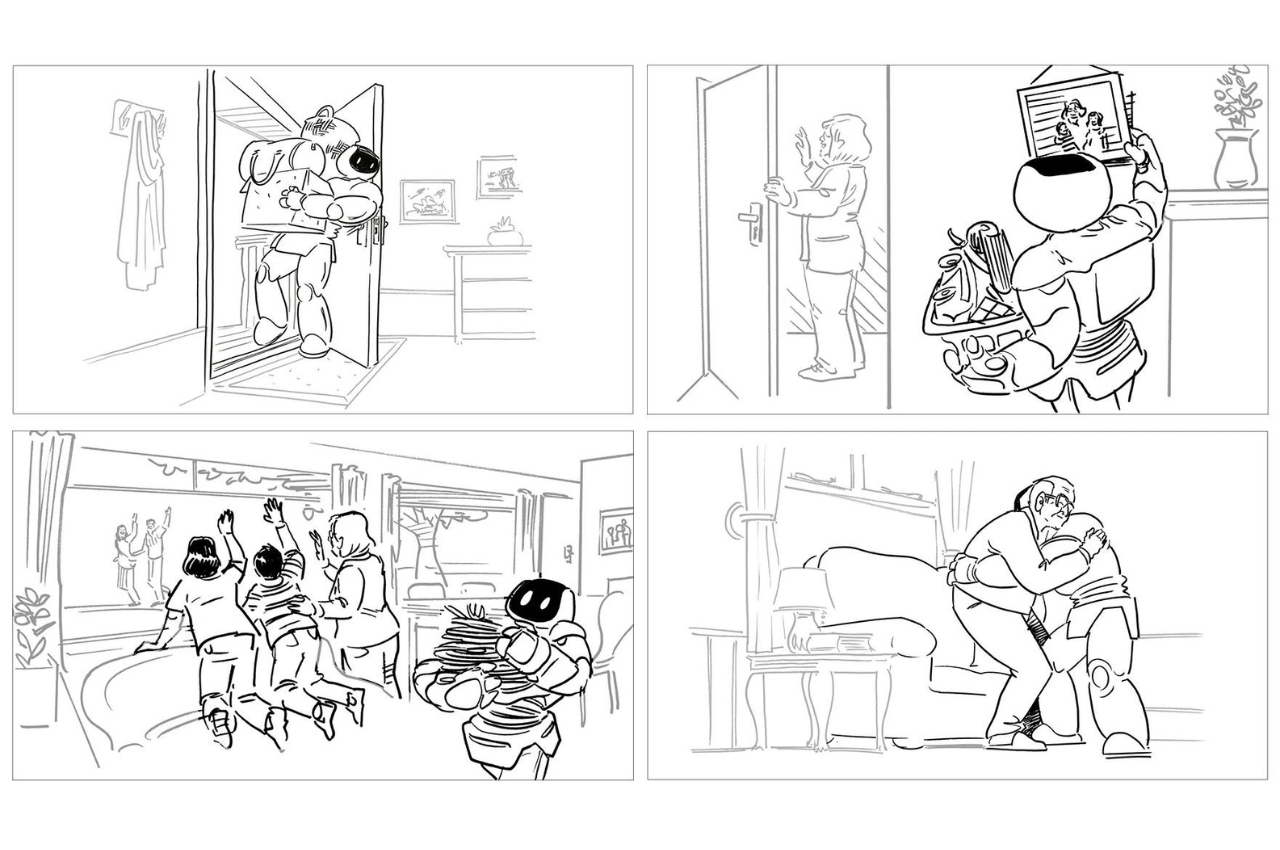
Whenever I write about robots, I cannot help but think about all the horror scenarios that I’ve seen in sci-fi movies and TV shows when they become our overlords after overthrowing abusive humans. But obviously, not all robots are scary in reality or at least we haven’t reached that point yet. There are also some cute and cuddly robots out there, both in pop culture and in real life. This new innovation from Toyota belongs to that latter category but it combines both hard and soft robotics.

Designer: Toyota

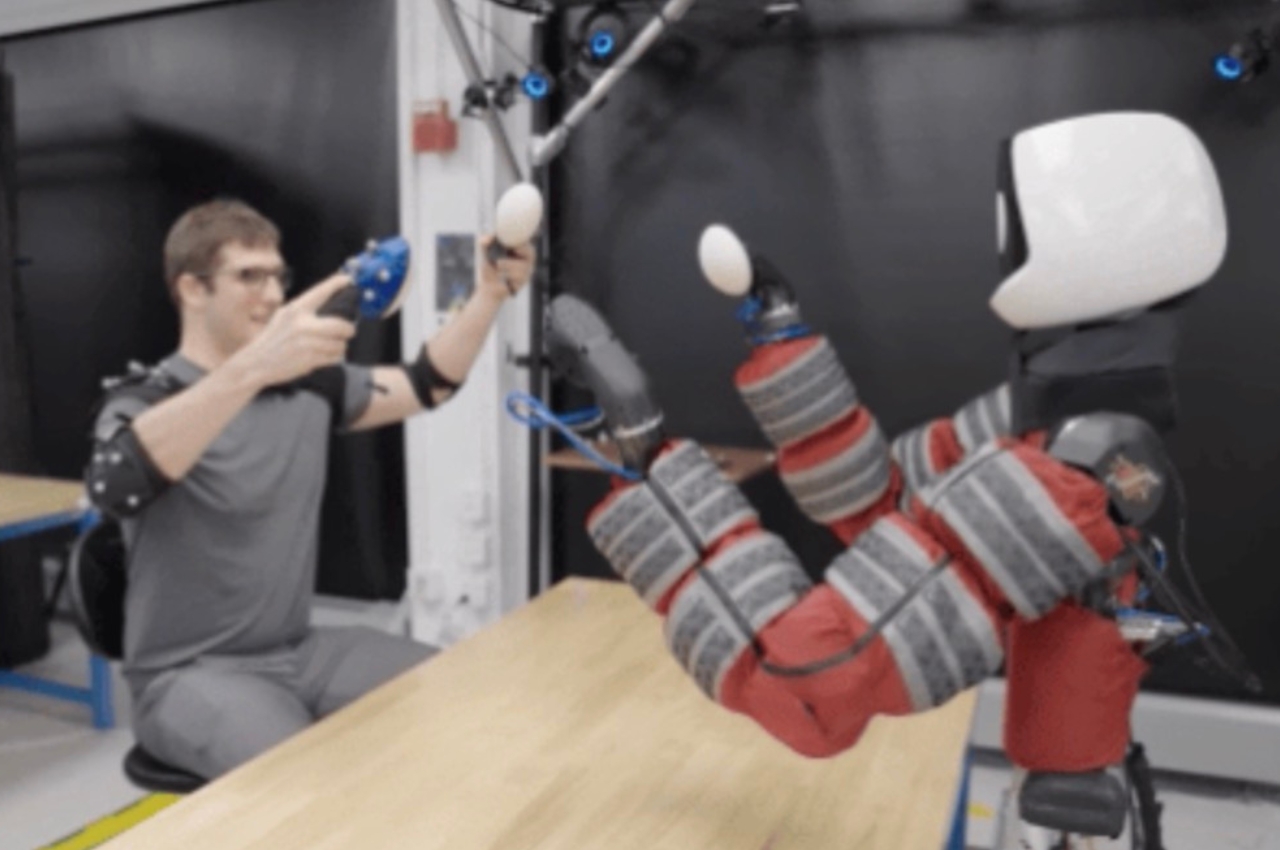
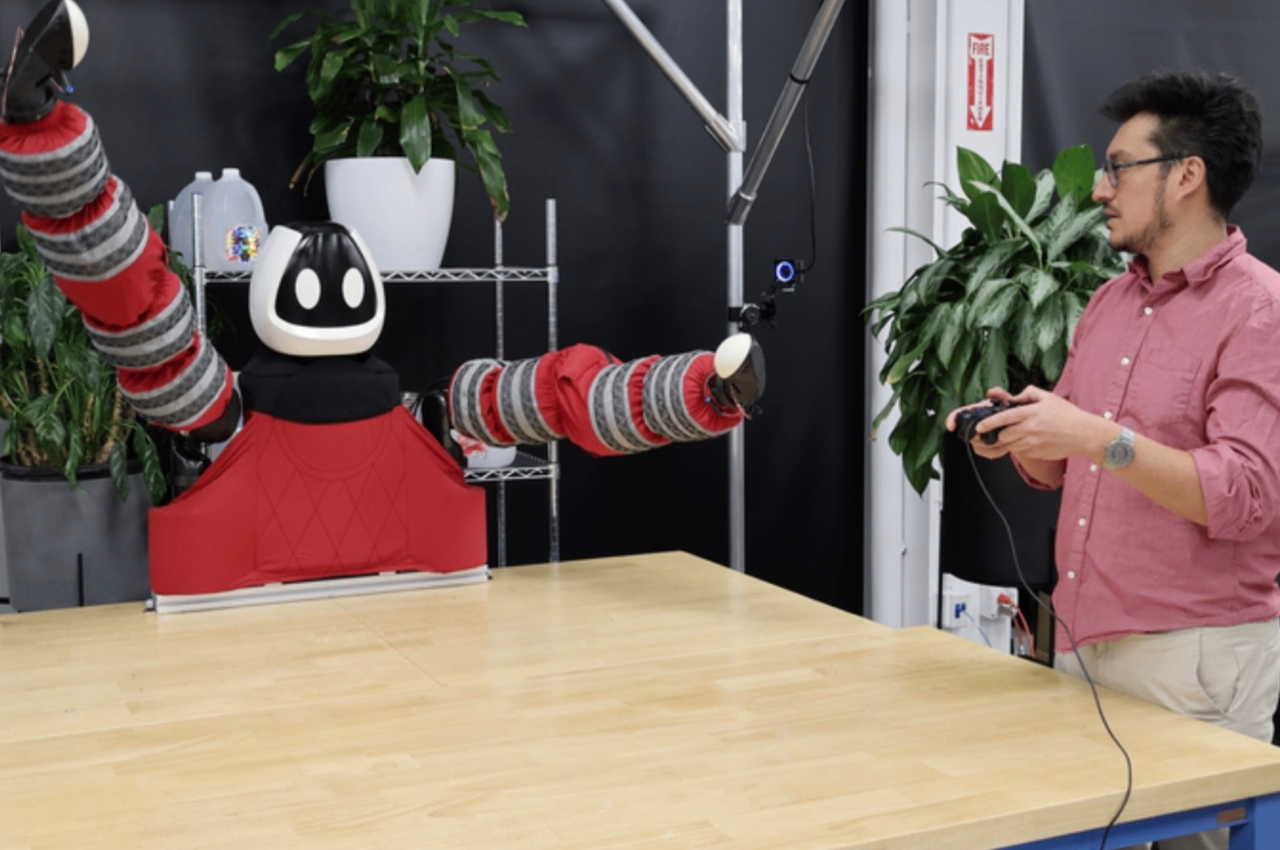
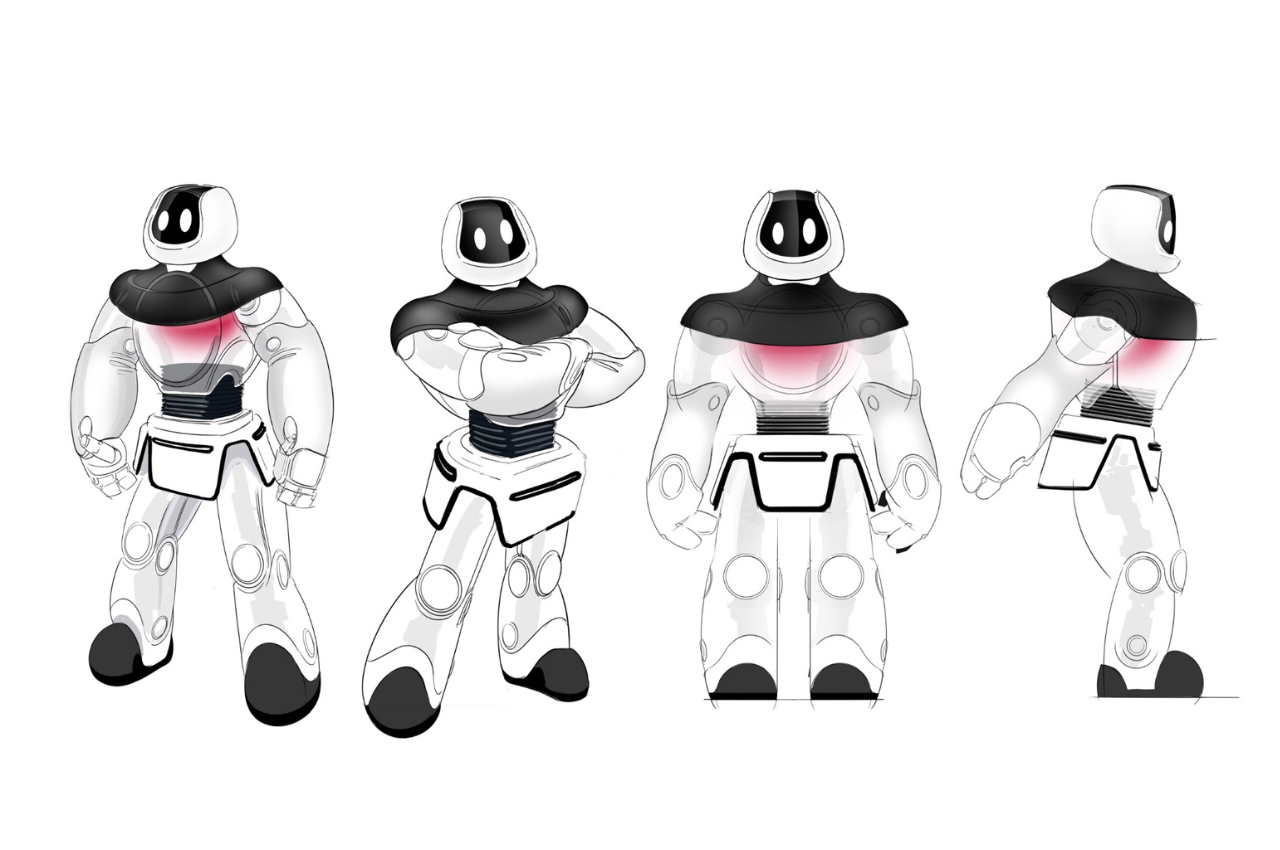
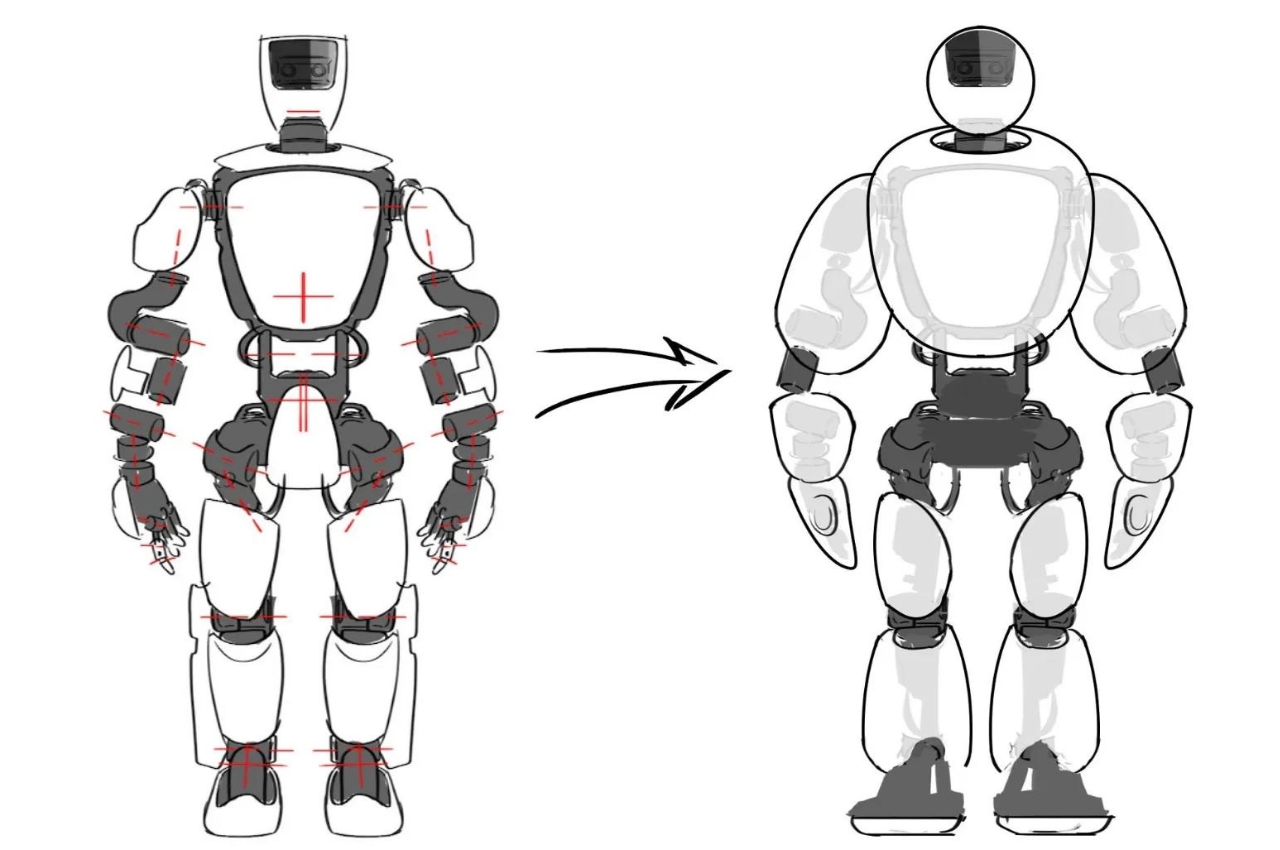
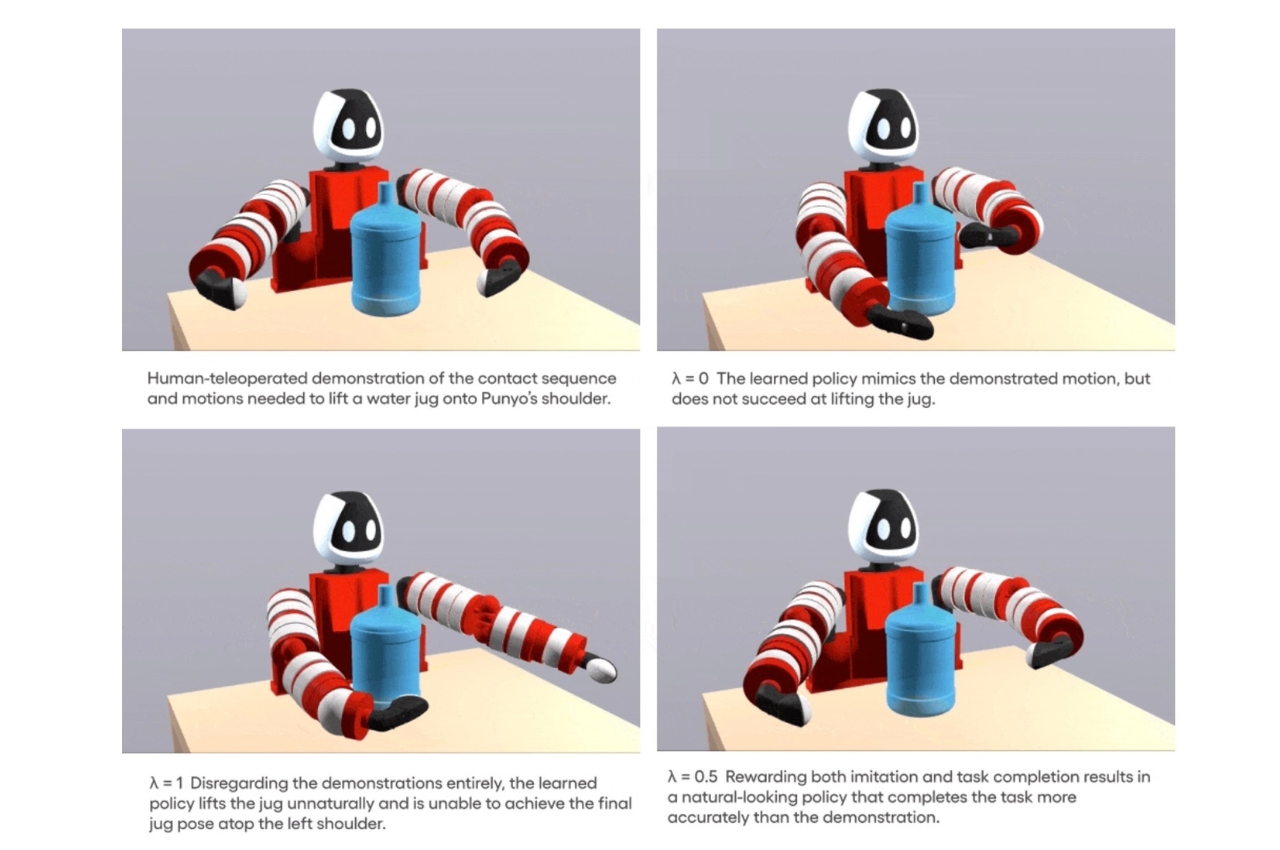
Punyo is the newest robot from Toyota but instead of looking like your typical robots that carry heavy things for us, it looks more like that adorable Baymax from Disney’s Big Hero 6. It’s even wearing a “sweater” that is actually functional as it actually enhances the robot’s capability to carry various things. Normally, robots just use their hands and their claw-like “fingers” but Punyo uses its chest, hips, arms – its entire body actually) to lift objects. This means it is able to carry heavier objects since it uses whole-body manipulation.

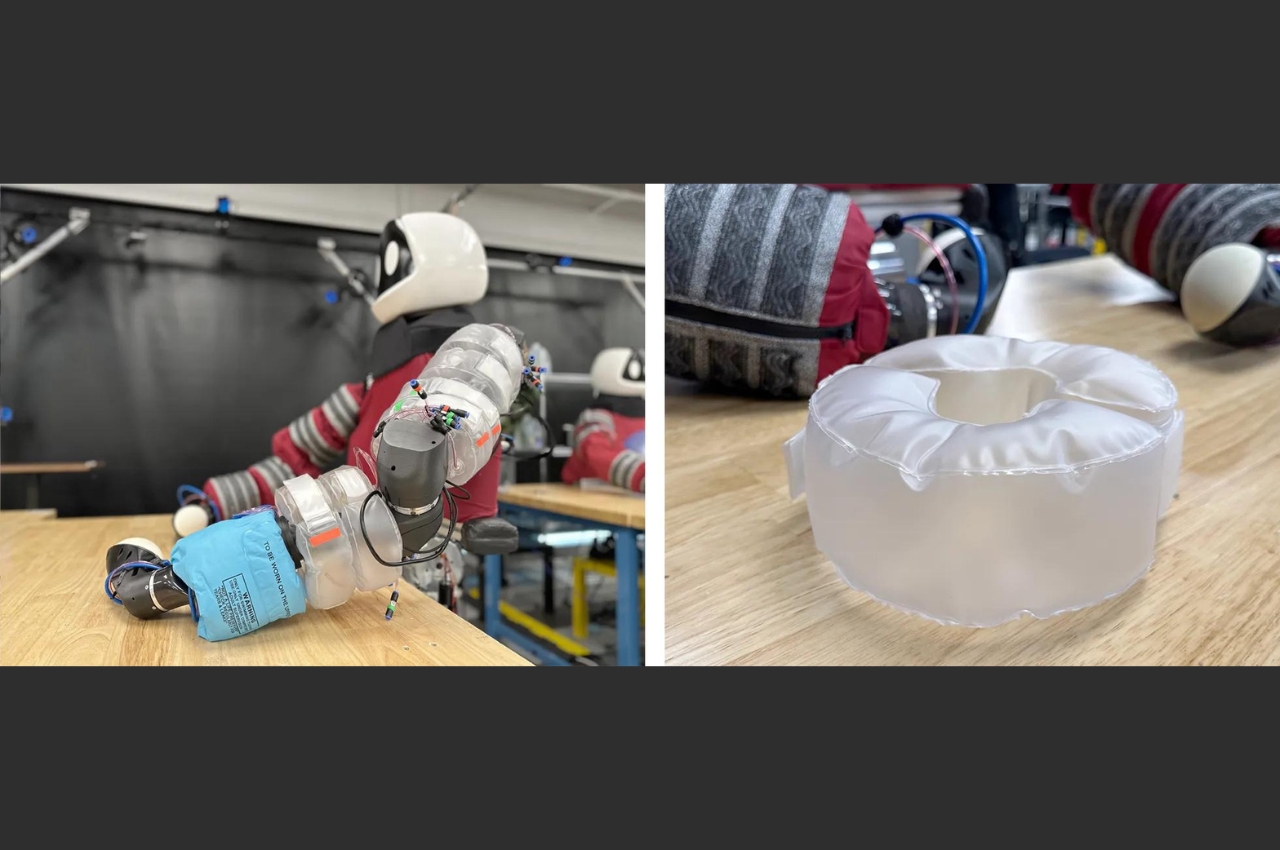
The arms of Punyo are made of air-filled bladders that can interact with different kinds of objects. Instead of the usual grippers we see on robots’ hands, there are high-friction latex bubbles as its “paws”. There are even internal cameras that are able to estimate the force that it needs to exert to carry whatever object it is holding. Inside the “sweater”, there are the usual robotic parts like rigid arms, a torso frame, and a waist actuator.

The name Punyo actually comes from the Japanese concept of “softness, cuteness, and resilience”. Combining the soft and hard robotics, as well as using teleoperation and artificial intelligence learning processes to train the android, gives us a holistic kind of robot that will not scare us but instead will be a helpful and friendly companion when it eventually becomes mass-produced. Hopefully, they will not be cute robot overlords.

The post Cute, sweater-wearing android can help carry heavier objects first appeared on Yanko Design.

BMW uses 3D printing for German bobsleigh team’s footwear

Most sports are dictated by the skill and prowess of the athletes competing but there are also some sports where the sportswear and footwear that they wear can contribute to how they perform. But not all of these sports have customizable or flexible footwear to help the athletes out. Bobsleigh is one such sport and with the Winter Olympics a year away, Germany is partnering with BMW to give their team better footwear to help them compete at the top level.

Designer: BMW

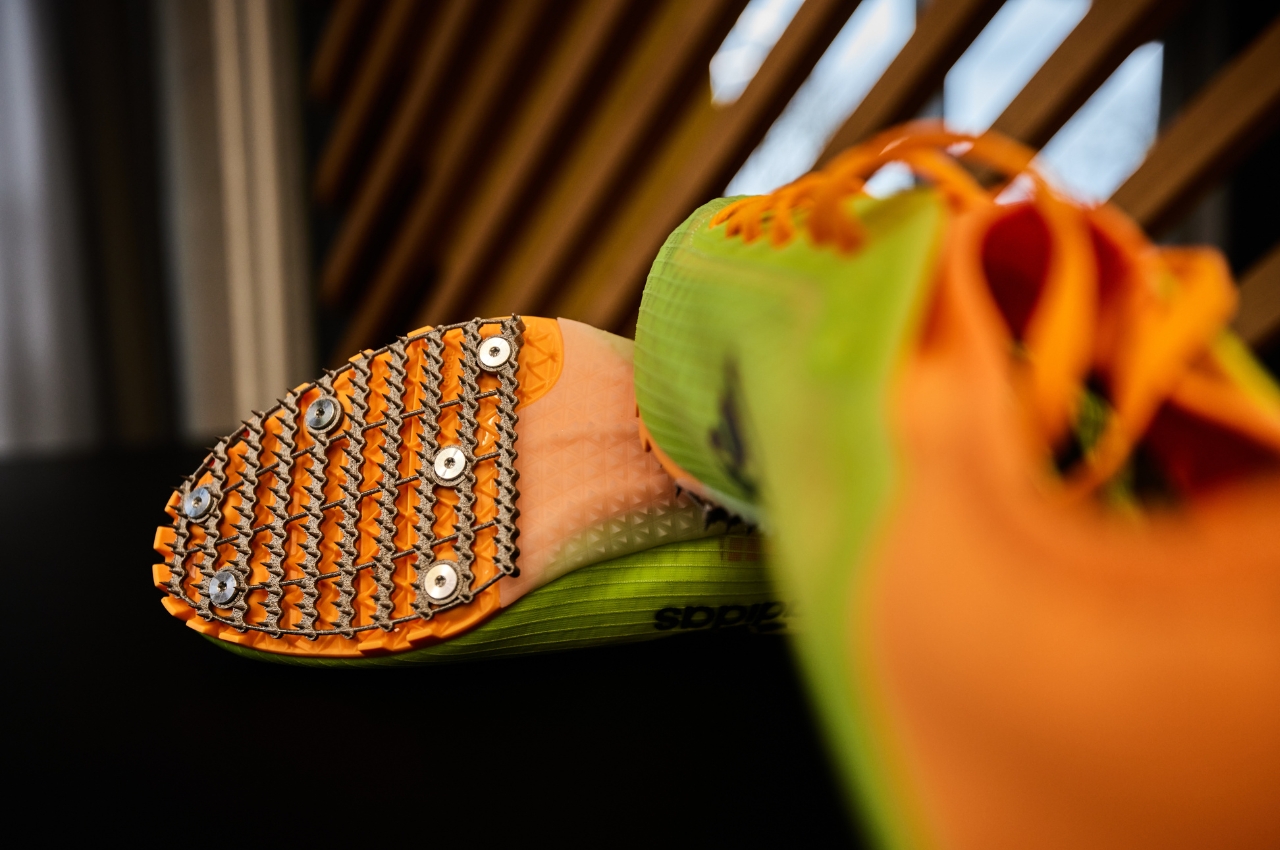
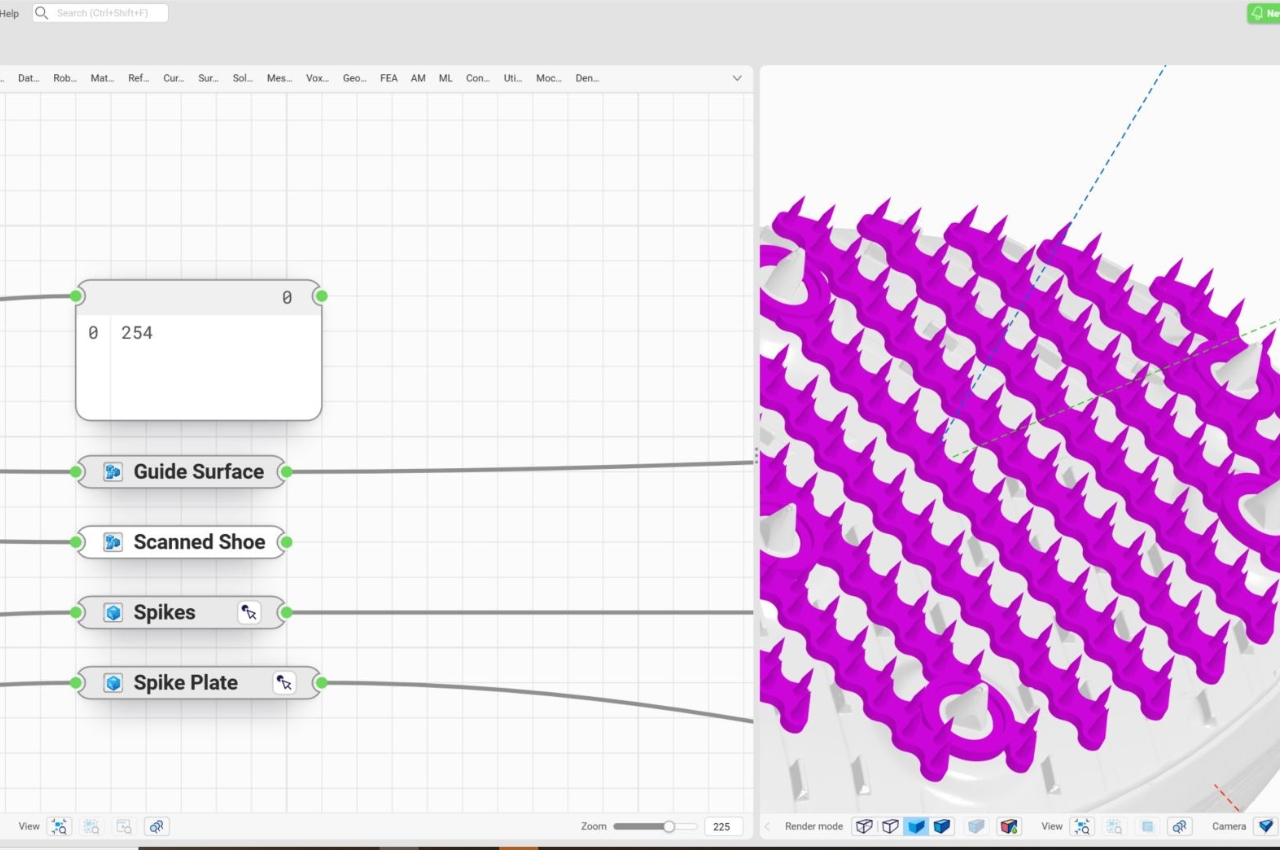
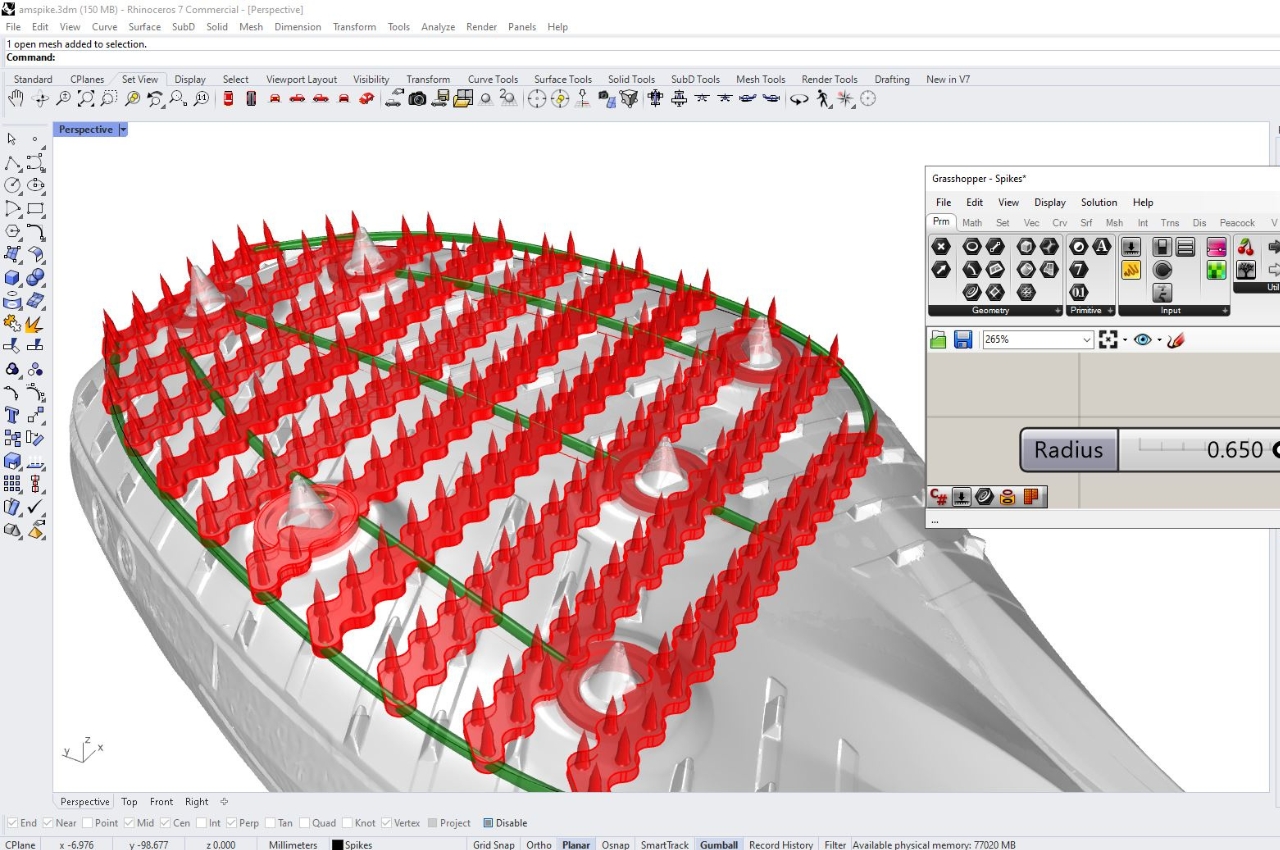
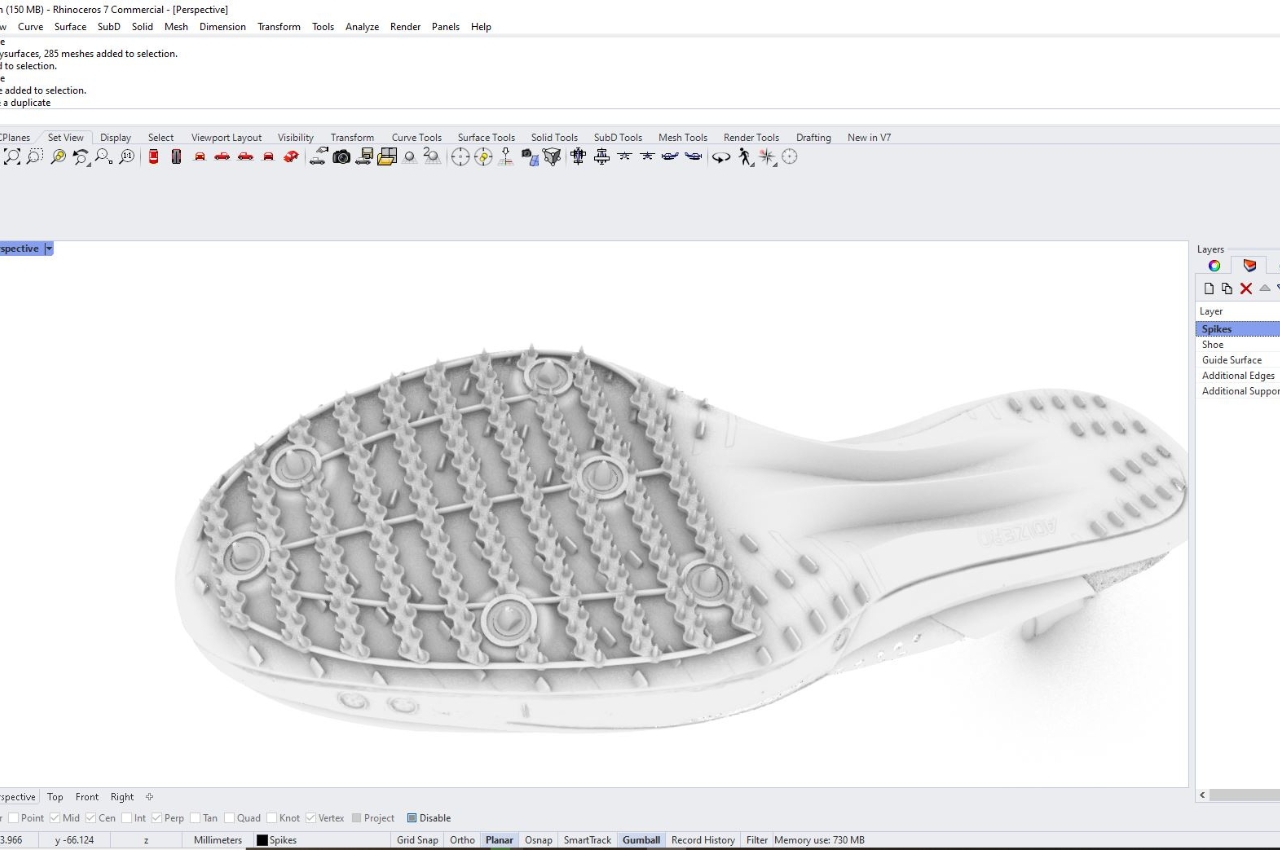
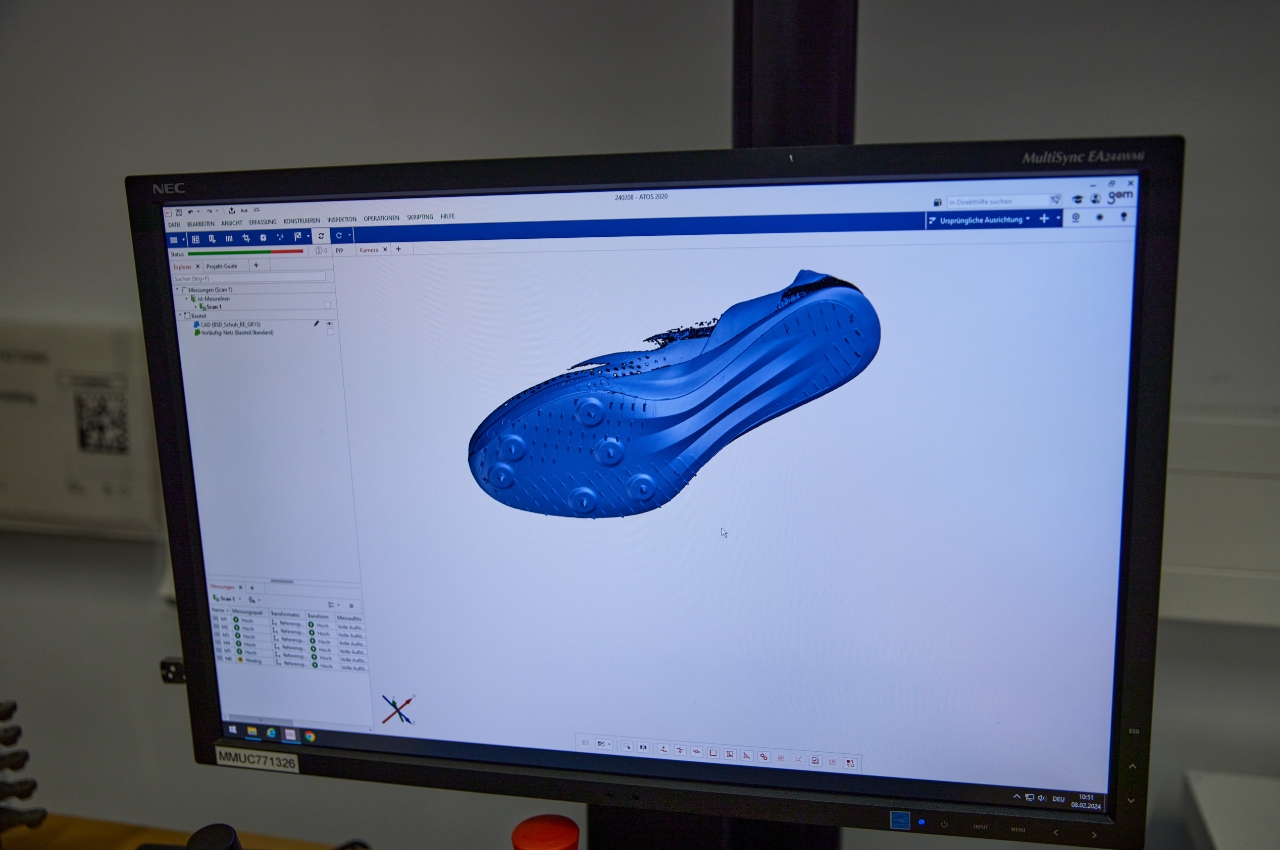
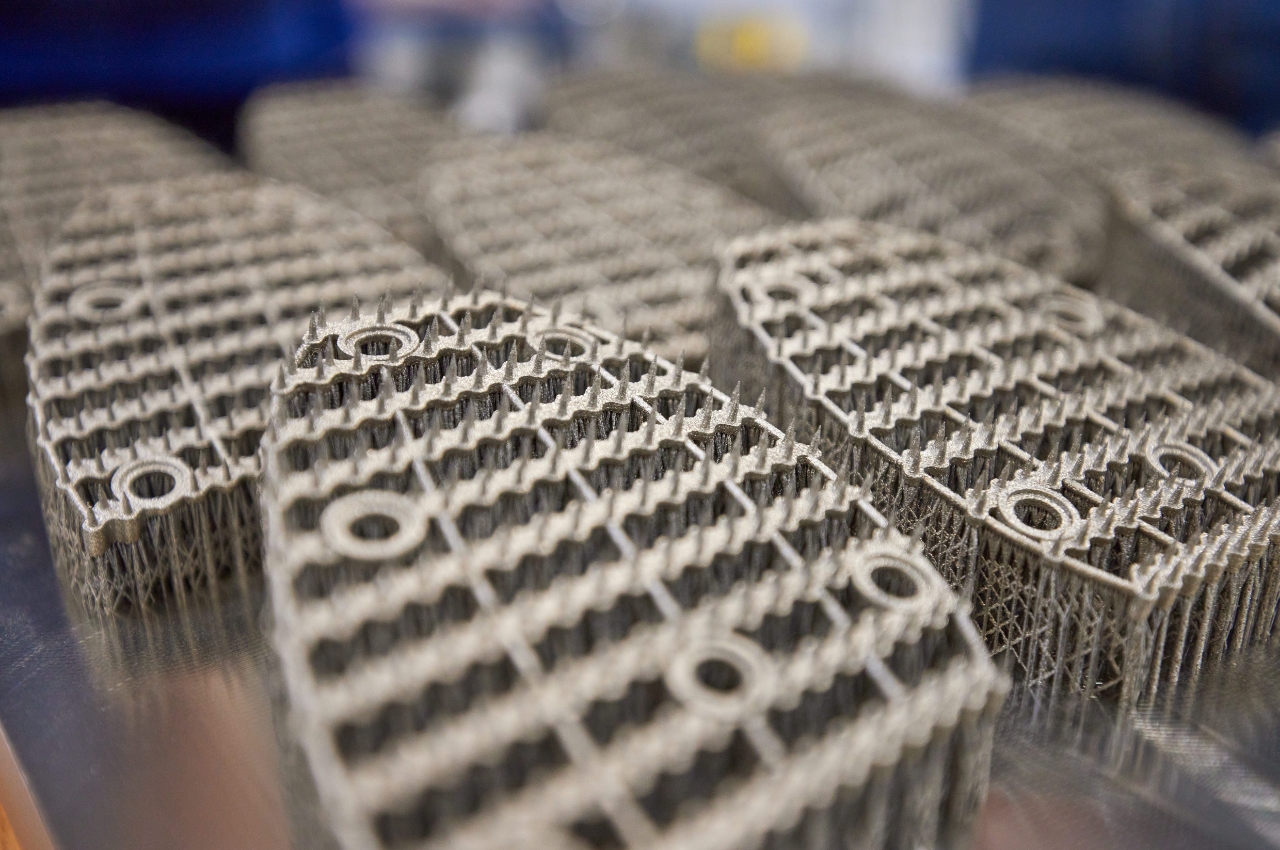
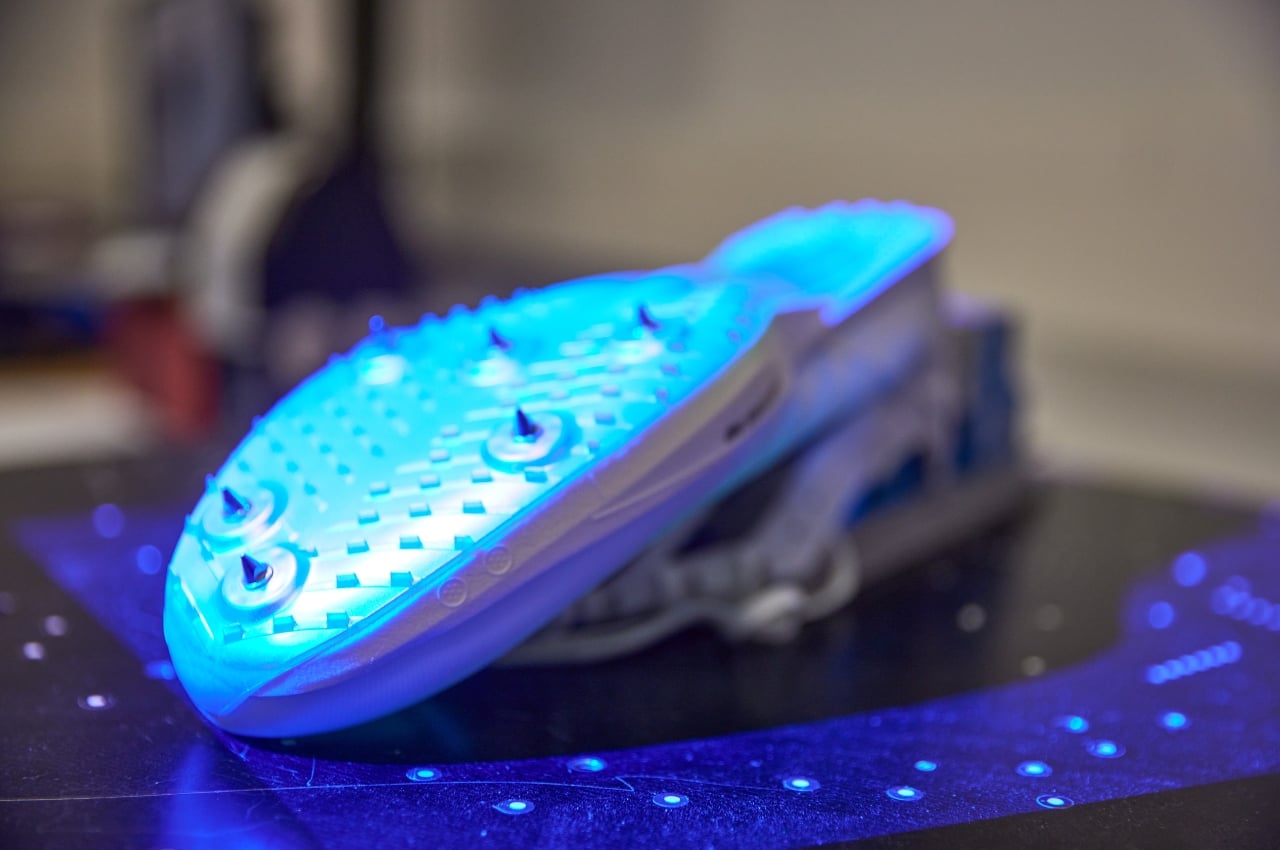
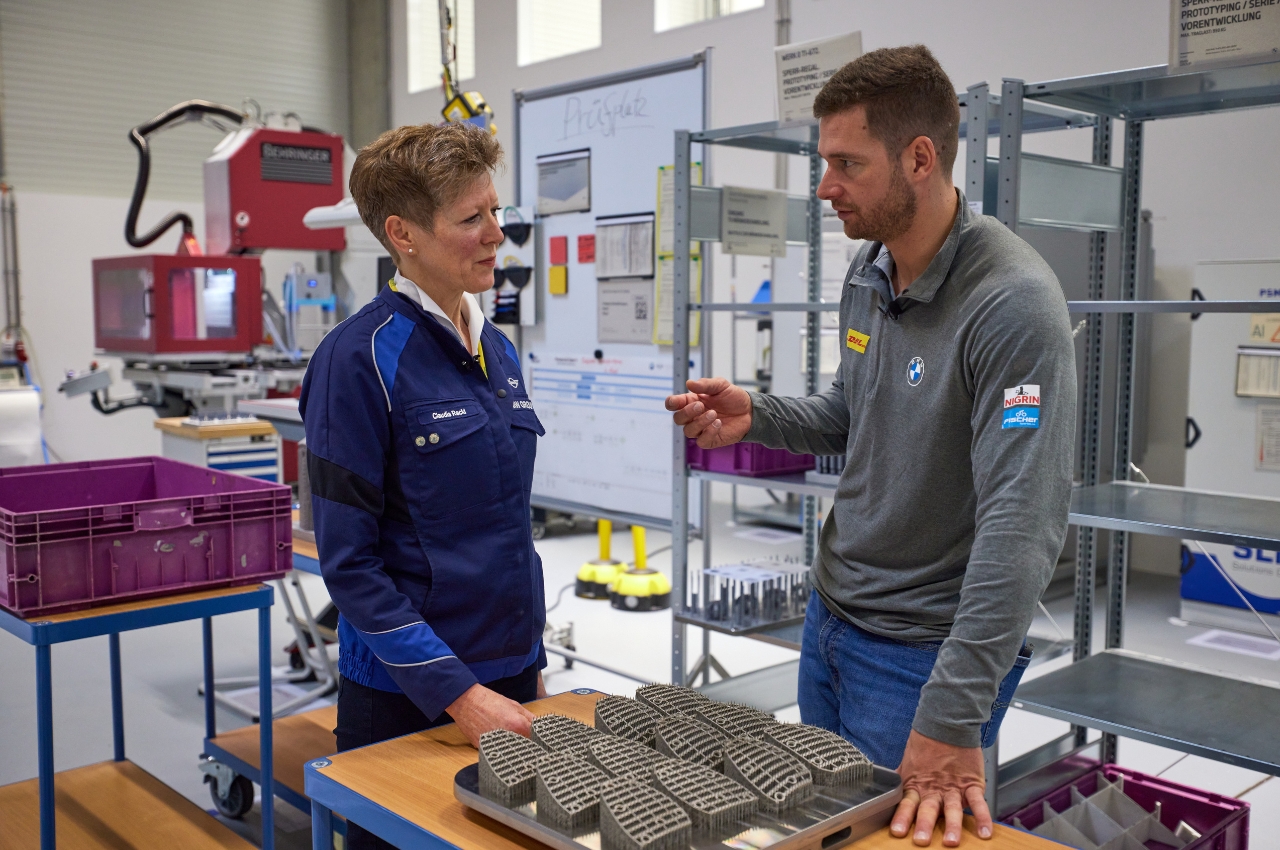
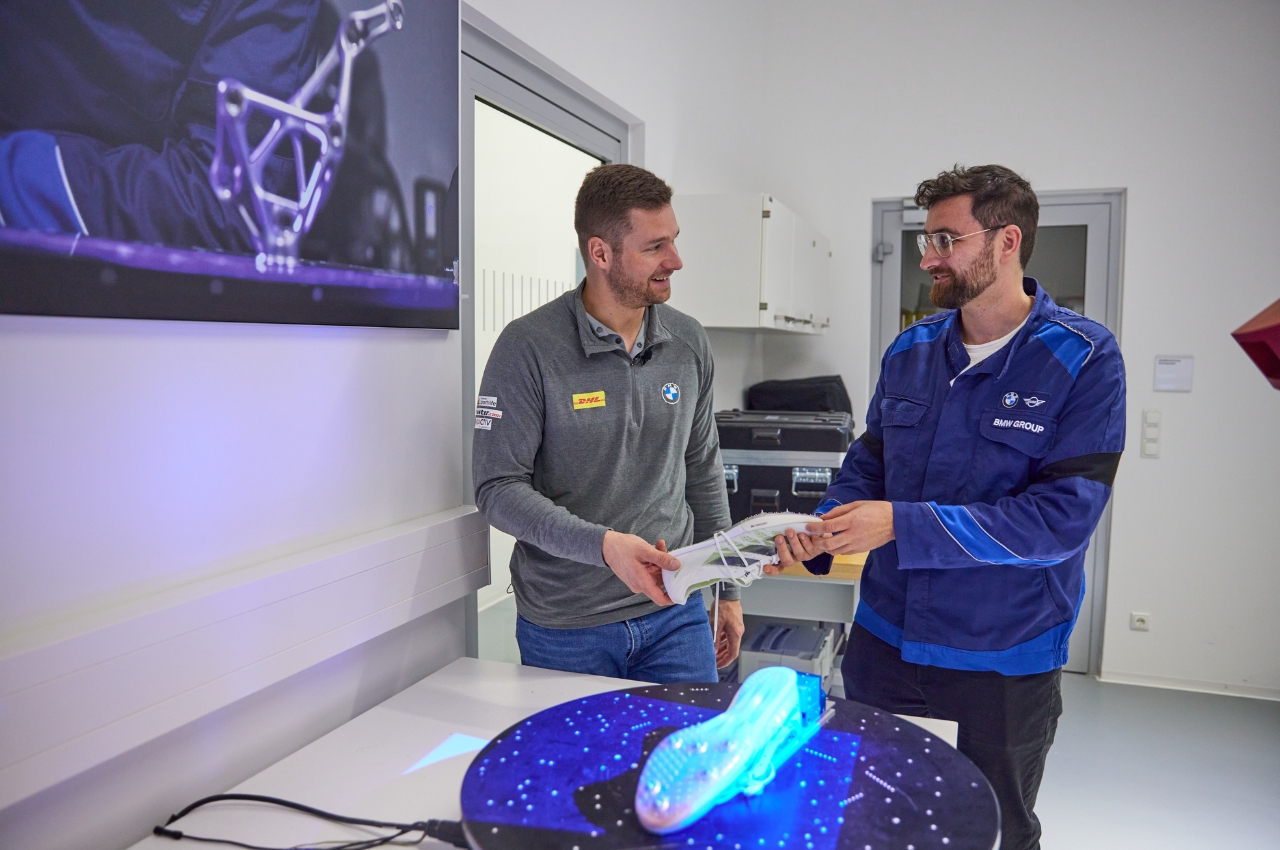
The BMW Group is the technology partner of the German Bobsleigh, Luge, and Skeleton Federatin (BSD) and they have come up with customizable spiked shoes for the bobsleigh team using the power of 3D printing. Regular bobsleigh footwear have defined rows of nails attached to the toe area but these are not replaceable or moveable. Based on track and field shoes, which are more flexible, they came up with threads for screw spikes which are used to attach spike plates on which spike nails can be distributed.

This means that the spikes can be adjusted to a large selection of shoe styles, sizes, and other aspects to make them more comfortable and suitable for the athletes’ needs. You can also adjust the material and geometry of the plates and the placement of the spike nails, giving better acceleration according to the power transmission on the ice. And since 3D printing is used, they get to be more flexible and test out the spikes and make adjustments, without having to spend a fortune and spend so much time manufacturing.

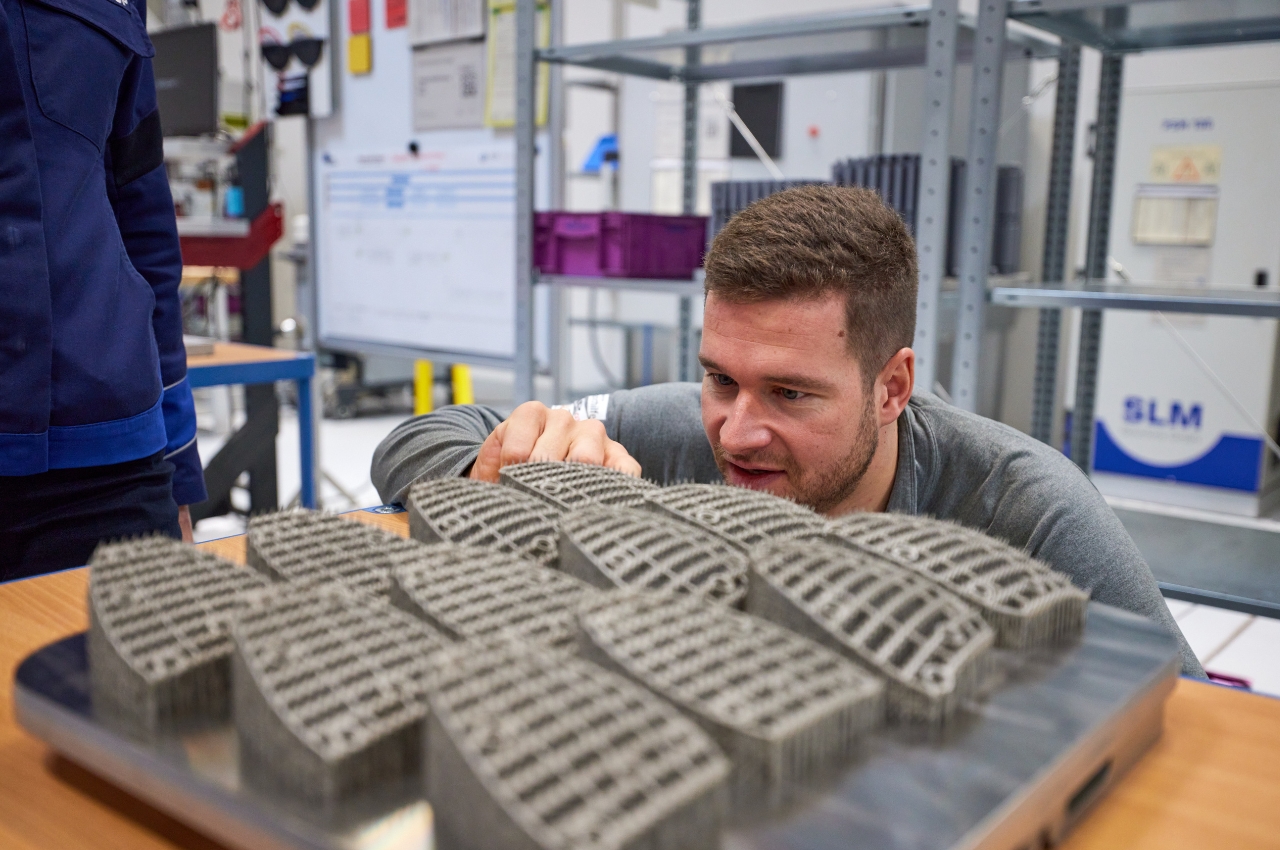
They were able to test out the spike plates during the Bobsleigh World Cup (which ends later this month) and so far, they were able to get positive feedback from the athletes that they made them for. Of course there are still changes that need to be made but they do have 11 months to go for it before the Winter Olympics in February 2025. We’ll also see by then what effect these spikes have on the German team’s performance.

The post BMW uses 3D printing for German bobsleigh team’s footwear first appeared on Yanko Design.
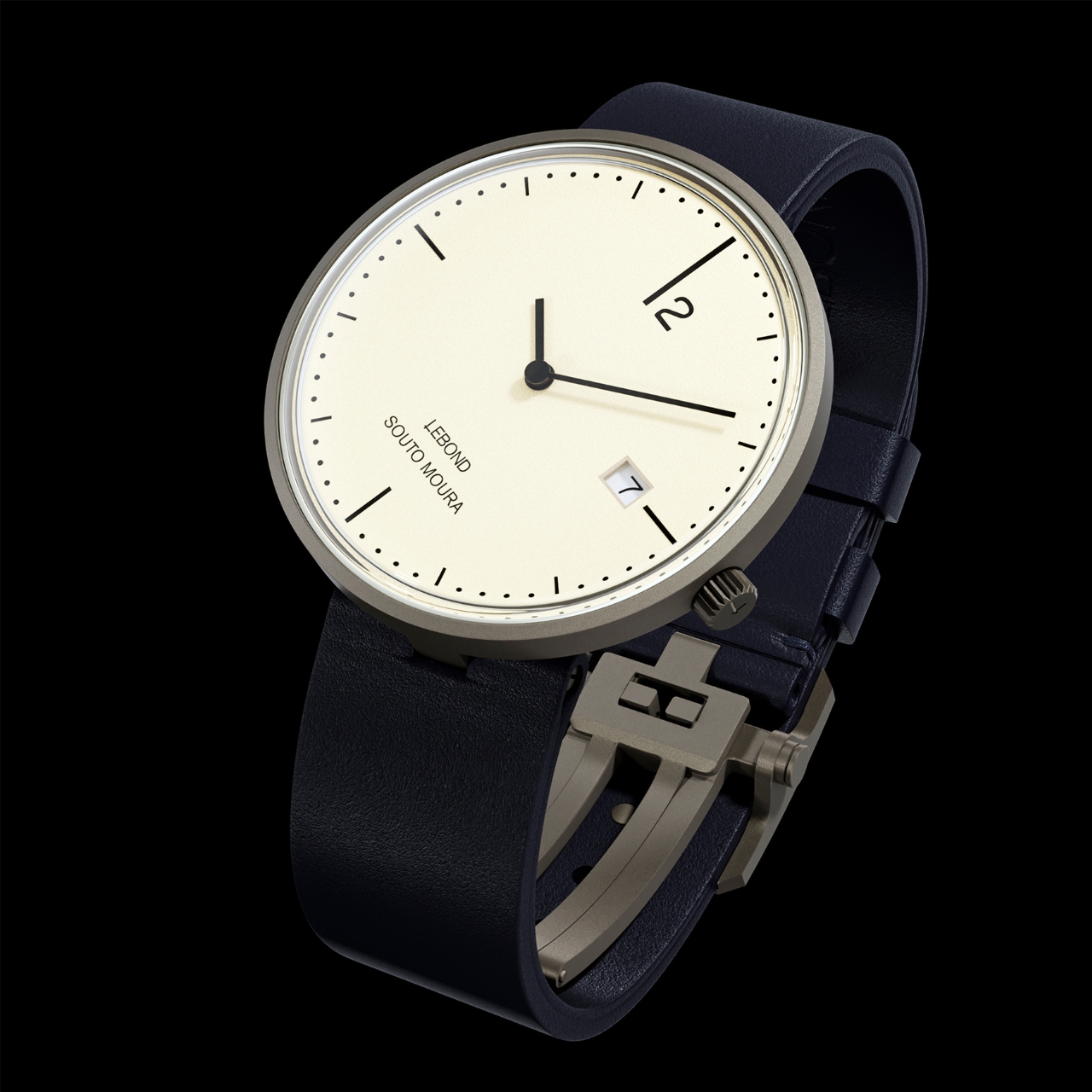
Lebond Souto Moura watch rotates 30 degrees so you don’t twist your arm

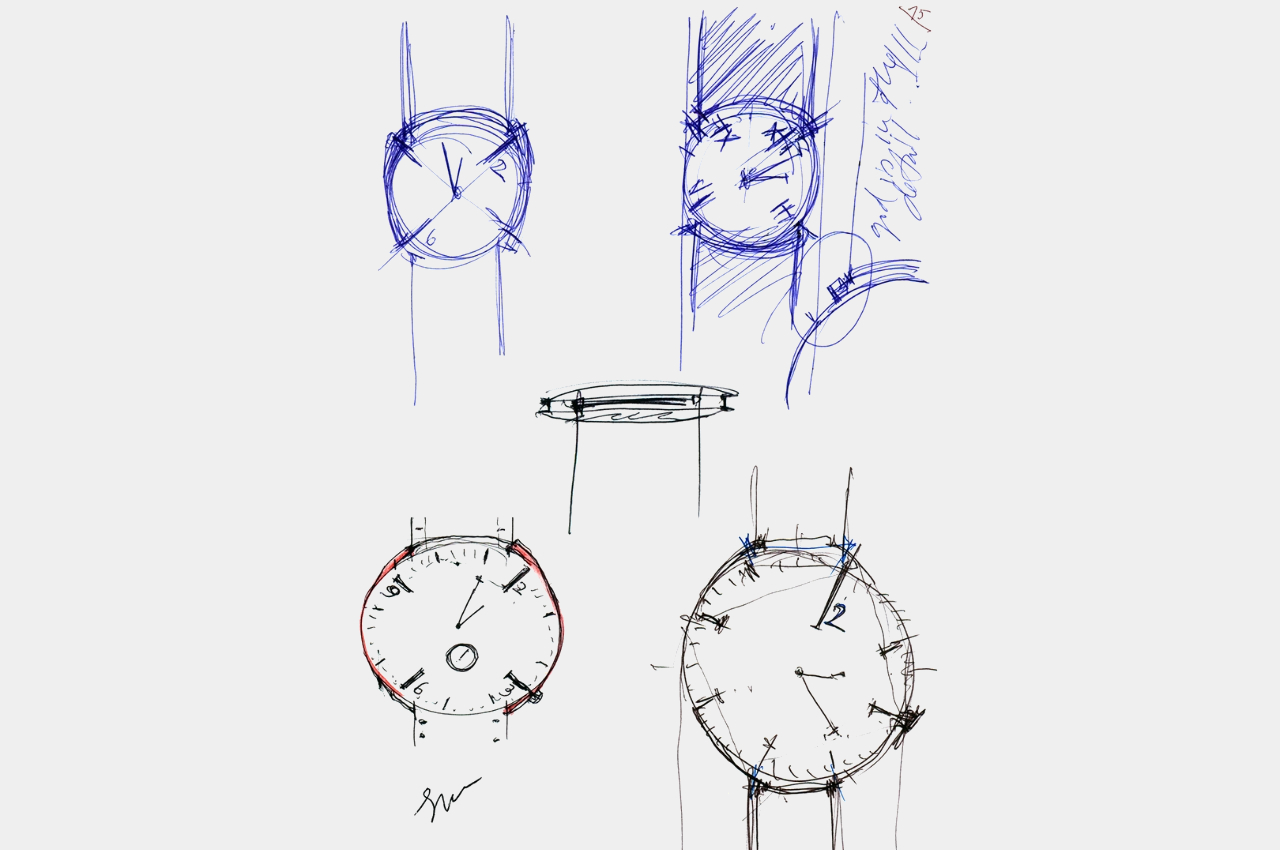
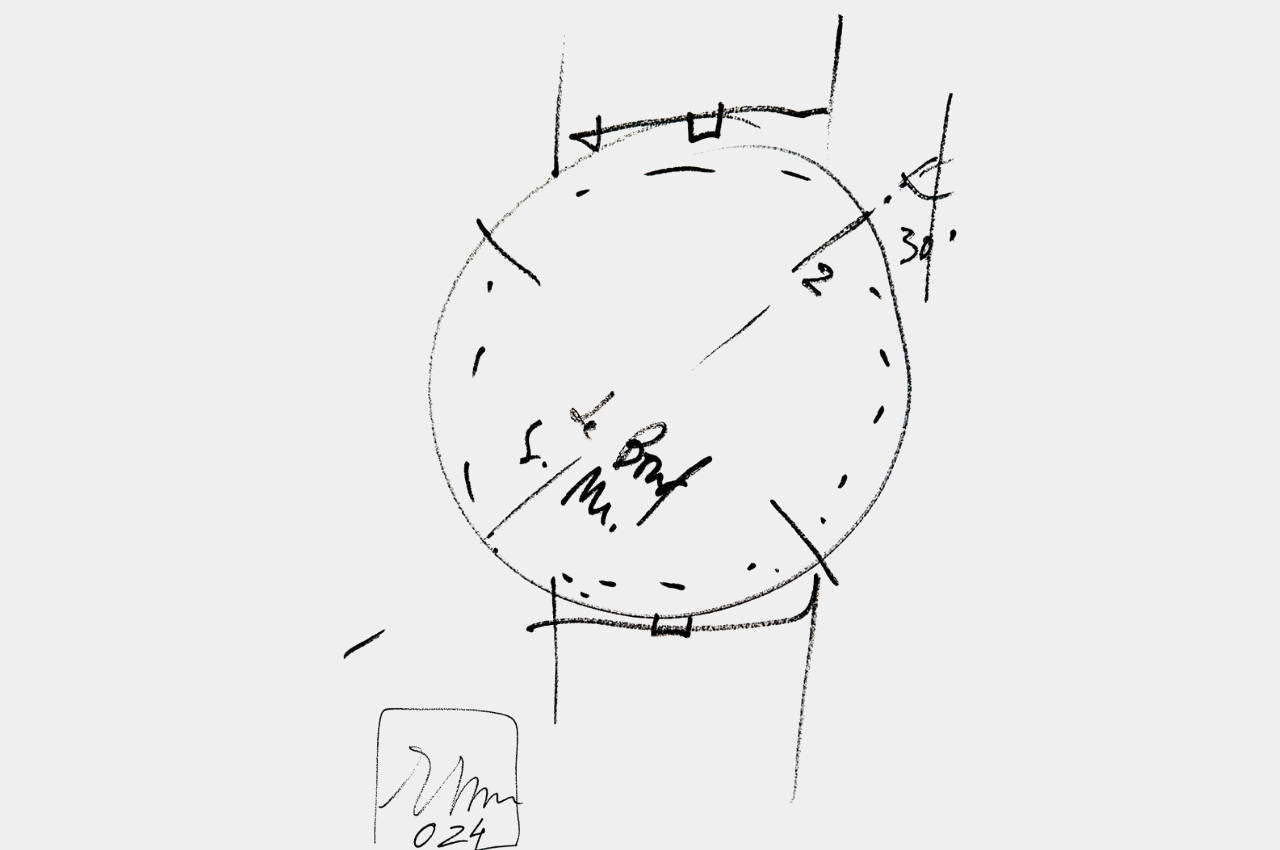
While most people are probably dependent on their smartphones and other digital devices to tell time, there are still those who would much rather tell time the old school way: through an actual watch. Those who drive a vehicle and want to know the time through their wristwatch sometimes have a bit of an uncomfortable situation as they need to twist their arm when their hands are on the steering wheel. Award-winning architect Eduardo Souto de Moura has a unique design solution to that problem which he created for Lebond.

Designer: Eduardo Souto de Moura for Lebond

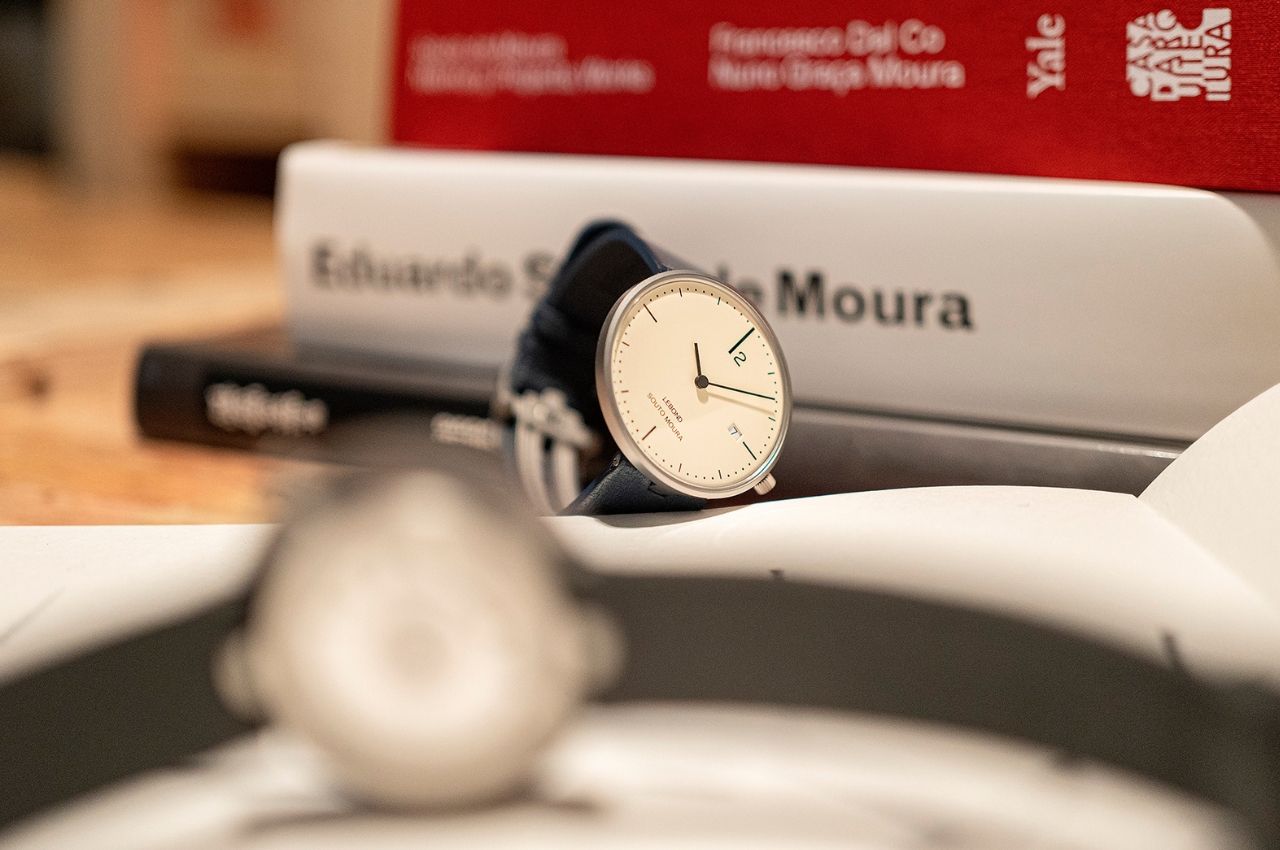
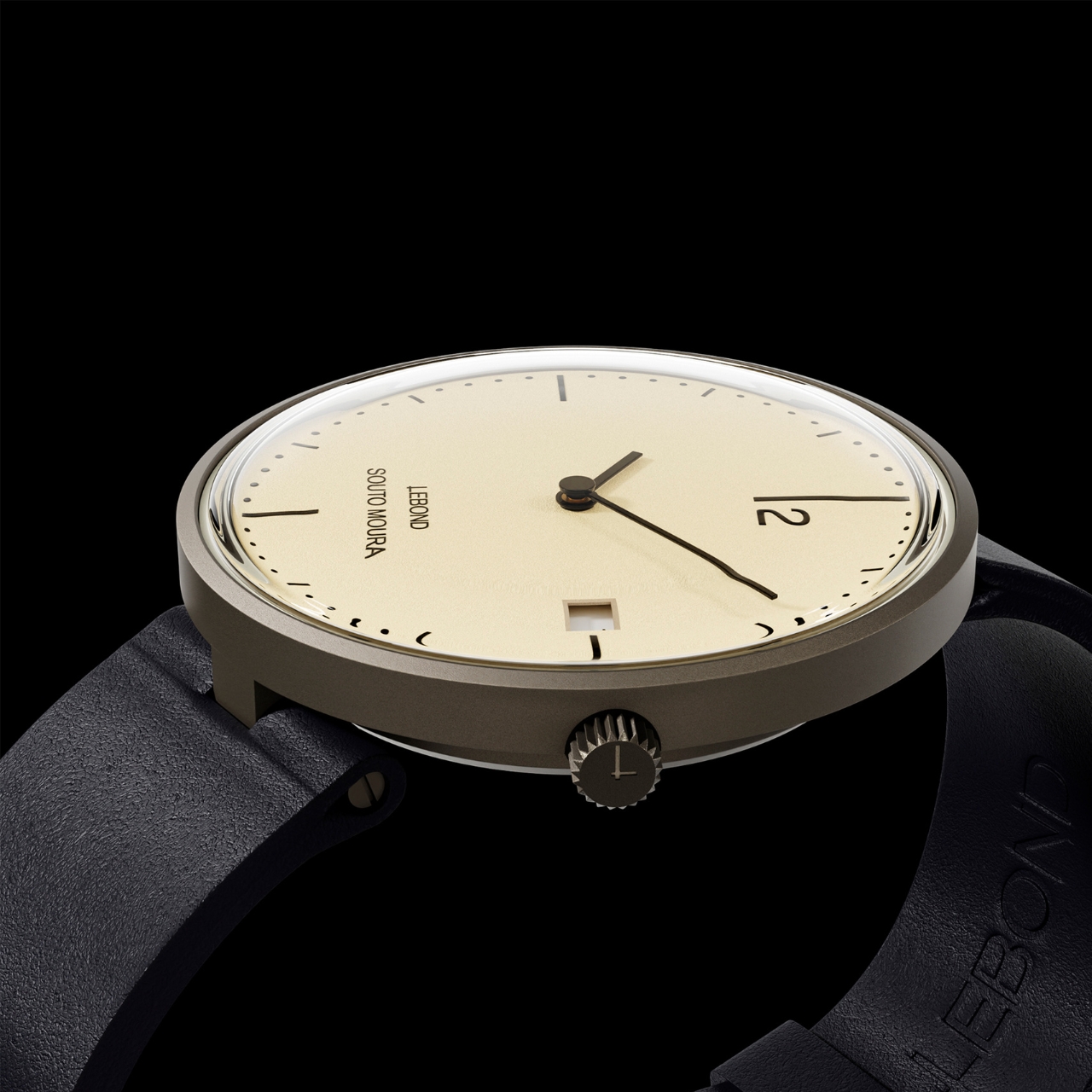
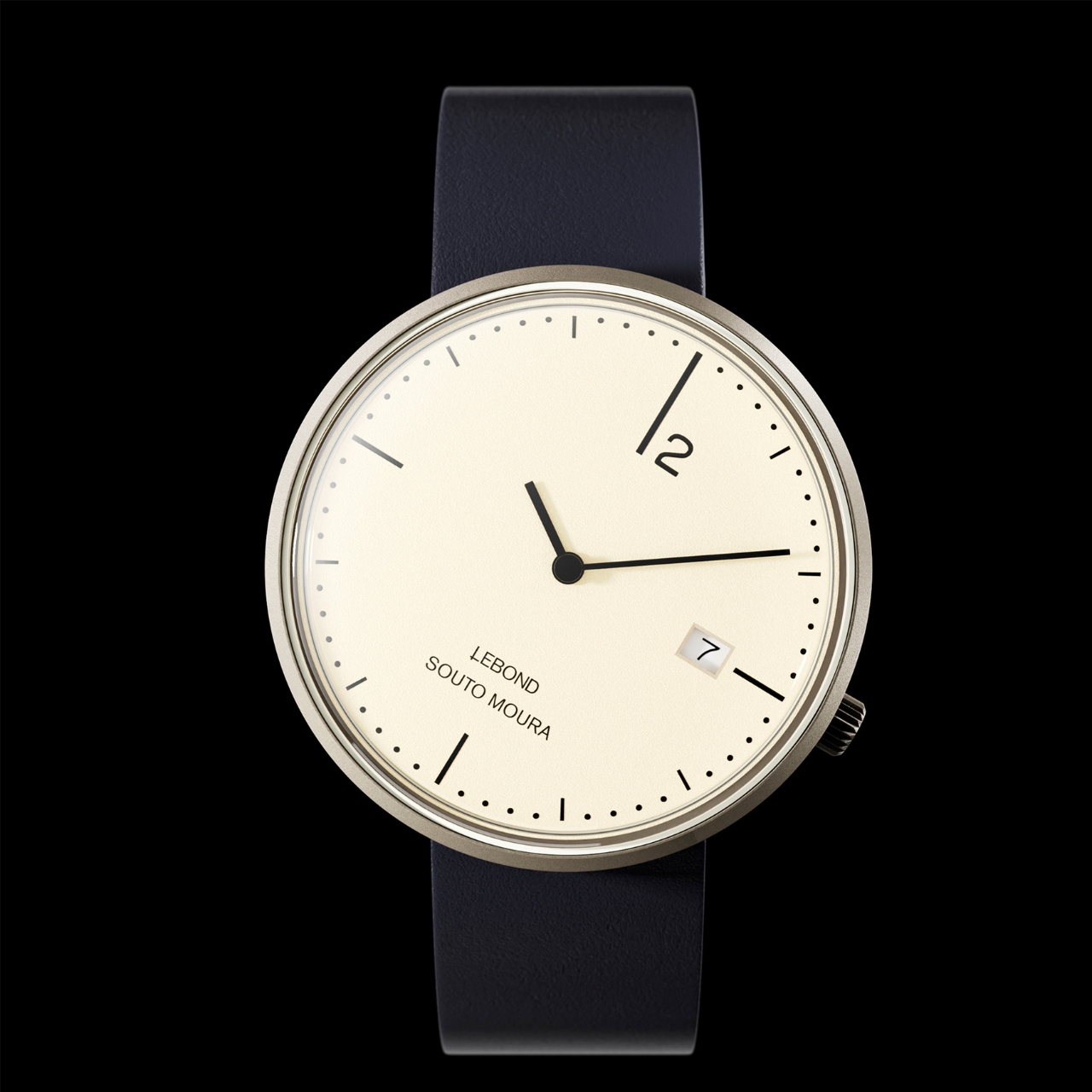
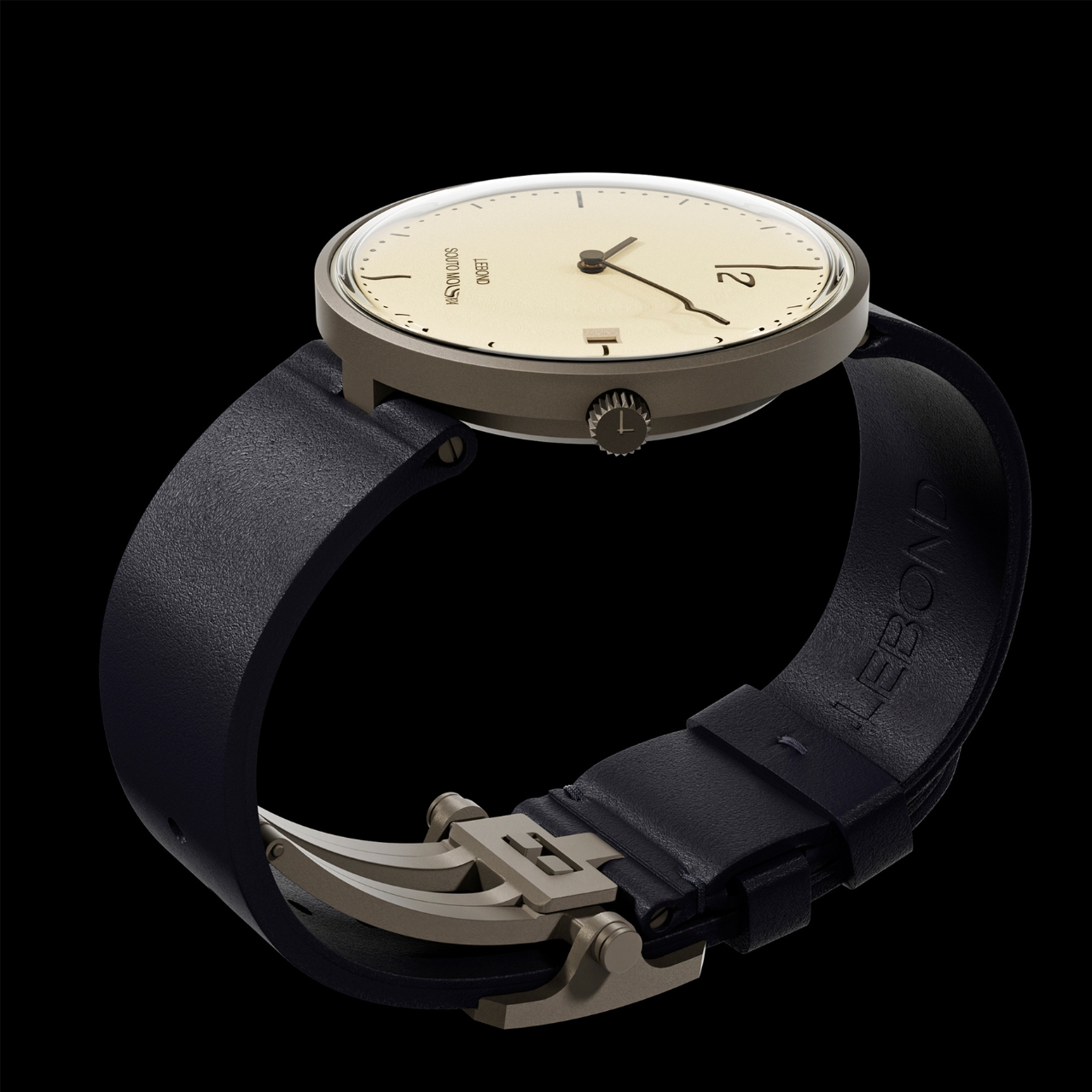
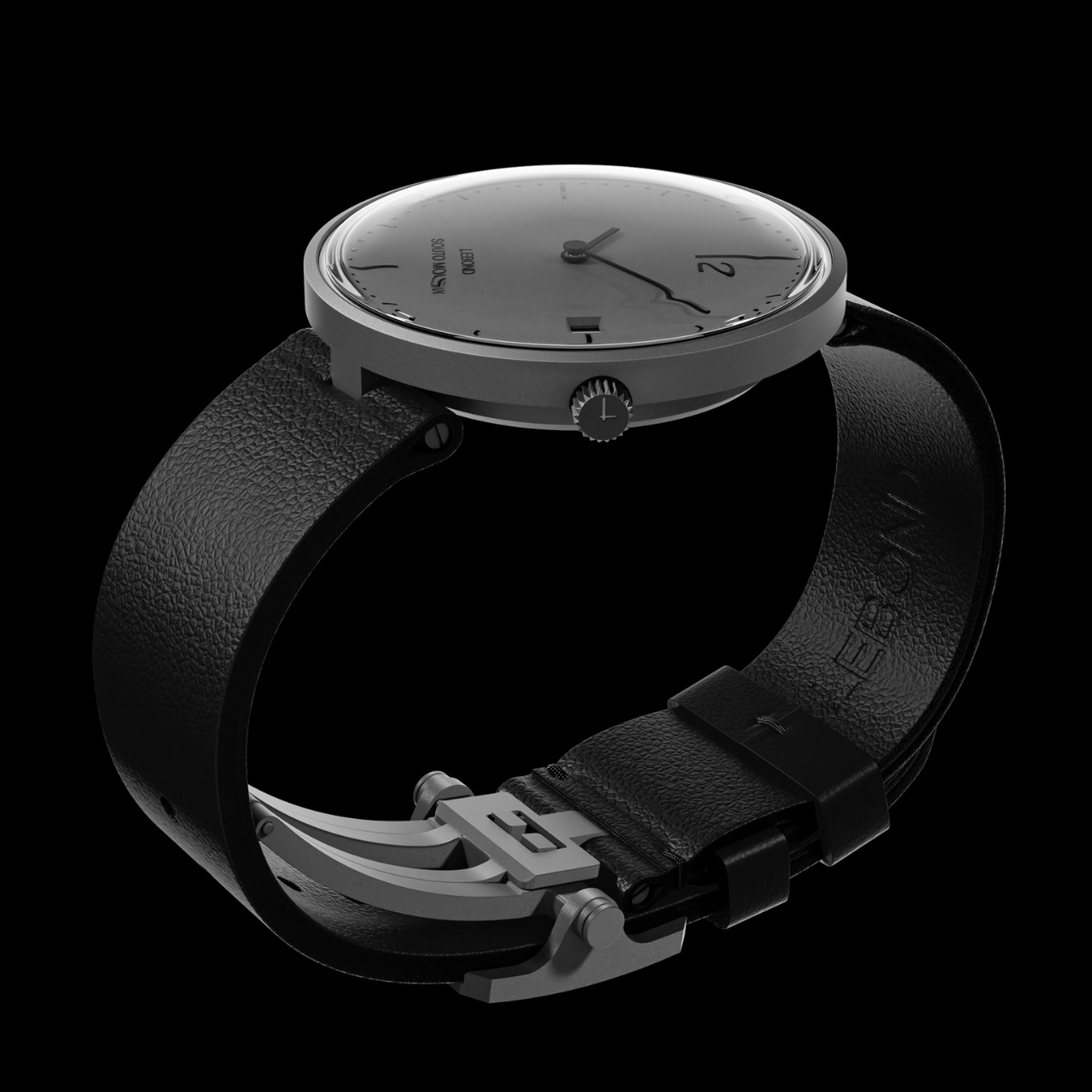
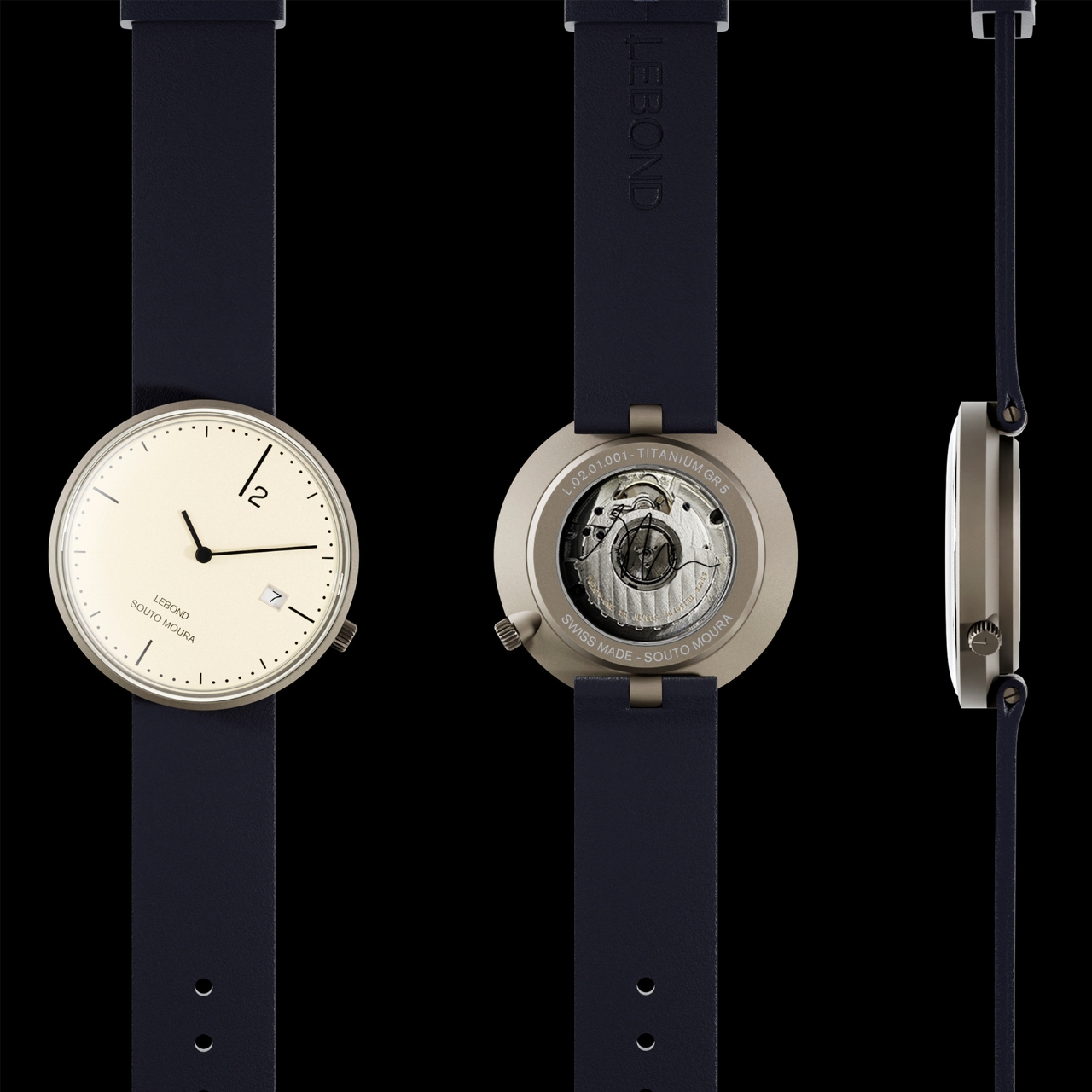
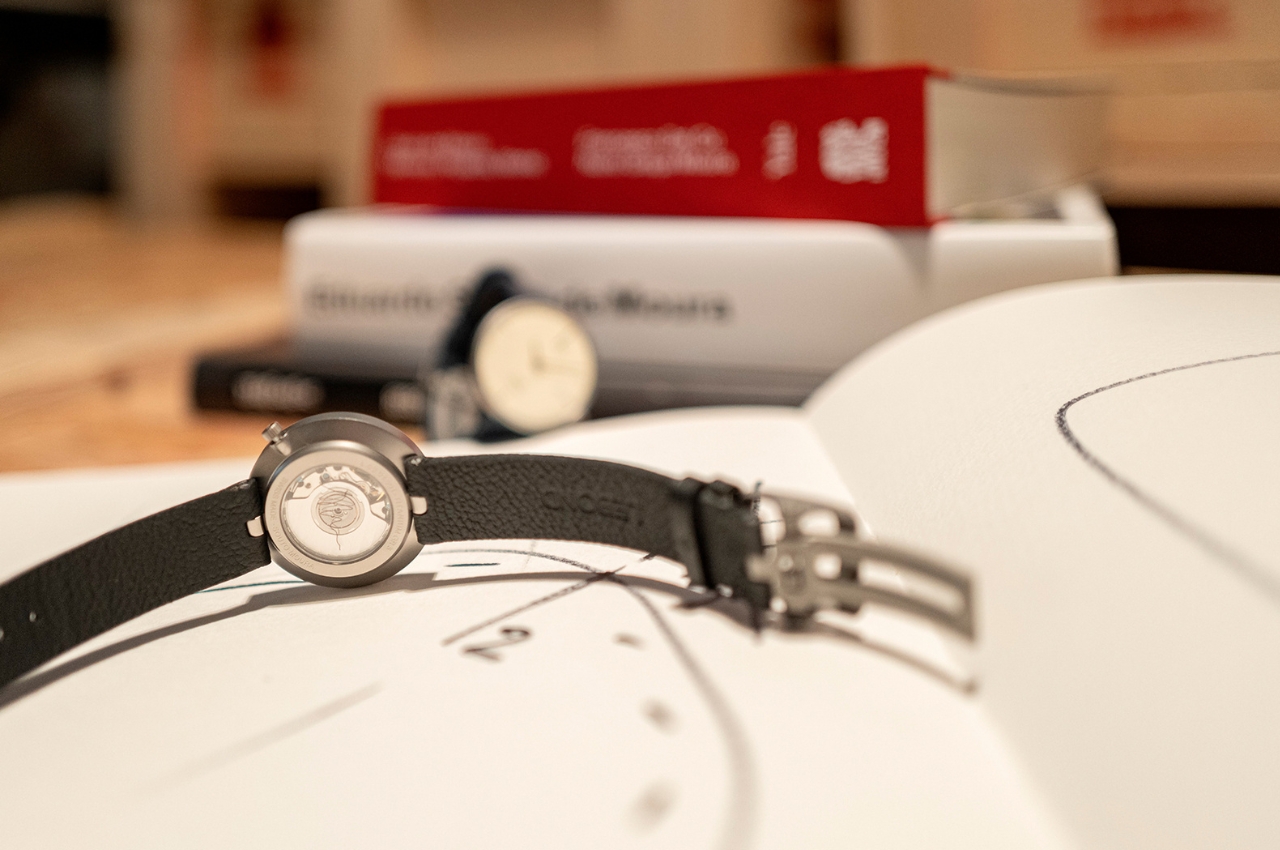
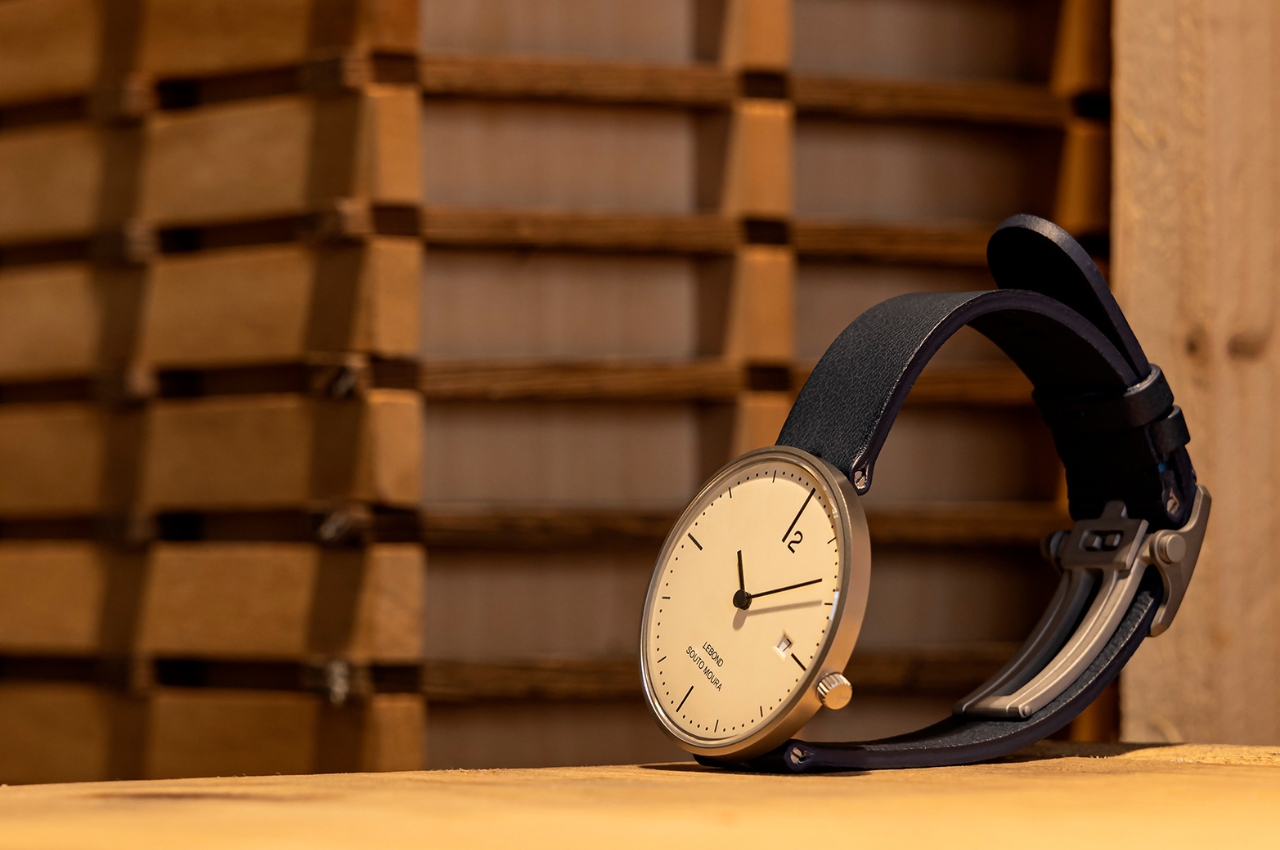
The Lebond Souto Moura watch adjusted to the line of vision of a driver when his hands are on the steering wheel. The watchface was rotated 30 degrees “for optimal visibility on the wrist”. There are no numbers except for the 2 in the middle with a long straight line beside it which serves as the number 1. The other hours are represented by short and slightly longer lines (the latter for 9, 3, and 6) while the minutes are small dots. And if you’re not used anymore to telling time in the analog manner (as kids these days are), it can be a slight challenge.

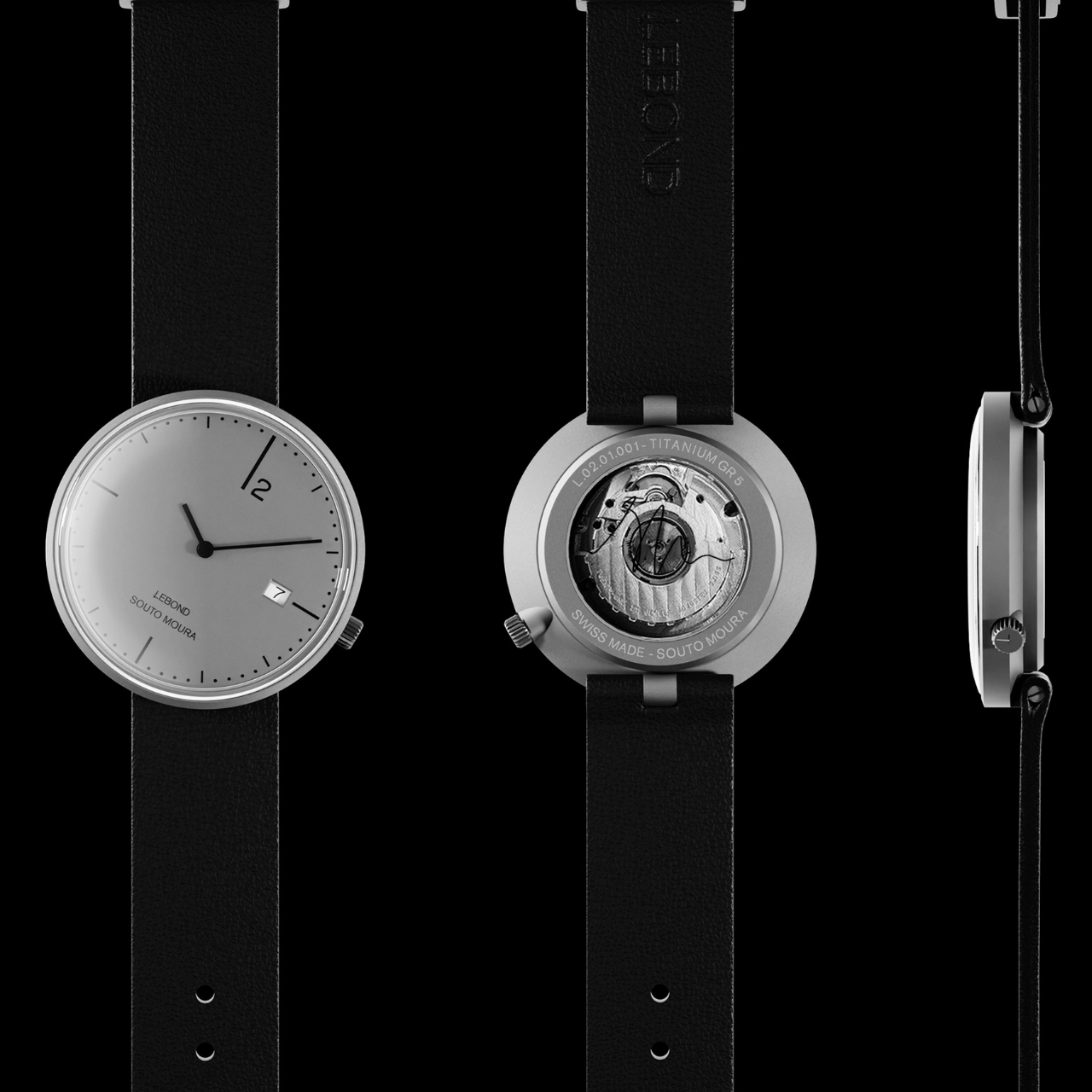
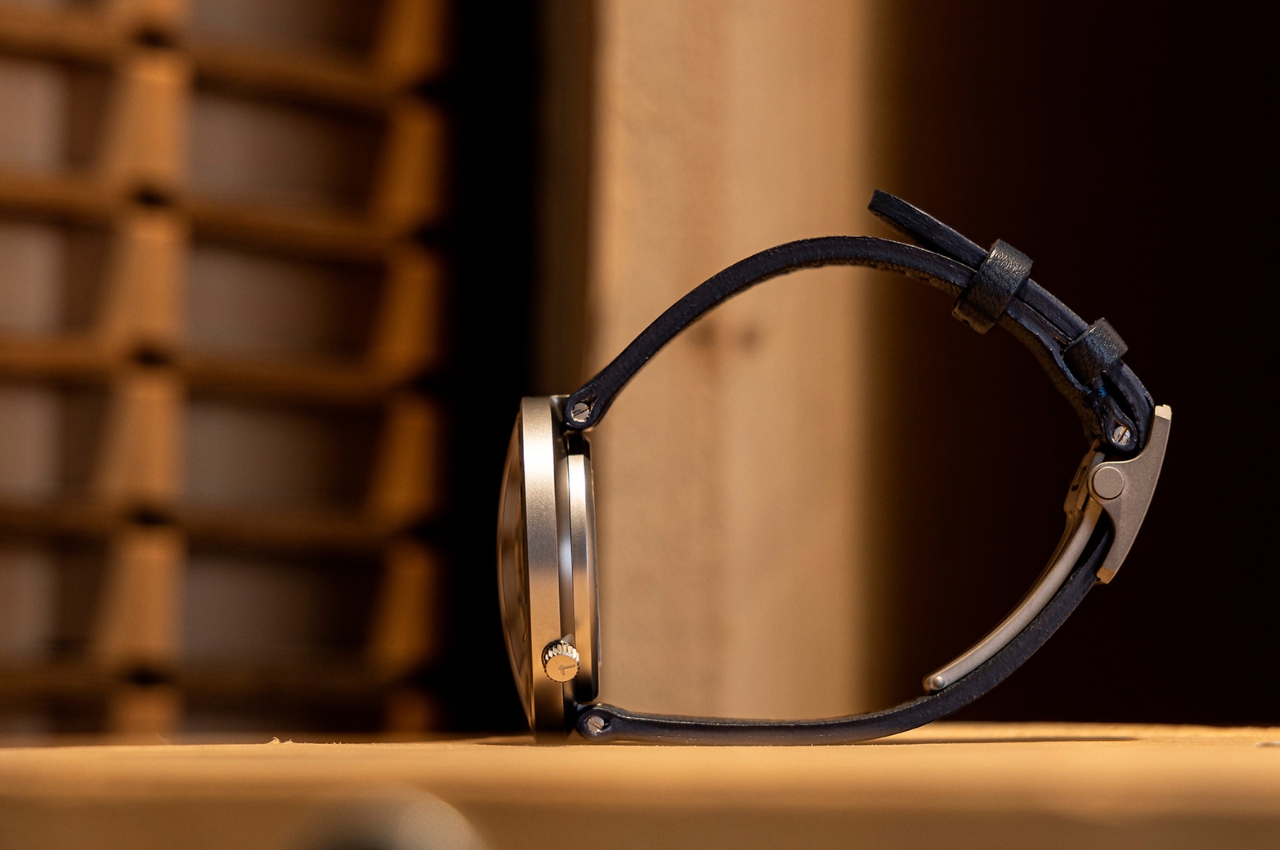
There’s also a date function located beside the 3 o’clock position but it just shows the number date (hopefully you know what month it is already). In terms of the materials and specs of the watch, it uses grade 5 titanium with a 38.5mm large case with a 7.6mm thickness when the strap is attached. It weighs only 46 grams as they are also aiming for a lightweight device. The case has a micro-sandblasted finish while the caseback has a sapphire insert. It has a power reserve of up to 50 hours and runs at 28,800 VpH/4Hz.

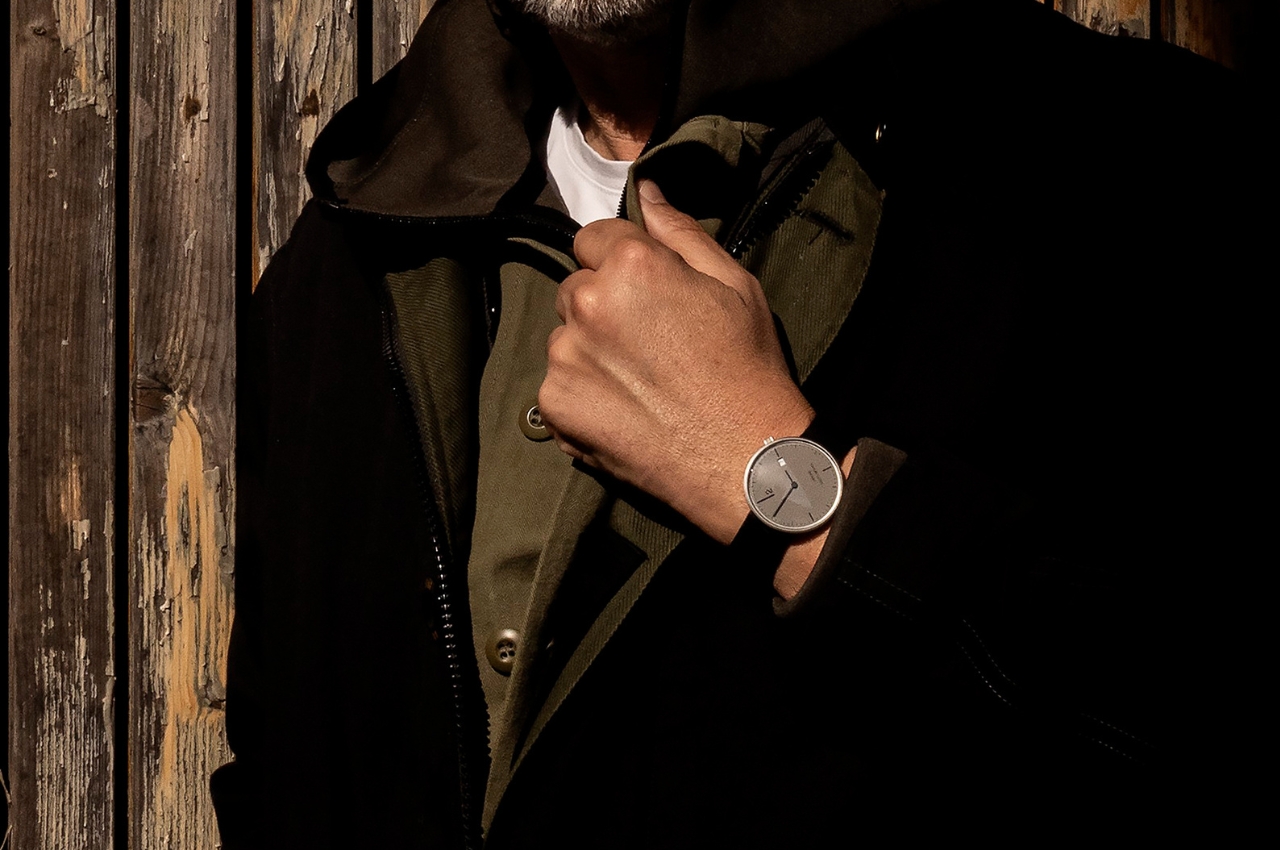
There are two versions of the Lebond Souto Moura watch. The Original Edition has a navy blue Top Nappa leather strap and a matte beige dial. Meanwhile, the Dark Edition has a black strap with a matte gray dial. While it’s designed as a “driving watch”, even if you don’t actually drive but just don’t want to constantly twist your arm when you want to tell time, then this would be a nice one to have if you have around $3,000 to spend on an analog watch.

The post Lebond Souto Moura watch rotates 30 degrees so you don’t twist your arm first appeared on Yanko Design.

WiFi router concept uses cork as material and design aesthetic

A wifi router is one of those devices that every house needs but we don’t really think about how it’s designed, what materials are used to make it, and other factors that come into it. As long as it does what it’s supposed to do, which is get you connected to the internet, then we’re almost always fine with it. However, most routers have a lifespan of 2-3 years and so it contributes to the million tons of e-waste that is generated annually by people who constantly change their gadgets and devices.

Designer: Connor Rusnak

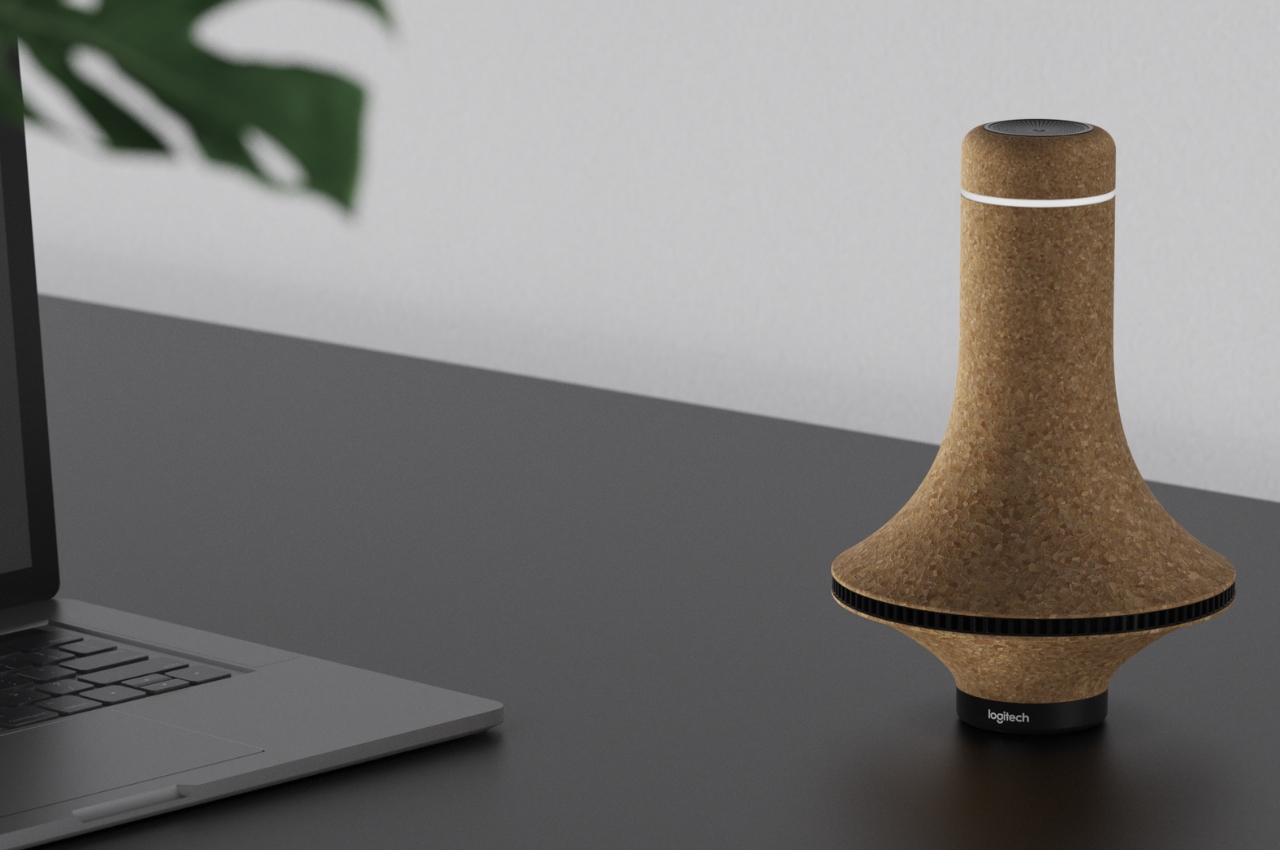
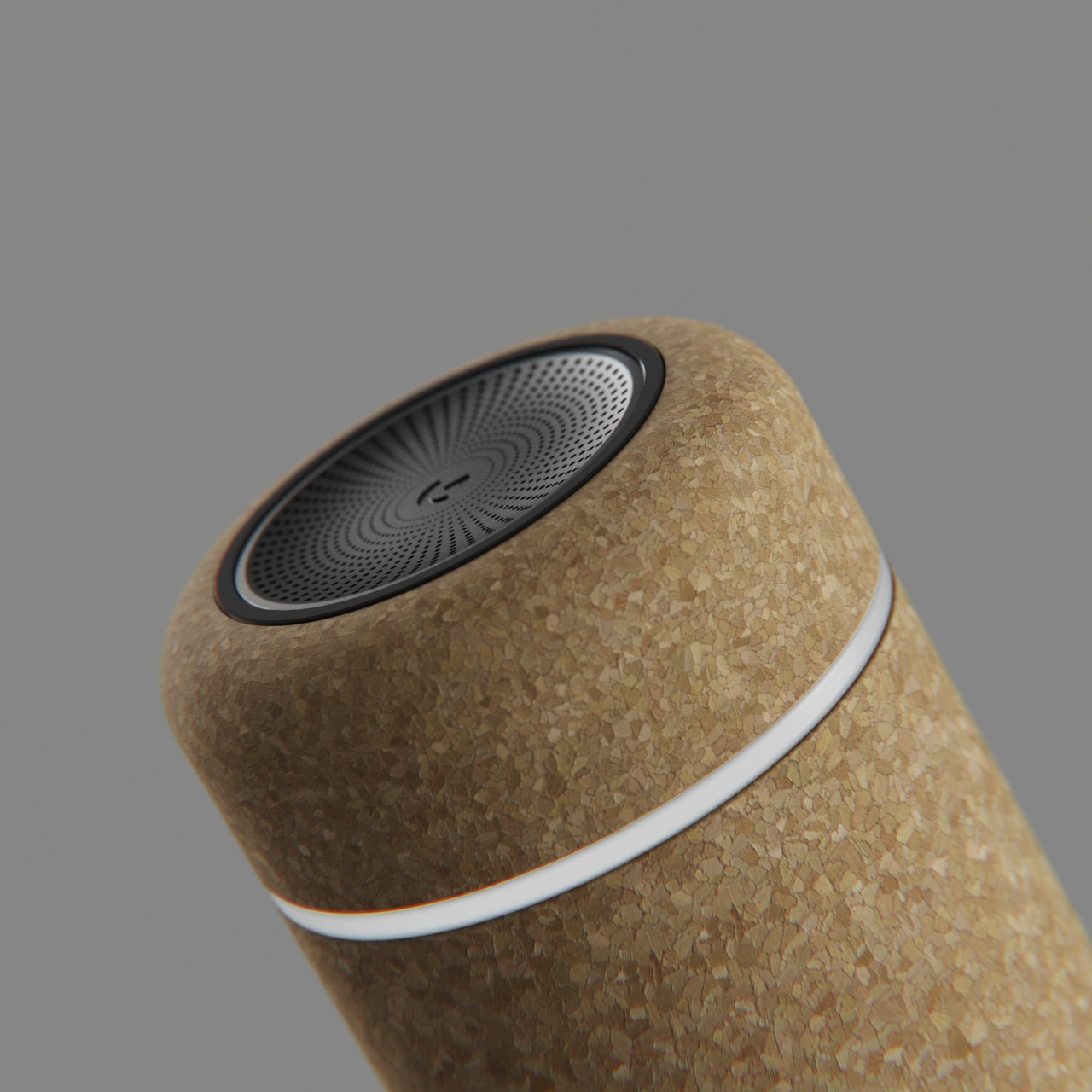
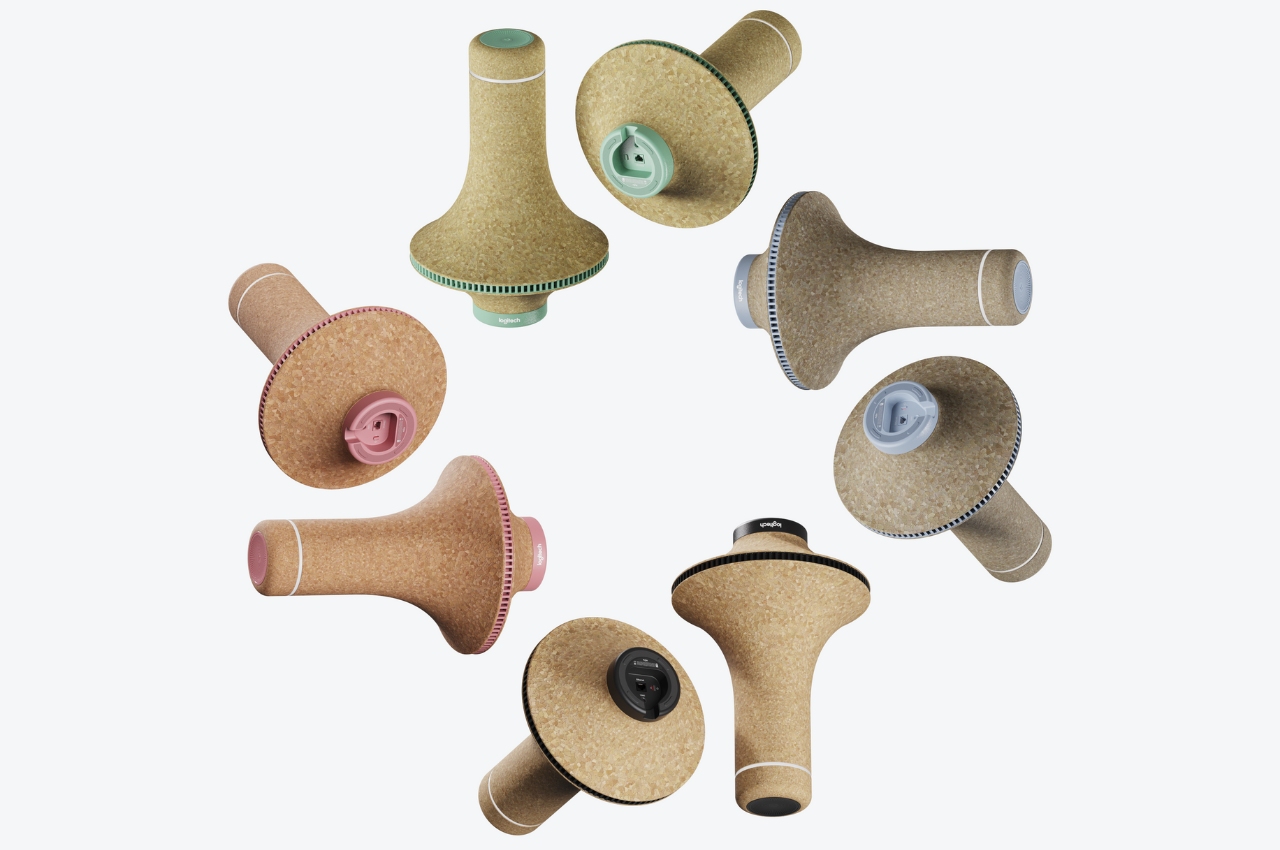
A concept for a sustainable wifi router tries to solve that issue and at the same time give us a well-designed one that you will proudly display in your home office. The Pella uses cork in the design so you get an eco-friendly material that can also look good on your device. In theory, using this material should not interfere with the functionality of the device which is of course important since the only reason you’ll get a router is to be able to connect all your devices to the WiFi.

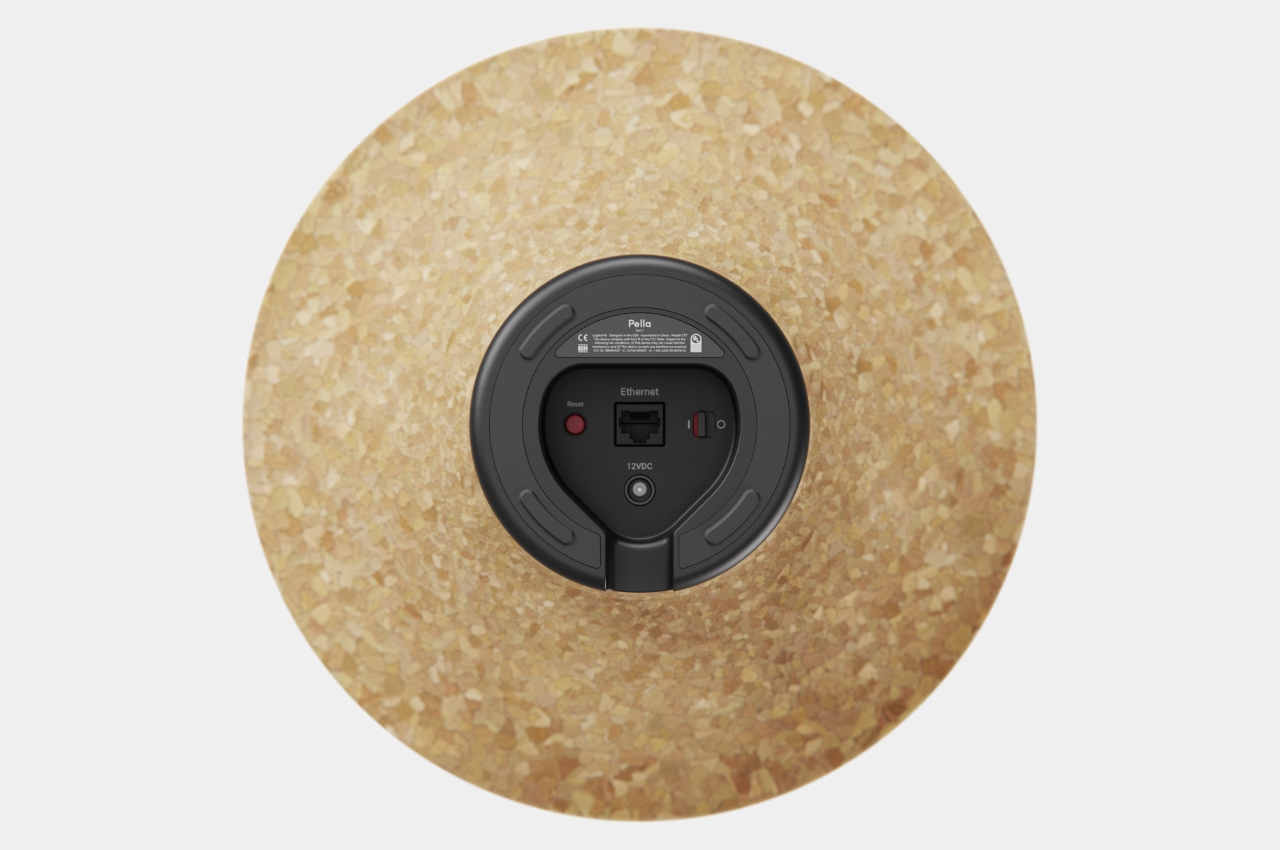
The cork is not just a building material but an integral part of the design. The router looks more like a smart speaker with its spherical shape which is also reminds me of a top but with a stable base. The basic controls, which are mainly the on/off button and what seems to be a reset button, are located on the base. There’s no need for any other controls or buttons so you get a pretty minimalist design, as all routers should probably have.

More often than not, these routers are hidden away in our home not just because it needs to be near a wall socket but because there isn’t any decorative aspect to it. But something like the Pella, which was designed with the brand Logitech in mind, can be something you put on your desk especially if you have an earthy or cork-like aesthetic.

The post WiFi router concept uses cork as material and design aesthetic first appeared on Yanko Design.
Coperni’s Air Swipe Bag may be closest to “as light as air” saying

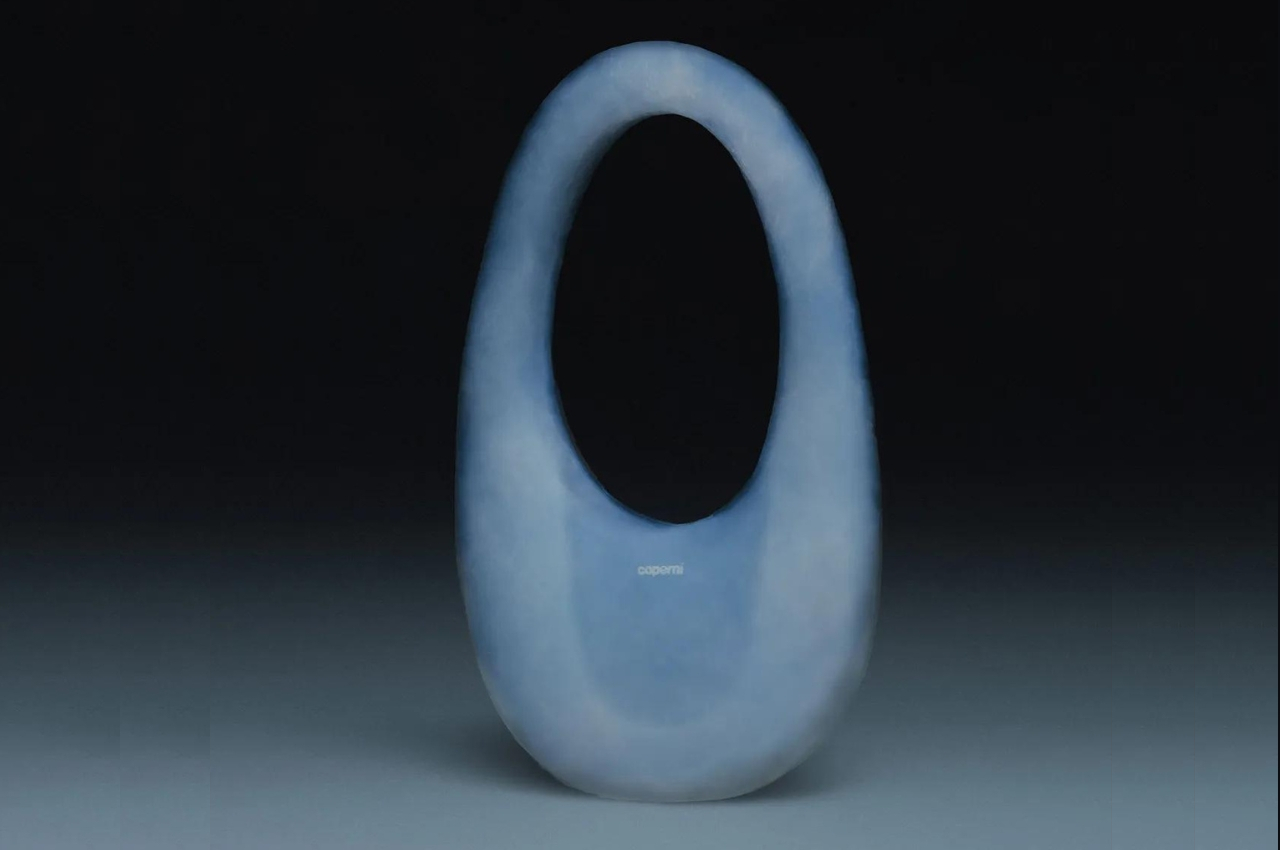
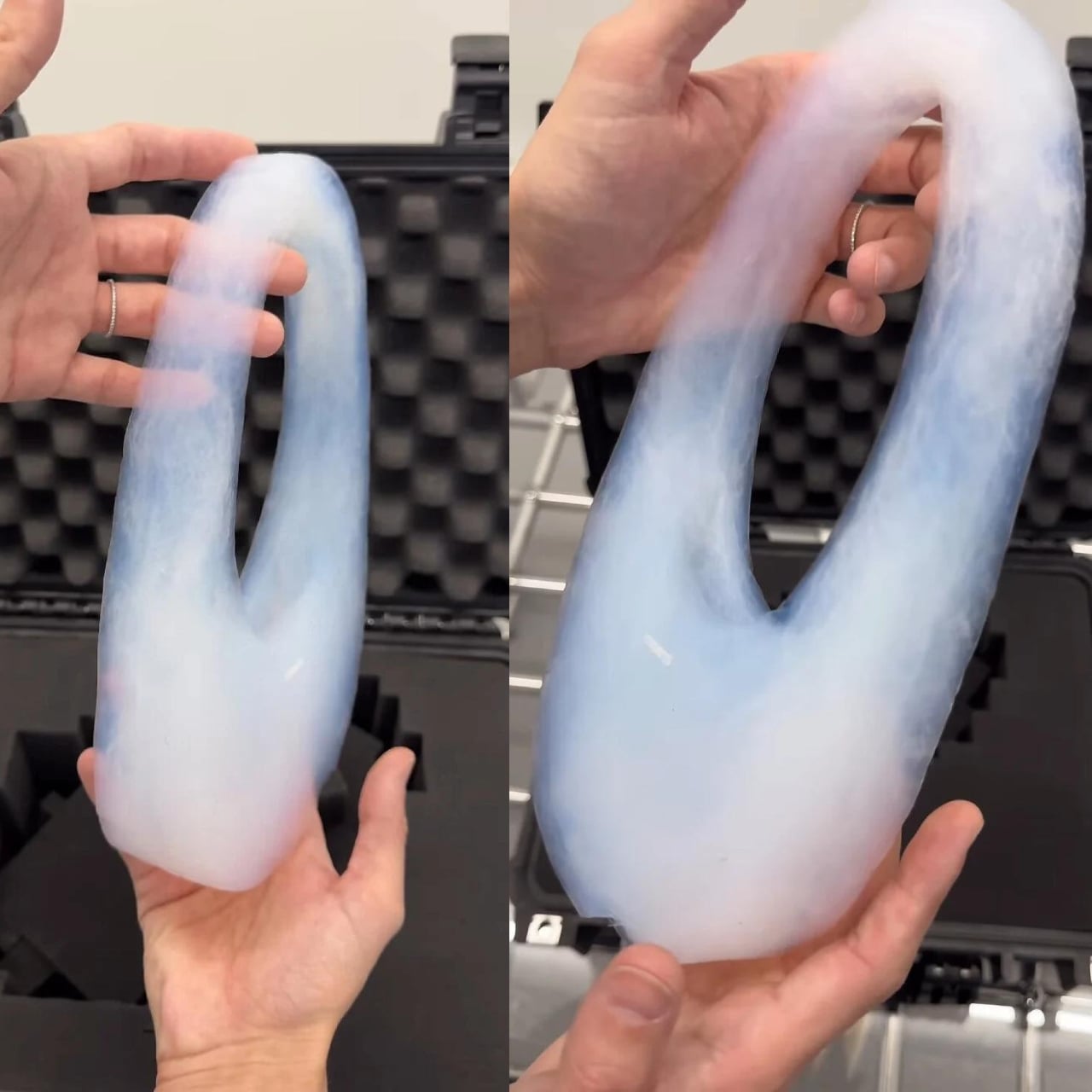
When they say something is as “light as air”, it is not meant to be taken literally most of the time. But there are indeed some materials now that can be considered almost as light as air or at least the lightest solid material that we can find. One example is NASA’s nanomaterial silica aerogel which they used in their first stardust mission. It has been used in things like thermal insulation, biomedical applications, and some experimentations. But there’s apparently another use for it and that’s for fashion and (sort of) functionality.

Designer: Coperni

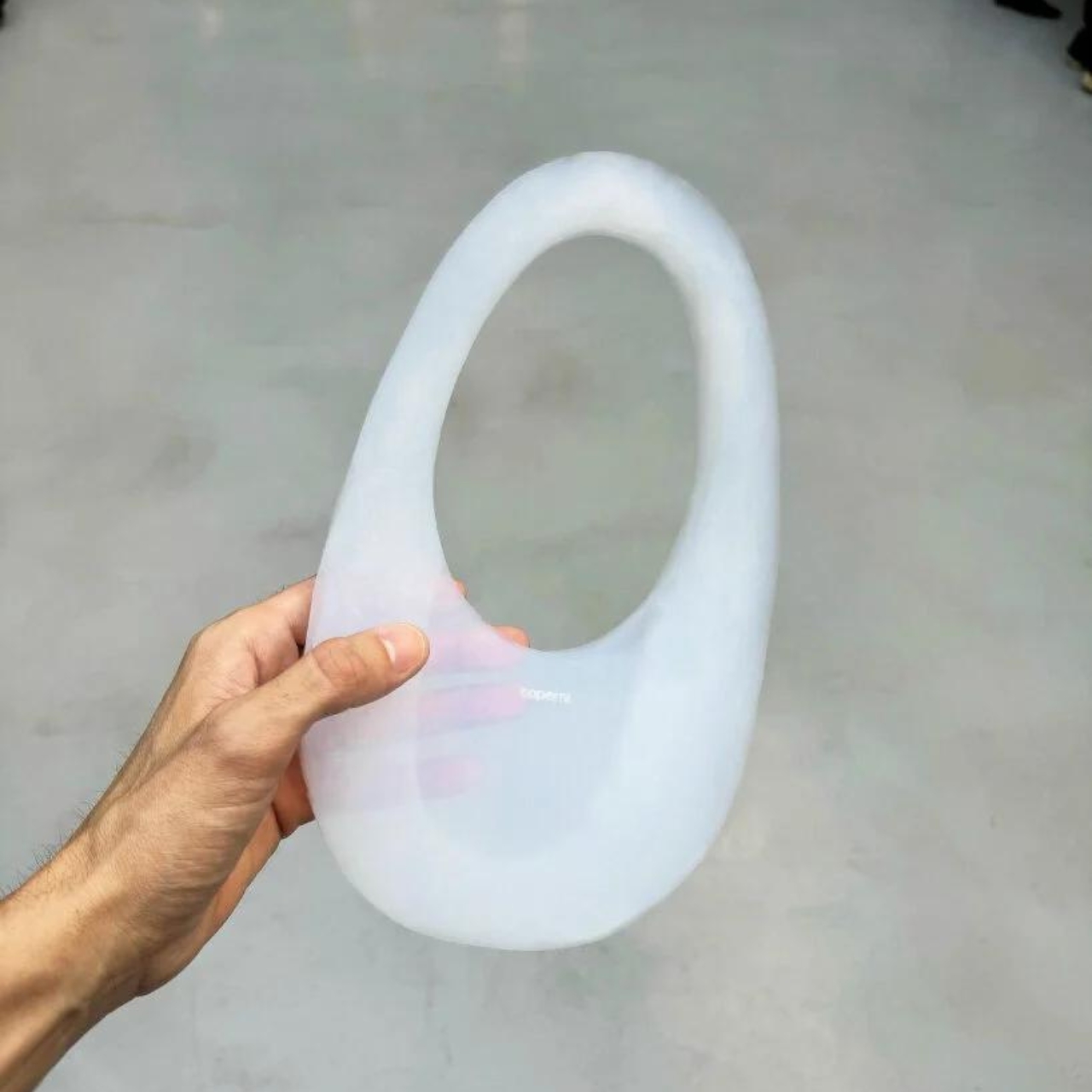
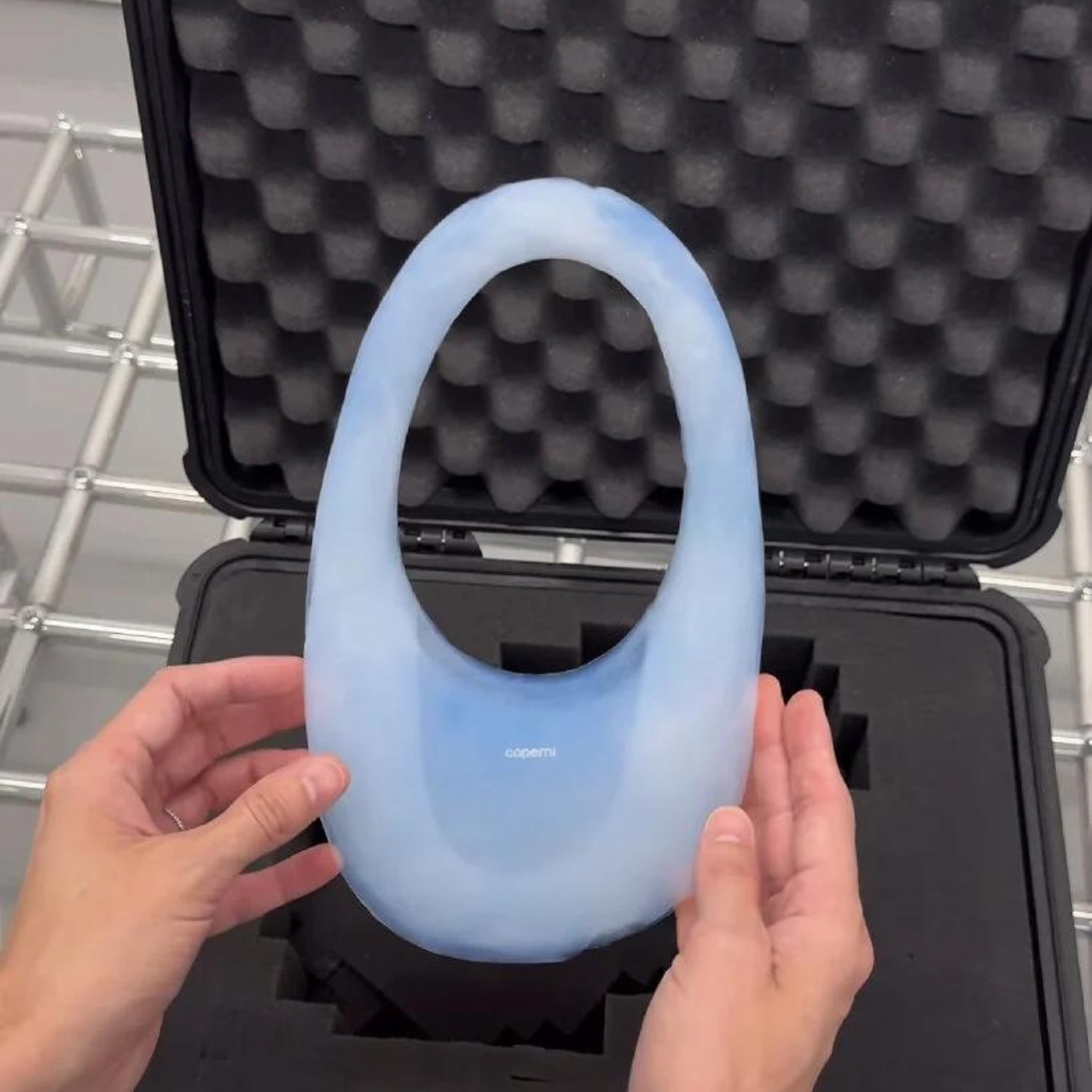
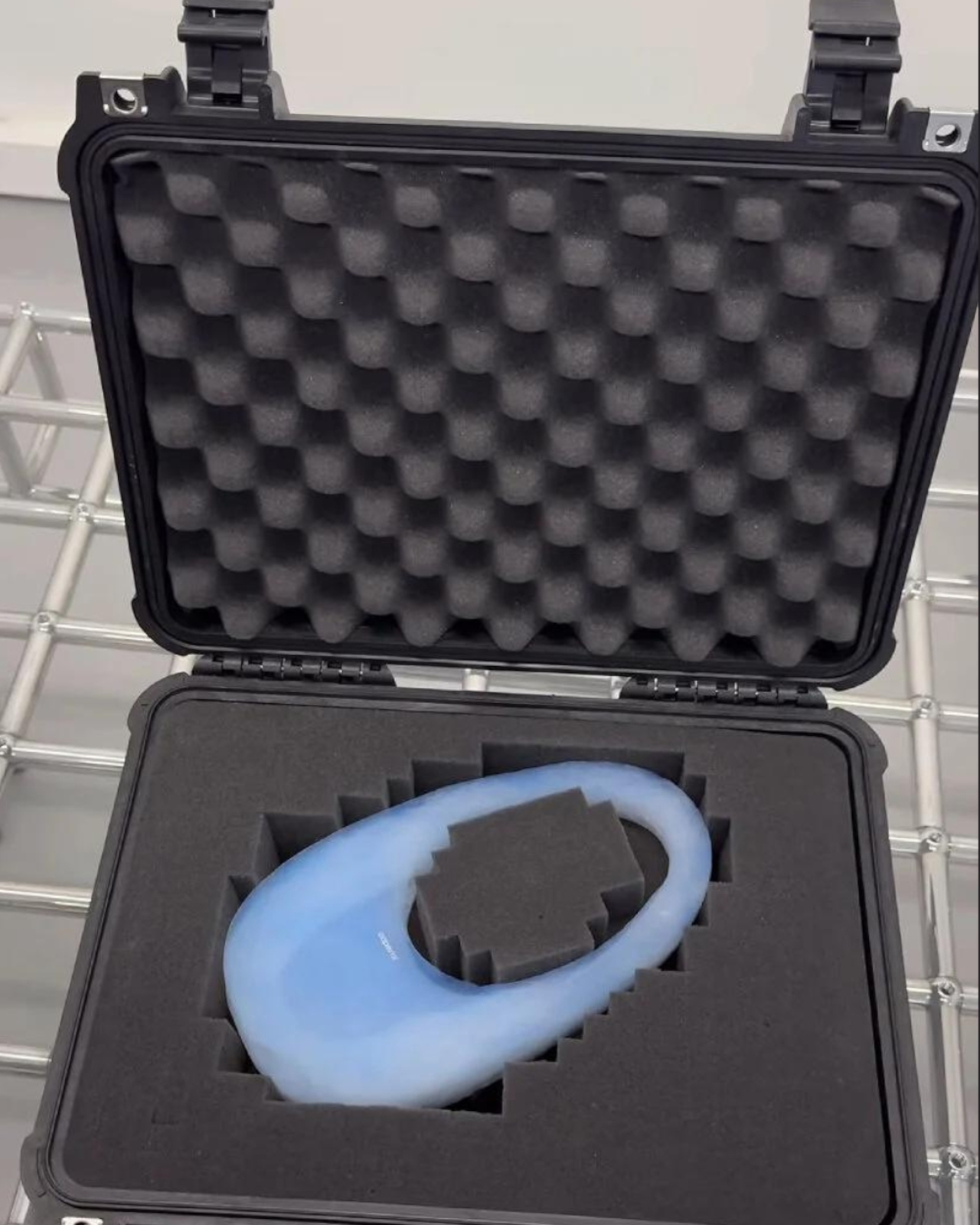
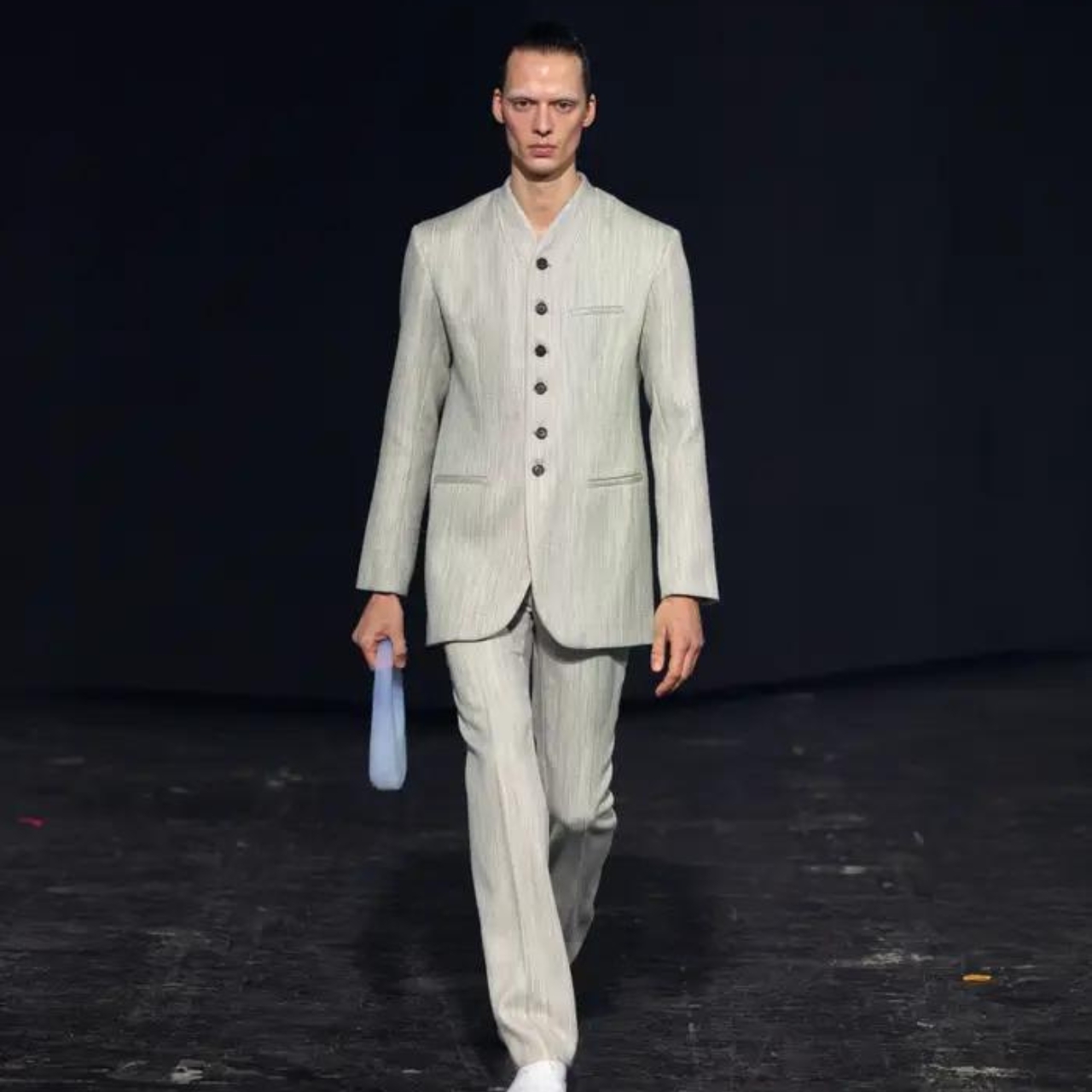
Paris-based accessories brand Coperni wanted to create a bag that is very, very light but also would look like it has frozen smoke trapped inside its little space. And they were able to do so with the Air Swipe Bag hiwch they unveiled at the FW24 show. This particular look is made from aerogel since the process it goes through gives it that transparent, smoky color, not to mention how light but non-fragile it is.

It may seem to look like a fragile bag because of its size and its transparency but the material can actually withstand extreme heat (up to 1,200 degrees celsius) and pressure (up to 4000 times its weight). There is a reason after all why NASA brought this to space. The bag also uses 1% glass reinforcement so you might want to be careful where you swing that bag at.

The Air Swipe Bag doesn’t seem to be the most fashionable but it is indeed interesting looking. My main issue is that it’s a tiny bag that may actually only fit my phone in it and barely at that. As a big bag carrier that has a ton of bags inside the bag, I’m wondering if something as light as this could actually work in a bigger size as well.

The post Coperni’s Air Swipe Bag may be closest to “as light as air” saying first appeared on Yanko Design.
SME smartphone concept aims to aid the visually impaired

Smartphones are mostly created for those of us that are seeing or at least not visually impaired. But for those that want to be more inclusive, there are not that many similar products in the market that would cater to those that have some sort of visual impairment. Good thing that there are product designers out there who are thinking of such things and if their concepts are viable, I really hope that they get the funding to produce devices like this or at least major telecom brands adopt these ideas and create product lines for those that may need smart devices to communicate but are unable to use the usual ones.

Designer: Eslam Shafik

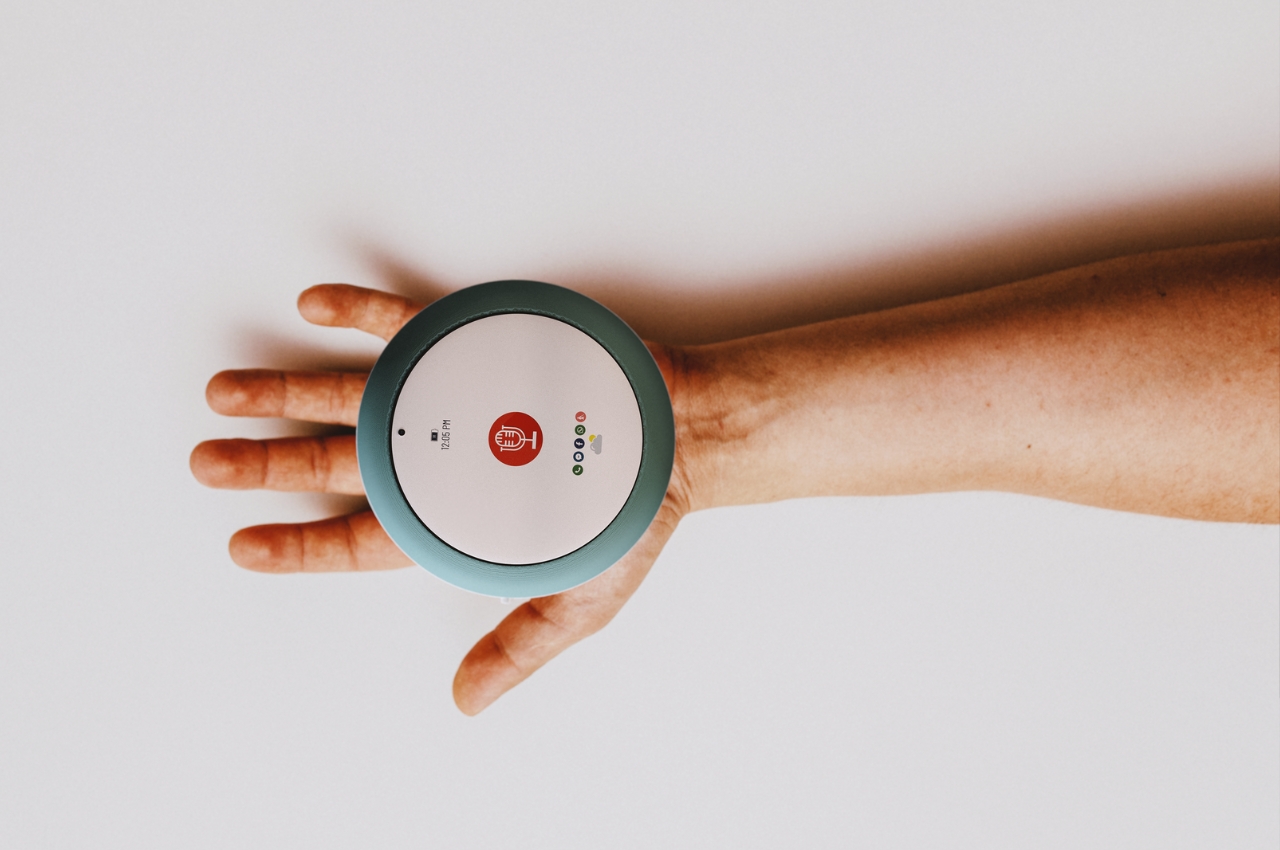
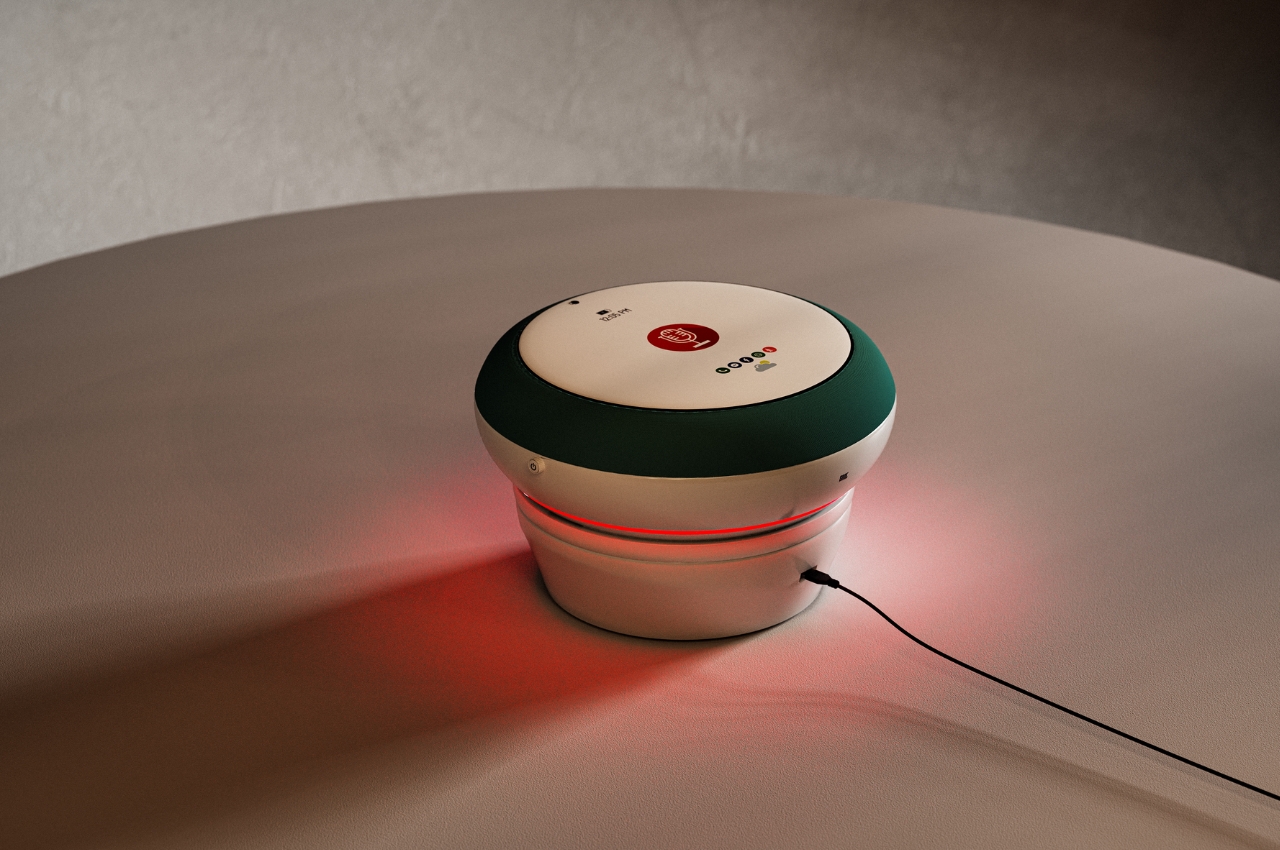
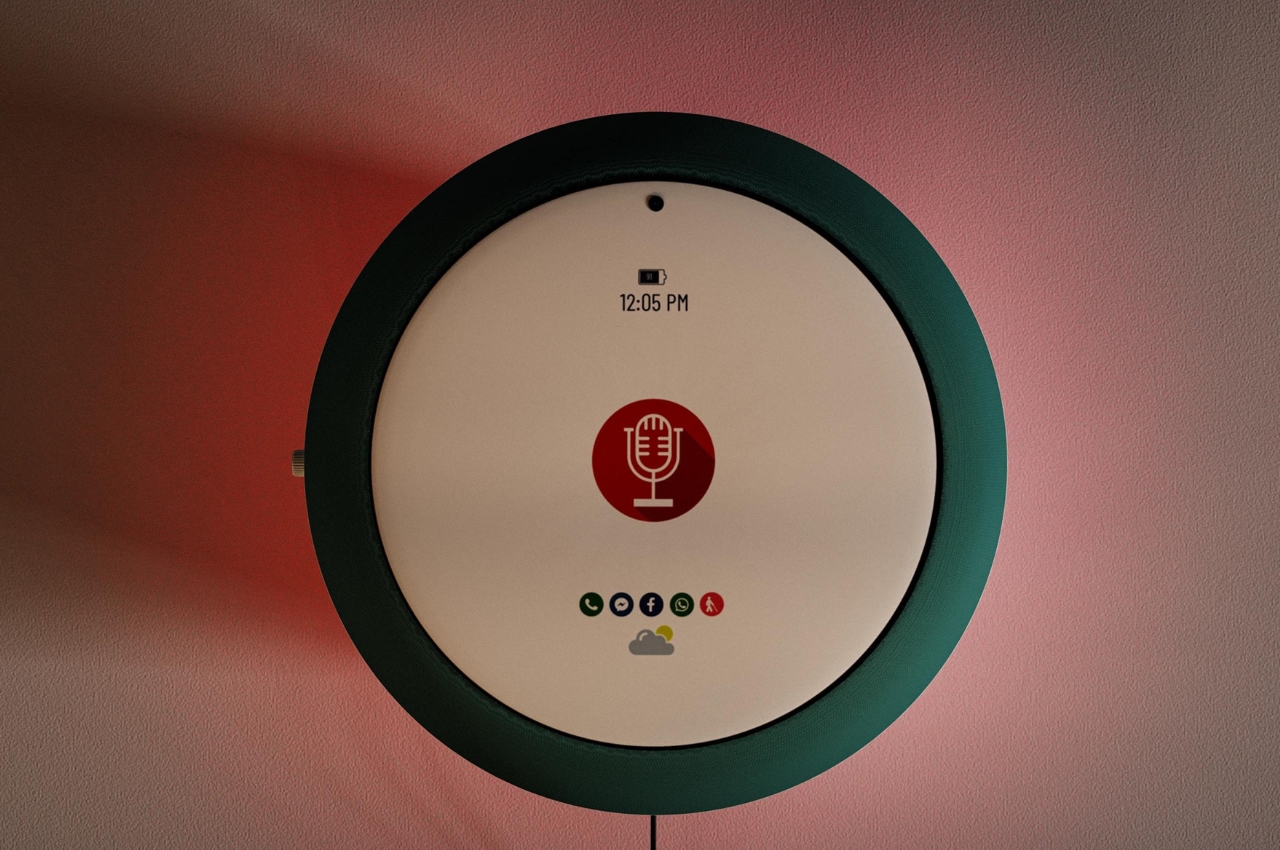
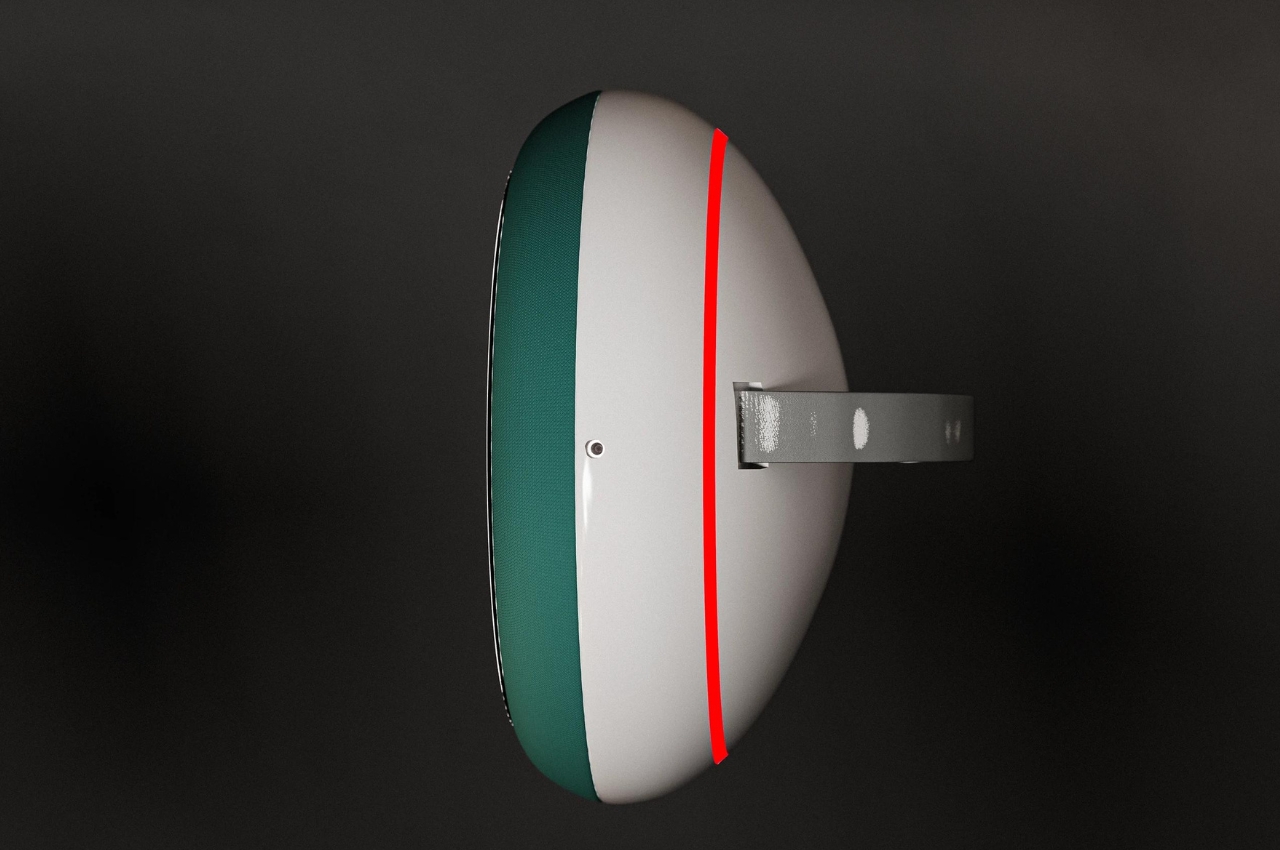
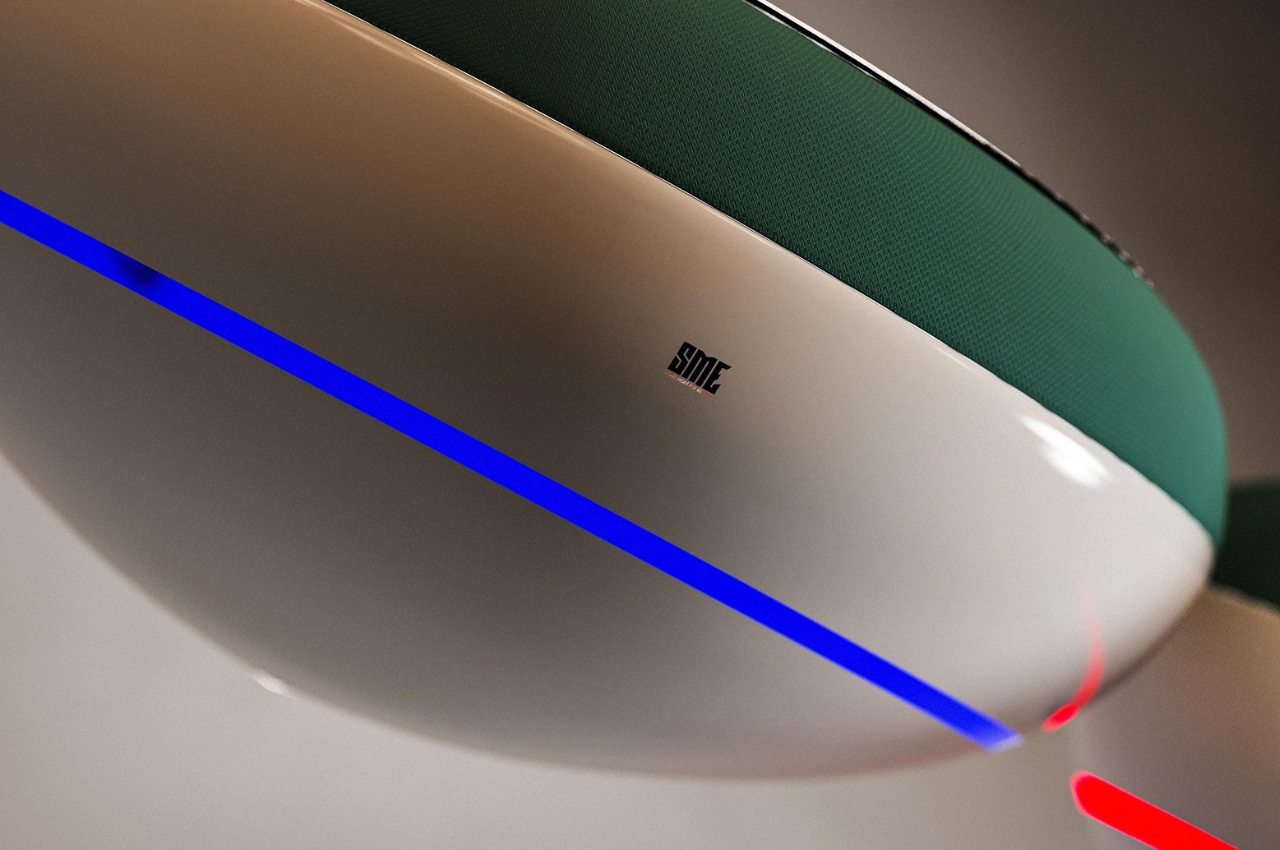
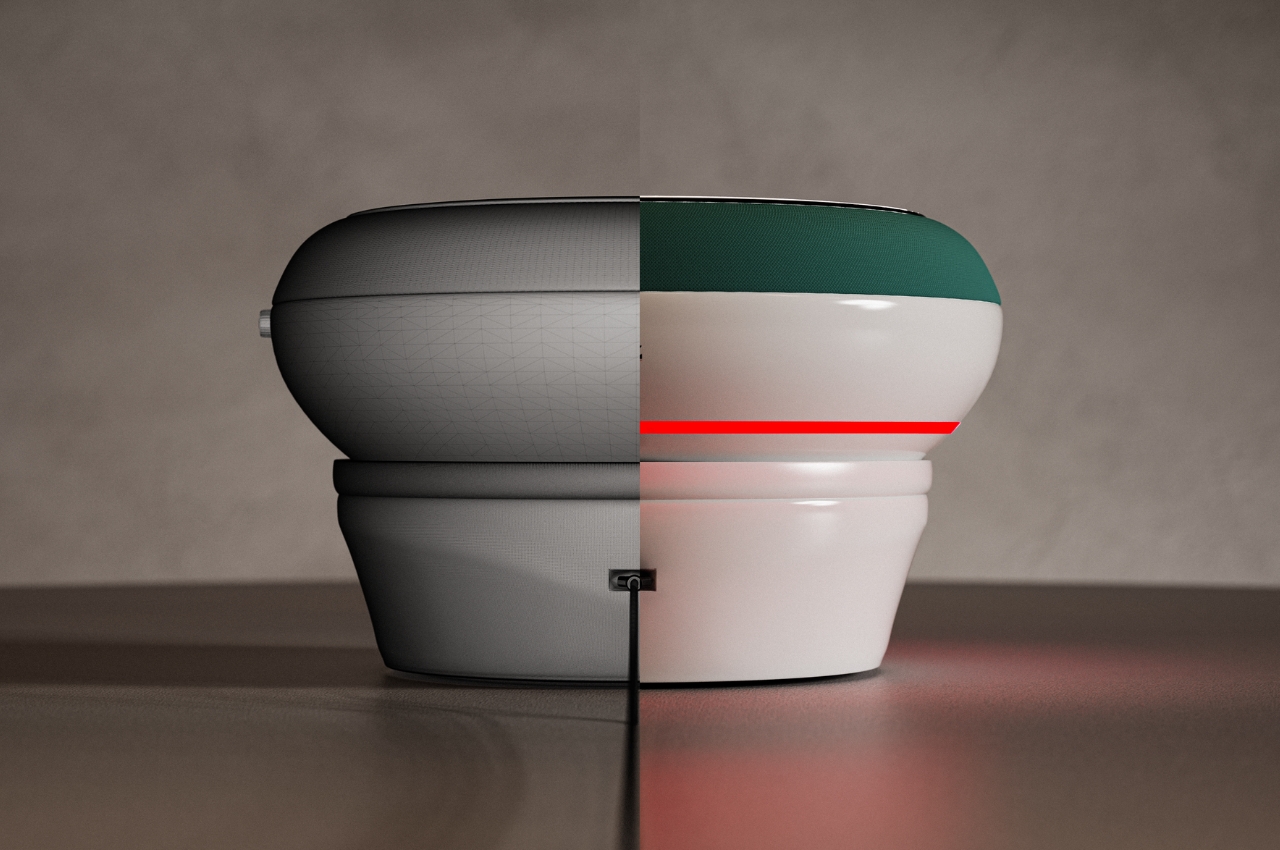
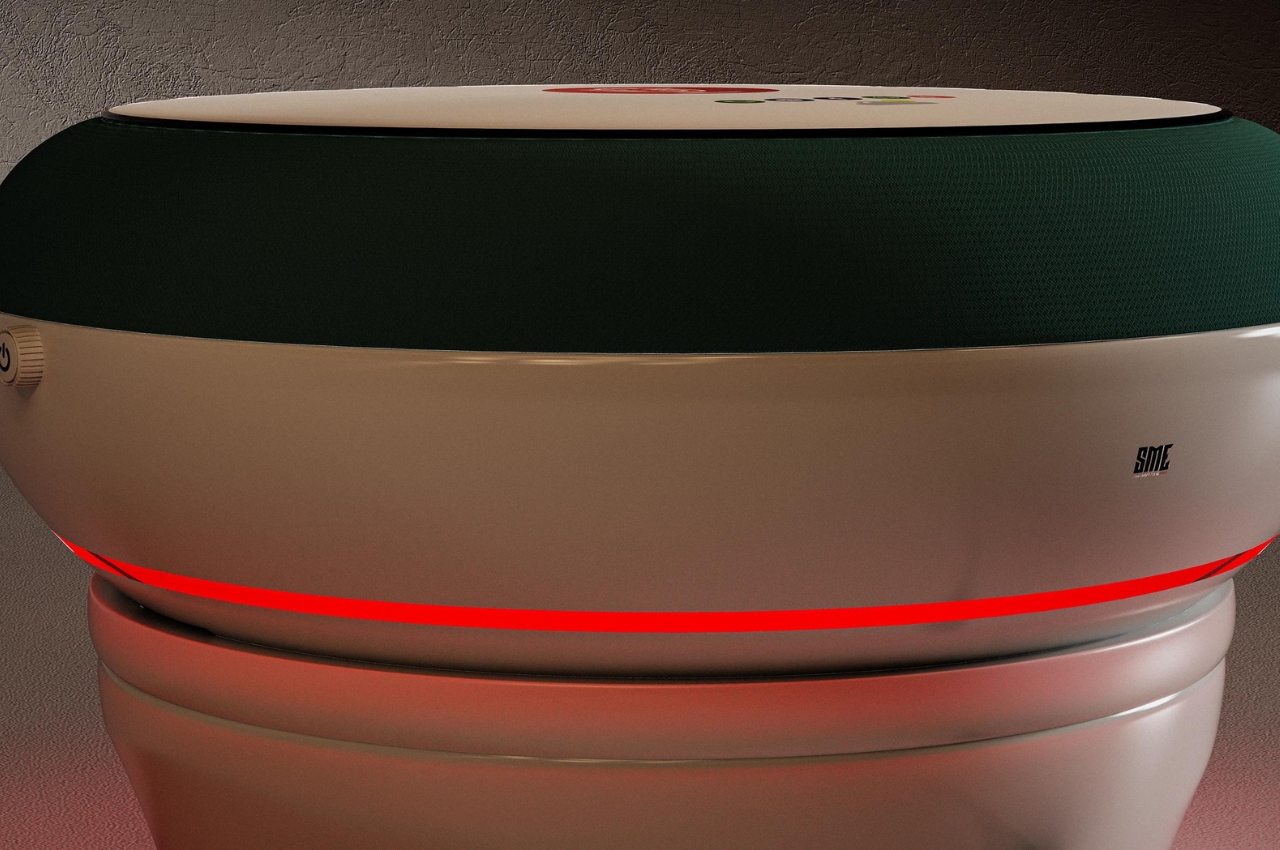
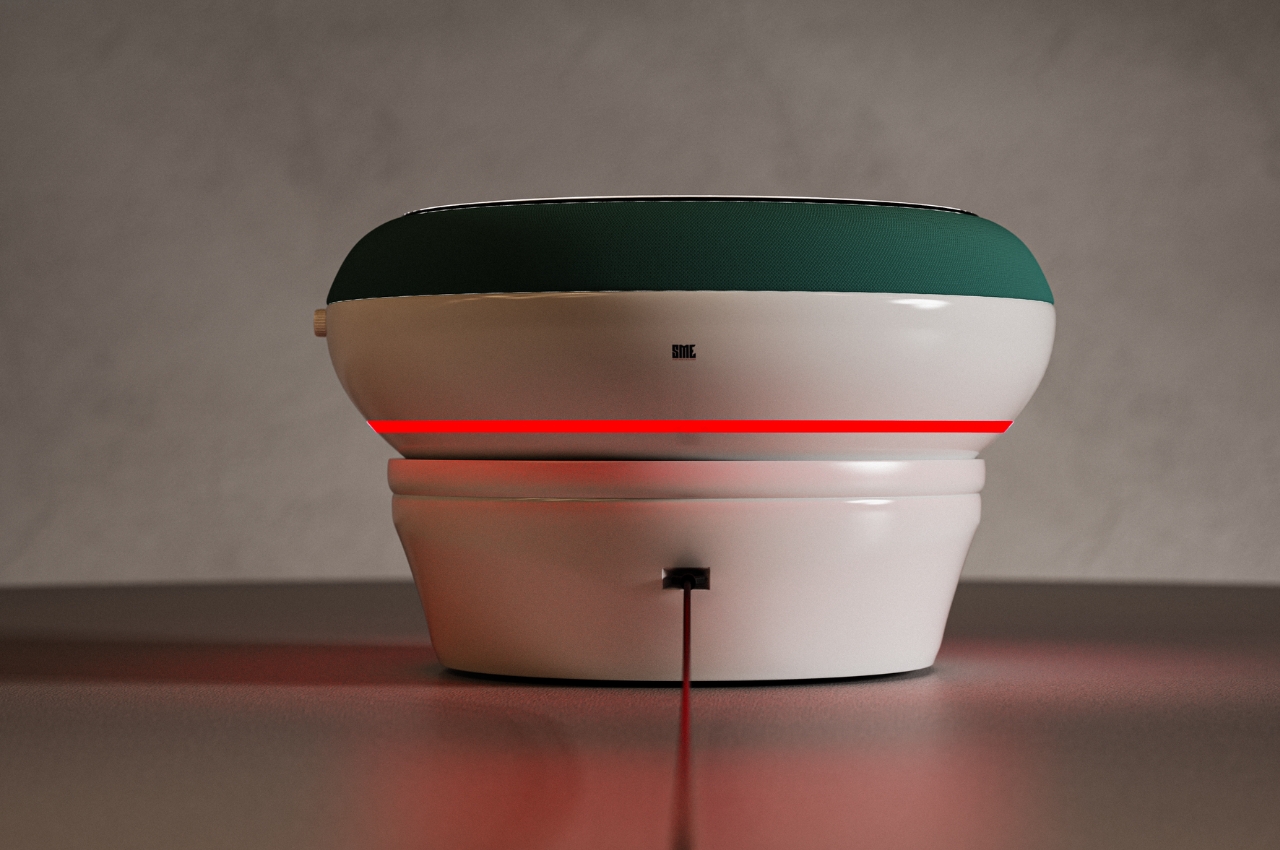
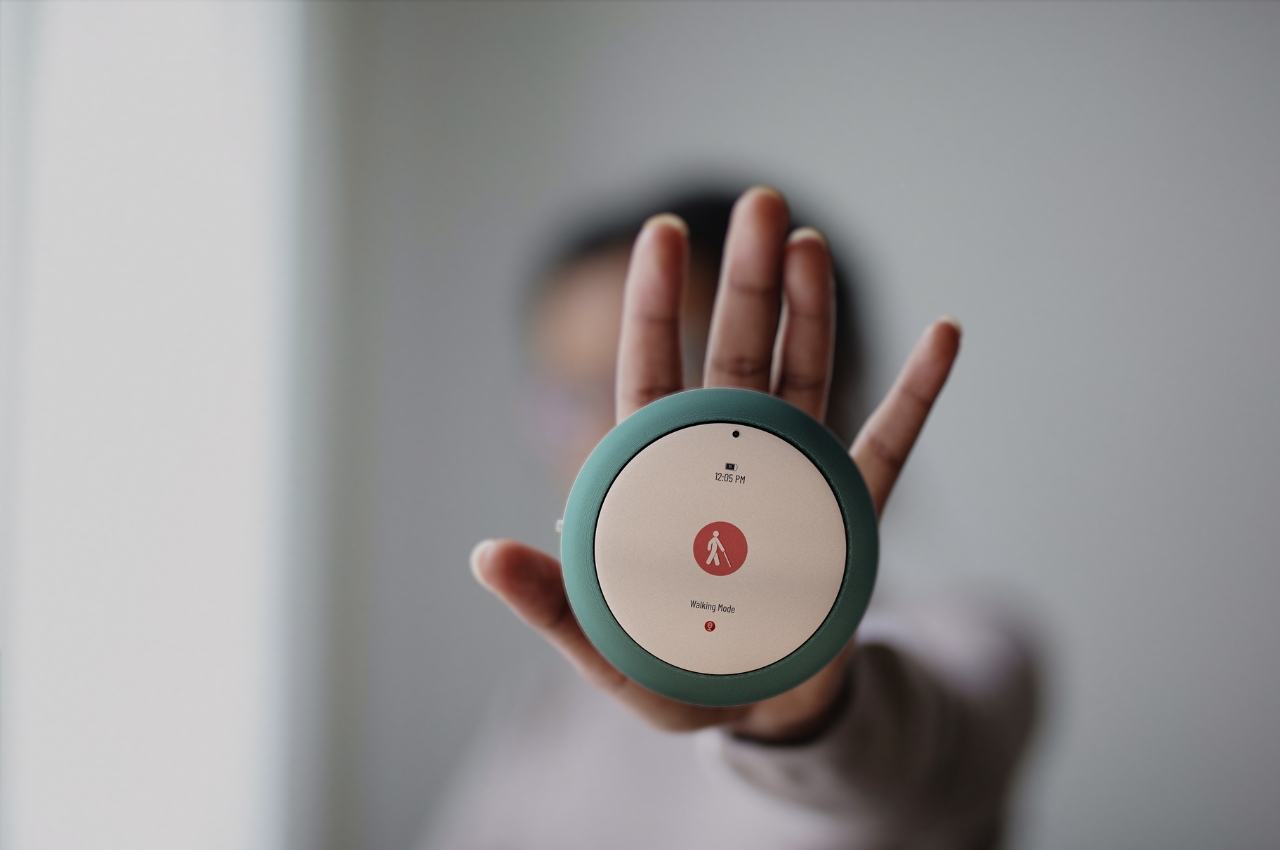
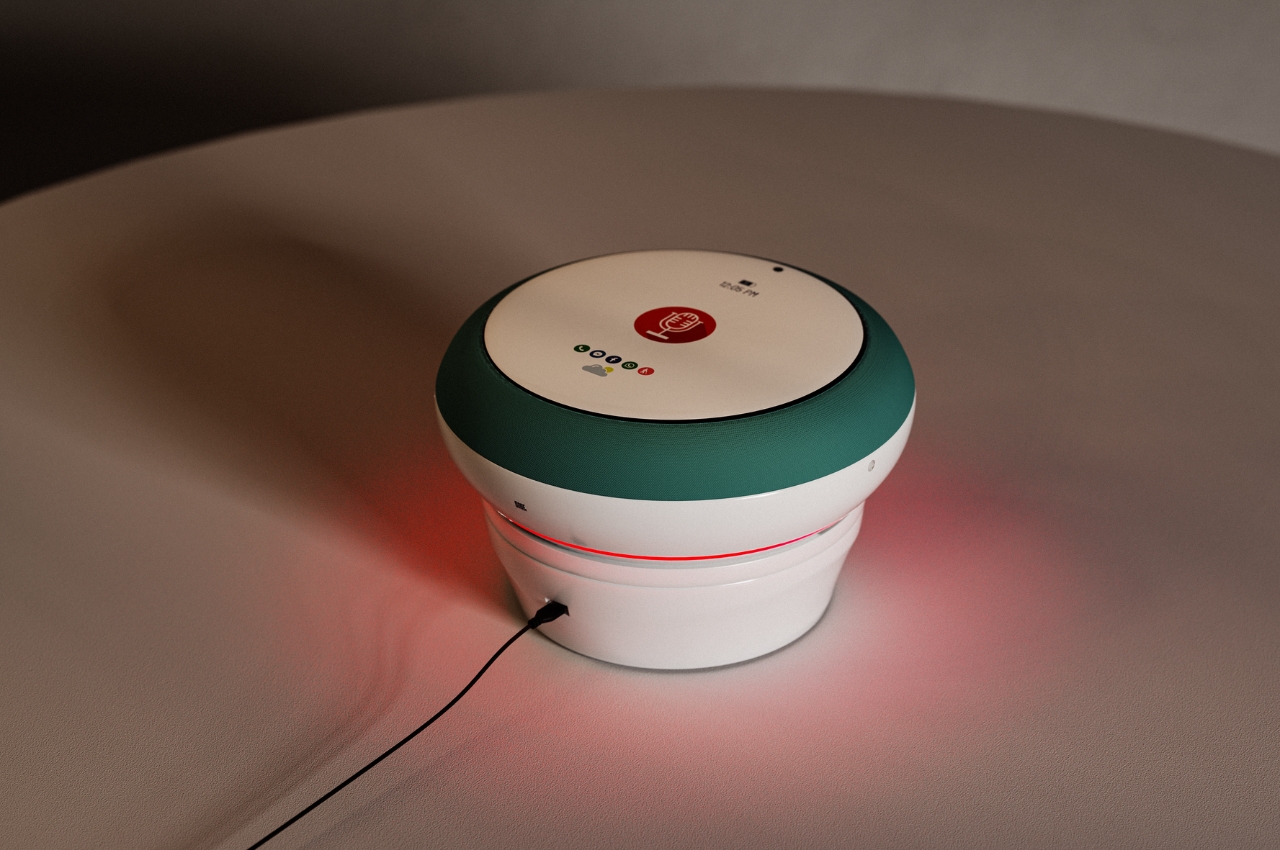
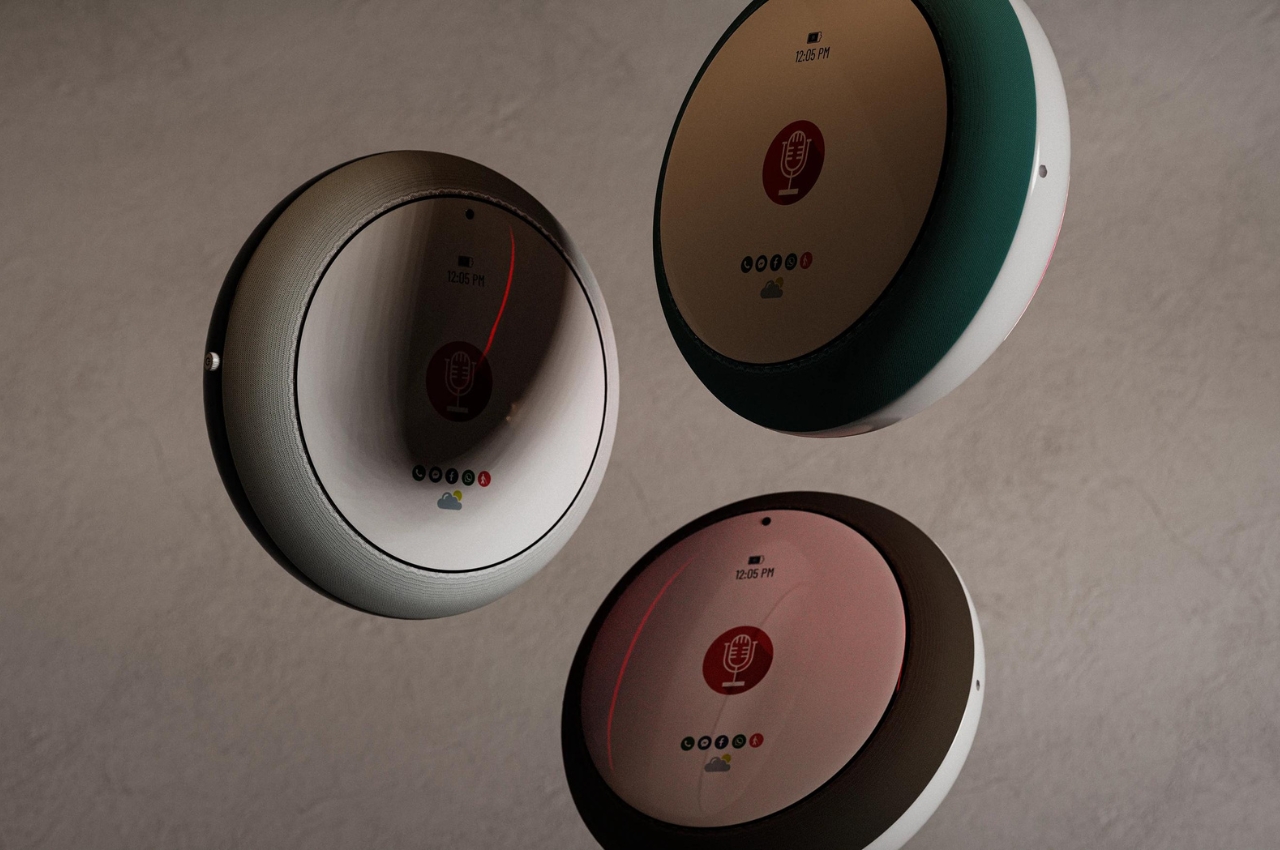
The SME is one such concept for a smart phone for the visually impaired. Unlike regular smartphones that are usually in a rectangular or square-ish shape, this one looks more like a smart speaker or a smart home hub. This a specific design direction that will make it easy for them to carry it around on the palm of their hand without a concern for its orientation. It also has a fabric mesh so you get a tactile grip on the smartphone and the materials used do not conduct heat so it’s comfortable for the user.

It even has a walking mode so the built-in high-quality camera will be able to guide the visually impaired as they’re walking. The voice assistant, Loutaz, can issue warnings when there are obstacles at a distance of not less than 50 centimeters. This assistant, powered by ethical AI, can also read out messages, social media posts, and other digital assistance you may need. It has a base for charging and to dock it when you’re not moving so it can still act like a smart home hub when you’re at home.

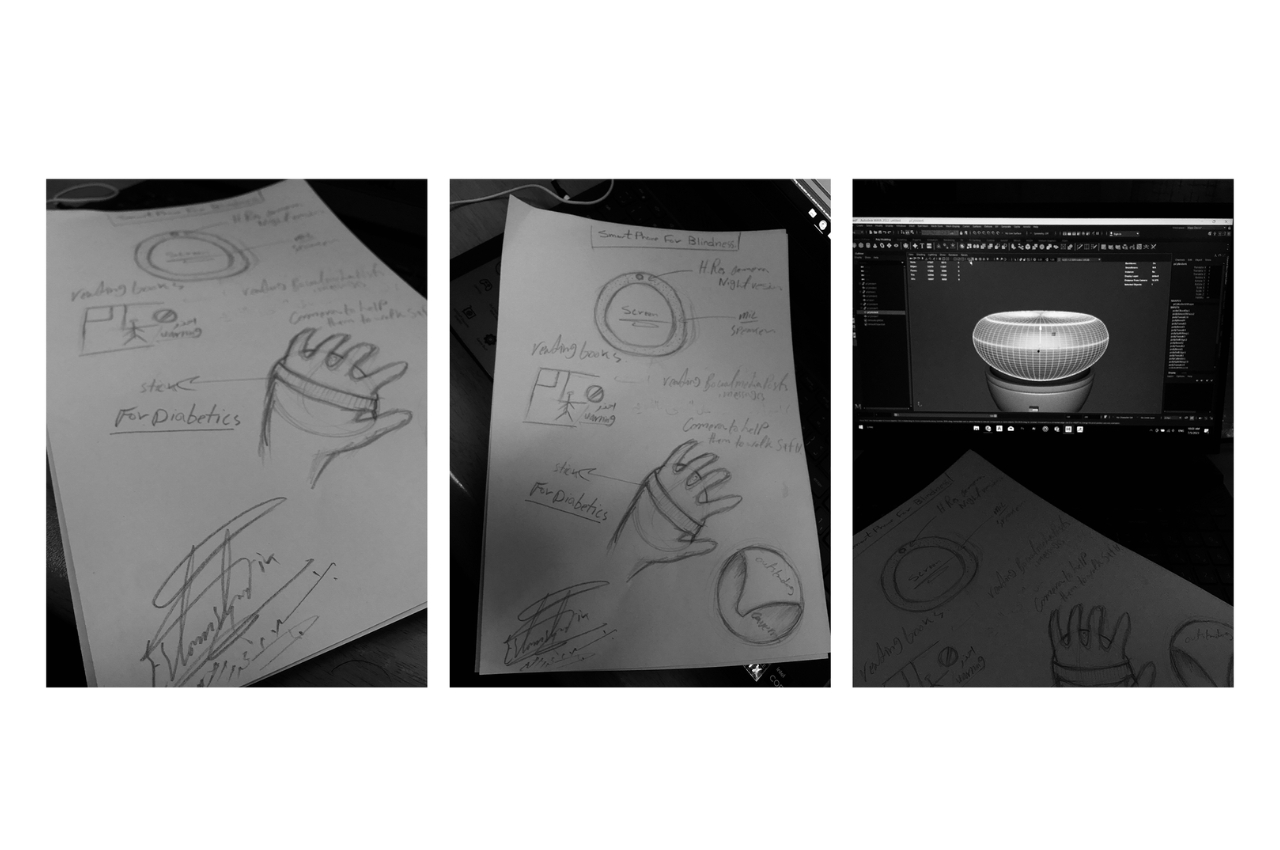
If further developed, this can be a pretty interesting, not to mention, useful device for those who need something like this. The 3D modeling seems to have dealt with the ergonomics and design aspect of the SME so what needs to be enhanced are the actual features and functions that will be truly helpful for the visually impaired.

The post SME smartphone concept aims to aid the visually impaired first appeared on Yanko Design.
SME smartphone concept aims to aid the visually impaired

Smartphones are mostly created for those of us that are seeing or at least not visually impaired. But for those that want to be more inclusive, there are not that many similar products in the market that would cater to those that have some sort of visual impairment. Good thing that there are product designers out there who are thinking of such things and if their concepts are viable, I really hope that they get the funding to produce devices like this or at least major telecom brands adopt these ideas and create product lines for those that may need smart devices to communicate but are unable to use the usual ones.

Designer: Eslam Shafik

The SME is one such concept for a smart phone for the visually impaired. Unlike regular smartphones that are usually in a rectangular or square-ish shape, this one looks more like a smart speaker or a smart home hub. This a specific design direction that will make it easy for them to carry it around on the palm of their hand without a concern for its orientation. It also has a fabric mesh so you get a tactile grip on the smartphone and the materials used do not conduct heat so it’s comfortable for the user.

It even has a walking mode so the built-in high-quality camera will be able to guide the visually impaired as they’re walking. The voice assistant, Loutaz, can issue warnings when there are obstacles at a distance of not less than 50 centimeters. This assistant, powered by ethical AI, can also read out messages, social media posts, and other digital assistance you may need. It has a base for charging and to dock it when you’re not moving so it can still act like a smart home hub when you’re at home.

If further developed, this can be a pretty interesting, not to mention, useful device for those who need something like this. The 3D modeling seems to have dealt with the ergonomics and design aspect of the SME so what needs to be enhanced are the actual features and functions that will be truly helpful for the visually impaired.

The post SME smartphone concept aims to aid the visually impaired first appeared on Yanko Design.
Saturn-inspired Bluetooth speaker brings a unique look to your music

There are a lot of Bluetooth speakers in the market, from simple and minimalist ones to the more luxurious and expensive-looking ones. When it comes to design though, there aren’t that many that go out of the box so to speak so we see either circular, box-shaped, dome-shaped, spherical, and other common shapes. So when we see uniquely-designed ones, even if they’re still just in the concept stage, then it catches our attention.
Designer: Hyunjae Noh

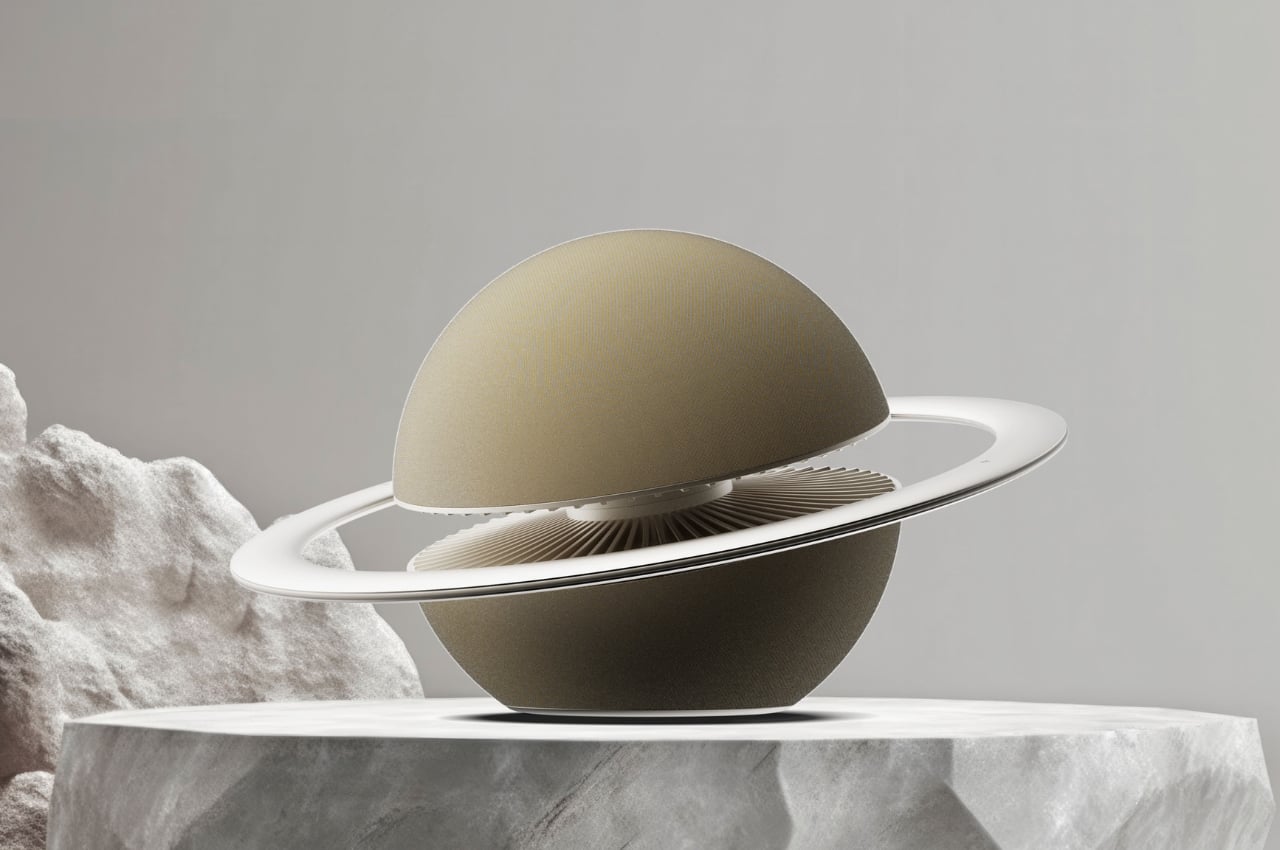
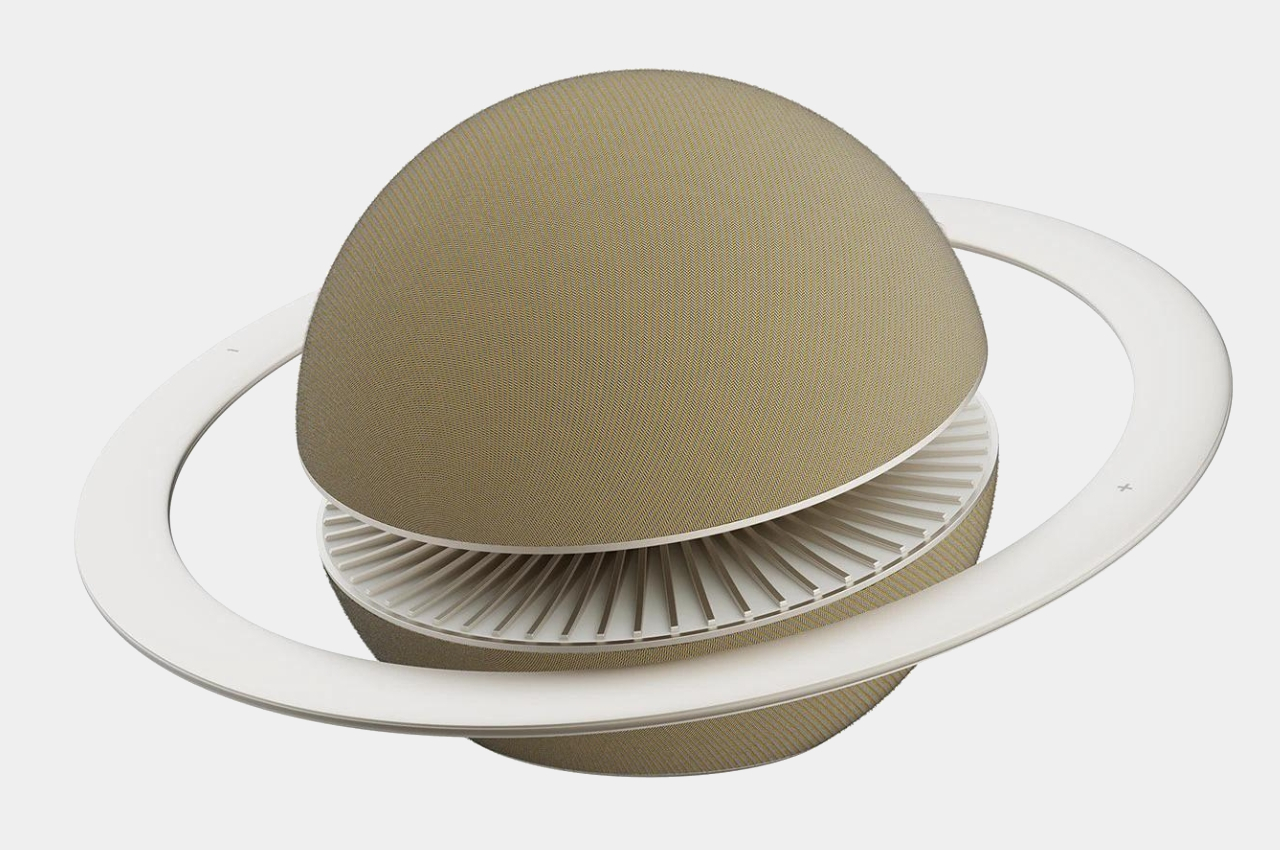
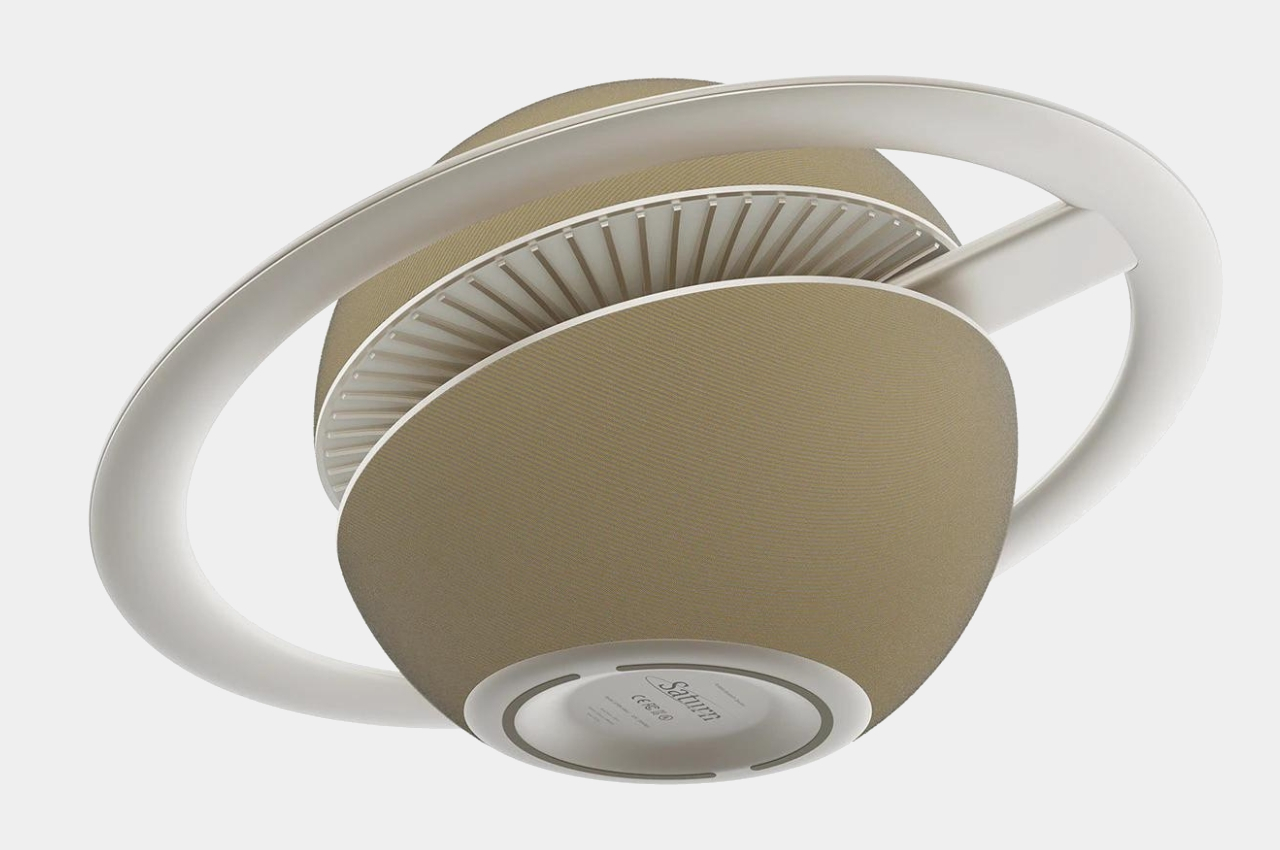
The concept for the Saturn Bluetooth speaker is inspired by, you guessed it, the planet Saturn. It’s one of the more “unique” planets in a sense that it has countless rings surrounding it made from ice and rock particles. It also has a yellow-brown golden hue when viewed from earth because of gases like helium and hydrogen. The designer was able to adapt these qualities into a design for a speaker that would most likely stand out. It would look like a sculpture of the planet but once you start playing music from it, then it would be a conversation starter as well.
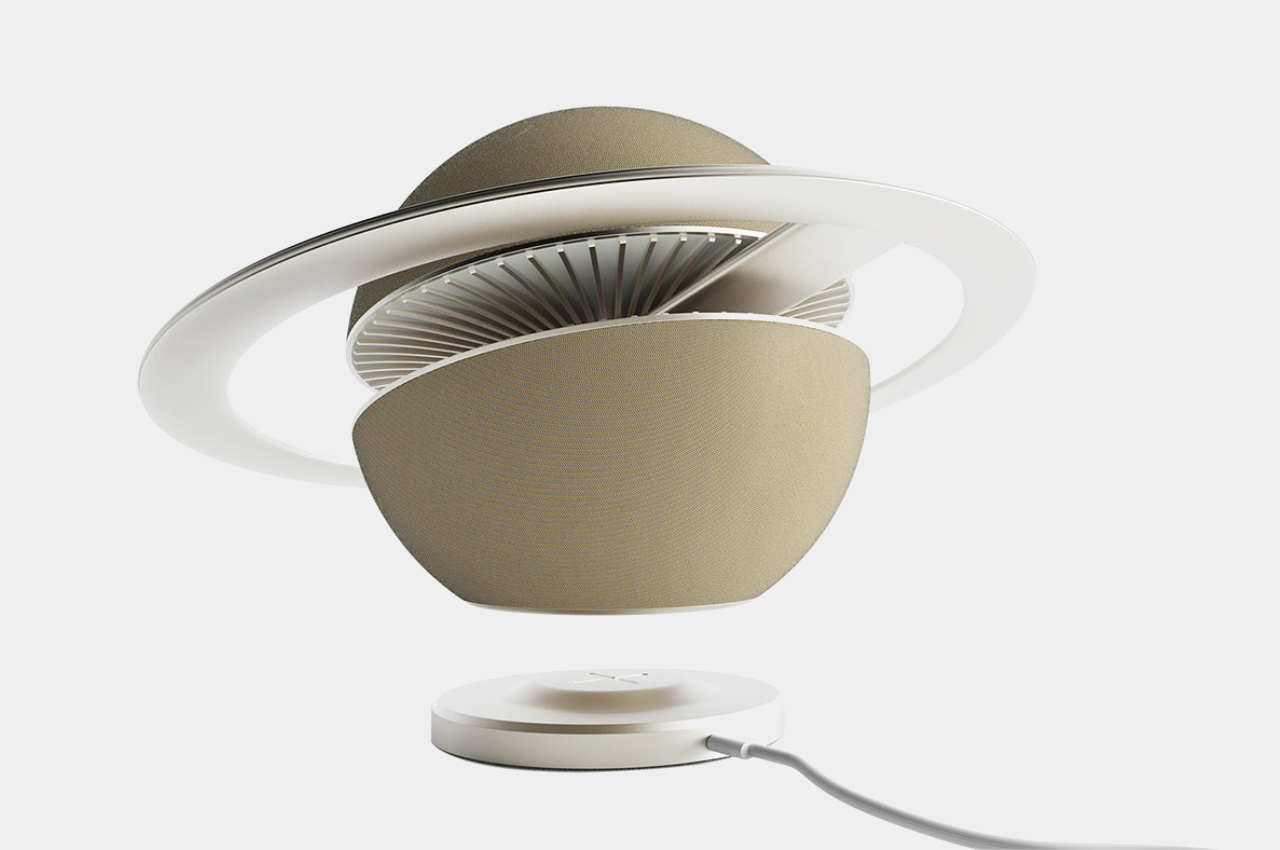
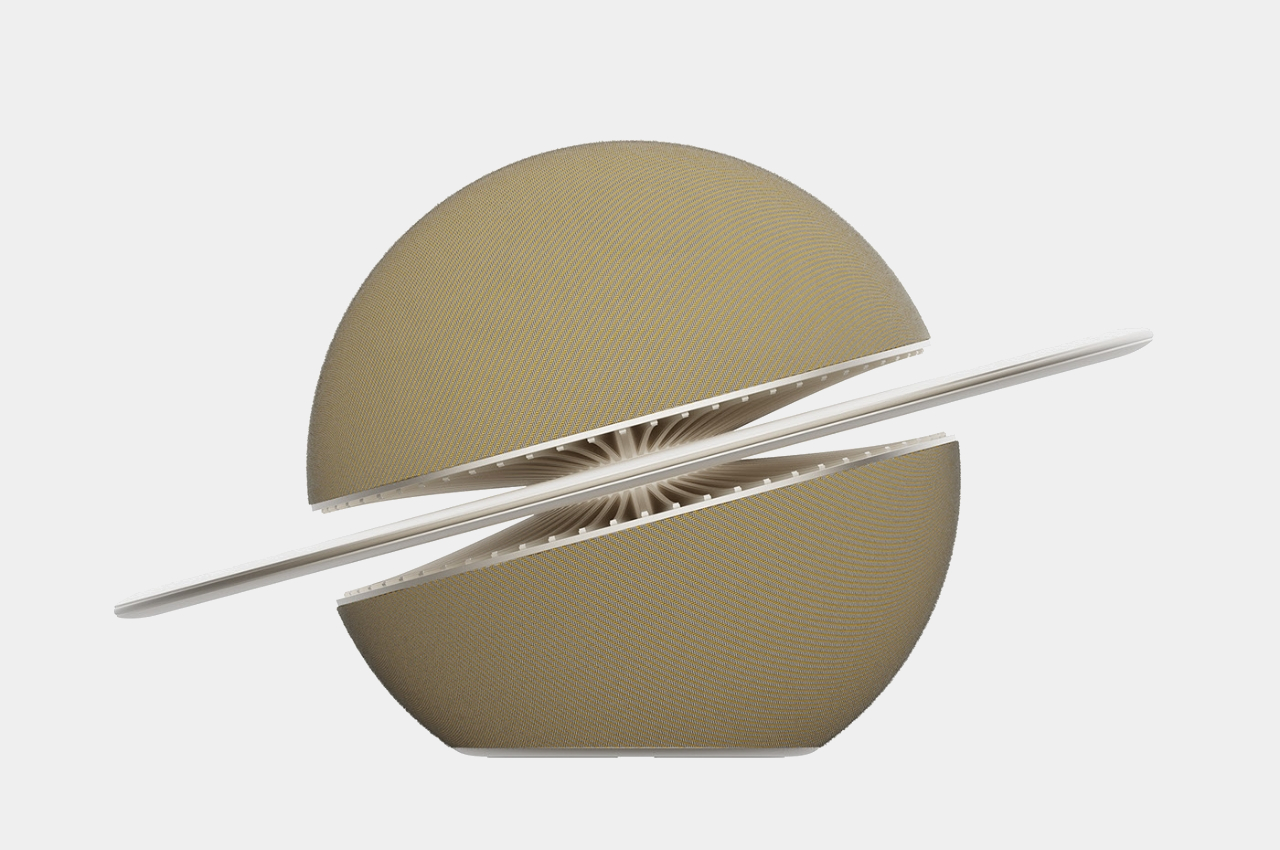
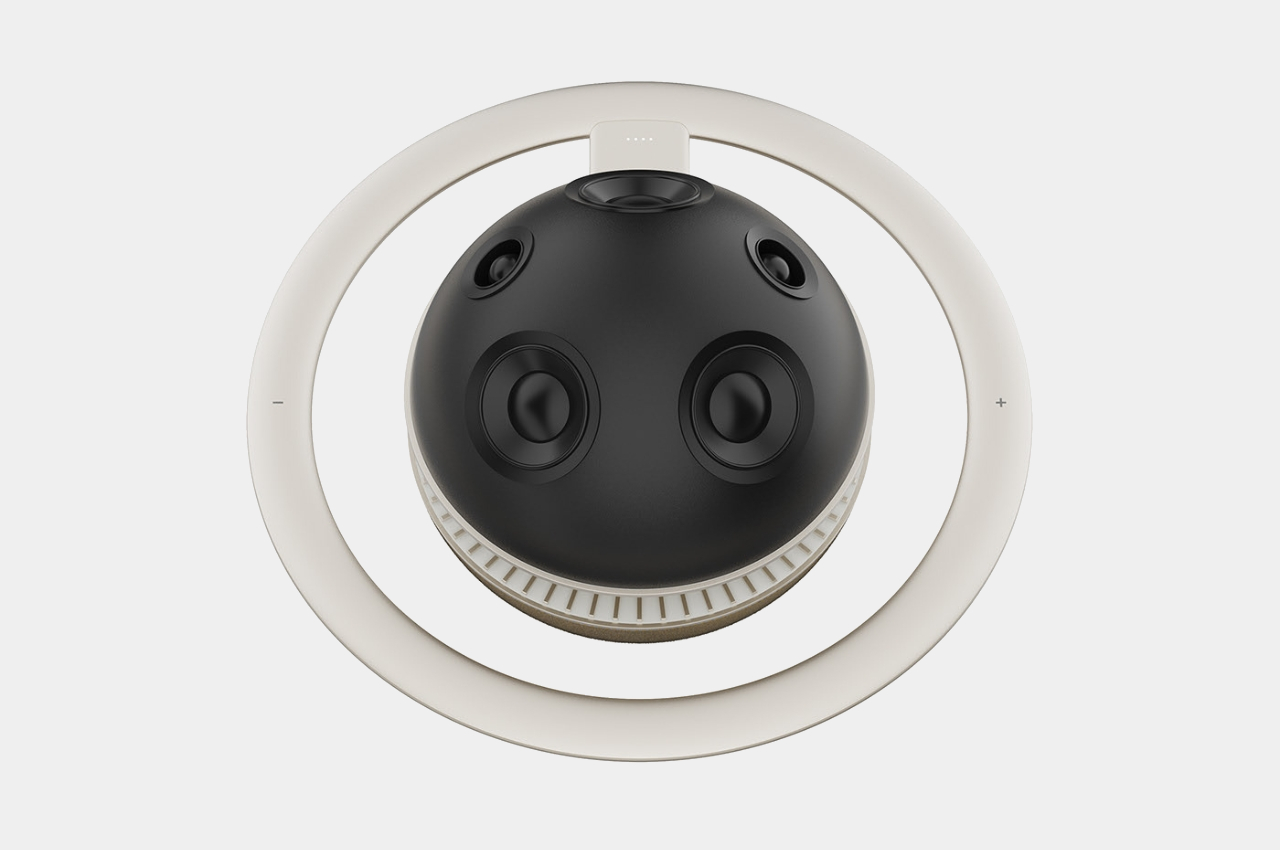
But it just doesn’t emulate the look of Saturn. There’s a functional purpose for the parts as well. There is an upper body, a lower body, and a singular ring. The last one is what you will use to adjust the volume of the music or podcast streaming from the speaker. Because there is an upper and lower part, the support between the two is there to minimize the vibration interference from the woofer, midrange, and tweeter as well as minimizing interaction between them. This means there should be better sound quality and accuracy of sound reproduction.

The 360 degree speaker placement means your sound can be distributed around the room. The multi-way system is also able to accurately separate low, mid, and high-frequency ranges. You get 10 hours of playback on a full wireless charge, so it means you can also bring it around with you if you don’t mind carrying around a planet.

The post Saturn-inspired Bluetooth speaker brings a unique look to your music first appeared on Yanko Design.