If one of your new your resolutions is to build your very own AI influencer, you will be pleased to know that it is much easier than you might think. Remember not all AI influencers need to just attract followers they can also promote your brand or products if done correctly. Enabling you to create […]
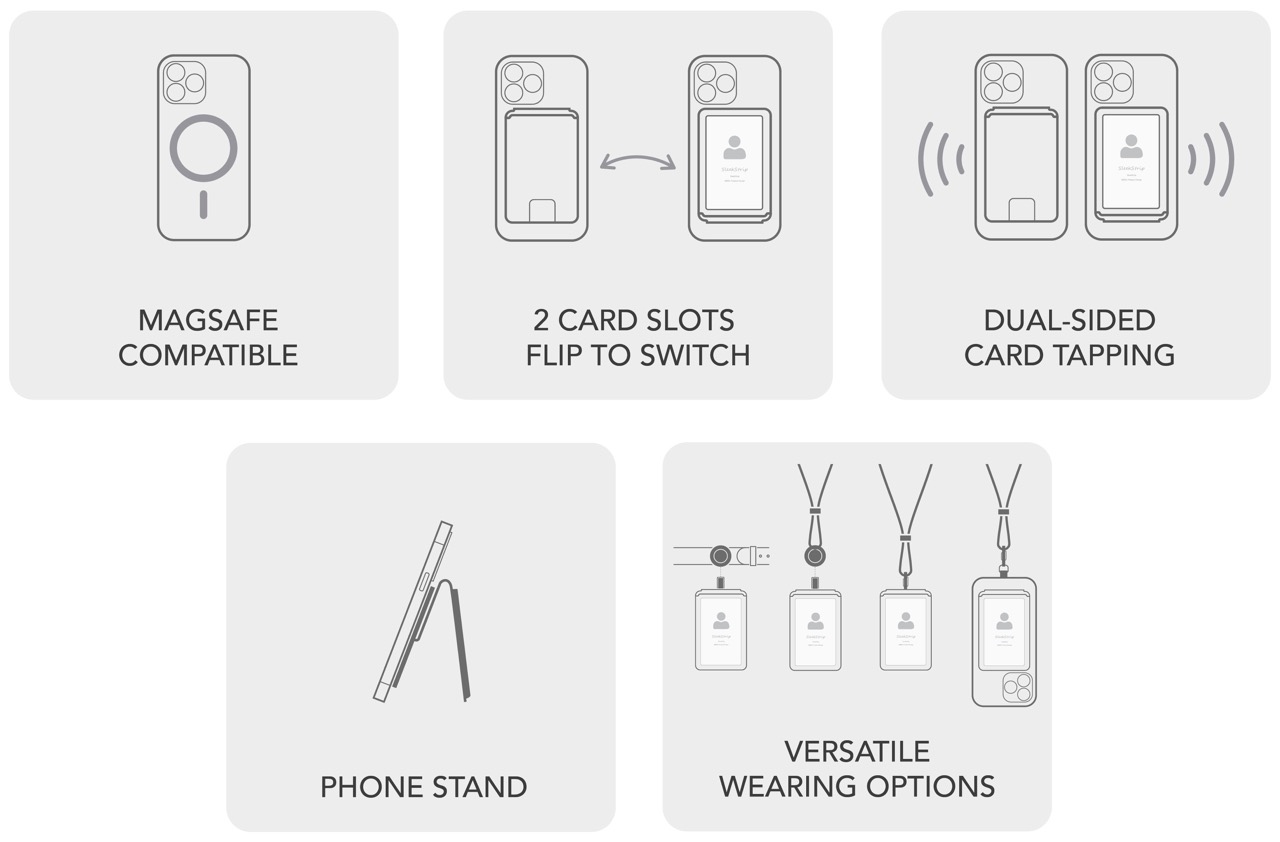
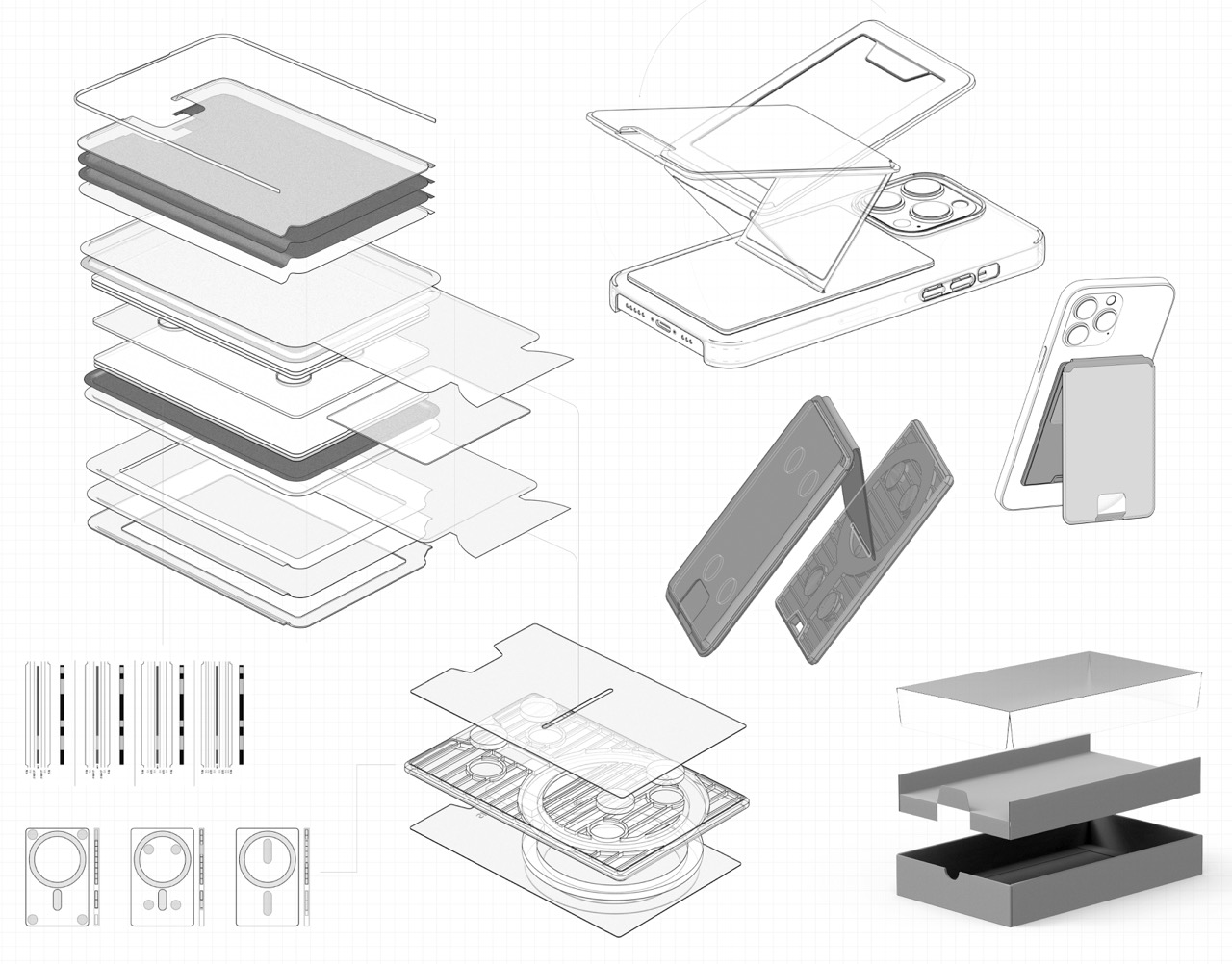
I’ve always believed that tech giants are great at making devices… not accessories. You’re much better off buying an iPhone case from Spigen, hubs from Satechi, and charging gear from Anker rather than directly from Apple, Google, or Samsung. Third-party designers and makers usually take creativity and innovation much more seriously than the large companies driven by profit, which is why I’d never recommend buying a MagSafe wallet from Apple. The DuoFlip, on the other hand, is exactly the same size but is vastly better in comparison. It too holds two cards, but with a unique flippable mechanism that lets you make a card of your choice face outwards. This is great for easy-access, but also makes the DuoFlip perfect for tapping on POS devices and RFID readers without needing to take the card out of your wallet. The two cards sit in individual pockets, separated by an RFID-blocking liner. That means only the card that’s facing outside gets tapped during payments or access approval. Moreover, one of the card slots comes with a clear window, making it perfect for storing ID cards. Plus, if all that wasn’t enough to convince you, the flipping mechanism can also be used as a kickstand, giving you the ability to prop-up your phone in landscape or in portrait modes.
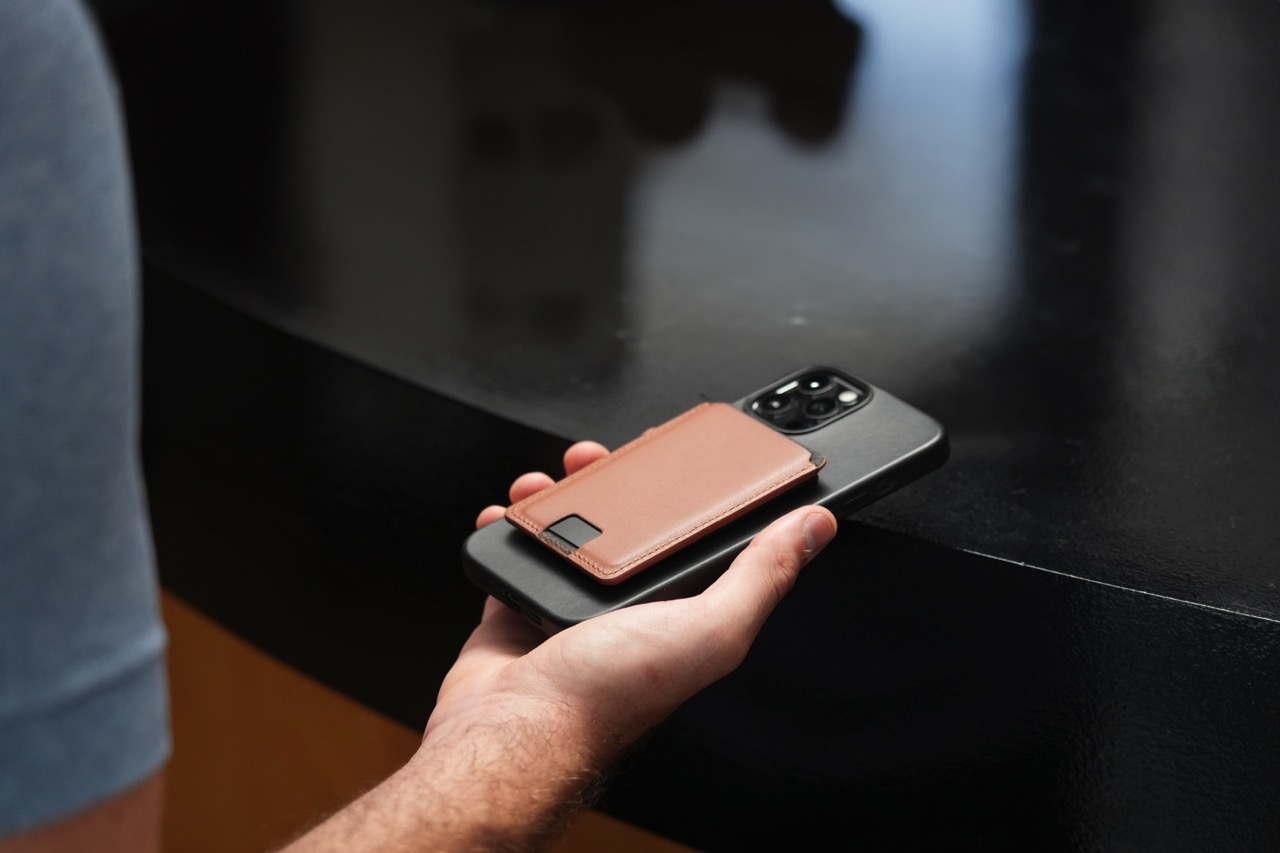
Sure, the DuoFlip presents a great alternative to Apple’s MagSafe Wallet, but take it out of Apple’s shadow and you see that it’s a pretty nifty design on its own too. It solves the problem of needing to dig around in your pockets or bag for cards, and eliminates the need for a second card to hang around your neck if your workplace demands it. The two cards slide right into the DuoFlip which snaps satisfyingly onto the back of your MagSafe-capable iPhone (or any phone with the MagSafe sticker).
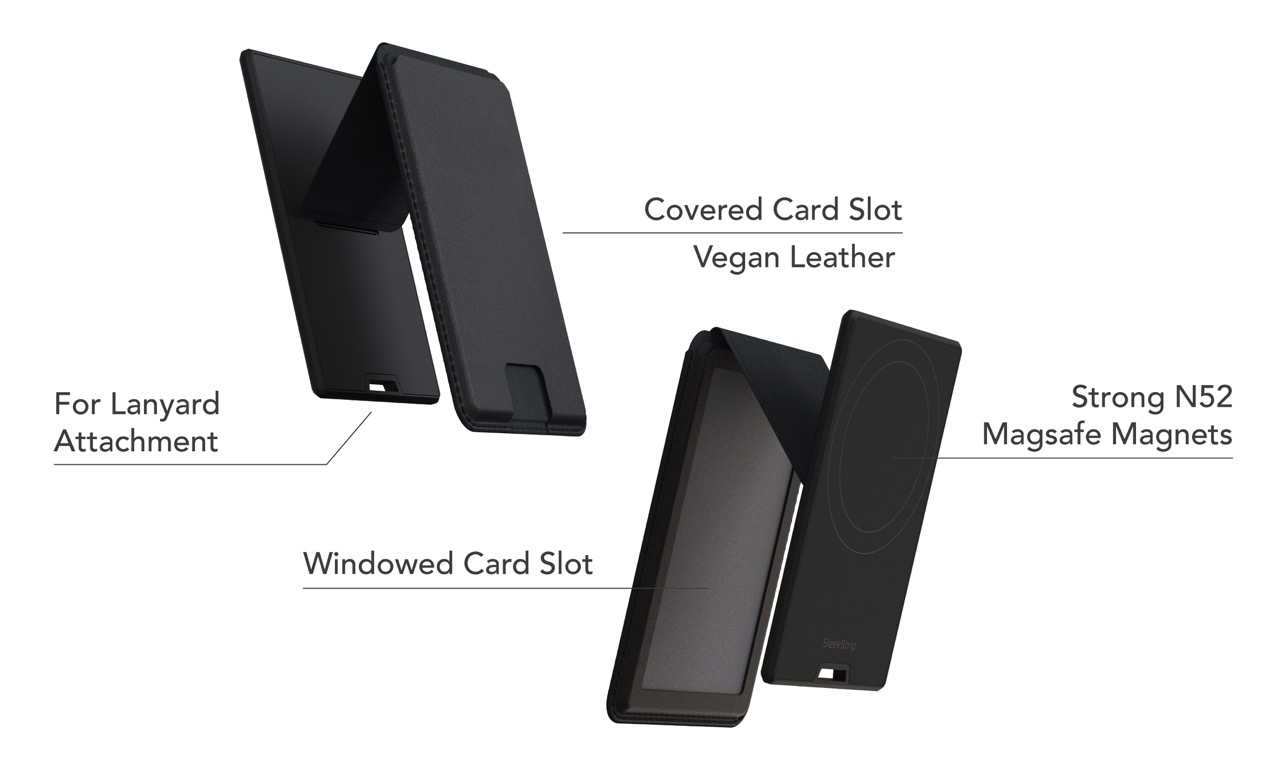
Flipping between cards is easy to the point of being addictive. The magnets inside the DuoFlip offer just the right amount of resistance that allows you to flip sides in under a second. The two sides have their distinct advantages. One is completely opaque, making it perfect for payment cards, while the other one comes with a clear window that’s well-suited for ID cards. Place your cards in and you’re ready to go. The card that’s facing outwards can be used to tap on terminals, whether they’re for making payments or for registering access/entry. A liner in the middle blocks the hidden card from being read, so there’s never an accidental tap of the wrong card.
Moreover, flip the ‘flap’ halfway and it doubles as a nifty stand for your phone. Sure, it won’t rival an actual stand or tripod, but it’s honestly a perfect easter egg for the wallet, giving it a great added feature that everyone’s sure to love… and people with Apple MagSafe wallets are sure to miss…
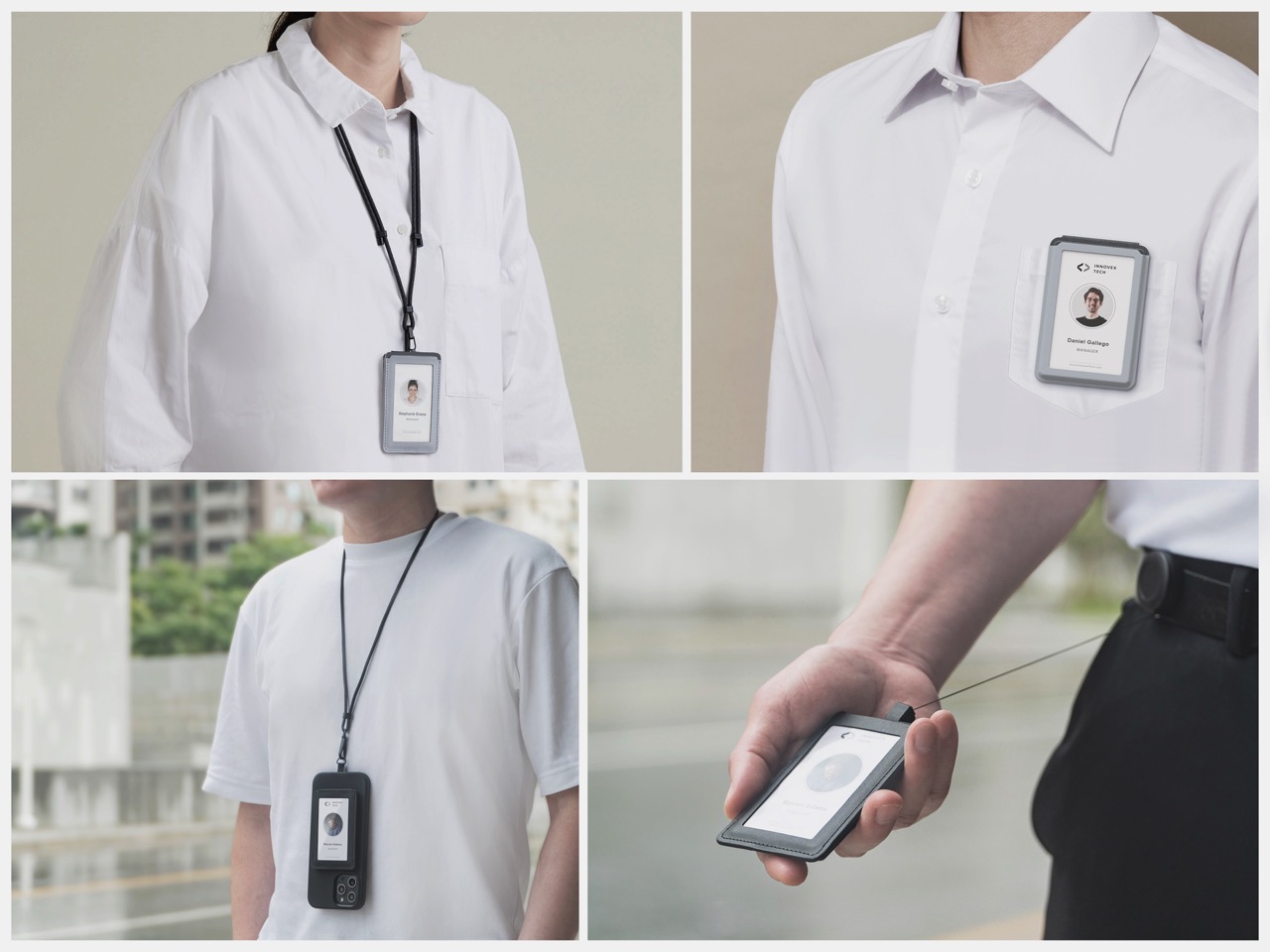
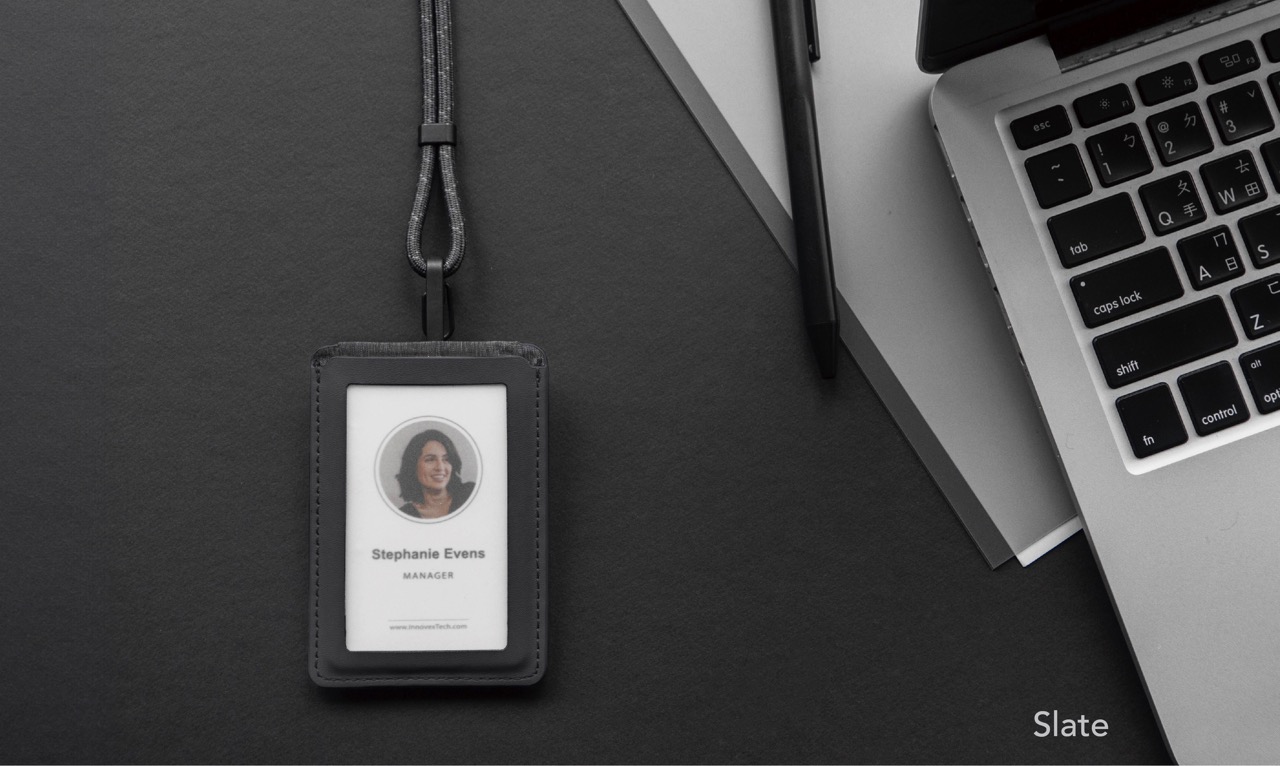
The DuoFlip has a sleek, slim design, which means it’s easy to slide into your pocket along with your phone. However, if you’d like to have the wallet more accessible, the folks at SleekStrip also designed a lanyard that attaches to the DuoFlip, letting you wear it around your neck like your standard lanyard ID. Keep the windowed card facing outwards for ease-of-use, but the second you step out for a meal or a quick coffee, flip to the payment card to make quick tap payments.
The adjustable-length lanyard can be used with the DuoFlip wallet, or even your phone thanks to a quick attachment that sandwiches itself between your phone and case. Although I probably wouldn’t want to wear my phone around my neck, that’s an option available to people who want their smart devices to be even more accessible than being right in their pockets or as crossbody.
Each DuoFlip wallet comes crafted from vegan leather, with a plastic back that houses the wallet’s N52 rare-earth magnets in the MagSafe array. A proprietary 6-layer anti-interference partition sits between both cards, allowing for accurate tapping every time, and the wallet’s flipping mechanism is tested to last over 100,000 flips (that’s 27 years worth of flips if you flip 10 times every day).
The wallet comes in black, brown, and gray color variants, and starts at a discounted $28… that’s less than half the price of Apple’s $59 MagSafe Wallet.
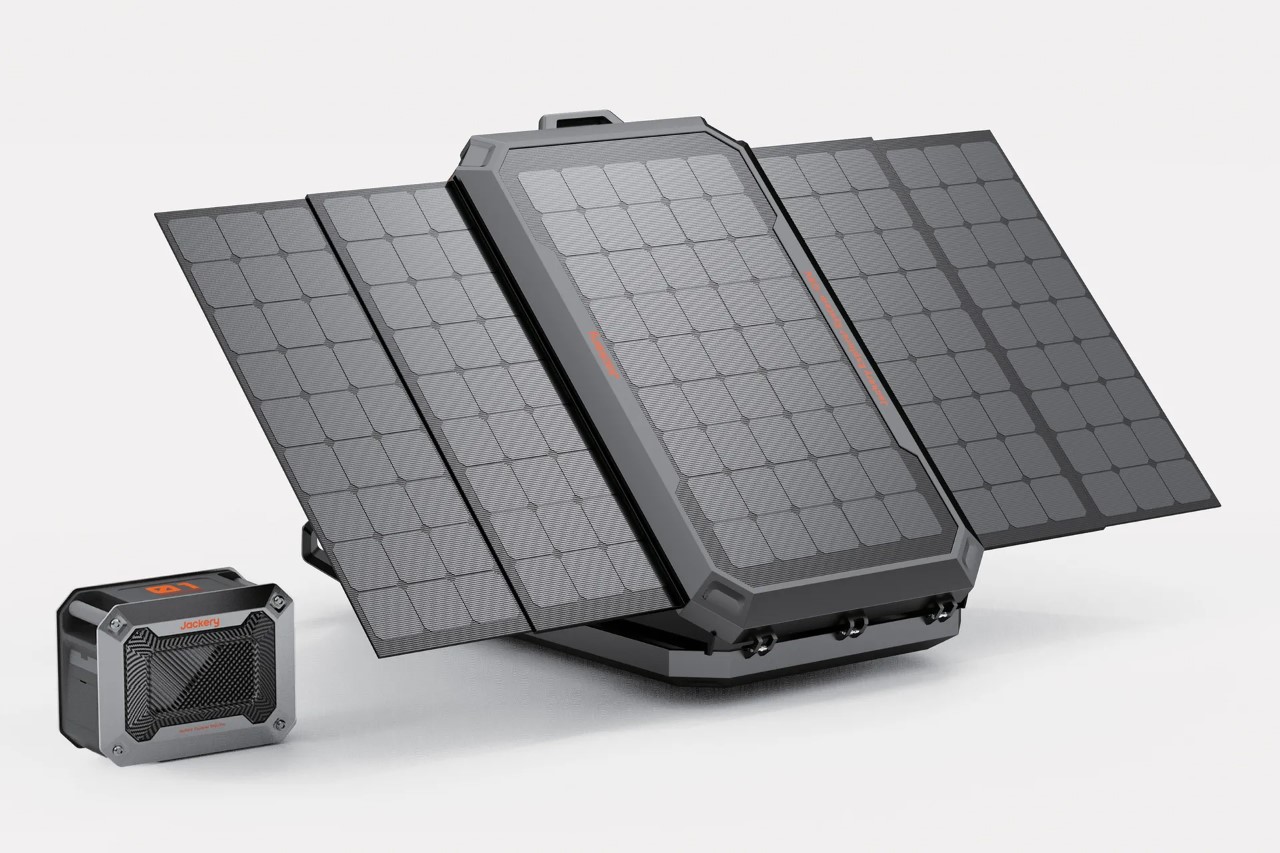
In a blend of sustainable energy and outdoor adventure, Jackery is redefining the concept of off-grid living with its latest innovation: a rooftop tent that doubles as a powerful solar generator. Debuting at CES this year, this 1000W system, featuring retractable solar panels, is not just a fleeting showcase but a promising reality set to enter production in the latter part of 2024. Positioned atop a pickup, the tent unfurls to reveal a sizable solar array, angling gracefully toward the sun. The retractable panels are designed to generate up to 4.96kWh daily in the sunny western U.S., diminishing slightly to 4kWh as one travels eastward. While details about its wind resilience are pending, the focus, for now, is on its remarkable energy-harnessing capability.
Rooftop tents equipped with solar panels aren’t novel, but Jackery’s approach is. Traditional setups often rely on lightweight, flexible panels that don’t fully utilize the available surface area, leading to suboptimal energy conversion. Jackery changes the game by covering the entire roof with solar cells and extending them outward, ensuring maximum power generation and neatly integrating the necessary wiring to feed the Jackery power station.
The concept feeds into a separate 1.26kWh E1000 Plus power station, boasting 2000W of AC output, enough to power a range of appliances from a portable air conditioner to an electric cooker. Interestingly, the E1000 Plus isn’t just sun-dependent; it can also recharge from your car or a wall jack, offering flexibility for various travel scenarios.
Beyond power, the tent promises comfort and convenience. It’s equipped with a memory foam mattress, insulation, dimmable and color-controllable lighting, and waterproof fabric with blackout windows. The promise of an “onboard charging module” in the production version adds a layer of anticipation to what’s already an exciting proposition.
As Jackery prepares to bring this concept to life, outdoor enthusiasts and tech aficionados alike wait with bated breath. The company’s innovation not only offers a greener way to travel but also promises a blend of comfort and convenience that’s often lacking in off-grid adventures. While we await more details and the eventual roll-out in Q4, one thing is clear: the future of outdoor living looks a lot brighter, and it’s powered by the sun.
Because great ideas come in all shapes and sizes (and colors), Youtuber Emily The Engineer decided to take it upon herself to see if she could 3D print a functional toilet. Could she? SPOILER: Yes– yes, she could. And I hope that this colorful commode serves as a reminder to us all that if you try hard and believe in yourself, anything is possible. Or you can at least 3D print yourself a toilet.
Due to the size of the toilet, the unit had to be split into numerous blocks for individual printing, and Emily took that opportunity to print the blocks in various fun colors. The result is what appears to be a LEGO toilet, or a Mondrian painting. My bathroom demands it!
Emily attached all the parts to one another using 3D plastic glue and a soldering iron to fuse where necessary. Even the tank float, flapper, and flushing mechanism are 3D printed, although a handful of metal nuts and bolts were required to connect everything.
Unfortunately, after testing, it appeared her design wasn’t strong enough to be attached to a traditional indoor plumbing system. So what did she do? What anybody would — attached wheels, armrests, smartphone charger, cup holders, and added a bidet. Boom — mobile toilet! Goodbye porta-potty, hello sporta-potty!
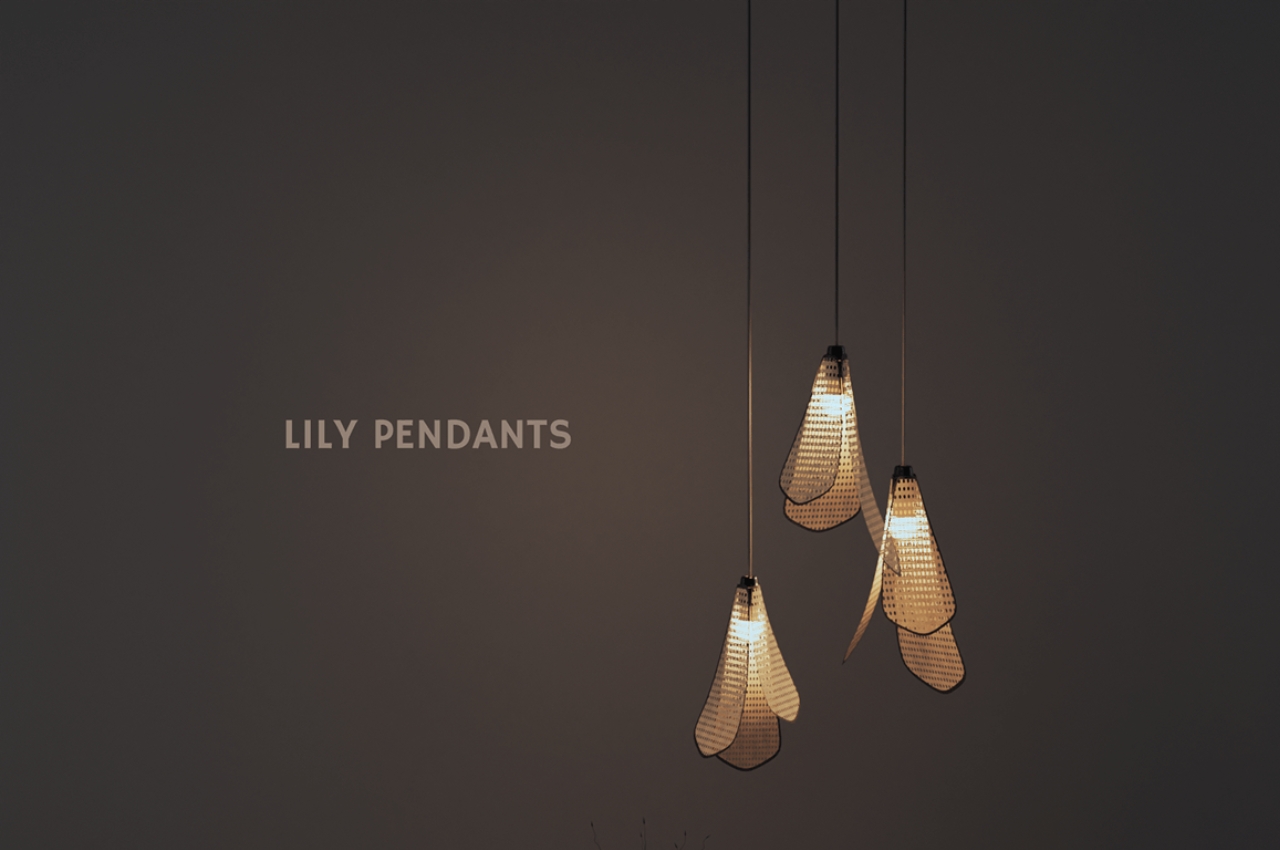
One of the things that can make your space look more elegant, stylish, and beautiful is to have lamps that will complement and enhance the room. There are a lot of well-designed lamps, light fixtures, and chandeliers out there that you can choose from and there’s always room for more. If you’re looking for something a bit more minimalist but still will stand out when you place it in your room, here are a couple of pendant lamps from Claymango.
Designer: Gamini Rawal for Claymango
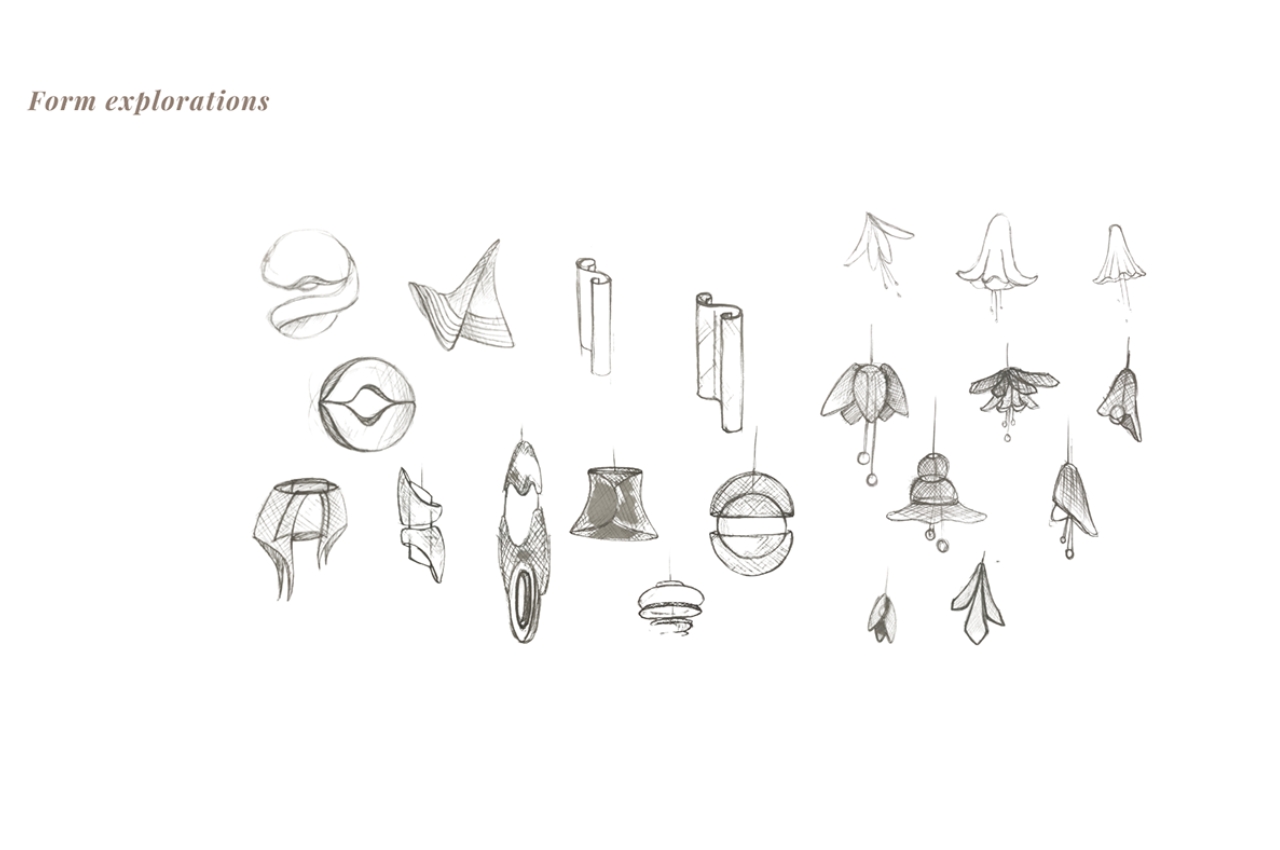
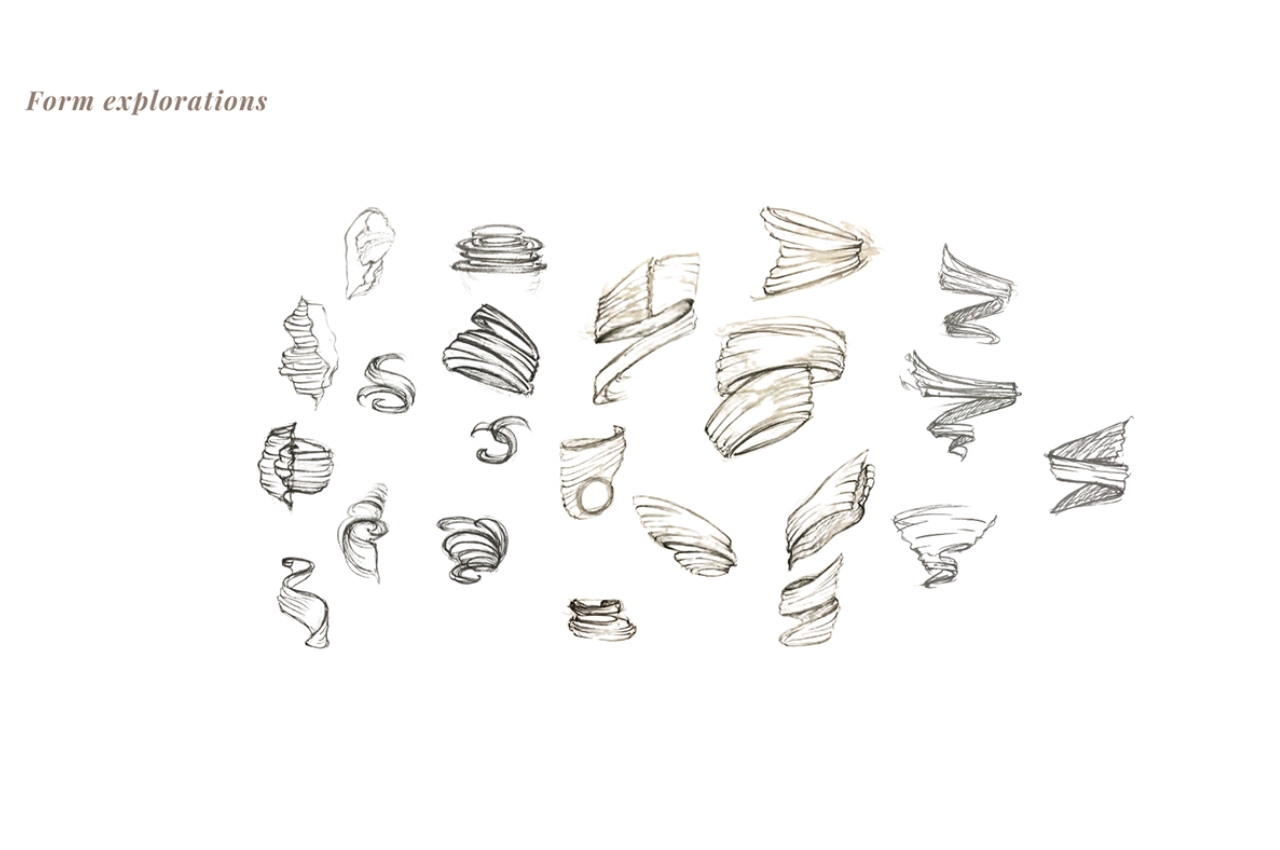
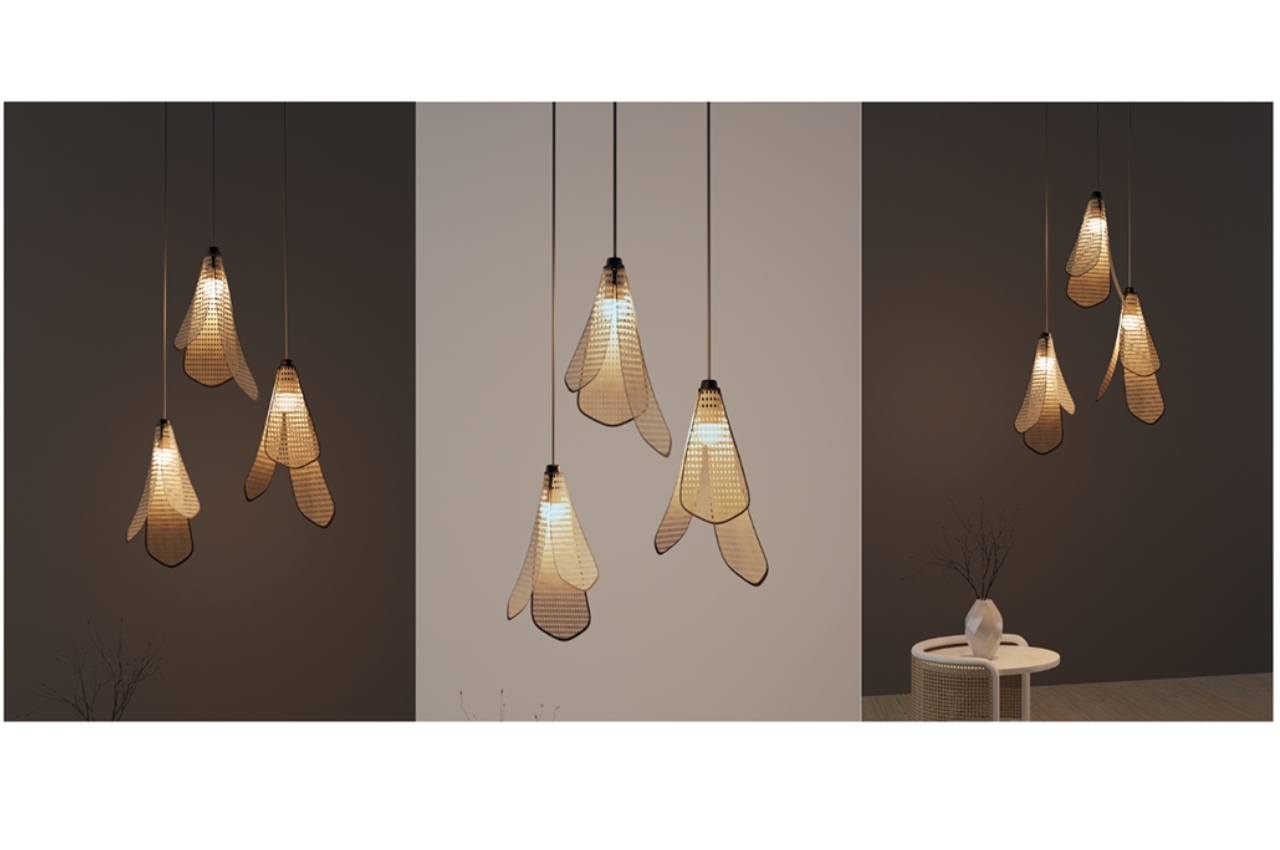
The Lily Pendant Lamp is of course inspired by the Lily flower and is designed to represent “love, devotion, and purity”. It streamlines the six petals into just three, achieving a minimalist and simple aesthetic. It also has an eco-friendly finish as it uses rattan as its main material. It can stand alone as just one pendant lamp or you can group it together with other lily lamps if you need something bigger. It can be used for both task and area lighting.
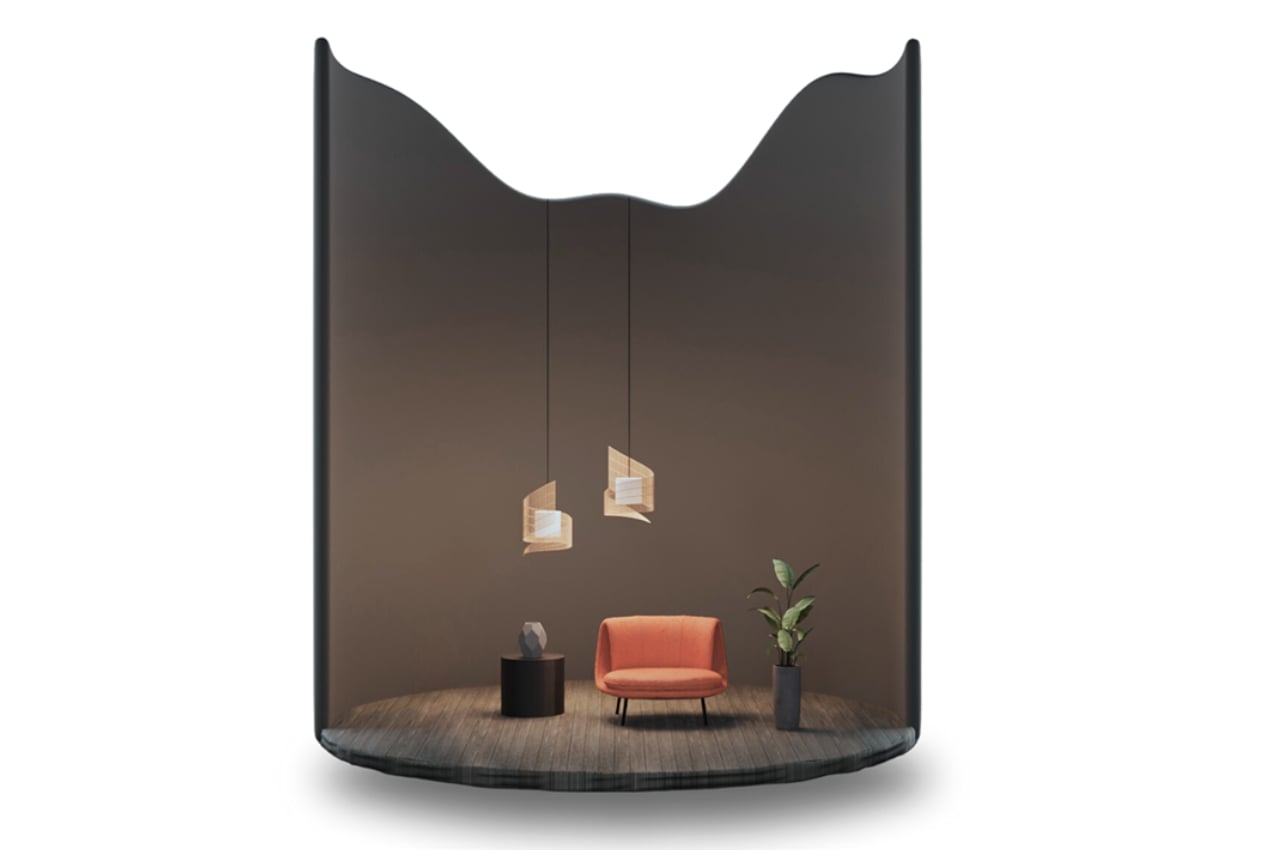
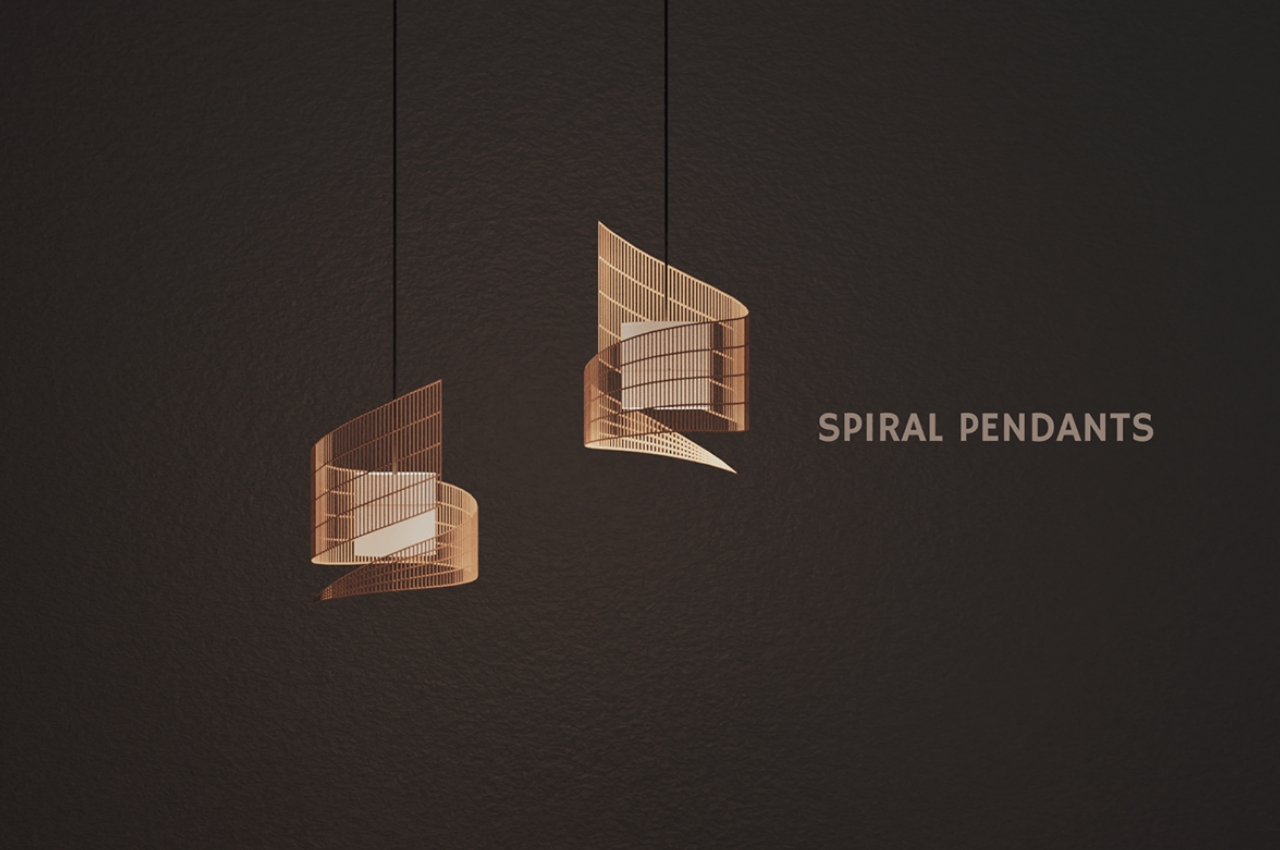
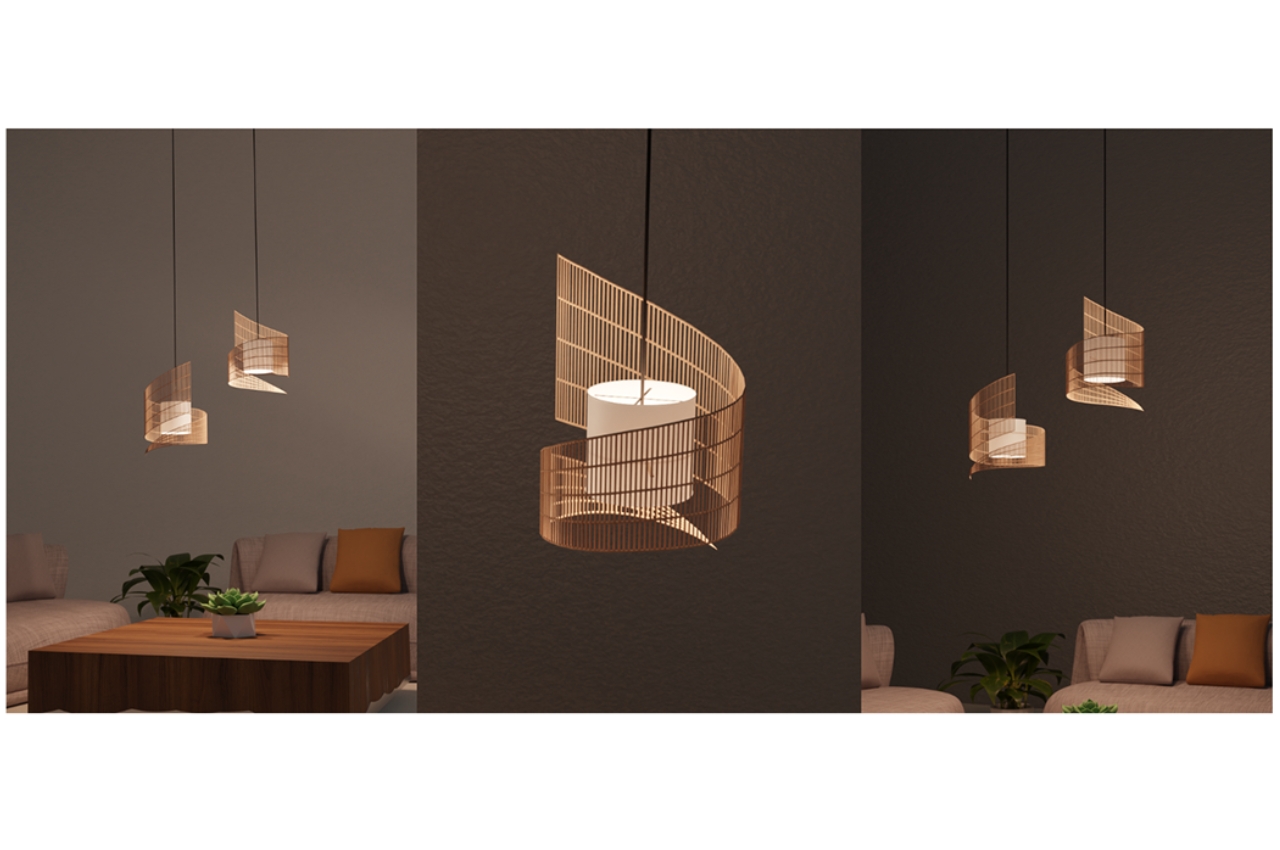
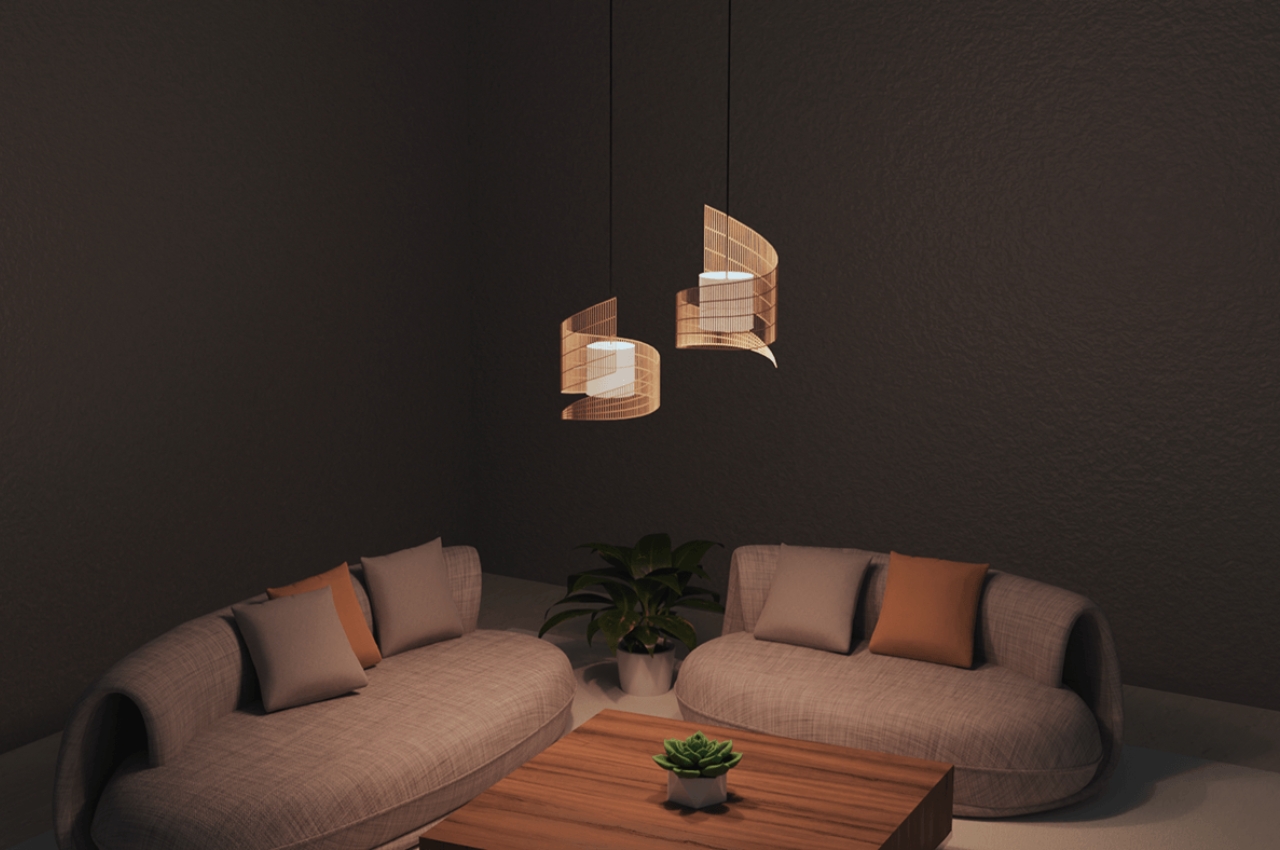
The Spiral Pendant Lamp meanwhile is inspired by the rhythmic movements that the fishes make when they’re looking for food in the ocean. Therefore you get some swirls and twisty forms but still with a minimalist aesthetic, using its bamboo weave design to blend with neutral and boho feels. The fixtures that are designed as a pair can serve both as pendant lamps and chandeliers with the light suspended through the cylindrical diffuser.
These pendant lamps are minimalist but also somehow slightly intricate in design. If you have an aesthetic that fits the lily concept or the spiral concept, these would be a pretty nice addition to the room (if ever they will come out of the concept stage) as they are both functional and decorative.
The holidays might be over but some regions are still experiencing the bitter bite of winter or cold weather. Over the centuries, we humans have developed methods to keep ourselves warm, from layering clothing to electronic devices that generate heat. Nowadays, we even have both in the form of wearable technologies that keep our bodies warm and toasty. Sometimes, however, the best solution is one that not only actually solves the problem but also sparks joy. That’s the kind of warmth that this concept device delivers both without and within, warming our hands and our hearts by calling to mind man’s stereotypical best friend.
There are a few things in life that make us smile and feel all warm and fuzzy, things such as hot drinks, photos and memorabilia, or our beloved furry companions. Dogs aren’t just naturally warm thanks to their body heat, their companionship and sometimes even their silly antics surface feelings of happiness that can heat us up inside and out. If only we could recreate that experience anytime and anywhere we feel cold.
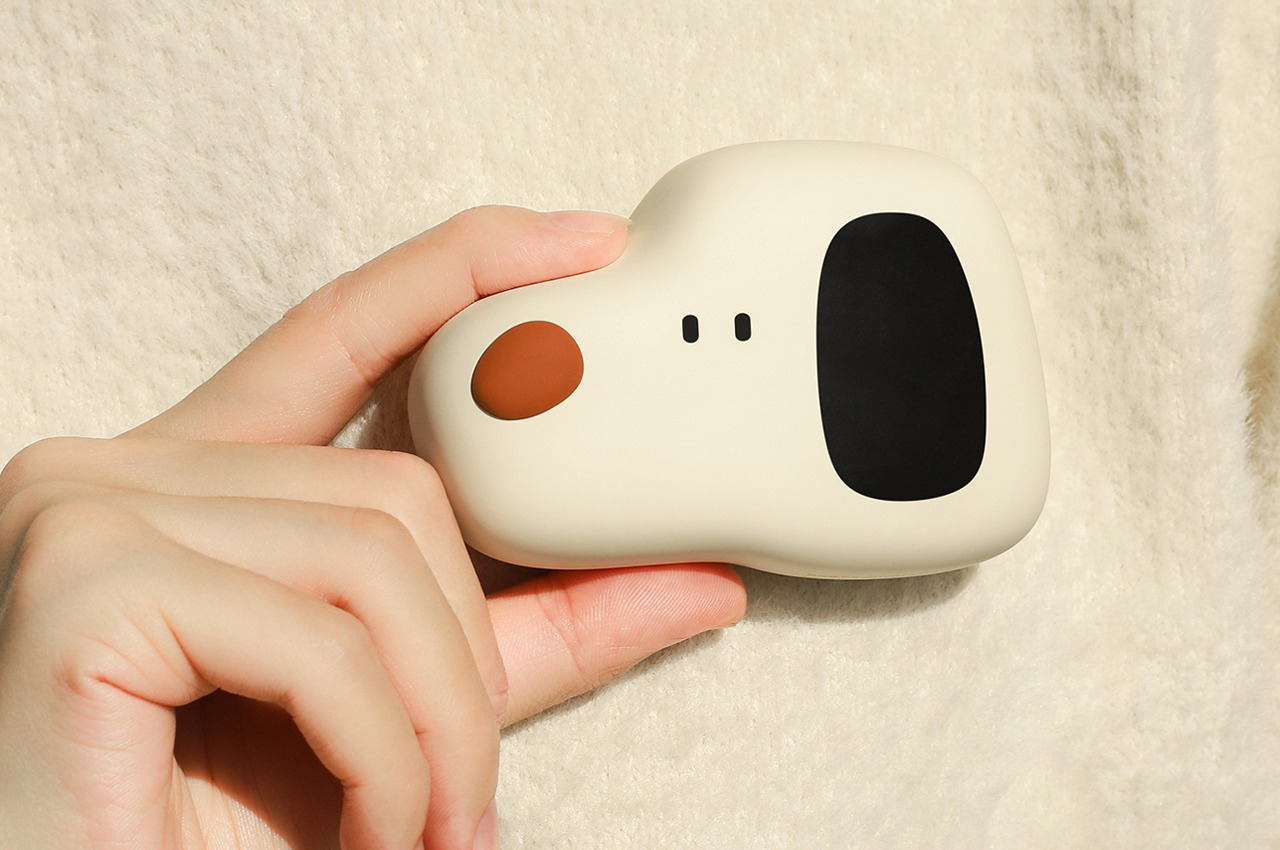
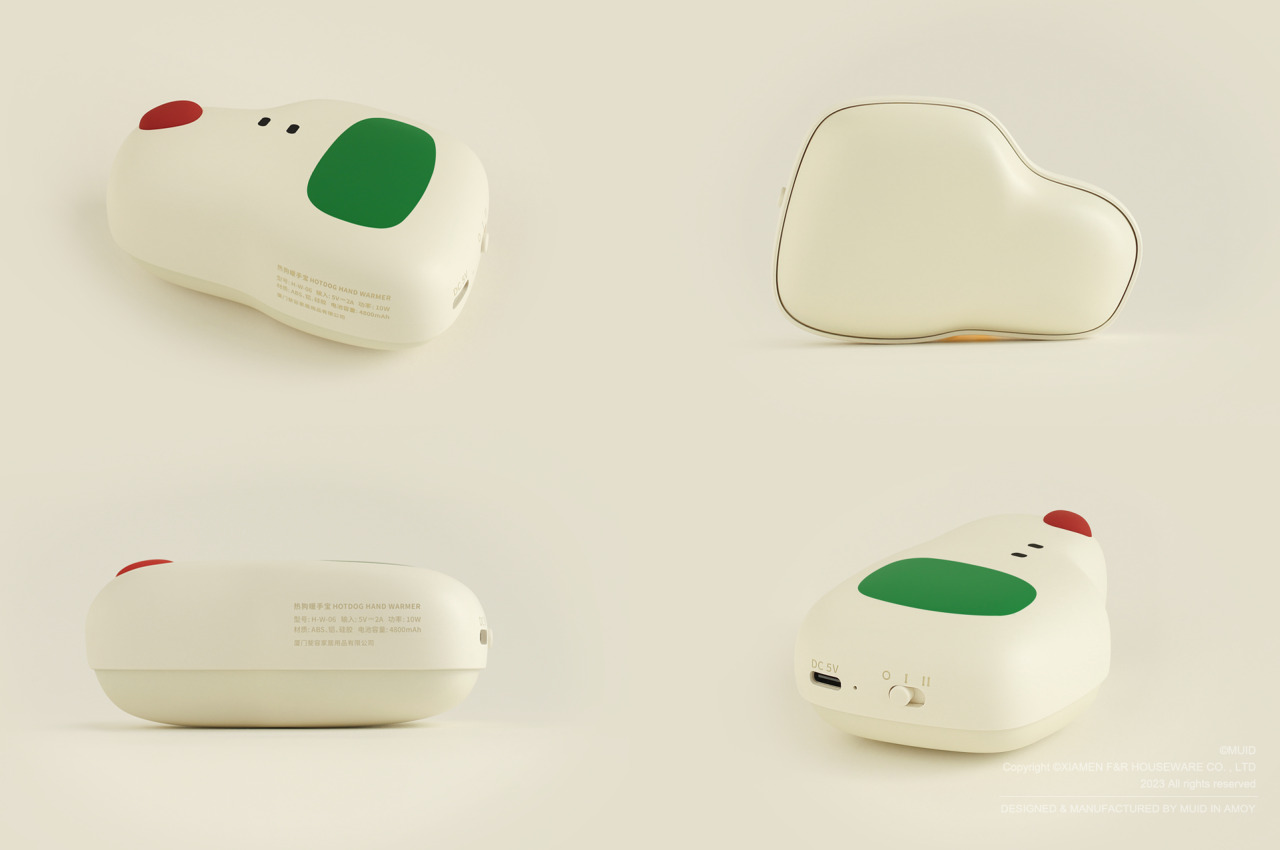
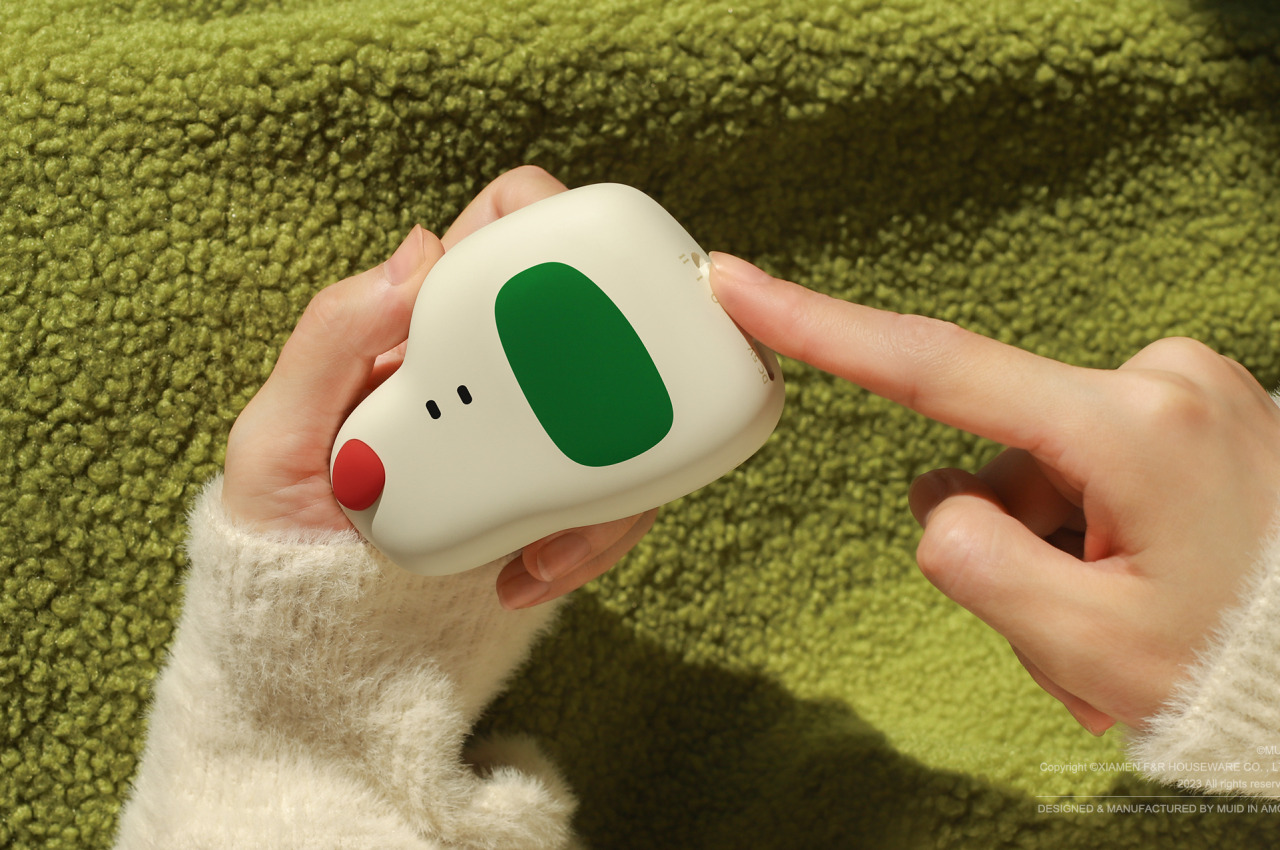
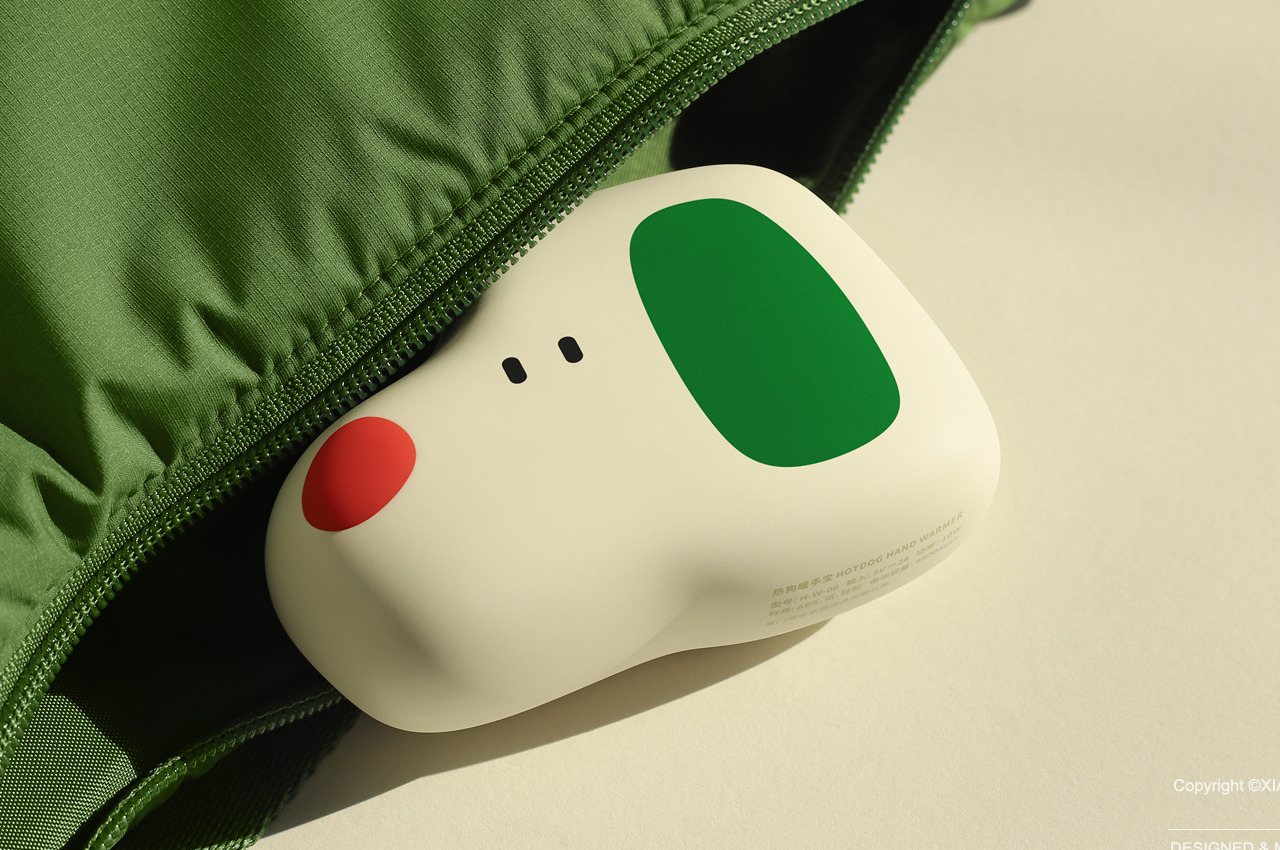
The Hotdog Hand Warmer is indeed designed to address that desire. Admittedly, it’s not easy to see the resemblance immediately, but once you see the cute dog’s face, you can never unsee it ever again. It doesn’t look like any of those breeds that instantly elicit oohs and aahs, but the simple, almost cartoony face has a more universal appeal. Plus, it’s something that people of all ages will actually be able to appreciate, especially kids who have little to no idea about different breeds.
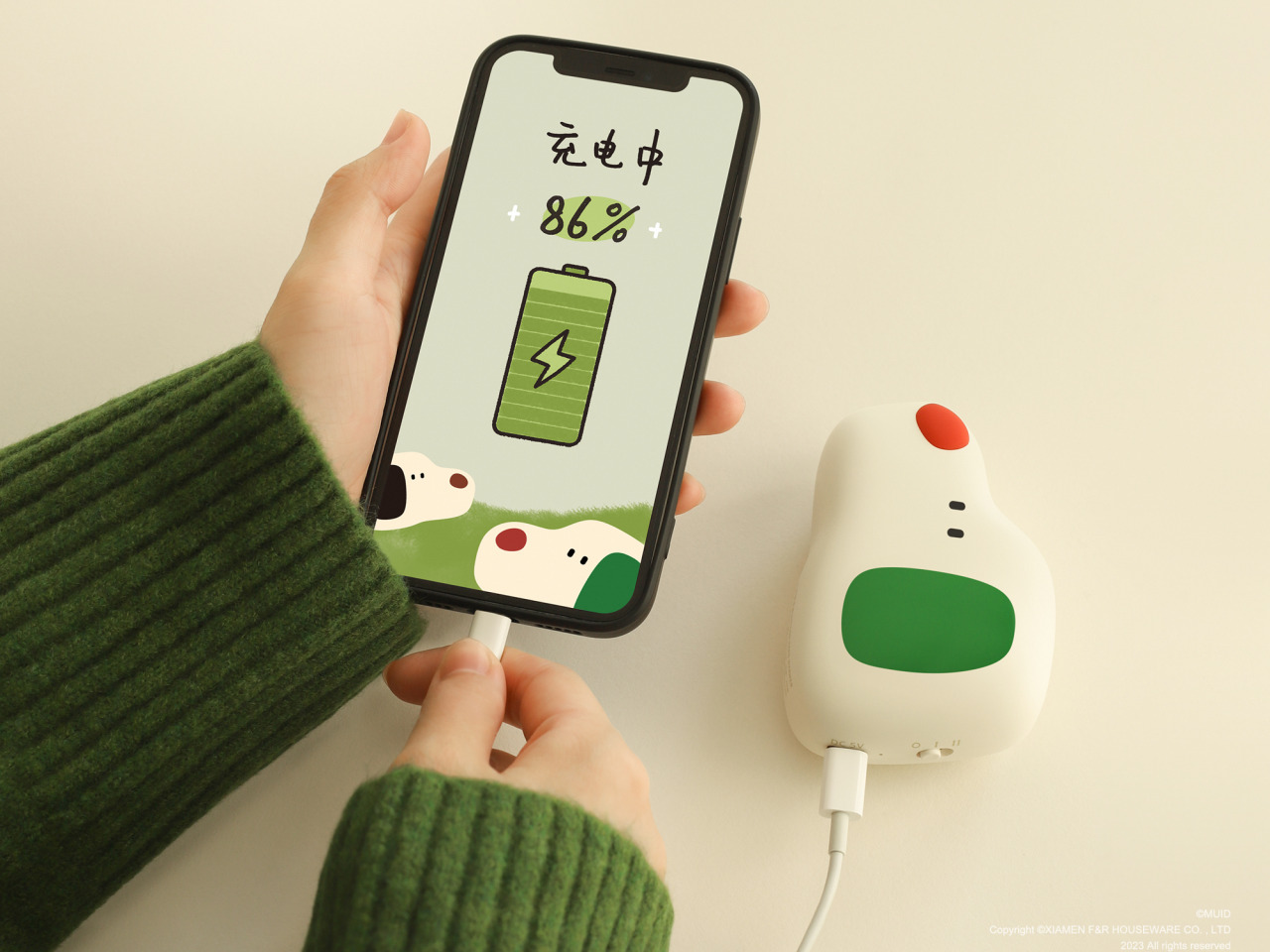
Of course, it isn’t just a toy to look at, and the literal “hot dog” functions as an easy-to-use hand warmer. It can be charged via USB from a power bank or even a smartphone, making it easily portable and usable anywhere. There’s a simple slider to switch between off and two heat settings to suit your needs and comfort levels. One might wonder why the dog’s ear or nose doesn’t function as buttons for the same purpose, but that’s probably for safety reasons since you’re likely to accidentally press on them when holding the warmer tight.
This Hotdog Hand Warmer concept design isn’t exactly revolutionary, but it’s a fine example of how one can easily humanize even the most mundane or utilitarian of products. Making it resemble something most humans are universally fond of helps drive home the device’s purpose, delivering warmth that isn’t only palpable but also emotional.
The Federal Aviation Administration (FAA) has ordered airlines to temporarily ground some Boeing 737 Max 9 planes for safety inspections after an Alaska Airlines plane lost a cabin panel during a flight on Friday with about 180 people on board. The plane, which had only been in service since November, according to the New York Times, was able to safely land back at Portland International Airport in Oregon, where it had taken off from. There were no major injuries, though the Alaska division of the Association of Flight Attendants said workers described “explosive” decompression in the cabin and reported one flight attendant sustained minor injuries.
“The FAA is requiring immediate inspections of certain Boeing 737 Max 9 planes before they can return to flight,” FAA Administrator Mike Whitaker said. “Safety will continue to drive our decision-making as we assist the NTSB’s investigation into Alaska Airlines Flight 1282.”
Immediately following the incident, Alaska Airlines CEO Ben Minicucci put out a statement saying the company would be grounding its fleet of 65 Boeing 737-9 aircraft for what it expects to be a few days as it conducts safety checks. “Each aircraft will be returned to service only after completion of full maintenance and safety inspections,” Minicucci. The FAA order extends the grounding to “approximately 171 airplanes worldwide” that are either operated by US airlines or in US territory.
Minicucci also said that the National Transportation Safety Board is investigating what happened with Flight 1282 and “we will fully support their investigation.” The plane had been on its way to Ontario, California. Reuters, citing FlightRadar24, reported that the blowout occurred at around 16,000 feet. In social media posts shared with Reuters and the NYT, passengers can be seen sitting right next to the gaping hole and the fully exposed sky.
Boeing's 737 Max was previously grounded for almost two years after fatal crashes in 2018 and 2019. All 189 people on board the plane were killed in the 2018 crash in Indonesia, and another 157 died in the 2019 crash in Ethiopia. In 2021, Boeing agreed to pay $2.5 billion in a settlement with the Department of Justice to avoid criminal charges over the crashes.
This article originally appeared on Engadget at https://www.engadget.com/faa-grounds-roughly-171-boeing-737-max-9-planes-after-a-cabin-panel-blew-out-during-flight-210331403.html?src=rss
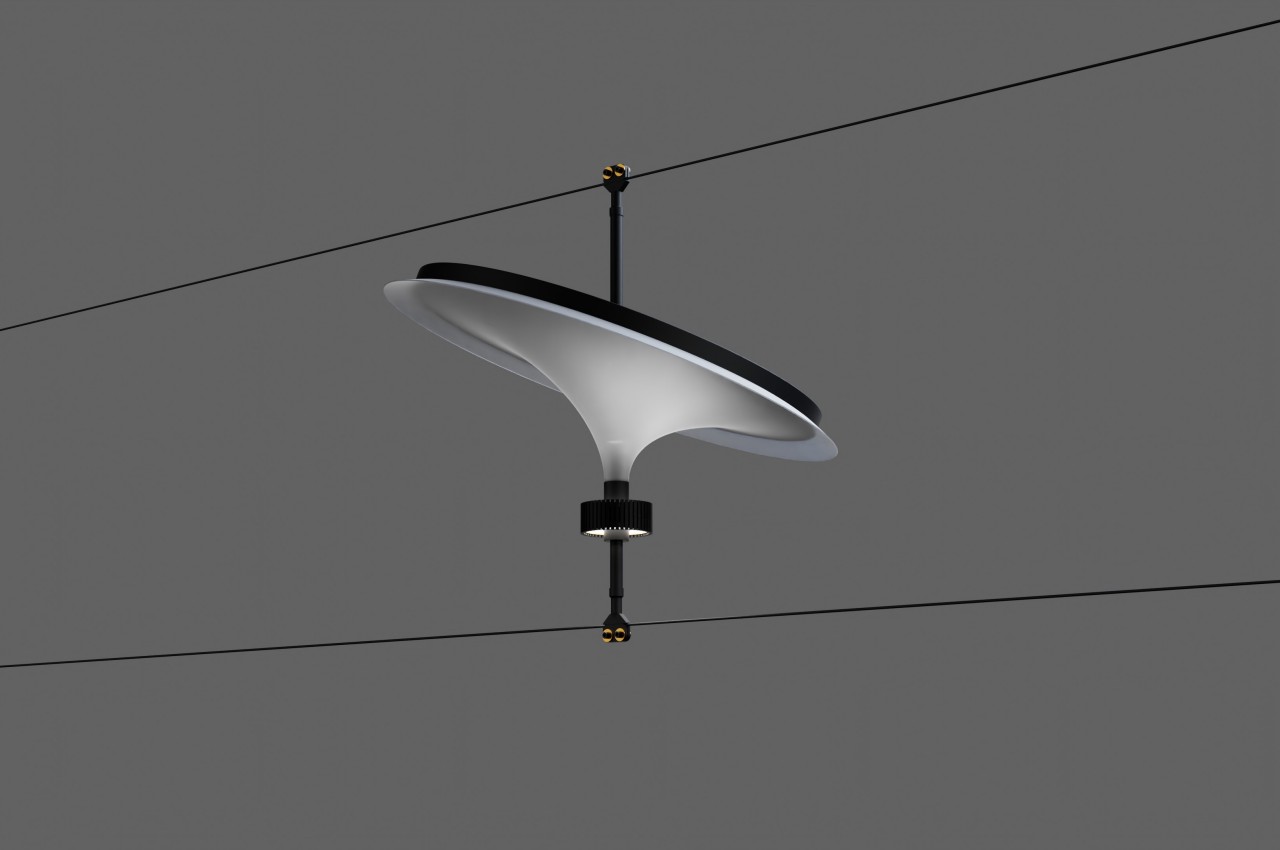
We see plenty of solar-powered products today, ranging from simple lamps to complicated electronics. But despite the sustainability benefits these offer, there’s no escaping the fact that they do need to soak up the rays to actually work. That’s not much of a problem if the devices have large batteries that can be used when the sun is out, but not so much for smaller objects that have to be smarter in how they get some sunlight. The sun, unfortunately, never stays still, and other atmospheric conditions could make an area less exposed from time to time. To help alleviate that problem, this design concept for solar-powered street lamps takes inspiration from Mother Nature in order to seek out the sun where it shines the brightest.
When people talk about street lights, most will probably imagine lamps on top of posts. These lighting fixtures are designed to be stationary in order to be reliable landmarks as well as to make them more convenient to reach and maintain. That restriction, however, might pose a problem for solar-powered street lamps because they will always be at the mercy of the sun’s location. When clouds cast shadows or buildings rise to block the sun, these lamps might lose their one and only source of power.
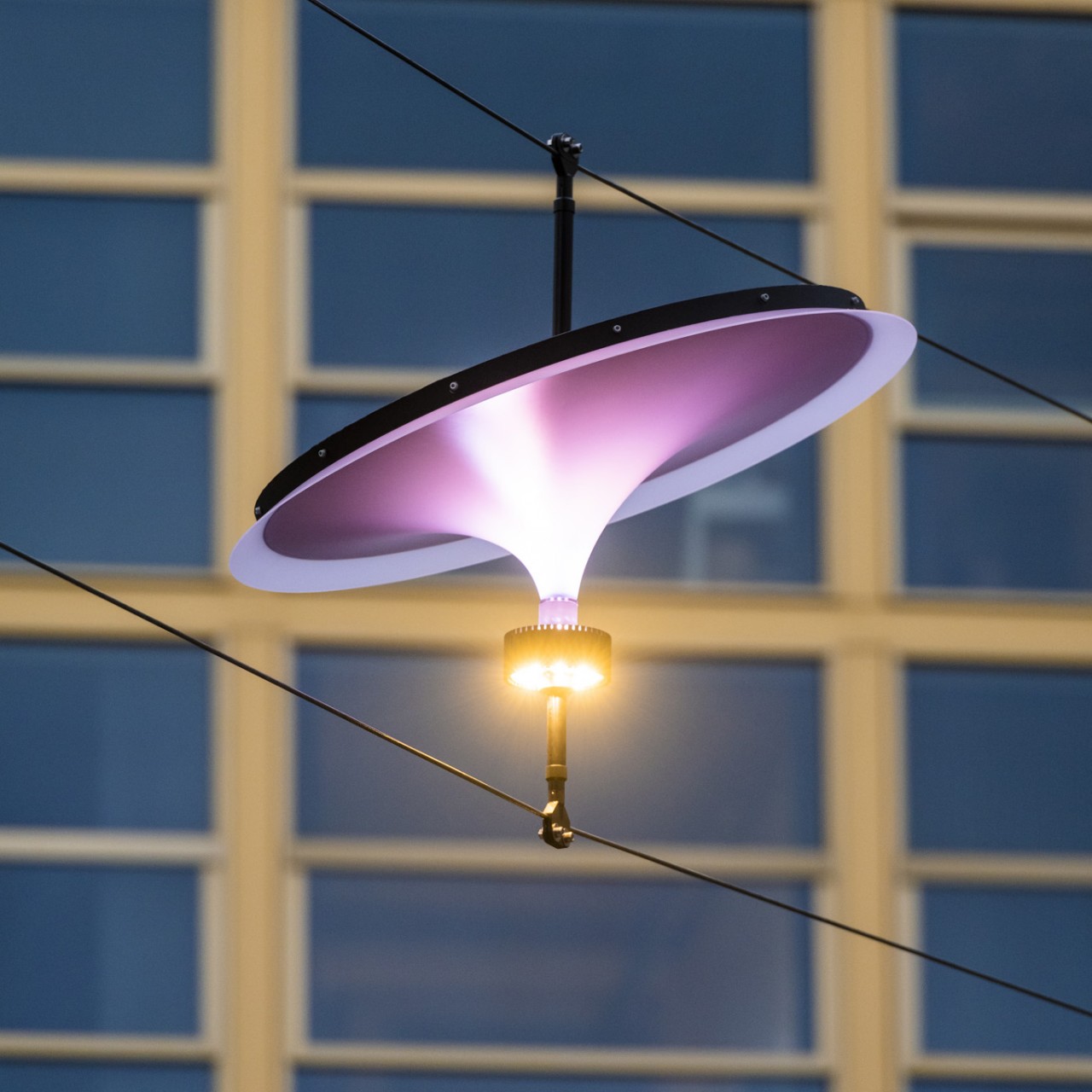
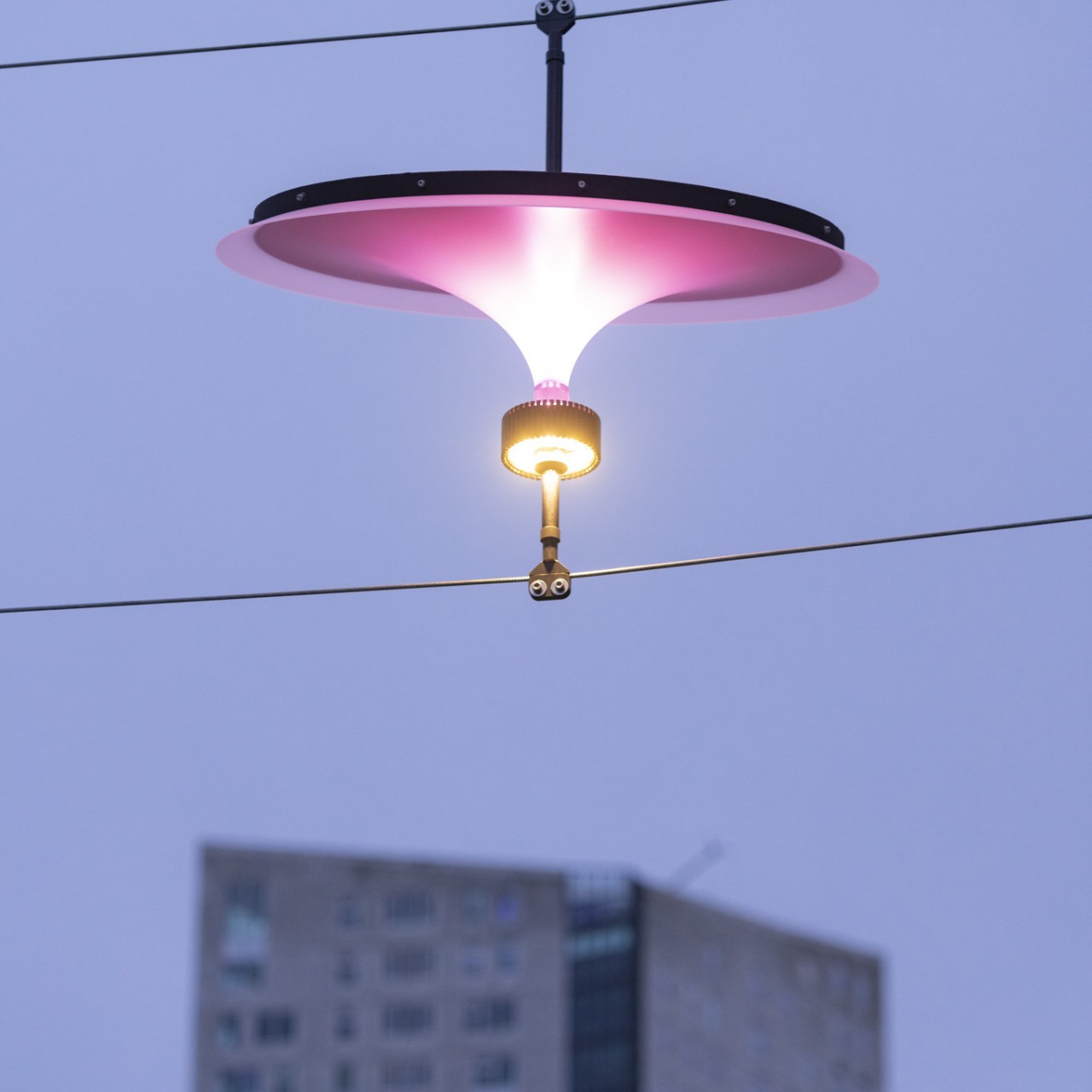
The Sunseeker is an experimental solution to that problem that uproots street lights and sets them on a chain rather than on a post. This frees the hanging lights from staying in one spot and lets them move freely along the chain. It might be a strange capability, but it makes sense when you consider that the light sensors on each lamp actually detect where sunlight shines strongest and then move or turn the lamp’s solar panel to face that direction.
It’s definitely an odd feature, but one that can actually be seen in nature. The sunflower, for example, is famous for how it always faces the sun, a trait that is even more important for solar-powered devices. In this manner, the Sunseeker lights can move where the sun is, ensuring that it will always be at peak performance when the day star finally sets.
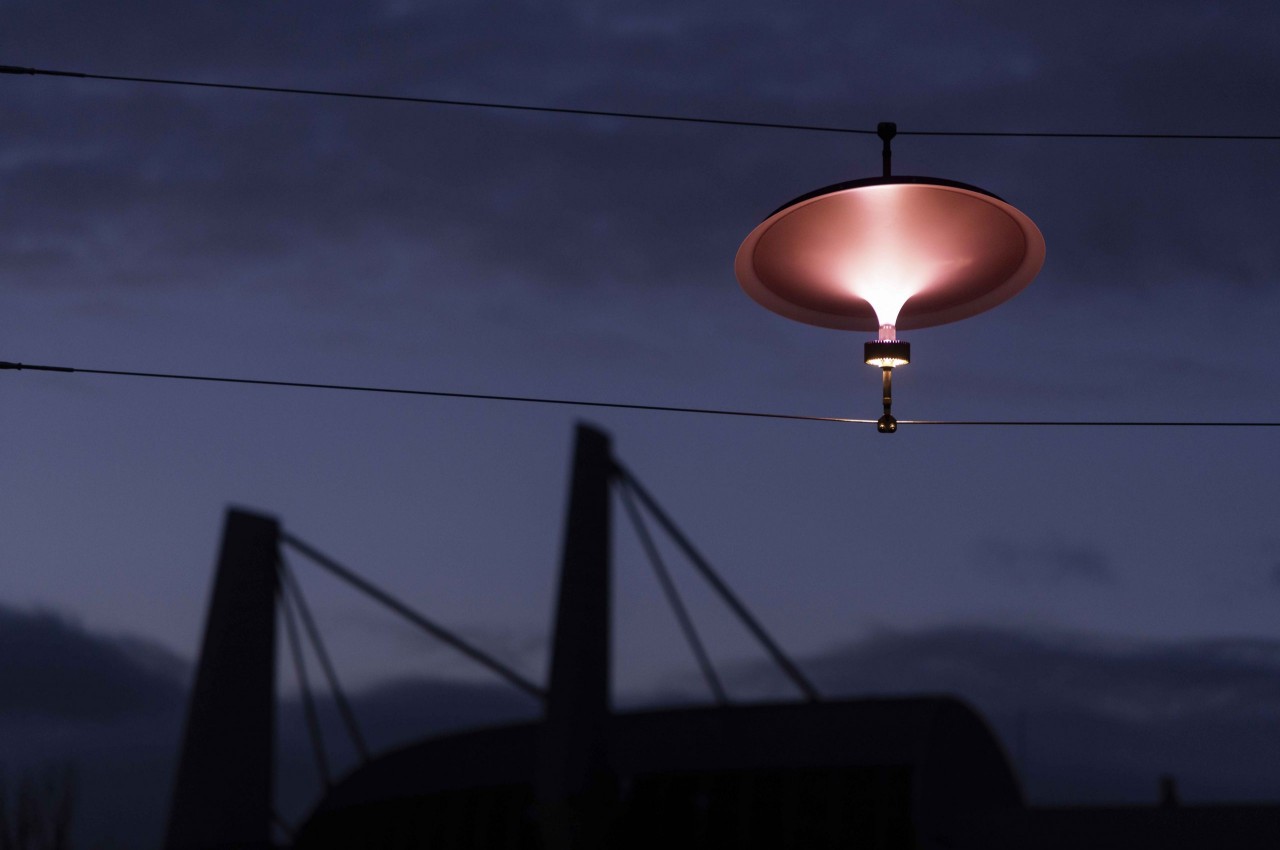
In addition to implementing a critical function, this sun-seeking behavior puts a playful spin on the lamps, pun intended. Crowds can be amazed and entertained as the circular panels slowly move and spin to match the direction of the sun. But even when they’re staying still, the lamps exude a character that is almost otherworldly, especially with how they look like a fleet of tiny UFOs lining up in the night sky.
Whether or not you’ve actively been using Threads, you may have noticed — thanks to its integration into the Instagram feed — an off-putting shift in the kinds of posts the platform has been recommending over the last few weeks. At best, you might be seeing tons of content that is of no interest to you whatsoever, or copypasta-style engagement bait. At worst? A whole lot of hate speech. In a short video shared on Friday responding to an Ask Me Anything question, Instagram head Adam Mosseri apologized for the “low-quality recommendations” proliferating on Threads and said the team is working on a fix.
“We want people to have a positive experience on Threads, and we’ve actually had some issues over the last few weeks with low-quality recommendations,” Mosseri said, “things that don’t quite violate our Community Guidelines — which is where we take content down entirely — but kind of go right up to that line. We’re working on improving it. A lot of it should be fixed at this point.” He goes on to say that while “there’s a lot more work to do,” users can “expect it to get much better over the next few weeks. Again, apologies.”
While Threads already felt cluttered with posts meant to milk engagement as new users try to generate followings on the budding social site, things have taken a palpably darker turn recently. Suddenly, ragebait seems to be front and center. Users have complained that they’re being suggested an alarming amount of hateful content, particularly posts that are outright transphobic. It’s crept into my own feeds, enough so that it feels like I’ve muted more accounts in the last two or so weeks than I previously had in six months on Threads.
Engadget asked Meta for clarification on whether the improvements Mosseri mentioned will specifically address transphobia and other forms of hate speech. In response, a spokesperson reiterated Mosseri’s comments and said, “In addition to removing content that violates our community guidelines, we're aware that some users are seeing this type of repetitive, low-quality content they may not be interested in, and we're taking steps to address it.”
This article originally appeared on Engadget at https://www.engadget.com/instagram-head-adam-mosseri-says-sorry-for-all-those-trashy-threads-recommendations-193001655.html?src=rss