Imagine having a tool that could generate high-quality content across multiple categories, convert text to speech and vice versa, generate images, automate code generation, and build intelligent chatbots. Sounds like a dream, right? Well, it’s time to wake up to the reality of IdeaAize, an AI tool designed to do all that and more. Trusted […]
As the AI industry eagerly awaits the release of ChatGPT-5, the successor to OpenAI’s groundbreaking GPT-4, speculation is rife about the new features and capabilities it will bring. Based on recent statements from OpenAI CEO Sam Altman and other employees, as well as analysis of the competitive AI landscape, here are 10 key features we […]
Following Hertz's disastrous misadventure with EVs, CEO Stephen Scherr is stepping down, Bloomberg reported. He'll be replaced by the former COO of GM's robotaxi Cruise division, Gil West, who will also join the board of directors.
A year after emerging from bankruptcy in 2020, Hertz said it would transform its car rental business by purchasing 100,000 Tesla EVs. "The new Hertz is going to lead the way as a mobility company, starting with the largest EV rental fleet in North America," the company said at the time. The announcement helped send Tesla's value soaring to a $1 trillion valuation.
Scherr joined Hertz after that decision was made, but increased Hertz's bet on EVs by placing orders with Polestar and GM as well. The company didn't purchase many EVs from those automakers, but by the end, it had around 60,000 from the three automakers.
Things went sideways after that, though. Tesla drastically cut prices of its Model 3 and Model Y EVs, scorching resale values. In addition, Hertz said that Tesla's vehicles were expensive to repair and unpopular with renters.
As a result, the company started unloading 20,000 EVs, about a third of its electrified fleet. That resulted in a $245 million charge for Hertz and its largest quarterly loss since the pandemic. Other rental car firms have also recently ditched EVs, with Germany's Sixt doing away with its entire fleet.
West, meanwhile, was one of nine Cruise executives dismissed following an incident that saw a pedestrian dragged by a Cruise vehicle after being struck by another car. Authorities accused the company of withholding a video that allegedly showed the victim underneath its vehicle.
This article originally appeared on Engadget at https://www.engadget.com/hertz-ceo-steps-down-following-tesla-ev-purchase-debacle-055220994.html?src=rss
Upgrade your home security with Blink Mini 2! Compact, weather-resistant, and packed with smart features. Keep an eye on your home, indoors or out, with ease.
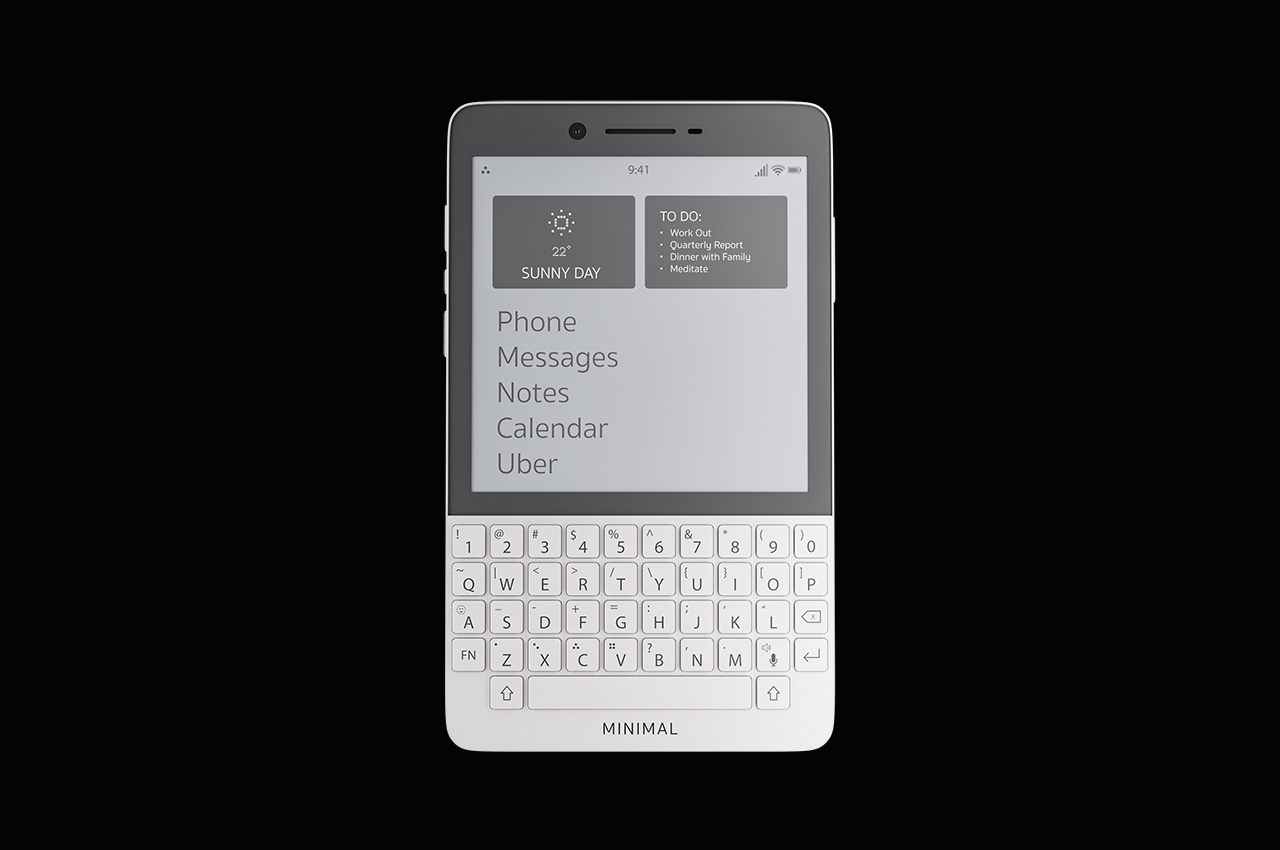
It’s like if the smartphone, Kindle, and Blackberry had a baby… and frankly, it’s gorgeous.
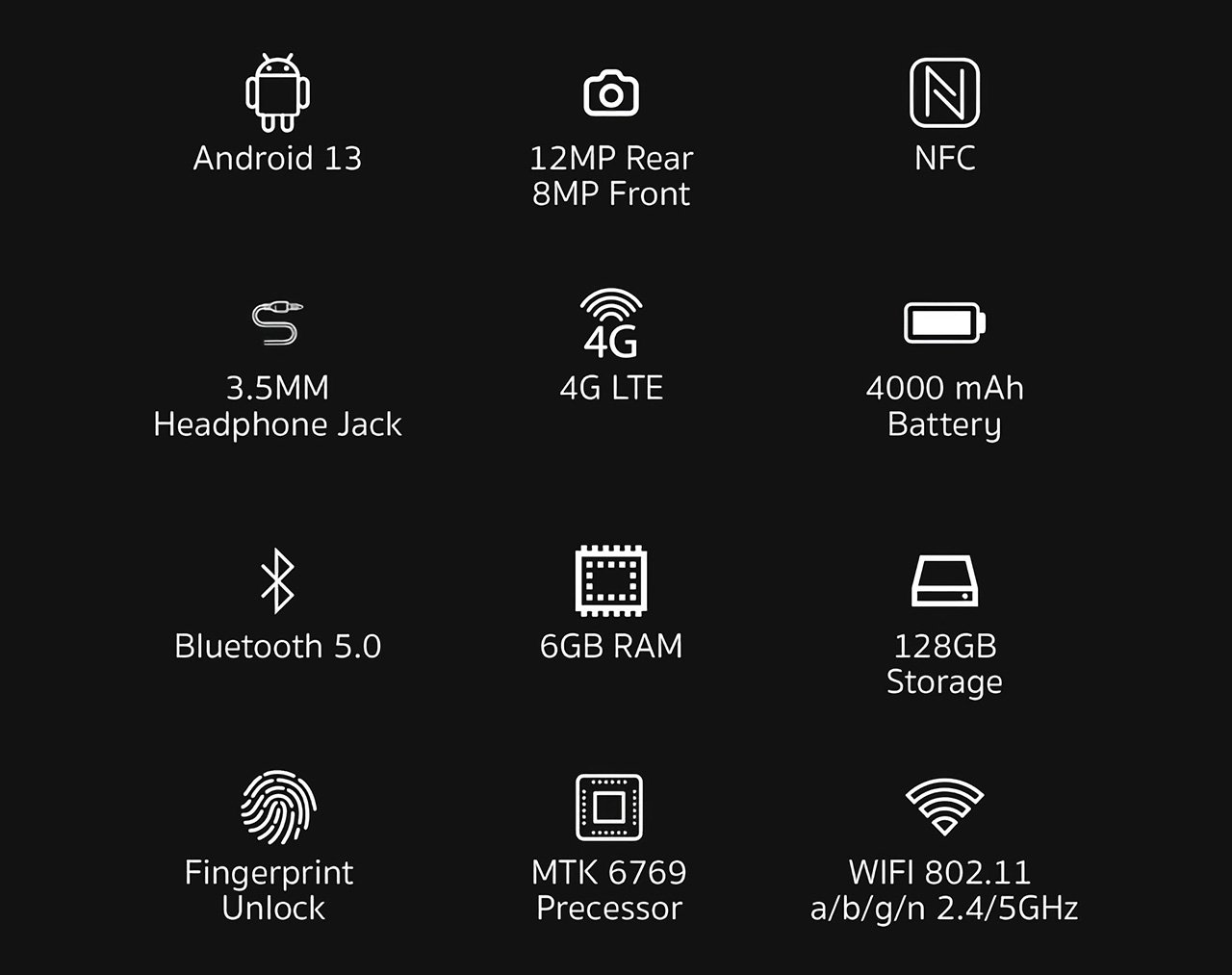
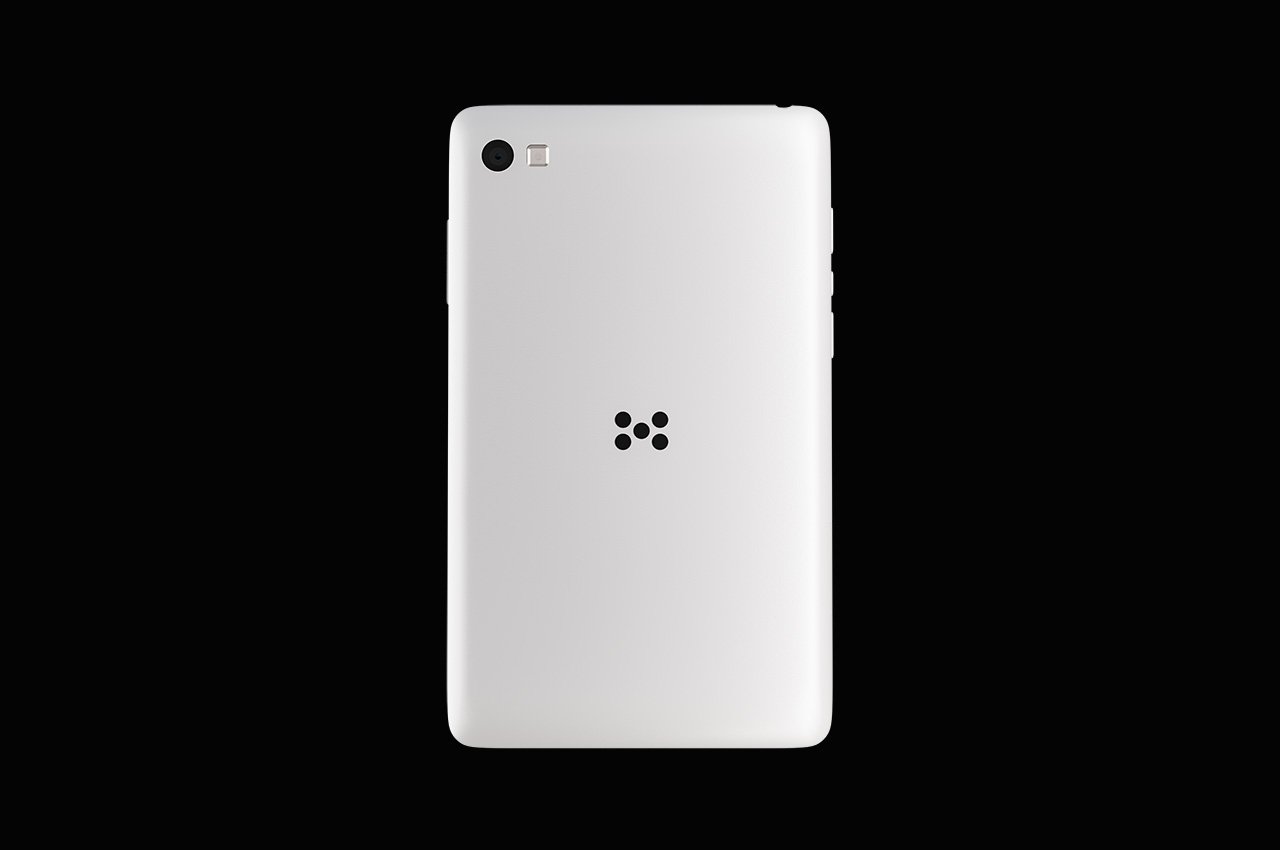
The Minimalist Phone stands at a rather unique junction of two trajectories – one, with smartphones getting more and more advanced, and being able to do much more than they previously did, and another, with phones that are designed to be ‘dumb-phones’ that just handle the basics, and don’t have you becoming a screen addict. Strangely enough, even though the two of them should really never have an intersection point, it seems like the Minimalist Phone IS that intersection point. It’s a unique combination of traditional smartphone features, coupled with a no-nonsense design that cuts all the clutter, but reintroduces the QWERTY keyboard, bringing a world of user-focused functionality back. And just if you’re wondering, yes, the Minimal Phone works exactly like any other smartphone – it runs Android 13, supports all your favorite apps, has a fingerprint reader, 4G LTE, and surprisingly enough, both rear and front-facing cameras so you can click color photos just like you would on a regular phone. (You’ll still need to view them in color on a regular screen though)
“Live more. Scroll less,” say Andre Youkhna and Armen Youssefian, the folks who designed the Minimal Phone, a smartphone designed to switch the existing relationship where we’re slaves to our technological devices. Here, the smartphone empowers you, giving you the features of a phone without the layer of addictive interfaces and notifications. In essence, the Minimal Phone behaves just like your existing smartphone but has a different approach to interface, features, hardware, etc.
The e-ink display of the Minimal phone offers users a comfortable, glare-free reading experience, significantly reducing eye strain even during prolonged use.
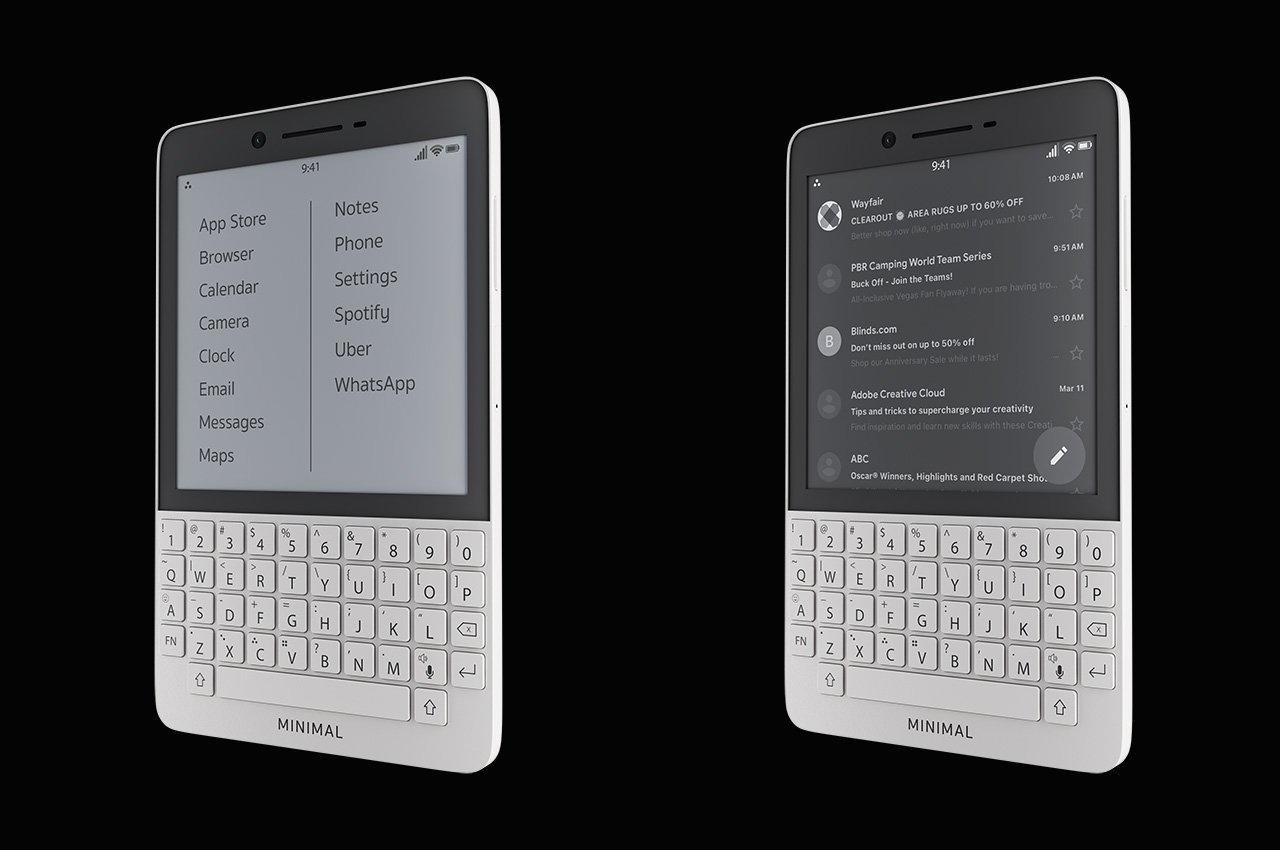
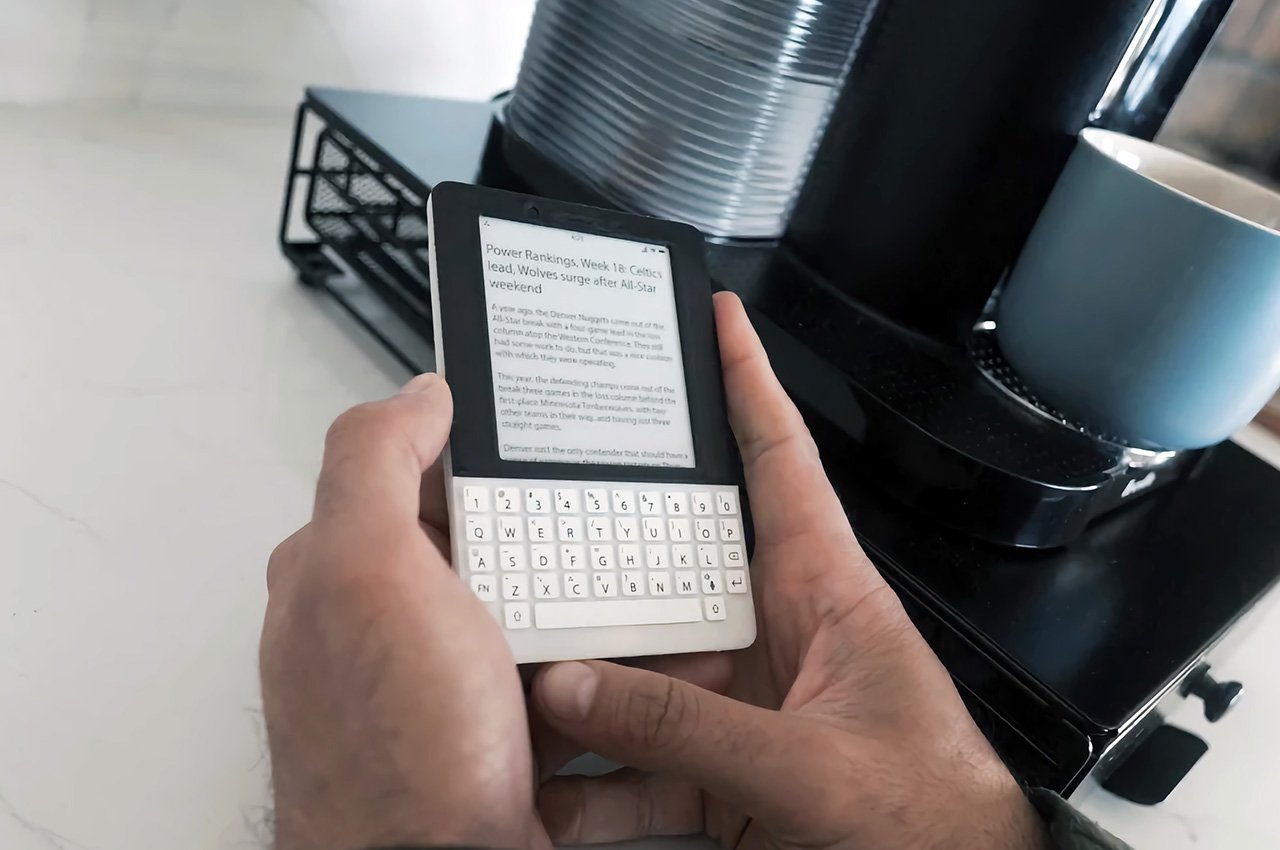
Just like the Fairphone focuses on supply-chain transparency, the Minimal Phone focuses on a user-centric design. The device boasts a 3.5-inch-wide e-ink touchscreen that runs all your apps, lets you send/receive messages, watch videos, and even browse the internet. It has a 300PPI resolution and a 90Hz refresh rate, which even by regular OLED screen standards, is pretty impressive. However, the e-ink screen notably, trades color for high-contrast, daytime visibility, and a much longer battery life. The lack of color isn’t really a bug, but rather a feature that helps deliver information without any distractions, ensuring you use your phone for exactly what you need and don’t spend more time on it than necessary.
Under the screen lies a 43-key QWERTY keyboard that brings back the glory days of being able to type out messages without accidental presses and those godawful typos that are still a problem with touchscreen keyboards. The Minimal Phone’s QWERTY keyboard is 70mm wide, and each key has a respectable travel of 0.15mm, giving you a confident and reliable typing experience.
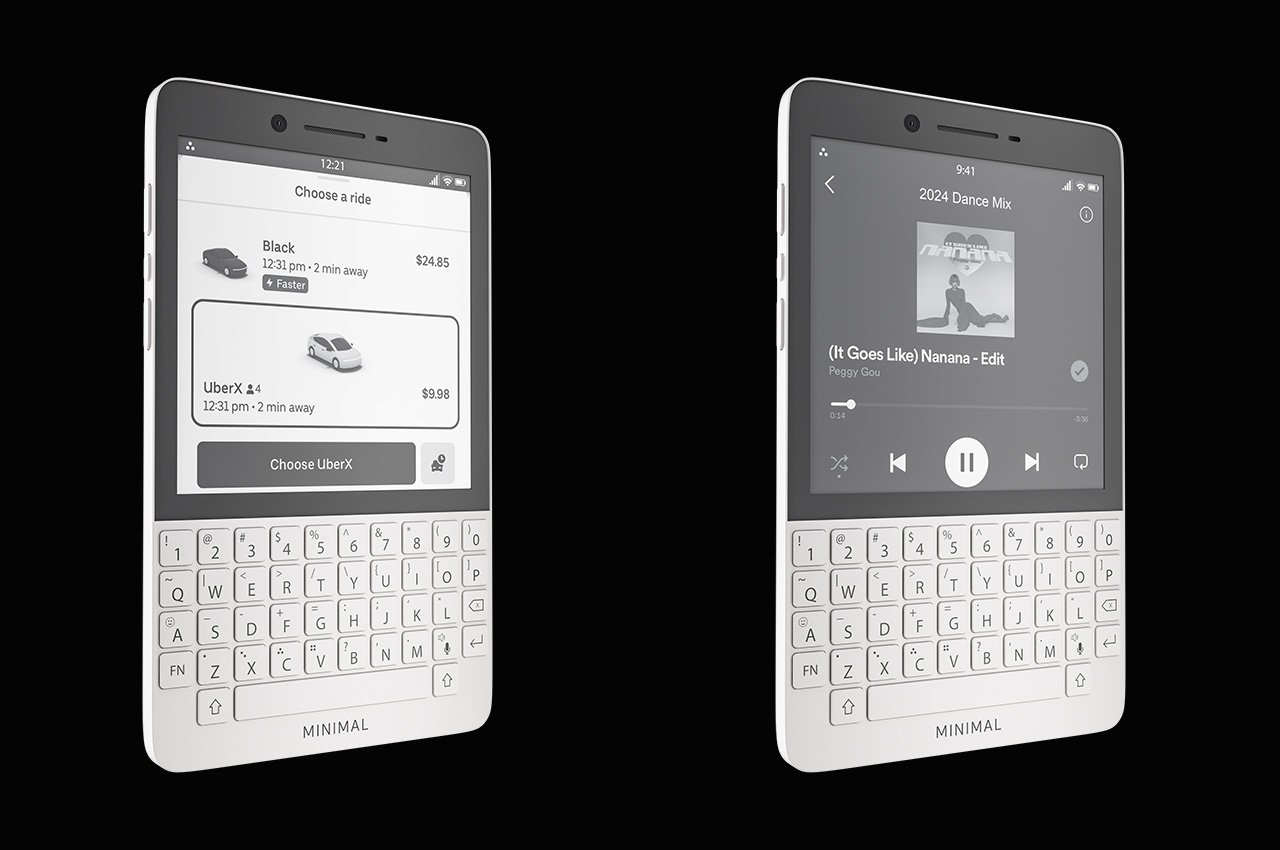
When you’re not typing out messages and emails (or sh*tposting on X), the phone’s touch-sensitive screen lets you easily browse the internet, use apps, and perform regular smartphone-related functions. Building on the ongoing trend of the minimal OS courtesy brands like Nothing, the one on the Minimal Phone is fairly utilitarian too, with clear text, easy-to-navigate menus, and even widgets. The only difference, however, is the landscape nature of the display, which means apps look/feel different on the Minimal Phone. Nevertheless, you can still use all your favorite Android apps like Uber, Spotify, Instagram, WhatsApp, even Maps.
Its software capabilities aside, the Minimal Phone has some impressive hardware too. Under its hood you’ve got a MediaTek 6769 processor with 6GB of RAM, 128GB of storage, and a 4000mAh battery that should last up to a week on a full charge. The Minimal Phone has Bluetooth 5.0, dual-band WiFi, NFC, and 4G LTE. The phone stands at 4.7 inches tall, 2.8 inches wide, 0.39 inches (or 10mm) thick. It’s got a fingerprint reader built into the power button, a USB-C port, a single SIM tray, a 12MP main camera and an 8MP front-facing selfie-cam, and most impressively, still retains a 3.5mm aux input, quite literally giving you the best of all worlds! The Minimal Phone starts at a discounted price of $325, and is designed to be completely repairable, complying with the latest EU regulations.
Designed by Timbercraft Tiny Homes, the spacious Denali tiny home first became accessible to the public in 2017, with time it got upgraded to the Denali XL, and now the firm has officially launched the Denali XL Bunkhouse. The Denali XL Bunkhouse as its name signifies is a spacious and majestic tiny home that can sleep from two to six people, providing an abundant amount of space for a small family, and some guests as well. It is supported on a quad-axle trailer, and it measures 41.4 feet long, with a width of 9.8 feet.
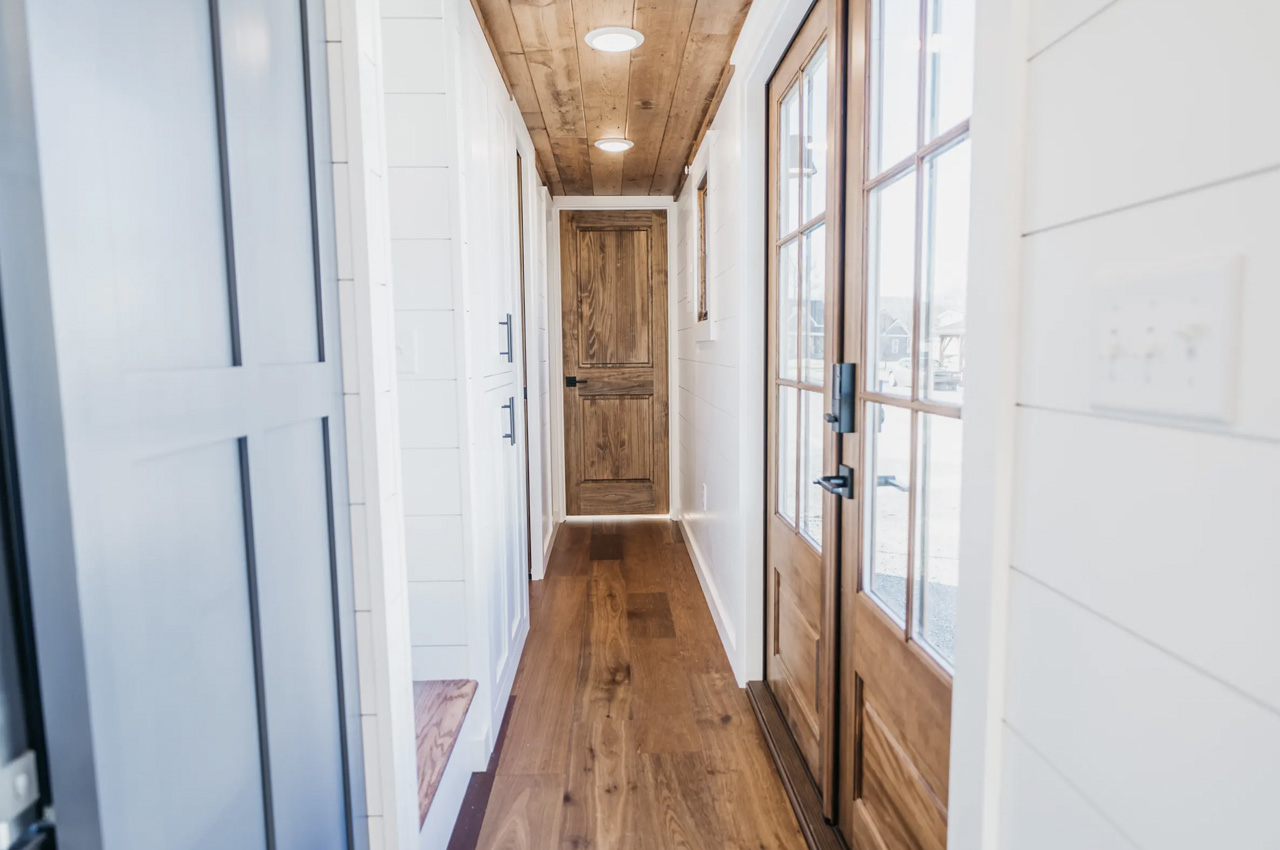
Since the width is long, the tiny home cannot be towed on the road without any kind of permit. It is one of the largest tiny homes on the market, and it isn’t something you’d be comfortable towing around often. The exterior of the home is clad in board-and-batten siding, and it has been topped with a standing-seam metal roof. The exterior has a quintessential cottage style which can be seen in the home’s interiors too, namely in the rustic shiplap walls, wood floors, tongue, and groove ceiling.
A pair of pretty French doors offer access to the home, there is one in the living room and one in the kitchen. They open up the tiny home to the outdoors. The kitchen is quite spacious and well-stocked for a tiny home, and it even includes a cozy breakfast bar for two people, as well as a propane-powered four-burner stove, an oven, dishwasher, custom cabinetry, and a fridge/freezer. The hallway of the home contains a large pantry area as well. The living room has generous glazing, including the French doors, and has quite a spacious vibe.
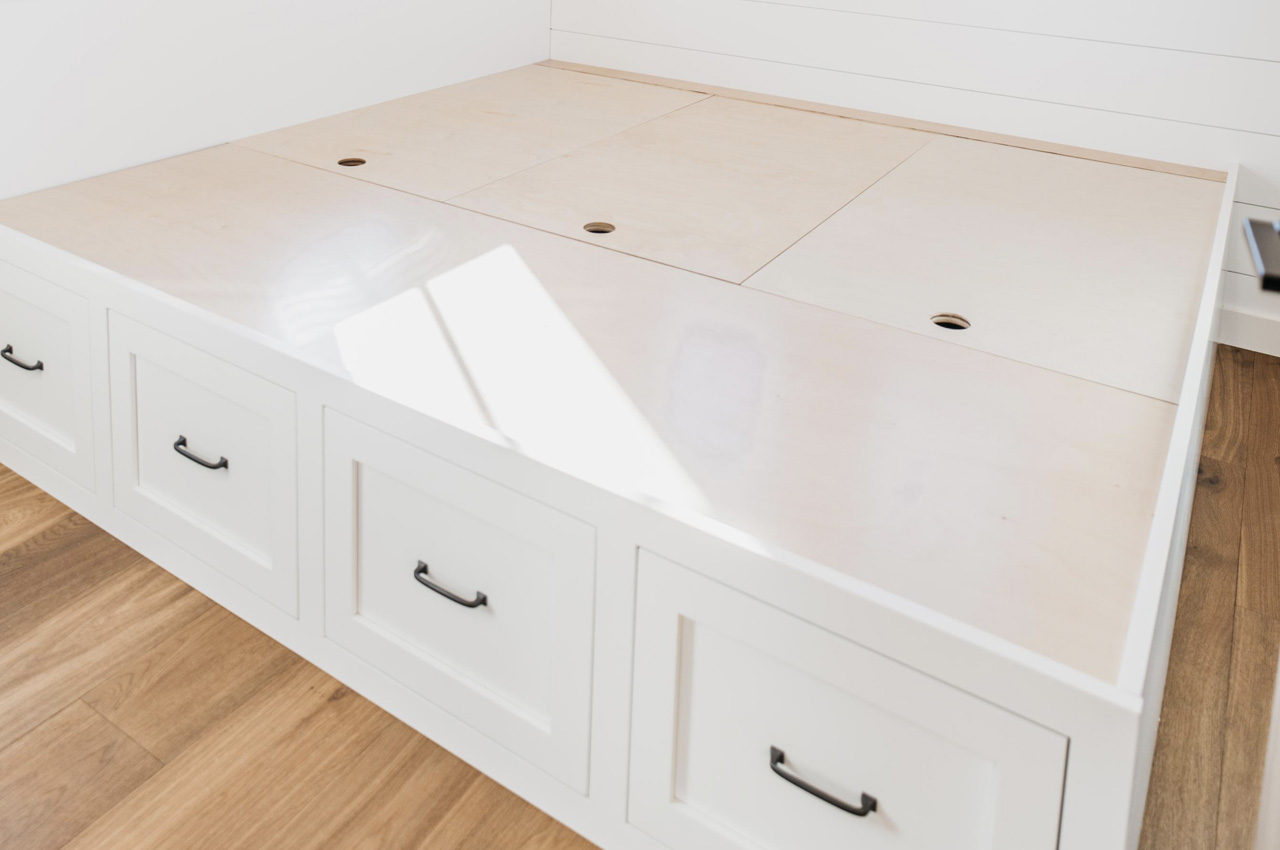
The tiny home’s bathroom includes a full-size bathtub and shower, as well as a flushing toilet and vanity sink. It also has a stacked washing machine and dryer installed. Opposite the living room is the master bedroom, and since it is on the ground floor, it has loads of headroom to stand straight. The bedroom also includes a king-sized bed with integrated storage space and a closet.
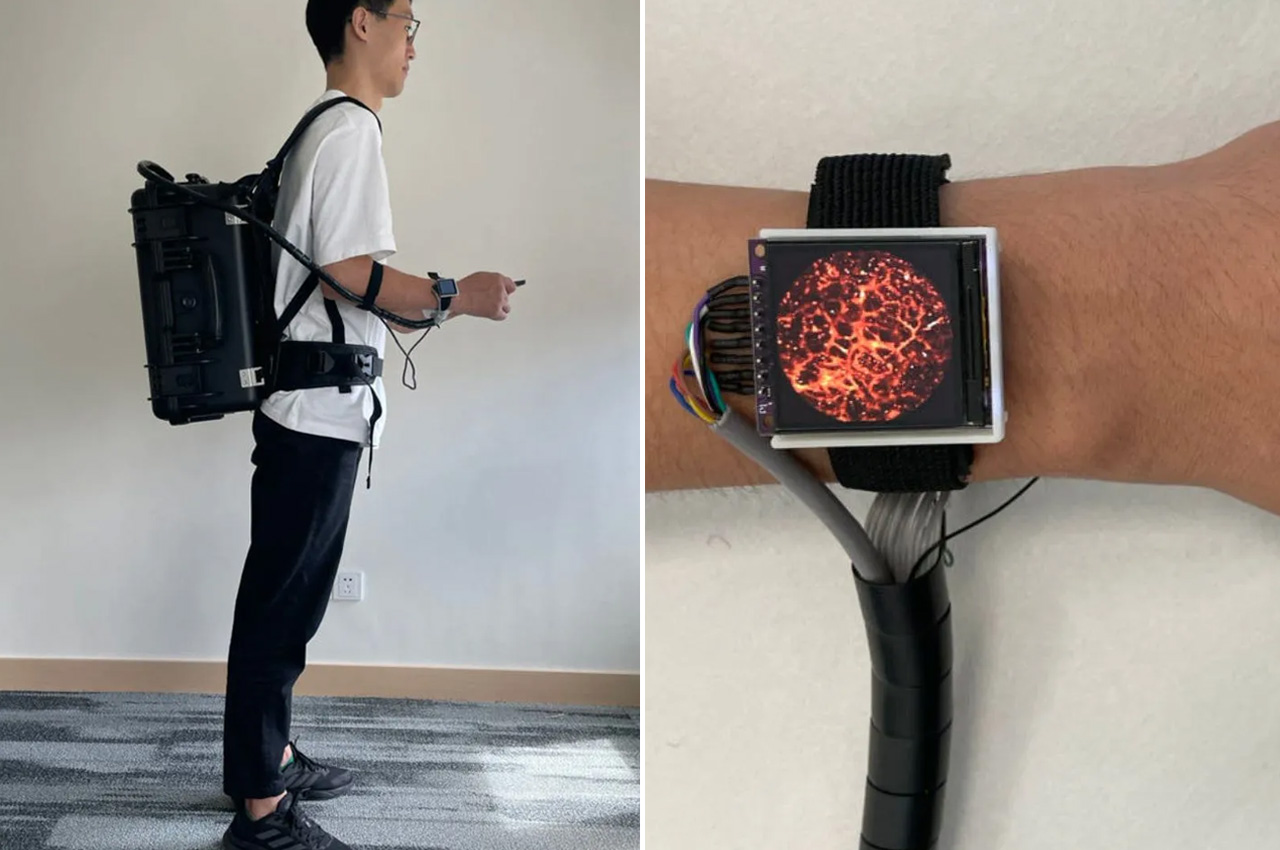
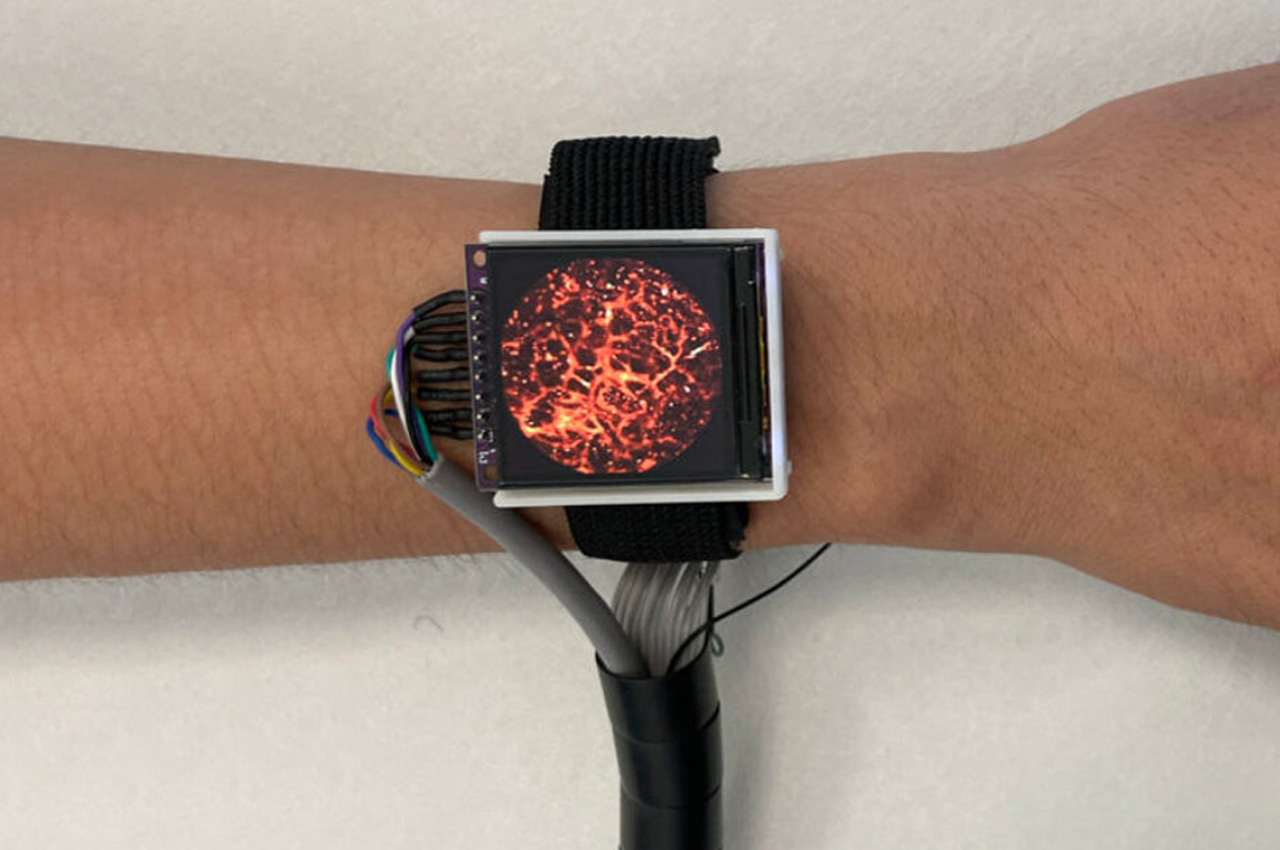
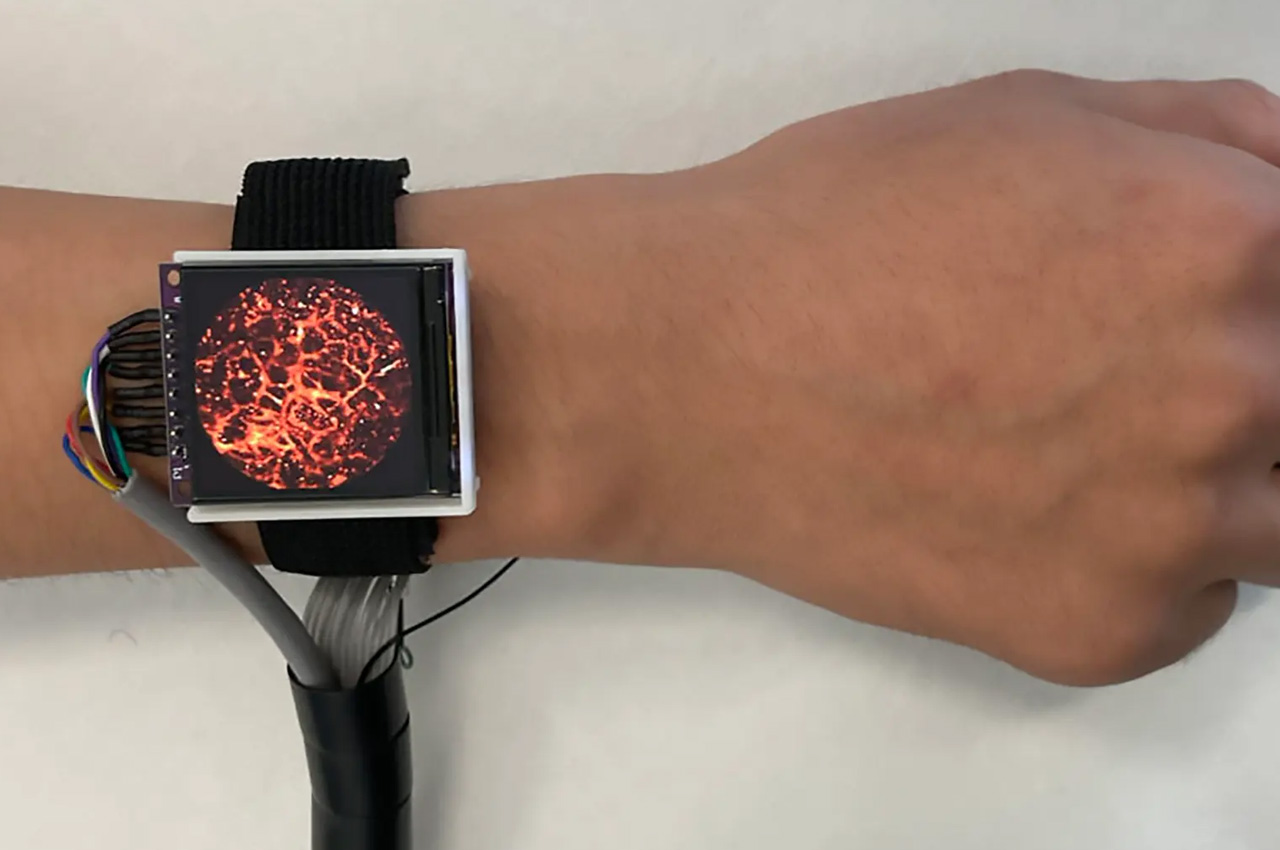
In a new and essential medical advancement, a team of researchers at the Southern University of Science and Technology in China has devised a wearable watch that can non-invasively monitor a wearer’s blood pressure, heart rate, and blood oxygen saturation by clicking photos of the blood vessels in the skin. For this, the high-tech watch uses photoacoustic imaging and checks the user’s heart health in real time without much hassle.
Photoacoustic imaging machines generally use light and sound waves to see and hear inside the body and capture high-resolution imagery of blood vessels to estimate oxygen saturation, skin conditions, and even cancer. Presently, these machines are bulky and require the user to visit the hospital. With the help of the Photoacoustic Imaging Watch, Chinese researchers have been able to miniaturize the tech to monitor how the wearer’s heart is working in real time, anywhere.
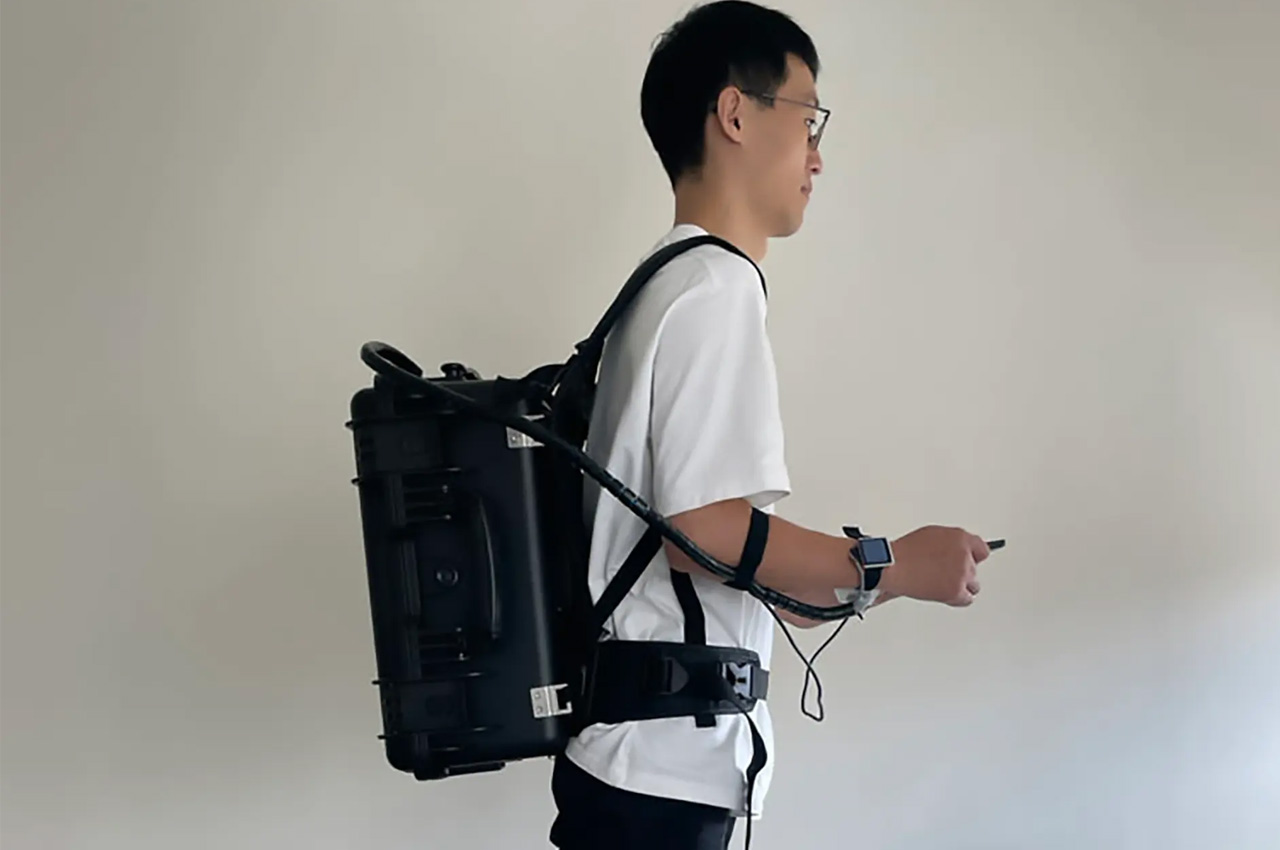
The watch, developed by SUST captures images of the blood vessels using tiny laser beams in the skin in high resolution. The watch is the imaging device and it is attached to a backpack that houses the entire hardware. With the watch on the wrist and backpack on the shoulder, the user should be able to check blood pressure, heart rate, and blood oxygen levels even while moving around freely.
The backpack containing the hardware – laser and power supply – weighs about seven kilograms. The lightweight backpack can be carried around with ease while it allows the laser to focus and capture images of the tiniest of blood vessels in the skin around a 3 mm field of view. The new imaging system is currently in testing under various conditions, and it has been seen as a successful, convenient, and mobile alternative.
This “miniaturized wearable imaging system” can be used in “community health centers for preliminary disease diagnosis” or for “long-term monitoring of parameters related to blood circulation.” Also, the system can be handy in “early detection of skin diseases.” The researchers are trying to make an even smaller laser beam to make the wearable photoacoustic imaging system more portable, maybe even small enough to eliminate the backpack from the design.
Hyper Light Breaker is a hoverboard sim. Technically, it’s a third-person roguelite adventure set in a luminous fantasy-cyberpunk universe, but after playing a 30-minute preview, it’s clear to me that Hyper Light Breaker is all about the hoverboard. Vicious beasts, secret alcoves and shiny weapons are secondary to the feeling of gliding over green hills and shallow waters on my glowing blue slab, finding joy in narrowly avoiding enemy encounters.
Intentionally skipping battles was probably the opposite of what lead animator Chris Bullock wanted me to do during the first public hands-on opportunity with Hyper Light Breaker — but if that were the case, then he shouldn’t have told me about the hoverboard.
Heart Machine
Hyper Light Breaker is set to go live in early access on Steam this summer, complete with three-player online co-op. Developers at Heart Machine are letting people play it for the first time at Day of the Devs: San Francisco Edition, which is held in conjunction with GDC this week. I played a remote preview of the game at home, solo style, while Bullock watched on Discord (and probably cringed a whole lot).
Breaker is an open-world game with a hub station called the Cursed Outpost, a futuristic strip mall with shops, upgrade stations and NPCs. I briefly explored the outpost, but the bulk of the game plays out in the Overgrowth, a landscape of ever-shifting biomes, and I focused on diving into these. Biomes in the Overgrowth are built with hand-crafted and procedurally generated elements so that players will never enter the same realm twice, and each one has a boss to defeat called a Crown. Despite my desire to peacefully hoverboard through the half-hour demo, I messed around with two loadouts, took out a few slime hordes and twice tried to slay one of those Crowns — a huge bipedal wolf warrior with a golden sword named Dro.
In both of my battles with Dro, she started attacking instantly and with incredible force, swinging her blade wildly as she leapt in a giant arc across a temple and directly onto my head. I dodged and attempted to fill up her stagger meter by landing basic attacks with my sword and firearm, but the wolf was relentless, especially compared with the basic enemies I easily dispatched around the biome.
Heart Machine
Dro defeated me twice. At the end of each fight, I heard the game’s siren song luring me in, making me believe I could beat the big bad wolf next time, if I just employed an updated strategy. Parrying was key in this fight, according to Bullock.
“Her first opening attack, you immediately went for the parry on that,” Bullock said as I prepared to fight the boss again. “I love that you picked that up right away; that was the intention on that one.”
The parry had been an accident on my part, but I’d immediately noticed how effective it was, giving me a half-second at the very beginning of the encounter to step back and strategize. What I’d experienced with the parry was a fury attack, Bullock explained. Some beasts in Hyper Light Breaker glow red and then perform big moves that have to be perfectly parried in order to cancel out the damage, reverse a projectile or stun the enemy. With a fury attack, a non-perfect parry will mitigate some damage only.
“That is definitely the design goal, to make the combat clear, know when you're doing something well,” Bullock said.
These moments of tactical clarity are exactly what makes a roguelike or roguelite addictive. I can see how to beat the boss; now I just have to get good enough at the game to implement those moves before I'm killed.
Heart Machine
There’s no dialogue in Hyper Light Breaker, much like its predecessor, Hyper Light Drifter. Drifter was an incredibly stylish 2D action RPG that came out in 2016 after a few years of crowdfunding and significant hype, and it solidified Heart Machine’s reputation as a stellar indie studio. Hyper Light Breaker is technically a prequel to Drifter, since it's set 15 years before the events of that game.
Drifter co-designer Teddy Dief went on to found Team OFK and release the musical visual novel We Are OFK, while lead developer Alx Preston stuck with Heart Machine and released Solar Ash in 2021. Much like Breaker, Solar Ash is set in the same general universe as Hyper Light Drifter, but it’s a vastly different game and it’s not a direct sequel. Solar Ash is a third-person action platformer built around an incredibly satisfying glide-step mechanic, and its world is filled with alien environments, massive monsters and vaguely threatening deities.
“Hyper Light was a way for me to get started, it was a way for me to be more grounded and put together a crew and understand, can I do this? Can I actually make games?” Preston told me in 2021, during the lead-up to Solar Ash’s release. “And so having answered that question, then the natural next step for me was something in 3D. Can I put something out there that really opens up the world and makes you feel like you can truly escape into something, a creation that is otherworldly, that you otherwise wouldn't have the experience of? A lot of my childhood was spent escaping into those bigger experiences.”
Heart Machine
Breaker feels like the perfect amalgamation of Hyper Light Drifter and Solar Ash. Replace the Solar Ash ice skates with a hoverboard, add some friends and you’re set. Developers at Heart Machine plan to keep Hyper Light Breaker in early access for about a year, though they noted that this timeline might change with player feedback.
The full release of Hyper Light Breaker will support up to three players in online co-op, and it will have a handful of characters to choose from, each with customizable loadouts. I tried out a basic, slashy blade and a hefty buster sword, plus a standard rifle and a shotgun-type firearm, and they each performed well, though I ran out of ammo quickly and often. The heavy sword was slower than the simple blade, but it moved smoothly and hit hard. In the Cursed Outpost before loading up a new biome, I was also able to select four abilities called Holobytes from about a dozen options, such as increased armor or faster healing. My favorite trait was the blooming corpse seed, which planted an exploding AOE flower on the bodies of slain enemies.
But once Bullock told me that hoverboarding was an option, it was all I wanted to do. I spent a good chunk of my Hyper Light Breaker demo time gliding along the bright green grass, landing small jumps and occasionally falling into a pond. I’m still itching to find Dro again and fine-tune my parrying abilities across a range of weapons (and corpse flowers). Mostly though, I’ll be dreaming of that bright blue board until Hyper Light Breaker hits early access this summer.
This article originally appeared on Engadget at https://www.engadget.com/hyper-light-breaker-hands-on-im-here-for-the-hoverboard-210045970.html?src=rss
LinkedIn, a platform that surely everybody associates with fun, may soon offer puzzle-based games to give its users something to do besides networking. App researcher Nima Owji posted a series of screenshots on X this weekend showing some of the games LinkedIn is working on, and the company has since confirmed the plan to TechCrunch. Employees’ scores will reportedly affect how the companies they work for are ranked in the games.
Per TechCrunch, the titles LinkedIn is working on so far include “Queens,” “Inference” and “Crossclimb.” LinkedIn provided the publication with some newer images of the games, but for everyone just anxiously awaiting their rollout, there’s no timeline yet for when they’ll be released. It’s unclear if games will be available in full to free users or reserved for LinkedIn’s paid subscribers.
This article originally appeared on Engadget at https://www.engadget.com/linkedin-is-developing-in-app-games-to-further-distract-you-from-your-job-hunt-205953683.html?src=rss
Historically, every three years, the iPhone’s design gets a ‘boring’ upgrade. Do you remember the iPhone 8 or the iPhone 13’s most exciting features? Neither do I.
The iPhone X and 11 had radical new designs with the notch, the iPhone 12 introduced 5G and MagSafe… but after two consecutive years of exciting features, the iPhone 13 barely had anything worth talking about (unless you consider ‘Cinematic Mode’ to be a game-changing feature). Skip to the next year and the iPhone 14 Pro had the Dynamic Island and Satellite Connectivity. The iPhone 15 had the Action Button, the USB-C port, and a titanium construction. All indications show that the upcoming iPhone 16 won’t really dazzle much. Aside from a few hardware upgrades and perhaps one or two extra camera features (probably tied to the Vision Pro), there isn’t any thrilling rumor regarding the upcoming iPhone 16’s design. Not that there needs to be – Apple’s entitled to taking a short break every few years and just focusing on fine-tuning the product rather than wowing people. If you’re thinking of upgrading to the 16 this year, I’d probably give it a miss and go for the 15 instead. The iPad, on the other hand, is due for a BIG refresh with rumors of a glass-back, MagSafe, and perhaps some more camera upgrades to support the Vision Pro.
The rumor mill for the latest iPhone often begins around a year prior to its release. Once a model of the iPhone launches, analysts and experts begin speculating what the next year’s model could look like. Speculations turn into rumors by January. Rumors turn into leaks by April or May. And renders emerge online by July or August, approximately a month before Apple announces its newest iPhone. So far, the rumors have been rather underwhelming at best, with some minor upgrades being touted for the iPhone 16.
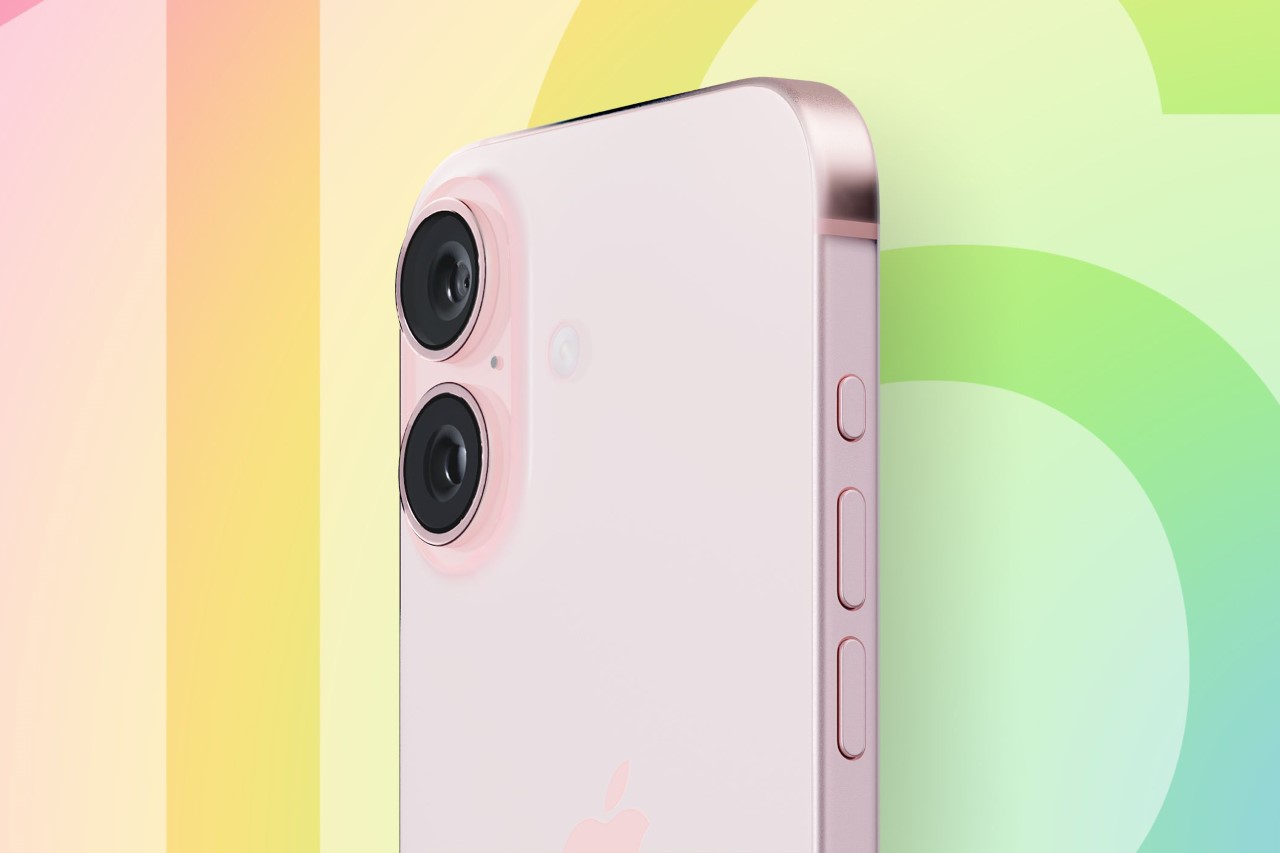
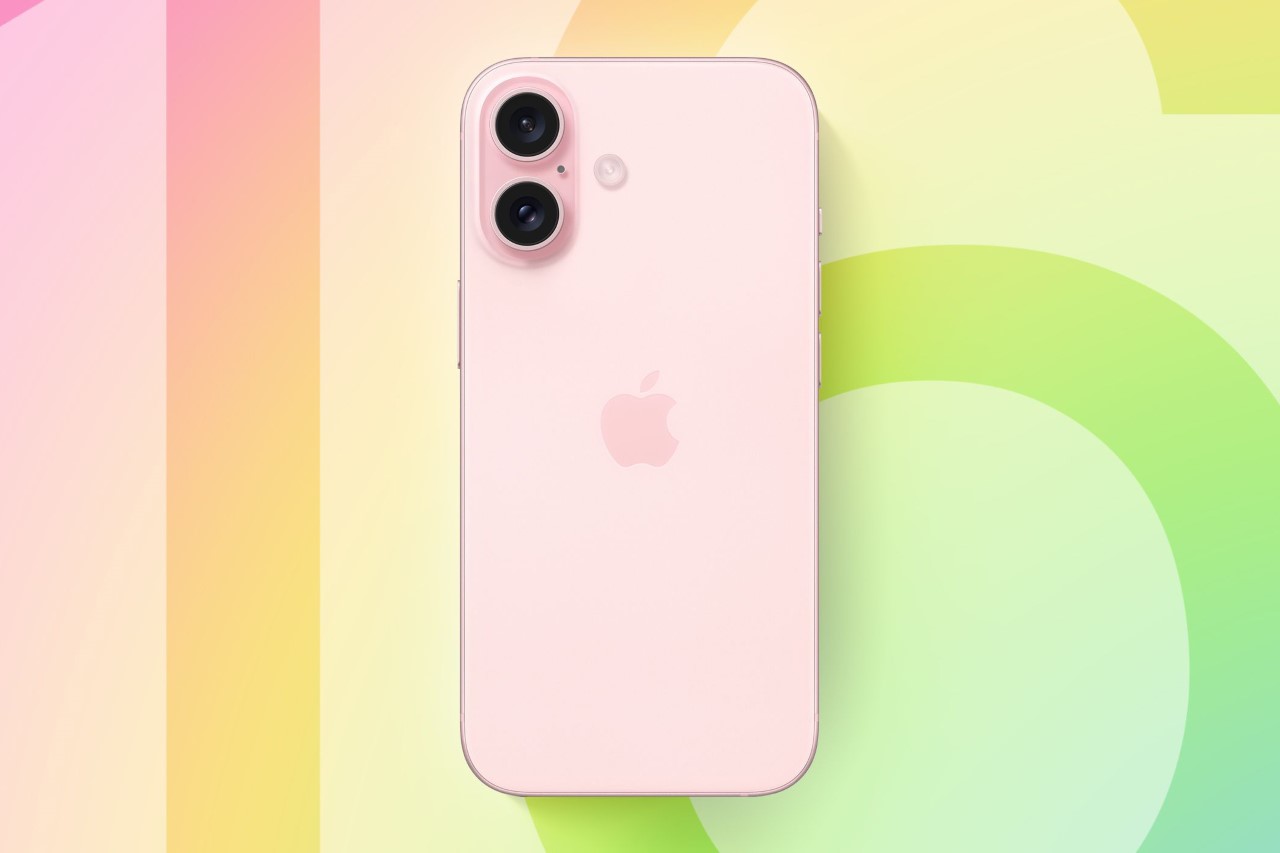
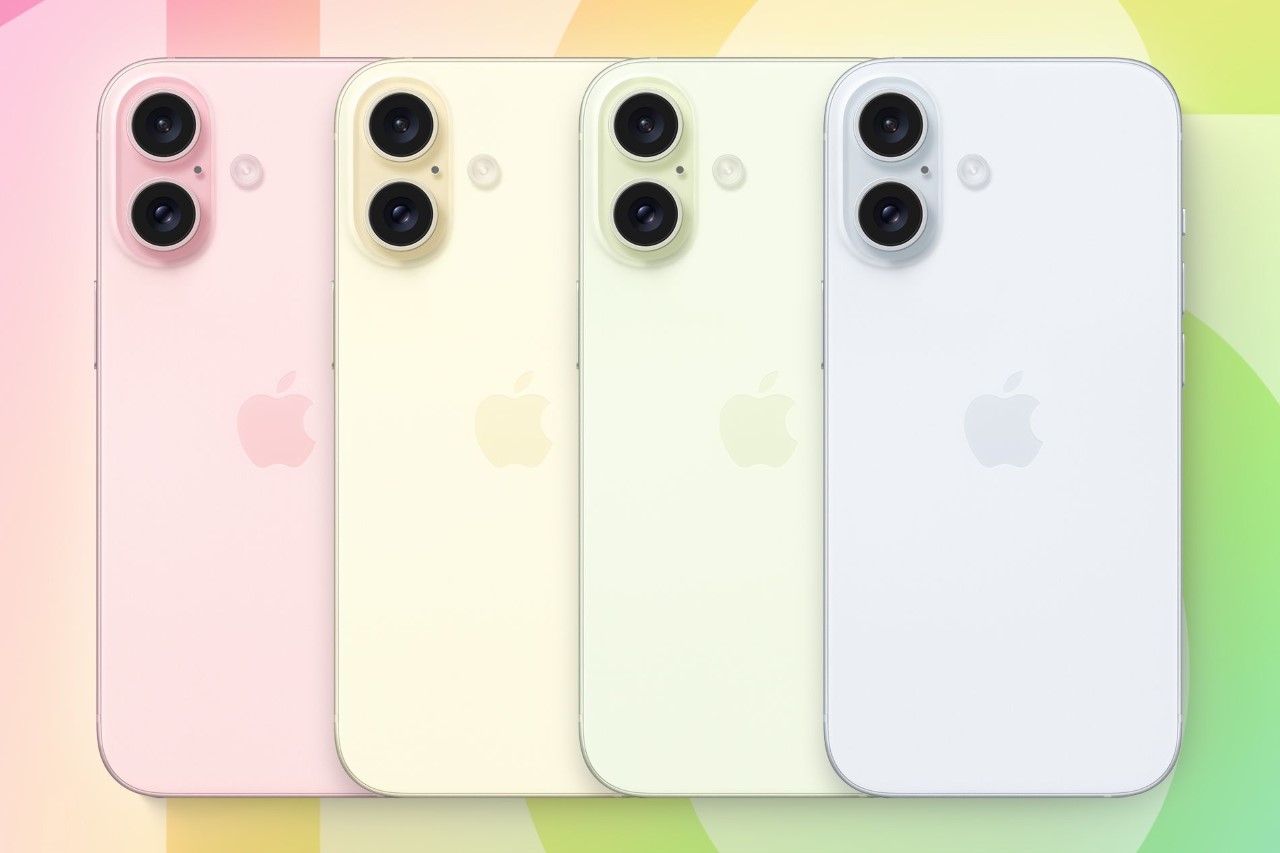
So far, outlets like MacRumors haven’t specified any ‘game-changing’ new features for the iPhone 16. Sure, you have a chipset upgrade every year and the 16 Pro will run Apple’s latest A18 Bionic chip. Cameras get upgraded too, and there’s speculation that the Ultrawide camera could get a 48MP bump this year. The new iPhone 16 series will apparently have larger displays (so maybe smaller bezels), better 5G, WiFi 7 capabilities, and a new stacked battery architecture for better battery life. Visibly, the iPhone 16 might have a different camera layout, defaulting to the original vertical orientation seen with the iPhone 11 and 12 (although the bump around them may be capsule-shaped instead of square like older models). There’s also speculation about a new physical ‘capture’ button for clicking photos or recording videos… although all indications show that this might just be one of those rumors that end up staying a rumor. Apple’s famously trying to move away from buttons and ports, so adding an extra button to the new phone just doesn’t sound like something the company would do. Moreover, the volume buttons already work as capture buttons when the camera app’s active… so a dedicated capture button feels rather redundant.
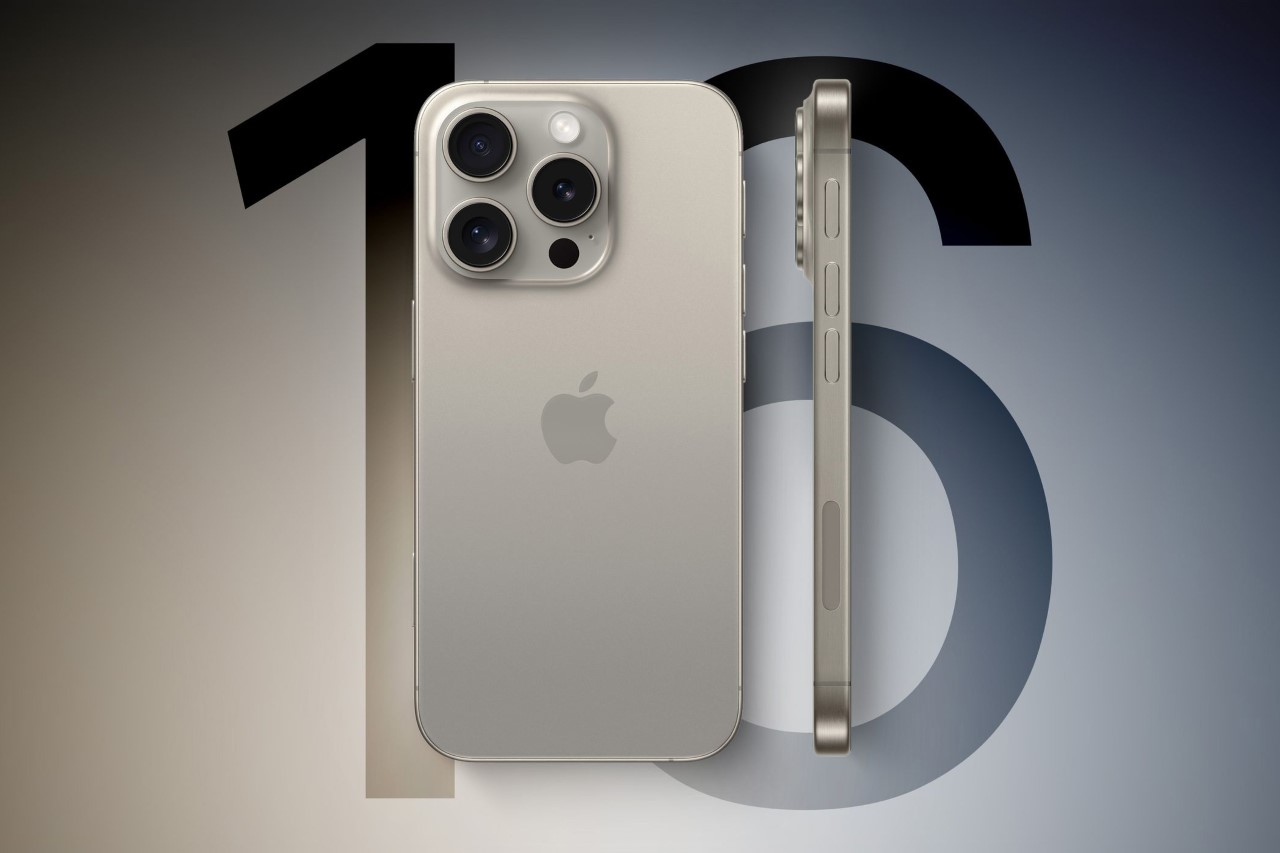
The iPhone 16 Pro might see some extremely small incremental changes, with barely any visible differences. The rendering below shows a possible iPhone 16 Pro with a design that’s indistinguishable from last year’s 15 Pro model. Apple will almost certainly stick to titanium for the Pro series, potentially with newer colors to help differentiate them from last year’s models.
All eyes, however, are on Apple’s software development team this year. The company famously canceled its rumored Apple Car project, moving the entire Project Titan team to work for the in-house AI development department. Analysts like Ming-Chi Kuo speculate that Apple might announce AI-based features like a next-gen Siri powered by Apple’s own LLM, or other generative AI capabilities. These announcements, however, may just come with the iOS 18 debut during WWDC in June. To push the latest iPhone series, Apple may also limit these AI features only to the iPhone 16 range, forcing consumers to make the upgrade. However, until these speculations are confirmed, the iPhone 16 may just be worth a miss this year.