Earlier this year, Nintendo said it would shut down all Wii U servers, putting an end to multiplayer, co-op and other services. Now, the company has announced that it's ending Wii U repairs as well, effectively giving last rites to the loveable but not very popular console.
In May, Nintendo forewarned the end of Wii U repairs. "The period for retaining repair parts as stipulated in the repair service regulations has expired, so as soon as the current stock of parts is depleted, repair services will end," the company wrote in a service notice. The Wii U is now listed as no longer eligible for repair on an end-of-life service page, just as Nintendo previewed.
The Wii U launched in late 2012 as a successor to the Wii, but it failed to catch on with consumers, selling just 13.56 million units. It was eventually replaced by the Switch, which has gone on to more than 10 times the sales at 141.3 million units.
The defining feature of the Wii U was its Gamepad with a built-in 6.2-inch touchscreen. That allowed you to play either fully handheld or connected to a TV, a new feature at the time. The other key selling point was the first-party games like Splatoon, Super Smash Bros. for Wii U, Mario Kart 8 and Super Mario 3D World. At the time, those offered local multiplayer action you couldn't find anywhere else.
It was also just a quirky, weird and fun console that "wiggled its way into the hearts of many players, including myself," Engadget's Jessica Conditt wrote back in 2015. Nintendo is set to announce its successor to the Switch before March 2025, but if you're still playing on Wii U, you'd need to take extra good care of it now that repairs will be far more challenging.
This article originally appeared on Engadget at https://www.engadget.com/nintendo-ends-wii-u-repairs-190023430.html?src=rss
The EV market is hotter than ever in the US, but there are only a handful of options for families who need three rows of seats and tons of storage space. There's the Rivian R1S, a beautiful and well-reviewed car, but one that's firmly in luxury territory with a starting price of $75,900. Tesla's Model X is similarly pricey, and its tiny rear row isn't suited for adults (the smaller Model Y's third row option is even worse). That's why Kia's EV9 is such a big deal. It offers even more internal space than the company's massive Telluride, and it starts at a more palatable $54,900 (along with a $1,495 destination charge).
It makes sense why car makers were more focused on smaller EVs up until now. Large batteries are expensive, and many people don't really need three rows of seats. But I'm a dad of two kids still using child car seats, and we also need to travel with my two parents on occasion. So the additional room is a must. And even without rear passengers, we often need extra room to lug two kids' worth of gear to local parks (especially if we bring along our wagon stroller).
There are, of course, legitimate reasons to be wary of large EVs. Like any massive vehicle, they're more dangerous for pedestrians, especially when coupled with the near-instant torque power of EVs. They're also far worse for the environment than smaller cars, because they require those aforementioned large batteries and all the rare earth material they contain. If I lived in a city with usable public transportation, I'd give up on the EV9 in an instant. But for now I'm stuck traversing Atlanta suburbs, so the EV9 (ideally a pre-owned one in a few years) is our best worst option.
A Tesla Cybertruck parked next to the Kia EV9.
Photo by Devindra Hardawar/Engadget
Design
Like Kia’s EV6, the EV9 (available in Light, Land, Wind and GT-Line configurations) looks striking up close. It doesn't shy away from being a large SUV — its boxiness is a feature, not a bug. And what it lacks in curves, it makes up for with polygonal body panels that look futuristic without being garish like Tesla’s Cybertruck. From the front, the EV9 pairs vertical headlights with customizable LEDs. (You have to buy additional lighting patterns separately, though, a truly unfortunate choice by Kia.)
Kia didn't stray too far from the original EV9 concept it revealed in 2019, and that's a good thing. There aren't any rear-hinged suicide doors, but I don't miss them. Structurally, standard door frames are safer for passengers, especially during accidents.
Photo by Devindra Hardawar/Engadget
Interior
Upon opening the driver side door, you're greeted with an elegant setup: well-cushioned seats with comfortable mesh headrests; Kia's 30-inch "Triple Panorama Display," which features a gauge cluster, HVAC controls and a 12.3-inch infotainment screen; and tons of clean and usable space. It's similar to the EV6's setup, but a bit less cluttered since gear controls are handled by a stalk on the steering wheel, instead of a dial by the cupholders.
Even though it features a massive screen, the EV9 also has a combination of physical and capacitive buttons. You can change the temperature, mode and fan speeds with rocker switches on the driver and passenger side (rear passengers also have easily reachable HVAC controls). You can also control heating and cooling using the small display next to the infotainment screen, but I found that a bit awkward while driving. It was sometimes obscured by the steering wheel, and there wasn't much feedback when changing settings on the screen.
Kia's infotainment software is zippy and responsive, befitting the EV9's modern displays. Wireless CarPlay and Android Auto support also makes it easy to connect your phone without fiddling for cables. The EV9 has a large wireless charging pad that should fit my iPhone 15 Pro Max just fine, and there's enough room to squeeze in even bigger phones. It was a bit finicky to find the right wireless charging zone, so much so it made me wish Kia had implemented MagSafe or the newer Qi2 standard to keep my phone in place. I'd recommend always having a USB-C cable handy to take advantage of the EV9's fast charging port.
I was blown away by the GT-Line EV9's 14-speaker Meridian system, which has just enough low-end oomph (thanks to an open-air subwoofer) for music and precise clarity for voices while listening to podcasts and audiobooks. Meridian says its DSP (digital sound processing) optimizes sound for the EV9's cabin, and it also upmixes audio for 5.1 surround sound (or the equivalent with many more speakers).
The EV9 is chock full of ambient lighting at night.
Photo by Devindra Hardawar/Engadget
The company's Intelli-Q Equalization also transforms audio as the EV9's in-cabin noise changes — instead of just raising or lowering the volume, it can emphasize specific frequency ranges to cover something like tire noise. In my testing, the Meridian system sounded great during both noisy highway driving and relaxed local trips. I definitely noticed when the Intelli-Q software kicked in, but it wasn't unbearable like older cars that would just get louder on the highway. (You can also adjust the level of automatic sound equalization, and audio purists can disable it entirely.)
The EV9's second row captain's chairs are just as comfortable as the front seats, but they have cushioned headrests instead of flexible mesh. As much as I like the second row, though, my family would likely be better off with the 7-seat arrangement from Light or Wind EV9 models. Those rely on a bench seat instead of two captain's chairs, which my wife prefers when she needs to ride beside my two-year old.
Photo by Devindra Hardawar/Engadget
The EV9's third row seats are comfortable as well, but as in many three-row SUVs, most adults won't have much legroom to work with. I was able to squeeze in my 5-foot 8-inch frame, but I wouldn't call the experience ideal. Anyone riding in the EV9's last row will likely have to bargain with the person in front of them for some leg space. It's also worth noting that the second row is immovable with child seats, since they lock seat belts down. So be sure to have the second row at a comfortable spot for rear passengers before hooking up child seats.
Unfortunately, the US version of the EV9 won't have second-row seats that can swivel 180-degrees to face the third row, because they don't meet federal safety standards. That feature, which was a major part of Kia's initial EV9 publicity blitz, will be available in South Korea and other countries.
The EV9's trunk space with the third row of seats folded down.
Photo by Devindra Hardawar/Engadget
For cargo, the EV9 sports 20.2 cubic feet behind its third row seats, and a more usable 43.5 cubic feet of storage when the third row is folded flat. If you push down the second row seats as well , you can fit in up to 81.7 cubic feet of gear. There's a front trunk, or frunk, underneath the hood too, but it's not as useful as other EVs. It can hold 3.2 cubic feet in the rear-wheel EV9, and an even more minuscule 1.8 cubic feet in the all-wheel drive models. In both cases, you have just enough room to hold Kia's level 1 charging cable and a few other small items.
Photo by Devindra Hardawar/Engadget
Driving
On the road, the EV9 feels like a paradox. Similar to Rivian's R1S, it's a large SUV that's surprisingly quick and nimble for its size. I was able to effortlessly glide through local traffic, launch quickly from stoplights and pass cars on the highway with ease. It wasn't as easy to maneuver as my 2019 Volvo XC90, but I was still impressed since the EV9 is a far boxier car.
After visiting my parent's home, a 45-mile highway trip each way, the EV9 dropped from 80 percent charge to 52 percent. The AC was blasting heavily to combat Georgia's heat and humidity, so that range felt about right. Just be aware that an EV's estimated mileage can easily change depending on AC usage, external temperatures and how fast you're driving.
My wife, who hasn’t spent much time with EVs, noted that she didn’t feel like she was actually driving while behind the wheel of the EV9. On well-paved roads, it rides smoothly without much discernible road noise. My wife took a while to adjust to the EV9’s touchy brakes — it’s easy to slam the vehicle to a halt — but that’s something I’ve noticed on many EVs. You can use the EV9’s paddle shifters to adjust regenerative braking, which puts a bit of power back into the battery and doesn’t use the car’s traditional brake pads.
In its most extreme form, the EV9’s regenerative braking allows for one-pedal driving, which allows you to completely stop the car simply by lifting your foot off of the accelerator. It’s an odd feature to get used if you’ve only ever driven gas cars, but it’s one of those things that EV owners learn to love quickly.
Photo by Devindra Hardawar/Engadget
It would be nice to see Kia offer adaptive suspension on the EV9 eventually, since you can feel the impact of rough roads and large bumps far too easily. For a car that scales up to near $80,000 — like our GT-line review unit — smarter and smoother suspension should at least be an option. Without it, the EV9 doesn't feel nearly as luxurious as the Rivian R1S as driving conditions get worse.
I didn’t have much trouble parking the EV9 in most lots, but backing out of spaces could sometimes be painful. That was particularly true in locations designed for smaller cars–I’m looking at you, Trader Joe’s. It took me six bouts of reversing and precarious turning to make it out of one spot at my local Regal Cinema. Even then, I could only leave in one direction, thanks to a slew of other large cars (including a particularly ugly Cybertruck) sitting around me.
Thankfully, the EV9’s high-resolution cameras, proximity sensors and 360-degree overhead camera (on the GT Line only) helped me get out of tight spots. But even with those assists, it was still more annoying than the chunky Pacifica hybrid minivan I used to own.
Photo by Devindra Hardawar/Engadget
Charging
The Kia EV9 supports 210 kilowatt fast charging, and it’s compatible with both 400- and 800-volt chargers. Using the most powerful 800V hardware (which admittedly isn’t always easy to find), the EV9 can charge from 10 percent to 80 percent in 24 minutes. Using a local Electrify America charger, which clocked in at 150kW, the EV9 went from 21 percent of battery to 90 percent in 39 minutes.
I don’t have a Level 2 charger at home, which could completely juice up the EV9 in six to seven hours, but I was able to plug it into a Level 1 charger using a standard 120V outlet overnight. That typically added an additional 10 to 15 percent of charge after eight to 10 hours. This level of charging may not be feasible for the long term, but it’s helpful if you don’t have the ability to add a Level 2 system at home, or if you’re traveling and need to add a bit more juice to reach the next fast charger.
Photo by Devindra Hardawar/Engadget
Pricing and the competition
The Kia EV9 starts at $54,900 (not including destination charges) for the "Light" model, which includes rear-wheel drive, 215 horsepower and 230 miles of range. Leasing options start at $487 a month on average, with $2,000 due at signing for a 36-month term. These numbers could also change depending on the offers Kia makes available, as well as what local dealers are willing to charge.
The "Light Long Range'' model gets you a bigger battery with 304 miles of range for $59,200 and a slightly weaker 201hp motor. Higher-end trims are nearly twice as fast with 379hp all-wheel drive motors. That includes the $63,900 "Wind" EV9 and the $69,900 "Land" model, both of which have 280 miles of range.
At the top end, there's the flagship GT-Line model we reviewed, which starts at $73,900. It has a bit less range (270 miles) than mid-range choices, but it also has just about every feature Kia could throw in, including a 12-inch heads-up display on the windshield, 21-inch alloy wheels and the 14-speaker Meridien sound system.
While its price escalates quickly, the EV9 is still a better deal than every other three-row EV on the market. The Rivian R1S starts at $75,900, and it currently leases for $699 a month with at least $8,500 in signing fees. The aging Tesla Model X starts at $77,990. Those cars are also both significantly faster than the EV9, and they offer better ride options like adaptive suspension.
Photo by Devindra Hardawar/Engadget
Wrap-up
After eagerly awaiting the perfect family EV for years – following my time with the Rav4 hybrid, Sienna hybrid and the Chrysler Pacifica plug-in hybrid – I’m surprised it’s coming from Kia and not a more established brand like Toyota. The EV9 is spacious, more affordable than other EVs and it drives (mostly) like a dream. It charges quickly, and most models have more than enough range to deal with the occasional road trip. Simply put, the Kia EV9 is everything I’ve been looking for in a three-row family EV.
This article originally appeared on Engadget at https://www.engadget.com/kia-ev9-review-everything-i-want-in-a-three-row-family-ev-150048944.html?src=rss
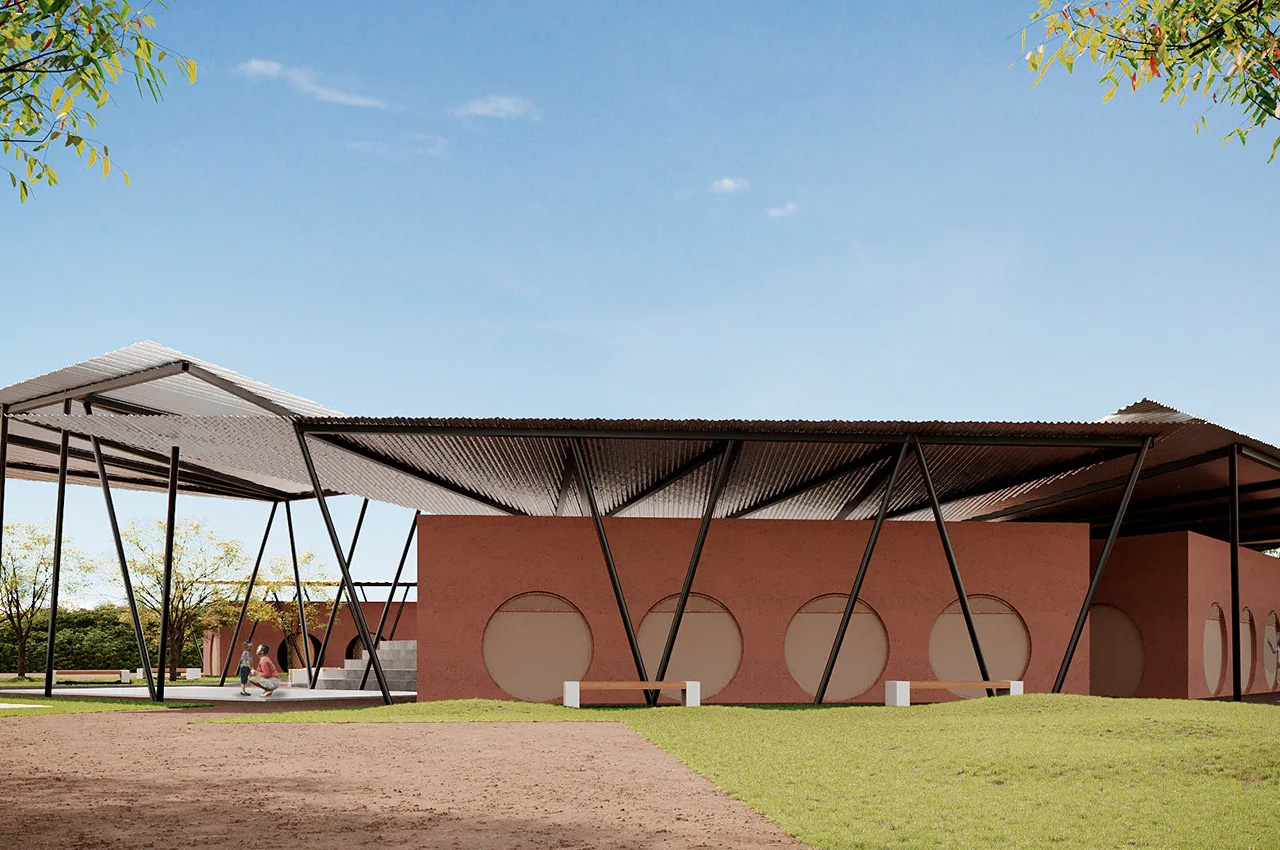
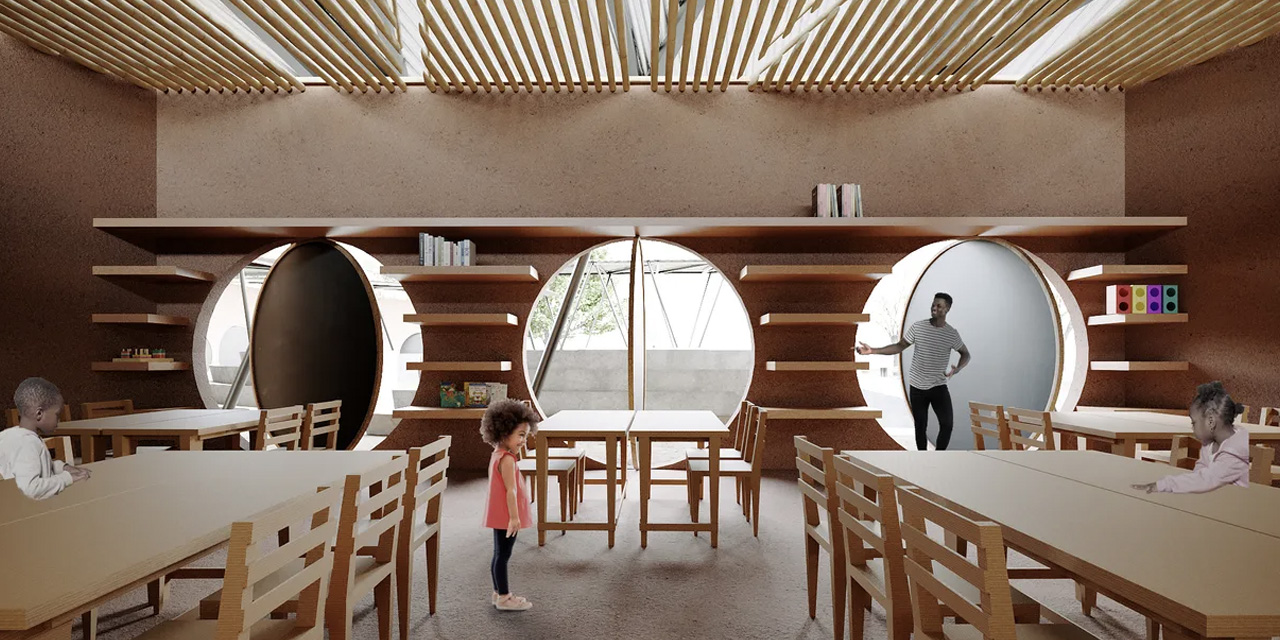
Designed by the Brazilian architectural firm Studio MEMM, this preschool concept has been tucked away in the natural setting of Ethiopia. The school is designed to be visually appealing and attempts to strike a serene balance between architecture and nature, creating an educational setting that is conducive to learning, and keeps the students inspired and intrigued. Studio MEMM participated in a competition to design the preschool and the resultant structure is a dynamic building that serves as a natural space for a fun yet valuable education.
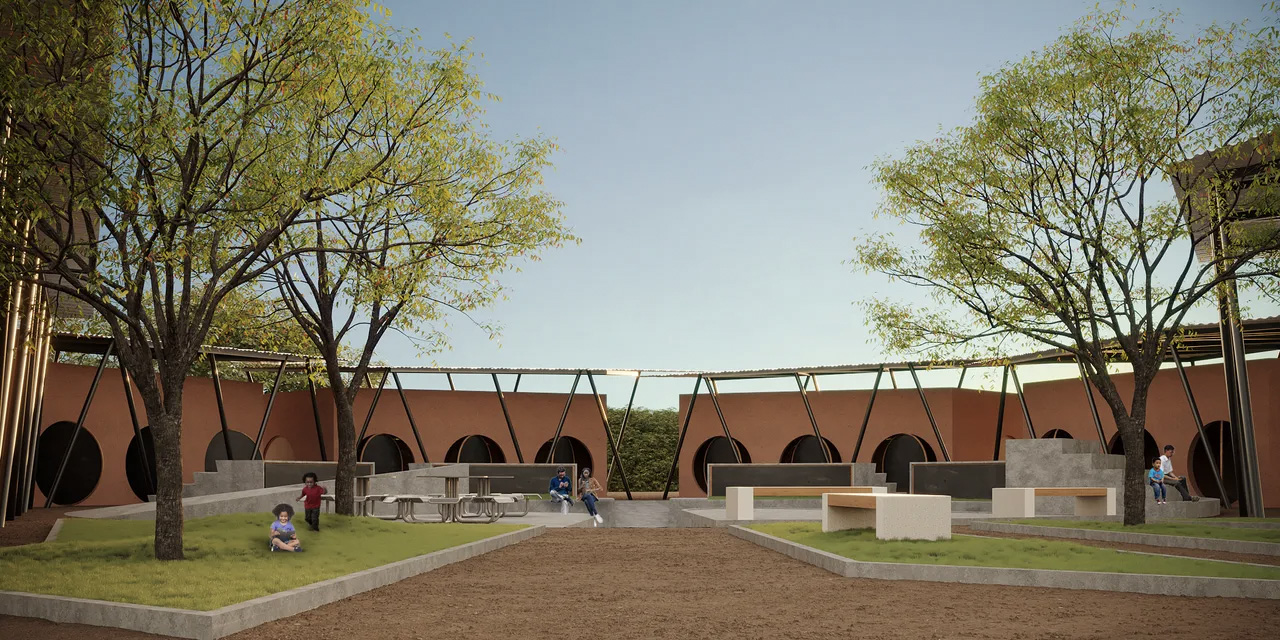
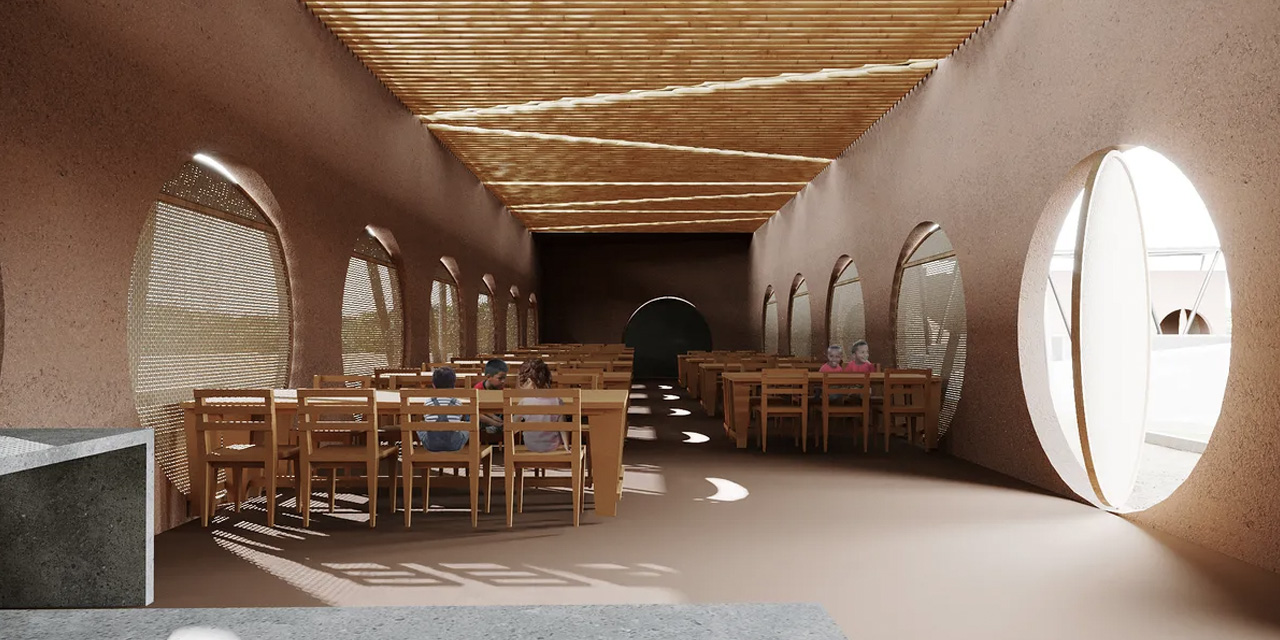
While designing the building, the architecture team wanted to create something that not only supports learning but also serves as a playful center where children can engage, interact, as well as imagine and discover new things. The buildings were designed to be stimulating, featuring open windows, that offer constant access to sunlight and fresh air. Expansive classrooms create a space that is free-flowing and open, so the kids don’t feel caged in. The space is intended to encourage coexistence and teaching, while due respect is paid to its natural surroundings. The overall structure was split into smaller volumes, adding fluidity to the entire site. Doors and walls have been designed as moving panels in an effort to add flexibility, while also ensuring easy access to the outdoors.
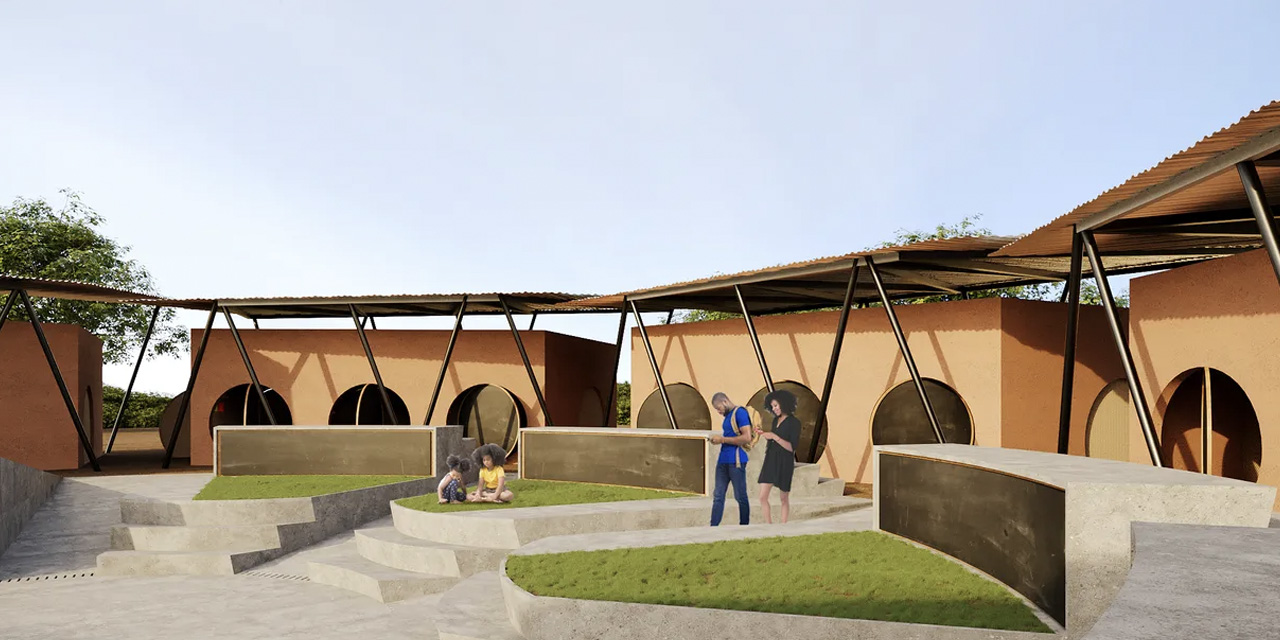
There were budget constraints, as well as limitations of materials. These issues posed challenges, and hence excavated earth was utilized to build the classroom walls, and the forms on the outside. This earth was excavated from the site itself, and it elevates the auditorium-like landscaping. Since Ethiopia doesn’t always have access to electricity, the studio focused on natural lighting and ventilation quite a bit. Moveable panels were installed to ensure this.
The entire school is made up of a number of classrooms – ranging from small to large. It has been equipped with bleachers with blackboards and open gardens, which also serve as spaces for local community gatherings. Since elements of indoor-outdoor design were incorporated, students can learn inside the school, as well as outside, promoting interactive and novel ways of learning.
I love an account on X (formerly Twitter) called @LizaMinnelliOutlives (shockingly not run by the icon herself) that lists things like famous deaths or agreements. Well, in a twist, the real Liza Minnelli no longer outlives new words from her deceased mother, Judy Garland. The actress and singer has given ElevenLabs, an AI startup with cloning services, permission to recreate her mother's voice for their new Reader App. Garland joins James Dean, Burt Reynolds and Sir Laurence Olivier as deceased stars whose AI voices are in the "Iconic voice collection," thanks to deals with their estates for undisclosed sums.
The voices will exist solely on the Reader App and people can use them for things like narrating an e-book. "It's exciting to see our mother's voice available to the countless millions of people who love her," Minnelli, the representative of the Garland Estate, said. "Through the spectacular new technology offered by ElevenLabs, our family believes that this will bring new fans to Mama, and be exciting to those who already cherish the unparalleled legacy that Mama gave and continues to give to the world." A sample of Garland reading The Wizard of Oz appears in ElevenLab's promotional video on YouTube — personally, I find it a little bit eerie, but I can see the appeal.
ElevenLabs released its Reader App in late June to allow users to hear any text on their phone, including messages, PDFs and news articles. It's currently only available in English for iOS users in the United States, United Kingdom and Canada. However, ElevenLabs has a waitlist for Android users and claims it will launch in the Google Play store in the "coming weeks." The company also says it's working on making the app available in every language its Multilingual model supports (29 as of now) and will, subsequently, launch it globally.
This article originally appeared on Engadget at https://www.engadget.com/you-can-now-get-ai-judy-garland-or-james-dean-to-read-you-the-news-160023595.html?src=rss
Fourth of July can be a really fun time for the entire country, but a very stressful time for pet parents who have to deal with the extreme anxiety that dogs feel around those loud bangs and other noises. Dogs are highly sensitive to sound, so any loud noises, be it the pop of a firework or even the bang of a thunderstorm, can cause them high amounts of stress. Kirsten Brand nearly lost her dog Emma when a firework show on the 4th of July caused the pet to get so scared that she ran away from home. “After what seemed like hours, we found my furbaby, Emma, down the street. Thankfully, she had been taken into a garage by a neighbor, to ride out the rest of the firework show,” Kirsten mentioned.
That prompted her to design the Pawnix, a pet ‘helmet’ that covers their ears to dampen loud noises, while also playing calming and soothing sounds via Bluetooth. Sort of like ANC Headphones but for dogs, the Pawnix keeps your pets calm with relaxing audio, while also wrapping around their head to make them feel a sense of physical security and comfort.
Improved over various iterations, the Pawnix now comes with a foam-padded neoprene design, similar to the laptop sleeves you usually see people carry their MacBooks in. The helmet, shaped to look almost like a bonnet for your pet, wraps around the dog’s head, with pockets for the ears to fit in. The design works equally well for dogs with all kinds of ears, whether they’re erect, semi-erect, or hanging down. 4-way stretch Anti-microbial fabric with durable stitching means the Pawnix can go without being washed, and can definitely endure your dog trying to scratch at it or take it off.
On the inside, a set of audio drivers with active noise canceling and Bluetooth 5.0 let your dog listen to calming soundscapes instead of loud noises. Pop the headphones on, and you can connect your phone to the Pawnix via Bluetooth, choosing from a variety of calming sounds (you can actually find dog-calming tracks on YouTube). Alternatively, just the Pawnix itself should be able to drown out less intense noises like a dinner party with loud music. The Pawnix comes in 4 colors, and 4 sizes too, although there’s also an option to custom-make a Pawnix for even larger dogs.
The Federal Trade Commission's (FTC) ban on noncompete agreements was supposed to take effect on September 4, but a Texan court has postponed its implementation by siding with the plaintiffs in a lawsuit that seeks to block the rule. Back in April, the FTC banned noncompetes, which have been widely used in the tech industry for years, to drive innovation and protect workers' rights and wages. A lot of companies are unsurprisingly unhappy with the agency's rule — as NPR notes, Dallas tax services firm Ryan LLC sued the FTC hours after its announcement. The US Chamber of Commerce and other groups of American businesses eventually joined the lawsuit.
"Noncompete clauses keep wages low, suppress new ideas, and rob the American economy of dynamism," FTC Chair Lina M. Khan said when the rule was announced. They prevent employees from moving to another company or from building businesses of their own in the same industry, so they may be stuck working in a job with lower pay or in an environment they don't like. But the Chamber of Commerce’s chief counsel Daryl Joseffer called the ban an attempt by the government to micromanage business decisions in a statement sent to Bloomberg.
"The FTC’s blanket ban on noncompetes is an unlawful power grab that defies the agency’s constitutional and statutory authority and sets a dangerous precedent where the government knows better than the markets," Joseffer said. The FTC disagrees and told NPR that its "authority is supported by both statute and precedent."
US District Judge Ada Brown, an appointee of former President Donald Trump, wrote in her decision that "the text, structure, and history of the FTC Act reveal that the FTC lacks substantive rulemaking authority with respect to unfair methods of competition." Brown also said that the plaintiffs are "likely to succeed" in getting the rule struck down and that it's in the public's best interest to grant the plaintiff's motion for preliminary injunction. The judge added that the court will make a decision "on the ultimate merits of this action on or before August 30."
This article originally appeared on Engadget at https://www.engadget.com/texas-court-blocks-the-ftcs-ban-on-noncompete-agreements-150020601.html?src=rss
The Leica D-Lux 8 is a user-friendly compact camera with a powerful sensor, versatile lens, and seamless app connectivity, perfect for serious photographers.
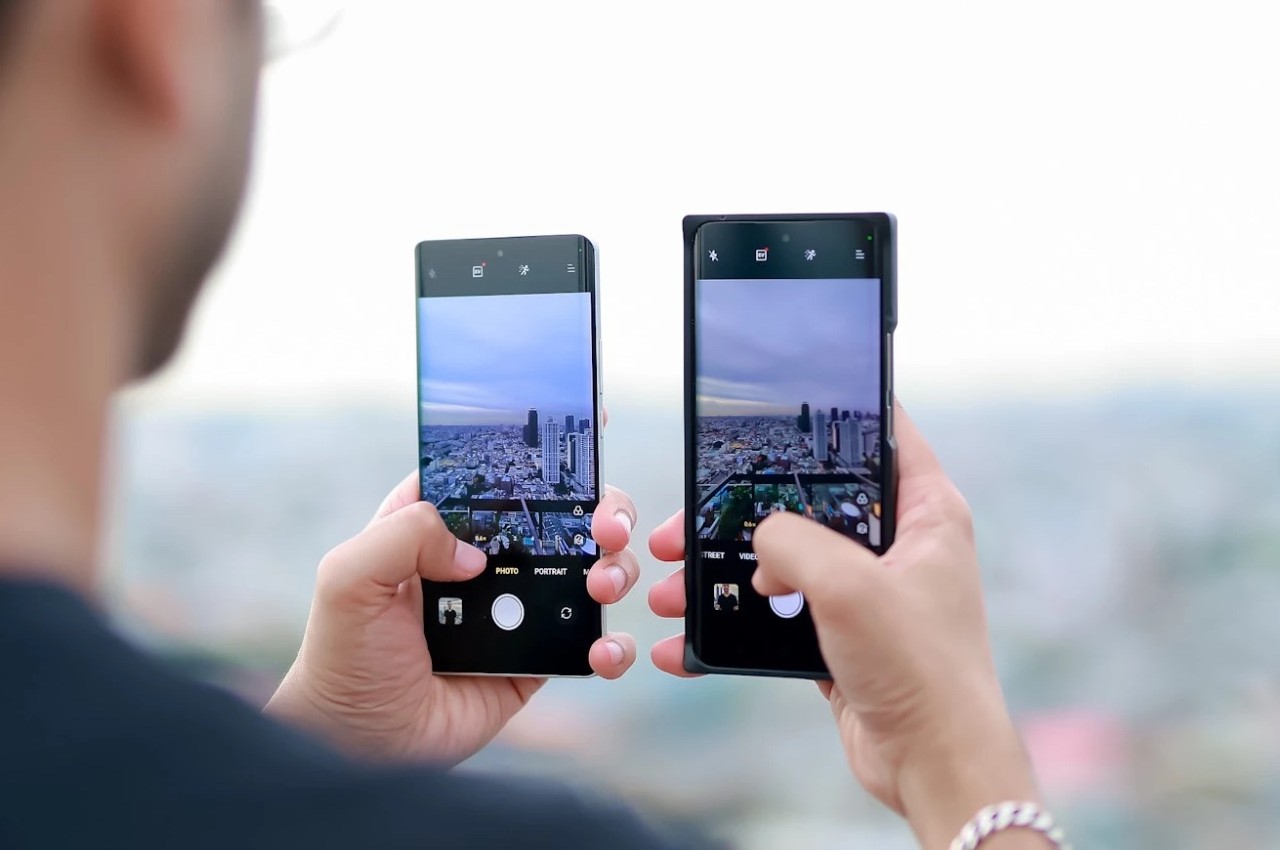
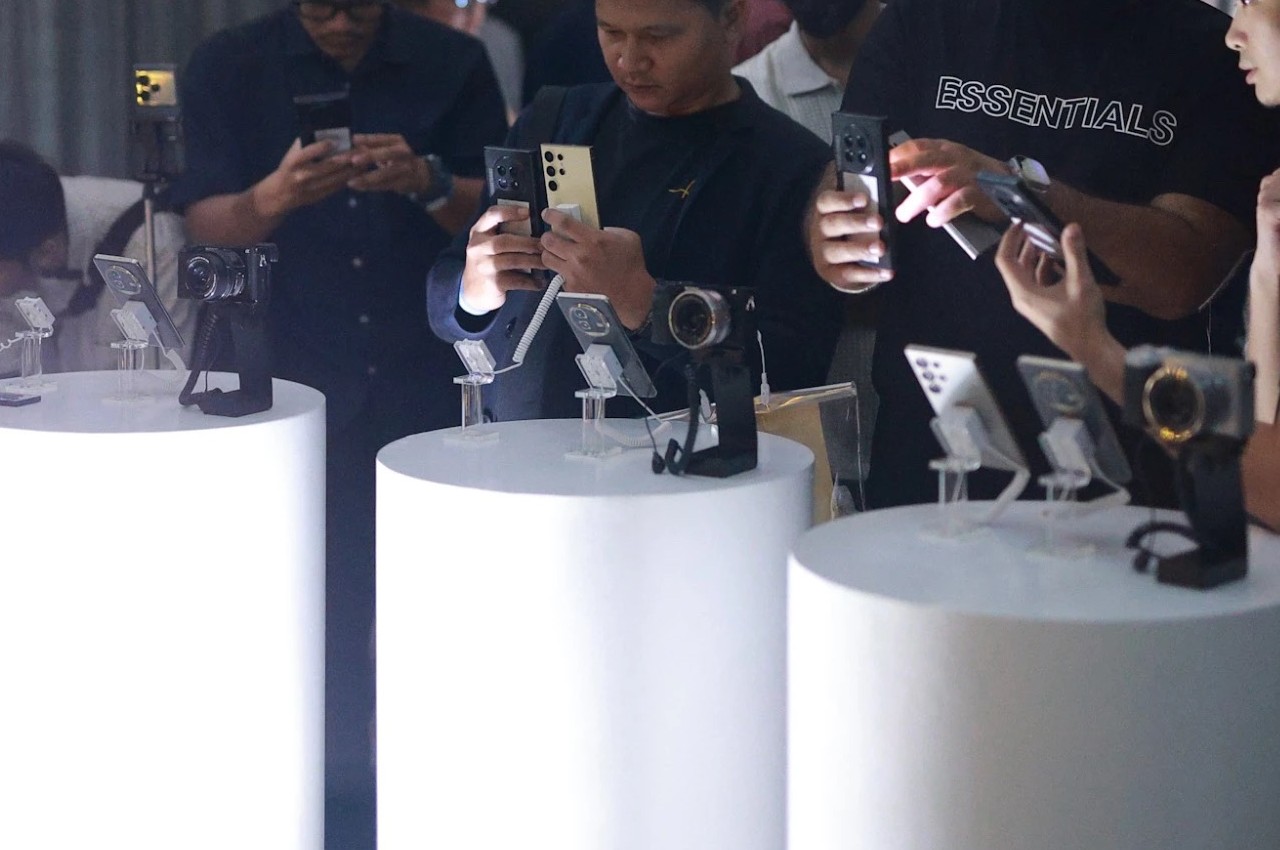
Smartphone cameras have gotten quite powerful, that they might have hit a wall when it comes to hardware. Although they have reached mind-blowing 100 megapixels, sensors have also gotten a little too large for the ever-thinning smartphones. To make up for that slump in optical solutions, manufacturers are turning to software, specifically everyone’s favorite AI special sauce, to produce astounding images and experiences that wouldn’t have been possible with hardware alone. That said, AI alone won’t be enough either, so at its AI Imaging Media Preview Event in Bangkok, realme unveiled a new AI photography architecture that harnesses both powerful optics and powerful algorithms to bring mobile photography to the next level.
Designer: realme
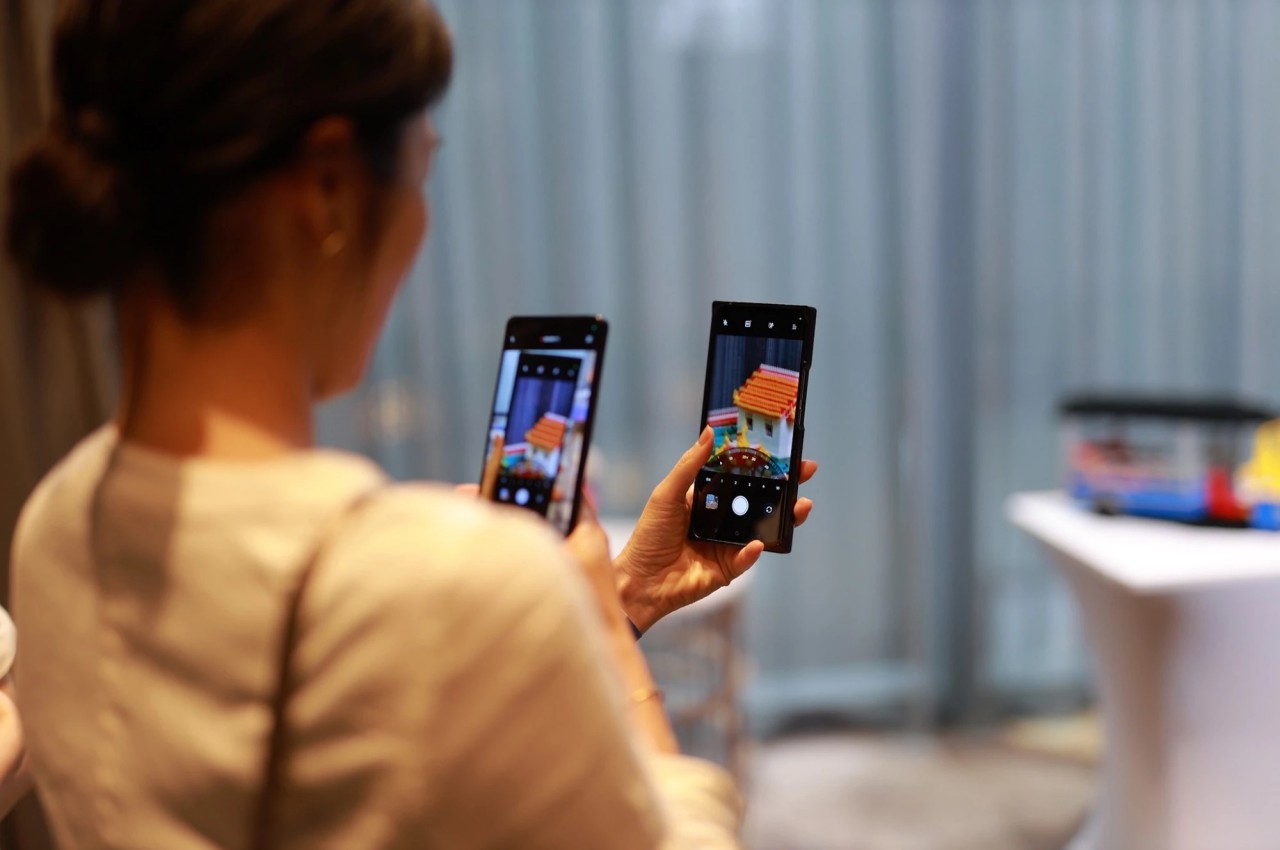
realme’s new HYPERIMAGE+ AI photography architecture, which it claims is a first for the industry, leverages three layers to create its seemingly magical imaging feats. It stands on a solid foundation of powerful hardware, delivered by a new Sony LYT-701, a 50MP sensor with OIS, and a 50MP Sony LYT-600 paired with a periscope-style telephoto lens that lets it zoom in up to 3x without any loss in detail. The hardware alone would have been enough to handle any photography task even in challenging lighting situations, so you can imagine how much more impressive the results would be with help from AI.
HYPERIMAGE+ also utilizes both on-device AI imaging algorithms as well as cloud-based AI image editing to go beyond what the hardware is capable of. HyperRAW, for example, brings image processing capabilities to the high-quality RAW domain, boosting image quality and dynamic range to faithfully recreate light and shadows. AI Pure Bokeh helps in the separation of foreground, midground, and background elements, applying pixel-level segmentation and targeted optimization to create realistic portrait photos, all within seconds. An in the event that the cameras weren’t able to capture enough resolution for rich details, AI Ultra Clarity enhances the image to still produce crystal clear and stunning images.
Oplus_131072
Of course, all these benefits of AI would be meaningless if it doesn’t get into the hands of those who need it the most. Young users, in particular, are always craving stunning photos, striking videos, and unforgettable memories, pushing the boundaries of what their smartphones are capable of. They are, therefore, the perfect audience for this ultra clear camera with AI, and are exactly who the upcoming realme 13 Pro+ will be aiming for. realme’s AI-empowered flagship is set to launch soon, though details are still scant and will be provided closer to the launch date.
Microsoft is set to pay $14.4 million to resolve a case alleging retaliatory and discriminatory practices against California workers who took protected leave, such as family care, parental, disability and pregnancy leave. The Civil Rights Department of California (CRD) launched an investigation into Microsoft in 2020, looking into whether the tech giant violated laws such as California's Fair Employment and Housing Act and the Americans with Disabilities Act. The proposed agreement is subject to court approval.
CRD claimed that workers who took protected leave "received lower bonuses and unfavorable performance reviews that, in turn, harmed their eligibility for merit increases, stock awards, and promotions." The California Department also alleged that Microsoft "failed to take sufficient action to prevent discrimination from occurring, altering the career trajectory of women, people with disabilities, and other employees who worked at the company, ultimately leaving them behind."
Microsoft's payment will go toward workers impacted from May 2017 until the date of the court's approval. The company must also retain an independent consultant for policy and practice recommendations, ensuring that managers don't use protected leave as a determinant when deciding rewards and promotions — managers and HR will need to undergo specific discrimination training. The independent consultant will also work with Microsoft to confirm that employees have a straightforward method to raise complaints if they feel taking protected leave has influenced their standing in the company. Furthermore, the independent consultant must provide an annual compliance report reflecting Microsoft's following of the agreement.
"The settlement announced today will provide direct relief to impacted workers and safeguard against future discrimination at the company," Kevin Kirsh, CRD's director, stated. "We applaud Microsoft for coming to the table and agreeing to make the changes necessary to protect workers in California."
This article originally appeared on Engadget at https://www.engadget.com/microsoft-agrees-to-14-million-california-pay-discrimination-settlement-140016567.html?src=rss
Have you ever found yourself needing to access your Synology NAS remotely but worried about security risks? You’re not alone. Many people face this dilemma, especially with the rise of remote work. The good news is that VPN solutions like Tailscale and OpenVPN can help. But which one should you choose to ensure your data […]