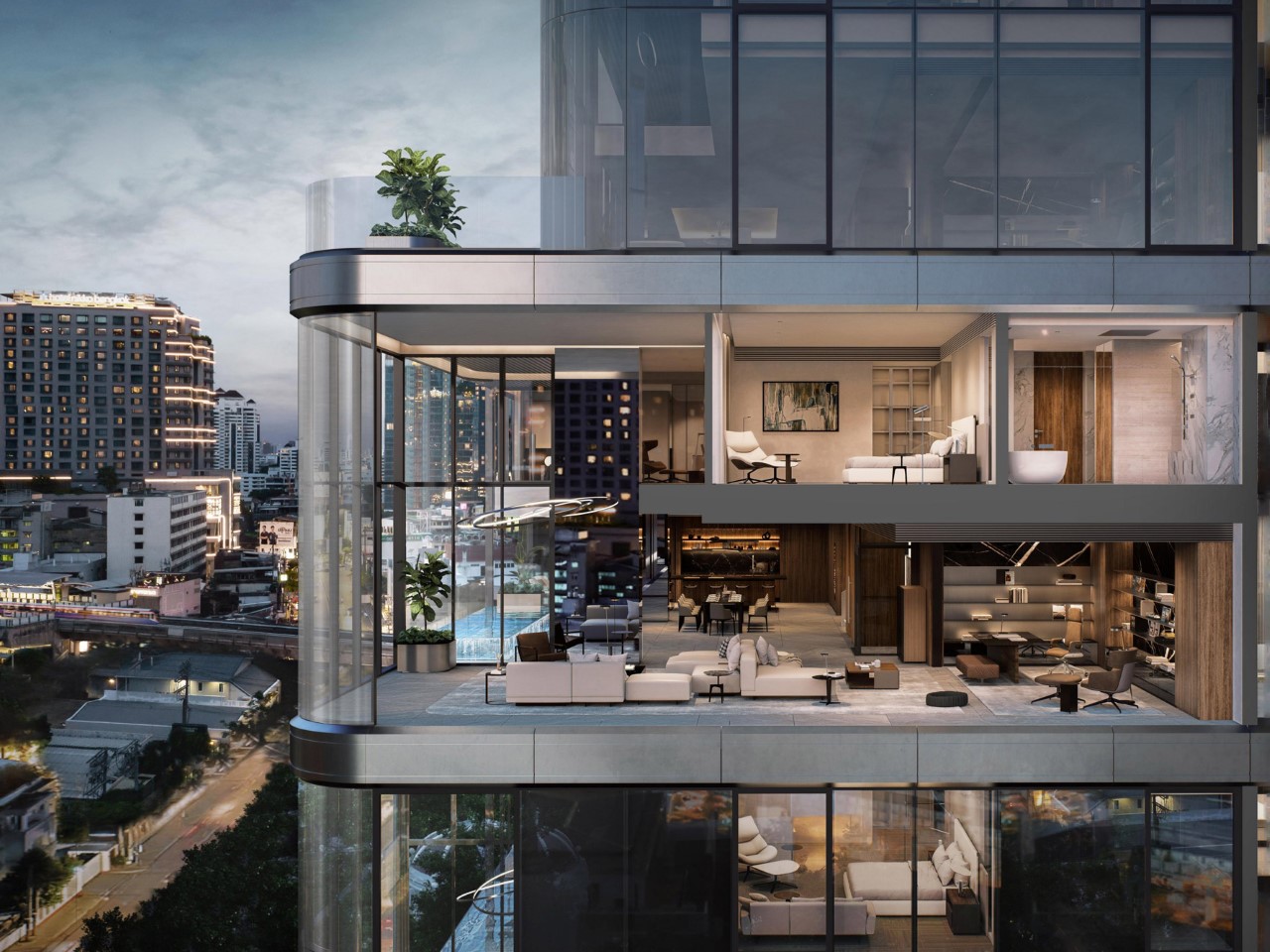
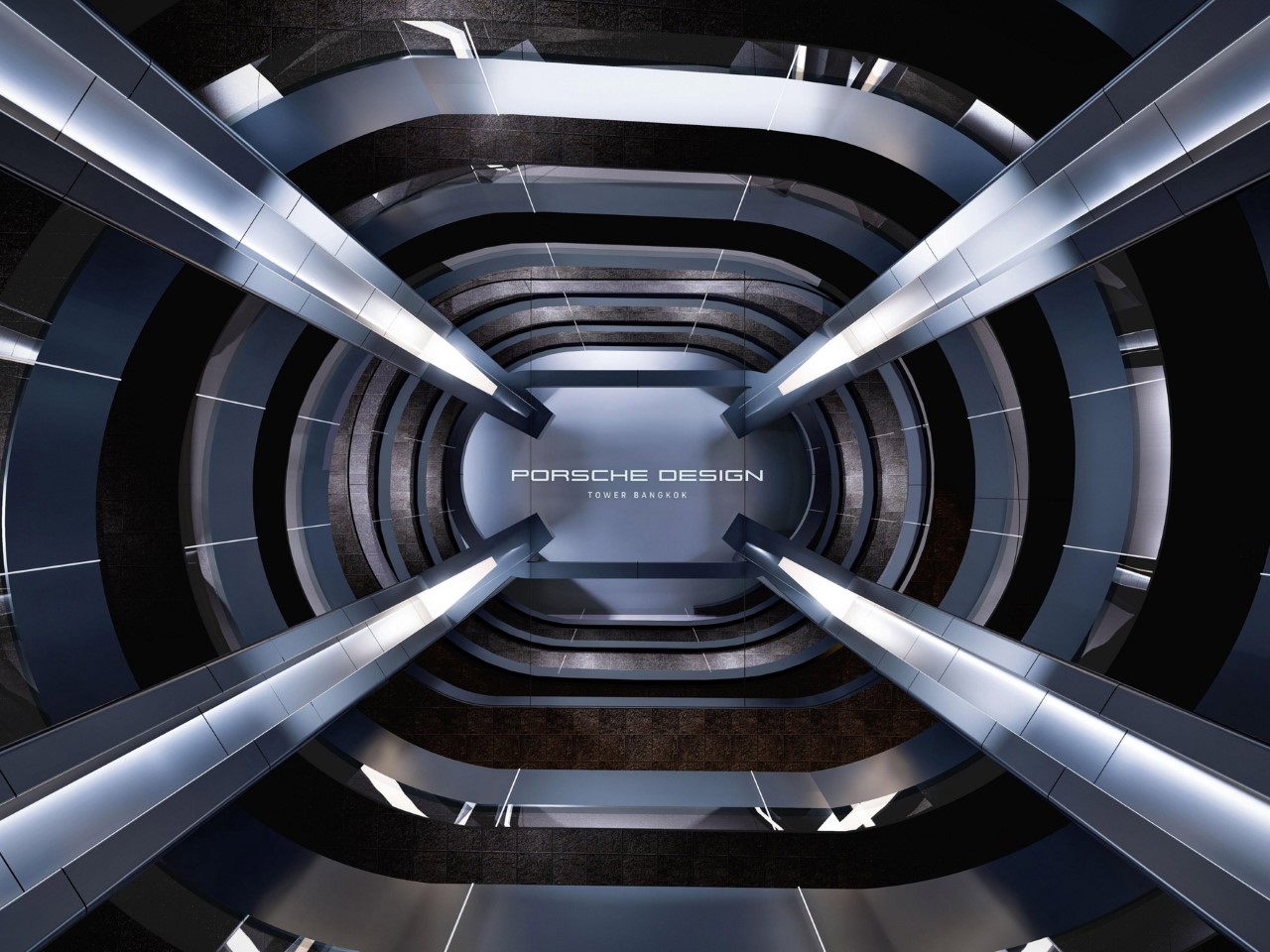
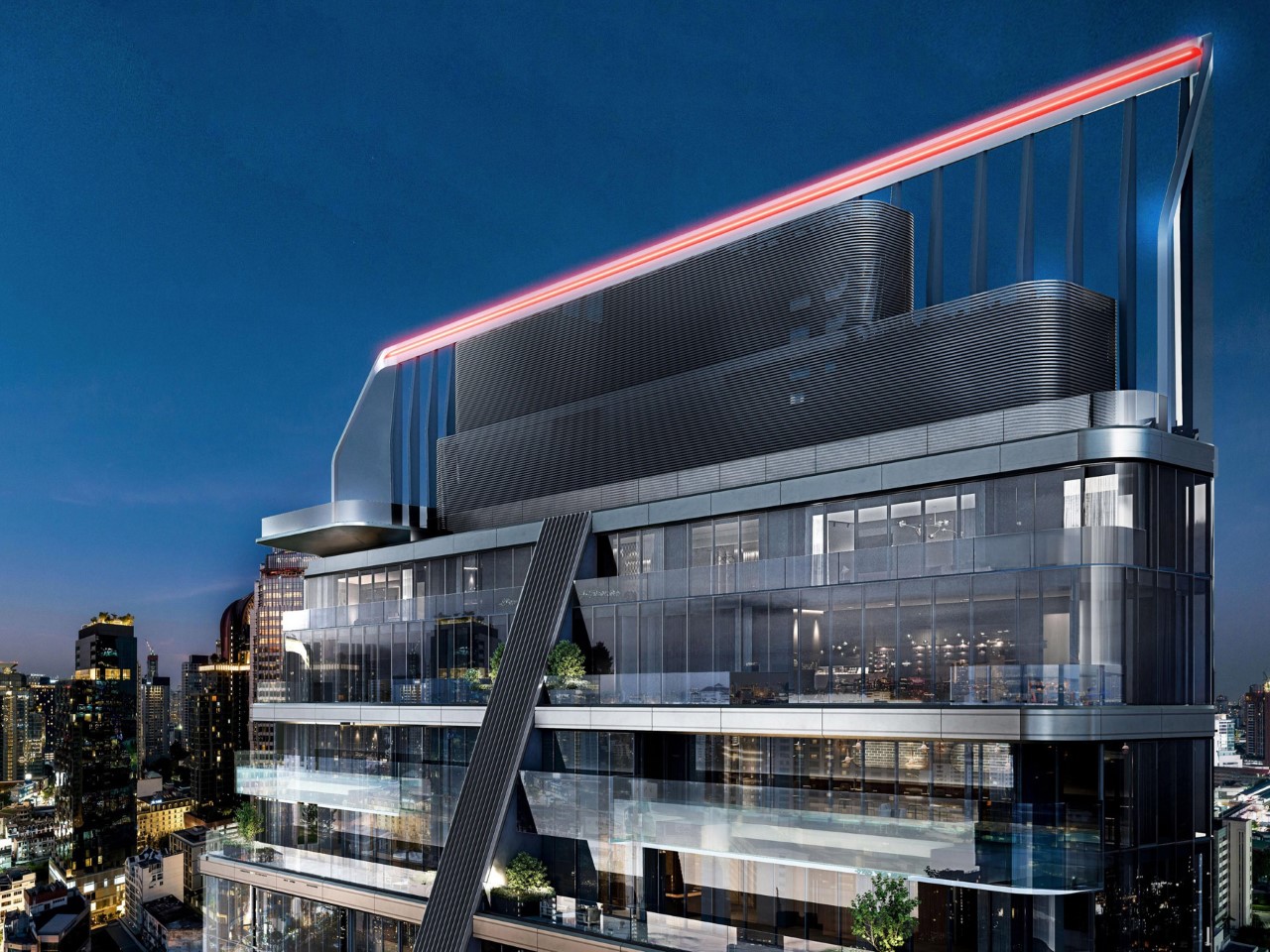
A car is simply a room on wheels, right? Or that’s what the oversimplified definition of a car is… by that very standard, all car companies might as well be architecture firms; and it seems like Porsche may be taking that theory rather seriously. The automotive marque has unveiled plans for a residential building in Bangkok, its first in Asia, following previous ventures in Miami, USA and Stuttgart, Germany. This new development is a collaborative effort between Porsche Design (carmaker’s luxury goods sub-brand) and Ananda Development, with the aim of creating an ultra-luxury living experience in the heart of Thailand’s bustling capital. Standing 95 meters tall, the 21-story tower is set to feature 22 exclusive duplex and quadplex apartments, each promising to embody the essence of Porsche’s design philosophy.
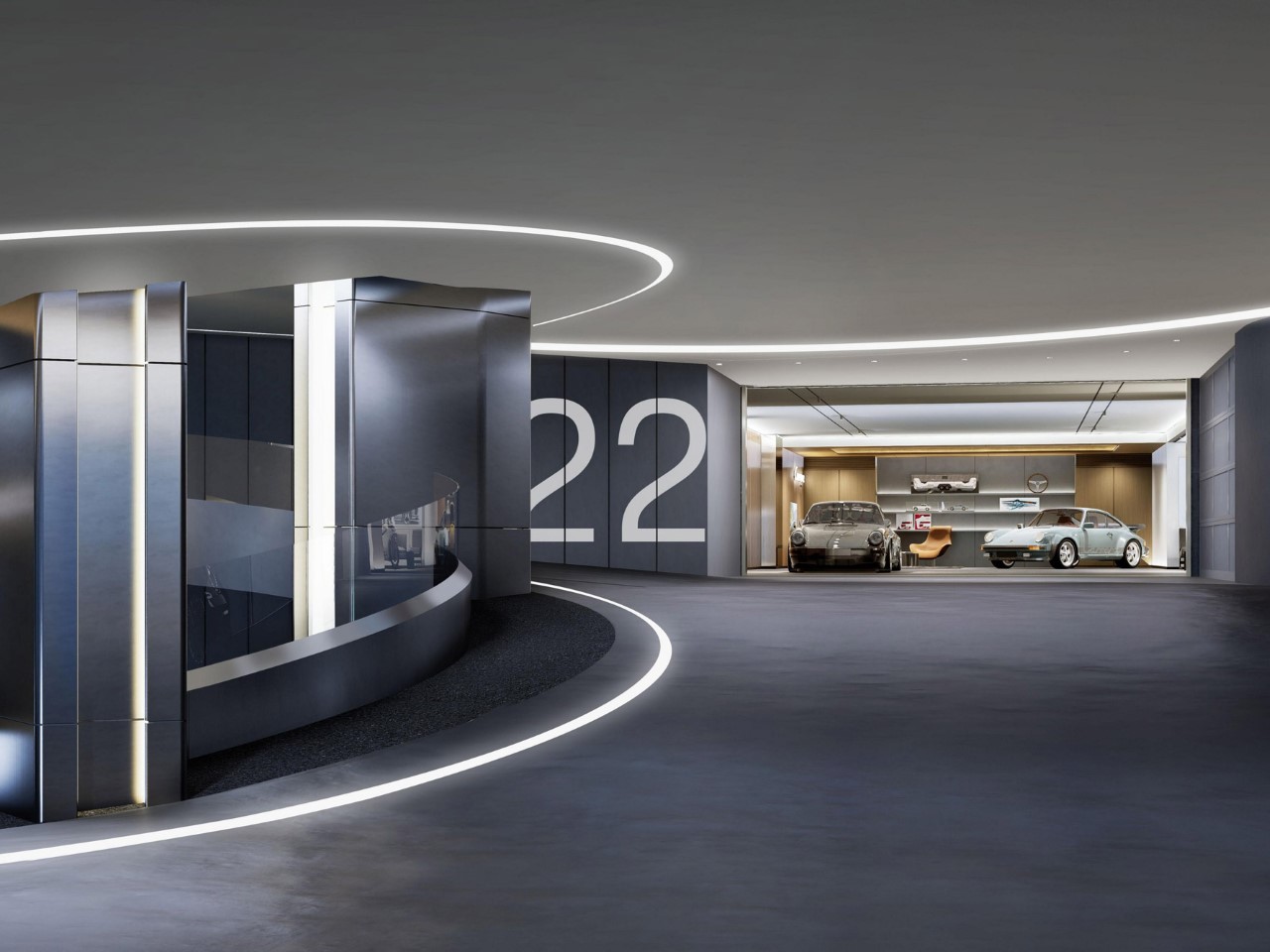
The tower’s design is as striking as one would expect from a brand synonymous with cutting-edge automotive design. The building’s facade is sleek and modern, with a spiral ramp at its center, reminiscent of the winding roads often navigated by Porsche’s high-performance vehicles. This ramp not only serves as a striking architectural feature but also leads to communal garages within the building, which Porsche has aptly named “passion spaces.” These garages are designed to be more than just parking spaces; they are envisioned as social hubs where residents can display their car collections and interact with fellow automobile enthusiasts.
You wouldn’t expect a company like Porsche to simply build a residential complex without flexing a bit of innovation and engineering, right? Well, arguably one of the most innovative features of the Porsche Design Tower Bangkok is its fully automated terrace door system. This system is inspired by the retractable roof mechanism of the Porsche 911 Targa and allows for a seamless blend of indoor and outdoor living. The doors fold and hinge open from the top, creating an expansive terrace space that effortlessly extends the living area of each apartment. This feature is not only a nod to Porsche’s heritage but also a practical solution for enhancing the living experience in a tropical climate.
In addition to the unique architectural and design elements, the tower will also offer a range of luxurious amenities. Residents will have access to a 25-meter swimming pool, a state-of-the-art fitness center, a spa, and both social and business lounges. These amenities are designed to cater to the lifestyle needs of Porsche’s discerning clientele, providing them with spaces to relax, socialize, and conduct business without ever having to leave the building.
The Porsche Design Tower Bangkok is set to break ground in early 2025, with completion expected by the end of 2028. This project is part of a growing trend among luxury car brands to expand their influence into the real estate market, offering their customers not just a product, but a complete lifestyle experience. It does fall in line with an overall trend to move away from just mobility and focus on different aspects of life too, like with Tesla and its Powerwall, solar-panel roof tiles, etc.
It's not only Taylor Swift fans and the US government who aren't happy about Ticketmaster. The UK government is set to look into the company's dynamic pricing model after millions of Oasis fans scrambled for tickets to the band's reunion tour over the weekend.
Once fans got through hours-long queues to make their purchase, some found that the price of a standing ticket was suddenly 2.5 times more expensive — in one case, going up from £135 to £337.50 ($177 to $444). Ticketmaster often gives customers just seconds to decide whether to complete a purchase once tickets are in their cart, so they don't have much time to determine whether such a hefty price increase is worth it.
Many fans didn't manage to buy Oasis tickets before they sold out on Ticketmaster. So, if they really want to see Liam and Noel Gallagher on stage together for the first time in 16 years, they may have to resort to resale sites where some touts are trying to sell tickets for nearly $8,000 each.
The chaos and complaints about the dynamic pricing model caught the attention of Lisa Nandy, the UK's culture secretary. Nandy said it was "depressing to see vastly inflated prices excluding ordinary fans from having a chance of enjoying their favorite band live," according to The Guardian.
“This government is committed to putting fans back at the heart of music. So we will include issues around the transparency and use of dynamic pricing, including the technology around queueing systems which incentivise it, in our forthcoming consultation on consumer protections for ticket resales," Nandy said. "Working with artists, industry and fans, we can create a fairer system that ends the scourge of touts, rip-off resales and ensures tickets at fair prices.”
Before the Labour Party won July's general election, leader Sir Keir Starmer vowed to cap resale ticket prices for music and sports events. The government announced it would hold a consultation into the secondary-ticket market this fall and the issue of dynamic pricing will now be factored in.
Ticketmaster doesn't set prices itself. The company said that's a decision for event organizers. In other words, the promoters. But artists have a say as well. Swift, Ed Sheeran and The Cure are among the big names who have opted not to use dynamic pricing on recent tours. However, Bruce Springsteen caused a stir in 2022 when he said he'd use the model.
Meanwhile, Ticketmaster is in hot water Stateside. In May, the Justice Department and dozens of state and district attorneys general filed an antitrust suit in an attempt to break up Ticketmaster owner Live Nation, claiming it held an unlawful monopoly over the live entertainment industry.
This article originally appeared on Engadget at https://www.engadget.com/big-tech/the-uk-government-will-investigate-ticketmasters-dynamic-pricing-model-after-oasis-chaos-195446622.html?src=rss
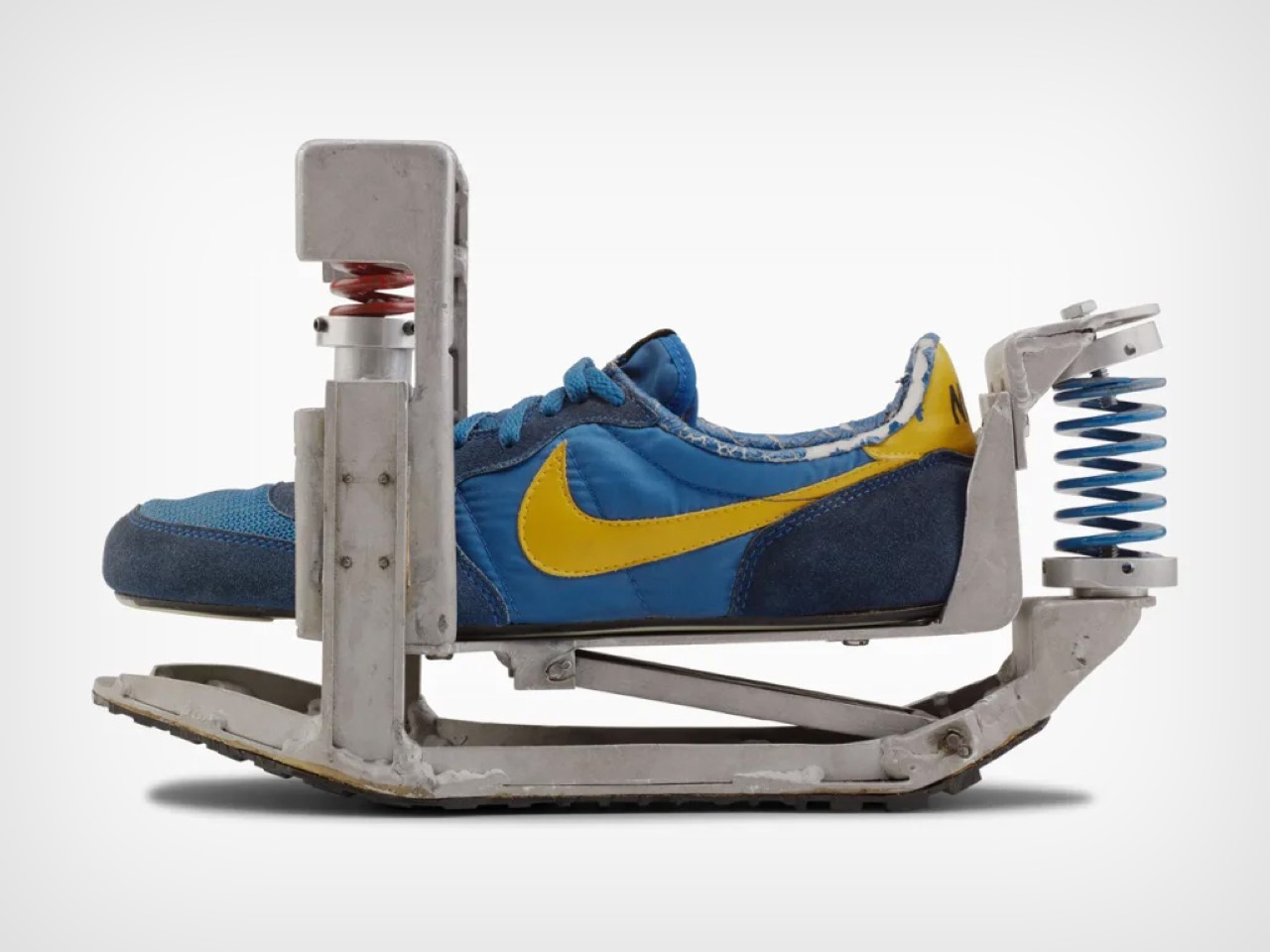
Early Mechanical Shox Prototype (1981) from the Department of Nike Archives
Nestled in an unassuming building, Nike’s top-secret design archive, known as the Department of Nike Archives (DNA), houses a treasure trove of over 200,000 rare artifacts. From never-before-seen sneaker prototypes to the original Nike “swoosh” sketch, the DNA is a sneaker lover’s paradise. Recently, the DNA opened its doors to curators for the first time, leading to the creation of the groundbreaking exhibition, “Nike: Form Follows Motion.” For the first time, Nike has opened its doors to a select group of curators who have scoured these holdings to create an exhibition at the Vitra Design Museum in Germany. The exhibition offers a rare glimpse into the brand’s history and design philosophy.
Set to run from September 21, 2024, to May 2025, the exhibition is the first of its kind dedicated solely to Nike. It traces the company’s journey from its founding in 1964 to its current position as the largest apparel company in the world. Curated by Glenn Adamson, who also co-edited a book to accompany the exhibition, the show seeks to explore Nike’s unique approach to design. According to Adamson, Nike’s design thinking is intensely creative and complex, rivaling that of any other company in the industry. The exhibition is structured into four chronological sections, each representing a significant phase in Nike’s evolution.
“Nike: Form Follows Motion” is divided into four chronological sections: “Track,” “Air,” “Sensation,” and “Relation.” The first section, “Track,” offers a look at Nike’s early years when jogging was a niche activity. This period is marked by the brand’s first product innovations, including the release of the waffle-soled trainer in the early 1970s. The next section, “Air,” covers Nike’s expansion into sports advertising, bolstered by high-profile partnerships with athletes like Michael Jordan. The “Sensation” section focuses on Nike’s extensive sports research programs, highlighting the brand’s commitment to pushing the boundaries of performance wear. Finally, the “Relation” section reflects on Nike’s history of collaborations with external designers, showcasing the brand’s willingness to embrace new ideas and technologies.
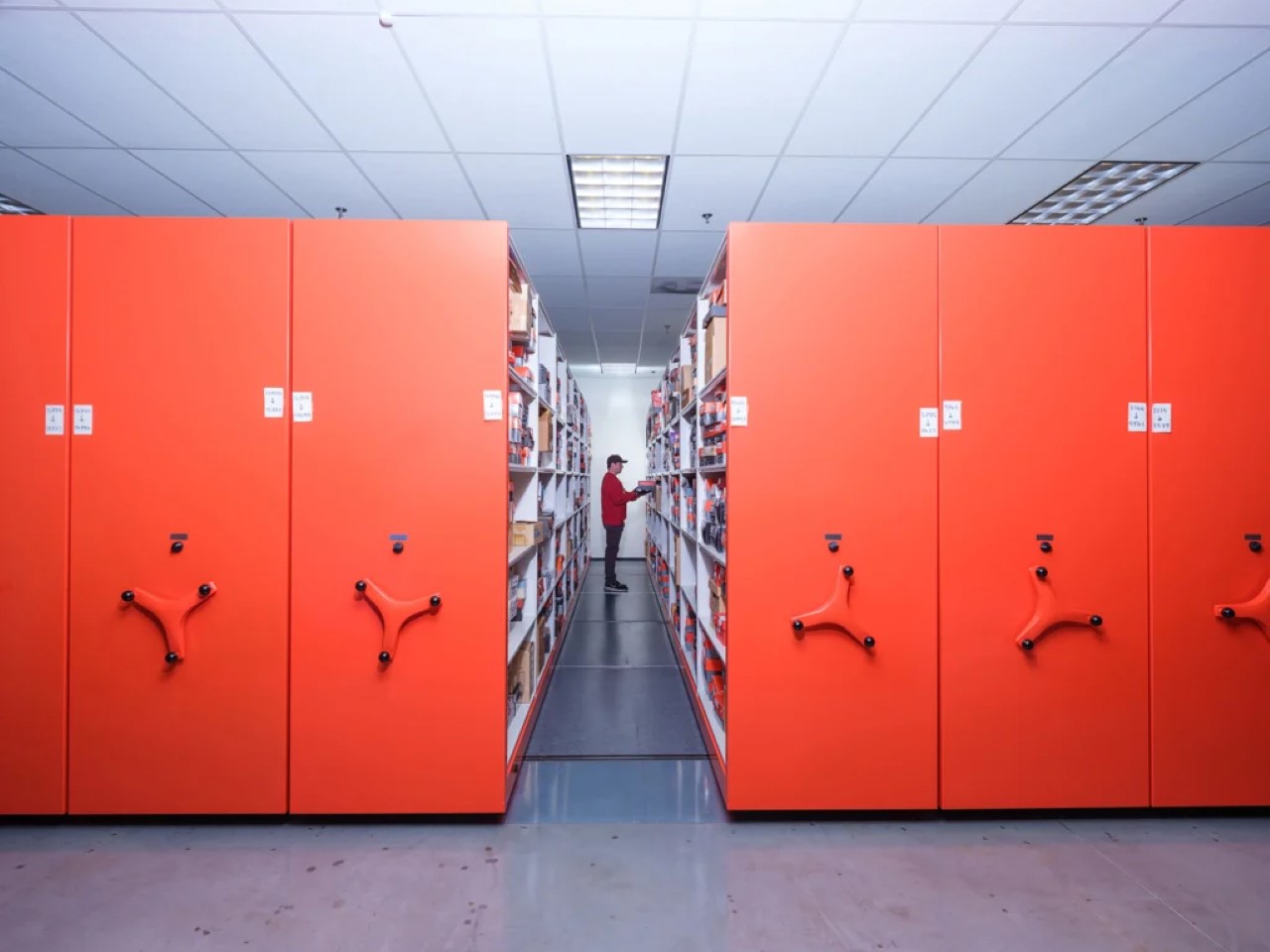
To create this exhibition, Adamson made several trips to the DNA, where he had access to materials that had never been publicly displayed. The archive itself is unremarkable from the outside, but inside, it’s a veritable wonderland for sneaker enthusiasts. The space is filled with moving shelves, each stacked with shoeboxes containing some of Nike’s most significant designs. Among the highlights are prototypes of the Air Force One that never made it to market and the original stock of the Air Max shoe, known for its revolutionary see-through soles designed by aeronautical engineer Frank Rudy.
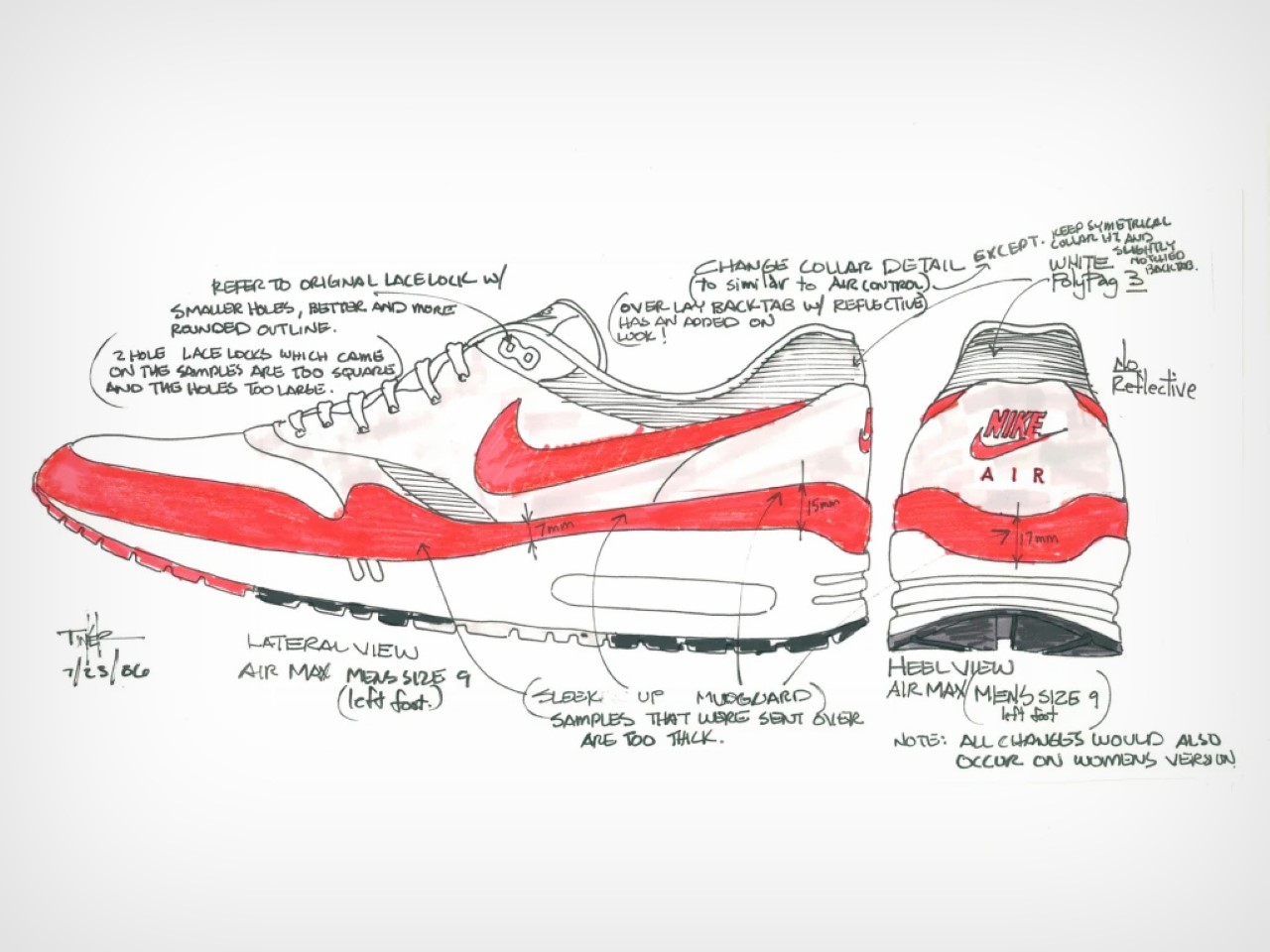
Sketch of Air Max, Tinker Hatfield (1986)
The exhibition also features deadstock shoes and prototypes that have remained hidden in the DNA until now. These include early mechanical prototypes of the Shox line, which featured external shock mounts designed to improve athletic performance. Adamson describes one such prototype as a “Frankenstein object,” a bizarre yet fascinating piece of Nike’s design history that had to be included in the exhibition (image at the beginning).
In addition to these historical artifacts, the exhibition also offers a keen insight into Nike’s current design practices. One of the most impressive innovation centers is the Nike Sport Research Lab (NSRL) in Beaverton, Oregon. The 85,000-square-foot facility is equipped with cutting-edge technology, including hundreds of cameras and dozens of force plates that track athletes’ movements. The insights gathered from this research are used to develop new products like the Vapormax running shoe, which is one of Nike’s most studied shoes to date.
Nike: Form Follows Motion comes at a crucial time for the company. In recent years, Nike has faced challenges, including supply chain issues and increased competition from other running shoe brands like Hoka and Brooks. Despite these obstacles, Nike remains committed to innovation. The company recently launched an AI platform called Blackbox to aid in the design of new products. According to CEO John Donahoe, Nike is poised to make a comeback with bold, new releases that will once again set the standard in the industry.
Update, September 3, 5:15PM ET: Starlink has reversed course on its decision to not comply with Brazil’s block of X. In a statement posted to X, the company said:
“To our customers in Brazil (who may not be able to read this as a result of X being blocked by @alexandre):
The Starlink team is doing everything possible to keep you connected.
Following last week’s order from @alexandre that froze Starlink’s finances and prevents Starlink from conducting financial transactions in Brazil, we immediately initiated legal proceedings in the Brazilian Supreme Court explaining the gross illegality of this order and asking the Court to unfreeze our assets. Regardless of the illegal treatment of Starlink in freezing of our assets, we are complying with the order to block access to X in Brazil.
We continue to pursue all legal avenues, as are others who agree that @alexandre’s recent orders violate the Brazilian constitution.”
The original story, "Starlink is refusing to comply with Brazil's X ban," as published on September 2, continues below unedited.
After the country’s Supreme Court ordered internet service providers to block access to X, the platform was largely unavailable in the country by Sunday night. The only ways to access X since then have been through VPNs (for those willing to risk huge fines) and Starlink, the satellite internet service that’s also run by X owner Elon Musk.
The president of Brazil’s telecom agency, Anatel, said that Starlink refused to comply with the court order until officials released its frozen assets, The New York Times reports. Alexandre de Moraes, the Supreme Court justice who has been on the warpath against X, also blocked the local bank accounts of Starlink, which is a SpaceX subsidiary. Moraes, who has accused X of disseminating hate speech and disinformation, is said to have done so with the aim of collecting $3 million in fines levied against X for ignoring his orders to block certain accounts.
Starlink petitioned the court to unblock its assets but the court dismissed the request. Musk called the Starlink account freeze "illegal," arguing that SpaceX and X are separate entities while claiming he owns 40 percent of the former.
There are around 250,000 Starlink customers in Brazil. The service has proven popular there in rural areas and among Indigenous tribes in the Amazon. Starlink pledged to provide free internet access to its Brazilian customers while its accounts in the country remain blocked.
If Starlink maintains its stance on X, Brazil could revoke the internet service’s license. If it continues to operate after that, officials could seize equipment from 23 ground stations. The gear helps Starlink improve the quality of its satellite connections.
Meanwhile, a majority of a Supreme Court panel upheld the X ban, which Moraes issued after Musk defied several of his orders, at a trial on Monday. X will have the right to appeal the decision. The panel also approved an order by Moraes to fine anyone caught using a VPN to access X in Brazil a daily fine of 50,000 Brazilian Real (around $8,900).
This article originally appeared on Engadget at https://www.engadget.com/big-tech/elon-musks-starlink-will-comply-with-the-brazil-x-ban-after-all-181144471.html?src=rss
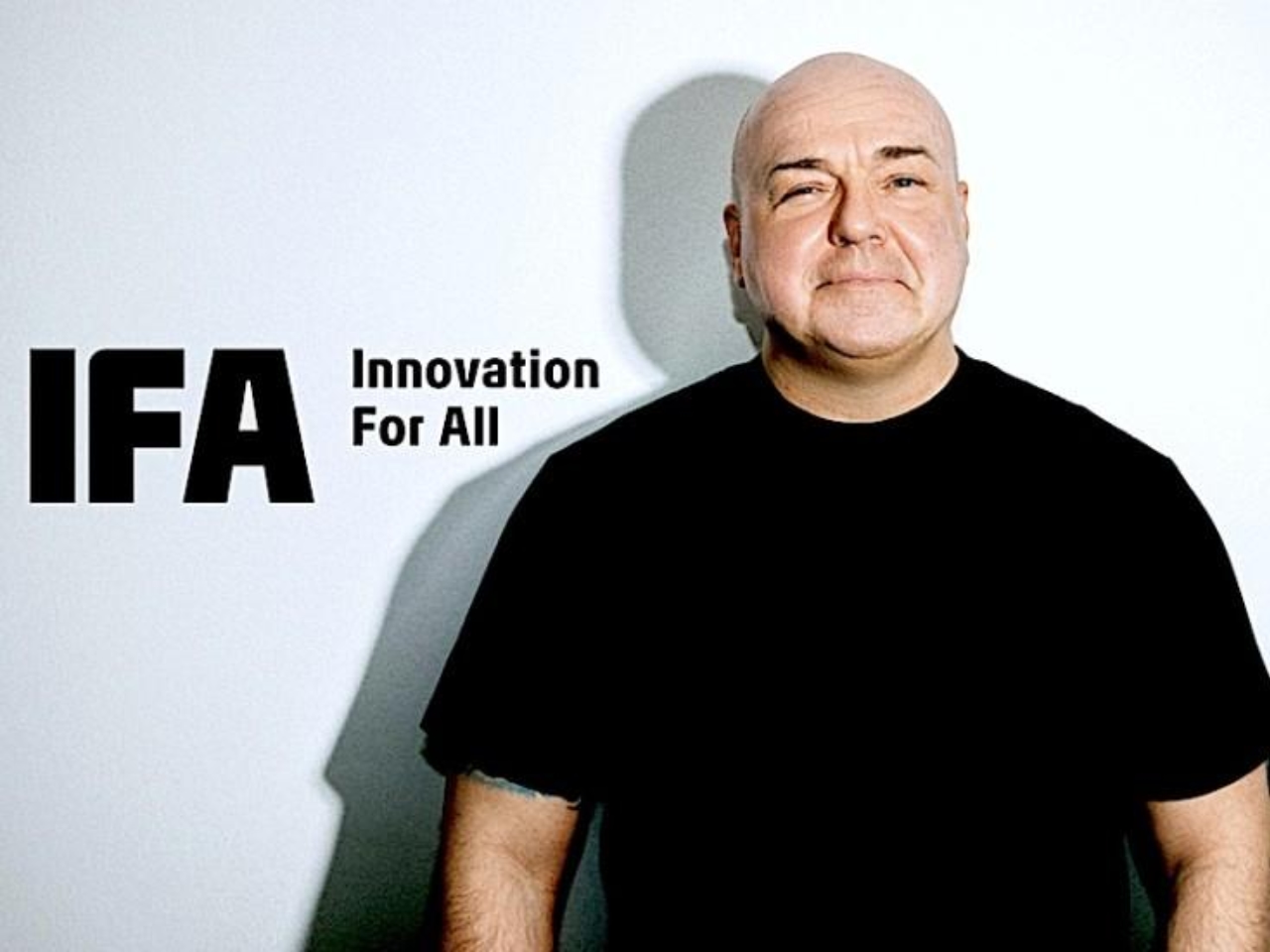
As the Internationale Funkausstellung Berlin (IFA) gears up to celebrate its 100th anniversary, the tech industry focuses on Berlin, where tradition meets innovation. IFA, one of the world’s leading trade shows for consumer electronics and home appliances, has long been a platform where global brands showcase their latest innovations, set trends, and connect with industry professionals and consumers alike. It’s an event that shapes the direction of technology, influencing the products and services that will define the market in the years to come. Leading this transformation into its next century is Leif Lindner, the CEO of IFA Management GmbH since October 1, 2023. With over 25 years of industry experience, including a significant tenure at Samsung Electronics Germany, Lindner brings a wealth of knowledge and a strong network to his role as CEO. His experience in multicultural settings enhances his leadership as he guides IFA into a new era. In this interview, I explore how Lindner balances IFA’s storied history with a fresh approach to ensure it remains at the forefront of global technology showcases.
Vincent Nguyen:Good afternoon! Thank you for taking the time to chat with me. You’ve been traveling all over the world recently. Is this normal for a CEO in your position, especially right before the show?
Leif Lindner: “Yes, it’s part of the job. I’ve been with IFA for a relatively short time, but given the importance of the 100th anniversary and the transition we’re going through, it’s crucial for me to be hands-on.”
This response underscores Lindner’s commitment to being actively involved in the evolution of IFA during such a pivotal year. His hands-on approach ensures that the event reflects his vision and strategy. Adapting and leading from the front is essential in an industry as fast-paced as technology.
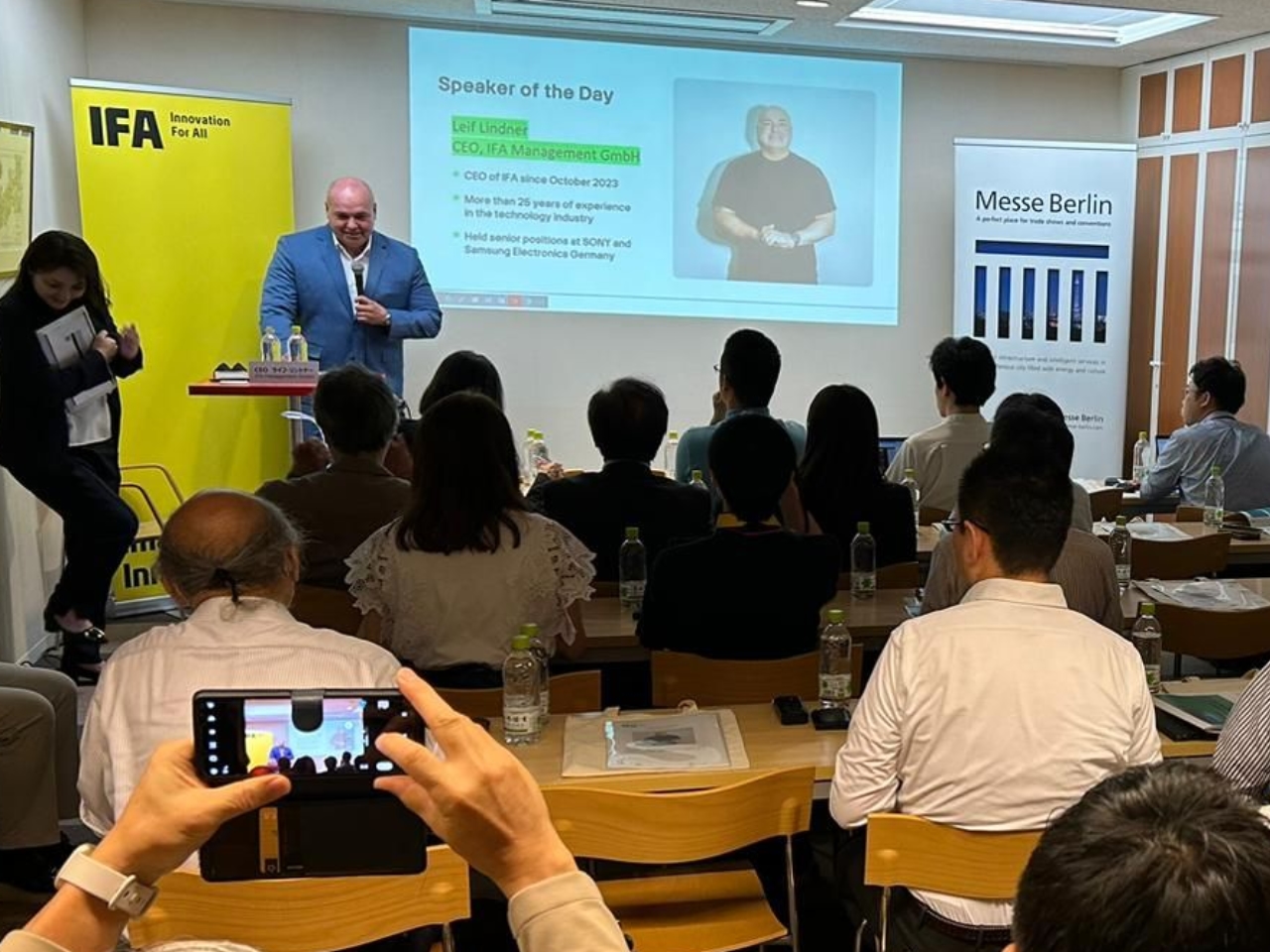
Leif Lindner traveled to Tokyo with Jan Kronenberger (IFA, Head of PR and Content) to promote IFA Berlin.
Nguyen:How does IFA plan to balance the needs of big brands with the rising importance of smaller innovators?
Lindner: “Smaller brands can become significant players quickly, and they need special attention. At the same time, we must keep our mature, long-term partners in the spotlight.”
Lindner’s strategy to balance attention between established giants and emerging innovators is crucial. It shows that IFA is a platform where future technology leaders can emerge, ensuring that both new and established companies have the space to thrive. His approach fosters an environment where innovation from both large corporations and smaller, agile startups can flourish.
A prime example of a growing brand poised to make a significant impact at IFA 2024 is Narwal, a company that has rapidly ascended to the forefront of the smart home cleaning industry since its founding in 2016 in Shenzhen, China. Narwal is set to unveil its latest groundbreaking innovation in the smart home cleaning sector at IFA 2024 in Berlin, and we’re looking forward to seeing what they have in store. Its pioneering products, such as the world’s first self-cleaning mop and vacuum robot, highlight the company’s success. With over 1,200 international patents and a team of more than 700 R&D engineers, Narwal showcases the kind of innovation and technological leadership that IFA aims to highlight. The brand has received significant industry recognition, winning prestigious awards, including the CES Innovation Awards, Red Dot Design Awards, and the Edison Gold Award.
Narwal’s strategic expansion into key markets like North America, Europe, and Asia has solidified its leadership in the smart home sector. In Europe, particularly Germany, the company has built strong partnerships with major retailers like OTTO, MediaMarkt, and Saturn, making its products widely available. By investing in local research and partnerships, Narwal’s long-term vision focuses on further growth in Europe, with Germany as a crucial market. This commitment to meeting European consumers’ needs and delivering intelligent cleaning solutions aligns with the innovative spirit that IFA showcases.
Narwal’s mission is to give people more freedom to do what they love and with who they love.
Nguyen:Can you explain the rebranding process you’ve initiated? What is your vision for the new IFA?
Lindner: “We wanted to create a visual identity that’s more colorful and youthful, while also incorporating entertainment into the show. We want IFA to be seen not just as a tech show, but as a cultural event that resonates with younger audiences.”
The rebranding of IFA is about transforming the event into something that resonates with the next generation of tech enthusiasts. By incorporating elements of entertainment and culture, Lindner is positioning IFA as a multifaceted experience rather than just an exhibition. This approach aligns with broader trends where the lines between technology, culture, and lifestyle are increasingly blurred, making IFA a must-experience event.
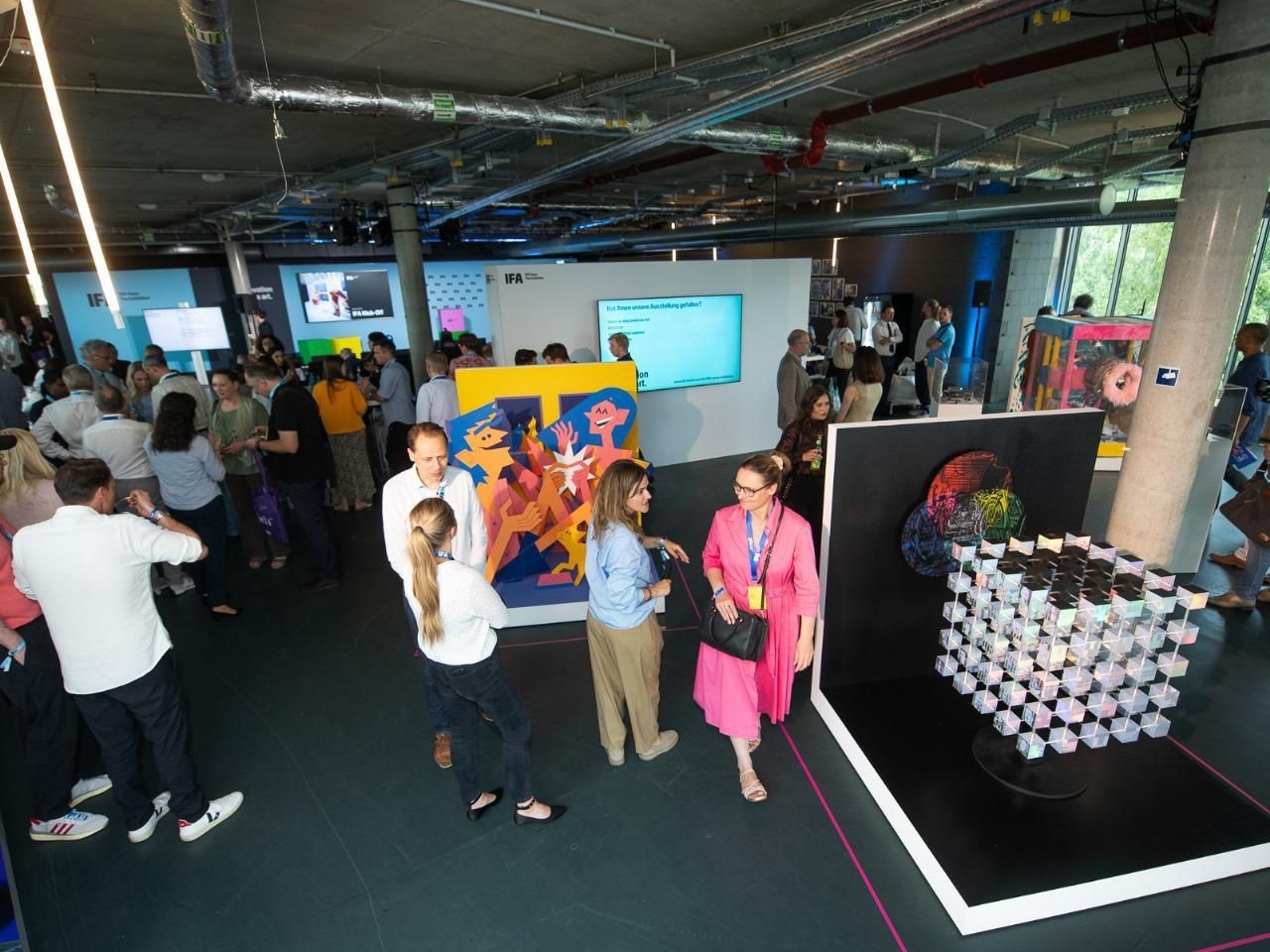
As part of the IFA 100 celebrations, the “IFA 100 Years The Exhibition” reflects this transformation. After a successful summer run at Bikini Berlin, the exhibition now opens its doors to all IFA visitors at the Palais. This exhibition goes beyond commemorating IFA’s centennial—it sparks a dynamic dialogue at the intersection of technology and creativity, encouraging attendees to explore innovation’s impact on our lives.
Eight Berlin-based artists were engaged to interpret IFA’s history and future through art, each piece representing a distinct theme. Their works, accessible to Berliners and international visitors, draw from an inspiring past and a visionary future. The exhibition also features extraordinary technology exhibits that offer a glimpse back to the beginnings of technology, bridging the gap between past and future innovations.
Visitors can even take a piece of the exhibition home by creating their own personal AI avatar with the IFA avatar generator, highlighting the event’s integration of cutting-edge technology with personal and creative expression.
The themes explored by the artists include:
Radio, where the journey from early broadcasting to the era of podcasts, highlights the social relevance of media and its evolution. Video, an exploration of the transition from black-and-white television to on-demand video services, illustrates the evolution of visual media. Audio, which celebrates music from vinyl records to cloud streaming, captures sound’s emotional and experiential aspects—online, showcasing the transformative impact of the Internet and digitalization on society, from early telecommunication to the Internet of Things. Computers and Games offers an artistic take on the evolution of gaming and computing, from home PCs to mobile gaming and digital culture. Digital Lifestyle, portraying the smartphone’s role in shaping global, connected lifestyles, from telephony to social media and AI. Home Appliances & Networking, examining the evolution of household appliances, from traditional stoves to smart home networks. Finally, Creation & Social Media digs into content creation in the digital age, from analog photography to influencer-driven social media.
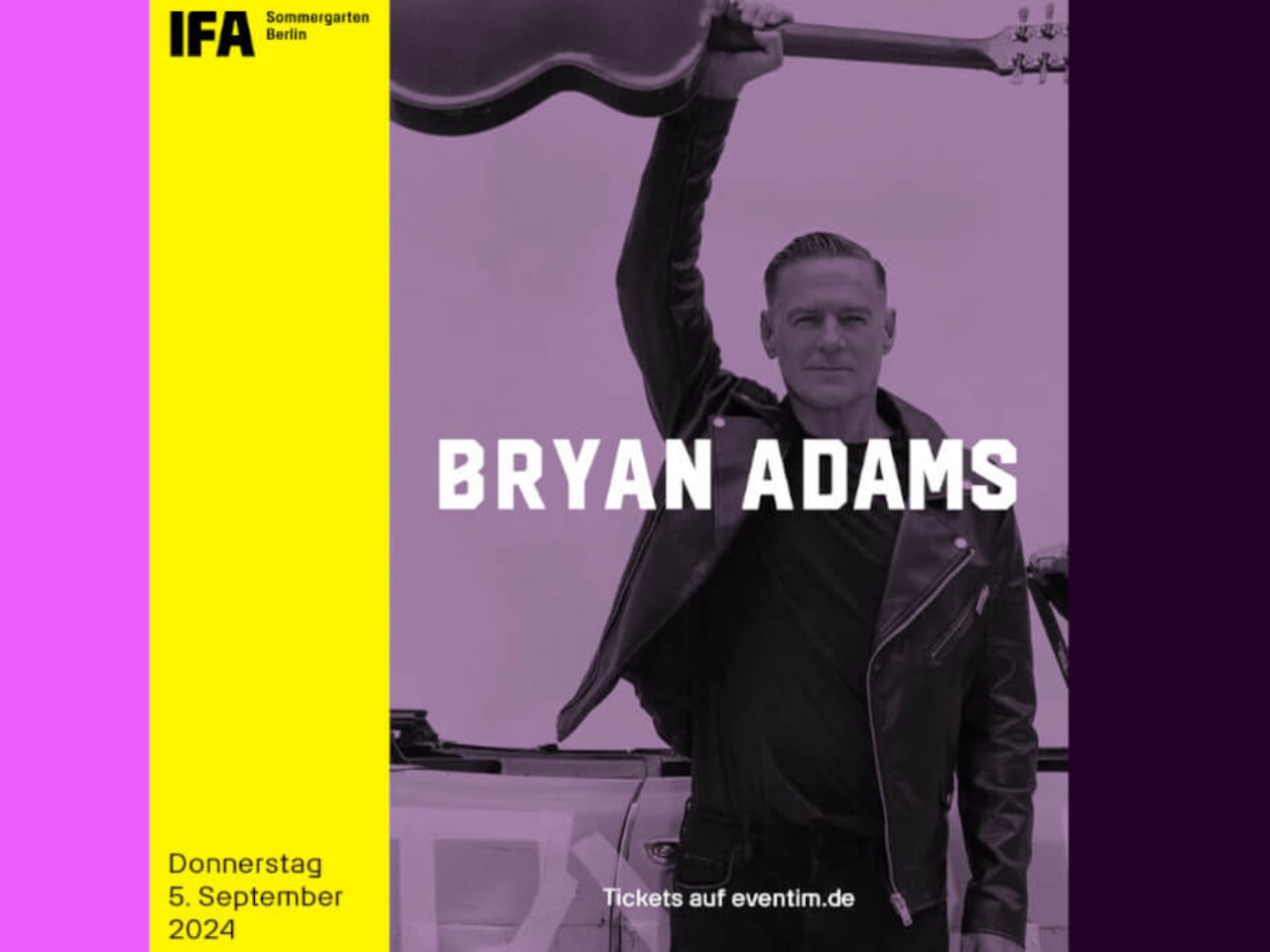
Bryan Adams concert at IFA 2024
IFA 2024 will also feature a special open-air concert by Bryan Adams at the Sommergarten Stage, adding a lively cultural dimension that sets the tone for the event. This reflects Lindner’s commitment to reimagining IFA as a vibrant experience that blends technology with entertainment and appeals to a diverse, younger audience, ensuring its relevance as it enters its second century.
Nguyen:How do you plan to address the risk of losing pillar brands that have supported IFA over the years?
Lindner: “It’s a real concern. We’ve already seen some brands pull out in recent years. My job is to bring them back by proving that we understand the changing landscape and are evolving to offer more value.”
Lindner’s candidness about the challenges IFA faces highlights his proactive approach to leadership. His focus on evolving IFA’s value proposition to re-engage these key brands demonstrates that he’s not content with maintaining the status quo. He’s actively seeking to adapt IFA’s offerings to better align with the needs of today’s tech giants. This strategy is vital for keeping IFA relevant in an industry constantly in flux.
Nguyen:Are you expanding IFA’s global reach, particularly in regions like India or China?
Lindner: “This year, we’ve focused on balancing our exhibitor base, especially bringing back more Korean, Japanese, and Taiwanese brands. India has a lot of potential, but we need to approach it with a full-speed strategy, which requires the right local partnerships.”
This strategy to expand IFA’s reach into Asia reflects an understanding of where the future of technology is being shaped. By strengthening ties with key markets like Korea, Japan, and Taiwan and recognizing the potential in India, Lindner is ensuring that IFA remains relevant on a global scale. His emphasis on local partnerships shows a thoughtful, sustainable approach to expansion, extending IFA’s influence well beyond Europe.
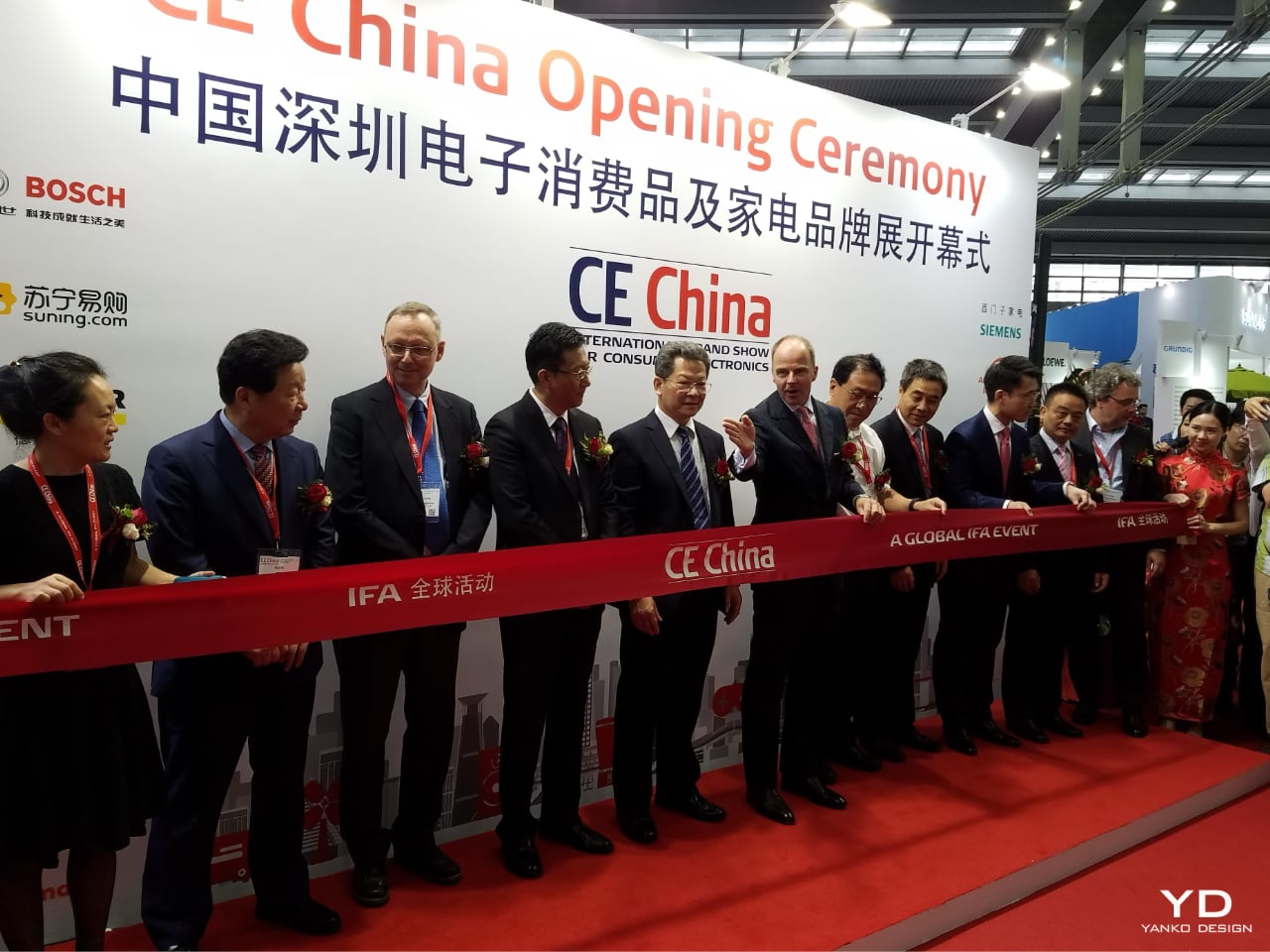
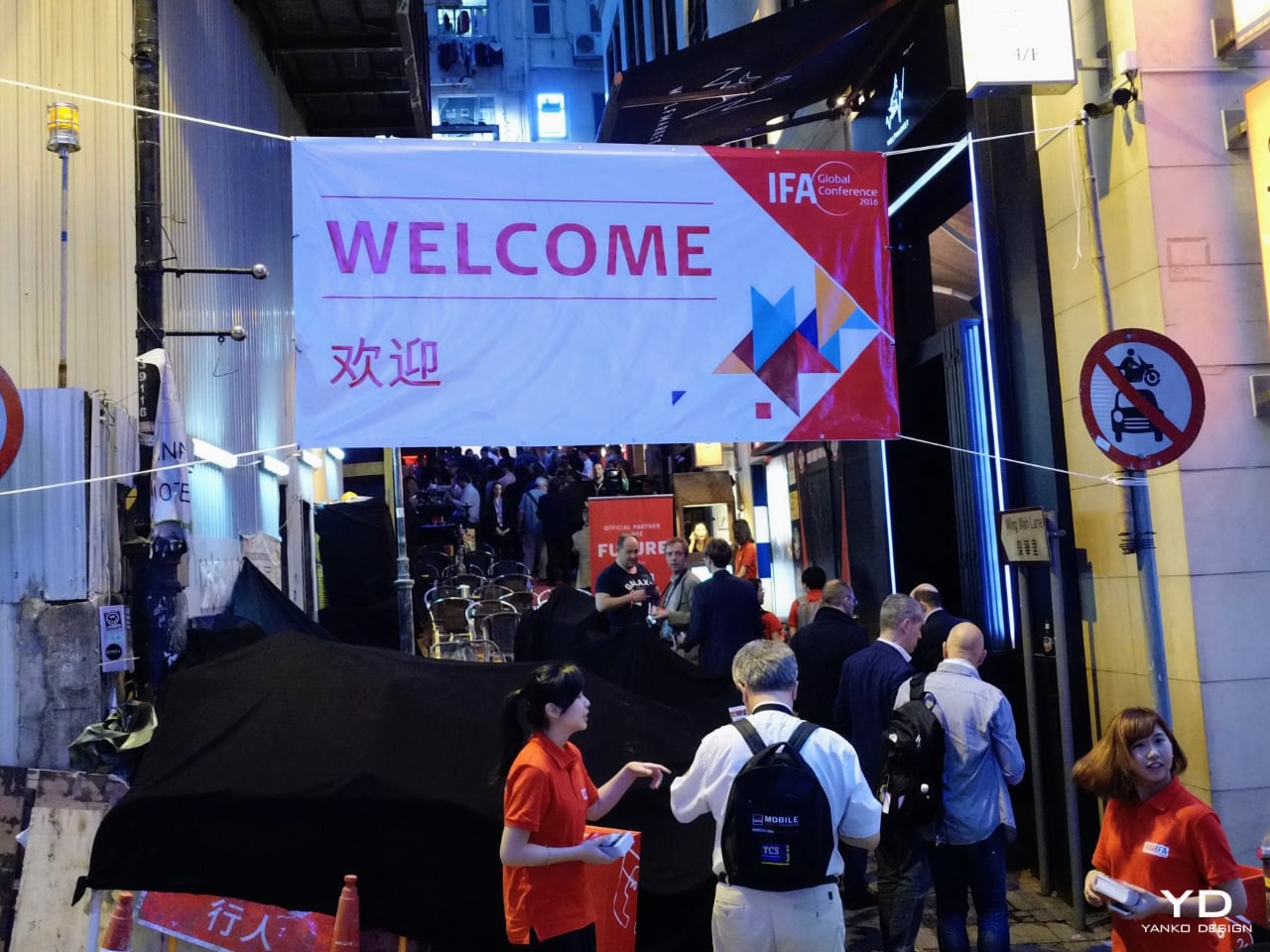
IFA Global Press Conference – Shanghai 2016
IFA Global Press Conference – Shanghai 2016
Nguyen:IFA often coincides with Labor Day in the US. Has the show always been scheduled during the first week of September?
Lindner: “Yes, it has traditionally been around this time. The dates for the next several years are already fixed. While it’s a challenge for US companies, especially with Labor Day, we believe this timing is right overall. The first week of September positions IFA at a critical juncture in the calendar, just before the peak sales season in Europe. This timing allows brands to showcase their latest innovations and launch products when consumer interest is at its highest. It also gives companies the opportunity to generate buzz and secure media coverage ahead of the crucial fourth quarter, which is often a make-or-break period for many in the consumer electronics industry.”
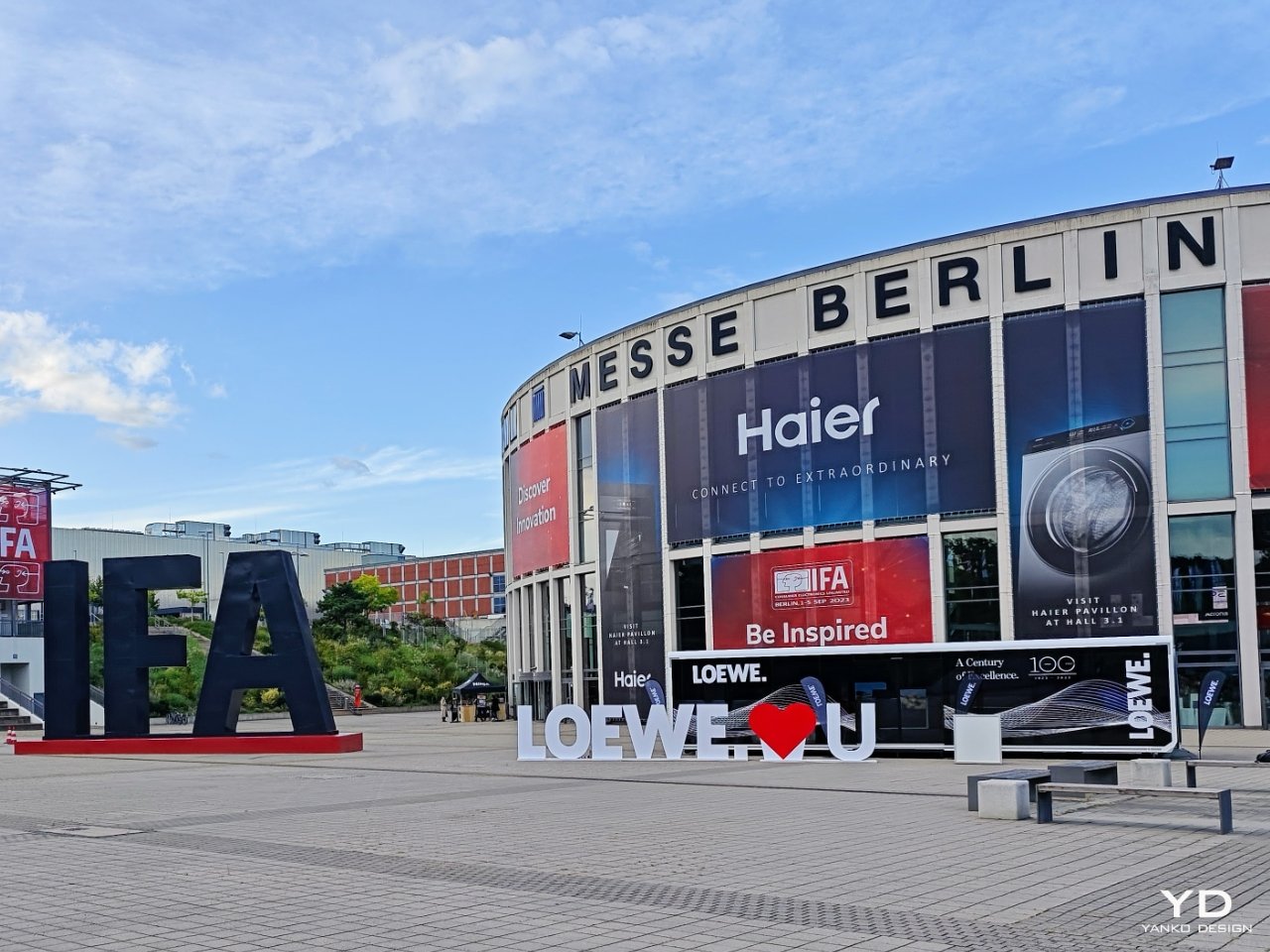
IFA Messe Berlin
Lindner elaborated on the rationale behind maintaining this traditional schedule despite potential conflicts for some international participants. He emphasized that the timing of IFA is not arbitrary; it has been carefully chosen to align with the European market’s key sales cycles. This alignment ensures that the event remains strategically positioned to offer maximum value to exhibitors and attendees. By scheduling IFA just before the peak sales season, the event becomes a pivotal platform for brands looking to make significant announcements and capture the attention of both the media and consumers at a time when it matters most.
He acknowledged the challenges that this timing presents for US companies, particularly given the overlap with Labor Day, a major holiday in the United States. However, the benefits of holding IFA during this period far outweigh the drawbacks. The fixed schedule allows companies to plan their product launches and marketing strategies well in advance, ensuring they can fully leverage the opportunities that IFA presents.
Moreover, Lindner pointed out that the consistency of IFA’s schedule has helped to establish the event as a key fixture in the global tech calendar. Companies and industry professionals know exactly when to expect IFA each year, which has contributed to its reputation as a must-attend event for anyone involved in the consumer electronics sector.
Vincent:There’s often a comparison between IFA and CES, especially since they’re so close together. How do you handle the competition, especially for brands that might only have the budget for one major event?
Lindner: “I believe IFA and CES can coexist because they serve different focuses. IFA is a comprehensive showcase right before the peak sales season in Europe, which is crucial for many brands.”
Lindner’s perspective clearly explains how IFA differentiates itself from CES. By emphasizing IFA’s unique timing and focus on the European market, Lindner highlights the event’s strategic importance for brands looking to engage with this critical audience. It’s not about competing head-to-head with CES but about offering a direct connection to the European market at a pivotal moment in the sales cycle.
Vincent:Are there any brands that have particularly impressed you this year that you think Yanko Design readers should check out?
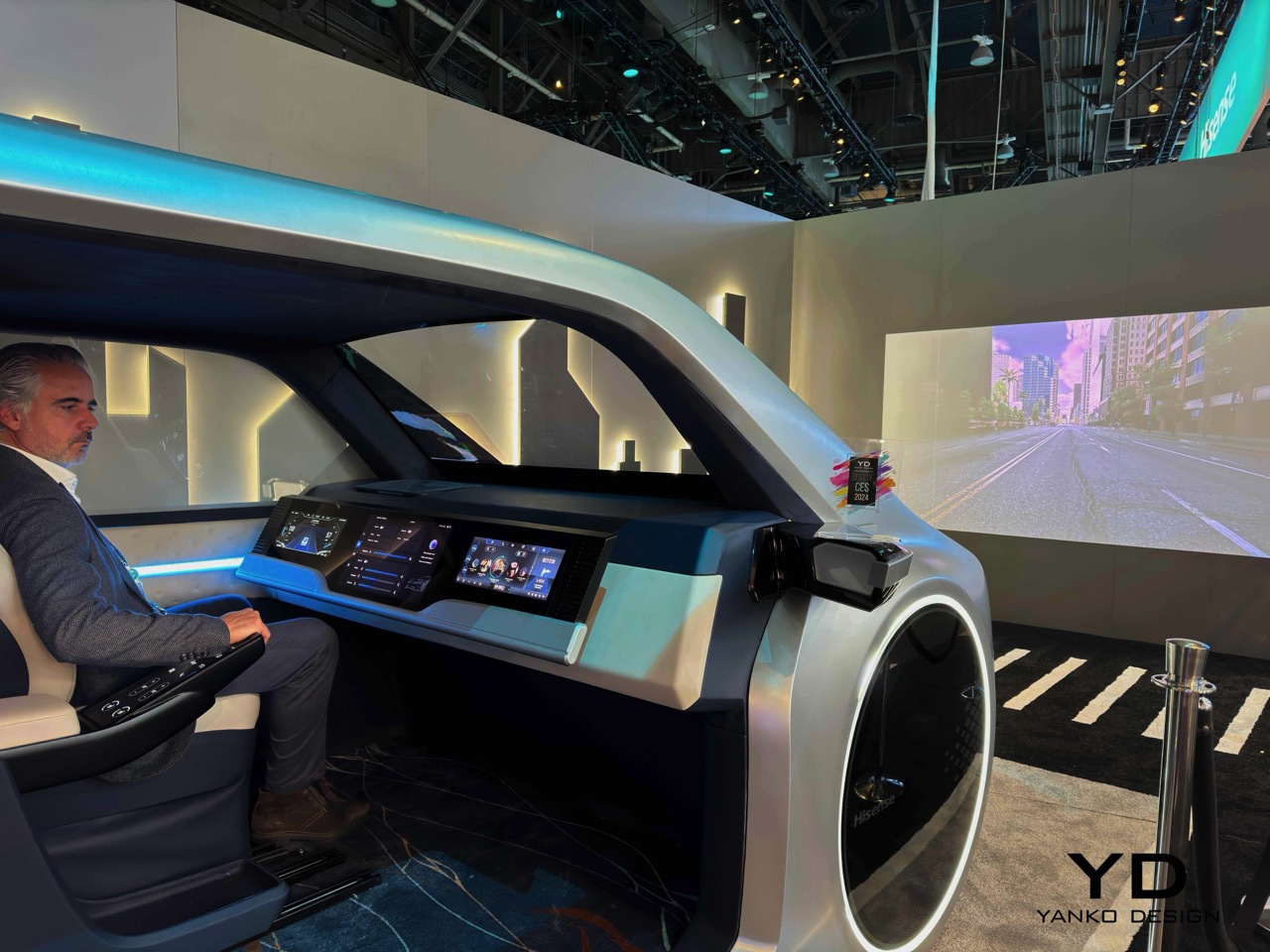
Lindner: “There are several. For example, SharkNinja has been particularly innovative, releasing numerous products in Europe. Samsung continues to impress with their holistic approach to technology, and Chinese brands like DJI are also setting new standards in the market. We should also not underestimate how Chinese brands like Hisense and Haier are bringing power to the market. They understand the market better than before and are moving toward a more quality-driven approach. Their understanding and perception of the market always impress me.”
Lindner’s recognition of these brands highlights the tech industry’s diverse and dynamic nature today, emphasizing IFA’s role as a global platform where both established leaders and emerging innovators can shine.
SharkNinja has been making waves in Europe with various new products that combine cutting-edge tech with everyday practicality. Whether it’s their powerful vacuum cleaners or smart kitchen gadgets, SharkNinja has found a way to make life at home easier and more efficient, which has helped them become a household name in the appliance market.
Samsung, a tech giant, continues dominating a wide range of electronics—from smartphones and home appliances to smart home systems. Their latest advancements in QLED and OLED TVs keep them ahead of the curve in display technology. Samsung’s approach blends sustainability with innovation, making its products forward-thinking and eco-friendly and solidifying its leadership in the industry.
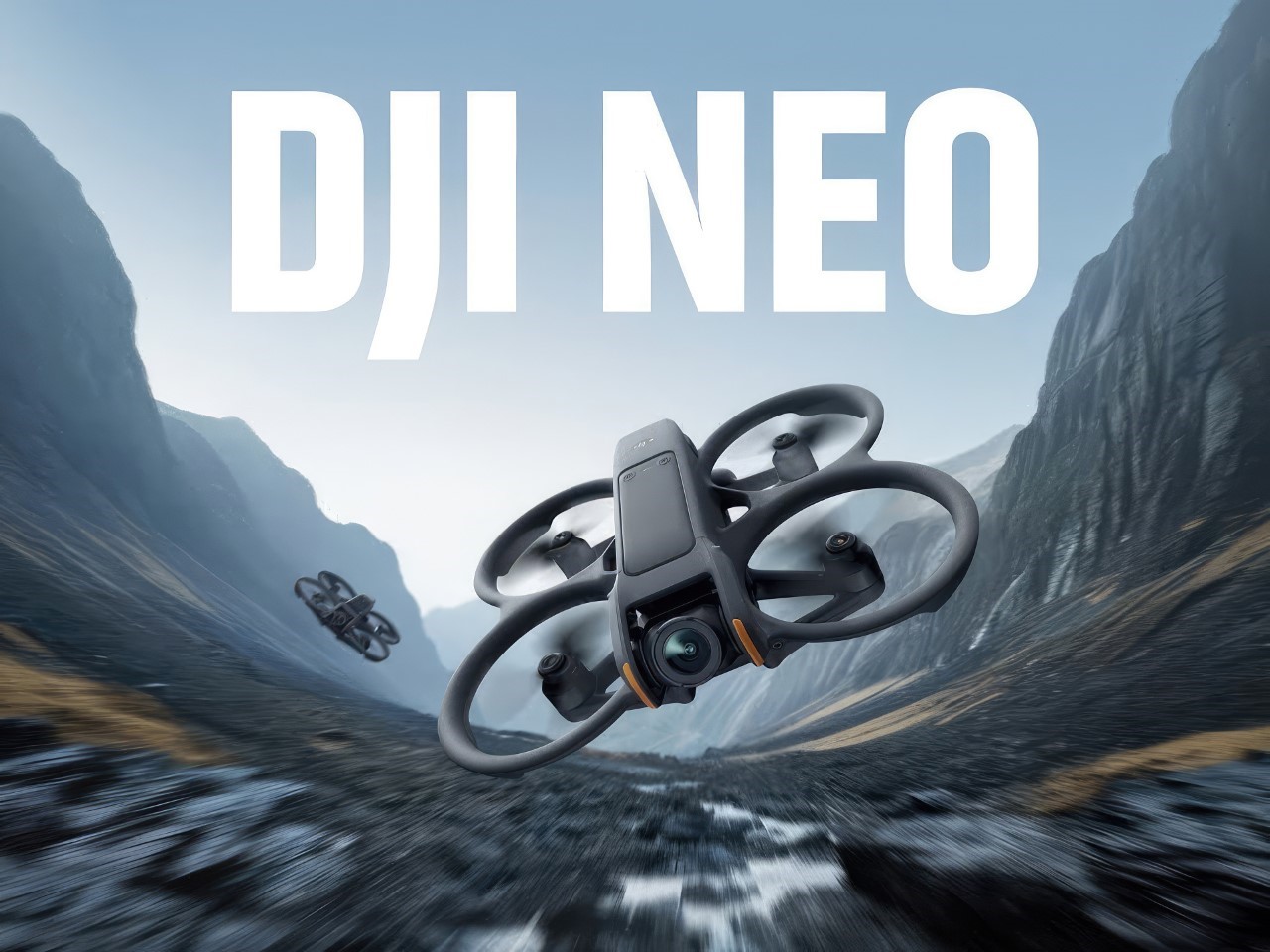
DJI, the brand that revolutionized the drone industry, continues to set higher aerial photography and cinematography standards. Their drones are known for their exceptional camera quality, user-friendly controls, and reliable performance, making them a favorite among professional filmmakers and hobbyists. But their innovation doesn’t stop at drones. They’ve expanded into handheld stabilizers, action cameras, and more. At IFA, there’s a lot of excitement around what they will unveil, particularly with the buzz surrounding the rumored Neo, which is expected to be a game-changer. We’re also eagerly anticipating their entry into the mirrorless camera market, which could bring their imaging expertise to new heights. Additionally, their entry into portable power solutions, including impressive battery technology, and their move into e-bikes are developments we’re watching closely. This expansion into new areas could significantly impact the market and add even more excitement to an impressive lineup.
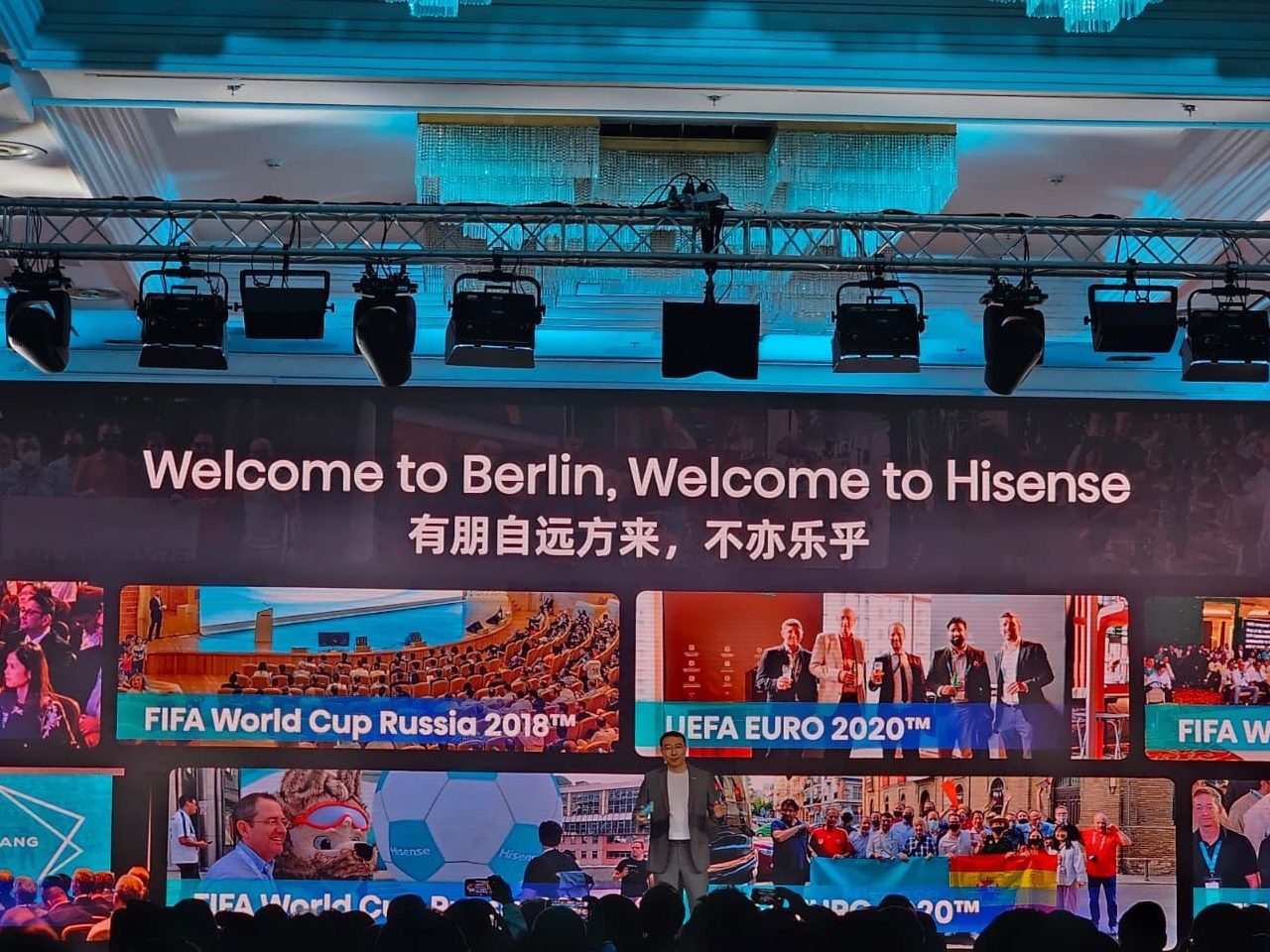
Hisense has significantly impacted the TV and projector markets, particularly with their massive 100-inch-plus TVs and innovative projector technologies. Their commitment to delivering a cinema-like experience at home has made them a top choice for those seeking high-quality, immersive viewing. The Canvas TV, for example, combines a massive screen with a sleek, minimalist design that easily blends into any living space. This modular design allows users to arrange the display panels in various configurations, creating a customizable viewing experience. It’s about integrating technology seamlessly into the home environment.
In addition to their impressive TVs, Hisense has also gained attention with their short-throw projectors. These projectors deliver bright, sharp images from just a short distance, making them ideal for smaller spaces where a traditional projector setup might not be feasible. Hisense’s Laser TVs, which function as ultra-short-throw projectors, offer 4K resolution, HDR support, and vibrant colors while maintaining a compact and easy-to-install form factor. These projectors can display images over 100 inches in size, providing a theater-like experience without needing a dedicated projection room.
Hisense’s advancements in projector technology also include features like ALR (Ambient Light Rejection) screens, which enhance viewing even in well-lit rooms, and integrated smart platforms that offer easy access to streaming services, apps, and more. Their focus on innovation has positioned Hisense as a leader in the home entertainment market, allowing consumers to enjoy a big-screen experience at home without compromising on quality or convenience.
Haier, another major player from China, continues to grow its presence in the home appliance industry by focusing on quality and innovation. They offer various products, from refrigerators and washing machines to air conditioners and smart home devices. Haier’s commitment to creating durable, efficient, and easy-to-use appliances has earned them a solid reputation worldwide. As they continue to push into more advanced smart home technology, Haier is helping to shape the future of how we live at home.
Haier Appliances
These brands are pushing the boundaries of what’s possible, and their presence at IFA underscores the event’s position as a global stage for the best in technology. Lindner’s comments emphasize IFA’s role as a platform for showcasing established leaders and emerging innovators, highlighting the event’s importance in the ever-evolving tech landscape.
Vincent:Finally, can you share three personal things about yourself that we can share with our readers?
Lindner: “Sure! First, as a child, I was fascinated by consumer electronics, particularly TVs. That passion led me to where I am today. Second, I relax by listening to heavy metal music and attending concerts. Metallica is one of my favorites. And third, I box once a week to clear my head and stay fit.”
These personal insights provide a deeper understanding of the person behind the role. Lindner’s early fascination with consumer electronics reminds us that passion can drive a career, shaping his path to where he is today. His love for heavy metal and boxing shows a balance between intensity and focus—qualities undoubtedly reflected in his leadership style. It’s clear that his personal interests and professional approach are intertwined, bringing a level of passion and energy to his role at IFA that is both inspiring and effective.
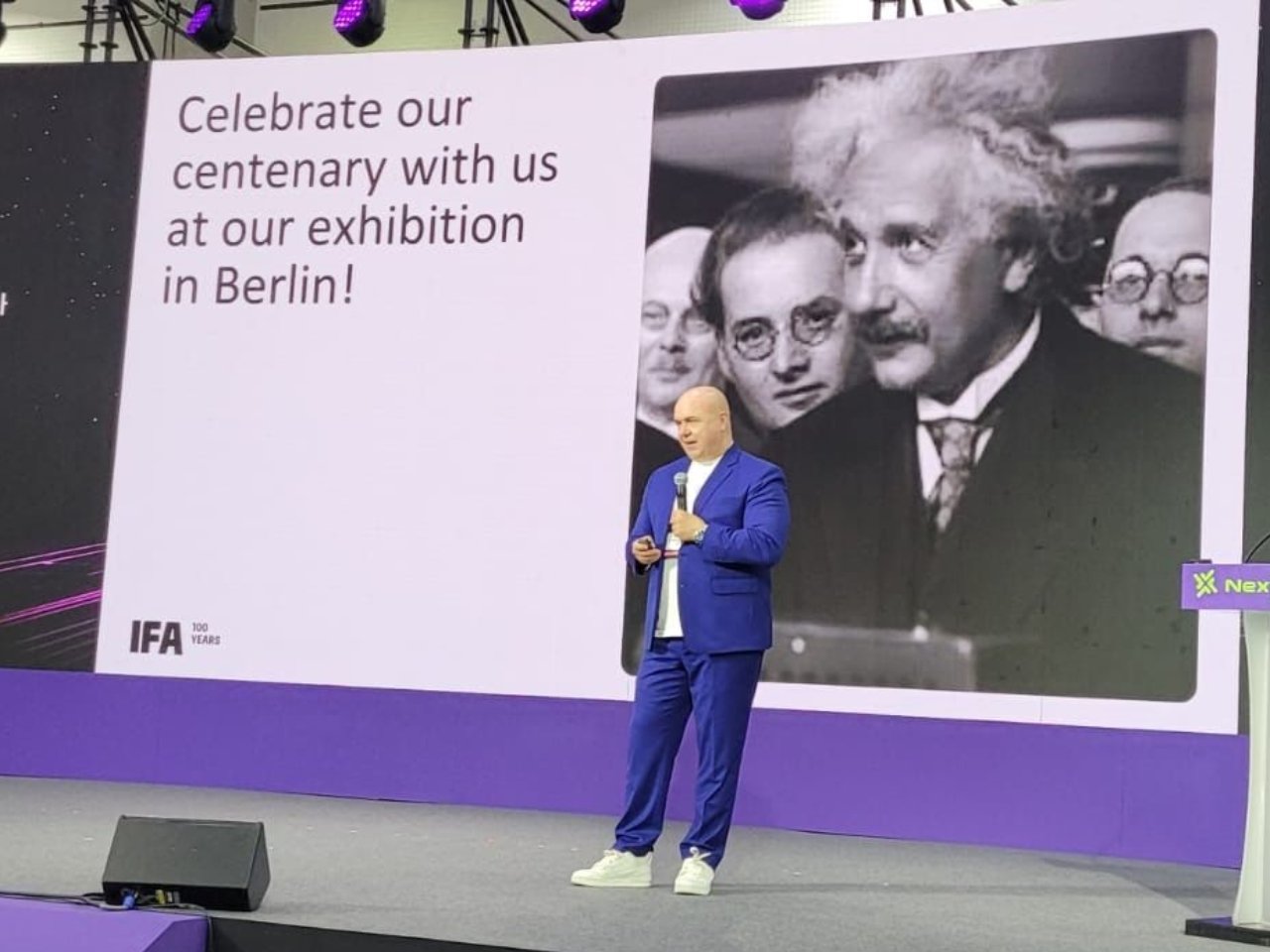
Leif Lindner speaking at NextRise2024 Coex
As IFA embarks on its second century, Leif Lindner is guiding the event into a new era where technology and culture intersect, innovation is accessible to all, and the event remains as dynamic and forward-thinking as the industry it represents. This interview offers insight into the thoughtful leadership and clear vision driving IFA forward. Lindner’s commitment to making “innovation for all” a reality ensures IFA’s position as a cornerstone of the global tech calendar, drawing both established industry giants and rising innovators. His strategic focus on inclusivity, global expansion, and cultural relevance is actively shaping IFA’s future while preserving and redefining its legacy. Under Lindner’s leadership, IFA is set to remain a leading platform where innovation meets opportunity, influencing the tech world for many years to come. Starting this Wednesday, our team will be on the ground to bring you the latest and greatest products showcasing at IFA 2024. We invite you to check back often for coverage.
ASUS unveils the ESC N8-E11 AI server with NVIDIA HGX H200, designed for heavy AI workloads, featuring advanced cooling and dual Intel Xeon processors.
Capcom has updated the mobile ports of several Resident Evil games to now require an internet connection when the apps are opened. As noted by Eurogamer, patch notes for the latest Resident Evil 7, Resident Evil 4 and Resident Evil Villageupdates read, "Due to changes to the startup process, an internet connection is now required when starting this app."
It's unclear why Capcom added this requirement, but it stinks. It prevents anyone taking a flight without Wi-Fi or those hoping to sneak in a little game time while camping in the middle of nowhere from playing any of these games on their phone or tablet. It mitigates the notion that mobile games can be played anywhere, but you can avoid the issue if you already have the games you want to play on your device and automatic updates are off.
Several commenters on a Reddit thread that flagged the change said they'd be asking for a refund. However, Capcom may not have to be too worried about having to pay back a ton of players. There are reports that the mobile versions of the three games haven't been very successful. For instance, data suggests that just 2,000 people had paid for the iOS port of Resident Evil 7 in its first two weeks.
This article originally appeared on Engadget at https://www.engadget.com/gaming/resident-evil-mobile-ports-now-require-an-online-check-in-before-you-can-play-161156065.html?src=rss
At one point in most people’s lives, they have probably played with or interacted with a Nintendo gaming device. Now what device that is is of course depends on the generation but with more than a hundred years of experience in creating games, there are a lot of things to choose from. And if you’re a die-hard fan of their various games and consoles, then you’ll want to book a ticket to what will surely be the hottest thing in town in a couple of months.
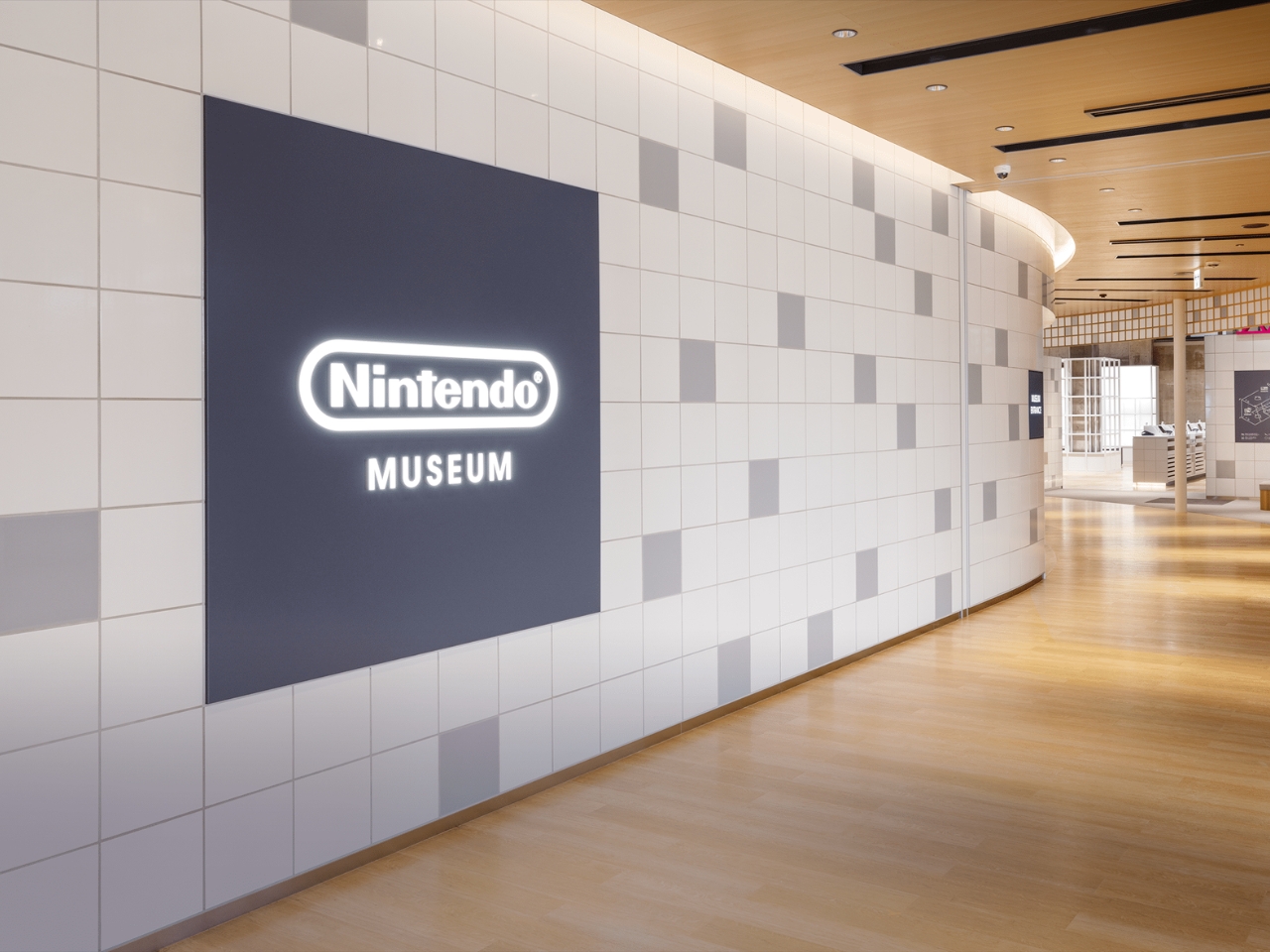
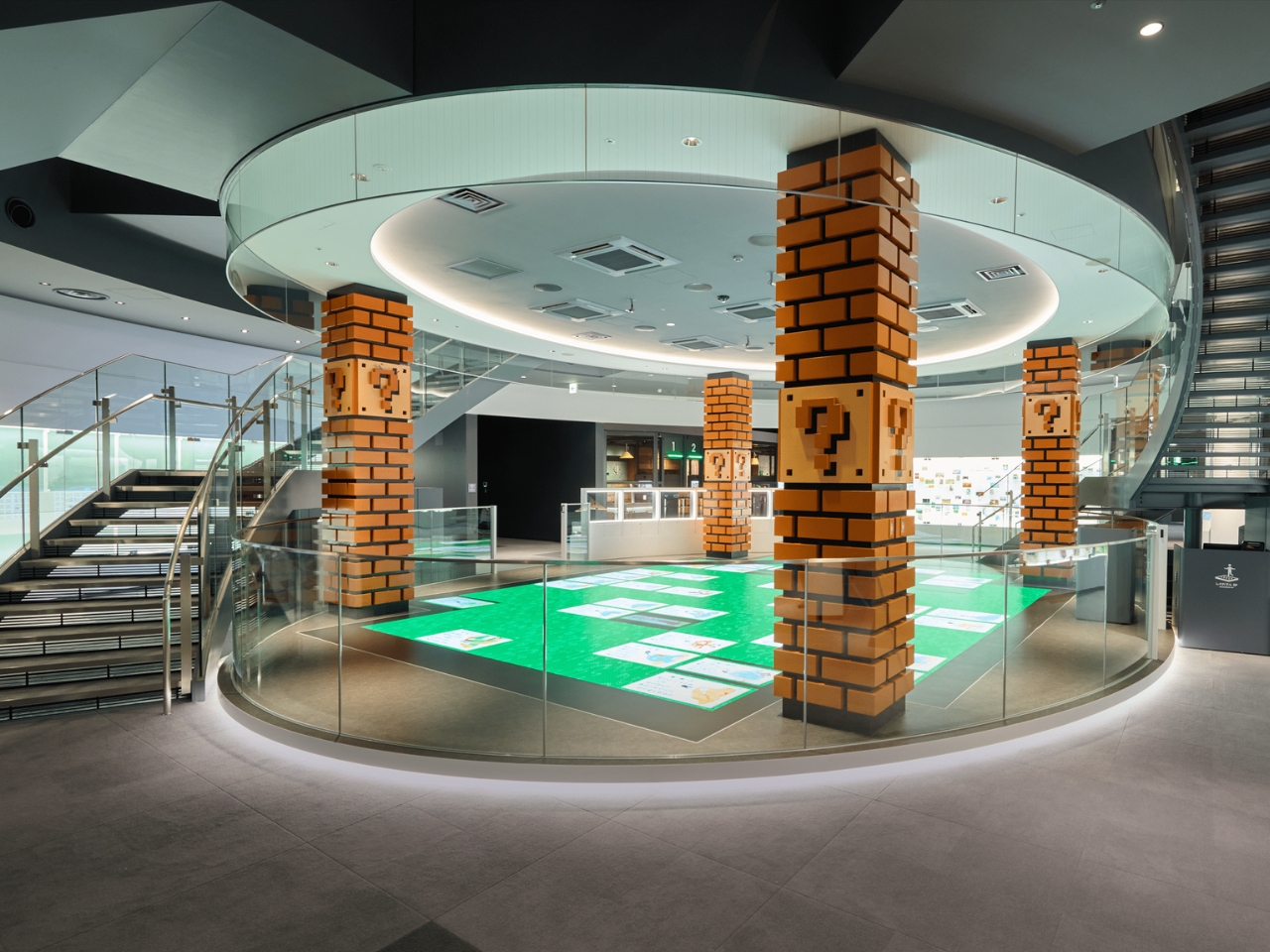
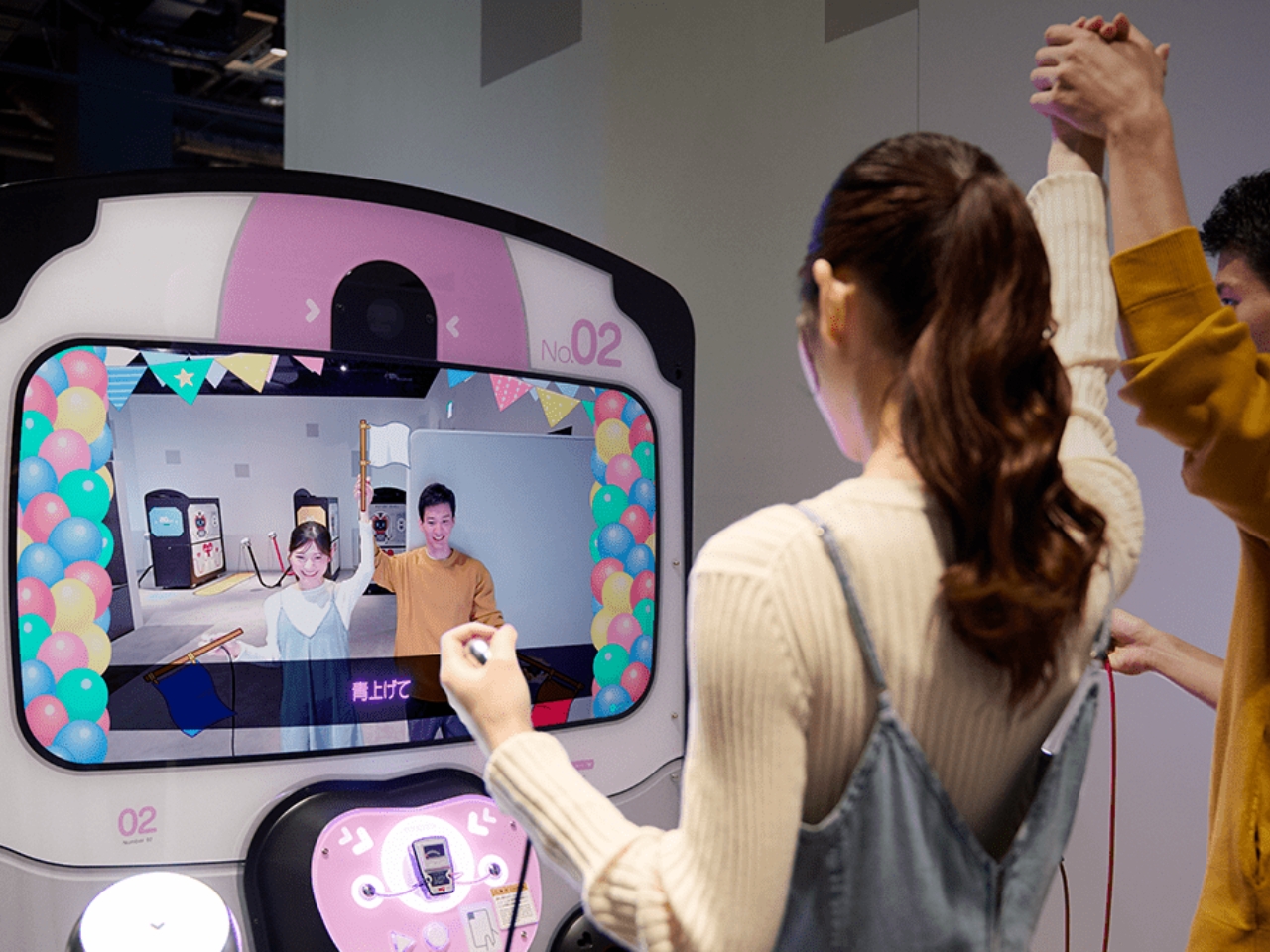
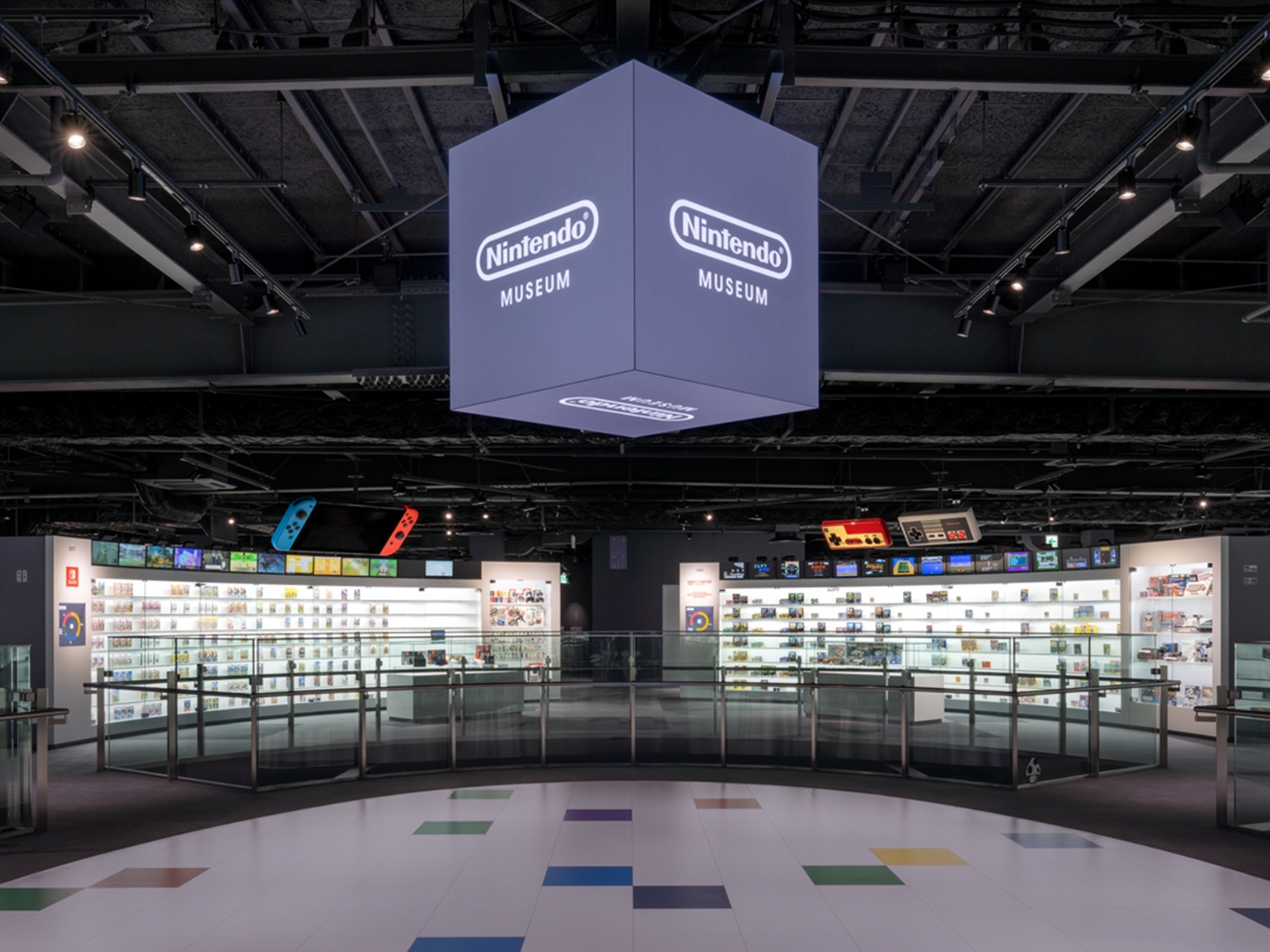
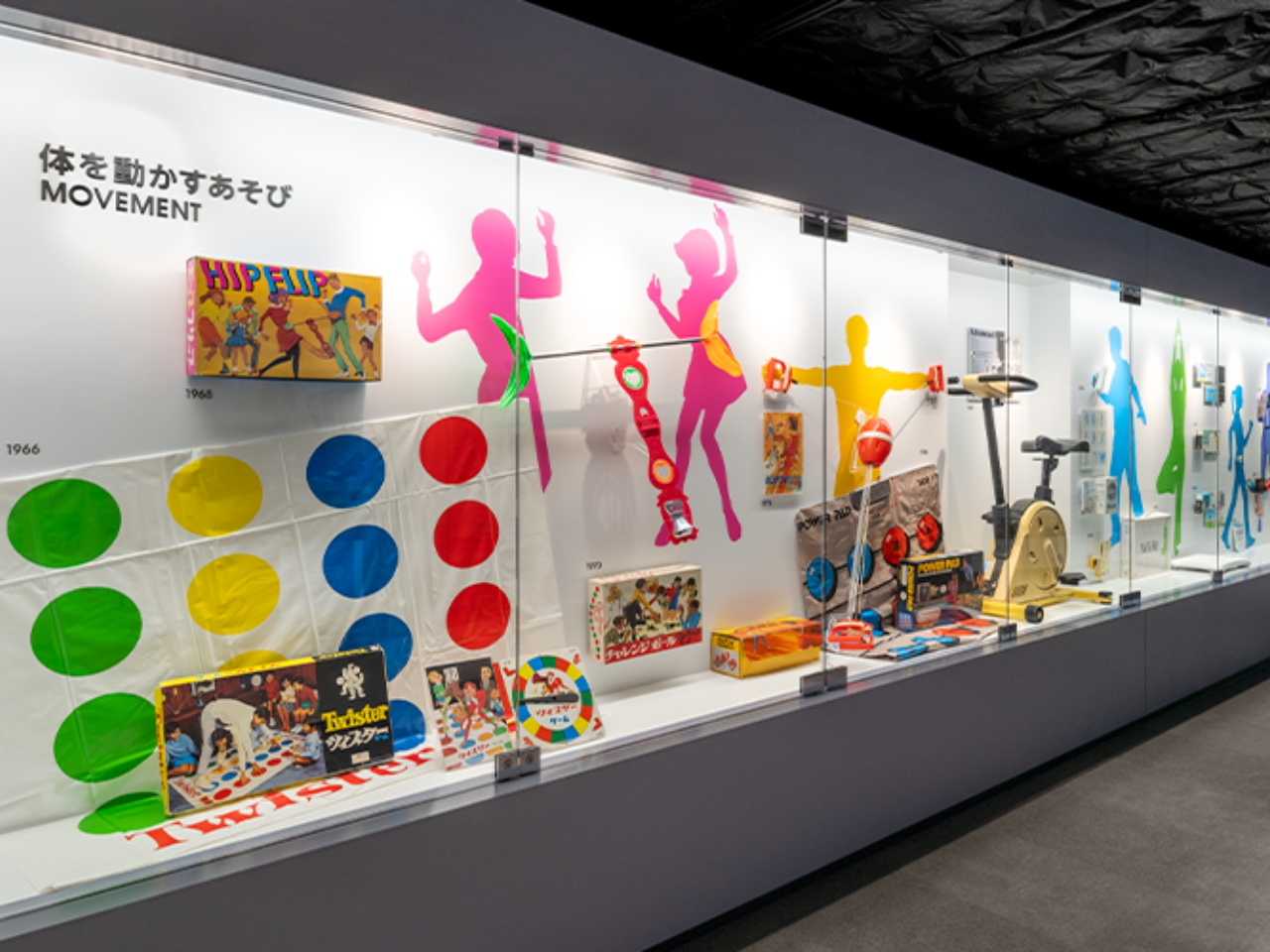
Yes, we are finally getting a Nintendo Museum opening this October and built on the very space where they started creating hanafuda playing cards in 1889. Because this company has gone through many evolutions since then, you can expect a fun and interactive history lesson spanning a century of family entertainment. There will be various exhibits as well as a cafe and of course, an extensive merchandise shop that will celebrate all kinds of games and technology. There will also be arts and crafts and workshops section where you can do things like create your own hanafuda cards.
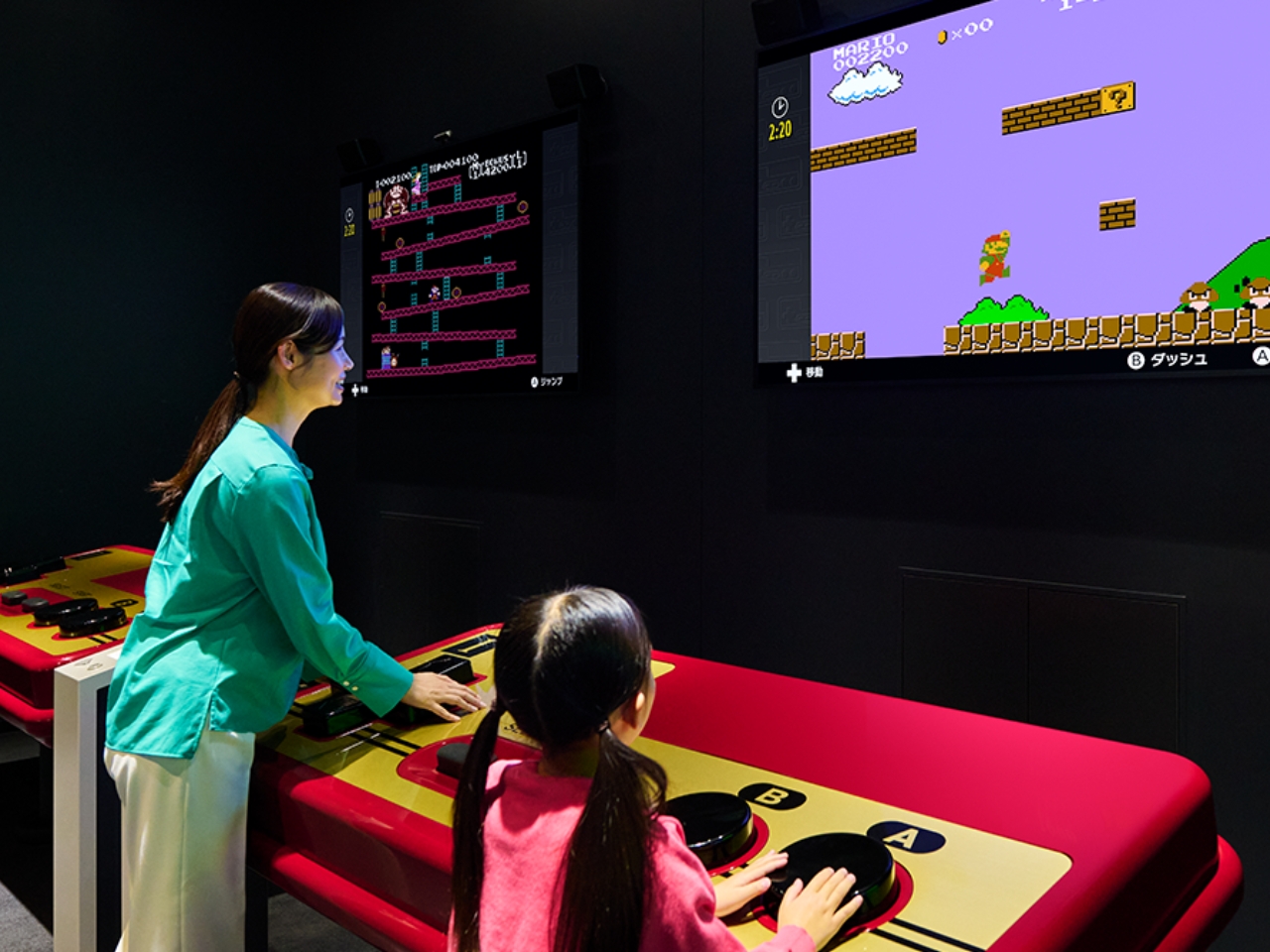
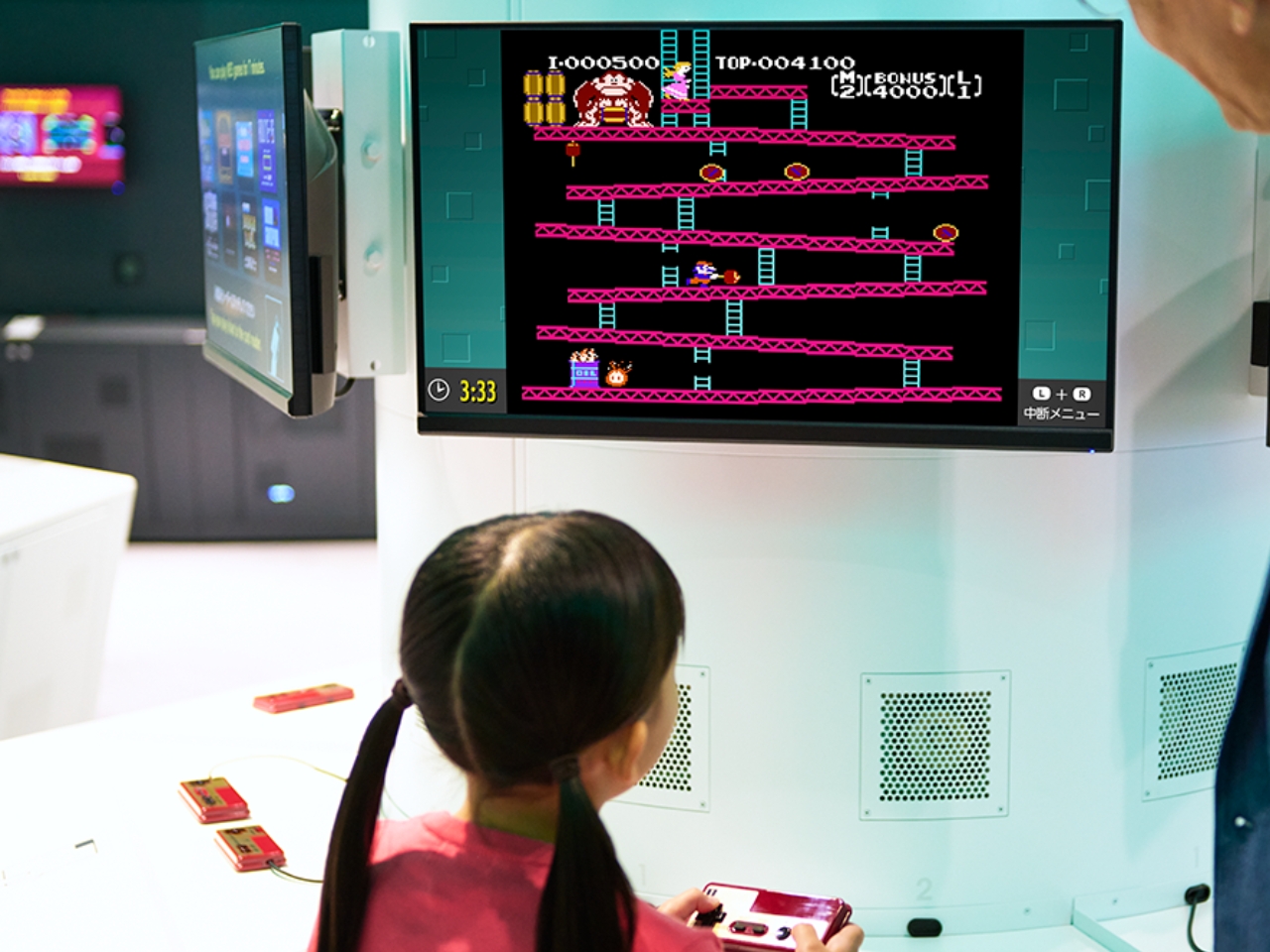
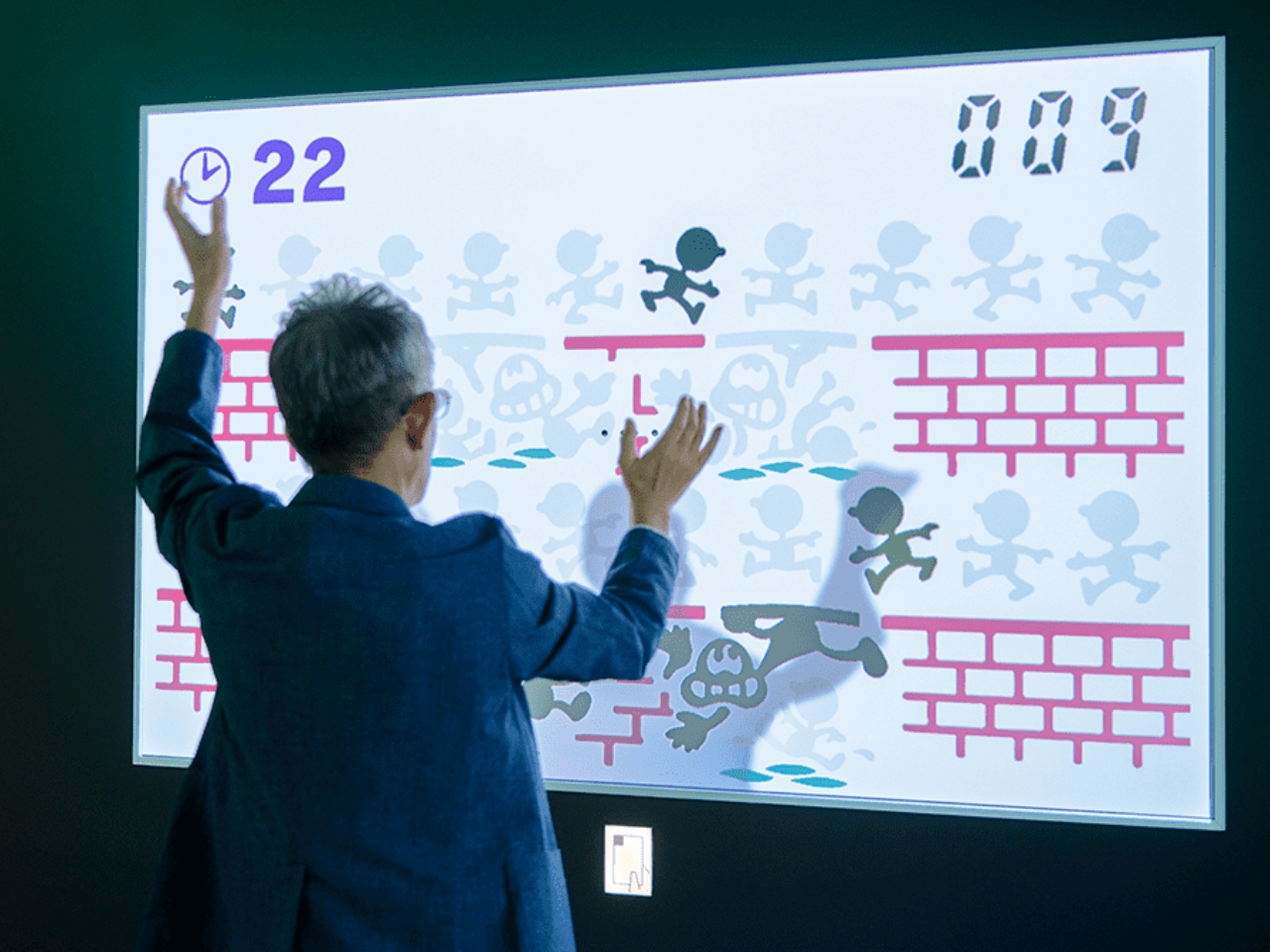
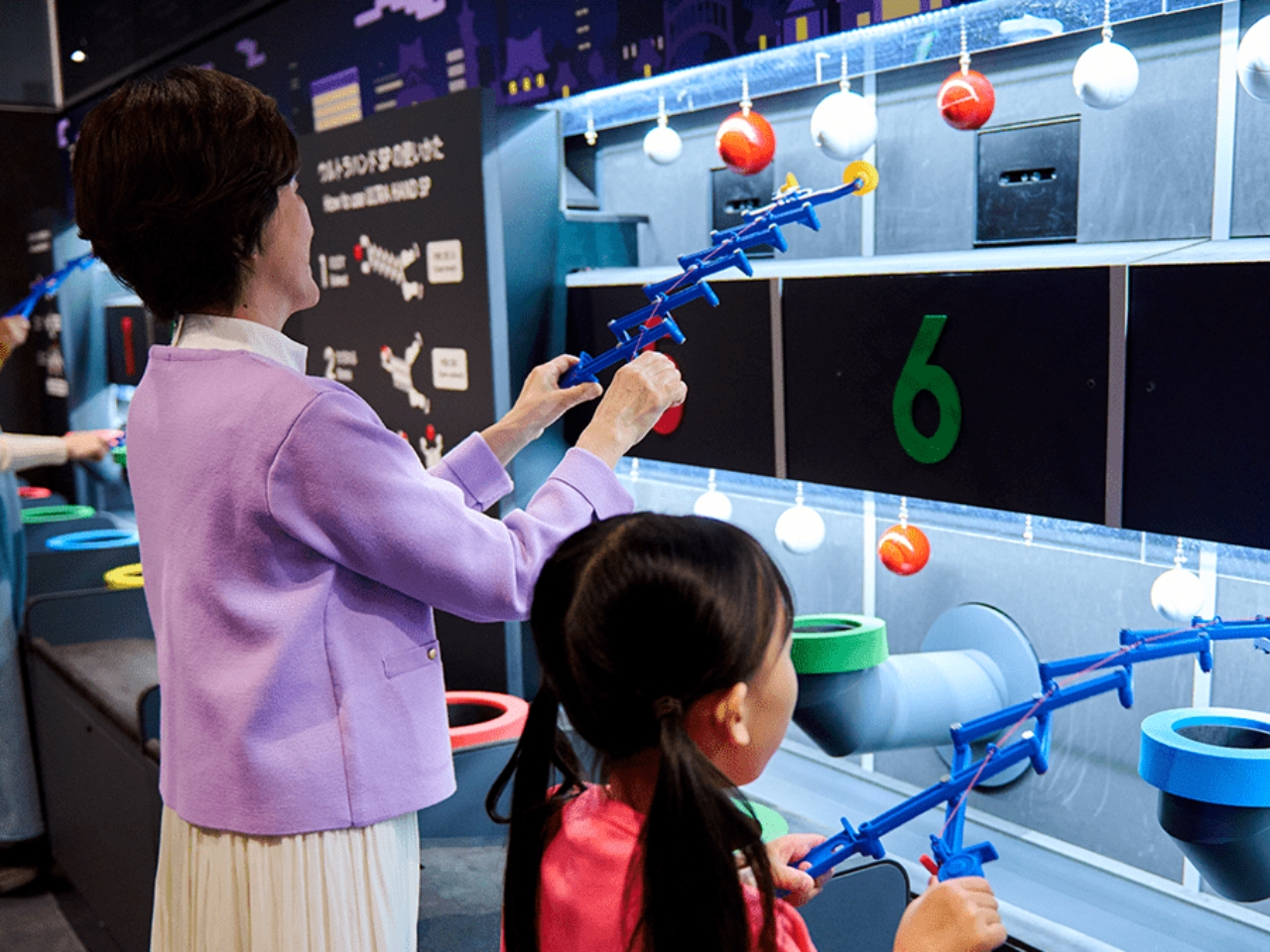
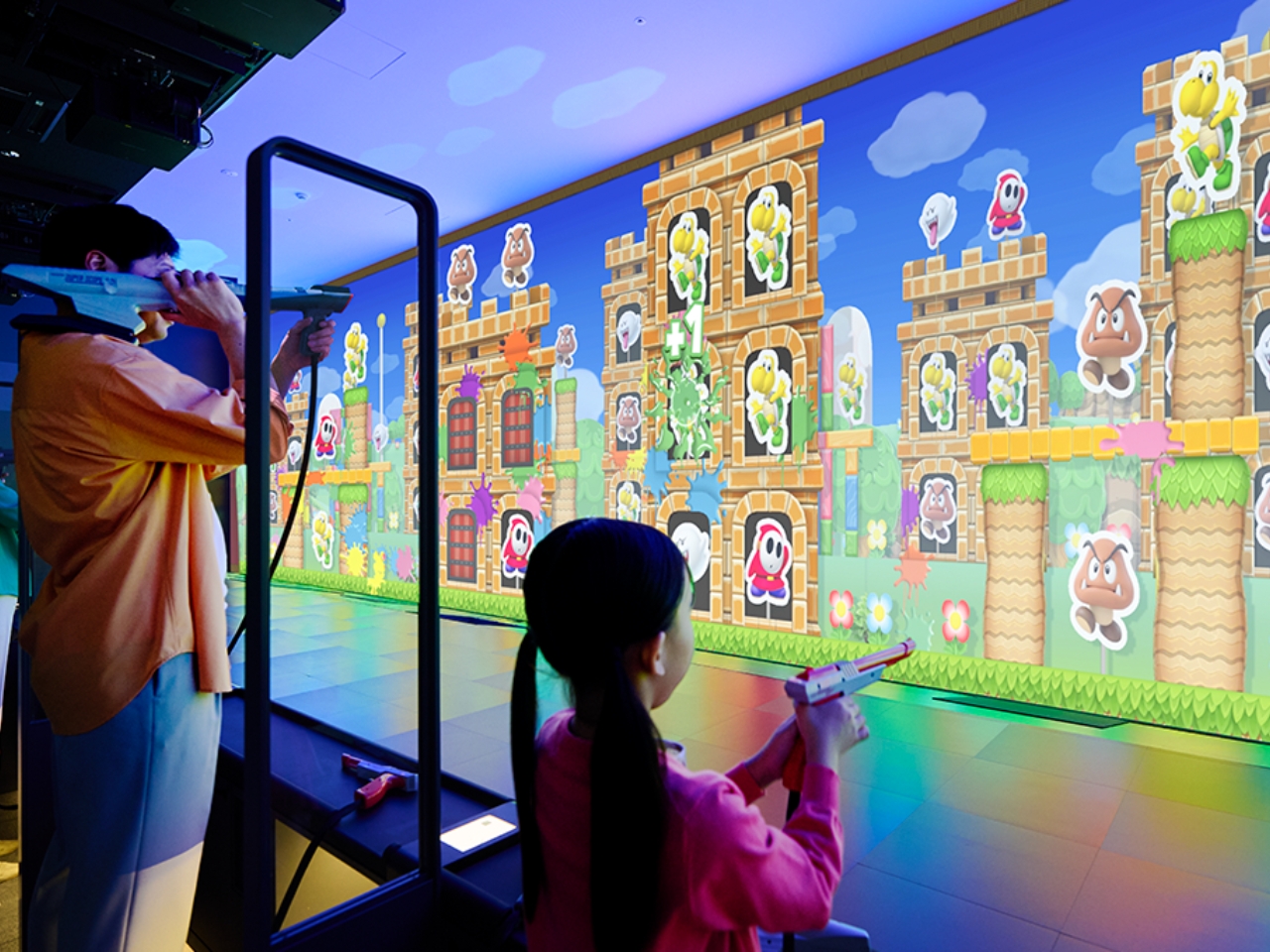
The first floor of the Exhibition Building 1 has eight interactive play experiences. Each visitor will get a card that contains ten digital coins to be able to try out the exhibits. They did not specify it but you will probably be able to top up the card if you want to try out everything. The Shigureden SP lets you explore Hyakunin Isshu poems using your smart device and viewing it on the giant screen. The Ultra Machine SP rooms lets you hit balls pitched by a machine and hit items in the room that will react. The Zapper & Scope SP gives you a shooting experience in the world of Mario while the Ultra Hand SP lets you grab balls rolling down lanes and dropping them in pipes. You can also play Nintendo games in areas like the Game & Watch SP, Nintendo Classics, and Big Controller with giant game consoles. There’s even a Love Tester SP where you can see if you and your loved one are compatible.
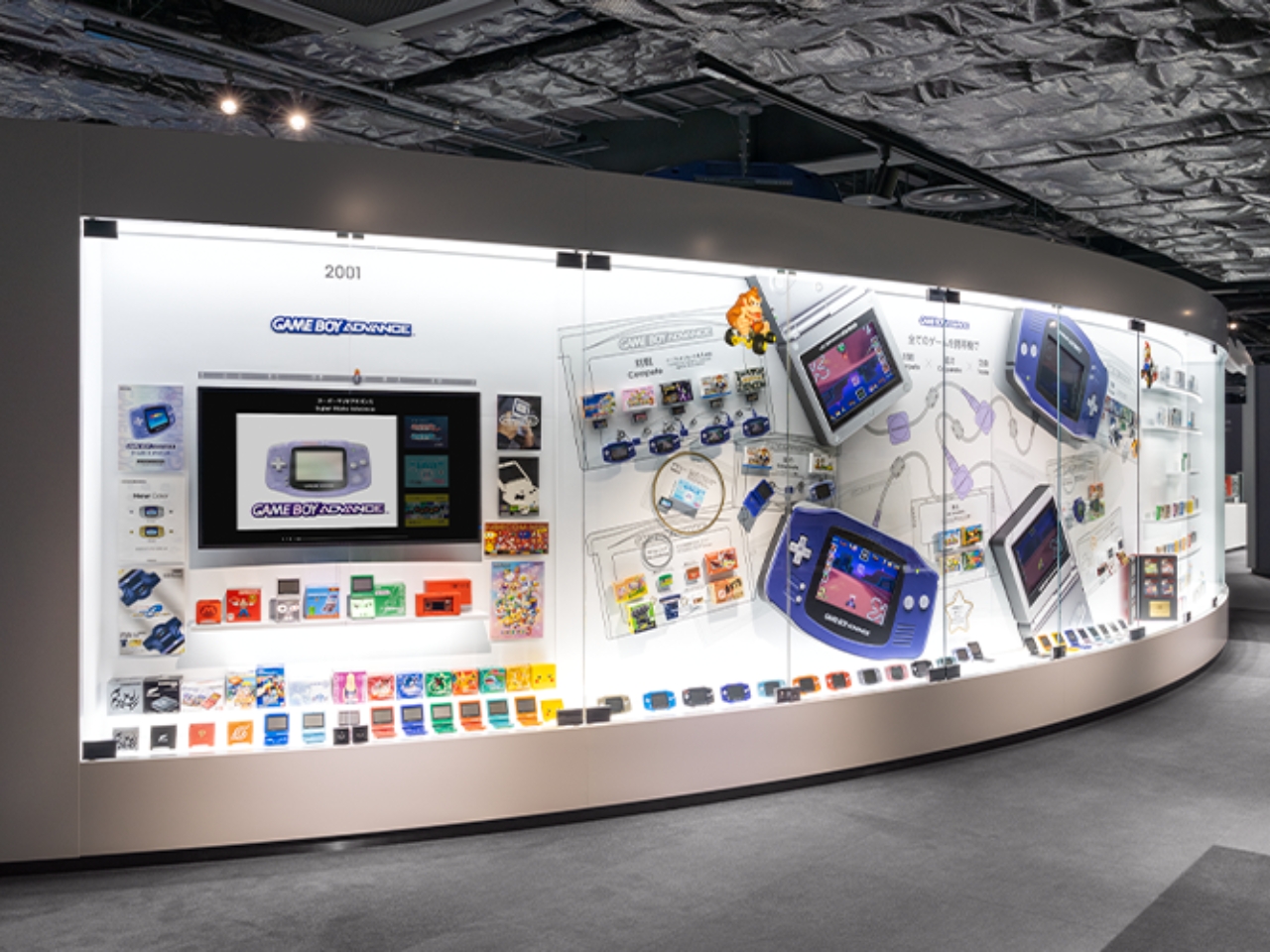
On the 2nd floor is the museum part where there are exhibits of everything that Nintendo has created throughout the years. This includes the era before they created gaming devices and it includes copying machines, baby strollers, and of course the hanafuda cards and various board games. But of course the highlight would be all the gaming consoles and games that have made them arguably the most popular entertainment company in the world. The Nintendo Museum opens in October but you can already buy your tickets, although if you’re familiar with Japan ticketing, you know that it’s via a randomly selected drawing.
Connections, the daily word game from The New York Times, isn’t exactly easy. In fact, the solve rate dips below 50 percent some days. To help highlight where players are going wrong, a new bot is employing AI to guess the thought process they’re using for the most common mistakes every day.
For the uninitiated, Connections is a word/logic game that the paper of record debuted last year. Every day, you're presented with a grid of 16 words that you have to split into four categories. There’s only one solution and after four mistakes, the game is over. However, there’s some trickiness afoot. There are often red herrings galore and frequently at least five viable answers for a group.
After you win or lose each day’s game, you can saunter over to the Connections Bot. As with the bot for Wordle, you’ll see how well you did compared with other players and receive a skill score out of 99. This is primarily based on how few mistakes you make, but you’ll get extra credit for solving the more difficult purple and blue categories first.
After you see the skill score and other details (such as whether a red herring caught you out), the AI feature comes into play. This will highlight the most common incorrect guesses from that day. It will also try to guess a description for the group that players had in mind. So, for a failed guess of gutter, bowl, alley and lane, the bot might believe you were looking for a list of bowling-related terms. This is a real example from a recent game in which I made that exact mistake. Alley and lane were actually types of streets.
New York Times
Your own failed guesses might not show up in the bot, though. That’s because there are around 2.6 million different ways to group each grid together. Bear in mind that while you don’t need a Times account to play Connections, you’ll need to be logged into one to use the bot and track your scores.
One other interesting thing about the bot is that it marks the first time that the Times’ newsroom will regularly publish AI-generated English text. Before publication, the paper’s editors will review all AI-generated responses and may edit them for style and clarity. That said, the Times notes that “there’s no way to use math or even artificial intelligence to reliably solve the game,” so you can’t really use the likes of ChatGPT to cheat at it quite yet.
This article originally appeared on Engadget at https://www.engadget.com/gaming/nyt-connections-bot-uses-ai-to-highlight-each-days-top-mistakes-145242525.html?src=rss
Apple is set to release the highly anticipated AirPods Pro 3 in September 2025, bringing a host of exciting design changes and technological upgrades to the popular wireless earbud lineup. With a new design, advanced features, and improved performance, the AirPods Pro 3 are poised to transform the way you listen to music and interact […]