This Designer Just Made a Lamp You Pump Up Like a Bike Tire

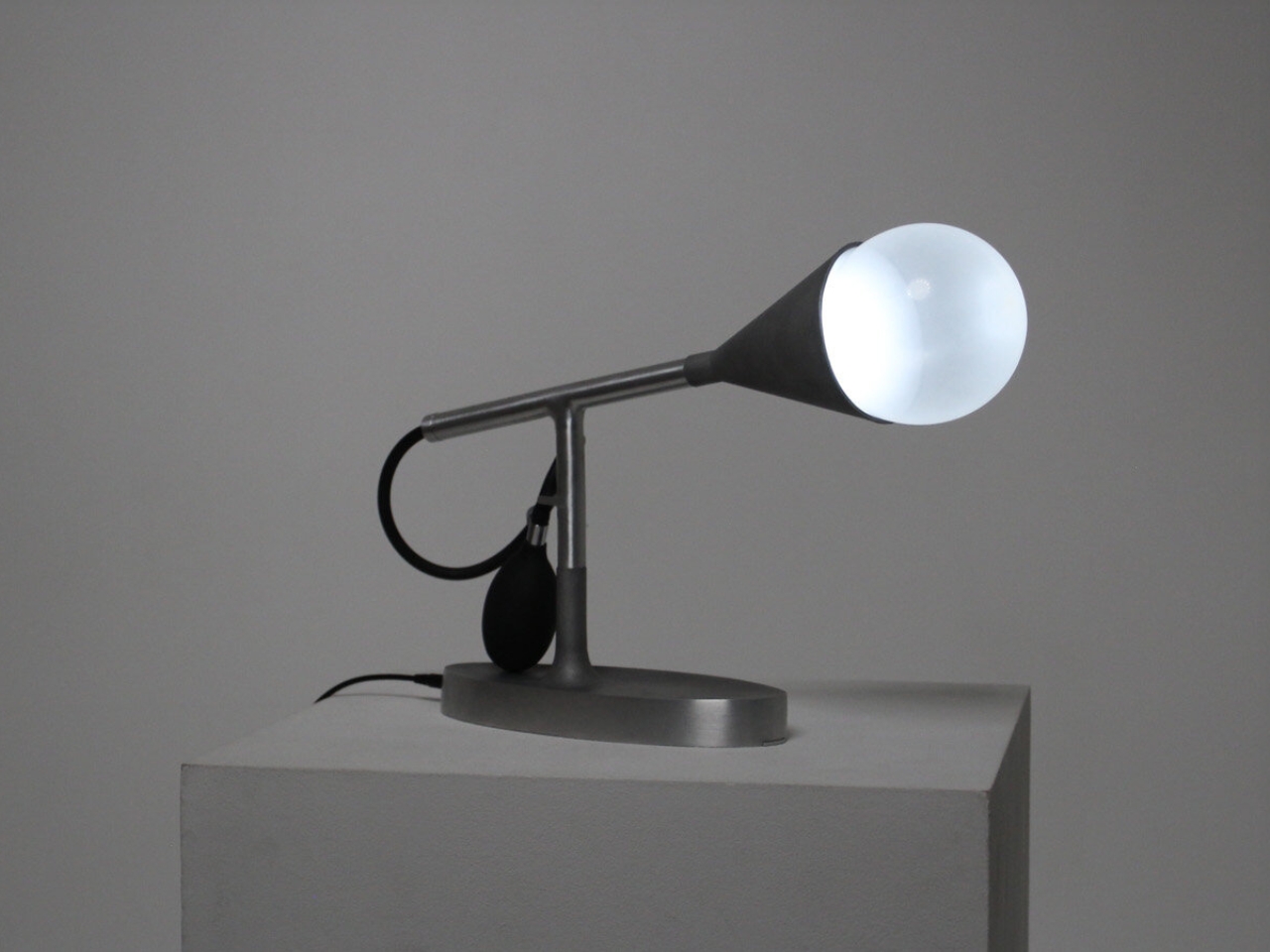
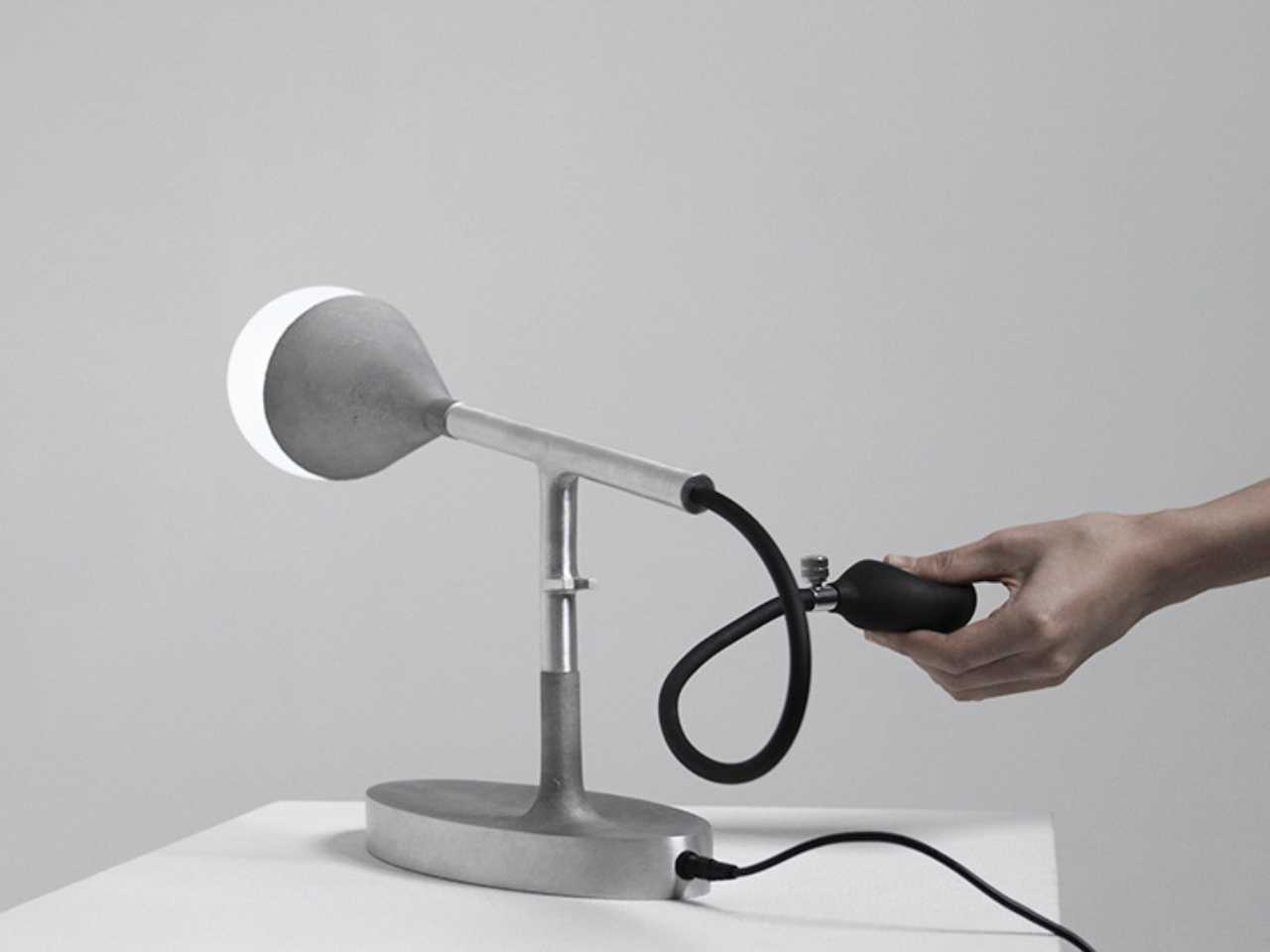
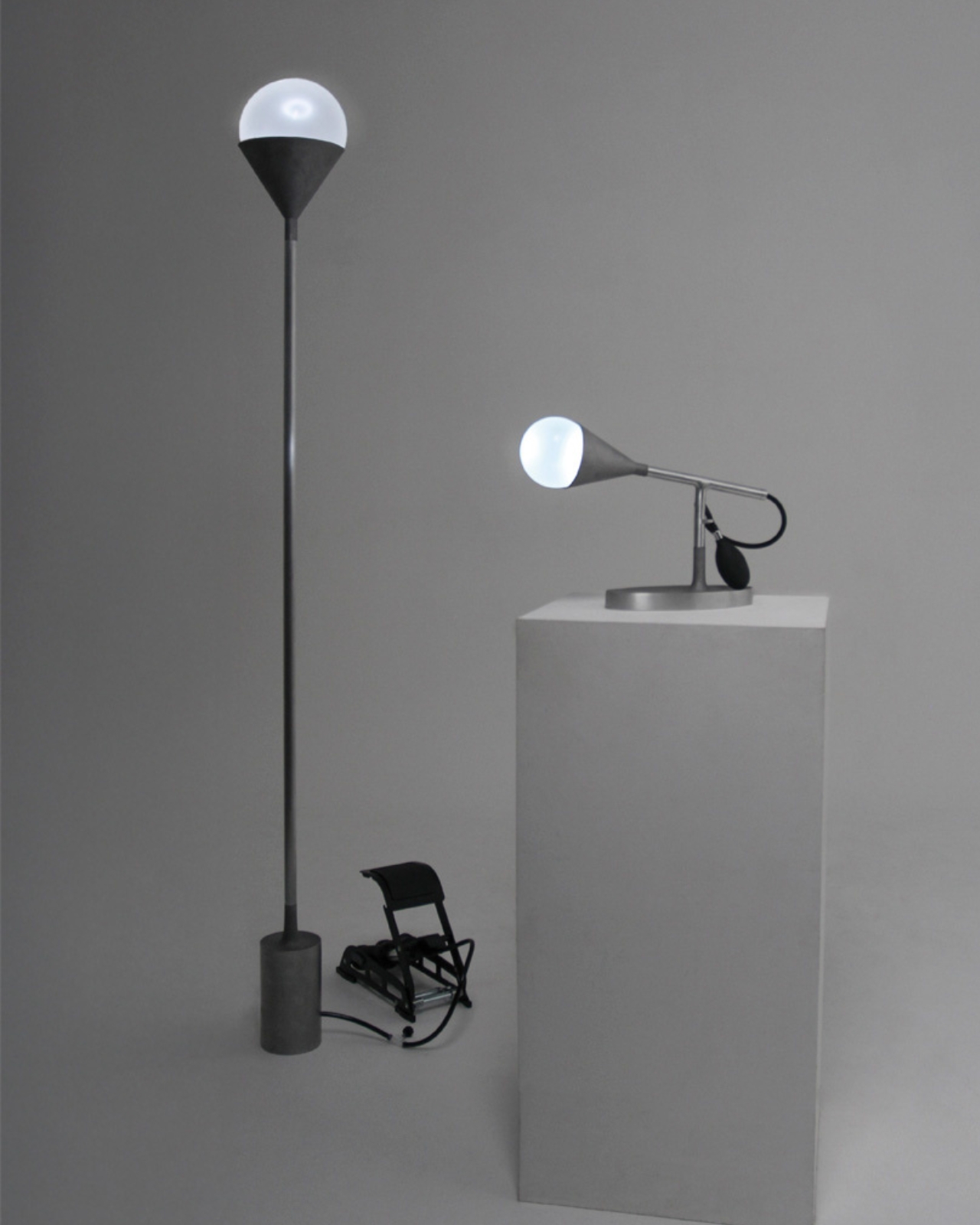
Picture this: a lamp that literally grows before your eyes, expanding and glowing brighter as you pump air into it like you’re inflating a bicycle tire. It sounds like something out of a science fiction movie, but it’s very real, and it’s called Blow. Designer Jung Kiryeon has created something that makes you rethink what a lamp can be, and honestly, it’s kind of mesmerizing.‎

The Blow lighting series isn’t your typical flip-a-switch-and-forget-it situation. Instead, these interactive lamps require you to physically engage with them using a hand pump. As you pump air into the structure, the lamp inflates and the light gets brighter. The more pressure you add, the more the lamp expands, creating this beautiful visual transformation right in front of you. It’s functional art that responds to your actions in real time.‎

Designer: Jung Kiryeon

Aside from just the cool factor of an inflating lamp, the design actually has a deeper meaning. Jung Kiryeon designed Blow as an exploration of anxiety, specifically the kind that builds up when you’re navigating unfamiliar territory or dealing with negative feedback loops. Instead of treating these uncomfortable feelings as something to push away, the designer examined how they progress and found a way to express them through light, volume, and material.‎

The result is a lamp that actually embodies emotional tension. Think about it: when you’re anxious, that feeling builds and expands inside you. With Blow, you’re literally pumping pressure into a structure, watching it swell and brighten. It’s a physical manifestation of an internal state, transforming something invisible and abstract into something you can see, touch, and control. There’s something oddly satisfying about externalizing that feeling, making it tangible.
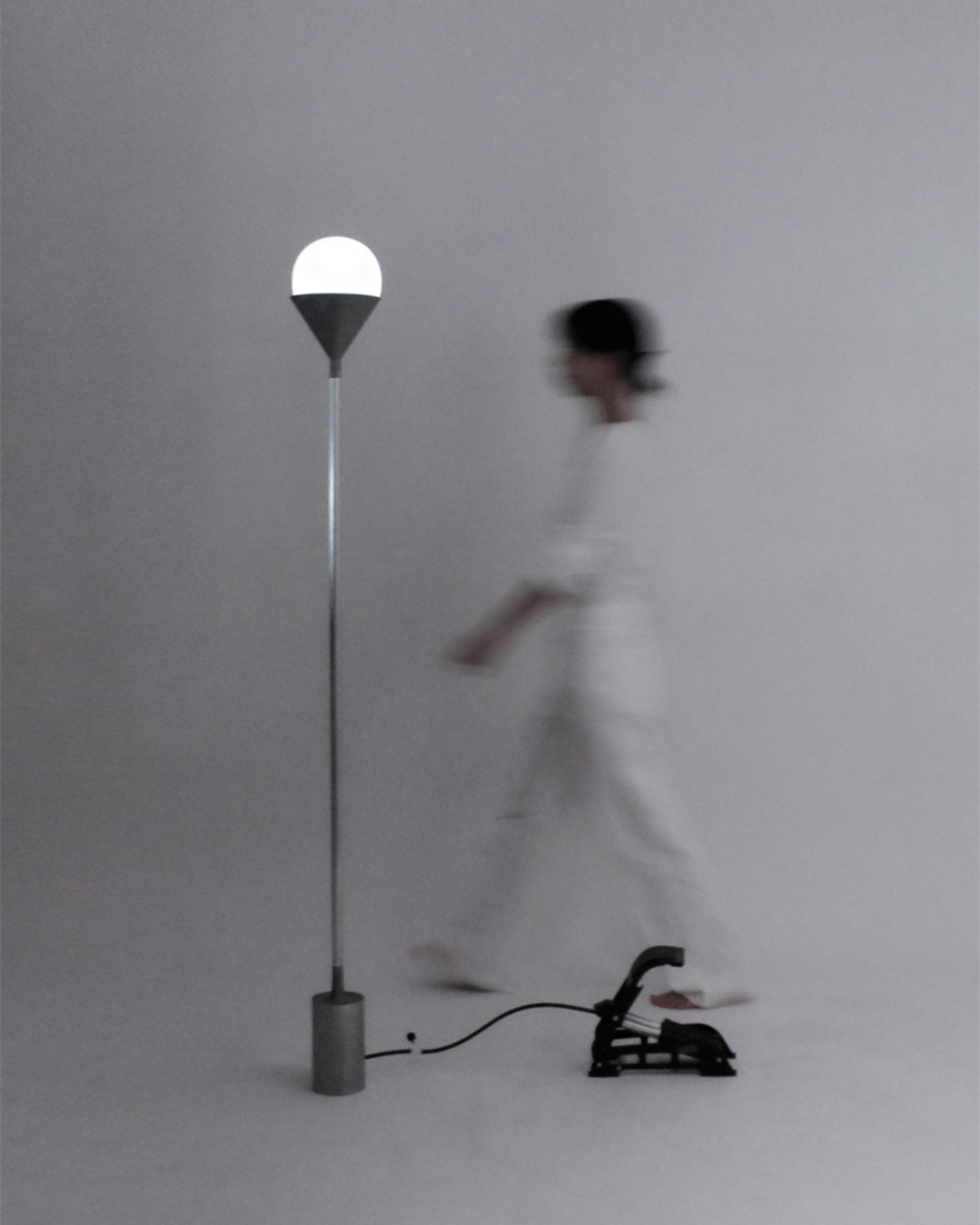
The series includes two pieces, Blow 01 and Blow 02, and each one only comes alive through user interaction.‎ You’re not just passively consuming light; you’re actively participating in creating it. This shifts the relationship between person and object from passive to collaborative. The lamp needs you, and in a weird way, you might need it too, especially if you’re looking for a tactile way to process stress or tension.
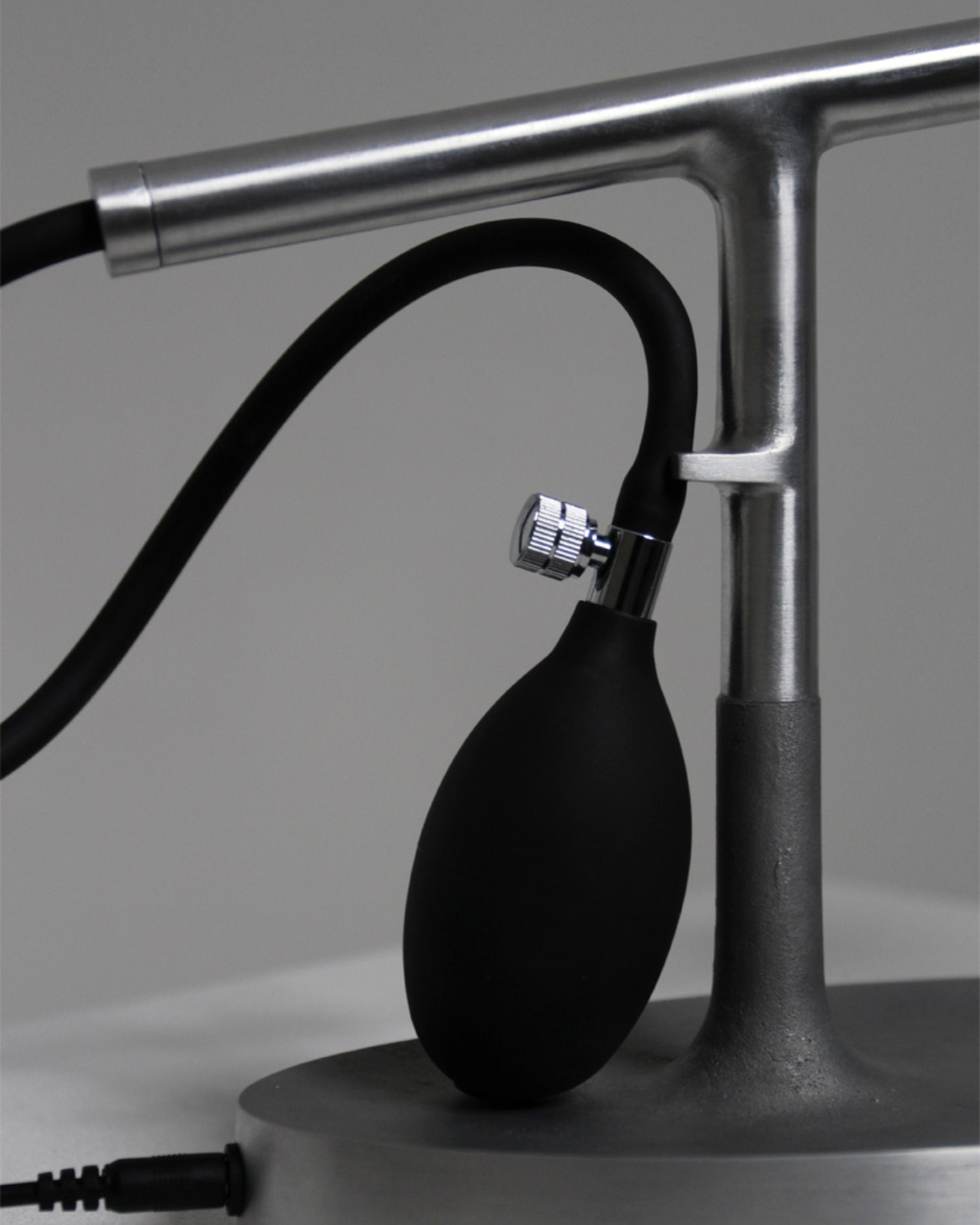
From a design perspective, Blow sits at this fascinating intersection of product design, emotional wellness, and interactive art. It challenges our expectations about how everyday objects should behave. Most lighting is static: you turn it on, it provides light, end of story. But what if your lamp could be a ritual, a moment of mindfulness, or even a form of stress relief? What if the act of turning on a light could be meditative rather than automatic?
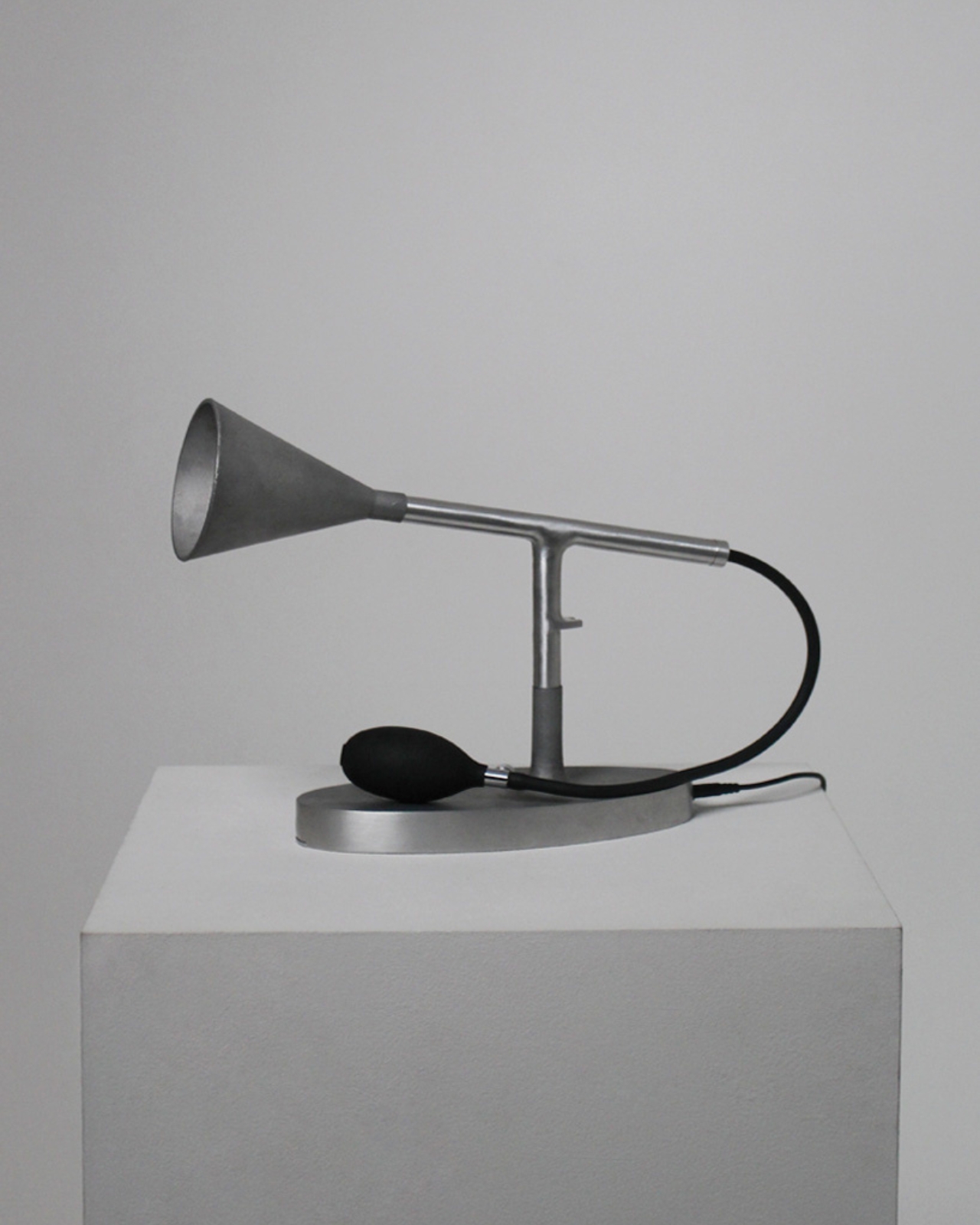
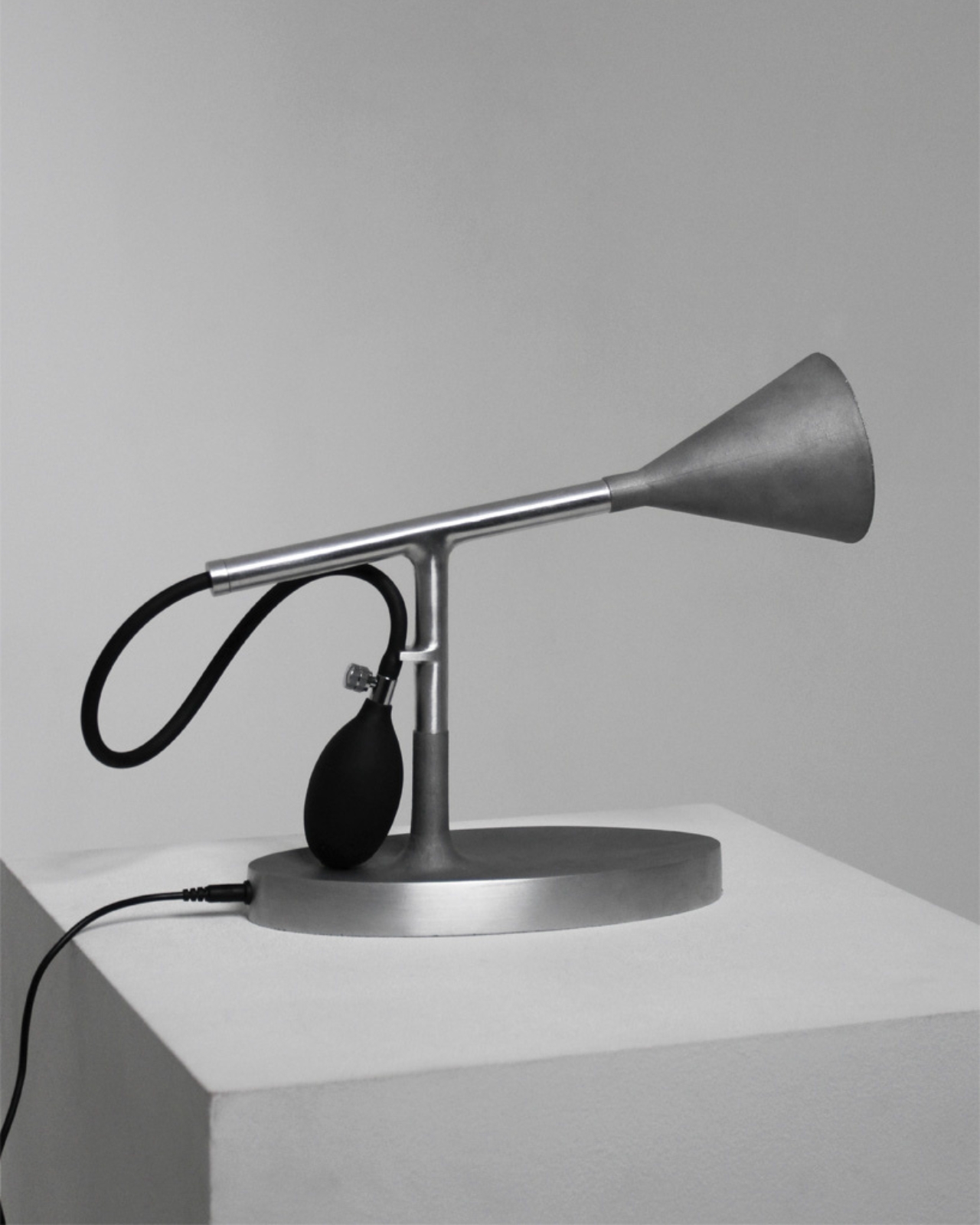
The materials and mechanics behind Blow are also intriguing. The inflatable structure likely uses flexible, durable materials that can withstand repeated expansion and contraction. The integration of lighting with air pressure mechanics requires careful engineering to ensure the light intensifies as the form expands. It’s a technical achievement wrapped in conceptual design. And let’s talk about aesthetics. There’s something undeniably captivating about watching an object transform. The visual language of expansion, the way light diffuses through the inflated material, the organic shapes that emerge as air fills the structure… it all creates a dynamic viewing experience. It’s the kind of thing that would absolutely become a conversation starter in any space.
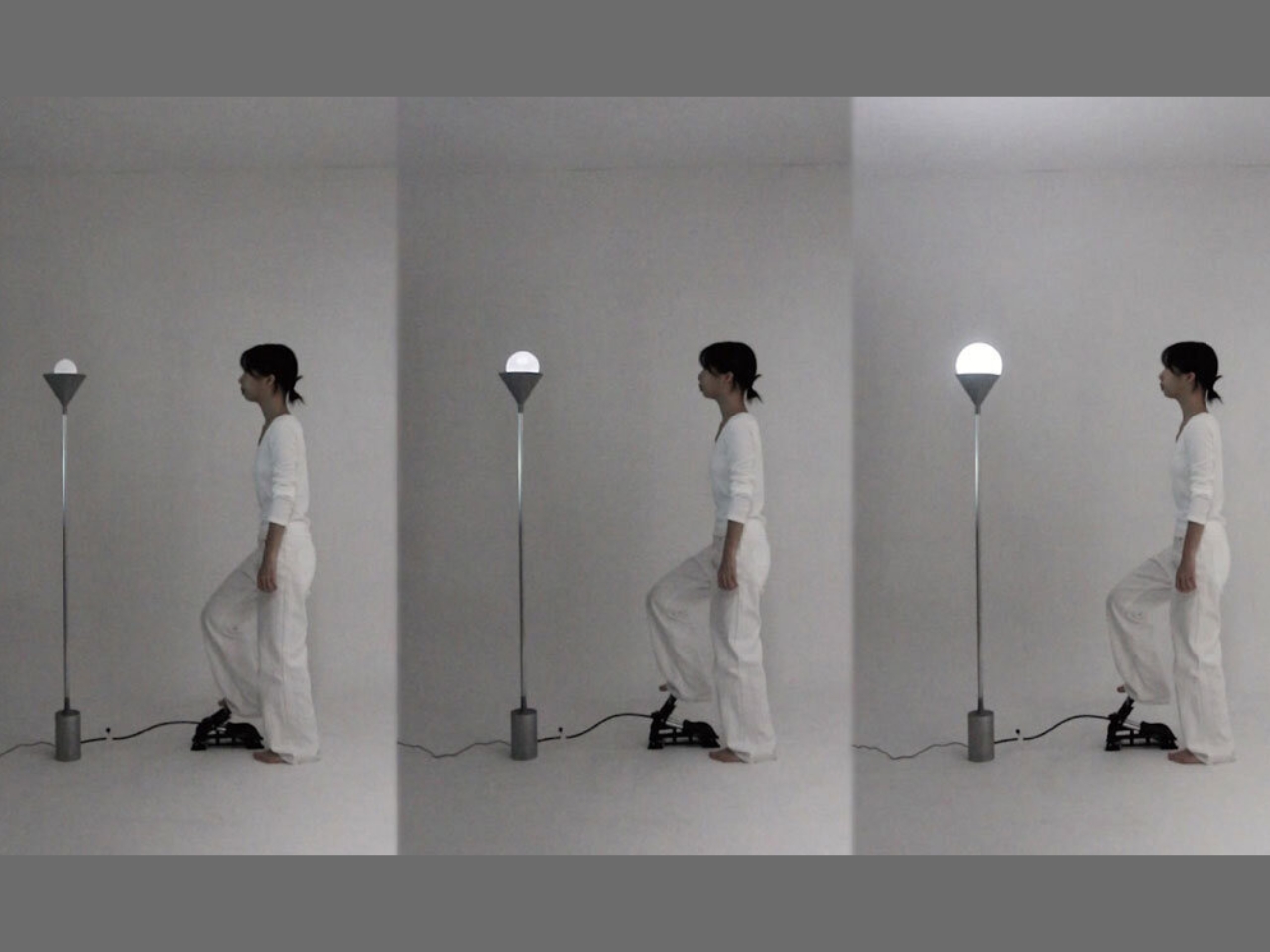
Blow also taps into our growing interest in experiential design. We’re living in an era where people value experiences and interactions, not just static possessions. This lamp offers both utility and experience. It’s not just about illumination; it’s about the journey of creating that light, the physical effort, the visual reward. Jung Kiryeon’s work reminds us that design can be more than problem-solving or aesthetics. It can be a language for expressing complex emotional states, a way to make the invisible visible. In our increasingly digital world, where so much of what we experience is intangible, there’s something refreshing about a physical object that demands your participation and responds to your input in such an immediate, visceral way.
The post This Designer Just Made a Lamp You Pump Up Like a Bike Tire first appeared on Yanko Design.
The Huawei X3 Pro Wi-Fi Router Is What Happens When a Mesh Router Meets a Lava Lamp

Not many people know this, but there is a wall filled with lava lamps in San Francisco that helps keep our internet secure. Cloudflare’s office lobby has a “Wall of Entropy,” a bank of about 100 lava lamps whose constantly shifting, gooey patterns are filmed by a camera. The video feed is converted into a stream of unpredictable, random bytes that helps create cryptographic keys to encrypt a significant chunk of the world’s web traffic. It is a brilliant, whimsical solution to a serious digital problem and perhaps the first instance of a piece of home decor serving a grander purpose in our connected world. Huawei’s new X3 Pro, a sculptural tabletop mesh router that looks like a tiny, self-contained icy mountain, might just be the second.

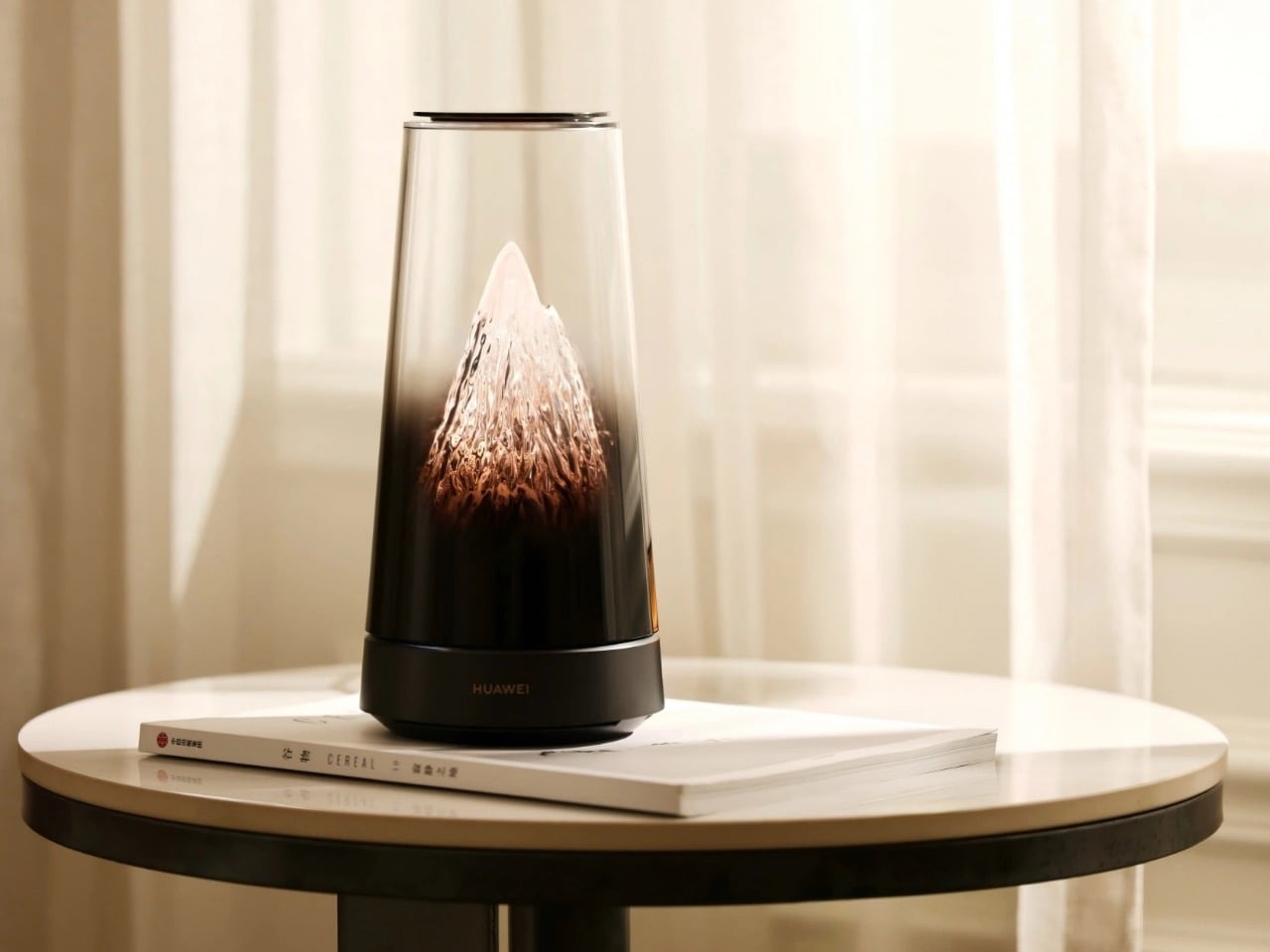
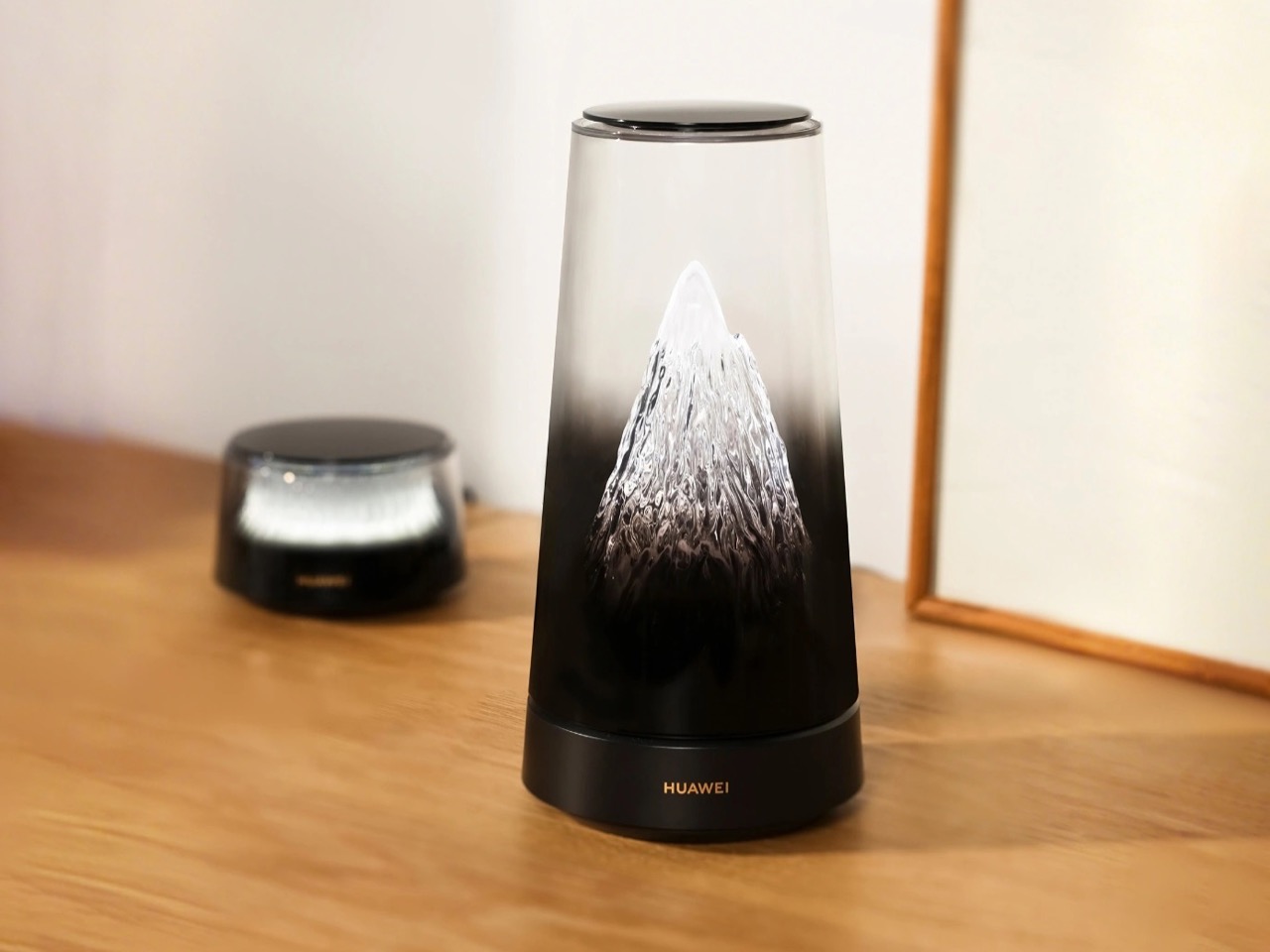
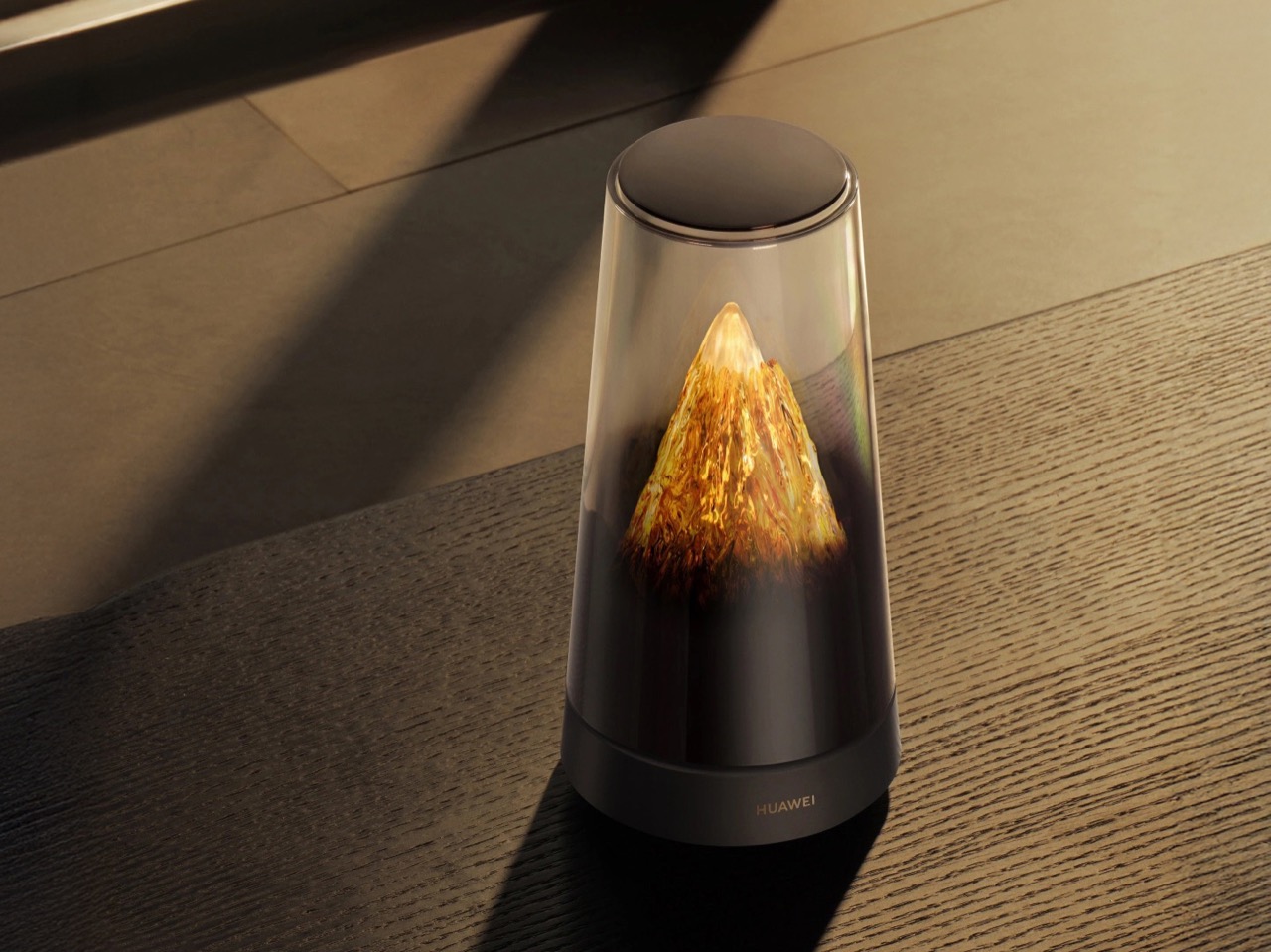
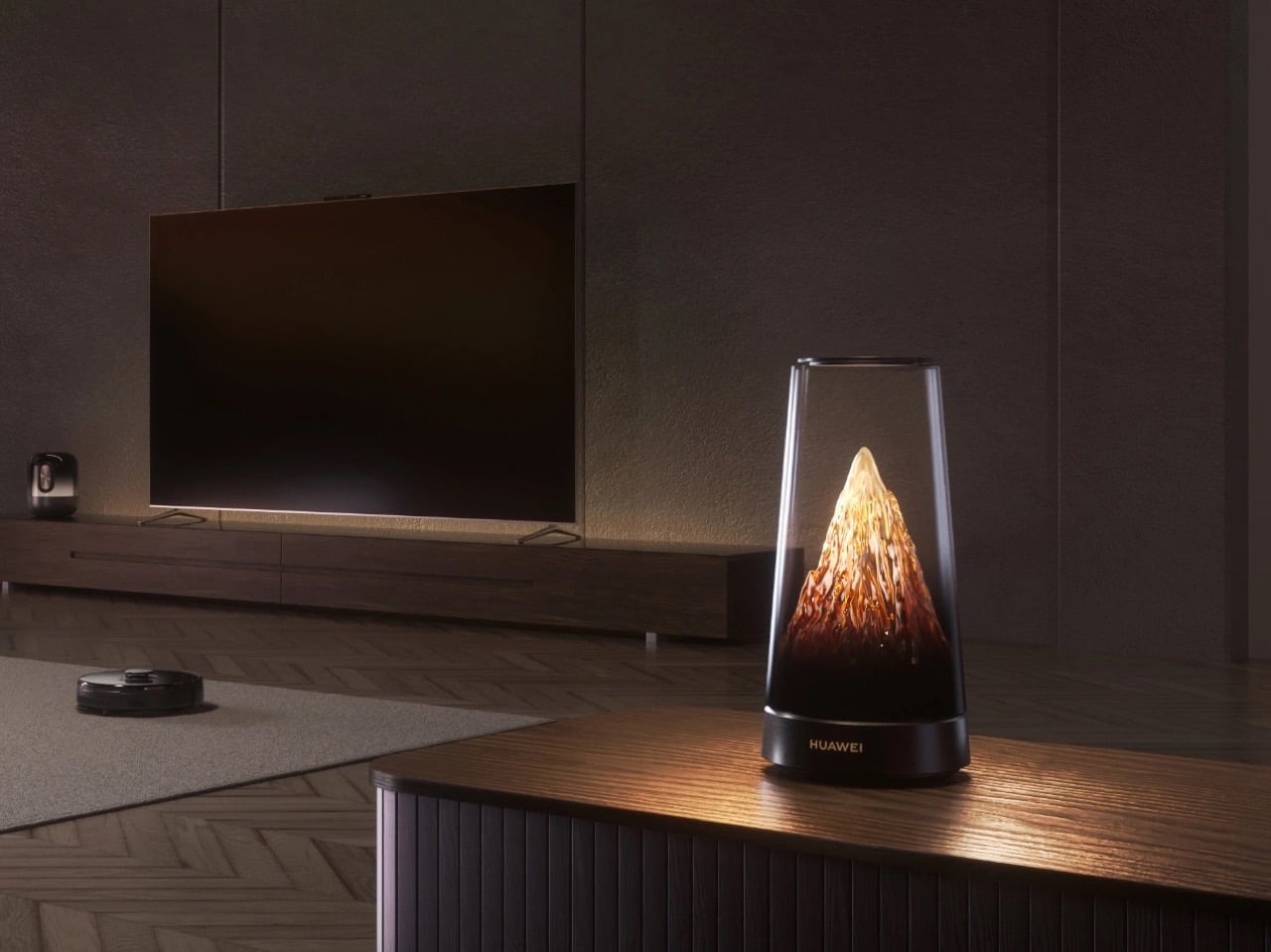
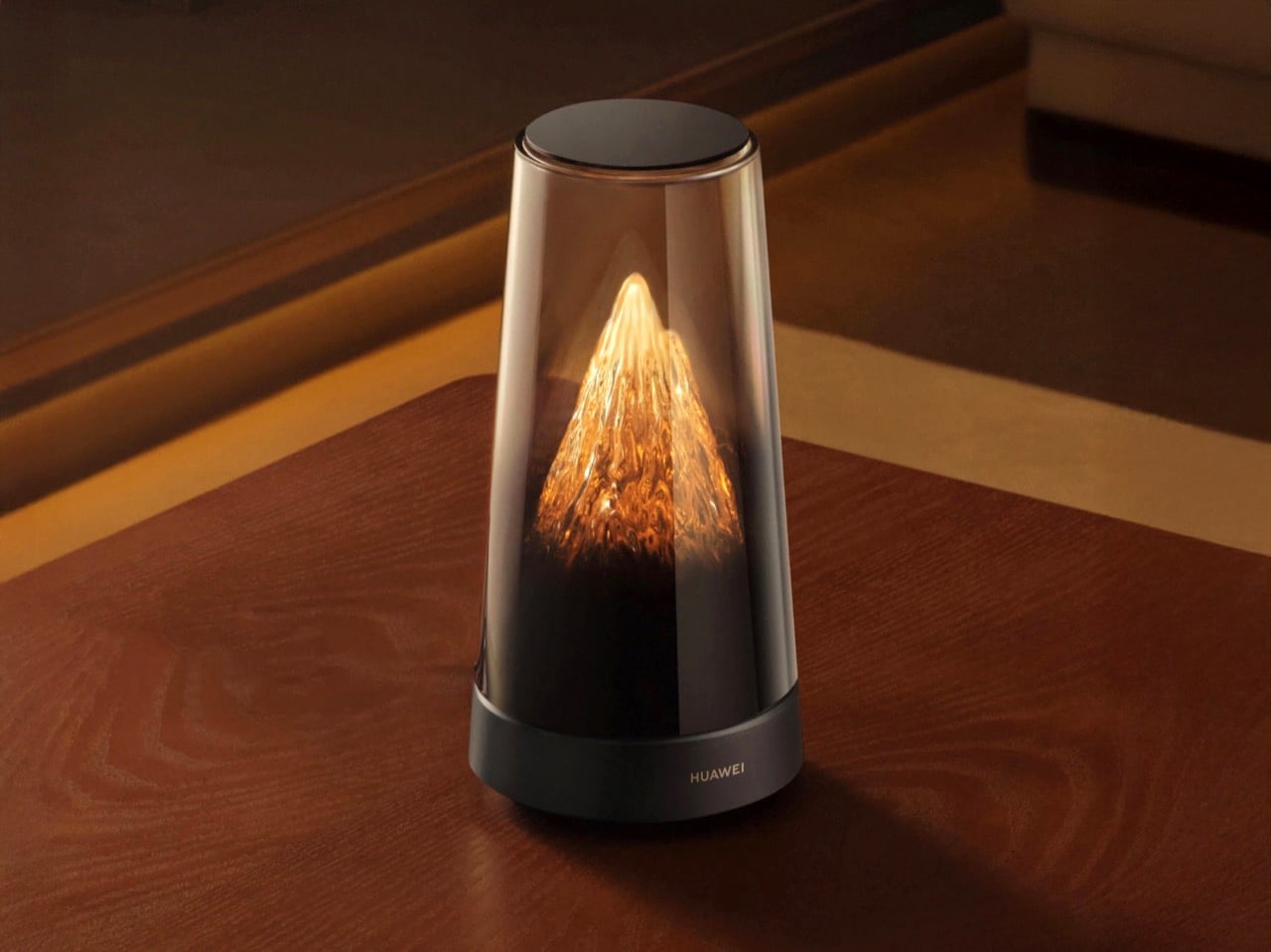
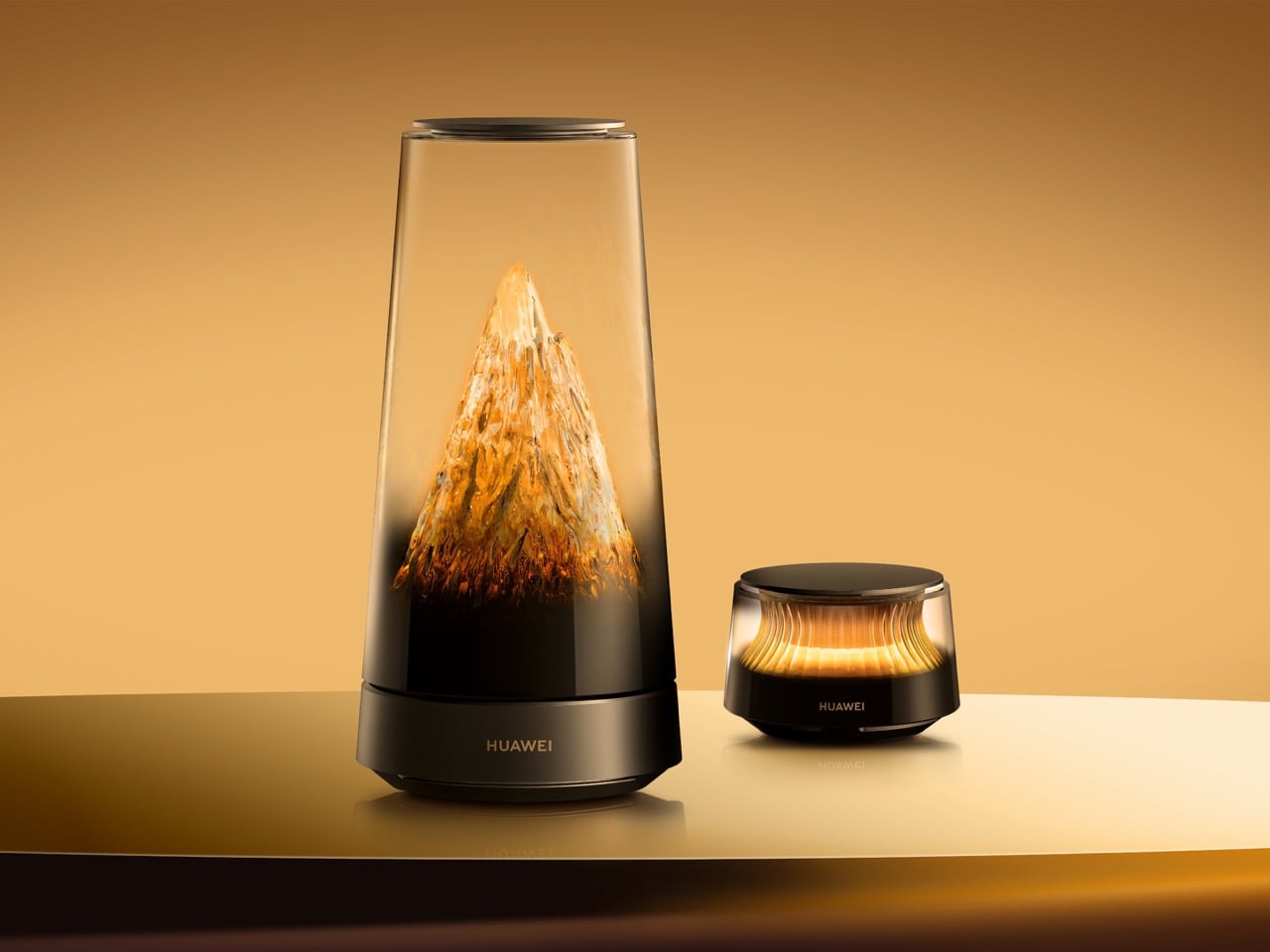
For years, the router has been the ugliest, most unloved piece of tech in the house. A black or white plastic box bristling with spidery antennas and blinking lights, it is the sort of device you shove behind a bookshelf or a plant, hoping no one notices it. The irony, of course, is that the best place for a router is out in the open, where its signal can propagate freely. Huawei seems to have taken this problem to heart, deciding that if a router has to be visible, it might as well be beautiful. The X3 Pro is the result: a tall, translucent cone that houses a textured, mountain-like sculpture. It looks less like networking hardware and more like an art glass piece you would find in a museum gift shop.

Designer: Huawei

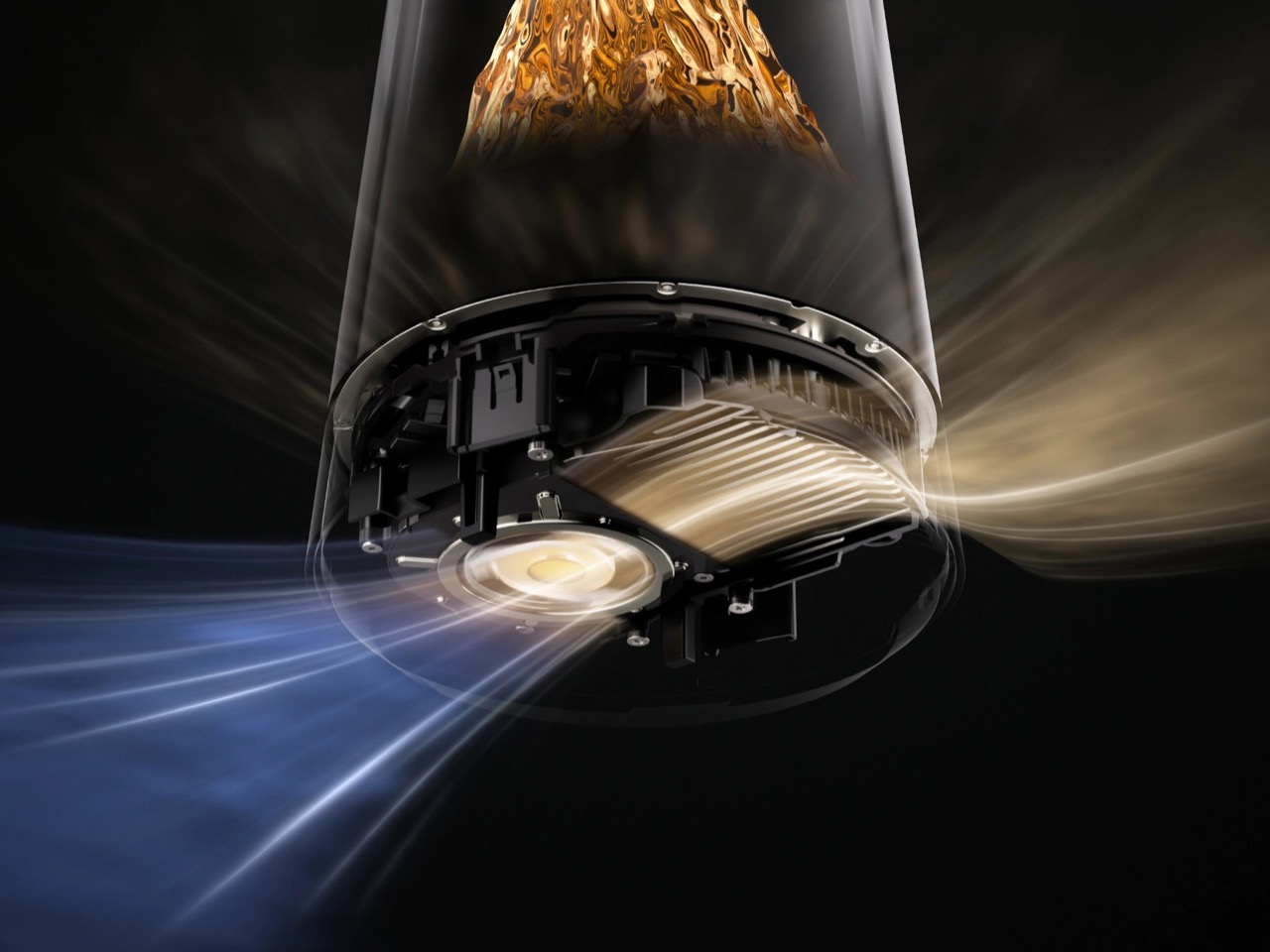
The design is not just for show; it is deeply functional. The antennas, the components that are usually the most visually offensive part of a router, are cleverly hidden inside that central mountain core. The lighting is not a series of distracting blue and green status LEDs but a soft, ambient glow that shifts between warm, fiery amber and cool, glacial white throughout the day, mimicking a sunrise over a peak. It is designed to be a conversation piece, a calm presence on a coffee table that encourages you to place it right in the center of your living space, which is exactly where it will perform best.

Beneath that serene exterior, the X3 Pro is a thoroughly modern piece of networking equipment. It is a Wi-Fi 7 system, offering combined theoretical speeds of up to 3570 Mbps across its 2.4 GHz and 5 GHz bands. The main unit is equipped with two 2.5 Gbps Ethernet ports and one 1 Gbps port, providing enough bandwidth for multi-gig internet plans or a high-speed connection to a network-attached storage (NAS) drive.

Perhaps its most practical feature for challenging homes is its hybrid mesh technology. The system comes with a smaller, equally elegant satellite node. In addition to using Wi-Fi to create a mesh network, the X3 Pro supports PLC 3.0, or Power Line Communication. This allows the router and its nodes to use your home’s existing electrical wiring as a stable, wired backhaul. For anyone living in a home with thick concrete or brick walls that kill Wi-Fi signals, this is a game-changer, offering a more reliable connection between nodes than Wi-Fi alone can provide.

Everything is managed through Huawei’s Smart Life app, which handles setup, security features like WPA3, and specialized modes like Game Turbo for reducing latency. It is a complete package that marries high-end performance with a design that finally respects the aesthetics of a modern home. The X3 Pro makes a compelling argument that the most important devices in our lives do not have to be ugly. Just like those lava lamps in San Francisco, it proves that sometimes the best technology is the kind you actually want to look at.

The post The Huawei X3 Pro Wi-Fi Router Is What Happens When a Mesh Router Meets a Lava Lamp first appeared on Yanko Design.

An indie studio says it’s at risk of closure after Valve banned its game from Steam

Indie studio Santa Ragione said it is at risk of shutting down as its latest project won't be available on Steam, which is by far the biggest storefront for PC games and a key point of sale for many developersHorses, a first-person horror game that blends gameplay and live-action sequences, is about a college student who spends a summer working on a farm. However, the farm’s “horses” are actually naked human adults who are wearing horse masks. It’s clear from the trailer that this is a game for grownups.

The studio plans to release Horses on the Epic Games Store, GOG, Itch and the Humble Store on December 2. However, Valve's content review team blocked Horses from Steam.

"We reviewed the game back in 2023. At that time, the developer indicated with their release date in Steamworks that they planned to release a few months later. Based on content in the store page, we told the developer we would need to review the build itself. This happens sometimes if content on the store page causes concern that the game itself might not fall within our guidelines,” Valve told PC Gamer. “After our team played through the build and reviewed the content, we gave the developer feedback about why we couldn’t ship the game on Steam, consistent with our onboarding rules and guidelines. A short while later the developer asked us to reconsider the review, and our internal content review team discussed that extensively and communicated to the developer our final decision that we were not going to ship the game on Steam."

Santa Ragione wrote in an FAQ that it's "committed to producing challenging, adult storytelling. Horses uses grotesque, subversive imagery to confront power, faith, and violence. We reject subjective obscenity standards and believe this kind of moralizing censorship evokes a darker past in which vague notions of 'decency' were used to silence artists. Games are an artistic medium and lawful works for adults should remain accessible. We respect players enough to present the game as intended and to let adults choose what to play; lawful works should not be made unreachable by a monopolistic storefront’s opaque decisions."

This particular ban precedes the recent censorship of adult-oriented games at the behest of payment processors. Santa Ragione wanted to create a Steam store page for Horses back in 2023 to help build interest. The studio says Valve wanted to see a playable build of the game before it would approve a Coming Soon page. The game was nowhere close to being finished, so Santa Ragione scrambled to put together a playable version of the game with “tons of placeholders.”

According to an email from Valve that the developer shared, it banned Horses from the storefront over "content that appears, in our judgment, to depict sexual conduct involving a minor." Santa Ragione said Valve didn't provide more detailed reasons for rejecting the game. Valve noted that it wouldn't accept further submissions of Horses, "even with modifications."

The developer claimed that it spent the next two years trying to change Valve's mind, but the company repeatedly pointed it to Steam’s general guidelines and rejected its “requests for review and appeal." Santa Ragione does have a plausible theory as to why Valve blocked the game from Steam, however. The studio wrote in the FAQ that:

All characters in the game are clearly older than 20 years old, as communicated by their appearance and through dialogue and documents that you will encounter in the game. We think the ban may have been triggered during the initial Steam submission by an incomplete scene on day six, in which a man and his young daughter visit the farm.

The daughter wants to ride one of the horses (in the game the 'horses' are humans wearing a horse mask) and gets to pick which one. What followed was an interactive dialogue sequence where the player is leading, by a lead as if they were a horse, a naked adult woman with a young girl on her shoulders. The scene is not sexual in any way, but it is possible that the juxtaposition is what triggered the flag.

We have since changed the character in the scene to be a twenty-something woman, both to avoid the juxtaposition and more importantly because the dialogue delivered in that scene, which deals with the societal structure in the world of Horses, works much better when delivered by an older character.

As a result of the Steam ban, Santa Ragione claimed it will be “very difficult“ to recoup its investment on Horses, which it claims is “not pornographic”. It spent around $100,000 on the game’s development.

The studio initially put $50,000 of its own money into Horses after signing a deal with the game's creator, Andrea Lucco Borlera. It hoped to cover those costs with sales of its last game, Saturnalia, but that didn't perform nearly as well as the studio hoped. Horses was slated to be featured in a bundle, but that fell apart around the same time as Valve rejected the game. Santa Ragione said the Steam ban made it practically impossible for it to find an external publisher or partner, so it ultimately raised funds from friends in order to complete the game. As such, the studio claimed it is now "in a completely unsustainable financial situation unless the game somehow recoups its development costs."

Santa Ragione still plans to support Horses for at least another six months after release. It has set aside funds to cover the costs of fixing bugs and adding quality-of-life changes. But barring Horses finding success on non-Steam storefronts, that may be the studio’s last activity.

"I don't want to make a final decision before seeing how the game does on launch. But if things go the way that I expect them to go, then I think [studio's closure] is inevitable,” Santa Ragione co-founder Pietro Righi Riva told GamesIndustry.biz. "All the money we'll earn is gonna go to the author and to the people who have offered money to finish the project. So there will likely be no money left to make a new [game]... Unless a miracle happens and Horses does very well."

This article originally appeared on Engadget at https://www.engadget.com/gaming/an-indie-studio-says-its-at-risk-of-closure-after-valve-banned-its-game-from-steam-210047830.html?src=rss

GravaStar Mercury V60 Pro Deluxe Edition keyboard has serious sci-fi vibes

GravaStar is known for turning everyday tech into bold, futuristic design objects. Instead of following the usual clean, minimal aesthetic, Gravastar leans hard into a sci-fi, cyberpunk, mech-inspired look. Their products often resemble tiny robots, armored pods, or mechanical artifacts pulled straight from a video game universe.

Majorly expertising in Bluetooth speakers and earbuds, the China-based brand has crafted a niche in the gadget market with its eye-popping creations, including the robot-inspired Bluetooth speaker, gaming mouse, and earbuds with a sci-fi case. Now the makers have tried their hand at creating a limited edition keyboard, because why not? Even though they’ve got the Mercury V75 Pro in their arsenal, this one hits different with its design and functionality.

Designer: GravaStar

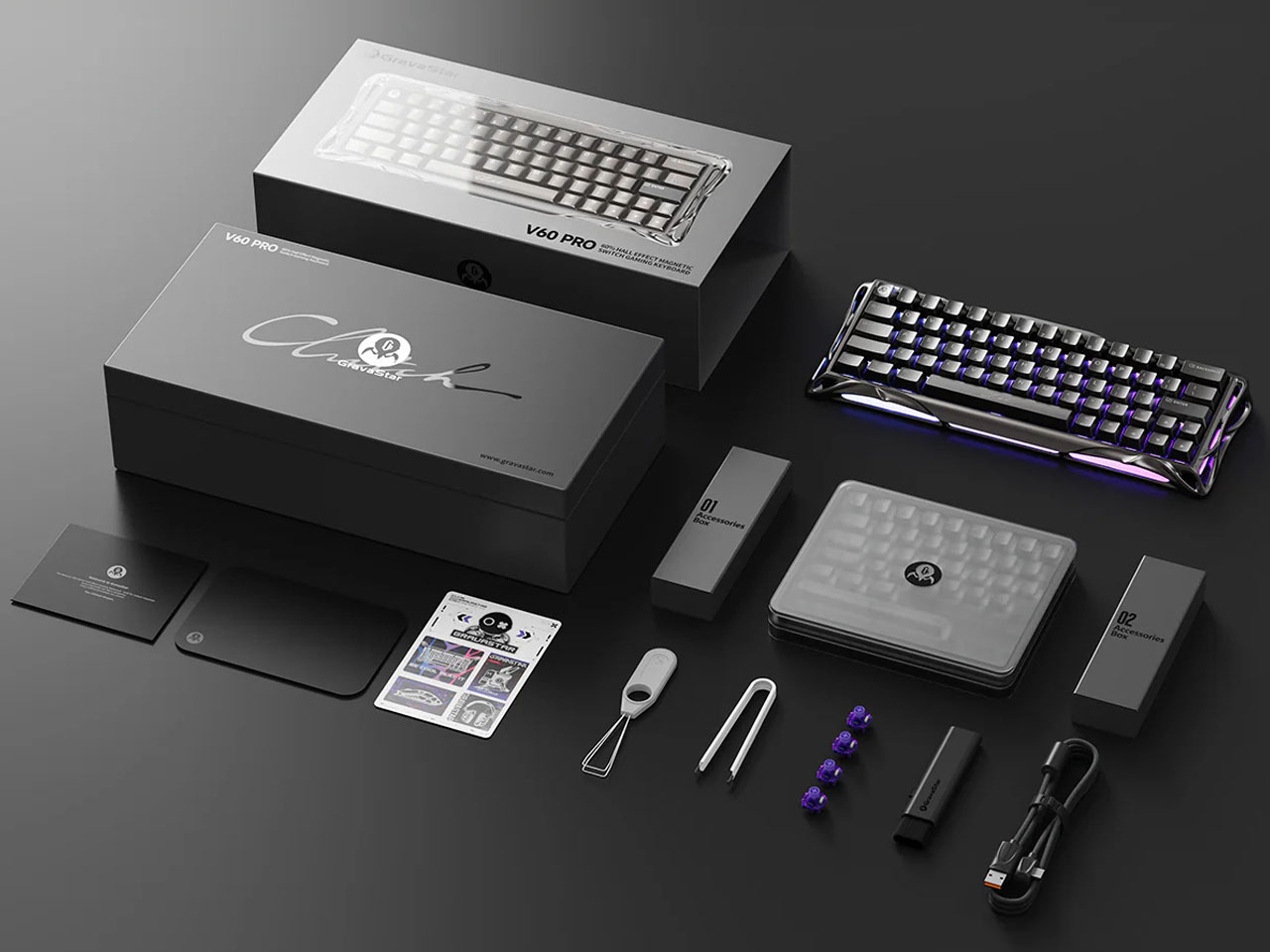
This is the Mercury V60 Pro Deluxe Edition keyboard that looks unlike any buyable keyboard we’ve seen thus far. Just imagine this one sitting on your geeky desk alongside other themed gadgets. In fact, going through the catalogue of products is an interstellar experience in its own. Coming back to this cool peripheral, it’s not about the looks alone. It comes with an 8000Hz polling rate and 256kHz key-position scanning that ensures True 8kHz polling. Thus, making it ideal for power users and gamers, since the latency is just 0.125ms and 0.005 RT precision. The acoustic five-layer foam on the inside absorbs any off-putting vibrations during typing.

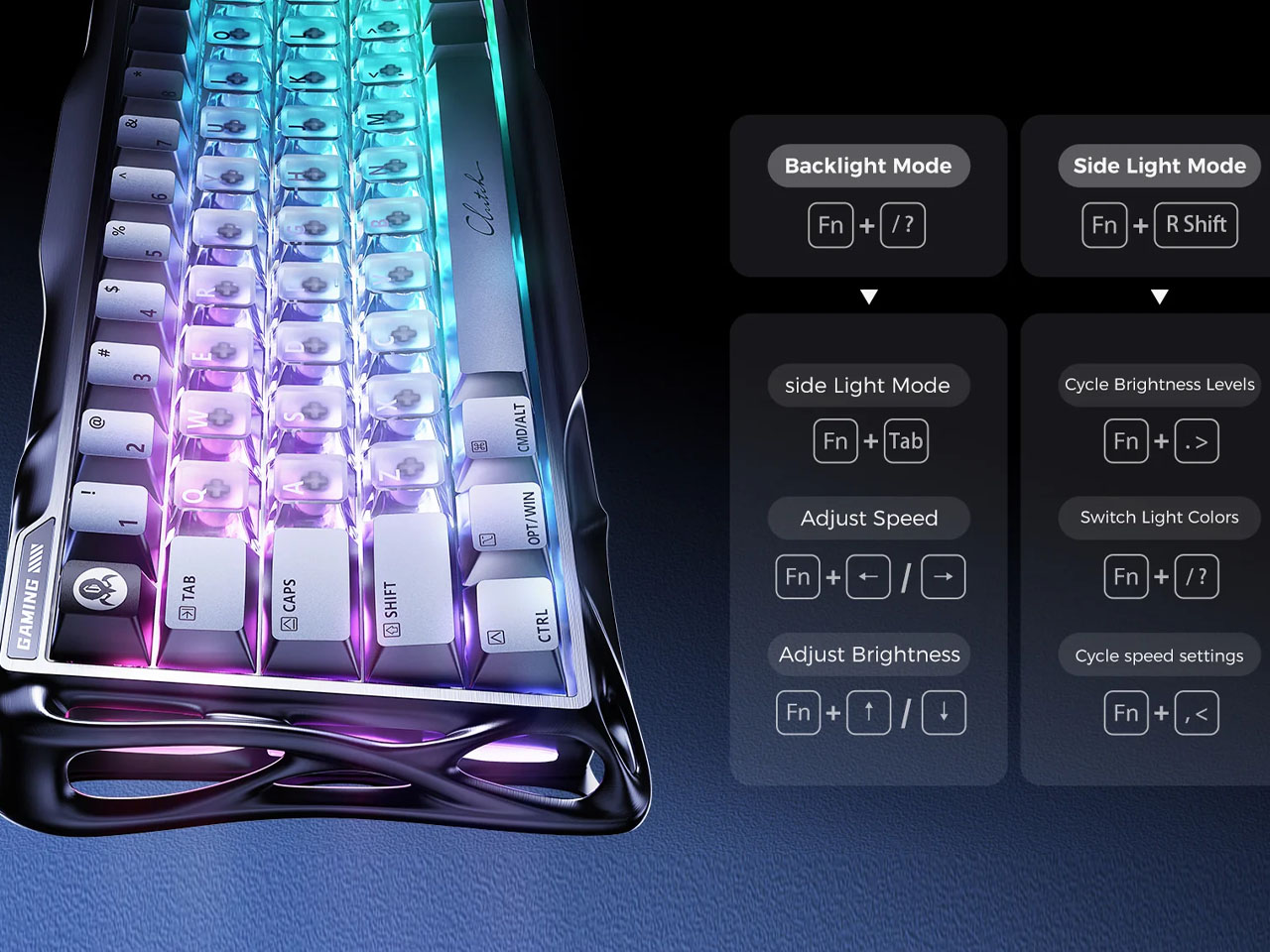
The fun doesn’t stop there, as the keyboard has GravaStar UFO magnetic gaming switches for a satisfying tactile typing experience.  It also gets the hot swappable keys for swapping with magnetic Hall Effect switches. Other important features include the dynamic rapid trigger, rapid trigger mode, last keystroke prioritization (LKP) + snap click. The bundled translucent frosted keycaps further enhance the overall aesthetics of the peripheral, as it turns into a sci-fi gadget the moment you turn on the RGB lights. The multi-zone RGB lighting has 16 customizable modes and dual-zone control for keys and ambient side lights. The brightness, hue and color of the selected modes can also be toggled.

Pair that with the full-aluminum alloy frame that’s mildly skeletonized, and you’ve got a seemingly premium accessory ready for your tasks. The keyboard, measuring 12.8 x 4.95 x 1.61 inches, has a 60 percent layout and measures a comfortable 1. Lbs. This makes it perfect for all kinds of tasks, whether you are at home or mobile. GravaStar is offering the Mercury V60 Pro Deluxe Edition in two color options: gunmetal and chrome silver. Both of these variants look cool, and for a price tag of $220, you can’t go wrong with this head-turning keyboard.

The post GravaStar Mercury V60 Pro Deluxe Edition keyboard has serious sci-fi vibes first appeared on Yanko Design.

How to watch every NFL game on Thanksgiving Day: Schedule, TV channels, and more

This Thursday is serving up heaps of turkey, potatoes, and professional football. The NFL has three games on the schedule, all conveniently timed so you'll be able to have football on pretty much from midday until bedtime. For the first game of the day, you can catch the AFC North battle between the Green Bay Packers and the Detroit Lions at 1 p.m. ET, followed by the Kansas City Chiefs vs. Dallas Cowboys at 4:30 p.m. ET. For the evening game, the Cincinnati Bengals visit the Baltimore Ravens, kickoff is at 8:20 p.m. ET. (And don't forget about the Black Friday game between the Chicago Bears and the Philadelphia Eagles, too). Each of these games will be broadcast by different providers, so take note of where you can watch below, and prepare to commandeer the remote control for the day.

Here's everything you need to know about how to watch this week's Thanksgiving Day games on every channel and platform.

Date: Thursday, Nov. 27

Time: 1 p.m., 4 p.m, 8:20 p.m. ET 

TV channels: NBC, CBS, FOX

Streaming: DirecTV, Peacock, Paramount+ Premium, ESPN+ and more

The NFL Thanksgiving slate will feature three games on Thursday (and a Black Friday game this Friday). First, the Green Bay Packers play the Detroit Lions at 1 p.m. ET on FOX. Later, the Kansas City Chiefs take on the Dallas Cowboys at 4:30 p.m. ET on CBS, and streaming live on Paramount+. Finally, the Cincinnati Bengals will face the Baltimore Ravens at 8:20 p.m. ET on NBC and streaming live on Peacock. 

On Black Friday, the Chicago Bears play the Philadelphia Eagles at 3 p.m. ET, streaming exclusively on Amazon Prime Video. Here's the full Week 13 NFL schedule, plus how to watch every game: 

All times Eastern.

  • Green Bay Packers vs. Detroit Lions: 1 p.m. (FOX)

Watch FOX via DirecTV
  • Kansas City Chiefs vs. Dallas Cowboys: 4:30 p.m. (CBS, Paramount+)

Watch CBS via Paramount+
  • Cincinnati Bengals vs. Baltimore Ravens: 8:20 p.m. (NBC, Peacock)

Stream live on Peacock
  • Chicago Bears vs. Philadelphia Eagles: 3 p.m. (Prime Video)

Watch on Prime Video

Sunday, Nov. 30, 2025

  • San Francisco 49ers vs. Cleveland Browns: 1 p.m. (CBS)

  • Jacksonville Jaguars vs. Tennessee Titans: 1 p.m. (CBS)

  • Houston Texans vs. Indianapolis Colts: 1 p.m. (CBS)

  • Buffalo Bills vs. Pittsburgh Steelers: 4:25 p.m. (CBS)

  • Las Vegas Raiders vs. Los Angeles Chargers: 4:25 p.m. (CBS)

Watch CBS via Paramount+

Watch CBS via DirecTV
  • New Orleans Saints vs. Miami Dolphins: 1:00 p.m. (FOX)

  • Atlanta Falcons vs. New York Giants: 1:00 p.m. (FOX)

  • Arizona Cardinals vs. Tampa Bay Buccaneers: 1:00 p.m. (FOX)

  • Los Angeles Rams vs. Carolina Panthers: 1:00 p.m. (FOX)

  • Minnesota Vikings vs. Seattle Seahawks: 4:05 p.m. (FOX)

Watch FOX via DirecTV
  • Denver Broncos vs. Washington Commanders: 8:20 p.m. (NBC, Peacock)

Stream live on Peacock

Watch NBC via DirecTV
  • New York Jets vs. New England Patriots: 8:15 p.m. (ESPN)

Stream with ESPN unlimited Watch ESPN and ABC via DirecTV

Many NFL games are broadcast on local channels, so if you're looking to catch an in-market game, it may be as simple as turning on your TV (or setting up a digital TV antenna) or finding a live TV streaming service that carries the correct RSN (Regional Sports Network). If you want to watch out-of-market games, a $7 monthly subscription to NFL+ will let you tune into every out-of-market local and primetime game in the season on your phone — but only a select few regular-season games on your TV. You could also spring for the uber-expensive NFL Sunday Ticket package to get every out-of-market Sunday game of the season. 

When it comes to nationally broadcast games, NFL games typically air across ESPN, NBC, CBS, Fox, ABC and NFL Network. Thursday Night Football games stream exclusively on Amazon Prime Video, select football games will stream exclusively on Peacock, games on CBS will stream live on Paramount+ and Monday Night Football games will air on ESPN or ABC and stream on the newly revamped ESPN+. That's six channels and four streaming platforms to keep up with this season — and that's not counting your local RSN's for in-market games and an NFL+ or NFL Sunday Ticket subscription for out-of-market games. Plus, Netflix is once again hosting at least two Christmas Day matches, so add that subscription to the mix. And we can't forget about Fox One, Fox's first streaming service, where you can also stream games airing on FOX (if you don't already have access to it). 

Confused? You're not alone. Here's a breakdown of the platforms we recommend checking out ahead of the 2025 NFL season, so that come game time, tuning into your favorite team's games will be as easy as simply turning on the TV.

Tickets for the 2025 NFL season are on sale now. 

Find tickets

To recap, here are all the ways you can watch NFL games in 2025.


This article originally appeared on Engadget at https://www.engadget.com/entertainment/streaming/how-to-watch-every-nfl-game-on-thanksgiving-day-schedule-tv-channels-and-more-193523337.html?src=rss

A designer in Singapore created a functional SNES inside a wearable Nike sneaker

Have you ever been roaming around collecting bananas in Donkey Kong Country on the SNES and thought to yourself, "gee, I wish I could play this game on my shoe." Well designer Gustavo Bonzanini set out to make this dream a reality. To celebrate the 35th anniversary of Super Nintendo's launch in Japan, Bonzanini has created the AIR SNES, a throwback custom pair of Nike Air Max 90 sneakers that doubles as a completely functional SNES console.

"The idea came after looking at collaborations between sneaker brands and video games. I always asked myself: wouldn’t it be cool if these shoes that look like a video game actually double as a console?" Bonzanini said in a press release shared with Engadget.

The shoe was created using a Raspberry Pi Zero W running the RetroPie emulator, which Bonzanini customized to fit inside the sneaker's tongue. The shoe has battery capacity for up to 30 minutes of gameplay and sports an integrated HDMI port. 

For those with nostalgia for old-school display connectors, the shoe also has a small analog converter for RCA connectors. As for controllers, the shoe is compatible with an original SNES gamepad, but you can also use an 8BitDo Mod Kit that connects to the Raspberry Pi wirelessly over Bluetooth.

“This art project was my way of celebrating both and pushing the idea of what sneaker culture and tech can become when they merge," said Bonzanini. Unfortunately for all of us that would pick up a pair of these in a heartbeat, the AIR SNES is just a one-time creation to celebrate 35 years of one of the greatest consoles ever made.

This article originally appeared on Engadget at https://www.engadget.com/gaming/nintendo/a-designer-in-singapore-created-a-functional-snes-inside-a-wearable-nike-sneaker-192907456.html?src=rss

Beyond Good & Evil 2 is somehow still under development

With the gaming industry's recent rash of layoffs, closures and cancellations, it would be easy to assume Beyond Good and Evil 2 is toast. After all, the game looked like vaporware even before the extreme cost-cutting trend started. But here we are in late 2025, and — lo and behold — Ubisoft is hiring for the prequel.

The job listing (via Eurogamer) is for a technical sound engineer. But aside from revealing that the game is apparently still in the works, the description doesn't tell us anything new. "Beyond Good & Evil 2 is an action-adventure open world game set in a captivating space opera universe and the direct prequel to the 2003 cult classic," the posting reads. "Based on a breakthrough technology driven by the proprietary Voyager engine, Beyond Good & Evil 2 aims to offer a seamless experience of exploration and space piracy across a solar system full of exotic locations, colorful characters and mysteries to uncover, solo or with friends.”

Ubisoft first teased the prequel in 2008, then officially announced it in 2017. Engadget even watched a closed-door gameplay presentation the following year. We described what we saw as "wildly ambitious," perhaps to a concerning degree, given the technical challenges tied to that scope. Those worries appear to have been warranted, as we still hang onto tiny nuggets of hope (look, a job posting!!) over seven years later.

In 2022, Bloomberg poured more cold water on its timeline, reporting that the game was still in pre-production. Engadget contacted Ubisoft for comment on its current status, and we'll update this story if we hear back. In the meantime, you can revisit the surge of hope that was the game’s 2018 cinematic trailer.

This article originally appeared on Engadget at https://www.engadget.com/gaming/beyond-good--evil-2-is-somehow-still-under-development-185230052.html?src=rss

Oracle’s Lensless LED Headlight: Killing the Century-Old Lens

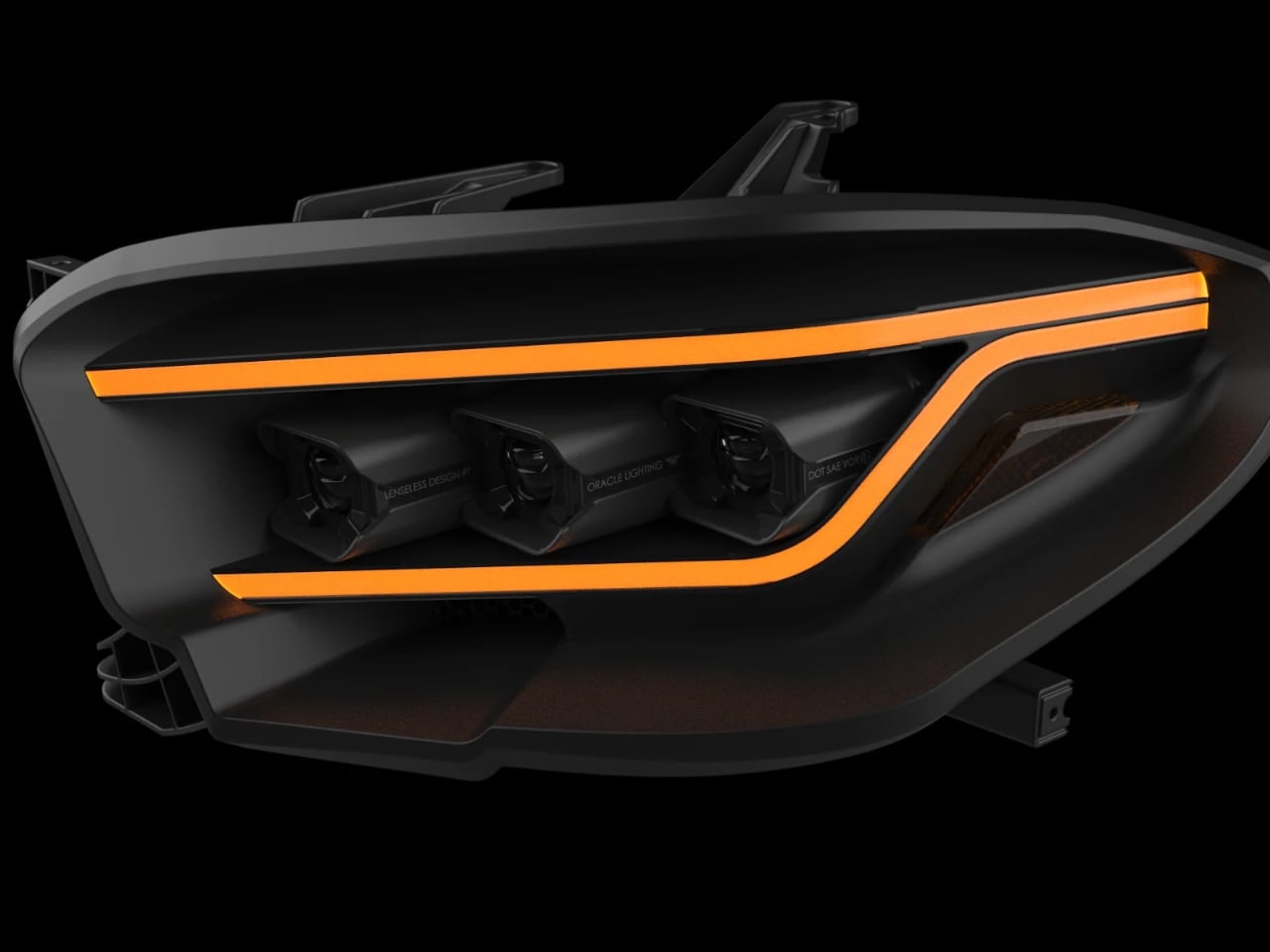
For 125 years, every headlight ever made has included one fundamental component: a clear outer lens. Oracle Lighting just deleted it. The world’s first lensless LED headlight system debuting on the 3rd Gen Toyota Tacoma doesn’t just eliminate a component. It removes the single most failure-prone element in automotive lighting, solving problems that have plagued drivers since acetylene flame lamps lit up dirt roads in the 1880s. No more fogging. No more cracking. No more yellowing, hazing, or moisture intrusion. The lens, that seemingly essential protective cover, turns out to be optional after all.

Designer: Oracle Lighting

What Happens When You Remove the Lens

Here’s the immediate visual impact: the headlight housing itself becomes the design statement. Without a clear plastic layer covering the front, the sculpted housing sits exposed, proud, and remarkably customizable. You can paint-match it to your vehicle. Think about that for a moment. Every headlight you’ve ever owned was stuck with whatever clear or slightly tinted lens the manufacturer chose. This system lets you integrate the housing into your truck’s color scheme, creating an OEM-level finish or going full custom for show builds.

The exposed housing showcases the modular Bi-LED emitter pods inside. These aren’t hidden behind foggy plastic or obscured by lens distortion. They’re visible design elements, each pod a precisely engineered component that contributes to the overall visual character. The technical architecture makes this design approach possible. Each LED emitter pod carries IP68-rated ingress protection, meaning dust can’t penetrate it and neither can water under pressure. That’s the same rating you’d expect from the lens itself, except now every individual light component shares that protection level.

Active thermal management keeps each pod operating within optimal temperature ranges. Overheating kills LEDs faster than anything else, so Oracle built cooling directly into the modular system. The pods breathe, dissipate heat, and maintain consistent performance without relying on a lens to trap heat or create condensation. The bracket system reinforces this modular philosophy. Everything mounts to replaceable, reinforced brackets that ship flat for compact packaging, cutting freight costs and reducing shipping damage. Minor collision damage that would normally require a complete replacement becomes a bracket swap.

Why This Actually Matters

Traditional LED headlights trap you in an expensive cycle. One failed LED often means replacing a $1,000+ assembly because manufacturers seal everything together. You can’t access the failed component. You can’t swap it out. You buy the whole unit again.

Oracle’s lensless system flips that model completely. Each Bi-LED pod is individually serviceable and replaceable. DRL fails? Replace that pod. Low beam goes out? Swap that specific emitter. You can often perform these replacements without removing the entire headlight from the vehicle. This isn’t just convenient. It’s sustainable. It reduces electronic waste by letting you repair instead of replace, saving money over the headlight’s lifespan while transforming a traditionally disposable product into something genuinely maintainable.

The 3rd Gen Toyota Tacoma launch makes perfect sense for this technology. Tacoma owners take their trucks off-road, into environments where rocks, mud, and trail debris destroy regular headlights. Cracked lenses are a common casualty on serious trail runs, and moisture intrusion follows shortly after. Without a lens to crack, that failure mode disappears. The IP68-rated pods handle dust and water directly. The modular design means trail damage becomes a quick repair instead of a major replacement.

The paint-matched housing option also appeals to the modification culture around trucks like the Tacoma. Show builds can integrate headlights seamlessly into custom paint schemes. Daily drivers can maintain factory aesthetics while upgrading performance and durability. Installation follows standard headlight replacement procedures, mounting to existing points and connecting to factory wiring without custom fabrication.

The Platform Play

Oracle calls this a technology platform, not just a product. That distinction matters. The lensless architecture works for any vehicle, any lighting application. After the Tacoma debut in early 2026, Oracle plans fitments for the Toyota 4Runner and Ford F-150, with more applications following.

If the lensless design proves as durable and serviceable as Oracle claims, other manufacturers will face pressure to match that capability. Drivers who experience hassle-free maintenance won’t want to return to sealed, disposable assemblies. The $800-$900 price point positions this between budget replacements and premium lighting upgrades, accessible enough for serious enthusiasts while maintaining quality expectations.

Oracle Lighting has spent 25 years developing automotive lighting technology. The lensless system represents years of development, testing, and refinement. The Tacoma launch in early 2026 will be the proof point. Trail abuse, weather exposure, and daily use will test whether eliminating the lens actually delivers on the durability and serviceability promises. If the system performs as designed, expect rapid expansion across vehicle applications.

Follow @oraclelights for behind-the-scenes development updates, application announcements, and pre-order access when the launch window opens.

Product Specifications:

  • Launching on 3rd Gen Toyota Tacoma (early 2026)
  • Future fitments: Toyota 4Runner, Ford F-150
  • Price: $800-$900 per set
  • Modular Bi-LED emitter pods with IP68 protection
  • Active thermal management on all pods
  • Serviceable and replaceable individual components
  • Paint-matchable housing for custom finishes

The post Oracle’s Lensless LED Headlight: Killing the Century-Old Lens first appeared on Yanko Design.

Tilt This Smart Clock, and It Triggers Your Entire Bedtime Routine

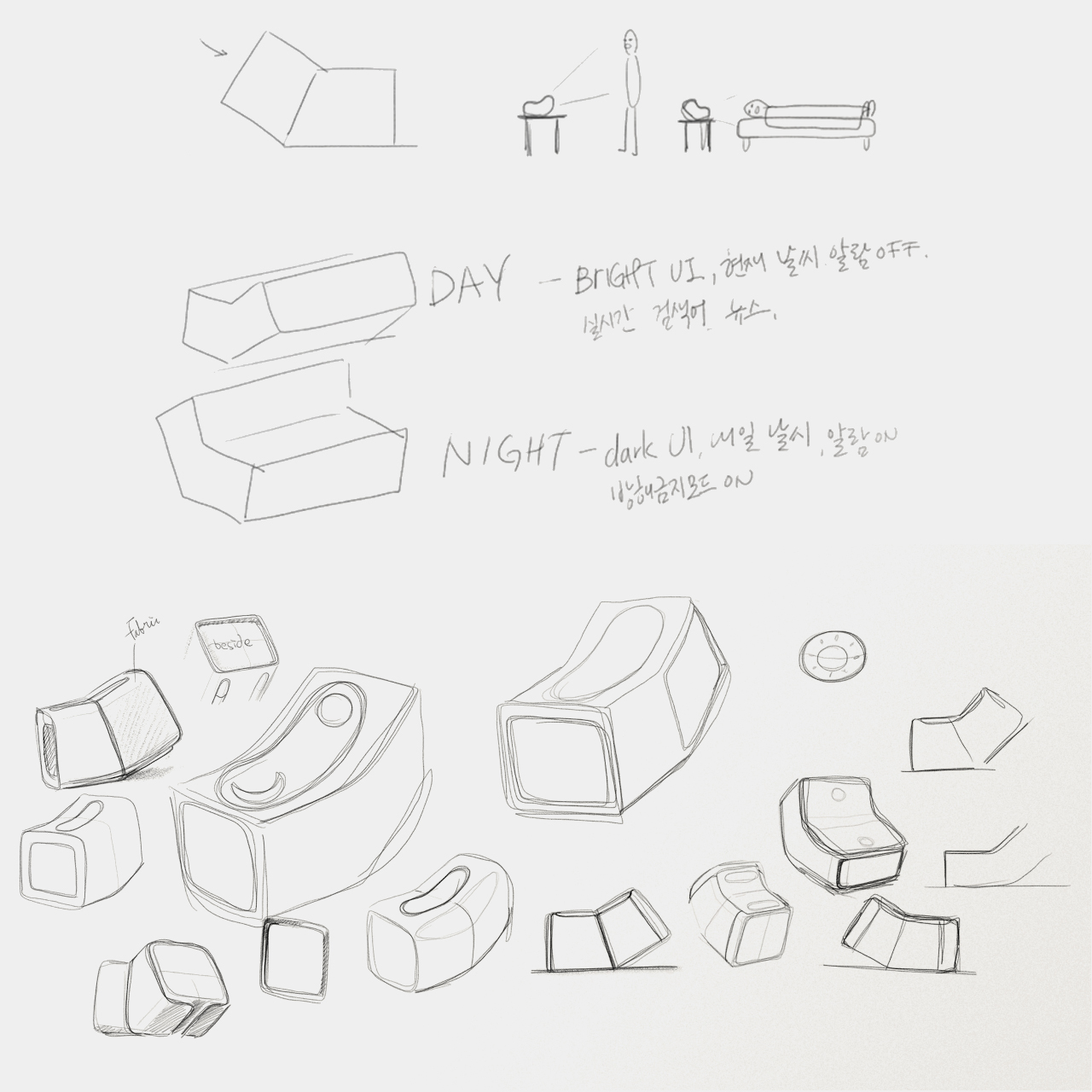
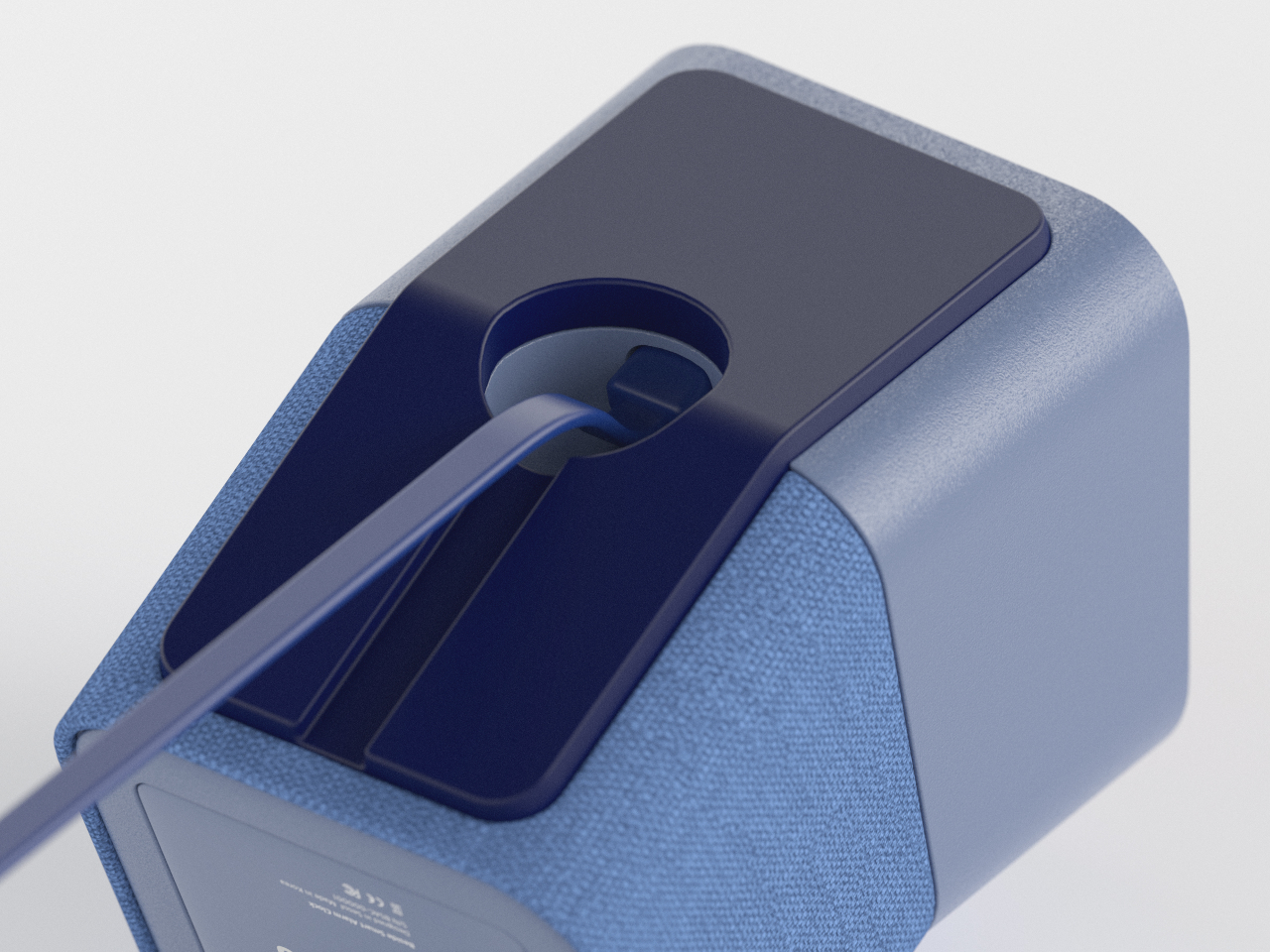
Most smart home routines now live inside apps and voice menus, which is powerful but often feels abstract and fiddly. Controlling physical things through layers of screens can feel backwards, especially for simple daily transitions like going to bed or waking up. This smart alarm clock concept treats day and night as a single, physical gesture instead, asking what would happen if your entire bedtime routine followed one tilt of a solid object.

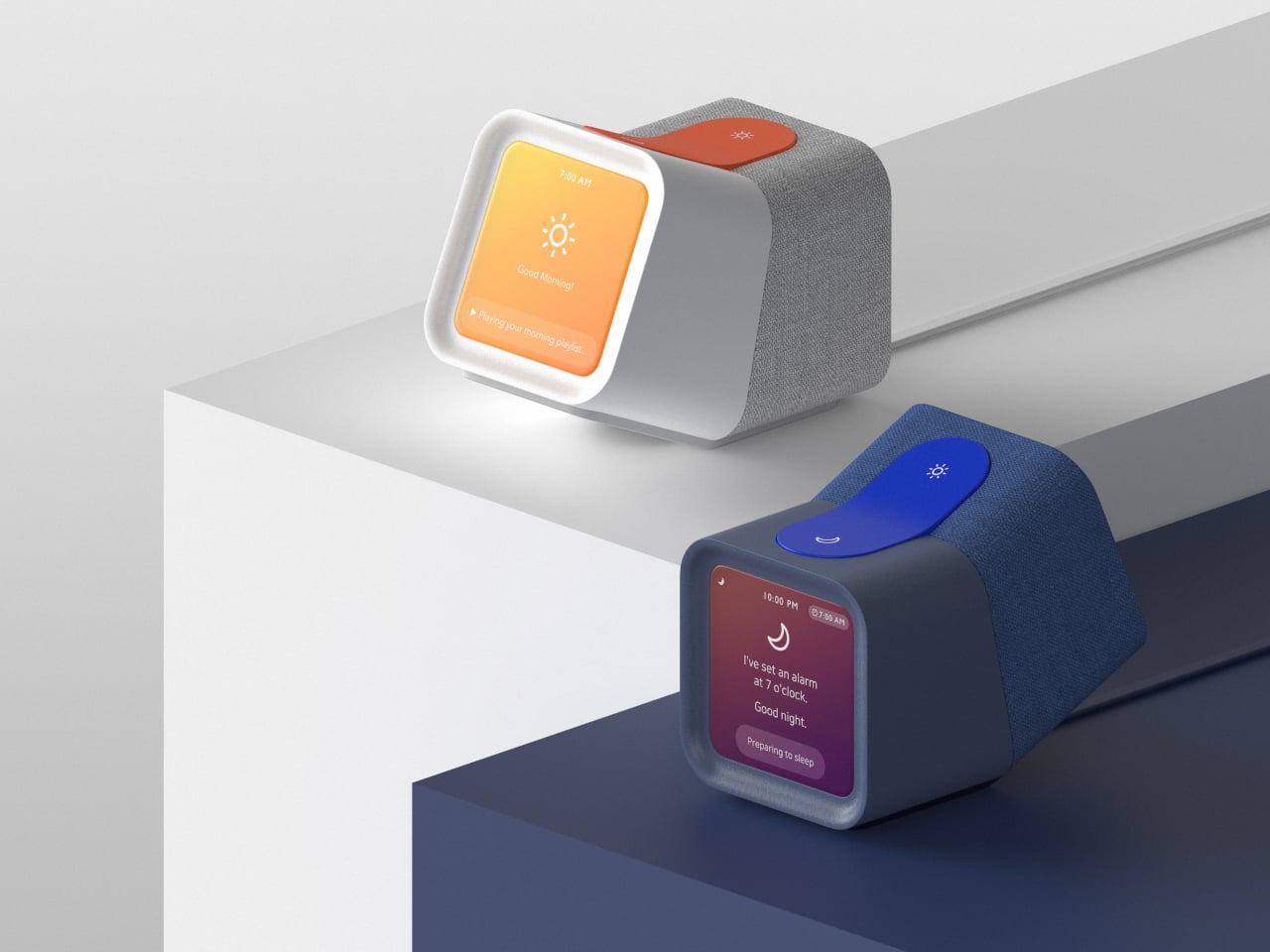
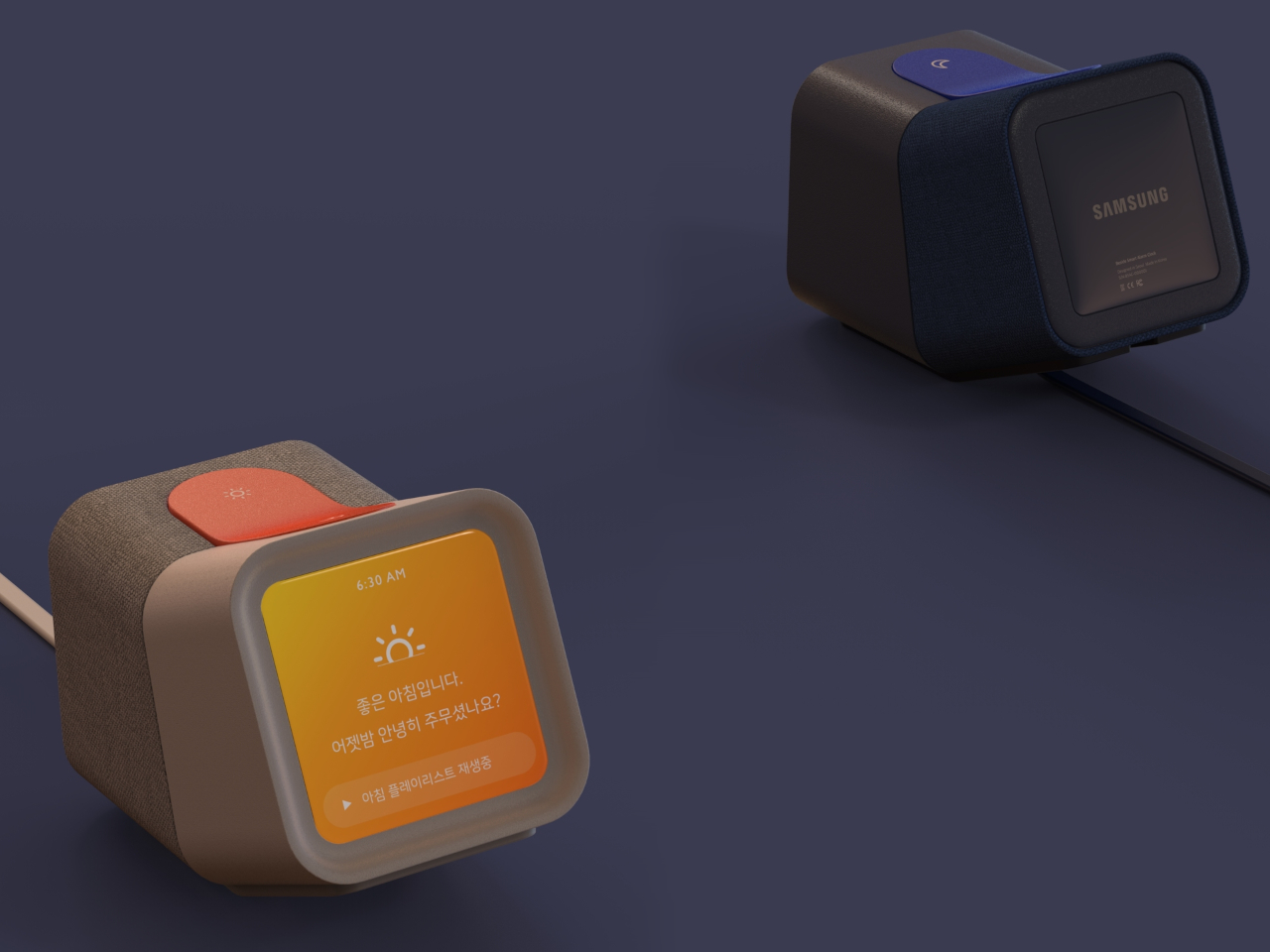
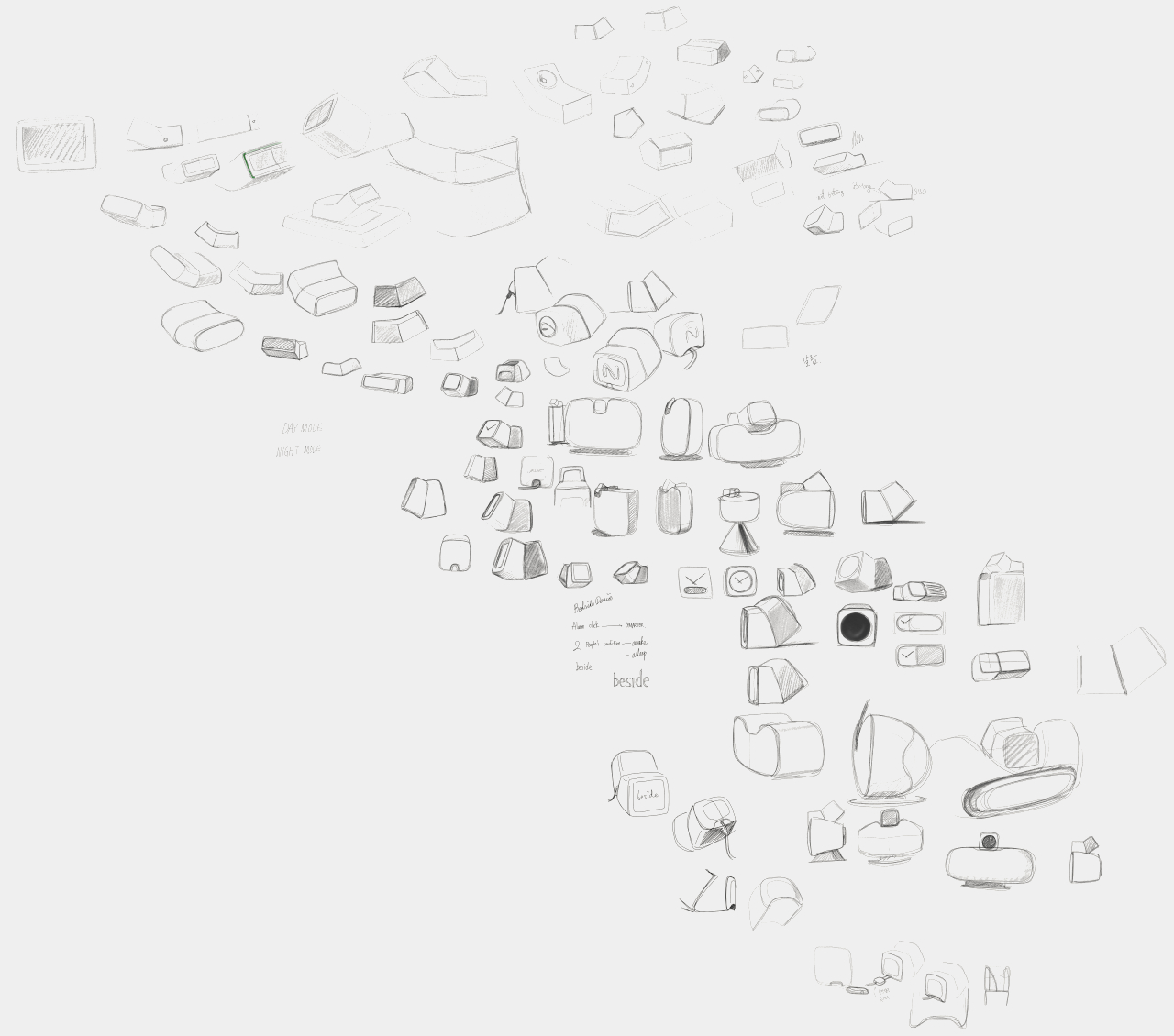
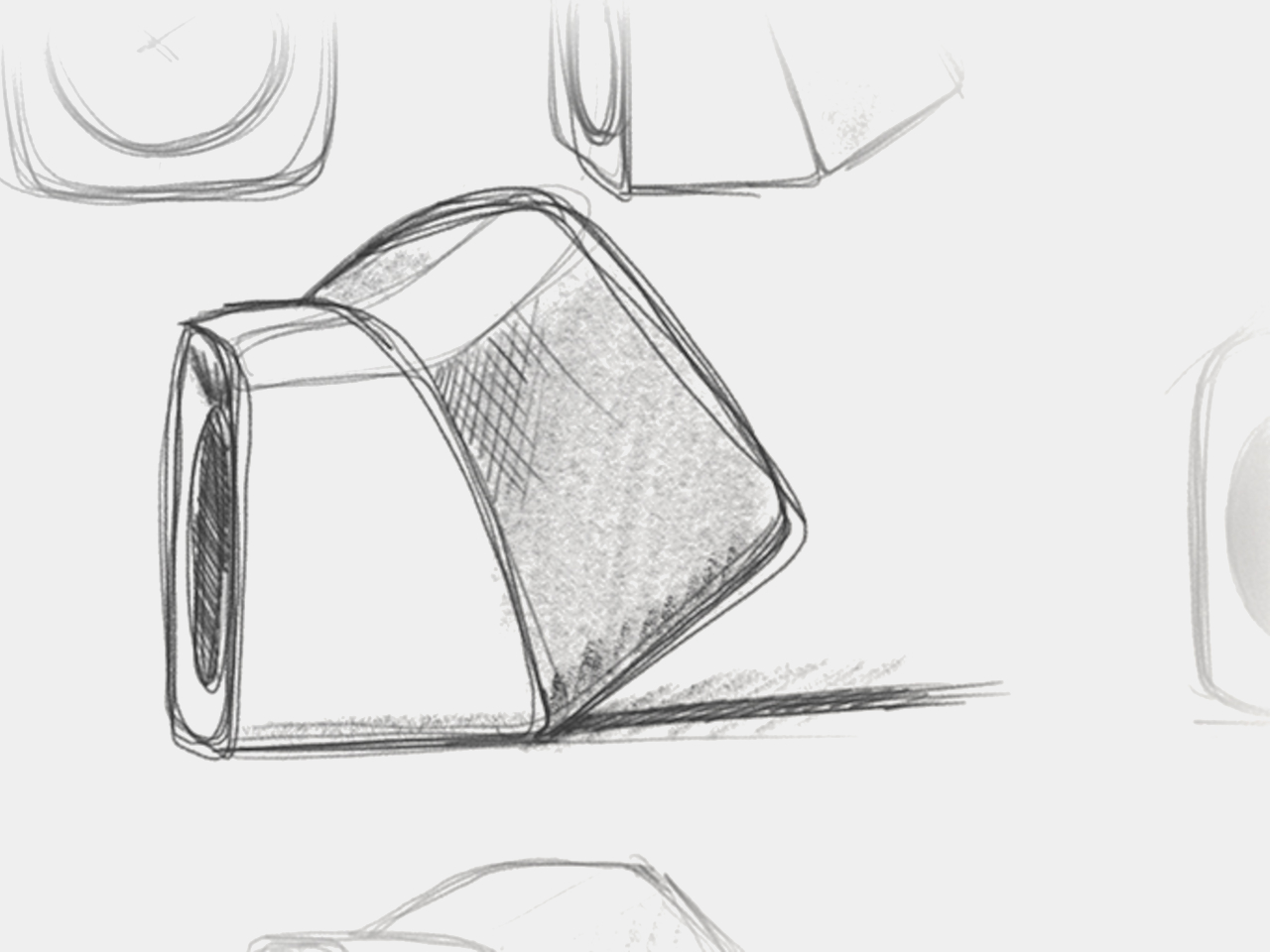
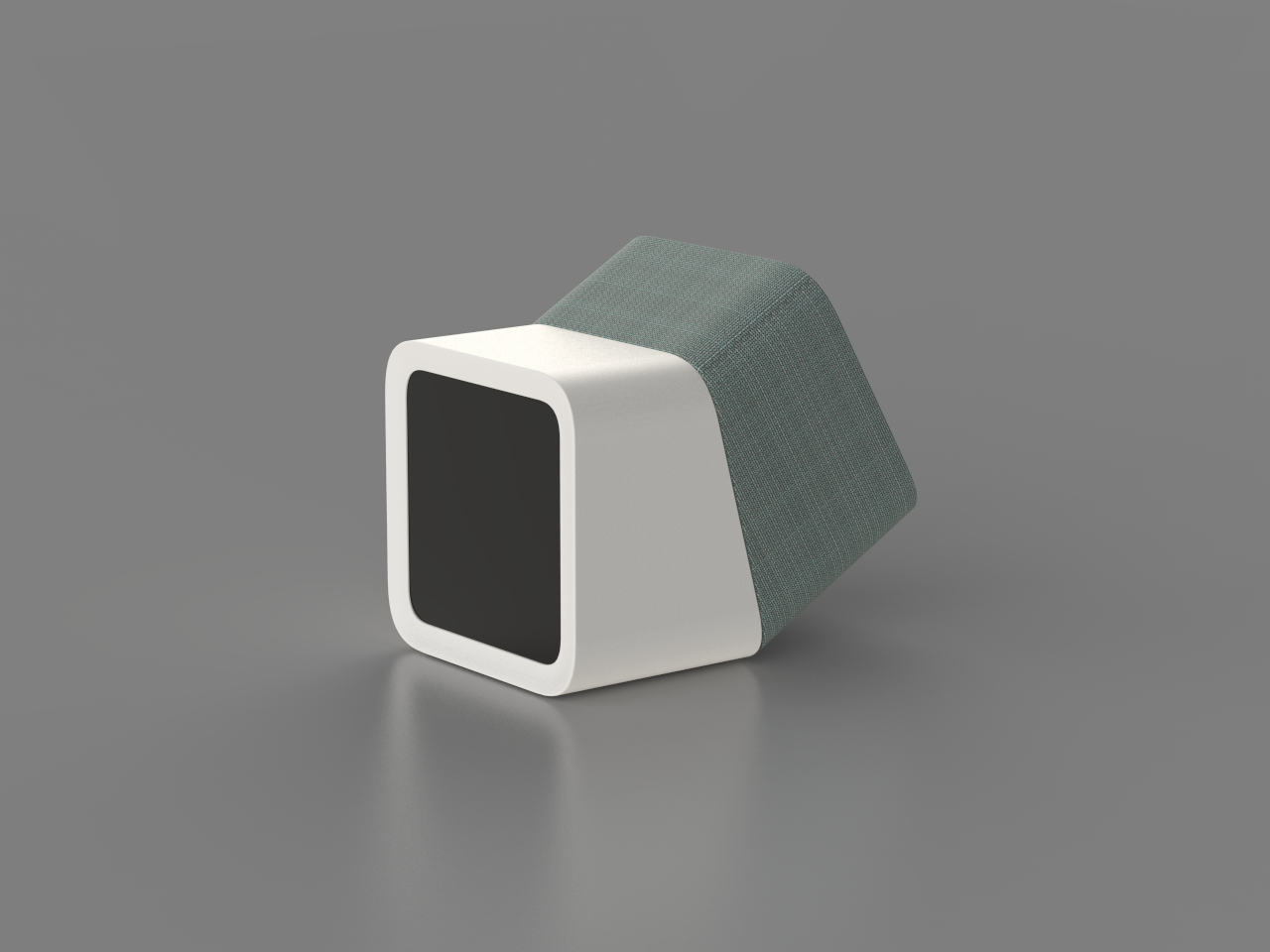
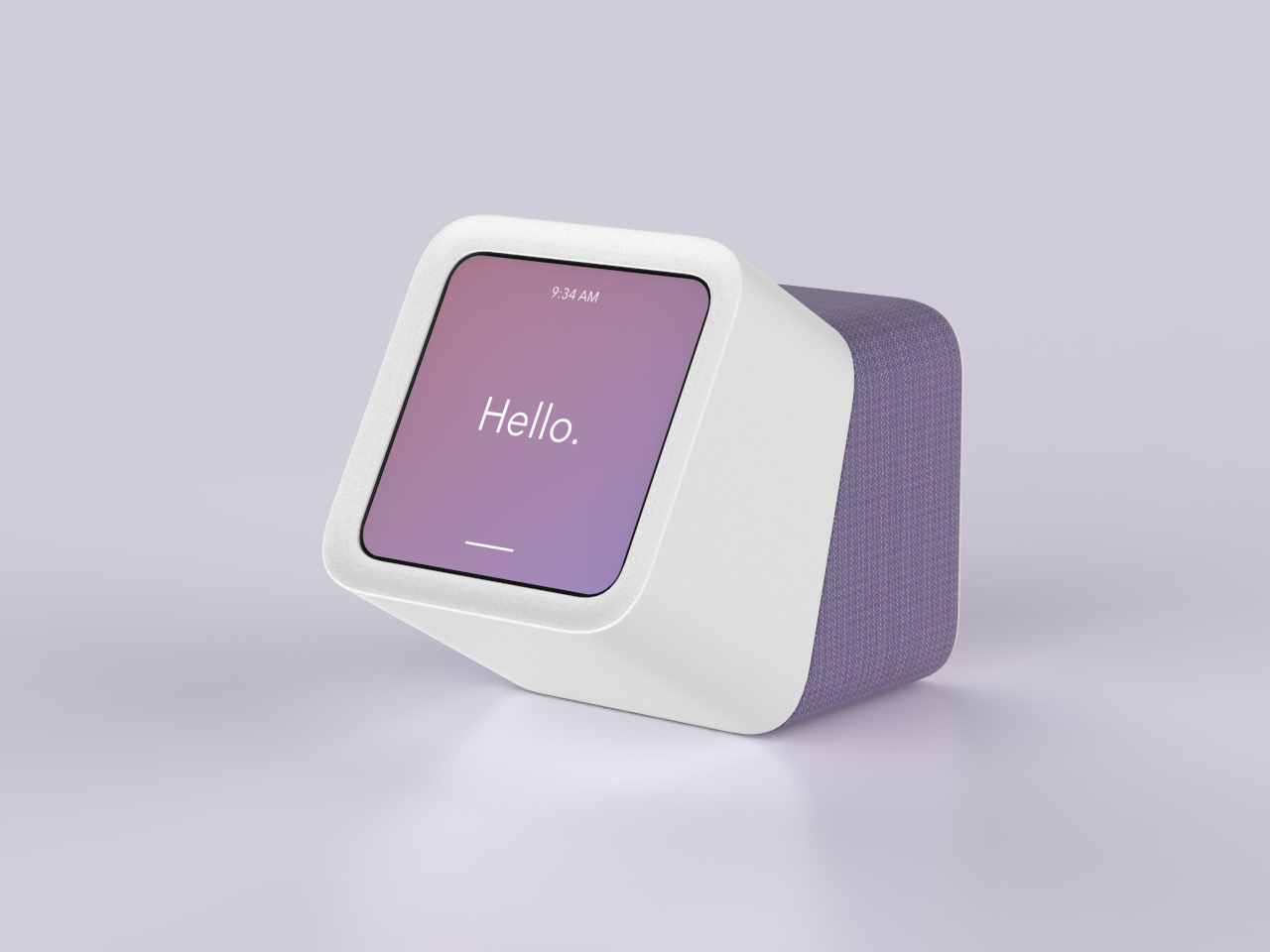
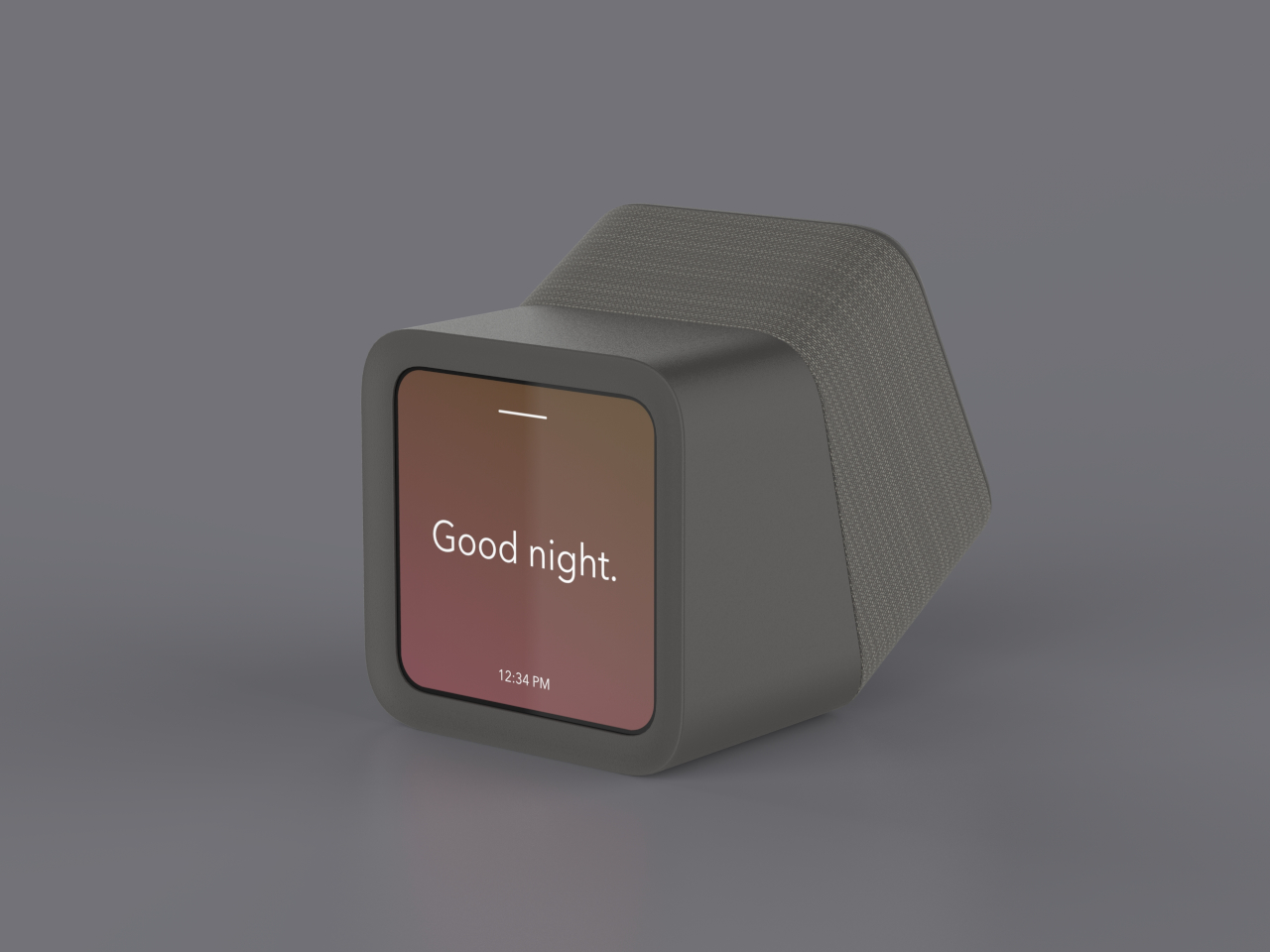
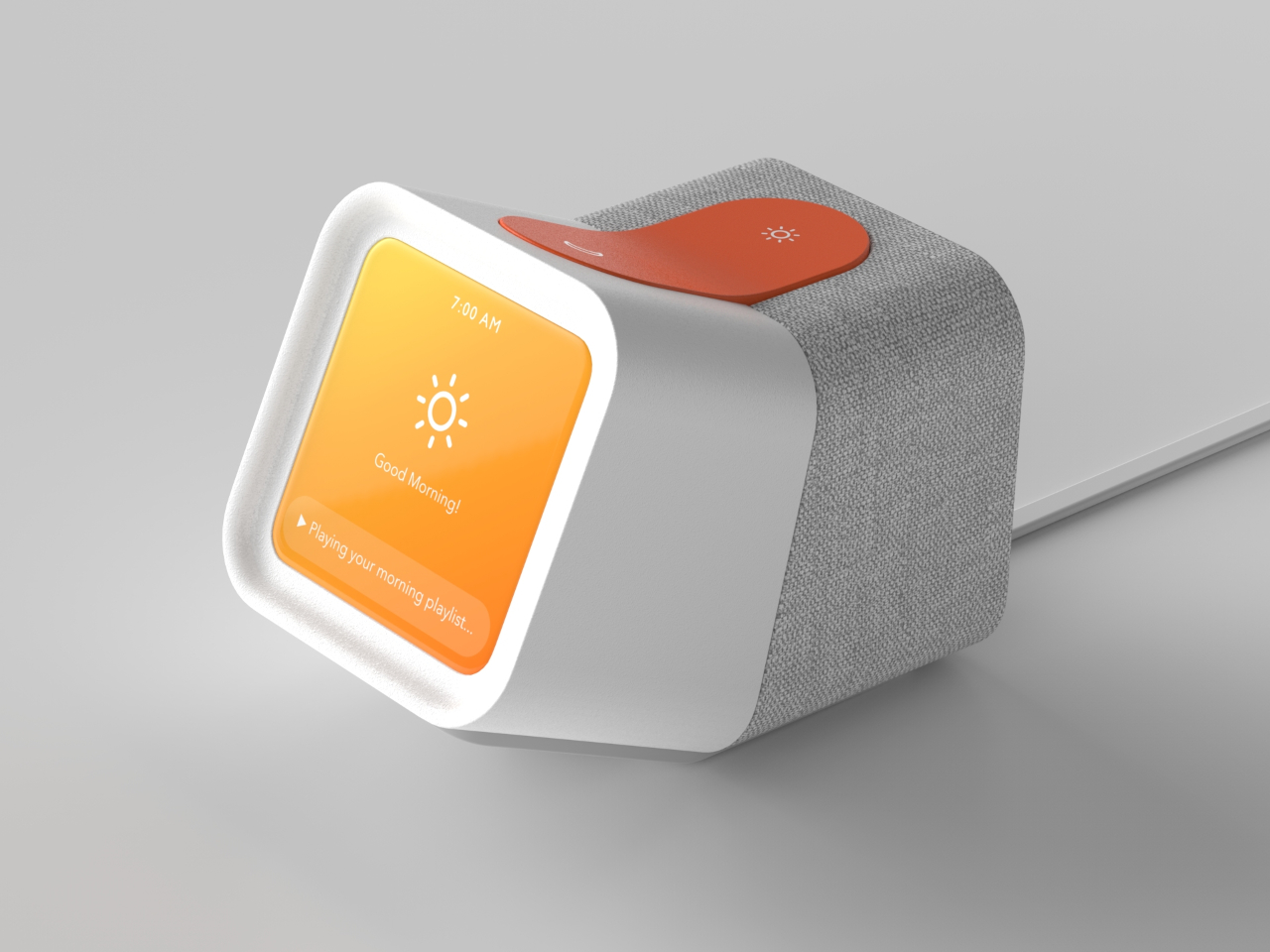
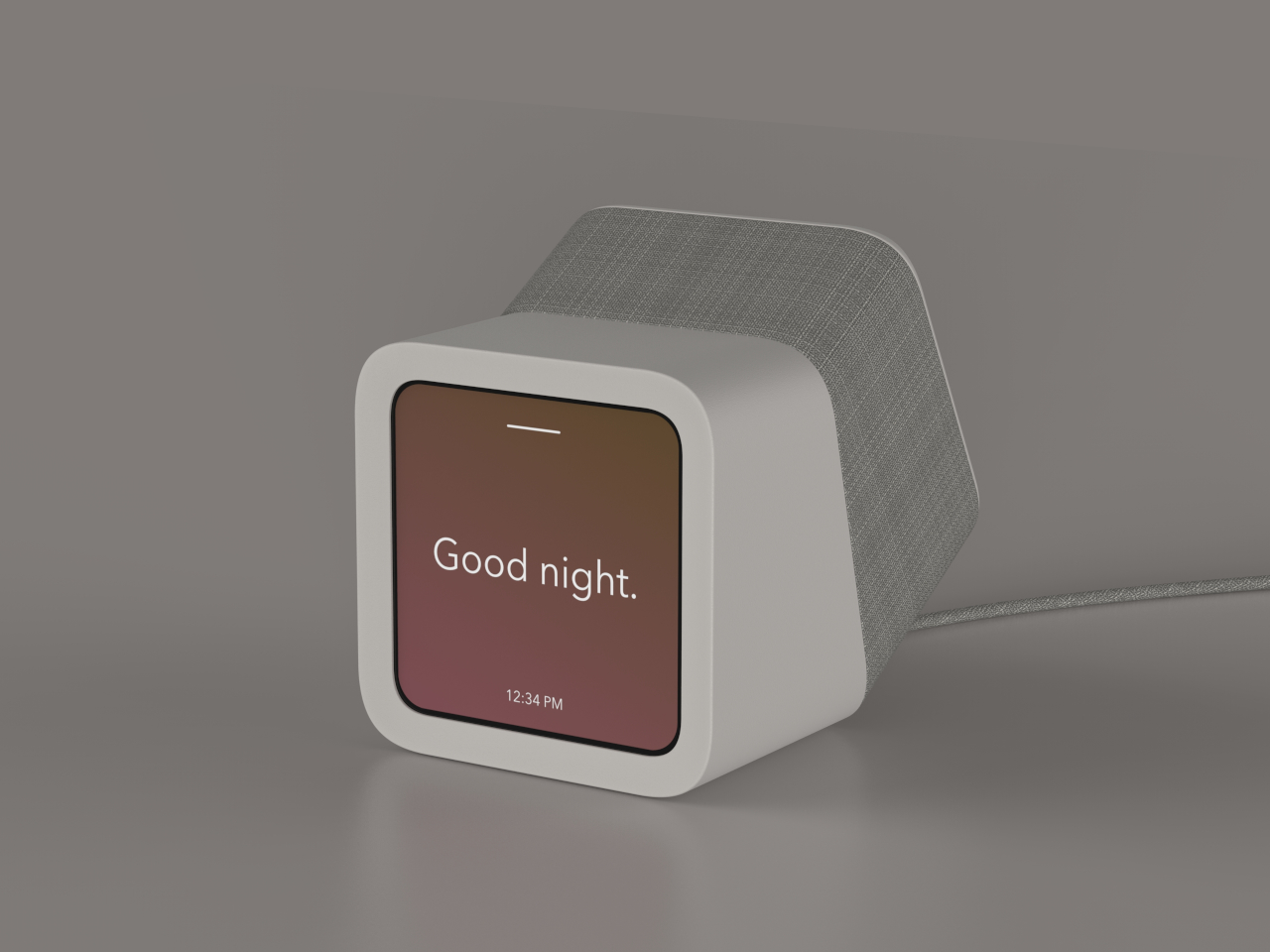
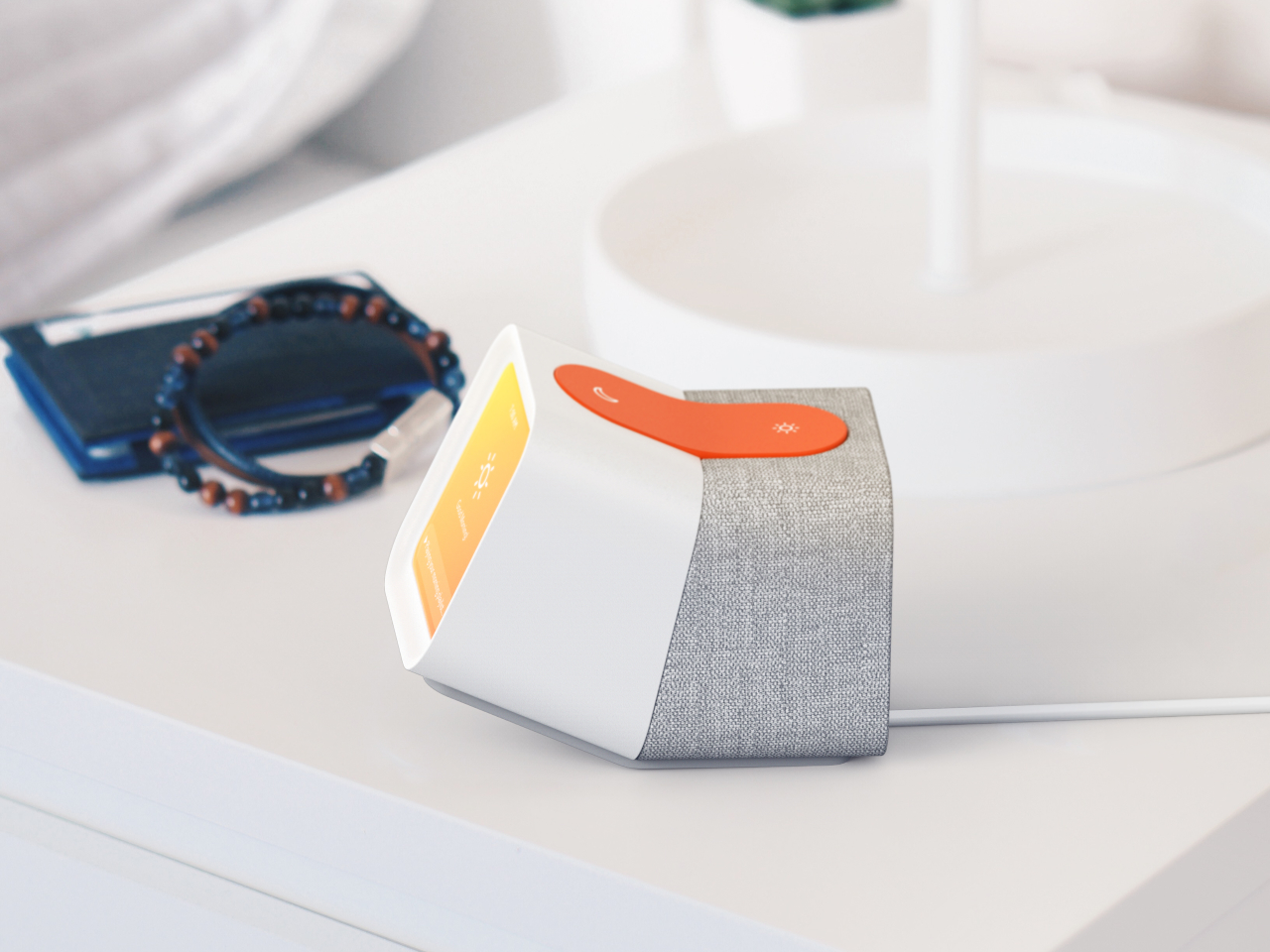
The concept is a smart alarm clock that doubles as an IoT scene switcher. It’s a small wedge-shaped object with a square display on one face and fabric wrapping the rest of the body. Instead of tapping through modes, you literally tilt the clock like a seesaw to flip between day and night. The display follows, showing a bright sun or a dim moon depending on which way it rests.

Designer: Hojung Cha

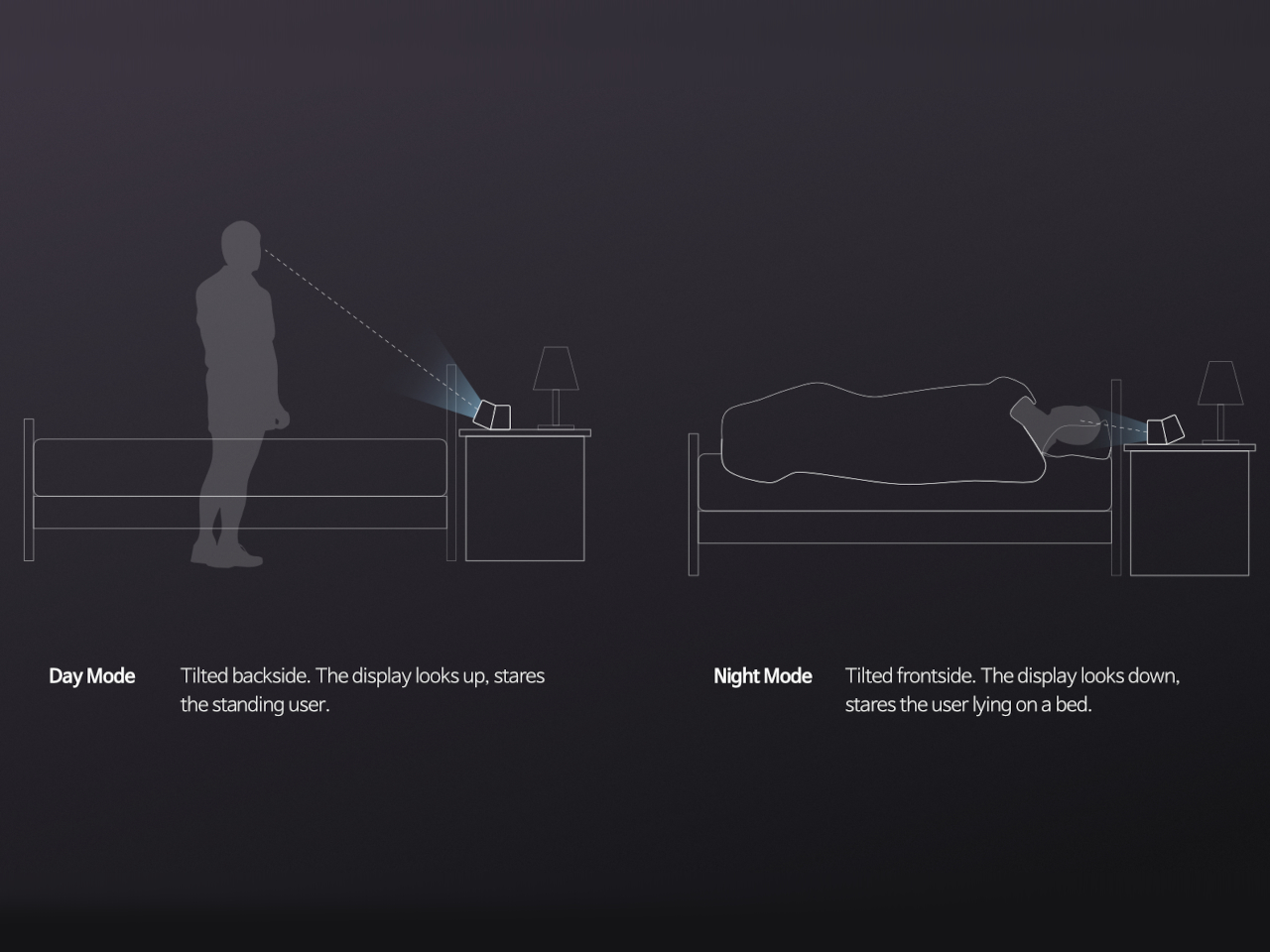
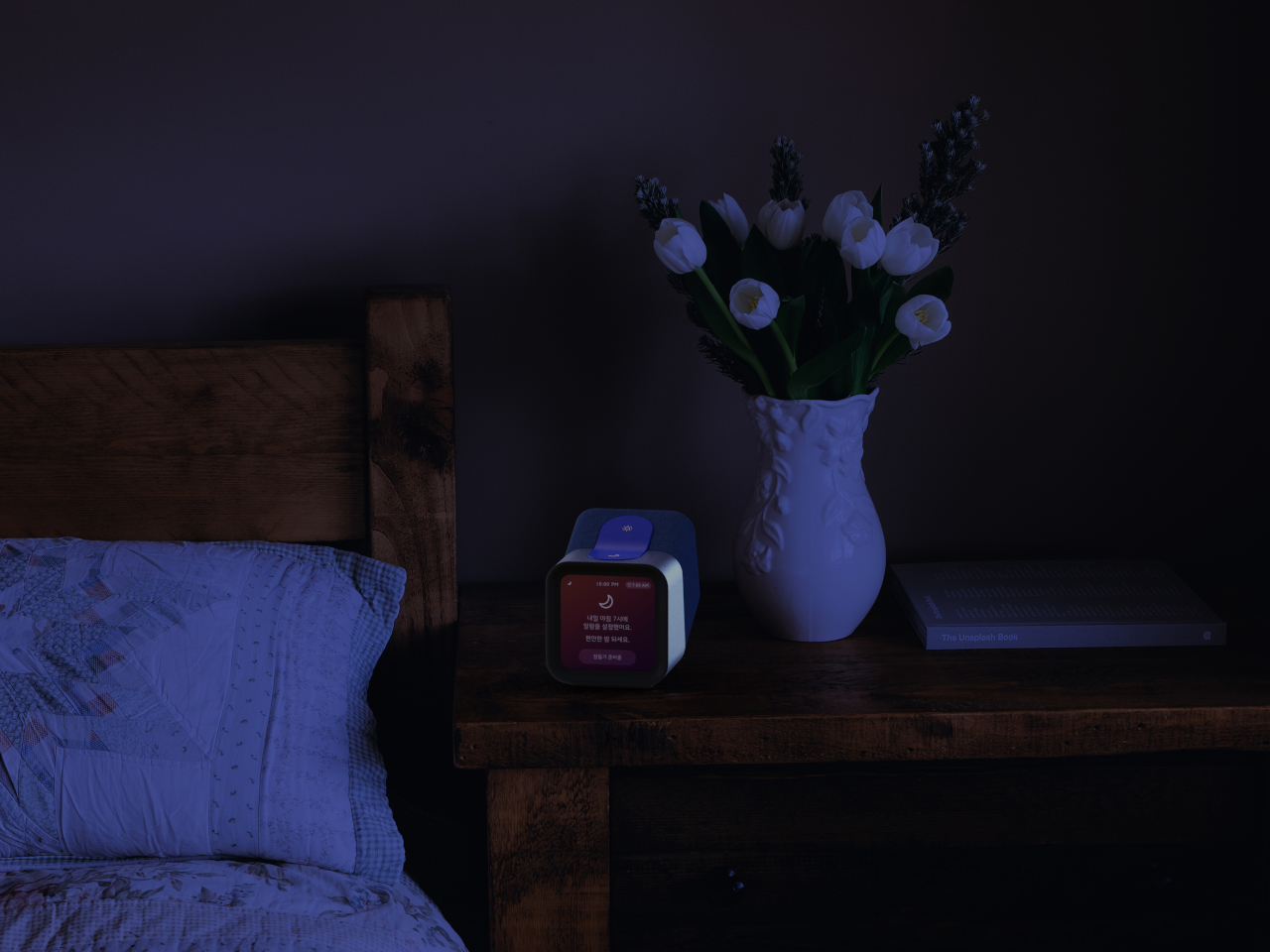
In day orientation, the clock faces you with a bright UI, lights and music on, and your phone fully awake. Tilt it the other way into night mode, and the screen darkens, lights fade, music winds down, and your phone can automatically switch to Do Not Disturb while setting an alarm for the morning. One physical move triggers a whole bedtime routine without touching a single app or menu.

The form is a soft rectangular block with one angled face for the display, wrapped in fabric so it feels more like a piece of furniture than a gadget. The angled front makes it easy to read from bed, and the two stable resting positions are obvious at a glance. It looks comfortable on a nightstand next to a lamp and a book, not like a piece of lab equipment waiting to blink at you.

The clock inverts the typical IoT relationship. Instead of your phone being the remote for everything else, the clock becomes a physical remote for the phone. It can tell your smartphone when to be quiet, when to wake you, and when to leave you alone. At the same time, it coordinates with lights and speakers, acting as a simple, dedicated interface for the most common daily transition in the home.

The design borrows the familiar bedside clock silhouette but adds the tilt mechanic and a clean, modern display. The goal is technology that can be seen, touched, and held, making its function legible without an instruction manual. The two orientations and matching UIs turn a behavior we already do, such as getting up or going to bed, into something the object naturally understands and responds to.

The smart alarm clock concept is a small argument for more tangible IoT. It doesn’t try to solve every scenario with an app; it focuses on one moment and makes it physical, glanceable, and easy to understand. The idea of flipping a solid object to tell your home and your phone “day” or “night” feels like the kind of interaction our sleepy brains can actually live with.

The post Tilt This Smart Clock, and It Triggers Your Entire Bedtime Routine first appeared on Yanko Design.
December’s PS Plus Monthly Games include Lego Horizon Adventures and Neon White

Sony has revealed the final batch of PlayStation Plus Monthly Games for 2025. This time around, you’ll be able to add five games to your library instead of the usual three. As ever, you’ll retain access to claimed games as long as your subscription remains active.

The headliner this time around is Lego Horizon Adventures (PS5), which is a more family-friendly take on the Horizon series. Guerrilla Games and Studio Gobo gave the events of Horizon Zero Dawn a Lego flavor in this spinoff, which is the first co-op game in the series (an MMO is in the pipeline too). I’ve been meaning to check this out, so it’ll be an easy addition to my library.

The same goes for Neon White (PS4 and PS5), a fast-paced precision platformer and first-person shooter that’s also part-dating sim. Each level is a race to the exit but you’ll need to defeat every demon in the stage first.

There are a couple of first-person co-op horror games in the December lineup. Those are the action-focused title Killing Floor 3 (PS5) and the psychological survival horror The Outlast Trials (PS4 and PS5). The final entry in the Monthly Games lineup this time around is extraction shooter Synduality Echo of Ada (PS5). That could help you scratch an Arc Raiders-shaped itch if you don’t fancy shelling out for that particular game right now.

All five games will be available for PS Plus Essential, Extra and Premium members to snag on December 2 and they’ll remain up for grabs until January 5. You still have until December 1 to scoop up November’s PS Plus Monthly Games, which are EA Sports WRC 24, Totally Accurate Battle Simulator and the wonderful Stray.

At the beginning of this year, Sony said it planned to stop offering PS4 games as a “key benefit” on the PS Plus Monthly Games and Game Catalog lineups as of January 2026. While it might add PS4 games from time to time, the onus for PS Plus going forward will be on PS5 (and perhaps some PS VR2) games. Of course, any PS4 Monthly Games that you’ve claimed will still remain available for download as long as your PS Plus subscription remains active.

This article originally appeared on Engadget at https://www.engadget.com/gaming/playstation/decembers-ps-plus-monthly-games-include-lego-horizon-adventures-and-neon-white-174500131.html?src=rss