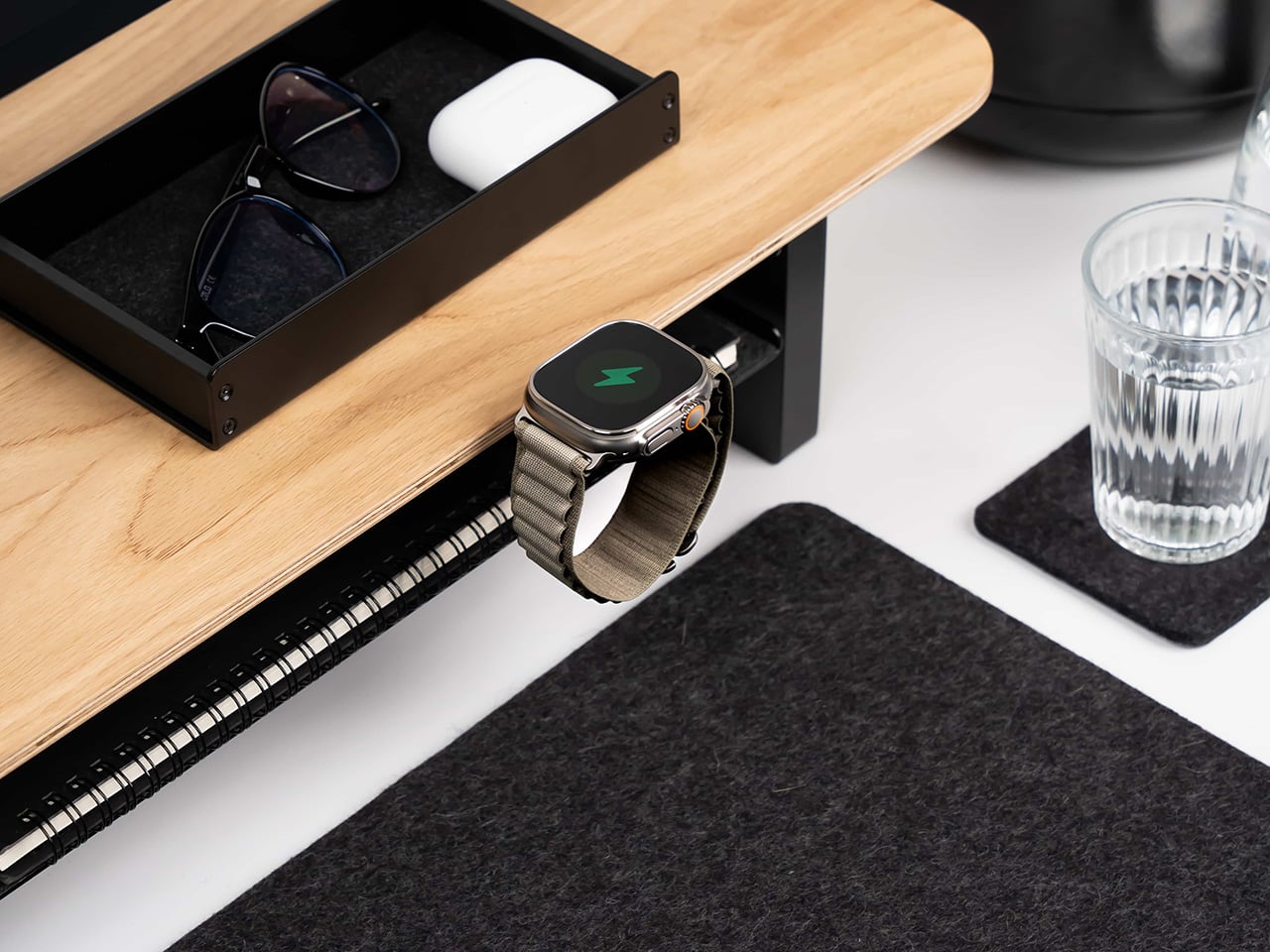
The Apple Watch Ultra 3 represents a significant evolution in smartwatch technology, particularly for outdoor enthusiasts and fitness-focused users. With its enhanced satellite connectivity, improved GPS accuracy, and extended battery life, it is designed to meet the demands of those who require reliability and advanced functionality in challenging environments. While it introduces several noteworthy upgrades, […]
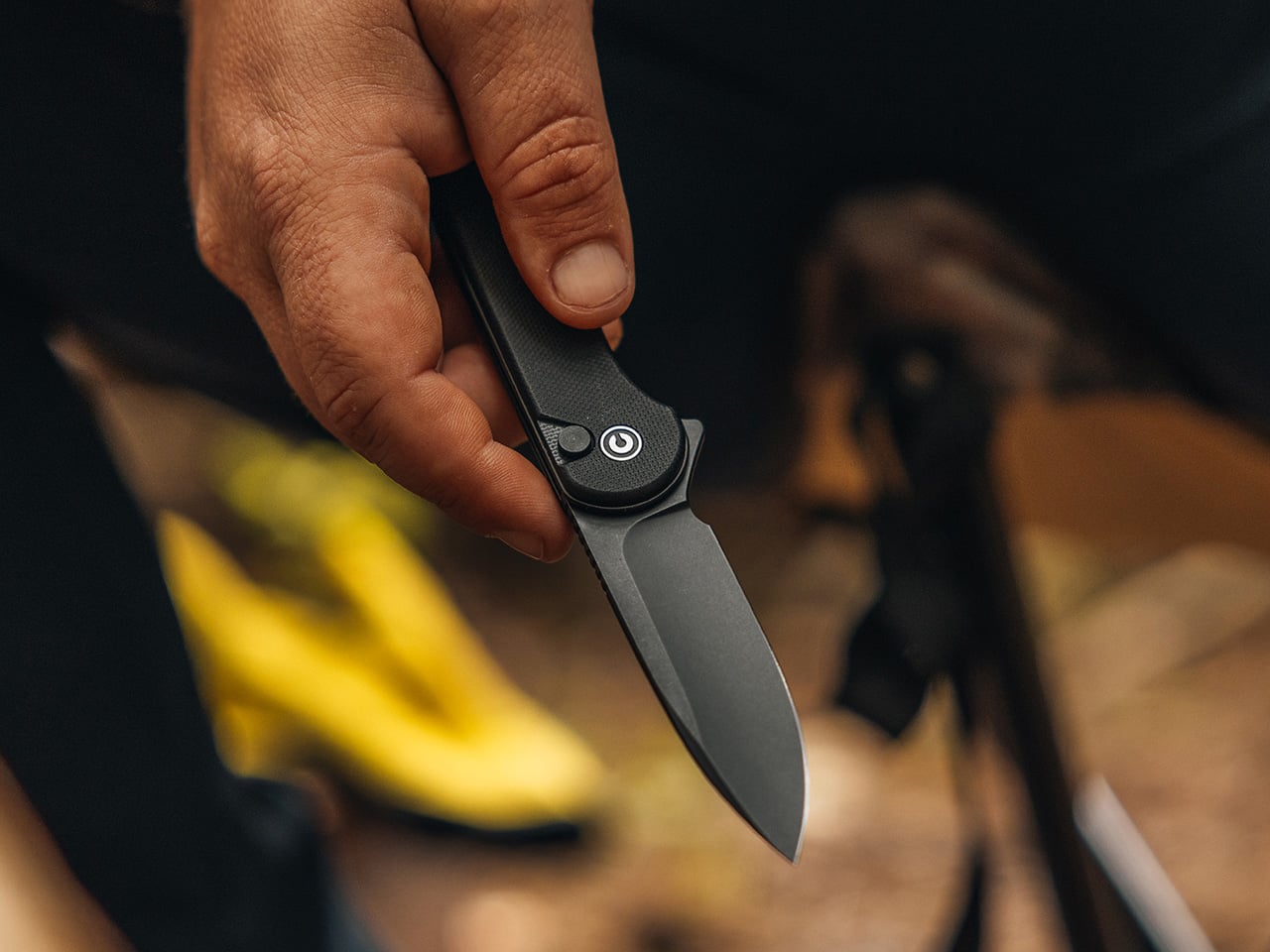
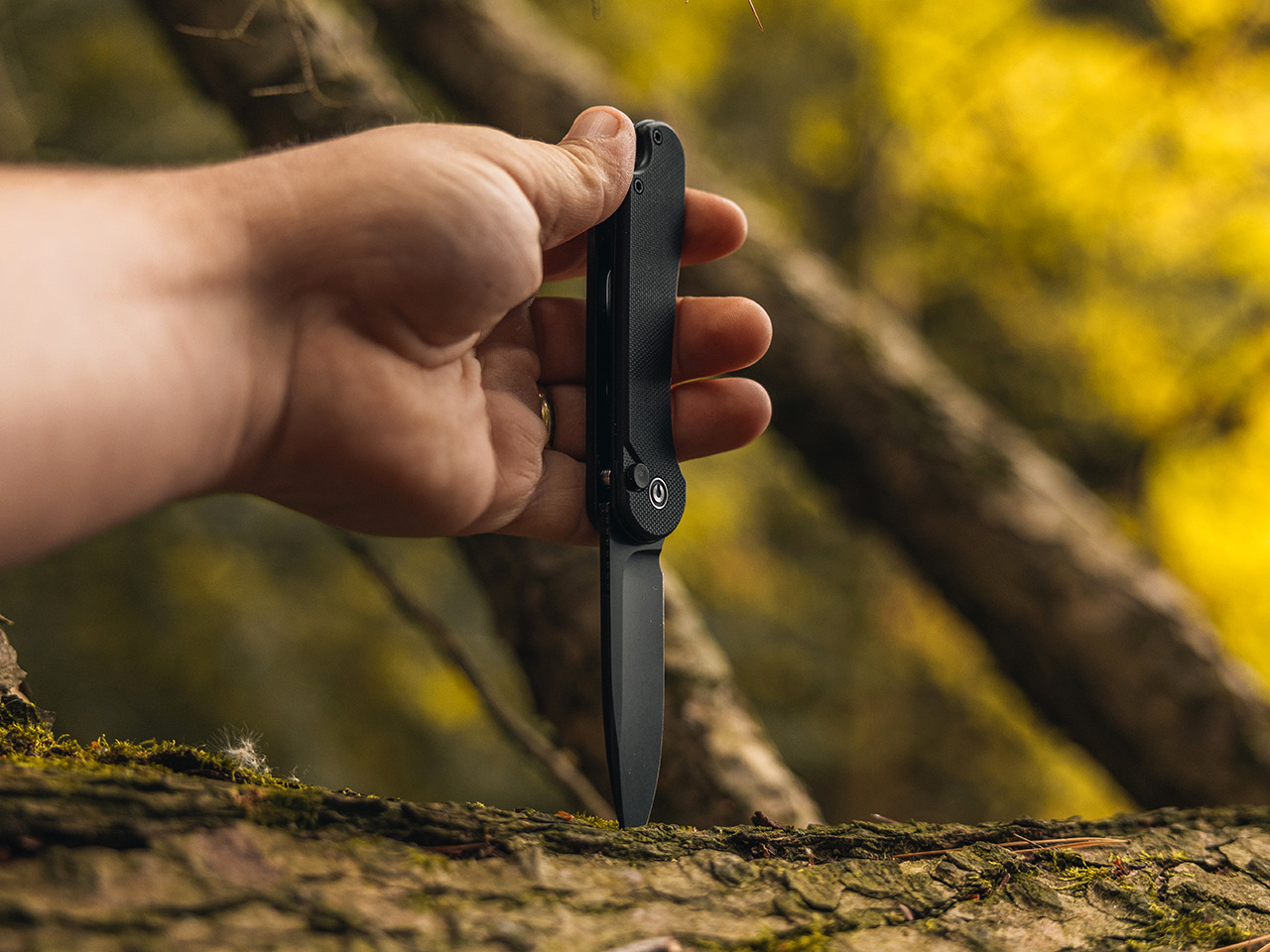
A pocket knife should work hard but carry light, a simple goal that many designs miss. The CIVIVI Button Lock Elementum II is the exception. It’s a compact everyday carry folder built for real work, yet it’s so slim and lightweight you’ll forget it’s in your pocket until you need it.
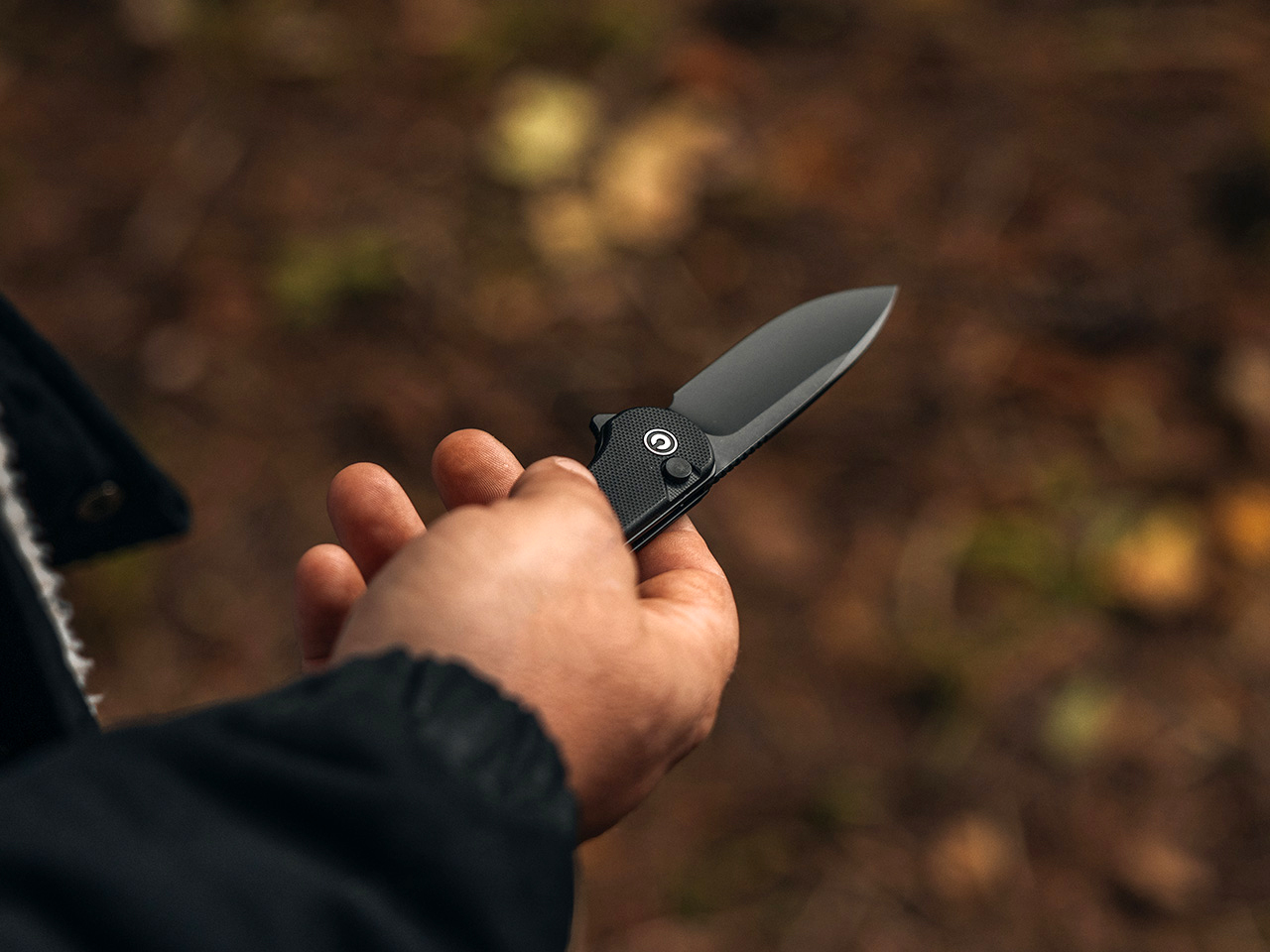
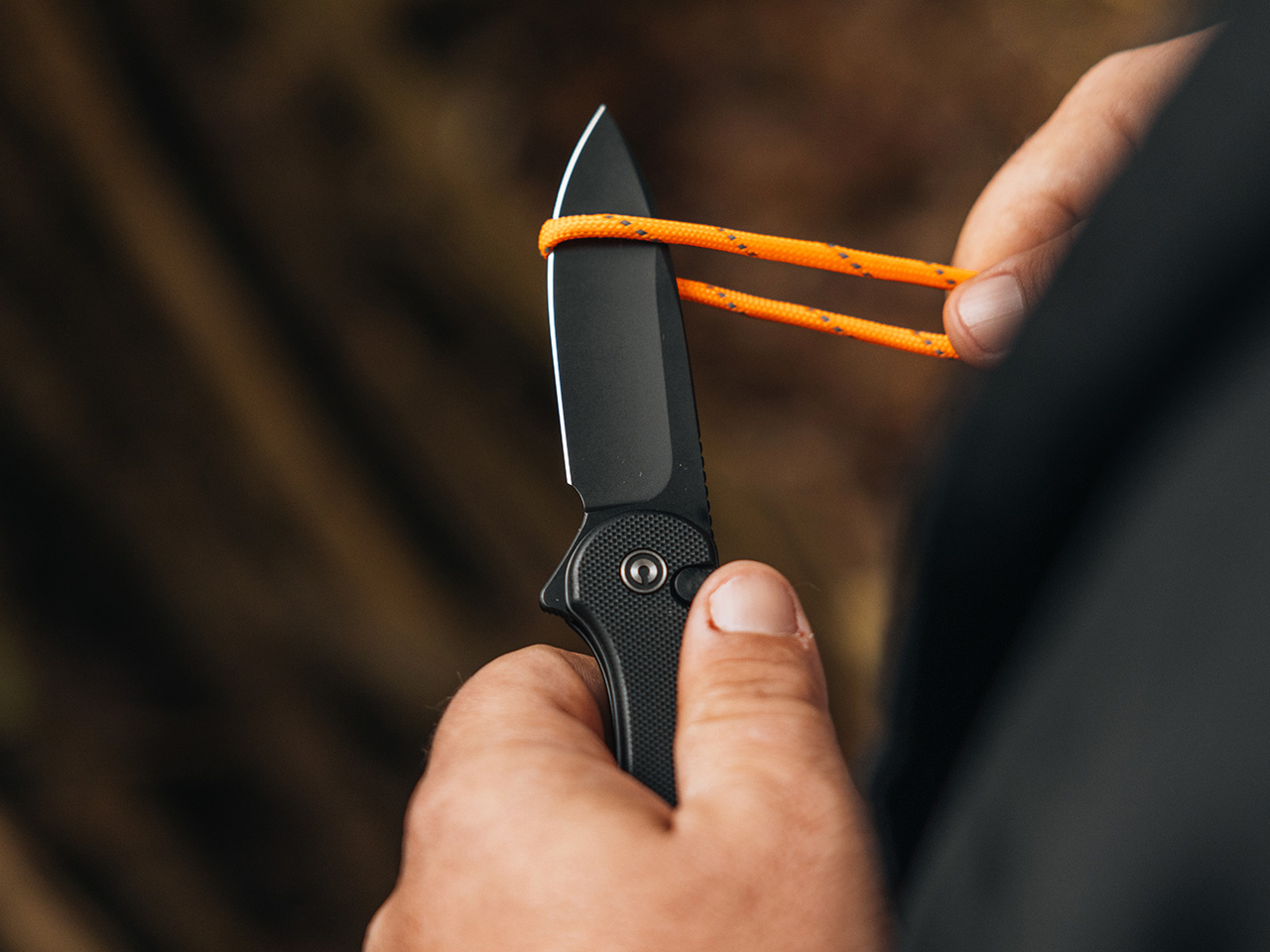
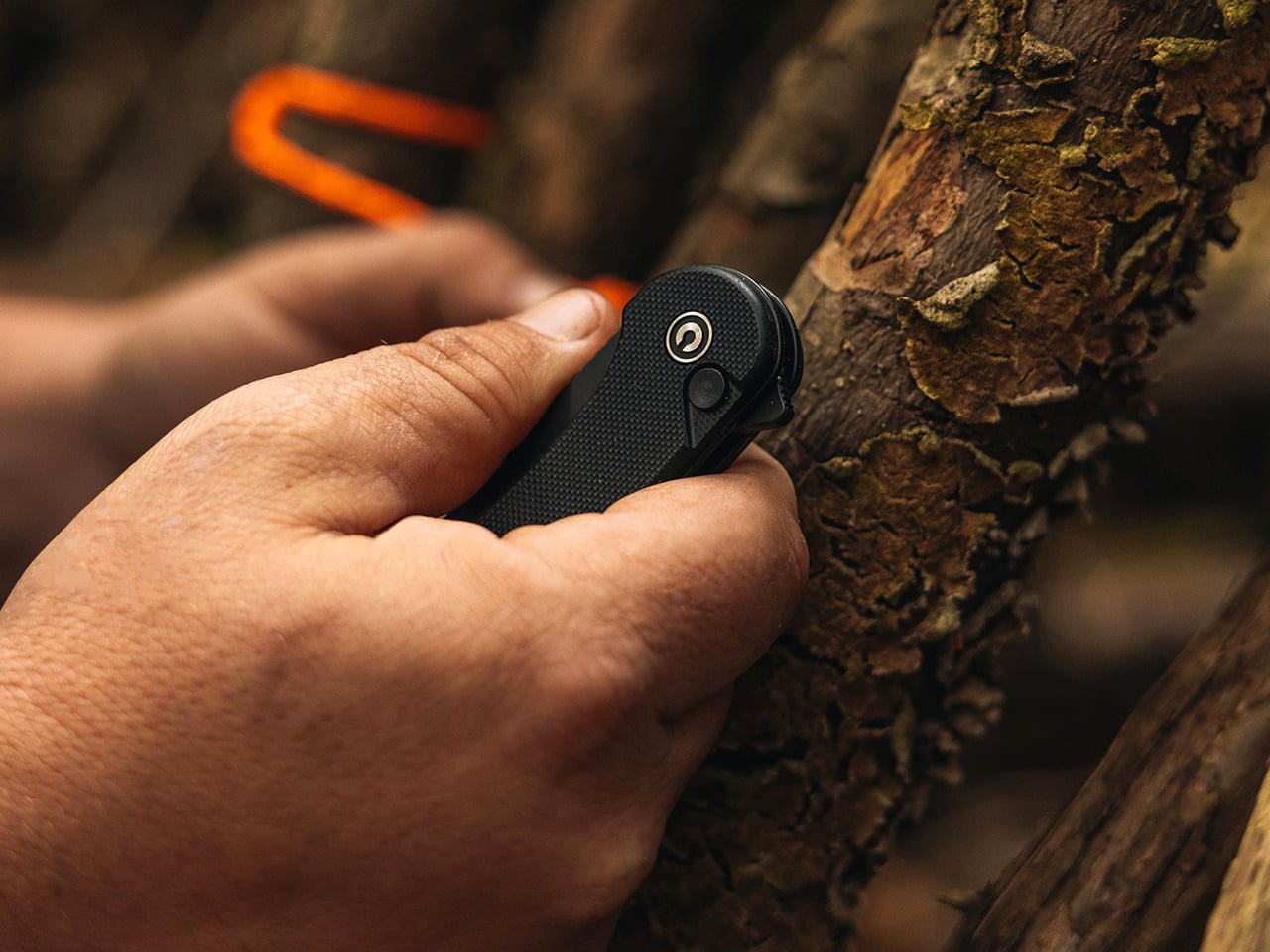
What makes the Elementum II such a standout is how it delivers on that promise. The design is built around a modern, user-focused experience, with the button lock as its centerpiece. Paired with a pivot running on caged ceramic ball bearings, the action is impressively smooth. A simple press of the button releases the blade, letting it swing shut with a light shake of the wrist for easy one-handed use. It’s a feature that feels premium, elevating the knife beyond a simple cutting tool into something that’s genuinely satisfying to handle.
Designer: CIVIVI
Click Here to Buy Now: $57.38$76.5 (25% off) Hurry! Sale Ends December 18th. Free Christmas Stocking included in orders over $29.
The original CIVIVI Elementum was a massive success because it was simple, clean, and ergonomic. The CIVIVI Button Lock Elementum II isn’t a replacement; it’s a parallel evolution for users who want a more modern, fidget-friendly EDC companion. The core of that experience is the button lock. Paired with a pivot running on caged ceramic ball bearings, the action is impressively smooth. A press of the button releases the blade, letting it swing shut with a light shake of the wrist, making one-handed use genuinely easy. It’s a feature that feels premium, adding a level of refinement that elevates the knife beyond a simple cutting tool into something that’s just satisfying to handle.
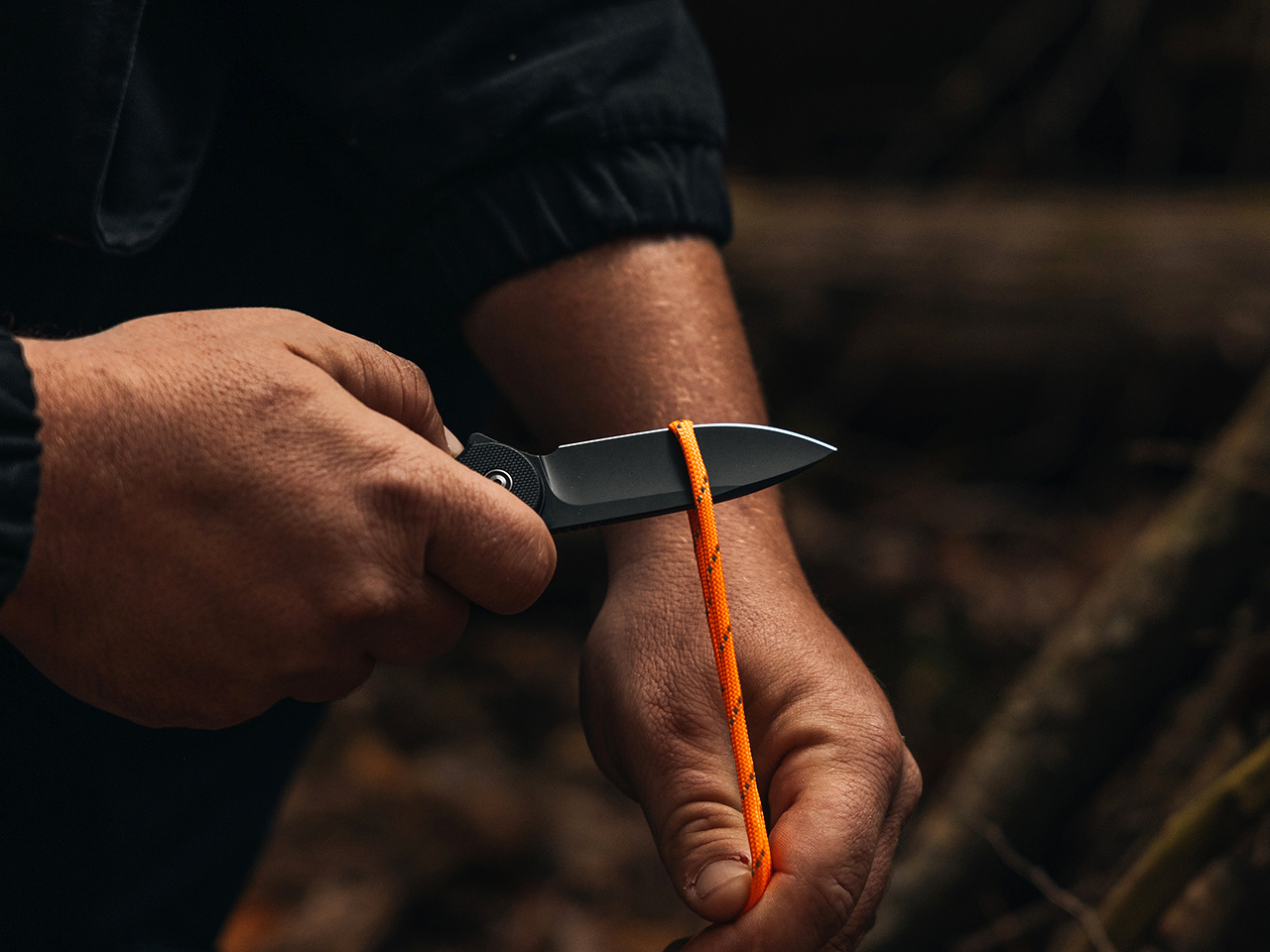
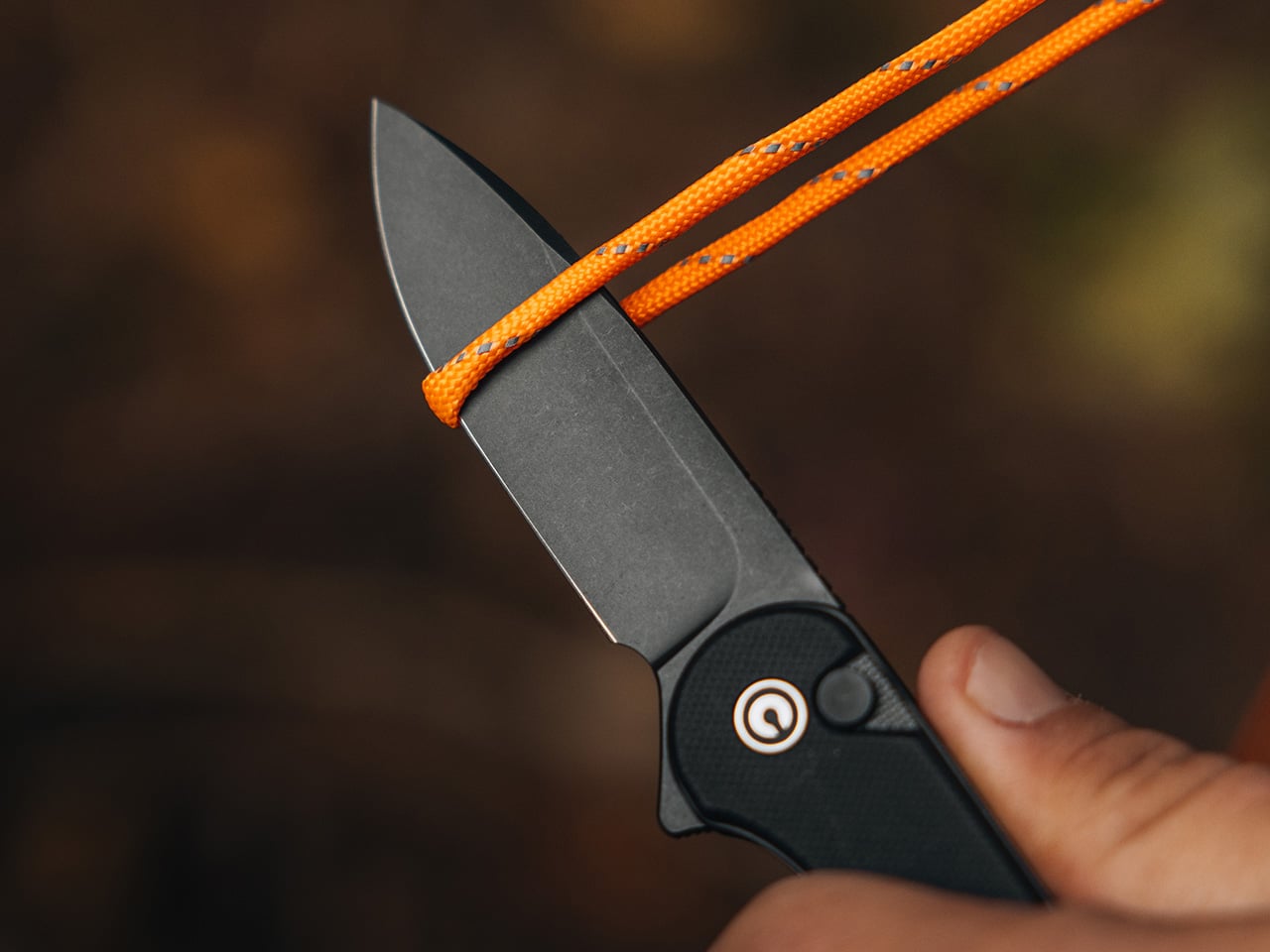
What really gives the knife its teeth, though, is the choice of Nitro V for the blade steel. It’s a smart, practical upgrade that makes a real difference in daily use. Nitro V is a nitrogen-enriched stainless steel that offers a fantastic blend of properties for an everyday carry knife. It’s exceptionally tough, meaning it’s less prone to chipping than some harder, more brittle steels if you accidentally hit a staple or drop it. The corrosion resistance is also a standout feature; you can use it to slice an apple or get it wet on a hike without worrying about rust spots forming by the end of the day. Edge retention is solid, holding a sharp, workable edge through plenty of cardboard and rope before needing a touch-up. And when it does, it’s easy to sharpen on a basic stone, a trait that can’t be overstated. CIVIVI runs the steel at a Rockwell hardness of about 58-61 HRC, a sweet spot that balances edge-holding with durability.
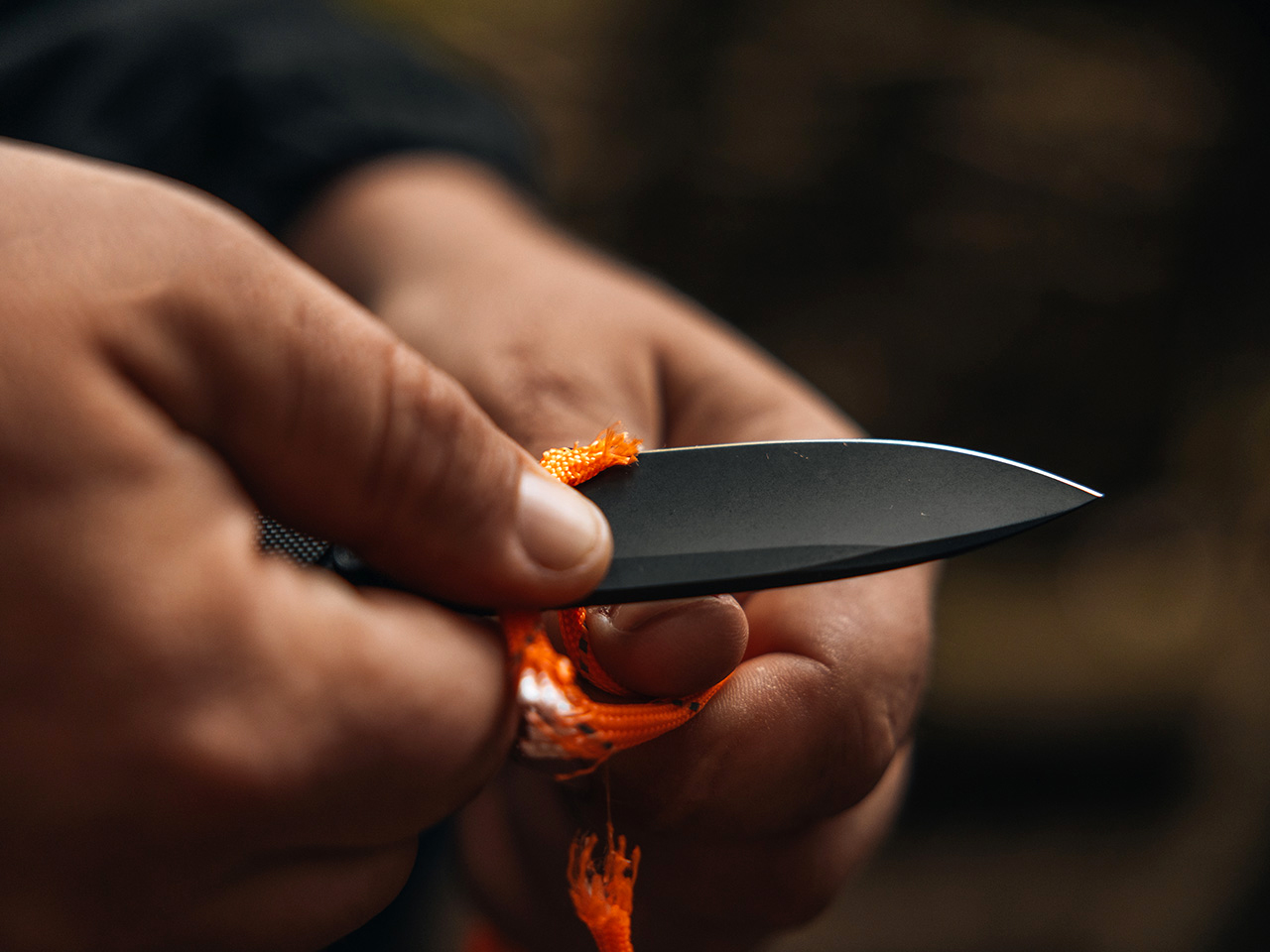
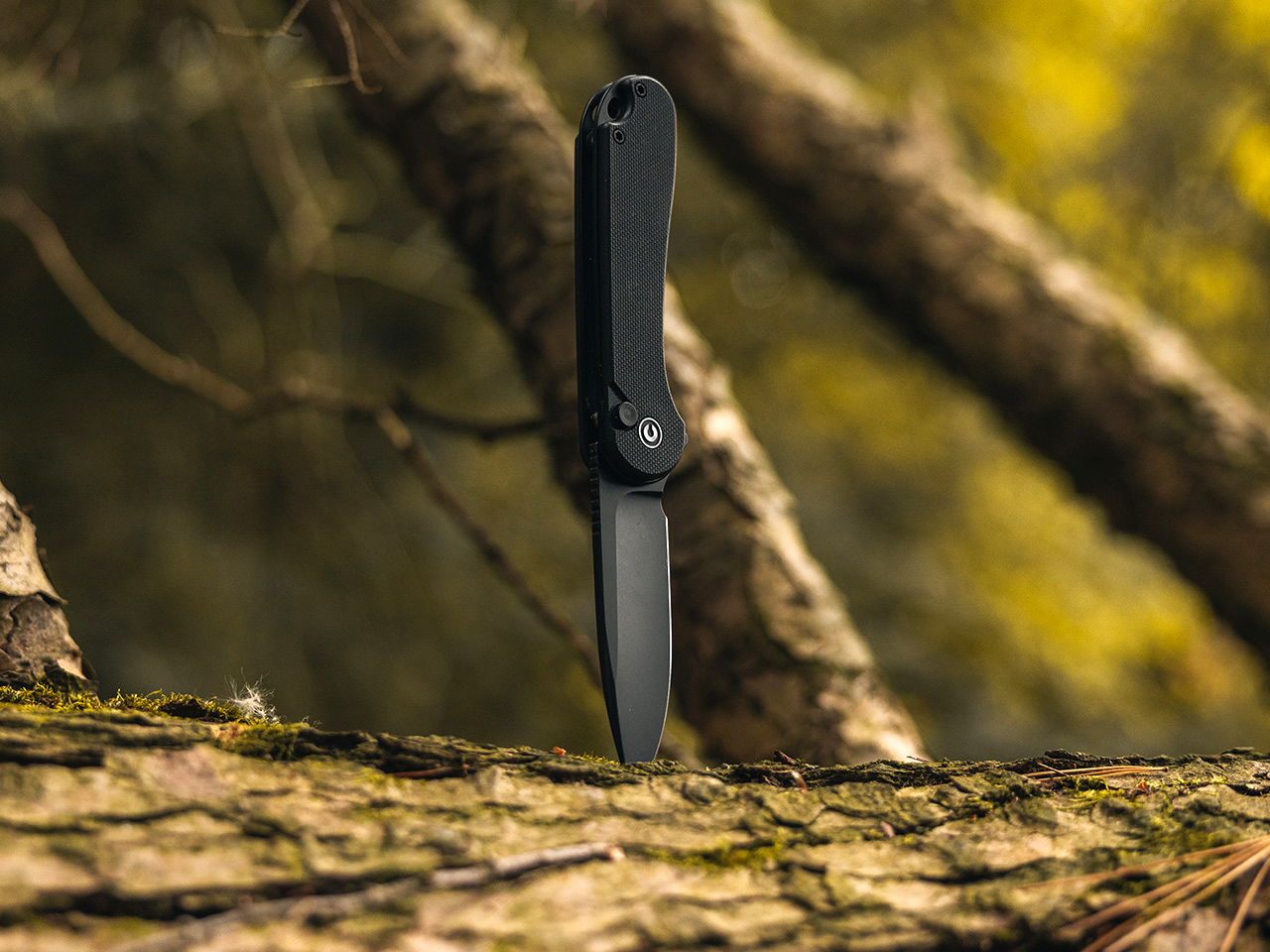
The physical design complements these functional upgrades perfectly. With a blade length just under three inches and an overall length of about seven inches, it’s sized for utility without being cumbersome. The handle is slim, at around half an inch thick, and comes in a few different materials, including lightweight G10 and textured aluminum. This slim profile, combined with a weight of around 2.7 ounces for the aluminum version, means it carries incredibly well. The deep-carry pocket clip lets it sit low in the pocket, making it discreet enough for almost any setting. It’s a knife that’s there when you need it and forgotten when you don’t. The simple drop-point blade shape is versatile, handling everything from fine slicing to piercing tasks with its flat grind.
All these elements circle back to why it works so well as a great pocket knife and EDC gift. The design is clean and unintimidating, the button lock action is intuitive and fun, the Nitro V steel is forgiving and high-performing, and the sub-$60 price point is just *chef’s kiss*. It’s a knife that a seasoned collector can appreciate for its thoughtful material choices, while someone new to knives will find it to be a reliable and easy-to-use tool. It doesn’t require specialized knowledge to maintain, yet it offers a tangible step up in quality from a typical hardware store folder. The Elementum II isn’t just a good knife for the money; it represents a shift where excellent design and practical, modern materials are becoming the new standard for what an everyday knife can be. You can grab the Button Lock Elementum II at a Black Friday-special 25% off using the link below!
Click Here to Buy Now: $57.38$76.5 (25% off) Hurry! Sale Ends December 18th. Free Christmas Stocking included in orders over $29.
Most desks tell the same story. A monitor sitting too low, forcing you to hunch forward. A tangle of charging cables disappears behind the desk, where you’ll never find them again. Your phone wedged between the keyboard and a coffee cup, headphones draped over the back of your chair, and a growing pile of notebooks that never quite fit anywhere. It’s functional enough to get work done, but it’s also the kind of setup that makes you dread sitting down every morning.
The Setup Cockpit by BALOLO approaches this differently. Instead of adding more organizers that take up space or forcing you to commit to a fixed layout, it creates a foundation that adapts to however you work. The monitor stand itself is straightforward, a long walnut or oak shelf that raises screens to eye level while freeing up the desk underneath. What sets it apart is the patented mounting grid running along the bottom, a system of attachment points that lets you easily add accessories wherever they’re needed and rearrange them whenever your workflow changes.
The first thing you notice when unpacking the Setup Cockpit is how solid it feels. The wood is real American walnut or oak, hand-finished in Germany with natural oils and waxes that bring out the grain. The feet, made from MDF wood, are sturdy enough to keep the whole thing stable, even with two large monitors perched on top. It’s the kind of build quality you’d expect from furniture that costs a few hundred dollars, not something marketed as a desk accessory.
Setting it up is refreshingly simple. Slide your monitors onto the shelf, adjust the monitor height if needed, and tuck your keyboard underneath in the 3.9 inches of clearance. That alone transforms how your desk feels, raising screens to eye level and opening up space you didn’t realize you were wasting. But the real shift happens when you start adding accessories from BALOLO’s modular ecosystem, which is where the mounting grid earns its keep.
A laptop riser is perfect for those days when you need a second screen. A MagSafe holder keeps your phone charged and visible for notifications without cluttering the surface. Cable magnets attach to the grid, holding charging cables in place so they don’t slip behind the desk every time you unplug something. Heck, there’s even a headphone holder that keeps your cans within reach instead of draped over your monitor or tangled in your bag.
The modularity is what makes this feel genuinely useful instead of just another piece of furniture you buy once and forget about. Your workflow changes depending on what you’re working on, and the Setup Cockpit keeps up. Whether you need a tablet holder for sketching or more space for your accessories, the BALOLO Setup Cockpit lets you customize your desk to suit your preference, while leaving you with the freedom to expand and change it at any time.
What’s surprising is how much this changes the rhythm of your workday. Starting with a cleared surface instead of a pile of cables and peripherals makes sitting down feel less overwhelming. Everything has a spot, and that spot can change if you decide you want your phone on the left instead of the right. It’s the kind of flexibility most desks never offer, where adding one thing means removing something else or living with clutter.
The materials help too. The walnut finish warms up spaces that lean too heavily on black plastic and aluminum, while the oak or black-stained oak options fit minimalist setups without feeling cold. The wood is sealed, so spills and wear won’t ruin the finish, and the whole thing is built to support up to 50 pounds without wobbling. That’s reassuring when you’re stacking ultrawide monitors and laptops on top of a shelf.
The Setup Cockpit doesn’t reinvent what a monitor stand can do so much as it refines every detail until nothing feels compromised. BALOLO’s approach combines German craftsmanship with modularity that actually makes sense, creating furniture that transforms your desk without forcing you to tear everything apart first. It’s designed to adapt as your work evolves, which is exactly what premium workspace solutions should have been doing all along.
A luminous sphere is rising in Tirana, Albania, and it’s set to become one of Europe’s most audacious architectural statements. MVRDV, the Dutch architecture firm known for pushing boundaries, has won the international competition to reimagine the site of the old Asllan Rusi Sports Palace with The Grand Ballroom—a 100-meter-diameter orb that defies conventional building typologies.
The project merges seemingly incompatible programs into a single sculptural form. A 6,000-seat arena for basketball and volleyball sits at the heart of the structure, surrounded by hotel rooms, residential apartments, restaurants, and public spaces. Where most architects would separate these functions into distinct volumes, MVRDV stacks them vertically within the spherical envelope, creating a building that reads as both monument and machine for urban living.
The organizational strategy reveals a sophisticated understanding of public and private gradients. At ground level, where the sphere meets the earth, it creates an impression in the landscape, carving out a lower floor that welcomes visitors into the building’s most accessible spaces. From there, the programming ascends in horizontal layers, transitioning from communal arena spaces through semi-public hotel facilities to private residential units at the upper reaches. This vertical choreography ensures each function occupies its optimal position within the geometric constraints of the sphere.
The exterior treatment showcases MVRDV’s characteristic attention to facade articulation. A gridded skin of vertical and horizontal structural elements wraps the entire volume, creating rhythmic openings that modulate light and views while maintaining the sphere’s overall coherence. These apertures serve dual purposes: they provide necessary transparency for the various programs while reinforcing the geometric purity of the form through their careful distribution across the surface.
The Grand Ballroom arrives at a moment when Tirana is actively reshaping its architectural identity. The capital city has emerged as a laboratory for contemporary design in recent years, attracting international architects to contribute bold proposals. MVRDV’s sphere positions itself as a civic anchor, a building scaled to read from across the city while engaging pedestrians at street level through its distinctive ground-level imprint.
The technical ambition matches the formal boldness. Engineering a sphere of this scale requires sophisticated structural solutions, particularly when accommodating the varied spatial demands of arena seating, hotel rooms, and residential layouts within a continuous curved envelope. The gridded facade likely performs structural duties alongside its aesthetic function, distributing loads across the entire surface. This project represents a departure from the fragmented, multi-building approach that typically defines mixed-use developments. Rather than clustering separate towers around a shared plaza, MVRDV consolidates everything into a singular object. The sphere becomes a self-contained urban district, a building that functions as both landmark and neighborhood. It’s architecture as spectacle, certainly, but spectacle in service of density and programmatic diversity. The Grand Ballroom positions MVRDV within a lineage of architects willing to embrace geometric extremes. It stands as proof that even the most fundamental shape—the sphere—still holds potential for radical reinvention in contemporary practice.
After taking a break from the Playdate following Season Two and the wonderfully weird experience that was Blippo+, I finally dusted off my little yellow console this week and dove back in. And what better place to start than with a couple of games about cheese? Cheese 'n Crackers and Say When! both hit the Playdate Catalog recently, but aside from the thematic similarity, they're two very different games. As an extra treat (unrelated to cheese), I also picked up Ware-wolf Campfire Stories, a free game on itch.io that's actually over a dozen bite-sized games in one.
Cheese 'n Crackers
When it comes to snacking, everyone's got their preferences. Some crave a savory blast of umami, while for others, a sweet treat might be what always hits the spot. Or maybe you're like me, and if you have one, it needs to be followed by the other. Creating snacks that hit just right iswhat Cheese 'n Crackers is all about.
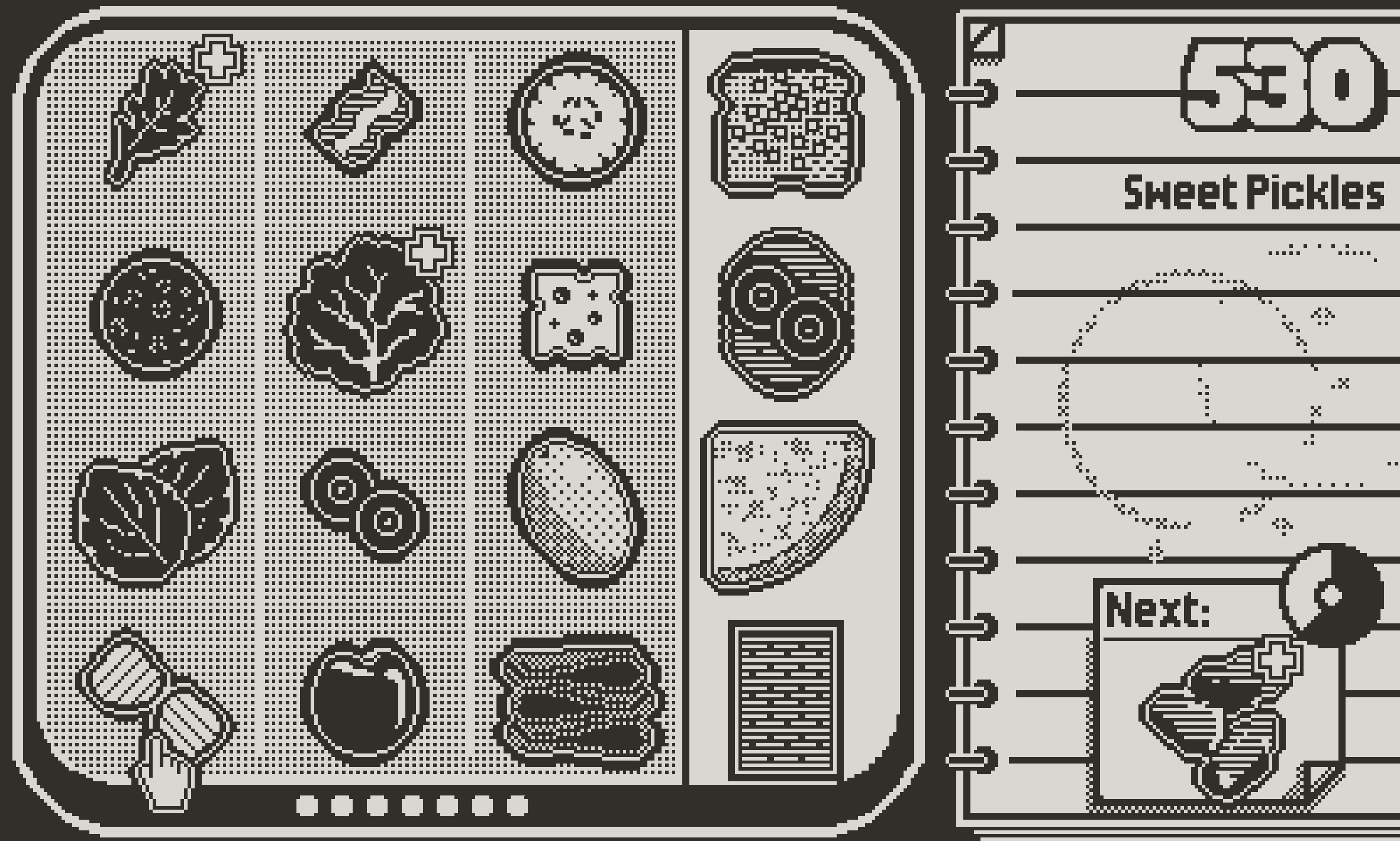
In this Playdate game, you have what is essentially a neverending charcuterie board with all the fixins you could imagine. There are meats, cheeses, spreads, spices, vegetables, fruits and various types of crackers and breads to adorn with those toppings. You have to combine ingredients to make the perfect snacks for whatever group you're serving that round. Each group — like the Speed Daters or Grandma's Bridge Club — has a specific set of guidelines that may include favorites, dietary restrictions or aversions to certain tastes.
A still from the Playdate game Cheese n Crackers showing a cutting board with various meats, vegetables, cheeses and crackers
Scenic Route Software
While pairing ingredients is pretty intuitive, there are specific combinations that will earn you more points, so you'll have to pay attention to descriptions of each food item. Or, you can turn to the Cheese 'n Crackers Compatibility Spreadsheet for all of that information in one place. Yes, that exists, and it's an intimidating work of culinary organization. Toppings will go bad if they sit out for too long, so you won't want to waste too much time scouring the spreadsheet, but it's still a relatively low-pressure game that you can play at your own pace. For the more competitive among us, though, there are leaderboards so you can challenge yourself with scores to beat.
Say When!
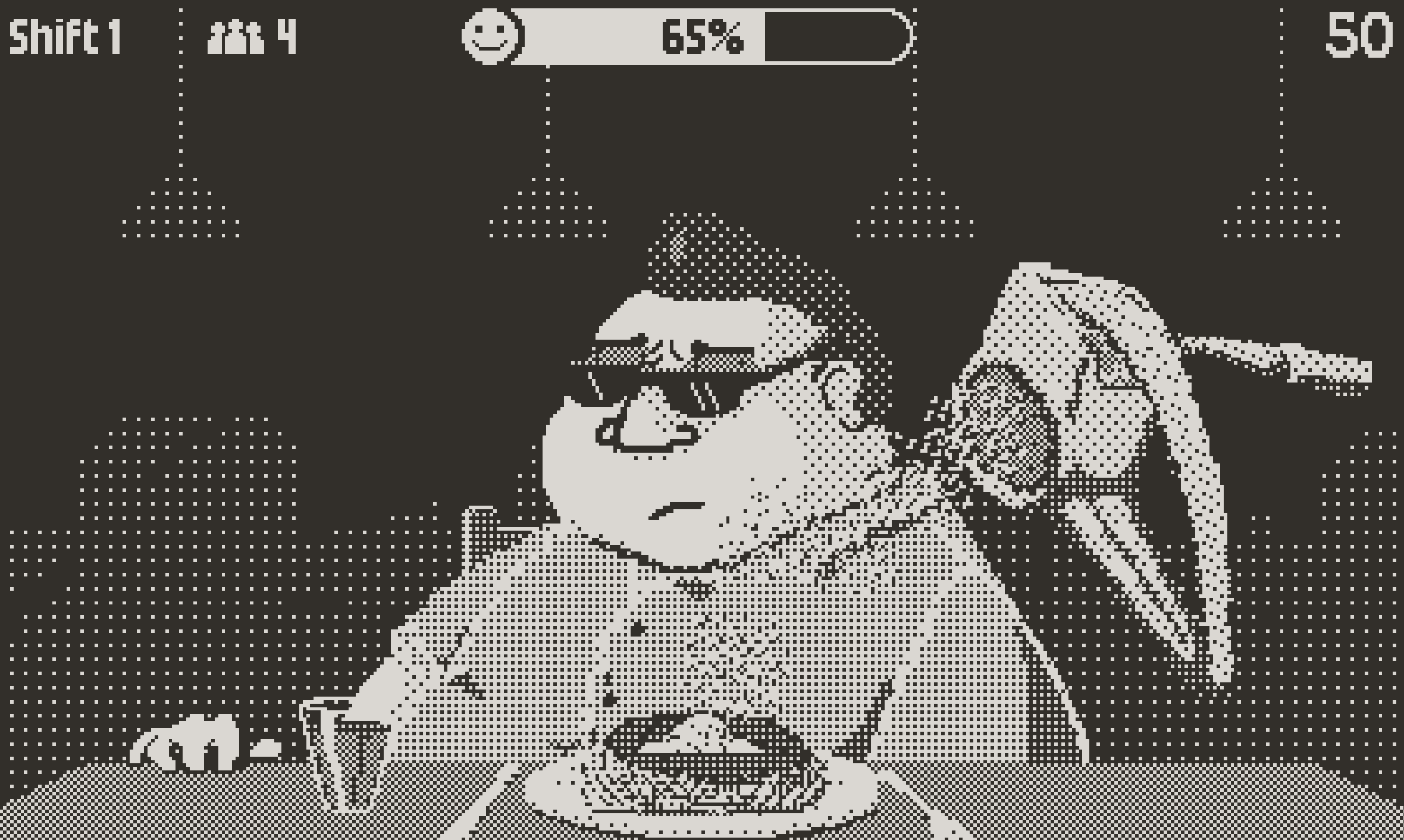
This is the more intense of our cheese games, with a Root Bear-like structure that sees you tending to a revolving door of restaurant patrons and trying to grate the perfect amount of cheese for their meals using the crank. And despite being called Say When!, your customers (very unhelpfully) will not actually say "when" to let you know you can stop cranking; you have to pay attention to their unique tells to know when they're satisfied — the twitch of a mustache, a change in facial expression, etc.
A still from the Playdate game Say When! showing a man wearing dark sunglasses sitting at a table, with a dish in front of him. Grated cheese is pouring onto the dish from a cheese grater that floats above it
Smashtoad Studios
There's a customer satisfaction meter at the top of the screen that will take hits any time you under- or over-serve cheese, or suffer if you're moving too slowly, and once it's down to the bottom, you're fired. After each shift, you'll be given the choice to use a modifier that can help you out in areas like customer satisfaction or getting the boss off your back. To mix things up, there are also mini-games that pop up in the middle of your shift. You might be furiously grating cheese and then have to switch gears and save the life of a choking customer, for example.
It's fast-paced, it's silly and it's pretty hard to put down once you get going.
Ware-wolf Campfire Stories
While the Playdate Catalog has lots of great titles to choose from, there are plenty of gems not on there that are worth checking out too. One such example is Ware-wolf Campfire Stories, a unique package of 14 tiny games that's free on itch.io. It's the result of a collaboration between 15 developer teams — including the developers of Off-Planet Dreams, the Life's Too Short series, Voidblazers and other popular Playdate titles.
Per the description:
In Ware-wolf Campfire Stories, 5 kids are sitting around a fire with their counselor telling spoooooky tales! Each story launches a separate game that you may win or lose.... with consequences.
It's a cool format, and there's some nice variety among the games, which each only take a few minutes to get through for the most part. They're all of the spooky sort, so expect bats, ghosts and skeletons galore. It's a nice way to get a taste of some of the many different game styles you'll encounter on the Playdate, and maybe discover some developers whose games you haven't yet checked out.
This article originally appeared on Engadget at https://www.engadget.com/gaming/two-playdate-games-about-cheese-and-spooky-campfire-stories-with-a-twist-232516706.html?src=rss
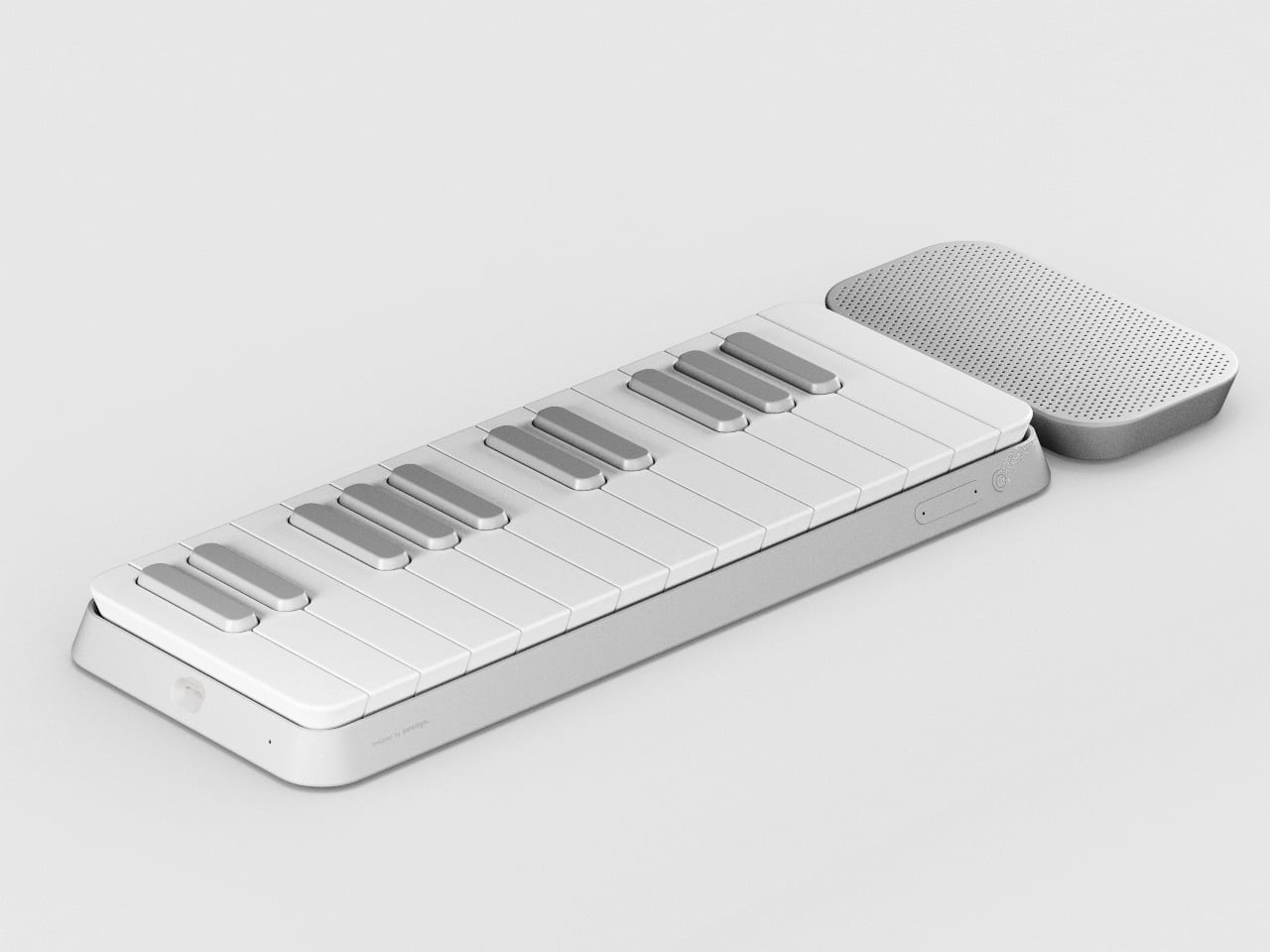
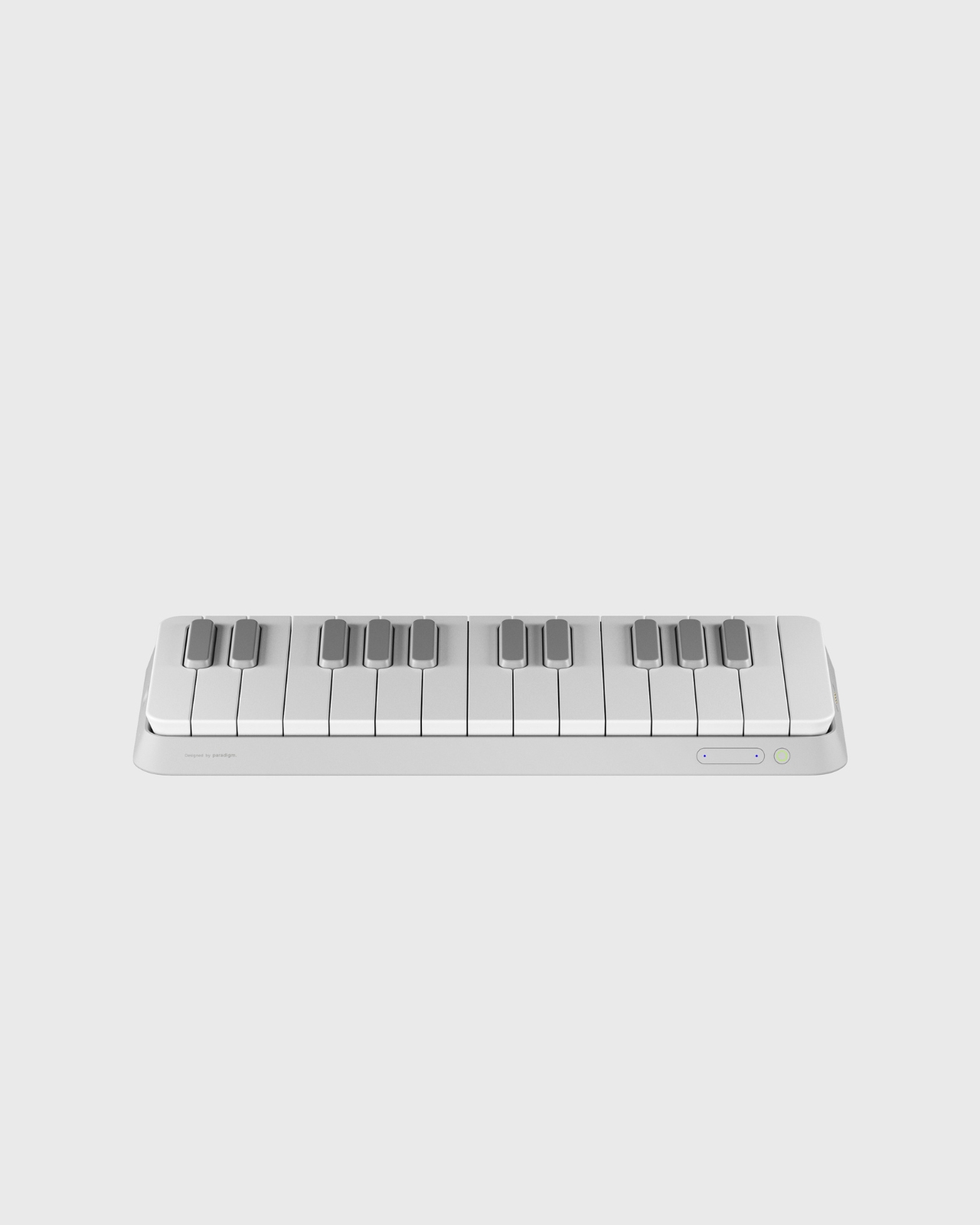
There’s something refreshing about a gadget that looks this good while solving real problems. Germain Verbrackel’s MIDI controller concept doesn’t try to reinvent the wheel, but it does ask an interesting question: what if our music-making tools were designed with the same care we give to the objects we use every day?
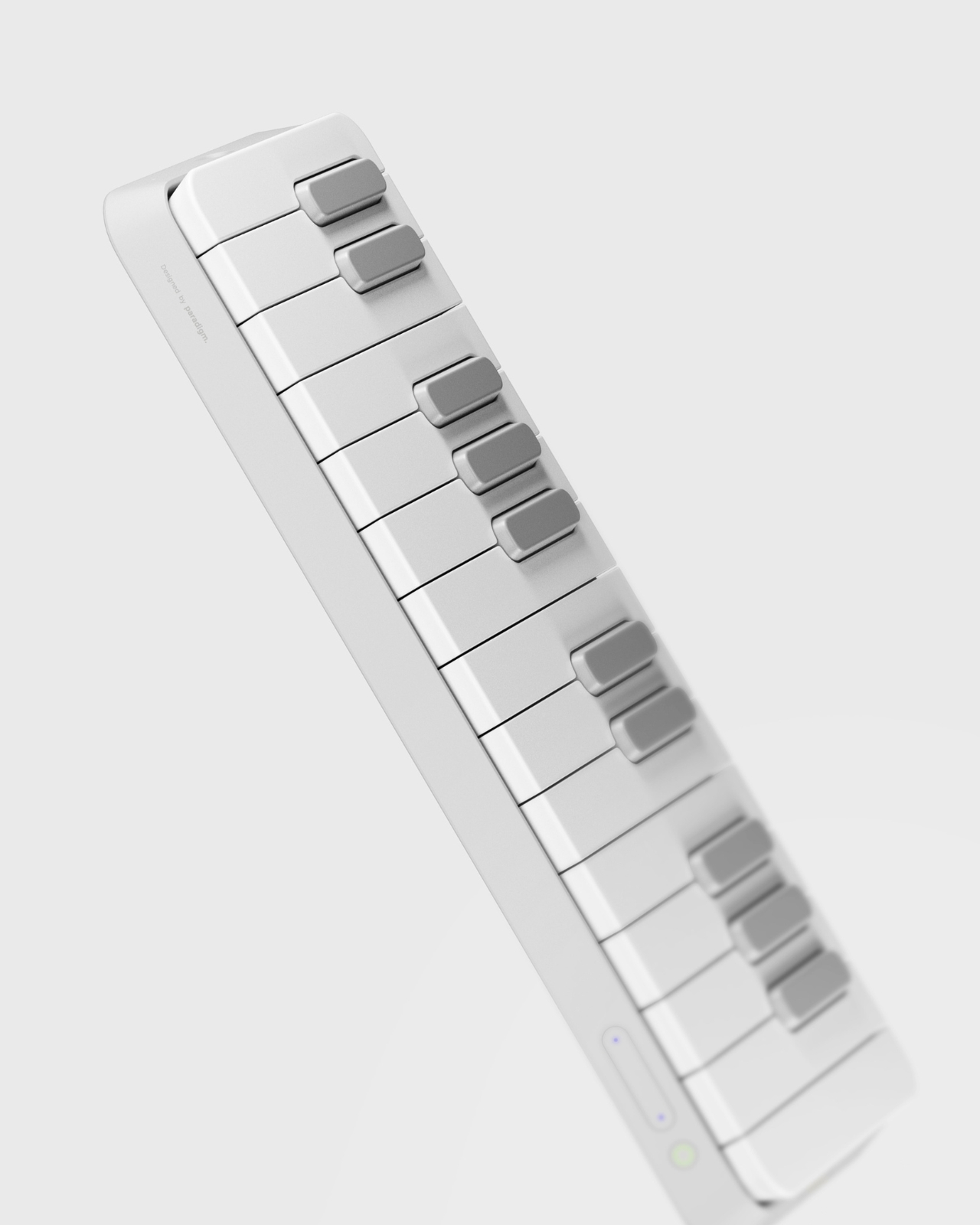
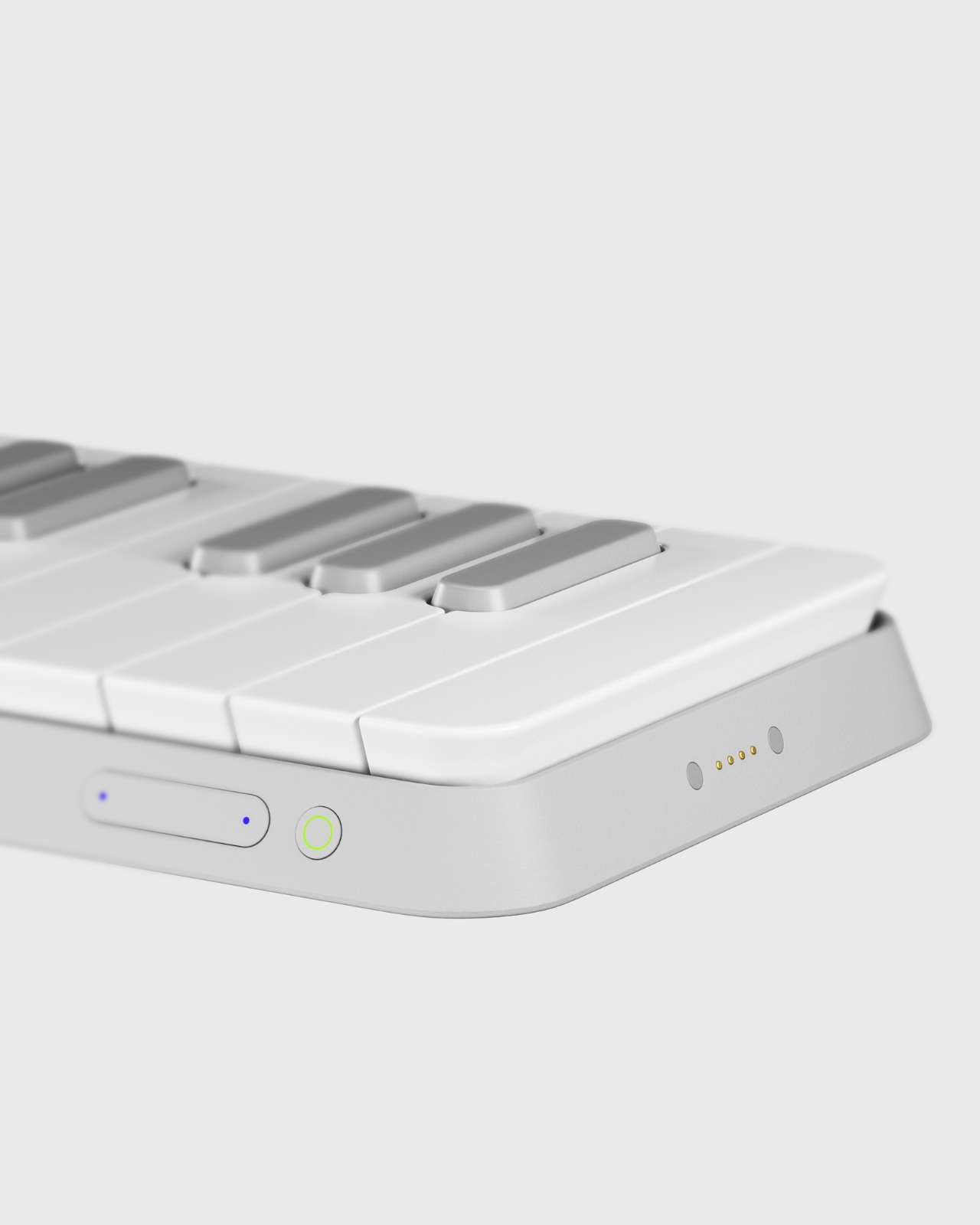
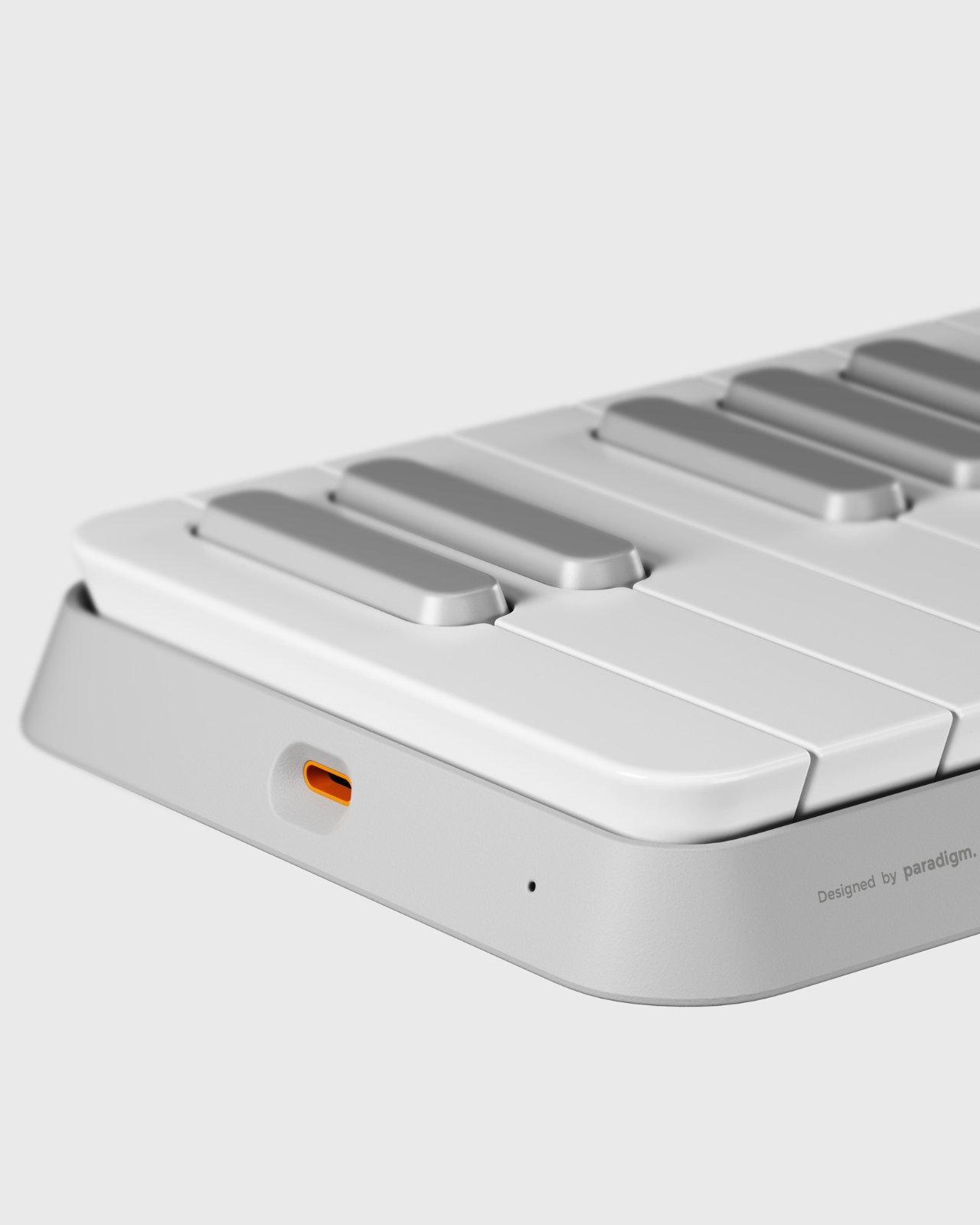
At first glance, this looks like a minimalist’s dream. The all-white palette and clean lines give it that “I belong on a designer’s desk” vibe. But look closer, and you’ll notice that every curve and angle here has a job to do. The chamfered base isn’t just there to look pretty. It creates a sense of groundedness, like the controller is planted firmly on your desk, ready to work. There’s a subtle confidence to it, the kind that comes from knowing exactly what it is and what it’s supposed to do.
The keys tell an even better story. Each one features a chamfered edge that guides your fingers into position. It’s a small detail, but it’s the kind of thing that makes a huge difference when you’re actually using the device. Think about how many times you’ve fumbled with flat, generic buttons that all feel the same. These keys practically tell your fingertips where to go. That’s not just good design, that’s thoughtful design.
What really sets this controller apart, though, is the magnetic speaker attachment. This is where the concept shifts from “nice MIDI controller” to “oh, that’s clever.” Most MIDI controllers are tethered to computers or external speakers. They’re input devices, not standalone instruments. But snap that speaker module into place, and suddenly you’ve got a self-contained music-making tool. No laptop required. No cables snaking across your workspace. Just you and the music.
The magnetic connection is particularly smart because it maintains the device’s sleek profile when you don’t need the speaker, but transforms it into something more complete when you do. It’s modular design done right, not as a gimmick but as a genuine enhancement to functionality. The speaker itself has a textured grille that provides visual and tactile contrast to the smooth keys, giving the whole setup a more dynamic look when assembled.
There’s also something to be said for how portable this design appears. The compact form factor suggests this is meant to travel with you, to be the controller you throw in your bag when inspiration might strike at a coffee shop or a friend’s place. The chamfered base helps here too, because that angled edge makes it easier to pick up off a flat surface. Again, it’s a small thing, but these small things add up to create an object that feels like it was designed by someone who actually uses these tools.
The aesthetic choices matter here as well. In a market full of MIDI controllers that either try too hard to look “professional” with all-black industrial designs or go the opposite direction with RGB lighting and gaming-inspired looks, this one takes a different path. It’s contemporary without being trendy. It’s minimal without being cold. It could sit next to your laptop, your coffee maker, or your favorite design book and look equally at home.
What Verbrackel has created here is a case study in how industrial design can elevate everyday tools. This isn’t about adding features for the sake of features or making something look futuristic just because you can. It’s about understanding how people actually use these devices and designing accordingly. The chamfered edges, the magnetic speaker, the clean color palette, they all serve the same goal: making music creation more intuitive and more enjoyable.
The controller represents a broader shift we’re seeing in tech design, where the focus moves from pure functionality to thoughtful integration of form and function. It’s the same philosophy that’s made smartphones beautiful and kitchen appliances worthy of counter space. Why shouldn’t our creative tools receive the same level of design attention? Whether this concept makes it to production or remains a stunning portfolio piece, it’s already done its job. It’s made us think differently about what a MIDI controller can be. And that’s worth celebrating.
Every week, Yanko Design’s podcast Design Mindset powered by KeyShot brings you conversations with design leaders who are shaping how products, brands, and experiences connect with people around the world. Hosted by Radhika, the show explores the intersection of design thinking, strategic communication, and the human stories behind successful brands. Whether you’re a designer, entrepreneur, or simply curious about how intentional design shapes our world, this weekly series offers insights you won’t find anywhere else.
In episode 12, Radhika sits down with Chris Pereira, founder and CEO of iMpact, a China-Western communications and go-to-market firm based in Shenzhen. With nearly two decades in China, fluency in Mandarin, and a notable stint as a Huawei PR leader, Chris brings a rare perspective to the table. Named one of Forbes India’s Top 30 Globalization Innovators, he’s spent his career helping brands navigate the treacherous waters between cultural intention and reception. What emerges from this conversation is a masterclass in how design decisions carry meaning, whether you intend them to or not.
Chris opens with a stark reality check: “Design isn’t neutral, especially across cultures. A font, a color, a slogan that wins in New York can really backfire in Nanshan in Shenzhen, China.” The challenge isn’t just about translation in the linguistic sense, it’s about making intention travel across borders intact. Every design choice tells a story about your values, and Chris emphasizes this with a striking insight: “The question isn’t if your design will tell a story, but what story you’re telling. So it’s whether you’ll own that narrative or let it own you.”
When brands think they’re “on brand” with a global strategy, that’s often exactly when things break down in local markets. Chris shares a personal anecdote that illustrates the stakes: “I had a friend a few years ago in China and he always liked to wear a green hat… But in China, there’s a specific phrase. If you’re wearing a green hat, it means your partner is cheating on you in the relationship.” What’s an innocuous fashion choice elsewhere becomes a cultural faux pas in China. For brands, this translates directly to sales, green hats simply don’t sell in Chinese markets, regardless of how well they perform globally.
Why Respect Can Look Like Disrespect (and Vice Versa)
Cultural landmines extend far beyond color choices. Chris recounts a dinner meeting where cultural respect signals completely misfired: “The Chinese host used chopsticks and before he ate he put food onto my client’s plate… But my business partner, my client, he got very angry all of a sudden. He said, I know how to use chopsticks. I’m not a kid.” The Chinese host was showing respect; the Western guest felt insulted. Both sides wanted to build trust, but the trust was actually eroded by the interaction.
These seemingly small details matter enormously for visual communication too. Sticking chopsticks upright in rice is a cultural taboo in China associated with funeral rites, an advertising image showing this would be deeply inappropriate, yet a Western creative team might not know to avoid it. Chris’s firm uses a systematic 10-item pre-mortem checklist that expands into roughly 100 specific considerations, covering everything from brand names and color schemes to who appears in imagery and what scenarios are shown. The goal should be consistent across markets, Chris explains, but the methods must adapt: “The result or what we want to convey in every country is the same. We care about the local community… How we get there is very different.”
Stop Saying You’re Great (Get Someone Else to Say It)
Perhaps the most critical insight Chris offers is about trust-building through third-party endorsement. “If I sit here and tell you, Radhika, I’m really great. I’m amazing… Honestly, that’s not a good way to convince the other person. The better way is to say, this professor has given me a letter of introduction. I was on TV last week on that media.” From a brand perspective, advertising says “I’m great,” while third-party endorsement says “he’s great” or “she’s really trustworthy.” Chris’s advice is direct: “If you don’t have the third-party endorsement, you shouldn’t do advertising.”
He encourages brands to “stand on the shoulders of giants,” pointing to the “Intel Inside” label on laptops as a perfect example. Industry awards, professional association endorsements (like dental associations for toothpaste), and partnerships with established entities all build the trust foundation necessary before spending on advertising. For product launches, Chris advocates showcasing customer success stories: “Maybe we can donate some of our products while we’re doing our announcement. And they can come and say how much that means to them for their community.” This provides powerful, authentic validation that no amount of paid advertising can replicate.
What Huawei’s Crisis Taught About Winning Together
Chris’s time at Huawei during one of the most challenging periods in the company’s history taught him invaluable lessons about resilience and messaging. When he joined in 2016, the message was all about dominance: “We’re number one in this industry. We’re number two in this industry. We have a huge end to end supply chain.” That message made employees proud but scared competitors. “If you’re in the United States at your Apple or Google, you’re like, oh, crap, this is kind of scary. Right. And they’re going to take our business,” Chris recalls.
The lesson? “The importance of win win or finding ways to work together in a way that’s good for everyone in the community is important.” Huawei eventually shifted its messaging toward building an open ecosystem, helping everyone in the supply chain succeed together. Chris also learned about the long-term mindset necessary for trust-building. When the Meng Wanzhou crisis hit in 2018-2019, many questioned whether Huawei would survive. Yet the company had a record year recently, expanding into new sectors like automotive. This taught Chris the importance of resilience and “thick skin” for both brands and individuals, and that trust requires time and consistency to build properly.
Redefining Speed: Why “Shenzhen Speed” Isn’t What You Think
The concept of “Shenzhen Speed” came up multiple times, but Chris is careful to define it properly. It’s not about rushing business relationships or pushing for quick deals. Rather, “when we say Shenzhen speed, we’re not talking about the speed of your business development… the speed is response. So if you send me a message and I respond quickly, we close the loop quickly.” Trust, conversely, needs time.
As Chris puts it, quoting a German friend: “Going in the wrong direction very quickly is not efficient. So in other words, if you’re going in the right direction slowly, that’s actually maybe better than going super fast and going in circles.” This is especially true for Chinese companies going overseas. Chris identifies cross-cultural communication as the primary challenge: “They all have great products, but they still lack a ability to communicate in a cross-cultural setting.” And crucially, human connection matters more than technology: “Get on an airplane and be on site at a trade event, visit your clients in person, have coffee with them. So none of that can be done by AI, interestingly.”
The Three Non-Negotiables Every Brand Needs
When asked about his non-negotiables, Chris identifies three foundational principles. First, compliance, “You need to follow the law anywhere you go,” he states simply. Second, authenticity: “If you’re not authentic, you will lose the trust of the local market.” Chris shares what he calls the 20-60-20 rule: 20% of people will always love you, 60% don’t really care either way, and 20% will actively dislike you. “When we’re doing our design work and business work, it’s important to bring your true self to the table because then you’ll attract the consumers, your customers, your partners, your friends who are like minded.”
Third, purpose beyond profit. “We’re not just doing business and doing design work and doing PR for money. I think we want to make the world a better place,” Chris reflects. For him, this is personal: “I have a nine year old son who’s half Chinese. So what we’re doing is helping Chinese companies and helping China tell their story in a more effective way overseas and building more trust and friendship.” In the rapid-fire segment, Chris crystallizes several key insights. His quickest litmus test for international success? “The team, the team behind the product.” The most underused asset in cross-border launches? “The actual relationships… in the local market.” And what beats beautiful design every time? “A brand mission. So a mission, a worthwhile cause to do something.”
Making Intention Travel
What emerges from this conversation is a fundamental truth: design is never neutral. Every choice, from fonts to colors to the people you feature in your imagery, communicates values. The challenge is ensuring those values translate as intended across cultural boundaries. Chris’s approach is both systematic and deeply human: use checklists and structured processes, but never forget that trust is built person to person, through authentic relationships and genuine commitment to local communities.
For designers and brand strategists working in an increasingly global marketplace, the message is clear: you can’t afford to be culturally naive. What “works” in your home market may actively harm you elsewhere. But with the right approach, thoughtful localization, authentic partnership, and patience, brands can successfully make their intention travel across borders. Chris Pereira can be found on LinkedIn, and Design Mindset releases new episodes every week, bringing you more conversations with leaders who understand that great design isn’t just beautiful, it’s meaningful.
Listen to the full conversation on Design Mindset (powered by KeyShot), available every week, to hear more insights from one of the industry’s most decorated design leaders.
Social media is an overwhelming part of our lives these days, but the Pew Research Center provided an in-depth look at just how much we rely on these platforms. In a 2025 report that looks at social media usage with American adults, the data-driven think tank revealed some nitty-gritty details like year-to-year changes, age gaps and most importantly, frequency of use.
At the number one spot, YouTube holds a dominant position, with 84 percent of the 5,022 adults surveyed saying they use Alphabet's video-sharing platform. Meta earns silver and bronze medals since 71 percent of adults said they use Facebook, while 50 percent responded positively when it comes to Instagram use. However, not all of Meta's social media outlets are doing well. Threads may have hit 400 million monthly active users this summer, but only eight percent of adults surveyed said they use it. Rounding out the bottom of the list, only 21 percent of adults surveyed said they use X, while four percent of adults said they're on Bluesky and three percent are on Truth Social.
Besides popularity, the Pew Research Center also explored the frequency with which American adults use their preferred social media platforms. In a separate survey with 5,123 adults, the report uncovered that 52 percent of adults go on Facebook daily, with 37 percent of them logging on several times a day. Nearly as frequently, 48 percent of adults use YouTube daily, including 33 percent of that demographic watching videos on the platform several times a day. When looking at frequency through the lens of age gaps, the starkest difference is found with 47 percent of adults between 18 and 29 using TikTok at least once a day, while only five percent of those aged 65 or older use the ByteDance-owned app every day.
When looking at annual trends, YouTube and Facebook have largely maintained stable usage — and even some growth — since 2021. Even though it may feel like Facebook has begun to stagnate, the report shows that it has a loyal user base that's still growing at a consistent rate. On top of that, Meta is still continuing to update the social media platform, including recently revamping Facebook Marketplace.
This article originally appeared on Engadget at https://www.engadget.com/social-media/the-most-popular-social-media-platform-among-us-adults-isnt-instagram-or-tiktok-195823871.html?src=rss
Valve shook up the gaming world with the announcement of the Steam Machine, but we're all still curious about the million-dollar question of pricing. While there's plenty of speculation, we finally have some sort of indication from Valve directly. In an interview with Skill Up's Friends Per Second podcast, Valve's Pierre-Loup Griffais revealed that the Steam Machine will not be subsidized but will still have competitive pricing.
"I think that if you build a PC from parts and get to basically the same level of performance, that’s the general price window that we aim to be at," Griffais said on the podcast. "Obviously, our goal is for it to be a good deal at that level of performance, and then you have features that are actually really hard to build if you’re making your own gaming PC from parts."
Griffais didn't offer a concrete price range since Valve was still early in the process, adding that "right now is just a hard time to have a really good idea of what the price is going to be because there’s a lot of different things that are fluctuating." When asked if the Steam Machine would be subsidized like how other companies often sell new consoles at a loss or slim profit margin to generate early momentum, Griffais said no and that it would be "more in line with what you might expect from the current PC market."
However, Griffais also revealed that Valve is potentially interested in doing a Steam Machine Pro, but that the company is currently focused on this mid-range level as a "good trade off between affordability and the level of power we get."
This article originally appeared on Engadget at https://www.engadget.com/gaming/valve-says-that-the-steam-machines-price-will-be-more-in-line-with-current-pc-market-182213173.html?src=rss