RITFIT GATOR 3-Section Adjustable Bench Holds 1,600 Lbs in 21 Positions

Every athlete knows the frustration of outgrowing their gym setup as training evolves and goals shift over time. Maybe your training has evolved from basic movements to complex routines, or your space has changed from a dedicated room to a shared area with family, but your bench stays stubbornly the same throughout it all. Too bulky to move easily between exercises, too rigid to adapt to different movements, and too basic for your growing ambitions.

The RITFIT GATOR 3-Section Adjustable Weight Bench is designed for those who want more from their workouts and their space without compromising on either front or settling for less. It’s a bench that grows with you as your fitness journey progresses, adapts to your changing goals seamlessly across different training phases, and looks as good as it performs in any environment you place it. The modular design makes it work for beginners and serious athletes alike.

Designer: RITFIT

Click Here to Buy Now: $319.99 $399.99 (20% off). Hurry, deal ends in 48-hours!

The bench’s three-section design is all about flexibility and precision for different training needs throughout your entire routine. With 10 backrest angles, 5 headrest positions, 3 seat levels, and 3 decline settings independently adjustable, you get 21 unique combinations total, enough to support everything from flat bench presses to incline dumbbell curls and decline sit-ups. The modular construction means you can fine-tune the bench for your body type and your specific routine requirements.

The adjustability encourages experimentation and progression throughout your training journey as you discover new movements. Switch from incline presses in the morning to core work in the evening, adjusting the bench in seconds to match your flow without interrupting workout momentum or wasting time. The gear-based adjustment system locks securely into each position, providing stability during heavy lifts while remaining easy to change between exercises when you need quick transitions between movements.

Built for serious lifters who push their limits regularly, the RITFIT bench uses thickened 50mm x 70mm steel pipes and is tested rigorously to support up to 1,600 lbs of total weight. The headrest alone can handle 396 lbs independently, so you can push your limits with confidence during overhead work or heavy dumbbell movements without worrying about equipment failure. The robust construction is visible in the exposed steel frame and reinforced connection points.

Thick, 70mm high-density foam cushions and premium vinyl leather covers keep you comfortable through long training sessions that stretch beyond an hour of continuous work. Closed adjustment mechanisms prevent pinching during quick changes between angles, and welded foot covers ensure components stay securely attached even during explosive movements or dynamic exercises. The attention to safety details means you can focus entirely on your workout performance.

The main frame arrives pre-assembled from the factory, and the rest of the setup takes about ten minutes with a clear, illustrated manual that doesn’t require technical expertise or special tools. When you’re done training for the day, two wheels and a knurled metal handle make it easy to roll the bench out of the way for yoga, stretching, or reclaiming floor space for other activities your household needs.

The bench stands vertically for storage against any wall in your home, making it ideal for apartments, basements, or any space where every square foot counts for multiple uses throughout the week. The enclosed gear adjustment system ensures the seat cushion doesn’t fall off when stored upright, maintaining safety and convenience without additional latches. The compact vertical profile means you can tuck it away without dedicating permanent floor space.

The bench’s clean lines, matte black finish, and subtle RITFIT branding mean it blends into any home gym aesthetic without shouting for attention, allowing you to proudly leave it on display even when guests visit your home. For athletes and active families who want their gear to match their lifestyle and living spaces, the RITFIT GATOR 3-Section Adjustable Weight Bench delivers modular comfort, safety, and everyday performance, making it a compelling choice for anyone building a home gym that needs to work as hard as they do without taking over the entire room.

Click Here to Buy Now: $319.99 $399.99 (20% off). Hurry, deal ends in 48-hours!

The post RITFIT GATOR 3-Section Adjustable Bench Holds 1,600 Lbs in 21 Positions first appeared on Yanko Design.
Disney channels are back on YouTube TV

Google and Disney have finally reached an agreement, a couple of weeks after YouTube TV lost access to Disney channels that include ESPN, FX and ABC stations. In a statement, Google said the deal “preserves the value of [its] service for [its] subscribers and future flexibility in [its] offers.” Subscribers will be able to start watching Disney channels as they return over the course of the day, as well as access any content in their library. “We apologize for the disruption and appreciate our subscribers’ patience as we negotiated on their behalf,” YouTube wrote.

The new deal “recognizes the tremendous value of Disney’s programming and provides YouTube TV subscribers with more flexibility and choice,” Disney Entertainment co-chairpersons Alan Bergman and Dana Walden, as well as ESPN Chairman Jimmy Pitaro said in a statement. “We are pleased that our networks have been restored in time for fans to enjoy the many great programming options this weekend, including college football,” they added.

Disney pulled its channels from YouTube’s subscription service on October 31 after the companies failed to reach a deal for the renewal of their partnership. Google said at the time that Disney “used the threat of a blackout on YouTube TV as a negotiating tactic to force deal terms that would raise prices on [its] customers.” Meanwhile, Disney accused Google of “refusing to pay fair rates for [its] channels” and using its dominance in the market to “eliminate competition and undercut the industry-standard terms” that its other partners had agreed to.

According to The Hollywood Reporter, YouTube TV subscribers will get access to select live and library programming from ESPN Unlimited at no extra cost under the terms of the new agreement. Google will also be able to offer Disney+ and Hulu bundles to YouTube TV customers and will be able to offer genre-based channel packages. Google has sent out emails to YouTube TV subscribers, notifying them about the return of Disney channels. It also clarified that they will still be able to claim the $20 credit, which the company gave out to make up for the missing channels, until December 9.

This article originally appeared on Engadget at https://www.engadget.com/entertainment/youtube/disney-channels-are-back-on-youtube-tv-014930463.html?src=rss

This First-Response Drone’s Bladeless Design Could Change Emergency Rescue Forever

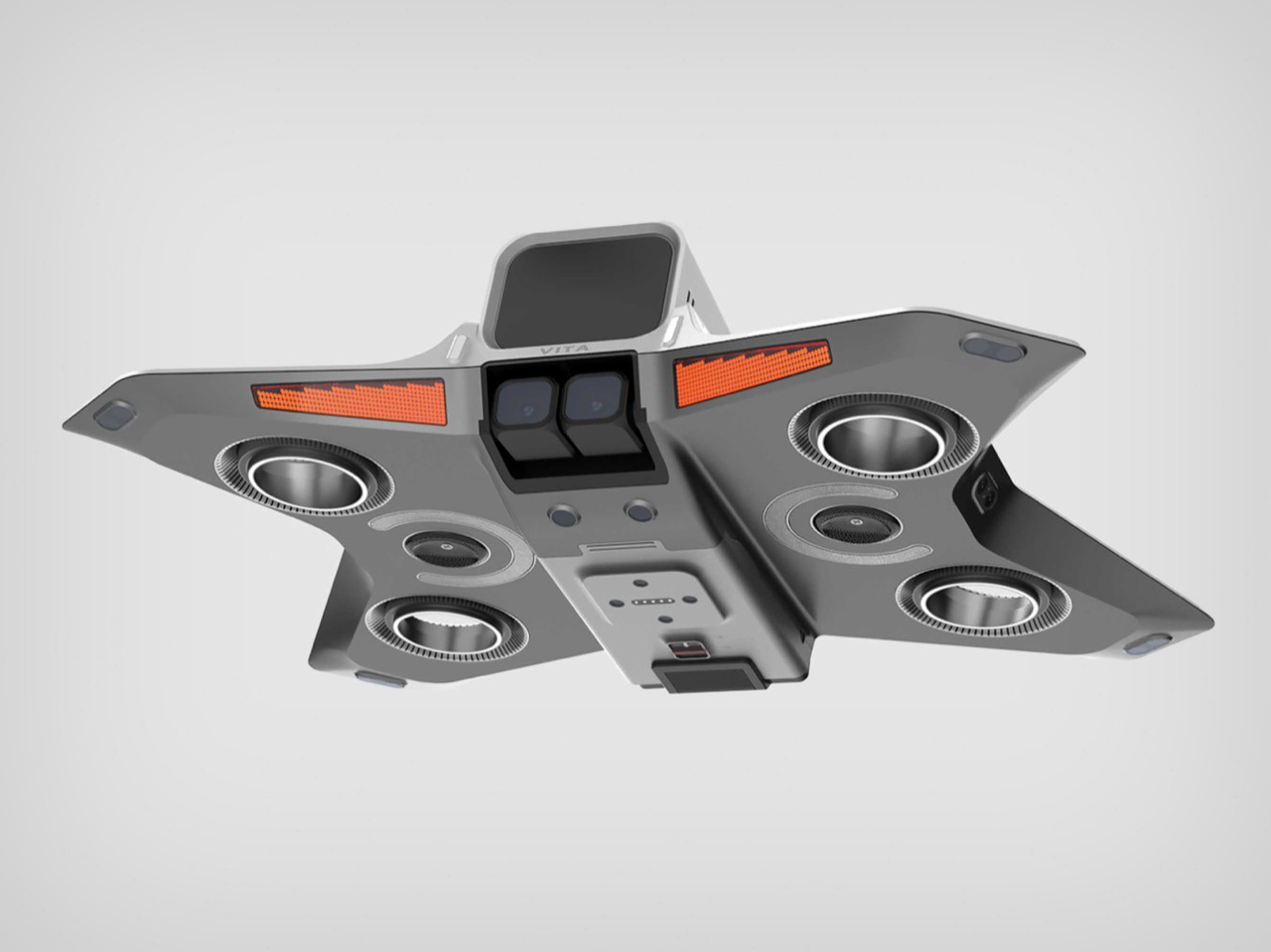
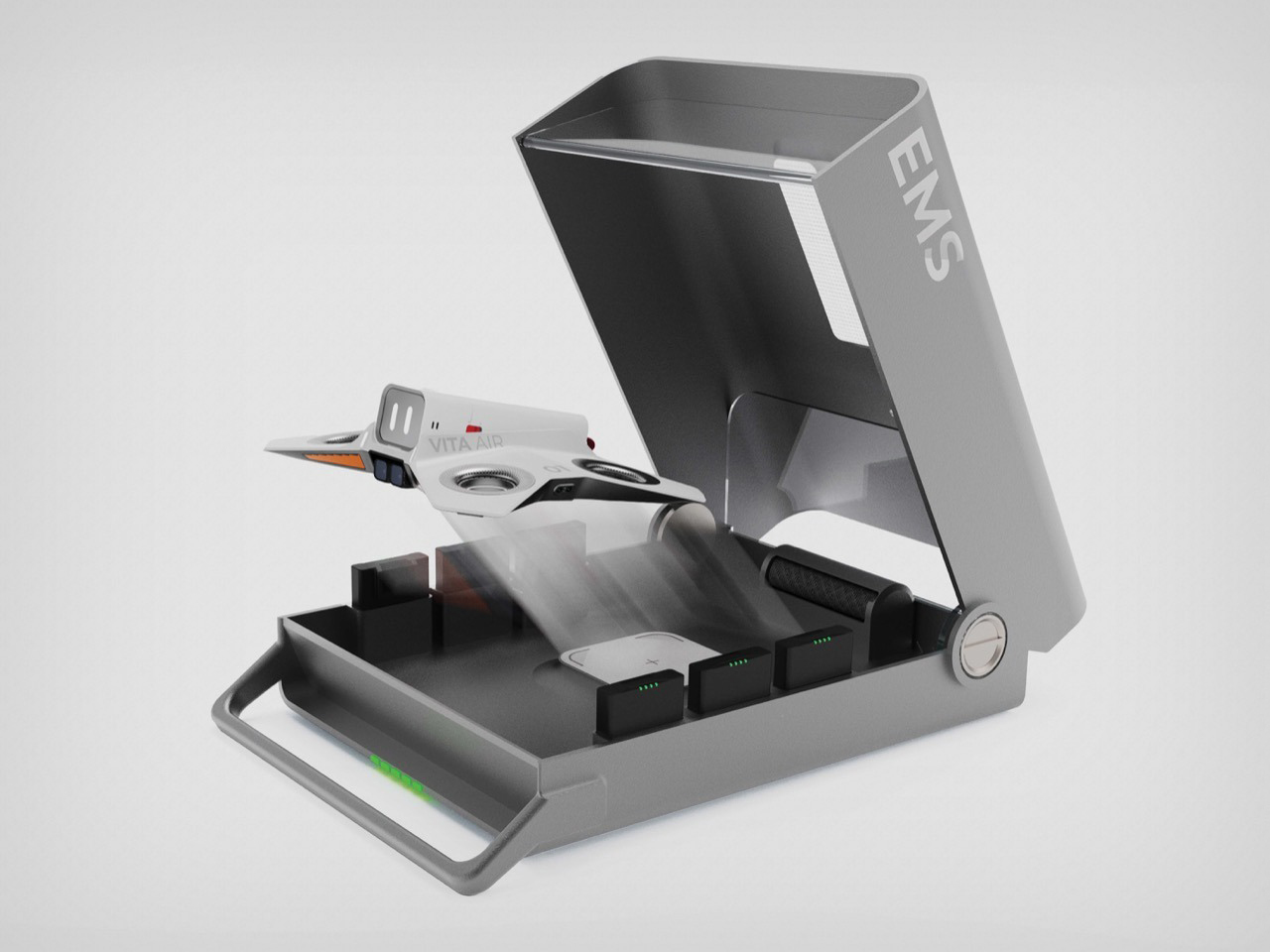
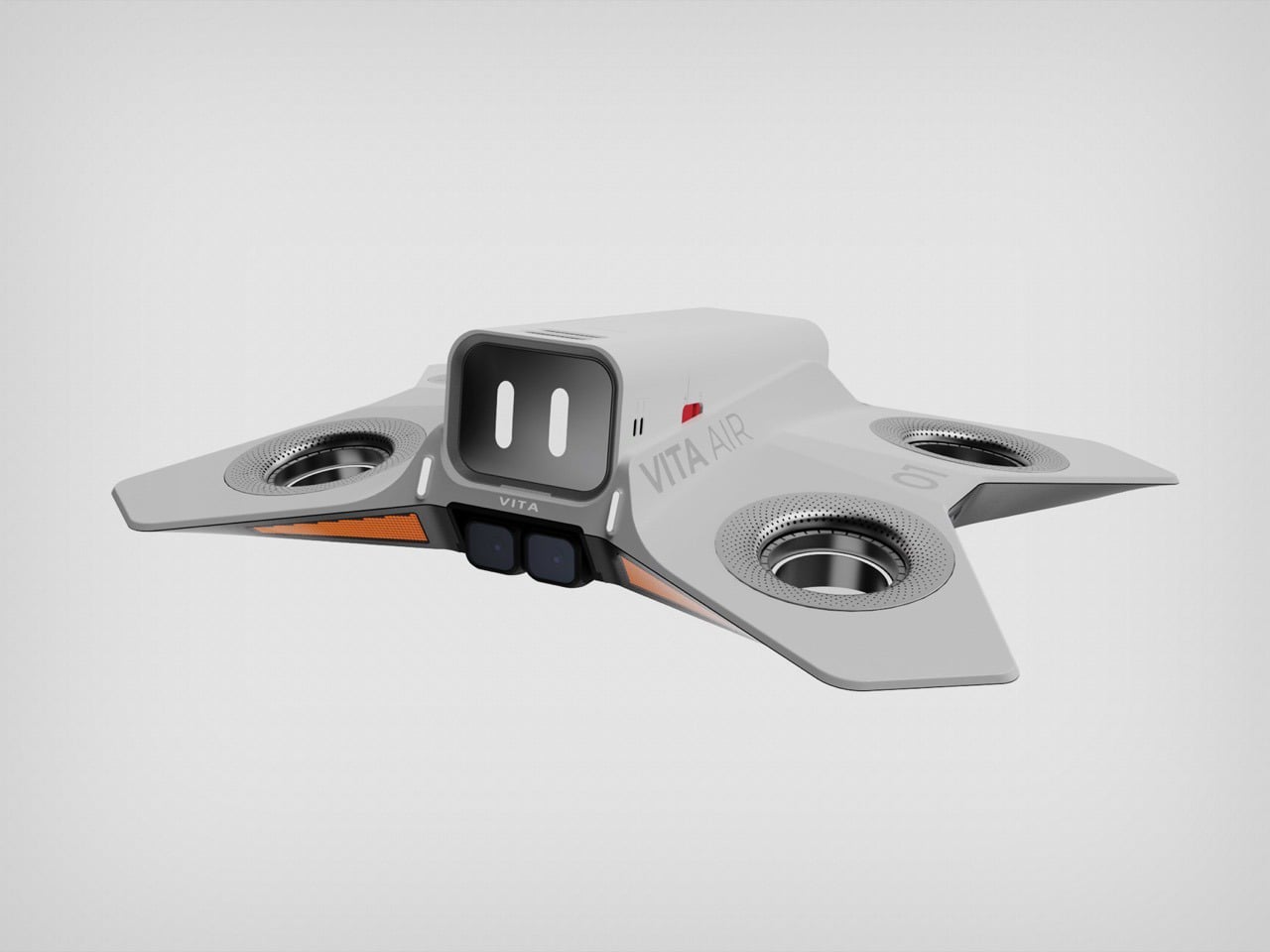
You know, we see a lot of drone concepts float across our screens, and most of them look like they were designed by either the military or an insect. They’re all sharp angles, matte black paint, and an unnerving number of sensors. Then you see something like VITA, an EMS drone that just won a Red Dot award, and the first thing you notice is that it has a face. A simple, friendly, almost disarming little face.

And that’s the whole point. It’s literally user-centric, given that this drone was designed as a first-responder aerial unit. If this thing is going to land at a chaotic accident scene, the last thing it should do is add to the panic. The designers clearly thought about the human side of the equation. It’s a little detail that tells you everything you need to know about the project’s philosophy: this is about making high-tech emergency care feel helpful, not hostile.

Designer: Hongyi Sun

That friendly face is doing some heavy lifting. Imagine you’re at the scene of an accident; you’re disoriented, maybe hurt, and suddenly a machine descends from the sky. If it looks like a weaponized hornet, your instinct (fueled by hundreds of sci-fi movies) is to back away. But if it looks like a helpful little robot from a movie, you’re far more likely to approach it. This is functional empathy built right into the industrial design. The goal is to get people on the ground to trust it instantly, so they can follow instructions from a remote paramedic or grab the life-saving equipment it’s carrying without a second thought.

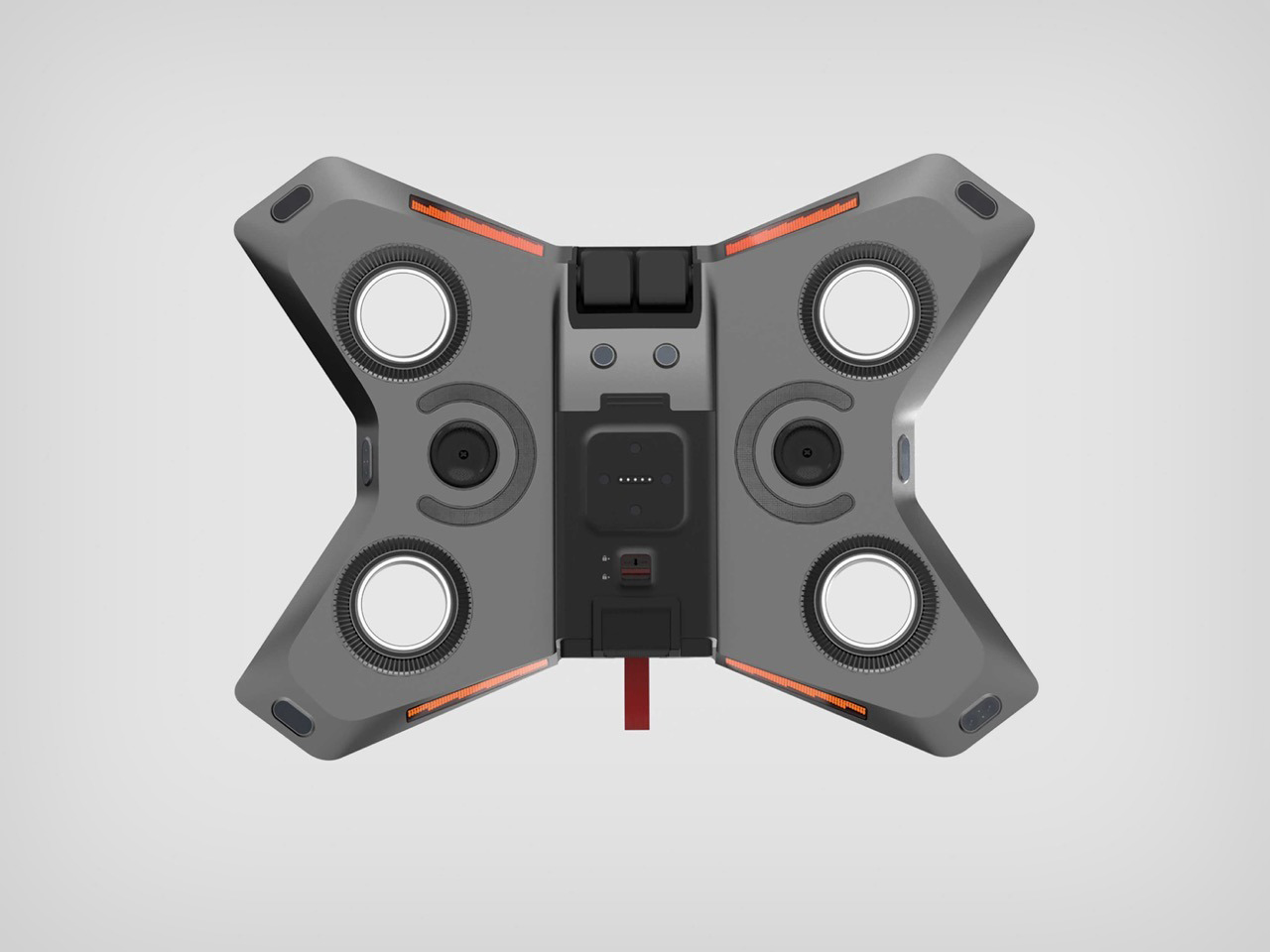
The cleverness doesn’t stop at the surface. The design backs up that friendly promise with some serious safety engineering. VITA uses ducted fans instead of the exposed, spinning blades we see on nearly every consumer drone. This is a massive deal. It means you, or a first responder, or even a child, could walk right up to it without the risk of getting seriously injured. In the unpredictable environment of a crash site, where people are moving around and debris is everywhere, eliminating that obvious hazard is a non-negotiable feature. It’s the kind of practical, real-world thinking that separates a cool render from a viable concept.

When you see the renders showing VITA being held in one hand, it all clicks into place. This isn’t some huge, intimidating aircraft; it’s a nimble and accessible tool. It’s small enough to get into tight spaces between cars and light enough for anyone to handle. Every element, from the approachable face and safe rotors to its compact size and clear markings, works together to serve one mission: delivering critical aid as quickly and safely as possible. VITA isn’t just another concept for a delivery drone; it’s a cohesive vision for how we can design automated systems to work with us, not just for us, especially when it matters most. That’s what makes it stand out.

The post This First-Response Drone’s Bladeless Design Could Change Emergency Rescue Forever first appeared on Yanko Design.

This 110-Sq.Ft. Backyard Studio Was Transformed Into A Work, Family, and Everyday Space

Sometimes, the simplest ideas bring the deepest joy. When a Seattle couple reached out to Linework Architecture with an email titled “Tiny Project?”, they weren’t asking for grandeur or luxury. They were simply searching for breathing room, two quiet, functional workspaces that would let them stay productive without losing touch with family life. Their 1919 bungalow had run out of space, and their small backyard shed, barely 110 square feet, had become too tight for two full-time remote jobs, a toddler, and a new baby on the way.

Linework Architecture saw the limitations not as obstacles but as an opportunity for invention. Instead of expanding the footprint or tearing down what existed, the design team chose to embrace constraint as a creative tool. They reused the original shed platform, keeping the 110-square-foot base intact. This decision saved cost, reduced construction waste, and preserved the roots of a nearby heritage tree. It also grounded the project in a sense of humility, a reminder that mindful design doesn’t always begin with a blank slate.

Designer: Linework Architecture

With only 55 square feet allotted to each workspace, the challenge became how to make such small rooms feel open, bright, and inviting. The architects introduced a pair of cantilevered “saddlebags,” subtle extensions that created full-depth desks, extra seating, and a surprising sense of spaciousness. The effect is both functional and poetic, a balance between precision and comfort, achieved entirely through smart thinking rather than excess building.

Light became the most transformative design element. Linework Architecture raised the walls to the zoning height limit and wrapped the upper section in translucent polycarbonate panels. These diffuse panels invite soft daylight to filter through the branches of the heritage tree, filling the space with shifting patterns of light and shadow. The glow changes throughout the day, giving each workspace a living quality, calm in the morning, dappled at noon, and gently luminous by sunset.

The process of building the WORK_shed became a story of collaboration across generations. Parents, grandparents, and even the couple’s toddler joined in, turning the construction into a shared act of creation. What started as a functional necessity grew into a family ritual, measuring, sanding, lifting, and celebrating every small milestone together. The shed became more than a place to work; it became a space of presence and shared pride.

The finished structure embodies the idea that comfort and creativity can thrive within constraint. The WORK shed is small, but it feels expansive, filled with light, care, and purpose. It reminds us that when designers work within limits, they often discover their most elegant solutions. And that sometimes, the simplest projects,

built with honesty, restraint, and joy, leave the most lasting impact.

The post This 110-Sq.Ft. Backyard Studio Was Transformed Into A Work, Family, and Everyday Space first appeared on Yanko Design.

Christopher Ward C1 Bel Canto Lumière: When Luminescence Meets Acoustic Engineering

When a watch chimes on the hour, the sound should resonate with purpose. When it glows in the dark, the luminescence should tell a story. Christopher Ward’s C1 Bel Canto Lumière delivers both with a level of technical execution that transforms timekeeping into a multisensory experience.

Designer: Christopher Ward

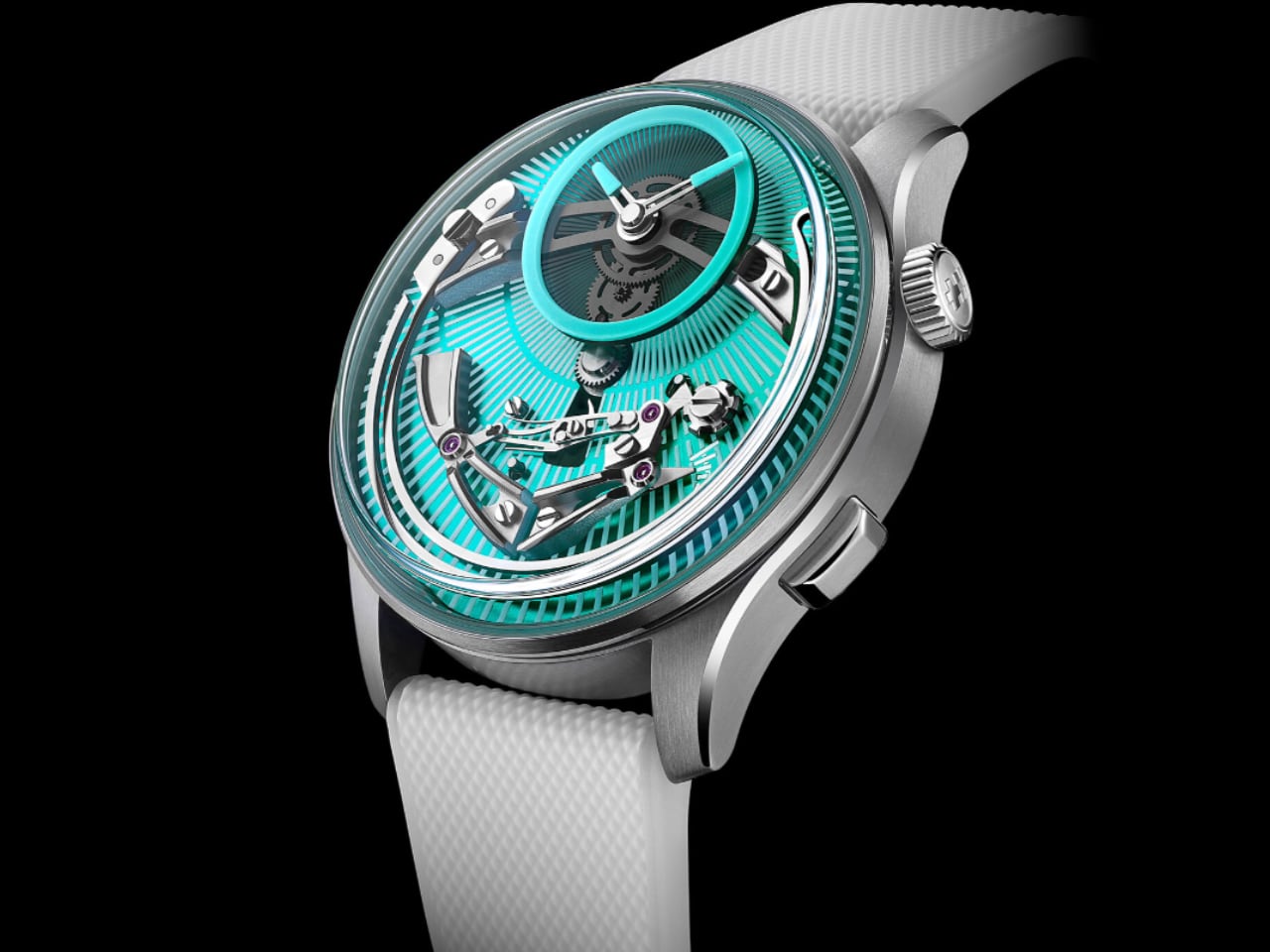
The $5,205 timepiece combines three distinct engineering disciplines: advanced photoluminescence, acoustic amplification, and visual depth. It’s a watch designed for those who appreciate horological complexity and aren’t afraid to wear something that looks like it belongs in a sci-fi film.

At a Glance

Movement: In-house FS01 module (60+ components) on Sellita SW200-1 base, 29 jewels, 38-hour power reserve
Case: 41mm Grade 5 titanium Light-catcher™, brushed and polished
Crystal: Box sapphire with anti-reflective coating
Luminescence: Globolight ceramic ring, multi-layered Super-LumiNova (blue/green), luminescent strap option
Acoustic: Songbird striking mechanism, D note chime on the hour
Price: $5,205 (pre-order)
Guarantee: 60-day returns, 60-month movement warranty

Luminescent Architecture That Redefines the Category

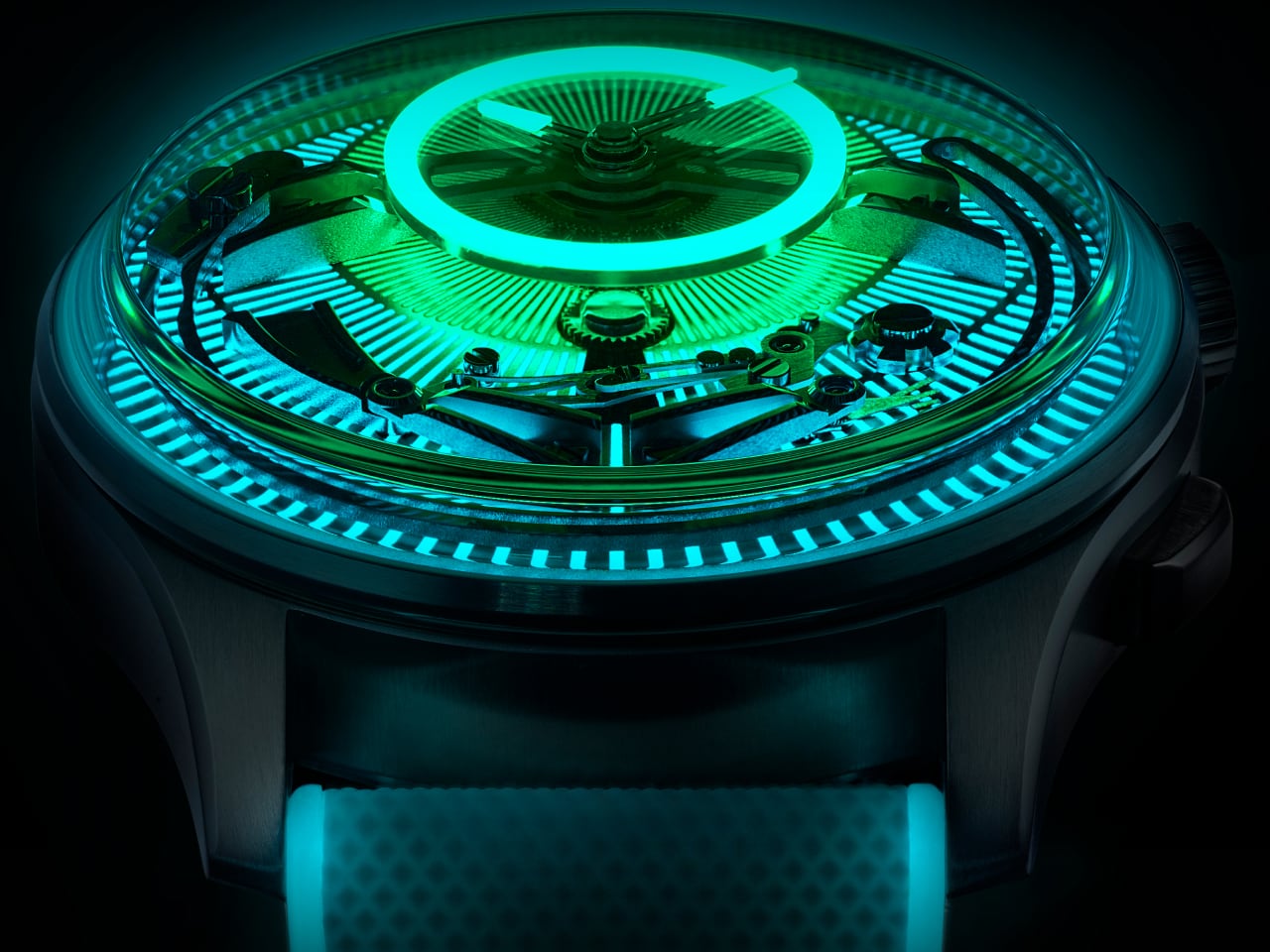
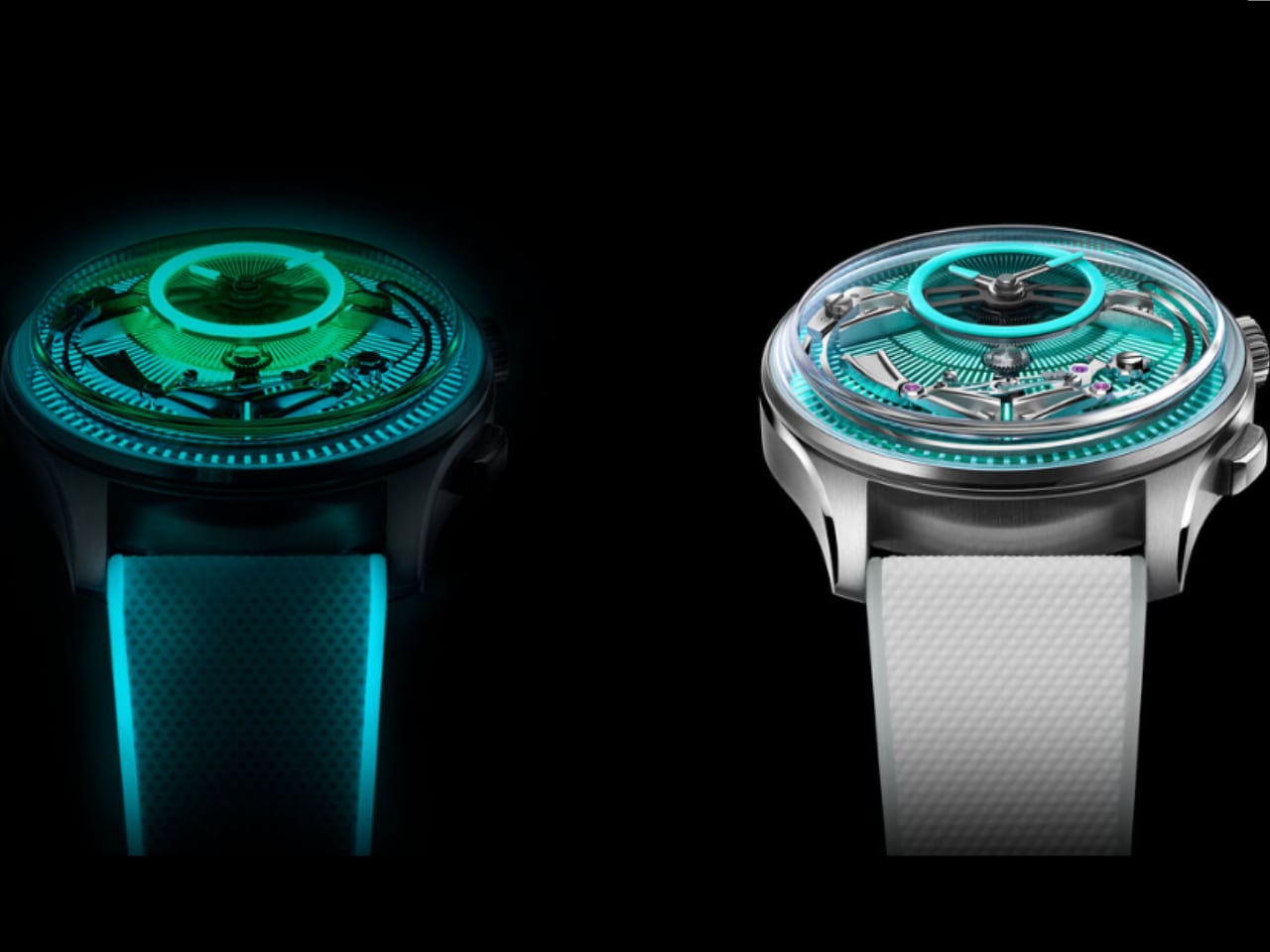
Unlike most makers who settle for glowing hands and markers, Christopher Ward treats photoluminescence as a holistic design system. A Globolight ceramic ring floats above the dial while the base platine uses multi-layered Super-LumiNova that shifts from blue to vivid green depending on light exposure. The hands and dial circumference carry Globolight for intense neon-green luminescence, and the on/off indicator switches from white to luminous emerald in darkness.

The optional white rubber strap infused with Super-LumiNova extends the glow across your entire wrist, creating an “all-wrist” luminescent system. The smoked sapphire dial floats above the platine, amplifying the sunray pattern beneath through box sapphire crystal that enhances light play while providing scratch resistance.

In practical terms, expect visibility that exceeds standard dive watch lume by a significant margin. The multi-layer system charges quickly under ambient light and maintains legibility through extended darkness periods, while the blue-to-green shift creates visual interest that standard single-compound applications cannot match.

The Songbird Mechanism: Acoustic Engineering in 41mm

The C1 Bel Canto Lumière includes Christopher Ward’s signature “songbird” striking mechanism that chimes on the hour. The brand developed a custom FS01 module comprising over 60 components built atop a Sellita SW200-1 base movement. The striking hammer, visible through the dial, hits a steel spring to produce what the brand describes as “the beautiful singing of the D note.”

The Grade 5 titanium case functions as a sound amplifier, turning the entire watch into a resonance chamber. This material choice matters: Grade 5 titanium offers superior strength and hardness compared to the Grade 2 titanium used in the bracelet options, creating a rigid structure that amplifies vibration more effectively. At 41mm, the Light-catcher™ case is brushed and polished to create tactile contrast while maintaining structural integrity for acoustic performance.

Daily Wear Consideration: The chime operates automatically at each hour with no option to silence or adjust the mechanism. This commitment to acoustic performance means the watch announces time audibly throughout the day. Consider your typical environments before purchasing if you spend significant time in meetings, libraries, or other silence-required settings

The acoustic output sits between a subtle resonance and an assertive chime. In quiet rooms, the D note carries clearly without being intrusive. In noisier environments, you’ll feel the vibration through your wrist even when the sound doesn’t carry. The 29-jewel automatic movement provides 38 hours of power reserve, ensuring the hourly chime performs reliably through a full day and overnight.

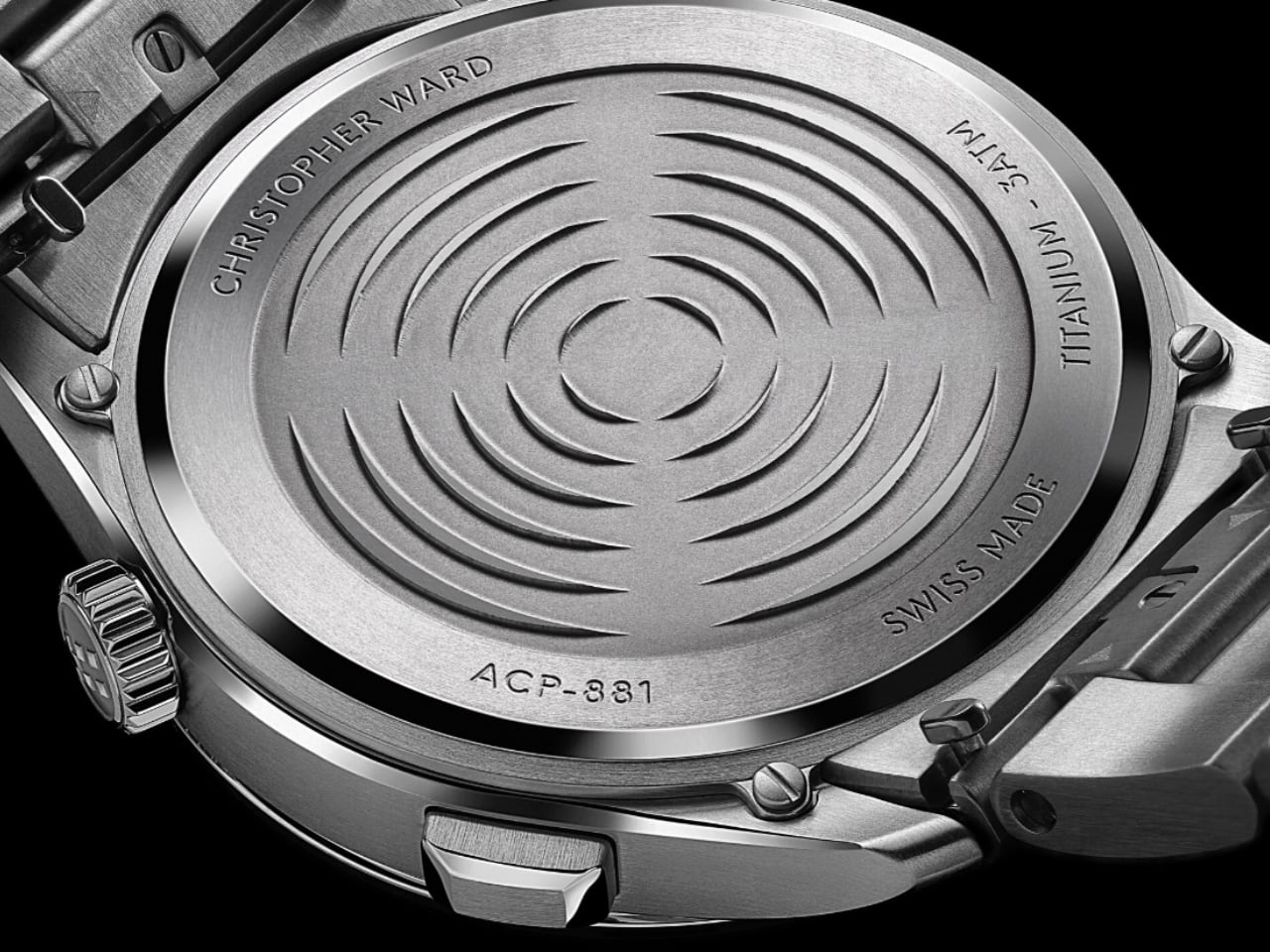
Christopher Ward applied anti-reflective coating to the domed sapphire and deep-stamped the caseback with circular patterns. The push-down crown features the brand’s twin flag motif, and the Super-LumiNova strap carries a “Clous de Paris” hobnail pattern.

Technical Integration and Material Choices

The movement combines traditional Swiss watchmaking with Christopher Ward’s in-house engineering. The FS01 module adds chiming complications to the reliable Sellita base, creating a hybrid caliber that balances innovation with proven performance. Grade 2 titanium Bader or Consort bracelets are available as alternatives to the rubber strap. The softer Grade 2 titanium offers comfortable flex against skin compared to the rigid Grade 5 case material, making these bracelet options better suited for extended daily wear.

The floating Globolight X1 GL Blue ring serves as the watch’s visual anchor. The neon dial beneath creates contrast against titanium accents, and the visible striking mechanism adds mechanical intrigue. Every component works toward the same goal: making timekeeping feel less like utility and more like theater.

Christopher Ward’s Design Philosophy in Practice

This watch represents Christopher Ward’s commitment to delivering complications typically reserved for luxury segments at accessible price points. The brand has built its reputation on in-house innovation that challenges traditional watchmaking hierarchies. The C1 Bel Canto Lumière extends this philosophy into hybrid territory, where visual artistry meets acoustic engineering meets advanced materials science.

The sci-fi aesthetic positions Christopher Ward in conversation with avant-garde independents while maintaining the technical credibility that comes from genuine horological development. Where some microbrands rely on external module suppliers, Christopher Ward engineered the FS01 striking mechanism in-house, demonstrating a vertical integration approach more common in brands charging triple this price.

This approach signals where hybrid watches might evolve next. As traditional complications become more accessible through advanced manufacturing, the competitive edge shifts toward multi-sensory integration. The C1 Bel Canto Lumière doesn’t just tell time or chime or glow. It orchestrates all three into a unified experience.

Why This Watch Matters

Christopher Ward built the C1 Bel Canto Lumière for people who want their timepiece to do more than mark hours. The combination of advanced luminescence, acoustic engineering, and depth-creating visual design creates a watch that performs differently depending on lighting conditions and time of day. It chimes when the hour turns. It glows when darkness falls. It reveals mechanical complexity through transparency.

The $5,205 pre-order price positions this watch in the accessible luxury segment, competing with pieces that often deliver only one or two of these technical features. Christopher Ward integrated all three into a 41mm case with 60/60 guarantees: 60 days of free returns worldwide and a 60-month movement guarantee.

The C1 Bel Canto Lumière isn’t trying to be subtle. It’s designed for wrists that appreciate technical achievement and aren’t concerned with blending into boardrooms. This is a watch that announces its presence through light and sound, and does so with engineering that justifies the spectacle.

The post Christopher Ward C1 Bel Canto Lumière: When Luminescence Meets Acoustic Engineering first appeared on Yanko Design.

X is finally rolling out Chat, its DM replacement with encryption and video calling

X has finally revealed its long-promised chat platform, which replaces the service's basic DM functionality with features more like the messaging capabilities on other mainstream apps. The update adds voice and video calling, file sharing and the ability to edit and delete previously sent messages, as well as privacy-focused features like end-to-end encryption and screenshot notifications. 

The overhauled messaging features, called Chat, are rolling out now on iOS and the web and will be "coming soon" on Android, according to the company. X also said it's working on a voice memo feature for users to exchange audio messages. 

X has been teasing its new "chat" features for several months. The company rolled out an early version of encrypted messaging earlier this year, but "paused" the feature in May to address unspecified issues. Now, it appears that X's encryption no longer has some of the limitations it initially did. An article on X's help center states that "unlike before, group messages and media can now be encrypted," though it notes that associated metadata (including information about the recipient) is not encrypted. 

X also states that "we do not offer protections against man-in-the-middle attacks," which could compromise an encrypted chat. "As a result, if someone—a malicious insider or X itself as a result of a compulsory legal process—were to compromise an encrypted conversation, neither the sender or receiver would know," the company explains. X says it's working on features that will help users verify the authenticity of encrypted conversations. 


This article originally appeared on Engadget at https://www.engadget.com/social-media/x-is-finally-rolling-out-chat-its-dm-replacement-with-encryption-and-video-calling-233032571.html?src=rss

Five plead guilty to helping North Koreans pretend to be US-based IT workers

The US Department of Justice has announced that five people have pleaded guilty to helping North Koreans defraud US companies by pretending to be US-based remote workers. North Korea has previously used fake identities and the direct manipulation of US cybersecurity workers to circumvent international sanctions and funnel money into the country.

In this case, the people knew they were helping North Koreans, the DOJ says, and "provided their own, false, or stolen identities" to help the remote workers get jobs. They also "hosted U.S. victim company-provided laptops at residences across the United States" to hide the workers' location. In the case of at least two "facilitators," they also took company drug tests on the workers' behalf.

Audricus Phagnasay, Jason Salazar and Alexander Paul Travis each pleaded guilty to one wire fraud conspiracy for their role in the scam. Travis was paid "at least $51,397" for participating, while Phagnasay and Salazar earned "at least $3,450 and $4,500, respectively." Another facilitator, Erick Ntekereze Prince, used his company to contract certified IT workers to other US companies, fully knowing the workers were using stolen identities. He earned "more than $89,000" for his participation in the scam and pleaded guilty to one count of wire fraud conspiracy.

The final facilitator, Oleksandr Didenko, pleaded guilty for one count of wire fraud conspiracy and one count of aggravated identity theft for participating in an extensive identity theft operation. Didenko helped foreign IT workers fraudulently gain employment at 40 US companies, the DOJ says, and he's forfeiting $1.4 million as part of his plea.

"These prosecutions make one point clear: the United States will not permit the DPRK to bankroll its weapons programs by preying on American companies and workers," U.S. Attorney Jason A. Reding Quiñones said in the DOJ announcement. “We will keep working with our partners across the Justice Department to uncover these schemes, recover stolen funds, and pursue every individual who enables North Korea’s operations.”

This article originally appeared on Engadget at https://www.engadget.com/big-tech/five-plead-guilty-to-helping-north-koreans-pretend-to-be-us-based-it-workers-230831417.html?src=rss

This Glowing Dome Just Turned Shanghai’s Park Into a Moon

There’s something magical about stumbling upon an unexpected glow in a city park. Shanghai’s Century Park recently hosted one of those rare moments where art, architecture, and cultural tradition converge into something you can actually walk inside and experience. The Osmanthus Moon, a temporary installation by HCCH Studio, turned a semicircular lawn into an enchanted space that reimagined what public art can be.

Picture this: a translucent dome that looks like someone captured the full moon and gently placed it on the grass. It’s not just pretty to look at, though that’s certainly part of the appeal. The structure is actually a sophisticated dance between old and new, tradition and innovation. The framework itself is made of bronze lattice patterned with osmanthus flowers, those tiny blooms that perfume Chinese autumns and carry centuries of cultural meaning. The vines seem to twist and intertwine across the surface, creating shadows and light that shift throughout the day.

Designer: HCCH Studio (Photos by Guowei Liu)

The designers at HCCH Studio stretched a lightweight, elastic fabric across this bronze skeleton, and the result is something that breathes and glows. During daylight hours, natural light filters through, creating this soft, diffused atmosphere inside that feels almost meditative. You enter through irregular openings (because perfect circles would be too predictable), and suddenly you’re cocooned in this luminous space where the outside world feels both close and distant at the same time.

But here’s where it gets really interesting. This wasn’t just about creating something beautiful for Instagram. The installation was commissioned by the Power Station of Art in Shanghai specifically for the Mid-Autumn Festival, that traditional Chinese celebration when families gather to admire the full moon and eat mooncakes. The osmanthus flower isn’t randomly chosen either. In Chinese culture, these tiny golden blooms are practically synonymous with autumn, appearing in everything from tea to poetry to folk tales about moon palaces.

What makes this project stand out is how it connects with folk art heritage. HCCH Studio collaborated with a Zao Hua artist, someone who practices the traditional craft of stove flower painting, which is actually recognized as intangible cultural heritage. The patterns painted on the ground mirror the bronze lattice overhead. It’s like they’re having a conversation across space, each one a reflection of the other, grounding the ethereal structure in literal earth and tradition.

When night falls, though, that’s when the Osmanthus Moon really comes alive. Internal lighting transforms the pavilion into this semi-transparent beacon that seems to float in the darkness. The bronze framework casts shifting shadows across the glowing fabric, creating gradients of light that change as you move around and through the space. It becomes less of a building and more of an experience, something that exists between sculpture and shelter.

The whole thing only lasted twelve days, which feels both generous and tragically brief. That temporariness is part of the point, though. Like the Mid-Autumn Festival itself, like the brief season when osmanthus blooms fill the air with fragrance, this installation was meant to be a moment rather than a monument. At 7.2 meters in diameter and 3.6 meters high, it wasn’t trying to dominate the landscape or make some grand permanent statement. Instead, it created an intimate space for contemplation and celebration.

HCCH Studio, a Shanghai-based practice that’s been gaining recognition for their innovative approach to materials and form, managed to pull off something genuinely special here. They took cultural symbols that could have felt heavy-handed or purely decorative and wove them into a structure that feels contemporary without abandoning its roots. The technical execution, from the fabric tension to the lighting design by ADA Lighting, serves the conceptual vision rather than overshadowing it.

The Osmanthus Moon found that sweet spot where beauty, meaning, and accessibility overlap when public either too obscure or too obvious. It proved that temporary installations can create lasting impressions, and that looking backward to traditional motifs doesn’t mean you can’t move forward in how you bring them to life.

The post This Glowing Dome Just Turned Shanghai’s Park Into a Moon first appeared on Yanko Design.

OnePlus 15 with 7300 mAh battery and triple-chip architecture crushes other Android Devices

Oftentimes, the thought that smartphone technology is plateauing comes to mind. All that you can see companies concentrating on, of late, is artificial intelligence, and it seems nothing much is happening on other fronts. But that’s not the case with OnePlus, which has taken on the smartphone world with a different approach. The OnePlus 15, launched recently, touts a mammoth 7300 mAh battery, which early reviews suggest can go up to two days on normal usage.

The latest flagship-level phone from OnePlus is not only dependent on its battery life, in fact, it is escalating things on many other fronts. The major transition is in favour of performance, and the OEM is substantiating that with its AI capabilities, durability, and optical prowess. So, what are we getting with the new and technically most advanced smartphone on the market? Let’s figure out in a little detail below.

Designer: OnePlus

Obviously, the battery is the biggest selling point. But the phone’s processing power is something to talk about. The new OnePlus 15 features a triple-chip architecture, which is spearheaded by the Qualcomm Snapdragon 8 Elite Gen 5 chipset that powers the functions on the phone. The architecture of the phone is targeted at speed, for which it is facilitated by a touch-response chip capable of 3200 Hz instant sampling, while the connectivity for the power and speed is handled by the phone’s independent Wi-Fi chip.

The octa-core processor of the OnePlus 15 is paired with an Adreno 840 GPU, while it comes in three storage variants: 256GB with 12 or 16GB RAM, 512 GB internal storage variant with 12 or 16GB RAM, and a solitary 1TB model with 16 GB RAM. The company says, a reworked 360 Cryo-Velocity system is designed to take care of the cooling on this high-performance phone. For this, it uses aerogel insulation and white graphite that help in stabilizing temperatures during excessive gaming or on a workday that refuses to come to an end.

On the construction front, the OnePlus 15 features a smooth 1.15mm bezel and comprises a flat frame, which is rounded on the edges. The phone comes in Sand Storm, Ultra Violet, and the more recognizable Infinite Black colorway. The phone’s durability, of course, is assured by up to an IP69K rating that safeguards the handset against temperature variations, dust, and water.

OnePlus 15 is billed as the first phone to feature a 1.5K 165Hz LTPO display with retina-level clarity. The panel boasts up to 1800 nits peak brightness. Designed to run OxygenOS 16 out of the box, the device’s 7300mAh Silicon NanoStack Battery is designed for longevity (it can hold over 80 percent health even after four years of continuous usage, the company claims). The battery is charged with the 120W SUPERVOOC charger that promises to provide a full charge in around 39 minutes.

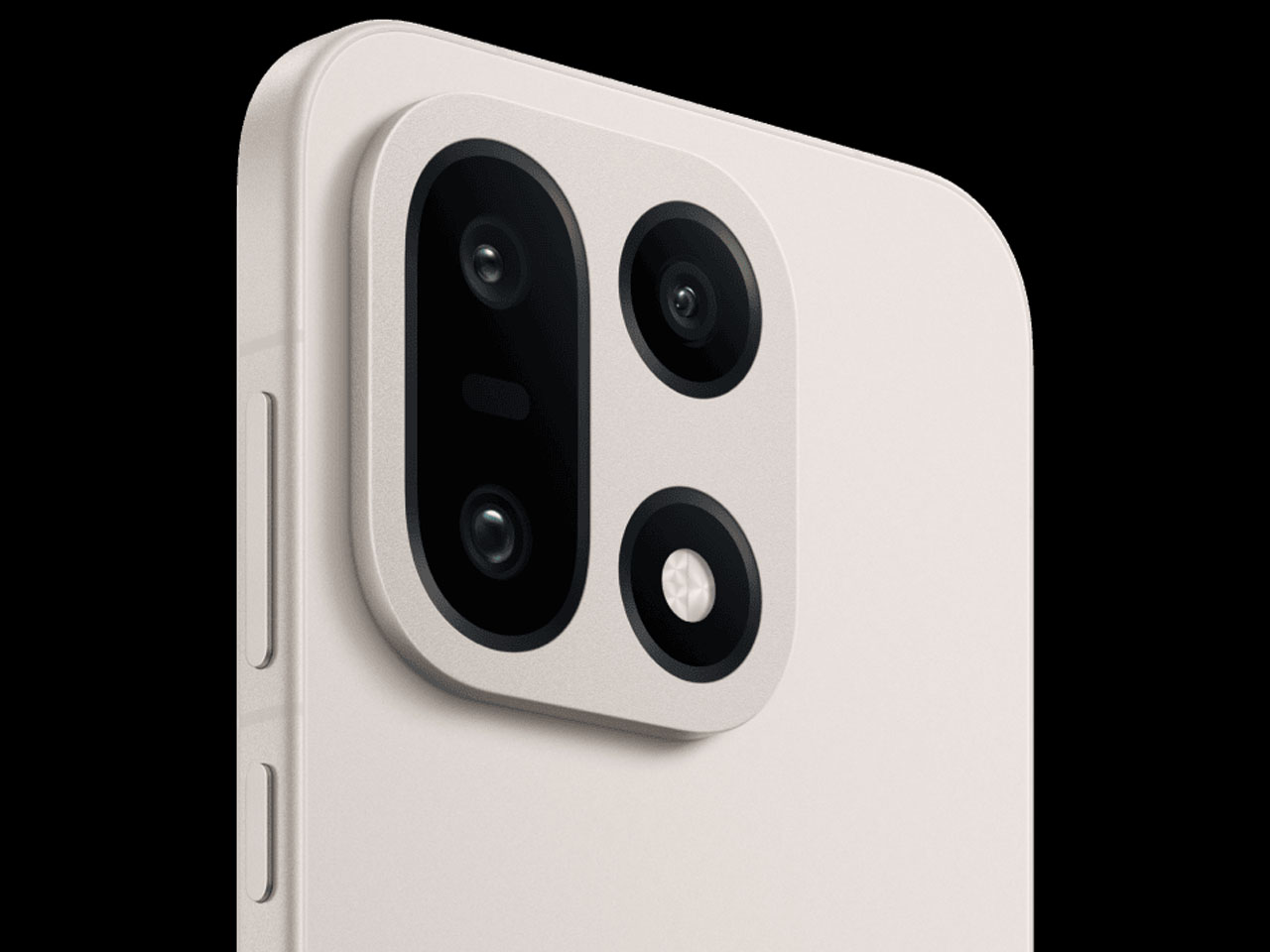
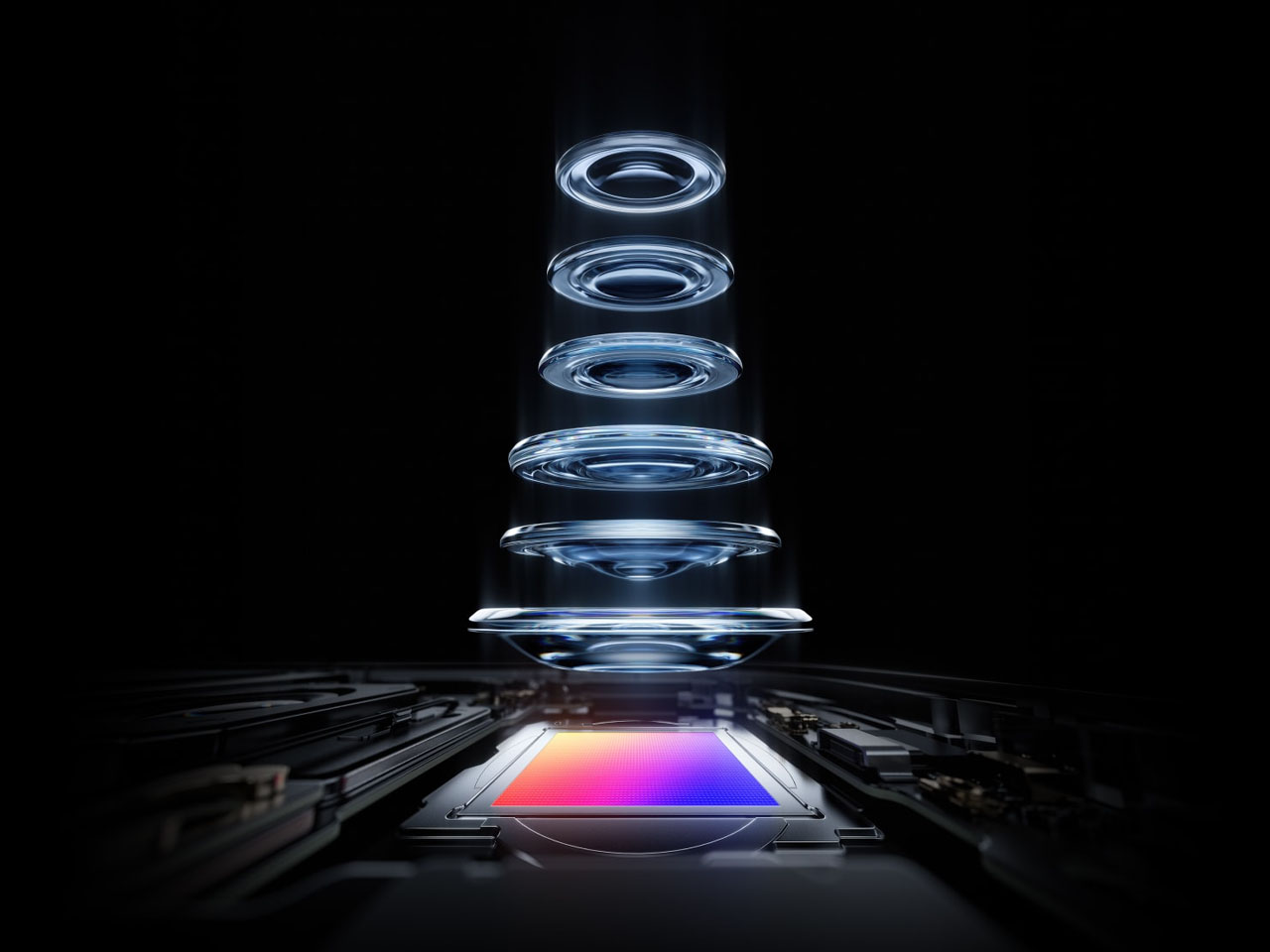
This new phone from OnePlus is a trendsetter in the optics department as well. The phone features a DetailMax Engine combined with a triple 50MP camera setup. Claimed to be the first Android smartphone capable of 4K 120fps Dolby Vision recording, it’s triple array includes a 50MP OIS main sensor, a 50MP autofocus ultra-wide camera, and a third 50MP periscope telephoto shooter. If you are thinking of upgrading to a new Android phone, there shouldn’t be a reason the OnePlus 15 is not on your list. This flagship starts at $999 and is now available in most international markets.


The post OnePlus 15 with 7300 mAh battery and triple-chip architecture crushes other Android Devices first appeared on Yanko Design.

Call of Duty: Black Ops 7 appears to feature AI-generated art assets

By all appearances, Call of Duty: Black Ops 7 features a not insignificant amount of AI-generated art, Kotaku reports. The game's over 680 Calling Cards — collectible backgrounds earned through in-game achievements or purchases — appear to be the main offenders, featuring art that imitates the knockoff animation style of ChatGPT.

While it's hard to authoritatively claim that Studio Ghibli-inspired illustrations are a smoking gun, the Calling Cards players have spotted do at the very least seem unpolished for a splashy $70 game. Activision has also confirmed that the game's development team used "generative AI tools to help develop some in-game assets" in a disclosure on the Black Ops 7 Steam page, which certainly won't dissuade anyone’s suspicions.

In a statement to Kotaku, Activision also didn't deny the possibility, noting that AI was one of several "digital tools" it used "to empower and support our teams to create the best gaming experiences possible for our players." Using AI-generated art or at least AI art edited by a human could have saved Activision and developer Treyarch money during development. But it's also possible these in-game rewards look weird because they were made in the rush to get the game out the door.

Call of Duty: Black Ops 7 has the honor of being the first in the franchise to launch on Xbox Game Pass, one way Microsoft hopes to justify the subscription's recent price hike. That the game features AI-generated assets might dampen some player's excitement, but Black Ops 7's campaign seems like the more pressing issue. It requires an internet connection to run because it was designed to be played in a "squad" of four, but even if you play with in-game bots, you still can't pause the game.

This article originally appeared on Engadget at https://www.engadget.com/gaming/call-of-duty-black-ops-7-appears-to-feature-ai-generated-art-assets-201746595.html?src=rss