Best Guess Live is Netflix’s take on HQ Trivia

Netflix has already committed to reviving Star Search for its streaming service, and now the company is turning its attention to a different type of live show: HQ Trivia. Netflix's Best Guess Live is an attempt to revive the late 2010s app-based show with what the company is calling its first "weekday mobile game show."

Best Guess Live will be hosted by Howie Mandel (Deal or No Deal, America's Got Talent) and Hunter March (Sugar Rush) and will broadcast Monday through Friday at 8PM ET / 5PM PT. The game seems like it will lean on multiple choice questions much like HQ Trivia did, and will reward players who answer the fastest and play multiple times per week. Netflix's announcement doesn't have any specifics as to how much money will be up for grabs, but the company does promise to give away "thousands of dollars in prize money."

HQ Trivia, started by Vine co-founders Rus Yusupov and Colin Kroll, was a surprise hit when it debuted in 2017, thanks in part to its host Scott Rogowsky and the appointment-viewing nature of a daily game show you could watch on your phone. The later slow collapse of HQ was rocky enough to warrant a CNN documentary, but clearly the concept of the app fits nicely with Netflix's growing interest in live shows and casual games.

Netflix has experimented with a growing number of live shows, including talk shows and sports programming. The company has also recently abandoned its aspirations to develop AAA games and ambitious indie titles to focus on casual experiences and games based on Netflix IP. Best Guess Live seems like a nice fusion of casual interactive experience and lightweight live content. Many people already open the Netflix app daily to find something to watch. It makes sense they'd be willing to do it for money, too.

This article originally appeared on Engadget at https://www.engadget.com/entertainment/streaming/best-guess-live-is-netflixs-take-on-hq-trivia-170000030.html?src=rss

The developer behind ICEBlock is suing the federal government

The makers of ICEBlock, the community-based reporting app for ICE sightings and activity, are suing the federal government, alleging "unlawful threats" made by Trump administration officials led to the app's removal from app stores. The suit centers on free speech violations and accuses the administration of coercing Apple into taking down the app in October. Google began taking down similar apps around the same time.

Josh Aaron developed ICEBlock in response to the Trump administration's crackdown on illegal immigration. The app allowed users to pin ICE agent locations on a map as well as add notes such as what agents were wearing or the kind of vehicle they were driving. The app would then alert users within a five-mile radius of the sighting. The White House called the app "an incitement of further violence against… ICE officers" and sought its removal.

“A lesson we should all take from this is when we see our government is doing something wrong, it is our duty to stand up,” Aaron told the New York Times.

This isn't the first time Apple has faced controversy for an app takedown. In 2019, the company removed an app that protesters in Hong Kong were using to track police after facing pressure from the Chinese government.

Apple, for its part, said it took the app down in response to "information we've received from law enforcement about the safety risks associated with ICEBlock." Federal officials said the gunman who attacked an ICE facility in Dallas had used tracking apps, including ICEBlock.

"Fundamentally, ICEBlock neither enables nor encourages confrontation — it simply delivers time-limited location information to help users stay aware of their surroundings in a responsible and nonviolent way," Aaron's suit reads.

Engadget has reached out to Apple for comment and will update if we hear back.

This article originally appeared on Engadget at https://www.engadget.com/general/the-developer-behind-iceblock-is-suing-the-federal-government-165111674.html?src=rss

Timeless rotary phone reborn as modern AI-powered companion that plays music

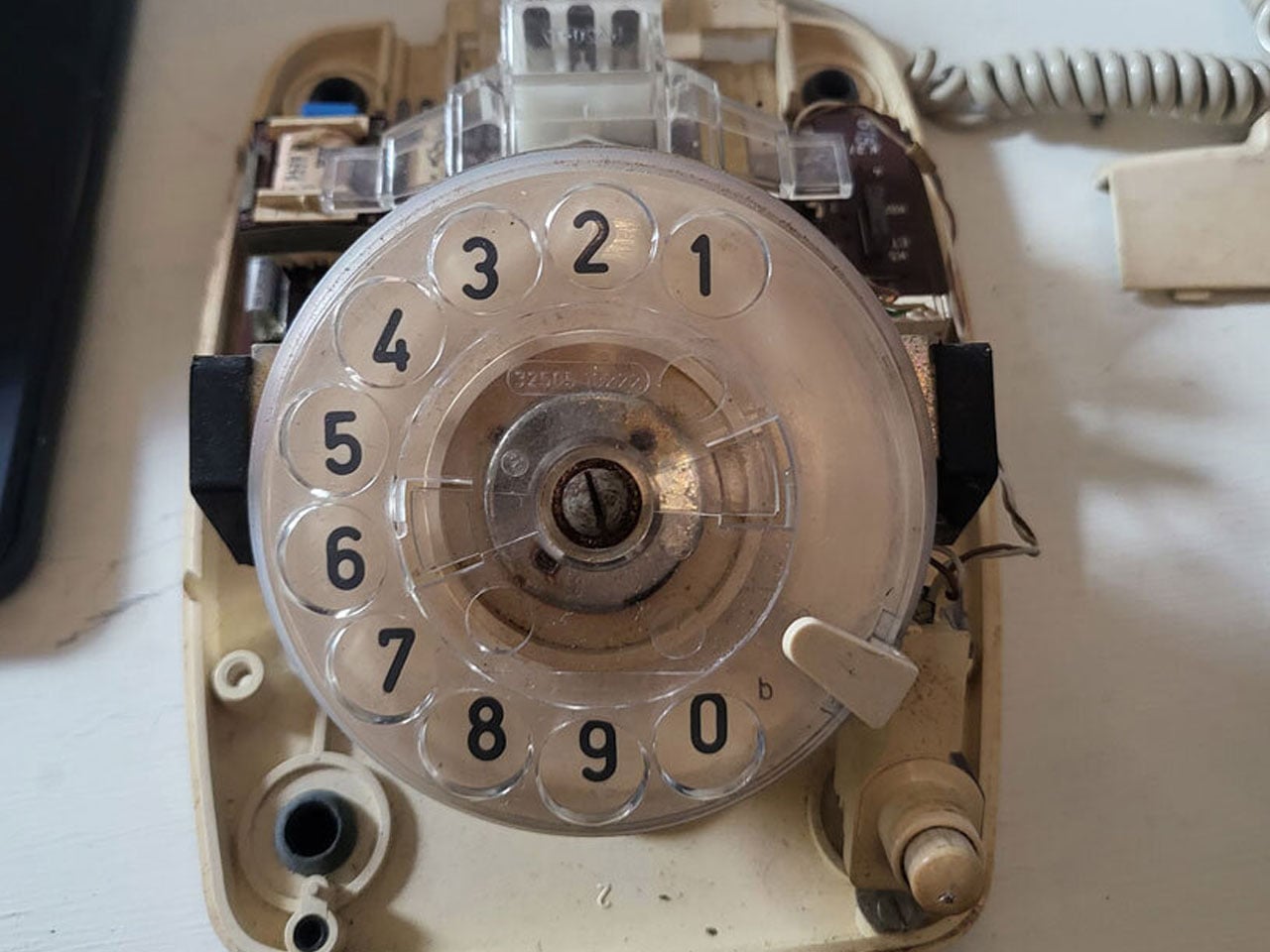
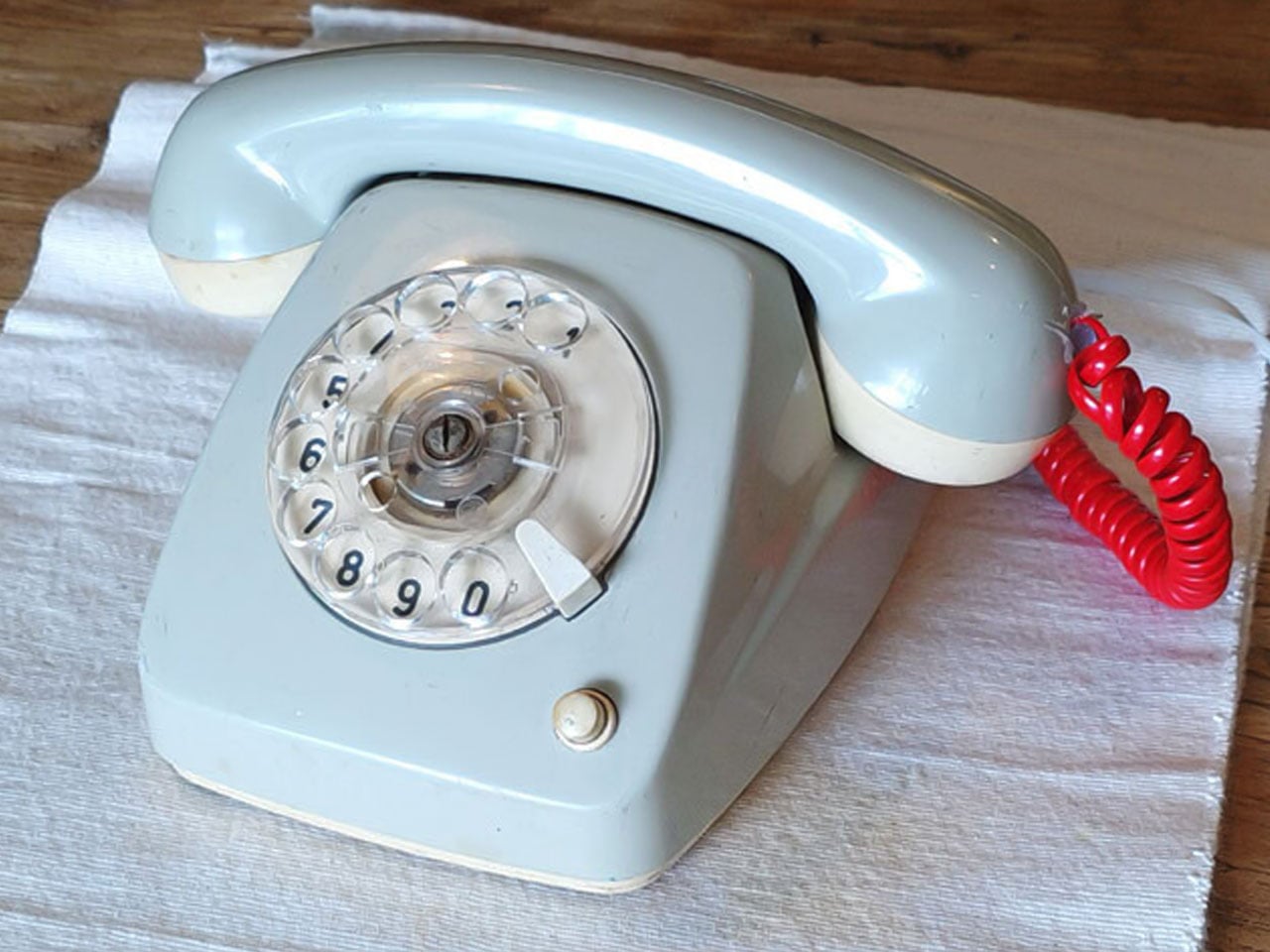
Who can forget the charm of rotary phones that were a lifeline in the early ’90s and ’80s? Their iconic mechanical dialling wheel with finger holes, solid build quality, and the unique clicking sound. Everything inside the machine was mechanical and wired on the inside to make communication possible. Even after their technical innovation was surpassed by mobile phones, the appeal of these robust dialers was not forgotten.

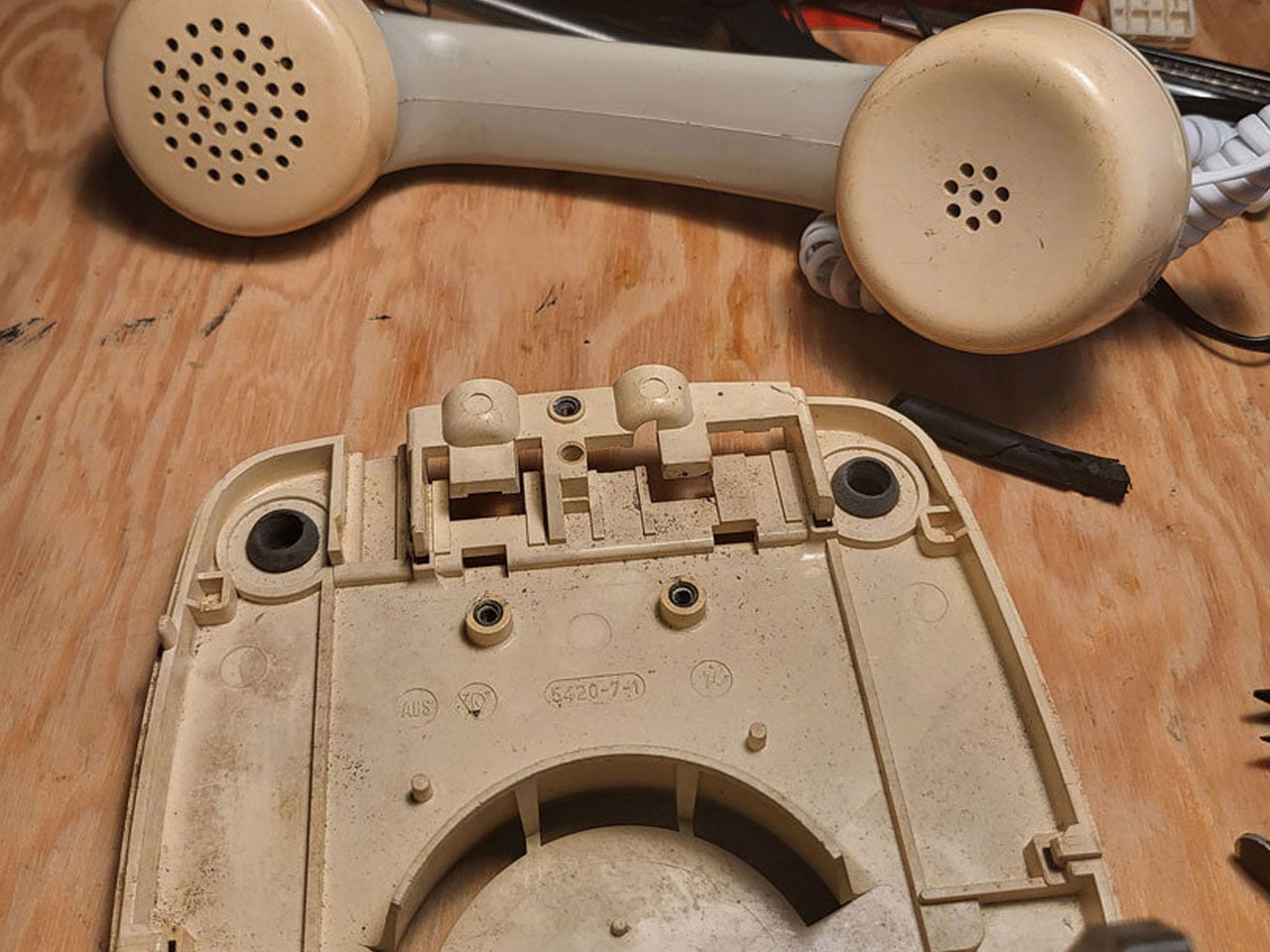
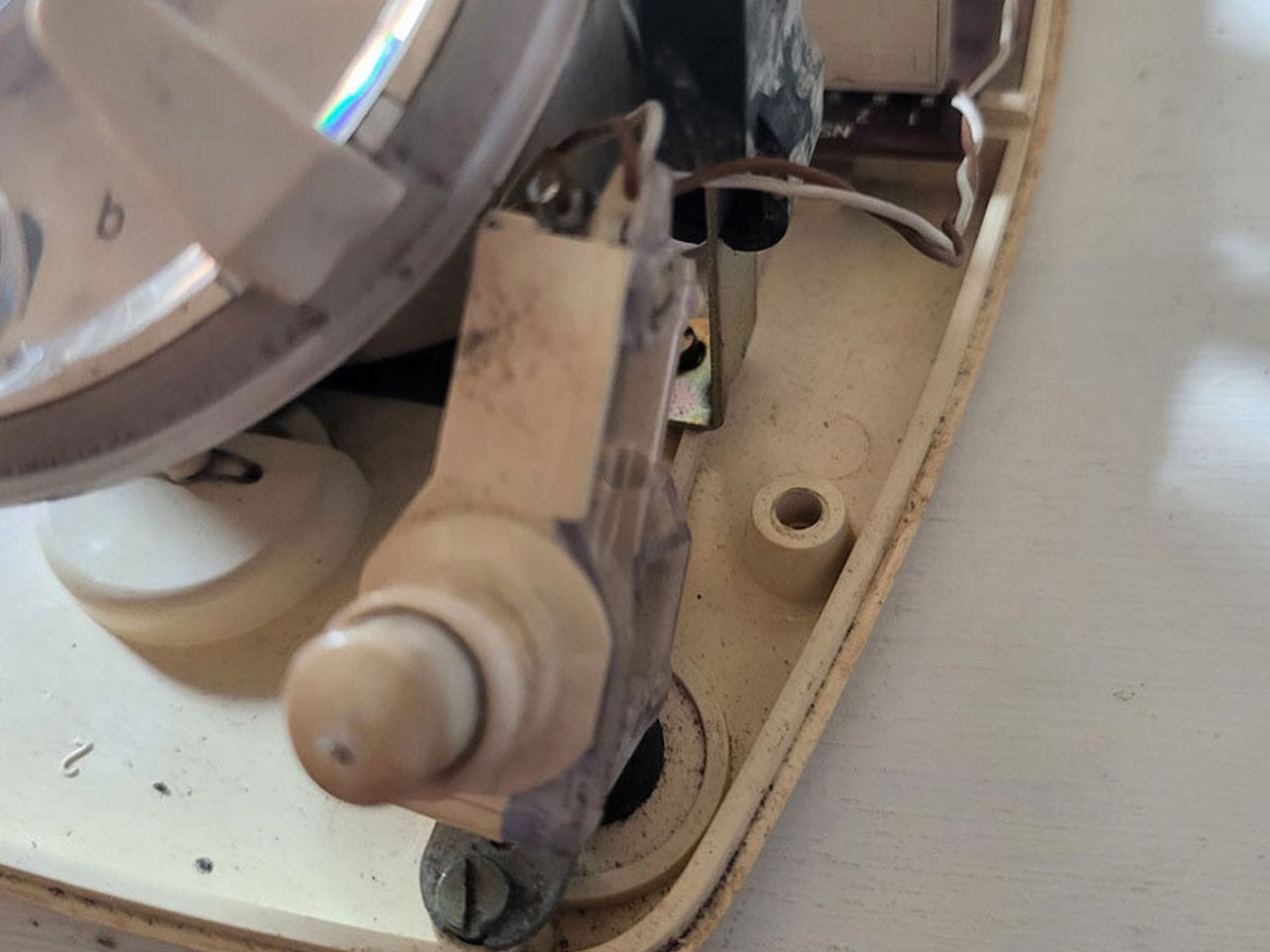
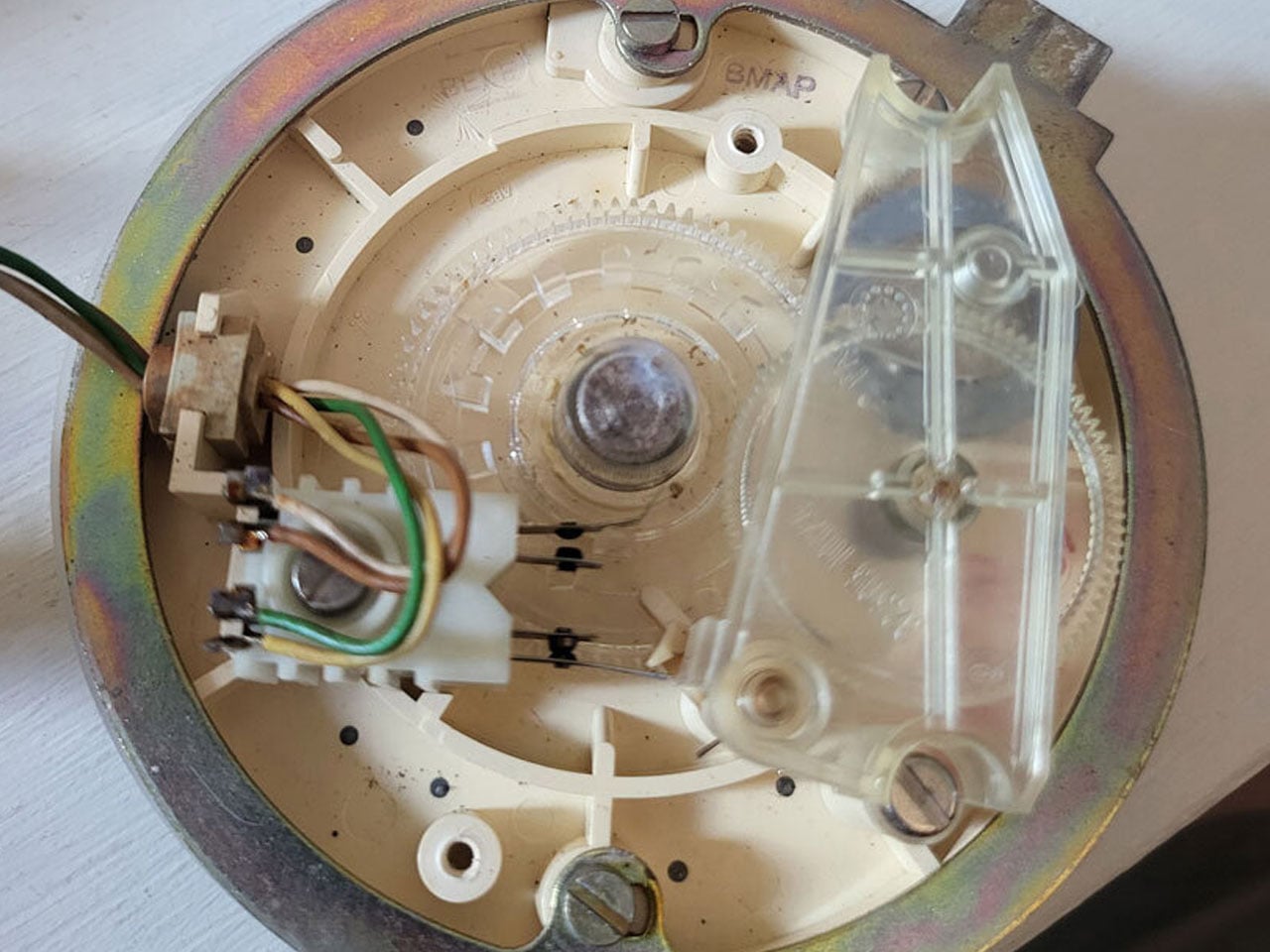
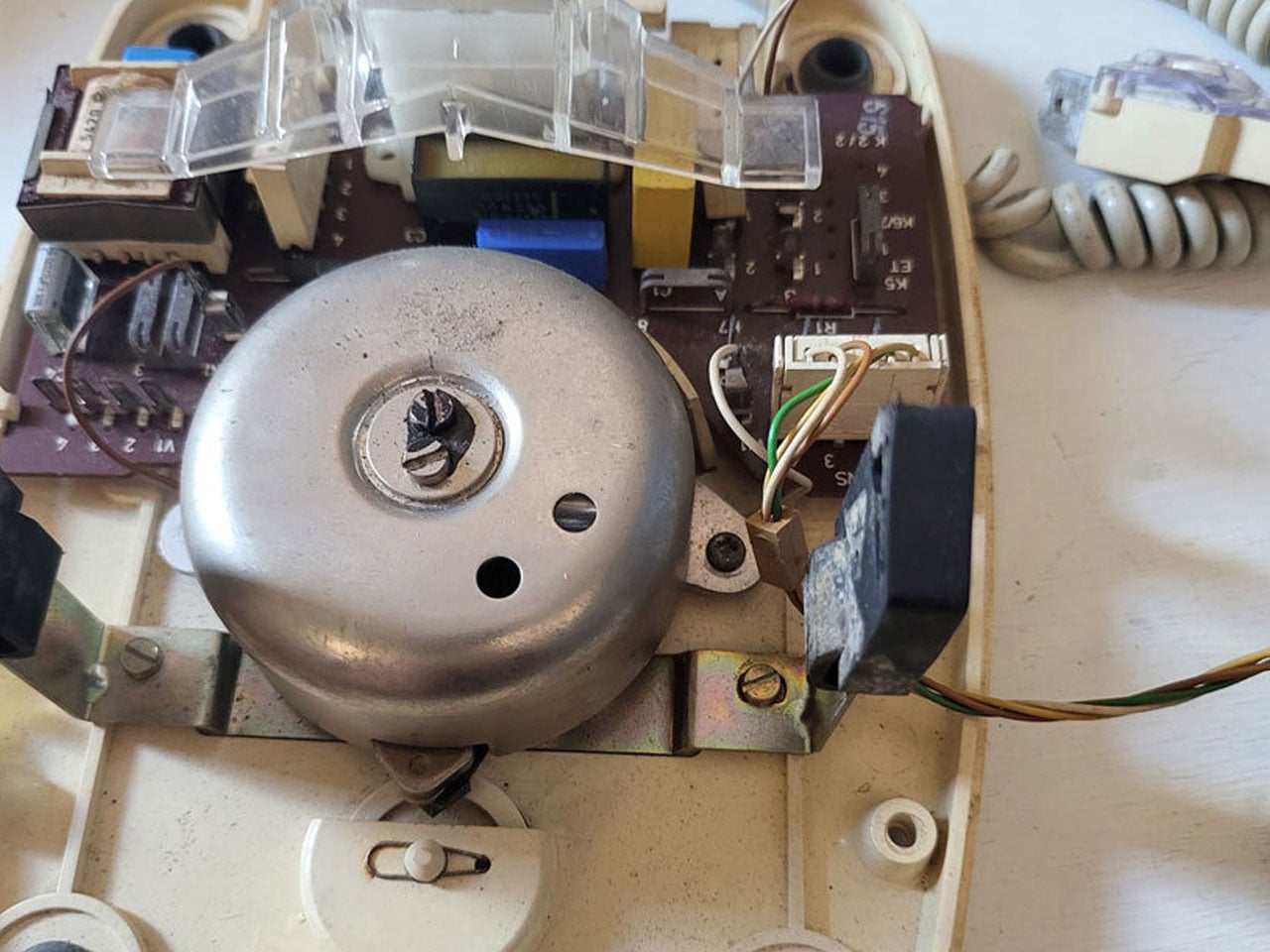
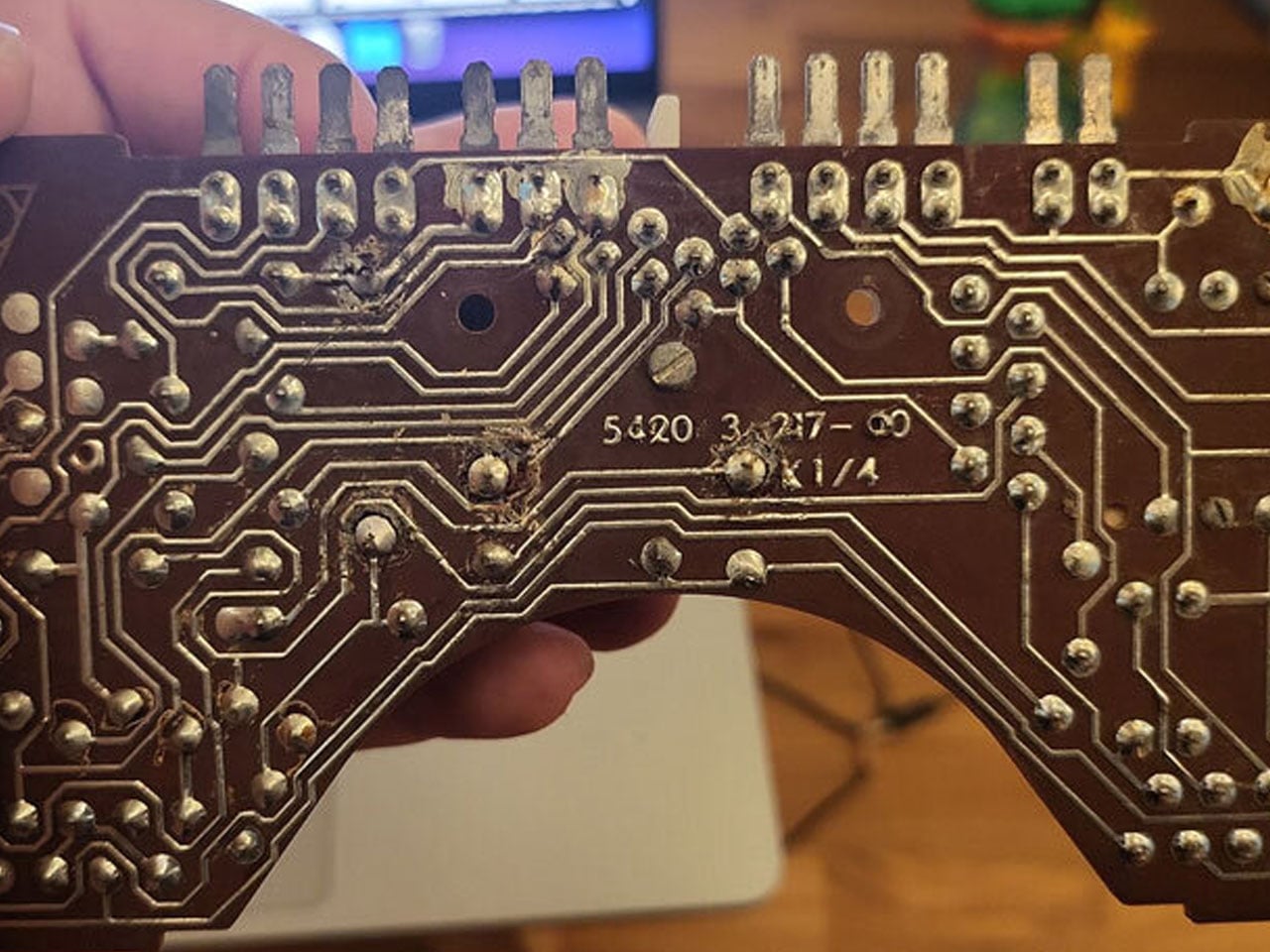
A recent re-imagining of this nostalgic device by designer Nico Tangara, who’s impressed us with the Self-Snoozing Alarm Clock shows how enduring designs can bridge analog heritage and modern digital convenience. Tangara’s project revives a vintage rotary telephone, carefully restoring original components while removing outdated elements such as the high-voltage bell and corroded wiring, to make space for low-voltage digital hardware.

Designer: Nico Tangara

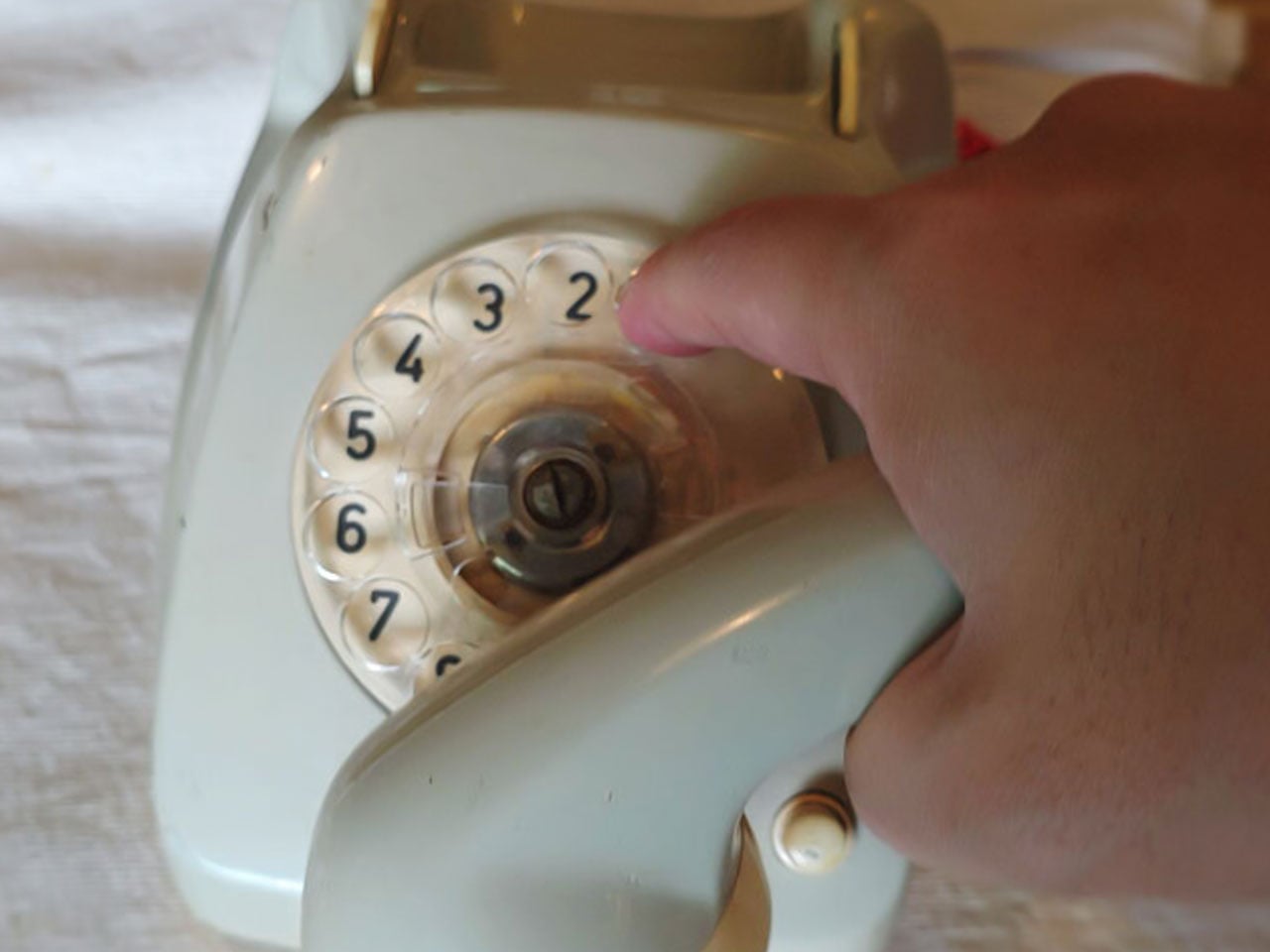
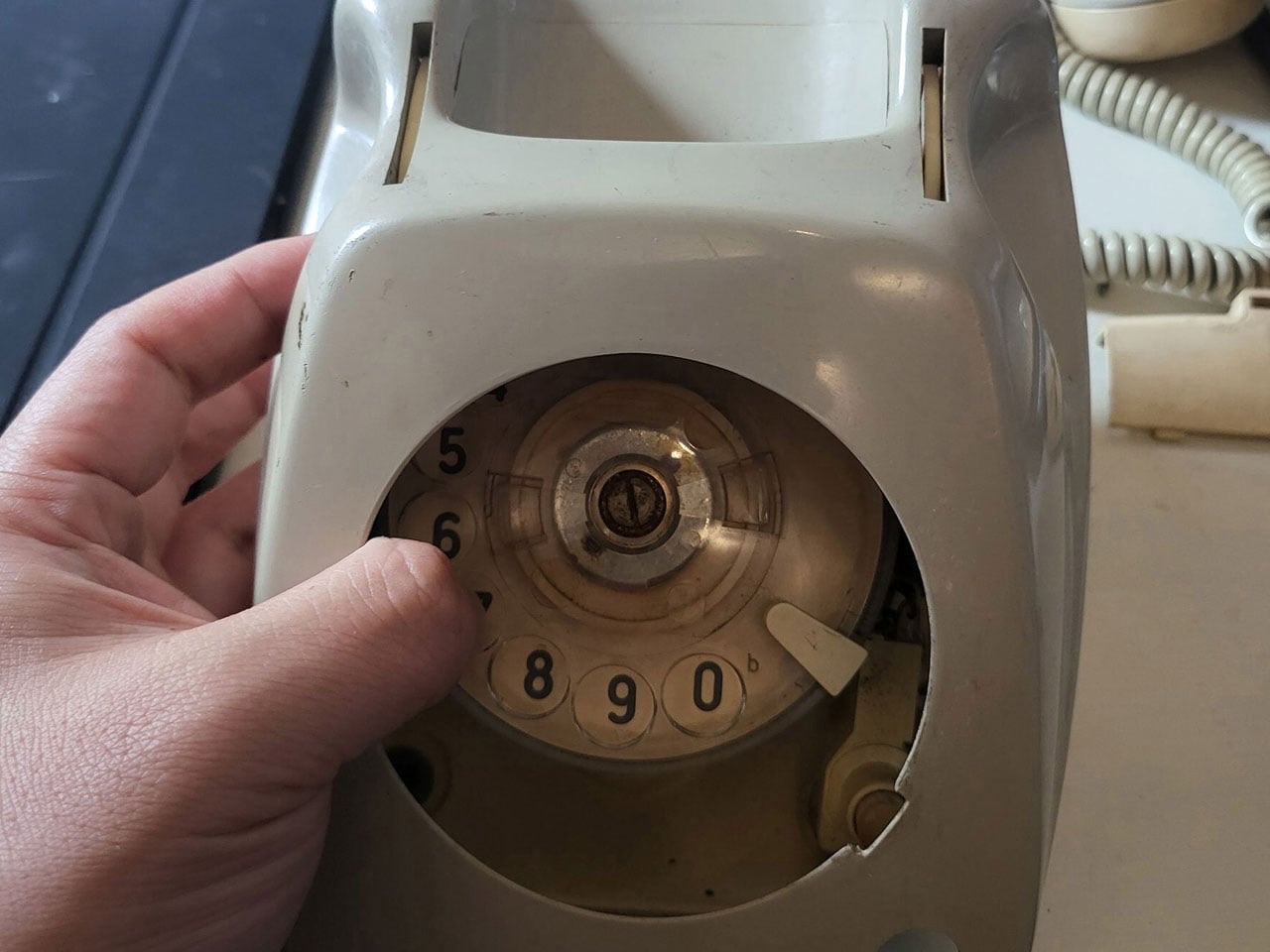
At the heart of the redesign is the original rotary dial, preserved as the primary input mechanism. Rather than simply dialing phone numbers, each pulse created by turning the dial is translated into a digital signal. This allows the dial’s mechanical action to control contemporary digital functions. The transformed device blends vintage form with modern intelligence. On the inside, a small single-board computer, which was initially a Raspberry Pi 4, was later swapped for a Raspberry Pi 2 for lighter loads, handles the digital processing. The original speaker and microphone are replaced with improved audio components connected via a USB sound card, ensuring clearer playback and compatibility with the new system.

Beyond its physical transformation, the device gains new functionality: it operates as both a music player and an AI-powered voice interface. By integrating a voice-based model (e.g., ChatGPT), speech-to-text transcription (via Whisper), and text-to-speech output (via Google TTS), the retro telephone can respond to voice commands, play music, and offer interactive voice chat. Interestingly, it can do it all while preserving the tactile nostalgia of rotary dialing phones.

The project demonstrates how old objects can find new life when design respects their identity while embracing innovation. By retaining the rotary dial, handset cradle logic, and the device’s physical essence while embedding modern electronics, the hybrid telephone becomes more than a novelty. It becomes a functional link between eras, and I’m sure people will absolutely love the idea.

In doing so, the designer’s work suggests that the past need not be discarded. Instead, elements of design that once felt obsolete can offer fresh value when rethought for contemporary contexts. The resulting hybrid device stands as a tribute to the charm of mechanical telephony and an example of how thoughtful design can merge tradition with modern technology. Perhaps the ideal starting point for budding DIYers who want to create something out of the ordinary.

The post Timeless rotary phone reborn as modern AI-powered companion that plays music first appeared on Yanko Design.

Masterpiece in Motion: The World Premiere of the Lexus LFA Concept

Masterpiece in Motion: The World Premiere of the Lexus LFA Concept

The unveiling of the Lexus LFA Concept marks a significant milestone in the evolution of sports cars, as it seamlessly integrates innovative battery electric vehicle (BEV) technology with the timeless allure of high-performance design. This groundbreaking concept car showcases Lexus’ unwavering commitment to innovation, as it masterfully blends advanced engineering with the brand’s signature craftsmanship. […]

The post Masterpiece in Motion: The World Premiere of the Lexus LFA Concept appeared first on Geeky Gadgets.

Posted in Uncategorized

Paramount makes a $108 billion hostile takeover bid for Warner Bros. Discovery

Paramount has been none too pleased about Netflix striking an $82.7 billion deal to buy much of Warner Bros. Discovery (WBD). Now, Paramount is making a hostile takeover bid for WBD. It's making its pitch directly to WBD shareholders with an all-cash offer of $30 per share that expires on January 8.

Late last week, the WBD board unanimously accepted Netflix's offer of $27.75 per share. That breaks down to $23.25 per share in cash and another $4.50 per share in Netflix stock. Netflix's overall bid is valued at $82.7 billion, while Paramount's totals $108.4 billion.

There's a key difference when it comes to the Paramount offer, as it’s for all of WBD. The latter is scheduled to split into two companies next year. Netflix only wants the Streaming and Studios side of WBD's business, which includes HBO Max and the Warner Bros. film, TV and game studios.

Paramount is after the whole shebang, including WBD's cable channels (Global Networks). "WBD's Board of Directors recommendation of the Netflix transaction over Paramount's offer is based on an illusory prospective valuation of Global Networks that is unsupported by the business fundamentals and encumbered by high levels of financial leverage assigned to the entity," Paramount said in a press release on Monday.

As of the end of September, WBD was carrying $34.5 billion of gross debt. It planned to saddle the Global Networks company (aka Discovery Global) with most of that. The Paramount offer includes $40.7 billion in financing from the family of Paramount CEO David Ellison — his father is Oracle co-founder Larry Ellison — and RedBird Capital, but it would be taking on more debt to secure a deal for WBD. The bid includes "$54 billion of debt commitments from Bank of America, Citi and Apollo." (Apollo owns a majority stake in Yahoo, Engadget's parent company).

According to an SEC filing [PDF], other entities are backing the Paramount bid, including Jared Kushner’s investment firm Affinity Partners and the sovereign wealth funds of Saudi Arabia (the Public Investment Fund), Qatar and Abu Dhabi. Tencent was a financing partner in a previous Paramount offer, but it’s not involved with the hostile takeover attempt.

In a letter sent to WBD CEO David Zazlav before the company accepted Netflix's offer, Paramount questioned the "fairness and adequacy" of the sale process. It asked whether WBD was acting in the best interest of shareholders after the management team allegedly appeared to favor the Netflix offer.

"Despite Paramount submitting six proposals over the course of 12 weeks, WBD never engaged meaningfully with these proposals which we believe deliver the best outcome for WBD shareholders," Paramount said. "Paramount has now taken its offer directly to WBD shareholders and its Board of Directors to ensure they have the opportunity to pursue this clearly superior alternative."

Paramount — which Skydance bought for $8 billion this year — also claims that its offer is likely to face less regulatory scrutiny than the Netflix offer, which wouldn't close until sometime after WBD splits in two later in 2026. According to CNBC, Paramount executives believe that the company's smaller size and cozy relationship with the Trump administration will help streamline the regulatory process. Over the weekend, President Donald Trump said that Netflix's bid for WBD has "got to go through a process, and we’ll see what happens. But it is a big market share. It could be a problem."

In a statement to Variety, WBD said it will consider Paramount’s latest bid and provide a recommendation to its stockholders within 10 business days — in other words, by December 19. The company said it “is not modifying its recommendation with respect to the agreement with Netflix” for the time being and it is asking shareholders “not to take any action at this time with respect to Paramount Skydance’s proposal.”

Meanwhile, Netflix co-CEO Ted Sarandos said at an event on Monday that Paramount’s new offer was “entirely expected. We have a deal done, and we are incredibly happy with the deal. We think it’s great for our shareholders. It’s great for consumers. We think it’s a great way to create and protect jobs in the entertainment industry. We’re super confident we’re going to get it across the line and finish.”

Update December 8, 2025, 11:14AM ET: Added details about the involvement of sovereign wealth funds and Affinity Partners.

Update December 8, 2025, 2:38PM ET: Added the responses from WBD and Netflix.

This article originally appeared on Engadget at https://www.engadget.com/big-tech/paramount-makes-a-108-billion-hostile-takeover-bid-for-warner-bros-discovery-152248473.html?src=rss
Hand-Stitched $2,300 Sneakers With Only 2 Pairs in the World

Let’s talk about what happens when ancient Japanese craftsmanship collides with one of the most elusive sneakers in the game. The result? A pair of shoes that costs more than most people’s monthly rent, and somehow, that price tag makes total sense.

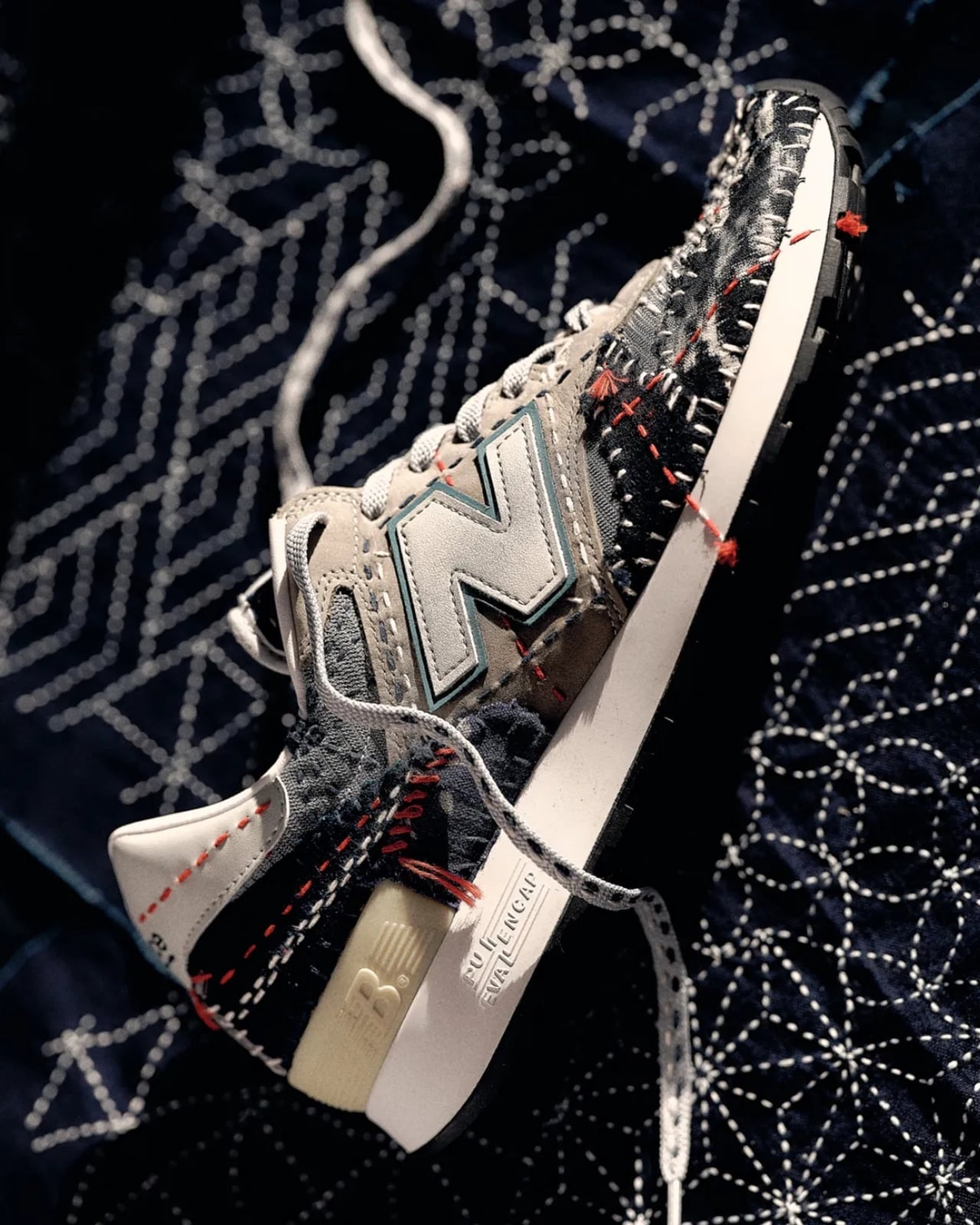
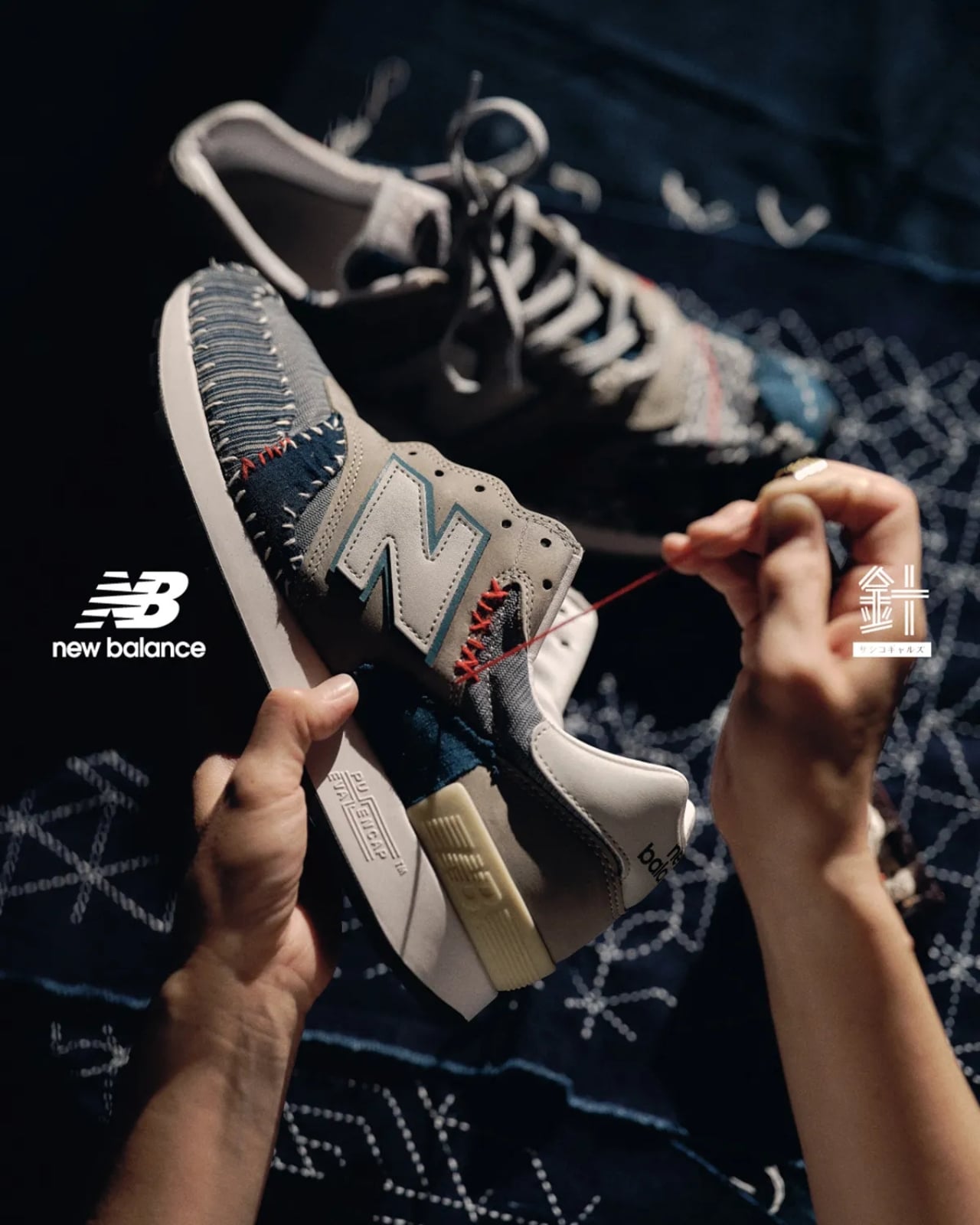
New Balance Japan just announced a collaboration with Sashiko Gals that’s turning heads for all the right reasons. They’ve taken the legendary 1300JP and transformed it into something that exists somewhere between footwear and functional art. And before you dismiss this as another overpriced sneaker collab, hear me out, because this one’s different.

Designers: Sashiko Gals and New Balance

For those not deep in sneaker lore, the New Balance 1300JP is basically the Bigfoot of running shoes. Originally released in the 1980s, it only drops once every five years in Japan, making it the kind of shoe that serious collectors set calendar reminders for. It’s got that classic grey suede aesthetic and Made in USA quality that sneakerheads obsess over.

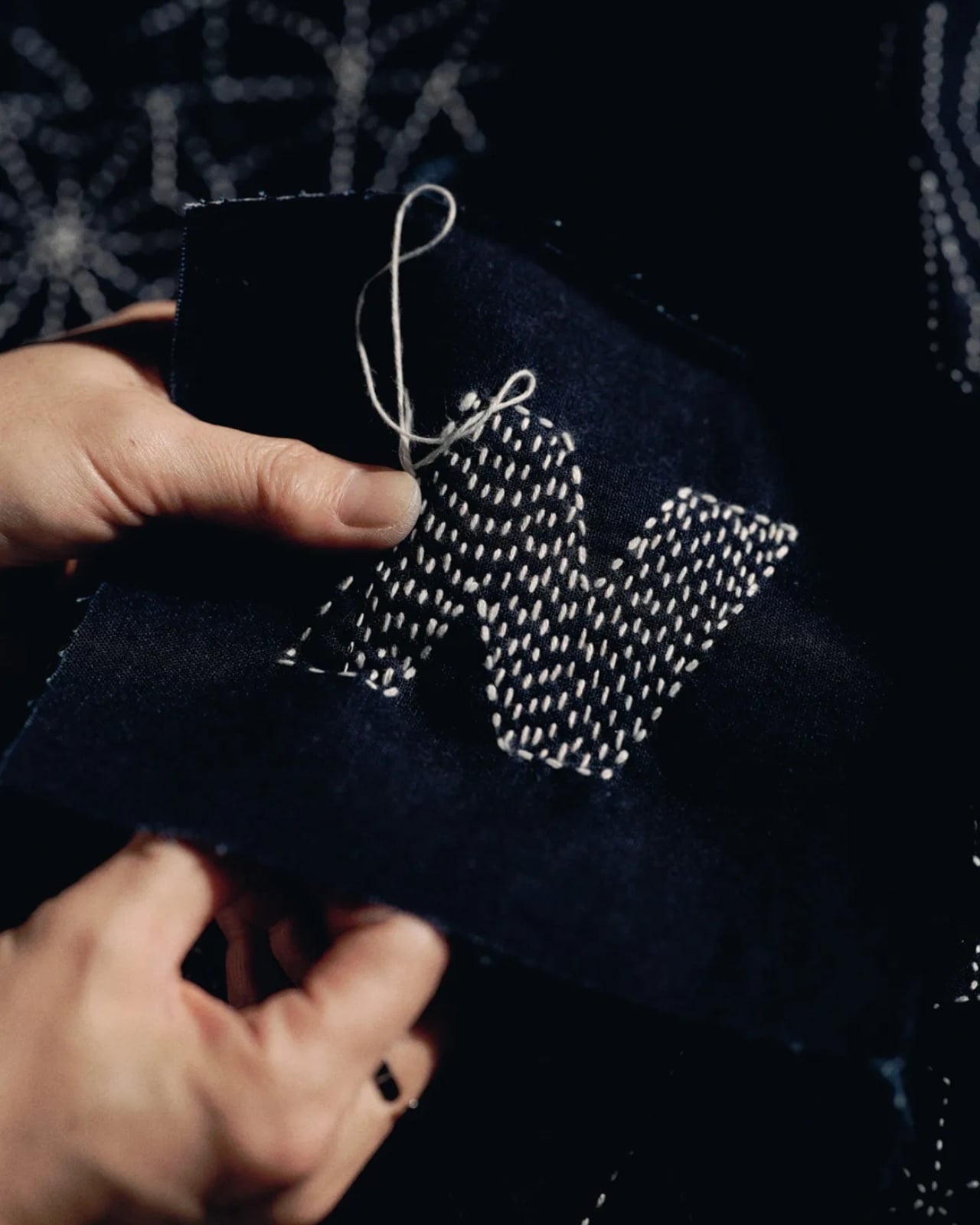
Enter Sashiko Gals, a community of Japanese artisans who are keeping the centuries-old tradition of sashiko embroidery alive by dragging it, stitch by careful stitch, into contemporary culture. Sashiko is that traditional Japanese hand-stitching technique where artisans use running stitches to create intricate patterns on fabric, typically indigo-dyed. It’s slow work. Meticulous work. The kind of craft that makes you appreciate the human hands behind every detail.

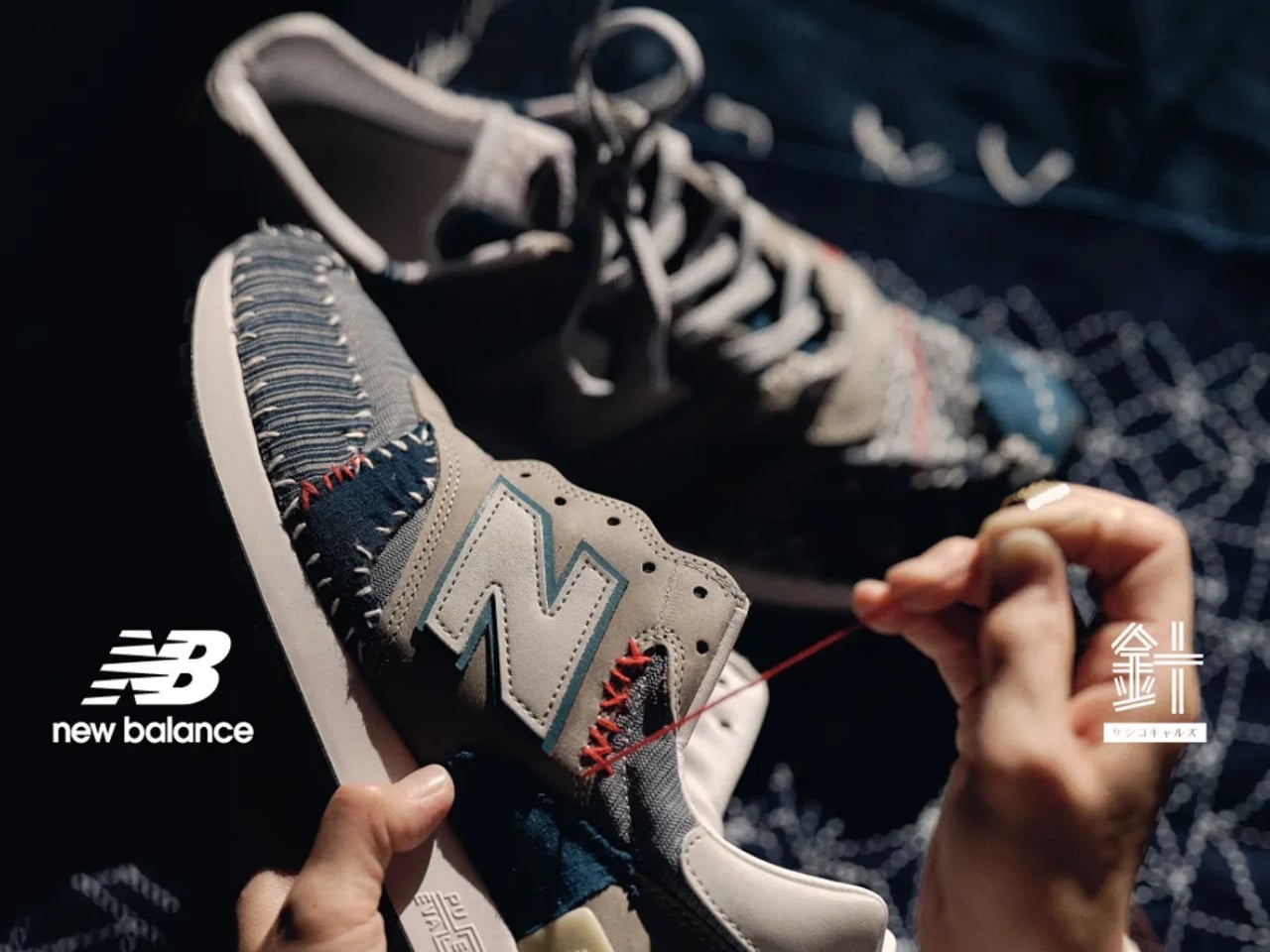
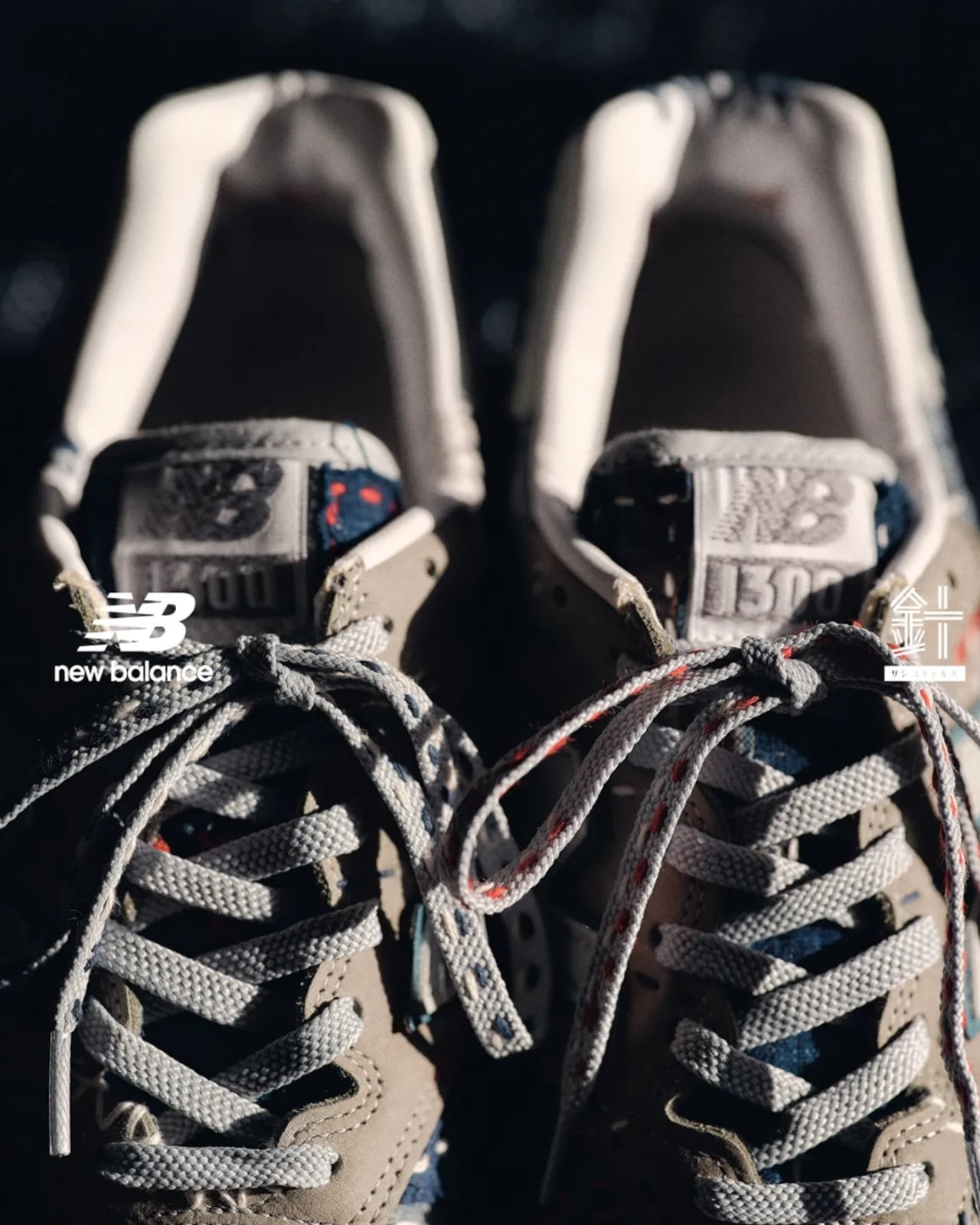
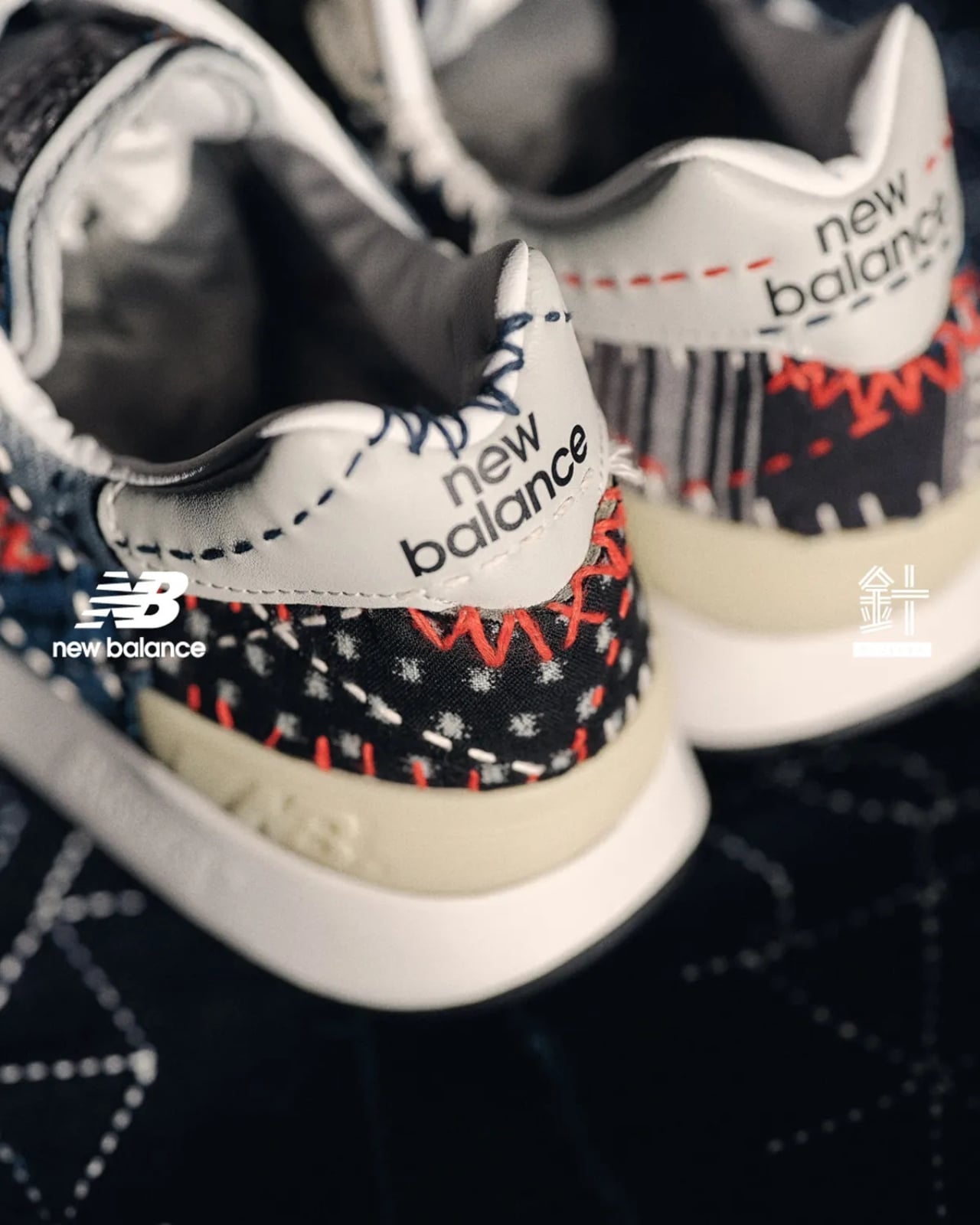
What these artisans did to the 1300JP is nothing short of remarkable. They covered the entire upper with hand-made sashiko patches, stitching them with white, orange, and indigo-blue thread. The decorative patterns create this visually rich tapestry that screams Japanese heritage while somehow still respecting the sneaker’s classic silhouette. And because these artisans apparently don’t believe in half-measures, they even stitched the running patterns onto the ends of the laces. Every. Single. Detail. Matters. The collaboration also includes a Made in USA varsity jacket that gets the same treatment, blending American sports heritage with Japanese craftsmanship in a way that shouldn’t work but absolutely does.

Now, about that price tag. The sneakers clock in at 363,000 yen, which translates to roughly $2,330 USD. The jackets? Try 990,000 yen, or about $6,300 USD. Yeah, you read that right. These numbers are stratospheric. But here’s where things get interesting. New Balance and Sashiko Gals are only making two pairs of the 1300JP and four jackets (one in each size from small to extra-large). They’ll drop via a charity-based lottery at the New Balance Harajuku flagship on December 12th, and here’s the kicker: every single yen from the sales goes to MOONSHOT Co., LTD., an organization dedicated to developing future sashiko artisans and funding the launch of something called the SASHIKO WORLD CHAMPIONSHIP.

This is what makes this collaboration actually matter. It’s not just two brands cashing in on hype. It’s a genuine effort to preserve and promote a traditional art form that’s at risk of fading away in our mass-production world. The Sashiko Gals are literally expanding the possibilities of their craft, proving that ancient techniques can still resonate in our modern, sneaker-obsessed culture. The “Crafted for the Future” partnership name suddenly makes sense. This isn’t about churning out product. It’s about creating a sustainable model where traditional craftsmanship can thrive, where artisans have platforms to showcase their work, where slow fashion and meticulous detail aren’t just marketing buzzwords but actual values worth paying for.

Will most of us ever own these sneakers? Probably not. Only two pairs exist, and the lottery system means even having the money isn’t enough. But that’s kind of the point. This collaboration is proving that sneakers can be more than just footwear or even fashion. They can be vessels for cultural preservation, fundraising tools, and tiny rebellions against our disposable culture. We’re living in an age where fast fashion dominates and sneaker collaborations drop every other week so the Sashiko Gals x New Balance 1300JP stands out by doing the exact opposite. It’s slow. It’s expensive. It’s impossibly rare. And somehow, that makes it one of the most exciting sneaker releases of the year.

The post Hand-Stitched $2,300 Sneakers With Only 2 Pairs in the World first appeared on Yanko Design.

Samsung Galaxy S26 Ultra Specs: Final Design, Exynos 2600 & Snapdragon

Samsung Galaxy S26 Ultra Specs: Final Design, Exynos 2600 & Snapdragon

The Samsung Galaxy S26 Ultra, part of the highly anticipated Galaxy S26 series, is shaping up to be a flagship device that emphasizes refinement and practicality. Leaks and reports suggest a smartphone that combines subtle design enhancements, strategic chipset decisions, and software improvements to deliver a balanced user experience. Here’s a detailed look at what […]

The post Samsung Galaxy S26 Ultra Specs: Final Design, Exynos 2600 & Snapdragon appeared first on Geeky Gadgets.

Posted in Uncategorized

Blink budget security cameras will support AI-powered video descriptions

Amazon's budget Blink smart home brand is adding AI-generated video descriptions as a new benefit for subscribers. Blink Video Descriptions are text descriptions of the motion doorbells and cameras capture, and they’ll be available in beta starting December 8.

Not unlike Ring Video Descriptions, a feature offered on Amazon's other smart home brand, Blink's AI-generated descriptions are supposed to be a concise way to check out what's happening in and around your home. Any kind of motion can produce a video clip and a notification in the Blink app, but video descriptions should help weed out which ones are worth watching and worrying about.

Blink says Video Descriptions will be supported on all existing Blink doorbells and cameras, provided you're paying to be a Blink subscriber for at least $4 a month or $40 a year. That means if you've scooped up one of the new Blink 2K+, Blink Outdoor 2K+ or Blink Arc cameras, you'll be able to take advantage of the feature.

Blink Video Descriptions start rolling out to subscribers today in beta, though not in Illinois, possibly due to the state's Biometric Information Privacy Act.


Correction, Dec 8, 2025, 12:03pm ET: This story originally misstated the availability date for the beta as mid November.

This article originally appeared on Engadget at https://www.engadget.com/home/smart-home/blink-budget-security-cameras-will-support-ai-powered-video-descriptions-143000725.html?src=rss

Jolla Phone Returns with a Physical Switch to Cut Off Mics and Tracking

The mobile OS graveyard is crowded. Symbian, MeeGo, Firefox OS, Windows Phone, all killed by iOS and Android’s duopoly. Most people quietly accepted that those two won and moved on. Jolla started from Nokia’s MeeGo ashes in 2013, shipped the original Jolla Phone, and somehow kept Sailfish OS alive for twelve years in the wilderness. The new Jolla Phone feels less like a comeback and more like a refusal to die.

Jolla frames it as Europe’s independent smartphone, a 5G Sailfish OS 5 device built around the pitch that every Android and iPhone phones home to California. The announcement post says this is about digital sovereignty and choice rather than nationalism, but the subtext is clear: Europe needs its own mobile platform, or it stays perpetually dependent on US and China infrastructure. It is a Linux phone you are meant to daily drive, not a dev kit or novelty.

Designer: Jolla

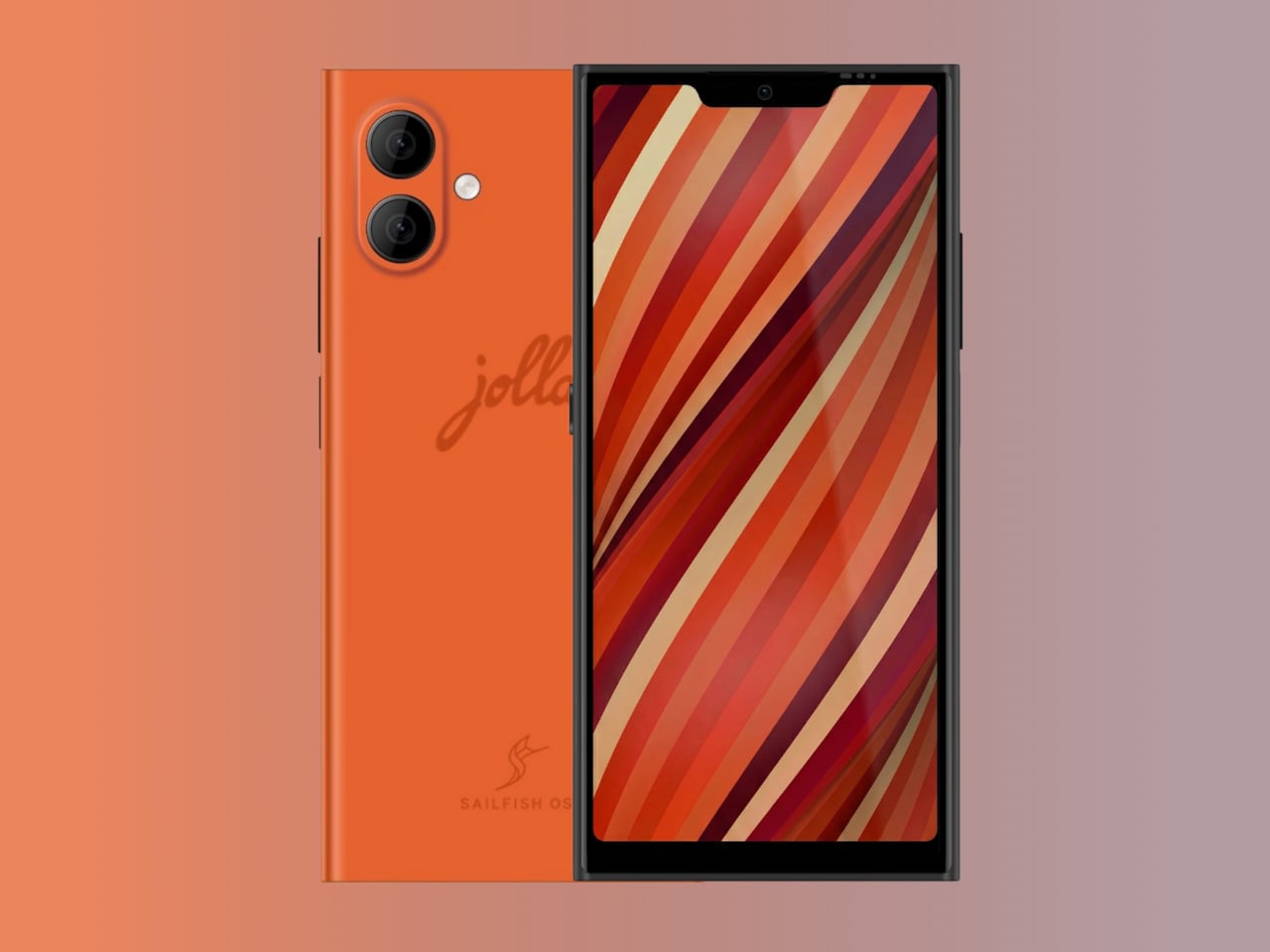
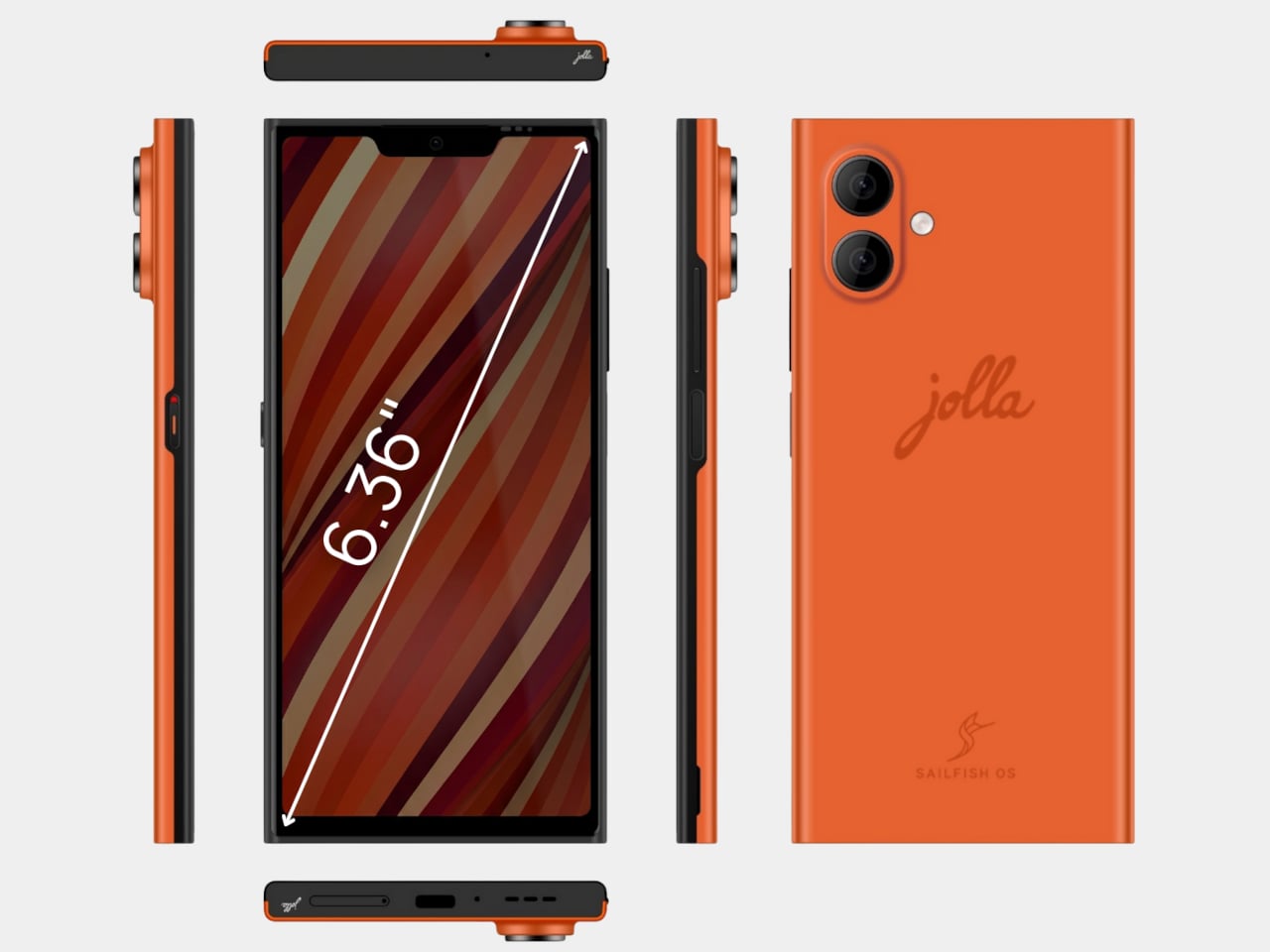
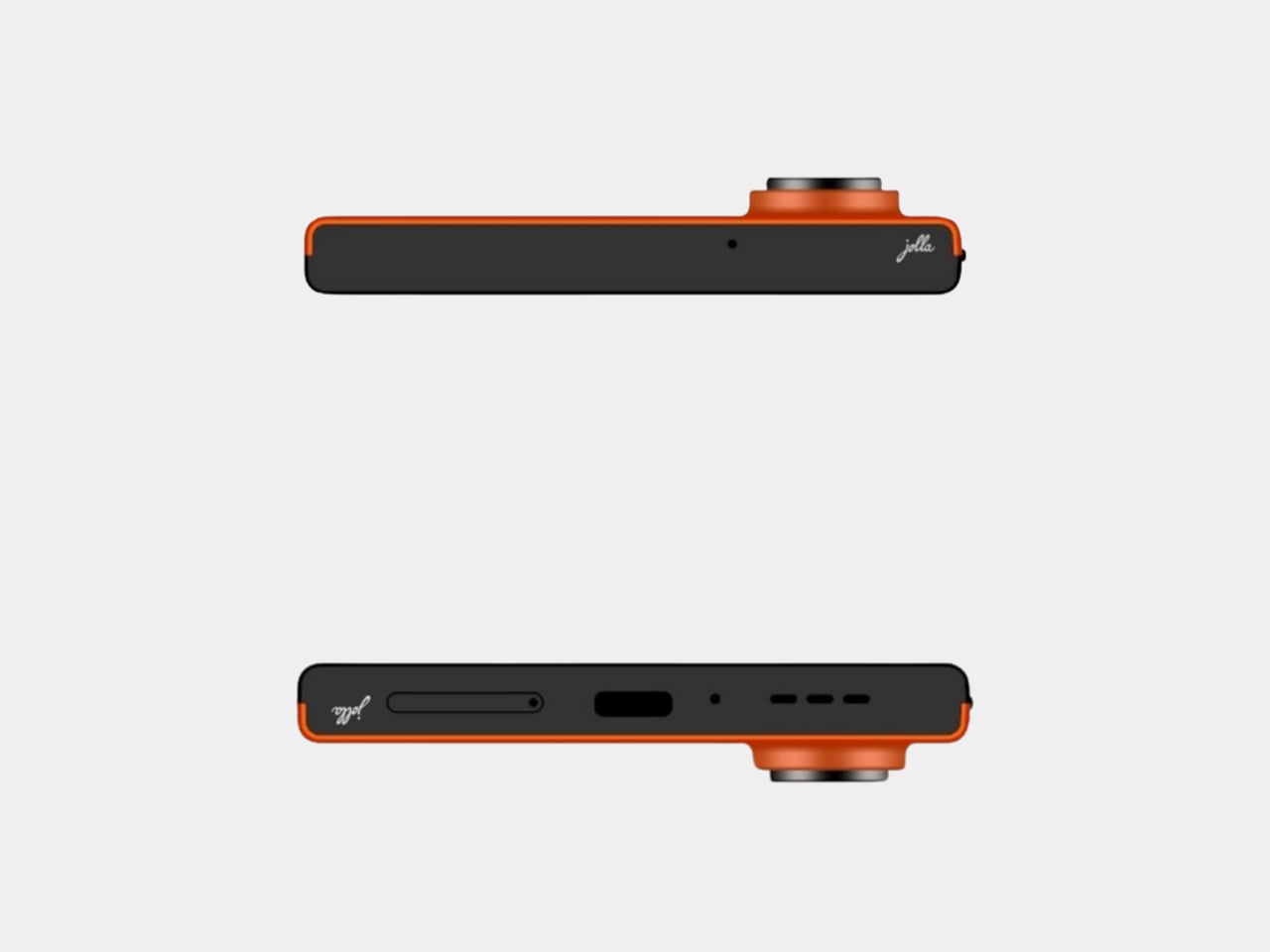
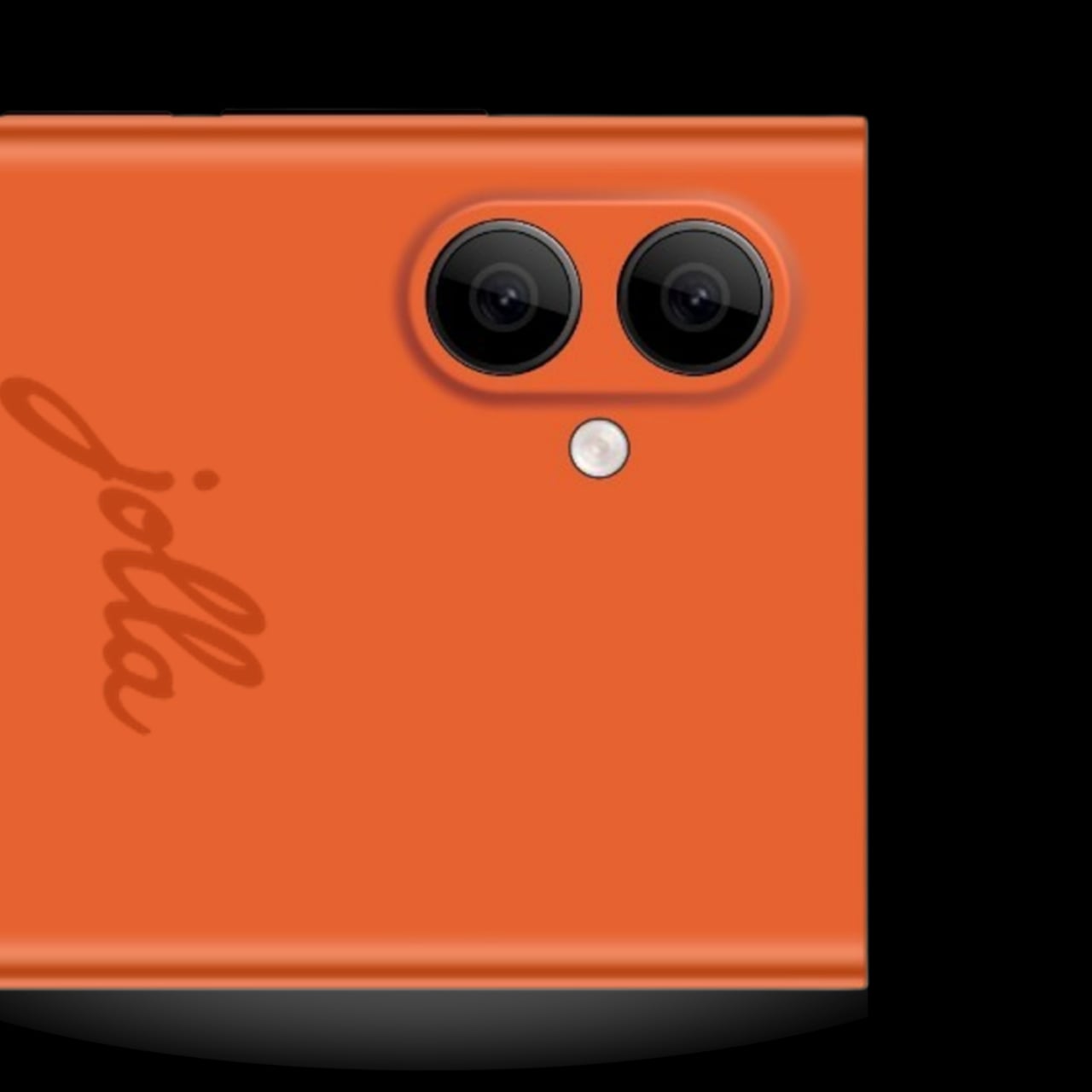
The core specs sit in upper mid-range territory. A 6.36-inch FullHD AMOLED screen, a Mediatek 5G platform, 12GB of RAM, 256GB of storage with microSD expansion up to two terabytes, dual SIM, and a 5,500 mAh battery. The flat-sided Scandinavian design offers replaceable back covers in Snow White, Kaamos Black, and The Orange, a nod to the original Jolla’s signature color. It includes a side fingerprint reader and an RGB notification LED.

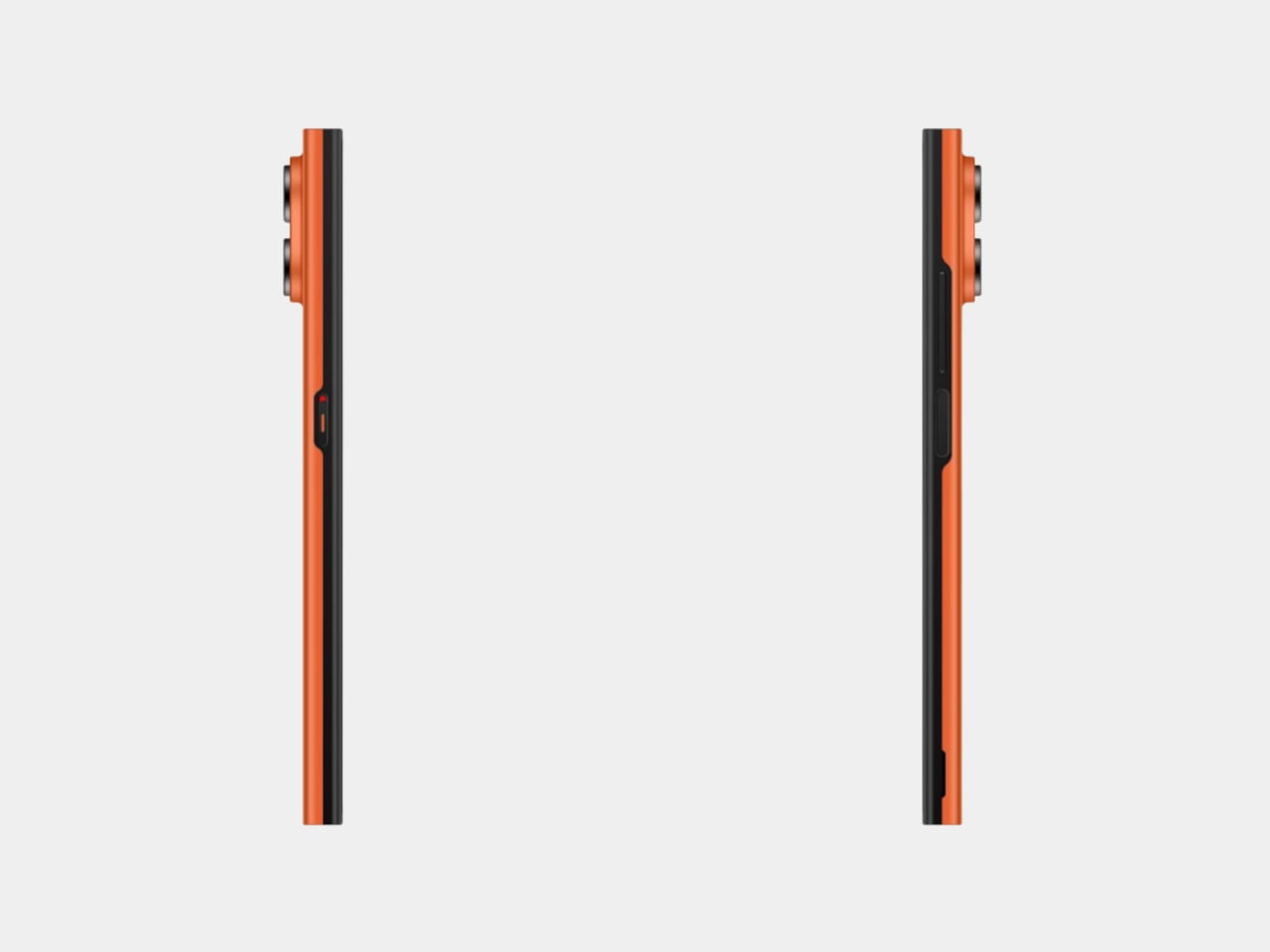
The privacy hardware choices feel almost retro. A physical privacy switch can be configured to cut off the mic, Bluetooth, Android apps, or other subsystems. The battery and back cover are user-replaceable, which feels unusual in a world of sealed slabs. Those choices align with the idea of owning your device instead of renting it, and they support Sailfish OS’s pitch as “private by design,” with no tracking or hidden analytics happening in the background.

Sailfish OS 5 is a Linux-based, gesture-heavy mobile OS that Jolla promises will get at least five years of updates without forced obsolescence. App ecosystems matter, so the phone includes Android app support via Jolla AppSupport, without Google Play Services. That means many Android apps will run, but you are not feeding data into Google’s backend every time you unlock your phone or letting services siphon usage patterns while sitting idle.

The funding model is a 99 euro fully refundable pre-order voucher toward a 499 euro final price, with production only happening if at least two thousand units are reserved. The community voted on key specs and features, and the campaign already passed its goal. The phone becomes a Do It Together project where early adopters literally decide whether it exists, and pre-order customers get a special edition back cover as a thank you.

The new Jolla Phone represents a rare, stubbornly optimistic alternative in a market that settled on two platforms years ago. It will not replace iOS or Android for most people, and there are risks around timelines and app compatibility. But for anyone who wants a phone that treats privacy, longevity, and independence as design constraints instead of afterthoughts, Jolla’s return feels like proof that small, opinionated hardware can still find oxygen if the community wants it badly enough.

The post Jolla Phone Returns with a Physical Switch to Cut Off Mics and Tracking first appeared on Yanko Design.

The Google Pixel Watch 4 is cheaper than ever right now

Cyber Monday has come and gone, but you can still get a great deal on a smartwatch with the Google Pixel Watch 4 marked down to $300 from $350. At almost 15 percent off, this is the lowest we've ever seen it.

The Pixel Watch 4 was just released in October and is our smartwatch of choice for users with Pixel phones. In our hands-on review we scored it 86 out of 100, taking note of its fast recharge time, health and fitness tracking, repairable design and gorgeous display.

The curved display sits under a domed glass cover and sports an impressive 3,000 nits of peak brightness, well beyond the 2,000 nits max of the Apple Watch Series 11. This makes the Pixel Watch 4 about 50 percent brighter than the previous generation, and thanks to smaller bezels the display is about 10 percent bigger.

The new generation also adds dual-frequency GPS, updated processors and a custom haptic engine. It also boasts a more repairable design thanks to a case that can be easily unscrewed to replace the display or battery. We did find the gesture based raise-to-talk Gemini feature a little gimmicky, and users should note that the watch must be connected to the internet for Gemini to work.

Thanks to all this, we named the Pixel Watch 4 the best smartwatch for Android users. It's as good a workout companion as a daily watch and offers peace of mind with emergency SOS via satellite. If you're an Android user in the market for a smartwatch, this is one of the best deals available now.

Follow @EngadgetDeals on X for the latest tech deals and buying advice.

This article originally appeared on Engadget at https://www.engadget.com/wearables/the-google-pixel-watch-4-is-cheaper-than-ever-right-now-141715083.html?src=rss