Amazon has responded to viewers catching errors in its AI-generated season recaps by apparently pulling them from Prime Video. The company announced its new Video Recaps feature in November as a way to make it easier to jump into a new season of a show, but the feature had issues: A recap created for Fallout included factual errors about the plot and the setting of the show.
On Prime Video, recaps can be played in the "Extras" section if you're watching on the web, or via a dedicated "recap button" on the show's page, according to Amazon's original Video Recaps announcement. If you head to the Fallout season two page now, the erroneous recap has been removed. In fact, at least on the web, there are currently no video recaps available on the show's Amazon was testing the feature on, which includes Fallout, Bosch, Upload, The Rig and Tom Clancy's Jack Ryan.
Engadget has contacted Amazon for more information on why the recaps were removed. We'll update this article if we hear back.
Video Recaps are just one of the ways Amazon is trying to integrate AI into its different products and services. The company offered AI-generated English dubs for select anime shows on Prime Video, before it pulled the dubs after users complained. Amazon also uses AI to generate recaps for long-running book series that are sold through the Kindle Store.
This article originally appeared on Engadget at https://www.engadget.com/entertainment/streaming/amazon-pulls-its-bad-ai-video-recaps-after-fallout-fallout-220358758.html?src=rss
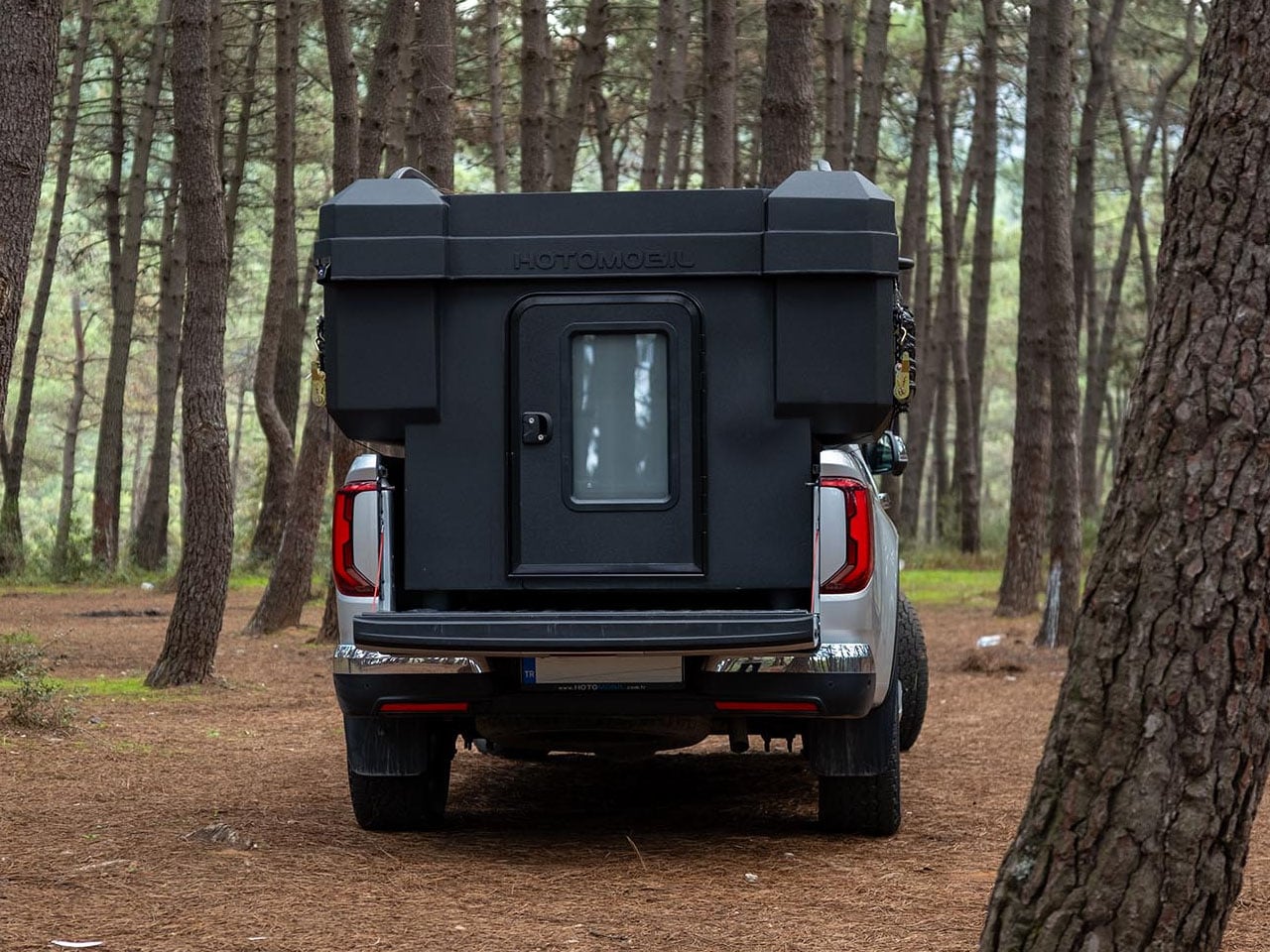
I don’t always envy adventurers living out of pick-up campers; for some reason though, the Atlas Cabin Box is making me weak in the knees. Designed by Hotomobil, an RV manufacturer from Istanbul, Türkiye, the Atlas is not a typical hardtop truck camper. It is somewhere between a full-bodied option and a rooftop tent that is really impressive to start out with. And the interior, well that’s actually where I find this cabin different from what we have seen in the past.
The combination makes the Atlas different but appealing in two ways. One, the transformative build allows it to maximize the space, and two, it is pretty affordable as opposed to other truck campers. The hard box image of the Atlas Cabin is deceptive of its capability. The low-profile design, sits flush on the truck bed and confines itself well within the side boundaries, minimizing drag and of course packing in a complete camping setup for two. It sets up in a jiffy when the camper’s top is lifted and the tent unfurls.
Designed to be spacious and fully-equipped for a user’s camping needs, the Atlas Cabin box, the company claims, is the “most durable and lightest” option in its class. This is made possible with its Monoblock body. The cabin in its absolute versatility can be used as a spacious cargo box and when at the camp, it can transform from the box into and full-size tent pitched above from the ground on a truck bed.
The safe and secure camper is ideal for weekend and even those long road adventures without a reservation. But its insulation can be a concern if you’re planning to take it out in the winter. The tent will require insulation and heating to sustain that kind of camping requirement, but otherwise, there should be no concern in having a comfortable stay in it. Coming to what you get here; the Atlas is a 4-foot-high, 150 kg T-shaped cabin. Of course, that’s not something worth camping in, so the top lid of this box opens full 90-degress to unfurl a tent.
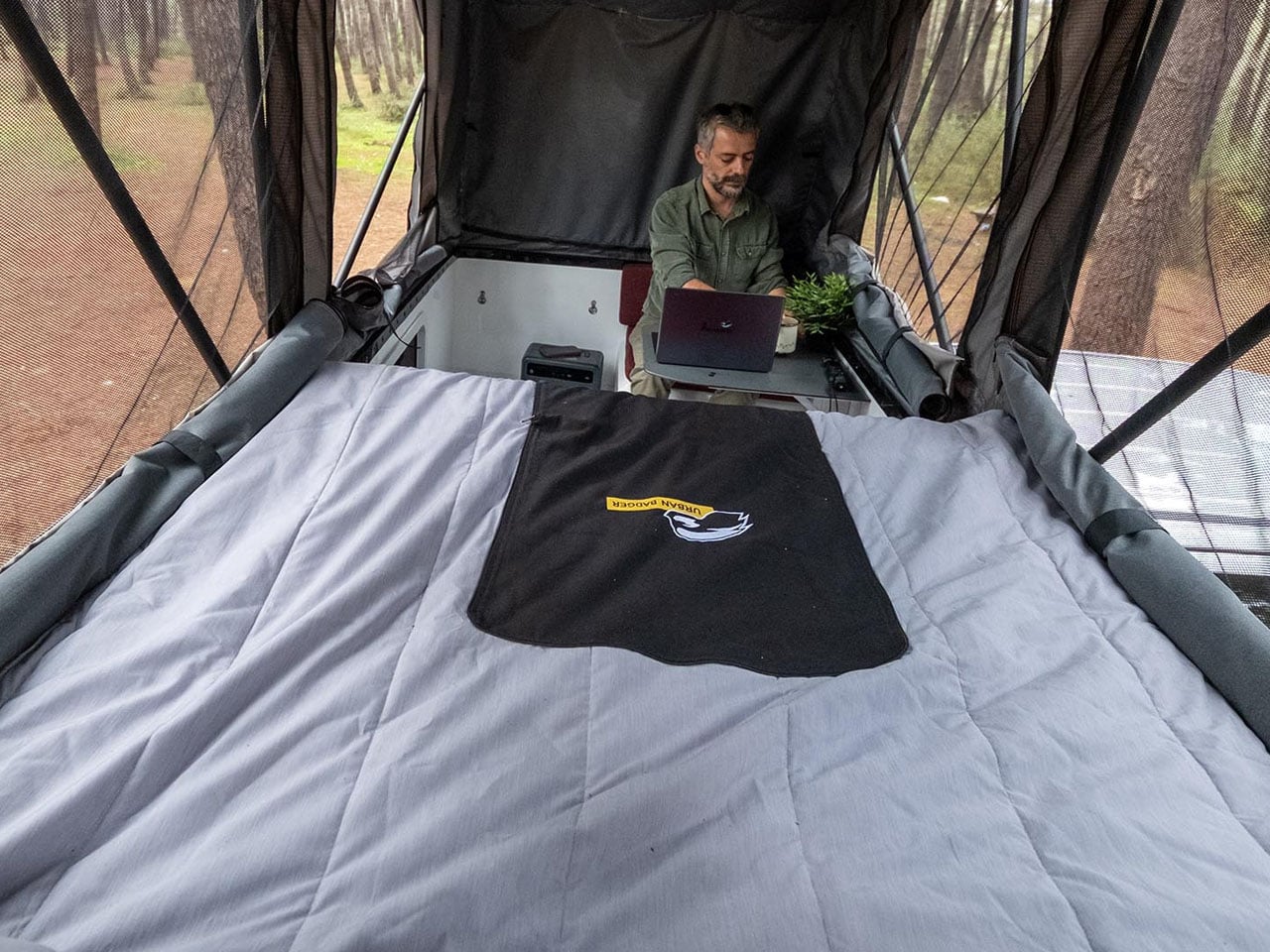
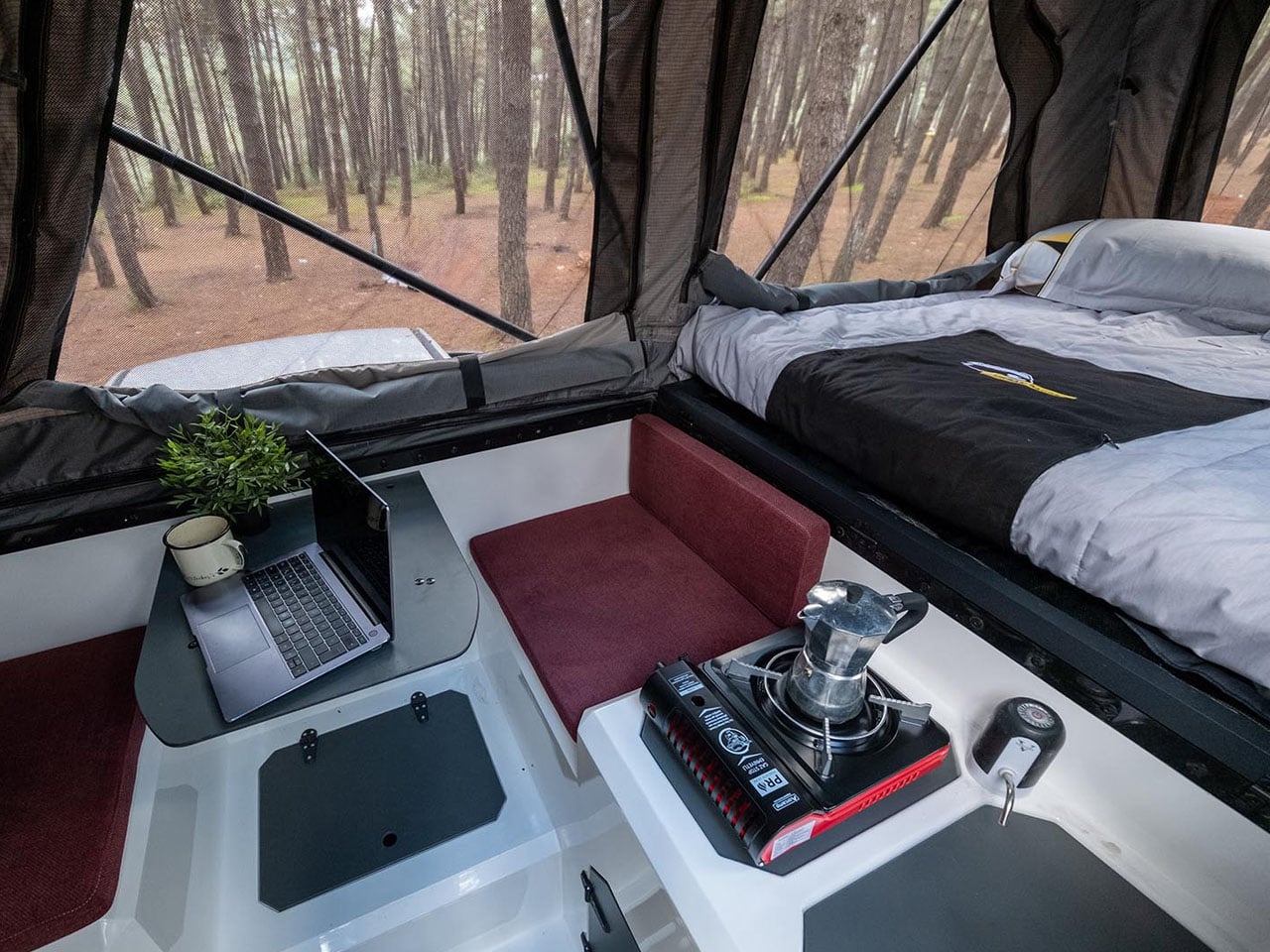
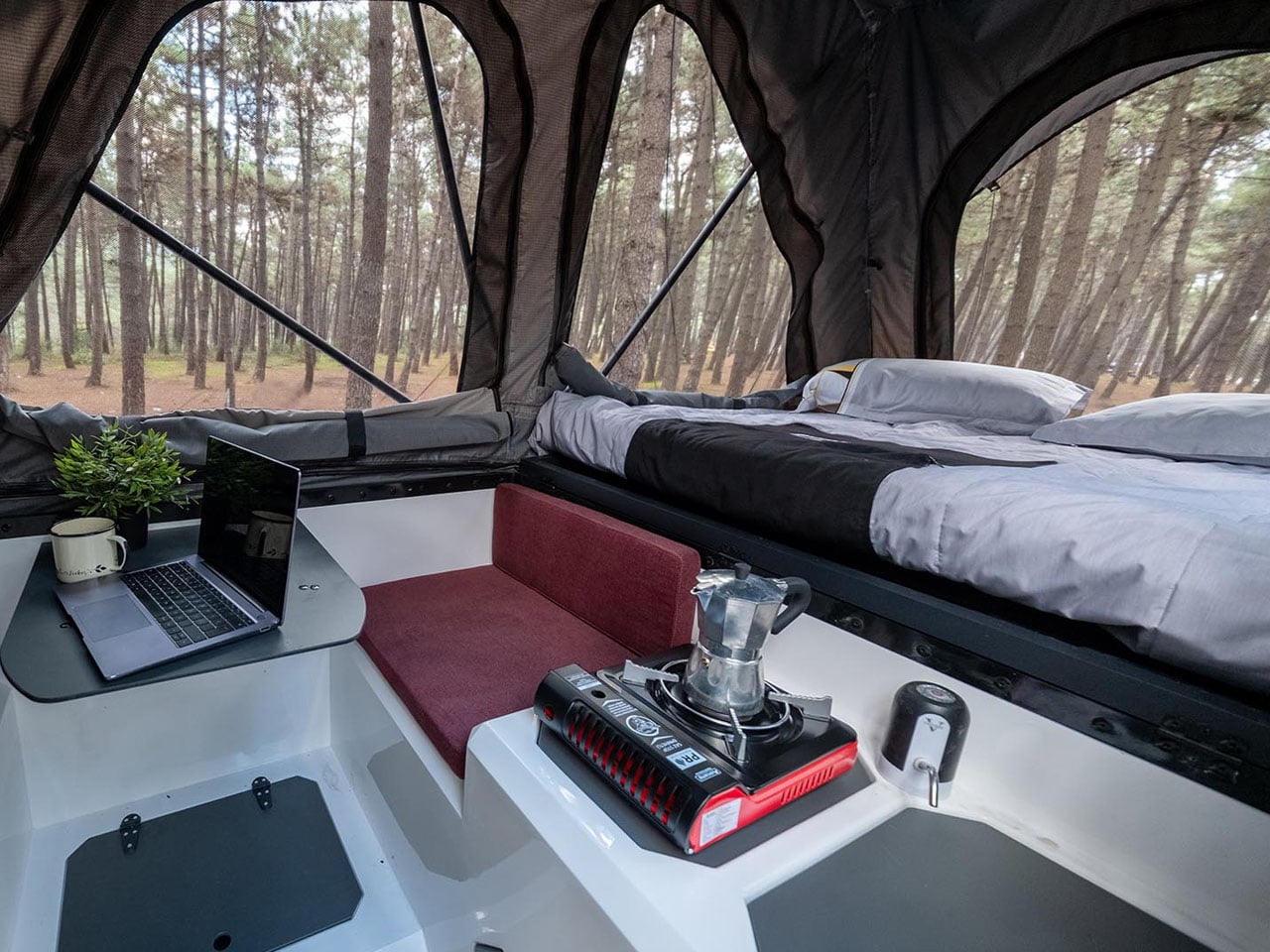
The open tent instantly extends the headroom to 8.5 feet and pitches comfortably from the truck bed down to the ground, opening up space for more than just sleeping and eating. The living unit of the tent is accessible via a telescopic ladder and is provided with a double bed and a dinette with cushioned seats and a table that functions as a work desk when required. Other accessories include a single-burner portable gas stove placed alongside the dinette, a fresh and waste water cans, faucet, space for the power station, and a chest fridge. The Hotomobil Atlas Cabin is available as an empty shell or an Urban Edition that features the above-mentioned amenities. The pricing starts at approximately $11,000 bare bones, and $13,400 for the accessorized Urban Edition.
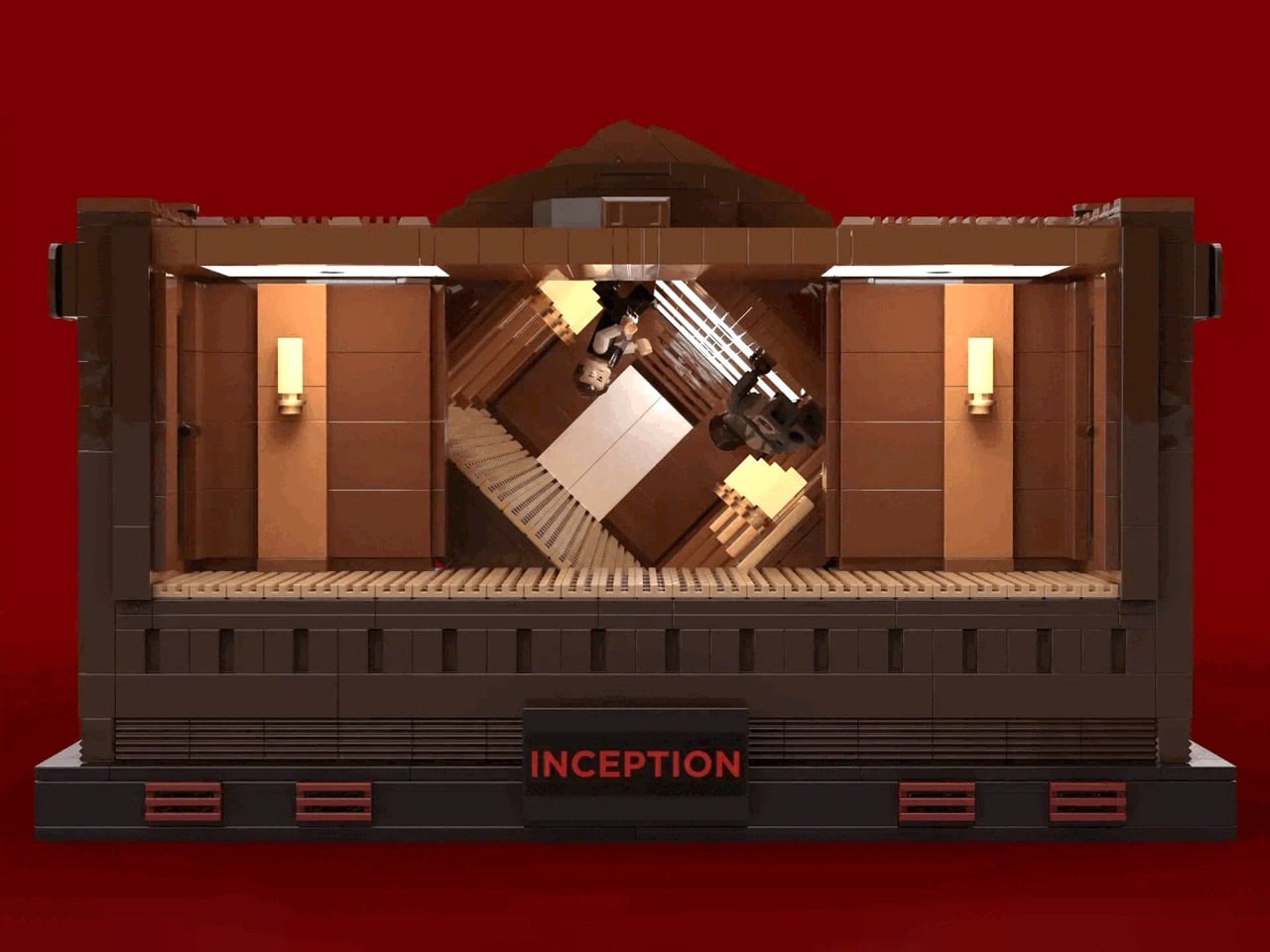
In 2010, Christopher Nolan delivered one of cinema’s most unforgettable sequences: a zero-gravity hallway fight that defied physics and redefined practical effects. The scene from Inception featured Joseph Gordon-Levitt battling an opponent while their dreamworld corridor rotated around them, mirroring a van tumbling down a hill in another layer of reality. Nolan’s commitment to practical filmmaking led him to construct a massive rotating set where actors performed the entire sequence for real, creating what many consider a masterclass in tactile, analog special effects.
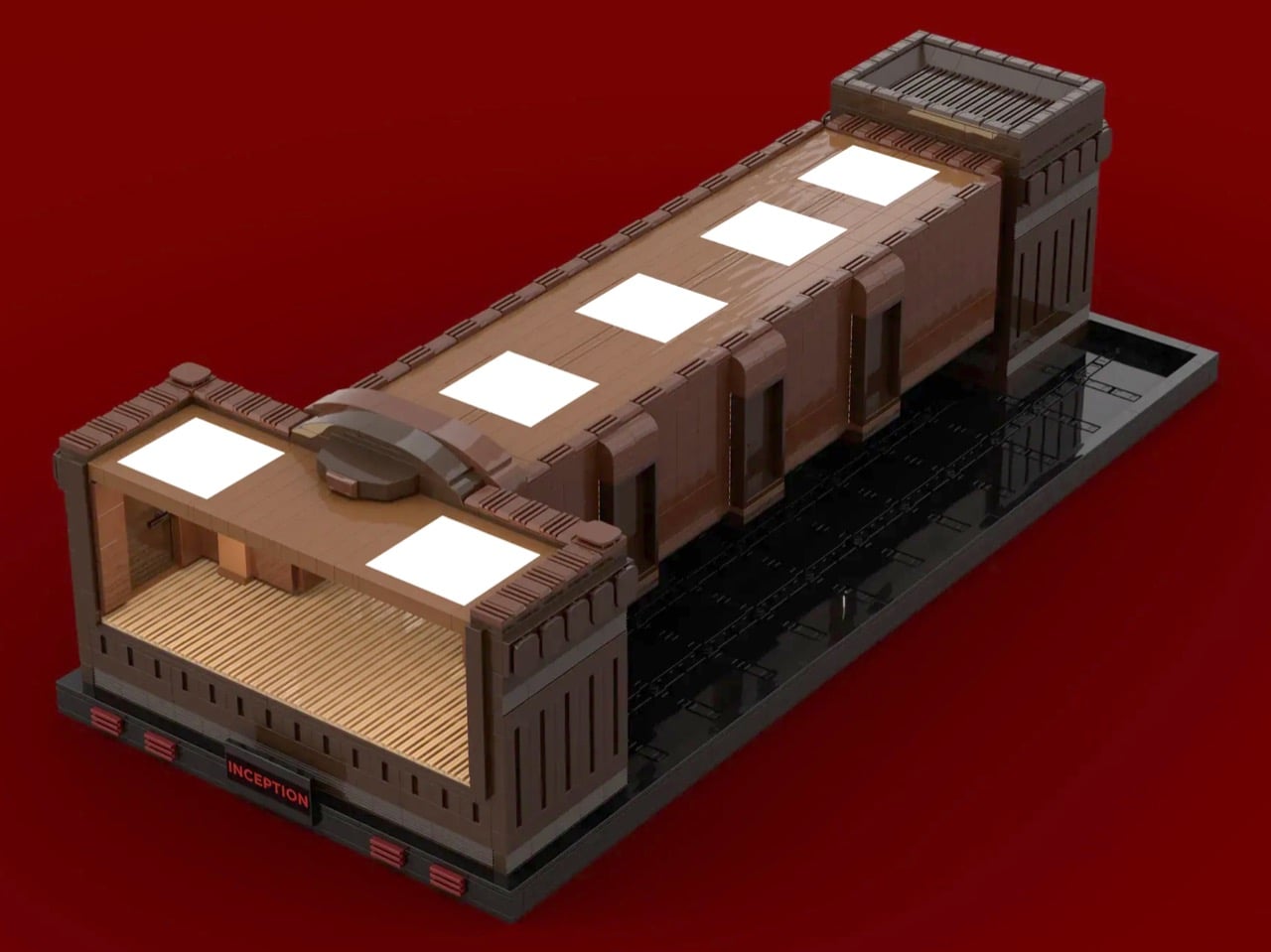
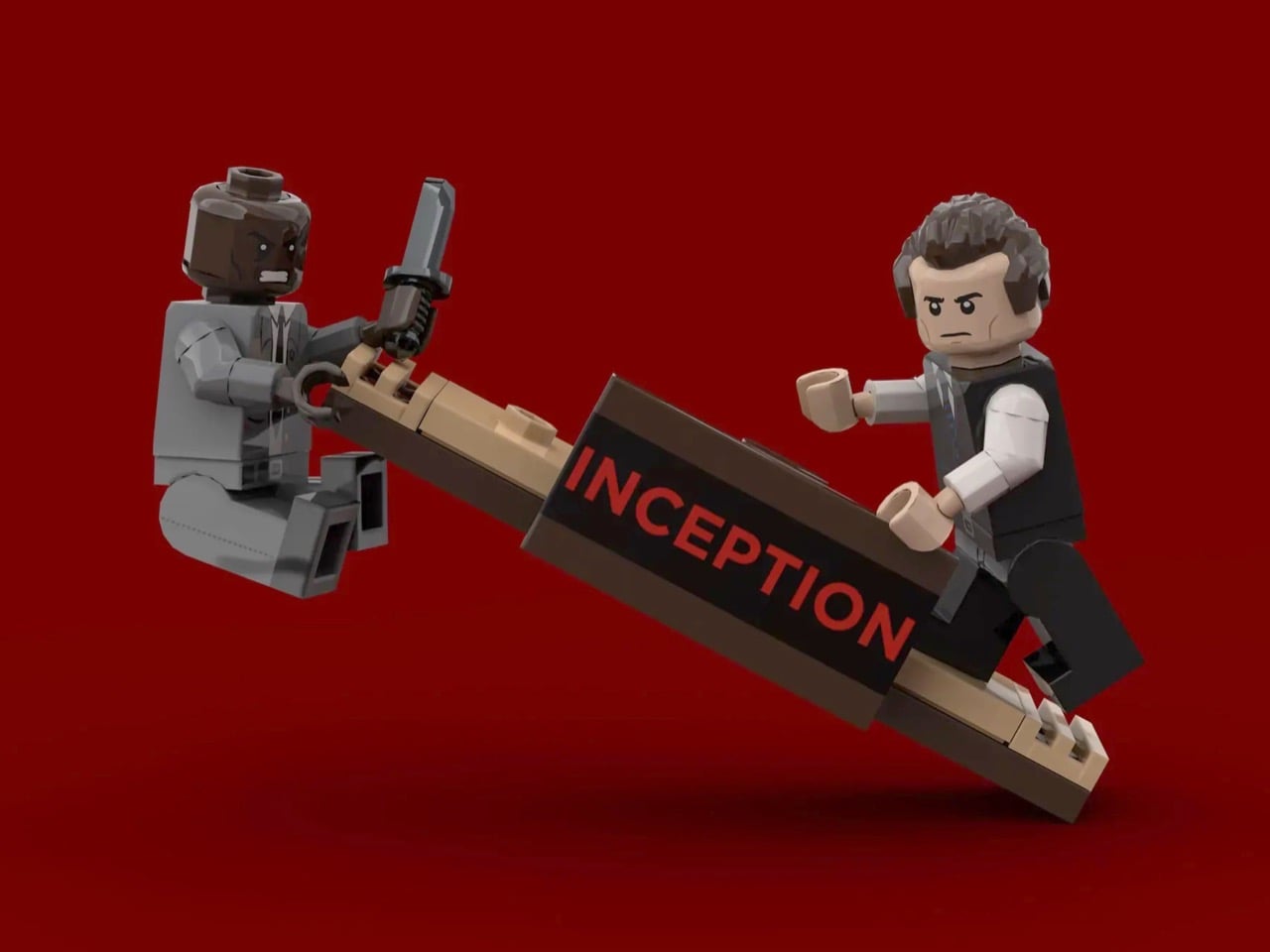
Now, a LEGO builder known as AboveBricks180 has recreated that iconic moment in brick form, complete with a working rotation mechanism. The 2,395-piece MOC (My Own Creation) doesn’t just capture the aesthetic of the hotel hallway. It brings the scene to life with a hand-crank system that lets you physically rotate the corridor, repositioning the minifigures mid-fight just like in the film. Currently seeking support on LEGO Ideas with 770 backers and counting, this build represents both technical ambition and genuine love for one of modern cinema’s most inventive sequences.
Designer: AboveBricks180
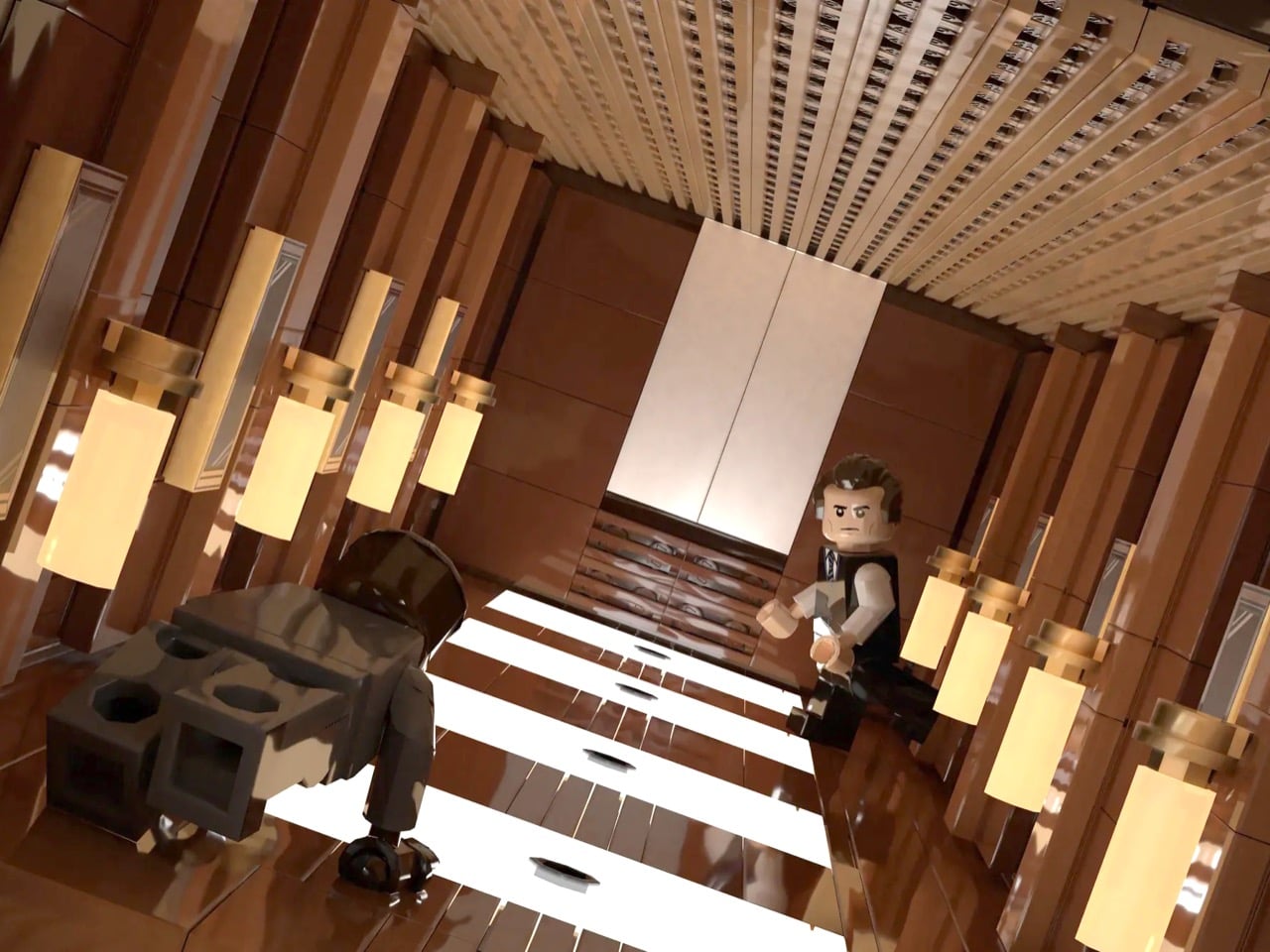
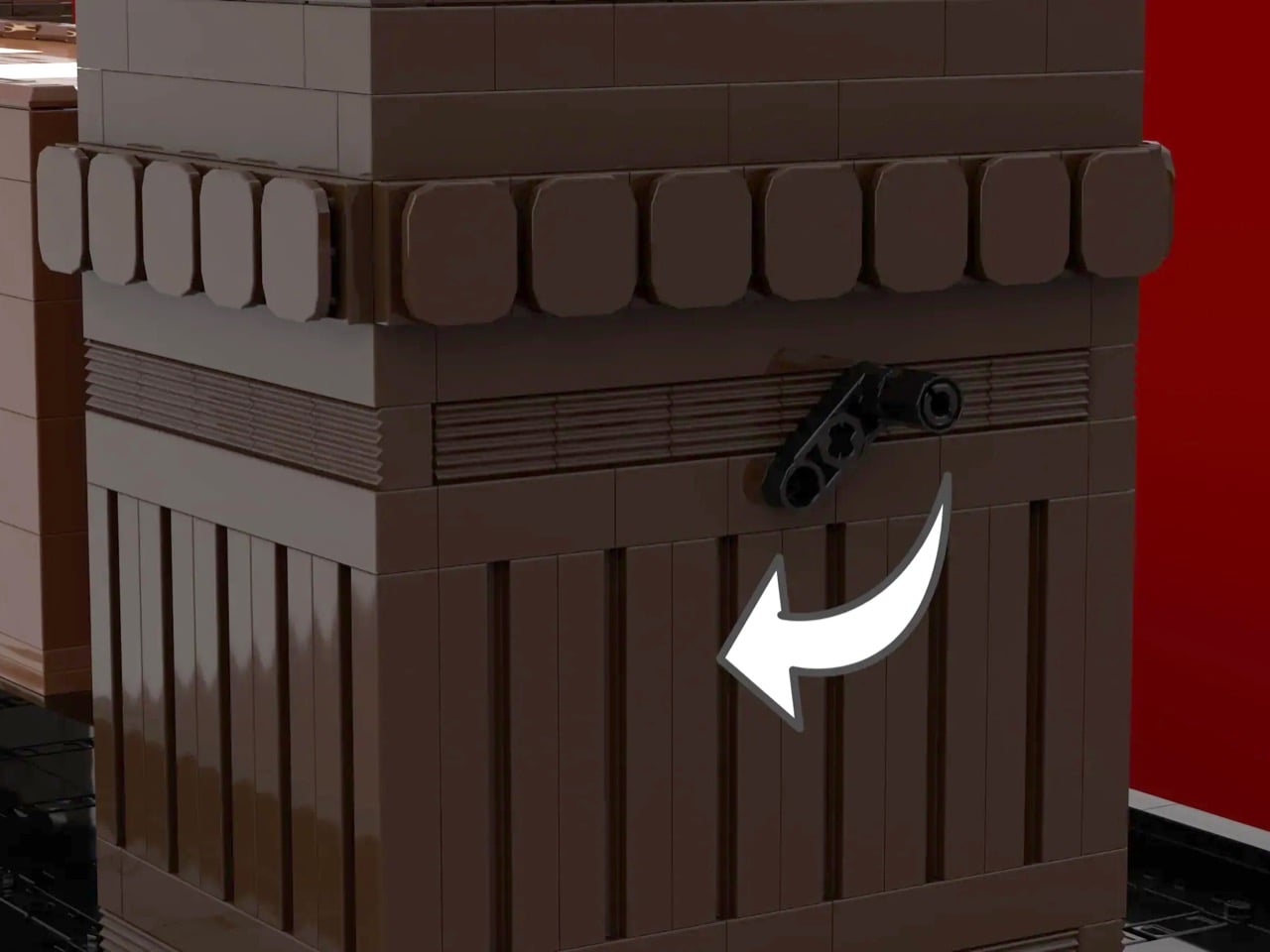
Building a stable rotating mechanism in LEGO that can support its own weight while maintaining structural integrity across multiple axes is legitimately difficult (as Nolan will tell you from larger-scale real-life experience). You’re essentially creating a drum that needs to spin smoothly without the whole thing collapsing or jamming, all while keeping minifigures positioned on surfaces that become walls, then ceiling, then floor. AboveBricks180 solved this with a hand-crank lever mounted at the back, connecting to the cylindrical hallway section through what appears to be a geared system housed in that dark grey mechanical compartment visible in the side views. The entire assembly sits on a display base that provides both stability and theatrical presence, with the “INCEPTION” nameplate doing some heavy lifting in terms of presentation. Fifteen years after the film’s release and people are still building elaborate tributes to a single three-minute sequence, which tells you something about how deeply that hallway fight embedded itself in pop culture consciousness.
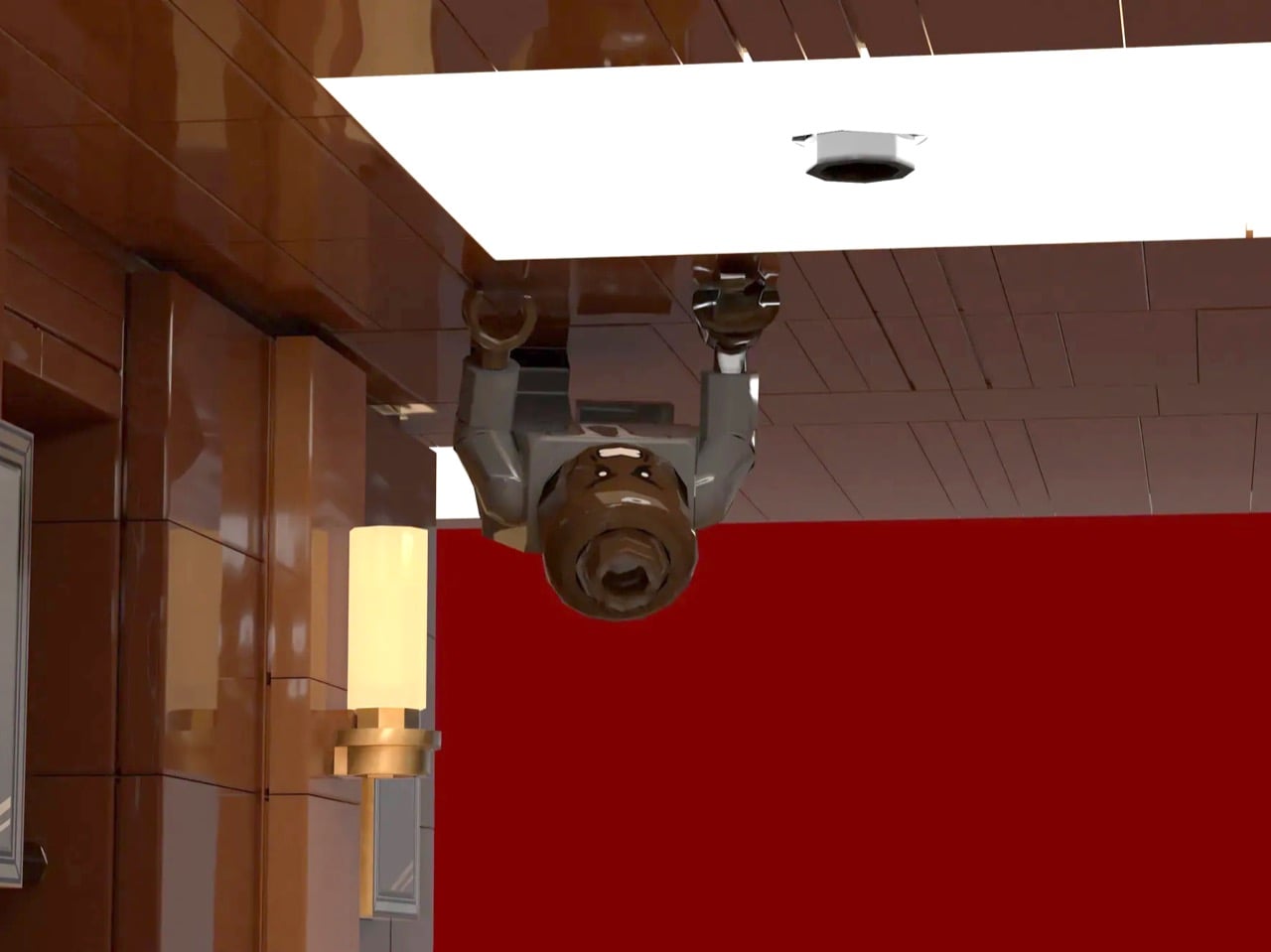
Look at the color work and interior detailing. The film’s hotel corridor had this specific warm brown and tan aesthetic, almost Art Deco in its geometric simplicity, and this MOC captures it down to the wall sconces with their cream-colored light elements, the vertical brown slat work on the ceiling, the white ceiling panels, the door frames. Strip away the movie-accurate design work and you’re left with a clever mechanical toy. Add in the precise replication of Nolan’s set design and suddenly you have something that feels like it belongs in the film’s universe. The builder used Bricklink Studio for the design work, which tracks given the complexity involved. You can’t eyeball 2,395 pieces and hope for the best.
Turn that crank and watch the hallway rotate while Arthur and his opponent stay locked in their fighting poses. You can stage the scene at any angle you want, recreating different moments from the sequence. Arthur hanging from what’s now the ceiling? Rotate. Both grappling on the floor as it becomes a wall? Keep turning. This interactivity transforms the build from static sculpture into something closer to a kinetic toy, which feels appropriate given LEGO’s roots as a play system rather than just a modeling medium. Too many Ideas submissions lately treat LEGO as purely an artistic medium for adults, forgetting that the best sets balance display appeal with actual functionality. This one remembers.
Getting to 10,000 supporters on the Ideas platform means LEGO reviews it for potential production. Right now this sits at 770 with 403 days remaining, which feels achievable given Inception’s enduring cultural footprint. The rotating hallway scene specifically has staying power because it represents practical filmmaking at its most ambitious, the kind of thing that makes people go “wait, they actually built that?” when they learn no CGI was involved. AboveBricks180 clearly understands this, building something that honors both Nolan’s commitment to physical effects and the scene’s place in modern cinema history. Whether LEGO greenlights this for production or it remains a fan creation, the MOC succeeds at translating one medium’s impossible physics into another’s playful reality. You spin a crank and gravity shifts. Dreams feel real while we’re in them, and apparently so do LEGO sets when someone builds them with this much care. Vote for the build on the LEGO Ideas website here.
IKEA's revamp of its smart home products doesn't end with Matter support. The furniture and home goods company also has a line of new Qi wireless chargers, the best of which, the VÄSTMÄRKE wireless charger, combines the functionality of a PopSockets-style phone grip with cable storage.
The $10 VÄSTMÄRKE wireless charger is reminiscent of a bagel or donut, if you could take the top half of those ring-shaped foods and turn them inside out to create a cozy grip for your fingers. That same red silicone design also makes for a perfect place to store the charger's built-in USB-C cable, according to IKEA's product page, and otherwise acts as a playful replacement for what can be a pretty boring smartphone accessory.
A VÄSTMÄRKE wireless charger with its top half unfolded so fingers can grip it.
IKEA
VÄSTMÄRKE offers Qi2 charging speeds and can magnetically attach to iPhones with MagSafe or Pixel phones with Google's Pixelsnap magnets. If you're interested in something a bit more discrete, the $25 VÄSTMÄRKE wireless charger with lighting is a bowl-shaped charger with a column in the center for attaching a smartphone, and room around it for keys or your wallet.
IKEA has had multiple different ideas over the years for how smart home tech should integrate with its minimalist and user-friendly furniture. The company's partnership with Sonos ended in May 2025, which produced lights and picture frames with smart speakers built-in. Since then, the company has announced a new Bluetooth speaker and started rolling out a new collection of Matter-connected remotes, lights and sensors.
This article originally appeared on Engadget at https://www.engadget.com/mobile/smartphones/ikeas-new-wireless-charger-is-as-cute-as-it-is-practical-195013422.html?src=rss
Sandfall Interactive, the developer of Clair Obscur: Expedition 33, knows how to ride the wave. Right after the visually stunning RPG finished dominating The Game Awards, the team dropped a free "Thank You" content update for fans.
This is no minor patch. It adds a playable environment and new boss battles for late-game players. The "Thank You" update also adds new music tracks, a Photo Mode and new text and UI localizations. On top of that, you'll find quality-of-life tweaks, including improved performance on handheld PCs.
Clair Obscur: Expedition 33won a record-breaking nine categories at The Game Awards 2025. That includes — deep breath — Game of the Year, Best RPG, Best Art Direction, Best Game Direction, Best Narrative, Best Performance (Jennifer English), Best Score and Music, Best Debut Game and Best Indie Game. The previous record was The Last of Us Part 2, which took home seven awards in 2020.
The game's free "Thank You" update is rolling out now. You can catch a glimpse of it in the trailer below.
This article originally appeared on Engadget at https://www.engadget.com/gaming/clair-obscur-expedition-33-devs-dropped-a-big-update-after-sweeping-the-game-awards-183628313.html?src=rss
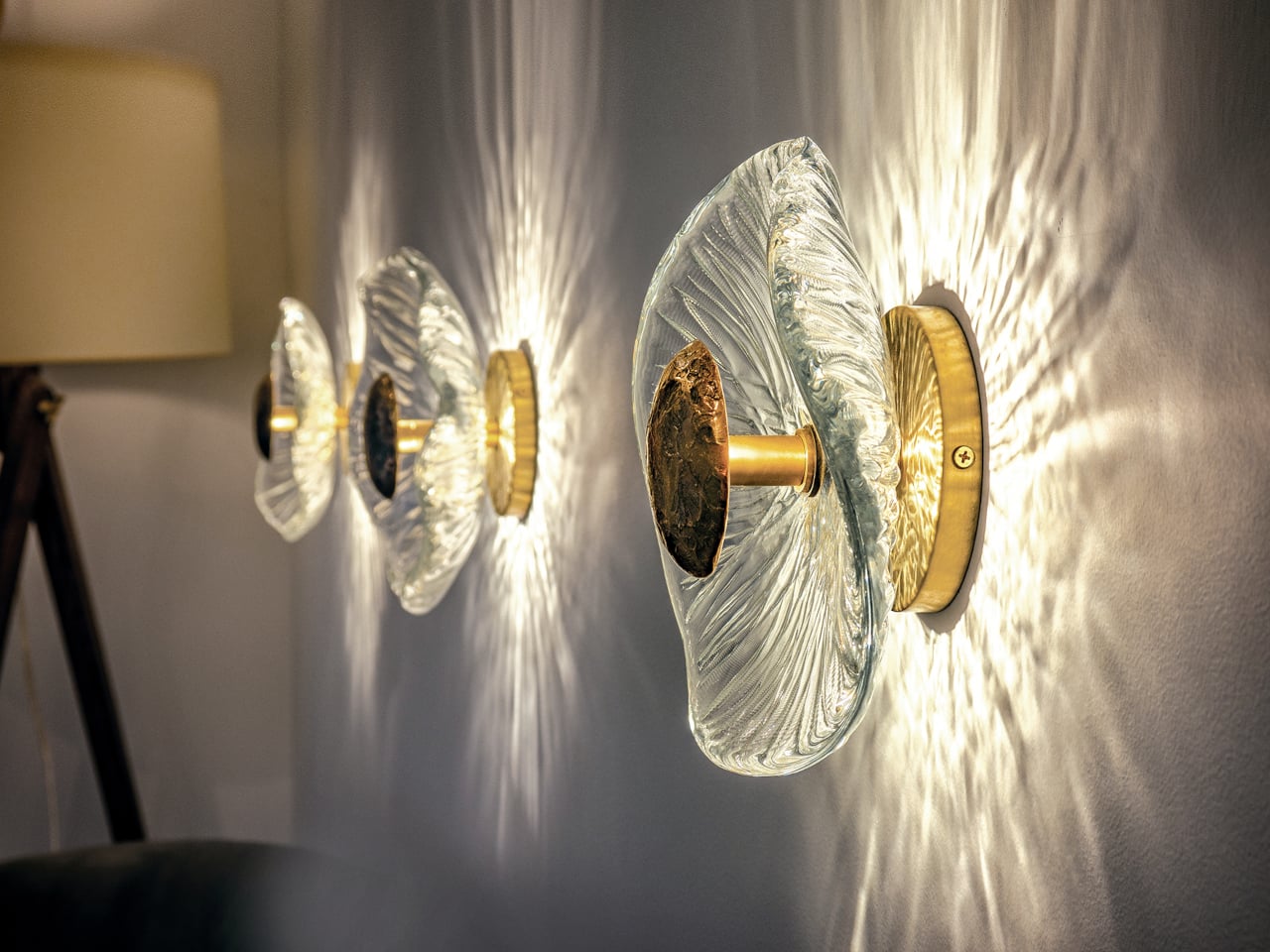
Most LED sconces are thin metal plates and diffusers, designed to disappear into a wall and quietly meet a lumen spec. That approach is efficient but rarely memorable. The Iris Sconce by Siemon & Salazar is the opposite, a fixture that leans into glass and bronze as expressive materials and treats light as something sculpted rather than simply emitted, turning a functional wall mount into a small piece of living craft.
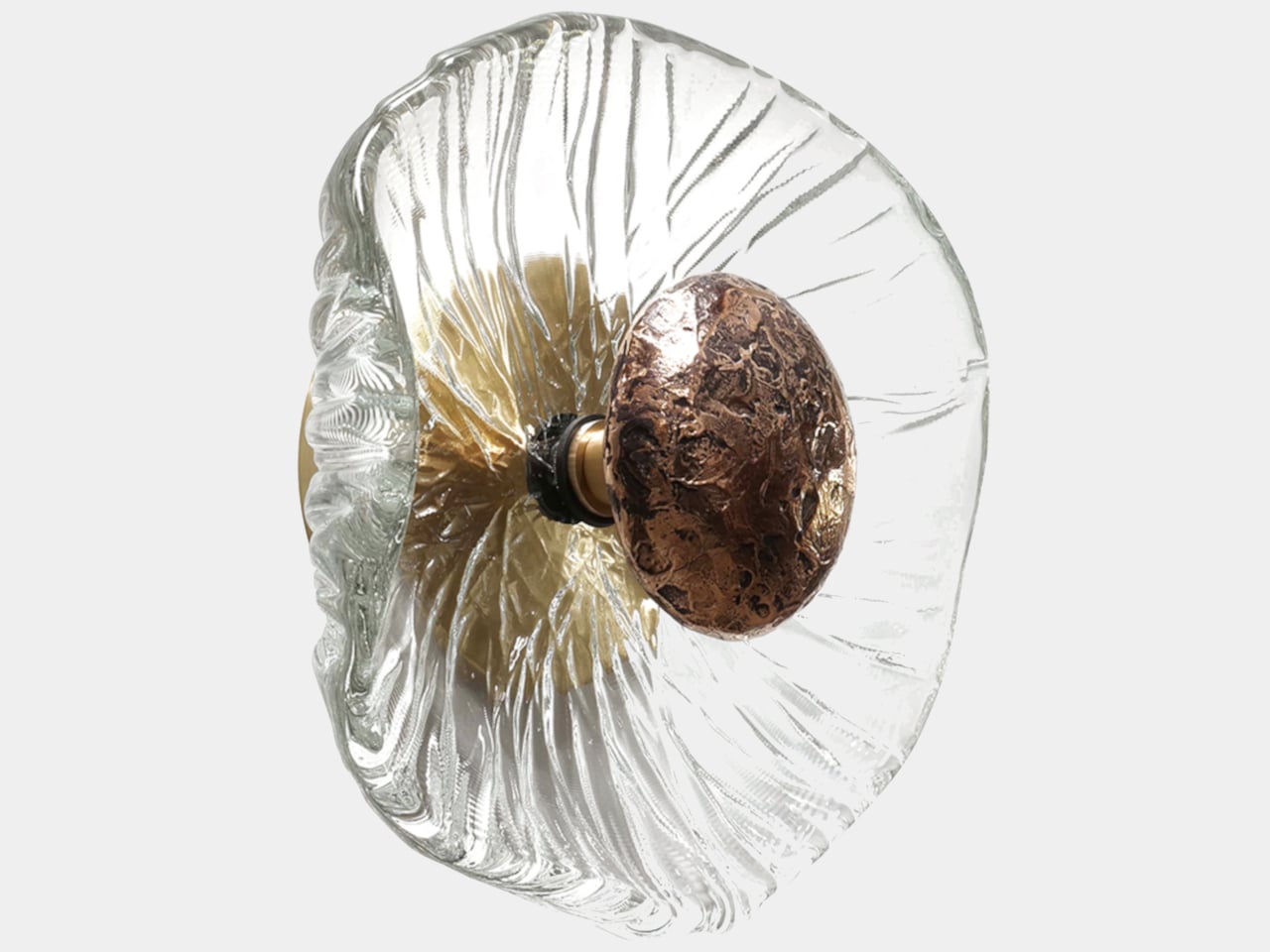
The studio describes Iris as a piece that uses mottled clear thick glass and a cast-bronze heat sink to balance ancient craft with a forward-looking spirit. Each sconce is shaped by hand, with molten crystal poured directly and manipulated immediately, so no molds are used and no two patterns are alike. The result is a fixture that feels more like a living object than a repeated product, where the character comes from the glass itself.
The glass is lead-free crystal that starts as a glowing pool poured from a crucible, then worked while still hot to create ripples, grooves, and thickness variations. That hot-forming process, without molds, means each disc has its own outline and internal weather. For a designer or homeowner, that translates into a wall of light where every piece has a slightly different voice, and where the surface feels more like water frozen mid-flow than a stamped shade.
The cast-bronze element at the center acts as both a heat sink for the LED and a visual anchor. Its rough, hammered surface contrasts with the smooth glass, and it reads like a pupil, a seed, or a small meteor embedded in crystal. The bronze conducts heat away from the LED, but it also brings warmth and weight to the composition, grounding the otherwise ethereal glass and giving the sconce a core you can read even from across the room.
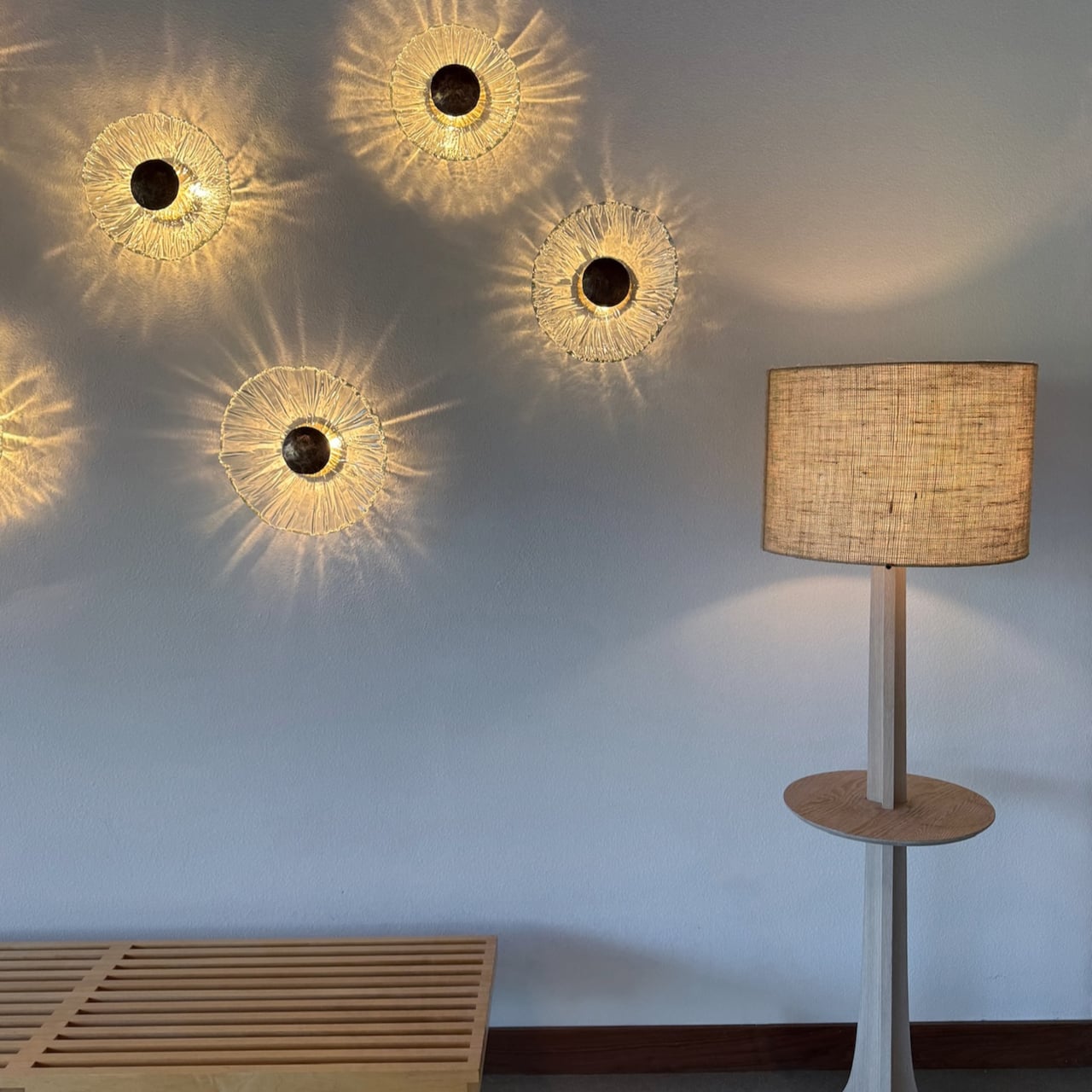
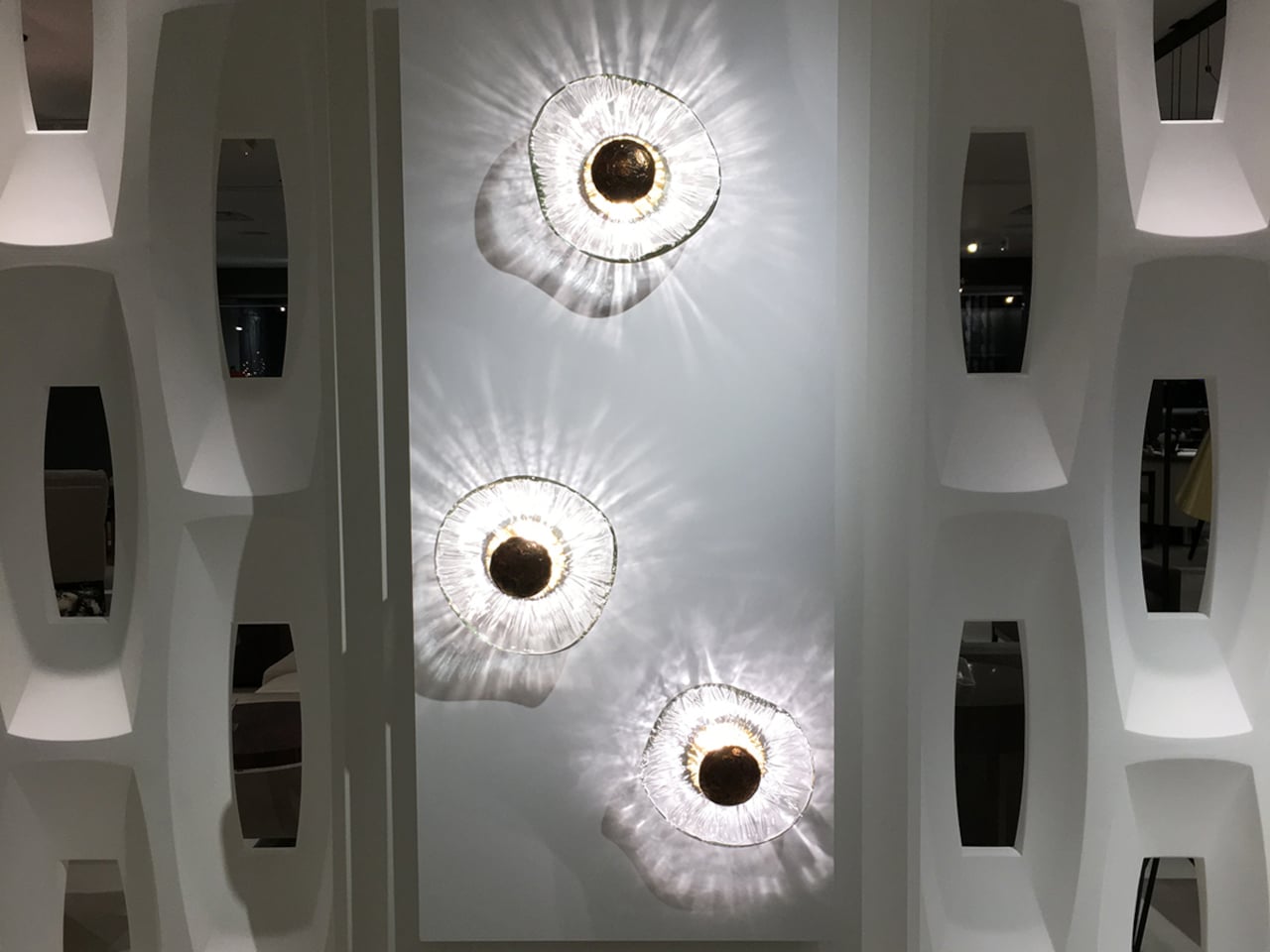
The thick, textured glass behaves more like a lens than a shade, bending and scattering light into a halo on the wall. The LED sits behind the bronze center, so light spills around it into the glass and then out into the room as a corona of streaks and soft gradients. The effect is less about a beam and more about a field, turning a blank wall into part of the fixture itself.
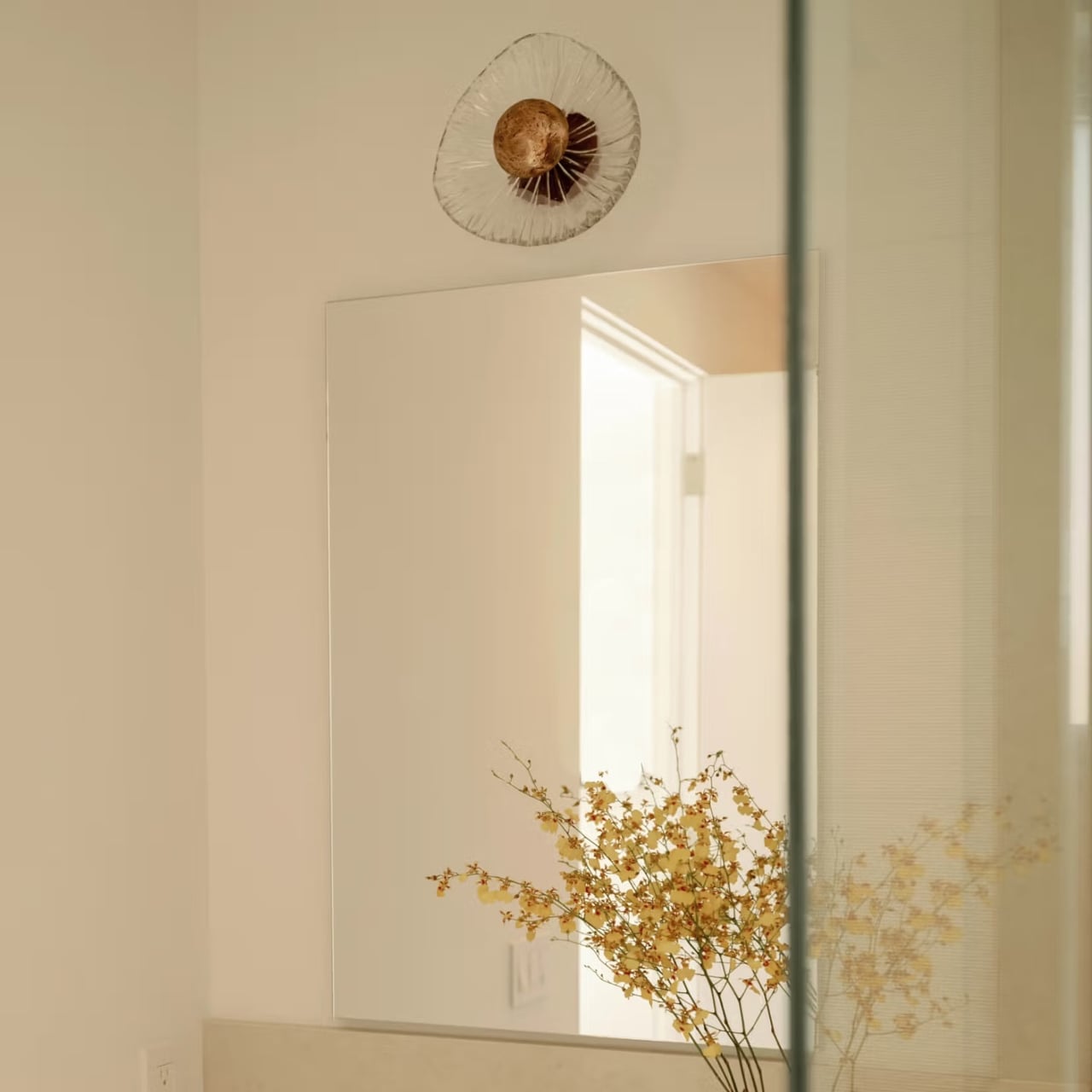
Iris is sized to work as a single focal point above a mirror or as a series along a corridor, and it can be mounted on walls or ceilings. Because no molds are used, grouping several creates a field of related but non-identical eyes or flowers, which suits projects where lighting is meant to be seen. The integrated LED keeps the profile relatively shallow, and the bronze heat sink means the fixture can run for years without fading.
Iris reminds you that even a code-compliant LED fixture can carry the marks of molten glass and cast metal. Each sconce is genuinely unique, not just in finish but in shape and pattern. For people tired of flat panels and generic cylinders, it feels like a small argument for bringing a bit of studio craft back into the everyday act of turning on the lights, where every time you flip a switch, you are also lighting up a piece that was poured, shaped, and cooled into something one of a kind.
Google is rolling out new Gemini-assisted functionality to Search and its Translate app. It says its AI can now provide more natural and accurate text translations for phrases that have more "nuanced meanings." Translate will now take slang terms and colloquial expressions into consideration rather than provide sometimes unhelpful direct translations.
The latest update to its text translation feature is rolling out first in the US and India, translating between English and just under 20 other languages, including German, Spanish, Chinese and Arabic. It works in the Translate app for iOS and Android and on the web.
Gemini’s speech-to-speech translation feature has also been updated, so you can now hear real-time translations in your headphones, like with Apple’s AirPods Pro 3. Google says the new functionality, which is now in beta in the Translate app for Android (iOS is coming next year) in the US, tries to "preserve the tone, emphasis and cadence of each speaker" so you better understand the direction of the conversation and who said what. It works with any headphones and supports more than 70 languages.
Finally, Google is adding more tools to its potentially Duolingo-rivaling AI-powered language learning tools, which it introduced to the Translate app in August. Like Duolingo, Translate can now track how many days in a row you’ve been attempting to learn a new language, so you can check your progress over time. Whether it will nag you as persistently as the Duolingo owl famously does for slacking off is not clear.
The feedback feature has also been improved, so you should receive more useful tips on how you’re pronouncing words or phrases. Germany, India and Sweden are among the 20 new countries that can now use these educational tools.
After not showing it much love for a while, Google has been busy adding new features to Translate recently. As well as the new language practice feature, an update last month added the ability to select between "Fast" and "Advanced" translations that allow you to prioritize speed when you’re in a rush (ordering a drink at the bar, for example) or receiving more accurate translations using Gemini.
This article originally appeared on Engadget at https://www.engadget.com/apps/google-translate-is-now-better-at-translating-slang-terms-and-idioms-using-ai-173428316.html?src=rss
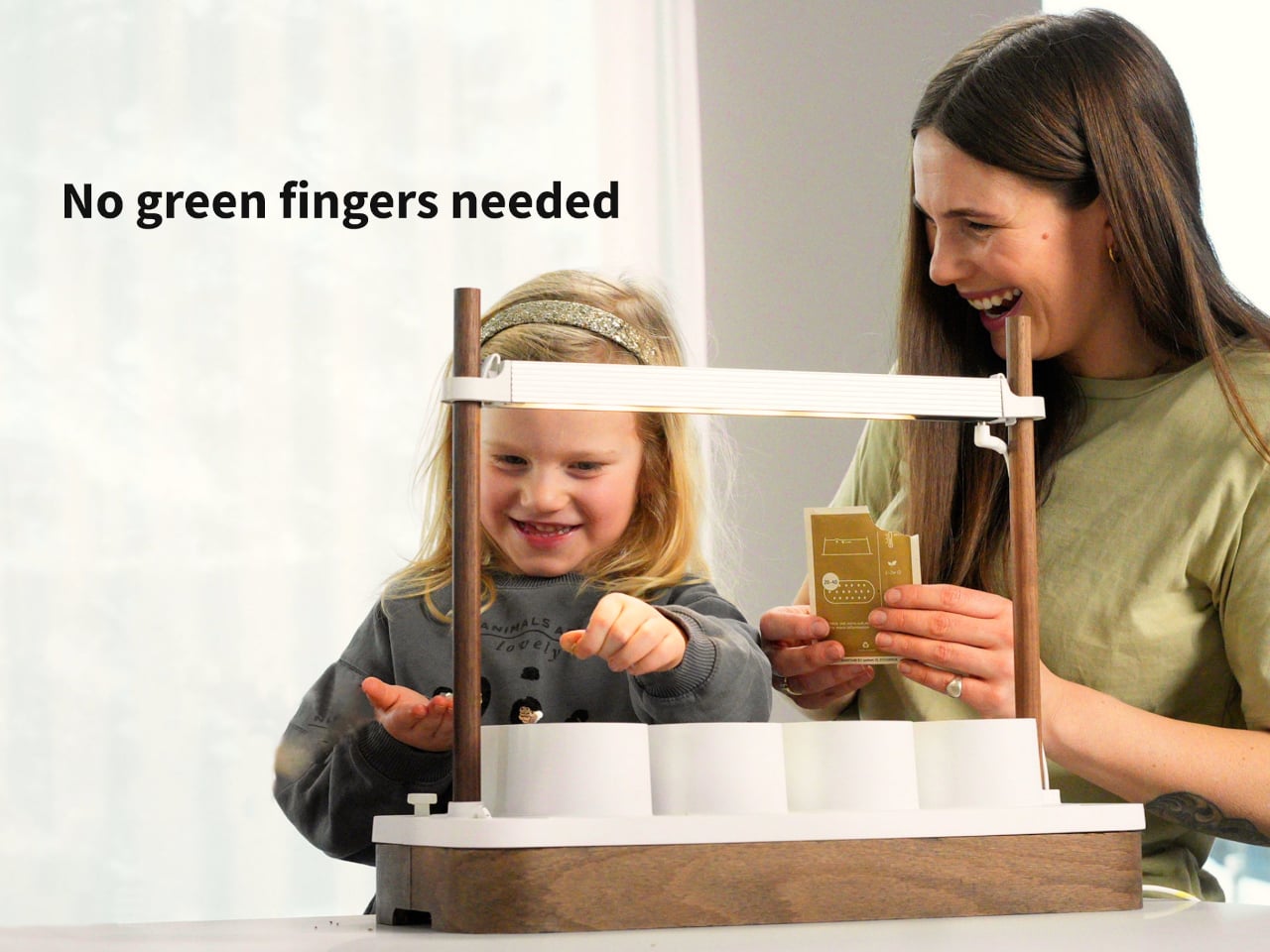
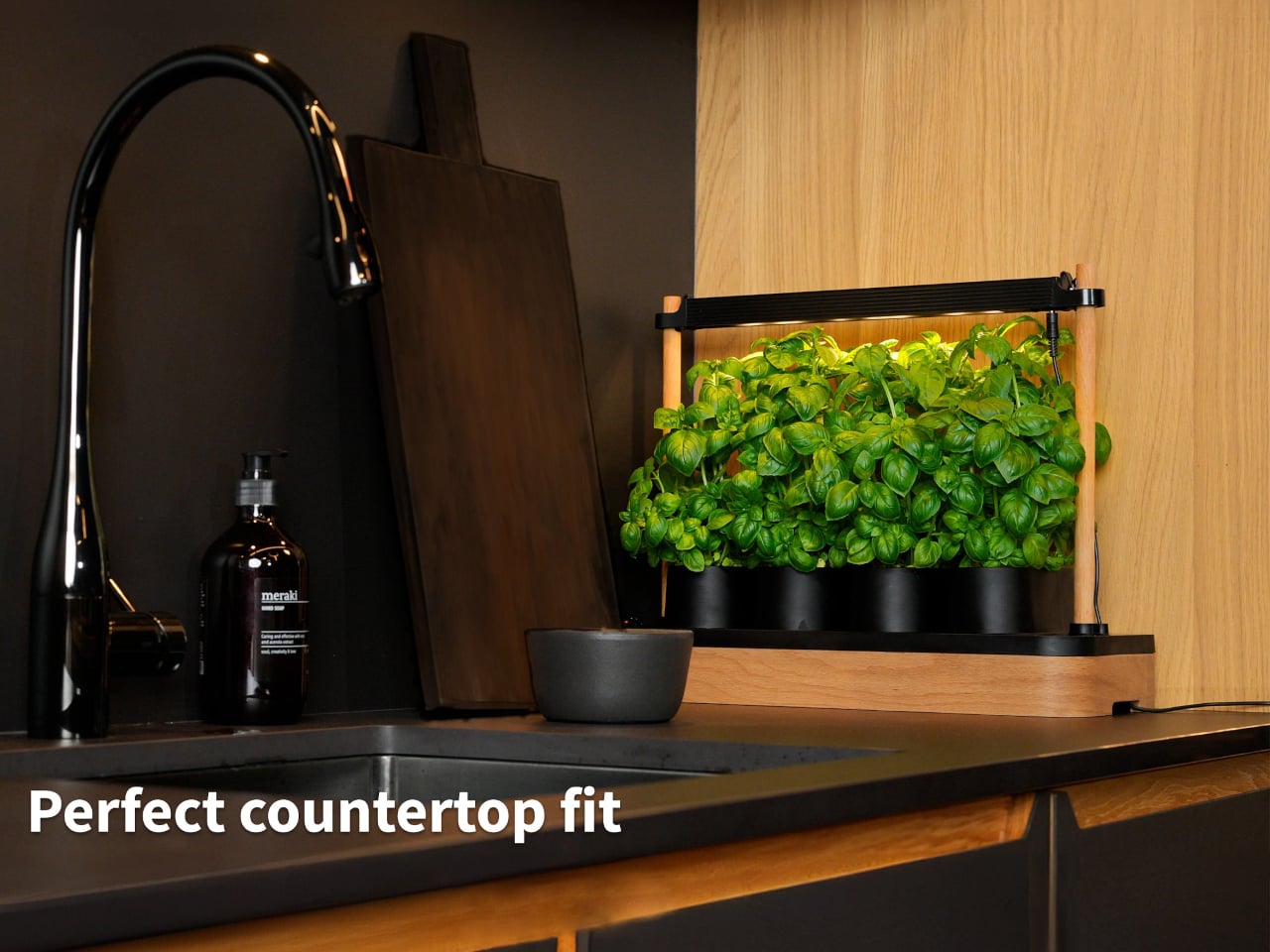
The usual indoor herb story goes like this: supermarket pots that die in a week, plastic hydroponic kits that look like lab equipment, and a general mismatch between those gadgets and a carefully considered kitchen. Auk Mini is a Scandinavian take on the problem, a compact indoor garden designed to live on the counter without screaming appliance, especially in its new cork-wrapped edition that adds sustainable texture to clean lines.
Auk Mini is the smaller sibling to Auk’s original six-pot system, a four-pot hydroponic planter that has already sold more than 100,000 units. The base is now available wrapped in natural cork, alongside oak and walnut finishes, turning the planter into something closer to furniture than a gadget. It ships with a 100-day money-back guarantee and has won awards from T3 and Esquire, but the story is the cork and how it changes presence.
The core hardware is a 17.5 × 8.5 inch base with four oval pots over a 0.8 gallon reservoir, flanked by wooden uprights holding a full-spectrum LED bar. There is no pump or app; you fill the tank, add nutrients, set the light cycle, and plants wick water through coco fiber. The light runs a long “summer day” schedule, and you top up water every week or two, checking the side wheel that turns red when empty.
The material mix uses recyclable ABS for the base, recycled aluminum for the light, and American timber for the uprights, then adds the cork wrap. Cork brings warmth, texture, and a sustainable story, softening the white plastic and metal into something that feels at home next to cutting boards and ceramics. The oak and walnut options do a similar job, but cork has a quieter, more neutral presence that works across more interiors.
Auk Mini ships with basil and parsley seeds, but you can use any brand’s seeds, as the system deliberately avoids pod lock-in. Herbs and salads are usually ready in four to six weeks, tomatoes and chilies in eight to twelve. The ideal temperature is around 69–79 °F, and a single crop can last four to ten months if you harvest little by little from the top, encouraging new growth and keeping the plants productive.
Maintenance is a simple loop: refill water and nutrients, harvest regularly, and occasionally swap out the coco fiber. Auk sells refill kits with coco fiber and nutrients for $35, and recommends fresh fiber for each new crop, though you can reuse it. Cleaning between crops is a quick rinse and wipe, not a full teardown, which keeps the system feeling more like a kitchen tool than a science project.
Auk Mini, especially in cork, is designed to disappear into daily life. It is a planter that looks good enough to leave out, a light that doubles as a soft counter glow, and a routine that boils down to topping up water and snipping herbs. For people who want fresh basil without babysitting pots on a windowsill or dealing with finicky smart gardens, it feels like a quiet, well-designed compromise between nature and the realities of indoor living.
Id Software, the company behind Doom, has voted in favor of forming a "wall-to-wall" union. The term "wall-to-wall" refers to a union that includes every employee, regardless of duties. The vote wasn't unanimous, though a majority did vote in favor of the union.
"The wall-to-wall organizing effort at id Software was much needed; it’s incredibly important that developers across the industry unite to push back on all the unilateral workplace changes that are being handed down from industry executives," id Software producer and CWA committee member Andrew Willis wrote in a statement to Engadget.
From the onset, this union will look to protect remote work for id Software employees. "Remote work isn’t a perk. It’s a necessity for our health, our families, and our access needs. RTO policies should not be handed down from executives with no consideration for accessibility or our well-being,” said id Software Lead Services Programmer Chris Hays. He also said he looks forward to getting worker protections regarding the "responsible use of AI."
"We look forward to sitting across the table from Microsoft to negotiate a contract that reflects the skill, creativity and dedication these workers bring to every project," said CWA Local 6215 President Ron Swaggerty.
The developer's latest game is Doom: The Dark Ages, which we loved. It scooped up an award for accessibility at last night's The Game Awards.
This article originally appeared on Engadget at https://www.engadget.com/big-tech/doom-studio-id-software-forms-wall-to-wall-union-with-a-majority-of-employees-voting-in-favor-164808829.html?src=rss
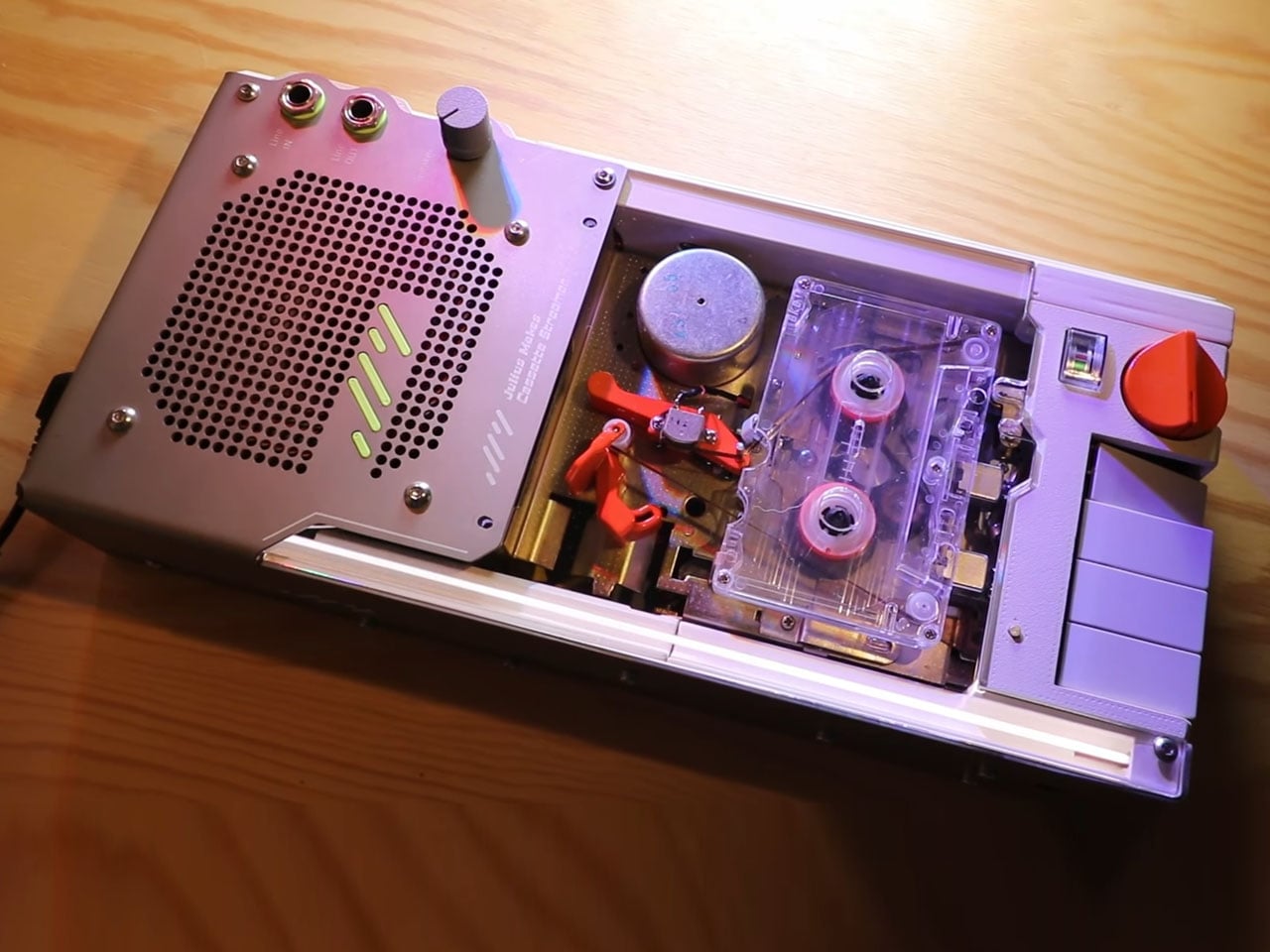
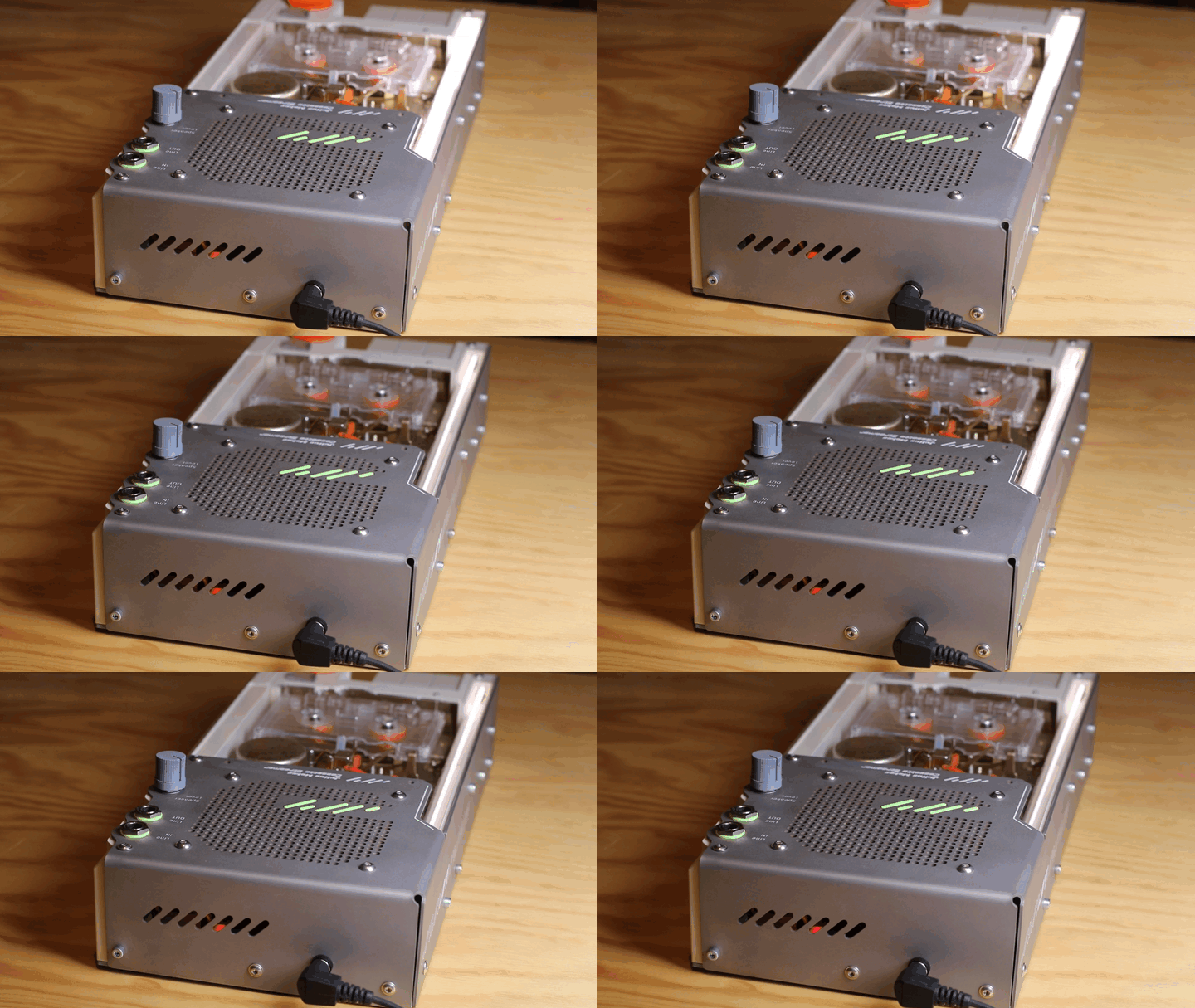
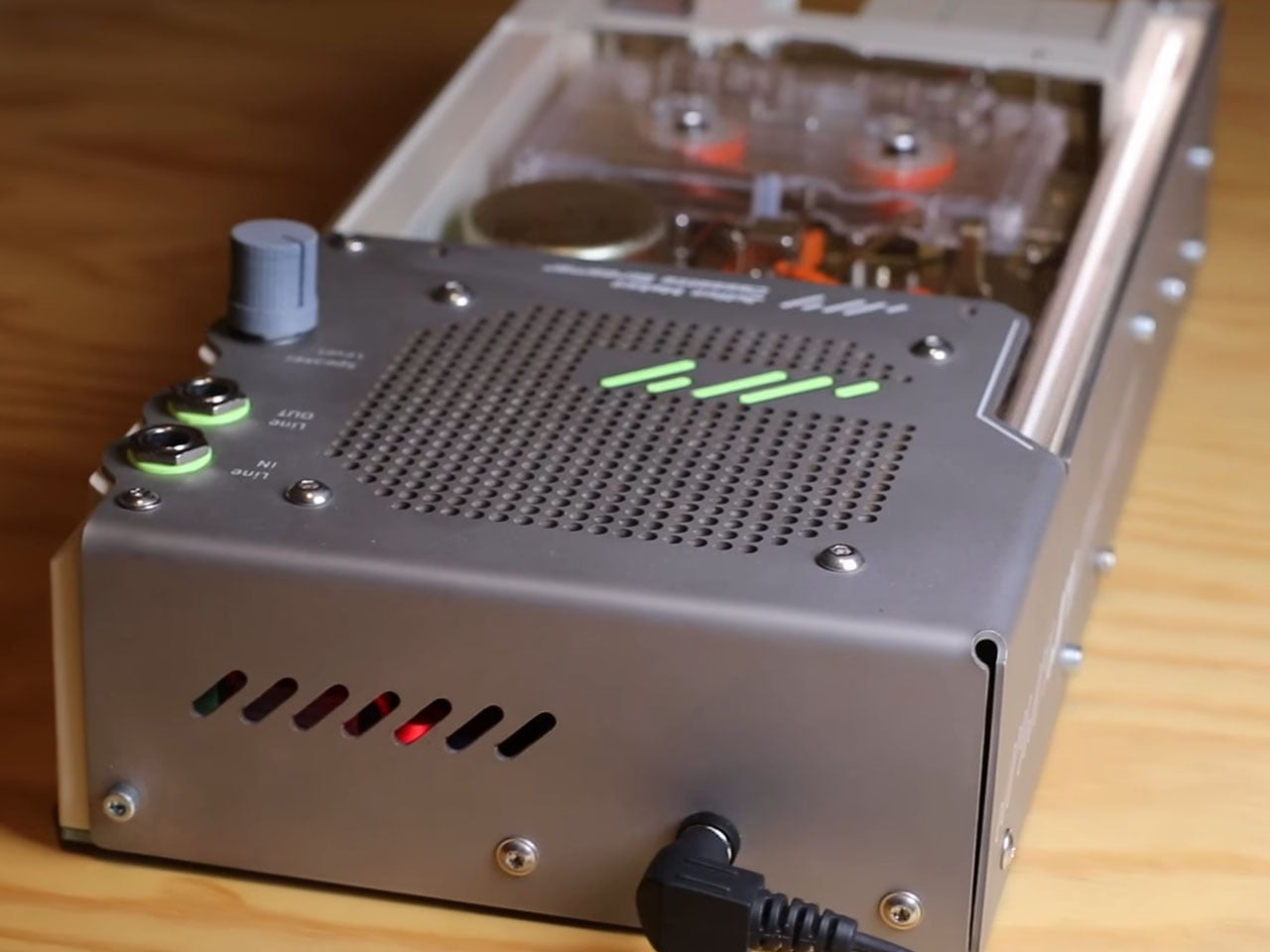
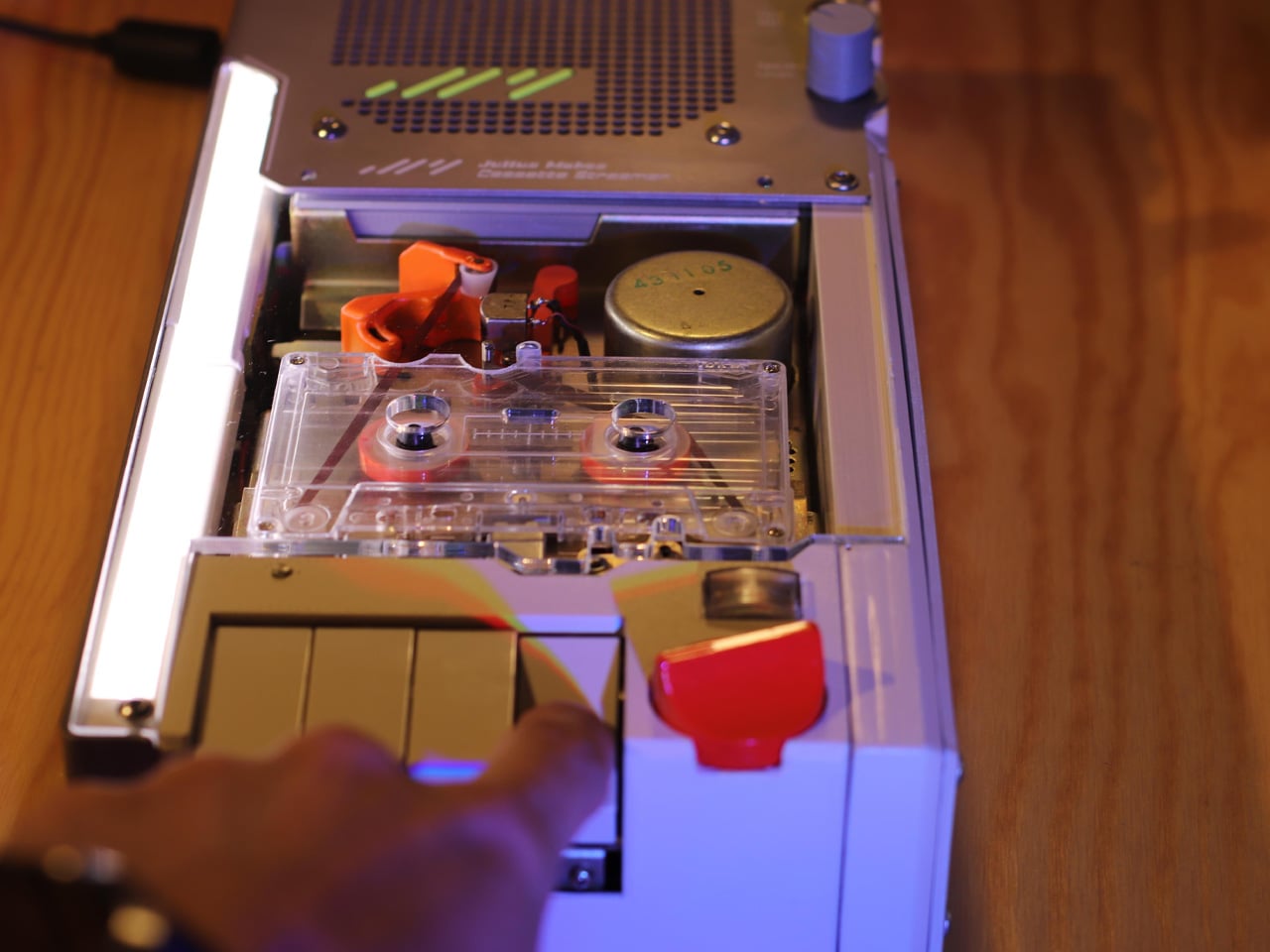
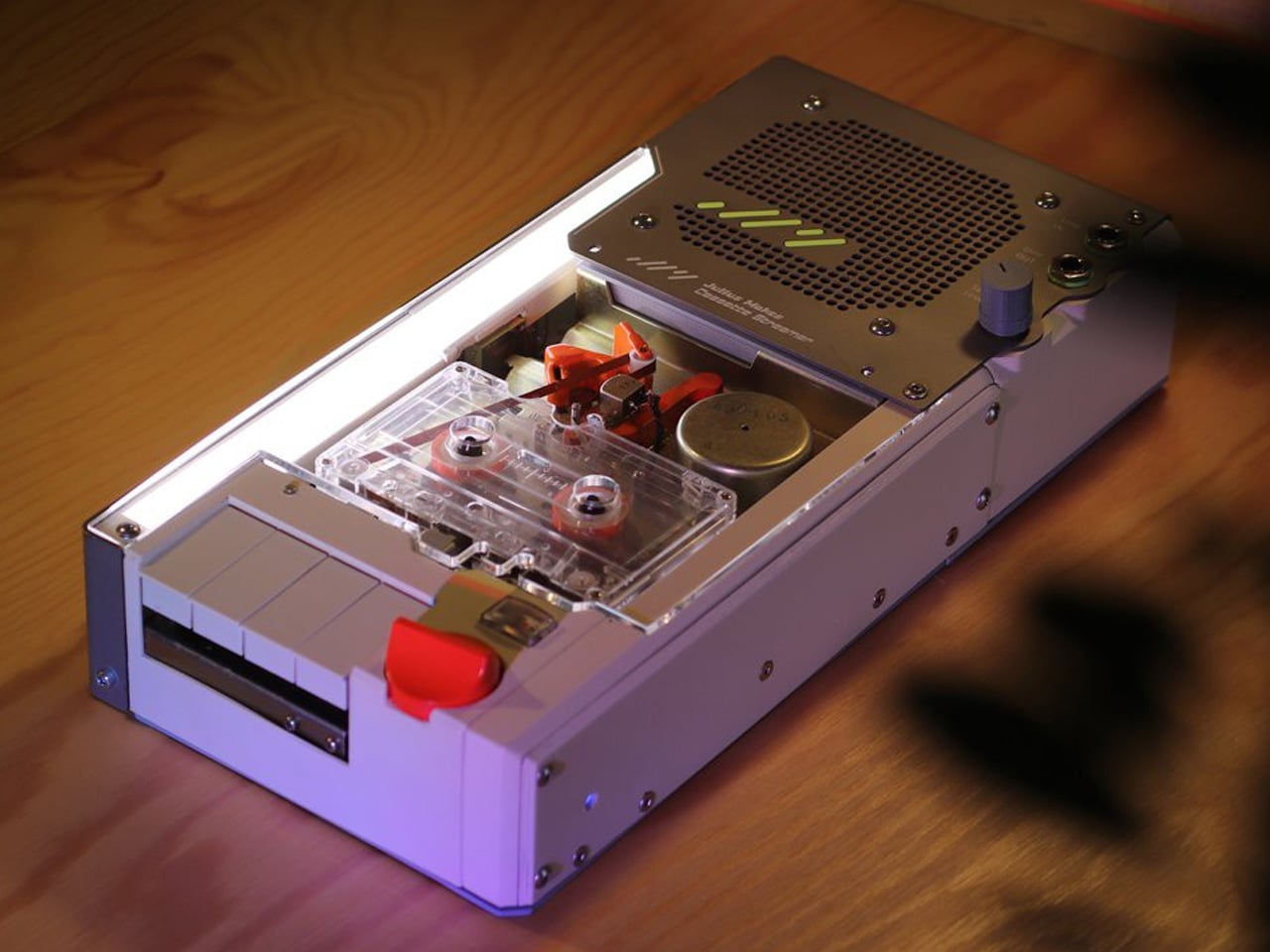
This Lo-Fi Cassette Machine feels like something pulled straight from an alternate timeline—one where streaming never erased the tactile magic of analog media. It takes the quiet charm of a vintage cassette deck, stretches the tape into a kinetic sculpture, and fuses it with modern Bluetooth convenience to create an experience that’s as visual as it is sonic. The moment you see the exposed tape gliding across acrylic panels and the fluorescent VU tube pulsing to the beat, the build instantly recalls the nostalgic futurism that makes retro tech so irresistibly alive.
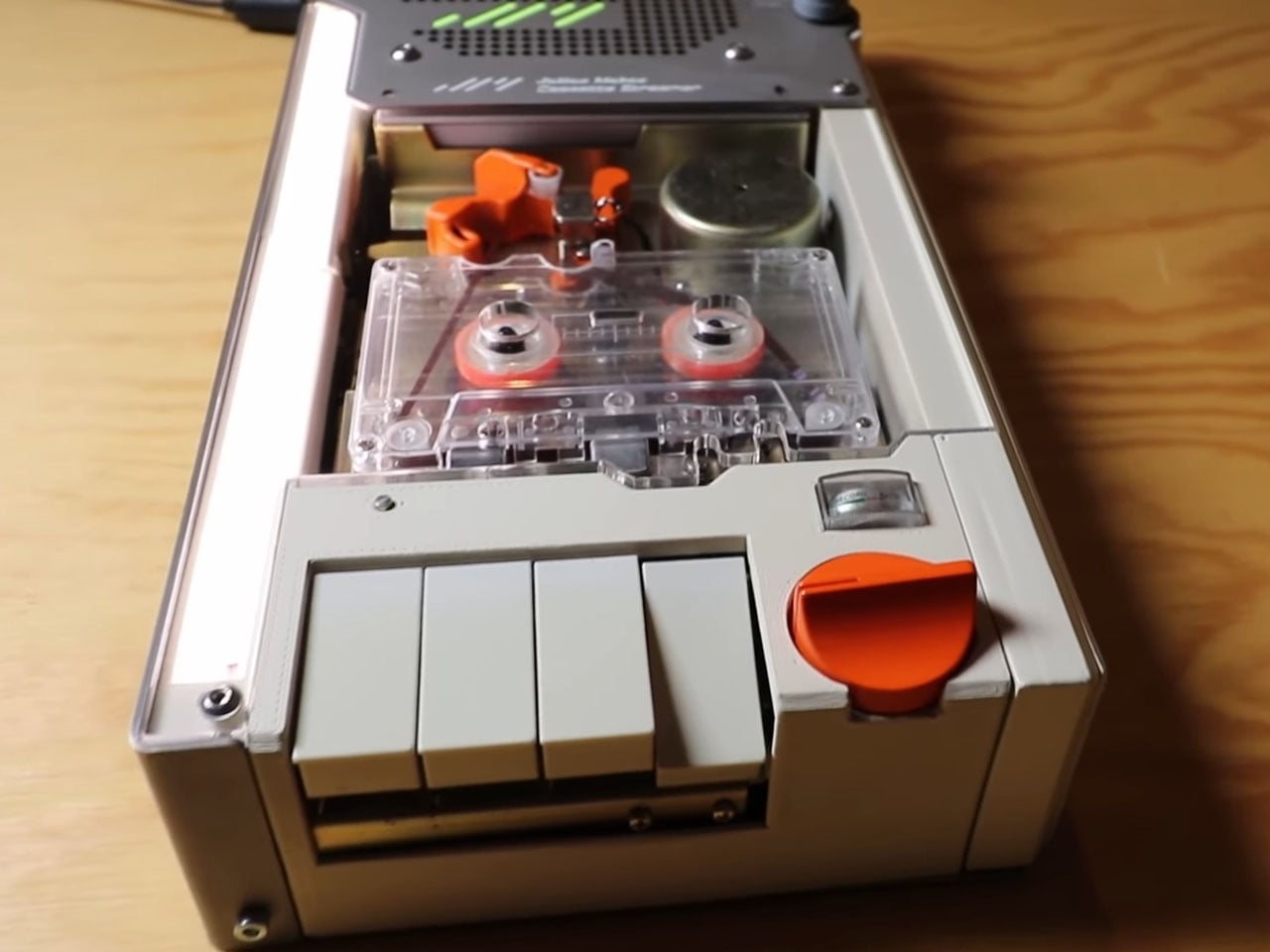
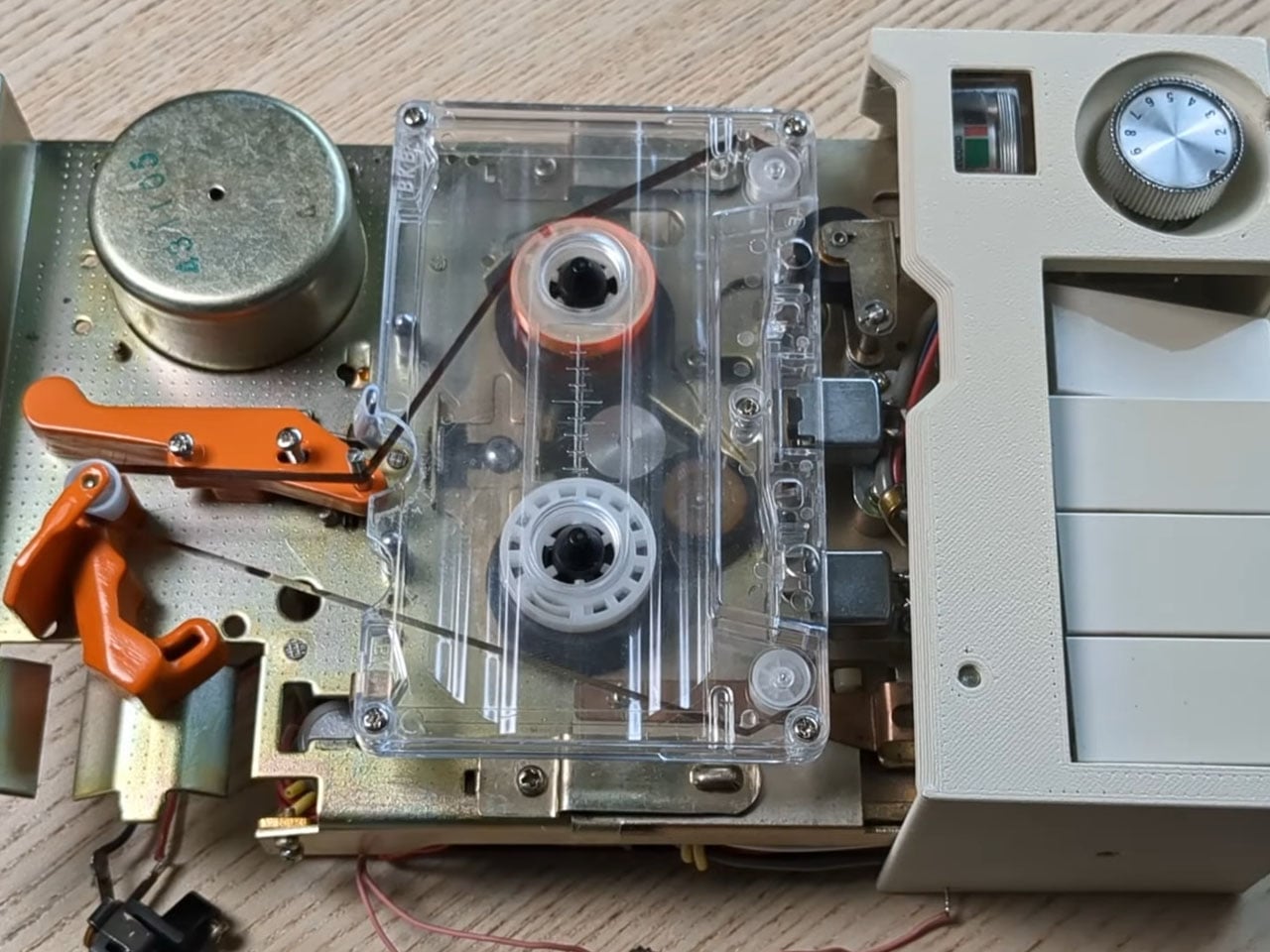
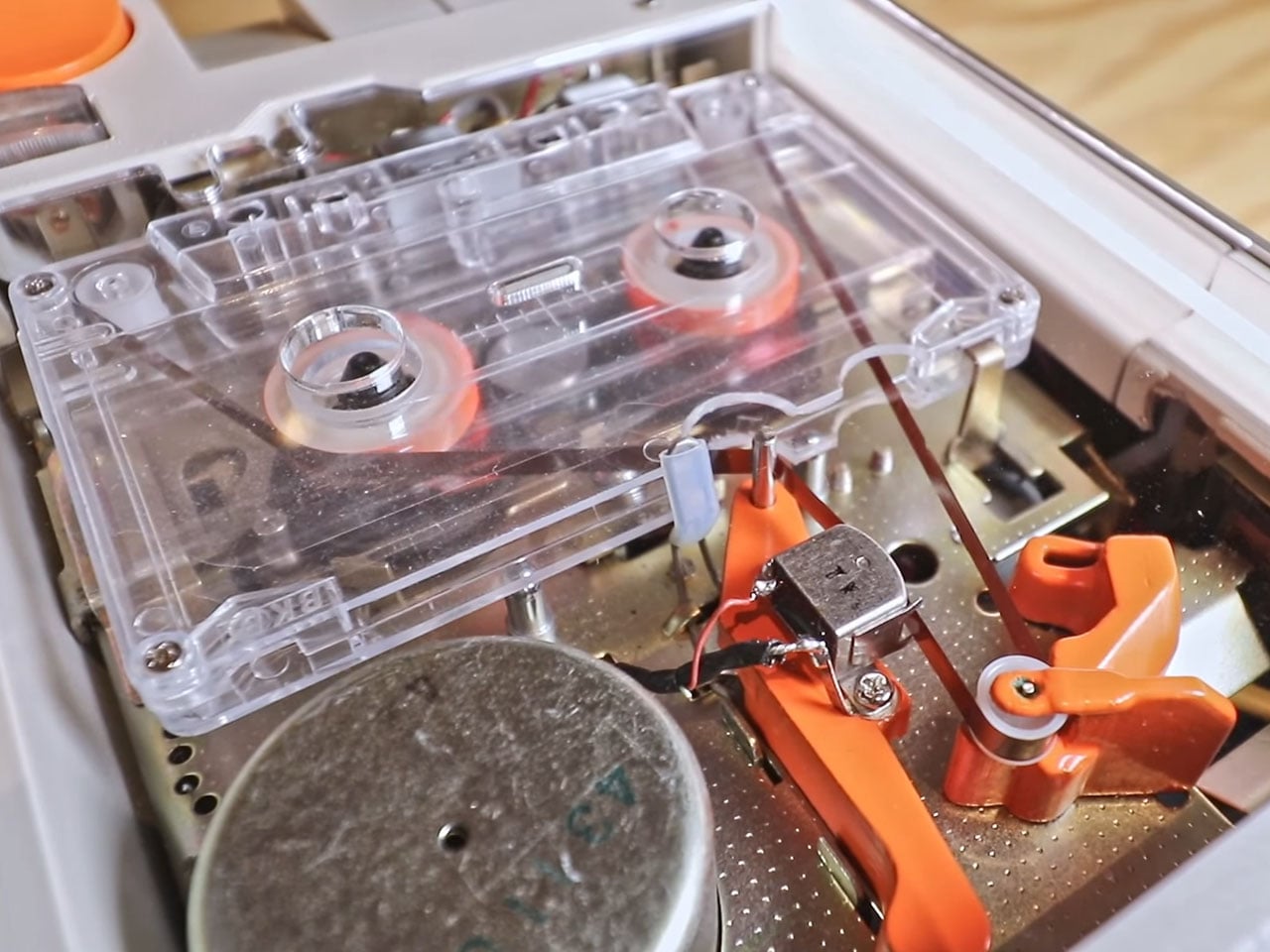
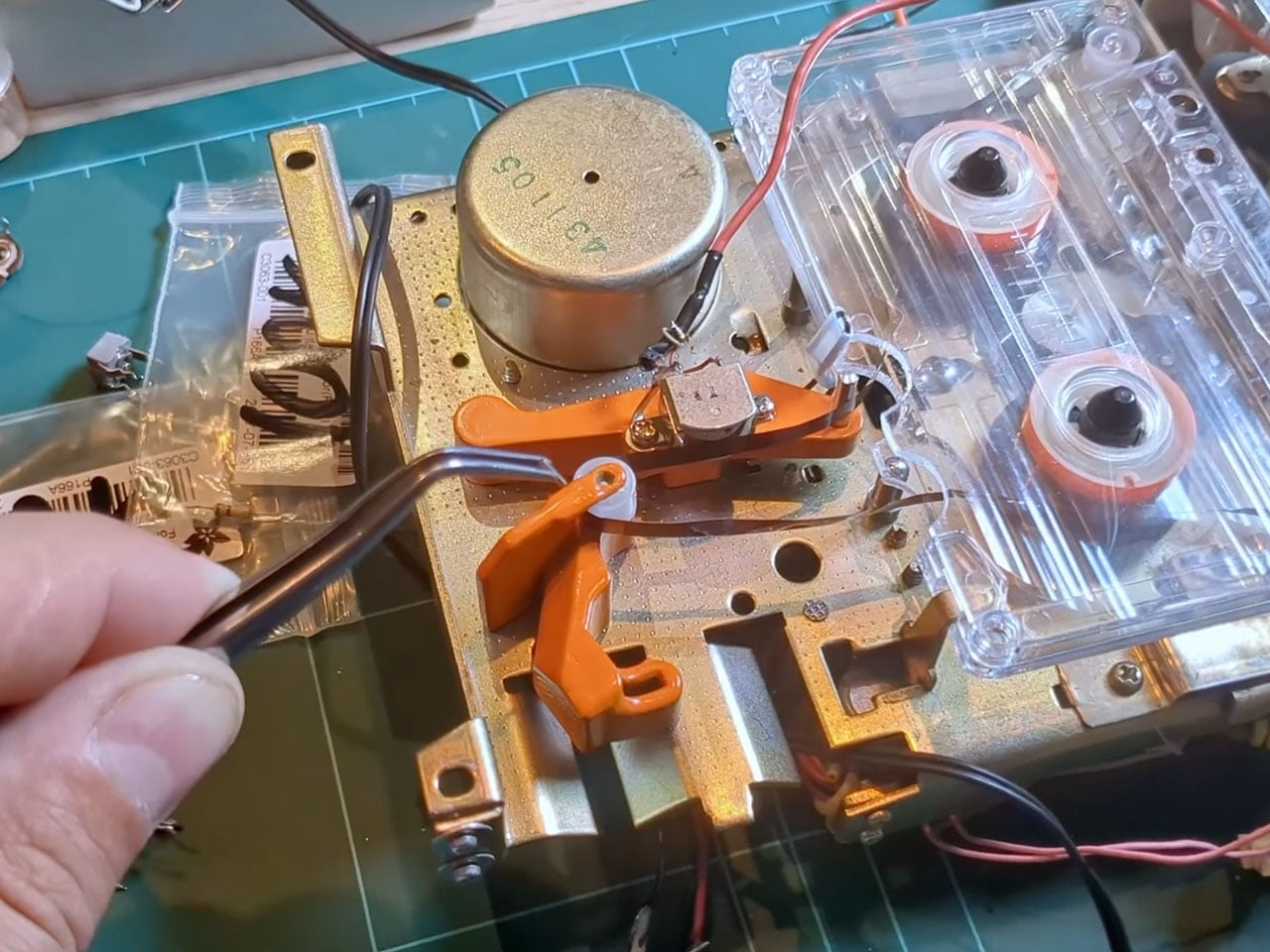
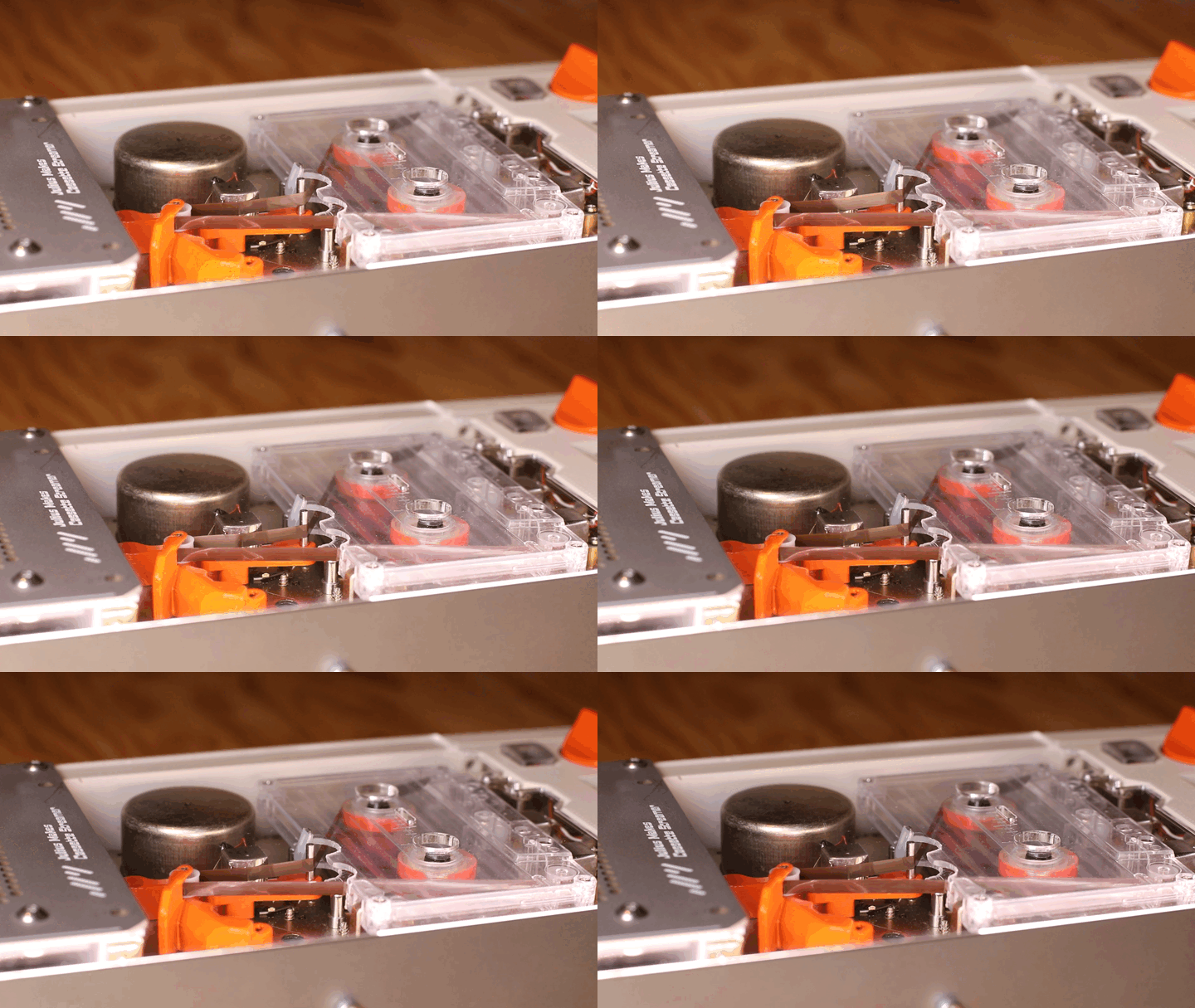
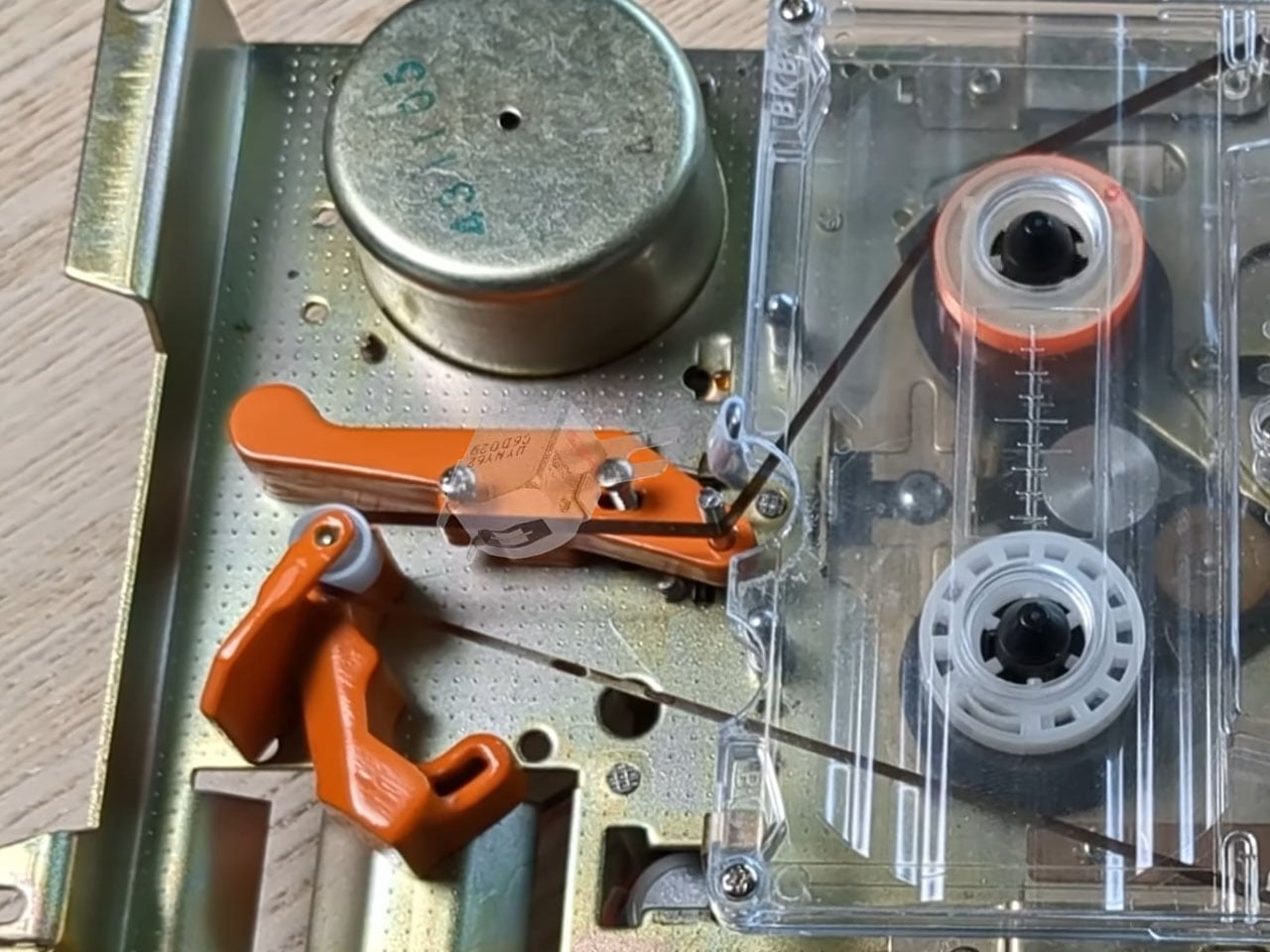
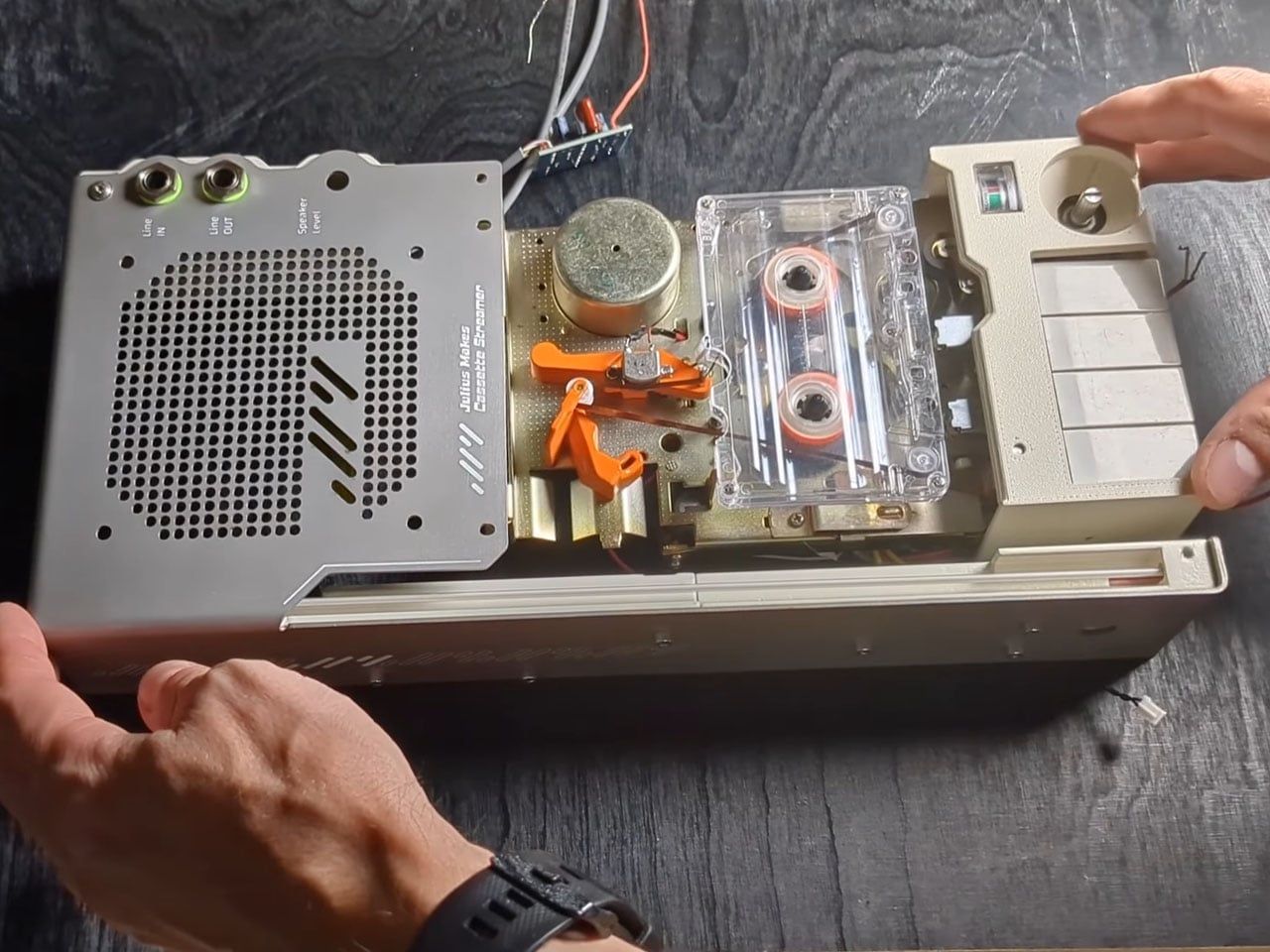
At its core, this DIY creation is more than a typical Bluetooth speaker. Julius Curt engineered a fully analog tape loop recorder and player with Bluetooth input, custom electronics, and a striking stainless-steel enclosure. Instead of playing streamed music directly, the device first records the Bluetooth audio onto a continuous loop of magnetic tape. The tape then travels through the playback mechanism before delivering sound through an integrated amplifier and speaker. This process infuses the music with the warm saturation, gentle hiss, and subtle pitch fluctuations that define lo-fi tape character, giving familiar digital tracks a tangible, analog soul.
Magnetic tape formats, such as compact cassettes, once dominated personal audio, prized for their portability and DIY spirit. They faded from mainstream use as digital formats and streaming services rose to prominence. Yet, they have maintained a cult resurgence among audiophiles and makers who appreciate their physicality and imperfections. Curt’s project taps into this resurgence by exposing every moving part, turning what is usually hidden into the centerpiece of the experience.
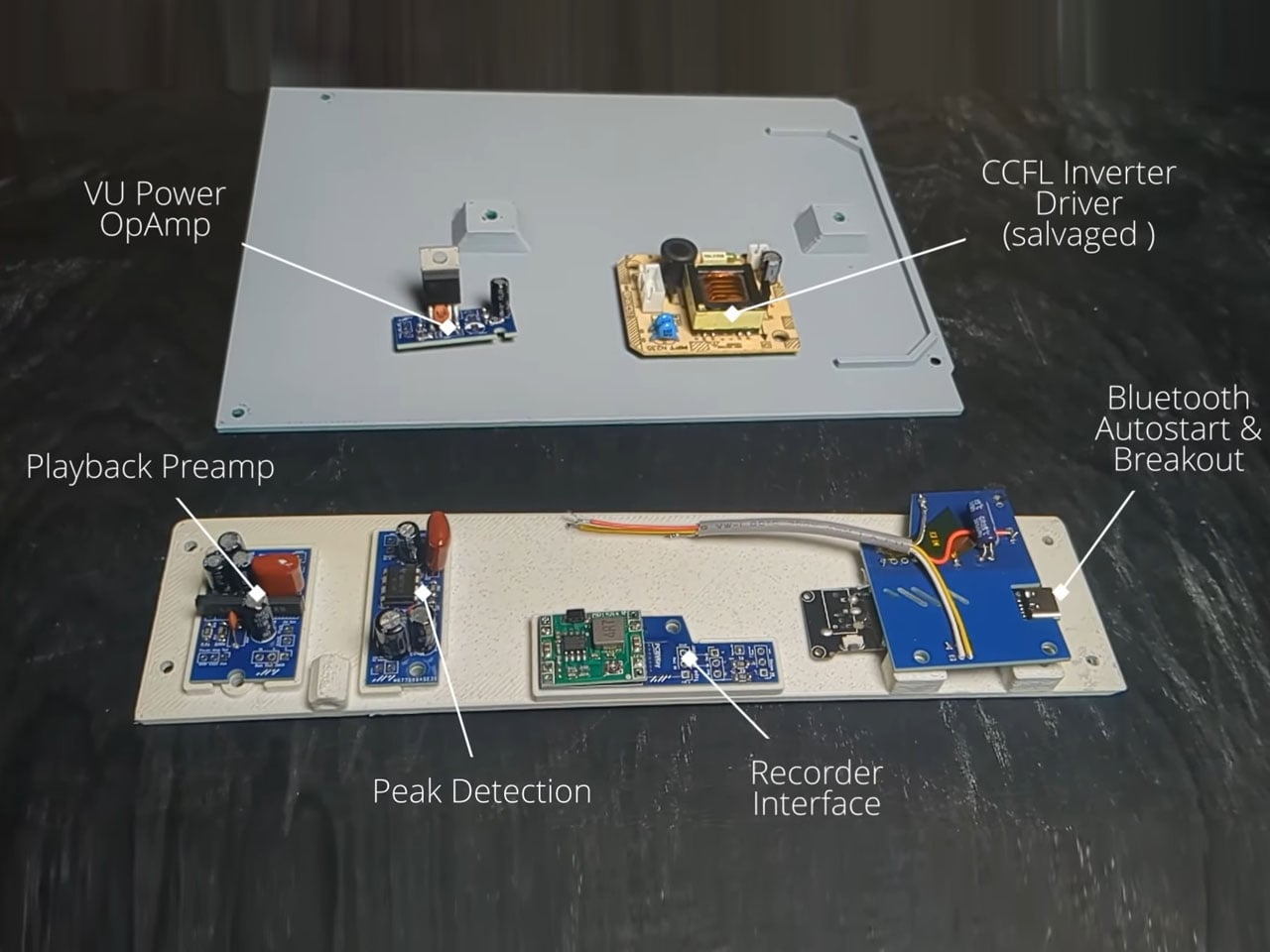
The construction blends salvaged and custom components. An old cassette deck forms the foundation, but it is repurposed to drive a looped tape rather than a standard cassette reel system. Custom printed circuit boards designed in KiCad house the Bluetooth module, analog op-amps, and a TDA2030 amplifier, while a reclaimed cold-cathode fluorescent lamp serves as an analog VU meter that visually dances with the audio signal. The housing combines laser-cut acrylic, 3D-printed elements, and sheet-metal work, reflecting a high degree of craftsmanship.
Using the system is simple and engaging. After pairing a Bluetooth device and starting music playback, there is a brief delay—typically around three seconds—while the streamed signal is recorded onto the tape loop and then read back. Once the loop engages, listeners hear their chosen tracks transformed by the analog circuitry and tape path, complete with the characteristic warble and texture that tape enthusiasts seek out.
Beyond its technical novelty, the Lo-Fi Cassette Machine invites reflection on how we interact with sound. Modern streaming prioritizes clarity and convenience, often at the expense of emotional engagement with the medium. This one-off creation takes the opposite route with its unique approach, and that’s what I love.