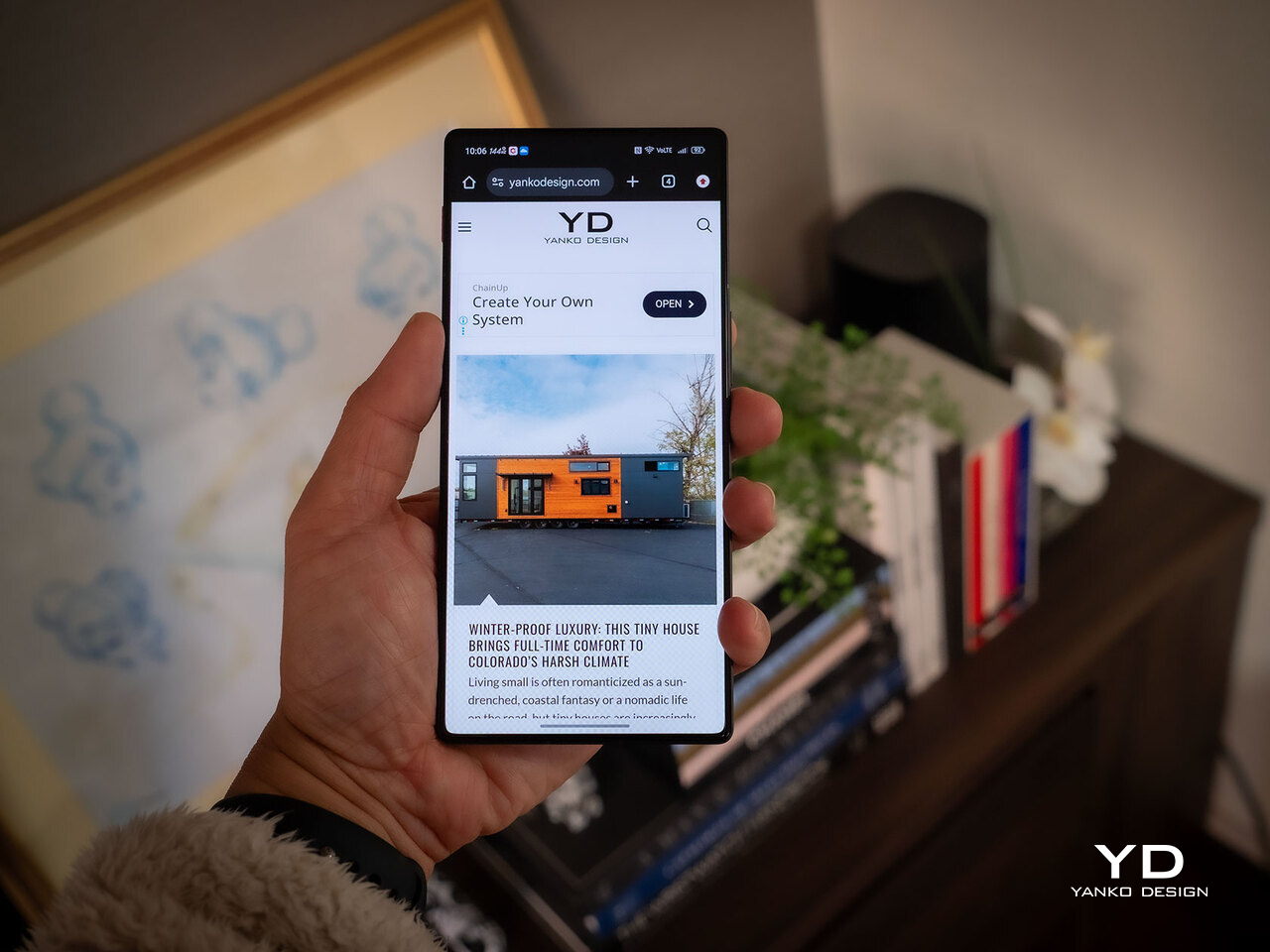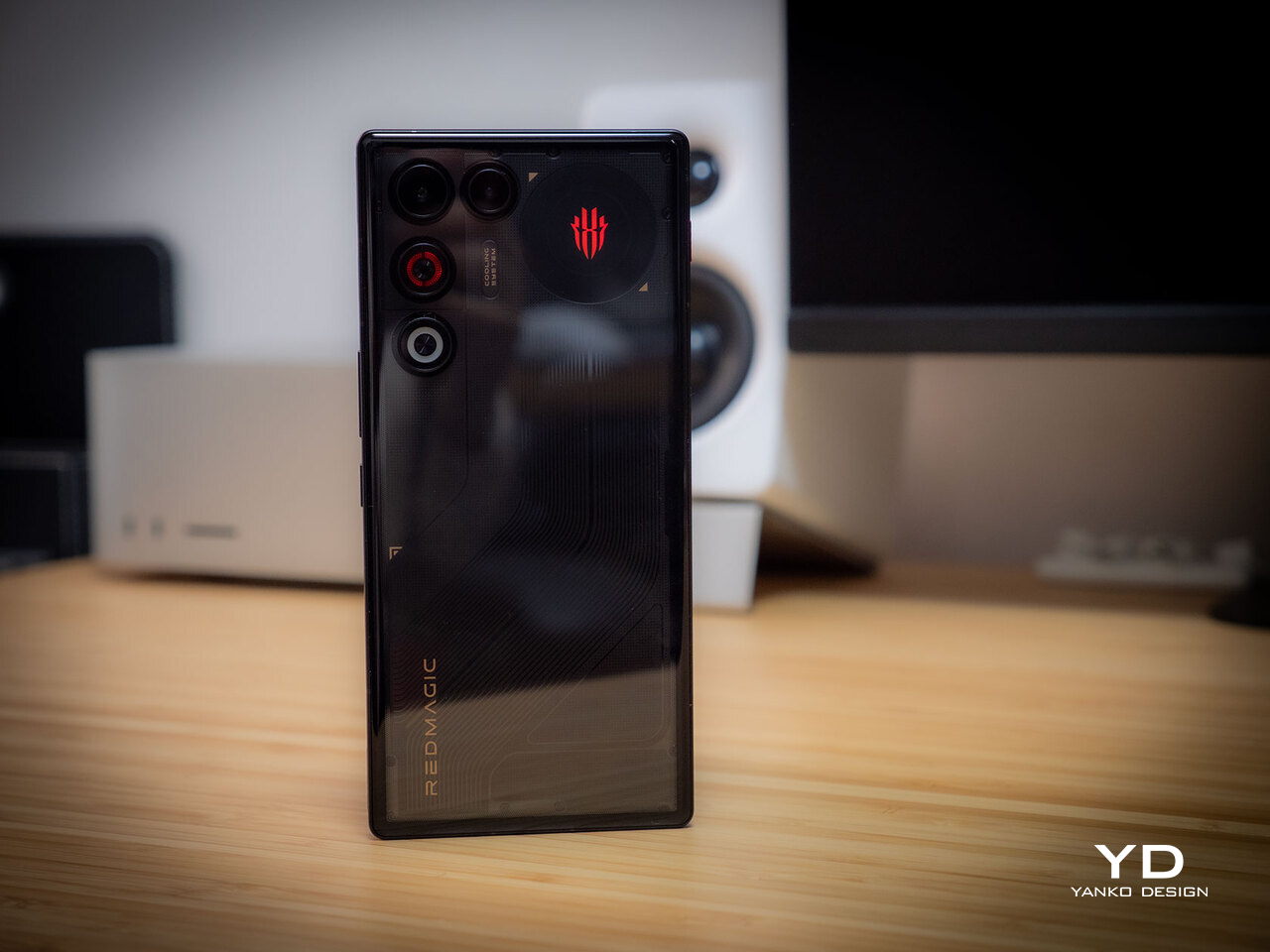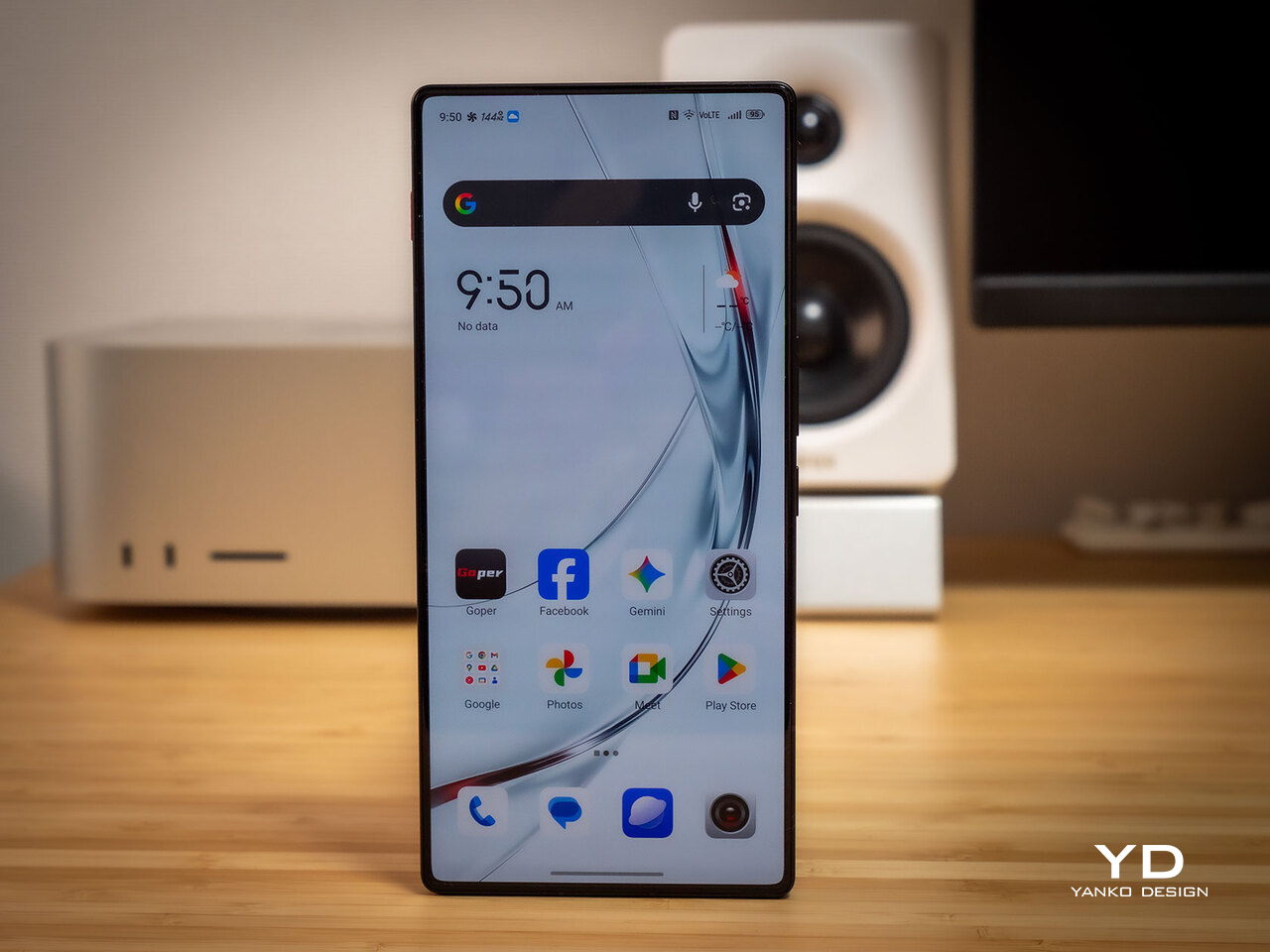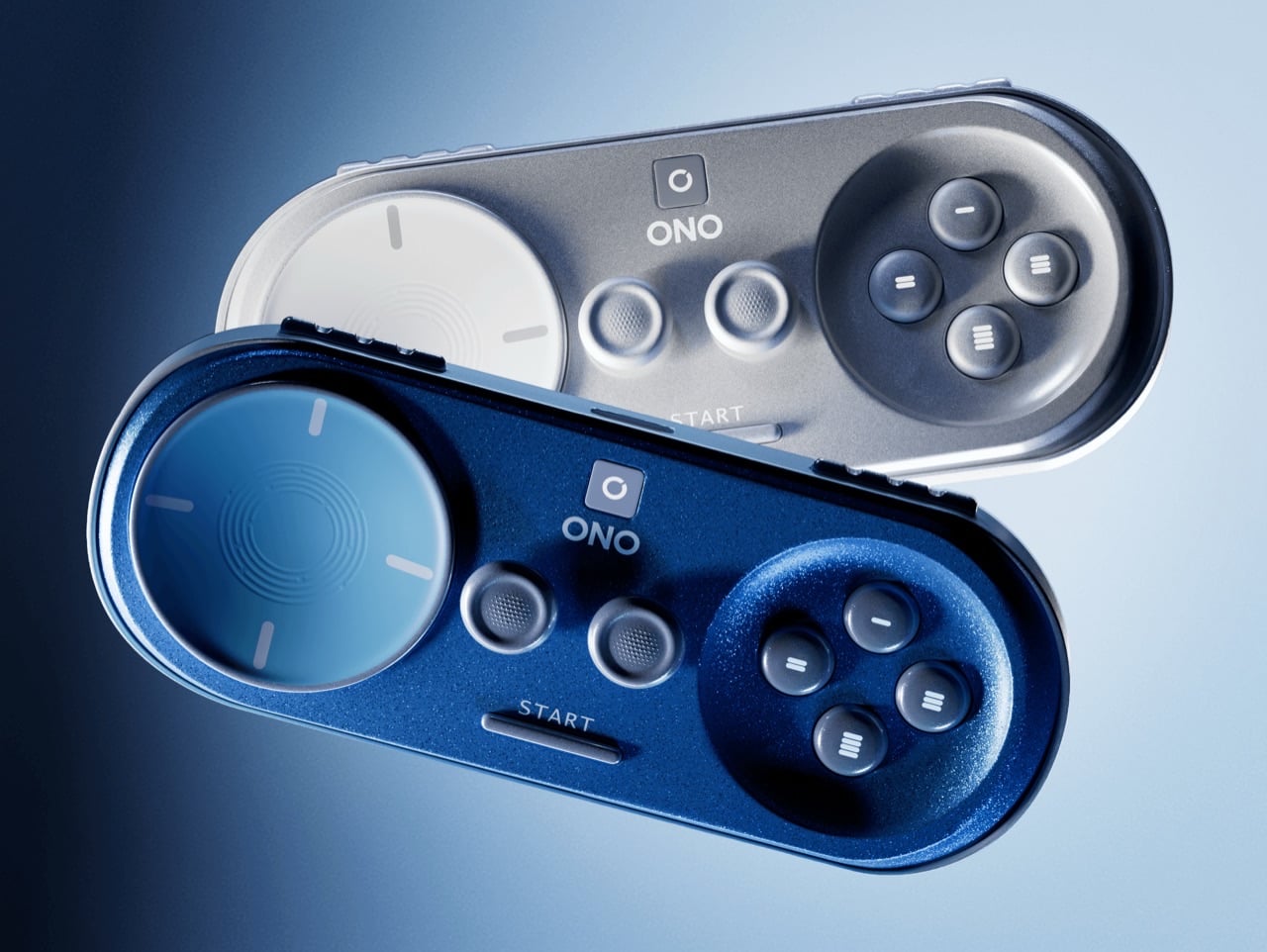
TECNO PHANTOM V Flip 2 5G arrives with a larger external screen and plenty of AI

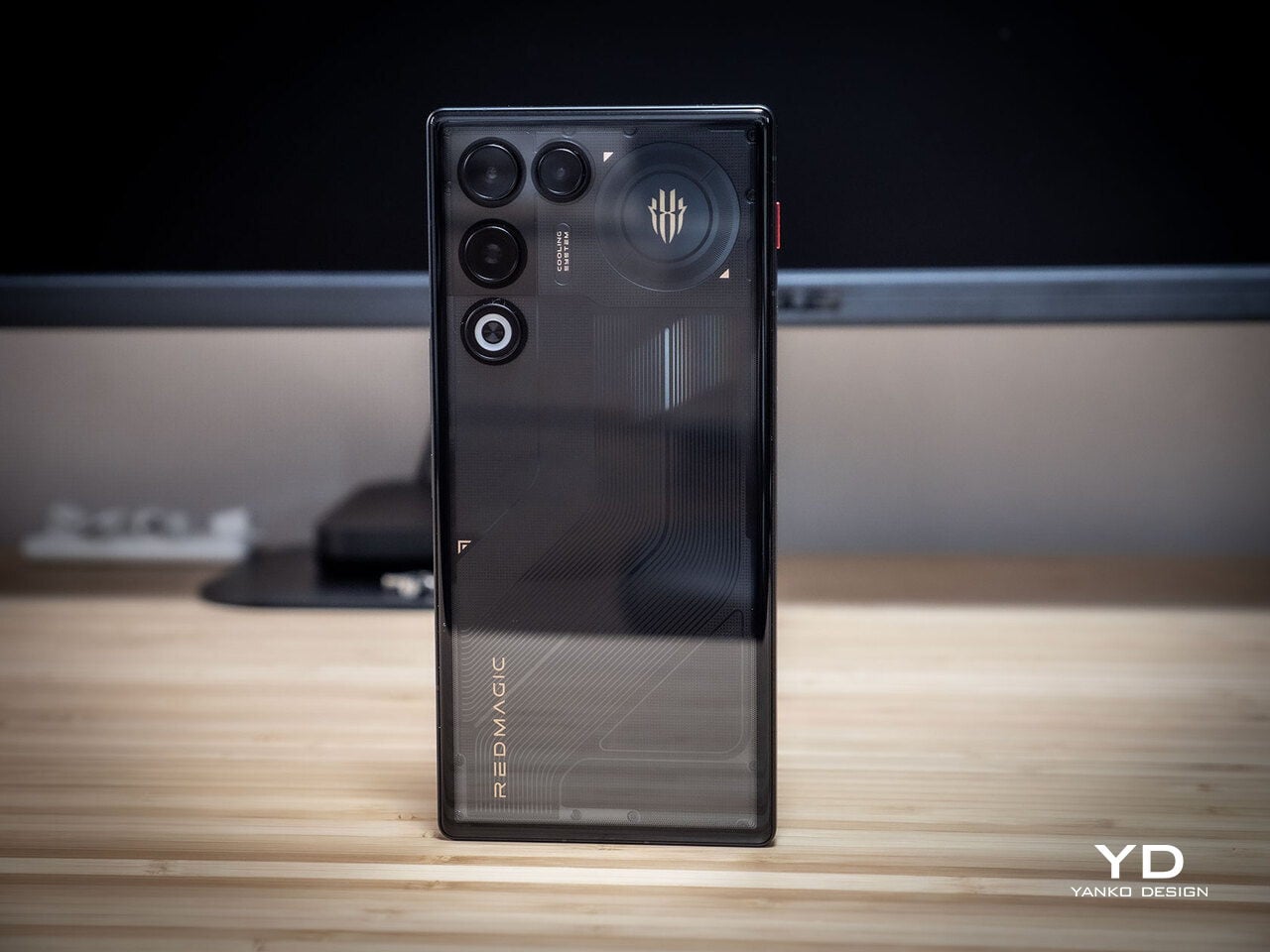
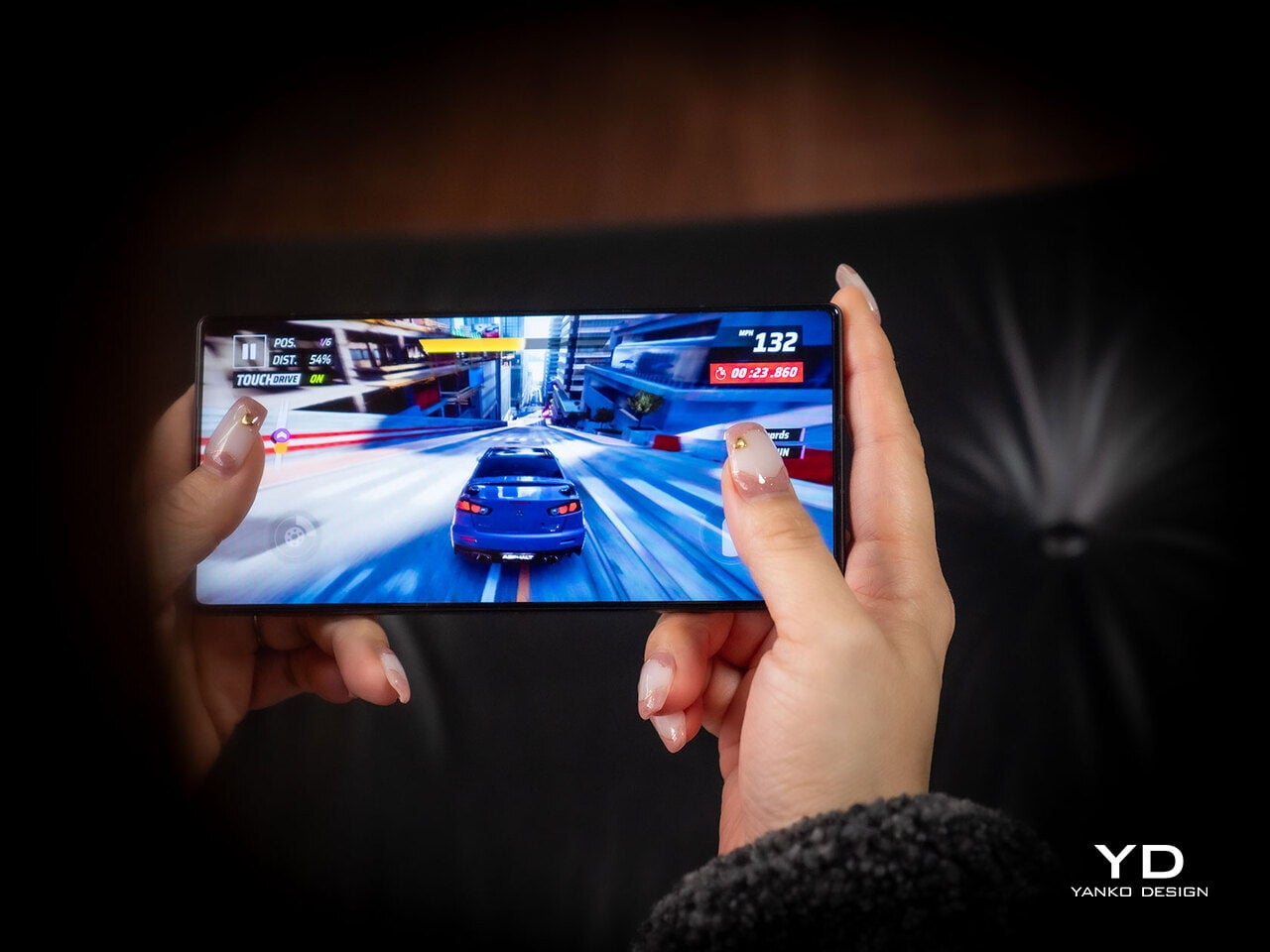
Following up on its stylish clamshell foldable last year, TECNO is unleashing a second-gen design with plenty of changes inside and out. As you might expect, the PHANTOM V Flip 2 carries plenty of AI chops, but that’s just scratching the surface. A newer and larger “Thru Pool” cover screen brings many of those features to your fingertips without even having to flip open the phone, while dual 50MP cameras turn the small phone into a mini camcorder. Whether you’re looking for a sleek foldable smartphone, a pocket-sized AI companion, or a reliable mobile studio, the TECNO PHANTOM V Flip 2 promises to deliver in style.

Designer: TECNO

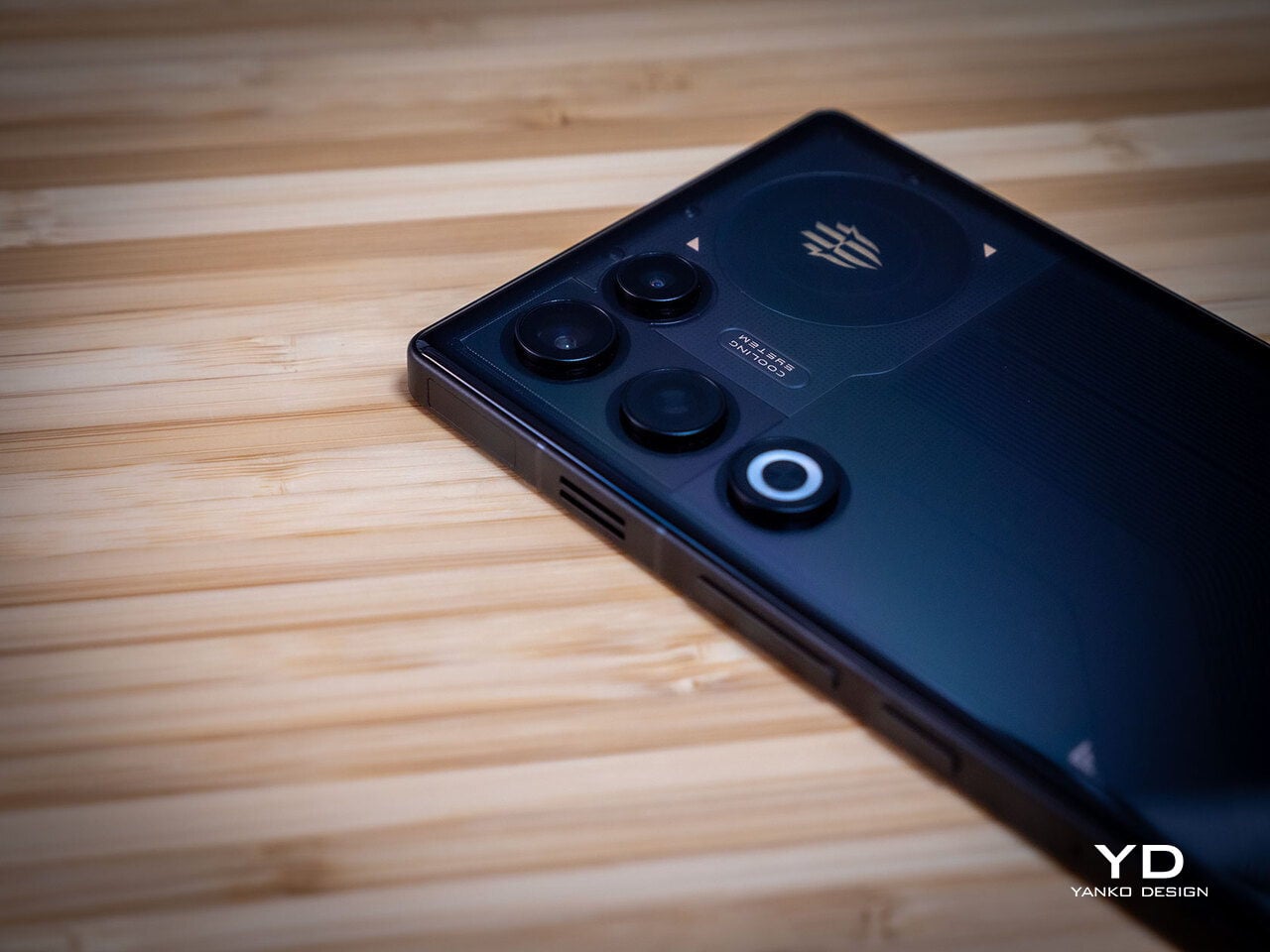
The most telling upgrade is the one that you’ll immediately see, the new 3.64-inch “Thru Pool” cover screen that ditches the limited circular display of the first-gen TECNO Flip. Inspired by infinity pools, this new display covers almost the entirety of the phone’s upper back, leaving room for plenty of things to do. In fact, TECNO calls out the tedious “card-based” interfaces of smaller cover screens, boasting an interactive experience that’s almost on par with the internal foldable display.

This larger external screen also highlights the upgraded camera system composed of a 50MP main camera and a 50MP ultra-wide angle shooter. With the Thru Pool screen as a viewfinder, users can enjoy more detailed selfies and richer videos, though the 32MP front-facing camera is no slouch either. Thanks to its foldable design and its ability to hold any folded position between 30 and 150 degrees, the PHANTOM V Flip 2 enables more creative shooting, even from difficult angles.

TECNO’s AI suite also makes an appearance, from the Gemini-integrated Ella assistant to image-generating AI Artboard to photo-editing Magic Eraser AI. Whether you need a summary of a long article, want to turn silly doodles into mind-blowing art pieces, or simply need real-time information, TECNO AI offers the tools that users need to stay on top of work, life, and their socials.

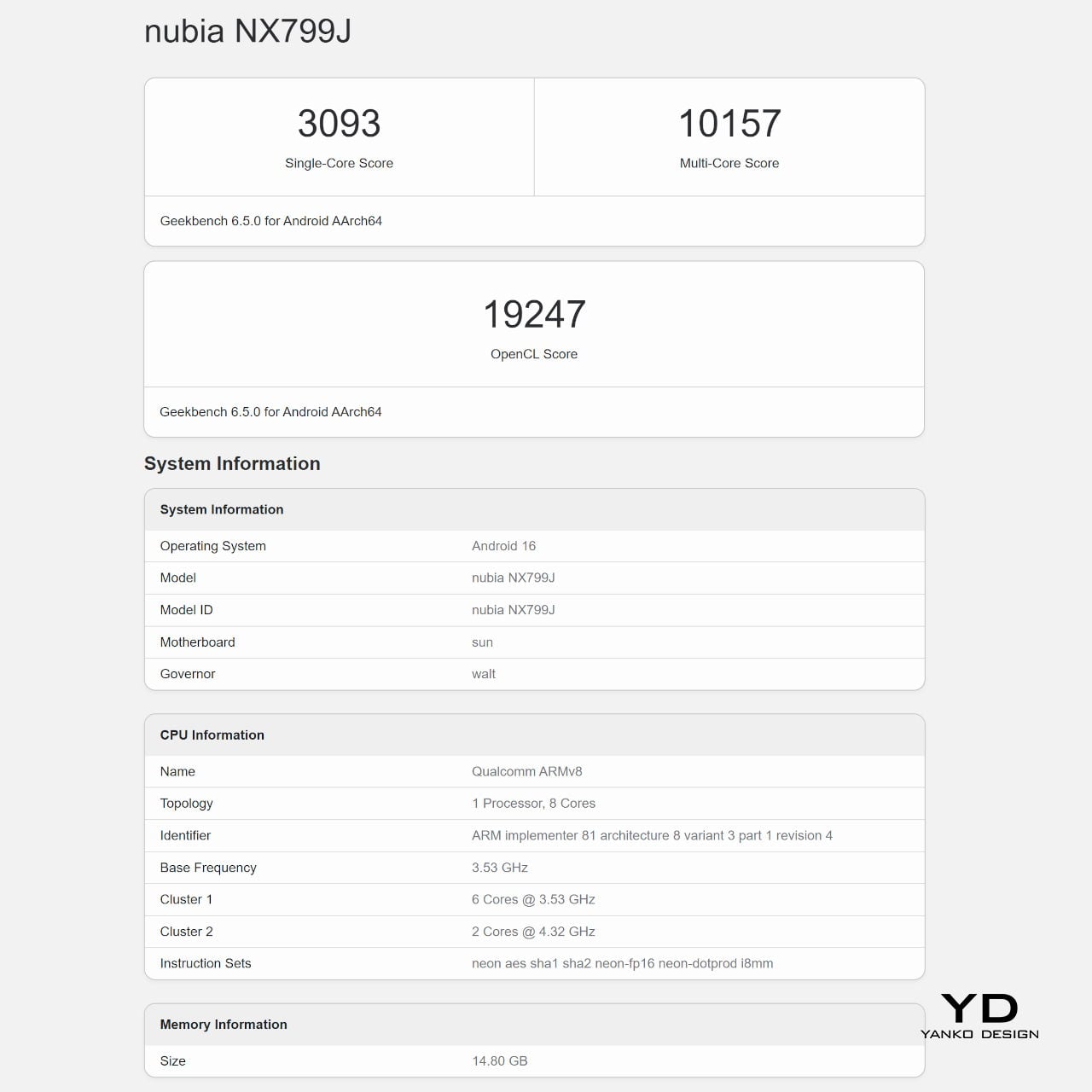
Powered by a MediaTek Dimensity 8020 with 8GB of RAM and 256GB of storage, the TECNO PHANTOM V Flip 2 offers a solid all-rounder smartphone in a classy and elegant design. The 4,720mAh battery and fast 70W charging make sure you can live without a power socket or even a power bank for a day. Available in Moondust Grey and Travertine Green, the PHANTOM V Flip 2 offers a blend of aesthetic design and AI-powered experiences that will sing to the hearts of today’s fashionable and fun-loving generation.

The post TECNO PHANTOM V Flip 2 5G arrives with a larger external screen and plenty of AI first appeared on Yanko Design.

Upgrade your iPhone 16 Pro with TORRAS’ Shatterproof Screen Protector with the World’s Thinnest Black Border

The iPhone just launched the day before yesterday and if you’re lucky enough to have ordered one, trust me – there’s nothing more heartbreaking than seeing your brand-new phone get a scratch on the screen. Honestly, this feeling even applies to older iPhones. As much as Apple touts its phone’s Ceramic Shield display, it’s still fairly breakable (and very expensive). That’s where TORRAS’ $29.99 screen protector comes in handy. The GlassGo X is shatterproof, has an anti-fingerprint coating, and attaches to your phone using TORRAS’ 2-step process that produces perfect, bubble-free results. Pair it with the company’s Ostand 360° Spin Phone Case and your iPhone 16 Pro gets the best of all words – all-around protection as well as convenience in the form of a 360° grip and stand.

Designer: TORRAS

Click Here to Buy Now: $23.99 $29.99 (Use coupon code “yanko1620” to get 20% off on the screen protector). Hurry, deal ends in 48-hours.

The GlassGo X Screen Protector comes crafted from military-grade shatterproof glass. I usually find myself cringing at the use of phrases like military-grade, but the glass has a remarkable 9H hardness and is inherently shatterproof… which means it absorbs any impact without showing signs of wear and tear. Despite the extra protection, TORRAS has nailed the balance between durability and touch sensitivity by finding the sweet spot when it comes to materials and thickness, keeping the smooth interaction you expect from your iPhone.

Sporting narrower black borders, the GlassGo X compliments the iPhone 16 and 16 Pro’s immaculate minimal-bezel display. It’s designed to be as invisible as possible while giving you 100% screen coverage. No awkward gaps around the edges—this protector covers every inch of your display. Plus, it’s got an anti-fingerprint coating, so you won’t be constantly wiping off smudges.

One of the best parts? The 2-step installation makes applying it a breeze. Gone are the days of air bubbles that ruin the perfect look. TORRAS has engineered a setup that allows air to escape easily, giving you a flawless, bubble-free fit. And, with two protectors in each package, you’ve got a backup just in case you encounter problems installing the first phone. Or if you’ve bought an additional phone for your partner, it’s nice to have a ‘twofer’.

We’ve covered TORRAS’ Ostand cases in the past, and the iPhone 16 and 16 Pro series get their own 360° cases too, with a slim, built-in ring that pops out as well as rotates on an axis (a remarkable feat of engineering that we covered in-depth at CES this year). Designed for durability, style, and practical use, it features a curved back and rounded corners that provide all the protection in a streamlined form factor without any of the bulk. Speaking of streamlined, the cases also have a cutout for Apple’s Camera Control sapphire-crystal button with a flowing cutout design that makes the user interaction seamless. The real kicker, though, is the 40% stronger magnets within the ring, which hold on to MagSafe accessories and Qi2 chargers like an absolute pro.

The Ostand case comes in four color options—Nude, Black, Clear, and Grey—so you can match it to your style. Whether you’re going for a minimal look or something a little more rugged, TORRAS has you covered. Pair it with the GlassGo X and you’ve got top-tier protection without adding bulk or interfering with your phone’s sleek design.

Click Here to Buy Now: $23.99 $29.99 (Use coupon code “yanko1620” to get 20% off on the screen protector). Hurry, deal ends in 48-hours.

The post Upgrade your iPhone 16 Pro with TORRAS’ Shatterproof Screen Protector with the World’s Thinnest Black Border first appeared on Yanko Design.

Top 5 Breakthrough Medical Technologies You Need To Know About

An attitude of preparedness, as well as proactive action, are essential for taking good care of our health. By taking the right precaution, and being prepared always, we can handle a medical emergency to the best of our ability. And the medical industry has been coming up with ingenious innovations, that are completely transforming the healthcare game. Designers have been coming up with new and improved, life-saving medical designs that not only boost medical care but also relieve some of the pressure from our tireless medical force. From a device that can smell diseases on your breath to a smart ring designed especially for women and their health – these innovations are upping the medical arena.

1. Transcutaneous Oxygen Sensor

Named the Transcutaneous Oxygen Sensor, this wearable medical device is a functional gadget that performs its duties, while being aesthetically ideal as well. The gadget is used for the accurate detection of blood oxygen levels of the skin issue, and the underlying vessels and capillaries. Created for ASON Co. Ltd., the device is created for the mass consumer market, and will probably hit it in a few years. It utilizes luminescent gas sensing and soft electronics technology to produce the readings.

2. DiagNoze

Dubbed DiagNoze, this portable diagnostic tool is designed to ‘smell’ disease by analyzing your breath. The innovative gadget reads the volatile organic compounds in your breath, identifying and analyzing the biomarkers for different diseases including tuberculosis. DiagNoze works to provide real-time and portable diagnostics that can be accessed anytime anywhere, helping to tackle the healthcare issues in developed and underserved areas. The tool is amped with next-generation machine intelligence with NASA-derived sensor tech.

3. Syntropic’s Headset

Designed by the Vienna-based startup Syntropic Medical, this device uses light-based brain stimulation to provide a drug-free solution for those wanting to overcome depression. Using goggles light is shone into the eyes, while a head-worn apparatus observes and measures the effects. This device is based on the ideology that light therapy can be used to improve neuroplasticity. The innovative design is an excellent alternative for those who didn’t get satisfying results with antidepressants and other traditional treatments.

4. MedWand

Named the MedWand, this handheld medical device lets you book remote appointments with doctors! The unique device lets doctors perform medical examinations over the internet, anytime anywhere. It also facilitates real-time monitoring and recording of vitals such as core temperature, blood oxygen saturation, pulse rate, electrocardiogram and more. The device can be used to offer high-definition otoscopic, dermatoscopic, and oropharynx images as well. It can also capture multiple 3rd party vitals like weight, blood pressure, and blood sugar.

5. Evie Smart Ring

Meet the Evie Smart Ring – a thoughtfully designed wearable for women! Evie is a medical-grade health wearable for women, amped with a variety of features to help women track their health. The wearable can track your health, menstrual cycle, and activity, and monitor your sleep quality. It is intended for women, featuring an open and flexible construction, so it fits well and feels comfortable to wear throughout the day. Evie merges and personalizes data to offer you a reading on how to better achieve your goals.

The post Top 5 Breakthrough Medical Technologies You Need To Know About first appeared on Yanko Design.
Hands-On with the First FDA-Approved OTC Hearing Aid Software Device: Apple’s AirPods Pro 2 Transform Accessibility

The U.S. Food and Drug Administration has officially authorized Apple’s over-the-counter Hearing Aid Feature (HAF), marking a breakthrough for individuals with mild to moderate hearing loss. Designed exclusively for the AirPods Pro 2, this software transforms the popular earbuds into customizable hearing aids. This development comes at a crucial time, as over 30 million American adults report some level of hearing loss, a condition that affects communication, relationships, work, and emotional well-being.

Designer: Apple

With the FDA’s recent approval, Apple’s Hearing Aid Feature allows users to tailor their listening experience without needing a prescription or professional fitting. Users can adjust personalized settings through the software using an iPhone or iPad, which enables them to fine-tune their hearing experience based on their specific needs. By offering this self-fitting functionality, Apple eliminates the need for costly audiologist visits. Instead of relying on traditional hearing aids, which often carry a stigma and high price tag, consumers can now use a product they may already own, making hearing support more accessible, affordable, and discreet.

“Hearing loss is a significant public health issue impacting millions of Americans,” said Dr. Michelle Tarver, acting director of the FDA’s Center for Devices and Radiological Health. “Today’s marketing authorization of an over-the-counter hearing aid software on a widely used consumer audio product is another step that advances the availability, accessibility, and acceptability of hearing support for adults with perceived mild to moderate hearing loss.”

The benefits for consumers are clear. The Hearing Aid Feature uses Apple’s HealthKit data to create a personalized audio profile tailored to the user’s hearing levels. This profile automatically adjusts amplification settings to enhance environmental sounds and media playback. The self-fitting process, which can be done entirely through an iPhone or iPad, is simple and intuitive, giving users complete control over their hearing aid experience. The ability to customize sound directly from a personal device reduces the barriers that often deter people from seeking hearing assistance.

The Hearing Aid Feature’s Core Functionality

This feature is specifically designed for individuals with mild to moderate hearing loss. After completing the hearing test, users receive a customized audio profile that adjusts environmental sounds and media playback to their hearing needs. The feature is not intended for those with severe or profound hearing loss, who will be advised to seek professional care. However, it’s a groundbreaking tool for users with moderate impairment, offering convenient adjustments on-the-go without specialized equipment or professional fitting.

Another key benefit is the feature’s ability to address asymmetric hearing loss. If a user has different levels of impairment in each ear, the software automatically adjusts for each side, ensuring an optimal hearing experience for both ears.

The software was tested in a clinical study with 118 participants who had perceived mild to moderate hearing loss. The results were impressive: individuals who used the self-fitting software experienced similar benefits to those who underwent professional fittings. Tests also showed that the Hearing Aid Feature provided comparable performance in amplifying sounds in the ear canal and improving speech understanding in noisy environments. Notably, no adverse events were reported during the study, further validating the safety and effectiveness of the software.

This FDA approval builds on the agency’s 2022 regulations for over-the-counter hearing aids, which allowed consumers to purchase hearing aids directly from stores or online without needing a medical exam or prescription. Apple’s software-only mobile medical application integrates advanced hearing aid technology into a familiar, everyday product. With the Hearing Aid Feature, users can now fit and adjust their hearing aids independently, avoiding the traditional challenges and costs associated with professional services.

How to Run the Hearing Test

I ran the hearing test within the Settings app during the demo after pairing the AirPods Pro 2. Users can easily access the Hearing Health section by selecting their AirPods Pro in Settings and scrolling down to the Take a Hearing Test option. From there, the on-screen instructions guide users through the process step-by-step.

The test is modeled after clinical hearing assessments, asking users to listen to tones that alternate between the left and right ears. Each tone starts faint and gradually increases in volume. All users need to do is tap the screen whenever they hear a tone. The system leverages active noise cancellation during the test, blocking out external sounds to ensure the results are accurate and unaffected by surrounding noise. Once the test is complete, the results indicate the level of hearing loss, such as mild or moderate, and automatically generate a personalized sound profile.

This profile is used to activate the Hearing Aid Feature, adjusting amplification settings based on the test results. Users can apply this profile to environmental sounds, phone calls, music, and other media, tailoring their experience to suit their hearing needs.

Reaction to the Demo

The process was simple, intuitive, and impressively smooth. As someone who demoed an incomplete version of the test, I found the setup straightforward and user-friendly, even for those without prior experience using hearing aids. The software intelligently adjusted the tones in real-time based on my responses, adapting the volume and frequency dynamically to create an accurate hearing profile.

Despite receiving generalized results indicating moderate hearing loss during the demo, the system gave me a clear understanding of how the Hearing Aid Feature would adjust to the user’s specific needs. Even though the profile was generic, the sound amplification was highly noticeable, even 5-8 feet away from the people speaking in the room. Additionally, the tonality and pitch of voices sounded sharper rather than just louder, offering a refined listening experience rather than a mere increase in volume. The real-time feedback and adaptability of the software reassured me that users could rely on this technology to provide an effective, custom-tailored hearing solution once fully functional.

Media Assist, Health Data Security, and Availability

The Hearing Aid Feature automatically enables Media Assist, which fine-tunes audio for phone calls and media playback, making conversations, music, and videos easier to hear. This feature can benefit even users with minimal hearing loss, as it automatically adjusts to individual needs without manual input.

All hearing test results are securely stored in Apple’s Health app, where users can export them as PDFs to share with healthcare providers. This ensures users have full control over their health data, maintaining privacy and security.

Apple’s FDA-approved Hearing Aid Feature transforms accessibility by integrating advanced hearing technology into a popular consumer device. This innovation reduces the stigma and cost barriers associated with traditional hearing aids, offering millions of users with mild to moderate hearing loss a discreet and more affordable way to manage their hearing health independently.

The post Hands-On with the First FDA-Approved OTC Hearing Aid Software Device: Apple’s AirPods Pro 2 Transform Accessibility first appeared on Yanko Design.
Setting the Stage: How Design Shapes the Dynamics of Presidential Debates

It’s that time in human history again when the world turns its attention to a country whose political outcome could also affect the rest of the world, one way or another. Presidential debates are pivotal moments during this period, offering candidates a highly publicized platform to present their policies, challenge their opponents, and connect with voters. These events have become quite sensational shows even, and just like any other show, there is one unsung hero: stage design. The layout and design of the debate stage are fundamental in shaping how these encounters are perceived by both the live audience and viewers at home. So we take a closer look at the role stage design plays in presidential or any other debate, and how various elements such as visual hierarchy, backdrop aesthetics, and camera angles can influence the overall dynamics.

Designer: Clickspring Design

Visual Hierarchy and Focal Points

Just like in any stage design, the placement and interaction of various elements play a critical role in guiding people’s attention, especially for those watching at home whose views are largely determined by the camera. Here are some of those elements that establish a visual flow that could very well change the narrative or impact the audience.

The Central Placement of Podiums

Image courtesy of: Pressmaster

The podiums where debaters stand are naturally the center of attention on stage and have a direct impact on its design. Typically, podiums are positioned centrally on the stage to ensure that candidates are the main visual focus. They are also distributed evenly across the center to maintain an equal visual weight between candidates, promoting an unbiased viewing experience. It is also a strategic arrangement as it facilitates a smoother debate flow, allowing candidates to engage directly with each other and the moderators, regardless of their position on the stage.

Backdrop Design

Although treated as a decorative element, the backdrop plays a more important role in setting the atmosphere and even diverting focus toward or away from the speakers. In political debates, it’s a canvas that can incorporate national symbols such as flags or seals, as well as national landmarks that paint a larger picture of what the event is about. The choice of color scheme is an important matter to consider, as too many hues can end up distracting or even straining the eyes. Neutral and muted tones are generally best to keep the emphasis on the candidates rather than the design.

Image courtesy of: Live Design Online

Camera Angles and Lighting

Considering presidential debates have always been televised or, more recently, projected on large screens in the venue, camera angles and lighting have become even more essential and can either enhance or detract from the debate experience. Wide-angle shots capture the entire stage, providing context and showing the physical dynamics between candidates. Close-ups, on the other hand, capture facial expressions and gestures, adding an emotional dimension to the proceedings. Lighting isn’t just a matter of putting a spotlight on people, especially since it has to be done in a way that doesn’t look biased, like casting shadows on some candidates but not others. Balanced and soft lighting helps to create a polished and professional visual atmosphere, keeping the focus squarely on the candidates, while extravagant and showy lighting effects tend to make the event and the stage look cheap and superficial.

Ensuring Equality and Focus

The layout and design of a presidential debate stage isn’t something that is planned haphazardly. Visual elements like the central placement of podiums, backdrop aesthetics incorporating national symbols, and strategic lighting all work together to highlight the candidates. The visual hierarchy created by these elements helps direct the viewers’ attention to the key players and enhances the overall impact of their messages. The most important point to remember is that the design should ensure that candidates are given equal visual weight, reducing any implicit bias. Stage design should also keep the audience focused on the content of the debate rather than the setting, though some more recent stages seem to go in the opposite direction and become spectacles themselves.

Image courtesy of: AnnaStills

The Evolution of Stage Design in Presidential Debates

While debates have been around since the time of the ancient Greeks, televised presidential debates are a more recent phenomenon that only started in the US in the 60s. Thanks to technology, this integral part of the US election system went beyond geographical borders and became something that other countries have come to follow. Of course, the design of the stages in these debates has also evolved along with human history and trends, reflecting not only the aesthetic tastes of the generation but also their concerns.

Historical Context

The first televised debate between John F. Kennedy and Richard Nixon in 1960 already highlighted the importance of visual elements. Kennedy’s youthful and composed appearance contrasted with Nixon’s pale, sweaty demeanor and the poor stage lighting and camera angles that didn’t do the latter any favors. This debate marked the beginning of an era where stage design would become an integral part of political strategy. The design of presidential debate stages has evolved significantly over the years as technologies improved and audiences have become more sophisticated.

Image courtesy of: Getty Images

Modern Innovations

Recent technological advancements have allowed for more complicated stage designs that go beyond simple podiums and plain backgrounds. High-definition screens, 3D projections, and even augmented reality have been integrated to create more engaging and dynamic environments. These innovations not only enhance the aesthetic appeal but also offer new ways to present data and statistics, making complex topics more accessible to the audience. That said, there is also a tendency to go overboard with these innovations, resulting in stages with distracting elements and presentations that turn the debates into entertainment shows.

Image courtesy of: CNN

The Psychological Impact of Stage Design

Stage design might seem like more of an audiovisual matter, but like any kind of design, they have underlying and sometimes subtle psychological effects as well, intended or otherwise. Even the mere placement of elements or choice of colors can have an impact on viewer perception, often subconsciously even.

Perception of Authority

Stage design can subtly influence the perception of a candidate’s authority and competence. For instance, elevated podiums can give candidates a commanding presence, while their placement on the stage can make them feel emotionally distant or close. Symmetrical designs and balanced lighting contribute to a perception of fairness and impartiality, indirectly boosting the candidates’ credibility. Lighting and camera focus can literally change how a candidate looks, making them seem gloomy, happy, suspicious, or trustworthy.

Image courtesy of: adme

Audience Engagement

The stage itself captures and retains the audience’s attention, and a well-designed one has stronger holding power. Strategically placing elements and tasteful use of visuals Engaging visuals ensure that viewers are not distracted and remain focused on the candidates’ messages. Elements such as movement on stage, transitions between camera angles, and interactive elements like audience reactions contribute to a dynamic viewing experience and can be potent tools to create a more meaningful connection with the audience, especially with the Internet that can include the participation of home viewers as well.

The Role of Technology in Enhancing Stage Design

While the first televised presidential debates relied solely on studio cameras and terrestrial TV networks, we have a broader range of technologies today to add flavor to the debate or, conversely, spin a different narrative. Just like any other tool or design element, these have to be used wisely and judiciously to put the focus on the most important part of the event: the candidates’ messages.

High-Definition Screens and Projections

High-definition screens and projections are now standard in modern debate stages as they can let live audiences see a closer look even when they’re at the bleachers. These can also display real-time data, enhance visual graphics, and even simulate different environments. This technology allows for a more comprehensive presentation of complex issues, making it easier for the audience to grasp the nuances of each candidate’s argument.

Image courtesy of: MUS_GRAPHIC_

Augmented Reality

Augmented reality (AR) has started to make its way into stage design, adding an immersive layer to the debate experience. Just like screens, AR can be used to visualize data, project interactive maps, or even recreate significant historical moments, except at a more personal distance. It can make viewers feel like they’re really “on the scene,” but like any other AR experience, it needs to be used in moderation so as not to exclude the majority of people who don’t have AR equipment to use.

Lighting and Sound Design

Advanced lighting and sound systems are crucial in creating the desired ambiance and ensuring clear communication. Programmable LED lights can highlight specific moments or shift focus between speakers, while high-quality sound systems ensure that every word is heard clearly. Conversely, they can also be sources of distraction or even physical discomfort when overused.

Designer: Clickspring Design

Challenges and Considerations in Stage Design

Stage design for presidential or any debate has the same elements as most stage designs, but they carry even more weight in ensuring an impression of impartiality and fairness. To some extent, this kind of stage design has a more serious overtone, presenting unique challenges to designers and architects.

Balancing Aesthetics and Functionality

Like with any kind of design, balancing aesthetics with functionality is one of the most important hurdles to overcome. While it’s essential to create a visually appealing environment, it’s equally important to ensure that the design does not interfere with the debate’s primary purpose: to provide a platform for meaningful discourse. Overly elaborate designs can be distracting, while overly simplistic designs might actually be counterproductive and bore viewers to the point of losing interest.

Image courtesy of: CNN

Ensuring Impartiality

To some extent, ensuring impartiality is probably the most critical consideration that guides the overall design. Every element of the stage must be scrutinized to avoid any potential bias, visual or otherwise. This includes equal lighting, symmetrical podium placement, and unbiased camera angles. Even subtle elements, such as the candidates’ color schemes, must be carefully managed to maintain a neutral environment.

Final Thoughts

Stage design for presidential debates is a complex interplay of art and science. It requires a deep understanding of visual hierarchy, psychology, and technology to create a setting that enhances the candidates’ messages and engages the audience. As technology continues to evolve, so too will the possibilities for innovative and impactful stage designs, further elevating the importance of this often-overlooked aspect of presidential debates. It shapes perceptions, influences engagement, and ultimately contributes to the political process by providing a fair and engaging platform for candidates to present their visions for the future. After all, the role of stage design in presidential debates cannot be overstated, for it is indeed a silent yet powerful player in the theater of politics.

Pasant Theatre, Wharton Centre

The post Setting the Stage: How Design Shapes the Dynamics of Presidential Debates first appeared on Yanko Design.
Top 5 Cool Clocks & Watches That Are The Most Unique Time-Telling Devices You’ve Seen

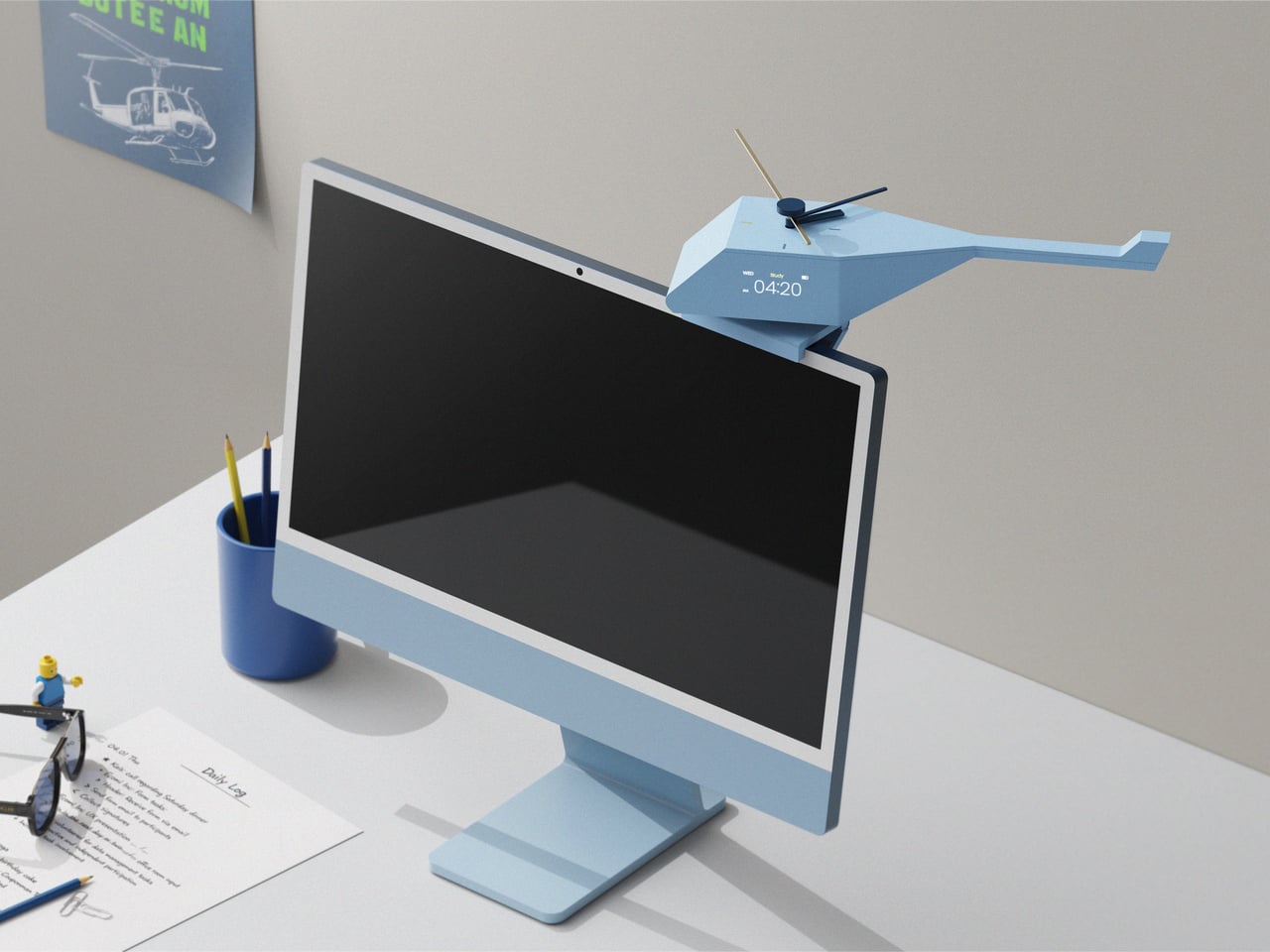
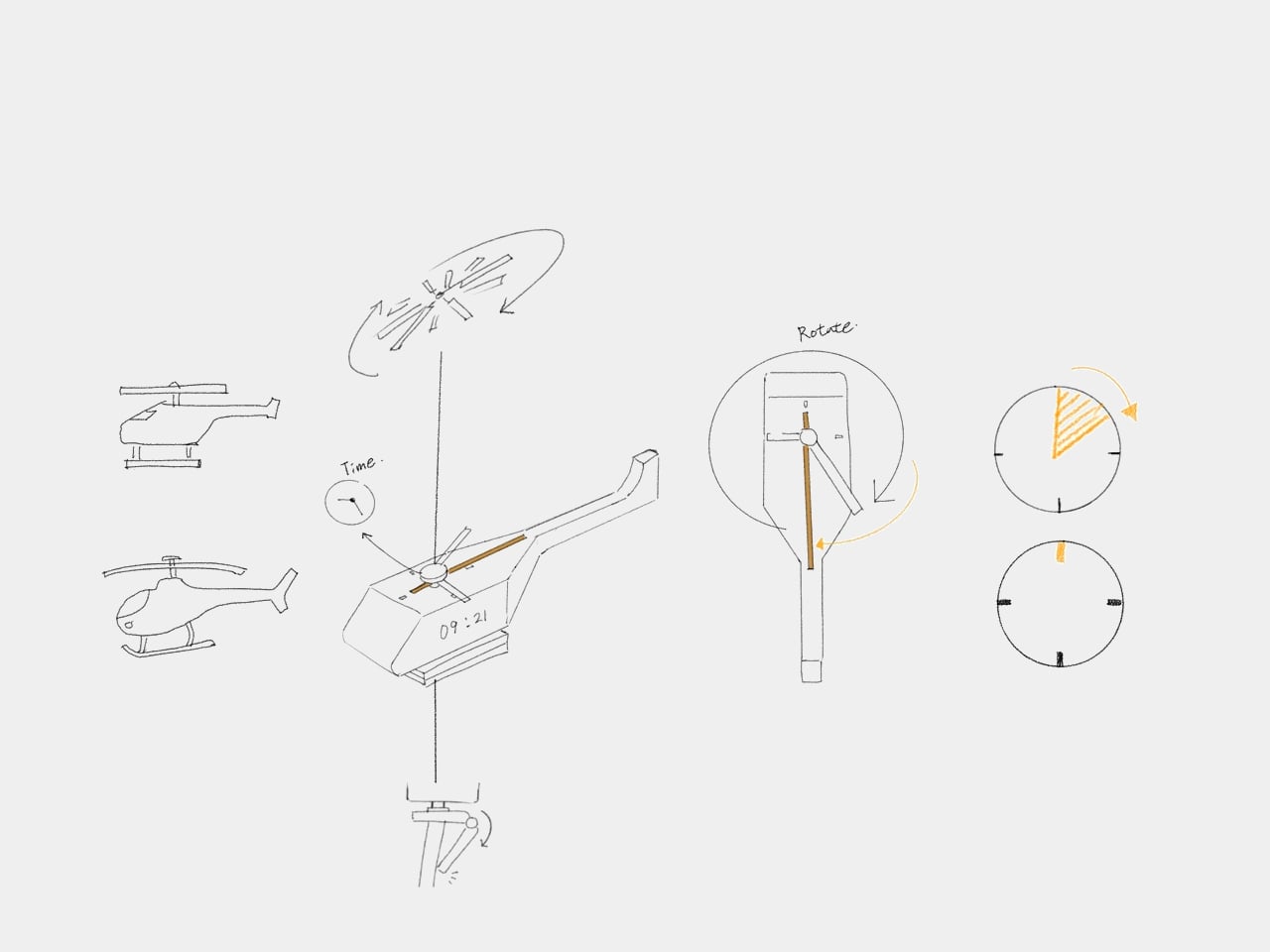
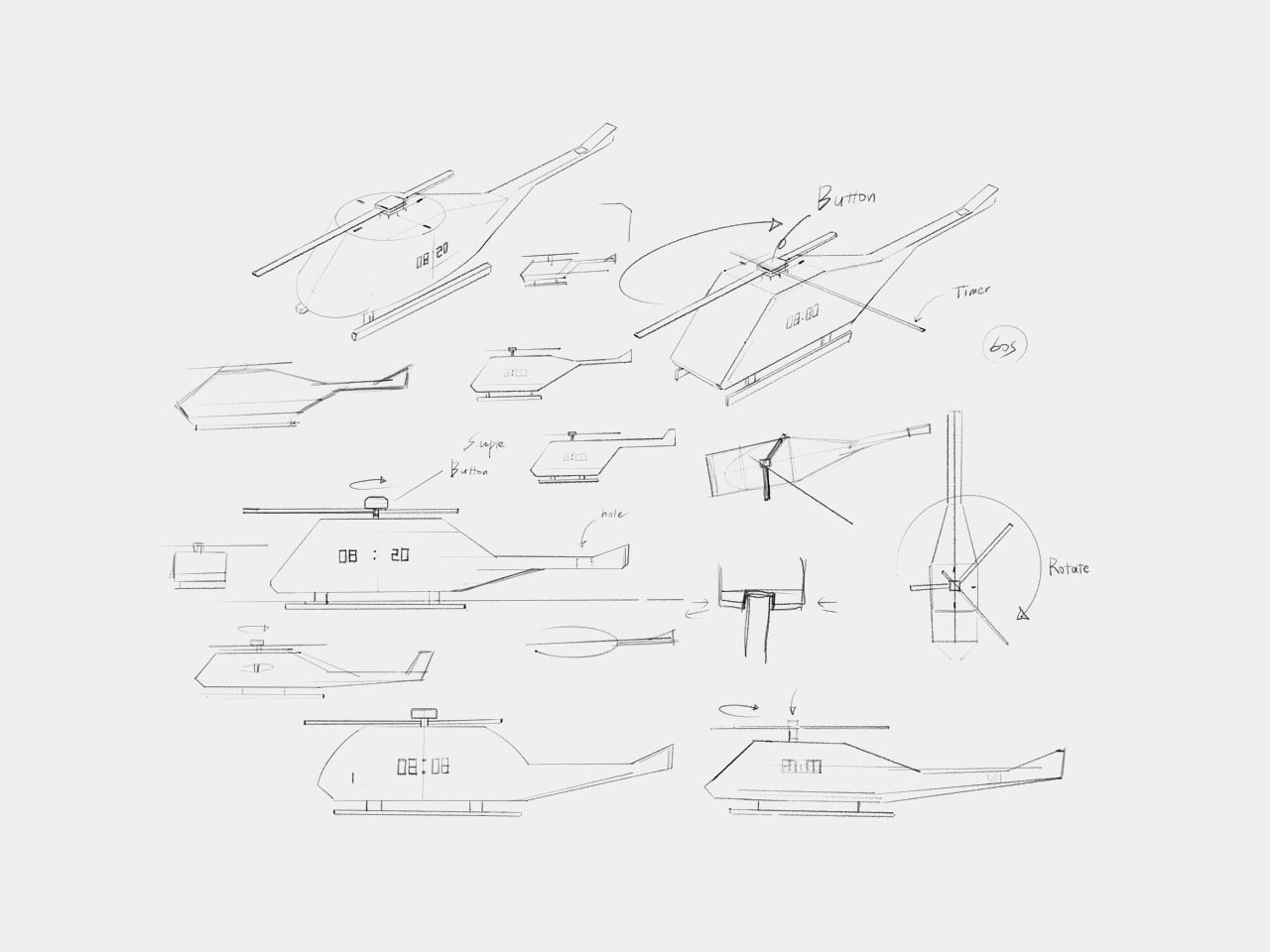
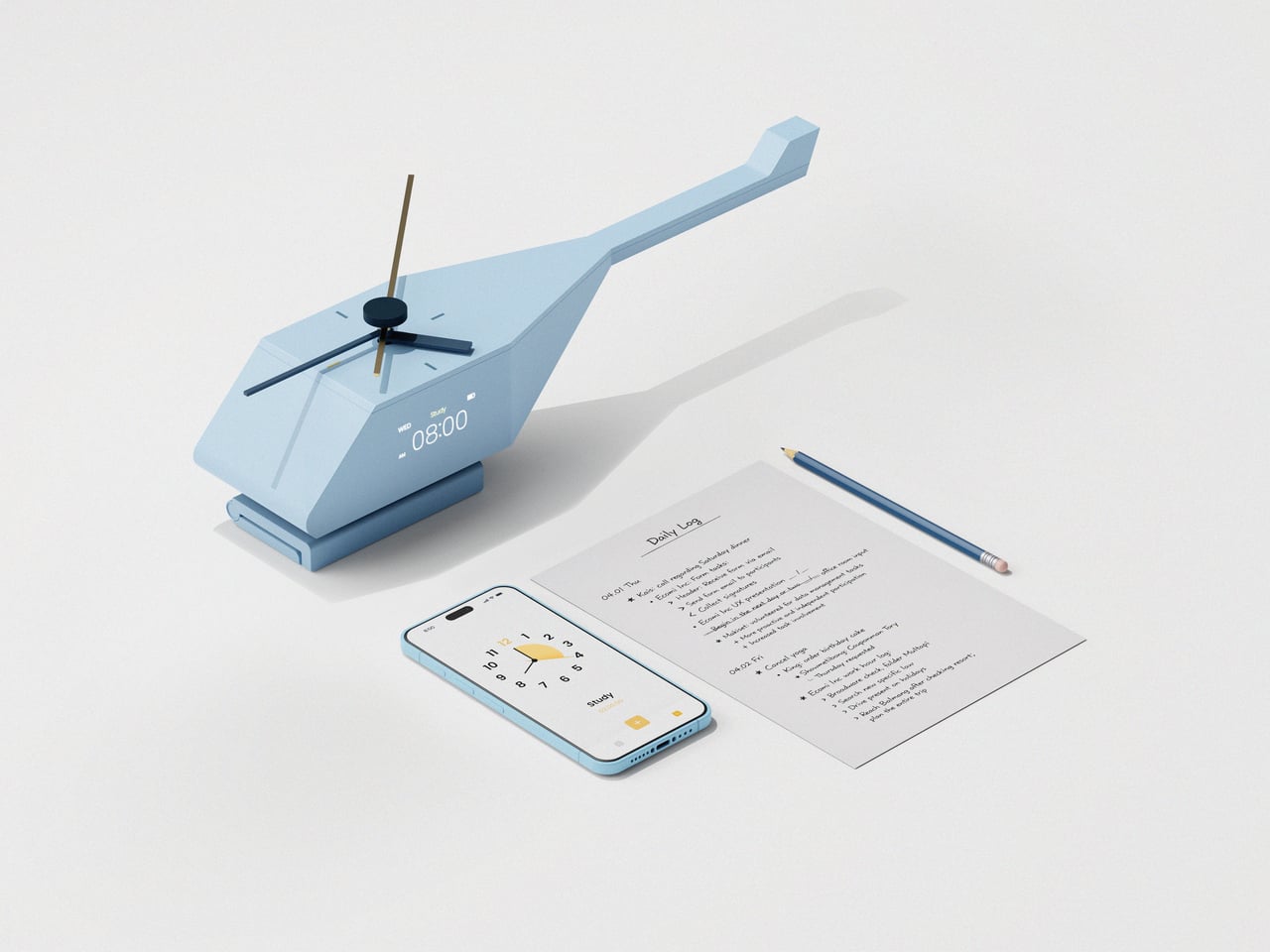
Through the years, clocks and watches have gone through major innovations. The time-telling designs today don’t just simply tell the time, they also perform a whole bunch of other functionalities and activities for you, while also managing to look super cool and sleek. If you’re someone who geeks out on cool watches and clocks, then you’ve hit the right spot. We’ve curated a collection of unique, functional, and aesthetically interesting time-telling pieces for you. From a moon-inspired clock for your bedside table to a retro-inspired watch amped with the rare Nixie VFD tubes – these time-telling designs are a far cry from the typical products you see on the market.

1. NIXOID NEXT

Designed by Nixiod, the steampunk-inspired NIXIOD NEXT features the rare Nixie VFD lamps that were discovered 25 years ago. The uber-cool watch design merges retro and futurism, combining the tech of retro tubes with the appeal of a modern wristwatch avatar. The design is the best of both worlds – the past and the present.

Why is it noteworthy?

The NIXIOD NEXT integrates an accelerometer which illuminates the VFD tubes when moved toward the user. The tubes were discovered in a warehouse, from the time of the USSR, establishing it as a historic limited-edition collectible.

What we like

  • Equipped with charging points on the back, so it is quite easy to charge
  • Amped with a  scratch-resistant sapphire case

What we dislike

  • When the watch changes from hours to minutes, there is a 1.5-second pause, during which the hour and minute cannot be seen together

2. Moon Rocket Wall Clock

Called the Moon Rocket Wall Clock, this unique-looking clock adds the allure of outer space to your home. The clock is made from specially polished stainless steel, and it features a circular shape that perfectly captures the beauty of the moon. Numbers float around the edges of the clock. The clock has a minimal form that merges perfectly with your home.

Click Here to Buy Now: $325

Why is it noteworthy?

The numbers on the clock are much like the moon, they wax and wane, creating a stunning effect. The lovely clock helps you tell time and gently reminds you to live life freely and dynamically, adopting the spirit of adventure, the way a rocket ship does when it moves towards the moon.

What we like

  • The numbers float around the edges, merging with the moon
  • The clock’s second-hand features a small rocket, adding a lovely little touch

What we dislike

  • If the clock is wall-mounted, it may be tough to read the floating numbers

3. Rolling World Clock

Dubbed the Rolling World Clock, this one-hand device is a great choice if you work on international time, and have to deal with different clients in different timezones. The Rolling World Clock has a minimal and sleek ethos, so besides telling the time, it also makes a visually interesting addition to your desk.

Click Here to Buy Now: $49

Why is it noteworthy?

With the Rolling World Clock, you can access different timezones through a one-handed movement. You can move the clock until you reach the city, which is the time you need to check. The watch hand adjusts to the correct timezone automatically.

2What we like

  • Cuts down the need to use a screen to check on multiple timezones
  • It makes time-telling a simple affair

What we dislike

  • The clock showcases only 12 cities, so you will need to calculate the time zones outside the clock’s interface

4. Jewelry Display Clock

Say hello to the Jewelry Display Clock – a versatile product that lets you safely store your precious jewelry while also showing you the time. You can also display your earrings as a pendulum. This innovative design tells the time for you, while also helping you securely store your personal belongings, and offering easy accessibility to them.

Click Here to Buy Now: $49.00

Why is it noteworthy?

The multifunctional product will make a beautiful addition to your dressing or bedside table. It neatly organizes your accessories and belongings for you, while also letting you swiftly tell the time.

What we like

  • Classy and clean design amped with a quartz movement for precision
  • Built from bioplastic which includes rice husks

What we dislike

  • The space for storing jewelry isn’t much, you can only store 3-4 pieces easily

5. Author Clock

This innovative device is called the Author Clock, and it really is a novel new way to tell the time. This one-of-a-kind contemporary clock displays the time using interesting literary quotes every minute. The clock transforms time-telling into a unique and playful event, allowing you to read important moments in literature and writing history.

Why is it noteworthy?

The clock contains thousands of different quotes from a wide range of authors. The Author Clock is a truly whimsical and creative way to check and tell the time. It is a must-have for the bibliophiles out there, who love reading and collecting books.

What we like

  • Contains a collection of 2000 quotes from authors spanning six centuries

What we dislike

  • In comparison to other lightning-fast gadgets, the response time is quite slow

The post Top 5 Cool Clocks & Watches That Are The Most Unique Time-Telling Devices You’ve Seen first appeared on Yanko Design.
This Brilliant 5-in-1 Laptop Case + Stand will have you throw out every other laptop accessory you own

There’s no other way to describe the Trinity Laptop Sleeve than to use the words ‘sheer genius’. A simple origami-inspired sleeve, the Trinity shapeshifts into 5 different forms, going from a portfolio cover to a vertical stand, a 15° angled dock, a 30° angled dock, or even a handheld carry-case. No hinges, no fancy mechanisms. Just some really great design thinking and flawlessly simple execution.

As a laptop user myself, I have two stands (one with a cooling fan, and another made of metal). I also happen to have a separate laptop sleeve, a laptop bag, and I’m currently on the market for a laptop stand that I can use to stash my laptop vertically on my workplace to cut the visual clutter. I’ve described 5 products in just the last two sentences, all of which exist as separate entities, perform separate roles, and aren’t connected to each other. The folks at SleekStrip very casually changed that. The Trinity is an incredibly simple laptop sleeve that lets you carry, dock, or prop up your laptop. Its patented design is made to hold slim laptops (working with all Apple MacBook models from recent years), protecting it from bumps and scratches while you carry it around either independently or inside a laptop bag. When the time comes to use the laptop, you can either open up the Trinity and dock your laptop vertically (sort of like the Nintendo Switch), or use the Trinity as an angled laptop stand.

Designer: Stella Chang Chien of SleekStrip

Click Here to Buy Now: $63 $80 (21% off). Hurry, only 3/45 left!

The Trinity was made for the minimalist who appreciates a bit of multifunction. You don’t NEED to own a bulky laptop stand along with a separate case, dock, etc. With just clever thinking and a bit of inspiration from the art of origami, it’s entirely possible to build a product that serves all those purposes – and serves them well. The fact that the sleeve has 5 functions in 1 would justifiably have you wonder whether it actually compromises somewhere, but truth be told, it really doesn’t. Each feature, be it the sleeve itself, or the dock, or the stand, is immaculate. When carrying your laptop, the Trinity gives it ample protection. When in vertical dock mode, it has enough space for proper airflow. And when used as an angled stand, the Trinity gives you not one, but TWO angle options (with the second one also providing a wrist-pad to rest your hands while typing).

Constructed with a hard shell exterior, the Trinity sleeve provides robust protection against bumps and scratches. The inner lining, made from soft, anti-slip vegan leather, ensures that the laptop stays secure and scratch-free. Additionally, the sleeve incorporates inner foam bumpers that absorb shocks and facilitate better heat dissipation when the laptop is in vertical stand mode. The outer shell is crafted from premium water-resistant vegan leather, offering a sleek, durable surface that can withstand daily wear and tear while maintaining an elegant appearance.

Embedded magnets allow for seamless transitions between the Trinity’s various modes. These magnets are strategically placed to enable quick and easy adjustments, whether you’re switching to a vertical stand to save desk space or adjusting the tilt for more comfortable typing. This level of convenience, combined with the product’s minimalist aesthetic, makes the Trinity sleeve a compelling choice for those who prioritize both form and function in their workspace.

The Trinity sleeve comes in two sizes – for 13-14 inch and 15-16 inch laptops. The smaller sleeve is offered in three colors — Midnight Black, Pebble Gray, and Slate Blue, while the larger 15-16 inch version is exclusively available in Midnight Black, reinforcing its sleek and professional look. Despite its multifunctional design, the Trinity sleeve remains lightweight and portable, making it an ideal companion for on-the-go professionals who need to maintain a tidy and efficient workspace wherever they are.

Click Here to Buy Now: $63 $80 (21% off). Hurry, only 3/45 left!

The post This Brilliant 5-in-1 Laptop Case + Stand will have you throw out every other laptop accessory you own first appeared on Yanko Design.
This Retro Open-front CD Player also has an Ambient Lamp, FM Radio, and Bluetooth Speaker

They say history always repeats itself. Vinyls are making a comeback right now, which means in a few years cassettes and CDs will make a resurgence all over again, and when compact discs do enter the mainstream, you’re going to be glad you had this cute CD player from Semetor. Spotted on the floor at IFA 2024, the K8 is a playfully retro CD player that embraces the design aesthetic of European appliances in the 50s. Designed with an open top that allows the CD to sit on its platter like a vinyl on a gramophone, the K8 comes with a few translucent typewriter-inspired buttons that let you control music playback. But wait, it’s 2024, and just being a CD player obviously won’t cut it… which is why the K8 also has an FM radio, a Bluetooth-enabled wireless speaker, and even an ambient lamp built into its adorable design.

Designer: Semetor

The K8 isn’t a cutting-edge CD player… but it’s cute. It has the adorable demeanor of one of lofree‘s older products, with its retro aesthetic that’s brought about by its rounded form and use of pastel shades. What instantly grabs your eye first is the open-top CD player. While most players usually conceal the CD within a casing, this one does not. You see the CD spin as you play music, and the disc’s radial spectral finish looks absolutely gorgeous.

Playback is easy. For running a CD, just hit the CD button on the panel, and use the controls below to play/pause, or skip tracks. A BT/FM button lets you toggle the Bluetooth player or FM radio. Backlights in the button glow to let you know which mode you’re in, and a seven-segment LCD screen on the bottom allows you to see things like track number (for CDs) or radio station (for FM). A gold-plated ‘gear’ on the right side lets you switch on or off the K8.

If all that wasn’t enough, the K8 also packs a warm glow-light for ambient lighting. Hit the button on the top right and a halo around the CD player lights up. It isn’t enough to light a room, but it does bestow a warm wash of golden light in the immediate vicinity, perfect for late-night listening. Pair it with a nice soft jazz CD and you’re absolutely set!

The post This Retro Open-front CD Player also has an Ambient Lamp, FM Radio, and Bluetooth Speaker first appeared on Yanko Design.

Nothing CMF speaker gets see-through aesthetics of the big brother in a classic radio-inspired form

Nothing’s story has been nothing short of inspirational considering their ethical intent towards the marketplace and its consumers. Their sub-brand CMF adapts the same values for the lower segment of the market that serves the budget segment of the market.

While we’ve been awed by the Nothing Sound (1) and Nothing Bass (1) concepts – envisioning the see-through aesthetics of what a Nothing branded would be like. Since Nothing and CMF are already a strong force to reckon with for competitors, a portable speaker is something that we cannot count out from Nothing’s scheme of things.

Designer: Abdelrahman Shaapan

Unlike its big brother, CMF by Nothing doesn’t rely on transparent aesthetics to create a unique statement. Rather the brand focuses on core functionality and accessibility for a greater chunk of the market. The phones, watches and earbuds in the line-up have the signature papaya orange influence but nothing that’s see-through actually. In the concept world that is not the limiting factor and this CMF Speaker takes due advantage.

Not only does it break the convention of a portable speaker design but also fuses form with function with maximum conviction. The music accessory has the playback information including Albumart, now playing controls and track selection buttons displayed on the touchscreen, along with the Bluetooth toggle and volume knob on one side. The frosted cover panel on all sides keeps the innards semi-transparent and the USB-C charging port is positioned on the rear to keep visual integrity intact.

The front portion is reserved for the grill that conceals the drivers and the back side also has a Nothing-inspired baseplate on which the driver housing is mounted. Abdelrahman has borrowed the classic radio look for this speaker, and I appreciate this nostalgic element. Even though we will never see a transparent CMF speaker (Nothing Speaker still I’m hopeful), this is a good starting point for a budding audio accessories brand to derive inspiration.

The post Nothing CMF speaker gets see-through aesthetics of the big brother in a classic radio-inspired form first appeared on Yanko Design.
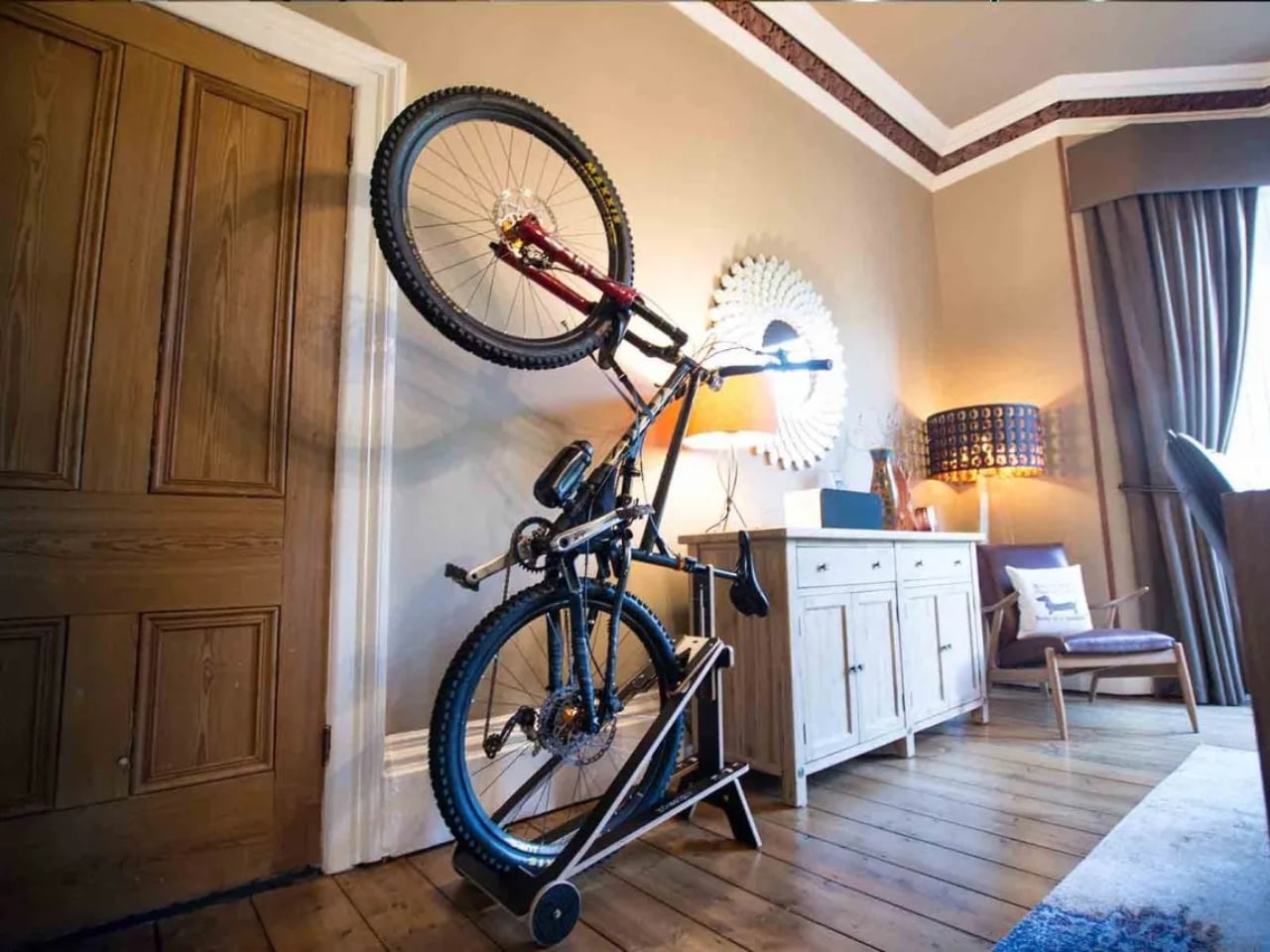
High-Flying Designs: The Tug-of-War Between Comfort and Profit in Airline Seating

Air travel has always been one of the crowning glories of human innovation, proving that mankind can conquer almost anything if they put their minds to it. Over the decades, the aviation industry has been pushing the envelope of speed, efficiency, and safety, but much of the evolution doesn’t happen only on the outside of airplanes. Interior design has also been changing at an even more rapid pace, and a more visible struggle can be seen beyond seat class boundaries. Comfort, luxury, cost-efficiency, and profitability have always been the goals of all airlines, but these sometimes conflict with each other, creating an almost never-ending tug-of-war between maximizing airline profits and ensuring passenger comfort. We take a deeper close into the design philosophies and elements that define airline seating and the effects they have on the economy, the planet, and of course, human comfort.

Designer: James Lee (Butterfly Seating)

Minimalism vs. Luxury: A Deep Dive into Design Philosophies

Airline seat design has always fluctuated between two extremes, often exemplified by the division between economy and first-class sections. You have minimalism that focuses on efficiency and functionality on one end, and you have luxury that emphasizes premium experiences almost to the point of exclusivity on the other end. Of course, both philosophies are ideal to have in both seating classes to different degrees, but they also have different priorities that define the final seat design.
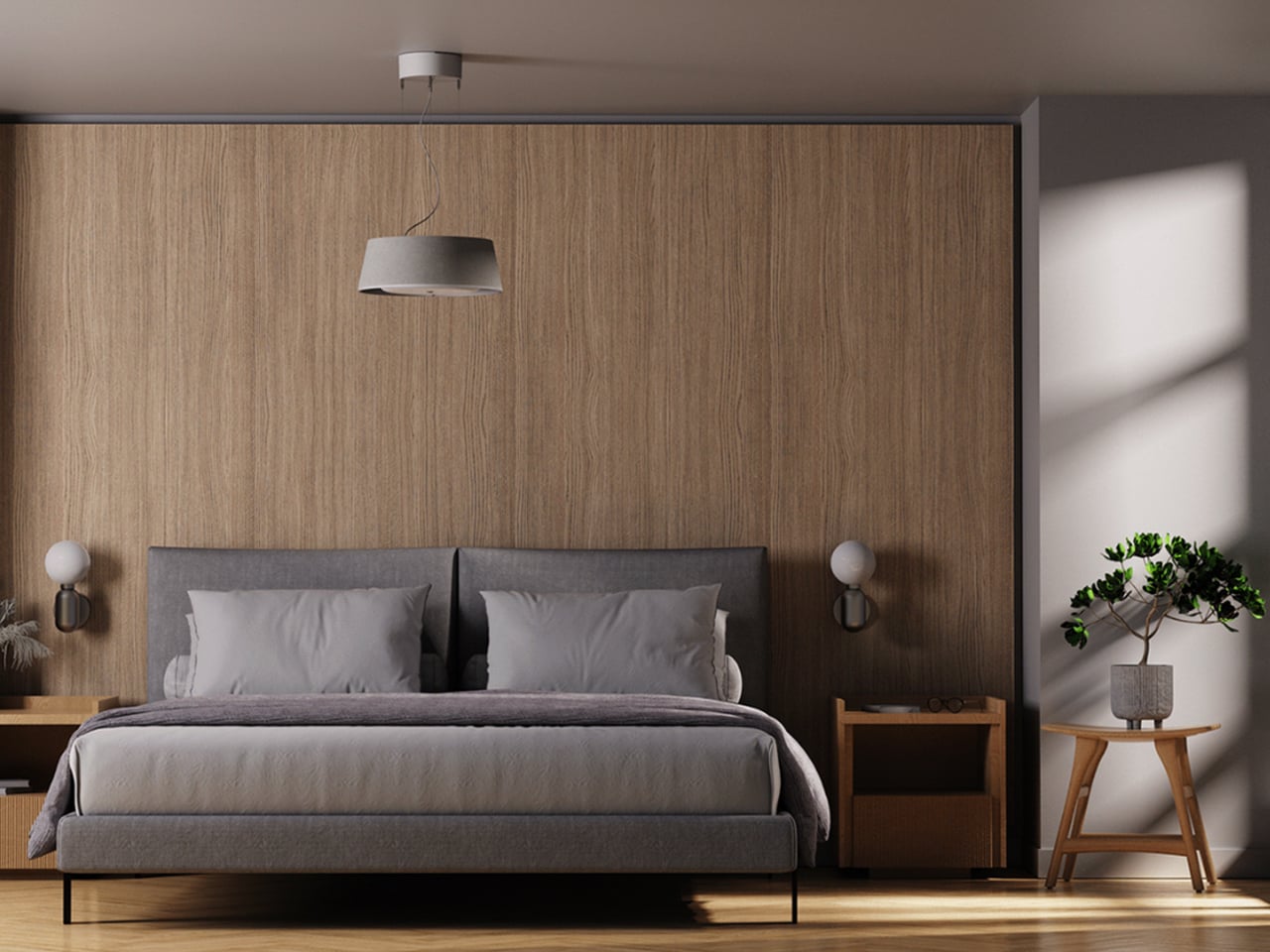
Designer: Aviointeriors (via Jason Rabinowitz)

Minimalist seats, for example, prioritize space efficiency and cost-effectiveness in order to both lower ticket prices as well as increase profits. By minimizing the space occupied by seats, using more lightweight materials, and adopting streamlined designs that are easier to clean, airlines can minimize operation costs while also increasing ticket sales and, therefore, increasing Revenue per Available Seat Mile or RASM figures. This is mostly seen in economy class seats and budget airlines, of which the likes of Ryanair and Spirit Airlines are best known. Aviointeriors’ 7.5kg “FABRYSEAT” concept is an example of extreme minimalism, pretty much just a metal frame with a fabric covering and a small headrest.
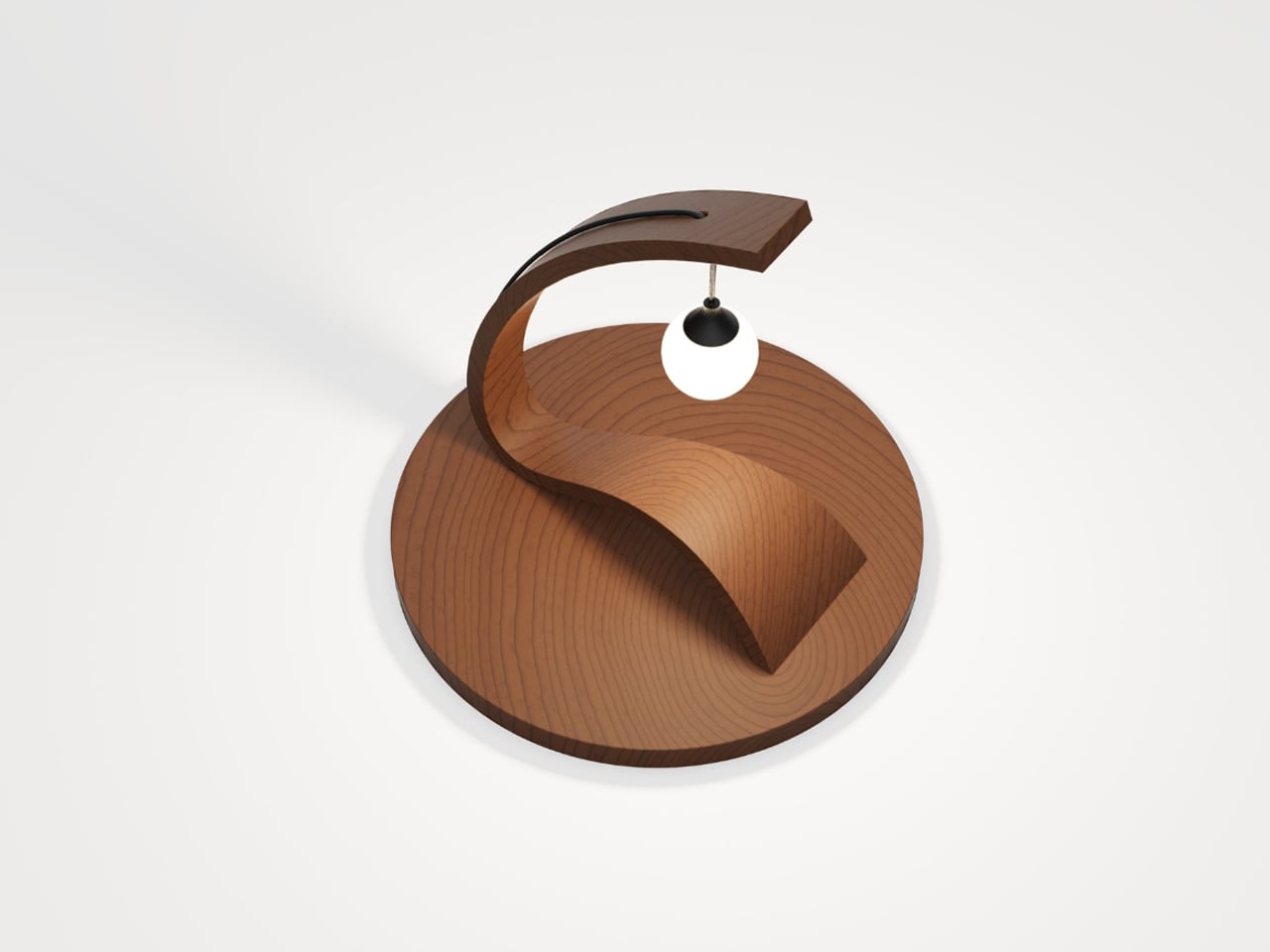
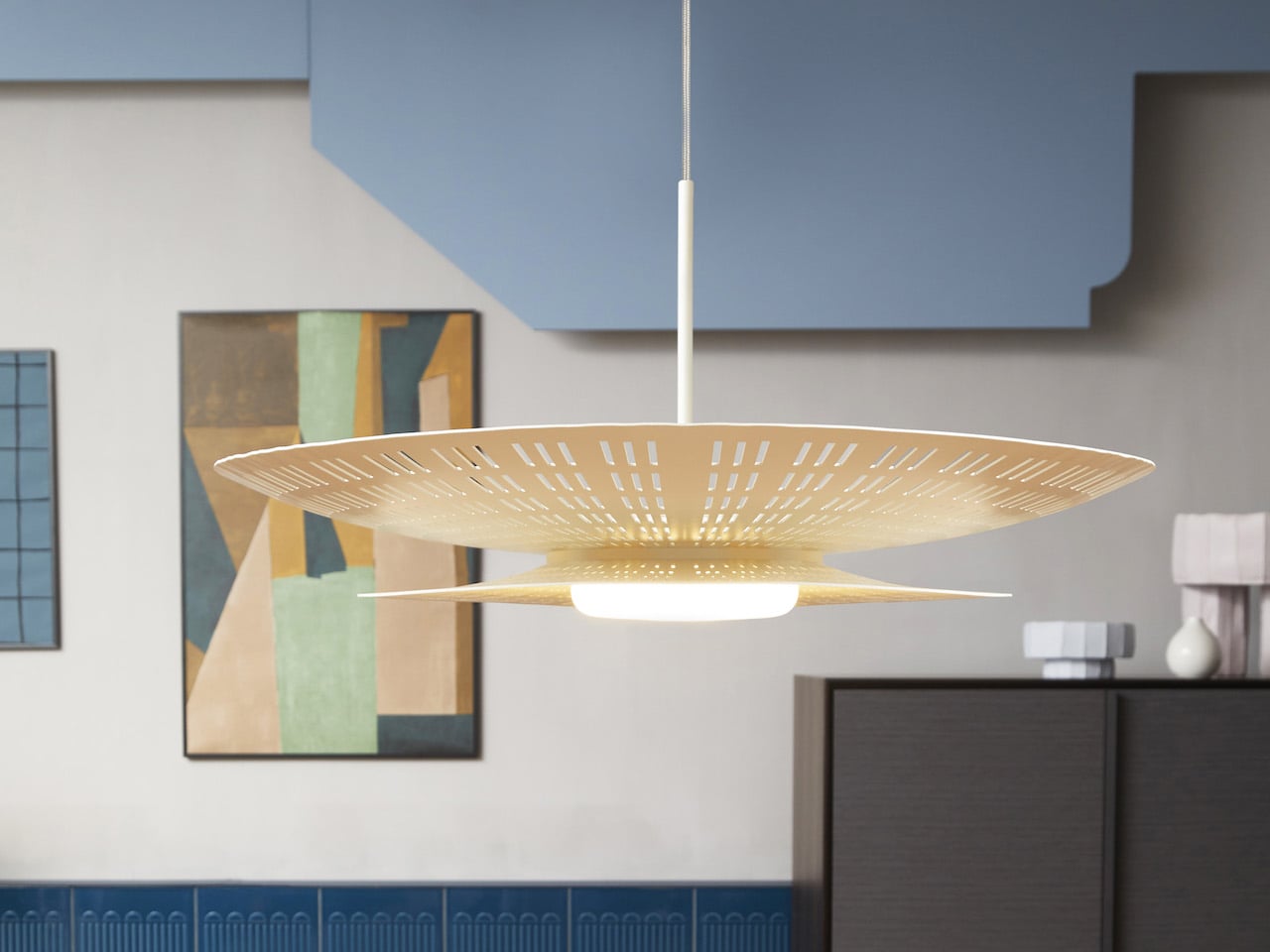
On the opposite end of the spectrum, luxury designs put comfort and convenience above all, even if it means increasing costs for both the company and the passenger. There is enough space to completely recline the seat into a bed and airlines offer extra amenities not available to other passengers. Given the price involved, these luxuries are only offered to business and first-class passengers, and Singapore Airlines and Etihad Airways are perhaps the most popular examples of such premium experiences.

Designer: Etihad Airways

Economic Impact of Different Seat Designs

Just like how airplanes themselves require a delicate balancing act to stay airborne, every aspect of seat design has an overall effect not just on passenger comfort but also on the airline economy in general. Two of the most important elements to be considered for seat configurations are the seat pitch and the seat width. Seat pitch, which refers to the space between one seat and the one in front of it, and the width of the seat not only affects passenger comfort but also how many passengers you can fit in the cabin.
You might think that having more seats and more passengers will always be beneficial for the airline, but that isn’t always the case. Cramped spaces are likely to also decrease customer satisfaction, leading to lower customer loyalty, and more seats and passengers will also weigh the plane down as well, requiring more fuel, interior modification, and, in the long run, higher operating costs. The duality between these two elements isn’t always clear-cut as well. For example, United Airlines has an Economy Plus that offers more legroom but at a higher price. This conundrum is at the heart of that tug-of-war that both airlines and even regulators face, balancing profit maximization and passenger satisfaction.
Designer: United Airlines

Ultra-Luxirious First-Class Seats vs. High-Density Economy Seats: A Few Case Studies

With dozens if not hundreds of airlines in operation around the world, there are just as many seat designs available that cover the spectrum between extreme minimalism and posh luxury. There are, however, a few that have stood out over the years, almost becoming representatives of these two design philosophies. Of course, business is more complicated than that, and most airlines have different sections or even aircraft that cater to different audiences and budgets.

On the luxurious side of flights, Etihad Airways is quite famous for its “The Residence,” offering a three-bedroom suite, a shower, and even a personal butler. Singapore Airlines’ Suite isn’t far behind with its full-length bed, 32-inch TV, and privacy sliding doors. Both airlines offer hotel-like amenities and luxuries available to those who can afford the rather steep price tag.

Designer: Singapore Airlines

Designer: Etihad Airways

Conversely, Ryanair and Spirit are poster children for high-volume, low-cost economy seats, with seat pitches averaging 30 inches or lower. Most of the designs are minimalist and utilitarian, employing mass-produced materials to keep costs low and tickets affordable. It might sound uncomfortable, but these configurations are quite popular with budget travelers, especially frequent flyers who simply need to get from A to B without much fuss.

Designer: Ryanair

Designer: Spirit Airlines

Sustainability in the Air: Balancing Eco-Friendly Designs with Cost and Comfort

These days, it’s no longer enough to be cost-effective or luxurious. Sustainability has become a major consideration in airline seat design, and to some extent an added complication. Companies and designers now also have to consider using eco-friendly materials that won’t compromise comfort and cost, and that’s not always an easy feat even for normal product designs.

There are a few airlines that have started that arduous journey, like Air New Zealand’s use of plant-based leather alternatives, or Recaro’s SL3510 carbon fiber-reinforced plastic to make seats lighter. There are also other concepts that not only utilize lightweight materials but also apply simpler structures and mechanisms to reduce the number of parts needed. Lighter and recycled materials can help lower a plane’s overall carbon footprint, but these materials can sometimes also cost more, so airlines have to balance the pros and cons of these as well.

Designers: JPA Design x Williams Advanced Engineering x SWS Aircraft Certification

Successes and Failures: Lessons From Both Past and Future

Aviation history is filled with stories of winners and losers, not just in flyer programs but also in seat designs. Some have become more notorious than others, while the rest served as lessons to be learned. JetBlue, for example, coined its own “Mint” business class, offering lie-flat seats and artisan dining to its transcontinental flights, a move that proved to be quite successful and popular with business travelers. In stark contrast, American Airlines’ decision in 2017 to reduce its seat pitch to below 30 inches was faced with much backlash that the company eventually backtracked.

Designer: JetBlue

Even in the realm of concept designs, there are a few that seemed to be too far-fetched and uncomfortable that they were immediately met with ridicule and even contempt. While not everyone will oppose having more seats on a plane to accommodate more passengers, a few designs seemed to prioritize that over passenger comfort, feeling like they were more interested in helping airlines game more profit instead.

The Economy Class Cabin Hexagon concept, for example, made use of a zig-zagging layout that would make some passengers, some of whom might be complete strangers, awkwardly facing each other. The Chaise Longue design, on the other hand, implemented the “double-decker” idea that would theoretically give more legroom for people on the “lower” decks but also make them feel more cramped and almost claustrophobic. Neither concept has so far been implemented, but there are also plenty of examples out there that miss the mark, one way or another.

Designer: Zodiac Aerospace

Designer: Chaise Longue

Final Thoughts

The design of airline seats is not a simple matter of choosing a form and a set of materials. There’s an ongoing tug-of-war between comfort and profit that also keeps changing over time. One generation might focus on comfort and luxury while succeeding generations might prioritize economy and efficiency. There’s also the matter of sustainability and eco-friendliness that is becoming just as important as these two factors. Airlines and designers must continually innovate and push the boundaries, looking not just for new materials but for better layouts and structures as well. Customers and regulators must also be vigilant that the interests of companies don’t overtake the experience of passengers. In the end, success in this domain hinges on understanding and anticipating passenger needs while crafting an economic model that sustains profitability amidst the ever-competitive skies.

The post High-Flying Designs: The Tug-of-War Between Comfort and Profit in Airline Seating first appeared on Yanko Design.