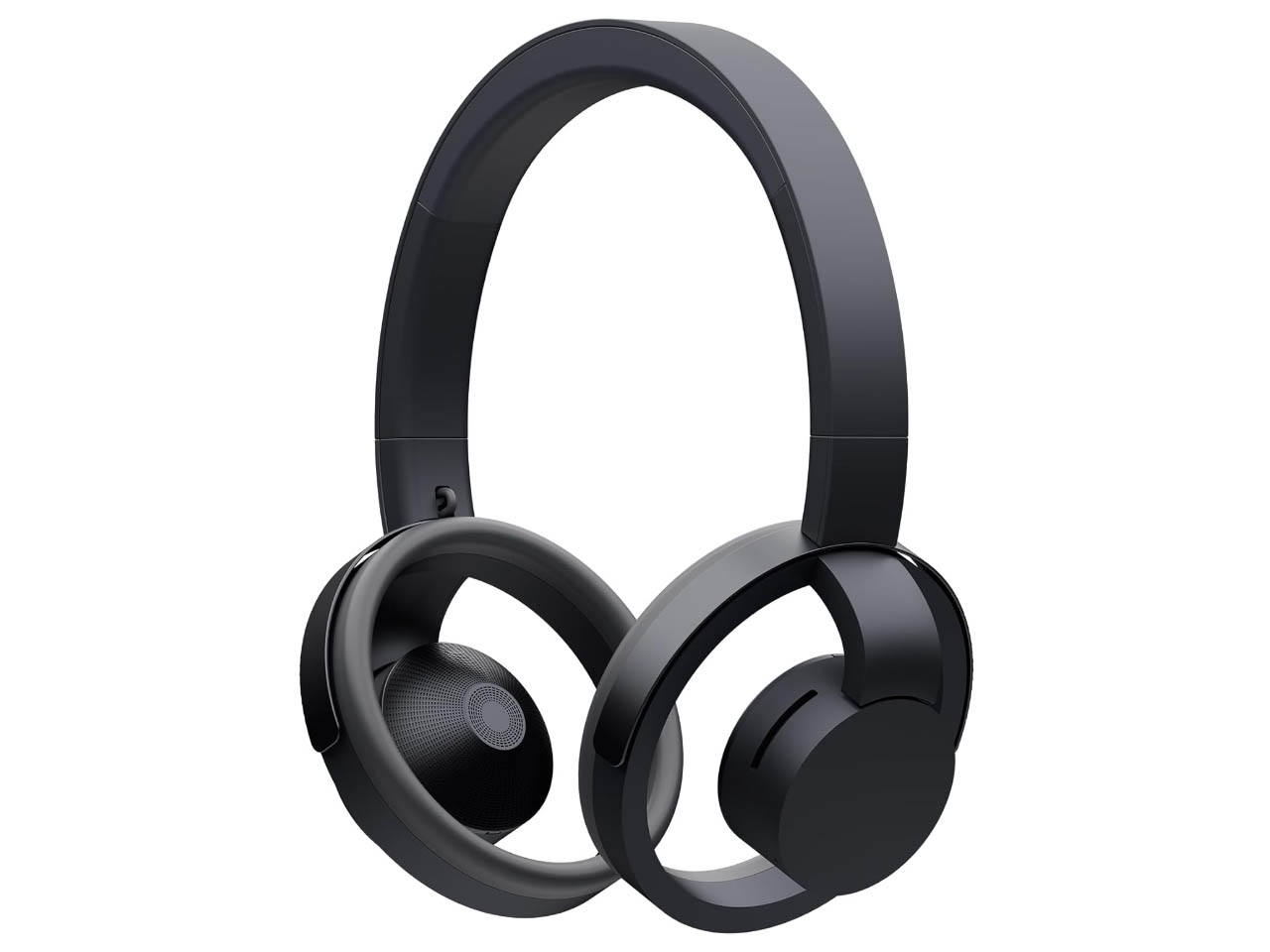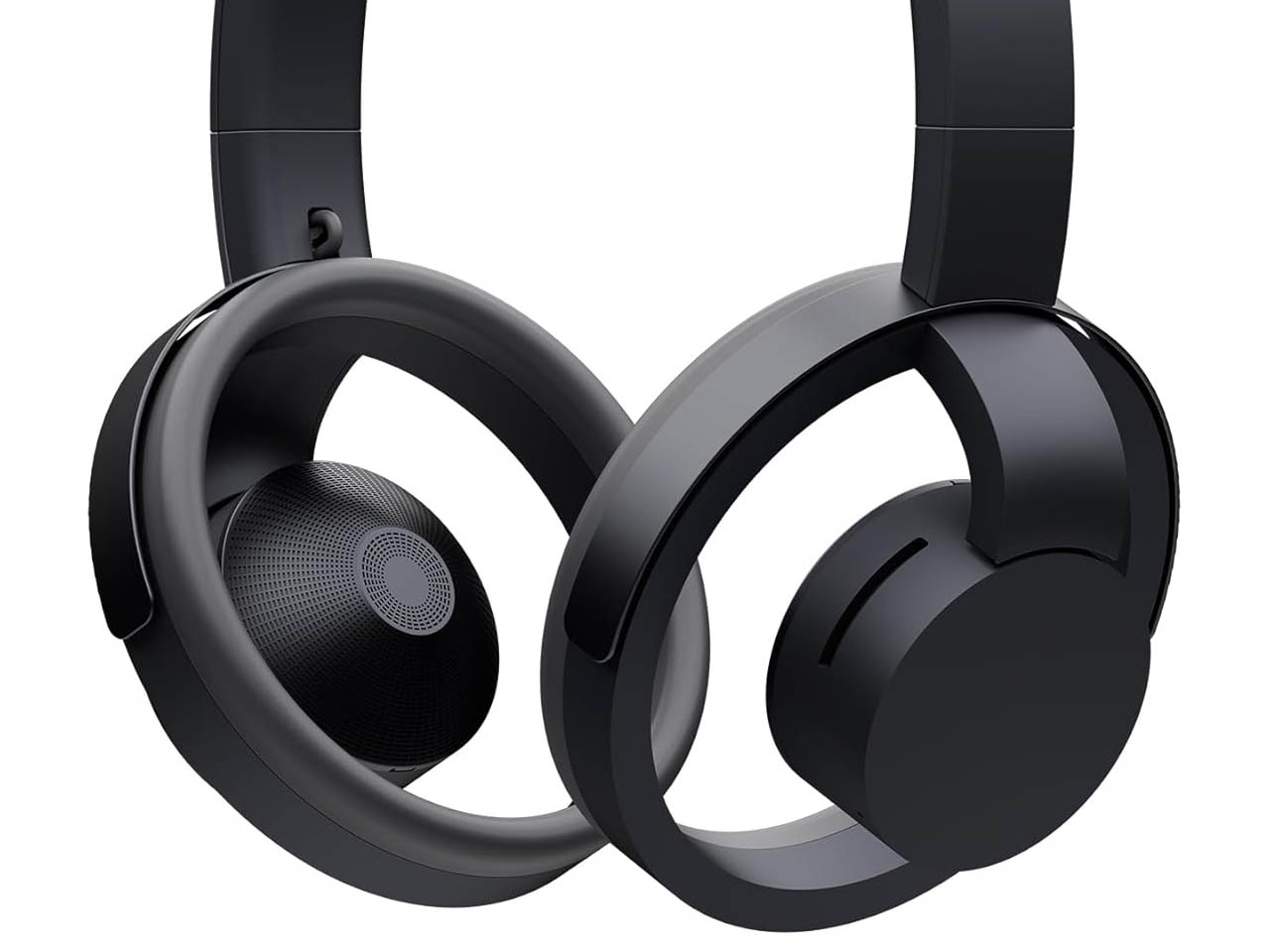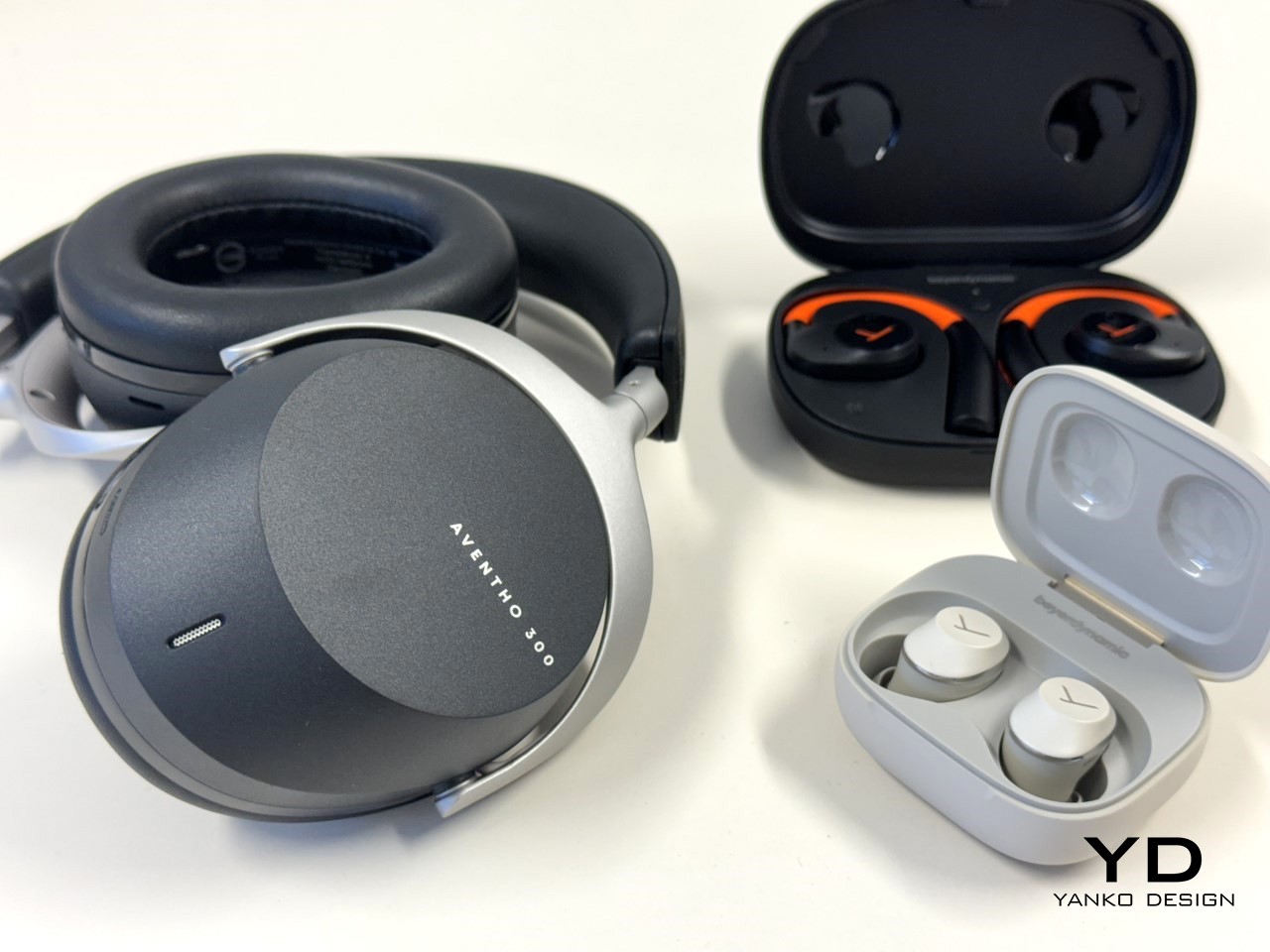
Apple AirPods Max get a USB-C port thanks to this clever engineering hack

Ken Pillonel takes consumer satisfaction a little too seriously. Famous for hacking previous versions of the AirPods to give them USB-C ports and make them more repairable, Pillonel has now turned his sights to the AirPods Max (which hasn’t received an update in over 3 years, as he points out). The regular AirPods and even the iPhone have both made a concerted shift to USB-C, but Apple surprisingly forgot to upgrade their flagship headphones, leaving it in the lightning era.

No stranger to hacking (ahem, upgrading) Apple’s accessories, Pillonel decided to build a USB-C AirPod Max before Apple did. The video above takes us through the journey, showing how Pillonel disassembled the existing AirPods Max, designed a new PCB with a USB-C port, and mounted it (with relative ease) in the headphones, giving them the upgrade they severely needed. The best part, Pillonel even sells his PCBs on his own website, encouraging other people to hack their AirPods Max too and upgrade them to USB-C.

Designer: Ken Pillonel

The AirPods Max debuted in December 2020, which means they’re one of the only mainstream Apple products to not have received a major upgrade in years (they were announced even before the AirTag). Realizing that now was a better time than ever, Pillonel decided to take his AirPods Max for a spin, cracking them open to see the assembly inside and whether it would be easy to upgrade it. Luckily, the lightning port was relatively easy to upgrade without any invasive procedures to the headphone’s body itself. Apple designed the port with a removable metal lip that allowed it to magically become wider (it’s almost as if Apple was preparing for this transition in advance), and knocking the lip out made the hole perfectly sized for a USB-C port.

Pillonel simply unplugged the lightning connector from the existing motherboard and designed a new one that housed the USB-C port. He shared the new PCB design on PCBWay, and had the circuit boards sent to him. An older iteration featured a single-piece PCB that worked, but was susceptible to wear and tear, so Ken redesigned the PCB with a flexible ribbon cable, allowing it to bend without applying pressure on certain parts. The new PCB is available in Pillonel’s shop for 39.9 CHF ($45.3 USD).

The older PCB was prone to wear and tear if used roughly

A flexible ribbon cable on the new PCB made it much more resistant to regular daily usage

The upgraded AirPods Max (Pillonel calls it the AirPods Max 2.0) only has the one design upgrade, although knowing Pillonel, he’ll soon make the entire thing repairable and probably even figure out how to replace batteries on them. You can visit his YouTube channel here, or read our coverage on his other interesting projects here.

The post Apple AirPods Max get a USB-C port thanks to this clever engineering hack first appeared on Yanko Design.

nubia Music phone has two headphone jacks and a large speaker on its back

Once upon a time, music was played to be enjoyed by an audience. While that still happens today, most of the time we have become enclosed in our own little audio bubble thanks to smartphones. Earphones and earbuds keep the music to our ears, and smartphone speakers can’t get too loud without losing the music’s quality and clarity. Even worse, the venerable headphone jack that audiophiles use and love has been banished from mobile devices. In an effort to bring back that social listening experience, nubia is launching what could be its most distinctive smartphone yet, one that is a clear ode to a golden age of music that brings together features and design elements that will let you share your favorite tunes with ease.

Designer: Nubia

There may be no room for a thick 3.5mm port inside extremely thin phones, but what if thinness was never a problem in the first place? Aiming for a different priority, the nubia Music doesn’t just bring back the headphone jack but actually adds an extra one. Yes, there are two headphone jacks on this phone, and it’s a clear indication that this device is meant for listening to music. In fact, it’s designed to let you share that music with another person, a friend or a partner perhaps, provided they also have wired earphones.

There might be times you’ll want or even need to play music that everyone can hear. That’s where the nubia Music’s ultra-loud speaker comes in, promising 600% more volume without the distortion. That’s already a huge improvement over your typical smartphone loudspeaker, but what’s even more interesting about it is the way it’s added to the phone’s design.

As if dual headphone jacks weren’t odd enough, the nubia Music even has that ultra-loud speaker on its back. But rather than just simply slapping it on like what some other rugged phone manufacturer did, nubia opted to add a charming design to this unusual feature. The circular speaker and the two cameras are set opposite each other on a raised rectangle, recreating the appearance of a turntable that music lovers will be able to immediately identify. It’s a very nice touch that should tickle the hearts of audiophiles of all ages.

The entire phone is designed with that vibrant, lively, and youthful character, presenting a device that loves to party as much as you do. With mid-range specs and a price tag that starts at only $149, it is clearly targeting a younger crowd, though any music lover will surely find the nubia Music something worth looking at and, of course, listening to.

The post nubia Music phone has two headphone jacks and a large speaker on its back first appeared on Yanko Design.
TikTok is muting all Universal Music-related songs

TikTok is being forced to take down more music from its platform as a royalties spat with Universal Music Group (UMG) rumbles on. UMG recently yanked recordings it owns or distributes from TikTok including tracks from the likes of superstars Taylor Swift, Billie Eilish and The Weeknd. The standoff is now impacting songs published by UMG.

"We are in the process of carrying out Universal Music Group's requirement to remove all songs that have been written (or co-written) by a songwriter signed to Universal Music Publishing Group (UMPG), based on information they have provided," TikTok said in a statement. "Their actions not only affect the songwriters and artists that they represent, but now also impact many artists and songwriters not signed to universal." TikTok added that it is still committed to "reaching an equitable agreement" with UMG.

Due to an issue called split copyrights, if a UMPG-contracted writer has contributed to a song in any way, that track has to be removed from TikTok. So artists who have collaborated with the likes of Swift, Adele, Justin Bieber, Mariah Carey, Ice Spice, Elton John, Harry Styles and SZA will see their songs disappearing from TikTok and being muted on videos that currently use them. The move will prevent more artists from plugging their work on the most important platform for promoting music.

According to the BBC, UMG removed around three million songs from TikTok after an agreement over its recording catalog expired. UMG's deal with TikTok over its publishing catalog (which covers some four million songs) ends later this week, at which point all relevant tracks will have vanished from the short-form video service.

Update 2/28 3:30PM ET: Added confirmation that TikTok is removing songs by UMPG-contracted songwriters.

This article originally appeared on Engadget at https://www.engadget.com/tiktok-is-muting-more-songs-amid-its-tussle-with-universal-music-161839190.html?src=rss

TikTok is muting all Universal Music-related songs

TikTok is being forced to take down more music from its platform as a royalties spat with Universal Music Group (UMG) rumbles on. UMG recently yanked recordings it owns or distributes from TikTok including tracks from the likes of superstars Taylor Swift, Billie Eilish and The Weeknd. The standoff is now impacting songs published by UMG.

"We are in the process of carrying out Universal Music Group's requirement to remove all songs that have been written (or co-written) by a songwriter signed to Universal Music Publishing Group (UMPG), based on information they have provided," TikTok said in a statement. "Their actions not only affect the songwriters and artists that they represent, but now also impact many artists and songwriters not signed to universal." TikTok added that it is still committed to "reaching an equitable agreement" with UMG.

Due to an issue called split copyrights, if a UMPG-contracted writer has contributed to a song in any way, that track has to be removed from TikTok. So artists who have collaborated with the likes of Swift, Adele, Justin Bieber, Mariah Carey, Ice Spice, Elton John, Harry Styles and SZA will see their songs disappearing from TikTok and being muted on videos that currently use them. The move will prevent more artists from plugging their work on the most important platform for promoting music.

According to the BBC, UMG removed around three million songs from TikTok after an agreement over its recording catalog expired. UMG's deal with TikTok over its publishing catalog (which covers some four million songs) ends later this week, at which point all relevant tracks will have vanished from the short-form video service.

Update 2/28 3:30PM ET: Added confirmation that TikTok is removing songs by UMPG-contracted songwriters.

This article originally appeared on Engadget at https://www.engadget.com/tiktok-is-muting-more-songs-amid-its-tussle-with-universal-music-161839190.html?src=rss

Mesmerizing sculptural instrument uses water for an otherworldly musical light show

There are plenty of art installations set up around the world, but the majority of them have a “look but don’t touch” policy. After all, “art” is expected to be mostly visual and the risk of damaging a precious, one-of-a-kind masterpiece is just too high. There are, however, other art forms that require your other senses to truly have a complete experience, sometimes involving not just touch but even hearing as well. This sculptural instrument, for example, invites people to dip their hands into glowing drums of water to create a hypnotic audiovisual experience intended to raise their consciousness to higher levels.

Designer: Artur Weber

Inner Waves look nothing like any musical instrument you can think of, except probably for a drum set with too many drums arranged in an almost random fashion around the largest circle in the middle. Like their namesake, though, these are actually small container drums that can hold liquid, in this case, water. Unlike your typical water drum, however, these cylinders have a faint glow on the outside that contrasts with the darkness they hold inside.

As captivating as these eerie glowing drums might be, they’re not designed just for your eyes. After all, you can’t even appreciate the water they hold in the darkness, and so you have to make that leap of faith and plunge your hand or even just a finger inside that darkness. This act rewards you with a brighter light and an ethereal sound that is reminiscent of the tones produced by a theremin. It is also similar to the sound you make when you dip your finger inside a glass of water and then run your fingertip around the mouth of the glass.

This alien sculptural instrument is advertised to link the water inside the viewer’s body with the water within the vessel, a statement that almost has a transcendental message to it. Technically speaking, it most likely uses the vibrations caused by ripples in order to trigger the mechanism that increases the light’s intensity and produces sound. Of course, your brain might not immediately make that connection, making you think that it is indeed your body’s agency that is creating this effect. Either way, the audiovisual art installation has the intended effect of putting your mind in a more meditative state, perhaps contemplating the deeper meaning behind this intersection of art and technology.

The post Mesmerizing sculptural instrument uses water for an otherworldly musical light show first appeared on Yanko Design.
Introducing An Acoustical Material That Can Be Used Even For Outdoor Events

In the dynamic world of sustainable design, Jonas Edvard stands out with his innovative approach to integrating organic materials into functional and aesthetically pleasing objects. His latest creation, the Myx Sail / Floor, unveiled at the Mindcraft Project 2023, is a sound-absorbing panel that showcases the remarkable properties of mushroom mycelium, hemp, and willow. This 1m x 1m panel not only exemplifies the structural possibilities of composite biomaterials but also represents Edvard’s commitment to responsible design practices.

Designer: Jonas Edvard

The Myx Sail / Floor project is a testament to Jonas Edvard’s dedication to exploring the symbiotic relationship between design choices and their impact on nature. Collaborating with a living material – mushroom mycelium – throughout the design and production process, Edvard creates a flexible room divider within a pre-designed mold. As the mycelium gradually grows and bonds with a plant fiber mixture, the panel takes shape, marrying flexibility with rigidity.

The designer draws inspiration from the natural role of mushrooms as recycling agents, breaking down plant matter into soil. His design philosophy revolves around a deep respect for nature, evident in his exploration of the intricate relationship between raw materials and human life. The Myx Sail / Floor prototype serves as a modular design that aims to emphasize how organic materials like mycelium can seamlessly integrate into our living and working spaces.

Jonas Edvard’s broader research study, conducted in collaboration with Arup Engineers in Germany, delves into the sound-absorbing qualities of mycelium. The panels are meticulously designed to absorb frequencies between 200 and 2500 Hz – the standard range of human conversation and interaction (same as glass wool). Edvard envisions the potential for natural, organic materials to become integral components of our buildings and interior architecture, contributing to a more sustainable life cycle.

The design philosophy revolves around responsible design choices and their impact on nature. His open-minded approach to design leads to experiments that yield new materials and objects from local or organic sources, often embracing a circular and sustainable ethos. In his testing phase, Edvard explores various material combinations to understand the design, appearance, and functionality of mycelium-based sound-absorbing material.

The Myx Sail / Floor sound-absorbing panel invites people to touch and feel the natural qualities of mushroom mycelium, hemp, and willow. Edvard aims to create an immersive experience, allowing individuals to sense the porous, lightweight, and stiff characteristics of the materials. By reshaping these materials into functional forms, he hopes to spark conversations about the value and aesthetics of natural origins, encouraging a new understanding of how these materials can be incorporated into our homes and living areas. Now the acoustic installation won’t just be on the walls and ceilings conventionally, but the floors too!

The Myx Sail / Floor is more than just a sound-absorbing panel – it is a tangible embodiment of sustainable design principles and a testament to the possibilities that arise when designers collaborate with nature. As Edvard continues to push the boundaries of material innovation, his work inspires the integration of organic, natural materials into our built environment, fostering a harmonious relationship between design and the natural world.

The post Introducing An Acoustical Material That Can Be Used Even For Outdoor Events first appeared on Yanko Design.
YouTube Shorts now lets you chop up and remix music videos

YouTube just released a new feature that lets users remix music videos and turn them into Shorts. This allows you to adjust various parameters from a full-length music video to create something wholly unique. Does this sound like TikTok? It definitely sounds like TikTok.

Here’s how it works. Just tap “remix” on a music video. You’ll be presented with four options: Sound, Green Screen, Cut and Collab. You can only pick one, so choose wisely. The Sound tool does what you think. It strips the audio and lets you use it in your own YouTube Short. This is the kind of thing that’s hugely popular on TikTok, with many users lip-syncing to various audio clips. This Sound tool is available to any music video and most songs that were automatically uploaded to the platform.  

Green Screen takes things a step further. It turns the video into a background, which you can then dance in front of or whatever. The Cut tool just clips out a five second portion of the video that you can add to any Short. Finally, Collab creates a side-by-side video that places your Short next to the original content. YouTube says this is the perfect option when “you and your friends” want to show off choreography alongside the original artist.

The feature’s already available on the mobile app, though it may not have rolled out to every user yet. If you want to check, just open the app, click on a music video and look for that “remix” option. It’s worth noting that many of these features were already available to Shorts creators, but not in one handy tab.

A still from a Dr. Dre video.
YouTube/Lawrence Bonk

YouTube Shorts was already a TikTok-alike when it released back in 2021, but these features make it even more, uh, TikTok-ier. With that in mind, YouTube picked the perfect time to officially launch the toolset. Universal Music has pulled its roster from TikTok after a breakdown in financial negotiations. UMG artists include Taylor Swift, Drake, Billie Eilish and many more. 

This has forced TikTok creators to swap out music tracks, as anything sourced from Universal is automatically muted. The record label has accused TikTok of wanting to pay a “fraction” of rates offered by other social media sites. YouTube’s Remix tool has access to Universal’s entire roster.

This article originally appeared on Engadget at https://www.engadget.com/youtube-shorts-now-lets-you-chop-up-and-remix-music-videos-180655627.html?src=rss

YouTube Shorts now lets you chop up and remix music videos

YouTube just released a new feature that lets users remix music videos and turn them into Shorts. This allows you to adjust various parameters from a full-length music video to create something wholly unique. Does this sound like TikTok? It definitely sounds like TikTok.

Here’s how it works. Just tap “remix” on a music video. You’ll be presented with four options: Sound, Green Screen, Cut and Collab. You can only pick one, so choose wisely. The Sound tool does what you think. It strips the audio and lets you use it in your own YouTube Short. This is the kind of thing that’s hugely popular on TikTok, with many users lip-syncing to various audio clips. This Sound tool is available to any music video and most songs that were automatically uploaded to the platform.  

Green Screen takes things a step further. It turns the video into a background, which you can then dance in front of or whatever. The Cut tool just clips out a five second portion of the video that you can add to any Short. Finally, Collab creates a side-by-side video that places your Short next to the original content. YouTube says this is the perfect option when “you and your friends” want to show off choreography alongside the original artist.

The feature’s already available on the mobile app, though it may not have rolled out to every user yet. If you want to check, just open the app, click on a music video and look for that “remix” option. It’s worth noting that many of these features were already available to Shorts creators, but not in one handy tab.

A still from a Dr. Dre video.
YouTube/Lawrence Bonk

YouTube Shorts was already a TikTok-alike when it released back in 2021, but these features make it even more, uh, TikTok-ier. With that in mind, YouTube picked the perfect time to officially launch the toolset. Universal Music has pulled its roster from TikTok after a breakdown in financial negotiations. UMG artists include Taylor Swift, Drake, Billie Eilish and many more. 

This has forced TikTok creators to swap out music tracks, as anything sourced from Universal is automatically muted. The record label has accused TikTok of wanting to pay a “fraction” of rates offered by other social media sites. YouTube’s Remix tool has access to Universal’s entire roster.

This article originally appeared on Engadget at https://www.engadget.com/youtube-shorts-now-lets-you-chop-up-and-remix-music-videos-180655627.html?src=rss

AI-powered synthesizer lets you create tailored music just by pressing buttons

AI has become a powerful and controversial tool that’s being applied to the creation of many things in different industries. The most well-known are, of course, images and text, but these same technologies can also be applied to other fields, even ones that are considered to require more human creativity than others. Music, for example, is believed to be an art that’s hard to master and difficult to quantify in a way that would be of use to AI, but that’s exactly what’s happening here with this “artifact from the future.” That said, the suitcase-sized synthesizer doesn’t completely wrest the act of creation away from your hands but turns it into a creative collaboration between man and machine.

Designer: Arvind Sanjeev

Imagine having to only press a few buttons and you’ll have tunes that are specifically crafted to suit a given mood or genre. Most synthesizers simply give you the raw controls to mix and match to your heart’s content, but you’ll have to draw from your own creativity to actually come up with a pleasing harmony tailored to fit that situation. SPIN, the name for this AI-powered music synthesizer, actually helps you in this creative journey by serving ready-made ingredients to put into your mix without taking anything away from your freedom. It’s like the difference between buying a can of tomato sauce for a recipe versus making your own from scratch.

SPIN has buttons for different moods, genres, and sounds that you can mix and match to your heart’s content. How does happy death-metal disco sound? Why not try some dark jazz opera to really turn heads? Not every combination is going to work, of course, so you’ll still have to step in and fine-tune it to your tastes, no pun intended. And with sliders for BPM or duration and a turntable to scratch, you also have the tools to make your own style shine, with or without AI’s help.

The synth is just as much a work of art as it is a demonstration of the power of AI. A variety of off-the-shelf components are assembled to provide the brains and muscle behind the scenes, almost literally. You won’t see any of these while using SPIN, as all are hidden behind an interface and a design that’s meant to encourage playfulness and experimentation. Even the choice of bright yellow and white colors, unusual for most synth designs, emphasizes that rather jovial character.

Generative AI has been receiving a lot of flak, in no small part thanks to abuse and misuse of the technology rather than anything inherent. SPIN is an attempt to reverse that perception and present AI not only as something approachable but even fun to use. Given how it works, you won’t even have to worry about infringing on anyone’s copyright or intellectual property, leaving you free to explore that harmony between human creativity and machine learning.

The post AI-powered synthesizer lets you create tailored music just by pressing buttons first appeared on Yanko Design.
The “Willy Wonka” of musical instruments created this oddly appealing portable MIDI guitar

Nobody has destroyed, rebuilt, and reimagined the notion of synthesizers as much as Love Hultén. The maverick synth-maker is credited with designing some of the most incredible-looking electronic music machines out there (we’ve covered a fair few), from synths and loopers to modular electro units and even some record players and arcade games on the side. The Sweden-based music aficionado and synth-builder kicked off 2024 with a new project in collaboration with ‘catbeats’. Although this particular device doesn’t have a name yet, Hultén mentioned that it’s a unique-looking MIDI guitar that has a NESpoly synth on the inside, and a detachable fretboard that makes the entire apparatus easy to travel with.


Designer: Love Hultén

The unconventional design of the MIDI instrument is just about as much of a hat top to a guitar as possible. It does have a fretboard that triggers notes, and a dedicated strumming section for chords and such, but you’ve also got a variety of knobs and buttons that loop, modulate, play/pause, and increase/decrease the gain of what you’re playing.

The entire design can be disassembled for travel, and features a few quirky details made specifically for the user. Given catbeats’ obsession with felines, the guitar has a cat avatar in the bottom corner underneath a removable clear dome. Reminiscent of those cat backpacks that have the pet behind a clear plastic structure, the dome can be removed to access the tiny avatar underneath, and the avatar is made to be replaceable too, allowing you to swap out cats based on mood. Hultén also details that the guitar’s strap is made from ‘extraterrestrial skin’, although that’s just fancy wording given that the strap’s crafted from a clear flexible plastic sheet (or maybe aliens have better skincare than I do)…

MIDI guitars are unusual to come by, although if I did expect them, it would probably be from Hultén. The Gothenburg-based artist has worked on some rather unique and inspiring electronic products, from a circular Game Boy to a synth made from plastic dentures. Sure, this guitar doesn’t feature too high on Hultén’s weirdness scale, but it’s a remarkable representation of how his brain works.

Close-up view of the avatar area and the removable plastic dome.

The post The “Willy Wonka” of musical instruments created this oddly appealing portable MIDI guitar first appeared on Yanko Design.