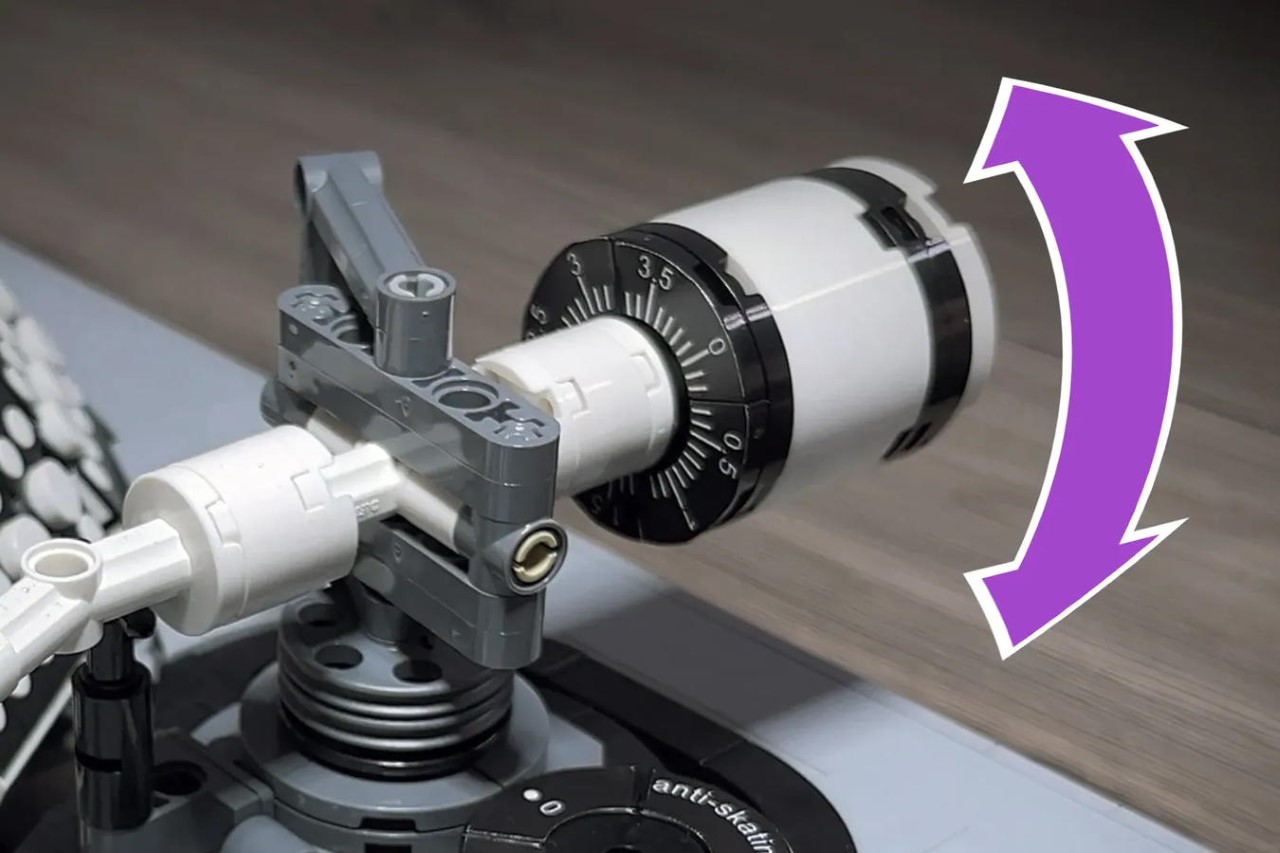
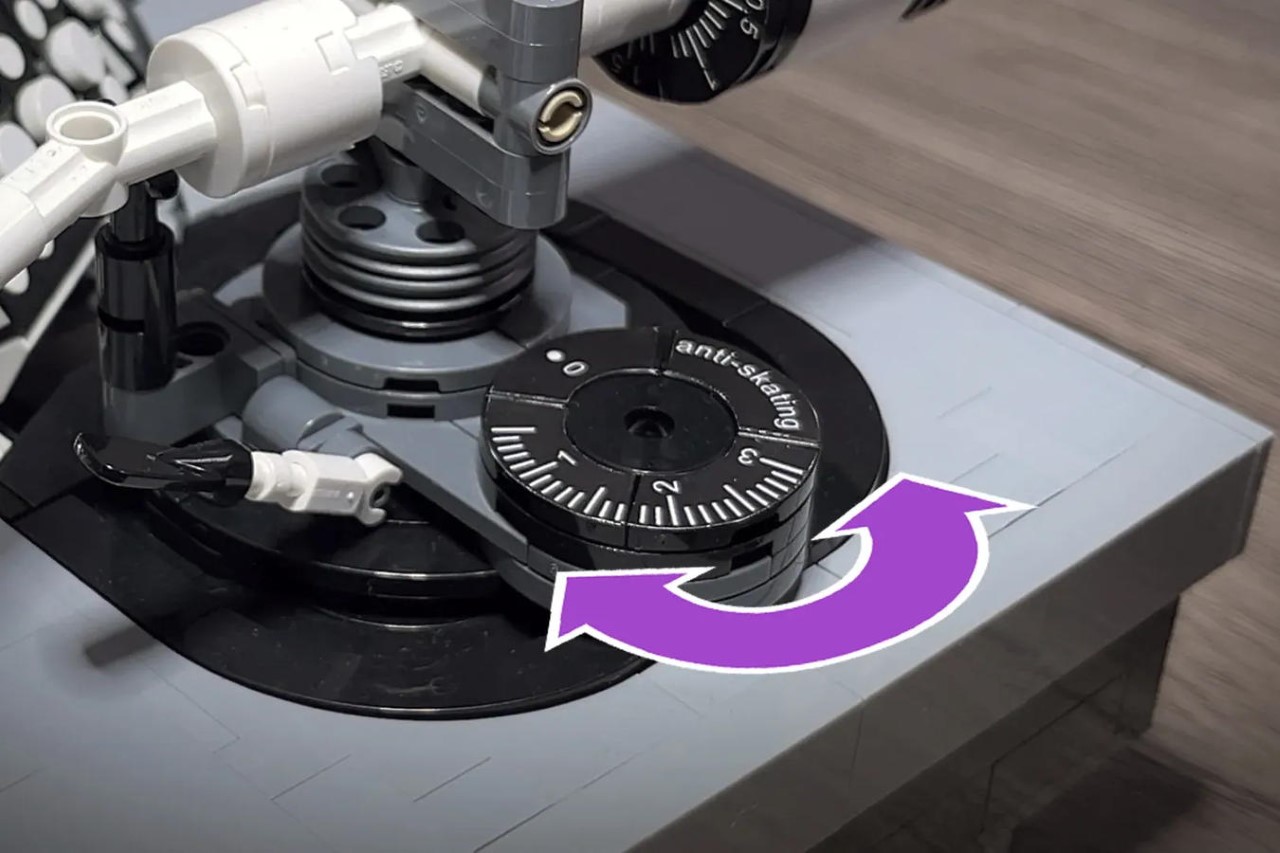
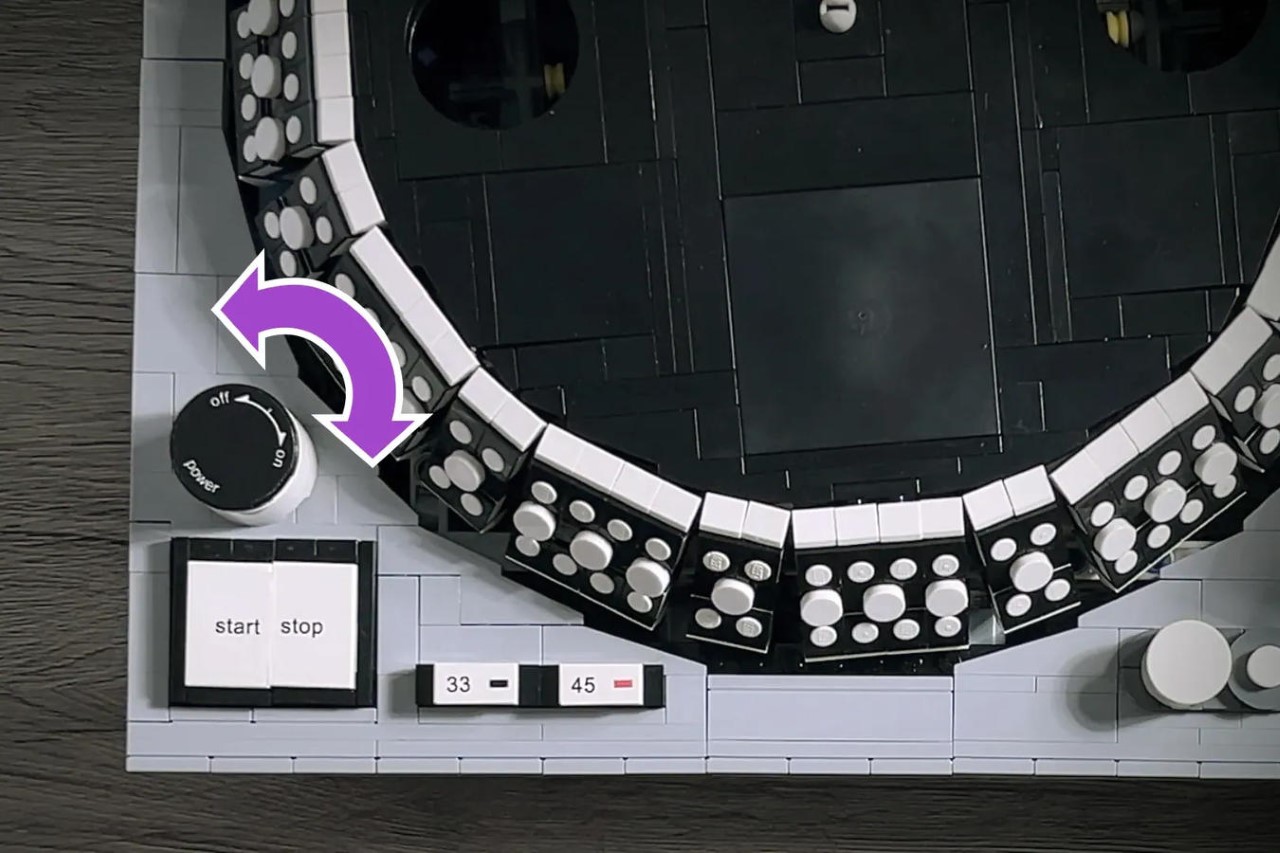
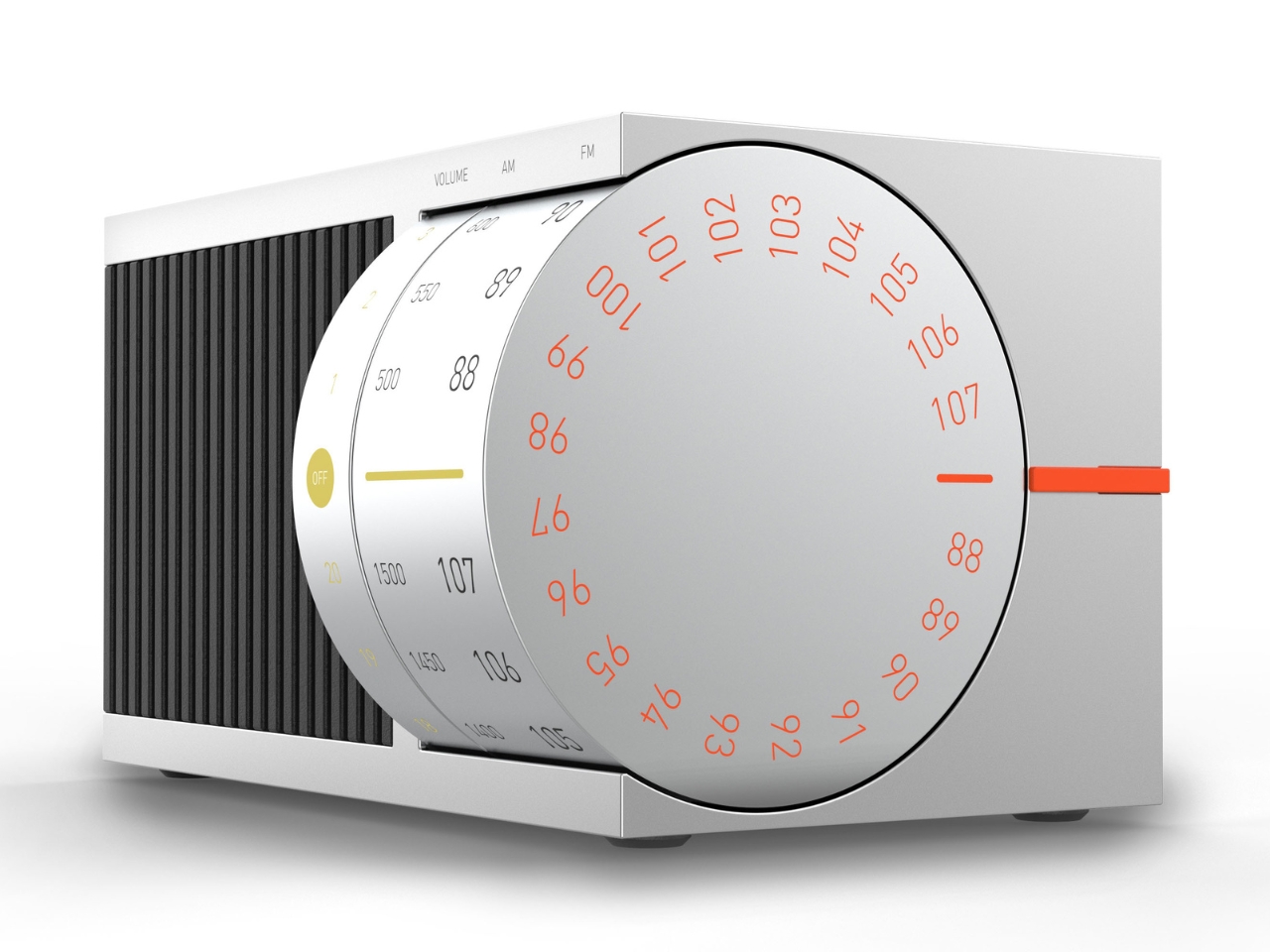
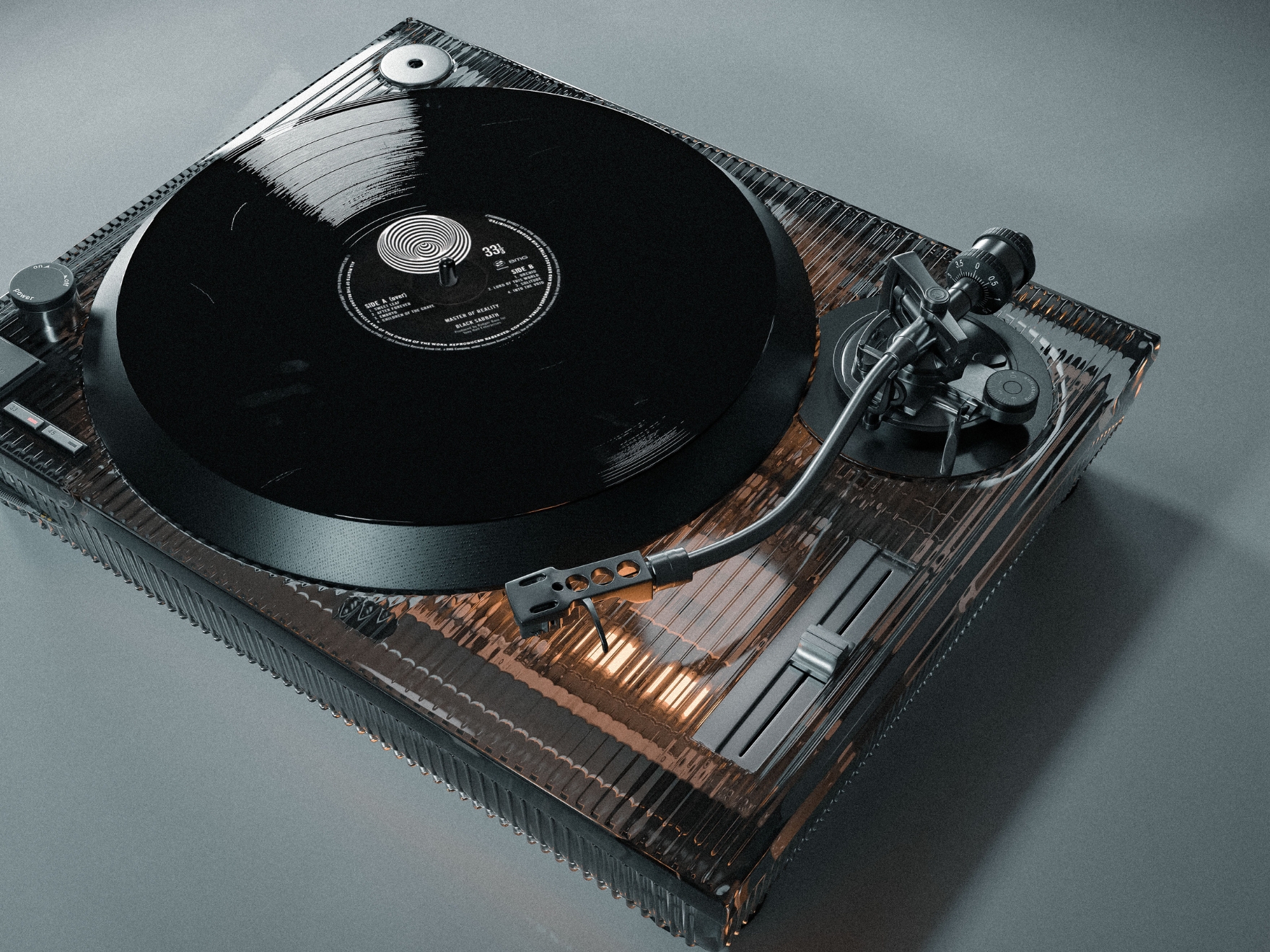
Razor-thin turntable brings an uber-futuristic touch to your retro vinyl collection

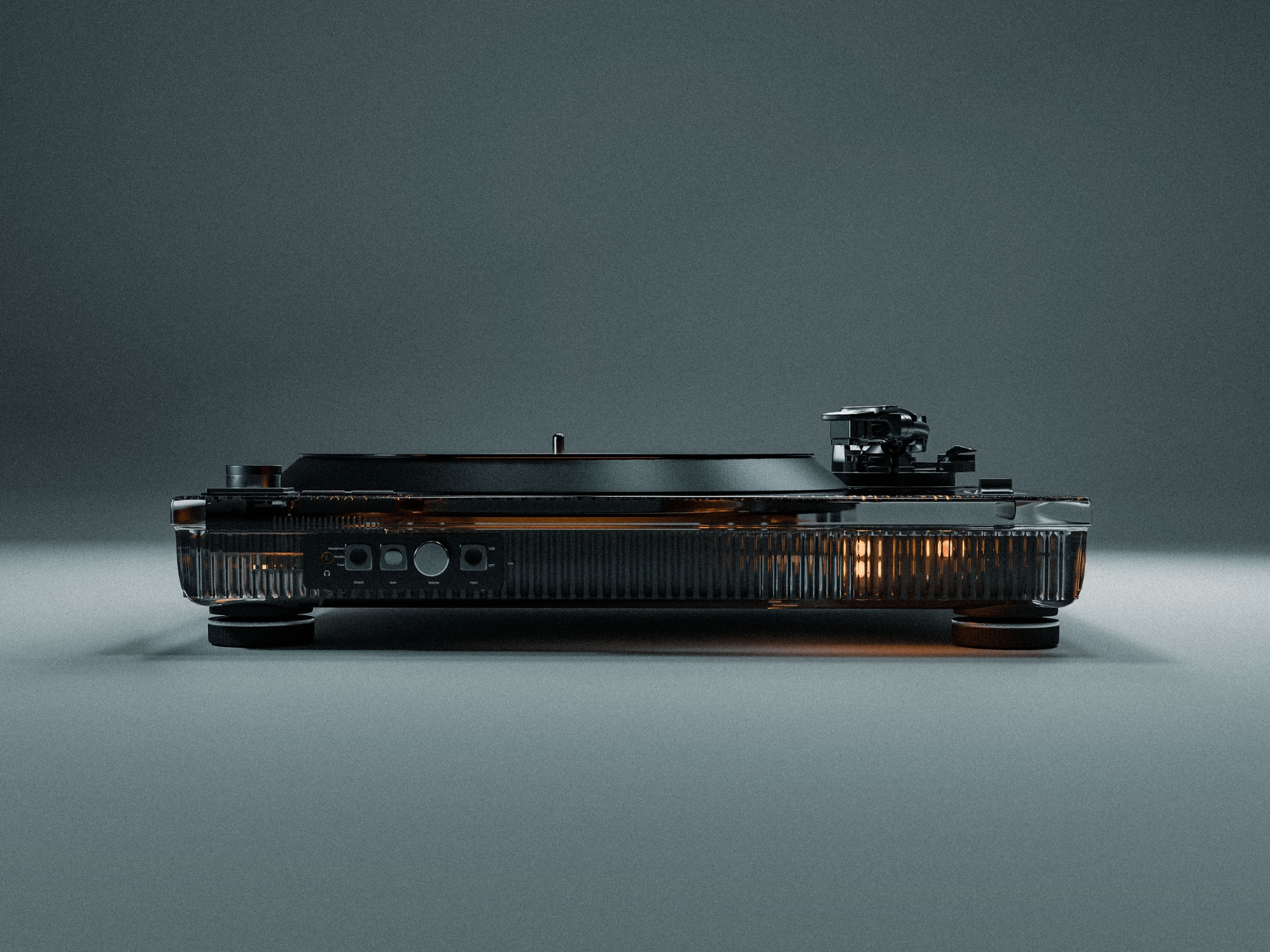
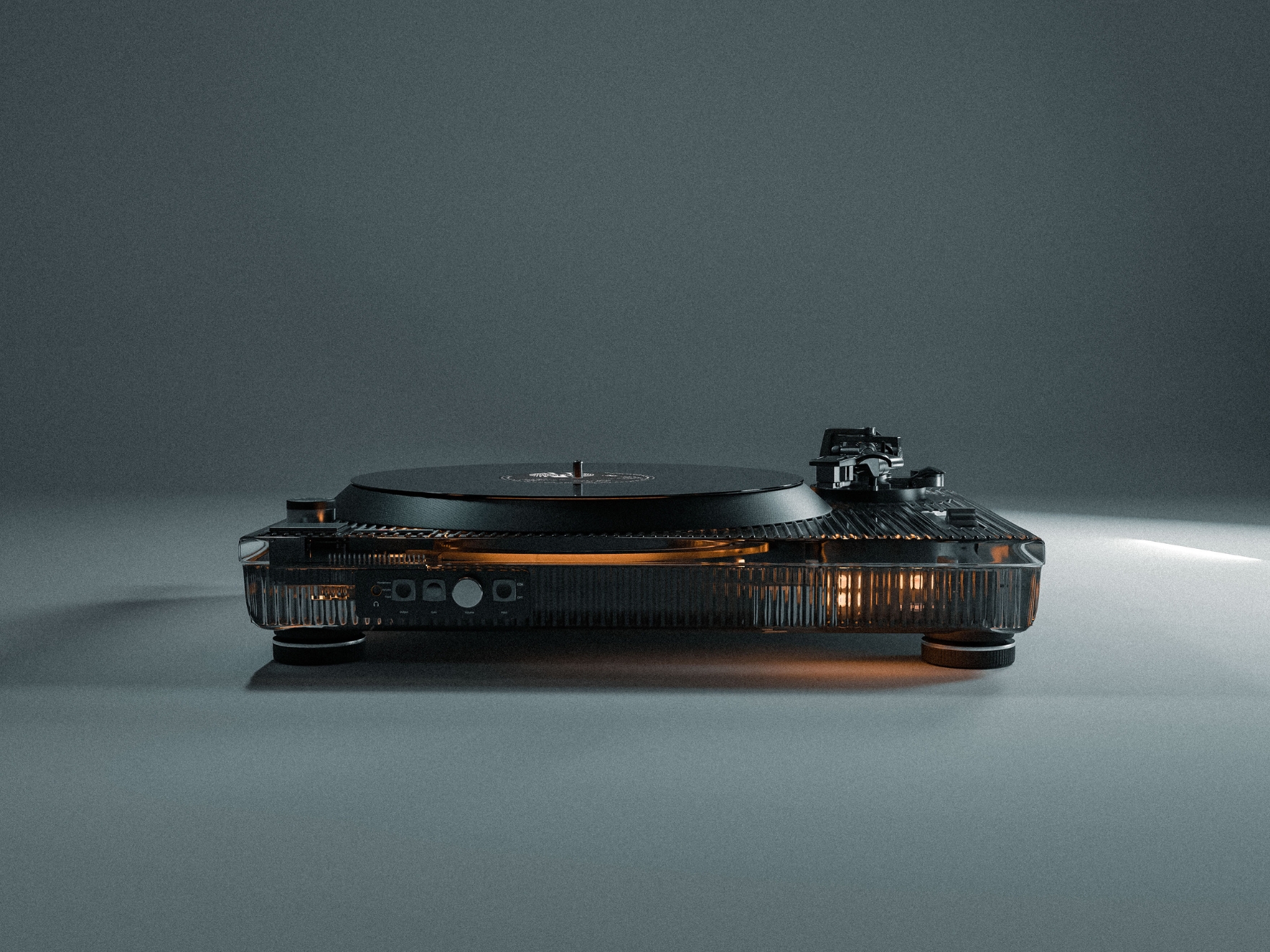
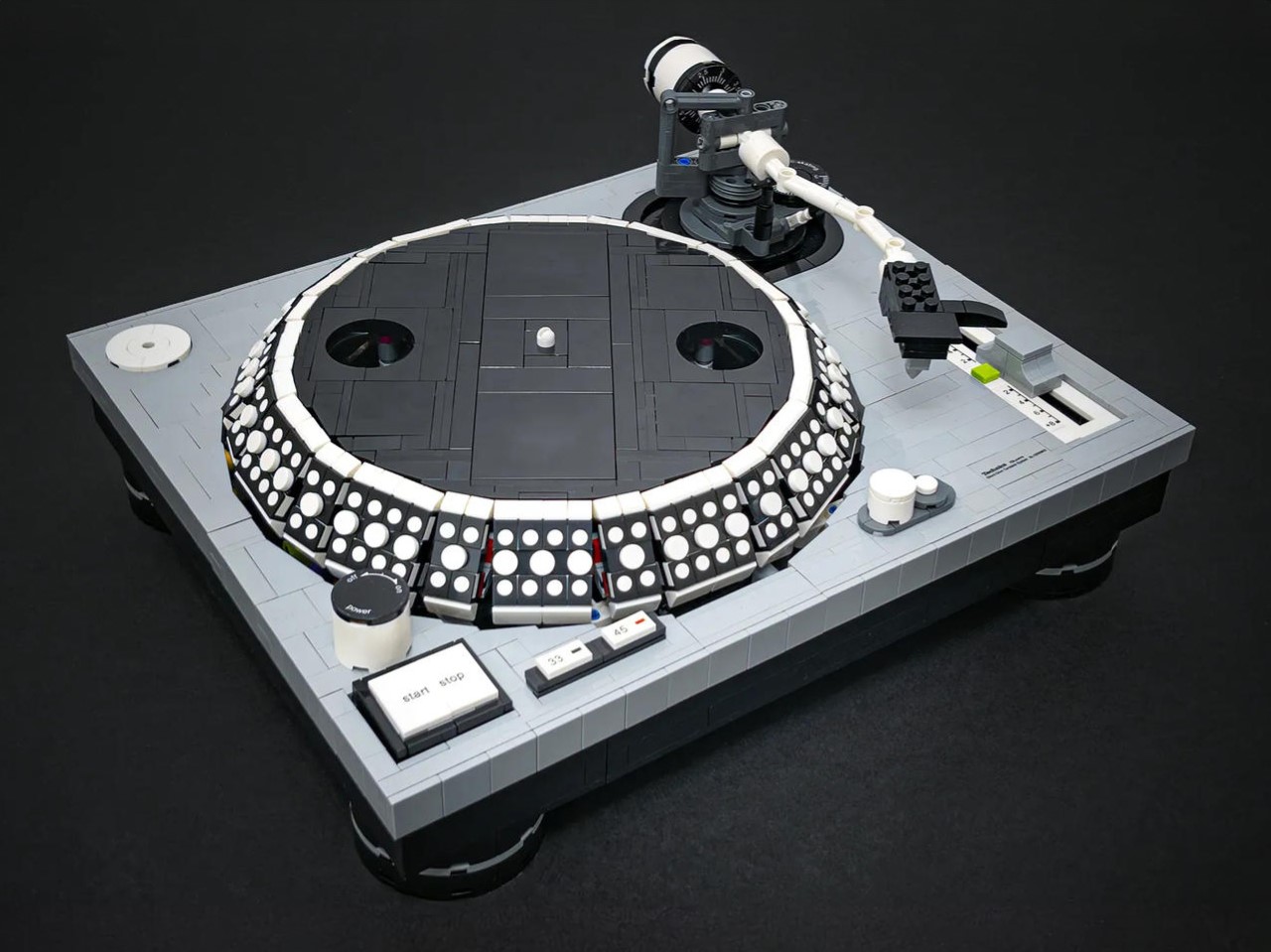
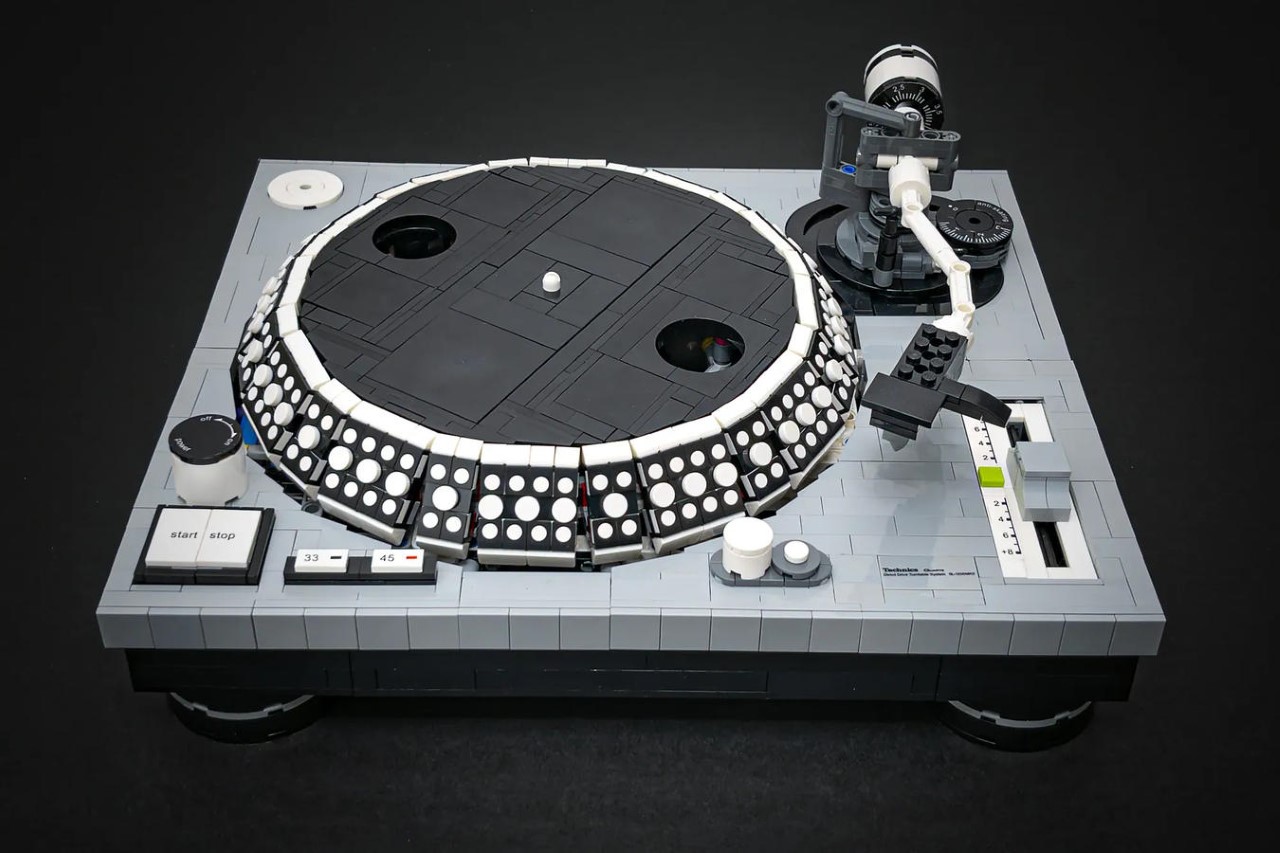
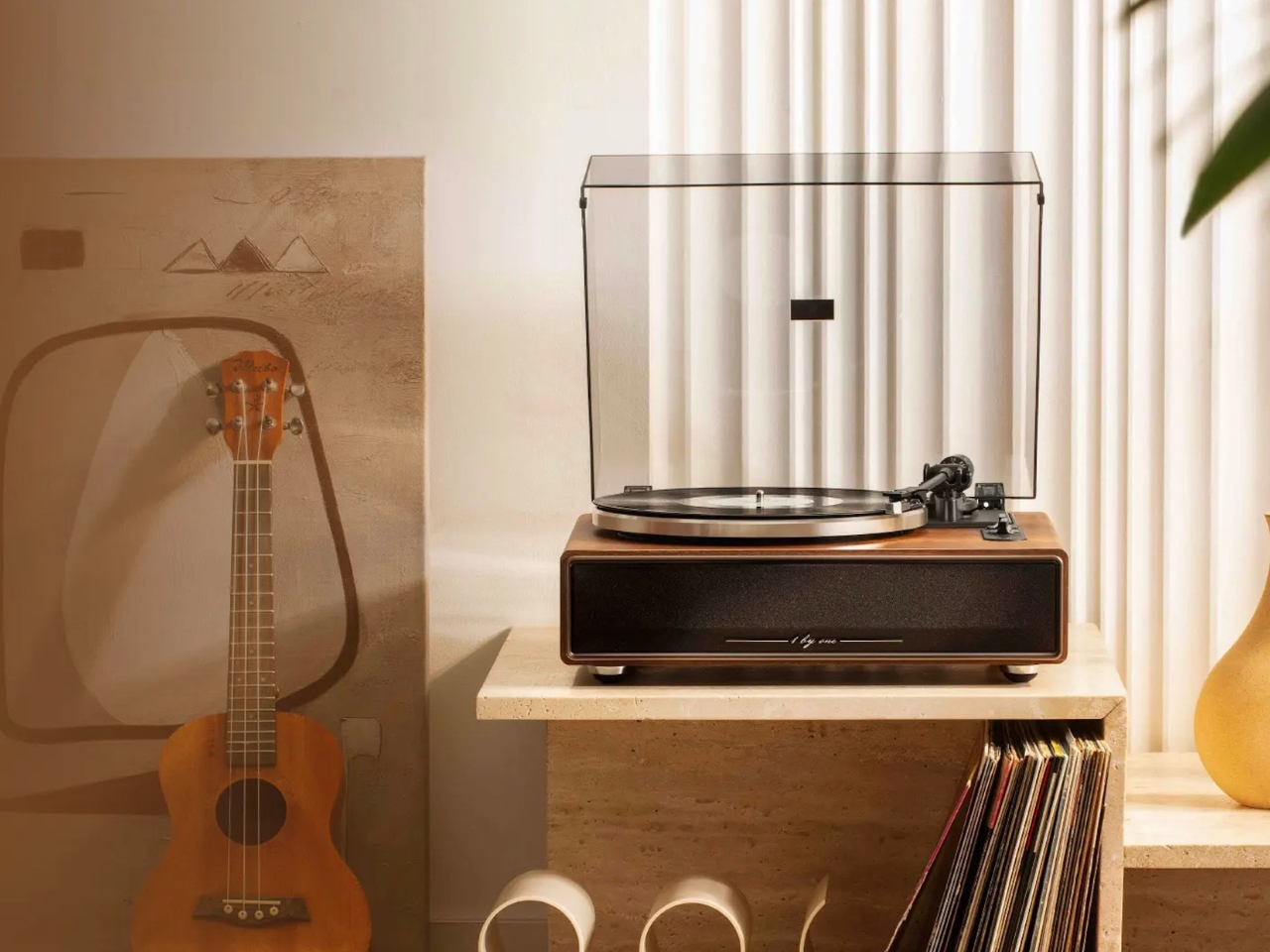
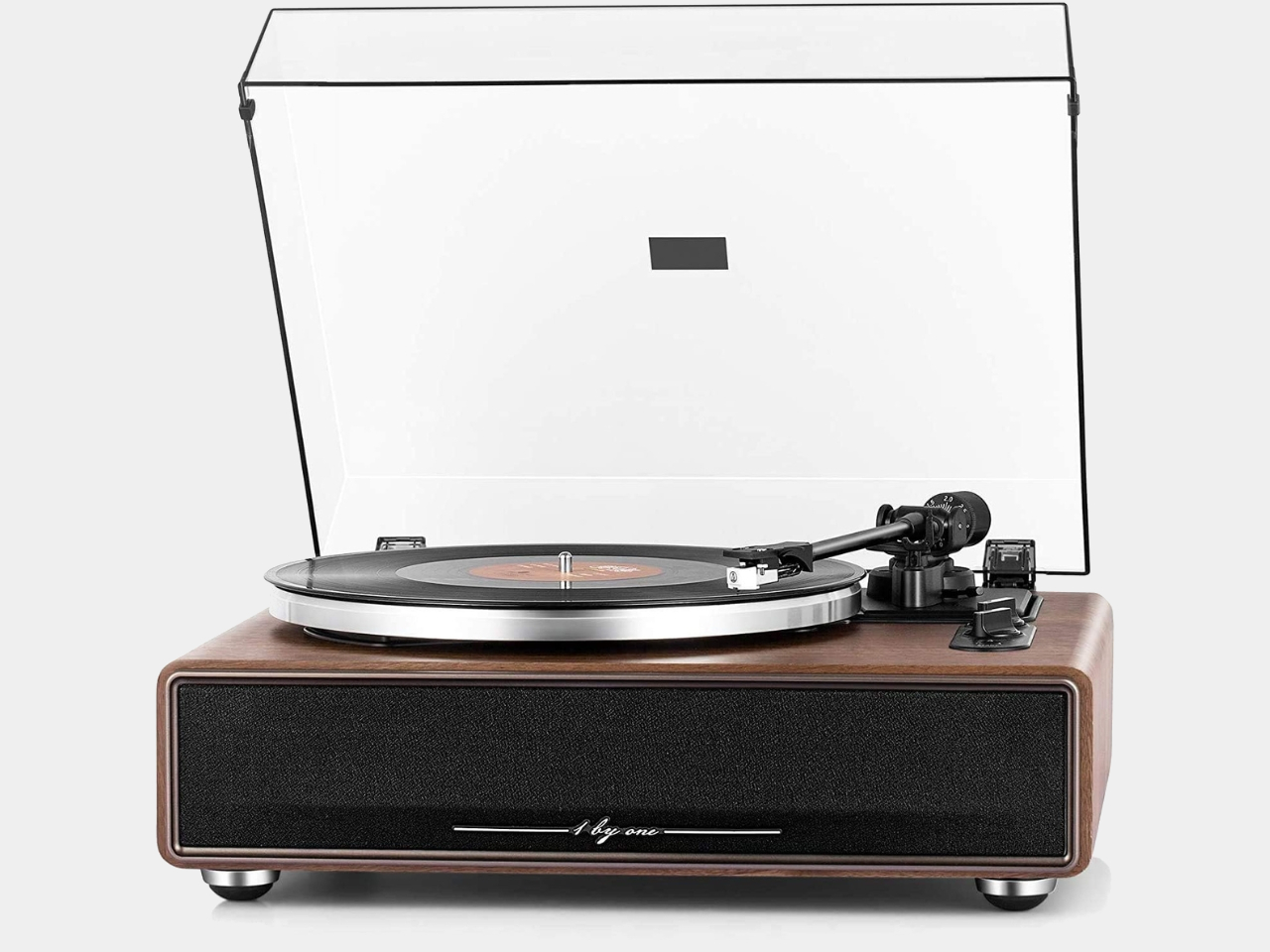
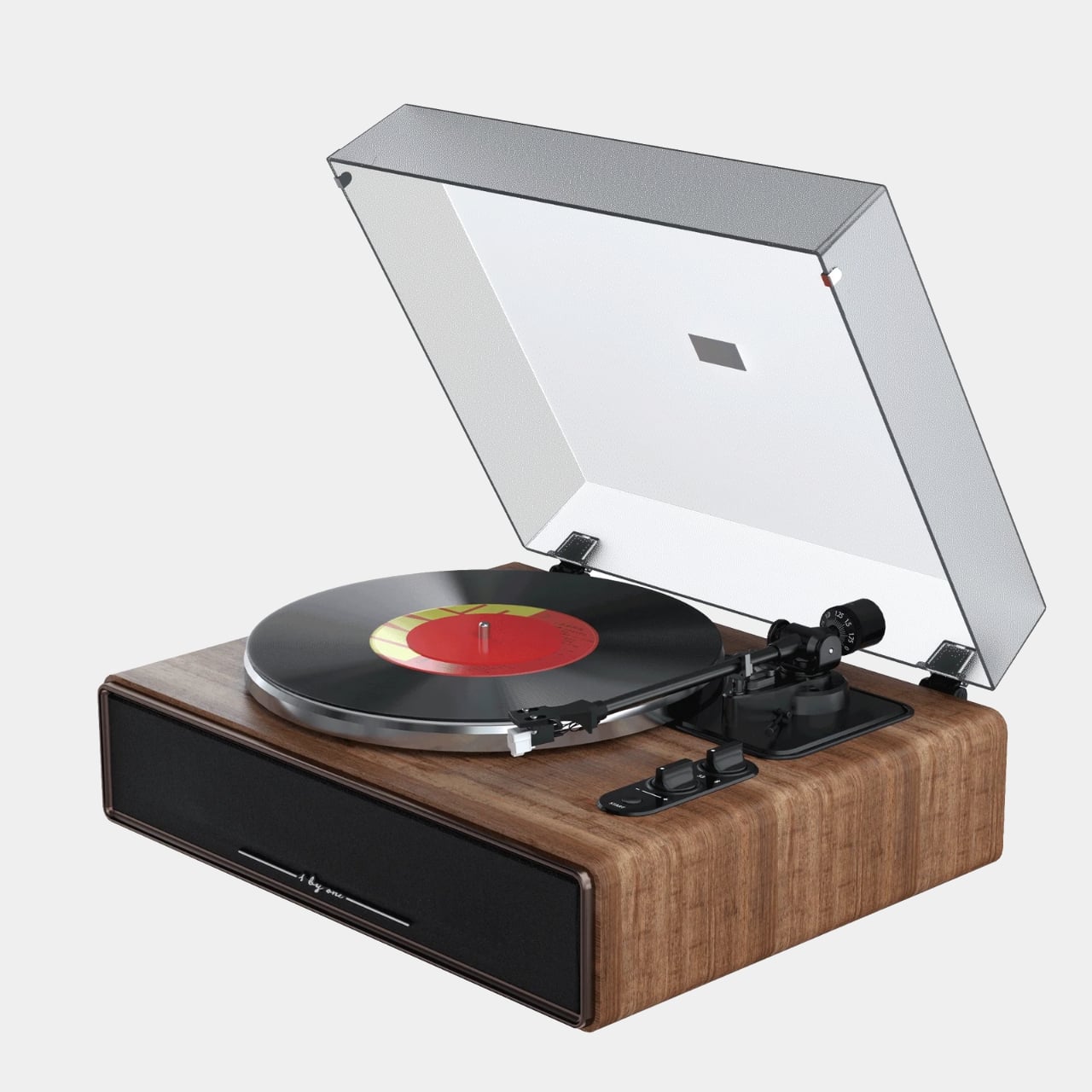
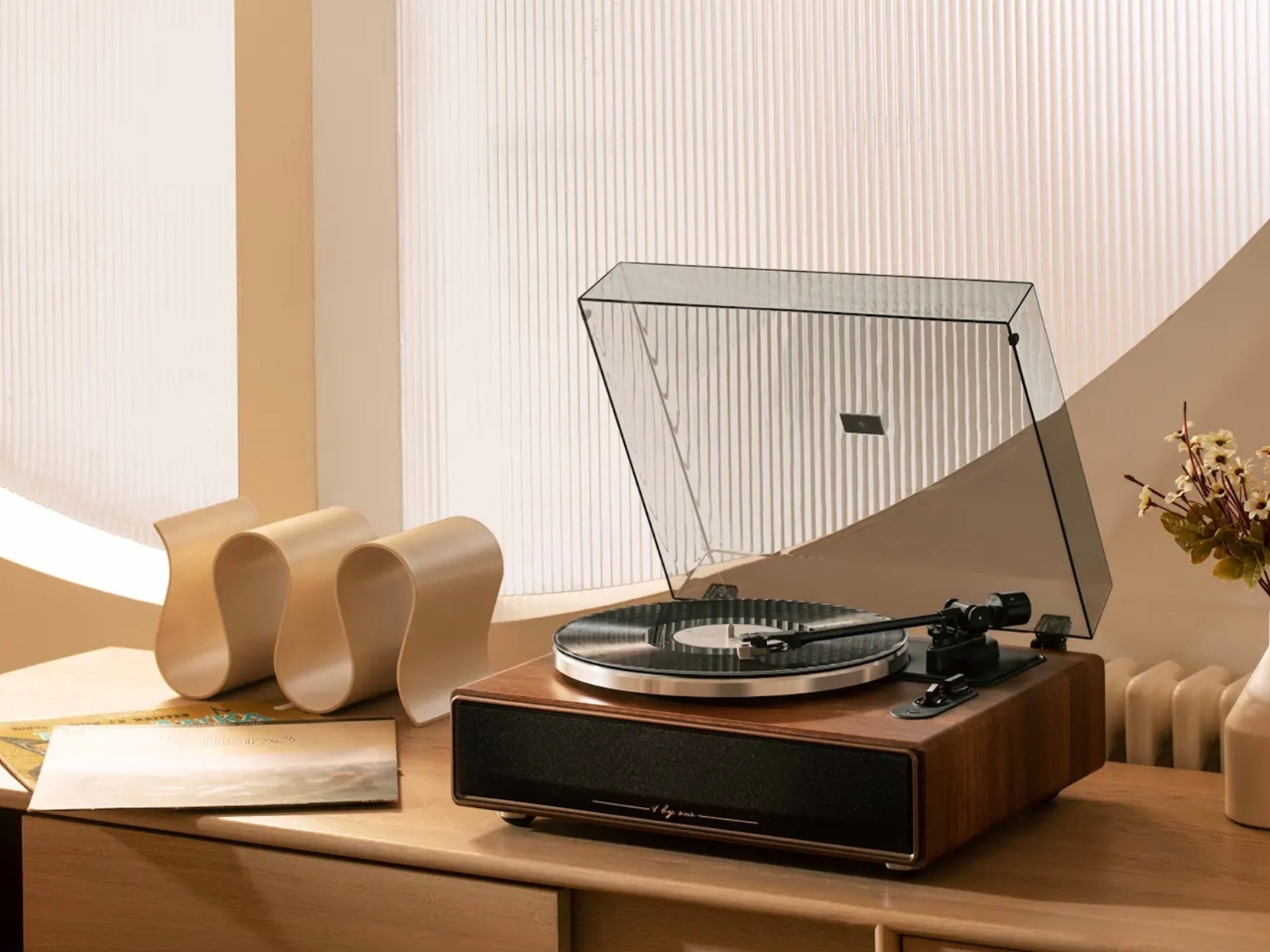
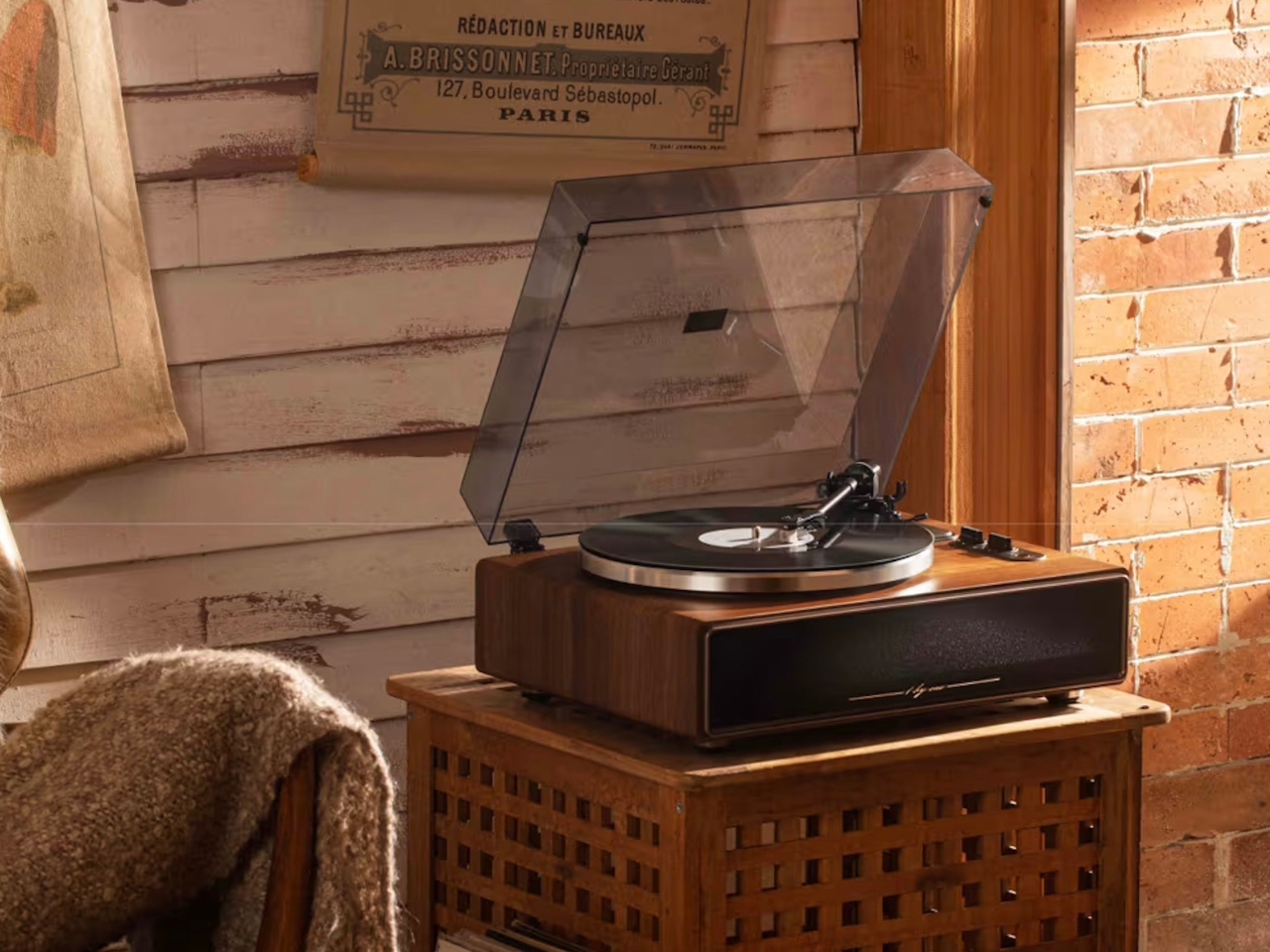
Sleekness was never really a consideration back in the 50s and 60s when vinyl discs were still popular… which is why turntables and vinyl players never really explored thin-ness as a design aesthetic. The most any company ever did was integrate minimalism into their design language (a la Braun), but products weren’t generally designed to be razor thin. Which is why the BÖNWERK Turntable feels so visually exciting – it brings a novel design direction to an otherwise aged product category. Trends (whether fashion or tech) are always cyclical, and vinyls have been gaining popularity over the last few years… but traditional vinyl players don’t live up to the design sensibilities of today. The BÖNWERK Turntable is a gorgeous concept that boasts the same wedge-shaped design detail popularized by the MacBook Air. The rotating disc sits on a razor-thin platform, which gradually becomes thicker near the turntable’s control panel, creating an overall aesthetic that’s practically invisible, but emotionally impactful.

Designers: Mateo Rombolá & Tobias Quirici

“The primary goal of this project was to create a cutting-edge and sophisticated turntable tailored specifically for expert users in the audiophile world,” said designer-duo Mateo Rombolá and Tobias Quirici. “Our focus centered on prioritizing user semantics and experience, elevating these aspects above mere functional distinctions.”

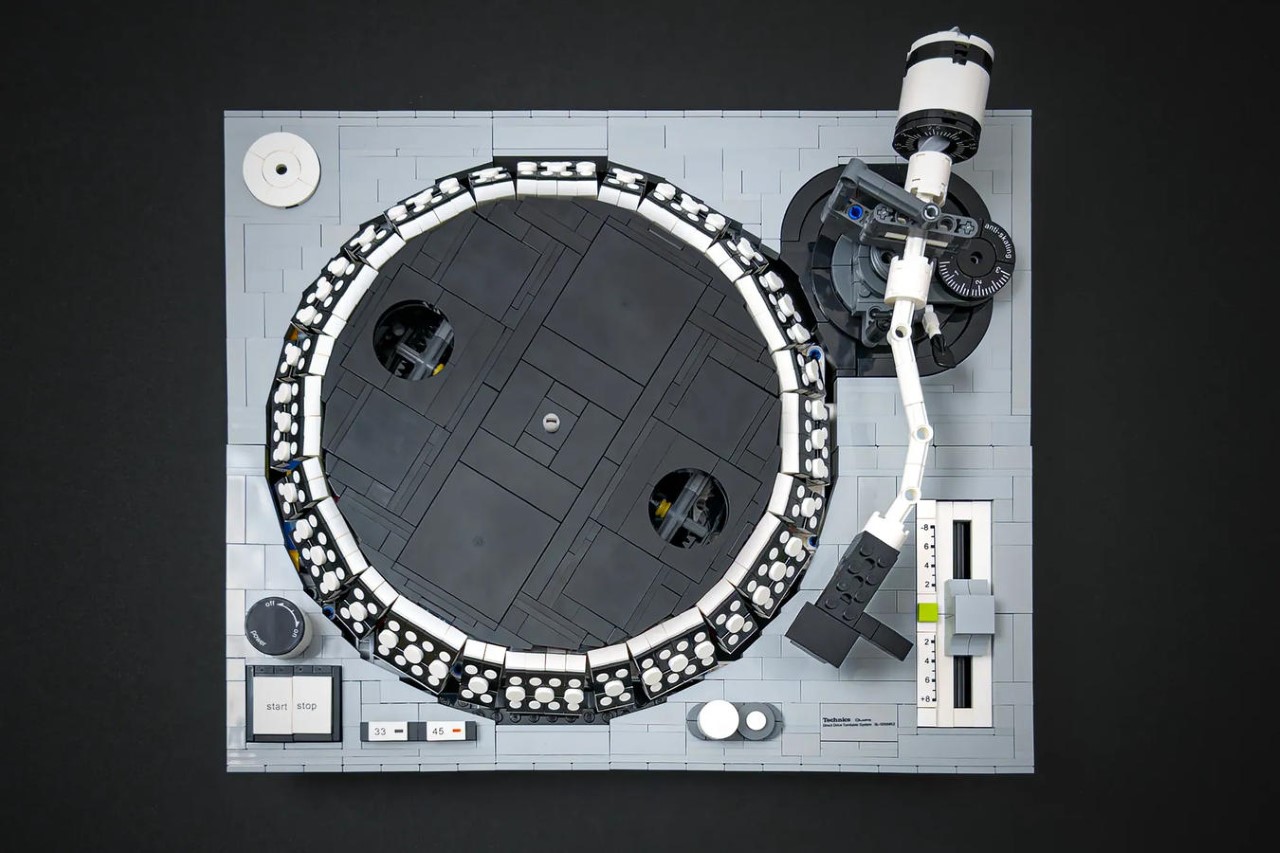
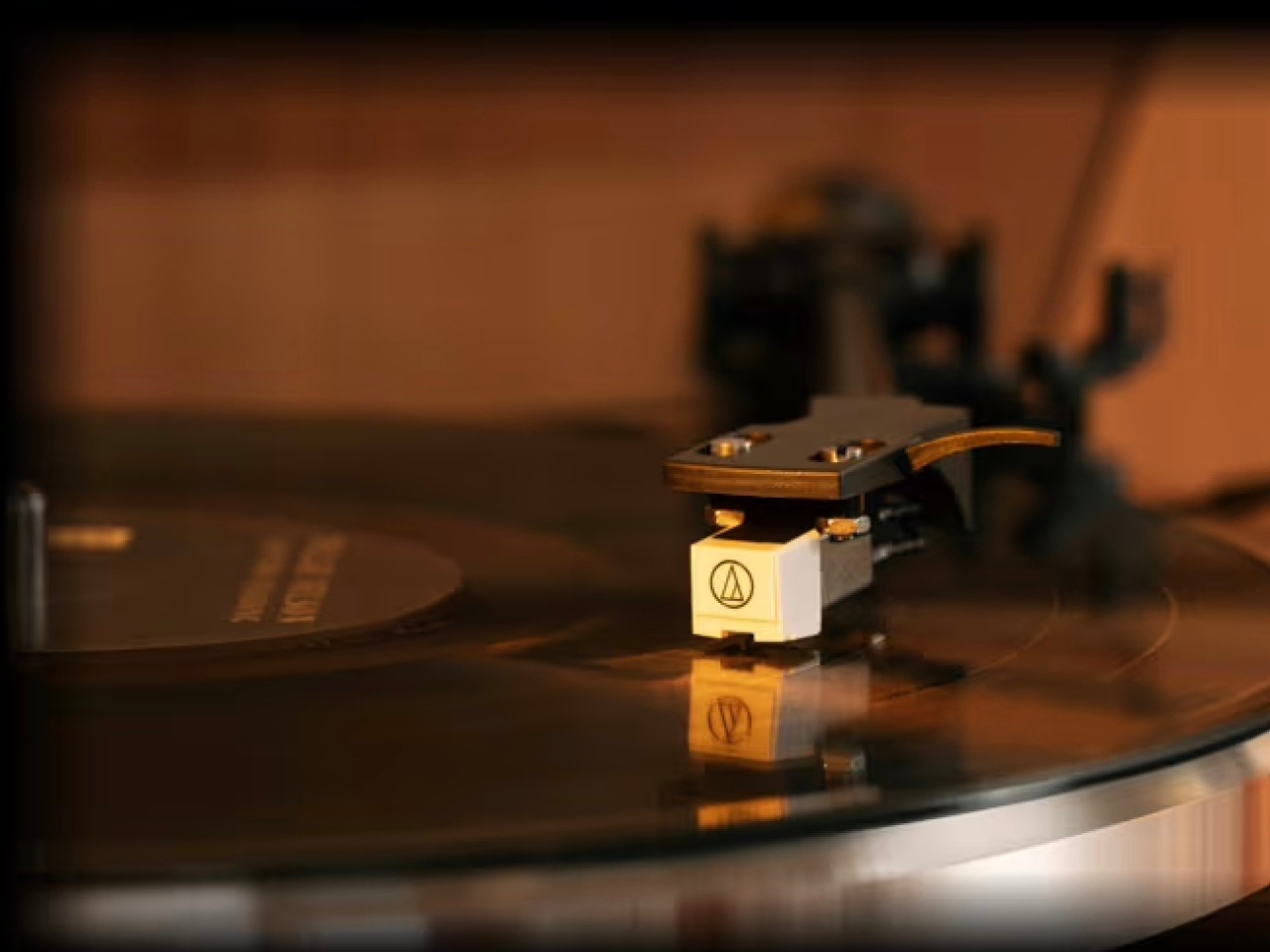
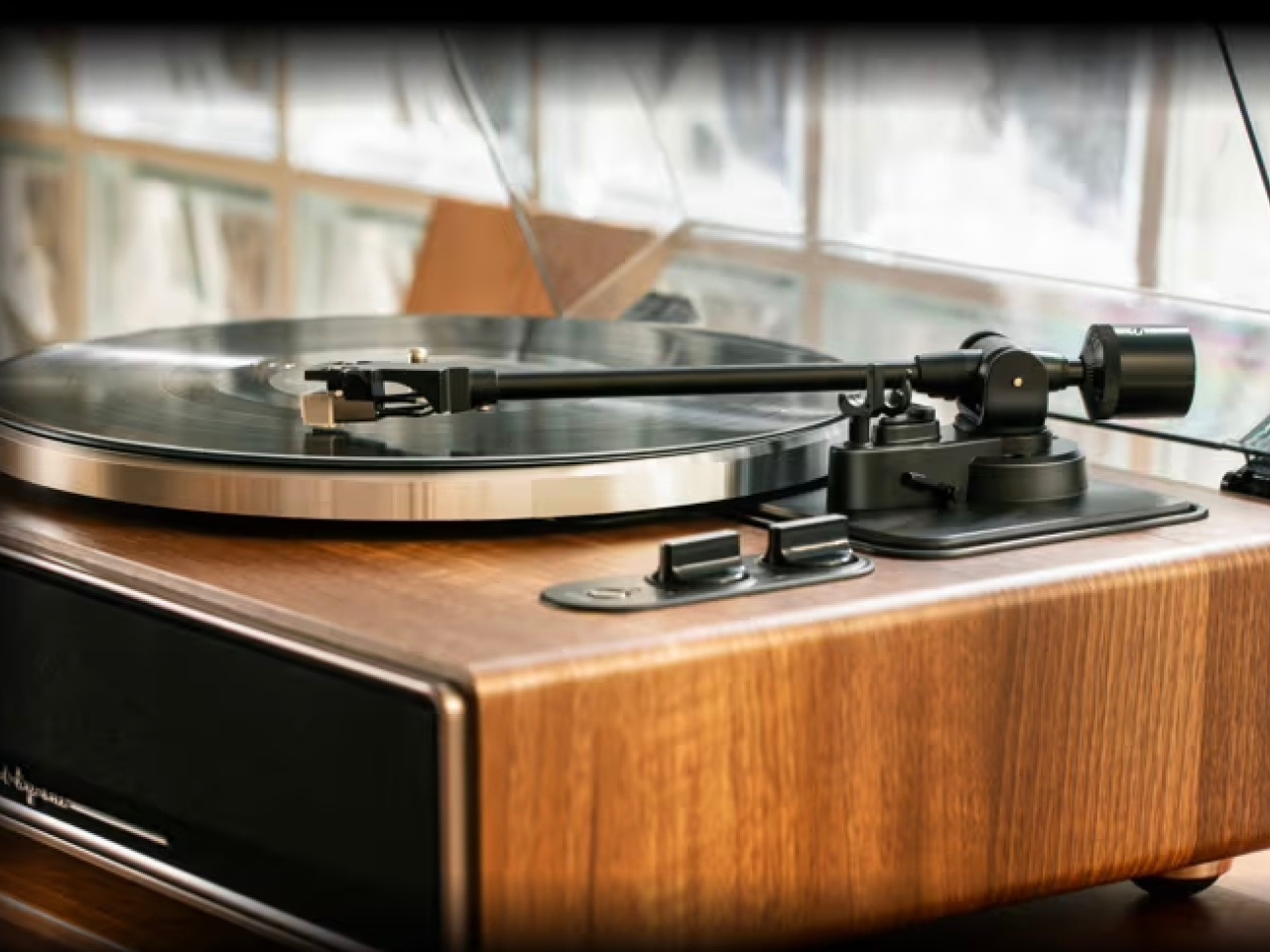
Functionally, the BÖNWERK Turntable isn’t too different from the ones you’d otherwise find on the market. It has the tonearm with a cartridge and needle on one end, and a counterweight on the other. The tonearm sits at the center, with the rotating disc platform on one side, and a control panel on the other with a strobe light, RPM controller, volume knob, highs and lows control, and a start/stop button.

Flip the BÖNWERK Turntable over and you see its actual mass, which hides underneath a super-sleek exterior. Almost mirroring the design of the MacBook Air (or even older iPhones, which used to hide the camera bump in the side-view photos), the mass hides itself well thanks to a slick outer profile that your eyes see (instead of the volume underneath). This makes the BÖNWERK Turntable look MUCH thinner than it already is, which adds to its appeal. The appeal also extends to the minimal visual language used in the rest of the turntable’s design, from the use of plain black and metallic hues, sharp geometric shapes, knurled metal knobs, and the palpable absence of any text, giving the turntable its signature clean look.

The post Razor-thin turntable brings an uber-futuristic touch to your retro vinyl collection first appeared on Yanko Design.

Suzuki Omnichord is back to offer a fun and interesting way to make music

When you think of musical instruments, you will probably first think of things like pianos and guitars. Electronic musical instruments, on the other hand, conjure up images of keyboards, electric guitars, and complicated synthesizers. Suzuki’s Omnichord, on the other hand, is an odd yet curious duck that stands somewhere in between these two extremes. First launched in 1981, this electronic device empowered anyone to make music or accompany a song even without previous musical experience or even reading notes. The Omnichord’s distinctive electronic sounds and novel design made it quite a hit, but the product faded into obscurity back in 1996. To commemorate its upcoming 40th anniversary, Suzuki decided to give today’s generation a taste of that unique experience with a new model that recreates the original so faithfully down to using the same analog circuits.

Designer: Suzuki

Imagine just pressing a few buttons and sliding your finger on a flat surface and then suddenly producing wonderful music. That’s pretty much the experience that the Suzuki Omnichord offered, presenting people, whether musically trained or not, the joys of creating music with ease and freedom. There are no wrong notes, just new harmonies and beats to be discovered and incorporated into your masterpiece. It’s like an adventure for novices but also a new territory for veterans who want to add a unique flavor to their music.

The new Suzuki Omnichord OM-108 tries to bring that 80s experience to the 21st century, reproducing the tonality that characterized that period while also adding modern features that cater to today’s more demanding audience. To accurately recreate the same tones of the OM-84, perhaps the most popular Omnichord ever released, Suzuki opted to go completely old school and apply the same analog circuitry that gave the original its distinctive electronic sounds. It also has that popular harp sensor or strumplate that lets you easily slide or tap your finger to produce the “notes” that will make up your music.

The new OM-108 model boasts 108 chords, hence the name, as well as many new functions, like a switch that changes the way chords and rhythms are played. There’s also a drum pad mode that turns the chord keys as well as the sturmplate itself into beats. And like with many modern electronic musical instruments, you can connect the Omnichord to external MIDI devices to mix tones to your heart’s delight. Plus, the built-in speaker can be turned on or off when you connect an external speaker, useful when you want to monitor your own sound during a live performance.

The Suzuki Omnichord OM-108 may look like a toy, but the unique sounds it lets you produce are pure joy, at least to fans of the electronica genre. Its revival coincides with the retro craze gripping many industries and is a perfect example of a design that manages to remain relevant decades after its last appearance. That said, you’ll have to wait a bit before you can get your hands on the newest Omnichord, as sales aren’t expected to start until July, with the price and market availability still unknown.

The post Suzuki Omnichord is back to offer a fun and interesting way to make music first appeared on Yanko Design.
This Flat-panel 350W Guitar Amp is actually thinner than most guitars…

It’s thinner than a Harry Potter or Game of Thrones novel… if we’re still using those benchmarks to compare things these days.

At NAMM 2024, Eminent Technology recently debuted the Model Twenty Two, a groundbreaking flat-panel active guitar speaker, marking a significant advancement from its predecessor, the Model Twenty. This new model is distinguished by its compact size, measuring 16 x 22 inches, boasting a thickness of just under 5 inches, and a lightweight design at just 16.5 pounds, making it highly portable for musicians on the go. It’s not just its slim profile that’s impressive; the Model Twenty Two boasts a powerful 350-watt built-in amplifier, capable of catering to a variety of audio sources like guitars, vocals, and keyboards.

Designer: Eminent Technology

This innovative speaker combines the functionalities of an amplifier and speaker in one sleek package. It is equipped with a full-range, flat response (FRFR) speaker capability, allowing it to handle different guitar amp modeling units and even serve as a small PA system with an output of up to 120 decibels. For added versatility, it includes a high-headroom clean preamp and a cab voice, suitable for both acoustic and electric guitars, as well as for use with external amp models. You can even run vocals, keyboards, or a CD player through it, effectively treating it like a super-sleek PA system that outputs up to an impressive 120 decibels.

Despite its high-end features, the Model Twenty Two is more affordable than its predecessor, priced at $1,699. That may be a lot, but think of how easy it is to carry around!

The post This Flat-panel 350W Guitar Amp is actually thinner than most guitars… first appeared on Yanko Design.

LV Nanogram Speaker has travel-friendly design, decorative allure, and exceptional acoustic to match

Louis Vuitton has a habit of redefining the wheel with luxury. Case in point the LV Nanogram Speaker that refines opulence and quality for the seekers on the horizon of portable music and fashion accessory. Designed to take “beauty and sound to destinations unknown” the compact and lightweight LV speaker is a portable successor to the LV Horizon model.

As a premium tech offering, Masion’s creation embodies craftsmanship and quality in an on-the-go fashion accessory that resembles a tiny UFO measuring 13.5 cm across and tipping the scale at 520g. The hefty speaker is made from aluminum but with the embedded leather loop with a removable hook, the LV Nanogram Speaker, becomes a portable and travel-friendly option.

Designer: Louis Vuitton

The first thing you would notice on the speaker will either be the perforated grille or the debossed Monogram, depending on what your perception is. For me, the LV Nanogram Speaker with emblematic codes all over, is a premium speaker and so I see the grille before the logo, but you could have a different opinion.

The impressive design of the LV Nanogram is inspired by the LV’s circular Toupie bag. And in a similar theme, the leather loop and hook can allow the speaker to hang from the backpack, handbag, or just from the belt, if you don’t mind an additional pound on it. If you don’t mind the weight, then the LV speaker can give you a 2.3-inch loudspeaker with a frequency range of 170 Hz to 20 kHz anywhere, anytime.

While the speaker looks all decked up and sublime for indoor usage, it assures it won’t leave you wanting in the outdoors either, for this it boasts a long 17 hours of battery life. The speaker comes with a USB-C charger in the box which can juice up the battery in under two hours. The charging port is the on back of the speaker, hidden away from the plush façade.

Portability demands ruggedness we all know. LV is not known essentially for delivering heirloom speakers in the outdoor division; but adding substance to the design, LV Nanogram Speaker is provided with IP67 rated for protection against dust and water. Priced at $2,230 LV Nanogram comes in three colors: copper, silver, and a “Damoflage” edition. Irrespective of the color, each speaker is available with monogramming all over. The speaker can (courtesy of its built-in LEDs) create a light show that synchronizes with the music you are playing. And when you’re done, you can safely pack the speaker in its travel pouch and get going.

https://www.youtube.com/watch?v=P2BwkJuHa68

The post LV Nanogram Speaker has travel-friendly design, decorative allure, and exceptional acoustic to match first appeared on Yanko Design.

Yamaha channels ‘Teenage Engineering’ with its incredibly funky SEQTRAK MIDI sequencer

I distinctly remember the first time I saw the Teenage Engineering OP-1. It was in a Swedish House Mafia music video (One feat. Pharrell), and the entire video was centered around that one gorgeous-looking synth, which the EDM trio even used in their own music production. The song seemed less like a dance track and more like the perfect endorsement of exactly how powerful and incredible the OP-1 synth was. Fourteen glorious years later, Teenage Engineering has absolutely cemented its position as an audio company with a fun streak… and it seems like Yamaha wants a bit of that too. Just last week, the company debuted the SEQTRAK, a funky-looking synth that tries to emulate the casual brilliance of the OP-1.

Designer: Yamaha

The SEQTRAK is a compact, affordable, and highly capable battery-powered MIDI synth that lets you play, sample, remix, loop, and manipulate audio from multiple sources, whether it’s from your laptop, an SD card, or even audio samples recorded on the SEQTRAK’s microphone. It’s got two rows of 12 keys each, a set of dedicated knobs for percussions, synths, and sampling, a few more for sound control and effects, and even a bunch of touch-sensitive sliding pads for working with audio envelopes, passes, and filters. Designed for both hobbyists as well as seasoned professionals, the SEQTRAK lets you do everything from jam to compose, and even occasionally deejay. Who knows, maybe you’ll make a cool music video too??

The SEQTRAK’s petite design is a crucial element in its appeal. Its compact size, fitting comfortably in a laptop bag, makes it an ideal companion for music producers who are always on the move. This portability doesn’t come at the cost of functionality; the SEQTRAK is equipped with a built-in speaker and microphone, allowing for impromptu music sessions wherever inspiration strikes.

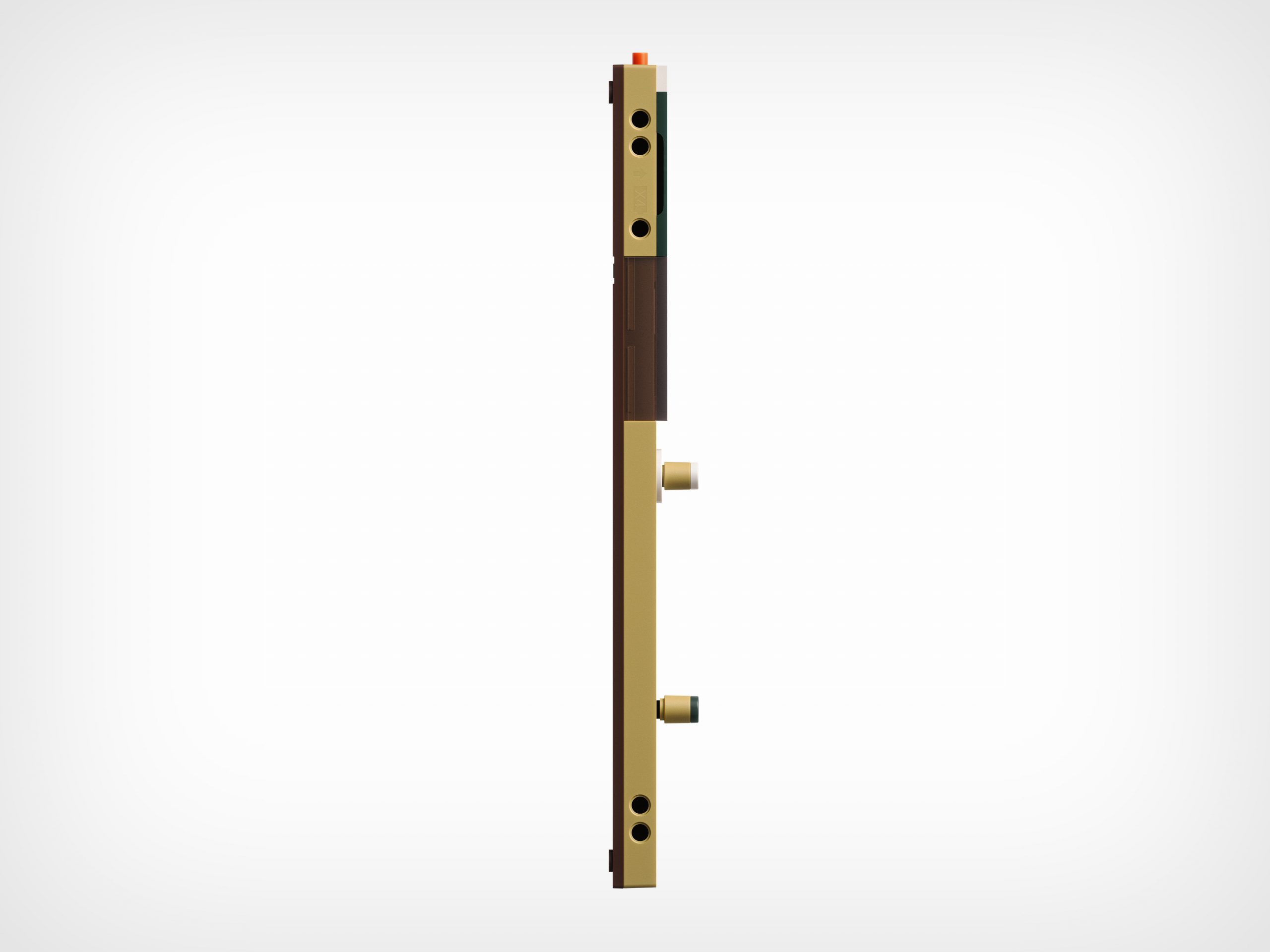
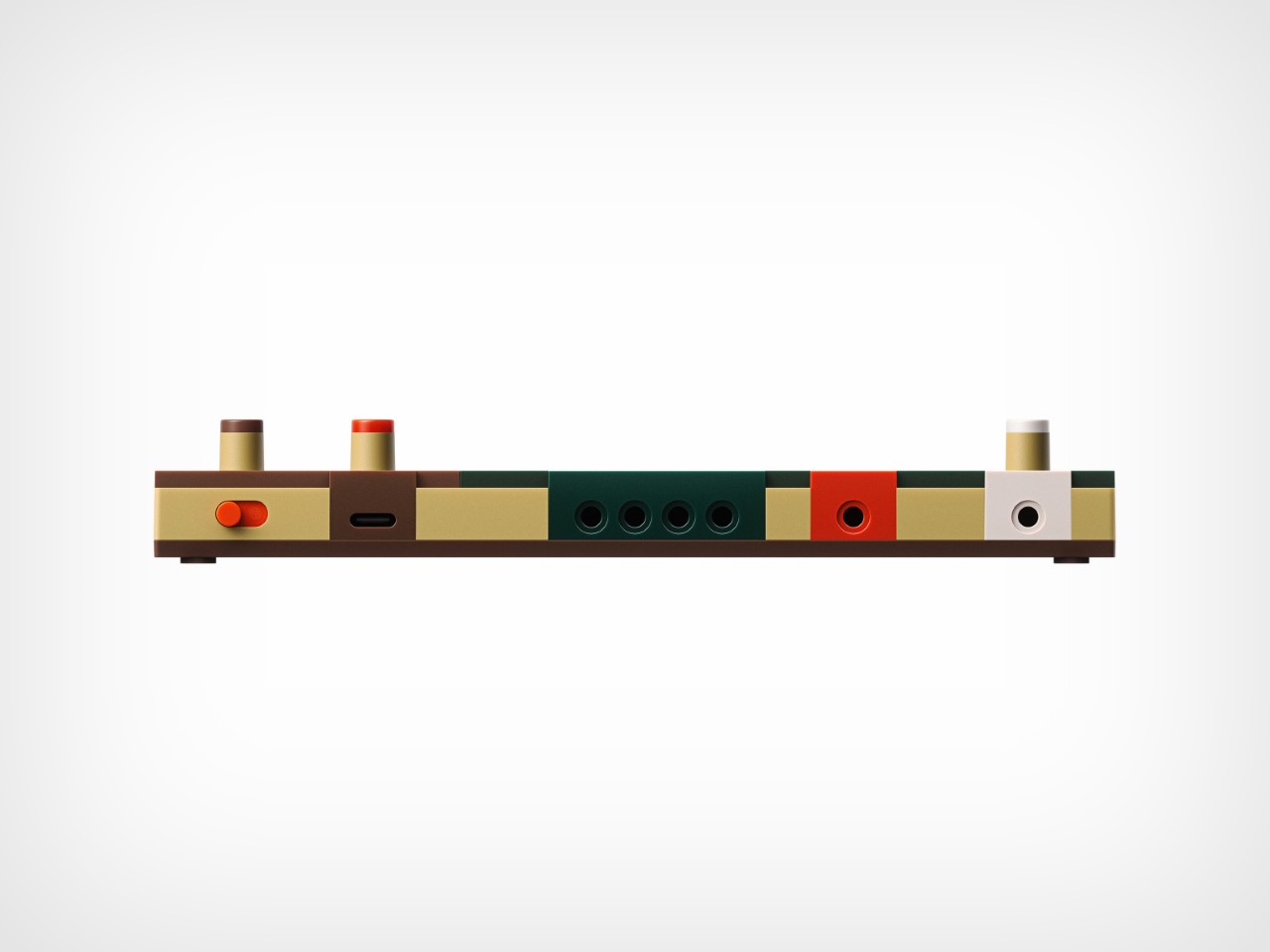
Despite its compact form, the SEQTRAK doesn’t compromise on sound quality. It houses two versatile sound engines: the Advanced Wave Memory 2 and a four-operator FM engine. The former supports 128-note polyphony, offering a range of authentic sounds from acoustic instruments to synthesizers. Meanwhile, the FM engine can generate synth pads, leads, FM electric pianos, and more. These features are packed into a unit that sports a playful design, with an orange-gray variant reminiscent of LEGO bricks… or perhaps an unofficial hat-tip to Teenage Engineering with a playfully-minimalist design that we’ve come to expect from the Swedish design studio.

The SEQTRAK is designed to be intuitive and user-friendly, catering to both beginners and seasoned music producers. Its one-to-one interface allows producers to take control of their music, effectively turning them into their own DJs. Additionally, the SEQTRAK includes a station sequencer for creating seamless compositions and arrangements. The machine’s station library, with over 2,000 presets of professionally crafted tunes, is a significant resource for experimenting with different styles and sounds.

Yamaha has enhanced the SEQTRAK’s functionality with streamlined connectivity options. The dedicated SEQTRAK app allows users to shape their sound with various editing features. The app also supports adding supplemental content, providing a more comprehensive music production experience. Additionally, Bluetooth MIDI and Wi-Fi functionality are included for wireless connections, further enhancing the unit’s flexibility.

The $599 Yamaha SEQTRAK represents a significant step in the evolution of portable music production. It combines quality sound, intuitive design, and connectivity in a package that’s both affordable and appealing to a wide range of music enthusiasts. Whether you’re a budding producer or a seasoned pro, the SEQTRAK seems to have something for everyone. And at a price that doesn’t hit a sour note, it’s poised to be a hit in the electronic music community. So, if you’ve ever dreamt of laying down tracks on a flight, sequencing synths at a café, or having a rave in your room, Yamaha’s SEQTRAK might just be your ticket to on-the-go musical nirvana​.

The post Yamaha channels ‘Teenage Engineering’ with its incredibly funky SEQTRAK MIDI sequencer first appeared on Yanko Design.

Rock Band 4’s next weekly DLC drop will be its last

Rock Band 4’s weekly DLC drops are coming to an end. Harmonix said Wednesday the upcoming batch of new songs on January 25 will be the game’s last. Although all other live services will remain active, the developer plans to give full attention to the Rock Band-like Fortnite Festival, a rhythm game inside Epic’s digital world.

Product manager Daniel Sussman waxed nostalgic about Rock Band 4’s impressive eight-year run of new song drops each week. “Taking a longer look back, I see the Rock Band DLC catalog as a huge achievement in persistence and commitment — over the years we’ve cleared, authored and released nearly 3,000 songs as DLC and well over 3,000 if you include all the game soundtracks,” he wrote in an announcement blog post. “That’s wild.”

Sussman says Harmonix is committed to protecting its licensing, promising that purchased content will remain available. He adds that all the game’s other live services, including Rivals and online play, will continue as usual. There just won’t be any more new music for the rhythm game, which arrived in 2015 with 65 tracks.

Marketing screenshot for Fortnite Festival, a music game within Fortnite. A virtual avatar of The Weeknd sings on stage as a rhythm timer sits prominently down and center.
The Rock Band-like Fortnite Festival
Epic Games

Fortnite Festival, launched in December, is a rock god stage in the popular battle royale title. It has the advantage of being free: You don’t have to pay a couple of bucks to fulfill your dreams of jamming out to “Seven Nation Army,” The Cranberries’ “Zombie” or Bel Biv Devoe’s “Poison.”

Rock Band 4 instrument support is on its way to Epic’s virtual stage. “If you are a fan of the rhythm game category, Fortnite Festival is the place to be; and with support for RB4 instruments coming, this is not the time to hang up your guitars just yet…”

Harmonix is tight-lipped about its final tracks, but it promises thematic relevance. “We deliberated long and hard about how to frame the last blast of RB DLC of this era,” Sussman explained. “The last two weeks will feature some tear jerkers that sum up our feelings about this moment. We thank you for your commitment to and passion for this wonderful game.”

This article originally appeared on Engadget at https://www.engadget.com/rock-band-4s-next-weekly-dlc-drop-will-be-its-last-175227879.html?src=rss

Rock Band 4’s next weekly DLC drop will be its last

Rock Band 4’s weekly DLC drops are coming to an end. Harmonix said Wednesday the upcoming batch of new songs on January 25 will be the game’s last. Although all other live services will remain active, the developer plans to give full attention to the Rock Band-like Fortnite Festival, a rhythm game inside Epic’s digital world.

Product manager Daniel Sussman waxed nostalgic about Rock Band 4’s impressive eight-year run of new song drops each week. “Taking a longer look back, I see the Rock Band DLC catalog as a huge achievement in persistence and commitment — over the years we’ve cleared, authored and released nearly 3,000 songs as DLC and well over 3,000 if you include all the game soundtracks,” he wrote in an announcement blog post. “That’s wild.”

Sussman says Harmonix is committed to protecting its licensing, promising that purchased content will remain available. He adds that all the game’s other live services, including Rivals and online play, will continue as usual. There just won’t be any more new music for the rhythm game, which arrived in 2015 with 65 tracks.

Marketing screenshot for Fortnite Festival, a music game within Fortnite. A virtual avatar of The Weeknd sings on stage as a rhythm timer sits prominently down and center.
The Rock Band-like Fortnite Festival
Epic Games

Fortnite Festival, launched in December, is a rock god stage in the popular battle royale title. It has the advantage of being free: You don’t have to pay a couple of bucks to fulfill your dreams of jamming out to “Seven Nation Army,” The Cranberries’ “Zombie” or Bel Biv Devoe’s “Poison.”

Rock Band 4 instrument support is on its way to Epic’s virtual stage. “If you are a fan of the rhythm game category, Fortnite Festival is the place to be; and with support for RB4 instruments coming, this is not the time to hang up your guitars just yet…”

Harmonix is tight-lipped about its final tracks, but it promises thematic relevance. “We deliberated long and hard about how to frame the last blast of RB DLC of this era,” Sussman explained. “The last two weeks will feature some tear jerkers that sum up our feelings about this moment. We thank you for your commitment to and passion for this wonderful game.”

This article originally appeared on Engadget at https://www.engadget.com/rock-band-4s-next-weekly-dlc-drop-will-be-its-last-175227879.html?src=rss

This gorgeous concrete sculpture of the New York Flatiron Building is actually a high-end Speaker

It isn’t often that you see brutalism as a design style being used outside architecture… but this sculptural speaker is a different beast entirely.

Designed to look like it was chiseled out of actual concrete, “TheSoloist. Sounds.” from Takahiro Miyashita was crafted with the vision of being the absolute centerpiece of your living room. Outwardly, it’s an homage to New York’s Flatiron building, standing at an impressive 43 inches tall with a dizzying amount of detail. Behind that exterior, however, is a 7-speaker setup designed to output a whopping 2000W of audio power, loud enough that its engineers promise “spectacular sound pressure that can be felt directly on the skin.”

Designer: Takahiro Miyashita

Before your ears experience TheSoloist. Sounds.’s audio, your eyes are treated to one of the most beautiful speakers they’ll ever see. Now in the realm of speaker design, TheSoloist. Sounds. is far from traditional. It doesn’t boast your standard acoustic chamber, audio grill, or showcase the drivers. It looks entirely like an artistic representation of New York’s architecture emerging from a block of concrete, but under that facade hides all of the audio magic. The sculpture can be split into two halves, the upper chiseled section and the lower, which arguably house the mid/high, and the woofer drivers respectively.

The lower section sports two 6.5″ woofers, while the upper part of the speaker houses two 3″ mid-range and three 1″ tweeters, covering a frequency range of 20Hz ~ 25KHz. The speaker pulls 2000W of power, and outputs an impressive 110dB of audio. The entire unit comes crafted from faux concrete, weighing 55lb (24.9 kilograms)… which does feel deceptively light for its nearly 4-foot stature.

Recreated for a second edition after the first one sold out, TheSoloist. Sounds. sports an eye-watering $$6,345.32 price tag… but that makes sense just given the amount of effort and intricate detail that went into the exterior as well as its inner hardware. That being said, TheSoloist. Sounds. isn’t for the discerning audiophile. It’s made for people who want an expressive statement piece to dominate their interior spaces – something this brutalist speaker does exceedingly well!

The post This gorgeous concrete sculpture of the New York Flatiron Building is actually a high-end Speaker first appeared on Yanko Design.

This Spotify Speaker helps Long Distance Relationship couples bond over music

Long-distance relationships (LDRs) pose unique challenges, with 37% of couples parting ways within three months of becoming geographically separated. In response to this, the innovative product SoundMotion has emerged, offering a streamlined way of companionship specifically designed for couples navigating the complexities of distance. Unlike traditional communication technologies that focus on explicit information transmission, SoundMotion integrates music sharing, physical engagement, and subtle notifications to address the emotional nuances essential for fostering intimacy in LDRs.

Designer: Zhujun Pang

While researchers in human-computer interaction (HCI) have explored various technologies for emotional communication in LDRs, they often fall short of addressing the complex emotional changes and needs of long-distance couples, especially whose love languages include ‘physical touch’ and ‘acts of service’. SoundMotion takes a user-centered approach, focusing on implicit emotional communication through the combination of music sharing and physical interactions.

The beginning of SoundMotion involved a meticulous design process, starting with the identification of the need for a user-centered approach. The concept evolved through brainstorming, sketching, and the development of an inspiration board. The initial design involved integrating physical devices with a streaming service and creating a bespoke music-sharing channel for couples. The swinging motion was chosen as the primary means of physical interaction, signifying new messages and indicating the partner’s online status.

To enhance the user experience, the design underwent iterations, with feedback leading to adjustments in the placement of the screen and the incorporation of personification elements. The swinging motion, inspired by the movement of a bell, aims to strengthen the sense of companionship through anthropomorphism.

SoundMotion is a dedicated communication system facilitating seamless interaction between long-distance couples. Equipped with a device known as SoundMotion, each couple gains access to synchronized music listening and basic physical engagement. The tangible interaction design conveys the partner’s state through subtle, ambiguous cues, capturing attention without intrusiveness.

The SoundMotion device features a hat that acts as a switch, controlling Bluetooth speakers. Opening the hat to a horizontal angle activates the device as a music speaker, while fully opening it triggers the Couple Channel, displaying the screen. The swinging motion of the hat serves as a notification, indicating the partner’s status during music playback.

The development process included prototyping, where an electromagnet initially drove the swinging motion. However, due to limitations in the magnetic field range, a servo motor replaced the electromagnet for more effective performance. This user-friendly adjustment highlights SoundMotion’s commitment to refining the user experience through practical testing and improvements.

SoundMotion employs the ESP8266 as its hardware platform, establishing a connection with the Spotify server. This connection allows the transfer of emoji feedback data generated during user interaction, enabling Spotify to analyze the data through the Spotify Web API. The result is personalized music recommendations, enhancing the overall experience for long-distance couples.

SoundMotion stands at the forefront of technology designed to address the emotional needs of long-distance couples. By combining music sharing, physical interaction, and subtle notifications, this innovative product offers a unique and user-centered solution to the challenges faced by those navigating the complexities of a long-distance relationship. SoundMotion not only bridges the physical gap but also fosters emotional closeness, making it a promising development in the realm of human-computer interaction for intimate relationships.

The post This Spotify Speaker helps Long Distance Relationship couples bond over music first appeared on Yanko Design.
Fiio CP13 revives Sony Walkman mixtape era in a USB-C chargable version

Fiio, best known for its audiophile-grade DACs and desktop streamers has surprised everyone at CES 2024 with a retro gadget that breaks the ice in terms of its nostalgia. This is the CP13 cassette player inspired by the popular Sony Walkman back in the 80s era.

The gadget is just not a shell inspired by the Walkman of that time, rather it is a modern cassette music player to its true core. You can gauge the realism from the fact that there isn’t Bluetooth on this music player to keep this very authentic. However, the Chinese manufacturer has added USB-C charging feature to save you from buying AA batteries every week.

Designer: Fiio

Doesn’t this mean, that cassette player technology has gone a full circle and now coming back in trend? In fact, the year 2022 saw an annual sale of 195,000 cassette player units. The appearance in ‘The Last of US’ and pop albums by Billie Elish, Lady Gaga and Taylor Swift further seems to strengthen this fact!

Paying homage to the original Walkman in dual tone silver blue finish, the gadget has a retro design with large playback buttons, 3.5 mm headphone port and an oversized knob. By the looks of things, there’s no option to auto-reverse, so you’ll have to manually change sides. However, you can fast forward, reverse and pause just like the original one.

Another added feature along with the more modern charging port is the status LED. The player is good for 15 hours of playback on a single charge but sadly there’s no function to convert tapes to MP3 files. Of course, there’s the signature color variant but audioheads can also go for the matte black with white and the blue with metal silver option.
The audio accessory is priced at $164 and I’m not too sure if I’ll be going down that road anytime soon. Still, the Fiio CP13 does evoke a lot of fond memories of the golden era when owning music albums and following artists was a lot more precious compared to modern times.
The post Fiio CP13 revives Sony Walkman mixtape era in a USB-C chargable version first appeared on Yanko Design.