Black Friday deals on tech for 2025 are still live: Up to 50 percent off the best gear from Apple, Amazon, Disney+, Lego, Dyson and others

Black Friday is technically over, but long gone are the days in which all of the deals dry up at midnight. Black Friday is very much a multi-day event now, with most of the best deals (as long as they don’t sell out) lasting through Cyber Monday. This year, we’ve found some of the best prices of the year on tech like headphones, game consoles, robot vacuums, speakers and more.

Below, we’ve collected the best Black Friday deals you can still get today. We expect many of these to run through Cyber Monday this year, but we'll keep this post updated as we account for possible sell-outs and any new deals we can find that are worth your money.

Disney+ Hulu bundle — $60 for one year: The Disney+ and Hulu (with ads) bundle is on sale for $5 per month for one year (for a total of $60) through December 1. New and eligible returning subscribers can take advantage of this deal, and considering the bundle typically costs $13 per month, this deal represents more than a 50 percent discount on the standard monthly price.

Apple AirPods Pro 3 for $220 ($29 off): Apple's latest flagship wireless earbuds are the ones to get if you have an iPhone and any other Apple gear. They have improved sound quality, impressive ANC improvements, extra features like Live Translation and even better battery life.

Apple iPad A16 for $274 (21 percent off): Apple's cheapest iPad makes a great first tablet for kids, or anyone who just wants a basic slab for watching videos, online shopping, sending emails and more. It's plenty fast thanks to the A16 chipset that powers it, plus it has a nice screen, 128GB of storage in the base model and good battery life.

Apple TV+ — 6 months for $36: Apple TV+ is offering six months of access for only $36 for Black Friday, which comes out to a discounted price of $6 per month for the six-month period. The deal is live now for new and eligible returning subscribers and runs through December 1, giving you a chance to stream shows like Silo, The Morning Show and For All Mankind for less. The biggest caveat to the deal is that you must subscribe directly through Apple and not through a third-party service.

HBO Max — one year for $36: HBO Max's Black Friday deal gives subscribers one year streaming for $36 through December 1. This Black Friday streaming deal is on the ad-supported option, which normally goes for $11 per month. With this discount, you're getting it for $3 per month for one year. You can sign up via HBO Max's website or, if you're a Prime Video subscriber already, via that service as an add-on.

PlayStation 5 digital edition for $399 ($100 off): The PlayStation 5 is getting a major Black Friday discount, with $100 off consoles. That brings the PS5 Digital Edition down to $399, the standard PS5 to $449 and the new PS5 Pro to $649. If you’ve been holding out for the right time to upgrade or buy your first console, these are the deals to beat. You'll find them direct at Sony and from other retailers including Amazon and Walmart.

Nintendo Switch 2 + Mario Kart World bundle for $499: Black Friday Nintendo sales were announced recently and, unsurprisingly, there won't be many true deals out there this year. There are no straight discounts on the Switch 2 console, so your best bet is to pick up a bundle that saves you some cash on a Switch 2 game. One of the best is the Mario Kart Wold bundle, but Pokémon fans should consider the Pokémon Legends: Z-A bundle, too.

Meta Quest 3S VR headset for $250 ($50 off): We consider this to be the best VR headset for newbies or those on a budget. It's comfortable to wear for long sessions, has solid performance, comes with excellent controllers and you'll have access to a large app library with it.

PlayStation VR2 + Horizon Call of the Mountain bundle for $299 ($100 off): It’s hard to broadly recommend the PSVR2: The actual hardware is superb, but there aren’t a ton of standout exclusives to play. Thankfully, you can now use the device with a gaming PC through a separate adapter, though it’s all wired-only. Still, if you have cash to burn and want to dive into games like Gran Turismo 7, the Resident Evil 4 remake or the Horizon adventure bundled here, this is a new low. If this offer runs out of stock, the standalone headset is on sale for the same price. Also at Best Buy and Walmart.

DJI Neo drone for $159 (20 percent off, Prime exclusive): Yes, the Neo 2 just came out, but it's still unclear if that model will make its way to the US. For now, if you want an affordable drone to capture your next adventure, the original Neo remains an excellent option. It was our top pick for the best drone for those on a budget, and it's an even better buy at this sale price.

Samsung S95F (65-inch) for $2,298 ($700 off): The S95F is a premium model that's received almost universally stellar reviews for being especially bright among OLED TVs while keeping the bold colors and contrast expected from a QD-OLED panel. That brightness, combined with the display’s matte finish, means it’s uniquely adept at fending off glare. It also has four HDMI 2.1 ports and a native 165Hz refresh rate for gaming. That said, there’s still no Dolby Vision HDR, and the matte coating means that black tones won’t look as deep in a bright room. It's not cheap, but this is the lowest price we’ve seen for the 65-inch model. Also at Samsung and Best Buy.

Sonos Arc Ultra soundbar for $879 (20 percent off): Sonos' most premium soundbar offers crisp, clear sound and an impressive bass boost over the original. It has a sleek design and works with the Sonos Ace headphones as well. There are plenty of other Sonos Black Friday deals to consider as well, both on Amazon and direct at Sonos.

Google Pixel 10 Pro for $749 (25 percent off): You can get much better than this when it comes to Android phones. Google's latest flagship has a brighter display, longer battery life, a camera that supports 100x Pro Res Zoom and Pixelsnap (i.e. Qi2) charging support.

Audible — three months for $3 + $20 Audible credit: For literally $1 per month, you can get access to Audible's enormous library of published audiobooks, podcasts and Audible Originals (which can be anything from never-before-heard books to live performances). It's only three months, after which you'll have to cancel or renew at the regular price, but an audiobibliophile can cram a lot of listening into 90 days.

MasterClass — up to 50 percent off annual subscriptions: The MasterClass Black Friday deal discounts most subscription tiers by 50 percent when you pay for one year upfront. The Premium tier, the most expensive option, usually costs $20 per month but now only sets you back $10 per month for one year. That gives you access to the entire MasterClass content library, offline viewing and up to six simultaneous streams.

Starz — one year for $12: Pay upfront for one year and you can get more than $50 off a Stars annual subscription. There's a month-to-month option too, which costs $3 per month for the first three months if you don't want to commit to the full year. Either option gives you access to the entire Starz TV and movie library with offline viewing and no ads.

Paramount+ (2 months) for $6 ($20 off): Paramount+ is doing its Black Friday deal a little differently. Instead of a reasonably cheap long-term plan, you get an incredibly cheap short-term deal — two months for less than a Starbucks run costs these days. That's more than enough time to binge Yellowjackets, Dexter: Resurrection or Star Trek: Strange New Worlds, along with weeks of NFL games through CBS Sports.

Sling TV Orange Day Pass for $1 (80 percent off): Sling TV is one of the best live streaming services, and has one of streaming TV's most unique deals: a commitment-free day pass that lets you stream whatever you want for 24 hours, including cable channels and exclusive sports. Normally, a day pass costs $5, but this Black Friday deal knocks that all the way down to $1.

Plex (lifetime pass) for $150 (40 percent off): Plex offers personal media servers you can use to organize your digital collection — imagine your own curated Netflix homepage that nothing ever vanishes from. It's also a streaming platform in its own right, with movies and TV from all genres and eras. Plex did just raise its prices, so now's your chance to get a lifetime pass for close to what it used to cost.

Proton VPN (24 months) for $59.76 (75 percent off): Proton VPN is our pick for the best VPN — a secure, trustworthy app that doesn't sacrifice features, speed or usability. Although its free plan does come with unlimited data, we recommend upgrading to get the full set of servers and features. With this deal, you'll get servers in 117 countries; better yet, every one of those we've tested so far can unblock Netflix.

1Password (one year) for $24 (50 percent off): Using a password manager is one of the most important cybersecurity steps you can take right now. 1Password generates strong, unique passwords for every account, then saves them to autofill when you need them. We named it the best password manager in honor of its well-designed user interface and cross-platform compatibility.

Monarch Money budgeting app (one year) for $50 (50 percent off with code MONARCHVIP): One of our favorite budgeting apps, Monarch Money gives you a lot of control over the organization of your funds. There's a helpful goals feature for when you're planning out big purchases or financial milestones you want to hit, and we found the month-in-review recap it provides to be more thorough than other budgeting apps we tried. There's even Zillow integration for folks looking to buy a home.

Apple AirPods 4 for $69 (47 percent off): These are the most affordable AirPods you can get, and the latest model has been substantially improved over the previous. They have a better fit and noticeably better sound quality than their predecessor, plus some advanced features previously only found on pricer models.

Apple AirTags (four pack) for $63 (36 percent off): iPhone users who frequently misplace things should invest in a few AirTags. Slip them into your wallet, bag, jacket and other belongings to keep track of their locations in the Find My app. Just make sure that, if you're going to attach one to your keys, you also pick up an AirTag holder to go along with it.

Apple Watch SE 3 for $199 ($50 off): The SE has been our top pick for the best Apple Watch for those on a budget, and the latest model only solidifies that further. It has the same chipset found in the latest flagship Apple Watches, fast-charging capabilities, an always-on display and most of the same activity-tracking features you'll find in more expensive model.

Apple MacBook Air (13-inch, M4) for $749 ($250 off): Our top pick for the best laptop you can get, the M4 MacBook Air will be plenty of power for most people in a convenient, premium package. It's thin and light as ever, with an excellent keyboard and trackpad, plus enough battery life to get you through a whole day of work, video calls and more.

Apple Pencil Pro for $95 ($35 off) at Amazon: The Apple Pencil situation is a little messy, so you’ll want to double check which model is compatible with your particular iPad. The Pencil Pro is the most fully featured in the lineup with haptic feedback, barrel roll and squeeze capabilities, and a hover preview feature. It’ll work with the two most recent models of the Air and Pro iPads, as well as the latest iPad mini. Also at Walmart and Best Buy.

LEGO Botanicals Happy Plants Building Toys 10349 for $18 (20 percent off): Here’s an ideal Secret Santa gift — everyone loves Legos and these cheery little guys will keep your giftee company at their desk or on a windowsill, and are the lowest-maintenance plants around. Also at Target and Walmart; it's one of many Lego Black Friday deals you can get right now.

Philips fabric shaver for $13 (32 percent off): Consider this the Black Friday tech deal you didn't know you needed. If you have shirts, sweaters, pants, even blankets that have pilled over time, this handy little fabric shaver can get them looking more like new again. I bought this on a whim after wishing I could refresh some of my most-loved wardrobe staples without spending hours pulling pills off myself. Philips' fabric shaver has delivered and then some, and my clothes look much fresher than before.

Amazon Smart Plug for $13 (48 percent off): Those who use Alexa often will get the most out of this smart plug. We like that it's super simple to set up and can turn almost anything with an on-off switch "smart," allowing you to control it via your phone or with Alexa voice commands.

Roku Streaming Stick Plus for $19 (52 percent off): This is one of the best Roku devices to get if you're on a budget and just want to make an aging TV set feel a little bit newer. This model supports 4K HDR content, has pretty accurate universal search and gives you access to a ton of free content to watch via Roku's streaming OS.

Govee Smart LED Light Bars for $30 ($20 off, Prime exclusive): Another of our stocking stuffer picks are these smart LED light bars from Govee. They can stand up or lie flat so they can go just about anywhere and are infinitely adjustable via the app. You can even set them to light up in sync with your music. Alexa and the Google Assistant will let you control them with just your voice (and a smart speaker).

Samsung Evo Select (512GB) for $33 ($14 off): We recommend the Evo Select in our microSD card buying guide for those on a tight budget. It has mediocre write speeds, so it’s not ideal for a camera, but it should be serviceable for most people just looking to add space to an Android tablet or original Nintendo Switch on the cheap. (Note that this is a standard UHS-I card, not a newer microSD Express model.) This deal matches the lowest price to date for the 512GB variant. Also at Samsung and B&H.

UGreen Uno Nexode Charger Block (65W, 3-Port) for $33 (35 percent off): There are other ways to charge your devices, but few are this cute. That’s why we named it one of the best stocking stuffers you can buy. You get three ports in its head and outlet prongs hidden in its removable magnetic feet. Its 65 watts are enough to charge multiple devices at once. Also available directly from UGreen.

Dyson AM09 Hot + Cool heater and fan for $300 ($200 off): I've had this heater and fan for over five years at this point and it remains one of my favorite pieces of tech. It's lightweight enough to carry from room to room and it's both a heater and a fan: it cuts the chill in my home office during the winter, and circulates the air to keep me cooler in the summer. You can control the whole thing using the included remote (and it includes a sleep timer), and it handily attaches magnetically to the top of the device so you don't misplace it.

Sony WH-1000XM5 headphones for $248 ($158 off): While the new XM6 headphones have replaced these as Sony's flagship cans, that doesn't mean the XM5 aren't worth buying. They were our top pick for the best wireless headphones for years before the XM6 came around, and they still have excellent ANC, great sound quality, long battery life, a comfortable fit and handy extra features like multipoint connectivity.

Sony PlayStation Portal for $179 at Amazon ($21 off): Included in the many Black Friday deals on PS5 consoles, games and accessories is this first major discount for Sony’s remote play handheld, which recently added the ability to run games directly from the cloud. Just note you need a PlayStation Plus Premium subscription for that. Anecdotally, I’ve found it a godsend as a new dad. Also at Best Buy, Walmart and others.

Hisense U65QF (55-inch) for $398 ($402 off MSRP): The U65QF is another entry-level LED TV with generally positive reviews. Most feedback around the web suggests that it can’t match the QM6K in terms of contrast, gaming features and overall accuracy, so TCL’s model should be a better buy for most. This iteration also uses Amazon’s Fire TV platform instead of the cleaner Google TV. It can achieve a higher peak brightness, however, so it’s worth considering if you get particularly bad glare in your living room. This is the lowest price we’ve seen for the 55-inch model, but the 65-inch ($548), 75-inch ($748) and 85-inch ($900) models are also at all-time lows. Also at Best Buy.

LEGO Star Wars Millennium Falcon A New Hope 25th Anniversary Collectable 75375 for $68 (20 percent off): This is a set that any Star Wars fan will love to build and then love to display once it's complete. The 921-piece set features a fully-detailed Millennium Falcone, buildable stand and nameplate. It's one of many Lego Black Friday deals you can get right now.

Amazon Kindle Colorsoft (16GB) for $170 ($80 off): The latest color ereader in Amazon's lineup includes a seven-inch, high-contrast display, USB-C charging and a battery life that can last up to eight weeks on a single charge. Its design is waterproof too, so you don't need to baby it if you take it by the pool or to the beach. If you prefer a black-and-white screen, the base Kindle is also on sale for $80.

Aura 10.1-inch digital frame for $139 (22 percent off): Aura makes some of our favorite digital frames, and this one has a 10-inch HD display, Wi-Fi connectivity and an elegant mat design. Arguably the best thing about Aura frames in general is that you don't have to pay a subscription fee to add photos to it over time — all photos are stored in the cloud, and multiple people can add photos to one frame.

Ninja Creami ice cream maker for $180 (22 percent off): The Creami has been one of the most sought-after kitchen appliances of the past couple of years, and for good reason. It's one of our favorite pieces of kitchen gear because it makes it a breeze to prepare custom ice cream and many other frozen treats. It's definitely worthwhile investment if you're an ice cream lover and want to experiment with making your own flavors.

Dyson 360 Vis Nav robot vacuum for $400 ($600 off): This is one of the best robot vacuums you can get, period. It doesn't have a self-emptying base, but its superior suction power almost makes up for that. It's one of the strongest robot vacuums I've ever tested, and it has excellent obstacle avoidance. The latter means you will rarely, if ever, have to attend to it getting caught on the edge of a carpet or getting stuck under a piece of furniture.

Black Friday 2025 lands on November 28.

Gone are the times when Black Friday sales were one-day-only affairs. Now, Black Friday deals are often available starting on Thanksgiving, or even earlier. Last year, we saw Black Friday deals online begin the week before Black Friday proper.

Black Friday and Cyber Monday have blended a lot over the past few years. Now, you can expect to see a good portion of Black Friday deals extend through the weekend and into Cyber Monday. It's not uncommon for Black Friday deals to expire at the end of Cyber Monday.

Yes, Amazon has Black Friday sales. The online retailer's site will look similar to Prime Day on Black Friday, with discounts on all sorts of items from household essentials to fashion to tech.

No, you will usually not find Black Friday sales at Apple stores or on Apple's website. However, you can find Black Friday deals on Apple devices elsewhere; we recommend checking Amazon, Best Buy and other big retailers for discounts on iPads, Apple Watches and more on Black Friday.

The best Black Friday tech deals are typically available online at retailers like Amazon, Walmart, Best Buy and Target. It's also a good idea to check the store websites of the companies that make the products you want — for example, if you're looking for a Sonos speaker, check the Sonos website on Black Friday. Most of the time, you'll find the best Black Friday tech deals are matched at multiple retailers.

Many physical retail stores have Black Friday deals including Walmart, Target, Best Buy and others. Even more retailers have online Black Friday deals, including Amazon, GameStop, Costco and others.

This article originally appeared on Engadget at https://www.engadget.com/deals/black-friday-deals-on-tech-for-2025-are-still-live-up-to-50-percent-off-the-best-gear-from-apple-amazon-disney-lego-dyson-and-others-230008916.html?src=rss



This $200 Nintendo 64 Can Play Your Old Cartridges in 4K With Zero Lag

Palmer Luckey’s gaming company just dropped the M64, and honestly, I’m torn about the whole thing. The guy’s built actual VR headsets that changed gaming, sure, but he’s also neck-deep in military contracting through Anduril, which makes autonomous drones and surveillance tech for the Department of Defense. So when he teases a translucent purple Nintendo 64 clone on X with a note saying “no peeking until Christmas,” I’m simultaneously hyped about the hardware and deeply uncomfortable about where my $200 might end up. The M64 hits that exact nostalgia sweet spot with three transparent colorways (purple, green, and white) that scream late 90s Funtastic edition, complete with matching wireless trident controllers that preserve the original’s questionable three-pronged ergonomics.

The timing feels deliberate in the best possible way for ModRetro. Analogue 3D shipped to pre-order customers last month after being sold out for over six months, and here comes the M64 exactly when early adopters are posting unboxing videos and first impressions. You can sign up for the waitlist now and get priority when it goes on sale, though if the Chromatic’s instant sellout taught us anything, that waitlist notification better ping your phone fast. The price point matters because $200 puts this squarely in impulse-buy territory for people who’ve been sitting on a stack of N64 cartridges since 1998, waiting for something better than janky software emulators or hunting down original hardware with failing capacitors.

Designer: ModRetro

The console uses AMD-powered FPGA technology and features four controller ports, a power button, a menu dial, and an eject button, with both hardware and software confirmed as open-source. That menu dial is the interesting bit because it suggests actual system-level features beyond basic cartridge reading. Could be scanline filters for that authentic CRT feel, aspect ratio toggles, or even overclock options like what Analogue builds into their consoles. We don’t have concrete specs on the actual FPGA chip yet, but the AMD chip is likely much larger and faster than the one in ModRetro’s Game Boy-like Chromatic, which makes sense given the N64’s significantly more complex architecture. The Reality Coprocessor, the texture filtering system, the expansion pak doubling RAM mid-generation – all of that needs accurate recreation at the hardware level if you want GoldenEye and Rogue Squadron running without the timing glitches that still plague software emulation in 2025.

The system promises 4K graphics with classic N64 visuals, which translates to clean upscaling rather than texture packs or visual overhauls that some emulators push. FPGA consoles shine here because they maintain pixel-perfect accuracy and minimal latency while outputting through modern HDMI connections. Anyone who’s tried running Perfect Dark through RetroArch knows the N64’s quirky architecture makes software emulation perpetually finicky. Audio sync issues, texture warping that doesn’t match original hardware, input lag that throws off muscle memory from childhood speedruns – FPGA sidesteps all of that by literally rebuilding the original silicon pathways in programmable logic gates. The open-source firmware commitment matters too because it means community developers can add features, fix edge cases, and potentially expand compatibility beyond Nintendo’s official library if ModRetro’s implementation allows it.

The elephant in the room is Anduril. Luckey co-founded the military tech company that makes autonomous drones, surveillance systems, and weapons platforms with billions in government contracts. Every M64 purchase potentially funds defense projects that some buyers might find uncomfortable, and Luckey’s various companies are built to promote his excessively militaristic worldview according to critics. This isn’t tangential either – Anduril is Luckey’s primary focus, not a side investment. Whether that matters to you personally is a calculation only you can make. The Analogue 3D costs more and restocks are brutal, but your money goes to a company focused exclusively on gaming hardware preservation. Practically every tech purchase has military connections somewhere in the supply chain, but there’s a difference between incidental contracts and building autonomous weapons as your core business model. Some people won’t care. Others will wait months for Analogue restocks rather than compromise on this particular issue.

The hardware itself looks genuinely sharp though. Those transparent shells channel the atomic grape and jungle green N64 variants that defined late 90s bedroom gaming setups, and the wireless controllers solve the biggest practical problem with original hardware – constantly tripping over cables stretched across living rooms. Luckey promises the M64 will remain at $200 through Black Friday and beyond despite inflation and component shortages, which suggests they’ve locked in manufacturing costs and aren’t playing the artificial scarcity game that plagued PS5 launches. If ModRetro actually ships before Christmas and the FPGA implementation handles compatibility cleanly across the N64’s library, this becomes the accessible entry point for cartridge-based retro gaming that doesn’t require scouring eBay for working consoles or dealing with composite video on modern displays.

The post This $200 Nintendo 64 Can Play Your Old Cartridges in 4K With Zero Lag first appeared on Yanko Design.

This $2,500 Home Uses Clay Pots to Beat the Heat

When you think of award-winning architecture, your mind probably jumps to glass towers or sleek minimalist villas with price tags that could fund a small country. But here’s something that’ll flip that script: designer Xinyun Li just proved that brilliant design doesn’t need a massive budget. In fact, she did it for less than the cost of a decent used car.

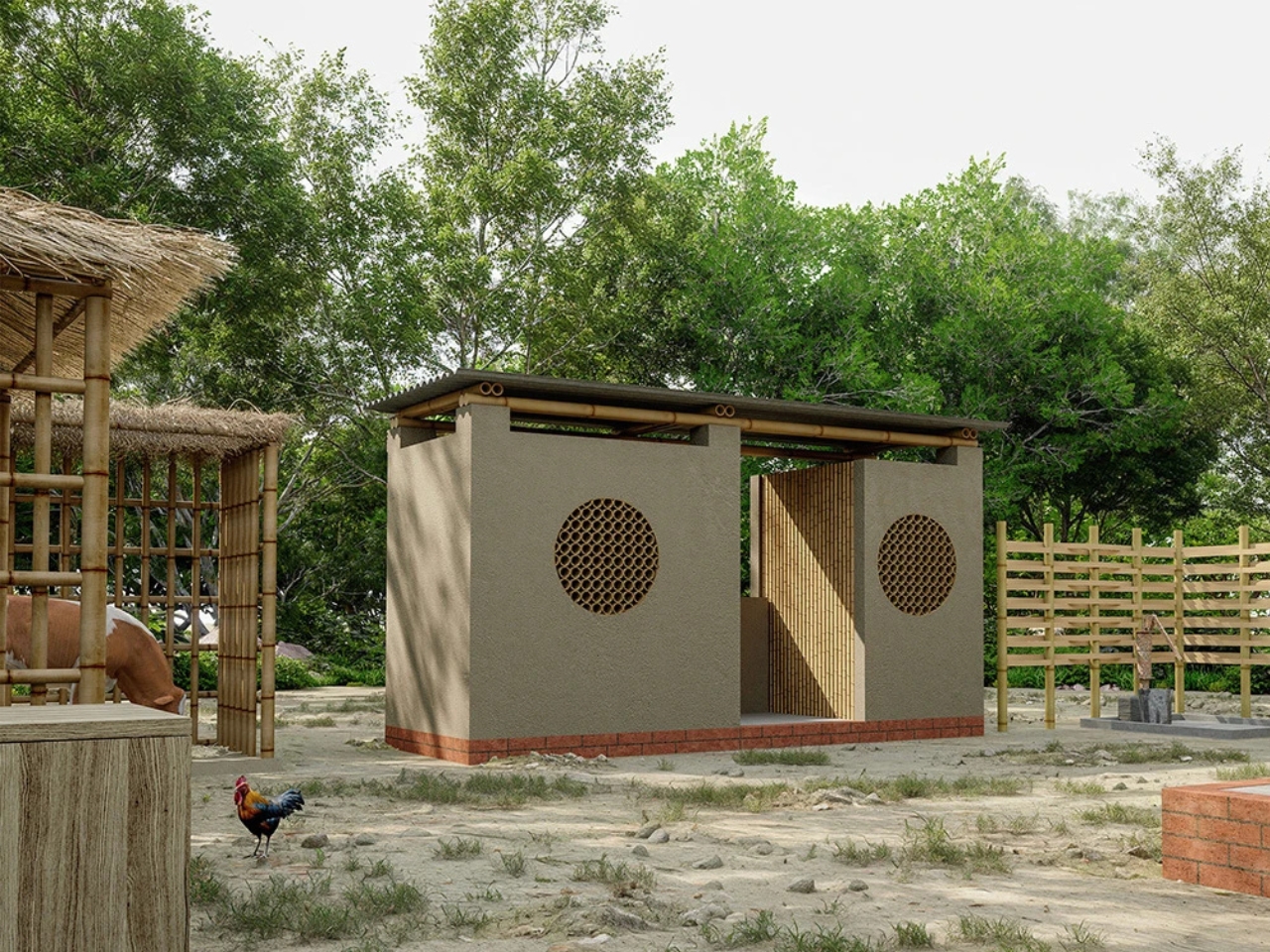
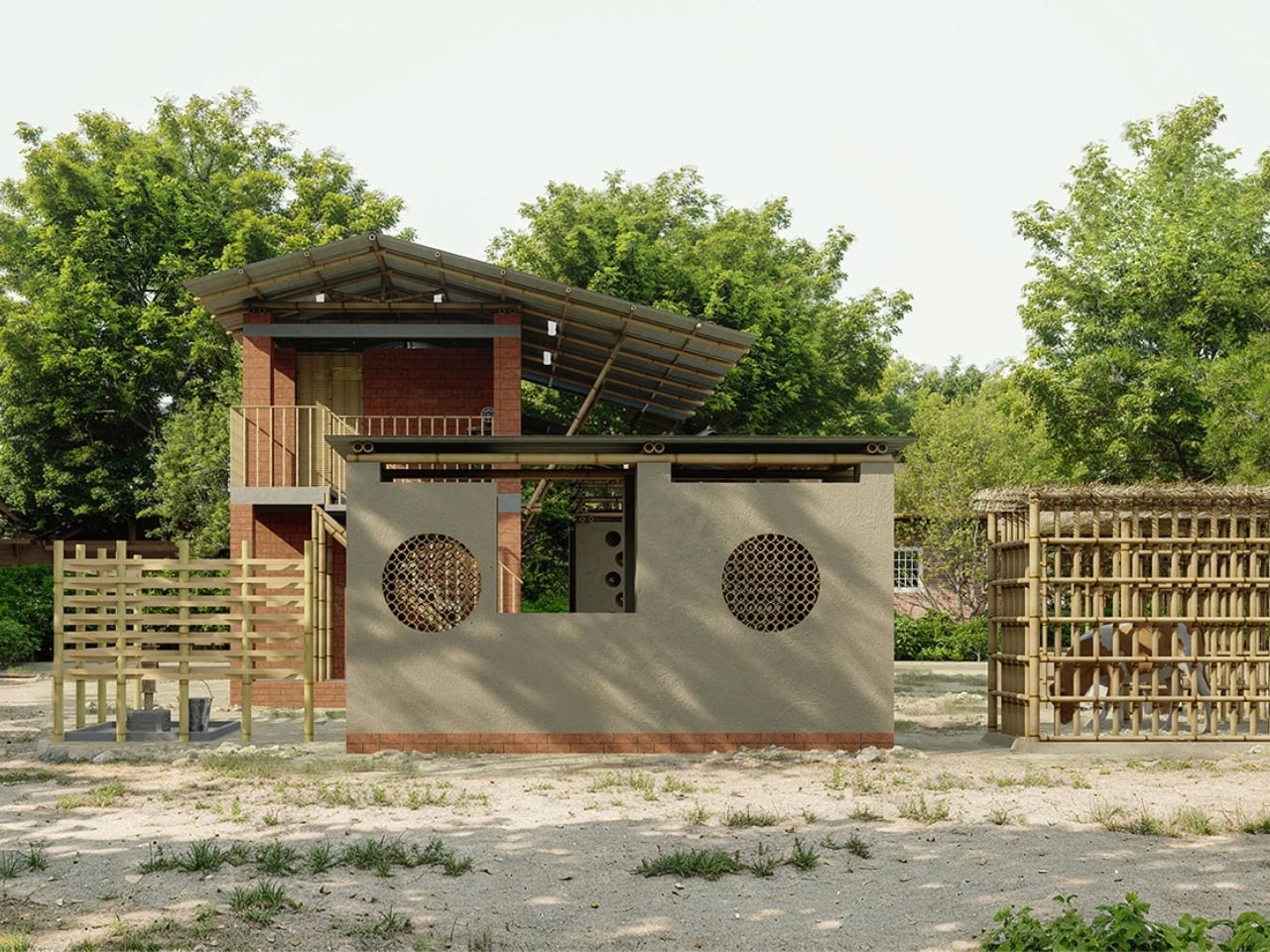
The $2,500 Vernacular Home sits in Para Dash, a bamboo village in Modonpur, Bangladesh, and it’s basically a masterclass in working with what you’ve got. Built for a multigenerational family of four (parents, their son, and his wife), this isn’t some stripped-down minimalist box. We’re talking two bedrooms, a kitchen, toilet, two cow sheds, a future child’s room, a weaving space, and even a roadside teahouse and shop. All for under $2,500. That includes materials and labor.

Designer: Xinyun Li

So how did Li pull this off? By going hyperlocal. Every single material came from the surrounding area. Mud, straw, and bamboo were literally gathered from nature, while bricks and tin sheets were produced nearby using local resources. No shipping costs, no imported materials, just what the land and community could provide. It’s the kind of approach that sounds simple but requires serious design chops to execute well.

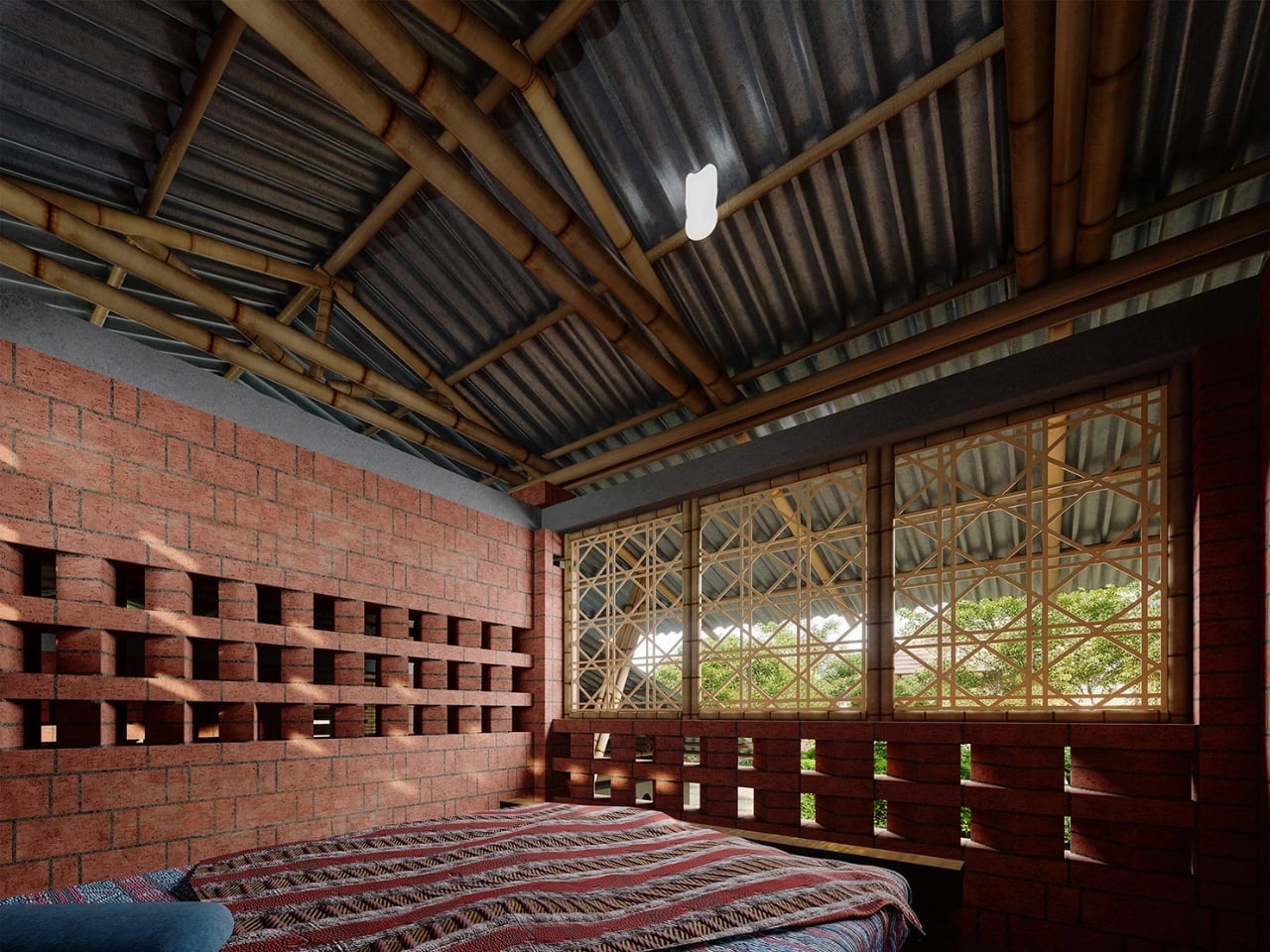
But here’s where it gets really interesting. Bangladesh isn’t exactly known for mild weather. The climate is hot, the monsoon season is long, and flooding is a legitimate concern. Li didn’t just slap together some walls and call it a day. She designed the entire house to work with (not against) these environmental challenges. The structure sits on raised plinths to protect against flooding, while steeply pitched roofs ensure rainwater runs off efficiently rather than pooling. The room layout itself is strategic, arranged to maximize cross-ventilation. Windows are placed at varying heights on windward and leeward sides, creating a natural airflow that pushes hot air out. No AC needed.

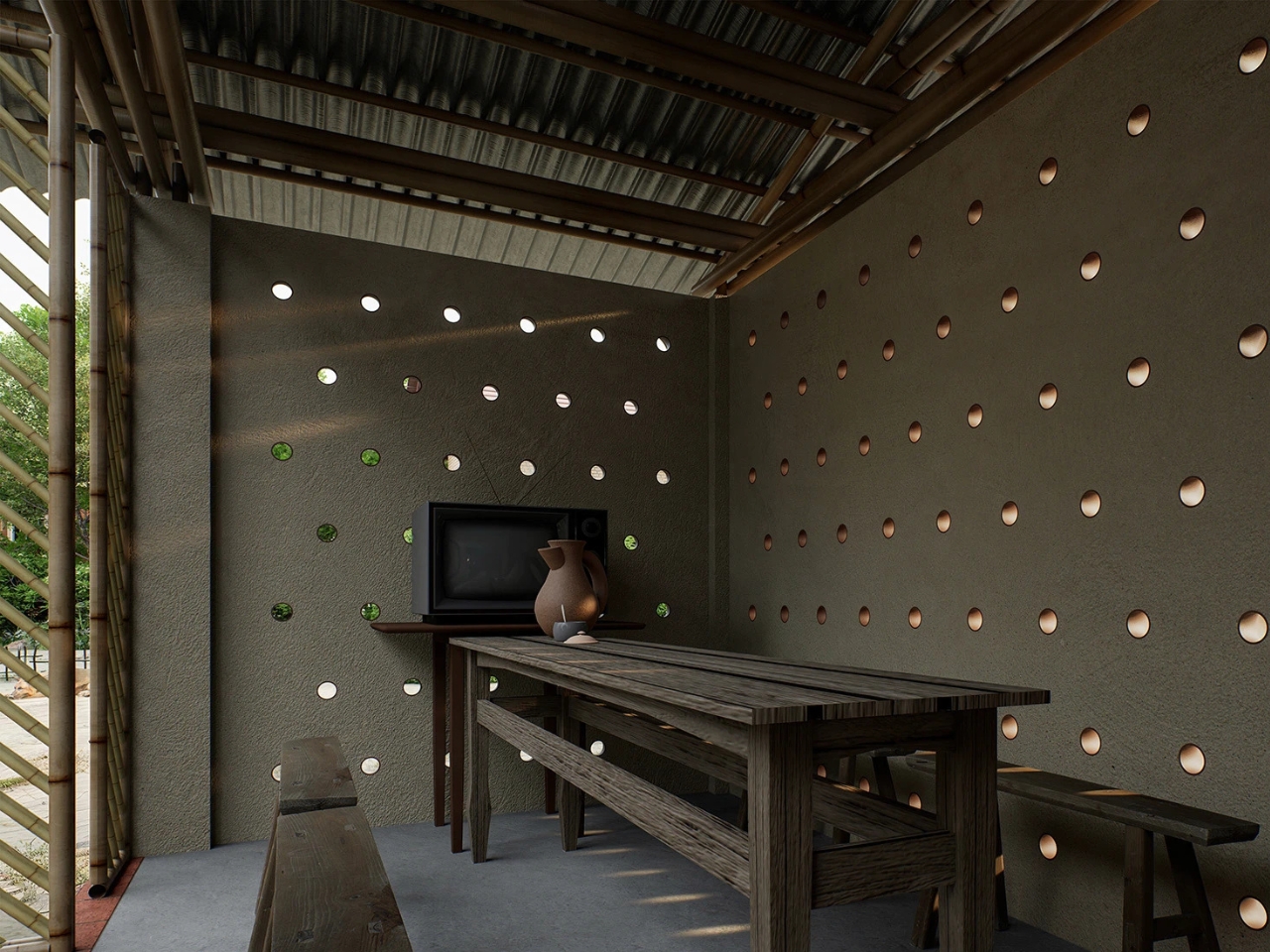
Then there’s my favorite detail: those clay pots you can see dotting the mud walls of the teahouse. They’re not decorative (though they look pretty cool). These locally made pots from a neighboring village are actually functional. When inserted into the wall, they compress airflow and help cool the incoming air, creating a more comfortable microclimate inside. It’s ancient technology meets contemporary design thinking, and it’s genius.

Since electricity is limited in the area, Li integrated something called “liter bottles of light” into the roof. These simple devices (basically plastic bottles filled with water) refract sunlight and illuminate interior spaces during the day without requiring any power. It’s the kind of low-tech, high-impact solution that reminds you innovation doesn’t always mean adding more technology.

The layout also reflects a deep understanding of how this family actually lives. The daughter-in-law has a small weaving space on an upper-level balcony right outside her bedroom. She can work on her craft while staying connected to what’s happening with the rest of the family below. Meanwhile, the parents’ teahouse and shop sit at the edge of the courtyard along the village road. It’s positioned perfectly to give the main home privacy while remaining accessible to community members who stop by.

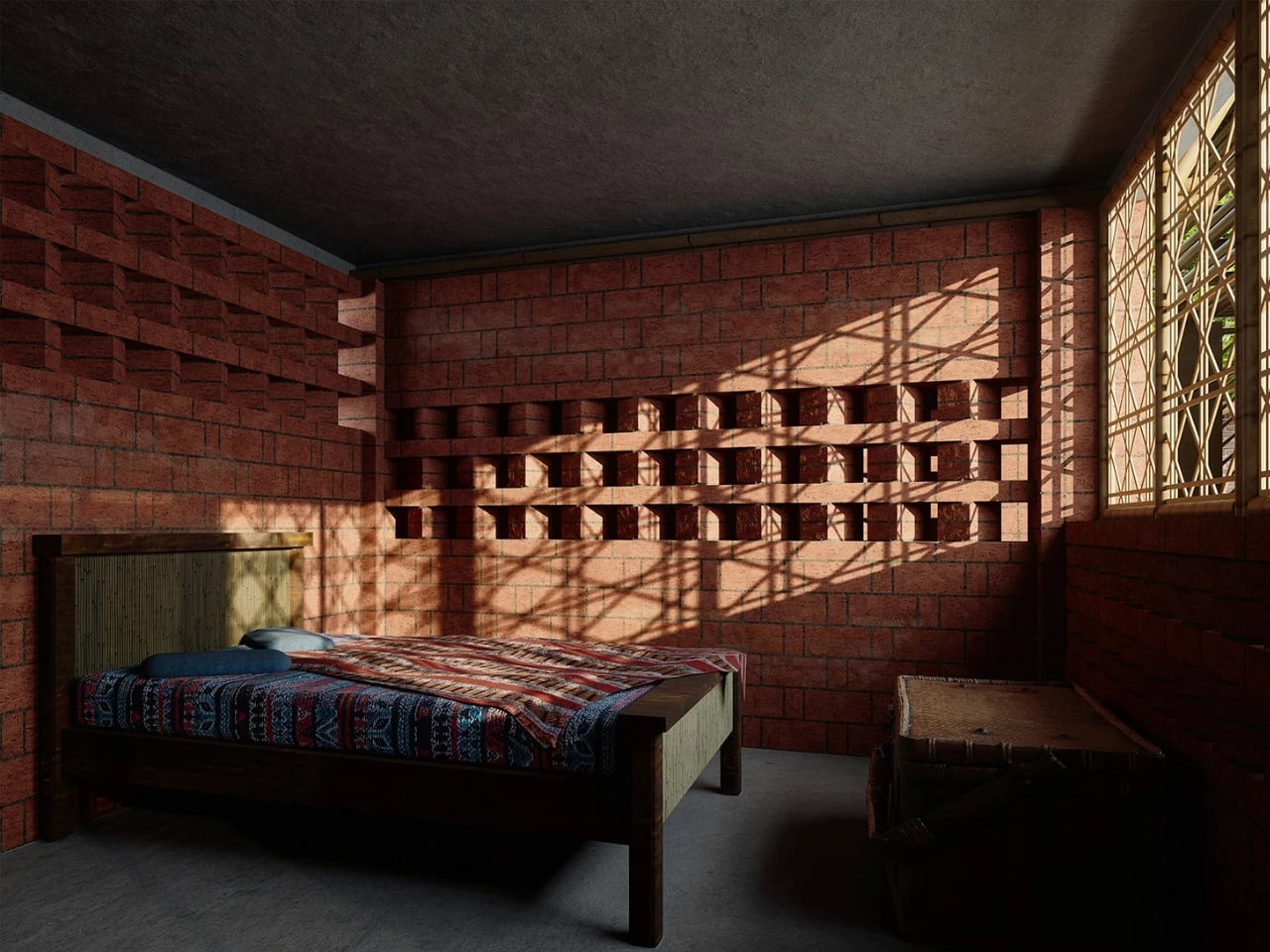
What makes this project so compelling isn’t just the low price tag (though that’s impressive). It’s that every decision, from materials to building methods, is rooted in local knowledge and ecology. The brick openings aren’t random; they’re carefully designed to enhance ventilation. The bamboo screens filter light beautifully while maintaining privacy. Even the tin roofs, which might seem like a purely practical choice, become part of the home’s aesthetic identity.

This is what true vernacular architecture looks like when it’s done right. It’s not about imposing some outside design vision onto a place. It’s about listening to the land, the climate, the culture, and the people who will actually live there. Li created a home that’s resilient, adaptable, and beautiful, all while proving that thoughtful design can be radically affordable.

The post This $2,500 Home Uses Clay Pots to Beat the Heat first appeared on Yanko Design.

Explore Elevated Living With This Holiday Home That Rises Into The Canopy

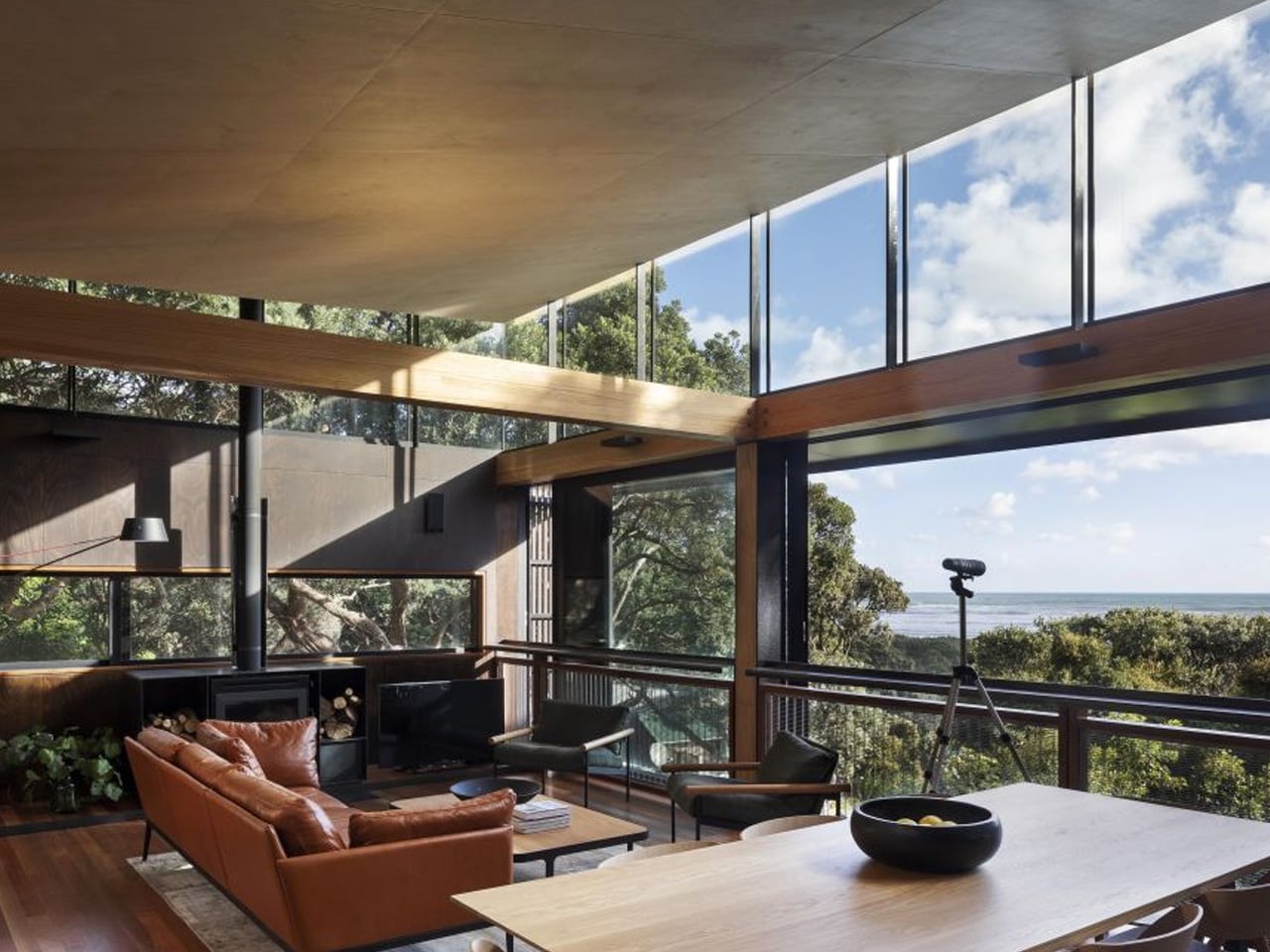
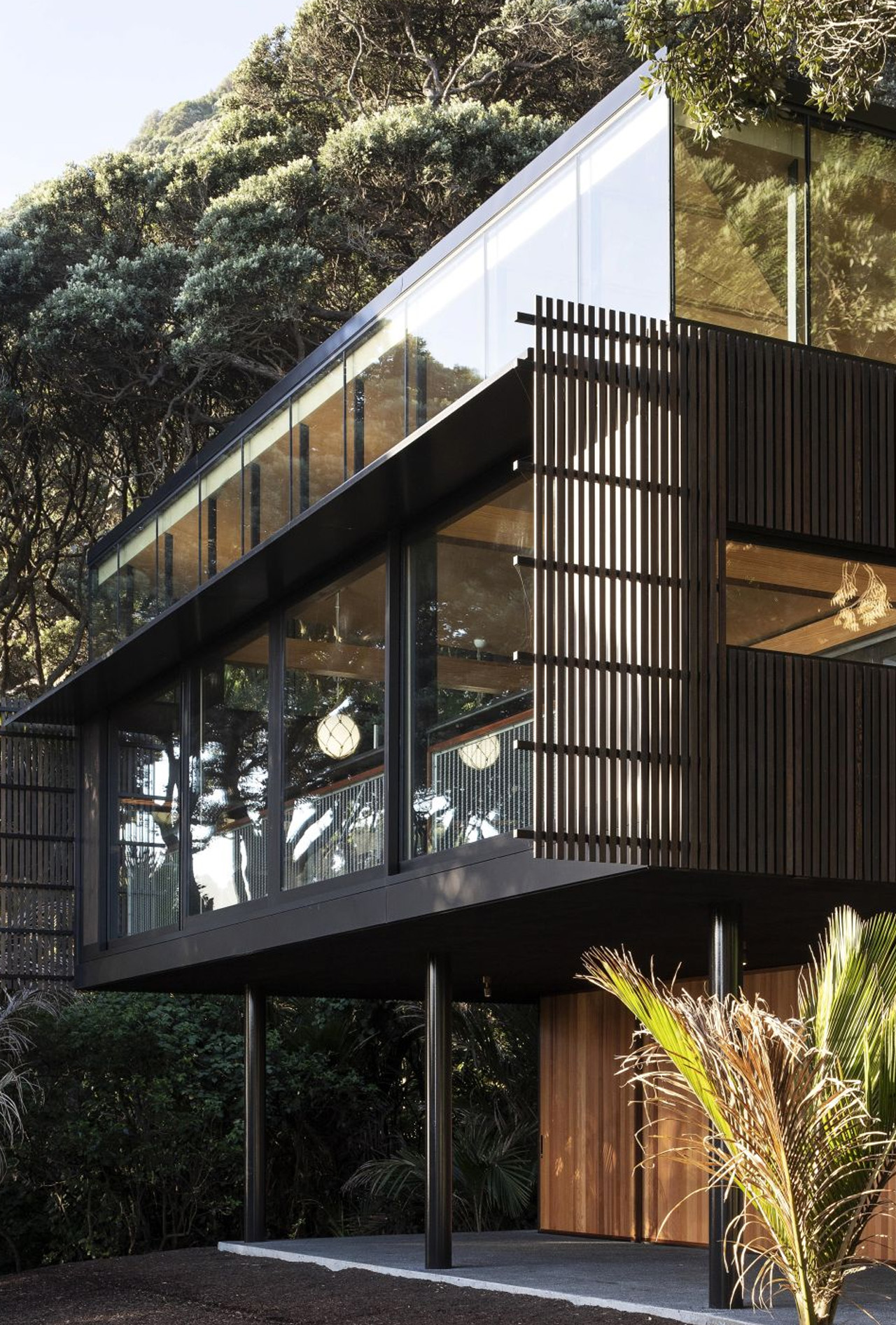
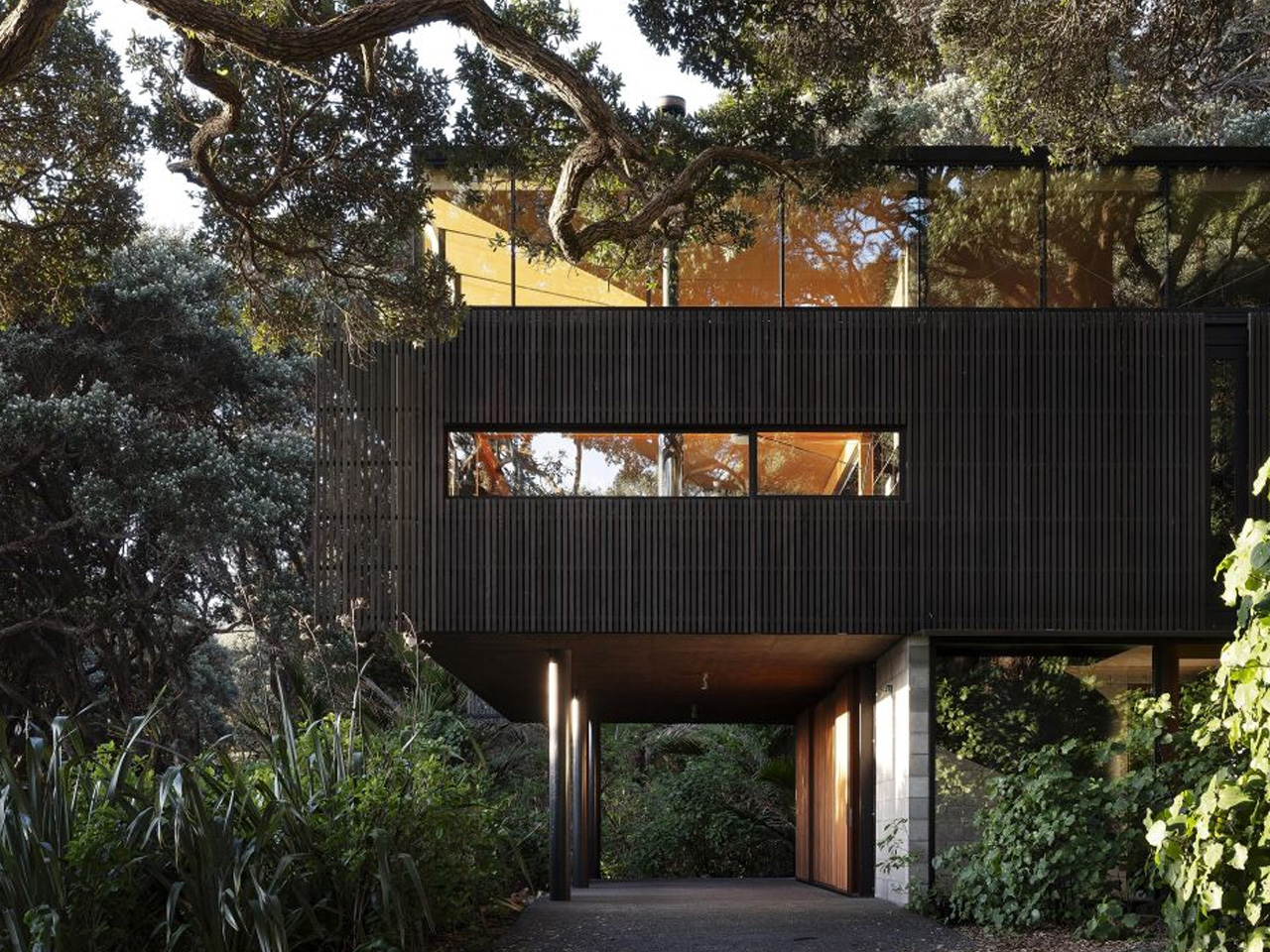
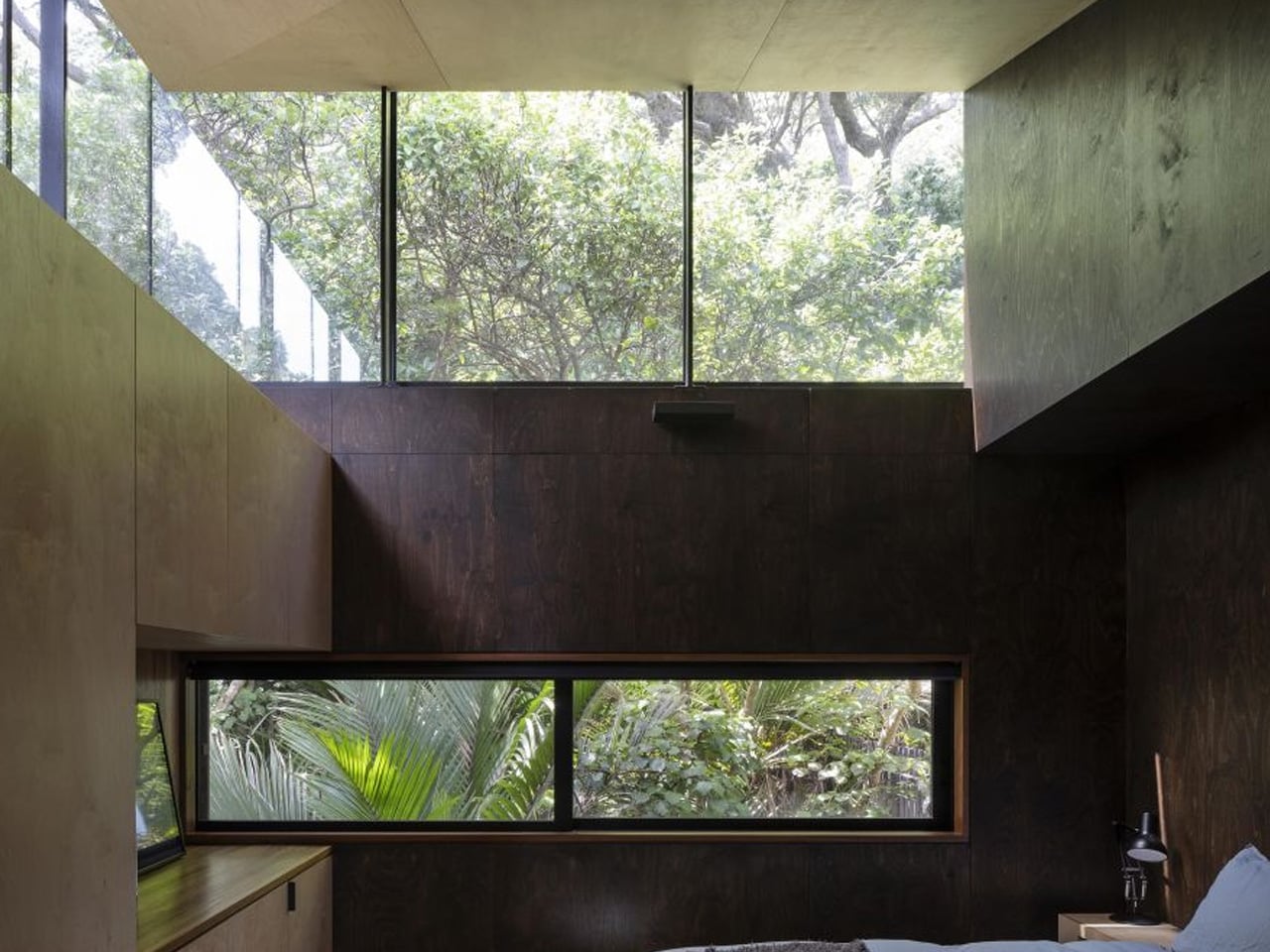
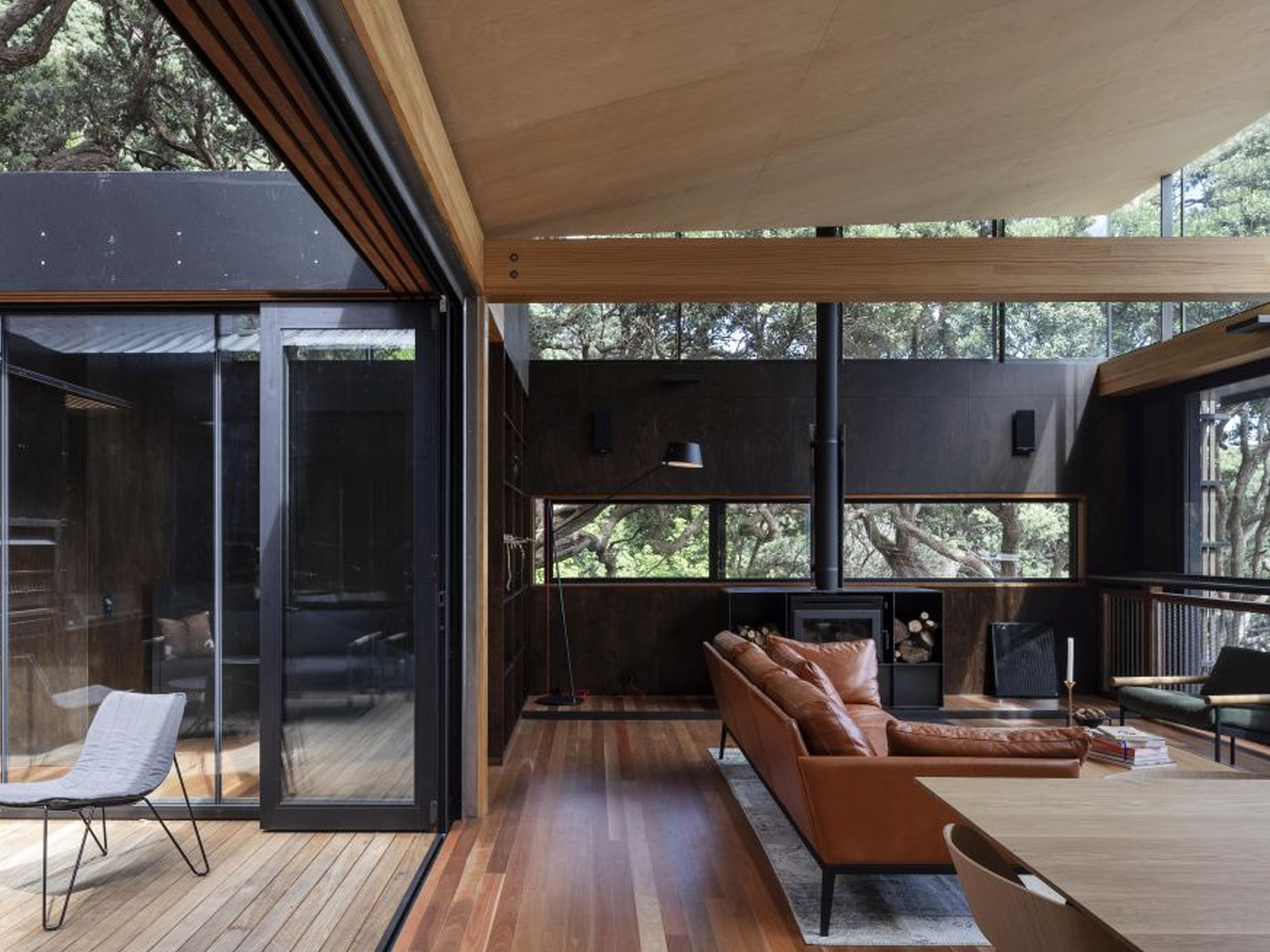
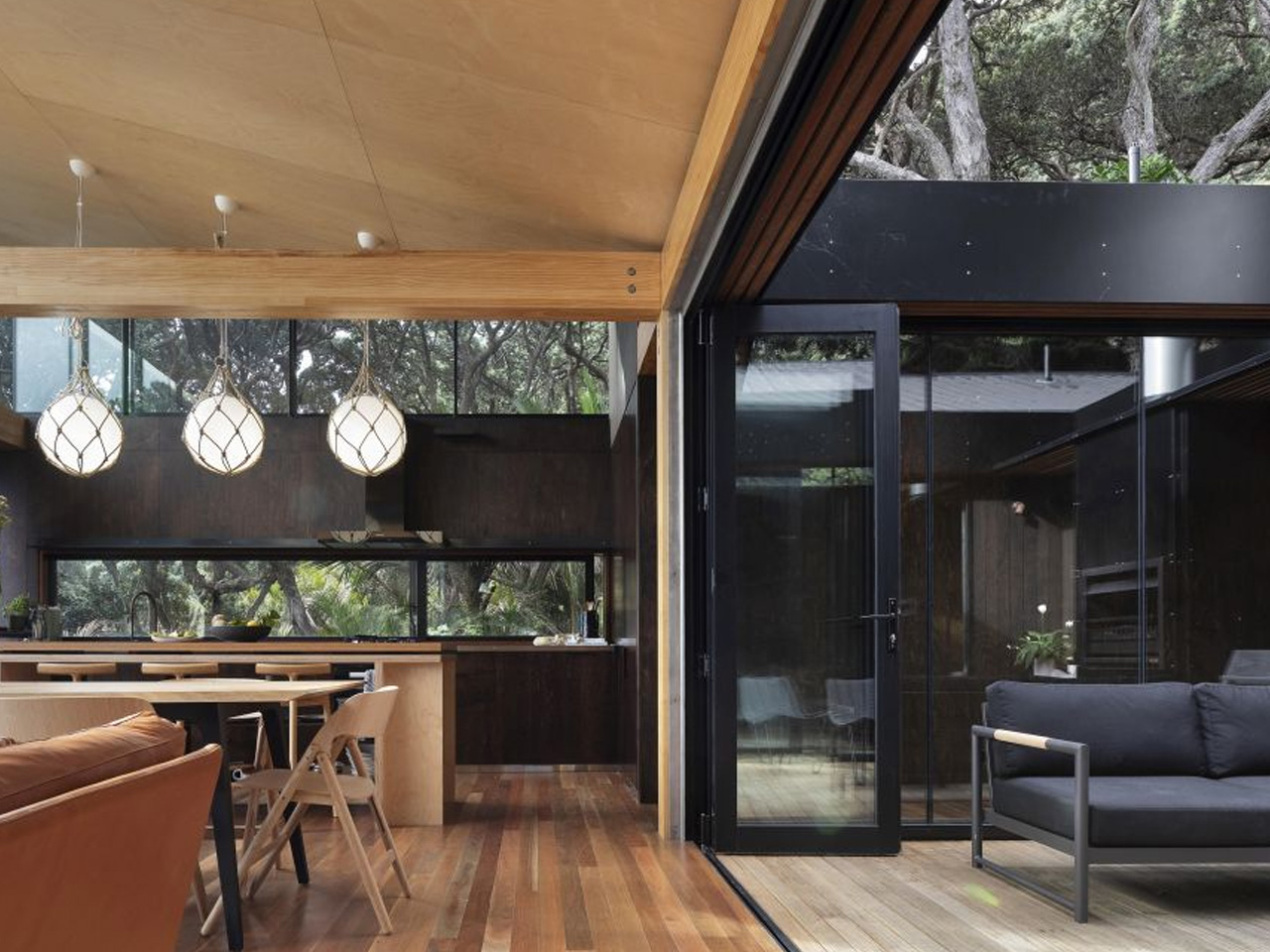
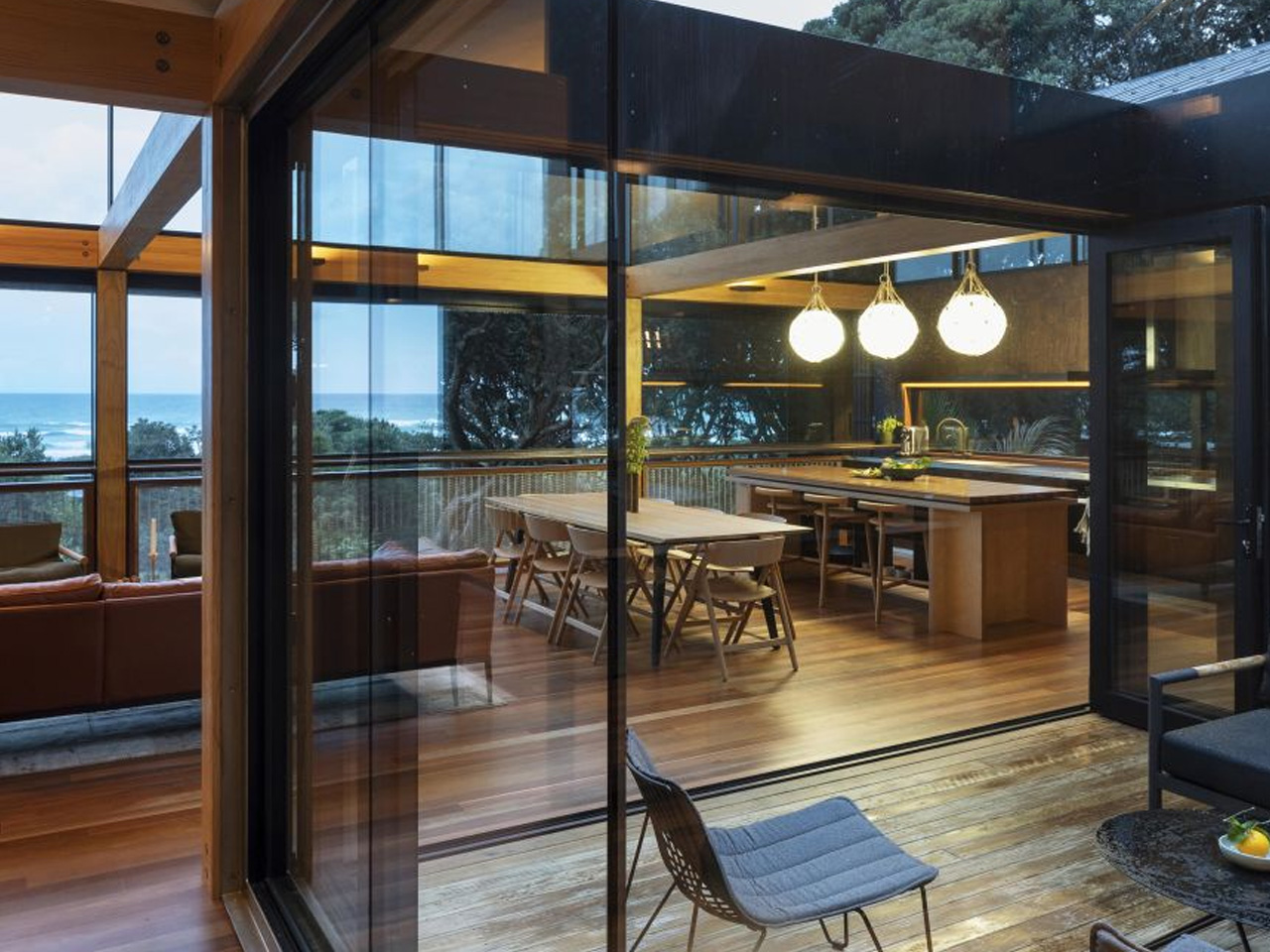
Perched above the forest floor in Piha, New Zealand, the Kawakawa Bach by Herbst Architects reimagines what it means to build a beach house on challenging terrain. Completed in 2017, this raised structure doesn’t fight its steep, tree-covered site. Instead, it rises to meet the canopy, lifting residents into a world where ocean glimpses and dappled sunlight filter through native branches.

The design responds directly to its environment. The site’s dramatic topography could have been seen as an obstacle, but Herbst Architects treated it as an opportunity. By elevating the structure on a cantilevered platform, the house escapes the shadows of the dense forest below and captures views that would otherwise remain hidden. The result is a dwelling that hovers between earth and sky, creating an intimate relationship with the surrounding trees.

Designer: Herbst Architects

This isn’t a summer-only retreat. The brief called for a year-round beach house capable of withstanding Piha’s sometimes harsh coastal conditions while maintaining comfort across seasons. The architecture balances exposure with shelter, opening to the environment when conditions allow, while providing protection when the weather turns. Large windows frame the landscape like living artworks, bringing the outside world into every room.

The house’s success lies in how naturally it inhabits its setting. Rather than clearing the site to impose a building, the design weaves through existing vegetation. Living spaces and bedrooms occupy the elevated platform, where residents experience the sensation of dwelling within the forest itself. The cantilevered form creates a lightness that prevents the structure from overwhelming its surroundings, making the house feel like an organic extension of the landscape.

Recognition came swiftly. At the 2018 New Zealand Architecture Awards, Kawakawa Bach received the Sir Ian Athfield Award for Housing, the country’s most prestigious residential architecture honor. Judges praised the project’s engaging connections to its environment and its thoughtful response to a challenging site. The award validated what the design demonstrates so effectively: that careful architecture can enhance rather than diminish natural beauty.

The project represents a particular approach to coastal living. Many beach houses prioritize views through aggressive site manipulation, but Kawakawa Bach achieves visual connection through subtler means. By working with the site’s natural contours and existing vegetation, the house gains something more valuable than unobstructed vistas. It offers an immersive experience of place, where residents live not just near nature but genuinely within it. Herbst Architects, recipients of multiple NZIA awards, have built a reputation for work that responds sensitively to New Zealand’s diverse landscapes. Kawakawa Bach exemplifies this approach. The house proves that even on steep, heavily forested coastal sites, architecture can create generous living spaces that honor their surroundings. It’s a lesson in restraint, proving that sometimes the most powerful design move is knowing when to lift rather than clear away.

The post Explore Elevated Living With This Holiday Home That Rises Into The Canopy first appeared on Yanko Design.

Volkswagen Numa Concept imagines a future where cars become part of the urban living

Long before concept cars became laboratories of screens and powertrains, automotive design often flirted with imagination for its own sake, vehicles that felt like sculptural expressions rather than objects built for the road. The Volkswagen Numa Concept taps into that spirit of creative exploration, offering a vision that feels more like an urban artifact than a traditional car. The tough experiment proposes a future where a vehicle does more than move through a city; it becomes part of the city’s texture, softening hard edges and blending mobility with environmental sensibility.

The concept approaches idea of transportation from a fresh angle, treating the vehicle as a spatial object rather than a closed mechanical shell. Its design embraces minimalism with clean, uninterrupted surfaces and calm geometry that intentionally avoids the aggression often associated with modern automotive design. Instead of projecting dominance, it aims for a gentle presence that aligns with architectural surroundings, almost as if it were a piece of contemporary street furniture shaped for movement. This is reinforced by its monochromatic palette and the intentional simplicity of its exterior lines, giving it the quiet confidence of an object designed to complement its environment.

Designer: Daniil Ostrovskii

One of the most unexpected elements is the rear section, envisioned as a space capable of hosting decorative plants. The idea is not ornamental but conceptual, suggesting that a car could introduce pockets of greenery into dense urban areas. This subtle integration of nature adds a layer of warmth and humanity to the design, hinting at a future where vehicles contribute to the emotional and ecological quality of city life. It’s a small gesture with symbolic weight, an acknowledgment that mobility can coexist with softer, more organic forms of expression.

While the Numa Concept doesn’t outline powertrains or engineering details, its purpose is clearly rooted in design exploration rather than technical forecasting. Its value lies in the conversation it sparks: how might vehicles adapt to cities where space, sustainability, and aesthetics matter as much as performance? By promoting a vehicle that behaves like both sculpture and structure, the concept reframes the automotive role in urban settings, encouraging designers and planners to think beyond conventional categories.

The emotional tone of the design is intentional, aiming to create a sense of calmness instead of visual noise. This approach demonstrates how transportation could evolve to harmonize rather than interrupt, offering a counterpoint to the ever-more complex forms emerging across the industry. For a future in which cities strive to balance density with livability, ideas like Numa suggest that cars could participate in that balance, not work against it. The car reminds us that design still has the power to reframe familiar objects and proposes that mobility, architecture, and nature might someday coexist more fluidly.

The post Volkswagen Numa Concept imagines a future where cars become part of the urban living first appeared on Yanko Design.

Our favorite Aura digital photo frame is $40 off for Black Friday

Putting together a photo album is a sweet way to share memories with loved ones, and a digital frame lets you package those feelings in a device that can be constantly updated with new pictures. Aura makes some of the best frames we've tested, and for Black Friday you can get our favorite digital picture frame the company makes for $139. That's $40 off the normal $179 price of the Aura 10.1" Carver Mat Frame, and one of the lowest prices we've seen the frame hit this year.

The Aura Carver Mat has a 10.1-inch display that's bright and high-resolution enough to show off a rotating collection of photos and videos without worrying about glare. The display is designed to be used in landscape orientation, and Aura's software can intelligently pair portrait photos together so the screen isn't left with awkward negative space.

Better yet, actually getting photos on the frame is a breeze. You can add whatever photos or videos you choose through a handy smartphone app, and even organize photos in albums if you want them to be displayed together. By default, the Aura Carver will shuffle through what you've uploaded, but you can also manually swipe through photos via a touch panel at the top of the frame if there's something particular you want to display.

In terms of quality and ease-of-use, the Aura 10.1-inch Carver Mat Frame is the top pick in our list of the best digital picture frames for a reason. Parents and grandparents find it kind of magical to have a frame that you can randomly update with new photos, and of the Black Friday deals we've spotted this year, it's a guaranteed crowd-pleaser.

This article originally appeared on Engadget at https://www.engadget.com/home/smart-home/our-favorite-aura-digital-photo-frame-is-40-off-for-black-friday-202715971.html?src=rss

Nuvolino Incense Burner Looks Like a Character Exhaling Smoke

Incense has moved from hippie corners and temples into more design-conscious homes, but most burners are either purely functional trays or ornate figurines that look like souvenir shop castoffs. Nuvolino sits in the middle, a small white ceramic object that looks like a character and a sculpture at the same time. It’s less about holding incense and more about staging a tiny scene of scented smoke.

Nuvolino is a ceramic incense burner designed by Giulio Iacchetti and made in Italy. Iacchetti describes it as a gentle alien that lands on shelves and sideboards to bring a breath of scented air. It’s the first in a planned collection of home fragrance objects, starting in pure white but with the possibility of future artist-decorated versions that turn each burner into a small canvas or signed piece.

Designer: Giulio Iacchetti

The form is a smooth, elongated body with a slight waist, sitting on a low disc base and topped by a rounded head with a single circular opening on one side. That opening acts as a mouth or eye, depending on how you see it, and it’s where the smoke escapes. The proportions are simple and almost toy-like, but the lack of facial features keeps it from feeling kitschy or overly cute.

You lift the ceramic figure off its base to reveal a small cone of incense, light it, let it smoulder, and then place the figure back over it. As the cone burns, a thin veil of smoke begins to drift out of the side opening, making it look like the little character is gently exhaling. The room slowly fills with a soft aroma, and the object feels briefly alive in a way that flat trays never manage.

Nuvolino is inspired by the German Räuchermann, the turned wooden incense man that often depicts miners, forest rangers, or chimney sweeps with smoke coming from their mouths. Nuvolino rewrites that story in minimal white ceramic, stripping away costume and narrative while keeping the core gesture. The result is an ironic, evocative update that fits contemporary interiors without losing the charm of the original folk tradition.

Nuvolino is crafted from white ceramic by Italian artisans, with a finish that emphasizes form and shadow over decoration. The packaging is simple brown cardboard with a black silhouette of the character blowing smoke, more like a design object than a luxury perfume. Together, they frame the burner as something quiet and honest, ready to pick up patina and personal meaning over time.

Nuvolino turns the act of lighting incense into a tiny performance, where a silent figure seems to breathe out fragrance and change the mood of a room. For anyone who likes their home objects to have a bit of personality without shouting, this little ceramic alien feels like a gentle way to let scent and sculpture come together on a shelf.

The post Nuvolino Incense Burner Looks Like a Character Exhaling Smoke first appeared on Yanko Design.

AI horror, a dinosaur platformer and other new indie games worth checking out

Welcome to our latest roundup of what's going on in the indie game space. Even though it's a truncated week in the US with the long holiday weekend, there's still been a spate of new releases and news on upcoming games. There'll be plenty more over the next couple of weeks too, with The Game Awards, Day of the Devs and several other showcases in the pipeline. 

In the spirit of the season, one thing I'm thankful for is indie studios being able to make the games they want despite external pressures. We've seen both extremes of that in recent months. This week, the team at Santa Ragione said it respects players enough to release its latest game, Horses, as intended. However, Valve has blocked the horror title from Steam in what seems to be quite a messy case. As a result of not being able to sell Horses on the biggest PC games storefront, Santa Ragione said it's at risk of closure.

On the other end of the scale, Team Cherry was able to take all the time in the world to make Hollow Knight: Silksong because of the success of its previous game, which has sold more than 15 million copies. Although Hollow Knight fans spent years clamoring for updates on Silksong, the small team had the financial freedom to spend as long as it wanted crafting and polishing the sequel. The devs were able to just keep their heads down and do that until Team Cherry announced a release date just two weeks in advance.

Those are two very different stories. Still, they both resulted in fully realized games based on seemingly uncompromised visions. 

New releases

A.I.L.A — from Pulsatrix Studios and publisher Fireshine Games — has a decent-enough concept. It's a first-person horror title in which you take on the role of a VR game tester. The games that the protagonist plays are crafted by an AI (which, by itself, is a horrifying prospect) and adjusted based on your feedback. In a stunning development, the AI begins to tap into your character's deepest fears and blur the virtual and real worlds. It sounds like a blurb for an airport novel, but it's a solid-enough foundation on which to base a game.

The structure of A.I.L.A allows for Pulsatrix to craft a few distinct experiences in various horror subgenres within a larger game. You'll encounter a cult, zombies, aliens, creepy mannequins, puzzles and more as you play through chapters rooted in the likes of psychological horror and survival horror. There are a lot of ideas packaged together here. I’ve played a chunk A.I.L.A and it’s okay so far, even if it does feel a bit like a tribute band playing the hits of yesteryear. A.I.L.A is out now on Steam (usually $30, but there's a 20 percent discount until December 9), PlayStation 5 and Xbox Series X/S.

If you can't get enough of fairly lengthy open-world action RPGs, Of Ash And Steel might be one for you to sink your teeth into. Fire & Frost and publisher tinyBuild claim there's over 45 hours worth of main story material to dig into here.

One interesting thing about Of Ash And Steel is that there are no quest markers. Exploration is a major factor and you can mark locations on your map. Otherwise, you'll need to pay attention to things like what other characters are saying to figure out where to go. Also, the trailer's final shot shows a pair of titans that seem ready to battle, and that has me intrigued too.

Of Ash And Steel typically costs $30. There's a 20 percent discount until December 8 on Steam and GOG.

Young Suns is the latest project from Ko_Op (Goodbye Volcano High). When the team announced the game this week, it immediately became available on all Game Pass tiers as a game preview on Xbox Series X/S, PC and Xbox Cloud. If you'd prefer to buy it outright, you can also do that for $20.

This is (appropriately enough) a co-op life sim for up to four players. The team readily admits that Young Suns is still in development and that means some features and quest content aren't available in the current version of the game. However, as game director Graeme Lennon wrote in an Xbox Wire post, "The game is playable and fun for its intended pattern of play: checking in for an hour or two daily, slowly building up your perfect ship-home and making new friends."

The game is set on Jupiter and you can explore space stations, planetoids and ruins. You can collect resources and other items to help upgrade your ship/home. There are 30 characters (more are on the way), and most have "over two months of unique daily chat content." Young Suns is also coming to Steam down the line.

Dinopunk: The Cacops Adventure is the first of two dinosaur games in this week's roundup. This one is an adorable-looking retro platformer from The Dude Games and publisher Meridiem. It's said to pay tribute to classic games like Wonder Boy, Alex Kidd and Contra. 

As an amphibian dinosaur, you can collect special items to upgrade your attacks. There are arcade-style minigames as well. My favorite thing from the trailer, though, is a boss called Gatling Saurus. Love it. Dinopunk: The Cacops Adventure is out now on Steam. It usually costs $8, but there's a 10 percent discount until December 1.

Upcoming 

Ferocious is a very different kind of dinosaur game. This one is a first-person shooter from OMYOG and tinyBuild in which you have a device that allows you to communicate with and control dinos. Sending a rampaging triceratops into combat or riding on the back of one looks pretty fun. You can even take charge of a T. rex.

The gist is that an evil corporation is out to change the world in its favor with the help of these prehistoric reptiles, and it's up to you to stop this cabal. Ferocious will hit Steam on December 4 for $25.

Engadget's UK bureau chief Mat Smith got to try out There Are No Ghosts at the Grand back at Gamescom, and now you can check it out too. Friday Sundae has released a demo for the odd-looking "spooky, cozy musical mystery" on Steam.

After you inherit a rundown hotel, you have 30 days to fix it up using talking power tools (such as a furniture cannon)... or else. At night, you'll have to fend off ghosts. Maybe the title of this game is a bit of a misdirect! 

There Are No Ghosts at the Grand seems a bit strange, but I'm on board with it. It’s coming to PC and Xbox Series X/S next year and it will be a day-one addition to Game Pass. It will hit other platforms later.

This article originally appeared on Engadget at https://www.engadget.com/gaming/ai-horror-a-dinosaur-platformer-and-other-new-indie-games-worth-checking-out-180000059.html?src=rss

One Pole to Rule Them All: The Swiss Army Knife of Streetlights


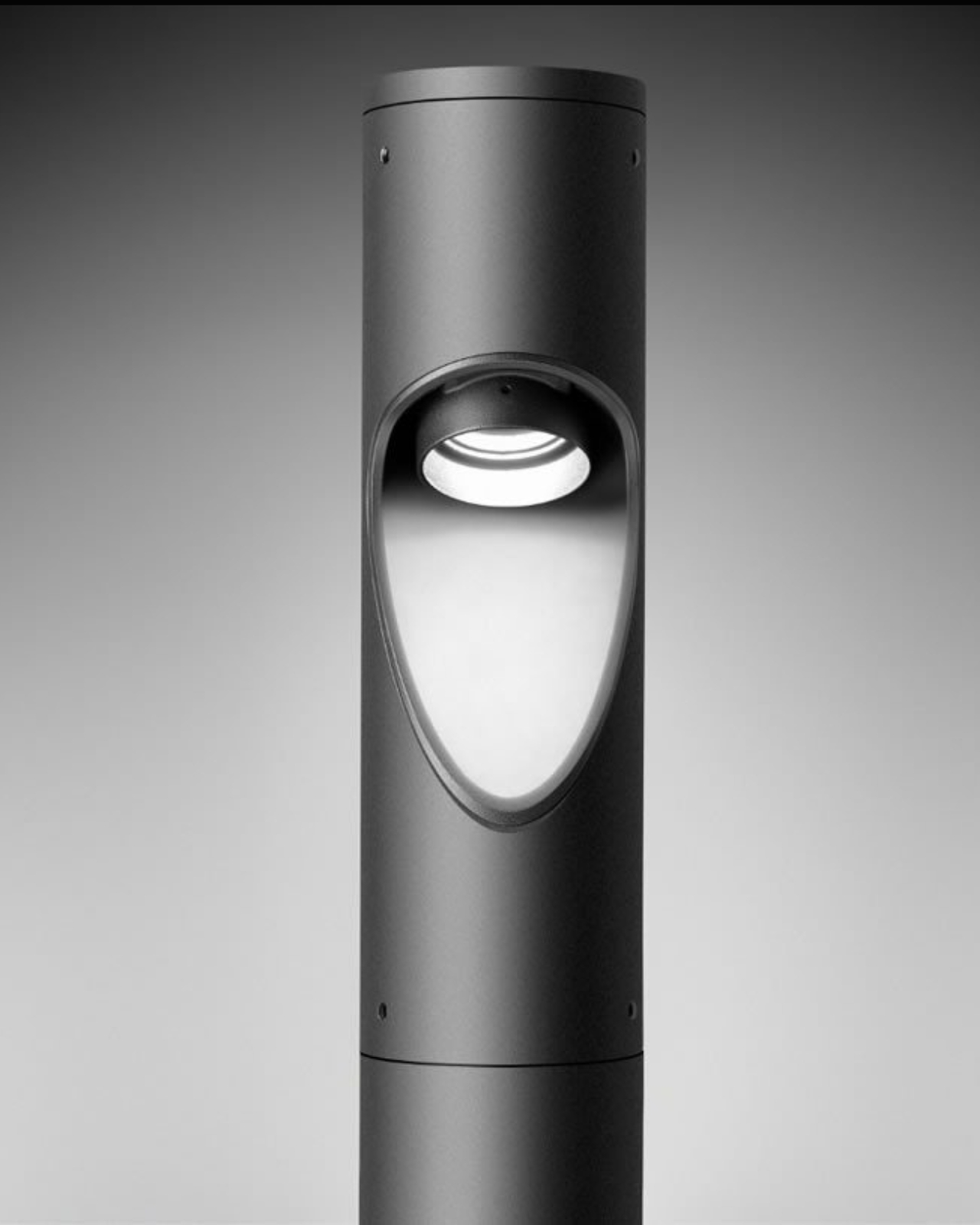
You know those moments when you walk through a city and notice something that makes you think, “Why didn’t anyone think of this sooner?” The Shift Pro by Italian design firm Simes is one of those designs. It’s not trying to reinvent the wheel, but it’s definitely reimagining what a simple streetlight can do.

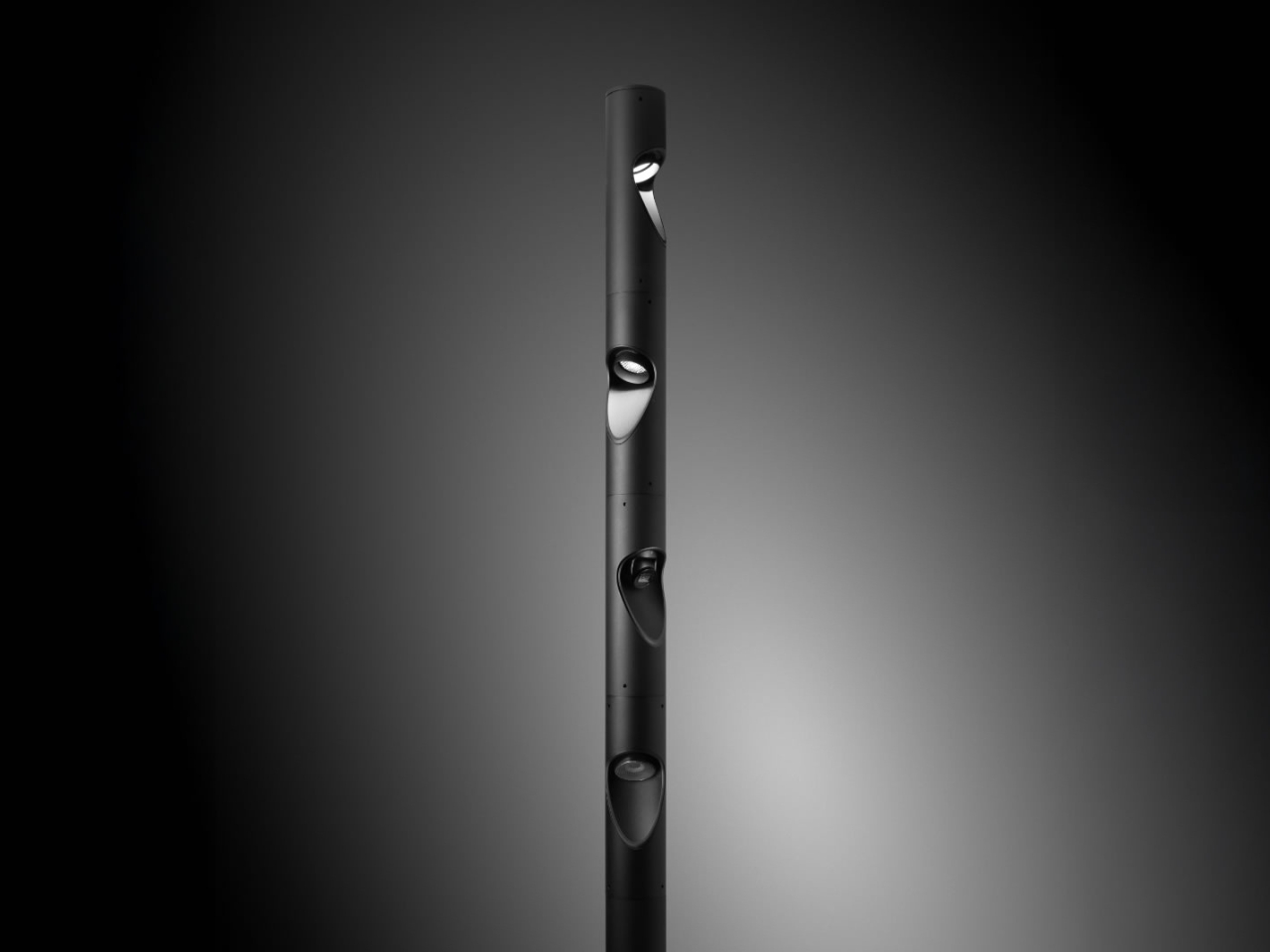
Think of it as the Swiss Army knife of urban infrastructure. Instead of cluttering our sidewalks with separate poles for lighting, cameras, speakers, and Wi-Fi routers, Simes has condensed everything into one sleek, weatherproof system that actually looks good while doing all the heavy lifting.

Designer: Simes

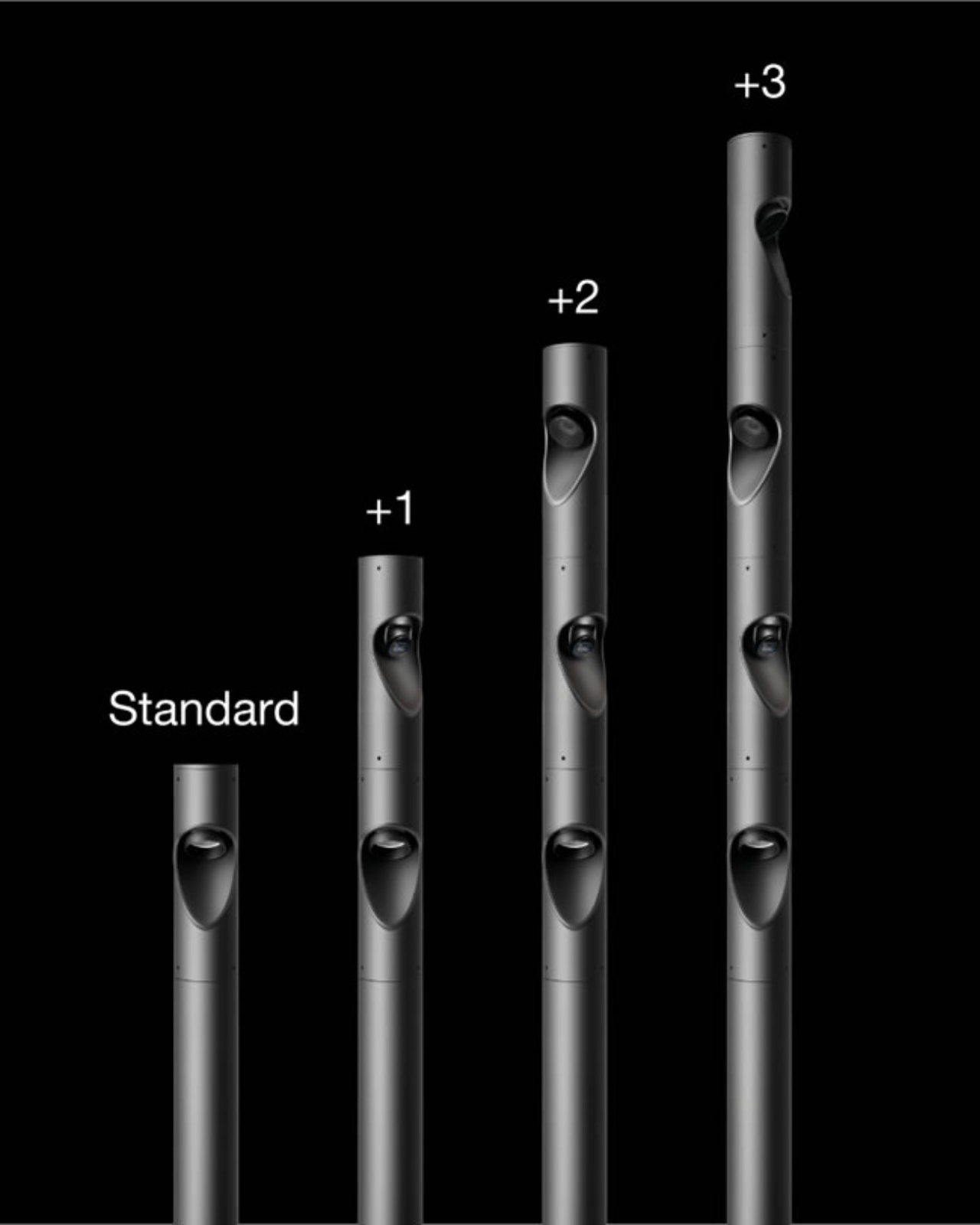
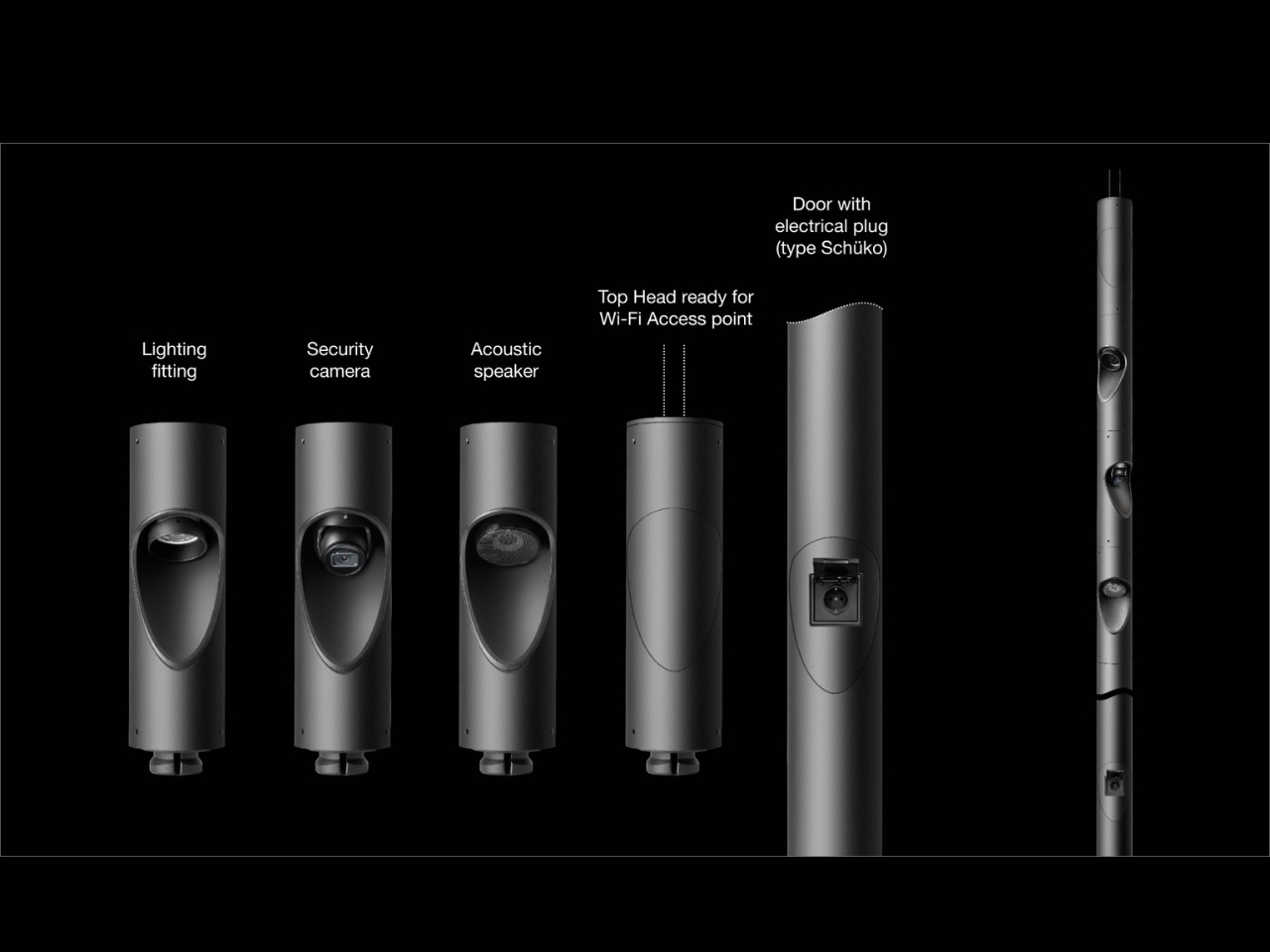
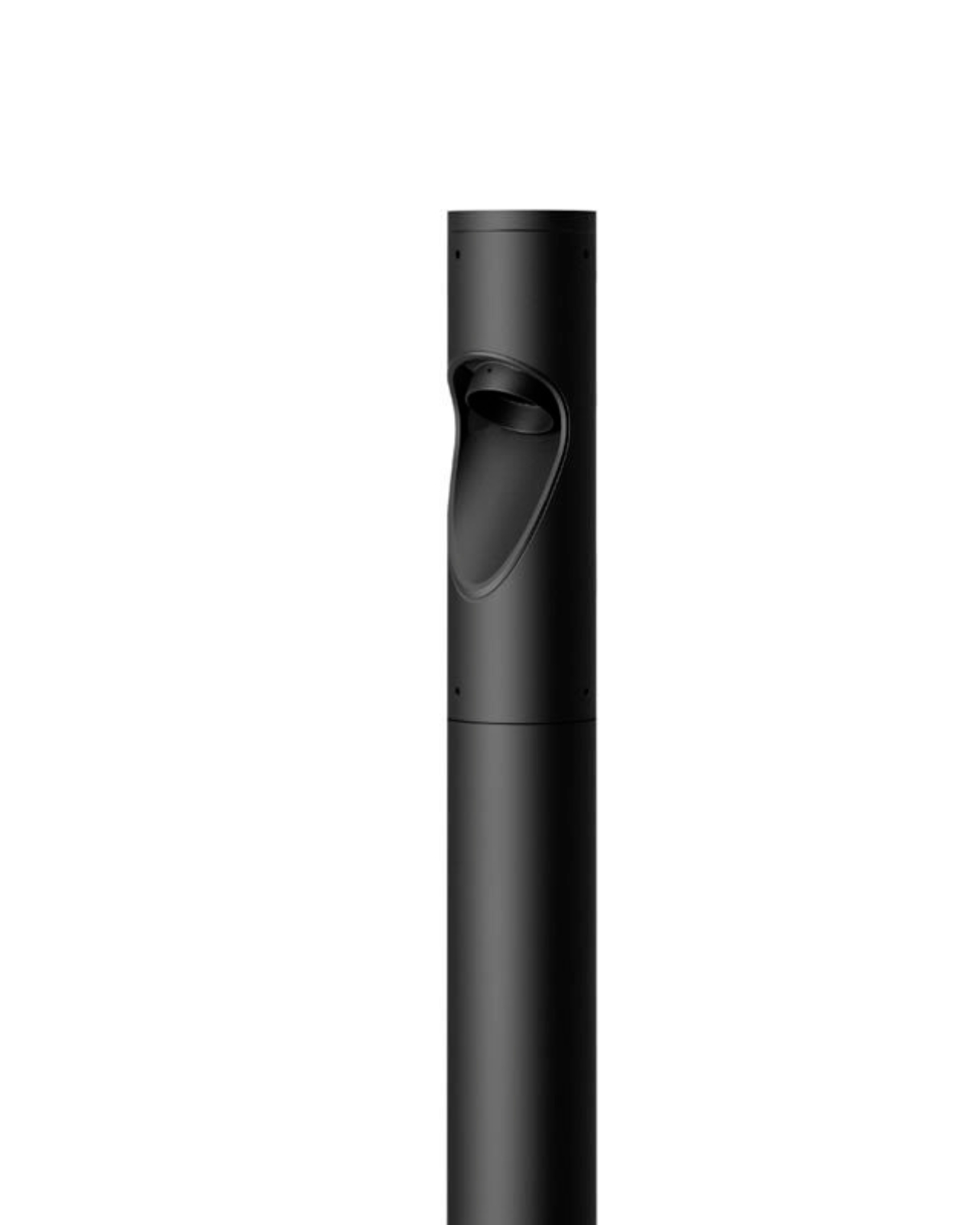
At first glance, the Shift Pro looks like your typical modern street pole with a minimalist black finish. But here’s where it gets interesting: this thing can be equipped with up to four independently manageable modular heads. Each head can be customized to serve different functions, from adjustable LED lighting to IP67 security cameras, passive acoustic speakers, or Wi-Fi access points. Oh, and if you’re riding an e-bike or electric scooter, there’s even an optional door with an electrical socket for charging.

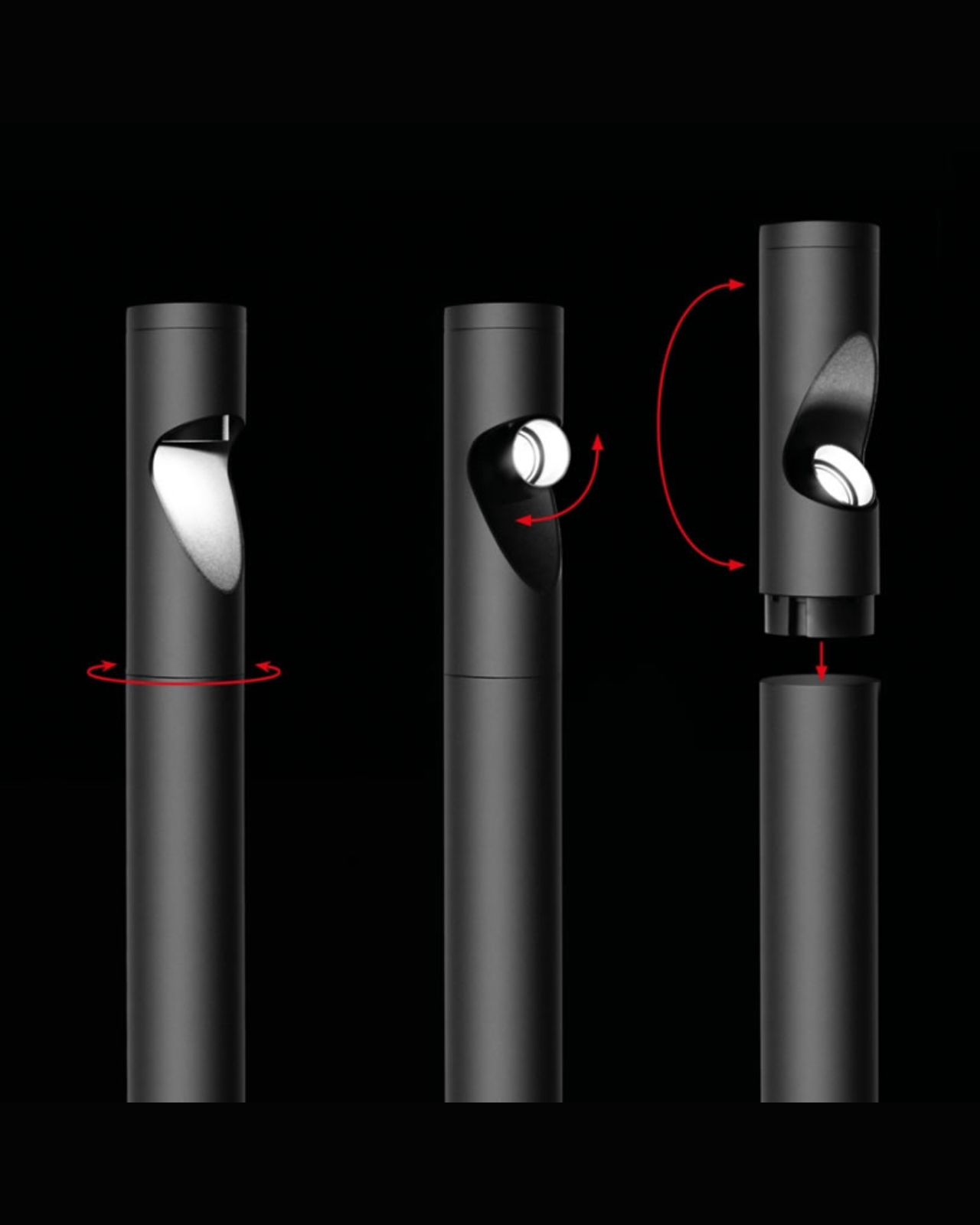
The flexibility here is genuinely impressive. Each head can rotate 360 degrees, and the integrated projectors can tilt up to 90 degrees. This means you’re not stuck with fixed lighting that only illuminates one spot. Cities can adjust the configuration based on what each specific location needs. A park might prioritize lighting and speakers for events, while a commercial district could lean into surveillance and Wi-Fi connectivity.

What I really appreciate about the Shift Pro is how it addresses a real urban planning headache. Walk down any busy street and you’ll see the visual clutter: one pole for streetlights, another for traffic cameras, a third for public Wi-Fi, maybe a fourth for something else entirely. It’s messy, it’s expensive to maintain, and honestly, it’s not great to look at. By consolidating these functions, Simes isn’t just solving an aesthetic problem but also making cities more efficient and potentially saving money on installation and maintenance.

The technical specs are solid too. With an IP66 protection rating and IK10 impact resistance, this pole is built to withstand whatever weather or vandalism throws at it. The LED lighting comes with DALI 2 dimming capabilities, which means cities can easily adjust brightness levels based on time of day or specific needs. During late hours, for instance, lights could dim to save energy but brighten when motion is detected.

Of course, there’s the elephant in the room: surveillance. The idea of integrated cameras might make some people uncomfortable. And that’s a valid concern worth discussing. We’re living in an era where the balance between public safety and privacy is constantly being negotiated, and adding more cameras to our streets isn’t a decision to take lightly. But the beauty of the modular design is that cities can choose which functions to include. If a community decides they’d rather not have cameras, they can opt for lighting and connectivity instead.

What makes the Shift Pro particularly clever is how it turns infrastructure into a service platform. Cities aren’t just getting a light pole, they’re getting a foundation for smart city technology that can evolve over time. Need to add emergency communication features later? Swap out a head. Want to upgrade the camera system? Same deal. This kind of flexibility is increasingly important as urban technology advances faster than traditional infrastructure can keep up.

Simes, based in Italy’s Franciacorta region, has been specializing in outdoor lighting for years with a focus on what they call “Light for all around the building.” The Shift Pro feels like a natural evolution of that philosophy, expanding from just illuminating spaces to genuinely enhancing how those spaces function and connect.

Since a lot of cities are getting smarter but also more cluttered with technology, the Shift Pro offers a refreshingly elegant solution. It’s not flashy or revolutionary in the disruptive sense, but it’s thoughtful design that makes you wonder why we’ve been doing things the complicated way for so long. Sometimes the best innovations aren’t about inventing something entirely new, but about combining what already exists in a way that just makes sense.

The post One Pole to Rule Them All: The Swiss Army Knife of Streetlights first appeared on Yanko Design.

ModRetro launches its take on the Nintendo 64

ModRetro, the gaming company that makes modern versions of retro consoles, has unveiled its take on the Nintendo 64. It’s called the M64, and it has launched alongside ModRetro’s spin on the classic console’s trident or three-pronged controller. The M64 is a direct competitor to the Analogue 3D, which is also an ode to the N64 and can play its games. Analogue’s version is already out for sale, though it’s currently out of stock. ModRetro didn’t say when you’ll be able to purchase the M64 and how much it will cost, but you can sign up for the waitlist and get priority when it goes on sale. The consoles will come with translucent casing in three colors when it debuts: purple, green and white.

ModRetro soft launched its first console, the Chromatic, in 2024. As you can probably guess, the Chromatic can play Game Boy and Game Boy Color titles, as well as proprietary cartridges. It came out months after its soft launch and will set you back at least $200. If you’re not familiar with ModRetro before this, it was founded by Palmer Luckey who also founded Oculus and designed the Rift headset. In 2017, he co-founded Anduril Industries, a military tech company that builds drones, sensors and other technologies with billions in government contracts.

ModRetro M64 controller
ModRetro

This article originally appeared on Engadget at https://www.engadget.com/gaming/nintendo/modretro-launches-its-take-on-the-nintendo-64-170000967.html?src=rss