Midland CLIPTALK Brings Walkie Talkies to Your Collar
Midland introduces CLIPTALK, a wearable mini walkie talkie with ANC, VOX, and app integration for work, travel, and outdoor communication.
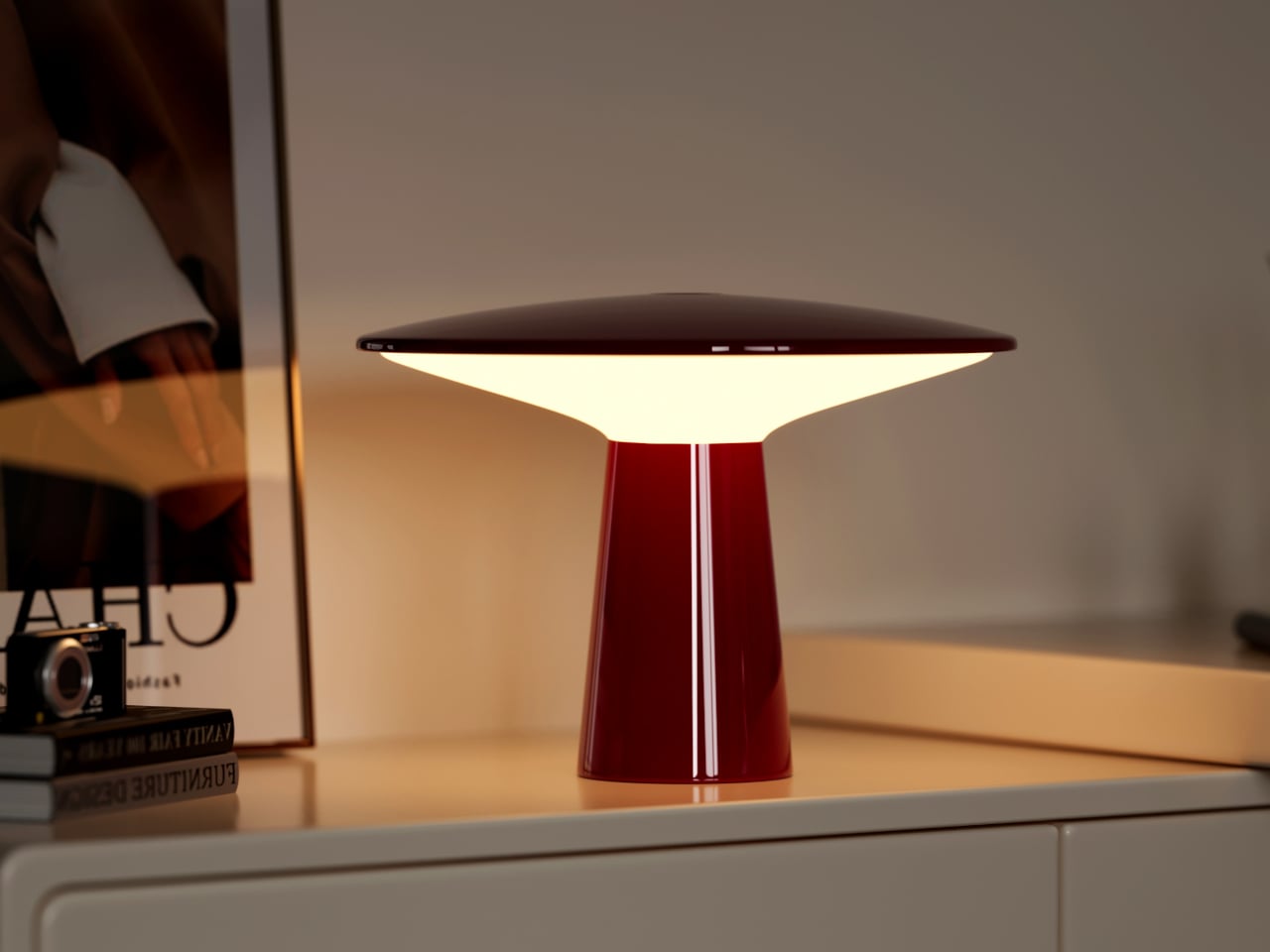
The lamp has gotten interesting again. What was once a fixture relegated to task lighting and matching living room sets has turned into something more intentional, especially among people who care about how their spaces feel at different times of day. Cordless, portable table lamps have become a genuine category of their own, offering the kind of flexibility that hard-wired fixtures simply can’t.
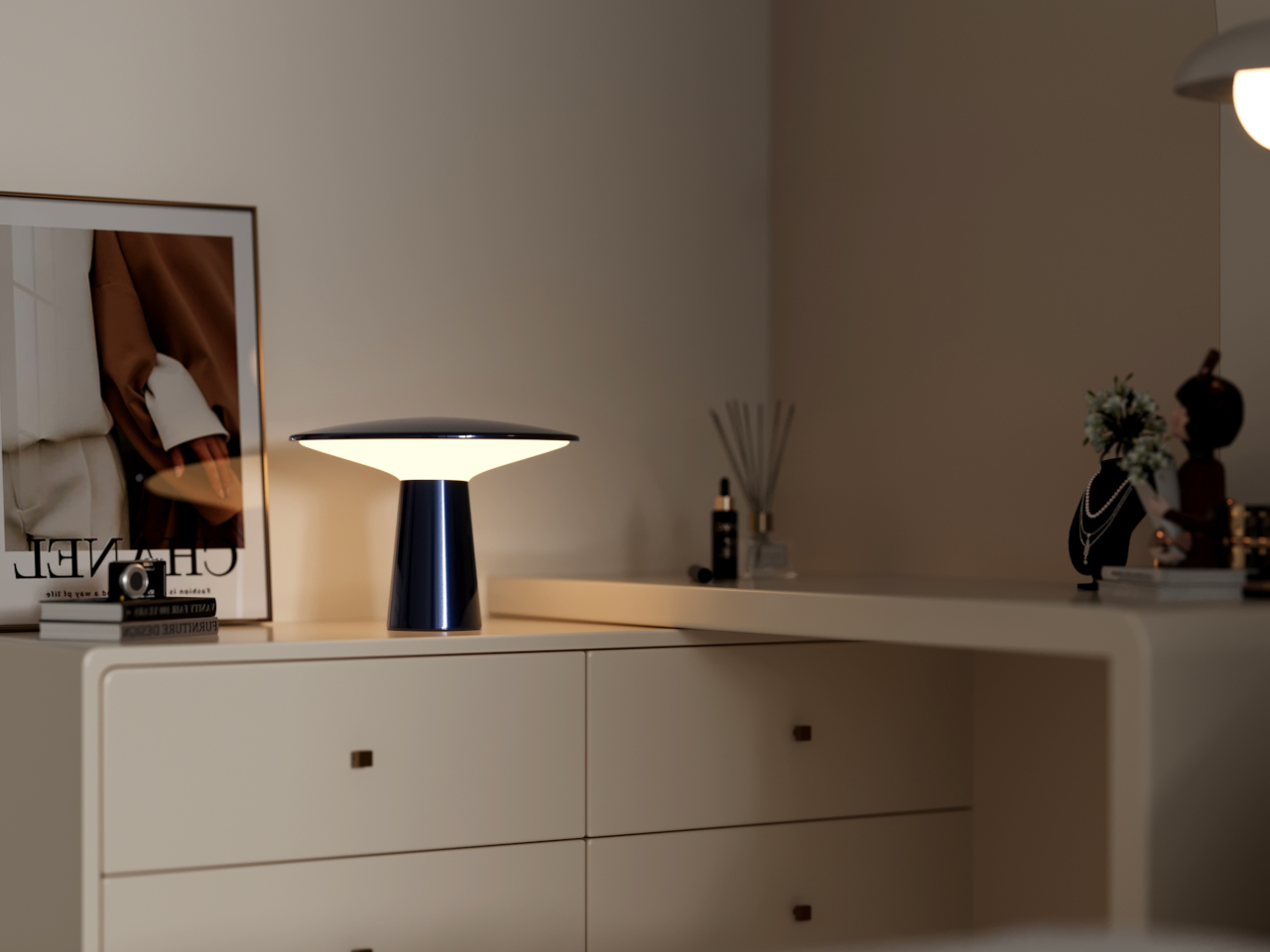
Designer Rahi Seyedi’s Monir, developed for Rey Studio, slots right into that world while carrying a concept that goes a bit further than most. The 29cm cordless lamp is inspired by the way moonlight sits between the sky and the earth, and that idea drives every decision in the design, from the shape of its dome to the materials holding it all together.
Designer: Rahi Seyedi
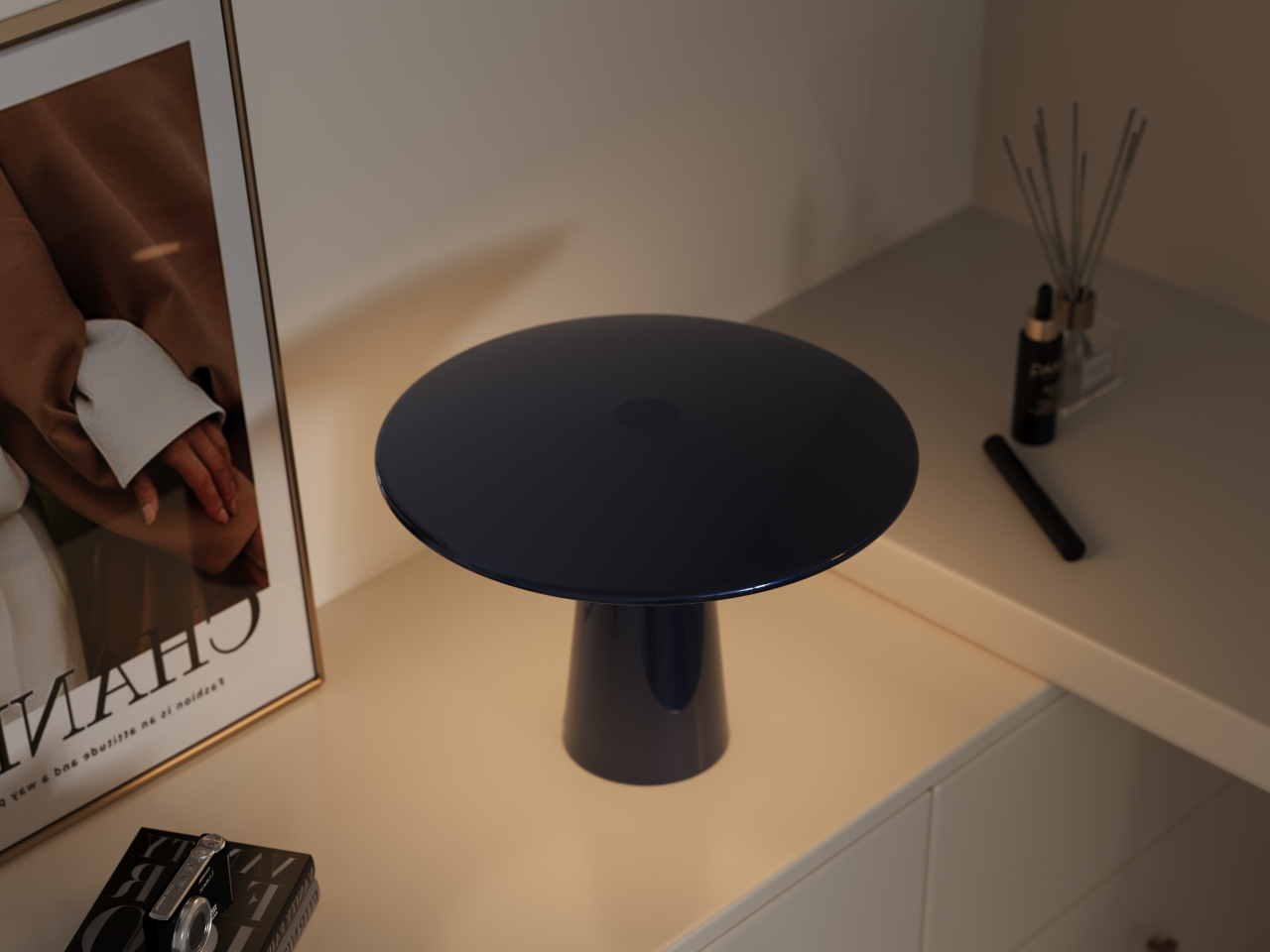
The form reads pretty clearly once you know what it’s referencing. A dark, grounded base anchors the lamp below, standing in for the weight of the earth, while the translucent dome above lets the LED ring scatter light in a way that mimics the gentle diffusion of moonlight. Nothing about the design is there for decoration alone. Every detail serves the concept, and you can tell.
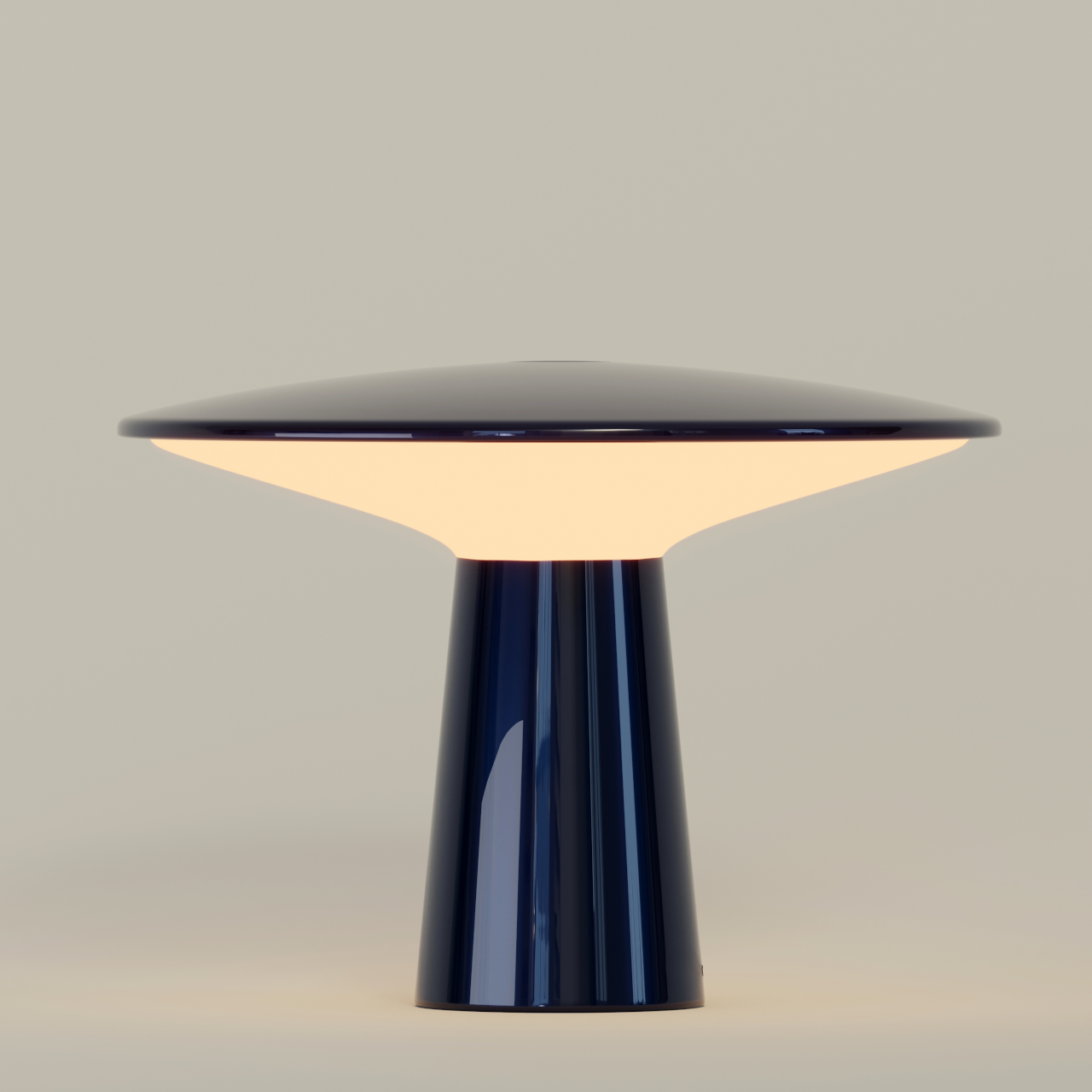
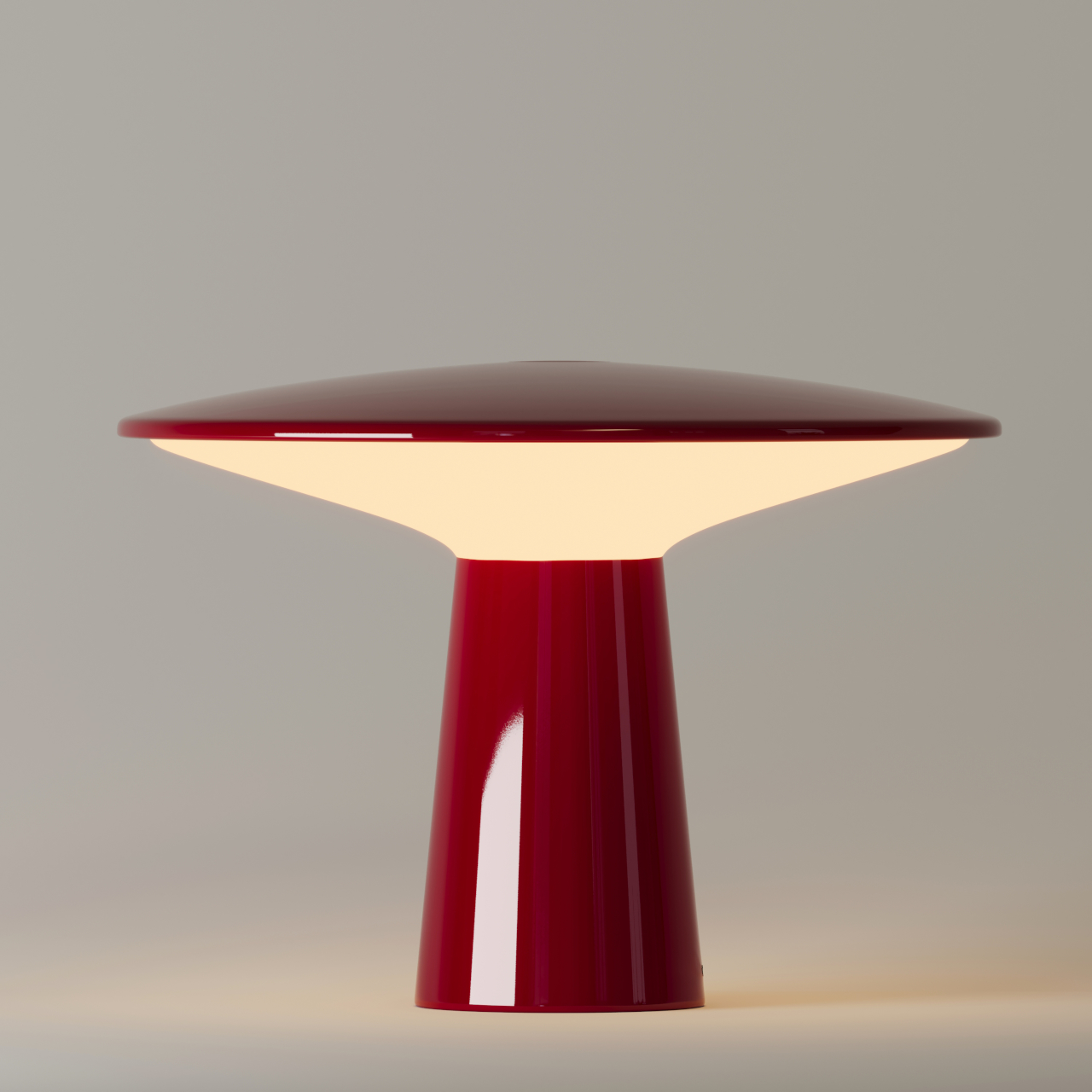
Using it is about as frictionless as a lamp can get. A tap switches it on, and gently rotating the upper section moves through three brightness levels. That’s it. There’s no app, no remote, and nothing to configure before you can actually use it. You just pick it up, place it where you want it, and adjust the brightness until the light feels right.
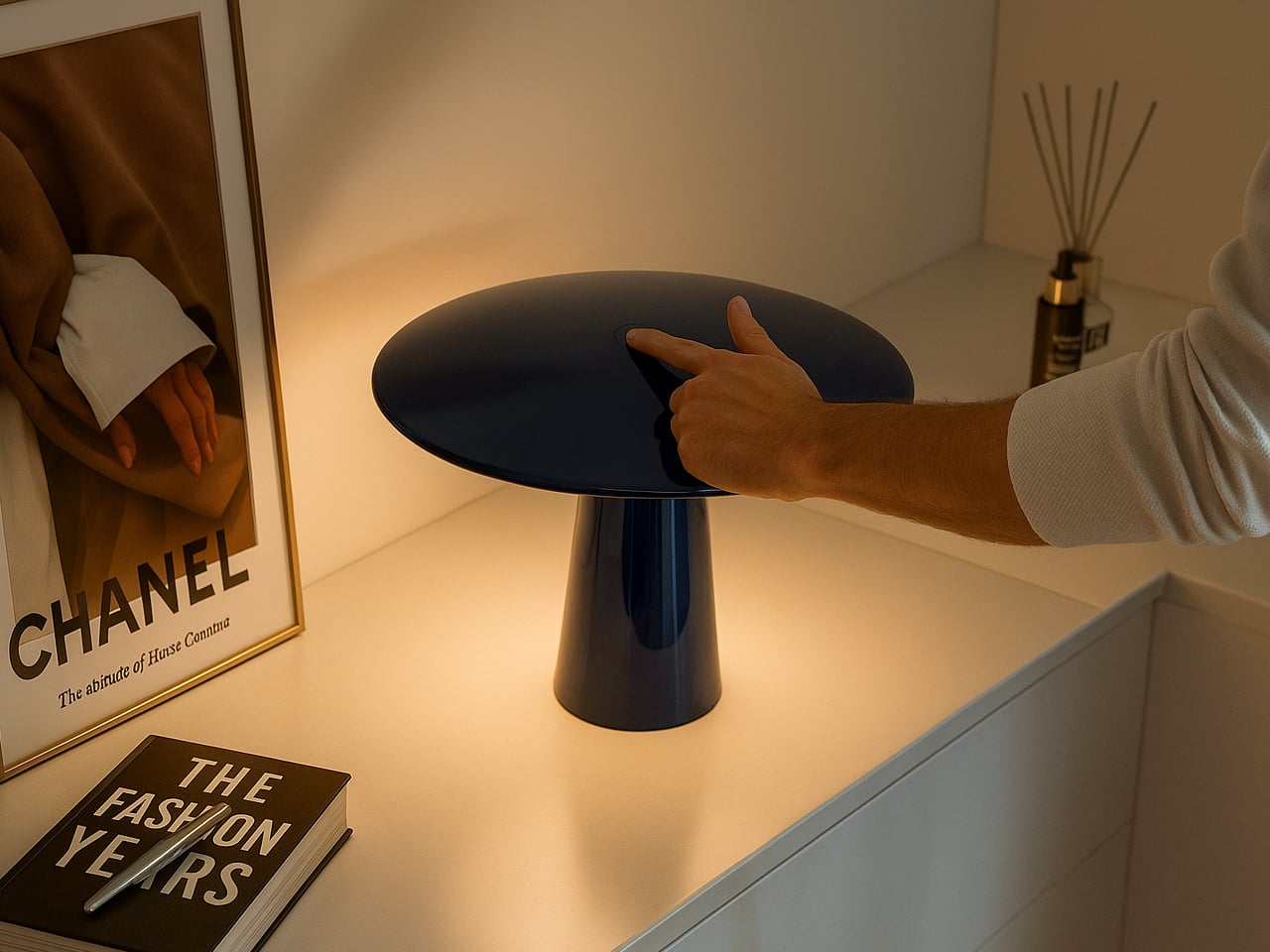
On a desk, Monir keeps things steady without being intrusive. The diffused glow is warm enough to take the edge off the contrast between a bright screen and a dark room, which is exactly what you want during a long stretch of work or reading. It doesn’t replace proper task lighting, of course, but it makes the hours you spend at a desk noticeably more comfortable.
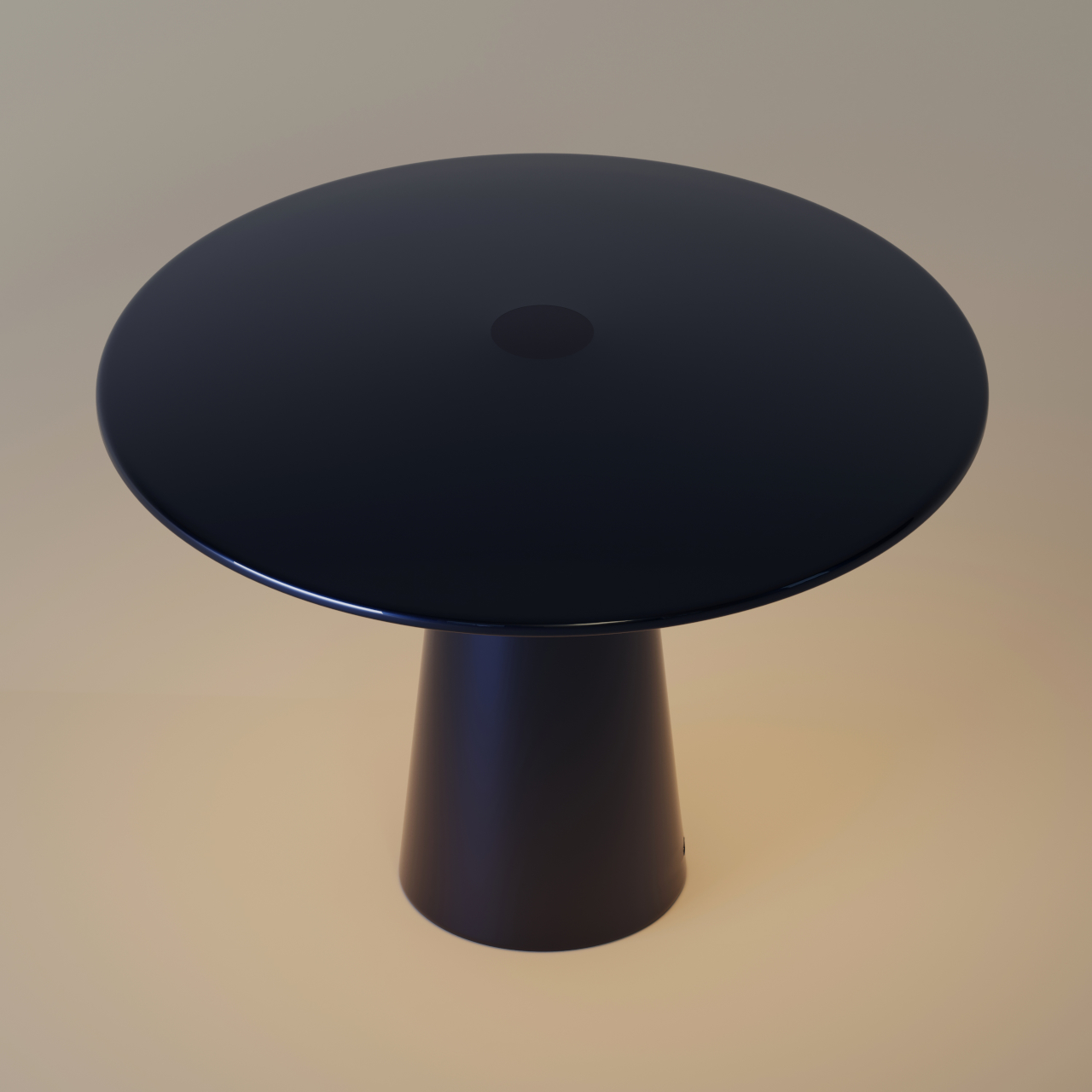
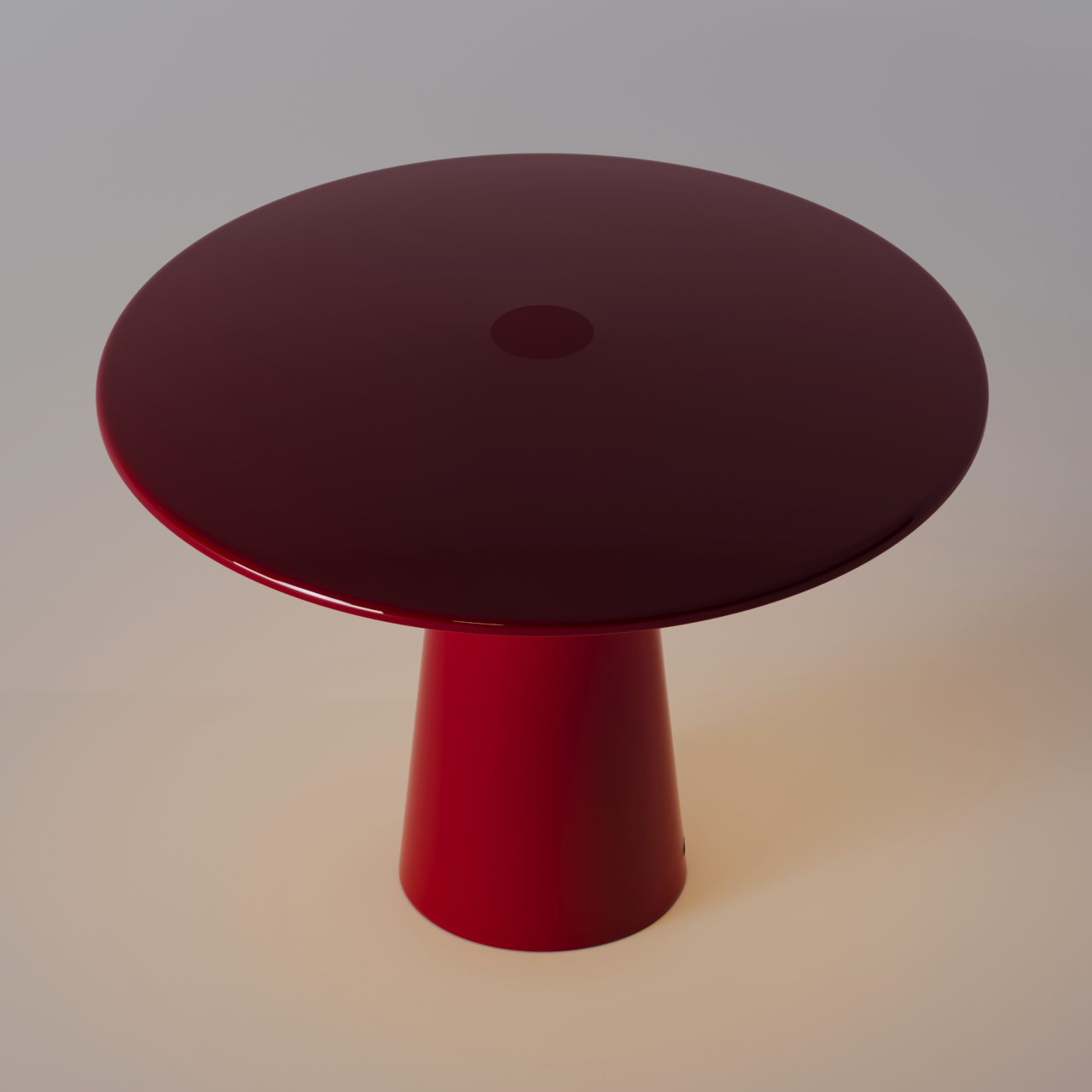
Move it to a side table when the day winds down, and the lamp takes on a different role entirely. At its lowest settings, the warmth it puts out is the kind that encourages you to put your phone down and actually be in the room. Overhead lights off, Monir on, and the space feels genuinely different in a way that’s hard to explain but pretty easy to appreciate.
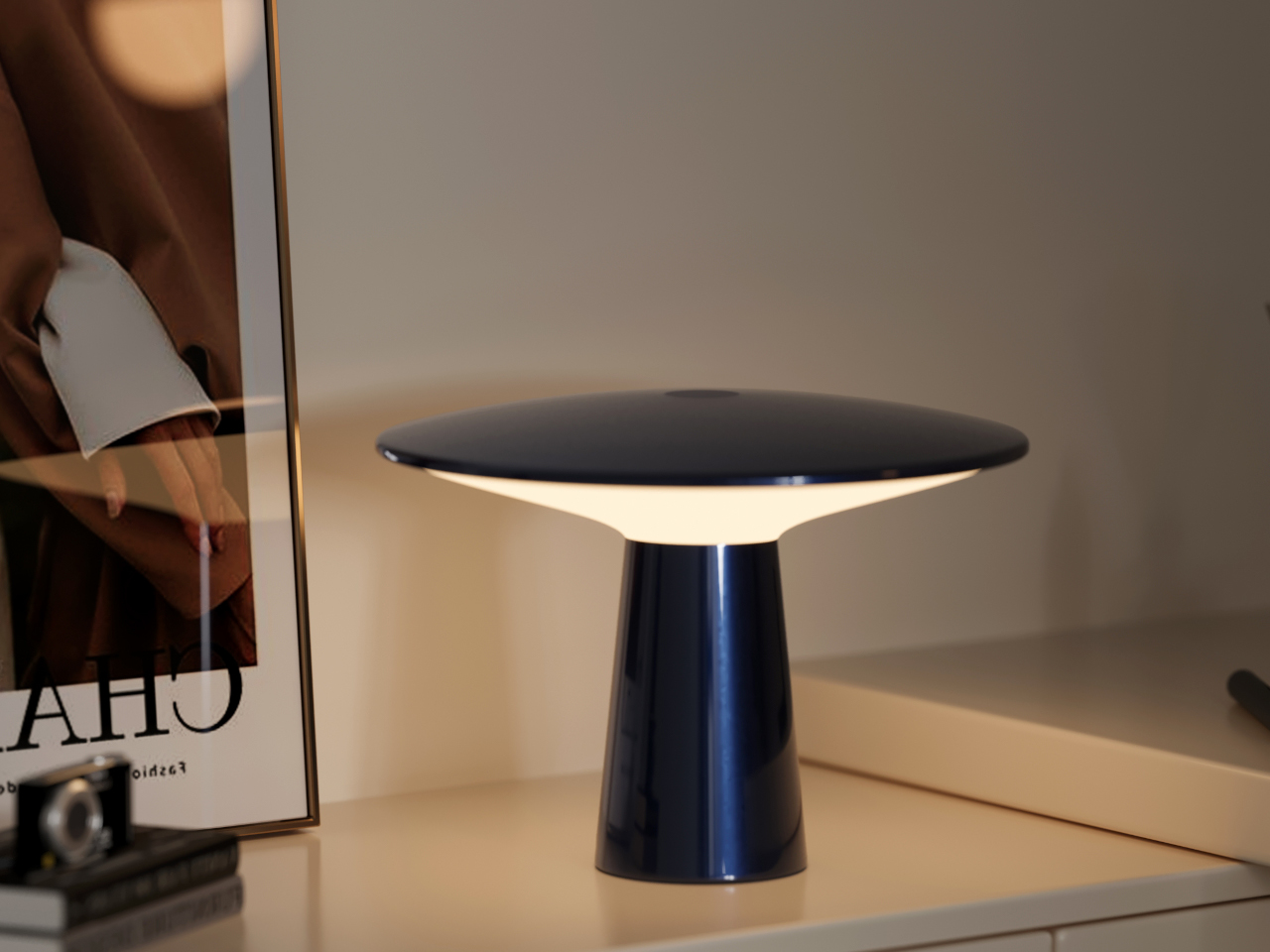
Sustainability was factored into Monir well before the final form was settled, and it shows. The base and dome are both made from 100% recycled aluminum, while the diffuser uses bio-based polycarbonate, a plant-derived material that doesn’t end up in a landfill. For something that asks so little of you visually and physically, that’s not a small thing, and as lighting objects go, Monir keeps its intentions quiet and its results remarkably clear.
The post This Moon-Inspired Lamp Has No App, No Cord, 100% Recycled Aluminum first appeared on Yanko Design.
Most people no longer live on a single machine. A MacBook for creative work, a Windows desktop for heavier tasks, an iPad for meetings, and a phone for everything in between. The awkward dance of swapping keyboards, re-learning shortcuts, or tolerating cramped laptop layouts becomes daily routine, and most wireless sets still assume you are loyal to one OS and one device at a time, which feels increasingly out of step with how people actually work.
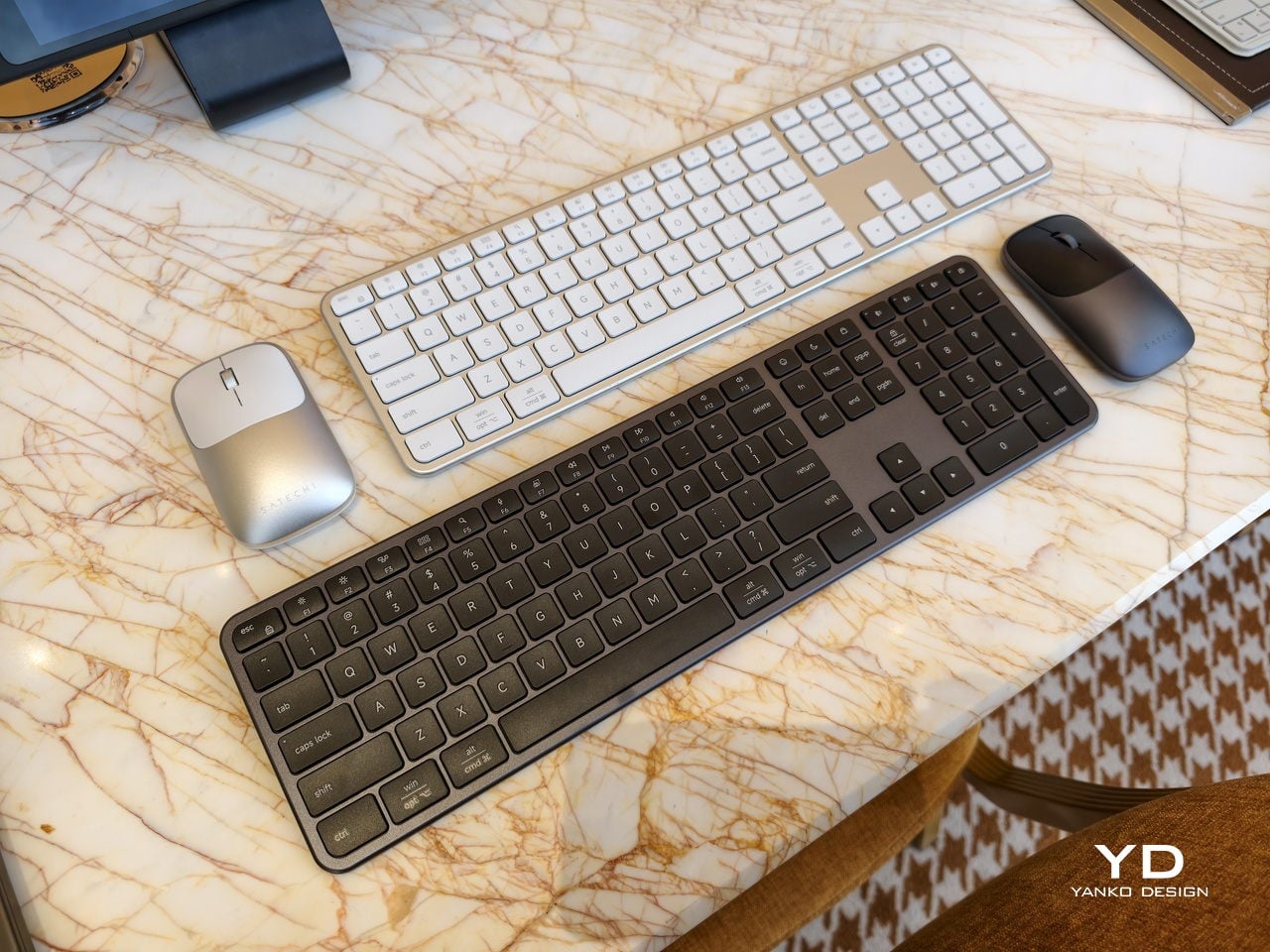
Satechi’s Slim EX Wireless Series, the EX3 and EX1 keyboards, plus the Slim EX Wireless Mouse, is an attempt to make that juggling act feel natural. All three are designed to work across macOS, Windows, Android, and iPadOS, connect to multiple devices, and use USB-C rechargeable, user-replaceable batteries so they do not become e-waste the moment the original cell starts to fade after a few years of daily charging cycles.
Designer: Satechi
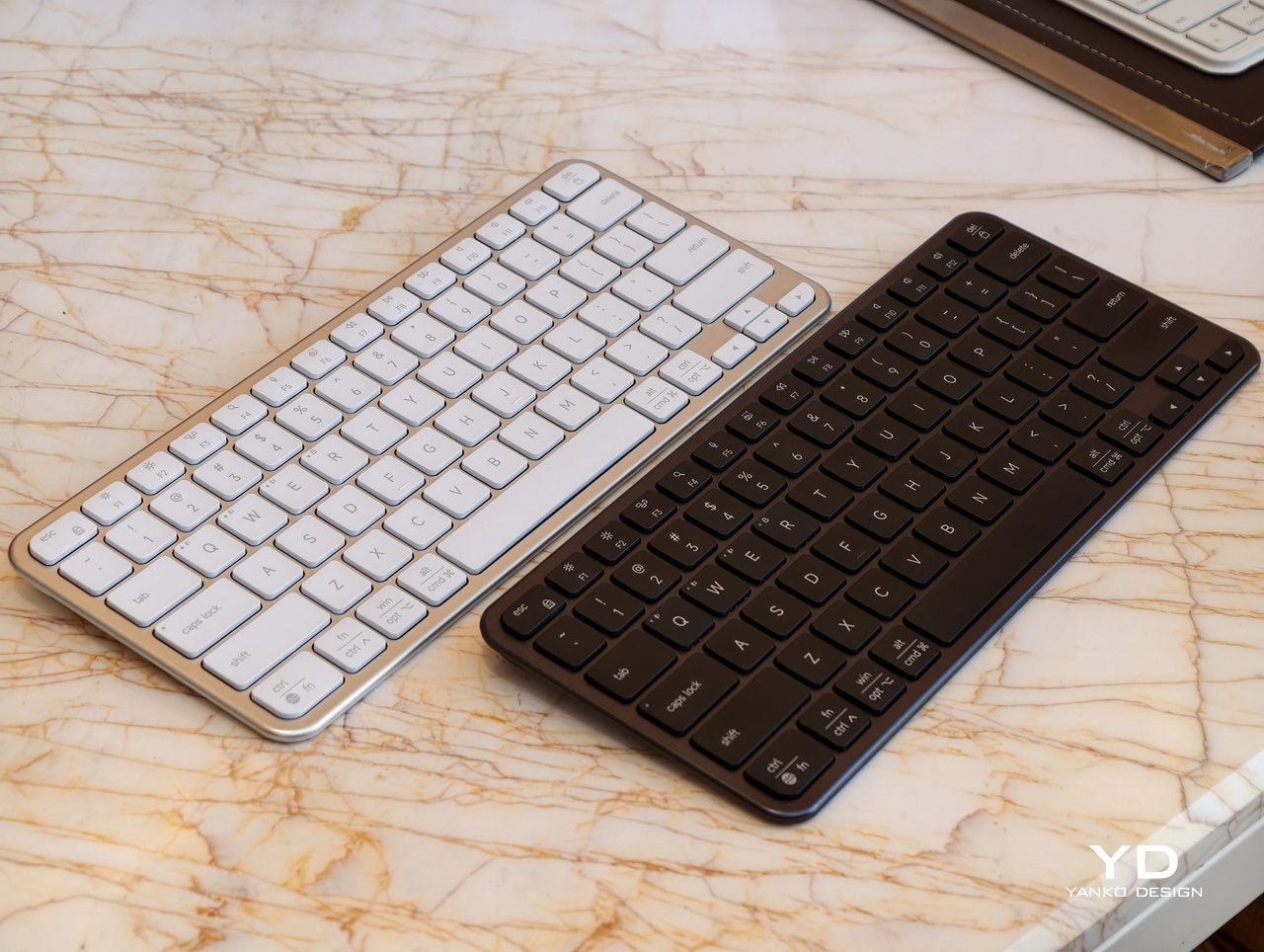
A desk-based setup is where the Slim EX3 Wireless Keyboard lives under a monitor, handling most of the day’s typing. Its full-size layout includes a numeric keypad and navigation keys, quiet scissor-switch keys, and automatic OS-specific key mapping that flips modifiers when you jump from a Mac to a Windows machine. Up to four devices can stay paired over Bluetooth or a 2.4 GHz USB-C dongle, so switching does not mean re-pairing every time you close one laptop and open another.
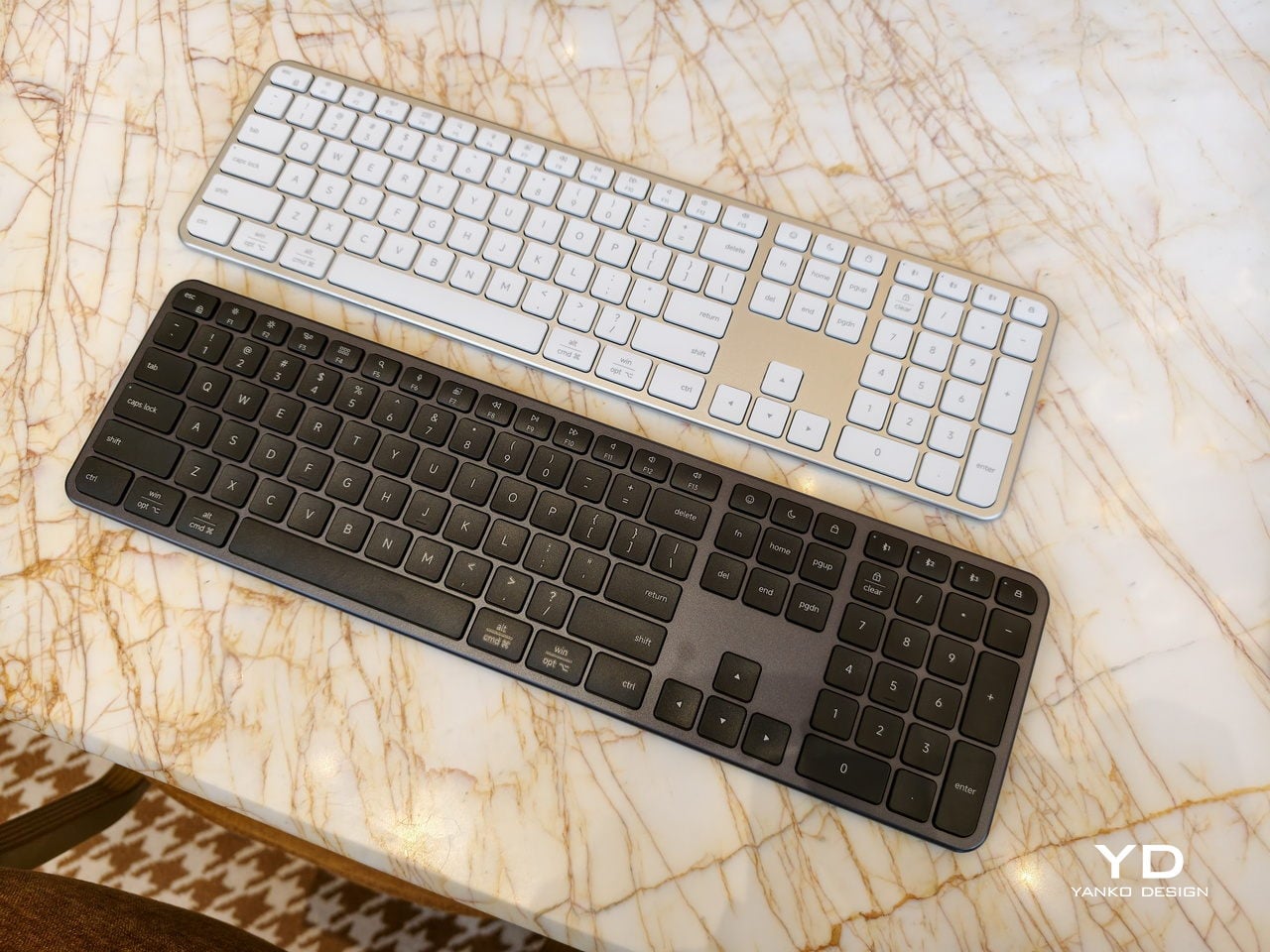
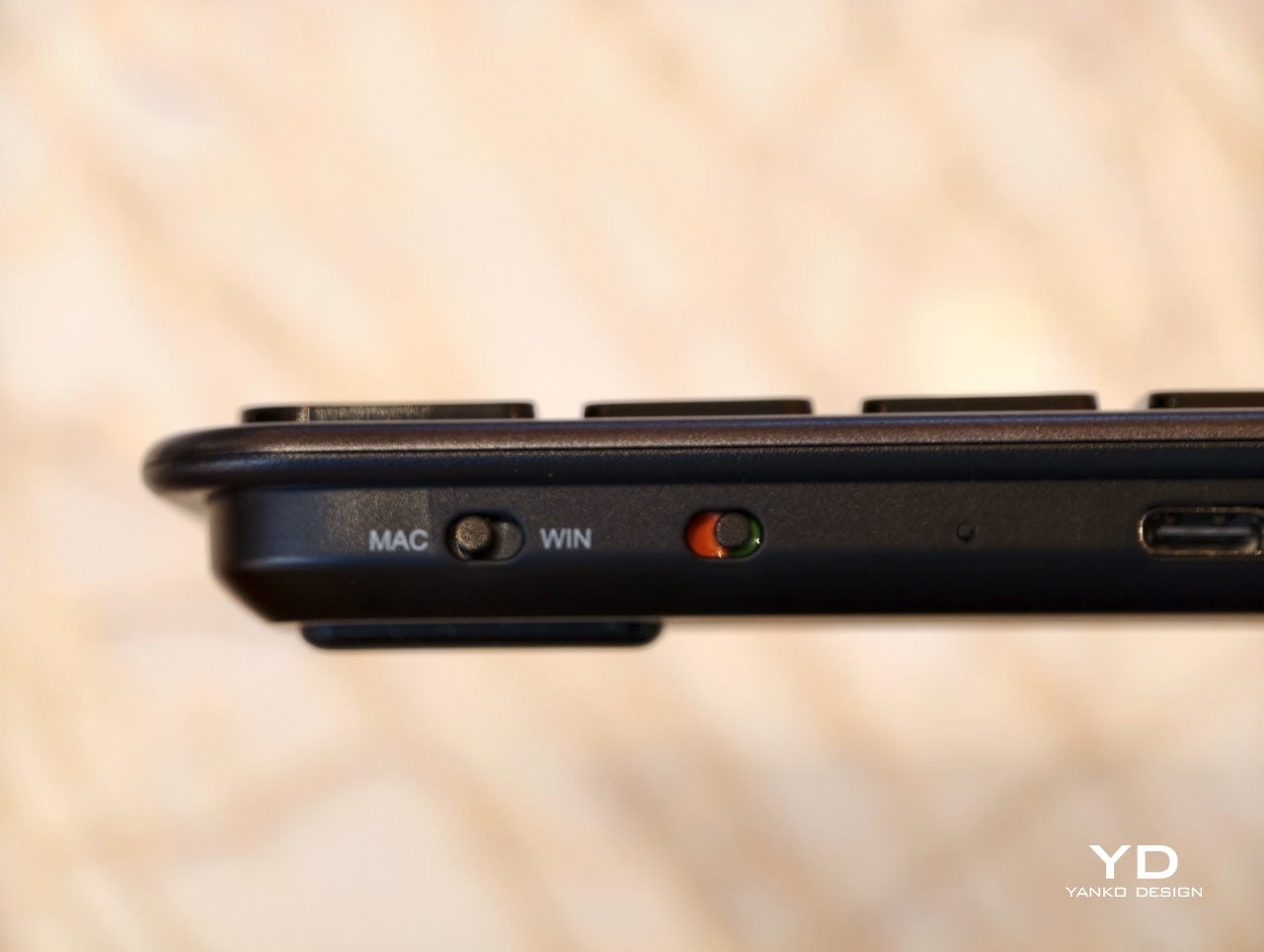
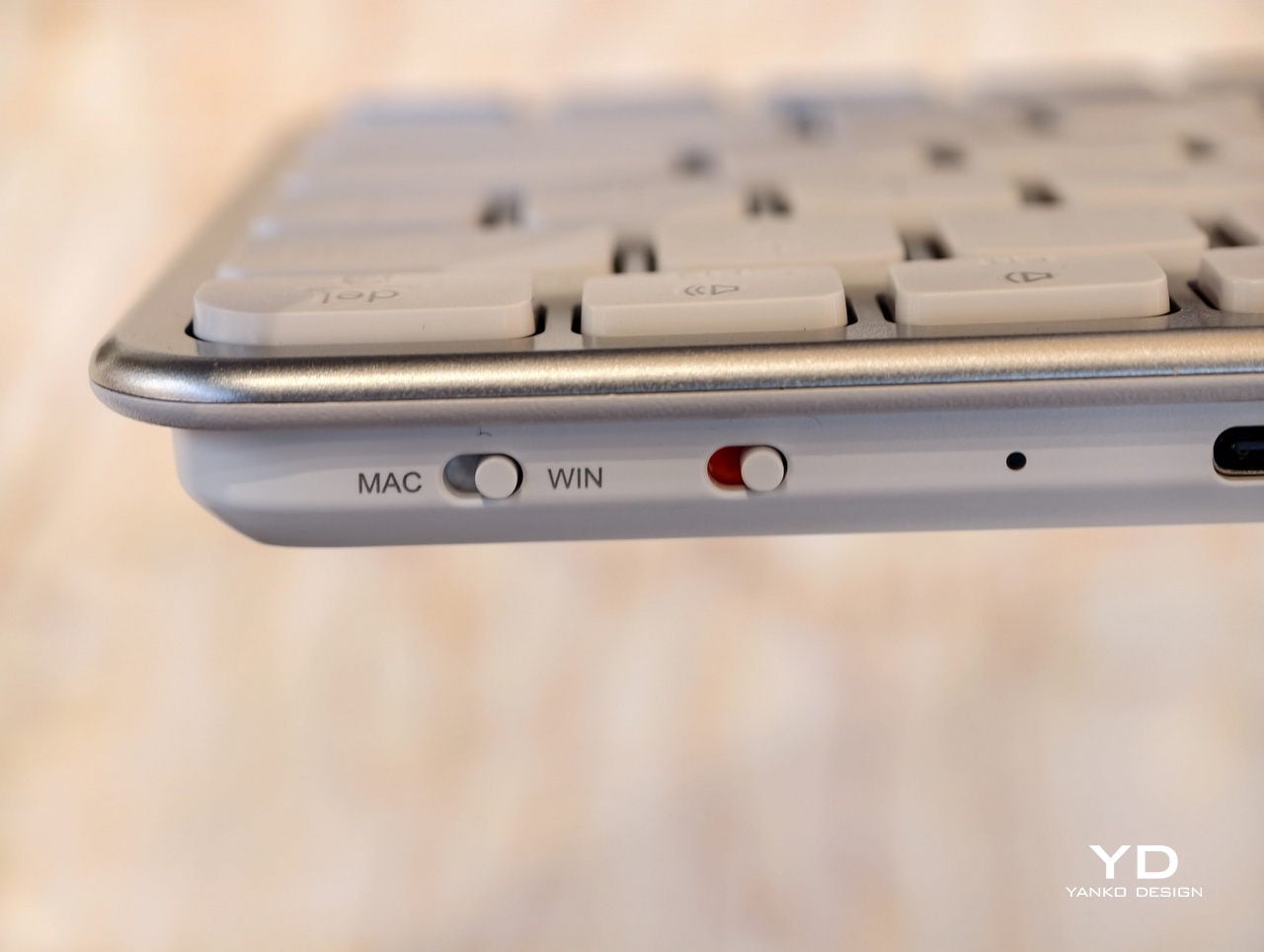
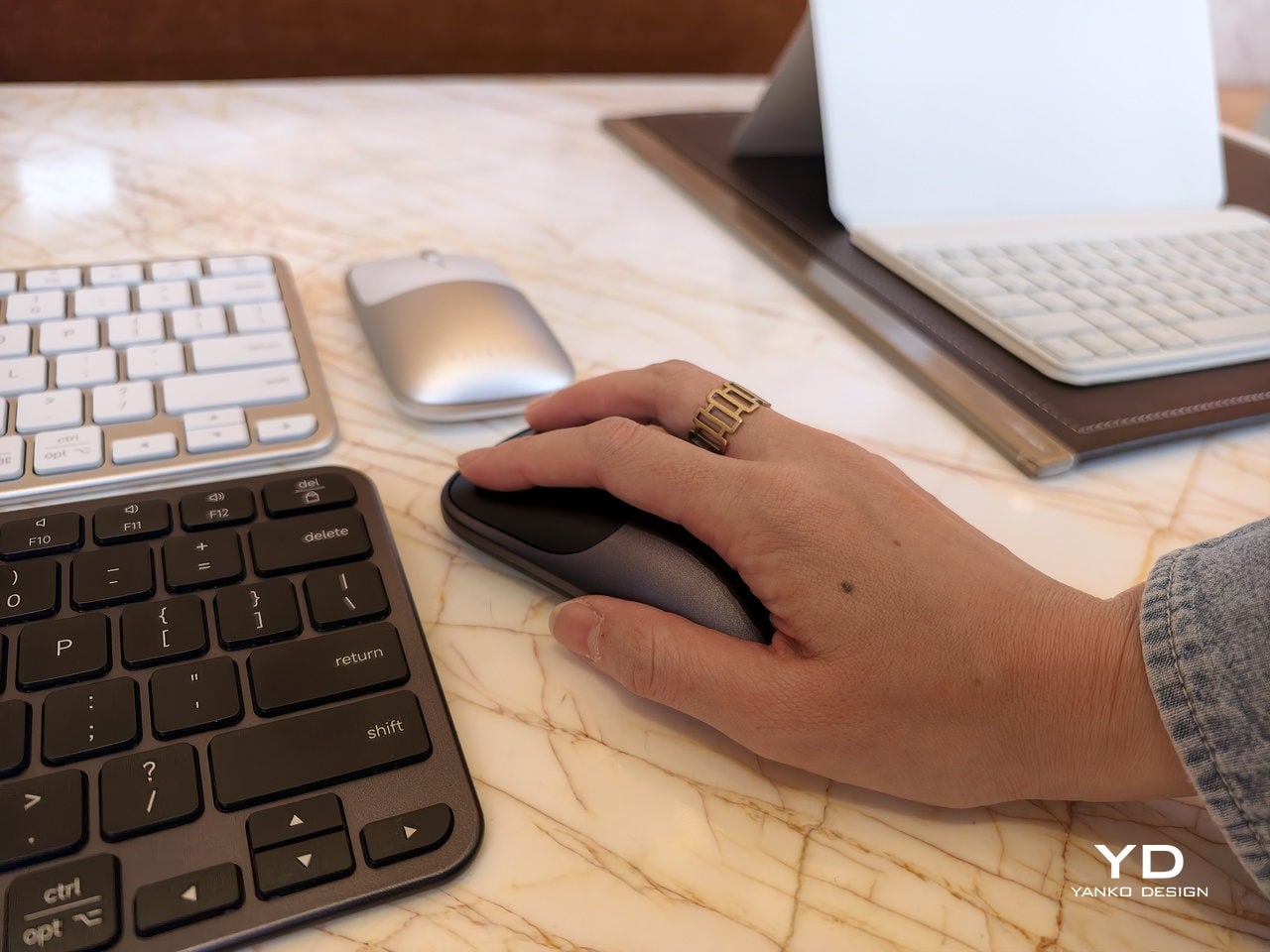
A smaller table, a shared workspace, or a café is where the EX3 feels too wide. The Slim EX1 Wireless Keyboard steps in with a more compact layout that still keeps the same quiet scissor switches and cross-platform brain. It drops the numeric keypad to save space but keeps the ability to talk to four devices, making it easier to travel light or reclaim desk space without giving up a familiar typing feel.
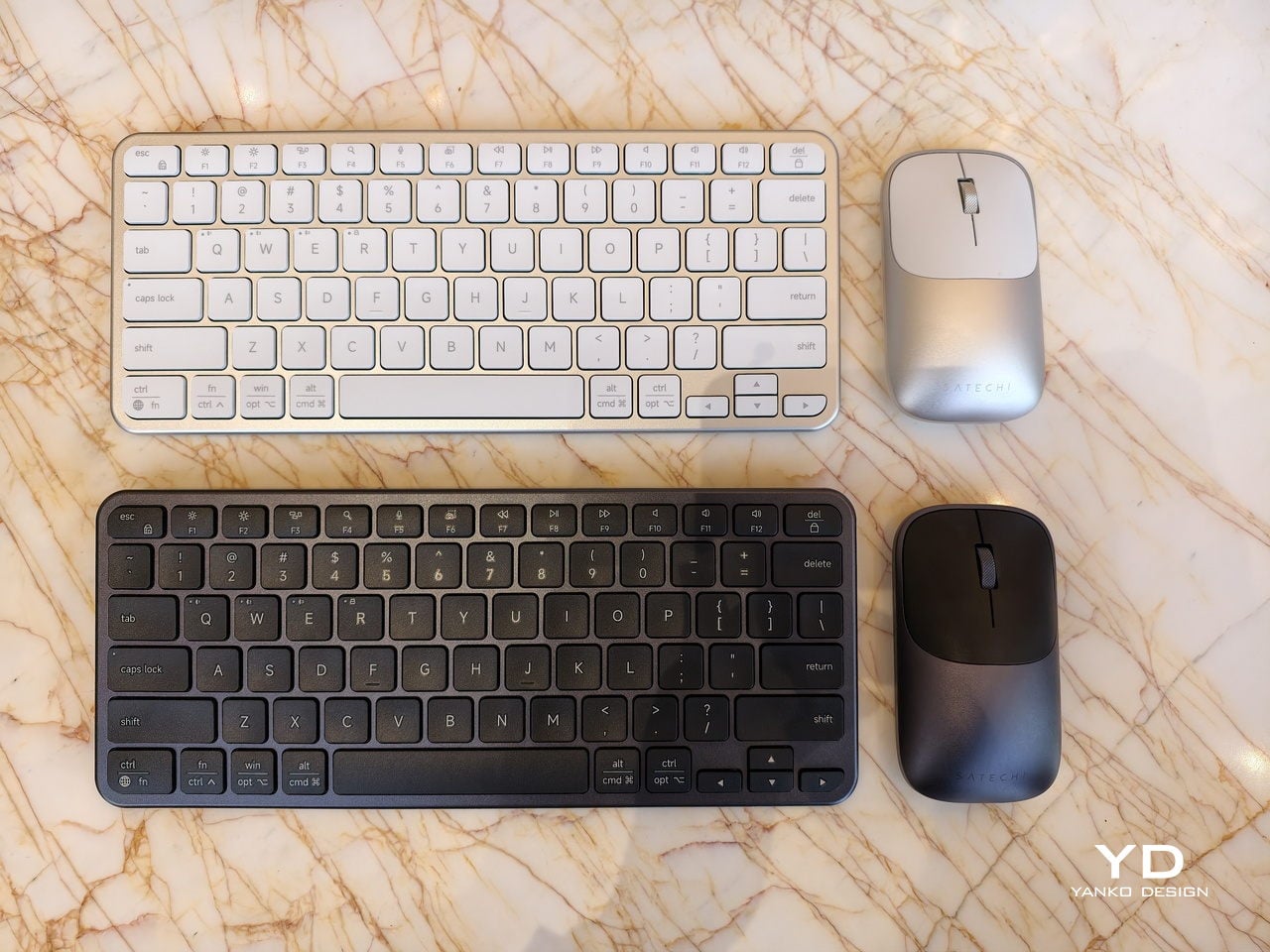
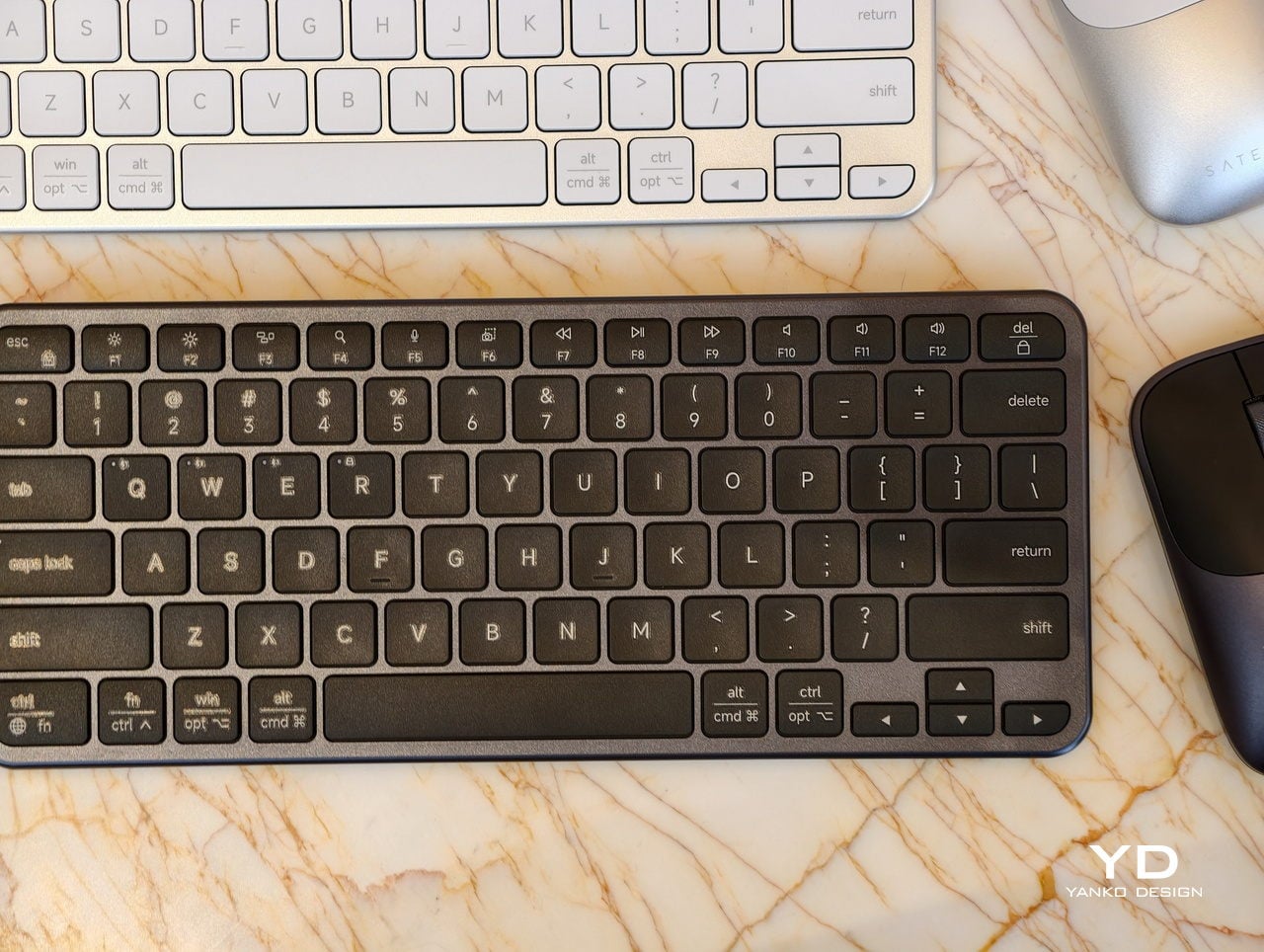
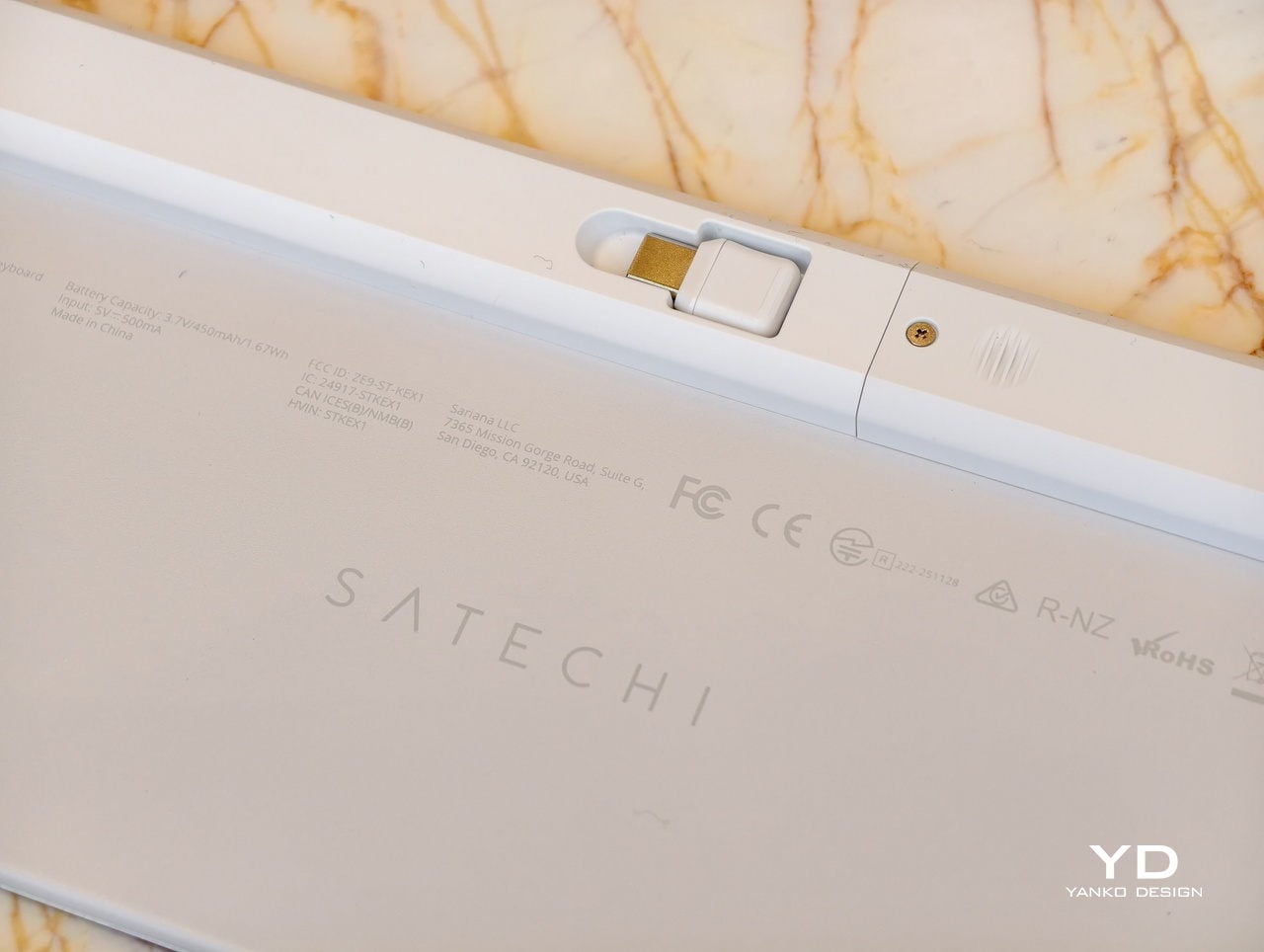
Both keyboards promise up to five weeks of use on a single charge, depending on how hard you hammer them, and when that internal battery eventually loses capacity, you can replace it instead of replacing the whole board. Charging over USB-C fits into the same cable ecosystem as laptops and phones, which keeps the desk cleaner and the routine simpler, with one fewer proprietary cable to remember when packing a bag.
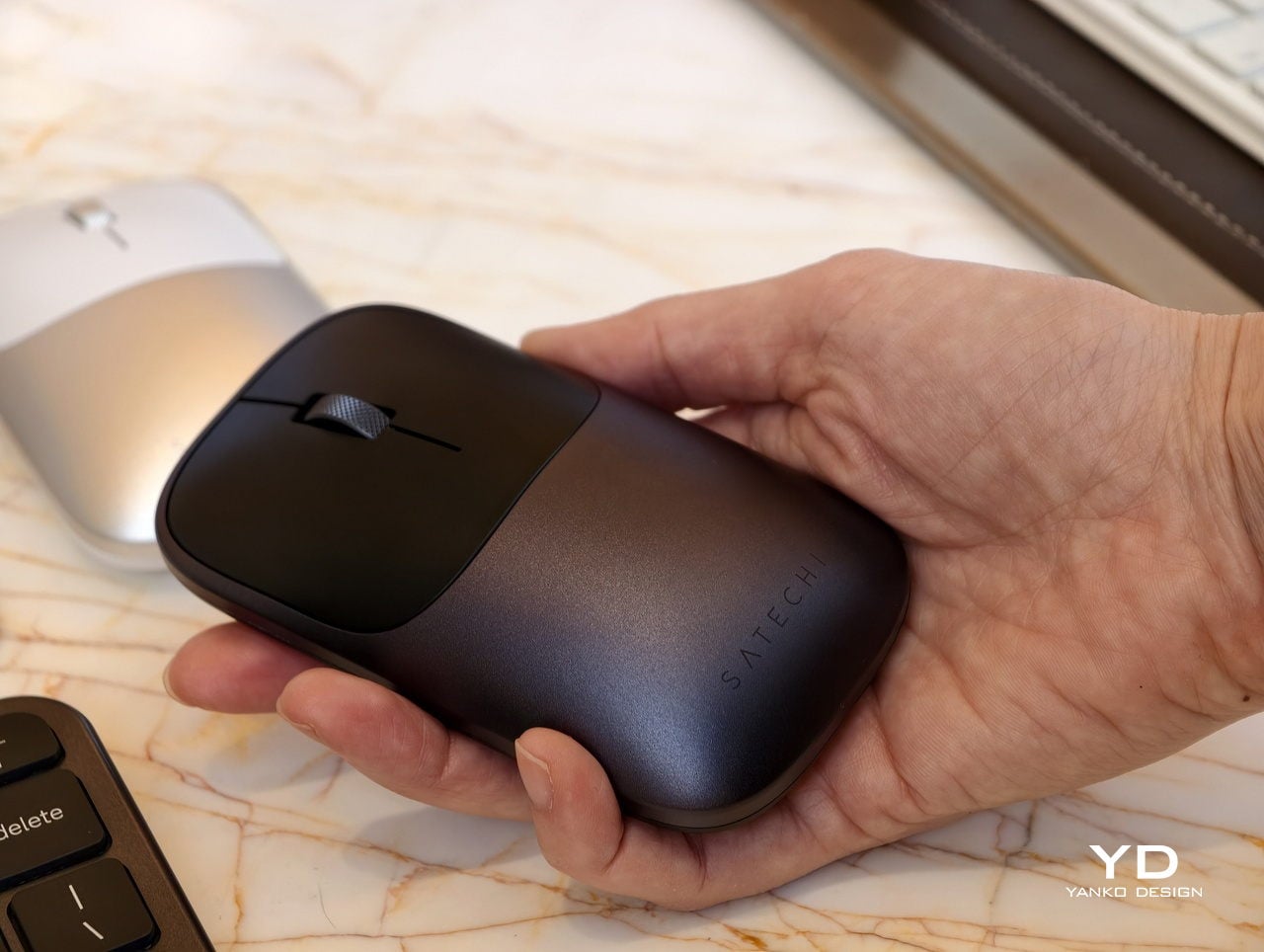
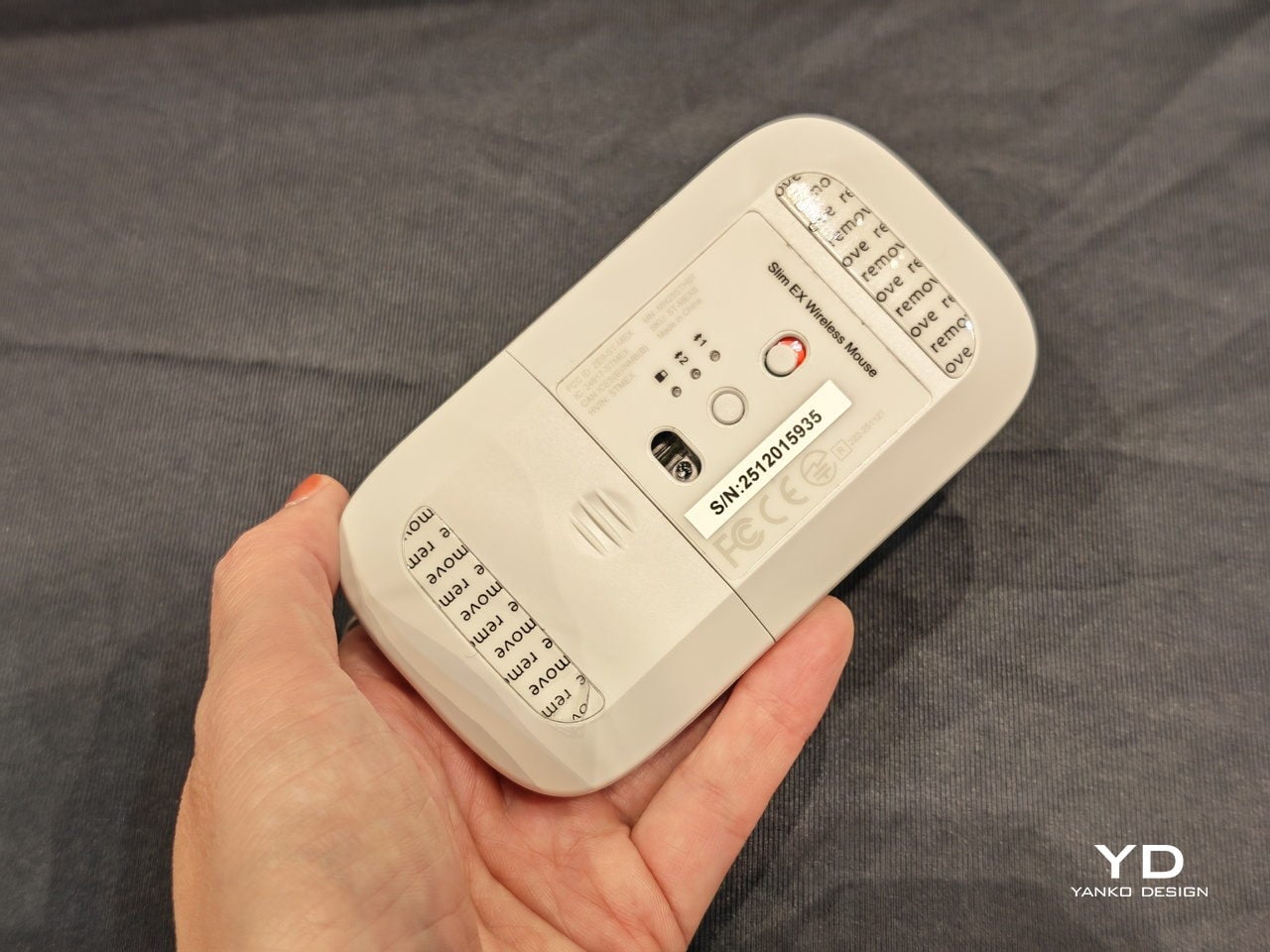
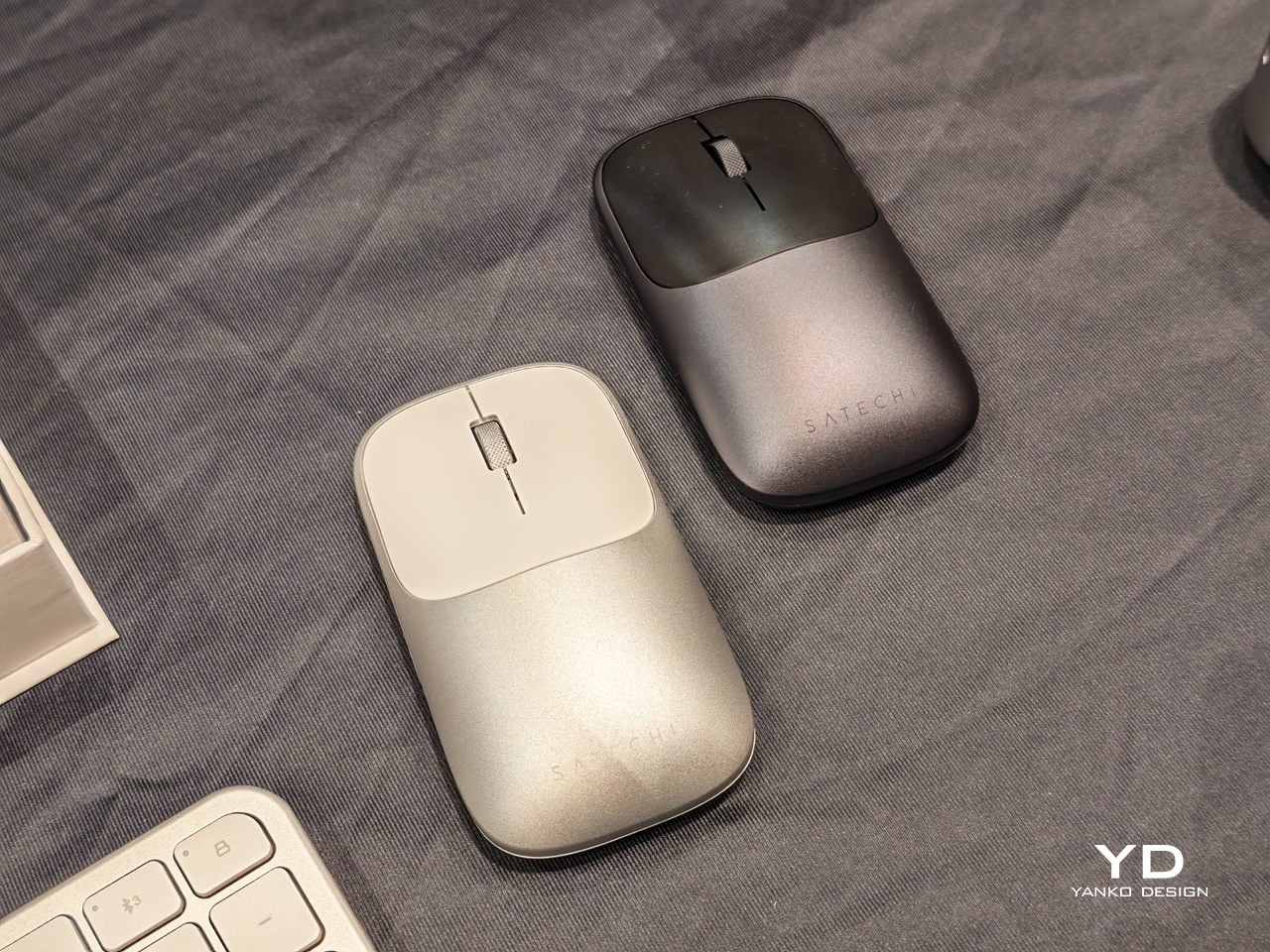
The Slim EX Wireless Mouse is the low-profile aluminum companion that glides between platforms just as easily. It supports Bluetooth and 2.4 GHz wireless, uses quiet click switches, and has a precision-machined scroll wheel that feels more deliberate than generic plastic. Like the keyboards, it runs on a USB-C rechargeable, user-replaceable battery rated for millions of clicks and scrolls, so it is built for the long haul instead of the upgrade cycle.
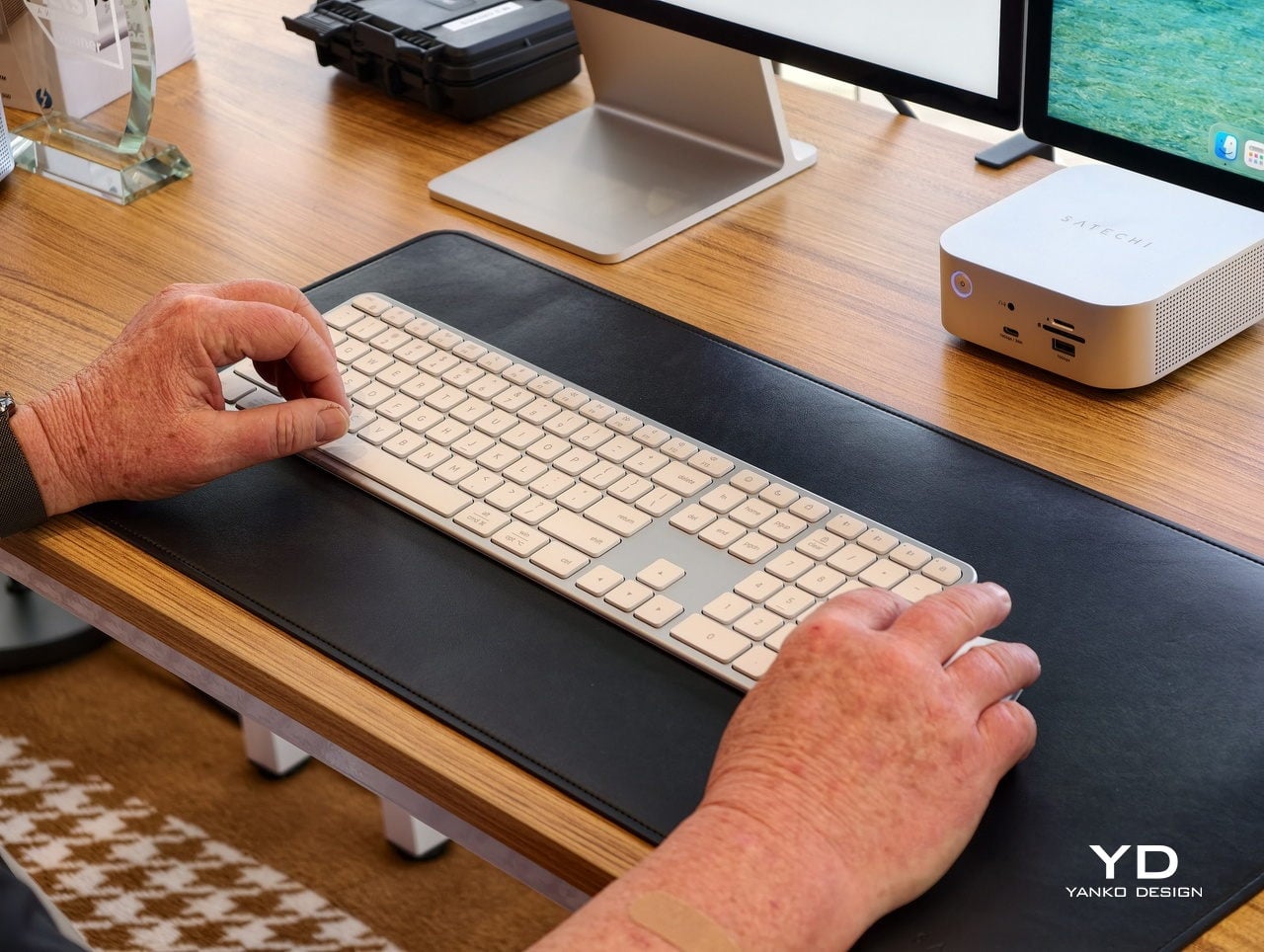
The Slim EX series quietly pushes back against disposable accessories and single-platform thinking. Instead of buying one set for each machine or tossing a keyboard when the battery gives up, you get a trio that moves with you between devices and years. For hybrid workers and students who live in that in-between space, having peripherals that are as flexible and long-lived as their setups feels like the right kind of upgrade.
The post Satechi Slim EX Wireless Series Has Replaceable Batteries, Not E-Waste first appeared on Yanko Design.
Although they have been around for a long time already, it was the retirement of the 3.5mm headphone jack from smartphones that really caused a surge of interest in wireless headphones and earbuds. There is a wide variety of designs for over-ear cup headphones, most of them naturally focusing on the headphones themselves. The experience of using these accessories, however, doesn’t stop after you’ve taken them off, but most manufacturers seem to make charging headphones an afterthought. This design concept, in contrast, offers a more holistic experience, one that ensures you can continue enjoying your tunes even when your headphones are charging.
Designer: Zeta ID
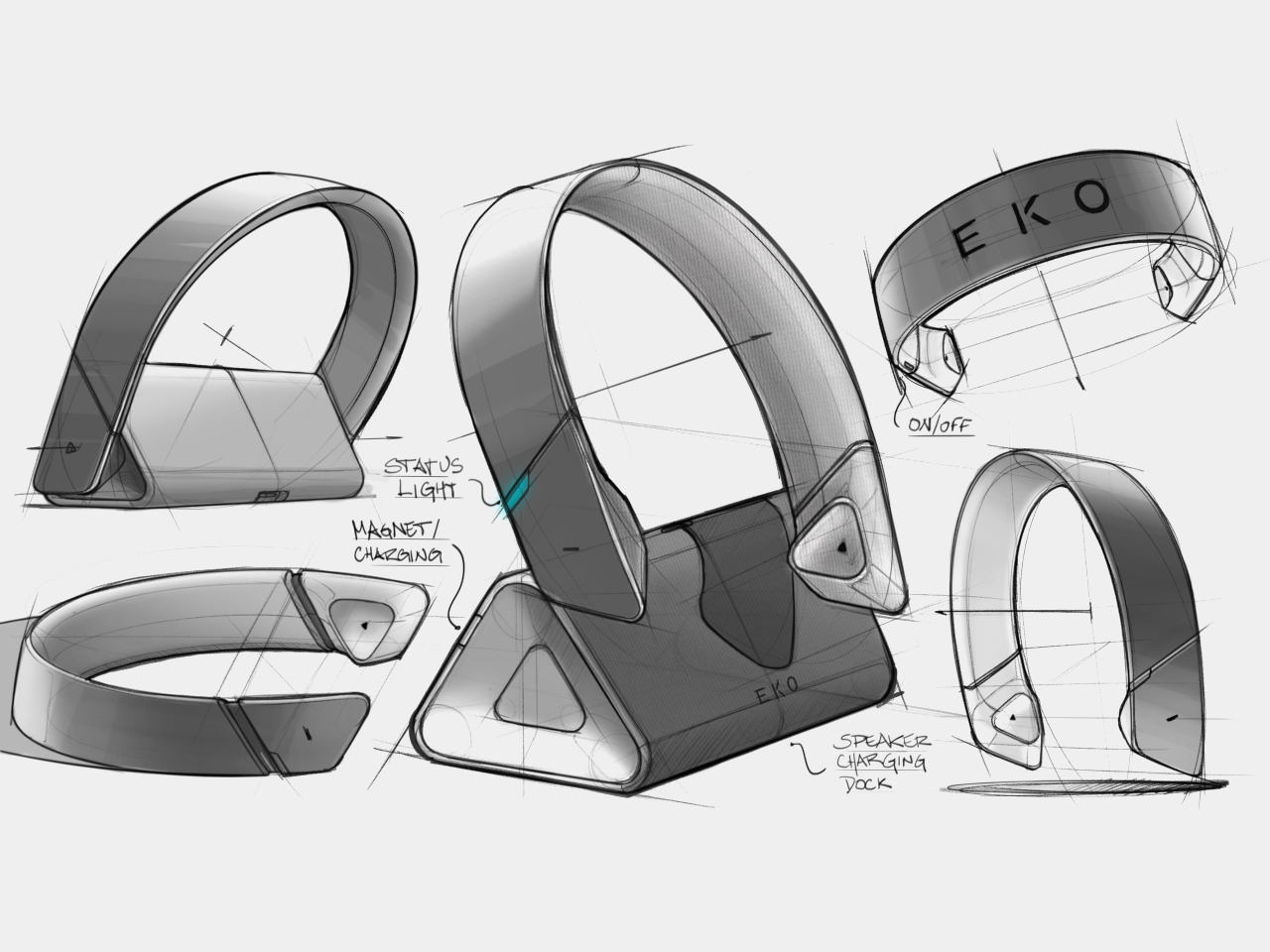
Although it’s only too easy to lose one or two wireless earbuds, the small objects at least have a proper place to call their home. In contrast, larger wireless headphones have to be hung somewhere if they’re not left lying on a desk, and even then you have to remember to plug them in to charge. And, of course, you’re left with your phone or laptop speakers while its charging, perhaps with a noticeable loss in sound quality.
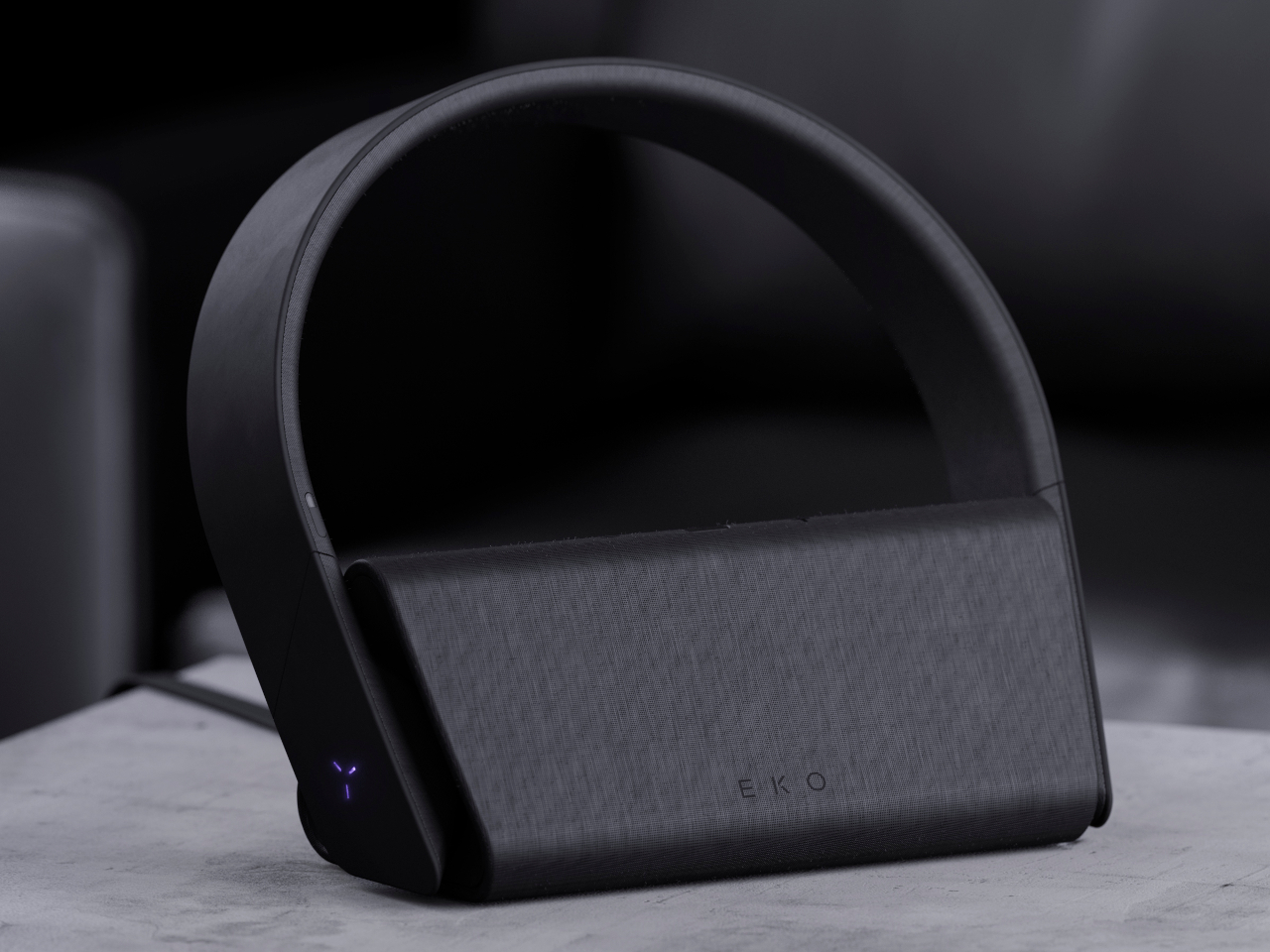
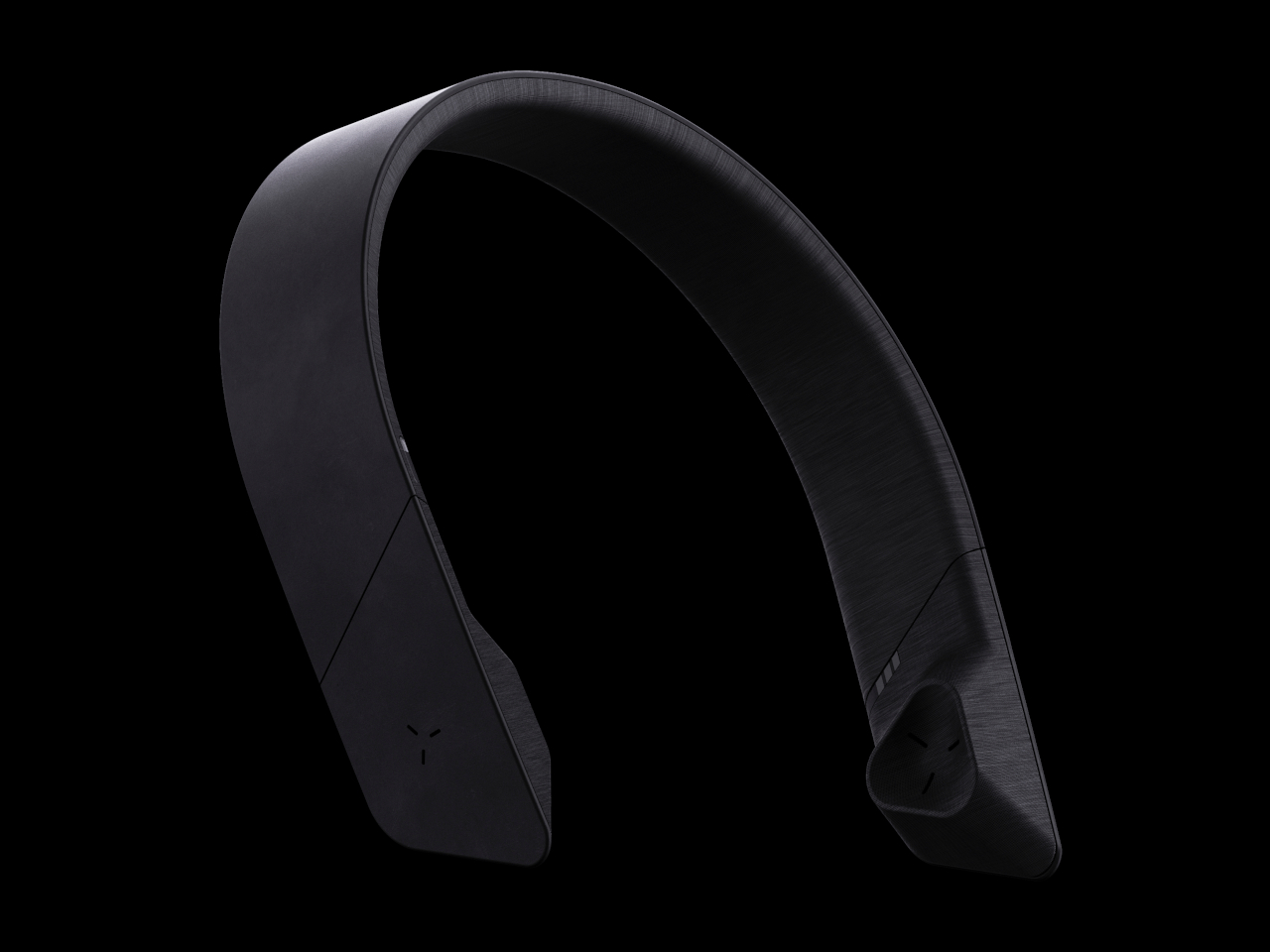
If earbuds and charging cases always come together, then maybe wireless headphones should also come with a wireless charger out of the box. That’s what the Eko concept tries to bring to the table, almost literally, offering a standard place where you know you’ll always find your headphones. Of course, it also charges while resting, so you can be sure that your personal listening device is always ready by the time you leave.
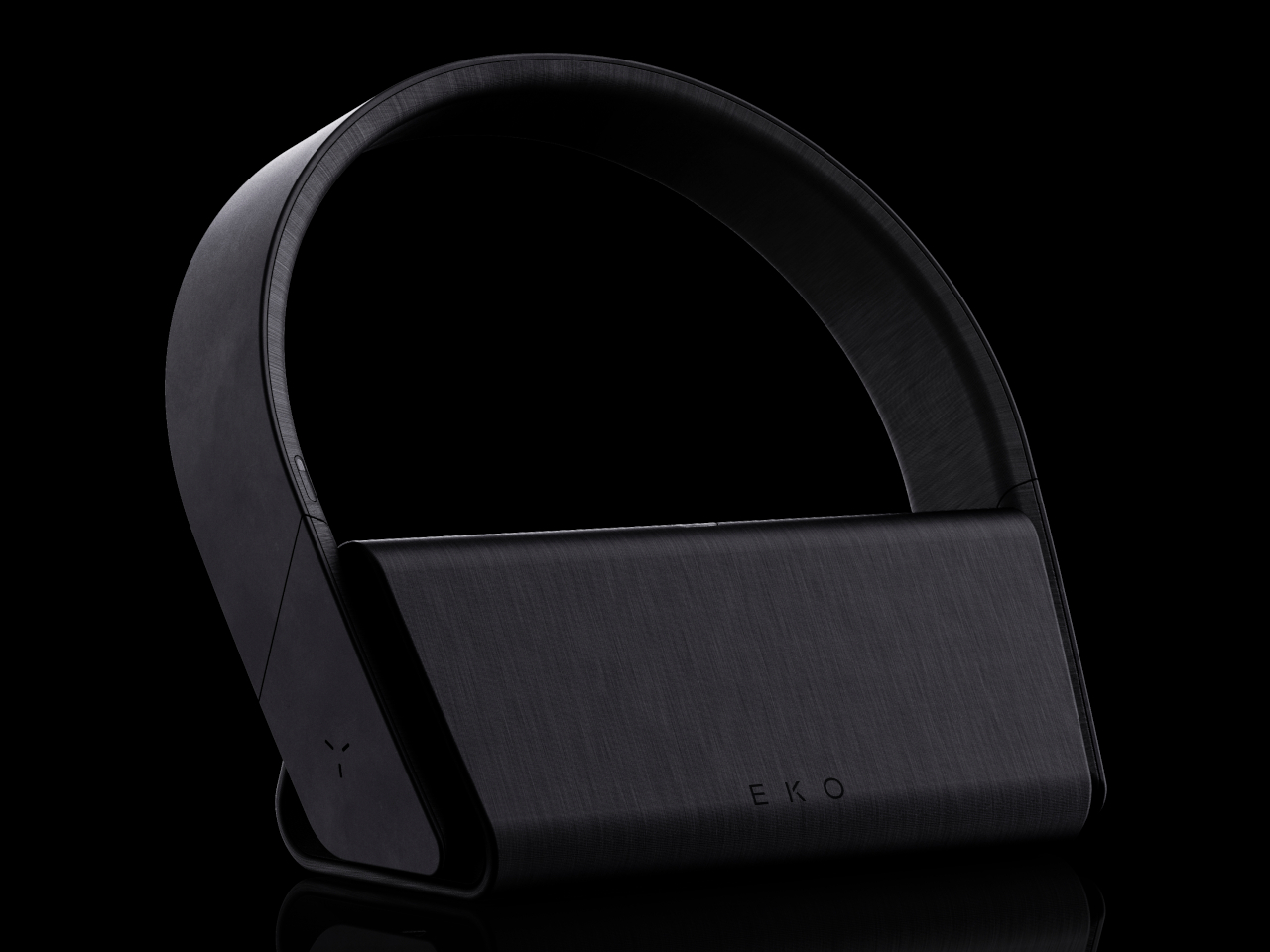
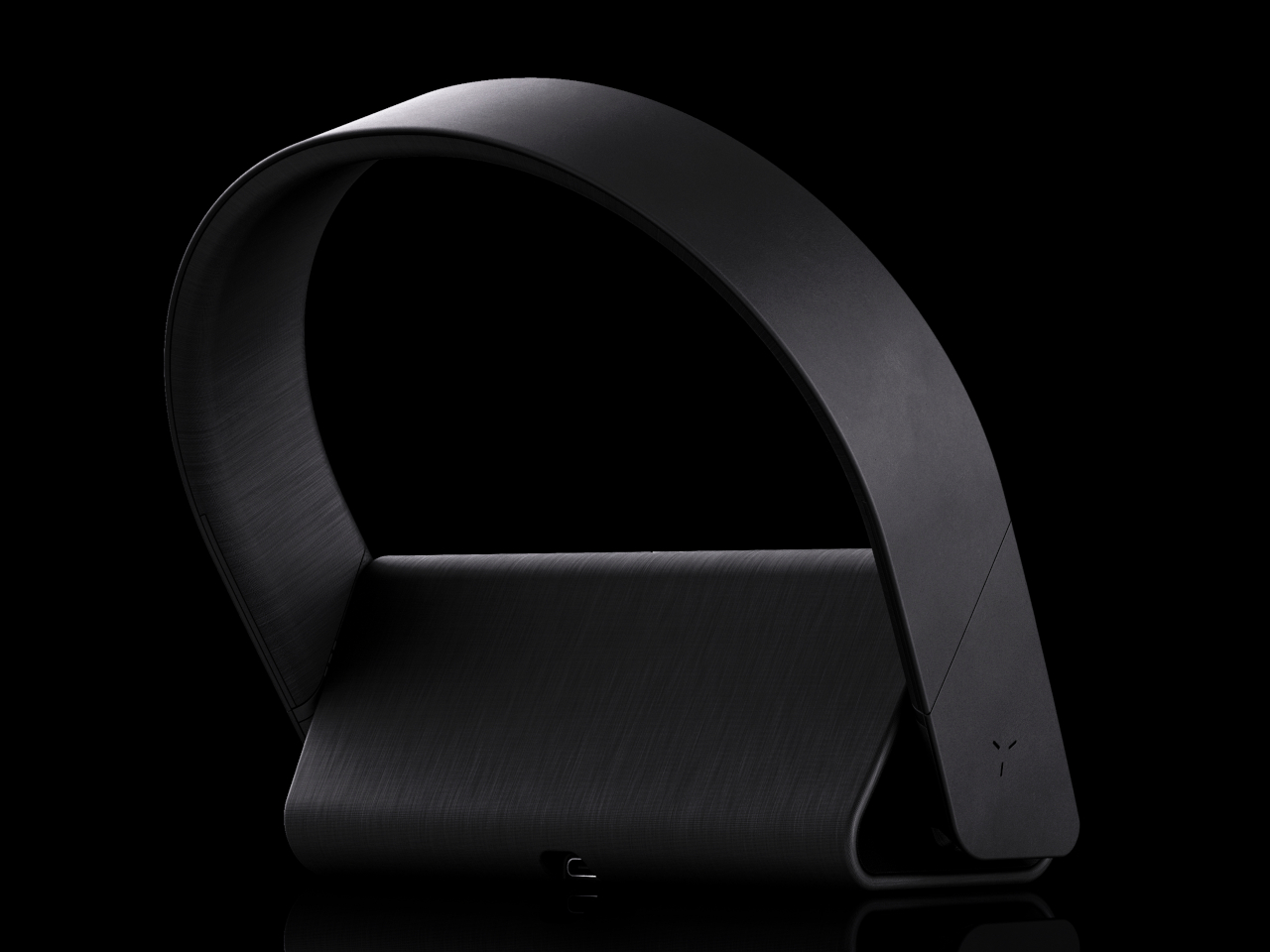
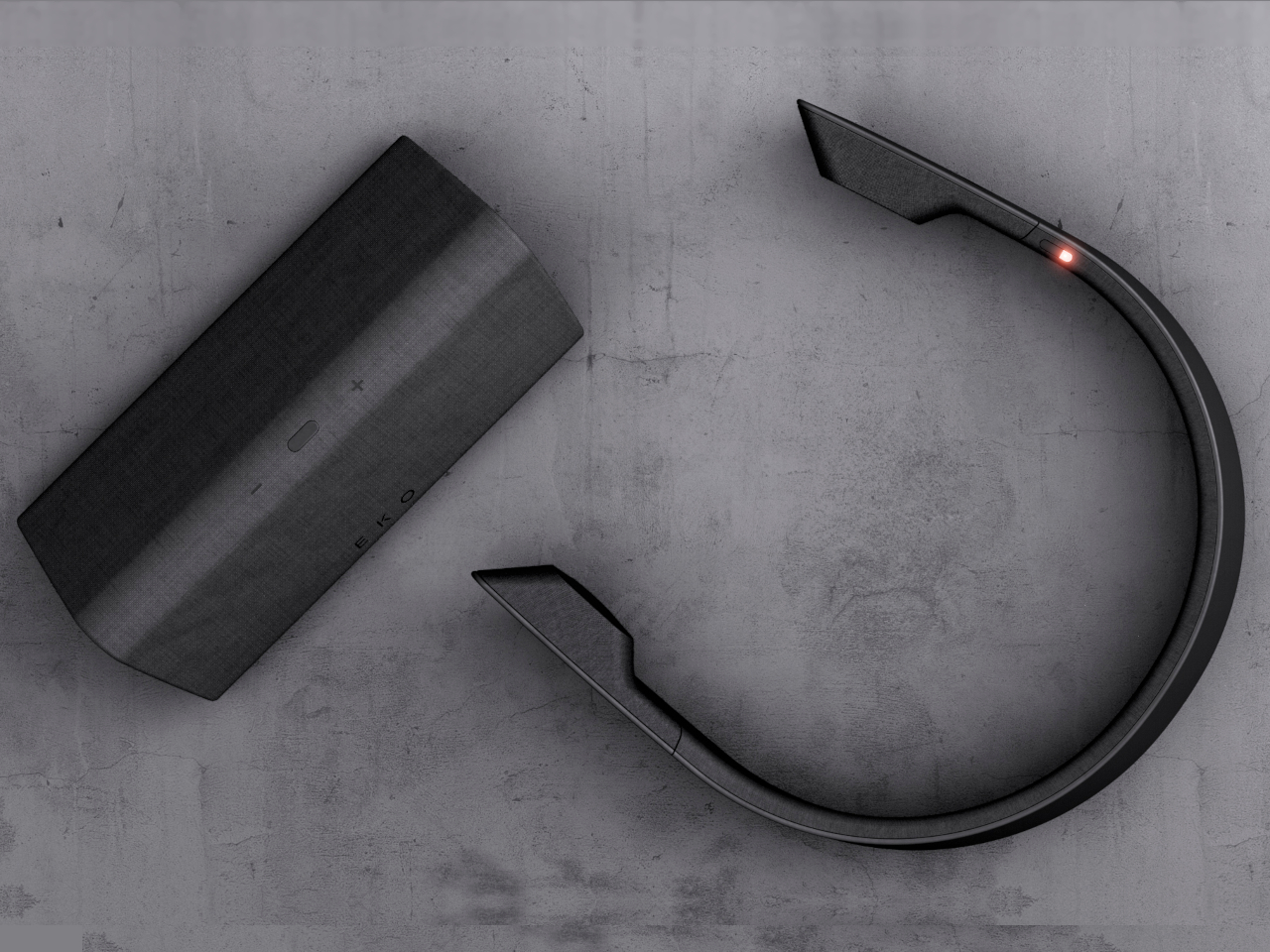
That stand, however, does more than just charge the headphones. It also functions as a Bluetooth speaker, so you can enjoy high-quality audio even when the headphones are docked. The concept doesn’t exactly say whether it can work independently of the headphones, but that’s often the case with Bluetooth speakers anyway. There can perhaps be a feature that could make it seamlessly switch between the headphones and the speaker as needed.
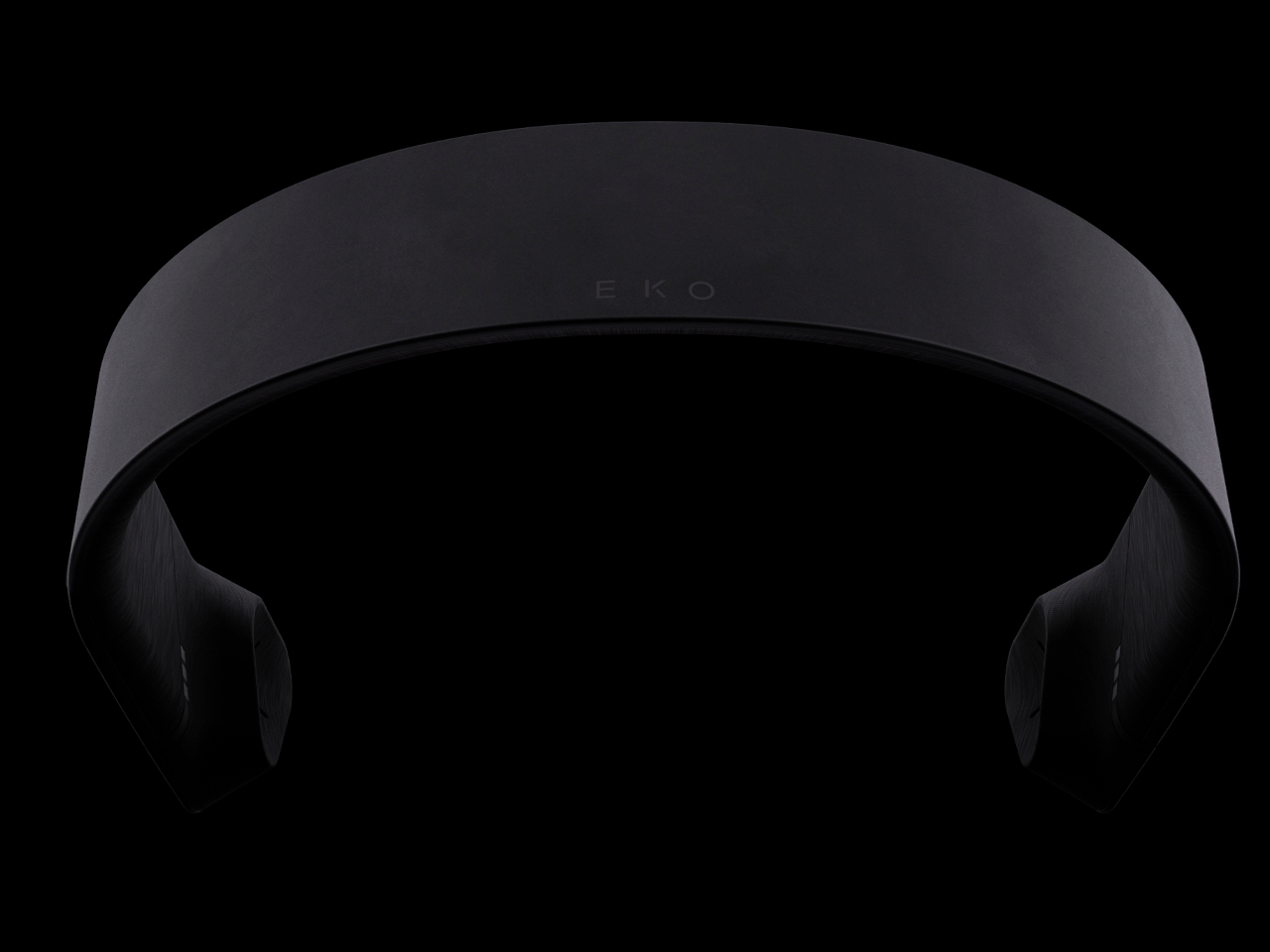
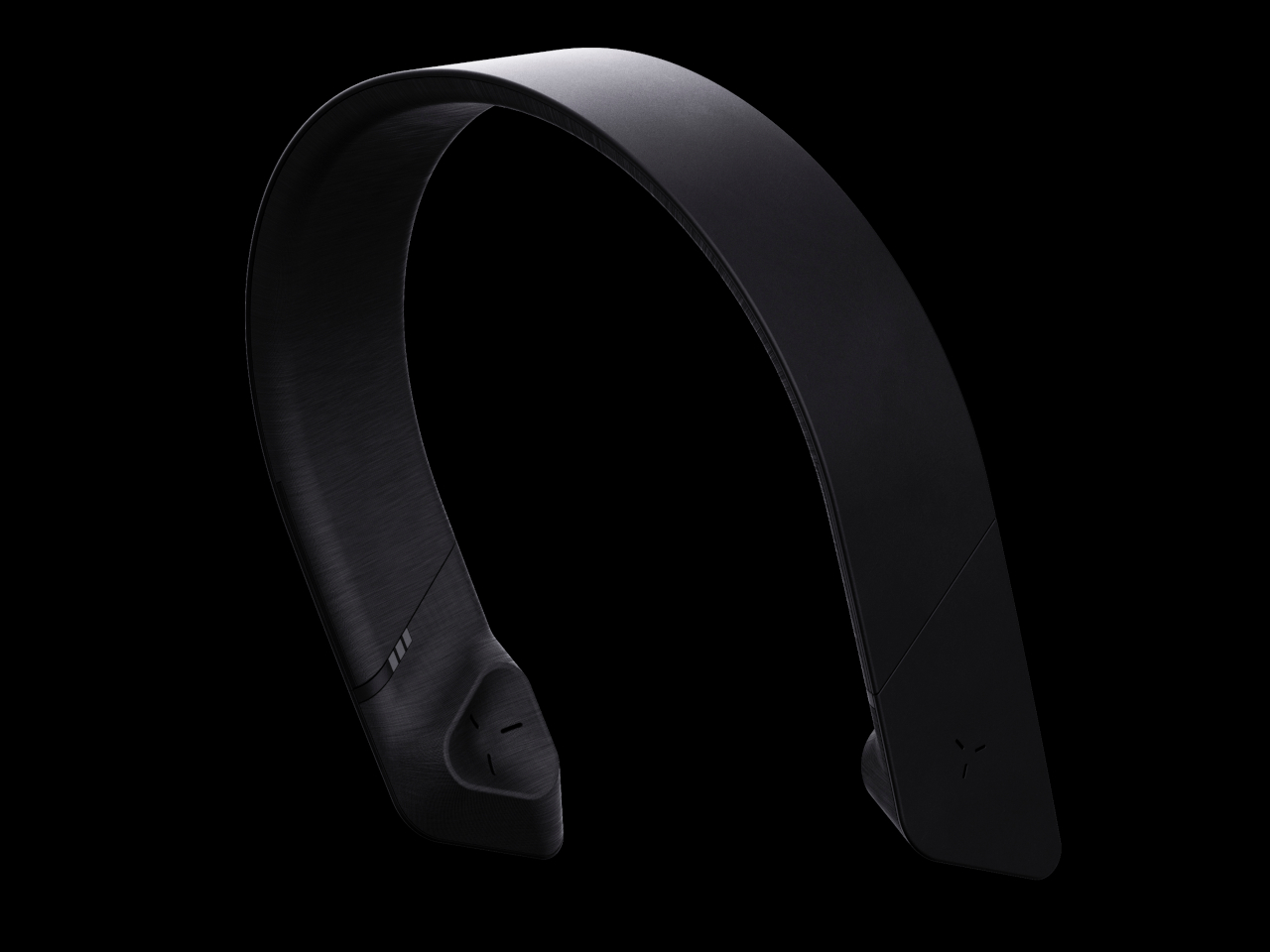
Eko also has a modern and stylish appearance, one that uses a streamlined band design instead of the usual circular cups. The speaker charging dock is a triangular prism that matches the dark motif of the headphones. One concern about the concept design is the comfort of the headphones themselves, as its speaker don’t seem to go over the ears like most designs and would instead press on it.
The post Wireless headphones concept sits on a charger that doubles as a speaker first appeared on Yanko Design.
The Inseego MiFi X PRO 5G Mobile Hotspot combines multi-carrier support, enhanced security features, and versatile connectivity for modern users.
The post Explore the New Inseego MiFi X PRO 5G Mobile Hotspot first appeared on Trendy Gadget.
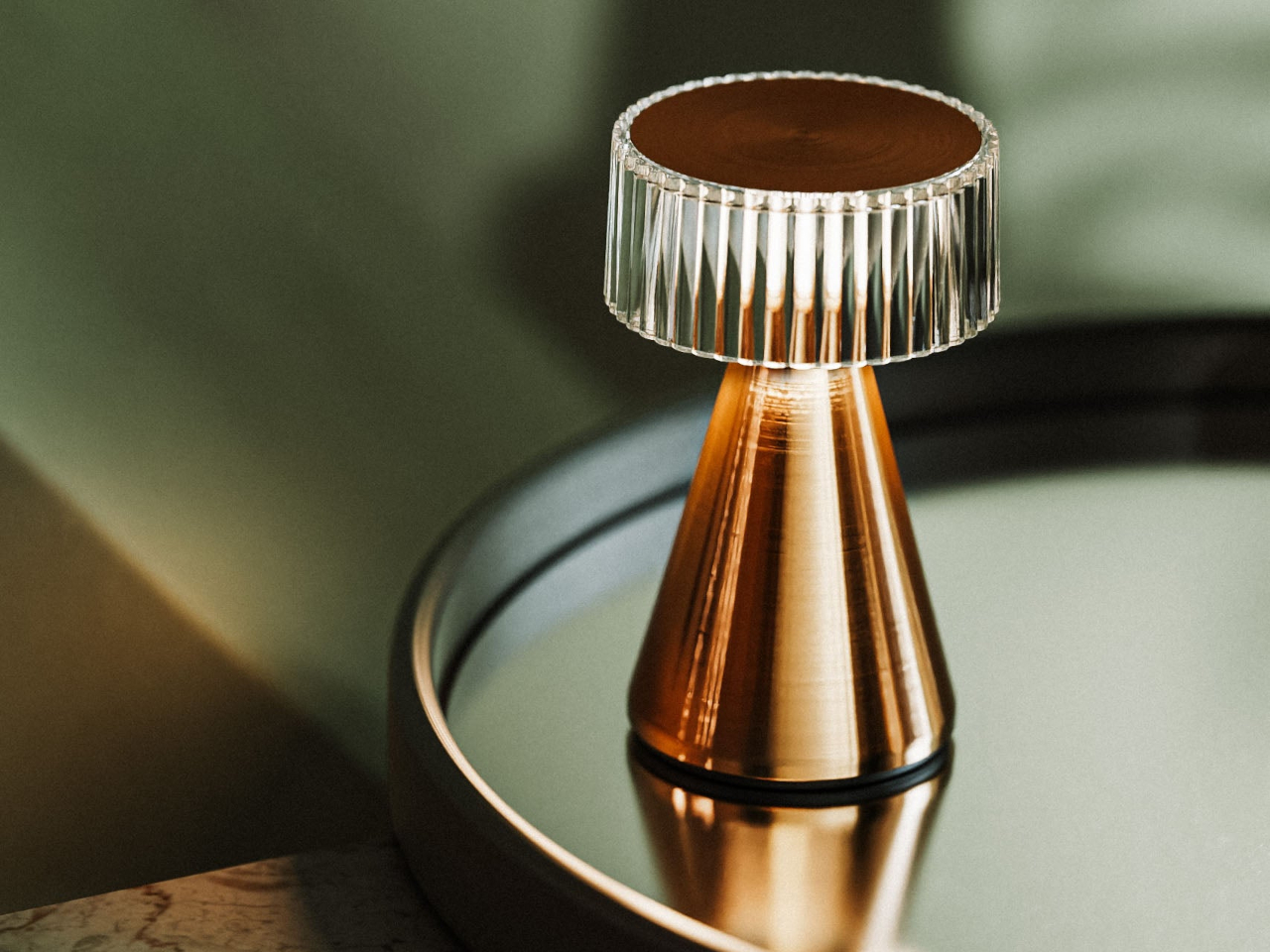
We all could use some lighting, whether indoors and especially outdoors at night. There is no shortage of lamp designs available for that purpose, and some of them can even be carried around and used outdoors. The majority of the latter, however, tend to take on more rugged aesthetics, as if expecting to always take a beating. It’s rare to see a general-purpose lamp that can be used whether indoors or outdoors and still look like a product that’s been designed with elegance and style in mind. That’s the combination that this small LED lamp is bringing to the table, quite literally, whether that table is inside the hotel lounge, beside the pool, or even a dining table under the starry night sky.
Designers: Peter Ellis, Gabriel Tam (Neoz)
There will always be a place for rugged portable lamps that can rough it out with adventurers and explorers, but those don’t cover the entire range of outdoor uses. What if you want to hold a somber and stylish nighttime get-together outdoors, far from where house lights and lamp posts can reach? You definitely can’t settle for a candlelight dinner, romantic as that might sound, and this petite but bright wireless lamp makes sure you don’t have to keep your guests in the dark.
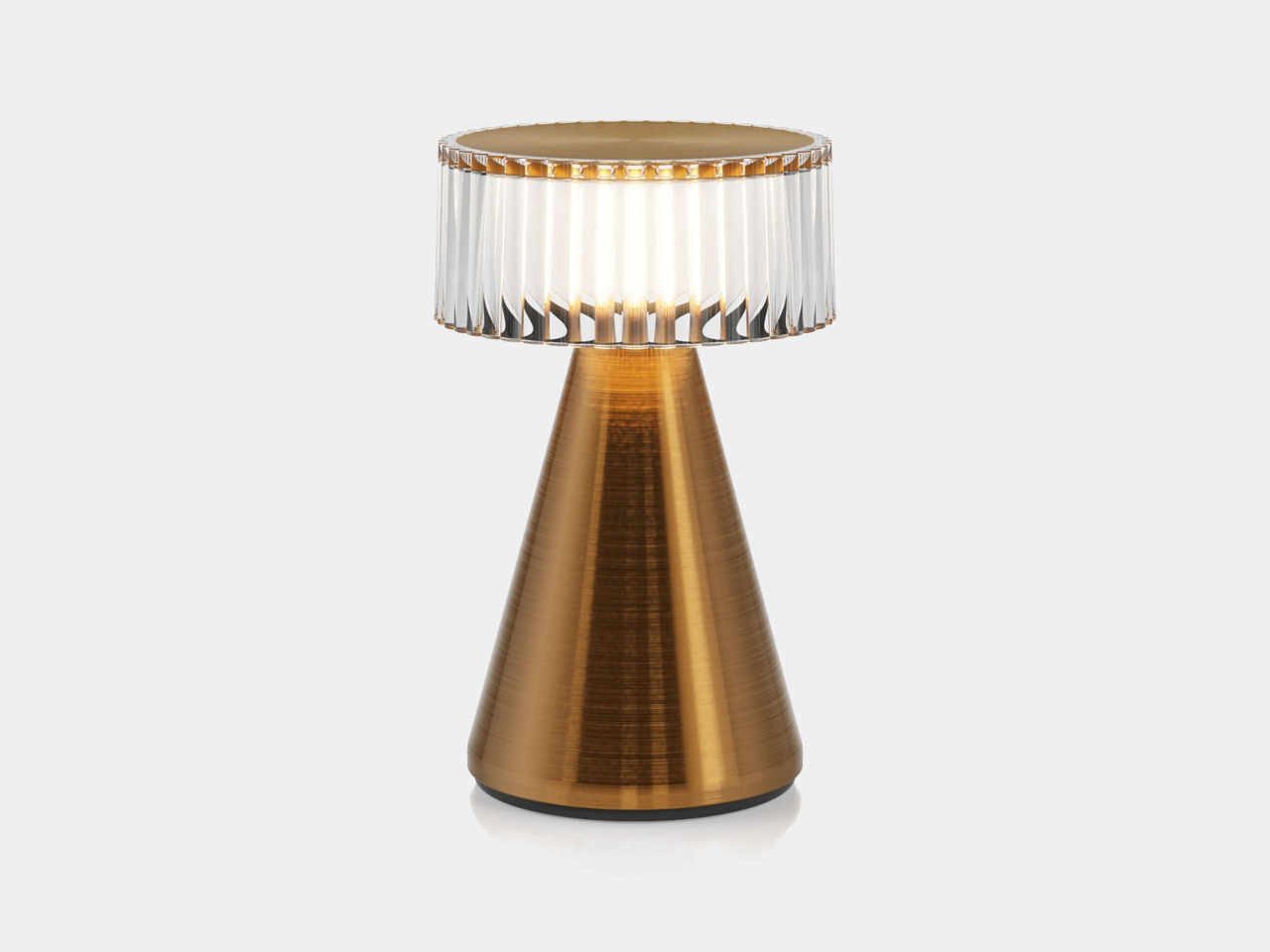
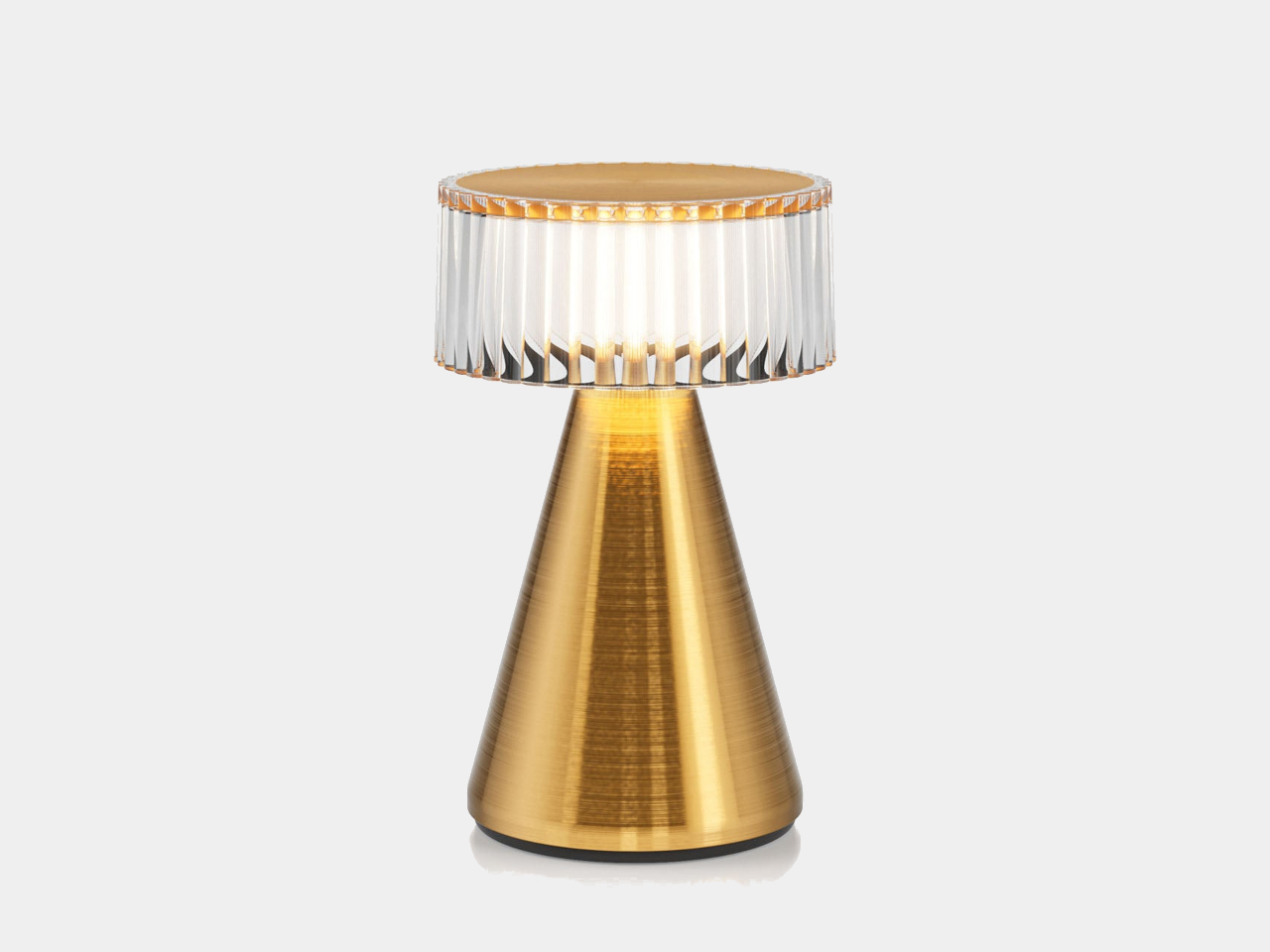
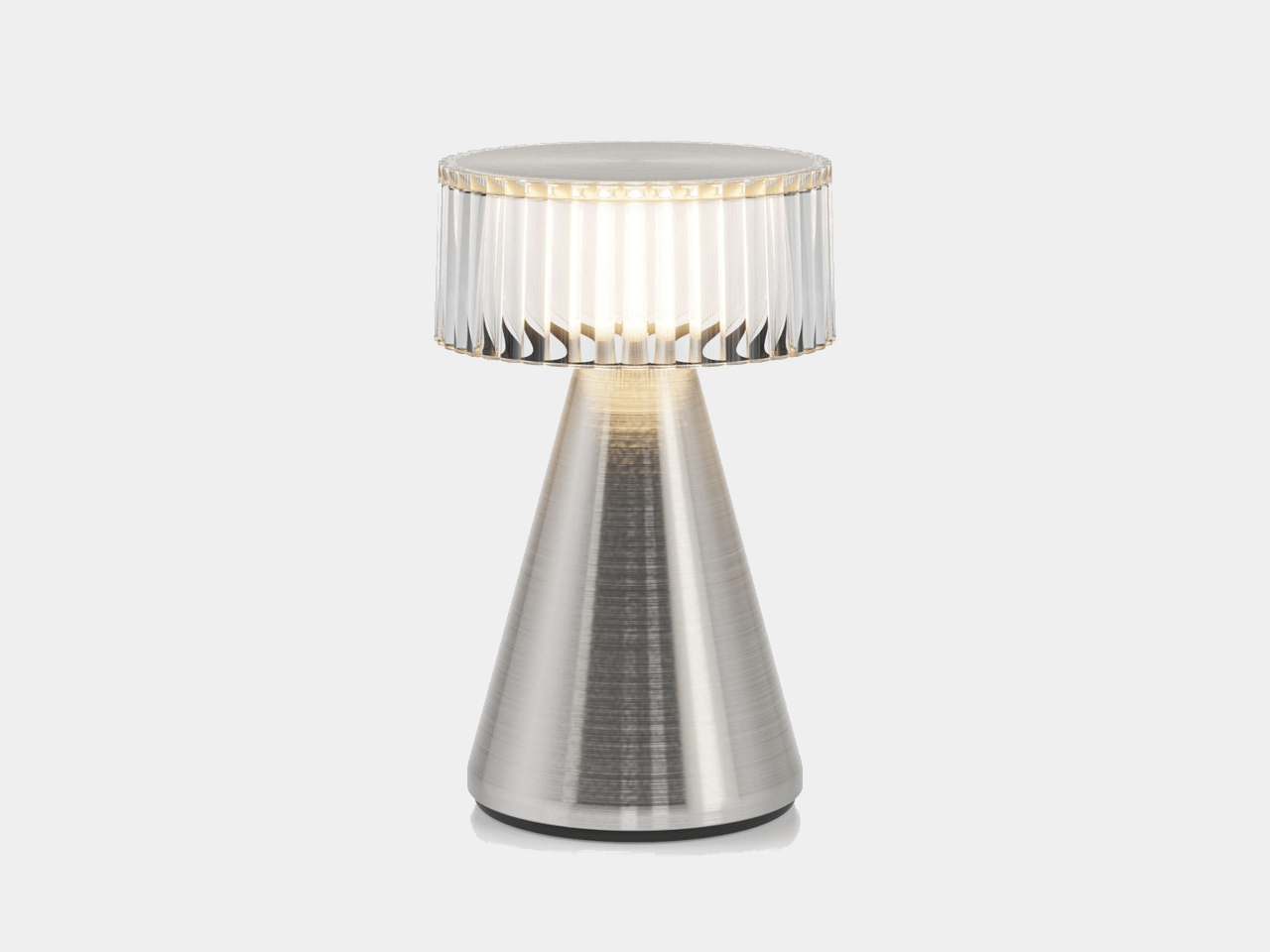
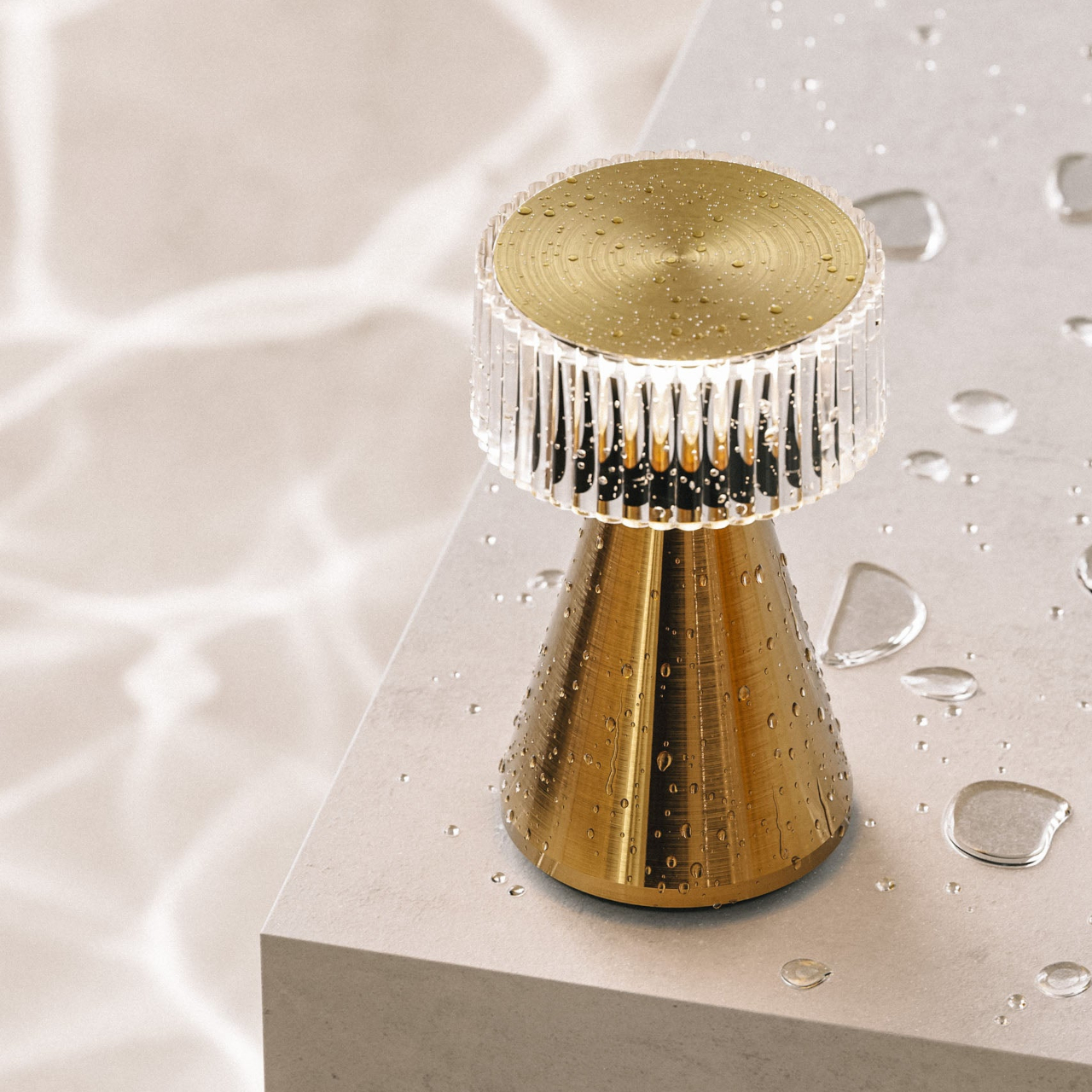
Named for an Australian coffee known for its small shots and big punches, Piccolo has a similar appeal with its PVD steel conical body and drum-shaped polycarbonate diffuser with a ribbed surface that creates an interesting play of light and shadows through reflection and refraction. With a crystal-like top and a brushed metal body with finishes in Gold, Bronze, and Silver hues, the lamp generates an atmosphere that is elegant and luxurious, even when used outdoors.
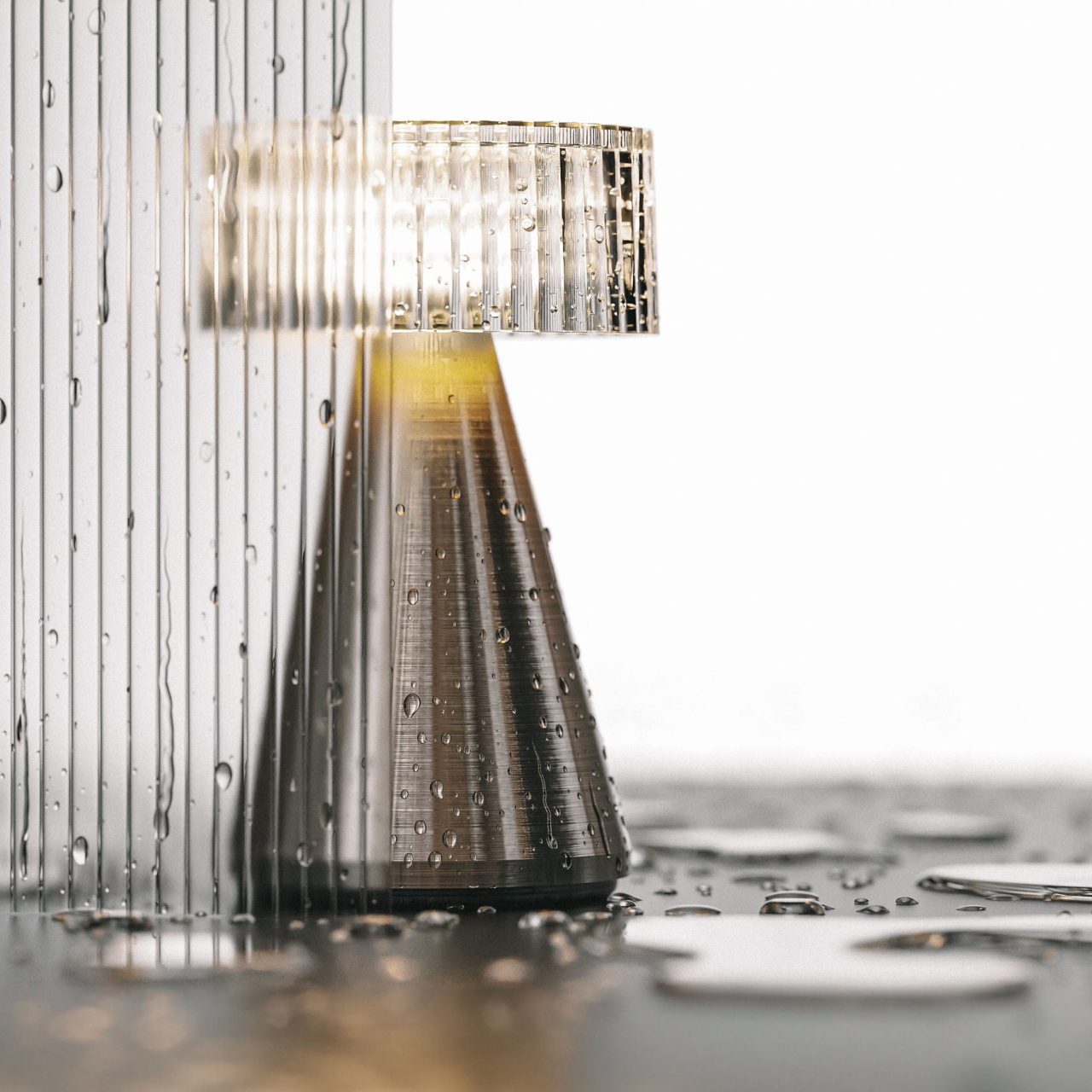
With an IP64 rating, the Piccolo lamp doesn’t shy away from accidental spills or Mother Nature’s unpredictable temperament. It is completely wireless as well, running on a replaceable rechargeable battery, so you can put it anywhere you need both illumination and ambiance. The lamp is designed to look great in hospitality venues, outdoor nighttime gatherings, and, of course, anywhere inside your home or room.

Small as it may be, Piccolo has a big heart for the planet. It uses 75% post-consumer recycled plastic for its internal structure, along with more sustainable materials like stainless steel. The battery, LED light source, and even the diffuser are user-replaceable, extending the life of the lamp for years. Portable, weather-resistant, and elegant, Piccolo gives not just light but also a serene and uplifting atmosphere wherever you put it.
The post Mini wireless table lamp adds a touch of luxury to indoor and outdoor settings first appeared on Yanko Design.
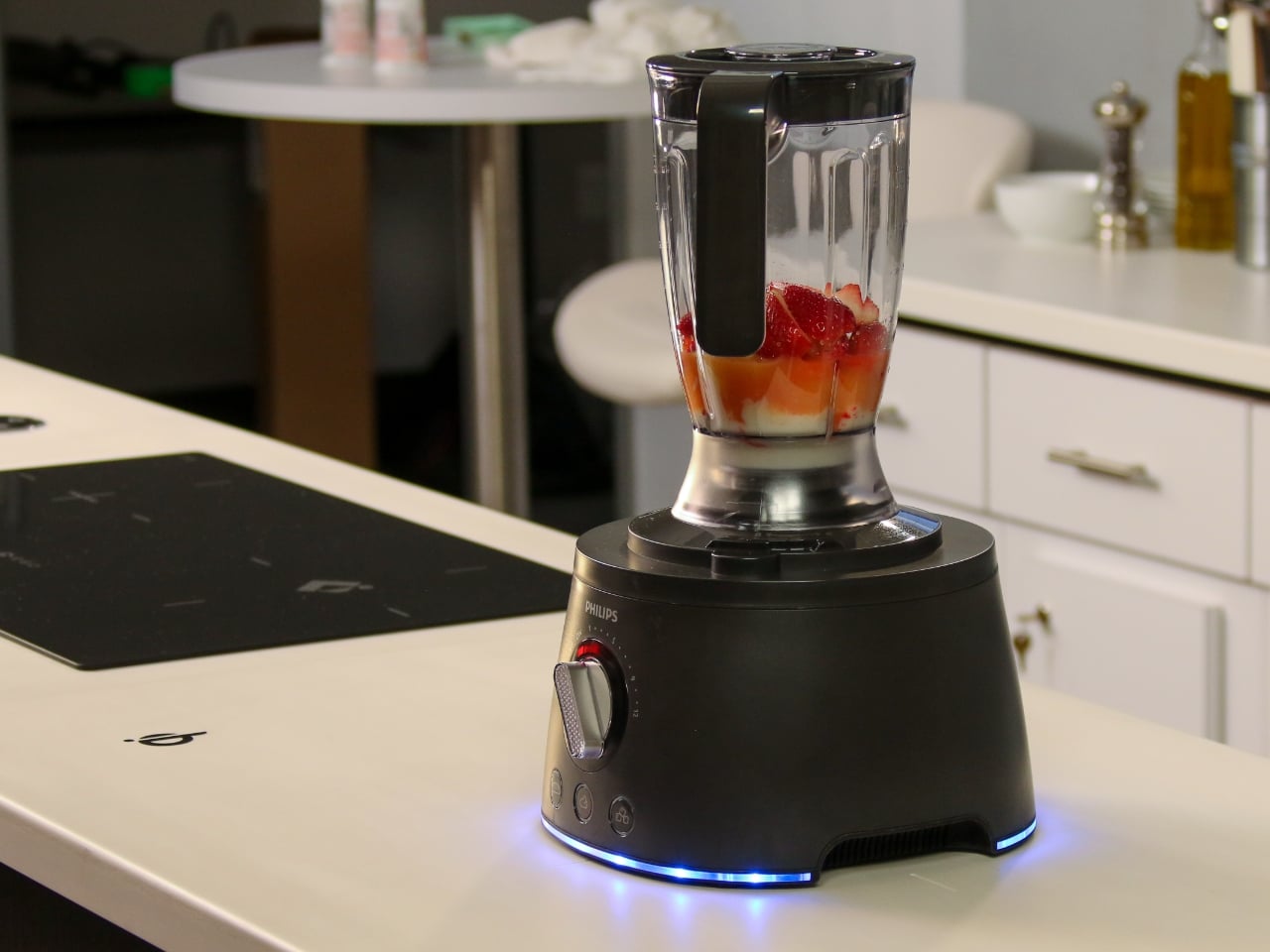
The Wireless Power Consortium (WPC) has announced the launch of the Ki standard, a breakthrough in bringing wireless power to the kitchen. Following the success of the Qi2 standard, which enhanced wireless charging for small electronics, the Ki standard eliminates the need for power cords in everyday kitchen appliances like blenders, toasters, and air fryers. Instead, appliances will communicate with a Ki power transmitter, which can be integrated into induction cooktops or hidden beneath countertops and kitchen islands. Delivering up to 2.2 kW of power, the Ki system promises to make kitchens more efficient, convenient, and safer while creating cleaner and more organized spaces.
Designer: Wireless Power Consortium (WPC)
Paul Struhsaker, Executive Director of WPC, explained how Ki will transform kitchen design. “Not only are we cutting the cord, but we’re eliminating it altogether,” Struhsaker said, noting that this advancement would inspire homeowners and designers to rethink how kitchens are used. Ki offers an innovative way to power smart appliances with greater convenience and flexibility, whether for new builds, remodels, or smart home upgrades.
The introduction of the Ki standard opens up new design opportunities for kitchens. Without power cords, appliances are no longer restricted to placement near outlets. This freedom allows designers to create more open and modern layouts. With appliances able to sit on any Ki-enabled cooktop or countertop, there’s more room for creative solutions in kitchen design.
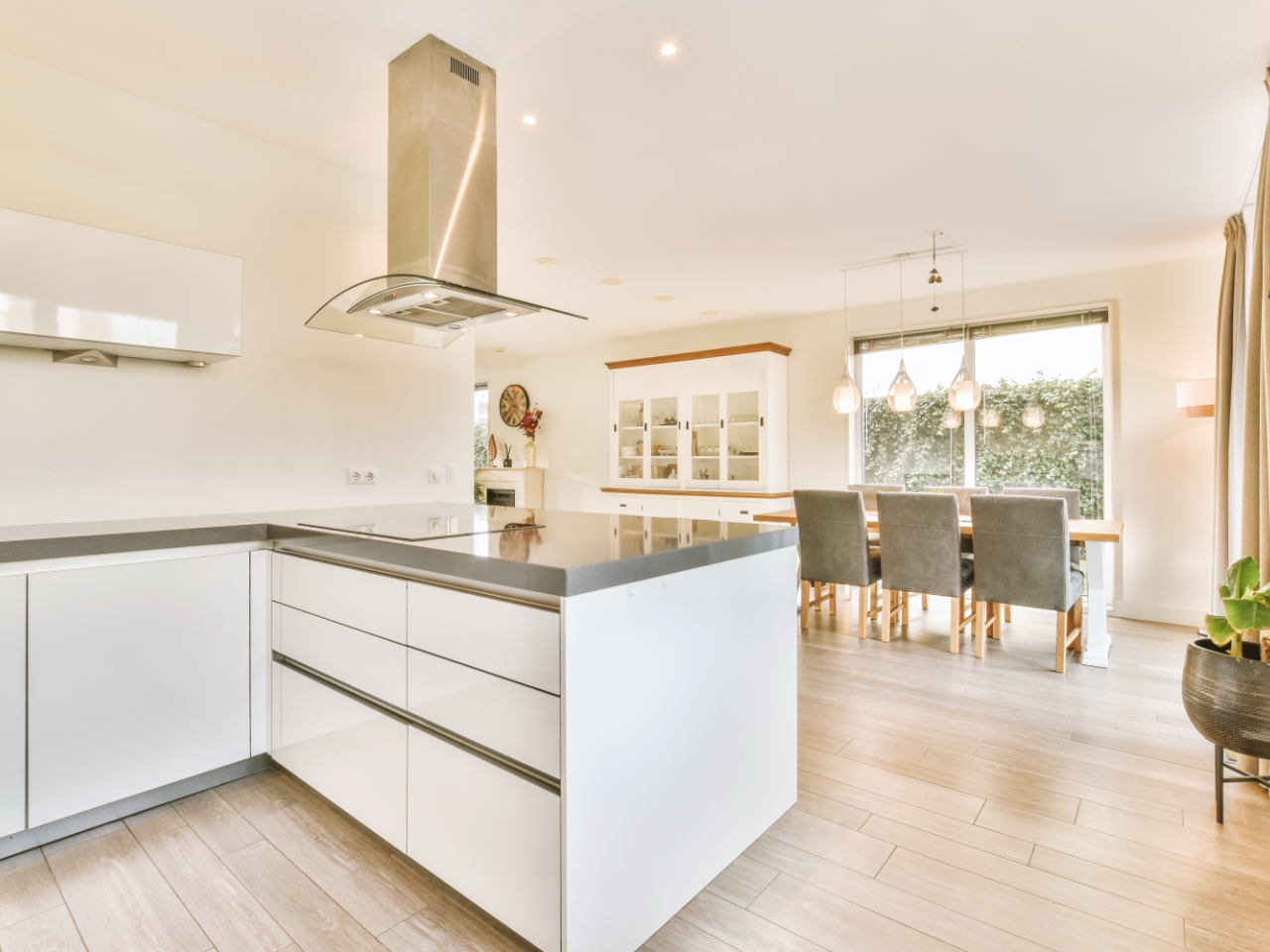
The ability to hide transmitters under countertops brings even more design flexibility. Kitchens can adopt sleek, minimalist looks, free from the clutter of cords. This feature will be especially useful in open-plan designs, where maintaining a streamlined aesthetic is important.
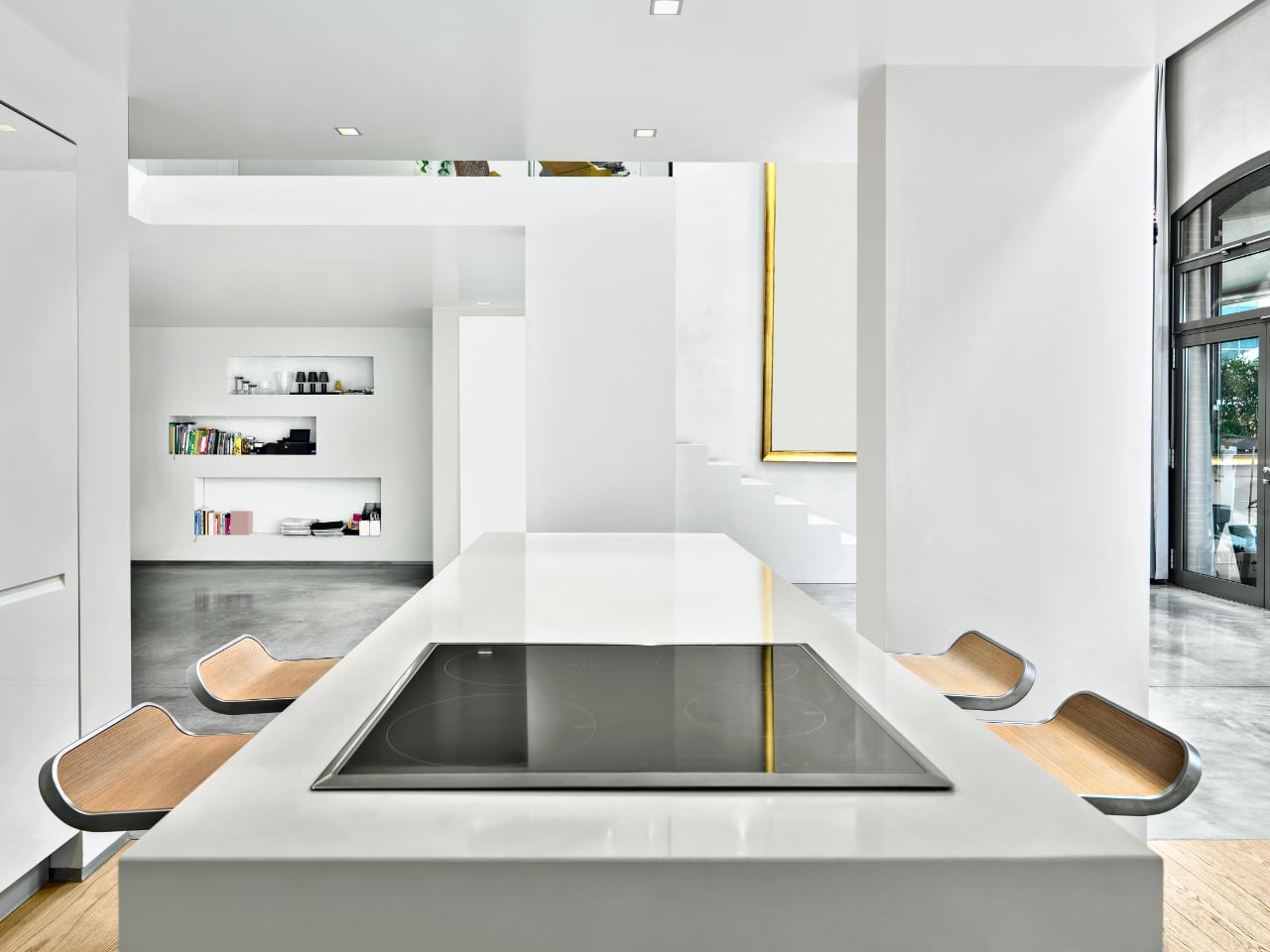
In addition to improving the look of kitchens, the Ki system enhances safety. Accidents are less likely to happen if no cords get tangled or cause trips, particularly in homes with children. The system’s wireless power shuts off automatically when an appliance is removed from the cooktop or transmitter, keeping surfaces cool and reducing the risk of burns.
Ki also introduces smarter appliances. Future Ki-enabled devices will offer advanced features that allow users to control them remotely via smartphones. These smart functions will provide more control over cooking and make kitchens safer and more convenient.
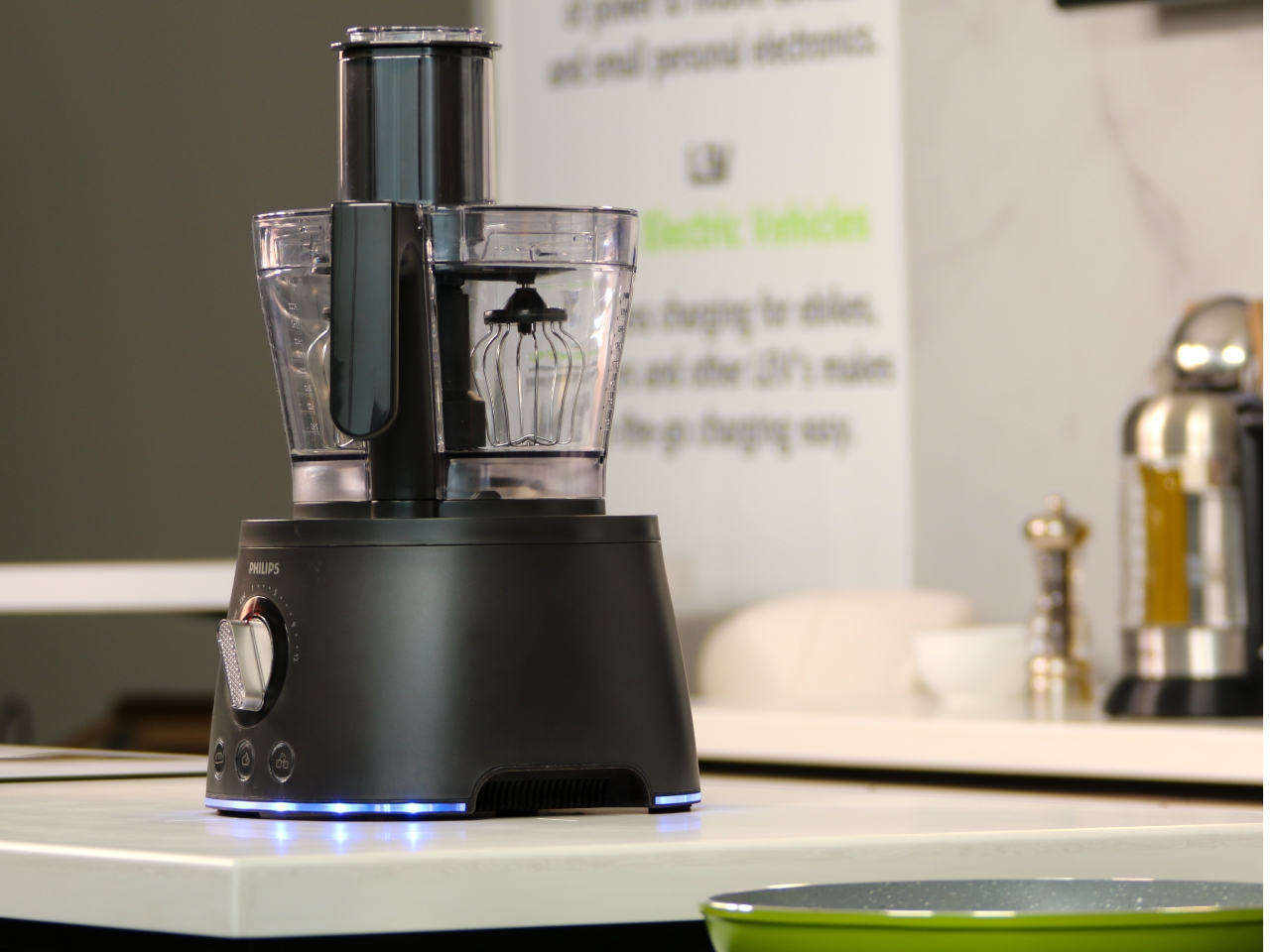
Ki Wireless powering food processor bottom-lit
For designers, this brings an opportunity to incorporate advanced technology into kitchen layouts. Smart appliances connected through the Ki system will be part of the growing trend of smart home integration, offering homeowners easier ways to manage their kitchens.
Ki helps improve kitchen space utilization by removing the need for power cords. Without cords cluttering countertops, appliances can be placed more efficiently, and storage areas can be used more effectively. Transmitters hidden under countertops also allow for clean, unobstructed surfaces.
This feature will appeal to those designing smaller kitchens or maximizing the available space in larger ones. With fewer restrictions on where appliances can go, Ki enables more creative and functional kitchen designs.
The development of the Ki standard has involved collaboration from leading appliance brands such as Midea, Beko, Philips, Miele, and E.G.O. These companies are working with WPC to bring Ki-enabled appliances to market, with certification testing expected to begin by the end of 2024.
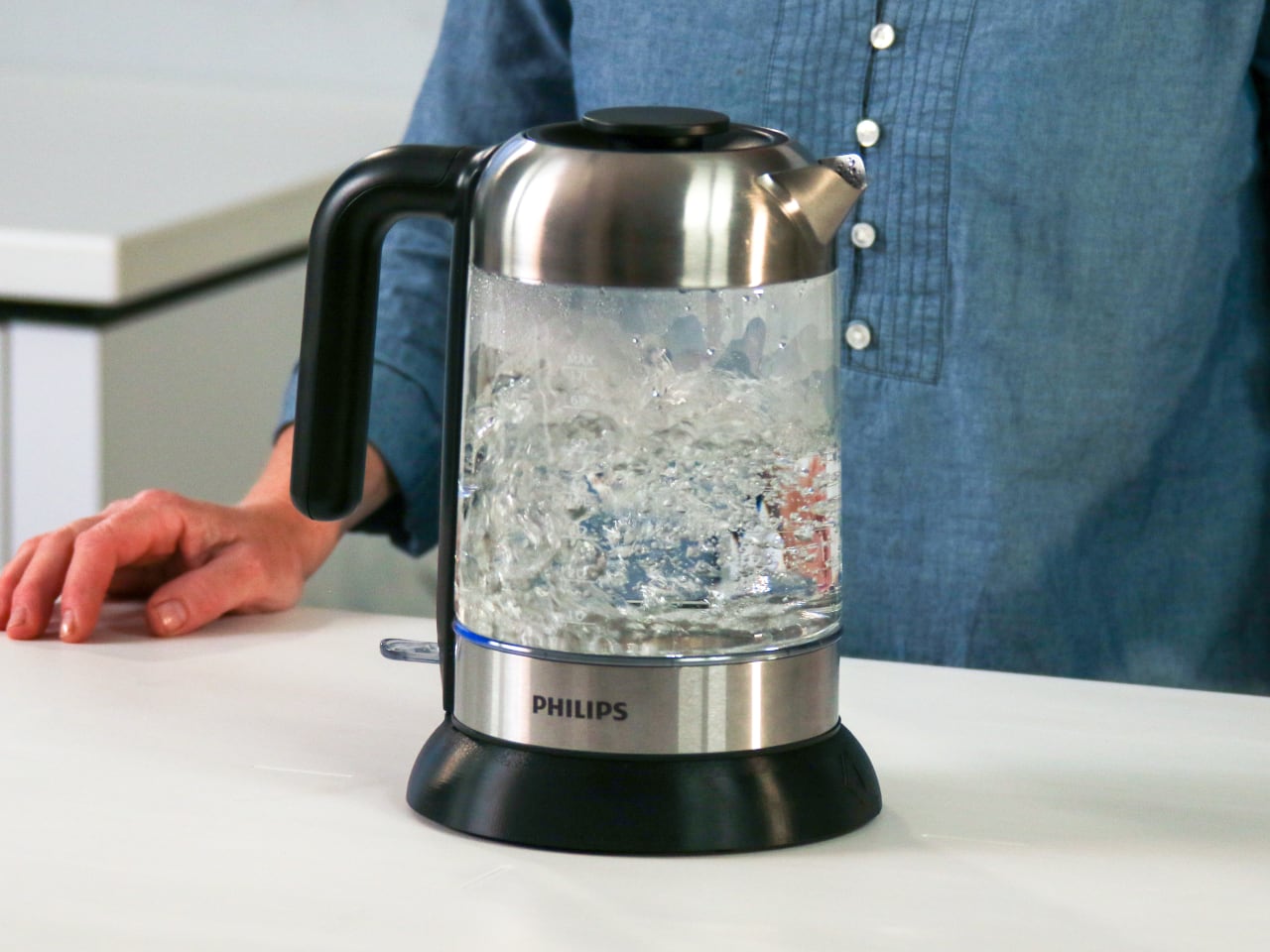
Ki Wireless powering kettle to boil water
WPC’s certification process ensures that Ki-enabled products meet the highest standards for safety and interoperability. Once certified, products will display the Ki logo, assuring consumers that their appliances meet the standard.
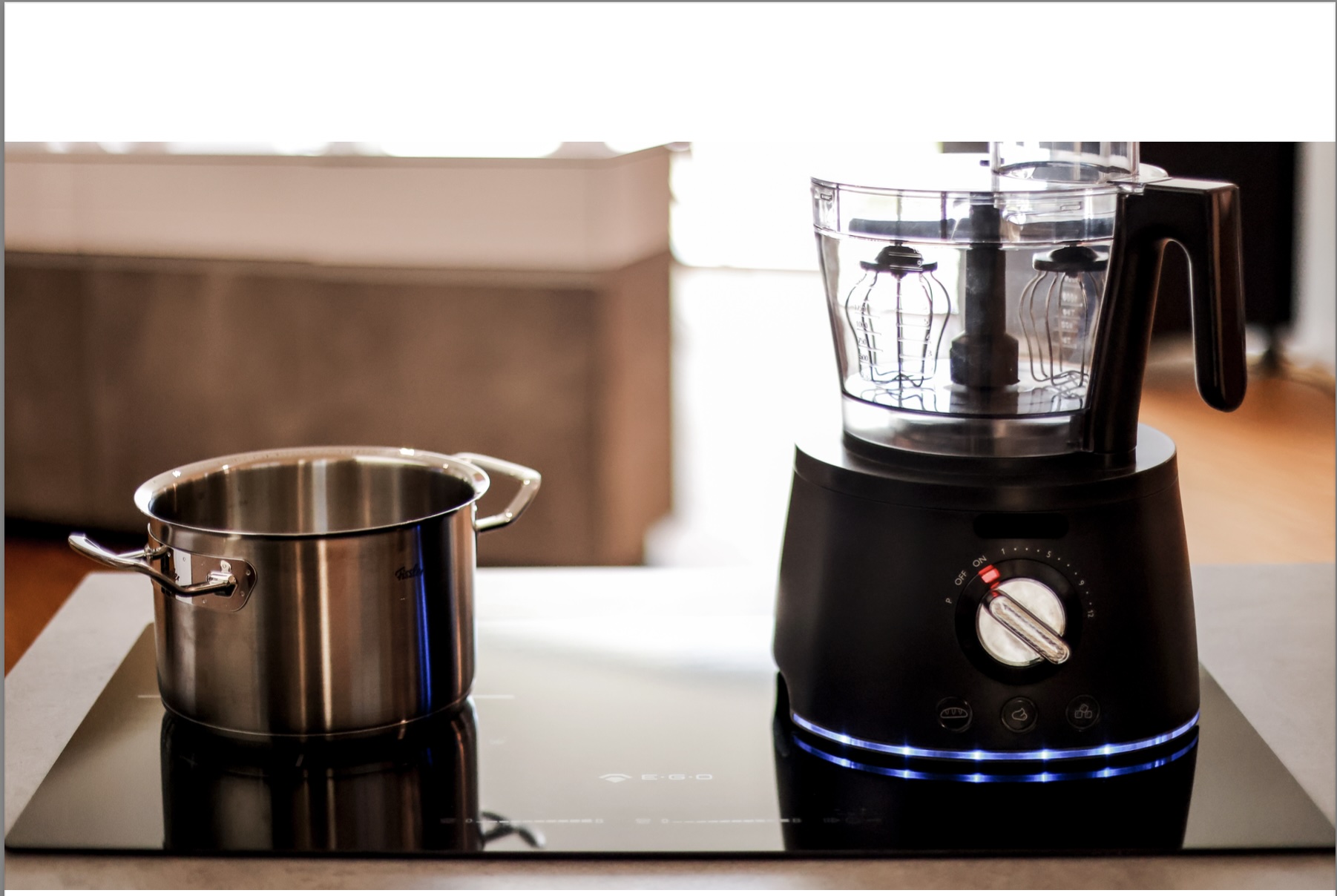
Ki Wireless Power Blender and Pot on EGO cooktop
As Ki becomes more widespread, companies are encouraged to join WPC and use this new technology. With the potential to reshape kitchen spaces, Ki offers designers and manufacturers a chance to lead the next generation of kitchen innovation.
The post WPC Unveils Ki Standard: A New Era for Cordless Kitchens first appeared on Yanko Design.