Robot-looking kitchen air purifier can get close to your stove to absorb smoke

Not all houses have built-in exhaust systems or have space for kitchen hoods so when you cook, it can turn a bit smoky and smelly in there. And of course, we know that the smoke isn’t always that healthy and there may be other harmful elements there. Having an air-purifying product that is small enough to fit in your kitchen but powerful enough to suck out all the smoke would be the ideal solution of course.

Designer: G11 Designs

The Roba is a robot-looking device but is actually an air purifier for your kitchen that can stay as close as possible to your induction stove top. It is able to absorb the smoke that may come as you cook as well as the harmful ingredients that come with it. It has two “legs” that are simple, thin, and hard metals that stand. at a 90-degree angle so it can support the weight of the entire thing and keep it as close as possible to your stove and the food you’re cooking.

Roba is designed with “flexible and concise movements” that can be adjusted as you cook. It has a height-adjustable pillar and an axis that can both rotate in different directions and also bend its head at different angles so it can adjust as you cook different things on your induction stove. The “friendly look” of the device means it can fit in well with most modern kitchen designs and the parts can be handled “concisely in cylinders”.

This seems to be a concept for now but it can actually be a pretty useful piece of kitchen appliance especially for people like me who have small kitchens and no exhaust system. The fact that it looks like a robot or at least a robot lamp adds to the cuteness factor that makes me want to buy one if it ever becomes available. Maybe I can start cooking regularly as well if I have something like this.

The post Robot-looking kitchen air purifier can get close to your stove to absorb smoke first appeared on Yanko Design.
Elements of Interior Design: Form

Among the key elements that interior designers focus on is form, featuring visible contours, geometry, proportions, scale, and more. Hence, the concept of form in interior design transcends mere decoration, involving thoughtful consideration and design details to craft a distinct aesthetic and functional experience. When designing your home or any interior, it is essential to attain the right form for achieving a harmonious aesthetic.

Designer: Studia 54

What is the role of Form in interior design?

‘Form’ pertains to the tangible shape and structure of objects within a space that forms the basics of any interior design. It forms the outline for three-dimensional objects within a space. One or more shapes can be combined to create unique forms which can further be enhanced with colors, patterns, and textures.

Image courtesy of: Rosslyn Tebbutt

• Form in interior design serves multiple essential functions. Intentional use of form creates visual interest, adding variety with unique shapes, bold textures, and eye-catching silhouettes.
• It also directs traffic flow by guiding movement and defining functional zones. Forms influence mood, with soft, curved shapes providing a soothing atmosphere and angular forms conveying energy.
• Beyond aesthetics, form impacts functionality by considering ergonomics and spatial requirements.
• Additionally, forms provide spatial definition, giving structure and boundaries to a space through creative elements like ceiling ridges, floor patterns, and wall contours.

What are the different types of forms?

Designer: RSAA Studio

The form, or spatial outline represents the shapes of three-dimensional objects in a room. It is not possible to create the design without knowing the form which includes various dimensions such as the length, breadth, height, mass, and volume which are crucial measurements for design and planning.

Additionally, the consideration of form extends to the interplay of light and shadow, as manifested in different shades and surface variations on objects. Forms can exist independently or result from the -combination of two or more shapes which can be enhanced by adding texture or color.

The different types of forms include

• Organic Forms

Designer: Tenon Architecture

Organic forms are distinguished by gentle, flowing lines while their shapes are irregular and distinctive, often derived from the varied lines and shapes observed in nature.

• Geometric or Inorganic Forms

Designer: Masquepacio

Geometric or Inorganic forms are non-living forms that relate to artificial, geometric shapes and forms. Common geometric forms include squares, rectangles, triangles, ovals, arches, points, and straight lines.

• Open Forms

Designer: Go Homme

These forms are the visible shapes or outlines that can be observed with the naked eye.

• Closed Forms

Designer: Ashley Torres

These forms are self-contained and remain invisible to the naked eye such as a closed cabinet.

The form of a space should suit its function; for instance, a dining room benefits from an organic form for conversation and intimacy, while a kitchen benefits from a geometric form for efficiency. When selecting furniture, consider the form as organic forms are inviting, and geometric forms are sleek. Integrating natural forms adds interest and a space’s form influences mood, with an organic form creating a relaxed atmosphere.

Some examples of the form in interior design include the contours and profiles of furniture, the dimensions of windows, mirrors, rug shapes, and wall decor, as well as the curves, edges, and measurements of flooring and tilework, including display accessories such as sculptures.

Designer: El Quipo Creativo

What are Abstract Forms?

Abstract art is gaining popularity among artists and behind the abstract art lies a theoretical cluster of ideas aimed at creating pure sublime art, beautiful and intended to evoke aesthetically pleasing effects.

How to achieve good form in interior design?

Designer: Peter Ippolito and Gunter Fleitz

To achieve a well-crafted form, a combination of seven elements of design with the seven principles of design can create an ideally perfect design.

What are the principles of form in interior design?

In the process of designing with form, interior designers depend on a set of fundamental principles that serve as a foundation for making considerate decisions regarding the shapes in design, massing, and arrangements of elements.

Designer: Steven Harris Architects

• Harmony

Designer: Concrete Collective

Harmony in design denotes a visual sense of cohesion and consistency among forms, promoting harmony over chaos. Techniques for achieving unified forms feature repeating design motifs and geometric shapes, maintaining even spacing and alignments between forms.

• Balance

Designer: Shushana Khachatrian

Balance strives to create visual equilibrium among forms in a composition, achievable through symmetrical or asymmetrical arrangements. Techniques for achieving balance in designs involve distributing weight and mass evenly, offsetting a large form with several smaller forms, utilizing color, texture, and height to counterbalance forms, and placing forms at intersecting angles to establish equilibrium.

• Accent Feature

Designer: Gaetano Pesce

Accentuation directs focus toward significant forms through the creation of contrast, establishing a visual hierarchy. Techniques to highlight key forms involve incorporating distinctive shapes and proportions, integrating bold colors or materials, illuminating forms with strategic lighting, and elevating forms above the floor or ground plane.

What are the elements of Form in Interior Design?

While principles provide guidance for applying form, the elements constitute the specific components that interior designers manipulate to craft desired shapes and structures. The fundamental elements of form encompass line, shape, volume, texture, and color.

• Line

Designer: Vince & Co. Interiors

Lines and edges define boundaries and contours, delineating form. Consider silhouettes and profiles of furnishings, borders between flooring materials, molding, and trim outlines, patterns created by lighting fixtures.

• Shape

Designer: Melanie Hutton

The two-dimensional outline of forms generates geometric or organic shapes. Examples encompass circular, square, and rectangular furnishings, freeform partitions and wall dividers, oval and ring-shaped decor pieces, as well as sinuous S- and C-curve furniture.

• Volume

Volume refers to the 3D mass and space occupied by forms. Interior designers may manipulate cubic footage and dimensions of furnishings, cantilevers, platforms, staggered shelving, convex and concave shaping of lighting, walls, etc.

• Texture

Designer: Artshoc

Surface characteristics such as smoothness, roughness, and patterns significantly influence form perception. Textures that impact form include wood grain, fabric weaves, concrete pores, distressed patinas, glossy polishes, as well as tufting, channeling, and fluting on furnishings.

• Color

Designer: Rodolphe Parente

Hue, saturation, and brightness play a role in shaping form relationships. Colors can either unite similar forms or distinguish contrasting ones, make forms recede or advance within a composition, and add visual weight and mass to lighter forms.

Why should form follow function?

A well-designed interior is functional, comfortable, usable, and practical—one that is inviting, cozy, and enjoyable. The interiors should provide a comfortable space where you eagerly anticipate relaxation at the end of a long day.

• Clutter-free Space

Designer: Daria Zinovatnaya

Invest wisely in home decor, focusing on pieces that enhance usability, as excessive showpieces or rugs in the living room may lead to a crowded feel despite the instant enhancement of individual items.

• Good Circulation

Designer: Kerry Harris

It ensures good circulation and free passage around the home, preventing the space from becoming cluttered to the extent that it obstructs movement, enhancing smooth navigation, and preventing injury.

• Timeless Design

Designer: Foresight Associates

While the aesthetics of a property may change over time, its functionality is less likely to change easily, therefore prioritizing functionality over accent pieces adds more value to your property.

To conclude, Form stands as a fundamental element in interior design and it is intricately connected to the function of the room, requiring it to fulfil the intended purpose or function of the space.

The post Elements of Interior Design: Form first appeared on Yanko Design.
What is Interior Design?

Interior design involves crafting an indoor space that caters to the various requirements and needs of the occupants. It is the combination of artistic, creative, and practical interior solutions that simultaneously aligns with the structural framework of the space. This process prioritizes well-being, safety, and health, along with the integration of style and aesthetics.

Designer: AB Concept

Who is an interior designer?

An interior designer is a creative problem solver and professional who employs design principles that revolve around functionality, materiality, safety, and building codes. There has been a major transformation in the field of interior design since the 20th century where the design professional prioritizes client preferences, and their individual needs, and beautifies the space to improve the living conditions. Interior designers intentionally craft daily spaces, creating art for people to live, work, and play within. Their expertise spans across residential, commercial, hospitality, and healthcare spaces.

Designer: Wojtyczka Pracownia Projektowa

What does an interior designer do?

Interior designers are expected to possess proficiency in various areas including:

• Knowledge about textiles, materials, color, space planning, sustainability, and so on.

Designer: Alcro

• They should have knowledge about the software applications for 2D and 3D computer-aided design (CAD) along with building information modeling (BIM).
• Structural requirements, health and safety considerations, and building codes.
• Interior designers work in collaboration with contractors, architects, engineers, craftsmen, furniture dealers, and both businesses and homeowners.

Designer: Mel Boyden

• Interior designers need to understand how their work fits into a larger community and plan and complete practical design projects within set timelines.
• Their responsibilities include creating concepts to meet client needs, developing construction drawings, coordinating with engineering consultants, managing projects with contractors, and representing clients from start to finish.

Designer: Kim

• They also perform specific tasks like sketching plans, creating mood boards, space planning, setting budgets, and sourcing materials to prioritize space use and functionality in projects.

What is the difference between an interior designer and an interior decorator?

Designer: Kate Bonsels

Interior designers and architects create the spatial foundation, while decorators focus on filling the space. Despite distinct roles, they are all design professionals contributing to a project. Interior designers must understand their role in the broader context of architecture, engineering, and science. The main difference is that decorators prioritize the visual and tactile aspects of finishes and furnishings for their combined impact.

Designer: Nordiska Galleriet

What are the benefits of hiring an interior designer?

An interior designer optimizes space, creating a home that reflects the homeowner’s taste and lifestyle. They streamline the design process, offering long-term recommendations for lasting, aesthetically pleasing, and balanced decor. Here are the advantages of hiring a designer versus the DIY approach for your home’s interiors.

Efficient Space Management

Designer: Nordic Living

Interior designers specialize in space planning, maximizing space, and enhancing the functionality of the home by utilizing every available square inch. During the design phase, the interior designer takes precise measurements of the site and determines the furniture layout. When designing the interiors, their primary goal is to achieve optimal circulation space, maximize natural light, and establish a clutter-free and well-organized environment.

Coordination

Designer: Fox Homes and Realty

An interior designer acts as a liaison between the client and external entities like false-ceiling contractors, electricians, plumbers, and carpenters. Constant project supervision forms a part of the designer’s role. Additionally, the designer facilitates coordination among the family members, incorporating their individual needs into the design. Using technical expertise, interior designers provide detailed execution plans to various contractors, specifying dimensions, materials, and finishes for on-site implementation.

Beautification

Designer: Vojtek Morsztyn

Leveraging their professional expertise, interior designers enhance the aesthetics and infuse a designer’s touch into the overall home decor. A notable advantage is their creative thinking and ability to envision the comprehensive design style, color choices, and layout for the entire home. Serving as guides, they actively participate in material selection, ensuring a cohesive look for the interiors. By working closely with homeowners, interior designers assist in achieving the desired look for the home, considering both the available space and budgetary constraints.

Save Money

Designer: AX Interiors

While hiring a professional interior designer involves additional expenses in the form of consultation fees, it proves to be a cost-effective choice in the long run. Leveraging the designer’s expertise allows homeowners to make informed design decisions on-site, preventing potentially costly mistakes. Rectifying errors on-site incurs extra expenses and time, making the designer’s fee worthwhile in avoiding such complications. An interior designer assists homeowners in allocating their funds wisely, directing investments only where necessary. This approach minimizes unnecessary spending, ensuring that homeowners and clients stay within their budget constraints.

Designer: Base9 Studios

Save time

Considerable time is saved during project execution as homeowners are spared the task of researching various materials available in the market. An additional benefit is that an interior designer guides homeowners in making informed decisions regarding the sourcing and purchase of home decor items like light fixtures, flooring materials, and upholstery materials. The designer’s extensive and detailed knowledge about diverse products in the market eliminates the need for homeowners to spend days researching, and perhaps still not find suitable options. Moreover, an interior designer ensures a smooth workflow by comprehending the necessary steps for timely project completion.

Designer: M.Serhat Sezgin

What are the different types of interior design?

Designer: Marwa Tareq

The different types of interior design include:

Residential Design

Designer: Terreo Studio

Private home interior design can be done professionally or by homeowners. For projects like a new kitchen, some homeowners choose an interior designer to ensure practical use of space. The designer supports design choices and oversees the project from start to finish.

Commercial Interior Design

Commercial interior design plays a crucial role in the success of a business. The selection of materials, colors, and furnishings must align with the company’s brand image. Various types of commercial spaces exist within the interior design spectrum.

• In hospitality interior design, well-designed restaurants optimize space to increase seating capacity, the revenue, the design helps reduce the waiting time and enhances customer comfort and overall experience.

Designer: Elliott Barnes

• In retail interiors, the strategic use of commercial aesthetics can entice potential customers, fostering longer stays in the store and creating a unique in-store experience essential for competing with online retailers.

Designer: Emmanuel de Bayser

• The primary aim of sports interior design is to optimize the layout and design of facilities like cricket or football stadiums, changing rooms, and training facilities to enhance the experience for athletes and staff, while thoughtful arrangements in gym layouts can elevate workouts and boost memberships.

Designer: https://studio-93.co.uk/

• A well-planned office layout boosts productivity and communication in corporate interiors, while an attractive and functional design enhances visitor impressions, user experience, and overall staff comfort.

Designer: Studioninedots

What is an interior design concept?

Designer: Moein Allahyari

An interior design concept serves as the central theme guiding all design elements, originating as an idea and materializing through meticulous planning. Ideally, it is a visual theme that skillfully employs color, space, and style to evoke a specific mood, transforming an idea into reality. This concept functions as a base that influences the client’s decisions on design, aesthetics, color, material selection, and other details.

Designer: Juli Interiors

The inception of the design concept follows a discussion between the client and the interior designer regarding the space’s goals and objectives. This phase is where the interior designer unveils their creative ideas, providing clients with knowledgeable guidance to make informed design decisions as the project progresses.

The post What is Interior Design? first appeared on Yanko Design.
What are the 7 Elements of Interior Design?

The 7 core elements of interior design include space, line, form, light, color, texture, and pattern. In interior design, each of these design elements combine together to create a cohesive and visually pleasing space and play an important role in influencing the decisions related to layout, furniture, lighting, and other design elements. When designing the interiors of any space, it is important to strike the right balance between each of the elements of interior design.

Designer: Lindye Galloway

1. Space

Designer: Lindye Galloway

Space is defined as the distance around and between adjacent pieces of furniture and it can be classified into positive space and negative space. Positive space indicates the position of the room’s objects such as bed, sofa, and armchairs, and negative space is defined as the gaps between the objects or the circulation space that helps you move around the room. Note that the open areas in a room contribute to a sense of spaciousness and prevent it from feeling cluttered. Achieving the right balance between positive and negative space is crucial. If the negative space is minimal, the interiors may feel claustrophobic and cluttered, whereas excessive negative space can result in the interiors feeling empty and under-furnished.

Designer: Louise Bradley

When beginning with the interiors, it’s essential to grasp the dimensions of the space. Also, it is important to establish the area of the space along with the height and width of the walls and the position of the doors and windows.

2. Lines

Lines form an important component of interior design and can be classified into horizontal, vertical, and angular lines. Additionally, lines can be strategically employed to guide the eyes in the direction they traverse.

• Horizontal Lines

Image courtesy of: JapandiVibe

Horizontal lines are very common in interior design as they convey stability and calmness and make the space feel wider. These lines are found in furniture like sofas, tables, and beds, as well as architectural elements such as the skirting window sills, and low-platform beds to name a few.

• Vertical Lines

Designer: gmegus

Vertical lines are associated with height, strength, and authority, lending a sense of formality and imposing presence to a space. Architectural elements such as columns, doorways, and windows, as well as furniture like tall bookcases and floor lamps, often exhibit vertical lines as they draw the eyes upwards and create an illusion of height.

• Angular Lines

Dynamic lines are associated with movement, action, and energy and they can take the form of curves, diagonals, or zigzags and are often present in decorative elements such as patterned rugs, artwork, and accessories. These elements infuse the space with a sense of excitement and motion. For instance, diagonal and zigzag lines, such as tiles laid diagonally infuse a dynamic vibe into the interiors.

3. Form

Form is defined as the different types of shapes present in the room, such as furniture, artwork, and accessories. The shapes may include geometry with the presence of lines and angles. It could also encompass curvaceous pieces as well as irregular shapes.

• Geometric Forms

Designer: Sarah von Heugel

Geometric forms, like cubes, spheres, pyramids, and cylinders, bring order and symmetry to a space. These forms are found in the furniture like the tables and chairs alongside the decorative accents like vases and sculptures.

• Natural Forms

Designer: Ambre Donadio

Natural forms, irregular and asymmetrical, such as tree branches, rocks, flowers, and leaves, are associated with nature and fluidity brings an element of softness within the interiors. They can be introduced into space using materials like wood, stone, and plants.

Designer: Cyryl Zakrzewski

4. Light

Designer: Lauren Nelson Design

The lighting scheme of any décor should be a combination of artificial and natural light illumination. We cannot control the quantity and quality of light coming in from the windows, but we can surely filter light via the windows’ drapery and coverings. Light can also be enhanced by reflections from mirrors when placed opposite to the windows. Artificial lighting can be broadly classified into ambient lights, task lights, and accent lighting that combine together to create a layered lighting scheme.

• Ambient Lighting

Ambient lighting contributes to the general lighting or the overall illumination in a space. The prominent ceiling and wall-mounted fixtures combine with natural light to take care of the illumination of the interiors.

Designer: Duriya Bhaiji

• Task Lighting

Task lighting is specifically crafted with a particular activity in mind, such as a desk lamp for studying or bright lights essential for cooking in a kitchen.

• Accent Lighting

Accent lighting is strategically used to highlight a particular area of a room or draw attention to a specific object, such as a piece of art. An accent light may also take the form of a chandelier, a bracket light, or a distinctive statement lamp.

Designer: Lightcore

5. Color

Designer: Shelley Carline

Color plays a crucial role in interior design, influencing the overall mood of a room. Various color shades can be strategically employed to create a sense of spaciousness, enhance brightness, or evoke coziness. It’s advisable to choose calming hues for bedrooms and vibrant tones for children’s rooms or home offices. Additionally, colors may appear differently under natural and artificial lighting conditions.

Image courtesy of: Mohsen Masood

When deciding the color scheme of the interiors note that it is important to assess the size of the interiors, as brighter and pastel hues are better for smaller spaces, while darker tones are better for larger areas. Additionally, warm colors, such as oranges and yellows, create a cozy and inviting atmosphere while cool colors like blues and greens have a calming effect.

Designer: Yana Sergunina

6. Texture

Designer: Space90 Studio

Texture also plays a significant role in interior décor. From upholstery to carpets and even textured walls, every object placed in the room contributes to the overall texture of the space. Introducing a mix of textures enhances depth and dimension in the décor. The walls, upholstery, and flooring can significantly contribute to the texture of the space, serving the purpose of creating the illusion of depth in the overall interiors.

Designer: Flor Samoilenco

Techniques like brushing, combing, spatula, and dapple can be used to add textured paint to an accent wall. You can also opt for metallic paints or contrasting finishes, such as matte and glossy, which can enhance the visual appeal.

Designer: Base9 Studio

7. Pattern

Designer: Fiona Parke

Patterns also contribute a great deal of interest to interior décor and can be incorporated into various elements such as rugs, wallpaper, walls, paint, curtains, upholstery, and cushions. The different types of patterns include floral, geometric, and abstract, which can enhance the overall aesthetics of the interiors. In interior design, patterns are employed to inject vitality and a sense of playfulness into a space. Nowadays, a wide range of patterns can be found in everything from wooden floors, ceramic tiles, and organic vein patterns of natural stone to wallpapers.

Designer: The Mews-Fabrics & Furnishings

Interior design elements are crucial for creating an aesthetically pleasing and functional living space, each contributing to a cohesive and balanced environment reflecting your personality. For instance, color influences mood, and texture adds depth to a room. Understanding and effectively using these elements can transform a dull space into a stylish and welcoming home. Various factors, including the space’s purpose, user preferences, architectural style, budget, lighting design, materials, and color choices also play a significant role in successfully achieving the desired look of the interiors.

The post What are the 7 Elements of Interior Design? first appeared on Yanko Design.
Stop Counting Sheep: Let the Brain Sleep Pillow Give You the Best Night’s Rest Ever

Sleep is essential for a healthy, productive life, and the Brain Sleep Pillow is designed to give you the best sleep possible. This innovative pillow uses advanced technologies and high-quality materials to ensure comfort, support, and hygiene. Let’s dive into what makes it the last pillow you’ll buy for your nightly rest.

Designer: Brain Sleep Co., Ltd.

Click Here to Buy Now: $144 $240 (40% off). Hurry, only 5 left! Raised over $114,000.

Focusing on the first 90 minutes of sleep, known as the “Golden 90 Minutes,” this pillow optimizes sleep quality. This period is crucial because it includes the deepest phase of sleep, significantly influencing the overall quality of your rest. Your sleep consists of REM (rapid eye movement) and non-REM (NREM) sleep cycles. Each cycle lasts about 90 minutes; the first cycle typically contains the deepest sleep. The more deep sleep you get during this period, the better the overall quality of your sleep. Body temperature is one of the key factors for achieving quality sleep during the Golden 90 Minutes. Higher body temperatures during sleep are associated with reduced deep sleep. This pillow addresses this by having over 90% of its structure made up of air space. This design prevents heat and moisture from getting trapped in the pillow, helping to keep your brain cool and promoting high-quality sleep. Data confirms that the Brain Sleep Pillow, compared to typical polyurethane pillows, leads to a higher percentage of deep sleep in the first cycle. This is backed by sleep surveys showing that users of this pillow experience more deep sleep during the Golden 90 Minutes, which is crucial for overall sleep quality.

One key aspect is its ability to keep you cool throughout the night. Traditional pillows, like those made from feathers or urethane, often trap heat, making your head feel warm and uncomfortable. However, the Brain Sleep Pillow stays much cooler, promoting better sleep. This pillow is made of a unique material that allows heat to escape quickly, so it doesn’t get trapped inside. Scientific tests show it maintains a cooler head surface temperature than other pillows. This cooling effect helps you fall asleep faster and stay in a deeper sleep longer. Imagine resting your head on a pillow that always feels cool and refreshing, even on hot nights. Dr. Seiji Nishino, a sleep expert from Stanford University, contributed significantly to this design by emphasizing the importance of temperature regulation during sleep. His expertise in sleep physiology and understanding of how cooling impacts deep sleep have been crucial in developing this innovative feature.

Another incredible feature is its personalized fit technology. This pillow is designed with a three-layer structure that perfectly balances comfort and support. The top layer, known as the adjustment layer, is soft and fluffy. This layer molds to the shape of your head, providing immediate comfort. Beneath this is the firmer support layer, which offers solid support for your head and neck. This helps keep your spine aligned properly, reducing any strain or discomfort. The bottom layer, called the base layer, is harder and allows air to flow through the pillow, keeping it cool and increasing its durability. The pillow also features a unique nine-gradation system. This means the pillow has varying firmness levels across its width, ranging from hard to soft and back to hard. This design supports your head and neck whether you sleep on your side, back, or stomach. It also makes it easier to turn over without losing support, which helps reduce strain on your head and neck.

Keeping your pillow clean and fresh is crucial for a good night’s sleep, and this pillow makes it easy with its Super Clean technology. Humans typically sweat around 200ml while sleeping, but the pillow’s excellent breathability prevents moisture build-up, promoting a hygienic sleeping environment. Made in Japan, it undergoes meticulous quality checks. Skilled technicians and craftsmen carefully inspect each pillow to meet stringent quality standards. Once the pillow passes these rigorous inspections, it is carefully packed and delivered to customers, ensuring it arrives perfectly.

This pillow is made from 100% recyclable and sustainable polyethylene, reflecting a commitment to environmental responsibility. In addition to the high-quality pillow itself, you can choose from different covers to suit your preferences. The Active Air cover is made from breathable mesh material with water-absorbent, quick-drying, antibacterial, and anti-odor properties. It ensures a comfortable, non-sticky feel and dries quickly even after washing, making it ideal for rainy days. This cover is made of 100% polyester. The Organic Cotton cover is made from 100% organic cotton, grown without pesticides or chemical fertilizers for over three years. It offers natural antibacterial, deodorizing, absorbent, and quick-drying properties, ensuring a clean and comfortable sleep environment. The use of organic cotton reflects the company’s commitment to environmentally friendly materials. The Perfect Cool EX cover combines a powerful cooling function with moisture absorption. It enhances the cooling sensation of the pillow, making it ideal for hot nights. The cover is made from a blend of composite fibers, nylon, polyurethane, and polyester, ensuring durability and comfort.

Another significant benefit of this pillow is its ease of maintenance. The water-washable pillow dries quickly, so you can keep it clean with minimal effort. This makes it ideal for those with allergies, such as house dust, and families with small children. The pillow’s design also minimizes mold growth, adding to its hygienic benefits. For maintenance, if your pillow loses its plumpness, you can restore it by fluffing it with a 45-50-degree shower. This simple care routine keeps the pillow in optimal shape, providing consistent comfort. Just be sure to avoid using water hotter than 50°C (122°F) to prevent any damage to the material.

Integrating multiple advanced technologies, this pillow provides a superior sleeping experience. From cooling and personalized fit to hygiene and sustainability, the pillow addresses various aspects of sleep quality. Its innovative design, combined with high-quality materials and thoughtful features, ensures that users can enjoy a comfortable, restful, and clean sleep environment every night. Whether you’re looking for a cooler pillow that fits perfectly to your head and neck or stays clean and fresh with ease, the Brain Sleep Pillow has it all. By focusing on the crucial first 90 minutes of sleep and ensuring that the pillow remains hygienic and comfortable, this pillow helps you achieve the deep, restful sleep you need to wake up refreshed and ready for the day. Dr. Seiji Nishino’s contributions to its design ensure that it is backed by cutting-edge sleep research, making it a scientifically validated tool for better sleep. So, if you want to improve your sleep quality, the Brain Sleep Pillow is definitely worth considering.

Click Here to Buy Now: $144 $240 (40% off). Hurry, only 5 left! Raised over $114,000.

The post Stop Counting Sheep: Let the Brain Sleep Pillow Give You the Best Night’s Rest Ever first appeared on Yanko Design.
Stop Counting Sheep: Let the Brain Sleep Pillow Give You the Best Night’s Rest Ever

Sleep is essential for a healthy, productive life, and the Brain Sleep Pillow is designed to give you the best sleep possible. This innovative pillow uses advanced technologies and high-quality materials to ensure comfort, support, and hygiene. Let’s dive into what makes it the last pillow you’ll buy for your nightly rest.

Designer: Brain Sleep Co., Ltd.

Click Here to Buy Now: $144 $240 (40% off). Hurry, only 5 left! Raised over $114,000.

Focusing on the first 90 minutes of sleep, known as the “Golden 90 Minutes,” this pillow optimizes sleep quality. This period is crucial because it includes the deepest phase of sleep, significantly influencing the overall quality of your rest. Your sleep consists of REM (rapid eye movement) and non-REM (NREM) sleep cycles. Each cycle lasts about 90 minutes; the first cycle typically contains the deepest sleep. The more deep sleep you get during this period, the better the overall quality of your sleep. Body temperature is one of the key factors for achieving quality sleep during the Golden 90 Minutes. Higher body temperatures during sleep are associated with reduced deep sleep. This pillow addresses this by having over 90% of its structure made up of air space. This design prevents heat and moisture from getting trapped in the pillow, helping to keep your brain cool and promoting high-quality sleep. Data confirms that the Brain Sleep Pillow, compared to typical polyurethane pillows, leads to a higher percentage of deep sleep in the first cycle. This is backed by sleep surveys showing that users of this pillow experience more deep sleep during the Golden 90 Minutes, which is crucial for overall sleep quality.

One key aspect is its ability to keep you cool throughout the night. Traditional pillows, like those made from feathers or urethane, often trap heat, making your head feel warm and uncomfortable. However, the Brain Sleep Pillow stays much cooler, promoting better sleep. This pillow is made of a unique material that allows heat to escape quickly, so it doesn’t get trapped inside. Scientific tests show it maintains a cooler head surface temperature than other pillows. This cooling effect helps you fall asleep faster and stay in a deeper sleep longer. Imagine resting your head on a pillow that always feels cool and refreshing, even on hot nights. Dr. Seiji Nishino, a sleep expert from Stanford University, contributed significantly to this design by emphasizing the importance of temperature regulation during sleep. His expertise in sleep physiology and understanding of how cooling impacts deep sleep have been crucial in developing this innovative feature.

Another incredible feature is its personalized fit technology. This pillow is designed with a three-layer structure that perfectly balances comfort and support. The top layer, known as the adjustment layer, is soft and fluffy. This layer molds to the shape of your head, providing immediate comfort. Beneath this is the firmer support layer, which offers solid support for your head and neck. This helps keep your spine aligned properly, reducing any strain or discomfort. The bottom layer, called the base layer, is harder and allows air to flow through the pillow, keeping it cool and increasing its durability. The pillow also features a unique nine-gradation system. This means the pillow has varying firmness levels across its width, ranging from hard to soft and back to hard. This design supports your head and neck whether you sleep on your side, back, or stomach. It also makes it easier to turn over without losing support, which helps reduce strain on your head and neck.

Keeping your pillow clean and fresh is crucial for a good night’s sleep, and this pillow makes it easy with its Super Clean technology. Humans typically sweat around 200ml while sleeping, but the pillow’s excellent breathability prevents moisture build-up, promoting a hygienic sleeping environment. Made in Japan, it undergoes meticulous quality checks. Skilled technicians and craftsmen carefully inspect each pillow to meet stringent quality standards. Once the pillow passes these rigorous inspections, it is carefully packed and delivered to customers, ensuring it arrives perfectly.

This pillow is made from 100% recyclable and sustainable polyethylene, reflecting a commitment to environmental responsibility. In addition to the high-quality pillow itself, you can choose from different covers to suit your preferences. The Active Air cover is made from breathable mesh material with water-absorbent, quick-drying, antibacterial, and anti-odor properties. It ensures a comfortable, non-sticky feel and dries quickly even after washing, making it ideal for rainy days. This cover is made of 100% polyester. The Organic Cotton cover is made from 100% organic cotton, grown without pesticides or chemical fertilizers for over three years. It offers natural antibacterial, deodorizing, absorbent, and quick-drying properties, ensuring a clean and comfortable sleep environment. The use of organic cotton reflects the company’s commitment to environmentally friendly materials. The Perfect Cool EX cover combines a powerful cooling function with moisture absorption. It enhances the cooling sensation of the pillow, making it ideal for hot nights. The cover is made from a blend of composite fibers, nylon, polyurethane, and polyester, ensuring durability and comfort.

Another significant benefit of this pillow is its ease of maintenance. The water-washable pillow dries quickly, so you can keep it clean with minimal effort. This makes it ideal for those with allergies, such as house dust, and families with small children. The pillow’s design also minimizes mold growth, adding to its hygienic benefits. For maintenance, if your pillow loses its plumpness, you can restore it by fluffing it with a 45-50-degree shower. This simple care routine keeps the pillow in optimal shape, providing consistent comfort. Just be sure to avoid using water hotter than 50°C (122°F) to prevent any damage to the material.

Integrating multiple advanced technologies, this pillow provides a superior sleeping experience. From cooling and personalized fit to hygiene and sustainability, the pillow addresses various aspects of sleep quality. Its innovative design, combined with high-quality materials and thoughtful features, ensures that users can enjoy a comfortable, restful, and clean sleep environment every night. Whether you’re looking for a cooler pillow that fits perfectly to your head and neck or stays clean and fresh with ease, the Brain Sleep Pillow has it all. By focusing on the crucial first 90 minutes of sleep and ensuring that the pillow remains hygienic and comfortable, this pillow helps you achieve the deep, restful sleep you need to wake up refreshed and ready for the day. Dr. Seiji Nishino’s contributions to its design ensure that it is backed by cutting-edge sleep research, making it a scientifically validated tool for better sleep. So, if you want to improve your sleep quality, the Brain Sleep Pillow is definitely worth considering.

Click Here to Buy Now: $144 $240 (40% off). Hurry, only 5 left! Raised over $114,000.

The post Stop Counting Sheep: Let the Brain Sleep Pillow Give You the Best Night’s Rest Ever first appeared on Yanko Design.
Stop Counting Sheep: Let the Brain Sleep Pillow Give You the Best Night’s Rest Ever

Sleep is essential for a healthy, productive life, and the Brain Sleep Pillow is designed to give you the best sleep possible. This innovative pillow uses advanced technologies and high-quality materials to ensure comfort, support, and hygiene. Let’s dive into what makes it the last pillow you’ll buy for your nightly rest.

Designer: Brain Sleep Co., Ltd.

Click Here to Buy Now: $144 $240 (40% off). Hurry, only 5 left! Raised over $114,000.

Focusing on the first 90 minutes of sleep, known as the “Golden 90 Minutes,” this pillow optimizes sleep quality. This period is crucial because it includes the deepest phase of sleep, significantly influencing the overall quality of your rest. Your sleep consists of REM (rapid eye movement) and non-REM (NREM) sleep cycles. Each cycle lasts about 90 minutes; the first cycle typically contains the deepest sleep. The more deep sleep you get during this period, the better the overall quality of your sleep. Body temperature is one of the key factors for achieving quality sleep during the Golden 90 Minutes. Higher body temperatures during sleep are associated with reduced deep sleep. This pillow addresses this by having over 90% of its structure made up of air space. This design prevents heat and moisture from getting trapped in the pillow, helping to keep your brain cool and promoting high-quality sleep. Data confirms that the Brain Sleep Pillow, compared to typical polyurethane pillows, leads to a higher percentage of deep sleep in the first cycle. This is backed by sleep surveys showing that users of this pillow experience more deep sleep during the Golden 90 Minutes, which is crucial for overall sleep quality.

One key aspect is its ability to keep you cool throughout the night. Traditional pillows, like those made from feathers or urethane, often trap heat, making your head feel warm and uncomfortable. However, the Brain Sleep Pillow stays much cooler, promoting better sleep. This pillow is made of a unique material that allows heat to escape quickly, so it doesn’t get trapped inside. Scientific tests show it maintains a cooler head surface temperature than other pillows. This cooling effect helps you fall asleep faster and stay in a deeper sleep longer. Imagine resting your head on a pillow that always feels cool and refreshing, even on hot nights. Dr. Seiji Nishino, a sleep expert from Stanford University, contributed significantly to this design by emphasizing the importance of temperature regulation during sleep. His expertise in sleep physiology and understanding of how cooling impacts deep sleep have been crucial in developing this innovative feature.

Another incredible feature is its personalized fit technology. This pillow is designed with a three-layer structure that perfectly balances comfort and support. The top layer, known as the adjustment layer, is soft and fluffy. This layer molds to the shape of your head, providing immediate comfort. Beneath this is the firmer support layer, which offers solid support for your head and neck. This helps keep your spine aligned properly, reducing any strain or discomfort. The bottom layer, called the base layer, is harder and allows air to flow through the pillow, keeping it cool and increasing its durability. The pillow also features a unique nine-gradation system. This means the pillow has varying firmness levels across its width, ranging from hard to soft and back to hard. This design supports your head and neck whether you sleep on your side, back, or stomach. It also makes it easier to turn over without losing support, which helps reduce strain on your head and neck.

Keeping your pillow clean and fresh is crucial for a good night’s sleep, and this pillow makes it easy with its Super Clean technology. Humans typically sweat around 200ml while sleeping, but the pillow’s excellent breathability prevents moisture build-up, promoting a hygienic sleeping environment. Made in Japan, it undergoes meticulous quality checks. Skilled technicians and craftsmen carefully inspect each pillow to meet stringent quality standards. Once the pillow passes these rigorous inspections, it is carefully packed and delivered to customers, ensuring it arrives perfectly.

This pillow is made from 100% recyclable and sustainable polyethylene, reflecting a commitment to environmental responsibility. In addition to the high-quality pillow itself, you can choose from different covers to suit your preferences. The Active Air cover is made from breathable mesh material with water-absorbent, quick-drying, antibacterial, and anti-odor properties. It ensures a comfortable, non-sticky feel and dries quickly even after washing, making it ideal for rainy days. This cover is made of 100% polyester. The Organic Cotton cover is made from 100% organic cotton, grown without pesticides or chemical fertilizers for over three years. It offers natural antibacterial, deodorizing, absorbent, and quick-drying properties, ensuring a clean and comfortable sleep environment. The use of organic cotton reflects the company’s commitment to environmentally friendly materials. The Perfect Cool EX cover combines a powerful cooling function with moisture absorption. It enhances the cooling sensation of the pillow, making it ideal for hot nights. The cover is made from a blend of composite fibers, nylon, polyurethane, and polyester, ensuring durability and comfort.

Another significant benefit of this pillow is its ease of maintenance. The water-washable pillow dries quickly, so you can keep it clean with minimal effort. This makes it ideal for those with allergies, such as house dust, and families with small children. The pillow’s design also minimizes mold growth, adding to its hygienic benefits. For maintenance, if your pillow loses its plumpness, you can restore it by fluffing it with a 45-50-degree shower. This simple care routine keeps the pillow in optimal shape, providing consistent comfort. Just be sure to avoid using water hotter than 50°C (122°F) to prevent any damage to the material.

Integrating multiple advanced technologies, this pillow provides a superior sleeping experience. From cooling and personalized fit to hygiene and sustainability, the pillow addresses various aspects of sleep quality. Its innovative design, combined with high-quality materials and thoughtful features, ensures that users can enjoy a comfortable, restful, and clean sleep environment every night. Whether you’re looking for a cooler pillow that fits perfectly to your head and neck or stays clean and fresh with ease, the Brain Sleep Pillow has it all. By focusing on the crucial first 90 minutes of sleep and ensuring that the pillow remains hygienic and comfortable, this pillow helps you achieve the deep, restful sleep you need to wake up refreshed and ready for the day. Dr. Seiji Nishino’s contributions to its design ensure that it is backed by cutting-edge sleep research, making it a scientifically validated tool for better sleep. So, if you want to improve your sleep quality, the Brain Sleep Pillow is definitely worth considering.

Click Here to Buy Now: $144 $240 (40% off). Hurry, only 5 left! Raised over $114,000.

The post Stop Counting Sheep: Let the Brain Sleep Pillow Give You the Best Night’s Rest Ever first appeared on Yanko Design.
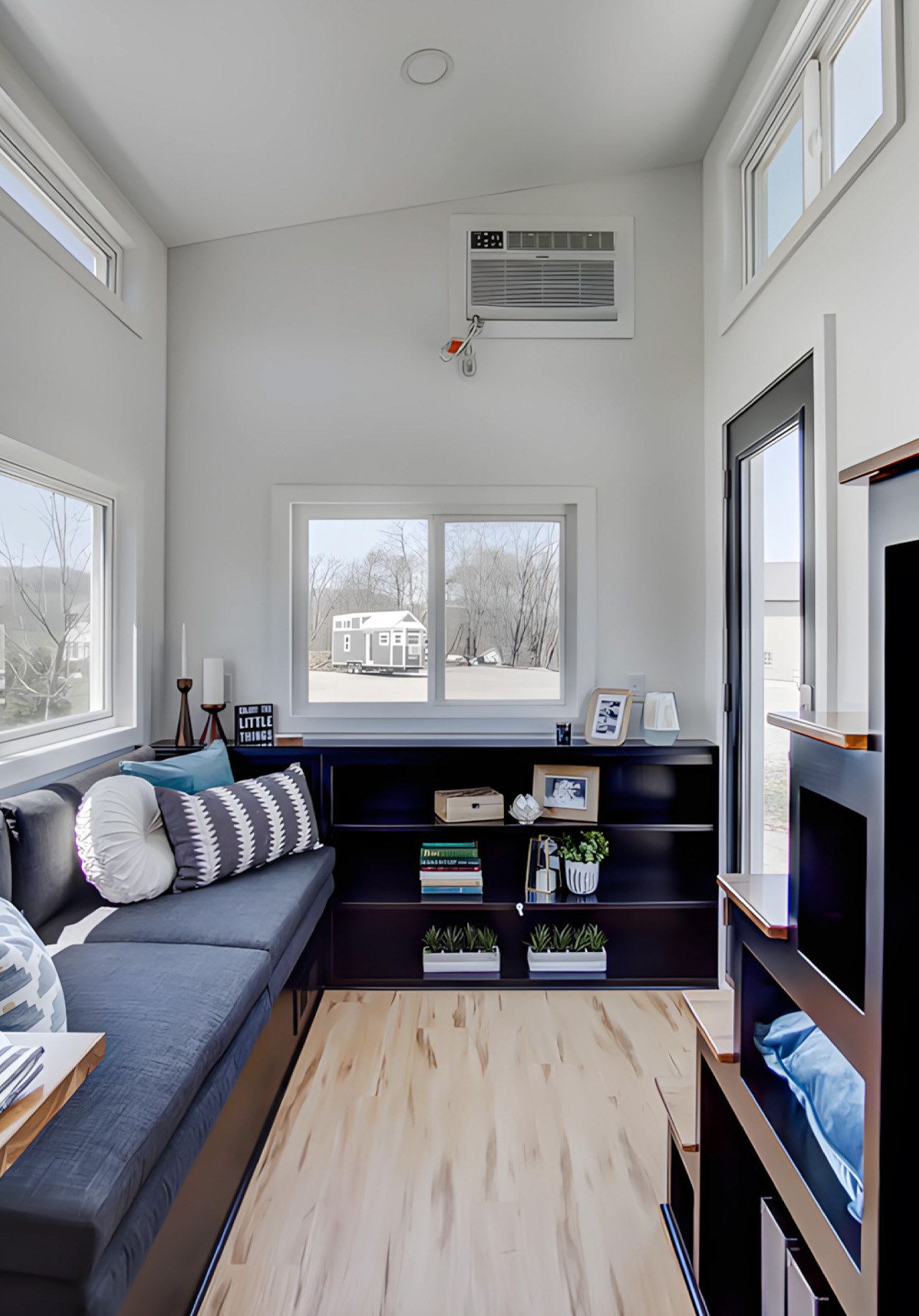
Top 10 Caravan Design Concepts for Enriching Your Camping Adventure

Caravans, also termed travel trailers or RVs, are increasingly popular for their blend of comfort and style while exploring the world. These compact mobile homes offer the comforts of home while journeying to various destinations. A notable feature of owning a caravan is the ability to personalize the interior to match individual preferences and needs. Simple changes in decor ideas can help achieve your desired look by adjusting or adding elements like upholstery, window treatments, carpets, rugs, shower curtains, bedding, planters, foliage, art, buntings, and other decorative items.

Image courtesy of: XavierPardina

When choosing interior color schemes for your caravan, prioritize hues that create a sense of spaciousness and maintain longevity. Begin with a neutral base palette, allowing room for color accents through bedding, upholstery, and accessories. Consider earthy tones like blues, greys, greens, and whites, alongside pastel shades, with beige, cream, or your preferred neutrals seamlessly complementing wood paneling and visually expanding your space. Whether renovating an older caravan or adding personalized touches to a new one, here are some ideas to kickstart your design journey.

Image courtesy of: cookelma

1. Multifunctional and Compact Furniture

Image courtesy of: cookelma

Since a caravan comes with limited square footage, it’s important to make the most of every available inch. Therefore, it is important to opt for furniture items that serve multiple functions like a sofa bed can serve as seating during the day and easily convert into a bed at night. This not only optimizes space but also fosters a feeling of openness within the caravan, especially during daytime travel. Opting for a foldable table offers the flexibility of tucking it away when not needed, thereby liberating precious floor space. Consider seeking a table that can be mounted on the wall or ceiling for additional space-saving benefits. Modular furniture provides versatility to rearrange according to your requirements. Look for pieces that can be stacked or nested when not in use, enabling efficient space utilization and ensuring ample room for movement.

2. Enhance the Storage

Image courtesy of: Pressmaster

Storage is often a challenge when embarking on caravan trips, particularly during long journeys or in winter. With so many essentials to carry, space is always at a premium. In smaller caravans, it’s essential to invest in ingenious storage solutions. Consider utilizing under-bed storage boxes, over-door organizers, furniture with ample drawers, and hanging shelves. Make the most of every nook and cranny, including the space beneath seats and in the corners of the caravan.

3. Add Texture

Adding textured accents such as cushions, throws, and rugs is a simple yet effective method to elevate the appearance of a small caravan. These elements contribute warmth and personality to the interior. Furthermore, incorporating wall art can further enhance the aesthetic appeal of the space.

4. Coastal Influences

For coastal and beach enthusiasts, choose a caravan with nautical-inspired interiors and color schemes. Utilize white as the main color to keep the space fresh and airy, essential in small areas. Incorporate various shades of blue for a relaxing coastal feel, and opt for natural materials like wood furniture, decor accessories, and rattan baskets to maintain this style. Consider adding blue and white stripes, reminiscent of classic ship decor, to enhance the nautical theme.

Designers: Fabien Denis, Jean-Marie Reymond x Carapate

As luxury camping vehicles like teardrop caravans become increasingly popular, La Carapate from French manufacturer Carapate distinguishes itself with its innovative design. Sporting a trapezoidal shape and a unique flap door for shade and convenient access, it stands out in the market. Drawing inspiration from nautical themes, its blue and yellow color scheme captures the essence of maritime adventure. With eco-friendly features like a solar panel, La Carapate embodies sustainability and responsible travel. Its panoramic views and compact living space make it an appealing choice for camping enthusiasts seeking a connection with nature and alternative accommodation. Explore its hidden features, such as skylights and USB ports, for an unforgettable camping experience.

5. Rustic Vibes

Achieve a transitional style in your compact caravan by blending modern and rustic elements for a relaxed yet stylish interior. Opt for neutral tones like white or cream for the internal walls, and incorporate cream blinds for added texture. Keep decor accessories predominantly neutral, and integrate natural materials such as rattan lights, baskets, trays, and wooden furniture pieces for an organic touch.

6. Go for Natural Materials

Image courtesy of: Chris_Willemsen

Considering that the caravan will be utilized for exploring natural environments, why not incorporate natural materials into the interior decor? Embracing these materials, such as wood, rustic basins, wood flooring, and breathable fabrics, can enhance the renovation, creating a connection to the surrounding natural landscapes.

7. Bohemian Vibes

The Bohemian style complements the freedom and flexibility of small caravan living. With its adaptable nature, it easily suits most caravan spaces, focusing on a neutral color scheme with hints of green from foliage and natural browns from materials like seagrass and rattan. This achievable and timeless interior design starts with updating the cushions in the dining area, setting the tone for the entire caravan space.

8. Scandinavian Inspired Design

Designer: Hobby

Hobby’s Maxia caravan blends Scandinavian design with hygge living, offering a luxurious city apartment on wheels. Its exterior retains a traditional look with rounded edges and panoramic windows for expansive views. Inside, a focus on simplicity and comfort characterizes the layout, with an L-shaped kitchen featuring modern amenities and a versatile U-shaped sofa doubling as a dining area and bed. The open floor plan ensures ample living space, with a private sleeping area towards the back and smart appliances like Truma Combi heater/water heater and Hobby Connect touchscreen controls enhancing the experience. It’s a stylish and functional retreat for on-the-go travelers.

9. Introduce a Home Office

In the post-pandemic era, there’s a notable rise in camper and trailer demand, offering enhanced adventure experiences and cozy sleeping quarters. These vehicles not only provide ample space for gear but also feature full kitchens, bringing the comforts of home to natural settings. For professionals craving personal space amidst scenic landscapes, these mobile accommodations offer an escape from monotony, making work-life balance more attainable.

Designer: Nissan

The Nissan NV350 Caravan Office Pod Concept revolutionizes remote work by offering a mobile office in scenic locales. Controlled via smartphone, it extends outdoors with one-touch retractable motion, electric shades, and UV antibacterial lighting for hygiene. Featuring a Herman Miller Cosm chair on a polycarbonate floor and adjustable ambient lighting, it prioritizes ergonomic comfort. A rooftop deck provides a luxurious retreat, accessible from inside the vehicle for personal solitude. Unveiled at the Virtual Auto Salon 2021, this caravan exemplifies the future of electric vehicles, offering innovative opportunities for remote work while inspiring creativity in nature.

10. Invest in Luxury

Designer: Adria

Adria’s new Astella caravan epitomizes luxury mobile living reminiscent of 1950s airline opulence, akin to Pan Am, catering to travelers in pursuit of ever-changing dream vacations. Crafted as an inspired, deluxe rendition of the traditional holiday home on wheels, Astella embodies luxury through simplicity. Its open floor layout exudes sophistication with clean lines, amplifying the spacious interior housing living, kitchen, bathroom, and bedroom spaces. Astella seamlessly integrates indoor and outdoor living with panoramic glass doors, while its aerospace-grade exterior boasts a sleek glazed steel finish for efficient airflow during towing, promising a luxurious yet functional travel experience.

The post Top 10 Caravan Design Concepts for Enriching Your Camping Adventure first appeared on Yanko Design.
Mono kitchen hood brings a minimalist but functional air purifier

For those who spend a lot of time indoors in their homes or condo units, we are not always so conscious about the quality of the air that we breathe. We are now only becoming aware that air pollutants can be as harmful as outdoors, sometimes even more so. Cooking in the kitchen is also a major source of indoor pollutants so you need to have a good filtration system especially there.

Designer: Ciarko Design

The Mono kitchen hoods will not only keep your air clean from all the smoke, grease, and other indoor pollutants but it also gives you an aesthetic addition to your space. Unlike other hoods that look too bulky, this has a more minimalist look and can be compared more to air purifiers but has a pretty strong carbon filtration system inside. So you get a functional and pretty air filtration system in your kitchen.

What’s also great about this is that it has a Gesture Control system so you don’t need to touch it whether you want to turn it on or off or to change its operating mode or to adjust its lighting. You can also use the remote control if you prefer something more tactile. And if you want to touch the hood itself, it has an AntiFingerPrint coating. It also has LED lighting so you have an additional lighting when you’re cooking and it can be adjusted from warm to cool.

The Ciarko Design Moni is available in white, black, gold, rose gold, green, and ecru so you can choose which can fit in with your kitchen’s design. You can either mount it on the wall or you can hang it from the ceiling as well if the wall mount is not possible.

The post Mono kitchen hood brings a minimalist but functional air purifier first appeared on Yanko Design.
Bamboo folding staircase adds a bit of functional “art” to your space

Even though I am vertically challenged, I rarely use steppers or ladders because I am also naturally clumsy. The chances of me falling off anything stairs-related, especially those that are not that stable, is always pretty high. Folding staircases are a necessity for some homes but those are not always the safest and design-wise, they are just purely functional.

Designer: Bcompact

The Bcompact Bamboo Folding Staircase aims to stand out from those that are currently in the market by bringing something that is both a piece of furniture and also partly a piece of art, not to mention part “engineering masterclass”. It is meant to be installed and used in spaces that normally don’t have staircases. It can also be customized according to what you need and the specifications that your home or office requires with its multiple angles and height options.

When folded or not in use, it can also blend into your area with its aesthetic design. It uses sustainably sourced, natural blonde Bamboo for its body or you can also color stain it to match your space. It also uses brass, stainless stell and aluminum hardware for the other parts. Its retractable flat folding mechanism and its space-saving design are both patented already.
This folding staircase can actually replace any ladeer, attic steps, or staircase that you may already be using. It also has manual or automatic gates that you can add in case you need something safer. It can be used for your attic, mezzanine, loft, basement or any space where you need to have a staircase installed, with minimal infrastructure alteration.

The post Bamboo folding staircase adds a bit of functional “art” to your space first appeared on Yanko Design.