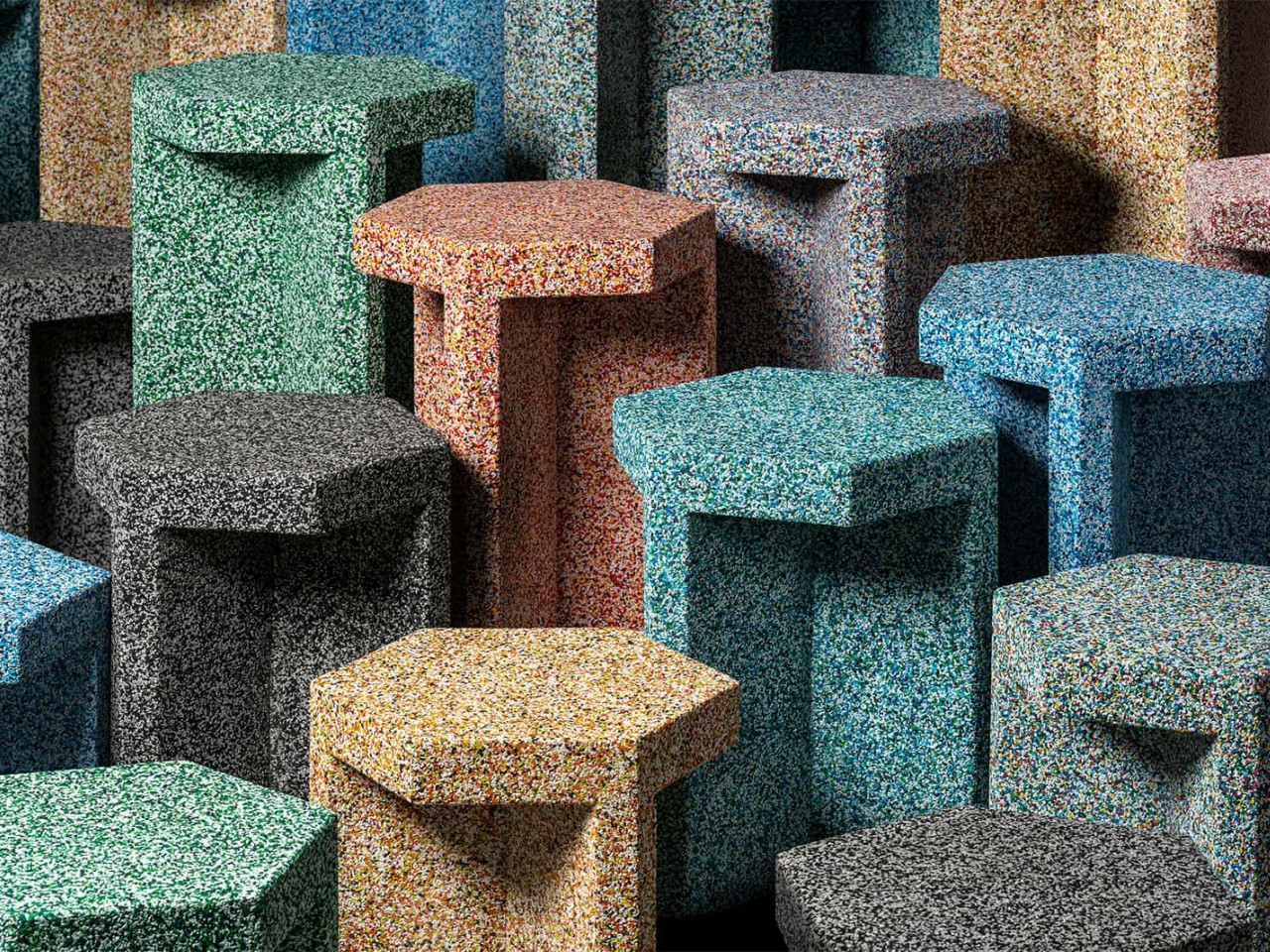
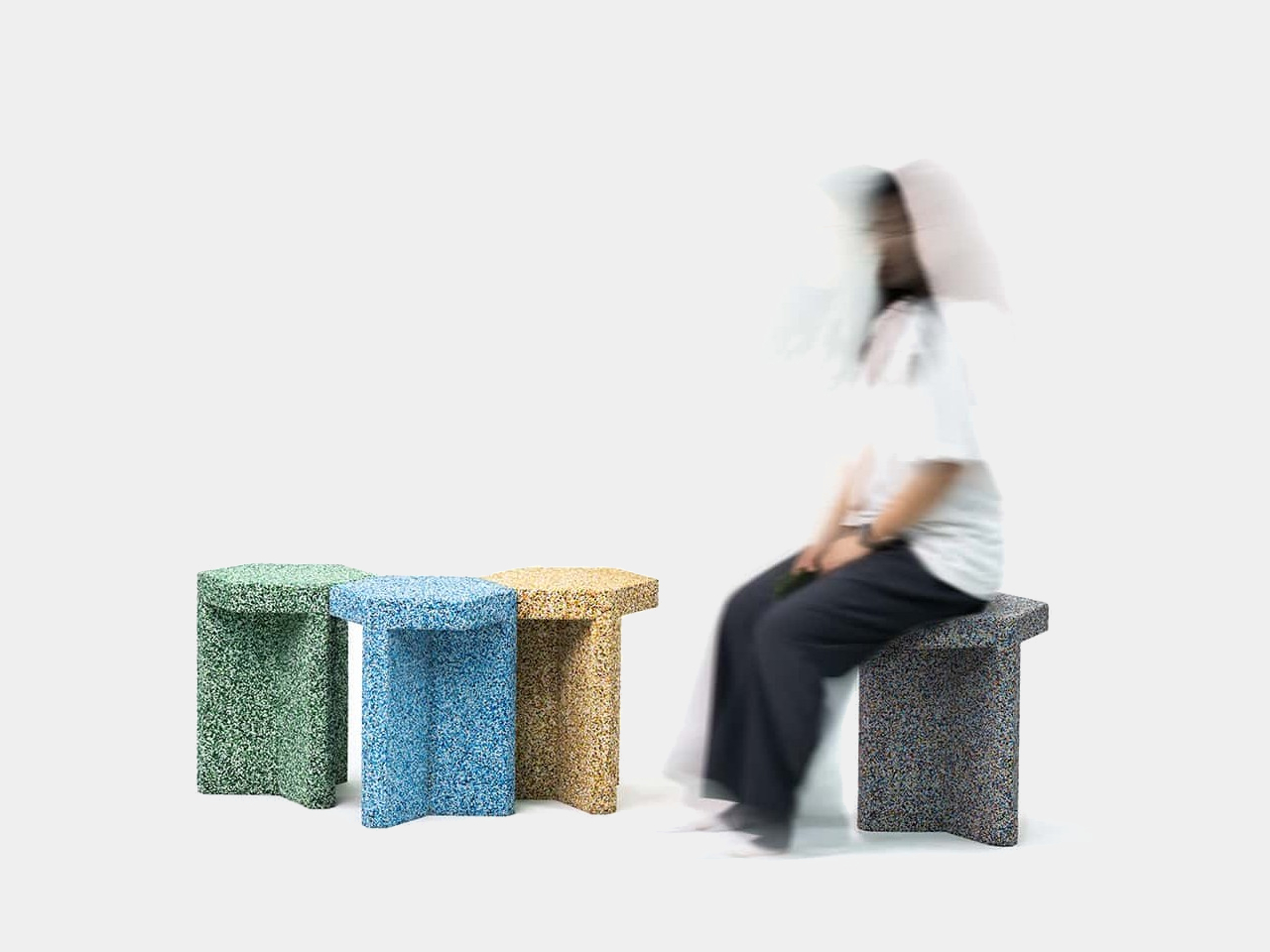
These Pendant Lighting Designs Are Made From A Leather Alternative Derived From Plants

Something that designers have been focusing on when it comes to the arena of lighting is sustainability in their use of materials and different techniques. Pretty lighting designs that illuminate well can be found generously, but ones with a splash of sustainability aren’t always easy to come by. And even if you do find an eco-friendly one, they aren’t always the most visually pleasing ones on the market and can mess up your interior decor style. But this is where Spanish designer Ceci Ferrero has come to the rescue with his Couro collection, created for the handmade decor brand Let’s Pause.

Designer: Ceci Ferroro for Let’s Pause

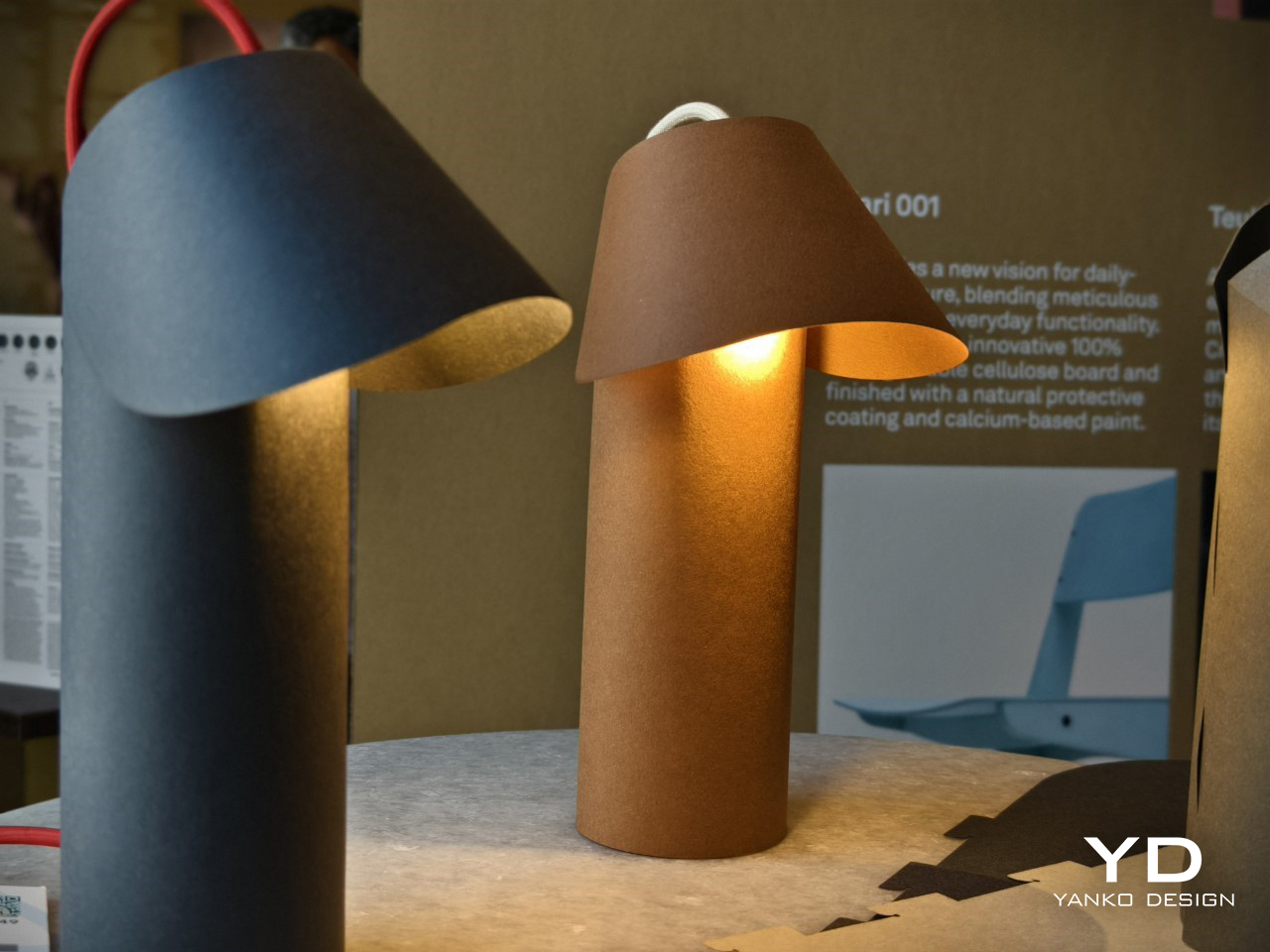
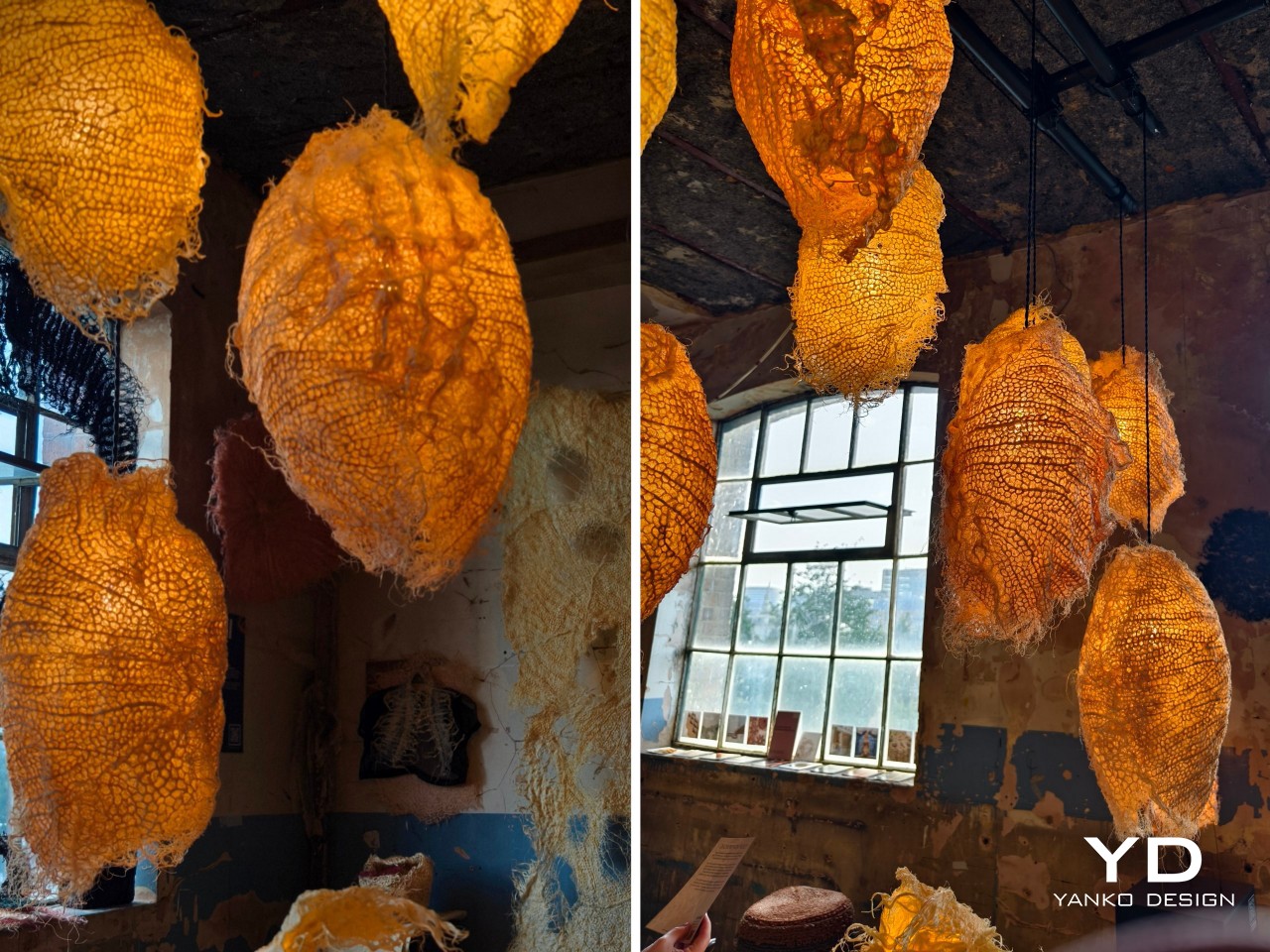
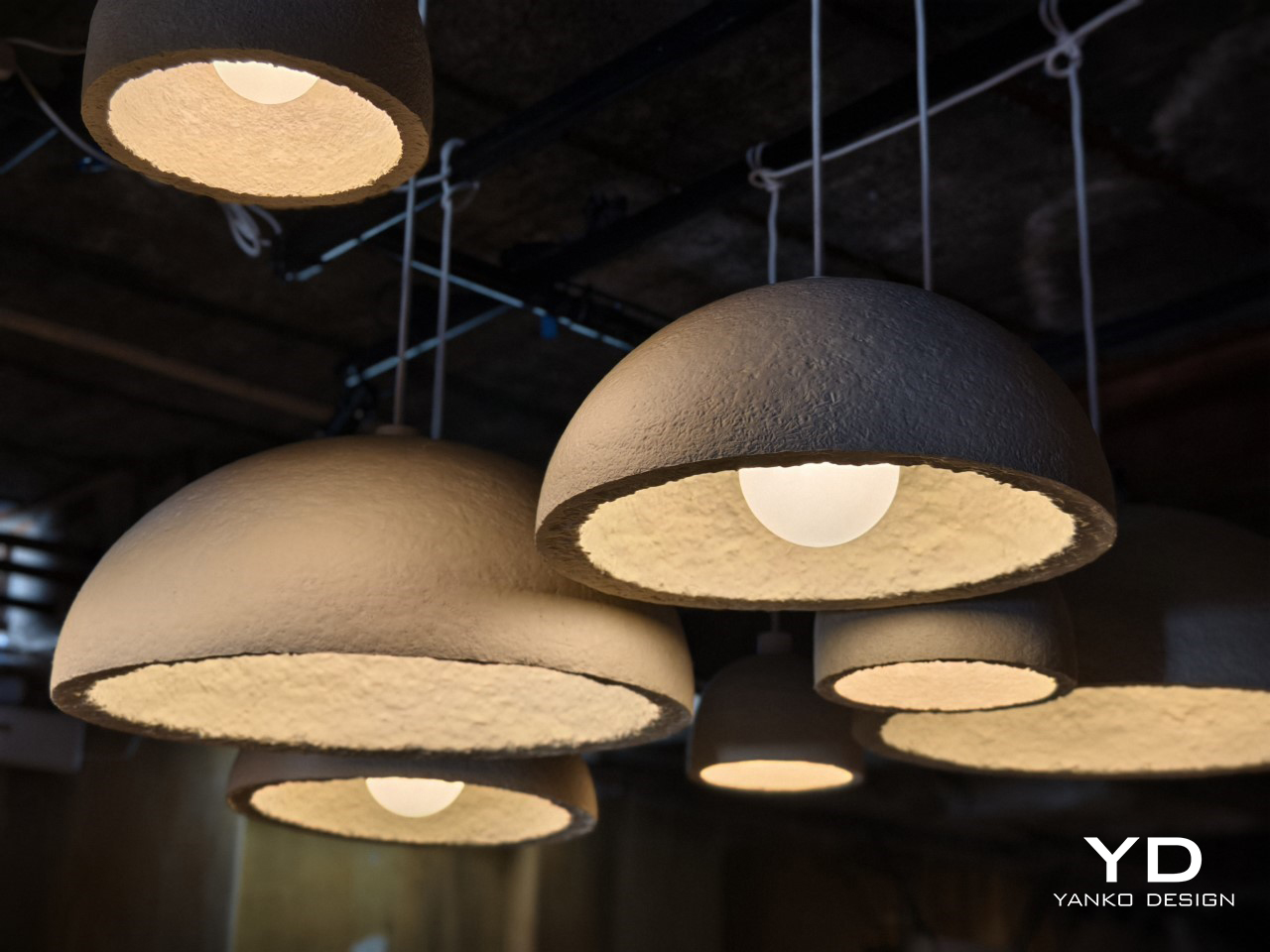
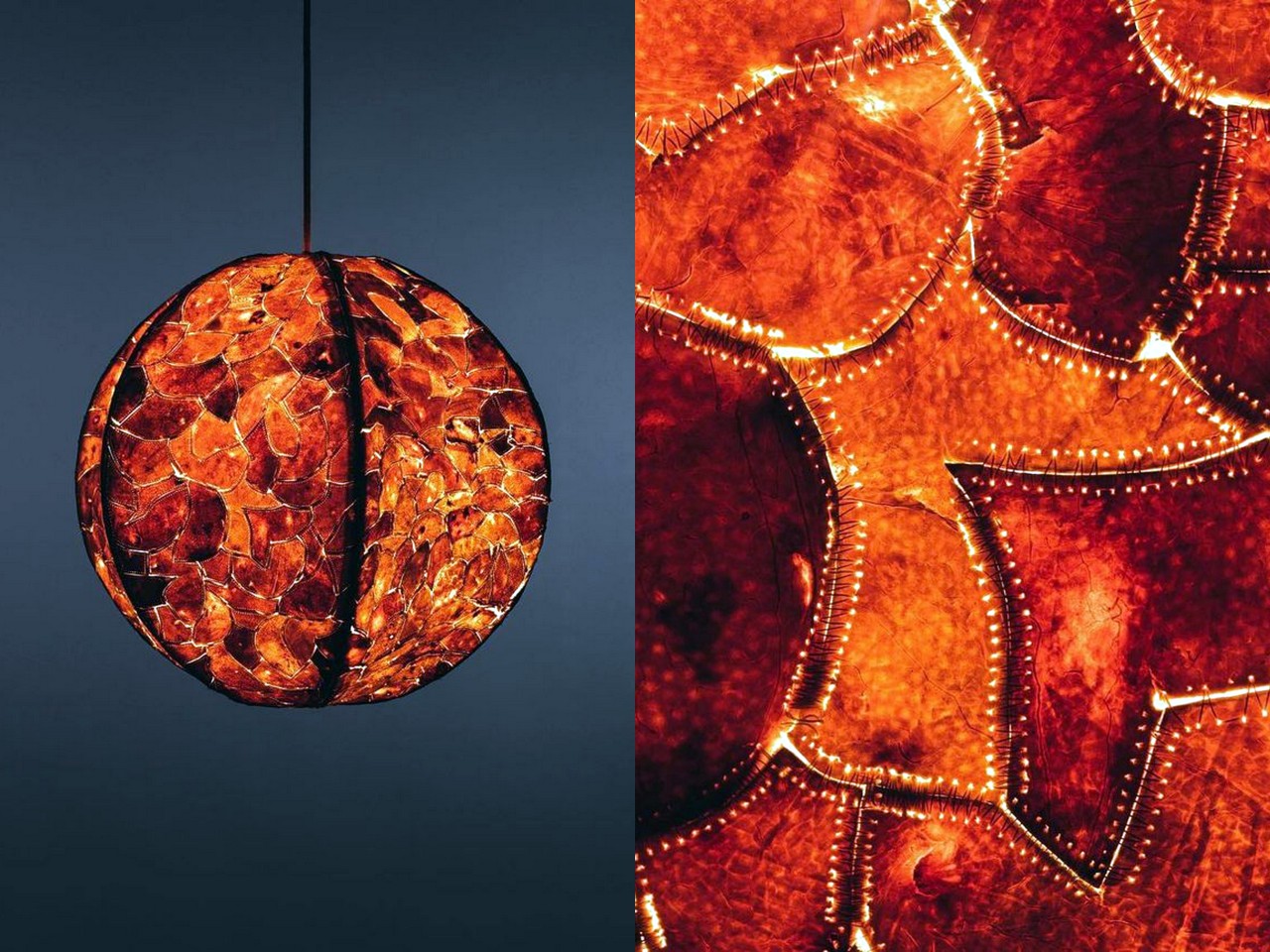
Now what makes Ferroro’s Couro collection special? Well, these distinctive pendant lamps are made using a leather alternative derived from plants! The lighting range for Let’s Pause is crafted from couro – a leather-like material made from the dry waste leaves of American palm trees. The material has a unique translucent appearance which softly diffuses light, creating a wonderful and ethereal-looking effect.

The collection includes the Couro 8 Leafs lamp shade, where the leaves’ shapes are preserved, and artfully draped into a mesmerizing artichoke-esque arrangement, or in the words of Let’s Pause in an “elegant skirt of spikes”. According to the decor brand, the pendants will look stunning over a dining table or even at the entrance to a hotel, making it a perfect fit for personal and commercial spaces. The lighting designs can be hung in groups of varying heights or individually.

“The texture of the leaves, with their compact fibers, evokes aged leather and provides a unique tactile element,” said Let’s Pause. The shades are offered supported by a brown frame crafted from aluminum and paired with a black plug, and a 2.5 meter-long matte black cotton electric cord. The Couro collection has a natural look to it with a touch of wilderness that adds some personality to the pieces. They perfectly complement various interior decor styles, adding a spark of style and whimsical elegance to different spaces, whether it is your own living room or the reception area of your office.

The post These Pendant Lighting Designs Are Made From A Leather Alternative Derived From Plants first appeared on Yanko Design.

Solar-powered sundial wall clock concept offers a unique way to tell the time

Today’s clocks and watches seem to be split between mechanical analog and electronic digital designs, but there are more than two ways to tell the time. Of course, some of these methods are regarded to be inaccurate, error-prone, and at the mercy of the elements, but there’s a certain charm and magical feeling to the way our ancient ancestors tried to discern the time of day. The sundial is one of the oldest time-keeping tools, one that works on the presumption that the sun travels the same path every day of the year, which isn’t exactly the case. Still, it’s not an entirely incorrect method and it can easily be fixed with modern technology, like this sustainable wall clock concept that is powered by the sun in more ways than one.

Designer: Begüm Kılınç

A sundial works by simply observing the shadow that a stick or a tall thin object casts on a flat surface, a shadow that moves around and grows or shrinks as the sun makes its way through the sky. The sun doesn’t travel the exact same path all year round, however, and this method definitely doesn’t work at night. Modern technology, however, has a way to shine a light 24/7, and this wall clock uses that to recreate the almost mystical appearance of a sundial while utilizing energy from the very sun that inspired it.

Name after the Egyptian god of the sun, the Ra wall clock utilizes an LED ring light to simulate the sun. But rather than shining from all directions, the light is focused on a single point to recreate the effect of a short stick casting a very long shadow. As time moves, so does the light move around the periphery of the circle, thus mimicking a sundial but with more consistency and accuracy. Plus, it works at night as it does during the day.

While this would have been enough to create a modern sundial clock, the concept takes the association even further by also following how the sundial of old needed only the sun to function. Rather than relying on batteries, Ra uses solar power to make sure the clock is running 24/7 without the need to charge it or change batteries. The transparent solar panel that makes up the wall clock’s front cover actually harnesses any light around it, so the clock doesn’t need to actually be exposed to the sun and can be used indoors or under low-light environments.

This design helps give the sundial wall clock a sustainable potential, even if it does minimally use some electronics as well as LED lighting. Unlike analog clocks, there are now complex mechanisms that are difficult to repair, and unlike digital clocks, there are no screens or displays to show the time. It uses a very simple method that traces its roots back to ancient times, but one that still has benefits to the people of today.

The post Solar-powered sundial wall clock concept offers a unique way to tell the time first appeared on Yanko Design.

Ergonomic wooden laptop stand is portable, sustainable

One of the things I have to do to not worsen my carpal tunnel syndrome and other things that can lead to repetitive strain injuries is to elevate my Macbook screen. I spend sometimes more than eight hours in front of the screen so I need to have more ergonomic tools to help manage my posture and not cause eye and muscle strain. Sometimes though these things can also be inconvenient, both to my workflow and my wallet.

Designer: Mickey Linskens

WOULDSTAND is a wooden laptop side that is ergonomic, sustainable, and they’re hoping eventually, affordable for ordinary employees (more on that later). The main purpose of this is to elevate your laptop screen to lessen the strain on your wrist and arms when using your device for a prolonged period of time. You can use it for laptops, tablets, and even books if you’re reviewing for exams or you’re just reading a lot on a table. It is designed to make sure that your screen is at arm’s length and the top edge is slightly below eye level.

The stand is made from renewable materials like FSC eucalyptus and Starplex plywood. It actually looks like a puzzle piece and can be easily assembled and there are also adjustable elements since different people would use it for different purposes. It’s also light enough despite the wooden material so you can carry it around without straining yourself as well. You can also use it even if you’re not at a table, like placing it on your lap or whatever stable surface you’re working from.

Since it’s locally produced and uses renewable materials, it’s also not as affordable as some in the market that are more mass produced. So the plan is to market it to companies by making the stand easily brandable. This way companies can buy it, have their logos included in the stand and then give it to their employees or to their customers. However, they’ll still sell it direct to customers for those who can spare € 30,00 to protect their muscles.

The post Ergonomic wooden laptop stand is portable, sustainable first appeared on Yanko Design.

Ergonomic wooden laptop stand is portable, sustainable

One of the things I have to do to not worsen my carpal tunnel syndrome and other things that can lead to repetitive strain injuries is to elevate my Macbook screen. I spend sometimes more than eight hours in front of the screen so I need to have more ergonomic tools to help manage my posture and not cause eye and muscle strain. Sometimes though these things can also be inconvenient, both to my workflow and my wallet.

Designer: Mickey Linskens

WOULDSTAND is a wooden laptop side that is ergonomic, sustainable, and they’re hoping eventually, affordable for ordinary employees (more on that later). The main purpose of this is to elevate your laptop screen to lessen the strain on your wrist and arms when using your device for a prolonged period of time. You can use it for laptops, tablets, and even books if you’re reviewing for exams or you’re just reading a lot on a table. It is designed to make sure that your screen is at arm’s length and the top edge is slightly below eye level.

The stand is made from renewable materials like FSC eucalyptus and Starplex plywood. It actually looks like a puzzle piece and can be easily assembled and there are also adjustable elements since different people would use it for different purposes. It’s also light enough despite the wooden material so you can carry it around without straining yourself as well. You can also use it even if you’re not at a table, like placing it on your lap or whatever stable surface you’re working from.

Since it’s locally produced and uses renewable materials, it’s also not as affordable as some in the market that are more mass produced. So the plan is to market it to companies by making the stand easily brandable. This way companies can buy it, have their logos included in the stand and then give it to their employees or to their customers. However, they’ll still sell it direct to customers for those who can spare € 30,00 to protect their muscles.

The post Ergonomic wooden laptop stand is portable, sustainable first appeared on Yanko Design.

What is Permaculture? Exploring the Basics of Permaculture Gardening

Permaculture gardening is deeply rooted in the principles of sustainability and aims to harmonize the growth of plants with the local environment. In 1978, Australian ecologist David Holmgren and environmental psychology professor Bill Mollison coined “permaculture” from “permanent agriculture,” later expanding its meaning to include “permanent culture.” Permaculture gardening primarily emphasizes the gradual enhancement of soil quality with nutrients, aiming to continually revitalize the earth while nurturing plant health. Its core ethics include prioritizing care for the Earth, for people, and ensuring equitable sharing, returning any surplus.

Designer: Robert Hutchison Architecture and Javier Sanchez Arquitectos

What is the primary goal of Permaculture?

Permaculture advocates aligning with nature, emphasizing mindful actions to avoid widespread negative impacts. It stresses preserving and restoring natural systems and settlements, highlighting their irreplaceable value. The goal is to achieve objectives with minimal environmental disruption.

What is Permaculture farming?

Image courtesy of: viktelminova

Permaculture farming means growing crops in a way that takes care of itself and the environment. It learns from nature and creates farming systems where different crops help each other grow. This way of farming is diverse, strong, and lasts a long time, just like nature does.

What are the benefits of creating a Permaculture Garden?

The benefits of creating a Permaculture Garden includes:

Protects Natural Resources

Image courtesy of: Sangiao_photography

We can optimize natural resources by harvesting wild medicinal plants, growing anti-pollutant plants for indoor air quality, and strategically planting trees for summer shade. It’s essential to minimize waste and promote material reuse.

Avoid Tilling the Soil

In permaculture, it’s preferred to avoid tilling vegetable garden soil. Instead, natural insect processes, aided by mulch, are encouraged, as tillers or cultivators can harm underground insect populations.

Promotes Biodiversity

Image courtesy of: YuriArcursPeopleimages

Unlike conventional agriculture, permaculture embraces nature, drawing inspiration from its diversity and working in harmony with it to derive benefits.

Connects Humans with Nature

Permaculture links humans with nature, fostering harmony by working in tandem with natural processes. This approach to gardening can deeply affect our spiritual well-being.

Low Maintenance

Image courtesy of: YuriArcursPeopleimages

Permaculture gardening offers low-maintenance benefits, making it ideal for those with limited time or less gardening experience.

Avoids Use of Pesticides

Image courtesy of: valeriygoncharukphoto

Permaculture avoids all pesticides and insecticides, organic or not, to protect biodiversity, relying on natural self-regulation and abstaining from herbicides and chemical fertilizers. Gardeners may accept some crop loss to pests rather than resorting to chemicals.

Saves Space

Producing ample yields in a confined space reduces the need for more area, allowing for extra activities. An essential element of permaculture gardening is maximizing space efficiency. Permaculture gardens vary in size, but in limited spaces, employing strategies to uphold permaculture principles is key. For instance, consider cultivating plants vertically using trellises or similar structures.

Supports Local Wildlife

Image courtesy of: cannonapril

Permaculture’s ethics and practices naturally draw wildlife to outdoor spaces. Follow permaculture guidelines to turn your backyard into a flourishing haven for birds, pollinating insects, and other creatures. Tips include avoiding pesticides, using vegetation to attract specific animals, hanging bird feeders, keeping dead logs and leaf litter, and planting trees and shrubs for wildlife shelter.

However, there are a few downsides to permaculture gardening. It can initially be more expensive to implement its practices. Although, the upfront costs are usually justified by long-term benefits. Some may find the initial workload overwhelming, despite its eventual rewards. Moreover, there may be concerns about potential odors from composting, managing a garden that utilizes all resources, and dealing with pests and bacteria without pesticides.

How to design a Permaculture Garden?

Use these tips to create your own Permaculture Garden:

Know your Surroundings

Get to know your environment by familiarizing yourself with the native flora, fauna, and predators in your area, while also noting the sunny and shady spots in your garden. Identify any unique features that could be advantageous for your permaculture garden.

Choose Your Plants Wisely

Select plants suited to your local conditions, researching which species thrive annually and perennially. Utilize companion planting to attract beneficial insects, deter pests, and enrich soil naturally. Opt for butterfly-attracting flowers, pest-repelling herbs for fruit trees, and nitrogen-fixing green manure crops to gradually enhance soil fertility. Opt for edible crops like fruits, veggies, herbs, seeds, and fruit trees, as they provide sustenance with minimal resource use.

Design the Garden

Once you’re familiar with your surroundings and the existing plant life, you can better design your garden. Consider light, water sources, and landscape when situating plants. Utilize plant stacking for efficient space use, with ground cover herbs, shrubs, and trees organized accordingly.

Create Garden Beds

Image courtesy of: fokkebok

Build raised beds, ideal for permaculture gardening as they preserve soil nutrients without tilling, placed six to 12 inches above ground. Alternatively, use sheet mulching, and layering compostable materials over grass to build soil without disturbing tillage.

Plant the Permaculture Garden

Plant your permaculture garden, prioritizing taller plants to offer shade for sun-sensitive ones. Group together plants with similar water and sunlight requirements for optimal growth.

Add Mulch

Image courtesy of: larisikstefania

Use organic mulch on topsoil instead of chemical weed killers in line with permaculture principles. Apply it after planting to suppress weeds and retain soil moisture. Options include leaves, newspaper, straw, wood chips, shredded bark, and grass clippings.

Add Compost

Image courtesy of: medialensking

Add compost without disturbing the soil, favoring natural options over chemical fertilizers. Utilize materials like manure, kitchen scraps, earthworm castings, and worm tea to enrich the soil with organic matter and beneficial microbes.

Efficient Water Irrigation System

Image courtesy of: aowsakornprapat

Use a sustainable watering system, minimizing water consumption for optimal garden health. Choose a low-waste drip irrigation method to directly hydrate soil and collect rain runoff from roof gutters for recycling into your watering system.

What is the difference between Permaculture and Organic Farming?

Organic Farming

Image courtesy of: monkeybusiness

Organic farming, initiated in the 1940s, is denoted by the term “organic,” indicating products grown or raised without synthetic fertilizers, pesticides, antibiotics, and growth regulators, spurred by J. I. Rodale.

Permaculture Farming

In the 1970s, Bill Mollison and David Holmgren introduced permaculture design, an agricultural system mirroring nature and addressing human needs like food, shelter, and energy consumption.

Here is how Permaculture differs from Organic Farming

• The primary difference between organic farming and permaculture is their approach to sustainable practices. Permaculture centers on preserving natural resources and conserving the planet, ensuring current needs are met without compromising those of future generations.
• Permaculture prioritizes energy conservation by locally growing and selling food, minimizing carbon footprints, while organic-labeled produce is often transported globally.
• In organic farming, the focus is on eliminating chemical residue from the food supply while protecting pollinators, while in permaculture, it’s environmental protection, ultimately benefiting humans.
• Permaculture farming promotes zero waste through recycling and reusable packaging, while organic food often uses disposable containers, contributing to landfill waste.
• Permaculture emphasizes integrated design, where each element serves multiple functions, contrasting with organic farming’s focus on a limited range of commodities. For example, chickens in permaculture not only provide eggs but also help control pests, fertilize the soil, and contribute to soil aeration.

In conclusion, permaculture yields numerous benefits: waste reduction, efficient resource utilization, and pollution prevention. It fosters ethical land management, enhancing both homeowners’ lives and ecosystems. Moreover, permaculture paves the way for sustainable systems that safeguard habitats for humans, animals, and plants, ensuring a healthy planet for the future.

The post What is Permaculture? Exploring the Basics of Permaculture Gardening first appeared on Yanko Design.
This Solar-powered Cargo EV Offers 80% of the Cybertruck’s Storage Space for 8% of the price

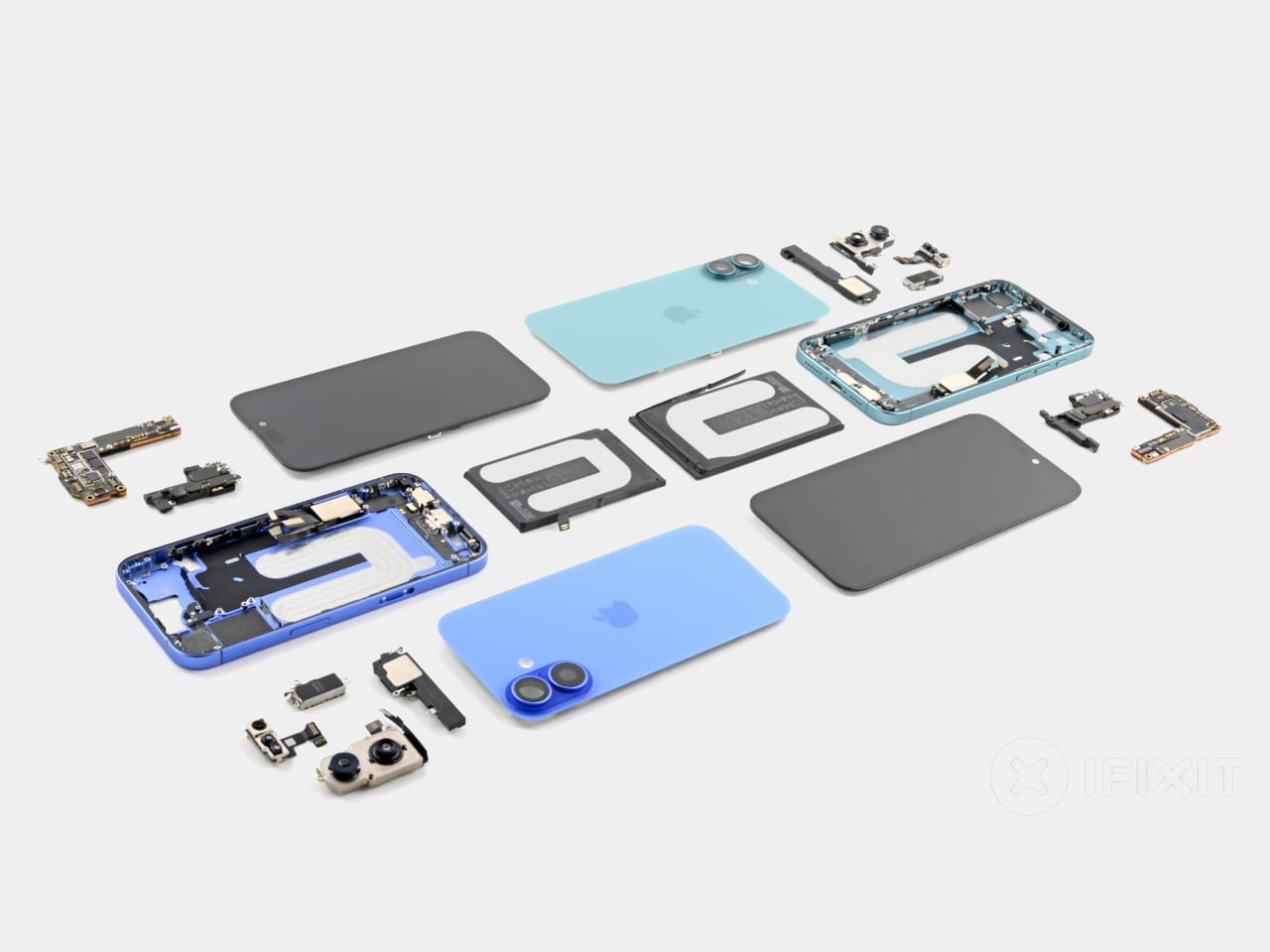
Sure, there’s no realm in which the Bako B1 should ever be compared to a pickup truck – but when it comes to storage, efficiency, and just being an all-round great cargo transportation vehicle, the numbers really begin adding up. With a €4000 price tag, the B1 models itself on an electric trike, with three wheels that make it resemble the Asian tuktuk or rickshaw. However, what’s notably different about the B1’s design is its solar panel top, which powers the vehicle’s electric drivetrain, giving you an overall operating expense of $0.50 per 60 miles (100 kilometers) and a top range of 93 miles (150 kilometers) on a full charge. That makes the Bako B1 an incredibly energy-efficient vehicle for transporting cargo, which you obviously don’t need me to tell you results in lowered logistical costs and overall prices all around!

Designer: Bako

The trike’s relatively boxy form has its own justification – designed not as a human-transporting vehicle but rather a cargo-transporting one, the relatively rectangular form factor helps store items inside more efficiently. The 2433-liter rear compartment is just slightly shy of the Cybertruck’s 2,831-liter storage space in the back (when used with the tonneau cover), making it perfect for transporting all sorts of goods in a last-mile setting.

The Bako B1 sports a 3000W electric motor on the inside, capable of hauling a 300-kilogram payload (not including the driver, obviously) at a max speed of 45 km/h. An inner LiFePO4 battery gives the B1 a max range of 93 miles or 150 kilometers, and charges in as little as 3 hours with fast-charging, or 6 hours under regular charging circumstances.

Even for a cargo delivery vehicle modeled on the format of a tuktuk or rickshaw, the Bako B1 doesn’t really cut corners on driver comfort or experience. The driver cabin is small but spacious, with the option of including a GPS, an entertainment system, and even an air conditioner. You’ve even got the option of installing a rear camera to give the driver full blind-spot visibility while parking or reversing.

The Bako B1 isn’t just eco-friendly and economical; it’s also practical. With a substantial cargo capacity exceeding 2,400 liters and the ability to carry up to 350 kilograms, the B1 is well-suited for hauling goods around busy urban environments. Bako Motors recognizes the potential of this design and is already committed to expanding its product line. Their next offering will be a four-wheeled electric vehicle specifically designed to tackle the challenges of last-mile delivery.

The post This Solar-powered Cargo EV Offers 80% of the Cybertruck’s Storage Space for 8% of the price first appeared on Yanko Design.

Hand-carved cork furniture collection evokes the raw beauty of black volcanic stone

More often than not, furniture design is meant to feelings of warmth, comfort, or even joy, emotions that you’d want to experience inside a home, office, or even waiting area. After all, you will be using these pieces of furniture, including sitting on some of them, so it’s only natural to expect them to be more welcoming, at least visually. There are some more artistic designs that have provoking aesthetics, meant more to be seen rather than used. This furniture collection stands somewhere in the middle, projecting an image of dark and unpolished volcanic rocks that turn out to be comfortable, stable, and even charming in its own rough way.

Designer: ( ae ) offices

A volcano is full of ironies. It is both magnificent and terrifying, and its eruptions are equally destructive and mesmerizing. While the ash, lava, and rocks that volcanoes throw out inflict damage, they can also be used as materials to build and create things that have their own unique beauty despite their horrifying source. That’s the kind of juxtaposition that the DOL furniture delivers, providing a unique visual and tactile experience for every chair or table.

DOL takes its inspiration from the black volcanic stones found on Jeju Island in South Korea. These stones are being used as the foundations for different structures on the volcanic island, reusing what Mother Nature has thrown at them to build stronger architecture. The stones themselves have a raw and uneven appearance born of natural elements that give each piece a unique character. That’s the imagery that’s replicated in this low chair and low table, but using a material that’s the complete opposite of hardened volcanic rock.

The furniture uses the outer bark of the cork oak tree, a material that’s best known for being lightweight, impact-absorbing, and insulating. Each “stone” in this composition is crafted by hand, resulting in an equally unique look for each piece. Of course, cork isn’t the most rigid material for furniture, so it’s supplemented by wooden profiles that give it more structure. Layers of wood oil and waxes add the finishing touch that gives the cork a texture and character that will confuse the mind because of its dark roughness yet soft mass.

The use of cork also adds an element of sustainability, as cork bark undergoes a renewal process every nine years and is completely recyclable. It’s a fitting tribute to a stone that starts its life from the destructive explosion of a volcano before finding its way into people’s homes, buildings, and lives before returning to the earth once again to repeat the cycle.

The post Hand-carved cork furniture collection evokes the raw beauty of black volcanic stone first appeared on Yanko Design.
A Floating Entertainment Hub That Travels Across The World

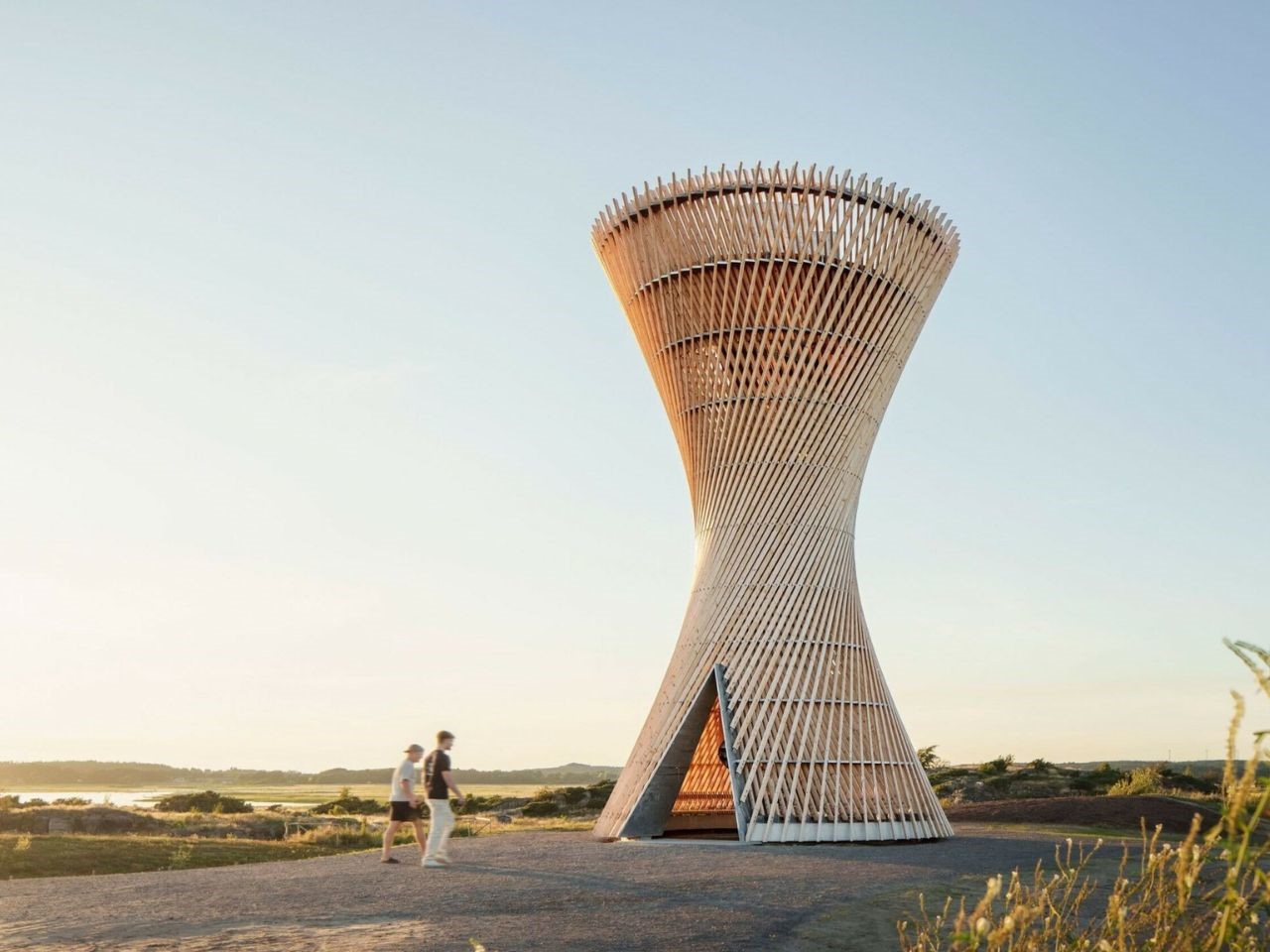
Welcome to Oceaya, where the magic of entertainment melds seamlessly with the serenity of the sea, creating an otherworldly experience that will leave you spellbound. This is not your typical venue; it’s a floating paradise meticulously crafted to redefine the way we indulge in leisure. Conceived by visionary minds and brought to life by the expertise of MEYER Floating Solutions, Oceaya is poised to revolutionize the scene in 2025 with its blend of opulence and eco-conscious design.

Designers: Waterstudio.NL and Prospect Design International

Inspired by the rhythmic symphony of ocean waves, Oceaya invites guests on a journey through a harmonious blend of design and experience. This floating marvel, designed to expand and contract with infinite fluidity, mirrors the very essence of the rolling tide. Crafted as a modular, multi-purpose structure, Oceaya promises dynamic experiences for its guests, seamlessly traveling across various global destinations during peak seasons.

Drifting along the brink of the horizon, Oceaya’s design embraces organic symmetry, blending seamlessly with the natural world. Constructed using sustainable and organic materials, its soft exterior lines exude calmness, completeness, and an unparalleled sense of luxury. With a sophisticated open-air layout offering panoramic views of the surrounding seascape, guests are immersed in a world where serenity meets architectural wonder.

Spanning from 4,000 to over 12,000 square feet, Oceaya embodies the vision of its founder, Daniels Ikajevs, who sees it as a testament to limitless design and entertainment possibilities. As the structure seamlessly integrates aquatic elements, guests are cocooned in holistic comfort, surrounded by architectural complexity and the soothing embrace of the ocean.

Beyond its entertainment allure, Oceaya stands as a beacon of sustainability and environmental stewardship. By aiding access for researchers and funding projects combating climate change, sea-level rise, and the preservation of marine life, Oceaya embodies a commitment to safeguarding our planet’s future.

As night falls, Oceaya unveils its mystical allure. From the depths of the ocean emerges a creature of legend, transforming into a divine human form that captivates all who behold her. With nightly rituals that enchant the senses, guests are invited to embrace the ethereal beauty of Oceaya and immerse themselves in an experience unlike any other.

Founder Daniels Ikajevs hints at future venues that promise even more unimaginable and immersive experiences across continents. From Asia to the Middle East, the Americas, and Europe, Oceaya’s journey is just beginning, offering a glimpse into a future where entertainment knows no bounds.

The post A Floating Entertainment Hub That Travels Across The World first appeared on Yanko Design.
Industrial Product Design Trends For 2024

Industrial design is always at the forefront of innovation with a perfect blend of creativity and functionality. As industrial design continues to evolve, here are some developments that are shaping the future of industrial design. Discover how creativity and functionality blend to shape the future of products and experiences.

Designer: ErgonBand

Human-Oriented Design

Human-centric design is driving industrial innovation, with designers prioritizing user needs, emotions, and behaviors. By integrating user perspectives into the design process, industrial designers are brilliantly creating solutions that deeply resonate with consumers. The best part about human-centric design is that it integrates user research, empathy mapping, and testing to create intuitive products. This trend is evident in smart devices, wearables, and adaptable interfaces, enhancing user experiences.

1

Wearing watches on wrists is standard, but discomfort can arise, especially with smartwatches. An Apple Watch accessory relocates the device to the back of the hand, reducing wrist strain. Its ergonomic design benefits athletes and those needing frequent wrist movement. However, practical challenges exist, such as the need for alternative screen activation methods. Despite this, the accessory offers a unique solution for individuals seeking a more comfortable way to wear their smartwatch.

Biomimicry

Nature inspires bio-design and biomimicry in industrial design. Bio-design incorporates living organisms into the process, creating innovative materials and structures. Biomimicry emulates nature’s patterns and processes to solve design challenges, resulting in breakthroughs like self-healing materials and sustainable manufacturing.

Designer: Rishikesh Sonawane

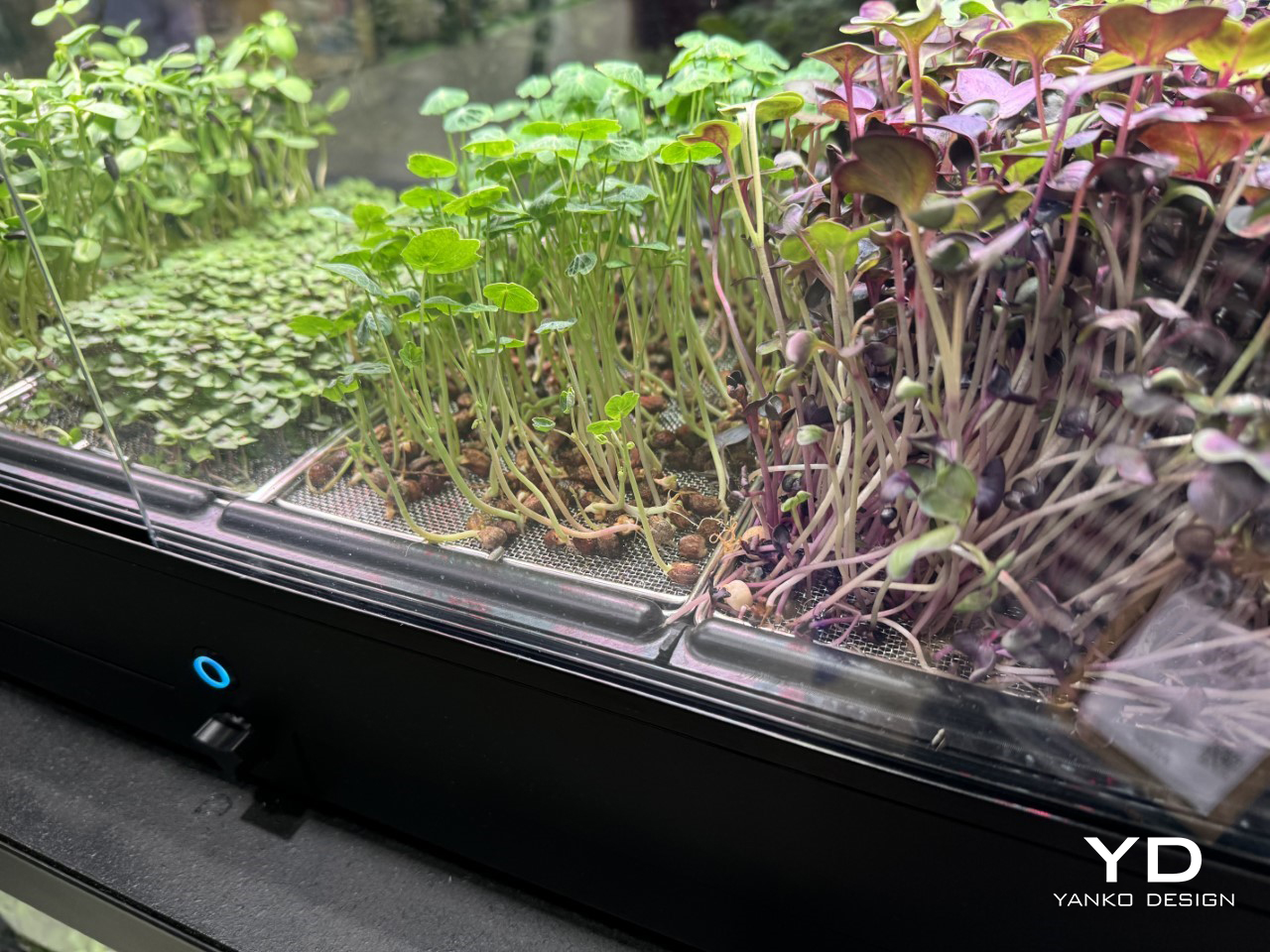
Drawing inspiration from the fog-basking beetle, the Fog Smart Hydroponic Planter embodies biomimicry, advanced materials, and smart technology for a sustainable future. It transcends functionality, merging aesthetics with innovation through its modular design. Crafted meticulously from Plexiglas and Lightweight Expanded Clay Aggregate (LECA), it ensures durability and water retention. The aluminum 6063 base provides stability and corrosion resistance.

Sustainable Design

With a focus on environmental concerns, sustainability has become paramount in the design industry as sustainable practices are being adopted to cut waste, reduce carbon footprints, and foster a circular economy. This involves maximizing material and product lifespan through recycling, upcycling, and waste reduction. Designers are exploring eco-friendly materials, energy-efficient manufacturing, and product life cycle analysis. Integrating renewable energy, smart energy systems, and recycled materials showcases industrial design’s role in creating a greener future.

1

Designer: Fuhua Wang, Weichih Chen

Lamps and lighting fixtures not only illuminate but also shape ambiance, often through their shades or materials. While conventional lampshades are commonly made of glass, metal, or plastic, innovative alternatives exist. The Ondina sustainable pendant lighting utilizes recycled ocean-bound plastics, resembling terrazzo with vibrant specks. Its translucent blue layer, evoking ocean pollution, complements its wavy shape reminiscent of water waves, creating a visually captivating design.

AI Integration

The integration of AI and machine learning in product design opens up new avenues for customization and user interaction. These technologies analyze vast data sets, informing designers’ decisions and facilitating personalized products and experiences. The incorporation of cutting-edge technologies like artificial intelligence (AI), virtual reality (VR), and the Internet of Things (IoT) has profoundly influenced industrial design. These tools are employed to develop highly personalized and interactive products while also enhancing production processes for greater efficiency.

Designer: Joss Fong and Áron Filkey/courtesy Space10

Despite varying opinions on Artificial Intelligence, exploring creativity in this era is captivating. While AI won’t replace creatives, it offers tools for innovation. Space10, funded by Ikea, explores AI, augmented reality, and Web3. Using generative AI, they experimented with futuristic designs based on old Ikea catalogs, potentially inspiring future products. However, human intervention remains crucial for practicality and functionality. Collaborating with generative AI, like Ikea’s partnership with Space10, can inspire new product development while emphasizing human creativity alongside technology.

Designer: Ostloong

Skiing gear has evolved, but there’s still room for augmented reality (AR) and artificial intelligence (AI) to enhance the experience. Zurich-based Ostloong’s Sirius smart goggles integrate AR and AI seamlessly, providing skiers with vital information directly in their field of view. With a full-color AR display designed for outdoor use, the Sirius goggles revolutionize safety and communication on the slopes, showcasing the transformative power of AI in augmented reality.

Celebrates Minimalism

This trend emphasizes minimalist design principles, incorporating clean lines, basic shapes, and subtle aesthetics to produce products that are both timeless and highly functional.

Designer: Julian Topor

Furniture occupies space, often unused. However, designs like the KURVE collection combine aesthetics with functionality by incorporating storage spaces. Utilizing minimalist curved plywood layers, these designs create hollow areas for storing items without complex construction. The KURVE chair features a backless box for its bottom half, all crafted from a single sheet of layered plywood bent to form support structures.

Designer: Addi

Sometimes, finding a place to sit can be a challenge, especially when space is limited. Perching seats offer a solution by providing a brief respite without the commitment of sinking into a full chair. Lumber takes this concept further with its minimalist design, offering style and comfort without monopolizing space. Its flame-proof wool upholstery ensures easy maintenance, while color-matched metal legs add a touch of elegance. With a built-in side table, Lumber enhances both relaxation and functionality in any setting.

Inclusive Design

By prioritizing the full participation of people with disabilities and other marginalized groups in society, inclusive design takes into account the varied needs of users, aiming to create products accessible to all.

Designer: Nick Fitzpatrick

The handle-on-one-end design of kettles poses challenges for disabled individuals or those with reduced strength or dexterity. Nick Fitzpatrick’s ‘Inclusivitea’ kettle addresses these issues by redesigning the traditional shape. Featuring two handlebar-shaped arms, it simplifies both filling and pouring. The kettle comes with a stand for brewing and dispensing tea directly into cups, preventing spills. Each set includes containers for various ingredients and a cup with an extended rim for comfortable gripping.

Personalization

With the increasing demand for personalized and bespoke products, designers are providing more customization choices to cater to individual user preferences.

Designer: Min Soo Kim

This toaster redefines the act of “raising a toast” with its customizable features. Designed by Min Soo Kim, the Home Party Hoaster lets users personalize their toast with pre-engraved messages, images, or emojis. Resembling a Vifa speaker, it features slots for bread and stencil plates, with a touchscreen panel for adjusting toast crispiness. Once toasted, the unique message is reverse-etched onto the bread, offering a novel and personalized start to the day.

Digital Fabrication

Digital fabrication and prototyping technologies, including 3D printers, laser cutters, CNC routers, and robotic arms, allow industrial designers to swiftly create physical models or products from digital data. These tools streamline the experimentation, iteration, and refinement processes, offering faster, more cost-effective, and more accurate results than traditional methods. They also empower designers to develop complex, customized, and innovative solutions tailored to diverse user needs.

Designer: Martin Zampach

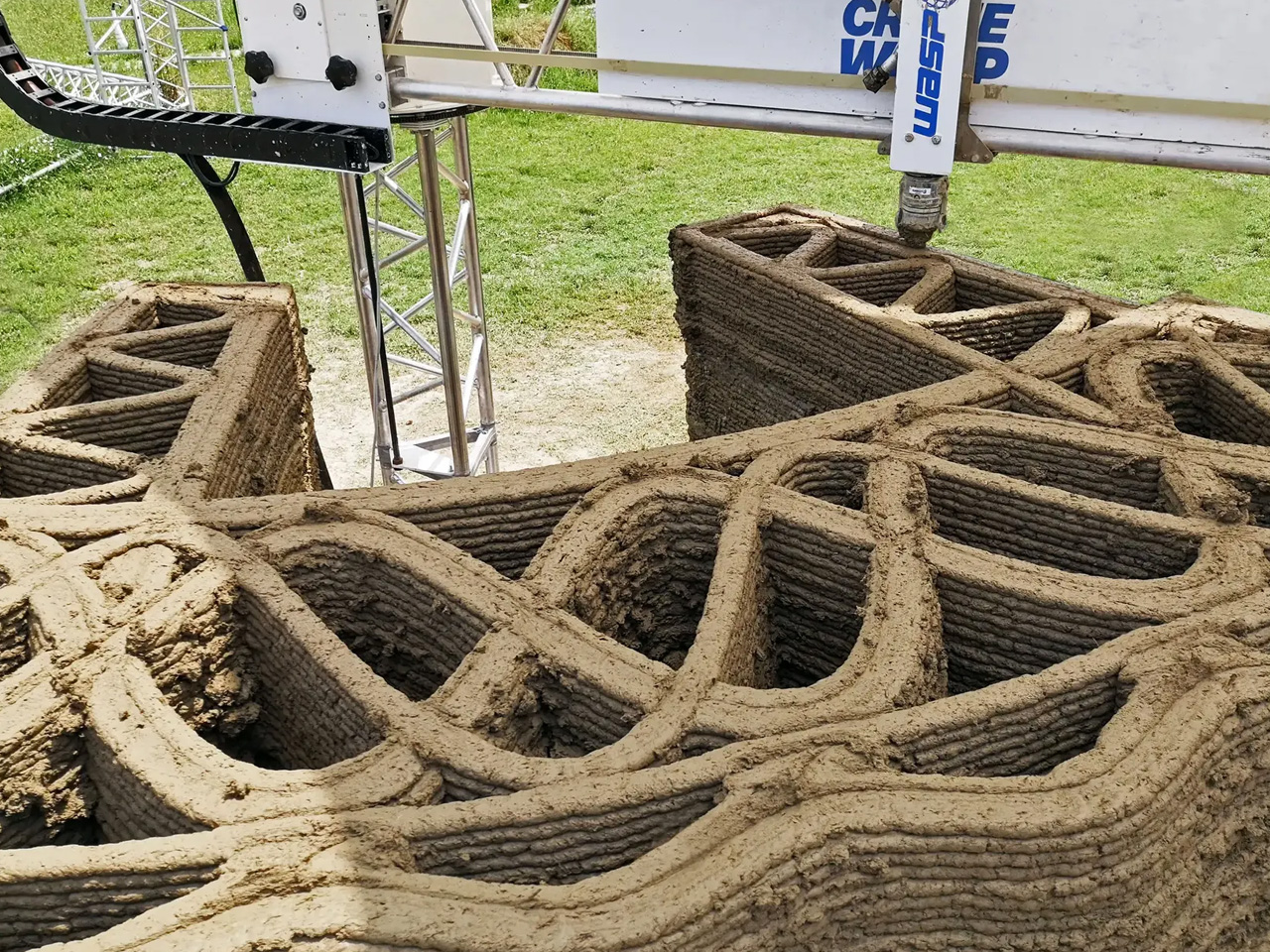
Traditional 3D printers have size limitations, hindering the creation of larger designs. However, the LOOPS collection of coffee tables utilizes 3D printing robots to overcome this obstacle. By employing a looping motion, the robot arm constructs intricate layers of composite material, enabling the formation of organic geometric shapes. This innovative approach expands the possibilities of 3D printing beyond conventional boundaries, allowing for the creation of larger and more complex objects.

In conclusion, industrial design is rapidly evolving due to technological advances, changing consumer behavior, and a growing focus on sustainability. Designers must prioritize blending aesthetics with functionality and integrate sustainable practices with the digital revolution.

The post Industrial Product Design Trends For 2024 first appeared on Yanko Design.
This Chair Allows Plants to Grow On it And Puts Nature Before Human Needs

Notice that cool abstract design on the chair? It’s not just some fabric, it’s real plants! 3 design students from the University of Gothenburg in Sweden changed the narrative of chairs for humans. Why do chairs always have to be used for us to come sit on them? We’re all taught that plants are living beings right? What if these living things could practically bring furniture to life? This chair is a unique piece of furniture that prioritizes plant life over human occupants by allowing them to grow on it.

Designers: Alice Hultqvist, Emelie Sjöberg and Linnea Nilsson

The Chia-Chair is different from regular chairs. Instead of cushions or upholstery, the chair has a seat and backrest that are composed of a knitted, knotted tube that doubles as a planting bed for chia seeds. The idea is to let the plants be the main users of the chair, and humans are just visitors. The designers emphasize that humans should approach it with respect, recognizing that it’s a living thing.

Hultqvist, Sjöberg, and Nilsson, all students in the MA Design program at HDK-Valand, the University of Gothenburg’s art and design academy, showcased their creations at the Making Transparency exhibition. This event, hosted in the student-focused Greenhouse section of the Stockholm Furniture Fair, explored posthumanist design principles.


The inspiration behind the Chia-Chair arose from the designers’ contemplation of humanity’s negative impact on the planet. They acknowledged that throughout the last century, humans have prioritized their needs at the expense of nature and wildlife, leading to severe consequences. The Chia-Chair, therefore, serves as a symbolic gesture, aiming to redress the balance by placing the plant at the forefront and demanding reciprocity from its human users.

yanko design images to size – Chia_chair_furntiure_05

Constructed with an ash wood frame and a wool sock filled with polyester stuffing as the cushion, the Chia-Chair offers a distinctive aesthetic. The chia seeds, mixed with water, were planted in the knitted structure, and the designers diligently watered them twice daily. To maintain optimal growing conditions, a plastic cover was placed over the chair overnight to retain moisture.

While the Chia-Chair may be more of a statement piece than a functional item, the designers foresee a future where greenery becomes integral to our living spaces. In an era of increasing urbanization that disconnects people from nature, incorporating natural elements into furniture and homes is seen as a natural progression.

The Chia-Chair serves as a thought-provoking exploration of the relationship between humans and nature. By prioritizing plant life over human comfort, the designers challenge us to reconsider our impact on the environment and encourage a more harmonious coexistence with the natural world.

The post This Chair Allows Plants to Grow On it And Puts Nature Before Human Needs first appeared on Yanko Design.