The Umbrella Stand That Refuses to Be Grey or Boring

There’s something quietly rebellious about a product that announces its refusal to blend into the background right there in its name. Meet notgrey, an umbrella stand from designer Joffey that’s basically the antithesis of every sad, utilitarian coat rack you’ve ever ignored in a hotel lobby.

At first glance, it looks almost like a piece of kinetic sculpture that wandered out of a modern art museum and decided to make itself useful. A slender black metal frame rises from a bold blue base, punctuated by a cone-shaped holder in that perfect burnt orange-red that interior designers are always calling “terracotta” but really just makes you think of summer sunsets and Spanish roof tiles. Perched on one of the extending arms is a warm orange dish that could easily pass for a decorative accent if it weren’t so brilliantly practical.

Designer: Design by Joffey

The genius of notgrey is how it takes something most of us barely think about and turns it into a conversation piece. Umbrella stands traditionally occupy that weird category of household objects we know we probably need but can never quite get excited about. They’re the sensible shoes of home furnishings. But Joffey has created something that makes you actually want to display your rainy day clutter.

Let’s talk about what it actually does, because this isn’t just pretty geometry. The cone holder catches your dripping umbrella without taking up much floor space. The extending arm supports a coat hook that can handle your wet jacket. That orange dish? Perfect for corralling keys, sunglasses, your phone, or whatever else you’re juggling when you stumble through the door. And at the base, there’s room to kick off your shoes, keeping everything you need for coming and going in one tidy vertical arrangement.

What makes this design particularly smart is how it maximizes vertical space. Small entryways are notoriously tricky to organize, you need storage but you can’t sacrifice precious square footage. Notgrey solves this by building up instead of out. The slender profile means it tucks nicely beside a door without creating an obstacle course, while still offering multiple functions stacked on that single pole.

The color choices feel intentional in a way that goes beyond just being eye-catching. That blue base grounds the whole piece, literally and visually. The red cone creates a focal point that draws your eye without overwhelming the space. And the orange dish adds warmth that keeps the primary colors from feeling too stark or toy-like. Together, they create a palette that feels both playful and sophisticated, which is a surprisingly tricky balance to strike.

There’s also something refreshing about a functional object that doesn’t apologize for taking up visual space. So much contemporary design is obsessed with disappearing, with being invisible and unobtrusive. Everything’s supposed to be minimalist and neutral and blend seamlessly into your carefully curated aesthetic. But notgrey takes the opposite approach. It says, if I’m going to be in your home, if I’m going to serve a purpose, I might as well look interesting while I’m at it.

This is exactly the kind of design that makes mundane routines feel a little more special. Coming home on a grey, drizzly day and having somewhere cheerful and organized to stash your soggy belongings is the kind of small pleasure that accumulates over time. It’s not going to change your life, but it might change how you feel about your entryway, which is more than most umbrella stands can claim.

For anyone who’s been looking at their cluttered doorway and thinking there has to be a better solution than a pile of wet coats on the floor and umbrellas propped against the wall, notgrey offers an answer that’s both practical and genuinely delightful to look at. It’s proof that even the most ordinary household problems deserve solutions with a little personality.

In a market saturated with beige and white and “goes with everything” neutrals, here’s a design that confidently announces its presence. And really, isn’t that exactly what you want from something whose literal name is a rejection of dullness?

The post The Umbrella Stand That Refuses to Be Grey or Boring first appeared on Yanko Design.
OLOID ergonomic mouse is designed for hassle-free ambidextrous switching

As simple as it might sound, getting a wireless mouse design right is not a simple task. The number of variables involved due to hand shapes, finger sizes, and the preferred hand for operating the accessory makes it impossible to design a mouse that suits all.

Ambidextrous designs do solve a part of this problem, but the major chunk of making the perfect ergonomic mouse still depends on the shape. That led to a design exercise by a designer duo to create the ambidextrous OLOID vertical mouse that’s almost perfect in every way possible when we consider the ergonomics and functionality.

Designer: Josep Pedro and Jorge Paez

It all began by tearing down popular mouse options available on the market to identify the underlying functionality loopholes and the prospective design that fills the gaps. The major consideration was to create a wireless mouse that works equally well with both hands. Then the next step was to choose from the more popular flat design for simplicity and the more radical vertical design for wrist support. After much contemplation, the vertical configuration turned out to be the one that creates a balance between ergonomics and the primary requirement of the accessory to be ambidextrous.

After countless mockups and clay modelling renders, the final mouse design achieved the perfect blend of ergonomic grip and the underlying functionality provided by the optimally placed click buttons. If you look closely, the ergonomic design of the interaction surface is done with an arched pill shape that gradually transforms into an off-centre ellipse. The flared-up section is the resting position of the thumb for comfort. Another subtle element that adds tactile sensation is the wave texture that extends to the front, indicating the position of the index finger scroll sensors.

In-built sensors on the OLOID mouse automatically detect right-handed or left-handed use, thereby activating the corresponding electronics and triggering the indicator LED on top. Since this is 2026, the wireless mouse can connect to up to three devices simultaneously for multitaskers who love to switch between devices. Truly, the design of this ambidextrous ergonomic mouse and simplistic functionality is worth appreciating. When are we going to see this accessory on our desk? Well, it’s anybody’s guess right now. At least we can take heart from the fact that OLOID mouse has prototype models on the horizon, and it is not merely a random concept design penned for fun.

The post OLOID ergonomic mouse is designed for hassle-free ambidextrous switching first appeared on Yanko Design.
Pebblebee Clip 5 Hot Coral and Subzero Trackers Won’t Be Restocked

Bluetooth trackers usually behave like small discs or tags you hide on keys and bags and forget about until something goes missing. They tend to come in grayscale, designed to disappear, even though they live on things you carry every day. There’s room for a tracker that feels more like a deliberate accessory choice instead of invisible insurance dangling off your keychain.

Pebblebee’s Evercolor program is a limited-edition color drop series for Clip 5, and Freeze Frame is the latest release. The brand launched two new colors, Subzero and Hot Coral, framed around temperature as “our first teacher.” The drop is time-limited, never repeated, and meant to make carrying a tracker feel personal and collectible rather than generic, more like picking a phone case than just buying another black tag.

Designer: Pebblebee

Pebblebee positions Subzero as a restrained, icy blue that reflects calm, control, and stillness, and Hot Coral as a warm, saturated coral red that signals energy, urgency, and action. The pair is meant to capture that early lesson of cold and heat, pause and response, turning the act of clipping a tag to your keys or bag into a small statement about how you relate to that item.

Under the new colors sits the same Clip 5 hardware. It’s Pebblebee’s latest item finder, with brighter LED strobes, a louder buzzer, and a more modern, rounded design. It runs for up to twelve months on a single USB-C charge, has an IP66 water resistance rating, and reaches up to 500 ft over Bluetooth. It’s built to be found by sound, by sight, and now by style.

Clip 5 can join Apple’s Find My network on iOS or Google’s Find Hub on Android, so billions of devices quietly help you find lost items. There’s also a built-in Alert personal safety feature, where rapid presses trigger a siren, strobe, and SMS location ping to your chosen Safety Circle. That makes the color choice feel a bit more loaded when you think about where you clip it and when you might need it.

Evercolor drops are designed as moments, not permanent SKUs, and these shades won’t be restocked once they sell out. That scarcity nudges trackers into the same mental space as seasonal phone cases or watch bands, something you pick on purpose for a specific bag, coat, or set of keys instead of a default tag you never think about after you buy it.

Freeze Frame is less about changing what Clip 5 can do and more about changing how it feels to carry it. A Subzero tag on a camera bag or winter coat reads as calm and controlled, a Hot Coral one on keys or a gym bag feels like a bright “do not lose this” marker. When the whole point is not losing what matters, making it easier to care about the tag itself is smart design thinking most trackers skip entirely.

The post Pebblebee Clip 5 Hot Coral and Subzero Trackers Won’t Be Restocked first appeared on Yanko Design.

This Aroma Diffuser Orb Floats Above Its Base and Glows at Your Touch

Most aroma diffusers behave like small plastic towers or pods that sit in a corner, quietly bubbling or misting away. They do their job, but they rarely feel like part of the room’s character, more like humidifiers with better marketing. It’s strange that scent and light are both mood tools, but the hardware behind them often looks forgettable enough to hide behind a plant or book.

AER OMA is a magnetic levitating aroma diffuser concept that tries to make the act of scenting a room feel more deliberate. It uses a smooth spherical pod that hovers above a base, wrapped in a glowing band of light. The designer calls it a way to enhance room fragrance with a “futuristic feel,” which is rare copy that actually matches what the object looks like it wants to do.

Designer: Vedant Kore

Coming home in the evening, you tap the touch panel on the base to wake the diffuser, and the ring light comes up as the sphere steadies in mid-air. Sliding a finger along the control changes heat and aroma intensity, with the light ring quietly reflecting those changes. It feels less like fiddling with a dial and more like setting a scene before you sit down and let the day catch up.

Instead of a water tank and essential oil puddles, AER OMA uses polymer aroma beads held in a small metal and mesh container. Heat from a roughly 12W element releases fragrance without spill risk, and refilling is as simple as swapping beads. You can choose a handful for a light scent or more for a stronger presence, making the ritual more tactile than just dripping liquid into a reservoir.

Magnets and coils in the base and sphere handle the hovering act, powered by a 12-15 V USB-C adapter, while ambient LEDs in the base ring and the band around the sphere handle the glow. The floating form and soft light sell the idea that scent is something weightless moving through the room, not just vapor coming out of a nozzle buried in plastic.

The sphere is about 250mm across, the base around 200mm, with a polypropylene or ABS shell molded into smooth curves. Color options range from deep purple to teal and warm orange, each with matching light accents. It’s big enough to be a focal object on a sideboard or bedside table, but still reads as a single, calm shape rather than tech bristling with vents.

AER OMA treats scent diffusion as a small performance instead of a background process. By floating the diffuser, hiding the mechanics, and giving you a simple touch strip and a bowl of beads to work with, it reframes a functional task as a quiet ritual. It’s a reminder that even making a room smell nice can feel different when the object doing it looks like it belongs in the future instead of the back corner of a shelf.

The post This Aroma Diffuser Orb Floats Above Its Base and Glows at Your Touch first appeared on Yanko Design.
10 Best Last-Minute Minimal Valentine Gifts For Him That Say ‘I Love You’ Better Than a Card

Valentine’s Day has evolved beyond chocolates and roses into something more intentional. The modern celebration of love calls for gifts that reflect a genuine understanding of your partner’s daily rhythms and personal aesthetics. Minimal design isn’t about doing less; it’s about saying more with intention. These carefully curated pieces speak volumes through their restraint, their functionality, and the thoughtfulness embedded in every detail.

The best Valentine’s gifts aren’t fleeting gestures but lasting companions that integrate seamlessly into everyday life. They’re the objects your partner reaches for each morning, the tools that simplify their routine, the accents that make their space feel complete. This collection celebrates design that honors both form and function, where innovation meets contemporary minimalism, and where each piece tells a story worth sharing.

1. Portable CD Cover Player

Music shapes our most cherished memories, and this portable CD player honors that connection through visual storytelling. The built-in sleeve for displaying album artwork transforms listening into a multisensory experience that streaming services simply can’t replicate. Your partner who mourns the loss of tangible music culture will feel deeply seen by this gift. The minimalist design philosophy shines through its clean lines and uncluttered interface, making it equally at home on a bedside table, kitchen counter, or mounted on a wall as functional art.

The integrated speaker delivers surprising warmth for its compact form, filling intimate spaces with sound that feels present rather than distant. The rechargeable battery liberates it from wall outlets, meaning spontaneous bedroom dance sessions or backyard listening parties happen without logistical planning. There’s romance in watching your partner curate their CD collection again, selecting albums not just for sound but for the visual story each cover tells. This player bridges nostalgia and contemporary design sensibility, proving that looking backward can feel utterly modern.

Click Here to Buy Now: $199.00

What We Like

  • The album artwork displays honors music as a complete artistic statement
  • Built-in speaker and battery make it genuinely portable for any room
  • Wall-mountable design turns it into an ever-changing art installation
  • The analog ritual of playing CDs creates intentional listening moments

What We Dislike

  • Limited to CD format in an increasingly digital audio landscape
  • The wall mount bracket requires a separate purchase for hanging a display

2. COFFEEJACK

Morning rituals define relationships through shared rhythms and understood preferences. The COFFEEJACK transforms your partner’s coffee dependency into portable freedom through its pocket-sized form that delivers genuine espresso anywhere. The hydraulic pump generates 9-10 bars of pressure, matching professional café equipment, while pour-over setups and French presses barely reach 1 bar, and even the Aeropress peaks at 3-4 bars. Your partner who refuses to compromise on coffee quality will appreciate how this device produces that telltale crema layer on top, the mark of properly extracted espresso that signals you’re drinking something worth savoring.

The brilliance lies in its simplicity and environmental consciousness. Add coffee grounds to the lower chamber where the built-in tamper levels and packs them precisely, pour hot water into the upper chamber, and pump manually to achieve café-quality results without electricity or wasteful pods. Constructed entirely from recycled plastic, this espresso maker eliminates dependence on Nespresso and Keurig’s earth-polluting pod systems while remaining as affordable as domestic setups and as portable as anything in your bag. Gifting this says you understand your partner’s uncompromising coffee standards, that you support their adventures beyond home, and that you value sustainable choices that don’t sacrifice quality for convenience.

What We Like

  • The hydraulic pump generates 9-10 bars of pressure for authentic espresso extraction
  • Pocket-sized portability enables café-quality coffee anywhere with hot water access
  • Works with any coffee grind, eliminating expensive proprietary pod dependency
  • Made from 100% recycled plastic, combining sustainability with performance

What We Dislike

  • Manual pumping requires physical effort compared to automatic machines
  • Requires access to hot water, limiting true anywhere capability

3. Couch Console

The couch is where modern relationships unfold through shared shows, conversations, and comfortable silences. The Couch Console elevates these moments by solving the eternal struggle of balancing drinks, snacks, remotes, and phones while trying to actually relax. The mechanical gyroscope cupholder with counterweight ensures beverages stay upright even on uneven cushions, meaning your partner can finally sink into proper comfort without worrying about spills. The adjustable design accommodates most glass sizes and includes a locking mechanism for added security during particularly animated reactions to plot twists.

The modular design extends beyond the signature cupholder into a complete ecosystem of organization. A hidden compartment stores glasses or small items that always seem to disappear between cushions, while dedicated spaces for snacks, phones, charging cables, and remotes keep everything within reach. The simple geometric design respects living room aesthetics while delivering clear functionality that transforms chaotic couch sessions into curated experiences. This gift acknowledges that quality time together matters, that comfort shouldn’t require constant adjustment, and that the little conveniences compound into genuinely better evenings spent side by side watching, talking, or simply being together.

What We Like

  • Gyroscope cupholder with counterweight prevents spills on uneven surfaces
  • Modular design includes dedicated spaces for all couch essentials
  • The hidden compartment keeps glasses and small items from disappearing
  • Clean geometric aesthetic integrates with existing living room furniture

What We Dislike

  • Modular components may shift on particularly soft or worn couches
  • Size may not accommodate all couch arm widths without adjustment

4. HyperJuice 100W GaN Charger

Power anxiety dissolves when your partner never has to choose which device charges first. The HyperJuice 100W GaN Charger delivers laptop-grade power in a credit card-sized body that disappears into pockets or bags without the bulk of traditional chargers. GaN technology provides lightning-fast charging across laptops, tablets, and phones simultaneously, meaning your partner’s entire digital ecosystem stays powered without carrying multiple adapters. The foldable plug eliminates the sharp edges that tear through bag linings, revealing how deeply the designers considered actual travel experience.

This charger becomes invisible in the best possible way. Your partner stops thinking about power management and simply uses their devices, knowing everything charges efficiently when needed. The compact form factor makes it equally suited to daily commutes, coffee shop work sessions, or international travel where outlet access varies. Gifting this communicates that you notice how tethered modern life feels to battery percentages, that you value your partner’s productivity and peace of mind, and that you believe even utilitarian technology deserves thoughtful, travel-ready design that respects their mobile lifestyle.

What We Like

  • 100W output charges laptops at full speed alongside other devices
  • Credit card size and foldable plug make it genuinely pocket-portable
  • GaN technology delivers high power without overheating issues
  • Universal compatibility eliminates the need for multiple chargers

What We Dislike

  • Premium GaN technology comes with a higher price point than basic chargers
  • A single port requires power distribution across multiple devices

5. Auger PrecisionMaster Grooming Set

Personal grooming tools are deeply personal territory, which makes a premium set like this a gesture of genuine intimacy. The Auger PrecisionMaster collection represents a complete rethinking of everyday grooming through precision engineering and ergonomic intelligence. The PrecisionFlex Razor features a world-first 30-degree adjustable angle and 3D pivoting head that even enables reverse-direction shaving for those with specific hair growth patterns or sculpted facial hair styles. Your partner who approaches their appearance with intentionality will immediately recognize the quality differential between these tools and drugstore alternatives.

Each implement serves a distinct purpose while sharing a cohesive design language. The PrecisionGrip Tweezers include a patented stopper and ergonomic groove that transforms stray hair removal from frustrating fumbling into controlled precision. The ultra-thin curved scissors follow facial contours for shaping work that feels more surgical than approximate. Even the nail care tools elevate routine maintenance through the rotating lever clipper that handles thick nails effortlessly, and the dual-sided file with 3D grip that prevents slipping. This set communicates that you notice the care your partner puts into their presentation and that you value supporting those rituals.

Click Here to Buy Now: $149.00

What We Like

  • Complete grooming system eliminates the need for multiple brand purchases
  • Innovative features like adjustable razor angle and rotating clipper lever show genuine engineering thought
  • Cohesive design aesthetic looks beautiful stored together or displayed
  • Precision tools make grooming feel less like maintenance and more like a craft

What We Dislike

  • The initial investment is substantial compared to basic grooming tools
  • Learning curve exists for maximizing advanced features like adjustable razor angles

6. monkii 360 Core Trainer

Fitness compatibility strengthens relationships when you support your partner’s wellness goals through thoughtful equipment. The monkii 360 Core Trainer uses resistance-based training that blends core and cardio into workouts requiring rotation, jumping, twisting, and complete bodily control. The system scales to unique ability levels, offering low-impact high-intensity options or righteous pain for those who seek it. Your partner who values efficient, functional fitness will appreciate how this compact system replaces bulky home gym equipment while delivering full-body engagement through dynamic resistance that keeps muscles activated through entire movement ranges.

The included Wild Gym App removes the guesswork from training, walking you through exercises and encouraging you to tackle the 21 Day Habit program that builds proper form while ramping intensity. The modular weighted MassCore amplifies workouts by increasing leverage during full range-of-motion movements, becoming significantly heavier as you extend it away from your body. The proprietary sheath creates additional resistance beyond the bungee itself, ensuring your core stays constantly engaged regardless of movement range. This gift says you believe in your partner’s strength, that you support their transformation goals, and that you value their health enough to invest in equipment that grows with them.

What We Like

  • Resistance-based training provides full-body engagement in minimal space
  • The Wild Gym App guides every workout with proper form instruction
  • Modular MassCore and upgradeable bungees let resistance scale with fitness levels
  • The 21 Day Habit program creates a structured progression for beginners

What We Dislike

  • An initial learning curve exists for mastering proper form on unfamiliar movements
  • Resistance training may not satisfy those who prefer traditional weight lifting

7. Floating Record

Vinyl culture celebrates music as a tangible art form, and this vertical turntable transforms playback into a visual performance. The Floating Record positions your vinyl upright, letting you watch it spin while enjoying high-fidelity playback through built-in full-range stereo speakers. The walnut wood base and carbon fiber tonearm establish this as a furniture-grade design rather than mere audio equipment. Your partner who collects vinyl will appreciate how this turntable makes their records the centerpiece rather than hiding them in horizontal players, turning their collection into a living art installation that evolves with each album selection.

The vertical orientation saves precious floor or shelf space while making the act of playing records more ceremonial and visible. No separate sound system is required, making this accessible for newcomers exploring vinyl for the first time and seasoned enthusiasts seeking a second listening station. It becomes a conversation starter that reveals your partner’s taste to guests while delivering a serious audio performance that respects the analog format. Gifting this acknowledges your partner’s passion for physical media, their appreciation for design objects that serve dual purposes, and your desire to help them display what they love front and center.

What We Like

  • Vertical orientation transforms record playing into a visible art installation
  • Built-in stereo speakers eliminate the need for separate audio systems
  • Walnut and carbon fiber construction elevate it to furniture-grade design
  • Space-saving format suits apartments or rooms with limited surface area

What We Dislike

  • Vertical playing position may concern vinyl purists worried about uneven wear
  • Built-in speakers may not satisfy audiophiles with high-end external systems

8. Pico Planter

Fresh herbs and greens lose up to 50 percent of their nutrition between harvest and plate, making this self-contained planter a surprisingly meaningful wellness gift. The Pico is slightly smaller than an Amazon Echo but provides a complete kitchen garden through its integrated sun-mimicking growth light and self-watering reservoir. Your partner who values knowing exactly where their food comes from will appreciate growing their own greens without chemicals or waste. The Tamagotchi-reminiscent design brings playful charm to countertops or wall-mounted positions, making kitchen gardening accessible even in apartments with limited natural light or outdoor space.

The system requires minimal intervention beyond charging and weekly water replenishment, meaning even partners without green thumbs can successfully grow fresh produce. The portability lets them position it wherever it makes sense, from kitchen counters for cooking convenience to dining areas as living decor. There’s satisfaction in harvesting herbs seconds before using them, in watching growth happen daily, in eliminating the grocery store middleman for at least some produce. This gift says you support your partner’s health consciousness, that you believe fresh food access matters, and that you want to enable small sustainable practices that compound into meaningful lifestyle shifts.

What We Like

  • Self-watering reservoir and growth light eliminate most maintenance requirements
  • Compact size fits on countertops or mounts on walls in small spaces
  • Provides genuinely fresh herbs with maximum nutrition retention
  • Adorable design makes kitchen gardening feel approachable rather than intimidating

What We Dislike

  • Limited growing capacity suits herbs and small greens rather than larger vegetables
  • Weekly charging and water replenishment still require consistent attention

9. Smart Belt 2.0

Comfort accumulates through dozens of micro-adjustments throughout the day as our bodies change positions and our waists fluctuate. The Smart Belt 2.0 replaces the traditional five-hole system with 32 adjustments, delivering pa recise fit that adapts as your partner moves through their day. The Kevlar core prevents the longitudinal flexing that causes normal belts to lose structure and wear out, making this genuinely indestructible while remaining light and comfortable. Your partner who values quality accessories that last decades rather than seasons will recognize the Italian vegetable-tanned leather as something extraordinary, a nearly lost art that produces more resilient, eco-friendly leather with a distinctive natural scent.

The leather comes from a small Tuscan valley where traditional tanning methods survive, complete with authenticity certificates and serial numbers that establish provenance. This isn’t fashion cycling through trends, but a foundational wardrobe piece your partner will wear until they pass it down. The micro-adjustability means they’ll forget they’re wearing a belt while their pants stay exactly where they should be, eliminating the tight-then-loose cycle that plagues conventional belts. Gifting this communicates that you value quality over quantity, that you notice the small discomforts that compound through daily life, and that you believe in investing in fewer, better things that honor both craftsmanship and your partner’s comfort.

What We Like

  • 32 adjustment points provide a precise fit as waist size fluctuates throughout the day
  • Kevlar core construction makes it virtually indestructible with proper care
  • Italian vegetable-tanned leather from Tuscany represents rare traditional craftsmanship
  • An authenticity certificate and serial number establish genuine provenance

What We Dislike

  • Premium materials and construction create a significant investment
  • The vegetable tanning process means limited color options compared to chrome-tanned leather

10. Author Clock

Time-checking becomes literary discovery when each minute displays a hand-picked passage that includes the current time within its text. The Author Clock features over 13,000 passages from 2,500 renowned authors, ensuring multiple unique quotes for every minute across a 24-hour cycle. Your partner who reads voraciously or studies literature will delight in encountering familiar and new voices throughout their day. The 4.3-inch E-Paper display sits in a solid oak frame with a brass dial control, delivering furniture-grade aesthetics that suit desks or nightstands while remaining easy to read without screen glare.

The E-Paper technology means no backlight fatigue during late-night time checks, while the literary format encourages savoring the moment rather than anxiously watching minutes pass. Your partner discovers new authors, revisits beloved books through remembered passages, and experiences time as something richer than mere numbers. There’s romance in giving a gift that literally changes every minute, that introduces your partner to ideas and writers they might never have encountered, that transforms a functional object into an ongoing conversation with literary history. This clock says you value your partner’s mind, their love of language, and the small moments of beauty that punctuate even ordinary days.

What We Like

  • 13,000+ literary passages transform time-checking into cultural enrichment
  • E-Paper display provides easy readability without harsh screen glare
  • Solid oak frame and brass controls establish it as design-forward furniture
  • Multiple quotes per minute mean the experience stays fresh indefinitely

What We Dislike

  • Literary format may not appeal to partners who prefer a straightforward time display
  • E-Paper refresh rate creates a brief visual flicker with each minute change

Why Minimal Design Speaks Louder Than Words

The gifts in this collection share a philosophy that excess obscures rather than enhances. Minimal design strips away decorative distraction to reveal essential function elevated through thoughtful refinement. These objects don’t demand attention through visual noise but earn appreciation through daily reliability and aesthetic restraint. Your partner will notice how these pieces integrate seamlessly into their existing environment, how they solve problems without creating clutter, and how quality materials and construction promise years of use rather than disposable satisfaction.

Valentine’s Day ultimately celebrates sustained attention and genuine understanding. These minimal, thoughtful designs demonstrate that you notice your partner’s daily rhythms, aesthetic values, and the small frustrations they navigate. You’re not gifting objects for their own sake but providing tools and accents that honor who your partner already is and what they already value. That recognition speaks louder than any card could, lasting well beyond February 14th into the countless ordinary moments that actually constitute a shared life together.

The post 10 Best Last-Minute Minimal Valentine Gifts For Him That Say ‘I Love You’ Better Than a Card first appeared on Yanko Design.
Gustaf Westman’s Curling Bowl Turns Olympic Gold Into Your Snack

There’s something delightfully unexpected about watching a designer take a winter sport and turn it into a snack vessel. But that’s exactly what Swedish designer Gustaf Westman has done with his latest creation, the Curling Bowl, and it might be the most charming thing to come out of the Milano Cortina 2026 Winter Olympics.

Westman, who has built a reputation for his inflated, chunky aesthetic that makes everything look like it’s been puffed up with joy, found his inspiration in an unlikely place. When his fellow Swedes, siblings Rasmus and Isabella Wranå, took gold in the mixed doubles curling event against Team USA, Westman did what any designer would do: he celebrated by creating something new. The result is a glossy, sky-blue bowl that perfectly captures the rounded silhouette of a curling stone, complete with that distinctive elevated handle.

Designer: Gustaf Westman

The Curling Bowl isn’t just a literal translation of sports equipment into home decor. It’s smarter than that. Cast in high-gloss pastel blue, the piece softens the compact mass of a traditional curling stone into something that feels approachable, almost huggable. The handle, which on a real curling stone helps players grip and release with precision, here doubles as both a functional grip and a built-in tray. It’s the kind of thoughtful design twist that makes you wonder why no one thought of it before.

What makes this piece particularly clever is how Westman transforms the essence of the sport itself. Curling is all about precision, friction, and those hypnotic sweeping gestures that look like someone’s desperately trying to convince the ice to cooperate. Westman takes that same energy and translates it into the domestic ritual of snacking. Reaching for popcorn from the Curling Bowl mimics that poised grip before a slide. It’s sport as metaphor for hosting, and it works surprisingly well.

This isn’t Westman’s first rodeo with playful design. Since establishing his Stockholm-based studio in 2020, he’s developed a signature style that’s immediately recognizable. His work features tactile curves, surprising color combinations, and shapes that look almost cartoonish in their exaggerated proportions. Whether it’s his wavy mirrors, chunky desks, or blob sofas, there’s a consistent thread of joy running through everything he creates. His pieces don’t just sit in a room; they announce themselves with cheerful confidence.

The collaboration with IKEA last year for a holiday collection showed Westman’s range. Working with pastel pinks, dusty blues, cherry reds, and emerald greens, he created tableware and home objects that challenged conventional holiday aesthetics. The collection was playful without being childish, bold without being overwhelming. It’s that same sensibility that makes the Curling Bowl work. It’s fun, but it’s also genuinely functional.

The timing of the Curling Bowl’s release feels intentional. Dropping it during the Winter Olympics taps into that collective sports enthusiasm that sweeps through social media every few years. But unlike official Olympic merchandise that often feels corporate and forgettable, this piece has staying power. It’s the kind of object that will still feel relevant long after the closing ceremonies, because it’s not really about the Olympics at all. It’s about taking something ordinary (a snack bowl) and making it extraordinary through thoughtful design and a healthy dose of whimsy.

What’s particularly refreshing about Westman’s approach is his willingness to be unserious in a design world that can sometimes take itself too seriously. There’s a playfulness here that feels genuinely joyful rather than forced. The Curling Bowl doesn’t pretend to be solving major design problems or revolutionizing how we think about tableware. It’s just a really well-designed bowl that happens to look like a curling stone and makes you smile when you use it.

For anyone who’s been following Westman’s work, the Curling Bowl feels like a natural evolution. It has his signature inflated geometry, his love of glossy finishes, and his ability to take everyday objects and inject them with personality. For those discovering him for the first time, it’s a perfect introduction to a designer who understands that good design doesn’t have to be austere or minimal to be meaningful. Sometimes it can just be fun, functional, and finished in the perfect shade of pastel blue.

The post Gustaf Westman’s Curling Bowl Turns Olympic Gold Into Your Snack first appeared on Yanko Design.
Forget Step Counters: Dreame’s New Smart Rings Focus On ECG Reports, Sleep, And Real-Time Emotion Data

On any given game day, millions of us become amateur analysts, dissecting every play and scrutinizing every statistic that flashes across the screen. We track player performance with an almost scientific rigor, celebrating the numbers that signal a win and debating the metrics that lead to a loss. This deep dive into data has fundamentally changed how we watch sports, turning passive viewing into an interactive, analytical experience. Yet, for all the attention we pay to the athletes’ performance, our own physiological journey as spectators has remained completely invisible.

Dreame’s new AI Smart Ring proposes a fascinating shift in perspective, turning the sensor technology usually reserved for athletes inward on the audience. The ring’s most ambitious feature, an AI-powered emotion index, aims to quantify the rollercoaster of being a fan, tracking how your body reacts to every thrilling victory and agonizing fumble. It represents a new frontier for wearables, one less concerned with counting your steps and more interested in mapping your heart’s response to the passions that drive you. It is pro-level analytics for the rest of us.

Designer: Dreame

Instead of launching just one device, Dreame is splitting its ambition into a two-ring strategy, which is a seriously interesting market play. The company is effectively acknowledging that “health tracking” means different things to different people. For some, it is about hard, clinical data and safety nets. For others, it is about lifestyle, self-awareness, and emotional insight. So, rather than making one ring that tries to do everything, they have created two distinct products: the Dreame Health Ring, launching in early March, and the Dreame AI Smart Haptic Ring, which is slated for the second half of the year.

The Dreame Health Ring is the more advanced and serious of the two. This is the one aimed squarely at users who want professional-grade monitoring and peace of mind. Its headline feature is the ability to generate ECG reports on demand, moving it closer to a medical-grade device than a typical fitness tracker. It is built around a core of accurate health monitoring and safety alerts, using AI-driven analysis to flag potential issues. Think of this as the quiet, reassuring guardian, focused on delivering vital health data you can potentially share with a doctor, rather than tracking your mood during a movie.

Landing later this year, the Dreame AI Smart Haptic Ring is the lifestyle-focused sibling. You are looking at a 2.5 mm thin body that is about 7.5 mm wide and weighs a featherlight 5.2 grams. The outside is a microcrystalline zirconia nano-ceramic with a Mohs hardness of 8, while the inner band is a slick antibacterial alloy. This ring is all about AI-driven health and sleep tracking, but with a focus on interpretation and daily living. It is designed to be the wearable you forget you are even wearing.

Packed inside that tiny frame is the trifecta of modern health sensors: PPG for heart rate and SpO₂, a temperature sensor, and an accelerometer. This all feeds into the AI sleep algorithms that Dreame claims can nail your REM, deep, and light sleep stages with less than a 5 percent error rate. The AI ring tracks all your key vitals 24/7 and holds about a week of data offline, which is exactly how these trackers should work. But where the Health Ring focuses on ECGs, the AI ring uses this data to power its more experimental features.

This is where we get to the AI ring’s headline feature: the emotion sensing. It claims it can generate a real-time emotion index with 92 percent accuracy. Now, is it going to replace your therapist? Absolutely not. But that is not the point. The real value is in the biofeedback. It is a tool for spotting patterns, for seeing a data-driven trace of how your body reacted to a stressful day while your brain was telling you everything was fine. It is a fascinating, and potentially humbling, new layer of self-awareness that separates it from the more advanced Health Ring.

The design of the AI ring is meant to be invisible. It is a screenless, silent loop of ceramic. Instead of a screen, you get a tiny vibration motor inside for its AI Haptic Alerts, a subtle tap on your finger for a call or message, not a jarring buzz that makes everyone in the room look at you. Those haptics also support tap gestures for controlling music or snapping a photo. The battery life reflects this always-on philosophy, with about a week on the ring itself and a charging case that gives you a claimed at least a 100 days of use before you need a wall outlet.

So why are we seeing this two-ring strategy pop up around the Championship Sunday? It is a smart move. It frames the brand not as just another gadget maker, but as a company thinking deeply about the future of personal health. We are obsessed with the analytics of pro athletes, tracking every metric to understand their performance. Dreame is betting that we are finally ready to apply that same level of nerdy obsession to ourselves, and by offering two distinct paths, they are letting us choose just how deep we want that data to go.

The post Forget Step Counters: Dreame’s New Smart Rings Focus On ECG Reports, Sleep, And Real-Time Emotion Data first appeared on Yanko Design.
Apple iPhone Fold ‘Ultra’ Could Have a 5,700mAh Battery and $2,299 Price Tag

Apple got thousands of people to pay $3,499 for an ambitious “spatial computing device.” Can they convince millions to shell out $2,299 for a foldable iPhone? Let’s just take a second to piece the logic. $2,299 gets you TWO latest iPhone Pros and some duct tape to hold them together. You’d get two screens, two camera modules, two processors. Heck, for $2,299 you could almost buy three iPad minis, giving you three 8.3-inch displays with Apple Intelligence running on all of them. What could a $2,299 iPhone Fold offer that would justify such a markup? Well, here’s everything we know.

The rumored clamshell-style foldable iPhone is shaping up to be a serious piece of hardware, not just a folding parlor trick. We’re looking at a 5,700mAh battery, which would be the largest ever in an iPhone by a significant margin, promising legitimate all-day power despite running dual displays. The device is expected to feature a 7.8-inch inner display with a 4:3 aspect ratio, essentially giving you an iPad-like canvas that folds into a pocketable form. The outer 5.5-inch screen would function as a standard iPhone when closed. Apple has reportedly solved the crease problem with advanced hinge technology, and the whole package would come wrapped in titanium, measuring just 4.5mm when unfolded.

Designer: 4RMD

Design studio 4RMD has visualized what this device could look like, and they’ve added the “Ultra” moniker to their concept to spice things up. The specs they’ve compiled from various leaks and reports paint a picture of a device that belongs in the upper echelons of Apple’s lineup, alongside the Apple Watch Ultra and potentially justifying that eye-watering price tag. The renders show a book-style foldable with dual 48MP rear cameras and a 24MP ultra-wide front camera, all running on the upcoming A20 Pro chip built on a 2nm process. Three color options appear in the concept: White, Black, and Deep Purple, the latter being a callback to the iPhone 14 Pro’s most popular finish.

Of all those specs, the 5,700mAh battery is the one that really stops you in your tracks. It’s a direct shot at the Achilles’ heel of every single foldable currently available. Samsung’s Galaxy Z Fold 7 limps along with a 4,400mAh cell, and anyone who has used one knows that’s barely enough to get through a busy day. Google’s Pixel Fold does a bit better with 4,821mAh, but it’s still a compromise. A battery that large, combined with Apple’s legendary efficiency, means this could be the first foldable that you can actually use without constantly hunting for an outlet. That alone is a massive selling point.

Of course, stuffing a battery that big into a chassis brings up the immediate question of weight. Foldables are notoriously heavy; the Pixel Fold is a hefty 283 grams, and the Z Fold 6 is 239 grams. For context, an iPhone 16 Pro Max is around 227 grams. This is where the rumored titanium frame becomes critical. Titanium provides the necessary rigidity for a complex hinge mechanism without turning the phone into a pocket brick. If Apple can keep the weight manageable while achieving that 4.5mm unfolded thickness, they will have solved a core ergonomic problem that competitors are still struggling with.

The physical interaction model also gets a rethink, with Touch ID making a comeback on the power button. This isn’t a step backward; it’s a pragmatic engineering choice. Putting Face ID on both the inner and outer screens would mean two expensive, space-consuming TrueDepth systems. A single fingerprint sensor on the side works seamlessly whether the device is open or closed, and it’s a proven, reliable technology. If anything, it makes sense after years of FaceID not working when the phone isn’t facing you head-on. Just let me unlock my phone while it’s beside me in bed, Apple…

All this premium hardware would be for nothing if the main screen still felt like a compromise, which brings us to the crease. The concept details a nearly invisible one, which lines up with reports of Apple using advanced ultra-thin glass and a unique Liquidmetal hinge. Competitors have made progress, but you can still feel and see the fold on every device out there. If Apple truly manages to create a seamless internal display, it will remove the last major psychological hurdle for potential buyers. It would finally make a foldable screen feel like a single, uninterrupted canvas.

So, when do we actually get our hands on this thing? The consensus has been fall 2026, launching alongside the iPhone 18 Pro. That timing is now looking a bit shaky. Apple has reportedly pushed the standard iPhone 18 into 2027 because of component shortages, and the company is still wrestling with getting Apple Intelligence just right. If the Fold’s software isn’t ready (or even a better Apple Intelligence to pair with it), a delay seems inevitable. A slip from late 2026 to early 2027 would place its release right inside the window for the iPhone’s 20th anniversary. The original launched in June 2007, and it feels fitting that the 20th anniversary iPhone be one that bends in half on purpose.

The post Apple iPhone Fold ‘Ultra’ Could Have a 5,700mAh Battery and $2,299 Price Tag first appeared on Yanko Design.
5 Tiny Products Gen Z Uses That Actually Replace Your Biggest Tech

Many people feel overwhelmed by gadgets and cords cluttering their beautifully designed spaces. The growing desire for simplicity and intentional living, once centered on interiors, now extends to technology. Gen Z is not just choosing smaller devices, but they are redefining what it means to own and use technology with purpose and balance.

This generation is driving a new wave of tech minimalism that blends power, portability, and sustainability with a hint of nostalgia. They curate their digital tools like design pieces that are useful, stylish, and clutter-free. For them, technology quietly enhances life rather than overpowering it, reshaping the modern minimalist movement.

1. Tiny Projectors and the Invisible Tech Trend

The large television dominating living rooms is fast becoming outdated for Gen Z, who value flexibility and open spaces. A growing number are turning to compact projectors that can be tucked away when not in use, transforming any wall into a viewing screen. It’s a clever solution for anyone wanting to reclaim visual balance and wall space without sacrificing entertainment.

This shift toward “invisible tech” perfectly complements the trend of minimal, intentional interiors. Without a bulky black rectangle commanding attention, rooms feel calmer and more refined. These pocket-sized projectors offer spontaneous experiences like movie nights, art displays, or gaming, anywhere, anytime.

The JMGO PicoPlay+ is a compact, all-in-one portable projector designed to elevate everyday entertainment with minimal effort. Weighing roughly the same as a laptop and fitting easily into a backpack, it delivers Full HD 1080P projection at 460 ISO lumens and includes a vertical projection mode optimised for TikTok, Instagram Reels, and YouTube Shorts. Beyond projection, the device doubles as a 360-degree Bluetooth speaker with rich 8-watt audio, and integrates Google TV with access to over 10,000 apps, including Netflix, without the need for additional streaming hardware.

Smart features such as gimbal-based auto-correction, touch controls, HDMI 2.1 ARC compatibility, USB and Type-C support, and a 25,000-hour LED lifespan contribute to a seamless user experience. The cylindrical design incorporates an ambient RGB lighting system that syncs with music to enhance atmospheric settings. Paired with an included power bank stand providing four hours of cordless use, it is ideal for dorms, travel, outdoor events, or multi-purpose living spaces.

2. The Era of Compact and Collapsible Accessories

In Gen Z’s tech world, if it doesn’t fold, it doesn’t fit. A wave of flexible, foldable accessories, including roll-up keyboards, collapsible ring lights, and portable laptop stands, is redefining mobility and workspace design. These tools reflect a work-from-anywhere mindset where setups appear and disappear in seconds.

The philosophy is simple: to function without clutter. Every accessory serves a purpose when in use, then vanishes neatly when not in use. Foldable, compact designs enable spaces to transition effortlessly from a productive office to a calm living area, demonstrating that smart, portable design isn’t just practical but is a quiet act of intentional living.

The KeyGo Ultra-Slim Folding Keyboard is designed to redefine mobile productivity by combining premium construction with intelligent functionality. Crafted from CNC-anodised aluminium, it offers a robust, MacBook-grade tactile experience in a compact form. Its 180-degree foldable mechanism ensures stable deployment while maintaining travel-friendly proportions. Integrated dynamic lighting enhances visual feedback and adds refinement to extended work sessions.

A distinguishing feature of KeyGo is its integrated 12.8-inch laminated touchscreen, providing 1920×720 resolution, ten-point touch support, and 72% NTSC colour performance. It can function as a dedicated secondary display or as a precision touch interface for multitasking, gesture navigation, and creative tasks. Universal compatibility across Windows, macOS, Linux, Android, and iOS, coupled with dual USB-C and USB-A connectivity, enables effortless deployment across devices. Quiet scissor-switch keys ensure a refined typing experience, making KeyGo a sophisticated solution for professionals who do not wish to compromise productivity while working on the move.

3. Retro Gadgets and Simple Tech

Alongside cutting-edge tech, Gen Z is embracing nostalgia-driven gadgets like reissued Polaroid cameras and simple flip phones. This trend isn’t just playful, as it reflects a desire for simplicity and intentional use, favoring devices that perform one task well rather than many poorly.

This focus on purpose-built tools encourages mindfulness. Using an instant camera slows down the process, creating tangible, immediate results instead of endless scrolling. It shows that good design often lies in reducing complexity. Single-purpose devices can enhance well-being, offering freedom from constant digital distractions while making technology feel intentional, satisfying, and thoughtfully integrated into daily life.

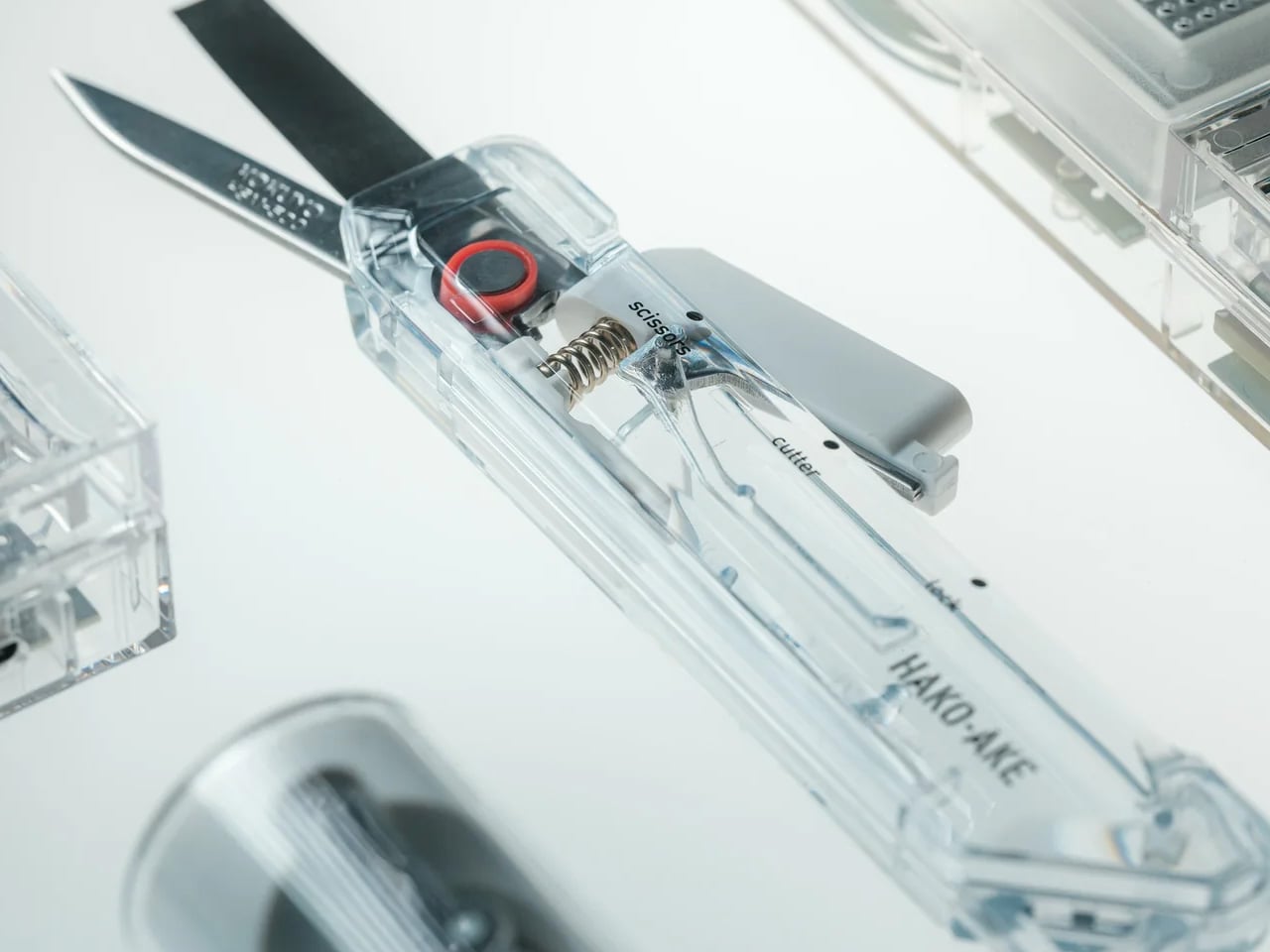
The cassette revival is not merely nostalgic sentiment but a renewed appreciation for analogue sound, tactile interaction, and the ritual of rewinding a mixtape. Where enthusiasts once depended on ageing Walkmans with unreliable mechanics, the Retrospekt CP-81 introduces a contemporary alternative engineered for today. Newly built rather than restored, it pairs retro appeal with modern dependability. The transparent housing exposes the internal mechanics, while its compact profile and minimal branding maintain a clean, modern aesthetic. The unit ships with retro-inspired Koss headphones featuring orange foam pads and a stainless-steel headband.

Functionality is intentionally focused, offering play, fast-forward, rewind, and record, along with a microphone jack for line-in capture. It operates via AA batteries or USB-C for flexible use at home or in transit. The tactile pleasure of inserting a cassette and hearing the gentle transport noise is central to its charm, complemented by stable stereo output and themed editions that add collectability.

4. Eco-Friendly and Mindful Tech

For Gen Z, technology is inseparable from sustainability and well-being. They seek brands that prioritize repairability, modular upgrades, and transparent sourcing, rejecting the disposable gadget culture of previous decades. This shift is driving demand for devices designed to last longer, encouraging a more thoughtful approach to tech ownership.

Adopting this mindset benefits everyone. Choosing eco-friendly, durable devices isn’t just about protecting the planet; it also fosters a sense of calm and permanence in daily life. Supporting companies that actively reduce e-waste is a practical step that anyone can take, making technology both sustainable and more mindful in its use.

The EcoFlow Power Hat is a wearable solar-charging accessory designed to extend device battery life during outdoor activities. Styled as a wide-brimmed sun hat, it integrates a flexible solar panel seamlessly into the brim, enabling continuous energy capture under direct sunlight. A concealed USB-C port positioned within the inner band allows users to connect and charge small electronic devices such as smartphones, GPS units, or wireless earbuds without additional equipment. The concept aligns with EcoFlow’s commitment to accessible, clean energy, translating the brand’s expertise in portable power into a practical, hands-free format.

Engineered for comfort and longevity, the Power Hat maintains the look and feel of a conventional outdoor hat, ensuring extended wear without visual or physical bulk. Its minimalist aesthetic prevents it from appearing overtly technical, making it suitable for hiking, camping, festivals, and other off-grid environments. It offers a discreet, sustainable charging alternative for users who prioritise functionality without compromising mobility.

5. Minimalist Tech Practices

The final, and perhaps most defining, aspect of Gen Z’s tech minimalism is digital decluttering. They deliberately remove unnecessary apps, control notifications, and maintain highly organised digital spaces. Their belief is straightforward: a cluttered digital life creates a cluttered mind, compromising comfort and well-being. This mindset also influences their hardware choices — favouring sleek, minimal gadgets that deliver function without visual or physical excess.

This is an approach anyone can adopt. Spend an hour deleting old files, unsubscribing from email clutter, and limiting push notifications to essentials. By applying minimalist principles to screens and devices the way we do to physical spaces, we create mental clarity, reduce stress, and cultivate a calmer, more intentional relationship with technology.

The Greyshork X3 is a pioneering multi-screen laptop designed to redefine portable productivity. Featuring a 16-inch main display flanked by two 10.5-inch fold-out auxiliary screens, it creates an expansive workspace ideal for multitasking. The displays deliver vivid visuals with resolutions of 1920×1200 on the central screen and 1920×1280 on the sides, ensuring clarity and precision for professional workflows. When not in use, the auxiliary screens fold neatly into the chassis, maintaining a sleek, portable form factor. Its thoughtful design balances expansive functionality with mobility, making it suitable for nomadic professionals, designers, and creators who demand flexibility without sacrificing space or efficiency.

Under the hood, the X3 is powered by an Intel i7-12650H processor, supports up to 32GB of DDR4 RAM, and accommodates up to 2TB of M.2 SSD storage, with optional external GPU support via Oculink. A fingerprint reader integrated into the trackpad adds convenient security. The laptop’s multi-screen setup enables effortless window management, immersive gaming, and enhanced workflow efficiency, all within a robust, premium build.

Gen Z shows that tech minimalism isn’t about losing functionality but embracing intention and flexibility. Through compact, foldable gadgets and digital decluttering, they balance technology with well-being and space. This mindful approach offers practical lessons for all, creating calmer, organized, and beautiful environments while enhancing daily life and fostering peace of mind.

The post 5 Tiny Products Gen Z Uses That Actually Replace Your Biggest Tech first appeared on Yanko Design.
3D-Printed Faces for Robot Vacuums Get Messy Every Time They Bump

Robot vacuums quietly patrol floors as anonymous discs, efficient but a little eerie, especially for kids and pets who aren’t quite sure what to make of a machine that roams around on its own. They slide under sofas, bump into chair legs, and dock again without anyone feeling particularly attached to them. It doesn’t take much to turn that same machine into something closer to a small pet that happens to vacuum.
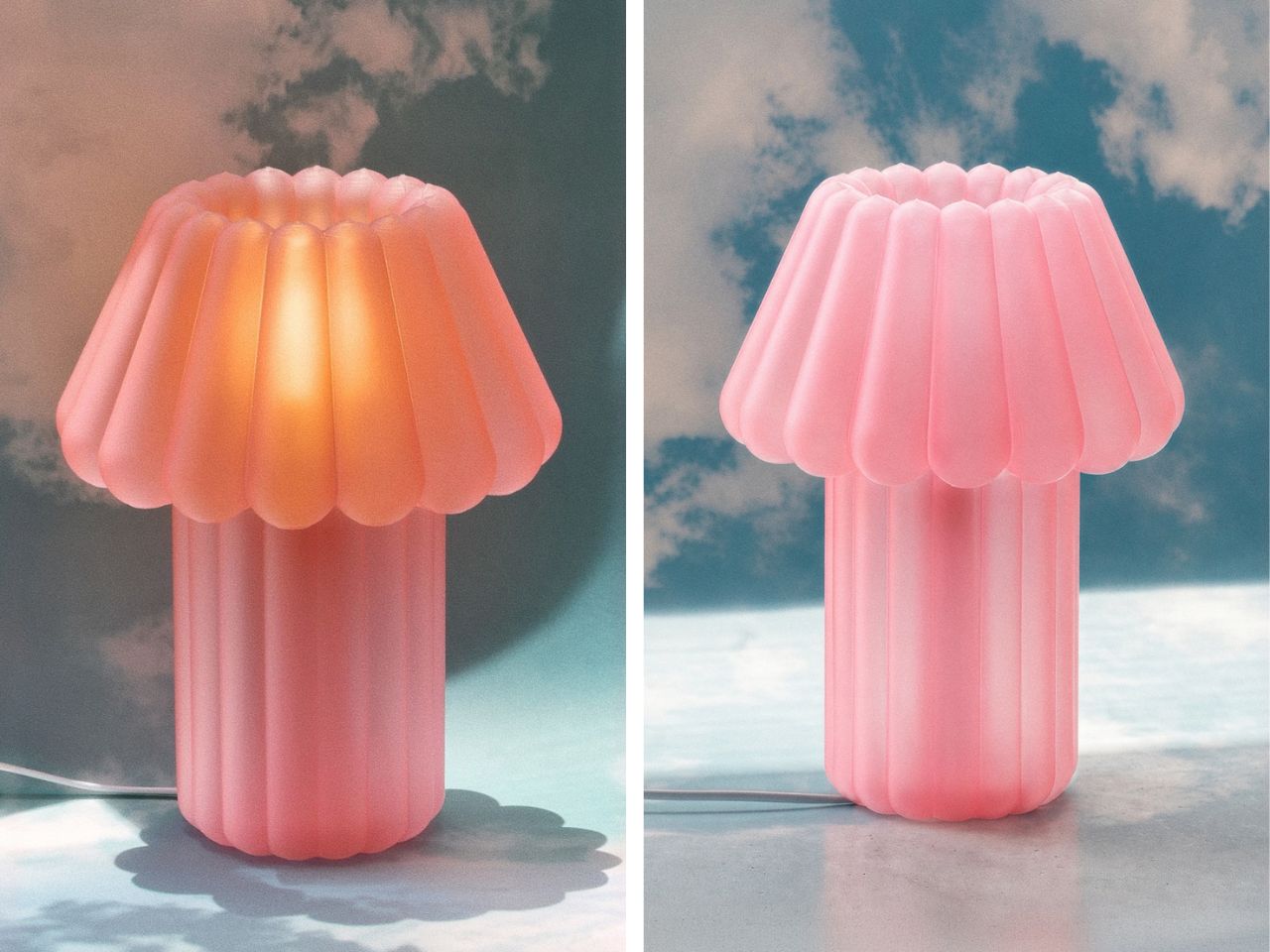
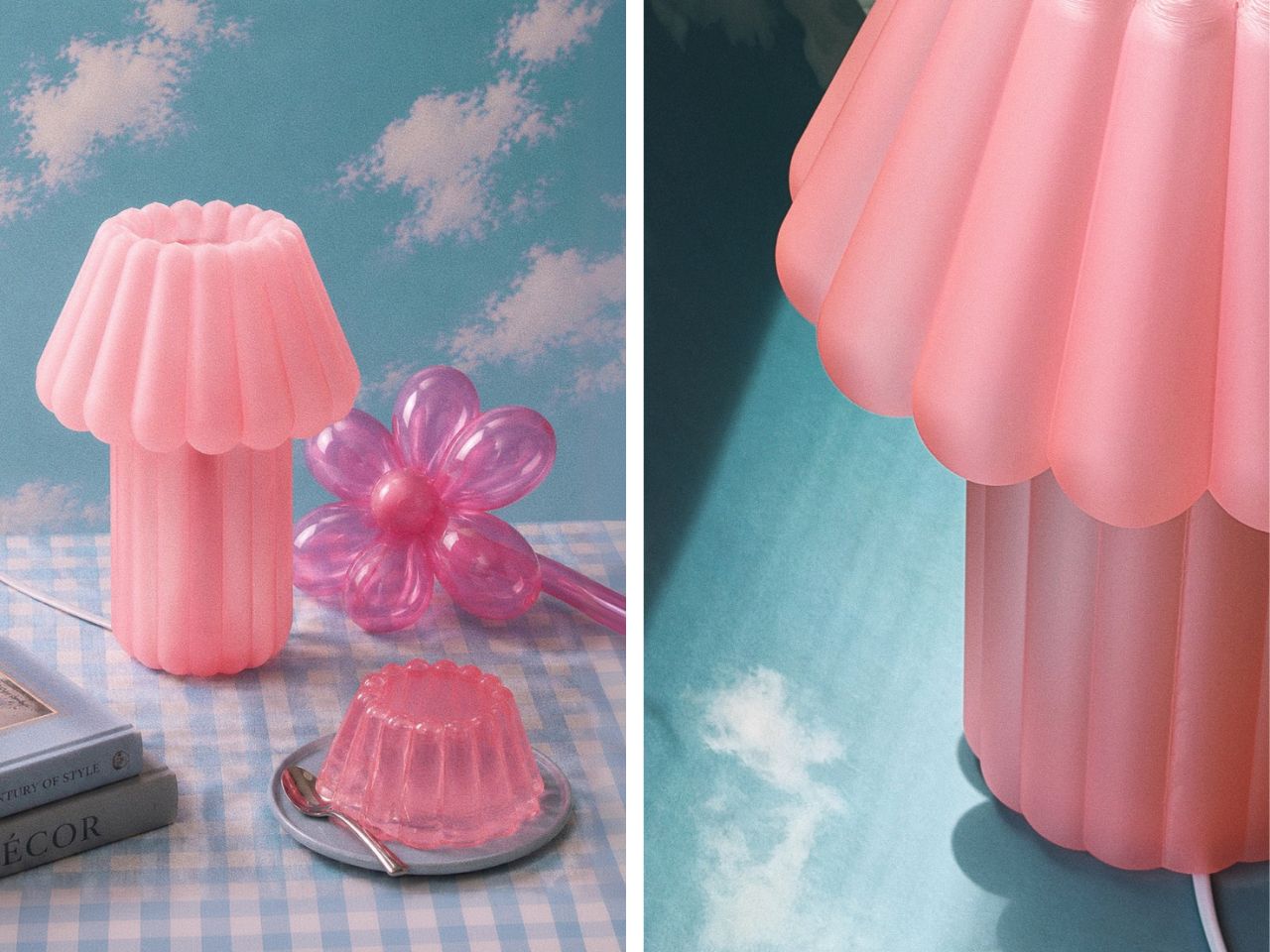
This 3D-printed cat/dog robot vacuum decoration, sold under the Petokka name, is a small kit that gives the robot a face, ears, and movable eyes. Rather than stickers, it’s a set of PLA parts that sit on top of the vacuum and react to how it moves, so the cleaning bot comes back from a run looking like it’s had its own adventure.

Designer: Zakka Gyou

A vacuum starts a cycle with wide eyes and perky ears, then bumps into table legs and skirting boards. Each impact nudges the eye assemblies, twisting pupils into crossed or sleepy positions, while crawling under furniture folds the hinged ears back. When the robot docks, its face is slightly scrambled, and you can read its route in the way its expression has shifted, one eye drowsy, one ear still folded down.

The kit works without wiring or electronics. The eyes sit on low-friction pivots, the ears are hinged triangles, and everything is 3D-printed in PLA and resin. There’s no battery, just gravity and inertia doing the work. The seller includes a choking-hazard warning, noting that parts aren’t meant for toddlers or pets that chew, with an option to request only ears or sticker faces if small pieces are a concern.

Petokka is designed for basic IR or bump-type cleaners with flat tops, like many Roomba-style bots. If a vacuum uses a LiDAR turret or top camera, those areas need to stay uncovered, or mapping can suffer, though some tests showed no interference. The kit is an overlay, not a hack, meant to respect the robot’s sensors while giving it a personality that changes with every session.

Each set is printed in a small Japanese atelier, with visible layer lines and tiny imperfections from 3D printing. The maker calls this an early test edition, with certification in progress and materials documented with safety data sheets. It’s a limited-run experiment rather than a mass-market accessory, which makes it feel more like a crafted character than a licensed skin you buy from a retailer.

A handful of plastic parts can change the emotional temperature of a room. The vacuum still cleans the same way, but now it looks back at you with lopsided eyes and folded ears after working its way around furniture. It’s hard not to say “nice job” when it docks looking like it just survived an obstacle course, which is a reminder that sometimes making home tech friendlier isn’t about new sensors or AI, it’s a face that gets a little messed up while it works.

The post 3D-Printed Faces for Robot Vacuums Get Messy Every Time They Bump first appeared on Yanko Design.