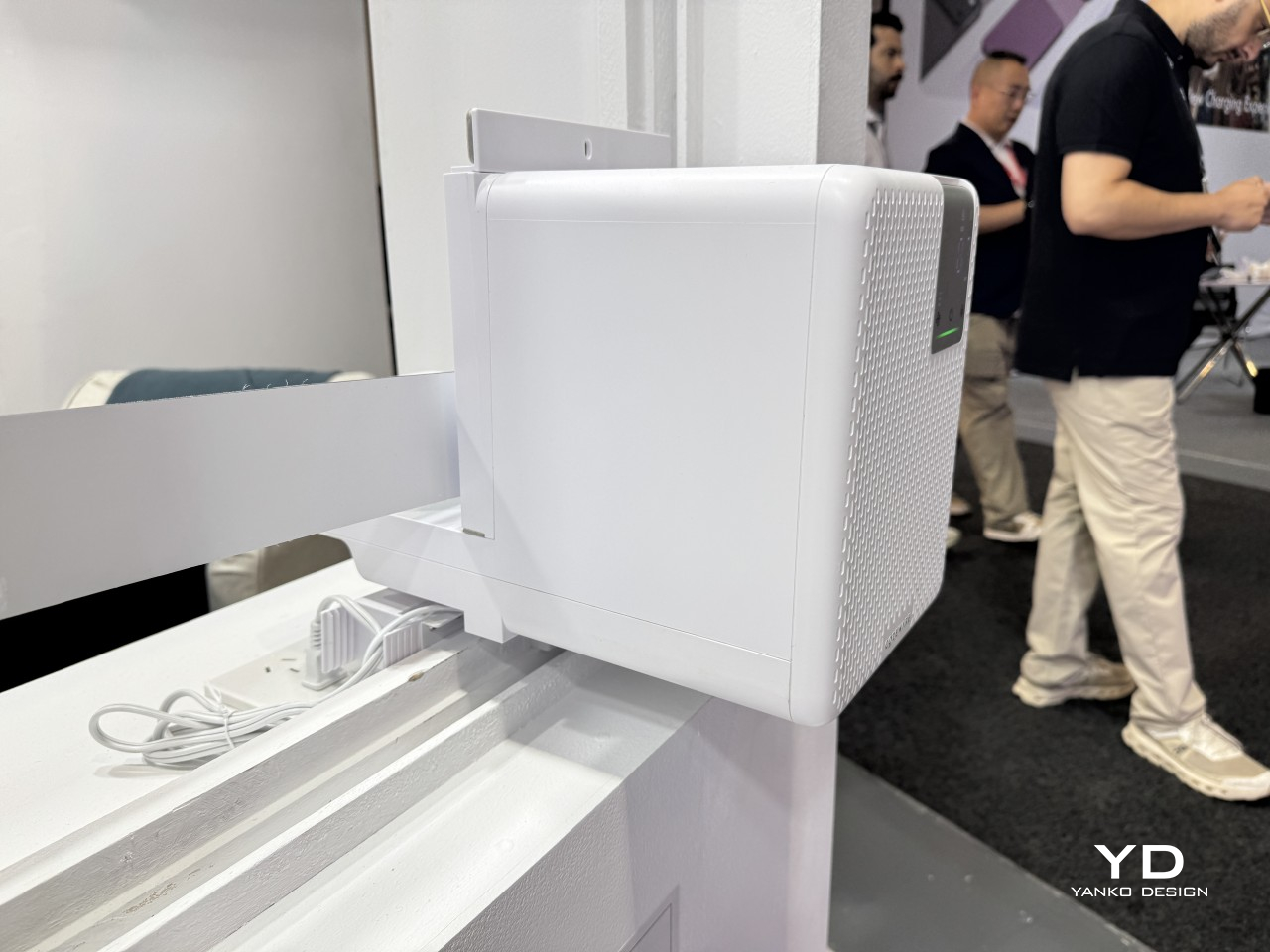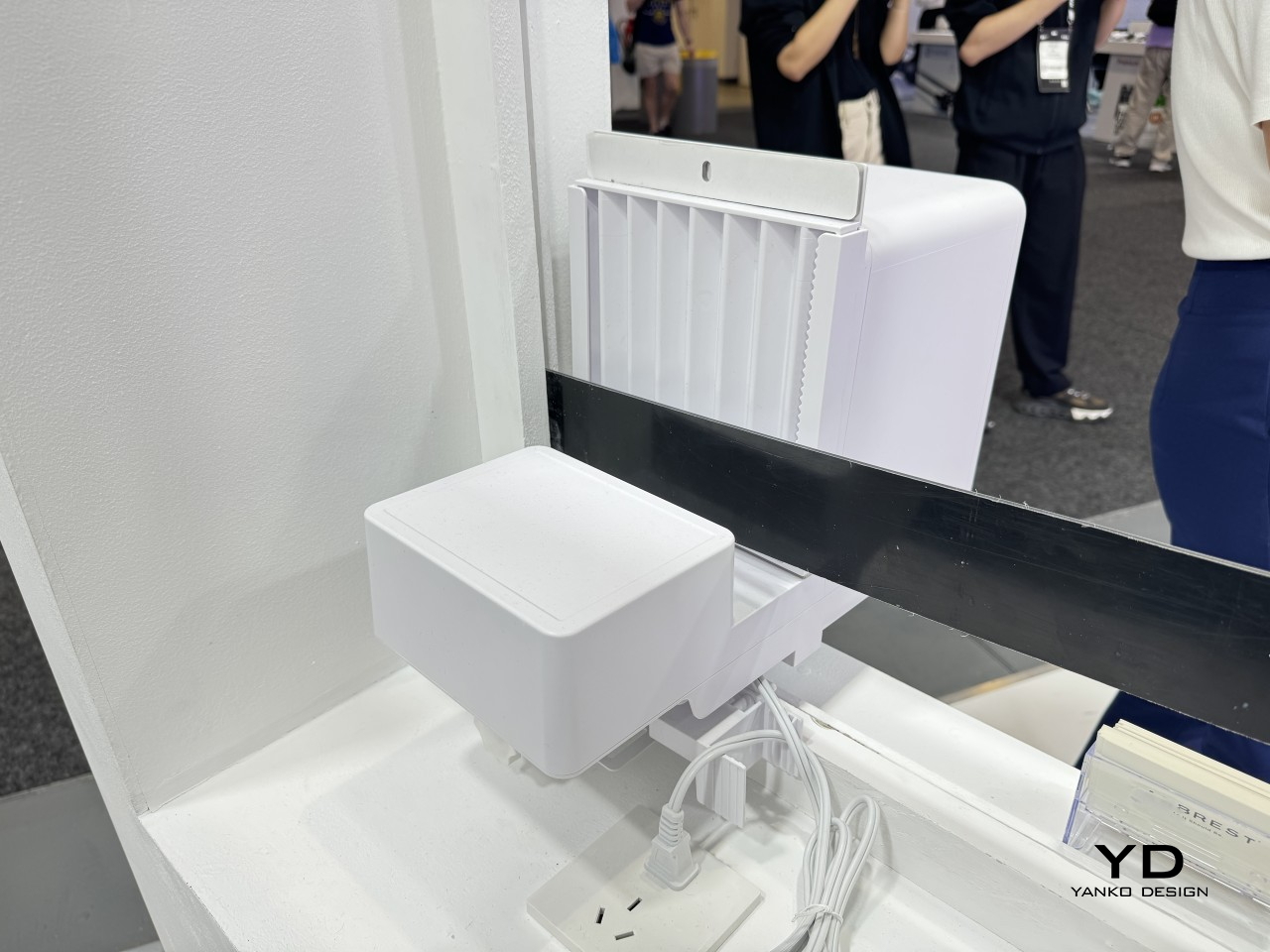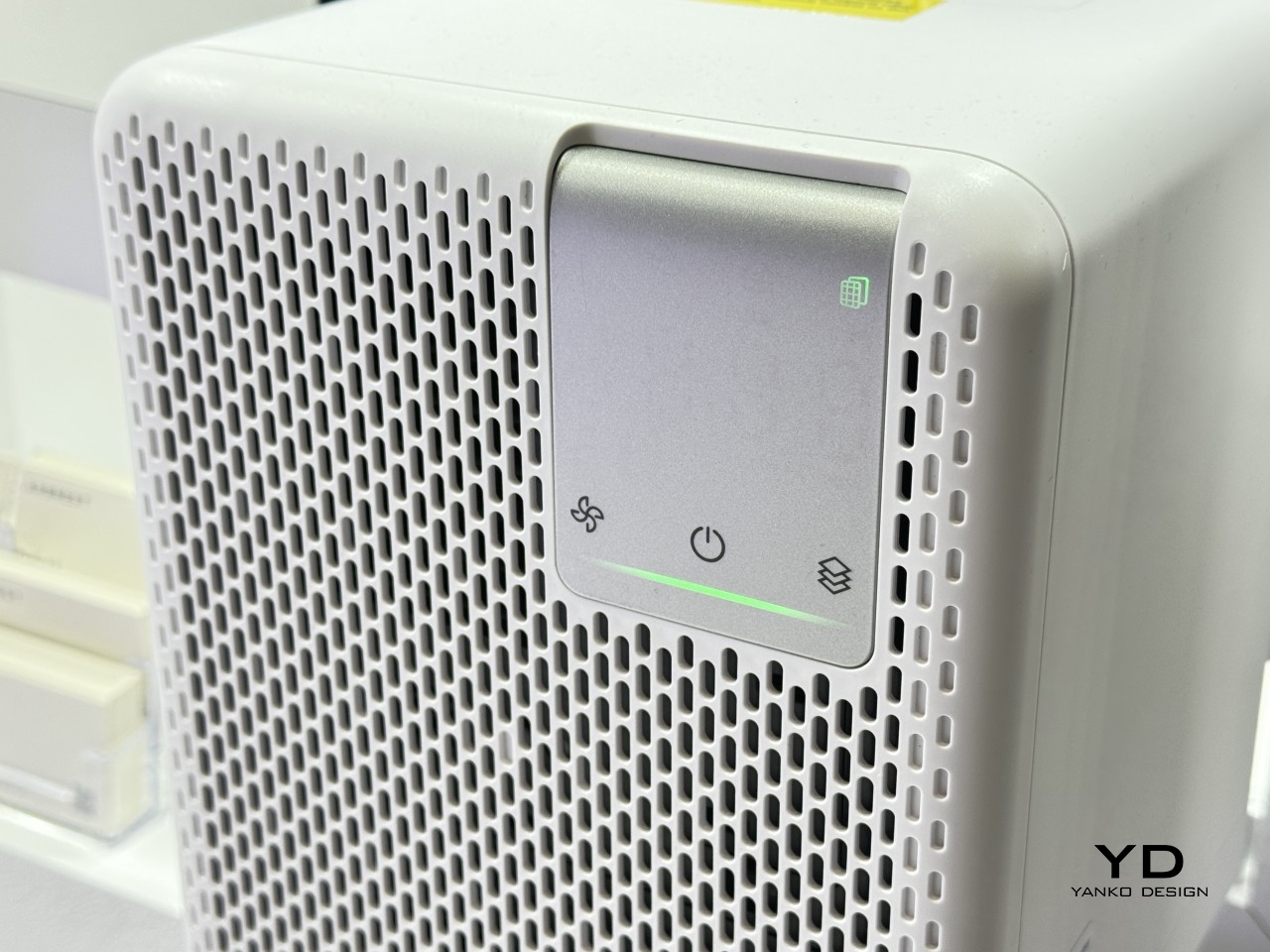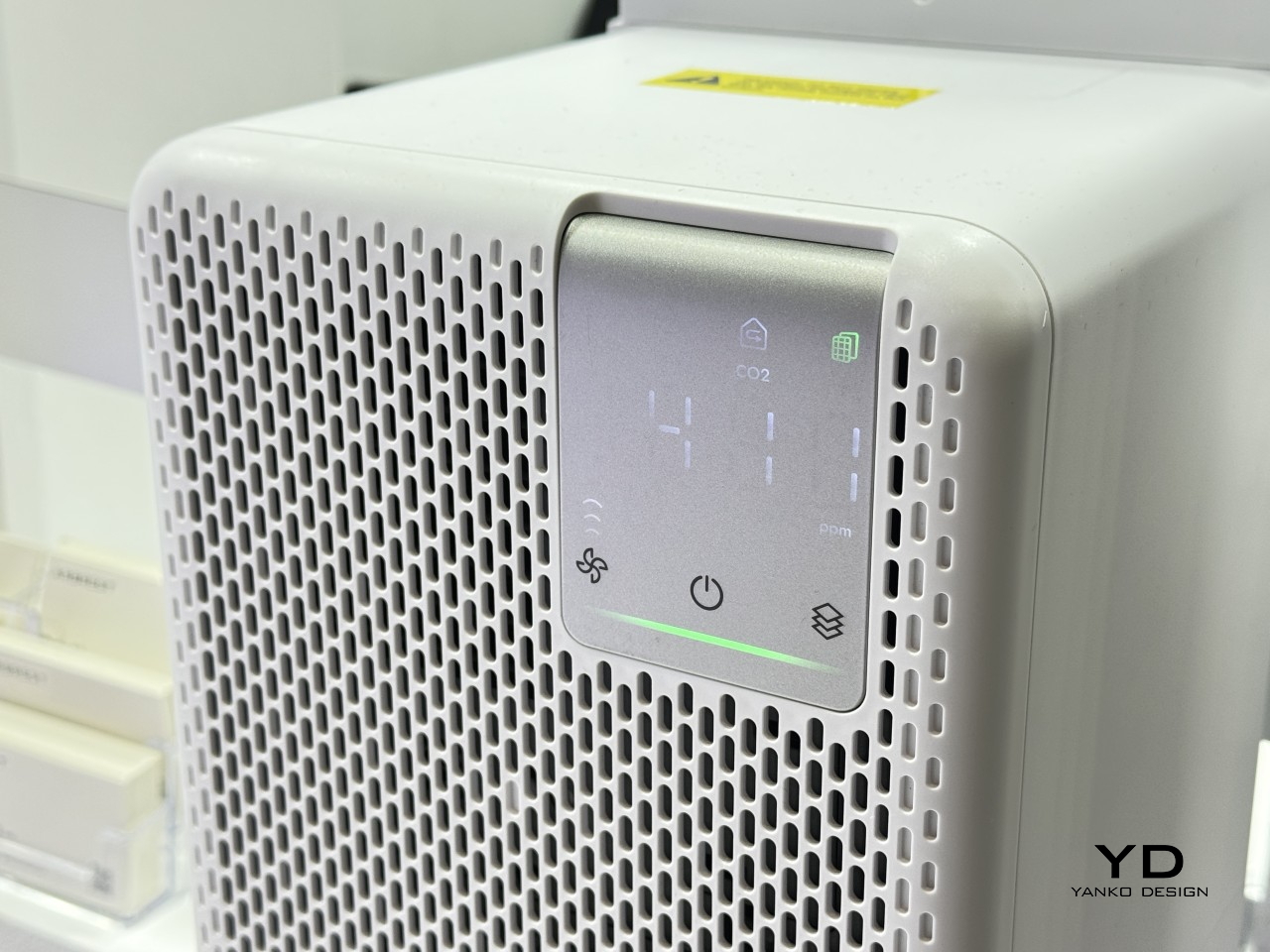
Anker SOLIX E10 Brings Hybrid Whole-Home Backup to the Modern House

Modern homes depend on electricity for everything, from fridges and routers to medical devices and central A/C. Storms, rolling blackouts, and grid hiccups trigger a familiar scramble for flashlights and ice bags. Food spoils, devices die, and working from home becomes impossible. Most backup options either feel like camping gear with a couple of outlets or like a renovation project with permits and opaque pricing.

Anker SOLIX E10 is a smart hybrid whole-home backup system that blends batteries, green solar power, and a smart generator into one coordinated setup. It is designed to keep an entire house running, not just a few circuits, and is rated for whole-home backup with a 200-amp connection when paired with its Power Dock, matching a typical US main panel.

Designer: Anker

On a normal day, the SOLIX E10 quietly charges from solar and the grid, storing energy in modular 6 kWh battery packs that can scale to around 90 kWh with multiple stacks. When the power drops, the system steps in, deciding when to draw from batteries, when to add fuel through a DC link to its tri-fuel smart generator, and when to resume solar charging once the storm clears.

SOLIX E10 Power Module Inverter

Anker SOLIX B6000 Battery Module

With the Power Dock or Smart Inlet Box, the SOLIX E10 can back up every circuit in a typical house, so you are not choosing between the fridge and the router. It is engineered to start and run a full-size 5-ton central A/C by handling the high inrush current that usually trips smaller systems, which matters when a summer outage hits during a heatwave.

Anker SOLIX Power Dock

Anker SOLIX Smart Inlet

When the grid fails, the lights stay on without flickering, the Wi-Fi does not reboot, and the A/C keeps humming. The system switches over in under 20 milliseconds, fast enough that most electronics never even notice. The feeling is less about the exact speed and more about the house simply not going dark anymore, even when the neighborhood does and trees are still down.

The SOLIX E10 can watch the weather and charge itself ahead of a predicted storm through its Storm Guard feature, so you are not caught with half-full batteries when the first tree hits a line. The modular packs give enough headroom for multi-day outages, while the forecasting takes backup power from a reactive scramble to a quiet ritual where the system prepares itself before you think to check.

Anker SOLIX Smart Generator 5500

The optional smart generator stretches backup power through long outages without running nonstop. Instead of charging through AC conversion, it feeds the batteries directly over DC, which Anker claims is up to five times more fuel-efficient than a traditional setup. It runs when needed, rests at night, and feels more like part of a system than a last-resort accessory.

The SOLIX E10 is not only for rare blackouts. On normal days, it can store cheap off-peak energy or excess solar and run the house when rates spike, trimming bills. Each unit accepts up to about 9 kW of solar input, so a rooftop array keeps the batteries topped up, and the system prioritizes important circuits to keep essentials alive longer during outages.

The hardware is a family of clean, stackable modules, with batteries that can be wall-mounted or floor-standing as the setup grows. The core units use an all-metal NEMA 4 enclosure and are certified to UL 9540 and UL 9540A, signaling they are built to live outdoors, handle bad weather, and meet the toughest residential safety standards.

Power anxiety is real, the feeling that one bad storm could wipe out food, work, and comfort for days. An outage where the house stays lit, the air stays cool, and the fridge keeps humming while the street outside goes dark is the payoff Anker SOLIX E10 is built around, making blackouts feel like minor blips instead of household emergencies.

The post Anker SOLIX E10 Brings Hybrid Whole-Home Backup to the Modern House first appeared on Yanko Design.

Balmuda Just Made the Humidifier You’ll Actually Display

Let’s be honest: most humidifiers are not so visually pleasant. They’re the appliances we hide in corners, tuck behind furniture, or banish to the bedroom where guests won’t see them. But what if a humidifier was so stunning you’d actually want to show it off? Enter the Balmuda Rain, a Japanese design marvel that’s making us completely rethink what a functional appliance can look like.

The moment you see the Balmuda Rain, you know something’s different. Standing at just over 14 inches tall with a perfectly square footprint, this humidifier looks more like a sculptural vase than a household appliance. And that’s entirely intentional. The Japanese design company Balmuda has built its reputation on transforming everyday objects into things of beauty, and with the Rain, they’ve truly outdone themselves.

Designer: Balmuda

But here’s where it gets really interesting. Most humidifiers make you wrestle with a detachable tank, carrying it back and forth to the sink, water dripping everywhere. The Rain throws that entire concept out the window. Instead, it features a revolutionary tankless design. You simply pour water directly into the top, like you’re filling a vase with fresh flowers. It’s such an elegant solution that you’ll wonder why no one thought of it sooner. The 5-liter capacity means you’re not constantly refilling it, and a subtle LED display lets you know when it’s running low.

Now, before you think this is all style and no substance, let me tell you about what’s happening inside this beauty. The Rain isn’t just humidifying your air; it’s actually purifying it too. A multi-layer filtration system works quietly in the background, with an enzyme pre-filter that captures dust and viruses, plus a silver ion cartridge for antibacterial protection. It uses natural evaporation technology rather than ultrasonic misting, which means no white dust settling on your furniture and a much more energy-efficient operation.

The performance is genuinely impressive. With five adjustable levels, the Rain can push out up to 600 ml of moisture per hour, easily handling rooms up to 28 square meters. There’s an automatic mode that maintains ideal humidity levels between 40 and 60 percent, which is exactly where you want to be for healthy skin and respiratory comfort. In testing, it took just 30 minutes to bring a dry 40-square-meter room from 35% to a comfortable 50% humidity.

The interface is beautifully simple. A circular control ring lets you adjust settings, and you can customize everything from display brightness to speaker volume. There’s even a child safety lock for households with curious little ones. The display automatically dims when you’re not using it, so it won’t light up your bedroom at night. Maintenance is surprisingly easy too. The main filter gets cleaned with warm water and household items like citric acid and baking soda. The enzyme pre-filter just needs a quick vacuum, and the silver ion cartridge rinses under running water. No complicated procedures or expensive replacement parts to track down.

Here’s the thing about the Balmuda Rain: it represents a shift in how we think about the objects in our homes. We’re moving past the era of purely utilitarian appliances that we tolerate because we need them. Instead, we’re seeing a new generation of products that refuse to compromise, offering both exceptional functionality and genuine aesthetic value. Yes, the Rain comes with a premium price tag. But for design enthusiasts, tech lovers, and anyone who believes their space should reflect their taste, it’s an investment in daily delight. This is an object you’ll use every winter and still appreciate five years from now. It won’t feel dated or look tired because good design is timeless. The Balmuda Rain proves that we don’t have to choose between form and function. We can have both, elegantly integrated into one beautiful package. And honestly? That’s exactly what our homes deserve.

The post Balmuda Just Made the Humidifier You’ll Actually Display first appeared on Yanko Design.
This Smart Tea Cup Wants You to Actually Enjoy Your Tea

Here’s something you probably haven’t thought about today: when was the last time you actually paid attention while drinking tea? If you’re like most of us, you’re probably scrolling through your phone, answering emails, or binge-watching something while your tea gets cold on the side table. Tea has become background noise in our lives, something we consume rather than experience. Which is kind of ironic, considering tea ceremonies have been about mindfulness and presence for centuries.

Enter SoundSip, a design project by Aanya Jain that’s trying to bring back the ritual of tea drinking in a way that feels fresh and modern. And it does this through something unexpected: sound. The concept is beautifully simple. SoundSip is a ceramic tea cup with a hidden trick. When you hold it, it plays a soft, ambient soundscape. Put it down, and the sound pauses. Pick it up again, and it continues exactly where it left off. There are no buttons to press, no screens to swipe, no apps to download. Just you, your tea, and a cup that responds to your touch.

Designer: Aanya Jain

What makes this interesting is how the sound actually works. It’s not just random ambient noise or generic meditation music. The soundscape is designed to mirror the journey of drinking tea itself. It starts chaotic, busy, layered with competing sounds that feel restless and overwhelming. Sound familiar? That’s basically how most of our days feel. But as you continue holding the cup and sipping your tea, the sound gradually shifts. It becomes calmer, more spacious, eventually settling into white noise, what the designer calls “the sound of silence.” It’s a clever bit of emotional design. The sound isn’t just decoration; it’s guiding you through a transition from stress to stillness. You’re not being told to relax, you’re being gently led there through your own experience of holding and sipping.

The physical design backs this up beautifully. The cup itself has that warm, tactile quality that makes you actually want to hold it. There’s subtle texture, a satisfying weight, and even a small ridge near the rim that catches drips. These aren’t flashy features, but they show a thoughtfulness about the actual experience of using the object. The electronics live in a detachable magnetic module underneath the cup, so you can clean the cup properly without worrying about destroying the tech. Smart, practical, and invisible when it needs to be.

What I find most compelling about SoundSip is how it pushes back against the way we usually think about smart objects. Most connected products are about adding features, notifications, data, more information. SoundSip does the opposite. It uses technology to create less distraction, not more. There’s no connectivity, no data tracking how many ounces you drank or reminding you to stay hydrated. It’s tech in service of presence rather than productivity. This feels particularly relevant right now, when we’re all drowning in apps that promise to make us more mindful but end up being just another thing demanding our attention. SoundSip sidesteps that trap entirely. The interaction is purely tactile and auditory. Your hands know what to do. There’s no learning curve, no manual, no setup process.

Of course, SoundSip isn’t going to solve our collective attention crisis. One cup can’t undo the grip that screens and notifications have on our daily lives. But it does something important: it shows that design can create moments of pause without being preachy about it. It doesn’t lecture you about self-care or productivity. It just makes the simple act of drinking tea a little more worth your attention. Everything seems to be optimized for efficiency right now, where even our downtime gets gamified and tracked. So there’s something quietly radical about a cup that just wants you to slow down and listen. Not to a podcast or playlist, but to the sound of yourself shifting from noise to stillness, one sip at a time.

The post This Smart Tea Cup Wants You to Actually Enjoy Your Tea first appeared on Yanko Design.
Roborock’s New Flagship Line Brings Sculpted Design to Smart Cleaning at CES 2026

The idea of a smart home has long been defined by individual devices, each designed to solve a single task in isolation. But modern homes no longer operate in clean lines. Multi-level layouts, pets, kids, and yards that stretch from kitchen tile to sloped grass create environments where a single device rarely finishes the job. At CES 2026, Roborock is using that complexity as a design brief, especially for households across North America where scale and texture demand more than one kind of intelligence.

Roborock’s “The Greatest Meeting the Greatest” theme frames this as a meeting between world-class engineering and the realities of everyday living. This year’s lineup is less about one hero product and more about a family of specialists, from a flagship robot that can see and adapt in three dimensions, to a one-pass floor-care robot, a foam-based floor washer, and an AWD mower that treats the yard as part of the home.

Designer: Roborock

Click here to know more.

Greatness in Intelligence

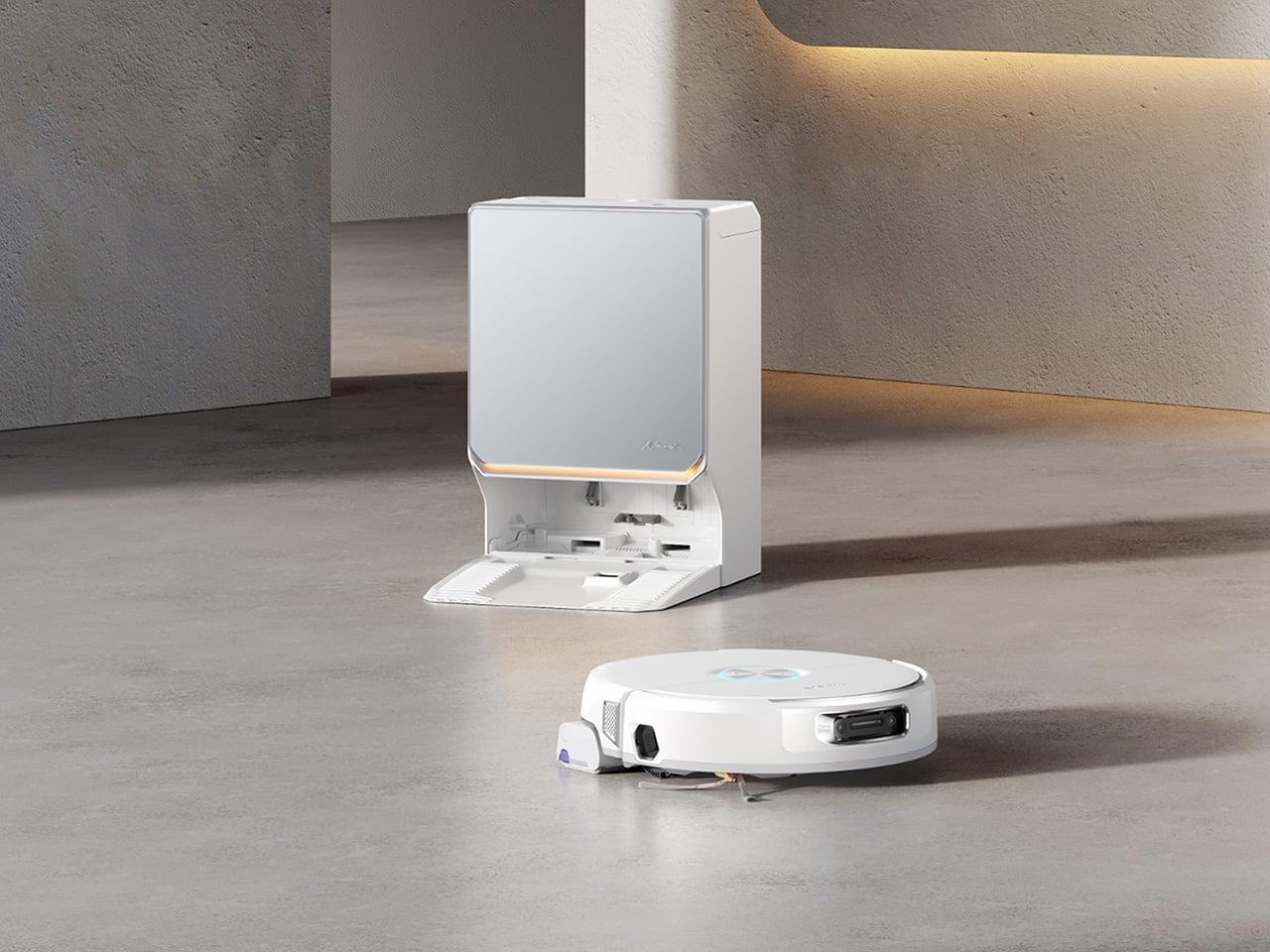
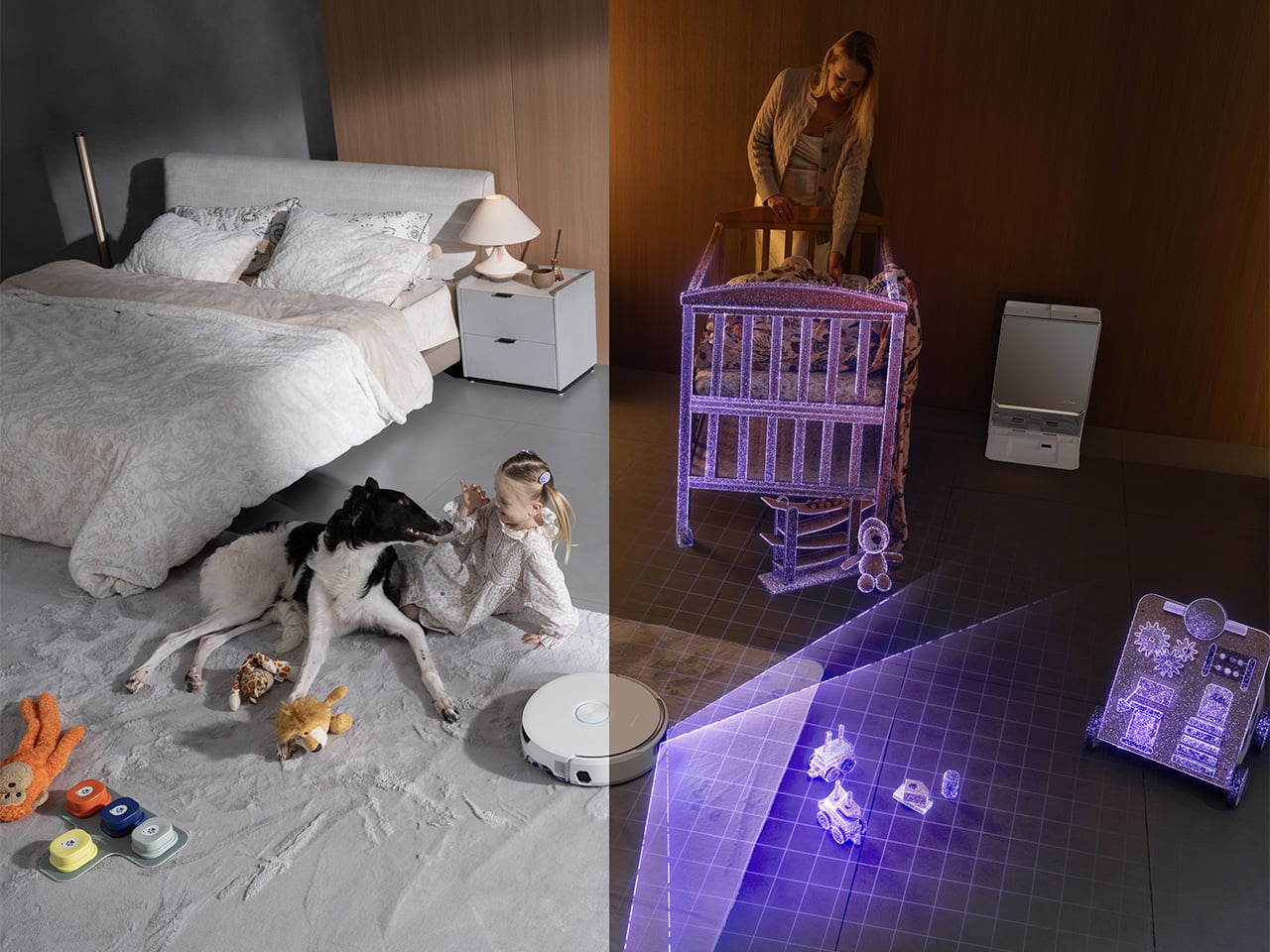
Intelligence in a home context means mastering complexity without constant supervision. The Saros 20, the brand’s flagship product for 2026, introduces StarSight Autonomous System 2.0, with dual-transmitter 3D time-of-flight LiDAR and 21,600 sensor points. This innovation allows the Saros 20 to map spaces, recognize over 200 obstacle types, and distinguish cables from socks or pet bowls, making it even smarter than the previous-gen Saros 10R flagship. At 7.98 cm tall, it slides under low furniture while understanding the space in three dimensions, which matters in homes with layered messes and tight clearances.

AdaptiLift Chassis 3.0 is the mechanical side of that intelligence, lifting and adjusting three wheels independently to cross double-layer thresholds up to 8.5 cm tall, climb onto carpets as thick as 3 cm, and free itself when stuck. Layouts where balcony lips, thick rugs, and split-level transitions trap lesser robots become manageable terrain. Saros 20 learns the best way to cross each threshold and remembers it, treating obstacles as solvable puzzles rather than dead ends.

That philosophy extends outdoors with RockMow X1 LiDAR, Roborock’s first-ever lawnmower for the US market, using 360-degree mechanical LiDAR and dual-camera fusion to map properties up to two acres with trees, slopes, and visually sparse patches. Centimeter-level accuracy and AWD traction let it handle uneven terrain and stay oriented in yards where GPS or boundary wires struggle. It understands a yard the way Saros 20 understands a living room, identifying obstacles and terrain changes autonomously.

Greatness in Performance

Performance shows up as power that delivers consistent results when the mess is layered or the surface changes mid-run. Saros 20’s 35,000 Pa HyperForce motor and dual anti-tangle system, the DuoDivide main brush and FlexiArm Arc side brush, pick up hair and debris without wrapping. Dual spinning mops with up to 13 N downward pressure handle dried stains, managing pet hair in thick carpets, kitchen crumbs, and seasonal grit.

Qrevo Curv 2 Flow is positioned as a one-pass floor-care specialist. Its 270 mm extra-wide roller, 15 N downward pressure, and 220 RPM scrubbing cover more ground in a single sweep. The Roller Shield lifts and covers the mop before carpets, preventing damp spots, while the Edge-Adaptive roller mop gets within 10 mm of baseboards and furniture legs, handling mixed flooring without constant re-passes or wet carpets.

F25 Ace Pro brings foam chemistry to wet-dry cleaning. JetFoaming technology turns 1 ml of Foam Cleaning Solution into 167 million microbubbles that cling to grease and dried spills, softening and encapsulating them before 25,000 Pa suction, 30 N pressure, and 430 RPM scrubbing lift them away. This is designed for kitchens with oil splatter, entryways with mud, and pet zones where layered messes need more than just water.

Greatness in Design & Everyday Living

Fitting into daily life means handling hygiene and maintenance without becoming another source of work. Qrevo Curv 2 Flow’s self-cleaning dock separates clean and dirty water, washes the roller at 75 °C, and dries it with warm air. The dock handles sticky spills and pet zones without turning into another thing that needs scrubbing every weekend, keeping the system fresh and ready without manual intervention.

F25 Ace Pro’s ergonomics focus on the moments when you are holding the device. FlatReach 2.0 lets it lie flat at 180 degrees to reach under furniture at 12.5 cm height, while SlideTech 2.0 uses AI-powered wheels to sense push and pull strength and assist movement, making it feel lighter and more responsive. The 0 mm edge cleaning on three sides and 95 °C self-washing and drying keep the roller fresh.

Saros 20’s RockDock and app ecosystem extend that design philosophy. The dock uses 100 °C hot water to wash mops, bi-directional scrubbing and soaking modes, heated air drying, and auto mop removal before carpets. The Roborock app’s SmartPlan 3.0 learns room types and habits, while pet-friendly intelligence, built-in “Hello Rocky” voice control, and Matter support help the system blend into routines rather than adding another app to babysit.

Greatness Beyond the Room

RockMow X1 LiDAR handles the seasonal realities of yard maintenance. AWD traction and 8 cm obstacle clearance manage wet spring grass, summer growth, and autumn leaves, with a 24 cm cutting width and 40-90 mm cutting range tuned for common lawn types. It is built for properties with trees, slopes, and visually sparse patches where GPS alone would struggle, using LiDAR and cameras to stay oriented across terrain that changes throughout the year.

RockMow represents a broader shift from room-by-room cleaning to full-property autonomy. While Saros 20 and Qrevo Curv 2 Flow handle floors and carpets, and F25 Ace Pro tackles kitchens and hard floors, RockMow extends that philosophy to the yard. The result is a set of tools that treat the home as a continuous environment, indoors and out, rather than a collection of disconnected chores that each require their own app, setup, and maintenance schedule.

Roborock’s CES 2026 lineup feels less like a handful of new gadgets and more like a coordinated attempt to match the scale and texture of modern living. Intelligence, performance, and design show up differently in a kitchen, a living room, and a sloped backyard, but the throughline is the same across North America and beyond: systems that adapt to the mess, the layout, and the people, instead of asking households to adapt to them.

Click here to know more.

The post Roborock’s New Flagship Line Brings Sculpted Design to Smart Cleaning at CES 2026 first appeared on Yanko Design.
Emerson Just Built the Air Fryer That Actually Listens to You

One of the goals for this year is to cook more, and my good ol’ air fryer should play a huge role in this as I’m also trying to be healthier. However, preparing the ingredients while operating the device can sometimes be a little challenging and messy, to say the least. I sometimes wish that my air fryer could actually just listen to what I want it to do instead of me trying to figure out everything manually.

Emerson is trying to solve that problem with their SmartVoice 10QT 6-in-1 Air Fryer and its game-changing feature: true voice control. The device has more than 1,000 preset voice commands, which make it easier for you to just tell the air fryer what it is you’re cooking, and it helps you figure out how it should be cooked. Having this in your kitchen will bring convenience to a whole other level.

Designer: Emerson

The SmartVoice Technology built into this allows you to use natural conversation. You can say things like “Hey air fryer, cook pork chops” or “Hey air fryer, increase temperature” without having to memorize the exact syntax you need for it to follow you. It is a 6-in-1 device as you can also bake, roast, broil, reheat, and dehydrate all sorts of food and dishes in there, aside from air frying, of course. There are also voice prompts that will remind you to shake or flip your food if the recipe calls for it.

Another standout feature of this device is that all your voice commands are handled directly on the device. There are no cloud servers or background monitoring involved, which should satisfy those who are concerned with privacy and data collection. It is also a literal plug-and-play device, so there should be no frustrating setup issues, or so they claim. Reality can sometimes be different, but hopefully, it is as advertised.

This SmartVoice air fryer should suit large households as it has a capacity of 10 quarts, which should be able to hold up to 10 pounds of food. It is able to recognize more than a hundred different foods, so you don’t need to constantly check on temperature and times. If you prefer the usual button approach, the appliance also has 12 touch presets. It also has preheat settings to ensure optimal cooking conditions even before you start cooking. The 1,700-watt power output ensures your food cooks quickly and evenly, while the nonstick basket makes cleanup a breeze. The device weighs 14.46 pounds, giving it a sturdy presence on your countertop without being impossible to move when needed.

What makes this air fryer truly special is how it fits into your real cooking routine. Picture this: you’re marinating chicken with messy hands, your phone is across the room, and you suddenly remember you need to adjust the temperature. Instead of washing your hands, drying them, and fumbling with buttons, you simply speak your command. It’s that seamless integration into your workflow that makes voice control more than just a gimmick as it becomes genuinely useful.

For busy parents juggling multiple tasks, this is a game-changer. You can monitor your cooking while helping kids with homework, folding laundry, or prepping the next dish. For anyone with mobility challenges or arthritis that makes pressing small buttons difficult, voice control offers newfound independence in the kitchen. And for multitaskers who are always moving between counters, the ability to control your appliance from anywhere in the kitchen is liberating.

Priced at $169.99, the Emerson SmartVoice Air Fryer sits in the mid-range category for large-capacity air fryers. However, when you consider that you’re getting six cooking functions, genuine offline voice control (not just app-based controls), and a family-sized capacity, the value proposition becomes quite compelling. Many smart appliances require subscriptions or constant connectivity; this one simply works out of the box.

The Emerson SmartVoice 10QT 6-in-1 Air Fryer represents a thoughtful approach to smart kitchen technology. Instead of adding complexity for complexity’s sake, it addresses real pain points that home cooks face daily. Whether you’re trying to eat healthier, cook more efficiently, or simply make your time in the kitchen more enjoyable, this voice-activated marvel might just be the cooking companion you’ve been waiting for. If you’ve been on the fence about smart kitchen appliances because of privacy concerns or setup hassles, this offline, plug-and-play solution could finally change your mind.

The post Emerson Just Built the Air Fryer That Actually Listens to You first appeared on Yanko Design.
eufy Wraps the Front Door in Smarter Vision and Power at CES 2026

The modern front door has a lot to juggle. Couriers drop parcels, friends arrive unannounced, kids race in and out, and somewhere in the background, there is a quiet worry about missing something important or not catching something suspicious. Many homes already have a patchwork of doorbells, lights, and locks that only half cooperate, or lean heavily on cloud subscriptions and frequent battery swaps that never quite stop being a chore.

eufy’s CES 2026 security lineup treats that threshold as a single design problem. The Video Doorbell S4, Solar Wall Light Cam S4, and Smart Lock E40 share a few big ideas: higher‑resolution cameras, AI and radar‑assisted detection, and power systems built to run for months or indefinitely, while keeping most of the intelligence and storage local instead of streaming everything to a server somewhere far away.

Designer: eufy (Anker)

eufy Video Doorbell S4

The Video Doorbell S4 is the greeter. It wraps a 3K sensor into a 180‑degree horizontal and vertical field of view, which means it can see from the ceiling down to the doormat and across the entire porch in one shot. That panoramic view captures faces, packages, and anyone standing off to the side, so you are not left guessing whether a delivery was left just out of frame.

eufy’s OmniTrack technology and built‑in radar focus on people rather than every passing car or branch. As someone approaches, radar detects motion and distance, then AI locks on and adjusts the zoom so the visitor stays centered, whether it is a courier bending to drop a parcel or a neighbor walking up the path. The 3K clarity holds up to around 26 feet, with 16 GB of local storage keeping recordings on the device.

eufy Solar Wall Light Cam S4

The Solar Wall Light Cam S4 is the guardian that wraps light and vision around the entryway or side yard. It combines a 4K camera with an f/1.6 lens and a vertically adjustable mount, up to 45 degrees, so it can look down into blind spots near the wall while still watching the approach. The 4K resolution and color night vision make faces and details legible even when the only illumination is the light itself.

Power is handled by a detachable 2 W solar panel feeding a 10,000 mAh battery, which gives freedom in where you mount it. The panel can sit where the sun actually hits, while the light and camera stay where they are most useful. Multiple lighting modes let the fixture shift roles, daily illumination for paths, brighter security lighting when motion is detected, and festive RGB scenes that turn the same hardware into holiday decor.

eufy Smart Lock E40

The Smart Lock E40 is the final layer at the door, replacing keys and fingerprints with 3D face recognition. A quick glance is enough to unlock for pre‑registered users, which matters most when your hands are full of groceries or luggage, and you would rather not dig for keys or touch a screen. A built‑in 2K camera with a head‑to‑toe view records who is at the door, aligning the lock with the rest of eufy’s camera‑centric security story.

The E40 runs on a PowerDuo system, a 15,000 mAh main battery backed by an 800 mAh reserve that keeps the lock alive during swaps or unexpected drain. It is rated IP65 for weather resistance and carries ANSI/BHMA Grade 2 certification for mechanical security. On the software side, it speaks Matter, Apple Home, Amazon Alexa, Google Home, and Samsung SmartThings, sitting comfortably inside a broader smart‑home setup while doing most recognition and storage locally.

eufy at CES 2026: A Front Door That Thinks for Itself

These three products sketch out eufy’s view of the front door in 2026, not as a collection of unrelated gadgets, but as a layered system where the doorbell tracks arrivals in 3K, the wall light extends 4K color vision and ambient lighting without new wiring, and the smart lock recognizes faces and controls access while adding its own 2K camera. The common threads, higher‑resolution optics, AI and radar, generous batteries and solar, and local‑first design, make the entryway feel less like a tangle of hardware and more like a single, thoughtful interface between home and street.

The post eufy Wraps the Front Door in Smarter Vision and Power at CES 2026 first appeared on Yanko Design.

This 3-Storey DIY Camping Trailer Is As Tall As A Semi-Truck And It’s Legal

It’s not every day that we come across something as crazy as this triple-decker micro camper that YouTuber President Chay has put together. The entire build has been recorded on his channel, and the process – right from purchasing the trailer it’s based on to the completion, when it’s taken out on the road – is immensely satisfying.

There are two reasons for that. One, we don’t regularly see three-story campers, this one is a rare exception in the hoard of similarly designed options that follow the single, or at max, double story script. And second, that in spite of its peculiar design, the triple-story micro trailer is completely street legal.

Designer: President Chay

Chay Denne of President Chay is not a newcomer to building such unique camping solutions. It was just a couple of years back when the YouTuber surprised us with an exceptional double-decker micro camper, which was only left to rot in the corner later. This time the approach was not to build on the existing model, but to start from scratch. The journey thus started with a beefy trailer brought off a marketplace.

Building on the trailer, the YouTuber, along with his brother and father, setup the entire contraption painstakingly using wood. The three-story camping trailer is not just a gimmicky setup. It’s purposely designed to appear like a toaster on the outside, and on the inside, this mobile home packs a sizable kitchen, a living room, and a bathroom with a toilet and a shower. Measuring 13 ft high, it is the same height of a semi-truck, making it street-legal to drive.

The builder family starts on the trailer, layering it with plastic sheets for a moisture barrier and topping it with insulation for the floor. Particle board is used to build the individual floors both inside out, and all the floors are aptly insulated. Spray foam is used for insulating the top two levels, while the lower (entry level) uses batt insulation. As we are at it, the lower level is where most of the living space is created. The bathroom on the front is covered on the inside with concrete walls in order to ensure more weight can be added to the hitch for stability on the road.

Here at the entrance, you also have a furnished living room and a full-fledged kitchen with a cooktop and sink. The two levels above, accessible via ladders, have just enough headroom for the user to crawl onto their provided beds and watch some TV, which rests on a swivel arm to be moved into a position you want. TVs are available on both the first and second floors. To make the entire construction waterproof, a layer of fiberglass is used on the side walls, and the roof is completed with a layer of vinyl. Chay Denne and family have been able to keep the weight of this three-story trailer at roughly 3,700 lbs, which is incredible. Being street legal and perfectly balanced to ride behind your capable vehicle, it can handle up to 60 mph.

The post This 3-Storey DIY Camping Trailer Is As Tall As A Semi-Truck And It’s Legal first appeared on Yanko Design.
This Designer Turns Abandoned Bikes Into Museum-Worthy Furniture

There’s something poetic about seeing a lonely bicycle chained to a pole, slowly rusting away in the rain. Most of us walk past these urban ghosts without a second thought. But Dublin-based designer Cara Campos sees something entirely different: potential.

Her Objects from Frames collection, which has earned her recognition as a Wallpaper* Future Icon for 2026, transforms abandoned bicycle parts into sleek, minimalist furniture that looks like it belongs in a design museum. And honestly? It’s kind of genius.

Designer: Cara Campos

Campos didn’t grow up in Dublin. Raised in Saudi Arabia to a French father and Irish mother, she brings a multicultural perspective to her work that makes it feel both globally conscious and locally grounded. Now based in Ireland, she’s developed a design philosophy rooted in sustainability, adaptability, and what she calls “the lives of objects.” It’s this last bit that makes her work so compelling. She’s not just recycling materials. She’s honoring their stories.

The Objects from Frames collection started, like many great ideas, as a university project. Campos kept noticing abandoned bicycles scattered across different cities, slowly deteriorating, and wondered if she could give them a second act in Dublin. The bicycle, after all, holds a special place in human innovation. American writer William Saroyan once called it “the noblest invention of mankind,” and Campos clearly agrees. Why let such noble machines end their days as scrap metal?

What she’s created is a collection of furniture that feels impossibly light and modern while celebrating the inherent beauty of industrial design. Her Steel Lounge Chair incorporates front triangles from road bikes, transforming the most recognizable part of a bicycle into something you’d want in your living room. There are also table lamps and side tables, each piece maintaining the elegant lines and structural integrity that made bicycles such revolutionary machines in the first place.

But here’s what makes Campos’ approach different from your typical upcycling project. She’s adamant that her work goes beyond simply repurposing discarded materials. As she explains it, the collection “pays homage” to the intangible value these objects carry. Each bicycle frame has history. It carried someone to work, helped a student get to class, maybe even facilitated a first date. That emotional and practical legacy doesn’t disappear just because the bike gets abandoned. Campos captures it, preserves it, and gives it new purpose.

The technical execution is impressive too. Steel is one of the most recyclable materials on the planet. More steel gets recycled annually than aluminum, paper, glass, and plastic combined. It’s a true cradle-to-cradle material, which means it can be recycled infinitely without losing its properties. By working with bicycle frames specifically, Campos taps into structures that were already engineered for strength, lightness, and efficiency. She’s not starting from scratch. She’s remixing existing excellence.

The collection also arrives at a perfect cultural moment. We’re increasingly aware of how much waste our consumption habits generate, and we’re hungry for alternatives that don’t require us to sacrifice style for sustainability. Campos proves you can have both. Her furniture looks contemporary and sophisticated, not like something cobbled together from trash. The clean lines and minimalist aesthetic would fit seamlessly into any modern space, and the origin story only adds to the appeal.

There’s also something refreshingly honest about furniture that wears its past life openly. In an era of mass production and throwaway culture, these pieces stand as quiet rebellion. They celebrate repair, reuse, and reinvention. They ask us to look differently at the objects around us and consider what else might be hiding in plain sight, waiting for transformation. Campos’ work joins a growing movement of designers who see waste not as an endpoint but as a starting point. Her approach reminds us that good design doesn’t always mean creating something entirely new. Sometimes it means recognizing the potential in what already exists and having the vision to set it free.

So next time you pass an abandoned bicycle slowly oxidizing in the weather, maybe you’ll see it differently. Maybe you’ll see a future lamp, a potential chair, a table waiting to happen. That’s the gift of designers like Cara Campos. They don’t just make beautiful things. They change how we see the world.

The post This Designer Turns Abandoned Bikes Into Museum-Worthy Furniture first appeared on Yanko Design.
5 Home Gym Products That Actually Replace Your Gym Membership

When life moves fast, carving out time for your health often feels impossible. Most of us have faced the struggle racing through traffic to reach a crowded gym, only to see motivation fade. However, wellness does not have to be another task as it can become part of your home. Imagine a space crafted just for you where there is no commute, no distractions, no waiting.

Your home can transform into a personal sanctuary where movement and self-care are effortless. Creating a home gym is not just about equipment but about embracing a lifestyle that prioritizes convenience, consistency, and self-empowerment. Here is how investing in a home gym makes health an integral and non-negotiable part of your day.

1. Convenience at Home

Adding a home gym turns it into the most convenient workout space imaginable. No more rushed mornings trying to fit in exercise before work, and no more long commutes to crowded gyms. Now, your fitness journey can start the moment you step out of bed, making consistency effortless and freeing you from daily scheduling stress.

With this level of accessibility, sticking to your routine becomes natural,nwhether it’s a quick 15-minute stretch or a full-strength session. This freedom transforms exercise from an obligation into a choice, fostering a more positive and motivating connection to fitness.

Leg day has a notorious reputation, the workout everyone loves to hate. The thought of squats, presses, and calf raises can make anyone hesitate before starting. The RitFit Gazelle Pro 3-In-1 Leg Press and Hack Squat Machine changes that. Its compact, smart design turns leg day into a manageable, even motivating challenge. With a high-tensile steel frame, adjustable diamond-plated footplate, and thick anti-slip cushions, it balances performance with comfort, helping you push through lower-body workouts without unnecessary strain.

The 3-in-1 functionality seamlessly blends leg presses, hack squats, and calf raises, with quick pin adjustments for smooth transitions. Thoughtful features like contoured shoulder rests, stable handrails, and a 2,000-pound weight capacity prioritize safety and support. Durable, versatile, and efficient, the Gazelle Pro adapts to every fitness level. While leg day may never be your favorite, this machine makes it far less intimidating, empowering you to train effectively and confidently in the comfort of your own home.

2. Tailored for Personal Needs

One of the greatest perks of a home gym is the freedom to design it entirely around your needs. Unlike a commercial gym with standard equipment and preset classes, your space can reflect your unique fitness goals. Whether you love yoga, weightlifting, or high-intensity interval training, you can select the tools and setups that truly support your routine.

This customization goes beyond equipment as it extends to the entire atmosphere. Want to play your favorite podcast? Prefer soft lighting for a focused yoga session? You control it all, creating a space that motivates, inspires, and makes every workout feel personal and empowering.

Home gyms have always offered convenience and privacy, but often lacked guidance and motivation. The AEKE K1 Smart Home Gym changes that by bringing artificial intelligence into your workouts. With motion tracking, personalized plans, and real-time feedback, it acts like a virtual personal trainer, ensuring every rep is effective and safe. The AI tracks 17 key points on your body, provides adjustments on form, and adapts workouts as you progress. With over 280 movements and 140+ classes, it covers strength training, cardio, Pilates, yoga, and more, making home workouts diverse and engaging.

The system’s attachments use electromagnetic resistance to simulate up to 220 lbs, while Smart Grips and Spotter Mode enhance safety and efficiency. A 43-inch 4K touchscreen delivers immersive guidance, while motion-sensing games and multi-user options add fun for family or friends. Compact, award-winning, and subscription-free, the AEKE K1 blends advanced technology with user-friendly design, making high-quality, personalized workouts accessible to everyone at home.

3. Allows Privacy and Comfort

For many, exercising in public can feel intimidating. Being around others, facing constant comparison, and lacking personal space often discourages people from even starting their fitness journey. A home gym solves this by providing a private, safe, and judgment-free environment where you can focus solely on yourself.

This privacy creates the perfect space to concentrate on form, track progress, and try new exercises without distraction. You can explore different workouts, push your limits, and experiment freely. Feeling comfortable and confident in your own space can unlock your potential and nurture a lasting, positive relationship with fitness.

Boom, designed by Shuxian Hong, brings the boxing experience into your home, combining a punching bag, smart speaker, and interactive illumination. The system creates an immersive, adrenaline-fueled workout without leaving your living space. Boxing is a powerful cardio exercise, supporting heart health, weight management, and overall fitness. Hong discovered that even those who own home boxing bags rarely use them, as the gym environment provides the excitement and energy often missing at home. Boom solves this by making workouts fun, engaging, and interactive.

Measuring 68 inches and filled with high-density foam, Boom features an LED-illuminated bag, electronic pressure sensor, and weighted base with suction cups for stability. The Smart Coach app creates personalized routines, tracks progress, and adapts to the user. When not in use, Boom functions as a stylish home speaker, harmoniously blending technology, fitness, and modern design, making exercise both effective and enjoyable.

4. Smart and Sustainable Investment for Your Health

Although the initial cost of a home gym may feel high, it’s a smart long-term investment. Think about the ongoing expenses of monthly gym memberships, commuting costs, and frequent workout gear. Over time, these add up, whereas a home gym is a one-time setup that delivers lasting value and convenience.

Beyond finances, it’s an investment in your physical and mental well-being. By creating a permanent, accessible space for health, you prioritize self-care sustainably. This approach benefits both your body and wallet, making fitness a consistent, enjoyable, and protected part of your life and all from home.

Modern systems combine exercise equipment with motion-tracking cameras that provide real-time feedback on posture, reps, and form to remote trainers. This technology allows users to receive expert coaching in the comfort and safety of their own homes, fueling a surge in virtual trainer memberships while traditional gym attendance declined.

The Tempo Move builds on this concept, offering a compact, stylish home gym that doubles as elegant furniture. Its fabric-clad metal body conceals 16 weight plates, 4 collars, 2 dumbbells, and a heart-rate monitor within a neat cabinet. An iPhone dock and HDMI connection let users stream guided workouts on a TV with real-time coaching. Unlike bulky gym equipment, Tempo Move blends seamlessly into living spaces, providing convenience, functionality, and aesthetic appeal. With its smooth, accessible storage and elegant design, it makes exercising at home simple, stylish, and efficient.

5. Enhances Your Well-being

The advantages of a home gym go beyond physical fitness, positively impacting your overall well-being and household harmony. A dedicated workout space helps reduce stress, improve sleep, and boost daily energy, providing a healthy outlet that supports a balanced, centered lifestyle.

Additionally, it sets a positive example for your family, fostering a culture of health and wellness at home. By creating a space that can be shared, fitness becomes a fun, engaging activity for everyone. Integrating wellness into your home design not only builds a gym but cultivates a vibrant, healthier life for you and your loved ones.

Hi Moon features a sleek, open circular design that complements modern home interiors while keeping fitness equipment unobtrusive. With more people working out at home, free weights and gear often clutter living spaces, piling up in corners or on furniture. Feier Design Studio reimagined the traditional kettlebell with Hi Moon, giving it the appearance of a modern vase or ceramic artwork. It can sit seamlessly on a windowsill, beside a small bouquet, or integrated into a home gym setup without disrupting the décor. Available in muted shades of coral-green, cloud grey, and peach-orange, Hi Moon adapts to a variety of design schemes, making it functional and stylish.

The kettlebell’s circular, open form and gritty texture provide a secure grip and enhanced comfort during exercises. Unlike traditional bulky kettlebells with triangular handles, Hi Moon allows versatile grip positions for different workouts. By combining practicality with an elegant, inconspicuous design, Hi Moon transforms home fitness into a visually pleasing, seamless part of living spaces.

Creating a home gym transforms your lifestyle, blending health, convenience, and personalization. It empowers you to make fitness a seamless, enjoyable part of daily life. By designing a space that is functional and inspiring, you invest in your well-being, turning movement into a habit and supporting your journey toward a healthier, happier, and more intentional life.

The post 5 Home Gym Products That Actually Replace Your Gym Membership first appeared on Yanko Design.

5 Climate-Proof Home Upgrades That Turned Homes Into Survival Shelters

The climate crisis has shifted from distant concern to an urgent force redefining how you think about shelter. In this new reality, luxury aligns with resilience, autonomy, and intelligent material choices. Every element of design becomes a strategic response to a world where landscapes and weather patterns are increasingly unstable.

This analysis transcends conventional sustainability to explore proactive, life-supporting product design. Let’s understand what transforms a home into a regenerative ecosystem, one that protects, adapts, and restores. Together, they shape a biophilic refuge that safeguards long-term value, enhances thermal performance, and offers enduring stability amid global unpredictability.
1. Closed-loop Water Management Systems

Unpredictable rainfall patterns now demand a complete shift in how you manage water at home. In a future of scarcity, water can no longer be treated as a passive utility but as a carefully governed resource. Resilient living begins with systems that elevate conservation from habit to infrastructure.

Integrated rainwater harvesting and advanced greywater recycling units represent this evolution. These high-capacity, closed-loop technologies deliver strong returns by reducing dependence on strained municipal supplies and protecting against shortages. They sustain the landscape, stabilize daily use, and offer long-term security. Across leading practices, water autonomy is increasingly viewed as the strongest safeguard against climate volatility.

The Mains to Rains system is a smart, retrofit rainwater-harvesting kit designed to attach directly to your existing guttering without any structural changes. Instead of requiring contractors, permits, or expensive installations, the product simply clips onto standard drainpipes and immediately redirects rainwater into storage containers. Its plug-and-use design makes it accessible for any homeowner looking to manage water more efficiently, especially as bills rise and rainfall becomes increasingly unpredictable. The system works during heavy downpours to capture excess water that would normally overload storm drains, and it provides a reliable supply for everyday outdoor use during dry spells.

What sets Mains to Rains apart is its practicality and performance. The stored rainwater is naturally soft and chemical-free, making it ideal for plants and gardens. When used across multiple homes, the product helps ease pressure on municipal drainage and water systems while reducing household utility costs. It’s a simple, effective upgrade that turns every rainfall into a valuable resource.

2. Hybrid, Decentralised Energy Generation

A future-ready home must evolve from passive energy use to active energy production. Depending solely on a central grid has become a clear risk as extreme weather intensifies, making self-generated power an essential layer of protection and continuity for everyday living.

Building-integrated photovoltaics and modular battery storage deliver this shift with refined solar surfaces that double as architectural materials. Paired with high-density batteries capable of islanding the property, they create true energy independence. This dual-function approach maximizes material efficiency while ensuring critical systems like HVAC and communication remain operational during outages, protecting comfort, stability, and the long-term performance of the home.

Studio SKLIM’s Lo-Hi Tech project demonstrates how primitive materials and advanced technologies can work together to create sustainable, high-performing solutions. Its Ke-Sol System (KSS) combines lightweight Kenaf fiber biocomposite tiles with custom monocrystalline solar panels, forming modular, tiltable roof units that generate clean energy. Produced through high thermal pressure, the Kenaf tiles become strong yet light, offering an eco-friendly alternative to conventional roofing. By transforming natural fibers into energy-producing surfaces, the KSS demonstrates how traditional materials can be upgraded to meet modern environmental needs.

The Terra-Cooling System (TCS) uses terracotta’s natural cooling abilities to create wall components that act as both evaporative coolers and water tanks. With Hex and Tri modules refined through CFD simulations, the TCS can lower air temperatures by up to 6.5°C, making it ideal for applications such as EV-charging shelters that cool their surroundings while using solar lighting at night. Together, these systems highlight how craftsmanship and technology can shape a more sustainable future.

3. Passive Thermal Regulation Materials

Reducing the energy required for heating and cooling remains the most effective way to lower a home’s carbon footprint and operating costs. In this shift toward efficiency, the performance and integrity of materials become essential, shaping how naturally and consistently a space maintains thermal balance.

Phase Change Material (PCM), like integrated drywall and high-performance aerogel insulation, exemplifies this approach. PCMs store and release heat as temperatures fluctuate, while aerogels deliver exceptional insulation with minimal thickness. Together, they reduce HVAC peak loads, cut energy bills, and enhance interior comfort. Their high thermal mass and low conductivity ensure enduring performance and long-term material value.

Just beyond a small Italian village, LCA Architetti has created the House of Wood, Straw, and Cork, a rural home designed with natural insulation at its core. Built for a pair of computer scientists seeking a sustainable lifestyle, the two-storey structure features a prefabricated timber frame wrapped in cork cladding. Harvested from cork oak bark, the cork exterior provides exceptional thermal performance while blending seamlessly with the surrounding farmland. The home’s primary insulation comes from straw, repurposed from discarded rice plants donated by local farmers. This straw infill, traditionally used in rural barns and henhouses, offers strong insulating properties while reducing agricultural waste.

The house further enhances its energy efficiency with a rooftop array of solar panels, allowing it to produce much of its own power. By combining cork and recycled straw insulation with renewable energy, the home maintains comfortable indoor temperatures year-round while significantly lowering carbon emissions. Every material and method prioritizes environmental sensitivity, ensuring the home remains in harmony with its natural setting.

4. Integrated Indoor Vertical Farms

Food security is emerging as a fundamental pillar of domestic resilience. As climate pressures disrupt traditional agriculture, the fusion of architecture and controlled-environment growing systems offers a reliable, hyper-local source of fresh produce directly within the home.

Automated hydroponic or aeroponic vertical farming units deliver this capability through precise control of light, nutrients, and microclimate. Though the upfront cost is notable, the return lies in year-round nutritional certainty and a zero-mile food footprint. By reducing dependence on fluctuating supply chains, these systems transform the kitchen into a small-scale production hub, reinforcing biophilic living and reconnecting residents with the origin of their nourishment.

As more people embrace sustainable living, whether by growing vegetables or choosing reusable products, indoor vertical farming has become a popular solution for those with limited space. In response, Berlin-based design studio The Subdivision has envisioned Agrilution, a compact vertical farming appliance designed for modern homes. Shaped like a small refrigerator and nicknamed Plantcube, Agrilution features two sliding shelves that hold soil planters and crops. Built-in LED grow lights provide consistent artificial sunlight, ensuring plants receive the nourishment they need to thrive indoors.

Agrilution also includes a smart app that guides users through plant care by signaling when water, nutrients, or soil replenishment are required. This combination of vertical farming and smart technology makes home gardening more accessible, even for beginners. With a sleek, black, minimalist design, the appliance blends effortlessly into contemporary interiors. As eco-friendly lifestyles gain momentum, Agrilution offers an elegant, easy way to bring sustainable food production directly into the home.

5. Resilient Homes For Rising Sea Levels

Homes built for rising sea levels must prioritize a strong, watertight building envelope capable of resisting frequent flooding, storm surge, and intensified coastal winds. As tides rise and soil becomes more saturated, foundations face higher stress, making durable structural systems essential. A reinforced shell that blocks moisture, prevents erosion damage, and maintains stability during extreme weather ensures long-term safety for occupants in vulnerable coastal areas.

Advanced materials further enhance resilience. Marine-grade, non-corrosive cladding protects against saltwater exposure, while impact-resistant glazing withstands high-pressure winds and floating debris. Corrosion-proof fasteners, elevated floor systems, and sealed joints reduce repair costs and prolong the lifespan of homes facing the realities of a changing coastline.

OCEANIX is an innovative floating city concept developed by BIG, Bjarke Ingels Group, envisioned for construction off the coast of South Korea. The project has received approval from UN-Habitat and the Metropolitan City of Busan, moving it closer to reality. Designed as a fully sustainable habitat, each 2-hectare module houses around 300 residents, and multiple modules can connect to form a 1,650-person village. These floating neighborhoods integrate underwater farming, greenhouses, and renewable energy systems to support long-term self-sufficiency. Residents can move easily on foot or by boat between the interconnected platforms.

Resilience is central to OCEANIX’s design. The floating city is engineered to endure extreme natural forces, including category 5 hurricanes, tsunamis, and rising sea levels. Its masterplan features homes, public squares, art installations, markets, sports facilities, and schools, offering all the functions of a modern community while maintaining safety and stability even under severe environmental stress.
Luxury today is defined not by display but by certainty. When the five core pillars of energy independence, water autonomy, resilient envelopes, adaptive materials, and hyperlocal food systems work in harmony, the home transforms into an active, self-sustaining organism. This marks a new architectural mandate: to design spaces that are elegant, regenerative, and secure, offering the lasting peace of mind that comes from true environmental mastery.

The post 5 Climate-Proof Home Upgrades That Turned Homes Into Survival Shelters first appeared on Yanko Design.